Mold Remediation vs Mold Removal — What’s the Difference?
/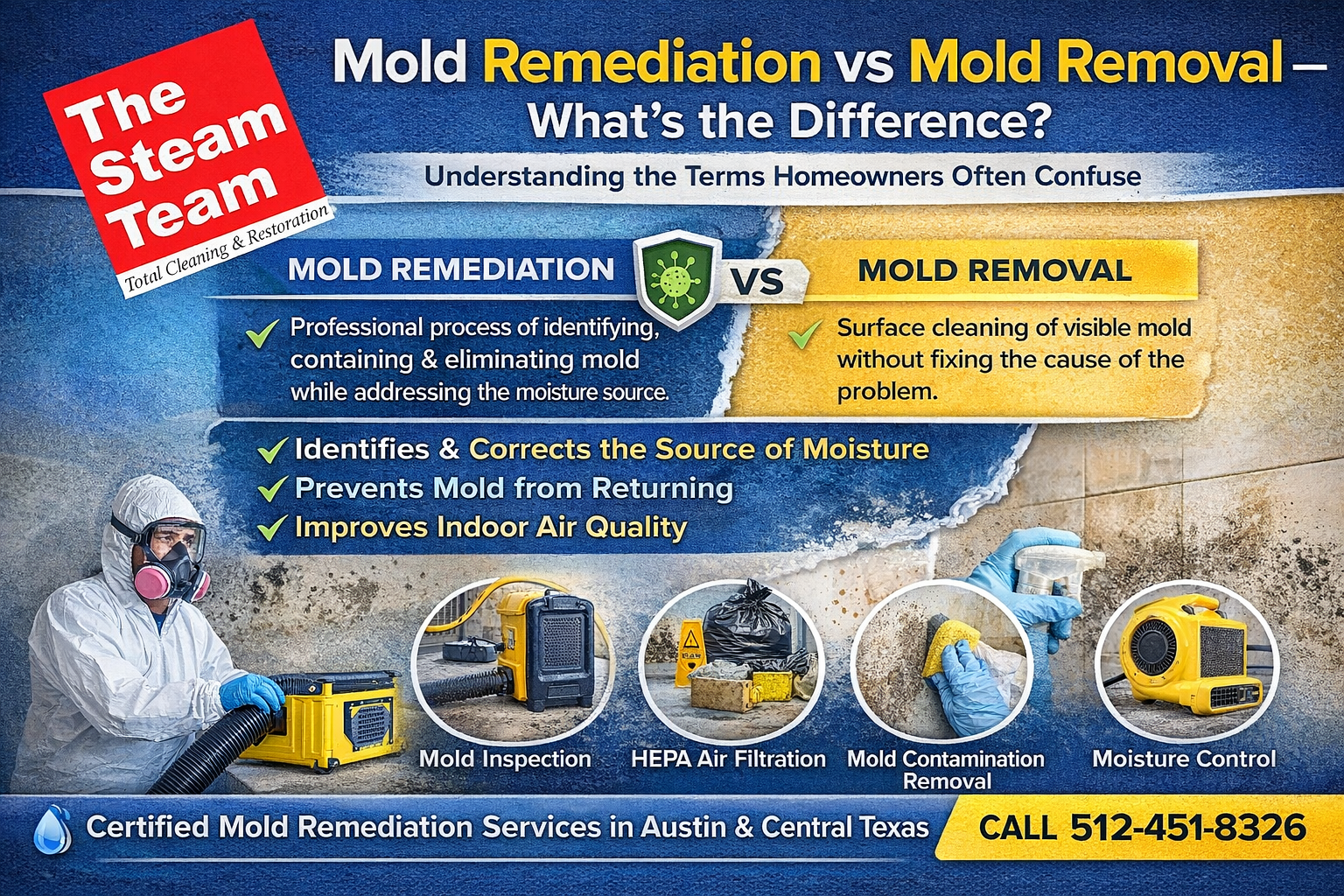
When homeowners discover mold in their homes, they often hear the terms mold removal and mold remediation used interchangeably.
Read More
Explore expert tips on water damage restoration, carpet cleaning, rug cleaning, mold remediation, and air duct cleaning in Austin, TX. Trusted local insights from The Steam Team since 1983.
When homeowners discover mold in their homes, they often hear the terms mold removal and mold remediation used interchangeably.
Read MoreFlooding can cause serious damage to flooring materials inside a home. Whether the water comes from a burst pipe, storm flooding, appliance leak
Read MoreWhen water damage occurs in a home or building, removing standing water is only the beginning of the restoration process.
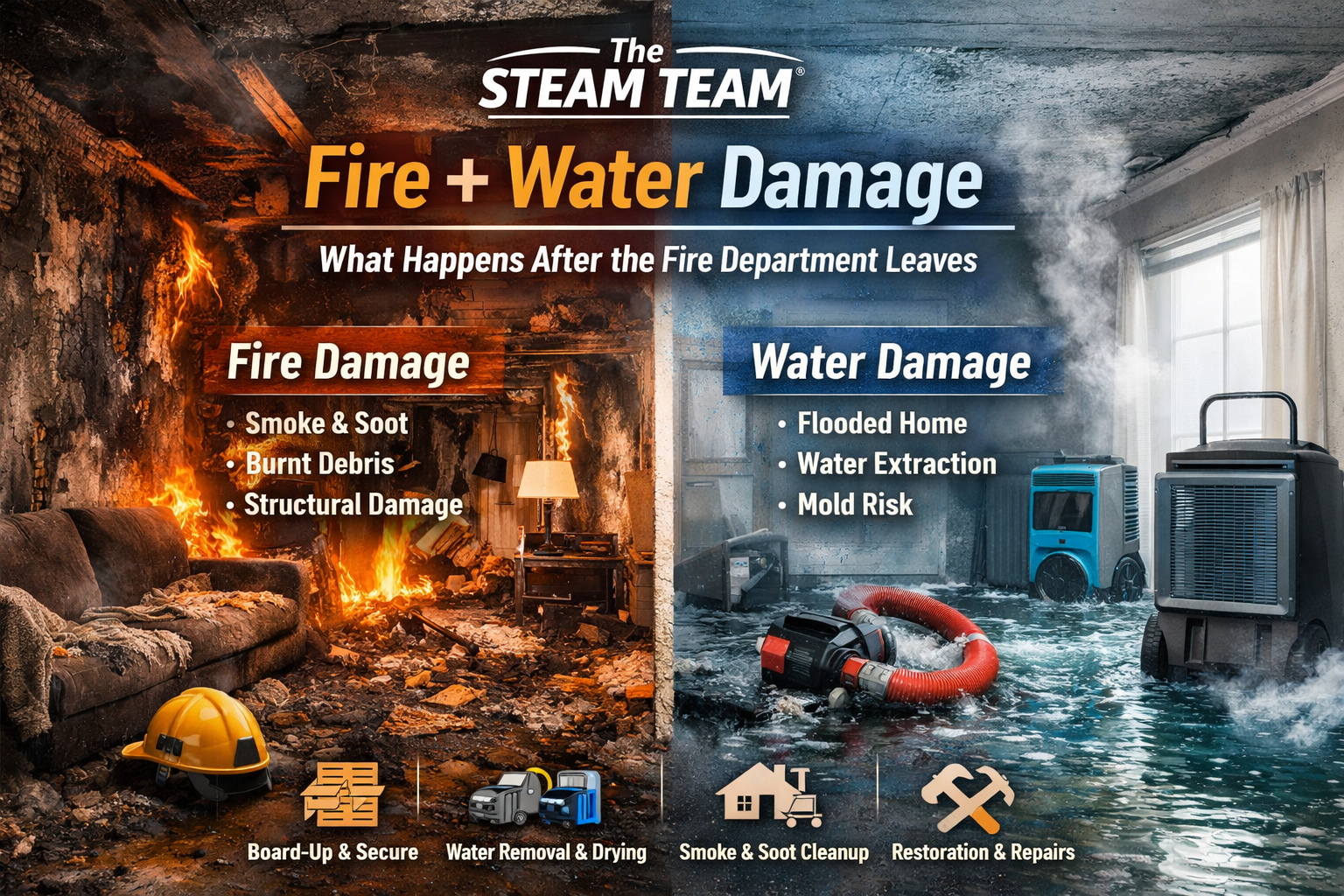
Read MoreWhen a fire occurs in a home, the fire department’s primary goal is to extinguish the flames and ensure everyone’s safety.
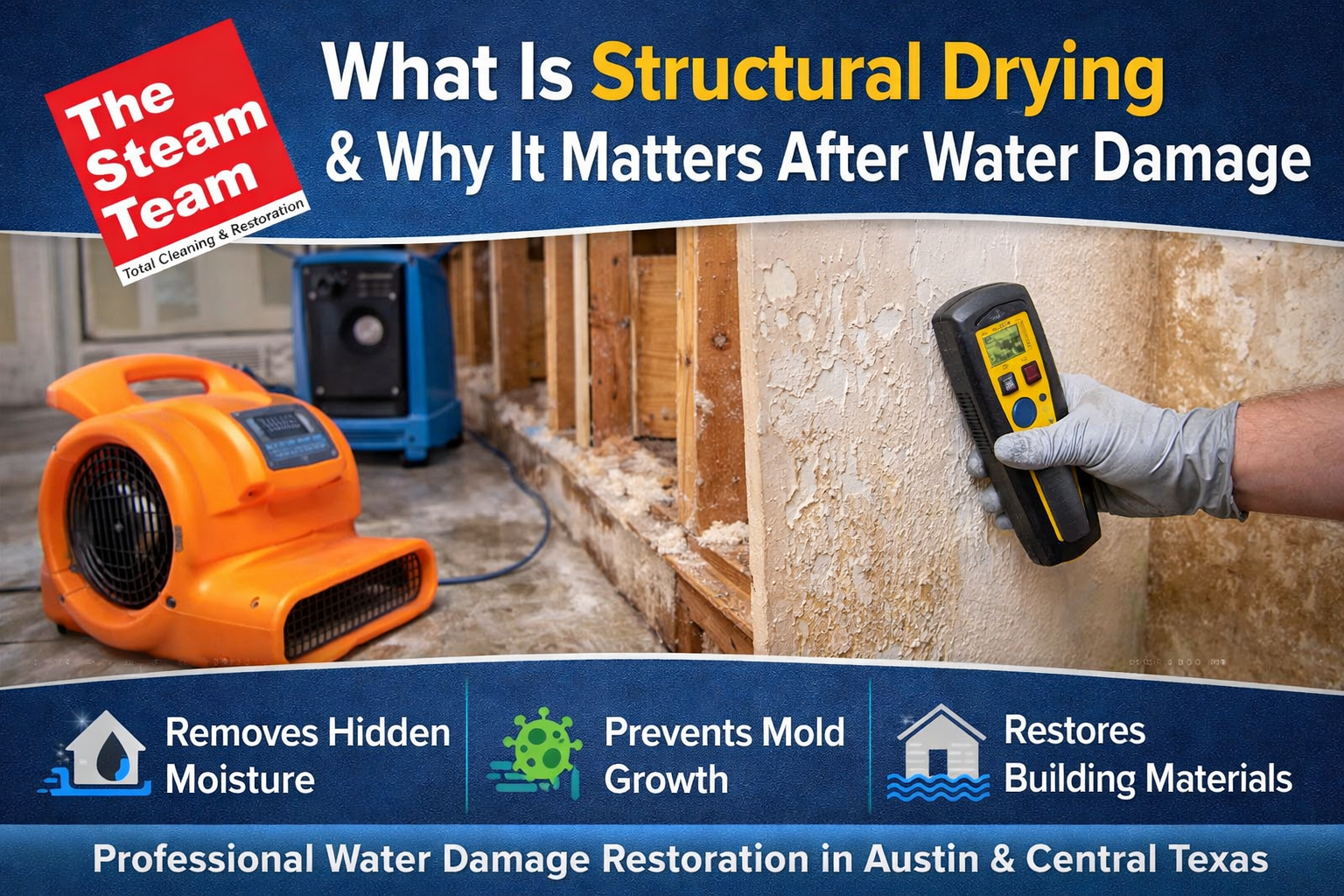
Read MoreAfter water damage occurs, removing standing water is only the first step in the restoration process. Moisture can remain trapped inside building materials such as drywall, insulation, and flooring even after visible water is gone.
If this hidden moisture is not removed quickly, mold can begin growing within 24–48 hours.
Professional structural drying is designed to remove moisture deep inside materials and prevent mold development. Understanding how professional drying equipment prevents mold growth in Austin homes helps homeowners recognize why proper restoration is essential after water damage.
The Steam Team has been providing professional structural drying and water damage restoration in Austin since 1983, helping homeowners protect their properties from mold and long-term damage.
Mold spores are naturally present in the environment. However, mold requires specific conditions to grow.
These conditions include:
• Moisture
• Warm temperatures
• Organic materials such as wood or drywall
When water damage occurs, building materials absorb moisture and create an environment where mold can develop rapidly.
Austin’s warm climate can accelerate this process if moisture is not removed properly.
Many homeowners assume that opening windows or using household fans will dry wet areas after water damage.
While this may help dry surfaces, it often does not remove moisture trapped within structural materials.
Hidden moisture can remain inside:
• Drywall
• Subfloors
• Insulation
• Wood framing
Without professional drying equipment, moisture may remain for days or weeks, increasing the risk of mold growth.
Professional structural drying uses specialized equipment designed to remove moisture from building materials quickly and efficiently.
Restoration professionals monitor humidity levels and moisture content throughout the drying process.
The goal is to restore materials to normal moisture levels and prevent microbial growth.
Restoration companies use several types of equipment during the drying process.
Air movers circulate large volumes of air across wet surfaces.
This airflow accelerates evaporation by pushing moisture out of materials such as carpet, drywall, and flooring.
Professional air movers are significantly more powerful than household fans.
Dehumidifiers remove moisture from the air during the drying process.
When moisture evaporates from wet materials, it enters the air as humidity.
Dehumidifiers capture this moisture and convert it back into water, which is removed from the environment.
This prevents humidity from slowing the drying process.
Professional restoration technicians use specialized tools to locate hidden moisture.
Common tools include:
• Moisture meters
• Thermal imaging cameras
• Hygrometers for humidity monitoring
These tools help ensure that moisture is completely removed from affected materials.
Structural drying is not a one-time process. Restoration professionals typically monitor drying progress daily.
Moisture readings are taken from materials such as:
• Drywall
• Flooring
• Structural framing
• Subfloors
Monitoring ensures that drying equipment remains in place until materials reach safe moisture levels.
After water damage, moisture often becomes trapped in areas that are difficult to dry.
Common hidden moisture locations include:
• Behind drywall
• Under flooring
• Inside wall cavities
• Beneath cabinets
• Around insulation
Professional drying equipment helps remove moisture from these hidden spaces.
Rapid drying removes the moisture mold requires to grow.
Benefits of professional drying include:
• Reduced mold risk
• Faster restoration timelines
• Prevention of structural damage
• Improved indoor air quality
By removing moisture quickly, restoration professionals prevent mold spores from developing into colonies.
Structural drying timelines depend on several factors.
Typical drying time ranges from 2–4 days, depending on:
• The amount of water present
• The materials affected
• Indoor humidity levels
• Air circulation
Technicians monitor drying progress until the structure returns to normal moisture levels.
Water damage restoration involves more than removing visible water.
Professional restoration companies provide:
• Water extraction
• Structural drying
• Moisture detection
• Mold prevention treatments
• Damage assessment
These services help ensure that moisture is removed completely and the home is safe to occupy.
Mold can begin developing within 24–48 hours if moisture remains inside building materials.
Fans may dry surface moisture, but they typically cannot remove moisture trapped inside walls or floors.
Most structural drying projects take 2–4 days, depending on the extent of the damage.
Yes. Dehumidifiers remove moisture from the air, helping prevent mold growth.
No. Equipment should remain in place until professionals confirm that materials are fully dry.
• Serving Austin since 1983
• Certified water damage restoration technicians
• Advanced structural drying equipment
• Professional moisture detection tools
• Trusted across Central Texas
Our team helps homeowners prevent mold and restore their homes safely after water damage.
If your home has experienced water damage, proper structural drying is essential for preventing mold and long-term damage.
The Steam Team provides professional water damage restoration and structural drying in Austin, helping homeowners restore their property quickly and safely.
📞 Call 512-451-8326 for assistance
Serving Austin, Round Rock, Cedar Park, Georgetown, and surrounding Central Texas communities.
Not all water damage is the same. In the restoration industry, water damage is classified into different categories based on contamination levels.
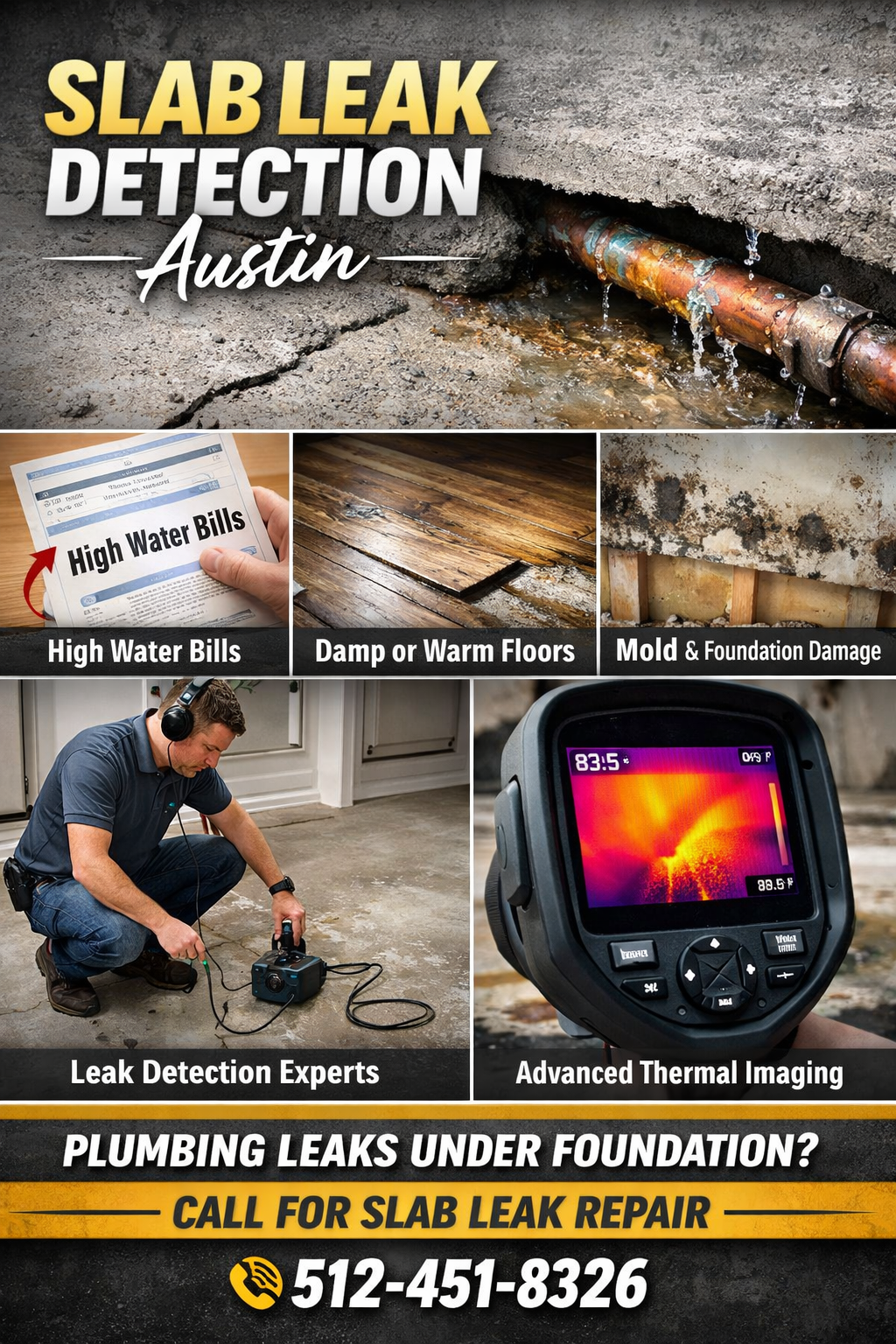
Read MoreSlab leaks are one of the most serious plumbing issues homeowners can face in Central Texas.
Read MoreCeiling water damage is a common problem for homeowners in Austin. Water stains, sagging drywall, and dripping ceilings can appear suddenly after plumbing leaks, roof damage, or severe storms.
Even small leaks can lead to significant structural damage if not addressed quickly. Moisture trapped above ceilings can weaken drywall, damage insulation, and create ideal conditions for mold growth.
Understanding the causes and repair options for ceiling water damage in Austin homes helps homeowners take quick action and prevent costly structural repairs.
The Steam Team has been helping Austin homeowners restore properties after water damage since 1983, providing professional water extraction, structural drying, and restoration services throughout Central Texas.
Ceiling damage usually occurs when water leaks from areas above the ceiling structure.
Common causes include:
• Roof leaks caused by storms or damaged shingles
• Burst or leaking pipes in upper floors
• Plumbing leaks from bathrooms or kitchens
• Overflowing bathtubs or sinks
• HVAC condensation issues
• Water heater leaks in attic spaces
Homes in Austin, Round Rock, and Cedar Park often experience roof-related leaks during heavy rainstorms, which can lead to ceiling water damage.
Water damage often begins with subtle warning signs.
Homeowners may notice:
• Yellow or brown water stains on ceilings
• Paint bubbling or peeling
• Damp spots near light fixtures
• Musty odors coming from ceiling areas
• Small cracks or discoloration
Identifying these early signs allows homeowners to repair the problem before the ceiling structure becomes weakened.
In some cases, ceiling water damage can create safety hazards.
Severe water damage may cause:
• Ceiling drywall to sag or collapse
• Electrical hazards near ceiling fixtures
• Mold growth in insulation and drywall
• Structural damage to ceiling joists
If the ceiling begins to sag or bulge, homeowners should avoid standing underneath the area and contact restoration professionals immediately.
Water entering the ceiling does not always stay in one location.
Moisture can spread through:
• Insulation above the ceiling
• Wooden framing and ceiling joists
• Drywall panels
• Electrical fixtures and wiring
This means the visible stain may not always represent the full extent of the damage.
Professional moisture detection tools help identify hidden moisture inside ceiling cavities.
The best repair approach depends on the severity of the damage.
If the damage is minimal and the water source is resolved quickly, repairs may involve:
• Drying the affected area
• Repainting stained surfaces
• Replacing small drywall sections
Proper drying is essential to prevent mold growth.
If drywall becomes saturated or begins weakening, repairs may include:
• Removing damaged drywall sections
• Drying structural framing and insulation
• Installing new drywall panels
• Repainting the repaired area
Professional drying equipment is often required to remove moisture trapped inside ceiling cavities.
In cases of major flooding or structural damage, larger repairs may be necessary.
These repairs may involve:
• Removing large sections of drywall
• Replacing insulation
• Repairing framing or support structures
• Full ceiling reconstruction
Restoration professionals can assess the extent of damage and recommend the best repair solution.
Ceiling leaks often create conditions where mold can develop quickly.
Mold may begin growing within 24–48 hours if moisture remains inside drywall or insulation.
Preventative steps include:
• Immediate water removal
• Professional structural drying
• Proper ventilation
• Removing saturated materials
Addressing moisture quickly helps reduce the risk of mold contamination.
If water stains or leaks appear on the ceiling, homeowners should take the following steps:
Identify the source of the leak if possible
Move furniture and belongings away from the area
Place containers under dripping water
Turn off electricity near affected areas if necessary
Contact a water damage restoration professional
Quick response helps prevent further damage to the home.
Water stains are usually caused by roof leaks, plumbing leaks, or overflowing fixtures from upper floors.
Yes. Minor damage may require drying and repainting, while severe damage may require drywall replacement.
Severe water damage can weaken ceiling materials and create collapse risks if not repaired.
Yes. Moisture trapped inside ceilings can lead to mold growth if not dried quickly.
Minor cosmetic repairs may be possible, but significant water damage often requires professional restoration.
• Serving Austin since 1983
• Certified water damage restoration technicians
• Advanced moisture detection equipment
• Professional structural drying services
• Trusted across Central Texas
Our team helps homeowners identify water leaks, dry structures, and repair damaged ceilings safely.
If your ceiling shows signs of water damage, addressing the issue quickly can prevent larger structural problems.
The Steam Team provides professional water damage restoration in Austin, helping homeowners locate leaks, dry structures, and repair damaged ceilings.
📞 Call 512-451-8326 for assistance
Serving Austin, Round Rock, Cedar Park, Georgetown, and surrounding Central Texas communities.
Water damage can be stressful for homeowners, especially when dealing with unexpected repairs and restoration costs.
Read MoreWater damage and mold growth are closely connected. When water enters a home due to leaks, flooding, or plumbing failures
Read MoreWater damage doesn’t always appear immediately. In many cases, moisture spreads quietly behind walls, under floors, or inside ceilings long before homeowners notice visible damage.
Hidden water damage can lead to structural deterioration, mold growth, and costly repairs if not addressed quickly. Learning how to identify early warning signs can help homeowners protect their property and prevent larger restoration issues.
Understanding the signs of hidden water damage in Austin homes allows homeowners to catch problems early and respond before serious damage occurs.
The Steam Team has been helping homeowners detect and repair water damage in Austin since 1983, using advanced moisture detection technology and professional restoration services throughout Central Texas.
Water often travels through building materials in ways that are difficult to see.
Leaks may begin in places such as:
• Inside walls
• Under flooring
• Above ceilings
• Around plumbing fixtures
• Beneath appliances
Because moisture can spread slowly through drywall, wood framing, and insulation, visible damage may not appear until the problem has already worsened.
Homes in Austin, Round Rock, and Cedar Park may experience hidden leaks from plumbing systems, slab leaks, or roof damage during storms.
One of the most common indicators of hidden moisture is a persistent musty smell.
These odors often develop when moisture becomes trapped in materials such as:
• Drywall
• Carpet padding
• Wooden subfloors
• Insulation
Musty odors may become stronger when HVAC systems run or when humidity levels increase.
This is often an early warning sign that moisture is present somewhere in the home.
Water damage often appears as stains on painted surfaces.
Common signs include:
• Yellow or brown ceiling stains
• Discolored drywall patches
• Water rings around light fixtures
• Streaks running down walls
These stains may indicate water leaks from pipes, roof damage, or condensation issues.
When moisture accumulates inside walls, it can cause paint and drywall surfaces to deteriorate.
Signs may include:
• Paint peeling or cracking
• Bubbling or blistering walls
• Wallpaper separating from the wall
These symptoms often occur when moisture becomes trapped behind wall surfaces.
Flooring materials are highly sensitive to moisture.
Hidden water damage may cause:
• Hardwood floors to warp or cup
• Laminate flooring to swell
• Tile grout to loosen
• Carpet padding to remain damp
Floor damage may occur even if water is not visible on the surface.
Unexpected increases in water bills can sometimes indicate hidden plumbing leaks.
Leaks inside walls, under foundations, or around fixtures may allow water to escape continuously without being noticed.
Monitoring utility bills can help homeowners identify plumbing issues early.
Mold often develops in damp environments caused by hidden water damage.
Common areas where mold may appear include:
• Around air vents
• Behind furniture
• Along baseboards
• Inside closets
• Near plumbing fixtures
Mold growth may indicate an ongoing moisture problem inside the structure.
Walls affected by hidden moisture may feel soft when touched.
This can occur when drywall absorbs water and begins losing structural strength.
Spongy walls may indicate:
• Pipe leaks inside walls
• Roof leaks above ceilings
• Long-term moisture exposure
Professional inspection may be required to locate the exact source of the problem.
Water damage restoration professionals use specialized tools to locate moisture that cannot be seen.
These tools may include:
• Moisture meters
• Thermal imaging cameras
• Hygrometers for humidity monitoring
• Moisture mapping technology
These devices help restoration technicians locate hidden water pockets before they cause major damage.
Several issues commonly cause hidden water damage in Central Texas homes.
These include:
• Slab leaks beneath foundations
• Roof leaks during storms
• Appliance leaks from washing machines or dishwashers
• Plumbing failures inside walls
• Condensation around HVAC systems
Regular inspections can help identify these issues early.
The longer hidden water damage goes undetected, the more expensive repairs can become.
Early detection helps prevent:
• Mold contamination
• Structural weakening
• Damage to flooring and drywall
• Expensive reconstruction projects
Quick response allows restoration professionals to remove moisture before permanent damage occurs.
Professional help may be needed when homeowners notice:
• Persistent musty odors
• Unexplained stains on ceilings or walls
• Warping floors or soft drywall
• Mold growth inside the home
• Sudden increases in water bills
Restoration professionals can identify the source of moisture and begin the drying process.
Yes. Water damage can develop behind walls, under flooring, or inside ceilings before visible signs appear.
Restoration technicians use moisture meters and thermal imaging cameras to locate hidden moisture.
Yes. Mold can begin growing within 24–48 hours in damp environments.
Homeowners should contact a professional restoration company to inspect the property and locate the source of moisture.
Coverage depends on the cause of the damage and the homeowner’s insurance policy.
• Serving Austin since 1983
• Advanced moisture detection technology
• Certified restoration technicians
• 24/7 emergency water damage services
• Trusted across Central Texas
Our team helps homeowners identify hidden moisture problems and restore their homes safely.
If you suspect hidden water damage in your home, early detection can prevent costly repairs.
The Steam Team provides professional water damage inspection and restoration in Austin, helping homeowners locate moisture, dry structures, and restore their property.
📞 Call 512-451-8326 for assistance
Serving Austin, Round Rock, Cedar Park, Georgetown, and surrounding Central Texas communities.
Flooding can cause serious damage to homes and businesses within minutes. Whether caused by severe storms, burst pipes, appliance failures, or plumbing issues, floodwater spreads quickly and can affect flooring, drywall, furniture, and structural materials.
The first 24 hours after flooding are the most important for preventing additional damage. Immediate response can reduce repair costs, prevent mold growth, and protect structural components of the home.
Understanding what happens during emergency flood cleanup in Austin helps homeowners respond quickly and begin the restoration process safely.
The Steam Team has been providing emergency flood cleanup and water damage restoration in Austin since 1983, helping homeowners and businesses recover from water damage quickly and efficiently.
When flooding occurs inside a home, the first step is identifying and stopping the source of water if possible.
Common causes of indoor flooding include:
• Burst pipes
• Overflowing appliances
• Water heater failures
• Roof leaks during storms
• Plumbing system failures
Turning off the main water shutoff valve can prevent additional water from entering the home.
If flooding is caused by storms or external water sources, professional help may be required to safely remove the water.
After the water source is controlled, the next step is assessing the damage.
Professional restoration teams typically perform:
• Property inspection
• Identification of water source
• Moisture mapping of affected areas
• Safety evaluation of electrical systems
This inspection helps determine the extent of damage and the best approach for water removal and drying.
Homes in Austin, Round Rock, and Cedar Park often experience flash flooding after heavy storms, making early inspection essential.
Once the inspection is complete, the next priority is removing standing water.
Professional restoration companies use commercial-grade equipment such as:
• High-capacity water pumps
• Industrial wet vacuums
• Extraction tools for carpets and flooring
Water extraction must be performed quickly to prevent water from spreading deeper into building materials.
The faster water is removed, the easier it is to restore affected materials.
During major flooding events, some materials may already be too saturated to salvage.
Common materials removed during flood cleanup include:
• Carpet and carpet padding
• Severely soaked drywall
• Damaged insulation
• Waterlogged furniture
Removing saturated materials helps speed up the drying process and reduces the risk of mold growth.
Once standing water is removed and damaged materials are addressed, the structural drying phase begins.
Professional drying equipment may include:
• High-powered air movers
• Commercial dehumidifiers
• Moisture monitoring devices
• Temperature and humidity controls
These tools help remove moisture trapped inside walls, flooring, and structural materials.
Proper drying is essential for preventing mold and long-term structural damage.
One of the biggest risks after flooding is mold growth.
In warm climates like Austin and Central Texas, mold can begin growing within 24–48 hours after water exposure.
Professional restoration teams focus on rapid drying and humidity control to reduce the risk of mold contamination.
Floodwater can create several safety hazards inside the home.
Potential risks include:
• Electrical hazards
• Structural weakening of floors or ceilings
• Contaminated water exposure
• Slip and fall hazards
For safety reasons, homeowners should avoid entering heavily flooded areas until professionals assess the property.
While minor water spills can sometimes be handled by homeowners, large flood events require professional restoration.
Signs professional help is needed include:
• Standing water covering large areas
• Water reaching walls or ceilings
• Floodwater entering multiple rooms
• Electrical systems exposed to water
• Persistent moisture or odors
Professional equipment ensures water is removed completely and drying is performed properly.
After the initial emergency response, restoration continues with:
• Ongoing structural drying
• Daily moisture monitoring
• Cleaning and sanitizing affected areas
• Repairing or replacing damaged materials
Depending on the severity of flooding, full restoration may take several days to several weeks.
If flooding occurs in your home, these tips may help minimize damage:
• Shut off water supply if possible
• Avoid electrical hazards
• Document damage for insurance claims
• Remove valuables from affected areas
• Contact a professional restoration company quickly
Fast action is the most important factor in reducing water damage.
Floodwater should be removed as soon as possible, ideally within the first few hours.
Yes. Floodwater can soak into drywall, flooring, insulation, and structural materials.
Initial water removal may take several hours, while full restoration can take 3–7 days or longer.
Yes. Mold can begin growing within 24–48 hours if moisture is not properly removed.
Coverage depends on the cause of flooding and the homeowner’s insurance policy.
• Serving Austin since 1983
• 24/7 emergency flood cleanup services
• Certified restoration technicians
• Advanced water extraction and drying equipment
• Trusted across Central Texas
Our team responds quickly to minimize damage and restore homes safely.
Flood damage requires immediate attention.
The Steam Team provides 24/7 emergency flood cleanup in Austin, helping homeowners remove water, dry structures, and restore their homes quickly.
📞 Call 512-451-8326 for emergency service
Serving Austin, Round Rock, Cedar Park, Georgetown, and surrounding Central Texas communities.
Drywall is one of the most common materials affected during water damage events. When pipes burst, ceilings leak, or flooding occurs, drywall quickly absorbs water and can become weakened or contaminated.
However, wet drywall does not always need to be replaced. In some cases, professional drying techniques can restore the material before permanent damage occurs.
Understanding when wet drywall can be saved and when it must be replaced helps homeowners make informed decisions after water damage in Austin homes.
The Steam Team has been helping Austin homeowners handle water damage restoration since 1983, providing professional structural drying, water extraction, and restoration services across Central Texas.
Drywall is made from gypsum sandwiched between paper layers. While this material works well for walls and ceilings, it is highly absorbent.
When exposed to water, drywall can:
• Absorb moisture quickly
• Lose structural strength
• Warp or swell
• Develop mold growth
The longer drywall remains wet, the more likely it will require replacement.
Homes in Austin, Round Rock, and Cedar Park often experience drywall damage from burst pipes, appliance leaks, and heavy storms.
In some situations, drywall can be dried successfully without replacement.
Drywall may be salvageable when:
• Water exposure is minimal
• The drywall was exposed to clean water (Category 1)
• The wall has not been wet for long
• No visible swelling or crumbling is present
• Mold growth has not started
Professional restoration companies use specialized drying equipment to remove moisture trapped inside wall cavities.
When addressed quickly, drying can often prevent permanent damage.
Unfortunately, wet drywall often requires replacement when damage is severe.
Replacement may be necessary when:
• Drywall has been saturated for extended periods
• The water source is contaminated
• The drywall has begun to crumble or warp
• Mold growth is present
• Structural integrity has been compromised
In these cases, damaged drywall is typically removed and replaced to prevent further issues.
Water damage is typically classified into three categories, which help determine whether drywall can be saved.
This includes water from sources like:
• Broken supply lines
• Sink overflows
• Appliance leaks
Drywall exposed to clean water may sometimes be dried successfully if addressed quickly.
Gray water may come from:
• Washing machines
• Dishwashers
• Toilet overflows (without waste)
This water may contain contaminants, and drywall may need replacement depending on exposure time.
Black water includes highly contaminated water from:
• Sewage backups
• Floodwater
• Storm runoff
Drywall exposed to Category 3 water must almost always be removed and replaced for health and safety reasons.
Professional restoration companies use specialized equipment designed to remove moisture trapped inside wall systems.
Drying techniques may include:
• High-powered air movers
• Industrial dehumidifiers
• Wall cavity drying systems
• Moisture monitoring tools
Technicians also use moisture meters and thermal imaging cameras to locate hidden moisture behind walls.
Proper structural drying helps prevent mold growth and structural damage.
Homeowners may notice warning signs that drywall has been damaged beyond repair.
Common signs include:
• Soft or spongy walls
• Bubbling paint
• Swollen or warped drywall
• Discoloration or staining
• Musty odors
If these signs appear, professional evaluation is recommended.
Water damage can spread quickly through building materials.
Within 24 hours, drywall begins absorbing moisture.
Within 48 hours, mold growth may begin developing inside wall cavities.
Prompt restoration helps prevent more extensive repairs.
One of the biggest risks of wet drywall is mold development.
To prevent mold:
• Begin drying immediately
• Reduce indoor humidity levels
• Remove severely saturated materials
• Use professional drying equipment
Proper moisture control is essential for maintaining a healthy indoor environment.
Drywall can begin deteriorating within 24–48 hours if not dried properly.
Yes, in some cases. If the water is clean and drying begins quickly, drywall may be salvageable.
Restoration technicians use moisture meters and infrared cameras to detect hidden moisture.
Not always, but prolonged moisture increases the risk of mold growth.
Drywall may dry slowly on its own, but professional drying equipment ensures proper moisture removal.
• Serving Austin since 1983
• 24/7 emergency water damage response
• Certified restoration technicians
• Advanced structural drying equipment
• Trusted across Central Texas
Our team helps homeowners restore damaged walls and prevent long-term structural problems.
If your home has experienced water damage, quick action can prevent major repairs.
The Steam Team provides 24/7 water damage restoration in Austin, helping homeowners remove water, dry structures, and repair damaged materials.
📞 Call 512-451-8326 for emergency service
Serving Austin, Round Rock, Cedar Park, Georgetown, and surrounding Central Texas communities.
When water damage occurs, one of the first questions homeowners ask is how long the restoration process will take. Whether the damage is caused by a burst pipe, storm flooding, appliance leak, or roof failure, the timeline for cleanup and repairs can vary depending on the severity of the damage.
In many cases, the drying process alone can take several days, and additional repairs may take longer depending on the materials affected.
Understanding water damage restoration timelines in Austin helps homeowners prepare for the recovery process and minimize further damage.
The Steam Team has been helping Austin homeowners recover from water damage since 1983, providing professional water extraction, structural drying, and restoration services throughout Central Texas.
Although every situation is different, most water damage restoration projects follow a similar timeline.
The first day focuses on stopping the water source and removing standing water.
During this stage, restoration professionals typically:
• Inspect the affected areas
• Identify the water source
• Extract standing water using professional pumps
• Begin moisture mapping to detect hidden damage
• Start initial drying equipment
Fast action during this stage can significantly reduce structural damage.
Homes in areas such as Round Rock, Cedar Park, and South Austin often experience sudden flooding from burst pipes or heavy storms, making immediate response critical.
Once standing water is removed, the most important phase begins: structural drying.
Professional drying equipment may include:
• High-powered air movers
• Industrial dehumidifiers
• Moisture detection tools
• Temperature and humidity monitoring
Drying typically takes 2–4 days depending on the materials affected.
During this stage, restoration technicians monitor moisture levels daily to ensure proper drying.
After the structure is fully dried, restoration professionals assess what materials can be saved and what must be replaced.
This phase may include:
• Cleaning and sanitizing affected areas
• Removing damaged materials such as drywall or carpet
• Deodorizing the property
• Evaluating structural repairs
If the damage is minimal, the restoration process may be completed at this stage.
If structural repairs are required, reconstruction may take additional time.
Common repair tasks include:
• Replacing drywall
• Installing new flooring
• Repairing ceilings
• Repainting affected areas
• Restoring cabinets or trim
Smaller projects may be completed in a few days, while larger projects can take several weeks.
Several factors influence how long water damage restoration takes.
Large flooding events require more time for water removal and drying.
Minor leaks may only affect small areas and dry faster.
• Category 1: Clean water from plumbing leaks
• Category 2: Gray water from appliances or washing machines
• Category 3: Contaminated water from sewage or flooding
Category 3 damage often requires additional sanitation and cleanup steps.
Different materials absorb water at different rates.
Examples:
• Carpet dries faster than hardwood
• Drywall absorbs water quickly
• Insulation often requires replacement
The materials involved can significantly impact drying time.
Water can spread behind walls, under floors, and inside insulation.
Professional moisture detection tools are used to identify hidden moisture pockets that may extend drying timelines.
Professional restoration companies use specialized equipment designed to accelerate the drying process.
This equipment helps:
• Remove moisture from walls and flooring
• Control humidity levels
• Prevent mold growth
• Speed up overall restoration timelines
Residential fans and household dehumidifiers are typically not powerful enough to dry structural materials effectively.
Mold growth is one of the biggest risks after water damage.
In warm climates like Austin, mold can begin developing within 24–48 hours after water exposure.
Proper structural drying is essential for preventing mold contamination.
Even after visible water is removed, hidden moisture may remain.
Signs of incomplete drying include:
• Musty odors
• Warping floors
• Bubbling paint or drywall
• Persistent humidity indoors
Professional restoration companies use moisture meters and thermal imaging tools to confirm complete drying.
Homeowners can take steps to help accelerate the restoration process.
Helpful tips include:
• Contacting a restoration company immediately
• Removing valuables and furniture quickly
• Improving ventilation where possible
• Avoiding walking on wet materials
Fast response is one of the most important factors in minimizing damage.
Structural drying usually takes 2–4 days, depending on the materials affected.
Most projects take 3–7 days, though major structural repairs may extend the timeline.
In minor cases, water extraction may be completed quickly, but full drying usually takes several days.
Many policies cover sudden water damage such as burst pipes, but coverage depends on the cause and policy details.
Incomplete drying can lead to mold growth, structural damage, and long-term indoor air quality problems.
• Serving Austin since 1983
• 24/7 emergency water damage response
• Certified restoration technicians
• Advanced structural drying equipment
• Trusted across Central Texas
Our team helps homeowners recover quickly from water damage emergencies.
Fast response is critical when water damage occurs.
The Steam Team provides 24/7 emergency water damage restoration in Austin, helping homeowners extract water, dry structures, and restore their property safely.
📞 Call 512-451-8326 for emergency service
Serving Austin, Round Rock, Cedar Park, Georgetown, and surrounding Central Texas communities.
Burst pipes are one of the most common causes of sudden water damage in Austin homes. When a pipe ruptures, hundreds of gallons of water can quickly flood floors, walls, and ceilings within minutes.
Winter freezes, aging plumbing systems, and sudden pressure changes are common causes of pipe failures across Central Texas. Acting quickly after a pipe bursts can significantly reduce structural damage and restoration costs.
Understanding how to handle burst pipe cleanup in Austin helps homeowners protect their property and begin the restoration process safely.
The Steam Team has been helping Austin homeowners recover from burst pipe water damage since 1983, providing emergency water extraction, structural drying, and restoration services throughout the region.
Although Austin has a generally warm climate, pipes can still burst due to several factors.
Common causes include:
• Winter freeze events
• Aging or corroded plumbing lines
• High water pressure
• Pipe blockages or buildup
• Shifting foundations or slab movement
During sudden temperature drops, water inside pipes can freeze and expand, causing pipes to crack or rupture.
Homes in neighborhoods such as Round Rock, Cedar Park, and Pflugerville experienced significant burst pipe issues during past Texas freeze events.
The most important first step after discovering a burst pipe is to stop the water flow immediately.
Locate the main water shutoff valve for your home and turn it off.
Shutting off the water supply prevents additional flooding and limits the amount of damage inside the property.
If you are unsure where the valve is located, most homes have it near:
• The water meter outside
• The garage
• The utility room
If water has reached electrical outlets, appliances, or wiring, electricity should be turned off in the affected areas.
This helps prevent electrical hazards.
Never walk through standing water near outlets or electrical panels.
If there is uncertainty about safety, wait for professionals to inspect the property.
Once the main water supply is turned off, open faucets throughout the home to release remaining water inside the plumbing system.
This helps reduce pressure and prevents additional leaks.
Flush toilets and run faucets briefly until water stops flowing.
Water left on floors can quickly damage flooring materials such as:
• Hardwood floors
• Carpet and padding
• Laminate flooring
• Baseboards and drywall
Removing standing water as quickly as possible helps limit damage.
Methods may include:
• Wet/dry vacuums
• Mops and towels
• Portable pumps
For significant flooding, professional water extraction equipment is often required.
Items to move away from affected areas include:
• Electronics
• Important documents
• Furniture
• Area rugs and décor
Placing aluminum foil or blocks under furniture legs can help prevent further water absorption.
Once water is removed, drying the structure becomes the most critical step.
Moisture can remain trapped inside:
• Drywall
• Insulation
• Subfloors
• Cabinet bases
• Structural framing
Using fans and dehumidifiers can help begin the drying process.
However, professional restoration companies use specialized industrial drying equipment to remove hidden moisture more effectively.
Burst pipe damage often spreads further than homeowners initially realize.
Water can travel through walls, ceilings, and flooring systems quickly.
Professional restoration teams use advanced tools to detect hidden moisture and prevent long-term damage.
Professional services typically include:
• Water extraction
• Moisture mapping
• Structural drying
• Dehumidification
• Mold prevention treatments
Early professional intervention can significantly reduce restoration costs.
Many homeowners are surprised at how quickly mold can begin growing after water damage.
In warm environments like Austin, mold can begin developing within 24–48 hours after water exposure.
Proper structural drying and humidity control are essential for preventing mold growth.
Warning signs include:
• Warping or buckling floors
• Discolored drywall or ceilings
• Musty odors in rooms
• Peeling paint or bubbling walls
• Persistent humidity indoors
Professional moisture detection tools help locate hidden water before mold or structural damage occurs.
However, policies may vary depending on the cause of the pipe failure.
Homeowners should:
• Document all damage with photos
• Save receipts for emergency repairs
• Contact their insurance provider quickly
• Keep records of restoration services
Professional restoration companies often assist homeowners with documentation needed for insurance claims.
Preventative steps can reduce the risk of future pipe failures.
Helpful prevention tips include:
• Insulating exposed pipes during winter
• Maintaining consistent indoor heating during cold weather
• Allowing faucets to drip during freezing conditions
• Monitoring water pressure levels
• Scheduling regular plumbing inspections
Preparing for cold weather can help protect plumbing systems in Central Texas homes.
Shut off the main water supply, turn off electricity in affected areas, and begin removing water if safe to do so.
A burst pipe can release hundreds of gallons of water per hour, causing severe flooding if not stopped quickly.
Most restoration projects take 3–7 days, depending on the amount of water damage.
Yes. Mold can begin growing within 24–48 hours if moisture is not properly removed.
Many policies cover sudden pipe failures, but coverage varies depending on the cause and policy details.
Our team helps homeowners recover quickly after burst pipe emergencies.
If your home experiences a burst pipe, immediate action can prevent major structural damage.
The Steam Team provides 24/7 emergency water damage restoration in Austin, helping homeowners remove water, dry structures, and restore damaged areas safely.
📞 Call 512-451-8326 for emergency service
Serving Austin, Round Rock, Cedar Park, Georgetown, and surrounding Central Texas communities.
Water damage can happen suddenly and without warning. Whether caused by a burst pipe, storm flooding, appliance leak, or roof failure, water entering your home can quickly damage floors, walls, and belongings.
The first 24 hours after water damage are the most critical. Acting quickly can significantly reduce repair costs and prevent additional issues like mold growth.
Understanding what to do immediately after water damage in Austin can help homeowners protect their property and start the restoration process safely.
The Steam Team has been helping Austin homeowners respond to water damage emergencies since 1983, providing professional water damage restoration, structural drying, and mold remediation services throughout Central Texas.
The first priority is to stop the source of water if possible.
Common water sources include:
• Burst or leaking pipes
• Overflowing appliances
• Roof leaks during storms
• Plumbing failures
• Slab leaks
If the source is internal plumbing, turn off the main water shutoff valve immediately.
For storm-related flooding or external water intrusion, try to prevent additional water from entering the home if it is safe to do so.
Water and electricity are extremely dangerous together.
If water has reached electrical outlets, appliances, or wiring:
• Turn off electricity at the breaker panel
• Avoid walking through standing water near outlets
• Do not operate electrical appliances
If you are unsure whether it is safe, wait for professionals to inspect the area.
Before moving or removing damaged items, take photos or videos of the affected areas.
Important documentation includes:
• Damaged floors and carpets
• Wet walls or ceilings
• Furniture and belongings
• Standing water in rooms
These records can help support insurance claims for water damage in Austin.
Many insurance providers require visual documentation of damage before restoration work begins.
If the water level is manageable, removing standing water quickly can help reduce damage.
Common water removal methods include:
• Wet/dry vacuums
• Mops and towels
• Portable pumps
However, large water events should be handled by professional restoration companies with commercial water extraction equipment.
Homes in neighborhoods such as Round Rock, Cedar Park, and South Austin often experience flooding after heavy storms, making rapid water extraction essential.
Protecting personal belongings can prevent additional losses.
Items to move away from wet areas include:
• Electronics
• Important documents
• Area rugs and carpets
• Furniture and décor
Place aluminum foil or blocks under furniture legs to prevent water absorption from carpets.
After water removal, drying is the most important step in preventing structural damage and mold growth.
Basic drying methods may include:
• Opening windows if weather permits
• Using fans and dehumidifiers
• Removing wet rugs or cushions
However, residential fans often cannot remove moisture trapped inside walls or flooring.
Professional structural drying equipment is typically needed for full restoration.
Many homeowners underestimate how quickly water damage spreads.
Water can penetrate:
• Drywall
• Insulation
• Hardwood flooring
• Subfloor structures
• Cabinet bases
Professional restoration teams use specialized tools to detect hidden moisture and prevent long-term structural damage.
Professional services typically include:
• Water extraction
• Moisture mapping
• Structural drying
• Dehumidification
• Mold prevention treatments
Delaying cleanup can lead to serious problems within hours.
Within 24 hours:
• Materials begin absorbing water
• Carpets and drywall swell
• Mold growth may begin
Within 48–72 hours:
• Structural materials weaken
• Mold spreads quickly
• Odors develop
Fast action reduces restoration costs and prevents further damage.
Several issues commonly cause water damage in Central Texas homes.
These include:
• Burst pipes during winter freezes
• Heavy rainstorms and flash flooding
• Appliance failures (dishwashers, washing machines)
• Roof leaks
• Slab leaks under foundations
Understanding these risks can help homeowners prepare and respond quickly.
Emergency water damage restoration may be required when:
• Large areas are flooded
• Structural materials are saturated
• Electrical hazards are present
• Contaminated water is involved
• Mold risk is high
Professional restoration teams can respond quickly to stabilize the property and begin the drying process.
Water damage should be addressed within the first 24 hours to prevent mold growth and structural damage.
Yes. Mold can begin growing within 24–48 hours in damp environments.
Sometimes. Wet drywall may be salvageable if dried quickly, but severely saturated drywall often requires replacement.
Many policies cover sudden water damage such as burst pipes, but coverage varies by policy.
Most restoration projects take 3–7 days, depending on the severity of the damage.
• Serving Austin since 1983
• 24/7 emergency response
• Certified restoration technicians
• Advanced drying and extraction equipment
• Trusted throughout Central Texas
Our team helps homeowners recover quickly from water damage emergencies.
If your home experiences water damage, fast action is critical.
The Steam Team provides 24/7 emergency water damage restoration in Austin, helping homeowners remove water, dry structures, and restore damaged areas safely.
📞 Call 512-451-8326 for emergency water damage service
Serving Austin, Round Rock, Cedar Park, Georgetown, and surrounding Central Texas communities.
Water damage can be a devastating experience for homeowners and businesses alike, especially in areas prone to flooding like Austin. Professional water extraction services play a crucial role in mitigating damage and restoring properties to their original condition. This article will explore the benefits of professional water extraction, the advanced techniques and equipment used, and how timely intervention can prevent further damage. Additionally, we will highlight how The Steam Team, a leading restoration company in Austin, provides exceptional water extraction services. By understanding the importance of professional water extraction, property owners can make informed decisions to protect their investments.
Professional water extraction refers to the systematic removal of water from a property using specialized equipment and techniques. This process is essential in preventing further damage, such as mold growth and structural deterioration. In Austin, where heavy rains and flooding can occur, the need for expert water removal is heightened.
While DIY methods may seem cost-effective, they often fall short in effectiveness. Professional water extraction utilizes advanced equipment, such as industrial pumps and dehumidifiers, which can remove water more efficiently than household tools. Additionally, professionals are trained to identify hidden moisture that DIY methods might miss, significantly reducing the risk of long-term damage.
Austin's climate and geography contribute to occasional flooding and water damage. The city experiences heavy rainfall, particularly during storm seasons, which can overwhelm drainage systems. Furthermore, the local soil composition can exacerbate flooding issues, making professional water extraction services vital for effective mitigation. Properties in flood-prone areas are at a higher risk of water damage, underscoring the importance of timely professional intervention.
Timely water extraction is critical in minimizing the impact of water damage. The longer water remains in a property, the greater the risk of mold growth and structural damage. Mold can begin to develop within 24-48 hours of water exposure, making a rapid response essential.
Delayed water removal can lead to severe health risks, including respiratory issues caused by mold spores. Financially, the costs associated with extensive repairs and mold remediation can escalate quickly. Properties that suffer prolonged exposure to water may also experience significant depreciation, making prompt action crucial for homeowners and business owners alike.
Professional extraction services employ advanced techniques to ensure thorough drying and mold prevention. By using industrial-grade dehumidifiers and moisture meters, professionals can effectively monitor and control humidity levels, significantly reducing the risk of mold growth. This proactive approach not only protects the health of occupants but also preserves the structural integrity of the property.
The effectiveness of professional water extraction largely depends on the equipment and techniques employed. Professionals utilize a range of advanced tools designed to expedite the extraction process and ensure thorough drying.
Industrial pumps are capable of removing large volumes of water quickly, while dehumidifiers work to eliminate moisture from the air, preventing secondary damage. Moisture meters are essential for detecting hidden moisture in walls and floors, ensuring that no damp areas are left untreated. This combination of equipment allows for a comprehensive approach to water damage restoration.
Mold prevention is a critical component of the water extraction process. Professionals implement various strategies, such as applying antimicrobial treatments and ensuring proper ventilation, to inhibit mold growth. By addressing moisture issues promptly and effectively, the risk of mold-related health hazards is significantly reduced.
The Steam Team stands out in the Austin area for its commitment to quality and customer satisfaction. With over 35 years of experience, they offer comprehensive water extraction services tailored to meet the needs of both residential and commercial clients.
Established in 1983, The Steam Team is IICRC certified, ensuring that their technicians are trained in the latest water damage restoration techniques. Their expertise is further enhanced by EPA licensing for lead-based paint renovation and a Texas TDLR license as a Mold Remediation Contractor. This extensive background positions them as a trusted provider in the industry.
The Steam Team is a preferred vendor for several of Texas's top insurance carriers, which allows them to assist clients with navigating the claims process. Their 24/7 emergency response service ensures that help is available whenever disaster strikes, minimizing the impact of water damage on clients' properties.
Recognizing the signs of water damage is crucial for property owners. Early intervention can save time, money, and stress in the long run.
Common indicators of water damage include visible water stains, musty odors, and increased humidity levels. Homeowners should also be vigilant for signs of mold growth, which can appear as discoloration on walls or ceilings. If any of these signs are present, it is essential to contact a professional water extraction service immediately.
A rapid response can significantly reduce the extent of damage and associated costs. Properties that receive prompt water extraction services experience less structural damage and lower overall repair costs. By acting quickly, property owners can protect their investments and ensure a more successful restoration process.
Understanding the costs associated with water damage restoration is essential for homeowners. Various factors can influence pricing, including the extent of the damage and the type of services required.
Homeowners should document all damage thoroughly and communicate with their insurance providers to understand coverage options. Keeping records of all repairs and communications can streamline the claims process and ensure that homeowners receive the compensation they deserve.
Several factors can affect the cost of professional water extraction services, including the size of the affected area, the severity of the damage, and the specific services required. On average, homeowners can expect to pay between $1,000 and $3,000 for comprehensive water extraction and restoration services, depending on these variables.
Service
Cost Estimate
Insurance Coverage
Water Extraction
$1,000 - $3,000
Typically covered
Mold Remediation
$500 - $6,000
Often covered
Structural Repairs
$1,500 - $10,000
Usually covered
In conclusion, professional water extraction is a vital service for property owners in Austin, especially given the region's susceptibility to flooding. By understanding the benefits of timely intervention, the advanced techniques used, and the importance of working with a reputable company like The Steam Team, homeowners can effectively protect their properties from water damage and its associated risks.
Upon discovering water damage, the first step is to ensure safety by turning off electricity in the affected area. Next, try to stop the source of the water if possible, such as shutting off the main water supply. Document the damage with photos for insurance purposes, and then contact a professional water extraction service like The Steam Team. Quick action is crucial to minimize damage and prevent mold growth.
The duration of the water extraction process can vary based on the extent of the damage and the size of the affected area. Generally, the initial extraction can take a few hours, while complete drying and restoration may take several days. Professionals use advanced equipment to expedite the process, ensuring thorough drying to prevent mold growth and further damage. A detailed assessment by the restoration team will provide a more accurate timeline.
Whether you can stay in your home during the water extraction process depends on the severity of the water damage. If the damage is extensive, it may be unsafe to remain in the property due to potential health risks from mold or structural instability. Professionals will assess the situation and advise you on the best course of action, prioritizing your safety and well-being throughout the restoration process.
Professional water extraction services are beneficial for a wide range of properties, including residential homes, commercial buildings, and industrial facilities. Any property that has experienced water damage due to flooding, leaks, or plumbing failures can benefit from expert intervention. The techniques and equipment used by professionals are designed to handle various types of structures, ensuring effective restoration regardless of property type.
Preventing future water damage involves several proactive measures. Regularly inspect your property for leaks, especially in basements, attics, and around appliances. Ensure gutters and downspouts are clear and direct water away from the foundation. Consider installing sump pumps in flood-prone areas and maintaining proper drainage systems. Additionally, investing in regular maintenance and inspections by professionals can help identify potential issues before they escalate into significant problems.
When selecting a water extraction service, consider their experience, certifications, and customer reviews. Look for companies that are IICRC certified, as this indicates they adhere to industry standards. Evaluate their response time, especially for emergency services, and inquire about the equipment and techniques they use. A reputable company should also assist with insurance claims and provide a clear estimate of costs before starting the work.
Professional water extraction is essential for safeguarding properties in Austin from the devastating effects of water damage. By utilizing advanced techniques and equipment, services like those offered by The Steam Team ensure thorough removal of water, preventing mold growth and structural deterioration. Understanding the importance of timely intervention empowers property owners to protect their investments effectively. For expert assistance with water extraction, reach out to The Steam Team today.
Water damage can be a devastating experience for homeowners and businesses alike, especially in areas like Austin, where heavy rains and flooding can occur. Professional water extraction services play a crucial role in mitigating the effects of water damage, ensuring properties are restored to their original condition. This article will explore the numerous benefits of professional water extraction, including its effectiveness in preventing mold growth, protecting property value, and reducing health risks. Additionally, we will discuss how The Steam Team, an established cleaning and restoration company in Austin, provides reliable emergency water removal services.
Professional water extraction is vital for properties in Austin due to the region's susceptibility to flooding and water damage. When water infiltrates a building, it can lead to significant structural issues and health hazards if not addressed promptly.
Water damage can manifest in various forms, including flooding from heavy rains, burst pipes, or appliance malfunctions. The immediate effects include structural weakening, damage to personal belongings, and the potential for mold growth. If left untreated, water damage can lead to long-term issues such as compromised structural integrity and costly repairs. Properties affected by water damage may experience a decrease in value, though the exact percentage varies depending on the extent of damage and restoration quality.
Not all water damage is the same. Professionals categorize water damage into three types, which dictate the necessary remediation approach:
Category 1 (Clean Water): Originates from a sanitary source (e.g., burst pipe, overflowing sink). While initially clean, it can quickly degrade if not addressed.
Category 2 (Gray Water): Contains a significant level of chemical, biological, or physical contaminants (e.g., washing machine overflow, toilet bowl with urine). It can cause illness if ingested.
Category 3 (Black Water): Highly contaminated and unsanitary (e.g., sewage backup, floodwater from rivers). It contains pathogenic agents and is a severe health risk.
Identifying the category of water is crucial for proper and safe extraction and restoration.
Professional water extraction services utilize specialized equipment and trained technicians to ensure thorough and efficient removal of water. Unlike DIY methods, which may involve using towels or wet vacuums, professionals employ high-powered pumps and dehumidifiers to extract water quickly and prevent further damage. Their expertise allows them to identify hidden moisture pockets that could lead to mold growth, ensuring a comprehensive restoration process.
Mold thrives in damp environments, making timely water extraction essential in preventing its growth.
Mold can pose significant health risks, including respiratory issues, allergic reactions, and other health conditions. Additionally, mold can weaken the structural components of a building, leading to costly repairs and safety hazards. Understanding the risks associated with mold emphasizes the importance of immediate water extraction following any water damage incident.
Mold Prevention & Health Risks After Water Damage
Extensive water damage after major hurricanes and floods increases the likelihood of mold contamination in buildings. This report provides information on how to limit mold exposure and how to identify and prevent mold-related health effects. Where uncertainties in scientific knowledge exist, practical applications designed to be protective of a person's health are presented.
Experts employ various techniques to prevent mold growth, including rapid water removal, thorough drying, and the use of dehumidifiers. They also apply antimicrobial treatments to affected areas to inhibit mold spores from settling and growing. These methods are crucial in ensuring a safe and healthy environment for occupants.
Beyond visible mold removal, professional services often include air quality testing to ensure that mold spores have been effectively reduced to safe levels. Post-remediation verification involves detailed inspections and moisture readings to confirm that the affected areas are completely dry and free from hidden moisture, preventing future mold recurrence and ensuring a healthy indoor environment. While experts utilize various techniques to combat mold, research indicates the complex nature of fully eradicating all contaminants, even with advanced remediation methods.
Mold & Mycotoxin Remediation in Water-Damaged Buildings
No remediation treatment eliminated all the mycotoxins from the building materials. The 10 different mold remediation agents and methods tested were able to totally remove mold from
Timely water extraction is essential for preserving property value, especially in a competitive real estate market like Austin's.
Water damage can lead to long-term structural issues such as rotting wood, rusting metal, and compromised foundations. These problems can escalate quickly, resulting in extensive repairs that significantly diminish a property's value. Addressing water damage promptly is crucial to maintaining the integrity and value of a property.
Rapid water removal can significantly reduce repair costs by preventing further damage. The longer water remains in a property, the more extensive the damage becomes, leading to higher repair expenses. By investing in professional water extraction services, property owners can save money in the long run by avoiding costly repairs associated with prolonged water exposure.
Professional water extraction services not only restore properties but also contribute to a healthier living environment.
During the water extraction process, various contaminants such as bacteria, viruses, and chemical pollutants can be removed. This sanitization process is crucial in ensuring that the living environment is safe and free from harmful pathogens that can affect health.
Professional extraction services follow strict safety protocols and utilize advanced equipment to ensure a thorough and safe extraction process. By adhering to industry standards, they provide peace of mind to property owners, knowing that their homes or businesses are restored to a safe condition.
The Steam Team is a trusted name in Austin for emergency water removal services, offering 24/7 support to both residential and commercial properties.
The Steam Team's 24/7 emergency response ensures that help is available whenever water damage occurs. Their certified technicians bring expertise and advanced equipment to the scene, allowing for rapid assessment and action. This quick response minimizes damage and helps restore properties efficiently.
The Steam Team leverages state-of-the-art water extraction and drying equipment, including powerful truck-mounted systems and industrial-grade dehumidifiers, to ensure maximum efficiency. Their commitment to customer satisfaction is paramount, with transparent communication and a focus on restoring peace of mind alongside property.
Navigating insurance claims can be challenging for property owners. The Steam Team assists clients by providing detailed documentation of the damage and the restoration process, streamlining the claims process. Their experience in dealing with insurance companies helps ensure that clients receive the support they need during a stressful time.
Understanding the costs associated with water extraction services is essential for property owners.
Water extraction pricing in Austin is influenced by several factors, including the size of the affected area, the severity of the water damage, and the type of services required. On average, costs can range from $500 to $3,000, depending on these variables.
While DIY methods may seem cheaper initially, they often lead to higher long-term costs due to inadequate water removal and potential mold growth. Investing in professional services ensures thorough extraction and reduces the risk of future issues, making it a more cost-effective solution overall.
When dealing with water damage and insurance, it's crucial to act quickly. Document everything with photos and videos, contact your insurance provider immediately, and understand your policy's coverage for water damage. Professional restoration companies like The Steam Team can provide detailed reports and work directly with your insurer to simplify the claims process and ensure you receive fair compensation.
Service
Cost
Factors Influencing Cost
Basic Water Extraction
$500 - $1,500
Size of area, severity of damage
Advanced Water Extraction
$1,500 - $3,000
Type of services, equipment used
Mold Remediation
$1,000 - $3,000
Extent of mold growth, treatment methods
This table illustrates the typical costs associated with various water extraction services, highlighting the importance of professional intervention in mitigating water damage effectively.
In conclusion, professional water extraction services are essential for protecting properties in Austin from the damaging effects of water. By understanding the benefits of timely extraction, property owners can make informed decisions that safeguard their investments and health.
Signs of water damage can vary but often include visible water stains on walls or ceilings, peeling paint, and warped flooring. You may also notice a musty odor, which can indicate mold growth. Additionally, if you experience increased humidity levels or see condensation on windows, these can be signs of underlying water issues. Regular inspections, especially after heavy rains or plumbing issues, can help identify these problems early, allowing for prompt action to mitigate damage.
To assess the extent of water damage, start by inspecting visible areas for water accumulation, stains, or discoloration. Check for dampness in carpets, walls, and furniture. If safe, look in hidden areas like basements or crawl spaces. Use a moisture meter if available to measure moisture levels in materials. However, be cautious, as some damage may not be immediately visible. It's often best to consult professionals who can conduct a thorough assessment and identify hidden issues.
During the water extraction process, professionals will first assess the damage and determine the best approach. They will then use specialized equipment to remove standing water, followed by drying and dehumidifying the affected areas. Expect them to monitor moisture levels and check for hidden pockets of water. The process may also include sanitization to eliminate contaminants. Communication is key, so professionals should keep you informed about their progress and any necessary follow-up actions.
Yes, water damage can pose several health risks. Stagnant water can harbor bacteria, viruses, and mold, which can lead to respiratory issues, allergic reactions, and other health problems. Mold, in particular, can thrive in damp environments and release spores that affect indoor air quality. It's crucial to address water damage promptly to minimize these risks and ensure a safe living environment. Professional water extraction services help mitigate these health hazards effectively.
Choosing the right water extraction service involves researching local companies, checking their credentials, and reading customer reviews. Look for services that are licensed, insured, and certified in water damage restoration. Ask about their experience, response times, and the equipment they use. A reputable company should provide a clear estimate and outline their process. Additionally, consider their availability for emergency services, as prompt response is critical in minimizing damage.
Professional water extraction offers several long-term benefits, including the prevention of mold growth, preservation of property value, and reduction of health risks. By addressing water damage quickly and effectively, professionals help maintain the structural integrity of your property, avoiding costly repairs down the line. Additionally, a thorough extraction and drying process can improve indoor air quality, creating a healthier living environment. Investing in professional services ultimately saves time and money in the long run.
After experiencing water damage, the first step is to ensure safety by turning off electricity and gas in the affected area. Next, remove any valuable items and furniture from the water's path if it's safe to do so. Contact a professional water extraction service immediately to assess the situation and begin the extraction process. Quick action is crucial to minimize damage and prevent mold growth, which can start within 24-48 hours of water exposure.
The duration of the water extraction process can vary based on the extent of the damage and the size of the affected area. Generally, professional extraction can take anywhere from a few hours to a couple of days. Factors such as the type of water involved (clean, gray, or black), the amount of standing water, and the need for additional drying and dehumidification will influence the timeline. A professional service will provide a more accurate estimate after assessing the situation.
Whether you can stay in your home during the water extraction process depends on the severity of the water damage and the safety of the environment. If the water is contaminated or if there are structural concerns, it may be necessary to evacuate until the area is deemed safe. Professional water extraction services will assess the situation and advise you on the best course of action to ensure your safety and health.
Professionals use a variety of specialized equipment for effective water extraction, including high-powered pumps, industrial-grade wet vacuums, and dehumidifiers. These tools are designed to quickly remove large volumes of water and thoroughly dry affected areas. Additionally, they may use moisture meters and thermal imaging cameras to detect hidden moisture pockets, ensuring a comprehensive restoration process that minimizes the risk of mold growth.
Preventing future water damage involves several proactive measures. Regularly inspect your plumbing for leaks, maintain gutters and downspouts to ensure proper drainage, and consider installing sump pumps in basements. Additionally, ensure that your home’s foundation is properly graded to direct water away from the structure. Installing water alarms and monitoring systems can also help detect leaks early, allowing for prompt action before significant damage occurs.
When selecting a water extraction service, consider their experience, certifications, and customer reviews. Look for companies that are licensed and insured, as this indicates professionalism and accountability. Additionally, inquire about their response time, the equipment they use, and their process for handling insurance claims. A reputable service will provide a clear outline of their procedures and offer a detailed estimate before starting any work.
Professional water extraction services are crucial for protecting properties in Austin from the harmful effects of water damage. By acting swiftly, homeowners and businesses can safeguard their investments, minimize health risks, and avoid expensive repairs. The specialized knowledge and advanced tools offered by experts like The Steam Team ensure effective restoration of affected areas.
Don't let water damage compromise your home or business. Contact The Steam Team today for immediate, professional water extraction services in Austin.
Water damage can pose significant risks to commercial properties, leading to costly repairs and potential health hazards. Understanding the signs of water damage is crucial for property owners to protect their investments and ensure a safe environment for occupants. This article will explore the various indicators of water damage, both visible and hidden, and discuss the importance of timely intervention. We will also cover the structural and electrical signs that suggest serious water damage, the health risks associated with untreated damage, and the financial implications of ignoring these issues. Finally, we will highlight the role of professional water damage inspection and detection services, particularly in Austin, Texas.
Identifying visible signs of water damage is the first step in addressing potential issues in commercial properties. Common visual indicators include water stains, peeling paint, and warped flooring. These signs can escalate if ignored, leading to more severe damage and costly repairs. Early detection is essential to mitigate the risks associated with water damage.
Water stains are often the most noticeable signs of water damage. They can appear as yellow, brown, or sometimes grayish patches on ceilings and walls, indicating that water has penetrated the building materials. The source of these stains can vary, from roof leaks to plumbing issues. Identifying the type of water stain can help determine the underlying problem, allowing for targeted repairs.
Peeling or bubbling paint is another visual cue that suggests moisture problems. When water seeps into walls, it can cause the paint to lose adhesion, leading to unsightly bubbles or peeling. This issue often indicates a more significant moisture problem that needs to be addressed promptly to prevent further damage to the structure.
While visible signs are important, hidden indicators can also reveal water damage that may not be immediately apparent. Musty odors, mold growth, and increased water bills are all potential warning signs that should not be overlooked.
Musty odors often indicate the presence of mold, which thrives in damp environments. If a persistent musty smell is detected, it is crucial to investigate further, as it may point to hidden water damage that requires professional remediation before it escalates into serious health issues.
An unexpected spike in water bills can signal hidden leaks or water damage within a commercial property. Property owners should monitor their water usage closely and investigate any significant increases. Additionally, persistent dampness in certain areas, even without visible signs of water damage, can indicate underlying issues that need to be addressed.
Not all water damage is created equal. The category of water involved dictates the severity of the contamination and the necessary remediation protocols. Understanding these categories is crucial for proper response and safety.
Category 1: Clean Water - This originates from a sanitary source, such as a burst pipe, overflowing sink, or rainwater. While initially clean, it can degrade to Category 2 or 3 if left untreated.
Category 2: Gray Water - This water contains a significant level of chemical, biological, or physical contaminants and can cause discomfort or illness if ingested. Examples include discharge from dishwashers, washing machines, or toilet overflows containing urine but no feces.
Category 3: Black Water - This is grossly contaminated and can contain pathogenic agents, making it a severe health risk. Sources include sewage backups, floodwaters from rivers or oceans, or any water that has been stagnant for an extended period and contains harmful bacteria or fungi.
Proper identification of the water category is the first step for any professional water damage restoration service, as it dictates the safety measures and remediation techniques required.
Structural and electrical issues can arise from prolonged water damage, posing serious risks to the safety of a commercial property. Signs such as sagging ceilings, cracks in walls, and electrical problems should be taken seriously.
Sagging ceilings and cracks in walls are often signs of structural damage caused by water infiltration. When water accumulates in building materials, it can weaken their integrity, leading to sagging or cracking. Property owners should address these issues immediately, as they can compromise the safety of the building.
Water damage can also lead to electrical hazards, such as short circuits, corrosion of wiring, and malfunctioning outlets. If electrical issues arise in areas prone to water exposure, it is essential to consult a professional to assess the situation and ensure the safety of the property.
Ignoring water damage can have serious health risks and financial implications for commercial property owners. Mold growth, structural damage, and potential legal liabilities can all arise from untreated water damage.
Mold exposure can significantly impact indoor air quality, leading to various health issues for occupants. Symptoms can range from mild allergic reactions to severe respiratory problems, skin irritation, and even more serious conditions for individuals with compromised immune systems. Property owners must prioritize mold remediation to protect the health of their tenants and employees.
Commercial Building Mold Remediation for Health
Potential health concerns are an important reason to prevent mold growth and to remediate. The purpose of containment during remediation activities is to limit the release of mold into the
Mold Remediation in Schools and Commercial Buildings
The financial implications of ignoring water damage can be substantial. Repair costs can escalate quickly, encompassing everything from drying and cleaning to replacing damaged materials and structural components. Businesses may face significant disruptions due to necessary repairs, temporary closures, or health-related issues, leading to lost revenue and productivity. Furthermore, untreated water damage can significantly decrease the value of a commercial property. Potential buyers or tenants may be deterred by visible signs of damage, such as mold or structural issues, leading to lower offers or extended vacancy periods. Maintaining a property free from water damage is essential for preserving its value and ensuring a good return on investment.
Flood Damage Analysis for Commercial Building Structures
As a natural hazard, a flood can cause significant damage to buildings. Buildings are one of the important components of an economy which are providing the necessary space for human activities. In this regard, any considerable changes to their serviceability affect the living conditions of people locally, regionally, and even globally. Thus, building damage analysis forms a crucial part of a flood risk analysis. This review paper provides an insight into flood damage analysis for a building structure and contents: past works, current state, and required improvements. The discussed buildings include residential, commercial, and industrial types.
A review of flood damage analysis for a building structure and contents, MT Marvi, 2020
Commercial property insurance often includes coverage for water damage, but the specifics can vary widely. Standard policies may cover damage from burst pipes, sudden leaks, or certain types of accidental water discharge. However, it's crucial to understand that many standard policies exclude flood damage unless a separate flood insurance policy is purchased. Damage from slow leaks, neglected maintenance, or sewage backups might also have specific limitations or exclusions. It's essential for property owners to review their insurance policies carefully, consult with their insurance agents, and understand their deductibles and coverage limits to ensure adequate protection for potential water damage scenarios, including natural disasters and plumbing failures.
Professional water damage inspection and detection services play a crucial role in identifying and addressing water damage issues before they escalate. Utilizing advanced tools and techniques, these experts can provide comprehensive assessments of commercial properties.
Professionals often use moisture meters and thermal imaging cameras to detect hidden water damage. Moisture meters allow for precise measurements of moisture levels in walls, floors, and ceilings, indicating areas of saturation. Thermal imaging cameras identify temperature variations that can signal the presence of hidden moisture behind surfaces. These tools allow for early detection of leaks and moisture accumulation that may not be visible to the naked eye, saving property owners significant time and money by preventing extensive damage.
Upon discovering any signs of water damage, the first step is to ensure safety by turning off electricity in affected areas and avoiding contact with standing water. Next, it’s crucial to document the damage with photos for insurance purposes. Property owners should then contact emergency water removal services immediately. Quick action can prevent further damage, reduce the risk of mold growth, and minimize the overall impact. In Austin, The Steam Team offers 24/7 emergency services for commercial properties, ensuring that help is always available when needed.
Preventing water damage is essential for maintaining the integrity of commercial properties. Regular maintenance and timely restoration can significantly reduce the risk of water-related issues.
Routine inspections and maintenance can help identify potential water leaks before they become significant problems. Property owners should regularly check roofs, gutters, plumbing systems, and drainage systems to ensure they are functioning correctly. It is recommended that commercial properties undergo water damage inspections at least once a year, but more frequent inspections may be necessary in areas prone to flooding or heavy rainfall, or after significant weather events. This proactive approach can save money and protect the property from extensive damage.
Timely restoration is critical in minimizing long-term damage caused by water infiltration. Addressing issues as soon as they arise can prevent further complications, such as extensive mold growth, structural deterioration, and increased repair costs. Property owners should prioritize restoration efforts to maintain a safe and healthy environment for occupants and preserve the property's value.
Certain building materials are inherently more prone to water damage than others. For instance, drywall, wood, and insulation materials are highly absorbent and can quickly warp, swell, or deteriorate when exposed to moisture, often losing their structural integrity and insulation effectiveness. Carpeting and textiles can also absorb and retain water, becoming breeding grounds for mold and bacteria. While materials like concrete and metal are more resistant, they can still suffer from corrosion, staining, or cracking if water is not managed properly. Understanding the susceptibility of your property's materials can help in implementing targeted preventative measures and choosing appropriate replacements during repairs.
Don't wait for minor issues to become major disasters. Our expert team is ready to provide comprehensive water damage inspection and detection services to safeguard your commercial property.
Recognizing the signs of water damage in commercial properties is essential for safeguarding your investment and ensuring a safe environment for occupants. By addressing visible and hidden indicators promptly, understanding water damage categories, and implementing robust preventative measures, property owners can prevent costly repairs and health risks associated with mold and structural damage. Engaging professional inspection services can provide peace of mind and protect your property’s value. Take proactive steps today by scheduling a water damage assessment to secure your commercial space.
Maintaining carpets can be a daunting task, especially when considering the impact of cleaning products on both health and the environment. This article delves into the secrets of maintaining carpets using eco-friendly products, highlighting effective green carpet cleaning solutions available in Austin. Readers will learn about the benefits of eco-friendly carpet cleaning, the processes involved, and practical tips for maintaining carpets naturally. Many homeowners and businesses are increasingly concerned about the safety of traditional cleaning products, which often contain harmful chemicals. Eco-friendly alternatives not only provide a safer cleaning solution but also contribute to a healthier indoor environment. This guide will cover the benefits of eco-friendly cleaning, the professional processes used by The Steam Team, DIY tips for carpet maintenance, and how to choose a certified eco-friendly carpet cleaner.
Eco-friendly carpet cleaning offers numerous advantages for both residential and commercial spaces in Austin. By utilizing non-toxic and biodegradable cleaning products, homeowners can significantly improve indoor air quality while ensuring the safety of their families and pets. Additionally, eco-friendly cleaning methods often lead to long-term cost savings by extending the life of carpets and reducing the need for frequent replacements.
Green carpet cleaning enhances indoor air quality by eliminating harmful chemicals commonly found in traditional cleaning products. These eco-friendly solutions reduce the presence of volatile organic compounds (VOCs) that can lead to respiratory issues and other health problems. Studies have shown that homes using green cleaning methods experience fewer allergy symptoms and improved overall health, making it a safer choice for families, especially those with children and pets.
Research further underscores the potential dangers posed by conventional cleaning agents to indoor environments and human well-being.
Health Risks of Traditional Cleaning Products & Indoor Air Quality
Those products often include surfactants, acids/bases, carcinogens such as chloroform, and endocrine-disrupting chemicals, such as cyclosiloxanes, phthalates, and synthetic fragrances, which may cause harmful health effects among professional cleaners as well as among people exposed at home or in their workplaces.
Non-toxic carpet cleaning products are formulated with safe ingredients that pose minimal risk to pets and children when used as directed. Unlike conventional cleaners, which may contain harsh chemicals, eco-friendly options often utilize plant-based ingredients that are gentle yet effective. This significantly reduces the risk of allergic reactions and other health issues, ensuring a safer environment for the most vulnerable members of the household.
The Steam Team employs a comprehensive, eco-friendly carpet cleaning process that prioritizes both effectiveness and safety. Their methods utilize advanced technology and plant-based cleaning agents to deliver exceptional results without compromising health or the environment.
The Steam Team uses a variety of plant-based and biodegradable products that are effective in removing dirt and stains while being safe for the environment. These products are designed to break down naturally, ensuring that no harmful residues are left behind. By choosing eco-friendly cleaning agents, The Steam Team not only protects the carpets but also contributes to a healthier planet.
Low-moisture cleaning methods employed by The Steam Team ensure that carpets dry quickly, reducing the risk of mold and mildew growth. This technique uses significantly less water than traditional hot water extraction methods, allowing for faster drying times and minimizing the potential for water damage. As a result, homeowners can enjoy clean carpets without the worry of lingering moisture that can lead to mold issues.
For those looking to maintain their carpets using natural methods, several DIY solutions can be effective. Utilizing common household items can provide a safe and eco-friendly way to keep carpets looking fresh and clean.
Baking soda and vinegar are two powerful natural cleaning agents that can be used for spot removal on carpets. Baking soda acts as a deodorizer and stain absorber, while vinegar's acidic properties help break down stains. To use this method, sprinkle baking soda on the stain, let it sit for a few minutes, and then spray a mixture of diluted vinegar and water. Blot the area with a clean cloth to lift the stain effectively. It is important to test this method on a small, inconspicuous area first, as vinegar can affect some carpet fibers or dyes.
Regular maintenance practices are essential for extending the life of carpets. Vacuuming at least once a week helps remove dirt and debris that can wear down fibers. Additionally, implementing spot cleaning techniques immediately after spills can prevent stains from setting. Professional cleaning every 12-18 months is also recommended to maintain the carpet's appearance and longevity.
Selecting a certified eco-friendly carpet cleaner is crucial for ensuring the safety and effectiveness of the cleaning process. Homeowners should look for companies that prioritize environmentally friendly practices and use non-toxic products.
When choosing a carpet cleaning service, it is important to look for certifications that validate their eco-friendly practices. Certifications such as Green Seal and IICRC (Institute of Inspection, Cleaning, and Restoration Certification) ensure that the company adheres to recognized environmental and industry standards. While Green Seal certifies products and services for environmental responsibility, IICRC certification indicates professional training and adherence to industry best practices. These certifications provide peace of mind that the cleaning methods used are safe for both the environment and the occupants of the home.
Indeed, studies confirm that products meeting Green Seal standards significantly outperform conventional alternatives in terms of environmental impact.
Environmental Benefits of Green Seal Cleaning Products
The conventional ready-to-use industrial and institutional cleaning product had the highest environmental impact in all product types and for the most impact categories analyzed. The GS-37-compliant products were lower than the conventional products in most impact categories studied.
Before hiring an eco-friendly carpet cleaning provider, it is essential to ask specific questions to ensure their practices align with your values. Inquire about the products they use, their cleaning methods, and any certifications they hold. Additionally, checking customer reviews can provide insight into their reliability and effectiveness.
Using non-toxic carpet cleaners has significant environmental and health benefits. These products not only reduce the risk of chemical exposure for individuals but also minimize the ecological footprint associated with traditional cleaning methods.
Eco-friendly carpet cleaning products are designed to minimize environmental impact by using sustainable ingredients and biodegradable formulations. This reduces the amount of harmful chemicals released into the environment, contributing to cleaner air and water. By choosing eco-friendly options, consumers can play a part in protecting the planet for future generations.
The long-term benefits of using non-toxic carpet cleaners extend beyond immediate cleanliness. Regular use of eco-friendly products can enhance carpet durability, as they do not contain harsh chemicals that can degrade fibers over time. Additionally, maintaining a clean and chemical-free environment promotes better health for all occupants, reducing the risk of allergies and respiratory issues.
Product Type
Key Ingredients
Environmental Impact
Plant-Based Cleaners
Natural surfactants
Biodegradable, non-toxic
Low-Moisture Systems
Minimal water usage
Reduces mold risk, energy-efficient
Eco-Friendly Spot Cleaners
Vinegar, baking soda
Safe for pets, effective stain removal
Eco-friendly carpet cleaning not only enhances the appearance of carpets but also contributes to a healthier living environment. By understanding the benefits and processes involved, homeowners can make informed decisions that align with their values and promote sustainability.
When selecting eco-friendly carpet cleaning products, look for those that are labeled as non-toxic, biodegradable, and free from harsh chemicals. Certifications such as Green Seal or EPA Safer Choice can indicate that the products meet environmental safety standards. Additionally, consider products that utilize plant-based ingredients, as they are generally safer for both your health and the environment. Reading customer reviews and checking for transparency in ingredient lists can also help ensure you choose effective and safe cleaning solutions.
It is generally recommended to have carpets professionally cleaned every 12 to 18 months, depending on foot traffic and usage. High-traffic areas may require more frequent cleaning to maintain appearance and hygiene. Regular professional cleaning not only removes deep-seated dirt and allergens but also extends the life of your carpets. Additionally, implementing a routine of spot cleaning and regular vacuuming can help keep carpets looking fresh between professional cleanings.
Yes, eco-friendly carpet cleaning methods can effectively remove tough stains. Many eco-friendly products utilize natural ingredients that are powerful against stains while being safe for the environment. Techniques such as steam cleaning and low-moisture cleaning can also enhance stain removal without the use of harsh chemicals. For best results, it’s important to address stains promptly and use the appropriate cleaning method or product designed for specific types of stains.
Absolutely! Common household items like baking soda and vinegar can be used to create effective DIY eco-friendly carpet cleaning solutions. For spot cleaning, mix equal parts of water and vinegar in a spray bottle, apply it to the stain, and blot with a clean cloth. Baking soda can be sprinkled on carpets to deodorize and absorb stains. Always test any DIY solution on a small, inconspicuous area first to ensure it does not damage the carpet fibers.
Several signs indicate that your carpet may need cleaning. Look for visible stains, discoloration, or a persistent odor, which can suggest trapped dirt and allergens. Additionally, if you notice increased allergy symptoms among household members, it may be time for a deep clean. Regular vacuuming may not suffice if your carpet appears matted or feels rough underfoot. If your carpet looks dull or has lost its luster, professional cleaning can help restore its appearance.
To maintain your carpets between professional cleanings, establish a regular vacuuming schedule, ideally at least once a week. Promptly address spills and stains using eco-friendly spot cleaning methods. Consider using area rugs in high-traffic zones to protect your carpets. Additionally, rotating furniture can help prevent uneven wear. Regularly cleaning your vacuum and ensuring it has strong suction will also enhance its effectiveness in keeping your carpets clean.
Utilizing eco-friendly carpet cleaning solutions not only enhances the appearance of your carpets but also promotes a healthier indoor environment for your family and pets. By choosing non-toxic products and sustainable practices, you can significantly reduce your ecological footprint while ensuring the safety of your loved ones. Regular maintenance and professional cleaning can extend the life of your carpets, making them a worthwhile investment. Discover our range of eco-friendly cleaning services today to experience the benefits firsthand.
Our mission is to provide you with the most outstanding service experience ever. Some of our most popular services include Carpet Cleaning, Tile Cleaning, Air Duct Cleaning, Water Damage, Fire Damage Restoration and Construction Services.
Quick Cleaning Quote
Email: info@thesteamteam.com
Georgetown: (512) 868-0358
Dallas: (214) 631-8326
Naples, FL: (239) 450-1936
Toll Free: (800) 880-7785