Slab Leaks in Austin Homes | Warning Signs & Water Damage Risks
/
Slab leaks are one of the most serious plumbing issues homeowners can face in Central Texas.
Read More
Explore expert tips on water damage restoration, carpet cleaning, rug cleaning, mold remediation, and air duct cleaning in Austin, TX. Trusted local insights from The Steam Team since 1983.
Slab leaks are one of the most serious plumbing issues homeowners can face in Central Texas.
Read MoreWater damage doesn’t always appear immediately. In many cases, moisture spreads quietly behind walls, under floors, or inside ceilings long before homeowners notice visible damage.
Hidden water damage can lead to structural deterioration, mold growth, and costly repairs if not addressed quickly. Learning how to identify early warning signs can help homeowners protect their property and prevent larger restoration issues.
Understanding the signs of hidden water damage in Austin homes allows homeowners to catch problems early and respond before serious damage occurs.
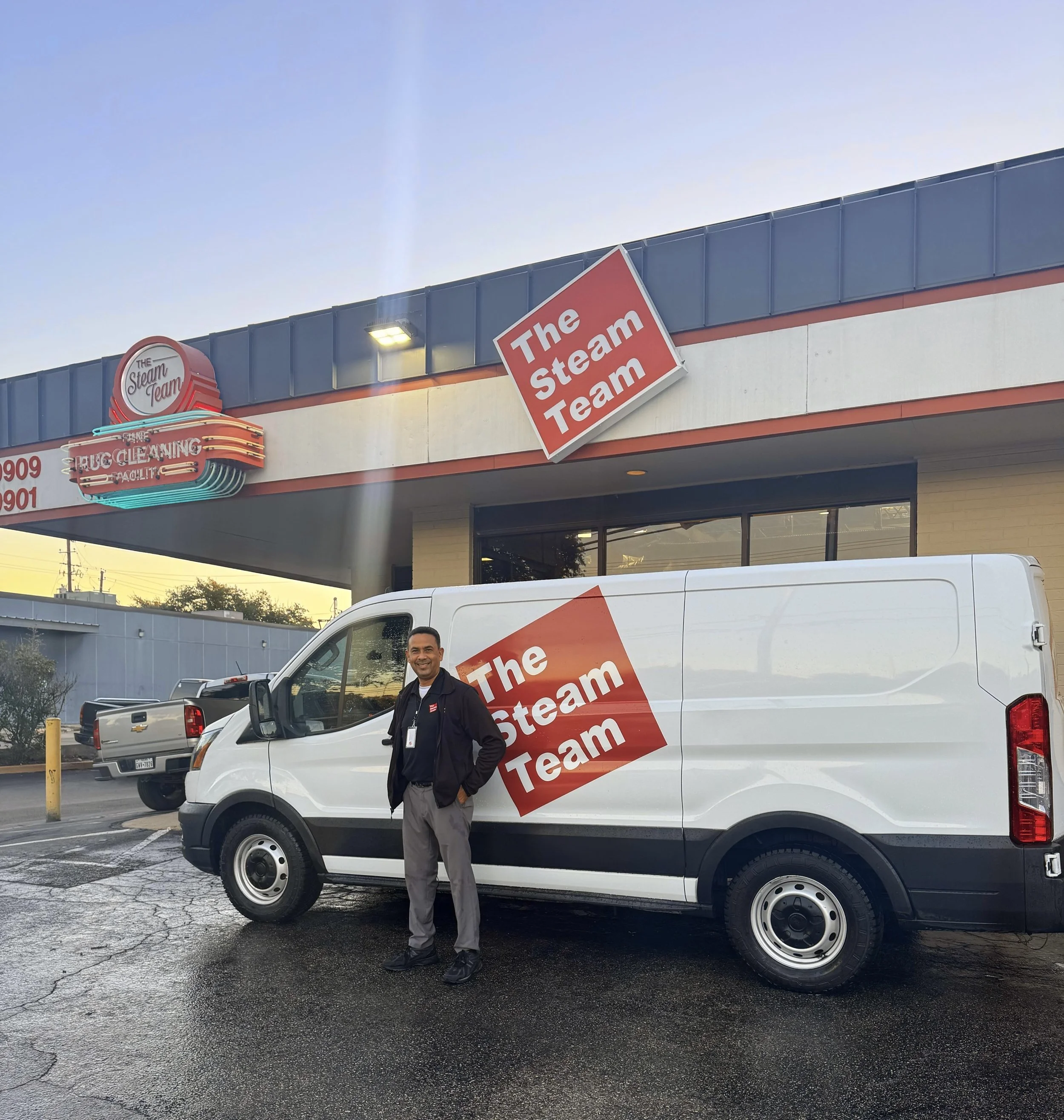
The Steam Team has been helping homeowners detect and repair water damage in Austin since 1983, using advanced moisture detection technology and professional restoration services throughout Central Texas.
Water often travels through building materials in ways that are difficult to see.
Leaks may begin in places such as:
• Inside walls
• Under flooring
• Above ceilings
• Around plumbing fixtures
• Beneath appliances
Because moisture can spread slowly through drywall, wood framing, and insulation, visible damage may not appear until the problem has already worsened.
Homes in Austin, Round Rock, and Cedar Park may experience hidden leaks from plumbing systems, slab leaks, or roof damage during storms.
One of the most common indicators of hidden moisture is a persistent musty smell.
These odors often develop when moisture becomes trapped in materials such as:
• Drywall
• Carpet padding
• Wooden subfloors
• Insulation
Musty odors may become stronger when HVAC systems run or when humidity levels increase.
This is often an early warning sign that moisture is present somewhere in the home.
Water damage often appears as stains on painted surfaces.
Common signs include:
• Yellow or brown ceiling stains
• Discolored drywall patches
• Water rings around light fixtures
• Streaks running down walls
These stains may indicate water leaks from pipes, roof damage, or condensation issues.
When moisture accumulates inside walls, it can cause paint and drywall surfaces to deteriorate.
Signs may include:
• Paint peeling or cracking
• Bubbling or blistering walls
• Wallpaper separating from the wall
These symptoms often occur when moisture becomes trapped behind wall surfaces.
Flooring materials are highly sensitive to moisture.
Hidden water damage may cause:
• Hardwood floors to warp or cup
• Laminate flooring to swell
• Tile grout to loosen
• Carpet padding to remain damp
Floor damage may occur even if water is not visible on the surface.
Unexpected increases in water bills can sometimes indicate hidden plumbing leaks.
Leaks inside walls, under foundations, or around fixtures may allow water to escape continuously without being noticed.
Monitoring utility bills can help homeowners identify plumbing issues early.
Mold often develops in damp environments caused by hidden water damage.
Common areas where mold may appear include:
• Around air vents
• Behind furniture
• Along baseboards
• Inside closets
• Near plumbing fixtures
Mold growth may indicate an ongoing moisture problem inside the structure.
Walls affected by hidden moisture may feel soft when touched.
This can occur when drywall absorbs water and begins losing structural strength.
Spongy walls may indicate:
• Pipe leaks inside walls
• Roof leaks above ceilings
• Long-term moisture exposure
Professional inspection may be required to locate the exact source of the problem.
Water damage restoration professionals use specialized tools to locate moisture that cannot be seen.
These tools may include:
• Moisture meters
• Thermal imaging cameras
• Hygrometers for humidity monitoring
• Moisture mapping technology
These devices help restoration technicians locate hidden water pockets before they cause major damage.
Several issues commonly cause hidden water damage in Central Texas homes.
These include:
• Slab leaks beneath foundations
• Roof leaks during storms
• Appliance leaks from washing machines or dishwashers
• Plumbing failures inside walls
• Condensation around HVAC systems
Regular inspections can help identify these issues early.
The longer hidden water damage goes undetected, the more expensive repairs can become.
Early detection helps prevent:
• Mold contamination
• Structural weakening
• Damage to flooring and drywall
• Expensive reconstruction projects
Quick response allows restoration professionals to remove moisture before permanent damage occurs.
Professional help may be needed when homeowners notice:
• Persistent musty odors
• Unexplained stains on ceilings or walls
• Warping floors or soft drywall
• Mold growth inside the home
• Sudden increases in water bills
Restoration professionals can identify the source of moisture and begin the drying process.
Yes. Water damage can develop behind walls, under flooring, or inside ceilings before visible signs appear.
Restoration technicians use moisture meters and thermal imaging cameras to locate hidden moisture.
Yes. Mold can begin growing within 24–48 hours in damp environments.
Homeowners should contact a professional restoration company to inspect the property and locate the source of moisture.
Coverage depends on the cause of the damage and the homeowner’s insurance policy.
• Serving Austin since 1983
• Advanced moisture detection technology
• Certified restoration technicians
• 24/7 emergency water damage services
• Trusted across Central Texas
Our team helps homeowners identify hidden moisture problems and restore their homes safely.
If you suspect hidden water damage in your home, early detection can prevent costly repairs.
The Steam Team provides professional water damage inspection and restoration in Austin, helping homeowners locate moisture, dry structures, and restore their property.
📞 Call 512-451-8326 for assistance
Serving Austin, Round Rock, Cedar Park, Georgetown, and surrounding Central Texas communities.
Our mission is to provide you with the most outstanding service experience ever. Some of our most popular services include Carpet Cleaning, Tile Cleaning, Air Duct Cleaning, Water Damage, Fire Damage Restoration and Construction Services.
Quick Cleaning Quote
Email: info@thesteamteam.com
Georgetown: (512) 868-0358
Dallas: (214) 631-8326
Naples, FL: (239) 450-1936
Toll Free: (800) 880-7785
