Stop Mold Growth: Essential Steps After Water Damage

Stop Mold: Essential Steps for Austin

Water intrusion creates an immediate risk for mold growth because mold spores germinate quickly on damp materials, and in Austin’s humid climate, the window for prevention is narrow. This guide explains how quickly mold can appear after water damage, the science behind accelerated growth, and the prioritized actions that stop mold before it takes hold. Readers will learn safe DIY steps for the first 24–72 hours, the equipment and monitoring methods that accelerate drying, and clear criteria for when to call a certified remediation team. The article also covers how professionals size equipment and verify drying, plus long-term repairs and maintenance to reduce future risk. Throughout, practical lists, decision tables, and detection checklists make it easy to act fast and confidently after a flood or leak while highlighting local considerations for Austin properties.

How Quickly Does Mold Grow After Water Damage and Why Is Immediate Action Crucial?

Mold can begin to grow on wet surfaces within 24–48 hours after water exposure because spores need moisture and organic material to colonize, so removing water and reducing humidity rapidly prevents establishment. Rapid intervention water extraction, increased airflow, and dehumidification interrupt the moisture cycle that supports spore germination and mycelial growth, protecting structure and indoor air quality. Acting within that narrow window reduces health risks and limits the scope and cost of repairs, making early detection and response the most effective prevention strategy. The next section breaks down environmental conditions that accelerate growth and how they interact with building materials.

The Centers for Disease Control and Prevention (CDC) emphasizes the increased likelihood of mold contamination following extensive water damage from major storms and floods, providing guidance on exposure limitation and health effect prevention.

Mold Prevention After Water Damage: CDC Report

Extensive water damage after major hurricanes and floods increases the likelihood of mold contamination in buildings. This report provides information on how to limit exposure to mold and how to identify and prevent mold-related health effects. Where uncertainties in scientific knowledge exist, practical applications designed to be protective of a person's health are presented. Evidence is included about assessing exposure, clean-up and prevention, personal protective equipment, health effects, and public health strategies and recommendations. The recommendations assume that, in the aftermath of major hurricanes or floods, "

What Conditions Accelerate Mold Growth After Water Damage?

High relative humidity, warm temperatures, porous materials, and stagnant moisture accelerate mold growth by creating sustained wet substrates where spores feed and reproduce. Specifically, relative humidity above about 60% and room temperatures between 68–86°F create ideal conditions for many common molds, while porous materials such as drywall, carpet backing, and cellulose insulation retain moisture longer and provide nutrients. Stagnant water in cavities, under flooring, or behind cabinets is especially problematic because it remains out of sight and out of airflow, allowing concealed colonies to form. Addressing these conditions, lowering humidity, increasing airflow, and removing wet porous materials directly interrupts the mechanisms that enable mold to flourish.

How Does Austin’s Climate Affect Mold Development Post Water Damage?

Austin’s seasonal humidity spikes and heat cycles lengthen drying times and raise the baseline moisture in many homes and businesses, increasing the risk that damp conditions persist after a water event. Summer storms and flash floods raise initial water volumes, while hot, humid air can reduce the efficiency of passive ventilation, so mechanical drying and dehumidification become essential for on-time remediation. Local properties with slab foundations, older framing, or limited drainage require adjusted drying plans and closer moisture monitoring. For these reasons, planning for mechanical dehumidification and targeted drying strategies tuned to Austin’s climate improves outcomes and reduces the chance of hidden mold.

What Are the Immediate DIY Steps to Stop Mold After Water Damage?

Immediate DIY actions focus on safety, stopping ongoing water entry, and accelerating drying with available tools to keep mold from establishing within the critical 24–48 hour window. First, prioritize personal safety by shutting off electricity to flooded areas if you can do so safely, then stop the source of water and begin removing standing water using pumps, wet/dry vacs, or buckets. Next, remove wet porous materials that trap moisture, increase airflow with fans and open windows when outdoor humidity is lower, and deploy dehumidifiers to pull moisture from the air. Monitor progress with a simple schedule check moisture-damp areas every 12–24 hours and escalate to professional help if moisture persists or contamination appears.

  1. Ensure safety: Turn off electricity to affected areas and wear protective gear before entering.

  2. Stop the water source: Locate and halt leaks, then remove standing water immediately.

  3. Remove wet materials: Pull up soaked carpets, padding, and saturated drywall where salvageability is low.

  4. Increase airflow: Position fans to move air across wet surfaces and exhaust humid air outside where possible.

  5. Dehumidify: Run a dehumidifier continuously until the relative humidity is stable under 50%.

These steps are effective when the damage is limited, and drying progresses quickly; if drying stalls or contamination is visible, professional remediation is the safer next step.

Before the table below, this comparison helps you decide what to salvage and what to replace after water exposure based on drying timelines and contamination risk.

Material Type

Salvageability Threshold

Recommended Action

Carpet & pad

Dry within 24–48 hours if the water is clean

Extract, clean, and dry; replace padding if soaked

Drywall (non-insulated)

Can dry if studs and cavity dry in 24–48 hours

Remove and replace if bulging, delaminating, or wet >48 hrs

Wood flooring

Surface drying within 24–48 hours; cupping may occur

Lift boards, dry subfloor, clamp or replace damaged boards

Insulation (fiberglass)

Unsalvageable when saturated >24 hrs

Remove and replace saturated insulation

Porous furnishings (sofas, mattresses)

High contamination risk

Replace mattresses and heavily soaked upholstered items

This table clarifies which materials to prioritize for removal and why timely drying matters for salvageability.

At the end of a DIY campaign, homeowners should inspect for lingering musty odors, visible staining, or health symptoms; if any of these persist, stop DIY efforts and contact a professional. The Steam Team, an Austin-based restoration and mold mitigation provider with IICRC-certified technicians and 24/7 emergency response, can perform a targeted inspection and suggest next steps, including commercial drying and verification. Requesting a professional inspection is the right choice when contamination is suspected or when structural cavities remain wet despite DIY efforts.

How to Perform Rapid Water Extraction and Drying to Prevent Mold

Rapid extraction and a sequenced drying plan remove the moisture that supports mold and shorten the window for colonization, beginning with immediate water removal, followed by material triage and mechanical drying. Start by extracting standing water using pumps or wet/dry vacs, then remove saturated materials that will not dry quickly, such as carpet padding and drywall, which otherwise hold water against structural elements. Position air movers to create directional airflow across wet surfaces and run dehumidifiers sized for the affected volume to lower relative humidity into the 30–50% range. Monitor progress daily with simple checks; continued dampness behind baseboards or under flooring indicates the need for moisture meters or professional intervention.

How Can Homeowners Control Humidity and Ventilation to Avoid Mold?

Controlling humidity and increasing ventilation are the core environmental controls that prevent mold after a water event, because mold requires prolonged moisture to grow, and lowering relative humidity reduces the time surfaces stay wet. Aim for indoor relative humidity between 30–50% during drying, using portable or whole-house dehumidifiers to remove moisture from the air and prevent recondensation on cooler surfaces. Use exhaust fans in kitchens and bathrooms, run HVAC systems with fresh-air cycles where possible, and avoid closing off rooms that need airflow during drying. Consistent humidity control and adequate ventilation for several days after visible drying are critical to ensure hidden cavities don’t retain moisture and foster mold.

When and Why Should You Call Professional Mold Remediation Services in Austin?

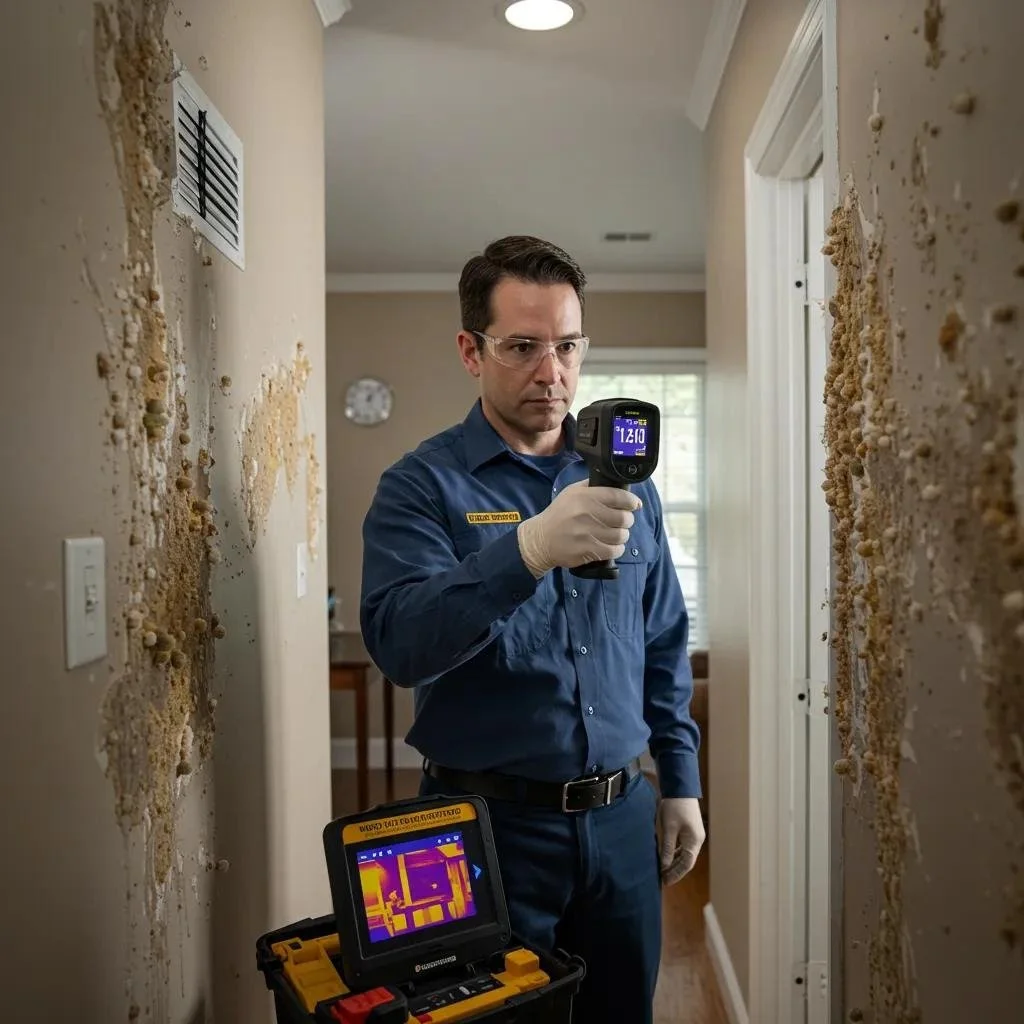
Call professionals when the affected area is large (greater than 10 square feet), contamination involves sewage or unknown contaminants, HVAC systems are compromised, or health symptoms or persistent odors occur. These conditions exceed safe and effective DIY remediation. Certified remediation teams bring experience, containment strategies, and industrial drying equipment that reduce drying times from days to hours and limit cross-contamination. Professionals also use diagnostic tools, moisture meters, and thermal imaging to find hidden moisture, and they provide documentation useful for insurance. The next subsections explain what to expect from certified mitigation processes and how professionals use industrial equipment to prevent mold growth.

The health hazards and prevention measures for response and recovery workers after natural disasters, as detailed by E. Johanning, highlight the significant concern of mold and bacterial infestation in damp building materials, emphasizing the need for rapid intervention and appropriate personal protective equipment (PPE).

Mold Health Hazards and Prevention After Flooding

Health problems and illnesses encountered by unprotected workers, first-responders, home-owners, and volunteers in recovery and restoration of moldy indoor environments after hurricanes, typhoons, tropical storms, and flooding damage are a growing concern for healthcare providers and disaster medicine throughout the world. Damp building materials, particularly cellulose-containing substrates, are prone to fungal (mold) and bacterial infestation. During remediation and demolition work, the airborne concentrations of such microbes and their by-products can rise significantly and result in an exposure risk. Symptoms reported by unprotected workers and volunteers may relate to reactions of the airways, skin, mucous membranes, or internal organs. Dampness-related fungi are primarily associated with allergies, respiratory symptoms or diseases such as dermatitis, rhinosinusitis, bronchitis, and asthma, as well as changes of the immunological system. Also, cognitive, endocrine, or rheumatological changes have been reported. Based on the consensus among experts at a recent scientific conference and a literature review, it is generally recommended to avoid and minimize unnecessary fungal exposure and use appropriate personal protective equipment (PPE) in disaster response and recovery work. Mycologists recommend addressing any moisture or water intrusion rapidly, since significant mold growth can occur within 48 h. Systematic source removal, cleaning with “soap and water,” and “bulk removal” followed by high-efficiency particulate air vacuuming is recommended in most cases; use of “biocides” should be avoided in occupied areas. Public health agencies recommend use of adequate respiratory, skin, and eye protection. Workers can be protected against these diseases by use of dust control measures and appropriate personal protective equipment. At a minimum, a facial dust mask such as the National Institute for Occupational Safety and Health (NIOSH)-approved N95 respirator shoul

What Does The Steam Team’s IICRC Certified Mold Mitigation Process Include?

The Steam Team’s IICRC-certified process begins with a detailed assessment, moisture mapping, and containment plan, then proceeds through controlled removal of contaminated materials, structural drying, sanitation, and final moisture verification. Technicians set up containment barriers to isolate affected zones, use HEPA filtration and negative pressure when needed, and apply antimicrobial treatments appropriate to the contamination level before rebuilding. The company emphasizes rapid response with 24/7 emergency availability, provides a satisfaction guarantee, and works with insurance carriers as a preferred vendor to streamline claims. For urgent situations, scheduling an inspection and a documented drying plan can stop mold before it spreads and protect indoor air quality.

How Do Professionals Use Equipment Like Dehumidifiers and Industrial Fans for Mold Prevention?

Professionals pair high-capacity air movers with refrigerant or desiccant dehumidifiers to control both surface evaporation and ambient moisture removal, because air movers speed evaporation while dehumidifiers extract the moisture the air holds. Technicians calculate required equipment based on affected volume and initial saturation, placing multiple air movers to direct airflow and reduce drying time while running dehumidifiers continuously to maintain target relative humidity. Moisture meters and thermal imaging track progress and confirm that structural members and cavities reach safe dryness levels, typically within 24–72 hours with professional equipment. This combined approach reduces mold risk by eliminating the moisture environment that mold needs to grow.

Service Component

Typical Benefit

Typical Timeline

Water extraction

Removes bulk water to prevent saturation

Immediate to 24 hours

Structural drying (air movers)

Speeds surface evaporation

24–72 hours with equipment

Dehumidification

Lowers ambient moisture to prevent re-wetting

Continuous until <50% RH

Containment & HEPA filtration

Limits the spread of spores and protects occupants

During the remediation period

Moisture verification

Confirms safe dryness and documents results

Final stage before rebuild

This table maps professional services to benefits and expected timelines to help homeowners decide when to engage certified teams.

What Are the Signs of Mold Growth After Water Damage, and How to Detect Hidden Mold?

Visible discoloration, musty odors, and new or worsening allergic symptoms are primary signs of mold growth, but hidden infestations often reveal themselves through ongoing dampness, fluctuating humidity, or unexplained health reactions. Visual signs include surface spotting or fuzzy growth on walls, ceilings, and flooring materials, while olfactory clues persistent musty smells, indicate colonization in concealed spaces. For reliable detection, homeowners can use moisture meters, remove small inspection sections of trim to look behind, or use thermal imaging to find temperature anomalies that suggest moisture. The next section outlines practical inspection steps and guidance on when formal testing is warranted.

Sign of Mold

Visibility

Detection Method

Surface staining or growth

Visible

Visual inspection, surface swabs

Musty or earthy odor

Often, a hidden source

Olfactory assessment, crawlspace checks

Recurrent allergy symptoms

Not visible

Air sampling, symptom tracking

Elevated moisture readings

Hidden moisture

Moisture meter, infrared imaging

HVAC dust or debris

Concealed

Duct inspection, HVAC testing

How to Identify Visible and Hidden Mold in Your Home or Business

Visible mold appears as discolored spots, fuzzy colonies, or staining on surfaces and is often accompanied by peeling paint, warped materials, or surface degradation where moisture was present. Hidden mold hides behind baseboards, under flooring, inside wall cavities, or within HVAC ducts and may only reveal itself via musty odors, elevated humidity, or persistent symptoms among occupants. Homeowners can perform low-cost checks such as lifting trim, inspecting crawlspaces, and running a moisture meter across suspect areas to detect moisture pathways. If these quick checks indicate persistent dampness, a professional inspection using moisture mapping and targeted sampling provides definitive identification and scope.

When Is Mold Inspection and Testing Necessary?

Inspection and testing are necessary when visible mold is widespread, occupants experience unexplained health effects, HVAC systems are involved, or insurance requires documentation; testing clarifies species and concentrations, but is not always required before remediation. A visual inspection with moisture mapping often provides enough information to plan remediation, while air and surface testing are useful when determining the contamination source, verifying clearance, or supporting insurance claims. In many water events where contamination is obvious or volumes are large, remediation proceeds based on inspection findings without waiting for laboratory testing to avoid delaying drying. Choosing inspection and testing should balance the need for precision with the urgency to remove moisture and stop mold growth.

How Can You Prevent Future Mold Growth and Water Damage in Austin Properties?

Long-term prevention combines routine maintenance, moisture control, and strategic repairs that reduce the likelihood of recurring water intrusion and hidden moisture accumulation. Regularly inspect and maintain rooflines, gutters, and grading to keep water away from foundations, and schedule HVAC and duct maintenance to ensure proper airflow and filtration. Use building materials and repair methods that resist moisture, such as mold-resistant drywall in susceptible areas, and install proper drainage and vapor barriers where needed. Implement continuous humidity monitoring and plan seasonal checks around Austin’s storm periods to catch small leaks before they become mold problems.

  • Routine inspections: Check roofs, gutters, plumbing, and appliance connections quarterly to catch failures early.

  • Humidity monitoring: Install inexpensive hygrometers in basements, attics, and living areas and aim for 30–50% RH.

  • Landscape and drainage: Ensure grade slopes away from the foundation and clear drains to prevent standing water.

These practices reduce the semantic relationship between water intrusion and mold growth by eliminating moisture sources, and the next section explains material choices and repair strategies that further strengthen resilience.

What Are the Best Practices for Ongoing Mold Control and Moisture Management?

Ongoing control focuses on early detection, HVAC maintenance, and environmental controls that keep humidity low and prevent condensation in building assemblies. Replace filters regularly, schedule annual HVAC service, and ensure exhaust fans vent outdoors rather than into attics or crawlspaces. Use dehumidifiers seasonally in high-risk areas and repair leaks promptly; small, quick repairs prevent larger moisture problems that lead to mold. For properties near flood zones or with known drainage issues, consider elevation, improved grading, or landscape changes to divert water and reduce recurrence risk.

How Do Structural Repairs and Material Replacement Help Prevent Mold?

Replacing saturated or compromised materials, insulation, porous drywall, and contaminated carpeting eliminates substrates that sustain mold and makes future drying faster and more reliable. Structural repairs that seal leaks, install flashing, add vapor barriers, or correct grading remove pathways for moisture intrusion, reducing the frequency and severity of future water events. Selecting mold-resistant materials in high-risk areas and documenting repairs with moisture verification provides a defensible record for insurance and reduces the need for costly repeat remediation. Investing in repairs and resilient materials yields long-term savings by lowering mold risk and improving indoor air quality.

What Are Common FAQs About Mold Prevention After Water Damage?

This FAQ section answers questions homeowners and business owners commonly search for after a water event, using concise, actionable responses that support decision-making about DIY steps and professional help. Answers are optimized for quick scanning and include certification and service availability where relevant to help readers choose their next step with confidence. Short, direct replies prioritize the immediate actions that prevent mold growth and the thresholds for calling certified remediation teams.

How Quickly Does Mold Start Growing After Water Damage?

Mold can start growing within 24–48 hours when materials remain wet because spores germinate rapidly on damp, organic substrates; immediate priorities are water extraction and drying to interrupt this timeline. Rapidly remove standing water, begin drying with fans and dehumidifiers, and remove saturated porous materials that will not dry quickly. Monitoring humidity and moisture is essential; if wetness persists beyond 48 hours, professional drying and remediation should be considered to prevent established colonies and hidden contamination.

Can I Prevent Mold Growth Myself or Should I Hire Professionals?

You can prevent mold yourself when the affected area is small, water is clean, and drying can be completed within 24–48 hours using extraction, airflow, and dehumidification, but hire professionals if contamination is widespread, involves sewage, affects HVAC, or if occupants experience health symptoms. Certified teams provide containment, industrial equipment, moisture mapping, and verification that reduce the risk of incomplete remediation and recurring problems. The Steam Team offers IICRC-certified technicians and 24/7 emergency response for complex events and can document drying and remediation, useful for insurance and peace of mind.

  1. DIY is appropriate for small, clean-water incidents with rapid drying capability.

  2. Hire professionals for sewage, HVAC involvement, large square footage, or health concerns.

  3. When in doubt, contact a certified inspection service to assess hidden moisture and scope.

These concise rules help homeowners decide quickly and prioritize actions that reduce mold risk.

  1. Keep monitoring humidity: A consistent target of 30–50% RH reduces mold risk long-term.

  2. Document drying progress: Photos and moisture readings can support insurance and remediation decisions.

  3. Act fast: Removing water and drying within 24–48 hours is the most reliable prevention step.

This article provides practical steps, detection methods, and decision criteria designed to stop mold after water damage while integrating local considerations for Austin properties and guidance on when certified remediation is the safest path.

Frequently Asked Questions

What are the health risks associated with mold exposure after water damage?

Mold exposure can lead to various health issues, particularly for individuals with allergies, asthma, or weakened immune systems. Common symptoms include respiratory problems, skin irritation, and allergic reactions. Prolonged exposure may exacerbate these conditions and lead to more severe health complications. The Centers for Disease Control and Prevention (CDC) highlights the importance of rapid intervention to minimize health risks associated with mold growth, especially in environments affected by significant water damage.

How can I tell if my home has hidden mold after water damage?

Hidden mold may not be immediately visible but can manifest through musty odors, persistent dampness, or unexplained health symptoms among occupants. To detect hidden mold, homeowners can use moisture meters to check for elevated moisture levels in walls and floors, inspect areas behind baseboards, and look in crawlspaces or attics. If these checks indicate moisture or odors, a professional inspection may be necessary to identify and address hidden mold effectively.

What materials are most susceptible to mold growth after water damage?

Materials that are porous and retain moisture are particularly susceptible to mold growth after water damage. Common culprits include drywall, carpet, insulation, and wood. These materials can provide a food source for mold spores, allowing them to thrive in damp conditions. It is crucial to remove or replace these materials promptly if they remain wet for more than 24–48 hours to prevent mold establishment and ensure effective remediation.

How can I improve ventilation in my home to prevent mold?

Improving ventilation is essential for preventing mold growth, especially after water damage. Homeowners can enhance airflow by using exhaust fans in kitchens and bathrooms, opening windows when outdoor humidity is lower, and running HVAC systems with fresh-air cycles. Additionally, keeping doors open between rooms and using portable fans can help circulate air. Regular maintenance of HVAC systems, including changing filters, also contributes to better indoor air quality and moisture control.

What should I do if I find mold in my home?

If you discover mold in your home, it is important to assess the extent of the contamination. For small areas (less than 10 square feet), you may be able to clean them yourself using appropriate protective gear and cleaning solutions. However, if the mold covers a larger area, involves sewage, or if health symptoms are present, it is best to contact a professional mold remediation service. They have the expertise and equipment to safely remove mold and prevent its return.

How often should I perform maintenance checks to prevent mold?

Regular maintenance checks are crucial for preventing mold growth. Homeowners should inspect their properties at least quarterly, focusing on areas prone to moisture, such as basements, attics, and around plumbing fixtures. During these checks, look for signs of leaks, water damage, or elevated humidity levels. Additionally, seasonal checks before and after heavy rain or storm seasons can help catch potential issues early, allowing for timely repairs and moisture control.

What role does humidity control play in mold prevention?

Humidity control is a key factor in mold prevention, as mold thrives in damp environments. Maintaining indoor relative humidity levels between 30% and 50% significantly reduces the likelihood of mold growth. Homeowners can use dehumidifiers, especially in high-risk areas like basements, and ensure proper ventilation to help manage humidity levels. Regular monitoring with hygrometers can also assist in maintaining optimal humidity, preventing conditions that favor mold development.

Conclusion
Taking proactive steps to prevent mold growth after water damage is essential for protecting your home and health. By understanding the rapid timeline of mold development and implementing effective drying and remediation strategies, you can significantly reduce the risk of long-term damage. For comprehensive support, consider reaching out to certified professionals who can provide tailored solutions for your specific situation. Explore our services today to ensure your property remains safe and mold-free.
Mold Removal vs. Mold Remediation: Austin’s Essential Guide

Mold Removal vs. Remediation Explained

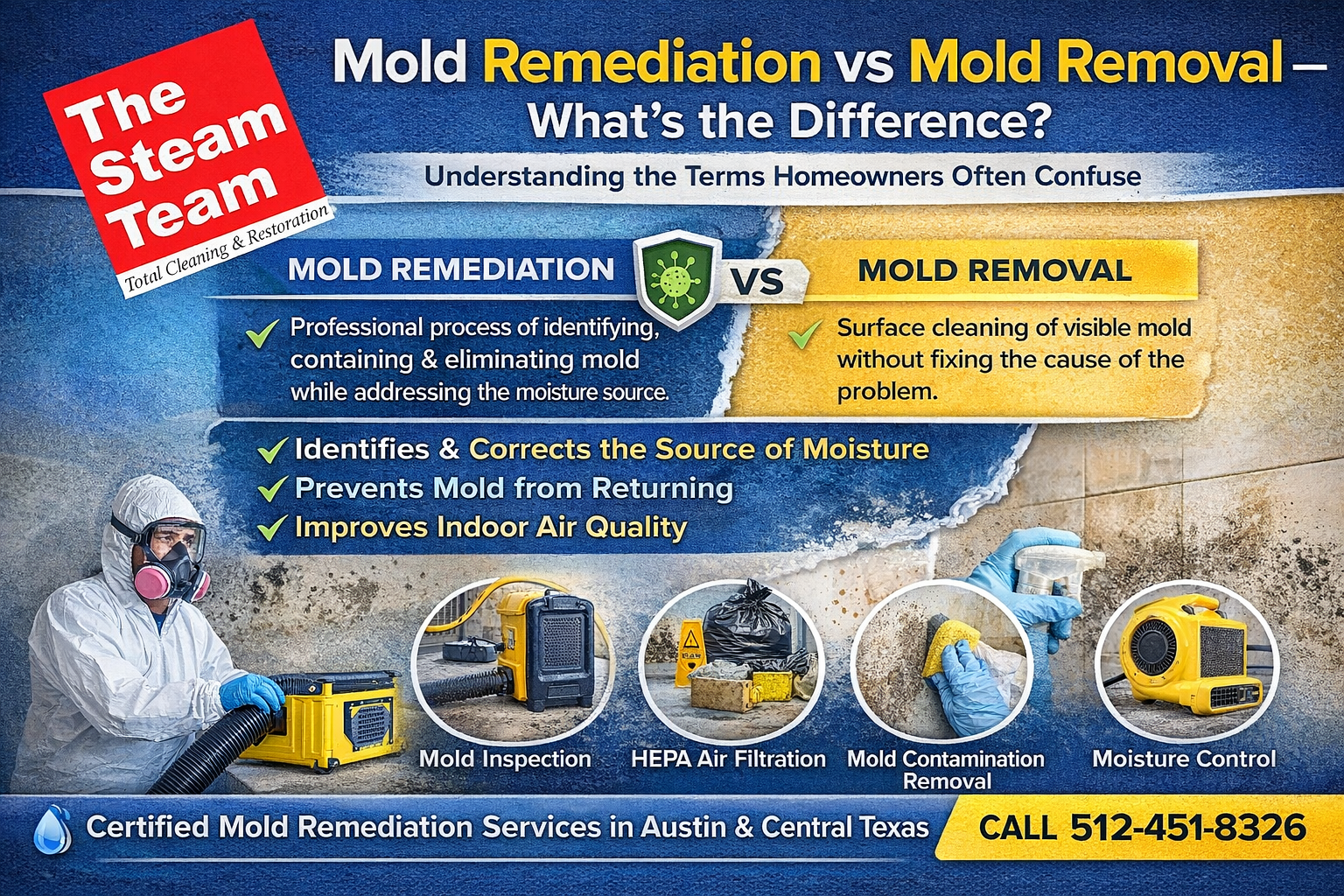
Mold removal and mold remediation are related, but distinct approaches to dealing with mold in buildings, and understanding that difference is essential for protecting health and property in Austin’s humid climate. Mold removal typically refers to cleaning or stripping visible mold from surfaces, while mold remediation is a comprehensive process that identifies moisture sources, contains contamination, removes affected materials, and prevents recurrence. Homeowners and property managers searching for "mold removal process Austin" or "mold remediation vs removal" need clear guidance to decide when a DIY cleanup is sufficient and when professional intervention is required. This article explains both approaches, walks through professional remediation steps, compares scope and cost considerations, outlines health risks of untreated mold, and provides practical next steps to get an inspection or quote. Throughout, we integrate local context for Austin and Central Texas, describe inspection checklists and documentation helpful for insurance, and show how professional standards and equipment reduce recurrence risk.

What Is Mold Removal and When Is It Appropriate?

Mold removal is the targeted cleaning of visible mold growth on surfaces and materials, and it works by physically eliminating colonies and spores from accessible areas. The mechanism typically involves agitation, detergents or specialized cleaners, and removal of contaminated non-porous materials to reduce surface-level spore counts and immediate staining. Removal delivers the specific benefit of restoring visibly affected finishes quickly and is often an appropriate first step for small, well-contained patches on hard, non-porous surfaces. However, removal does not usually include addressing hidden reservoirs, moisture sources, or verification testing, so its long-term effectiveness depends on the absence of persistent humidity or leaks. The following subsections explain how removal is performed and where it falls short, leading naturally into remediation methods that aim to prevent recurrence.

How Does Mold Removal Work to Eliminate Visible Mold?

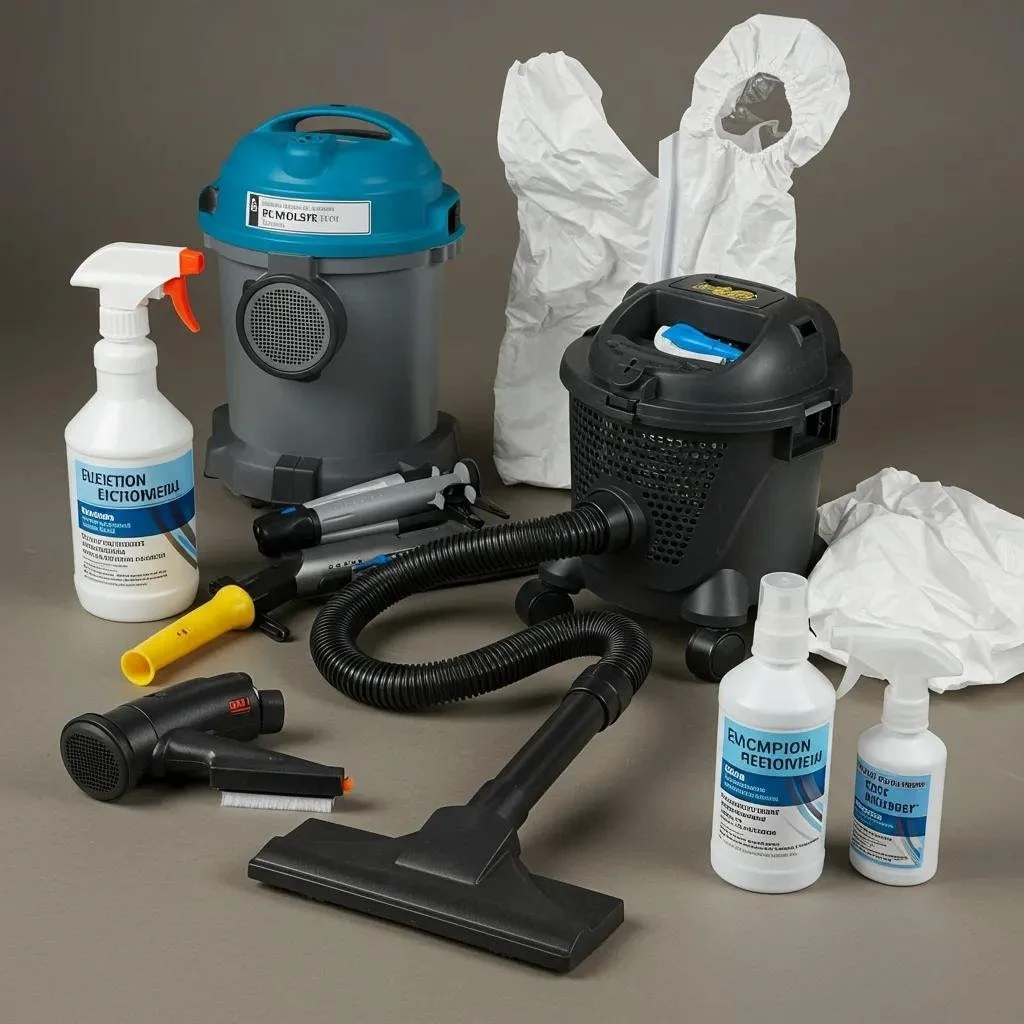
Mold removal eliminates visible colonies using mechanical cleaning, detergents, and targeted biocides when appropriate, and technicians or DIYers remove residue until surface staining and growth are reduced. Effective removal begins with containment of the work area, personal protective equipment (PPE) such as gloves and respirators, and careful disposal of contaminated cleaning materials to avoid cross-contamination. Common tools include scrapers, brushes, HEPA-filtered vacuums for settled spores, and antimicrobial cleaners suited to the material; these tools reduce airborne and surface spore loads when used correctly. Because removal focuses on visible growth, it is most effective on small patches and hard surfaces; hidden mold behind drywall or inside insulation often remains unaddressed, which is why removal can be temporary unless moisture drivers are fixed. Understanding these limitations sets up the need for broader remediation strategies that include moisture control and verification.

What Are the Limitations of Mold Removal for Long-Term Mold Control?

Although mold removal can restore appearance and reduce immediate spore counts, it often fails to prevent recurrence when moisture sources or hidden contamination remain, and this limitation can create a false sense of security. Porous materials like drywall, carpet, and insulation trap spores and mycelial fragments below the surface where surface cleaning cannot reach, so removal may only treat symptoms rather than the cause. Additionally, without moisture diagnosis using moisture meters and infrared scans, removal teams can miss foundation seepage, roof leaks, or HVAC condensation that will promote regrowth. For these reasons, properties with recurring mold, health-sensitive occupants, or widespread contamination are better served by remediation that includes source repairs, containment, and post-remediation verification. These factors point directly to when to escalate from removal to a full remediation approach.

What Is Mold Remediation and Why Is It a Comprehensive Solution?

Mold remediation is a multi-phase process that identifies contamination, contains affected areas, removes source materials, treats remaining surfaces, and implements measures to prevent future growth, producing a durable outcome for indoor air quality and structural integrity. The mechanism of remediation centers on interrupting the mold lifecycle by eliminating moisture drivers and isolating spores during removal, which reduces both settled and airborne spore loads and mitigates health risks. The benefits of remediation include long-term control of mold recurrence, documented results for insurance and property transactions, and measurable improvements to indoor air quality when performed to professional standards. The remediation workflow relies on diagnostic tools, containment strategies, HEPA air filtration, and coordinated repairs, and the next subsection lists the key steps used by professionals and the measurable outcomes associated with each step.

What Are the Key Steps in Professional Mold Remediation?

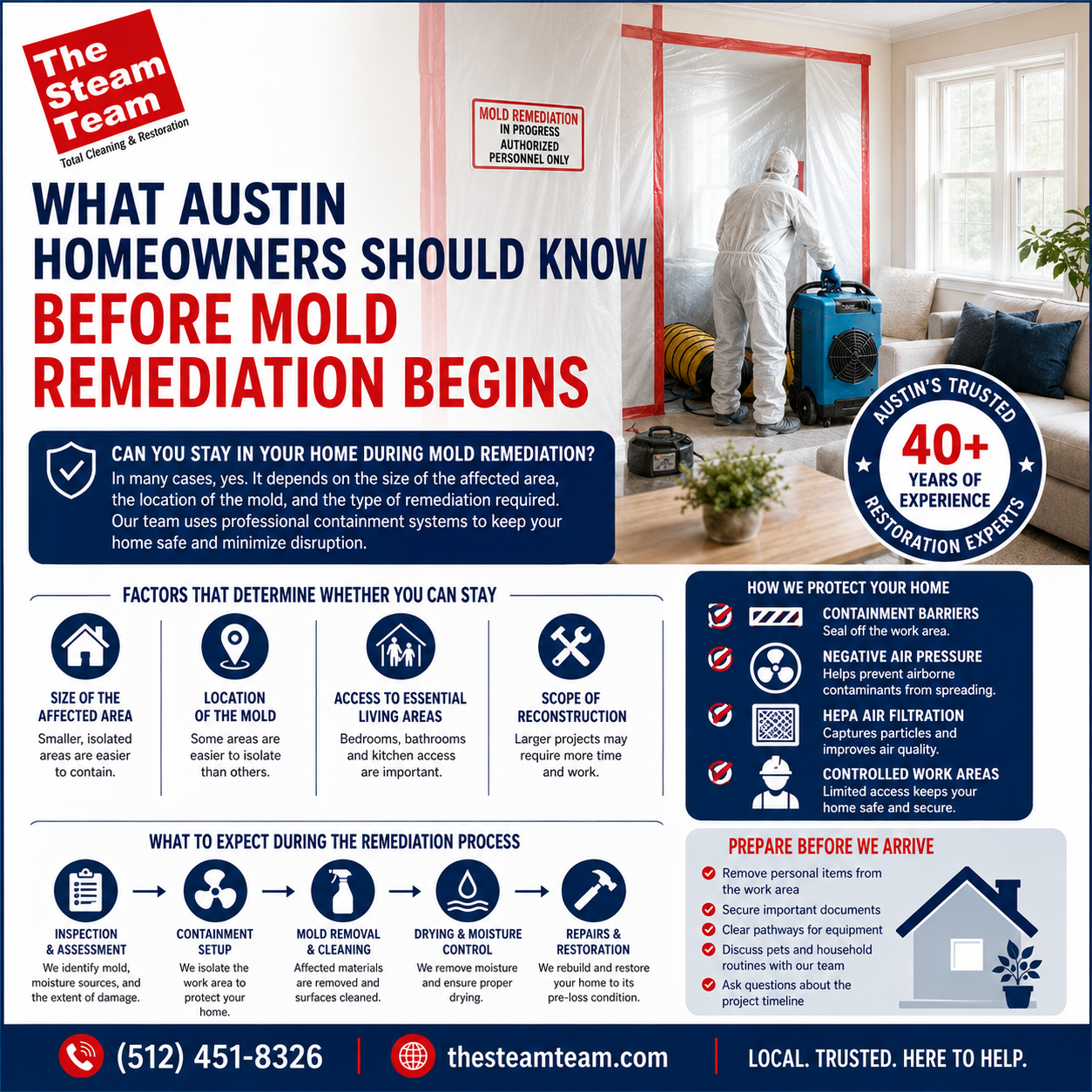
Professional remediation proceeds through a defined sequence: inspection and testing, containment, air filtration, removal of affected materials, thorough cleaning, drying and moisture control, repairs, and post-remediation verification, each step linked to specific tools and expected metrics. Inspection uses visual assessment, moisture meters, and targeted sampling to map contamination; containment uses barriers and negative air pressure to prevent spread; and HEPA air scrubbing reduces airborne spore counts during work. The table below maps each major remediation step to common tools/methods and the expected measurable result, helping owners understand how process choices create outcomes.


Introductory table showing remediation steps, tools used, and measurable outcomes:

Step

Tools / Methods

Expected Result / Metric

Inspection & Testing

Moisture meters, infrared, visual mapping

Identifies moisture % and problem areas

Containment

Plastic barriers, negative air machines

Limits spread; maintains negative pressure

Air Filtration

HEPA air scrubbers, HEPA vacuums

Reduces airborne spores (CFU reduction)

Material Removal & Cleaning

Demolition tools, antimicrobial cleaners

Removes colonized materials and surface residue

Drying & Repairs

Industrial dehumidifiers, structural drying

Restores safe moisture levels (%)

This mapping clarifies how remediation transforms assessment into verifiable improvements, and understanding tool-to-result relationships helps property owners evaluate quotes and contractor processes. The next paragraph explains how remediation addresses root causes, which is essential for sustained results.

After outlining the technical workflow above, it's helpful to consider local service options. The Steam Team offers mold mitigation and sanitation as part of its restoration services in Austin, combining local experience with professional equipment and standards. The Steam Team's approach emphasizes IICRC-certified technicians, 24/7 emergency availability, and coordinated moisture control to prevent recurrence, making their mitigation and sanitation service a practical example of professional remediation in Central Texas.

How Does Mold Remediation Address the Root Cause of Mold Growth?

Remediation addresses root causes by diagnosing moisture sources such as plumbing leaks, roof or foundation infiltration, and HVAC condensation, and then coordinating repairs or humidity-control measures to remove the environmental conditions that support mold. Techniques include targeted drying with dehumidifiers, structural repairs to stop water entry, and HVAC adjustments or ventilation upgrades to control relative humidity and prevent condensation. By combining source control with removal of contaminated materials, remediation breaks the mold lifecycle and reduces the likelihood of regrowth, delivering a structural and environmental fix rather than a cosmetic one. This root-cause focus is essential in humid climates like Austin, where ambient moisture and seasonal storms increase the probability of hidden water intrusion.

What Are the Main Differences Between Mold Removal and Mold Remediation?

The main differences between mold removal and mold remediation lie in scope, goals, duration, cost, and measurable outcomes: removal is surface-focused and shorter-term, while remediation is comprehensive, corrective, and documented for long-term control. Removal aims to clean visible mold and restore appearance quickly, whereas remediation aims to identify and eliminate the underlying moisture problem and confirm that contamination no longer poses a health or structural risk. Timeframes differ as well: removal can be a same-day task for small areas, while remediation often requires multi-day drying, repairs, and verification testing. The comparison table below summarizes these attributes so homeowners and managers can quickly decide which option aligns with their risk tolerance and property condition.

Introductory comparison table outlining scope and outcomes:

Approach

Scope

Goal

Mold Removal

Visible surface cleaning

Immediate appearance restoration

Mold Remediation

Inspection, containment, removal, repairs, verification

Long-term elimination of mold sources and recurrence prevention

Combined/Interim

Targeted removal plus monitoring

Short-term control while planning repairs

This side-by-side view shows how remediation delivers broader, verifiable results, while removal addresses immediate visible problems; the next subsection compares effectiveness and practical decision thresholds for owners.

How Do Scope, Effectiveness, and Duration Compare Between Removal and Remediation?

Removal provides a fast, limited-scope solution effective for small, non-porous areas but offers limited prevention because hidden contamination or ongoing moisture remains unaddressed. Remediation is more effective at reducing overall indoor spore loads and preventing recurrence because it includes moisture diagnosis, containment, and post-work verification, though it requires longer timelines and higher upfront investment. Duration and cost trade-offs favor removal for isolated aesthetic issues but favor remediation for properties with health-sensitive occupants, wide-area contamination, or repeated outbreaks. Concrete decision-making should weigh size of affected area, material type, occupant vulnerability, and signs of ongoing water intrusion, which the next section translates into practical decision criteria for choosing the right path.

When Should You Choose Mold Removal vs. Mold Remediation for Your Property?

Deciding between removal and remediation depends on measurable thresholds and risk factors: small isolated spots on non-porous surfaces often qualify for removal, while larger areas, porous material involvement, recurring growth, or health concerns necessitate remediation. Consider these decision rules:

  • If contamination is under roughly 10 square feet and limited to non-porous surfaces, removal may suffice.

  • If contamination is widespread, involves drywall/insulation/carpet, or follows water damage, choose remediation.

  • If occupants include children, elderly, or immunocompromised individuals, remediation’s verification and containment are advisable.

These criteria help owners translate visual inspection into action, and the subsequent section explores health risks that increase the urgency for remediation when present.

What Are the Health Risks and Property Dangers of Untreated Mold?

Untreated mold can degrade indoor air quality and contribute to respiratory symptoms, allergic reactions, and exacerbation of asthma, especially for vulnerable populations, making timely assessment and mitigation important for health protection. Mold spores and microbial volatile organic compounds (mVOCs) can increase particulate counts indoors, aggravating allergies and lung irritation in occupants; chronic exposure in poorly ventilated spaces can perpetuate symptoms. From a property perspective, prolonged moisture and microbial growth accelerate material deterioration, reduce thermal performance of insulation, and may compromise structural elements if left unchecked. Recognizing these health and property risks motivates owners to choose remediation when mold is persistent or when occupants report symptoms.

How Can Mold Exposure Affect Indoor Air Quality and Health?

Mold exposure can elevate airborne spore concentrations and release mVOCs that contribute to cough, nasal congestion, throat irritation, and for some people, more severe allergic or asthmatic responses, with children, older adults, and immunocompromised individuals at higher risk. Indoor air quality metrics like airborne particle counts and humidity levels correlate with mold growth potential and symptom exacerbation, and recent studies indicate that reducing indoor humidity and removing colonized materials lowers symptom burden for sensitive occupants. Seeking medical advice is appropriate when occupants experience persistent respiratory or allergic symptoms coinciding with visible mold or dampness, which underscores the public-health rationale for remediation over simple surface cleaning in many cases. The next section explains why professionals deliver added safety and documentation benefits.

Why Is Professional Mold Remediation Important for Protecting Your Home or Business?

Professional remediation brings value through thorough diagnosis, containment practices that protect unaffected areas, verified reduction in airborne spore counts, and documentation that supports insurance claims or property transactions. Professionals use moisture meters, HEPA filtration, negative pressure containment, and standard operating procedures to limit cross-contamination and provide measurable post-remediation verification. This documentation streamlines insurance interactions and helps property owners demonstrate that remediation met recognized practices, reducing liability and increasing confidence in long-term outcomes. For homeowners and businesses facing recurrent issues or health-sensitive occupants, professional remediation reduces recurrence risk and preserves indoor air quality more effectively than DIY removal alone.

How Does The Steam Team’s Mold Remediation Process Stand Out in Austin, Texas?

The Steam Team positions its mold mitigation and sanitation within a restoration framework tailored for Austin and Central Texas, combining local climate awareness with certified technicians, emergency responsiveness, and service coordination that addresses moisture sources as well as contamination. Their technicians are IICRC certified and trained to perform inspection, containment, HEPA air filtration, and coordinated repairs, which aligns process steps to measurable verification outcomes and insurance documentation needs. The company offers 24/7 emergency response for time-sensitive water events and frames mitigation as part of broader restoration services including water and fire damage response, which helps manage connected risks after a storm or leak. These trust signals local expertise, certifications, and emergency availability help homeowners select a provider who understands Central Texas humidity and the specific moisture drivers common in Austin homes. Provide useful information about cleaning and restoration services, build trust, and lead potential clients to request a quote or schedule an appointment.

What Certifications and Experience Do The Steam Team’s Technicians Have?

The Steam Team’s field technicians are presented as IICRC-certified professionals who follow industry standards for inspection, containment, drying, and remediation, and these certifications matter because they indicate training in protocols that reduce cross-contamination and improve verification. Certification implies technicians are familiar with moisture diagnostics, negative pressure containment, and HEPA filtration methods that produce measurable improvements in indoor air quality and surface cleanliness. Local experience in Austin and Central Texas helps technicians anticipate climate-driven moisture patterns and prioritize source repairs or ventilation adjustments accordingly. Emphasizing certified procedures gives property owners more confidence in documentation and long-term outcomes, and the following subsection explains specific mitigation practices the team uses to prevent recurrence.

How Does The Steam Team Ensure Comprehensive Mold Mitigation and Prevention?

The Steam Team’s mitigation practice emphasizes containment, HEPA air filtration, moisture measurement, and coordination with repair professionals to resolve leaks or structural vulnerabilities that allow mold to return. Their process ties each remediation phase to verification metrics, moisture percentage targets, post-work air clearance checks, and documented containment to provide evidence of effective mitigation. With 24/7 emergency availability, they can respond to water events quickly to limit mold development, and their integration of mitigation with water and fire restoration services streamlines recovery for affected properties. These measures combine technical control with local responsiveness to reduce recurrence risk and support property longevity.

How Can You Get Started with Professional Mold Removal or Remediation Services in Austin?

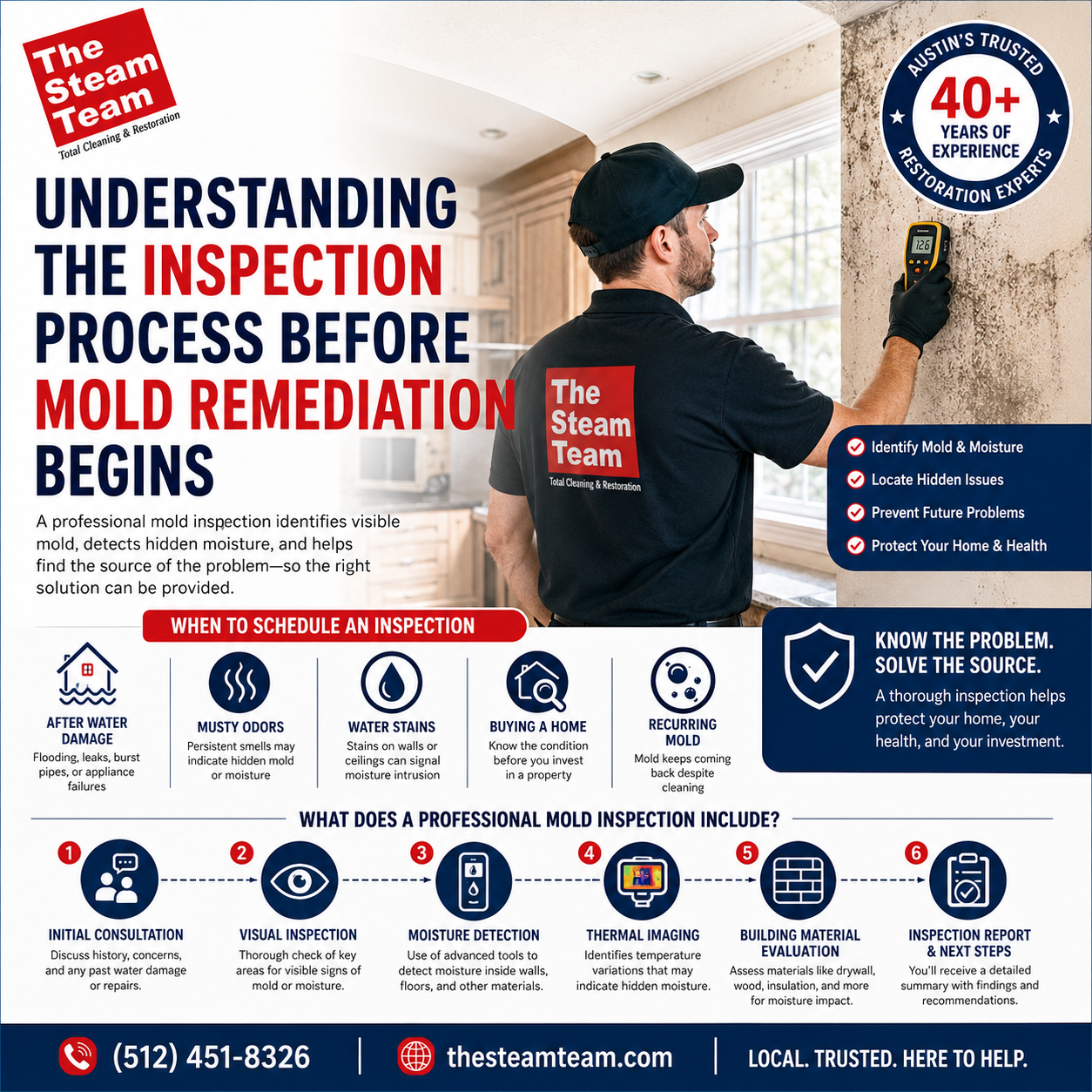
Starting professional services begins with scheduling an inspection that documents visible growth, checks moisture levels, and identifies potential sources; a clear inspection-to-quote workflow helps owners plan remediation or removal with predictable timelines and costs. Expect the inspection to include a visual survey, moisture mapping, possible targeted sampling, and a written scope with options for remediation or removal depending on findings. The table below outlines a concise inspection checklist that technicians commonly use, helping owners prepare for the visit and understand what information will inform a quote.


Introductory inspection checklist table:

Area Inspected

Test Used

What Technician Looks For

Walls & Ceilings

Moisture meter, visual

Elevated moisture %, staining, soft materials

Flooring & Subfloor

Probe meter, infrared

Saturation, odor, delamination

HVAC & Ducts

Visual, particle sampling

Condensation, microbial growth, and filter condition

Crawlspaces/Basement

Humidity meter, inspection

Water intrusion, grading, and venting issues

This checklist clarifies the inspection scope and the data that feeds a remediation or removal quote; the next subsection describes how to contact and prepare for an emergency response.

What Should You Expect During a Mold Inspection and Quote Process?

During inspection, technicians will gather visual evidence, moisture readings, and contextual information about recent water events; they will then produce a quote that separates containment, remediation labor, material removal, drying equipment, and repair coordination. Timeline from inspection to written quote typically ranges from same-day to a few days, depending on sampling needs, and well-documented scopes include recommended verification steps and expected post-remediation checks. Factors that influence the quote include the affected area size, materials involved, accessibility, and required repairs to stop moisture; clear documentation also helps if owners pursue insurance claims. Preparing photos, records of leaks, and occupant health concerns reduces back-and-forth and speeds decision-making about remediation versus targeted removal.

How Can You Contact The Steam Team for Emergency Mold Remediation or Consultation?

When immediate action is necessary, The Steam Team offers 24/7 emergency response to address water events that create mold risk, and contacting them for an emergency inspection initiates rapid mitigation steps like temporary water removal and structural drying to limit microbial growth. Provide basic information about the affected area, recent water incidents, and any health concerns so technicians can prioritize safety and containment upon arrival. Expect an initial assessment that focuses on stopping water intrusion and reducing humidity, followed by a more detailed remediation scope and quote after stabilization. Provide useful information about cleaning and restoration services, build trust, and lead potential clients to request a quote or schedule an appointment.

Frequently Asked Questions

What are the signs that I need mold remediation instead of just removal?

If you notice widespread mold growth, especially on porous materials like drywall or carpet, or if mold keeps returning after removal, it's time for remediation. Other signs include persistent moisture issues, musty odors, or health symptoms among occupants, such as respiratory problems or allergies. Remediation is essential when the mold covers an area larger than 10 square feet or when it affects vulnerable populations, such as children or the elderly. Addressing the root cause of mold growth is crucial for long-term health and safety.

How can I prevent mold growth after remediation?

To prevent mold growth after remediation, focus on controlling moisture levels in your home. This can be achieved by fixing leaks, improving ventilation, and using dehumidifiers in humid areas. Regularly inspect areas prone to moisture, such as basements and bathrooms, and ensure that gutters and downspouts direct water away from your foundation. Additionally, consider using mold-resistant materials during repairs and maintaining indoor humidity levels below 60% to create an environment less conducive to mold growth.

Is DIY mold removal effective for larger infestations?

DIY mold removal is generally not effective for larger infestations, especially those exceeding 10 square feet or involving porous materials. While small patches on non-porous surfaces can be managed with proper cleaning techniques, larger infestations often require professional remediation to ensure thorough removal and to address underlying moisture issues. Professionals have the tools and expertise to contain the mold, prevent cross-contamination, and verify that the problem has been fully resolved, which is crucial for long-term safety.

What should I do if I suspect mold in my home?

If you suspect mold in your home, the first step is to conduct a visual inspection for signs of mold growth or water damage. If you find mold or if occupants are experiencing health issues, contact a professional mold remediation service for a thorough inspection and assessment. Avoid disturbing the mold, as this can release spores into the air. Document any visible mold and moisture issues, as this information will be helpful for the remediation team and any potential insurance claims.

How long does the mold remediation process typically take?

The duration of the mold remediation process can vary significantly based on the extent of the infestation and the specific conditions of the property. Generally, small-scale remediation can take a few days, while larger or more complex cases may require a week or more. Factors influencing the timeline include the size of the affected area, the materials involved, and the need for repairs or drying. A professional assessment will provide a more accurate estimate based on the specific situation.

Are there any health risks associated with mold remediation?

While professional mold remediation is designed to minimize health risks, there can still be potential hazards, especially if proper safety protocols are not followed. During the process, mold spores can become airborne, which may pose risks to sensitive individuals. Professionals use protective gear and containment measures to limit exposure. It's essential to ensure that the remediation team follows industry standards to protect both workers and occupants from potential health issues related to mold exposure.

What should I look for when choosing a mold remediation service?

When selecting a mold remediation service, look for certified professionals with experience in mold assessment and remediation. Check for certifications such as IICRC, which indicate adherence to industry standards. Read reviews and ask for references to gauge their reputation. Ensure they provide a clear scope of work, including inspection, containment, removal, and post-remediation verification. Transparency in pricing and documentation for insurance claims is also important to ensure you receive quality service and protection for your property.

Conclusion
Understanding the differences between mold removal and mold remediation is crucial for maintaining a healthy living environment and protecting your property. While removal may provide a quick fix for visible mold, remediation addresses the root causes, ensuring long-term prevention and improved indoor air quality. For homeowners in Austin, choosing professional mold remediation services can significantly reduce health risks and enhance property value. Contact The Steam Team today to schedule an inspection and take the first step towards a mold-free home.

Understanding Mold Remediation Services Offered in Austin

What to Expect From Professional Mold Remediation Services in Austin, Texas

Mold remediation services in Austin, Texas, provide homeowners and business owners with a structured pathway to eliminate fungal growth, protect health, and restore properties to safe, habitable conditions. Engaging professional mold removal ensures that each stage—from rapid emergency response to final reconstruction—adheres to industry standards and state regulations. This guide outlines the complete mold remediation journey, covers cost considerations, highlights The Steam Team’s credentials and unique value propositions, and offers prevention strategies for long-term peace of mind. Expect to learn about:

  • The eight key steps in a comprehensive remediation process

  • Factors influencing investment and average cost ranges in Central Texas

  • Immediate and chronic health risks tied to mold exposure

  • Why The Steam Team stands out with over 40 years of local expertise, licensing compliance, 24/7 response, and insurance coordination

  • Practical measures to prevent future mold outbreaks

  • Distinctions between residential and commercial remediation requirements

  • Common homeowner concerns about timelines, DIY risks, insurance coverage, and cutting-edge removal technologies

This article weaves core mold remediation concepts with insights into The Steam Team’s professional services as a trusted Austin provider.

What Are the Key Steps in the Mold Remediation Process?

Professional mold remediation is a systematic sequence of interventions designed to identify, contain, eliminate, and prevent fungal regrowth while preserving structural integrity. These eight steps deliver clear control points, scientific rigor, and safety assurances for properties affected by moisture intrusion and fungal colonization.

This process typically follows eight sequential phases:

  1. Initial contact and emergency response mobilizes technicians and equipment to stabilize affected areas.

  2. Thorough inspection and damage assessment quantify contamination and identify moisture sources.

  3. Advanced containment strategies isolate the work zone to prevent cross-contamination.

  4. Air filtration and purification employ HEPA scrubbers to capture airborne spores.

  5. Safe removal and material disposal eliminate infested materials following EPA guidelines.

  6. Deep cleaning, sanitization, and odor removal eradicate residual spores and odors.

  7. Post-remediation verification and clearance confirm safe conditions through testing.

  8. Property restoration and repairs rebuild structures to pre-loss condition.

By following each step deliberately, technicians ensure a complete and verifiable remediation outcome that safeguards indoor air quality and occupant health.

How Does Initial Contact and Emergency Response Work?

The initial contact in a mold remediation process triggers an immediate emergency response protocol designed to stabilize conditions and begin mitigation within hours. When a homeowner or property manager reaches out, The Steam Team’s dispatch center coordinates licensed technicians who assess hazards, secure utilities if needed, and deploy containment barriers. This rapid mobilization reduces fungal proliferation by controlling humidity and airflow before extensive colonization can occur. Emergency response also includes preliminary moisture removal to stop active leaks or flooding, thereby addressing the root cause of mold growth. Fast intervention minimizes structural damage and potential health impacts, laying the groundwork for the detailed inspection phase that follows.

What Happens During Mold Inspection and Damage Assessment?

Thorough mold inspection and damage assessment establish the scope of fungal contamination, moisture intrusion points, and structural vulnerabilities. Licensed consultants use moisture meters, thermal imaging cameras, and visual sampling protocols to map fungal colonies behind walls, under flooring, and within hidden cavities. Surface and air samples are sometimes sent to accredited laboratories to identify mold species and quantify spore counts. Assessors document water damage pathways, including plumbing failures or roof leaks, and measure relative humidity levels to gauge environmental risk. This comprehensive evaluation enables an accurate remediation plan, ensures compliance with Texas Department of Licensing and Regulation standards, and determines resource allocation for containment, removal, and restoration.

How Are Mold Containment and Air Filtration Implemented?

Effective containment and air filtration prevent mold spores from spreading beyond the affected zone, protecting occupants and uncontaminated areas. Technicians construct negative-pressure enclosures using polyethylene sheeting and professional-grade tape, creating sealed barriers between workspaces and living spaces. Specialized air scrubbers equipped with HEPA filters circulate contaminated air through multi-stage filtration systems that capture 99.97 percent of particles down to 0.3 microns. Portable negative-air machines maintain lower air pressure inside containment, pulling spores inward and filtering exhaust air. Proper containment and filtration preserve indoor air quality and streamline subsequent cleaning and removal efforts by minimizing cross-contamination risks.

What Are the Safe Mold Removal Techniques and Equipment Used?

Safe mold removal combines mechanical and chemical methods to eradicate fungal colonies from non-porous and semi-porous surfaces. HEPA-vacuuming captures loose spores before manual scrubbing, while antimicrobial treatments neutralize remaining colonies at a microbial level. Technicians remove heavily infested materials—such as drywall, insulation, or carpeting—according to EPA disposal guidelines, bagging waste to prevent spore escape. Surface cleaning agents with antifungal properties are applied to inhibit regrowth and ensure long-term microbial control. Personal protective equipment, including full-face respirators, disposable suits, and gloves, safeguards crews and occupants throughout the removal phase.

How Is Cleaning, Sanitization, and Odor Removal Performed?

Deep cleaning and sanitization address residual spores, biofilms, and associated odors that linger after material removal. Technicians apply EPA-registered fungicidal agents to treated areas, followed by HEPA-filtered vacuuming and microfiber wiping to eliminate residual particulates. Ozone generators or hydroxyl machines may be used to neutralize volatile organic compounds responsible for musty odors without harmful byproducts. Fogging devices distribute antimicrobial disinfectants into hard-to-reach cavities, ensuring comprehensive coverage. This multi-agent approach restores surfaces to hygienic conditions, removes visible staining, and eradicates odor sources at a molecular level.

Why Is Post-Remediation Verification Important?

Post-remediation verification confirms that mold levels have returned to acceptable background counts and that no recontamination risk remains. Independent air quality testing measures spore concentrations, comparing them to control samples taken from unaffected areas. Clearance reports document the absence of active fungal growth and validate that rehabilitation meets industry and regulatory standards. Third-party verifiers—or in-house quality assurance teams—review environmental data, ensuring impartial certification of a successful remediation outcome. This verification step provides property owners with documented assurance that indoor air quality is safe for reoccupation.

What Does Property Restoration and Repair Include?

Property restoration and repair complete the remediation cycle by rebuilding or replacing damaged structures to their original appearance and functionality. Minor repairs may involve new drywall installation, painting, and trim work, while major reconstruction can include structural framing, flooring replacement, and ceiling restoration. Moisture control elements—such as dehumidifiers and improved ventilation systems—are often installed to prevent future mold growth. Final inspections verify that restored areas blend seamlessly with unaffected sections, delivering a fully rehabilitated property that meets aesthetic and safety standards.

How Much Does Mold Remediation Cost in Austin, Texas?

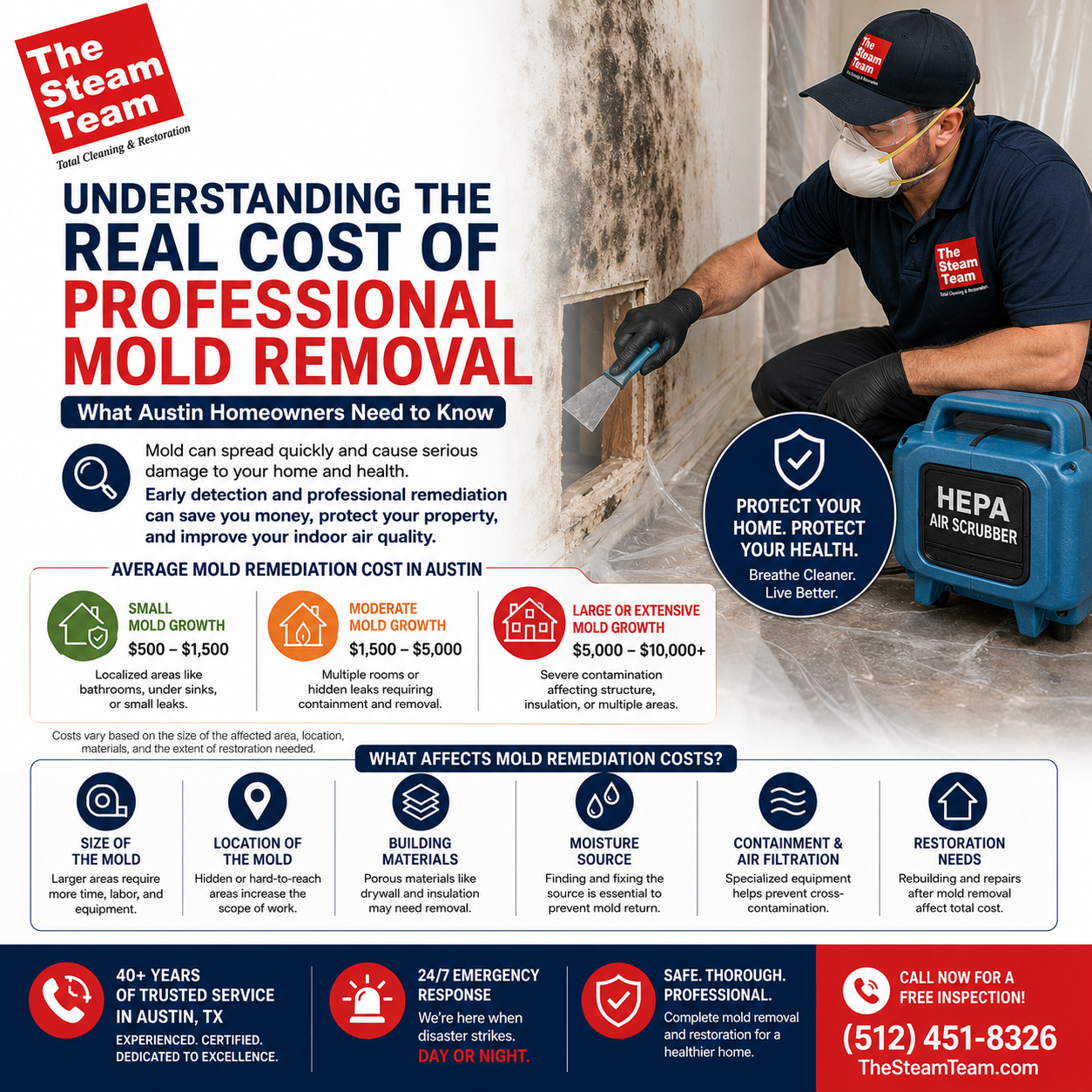
Mold remediation cost refers to the total investment required for professional assessment, removal, and restoration of affected properties in Austin. Pricing varies based on project size, infestation severity, mold type, and ease of access. Accurate cost estimation ensures homeowners understand financial commitments and can plan insurance coverage or out-of-pocket expenses accordingly.

Below is a summary of key cost factors influencing remediation investment:

  • Square footage of affected areas determines labor and material requirements.

  • Type of mold (e.g., common mold vs. toxic black mold) dictates containment and treatment protocols.

  • Extent of structural damage influences scope of repair and reconstruction.

  • Accessibility to hidden growth areas may increase inspection and removal complexity.

  • Local regulations and licensing standards affect procedural compliance costs.

What Factors Influence Mold Remediation Pricing?

Several elements directly affect mold remediation pricing, guiding property owners to anticipate budget ranges:

Factor Cost Impact Description
Affected Square Footage Moderate to High Larger areas require more labor hours, materials, and disposal resources.
Mold Type Variable Toxic species like black mold incur stricter containment, safety protocols, and testing.
Damage Extent High Structural decay demands additional demolition, drying time, and reconstruction steps
Accessibility Moderate Hidden or confined spaces require specialized inspection tools and extended labor.
Insurance Coordination Indirect Savings Direct billing and claims assistance can offset out-of-pocket costs for policyholders.

What Are the Average Mold Removal Costs for Austin Properties?

In Austin, mold removal costs for residential and commercial properties typically range from $1,200 to $3,750 for moderate infestations under 200 square feet. Small-scale projects may start around $500, while extensive whole-house remediation can exceed $30,000. The Steam Team offers free, no-obligation estimates that consider all pricing variables, and assists with insurance documentation to maximize policy benefits. Understanding these averages helps property owners set realistic budgets and avoid unexpected expenses during restoration.

What Are the Health Risks and Symptoms Associated With Mold Exposure?

Mold exposure poses immediate and long-term health risks by releasing spores and mycotoxins into indoor air. Inhalation or contact can trigger respiratory irritation, allergic responses, and more severe systemic effects. Recognizing common symptoms and understanding toxic species like Stachybotrys chartarum empowers individuals to seek prompt professional remediation and medical guidance when needed.

Homeowners experiencing exposure often report:

  1. Chronic coughing or wheezing that intensifies in damp environments.

  2. Allergic reactions such as sneezing, itchy eyes, and nasal congestion.

  3. Skin inflammation or rash following contact with contaminated surfaces.

These manifestations highlight the necessity of professional intervention to restore healthy indoor air conditions and prevent further complications.

What Common Health Issues Does Mold Cause?

Residential or commercial occupants exposed to mold spores may suffer from respiratory distress, including persistent coughing, throat irritation, and difficulty breathing—particularly for individuals with asthma or chronic lung conditions. Allergic reactions manifest as watery eyes, nasal congestion, and skin hives. Mold can also exacerbate asthma attacks and lead to sinus infections over prolonged exposure. Vulnerable populations—children, the elderly, and those with compromised immune systems—face heightened risks of severe respiratory complications from untreated mold growth.

How Is Black Mold Different and More Dangerous?

Black mold (Stachybotrys chartarum) produces potent mycotoxins that can trigger neurological symptoms, internal organ irritation, and immunosuppression in sensitive individuals. Its dark, slimy appearance often indicates advanced colonization and water saturation. Because of these toxins, remediation of black mold requires enhanced personal protective equipment, stricter negative-pressure containment, and rigorous disposal protocols. Licensed contractors follow Texas Department of Licensing and Regulation guidelines to ensure safe removal and disposal, minimizing health hazards associated with mycotoxin exposure.

What Are the Long-Term Effects of Mold Exposure?

Chronic mold exposure can lead to sustained respiratory decline, including increased frequency of asthma attacks and development of new allergies. Prolonged contact with mycotoxins may contribute to neurological issues—such as headaches, cognitive impairment, and fatigue—by affecting nerve signaling pathways. The Centers for Disease Control and Prevention notes potential links between mycotoxin inhalation and immune system dysfunction over time. Addressing mold infestations swiftly prevents cumulative health impacts and supports better long-term well-being for occupants.

Why Choose The Steam Team for Mold Remediation Services in Austin?

Selecting a seasoned mold remediation provider ensures safety, quality, and regulatory compliance from start to finish. The Steam Team combines local expertise, state licensing, round-the-clock availability, and insurance coordination to deliver comprehensive mold removal solutions in Central Texas.

Key differentiators include:

  • Over 40 years of trusted service in Austin

  • State-of-Texas Mold Remediation Contractor license and TDLR compliance

  • 24/7 emergency response for rapid mitigation

  • Direct billing and full insurance claim assistance

How Does Over 40 Years of Local Experience Benefit You?

With a legacy dating back to 1983, The Steam Team understands Austin’s unique climate challenges—from seasonal humidity spikes to flash flooding—that promote fungal growth. This institutional knowledge informs proactive moisture control strategies, anticipatory inspection techniques, and efficient remediation planning. Local relationships with suppliers, insurance adjusters, and regulatory bodies accelerate response times and approval processes, ensuring faster resolution and a more seamless restoration experience.

What Licensing and Certifications Does The Steam Team Hold?

The Steam Team holds a State of Texas Mold Remediation Contractor license (MRC License #RCO1264) and operates under Texas Department of Licensing and Regulation standards. Technicians undergo continuous training in IICRC best practices, ensuring adherence to safety protocols, environmental guidelines, and procedural rigor. Licensing and certification demonstrate a commitment to quality control, accountability, and transparent operations that protect clients and their properties.

How Does 24/7 Emergency Response Support Urgent Mold Issues?

Mold incidents often arise without warning—burst pipes, roof leaks, and storms can trigger rapid fungal growth. The Steam Team’s 24/7 emergency hotline connects callers to on-duty experts who dispatch crews immediately. Early stabilization measures—such as moisture extraction and temporary containment—reduce the risk of extensive mold spread, minimize structural damage, and protect indoor air quality. Round-the-clock readiness ensures that critical remediation steps begin before mold can compromise health and property integrity.

How Does The Steam Team Simplify Insurance Claims?

Navigating insurance claims for mold remediation can be complex due to documentation requirements and coverage nuances. The Steam Team streamlines this process by directly billing approved policies, communicating with adjusters, and providing detailed project reports. Clear estimates, photographic evidence, and scope of work documentation support claim approval and reduce out-of-pocket expenses. Clients benefit from a single point of contact that handles administrative tasks, allowing them to focus on recovery rather than paperwork.

How Can Homeowners and Businesses Prevent Future Mold Growth?

Preventing mold growth relies on controlling moisture sources, maintaining proper airflow, and monitoring environmental conditions. Implementing preventive measures reduces the likelihood of future infestations and the need for costly remediation.

Effective mold prevention encompasses:

  • Maintaining indoor humidity levels below 60 percent through dehumidifiers and ventilation

  • Repairing leaks promptly in roofs, plumbing fixtures, and foundations

  • Ensuring adequate airflow by cleaning HVAC filters and using fans in high-moisture areas

  • Conducting regular property inspections for signs of water intrusion

What Are Effective Moisture Control and Ventilation Strategies?

Controlling indoor humidity and promoting air exchange thwart mold before it can take hold. Installing energy-efficient dehumidifiers in basements and crawlspaces keeps relative humidity within target ranges, while exhaust fans in bathrooms and kitchens remove excess moisture at its source. Sealing gaps around windows, doors, and plumbing lines prevents outdoor humidity infiltration. Regular duct cleaning and proper HVAC maintenance ensure consistent airflow, reducing condensation on cold surfaces and inhibiting fungal colonization in hidden cavities.

How Do Dehumidifiers and Smart Sensors Help in Early Mold Detection?

Modern dehumidifiers equipped with built-in hygrometers automatically activate when humidity exceeds preset thresholds, maintaining controlled moisture levels. Smart sensors placed in vulnerable areas—attics, basements, and utility rooms—provide real-time humidity and temperature readings via mobile apps or integrated building management systems. Alerts notify owners of spikes that could lead to mold growth, enabling prompt interventions such as increased ventilation or localized drying. Early detection tools transform reactive cleanup into proactive prevention.

What Maintenance Practices Reduce Mold Recurrence Risks?

Routine maintenance protects properties from invisible moisture threats that catalyze fungal growth. Homeowners and facility managers should inspect plumbing fixtures, roof gutters, and foundation drains seasonally for clogs or leaks. Clean and replace HVAC filters quarterly to sustain unobstructed airflow. Schedule annual professional building envelope assessments that include infrared thermography to reveal hidden moisture pockets. Consistent upkeep and timely repairs create a resilient barrier against mold resurgence.

What Should You Know About Residential vs. Commercial Mold Remediation?

Residential and commercial mold remediation share core scientific principles but diverge in scale, regulatory oversight, and continuity requirements. Homes typically involve localized interventions and occupant relocation, while businesses demand stringent compliance, minimal downtime, and facility-management coordination.

How Do Mold Remediation Needs Differ Between Homes and Businesses?

In residential settings, mold outbreaks usually originate from singular events—burst pipes or localized leaks—and often require targeted treatment of affected rooms. Commercial facilities face larger square footage, diverse occupancy patterns, and critical equipment considerations. Remediation plans for businesses must integrate with operational schedules to prevent service disruptions, comply with OSHA and industry-specific regulations, and document chain-of-custody for sensitive environments like healthcare or food-service establishments.

What Are the Compliance Requirements for Commercial Properties?

Commercial mold remediation in Central Texas adheres not only to Texas Department of Licensing and Regulation standards but also to federal and industry regulations—such as OSHA guidelines for worker safety and EPA directives for indoor air quality. Facility managers must ensure that containment zones meet ANSI/ASHRAE standards for ventilation and that disposal of contaminated materials follows local environmental codes. Detailed record-keeping, third-party clearance testing, and certification of completed work are often contractual obligations to protect business continuity and legal liability.

What Are Common Questions About Mold Remediation Services?

Property owners frequently inquire about project timelines, DIY feasibility, insurance coverage, and the latest technologies used in remediation. Understanding these concerns supports informed decision-making and realistic expectations when engaging professional services.

Key homeowner concerns include:

  • Average duration from initial assessment to final clearance

  • Risks and limitations of do-it-yourself mold removal

  • Insurance policy provisions and claim processes

  • Cutting-edge equipment and techniques deployed in 2025

What Are the Typical Timeframes for Mold Remediation Projects?

Remediation timelines vary with infestation severity, property size, and remediation scope. Small-scale jobs—removing mold from a single bathroom wall—can conclude in one to two days, including drying and cleaning. Moderate projects spanning multiple rooms typically require four to seven days, accounting for inspection, containment, removal, and drying phases. Extensive whole-house or commercial building remediation may extend two to three weeks, especially when structural repairs and post-remediation testing are involved. A detailed assessment by licensed professionals yields an accurate project schedule tailored to each property.

Can Mold Be Removed Safely Without Professional Help?

DIY mold removal carries significant risks, including incomplete eradication, spore dispersal, and exposure to hazardous mycotoxins. Homeowners lack the specialized equipment—negative-pressure enclosures, HEPA-filtered vacuums, and industrial-grade antimicrobial agents—that professionals use to control cross-contamination and ensure thorough decontamination. Licensed remediation contractors follow TDLR protocols, implement rigorous containment, and conduct post-remediation verification, providing documented proof of safety. Attempting mold removal without proper training can exacerbate infestations and pose health hazards.

Is Mold Remediation Covered by Insurance in Austin?

Most homeowner and commercial property insurance policies include mold remediation when mold growth results from a covered peril—such as burst plumbing, roof damage, or flooding events. Coverage limits, deductibles, and exclusions vary by policy. The Steam Team assists clients by preparing detailed damage reports, documenting remediation needs, and communicating directly with insurance adjusters. This collaboration expedites claim review, maximizes eligible reimbursements, and reduces out-of-pocket expenses for policyholders.

How Do Advanced Technologies Improve Mold Removal in 2025?

In 2025, mold remediation leverages technological advancements—portable thermal imaging detects hidden moisture pockets behind walls and ceilings, robotic inspection crawlers access confined crawlspaces, and IoT-enabled sensors provide continuous humidity monitoring. Enhanced HEPA filtration systems now feature multi-stage carbon and photocatalytic oxidation filters that neutralize volatile organic compounds and microbial toxins. Antimicrobial fogging devices use electrostatic application for uniform coverage, while data-driven moisture-mapping software guides technicians in targeting high-risk zones. These innovations accelerate remediation, improve accuracy, and deliver quantifiable air-quality improvements.

Restoring indoor environments to safe, mold-free conditions combines scientific precision, regulatory compliance, and experienced craftsmanship. The Steam Team’s licensed professionals, backed by over four decades of local service, guide clients through each remediation stage with transparent communication, documented verification, and seamless insurance support. For a comprehensive evaluation and no-cost estimate, reach out to schedule an assessment and safeguard your property from mold risks.

Frequently Asked Questions

What are the signs of mold growth in a property?

Signs of mold growth can vary, but common indicators include visible mold patches, a musty odor, and water stains on walls or ceilings. Homeowners may also notice increased humidity levels or condensation on windows. If occupants experience unexplained allergic reactions, respiratory issues, or persistent coughing, these could be symptoms of mold exposure. Regular inspections and monitoring for these signs can help catch mold issues early, preventing extensive damage and health risks.

How long does the mold remediation process typically take?

The duration of mold remediation depends on several factors, including the extent of the infestation, the size of the affected area, and the complexity of the remediation plan. Small-scale projects may take one to two days, while moderate infestations can require four to seven days. Extensive remediation, especially in larger commercial properties, may take two to three weeks. A thorough assessment by professionals will provide a more accurate timeline tailored to the specific situation.

Are there any DIY methods for preventing mold growth?

While professional remediation is recommended for existing mold issues, homeowners can implement several DIY prevention strategies. Keeping indoor humidity below 60% using dehumidifiers, promptly repairing leaks, and ensuring proper ventilation in high-moisture areas like bathrooms and kitchens are effective measures. Regularly inspecting for signs of water intrusion and maintaining HVAC systems can also help prevent mold growth. However, for significant infestations, professional intervention is essential.

What should I do if I suspect mold in my home?

If you suspect mold in your home, it’s crucial to act quickly. First, avoid disturbing the affected area, as this can release spores into the air. Document the extent of the mold and any visible damage. Then, contact a professional mold remediation service to conduct a thorough inspection and assessment. They can provide a detailed plan for safe removal and restoration, ensuring that your home is returned to a healthy state.

How can I choose the right mold remediation service?

Choosing the right mold remediation service involves several key considerations. Look for companies with proper licensing and certifications, such as a State of Texas Mold Remediation Contractor license. Check for experience and customer reviews to gauge their reputation. Additionally, inquire about their remediation process, including containment and post-remediation verification. A reliable service should also assist with insurance claims and provide transparent pricing. Always request a detailed estimate before proceeding.

What are the potential health effects of mold exposure?

Mold exposure can lead to a range of health issues, particularly for sensitive individuals. Common symptoms include respiratory problems, allergic reactions, skin irritation, and headaches. Prolonged exposure may exacerbate asthma and lead to chronic respiratory conditions. Certain molds, like black mold, can produce mycotoxins that pose more severe health risks. It’s essential to address mold issues promptly to protect the health of all occupants, especially vulnerable populations such as children and the elderly.

What are the differences between residential and commercial mold remediation?

Residential and commercial mold remediation differ primarily in scale and regulatory requirements. Residential remediation often focuses on localized areas and may involve temporary relocation of occupants. In contrast, commercial remediation must consider operational continuity, compliance with OSHA regulations, and minimal disruption to business activities. Commercial projects may also require more extensive documentation and coordination with facility management. Both types, however, follow similar scientific principles for effective mold removal and prevention.

Conclusion

Engaging professional mold remediation services in Austin ensures a thorough and compliant approach to eliminating mold, safeguarding health, and restoring properties. The Steam Team’s expertise, rapid response, and commitment to quality provide peace of mind for homeowners and businesses alike. By understanding the importance of timely intervention and preventive measures, you can protect your environment from future mold issues. Contact us today for a free assessment and take the first step towards a mold-free space.