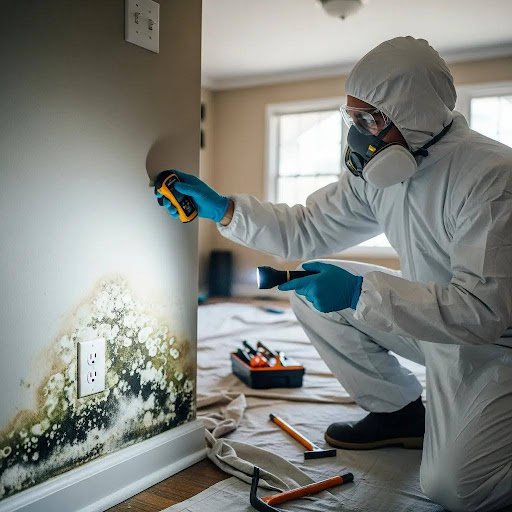
Mold Remediation Process in Austin, TX
Mold growth inside homes and buildings can cause structural damage and may negatively affect indoor air quality. Mold commonly develops after water damage, plumbing leaks, roof leaks, or excess humidity.
Once mold begins growing, it can spread quickly through walls, insulation, flooring, and HVAC systems. Professional mold remediation is designed to remove mold contamination safely and prevent it from returning.
Understanding the mold remediation process in Austin helps homeowners know what to expect when addressing mold problems in their property.
The Steam Team has been helping homeowners and businesses resolve mold issues across Austin since 1983, providing professional mold remediation services as part of their restoration expertise.
Homes throughout neighborhoods such as Allandale, Mueller, and South Austin can experience mold growth due to moisture issues caused by plumbing leaks, storms, or humidity.
The Steam Team serves Austin from two locations — our North Austin office focuses on restoration services such as water damage restoration, fire cleanup, and mold remediation, while our Central Austin office provides professional cleaning services including carpet cleaning, tile and grout cleaning, area rug cleaning, upholstery cleaning, and air duct cleaning.
What Is Mold Remediation?
Mold remediation is the professional process of identifying, containing, removing, and preventing mold growth inside a property.
Unlike simple cleaning, mold remediation focuses on addressing both:
• the visible mold growth
• the moisture source that allowed the mold to grow
Proper remediation helps prevent mold from returning.
Common Causes of Mold in Austin Homes
Mold growth typically occurs when moisture remains present in a building.
Common causes include:
• water damage from leaks or flooding
• roof leaks during storms
• plumbing leaks behind walls
• poor ventilation in bathrooms or kitchens
• high indoor humidity
Homes in Round Rock, Cedar Park, and North Austin sometimes experience mold after storms or plumbing issues.
The Professional Mold Remediation Process
Professional mold remediation usually follows a structured process designed to safely remove contamination.
Step 1: Mold Inspection and Assessment
The first step is identifying where mold is present and determining the extent of the contamination.
Technicians inspect:
• walls and ceilings
• flooring and insulation
• HVAC systems
• moisture sources
This helps determine the proper remediation plan.
Step 2: Containment of Affected Areas
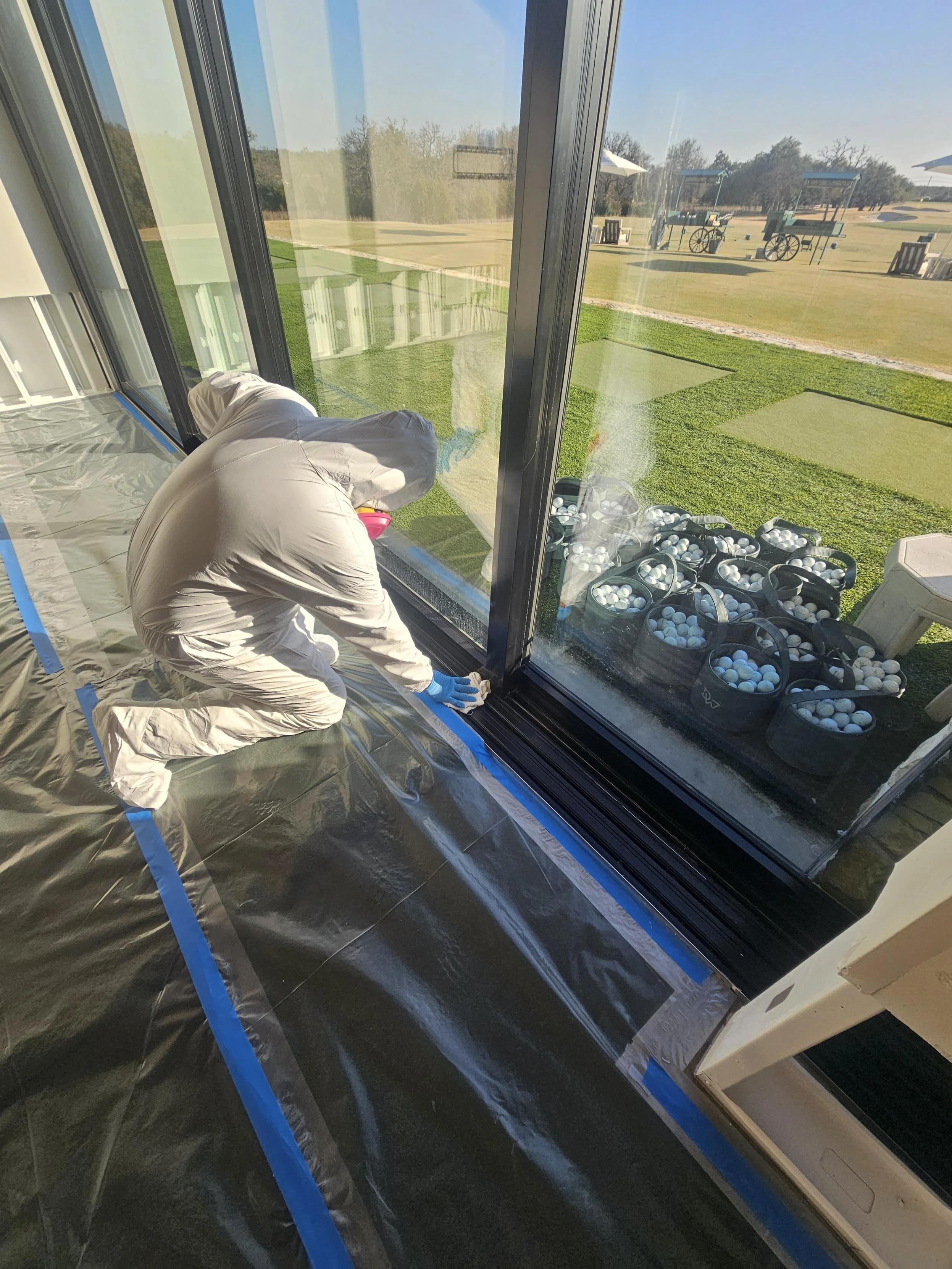
Containment prevents mold spores from spreading to other areas of the property.
Technicians may use:
• plastic containment barriers
• negative air pressure systems
• HEPA air filtration devices
These measures isolate contaminated areas during remediation.
Step 3: Mold Removal and Cleaning
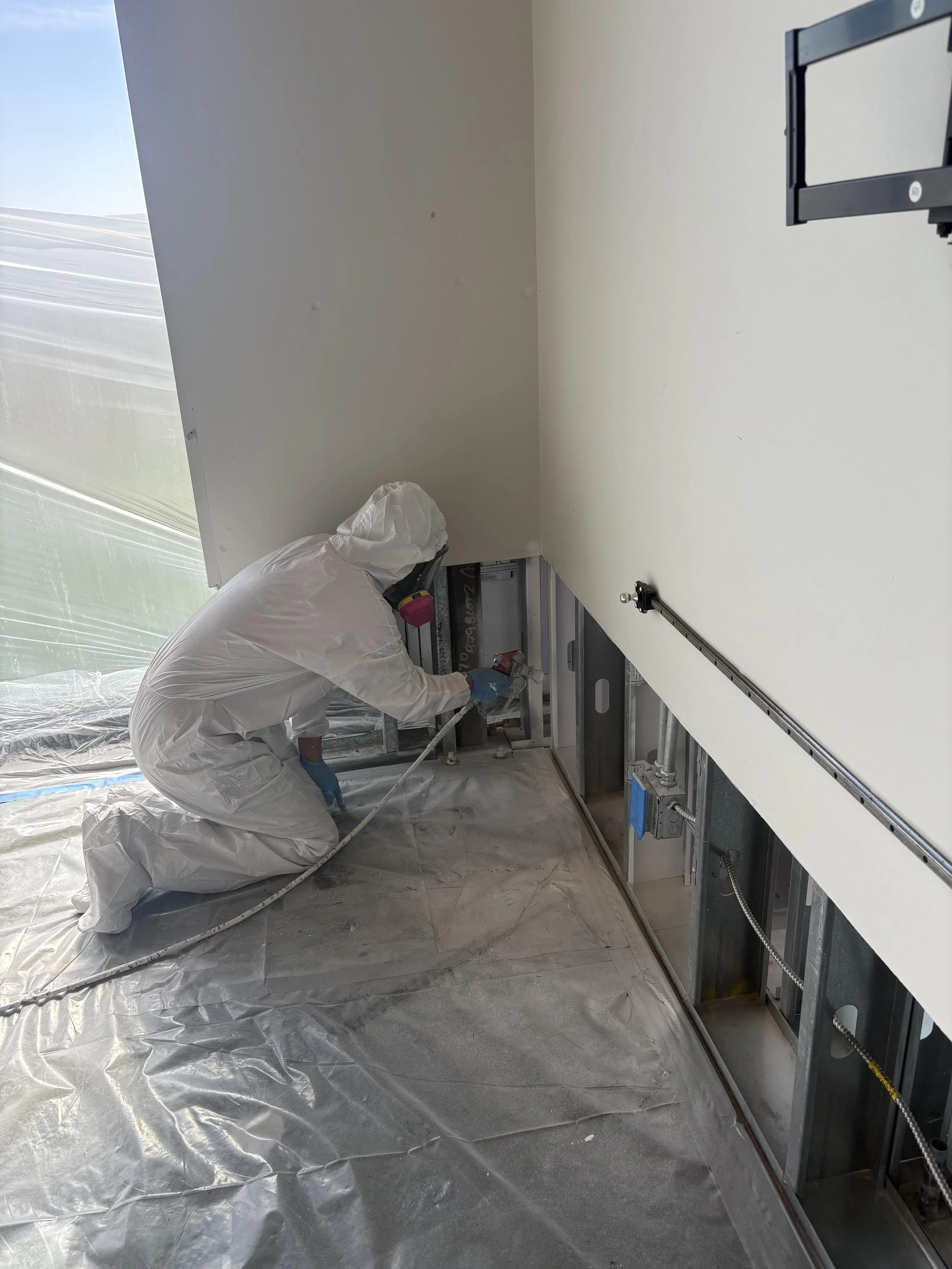
Technicians remove contaminated materials and clean affected surfaces.
This may include:
• removal of damaged drywall or insulation
• cleaning of structural materials
• antimicrobial treatments
Professional cleaning removes mold spores and prevents further growth.
Step 4: Drying and Moisture Control
Because mold requires moisture to grow, drying the affected area is essential.
Professional equipment may include:
• air movers
• dehumidifiers
• moisture monitoring tools
This step ensures that conditions no longer support mold growth.
Step 5: Final Inspection and Restoration
After remediation is complete, technicians perform a final inspection to confirm that mold contamination has been addressed.
If structural materials were removed, restoration services may include:
• drywall replacement
• flooring repair
• repainting
This restores the property to its original condition.
Benefits of Professional Mold Remediation
Professional mold remediation offers several important advantages.
Benefits include:
• safe mold removal
• improved indoor air quality
• prevention of future mold growth
• protection of structural materials
• restoration of healthy indoor environments
Professional remediation ensures that mold is removed properly.
Signs You May Need Mold Remediation
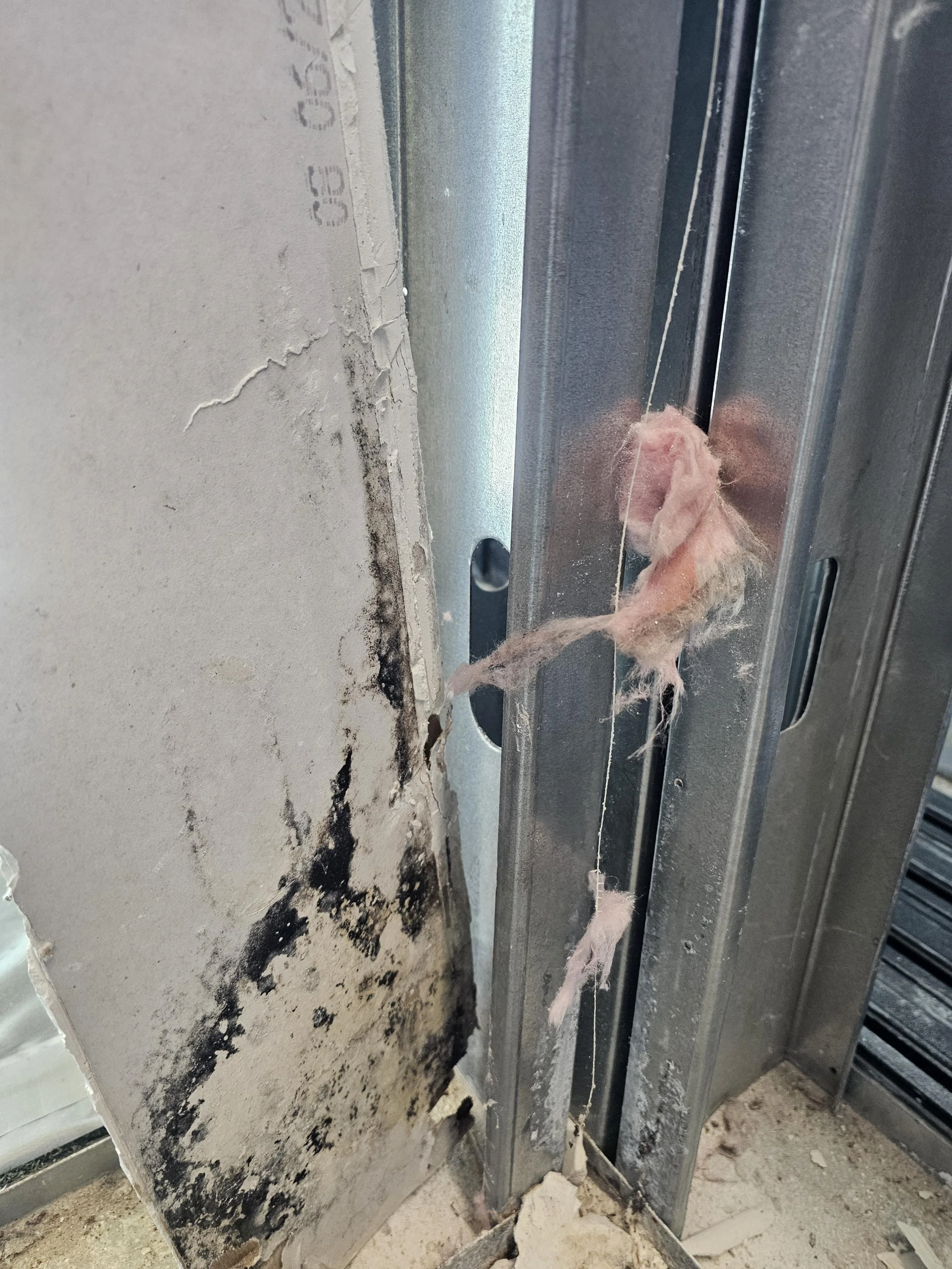
Homeowners may notice warning signs that indicate mold growth.
Common signs include:
• musty odors
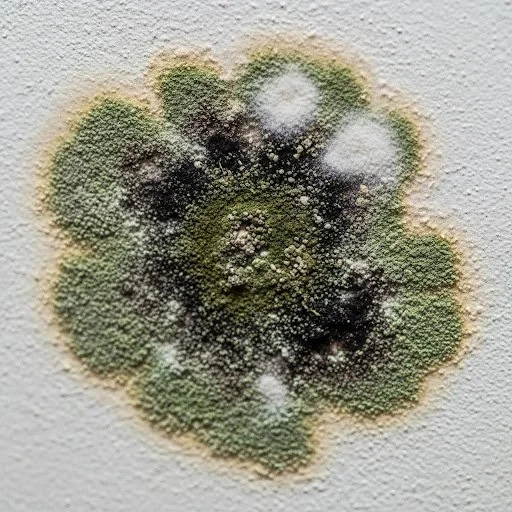
• visible mold spots
• peeling paint or drywall damage
• increased allergy symptoms indoors
• past water damage
If these signs appear, professional inspection is recommended.
Preventing Mold Growth
Homeowners can reduce the risk of mold growth by controlling moisture levels inside the home.
Helpful strategies include:
• repairing plumbing leaks quickly
• maintaining proper ventilation
• controlling indoor humidity
• addressing water damage promptly
Routine maintenance helps prevent conditions that allow mold to grow.
FAQ: Mold Remediation
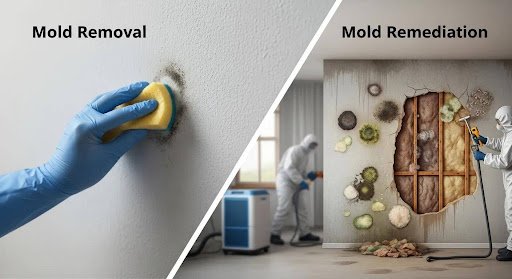
What is the difference between mold removal and mold remediation?
Mold remediation addresses both the mold contamination and the moisture source causing the growth.
How long does mold remediation take?
Most projects take 1–5 days, depending on the severity of the contamination.
Is mold remediation safe for homeowners?
Professional technicians use containment and filtration systems to ensure safe remediation.
Can mold return after remediation?
If moisture problems are resolved, mold is unlikely to return.
When should I call a mold remediation company?
Professional help is recommended when mold growth spreads beyond small isolated areas.
Why The Steam Team?

• Serving Austin since 1983
• Certified mold remediation professionals
• Advanced drying and containment equipment
• Emergency restoration services
• Trusted throughout Central Texas
Schedule Mold Inspection in Austin
North Austin Restoration Office
9901 Burnet Rd
Austin, TX 78758
Water Restoration | Fire Cleanup | Mold Remediation | Emergency Extraction
Central Austin Cleaning Office
1904 W Koenig Ln
Austin, TX 78756
Carpet Cleaning | Tile & Grout Cleaning | Area Rug Cleaning | Air Duct Cleaning