Fire + Water Damage — What Happens After the Fire Department Leaves
/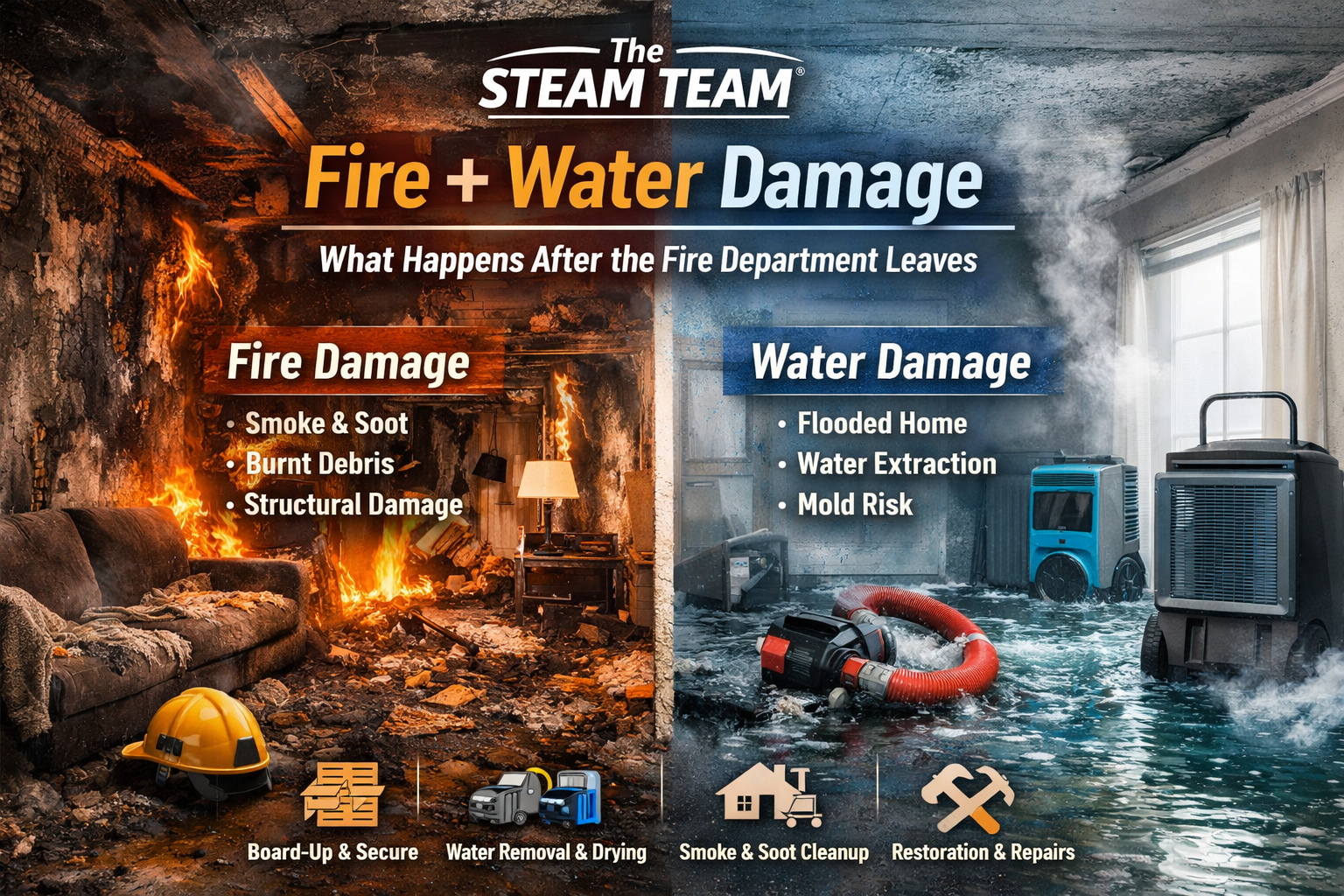
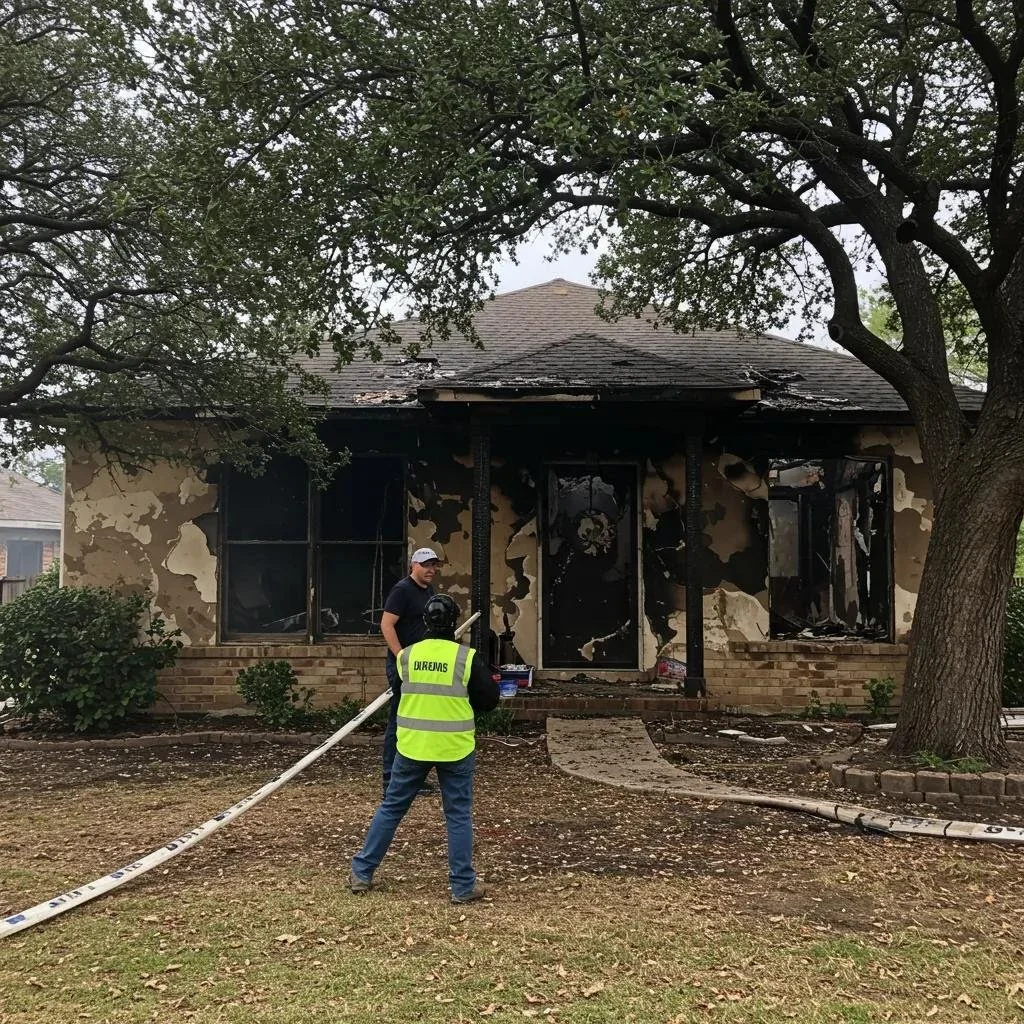
When a fire occurs in a home, the fire department’s primary goal is to extinguish the flames and ensure everyone’s safety.
Read More
Explore expert tips on water damage restoration, carpet cleaning, rug cleaning, mold remediation, and air duct cleaning in Austin, TX. Trusted local insights from The Steam Team since 1983.
When a fire occurs in a home, the fire department’s primary goal is to extinguish the flames and ensure everyone’s safety.
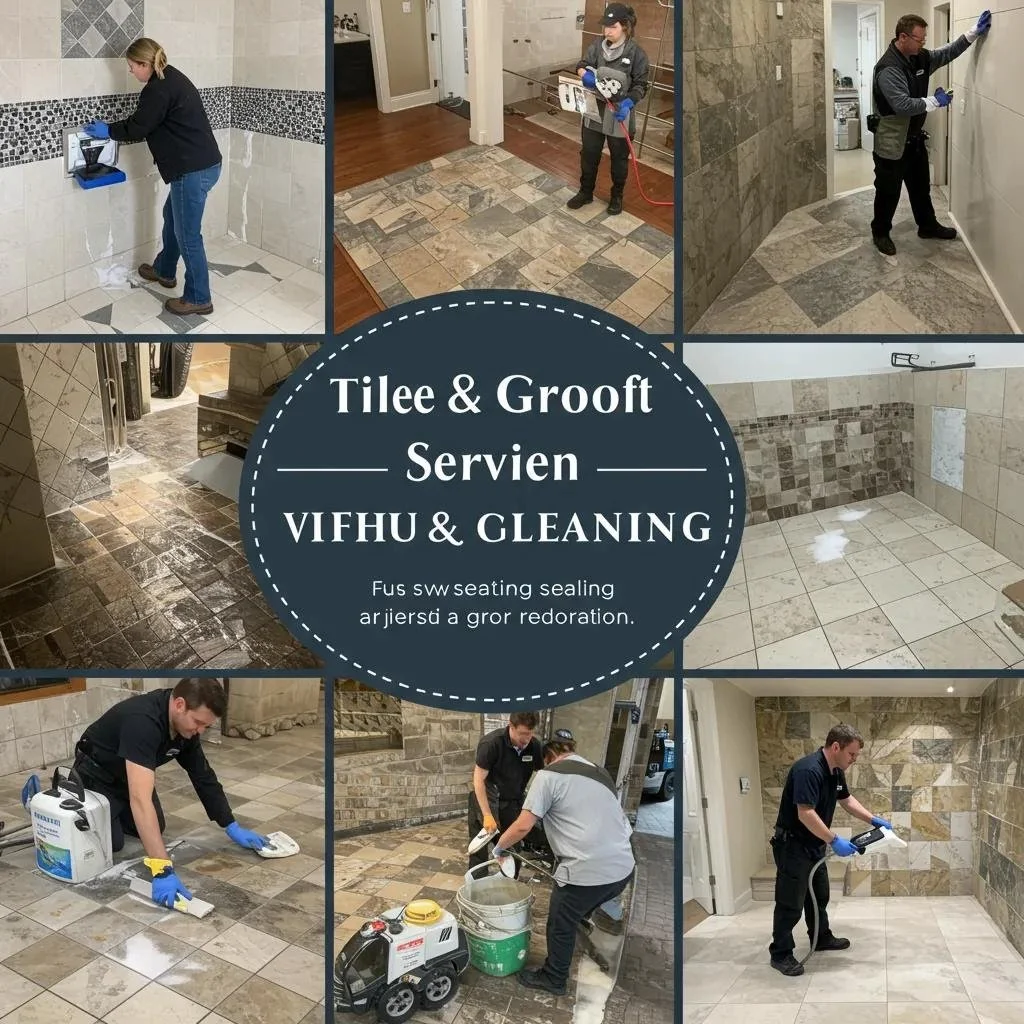
Read MoreBringing back the original luster of tired, stained flooring demands more than elbow grease—it requires specialized equipment, advanced cleaning chemistry, and the know-how of seasoned professionals. In Austin, tile and grout cleaning services address persistent discoloration, embedded grime, and mildew growth on ceramic, porcelain, and natural stone surfaces. This article reveals how expert methods restore tile beauty, extend its lifespan, and protect grout from future damage. You’ll discover why professional tile and grout cleaning in Austin outperforms DIY efforts, what services are available for homes and businesses, how The Steam Team’s proprietary steam cleaning process works, transparent pricing details, grout sealing benefits, real-world customer experiences, and answers to common tile care questions. By the end, you’ll understand how to transform your floors and maintain that refreshed look.
Professional tile and grout cleaning in Austin combines powerful thermal extraction, eco-sensitive chemicals, and targeted agitation to remove dirt and bacteria that ordinary mopping leaves behind. By applying purified water heated above 200°F and injecting an oxygenated hydrogen peroxide solution under high pressure, technicians dissolve stubborn stains, lift embedded soils, and sanitize grout lines. This deep cleaning action restores tile surfaces to their near-original condition and sets the stage for protective treatments that preserve beauty and hygiene over time. Understanding these advantages leads us to consider what sets The Steam Team apart.
The Steam Team stands out through a combination of advanced equipment and local expertise. Their technicians heat purified water to over 200°F, then inject an oxygenated form of hydrogen peroxide under high pressure to eliminate organic stains and kill bacteria. This proprietary approach not only cleans but also sanitizes tile and grout, delivering results that “look very much as they did the day they were installed.” Trained in both residential and commercial restoration, The Steam Team guarantees consistent performance across kitchens, bathrooms, patios, and high-traffic retail or healthcare spaces, reinforcing their reputation as Austin’s trusted tile cleaning specialists.
Professional cleaning restores gloss, evens grout color, and removes soil that accelerates wear. The high-temperature steam softens and lifts dirt while high-pressure extraction evacuates contaminants, preventing premature grout erosion and tile etching. As a result, tiles maintain their protective seal longer, reducing the need for frequent deep cleans. Enhanced surface integrity also resists scuffs and scratches, which collectively extends tile lifespan by up to 30 percent compared to DIY maintenance alone.
Expert cleaners tailor methods to tile composition—ceramic, glazed porcelain, or delicate natural stone like marble and travertine each require specific pH-balanced solutions and controlled agitation. For example, ceramic and porcelain tiles tolerate higher-pressure steam, while natural stone benefits from gentler extraction and subsequent polishing or honing. Grout-line restoration techniques, including color sealing and recoloring, further enhance uniformity and shield porous materials from future staining, ensuring each surface type receives the precise care it needs.
Austin’s professional tile and grout services extend far beyond simple washing to include restoration and protection treatments that safeguard investment and aesthetic appeal. The Steam Team offers specialized residential packages for kitchens, baths, and outdoor patios as well as tailored commercial solutions for offices, restaurants, and healthcare facilities. In addition to deep steam cleaning, services include tile sealing, grout color sealing, and minor tile repairs that address cracks or missing grout. These combined offerings form an end-to-end floor care system that not only revives surfaces but also locks in cleanliness for months.
Residential cleaning removes allergens, mold, and embedded soil from living spaces, restoring tile and grout to showroom condition. In kitchens and bathrooms, high-pressure steam eradicates cooking oils, soap scum, and mildew, while patios and entryways emerge free of moss and dirt buildup. Homeowners gain healthier floors, a revitalized aesthetic, and peace of mind knowing that sanitized surfaces reduce respiratory irritants. Continuous maintenance plans further protect floors through scheduled re-cleaning and grout sealing, ensuring longevity and family well-being.
Commercial clients benefit from flexible scheduling, rapid-dry technologies, and color-consistent grout restoration that adhere to industry hygiene standards. Restaurants rely on oil-cutting steam to remove grease buildup in kitchen tile and dining areas, while office buildings receive comprehensive floor maintenance that minimizes downtime. Healthcare facilities require hospital-grade sanitization—The Steam Team’s oxygenated cleaning solution meets these rigorous demands by eliminating pathogens without harsh chemical residues, promoting a safer environment for staff and patients alike.
After deep cleaning, applying a premium sealant fills micro-pores in tile and grout, repelling water, oil, and future staining. Grout recoloring infuses pigment into porous joints, delivering a uniform appearance and preventing discoloration. Together, these restoration services create a barrier that significantly reduces cleaning frequency and shields surfaces from UV fading, chemical spills, and daily wear. Home and business owners enjoy vibrant flooring that stands up to traffic and environmental exposure.
The Steam Team’s advanced process combines thermal extraction, mechanical agitation, and eco-sensitive chemistry to achieve unmatched results on Austin tile floors. Every job begins with pre-inspection and soil mapping, followed by tailored surface preparation. Technicians then use truck-mounted or portable steam units to heat purified water above 200°F, inject an oxygenated peroxide blend, and agitate grout lines with brush attachments. High-pressure extraction evacuates loosened soils, and a post-clean assessment ensures complete satisfaction. This systematic approach restores shine, removes bacteria, and primes surfaces for sealing treatments that extend cleanliness and durability.
Pre-Inspection & Soil Mapping – Identify tile type, grout condition, and risk areas.
Dry Soil Removal – Vacuum loose debris to enhance steam penetration.
Steam & Solution Injection – Heat purified water above 200°F and inject oxygenated hydrogen peroxide under high pressure.
Mechanical Grout Agitation – Use brush tools to dislodge embedded dirt and mold.
High-Pressure Extraction – Remove lifted soils and sanitize grout lines.
Post-Clean Inspection – Verify cleanliness and recommend sealing or repairs.
These sequential actions ensure thorough restoration and pave the way for long-lasting protection.
Incorporating plant-derived surfactants and oxygenated cleaners reduces environmental impact while maintaining powerful stain-lifting performance. Eco-friendly detergents break down organic soils without harsh solvents, safeguarding indoor air quality and preventing chemical residue on flooring. This approach aligns with rising demand for green cleaning, appealing to health-conscious homeowners and businesses committed to sustainable operations. The result is a pristine, toxin-free floor that supports both aesthetic and environmental standards.
High-temperature steam penetrates microscopic fissures where bacteria, mold, and grime hide, while oxygenated cleaning agents oxidize organic matter at the molecular level. The combined heat and oxidative action loosens stubborn residues and kills pathogens without abrasive scrubbing. This dual-mechanism treatment not only restores surface appearance but also sanitizes grout joints, creating a hygienic barrier that resists recontamination. Flooring thus remains cleaner longer, with reduced maintenance needs and extended tile life.
Professional tile and grout cleaning rates in Austin vary by tile type, service scope, and protective treatments selected. The Steam Team offers transparent pricing based on square footage, with clear per-square-foot rates and minimum charges for Austin and Central Texas clients. Typical base rates cover deep steam cleaning, and additional services such as sealing, recoloring, or minor repairs are quoted separately. Understanding these cost components helps homeowners and businesses budget effectively for comprehensive floor care.
| Tile Type | Cleaning Rate (per sqft) | Minimum Charge (Austin) |
| Ceramic/Porcelain | $0.70 – $1.50 | $150 |
| Natural Stone | $1.25 – $2.00 | $200 |
Ceramic and porcelain tile cleaning usually starts at $0.70 per square foot due to their durability and compatibility with high-pressure steam. Natural stone surfaces such as marble or travertine require gentler extraction and often polishing or honing, raising rates to $1.25–$2.00 per square foot. Those material-specific adjustments ensure proper care without etching or discoloration, justifying the higher investment for premium finishes.
Adding grout sealing or tile sealing generally increases the project by $0.40–$0.75 per square foot. Grout recoloring services, which renew pigment in discolored joints, may range from $0.50–$0.80 per square foot. While these protective steps add to the initial outlay, they extend cleaning intervals by up to six months and prevent costly stain remediation, delivering long-term value and reduced maintenance expenses.
To serve Central Texas efficiently, The Steam Team applies a minimum service charge of $150 in Austin city limits and $200 in surrounding areas. Periodic promotions for combined cleaning and sealing packages may further improve value, especially when scheduled during off-peak weekdays. Prospective clients should request an in-home assessment to secure the most accurate quote and learn about current specials.
Grout sealing and restoration create a protective barrier that repels moisture, oils, and dirt, preventing unsightly stains and microbial growth. By filling grout pores with a hydrophobic sealant, surfaces become easier to clean and less prone to mildew or mold accumulation. Color sealing further rejuvenates aged grout lines, delivering uniform appearance and enhancing overall tile aesthetics. These restoration practices not only improve floor hygiene but also prolong the effects of professional cleaning by up to 50 percent.
Sealing grout applies a transparent shield that blocks liquid penetration, stopping spills and dampness from lodging in porous joints. This barrier prevents mold spores and mildew from establishing, reducing indoor allergens and health risks. Daily cleaning becomes more effective because soils no longer embed deeply, cutting routine maintenance time in half and keeping tiled areas looking fresh longer.
Grout restoration uses colorants that bond within the grout matrix, restoring original hues or updating to new shades. This process covers stains, repairs minor wear, and delivers a consistent look across wide areas. Unlike surface coatings that peel, color sealing integrates into the grout, offering durable results that withstand foot traffic and cleaning cycles, revitalizing floors without full regrouting.
Grout sealants generally last 12–18 months in residential settings and 6–12 months in high-traffic commercial environments. Factors such as humidity, cleaning frequency, and surface exposure can shorten that lifespan. Scheduling professional resealing as part of an annual maintenance plan ensures grout continues repelling moisture and stains, safeguarding tile investments and preserving clean-floor aesthetics.
Austin customers consistently praise The Steam Team for transformational results, punctual service, and transparent pricing. Homeowners often highlight dramatic before-and-after improvements in kitchen and shower floors, while business clients note reduced slip hazards and brighter common areas. This positive feedback underscores the company’s commitment to quality, reinforcing trust among prospective clients seeking reliable tile restoration solutions.
Several clients report tile floors that appeared decades old revived to showroom finish, with grout lines restored to original color. One homeowner described organic stains vanishing after decades of buildup, while a restaurant owner noted grease-free kitchen tiles that improve sanitation and safety. These success stories demonstrate the team’s capacity to tackle both aesthetic and hygiene challenges.
Voted best tile cleaning in Austin by community polls and recognized on local business profiles, The Steam Team enjoys high ratings for customer service and results. Their local reputation reflects deep community ties, a robust service ethos, and consistent delivery of exceptional cleaning and restoration solutions that earn top-tier reviews from residential and commercial clients alike.
Scheduling begins with a detailed on-site assessment to evaluate surface conditions and service needs. After delivering a tailored proposal, The Steam Team arranges appointments to suit homeowner and business calendars. Clients benefit from clear communication, punctual arrivals, and a satisfaction-focused process that ensures flooring goals are met efficiently and professionally.
Home and business owners frequently wonder how often to schedule professional cleaning, whether DIY methods compare, service durations, and safety of green solutions. Understanding these aspects helps make informed decisions and ensures tile investments deliver maximum benefit over time. Reviewing these insights clarifies maintenance intervals, cost-benefit trade-offs, and eco-friendly care options.
Professional tile and grout cleaning is typically recommended every 12–18 months for residential spaces and every 6–12 months for high-traffic commercial areas. These intervals balance cost, appearance, and hygiene, ensuring grout remains sealed and tile surfaces stay free from embedded soils and bacteria that ordinary cleaning cannot reach.
DIY approaches use basic detergents and manual scrubbing that often leave grout pores clogged with residues and fail to eliminate deep-seated contaminants. Professional services employ high-temperature steam, oxygenated cleaning agents, and specialized extraction tools that dissolve and remove grime at the molecular level. This results in a deeper clean, sanitized grout lines, and a foundation for protective sealing.
Service duration depends on floor size, tile type, and scope of additional treatments. A standard 500–800 square foot residential kitchen or bathroom typically requires 2–3 hours for deep cleaning and extraction. Adding sealing or recoloring may extend the process by 1–2 hours. Commercial jobs often use multiple technicians for larger areas, minimizing downtime to fit operational schedules.
Plant-based surfactants and oxygenated cleaners are pH-neutral and compatible with ceramic, porcelain, and most natural stones when applied by trained technicians. These green formulas effectively lift organic soils without etching or leaving harmful residues, making them safe choices for health-sensitive environments, including homes with pets, schools, and healthcare settings.
Clean, vibrant tile and grout contribute to both the aesthetics and health of Austin homes and businesses. By choosing expert services, investing in protective treatments, and adhering to recommended maintenance intervals, property owners unlock the full value of their flooring. Partnering with experienced professionals ensures efficient, thorough care that preserves tile beauty and function for years to come.
Common signs that your tiles require professional cleaning include visible discoloration, persistent stains, and a dull appearance that regular mopping cannot improve. Additionally, if you notice mold or mildew growth in grout lines or a buildup of dirt in high-traffic areas, it’s time to consider professional services. If your tiles feel sticky or grimy despite regular cleaning, this indicates that embedded soils are present, which can only be effectively removed through deep cleaning methods employed by professionals.
To maintain your tiles between professional cleanings, regularly sweep or vacuum to remove loose dirt and debris. Use a pH-neutral cleaner specifically designed for your tile type to avoid damaging the surface. Avoid harsh chemicals that can erode grout and tile finishes. Additionally, promptly clean up spills to prevent staining and consider using mats in high-traffic areas to minimize wear. Regularly inspect grout lines for cracks or discoloration and address any issues promptly to prolong the life of your flooring.
While some DIY cleaning products may be safe for tiles, many contain harsh chemicals that can damage grout and tile finishes over time. Acidic or abrasive cleaners can etch natural stone surfaces, while bleach can discolor grout. It’s essential to choose pH-neutral, tile-specific cleaners to ensure safety. If in doubt, consult with a professional cleaning service for recommendations on safe cleaning products that will effectively maintain your tiles without causing harm.
During a professional tile cleaning appointment, you can expect a thorough pre-inspection to assess the condition of your tiles and grout. The cleaning process typically involves dry soil removal, steam cleaning with high-temperature water, and the application of specialized cleaning solutions. Technicians will use mechanical agitation to dislodge dirt and then extract the loosened soils. After cleaning, a post-inspection ensures satisfaction, and recommendations for sealing or additional treatments may be provided to enhance the longevity of your tiles.
To prepare your home for a tile cleaning service, clear the area of furniture, rugs, and any personal items to provide easy access to the floors. Sweep or vacuum the tiles to remove loose debris, although the cleaning team will handle this as part of their service. Ensure that the technicians have access to water and electricity if needed. Discuss any specific concerns or areas of focus with the cleaning team before they begin to ensure that your expectations are met.
Yes, professional tile cleaning offers several long-term benefits, including enhanced appearance, extended lifespan of tiles, and improved hygiene. Regular professional cleaning removes embedded dirt and bacteria that can lead to health issues. Additionally, it helps maintain the integrity of grout, preventing costly repairs or replacements. By investing in professional services, you can also reduce the frequency of cleaning needed, ultimately saving time and money while keeping your floors looking their best.
Choosing professional tile and grout cleaning in Austin not only revitalizes your flooring but also enhances its longevity and hygiene. By investing in expert services, you ensure that your tiles remain vibrant and protected against future stains and damage. Don't wait to experience the transformative effects of a thorough clean, schedule your appointment with The Steam Team today. Unlock the full potential of your floors and enjoy a healthier, more beautiful space.
Recovering a property after a fire requires a precise, structured approach to address flames, smoke, soot, and collateral water damage. In Austin's environment—where intense summer heat and humidity can exacerbate smoke odors and mold risks—engaging a proven fire damage restoration process is critical. This guide maps out the full fire damage restoration process in Austin, explains how smoke, soot, and water impact structures, and details the five essential steps The Steam Team uses for rapid recovery. You will learn:
Foundational definitions of fire, smoke, and water damage and their combined effects
The Steam Team's 5-step restoration workflow from emergency pre-cleaning to deodorization
How 24/7 emergency services and advanced equipment improve outcomes
Strategies for navigating insurance claims after a fire
Distinctions between residential and commercial restoration practices
Health and safety protocols upheld by IICRC-certified technicians
Realistic timelines, client preparation advice, and proactive mitigation tips
Fire damage encompasses the destruction caused by flames alongside secondary effects such as smoke residue, corrosive soot, and water intrusion from firefighting efforts. In Austin, materials like synthetic carpets, insulation, and modern furnishings can produce particularly aggressive smoke byproducts that penetrate porous surfaces and compromise indoor air quality. Understanding these damage types is the foundation for effective remediation.
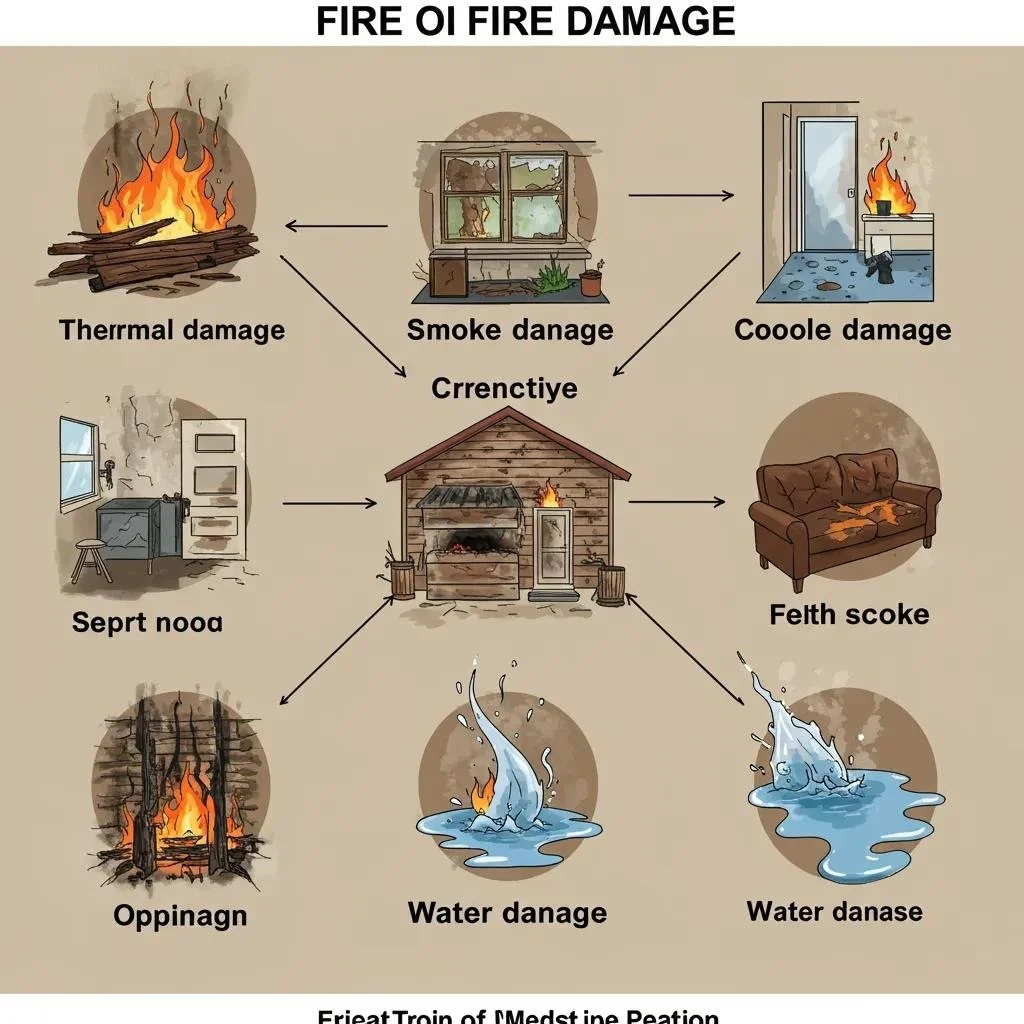
When a fire occurs, three damage categories emerge simultaneously:
Thermal Damage – charring and structural weakening of wood, drywall, and framing
Smoke Damage – chemical residues that discolor surfaces and cling to fabrics
Water Damage – saturation and pooling from hose lines or sprinklers that can lead to mold growth if not promptly removed
Each category demands specialized techniques to assess severity, isolate affected areas, and apply targeted cleaning agents. Recognizing the distinct challenges of Austin's climate underscores the importance of swift, professional intervention to prevent long-term deterioration.
Fire damage manifests in multiple forms depending on the materials burned and suppression methods used. Protein fires from kitchen grease create yellow-brown film on surfaces, while synthetic fires generate black soot laden with acids. Natural fiber fires often leave ash and brittle residue. Identifying the specific category guides selection of cleaning agents and equipment. For instance, dry-chemical fires require HEPA vacuuming before wet cleaning, whereas synthetic soot may need alkaline solutions to neutralize corrosive byproducts.
Once damage types are classified, remediation follows a customized path:
Protein residue calls for enzyme-based cleaners
Synthetic soot demands pH-balanced detergents
Ash and particulates are first HEPA vacuumed
This classification ensures efficient resource allocation and prevents further material degradation, paving the way for content cleaning and structural repair.
Smoke particles scatter through air currents, depositing acids on walls, ceilings, and contents that accelerate corrosion. Soot embeds in porous materials like upholstery and drywall, causing staining and odors that worsen over time. Water used to extinguish flames can seep into subfloors and framing, promoting mold colonization within 24–48 hours. Collectively, these effects compromise indoor air quality, structural integrity, and occupant health if left unaddressed.
Understanding this triad of damage drives the need for an integrated response: rapid drying equipment to control moisture, specialized cleaning agents for smoke and soot removal, and thorough air purification to eliminate airborne contaminants. This holistic approach mitigates risks and restores environments to pre-loss conditions.
Immediate action halts progressive deterioration. In Austin's humid summers, lingering moisture intensifies mold growth, while entrenched soot bonds with surfaces under heat, making eventual removal far more laborious and costly. Prompt cleanup limits the chemical interactions between smoke residues and building materials, reduces odor retention, and safeguards personal belongings from permanent discoloration.
Emergency response teams deploy within hours of notification to stabilize the scene, apply rapid-drying techniques, and initiate content protection. Early intervention not only preserves more property but also eases insurance negotiations by documenting condition before further damage occurs.
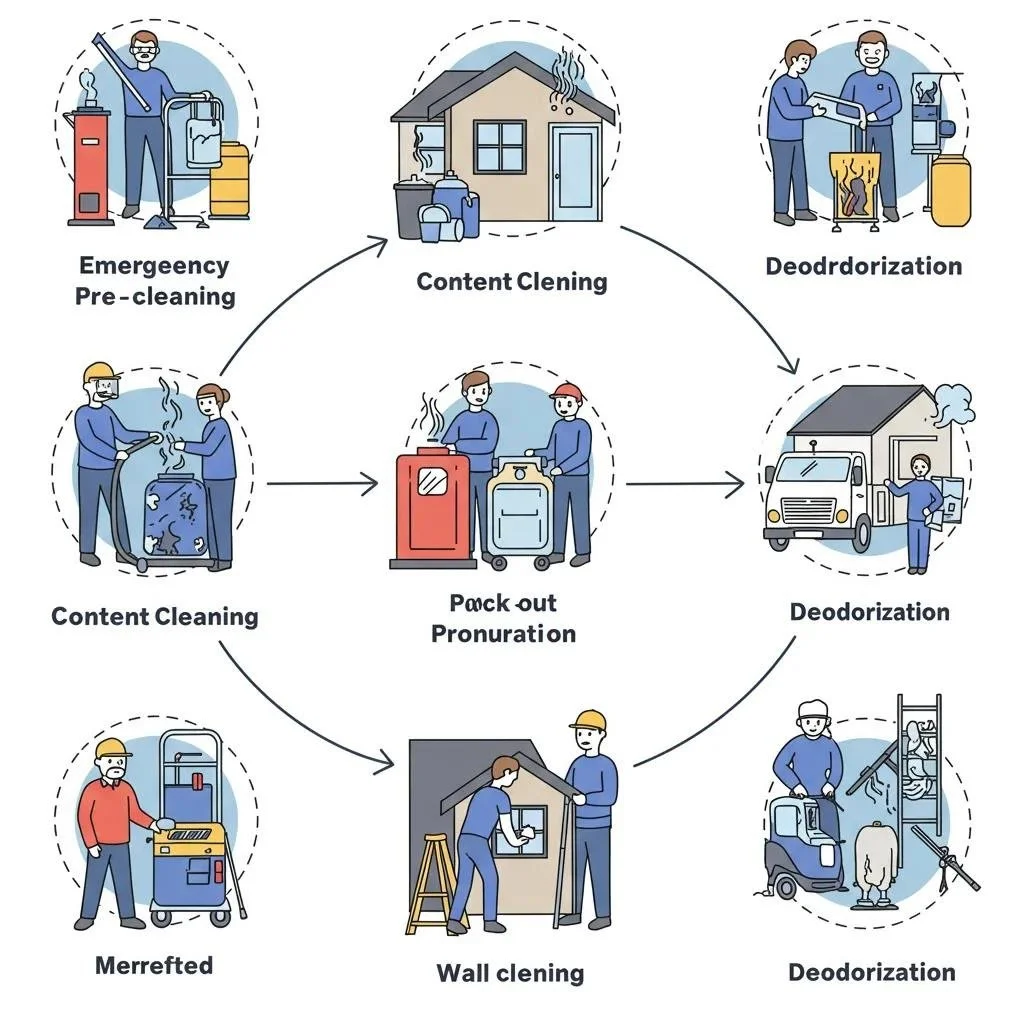
The Steam Team's five-step fire and smoke damage restoration process provides a consistent, thorough path from initial assessment to final odor removal. By standardizing protocols and leveraging advanced equipment, this structured workflow maximizes salvage rates and minimizes downtime for Austin property owners.
Emergency Pre-cleaning and Damage Assessment
Content Cleaning and Salvage
Content Pack-Out and Secure Storage
Wall and Ceiling Cleaning – Soot and Smoke Removal
Deodorization and Air Purification
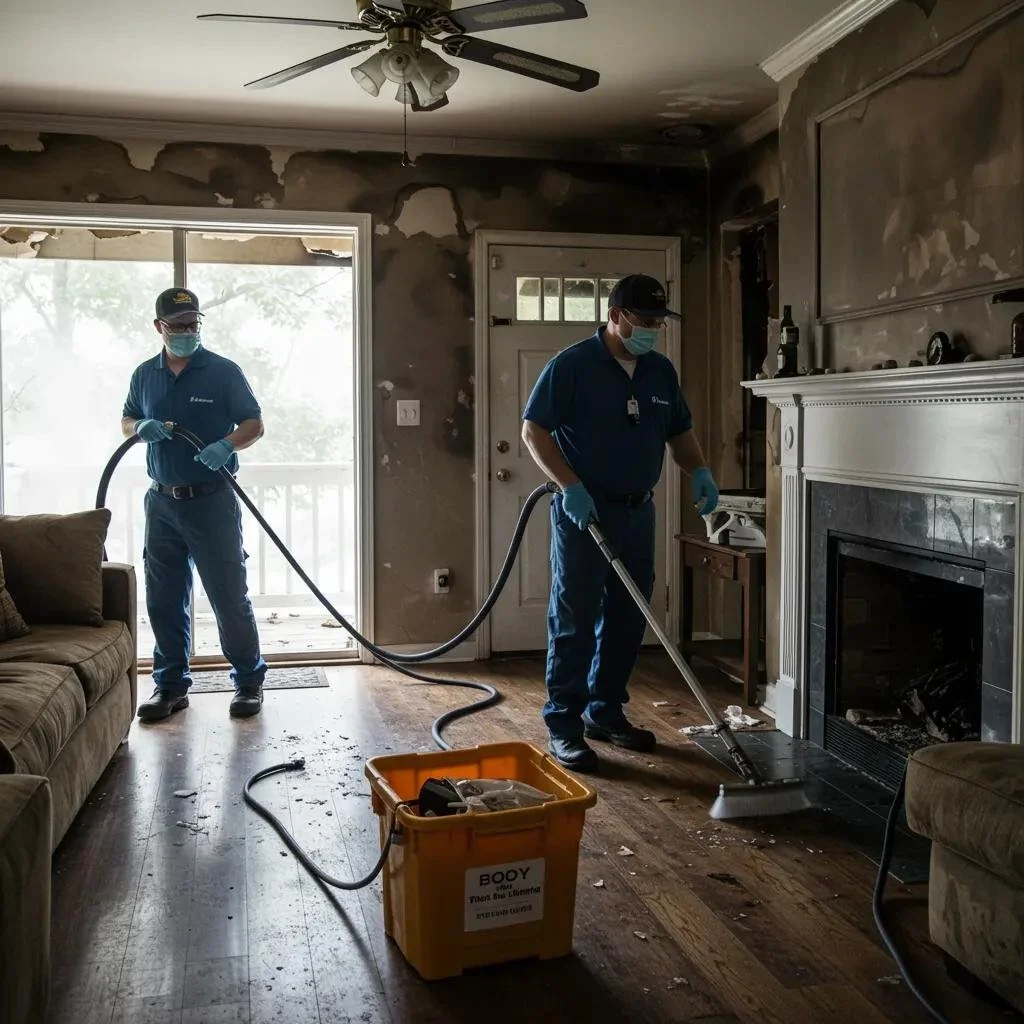
Emergency pre-cleaning begins by stabilizing the property to prevent further structural compromise. Technicians evaluate load-bearing elements, check for hidden hotspots, and test air quality. This rapid assessment identifies priority areas for tarping, board-up, and temporary protection. Photographic documentation captures existing damage levels, establishing clear baselines for insurance purposes.
Key assessment points include:
Structural integrity of walls, roof trusses, and load-bearing beams
Presence of active embers or thermal hotspots
Airborne particulate concentration using laser-particle counters
Water intrusion zones verified with moisture meters
By addressing safety first and cataloging damage thoroughly, the team sets the stage for efficient restoration and simplifies subsequent insurance claims.
Content cleaning employs both dry and wet methods tailored to item composition and level of soiling. HEPA vacuums remove loose soot, while soda blasting gently exfoliates delicate surfaces. Textiles may undergo immersion cleaning with specialized detergents that neutralize acids and preserve dyes. Electronics and documents receive freeze-dry restoration to stabilize water-soaked materials before dehumidification.
Commonly cleaned items include:
Upholstery and carpets with low-moisture rotary cleaning
Curtains and clothing using ozone-safe laundering
Hard surfaces treated with alkaline-based solutions
This blend of techniques enhances salvage rates and reduces replacement costs, providing peace of mind that cherished items receive expert care.
After cleaning, salvaged items are inventoried, tagged, and transported to climate-controlled storage. This pack-out phase isolates contents from ongoing structural work and safeguards against secondary damage. Secure storage facilities maintain regulated humidity and temperature to prevent mold growth and further odor penetration.
Inventory systems track each item's location and condition:
| Item Category | Storage Condition | Protection Measure |
| Textiles & Drapes | 50–60% relative humidity | Acid-free wrapping materials |
| Electronics | 68–72°F controlled | Anti-static packaging |
| Documents | 35–40% relative humidity | Vacuum freeze-dry kits |
These controls preserve asset integrity and streamline eventual re-installation once structural repairs complete.
Structural surface cleaning combines mechanical agitation with chemical emulsifiers to lift embedded soot without damaging paint or drywall. Rotary bristle brushes paired with high-efficiency vacuum systems capture loosened particulates. For porous substrates, alkaline sponges and encapsulating binders lock in residual oils and simplify removal.
Equipment and agents used include:
Air scrubbers with HEPA filtration to trap airborne soot
Pressure washers on controlled settings for durable surfaces
pH-balanced cleaning agents that neutralize acidic byproducts
Thorough surface preparation ensures optimal adhesion for any subsequent repainting and prevents lingering discoloration.
Deodorization targets residual odors at a molecular level. Thermal foggers disperse solvent-based deodorants that penetrate surfaces, while hydroxyl generators mimic natural oxidative processes to neutralize odor-causing particles. Ozone treatments are applied selectively in unoccupied spaces to break down volatile organic compounds.
Advanced methods include:
Thermal fogging at 120–140°F for deep penetration
Hydroxyl oxidation safe for occupied areas
Ozone chamber cycles for isolated contents
Combining these air purification techniques delivers fresh, habitable environments without masking odors, completing the restoration process.
Rapid response mitigates escalating damage. The Steam Team's 24/7 availability means technicians arrive on site as soon as possible to secure properties and initiate cleanup. Their emergency protocols prioritize life safety, property stabilization, and documentation for insurance.
First, technicians ensure all hazards—live wires, unstable structures, lingering embers—are controlled. Board-up and tarping procedures restore building envelope integrity. Next, water extraction and high-capacity dehumidification begin to halt mold growth. Concurrently, air quality tests determine particulate levels and guide containment measures.
These immediate steps limit further deterioration and establish safe conditions for occupants and workers, setting the foundation for full restoration.
Round-the-clock service drastically reduces wait times. Early deployment of drying equipment minimizes microbial growth, while swift soot removal curtails chemical bonding with surfaces. Clients benefit from continuous progress updates and direct access to certified technicians, reducing stress and uncertainty during recovery.
Real-time coordination with insurance adjusters accelerates claim approvals, ensuring timely financial support for restoration expenses.
Emergency response leverages portable extraction units, air movers, thermal imaging cameras, and advanced moisture detection tools. High-efficiency particulate air (HEPA) vacuums capture fine soot, while hydroxyl generators and ozone machines neutralize odors. Drones with thermal sensors may survey rooflines to detect hidden hotspots without risking personnel safety.
This investment in technology enhances precision, safety, and efficiency, delivering superior outcomes for Austin property owners.
Insurance claims after a fire involve thorough documentation, clear communication, and strategic support to secure full coverage. The Steam Team assists clients by preparing detailed inventories and coordinating with adjusters.
Technicians photograph damage before and after each restoration phase, compile itemized loss spreadsheets, and submit progress reports to insurers. They also provide policy-specific guidance on coverage limits for contents, structural repairs, and additional living expenses, expediting settlements.
By serving as a reliable liaison, The Steam Team simplifies the claims process, ensuring clients focus on recovery rather than paperwork.
Capture wide-angle and close-up photos of structural and content damage
List all affected items with descriptions, ages, and estimated values
Record serial numbers for appliances and electronics
Retain receipts for any emergency expenses
Clients often ask if smoke odor removal is covered or whether water extraction qualifies under dwelling coverage. They also inquire about additional living expense entitlements when displacement is necessary. Addressing these concerns proactively builds trust and helps homeowners make informed decisions about restoration timelines and budgets.
Fire restoration for homes focuses on personal belongings and living spaces, while commercial projects demand minimizing business interruption and safeguarding inventory, equipment, and high-value assets. Each environment requires tailored protocols.
Residential cleanup emphasizes compassionate handling of sentimental items, rapid odor elimination in living areas, and discreet pack-out for restored contents. Technicians coordinate with families to manage schedules and privacy considerations. In contrast, commercial projects often involve phased work that allows partial occupancy, strict compliance with regulatory standards, and integration with property management systems.
Differentiated communication strategies ensure homeowners feel supported, while business clients receive efficient project management updates.
Commercial services include large-scale dehumidification, modular containment systems for multi-tenant buildings, and thermal imaging to inspect expansive roof decks. Inventory management software tracks high volumes of contents, while local code expertise facilitates seamless coordination with fire marshals and building inspectors.
These solutions minimize downtime and protect revenue streams.
By analyzing business continuity plans and operational criticality, The Steam Team phases restoration to prioritize essential work areas. Flexible scheduling and extended shifts ensure minimal disruption to customer-facing functions, while digital reporting dashboards keep stakeholders informed in real time.
Restoration environments pose hazards from residual chemicals, airborne particulates, and structural instability. The Steam Team adheres to IICRC standards and OSHA guidelines to protect occupants and employees alike.
Smoke contains toxic substances like carbon monoxide, formaldehyde, and polycyclic aromatic hydrocarbons, which can irritate respiratory systems and exacerbate chronic conditions. Soot particles lodge in lung tissue, potentially triggering inflammation and long-term health effects if inhaled.
Awareness of these risks underscores the necessity of professional removal methods and personal protective equipment.
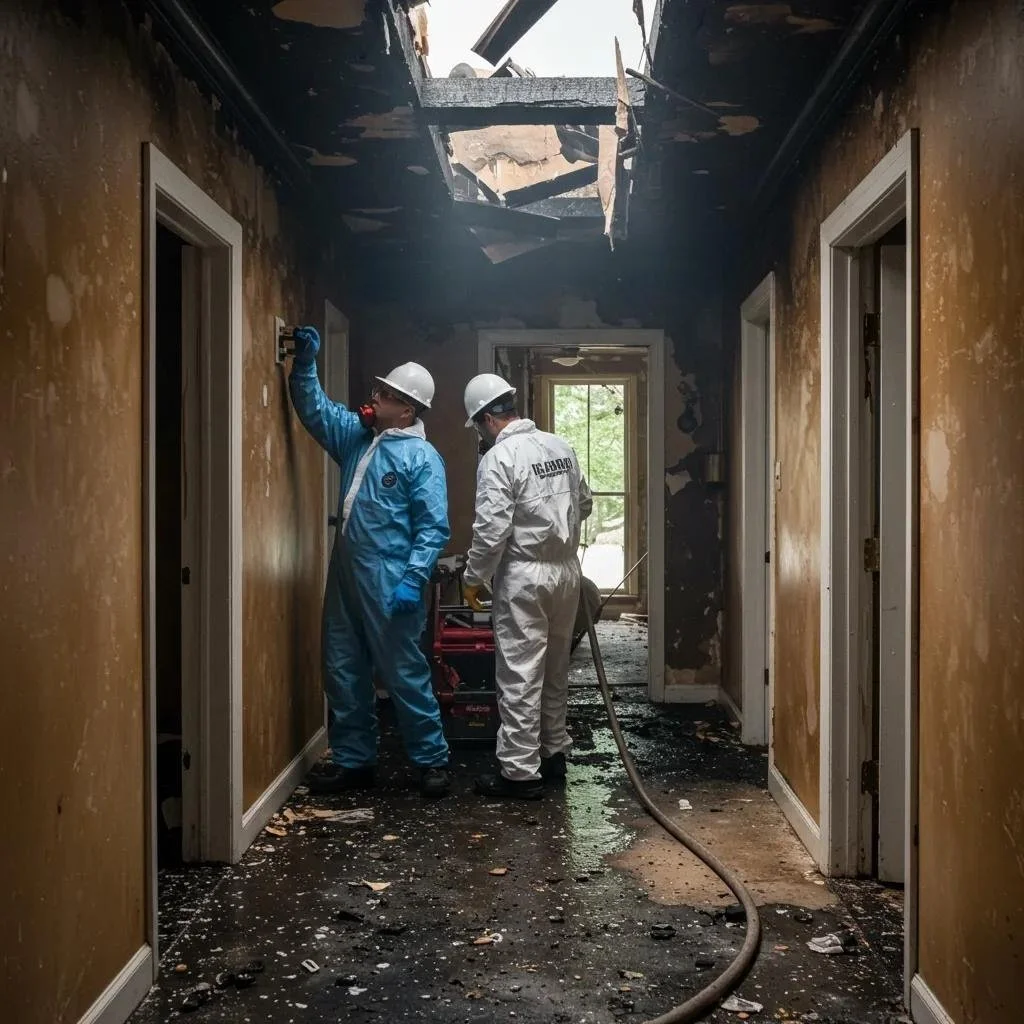
Technicians don encapsulated suits, respirators, and eye protection when entering contaminated zones. Work areas are sealed with negative-pressure containment and equipped with air scrubbers to maintain clean air. Regular safety briefings and hazard assessments ensure ongoing compliance with evolving site conditions.
This rigorous approach prevents cross-contamination and upholds worker and occupant health.
All restoration specialists maintain IICRC certification in fire and smoke damage remediation, demonstrating proficiency in advanced cleaning techniques, health-risk mitigation, and ethical practices. Ongoing training sessions reinforce new industry standards and equipment operation protocols, ensuring consistent quality across every project.
Restoration timelines vary based on damage severity, property size, and scope of repairs. A clear schedule fosters realistic expectations and smoother coordination between clients and contractors.
Emergency Pre-cleaning & Assessment: 4–8 hours for standard single-family residences
Content Cleaning & Pack-Out: 1–3 days depending on volume
Structural Cleaning of Walls & Ceilings: 1–2 days per floor
Deodorization & Air Purification: 12–24 hours with multiple equipment cycles
Final Inspection & Client Walk-through: 2–4 hours
These estimates adjust for factors like humidity, occupant availability, and insurer approvals.
Key drivers include:
Extent of smoke and soot penetration
Volume and complexity of content inventory
Weather conditions affecting drying rates
Accessibility of work areas and need for specialized equipment
Permit and inspection timelines for reconstruction phases
Proactive communication about these variables helps clients plan alternative accommodations and budgets effectively.
Clients can expedite restoration by removing personal valuables not impacted by fire, securing pets off-site during high-activity phases, and maintaining clear access to power and water sources. Sharing insurance and property information in advance also accelerates assessments and claim coordination.
Clients often seek clarity on immediate actions, cleaning effectiveness, and insurance coverage. Below are concise, direct answers to typical concerns.
Ensure personal safety first, then notify emergency services. Once cleared by authorities, contact a professional restoration provider to stabilize the property, document damage, and begin water extraction. Early intervention is essential to preserve belongings and limit secondary damage.
Smoke damage is removed through a sequence of HEPA vacuuming, dry chemical sponging, and wet cleaning with specialized detergents. Professional techniques neutralize acidic residues and lift embedded soot without causing further discoloration.
Most homeowners and commercial policies include coverage for fire, smoke, and related water damage as well as emergency mitigation measures. The Steam Team assists by preparing detailed documentation to support claims and maximize covered expenses.
Limit airflow to contain soot, avoid attempting DIY cleaning that may spread residues, and maintain controlled humidity levels. Engaging certified technicians quickly prevents mold growth and irreversible staining.
The Steam Team provides rapid 24/7 response, IICRC-certified technicians, a structured five-step restoration process, advanced equipment, and compassionate customer support. Their expertise in complex smoke chemistry and commitment to clear communication deliver superior outcomes and peace of mind.
Recovering from fire damage demands precision, experience, and responsiveness. By following the outlined process—from immediate stabilization through advanced deodorization—Austin homeowners and businesses can restore properties safely and efficiently. Trust The Steam Team's proven methodology and dedicated support to guide you every step of the way. Contact The Steam Team to request a quote or schedule an appointment today.
After a fire, prioritize safety by ensuring that the area is clear of hazards. Contact emergency services to assess the situation. Once it's safe, reach out to a professional fire damage restoration company like The Steam Team. They can stabilize the property, document the damage for insurance purposes, and begin the cleanup process. Quick action is crucial to prevent further damage and preserve your belongings.
To protect your belongings during fire damage restoration, work with a restoration company that offers content pack-out services. This involves carefully inventorying, tagging, and transporting your items to a secure, climate-controlled storage facility. This process minimizes the risk of further damage from ongoing restoration work and ensures that your items are preserved until the property is ready for their return.
Hidden fire damage can manifest in various ways, including persistent odors, discoloration of walls or ceilings, and visible soot stains. Additionally, structural issues such as warped wood or weakened beams may indicate underlying damage. If you suspect hidden fire damage, it’s essential to consult a professional restoration service that can conduct a thorough assessment and identify any areas requiring attention.
Commercial fire damage restoration often involves unique challenges compared to residential properties. The focus is on minimizing business interruption and protecting valuable inventory and equipment. Restoration may be phased to allow partial occupancy, and compliance with regulatory standards is critical. Additionally, commercial projects typically require more extensive planning and coordination with property management to ensure a smooth recovery process.
During fire damage restoration, it’s important to take health precautions due to potential exposure to harmful substances like smoke and soot. Ensure that restoration professionals use personal protective equipment (PPE) such as respirators and protective suits. If you are present during the process, limit your exposure to contaminated areas and follow any safety guidelines provided by the restoration team to protect your health.
To expedite your insurance claim after fire damage, document everything thoroughly. Take photos of the damage, create a detailed inventory of affected items, and keep receipts for any emergency expenses. Work closely with your restoration company, as they can provide necessary documentation and support. Clear communication with your insurance adjuster and prompt submission of all required paperwork will also help speed up the claims process.
During the final inspection of the restoration process, you can expect a thorough walkthrough of the property with the restoration team. They will assess the completed work, ensuring that all damage has been addressed and that the property meets safety and quality standards. This is also an opportunity for you to ask questions, discuss any concerns, and confirm that you are satisfied with the restoration before concluding the project.
Restoring fire-damaged properties in Austin requires a structured approach that effectively addresses smoke, soot, and water damage. By engaging The Steam Team's expert services, property owners can benefit from rapid response, advanced techniques, and comprehensive support throughout the restoration process. This ensures not only the preservation of valuable belongings but also a smoother insurance claims experience. Reach out to The Steam Team today to begin your recovery journey and restore your property to its former condition.
When smoke infiltrates hidden cavities and porous surfaces, lingering odors and structural risks can persist long after visible soot is removed. Homeowners and businesses navigating the fire damage restoration process in Austin face these uncommon challenges that demand advanced methods, specialized equipment, and local expertise. In this article, we examine seven critical issues beyond surface cleanup: hidden smoke damage, complex odor elimination, structural integrity assessment, specialized content restoration, insurance claim navigation, secondary water damage from firefighting, and the importance of certified professionals. By understanding the underlying causes, health concerns, and cutting-edge solutions—backed by The Steam Team’s five-step fire and smoke restoration process—you’ll gain the confidence to address even the most elusive fire-related problems and secure a safer, odor-free environment.
Hidden smoke damage occurs when microscopic smoke particles embed within building materials, creating persistent odors, discoloration, and health hazards. These particles can travel through ductwork, settle in insulation, and adhere to porous surfaces, making removal by basic cleaning ineffective. For example, smoke from synthetic materials can release acidic residues that corrode metal components behind walls, compromising indoor air quality and accelerating structural decay.
Because hidden residues react chemically with surfaces, they continue off-gassing volatile compounds weeks or months later. Acidic smoke byproducts can stain drywall, corrode HVAC coils, and permeate carpets at a molecular level. Addressing these invisible threats requires specialized cleaners and containment protocols that go beyond standard soot removal. Recognizing the need for advanced inspection and remediation forms the foundation for evaluating HVAC systems, textiles, electronics, and other vulnerable assets.
To illustrate common hidden smoke challenges, consider this overview of affected materials and remediation methods:
| Component | Hidden Impact | Professional Restoration Method |
| HVAC ductwork | Toxins and odor reservoirs | HEPA vacuuming and antimicrobial flush |
| Porous insulation | Residual acidic smoke and discoloration | Sealed extraction and encapsulation |
| Drywall substrates | Off-gassing VOCs and staining | Chemical sponges and neutralizing agents |
This table underscores the importance of targeted interventions on materials most prone to trapping smoke residues. Understanding these embedded threats sets the stage for exploring how smoke migrates through complex systems and why health risks demand immediate professional attention.
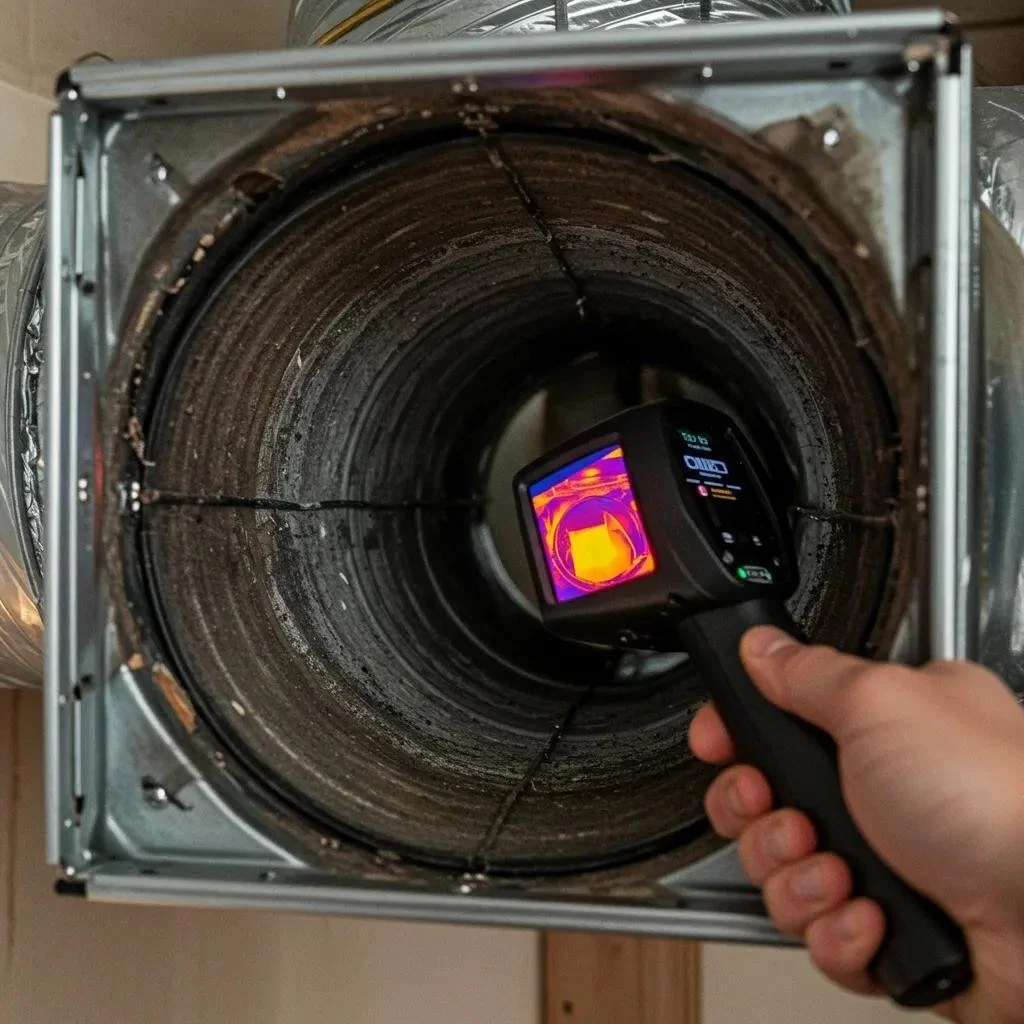
Smoke particles travel on thermal currents and electrical charges, allowing them to embed deep within ductwork, filters, and insulation. When heated air moves through a system, micro-particulates latch onto metal and fibrous surfaces. This penetration hampers airflow, circulates odors throughout a building, and fosters microbial growth. Professional HVAC remediation uses HEPA-grade vacuums, antimicrobial treatments, and duct sealing to remove contaminants and restore air quality.
Residual smoke contains carcinogens such as polycyclic aromatic hydrocarbons (PAHs) and irritants like formaldehyde that compromise respiratory health. Extended exposure can trigger asthma, chronic bronchitis, and allergic reactions. Acidic residues on surfaces also release volatile organic compounds (VOCs) that aggravate eyes, throat, and skin. Effective risk mitigation combines comprehensive air scrubbing, hydroxyl generators, and targeted cleaning of high-touch areas.
Oily, acidic soot can corrode circuit boards, lenses, and connectors in electronic devices. Fine particles adhere to sensitive components, causing short-circuits, data loss, and permanent damage. For delicate items—such as artwork, musical instruments, and fabrics—restoration specialists employ gentle solvents, ultrasonic cleaning, and dry-ice blasting to lift soot without compromising integrity or finishes.
Local companies unfamiliar with Central Texas humidity and building codes may overlook mold risk and material incompatibilities. A certified restoration team evaluates regional climate factors, deploys moisture-balanced drying, and applies corrosion inhibitors specific to Austin’s environmental profile. This precision prevents secondary damage and ensures thorough removal of invisible smoke threats.
Complex smoke odors arise from a mixture of charred proteins, plastics, and building materials that emit unique volatile compounds. Deodorization requires both physical and chemical approaches to neutralize odor molecules rather than mask them. Thermal fogging delivers heated deodorants into micro-crevices, while hydroxyl generators use hydrogen peroxide radicals to break chemical bonds of odor-causing agents. Ozone treatment oxidizes residual VOCs, offering comprehensive atmospheric purification.
Key advanced techniques include:
Thermal Fogging to distribute reactive deodorants into walls and furniture.
Hydroxyl Generation for safe, continuous air-borne oxidation of smoke molecules.
Ozone Treatment to neutralize deeply embedded organic residues.
Air Scrubbing with activated carbon filters to remove particulate-bound odors.
These methods can be combined in a tailored sequence based on smoke chemistry analysis. By layering physical adsorption and chemical neutralization, professionals achieve complete odor elimination rather than temporary masking.
Hydroxyl generators produce free radicals that bond with odor molecules, permanently altering their structure. Thermal fogging heats specialized deodorizers into a fine mist, allowing active agents to reach microscopic pores. Ozone machines generate triatomic oxygen to oxidize organic compounds. Air scrubbers equipped with HEPA and activated carbon filters capture particulates and chemical residues, restoring breathable air instantly.
Chemical neutralizers introduce compounds that bind with sulfur and nitrogen-based odor molecules, creating inert salts. Protein fire residues—common in kitchen and upholstery fires—react with alkaline agents to break down proteins and eliminate the characteristic “wet smoke” smell. Technicians select neutralizers based on pH compatibility and surface material to avoid damage.
Thermal fogging excels when smoke has penetrated behind finishes, inside cabinetry, or within upholstered furniture. Its heated mist can traverse micro-gaps and deliver reactive agents into enclosed spaces. In cases of widespread surface damage, thermal fogging precedes hydroxyl treatment to ensure maximum reach of deodorizing chemicals.
The Steam Team employs industrial-grade hydroxyl generators, commercial ozone machines, and ULV thermal foggers calibrated for residential and commercial environments. Integrated air scrubbers combine HEPA and activated carbon filters to capture byproducts of chemical processes. This state-of-the-art equipment, paired with expert calibration, ensures safe, efficient, and thorough odor removal.
Structural integrity assessment involves detecting hidden heat damage, water intrusion, and material fatigue that compromise stability. Infrared thermal imaging cameras reveal moisture pockets and charred framing behind walls. Load-bearing beams, columns, and foundation elements are examined for micro-cracks and warping. Engineers evaluate fire-exposed steel for loss of tensile strength and inspect concrete for spalling or delamination. Early identification of these issues prevents collapse and guides targeted repairs.
Firefighting solutions often saturate structural members, introducing water damage that weakens wood fibers and fosters mold growth. Controlled drying and dehumidification counteract these effects, while corrosion inhibitors protect steel reinforcements. A comprehensive assessment combines visual inspection, moisture mapping, and core sampling to form a restoration blueprint.
| Structural Indicator | Assessment Method | Recommended Repair |
| Hidden moisture in studs | Thermal imaging scan | Injected desiccant drying |
| Charred beam depth | Core drill and lab analysis | Beam reinforcement or replacement |
| Foundation spalling | Visual crack measurement | Epoxy injection and surface sealing |
Identifying these concealed failures lays the groundwork for selecting the right reinforcement techniques and ensuring a safe rebuilding process.
Heat-damaged wood often darkens internally while appearing intact externally. Moisture trapped by firefighting can leave beams soft or swollen. Thermal cameras detect cooler zones where water remains, while moisture meters quantify residual dampness that could promote mold and rot.
Thermal imaging cameras capture infrared radiation variations, revealing temperature anomalies behind finishes. Elevated heat signatures indicate ongoing chemical reactions in charred wood, while cooler spots pinpoint moisture retention. This non-invasive technology guides targeted inspections without unnecessary demolition.
Structural engineers apply load calculations and material science principles to determine if fire-exposed elements retain sufficient strength. They certify when reinforcements or partial rebuilds are necessary, ensuring all repairs meet local building codes and safety standards in Austin’s climate.
Excess moisture reduces wood fiber cohesion and can corrode metal connectors, leading to joint failure. Saturated masonry may experience efflorescence and cracking. Controlled drying minimizes swelling and microbial growth, preventing secondary collapse risks.
Rebuilding begins with moisture-balanced drying, followed by epoxy stabilization or steel plating for beams. Concrete foundations benefit from crack stitching and polymer injections. All repair methods prioritize matching original load-bearing capacities and comply with structural guidelines.
Salvaging sentimental and high-value contents demands tailored approaches for each material. Artwork and antiques often require solvent-based cleaning and pH-neutral humidification to remove acidic soot without disturbing original finishes. Textiles exposed to protein fires undergo enzyme-enhanced laundering and freeze-drying to lift odors and prevent shrinkage. Electronic devices receive ultrasonic circuit-board cleaning and dehumidification under vacuum to preserve functionality.
A systematic content pack-out process ensures fragile items are transported to secure facilities where temperature, humidity, and contamination controls safeguard valuables. This logistical precision prevents cross-contamination and accelerates turnaround times for clients facing emotional and financial stress.
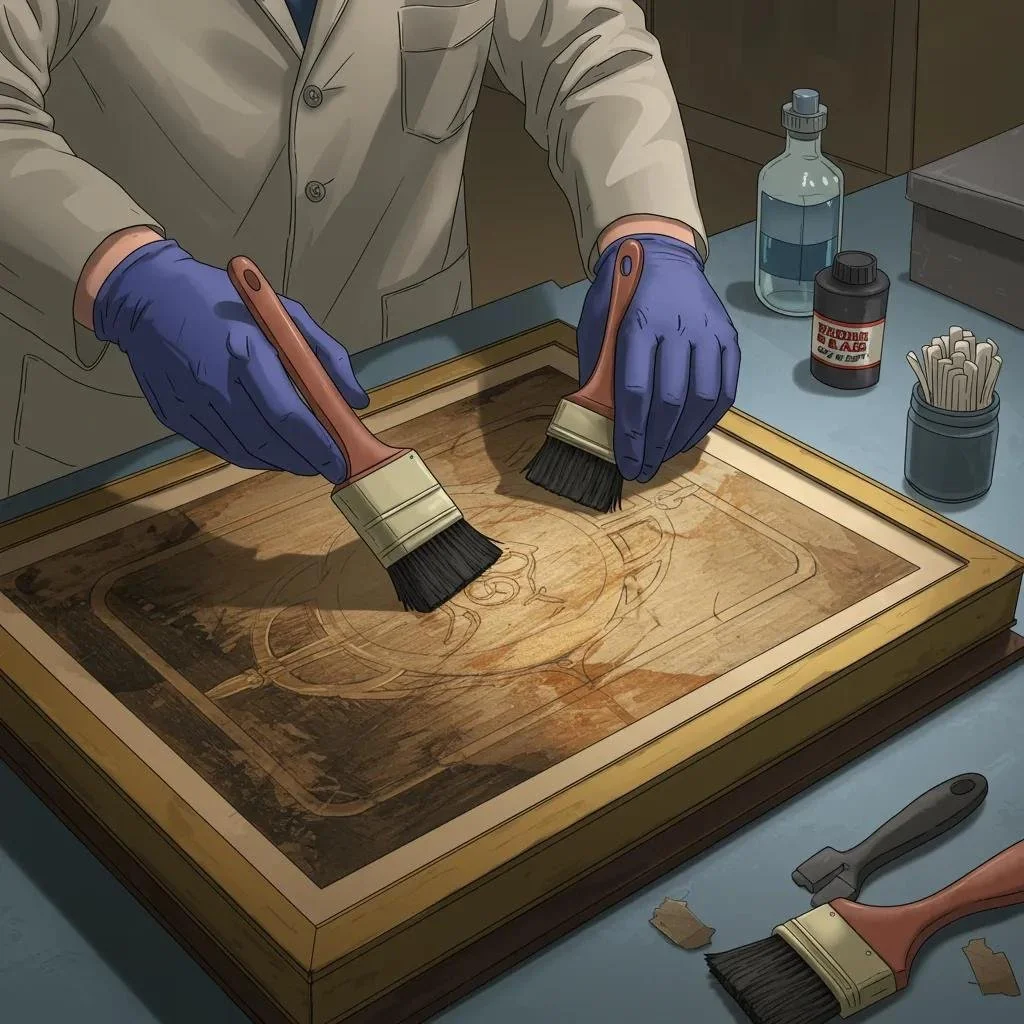
Conservators begin with smoke residue pH testing and select cleaning mediums that neutralize acidic deposits. Fine brushes and solvent baths remove soot from gilded surfaces. Controlled humidification relaxes warped canvas before structural stabilization and retouching by certified art restorers.
Electronics risk corrosion when soot and moisture combine, forming conductive films. Technicians disassemble devices, apply ultrasonic cleaning to PCBs, and complete vacuum-drying cycles. Textiles fused with protein residues can become stiff; enzyme detergents and freeze-drying restore flexibility and remove embedded odors.
Clients’ emotional attachment guides a customized restoration plan that includes immediate content pack-out, secure climate-controlled storage, and regular status updates. This compassionate approach ensures transparency and preserves trust during a stressful recovery journey.
Removing contents early prevents secondary contamination from soot, odors, and water. Segregating damaged items in a controlled environment speeds up cleaning workflows and protects undamaged property. Effective pack-out logistics minimize downtime and reduce the overall restoration timeline.
Complex fire damage scenarios—such as hidden structural defects or secondary water damage—require detailed documentation to secure full coverage. Homeowners should capture timestamped photographs of char support, soot patterns, and moisture mapping results. Detailed inventories of affected contents, including serial numbers and pre-loss values, strengthen claim negotiations. Adjusters often overlook invisible damage behind finishes; providing thermal imaging reports and professional assessment summaries ensures these issues are accounted for in policy payouts.
Clear communication with adjusters helps manage expectations around repair timelines and specialized methods. Working with a restoration partner that offers documented repair plans and cost breakdowns streamlines approvals and accelerates financial recovery.
| Claim Documentation Item | Purpose | Best Practice |
| Thermal imaging report | Proves hidden heat or moisture | Include date-stamped infrared scans |
| Detailed contents inventory | Establishes pre-loss value | Use digital logs with photos and descriptions |
| Engineer’s structural report | Verifies compromised elements | Secure signed assessments from licensed professionals |
Providing this comprehensive evidence positions homeowners for successful outcomes and reduces disputes over complex damage categories.
An effective claim file includes professional inspection reports, infrared scans, moisture meter readings, and expert cost estimates. Bundled documentation of content pack-out inventories and chemical analysis of residues prevents underpayment on specialized cleaning services.
Adjusters rely on visible damage initially, but credible thermal imaging and structural evaluations compel them to include concealed issues. Providing lab-verified soot analyses and moisture readings ensures secondary damage, like mold risk from firefighting, is covered under the scope.
Policies may exclude mold or pre-existing deterioration. Homeowners must demonstrate causation links between fire suppression and subsequent structural defects. Detailed logs of drying protocols, equipment used, and engineering recommendations solidify coverage for these less obvious losses.
The Steam Team offers documented repair plans, cost breakdowns aligned with industry pricing guides, and direct communication with adjusters. By supplying organized evidence packages and expert summaries, they reduce administrative burden and expedite claim settlements.
Firefighting water infiltration saturates materials, creating ideal conditions for mold colonization within 24–48 hours. Hidden moisture in ceilings, walls, and subfloors can go undetected without advanced detection tools. Dehumidifiers, injected desiccant systems, and structural drying mats remove excess water while preventing microbial growth. Continuous moisture monitoring ensures that building elements reach optimal dryness levels before reconstruction.
Secondary water damage also weakens fasteners and adhesives, leading to sagging ceilings or loosening floorboards. Applying corrosion inhibitors and using moisture-tolerant sealants on steel and plywood mitigate long-term stability issues. Proper ventilation and controlled airflows balance drying speeds with regional humidity to avoid warping.
Trapped moisture raises material moisture content above 20%, which supports mold spore germination. Without timely drying, spores colonize drywall cavities and wood framing, releasing allergens and further compromising indoor air quality.
Thermal imaging pinpoints wet areas, while moisture meters quantify absorption levels. Injected desiccant systems circulate dry air directly through wall cavities. Structural drying mats and high-capacity dehumidifiers balance airflow to rapidly lower humidity without over-drying.
Excess moisture erodes wood fiber strength and corrodes metal connectors, reducing load capacities. Swollen substrates can crack finishes and misalign doors or windows. Controlled drying preserves original material properties and prevents catastrophic failures.
Implementing immediate water extraction, targeted drying, and antimicrobial treatments prevents mold and decay. Sealing exposed framing and applying corrosion inhibitors on steel members safeguards against long-term structural degradation.
DIY restoration attempts expose homeowners to health hazards, structural risks, and ineffective odor masking. Certified technicians trained to IICRC standards use PPE, advanced diagnostics, and chemical knowledge to ensure safe, thorough restoration. Sophisticated technologies—such as thermal imaging, hydroxyl generators, and air scrubbers—require expert calibration to maximize effectiveness without causing collateral damage. The Steam Team’s five-step fire and smoke restoration process (Emergency Pre-cleaning, Content Cleaning, Content Pack-Out, Wall and Ceiling Cleaning, Deodorization) combines proven methodologies and compassionate client support. This structured approach expedites recovery, minimizes losses, and restores homes and businesses to safe, livable conditions.
Untrained individuals risk exposure to carcinogenic soot, structural collapse from unseen heat damage, and ineffective odor treatments that simply mask problems. Improper chemical use can discolor surfaces or release harmful byproducts into living spaces.
IICRC-certified professionals follow industry best practices, using calibrated instruments for moisture mapping, chemical testing, and microbial sampling. They employ containment protocols to prevent cross-contamination and verify air quality with clean-air delivery rate (CADR) testing.
Thermal imaging cameras detect hidden moisture and heat damage. Hydroxyl generators neutralize odors at a molecular level. HEPA air scrubbers eliminate airborne particulates and toxins. This advanced toolkit, combined with structured workflows, ensures comprehensive remediation.
By maintaining clear communication, offering secure climate-controlled storage for contents, and providing empathy-driven project management, The Steam Team reduces stress during recovery. Their rapid response and transparent progress updates build trust and restore peace of mind.
Restoring a property after fire damage involves more than surface cleanup—it demands specialized knowledge, precision equipment, and a structured process tuned to local conditions. Addressing hidden smoke infiltration, persistent odors, structural compromises, delicate content salvage, complex insurance negotiations, and secondary water damage ensures a holistic recovery. Trusting certified professionals like The Steam Team—backed by advanced technology and compassionate service—delivers safe, long-lasting results and a smoother path to rebuilding your life and property.
After a fire, it's crucial to prioritize safety. Ensure the area is safe to enter, and avoid using electrical appliances or gas lines. Document the damage with photographs for insurance purposes. Contact a professional restoration service as soon as possible to assess the situation and begin the cleanup process. They can help mitigate further damage from smoke, soot, and water used in firefighting efforts. Quick action can significantly reduce the extent of damage and the overall restoration costs.
The duration of fire damage restoration can vary widely based on the extent of the damage, the size of the property, and the specific restoration methods required. Minor repairs may take a few days, while extensive damage could require several weeks or even months. Factors such as hidden smoke damage, structural repairs, and content restoration all influence the timeline. A professional restoration team can provide a more accurate estimate after an initial assessment of the property.
Yes, lingering smoke odors can pose significant health risks. Smoke contains harmful chemicals and carcinogens that can affect indoor air quality, leading to respiratory issues, allergies, and other health problems. Prolonged exposure to these toxins can exacerbate conditions like asthma and bronchitis. It's essential to address smoke odors promptly using professional deodorization techniques to ensure a safe and healthy living environment.
Fire damage insurance coverage can vary based on the policy and provider. Most homeowners' insurance policies cover fire damage, including structural repairs and personal property loss. However, coverage for specific items, such as electronics or antiques, may have limits. It's important to review your policy details and consult with your insurance agent to understand what is covered and any exclusions that may apply, especially regarding hidden damage or secondary issues like mold growth.
Preventing fire damage involves several proactive measures. Install smoke detectors on every level of your home and test them monthly. Keep fire extinguishers accessible and ensure they are regularly serviced. Avoid overloading electrical outlets and ensure that all wiring is up to code. Additionally, create a fire escape plan and practice it with your family. Regularly inspect and maintain heating appliances and be cautious with flammable materials. These steps can significantly reduce the risk of fire in your home.
When selecting a fire damage restoration company, consider their certifications, experience, and customer reviews. Look for companies that are IICRC certified, as this indicates they adhere to industry standards. Evaluate their response time, as quick action is crucial in minimizing damage. Additionally, inquire about their restoration process, equipment used, and whether they offer a comprehensive service that includes content restoration and insurance assistance. A reputable company will provide clear communication and a detailed plan for the restoration process.
Restoring a property after fire damage requires specialized knowledge and advanced techniques to address hidden smoke infiltration, persistent odors, and structural compromises. By trusting certified professionals like The Steam Team, you ensure a comprehensive recovery that prioritizes safety and long-lasting results. Their compassionate approach and expertise streamline the complex restoration process, allowing you to focus on rebuilding your life. Contact us today to learn more about how we can assist you in your fire damage restoration journey.
In Austin, Texas, residential fires occur at a higher rate than the national average, underscoring the critical importance of effective fire damage restoration. Fire damage restoration involves the systematic process of returning a fire and smoke-damaged property to its pre-loss condition, encompassing cleanup, repair, and prevention strategies. This guide offers actionable insights into the restoration process, advanced techniques for smoke and soot removal, cost considerations, insurance claim navigation, and the unique services provided by The Steam Team.
Fire damage restoration is a comprehensive process aimed at returning a fire and smoke-damaged property to its pre-loss condition, encompassing cleanup, repair, and prevention strategies. The key steps in this process include:
Assessment and Inspection: Conduct a thorough evaluation to determine the extent of damage and develop a restoration plan.
Board-Up and Tarping: Secure the property by boarding up windows and tarping roofs to prevent further damage.
Water Removal and Drying: Eliminate water used to extinguish the fire and dry the area to prevent mold growth.
Smoke and Soot Removal: Clean and deodorize all affected surfaces to eliminate smoke and soot residues.
Restoration and Repair: Repair structural damage and restore the property to its original state.
Each of these steps is crucial in ensuring a comprehensive restoration process.
When it comes to restoring homes in Austin that have suffered from smoke and soot damage, professionals employ a variety of advanced techniques to ensure thorough cleaning and restoration. Among the most effective methods is the use of specialized air filtration systems. These systems utilize high-efficiency particulate air (HEPA) filters that capture airborne particles, including microscopic soot and smoke residues. By continually circulating and filtering the air, these systems significantly reduce the presence of contaminants, improving indoor air quality and creating a healthier environment for residents.
Another essential technique is the application of thermal fogging for deodorization. This process involves the use of fogging machines that release a fine mist of specially formulated solutions, which penetrate porous surfaces to neutralize lingering odors caused by smoke. The thermal fogging technique is particularly effective in tackling stubborn smells that traditional cleaning methods might leave behind. Additionally, professionals often implement ozone treatments, which utilize ozone gas to oxidize and eliminate odors at the molecular level. These advanced techniques, combined with a thorough cleaning and restoration process, ensure that homes in Austin can fully recover from the effects of smoke damage, returning to their pre-loss condition and providing homeowners with peace of mind.
Advanced techniques for smoke and soot removal are essential in restoring indoor air quality and eliminating lingering odors. These methods include:
Ozone Treatment: Utilizes ozone generators to neutralize smoke odors.
Thermal Fogging: Applies a heated deodorizing agent to penetrate porous materials.
Hydroxyl Generators: Emits hydroxyl radicals to break down odor molecules.
These techniques are effective in addressing the pervasive nature of smoke and soot damage.
When considering the cost of fire damage restoration in Austin, it's essential to understand that pricing can vary significantly based on several key factors. On average, homeowners might expect to pay anywhere from $2,000 to $40,000 for comprehensive restoration services. However, the final bill can fluctuate widely depending on the extent of the damage, the size of the affected area, and the materials used in the home's construction. For instance, minor smoke damage in a small kitchen could result in lower restoration costs compared to a major fire that has compromised the structural integrity of the entire home. Additionally, the geographical location within Austin may also play a role, as some neighborhoods may have higher labor and material costs compared to others.
Another critical factor influencing the overall expense of fire damage restoration is the speed of the response. Quick action to mitigate damage—such as removing charred materials and addressing smoke issues—can significantly reduce restoration costs. Insurance coverage is also an important consideration, as homeowners with comprehensive policies may find that a larger portion of the restoration costs is covered, alleviating their financial burden. Finally, the choice of restoration company can impact pricing; companies with extensive credentials and positive customer reviews may charge more for their services. As such, thoroughly researching local restoration options and understanding the factors at play is crucial for homeowners looking to navigate the financial landscape of fire damage restoration in Austin effectively.
The cost of fire damage restoration in Austin varies based on several factors, including the extent of damage, property size, and specific services required. On average, homeowners can expect to pay between $3,200 and $25,000 for restoration services, with the national average price for fire damage cleanup being approximately $12,000.
Understanding the various factors that affect the cost of fire damage restoration is essential for homeowners in Austin. This list outlines the primary elements that can influence pricing, helping you make informed decisions during the restoration process.
Severity of Damage – The more extensive the damage from the fire, the higher the restoration costs will be, as it requires more resources and time to repair.
Size of Property – Larger homes typically incur higher costs due to the increased amount of materials and labor needed for restoration.
Type of Services Required – Specialized services, such as mold remediation or structural repairs, can significantly add to the overall cost of restoration.
Location of the Property – Properties in high-demand areas may face higher labor and material costs due to local market conditions.
Insurance Coverage – The extent of your insurance coverage can affect out-of-pocket expenses; understanding your policy can help mitigate costs.
Factors influencing pricing include:
Severity of Damage: More extensive damage leads to higher costs.
Size of Property: Larger homes require more resources and time.
Type of Services: Specialized services like mold remediation or structural repairs add to the cost.
Understanding these factors can help homeowners make informed decisions during the restoration process.
Navigating fire damage insurance claims can be a daunting task for Austin homeowners. After experiencing a devastating fire, the priority is often on recovery and rebuilding, yet understanding the intricacies of insurance claims becomes vital. Homeowners can start by thoroughly reviewing their insurance policies to grasp the specifics of their coverage. This includes understanding deductibles, limits, and any exclusions that might apply. To aid in the claims process, it’s essential for homeowners to document all damage extensively. Taking photographs, making lists of lost or damaged items, and recording conversations with insurance agents can provide crucial evidence that supports their claim and ensures that no detail is overlooked.
Once all damage is documented, homeowners should promptly report the incident to their insurance company. This immediate action can result in faster processing of claims, allowing homeowners to begin the recovery process sooner. Many insurance companies require homeowners to submit a written claim formally, so being prepared with all necessary documentation will help streamline this aspect. Additionally, seeking assistance from a professional public adjuster can be beneficial. These experts can advocate on behalf of homeowners, ensuring that the claim is handled fairly and that homeowners receive the compensation they deserve. By taking these steps, Austin homeowners can navigate the complexities of fire damage insurance claims more effectively, ultimately expediting their recovery journey.
Navigating fire damage insurance claims involves several key steps:
Document the Damage: Take detailed photographs and notes of all affected areas.
Contact Your Insurance Company: Notify them promptly to initiate the claim process.
Meet with the Adjuster: Provide all necessary documentation and cooperate during the assessment.
Review the Settlement Offer: Ensure it covers all necessary repairs and restoration costs.
Begin Restoration: Once approved, commence the restoration process with a qualified professional.
The Steam Team can assist homeowners in navigating these steps, ensuring a smoother claims process.
When it comes to fire damage restoration in Austin, The Steam Team stands out as a premier choice for homeowners and businesses alike. With a deep understanding of the unique challenges posed by fire damage, The Steam Team employs a comprehensive approach that ensures not only the removal of debris and soot but also the meticulous address of any lingering smoke odors and structural concerns. Their team of certified professionals is equipped with state-of-the-art technology and industry-leading techniques, enabling them to restore properties efficiently and effectively. Furthermore, their commitment to transparency and customer satisfaction means that clients are always kept informed of the restoration process, helping to alleviate the stress often associated with fire damage.
In addition to their technical expertise, The Steam Team is known for their swift response times, which is crucial in fire damage scenarios where time is of the essence. They understand that immediate action can significantly mitigate further damage and loss, which is why they offer 24/7 emergency services. Coupled with their comprehensive insurance claims assistance, they help homeowners navigate the often-complex reimbursement processes with ease. Ultimately, choosing The Steam Team not only guarantees quality restoration but also peace of mind, knowing that your property is in the hands of reliable professionals dedicated to restoring it to its pre-loss condition.
The Steam Team offers unique advantages for fire damage restoration in Austin:
Time-Tested Techniques: Utilizes proven methods for effective restoration.
Advanced Equipment: Equipped with state-of-the-art tools for efficient service.
Insurance Support: Assists with insurance claims to ensure comprehensive coverage.
These unique value propositions make The Steam Team a preferred choice for homeowners seeking reliable fire damage restoration services.
In times of crisis, swift action is essential, especially when dealing with fire damage. In Austin, numerous emergency fire restoration services are available 24/7 to assist homeowners and businesses in their recovery efforts. These services typically include damage assessment, debris removal, smoke and soot cleanup, and structural repairs. Companies that specialize in fire restoration understand that each situation is unique, which is why they prioritize a comprehensive evaluation of the property to formulate an effective recovery plan. Their trained professionals use advanced techniques and equipment to ensure that every aspect of the damage is addressed, from restoring the property to its pre-fire condition to addressing potential health hazards caused by smoke inhalation.
In addition to the immediate restoration work, 24/7 fire restoration services in Austin often provide additional support to clients throughout the recovery process. This support may include coordinating with insurance companies, offering guidance on documentation, and providing content cleaning and storage solutions to salvage personal belongings. Recognizing the emotional and physical toll that a fire can take, these companies aim to provide not just technical expertise but also compassionate customer service. By being available around the clock, they ensure that help is always just a phone call away, allowing property owners to regain peace of mind as they navigate the path to recovery.
Rapid response is crucial in mitigating fire damage. Emergency actions include:
Immediate Assessment: Quickly evaluate the extent of damage.
Board-Up Services: Secure the property to prevent further damage.
Water Extraction: Remove water used to extinguish the fire.
Smoke and Soot Cleaning: Begin the cleaning process to reduce health risks.
The Steam Team provides 24/7 emergency services to address these needs promptly.
Water damage from fire can significantly complicate the restoration process for both residential and commercial properties. When firefighters extinguish flames, they often use large volumes of water, which can seep into walls, ceilings, flooring, and personal belongings. This excess moisture creates a dual problem, as it not only undermines the structural integrity of the property but can also lead to secondary issues such as mold growth, wood rot, and damage to electrical systems. Professionals in restoration must address both the fire and water damage, necessitating a comprehensive approach that involves assessing the extent of the damage, removing charred materials, and safely drying out affected areas. Timely intervention is crucial; the longer water remains, the more severe the damage will become.
Preventing fire-related water damage involves a combination of proactive measures and prompt responses. Homeowners and business managers should ensure that smoke alarms and fire extinguishers are in working order, and they should have a clear emergency plan that includes access to fire services. After experiencing a fire incident, it is imperative to contact restoration experts who can evaluate the damage. Additionally, regular maintenance of plumbing and appliances can minimize the risk of leaks that might compound issues in case of a fire. Investing in water extraction equipment or services and utilizing moisture meters can also help in identifying hidden water damage. By taking these precautions, property owners can mitigate potential damage and streamline the restoration process following a fire incident.
Firefighting efforts often introduce water into the property, leading to additional challenges:
Mold Growth: Moisture can promote mold development.
Structural Damage: Water can weaken structural elements.
Electrical Hazards: Water can cause electrical systems to malfunction.
Prevention tips include:
Prompt Water Removal: Address water intrusion immediately.
Thorough Drying: Use dehumidifiers and fans to dry affected areas.
Mold Remediation: Inspect and treat areas susceptible to mold growth.
Understanding these factors is essential for effective restoration and prevention of future issues.
By following these guidelines, Austin homeowners can navigate the complexities of fire damage restoration, ensuring a comprehensive and efficient recovery process.
Immediately after a fire, ensure your safety first. Evacuate the premises and call emergency services if you haven't already. Once the fire is extinguished, avoid entering the property until authorities declare it safe. Document the damage with photos and notes for insurance purposes. Contact your insurance company to report the incident and begin the claims process. It's also advisable to reach out to a professional fire damage restoration service to assess the situation and start the recovery process as soon as possible.
The duration of the fire damage restoration process can vary significantly based on the extent of the damage and the size of the property. Generally, minor restorations may take a few days to a week, while more extensive damage can require several weeks or even months to fully restore. Factors such as the need for structural repairs, smoke and soot removal, and water damage mitigation all contribute to the timeline. A professional restoration company can provide a more accurate estimate after assessing the damage.
Yes, smoke and soot damage can pose several health risks. Inhalation of smoke particles can lead to respiratory issues, while soot can irritate the skin and eyes. Prolonged exposure to these contaminants may result in more severe health problems, including chronic respiratory conditions. It's crucial to address smoke and soot damage promptly through professional cleaning and restoration services to minimize health risks and restore indoor air quality. Using advanced techniques like ozone treatment and hydroxyl generators can effectively eliminate harmful residues.
While some homeowners may attempt DIY restoration, it is generally not recommended due to the complexities involved. Fire damage restoration requires specialized knowledge, equipment, and techniques to ensure thorough cleanup and repair. Improper handling can lead to further damage, health risks, and potential safety hazards. Hiring a professional restoration service ensures that the job is done correctly and efficiently, adhering to safety standards and regulations. Professionals also have the expertise to navigate insurance claims and provide comprehensive support throughout the process.
Homeowners insurance typically covers fire damage, but the extent of coverage can vary based on the policy. Standard policies usually include dwelling coverage for structural repairs, personal property coverage for damaged belongings, and additional living expenses if you need to relocate during restoration. It's essential to review your policy details and discuss coverage options with your insurance agent to understand what is included and any potential exclusions. Some policies may also offer additional coverage for specific risks, so it's worth exploring those options.
Preventing future fire damage involves several proactive measures. Install smoke detectors on every level of your home and test them monthly. Create and practice a fire escape plan with your family. Keep flammable materials away from heat sources and ensure electrical systems are up to code. Regularly inspect and maintain appliances, and consider installing fire extinguishers in key areas. Additionally, educating your family about fire safety and the importance of vigilance can significantly reduce the risk of fire incidents in your home.
When selecting a fire damage restoration company, consider several key factors. Look for a company with a solid reputation and positive customer reviews. Ensure they are licensed, insured, and certified in fire damage restoration. Inquire about their experience and the techniques they use for cleanup and repair. A good company should provide a detailed assessment and transparent pricing. Additionally, check if they offer 24/7 emergency services, as prompt response is crucial in minimizing damage and facilitating a quicker recovery.
Effective fire damage restoration is crucial for Austin homeowners to reclaim their properties and ensure safety. By understanding the restoration process, advanced techniques, and insurance navigation, homeowners can make informed decisions that lead to successful recovery. Partnering with experienced professionals like The Steam Team enhances the restoration experience and provides peace of mind. Take the first step towards restoring your home by contacting us today for expert assistance.
Our mission is to provide you with the most outstanding service experience ever. Some of our most popular services include Carpet Cleaning, Tile Cleaning, Air Duct Cleaning, Water Damage, Fire Damage Restoration and Construction Services.
Email:
customerservice@thesteamteam.com
Georgetown: (512) 868-0358
Dallas: (214) 631-8326
Naples, FL: (239) 450-1936
Toll Free: (800) 880-7785
Professional cleaning and restoration services based in Austin, Texas. Serving homes and businesses since 1983 with certified technicians, advanced equipment, and 24/7 emergency response.
Cleaning Office – Central Austin
1904 W Koenig Ln
Austin, TX 78756
(512) 450-7199
customerservice@thesteamteam.com
Monday: 8am - 5pm
Tuesday: 8am - 5pm
Wednesday: 8am - 5pm
Thursday: 8am - 5pm
Friday: 8am - 5pm
Saturday: 8am - 5pm
Sunday: Closed
Restoration Office – North Austin
9901 Burnet Rd
Austin, TX 78758
(512) 451-8326
customerservice@thesteamteam.com
Monday: Open 24 hours
Tuesday: Open 24 hours
Wednesday: Open 24 hours
Thursday: Open 24 hours
Friday: Open 24 hours
Saturday: Open 24 hours
Sunday: Open 24 hours



© The Steam Team