Water damage restoration is a critical service that addresses the aftermath of water-related incidents in both commercial and residential properties. Understanding the key differences between these two types of restoration is essential for property owners and managers alike. This article will explore the unique challenges, equipment, and processes involved in commercial versus residential water restoration. By the end, readers will gain insights into how these differences impact restoration strategies and outcomes, ensuring effective damage repair tailored to specific needs.
In this comprehensive guide, we will cover the main differences between commercial and residential water damage, the equipment and technology used, the unique challenges faced in commercial restoration, how residential restoration is tailored to homeowners, and the differences in insurance claims for both types. Additionally, we will highlight why choosing a reputable restoration company like The Steam Team is crucial for successful outcomes.
What Are the Main Differences Between Commercial and Residential Water Damage?
The distinctions between commercial and residential water damage are significant, impacting the restoration process and outcomes. Understanding these differences is vital for effective damage repair.
How Do Scale and Scope Vary Between Commercial and Residential Properties?
Commercial properties typically experience larger-scale water damage due to their size and complexity. For instance, a flooded warehouse may involve extensive water extraction and drying processes, while a residential home may only require localized repairs. The complexity of commercial properties often leads to longer restoration timeframes, as multiple areas may be affected simultaneously. In contrast, residential water damage is usually more straightforward, focusing on specific rooms or areas, which can expedite the restoration process.
What Regulatory Compliance Requirements Affect Commercial vs Residential Restoration?
Commercial water restoration is subject to stricter regulatory compliance requirements compared to residential restoration. Commercial properties must adhere to local building codes, environmental regulations, and insurance requirements that govern the restoration process. These regulations ensure that the restoration work meets safety and quality standards, which can complicate the restoration timeline. Residential properties, while still subject to some regulations, generally face fewer compliance hurdles, allowing for a more streamlined restoration process.
How Does Equipment and Technology Differ in Commercial vs Residential Water Restoration?
The equipment and technology used in water restoration vary significantly between commercial and residential settings, reflecting the scale and complexity of the damage.
What Specialized Equipment Is Used for Commercial Water Damage Repair?
Commercial water damage repair often requires specialized equipment designed for large-scale operations. This includes industrial-grade dehumidifiers, large-scale drying equipment, and advanced moisture detection tools. These tools are essential for effectively managing extensive water damage and ensuring that all affected areas are thoroughly dried and restored. The use of such equipment minimizes the risk of mold growth and structural damage, which can be particularly costly for businesses.
Further insights into the specific tools and methodologies employed in large-scale restoration projects highlight the complexity and specialized nature of commercial and industrial work.
Commercial & Industrial Restoration Equipment & Techniques
In detail reviewed are more than 25 major marine, industrial, and commercial complexes, explaining emerging and existing application techniques. When possible, the pros and cons of prior cleaning or product removal methods, rehabilitation, restoration, and demolition practices are compared and referenced. All chapters feature an extensive application, “gear-list authorization,” which identifies and outlines the most necessary gear and tooling, including support equipment to manage purchasing, sales forces, and operators in their attempt to create a functional “gear-up list”.
Which Tools Are Commonly Employed in Residential Water Restoration?
In residential water restoration, the tools used are typically more portable and designed for smaller-scale operations. Commonly employed tools include portable extraction units, basic drying equipment, and safety gear to protect homeowners and restoration professionals. These tools are effective for addressing localized water damage and are often easier to maneuver within residential spaces, allowing for a quicker response to emergencies.
What Are the Unique Challenges in Commercial Water Damage Restoration?
Commercial water damage restoration presents unique challenges that require careful planning and execution to minimize disruption to business operations.
How Is Business Continuity Maintained During Commercial Water Restoration?
Maintaining business continuity during commercial water restoration is crucial. Restoration companies often develop emergency response plans that outline strategies for minimizing disruption. This may include scheduling work during off-hours, coordinating with property managers, and communicating effectively with clients to ensure that business operations can continue as smoothly as possible. By prioritizing business continuity, restoration efforts can be more effective and less disruptive.
What Roles Do Property Managers and Insurance Adjusters Play in Commercial Projects?
In commercial restoration projects, property managers and insurance adjusters play vital roles in coordinating the restoration process. Property managers are responsible for overseeing the restoration efforts, ensuring that work is completed on time and within budget. Insurance adjusters assess the damage and determine coverage, which can influence the restoration strategy. Effective communication between these stakeholders is essential for a successful restoration outcome.
How Is Residential Water Restoration Tailored to Homeowners’ Needs?
Residential water restoration is often more personalized, focusing on the specific needs and concerns of homeowners.
How Does Residential Restoration Address Homeowner Safety and Personal Belongings?
Safety is a top priority in residential water restoration. Restoration professionals implement safety measures to protect personal belongings and ensure the well-being of homeowners. This includes careful handling of items, using protective gear, and following protocols to prevent further damage. By addressing safety concerns, restoration companies can provide peace of mind to homeowners during a stressful time.
What Is the Residential Water Restoration Process from Assessment to Repair?
The residential water restoration process typically involves several key steps: initial assessment, water extraction, drying, and final repairs. During the assessment, professionals evaluate the extent of the damage and develop a restoration plan. Water extraction follows, where specialized equipment removes standing water. The drying phase ensures that all affected areas are thoroughly dried to prevent mold growth, and finally, repairs are made to restore the property to its pre-damage condition.
How Do Insurance Claims Differ for Commercial vs Residential Water Damage?
Navigating insurance claims for water damage can be complex, with notable differences between commercial and residential claims.
What Are Key Considerations for Commercial Water Damage Insurance Claims?
Commercial water damage insurance claims often involve more intricate documentation requirements. Businesses must provide detailed records of the damage, restoration efforts, and any associated costs. Understanding policy limits and working closely with insurance adjusters is crucial for ensuring that claims are processed efficiently. Additionally, businesses may face challenges in proving the extent of the damage, which can impact the claim's outcome.
How Do Homeowners Navigate Residential Water Damage Insurance Processes?
Homeowners navigating residential water damage insurance claims typically face a more straightforward process. They must document the damage and communicate with their insurance provider to initiate the claim. Understanding coverage details and maintaining clear communication with adjusters can help streamline the process. Homeowners are encouraged to keep records of all restoration efforts and expenses to support their claims effectively.
Why Choose The Steam Team for Commercial and Residential Water Restoration in Austin?
Choosing the right restoration company is essential for successful outcomes in both commercial and residential water restoration projects.
What Certifications and Experience Support The Steam Team’s Expertise?
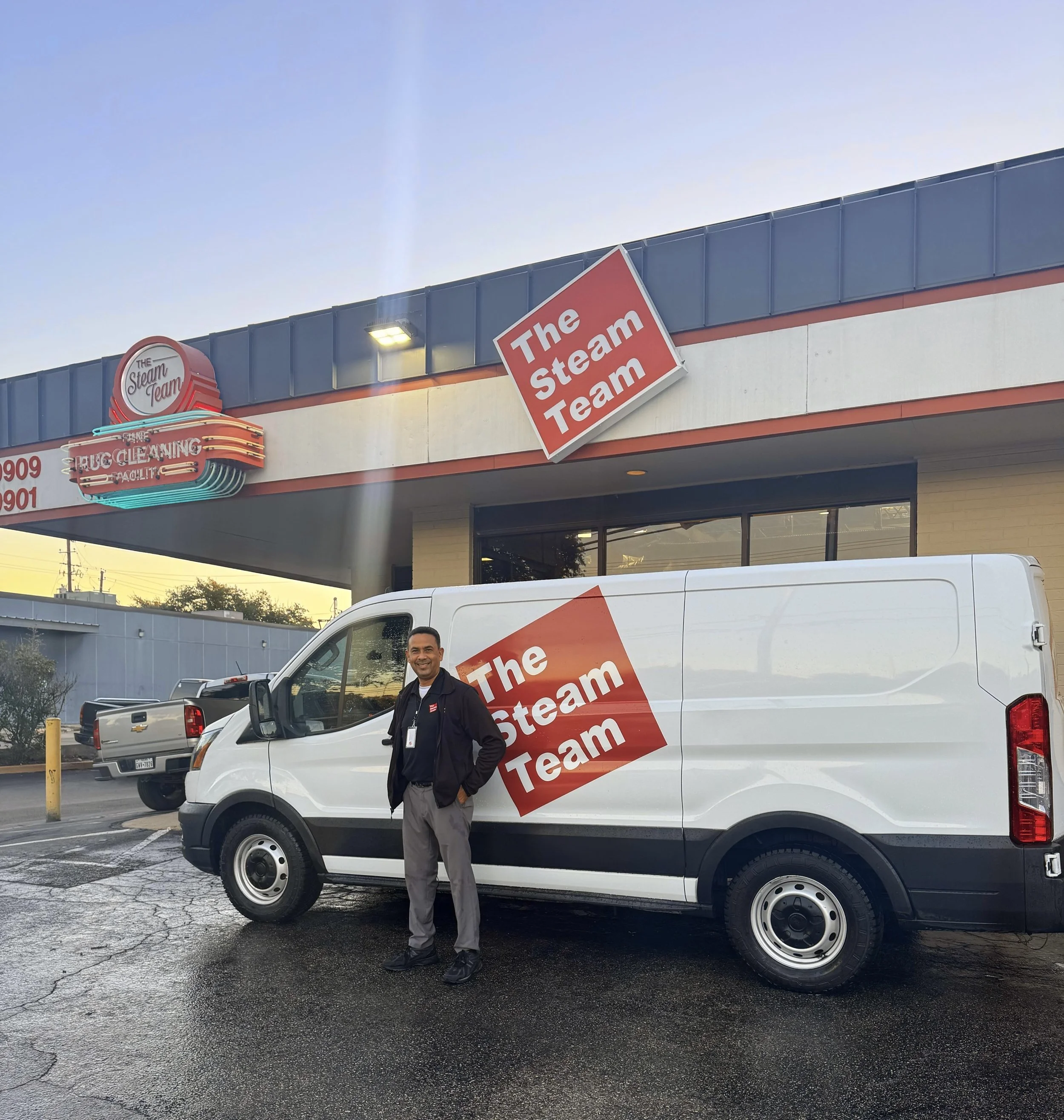
The Steam Team is a highly experienced cleaning and restoration company based in Austin, Texas, with over 40 years in business, founded in 1983. Their team is equipped with IICRC certification, ensuring that they adhere to industry standards and best practices in water damage restoration. This expertise allows them to handle a wide range of restoration challenges effectively.
How Does The Steam Team Ensure Customer Satisfaction and Rapid Emergency Response?
The Steam Team prioritizes customer satisfaction by offering 24/7 emergency water damage restoration services. Their commitment to rapid response ensures that property owners receive timely assistance when they need it most. By focusing on customer feedback and implementing satisfaction guarantees, The Steam Team strives to provide exceptional service that meets the unique needs of both commercial and residential clients.
Frequently Asked Questions
What are the typical causes of water damage in commercial properties?
Water damage in commercial properties can arise from various sources, including plumbing failures, roof leaks, and natural disasters like floods. Additionally, issues such as malfunctioning HVAC systems or broken fire suppression systems can contribute to significant water intrusion. Understanding these potential causes is crucial for property managers to implement preventive measures and ensure timely response strategies to mitigate damage and maintain business operations.
How can property owners prevent water damage in residential settings?
Preventing water damage in residential properties involves regular maintenance and proactive measures. Homeowners should inspect roofs, gutters, and downspouts for blockages or damage, ensuring proper drainage. Additionally, checking plumbing for leaks and maintaining appliances like washing machines and water heaters can help prevent unexpected failures. Installing sump pumps and moisture barriers in basements can also reduce the risk of flooding, providing peace of mind and protecting personal belongings.
What should I do immediately after discovering water damage in my home?
Upon discovering water damage in your home, the first step is to ensure safety by turning off electricity in affected areas and avoiding contact with standing water. Next, document the damage with photos for insurance purposes. If possible, remove any valuable items from the area to prevent further damage. Contact a professional water restoration service promptly to assess the situation and begin the restoration process, as quick action can minimize long-term effects.
Are there specific insurance policies for commercial water damage?
Yes, commercial properties often require specialized insurance policies that cover water damage. These policies can include business interruption insurance, which compensates for lost income during restoration, and property insurance that covers repair costs. It's essential for business owners to review their policies carefully, ensuring they understand coverage limits and exclusions related to water damage, and to consult with insurance professionals to tailor their coverage to their specific needs.
How long does the water restoration process typically take for residential properties?
The duration of the water restoration process for residential properties can vary significantly based on the extent of the damage. Generally, minor water damage may take a few days to a week to restore, while more severe cases can extend to several weeks. Factors influencing the timeline include the size of the affected area, the type of water involved, and the efficiency of the restoration team. Prompt action and professional assistance can help expedite the process.
What are the environmental impacts of water damage restoration?
Water damage restoration can have various environmental impacts, particularly if not managed properly. The use of chemicals in cleaning and drying processes can contribute to pollution if they enter waterways. Additionally, improper disposal of damaged materials can lead to waste issues. Restoration companies are increasingly adopting eco-friendly practices, such as using biodegradable cleaning agents and ensuring responsible waste management, to minimize their environmental footprint while effectively restoring properties.
Conclusion
Understanding the differences between commercial and residential water restoration is crucial for effective damage repair, ensuring that property owners can make informed decisions. By recognizing the unique challenges, equipment needs, and insurance considerations for each type, you can better navigate the restoration process. Choosing a reputable company like The Steam Team guarantees expertise and rapid response, tailored to your specific needs. For more insights and assistance, explore our services today.