Understanding the distinctions between flood cleanup and water damage restoration is crucial for homeowners and businesses in Austin, especially given the region's susceptibility to severe weather. This article will clarify these two essential services, detailing their processes, implications, and the specific circumstances under which each is necessary. By the end, readers will gain insights into how to effectively address water-related issues, ensuring their properties remain safe and healthy. We will explore the definitions, processes, and health risks associated with both flood cleanup and water damage restoration, as well as the insurance implications and the importance of professional intervention.
What Is Water Damage Restoration and How Does It Work?
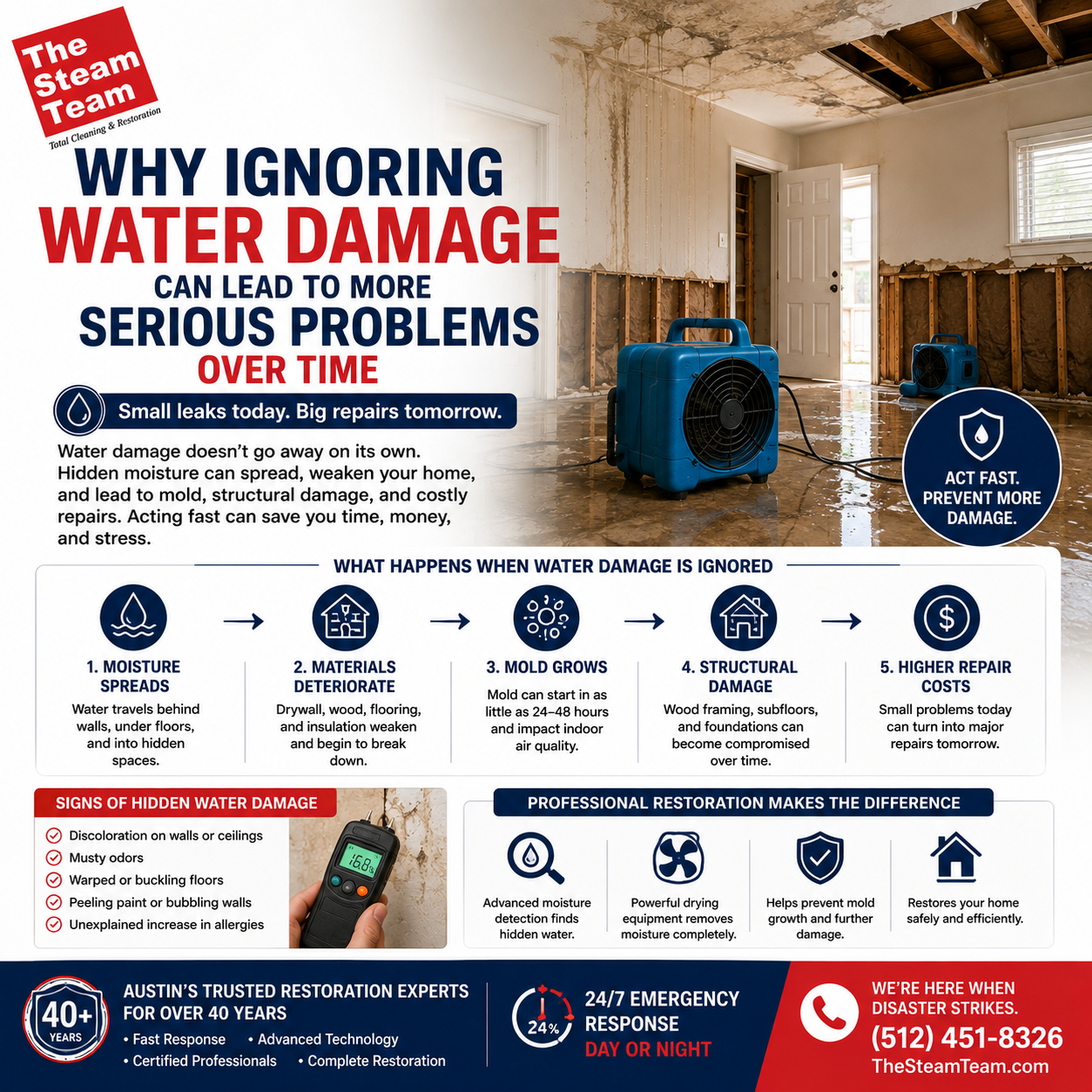
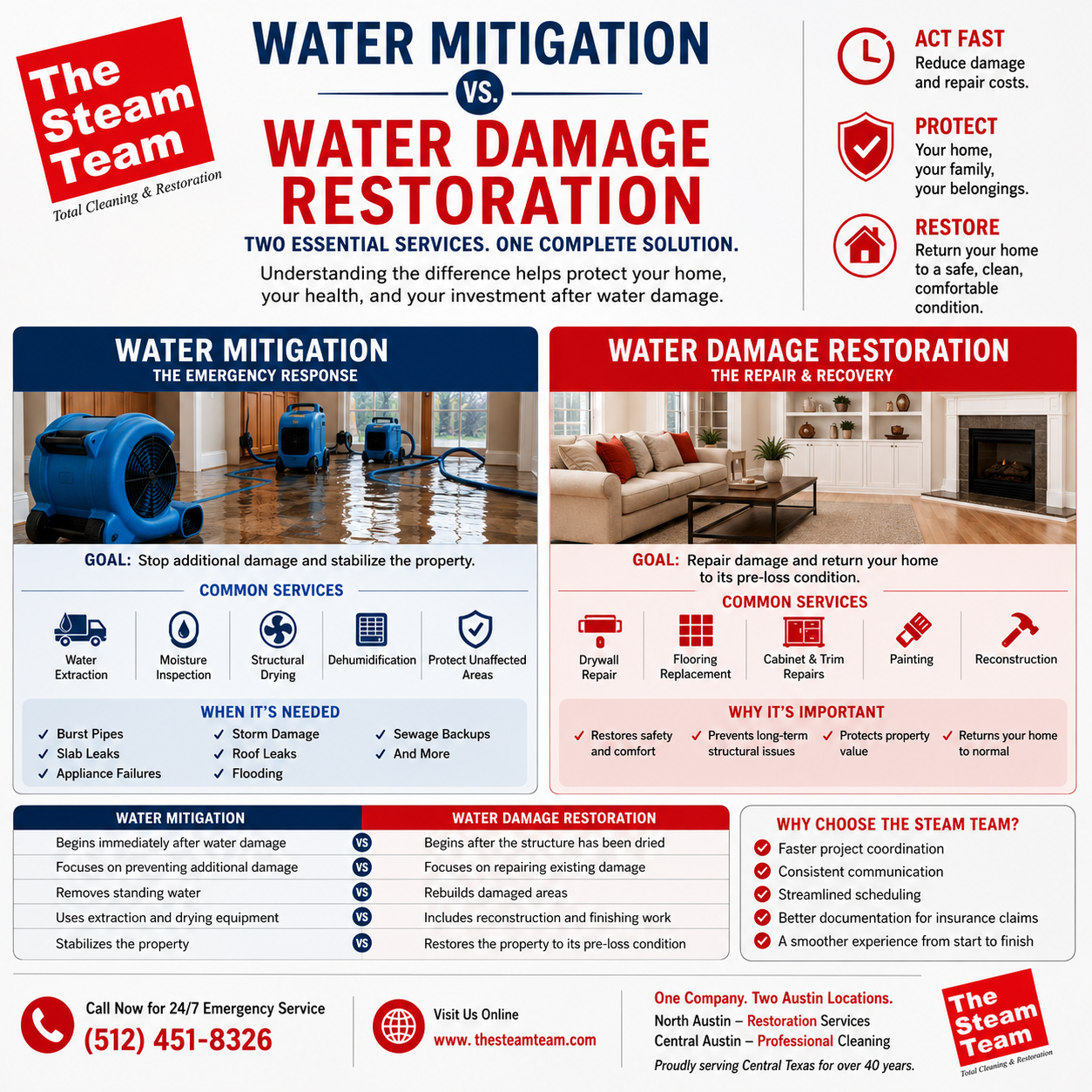
Water damage restoration refers to the process of restoring a property affected by water intrusion to its pre-loss condition. This process is essential for mitigating damage and preventing further issues such as mold growth. The restoration process typically involves several critical steps, including assessment, extraction, drying, and, in some cases, decontamination. Understanding these steps can help homeowners act quickly and effectively when faced with water damage.
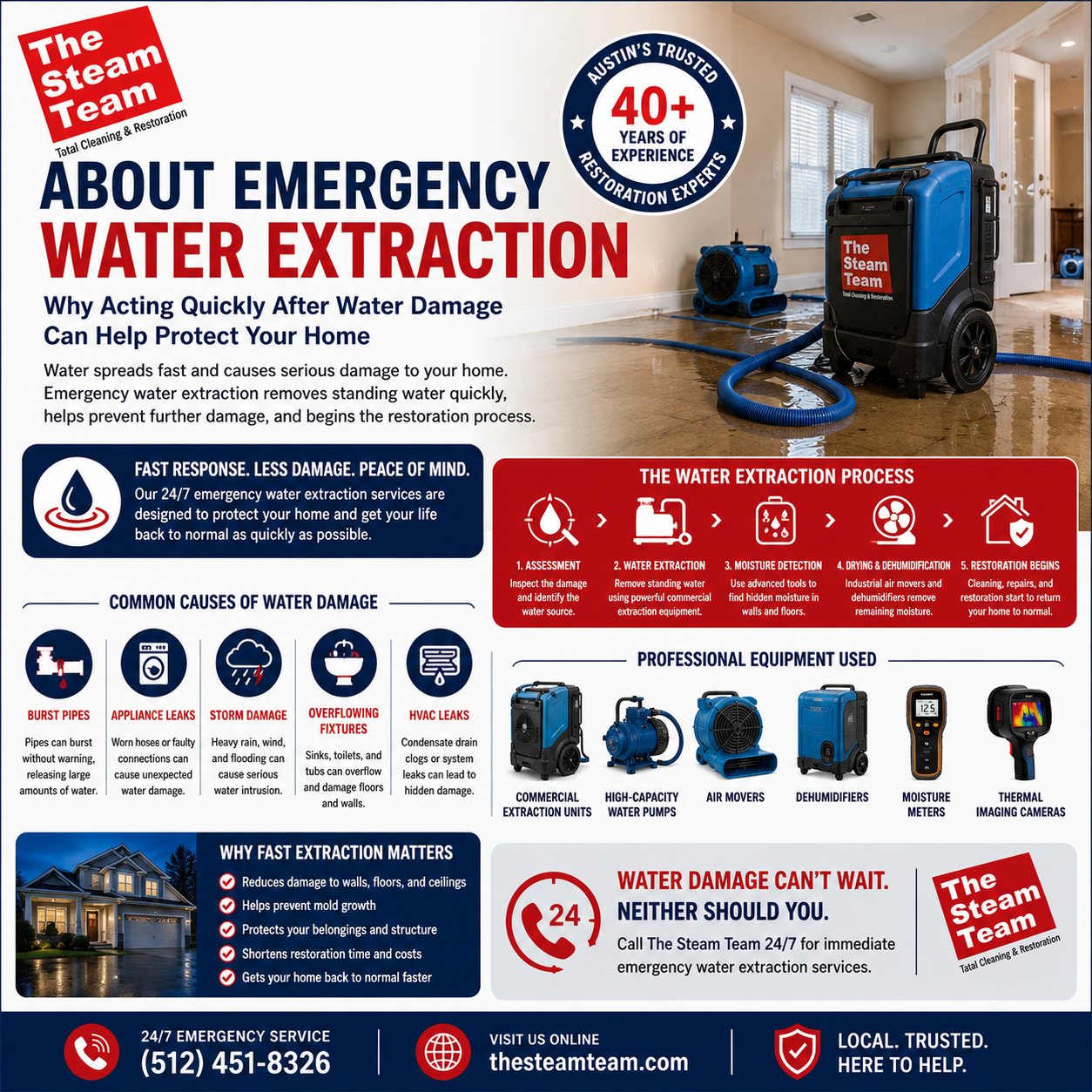
What Are Common Causes of Water Damage in Homes and Businesses?
Burst Pipes: Sudden pipe failures can lead to significant water loss and damage.
Leaky Roofs: Roof leaks can allow water to seep into the structure, causing damage over time.
Appliance Malfunctions: Issues with washing machines, dishwashers, or water heaters can result in unexpected flooding.
Recognizing these causes can help homeowners take preventive measures to protect their properties.
What Are the Typical Steps in the Water Damage Restoration Process?
The water damage restoration process generally follows these steps:
Assessment: Professionals evaluate the extent of the damage and develop a restoration plan.
Extraction: Water is removed using specialized equipment to prevent further damage.
Drying: The affected areas are thoroughly dried using industrial fans and dehumidifiers to eliminate moisture.
Cleaning and Sanitizing: Depending on the water category, affected areas may require cleaning and sanitization to prevent microbial growth.
These steps are crucial for restoring a property and preventing long-term damage.
What Is Flood Cleanup and How Is It Different from Water Damage Restoration?
Flood cleanup specifically addresses the aftermath of flooding events, which can introduce contaminated water into a property. Unlike general water damage restoration, flood cleanup requires additional safety measures due to the potential for hazardous materials in floodwaters. Understanding these differences is vital for homeowners facing water-related emergencies.
What External Factors Cause Flood Damage in Central Texas?
Flood damage in Central Texas can result from several external factors, including:
Heavy Rainfall: Prolonged or intense rain can saturate the ground, causing water to enter homes.
River Flooding: Overflowing rivers can inundate nearby properties, leading to significant damage.
Flash Flooding: Sudden, intense rainfall can cause rapid flooding, especially in urban areas with poor drainage.
Storm surges are typically associated with coastal flooding and are not a common cause of flood damage in Central Texas.
These factors highlight the importance of being prepared for flooding, especially in vulnerable areas.
How Does the Flood Cleanup Process Address Contamination and Safety?
The flood cleanup process involves several critical steps to ensure safety and sanitation:
Contamination Risks: Floodwaters can contain harmful bacteria, viruses, chemicals, and debris, necessitating careful handling.
Sanitization Steps: Affected areas must be thoroughly cleaned and disinfected to eliminate health risks.
Safety Equipment: Professionals use protective gear to safeguard against contaminants during the cleanup process.
Research further emphasizes the complex nature of assessing and mitigating the microbiological risks associated with flood events.
Estimating Pathogen Risks in Flood Events
pathogen export for each subcatchment as a function of steady flow velocity and static probabilities of pathogen removal by
Estimating the microbiological risks associated with inland flood events: Bridging theory and models of pathogen transport, PA Collender, 2016
These measures are essential for protecting the health of residents and restoring the property safely.
How Do Water Damage and Flood Damage Differ in Contamination and Health Risks?
Water damage and flood damage differ significantly in terms of contamination levels and associated health risks. Understanding these differences is crucial for homeowners to make informed decisions about restoration.
What Are the Categories of Water and Their Contamination Levels?
Water is categorized into three main types based on contamination levels:
Clean Water (Category 1): This type comes from a clean source, such as a broken pipe or rainwater, and poses minimal health risks.
Gray Water (Category 2): This water contains some contaminants, such as from sinks or washing machines, and can cause illness if ingested.
Black Water (Category 3): This highly contaminated water comes from sewage, floodwaters, or stagnant water and poses serious health risks.
Recognizing these categories helps homeowners understand the severity of their situation.
Why Is Mold Prevention Critical After Water or Flood Damage?
Mold prevention is critical following water or flood damage due to the following reasons:
Mold Growth Conditions: Mold thrives in damp environments, making quick action essential.
Health Risks: Mold can cause respiratory issues and other health problems, particularly for sensitive individuals.
Prevention Methods: Effective drying, cleaning, and sanitization can significantly reduce the risk of mold growth.
Understanding the science behind water intrusion and its impact on building materials is crucial for effective mold remediation and drying.
Water Intrusion, Mold Damage & Remediation Drying
If you suspect that mold has damaged building integrity, you should consult Water intrusion science and remediation drying times.
What Are the Insurance Implications for Water Damage vs. Flood Damage?
Understanding the insurance implications for water damage and flood damage is essential for homeowners to ensure they are adequately covered.
How Does Standard Homeowners Insurance Cover Water Damage?
Standard homeowners insurance typically covers water damage caused by sudden and accidental incidents, such as burst pipes. However, it generally does not cover damage resulting from flooding or from neglect and lack of maintenance. Homeowners should review their policies to understand the specifics of their coverage.
Why Is Separate Flood Insurance Needed for Flood Damage?
Separate flood insurance is often necessary because standard homeowners' policies usually do not cover flood damage. This type of insurance protects homeowners from financial loss due to flooding, which can be particularly important in flood-prone areas. Understanding these distinctions can help homeowners make informed decisions about their insurance needs.
Why Choose The Steam Team for Flood Cleanup and Water Damage Restoration in Austin?
When faced with water damage or flooding, choosing a reliable restoration service is crucial. The Steam Team has been serving Central Texas since 1983, providing expert cleaning and restoration services.
What Certifications and Awards Demonstrate Our Professionalism?
The Steam Team is IICRC certified and holds an A+ rating with the Better Business Bureau, showcasing our commitment to quality and professionalism in restoration services. These certifications ensure that our team is trained in the latest techniques and safety protocols.
IICRC Certification for Mold & Water Damage Remediation.
How Does Our 24/7 Emergency Service Benefit Austin Residents?
Our 24/7 emergency service allows us to respond quickly to water damage situations, minimizing damage and providing peace of mind to residents. Rapid response is critical in preventing further issues, and our dedicated team is always ready to assist.
When Should You Call Professionals for Water Damage or Flood Cleanup?
Knowing when to call professionals can make a significant difference in the outcome of water damage situations.
What Immediate Steps Should You Take After Water or Flood Damage?
After experiencing water or flood damage, homeowners should take the following immediate steps:
Shut Off Water Source: If safe, turn off the water supply to prevent further damage.
Document Damage: Take photos for insurance purposes before cleanup begins.
Contact Professionals: Reach out to a restoration service to assess and address the damage.
These steps can help mitigate damage and facilitate the restoration process.
How Can Early Professional Intervention Prevent Further Damage?
Early professional intervention can prevent further damage by:
Preventing Mold Growth: Quick action reduces the likelihood of mold development.
Minimizing Costs: Addressing issues promptly can save homeowners from more extensive repairs later.
Speeding Up Recovery: Professionals have the tools and expertise to restore properties efficiently.
Taking swift action is essential for effective water damage management.
Frequently Asked Questions
What Are the Signs of Water Damage in My Home?
Signs of water damage can vary but often include visible stains on walls or ceilings, peeling paint, and warped flooring. You may also notice a musty odor, which can indicate mold growth. Additionally, if you experience increased humidity or condensation in certain areas, it may signal hidden leaks. Regularly inspecting your home for these signs can help you catch water damage early, allowing for timely intervention and restoration to prevent further issues.
How Long Does the Water Damage Restoration Process Take?
The duration of the water damage restoration process can vary significantly based on the extent of the damage and the size of the affected area. Typically, minor water damage can be addressed within a few days, while more extensive damage may take a week or longer. Factors such as the type of water involved, the drying process, and the need for repairs or mold remediation can all influence the timeline. A professional restoration company can provide a more accurate estimate after assessing the situation.
Can I Handle Water Damage Cleanup Myself?
While some minor water damage can be managed by homeowners, it is generally advisable to seek professional help for significant issues. DIY cleanup may not effectively address underlying problems, such as mold growth or structural damage. Professionals have the necessary equipment and expertise to ensure thorough cleaning and restoration, minimizing health risks and preventing further damage. If you are unsure about the severity of the damage, it’s best to consult with a restoration expert.
What Should I Look for in a Flood Cleanup Service?
When selecting a flood cleanup service, consider their experience, certifications, and customer reviews. Look for companies that are IICRC certified, as this indicates they adhere to industry standards for water damage restoration. Additionally, ensure they offer 24/7 emergency services, as prompt response is crucial in minimizing damage. Transparency in pricing and a clear process for handling insurance claims are also important factors to evaluate when making your choice.
How Can I Protect My Home from Future Flood Damage?
To protect your home from future flood damage, consider implementing several preventive measures. Ensure proper drainage around your property by maintaining gutters and downspouts. Installing sump pumps in basements can help manage excess water. Additionally, consider landscaping solutions that direct water away from your foundation. Regularly inspect your roof and plumbing for leaks, and consider flood barriers or waterproofing solutions if you live in a flood-prone area.
What Are the Environmental Impacts of Flooding?
Flooding can have significant environmental impacts, including soil erosion, water contamination, and habitat destruction. Floodwaters can carry pollutants, chemicals, and debris, which can harm local ecosystems and water quality. Additionally, the aftermath of flooding can lead to increased sedimentation in rivers and streams, affecting aquatic life. Understanding these impacts highlights the importance of effective flood management and restoration practices to protect both properties and the environment.
What Should I Do If I Experience Water Damage?
If you experience water damage, the first step is to ensure your safety by turning off the water source if possible. Next, document the damage with photos for insurance purposes. It's crucial to contact a professional restoration service immediately to assess the situation and begin the cleanup process. Quick action can help minimize damage and prevent issues like mold growth, which can complicate recovery efforts.
How Can I Prevent Water Damage in My Home?
Preventing water damage involves regular maintenance and proactive measures. Check for leaks in plumbing, inspect your roof for damage, and ensure gutters are clear to direct water away from your home. Installing sump pumps in basements and using water alarms can also help detect issues early. Additionally, consider waterproofing your basement and ensuring proper drainage around your property to mitigate risks.
What Are the Long-Term Effects of Water Damage?
Long-term effects of water damage can include structural issues, mold growth, and damage to personal belongings. If not addressed promptly, water can weaken the foundation, walls, and ceilings, leading to costly repairs. Mold can pose serious health risks, particularly for individuals with respiratory issues. It's essential to act quickly to mitigate these risks and restore your property to a safe condition.
How Do I Choose the Right Restoration Company?
Choosing the right restoration company involves researching their credentials, experience, and customer reviews. Look for certifications such as IICRC, which indicate professional training in water damage restoration. Ensure they offer 24/7 emergency services and have a clear process for handling insurance claims. A reputable company should provide a detailed assessment and transparent pricing before starting any work.
What Is the Cost of Water Damage Restoration?
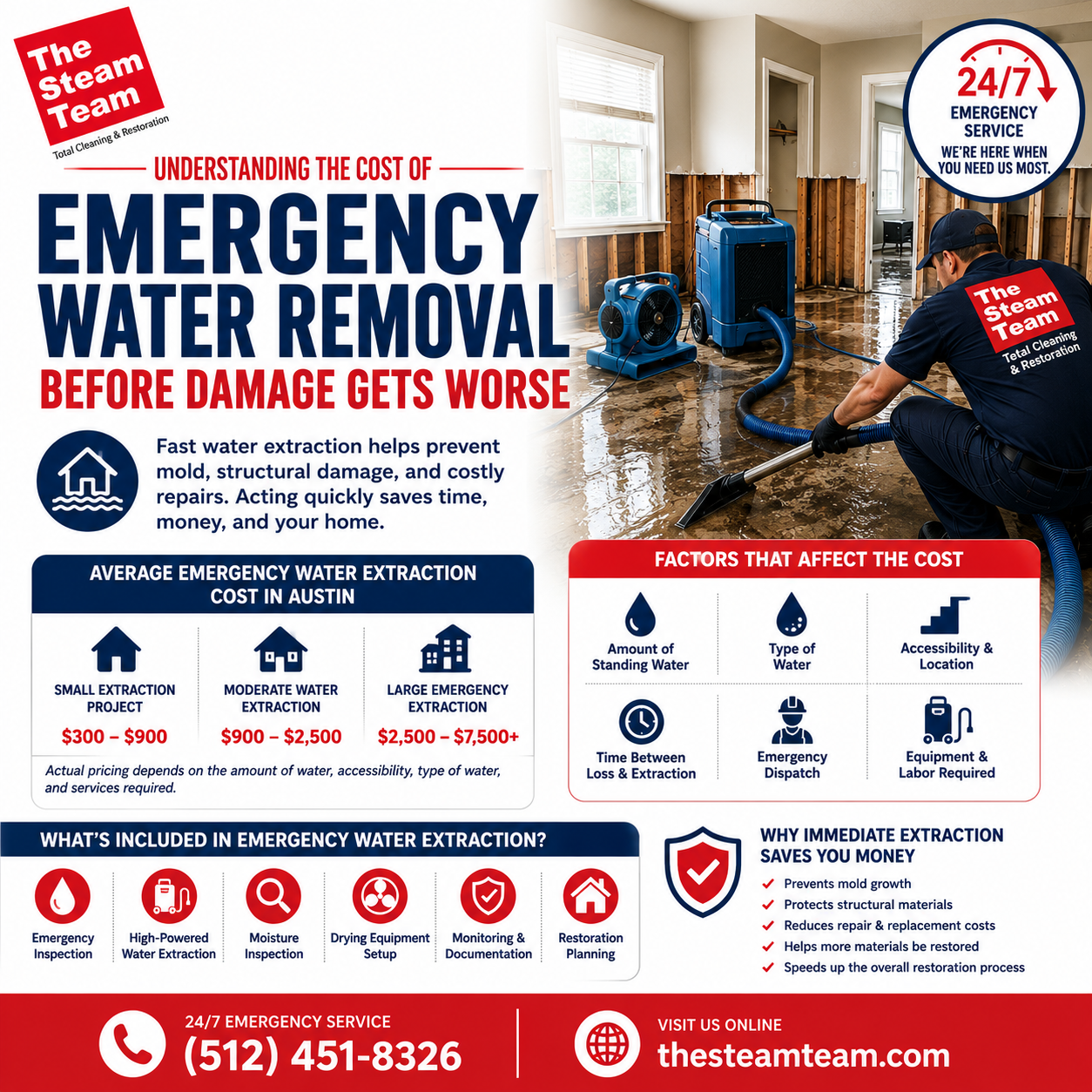
The cost of water damage restoration can vary widely based on the extent of the damage, the type of water involved, and the size of the affected area. On average, homeowners can expect to pay between $1,500 and $3,500 for restoration services. However, costs can increase significantly for extensive damage or if mold remediation is required. It's advisable to get multiple quotes from restoration companies to understand the potential expenses.
Are There Any Health Risks Associated with Water Damage?
Yes, water damage can pose several health risks, particularly if it leads to mold growth or involves contaminated water. Mold can cause respiratory issues, allergies, and other health problems, especially in sensitive individuals. Additionally, floodwaters may contain harmful bacteria and chemicals that can lead to illness. It's crucial to address water damage promptly and thoroughly to minimize these health risks.
Conclusion
Understanding the differences between flood cleanup and water damage restoration is essential for Austin homeowners and businesses to protect their properties effectively. By recognizing the specific processes and health risks associated with each service, you can make informed decisions that safeguard your home and well-being. Don't wait for water damage to escalate; reach out to a professional restoration service today for a thorough assessment. Explore our expert services to ensure your property remains safe and healthy.