Is Black Mold Dangerous in Austin, TX?
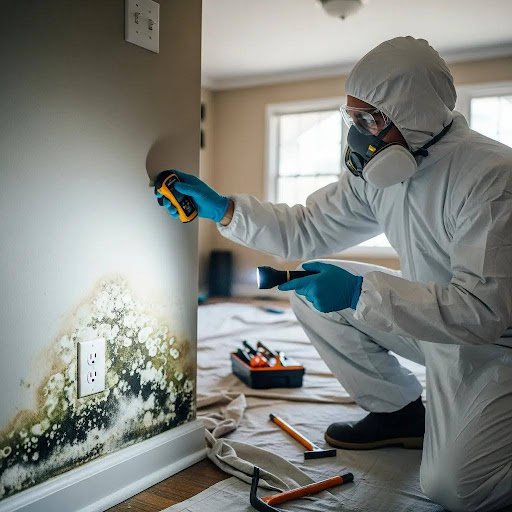
Black mold is one of the most widely discussed types of mold found in homes and buildings. Many homeowners become concerned when they discover dark mold growing on walls, ceilings, or other surfaces.
While mold can appear in many colors and forms, certain types of dark mold—often referred to as black mold—can raise concerns about indoor air quality and potential health effects.
Understanding what black mold is and whether it poses risks helps homeowners take appropriate action when mold appears.
The Steam Team has been helping homeowners address mold issues throughout Austin since 1983, providing professional mold remediation services designed to safely remove mold contamination.
Homes in neighborhoods such as Allandale, Mueller, and South Austin may experience mold growth after water damage, plumbing leaks, or humidity problems.
The Steam Team serves Austin from two locations — our North Austin office focuses on restoration services including water damage restoration, fire cleanup, and mold remediation, while our Central Austin office provides professional cleaning services including carpet cleaning, tile and grout cleaning, area rug cleaning, upholstery cleaning, and air duct cleaning.
What Is Black Mold?
The term “black mold” commonly refers to Stachybotrys chartarum, a type of mold that can grow on materials containing cellulose such as:
• drywall
• wood
• insulation
• paper-backed building materials
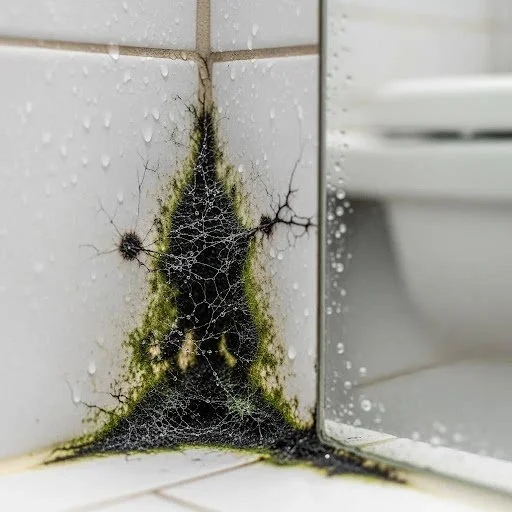
This type of mold often appears dark green or black and tends to grow in areas with long-term moisture exposure.
Why Black Mold Develops
Black mold typically develops when moisture remains present for extended periods.
Common causes include:
• water damage from leaks or flooding
• plumbing leaks behind walls
• roof leaks during storms
• high humidity levels
• poor ventilation in bathrooms or kitchens
Homes in Round Rock, Cedar Park, and North Austin may experience mold growth if water damage is not addressed quickly.
Potential Health Concerns Related to Mold
Exposure to mold can affect individuals differently depending on sensitivity and the level of exposure.
Possible symptoms may include:
• nasal congestion
• coughing or sneezing
• eye irritation
• throat irritation
• worsening asthma symptoms
People with allergies, respiratory conditions, or weakened immune systems may be more sensitive to mold exposure.
How Mold Affects Indoor Air Quality
When mold grows indoors, it releases microscopic spores into the air.
These spores can circulate through the building and potentially affect indoor air quality.
High concentrations of mold spores indoors may contribute to:
• unpleasant odors
• respiratory irritation
• allergy symptoms
Addressing mold growth promptly helps maintain healthier indoor environments.
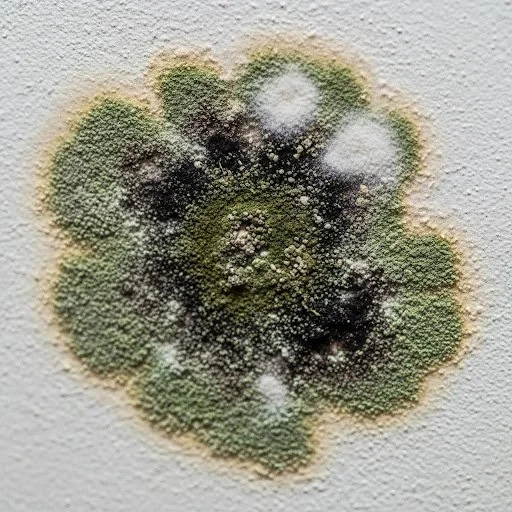
Signs Black Mold May Be Present
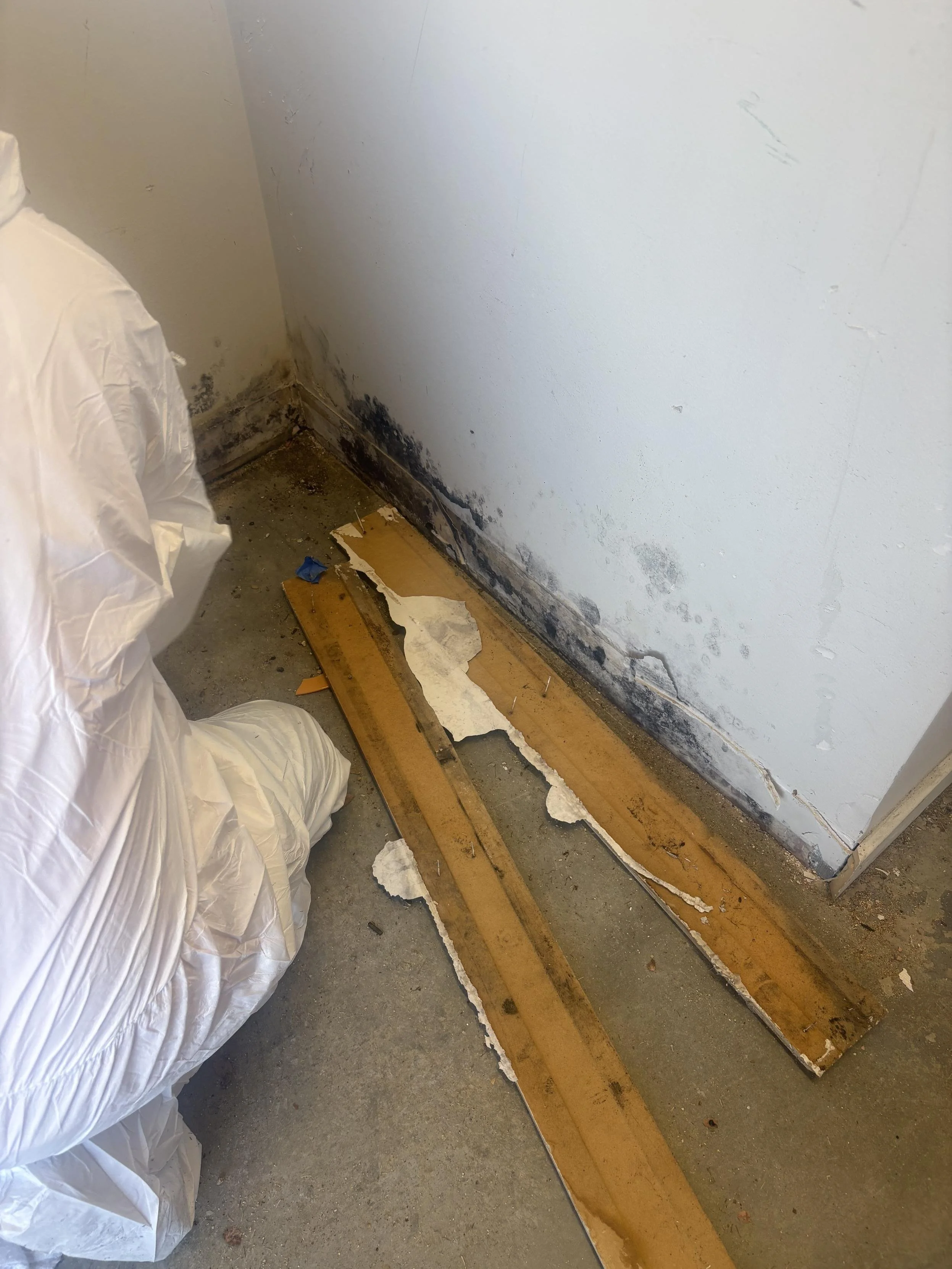
Homeowners may notice several signs that mold is developing inside their property.
Common warning signs include:
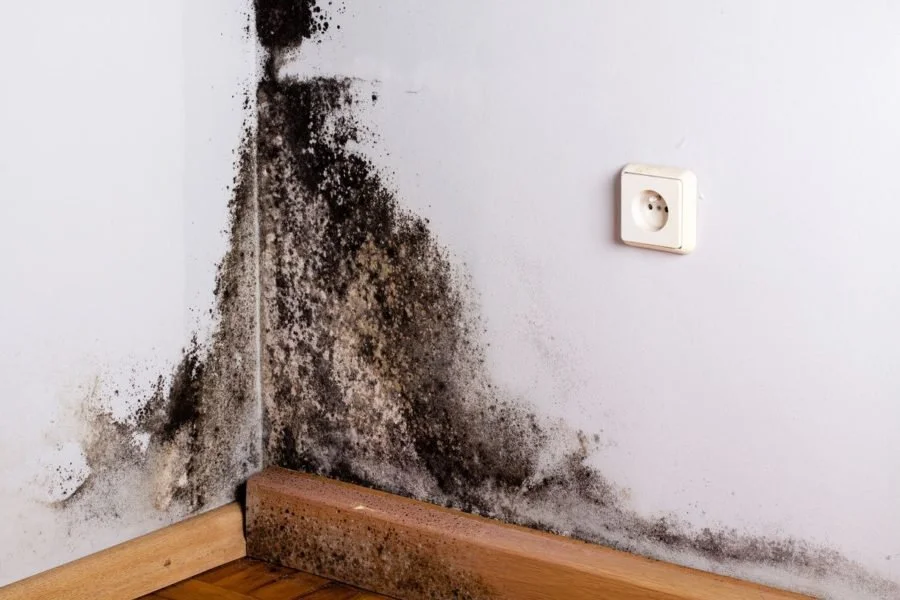
• dark spots or patches on walls or ceilings
• musty or damp odors
• water stains on building materials
• mold growth around windows or vents
If mold appears in multiple areas or continues spreading, professional inspection may be recommended.
How Black Mold Is Removed
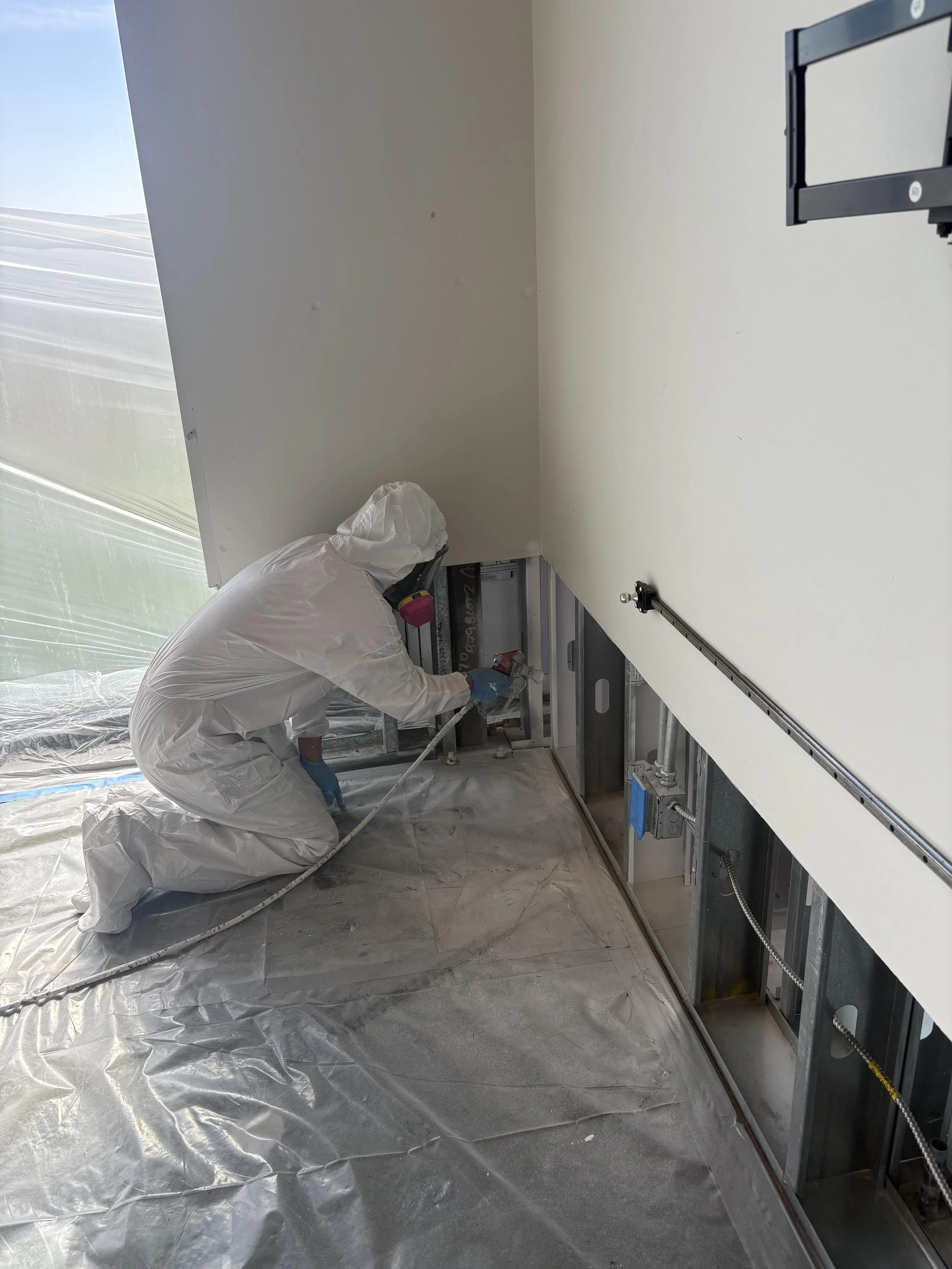
Professional mold remediation is designed to remove mold safely while preventing spores from spreading.
The remediation process may include:
• containment of affected areas
• HEPA air filtration
• removal of contaminated materials
• antimicrobial cleaning treatments
• moisture control to prevent recurrence
Professional remediation addresses both the mold and the moisture source causing the problem.
Preventing Black Mold in Homes
Homeowners can reduce the risk of mold growth by controlling moisture inside the home.
Helpful prevention strategies include:
• repairing plumbing leaks quickly
• maintaining proper ventilation
• controlling indoor humidity levels
• addressing water damage immediately
Routine maintenance helps prevent conditions that allow mold to grow.
FAQ: Black Mold
Is black mold always dangerous?
Black mold can contribute to indoor air quality concerns, but the impact varies depending on the level of exposure and individual sensitivity.
What causes black mold to grow?
Black mold typically develops when moisture remains present on building materials for extended periods.
Can black mold be removed?
Yes. Professional mold remediation services can safely remove mold contamination.
How do I know if mold in my home is black mold?
Professional inspection and testing may be required to identify the specific type of mold.
Should black mold always be professionally removed?
Small mold spots may sometimes be cleaned, but widespread mold contamination often requires professional remediation.
Why The Steam Team?

• Serving Austin since 1983
• Certified mold remediation professionals
• Advanced drying and containment equipment
• Emergency restoration services
• Trusted throughout Central Texas
Schedule Mold Inspection in Austin
North Austin Restoration Office
9901 Burnet Rd
Austin, TX 78758
Water Restoration | Fire Cleanup | Mold Remediation | Emergency Extraction
Central Austin Cleaning Office
1904 W Koenig Ln
Austin, TX 78756
Carpet Cleaning | Tile & Grout Cleaning | Area Rug Cleaning | Air Duct Cleaning