How to Remove Deep Pet Stains and Odors From Carpet
/
Learn how to remove deep pet stains and odors from carpet, why pet urine can reach the padding, and when professional carpet cleaning may be needed.
Read More
Explore expert tips on water damage restoration, carpet cleaning, rug cleaning, mold remediation, and air duct cleaning in Austin, TX. Trusted local insights from The Steam Team since 1983.
Learn how to remove deep pet stains and odors from carpet, why pet urine can reach the padding, and when professional carpet cleaning may be needed.
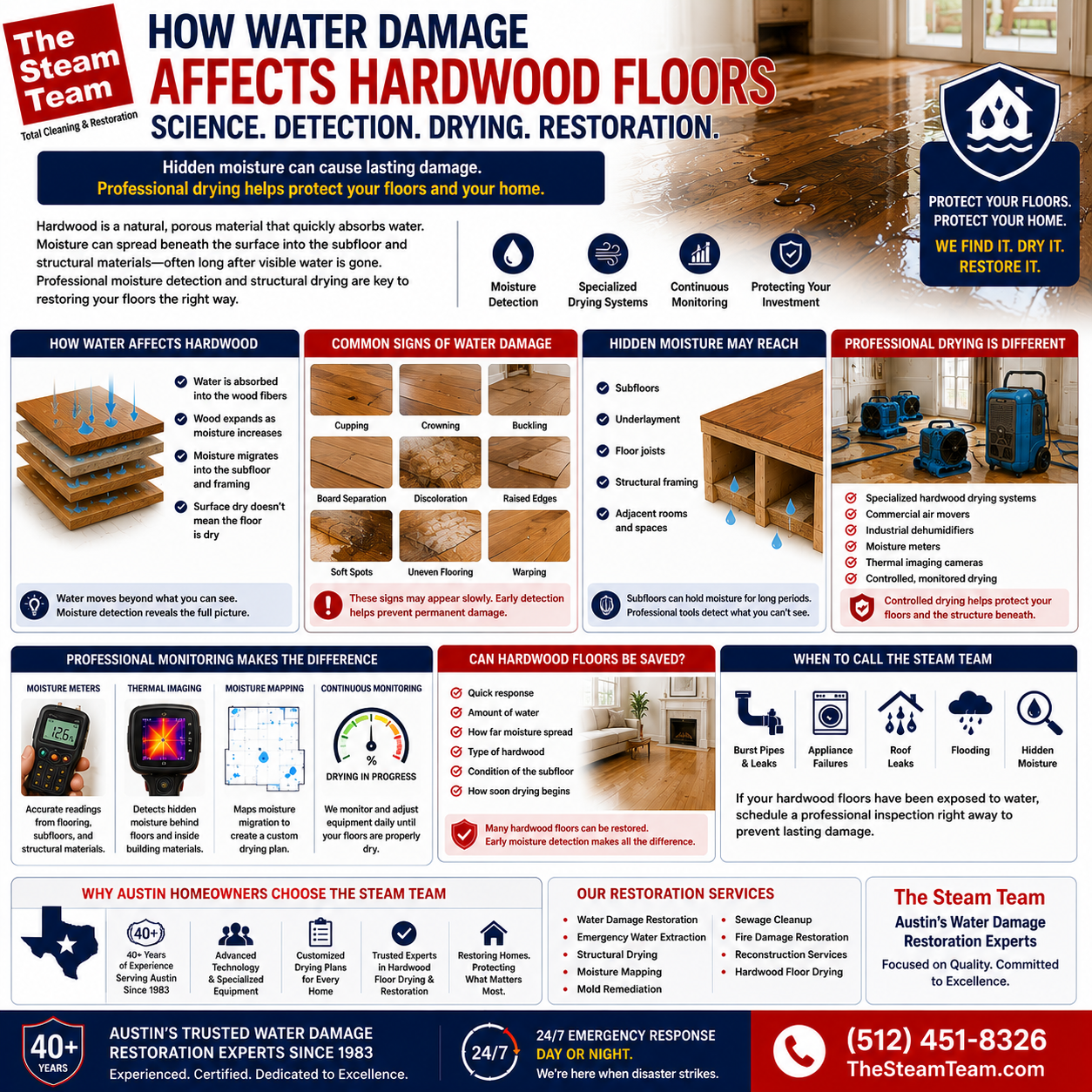
Read MoreLearn how water damage affects hardwood floors, why wood expands and cups, signs of hidden moisture, and how professional hardwood floor drying helps protect your flooring.
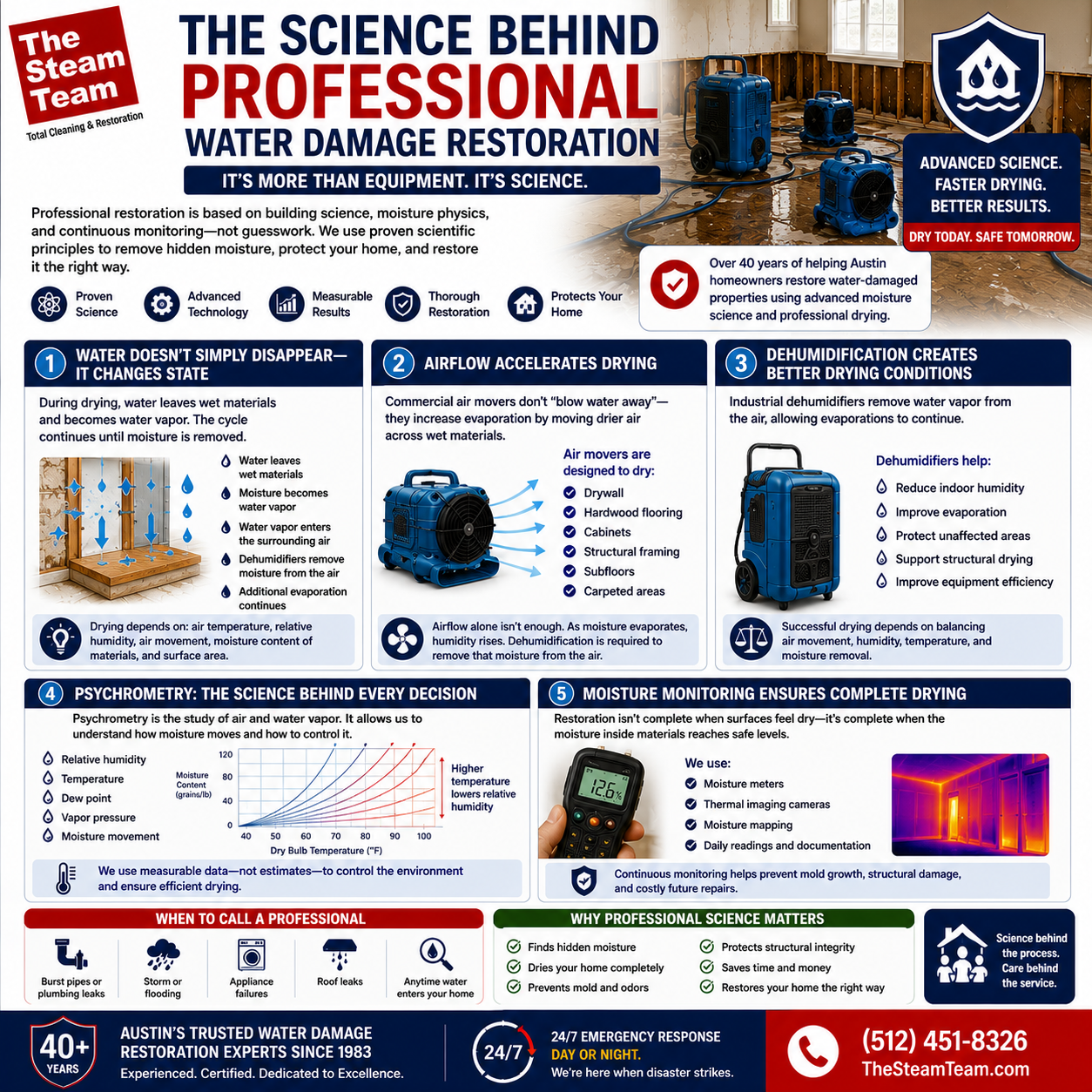
Read MoreDiscover the science behind professional water damage restoration, including evaporation, dehumidification, psychrometry, moisture mapping, and structural drying techniques.
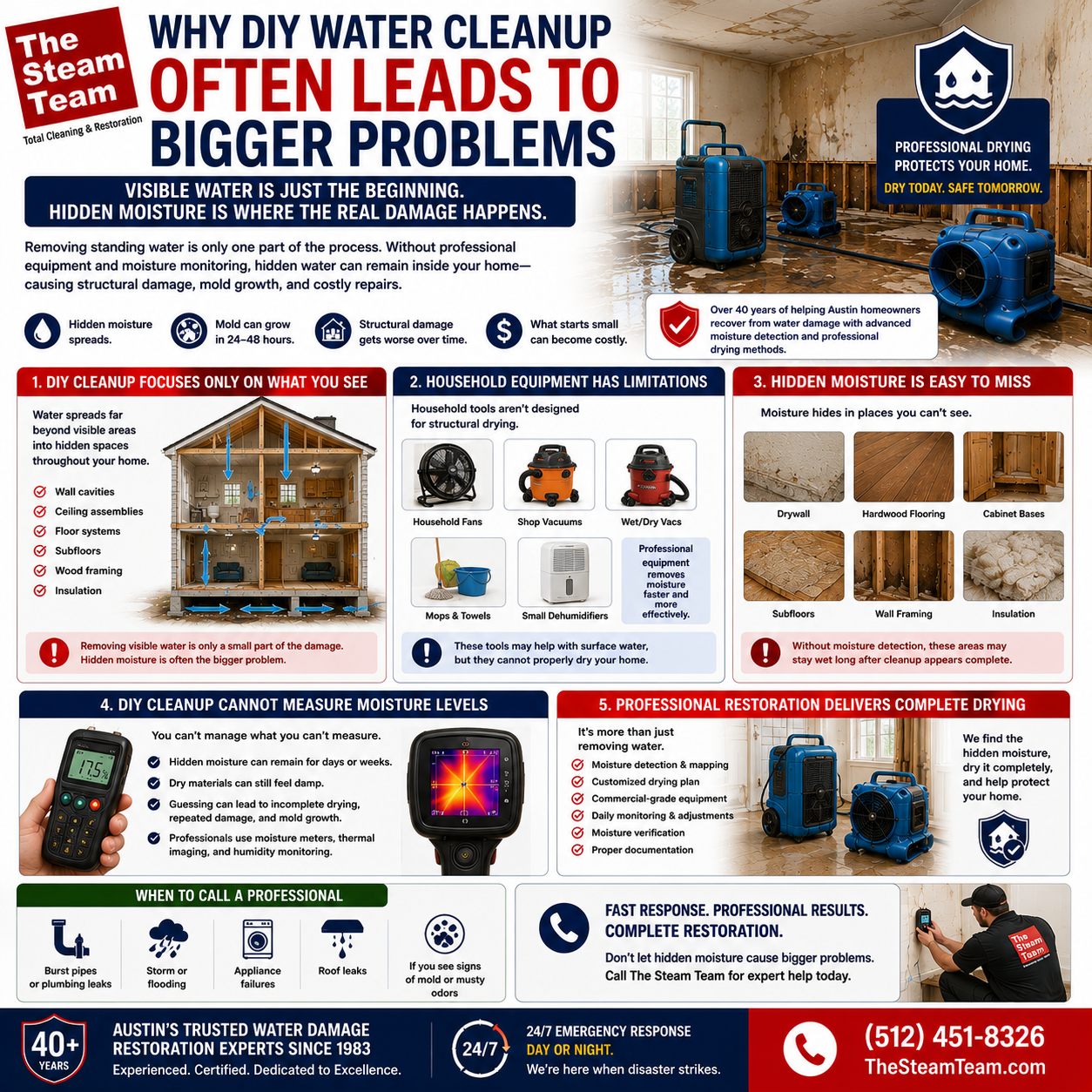
Read MoreLearn why DIY water cleanup often misses hidden moisture, delays structural drying, and increases restoration challenges. Discover when professional restoration is the better option.
Read MoreLearn how water travels through walls, ceilings, floors, insulation, and structural framing after a leak. Discover why hidden moisture spreads farther than most homeowners expect.
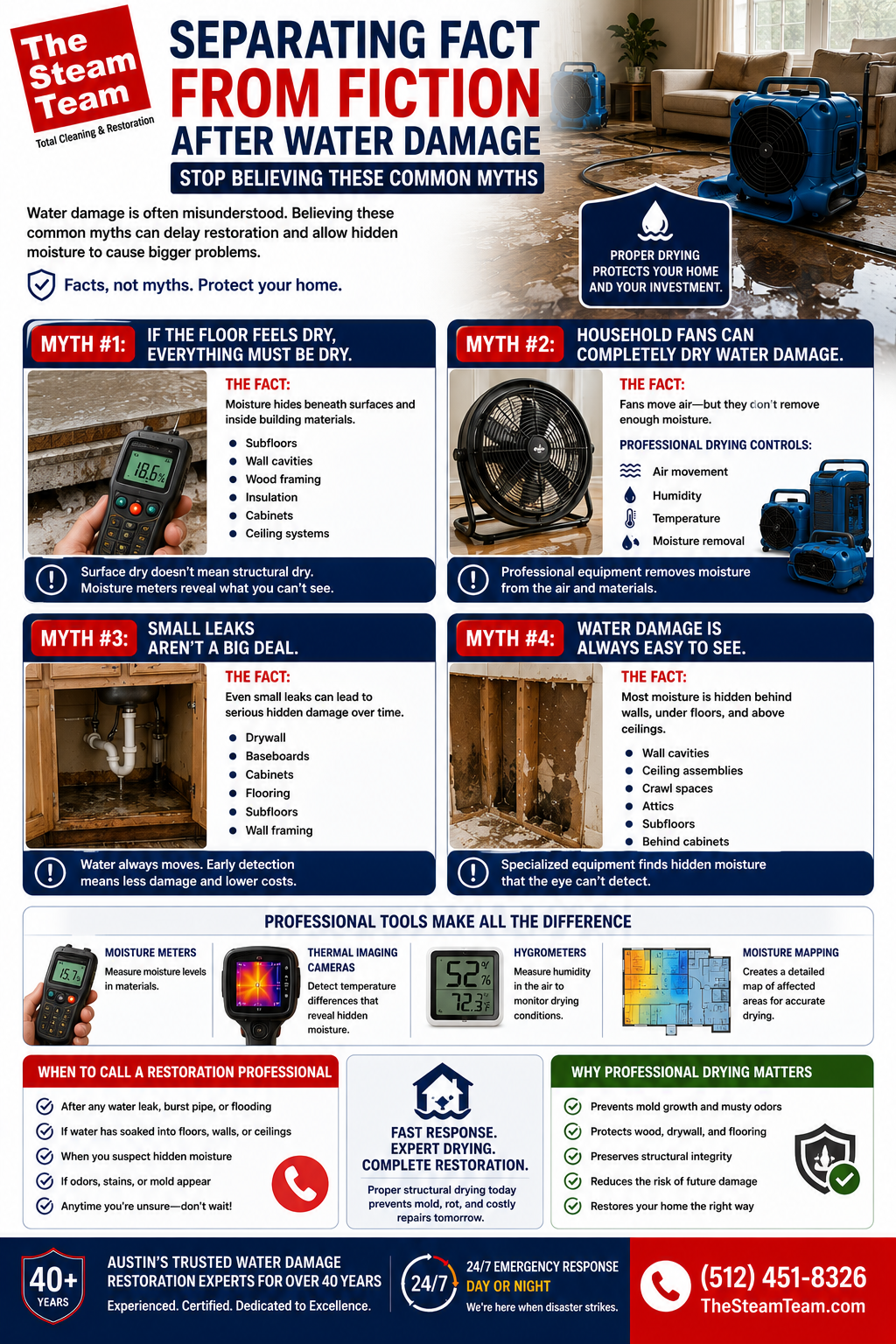
Read MoreDiscover the most common water damage myths homeowners believe and learn the facts about hidden moisture, structural drying, restoration, and professional water damage cleanup.
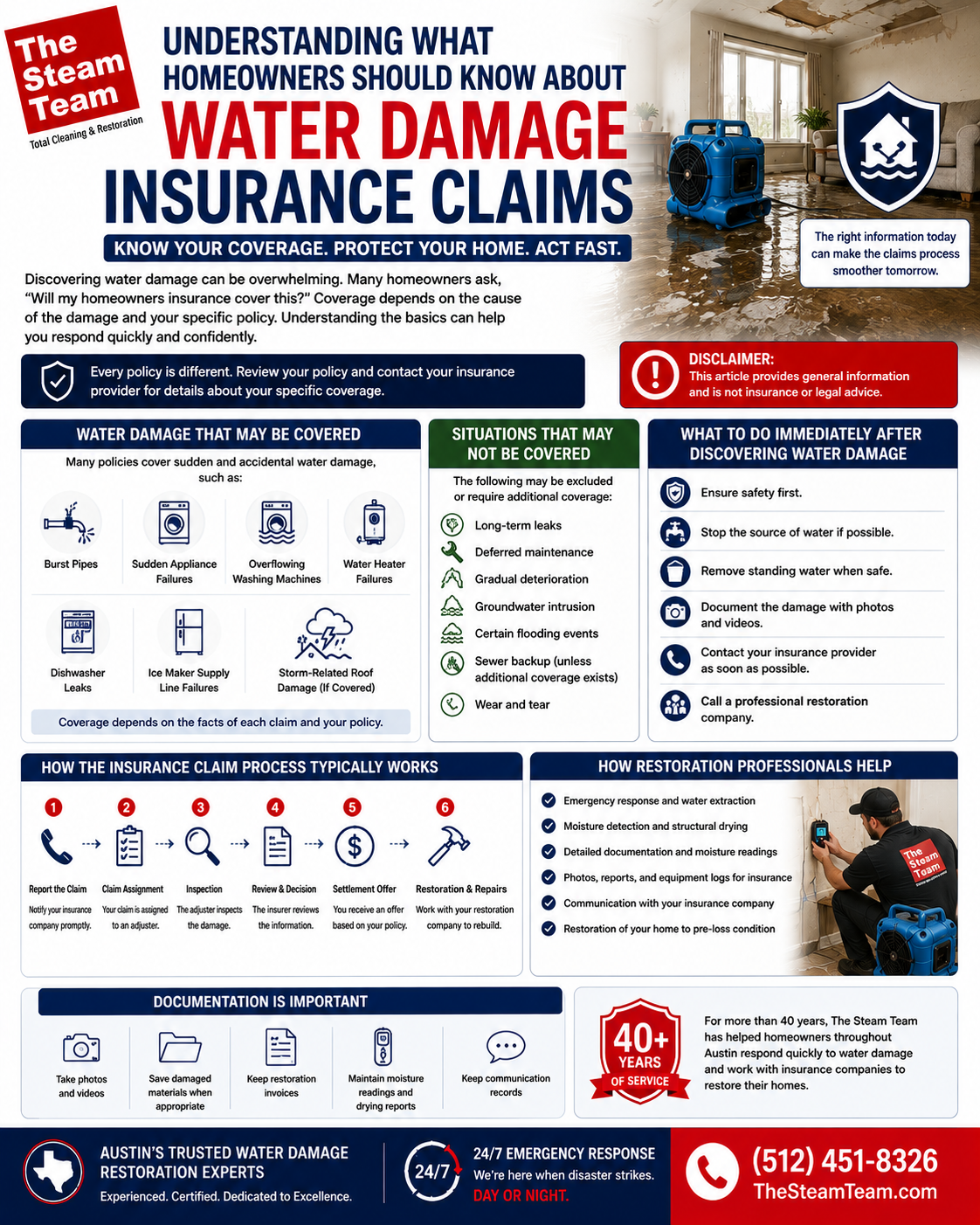
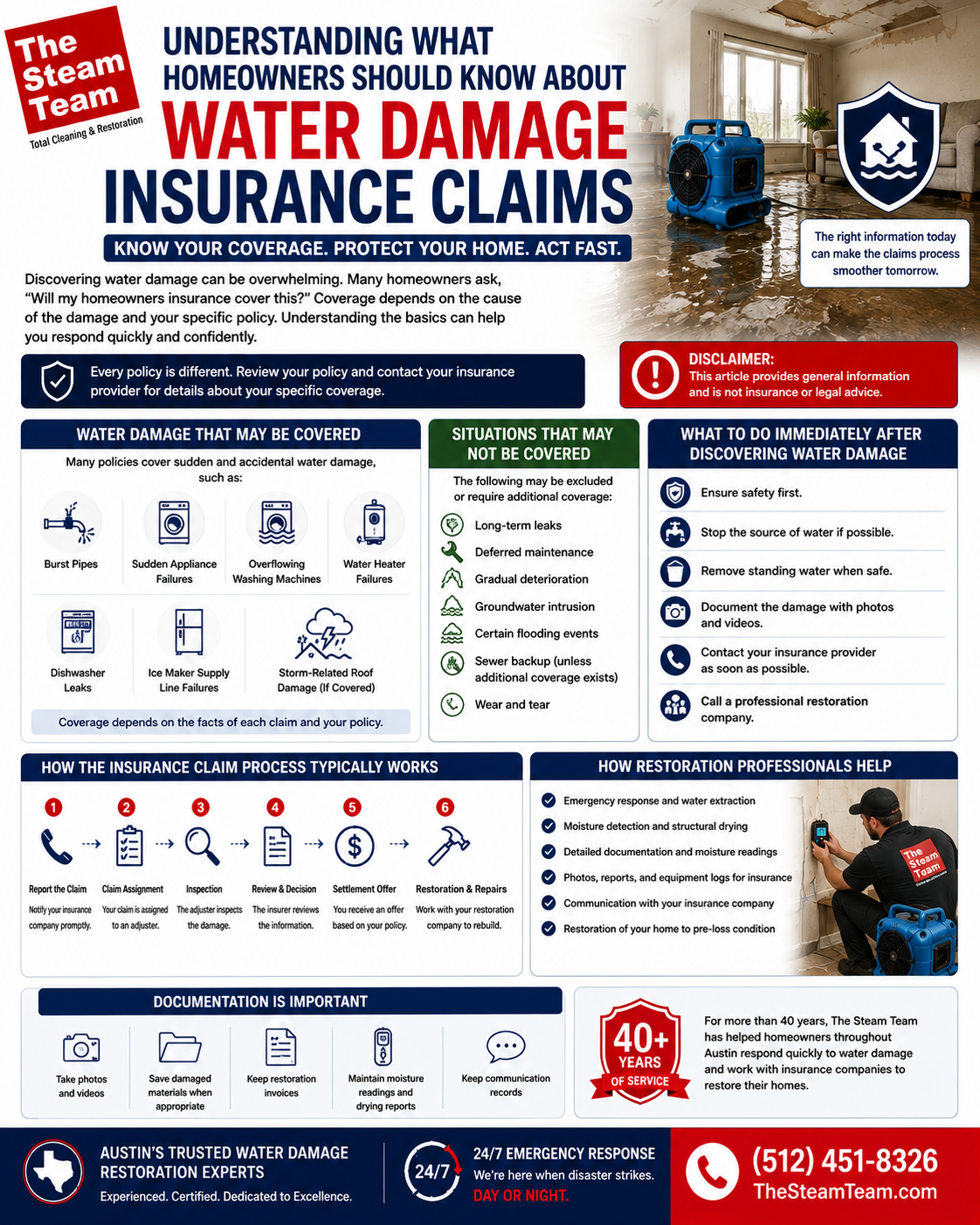
Read MoreLearn when homeowners insurance may cover water damage, common exclusions, how the claims process works, and what to do immediately after water damage occurs.
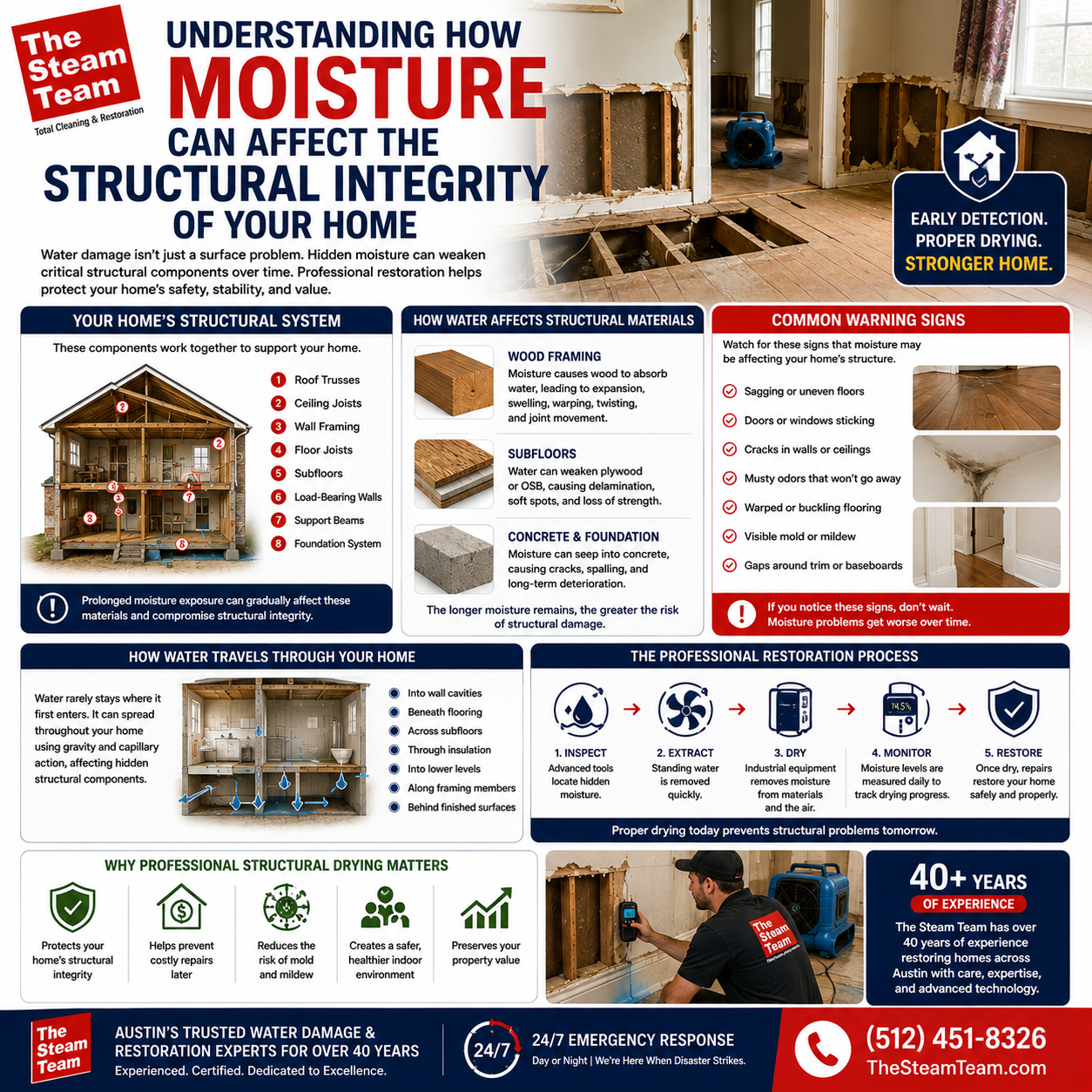
Read MoreLearn how water damage can affect your home's structural components, including framing, subfloors, ceilings, and load-bearing materials. Discover why early restoration is essential.
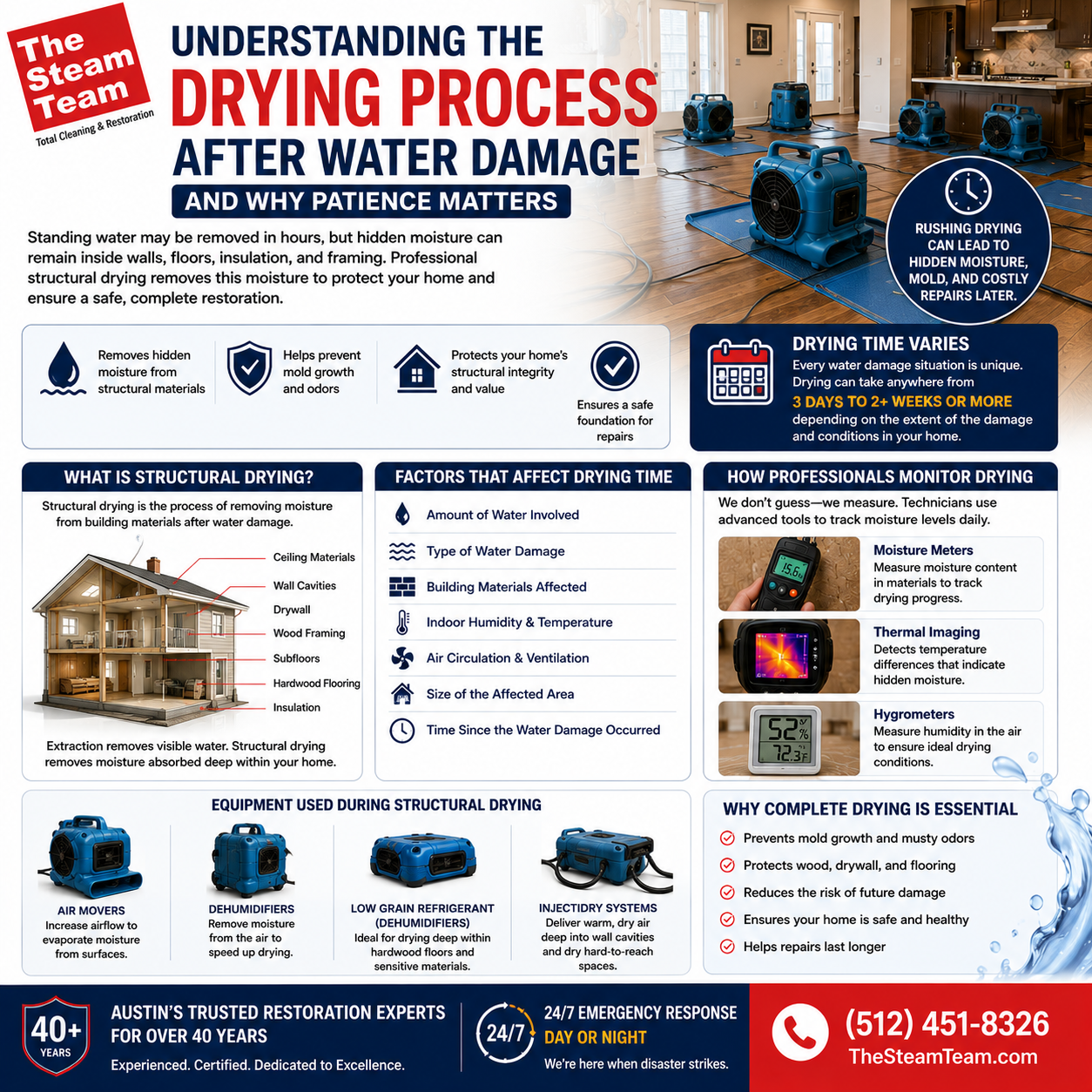
Read MoreLearn how long structural drying typically takes after water damage. Discover the factors that influence drying time, the equipment professionals use, and why proper drying is essential.
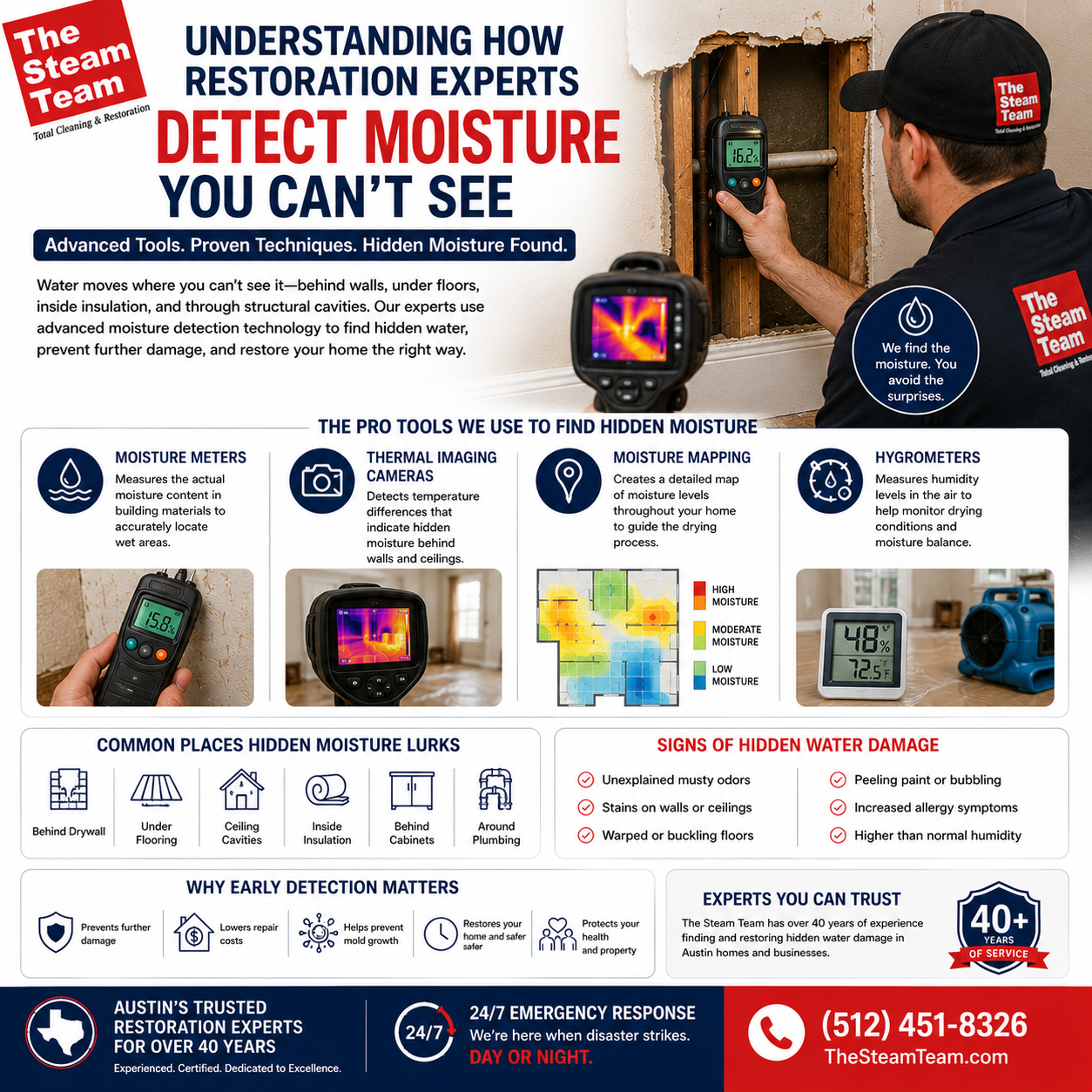
Read MoreLearn how professionals detect hidden water damage behind walls using moisture meters, thermal imaging, and moisture mapping. Discover why hidden moisture should never be ignored.
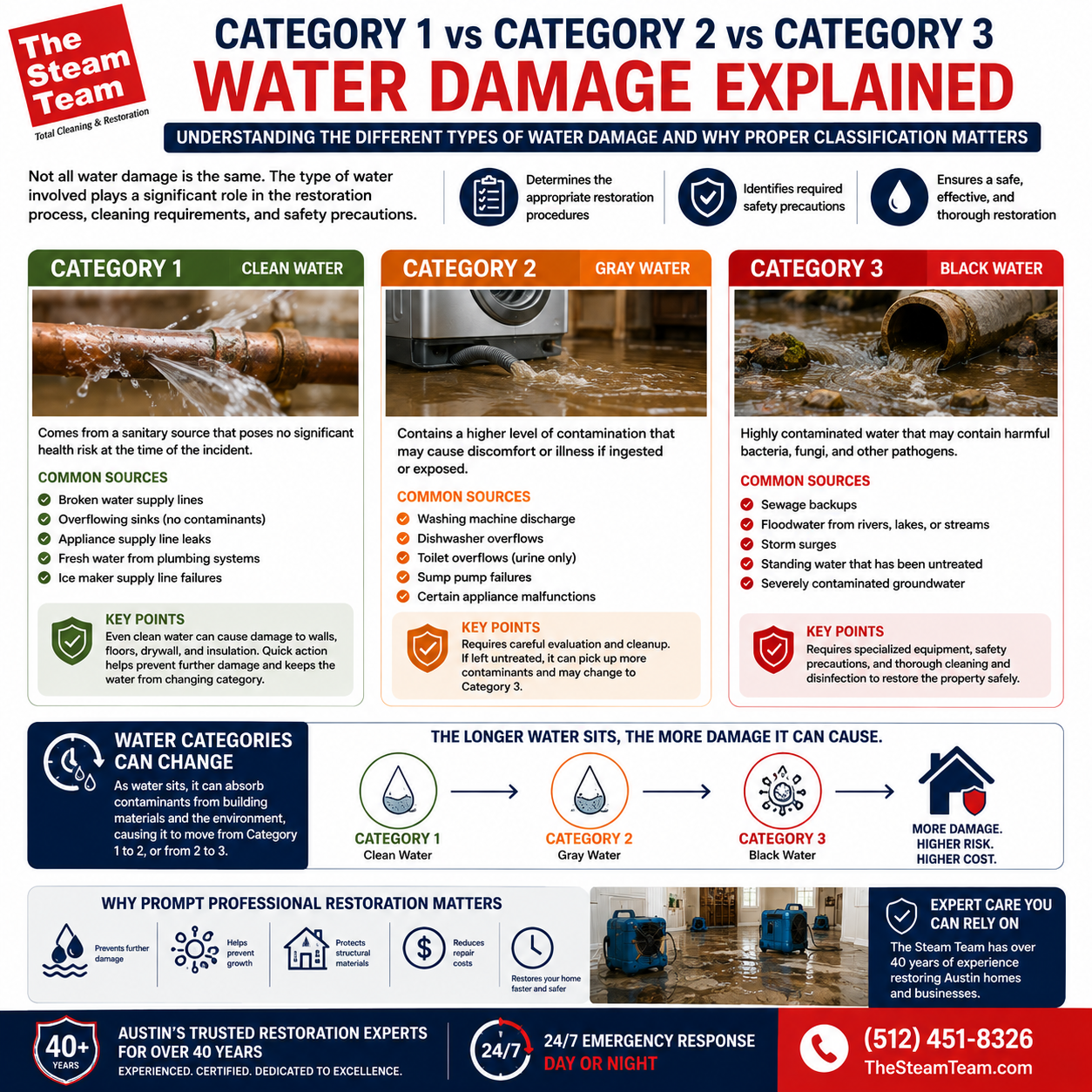
Read MoreLearn the differences between Category 1, Category 2, and Category 3 water damage. Understand how restoration professionals classify water damage and why proper assessment is essential.
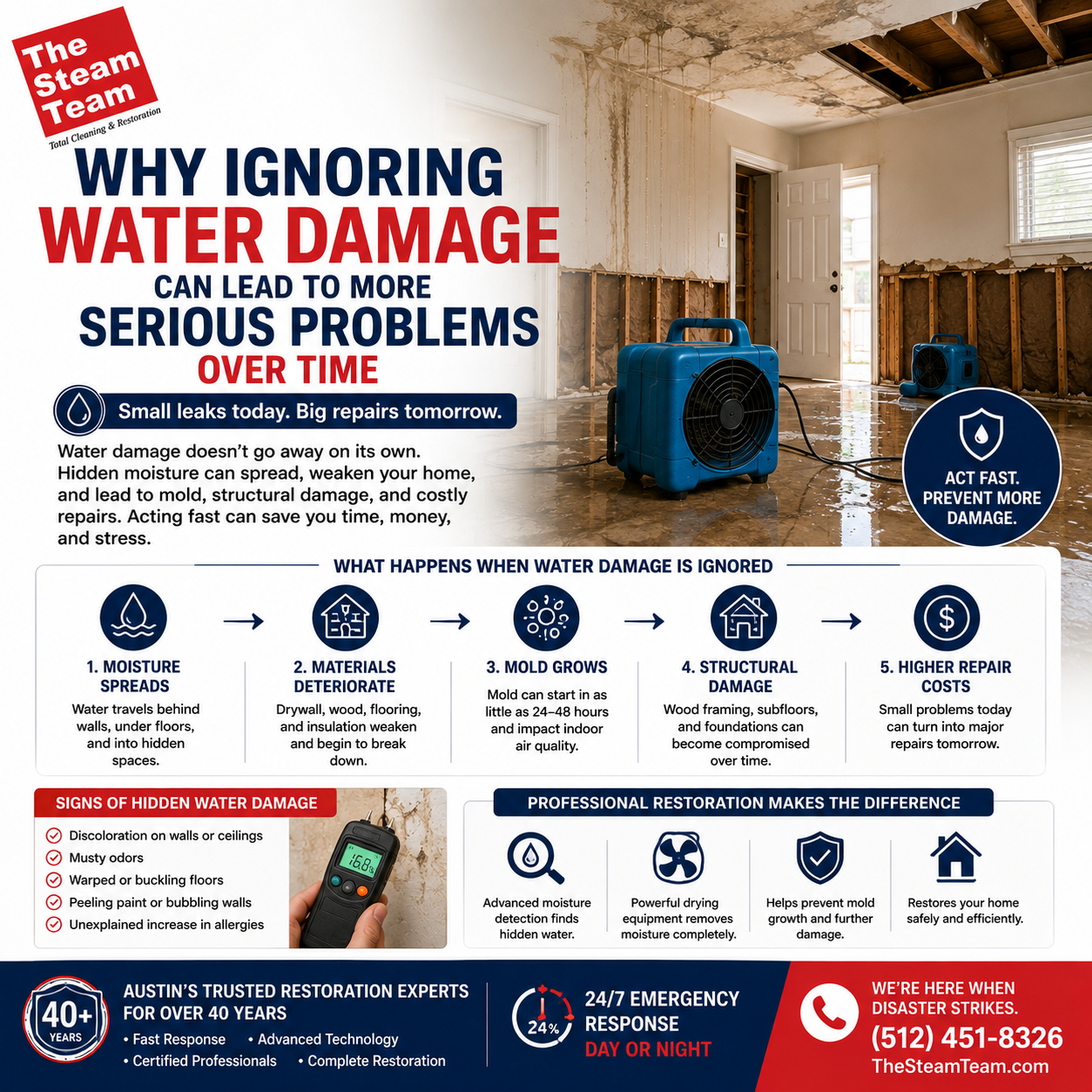
Read MoreDiscover what happens when water damage is left untreated. Learn how hidden moisture can affect your home's structure, flooring, walls, and indoor environment, and why acting quickly matters.
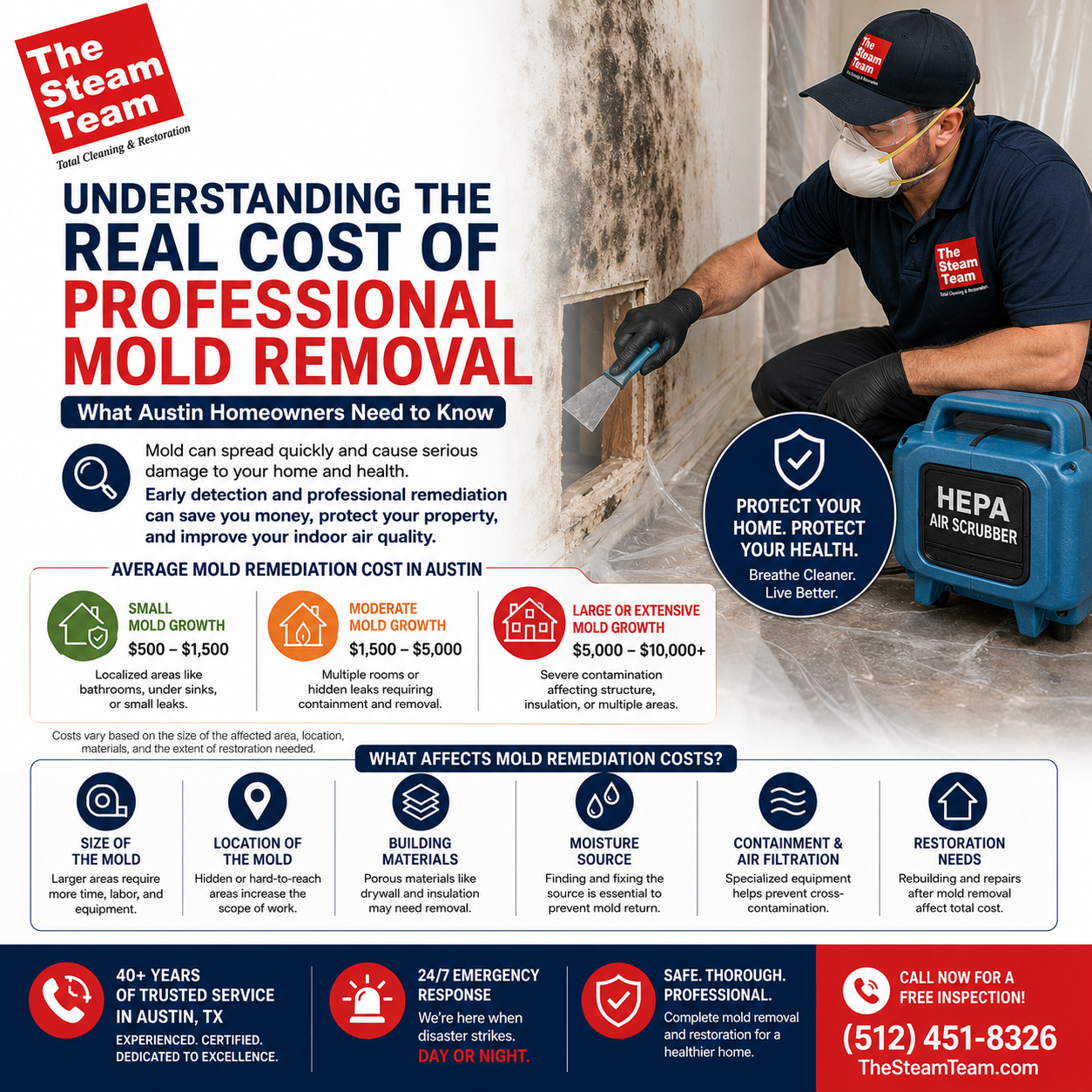
Read MoreWondering how much mold remediation costs in Austin? Learn average pricing, cost factors, insurance coverage, and when professional mold removal is necessary.
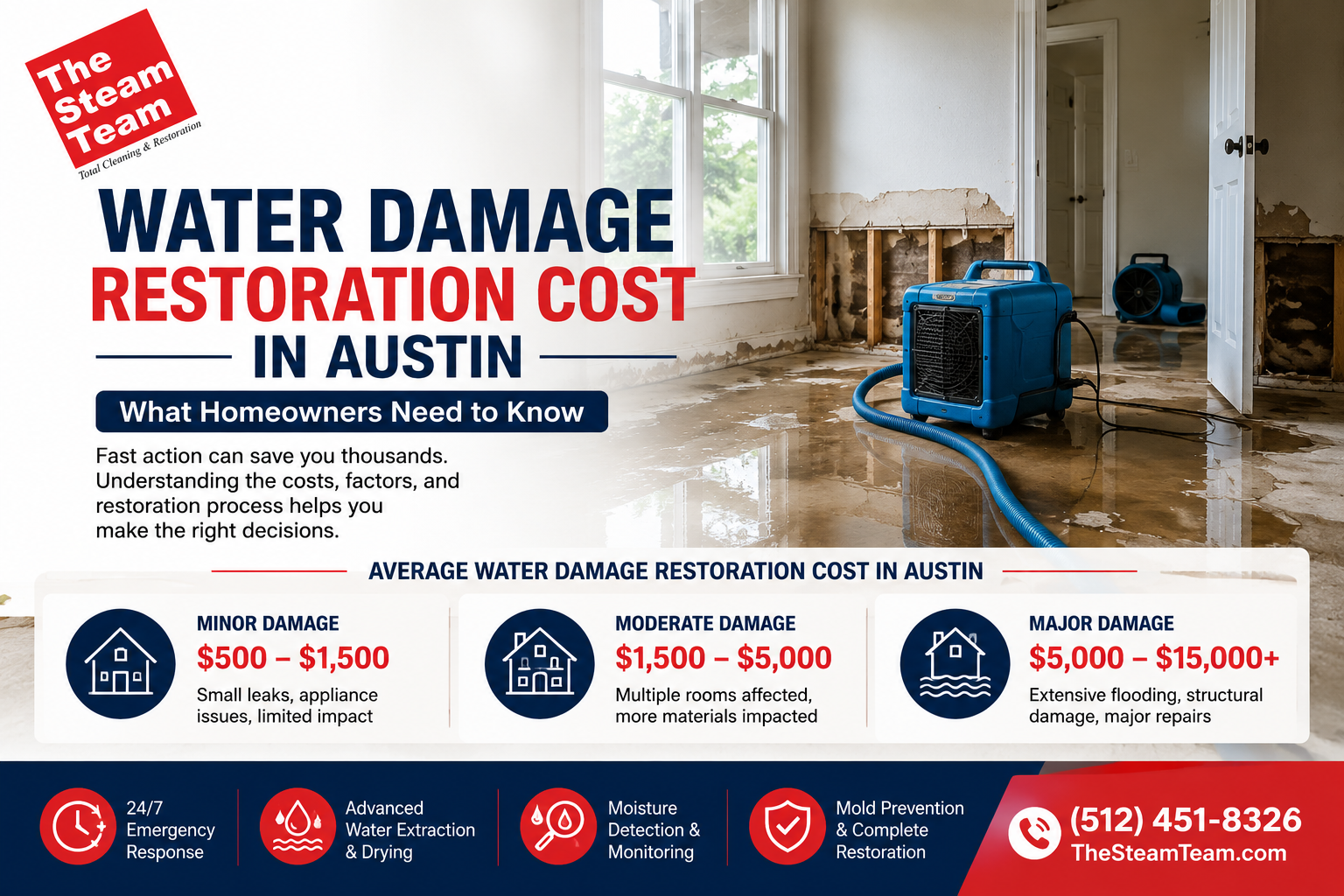
Read MoreWondering how much water damage restoration costs in Austin? Learn average pricing, factors that affect restoration costs, insurance coverage, and how to avoid expensive repairs.
Read MoreBurst pipes are one of the most common causes of sudden water damage in Austin homes. When a pipe ruptures, hundreds of gallons of water can quickly flood floors, walls, and ceilings within minutes.
Winter freezes, aging plumbing systems, and sudden pressure changes are common causes of pipe failures across Central Texas. Acting quickly after a pipe bursts can significantly reduce structural damage and restoration costs.
Understanding how to handle burst pipe cleanup in Austin helps homeowners protect their property and begin the restoration process safely.
The Steam Team has been helping Austin homeowners recover from burst pipe water damage since 1983, providing emergency water extraction, structural drying, and restoration services throughout the region.
Although Austin has a generally warm climate, pipes can still burst due to several factors.
Common causes include:
• Winter freeze events
• Aging or corroded plumbing lines
• High water pressure
• Pipe blockages or buildup
• Shifting foundations or slab movement
During sudden temperature drops, water inside pipes can freeze and expand, causing pipes to crack or rupture.
Homes in neighborhoods such as Round Rock, Cedar Park, and Pflugerville experienced significant burst pipe issues during past Texas freeze events.
The most important first step after discovering a burst pipe is to stop the water flow immediately.
Locate the main water shutoff valve for your home and turn it off.
Shutting off the water supply prevents additional flooding and limits the amount of damage inside the property.
If you are unsure where the valve is located, most homes have it near:
• The water meter outside
• The garage
• The utility room
If water has reached electrical outlets, appliances, or wiring, electricity should be turned off in the affected areas.
This helps prevent electrical hazards.
Never walk through standing water near outlets or electrical panels.
If there is uncertainty about safety, wait for professionals to inspect the property.
Once the main water supply is turned off, open faucets throughout the home to release remaining water inside the plumbing system.
This helps reduce pressure and prevents additional leaks.
Flush toilets and run faucets briefly until water stops flowing.
Water left on floors can quickly damage flooring materials such as:
• Hardwood floors
• Carpet and padding
• Laminate flooring
• Baseboards and drywall
Removing standing water as quickly as possible helps limit damage.
Methods may include:
• Wet/dry vacuums
• Mops and towels
• Portable pumps
For significant flooding, professional water extraction equipment is often required.
Items to move away from affected areas include:
• Electronics
• Important documents
• Furniture
• Area rugs and décor
Placing aluminum foil or blocks under furniture legs can help prevent further water absorption.
Once water is removed, drying the structure becomes the most critical step.
Moisture can remain trapped inside:
• Drywall
• Insulation
• Subfloors
• Cabinet bases
• Structural framing
Using fans and dehumidifiers can help begin the drying process.
However, professional restoration companies use specialized industrial drying equipment to remove hidden moisture more effectively.
Burst pipe damage often spreads further than homeowners initially realize.
Water can travel through walls, ceilings, and flooring systems quickly.
Professional restoration teams use advanced tools to detect hidden moisture and prevent long-term damage.
Professional services typically include:
• Water extraction
• Moisture mapping
• Structural drying
• Dehumidification
• Mold prevention treatments
Early professional intervention can significantly reduce restoration costs.
Many homeowners are surprised at how quickly mold can begin growing after water damage.
In warm environments like Austin, mold can begin developing within 24–48 hours after water exposure.
Proper structural drying and humidity control are essential for preventing mold growth.
Warning signs include:
• Warping or buckling floors
• Discolored drywall or ceilings
• Musty odors in rooms
• Peeling paint or bubbling walls
• Persistent humidity indoors
Professional moisture detection tools help locate hidden water before mold or structural damage occurs.
However, policies may vary depending on the cause of the pipe failure.
Homeowners should:
• Document all damage with photos
• Save receipts for emergency repairs
• Contact their insurance provider quickly
• Keep records of restoration services
Professional restoration companies often assist homeowners with documentation needed for insurance claims.
Preventative steps can reduce the risk of future pipe failures.
Helpful prevention tips include:
• Insulating exposed pipes during winter
• Maintaining consistent indoor heating during cold weather
• Allowing faucets to drip during freezing conditions
• Monitoring water pressure levels
• Scheduling regular plumbing inspections
Preparing for cold weather can help protect plumbing systems in Central Texas homes.
Shut off the main water supply, turn off electricity in affected areas, and begin removing water if safe to do so.
A burst pipe can release hundreds of gallons of water per hour, causing severe flooding if not stopped quickly.
Most restoration projects take 3–7 days, depending on the amount of water damage.
Yes. Mold can begin growing within 24–48 hours if moisture is not properly removed.
Many policies cover sudden pipe failures, but coverage varies depending on the cause and policy details.
Our team helps homeowners recover quickly after burst pipe emergencies.
If your home experiences a burst pipe, immediate action can prevent major structural damage.
The Steam Team provides 24/7 emergency water damage restoration in Austin, helping homeowners remove water, dry structures, and restore damaged areas safely.
📞 Call 512-451-8326 for emergency service
Serving Austin, Round Rock, Cedar Park, Georgetown, and surrounding Central Texas communities.
Water damage can happen suddenly and without warning. Whether caused by a burst pipe, storm flooding, appliance leak, or roof failure, water entering your home can quickly damage floors, walls, and belongings.
The first 24 hours after water damage are the most critical. Acting quickly can significantly reduce repair costs and prevent additional issues like mold growth.
Understanding what to do immediately after water damage in Austin can help homeowners protect their property and start the restoration process safely.
The Steam Team has been helping Austin homeowners respond to water damage emergencies since 1983, providing professional water damage restoration, structural drying, and mold remediation services throughout Central Texas.
The first priority is to stop the source of water if possible.
Common water sources include:
• Burst or leaking pipes
• Overflowing appliances
• Roof leaks during storms
• Plumbing failures
• Slab leaks
If the source is internal plumbing, turn off the main water shutoff valve immediately.
For storm-related flooding or external water intrusion, try to prevent additional water from entering the home if it is safe to do so.
Water and electricity are extremely dangerous together.
If water has reached electrical outlets, appliances, or wiring:
• Turn off electricity at the breaker panel
• Avoid walking through standing water near outlets
• Do not operate electrical appliances
If you are unsure whether it is safe, wait for professionals to inspect the area.
Before moving or removing damaged items, take photos or videos of the affected areas.
Important documentation includes:
• Damaged floors and carpets
• Wet walls or ceilings
• Furniture and belongings
• Standing water in rooms
These records can help support insurance claims for water damage in Austin.
Many insurance providers require visual documentation of damage before restoration work begins.
If the water level is manageable, removing standing water quickly can help reduce damage.
Common water removal methods include:
• Wet/dry vacuums
• Mops and towels
• Portable pumps
However, large water events should be handled by professional restoration companies with commercial water extraction equipment.
Homes in neighborhoods such as Round Rock, Cedar Park, and South Austin often experience flooding after heavy storms, making rapid water extraction essential.
Protecting personal belongings can prevent additional losses.
Items to move away from wet areas include:
• Electronics
• Important documents
• Area rugs and carpets
• Furniture and décor
Place aluminum foil or blocks under furniture legs to prevent water absorption from carpets.
After water removal, drying is the most important step in preventing structural damage and mold growth.
Basic drying methods may include:
• Opening windows if weather permits
• Using fans and dehumidifiers
• Removing wet rugs or cushions
However, residential fans often cannot remove moisture trapped inside walls or flooring.
Professional structural drying equipment is typically needed for full restoration.
Many homeowners underestimate how quickly water damage spreads.
Water can penetrate:
• Drywall
• Insulation
• Hardwood flooring
• Subfloor structures
• Cabinet bases
Professional restoration teams use specialized tools to detect hidden moisture and prevent long-term structural damage.
Professional services typically include:
• Water extraction
• Moisture mapping
• Structural drying
• Dehumidification
• Mold prevention treatments
Delaying cleanup can lead to serious problems within hours.
Within 24 hours:
• Materials begin absorbing water
• Carpets and drywall swell
• Mold growth may begin
Within 48–72 hours:
• Structural materials weaken
• Mold spreads quickly
• Odors develop
Fast action reduces restoration costs and prevents further damage.
Several issues commonly cause water damage in Central Texas homes.
These include:
• Burst pipes during winter freezes
• Heavy rainstorms and flash flooding
• Appliance failures (dishwashers, washing machines)
• Roof leaks
• Slab leaks under foundations
Understanding these risks can help homeowners prepare and respond quickly.
Emergency water damage restoration may be required when:
• Large areas are flooded
• Structural materials are saturated
• Electrical hazards are present
• Contaminated water is involved
• Mold risk is high
Professional restoration teams can respond quickly to stabilize the property and begin the drying process.
Water damage should be addressed within the first 24 hours to prevent mold growth and structural damage.
Yes. Mold can begin growing within 24–48 hours in damp environments.
Sometimes. Wet drywall may be salvageable if dried quickly, but severely saturated drywall often requires replacement.
Many policies cover sudden water damage such as burst pipes, but coverage varies by policy.
Most restoration projects take 3–7 days, depending on the severity of the damage.
• Serving Austin since 1983
• 24/7 emergency response
• Certified restoration technicians
• Advanced drying and extraction equipment
• Trusted throughout Central Texas
Our team helps homeowners recover quickly from water damage emergencies.
If your home experiences water damage, fast action is critical.
The Steam Team provides 24/7 emergency water damage restoration in Austin, helping homeowners remove water, dry structures, and restore damaged areas safely.
📞 Call 512-451-8326 for emergency water damage service
Serving Austin, Round Rock, Cedar Park, Georgetown, and surrounding Central Texas communities.
Selecting the right carpet cleaning method can significantly impact the cleanliness and longevity of your carpets. With various techniques available, understanding their mechanisms and benefits is crucial for making an informed decision. This guide will explore the main carpet cleaning methods, their pros and cons, and how to choose the best one for your specific needs. Many homeowners and businesses in Austin face challenges with stains, allergens, and general wear and tear on their carpets. The right cleaning method can address these issues effectively. We will cover the main carpet cleaning methods, factors influencing your choice, and whether to opt for professional services or DIY methods.
Carpet cleaning methods vary widely, each with unique processes and benefits. Understanding these methods is essential for selecting the right one for your carpets. The most common methods include hot water extraction, dry carpet cleaning, encapsulation, bonnet cleaning, and shampooing. Each method employs different techniques to remove dirt, stains, and allergens from carpets, ensuring they remain clean and fresh.
Hot water extraction, often referred to as steam cleaning, is a popular method for deep cleaning carpets. This process involves injecting hot water mixed with a cleaning solution into the carpet fibers at high pressure. The hot water loosens dirt and stains, which are then extracted along with the water using a powerful vacuum. This method is particularly effective for removing embedded dirt and allergens, making it ideal for homes with pets or allergy sufferers. Additionally, hot water extraction can sanitize carpets, eliminating bacteria and dust mites, which contribute to a healthier indoor environment.
Dry carpet cleaning is another effective method that uses minimal moisture to clean carpets. This technique involves applying a dry cleaning compound or powder to the carpet, which absorbs dirt and stains. After allowing the compound to sit for a specified time, a vacuum is used to remove it along with the trapped dirt. One of the main advantages of dry carpet cleaning is its quick drying time, making it suitable for high-traffic areas or situations where immediate use of the carpet is necessary. This method is also less likely to cause shrinkage or damage to delicate carpet fibers.
When choosing a carpet cleaning method, it's essential to compare its pros and cons to determine the best fit for your needs. Each method has unique advantages and limitations, which can influence your decision based on factors like carpet type, level of soiling, and drying time requirements.
Encapsulation, shampooing, and bonnet cleaning are three additional methods worth considering.
Encapsulation: This method uses synthetic detergents that crystallize dirt into powder, which can then be vacuumed away. It is effective for routine maintenance and is less labor-intensive than other methods.
Shampooing: Involves applying a foamy cleaning solution to the carpet, which is then agitated with a machine. While effective for surface cleaning, it can leave residues that attract dirt if not rinsed properly. Shampooing has become less common due to the potential for residue buildup.
Bonnet Cleaning: This method uses a rotary machine with a cleaning pad soaked in a cleaning solution. It is primarily used for surface cleaning and is often employed in commercial settings for quick touch-ups. However, it does not clean deeply and may push dirt further into the carpet fibers.
The best carpet cleaning method often depends on the type of carpet and the level of soiling. For example, hot water extraction is ideal for heavily soiled carpets, while dry cleaning may be better for delicate fibers. Here’s a quick guide:
Wool Carpets: Dry cleaning or low-moisture methods are preferred to avoid shrinkage and damage.
Synthetic Carpets: Versatile; can use any method, but hot water extraction is often preferred for deep cleaning.
Berber Carpets: Dry cleaning or encapsulation to prevent damage to the loops.
Several factors should guide your choice of carpet cleaning method, including carpet fiber type, drying time, and specific cleaning challenges like allergies or pet stains.
Carpet fiber types significantly influence the choice of cleaning method. Natural fibers like wool require gentler cleaning methods to avoid damage, while synthetic fibers can withstand more aggressive techniques. Understanding the fiber composition of your carpet can help you select the most appropriate cleaning method, ensuring effective cleaning without compromising the carpet's integrity.
Drying time is a critical consideration, especially in high-traffic areas. Methods like dry cleaning offer quick drying times, while hot water extraction may require several hours. Additionally, if you have allergies or pets, selecting a method that effectively removes allergens and pet dander is essential. Hot water extraction is particularly beneficial in these cases, as it sanitizes carpets and removes deep-seated dirt and allergens.
Research has specifically investigated the efficacy of different cleaning methods, such as dry cleaning versus hot water washing, in removing common allergens like dust mites.
Deciding between professional carpet cleaning and DIY methods can be challenging. Each option has its benefits and limitations, which can affect the outcome of your carpet cleaning efforts.
Hiring professionals, especially those certified, ensures a high standard of service. Professionals have access to advanced equipment and cleaning solutions that can achieve better results than typical DIY methods. Additionally, companies like The Steam Team offer expertise in various cleaning methods, ensuring that your carpets receive the best care possible. Their commitment to customer satisfaction and quality service makes them a reliable choice for carpet cleaning in Austin.
DIY carpet cleaning can be a cost-effective option for minor stains or routine maintenance. However, it often lacks the effectiveness of professional methods, especially for deep cleaning. Common pitfalls include using the wrong cleaning solutions or equipment, which can lead to damage or inadequate cleaning. Understanding when to tackle cleaning yourself and when to call in professionals is crucial for maintaining your carpets.
This highlights the value of professional expertise, as they are equipped to select the optimal cleaning approach for various carpet fibers and constructions, saving both time and potential damage.
When it comes to carpet cleaning in Austin, The Steam Team stands out for its extensive experience and commitment to quality service. With over 44 years in the industry, they offer a comprehensive suite of cleaning services tailored to meet the needs of both residential and commercial clients.
The Steam Team's certifications and awards reflect their dedication to excellence in cleaning and restoration services. Their certification ensures that their technicians are trained in the latest cleaning techniques and standards. Additionally, their satisfaction guarantee provides peace of mind, assuring customers that they will receive high-quality service tailored to their specific needs.
The Steam Team offers a wide range of carpet cleaning services, including hot water extraction, dry cleaning, and specialized treatments for pet stains and allergens. Their expertise in various cleaning methods allows them to customize solutions based on the unique needs of each client. Whether you need routine maintenance or deep cleaning, The Steam Team is equipped to handle it all, ensuring your carpets remain in excellent condition.
Method
Key Feature
Pros
Cons
Best For
Hot Water Extraction
Deep cleaning
Effective stain removal, sanitizes
Longer drying time
Heavily soiled carpets
Dry Carpet Cleaning
Quick drying
Minimal moisture, fast results
Less effective on deep stains
Lightly soiled carpets and delicate fibers
Encapsulation
Low moisture
Easy maintenance, quick drying
Not for deep cleaning
Routine cleaning
Bonnet Cleaning
Surface cleaning
Fast, good for commercial use
Limited effectiveness, may push dirt deeper
Quick touch-ups
When selecting a carpet cleaning method, consider factors such as the type of carpet fiber, the level of soiling, and the drying time required. Different fibers, like wool or synthetic, may respond better to specific methods. Additionally, assess any specific challenges, such as allergies or pet stains, which may necessitate a more thorough cleaning approach. Understanding these elements will help you choose a method that effectively meets your cleaning needs while preserving the integrity of your carpets.
The frequency of professional carpet cleaning depends on several factors, including foot traffic, the presence of pets, and any allergies in the household. Generally, it is recommended to have carpets cleaned every 6 to 12 months for optimal maintenance. High-traffic areas or homes with pets may require more frequent cleaning, while less-used spaces can go longer between cleanings. Regular maintenance helps prolong the life of your carpets and keeps them looking fresh and clean.
While some household cleaners can be used for spot cleaning, they are not always suitable for deep cleaning carpets. Many commercial carpet cleaning solutions are specifically formulated to be safe for carpet fibers and effective at removing dirt and stains. Using the wrong type of cleaner can lead to residue buildup, discoloration, or damage to the carpet. It's best to use products designed for carpet cleaning or consult a professional for recommendations tailored to your carpet type.
Different carpet cleaning methods have varying environmental impacts. For instance, hot water extraction often uses more water and energy, while dry cleaning methods may involve chemical solvents. Eco-friendly cleaning solutions are available that minimize environmental harm and reduce chemical exposure. When choosing a cleaning method, consider the sustainability of the products used and the overall water and energy consumption associated with the process to make a more environmentally conscious decision.
To maintain your carpets between professional cleanings, regularly vacuum to remove dirt and debris, and promptly address spills to prevent stains. Use doormats at entrances to reduce dirt tracked into your home. Additionally, consider using carpet protectors or treatments that can help repel stains and dirt. Regularly rotating furniture can also help prevent uneven wear. These practices will help keep your carpets looking their best and extend their lifespan.
If your carpet gets stained, act quickly to minimize damage. Blot the stain gently with a clean, dry cloth to absorb as much liquid as possible without rubbing, which can spread the stain. Depending on the type of stain, you can use a mild detergent solution or a carpet-specific cleaner. Always test any cleaning solution on a small, inconspicuous area first. If the stain persists or is particularly stubborn, consider consulting a professional carpet cleaner for specialized treatment.
Choosing the right carpet cleaning method can greatly enhance the cleanliness and longevity of your carpets, addressing issues like stains and allergens effectively. Understanding the unique benefits of each method empowers homeowners and businesses to make informed decisions tailored to their specific needs. Whether you opt for professional services or a DIY approach, prioritizing the right technique will ensure your carpets remain in excellent condition. Discover how The Steam Team can assist you in maintaining your carpets with our expert cleaning services today.
Professional carpet cleaning is more than just a luxury; it’s a vital service that can significantly enhance the health and aesthetics of your home. This article delves into the transformative effects of professional carpet cleaning, highlighting its numerous benefits, including improved indoor air quality, enhanced appearance, and extended carpet lifespan. Many homeowners struggle with allergens, stains, and odors that accumulate in carpets over time, leading to discomfort and potential health issues. Professional cleaning offers a solution by utilizing advanced techniques and equipment to restore carpets to their original condition. We will explore the health benefits, aesthetic improvements, investment protection, and the best cleaning methods available, along with why choosing a reputable service like The Steam Team in Austin, Texas, can make all the difference.
Professional carpet cleaning provides significant health benefits by removing allergens, bacteria, and pollutants that can accumulate in carpets over time. Regular cleaning not only enhances the appearance of your carpets but also contributes to a healthier indoor environment. This is particularly important for households with children, pets, or individuals with allergies or respiratory issues.
Carpet cleaning effectively removes common allergens such as dust mites, pet dander, and pollen, which can trigger allergic reactions and asthma. The process typically involves deep cleaning methods that extract these particles from the carpet fibers, significantly improving indoor air quality. For instance, hot water extraction, a popular method, uses high temperatures to loosen dirt and allergens; however, while it can reduce dust mites and bacteria, it does not guarantee the complete killing of dust mites solely by temperature.
Yes, professional carpet cleaning can reduce harmful microorganisms, including bacteria and mold. These pathogens can thrive in dirty carpets, posing health risks to occupants. Advanced cleaning techniques, such as hot water extraction (often called steam cleaning), not only remove dirt but also help sanitize carpets, effectively reducing the presence of these harmful agents. However, complete elimination depends on the extent of contamination and cleaning frequency. This is crucial for maintaining a safe and healthy home environment.
Beyond health benefits, professional carpet cleaning significantly enhances the aesthetic appeal and comfort of your home. Clean carpets contribute to a welcoming atmosphere, making your living space more enjoyable for family and guests alike.
Various methods are employed to tackle stains and odors in carpets. Techniques such as hot water extraction and dry cleaning are effective in removing tough stains caused by spills, pet accidents, or general wear and tear. Additionally, specialized cleaning solutions, including enzymatic cleaners, are used to neutralize odors, leaving your carpets smelling fresh and clean. This not only improves the look of your carpets but also enhances the overall ambiance of your home.
The effectiveness of these specialized cleaning solutions, particularly those utilizing enzymes, is well-documented in the field of modern detergency.
Enzymes in Detergents: Enhancing Cleaning & Fabric Care
Enzymes have effectively assisted the development and improvement of modern household and industrial detergents. The major classes of detergent enzymes—proteases, lipases, amylases, and cellulases—each provide specific benefits for application in laundry and automatic dishwashing. Historically, proteases were first used extensively in laundry detergents. In addition to raising the level of cleaning, they have also provided environmental benefits by reducing energy consumption through shorter washing times, lower washing temperatures, and reduced water consumption. Today, proteases are joined by lipases and amylases in improving detergent efficacy, especially for household laundering at lower temperatures and, in industrial cleaning operations, at lower pH levels. Cellulases contribute to overall fabric care by rejuvenating or maintaining the new appearance of washed garments. Enzymes are produced by fermentation technologies that utilize renewable resources.
The role of enzymes in modern detergency, 1998
Professional cleaning restores the original color and texture of carpets, which can become dull and matted over time. The removal of dirt and grime allows the vibrant colors to shine through, while the fluffing of carpet fibers enhances their texture. This rejuvenation process not only improves the visual appeal of your carpets but also contributes to a more comfortable walking surface.
Investing in professional carpet cleaning is essential for extending the lifespan of your carpets. Regular maintenance helps prevent premature wear and tear, ensuring that your carpets remain in good condition for years to come.
Regular cleaning prevents the buildup of dirt and debris that can cause friction and wear on carpet fibers. By removing these particles, professional cleaning helps maintain the integrity of the carpet, reducing the likelihood of damage. This proactive approach not only preserves the appearance of your carpets but also saves you money in the long run by delaying the need for replacements.
Indeed, the long-term economic and environmental benefits of consistent carpet maintenance are substantial, as highlighted by research on flooring options.
Carpet Maintenance: Impact on Lifespan & Economic Value
Maintenance procedures may account for a significant portion of environmental and economic impacts of floorings. In the case of environmental scores, adding high maintenance to the life cycle can increase scores by anywhere from 31 % (hardwood) to 114 % (carpet). A sensitivity analysis of these scores shows that most of the score increase can be attributed to vacuuming. Maintenance costs considerably increase the total cost, accounting for 49 % of hardwood’s total cost and about 30 % of costs for linoleum, vinyl, and carpet. The expected service life of the home greatly influences which flooring is best, as costs and environmental scores change dynamically over time. For the expected service life of a home of 61 years,
Impact of maintenance on life cycle impact and cost assessment for residential flooring options, 2015
Can Clean Carpets Increase Property Value and Appeal?
Yes, clean carpets can significantly increase the value and appeal of your property. Potential buyers often view well-maintained carpets as a sign of a cared-for home, which can influence their purchasing decisions. Clean carpets enhance the overall aesthetic of your home, making it more attractive to prospective buyers and potentially leading to higher offers.
When it comes to professional carpet cleaning, choosing a reputable service provider is crucial. The Steam Team, based in Austin, Texas, stands out for its extensive experience and commitment to quality service.
The Steam Team boasts over 40 years of experience in the cleaning and restoration industry, having been founded in 1983. Their team is equipped with the necessary certifications and training to ensure high-quality service. This expertise allows them to handle various carpet types and cleaning challenges effectively, providing peace of mind to homeowners.
Local expertise is invaluable when it comes to carpet cleaning. The Steam Team understands the specific needs and challenges faced by Austin homeowners, including local climate factors that can affect carpet maintenance. Their familiarity with the area allows them to provide tailored solutions that meet the unique demands of the community, ensuring optimal results for every client.
Professional carpet cleaning employs various methods and technologies to achieve the best results. Understanding these options can help homeowners make informed decisions about their carpet care.
Hot water extraction, often referred to as steam cleaning, involves injecting hot water and cleaning solutions into the carpet fibers. This method effectively loosens dirt and grime, which is then extracted using powerful vacuuming equipment. The high temperatures help reduce bacteria and allergens, making it one of the most effective cleaning methods available.
Many professional carpet cleaning services, including The Steam Team, offer eco-friendly cleaning solutions that are safe for both your family and the environment. These products are designed to be effective while minimizing harmful chemical exposure, making them an excellent choice for health-conscious homeowners. Eco-friendly options ensure that your carpets are cleaned without compromising indoor air quality or safety.
Understanding the cost of professional carpet cleaning is essential for budgeting and planning. Several factors can influence the pricing of these services.
The cost of deep carpet cleaning services can vary based on several factors, including the size of the area to be cleaned and the specific cleaning methods used. On average, homeowners can expect to pay between $100 to $250 for professional carpet cleaning, depending on the extent of the service required and regional pricing variations.
The scope of the service and the condition of the carpets play significant roles in determining the overall cost. Heavily soiled carpets may require more intensive cleaning methods, which can increase the price. Additionally, larger areas or multiple rooms will naturally lead to higher costs due to the increased labor and materials needed.
Method
Description
Benefits
Hot Water Extraction
Injects hot water and cleaning solution into carpets
Deep cleaning, allergen reduction, sanitization
Dry Cleaning
Uses minimal moisture and specialized cleaning agents
Quick drying, effective for delicate fabrics
Eco-Friendly Cleaning
Utilizes non-toxic, biodegradable products
Safe for children and pets, environmentally friendly
When selecting a carpet cleaning service, consider factors such as experience, customer reviews, and certifications. Look for companies that use advanced cleaning methods and eco-friendly products. It's also beneficial to inquire about their cleaning techniques, pricing structure, and any guarantees they offer. A reputable service should provide a clear explanation of its process and be willing to answer any questions you may have. Additionally, local expertise can be a significant advantage, as it ensures the service understands the specific needs of your area.
The frequency of professional carpet cleaning depends on several factors, including foot traffic, the presence of pets, and allergies. Generally, it is recommended to have carpets cleaned every 6 to 12 months. Homes with pets or children may benefit from more frequent cleanings, while less-trafficked areas might require less frequent attention. Regular cleaning not only maintains the appearance of your carpets but also helps to prolong their lifespan and improve indoor air quality.
While professional cleaning is often the most effective method, there are several DIY techniques that can help maintain your carpets between professional cleanings. Regular vacuuming is essential to remove surface dirt and debris. For spot cleaning, using a mixture of white vinegar and water can effectively tackle stains. Additionally, baking soda can be sprinkled on carpets to neutralize odors. However, be cautious with homemade solutions, as some may leave residues or damage carpet fibers if not used correctly.
Preparing your home for a carpet cleaning service can enhance the effectiveness of the cleaning process. Start by removing any furniture or items from the carpeted areas to provide clear access. Vacuum the carpets thoroughly to eliminate loose dirt and debris. If there are any specific stains or problem areas, make a note to inform the cleaning technicians. Additionally, ensure that pets and children are kept away from the cleaning area during the process for safety and to allow the cleaners to work efficiently.
Yes, professional carpet cleaning can significantly help eliminate pet odors. Many cleaning services use specialized enzymatic cleaners designed to break down the organic compounds that cause odors. These products penetrate deep into the carpet fibers, effectively neutralizing smells rather than just masking them. Regular professional cleaning can also help remove pet hair and dander, contributing to a fresher indoor environment. For persistent odors, it may be necessary to address any underlying issues, such as accidents on the carpet, before cleaning.
The drying time after professional carpet cleaning can vary based on several factors, including the cleaning method used, humidity levels, and air circulation in the room. Typically, carpets can take anywhere from 2 to 24 hours to dry completely. Hot water extraction methods may require longer drying times compared to dry cleaning methods. To expedite the drying process, you can increase air circulation by opening windows, using fans, or turning on your HVAC system. It's essential to avoid walking on the carpets until they are fully dry to prevent re-soiling.
Investing in professional carpet cleaning not only enhances the aesthetic appeal of your home but also significantly improves indoor air quality and prolongs the lifespan of your carpets. By choosing a reputable service like The Steam Team, you ensure that your carpets are treated with the utmost care and expertise, addressing allergens, stains, and odors effectively. Regular maintenance is key to protecting your investment and creating a healthier living environment for your family. Discover how our professional services can transform your home today.
Mold is a common issue that can significantly impact indoor air quality and health. Understanding how to identify mold in your home is crucial for maintaining a safe living environment. This article will guide you through the essential signs of mold, the types commonly found in homes, and effective detection methods. Many homeowners in Austin may not realize the extent of mold growth until it becomes a serious problem. By learning to recognize the signs early, you can take proactive steps to mitigate mold issues before they escalate. We will explore visible signs, hidden mold detection, common types of household mold, when to call professionals, typical inspection costs, and immediate actions to take if you find mold.
Visible mold can manifest in various forms, and recognizing these signs is the first step in addressing the problem. Mold often appears as discoloration on walls, ceilings, and other surfaces, indicating moisture issues that need attention. Homeowners should be vigilant about checking for mold growth, especially in areas prone to dampness. Identifying these visible signs early can prevent more extensive damage and health risks associated with mold exposure.
Further research highlights the importance of both visual inspection and advanced techniques like DNA metabarcoding for accurate mold identification.
Visible Mold & DNA Metabarcoding for Fungi Identification
This study compares the effectiveness of visual inspection of visible mold growth and the DNA metabarcoding of both mold and dust samples for identifying and monitoring the fungi associated with mold-damaged residential buildings in Oslo, Norway. The findings contribute to understanding comprehensive detection strategies.
Mold can appear in various colors, including black, green, white, and even orange or pink. Each color may indicate different types of mold, but color alone is not a reliable indicator of the species or toxicity. Black mold is often a term used to describe Stachybotrys chartarum, which can pose health risks. The texture of mold can also vary; it may appear fuzzy, slimy, or powdery depending on the species and the surface it is growing on. Common surfaces affected by mold include drywall, wood, and fabric. Regular inspections of these areas can help homeowners catch mold growth early.
Certain areas in your home are more susceptible to mold growth due to higher humidity levels. Basements and bathrooms are common hotspots, as they often retain moisture. Additionally, areas around windows and doors, under sinks, and in attics can also harbor mold if not properly ventilated. Homeowners should pay special attention to these locations during routine inspections to prevent mold from taking hold.
Hidden mold can be more challenging to detect than visible mold, but some signs can help you identify its presence. Musty odors and certain health symptoms can indicate hidden mold growth in your home. Understanding these signs is essential for maintaining a healthy living environment.
Studies emphasize that detecting hidden mold often requires integrating various factors, from household characteristics to professional inspection data.
Hidden Mold Detection & Risk Profiling in Homes
Mold in residential buildings presents a significant threat to both occupant health and structural integrity, especially in older homes. However, early detection and prevention of hidden mold remains a challenge, particularly in aging building stocks. This study investigates a localized mold-risk profile by integrating household characteristics, occupant awareness, and prevailing remediation practices. Seventeen homes in Southwest Chicago were studied using two complementary methods: (1) occupant surveys capturing housing characteristics, ventilation habits, and mold awareness and (2) classification of Mold Severity Index (MSI) from professional mold inspection and contractor remediation proposal reports. The inspection reports included air and surface mold sampling, with MSI determined based on colony-forming unit (CFU) concentrations: low (1–499 CFU/m3), medium (500–999 CFU/m3), and high (≥1000 CFU/m3).
Integrating Household Characteristics,
Mold Inspection and Remediation Data to Develop Localized Mold-Risk Profiles for Residential Buildings, P Salehi, 2025
A musty odor is often the first sign of hidden mold. This smell can be particularly strong in enclosed spaces like closets or behind furniture. Additionally, health symptoms such as respiratory issues, allergies, and skin irritations can arise from mold exposure. If you notice these odors or symptoms, it may be time to investigate further for hidden mold.
Homeowners should inspect less obvious areas for hidden mold growth. Common hidden locations include behind walls, under carpets, inside HVAC systems, and in crawl spaces. These areas can retain moisture and provide an ideal environment for mold to thrive. Regular inspections of these locations can help prevent mold from becoming a larger issue.
Understanding the types of mold that commonly occur in Central Texas can help homeowners identify and address mold issues effectively. Each type of mold has its own characteristics and potential health risks.
Black mold, often referring to Stachybotrys chartarum, is known for its dark greenish-black appearance and potential health risks. Green mold, which can be less harmful, is often found in damp areas and includes species like Cladosporium. Other common species include Aspergillus and Penicillium, which can also pose health risks. Homeowners should familiarize themselves with these types to better identify mold in their homes.
While many people believe that the color of mold directly correlates with its toxicity, this is a misconception. Although Stachybotrys chartarum (black mold) is often associated with serious health risks, other colors can also be harmful depending on the species and individual sensitivities. It is essential to have any mold identified by a professional to understand its potential health implications accurately.
Knowing when to seek professional help for mold issues is crucial for effective remediation. While some mold problems can be handled by homeowners, others require expert intervention to ensure safety and thorough removal.
Attempting to detect and remove mold without professional help can pose significant health risks. DIY methods may not effectively eliminate mold and can even worsen the problem if spores are disturbed and spread. Additionally, without proper training, homeowners may overlook hidden mold, leading to recurring issues.
The Steam Team, a well-established cleaning and restoration company in Austin, conducts thorough mold inspections using industry-standard techniques. Their licensed inspectors assess the extent of mold growth, identify hidden areas, and provide a comprehensive report on necessary remediation steps. With over 40 years of experience, The Steam Team ensures that mold issues are addressed safely and effectively.
Understanding the specific methods and best practices for mold source testing is crucial for effective professional inspections.
Mold Source Testing & Inspection Methods
This article describes mold source testing types and methods, and outlines best inspection practices. It details the technique used to test surfaces for mold during a mold inspection, typically collected over evident mold growth or suspected areas. The goal is to identify the presence and extent of mold, guiding effective remediation strategies.
Understanding the costs associated with mold inspection and remediation can help homeowners budget effectively. Prices can vary based on the extent of the mold problem and the services required.
A professional mold inspection in Austin typically ranges from $300 to $600, depending on the size of the home and the complexity of the inspection. This cost often includes a thorough assessment of visible and hidden mold, as well as recommendations for remediation.
Mold remediation involves several steps, including containment, removal, and cleaning. The costs for remediation can vary widely, typically ranging from $1,500 to $4,000 for small to moderate infestations. Homeowners should be prepared for these costs and consider them when budgeting for mold issues.
Service
Cost
Description
Mold Inspection
$300 - $600
Comprehensive assessment of mold presence and extent.
Mold Remediation
$1,500 - $4,000
Removal and cleaning of mold-infested areas.
Post-Remediation Testing
$200 - $400
Verification that mold has been effectively removed.
This table outlines the typical costs associated with mold inspection and remediation services, helping homeowners understand what to expect financially.
Finding mold in your home can be alarming, but knowing the immediate steps to take can help mitigate the issue. Acting quickly is essential to prevent further growth and potential health risks.
For small mold infestations, homeowners can take initial steps to address the problem. Wearing protective gear, such as gloves and masks, is crucial when handling mold. Cleaning small areas with a mixture of water and detergent can help remove surface mold. However, it is essential to ensure that the area is well-ventilated during the cleaning process.
For larger mold infestations, professional remediation is vital. Professionals have the training and equipment necessary to safely remove mold and prevent its return. They can also identify underlying moisture issues that may be contributing to mold growth, ensuring a comprehensive solution to the problem.
By understanding how to identify mold in your home, you can take proactive steps to protect your health and maintain a safe living environment. Regular inspections, awareness of visible and hidden signs, and knowing when to call professionals are key components in managing mold effectively.
Mold exposure can lead to a variety of health issues, particularly for individuals with respiratory conditions, allergies, or weakened immune systems. Common symptoms include coughing, sneezing, skin rashes, and eye irritation. In more severe cases, prolonged exposure to certain types of mold, such as Stachybotrys chartarum (black mold), can result in serious respiratory problems and other health complications. It's essential to address mold issues promptly to minimize health risks.
Preventing mold growth involves controlling moisture levels and ensuring proper ventilation. Homeowners should regularly check for leaks, use dehumidifiers in damp areas, and ensure that bathrooms and kitchens are well-ventilated. Additionally, maintaining a consistent indoor temperature and promptly addressing any water damage can significantly reduce the likelihood of mold growth. Regular inspections of high-risk areas can also help catch potential issues early.
If you discover mold in your home, the first step is to assess the extent of the problem. For small areas, you can clean it using a mixture of water and detergent while wearing protective gear. However, if the mold covers a large area or if you have health concerns, it's best to contact a professional mold remediation service. They can ensure safe removal and address any underlying moisture issues to prevent recurrence.
In Austin, common mold types include Aspergillus, Cladosporium, and Penicillium. These molds thrive in warm, humid conditions, making them prevalent in the region. While not all molds are toxic, some can cause health issues, especially for sensitive individuals. Understanding the specific types of mold in your area can help homeowners take appropriate preventive measures and respond effectively if mold is detected.
Hidden mold can be challenging to detect, but there are signs to watch for. Musty odors, unexplained health symptoms, and visible water damage can indicate hidden mold growth. Areas like behind walls, under carpets, and inside HVAC systems are common hiding spots. If you suspect hidden mold, consider hiring a professional inspector who can use specialized equipment to identify and assess the extent of the problem.
Professional mold inspections offer several benefits, including thorough assessments of both visible and hidden mold. Experts use advanced techniques and equipment to identify mold presence and potential sources of moisture. They can provide a detailed report on the extent of the mold issue and recommend effective remediation strategies. Additionally, professional inspections can help prevent future mold problems by addressing underlying issues that homeowners may overlook.
Identifying and addressing mold in your home is essential for maintaining a healthy living environment and preventing potential health risks. By recognizing visible signs, understanding hidden mold detection, and knowing when to call professionals, you can effectively manage mold issues. Taking proactive steps not only protects your home but also enhances your overall well-being. For more information on mold prevention and remediation, explore our resources today.
Understanding the distinctions between flood cleanup and water damage restoration is crucial for homeowners and businesses in Austin, especially given the region's susceptibility to severe weather. This article will clarify these two essential services, detailing their processes, implications, and the specific circumstances under which each is necessary. By the end, readers will gain insights into how to effectively address water-related issues, ensuring their properties remain safe and healthy. We will explore the definitions, processes, and health risks associated with both flood cleanup and water damage restoration, as well as the insurance implications and the importance of professional intervention.
Water damage restoration refers to the process of restoring a property affected by water intrusion to its pre-loss condition. This process is essential for mitigating damage and preventing further issues such as mold growth. The restoration process typically involves several critical steps, including assessment, extraction, drying, and, in some cases, decontamination. Understanding these steps can help homeowners act quickly and effectively when faced with water damage.
Burst Pipes: Sudden pipe failures can lead to significant water loss and damage.
Leaky Roofs: Roof leaks can allow water to seep into the structure, causing damage over time.
Appliance Malfunctions: Issues with washing machines, dishwashers, or water heaters can result in unexpected flooding.
Recognizing these causes can help homeowners take preventive measures to protect their properties.
The water damage restoration process generally follows these steps:
Assessment: Professionals evaluate the extent of the damage and develop a restoration plan.
Extraction: Water is removed using specialized equipment to prevent further damage.
Drying: The affected areas are thoroughly dried using industrial fans and dehumidifiers to eliminate moisture.
Cleaning and Sanitizing: Depending on the water category, affected areas may require cleaning and sanitization to prevent microbial growth.
These steps are crucial for restoring a property and preventing long-term damage.
Flood cleanup specifically addresses the aftermath of flooding events, which can introduce contaminated water into a property. Unlike general water damage restoration, flood cleanup requires additional safety measures due to the potential for hazardous materials in floodwaters. Understanding these differences is vital for homeowners facing water-related emergencies.
Flood damage in Central Texas can result from several external factors, including:
Heavy Rainfall: Prolonged or intense rain can saturate the ground, causing water to enter homes.
River Flooding: Overflowing rivers can inundate nearby properties, leading to significant damage.
Flash Flooding: Sudden, intense rainfall can cause rapid flooding, especially in urban areas with poor drainage.
Storm surges are typically associated with coastal flooding and are not a common cause of flood damage in Central Texas.
These factors highlight the importance of being prepared for flooding, especially in vulnerable areas.
The flood cleanup process involves several critical steps to ensure safety and sanitation:
Contamination Risks: Floodwaters can contain harmful bacteria, viruses, chemicals, and debris, necessitating careful handling.
Sanitization Steps: Affected areas must be thoroughly cleaned and disinfected to eliminate health risks.
Safety Equipment: Professionals use protective gear to safeguard against contaminants during the cleanup process.
Research further emphasizes the complex nature of assessing and mitigating the microbiological risks associated with flood events.
Estimating Pathogen Risks in Flood Events
pathogen export for each subcatchment as a function of steady flow velocity and static probabilities of pathogen removal by
Estimating the microbiological risks associated with inland flood events: Bridging theory and models of pathogen transport, PA Collender, 2016
These measures are essential for protecting the health of residents and restoring the property safely.
Water damage and flood damage differ significantly in terms of contamination levels and associated health risks. Understanding these differences is crucial for homeowners to make informed decisions about restoration.
Water is categorized into three main types based on contamination levels:
Clean Water (Category 1): This type comes from a clean source, such as a broken pipe or rainwater, and poses minimal health risks.
Gray Water (Category 2): This water contains some contaminants, such as from sinks or washing machines, and can cause illness if ingested.
Black Water (Category 3): This highly contaminated water comes from sewage, floodwaters, or stagnant water and poses serious health risks.
Recognizing these categories helps homeowners understand the severity of their situation.
Mold prevention is critical following water or flood damage due to the following reasons:
Mold Growth Conditions: Mold thrives in damp environments, making quick action essential.
Health Risks: Mold can cause respiratory issues and other health problems, particularly for sensitive individuals.
Prevention Methods: Effective drying, cleaning, and sanitization can significantly reduce the risk of mold growth.
Understanding the science behind water intrusion and its impact on building materials is crucial for effective mold remediation and drying.
Water Intrusion, Mold Damage & Remediation Drying
If you suspect that mold has damaged building integrity, you should consult Water intrusion science and remediation drying times.
Understanding the insurance implications for water damage and flood damage is essential for homeowners to ensure they are adequately covered.
Standard homeowners insurance typically covers water damage caused by sudden and accidental incidents, such as burst pipes. However, it generally does not cover damage resulting from flooding or from neglect and lack of maintenance. Homeowners should review their policies to understand the specifics of their coverage.
Separate flood insurance is often necessary because standard homeowners' policies usually do not cover flood damage. This type of insurance protects homeowners from financial loss due to flooding, which can be particularly important in flood-prone areas. Understanding these distinctions can help homeowners make informed decisions about their insurance needs.
When faced with water damage or flooding, choosing a reliable restoration service is crucial. The Steam Team has been serving Central Texas since 1983, providing expert cleaning and restoration services.
The Steam Team is IICRC certified and holds an A+ rating with the Better Business Bureau, showcasing our commitment to quality and professionalism in restoration services. These certifications ensure that our team is trained in the latest techniques and safety protocols.
IICRC Certification for Mold & Water Damage Remediation.
Our 24/7 emergency service allows us to respond quickly to water damage situations, minimizing damage and providing peace of mind to residents. Rapid response is critical in preventing further issues, and our dedicated team is always ready to assist.
Knowing when to call professionals can make a significant difference in the outcome of water damage situations.
After experiencing water or flood damage, homeowners should take the following immediate steps:
Shut Off Water Source: If safe, turn off the water supply to prevent further damage.
Document Damage: Take photos for insurance purposes before cleanup begins.
Contact Professionals: Reach out to a restoration service to assess and address the damage.
These steps can help mitigate damage and facilitate the restoration process.
Early professional intervention can prevent further damage by:
Preventing Mold Growth: Quick action reduces the likelihood of mold development.
Minimizing Costs: Addressing issues promptly can save homeowners from more extensive repairs later.
Speeding Up Recovery: Professionals have the tools and expertise to restore properties efficiently.
Taking swift action is essential for effective water damage management.
Signs of water damage can vary but often include visible stains on walls or ceilings, peeling paint, and warped flooring. You may also notice a musty odor, which can indicate mold growth. Additionally, if you experience increased humidity or condensation in certain areas, it may signal hidden leaks. Regularly inspecting your home for these signs can help you catch water damage early, allowing for timely intervention and restoration to prevent further issues.
The duration of the water damage restoration process can vary significantly based on the extent of the damage and the size of the affected area. Typically, minor water damage can be addressed within a few days, while more extensive damage may take a week or longer. Factors such as the type of water involved, the drying process, and the need for repairs or mold remediation can all influence the timeline. A professional restoration company can provide a more accurate estimate after assessing the situation.
While some minor water damage can be managed by homeowners, it is generally advisable to seek professional help for significant issues. DIY cleanup may not effectively address underlying problems, such as mold growth or structural damage. Professionals have the necessary equipment and expertise to ensure thorough cleaning and restoration, minimizing health risks and preventing further damage. If you are unsure about the severity of the damage, it’s best to consult with a restoration expert.
When selecting a flood cleanup service, consider their experience, certifications, and customer reviews. Look for companies that are IICRC certified, as this indicates they adhere to industry standards for water damage restoration. Additionally, ensure they offer 24/7 emergency services, as prompt response is crucial in minimizing damage. Transparency in pricing and a clear process for handling insurance claims are also important factors to evaluate when making your choice.
To protect your home from future flood damage, consider implementing several preventive measures. Ensure proper drainage around your property by maintaining gutters and downspouts. Installing sump pumps in basements can help manage excess water. Additionally, consider landscaping solutions that direct water away from your foundation. Regularly inspect your roof and plumbing for leaks, and consider flood barriers or waterproofing solutions if you live in a flood-prone area.
Flooding can have significant environmental impacts, including soil erosion, water contamination, and habitat destruction. Floodwaters can carry pollutants, chemicals, and debris, which can harm local ecosystems and water quality. Additionally, the aftermath of flooding can lead to increased sedimentation in rivers and streams, affecting aquatic life. Understanding these impacts highlights the importance of effective flood management and restoration practices to protect both properties and the environment.
If you experience water damage, the first step is to ensure your safety by turning off the water source if possible. Next, document the damage with photos for insurance purposes. It's crucial to contact a professional restoration service immediately to assess the situation and begin the cleanup process. Quick action can help minimize damage and prevent issues like mold growth, which can complicate recovery efforts.
Preventing water damage involves regular maintenance and proactive measures. Check for leaks in plumbing, inspect your roof for damage, and ensure gutters are clear to direct water away from your home. Installing sump pumps in basements and using water alarms can also help detect issues early. Additionally, consider waterproofing your basement and ensuring proper drainage around your property to mitigate risks.
Long-term effects of water damage can include structural issues, mold growth, and damage to personal belongings. If not addressed promptly, water can weaken the foundation, walls, and ceilings, leading to costly repairs. Mold can pose serious health risks, particularly for individuals with respiratory issues. It's essential to act quickly to mitigate these risks and restore your property to a safe condition.
Choosing the right restoration company involves researching their credentials, experience, and customer reviews. Look for certifications such as IICRC, which indicate professional training in water damage restoration. Ensure they offer 24/7 emergency services and have a clear process for handling insurance claims. A reputable company should provide a detailed assessment and transparent pricing before starting any work.
The cost of water damage restoration can vary widely based on the extent of the damage, the type of water involved, and the size of the affected area. On average, homeowners can expect to pay between $1,500 and $3,500 for restoration services. However, costs can increase significantly for extensive damage or if mold remediation is required. It's advisable to get multiple quotes from restoration companies to understand the potential expenses.
Yes, water damage can pose several health risks, particularly if it leads to mold growth or involves contaminated water. Mold can cause respiratory issues, allergies, and other health problems, especially in sensitive individuals. Additionally, floodwaters may contain harmful bacteria and chemicals that can lead to illness. It's crucial to address water damage promptly and thoroughly to minimize these health risks.
Understanding the differences between flood cleanup and water damage restoration is essential for Austin homeowners and businesses to protect their properties effectively. By recognizing the specific processes and health risks associated with each service, you can make informed decisions that safeguard your home and well-being. Don't wait for water damage to escalate; reach out to a professional restoration service today for a thorough assessment. Explore our expert services to ensure your property remains safe and healthy.
Our mission is to provide you with the most outstanding service experience ever. Some of our most popular services include Carpet Cleaning, Tile Cleaning, Air Duct Cleaning, Water Damage, Fire Damage Restoration and Construction Services.
Quick Cleaning Quote
Email: info@thesteamteam.com
Georgetown: (512) 868-0358
Dallas: (214) 631-8326
Naples, FL: (239) 450-1936
Toll Free: (800) 880-7785