
Emergency Flood Cleanup – What Happens in the First 24 Hours
/Emergency Flood Cleanup: What Happens in the First 24 Hours
Why the First Day After Flooding Is Critical
Flooding can cause serious damage to homes and businesses within minutes. Whether caused by severe storms, burst pipes, appliance failures, or plumbing issues, floodwater spreads quickly and can affect flooring, drywall, furniture, and structural materials.
The first 24 hours after flooding are the most important for preventing additional damage. Immediate response can reduce repair costs, prevent mold growth, and protect structural components of the home.
Understanding what happens during emergency flood cleanup in Austin helps homeowners respond quickly and begin the restoration process safely.
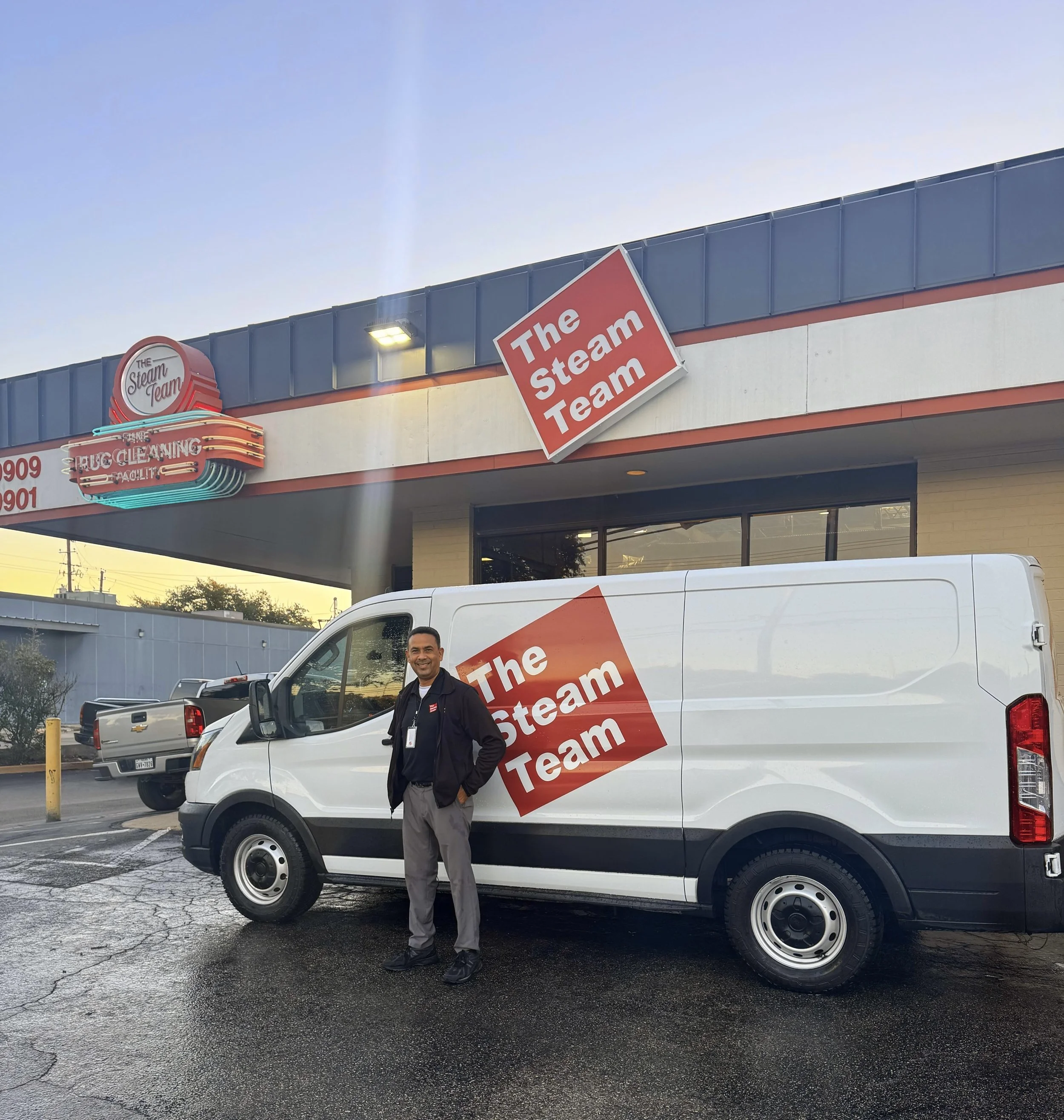
The Steam Team has been providing emergency flood cleanup and water damage restoration in Austin since 1983, helping homeowners and businesses recover from water damage quickly and efficiently.
The First Hour: Stop the Water Source
When flooding occurs inside a home, the first step is identifying and stopping the source of water if possible.
Common causes of indoor flooding include:
• Burst pipes
• Overflowing appliances
• Water heater failures
• Roof leaks during storms
• Plumbing system failures
Turning off the main water shutoff valve can prevent additional water from entering the home.
If flooding is caused by storms or external water sources, professional help may be required to safely remove the water.
Hours 1–3: Initial Inspection and Damage Assessment
After the water source is controlled, the next step is assessing the damage.
Professional restoration teams typically perform:
• Property inspection
• Identification of water source
• Moisture mapping of affected areas
• Safety evaluation of electrical systems
This inspection helps determine the extent of damage and the best approach for water removal and drying.
Homes in Austin, Round Rock, and Cedar Park often experience flash flooding after heavy storms, making early inspection essential.
Hours 3–6: Water Extraction
Once the inspection is complete, the next priority is removing standing water.
Professional restoration companies use commercial-grade equipment such as:
• High-capacity water pumps
• Industrial wet vacuums
• Extraction tools for carpets and flooring
Water extraction must be performed quickly to prevent water from spreading deeper into building materials.
The faster water is removed, the easier it is to restore affected materials.
Hours 6–12: Removing Wet Materials
During major flooding events, some materials may already be too saturated to salvage.
Common materials removed during flood cleanup include:
• Carpet and carpet padding
• Severely soaked drywall
• Damaged insulation
• Waterlogged furniture
Removing saturated materials helps speed up the drying process and reduces the risk of mold growth.
Hours 12–24: Structural Drying Begins
Once standing water is removed and damaged materials are addressed, the structural drying phase begins.
Professional drying equipment may include:
• High-powered air movers
• Commercial dehumidifiers
• Moisture monitoring devices
• Temperature and humidity controls
These tools help remove moisture trapped inside walls, flooring, and structural materials.
Proper drying is essential for preventing mold and long-term structural damage.
Why Mold Prevention Is Critical in the First 24 Hours
One of the biggest risks after flooding is mold growth.
In warm climates like Austin and Central Texas, mold can begin growing within 24–48 hours after water exposure.
Professional restoration teams focus on rapid drying and humidity control to reduce the risk of mold contamination.
Safety Risks After Flooding
Floodwater can create several safety hazards inside the home.
Potential risks include:
• Electrical hazards
• Structural weakening of floors or ceilings
• Contaminated water exposure
• Slip and fall hazards
For safety reasons, homeowners should avoid entering heavily flooded areas until professionals assess the property.
Signs You Need Professional Flood Cleanup
While minor water spills can sometimes be handled by homeowners, large flood events require professional restoration.
Signs professional help is needed include:
• Standing water covering large areas
• Water reaching walls or ceilings
• Floodwater entering multiple rooms
• Electrical systems exposed to water
• Persistent moisture or odors
Professional equipment ensures water is removed completely and drying is performed properly.
What Happens After the First 24 Hours
After the initial emergency response, restoration continues with:
• Ongoing structural drying
• Daily moisture monitoring
• Cleaning and sanitizing affected areas
• Repairing or replacing damaged materials
Depending on the severity of flooding, full restoration may take several days to several weeks.
Tips for Homeowners During Flood Cleanup
If flooding occurs in your home, these tips may help minimize damage:
• Shut off water supply if possible
• Avoid electrical hazards
• Document damage for insurance claims
• Remove valuables from affected areas
• Contact a professional restoration company quickly
Fast action is the most important factor in reducing water damage.
FAQ: Emergency Flood Cleanup
How quickly should floodwater be removed?
Floodwater should be removed as soon as possible, ideally within the first few hours.
Can floodwater damage walls and floors?
Yes. Floodwater can soak into drywall, flooring, insulation, and structural materials.
How long does flood cleanup take?
Initial water removal may take several hours, while full restoration can take 3–7 days or longer.
Can flooding cause mold?
Yes. Mold can begin growing within 24–48 hours if moisture is not properly removed.
Does homeowners insurance cover flooding?
Coverage depends on the cause of flooding and the homeowner’s insurance policy.
Why Austin Homeowners Trust The Steam Team
• Serving Austin since 1983
• 24/7 emergency flood cleanup services
• Certified restoration technicians
• Advanced water extraction and drying equipment
• Trusted across Central Texas
Our team responds quickly to minimize damage and restore homes safely.
Need Emergency Flood Cleanup in Austin?
Flood damage requires immediate attention.
The Steam Team provides 24/7 emergency flood cleanup in Austin, helping homeowners remove water, dry structures, and restore their homes quickly.
📞 Call 512-451-8326 for emergency service
Serving Austin, Round Rock, Cedar Park, Georgetown, and surrounding Central Texas communities.
