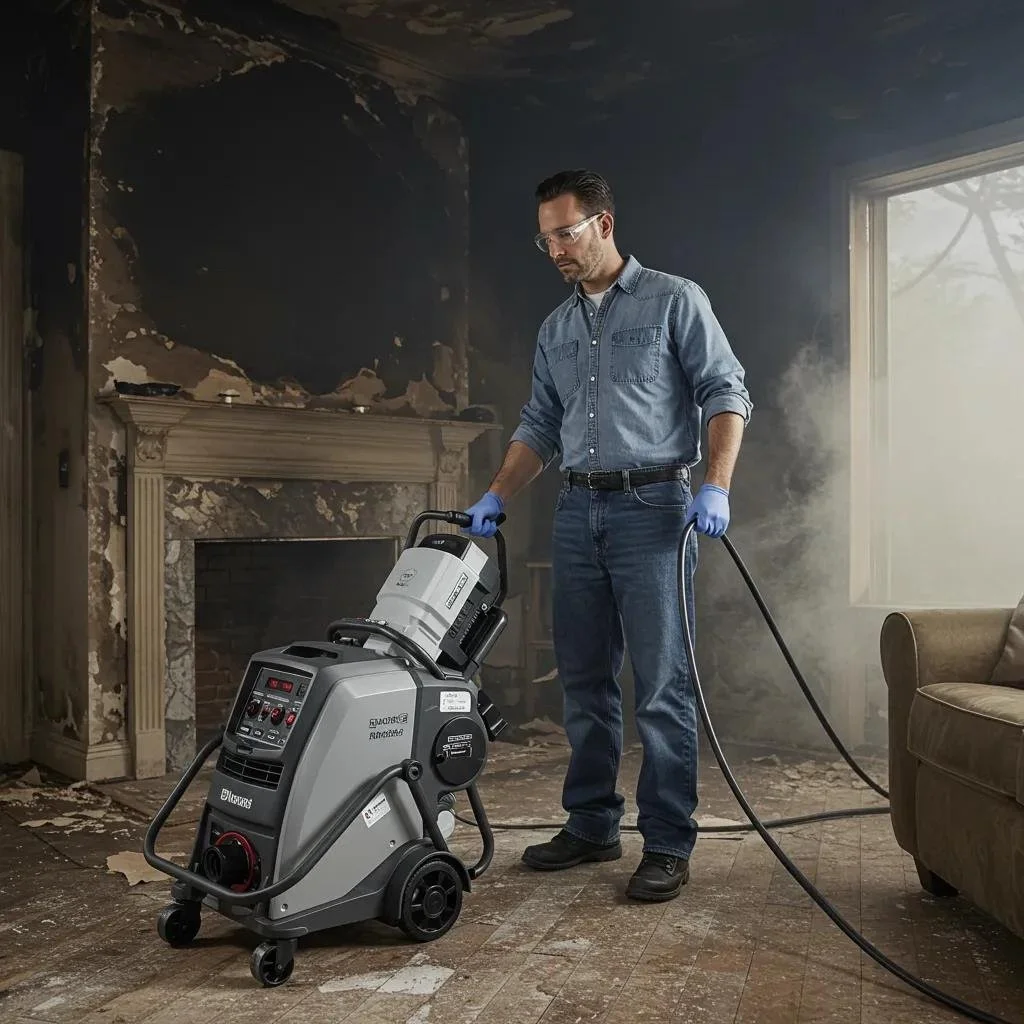
Fire + Water Damage — What Happens After the Fire Department Leaves
/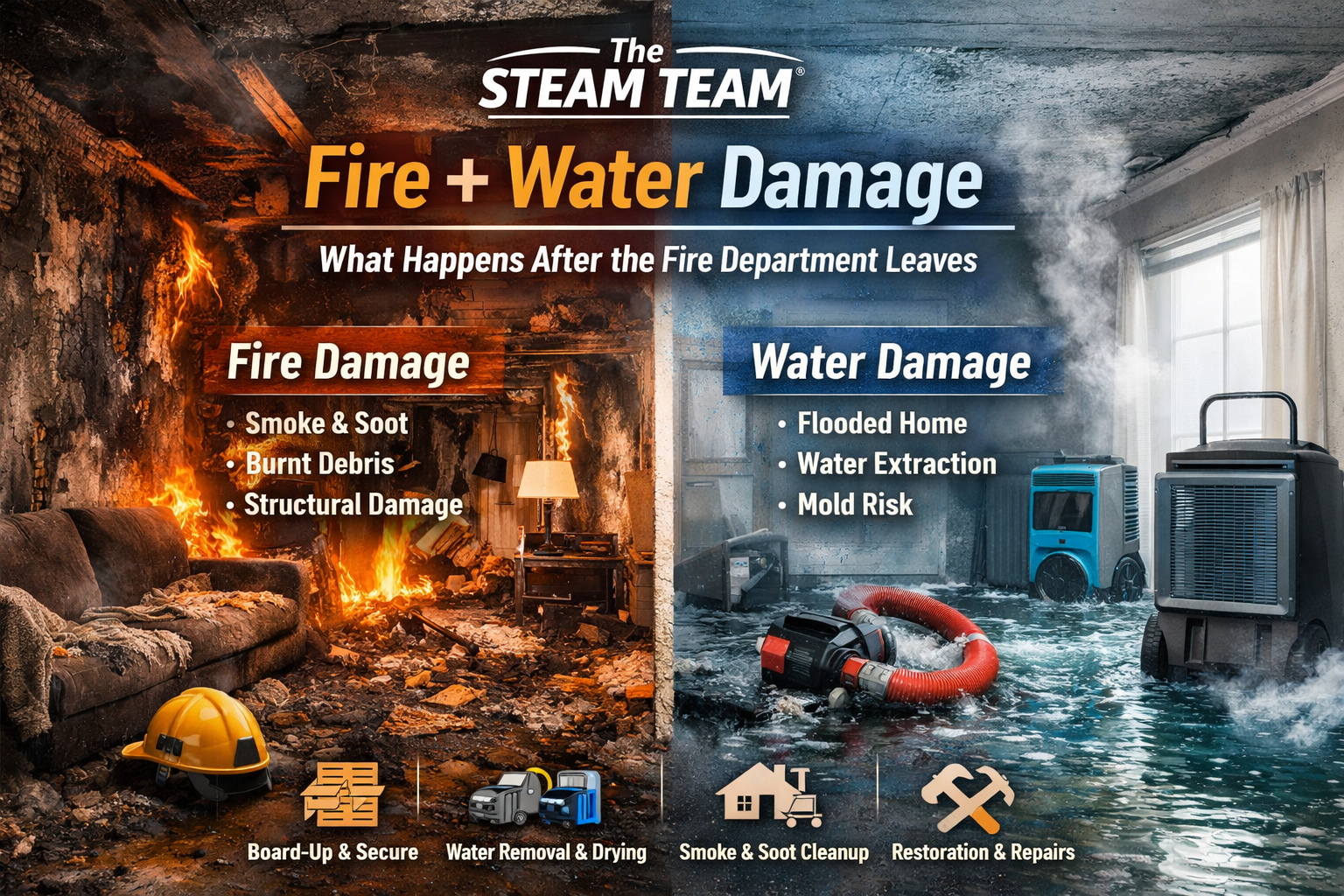
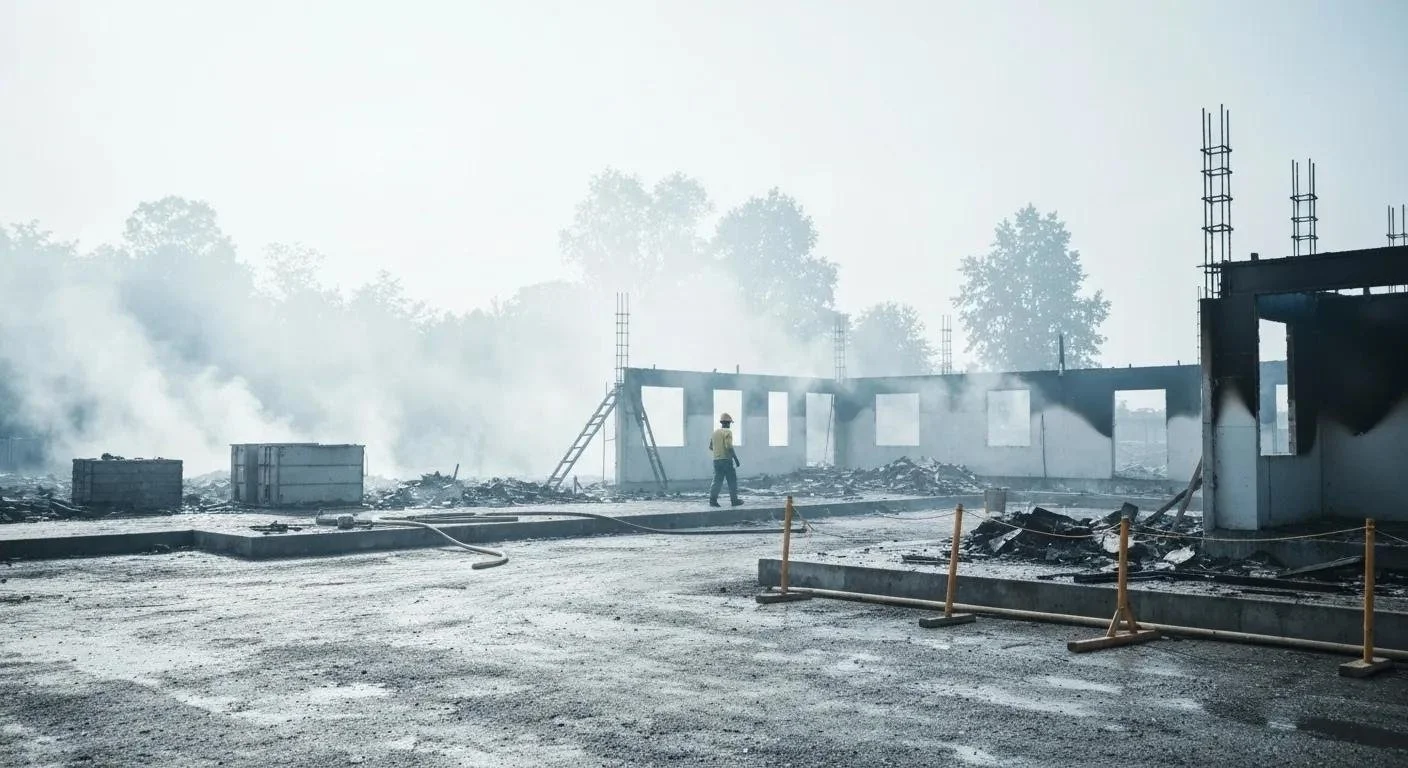
When a fire occurs in a home, the fire department’s primary goal is to extinguish the flames and ensure everyone’s safety.
Read More
Explore expert tips on water damage restoration, carpet cleaning, rug cleaning, mold remediation, and air duct cleaning in Austin, TX. Trusted local insights from The Steam Team since 1983.
When a fire occurs in a home, the fire department’s primary goal is to extinguish the flames and ensure everyone’s safety.
Read MoreA sudden fire leaves more than visible damage; it creates a complex mix of smoke, soot, water intrusion, and structural risk that requires rapid, informed action. This article explains why emergency fire restoration differs from DIY repairs, what health and structural dangers homeowners often underestimate, and when professional intervention delivers better outcomes for safety, odor control, and insurance recovery. Readers will learn the specific mechanisms by which smoke and soot penetrate materials, the advanced equipment and techniques professionals use to neutralize odors and restore structure, and practical steps to take immediately after a fire. The guide also walks through a standard professional restoration workflow, describes how restoration teams support insurance claims, and offers clear triggers for calling 24/7 emergency services. Throughout, the focus is on actionable guidance tailored for Austin and Central Texas conditions, including regional considerations like local codes and rapid response needs.
DIY fire cleanup can appear cost-saving at first, but the core risk is invisible harm: smoke particles and soot often penetrate deeply into building materials and contents, causing lingering odors and health hazards that surface cleaning cannot fix. Smoke particles → adhere to → porous materials, which means superficial wiping only moves contamination rather than removing it. Attempting repairs without proper hazard assessment can also compromise structural safety and void insurance coverage, creating higher costs over time. Homeowners should evaluate hazards first and avoid premature reconstruction until professionals verify safety and moisture levels.
Homeowners face several primary risk categories when attempting DIY fire repairs:
Health risks: Exposure to fine particulates and chemical byproducts is hazardous.
Structural risks: Hidden charring or compromised supports can cause collapse or failure.
Financial/insurance risks: Improper documentation and amateur repairs may complicate claims or lead to denials.
These risk categories make clear why understanding the specific health hazards of soot and smoke cleaning is the next essential step.
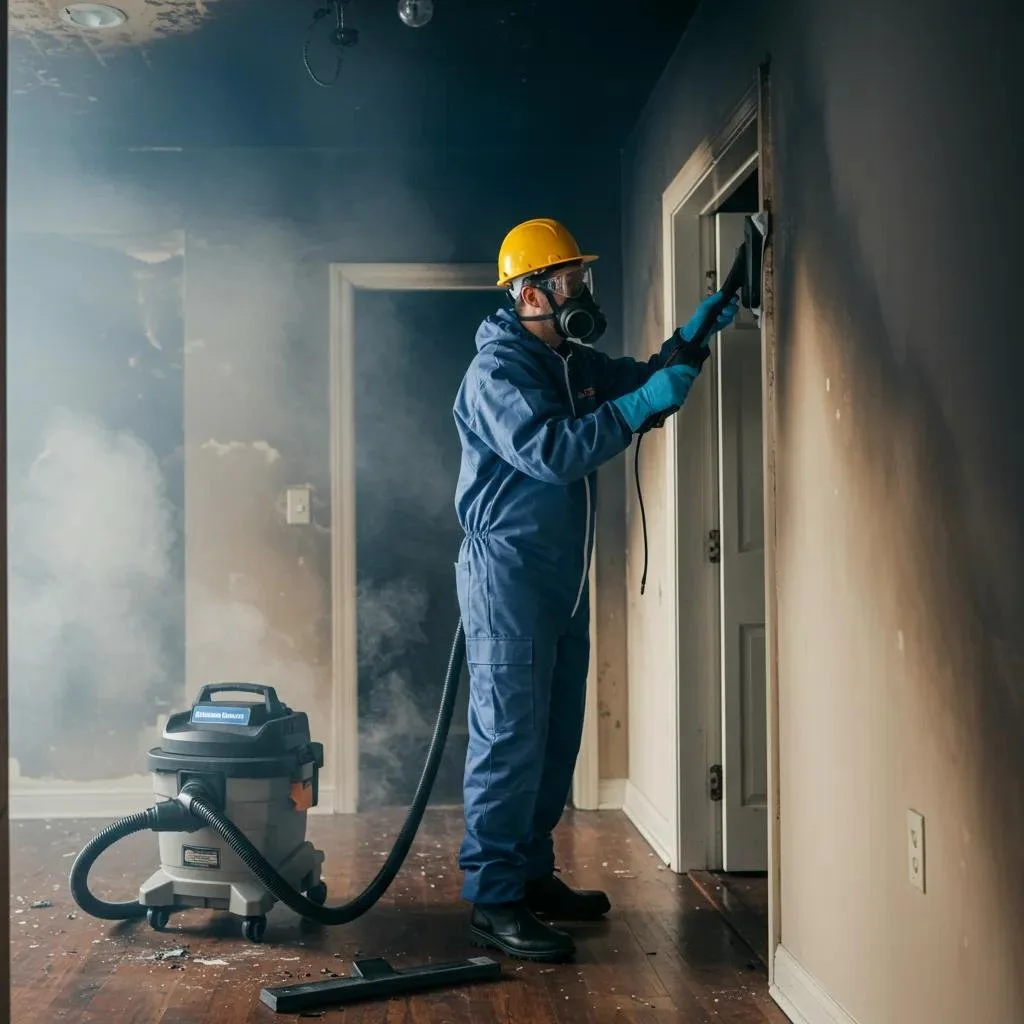
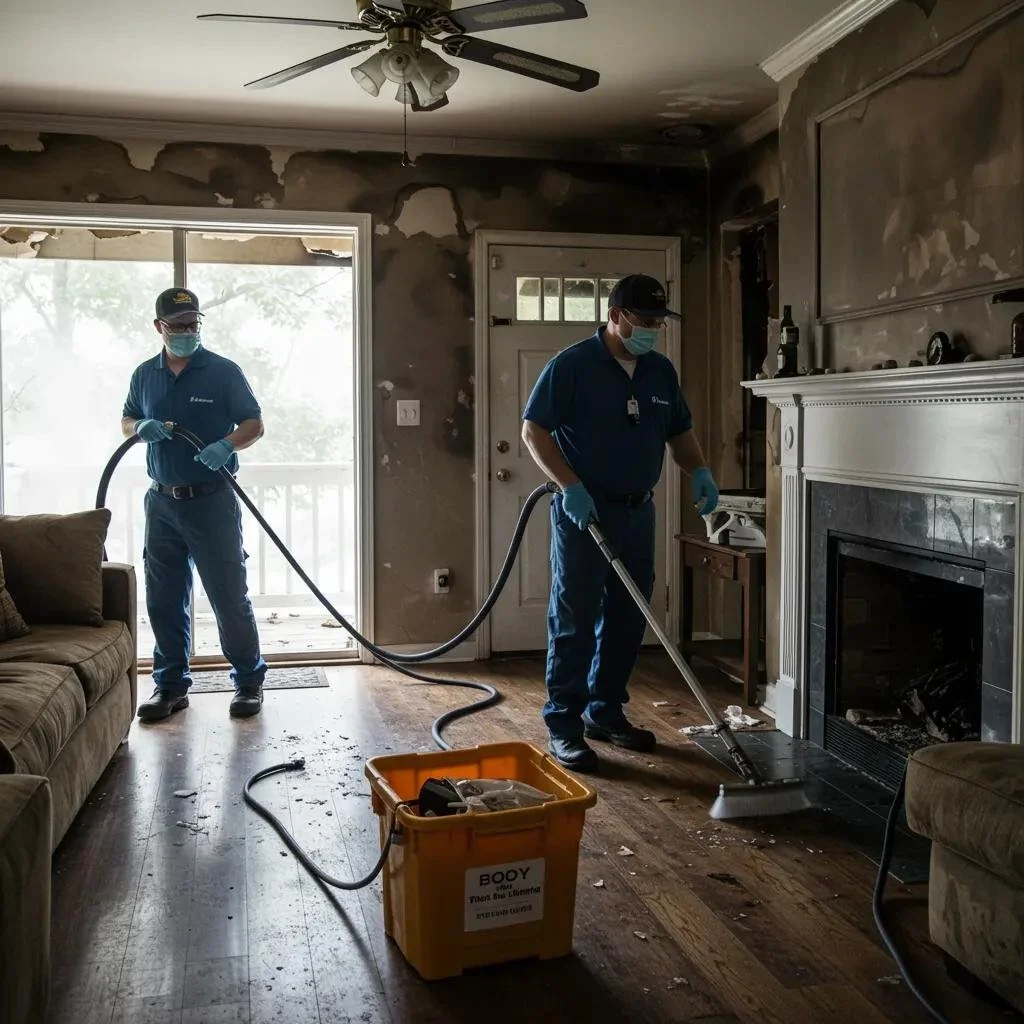
Smoke and soot contain fine particulate matter, polycyclic aromatic hydrocarbons (PAHs), and volatile organic compounds (VOCs) that can irritate airways and carry long-term health risks. Inhalation of ultrafine particulates can exacerbate asthma, cardiovascular conditions, and create carcinogenic exposure pathways, while off-gassing from burned synthetics releases irritant gases that linger in indoor air. Proper protection requires respirators rated for particulates (such as N95 or higher), gloves, and eye protection, plus HEPA-grade containment and air filtration to prevent recontamination. Because DIY approaches often lack HEPA filtration and containment, they leave residents exposed and increase the likelihood of persistent indoor air quality problems.
Transitioning from health hazards to structural concerns highlights why safety assessments and professional stabilization are commonly required after a fire event.
HEPA Air Cleaner Efficiency in Particle Removal for Fire Restoration
Use of a portable HEPA filter(s) in hospital wards is hypothesized to increase the effective ventilation rate (for particles only). Use of a portable HEPA filter is also hypothesized to increase the effective airflow rate of the general ward to the standard of an isolation ward for emerging infectious diseases. This may be a good solution for housing patients when the number of beds in an isolation ward is insufficient. An experiment was conducted in a full-scale experimental ward with a dimension of 6.7 m × 6 m × 2.7 m and 6 beds to test these hypotheses for a portable HEPA filter. The removal efficiency for different sizes was measured at different locations. The influence of the portable HEPA air cleaner on the airflow pattern was also studied through smoke visualization and computational fluid dynamics (CFD) simulations. Results show that the HEPA filter can effectively decrease the particle concentration level. The effective air change rate achieved by the HEPA filter (for particle removal only) is from 2.7 to 5.6 ACH in the ward. The strong supply air jet from the portable HEPA filter interacted with the room airflow pattern and became dominant, introducing global airflow mixing in the room. Background noise levels were also measured, and the noise level in the room increased when the maximum airflow of the filter was used.
Particle removal efficiency of the portable HEPA air cleaner in a simulated hospital ward, H Qian, 2010
How Can DIY Fire Repairs Affect Structural Safety?
Fire weakens structural members in ways not always apparent to untrained observers: charring reduces cross-sectional strength, and heat can degrade fasteners and connections even when surfaces look intact. Water used to suppress fires worsens the issue by causing swelling, rot, and corrosion that accelerate structural decline, and hidden hotspots can rekindle if not fully mitigated. Professionals perform targeted structural assessments, including probing, moisture mapping, and thermal imaging, to identify compromised load-bearing elements and determine where shoring or board-up is necessary. Ignoring these checks during DIY repairs risks occupant safety and can increase repair scope and cost later when underlying failures reveal themselves.
To make a clear comparison between DIY approaches and professional responses, the table below summarizes key attributes homeowners should weigh before choosing a path.
The following comparison clarifies how DIY and professional methods differ across safety, thoroughness, equipment, cost, and insurance impact:
Approach
Safety
Thoroughness
Equipment
Insurance Impact
DIY cleanup
Limited; PPE often inadequate
Surface-level; hidden contamination likely
Household cleaners; shop vacs
Higher risk of claim complications
Professional restoration
Trained on safety protocols and containment
Full remediation, including porous materials
Thermal cameras, HEPA air scrubbers, and hydroxyl generators
Proper documentation reduces delays/denials
Hybrid (partial pro help)
Better than DIY, but variable
Depends on tasks left to professionals
Selective professional tools
Can help with claims if documented thoroughly
This comparison shows why professional remediation typically reduces long-term risk and preserves insurability, and it leads directly to why choosing certified technicians and advanced equipment matters.
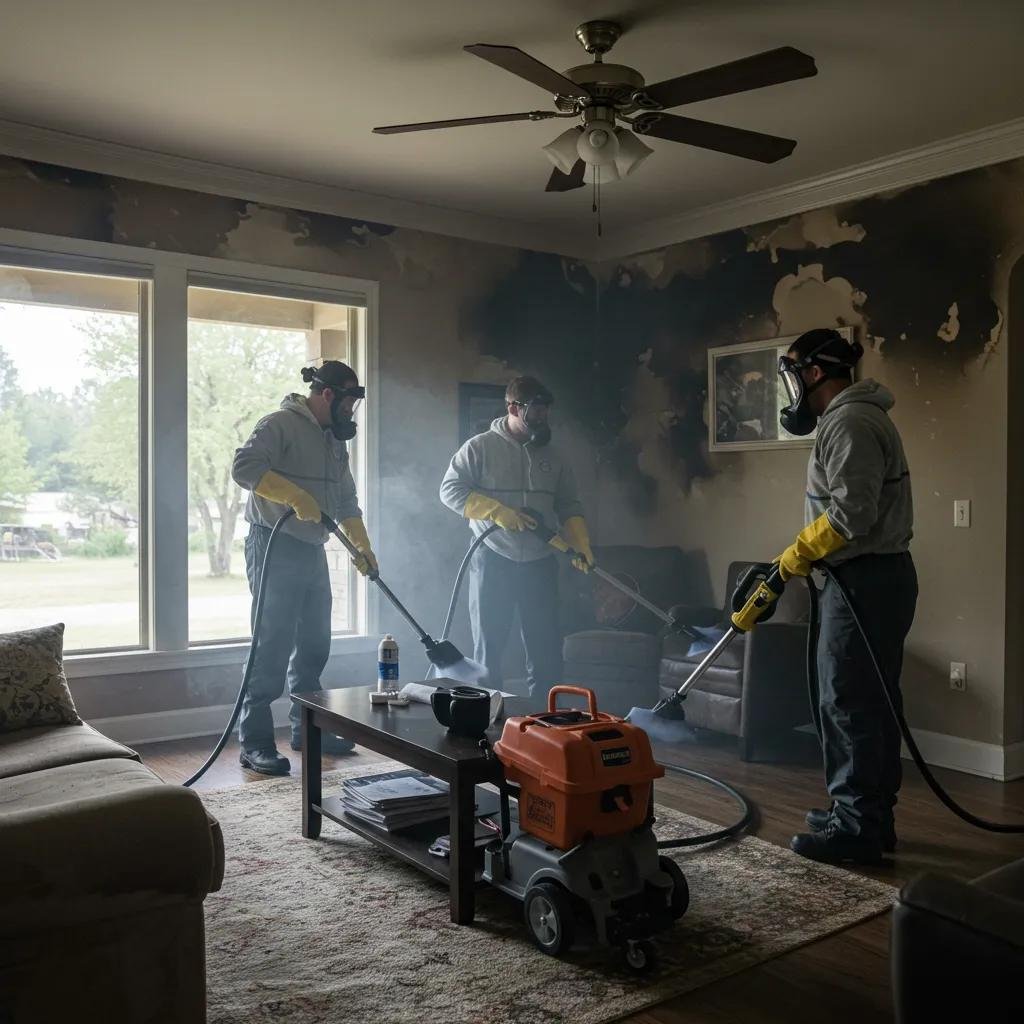
Professional restoration teams combine safety protocols, certified expertise, and specialized equipment to remove hazards, salvage contents, and stabilize structures efficiently. Certification standards such as IICRC and NADCA ensure technicians follow industry best practices for cleaning, deodorization, and air system restoration, which improves outcomes and reduces secondary damage. Advanced equipment thermal imaging for hidden heat, HEPA air scrubbers for particulate removal, and hydroxyl generators or thermal fogging for odor neutralization target contamination mechanisms at the material level rather than masking symptoms. Choosing professionals also streamlines coordination with insurance adjusters and municipal code requirements, reducing the administrative burden on homeowners during recovery.
Professional credentials and local availability further differentiate reliable providers in Austin; one local example is The Steam Team, which offers IICRC-certified technicians, NADCA-certified air duct cleaning where applicable, and 24/7 emergency response backed by an A+ BBB accreditation and local recognition. These organizational attributes translate to faster mobilization and trusted documentation during claims, while local knowledge helps navigate Austin permits and vendor networks. For homeowners deciding whether to call professional services, the presence of certified crews and emergency availability are practical indicators of capability and reliability.
Certified restoration technicians hold credentials that standardize training and quality, such as IICRC certifications, which cover fire, smoke, and soot restoration protocols, and NADCA certification for specialized air duct cleaning where HVAC contamination is present. These certifications require structured training in safety, containment, and cleaning chemistry, ensuring technicians understand how to select appropriate methods for different materials and contamination types. Certification also signals to insurers that restoration work follows accepted industry standards, which can simplify approvals. For homeowners, certified technicians provide documented procedures and measurable quality checks that an uncertified DIY approach rarely produces.
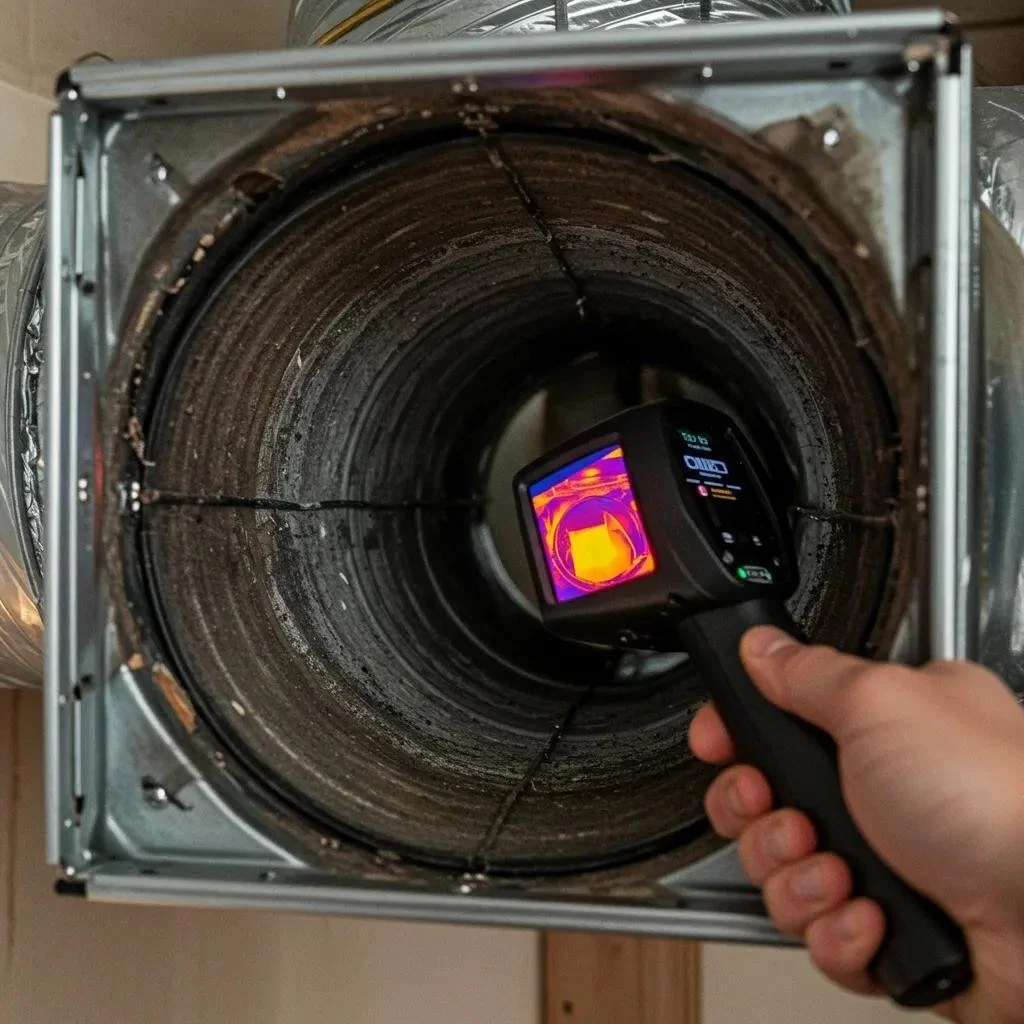
Professionals deploy technology to detect, isolate, and remediate contamination at a scale and depth beyond household tools. Thermal imaging cameras reveal hidden hotspots and compromised insulation, enabling targeted demolition rather than wholesale teardown. HEPA air scrubbers and negative-pressure containment remove ultrafine particulates from indoor air during cleaning, and moisture meters guide drying to prevent mold after water exposure. Odor-neutralization tools, hydroxyl generators, and controlled thermal fogging interact with odor molecules rather than simply masking them, reducing the risk of return. These tools, combined with trained application techniques, yield more complete restoration and safer indoor environments than DIY attempts typically achieve.
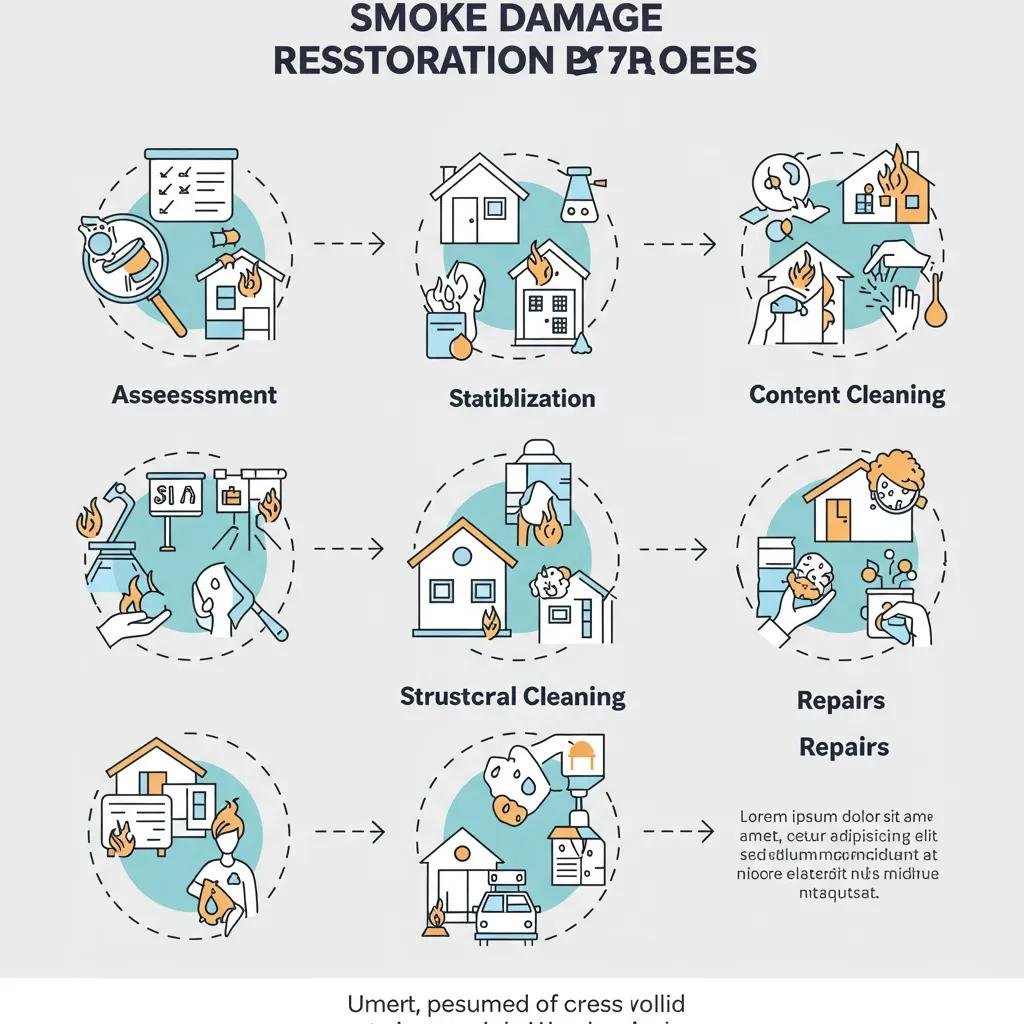
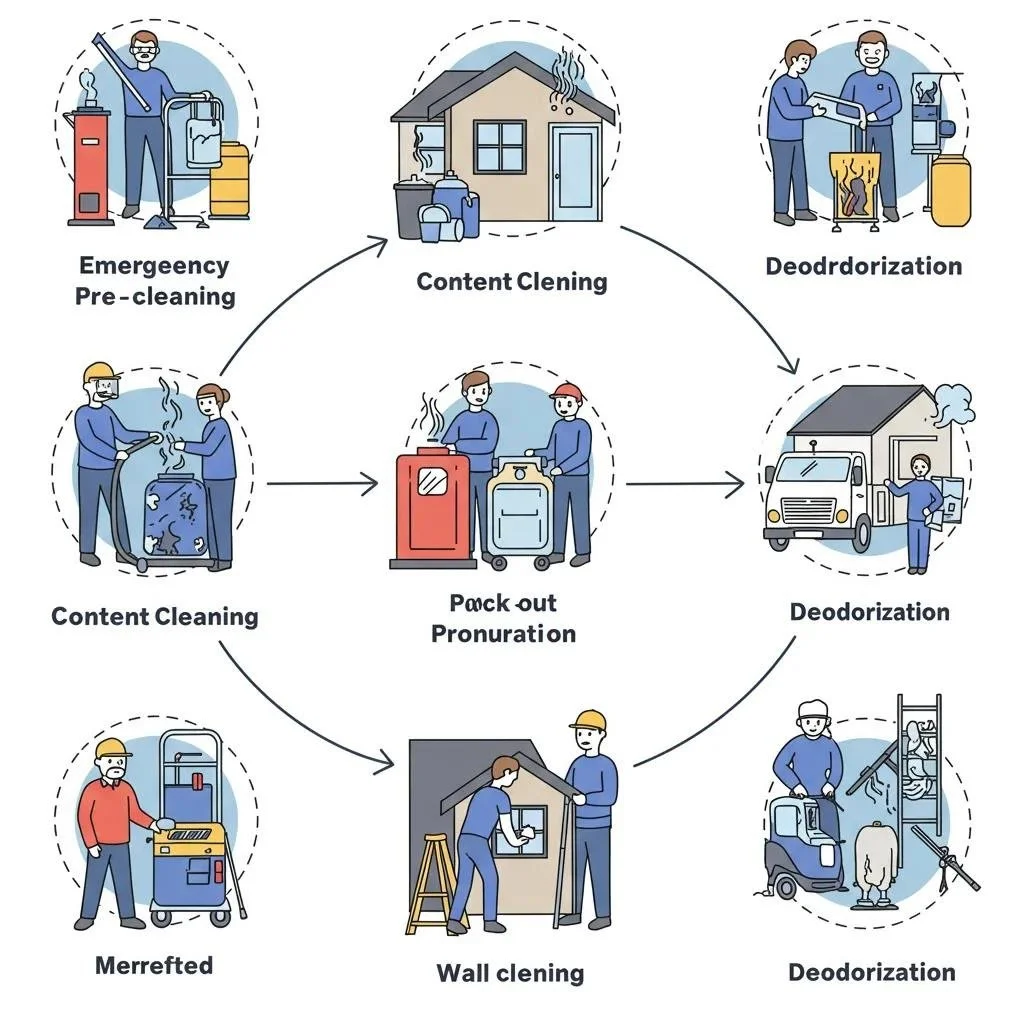
Professional restoration follows a defined sequence: assessment and safety stabilization, mitigation (including water extraction and drying if suppression occurred), soot and smoke cleaning, deodorization and contents restoration, and reconstruction/repairs. This workflow ensures hazards are controlled before cleaning begins, limits secondary damage, and preserves insurance documentation. A numbered process clarifies homeowner expectations and helps prioritize immediate actions after a loss.
Professionals generally adhere to these six core steps during restoration:
Emergency Assessment & Board-Up: Safety triage, hazard identification, and temporary protection of openings.
Mitigation & Water Removal: Extraction, drying, and humidity control to prevent mold and structural deterioration.
Soot and Smoke Cleaning: Material-specific cleaning using dry and wet methods plus HEPA filtration.
Contents Recovery & Pack-Out: Inventory and off-site cleaning of salvageable items for deep restoration.
Deodorization & Odor Control: Targeted thermal fogging or hydroxyl treatment to neutralize odors at the molecular level.
Reconstruction & Final Verification: Repairs, finishing, and final indoor air quality (IAQ) testing to confirm restoration completeness.
The EAV table below summarizes each process step, what it fixes, and typical time/outcome expectations as a practical reference.
Process Step
What It Fixes
Typical Time / Outcome
Emergency Assessment & Board-Up
Immediate safety hazards and open exposure
1–2 days; secures property and documents damage
Mitigation & Water Removal
Moisture intrusion and early mold risk
2–7 days; reduces secondary damage with drying
Soot & Smoke Cleaning
Surface and embedded soot contamination
3–10 days; material-specific cleaning restores surfaces
Contents Recovery & Pack-Out
Damaged furnishings and textiles
Variable: off-site cleaning improves salvage rates
Deodorization & Odor Control
Persistent smoke odors
1–3 days; neutralizes odors with the proper method
Reconstruction & Final Verification
Structural repairs and final testing
Weeks depending on the scope; returns the property to use
This timeline provides homeowners with realistic expectations about sequencing and duration while preparing them for the coordinated efforts professionals undertake. In practice, a local provider like The Steam Team performs each step using standardized protocols: they begin with immediate safety assessments and board-up, document damage for insurers, deploy drying and HEPA filtration equipment during mitigation, manage contents pack-out, apply targeted deodorization, and coordinate reconstruction through trusted subcontractors to complete repairs.
Professional restoration supports insurance claims by producing thorough documentation, creating accurate repair estimates, and coordinating directly with adjusters to clarify scope and timing. Early, structured documentation photos, inventories, moisture maps, and method statements, establishes the cause and extent of loss and reduces ambiguity that can delay approvals. Restoration firms that maintain preferred-vendor relationships with insurers can expedite certain approvals and streamline billing, although homeowners retain the right to choose their contractor. Clear communication between the provider and insurance adjuster minimizes scope disputes and helps maintain momentum toward restoration.
Below is an EAV-style table showing how specific restoration services translate into tangible insurance benefits for homeowners and practical effects on claim outcomes.
Service
Insurance Benefit
Practical Effect
Detailed photographic documentation
Faster adjuster validation
Shorter claim review time
Itemized contents inventory
Clear loss valuation
Accurate reimbursement for contents
Preferred-vendor coordination
Smoother approvals
Reduced administrative back-and-forth
Rapid emergency mitigation
Demonstrates loss of control
Limits further damage, lowers claim amounts
This mapping illustrates how documentation and vendor coordination materially improve claim trajectories and reduce homeowner stress. In Austin, The Steam Team emphasizes these insurance-support capabilities through documented inventories, adjuster coordination, and established local relationships that help homeowners move from immediate mitigation to approved repairs more quickly.
Restoration companies prepare comprehensive documentation packages including dated photographs, room-by-room inventories, scope-based repair estimates, and moisture/thermal readings to substantiate loss and necessary actions. These items create an audit trail that supports coverage determinations and reduces subjective disputes over scope or causation. Providers often attend adjuster walk-throughs to explain technical findings and to ensure the estimate reflects restoration best practices rather than minimal repair. Clear documentation also helps homeowners track salvageable items and simplifies replacement planning once claims are approved.
Preferred-vendor arrangements can speed approvals because insurers are familiar with the vendor's work quality and documentation style, which reduces the need for repetitive verification. These relationships often result in streamlined communication channels that coordinate scheduling, billing, and repair sequencing to shorten restoration timelines. Homeowners should still confirm vendor independence and retain decision-making authority, asking insurers how preferred status affects estimates and warranty terms. When managed transparently, preferred-vendor engagement can substantially reduce downtime and administrative friction during the claims process.
Call emergency restoration services immediately if there is ongoing smoke or heat, significant water intrusion from fire suppression, visible structural instability, or if occupants experience persistent respiratory symptoms after the fire. Early professional mobilization reduces secondary damage, increases salvageable contents, and documents conditions for insurance. A prioritized checklist helps homeowners decide when to call: imminent danger and active hazards come first, then property stabilization, moisture control, and mitigation to prevent mold. Rapid response is particularly important in Austin and Central Texas, where weather and humidity can accelerate secondary problems after suppression.
Immediate action yields measurable advantages that go beyond initial safety; the next subsection explains the mitigation benefits of swift professional response.
Immediate professional response reduces secondary damage by removing water, stabilizing the structure, and starting containment and filtration before soot and moisture set into materials. Rapid mitigation increases salvage rates for textiles and furnishings because timely pack-out and off-site cleaning prevent permanent staining and odor entrenchment. Prompt involvement also positions homeowners to open claims sooner, which can speed adjuster engagement and reduce overall downtime. These combined effects often translate into lower total repair costs, faster occupancy restoration, and better long-term indoor air quality.
Local restoration teams bring knowledge of Austin building codes, permitting processes, and regional climate effects that influence drying and mold risk, plus established networks of local subcontractors for rapid reconstruction. Familiarity with common Central Texas construction types helps technicians anticipate hidden vulnerabilities as roof decking assemblies or common HVAC configurations, so interventions are more targeted. Proximity reduces mobilization time, which is crucial for limiting moisture-related secondary damage in humid conditions. Local expertise, therefore, shortens timelines and often reduces total project cost through efficient resource allocation.
No, DIY methods rarely fully remove smoke odor and embedded soot because smoke particles penetrate porous materials and bond with fibers and HVAC pathways, requiring specialized chemistry and equipment to neutralize. Surface cleaning and consumer-grade deodorants often mask odors temporarily while underlying contamination remains. Professionals address odors at a molecular level with controlled applications such as thermal fogging or hydroxyl generation, combined with HEPA filtration and material-specific cleaning, which reduces the likelihood of odor return and ongoing indoor air quality problems.
DIY attempts typically focus on visible residues and use household cleaners or scented masks that do not reach deep within porous materials or the HVAC system, where smoke molecules lodge. Smoke particles are small and adsorb into drywall, insulation, and fabrics, meaning superficial wiping or masking does not remove the source. Some household chemicals can react with soot and create secondary odors or damage finishes, worsening the problem. This reality underscores the need for professional assessment to identify which materials can be cleaned, which require replacement, and which odor-control method is appropriate.
Identifying why DIY fails sets up an explanation of the professional techniques that can achieve complete smoke and soot removal.
Professional techniques target both particles and odor molecules using a combination of mechanical, chemical, and thermal approaches. Thermal fogging creates a solvent-based fog that penetrates materials and allows deodorants to react with odor molecules, while hydroxyl generators oxidize and neutralize organic odors without harmful residues, safe for occupied spaces when used correctly. HEPA filtration and negative-pressure containment remove airborne particulates during cleaning to prevent recontamination, and material-specific cleaning methods (e.g., dry cleaning sponges for soot, ultrasonic contents cleaning) restore salvageable items. Choosing the right technique requires professional assessment to balance efficacy, safety, and preservation of materials.
For homeowners ready to engage professionals, remember that timely, certified, and documented restoration not only improves safety and indoor air quality but also supports better insurance outcomes. If you need emergency response or a damage assessment in Austin and Central Texas, The Steam Team provides 24/7 emergency restoration with IICRC-certified technicians, NADCA-certified duct specialists where applicable, and documented insurance support, call (512) 451-8326 or visit the local office at 9901 Burnet Road, Austin for immediate assistance and to request a restoration estimate.
After a fire, prioritize safety by ensuring the area is secure and that there are no ongoing hazards like smoke or structural instability. Evacuate the premises if necessary and call emergency services. Once safe, document the damage with photos and notes for insurance purposes. Avoid entering the property until it has been assessed by professionals. Contact a certified fire restoration service to begin the recovery process, as they can help mitigate further damage and guide you through the next steps.
When selecting a fire restoration company, look for certifications such as IICRC and NADCA, which indicate adherence to industry standards. Check for local experience, as familiarity with Austin's building codes and climate can enhance service quality. Read reviews and ask for references to gauge past performance. Ensure they offer comprehensive services, including documentation support for insurance claims. A reliable company should also provide 24/7 emergency response and have a clear process for assessing and restoring fire damage.
The costs of professional fire restoration can vary widely based on the extent of damage, the size of the property, and the specific services required. Factors influencing cost include the need for structural repairs, content cleaning, and odor removal. On average, homeowners can expect to pay anywhere from a few thousand to tens of thousands of dollars. It's essential to obtain detailed estimates from multiple restoration companies and understand what is included in the pricing to avoid unexpected expenses.
The duration of the fire restoration process depends on the severity of the damage and the specific steps involved. Generally, the process can take anywhere from a few days to several weeks. Initial assessments and emergency board-up can be completed within a couple of days, while full restoration, including cleaning, deodorization, and reconstruction, may take longer. A professional restoration company will provide a timeline based on the assessment of your property and keep you updated throughout the process.
When reviewing a fire damage restoration contract, ensure it includes a detailed scope of work outlining all services to be provided. Look for clear timelines, payment terms, and warranty information. The contract should specify the materials and methods to be used, as well as any necessary permits. Additionally, check for clauses regarding insurance coordination and documentation support. A transparent contract will help prevent misunderstandings and ensure that all parties are aligned on expectations and responsibilities.
Yes, you can file an insurance claim for fire damage restoration, provided your policy covers such incidents. It's crucial to document all damage thoroughly and keep records of any restoration work done. Professional restoration companies often assist with this process by providing detailed reports and estimates that support your claim. Contact your insurance provider as soon as possible to understand your coverage and the claims process, ensuring you meet any deadlines for filing.
To prevent future fire damage, implement safety measures such as installing smoke detectors on every level of your home and testing them monthly. Create and practice a fire escape plan with your family. Regularly inspect electrical systems and appliances for wear and tear, and avoid overloading outlets. Keep flammable materials away from heat sources and ensure that your home has a fire extinguisher readily available. Additionally, consider professional fire safety assessments to identify potential risks in your home.
After a fire, immediate safety, clear documentation, and an organized restoration plan determine how quickly you can recover your property and possessions. This guide explains step-by-step post-fire restoration actions, what professional crews do during assessment and cleanup, how to restore belongings, and how to work with insurers in Austin and Central Texas. Many homeowners and business owners ask "what to do after a fire" because the sequence of safety checks, mitigation, and claims documentation directly affects recovery outcomes; this article gives practical, local-focused instructions and checklists to reduce secondary damage like water intrusion and mold. You will learn immediate priorities, an overview of professional fire damage restoration processes, technical cleanup phases such as soot removal and structural drying, contents salvage and deodorization options, and the insurance steps to file and support a claim in Texas. Practical lists, comparison tables of processes and timelines, and snippet-ready answers are included so you can act confidently and prepare to engage qualified restoration help if needed.
Immediate steps after a house fire focus on safety, securing the structure, and creating a record of loss so recovery and insurance processes can begin without delay. Prioritize human safety and wait for the fire department to declare the property safe before attempting re-entry; this reduces risk from structural collapse, hot spots, and toxic residues. Quickly documenting damage with photographs and a dated inventory preserves evidence for insurers, while emergency mitigation, such as boarding openings and removing standing water, reduces secondary problems like theft and mold growth. These initial actions limit further property loss and form the foundation for a restoration plan and claims workflow.
Before the table below, here is a quick checklist you can follow to prioritize tasks immediately after a fire. This list summarizes the safety and documentation priorities and prepares you to work with emergency responders and restoration professionals.
Ensure Safety First: Do not re-enter until authorities clear the structure and allow only authorized personnel inside.
Document Damage: Photograph every room, all damaged items, and any visible structural issues from multiple angles.
Secure the Property: Arrange emergency board-up and tarping to prevent weather and vandalism damage.
Notify Insurer and Secure Records: Call your insurance company to start the claim and preserve receipts for emergency expenses.
This numbered checklist prepares you for the more detailed actions and the EAV mapping that follows, which clarifies who and what to prioritize in the minutes and hours after a fire.
The following table maps immediate entities, their safety priority, and the immediate actions to take so you can triage tasks clearly for family members, contractors, and adjusters.
Person/Item
Priority Level
Immediate Action
Occupants
Highest
Evacuate, seek medical attention if needed, and obtain official clearance to return
Structural Openings
High
Board up or tarp openings to secure property and prevent weather damage
Valuables/Documents
High
Photograph, collect if safe, move to a secure location or arrange a pack-out with a restoration provider
Utilities (gas/electric)
Critical
Do not attempt reconnection; have licensed professionals shut off and inspect systems
This table clarifies who should act first and why, and it helps coordinate calls to emergency services, insurance, and a restoration contractor.
Ensuring safety combines waiting for official clearance, recognizing common hazards, and using professionals for structural stabilization and utility checks. Structural hazards include weakened load-bearing elements, compromised roofing, and hidden hot spots that may reignite; seasoned responders use thermal imaging and structural shoring to locate and mitigate these risks before non-professionals return. Electrical systems and gas lines must remain de-energized until a licensed inspector or utility representative declares them safe, because contact with damaged wiring or appliances can cause shock or fire reignition. After safety verification, emergency board-up and temporary tarping reduce exposure to rain and theft, which prevents additional damage and preserves claim integrity.
To secure the property effectively, coordinate these actions with first responders and a reputable restoration provider so mitigation aligns with insurance and repair plans.
Documenting fire damage begins with comprehensive photos and videos that capture the full extent of structural and contents loss, coupled with a dated inventory and receipts for emergency expenses. Photograph entire rooms from multiple angles, close-ups of burned or smoke-affected items, and any mechanical or utility damage; record a video walkthrough while narrating visible issues to create a time-stamped record for adjusters. Create an inventory using simple columns (item description, approximate value, damage level) and back up files to cloud storage or an off-site drive to preserve evidence. Maintain a log of all communications with the insurer, emergency services, and contractors, noting names, dates, and summary points for each call.
A clear documentation practice speeds claims processing and helps restoration teams prepare accurate scopes of work and estimates that reflect the true extent of damage.
Professional fire damage restoration is a phased process that begins with a certified assessment, moves through emergency mitigation and technical cleaning, and culminates with repair and reconstruction tailored to local climate and building codes. An initial inspection identifies safety hazards, hidden smoke or water damage, and contents that need immediate pack-out; technicians then create a scope of work that outlines mitigation, cleaning methods, deodorization, and repair sequencing. Advanced tools like thermal imaging, moisture mapping, and air quality testing guide targeted interventions to prevent mold and ensure thorough structural drying. Local providers factor Central Texas humidity and seasonal weather into drying plans and mold-prevention strategies so that repairs are durable.\
Working with a certified team improves predictability: IICRC-aligned methods, documented drying logs, and detailed reports give homeowners and adjusters a defensible record of work and timelines.
The Steam Team is locally owned and operated in Austin and Central Texas, provides IICRC-certified technicians, and offers 24/7 emergency response to begin mitigation quickly; contact The Steam Team at 512-451-8326 to request a quote or emergency assistance if you need immediate help.
A professional assessment inspects structural integrity, locates hidden smoke and water migration, and documents contents loss to form a full scope of work for restoration and insurance estimates. Inspectors use visual surveys, moisture meters, and thermal imaging to map wet cavities and concealed smoke residues that can cause long-term odor and corrosion if left unaddressed. Air quality testing and particulate sampling may be performed to evaluate soot contamination and guide containment and HEPA filtration strategies during cleanup. The final inspection report includes recommended remediation steps, equipment lists, estimated timelines, and photographic documentation that support a clear, auditable restoration plan for homeowners and adjusters.
This detailed inspection forms the roadmap for effective cleanup, drying, and eventual repairs.
IICRC certification indicates technicians trained to follow standardized, science-based restoration protocols that improve outcomes and documentation quality for insurance workflows. Certified technicians understand soot chemistry, and the appropriate selection of cleaning agents and deodorization technologies are crucial choices that affect whether surfaces can be salvaged or must be replaced. Certification also emphasizes proper containment, cross-contamination prevention, and validated drying procedures with documented moisture readings that insurers expect. Choosing IICRC-certified teams helps ensure consistent processes, clearer estimates, and communication that supports faster approvals and confident repair planning. Understanding certification benefits leads to the specific cleanup processes technicians use during restoration.
Key cleanup processes after fire combine targeted soot and smoke removal, structural drying after firefighting water, and advanced deodorization techniques to restore habitability and protect building systems. Soot removal requires classifying residue (dry, wet, protein-based) to select the right mechanical, chemical, or abrasive cleaning method so surfaces are restored without damage. Water extraction and documented dehumidification follow firefighting to prevent mold, relying on pumps, air movers, and dehumidifiers guided by moisture mapping and drying logs. Deodorization employs thermal fogging, hydroxyl generators, and activated carbon filtration combined with thorough ventilation and cleaning to reduce persistent smoke odor. These processes work together: accurate assessment directs the correct cleaning strategy, which then enables safe drying and odor control before reconstruction begins.
The next table compares major cleanup processes, their purpose, and typical equipment or timeframes, so you can understand the sequence and expectations during restoration.
Process
Purpose
Typical Timeframe / Equipment
Assessment & Inspection
Define scope and hazards
Hours to 1 day; thermal camera, moisture meter
Soot & Smoke Cleaning
Remove residues and odor sources
1–7 days; HEPA vacs, chemical sponges, emulsifiers
Water Extraction & Drying
Prevent mold and structural damage
2–10 days; pumps, air movers, dehumidifiers
Deodorization
Neutralize lingering smoke odors
1–5 days; thermal fogger, hydroxyl, activated carbon
This comparison helps set realistic expectations for the restoration timeline and equipment you are likely to see on site.
Effective smoke and soot removal starts with identifying the type of residue and isolating impacted areas to prevent spread; technicians then select cleaning methods matched to surface type and soot chemistry. Dry soot on hard surfaces often responds to dry chemical sponges and HEPA vacuuming, while oily or protein-based residues may need specialized solvents and wet cleaning; abrasive methods are reserved for durable, non-finished surfaces. Containment using plastic barriers and negative air pressure with HEPA filtration protects unaffected areas and improves indoor air quality during cleaning. Properly sequenced cleaning reduces the need for demolition and makes later deodorization more effective by removing odor-bearing residues at their source. Recognizing soot types leads to water damage control after firefighting efforts, which is critical to avoid mold.
Water used to extinguish fires often causes as much secondary damage as the blaze, so rapid extraction and controlled drying are essential to prevent structural weakening and mold growth. Technicians prioritize removing standing water with pumps and truck-mounted extractors, then establish a documented drying plan that uses air movers and dehumidifiers placed according to moisture mapping. Daily moisture readings and drying logs verify progress and guide when to remove equipment; this documentation supports insurance claims and prevents premature repairs that trap moisture. Follow-up inspections look for hidden moisture in wall cavities and subfloors and include mold prevention measures where needed. A structured drying and monitoring approach reduces long-term repair costs and prepares the site for effective reconstruction.
Contents restoration follows a triage-first approach where items are classified by salvageability, cleaned using material-specific methods, and either returned or stored off-site for specialized processing. The triage categories salvageable, questionable, and unsalvageable help prioritize resources and set realistic expectations for homeowners about what can be restored. Cleaning methods vary by material: ultrasonic or chemical cleaning for hard non-porous items, specialized laundering or dry-cleaning for textiles, freeze-drying and alkaline washes for documents, and controlled lab techniques for electronics. Off-site pack-out and contents cleaning reduce on-site congestion, allow access to industrial-grade deodorization equipment, and protect remaining structures during restoration.
An organized contents workflow preserves as much value as possible and documents each item for insurance purposes while enabling safe, staged reassembly when repairs are complete.
Below is a practical triage checklist to help you understand how restoration teams categorize and handle possessions after a fire.
Salvageable: Items with surface smoke or soot that respond to cleaning and deodorization.
Questionable: Items with suspected deep smoke penetration or partial structural damage needing specialist evaluation.
Unsalvageable: Items destroyed by heat or chemically altered beyond safe restoration.
This triage system informs pack-out decisions and provides clear guidance for claims documentation and restoration prioritization.
Many hard, non-porous items like metal cookware and some glassware are often salvageable with ultrasonic or chemical cleaning that removes soot and neutralizes odors. Textiles and upholstery may require specialized laundering, dry-cleaning, or ozone/hydroxyl treatment depending on smoke exposure and material composition; delicate items undergo conservator-level processes. Documents and photographs benefit from freeze-drying and dehydration to stabilize media before surface cleaning, while electronics require controlled lab-based restoration and testing to avoid power-on risks. Salvage likelihood depends on exposure level, soot type, and thermal damage; restoration professionals document each item's condition and recommended treatment in a pack-out inventory. Understanding salvage methods helps you prioritize what to retrieve and what to entrust to specialists during the pack-out.
Contents cleaning and deodorization begin with a documented pack-out inventory, secure transport to a cleaning facility, and sorting by material and contamination level to select appropriate processes. Technicians assign cleaning protocols, ultrasonic baths for metal, controlled laundering for textiles, and solvent or alkaline cleaning for some finishes, and follow with deodorization using thermal fogging, hydroxyl generation, or activated carbon, depending on odor chemistry. Quality checks compare pre- and post-cleaning photographs and perform odor assessments before items are staged for return, and all handling is logged to support insurance claims and content valuation. Final reassembly and delivery include condition reports that note any items deemed beyond recovery. A methodical pack-out and cleaning workflow returns items in usable condition when possible and documents outcomes for claims reconciliation.
Filing a fire damage insurance claim in Texas involves prompt notification, thorough documentation, coordination with adjusters, and clear estimates from restoration providers to support scope and costs. Start by contacting your insurer to open a claim and provide initial photos and summaries while preserving receipts for emergency expenses and temporary housing if necessary. Prepare documents such as inventories, damage photos, contractor estimates, and mitigation receipts; these materials help the adjuster evaluate loss and expedite emergency fund releases if available. Restoration providers can assist by producing detailed scopes of work, documented drying logs, and line-item estimates that align with repair sequencing and help avoid disputes over necessary mitigation.
Being organized and proactive with documentation reduces delays and aligns homeowner, adjuster, and contractor expectations during the settlement process.
The table below clarifies common claim documents, who typically prepares them, and why each matters to your claim, so you can gather materials efficiently.
Document / Step
Who Prepares
Why It Matters / Example
Initial Damage Photos
Homeowner / Responders
Baseline evidence for the claim and emergency fund requests
Scope of Work Estimate
Restoration Contractor
Itemized repair plan that supports adjuster review and billing
Drying Logs / Moisture Reports
Restoration Technician
Verifies mitigation and supports mold-prevention claims
Inventory of Contents
Homeowner / Restoration Team
Item-by-item documentation for replacement or restoration valuation
This EAV-style table shows responsibilities and the value of each document during claims processing.
Filing a claim follows a clear sequence: notify your insurer, document damage thoroughly, arrange temporary mitigation, and coordinate inspections and estimates with an adjuster and restoration contractor. Call your insurer to report the loss and ask about emergency coverage and assigned claim numbers, then upload or deliver your photos, video walkthrough, and inventory file to the adjuster or claims portal as instructed. Arrange emergency mitigation board-up, tarp, and water extraction to minimize further loss and preserve receipts for reimbursement consideration. Meet with the adjuster to review the property and the contractor’s scope of work; ensure all mitigation and repair recommendations are documented, and keep copies of every correspondence and invoice. Staying organized and collaborative during these steps increases the chance of a timely, accurate settlement.
The Steam Team provides documentation support, scope-of-work estimates, and emergency mitigation services that help streamline the insurance process while preserving claim integrity. As a locally owned Austin provider with IICRC-certified technicians and 24/7 emergency response, The Steam Team prepares photographic documentation, drying logs, and itemized repair estimates that align with adjuster expectations and promote transparent communication. The Steam Team can coordinate on-site mitigation quickly to reduce secondary damage and may offer direct-billing options where applicable to simplify homeowner logistics. For assistance with documentation, mitigation, or to request a claims consultation, contact The Steam Team at 512-451-8326 to discuss how they can support your recovery.
This practical assistance helps bridge the gap between emergency actions and the full restoration phase.
Preventing future fire damage focuses on smoke detection, electrical safety, safe storage of flammables, and preparedness planning that reduces risk and shortens response times. Install and maintain smoke alarms on every level and near sleeping areas, consider interconnected or smart alarms that alert across a property, and replace batteries per manufacturer guidance to ensure reliability. Schedule periodic electrical inspections, keep heat-producing appliances well-maintained, and store flammable liquids in approved containers away from ignition sources to minimize accidental starts. Create and rehearse an evacuation plan with family or staff, maintain accessible fire extinguishers, and compile digital copies of important documents to speed recovery if an incident occurs.
These prevention measures lower the likelihood of severe loss and improve readiness, which in turn eases insurance and restoration interactions.
The following list outlines practical, repeatable actions homeowners and businesses can implement today to reduce fire risk and speed recovery.
Test and Maintain Smoke Alarms: Check alarms monthly and replace batteries and units according to manufacturer guidance.
Plan and Practice Evacuation: Create two escape routes per room and rehearse evacuation with all household members or staff.
Inspect Electrical Systems: Schedule inspections and repair damaged cords, overloaded outlets, and faulty appliances promptly.
Store Flammables Safely: Keep combustible materials in approved containers and away from heat sources.
Putting these practices into place reduces both the probability and the impact of future fires and makes any necessary restoration more straightforward.
Homeowners and businesses should combine detection, suppression, and maintenance strategies to reduce fire likelihood and the extent of damage when fires occur. Maintain working smoke alarms on every floor, supplement with fire extinguishers appropriate to the probable fuel types, and ensure clear, posted evacuation procedures for employees or visitors in commercial settings. Regularly clear combustible clutter from near HVAC equipment, stoves, and heaters, and enforce safe charging and extension cord practices to prevent electrical ignition sources. For commercial properties, maintain sprinkler systems and inspection records where present to improve early suppression and limit structural loss.
These measures create multiple layers of protection that together reduce both immediate danger and long-term repair needs.
Austin-area residents should account for local climate and community resources when preparing for fire emergencies, including identifying evacuation routes, local fire department guidance, and seasonal risks like dry-weather ignition potential. Keep an emergency kit with essential items and maintain digital backups of key documents, such as insurance policies and inventories to expedite claims if needed. Stay informed about local advisories and contact your local fire department or municipal resources for community-specific guidance on defensible space and evacuation procedures. Local preparation combined with the readiness to call professional restoration support reduces recovery time and mitigates long-term damage.
Staying prepared locally supports faster, safer responses and a more effective restoration pathway after an incident.
If you suspect hidden fire damage, it’s crucial to contact a professional fire damage restoration service immediately. Trained technicians can conduct a thorough inspection using specialized tools like thermal imaging and moisture meters to identify hidden smoke, soot, or water damage. These professionals can assess the extent of the damage and recommend appropriate remediation steps. Delaying this process can lead to further deterioration, including mold growth and structural issues, so prompt action is essential for effective recovery.
The duration of fire damage restoration varies based on the extent of the damage, the size of the property, and the specific restoration methods employed. Generally, the process can take anywhere from a few days to several weeks. Initial assessments and emergency mitigation may occur within the first few days, while complete restoration, including repairs and reconstruction, can extend the timeline. Factors such as weather conditions, availability of materials, and the complexity of the damage also influence the overall timeline.
Whether you can stay in your home during restoration depends on the severity of the fire damage and the safety assessment conducted by professionals. If the structure is deemed unsafe due to compromised integrity, smoke, or toxic residues, it’s advisable to find temporary housing. Even if the damage seems minimal, restoration activities can create hazardous conditions, such as dust and fumes. Always prioritize safety and follow the recommendations of your restoration team regarding occupancy during the process.
Items that are typically considered unsalvageable after a fire include those that have been severely burned, melted, or chemically altered beyond safe restoration. This often includes porous materials like mattresses, upholstered furniture, and certain electronics that may pose safety risks if restored. Additionally, items that have absorbed significant smoke or soot may also be deemed unsalvageable if cleaning efforts cannot restore them to a safe condition. A professional restoration team can help assess the salvageability of your belongings.
To prevent mold growth after fire damage, it’s essential to address water damage promptly, as moisture is a key factor in mold development. Ensure that all standing water is extracted quickly, and initiate a thorough drying process using air movers and dehumidifiers. Regular monitoring of moisture levels in affected areas is crucial. Additionally, maintaining proper ventilation and using mold inhibitors during the restoration process can further reduce the risk of mold growth. Consulting with restoration professionals can provide tailored strategies for your specific situation.
Your fire emergency kit should include essential items that can help you respond effectively in the event of a fire. Key components include a flashlight, batteries, a first aid kit, bottled water, non-perishable food, and important documents stored in a waterproof container. Additionally, include a fire extinguisher, a whistle to signal for help, and a list of emergency contacts. Having a well-prepared kit can significantly enhance your safety and readiness during a fire emergency.
Choosing a reliable fire damage restoration company involves several key steps. Start by checking for certifications, such as IICRC, which indicate adherence to industry standards. Read customer reviews and testimonials to gauge past performance and satisfaction. Ensure the company offers a comprehensive range of services, including emergency response, assessment, and restoration. Additionally, inquire about their experience with insurance claims to facilitate a smoother process. Finally, request a detailed estimate and timeline to understand the scope of work and costs involved.
A fire damage assessment is the structured process of evaluating a property after combustion to establish safety, quantify losses, and define remediation priorities. This assessment identifies direct flame damage, smoke and soot contamination, water impacts from firefighting, heat-related material weakening, and any structural compromise that could endanger occupants or responders. Accurate assessment protects people, preserves evidence for insurance claims, and reduces secondary damage such as mold by guiding timely mitigation. In this guide, you will learn immediate safety steps, how to recognize distinct damage types, a step-by-step assessment workflow with advanced detection tools, and practical documentation tactics that support claim success. The guidance is tailored for Austin and Central Texas property owners and includes practical checklists and EAV (entity–attribute–value) tables for quick reference. For homeowners and businesses who prefer professional help, The Steam Team, an Austin-based restoration provider with IICRC-certified technicians and 24/7 emergency response, can perform assessments and provide quotes to begin restoration and insurance coordination.
Immediately after a fire, prioritize life safety and hazard containment before any assessment or re-entry is attempted. Confirm the fire department has declared the scene safe for re-entry and shut off utilities where possible to reduce the risk of electrocution, gas leaks, or rekindling. Personal safety requires appropriate PPE and restraint: avoid dusty or smoky areas until respirators and eye protection are available, and keep children and pets away from the scene. Securing the property preserves evidence and reduces theft or vandalism risks, which is important for both recovery and insurance claims. The next paragraphs outline how to secure openings properly and when to call emergency services and restoration professionals.
Securing the property begins with documenting the condition of doors, windows, and locks before making any changes; this protects claim integrity and provides a baseline for contractors and adjusters. Homeowners should use basic PPE for short, cautious entries: a P100 or N95 respirator, nitrile gloves, and protective eyewear; however, PPE for homeowners is limited and does not replace professional respiratory protection for heavy soot or structural instability. Avoid disturbing soot-covered surfaces and do not attempt structural shoring or electrical resets; instead, photograph conditions and limit access to one pathway to contain contamination. Following these precautions helps preserve evidence and reduces the chance of personal injury while waiting for trained restoration teams to begin a formal assessment.
Call emergency services immediately if there are any active smoldering areas, visible structural collapse, gas odors, or injuries requiring medical attention; the fire department must clear life-safety hazards before assessment. Contact restoration professionals with emergency response capability when water intrusion from firefighting, heavy smoke saturation, or unsecured openings creates immediate secondary-damage risk. Restoration teams provide board-up, water extraction, temporary climate control, and initial contamination containment that limit ongoing losses and stabilize conditions for a full assessment. Rapid response reduces the chance of mold growth and can preserve more contents for salvage, which is often critical for successful insurance outcomes.
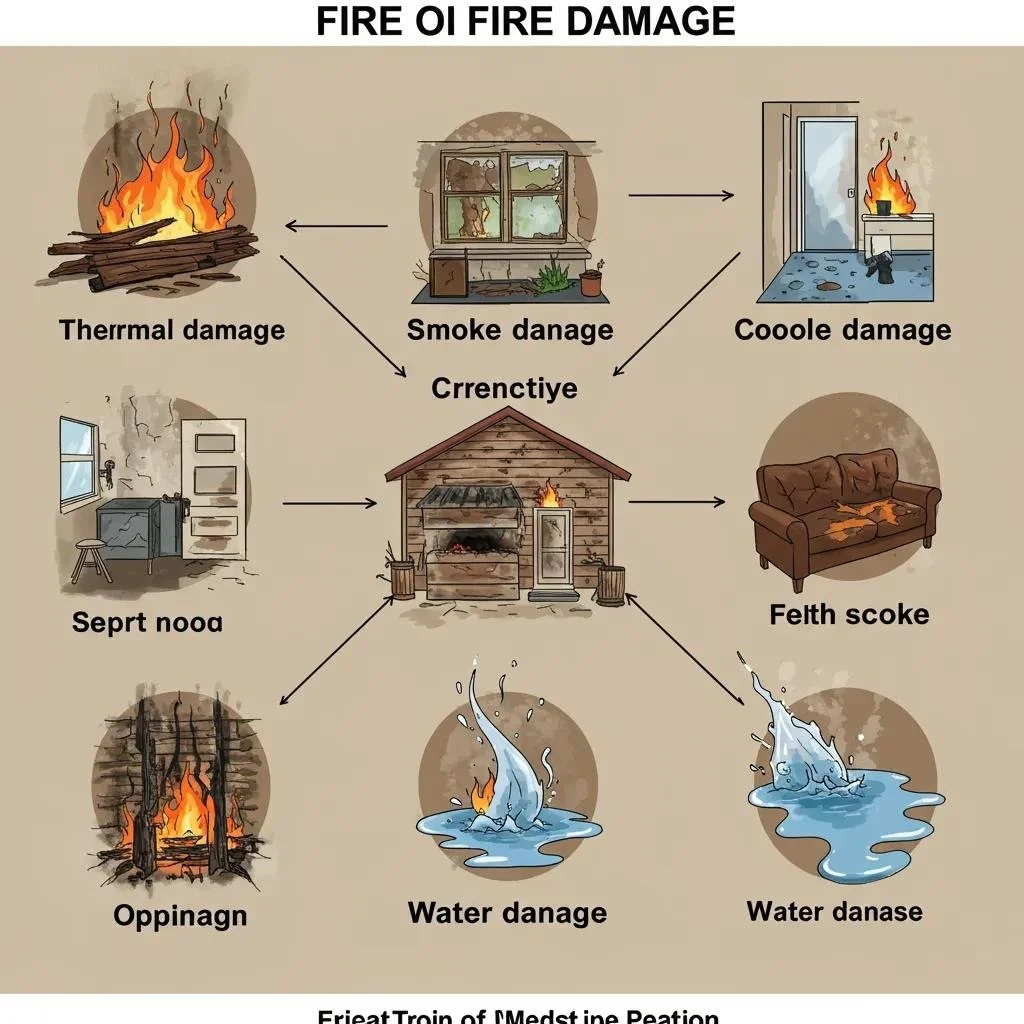
A comprehensive assessment separates damage into distinct categories: direct flame damage, smoke, soot, firefighting water, and heat effects because each type requires different remediation strategies and impacts salvageability. Identifying these damage types early determines priorities for stabilization, contents handling, and specialist referrals. Accurate categorization also guides documentation for insurers and informs whether immediate actions (like drying or dehumidification) are needed to stop secondary damage. The table below compares common damage types by indicators, risks, and typical remediation actions to help homeowners and adjusters scan damage quickly.
This table summarizes the primary damage categories, common indicators, and typical remediation actions.
Damage Type
Common Indicators
Typical Remediation Actions
Direct flame damage
Charred framing, open burn holes, lost material
Structural shoring, selective demolition, and rebuild of affected elements
Smoke damage
Surface staining, pervasive odor, discolored finishes
Content cleaning, smoke-specific cleaning agents, and deodorization
Soot contamination
Dry vs. wet soot residues, soiling of textiles, and HVAC
HEPA vacuuming, dry-cleaning, and HVAC duct cleaning
Water damage (firefighting)
Wet insulation, buckled flooring, and moisture readings
Water extraction, moisture mapping, controlled drying
Heat damage
Warped metals, delamination, weakened fasteners
Material testing, structural evaluation, targeted replacement
This comparison helps clarify why a multi-disciplinary assessment is necessary: each damage type-driven action reduces health risks and restores habitability more efficiently.
Direct flame damage is visible as burning and loss of material where combustion contacted surfaces; charring depth in wood and framing indicates how much structural capacity remains. Assess charring by measuring burned depth on load-bearing members and checking for through-burns or compromised connections; deeper charring or scorched connections often require replacement or engineered repair. Metal elements may show localized melting or reduced cross-section, while masonry can exhibit spalling or cracking from extreme heat. Early structural evaluation and shoring decisions prevent collapse and protect crews; when in doubt, a structural engineer referral is prudent to define safe repair thresholds.
Smoke damage includes visible staining, smeared residues on painted surfaces, and persistent smoke odor that penetrates porous materials such as textiles, insulation, and wood. Different soot chemistries, dry, powdery soot versus sticky, wet soot, determine cleaning methods; wet soot typically results from higher heat and smoldering combustion and requires solvent-based strategies, while dry soot can be removed with dry-cleaning or HEPA vacuuming. HVAC systems commonly spread soot and odor throughout a building, so duct inspection and cleaning are essential to prevent recontamination during restoration. Recognizing soot type early improves salvage decisions and reduces time and cost in the cleaning phase.
Water used to extinguish fires creates secondary moisture intrusion that promotes structural swelling, material delamination, and elevated mold risk if not addressed quickly. Moisture mapping with meters and hygrometers establishes drying goals and shows hidden wet pockets inside walls, ceilings, and subfloors that require targeted drying or controlled demolition. Immediate water extraction and dehumidification reduce the likelihood of microbial growth; within 24–48 hours, untreated wet materials become susceptible to mold colonization. Coordinating water mitigation with the fire damage plan prevents compounding losses and speeds restoration timelines.
Heat damage can be invisible at a surface level yet significant: fasteners may have lost strength, adhesives can delaminate, and rebar in concrete can spall under high temperatures. Look for warped metal framing, bowed joists, cracking in masonry, and loosened mechanical connections as signs that heat has degraded component integrity. These indicators suggest a need for deeper investigation, such as uncovering concealed connections or laboratory testing of materials to determine repair versus replacement. Because delayed failures are possible, schedule follow-up inspections after initial stabilization to monitor any progressive compromise.
A methodical assessment follows defined stages: initial safety and visual survey, detailed systems and structural evaluation, contents salvageability review, advanced diagnostics for hidden damage, and final reporting that supports remediation and insurance claims. This structured workflow ensures safety, prioritizes actions to stop secondary damage, and produces the documentation adjusters require to establish scope and cost. The numbered checklist below maps a practical assessment flow that restoration professionals and informed homeowners can follow to ensure no critical steps are missed. Each numbered step is actionable and framed to match common insurance expectations.
Initial safety check and scene stabilization.
Visual documentation and photographic inventory.
Structural and systems evaluation (electrical, plumbing, HVAC).
Contents assessment and salvage recommendations.
Advanced diagnostics (thermal imaging, moisture mapping).
Written assessment report and recommended scope of work.
This sequence provides a clear path from hazard control to documented scope, helping homeowners and businesses move rapidly from assessment to mitigation.
The initial visual inspection defines immediate hazards and documents visible damage for claims and crew planning; it establishes safety flags, priority areas, and evidence preservation steps. Inspectors look for unstable framing, active moisture, exposed wiring, and concentrated soot or smoke migration paths while photographing each area with context and detail shots. Photo best practices include capturing wide context views, close-up detail shots, and including a scale reference or timestamp when possible; these images form the visual backbone of an assessment report. Proper documentation during this phase speeds adjuster review and helps avoid disputes over pre-mitigation conditions.
Below is an EAV-style checklist to help homeowners and adjusters scan the most critical visual cues during an initial walk-through.
Area / Item
Attribute to Inspect
What to Look For / Example
Entryways
Security and condition
Broken locks, board-up needs, documented before any changes
Structural members
Charring, deformation
Measure char depth on studs and joists; note sagging
Ceilings & walls
Soot patterns, staining
Determine the smoke path and porous material penetration
Flooring
Buckling, saturation
Identify wet areas requiring immediate extraction
Utilities
Visible wiring, gas lines
Note exposed conductors or gas odors; do not operate systems
Use this checklist to prioritize actions: safety hazards first, then documentation and stabilization.
Structural assessment begins with checking the vertical and lateral load paths for signs of failure, cracked foundations, buckled studs, and displaced roof assemblies are immediate concerns. Inspectors test for rigidity, listen for unusual sounds under load, and measure differential movement where possible; if structural continuity is compromised, temporary shoring or bracing may be required. A structural engineer should evaluate complex failures, large-span roof systems, or when foundational elements show significant cracking. Documenting these evaluations and any recommended engineer involvement is crucial for insurance scopes and ensures repairs restore the original load capacity.
Non-contact inspections identify obvious hazards: melted insulation, discolored panels, or water-soaked junction boxes indicate immediate electrical safety risks that require licensed electricians before power restoration. Plumbing lines exposed to heat may crack or leak; visible signs include warped pipes and dislodged fittings. HVAC systems often transport soot and odors; inspectors check filters, ductwork, and air handling units for contamination and recommend professional HVAC cleaning when necessary to avoid recontamination during restoration. Where specialists are required, document findings and recommended licensed referrals to ensure systems are restored safely and meet code requirements.
Contents are classified by material, exposure type, and sentimental or monetary value: salvageable in place, salvageable after professional cleaning (pack-out or on-site), or non-salvageable. Porous materials heavily penetrated by wet soot, fuels, or chemical residues are often unsalvageable, while solid wood or metal items may be repaired or refinished. The assessor should tag items, photograph serial numbers, and provide estimated salvage methods (dry-cleaning, ultrasonic cleaning, or refinishing) to inform owner decisions and insurance line items. A clear contents inventory with recommended disposition streamlines pack-out and reduces disputes during claims processing.
Advanced diagnostics expand the assessment beyond visible signs: thermal imaging cameras reveal hidden hotspots and residual heat paths, moisture meters and hygrometers map water intrusion and drying goals, and borescopes inspect concealed cavities without full demolition. Drones and site-mapping tools are useful for large commercial roofs or inaccessible exterior damage, enabling high-resolution imagery and thermal overlays for scope development. Applying these tools changes the remediation scope by exposing hidden damage that would otherwise cause rework and surprises; combining thermal and moisture data provides a more accurate, evidence-based remediation plan.
Effective documentation follows a logical structure: comprehensive photos and videos, a detailed inventory and itemized written record, and a clear assessment report describing cause, scope, and recommended remediation. Well-organized documentation reduces disputes and accelerates adjuster review by presenting consistent, time-stamped evidence and professional recommendations. The EAV table below shows recommended photographic and documentary examples keyed to common damaged items to make claim submission straightforward for homeowners and adjusters. Restoration professionals often support this phase by producing insurance-grade reports and coordinating with adjusters.
This table links damaged entities to recommended documentation types and examples to guide photo and record collection.
Damaged Item
Recommended Documentation
Example / Notes
Structural elements
Wide context photo + close-up details
Include scale, note char depth, or cracks
Appliances & electronics
Serial number, model photo, damage close-up
Capture power/connect points and corrosion
Textiles & soft goods
Before/after packing photos, contamination notes
Note the soot type and recommended cleaning method
HVAC & ducts
Duct photos, filter condition, contamination map
Include system ID and operation status
Contents inventory
Item description, make/model, condition, salvageability
Use spreadsheet rows with reference photos
Collect media systematically: start with wide-angle context shots, then take mid-range images, and finally close-ups of serial numbers, labels, and damage details; this multi-scale approach captures how individual losses relate to the whole structure. Preserve original file metadata and use a consistent folder and filename convention with date/time stamps so adjusters can follow chronology. Video walkthroughs with narration that describes visible hazards and locations add clarity and help remote reviewers understand access constraints. Organizing media immediately after the inspection prevents data loss and supports timely claim submission.
Create an itemized inventory with fields for item description, make/model, serial number, estimated pre-loss condition, visible damage, and recommended disposition (salvage, clean, replace). Use simple spreadsheet templates or inventory software, and photograph each item with its inventory row to link images to records. Maintain copies for the owner, contractor, and adjuster, and track the chain-of-custody for any packed-out items to avoid disputes. Clear inventories expedite settlement and help prioritize pack-out versus on-site cleaning decisions.
Prepare for the adjuster visit by assembling photographic evidence, inventories, and the written assessment report; be present during inspections to point out hidden concerns and provide documentation context. Ask for a copy of the adjuster’s scope and compare it to the restoration assessment, requesting clarifications in writing when the scope differs. If disagreements arise, request a peer review or a second opinion and document all communications; restoration professionals often coordinate directly with adjusters to present technical justification for remediation tasks. Professional documentation and cooperative communication usually shorten claim timelines and reduce unexpected denials.
Professional assessment reduces safety risks, uncovers hidden damage, and produces insurance-grade documentation that supports accurate scope development and prevents secondary loss. Certified technicians apply industry standards and structured diagnostics such as moisture mapping and thermal surveys to create remediation plans that address both visible and concealed damage. This thorough approach minimizes scope drift during remediation and helps owners avoid repeat interventions that increase cost and downtime. The next subsection explains how IICRC certification and specialized equipment contribute directly to these outcomes.
IICRC-certified technicians follow recognized standards for inspection, cleaning, and drying, which align assessment methods with accepted industry practice and insurer expectations. Certification indicates training in moisture control, soot removal protocols, and contents restoration techniques that improve salvage rates and reduce health risks. Certified crews document procedures and measurements systematically, producing reports that adjusters accept more readily because they reference established standards. That technical rigor increases confidence that the recommended mitigation will achieve safe, verifiable outcomes.
Specialized equipment thermal imaging cameras, calibrated moisture meters, HEPA filtration vacuums, and hydroxyl or ozone odor-control systems, enables technicians to detect hidden damage, set drying goals, and remove airborne contaminants safely. Thermal imaging locates residual heat and hidden combustion paths, moisture mapping defines drying targets, and containment plus HEPA filtration controls cross-contamination during cleaning. Each tool delivers diagnostic data that shapes remediation scope and clarifies costs; using these techniques together creates an evidence-based plan that reduces the chance of missed damage and unnecessary rebuilds.
Professional assessments set drying targets and monitor moisture levels to ensure rapid, measurable dehydration of wet building materials; maintaining relative humidity and material moisture within thresholds prevents mold colonization. Restorative drying within the first 24–48 hours after water exposure dramatically lowers the likelihood of microbial growth, and ongoing monitoring confirms whether goals are met. Integrating moisture control with soot and odor remediation reduces the timeline and avoids overlapping contamination issues. When water from firefighting is present, this combined approach is essential to prevent mold, protect contents, and restore indoor air quality.
After a formal assessment, the Steam Team provides a clear, documented plan that outlines emergency stabilization, mitigation steps, contents handling, and reconstruction phases while coordinating with insurers and adjusters as requested. The Steam Team serves Austin and the surrounding Central Texas area and offers 24/7 emergency response, along with IICRC-certified technicians to begin necessary stabilization quickly. Clients receive a written estimate and scope based on the assessment findings and can request a quote for restoration work to move from evaluation to active remediation. The section below details how to request a quote and what to expect during the comprehensive restoration workflow with The Steam Team.
To request a quote, contact The Steam Team by phone at 512-451-8326 and provide the assessment date, property address, and a brief overview of visible damage to prioritize response. Photographs and the initial inventory spreadsheet accelerate estimate preparation and improve accuracy for remote estimates before scheduling an on-site walkthrough. Expect the Steam Team to offer emergency stabilization tasks when needed and to coordinate with your insurance adjuster upon authorization to proceed; they can also schedule an in-person estimate to finalize scope and timelines. Clear documentation and early communication of the assessment findings help produce a timely, insurance-ready quote.
The Steam Team’s restoration workflow begins with emergency stabilization (board-up, tarping, water extraction) to secure the property and limit further damage, followed by controlled demolition where necessary to access hidden damage. Contents are evaluated and either cleaned on-site, packed out for specialized cleaning, or documented for replacement; drying and dehumidification follow to meet moisture goals before reconstruction begins. Reconstruction and repair restore structural and cosmetic elements, and final verification includes safety checks, odor control, and a final inspection to confirm that remediation goals were met. Throughout the process, the Steam Team coordinates with insurance adjusters and provides documentation to support claims and help return occupants to safe, restored spaces.
Emergency Stabilization: Board up and secure the site to prevent further loss.
Mitigation: Water removal, drying, and smoke/soot cleaning to stop secondary damage.
Contents Handling: Pack-out, specialized cleaning, or salvage decisions documented.
Reconstruction: Repairs and rebuild with quality checks and inspections.
These phases create a predictable path from assessment through completion, and The Steam Team’s local presence in Austin supports timely mobilization and insurance coordination for property owners.
If you suspect hidden fire damage, it's crucial to act quickly. Engage a professional restoration service that uses advanced diagnostic tools like thermal imaging and moisture meters to identify concealed damage. These tools can reveal hotspots and moisture pockets that are not visible to the naked eye. Early detection is vital to prevent further deterioration and secondary damage, such as mold growth. Document any findings and communicate them to your insurance adjuster to ensure comprehensive coverage for repairs.
Preparation for a fire damage assessment involves several steps. First, ensure the area is safe and that the fire department has cleared it for re-entry. Gather any relevant documentation, such as insurance policies and previous property assessments. Take initial photographs of the damage for your records. If possible, create a list of damaged items, noting their condition and value. This preparation will help streamline the assessment process and provide valuable information to restoration professionals and insurance adjusters.
Long-term effects of fire damage can include structural instability, persistent odors, and health risks from smoke and soot residues. If not addressed promptly, fire damage can lead to mold growth due to moisture intrusion from firefighting efforts. Additionally, materials weakened by heat may compromise the integrity of the building, leading to costly repairs down the line. Regular inspections and maintenance after a fire are essential to ensure that any lingering issues are identified and resolved before they escalate.
When selecting a fire damage restoration company, look for certifications such as IICRC, which indicates adherence to industry standards. Check for reviews and testimonials from previous clients to gauge their reputation. Ensure they offer a comprehensive range of services, including emergency response, assessment, and reconstruction. It's also beneficial to choose a local company familiar with the specific challenges of your area, as they will be more equipped to handle local regulations and insurance processes effectively.
Insurance plays a critical role in fire damage restoration by providing financial support for repairs and recovery. Homeowners should review their policies to understand coverage limits, deductibles, and specific provisions related to fire damage. After a fire, it's essential to document all damage thoroughly and communicate with your insurance adjuster to facilitate the claims process. A well-documented assessment can help ensure that you receive the compensation needed to restore your property to its pre-loss condition.
While some minor cleanup tasks may seem manageable, it is generally not advisable to handle fire damage cleanup yourself. Fire damage can pose serious health risks due to toxic soot and smoke residues, and structural instability may be present. Professional restoration services have the expertise, equipment, and protective gear necessary to safely assess and remediate fire damage. Attempting to clean up without proper training can lead to further damage and complicate insurance claims, so it's best to leave it to the experts.
One common misconception is that fire damage is only related to visible flames. In reality, smoke and soot can cause extensive damage even in areas not directly affected by fire. Another misconception is that all items can be salvaged; however, some materials may be irreparably damaged by heat or chemicals. Additionally, many people believe that insurance will cover all costs, but coverage can vary significantly based on policy details. Understanding these misconceptions can help homeowners make informed decisions during the recovery process.
Conducting a thorough fire damage assessment is essential for ensuring safety, preserving property, and facilitating effective insurance claims. By understanding the types of damage and employing advanced diagnostic tools, homeowners can mitigate risks and streamline restoration efforts. Engaging professional services like The Steam Team not only enhances recovery outcomes but also provides peace of mind during a challenging time. Reach out today to explore how we can assist you in restoring your property to its pre-loss condition.
Smoke damage occurs when combustion byproducts soot, acidic residues, and volatile organic compounds (VOCs), settle on surfaces and into porous materials, degrading air quality and causing corrosion and lingering odors. This guide explains the full smoke damage cleanup workflow, from immediate safety actions to advanced deodorization and insurance navigation, so homeowners and property managers can act quickly and confidently. You will learn how to assess hazards, choose the right soot removal method, remove persistent smoke odor, restore contents including electronics and documents, and coordinate with insurers and restoration professionals when damage exceeds DIY limits. Practical checklists, EAV comparison tables, and decision criteria are included to help you distinguish dry, wet, and specialized cleaning approaches and identify when to escalate to professional services. Before diving into technical steps, note that local restoration providers, including Austin-area specialists such as The Steam Team, which offers 24/7 emergency response and IICRC-certified technicians, can perform emergency assessments and full remediation when needed, particularly for HVAC contamination, heavy soot, or extensive odor infiltration.
Immediate safety and assessment steps focus on protecting occupants and preventing secondary damage by stopping smoke sources, securing the structure, and documenting conditions. Rapid evacuation removes people from poor indoor air and structural hazards, while initial ventilation and temporary mitigation reduce soot migration and moisture-related problems introduced by firefighting. Early documentation with photos and notes preserves evidence for insurance, and a prompt professional assessment clarifies structural risks, HVAC contamination, and the scope of cleanup. These steps minimize health risks, limit progressive material degradation, and create a clear starting point for restoration decisions and claims. Next, review recommended PPE and re-entry precautions that let you safely begin limited inspections or mitigation without worsening contamination.
Personal protective equipment (PPE) reduces inhalation and contact exposure to soot particles and VOCs during any re-entry or cleaning activity. At minimum, use an N95 or higher-rated respirator for dusty or soot-laden work, chemical-resistant gloves for cleaning agents, and eye protection to prevent irritation from particles or splashes. For concentrated soot, elevated particulate levels, or when using solvents and fogging equipment, upgrade to respirators with P100 cartridges and full-face protection; consider disposable coveralls to prevent cross-contamination in clean areas. Proper donning and doffing, bagging contaminated clothing, and changing filters frequently are essential to avoid exposing unaffected areas. These PPE practices enable limited homeowner mitigation while identifying conditions that require licensed restoration technicians with specialized containment and negative-pressure systems.
A thorough smoke damage inspection evaluates structural integrity, soot penetration, moisture from firefighting, and HVAC system contamination to form an accurate scope of work. Inspectors look for compromised structural members, soot staining inside wall cavities, and moisture pockets that can cause mold growth if not dried; instruments like moisture meters and air quality monitors guide decisions without invasive damage. A proper inspection includes a contents inventory with photos, identification of salvageable items versus those needing pack-out, and preliminary mitigation actions such as targeted ventilation or temporary tarping. Clear documentation produced during inspection supports both remediation planning and insurance claims. After inspection, the next priority is selecting appropriate soot removal techniques matched to the residue type and surface.
The immediate steps you should take after smoke exposure include evacuation, safety checks, documentation, containment, and contacting professionals.
Each step is designed to protect occupants and preserve evidence for restoration and insurance processes.
Evacuate occupants to safe outdoor air and avoid re-entry until air is tested or cleared.
Ventilate the property where safe by opening doors and windows to encourage fresh airflow.
Document conditions with photos and videos of affected rooms, contents, and any visible structural damage.
Secure the property by boarding openings and limiting access to prevent theft and further damage.
Contact emergency responders and a restoration professional for an immediate assessment and mitigation plan.
These five priority steps create a foundation for safe, effective cleanup and provide the documentation insurers require to begin claim review.
After this checklist, if you need a rapid on-site assessment or emergency mitigation, a local restoration provider can mobilize trained crews and equipment to stabilize conditions and limit secondary damage.
Soot removal succeeds by matching the cleaning category to soot type and surface: dry cleaning lifts loose particulate, wet cleaning emulsifies adhered residues, and specialized solvent or chemical methods target protein or oily soot. Effective removal reduces corrosion, staining, and odor carriers while protecting surface finishes; selecting the proper approach prevents driving soot deeper into substrates or causing staining from inappropriate wetting. Key tools include HEPA vacuums for particulate capture, chemical sponges for dry-lift, alkaline cleaners for resilient residues, and controlled agitation for upholstery and carpets. Safety and containment during cleaning prevent cross-contamination and reduce airborne particulate levels, which in turn protect occupants and HVAC components. With method selection in hand, the next subsection compares dry, wet, and specialized approaches in practical detail and when to choose each.
Before the comparison table, here is a brief primer on common equipment and materials used in soot removal:
HEPA vacuum units capture fine soot particles without reintroducing them to the air.
Chemical dry sponges lift non-greasy, dry soot from painted and delicate surfaces.
Alkaline or solvent-based cleaners break down oily/protein residues on hard surfaces.
This equipment mix forms the core toolkit for effective soot remediation and highlights why trained technicians are often necessary for complex soot types.
Cleaning Method
Best For / Materials
Pros & Safety Notes
Dry Cleaning (HEPA vacuum, dry sponges)
Light, dry soot on painted walls, ceilings, and delicate finishes
Low risk of staining, minimal water usage, good for preliminary lifts; avoid rubbing into surfaces
Wet Cleaning (detergent, alkaline cleaners)
Heavier deposits on washable surfaces like trim, masonry, and floors
Effective for adhered soot; requires controlled rinsing and rapid drying to prevent moisture damage
Specialized Solvent/Chemical Cleaning
Protein soot, fuel/oily soot, greasy residues on metals, and some fabrics
Targets bonded residues that resist water; requires trained use of solvents and ventilation due to VOCs
This comparison shows that starting with dry methods and escalating to wet or specialized treatments preserves finishes and limits secondary damage when performed correctly.
Dry cleaning uses mechanical removal and absorption to lift loose soot without wetting surfaces, making it ideal for fragile finishes and initial cleanup phases. It works by vacuuming with HEPA filtration and applying chemical sponges that pull particulates off without smearing; this reduces airborne re-suspension and prepares surfaces for any following wet work. Wet cleaning involves controlled application of detergents or alkaline cleaners to break bonds between soot and substrate, followed by careful rinsing and immediate drying to avoid moisture-driven issues; wet methods are more effective on washable surfaces but risk staining if misapplied. Specialized cleaning uses solvent-based agents and professional techniques to dissolve protein and oily soot that resist water-based cleaners; these methods require ventilation and PPE and are often best left to certified restoration crews. Understanding these differences helps determine whether a DIY approach is safe or if professional intervention is required.
Identifying soot type begins with simple tactile and visual cues: dry soot is powdery and easily wiped, oily/fuel soot feels greasy and smears, while protein soot often leaves faint yellow-brown stains and strong odors despite appearing less dusty. Once identified, match treatment: dry soot responds to HEPA vacuum and dry sponges; oily soot typically requires solvent or alkaline cleaners applied by professionals to avoid spreading; protein soot may need specialized detergents and oxidation-focused deodorization. If soot is embedded within drywall, insulation, or HVAC ducts, removal or replacement may be necessary to eliminate odor sources and restore air quality. Correct identification guides safe, effective cleanup and indicates when advanced equipment or replacement is the prudent option.
Permanent smoke odor elimination requires targeting odor molecules bound deep within porous materials and HVAC systems rather than masking them; this often involves a combination of mechanical cleaning, source removal, and advanced deodorization technologies. Thermal fogging, hydroxyl generators, and ozone systems are principal tools for neutralizing odor at a molecular level, while activated charcoal and thorough duct cleaning act as adjuncts to absorb and filter residual VOCs. Choosing the right approach depends on occupancy constraints, material types, and safety rules. For example, ozone requires unoccupied spaces and strict re-entry protocols, while hydroxyl units can be used in occupied environments under guidance. Combining targeted deodorization with content restoration and HVAC cleaning achieves the most reliable, long-term odor removal.
The following subsection explains how thermal fogging and ozone work and when to use each.
Before the deodorization table, consider these practical air- and odor-control steps:
Remove and launder all washable fabrics to reduce the odor load before deploying odor technologies.
Replace HVAC filters and run air scrubbers with HEPA filtration while deodorization proceeds.
Coordinate deodorization with content pack-out and structural cleaning to avoid re-contamination.
These preparatory steps improve the effectiveness of advanced deodorization methods and speed recovery.
Deodorization Method
Mechanism
Effectiveness / Safety / When to Use
Thermal Fogging
Dispenses heated deodorant fog that penetrates porous materials and neutralizes odor molecules
Highly effective for widespread odor when applied by professionals; safe for post-cleaning environments, but requires controlled application
Ozone Treatment
Oxidizes odor molecules through high O3 concentration
Very effective on textiles and structural odor,s but requires vacant, sealed spaces and strict re-entry protocols due to respiratory hazards
Hydroxyl Generators
Produces hydroxyl radicals that oxidize organic odor compounds in occupied or adjacent areas when used correctly
Effective and safer for occupied buildings; slower than ozone, but useful in homes and commercial spaces
Activated Charcoal & Ventilation
Adsorbs VOCs while exchanging indoor/outdoor air
Useful adjunct for persistent low-level odors and during post-treatment airing; safe and continuous
This table clarifies that combining mechanical cleaning with the right chemical or oxidative approach produces the most permanent results while aligning method selection with occupancy and safety constraints.
Thermal fogging disperses heated, solvent-based deodorants as a fog of tiny droplets that penetrate porous materials and chemically neutralize odor carriers rather than masking them; technicians use calibrated foggers to deliver the correct particle size and concentration for deep penetration. Ozone generators produce ozone molecules that oxidize organic compounds responsible for smoke smell; ozone is highly effective but creates a temporary respiratory hazard, so spaces must be vacated and sealed during treatment and ventilated thoroughly afterward. Hydroxyl generators create hydroxyl radicals that safely oxidize odors in occupied or adjacent areas under controlled application, making them a preferred option when rapid re-occupancy is necessary. Each technology has trade-offs between speed, safety, and material compatibility, which is why restoration professionals often combine methods for the best results.
Cleaning HVAC systems focuses on eliminating soot and odor sources inside ducts, coils, plenums, and filters to stop re-circulation of contaminated air; technicians inspect and access ductwork, clean or replace filters, and use agitation and HEPA vacuuming to remove deposits. In some cases, duct cleaning combined with coil cleaning and application of approved antimicrobial or deodorizing agents is necessary to restore system performance and indoor air quality. Portable air scrubbers with HEPA filtration and negative pressure contain and remove airborne soot during structural cleaning, reducing HVAC re-contamination. Regularly replacing filters and running high-MERV or HEPA-grade filtration during and after remediation prevents redeposition and supports long-term odor reduction.
HVAC cleaning priorities include filtration replacement, duct and coil cleaning, and running HEPA air scrubbers during remediation.
Proper HVAC remediation prevents ongoing odor recirculation and supports occupant health.
These HVAC-focused steps lead into how content restoration is triaged and handled to salvage what can be saved.
Contents restoration begins with triage and inventorying to separate salvageable items from those beyond economical recovery, then prioritizes cleaning methods by material porosity and contamination level. Non-porous items like glass, metal, and hard plastics are usually cleanable with surface detergents and polishing, while porous materials such as upholstery, carpets, and textiles require specialized cleaning, deodorization, or replacement depending on smoke penetration. Electronics and documents need immediate stabilization: electronics require careful surface cleaning and professional drying to prevent corrosion, while documents may be stabilized via freeze-drying or controlled drying to prevent further deterioration. A systematic contents pack-out to an off-site facility often yields better restoration outcomes, where controlled cleaning, ultrasonic methods, and factory-grade deodorization can be applied.
Intro to contents table: This table helps prioritize restoration actions and sets realistic salvage expectations by item type and damage characteristics.
Item Type
Porosity / Damage Type
Recommended Restoration Method / Salvage Likelihood
Glass, Metal, Hard Plastics
Non-porous, surface soot
Surface cleaning, polishing; high salvage likelihood
Upholstery, Carpets, Textiles
Porous, deep-soot penetration
Professional deep-cleaning, possible replacement; moderate salvage likelihood depending on odor and staining
Electronics
Sensitive, corrosion-prone
Surface cleaning, controlled drying, professional electronics servicing; salvage depends on exposure and time to mitigation
Documents & Photos
Porous, water/soot-stained
Stabilization, freeze-drying, specialized document restoration; salvage likelihood varies widely
Salvageability is judged by material porosity, value, and extent of soot/heat/water exposure; rigid non-porous objects typically clean well, while porous items often retain odor or staining that limits restoration success. Electronics require rapid stabilization to prevent corrosion: power should remain off until devices are inspected, and professionals use controlled disassembly, cleaning, and drying methods to mitigate damage. Documents and photos may be salvageable through vacuum freeze-drying or dehumidification and specialized chemical baths to remove soot, with early intervention improving outcomes. When dealing with valuable or sensitive items, professional pack-out and off-site restoration increase chances of recovery and protect belongings during structural repair.
Cleaning practices differ because porous materials absorb smoke residues, while non-porous surfaces mostly retain surface contaminants. For porous materials, pre-testing, controlled agitation, enzyme- or alkaline-based deep-cleaning, and multiple deodorization cycles are often necessary; when odor persists or structural integrity is compromised, replacement may be more economical. For non-porous materials, mechanical cleaning, mild detergents, and polishing commonly restore appearance and reduce odor load. Test-spotting and staged cleaning, starting with non-invasive dry methods, then escalating to wet or solvent treatments as needed, preserves finishes and reduces the risk of permanent damage. These material-specific approaches feed directly into insurance documentation and claim strategies covered next.
Navigating insurance claims after smoke damage centers on thorough documentation, timely mitigation, and clear communication with adjusters; these steps help secure fair coverage and speed resolution. Insurers expect photo and video records of damage, itemized contents lists, receipts for emergency mitigation, and restoration scopes/estimates from qualified contractors to substantiate claims. A stepwise claims process includes filing a notice of loss, providing documentation and damage inventories, obtaining contractor estimates, and coordinating inspections with adjusters; keeping organized records and copies of all communications reduces disputes. Working with a preferred restoration vendor can streamline this process because experienced vendors prepare scopes and documentation formatted for insurers and can often liaise directly with adjusters. Below is a quick documentation checklist you can use immediately after an incident.
Photographs and videos of affected areas and damaged contents, taken before any disposal.
Itemized inventory of damaged personal property with estimated values and proof of ownership where available.
Receipts for emergency mitigation, temporary housing, and any immediate repairs required to secure the property.
Copies of contractor scopes, estimates, and written reports from restoration professionals and inspectors.
Keeping these records organized and accessible substantially improves claim processing and the accuracy of final settlements.
When filing a smoke damage claim, begin by notifying your insurer and providing visual documentation, an itemized contents list, and receipts for immediate mitigation work; early notice prevents delays and demonstrates proactive loss control. Prepare a room-by-room inventory with purchase dates and approximate values where possible, and retain items until an adjuster documents them unless they pose a health risk. Keep detailed logs of mitigation activities that were performed, when, and what materials were used, since insurers often reimburse reasonable emergency measures that prevent further damage. Finally, obtain a professional scope of work and estimate to accompany the claim; detailed scopes reduce back-and-forth with adjusters and clarify necessary repairs. After documenting steps, consider how a preferred vendor can help with claims coordination and documentation.
Partnering with an experienced, local restoration vendor streamlines mitigation, documentation, and repair because these vendors coordinate mitigation quickly, generate insurer-ready estimates, and apply industry-standard protocols during cleanup. The Steam Team, an Austin-based restoration company founded in 1983 with decades of experience, provides 24/7 emergency services, IICRC-certified technicians, and local knowledge that helps prioritize actions to limit secondary damage in Central Texas homes and businesses. Using a vendor familiar with insurance expectations can shorten claim cycles by delivering thorough scopes of work, standardized reports, and documented mitigation receipts that insurers recognize. Contacting a qualified restoration provider to support claims documentation can reduce delays and improve recovery outcomes.
Deciding between DIY cleanup and professional restoration hinges on damage extent, soot type, HVAC involvement, and health risks: small, surface-level dusting and airing may be safe for homeowners, whereas pervasive soot, HVAC contamination, or occupant health symptoms indicate professional intervention. DIY measures can be effective for minor smoke episodes: targeted ventilation, HEPA vacuuming of loose soot, laundering fabrics, and surface cleaning of non-porous items reduce odor and visible deposits. However, when smoke penetrates walls, insulation, ductwork, or electronics, professionals with containment, industrial filtration, and deodorization equipment are necessary to prevent recontamination and to fully restore indoor air quality.
The following decision checklist clarifies common red flags that require a certified restoration response.
Persistent smoke odor throughout the property after basic ventilation and cleaning.
Visible soot in HVAC returns or widespread deposits inside ductwork and mechanical systems.
Health symptoms among occupants such as coughing, wheezing, or eye irritation following re-entry.
Structural concerns or moisture intrusion from firefighting that creates a mold risk.
For minor smoke exposure, begin with safe actions: ventilate by opening windows and running fans outward to exchange air, and use HEPA-filter vacuums to remove loose soot from surfaces while wearing PPE to avoid inhalation. Wash washable fabrics and curtains promptly and dry them in a clean environment; wipe non-porous surfaces with mild detergent solutions and avoid aggressive rubbing that can embed soot. Use activated charcoal or baking soda in bowls for temporary odor adsorption, and run portable air purifiers with HEPA filtration to reduce airborne particulate and VOC levels. These measures help with low-level smoke incidents but are limited against embedded odors, extensive soot, or HVAC contamination conditions that require professional equipment and techniques.
Recognize these definitive signs that professional restoration is required: persistent, pervasive smoke odor despite cleaning; soot visible inside HVAC ducts or on inaccessible surfaces; electronics showing malfunctions after exposure; or occupants experiencing respiratory symptoms linked to indoor air. Structural damage, extensive water from firefighting, and evidence of soot deep within wall cavities are additional conditions that necessitate certified remediation to safely restore the property and prevent secondary issues like corrosion or mold.
Persistent odor and HVAC contamination are primary indicators to hire professionals.
Early professional mitigation reduces long-term replacement costs and health risks.
This final guidance connects back to the initial safety and mitigation steps and reinforces that early, correct decisions reduce damage and speed recovery.
Long-term effects of smoke damage can include persistent odors, corrosion of materials, and degradation of indoor air quality. Smoke residues can penetrate porous materials, leading to ongoing health risks for occupants. If not properly addressed, smoke damage can result in structural issues, mold growth due to moisture retention, and the need for extensive repairs or replacements. Regular inspections and timely remediation are crucial to mitigate these long-term impacts and ensure a safe living environment.
Preventing smoke damage involves several proactive measures. Install smoke detectors and maintain them regularly to ensure they function correctly. Create and practice a fire escape plan to minimize risks during a fire. Additionally, avoid using candles or open flames near flammable materials, and ensure that your kitchen is equipped with a fire extinguisher. Regularly inspect and maintain heating appliances to prevent malfunctions that could lead to smoke production. These steps can significantly reduce the likelihood of smoke damage.
If you suspect smoke damage, first ensure the area is safe and ventilate the space by opening windows and doors. Document any visible damage with photos and notes for insurance purposes. Avoid cleaning the area until you assess the extent of the damage, as improper cleaning can worsen the situation. Contact a professional restoration service to conduct a thorough inspection and provide guidance on the necessary cleanup and restoration steps. Early intervention is key to minimizing damage.
Yes, specific cleaning products are recommended for smoke damage. Alkaline cleaners are effective for removing oily soot, while enzyme-based cleaners can help break down organic residues. Chemical sponges are useful for dry cleaning surfaces without causing further damage. Always choose products that are safe for the materials you are cleaning and follow the manufacturer's instructions. For extensive damage, it is advisable to consult with professionals who have access to specialized cleaning agents and equipment.
Signs that your HVAC system may have been affected by smoke damage include persistent odors when the system is running, visible soot around vents, and reduced airflow. If you notice respiratory issues among occupants or if the system has not been serviced after a fire incident, it is crucial to have it inspected. A professional can assess the system, clean the ducts, and replace filters to ensure that contaminated air is not recirculated throughout your home.
The costs of professional smoke damage restoration can vary widely based on the extent of the damage, the size of the affected area, and the specific services required. Factors such as soot removal, deodorization, and HVAC cleaning can all contribute to the overall cost. On average, homeowners can expect to pay anywhere from a few hundred to several thousand dollars. It is advisable to obtain multiple estimates from certified restoration companies to understand the potential costs involved.
Effective smoke damage cleanup is essential for restoring safety and air quality in affected properties, ensuring that both structural integrity and occupant health are prioritized. By understanding the comprehensive steps involved, from immediate safety measures to advanced deodorization techniques, homeowners can confidently navigate the restoration process. Engaging with professional restoration services not only streamlines cleanup but also enhances the likelihood of successful insurance claims. For expert assistance and to explore our range of restoration solutions, contact us today.
A home or business fire is a sudden, disorienting event that threatens safety, possessions, and structural integrity; fire damage restoration is the organized process of stabilizing a property, removing hazards, cleaning smoke and soot, and rebuilding so occupants can safely return. This guide explains the key phases of fire damage restoration immediate safety and securing steps, detailed assessment of structural, smoke/soot, and water impacts, the cleanup and contents-restoration workflow, insurance navigation, common timelines, and mold prevention, and practical prevention tips tailored to Austin and Central Texas. Provide useful information about cleaning and restoration services, build trust, and lead potential clients to request a quote or schedule an appointment. If you need immediate assistance after a fire, call 512-451-8326 to request emergency response or a quote; expert teams are available 24/7 to help secure your property and begin mitigation. The sections below map an ordered recovery path and technical details so you can make informed decisions quickly and confidently.
Immediate actions after a fire prioritize life-safety, stabilization to prevent secondary damage, and documentation for insurance and restoration planning. Start by following directions from emergency responders and avoid re-entering the structure until it is declared safe by authorities; this prevents exposure to structural collapse, lingering smoke, and unseen hazards. Next, prioritize controlling utilities and securing openings to limit weather, vandalism, and animals from compounding losses; short-term stabilization is central to reducing overall restoration cost and scope. The final early step is to document visible damage with photos and notes. If it is safe, then contact both your insurer and a restoration provider to coordinate emergency mitigation and an initial scope.
This ordered checklist explains what to do first and why each action matters before professionals arrive.
Ensure personal safety and follow official instructions: Wait for the fire department to clear the scene and heed evacuation or re-entry guidance.
Shut off utilities or confirm they are disconnected: Gas, electricity, and water should remain off until inspected by professionals.
Photograph and document visible damage when safe: Capture exterior and interior conditions to support immediate claims.
Contact emergency restoration and your insurer: Notify both so mitigation and claims work can begin without delay.
Secure openings with board-up or tarps as needed: Temporary protection prevents weather and trespasser damage.
These ordered steps reduce immediate risk and prepare the property for professional assessment and mitigation, which is the next priority.
Safety and property security start with confirming that the fire department has extinguished all active flames and declared the structure safe for limited access, because unseen hot spots and weakened framing can cause delayed collapse. If allowed a brief entry, avoid touching electrical panels, do not operate appliances, and wear protective gear respirators, gloves, and eye protection, because soot and ash contain hazardous particulates. For short-term protection, board-up services and tarping limit exposure to rain and wind; these actions also reduce the risk of theft, vandalism, and wildlife entry. Contact professionals to perform a formal check for gas leaks, electrical hazards, and hidden embers so stabilization can be completed and reliable next steps planned.
Securing the site reduces exposure and allows restoration teams to begin mitigation safely, which leads to decisions about professional intervention and scope.
Call restoration experts as soon as the scene is safe because early mitigation, water extraction, drying, board-up, and soot stabilization prevent costly secondary damage such as mold growth and progressive material deterioration. Certified restoration teams bring specialized equipment, air scrubbers with HEPA filtration, industrial dehumidifiers, thermal imaging for hidden moisture, and controlled demolition tools that home remedies cannot substitute- and they follow industry standards to document work for insurers. In urgent cases, a 24/7 emergency response capability ensures mitigation begins without delay; rapid response shortens drying timelines and improves the likelihood of salvaging contents. Engaging professionals early also supports a clearer insurance workflow and faster overall recovery.
Prompt professional involvement reduces long-term loss and forms the foundation for claims documentation and reconstruction planning.
Fire damage assessment is the systematic evaluation that determines which parts of a property are structurally unsafe, which materials are contaminated by smoke and soot, and where firefighting water introduced moisture that risks mold and continued deterioration. Assessors inspect load-bearing elements, examine smoke penetration into porous materials, perform moisture mapping with meters and thermal imaging cameras, and evaluate HVAC and ductwork to prevent re-soiling. Accurate assessment defines the mitigation priority: stabilizing the structure, removing water, cleaning soot, and salvaging contents. Understanding the different damage types, structural, smoke/soot, and water, helps owners set expectations for scope, timelines, and costs.
Below is a compact comparison to clarify how professionals distinguish damage types and immediate risks.
Damage Type
Assessment Attribute
Typical Indicator/Result
Structural damage
Load-bearing integrity
Sagging beams, cracked foundations, unsafe framing
Smoke & soot penetration
Material porosity and residue type
Black/gray residues, discoloration, odor transfer to fabrics
Water/moisture intrusion
Moisture readings and thermal anomalies
Elevated RH, wet insulation, hidden saturation behind walls
This comparison helps homeowners understand why repair approaches differ and why a layered restoration plan is necessary for full recovery.
Structural damage after a fire appears as visible deformation, such as warped or sagging floors and ceilings, cracked masonry, or exposed, charred framing that compromises load paths; these signs indicate that a structural engineer or licensed contractor must evaluate safety. Inspectors look for misaligned doors and windows, new cracks in foundations or load-bearing walls, and areas where fire or thermal shock has caused rapid material weakening. Temporary shoring and targeted demolition may be required immediately to stabilize these elements before full reconstruction. If you observe any of these indicators, restrict access to the affected zones and arrange for professional evaluation to avoid catastrophic failure during cleanup.
Recognizing these signs early prioritizes safety and guides the scope of stabilization and longer-term reconstruction.
Technicians identify smoke and soot types, wet versus dry smoke, because residue chemistry drives the selection of cleaning agents and methods; wet smoke often requires different solvents and more aggressive surface restoration than dry smoke. Professionals sample surfaces, test HVAC systems and ductwork for contamination, and use moisture meters and thermal imaging to locate hidden water intrusion from firefighting. Air quality is measured using particle counters and odor detection to design deodorization strategies such as air scrubbing with HEPA filtration and specialized thermal or chemical deodorization when needed. These evaluations inform whether contents can be cleaned on-site or require off-site pack-out and specialized restoration.
A precise technical assessment ensures cleaning methods and equipment match the contamination, improving salvage rates and indoor air quality.
Post-Fire Damage Assessment: Evaluating Heat, Smoke, and Soot Impact
The physical and/or operational damage from the heat and/or residual smoke in the aftermath of a fire in a building is largely a safety/engineering determination. Additionally, once the immediate toxic gases and particulates have dissipated, residual combustion deposits on surfac
The cleanup and restoration workflow follows distinct phases: emergency mitigation, water extraction and drying, smoke/soot cleaning and odor control, contents restoration, and structural repair/reconstruction. Each phase uses specific equipment and certified techniques, air movers and dehumidifiers during drying, HEPA vacuums and controlled cleaning chemistries for soot, ultrasonic and freeze-drying for delicate content, so sequencing and documentation are critical to success. This phased approach minimizes cross-contamination, prevents mold after water intrusion, and allows accurate cost and timeline projections for rebuilding. The steps below outline the typical sequence so owners can follow progress and ask targeted questions of providers.
Mitigation and stabilization: Board-up, tarping, and temporary shoring to prevent further exposure.
Water extraction and drying: Remove standing water, set up dehumidification, and monitor moisture.
Cleaning and deodorization: Remove soot, clean surfaces, and apply odor-control technologies.
Contents restoration and pack-out: Inventory, triage, and clean salvageable items on-site or off-site.
Reconstruction and finishing: Structural repairs, systems replacement, and final inspections.
These steps connect mitigation through reconstruction to return the property to pre-loss condition, while controlling costs and health risks during the process.
Introductory table comparing phases, typical tasks, and expected durations follows to set clear expectations.
Phase
Typical Tasks
Typical Duration
Mitigation
Board-up, tarping, emergency debris removal
1–3 days
Drying & Water Extraction
Pumps, extractors, air movers, dehumidifiers, and monitoring
3–14 days (varies by moisture)
Cleaning & Deodorization
HEPA vacuuming, surface cleaning, air scrubbing, and deodorization
3–10 days
Contents Restoration
Inventory, ultrasonic/textile cleaning, pack-out services
Days to weeks
Reconstruction
Demolition, framing, systems replacement, finishing
Weeks to months
This phase table illustrates typical durations, but remember that severity, insurance approvals, and permitting influence actual timelines.
After firefighting, thorough water extraction is essential to prevent mold and hidden structural damage; technicians use weighted extractors, pumps, and portable extractors to remove standing and trapped water quickly. Once bulk water is removed, drying equipment, high-capacity air movers, and industrial dehumidifiers create airflow and moisture-removal gradients while technicians map moisture levels with meters and thermal imaging for targeted drying. Teams document progress with daily moisture readings and photos until materials reach safe thresholds; this record supports insurance claims and confirms that mold risk has been mitigated. Prompt drying within the first 24–72 hours is critical to preventing microbial growth and preserving as much structure and contents as possible.
Consistent monitoring and adaptive drying strategies reduce restoration time and long-term material loss.
Soot removal requires matching cleaning chemistry and technique to the residue type and substrate: dry chemical sponges and HEPA vacuums for light, dry soot; solvent-based cleaning and abrasive methods for heavy, oily residues from wet smoke. Air scrubbing with HEPA filtration removes airborne particulates during cleaning, while targeted deodorization uses thermal fogging, hydroxyl generators, or activated carbon filtration, depending on odor source and material absorption. Specialty surfaces such as upholstery, draperies, and HVAC components require specific approaches, encapsulation, professional wet-cleaning, or ductwork restoration to prevent re-soiling. Proper sequencing (cleaning before HVAC restart) ensures particulates are not redistributed and that indoor air quality is restored for occupants.
Choosing the right combination of mechanical filtration, chemical cleaning, and deodorization improves salvage outcomes and occupant health.
Contents restoration begins with a documented inventory and triage: items are categorized as cleanable, salvageable with specialty restoration, or non-salvageable, which guides pack-out plans and insurance documentation. Restoration techniques include ultrasonic cleaning for metal and jewelry, freeze-drying for moisture-damaged documents, and specialized textile cleaning or dry-cleaning for fabrics; electronics undergo corrosion-inhibiting treatments and evaluation by qualified technicians. Secure off-site facilities allow controlled, thorough restoration when on-site conditions are too contaminated for safe cleaning, and detailed chain-of-custody records support claims. Owners should expect an itemized inventory and condition report that pairs with photographic documentation for adjuster review.
A disciplined contents process increases recovery rates and provides transparent claims support for damaged personal property.
Structural repair and reconstruction start with selective demolition of irreparably damaged materials while preserving sound structure, followed by structural repairs, framing, roof and wall systems, and replacement of mechanical, electrical, and plumbing systems as required. Reconstruction requires permits, coordination with licensed contractors and possibly structural engineers, and phased inspections to ensure code compliance and occupant safety. Finish work restores aesthetics and function drywall, paint, flooring, and cabinetry, while final quality checks confirm systems, airtightness, and odor elimination. Throughout reconstruction, clear documentation and staged approvals help keep timelines and budgets aligned with the scope developed in earlier phases.
Coordinated reconstruction restores habitability and value while maintaining records needed for final insurance settlement.
Navigating insurance after a fire requires prompt documentation, clear organization of damaged property inventories, and coordinated communication with adjusters to ensure scope and estimates reflect true restoration needs. Begin by submitting initial photos and a basic inventory, then retain copies of any emergency mitigation receipts and contractor estimates. Restoration companies can support this process by providing professional scopes of work, itemized estimates, and documented mitigation activities that match industry standards. Understanding policy limits, endorsements, and claim deadlines reduces surprises and expedites funds for necessary repairs.
This checklist-style approach clarifies who provides what documentation and how to present it to your carrier.
Gather immediate evidence: photographs, videos, and a preliminary contents list.
Save receipts for emergency mitigation and temporary housing if applicable.
Obtain professional restoration estimates and scopes that align with industry standards.
Coordinate scheduling for adjuster visits and provide clear documentation during inspections.
Following these steps helps reduce friction with carriers and supports more accurate claim settlements.
Before the next section, the table below explains typical documents, who prepares them, and why they are required.
Document/Deliverable
Who Prepares It
Why It's Needed
Photo & video evidence
Homeowner / on-scene personnel
Establishes pre-scope condition and visible loss
Contents inventory
Homeowner with restoration support
Itemizes damaged property for valuation and recovery
Mitigation receipts & logs
Restoration company/contractor
Proves emergency actions and supports interim costs
Detailed scope & estimate
Restoration company
Provides a technical basis for repair costs and adjuster review
Document organization and professional back-up accelerate adjuster review and reduce disputes over scope and pricing.
Essential documentation includes dated photos and videos of damage, an itemized contents inventory with approximate pre-loss values where possible, receipts for emergency mitigation and temporary protective measures, and restoration estimates that break down tasks and materials. Keep originals and copies organized by room and category, and log any conversations with insurers or contractors, including dates and names. Professional restoration companies often supply daily mitigation logs, moisture monitoring records, and technical scopes that are especially useful for complex claims involving hidden damage or extensive reconstruction. Accurate, chronological documentation reduces ambiguity and speeds approval for necessary work.
Well-prepared documentation forms the backbone of a straightforward claims process and supports a fair settlement.
An adjuster’s inspection determines the carrier’s initial scope and payout; being present during inspections and providing clear, chronological documentation helps align expectations and identify items needing supplemental review. Restoration professionals can meet with adjusters to explain technical findings, moisture mapping, smoke penetration, structural concerns, and provide certified estimates that translate technical work into entailed costs. If additional damage is discovered during remediation, supplement requests with supporting evidence and professional explanationsto facilitate approval. Maintaining transparent communication and detailed records minimizes delays and ensures the restoration work proceeds on an approved basis.
A cooperative approach between homeowners, restoration firms, and adjusters speeds resolution and reduces the need for rework.
The Steam Team assists homeowners by documenting mitigation work, preparing detailed scopes and estimates for adjuster review, and coordinating directly with carriers to streamline preferred-vendor processes; they offer 24/7 emergency response and technical support during the claims lifecycle. Their technicians follow industry-standard protocols and provide photo documentation, daily monitoring records, and contents inventories to back up each phase of mitigation and restoration. As an Austin-based restoration provider, The Steam Team can help coordinate pack-outs, specialized cleaning, and reconstruction planning while communicating status updates to property owners and adjusters. For emergency response or to request a quote and schedule restoration services, contact 512-451-8326 for immediate assistance.
This support role reduces administrative burden on owners and helps align restoration activities with insurer expectations.
Homeowners commonly ask about timelines, whether professional restoration is necessary, and how to prevent mold after firefighting. Answers depend on severity, water involvement, and structural impact, but industry practices give reliable ranges and preventive steps. Small, localized cleanups are often completed in days to a few weeks, whereas full reconstruction after major structural damage can take months. Professional restoration reduces health risks and long-term costs by addressing hidden soot, HVAC contamination, and moisture that DIY methods often miss. Preventing mold hinges on timely water extraction and dehumidification: starting drying efforts within 24–48 hours and monitoring moisture until safe thresholds are reached.
Below are concise answers that guide expectations and prompt appropriate action.
How long does restoration take? Small jobs: days–a few weeks; large rebuilds: weeks–months, depending on approvals and scope.
Is professional restoration necessary? For structural, heavy smoke, or water-involved fires, professional services minimize health and property risks.
How to prevent mold after fire? Begin drying immediately, use industrial dehumidification, and apply antimicrobial treatments where needed.
These concise answers help homeowners decide when to call professionals and what to expect during recovery.
Restoration timelines vary by severity: limited surface smoke and minor water intrusion can be stabilized and cleaned in a few days to a couple of weeks, while projects involving structural repairs, full contents pack-out, and reconstruction extend to weeks or months. Permitting, insurance approvals, specialist lead times, and material availability all influence the schedule; clear, documented scopes and timely adjuster inspections shorten delays. Daily moisture logs and progress photos help confirm when drying and cleaning objectives are met so reconstruction can begin. Expect realistic phases rather than a single duration. Ask your provider for a projected schedule and milestones.
Understanding these factors enables better planning for temporary housing, business continuity, and phased restoration payments.
Professional restoration is necessary when safety, structural integrity, or health risks are present: soot and smoke residues contain hazardous particulates, water can hide behind materials causing mold, and electrical or structural damage may not be visible to untrained eyes. Certified technicians use equipment and protocols that restore indoor air quality, remove embedded contaminants, and document work to support insurance claims capabilities often beyond DIY scope. Even for seemingly minor fires, a professional assessment identifies hidden risks that could otherwise lead to recurring odors, compromised systems, or costly rework. Investing in certified restoration helps protect occupants’ health and preserves property value through proper remediation.
When in doubt, an expert inspection clarifies the necessary level of intervention and prevents downstream problems.
Mold prevention after fire depends on prompt moisture removal and careful drying: start extraction and drying equipment within 24–48 hours when safe, maintain continuous airflow, and monitor moisture readings until materials return to acceptable thresholds. Use antimicrobial treatments on vulnerable porous materials and control relative humidity to limit microbial growth; if insulation or drywall is saturated and cannot be dried to safe levels, removal reduces mold risk. Regular monitoring and follow-up inspections confirm that remediation was effective and that no secondary colonization occurs. Early, documented drying and treatment are the most effective measures to prevent mold-related damage after firefighting.
A disciplined drying and monitoring regimen protects indoor air quality and preserves remaining materials.
Effective prevention reduces ignition sources and improves readiness; focus on smoke detectors, electrical safety, safe appliance use, and defensible space in warm, dry climates like Austin and Central Texas. Regular maintenance of heating and cooking systems, routine inspection of electrical circuits, and removal of combustible debris from around structures reduce the chance of accidental fires. Prepare and rehearse evacuation plans with household members or staff, and ensure business sites have clearly marked exits and functioning suppression where applicable. These measures lower the likelihood of fires and shorten response times if incidents occur.
The actionable guidance below delivers practical prevention tasks that property owners can implement immediately.
Install and maintain smoke detectors and alarms: Test monthly and replace batteries as needed.
Perform routine electrical and appliance inspections: Address frayed cords, overloaded circuits, and malfunctioning devices.
Create evacuation and emergency plans: Practice routes and assembly points with family or employees.
Maintain defensible space and safe landscaping: Trim vegetation and remove combustible materials near structures.
Implementing these steps reduces ignition sources and improves occupant safety while complementing community emergency response.
Best practices include layered protections: functional smoke alarms, working fire extinguishers in accessible locations, clear egress routes, and staff or family training on emergency response; businesses should add written fire safety plans and periodic drills. Maintain suppression systems and alarms according to manufacturer and code guidelines, and ensure emergency lighting and exit signage are operative in commercial spaces. Keep records of inspections and maintenance to demonstrate due diligence and facilitate rapid corrective action. These proactive practices reduce injury risk, limit property loss, and enhance resale or tenant confidence.
Routine prevention and readiness measures are the most effective way to limit the scope and impact of fire incidents.
In Austin and Central Texas, seasonal maintenance cleaning dryer vents, servicing HVAC systems, trimming dry vegetation, and ensuring safe barbecue and outdoor equipment use address common local ignition sources tied to climate and lifestyle. Older electrical systems benefit from professional inspection to catch degraded insulation and overloaded circuits that pose ignition risks. Scheduling routine inspections and addressing issues promptly reduces the chance of accidental fires and lowers insurance exposure. Combine maintenance with updated safety plans to keep properties resilient through dry seasons and heat spikes.
Consistent maintenance habits significantly reduce fire likelihood and improve long-term safety for both homes and businesses.
If you suspect hidden damage after a fire, it’s crucial to contact a professional restoration service immediately. Trained technicians can perform a thorough assessment using specialized tools like moisture meters and thermal imaging cameras to identify issues that may not be visible to the naked eye. This includes checking for water intrusion, smoke penetration, and structural integrity. Early detection of hidden damage can prevent further deterioration and costly repairs, ensuring a safer environment for occupants.
Preparing for a fire damage restoration assessment involves documenting the damage thoroughly. Take clear photographs of affected areas and create a list of damaged items, noting their condition and estimated value. Gather any relevant insurance documents and previous maintenance records that may assist the restoration team. Being organized and providing detailed information can help the restoration professionals develop a more accurate scope of work and streamline the insurance claims process.
Delaying fire damage restoration can lead to several risks, including increased structural damage, mold growth, and health hazards from lingering smoke and soot. The longer the damage remains unaddressed, the more extensive and costly the repairs may become. Additionally, insurance claims may be affected if restoration is not initiated promptly, as insurers often require timely action to mitigate losses. It’s essential to act quickly to minimize risks and ensure a safe living environment.
Insurance coverage for fire damage typically falls under homeowners or commercial property insurance policies. Standard policies often cover structural damage, personal property loss, and additional living expenses incurred while the property is being restored. However, coverage specifics can vary widely, so it’s essential to review your policy details. Some policies may also offer additional endorsements for higher coverage limits or specific items. Consulting with your insurance agent can clarify what is covered and help you understand your options.
Choosing the right fire damage restoration company involves researching their credentials, experience, and customer reviews. Look for companies that are certified by industry organizations, such as the Institute of Inspection, Cleaning, and Restoration Certification (IICRC). Ensure they offer 24/7 emergency services and have a proven track record in fire damage restoration. Request detailed estimates and ask about their restoration process to ensure they align with your needs. A reputable company will also assist with insurance claims, providing necessary documentation and support.
Fire damage can significantly impact property value, especially if not properly restored. Even after repairs, potential buyers may perceive a property as less desirable due to its history of fire damage. This can lead to lower offers or extended time on the market. Proper restoration, including thorough cleaning and structural repairs, is essential to mitigate these effects. Maintaining detailed records of the restoration process can also help reassure potential buyers about the property’s condition and safety.
Effective fire damage restoration is crucial for ensuring safety, preserving property value, and preventing long-term health risks associated with smoke and water damage. By understanding the restoration process and engaging professional services promptly, property owners can navigate recovery with confidence and clarity. Don't hesitate to reach out for expert assistance to secure your property and initiate the restoration journey. Contact us today to learn more about our comprehensive fire damage restoration services.
Smoke damage combines visible soot, invisible odor molecules, and chemical residues that degrade materials and harm indoor air quality, so prompt, informed cleanup preserves health and property. This guide explains how different types of smoke behave, why tailored cleaning methods matter, and which interventions remove soot and neutralize odors effectively for homeowners. You will learn to identify dry, wet, protein, and fuel-oil smoke, apply safe DIY odor-reduction steps, and recognize when advanced professional treatments like thermal fogging, ozone, or hydroxyl treatments are necessary. The article also outlines soot removal techniques for walls, ceilings, carpets, and contents, lays out an end-to-end restoration workflow assessment through verification, and provides transparent cost ranges and insurance guidance for smoke incidents. Throughout, actionable checklists, comparison tables, and restoration process steps help you decide whether to manage cleanup yourself or engage certified professionals. By combining practical DIY measures with clarity about professional scopes, this resource is designed to help homeowners restore livability and value after smoke exposure.
Smoke damage types differ by fuel, combustion temperature, and chemical composition, and those differences determine how deeply residues penetrate materials and how difficult cleanup will be. Dry smoke results from high-temperature fires and leaves fine, powdery soot that is easier to remove from non-porous surfaces, while wet smoke from smoldering fires produces sticky residues that bond to surfaces and stain more severely. Protein smoke, often from overheated food, can leave clear, pungent films that corrode finishes and require specialized cleaning, whereas fuel oil or petroleum-based smoke deposits oily, malodorous residues that chemically alter fabrics and finishes. Understanding these mechanisms helps homeowners pick appropriate cleaning sequences and decide when to call professionals with equipment for deep content and HVAC decontamination, which follows from recognizing visible and olfactory clues that point to each smoke type.
Dry smoke forms tiny soot particles that settle as a fine, powdery film on surfaces; its removal typically relies on dry sponging and HEPA vacuuming before wet cleaning to avoid smearing. Wet smoke arises from slow, low-oxygen burning and coats surfaces with a tacky, brown residue that often needs specialized chemical cleaners and sometimes light abrasive action to lift stains. Protein smoke creates thin, chemically reactive films that cause persistent odors and can yellow paints and plastics; deodorization plus careful surface cleaning are usually required. Fuel oil and hydrocarbon-based smoke deposit oily, strongly odorous residue that soaks into porous materials and often requires content pack-out, solvent-based cleaning, and professional deodorization techniques.
Research into the behavior of smoke-contaminated electronics highlights the challenges posed by chloride contamination, particularly from burning materials containing polyvinylchloride.
Cleaning and Reliability of Smoke-Contaminated Electronics
1. This work deals with problems that arise when modern surface-mounted electronics are to be reconditioned after smoke contamination. In a fire, hydrogen chloride, which is formed when polyvinylchloride is present, is deposited on various materials. Electronic equipment is especially sensitive since malfunction may occur after a longer or shorter time of operation due to the chloride contamination.
2. Earlier work has shown that through-hole electronics can be reconditioned, with good results, after deposition of up to 100 µg chloride/cm2in the surrounding area. The lower limit when cleaning is needed is often specified to 10 µg chloride/cm2.
3. In this work, therefore, surface-mounted electronics have been exposed to smoke containing hydrogen chloride, which has contaminated the test boards with 45 to 75 µg chloride/cm2. Three different methods for cleaning smoke-contaminated electronics were investigated: manual, automatic spray, and ultrasonic. Each method was able to clean to a contamination level lower than 1.5 µg sodium chloride equivalents/cm2. The automatic spray method could not remove all contaminants beneath the components. All three methods were capable of improving the surface insulation resistance to a satisfactory level.
4. Conformal coating can, to a large extent, protect the electronics against corrosive smoke. However, decontamination of boards conformally coated with acrylic coatings may be complicated since smoke products are partly absorbed into the conformal coating. The large difference between chloride contamination in a fire and during the manufacture of electronic equipment is the nature of deposition. Experiments have shown that the hydrogen chloride reacts with lead in the solder to form lead chloride. During manufacture, chloride salts are deposited all over the test board.
5. Migration between conductors of different potential has not occurred. This is due to the fact that chloride is localized on the conductors as lead chloride. G
Cleaning and reliability of smoke-contaminated electronics, 1993
Soot and smoke carry fine particulate matter and volatile compounds that irritate eyes, throat, and lungs and can exacerbate asthma and other respiratory conditions in the short term. Long-term exposure to embedded residues can degrade indoor air quality and contribute to chronic irritation, and some smoke-derived chemicals accelerate corrosion of metals and the breakdown of finishes and painted surfaces. Structurally, soot can penetrate insulation, HVAC ductwork, porous drywall, and textiles, creating hidden sources of odor and recontamination if not fully addressed. Recognizing these health and material risks motivates rapid assessment, containment, and selection of appropriate cleanup methods to protect occupants and prevent progressive material damage.
Effective smoke-odor removal couples source control, filtration, and targeted chemical or physical deodorization to neutralize odor molecules rather than merely masking them. Immediate source control involves removing burned items and heavily contaminated porous materials, followed by aggressive ventilation and HEPA air filtration to reduce airborne particulates and odor carriers. Professional options such as ozone treatment, thermal fogging, and hydroxyl generators attack odor molecules through oxidation or encapsulation, while HEPA filtration and HVAC cleaning prevent redistribution; choosing among these depends on odor severity, smoke type, and occupancy considerations. The next subsections explain practical DIY steps and a decision checklist for when to escalate to professional odor neutralization.
Homeowners can reduce smoke odor initially by increasing ventilation, using HEPA-filtered fans if available, and removing or laundering washable textiles to reduce odor reservoirs. Absorbent materials like baking soda, activated charcoal, and odor-absorbing gels can trap some odor molecules from the air and surfaces, but they often only mask or slow odors when residues remain embedded. For painted walls and hard surfaces, a staged clean dry wiping, HEPA vacuuming, then a gentle detergent or trisodium phosphate (TSP) rinse can remove surface soot and some odors, but porous materials usually retain smell. If odors persist after thorough DIY cleaning and HVAC attention, professional deodorization methods are usually required to fully neutralize embedded compounds.
Common at-home odor reduction steps include:
Open windows and run fans with HEPA filtration to exchange and filter indoor air.
Remove or launder curtains, bedding, and soft textiles to eliminate primary odor reservoirs.
Place activated charcoal or baking soda in bowls around affected rooms to absorb ambient odors.
Clean hard surfaces with dry sponges, then appropriate detergent to remove soot films.
Using these DIY steps can reduce immediate odor and improve air quality, but persistent, pervasive smells often point to deep penetration that requires professional treatment.
Intro to deodorization methods table: The following table compares common professional deodorization approaches so homeowners can weigh effectiveness and safety before engaging suppliers.
Treatment
Characteristic
Typical Consideration
Ozone treatment
Strong oxidizer that neutralizes some odor molecules
Effective for certain odors but requires vacating the space during treatment
Thermal fogging
Encapsulates and chemically neutralizes odor molecules in place
Good for large, furnished areas; requires professional equipment
Hydroxyl generators
Produce hydroxyl radicals to break down odor compounds safely around people
Safer for occupied spaces, but may be slower for heavy contamination
HEPA air filtration
Physically removes particulates and odor carriers from air
Essential for particulate reduction; does not chemically neutralize odors
This comparison shows that pairing filtration with a chemical or oxidative deodorization often yields the best long-term results, and safety/occupancy constraints guide method selection.
You should escalate to professionals when odor persists after thorough DIY cleaning, when HVAC systems or ductwork are contaminated, or when occupants experience health symptoms linked to smoke residues. Professionals bring specialized equipment hydroxyl generators, thermal foggers, ozone units, and industrial HEPA air scrubbers, plus protocols for containment and clearance testing that reduce the risk of recontamination. Consider professional help when odors are widespread, when sensitive populations occupy the home, or when the smoke source involves petroleum or protein residues that chemically bond to materials. A professional assessment also documents conditions and scope for insurance purposes, and homeowners can request quotes or schedule remediation services to restore safe indoor air and material surfaces.
For trusted local support, The Steam Team provides emergency response, certified technicians, and professional deodorization services, and can prepare estimates or schedule an on-site assessment to determine which neutralization methods are appropriate and safe for each home.
Soot removal follows a staged process: dry removal to prevent smearing, HEPA vacuuming to capture particulates, and then controlled wet cleaning or chemical treatment tailored to surface type and soot composition. The immediate mechanism is to separate loose soot from substrates before introducing moisture, because wetting powders or certain residues can drive staining deeper into materials. For painted drywall and ceilings, professionals often test small areas to select cleaners and avoid finish damage, whereas masonry and glass tolerate stronger alkaline cleaners or mechanical action. Porous materials such as unsealed wood, insulation, and some textiles usually require pack-out and specialized content restoration or replacement to fully remove embedded soot.
Professionals begin with containment and air management to prevent cross-contamination, using negative pressure and HEPA filtration to control airborne particulates during cleaning. They perform surface tests to identify smoke type and select appropriate cleaning agents, dry sponges for light powdery soot, solvent-based cleaners for oily residues, and alkaline detergents for heavy staining while protecting finishes and adjacent materials. Personal protective equipment, structured cleaning sequences, and documented cleaning logs ensure safety and repeatability, and technicians often follow with sealants or repainting as needed after residues are removed. Proper sequencing testing, dry cleaning, vacuuming, wet cleaning, and verification reduces the risk of residues causing recurring odors or staining.
Intro to cleaning-tool comparison: The following table highlights common tools and their best use cases to guide decisions about DIY versus professional engagement.
Tool/Method
Best Use Case
Benefit
Dry cleaning sponge (soot sponge)
Light, powdery soot on painted surfaces
Removes surface soot without smearing
HEPA vacuuming
All stages before wet cleaning, plus porous materials
Captures fine particulates and prevents re-aerosolization
TSP or alkaline cleaners
Heavy soot staining on washable surfaces
Breaks down oily residues for rinsing
Solvent-based cleaners
Oily fuel or hydrocarbon soot
Dissolves oily deposits where water alone fails
This table clarifies that matching the tool to the soot type is critical: improper selection increases the chance of staining or lingering odor and may necessitate professional restoration.
Soft goods and personal contents demand assessment to determine salvageability, then cleaning protocols like hot-water extraction, solvent cleaning, or immersion cleaning for hard-to-reach residues. Carpets contaminated by oily smoke or heavy soot may require professional deep extraction and deodorization or, if deeply impregnated, removal and replacement to eliminate odor sources. Upholstery and textiles often respond to specialized detergents, ozone-safe pack-out cleaning, or professional laundering; fragile or sentimental items may need contents restoration specialists who use controlled environments for cleaning and odor neutralization. A careful contents triage assessing material, value, and contamination depth guides whether restoration or replacement is the prudent choice to restore habitability and indoor air quality.
A complete restoration process moves logically through assessment, containment/mitigation, cleaning and repair, and final deodorization and verification to restore safety and habitability. The mechanism is structured triage: identify hazards and contamination pathways, stabilize the property to prevent further damage, remove or restore affected materials and contents, and then validate air and surface quality before reoccupation. This workflow prevents common failures such as recontamination via HVAC systems or incomplete deodorization of porous materials. The next subsections lay out assessment and safety protocols, followed by the cleaning, drying, and verification steps that professionals use to return a home to pre-loss conditions.
Initial assessment defines hazards, structural compromise, energized systems, and chemical residues and establishes a documented scope for remediation and insurance claims through photos and inventories. Professionals evaluate HVAC contamination, material porosity, presence of water from firefighting, and locations of heavy soot deposits to prioritize mitigation and contents salvage. Safety measures include grounding electrical hazards, securing unstable structures, and isolating contaminated zones with physical barriers and negative pressure to protect occupants and prevent spread. Thorough documentation during assessment not only guides remediation but also provides the necessary records homeowners need when working with insurers or requesting detailed estimates.
Key assessment and safety tasks include:
Document visible damage and take photos for insurance and scope definition.
Identify and isolate areas with electrical or structural hazards.
Inspect HVAC systems and plan for duct cleaning or containment if contaminated.
Prioritize water extraction if firefighting introduces moisture to prevent mold.
These initial steps reduce secondary damage and inform the restoration plan that follows.
After assessment, teams execute water extraction and drying protocols when firefighting water is present, using dehumidifiers and air movers to prevent microbial growth and structural swelling. Structural cleaning proceeds with staged soot removal, dry cleaning, and HEPA vacuuming before wet cleaning and then targeted repairs such as repainting, trim replacement, and HVAC restoration to remove hidden contamination. Final deodorization pairs filtration with targeted oxidative or encapsulation treatments and clearance testing to ensure odor molecules have been neutralized and air quality meets re-occupancy standards. Verification often includes visual inspections, air sampling when appropriate, and a final walkthrough with homeowners to confirm restoration of livability and function.
For homeowners who prefer professional handling, The Steam Team applies these end-to-end steps with documented assessments and can provide on-site estimates and scheduling to coordinate mitigation, cleaning, and verification efficiently.
Smoke cleanup costs vary widely depending on the affected area, the smoke type, materials involved, and whether water damage from firefighting is present; transparent ranges help homeowners plan and communicate with insurers. Typical factors influencing price include square footage affected, porous versus non-porous materials, contents restoration needs, complexity of HVAC cleaning, and required deodorization technology. While exact pricing depends on inspection, conservative estimates range from modest per-room cleanups for light smoke to several thousand dollars for severe, whole-home contamination with content pack-out and specialized deodorization. The next subsections present typical cost ranges by room and severity and practical steps for documenting claims and coordinating with insurers.
Below is a generalized cost table showing typical ranges for common scenarios to guide homeowners; individual estimates will vary based on local conditions and contamination severity.
Service Component
Typical Cost Range
Notes
Single room light smoke cleanup
$200 - $800
Surface cleaning, HEPA vacuuming, mild deodorization
Multiple rooms or moderate contamination
$800 - $3,000
Includes content cleaning and targeted deodorization
Severe whole-home contamination
$3,000 - $15,000+
Pack-out, contents restoration, HVAC cleaning, advanced deodorization
Contents restoration (per household sets)
$500 - $5,000+
Varies with volume and required specialty treatments
These ranges illustrate that costs scale with contamination depth and the need for specialized deodorization or content restoration, and they emphasize the importance of early assessment to reduce secondary expenses.
Homeowners should document the scene thoroughly with photos, keep an itemized inventory of damaged contents, and request written estimates from restoration providers to support claims and negotiations. Prompt mitigation, such as temporary tarping, water extraction, or emergency ventilation, helps protect claims and may be required by insurers to show reasonable steps were taken to limit damage. Restoration providers often assist by preparing scope documents, contractor estimates, and technical explanations of needed work to the adjuster, which can smooth approval for advanced treatments like HVAC cleaning or thermal fogging. If homeowners need a professional estimate or assistance coordinating with an adjuster, The Steam Team offers assessment and documentation services to support claim submission and scheduling of necessary restoration work.
The Steam Team is a locally focused cleaning and restoration provider serving Austin and Central Texas with emergency response and certified technicians, offering homeowners documented processes and service reliability during smoke incidents. The company highlights 24/7 emergency response to reduce secondary damage after a fire event and employs IICRC-certified technicians who follow industry best practices for assessment, containment, and restoration. Local expertise supports rapid coordination with insurers and content restoration workflows tailored to Central Texas building types and materials, while customer satisfaction guarantees and a recognized business rating provide additional reassurance when selecting a provider. The next subsections explain the operational benefits of 24/7 response and certification and describe how quality controls and customer processes support successful outcomes.
Round-the-clock availability shortens the time between loss and mitigation, reducing risks such as microbial growth after firefighting water and limiting soot penetration into contents and HVAC systems. IICRC certification indicates that technicians have completed industry-standard training in restoration protocols, which relates directly to consistent assessment, cleaning sequences, and safety practices that protect both occupants and property. Operating with a local focus in Austin and Central Texas helps the team prioritize rapid mobilization and an understanding of regional construction practices and materials. Homeowners benefit from a combination of immediate response capability and technicians trained to apply accepted industry standards during complex smoke remediation.
Quality restoration begins with documented assessments, clear scopes of work, and checkpoints for verification throughout mitigation, cleaning, and final deodorization phases to ensure work aligns with homeowner expectations. The Steam Team emphasizes thorough documentation and communication during the restoration journey and provides follow-up verification to confirm odor removal and material cleanliness before project closeout. Local case-based practices and a focus on customer satisfaction guarantee that teams prioritize both technical completeness and homeowner peace of mind. Homeowners seeking an assessment, quote, or scheduling for smoke damage cleanup are encouraged to request a professional evaluation to determine the scope and methods appropriate for their home.
Request an on-site assessment to establish the scope and estimate.
Prioritize immediate mitigation to limit secondary damage.
Choose providers with documented processes and certified technicians for complex restorations.
Signs of smoke damage can include visible soot on surfaces, a persistent burnt odor, discoloration of walls or ceilings, and respiratory issues among occupants. You may also notice a film on windows or furniture, and HVAC systems may carry smoke particles throughout the home. If you suspect smoke damage, it's crucial to conduct a thorough inspection, as some effects may not be immediately visible. Early detection can help mitigate further damage and improve indoor air quality.
While some minor smoke damage can be addressed with DIY methods, such as cleaning surfaces and improving ventilation, significant damage often requires professional intervention. Professionals have specialized equipment and expertise to effectively remove soot and odors, especially from porous materials and HVAC systems. If the damage is extensive or if health symptoms arise, it's advisable to consult with certified restoration services to ensure thorough cleanup and restoration.
The duration of smoke damage restoration varies based on the extent of the damage, the size of the affected area, and the methods used. Minor smoke damage may take a few days to clean and restore, while severe cases can extend to weeks, especially if extensive content pack-out or structural repairs are needed. A professional assessment can provide a more accurate timeline based on the specific conditions of your home.
Immediately after a fire, prioritize safety by ensuring the area is secure and that there are no ongoing hazards, such as electrical issues or structural instability. Remove any burnt items and ventilate the space by opening windows and using fans. Avoid using household cleaning products on soot, as they can worsen the situation. Contact a professional restoration service as soon as possible to assess the damage and begin the cleanup process effectively.
Yes, smoke damage poses several health risks, particularly respiratory issues. Fine particulate matter and volatile organic compounds in smoke can irritate the eyes, throat, and lungs, exacerbating conditions like asthma. Long-term exposure to smoke residues can lead to chronic health problems and degrade indoor air quality. It's essential to address smoke damage promptly to protect the health of all occupants, especially vulnerable populations such as children and the elderly.
Smoke damage restoration is often covered under homeowners' insurance policies, particularly if the damage results from a fire. Coverage may include cleanup costs, repairs, and content restoration. However, the specifics can vary by policy, so it's crucial to review your coverage details and consult with your insurance provider. Documenting the damage with photos and keeping an inventory of affected items can help streamline the claims process.
Preventing smoke damage involves several proactive measures. Install smoke detectors and ensure they are functioning correctly. Practice fire safety by keeping flammable materials away from heat sources and having a fire extinguisher accessible. Regularly maintain heating appliances and electrical systems to reduce fire risks. Additionally, consider creating an emergency plan that includes evacuation routes and communication strategies in case of a fire, which can help minimize damage and ensure safety.
Effective smoke damage cleanup is essential for restoring health and safety in your home, as it addresses both visible soot and harmful odors. By understanding the types of smoke and employing the right cleaning techniques, homeowners can significantly improve indoor air quality and prevent long-term damage. For those facing extensive smoke damage, professional restoration services offer the expertise and equipment necessary for thorough remediation. Contact The Steam Team today to schedule an assessment and take the first step towards a smoke-free home.
Smoke damage refers to the combination of soot, smoke residue, and lingering odors that remain after a fire or heavy smoke event, and it can rapidly compromise indoor air quality, finishes, and personal property. This article explains practical, evidence-based smoke damage cleanup techniques and the decision criteria that determine when to tackle cleanup yourself versus calling professional restoration services. You will learn how different soot types change cleaning strategy, step-by-step professional restoration phases, the most effective cleaning agents and deodorization technologies, and safe DIY measures that reduce risk while protecting belongings. After outlining the technical methods, the article summarizes how certified local responders operate and how to secure a prompt assessment for Austin-area incidents. For urgent needs, The Steam Team provides 24/7 emergency response and IICRC-certified technicians to assist with stabilization, content protection, deodorization, and insurance-claims coordination. Read on to understand soot chemistry, cleaning mechanics, and the practical choices that lead to smoke damage cleanup success.
Understanding the critical steps involved in smoke damage cleanup can help homeowners effectively restore their property and ensure safety. Below is a structured list of essential actions to take during the cleanup process, emphasizing the importance of each step.
Assess the Damage – Conduct a thorough inspection to identify the extent of smoke and soot damage, documenting affected areas for insurance purposes.
Ensure Safety – Prioritize safety by wearing personal protective equipment (PPE) such as masks, gloves, and goggles to minimize exposure to harmful particles.
Ventilate the Area – Open windows and use fans to improve air circulation, helping to reduce smoke odors and improve indoor air quality.
Remove Loose Soot – Use dry cleaning sponges or HEPA vacuums to carefully lift and remove loose soot from surfaces without smearing it further.
Clean Surfaces – Apply appropriate cleaning agents, such as Trisodium Phosphate (TSP) for oily residues, ensuring compatibility with surface materials to avoid damage.
Deodorize Affected Areas – Utilize advanced deodorization methods like thermal fogging or ozone treatment to eliminate persistent smoke odors embedded in materials.
Inspect HVAC Systems – Check and clean HVAC systems to prevent the recirculation of smoke particles and odors throughout the home.
Document Cleanup Efforts – Keep detailed records of the cleanup process, including photographs and receipts, to support insurance claims and future reference.
Consider Professional Help – If the damage is extensive or involves hazardous materials, contact certified restoration professionals for comprehensive cleanup and restoration services.
Smoke damage is the deposit of airborne combustion byproducts—soot particles, oily residues, and odor-causing volatile compounds—on surfaces and inside building cavities, and it alters materials chemically and cosmetically. The mechanism that makes smoke damage harmful is twofold: particulate deposition abrades and soils finishes, while acidic or protein-based residues chemically bond to surfaces and entrap odors, so prompt removal preserves materials and reduces persistent smell. Property impacts range from discolored paint and stained fabrics to HVAC contamination and corrosion of metals, while health impacts include respiratory irritation and allergenic responses from fine soot. Grasping these effects helps homeowners prioritize ventilation, containment, and whether professional cleanup is required to avoid long-term deterioration.
Soot and smoke residues vary by fuel source and combustion conditions, producing distinct cleaning challenges that determine the proper technique and products. Dry soot, often from paper and wood, appears powdery and is best removed with dry-cleaning sponges and HEPA vacuuming, while oily or greasy soot from kitchen fires or fuel produces sticky residues that smear if treated incorrectly and generally require solvent-based cleaning and professional handling. Protein fires (food or organic matter) can leave a tight, malodorous film that resists simple washing and benefits from targeted enzymatic or neutralizing agents. Recognizing soot type at the outset guides the choice between dry cleaning, alkaline washes, or specialized deodorization methods, preventing common mistakes like smearing oily residues into porous materials.
HEPA Vacuuming and Dry Steam Cleaning for PAH and Allergen Reduction
ABSTRACT: AbstractDry steam cleaning, which has gained recent attention as an effective method to reduce house dust mite (HDM) allergen concentration and loading in carpets, was evaluated in this study for its efficacy in lowering levels of polycyclic aromatichydrocarbons(PAHs) as well as HDM allergens. Fifty urban homes with wall-to-wall carpets, mostly low-income and with known lead contamination, were studied in 2003 and 2004. Two carpet-cleaning interventions were compared: Repeated HEPA (High Efficiency Particulate Air filtered) vacuuming alone and repeated HEPA vacuuming supplemented with dry steam cleaning. Vacuum samples were collected to measure carpet loading of dust and contaminants immediately before and after cleaning. Paired comparisons were conducted to evaluate the effectiveness of the cleaning protocols in reducing the levels of PAHs and HDM allergens in carpets. The results indicated that both cleaning methods substantially reduced the loading of PAHs and HDM allergens as well
Evaluation of HEPA vacuum cleaning and dry steam cleaning in reducing levels of polycyclic aromatic hydrocarbons and house dust mite allergens in carpets, CH Yu, 2009
Smoke aerosols and residue carry irritant compounds—fine particulates, aldehydes, and acidic species—that aggravate respiratory systems and sensitive individuals, so protecting occupants and workers is essential during cleanup. On materials, acidic soot accelerates corrosion of metals, etches glass, and weakens painted or varnished surfaces; textiles and porous items often retain odor molecules unless cleaned with appropriate solvents or neutralizers. For indoor air quality, trapped volatiles in insulation, ductwork, and porous building materials can continuously off-gas, prolonging odor and health symptoms until properly removed or sealed. Because of these combined risks, safe cleanup requires PPE, containment, and methodical cleaning to minimize exposure and material loss.
Time is a decisive factor because soot staining and odor fixation progress quickly: within the first 24 hours residues are more easily removed, while after 48–72 hours they can chemically bind to finishes and become permanent. Rapid professional intervention stabilizes the environment: emergency venting, surface stabilization, and targeted pre-cleaning stop residues from embedding and limit secondary damage from firefighting water. Early actions also preserve salvageable contents through inventory and pack-out, reducing restoration scope and cost. If professionals are delayed, homeowners should ventilate, avoid smearing residues by touching, and isolate affected areas to slow deterioration until technicians arrive.
Professional smoke damage restoration follows a structured workflow to restore safety, remove residues, and reinstate occupied spaces; each step targets a distinct risk and contributes to full remediation. The mechanism of the workflow is sequential: inspection and assessment define scope, emergency stabilization limits spread, content cleaning protects valuables, structural cleaning removes residues, and deodorization eliminates persistent odors before repair and reinstatement. This ordered process reduces repeat work, protects health, and streamlines insurance documentation. The following numbered list summarizes the workflow for quick reference.
Professionals typically execute the five-step restoration process as a coherent program that maximizes salvage and minimizes secondary damage.
Assessment and documentation: Inspect damage, document conditions, and establish a scope of work for cleaning and repairs.
Emergency pre-cleaning and stabilization: Contain affected zones, board up openings, and perform rapid neutralization to limit staining.
Content cleaning and pack-out: Inventory, transport, and professionally clean or store salvageable items off-site.
Structural cleaning and deodorization: Clean walls, ceilings, HVAC systems, and apply deodorization methods to remove odor sources.
Repairs and rebuild: Replace irreparably damaged materials, perform refinishing, and coordinate final verification.
This sequence mirrors how technicians prioritize immediate risks, then move toward full restoration to return occupants to safe, odor-free conditions.
| Step | Key Actions | Typical Equipment |
|---|---|---|
| Assessment and documentation | Scope inspection, photographs, estimate preparation | Moisture meters, cameras, documentation tools |
| Emergency pre-cleaning and stabilization | Containment, quick surface neutralization, drying | Air movers, containment barriers, neutralizing agents |
| Content cleaning and pack-out | Inventory, off-site cleaning, secure storage | Pack-out vans, tagging systems, specialized cleaning equipment |
| Structural cleaning and deodorization | Soot removal, HVAC cleaning, odor control | HEPA vacuums, thermal foggers, hydroxyl/air scrubbers |
| Repairs and rebuild | Replace drywall, repaint, HVAC reinstatement | Construction tools, finishing supplies, certified subcontractors |
Emergency pre-cleaning stabilizes conditions so that soot and acids do not continue to etch surfaces or penetrate deeper into porous materials, and it reduces the likelihood of permanent staining by interrupting chemical fixation. Typical actions include isolating contaminated zones with plastic containment, performing controlled ventilation to remove airborne particulates, and applying rapid-acting neutralizers on vulnerable surfaces to limit corrosion. Quick drying of areas affected by firefighting water prevents mold growth and secondary damage that complicates restoration. These immediate measures keep the site in a state where later, more thorough cleaning and repairs are effective and cost-efficient.
Content cleaning and pack-out involve cataloging belongings, removing them from the structure when necessary, and using off-site cleaning techniques tailored to item type—textiles, electronics, artwork, and furniture—so items are restored safely. The process begins with a detailed inventory and condition notes to support claims and guide cleaning priority, then items are cleaned with the method suited to their materials, either on-site or at a controlled facility. Benefits include protecting possessions during structural cleaning and allowing restoration crews unobstructed access to treat building surfaces. Proper pack-out reduces risk of cross-contamination and speeds the overall timeline to re-occupancy.
Cleaning walls and ceilings follows a methodical order: dry removal, HEPA vacuuming, and then wet cleaning with appropriate detergents or TSP solutions, chosen based on soot type and surface finish to prevent further damage. For painted drywall, professionals often begin with dry sponges to lift loose particles, then clean using controlled wet methods and neutralizing agents if residues are oily or protein-based. Textured ceilings and delicate wood finishes require specialized approaches—aggressive scrubbing can damage textures or finishes—so technicians select low-abrasion tools and test spots before full application. Sequencing cleaning steps correctly minimizes smearing, reduces rework, and protects finish integrity.
Deodorization methods work through different mechanisms: ozone and chlorine dioxide oxidize odor molecules, thermal fogging deposits neutralizing agents into voids, and activated charcoal/air scrubbing adsorb volatile compounds, each with distinct pros, cons, and safety considerations. Choosing the right technology depends on odor source, occupancy considerations, and material sensitivity; for example, ozone is effective in unoccupied structures but requires controlled re-entry times, while hydroxyl generators can be used in occupied spaces with fewer restrictions. Professionals often combine methods—deep cleaning plus targeted deodorization—to address residual odors embedded in HVAC, insulation, and porous materials. Safety protocols and method selection ensure odor removal without causing additional harm to occupants or materials.
Before the table below, this comparison outlines the common advanced deodorization options and guides selection based on mechanism and use-case.
| Method | Mechanism | Pros | Cons | Use-case |
|---|---|---|---|---|
| Ozone treatment | Oxidizes odor molecules | Effective for strong, entrenched odors | Not safe for occupied spaces during treatment | Vacant homes, after content removal |
| Thermal fogging | Disperses neutralizing agents as a fog | Penetrates voids and fabrics | May require surface cleaning first | Hidden spaces, textiles, structural voids |
| Activated charcoal | Adsorption of VOCs | Safe for occupied areas, passive treatment | Slower, requires large quantities | Ongoing odor control, small spaces |
| Air scrubbing (HEPA+carbon) | Filters particulates and adsorbs gases | Immediate air quality improvement | Equipment intensive | During/after structural cleaning and HVAC work |
Structural repair is the final phase that follows full cleaning and deodorization, addressing replacement of irreparably damaged materials such as charred framing, delaminated drywall, and ruined finishes to restore habitability. The sequencing matters: repairs occur after deodorization to avoid sealing in odors, and HVAC or duct repairs are done after cleaning to prevent recontamination. Typical repairs include drywall replacement, repainting, cabinetry refinish, and HVAC component replacement; coordination with contractors and adjusters ensures repairs align with insurance approvals. Final verification includes walkthroughs and testing to confirm air quality and the absence of residual soot or odor.
Choosing professionals depends on severity, health risks, and insurance implications: large-scale soot coverage, strong lingering odors, HVAC involvement, or presence of chemical/grease/protein soot all favor professional remediation. Professionals offer trained technicians, containment protocols, equipment like HEPA vacuums, thermal foggers, and insurance documentation that DIY cannot replicate reliably. For small, localized incidents with light dusting of dry soot, careful homeowner actions can provide interim relief, but crossing thresholds such as visible residue in ducts or multi-room contamination requires a professional response.
Below is a short decision checklist to guide homeowners.
Use this checklist to decide when to call professionals.
If soot covers multiple rooms, ceilings, or HVAC components, hire professionals.
If occupants experience respiratory irritation or the odor is persistent despite ventilation, seek trained remediation.
If you need insurance-friendly documentation and content pack-out, involve restoration specialists.
This checklist clarifies thresholds where the risks and costs of DIY cleanup exceed benefits and professional involvement prevents long-term loss.
Homeowners can take limited, safe actions: ventilate with windows and fans where outdoor air quality allows, remove loose soot with HEPA-filtered vacuums or dry sponges, and launder washable textiles using proper detergents. Use PPE—N95 or higher respirators, gloves, and goggles—when cleaning to limit exposure to fine particulates and chemical residues. Avoid wet-wiping oily soot before dry removal as this can smear residues and embed them into surfaces; instead, test a small area and proceed cautiously or stop and call a professional. Recording damage with photos and inventorying contents also helps insurance claims and supports later professional work.
Risks include respiratory exposure to fine soot and volatile compounds, accidental smearing of oily residues that make stains permanent, and incomplete deodorization that leaves hidden odor sources in ductwork or insulation. Improper cleaning can also jeopardize insurance claims if work alters evidence of damage or lacks professional documentation; insurers may question remediation methods and costs if not documented. Additionally, DIY attempts can prolong the time until effective deodorization if underlying sources are missed. Recognizing these risks helps homeowners limit their actions to safe, temporary measures and call experts when thresholds are exceeded.
Professionals ensure odor removal by systematically locating and removing odor sources, cleaning HVAC and ductwork, employing multi-method deodorization (mechanical cleaning, thermal fogging, hydroxyl or ozone where appropriate), and performing follow-up verification to confirm odor elimination. Verification methods include visual inspection, sniff testing across different times, and post-cleaning HVAC airflow checks to ensure contaminants are not recirculating. Follow-up visits or air quality monitoring provide assurance that odor sources have been addressed rather than masked. This multi-layered approach reduces the chance of return odors that undermine restoration efforts.
Effective smoke cleanup requires a toolkit matched to soot type and surface: dry cleaning sponges, HEPA vacuums, and alkaline cleaners like TSP tackle many residues, while baking soda, white vinegar, and targeted solvents are useful for odor neutralization and gentle cleaning. The mechanism of each product differs—TSP emulsifies greasy residues and removes staining, baking soda adsorbs odors and mild soils, and vinegar acts as a mild acid to neutralize alkaline residues—so selection must consider finish compatibility to avoid damage. Professionals test surfaces first and sequence cleaning steps to prevent cross-contamination, typically starting with dry removal then progressing to wet cleaning and neutralization. Below is a focused comparison of common household cleaning agents for smoke damage.
| Cleaner | Suitable Surfaces | Dilution / Mix Guidance | Safety Notes |
|---|---|---|---|
| Trisodium Phosphate (TSP) | Painted walls, ceramic, metal | Follow product instructions; typically 1 tbsp per quart warm water | Use gloves and ventilation; avoid on delicate finishes |
| Baking soda | Fabrics, carpets, some hard surfaces | Sprinkle and vacuum or make a paste for spot cleaning | Gentle but less effective on heavy oily soot |
| White vinegar | Tile, glass, some painted surfaces | 1:1 vinegar to water for light residues | Mild acid; test on paint and wood finishes before use |
Dry cleaning sponges work by picking up and lifting dry soot particles without smearing, using their porous, rubbery texture to trap particulates as technicians work in overlapping passes. The correct technique is to start from the top and work downward, using light, repeated strokes and replacing or cleaning the sponge as it becomes loaded to avoid re-deposition. Limitations include poor performance on oily or protein-based soot, which requires solvent or alkaline cleaning; attempting to use a dry sponge on sticky soot often results in smearing and deeper embedding. Dispose of used sponges per guidance to avoid contaminating other areas.
HEPA vacuums remove the smallest soot particles that ordinary vacuums would reintroduce into the air, filtering particulates down to 0.3 microns with high efficiency and reducing airborne contamination during cleanup. Proper vacuuming technique involves low-suction passes and HEPA-rated inline filtration to protect downstream air quality, and technicians often pre-vacuum before wet cleaning to remove loose soot. HEPA systems also integrate with air scrubbers to continuously clean the air during restoration work, protecting workers and occupants. Note that HEPA vacuuming complements, but does not replace, surface cleaning for oily or adhered residues.
HEPA Vacuuming and Dry Steam Cleaning for PAH and Allergen Reduction
ABSTRACT: AbstractDry steam cleaning, which has gained recent attention as an effective method to reduce house dust mite (HDM) allergen concentration and loading in carpets, was evaluated in this study for its efficacy in lowering levels of polycyclic aromatichydrocarbons(PAHs) as well as HDM allergens. Fifty urban homes with wall-to-wall carpets, mostly low-income and with known lead contamination, were studied in 2003 and 2004. Two carpet-cleaning interventions were compared: Repeated HEPA (High Efficiency Particulate Air filtered) vacuuming alone and repeated HEPA vacuuming supplemented with dry steam cleaning. Vacuum samples were collected to measure carpet loading of dust and contaminants immediately before and after cleaning. Paired comparisons were conducted to evaluate the effectiveness of the cleaning protocols in reducing the levels of PAHs and HDM allergens in carpets. The results indicated that both cleaning methods substantially reduced the loading of PAHs and HDM allergens as well
Evaluation of HEPA vacuum cleaning and dry steam cleaning in reducing levels of polycyclic aromatic hydrocarbons and house dust mite allergens in carpets, CH Yu, 2009
Trisodium Phosphate (TSP) is an alkaline cleaner that emulsifies greasy soot and is often diluted per directions for wall and trim cleaning, while baking soda functions as an odor absorber and mild abrasive for fabrics and carpets. White vinegar, diluted appropriately, neutralizes alkaline residues and light soils and can help reduce some odors, though it should be tested on painted or finished wood to avoid finish dulling. Use of these agents requires attention to dilution ratios and substrate compatibility: over-concentration can strip paint or finishes, while under-use may be ineffective. Always test a small, inconspicuous area and follow PPE and ventilation precautions when applying chemical cleaners.
| Agent | Dilution | Surfaces | Cautions |
|---|---|---|---|
| TSP | Follow label (typically 1–2 tbsp/quart) | Painted walls, metal, ceramic | Avoid on delicate finishes; use gloves |
| Baking soda | Use dry or paste with water | Carpets, upholstery, fabrics | Vacuum thoroughly after application |
| White vinegar | 1:1 to 1:4 with water | Glass, tile, some paints | Test on finishes; mild acid may dull some paints |
After the table: The choice among these agents balances cleaning power against surface safety—TSP for heavy oily soot, baking soda for odor and gentle soils, and vinegar for light neutralization.
Ozone oxidizes odor molecules and can be highly effective in vacant structures; thermal fogging distributes neutralizing chemicals into fabrics and voids providing deep penetration, while each method demands safety protocols such as controlled re-entry times or occupant evacuation. Ozone treatment works by converting odor-causing VOCs but must only be performed when spaces are unoccupied and properly ventilated afterward due to respiratory risk. Thermal fogging is useful where odors are trapped in porous materials and structural voids but should follow thorough cleaning to avoid sealing residues. Selecting a method depends on occupancy, material sensitivity, and the severity of entrenched odors.
The Steam Team applies a structured restoration approach combining rapid mobilization, documented assessment, content protection, surface cleaning, and multi-method deodorization—backed by IICRC-certified technicians and local operational capacity—to restore safety and comfort. Their validated workflow aligns with industry best practices: quick response to limit damage escalation, careful content pack-out to protect belongings, and comprehensive cleaning followed by deodorization and repairs when needed. The Steam Team also assists with insurance-claims coordination to streamline documentation and settlement conversations. For urgent cleanup needs, their 24/7 emergency response capability helps reduce losses by beginning stabilization immediately.
The Steam Team’s process emphasizes fast assessment, emergency stabilization, content protection, thorough cleaning and deodorization, then repairs—each step designed to prevent rework and protect occupant health. Key outcomes include minimized staining, improved salvage rates for personal items, and clearer insurance documentation, achieved by pairing experienced technicians with industry-grade equipment. Quality controls during each phase—test spots, containment verification, and final inspections—ensure that the restoration meets measurable standards before moving to the next phase. This sequencing and verification mindset reduce the probability of residual odors or missed contamination during reinstatement.
A rapid 24/7 response reduces the time residues and water from firefighting have to react with building materials, lowering the chance of permanent staining, corrosion, or mold growth, and thereby limiting restoration scope and cost. Immediate actions include containment, rapid drying, and preliminary neutralization that keep soot from embedding and limit secondary damage. Quick mobilization also secures contents through prioritized pack-out and documentation, which helps preserve salvageable items and accelerates insurance workflows. For property owners, faster intervention typically translates into shorter disruption and better salvage results.
IICRC certification signals that technicians follow established industry standards for cleaning, restoration, and safety; it represents formal training and competency in methods critical for effective smoke damage remediation. Certified technicians bring knowledge of proper sequence, acceptable cleaning agents, and safety protocols that reduce the risk of improper cleaning and help ensure insurance compliance. For homeowners, working with certified crews increases confidence that procedures will be thorough and verifiable. Certification also implies ongoing training, which keeps crews current with evolving deodorization technologies and remediation science.
The Steam Team provides detailed documentation—photographic records, inventories, and scope-of-work estimates—that supports homeowners when filing insurance claims and interacting with adjusters, reducing administrative burden and accelerating approvals. Their approach includes itemized inventories for pack-out, condition notes, and documented cleaning steps which insurers often require to validate claims. Practically, this assistance helps homeowners focus on safety and recovery while professionals handle technical documentation and estimate submission. Clear, organized documentation typically improves transparency during claims and expedites restoration timelines.
This section answers frequent homeowner questions with concise, actionable guidance to support immediate decisions and longer-term remediation planning. Each answer provides steps to follow, safety considerations, and when to escalate to professional services for deeper issues. The aim is to capture the typical People-Also-Ask topics with clear, snippet-ready responses that help homeowners take the right next steps.
Start by ventilating the area and using PPE, then remove loose soot with a dry cleaning sponge and HEPA vacuum before any wet cleaning to prevent smearing; this sequence reduces the risk of pushing residues deeper into surfaces. Test a small inconspicuous area with your chosen detergent—mild solutions or TSP where appropriate—then work top-to-bottom in controlled passes, rinsing clean water frequently. For porous or delicate finishes, stop and consult a professional to avoid permanent damage. If odors persist after cleaning, consider professional deodorization to address embedded volatile compounds.
Matching cleaner to surface prevents damage and improves results: TSP solutions are best for painted walls and trim with oily soot, baking soda is gentle for textiles and carpets, and vinegar works for glass and tile neutralization in diluted form. Always test cleaners on a small area and use PPE and ventilation when applying chemical agents. Avoid abrasive scrubbing on textured ceilings or wood finishes, and do not mix cleaning chemicals—especially ammonia and bleach—because hazardous gases can form. Surface-appropriate selection preserves finishes while maximizing soot removal.
Professionals remove persistent odors by locating and eliminating odor sources—soot in ducts, insulation, or contents—then performing deep cleaning, targeted deodorization (thermal fogging, hydroxyl, or controlled ozone where appropriate), and running air scrubbers to clear residual VOCs. Verification includes repeat inspections and sometimes follow-up treatments to confirm odor absence. Professionals balance effectiveness with occupant safety and material compatibility when choosing deodorization methods. This layered approach prevents masking odors and ensures long-term resolution.
The first step is ensuring safety: confirm structure stability, turn off utilities if directed by authorities, and avoid re-entry if structural hazards exist; then document damage with photos and contact a restoration professional for assessment. Immediate homeowner tasks include ventilating safe areas, removing undamaged valuables, and beginning a written inventory for insurance. Do not attempt large-scale cleaning without PPE and professional advice because improper actions can worsen damage. Prompt documentation and contacting an emergency restoration provider set the stage for effective recovery.
Small, localized incidents with light, dry soot on nonporous surfaces can be handled by homeowners using HEPA vacuums, dry sponges, and careful wet cleaning, provided PPE is used and work is limited in scope. However, when soot covers large areas, affects HVAC systems, involves oily or protein-based residues, or causes persistent odors, professionals should be engaged to prevent permanent damage and ensure proper documentation for insurance. Use this decision rule: if cleaning requires extensive containment, specialized equipment, or will impact insurance claims, hire certified restoration technicians. When in doubt, consult a professional for an assessment before proceeding.
Austin residents should prioritize providers offering rapid emergency response, trained technicians, content pack-out capability, and insurance-claims support to ensure efficient, accountable restoration and reinstatement of habitability. Local service presence shortens response times and improves salvage outcomes, and verified technicians bring equipment and protocols suited to Central Texas building types and climate considerations. For homeowners seeking a prompt assessment or emergency stabilization, gather basic incident details—address, brief damage description, and any immediate safety concerns—to accelerate scheduling. Below are specifics to streamline contacting local responders.
The Steam Team operates throughout Central Texas with local capacity to respond in Austin and neighboring communities, enabling quicker arrival for emergency stabilization and content protection in nearby neighborhoods. A local presence allows crews to understand regional construction types, common finishes, and logistic advantages that reduce turnaround times. For homeowners this means faster containment, prioritized pack-out, and closer coordination with local adjusters when insurance involvement is necessary. Local familiarity translates into more efficient restoration workflows for Central Texas properties.
When requesting service, prepare the property address, a concise description of fire or smoke impact, known water exposure from firefighting, and any insurance policy or claim number if available to accelerate intake and assessment. Emergency providers typically prioritize safety assessments and stabilization; having this information on hand helps dispatch the right crew and equipment. For The Steam Team, their 24/7 emergency response capability means homeowners can request immediate stabilization, pack-out, and documented inspection to begin restoration promptly. Expect professionals to confirm basic details and provide an estimated arrival window based on location and severity.
Customer feedback commonly emphasizes fast response times, thorough documentation, and the effectiveness of combined cleaning and deodorization steps that restore habitability and peace of mind after smoke incidents. Summaries of client experience highlight trust in certified technicians and appreciation for insurance-related support during claims, reflecting consistent performance and process transparency. For additional context, homeowners can review third-party local listings and company pages that compile customer reviews and project examples. These resources help validate service fit and expected outcomes for smoke damage restoration projects.
Fast mobilization: Rapid emergency stabilization limits damage escalation.
Comprehensive process: Documented steps from assessment to repairs reduce surprises.
Insurance assistance: Clear inventories and estimates help streamline claims.
These points capture common homeowner priorities when selecting a restoration partner in Central Texas.
Immediately after smoke damage, prioritize safety by ensuring the structure is stable and turning off utilities if necessary. Ventilate the area by opening windows and using fans, but only if outdoor air quality is acceptable. Document the damage with photographs for insurance purposes and remove any undamaged valuables from the affected area. Avoid touching surfaces with soot to prevent smearing. If the damage is extensive, contact a professional restoration service for assessment and cleanup.
To prevent health issues from smoke damage, ensure proper ventilation in the affected area. Use personal protective equipment (PPE) such as N95 respirators, gloves, and goggles when cleaning to minimize exposure to fine particulates and harmful chemicals. Avoid using wet cleaning methods on oily soot, as this can worsen the situation. If you experience respiratory irritation or persistent odors, seek professional help to ensure thorough cleaning and deodorization, which can significantly improve indoor air quality.
Signs that you need professional smoke damage restoration include persistent odors that do not dissipate with ventilation, visible soot on walls or ceilings, and respiratory issues among occupants. If soot covers multiple rooms or affects HVAC systems, or if you notice chemical or greasy residues, it’s best to call in professionals. Additionally, if the damage is extensive and requires specialized equipment or techniques, professional restoration services can ensure thorough cleanup and proper documentation for insurance claims.
The duration of smoke damage restoration can vary widely based on the extent of the damage and the size of the affected area. Minor incidents may take a few days, while more extensive damage could require weeks for complete restoration. Factors influencing the timeline include the need for structural repairs, the complexity of cleaning and deodorization, and the coordination with insurance claims. A professional restoration service can provide a more accurate estimate after assessing the specific situation.
Yes, smoke damage can significantly affect your home’s value. If not properly addressed, lingering odors and visible soot can deter potential buyers and lead to lower offers. Additionally, unresolved smoke damage can lead to further deterioration of materials, which may require costly repairs down the line. To protect your investment, it’s crucial to address smoke damage promptly and thoroughly, ideally with the help of professional restoration services that can restore your home to its pre-damage condition.
Insurance coverage for smoke damage often falls under homeowners' policies, specifically within the fire damage section. Coverage typically includes the cost of repairs, restoration, and cleaning services. However, the extent of coverage can vary based on the policy and the cause of the smoke damage. It’s essential to review your policy details and consult with your insurance agent to understand your coverage limits and any necessary documentation required for filing a claim related to smoke damage.
If smoke damage is not addressed promptly, it can lead to long-term issues such as persistent odors, structural deterioration, and health problems for occupants. Soot can corrode surfaces, weaken materials, and contaminate HVAC systems, leading to ongoing air quality issues. Additionally, lingering smoke residues can attract pests and contribute to mold growth if moisture is present. To avoid these complications, it’s crucial to undertake thorough cleanup and restoration as soon as possible after a smoke incident.
Effective smoke damage cleanup is essential for restoring safety and comfort in your home, and understanding the right techniques can significantly reduce long-term damage. By recognizing the types of soot and employing appropriate cleaning methods, homeowners can protect their property and health. For those facing extensive damage, professional services like The Steam Team offer rapid response and expert restoration to ensure thorough remediation. Don’t hesitate to reach out for a prompt assessment and let us help you reclaim your space today.
Smoke damage is more than surface soot; it is a complex mix of particulates, chemical residues, and odors that can penetrate building materials, contents, and HVAC systems. Homeowners in Austin face a clear decision after smoke exposure: perform immediate DIY cleanup or hire professional smoke damage restoration services to protect health, property value, and long-term indoor air quality. This article lays out a practical, evidence-based decision framework comparing safety, effectiveness, cost, and long-term outcomes for DIY approaches versus professional restoration. You will learn what smoke residues exist, safe first actions to take in the first 24 hours, which household tactics work (and which backfire), how professionals address the problem with advanced techniques, and when to call a licensed restoration provider. Sections include symptom checklists, step-by-step professional workflow, cost factors and insurance guidance, and a concise explanation of why an experienced local firm can speed recovery and reduce total costs.
Smoke damage describes physical and chemical contamination left after a fire or heavy smoke exposure; it combines visible soot with invisible residues and odor-causing molecules that bind to surfaces. The mechanism is both mechanical (soot deposits) and chemical (volatile organic compounds and aerosolized oils) so the visible layer is only part of the problem. Effective response requires identifying the residue type, isolating affected zones, and using methods that remove both particulate and molecular contaminants rather than simply masking odors. Properly addressing smoke damage reduces corrosion, prevents recontamination through HVAC systems, and limits long-term health risks tied to persistent particulates and chemicals.
Smoke residues vary by fuel source and combustion temperature, and that variation drives cleaning strategy and difficulty. Protein residues from kitchen grease fires are thin, film-like and can yellow with improper cleaning; synthetic residues from plastic or electronics burn hotter and deposit sticky, corrosive compounds; natural-material fires (wood, paper) tend to leave dry, flaky soot that seats in porous materials. Recognizing wet versus dry smoke helps prioritize actions: wet, oily residues generally require wet cleaning with industry detergents and emulsifiers, while dry soot often responds to dry-cleaning techniques and HEPA vacuuming before surface cleaning. Matching the residue type to the correct protocol prevents staining, finish damage, and persistent odors.
Soot and smoke residues contain fine particulates and chemicals that can irritate the respiratory system and aggravate chronic conditions such as asthma or COPD, and some combustion byproducts include potential carcinogens and volatile organic compounds. Acute symptoms include coughing, throat irritation, headaches, and eye irritation; vulnerable populations—children, older adults, and immunocompromised people—face higher risks from continued exposure. Proper personal protective equipment (PPE) and containment reduce exposure during cleanup, and professionals use air monitoring and HEPA filtration to control airborne particulates during remediation. Understanding these health dynamics explains why surface cleaning alone may not restore safe indoor air quality.
Odors persist because smoke molecules adsorb to surfaces and absorb into porous materials; adsorption binds odor molecules to surface films while absorption drives them into fibers, painted surfaces, wood, and HVAC insulation. Over time these residues can accelerate material degradation—metal corrosion from acidic residues, finish dulling, and fabric discoloration—and uncontrolled HVAC contamination spreads odors and particulates throughout a home. Removing odors therefore demands both surface removal and molecular neutralization approaches that reach the adsorbed/absorbed phase, and containment plus HVAC cleaning are often necessary to prevent recontamination after initial cleaning efforts.
Homeowners commonly attempt quick fixes after smoke events, but many conventional DIY tactics only address superficial signs and can worsen long-term outcomes. Simple ventilation, surface wiping, vinegar or baking soda deodorizers, and repainting are intuitive first responses but are rarely sufficient to remove molecular residues or fully decontaminate HVAC systems and contents. Safe immediate homeowner actions exist and are valuable in the first 24 hours, but more invasive cleaning, deodorization, and content restoration typically require professional-grade equipment, specialized chemicals, and controlled procedures. Assessing what to do immediately and what to defer to professionals helps minimize health risk and avoid costly rework.
After ensuring safety you can perform a few controlled, low-risk actions to limit further damage while documenting the scene for insurance purposes. First, confirm it’s safe to enter per official guidance and shut off HVAC systems to prevent spread; second, ventilate using open windows if outdoor air quality allows; third, photograph and inventory visible damage and affected items for claims; fourth, remove small, undamaged contents to a clean area to prevent soot staining; and finally, avoid vacuuming or wiping walls aggressively, which can smear residues and embed them.
Initial safe actions for homeowners after smoke exposure:
Confirm structural safety and follow official re-entry guidance.
Turn off HVAC to prevent distribution of soot and odor.
Document damage with photos and an itemized list for insurance.
Remove unaffected portable items to a clean room to avoid staining.
Avoid aggressive scrubbing or household vacuums that can spread soot.
These precautions prioritize safety and preserve evidence while you arrange professional assessment.
Common DIY tactics include wiping walls with household cleaners, using vinegar or baking soda to neutralize odors, repainting over stains, and running consumer air fresheners or plug-in deodorizers. These methods sometimes improve the appearance briefly but frequently fail because they either mask odors without removing molecular residues or smear soot deeper into porous surfaces, creating stubborn stains and ongoing odor sources. Repainting over contaminated surfaces without proper cleaning or priming can trap odors and lead to expensive stripping later, and consumer-grade products lack the solvents and equipment to remove synthetic smoke residues effectively. The result is recurring smells and increased likelihood of needing professional intervention.
| DIY Method | Typical Safety/Cost | Typical Effectiveness and When Appropriate |
|---|---|---|
| Surface wiping with household cleaners | Low cost; limited PPE needed | Temporarily removes loose soot on nonporous surfaces; ineffective on oily or absorbed residues |
| Vinegar/baking soda deodorizers | Very low cost; safe for short use | Masks or neutralizes light odors; cannot reach absorbed molecules in fabrics or drywall |
| Repainting | Moderate cost; risk of trapped odors | Cosmetic fix only if surfaces are thoroughly cleaned and sealed first; otherwise odor persists |
| Consumer air fresheners | Low cost; no cleanup required | Masks odor; does not remove particulates or contaminants |
This table highlights why many DIY choices provide temporary relief but fail to address root contamination.
Attempting heavy cleaning without PPE or proper containment can increase exposure to respirable particles and volatile compounds, redistribute soot through HVAC systems, and create cross-contaminated areas that complicate later remediation. Using abrasive scrubbing or incorrect solvents may damage finishes, leading to permanent material loss, and DIY ozone or fogging attempts without expertise risk unsafe chemical concentrations or ineffective treatment. When homeowners sense persistent odors, new or worsening symptoms, or see soot in ducts, it is time to pause DIY activity and call professionals to avoid worsening health risks and structural damage.
Professional smoke damage restoration follows an engineered workflow designed to identify contamination, protect unaffected areas, remove residues from structure and contents, and neutralize odors at the molecular level. The professional process uses diagnostic assessment, containment, specialized cleaning methods, content pack-out, deodorization technologies, and coordinated repairs to restore both safety and habitability. Professionals bring air monitoring, HEPA air scrubbers, advanced detergents, thermal fogging, and specialized content-cleaning techniques that typical homeowners lack. This systems-based approach reduces the chance of recontamination, documents work for insurance, and focuses on durable outcomes rather than quick cosmetic fixes.
Professionals typically follow a five-step protocol: assessment and documentation, emergency mitigation to stabilize the scene, content pack-out and inventory, specialized cleaning and deodorization, and final repairs and validation. Assessment includes testing air quality and mapping affected zones to prioritize work; emergency mitigation may involve tarping, structural drying, and containment to prevent spread; pack-out protects salvageable contents and allows off-site cleaning; deep cleaning uses industry detergents and mechanical agitation; and deodorization employs targeted technologies before final reconstruction. The Steam Team implements this full 5-step smoke and fire restoration process with trained crews, IICRC-certified technicians, and 24/7 emergency response, and can be contacted to request a quote or schedule an assessment.
| Restoration Step | Tools / Techniques Used | Outcome / Benefit |
|---|---|---|
| Assessment & Documentation | Air monitoring, moisture meters, photos | Accurate scope and insurance-ready documentation |
| Emergency Mitigation | Containment, board-up, HVAC shutdown | Prevents further contamination and loss |
| Content Pack-Out | Inventory, sealed transport, off-site cleaning | Saves salvageable belongings and prevents cross-contamination |
| Structural & Content Cleaning | HEPA vacuums, specialty detergents, ultrasonic cleaning | Removes soot and residues from varied substrates |
| Deodorization & Repair | Thermal fogging, hydroxyl/ozone as appropriate, reconstruction | Neutralizes odor molecules and restores habitability |
Professional deodorization tools include thermal fogging, ozone generation (used selectively), hydroxyl generators, and air scrubbers; each targets odor molecules or airborne particulates through different chemistries and safety profiles. Thermal fogging introduces a fine molecular fog that penetrates porous materials to neutralize odor compounds, while hydroxyl generators create reactive radicals that safely oxidize odorous molecules in occupied spaces when used appropriately. Air scrubbers with HEPA filtration control airborne particulates during cleaning and protect workers and occupants. Choosing the right technique depends on residue type, building materials, and safety considerations; professionals evaluate those variables before selecting equipment and protocols.
Professional restoration begins with triage to separate items that are salvageable, items requiring specialty restoration, and items that must be replaced. Textiles may undergo specialized wash or dry-cleaning processes; electronics are evaluated for soot-related failure risks and cleaned with appropriate methods; documents and photographs can be freeze-dried or chemically treated to stabilize them. Off-site content cleaning prevents recontamination of the property and allows technicians to use industrial-grade ultrasonic and solvent-based systems that are not available to homeowners. Clear documentation and itemized inventories support insurance claims and help owners set realistic expectations for which items can be restored versus replaced.
Knowing the right triggers to call a professional helps homeowners avoid worsening damage and prevents health hazards from prolonged exposure. If odors persist after basic ventilation, if soot is present in HVAC systems, if multiple rooms are affected, or if occupants experience respiratory symptoms, those are clear signs to hire professionals. Immediate professional intervention can prevent corrosion, mold growth from firefighting water, and long-term odor entrapment in porous materials. Local availability and fast response matter in limiting secondary damage; The Steam Team offers 24/7 emergency response and local crews familiar with Austin and Central Texas neighborhoods, and homeowners can request a quote or schedule an assessment to evaluate their situation.
Signs that indicate professional help is needed:
Strong, persistent smoke odor that does not dissipate after ventilation.
Soot visible in multiple rooms or traced to HVAC registers.
Structural damage, charred framing, or firefighter water intrusion.
Occupant symptoms such as coughing, headaches, or irritation.
Insurance claim requirements that recommend documented professional estimates.
Hiring a professional quickly reduces the window for secondary damage and streamlines insurance documentation.
Observe whether odors return after cleaning attempts, whether soot stains persist on porous surfaces, and whether HVAC registers distribute soot or smell; these are high-priority red flags. If cleaning attempts spread soot or cause finish damage, or if contents show embedded residues after surface wiping, DIY has likely reached its limit. Professionals should also be called when smoke involves synthetic materials—plastics or electronics—because the resulting residues can be chemically aggressive and damaging over time. Prompt escalation prevents permanent staining, corrosion, and greater expense.
Prompt containment and thorough removal of particulate and molecular residues stop ongoing exposure and reduce corrosion risks to metal components and instrumentation. Dehumidification and controlled drying minimize the chance of mold growth following firefighting water, while comprehensive HVAC cleaning prevents re-distribution of contaminants. Proper deodorization and validated clearance testing restore acceptable indoor air quality and lower long-term respiratory risks. These interventions are preventive investments; by addressing root contamination mechanisms they limit chronic issues that can otherwise require repeated treatments.
Delaying professional remediation increases the chance of secondary problems on a predictable timeline: within days to weeks, absorbed odors become more entrenched and staining can progress; corrosion and material breakdown accelerate over weeks to months depending on residue chemistry; mold from water used to fight the fire can appear within 48–72 hours if not dried properly. Insurance complications also become more likely if homeowners perform aggressive DIY that alters the original damage or fail to document the scene. Timely professional action generally reduces total restoration cost and improves the chance of salvaging contents.
Cost for smoke damage cleanup varies widely because restoration scope depends on damage extent, residue type, affected materials, and required deodorization technologies. Typical cost drivers include the size of the affected area, whether contents require off-site pack-out and specialty cleaning, the need for structural repairs, and whether advanced deodorization (thermal fogging, hydroxyl) or HVAC cleaning is necessary. Insurance often covers smoke damage cleanup under standard home policies, but accurate documentation and professional estimates help expedite approvals. For a precise estimate, schedule an on-site assessment so restoration professionals can inventory damage and recommend a scoped remediation plan.
| Cost Factor | Typical Impact on Price | Explanation / Example |
|---|---|---|
| Square footage affected | High | Larger areas require more labor, equipment run-time, and materials |
| Type of smoke residue | High | Synthetic residues often need stronger chemicals and more labor |
| Contents pack-out & specialty cleaning | Medium–High | Off-site cleaning for textiles, documents, and electronics raises costs but can save replacement expense |
| Deodorization technique | Medium | Thermal fogging or hydroxyl equipment increases cost but improves permanence |
| Structural repairs | High | Any reconstruction adds contractor and materials costs beyond cleaning |
This breakdown clarifies how different elements influence the final estimate and why on-site assessment matters.
The primary drivers are the amount of contamination, the substrates affected (drywall, wood, fabric), the degree of HVAC involvement, and whether firefighting water produced secondary water damage. Residue chemistry matters because synthetic smoke can be more corrosive and harder to neutralize than dry wood smoke. Accessibility and time-sensitivity (emergency response) can also influence pricing. Accurate initial documentation and choosing a provider experienced with insurance processes often reduces delays and unexpected costs.
Homeowner insurance policies commonly cover smoke and soot cleanup when caused by a covered peril, but coverage details vary and may separate structural repairs from contents claims or additional living expenses. Successful claims require clear documentation: photos, itemized inventories, and professional estimates showing cause and scope. Professionals provide scope-of-damage reports and documented work plans that align with insurer requirements, which can speed approvals when neatly presented. Homeowners should report the claim promptly and preserve evidence to avoid disputes.
The Steam Team assists homeowners with claim documentation and coordination by producing detailed assessment reports, inventories, and professional estimates compatible with insurer review processes. As a preferred vendor for some insurance carriers in Texas, the team’s documentation practices can streamline communication between homeowners and adjusters and reduce friction during approvals. Homeowners can request an assessment or quote and receive clear, documented scope-of-work estimates to support their claim.
The Steam Team offers validated local credentials and service features that support homeowner confidence when facing smoke and fire incidents. The company has decades of experience serving Austin and surrounding Central Texas communities and provides 24/7 emergency response to stabilize properties quickly. Technicians are IICRC certified, which reflects training in industry-standard procedures, and the business holds an A+ rating with the Better Business Bureau while also receiving local industry recognition for restoration work. For homeowners seeking verification of outcomes, client testimonials and documented case examples are available upon request, and The Steam Team accepts requests to schedule assessments or request a quote.
Longstanding local experience translates into refined triage, predictable workflows, and established vendor relationships that reduce time-to-complete and unanticipated costs. Experienced crews recognize common patterns—such as where smoke tends to concentrate, how HVAC systems distribute soot, and which contents respond best to particular cleaning methods—so they can prioritize actions that protect salvageable items. That institutional knowledge speeds decisions onsite and helps homeowners recover normal occupancy sooner while avoiding unnecessary replacements.
IICRC certification indicates that technicians have completed industry-recognized training and adhere to standardized procedures for cleaning and restoration. Certified techs use documented protocols for assessment, containment, cleaning, and deodorization, and they maintain records that support insurance workflows and quality assurance. Certification reduces the likelihood of rework because technicians apply tested methods matched to residue types and building materials, which improves the durability of restoration outcomes.
Local customers consistently emphasize swift emergency response, clear documentation for insurance, and thorough deodorization that prevents recurring odors; these themes appear in multiple client testimonials and case examples. Homeowners report that professional pack-out and off-site cleaning preserved many contents they initially thought lost, and that validated testing after remediation provided peace of mind about indoor air quality. Prospective clients can review client testimonials to evaluate response times, workmanship, and outcomes before scheduling an assessment or requesting a quote.
Preventing smoke damage combines fire-safety practices, maintenance routines, and proactive inspections to reduce ignition sources and limit smoke spread when incidents occur. Regular HVAC maintenance, chimney cleaning, electrical safety checks, and having functioning smoke alarms and extinguishers decrease both the likelihood and the severity of smoke events. Preparing a response plan, documenting valuables, and knowing who to call for emergency mitigation shorten recovery time and reduce secondary damage if a fire occurs.
Simple, consistent practices significantly reduce the risk of home fires and subsequent smoke damage. Install and test smoke alarms on every level, maintain kitchen vigilance while cooking, keep flammable materials away from heat sources, and ensure fire extinguishers are accessible and in working order. Additionally, have a household evacuation plan and practice it periodically so all family members respond quickly and minimize exposure. These habits not only reduce fire incidence but also limit the volume of smoke residues if a fire occurs.
Routine HVAC service and duct cleaning prevent accumulated dust and grease that can fuel smoke spread and trap odors, while electrical inspections can identify faulty wiring before it sparks an incident. Chimney and fireplace maintenance remove creosote buildup that causes smoke backflow, and replacing outdated appliances with modern, safer units reduces ignition risk. Regular maintenance preserves system function and reduces the severity of smoke exposure should a fire-starting event occur.
Schedule inspections after renovations, annually for older homes or systems, and immediately following any small fire or heavy smoke event, even if visible damage seems minor. Professionals check for latent soot in wall cavities, HVAC duct contamination, and hidden heat damage that homeowners might miss, and early detection allows targeted cleaning before odors become entrenched. Proactive inspections are a cost-effective way to protect indoor air quality and avoid extensive remediation later.
Signs of smoke damage can include persistent odors, visible soot on surfaces, discoloration of walls or ceilings, and respiratory symptoms among occupants. If you notice a strong smell of smoke that lingers even after ventilation, or if soot is visible in multiple rooms or around HVAC vents, these are clear indicators of smoke damage. Additionally, if you experience coughing, headaches, or throat irritation, it may suggest that smoke residues are affecting indoor air quality, necessitating professional assessment and cleanup.
To effectively document smoke damage for insurance claims, take clear photographs of all affected areas and items, ensuring to capture both close-ups and wider shots that show the extent of the damage. Create an itemized list of damaged belongings, including their estimated value and any receipts if available. Additionally, keep records of any immediate actions taken, such as ventilation or cleanup attempts. Professional restoration companies often provide detailed assessment reports that can further support your claim, so consider involving them early in the process.
If you suspect that your HVAC system has been contaminated by smoke, it is crucial to turn off the system immediately to prevent the spread of soot and odors throughout your home. Avoid using the system until it has been professionally inspected and cleaned. A qualified restoration service can assess the extent of contamination, clean the ducts, and ensure that the system is safe to operate again. Regular maintenance and inspections can help prevent future issues related to smoke damage in HVAC systems.
Yes, smoke damage can have several long-term effects on your home if not addressed promptly. Residues can lead to corrosion of metal components, deterioration of finishes, and discoloration of fabrics and surfaces. Additionally, lingering odors can become entrenched in porous materials, making them difficult to eliminate without professional intervention. Over time, these issues can compromise indoor air quality and lead to health problems for occupants, making it essential to address smoke damage thoroughly and quickly.
Preventing smoke damage involves implementing fire safety measures and regular maintenance routines. Install smoke alarms on every level of your home and test them monthly. Keep flammable materials away from heat sources, and ensure that your kitchen is monitored while cooking. Regularly inspect and maintain your HVAC system, chimney, and electrical wiring to reduce fire risks. Having a fire response plan and practicing it with your family can also minimize exposure and damage in the event of a fire.
When selecting a smoke damage restoration service, consider their experience, certifications, and customer reviews. Look for companies that employ IICRC-certified technicians, as this indicates adherence to industry standards. Evaluate their response time, especially for emergency situations, and inquire about their specific cleaning methods and technologies used for smoke damage. Additionally, ensure they provide clear documentation for insurance claims and have a solid reputation in your local community to ensure quality service.
Choosing professional smoke damage restoration over DIY methods ensures a thorough and effective cleanup, safeguarding your health and property value. With advanced techniques and equipment, professionals can eliminate harmful residues and odors that DIY methods often miss. Don't risk further damage or health issues; contact The Steam Team for a comprehensive assessment and tailored restoration plan. Explore our services today to protect your home and restore your peace of mind.
Recovering from a house fire is emotionally and logistically overwhelming, and knowing what to expect during fire damage restoration helps homeowners make safer, faster decisions. This guide defines fire damage restoration, explains why the process focuses first on safety and salvage then on rebuilding, and previews the five-step workflow commonly used for smoke and fire damage cleanup in Austin. You will learn immediate actions to protect people and evidence, a step-by-step walkthrough of emergency pre-cleaning through deodorization, realistic timeline ranges and factors that influence duration, and practical guidance for navigating insurance claims and specialized soot- and odor-removal techniques. The article also covers how water from firefighting is handled, what structural repairs typically follow, and how certified technicians verify quality. Throughout, local considerations for Austin homes—common construction materials, seasonal humidity impacts, and permit coordination—are woven into practical advice so you can communicate clearly with contractors and adjusters.
Immediate post-fire actions prioritize life-safety, evidence preservation, and rapid mitigation to limit secondary damage to structure and contents. First, obtain official clearance from the fire department before re-entering any structure, because unseen hazards such as weakened framing, hidden hot spots, and electrical risks persist after flames are out. Second, document damage thoroughly with photos and video—capture wide-angle views then close-ups of charred materials and affected contents—because good documentation speeds insurance review and restoration planning. Third, engage mitigation actions such as board-up and tarping, water extraction if firefighting introduced water, and basic soot containment to stop further spread of smoke residues. Taken together, these steps stabilize the property, preserve salvageable items, and create the evidence record adjusters need to begin accurate estimates and plan reconstruction work.
Homeowners should think of these steps as triage: secure people first, then the property, then the paperwork. The next subsection explains safety measures to follow before restoration crews arrive, including when to wait for professionals and what hazards to avoid that can cause injury or further damage.
Safety starts with official clearance from the fire department; do not re-enter until the authority says the structure is safe to access because structural instability and rekindling hot spots are serious risks. When allowed back, use basic personal protective equipment—gloves, N95/respirator, eye protection—and avoid touching soot-covered surfaces that can transfer contaminants to skin and clothing. Watch for hazards like exposed wiring, weakened floors, and wet insulation; if utilities were not secured, do not operate electrical systems and call professionals to confirm safe shutoffs. Prioritizing safety reduces injury risk and helps restoration crews perform their work efficiently once mitigation begins.
This safety overview leads directly into documenting damage for insurance and restoration assessment, which is the next critical homeowner responsibility after confirming it is safe to enter.
Good documentation accelerates claim approvals and provides a reliable inventory for content restoration decisions, so photograph every room from multiple angles and capture close-ups of damaged items and structural damage with timestamps when possible. Create an itemized list of personal property noting approximate age, purchase receipts when available, and any serial numbers to support value estimates; separate salvageable items from those beyond repair for adjuster clarity. Keep records of any out-of-pocket emergency expenses—temporary housing, emergency repairs, and receipts for replacement clothing or necessities—to include with your claim and reimbursement requests. Organizing files digitally and keeping backup copies ensures nothing is lost during the restoration process.
Clear documentation sets the stage for professional intervention; the following subsection describes when to contact restoration specialists and what to expect during the initial call.
Contact restoration specialists as soon as the property is secured and documented—especially if there is water from firefighting, ongoing smoke odors, or visible structural damage—because early mitigation reduces mold risk and limits soot penetration into building materials. Professional teams perform a rapid assessment, document findings for insurers, and implement emergency stabilization like board-up, tarping, and emergency pre-cleaning to prevent secondary loss while a full plan is developed. Many restoration providers offer 24/7 emergency response to start mitigation immediately; prompt engagement also helps preserve more contents through timely content cleaning and pack-out. Early professional involvement often shortens the overall recovery timeline and provides homeowners with an organized plan and point of contact during an otherwise chaotic time.
To help homeowners prioritize actions after a fire, here is a concise, featured-snippet-friendly list of immediate steps to follow.
Intro: The following numbered checklist summarizes essential first actions to protect people, property, and the insurance process.
Ensure everyone is safe and obtain fire department clearance before re-entering.
Photograph and video all damage with wide and close-up shots; timestamp files when possible.
Notify your insurance company and follow their emergency guidance.
Secure the property with board-up or tarping to prevent further weather or vandalism damage.
Arrange for emergency water extraction and drying if firefighting introduced water.
Summary: These five steps focus on human safety, preserving evidence for claims, and stabilizing the property so restoration professionals can begin targeted mitigation and planning.
Fire damage restoration follows a logical progression designed to protect occupants, salvage contents, remove contaminants, and prepare the building for reconstruction. The industry-standard five-step approach—Emergency Pre-cleaning, Content Cleaning, Content Pack-Out, Wall & Ceiling Cleaning, and Deodorization—moves from immediate stabilization toward final odor control and re-occupancy. Each phase uses specific equipment and techniques (HEPA filtration, targeted cleaning agents, soda blasting for heavy soot) and is sequenced to avoid re-contaminating cleaned areas; water extraction and drying are addressed concurrently when firefighting water is present. The goal at each stage is to maximize salvage, minimize replacement, and document conditions for adjusters and homeowners so restoration and reconstruction decisions are transparent and evidence-based.
Below is a comparison table that helps homeowners understand what each key restoration step involves, the homeowner’s likely concerns, and typical outcomes or timelines.
Intro: This table breaks down each major restoration phase into homeowner-friendly actions and realistic expectations.
| Restoration Phase | Homeowner Concern | Typical Outcome / Timeline |
| Emergency Pre-cleaning | Safety and immediate stabilization | Board-up/tarping, debris stabilization, initial soot control (hours to 1-2 days) |
| Content Cleaning | Salvaging valuables and documents | Inventory, specialized cleaning (days to weeks depending on volume) |
| Content Pack-Out | Secure storage and tracking | Off-site secure storage with cataloging (1–3 days to complete pack-out) |
| Wall & Ceiling Cleaning | Removing soot and preparing surfaces | Dry/wet cleaning or abrasive methods, prepping for repairs (days to weeks) |
| Deodorization | Persistent smoke odor elimination | Thermal fogging, hydroxyl or ozone alternatives; re-occupancy guidance (1–3 days for treatments) |
Summary: Understanding each phase helps homeowners set expectations for timelines and cooperative tasks—documenting, approving estimates, and arranging temporary housing when needed.
Emergency pre-cleaning and board-up stabilize the property within the first hours to days following clearance and focus on protecting interiors from weather, intrusion, and secondary contamination. Crews secure openings with boarding or tarping, remove loose debris, and perform initial soot containment in high-traffic areas to prevent further spread of residues. When water is present, extraction and rapid drying begin immediately to limit mold growth; technicians also place air scrubbers and containment barriers to isolate damaged zones. Homeowners should expect clear documentation of actions taken and temporary measures that will be replaced by permanent repairs once full remediation and approvals are in place.
This immediate stabilization directly enables a controlled content cleaning and pack-out, described in the next subsection.
Content cleaning and pack-out focus on categorizing belongings into salvageable, salvageable with specialty cleaning, or non-salvageable, then securely transporting items for off-site restoration or storage. Technicians perform material-appropriate cleaning—dry-cleaning for electronics, specialized laundering for textiles, and freeze-drying or document restoration for water- or smoke-damaged papers—while maintaining an itemized inventory for insurance claims. Secure storage facilities track items and provide access protocols so homeowners can retrieve essentials, and careful chain-of-custody documentation supports value determinations by adjusters. Effective pack-out reduces on-site clutter, speeds structural cleaning, and protects contents from ongoing contamination during reconstruction.
Proper content handling sets up effective structural cleaning approaches, including decisions about abrasive versus chemical methods covered next.
Wall and ceiling cleaning uses a spectrum of approaches from dry cleaning and chemical sponges for light soot to wet cleaning and abrasive soda blasting for heavily charred surfaces, chosen based on soot type and substrate compatibility. Light soot (dry, powdery residues) often responds to HEPA vacuuming and dry sponging, while greasy, tarry residues require solvent solutions and controlled wet cleaning; heavily bonded soot may need soda blasting to restore underlying substrates without excessive removal of material. Technicians test-clean small areas first to confirm compatibility and to determine whether substrates require replacement or are salvageable with surface preparation and priming. These cleaning decisions inform the reconstruction scope and final finish scheduling.
After surfaces are cleaned, deodorization targets residual smoke odor at the molecular level, which is explained in the following subsection.
Deodorization aims to neutralize smoke-caused odor molecules rather than mask them, using options like thermal fogging, hydroxyl generators, and air scrubbing to oxidize and remove odorous compounds embedded in materials. Thermal fogging introduces reactive molecules deep into materials to neutralize odor sources; hydroxyl generators provide safe, continuous oxidation suitable for occupied spaces after treatment; air scrubbers with HEPA filtration capture soot and particulates during cleaning phases. Selection of method depends on the situation: extent of odor penetration, occupant schedules, and material compatibility; technicians also ventilate and monitor VOCs to ensure safe re-occupancy. Proper deodorization typically follows thorough cleaning and may require multiple passes for stubborn odors.
Water introduced during firefighting creates combined water-and-smoke damage challenges that demand immediate extraction, structural drying, and moisture monitoring to prevent mold and material degradation. Restoration teams use submersible pumps, truck-mounted extractors, and high-capacity dehumidifiers combined with moisture mapping to identify wet pockets behind walls or under floors. Antimicrobial treatments may be applied to inhibit biological growth while drying progresses, and sequencing is critical: extensive wet demolition may be needed to access saturated framing or insulation before soot is cleaned from structural surfaces. Coordinating water remediation with smoke removal ensures that drying does not redistribute soot and that reconstruction begins only after verified dryness.
These coordinated mitigation steps reduce long-term costs and health risks, which also influences restoration timelines discussed next.
Restoration timelines vary widely: small, contained kitchen fires may be resolved in days to a couple of weeks, while major structure fires with extensive water damage and reconstruction needs can take several weeks to months. Key timeline drivers include the extent of structural repairs, amount and complexity of contents requiring pack-out and specialty cleaning, permitting and contractor scheduling for reconstruction, and insurance claim turnaround time. Local Austin conditions—seasonal humidity in summer and contractor demand—can lengthen drying times and scheduling windows, so homeowners should expect flexible timelines and ongoing updates from their restoration team. Restoration professionals use on-site assessments and moisture readings to provide phased schedules that keep homeowners informed about milestones like clearance for reconstruction and final deodorization.
The following list summarizes primary factors that influence restoration duration and what homeowners can reasonably expect.
Intro: These factors help explain why similar fires can have very different timelines.
Extent of fire and structural damage, including whether framing or roofing requires replacement.
Presence and severity of water damage from firefighting efforts that require prolonged drying.
Volume of contents needing off-site cleaning and the availability of specialty services.
Permit requirements and subcontractor availability for electrical, HVAC, and structural trades.
Summary: Understanding these variables helps homeowners interpret estimates and recognize that prompt mitigation often shortens overall time to restore habitability.
Damage severity and the need for structural repairs are primary determinants—partial smoke-only incidents are fastest to remediate, while charred framing, compromised roofs, or poured concrete affected by heat require longer repair cycles. Content pack-out volume and whether items need specialty cleaning (documents, textiles, electronics) add days to weeks depending on workload and vendor capacity. Insurance claim processing, adjuster scheduling, and local permitting for reconstruction introduce external delays beyond physical remediation, so timely documentation and contractor coordination help minimize administrative hold-ups. Seasonal factors in Austin, especially summer humidity, can extend drying times and require prolonged dehumidification to reach safe moisture baselines.
These timing factors underscore why professional assessments and moisture mapping are essential for accurate schedules, discussed next.
Professional timelines start with a thorough on-site inspection that includes moisture mapping, structural evaluation, and content triage to quantify the scope of work and sequencing needs. Using industry-standard measurement tools—moisture meters, hygrometers, and thermal imaging—technicians establish baselines and monitor progress, enabling phased estimates that update as conditions change. Clear homeowner communication with regular status reports and documented milestones helps align expectations with subcontractor availability and permit timelines. For homeowners in Austin, centralized project management and transparent scheduling practices reduce uncertainty and help coordinate insurance adjusters and trades for efficient reconstruction.
Filing and managing a fire damage insurance claim is often unfamiliar and stressful; a clear workflow and organized evidence reduce friction and improve settlement accuracy. The key homeowner responsibilities are immediate notification of the insurer, diligent documentation, temporary mitigation to prevent further loss, and timely submission of inventories and receipts. Restoration professionals can assist by producing line-item estimates, detailed content inventories, and by coordinating adjuster walkthroughs to explain technical findings—some providers also have preferred-vendor relationships that streamline communication with carriers. Knowing what documentation to collect and how restorers support claims helps homeowners make informed choices and speeds repair approvals.
Below is an evidence checklist in table format to guide what to collect and why it matters during an adjuster review.
Intro: This table lists essential evidence types, why they matter to an adjuster, and how homeowners should collect each item.
| Evidence Type | Why It Matters | How to Collect |
| Photos and videos of damage | Visual proof for scope and condition | Take wide and close-up shots immediately with timestamps |
| Itemized contents list | Supports value and replacement decisions | List items by room with purchase dates/receipts when possible |
| Receipts for emergency expenses | Reimbursable costs under many policies | Keep original receipts and note purpose (hotel, meals, repairs) |
| Contractor/restoration estimates | Basis for repair scope and pricing | Obtain line-item estimates from licensed providers |
Summary: Organized evidence reduces disputes, speeds adjuster assessments, and forms the foundation of a complete, approvable claim file.
Begin by contacting your insurer to report the loss and follow any immediate guidance they provide about emergency mitigation or temporary living arrangements; insurers often have timelines and advice for securing the property. Complete thorough documentation—photos, videos, item inventories, and receipts—and preserve damaged items where safe for adjuster inspection. Obtain professional restoration estimates and allow adjusters to accompany mitigation technicians during initial walkthroughs; keep a record of all communications, claim numbers, and names of contacts. Finally, submit required paperwork promptly, respond to adjuster requests, and maintain copies of every submitted document to expedite processing.
Clear communication and documentation reduce delays; next we explain how professional restorers can assist, including direct-billing workflows where applicable.
As part of claims support, restoration specialists prepare detailed, line-item estimates and content inventories that translate technical mitigation tasks into insurer-friendly documentation, which helps clarify scope and pricing during adjuster reviews. Technicians can coordinate adjuster walkthroughs, explain technical needs such as moisture mapping or soda blasting, and provide progress reports that document why certain repairs are necessary. The Steam Team is recognized as a preferred vendor for multiple leading insurance carriers in Texas and offers 24/7 emergency response and emergency pre-cleaning and board-up services to reduce secondary loss from the outset. When direct billing options are available through carrier relationships, restoration teams can streamline invoicing so homeowners face less administrative burden while repairs proceed.
This assistance eases homeowner logistics and supports faster resolution, but common questions still arise—these are answered next.
Homeowners frequently ask whether smoke and soot are covered, how deductibles apply, and what to expect during the adjuster visit; coverage depends on individual policies, so documenting cause and loss clearly is essential. Deductibles typically apply per claim and can affect settlement timing; keeping receipts for emergency expenses helps substantiate reimbursement claims. During adjuster visits, expect a scope walkthrough, discussion of contents inventories, and possible suggestions for repair sequencing; having restoration estimates on hand clarifies technical requirements. If disputes occur over scope or value, documented inventories and third-party estimates support negotiations and faster resolutions.
Organized evidence and professional estimates reduce uncertainty and help homeowners make timely decisions about repair options and temporary housing.
Specialized techniques target different soot types and odor sources, and technicians choose methods based on substrate, soot chemistry, and odor penetration depth. Common methods include soda blasting for heavy, bonded soot on durable surfaces, HEPA vacuuming and dry sponging for loose particulates, thermal fogging and ozone/hydroxyl treatments for odor neutralization, and air scrubbers for particulate control during cleaning. Certified technicians verify material compatibility before selecting an approach to prevent unintentional damage and to ensure odors are neutralized rather than masked. Understanding these options helps homeowners ask informed questions about proposed methods and expected outcomes.
The table below compares three primary techniques—soda blasting, thermal fogging, and HEPA vacuuming—so homeowners can see typical use cases and trade-offs.
Intro: This comparison highlights when each technique is commonly used and its main advantages and limitations.
| Technique | Typical Use Case | Pros / Cons |
| Soda Blasting | Heavy, bonded soot on masonry, brick, or durable trim | ros: effective at removing stubborn deposits; Cons: abrasive, not for delicate surfaces |
| Thermal Fogging | Deep odor penetration when odors are embedded in materials | Pros: neutralizes odor molecules; Cons: requires vacating treated space during application |
| HEPA Vacuuming | Loose soot and airborne particulate control during cleaning | Pros: captures fine particulates; Cons: does not remove bonded residues |
Summary: Matching technique to material and soot type minimizes additional damage and produces the best chances of full odor and residue removal.
Soda blasting propels a soft, soluble abrasive at controlled pressure to lift bonded soot from durable substrates without aggressive substrate removal, making it suitable for brick, masonry, and some trim. Technicians contain the workspace, collect runoff, and neutralize residues to prevent chemical interactions that could stain or etch surfaces. HEPA vacuuming captures fine particulates liberated during cleaning and prevents airborne redistribution of soot; it is coupled with source-capture techniques and negative-pressure containment to protect cleaned areas. Together, these methods remove visible residues and reduce airborne particulate loads that can re-deposit or affect indoor air quality.
Effective particulate control and abrasive cleaning prepare surfaces for final deodorization methods described next.
Thermal fogging introduces reactive agents in a heated fog that penetrates porous materials and neutralizes odor-causing molecules at their source; it is effective when odors have bonded into upholstery, draperies, or structural cavities. Ozone treatments oxidize odor molecules in unoccupied spaces but require strict re-entry timeframes and safety protocols because ozone is hazardous at elevated concentrations. Hydroxyl generators offer an alternative that can operate in occupied or recently vacated spaces with fewer re-entry restrictions and steady odor reduction over time. Technicians evaluate odor source depth and occupant needs to select the safest and most effective approach.
Selecting the right odor-control method requires certified judgment and follow-up testing, which certified technicians ensure through standard protocols.
IICRC-certified technicians follow established industry standards and protocols that specify containment, cleaning procedures, measurement techniques, and safety practices to ensure consistent, verifiable outcomes. Certification indicates formal training in restoration science, adherence to health-and-safety guidelines, and continuing education that keeps teams current on new materials and techniques. Quality control includes pre- and post-treatment documentation, moisture and air-quality measurements, and client walkthroughs to confirm satisfaction before reconstruction begins. Certification and documented processes reduce the risk of missed contamination, unnecessary replacements, and recurrence of odors after occupancy.
Certification ties technical choices to measurable outcomes and gives homeowners a reliable benchmark for selecting qualified providers.
Structural repairs and reconstruction follow completed mitigation and cleaning and progress from necessary demolition to subcontracted trade work and final finishing. The sequence generally starts with hazardous or unsalvageable material removal, followed by structural framing repairs, mechanical and electrical systems work, insulation replacement, and finally drywall, paint, and finish flooring. Permits and inspections may be required for significant structural, electrical, or plumbing work, so restoration teams coordinate with licensed subcontractors and local authorities to maintain code compliance. Homeowners should expect staged access restrictions, dust control measures, and regular progress meetings so reconstruction aligns with pre-approved scopes and insurance allowances.
Coordination between restoration management and trades ensures safety, scheduling efficiency, and quality workmanship during rebuild phases.
Demolition and debris removal are executed with containment to limit dust and soot spread, including negative-pressure filtration, sealed waste chutes, and debris segregation for hazardous materials. Technicians identify and isolate hazardous materials—soot-laden insulation or chemically contaminated debris—then follow disposal guidelines and local regulations for handling and transport. Personal protective equipment and air monitoring protect workers and occupants during active demolition, and debris removal companies often stage secure roll-off containers off-site for efficient hauling. Safe demolition reduces the chance of cross-contamination and expedites the reconstruction timeline by preparing clean work areas for trades.
Safe handling and regulated disposal also support insurance documentation and final clearance for reconstruction work to proceed.
Common repairs include replacement of drywall and insulation, repair or replacement of damaged framing, electrical rewiring where circuitry has been compromised by heat or soot, HVAC cleaning or component replacement to prevent odor recirculation, and roof or window repairs where fire or board-up has damaged envelopes. Finish trades—painting, flooring replacement, cabinet repair or replacement—restore aesthetics and function after structural systems are assured. Systems testing and commissioning ensure that repaired mechanical and electrical systems operate safely before final homeowner re-occupancy. Understanding typical repair categories helps homeowners plan timelines and budget considerations with their contractor and insurer.
Well-documented repairs and trade sequencing are essential for full restoration and homeowner confidence in the rebuilt home.
The Steam Team applies standardized quality controls including documented inspections, vetted subcontractor selection, and post-repair verification to ensure reconstruction aligns with approved scopes and meets safety standards. The company’s IICRC-certified technicians follow best-practice protocols for mitigation, cleaning, and drying, and their A+ rating with the Better Business Bureau and recognition in local industry awards reflect local accountability and service standards. As a preferred vendor for multiple insurance carriers in Texas, the team coordinates with adjusters to streamline approvals and, when applicable, offers direct-billing workflows to reduce administrative burden for homeowners. This structured approach helps homeowners regain occupancy with confidence in both technical quality and customer care.
This summary of credentials and procedures helps homeowners evaluate providers; the next H2 highlights specific reasons homeowners in Austin might choose The Steam Team.
The Steam Team combines local restoration experience with industry credentials and insurer relationships to deliver a coordinated recovery process for Austin homeowners. Their technicians hold IICRC certifications that underpin technically sound mitigation and cleaning procedures, and the company maintains an A+ rating with the Better Business Bureau, indicating a history of documented customer satisfaction and dispute resolution standards. As a preferred vendor for several top insurance carriers in Texas, they can facilitate adjuster coordination and streamlined documentation; their 24/7 emergency response capability provides rapid stabilization services such as board-up and emergency pre-cleaning to limit secondary damage. These factors together reduce homeowner stress, accelerate mitigation, and provide clearer pathways through the claims and reconstruction process.
To help homeowners evaluate vendors, consider the following local value points and service highlights.
IICRC-certified technicians who follow industry standards for mitigation and cleaning.
A+ rating with the Better Business Bureau indicating a track record of accountability.
Preferred-vendor relationships with multiple insurers and 24/7 emergency response for quick mitigation.
Summary: These service attributes combine technical competence, local accountability, and insurance coordination to make recovery more manageable for homeowners facing fire damage.
The Steam Team’s professionals are IICRC-certified, which signals formal training in restoration techniques and adherence to industry standards for cleaning, drying, and odor control. The company also maintains an A+ rating with the Better Business Bureau and has been recognized with local awards noted in industry reporting, reflecting consistent service and community reputation. These credentials help homeowners verify that restoration work follows accepted protocols and that customer concerns are addressed through recognized channels. Certification and visible local recognition complement technical capability and give homeowners documented evidence of provider reliability.
These credentials support quality assurance during mitigation and reconstruction and help with insurer confidence during claims handling.
Round-the-clock emergency response enables rapid triage and mitigation that significantly reduces secondary damage such as water intrusion or vandalism after a fire, improving the chances of content salvage and lowering total restoration costs. Immediate actions—board-up, tarping, emergency pre-cleaning, and water extraction—stabilize the site and create a documented starting point for adjusters and reconstructive planning. Quick response also provides homeowners with a single point of coordination during an urgent period, reducing stress and streamlining communication among insurers, contractors, and temporary housing providers. Early mitigation is often the difference between repair and full replacement for many affected components.
Rapid response paired with certified procedures combines speed and technical rigor to protect homeowner interests from the outset.
Homeowners typically report that timely mitigation, clear documentation, and responsive communication are the most valuable aspects of a restoration provider’s service; these elements reduce uncertainty and help families return to normal sooner. Verified reviews and third-party ratings (such as BBB listings and local award citations) are reliable places to evaluate a provider’s responsiveness and quality, and restoration teams should be willing to share documented case studies or references. When selecting a provider, request clear project timelines, sample inventories, and documentation practices so you can compare expected outcomes objectively. Ultimately, demonstrated competence in both mitigation and reconstruction, plus insurer coordination, produces the most positive customer experiences. This local service perspective reinforces why credentials, emergency readiness, and transparent communication matter when choosing a restoration partner.
For homeowners ready to move forward, ask for a rapid assessment and written estimate that documents recommended emergency measures and a projected timeline so you can begin claim and repair coordination as soon as possible. The Steam Team’s documented mitigation services, preferred-vendor relationships, and 24/7 emergency availability are intended to make that next step straightforward for impacted Austin families.
If you suspect hidden fire damage, it’s crucial to contact a professional restoration service immediately. They can conduct a thorough inspection using specialized equipment to identify any unseen damage, such as structural weaknesses or lingering smoke odors. Attempting to assess or repair hidden damage on your own can be dangerous and may lead to further complications. Certified technicians are trained to handle these situations safely and effectively, ensuring that all damage is addressed properly.
To prevent mold growth after fire damage, it’s essential to address any water introduced during firefighting efforts promptly. This includes immediate water extraction and thorough drying of affected areas. Maintaining low humidity levels and ensuring proper ventilation can also help inhibit mold growth. Additionally, using antimicrobial treatments during the restoration process can further protect against mold. Engaging professional restoration services ensures that these steps are executed effectively, minimizing the risk of mold development.
Yes, fire damage restoration in Austin is subject to local building codes and regulations. These may include obtaining permits for structural repairs, adhering to safety standards, and following specific guidelines for waste disposal. Restoration companies are typically familiar with these regulations and can help ensure compliance throughout the restoration process. Homeowners should verify that their chosen restoration provider is licensed and knowledgeable about local requirements to avoid potential legal issues.
Insurance coverage for fire damage can vary widely depending on the policy. Most homeowners' insurance policies cover fire damage, including structural repairs and personal property loss. However, coverage for smoke damage, temporary housing, and additional living expenses may also be included. It’s essential to review your policy details and consult with your insurance agent to understand the specific coverage limits, deductibles, and any exclusions that may apply to your situation.
Choosing the right fire damage restoration company involves several key factors. Look for companies with IICRC certification, as this indicates adherence to industry standards. Check customer reviews and ratings to gauge their reputation and reliability. Additionally, inquire about their experience with fire damage specifically, their response time, and whether they offer a comprehensive range of services, including insurance coordination. A transparent approach to pricing and clear communication are also essential for a positive experience.
During the reconstruction phase after fire damage, homeowners can expect a structured process that begins with the removal of unsalvageable materials and progresses to repairs of structural elements. This includes framing, electrical work, and insulation replacement, followed by finishing touches like drywall installation and painting. Regular updates from the restoration team will keep you informed about progress and any necessary inspections. It’s important to maintain open communication with your contractor to ensure that the work aligns with your expectations and insurance coverage.
To ensure your belongings are properly handled during restoration, communicate clearly with your restoration team about which items are salvageable and which are not. Professional restoration services typically conduct a thorough inventory of your belongings, categorizing them for cleaning, storage, or disposal. Request regular updates on the status of your items and ask for documentation of the cleaning processes used. This transparency helps you feel confident that your belongings are being treated with care and respect throughout the restoration process.
Understanding the fire damage restoration process equips homeowners with the knowledge to navigate recovery effectively, ensuring safety and minimizing losses. By prioritizing immediate actions and engaging certified professionals, you can protect your property and streamline insurance claims. The Steam Team offers expert guidance and 24/7 emergency response to support you through every step of restoration. Contact us today for a rapid assessment and to begin your recovery journey.
Recovering a property after a fire requires a precise, structured approach to address flames, smoke, soot, and collateral water damage. In Austin's environment—where intense summer heat and humidity can exacerbate smoke odors and mold risks—engaging a proven fire damage restoration process is critical. This guide maps out the full fire damage restoration process in Austin, explains how smoke, soot, and water impact structures, and details the five essential steps The Steam Team uses for rapid recovery. You will learn:
Foundational definitions of fire, smoke, and water damage and their combined effects
The Steam Team's 5-step restoration workflow from emergency pre-cleaning to deodorization
How 24/7 emergency services and advanced equipment improve outcomes
Strategies for navigating insurance claims after a fire
Distinctions between residential and commercial restoration practices
Health and safety protocols upheld by IICRC-certified technicians
Realistic timelines, client preparation advice, and proactive mitigation tips
Fire damage encompasses the destruction caused by flames alongside secondary effects such as smoke residue, corrosive soot, and water intrusion from firefighting efforts. In Austin, materials like synthetic carpets, insulation, and modern furnishings can produce particularly aggressive smoke byproducts that penetrate porous surfaces and compromise indoor air quality. Understanding these damage types is the foundation for effective remediation.
When a fire occurs, three damage categories emerge simultaneously:
Thermal Damage – charring and structural weakening of wood, drywall, and framing
Smoke Damage – chemical residues that discolor surfaces and cling to fabrics
Water Damage – saturation and pooling from hose lines or sprinklers that can lead to mold growth if not promptly removed
Each category demands specialized techniques to assess severity, isolate affected areas, and apply targeted cleaning agents. Recognizing the distinct challenges of Austin's climate underscores the importance of swift, professional intervention to prevent long-term deterioration.
Fire damage manifests in multiple forms depending on the materials burned and suppression methods used. Protein fires from kitchen grease create yellow-brown film on surfaces, while synthetic fires generate black soot laden with acids. Natural fiber fires often leave ash and brittle residue. Identifying the specific category guides selection of cleaning agents and equipment. For instance, dry-chemical fires require HEPA vacuuming before wet cleaning, whereas synthetic soot may need alkaline solutions to neutralize corrosive byproducts.
Once damage types are classified, remediation follows a customized path:
Protein residue calls for enzyme-based cleaners
Synthetic soot demands pH-balanced detergents
Ash and particulates are first HEPA vacuumed
This classification ensures efficient resource allocation and prevents further material degradation, paving the way for content cleaning and structural repair.
Smoke particles scatter through air currents, depositing acids on walls, ceilings, and contents that accelerate corrosion. Soot embeds in porous materials like upholstery and drywall, causing staining and odors that worsen over time. Water used to extinguish flames can seep into subfloors and framing, promoting mold colonization within 24–48 hours. Collectively, these effects compromise indoor air quality, structural integrity, and occupant health if left unaddressed.
Understanding this triad of damage drives the need for an integrated response: rapid drying equipment to control moisture, specialized cleaning agents for smoke and soot removal, and thorough air purification to eliminate airborne contaminants. This holistic approach mitigates risks and restores environments to pre-loss conditions.
Immediate action halts progressive deterioration. In Austin's humid summers, lingering moisture intensifies mold growth, while entrenched soot bonds with surfaces under heat, making eventual removal far more laborious and costly. Prompt cleanup limits the chemical interactions between smoke residues and building materials, reduces odor retention, and safeguards personal belongings from permanent discoloration.
Emergency response teams deploy within hours of notification to stabilize the scene, apply rapid-drying techniques, and initiate content protection. Early intervention not only preserves more property but also eases insurance negotiations by documenting condition before further damage occurs.
The Steam Team's five-step fire and smoke damage restoration process provides a consistent, thorough path from initial assessment to final odor removal. By standardizing protocols and leveraging advanced equipment, this structured workflow maximizes salvage rates and minimizes downtime for Austin property owners.
Emergency Pre-cleaning and Damage Assessment
Content Cleaning and Salvage
Content Pack-Out and Secure Storage
Wall and Ceiling Cleaning – Soot and Smoke Removal
Deodorization and Air Purification
Emergency pre-cleaning begins by stabilizing the property to prevent further structural compromise. Technicians evaluate load-bearing elements, check for hidden hotspots, and test air quality. This rapid assessment identifies priority areas for tarping, board-up, and temporary protection. Photographic documentation captures existing damage levels, establishing clear baselines for insurance purposes.
Key assessment points include:
Structural integrity of walls, roof trusses, and load-bearing beams
Presence of active embers or thermal hotspots
Airborne particulate concentration using laser-particle counters
Water intrusion zones verified with moisture meters
By addressing safety first and cataloging damage thoroughly, the team sets the stage for efficient restoration and simplifies subsequent insurance claims.
Content cleaning employs both dry and wet methods tailored to item composition and level of soiling. HEPA vacuums remove loose soot, while soda blasting gently exfoliates delicate surfaces. Textiles may undergo immersion cleaning with specialized detergents that neutralize acids and preserve dyes. Electronics and documents receive freeze-dry restoration to stabilize water-soaked materials before dehumidification.
Commonly cleaned items include:
Upholstery and carpets with low-moisture rotary cleaning
Curtains and clothing using ozone-safe laundering
Hard surfaces treated with alkaline-based solutions
This blend of techniques enhances salvage rates and reduces replacement costs, providing peace of mind that cherished items receive expert care.
After cleaning, salvaged items are inventoried, tagged, and transported to climate-controlled storage. This pack-out phase isolates contents from ongoing structural work and safeguards against secondary damage. Secure storage facilities maintain regulated humidity and temperature to prevent mold growth and further odor penetration.
Inventory systems track each item's location and condition:
| Item Category | Storage Condition | Protection Measure |
| Textiles & Drapes | 50–60% relative humidity | Acid-free wrapping materials |
| Electronics | 68–72°F controlled | Anti-static packaging |
| Documents | 35–40% relative humidity | Vacuum freeze-dry kits |
These controls preserve asset integrity and streamline eventual re-installation once structural repairs complete.
Structural surface cleaning combines mechanical agitation with chemical emulsifiers to lift embedded soot without damaging paint or drywall. Rotary bristle brushes paired with high-efficiency vacuum systems capture loosened particulates. For porous substrates, alkaline sponges and encapsulating binders lock in residual oils and simplify removal.
Equipment and agents used include:
Air scrubbers with HEPA filtration to trap airborne soot
Pressure washers on controlled settings for durable surfaces
pH-balanced cleaning agents that neutralize acidic byproducts
Thorough surface preparation ensures optimal adhesion for any subsequent repainting and prevents lingering discoloration.
Deodorization targets residual odors at a molecular level. Thermal foggers disperse solvent-based deodorants that penetrate surfaces, while hydroxyl generators mimic natural oxidative processes to neutralize odor-causing particles. Ozone treatments are applied selectively in unoccupied spaces to break down volatile organic compounds.
Advanced methods include:
Thermal fogging at 120–140°F for deep penetration
Hydroxyl oxidation safe for occupied areas
Ozone chamber cycles for isolated contents
Combining these air purification techniques delivers fresh, habitable environments without masking odors, completing the restoration process.
Rapid response mitigates escalating damage. The Steam Team's 24/7 availability means technicians arrive on site as soon as possible to secure properties and initiate cleanup. Their emergency protocols prioritize life safety, property stabilization, and documentation for insurance.
First, technicians ensure all hazards—live wires, unstable structures, lingering embers—are controlled. Board-up and tarping procedures restore building envelope integrity. Next, water extraction and high-capacity dehumidification begin to halt mold growth. Concurrently, air quality tests determine particulate levels and guide containment measures.
These immediate steps limit further deterioration and establish safe conditions for occupants and workers, setting the foundation for full restoration.
Round-the-clock service drastically reduces wait times. Early deployment of drying equipment minimizes microbial growth, while swift soot removal curtails chemical bonding with surfaces. Clients benefit from continuous progress updates and direct access to certified technicians, reducing stress and uncertainty during recovery.
Real-time coordination with insurance adjusters accelerates claim approvals, ensuring timely financial support for restoration expenses.
Emergency response leverages portable extraction units, air movers, thermal imaging cameras, and advanced moisture detection tools. High-efficiency particulate air (HEPA) vacuums capture fine soot, while hydroxyl generators and ozone machines neutralize odors. Drones with thermal sensors may survey rooflines to detect hidden hotspots without risking personnel safety.
This investment in technology enhances precision, safety, and efficiency, delivering superior outcomes for Austin property owners.
Insurance claims after a fire involve thorough documentation, clear communication, and strategic support to secure full coverage. The Steam Team assists clients by preparing detailed inventories and coordinating with adjusters.
Technicians photograph damage before and after each restoration phase, compile itemized loss spreadsheets, and submit progress reports to insurers. They also provide policy-specific guidance on coverage limits for contents, structural repairs, and additional living expenses, expediting settlements.
By serving as a reliable liaison, The Steam Team simplifies the claims process, ensuring clients focus on recovery rather than paperwork.
Capture wide-angle and close-up photos of structural and content damage
List all affected items with descriptions, ages, and estimated values
Record serial numbers for appliances and electronics
Retain receipts for any emergency expenses
Clients often ask if smoke odor removal is covered or whether water extraction qualifies under dwelling coverage. They also inquire about additional living expense entitlements when displacement is necessary. Addressing these concerns proactively builds trust and helps homeowners make informed decisions about restoration timelines and budgets.
Fire restoration for homes focuses on personal belongings and living spaces, while commercial projects demand minimizing business interruption and safeguarding inventory, equipment, and high-value assets. Each environment requires tailored protocols.
Residential cleanup emphasizes compassionate handling of sentimental items, rapid odor elimination in living areas, and discreet pack-out for restored contents. Technicians coordinate with families to manage schedules and privacy considerations. In contrast, commercial projects often involve phased work that allows partial occupancy, strict compliance with regulatory standards, and integration with property management systems.
Differentiated communication strategies ensure homeowners feel supported, while business clients receive efficient project management updates.
Commercial services include large-scale dehumidification, modular containment systems for multi-tenant buildings, and thermal imaging to inspect expansive roof decks. Inventory management software tracks high volumes of contents, while local code expertise facilitates seamless coordination with fire marshals and building inspectors.
These solutions minimize downtime and protect revenue streams.
By analyzing business continuity plans and operational criticality, The Steam Team phases restoration to prioritize essential work areas. Flexible scheduling and extended shifts ensure minimal disruption to customer-facing functions, while digital reporting dashboards keep stakeholders informed in real time.
Restoration environments pose hazards from residual chemicals, airborne particulates, and structural instability. The Steam Team adheres to IICRC standards and OSHA guidelines to protect occupants and employees alike.
Smoke contains toxic substances like carbon monoxide, formaldehyde, and polycyclic aromatic hydrocarbons, which can irritate respiratory systems and exacerbate chronic conditions. Soot particles lodge in lung tissue, potentially triggering inflammation and long-term health effects if inhaled.
Awareness of these risks underscores the necessity of professional removal methods and personal protective equipment.
Technicians don encapsulated suits, respirators, and eye protection when entering contaminated zones. Work areas are sealed with negative-pressure containment and equipped with air scrubbers to maintain clean air. Regular safety briefings and hazard assessments ensure ongoing compliance with evolving site conditions.
This rigorous approach prevents cross-contamination and upholds worker and occupant health.
All restoration specialists maintain IICRC certification in fire and smoke damage remediation, demonstrating proficiency in advanced cleaning techniques, health-risk mitigation, and ethical practices. Ongoing training sessions reinforce new industry standards and equipment operation protocols, ensuring consistent quality across every project.
Restoration timelines vary based on damage severity, property size, and scope of repairs. A clear schedule fosters realistic expectations and smoother coordination between clients and contractors.
Emergency Pre-cleaning & Assessment: 4–8 hours for standard single-family residences
Content Cleaning & Pack-Out: 1–3 days depending on volume
Structural Cleaning of Walls & Ceilings: 1–2 days per floor
Deodorization & Air Purification: 12–24 hours with multiple equipment cycles
Final Inspection & Client Walk-through: 2–4 hours
These estimates adjust for factors like humidity, occupant availability, and insurer approvals.
Key drivers include:
Extent of smoke and soot penetration
Volume and complexity of content inventory
Weather conditions affecting drying rates
Accessibility of work areas and need for specialized equipment
Permit and inspection timelines for reconstruction phases
Proactive communication about these variables helps clients plan alternative accommodations and budgets effectively.
Clients can expedite restoration by removing personal valuables not impacted by fire, securing pets off-site during high-activity phases, and maintaining clear access to power and water sources. Sharing insurance and property information in advance also accelerates assessments and claim coordination.
Clients often seek clarity on immediate actions, cleaning effectiveness, and insurance coverage. Below are concise, direct answers to typical concerns.
Ensure personal safety first, then notify emergency services. Once cleared by authorities, contact a professional restoration provider to stabilize the property, document damage, and begin water extraction. Early intervention is essential to preserve belongings and limit secondary damage.
Smoke damage is removed through a sequence of HEPA vacuuming, dry chemical sponging, and wet cleaning with specialized detergents. Professional techniques neutralize acidic residues and lift embedded soot without causing further discoloration.
Most homeowners and commercial policies include coverage for fire, smoke, and related water damage as well as emergency mitigation measures. The Steam Team assists by preparing detailed documentation to support claims and maximize covered expenses.
Limit airflow to contain soot, avoid attempting DIY cleaning that may spread residues, and maintain controlled humidity levels. Engaging certified technicians quickly prevents mold growth and irreversible staining.
The Steam Team provides rapid 24/7 response, IICRC-certified technicians, a structured five-step restoration process, advanced equipment, and compassionate customer support. Their expertise in complex smoke chemistry and commitment to clear communication deliver superior outcomes and peace of mind.
Recovering from fire damage demands precision, experience, and responsiveness. By following the outlined process—from immediate stabilization through advanced deodorization—Austin homeowners and businesses can restore properties safely and efficiently. Trust The Steam Team's proven methodology and dedicated support to guide you every step of the way. Contact The Steam Team to request a quote or schedule an appointment today.
After a fire, prioritize safety by ensuring that the area is clear of hazards. Contact emergency services to assess the situation. Once it's safe, reach out to a professional fire damage restoration company like The Steam Team. They can stabilize the property, document the damage for insurance purposes, and begin the cleanup process. Quick action is crucial to prevent further damage and preserve your belongings.
To protect your belongings during fire damage restoration, work with a restoration company that offers content pack-out services. This involves carefully inventorying, tagging, and transporting your items to a secure, climate-controlled storage facility. This process minimizes the risk of further damage from ongoing restoration work and ensures that your items are preserved until the property is ready for their return.
Hidden fire damage can manifest in various ways, including persistent odors, discoloration of walls or ceilings, and visible soot stains. Additionally, structural issues such as warped wood or weakened beams may indicate underlying damage. If you suspect hidden fire damage, it’s essential to consult a professional restoration service that can conduct a thorough assessment and identify any areas requiring attention.
Commercial fire damage restoration often involves unique challenges compared to residential properties. The focus is on minimizing business interruption and protecting valuable inventory and equipment. Restoration may be phased to allow partial occupancy, and compliance with regulatory standards is critical. Additionally, commercial projects typically require more extensive planning and coordination with property management to ensure a smooth recovery process.
During fire damage restoration, it’s important to take health precautions due to potential exposure to harmful substances like smoke and soot. Ensure that restoration professionals use personal protective equipment (PPE) such as respirators and protective suits. If you are present during the process, limit your exposure to contaminated areas and follow any safety guidelines provided by the restoration team to protect your health.
To expedite your insurance claim after fire damage, document everything thoroughly. Take photos of the damage, create a detailed inventory of affected items, and keep receipts for any emergency expenses. Work closely with your restoration company, as they can provide necessary documentation and support. Clear communication with your insurance adjuster and prompt submission of all required paperwork will also help speed up the claims process.
During the final inspection of the restoration process, you can expect a thorough walkthrough of the property with the restoration team. They will assess the completed work, ensuring that all damage has been addressed and that the property meets safety and quality standards. This is also an opportunity for you to ask questions, discuss any concerns, and confirm that you are satisfied with the restoration before concluding the project.
Restoring fire-damaged properties in Austin requires a structured approach that effectively addresses smoke, soot, and water damage. By engaging The Steam Team's expert services, property owners can benefit from rapid response, advanced techniques, and comprehensive support throughout the restoration process. This ensures not only the preservation of valuable belongings but also a smoother insurance claims experience. Reach out to The Steam Team today to begin your recovery journey and restore your property to its former condition.
When smoke infiltrates hidden cavities and porous surfaces, lingering odors and structural risks can persist long after visible soot is removed. Homeowners and businesses navigating the fire damage restoration process in Austin face these uncommon challenges that demand advanced methods, specialized equipment, and local expertise. In this article, we examine seven critical issues beyond surface cleanup: hidden smoke damage, complex odor elimination, structural integrity assessment, specialized content restoration, insurance claim navigation, secondary water damage from firefighting, and the importance of certified professionals. By understanding the underlying causes, health concerns, and cutting-edge solutions—backed by The Steam Team’s five-step fire and smoke restoration process—you’ll gain the confidence to address even the most elusive fire-related problems and secure a safer, odor-free environment.
Hidden smoke damage occurs when microscopic smoke particles embed within building materials, creating persistent odors, discoloration, and health hazards. These particles can travel through ductwork, settle in insulation, and adhere to porous surfaces, making removal by basic cleaning ineffective. For example, smoke from synthetic materials can release acidic residues that corrode metal components behind walls, compromising indoor air quality and accelerating structural decay.
Because hidden residues react chemically with surfaces, they continue off-gassing volatile compounds weeks or months later. Acidic smoke byproducts can stain drywall, corrode HVAC coils, and permeate carpets at a molecular level. Addressing these invisible threats requires specialized cleaners and containment protocols that go beyond standard soot removal. Recognizing the need for advanced inspection and remediation forms the foundation for evaluating HVAC systems, textiles, electronics, and other vulnerable assets.
To illustrate common hidden smoke challenges, consider this overview of affected materials and remediation methods:
| Component | Hidden Impact | Professional Restoration Method |
| HVAC ductwork | Toxins and odor reservoirs | HEPA vacuuming and antimicrobial flush |
| Porous insulation | Residual acidic smoke and discoloration | Sealed extraction and encapsulation |
| Drywall substrates | Off-gassing VOCs and staining | Chemical sponges and neutralizing agents |
This table underscores the importance of targeted interventions on materials most prone to trapping smoke residues. Understanding these embedded threats sets the stage for exploring how smoke migrates through complex systems and why health risks demand immediate professional attention.
Smoke particles travel on thermal currents and electrical charges, allowing them to embed deep within ductwork, filters, and insulation. When heated air moves through a system, micro-particulates latch onto metal and fibrous surfaces. This penetration hampers airflow, circulates odors throughout a building, and fosters microbial growth. Professional HVAC remediation uses HEPA-grade vacuums, antimicrobial treatments, and duct sealing to remove contaminants and restore air quality.
Residual smoke contains carcinogens such as polycyclic aromatic hydrocarbons (PAHs) and irritants like formaldehyde that compromise respiratory health. Extended exposure can trigger asthma, chronic bronchitis, and allergic reactions. Acidic residues on surfaces also release volatile organic compounds (VOCs) that aggravate eyes, throat, and skin. Effective risk mitigation combines comprehensive air scrubbing, hydroxyl generators, and targeted cleaning of high-touch areas.
Oily, acidic soot can corrode circuit boards, lenses, and connectors in electronic devices. Fine particles adhere to sensitive components, causing short-circuits, data loss, and permanent damage. For delicate items—such as artwork, musical instruments, and fabrics—restoration specialists employ gentle solvents, ultrasonic cleaning, and dry-ice blasting to lift soot without compromising integrity or finishes.
Local companies unfamiliar with Central Texas humidity and building codes may overlook mold risk and material incompatibilities. A certified restoration team evaluates regional climate factors, deploys moisture-balanced drying, and applies corrosion inhibitors specific to Austin’s environmental profile. This precision prevents secondary damage and ensures thorough removal of invisible smoke threats.
Complex smoke odors arise from a mixture of charred proteins, plastics, and building materials that emit unique volatile compounds. Deodorization requires both physical and chemical approaches to neutralize odor molecules rather than mask them. Thermal fogging delivers heated deodorants into micro-crevices, while hydroxyl generators use hydrogen peroxide radicals to break chemical bonds of odor-causing agents. Ozone treatment oxidizes residual VOCs, offering comprehensive atmospheric purification.
Key advanced techniques include:
Thermal Fogging to distribute reactive deodorants into walls and furniture.
Hydroxyl Generation for safe, continuous air-borne oxidation of smoke molecules.
Ozone Treatment to neutralize deeply embedded organic residues.
Air Scrubbing with activated carbon filters to remove particulate-bound odors.
These methods can be combined in a tailored sequence based on smoke chemistry analysis. By layering physical adsorption and chemical neutralization, professionals achieve complete odor elimination rather than temporary masking.
Hydroxyl generators produce free radicals that bond with odor molecules, permanently altering their structure. Thermal fogging heats specialized deodorizers into a fine mist, allowing active agents to reach microscopic pores. Ozone machines generate triatomic oxygen to oxidize organic compounds. Air scrubbers equipped with HEPA and activated carbon filters capture particulates and chemical residues, restoring breathable air instantly.
Chemical neutralizers introduce compounds that bind with sulfur and nitrogen-based odor molecules, creating inert salts. Protein fire residues—common in kitchen and upholstery fires—react with alkaline agents to break down proteins and eliminate the characteristic “wet smoke” smell. Technicians select neutralizers based on pH compatibility and surface material to avoid damage.
Thermal fogging excels when smoke has penetrated behind finishes, inside cabinetry, or within upholstered furniture. Its heated mist can traverse micro-gaps and deliver reactive agents into enclosed spaces. In cases of widespread surface damage, thermal fogging precedes hydroxyl treatment to ensure maximum reach of deodorizing chemicals.
The Steam Team employs industrial-grade hydroxyl generators, commercial ozone machines, and ULV thermal foggers calibrated for residential and commercial environments. Integrated air scrubbers combine HEPA and activated carbon filters to capture byproducts of chemical processes. This state-of-the-art equipment, paired with expert calibration, ensures safe, efficient, and thorough odor removal.
Structural integrity assessment involves detecting hidden heat damage, water intrusion, and material fatigue that compromise stability. Infrared thermal imaging cameras reveal moisture pockets and charred framing behind walls. Load-bearing beams, columns, and foundation elements are examined for micro-cracks and warping. Engineers evaluate fire-exposed steel for loss of tensile strength and inspect concrete for spalling or delamination. Early identification of these issues prevents collapse and guides targeted repairs.
Firefighting solutions often saturate structural members, introducing water damage that weakens wood fibers and fosters mold growth. Controlled drying and dehumidification counteract these effects, while corrosion inhibitors protect steel reinforcements. A comprehensive assessment combines visual inspection, moisture mapping, and core sampling to form a restoration blueprint.
| Structural Indicator | Assessment Method | Recommended Repair |
| Hidden moisture in studs | Thermal imaging scan | Injected desiccant drying |
| Charred beam depth | Core drill and lab analysis | Beam reinforcement or replacement |
| Foundation spalling | Visual crack measurement | Epoxy injection and surface sealing |
Identifying these concealed failures lays the groundwork for selecting the right reinforcement techniques and ensuring a safe rebuilding process.
Heat-damaged wood often darkens internally while appearing intact externally. Moisture trapped by firefighting can leave beams soft or swollen. Thermal cameras detect cooler zones where water remains, while moisture meters quantify residual dampness that could promote mold and rot.
Thermal imaging cameras capture infrared radiation variations, revealing temperature anomalies behind finishes. Elevated heat signatures indicate ongoing chemical reactions in charred wood, while cooler spots pinpoint moisture retention. This non-invasive technology guides targeted inspections without unnecessary demolition.
Structural engineers apply load calculations and material science principles to determine if fire-exposed elements retain sufficient strength. They certify when reinforcements or partial rebuilds are necessary, ensuring all repairs meet local building codes and safety standards in Austin’s climate.
Excess moisture reduces wood fiber cohesion and can corrode metal connectors, leading to joint failure. Saturated masonry may experience efflorescence and cracking. Controlled drying minimizes swelling and microbial growth, preventing secondary collapse risks.
Rebuilding begins with moisture-balanced drying, followed by epoxy stabilization or steel plating for beams. Concrete foundations benefit from crack stitching and polymer injections. All repair methods prioritize matching original load-bearing capacities and comply with structural guidelines.
Salvaging sentimental and high-value contents demands tailored approaches for each material. Artwork and antiques often require solvent-based cleaning and pH-neutral humidification to remove acidic soot without disturbing original finishes. Textiles exposed to protein fires undergo enzyme-enhanced laundering and freeze-drying to lift odors and prevent shrinkage. Electronic devices receive ultrasonic circuit-board cleaning and dehumidification under vacuum to preserve functionality.
A systematic content pack-out process ensures fragile items are transported to secure facilities where temperature, humidity, and contamination controls safeguard valuables. This logistical precision prevents cross-contamination and accelerates turnaround times for clients facing emotional and financial stress.
Conservators begin with smoke residue pH testing and select cleaning mediums that neutralize acidic deposits. Fine brushes and solvent baths remove soot from gilded surfaces. Controlled humidification relaxes warped canvas before structural stabilization and retouching by certified art restorers.
Electronics risk corrosion when soot and moisture combine, forming conductive films. Technicians disassemble devices, apply ultrasonic cleaning to PCBs, and complete vacuum-drying cycles. Textiles fused with protein residues can become stiff; enzyme detergents and freeze-drying restore flexibility and remove embedded odors.
Clients’ emotional attachment guides a customized restoration plan that includes immediate content pack-out, secure climate-controlled storage, and regular status updates. This compassionate approach ensures transparency and preserves trust during a stressful recovery journey.
Removing contents early prevents secondary contamination from soot, odors, and water. Segregating damaged items in a controlled environment speeds up cleaning workflows and protects undamaged property. Effective pack-out logistics minimize downtime and reduce the overall restoration timeline.
Complex fire damage scenarios—such as hidden structural defects or secondary water damage—require detailed documentation to secure full coverage. Homeowners should capture timestamped photographs of char support, soot patterns, and moisture mapping results. Detailed inventories of affected contents, including serial numbers and pre-loss values, strengthen claim negotiations. Adjusters often overlook invisible damage behind finishes; providing thermal imaging reports and professional assessment summaries ensures these issues are accounted for in policy payouts.
Clear communication with adjusters helps manage expectations around repair timelines and specialized methods. Working with a restoration partner that offers documented repair plans and cost breakdowns streamlines approvals and accelerates financial recovery.
| Claim Documentation Item | Purpose | Best Practice |
| Thermal imaging report | Proves hidden heat or moisture | Include date-stamped infrared scans |
| Detailed contents inventory | Establishes pre-loss value | Use digital logs with photos and descriptions |
| Engineer’s structural report | Verifies compromised elements | Secure signed assessments from licensed professionals |
Providing this comprehensive evidence positions homeowners for successful outcomes and reduces disputes over complex damage categories.
An effective claim file includes professional inspection reports, infrared scans, moisture meter readings, and expert cost estimates. Bundled documentation of content pack-out inventories and chemical analysis of residues prevents underpayment on specialized cleaning services.
Adjusters rely on visible damage initially, but credible thermal imaging and structural evaluations compel them to include concealed issues. Providing lab-verified soot analyses and moisture readings ensures secondary damage, like mold risk from firefighting, is covered under the scope.
Policies may exclude mold or pre-existing deterioration. Homeowners must demonstrate causation links between fire suppression and subsequent structural defects. Detailed logs of drying protocols, equipment used, and engineering recommendations solidify coverage for these less obvious losses.
The Steam Team offers documented repair plans, cost breakdowns aligned with industry pricing guides, and direct communication with adjusters. By supplying organized evidence packages and expert summaries, they reduce administrative burden and expedite claim settlements.
Firefighting water infiltration saturates materials, creating ideal conditions for mold colonization within 24–48 hours. Hidden moisture in ceilings, walls, and subfloors can go undetected without advanced detection tools. Dehumidifiers, injected desiccant systems, and structural drying mats remove excess water while preventing microbial growth. Continuous moisture monitoring ensures that building elements reach optimal dryness levels before reconstruction.
Secondary water damage also weakens fasteners and adhesives, leading to sagging ceilings or loosening floorboards. Applying corrosion inhibitors and using moisture-tolerant sealants on steel and plywood mitigate long-term stability issues. Proper ventilation and controlled airflows balance drying speeds with regional humidity to avoid warping.
Trapped moisture raises material moisture content above 20%, which supports mold spore germination. Without timely drying, spores colonize drywall cavities and wood framing, releasing allergens and further compromising indoor air quality.
Thermal imaging pinpoints wet areas, while moisture meters quantify absorption levels. Injected desiccant systems circulate dry air directly through wall cavities. Structural drying mats and high-capacity dehumidifiers balance airflow to rapidly lower humidity without over-drying.
Excess moisture erodes wood fiber strength and corrodes metal connectors, reducing load capacities. Swollen substrates can crack finishes and misalign doors or windows. Controlled drying preserves original material properties and prevents catastrophic failures.
Implementing immediate water extraction, targeted drying, and antimicrobial treatments prevents mold and decay. Sealing exposed framing and applying corrosion inhibitors on steel members safeguards against long-term structural degradation.
DIY restoration attempts expose homeowners to health hazards, structural risks, and ineffective odor masking. Certified technicians trained to IICRC standards use PPE, advanced diagnostics, and chemical knowledge to ensure safe, thorough restoration. Sophisticated technologies—such as thermal imaging, hydroxyl generators, and air scrubbers—require expert calibration to maximize effectiveness without causing collateral damage. The Steam Team’s five-step fire and smoke restoration process (Emergency Pre-cleaning, Content Cleaning, Content Pack-Out, Wall and Ceiling Cleaning, Deodorization) combines proven methodologies and compassionate client support. This structured approach expedites recovery, minimizes losses, and restores homes and businesses to safe, livable conditions.
Untrained individuals risk exposure to carcinogenic soot, structural collapse from unseen heat damage, and ineffective odor treatments that simply mask problems. Improper chemical use can discolor surfaces or release harmful byproducts into living spaces.
IICRC-certified professionals follow industry best practices, using calibrated instruments for moisture mapping, chemical testing, and microbial sampling. They employ containment protocols to prevent cross-contamination and verify air quality with clean-air delivery rate (CADR) testing.
Thermal imaging cameras detect hidden moisture and heat damage. Hydroxyl generators neutralize odors at a molecular level. HEPA air scrubbers eliminate airborne particulates and toxins. This advanced toolkit, combined with structured workflows, ensures comprehensive remediation.
By maintaining clear communication, offering secure climate-controlled storage for contents, and providing empathy-driven project management, The Steam Team reduces stress during recovery. Their rapid response and transparent progress updates build trust and restore peace of mind.
Restoring a property after fire damage involves more than surface cleanup—it demands specialized knowledge, precision equipment, and a structured process tuned to local conditions. Addressing hidden smoke infiltration, persistent odors, structural compromises, delicate content salvage, complex insurance negotiations, and secondary water damage ensures a holistic recovery. Trusting certified professionals like The Steam Team—backed by advanced technology and compassionate service—delivers safe, long-lasting results and a smoother path to rebuilding your life and property.
After a fire, it's crucial to prioritize safety. Ensure the area is safe to enter, and avoid using electrical appliances or gas lines. Document the damage with photographs for insurance purposes. Contact a professional restoration service as soon as possible to assess the situation and begin the cleanup process. They can help mitigate further damage from smoke, soot, and water used in firefighting efforts. Quick action can significantly reduce the extent of damage and the overall restoration costs.
The duration of fire damage restoration can vary widely based on the extent of the damage, the size of the property, and the specific restoration methods required. Minor repairs may take a few days, while extensive damage could require several weeks or even months. Factors such as hidden smoke damage, structural repairs, and content restoration all influence the timeline. A professional restoration team can provide a more accurate estimate after an initial assessment of the property.
Yes, lingering smoke odors can pose significant health risks. Smoke contains harmful chemicals and carcinogens that can affect indoor air quality, leading to respiratory issues, allergies, and other health problems. Prolonged exposure to these toxins can exacerbate conditions like asthma and bronchitis. It's essential to address smoke odors promptly using professional deodorization techniques to ensure a safe and healthy living environment.
Fire damage insurance coverage can vary based on the policy and provider. Most homeowners' insurance policies cover fire damage, including structural repairs and personal property loss. However, coverage for specific items, such as electronics or antiques, may have limits. It's important to review your policy details and consult with your insurance agent to understand what is covered and any exclusions that may apply, especially regarding hidden damage or secondary issues like mold growth.
Preventing fire damage involves several proactive measures. Install smoke detectors on every level of your home and test them monthly. Keep fire extinguishers accessible and ensure they are regularly serviced. Avoid overloading electrical outlets and ensure that all wiring is up to code. Additionally, create a fire escape plan and practice it with your family. Regularly inspect and maintain heating appliances and be cautious with flammable materials. These steps can significantly reduce the risk of fire in your home.
When selecting a fire damage restoration company, consider their certifications, experience, and customer reviews. Look for companies that are IICRC certified, as this indicates they adhere to industry standards. Evaluate their response time, as quick action is crucial in minimizing damage. Additionally, inquire about their restoration process, equipment used, and whether they offer a comprehensive service that includes content restoration and insurance assistance. A reputable company will provide clear communication and a detailed plan for the restoration process.
Restoring a property after fire damage requires specialized knowledge and advanced techniques to address hidden smoke infiltration, persistent odors, and structural compromises. By trusting certified professionals like The Steam Team, you ensure a comprehensive recovery that prioritizes safety and long-lasting results. Their compassionate approach and expertise streamline the complex restoration process, allowing you to focus on rebuilding your life. Contact us today to learn more about how we can assist you in your fire damage restoration journey.
Smoke damage restoration in Austin demands swift, expert intervention to halt chemical reactions that continue to degrade property long after flames are out. Homeowners facing soot-stained walls, pungent odors, and invisible health hazards need clear guidance and proven methods to reclaim safe living spaces. This guide explains the main types of smoke residues, outlines a five-step professional cleanup process, reviews advanced odor-elimination technologies, covers soot removal strategies, clarifies insurance navigation, and offers immediate response recommendations. Throughout, The Steam Team’s local expertise and 42-year track record illustrate why professional smoke damage repair and odor removal deliver lasting results.
Smoke damage can be a devastating consequence of a fire, and understanding the different types that can affect homes in Austin is crucial for effective restoration. Generally, smoke damage is classified into three main categories: dry smoke, wet smoke, and protein smoke. Dry smoke is produced from high-temperature fires that burn quickly and cleanly, resulting in fine particles that can be easily displaced. This type of smoke damage typically presents as a light, powdery residue, which may cause discoloration on surfaces and can often be cleaned without extensive renovations. In contrast, wet smoke arises from low-temperature fires that burn slower and smolder, generating a sticky, thick residue that clings to walls and furnishings. This type of smoke can be more challenging to remove and may require specialized cleaning techniques to avoid permanent damage.
Additionally, protein smoke is often overlooked but can be particularly damaging, especially in kitchens where food-related fires occur. This type of smoke results from burning meat or oils and produces a rancid odor, as well as a fine, oily residue that is difficult to clean. Its effects can linger in a home, often requiring deep cleaning and deodorizing treatments to fully restore the affected areas. Understanding these types of smoke damage is essential for homeowners in Austin, as it informs restoration efforts and helps mitigate long-term issues such as structural damage and health risks associated with lingering smoke particles. By recognizing the specific type of smoke damage, homeowners can make informed decisions about cleaning and restoration techniques, ensuring their living spaces are safe and comfortable once again.
Smoke damage refers to the deposition of combustion by-products on surfaces, contents, and airspaces, creating both visible residue and hidden hazards. This damage arises from varied sources—furnace malfunctions, kitchen fires, electrical arcs—and each type alters cleanup requirements. For example, residues from burning plastics bond differently than residues from wood fires, affecting cleaning agents, techniques, and restoration time. Understanding these distinctions helps homeowners anticipate costs and professionals select optimal methods.
Below is a breakdown of primary smoke damage categories found in Austin residences:
| Smoke Type | Composition | Characteristic Residue |
| Wet Smoke | Low-temperature, high-moisture | Sticky, smudgy film |
| Dry Smoke | High-temperature, dry combustion | Powdery, loose soot |
| Protein Residue | Animal fats and food proteins | Yellowish-brown, acidic film |
| Fuel Oil Soot | Petroleum-based heating by-products | Oily, fine, acidic particles |
Each residue demands tailored cleaning: wet smoke requires water-based solvents, whereas fuel oil soot calls for heavy-duty degreasers. Recognizing these categories lays the groundwork for specialized restoration techniques and prepares homeowners for the scope of professional intervention.
Wet smoke forms when smoldering combustion releases moisture-laden residues that adhere tenaciously to walls, upholstery, and ceilings. Cleaning wet smoke involves emulsifying sticky films with water-based detergents before agitation to lift residue without damaging paint or fabric. For instance, a kitchen fire that smolders under counter cabinets often leaves a tacky residue that resists dry cloth removal. Without proper pre-treatment, repeated wipes can grind residue deeper into surfaces, increasing restoration time and costs.
Because wet smoke residues continue bonding in humid conditions, rapid moisture removal and thorough surface pH neutralization prevent re-staining. This moisture control also limits microbial growth that can complicate later odor-elimination phases, connecting cleanup to deodorization strategies that follow.
Protein residue comes from the incomplete combustion of animal-based materials and cooking oils, producing a thin, highly acidic film that discolors paints, plastics, and metals. This residue often appears yellowish and can continue to etch surfaces if not neutralized promptly. For example, after a grease fire in a restaurant kitchen, protein residues will permeate countertops and metallic fixtures, causing corrosion and staining that worsen over days.
Professional cleanup uses alkaline cleaners to counteract acidity and specialized protein-targeting solutions to break peptide bonds. Proper neutralization protects finishes and primes the property for subsequent deodorization, illustrating the interdependence of residue removal and odor control.
Fuel oil soot results from heating system malfunctions or oil-fired equipment and produces a fine, oily particle that disperses easily and penetrates porous materials. This soot is acidic, abrasive, and can dissolve into drywall paper and wood grains, leading to deep staining and structural weakening if left untreated. A fuel-oil furnace leak can coat basement walls and contents in an almost invisible oily film that re-emerges days after initial wiping.
Effective fuel oil soot cleanup requires multiple stages: pre-vacuuming with HEPA-filtered equipment, dry chemical sponges to lift particles, and solvent-based detergents to dissolve remaining oils. This multi-step approach underscores the need for specialized equipment and trained technicians to restore structural integrity and health safety.
Inhalation of smoke particulates and soot exposes residents to respiratory irritants, carcinogens, and acidic compounds that aggravate asthma, bronchitis, and cardiovascular conditions. Fine soot can penetrate deep into lung tissue and enter the bloodstream, while volatile organics from protein residue or fuel oil soot can trigger headaches, nausea, and long-term organ damage. For example, families returning before professional restoration often report persistent coughing and eye irritation.
Mitigating these risks demands thorough air scrubbing with HEPA filtration, advanced deodorization to remove volatile by-products, and full surface decontamination to eliminate residual hazards. Ensuring indoor air quality and surface safety becomes as critical as aesthetic restoration in protecting homeowner health.
The Steam Team’s five-step smoke damage restoration process provides a systematic path from emergency response to final reconstruction, ensuring every residue type and odor source is addressed. This structured workflow leverages decades of local experience and specialized equipment to deliver comprehensive property recovery.
Emergency Pre-Cleaning and Initial Assessment—Certified technicians perform rapid containment, remove perishable residues, and evaluate structural damage. This immediate response minimizes further chemical bonding and microbial growth while generating a detailed scope of work.
Content Cleaning and Pack-Out—Salvageable belongings are inventoried, professionally cleaned off-site or in controlled environments, and stored securely. Protective packaging and content tagging maintain chain-of-custody, ensuring items return to client homes in pre-loss condition.
Wall and Ceiling Soot Removal—Surfaces undergo HEPA vacuuming, chemical sponge treatments, and appropriate detergents matched to residue types. This multi-layered approach restores substrates and prepares them for refinishing or painting.
Advanced Deodorization Techniques—Thermal fogging, hydroxyl generators, and photocatalytic oxidation devices neutralize odor molecules within structural cavities and HVAC systems. These methods penetrate beyond surface-level masking, eradicating persistent smoke smells at a molecular level.
Structural Repair and Reconstruction—Final reconstruction includes drywall replacement, painting, flooring repairs, and finish carpentry. Coordinated with insurance adjusters, repairs restore property integrity and aesthetics, concluding with a client walkthrough to confirm satisfaction.
This five-step methodology ensures no residue is overlooked and every odor source is eliminated, delivering safe, livable environments.
Emergency pre-cleaning begins within hours of notification, with technicians boarding up compromised openings to protect structural stability and limit external contamination. After securing utilities, they remove loose char and TESPA-certified materials, preventing further migration of soot and acids. A detailed assessment catalogues damage to structures, contents, and indoor air quality, generating a restoration plan that aligns with insurance protocols.
By combining immediate containment with a systematic evaluation, this step stabilizes conditions and accelerates approvals from adjusters. Rapid action here reduces long-term repair costs and sets the stage for specialized cleanup efforts.
Content cleaning and salvage centralizes affected items for classification: non-salvageable, pack-out cleaning, or in-place restoration. Fabrics and upholstery undergo ultrasonic cleaning or ozone chamber treatment, while electronics and paperwork are processed with freeze-drying or thermal vacuum methods. Each item is tagged, photographed, and documented, ensuring clients retain a transparent record of recovered belongings. This meticulous approach maximizes salvage rates, recovers sentimental items, and demonstrates The Steam Team’s commitment to customer satisfaction.
Surface restoration combines dry and wet cleaning techniques to address varied soot types. HEPA-filtered vacuums remove loose particles, chemical sponges lift embedded residues, and pH-balanced detergents eradicate acidic films without substrate damage. Technicians perform test patches to confirm compatibility with paints and coatings, ensuring cosmetic finishes remain intact.
By layering these methods, restoration teams eliminate all residue sources, preparing walls and ceilings for refinishing. This comprehensive cleaning prevents lingering discoloration and odor re-emergence.
Thermal fogging disperses a heated deodorant fog that bonds with odor molecules in hidden voids, while hydroxyl generators produce reactive radicals that oxidize volatile organic compounds. Ozone generators offer high-strength oxidation for severe odor sources, and photocatalytic oxidation units leverage UV light to catalyze molecular breakdown. These technologies work in tandem to penetrate HVAC ducts, wall cavities, and porous materials, ensuring complete odor neutralization rather than surface masking. Together, they restore indoor air quality and prevent re-contamination.
Structural repair follows a scope-of-work established in the assessment phase, coordinating drywall replacement, framing repairs, painting, and finish carpentry. Licensed contractors integrate project timelines with insurance approvals and homeowner preferences, ensuring materials match original specifications. Final inspections confirm code compliance and aesthetic restoration before client sign-off. This integrated reconstruction guarantees that functional repairs and visual finishes meet the highest standards of safety and workmanship.
Professional smoke odor removal combines chemical, mechanical, and oxidative methods to eliminate odor sources at their origin. No single technique suffices, so restoration teams layer approaches for comprehensive elimination.
Thermal Fogging generates a solvent-based fog that penetrates deep into materials, neutralizing odor molecules through chemical bonding.
Hydroxyl Machines produce hydroxyl radicals that oxidize volatile organic compounds, working safely in occupied spaces to remove persistent smells.
Ozone Generators emit ozone gas that reacts with odor-causing compounds, converting them into harmless by-products when used under controlled conditions.
Air Scrubbers and HEPA Vacuums filter particulates and volatile gases, continuously cycling indoor air to reduce airborne contaminants.
Photocatalytic Oxidation uses UV light and catalysts to break down complex odor molecules on surfaces and in ductwork.
Applying these technologies in sequence ensures that smoke odors from wet, dry, protein, and fuel oil residues are fully neutralized. Proper equipment calibration and operator training are critical to avoid material damage and achieve lasting odor removal.
Thermal fogging works by vaporizing a deodorant solution into ultrafine droplets that disperse through structural cavities and porous materials. These droplets chemically bond with odor-causing compounds, rendering them non-volatile and neutral at a molecular level. For example, thermal fog can penetrate wall voids created by water damage during firefighting efforts, ensuring odors trapped behind drywall panels are addressed. When applied after surface cleaning, fogging completes odor elimination and prepares the space for final air-quality testing and reoccupation.
Hydroxyl machines generate reactive hydroxyl radicals in ambient air, breaking down volatile organic compounds without introducing harmful by-products. This method is safe around electronics and fabrics, enabling deodorization in occupied environments. Ozone generators, used with strict safety protocols, produce ozone molecules that oxidize odor-causing chemicals. Ozone is ideal for unoccupied spaces where high-strength oxidation is needed before reentry. Together, these two oxidative approaches offer flexible, effective solutions for diverse odor profiles and building layouts.
Air scrubbers equipped with HEPA filters continuously draw contaminated air through multiple filtration stages, trapping particles down to 0.3 microns and reducing airborne soot and mold spores. Integrated activated-carbon filters adsorb odor molecules, further purifying indoor environments. Portable HEPA vacuums remove settled soot and dust during surface cleanup, preventing re-aerosolization of hazardous particles.
Continuous air circulation and filtration maintain clean air throughout restoration, reducing health risks and enhancing client comfort.
Photocatalytic oxidation (PCO) becomes essential for hard-to-reach odors embedded in HVAC systems and wall cavities after initial fogging and filtration. PCO units combine UV-A light with a titanium dioxide catalyst to produce radicals that break down complex organic molecules. This method excels at removing low-level residual odors without introducing chemical residues, making it a final polishing step in odor removal protocols.
Integrating PCO into the deodorization phase ensures sustained air-quality improvements and long-term odor control.
Professional soot cleanup addresses both visible residues and microscopic particles that cling to structural materials and contents. Restoration teams use specialized equipment and protocols to remove soot without driving it deeper into substrates.
The general soot-removal workflow includes:
Test Patches and Material Assessments—Determine best cleaning agents and methods for each surface.
HEPA Vacuum Pre-Cleaning—Extract loose soot particles to prevent smearing.
Chemical Sponge Treatments—Carbon sponges lift embedded soot without moisture, preserving delicate finishes.
Wet Cleaning with pH-Balanced Detergents—Dissolve acidic residues while protecting substrates.
Final HEPA Vacuuming and Air Scrubbing—Eliminate airborne particles stirred by cleaning.
Removing wall and ceiling soot starts with HEPA vacuuming to capture loose particles, followed by dry chemical sponges that absorb deeper residues. When sponging isn’t sufficient, technicians apply pH-neutral detergents with gentle agitation to lift stubborn soot. Final rinse steps use low-moisture cleaning solutions to avoid water damage.
Thorough surface inspections after each stage ensure no residue remains before refinishing. Proper sequencing of dry and wet methods preserves structural integrity and cosmetic finishes.
Left untreated, acidic soot residues continue etching paint, drywall paper, and wood fibers, compromising structural strength and appearance. Professional cleanup neutralizes these acids and removes abrasives that accelerate substrate degradation. Moreover, controlled moisture application during cleaning prevents warping and mold growth, reducing future repair costs. This proactive approach safeguards property longevity and minimizes the cumulative damage that homeowners often overlook.
The Steam Team employs HEPA-filtered vacuums, chemical sponges, low-moisture sprayers, and industrial-grade air scrubbers to tackle all soot types. Portable negative-pressure units isolate work areas, preventing soot migration to unaffected spaces. Technicians also utilize infrared moisture meters and test kits to confirm residue removal and surface pH neutrality before proceeding. Advanced equipment and rigorous protocols ensure complete soot extraction and prepare surfaces for final restoration stages.
Navigating smoke damage insurance claims requires thorough documentation, clear communication, and expert guidance to ensure fair coverage and timely reimbursement. Professional restoration providers that partner with adjusters can streamline the process and reduce homeowner stress.
Key steps in insurance navigation include:
Documenting Damage—Photograph all affected areas, contents, and structural issues before cleanup.
Detailed Estimates—Use industry-standard pricing guides to generate line-item restoration scopes.
Adjuster Coordination—Provide adjusters with inspection reports, residue analyses, and equipment logs.
Coverage Clarification—Identify which residues and repairs fall under dwelling, personal property, or additional living expenses.
Claim Follow-Up—Maintain open communication to address supplement requests and scope changes.
Partnering with an experienced restoration team reduces claim denials and ensures maximum allowable benefits.
Homeowners should collect date-stamped photographs, signed scopes of work, material safety data sheets for cleaning agents, and air-quality test results. Itemized lists of contents, including age and replacement values, support personal property claims. Receipts for emergency mitigation efforts, such as boarding up, also qualify under additional living expense provisions.
Thorough documentation accelerates claim processing and prevents scope disputes.
The Steam Team’s certified estimators prepare industry-standard reports using approved pricing software, then meet adjusters on-site to explain residue types, remediation steps, and specialized equipment needs. Technicians document each cleanup phase with time-stamped logs and photographic evidence. This transparency fosters adjuster confidence, minimizes back-and-forth requests, and expedites claim closures.
Proactive adjuster coordination underscores The Steam Team’s commitment to client advocacy and restoration efficiency.
Homeowners policies commonly cover structural repairs for smoke and soot removal, cleaning and storage of personal property, emergency mitigation such as board-up services, and additional living expenses if displacement occurs. Deductibles apply per policy terms, and coverage limits vary by endorsement. Cosmetic finishes like upgraded paint or luxury materials may require supplements, while routine maintenance exclusions can affect coverage of pre-existing conditions.
Understanding policy details and presenting clear scopes improves claim outcomes and fully leverages available benefits.
Immediate actions after smoke damage focus on stabilizing conditions, preventing further deterioration, and safeguarding health. Rapid response mitigates long-term structural and content damage and reduces restoration costs.
First steps include:
Ensure Safety—Confirm fire department clearance, ventilate spaces, and wear protective masks.
Contain Residues—Close off HVAC vents, cover furniture with clean sheets, and isolate high-traffic zones.
Remove Perishables—Discard contaminated food, plants, and unsalvageable textiles to prevent odors and mold.
Document Conditions—Photograph damage before cleanup and record visible residues on all surfaces.
Contact Professionals—Engage a 24/7 emergency smoke damage response team to secure property and begin assessment.
Yes, rapid response within hours prevents soot and acidic residues from bonding further with substrates and stops microbial growth that thrives in damp, smoke-affected spaces. Emergency teams stabilize conditions, salvage belongings, and limit structural harm. Immediate action also supports stronger insurance claims by documenting pre-cleanup damage.
This readiness underscores the importance of experienced crews available around the clock.
After safety confirmation, ventilate to reduce airborne contaminants, cover furniture to prevent settling soot, and remove wet char that can stain irreversibly. Clearing perishable items and isolating HVAC systems further contain residues. Quick stabilization measures minimize both visible and hidden damage, setting a reliable stage for professional cleanup.
These actions bridge the gap between fire suppression and full restoration by limiting secondary damage.
If windows, doors, or roof penetrations remain open after the fire, call for boarding up immediately to prevent weather intrusion, vandalism, and wildlife entry. Structural concerns—such as weakened beams or warped framing—also warrant professional evaluation. Early engagement of restoration specialists ensures property security and prevents compounding damages from exposure.
The Steam Team’s four decades of restoration expertise, local Austin presence, and 24/7 availability deliver unmatched reliability and outcomes for smoke-affected properties. Proprietary processes combine scientific residue analysis with advanced equipment to guarantee thorough cleanup and odor elimination.
Over 42 Years of Experience—Decades of handling diverse smoke damage scenarios sharpen technical proficiency.
IICRC-Trained Professionals—Certified technicians follow industry standards for safety and performance.
Cutting-Edge Equipment—Thermal foggers, hydroxyl generators, HEPA air scrubbers, and specialized sponges ensure complete restoration.
Local Coordination—Strong relationships with Austin adjusters and quick response times support seamless insurance processing.
Customer-Centric Approach—Detailed documentation, clear communication, and a satisfaction guarantee reinforce trust.
These unique strengths position The Steam Team as Austin’s preferred partner for professional smoke damage restoration.
Decades of local service have exposed The Steam Team to every smoke damage scenario, refining protocols for efficiency and efficacy. This institutional knowledge enables technicians to anticipate challenges—such as hidden residues or unusual odor sources—and apply targeted solutions from day one. Homeowners benefit from faster turnarounds, fewer re-visits, and cost-effective restoration plans.
Proven expertise translates to predictable outcomes and greater homeowner confidence.
Technicians hold IICRC certifications in fire and smoke restoration, Applied Structural Drying, and content cleaning specialties. Ongoing training in advanced deodorization technologies and safety protocols ensures crews remain at the cutting edge of industry advances. These credentials underpin rigorous quality control and adherence to best practices on every project.
Clients gain assurance that restoration methods meet or exceed national standards.
State-of-the-art thermal foggers create ultra-fine deodorant vapors to penetrate hidden voids, while hydroxyl generators and ozone units neutralize airborne odors at the molecular level. HEPA air scrubbers, chemical sponges, and low-moisture cleaning systems remove soot without collateral moisture damage. Infrared moisture meters and pH testers confirm residue removal and drying completion.
This integrated technology suite drives restoration quality and minimizes occupant disruption.
With a centrally located Austin headquarters, The Steam Team responds within hours to emergency calls across Central Texas. Local adjuster partnerships expedite claim approvals, while knowledge of municipal codes ensures reconstruction compliance. Familiarity with regional building materials and climate factors leads to restoration solutions optimized for Austin homes.
This local focus accelerates project timelines and enhances communication from start to finish.
Requesting an accurate estimate for smoke damage repair begins with providing basic property details and damage descriptions. Gathering relevant information upfront streamlines the quoting process and ensures technicians arrive prepared for on-site assessments.
To prepare for a free quote:
Describe Damage Scope—Note affected areas, visible soot types, and odor intensity.
Interior Layout—Provide square footage, number of stories, and any special features (e.g., vaulted ceilings).
Content Inventory—List high-value items needing pack-out cleaning.
Accessibility Details—Share parking, gate codes, or security protocols.
Submitting this information facilitates rapid response and precise cost projections, enabling homeowners to plan restoration budgets confidently.
An accurate estimate relies on clear documentation of residue types, affected materials, and structural impact. Photographs of walls, ceilings, and HVAC vents help technicians scope labor and equipment needs. Details about prior cleaning attempts or secondary water damage guide solution selection and prevent scope gaps. Comprehensive pre-quote information reduces surprises and accelerates project kickoff.
The Steam Team offers 24/7 emergency response with average arrival times under three hours for most Austin and Central Texas locations. Rapid deployment teams secure properties, begin containment, and gather assessment data around the clock. This responsiveness curbs ongoing damage and provides immediate peace of mind for homeowners. Prompt mobilization is the cornerstone of effective smoke damage restoration and odor control.
Scheduling begins by calling The Steam Team’s local dispatch center and providing basic damage details. A restoration coordinator confirms availability, collects property information, and arranges on-site assessment within a defined window. Following the initial visit, clients receive a detailed proposal and timeframe for cleanup, deodorization, and repair phases. This structured scheduling process ensures clarity, consistency, and timely restoration outcomes. Experience professional smoke damage cleanup and odor removal in Austin with The Steam Team’s trusted five-step approach and advanced technologies. Request a free quote today to restore safety, comfort, and peace of mind.
After smoke damage, prioritize safety by ensuring the fire department has cleared the area. Ventilate your home to reduce airborne contaminants and wear protective masks. Contain residues by closing HVAC vents and covering furniture. Remove perishable items to prevent odors and mold growth. Document the damage with photographs before cleanup begins, and contact a professional smoke damage restoration team to assess the situation and start the recovery process.
To prevent further damage after a fire, act quickly to stabilize the environment. Ensure that all windows and doors are secured to prevent weather intrusion. Isolate affected areas by closing off HVAC systems and covering furniture. Remove any wet or charred materials that could lead to mold growth. Engaging a professional restoration service promptly can help mitigate ongoing damage and ensure a thorough cleanup.
Long-term exposure to smoke damage can lead to serious health issues, including respiratory problems, chronic bronchitis, and increased risk of cardiovascular diseases. Fine soot particles can penetrate deep into the lungs and bloodstream, causing inflammation and other health complications. Additionally, volatile organic compounds from smoke can trigger headaches, nausea, and long-term organ damage. Ensuring thorough cleanup and air quality restoration is essential for safeguarding health.
When selecting a smoke damage restoration company, consider their experience, certifications, and customer reviews. Look for companies with IICRC certifications, as this indicates adherence to industry standards. Evaluate their response time and availability, especially for emergency services. A reputable company should provide a detailed assessment and transparent pricing. Additionally, inquire about their methods for odor removal and structural repair to ensure comprehensive service.
Homeowners insurance typically covers smoke damage under property damage policies. Coverage may include structural repairs, cleaning and storage of personal belongings, and additional living expenses if you are displaced. It's important to review your policy details, as coverage limits and deductibles can vary. Some policies may require specific endorsements for smoke damage, so consulting with your insurance agent can clarify what is included in your coverage.
To ensure your home is safe after smoke damage cleanup, conduct thorough air quality testing to check for lingering contaminants. Ensure that all surfaces have been properly cleaned and deodorized to eliminate any remaining odors. Inspect for structural integrity and any signs of mold growth. It may also be beneficial to have a professional conduct a final walkthrough to confirm that all restoration work meets safety standards and that your home is ready for reoccupation.
Professional smoke damage restoration services offer expertise, specialized equipment, and efficient techniques that ensure thorough cleanup and restoration. Trained technicians can identify and address various types of smoke residues, preventing further damage and health risks. They also provide advanced deodorization methods that effectively eliminate odors at the source. Additionally, professional services often assist with insurance claims, streamlining the process and ensuring that homeowners receive the coverage they deserve.
Professional smoke damage cleanup in Austin not only restores your property but also safeguards your health by eliminating harmful residues and odors. The Steam Team’s proven five-step process ensures thorough restoration, leveraging advanced technologies and decades of expertise. Don’t wait for damage to worsen; contact us today for a free quote and take the first step towards reclaiming your home. Experience peace of mind with our reliable smoke damage repair services.
In Austin, Texas, residential fires occur at a higher rate than the national average, underscoring the critical importance of effective fire damage restoration. Fire damage restoration involves the systematic process of returning a fire and smoke-damaged property to its pre-loss condition, encompassing cleanup, repair, and prevention strategies. This guide offers actionable insights into the restoration process, advanced techniques for smoke and soot removal, cost considerations, insurance claim navigation, and the unique services provided by The Steam Team.
Fire damage restoration is a comprehensive process aimed at returning a fire and smoke-damaged property to its pre-loss condition, encompassing cleanup, repair, and prevention strategies. The key steps in this process include:
Assessment and Inspection: Conduct a thorough evaluation to determine the extent of damage and develop a restoration plan.
Board-Up and Tarping: Secure the property by boarding up windows and tarping roofs to prevent further damage.
Water Removal and Drying: Eliminate water used to extinguish the fire and dry the area to prevent mold growth.
Smoke and Soot Removal: Clean and deodorize all affected surfaces to eliminate smoke and soot residues.
Restoration and Repair: Repair structural damage and restore the property to its original state.
Each of these steps is crucial in ensuring a comprehensive restoration process.
When it comes to restoring homes in Austin that have suffered from smoke and soot damage, professionals employ a variety of advanced techniques to ensure thorough cleaning and restoration. Among the most effective methods is the use of specialized air filtration systems. These systems utilize high-efficiency particulate air (HEPA) filters that capture airborne particles, including microscopic soot and smoke residues. By continually circulating and filtering the air, these systems significantly reduce the presence of contaminants, improving indoor air quality and creating a healthier environment for residents.
Another essential technique is the application of thermal fogging for deodorization. This process involves the use of fogging machines that release a fine mist of specially formulated solutions, which penetrate porous surfaces to neutralize lingering odors caused by smoke. The thermal fogging technique is particularly effective in tackling stubborn smells that traditional cleaning methods might leave behind. Additionally, professionals often implement ozone treatments, which utilize ozone gas to oxidize and eliminate odors at the molecular level. These advanced techniques, combined with a thorough cleaning and restoration process, ensure that homes in Austin can fully recover from the effects of smoke damage, returning to their pre-loss condition and providing homeowners with peace of mind.
Advanced techniques for smoke and soot removal are essential in restoring indoor air quality and eliminating lingering odors. These methods include:
Ozone Treatment: Utilizes ozone generators to neutralize smoke odors.
Thermal Fogging: Applies a heated deodorizing agent to penetrate porous materials.
Hydroxyl Generators: Emits hydroxyl radicals to break down odor molecules.
These techniques are effective in addressing the pervasive nature of smoke and soot damage.
When considering the cost of fire damage restoration in Austin, it's essential to understand that pricing can vary significantly based on several key factors. On average, homeowners might expect to pay anywhere from $2,000 to $40,000 for comprehensive restoration services. However, the final bill can fluctuate widely depending on the extent of the damage, the size of the affected area, and the materials used in the home's construction. For instance, minor smoke damage in a small kitchen could result in lower restoration costs compared to a major fire that has compromised the structural integrity of the entire home. Additionally, the geographical location within Austin may also play a role, as some neighborhoods may have higher labor and material costs compared to others.
Another critical factor influencing the overall expense of fire damage restoration is the speed of the response. Quick action to mitigate damage—such as removing charred materials and addressing smoke issues—can significantly reduce restoration costs. Insurance coverage is also an important consideration, as homeowners with comprehensive policies may find that a larger portion of the restoration costs is covered, alleviating their financial burden. Finally, the choice of restoration company can impact pricing; companies with extensive credentials and positive customer reviews may charge more for their services. As such, thoroughly researching local restoration options and understanding the factors at play is crucial for homeowners looking to navigate the financial landscape of fire damage restoration in Austin effectively.
The cost of fire damage restoration in Austin varies based on several factors, including the extent of damage, property size, and specific services required. On average, homeowners can expect to pay between $3,200 and $25,000 for restoration services, with the national average price for fire damage cleanup being approximately $12,000.
Understanding the various factors that affect the cost of fire damage restoration is essential for homeowners in Austin. This list outlines the primary elements that can influence pricing, helping you make informed decisions during the restoration process.
Severity of Damage – The more extensive the damage from the fire, the higher the restoration costs will be, as it requires more resources and time to repair.
Size of Property – Larger homes typically incur higher costs due to the increased amount of materials and labor needed for restoration.
Type of Services Required – Specialized services, such as mold remediation or structural repairs, can significantly add to the overall cost of restoration.
Location of the Property – Properties in high-demand areas may face higher labor and material costs due to local market conditions.
Insurance Coverage – The extent of your insurance coverage can affect out-of-pocket expenses; understanding your policy can help mitigate costs.
Factors influencing pricing include:
Severity of Damage: More extensive damage leads to higher costs.
Size of Property: Larger homes require more resources and time.
Type of Services: Specialized services like mold remediation or structural repairs add to the cost.
Understanding these factors can help homeowners make informed decisions during the restoration process.
Navigating fire damage insurance claims can be a daunting task for Austin homeowners. After experiencing a devastating fire, the priority is often on recovery and rebuilding, yet understanding the intricacies of insurance claims becomes vital. Homeowners can start by thoroughly reviewing their insurance policies to grasp the specifics of their coverage. This includes understanding deductibles, limits, and any exclusions that might apply. To aid in the claims process, it’s essential for homeowners to document all damage extensively. Taking photographs, making lists of lost or damaged items, and recording conversations with insurance agents can provide crucial evidence that supports their claim and ensures that no detail is overlooked.
Once all damage is documented, homeowners should promptly report the incident to their insurance company. This immediate action can result in faster processing of claims, allowing homeowners to begin the recovery process sooner. Many insurance companies require homeowners to submit a written claim formally, so being prepared with all necessary documentation will help streamline this aspect. Additionally, seeking assistance from a professional public adjuster can be beneficial. These experts can advocate on behalf of homeowners, ensuring that the claim is handled fairly and that homeowners receive the compensation they deserve. By taking these steps, Austin homeowners can navigate the complexities of fire damage insurance claims more effectively, ultimately expediting their recovery journey.
Navigating fire damage insurance claims involves several key steps:
Document the Damage: Take detailed photographs and notes of all affected areas.
Contact Your Insurance Company: Notify them promptly to initiate the claim process.
Meet with the Adjuster: Provide all necessary documentation and cooperate during the assessment.
Review the Settlement Offer: Ensure it covers all necessary repairs and restoration costs.
Begin Restoration: Once approved, commence the restoration process with a qualified professional.
The Steam Team can assist homeowners in navigating these steps, ensuring a smoother claims process.
When it comes to fire damage restoration in Austin, The Steam Team stands out as a premier choice for homeowners and businesses alike. With a deep understanding of the unique challenges posed by fire damage, The Steam Team employs a comprehensive approach that ensures not only the removal of debris and soot but also the meticulous address of any lingering smoke odors and structural concerns. Their team of certified professionals is equipped with state-of-the-art technology and industry-leading techniques, enabling them to restore properties efficiently and effectively. Furthermore, their commitment to transparency and customer satisfaction means that clients are always kept informed of the restoration process, helping to alleviate the stress often associated with fire damage.
In addition to their technical expertise, The Steam Team is known for their swift response times, which is crucial in fire damage scenarios where time is of the essence. They understand that immediate action can significantly mitigate further damage and loss, which is why they offer 24/7 emergency services. Coupled with their comprehensive insurance claims assistance, they help homeowners navigate the often-complex reimbursement processes with ease. Ultimately, choosing The Steam Team not only guarantees quality restoration but also peace of mind, knowing that your property is in the hands of reliable professionals dedicated to restoring it to its pre-loss condition.
The Steam Team offers unique advantages for fire damage restoration in Austin:
Time-Tested Techniques: Utilizes proven methods for effective restoration.
Advanced Equipment: Equipped with state-of-the-art tools for efficient service.
Insurance Support: Assists with insurance claims to ensure comprehensive coverage.
These unique value propositions make The Steam Team a preferred choice for homeowners seeking reliable fire damage restoration services.
In times of crisis, swift action is essential, especially when dealing with fire damage. In Austin, numerous emergency fire restoration services are available 24/7 to assist homeowners and businesses in their recovery efforts. These services typically include damage assessment, debris removal, smoke and soot cleanup, and structural repairs. Companies that specialize in fire restoration understand that each situation is unique, which is why they prioritize a comprehensive evaluation of the property to formulate an effective recovery plan. Their trained professionals use advanced techniques and equipment to ensure that every aspect of the damage is addressed, from restoring the property to its pre-fire condition to addressing potential health hazards caused by smoke inhalation.
In addition to the immediate restoration work, 24/7 fire restoration services in Austin often provide additional support to clients throughout the recovery process. This support may include coordinating with insurance companies, offering guidance on documentation, and providing content cleaning and storage solutions to salvage personal belongings. Recognizing the emotional and physical toll that a fire can take, these companies aim to provide not just technical expertise but also compassionate customer service. By being available around the clock, they ensure that help is always just a phone call away, allowing property owners to regain peace of mind as they navigate the path to recovery.
Rapid response is crucial in mitigating fire damage. Emergency actions include:
Immediate Assessment: Quickly evaluate the extent of damage.
Board-Up Services: Secure the property to prevent further damage.
Water Extraction: Remove water used to extinguish the fire.
Smoke and Soot Cleaning: Begin the cleaning process to reduce health risks.
The Steam Team provides 24/7 emergency services to address these needs promptly.
Water damage from fire can significantly complicate the restoration process for both residential and commercial properties. When firefighters extinguish flames, they often use large volumes of water, which can seep into walls, ceilings, flooring, and personal belongings. This excess moisture creates a dual problem, as it not only undermines the structural integrity of the property but can also lead to secondary issues such as mold growth, wood rot, and damage to electrical systems. Professionals in restoration must address both the fire and water damage, necessitating a comprehensive approach that involves assessing the extent of the damage, removing charred materials, and safely drying out affected areas. Timely intervention is crucial; the longer water remains, the more severe the damage will become.
Preventing fire-related water damage involves a combination of proactive measures and prompt responses. Homeowners and business managers should ensure that smoke alarms and fire extinguishers are in working order, and they should have a clear emergency plan that includes access to fire services. After experiencing a fire incident, it is imperative to contact restoration experts who can evaluate the damage. Additionally, regular maintenance of plumbing and appliances can minimize the risk of leaks that might compound issues in case of a fire. Investing in water extraction equipment or services and utilizing moisture meters can also help in identifying hidden water damage. By taking these precautions, property owners can mitigate potential damage and streamline the restoration process following a fire incident.
Firefighting efforts often introduce water into the property, leading to additional challenges:
Mold Growth: Moisture can promote mold development.
Structural Damage: Water can weaken structural elements.
Electrical Hazards: Water can cause electrical systems to malfunction.
Prevention tips include:
Prompt Water Removal: Address water intrusion immediately.
Thorough Drying: Use dehumidifiers and fans to dry affected areas.
Mold Remediation: Inspect and treat areas susceptible to mold growth.
Understanding these factors is essential for effective restoration and prevention of future issues.
By following these guidelines, Austin homeowners can navigate the complexities of fire damage restoration, ensuring a comprehensive and efficient recovery process.
Immediately after a fire, ensure your safety first. Evacuate the premises and call emergency services if you haven't already. Once the fire is extinguished, avoid entering the property until authorities declare it safe. Document the damage with photos and notes for insurance purposes. Contact your insurance company to report the incident and begin the claims process. It's also advisable to reach out to a professional fire damage restoration service to assess the situation and start the recovery process as soon as possible.
The duration of the fire damage restoration process can vary significantly based on the extent of the damage and the size of the property. Generally, minor restorations may take a few days to a week, while more extensive damage can require several weeks or even months to fully restore. Factors such as the need for structural repairs, smoke and soot removal, and water damage mitigation all contribute to the timeline. A professional restoration company can provide a more accurate estimate after assessing the damage.
Yes, smoke and soot damage can pose several health risks. Inhalation of smoke particles can lead to respiratory issues, while soot can irritate the skin and eyes. Prolonged exposure to these contaminants may result in more severe health problems, including chronic respiratory conditions. It's crucial to address smoke and soot damage promptly through professional cleaning and restoration services to minimize health risks and restore indoor air quality. Using advanced techniques like ozone treatment and hydroxyl generators can effectively eliminate harmful residues.
While some homeowners may attempt DIY restoration, it is generally not recommended due to the complexities involved. Fire damage restoration requires specialized knowledge, equipment, and techniques to ensure thorough cleanup and repair. Improper handling can lead to further damage, health risks, and potential safety hazards. Hiring a professional restoration service ensures that the job is done correctly and efficiently, adhering to safety standards and regulations. Professionals also have the expertise to navigate insurance claims and provide comprehensive support throughout the process.
Homeowners insurance typically covers fire damage, but the extent of coverage can vary based on the policy. Standard policies usually include dwelling coverage for structural repairs, personal property coverage for damaged belongings, and additional living expenses if you need to relocate during restoration. It's essential to review your policy details and discuss coverage options with your insurance agent to understand what is included and any potential exclusions. Some policies may also offer additional coverage for specific risks, so it's worth exploring those options.
Preventing future fire damage involves several proactive measures. Install smoke detectors on every level of your home and test them monthly. Create and practice a fire escape plan with your family. Keep flammable materials away from heat sources and ensure electrical systems are up to code. Regularly inspect and maintain appliances, and consider installing fire extinguishers in key areas. Additionally, educating your family about fire safety and the importance of vigilance can significantly reduce the risk of fire incidents in your home.
When selecting a fire damage restoration company, consider several key factors. Look for a company with a solid reputation and positive customer reviews. Ensure they are licensed, insured, and certified in fire damage restoration. Inquire about their experience and the techniques they use for cleanup and repair. A good company should provide a detailed assessment and transparent pricing. Additionally, check if they offer 24/7 emergency services, as prompt response is crucial in minimizing damage and facilitating a quicker recovery.
Effective fire damage restoration is crucial for Austin homeowners to reclaim their properties and ensure safety. By understanding the restoration process, advanced techniques, and insurance navigation, homeowners can make informed decisions that lead to successful recovery. Partnering with experienced professionals like The Steam Team enhances the restoration experience and provides peace of mind. Take the first step towards restoring your home by contacting us today for expert assistance.
Our mission is to provide you with the most outstanding service experience ever. Some of our most popular services include Carpet Cleaning, Tile Cleaning, Air Duct Cleaning, Water Damage, Fire Damage Restoration and Construction Services.
Email:
customerservice@thesteamteam.com
Georgetown: (512) 868-0358
Dallas: (214) 631-8326
Naples, FL: (239) 450-1936
Toll Free: (800) 880-7785
Professional cleaning and restoration services based in Austin, Texas. Serving homes and businesses since 1983 with certified technicians, advanced equipment, and 24/7 emergency response.
Cleaning Office – Central Austin
1904 W Koenig Ln
Austin, TX 78756
(512) 450-7199
customerservice@thesteamteam.com
Monday: 8am - 5pm
Tuesday: 8am - 5pm
Wednesday: 8am - 5pm
Thursday: 8am - 5pm
Friday: 8am - 5pm
Saturday: 8am - 5pm
Sunday: Closed
Restoration Office – North Austin
9901 Burnet Rd
Austin, TX 78758
(512) 451-8326
customerservice@thesteamteam.com
Monday: Open 24 hours
Tuesday: Open 24 hours
Wednesday: Open 24 hours
Thursday: Open 24 hours
Friday: Open 24 hours
Saturday: Open 24 hours
Sunday: Open 24 hours



© The Steam Team