
Contact The Steam Team in North Austin
Our restoration crews come to you, day or night, anywhere across Austin and the surrounding communities we serve. Call our North Austin restoration line at any hour to get a crew dispatched to your property. You're also welcome at our 9901 Burnet Rd office to drop off insurance paperwork, meet with our team about your claim, or tour our restoration facility. Spanish-speaking staff is available.
Service areas: Austin, Rollingwood, West Lake Hills, Sunset Valley, Bee Cave, Lakeway, Round Rock, Cedar Park, Pflugerville, Buda, Manor, and more.
About Our Mold Remediation in Austin
Mold in an Austin home or business is almost always a moisture problem first. These are the situations that bring most property owners to us:
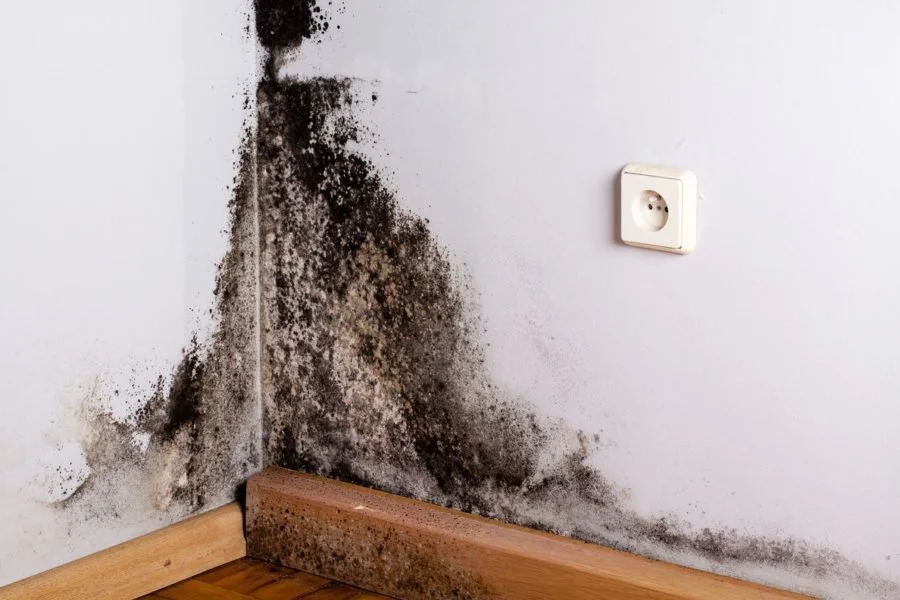
A musty smell or dark spotting on drywall, ceilings, or baseboards after a leak
Hidden mold behind walls, under flooring, or in an attic after a slow plumbing or A/C condensate leak
A home inspection or a realtor flagging mold during a sale
Mold returning after a surface clean because the moisture source was never fixed
Worry about disturbing it and spreading spores to the rest of the property
Mold remediation is the process of containing mold growth, removing contaminated materials, cleaning and treating affected surfaces, and correcting the moisture that allowed mold to grow. It differs from surface cleaning because it controls spores during removal and addresses the cause, not only what's visible. In Texas, remediation of larger areas is regulated by the Texas Department of Licensing and Regulation (TDLR) and must be performed by a licensed mold remediation contractor.
Get mold removed safely and kept from coming back, without guesswork about what's hiding in your walls. The Steam Team's IICRC-certified, TDLR-licensed technicians work through four stages:
Inspection and moisture mapping. Moisture meters and hygrometers trace where water has collected, so the full extent of growth is found, not only the visible patch.
Containment and air filtration. Affected areas are sealed off, and HEPA filtration captures airborne spores, protecting the rest of the property during removal.
Removal and antimicrobial treatment. Contaminated materials that can't be cleaned are removed, and remaining surfaces are cleaned and treated with antimicrobial products.
Drying and moisture-source correction. Structural Drying brings materials back to normal moisture levels, and the leak or humidity problem behind the mold is addressed so it doesn't return.
What You Get With Every Mold Remediation Job
Texas Mold Remediation Contractor License (TDLR), #RCO1264
IICRC Certified Firm (Registration #70666), certified in Applied Microbial Remediation
Containment and HEPA filtration to keep spores out of unaffected rooms
Antimicrobial treatment of cleaned surfaces
Moisture-source correction and Structural Drying, so mold doesn't have a reason to come back
Contents Pack-Out and Storage for belongings that need to be moved out of the work area
Locally owned and serving Austin since 1983
What Does Mold Remediation Involve?
Mold remediation involves finding the moisture source, containing the affected area, filtering airborne spores with HEPA equipment, removing contaminated materials, cleaning and applying antimicrobial treatment to remaining surfaces, and drying the structure. In Austin, The Steam Team handles each step as a TDLR-licensed mold remediation contractor, so the work meets Texas requirements from start to finish.
Can I Remove Mold Myself?
The EPA suggests that small areas of mold, under about 10 square feet, can often be cleaned by a homeowner with proper precautions. Larger areas, mold inside walls or HVAC systems, and mold caused by contaminated water need professional remediation. In Texas, projects of 25 contiguous square feet or more must be handled by licensed mold professionals.
Does Insurance Cover Mold Remediation in Austin?
Coverage depends on what caused the mold. Many Texas policies cover mold that results from a sudden, covered water event, such as a burst pipe, while mold from long-term leaks or humidity is often excluded or capped. Your adjuster decides coverage. The Steam Team documents the moisture source, affected areas, and work completed to support your claim.
Mold in Austin: What Property Owners Should Know
Mold work in Texas comes with specific rules and a few warning signs worth knowing. This is how our technicians approach it.
How to Choose a Mold Remediation Company in Texas
Check the TDLR license. The Steam Team holds a Texas Mold Remediation Contractor License, and you can confirm any contractor's license on the TDLR public lookup.
Expect a separate assessor on larger jobs. Texas requires a licensed mold assessor to write the remediation protocol for projects of 25 contiguous square feet or more, and our crews carry out the work according to that protocol.
Ask how the moisture source will be fixed. We trace and correct the leak or humidity problem, because removing mold without fixing the cause only buys time.
Ask about containment. Our crews seal the work area and run HEPA filtration, so spores aren't spread into clean rooms.
Look for IICRC microbial certification. Our technicians are certified in IICRC Applied Microbial Remediation.
Signs You May Have Hidden Mold
A musty smell with no visible source. We treat this as a sign of moisture inside walls, under flooring, or in the attic.
Stains or bubbling paint near plumbing or windows. These point us to slow leaks that often feed hidden growth.
Condensation on A/C vents or ductwork. In Austin's humidity, we often find mold where cold air meets warm, damp air.
Mold that returns after cleaning. It tells us the moisture source is still active and needs to be found and fixed.
What Our Clients Say
“Their use of industrial-strength fans, dehumidifiers, and moisture meters ensured that the drying process was done thoroughly and correctly to prevent mold growth.”
- Alex Ladage
“Andrew at the Steam Team was responsive, knowledgeable, and helpful in a difficult situation we were facing with some mold and water intrusion from a neighboring tenant.”
- Mark Mason
“I would highly recommend Ronnie Aguilar at Steam Team. He is very knowable when it comes to water/mold remediation.”
- April Jacobs
Other Services in Austin
Mold rarely appears on its own. These services often come before or alongside mold remediation.
Water Damage Restoration
Stop the leak or flood that leads to mold, with fast extraction and drying that keeps growth from taking hold.
Water Damage Restoration in Austin →
Fire Damage Restoration
Recover from fire and smoke, including the firefighting water that can lead to mold if it isn't dried quickly.
Fire Damage Restoration in Austin →
Emergency Response
Get a crew out at any hour when a burst pipe or storm leaves water standing on your property.
Emergency Response in Austin →
Contents Pack-Out and Storage
Keep furniture and belongings out of the containment area, inventoried and stored in climate-controlled storage until work is done.
Contents Pack-Out and Storage in Austin →
Structural Drying
Bring walls, subfloors, and framing back to normal moisture levels so mold has nothing left to grow on.
Structural Drying in Austin →
Awards & Certifications
The Steam Team holds the following restoration certifications, licenses, and industry recognition.
Certifications and licenses
IICRC Certified Firm, Registration #70666 — Water Damage Restoration (WRT), Applied Structural Drying (ASD), Fire & Smoke Restoration (FSRT), Applied Microbial Remediation (AMRT), Odor Control (OCT)
Texas Mold Remediation Contractor License (TDLR), #RCO1264
EPA Lead-Safe Certified Firm, License NAT-56770-4
OSHA HAZWOPER Safety Certification
DKI — 10 Year Distinguished Member
Awards
Golden Hammer Award — Water Damage Restoration (2011, 2012, 2020, 2021, 2023, 2024)
Austin American-Statesman "Best of the Best" — Water Damage Restoration Services (2018–2025)
Westlake Business of the Year (2026)
Ratings and memberships
BBB A+ Rating, BBB Accredited Business
Restoration Industry Association (RIA) Member
Building Owners and Managers Association (BOMA) Member
International Facility Management Association (IFMA) Member
Why Mold Grows So Easily in Austin
Austin's climate and its fast-growing housing market both shape how often mold turns up and who ends up dealing with it. Two local factors stand out for anyone facing mold remediation in the city.
Long, humid summers between sudden downpours. Central Texas pairs extended humid seasons with bursts of heavy rain that regional climatologists link to flash flooding. That combination means any moisture that gets indoors, from a storm or a small leak, meets air that is already damp, giving mold an easy start unless materials are dried and treated quickly.
A large base of homeowners is new to the process. The Austin metro has been one of the fastest-growing in the U.S., with a high share of owner-occupied single-family homes. Many owners face their first mold problem with no experience of remediation rules or insurance claims, which makes a licensed contractor who explains each step especially valuable.
Frequently Asked Questions
How long does mold remediation take?
Most residential mold remediation takes a few days, depending on the size of the affected area, whether materials need removing, and how long drying takes. Larger projects in Texas also include assessment before work starts and a clearance check afterward, which adds time. You'll get a schedule once the extent of growth is known.
Do I need to leave my home during mold remediation?
Not always. Containment and HEPA filtration keep the work area sealed off, so many people stay in unaffected parts of the home. For extensive growth or for anyone sensitive to mold, staying elsewhere during removal may be the more comfortable choice.
Will mold come back after remediation?
Mold returns when moisture does. Remediation that removes growth, treats surfaces with antimicrobial products, dries the structure, and corrects the leak or humidity problem gives mold no reason to come back. Keeping indoor humidity in check and fixing future leaks quickly keeps it that way.
What is a mold assessment, and do I need one in Texas?
A mold assessment identifies where mold is, how far it has spread, and how it should be removed. In Texas, projects of 25 contiguous square feet or more require a licensed mold assessor to write a remediation protocol before work begins. Smaller projects usually don't require one.
Can mold grow inside walls without being visible?
Yes. Mold often grows behind drywall, under flooring, or in attics where a slow leak or condensation keeps materials damp. A musty smell, stains, or bubbling paint are common clues. Moisture mapping helps locate wet areas, so hidden growth can be found and removed.