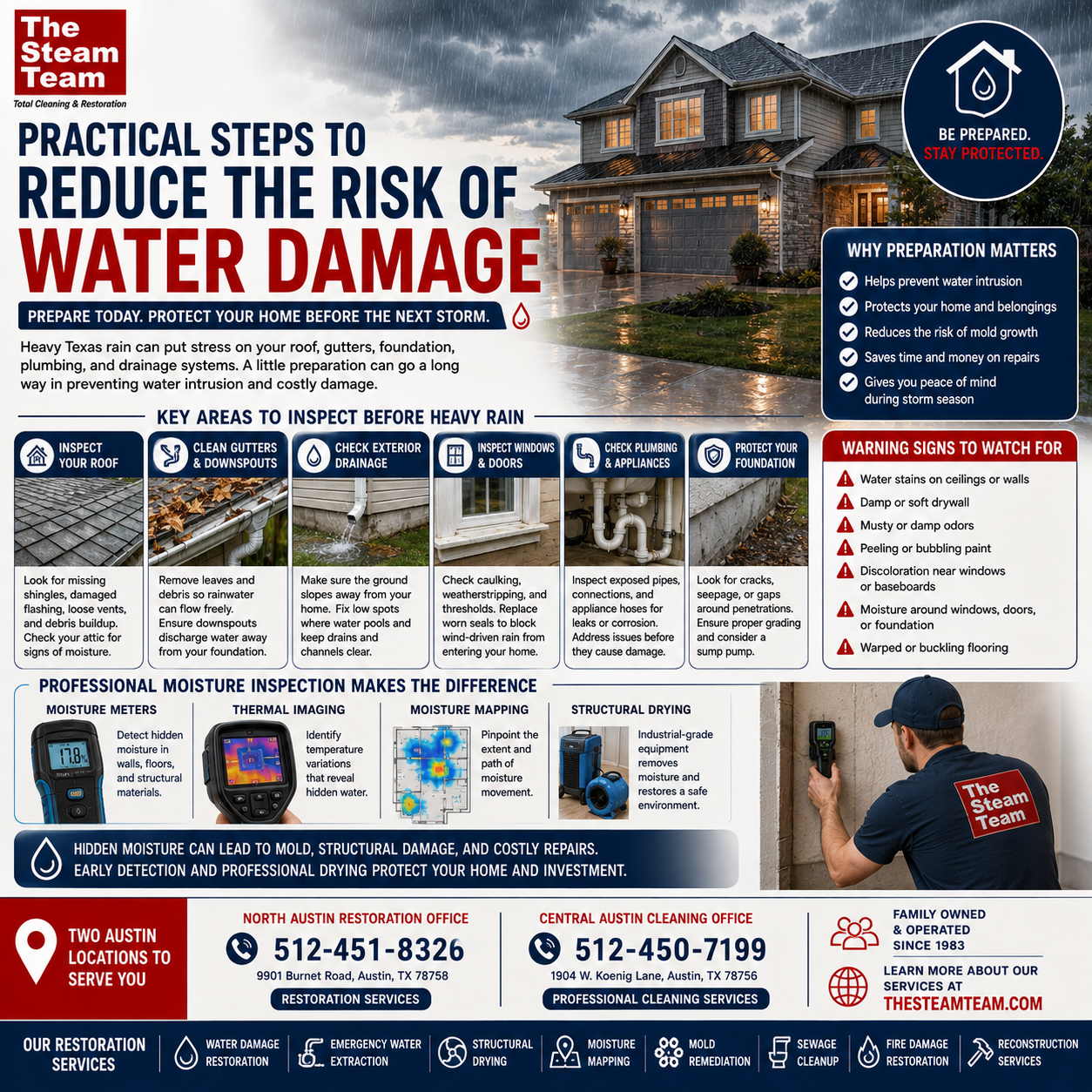
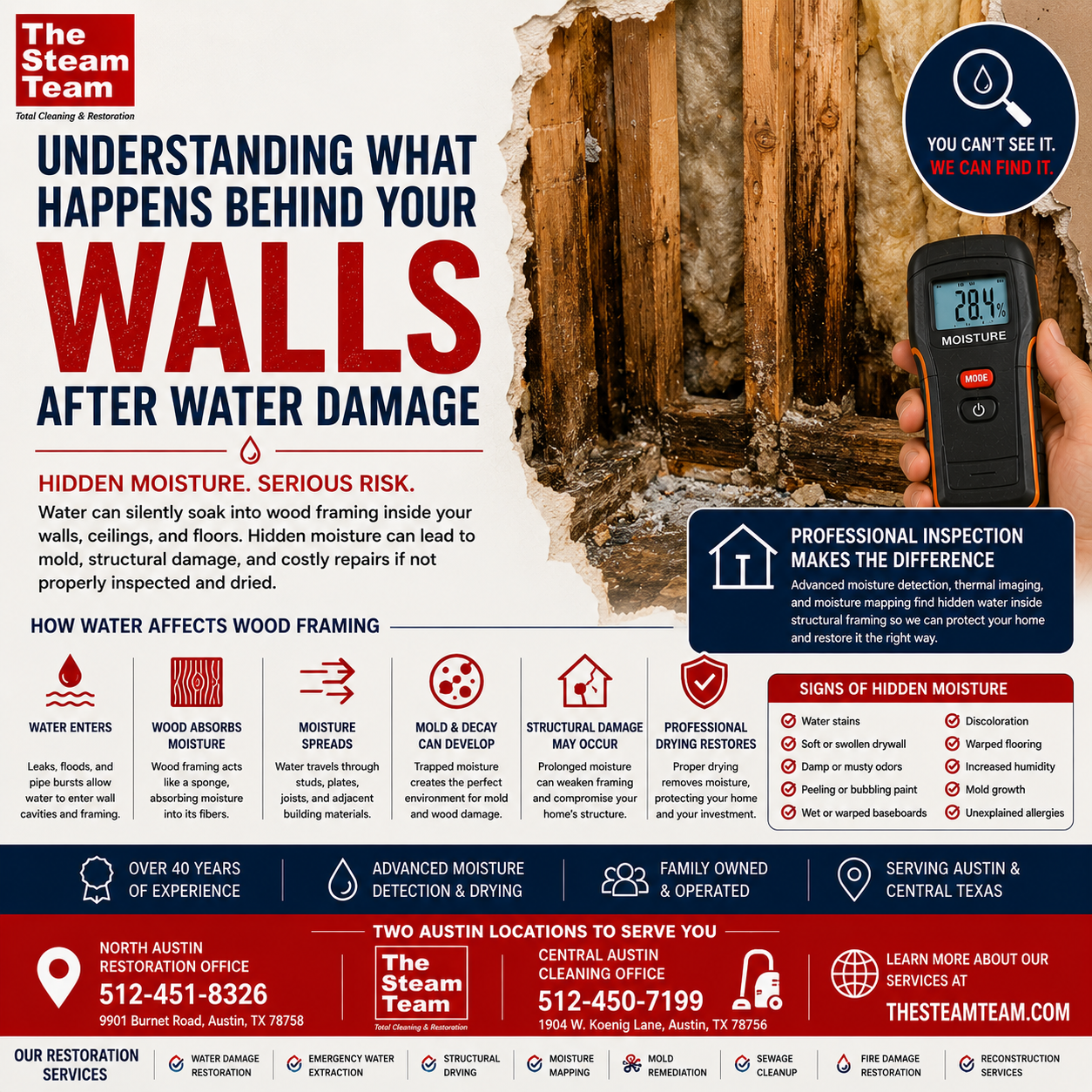
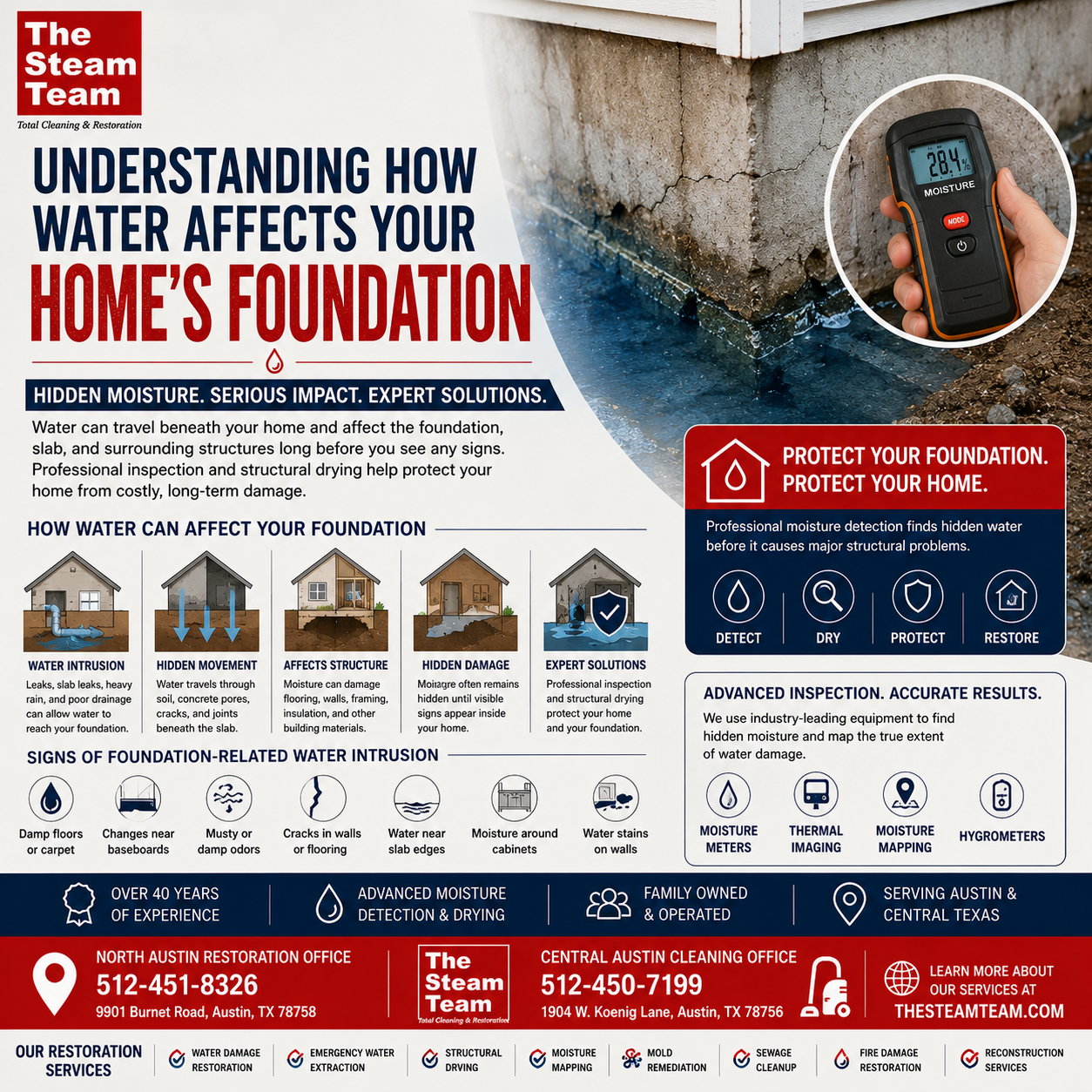
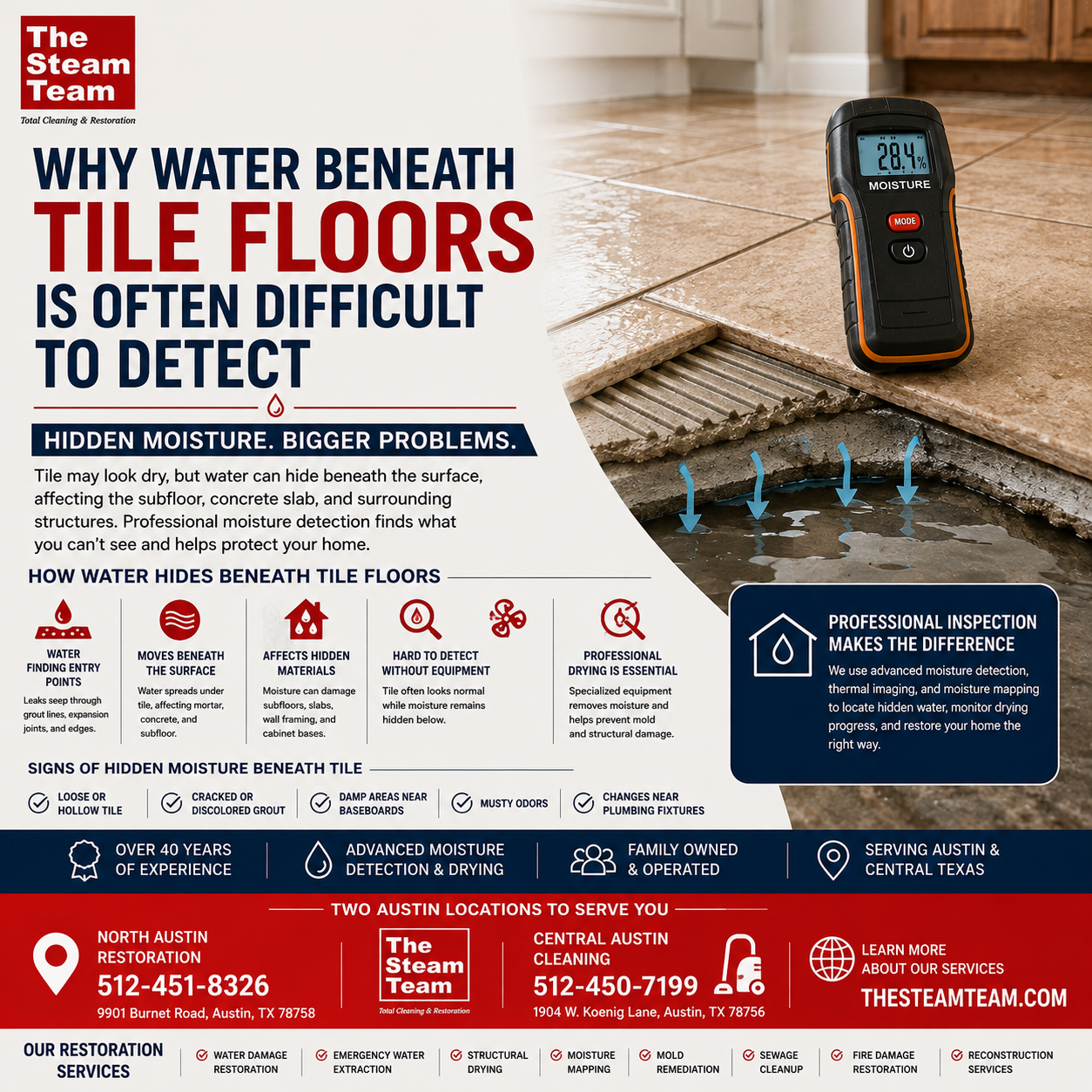
Essential Best Practices for Drying Water Damage Quickly

Expert Water Damage Drying Techniques

Water damage drying is the controlled process of removing water and moisture from building materials to prevent secondary damage such as mold growth, structural deterioration, and ruined contents. Rapid, measured drying reduces repair scope and cost by restoring equilibrium moisture content in materials through coordinated steps: extraction, directed airflow, dehumidification, and continuous monitoring. This article explains why fast, professional drying matters, outlines immediate homeowner actions, compares core drying techniques and equipment, and describes how to verify endpoints to prevent mold and long-term damage. You will learn practical safety checkpoints, the science behind refrigerant vs desiccant dehumidifiers, how air movers and injectidry systems reach hidden cavities, and which moisture metrics signal completion. Finally, the guide highlights local considerations for Austin and Central Texas climates, what advanced crews bring to complex jobs, and clear signs for when to escalate to professional restoration. Use the checklists and tables to make quick decisions on-site and to communicate effectively with insurers and service providers.

What Are the Immediate Steps for Effective Water Damage Drying?


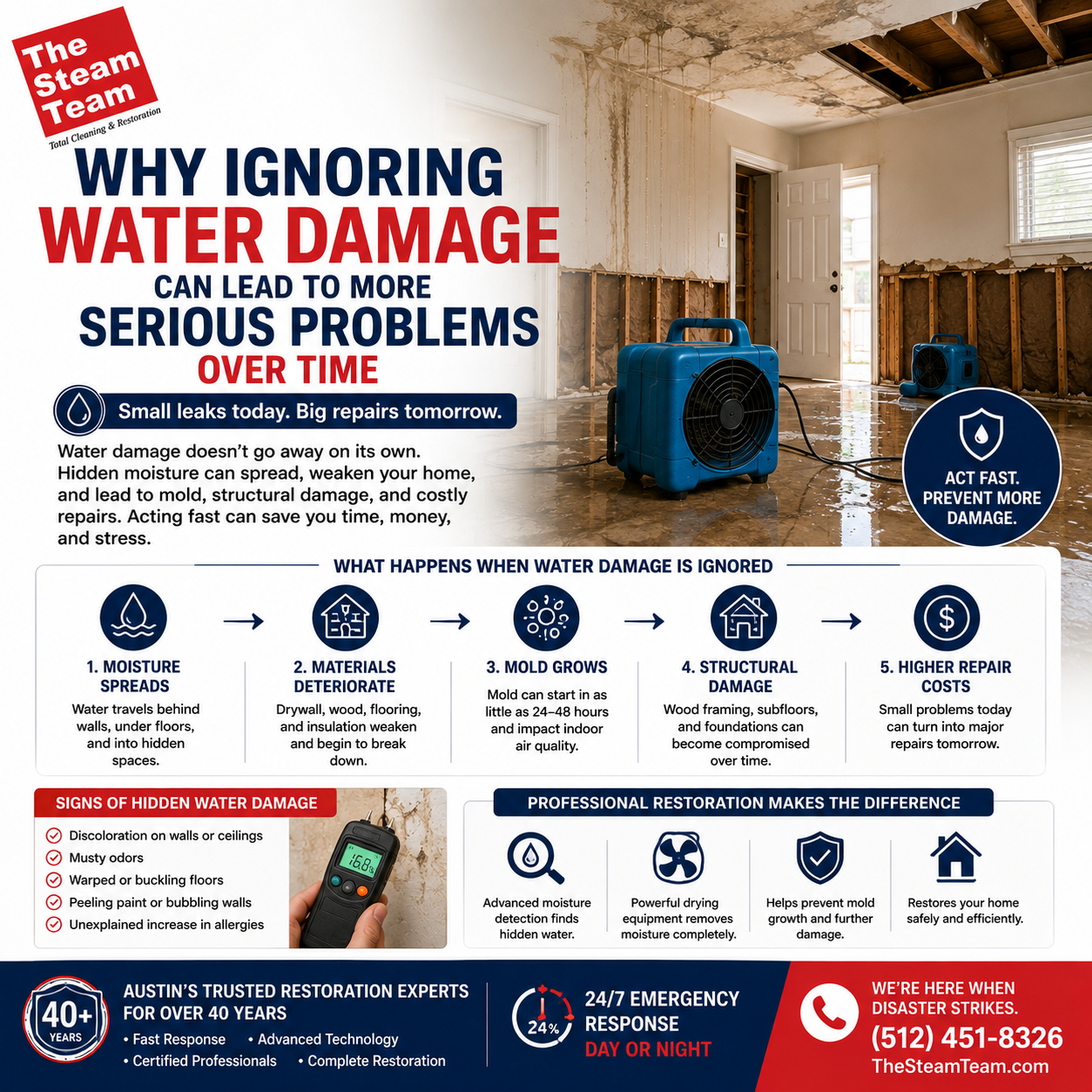
Immediate water damage drying begins with a fast triage: stop the source, ensure safety, remove standing water, and create airflow to start evaporation while documenting conditions for insurance. The mechanism is simple: reduce bulk water, accelerate surface evaporation with air movement, and extract airborne moisture with dehumidification, so each step prioritizes limiting contamination and structural weakening. Acting within the first 24–48 hours dramatically lowers mold risk and shortens total drying time, while measured extraction and containment preserve salvageable materials. The short workflow below offers a prioritized sequence homeowners and first responders can follow until professionals arrive.


Initial, practical steps for quick field triage:

  1. Turn off electrical circuits serving wet areas if safe to do so and avoid standing water near outlets.

  2. Remove people and pets from contaminated areas and isolate the loss zone with temporary containment.

  3. Begin bulk water removal using pumps or wet vacuums and clear floor drains to reduce the standing water depth.

  4. Create airflow by opening windows and running available fans toward exterior ventilation while keeping contaminated air contained.


This numbered workflow gives clear, actionable steps to reduce immediate risk. After removing bulk water, the next priority is verifying safety protocols and choosing extraction methods appropriate to the situation.

How Do You Ensure Safety During Water Damage Drying?


Ensuring safety means evaluating electrical hazards, contamination category, and structural compromise before any drying work begins. Electrical risk is high in flooded spaces; if water reaches outlets, panels, or appliances, cut power at the main or call the utility and a professional. Do not step into water near live power. Contaminated water (sewage, floodwater) requires PPE gloves, boots, N95 or higher respirators, and sometimes full protective suits and limits DIY attempts to removal of obvious solids and documentation. Structural concerns such as bulging ceilings or sagging floors should prompt evacuation and an engineered assessment. Document conditions with photos and notes for insurance; safe documentation aids recovery and maintains liability control.


These safety steps naturally lead to appropriate extraction choices, where equipment selection balances speed and contamination handling.

What Are the Best Professional Water Extraction Methods?


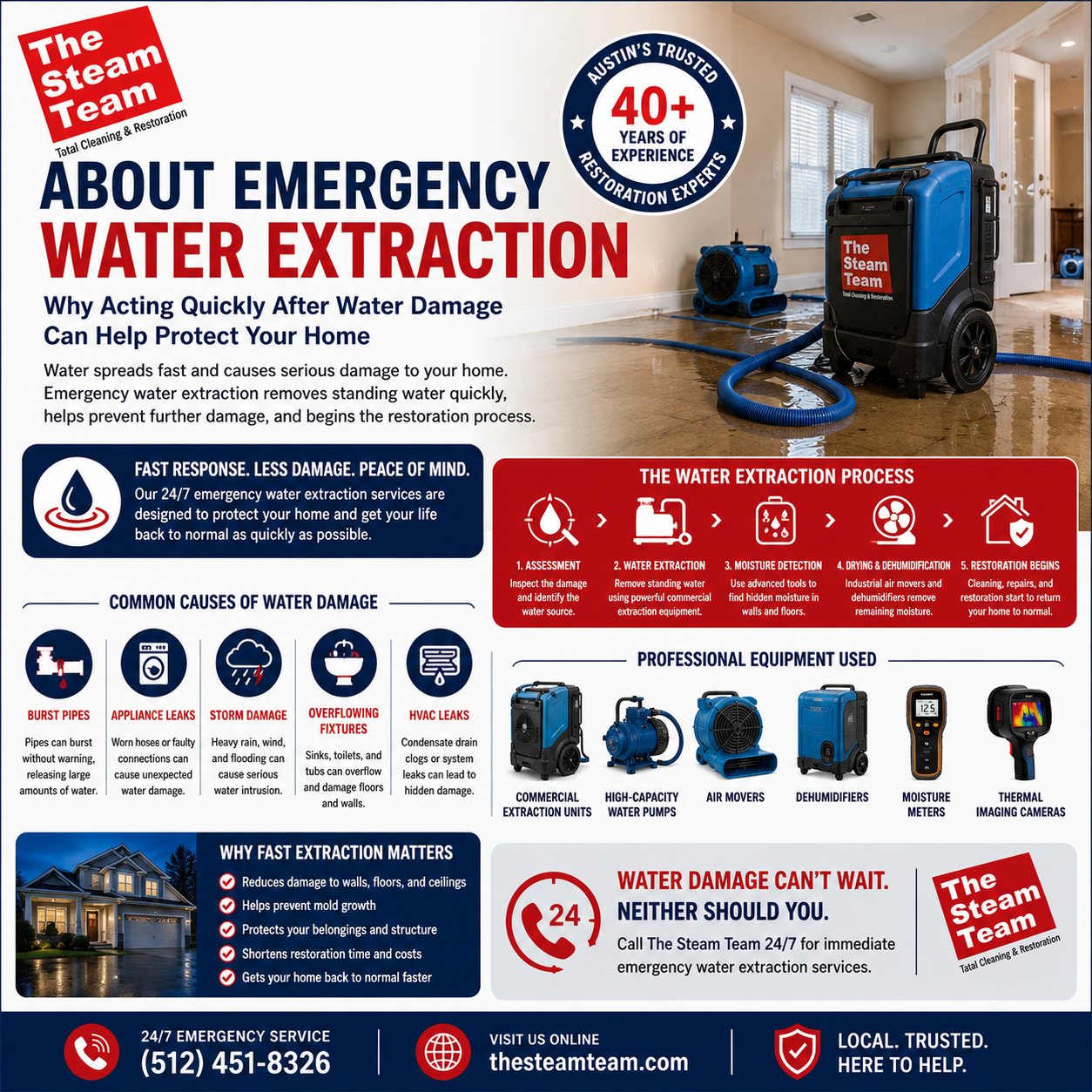
Professional water extraction targets both visible standing water and entrained moisture in fabrics and structural assemblies using a tiered approach of pumps, truck-mounted extractors, and portable units. Submersible pumps and surface pumps remove deep standing water quickly from large losses; truck-mounted extractors supply high vacuum and heat to pull moisture from carpets and porous substrates efficiently. Portable extractors and wet vacs are best for localized events or contained rooms where maneuverability matters. Choosing the right method reduces residual moisture and shortens the drying phase, which lowers mold risk and replacement costs.


Compare extraction methods and typical scenarios in the quick reference table below.

Extraction Method

Key Equipment

Typical Use Case / Best For

Submersible pumps

High-flow pumps, hoses

Large volumes of standing water in basements and garages

Truck-mounted extractors

High-vacuum units, heated vacuum

Fast removal from carpets, large-scale water losses

Portable extractors / wet vacs

Hand-portable vacuums, suction wands

Small areas, stairwells, and spot extraction

Mopping / manual removal

Buckets, squeegees

Quick mitigation when pumps are unavailable; limited for larger losses


This table clarifies which extraction technique matches common site conditions. Once bulk water is removed, effective drying shifts to combining airflow and dehumidification to remove remaining moisture from materials.

Which Professional Drying Techniques Are Most Effective for Water Damage?


Professional drying techniques work together to move moisture from wet materials into the air and then remove that moisture from the environment; the core processes are extraction, airflow (air movers), dehumidification, heat application, and targeted structural drying. Evaporation is driven by airflow and temperature; dehumidifiers remove the vapor to maintain low relative humidity so evaporation continues. The right technique depends on material, temperature, humidity, and the presence of hidden moisture. Reviewing the mechanics and appropriate application for each technique helps choose the optimal combination for efficient, measurable drying.


Key techniques and when to use them:

  1. Extraction: Removes bulk and bound water before drying, essential to shorten drying time and reduce contamination.

  2. Air movers: Increase surface evaporation and direct airflow through wall cavities and assemblies.

  3. Refrigerant dehumidification: Condenses moisture; ideal for moderate temperatures and typical indoor conditions.

  4. Desiccant dehumidification: Adsorbs moisture; superior in low-temperature or extremely humid scenarios and for processing large moisture loads.


Selecting and sequencing these techniques forms the basis of structural drying plans and leads to specific equipment choices summarized below.

Technique

Key Equipment

Typical Application

Extraction

Pumps, extractors

Initial bulk water removal to reduce the load

Refrigerant dehumidification

LGR / refrigerant units

Common indoor environments, moderate temp/humidity

Desiccant dehumidification

Desiccant wheels, trailers

Low-temp or high-humidity sites, fast moisture adsorption

Directed airflow

Air movers, ducting

Surface drying and cavity drying support

Heat drying

Portable heaters, heat systems

Accelerates evaporation when balanced with dehumidification

How Does Dehumidification Work to Remove Moisture After Water Damage?


Dehumidification removes moisture from air, lowering relative humidity so water continues to evaporate from wet materials into the atmosphere and then is captured by the dehumidifier. Refrigerant units condense water onto cold coils and are energy-efficient in typical indoor temperatures, while desiccant systems chemically adsorb moisture, maintaining effectiveness in colder or highly humid conditions. The selection depends on psychrometric targets: professionals calculate humidity ratios and set endpoints based on material-specific equilibrium moisture content. Proper dehumidification prevents reabsorption and shortens total project duration, offering measurable endpoints for closure. Understanding dehumidification mechanics leads to the correct pairing with air movers and containment strategies that direct vapor toward the dehumidifier inlet.

Why Are Air Movers Essential for Structural Drying?


Air movers accelerate surface evaporation by increasing airflow over wet materials, disrupting boundary layers of humid air, and carrying moisture toward dehumidifiers. Placement strategy is critical: directed, overlapping airflow reduces dead zones and helps dry behind baseboards, under cabinets, and into wall cavities when combined with injectidry systems. Air mover capacity is measured in CFM and must be matched to room volume and material porosity; improper placement wastes energy and can prolong drying. Coordinating air movers with dehumidification maintains a gradient that encourages continuous evaporation without causing elevated humidity that would slow the process. This role of airflow naturally connects to methods for reaching hidden moisture through structural drying tools and diagnostics.

How Is Structural Drying Performed to Address Hidden Moisture?


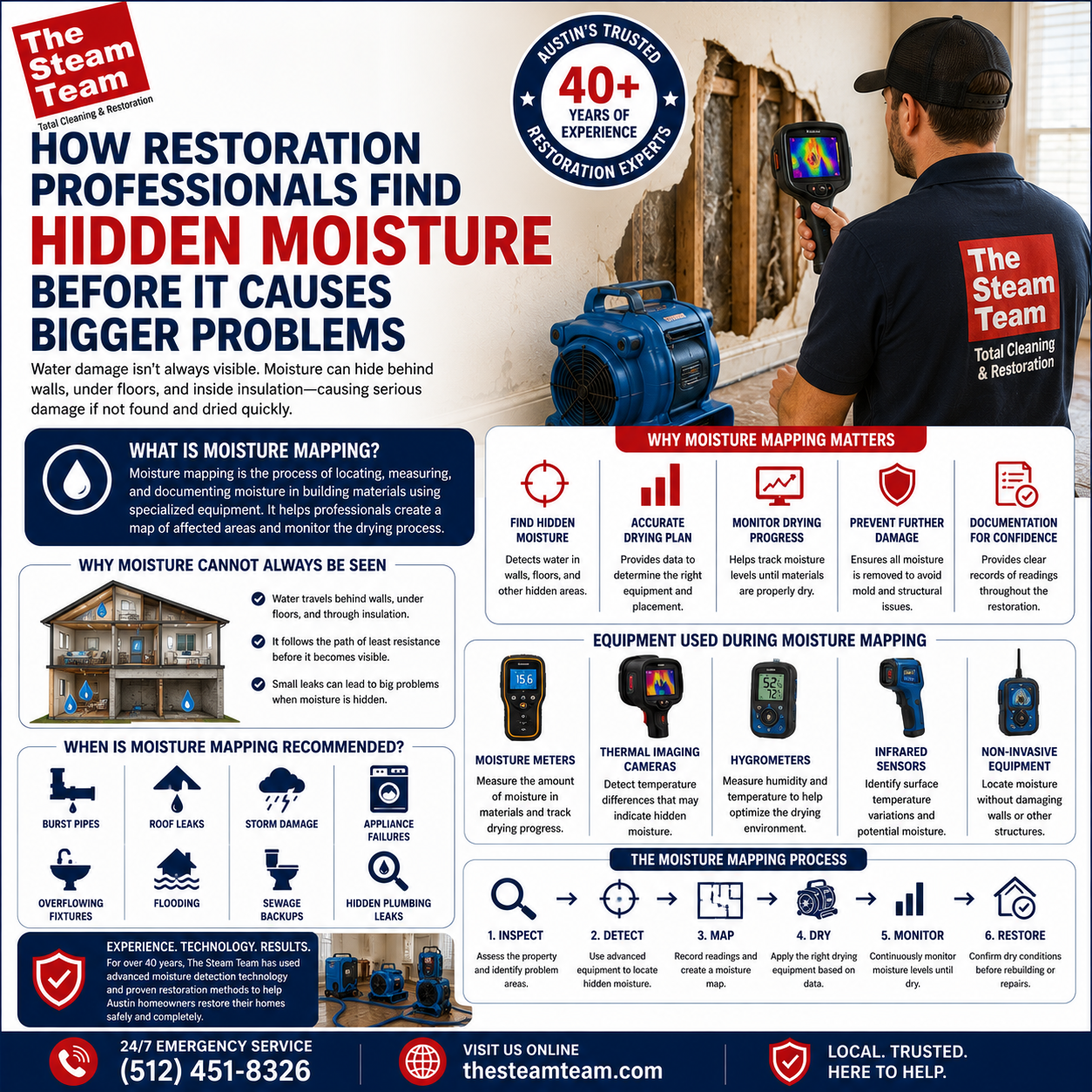
Structural drying targets moisture trapped in wall cavities, subfloors, and assemblies using non-destructive techniques injectidry hoses, cavity drying, and controlled pressure differentials guided by moisture mapping and thermal imaging. Technicians create containment and direct airflow into cavities, using targeted heat and low-profile injectors to force evaporation into accessible air streams. Thermal imaging and in-depth moisture meters locate pockets of retained moisture, reducing unnecessary demolition. When non-destructive methods cannot reach soaked materials, controlled openings or material removal are performed to prevent prolonged degradation. Structural drying depends on precise diagnostics and monitoring, which informs endpoint criteria and limits needless reconstruction.

When and How Is Heat Drying Used to Accelerate Evaporation?


Heat drying raises the vapor pressure of water in materials to increase the evaporation rate, often combined with dehumidification to capture the extra vapor generated. Portable heaters and heated desiccant systems are powerful accelerants for cold-season drying or when rapid turnaround is vital, but they raise safety considerations electrical load, fire risk, and possible warping of sensitive materials. Professionals balance heat with humidity control: too much heat without dehumidification only increases RH and slows drying. Controlled heat applications shorten project timelines when integrated into an overall drying plan with continuous monitoring. Appropriate heat application is a measured tool that reduces restoration time while maintaining safety and material integrity.

How Can You Prevent Mold Growth and Secondary Damage After Water Damage Drying?


Preventing mold and secondary damage begins with fast drying and continues with sanitation, monitoring, and confirmation of drying endpoints. Mold can begin to colonize within 24–48 hours in favorable conditions, so reducing moisture quickly and maintaining low relative humidity is the core preventive action. Antimicrobial treatments, physical removal of contaminated materials, and proper drying protocols limit biological growth and persistent odors, but they are not substitutes for thorough drying and moisture verification. Documented monitoring and clear endpoints reassure homeowners and insurers that the property is stabilized and safe.


The checklist and monitoring practices below help teams and homeowners verify that drying has been effective and that microbial risks are minimized.

  • Dry the site within 24–48 hours when possible, using coordinated extraction, airflow, and dehumidification.

  • Apply surface sanitizers where contamination risk exists, but reserve deep antimicrobial treatment for confirmed colonization.

  • Use moisture meters, hygrometers, and thermal imaging to document progressive reduction in material moisture and room RH.


These prevention steps point directly to the tools used to apply antimicrobial work and to the need for rigorous monitoring protocols.

What Antimicrobial Treatments Are Used for Mold and Odor Control?


Antimicrobial treatments include surface sanitizers, encapsulants, and targeted biocides applied according to contamination type and material compatibility; they reduce viable spores and control odor but do not replace physical removal of heavily contaminated porous materials. Surface sanitizers are useful after drying to reduce residual microbial loads on hard, non-porous surfaces, while more aggressive interventions are reserved for significant mold growth that requires remediation. Trends favor safer, lower-toxicity chemistries for occupied spaces, and technicians must follow label instructions and regulatory guidance. Proper application accompanies containment, PPE, and disposal of affected materials to limit cross-contamination. Understanding antimicrobial options underscores why continuous moisture monitoring is necessary to confirm that re-colonization risks remain low.

How Is Continuous Moisture Monitoring Conducted During Drying?


Continuous monitoring uses a mix of tools, surface and pinless moisture meters, thermo-hygrometers for ambient conditions, and data-loggers for trend analysis to track drying progress and determine endpoints. A common workflow starts with baseline mapping, daily readings logged in consistent locations, and endpoint criteria based on manufacturer and industry standards for equilibrium moisture in specific materials. Target ranges often include stable moisture meter readings over consecutive days and relative humidity maintained below set thresholds, demonstrating that evaporation has ceased. Clear monitoring records provide the documentation needed for homeowner confidence and insurance claims. Consistent monitoring closes the loop from mitigation to successful restoration and informs any required reconstruction or contents restoration steps.

What Advanced Equipment Does The Steam Team Use for Water Damage Drying in Austin?


The Steam Team deploys industrial-grade drying equipment calibrated for Austin and Central Texas climate challenges, combining high-capacity refrigerant and desiccant dehumidifiers, directional air movers, thermal imaging cameras, and injectidry systems to locate and remove hidden moisture. Their crews are IICRC-certified, which supports measurable, standards-based drying decisions and thorough documentation. Equipment choice is tuned to local humidity and seasonal heat desiccants for peak humidity events and LGR refrigerant units for typical interior jobs so drying progresses efficiently while limiting invasive demolition. As a preferred vendor for major insurance carriers, their process emphasizes rapid response, documentation, and clear communication with adjusters to streamline claims.


Below is a practical equipment-to-outcome table showing typical functions and performance expectations in Austin’s climate.

Equipment

Function / Attribute

Expected Outcome

High-capacity refrigerant dehumidifier

Condenses airborne moisture in warm interiors

Steady RH reduction, efficient in moderate temps

Desiccant dehumidifier

Adsorbs moisture at low temps / high humidity

Maintains drying in saturated or cool conditions

Directional air movers

High CFM, focused airflow, ducting

Rapid surface evaporation, cavity drying support

Thermal imaging camera

Non-contact moisture visualization

Locates hidden moisture for targeted drying

Injectidry systems

Hose-driven cavity airflow

Non-destructive drying of wall and floor assemblies

How Do IICRC Certified Technicians Enhance Drying Quality?


IICRC-certified technicians apply standardized methodologies, psychrometric calculations, documented monitoring, and protocol-driven equipment selection that translate into reliable drying outcomes and defensible documentation for claims. Certification ensures crews understand equilibrium moisture content, the interplay of temperature and humidity, and when to escalate from non-destructive drying to controlled material removal. This competency reduces guesswork, shortens project timelines, and improves homeowner confidence through transparent reporting. Certification also supports consistent quality control checks throughout the restoration lifecycle. These quality controls complement advanced equipment choices and local operational experience.

What State-of-the-Art Drying Equipment Is Used for Austin’s Climate?


State-of-the-art selections for Austin emphasize flexibility: high-capacity refrigerant units for standard interiors, desiccant systems for peak humidity or cool-season events, directional air movers for efficient evaporation, and thermal imaging plus moisture meters for verification. For large commercial or severe residential losses, trailer-mounted systems and combined airflow/dehumidification arrays process vast moisture loads. Choosing the right equipment combination avoids over-drying sensitive materials and prevents insufficient drying that leads to mold. Equipment choice directly affects drying rates and endpoint verification. The equipment table above maps common tools to anticipated outcomes so homeowners understand why each device appears on-site.

How Does Local Expertise Improve Water Damage Drying Outcomes?


Local field experience matters because Austin’s seasonal heat and humidity, common building materials, and neighborhood response dynamics affect drying strategy and logistics. Crews familiar with local construction can anticipate trapped moisture in typical wall assemblies and select containment and injectidry tactics accordingly. Quick mobilization in the service area and established relationships with insurers shorten response times and reduce overall damage. Local expertise also means tuning dehumidification strategies for seasonal humidity swings to avoid prolonged jobs and repeated callbacks.


Local experience paired with disciplined monitoring produces faster, more predictable restorations and reduces downstream costs for homeowners.

When Should You Call Professionals for Water Damage Drying Services?


Call professionals when the loss exceeds the scope of safe DIY mitigation, contamination is present, or structural elements are wet. Early professional intervention limits damage and cost escalation. Professionals bring calibrated equipment, IICRC best-practice workflows, and measurable endpoints; they also document conditions for insurance and coordinate reconstruction when needed. If standing water covers large areas, water is contaminated (sewage/floodwater), or visible mold appears within 24–48 hours, elevate to professional services immediately. The steps below explain what to expect when you request service and prepare for an efficient response.


Signs and triggers that warrant professional help:

  1. Standing water covering more than a small room or deeper than a few inches.

  2. Contaminated water (sewage, river/flood water) or unknown contamination.

  3. Structural symptoms include sagging ceilings, compromised load-bearing elements, or bulging walls.

  4. Persistent moisture readings or failed DIY drying after 24–48 hours.


This checklist clarifies escalation priorities and helps homeowners decide when to contact restoration professionals.

What Are the Signs That Indicate You Need Expert Water Damage Drying?


Concrete signs include visible mold growth or musty odors within 24–48 hours, persistent moisture meter readings above recommended endpoints, failed DIY attempts with lingering dampness, or health symptoms among occupants such as respiratory irritation. Structural cues warped floors, peeling paint, or efflorescence, indicate deeper moisture problems that require targeted diagnostics. Contaminated water events always require professional containment, sanitation, and documentation. When these signs appear, professional drying prevents secondary damage and supports insurance claims with measurable records. Recognizing these signs early reduces remediation scope and supports a safer, faster recovery process.

How Can You Request a Quote or Schedule Emergency Water Damage Drying?


When requesting a quote or emergency response, provide concise information: the location of the loss, the type and extent of water (standing vs. damp), time elapsed since the event, and any known contamination. Expect an initial triage phone conversation followed by a rapid on-site assessment for emergency extraction and a documented drying plan. Professionals will outline equipment needs, monitoring frequency, and estimated timelines; they will also supply records for insurance. For urgent events, state that immediate extraction and drying are required to limit secondary damage and ask about 24/7 availability and response windows. Preparing photos and a simple damage log speeds assessment and helps service providers deliver an accurate, timely proposal.

The Steam Team - Rapid Response and Local Restoration Support


For homeowners in Austin and Central Texas seeking emergency assistance, The Steam Team offers 24/7 emergency water damage restoration with IICRC-certified technicians and industrial drying equipment calibrated for local climate conditions. Their crews provide emergency water removal, advanced drying and dehumidification, moisture mapping with thermal imaging, and documented drying plans to support claims and reconstruction coordination. To request inspection or an emergency response, have basic details ready (type of water, affected areas, time elapsed); The Steam Team’s rapid-response process focuses on safety, containment, and measurable drying milestones to restore properties efficiently.

Frequently Asked Questions

What are the common causes of water damage in homes?


Common causes of water damage in homes include plumbing leaks, roof leaks, flooding from heavy rain, burst pipes, and appliance malfunctions, such as washing machines or water heaters. Additionally, poor drainage systems and foundation issues can lead to water accumulation. Homeowners should regularly inspect plumbing and roofing, maintain gutters, and ensure proper drainage to mitigate these risks. Understanding these causes can help in taking preventive measures and responding quickly when water damage occurs.

How long does the water damage drying process typically take?


The duration of the water damage drying process can vary significantly based on several factors, including the extent of the damage, the materials affected, and the drying methods used. Generally, drying can take anywhere from 3 to 7 days for minor incidents, while more severe cases may require up to two weeks or longer. Professional assessment and equipment can expedite the process, ensuring that moisture levels return to normal as quickly as possible to prevent mold growth and structural damage.

What should I do if I notice mold after water damage drying?


If you notice mold after water damage drying, it is crucial to address it immediately to prevent further health risks and property damage. First, ensure that the area is safe and that moisture levels are controlled. Then, contact a professional mold remediation service to assess the situation. They can determine the extent of the mold growth and recommend appropriate removal methods. It’s essential to document the mold presence for insurance purposes and to ensure that the underlying moisture issue is resolved to prevent recurrence.

Can I perform water damage drying myself, or should I hire professionals?


While some minor water damage situations can be managed by homeowners, it is often advisable to hire professionals for significant incidents. Professionals have the expertise, specialized equipment, and knowledge of safety protocols to effectively handle water extraction, drying, and mold prevention. If the damage involves contaminated water, structural concerns, or extensive areas, professional intervention is essential to ensure thorough and safe restoration. DIY efforts may lead to incomplete drying and increased risks of mold and structural damage.

What types of insurance cover water damage restoration?


Water damage restoration may be covered under various types of insurance policies, primarily homeowners' insurance. Coverage typically includes damage from sudden and accidental incidents, such as burst pipes or appliance failures. However, it often excludes damage from flooding, which usually requires separate flood insurance. It's essential to review your policy details and consult with your insurance agent to understand your coverage limits, deductibles, and any specific exclusions related to water damage restoration.

How can I prepare my home for potential water damage?


To prepare your home for potential water damage, start by regularly inspecting and maintaining plumbing, roofs, and gutters. Ensure that downspouts direct water away from the foundation and consider installing a sump pump in basements prone to flooding. Additionally, keep valuable items elevated and create an emergency plan that includes contact information for restoration services. Having a water damage response kit with essential tools and supplies can also help you act quickly in case of an emergency.

What are the long-term effects of water damage if not addressed promptly?


If water damage is not addressed promptly, it can lead to severe long-term effects, including structural damage, mold growth, and compromised indoor air quality. Prolonged moisture can weaken building materials, leading to costly repairs and safety hazards. Mold can cause health issues, particularly for individuals with respiratory conditions or allergies. Additionally, lingering moisture can result in persistent odors and damage to personal belongings. Timely intervention is crucial to mitigate these risks and ensure a safe living environment.

Conclusion


Effective water damage drying is essential for preventing mold growth and structural deterioration, ensuring a safe and healthy living environment. By understanding the best techniques and equipment, homeowners can make informed decisions that minimize damage and expedite recovery. Engaging professional services not only enhances drying efficiency but also provides peace of mind through documented processes and expert guidance. For immediate assistance, contact The Steam Team to explore tailored solutions for your water damage needs.

Professional Emergency Water Removal Services in Austin

Critical Steps in Emergency Water Removal Processes for Austin Homes and Businesses

Emergency water removal is the urgent process of extracting standing water and stabilizing affected property to prevent structural damage, mold growth, and escalating repair costs. In this guide, you will learn practical safety steps, the most effective extraction techniques and equipment, the science of structural drying, post-extraction cleaning and mold prevention, when to call professional services in Austin, common local causes of water damage, and how to handle insurance claims. Clear, actionable steps and technical explanations are paired with local context—terms like structural drying Austin, water extraction Austin, and IICRC certified water damage Austin are used to keep information practical for homeowners and property managers.

This article maps the immediate precautions you should take, compares extraction and drying tools, explains monitoring and timelines, outlines sanitization and remediation thresholds, and provides insurer-friendly documentation checklists. Read on for checklist-style guidance, EAV comparison tables that clarify equipment choices, and specific advice for coordinating with restoration professionals when water damage mitigation Austin requires expert intervention.

What Are the Immediate Safety Precautions During Emergency Water Removal?

Immediate safety precautions focus on protecting people first, then preserving evidence and limiting further damage. The first priorities are avoiding electrical hazards, identifying contamination risk, and documenting the scene for insurance and mitigation planning. Taking structured, cautious actions early reduces health risks and speeds the eventual restoration and structural drying process.

The next sections break these precautions into practical protocols, contamination classification, and documentation steps you can follow while waiting for professional water damage mitigation Austin support.

  1. Shut off utilities if safe: turn off electricity at the breaker only if the panel is dry and you can access it without standing in water.

  2. Evacuate vulnerable occupants and avoid contact with standing water that may be contaminated or electrically energized.

  3. Document damage with photos and timestamps before moving items, and limit movement of wet materials to prevent cross-contamination.

These immediate actions protect occupants and preserve proof for insurers; the following subsection explains electrical risks and appropriate personal protective equipment in more detail.

How Do You Prioritize Safety: Electrical Hazards and Personal Protective Equipment?

Electrical hazards are the single biggest immediate danger during most water events because water conducts electricity and can energize floors, appliances, and wiring. Prioritize human safety: if you see sparking, smell burning, or the main panel is damp, evacuate and wait for licensed professionals to shut utilities, and never stand in water while operating electrical switches. Recommended personal protective equipment (PPE) for initial assessment includes waterproof boots, nitrile gloves, eye protection, and an N95 or better mask if dust or mold is present; respirators are required when handling sewage or heavy contamination. These PPE measures reduce exposure while you document damage and prepare for extraction, and they lead into the next critical task: identifying the water source and classification.

How to Identify Water Source and Type: Clean, Gray, or Black Water?

Knowing whether water is clean, gray, or black determines containment and cleanup protocols because contamination level directly affects safety and salvage decisions. Clean water comes from supply lines or rain with minimal pathogens and can often be addressed with extraction and drying, while gray water (appliance overflows, dishwashers) contains chemical or biological contaminants requiring disinfection. Black water—sewage, floodwater from outside drains, or stagnant water—poses serious health risks and demands professional remediation due to pathogens and hazardous materials. Identify odors, visible solids, and source location to classify water quickly; containment and PPE standards escalate with contamination level and prompt the documentation needed for insurance claims.

Why Is Documenting Water Damage Important for Insurance Claims?

Documenting water damage creates a time-stamped record that supports faster claims, accurate scope estimation, and direct insurance billing during mitigation. Take comprehensive photos and video of affected rooms, standing water depths, damaged items, and any visible contamination; capture timestamps and make a short inventory of high-value items and structural impacts. Keep a written log of initial actions taken, including shut-offs, who was contacted, and the arrival times of any responders; these records support cause determination and limit disputes about pre-existing conditions. Proper documentation prepares you for coordination with restoration teams, supports moisture readings collected during inspections, and speeds the structural drying and repair planning that follows.

What Are the Most Effective Water Extraction Techniques and Equipment?

Effective water extraction combines the right tools with rapid deployment to remove standing water before it migrates into structural cavities and finishes. Pumps, portable extractors, and truck-mounted systems differ by throughput, mobility, and contamination handling; matching the tool to the situation reduces extraction time and limits moisture penetration into substrates. Speed of extraction directly reduces secondary damage and mold risk, while choosing equipment rated for contamination ensures safety and regulatory compliance. The following subsections explain pump and vacuum mechanisms, present a professional-grade equipment comparison table, and show how fast extraction prevents cascading damage.

How Do Pumps and Wet/Dry Vacuums Work in Rapid Water Extraction?

Pumps and wet/dry vacuums operate on two principles: displacement and suction. Submersible and truck-mounted pumps move large volumes quickly using impellers and hoses, making them ideal for deep standing water and outdoor flooding, while portable wet/dry vacuums provide suction-based removal for shallower interior water where access is limited. Flow rate (gallons per minute), debris handling capability, and required power source determine deployment choices; pumps handle heavy flow but need stable staging, whereas vacuums are flexible but slower. Operational constraints include the need for safe power, filters for contaminated water, and staging to prevent recontamination, and these choices affect extraction speed and subsequent structural drying.

What Professional-Grade Tools Does The Steam Team Use in Austin?

Professional teams rely on a suite of high-capacity extraction and monitoring tools to accelerate recovery and document progress. Typical professional-grade categories include truck-mounted pumps for high-flow removal, portable high-capacity extractors for interiors, industrial wet/dry vacuums, moisture meters and thermal imaging for locating hidden saturation, and a range of air movers and dehumidifiers for follow-up drying. The Steam Team deploys trained, IICRC certified technicians equipped with these tools and follows documented mitigation workflows for water extraction Austin projects, enabling rapid response and evidence-based drying plans. If you need coordinated emergency mitigation—24/7 response, free inspections and estimates, and direct insurance billing can reduce stress—contact options are provided by local restoration providers who offer these services as standard.

Introductory note: the table below compares common extraction equipment to help homeowners understand best-use scenarios and outcomes.

Equipment Characteristic Best Use
Truck-mounted pump Very high flow, requires outdoor staging Large floods, rapid building dewatering
Submersible pump High throughput, portable placement Deep indoor pools of water, basements
Portable extractor / wet-dry vacuum Suction-based, maneuverable Indoors on finished floors and shallow water

This comparison highlights how higher-capacity pumps reduce extraction time for severe events while portable extractors are best for interior spaces; choosing the correct equipment speeds mitigation and reduces drying demands.

How Does Immediate Water Extraction Prevent Further Property Damage?

Immediate extraction interrupts the chain reaction from standing water to structural saturation, microbial growth, and material failure by removing bulk moisture that drives capillary migration into walls and floors. Mold can begin growing within 24–48 hours on wet organic materials, and long-term exposure raises repair costs and health risks; rapid extraction limits the moisture load that drying systems must remove. Quick action also preserves more salvageable materials, reduces invasive demolition needs, and shortens overall restoration timelines, benefiting insurance outcomes. Understanding these timelines clarifies why early extraction and monitoring are critical to successful water damage mitigation Austin projects.

How Does Structural Drying and Dehumidification Work After Water Removal?

Structural drying uses air movement and humidity control to shift moisture from building materials into the air and then remove that moisture via dehumidifiers, creating a controlled environment that halts moisture-driven damage. Air movers increase evaporation at surfaces; dehumidifiers capture the evaporated moisture and export it as condensate or through desiccant media. Monitoring with moisture meters and hygrometers verifies progress and ensures materials reach safe moisture content levels for final restoration. The subsections below explain equipment roles, monitoring tools, and typical drying timeframes so you can set realistic expectations for structural drying Austin projects.

What Role Do Air Movers and Dehumidifiers Play in Achieving Optimal Drying?

Air movers create laminar airflow over wet surfaces to accelerate evaporation from porous materials into the airstream, while dehumidifiers remove that airborne moisture and lower relative humidity to permit continued drying. Refrigerant dehumidifiers are efficient in warm conditions and moderate humidity, while desiccant dehumidifiers perform better in low temperatures or very high humidity; choosing the type depends on climate and indoor conditions. Proper placement—directing airflow along walls, under floor coverings, and through crawlspaces—maximizes evaporation and shortens drying time. Coordinated air movement and humidity reduction are fundamental to structural drying and directly influence the moisture monitoring plan that follows.

Introductory note: the table below summarizes common drying equipment types and expected drying outcomes.

Drying Equipment Attribute Typical Outcome
Air mover (axial) Increases surface evaporation Faster surface drying, reduced mold risk
Refrigerant dehumidifier Condenses moisture in warm/humid air Efficient moisture removal in warm climates
Desiccant dehumidifier Adsorbs moisture at low temps Effective in cool or very humid environments

Summarily, pairing air movers with the right dehumidifier type optimizes drying performance and helps restore moisture levels suitable for reconstruction.

How Is Moisture Monitored to Prevent Secondary Damage and Mold Growth?

Monitoring uses moisture meters, hygrometers, and thermal imaging to measure moisture content in materials, relative humidity in rooms, and hidden pockets of saturation. Target thresholds vary: for many wood substrates, moisture content below 12–15% is often considered dry, while drywall and insulation have different acceptable ranges; technicians record baseline readings and log progress to prove drying. Thermal imaging helps locate concealed moisture behind walls and under floors so targeted drying can be applied; these measurements also create documentation that supports insurance claims. Consistent monitoring reduces the risk of unseen wet areas developing mold or requiring later reconstruction.

How Long Does It Typically Take to Dry Out a Property After Water Damage?

Drying timelines vary with incident severity, material porosity, climate, and HVAC operation; initial extraction often completes within 24–72 hours for shallow pooling, but full structural drying can take several days to multiple weeks. Small rooms with rapid air movement and dehumidification may reach target moisture levels in 3–5 days, while saturated framing, insulation, or subfloor systems can require 7–21 days or longer. Temperature, relative humidity, and access for equipment significantly influence drying rates; invasive measures like removing baseboards or drilling weep holes may be necessary for persistent saturation. Understanding typical ranges helps property owners plan remediation and reconstruction scheduling.

What Are the Key Steps in Cleaning, Sanitization, and Mold Prevention After Water Removal?

Post-extraction remediation includes removing unsalvageable materials, sanitizing exposed surfaces with appropriate disinfectants, and performing preventative mold treatments when risk thresholds are met. Safe removal follows containment and PPE protocols, and disinfection relies on product selection, dwell times, and application methods tailored to contamination level. When visible mold or persistent moisture exists, remediation protocols escalate to specialized containment and remediation. The subsections below describe removal practices, disinfectant options in a comparative table, remediation triggers, and how restoration restores structural integrity.

How Are Damaged Materials Removed and Disposed Safely?

Removal follows a containment-first approach to limit cross-contamination, using plastic sheeting, negative pressure when needed, and PPE for workers handling contaminated debris. Porous materials such as insulation, carpeting, and saturated drywall often require removal because they retain moisture and harbor microbes, while non-porous items can often be cleaned and disinfected. Proper labeling, secure containment, and adherence to local disposal regulations protect occupants and the environment during debris removal. Careful removal reduces the potential for secondary contamination and sets the site for effective antimicrobial treatment and reconstruction.

What Disinfection and Antimicrobial Treatments Are Used to Prevent Mold?

Choosing the right disinfectant depends on contamination type and surface; quaternary ammonium compounds (quats) are common for general surface sanitation, hypochlorite solutions (bleach) are used for heavy organic loads, and EPA-registered sporicides are applied when higher-level microbial control is needed. Application methods include manual wipe-downs, fogging for inaccessible areas, and controlled spraying for larger surfaces; dwell time is critical to efficacy and must match product instructions. Safety measures—adequate ventilation, PPE, and avoiding incompatible product mixes—are essential during application.

The table below compares common disinfectants and their typical use cases.

Disinfectant Efficacy / Safety Notes Use Case
Quaternary ammonium Broad surface efficacy, low corrosivity Routine sanitization of non-porous surfaces
Sodium hypochlorite (bleach) Strong against pathogens, corrosive Heavy organic contamination, non-metal surfaces
EPA-registered sporicide High-level microbial control Post-sewage cleanup or confirmed mold remediation

This comparison clarifies selection based on contamination level and surface type; proper use prevents regrowth and readies the structure for restoration.

When Is Mold Remediation Necessary Following Water Damage?

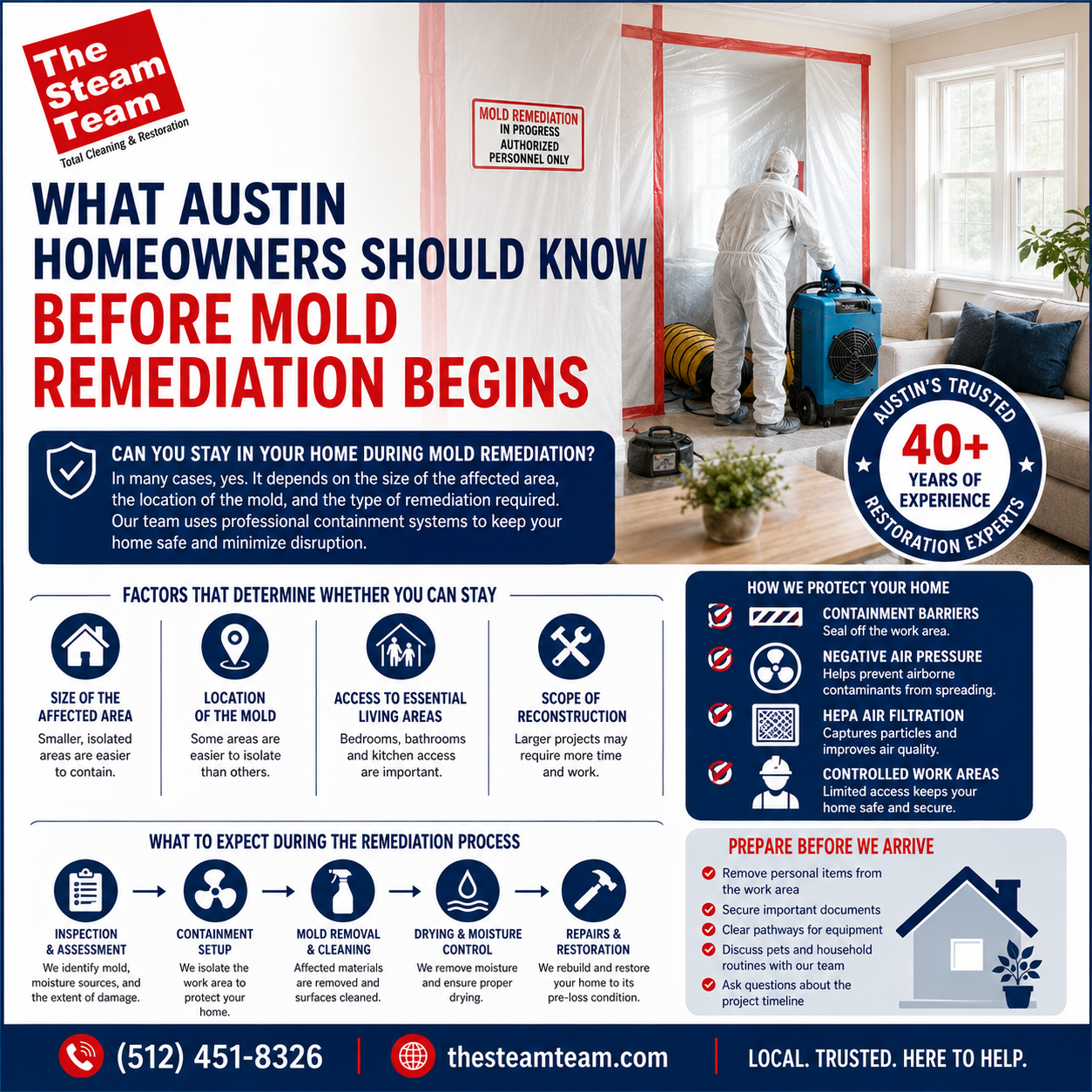
Mold remediation is necessary when there is visible mold growth, confirmed lab results showing elevated spore counts, contaminated HVAC systems, or when moisture persists beyond drying thresholds that promote microbial growth. Health risk concerns—such as occupants with allergies or immunocompromise—also lower the threshold for professional remediation. Remediation typically includes containment, removal of affected materials, HEPA vacuuming, and antimicrobial treatments, followed by verification testing when required. Early remediation limits structural damage and reduces long-term health liabilities for occupants.

How Does Full Property Restoration Restore Structural Integrity?

Full restoration follows mitigation and drying with reconstruction tasks that return form and function, including drywall replacement, flooring repair, cabinet and trim rebuilding, and any necessary structural repairs to framing. Quality assurance involves final moisture verification, targeted inspections, and coordination of documentation for insurance closeout and warranty handoffs. Restorative work should align with agreed scopes, timelines, and confirmatory moisture readings to ensure long-term performance and occupant safety. Coordinated restoration reduces downtime for businesses and restores livable conditions for residences.

When Should You Call Professional Emergency Water Removal Services in Austin?

Calling professionals becomes necessary when contamination, scale, or structural risk exceed safe DIY capabilities and when rapid response can materially reduce damage and claim friction. Thresholds include sewage or black water exposure, large affected areas, signs of structural compromise, or when more than 24–48 hours have passed without effective drying. Certified technicians provide validated drying plans, monitoring logs, and can coordinate with insurers using direct billing to accelerate repairs. The next sections outline DIY limits, certification benefits, how local providers deliver 24/7 response, and what to expect during a free inspection and estimate.

  1. Call professionals if water is contaminated (black water), if more than ~10 square feet or multiple rooms are affected, or if structural members are wet.

  2. Call if you see mold, persistent moisture after DIY efforts, or if electrical or gas systems are involved and unsafe.

  3. Call when you want documented moisture readings, operator-run drying equipment, and insurer-ready reports to streamline claims.

These thresholds clarify when professional intervention is warranted and lead into how certifications translate to better outcomes.

How to Recognize When DIY Water Removal Isn’t Enough?

DIY extraction and fans can help small, clean-water incidents if action is immediate, but red flags signal that professional capabilities are needed. Red flags include visible contamination (sewage), water depth requiring pumps, multiple affected rooms, saturation of structural elements, persistent odors, or visible mold growth. Health concerns among occupants or uncertainty about electrical safety are also reasons to stop DIY and call trained technicians. Recognizing these limits early prevents ineffective efforts that can worsen outcomes and invites professional mitigation that documents conditions for insurers.

What Are the Benefits of Hiring IICRC Certified Technicians?

IICRC certification indicates adherence to industry standards and technician training in water damage restoration protocols, including documented methods for extraction, drying, and microbial control under standards like S500. Certified technicians provide reproducible mitigation practices, accurate moisture measurement, and insurance-friendly documentation that aligns with adjuster expectations. Hiring certified personnel reduces the risk of incomplete drying, missed moisture pockets, and future mold claims while improving restoration quality and credibility. These benefits make certification a practical selection criterion when evaluating restoration teams.

How Does The Steam Team Provide 24/7 Rapid Response in Austin?

The Steam Team is a locally owned and operated cleaning and restoration company in Austin that offers 24/7 emergency mitigation services, rapid dispatch procedures, and IICRC certified technicians trained in emergency water removal and structural drying. Their teams deploy professional-grade extraction and monitoring equipment and provide free inspections and estimates to establish scope and begin insurer-ready documentation quickly. Direct insurance billing options help reduce upfront costs for customers and streamline claim settlement and repair scheduling. If immediate assistance is needed, contacting a local emergency mitigation provider ensures experienced crews arrive with the right tools and documented action plans.

What Can You Expect During a Free Inspection and Estimate?

A free inspection begins with a safety assessment, source identification, and contamination classification, followed by moisture readings, thermal imaging scans, and an itemized scope that outlines extraction, drying, and any recommended removals. The estimate explains equipment deployment, expected drying timelines, and anticipated reconstruction steps while creating documentation for insurance submissions. Technicians will discuss containment measures, required authorizations for direct billing or insurer coordination, and next steps for mitigation and restoration. Knowing what to expect reduces uncertainty and helps homeowners make informed, timely decisions during an emergency.

What Are the Common Causes of Water Damage in Austin Homes and Businesses?

Austin properties experience water damage from a mix of infrastructure failures, weather events, and appliance malfunctions; understanding these causes helps prioritize prevention and early detection. Recurrent sources in the area include burst pipes, flash flooding from storms, sewage backups due to overwhelmed municipal lines, and appliance failures such as water heaters or washing machines. Local climate patterns and building systems can influence vulnerability, making maintenance and quick response critical to reduce need for extensive water extraction and structural drying. The next subsections examine common scenarios and practical prevention and detection actions.

How Do Burst Pipes Lead to Emergency Water Removal Needs?

Pipes can burst from freezing, corrosion, joint failure, or sudden pressure surges, releasing large volumes of water into walls, ceilings, and floors in minutes. Early detection—unusual sounds, pressure drops, or wet spots—lets occupants shut valves and limit spread; however, once a burst occurs, rapid extraction and drying prevent structural saturation and microbial growth. Professional mitigation often includes removing wet insulation and sections of wall to dry framing and avoid long-term damage. Immediate steps and professional extraction reduce total repair scope and timeline.

What Flooding Scenarios Require Immediate Water Extraction?

Flash floods, storm runoff, and localized drainage failure can inundate properties quickly and introduce contaminated water and debris. Immediate extraction is essential when water enters living spaces, undermines foundations, or leaves standing pools that threaten structural elements. Evacuation and coordination with emergency services take priority during severe storms, but when safe, extraction and temporary barriers can reduce penetration. Rapid professional intervention limits contamination of interior systems and decreases the extent of required reconstruction.

How Does Sewage Backup Impact Water Damage Restoration?

Sewage backup is considered black water with high pathogen content and requires strict containment, PPE, and professional remediation protocols. Sewage infiltrates porous materials and can make many household items unsalvageable; disposal, decontamination, and clearance testing are commonly needed. Insurance implications and documentation are complex for sewage events, and technicians typically implement negative pressure containment, HEPA filtration, and certified disposal practices. Because of health risks and regulatory requirements, sewage incidents should be handled by experienced restoration professionals.

How Do Appliance Leaks Contribute to Water Damage Emergencies?

Appliance leaks often start small—failed hoses, cracked fittings, or slow-draining lines—but can escalate into major water events if unnoticed. Common culprits include washing machines, dishwashers, water heaters, and ice makers; regular inspections and replacing aging hoses reduce risk. If a leak occurs, shutting off appliance supply valves and isolating the area limits spread, but extensive saturation into cabinets, floors, and adjacent walls can necessitate professional extraction and drying. Early detection and maintenance reduce emergency restoration needs.

How Can You Navigate Water Damage Insurance Claims in Austin?

Navigating insurance claims requires prompt documentation, clear communication with adjusters, and timely mitigation to prevent denials related to delayed action or lack of evidence. Insurer-friendly records include photos, inventory lists, technician moisture logs, and professional estimates; early engagement with both the insurer and a qualified restoration provider helps clarify coverage and accelerate repairs. The subsections below provide a documentation checklist, explain how The Steam Team assists with direct billing, outline common claim challenges, and recommend prompt filing timelines.

What Documentation Is Needed for Successful Water Damage Claims?

A robust claims package includes time-stamped photos and videos of the damage, a detailed inventory of affected items with estimated values, written logs of immediate actions taken, professional moisture readings and inspection reports, and contractor estimates for mitigation and repair. Include records of communications with neighbors or municipal reports for flooding context, and preserve original packaging or receipts for high-value items when possible. Provide this documentation to your adjuster promptly to establish cause and timing, and maintain copies for your own records. Clear documentation reduces dispute risk and supports faster claim resolution.

  1. Take detailed photos and video with timestamps of all affected areas and items.

  2. Create a written inventory with approximate values and notes on salvageable items.

  3. Save receipts, technician reports, moisture logs, and any communication with municipal services.

This checklist structures evidence collection and prepares you for insurer evaluation and potential direct billing coordination.

How Does The Steam Team Assist With Direct Insurance Billing?

The Steam Team offers direct insurance billing as part of coordinated mitigation services to reduce upfront costs for homeowners and streamline the claim process. With technician-prepared documentation—moisture maps, drying logs, and itemized scopes—the billing process aligns with insurer requirements and can speed authorization for remediation and reconstruction. Customers typically authorize the provider to share necessary reports with their insurer, which reduces administrative burden and helps maintain progress toward final repairs. Transparent records and direct billing help homeowners focus on recovery rather than paperwork.

What Are Common Challenges in Water Damage Insurance Claims?

Common claim friction points include disputes over timing or cause of damage, insufficient early documentation, coverage limitations for certain perils, and disagreements about scope or replacement versus repair. To avoid delays, file promptly, preserve evidence, use technician-generated moisture and scope reports, and communicate openly with the adjuster about emergency actions taken. If pre-existing conditions are cited, provide maintenance records or recent inspections that show cause and timing; proactive documentation and professional mitigation reduce ambiguity. Clear, early engagement with insurers and contractors minimizes these common challenges.

How Quickly Should You File a Claim After Water Damage?

File a claim as soon as practical after the emergency—prompt filing preserves coverage options and reduces the chance of denial for delayed reporting. While immediate mitigation should not wait for an adjuster, notify your insurer and document all emergency steps taken, then provide the photo, video, inventory, and professional inspection materials during your claim submission. Fast filing also speeds adjuster visits and authorizations for needed repairs and supports timely direct billing arrangements that reduce homeowner disruption. Early action and documented mitigation together make the claims process more efficient and reliable.

Frequently Asked Questions

What should I do if I suspect a water leak in my home?

If you suspect a water leak, the first step is to locate the source and shut off the water supply to prevent further damage. Look for signs such as damp spots, water stains, or unusual sounds. Document any visible damage with photos for insurance purposes. If the leak is significant or involves contaminated water, contact a professional water removal service immediately to assess the situation and begin extraction and drying processes.

How can I prevent water damage in my home?

Preventing water damage involves regular maintenance and inspections. Check for leaks in plumbing, inspect appliances for wear, and ensure gutters and downspouts are clear. Install sump pumps in basements and consider water leak detection systems that alert you to issues early. Additionally, ensure proper grading around your home to direct water away from the foundation. Taking these proactive measures can significantly reduce the risk of water damage.

What are the signs of mold growth after water damage?

Signs of mold growth include visible mold patches, a musty odor, and increased allergy symptoms among occupants. Mold can develop within 24-48 hours after water exposure, especially in damp, dark areas. If you notice any of these signs, it’s crucial to address the moisture source and contact a professional for mold assessment and remediation to prevent health risks and further property damage.

How can I ensure my insurance claim for water damage is successful?

To ensure a successful insurance claim, document all damage thoroughly with time-stamped photos and videos. Keep a detailed inventory of affected items, including their estimated values. Maintain records of all communications with your insurer and restoration professionals. Promptly file your claim and provide all necessary documentation, including moisture readings and professional estimates, to support your case and expedite the claims process.

What is the difference between DIY water removal and professional services?

DIY water removal may be suitable for minor incidents, but professional services are essential for significant water damage, especially involving contamination or structural risks. Professionals have specialized equipment, training, and experience to handle complex situations safely and effectively. They can also provide thorough documentation for insurance claims, ensuring that all aspects of the restoration process are managed correctly and efficiently.

How can I tell if my property has been adequately dried after water damage?

To determine if your property has been adequately dried, professionals use moisture meters to measure the moisture content in various materials. Generally, wood should be below 12-15% moisture content, while drywall and insulation have different acceptable levels. Additionally, visual inspections for signs of mold or dampness and monitoring humidity levels in the environment can help confirm that drying is complete and that the risk of secondary damage is minimized.

What should I do if I experience water damage outside of business hours?

If you experience water damage outside of business hours, contact a 24/7 emergency water removal service immediately. Many restoration companies offer round-the-clock support to respond quickly to emergencies. In the meantime, take safety precautions by shutting off utilities if safe to do so, evacuating vulnerable occupants, and documenting the damage with photos. Quick action can significantly reduce the extent of damage and facilitate a smoother restoration process.

Conclusion

Effective emergency water removal is crucial for protecting Austin homes and businesses from extensive damage and costly repairs. By understanding the key steps in safety, extraction, and documentation, property owners can significantly mitigate risks and streamline insurance claims. Engaging with certified professionals ensures a thorough approach to restoration, safeguarding both health and property integrity. For immediate assistance and expert guidance, reach out to our team today.

Essential Steps for Mold Prevention After Flooding

Essential Steps for Mold Prevention After Flooding: How to Protect Your Home from Mold Growth

Flooding introduces large amounts of moisture into building materials, creating ideal conditions for mold spores to germinate and colonize within 24–48 hours; understanding and acting on mold prevention after flooding reduces long-term damage and health risks. This article explains practical, time-sensitive steps for mold prevention after water damage, including immediate actions, safe cleaning and disinfection protocols, mechanical drying and dehumidification, early detection signs, long-term prevention measures, safety precautions, and end-to-end cleanup management. You will learn what to do in the first 24–72 hours, which tools and equipment to use, how to decide what to salvage or discard, and when to bring in professional remediation. The guidance we provide integrates moisture-monitoring targets, lists of essential equipment (air movers, dehumidifiers, moisture meters), clear disposal decision rules for porous vs non-porous materials, and safety/PPE recommendations so you can make informed decisions and document actions for insurance. Read on for step-by-step timelines, equipment specifications, handling protocols, and verification techniques that prevent mold after flooding and protect indoor air quality.

What Are the Immediate Actions to Take After Flooding to Prevent Mold?

Immediate actions after flooding prioritize safety, rapid water removal, documentation, and containment to reduce mold growth risk; acting within the first 24–48 hours is critical to prevent spores from establishing. Start with a safety assessment—check structural integrity, gas or electrical hazards, and only enter when safe—then remove standing water and begin drying and ventilating. Early documentation (photos, notes) supports insurance claims and helps prioritize salvageable items. These immediate steps set the stage for proper cleaning and mechanical drying, which are discussed in the next section.

How Quickly Should You Remove Standing Water and Dry Affected Areas?

Remove standing water as soon as it is safe; the goal is to begin drying within the first 24 hours and complete bulk drying within 24–48 hours to prevent mold proliferation. Rapid extraction halts capillary rise in porous materials and reduces moisture reservoirs that feed spores. For example, soaked carpets and padding can trap moisture and should be removed within 24 hours, while hard surfaces dry faster with active ventilation and mechanical air movement. Prompt water removal and initiating drying equipment directly reduce the time mold spores have to germinate and colonize, which leads into what equipment is best for the job.

The urgency of rapid water removal and drying is underscored by the need for specialized tools and methods to monitor and manage moisture levels in building structures.

Measuring Moisture in Buildings: Methods and Instrumentation for Damage Prevention

Excess moisture in building structures may damage the structures and provide suitable conditions for microbe growth. As a consequence, moisture may cause different health effects to the occupants, and lead to costly refurbishments, if the damage is not perceived in time. Currently, there are several work-intensive, destructive methods for verifying suspected moisture problems and for monitoring the drying of concrete structures. However, it has not been previously feasible to monitor moisture routinely, on a regular basis.

This thesis introduces new methods for measuring moisture in building structures, and the instrumentation developed for implementing them. First of all, the study defines accurately the current need for new methods, and selects the specific problems to approach. The study then elucidates the physical principles of the novel measurement methods and presents the practical instrumentation. The functionality of the system is then verified in laboratory and field

Methods and instrumentation for measuring moisture in building structures, 2005

What Tools and Equipment Are Needed for Effective Water Removal?

Effective water removal combines extraction and drying tools scaled to the incident size: pumps and submersible pumps for deep standing water, wet/dry vacuums for shallow flooding, and air movers for surface evaporation. Homeowners often use consumer wet/dry vacs and portable fans, but professional-grade pumps and high-capacity air movers speed recovery for larger events. Always pair air movers with dehumidifiers to remove moisture from the air; without dehumidification, fans can spread moisture. Knowing when equipment exceeds DIY capability helps you decide to call professionals for rapid extraction and containment, which is important if structures remain saturated.

Why Is Ventilation Important in Post-Flood Mold Prevention?

Ventilation replaces moisture-laden indoor air with drier outdoor air and supports evaporation from wet surfaces, but outdoor humidity must be lower than indoor humidity to be helpful. Cross-ventilation—opening windows on opposite sides of a room—can work for short-term drying on low-humidity days, while exhaust fans can pull damp air out of enclosed spaces. However, ventilation alone is insufficient when outdoor relative humidity is high or when bulk water remains; mechanical drying and dehumidification are then required. Implementing safe ventilation practices reduces airborne moisture and complements mechanical drying strategies described later.

Immediate actions list: prioritized first 48 hours

  1. Ensure safety: Confirm structural and electrical safety before entering.

  2. Extract standing water: Use pumps or wet vacs immediately where safe.

  3. Document damage: Photograph and log items and areas for insurance.

  4. Begin drying: Place air movers and start dehumidification within 24 hours.

These prioritized steps reduce mold risk and create conditions for effective cleaning and disinfection.

How Do You Properly Clean and Disinfect Flooded Areas to Stop Mold Growth?

Cleaning and disinfecting after flooding require distinguishing between cleaning (removing dirt and organic material), disinfecting (killing microbes on surfaces), and remediation (removal of mold-contaminated materials); each action has a distinct role in preventing mold after water damage. Start by removing debris and wet porous materials, clean non-porous surfaces with detergent and water, and follow with an EPA-recommended disinfectant or a properly diluted disinfectant for contaminated water exposures. For porous materials that cannot be fully dried and cleaned, removal is the correct path to prevent future mold growth. The next subsections cover effective agents, salvage decisions by material type, and disposal triggers that protect indoor air quality and documentability.

What Cleaning Agents Are Most Effective Against Mold Spores?

Effective cleaning begins with detergent and water to remove organic soil, followed by targeted disinfectants for surfaces exposed to contaminated floodwater; chlorine bleach can disinfect non-porous surfaces when used safely and at correct dilution. Common protocols include using a general detergent for initial cleaning, then a disinfectant registered for antimicrobial use with manufacturer-specified contact times; for chlorine bleach, a typical household dilution is one cup of bleach per gallon of water, applied with caution and adequate ventilation. Avoid using bleach on porous materials like drywall where it won’t penetrate to remove spores. Proper application, protective equipment, and allowing the required contact time are essential to reduce viable spores and prepare surfaces for drying.

Different cleaning agents compared:

Cleaning Agent Surfaces Recommended Typical Dilution / Contact Time
Detergent + Water General soil on most surfaces Clean until soil removed; no disinfectant claim
Chlorine bleach (sodium hypochlorite) Non-porous surfaces (tile, sealed linoleum) ~1 cup bleach / 1 gallon water; 10–15 min contact, ventilate
EPA-registered disinfectant Non-porous and some semi-porous after cleaning Follow label for dilution/contact time (varies by product)

These agents serve complementary roles: detergents remove organic matter, while disinfectants reduce microbial loads when used with correct contact time and surface compatibility.

How Should Porous vs. Non-Porous Materials Be Treated After Flood Damage?

Porous materials (drywall, insulation, carpet padding, upholstered furniture) trap moisture and organic matter and are difficult to fully decontaminate if soaked by contaminated floodwater; these items often require removal and disposal. Non-porous materials (ceramic tile, metal, solid wood with sealed finishes) can generally be cleaned, disinfected, and dried in place if water damage is limited and drying begins quickly. For semi-porous materials like unfinished wood, aggressive drying and surface cleaning may salvage the item if moisture content returns to safe levels. Apply a practical rule: if you cannot visibly and physically remove contamination or fully dry the material within 48 hours, prioritize removal to prevent mold colonization.

When Is It Necessary to Dispose of Flood-Damaged Items to Prevent Mold?

Dispose of flood-damaged items when contamination is extensive, materials are porous and saturated with contaminated water, or when drying will not restore structural or hygienic integrity; document items and condition before disposal for insurance. Examples requiring disposal include wet insulation, soaked carpet padding, gypsum board that crumbles, and mattresses exposed to contaminated water. When discarding, double-bag materials where possible, label and photograph removed items, and record disposal dates to support claims. Safe disposal protects occupants and removes potential reservoirs for mold, enabling the next phases of cleaning and drying to focus on salvageable assets.

For complex contamination or large-scale removal, professional restoration specialists can safely perform disinfection and disposal and offer disposal documentation and insurance-friendly reports; request a quote or schedule an inspection from qualified remediation providers to handle hazardous waste and large jobs safely.

The impact of fungal contamination after flooding necessitates careful remediation strategies and adherence to guidelines, especially in the context of increasing extreme weather events.

Mould Contamination After Flooding: Impact, Remediation, and Guidelines

Australia’s sub-tropical coastline has been subjected to catastrophic flooding, congruent with a global trend of extreme weather events exacerbated by climate change. This study examined buildings post-flooding, to determine the impact of fungal contamination and evaluate remediation strategy success. Fungal species prevalence in association with wet building materials are outlined. Remediation methods found to be effective are highlighted. These findings support the necessity of establishing internationally recognised guidelines pertaining to mould contamination and remediation. This is particularly pertinent within the context of climate change. This research contributes to the scientific understanding of mycobiota in flood affected buildings, their health and safety implications and design of effective mitigation strategies.

Mould contamination of dwellings after flooding, 2023

What Are the Best Practices for Drying and Dehumidifying After Water Damage?

Mechanical drying and dehumidification remove surface and embedded moisture, preventing conditions that favor mold growth; effective drying targets both ambient relative humidity and material moisture content. Combine air movers (to increase evaporation), dehumidifiers (to remove vapor), and heat where safe to accelerate moisture removal. Monitoring moisture with a hygrometer and moisture meter informs equipment placement and runtime, ensuring the drying goal—typically indoor RH below 50% and moisture content of structural materials returned to normal—is met. The following subsections outline expected drying timelines, equipment comparisons, and monitoring approaches to guide homeowner and professional decisions.

How Long Does It Take to Fully Dry Flooded Areas?

Drying timelines vary: thin, hard surfaces may dry in 24–48 hours with active equipment, while porous assemblies like saturated drywall or hardwood can take several days to weeks depending on conditions and equipment. Factors that extend drying time include colder temperatures, high outdoor humidity, lack of mechanical dehumidification, and concealed water in wall cavities. For example, with properly placed air movers and dehumidifiers, carpet and subfloor components may reach acceptable moisture levels in 48–72 hours; structural drying of wall cavities may require targeted drying mats or openings and several additional days. Timely equipment selection and continuous monitoring shorten timelines and reduce mold risk.

Which Dehumidifiers and Fans Work Best for Post-Flood Mold Prevention?

Choose dehumidifiers based on job size and operating conditions: low-grain refrigerant (LGR) dehumidifiers excel in warmer, high-moisture environments and deliver high pints per day; desiccant dehumidifiers perform better at lower temperatures and in enclosed spaces. Air movers should be high-velocity, axial types placed to create cross-flow over wet surfaces, with multiple units for larger rooms to avoid dead zones.

Drying equipment comparison:

Equipment Characteristic Best-Use Scenario
Air mover (high-velocity) Increases evaporation across surfaces Surface drying, carpet, wall surfaces
LGR dehumidifier High moisture removal at moderate temps Most residential and commercial flood jobs
Desiccant dehumidifier Effective at low temps, low RH targets Unheated spaces, cold climates, enclosed cavities

Selecting the proper equipment and matching capacity to the space reduces drying time and lowers mold risk, which leads into monitoring humidity to confirm outcomes.

How Can You Monitor Humidity Levels to Avoid Mold Growth?

Monitor relative humidity with hygrometers and use moisture meters to track material moisture content in wood, drywall, and subfloor; target RH below 50% and material moisture equalized to pre-flood baselines. Measure in multiple locations—near floors, in wall cavities, and in HVAC return air—to detect hidden moisture pockets. Regular readings (several times daily while equipment is running) guide equipment adjustments and determine when dehumidification can be tapered. Accurate monitoring prevents premature shutdown of drying equipment and confirms that mold-prevention thresholds are achieved.

How Can You Identify Early Signs of Mold After Flooding?

Early detection of mold relies on visual cues, odors, and occupant health symptoms; catching growth early reduces remediation scope. Look for discoloration, fuzzy or powdery textures, and new water stains that worsen despite drying; musty or mildew-like odors often indicate hidden growth. If occupants experience unexplained allergic or respiratory symptoms after flood events, escalate to a targeted inspection. The next subsections list typical indicators, decision triggers for professional inspections, and how mold develops in hidden areas.

What Are Common Visual and Odor Indicators of Mold Presence?

Visual indicators include spotting, streaking, or fuzzy colonies in colors ranging from black and green to white, often along baseboards, behind trim, or beneath carpets; water stains that become darker or textured are also suspect. Odor indicators are persistent musty or stale smells that do not dissipate after drying and cleaning and often point to concealed growth in wall cavities, under flooring, or inside ductwork. Regular inspections in these high-risk locations and addressing odors promptly helps detect growth before it spreads extensively. Recognizing these cues leads to clear thresholds for professional evaluation.

When Should You Consider Professional Mold Inspection?

Consider a professional inspection when visible mold covers a large area (commonly recommended thresholds start at around 10 square feet), when occupants have health vulnerabilities, when odors persist after cleaning, or when mold is suspected in hidden spaces. Professionals provide tools like moisture mapping, borescopes, infrared imaging, and, if needed, air or surface sampling to define the extent and plan containment. An inspection clarifies whether full remediation is required and provides documentation useful for insurance and risk management. Knowing when to escalate reduces the chance of incomplete cleanup.

How Does Mold Develop in Hidden or Hard-to-Reach Areas?

Mold grows where moisture persists and organic food sources exist, often behind baseboards, inside wall cavities, under flooring, and within HVAC systems where condensation or trapped water is present. Concealed growth may start from a leak or wicking of moisture, then spread along cavity surfaces and insulation without visible external signs until odors or structural issues appear. Detection techniques include moisture metering, thermal imaging to find cold/wet spots, and probing suspicious assemblies; addressing hidden moisture sources is essential to prevent recurrence. Identifying hidden growth informs containment and removal strategies explained later.

What Long-Term Measures Help Prevent Mold Growth After Flood Cleanup?

Long-term prevention focuses on structural improvements, moisture control systems, and routine maintenance to make buildings resilient to future flooding and mold growth. Implement moisture barriers, proper grading and guttering, improved ventilation, and consider flood-resistant materials in vulnerable areas. Regular maintenance—seasonal inspections, HVAC filter and coil care, and prompt leak repair—keeps moisture sources minimized. The following subsections explain specific home upgrades, maintenance routines, and preparedness measures that lower long-term mold risk and speed recovery after future events.

How Can Home Improvements Reduce Future Mold Risks?

Structural upgrades such as installing sump pumps with battery backup, adding vapor barriers on slab foundations, improving exterior grading to divert water, and using water-resistant wallboard or tile in basements reduce moisture intrusion and retention. Upgrading HVAC to include adequate ventilation and humidity control also prevents chronic dampness. Prioritize interventions based on risk exposure: start with drainage and grading, then address interior protections and mechanical systems. These improvements reduce the probability of mold reoccurrence and minimize recovery time after future flooding.

What Role Does Regular Maintenance Play in Mold Prevention?

Routine maintenance tasks—cleaning gutters, inspecting roof and foundation seals, servicing HVAC systems, and periodically checking basements and crawlspaces—prevent small issues from becoming moisture sources that support mold. A seasonal checklist ensures inspections occur before high-risk periods (spring rains, hurricane season), enabling early repairs. Documenting maintenance activities and findings creates a history that helps evaluate long-term moisture trends and supports insurance or restoration claims. Regular upkeep keeps the building envelope and systems functioning to limit mold-friendly conditions.

How Should You Prepare Your Home for Potential Future Flooding?

Prepare by elevating critical utilities and valuables above likely flood levels, choosing water-resistant flooring and finishes for basements, and maintaining a documented emergency plan with photos and insurance inventories. Keep essential drying equipment accessible (shop vac, portable dehumidifier, hygrometer) and store important documents in waterproof containers or digitally. Establish relationships with local restoration specialists in advance so you can request a rapid assessment or quote when flooding occurs. Being ready shortens response time and reduces the scope of mold prevention measures needed after an event.

Given the increased frequency of extreme weather events, understanding mold prevention strategies is crucial for health and safety in the aftermath of floods.

Mold Prevention After Floods: CDC Strategies for Health and Safety

Extensive water damage after major hurricanes and floods increases the likelihood of mold contamination in buildings. This report provides information on how to limit exposure to mold and how to identify and prevent mold-related health effects. Where uncertainties in scientific knowledge exist, practical applications designed to be protective of a person's health are presented. Evidence is included about assessing exposure, clean-up and prevention, personal protective equipment, health effects, and public health strategies and recommendations. The recommendations assume that, in the aftermath of major hurricanes or floods,

Mold prevention strategies and possible health effects in the aftermath of hurricanes and major floods, 2006

What Are the Key Safety Precautions During Post-Flood Mold Cleanup?

Safety during post-flood cleanup includes proper personal protective equipment, containment to limit cross-contamination, and safe handling/disposal of contaminated materials to protect occupants and workers. Risk increases with visible mold, heavy contamination, or exposure to contaminated water and debris; follow PPE protocols, create physical containment where remediation occurs, and decontaminate tools and clothing. The subsections below present PPE selection, safe handling protocols, and clear thresholds for hiring professionals to manage risks beyond homeowner capability.

What Personal Protective Equipment Is Recommended?

Select PPE based on exposure risk: at minimum wear N95 respirators, gloves, eye protection, and long sleeves for small jobs; for heavy contamination or prolonged exposure use higher-protection respirators (P100 or powered air systems), disposable coveralls, and chemical-resistant gloves. Proper fit-tested respirators protect against airborne spores, while eye and skin protection prevent irritation from spores and cleaning agents. Dispose of single-use PPE after contaminated work or launder reusable gear separately. Choosing appropriate PPE reduces exposure and is a precursor to safe handling and disposal practices described next.

PPE comparison table:

PPE Item Protection Level Recommended Situation
N95 respirator Filters most non-oil particulates Small-area cleaning with light contamination
P100 or PAPR Higher filtration / powered airflow Extensive contamination, demolition, professional remediation
Disposable coveralls Prevent clothing contamination Handling contaminated materials, demolition
Chemical-resistant gloves Protect from disinfectants Cleaning and applying disinfectants

How Can You Safely Handle Mold-Contaminated Materials?

Handle contaminated materials by isolating the work area, minimizing dust, and using double-bagging for removal; seal and label bags, and photograph items before disposal for documentation. When removing drywall or insulation, cut damp sections and place directly into heavy-duty bags, then wipe down surrounding surfaces and HEPA-vacuum settled dust. Decontaminate reusable tools with detergent and an appropriate disinfectant and launder protective clothing independently. Proper handling reduces cross-contamination and supports insurance claims through clear records of removed items.

When Is It Necessary to Hire Professional Mold Remediation Services?

Hire professionals when mold affects large areas (commonly where the affected surface exceeds about 10 square feet), when contamination is within HVAC or structural cavities, when occupants are immunocompromised, or when the job requires containment and hazardous-waste protocols. Professionals provide trained personnel, containment setup, HEPA filtration, safe demolition, waste handling, and post-remediation verification services. Engaging certified remediation teams reduces liability and ensures work meets health and insurance documentation standards; schedule an inspection and remediation when these escalation criteria are met to protect occupants and property.

How Do You Effectively Manage Post Flood Mold Cleanup to Ensure Complete Mold Removal?

Effective management follows a structured workflow: initial assessment, containment, targeted removal, cleaning and drying, and verification, with documentation at every step to support insurance and future prevention. Start with a thorough inspection and moisture mapping to scope the job, then isolate affected zones, remove contaminated materials, clean and disinfect remaining surfaces, run mechanical drying until targets are met, and perform verification through moisture readings and visual confirmation. Record photographs, logs, and equipment runtimes to demonstrate thoroughness. The next subsections detail stepwise actions, verification approaches, and common mistakes to avoid.

What Steps Should Be Followed for Thorough Mold Removal?

A practical remediation sequence is:

  1. Safety assessment and documentation

  2. Containment of the work area

  3. Removal of unsalvageable items

  4. Cleaning and disinfection of salvageable surfaces

  5. Mechanical drying and humidity control

  6. Final verification and clearance

Assign responsibilities and keep photographic and written records at each stage to aid insurance and quality assurance. Use HEPA filtration when cutting or disturbing moldy materials to reduce airborne spores. Following a clear sequence prevents recontamination and ensures each phase is completed to recognized standards.

How Can You Verify That Mold Has Been Successfully Eliminated?

Verify success by confirming moisture and humidity targets (RH <50% and material moisture returned to normal baselines), conducting visual inspections for no visible growth or staining, ensuring no persistent musty odors, and documenting equipment run times and readings. When occupants report symptoms or when hidden contamination was present, consider professional air or surface testing to support clearance. Note that testing has limits—consistent moisture control, absence of visible growth, and lack of odors are practical primary criteria for clearance in most cases. Verification provides confidence the remediation achieved sustained mold prevention.

What Are the Common Mistakes to Avoid During Mold Cleanup?

Common errors include partial drying (stopping equipment too early), inadequate containment (allowing cross-contamination), using inappropriate cleaners on porous materials (e.g., relying on bleach where removal is needed), and failing to document actions for insurance.

  • Partial drying (stopping equipment too early)

  • Inadequate containment (allowing cross-contamination)

  • Using inappropriate cleaners on porous materials (e.g., relying on bleach where removal is needed)

  • Failing to document actions for insurance

Corrective measures include maintaining drying until multiple days of stable readings confirm dryness, implementing physical barriers and negative pressure during demolition, removing rather than treating heavily contaminated porous materials, and keeping comprehensive photographic and log records. Avoiding these mistakes prevents recurrence and reduces overall remediation costs.

For homeowners facing complex or large-scale contamination, professional restoration specialists provide comprehensive management, containment, and verification services, and can prepare documentation useful for insurance claims; request a professional assessment or quote to confirm scope and required remediation steps.

Key management checklist: documentation and verification steps

  • Inspect and document: Photograph and log the affected areas before work begins.

  • Contain and remove: Isolate workspace, remove unsalvageable materials, and bag them.

  • Clean, dry, and verify: Clean and disinfect salvageable surfaces, run drying equipment until targets are met, and record results.

These management actions tie together the technical steps and provide the evidence necessary to demonstrate successful mold prevention after flooding.

Frequently Asked Questions

What are the health risks associated with mold exposure after flooding?

Mold exposure can lead to a variety of health issues, particularly for individuals with respiratory conditions, allergies, or weakened immune systems. Common symptoms include coughing, sneezing, nasal congestion, skin irritation, and eye irritation. In some cases, prolonged exposure can exacerbate asthma or lead to more severe respiratory problems. It's crucial to address mold growth promptly to minimize health risks, especially in vulnerable populations such as children and the elderly.

How can I tell if my home has hidden mold after flooding?

Hidden mold can often be detected through a combination of visual inspections and sensory cues. Look for signs such as water stains, discoloration on walls or ceilings, and musty odors that persist despite cleaning. Additionally, if occupants experience unexplained allergic reactions or respiratory issues, it may indicate hidden mold. Using moisture meters and thermal imaging can help identify damp areas where mold may be growing out of sight.

What should I do if I find mold in my home after flooding?

If you discover mold in your home, it's essential to take immediate action. First, ensure your safety by wearing appropriate personal protective equipment (PPE) such as gloves and a mask. Contain the affected area to prevent spores from spreading, and then assess the extent of the mold growth. For small areas, you may be able to clean it yourself using appropriate cleaning agents. However, for larger infestations or if you have health concerns, consider hiring a professional mold remediation service.

Can I use bleach to clean mold after flooding?

While bleach can be effective on non-porous surfaces, it is not recommended for porous materials like drywall or wood, as it does not penetrate deeply enough to kill mold roots. Additionally, bleach can create harmful fumes and may not eliminate all mold spores. Instead, use a detergent solution for cleaning and follow up with an EPA-registered disinfectant for effective mold control. Always ensure proper ventilation when using cleaning agents.

How can I prevent mold from returning after cleanup?

To prevent mold from returning after cleanup, focus on controlling moisture levels in your home. Ensure proper ventilation in areas prone to humidity, such as bathrooms and kitchens. Use dehumidifiers in damp spaces and repair any leaks promptly. Regularly inspect your home for signs of water damage and maintain your HVAC system to ensure it operates efficiently. Implementing these measures will help create an environment less conducive to mold growth.

What are the signs that I need professional help for mold remediation?

Consider hiring professionals for mold remediation if you notice extensive mold growth (typically over 10 square feet), if mold is present in HVAC systems, or if occupants have health issues that could be exacerbated by mold exposure. Additionally, if you are unsure about the extent of the contamination or if the mold is in hard-to-reach areas, professional services can provide the expertise and equipment necessary for safe and effective remediation.

How can I document mold damage for insurance claims?

Documenting mold damage for insurance claims involves taking clear photographs of affected areas, noting the extent of the damage, and keeping records of any cleanup efforts. Make a detailed list of damaged items, including their condition and estimated value. If you hire professionals, request written reports and invoices, as these can support your claim. Maintaining thorough documentation will help ensure a smoother claims process with your insurance provider.

Conclusion

Implementing effective mold prevention strategies after flooding is essential for safeguarding your home and health. By taking immediate action, utilizing the right tools, and following thorough cleaning protocols, you can significantly reduce the risk of mold growth. Understanding these steps not only protects your property but also enhances your peace of mind during recovery. For comprehensive guidance and resources, explore our expert recommendations today.

Insurance Repairs: Water, Mold, and Fire Restoration Contractor Services in Austin, Texas

Austin water damage restoration repair services commercial contractor

Austin, Texas, known for its vibrant culture and thriving community, is not immune to the challenges posed by water damage, mold infestations, and fire incidents. When unforeseen disasters strike, the need for reliable restoration services becomes paramount. In this guide, we explore the specialized realm of water, mold, and fire restoration contractors in Austin, focusing on their crucial role in insurance repairs. Understanding the comprehensive services offered by these contractors is essential for property owners navigating the aftermath of such emergencies.

The Nexus of Water, Mold, and Fire Restoration:

  1. Water Damage Restoration: Austin's climate, characterized by occasional heavy rainfall and the potential for flash floods, underscores the need for robust water damage restoration services. Water damage can result from various sources, including burst pipes, roof leaks, and natural disasters. Swift response is critical to prevent further damage and mold growth. Water restoration contractors in Austin specialize in extracting water, drying affected areas, and restoring properties to their pre-damage condition.

  2. Mold Remediation: Mold thrives in damp and humid environments, making Austin's climate conducive to its growth. Water damage, if not addressed promptly, can lead to mold infestations. Mold remediation contractors play a vital role in mitigating the impact of mold on indoor air quality and structural integrity. Their services encompass the identification and removal of mold, addressing underlying moisture issues, and restoring a healthy living environment.

  3. Fire Damage Restoration: Despite the city's eclectic mix of modern and historic structures, fire incidents can still occur, resulting in devastating damage. Fire damage restoration contractors specialize in the aftermath of fires, addressing structural damage, soot removal, and the restoration of both residential and commercial properties. Their expertise extends to salvaging belongings, deodorizing spaces, and providing comprehensive solutions for insurance repairs.

Insurance Repairs: Navigating the Claims Process

  1. Immediate Response and Assessment: When disaster strikes, the first step is an immediate response from restoration contractors. This includes a thorough assessment of the damage. For water damage, contractors assess the extent of flooding, potential structural damage, and the presence of contaminated water. In the case of fire damage, they evaluate the severity of burns, smoke infiltration, and compromised structural elements.

  2. Documentation for Insurance Claims: Accurate and comprehensive documentation is crucial for insurance claims. Restoration contractors in Austin meticulously document the damage, capturing photographs, videos, and detailed reports. This documentation serves as evidence during the insurance claims process, facilitating a smoother and more efficient resolution.

  3. Communication with Insurance Providers: Establishing open communication with insurance providers is a key role of restoration contractors. They liaise with insurance adjusters, providing detailed reports and estimates for the required repairs. Effective communication ensures that the insurance claims process moves forward seamlessly, expediting the necessary approvals for restoration work.

  4. Estimation and Scope of Work: Restoration contractors in Austin work closely with insurance adjusters to provide accurate estimations and define the scope of work. This involves outlining the necessary repairs, replacements, and restoration tasks required to bring the property back to its pre-damage condition. The estimation serves as a roadmap for the restoration process and informs the financial aspects of the insurance claim.

  5. Coordination of Repairs: Once approvals are obtained, restoration contractors coordinate the repairs with the property owner and relevant parties. This includes scheduling the restoration work, securing necessary permits, and mobilizing the resources required for a timely and efficient repair process. Coordination is essential to minimize downtime and expedite the return to normalcy.

Water Damage Restoration in Austin:

  1. Rapid Water Extraction: In cases of water damage, swift water extraction is paramount to prevent further structural damage and mold growth. Restoration contractors employ advanced equipment, including pumps and extractors, to efficiently remove standing water from the affected areas.

  2. Drying and Dehumidification: After water extraction, the drying and dehumidification process commences. Restoration contractors use industrial-grade dehumidifiers and high-powered drying equipment to eliminate residual moisture. Thorough drying is crucial to prevent mold growth and structural deterioration.

  3. Structural Repairs and Restoration: Water damage often compromises the structural integrity of buildings. Restoration contractors in Austin have the expertise to assess and execute structural repairs. This may include replacing damaged drywall, repairing wooden structures, and addressing any structural issues resulting from prolonged exposure to water.

Mold Remediation in Austin:

  1. Mold Inspection and Assessment: Mold remediation begins with a comprehensive inspection and assessment of the affected areas. Restoration contractors identify the type of mold, assess its extent, and determine the underlying causes of moisture. This information informs the development of an effective remediation plan.

  2. Containment and Removal: Containment measures are crucial during mold remediation to prevent the spread of mold spores. Restoration contractors use physical barriers and negative air pressure systems to contain the work area. The removal process involves safely eliminating mold-infested materials and cleaning surfaces to eradicate mold growth.

  3. Underlying Moisture Control: Successful mold remediation involves addressing the underlying causes of moisture. Restoration contractors identify and rectify sources of water intrusion, leaks, or humidity issues to create an environment inhospitable to mold growth. This proactive approach ensures long-term prevention.

Fire Damage Restoration in Austin:

  1. Structural Assessment and Stabilization: After a fire, restoration contractors conduct a thorough structural assessment to determine the extent of damage. Structural stabilization may be necessary to ensure the safety of the property. This involves reinforcing weakened structures and securing the premises before initiating restoration work.

  2. Soot and Smoke Removal: Soot and smoke residue pose challenges after a fire incident. Restoration contractors use specialized equipment and cleaning techniques to remove soot from surfaces, including walls, ceilings, and belongings. Smoke odor removal is also addressed through deodorization processes.

  3. Content Salvage and Restoration: Restoration contractors place emphasis on salvaging and restoring contents affected by fire damage. This includes furniture, documents, and personal belongings. Advanced cleaning methods and restoration techniques are employed to mitigate the impact of fire and smoke on valuable items.

  4. Structural Repairs and Reconstruction: Fire damage often necessitates structural repairs and reconstruction. Restoration contractors work on repairing damaged walls, roofs, and flooring. In cases of severe damage, they may engage in reconstruction to rebuild sections of the property, ensuring a comprehensive restoration process.

Conclusion:

The services provided by water, mold, and fire commercial restoration contractors in Austin, Texas, extend beyond the restoration of physical structures; they play a pivotal role in guiding property owners through the intricacies of insurance repairs. The comprehensive approach involves immediate response, meticulous documentation, effective communication with insurance providers, and coordination of repairs. Whether addressing water damage, mold infestations, or the aftermath of a fire incident, restoration contractors in Austin are equipped with the expertise and resources needed to navigate the complexities of the restoration process. In times of crisis, these professionals stand as invaluable partners, working diligently to restore properties, ease the burden on property owners, and rebuild the fabric of communities affected by unforeseen disasters.

Restoring Resilience: Water Damage Cleanup and Restoration in Austin, Texas

Austin, texas water damage restoration repair contractor

Austin, Texas, with its vibrant culture, scenic landscapes, and diverse communities, is not immune to the challenges posed by water damage. Whether it's the aftermath of a severe storm, a burst pipe, or flooding, the need for swift and effective water damage cleanup and restoration services is crucial in preserving the integrity of homes and businesses across this thriving city. In this article, we delve into the process of cleaning up water damage and the subsequent restoration efforts in Austin, emphasizing the unique considerations of this Texan metropolis.

Understanding the Landscape:

Austin's geographical location, with its proximity to the Colorado River and susceptibility to intense weather patterns, makes it prone to water-related challenges. Flash floods during heavy rains, hurricanes, or even the occasional plumbing failures in residential and commercial spaces can lead to significant water damage. Understanding the specific risks associated with the region is essential for crafting effective cleanup and restoration strategies.

Emergency Response:

The first critical step in water damage restoration is a prompt emergency response. Whether it's a sudden storm surge, a burst pipe, or a leaky roof, water damage requires immediate attention to prevent further destruction. Austin-based restoration services often operate round the clock, equipped with rapid response teams ready to deploy at a moment's notice.

Emergency response teams assess the extent of the damage, identify safety hazards, and implement immediate measures to mitigate further harm. This may include water extraction, securing the affected area, and initiating the drying process to prevent mold growth – a common concern in the warm and humid climate of Austin.

Water Extraction and Drying:

Water extraction is a pivotal phase in the cleanup process. Powerful pumps and vacuums are employed to remove standing water from the affected premises. In Austin, where flooding can be a significant concern, efficient water extraction is vital to prevent structural damage and the onset of mold infestations.

Once the standing water is removed, the drying process begins. High-capacity air movers and dehumidifiers are strategically placed to eliminate residual moisture from walls, floors, and other affected surfaces. This meticulous drying process is crucial for preventing secondary damage and ensuring the long-term structural integrity of buildings.

Mold Remediation:

Austin's warm and humid climate creates an environment conducive to mold growth. Mold spores can flourish in damp conditions, and water damage provides an ideal breeding ground. Therefore, mold remediation is a key component of the restoration process.

Specialized teams in Austin assess the extent of mold infestation, identify the type of mold present, and implement targeted strategies for remediation. This may involve removing contaminated materials, applying antimicrobial agents, and ensuring thorough ventilation to inhibit the return of mold.

Salvaging and Restoration:

Once the affected area is thoroughly dried and sanitized, the focus shifts to salvaging and restoring damaged possessions and structures. This phase involves a detailed inventory of items, assessing their condition, and determining the feasibility of restoration. In Austin, where homes and businesses often hold sentimental value, the emphasis on salvaging possessions becomes particularly poignant.

Restoration efforts encompass repairing or replacing damaged building materials, refinishing surfaces, and restoring the affected space to its pre-damaged state. The goal is not only to recover the physical structure but also to provide emotional reassurance to those affected by the water damage.

Coordination with Insurance:

Navigating the complexities of insurance claims is a crucial aspect of the water damage cleanup and restoration process. Austin-based restoration services often work closely with homeowners and businesses to facilitate the claims process, ensuring that the financial burden of water damage is mitigated. From documenting the extent of the damage to providing detailed reports for insurance claims, these services play a pivotal role in helping individuals and businesses recover their losses.

Community Involvement and Support:

Austin is known for its tight-knit communities and a spirit of mutual support. In the aftermath of water damage, this community ethos becomes particularly evident. Local restoration services in Austin often collaborate with community organizations, leveraging their expertise to contribute to broader recovery efforts.

In addition to the physical restoration of properties, community involvement may include educational initiatives on disaster preparedness, sharing resources for coping with water damage, and providing support networks for those affected. This collective approach reinforces the resilience of Austin's communities in the face of water-related challenges.

Preventative Measures and Future Preparedness:

Given the recurrent nature of water-related challenges in Austin, preventative measures and future preparedness play a significant role in the restoration process. Restoration services often provide recommendations for safeguarding homes and businesses against potential water damage, such as reinforcing structures, implementing effective drainage systems, and investing in early detection technologies.

Educational programs in Austin focus on empowering residents and business owners with the knowledge needed to minimize risks and respond effectively to water-related emergencies. This proactive approach contributes to building a more resilient community that can withstand and recover from the impact of water damage.

Conclusion: Nurturing Resilience in the Face of Water Damage:

In the heart of Texas, where the spirit is as robust as the challenges are diverse, Austin's response to water damage reflects a commitment to resilience and community well-being. The process of cleaning up water damage and subsequent restoration efforts in Austin is not merely a technical endeavor; it's a testament to the city's ability to come together in the face of adversity.

From emergency water damage response teams working tirelessly to mitigate immediate risks to restoration services collaborating with local communities, the process involves a synergy of expertise, compassion, and a shared commitment to rebuilding. As Austin continues to grow and evolve, so too will the strategies for cleaning up water damage, ensuring that homes and businesses can weather the storms and floods while preserving the unique spirit that defines this iconic Texan city.

How To Keep The Air Clean and Fresh in Your Place of Business

Austin, Texas Water Damage

Owning a business means you have many factors to think about, and the quality of your air ducts might not be very high on that list. But neglecting to have the air system in your business cleaned can have disastrous impacts for your customers or clients, as well as your employees, and yourself. Here’s what you need to know about keeping your air clean and fresh.


Why It Matters


Forgetting or procrastinating on having your business's air ducts clean can have several negative effects. For one, when dirt and debris accumulates in the air ducts, it becomes harder for the HVAC system to do its job, leading to higher energy costs for the building as the HVAC compensates.


Not cleaning the air ducts can also be harmful to the health of employees, customers or anyone else in the building. The buildup of dust and debris will re-enter the air, causing people to have allergies and respiratory issues. If the air ducts have any humidity or leaks mold could begin to grow, which would then enter the air and be even more harmful to people in the building than dust. Because of this, any responsible business owner should know to always keep the air ducts clean by hiring professional commercial air duct cleaners.


Steam Team Commercial Duct Cleaning


When you call in The Steam Team professional technicians, we’ll arrive with powerful, st

ate-of-the-art equipment and begin cleaning the air ducts in your building. We will efficiently clean the interior of the air handler cabinet, the blower assemblies, the return and supply plenum, the cooling and heating coils and the condensate pan. We even treat the non-porous interior surfaces of the air ducts with bactericides and fungicides.


For more information on our air duct cleaning and our many other services, visit The Steam Team website.

The Best Way To Handle Post-Fire Cleanup

Georgetown Texas water damage restoration repair services

Hundreds of thousands of American homes and businesses deal with fires every year. As much as you don’t think it will be you, it's always best to have a plan in place. After the fire is put out by firefighters and you’re assessing the damage, you might be thinking of cleaning up the mess yourself and restoring your home or room to its former glory. But before you get in there and start scrubbing, here are some things you might want to know.


Harmful Smoke and Chemicals


When you first step into a Georgetown, Tx water and fire-damaged home to clean up, there may still be some lingering smoke. This can cause some serious issues, such as irritation in the eyes, nose and throat, as well as an odor that can sometimes cause nausea. These are all signs from your body telling you to stay far away from the smoke. On top of that, The modern home is filled with all sorts of chemical compounds that can become dangerous when they combust or combine with other chemicals. In the event of a fire, the smoke can contain many of these dangerous chemicals and should under no circumstances be inhaled.


Even Worse For Weakened Immune System


Infants, children, and the elderly are particularly at risk of health issues as a result of smoke and soot. No children, seniors, or anyone with a weakened immune system should get near a room or building that has just had a fire, even after the fire has been put out.


Carbon Monoxide and Long Term Effects


Inhaling any smoke, which contains carbon monoxide, can damage your body and cause irritation. This can cause reduced alertness, headaches, aggravate existing heart conditions and cause a variety of other health concerns. Long term exposure to smoke has been associated with an increase in cardiovascular diseases. Some studies have shown that firefighters, for example, are more likely to develop long-lasting respiratory issues and cardiovascular disease.


The Best Way


Because of all of the reasons listed above, and many more, it is highly unsafe to try cleaning and restoring a fire damaged home yourself. To keep you and your loved ones safe, hand the job over to the professionals. The Steam Team experts will be able to safely restore your home to its former glory. Don’t hesitate to call.

Understanding The Dangers Of Plumbing Overflow, And What You Can Do About It

Austin Texas water restoration

You’d be surprised how unexpectedly and quickly plumbing overflow can flood your home or business. You need to understand plumbing overflow and what you can do about it, and that’s why we’re here to help. With years of hands-on experience with plumbing overflow and the resulting flooding, nobody is more qualified to help than The Steam Team.


Potential Dangers To Your Flooring


No matter what kind of flooring you have, flooding caused by plumbing overflow can do alot of damage to your floor. But water can also damage the subfloor underneath your flooring if it isn’t cleaned up soon enough. With spills this is easy to do, but in the case of plumbing overflow you won’t be able to prevent the water damage, and the floor and subfloor may need to be removed. In cases where the plumbing overflow occurred on a second or third story, the water may leak through the floor and drip from the ceiling of the lower floor, causing further damage to whatever surface it lands on.


Health Risks


As if it wasn’t bad enough worrying about your floor and other surfaces of your home, there are also potential risks to your own health. If the floors are wet, keep that in mind and take all precautions so that you can try not to slip if you must walk on the wet floor. Also, be sure to stay away from any electrical outlets that may have gotten wet, as they might electrocute you.


Mold Growth


Another potentially harmful effect of plumbing overflow is the mold that can grow in unseen places of your home, which can further cause health issues. It can happen anywhere dark with just a little bit of moisture, and it can quickly become a health hazard for anyone in the home.


Professional Cleanup and Plumbing Repair


When it comes to mold growth, but also floor damage and the other jobs required when you have plumbing overflow in your home, The Steam Team can help you! Our professional technicians are trained to use high-powered technology and expert methods to fix all of your plumbing overflow problems. For more information on how we can help, please visit The Steam Team website.

How The Steam Team of Austin Can Fix Your Leaky Appliances

Water Damage Restoration

The most common damage to occur in homes and businesses around the world is water damage. Water damage can be extremely costly to fix, but you can avoid it altogether with the right practices. One common cause of disastrous water damage is leaky appliances, so keep a close eye on any appliances that use water and look out for the signs of a leak. If you do happen to find a leak, call in The Steam Team. Here’s how we can help:


Professional Cleanup and Leak Repair


When you’ve called in our Steam Team professional technicians, they’ll quickly address the problems of your leaky appliance. They’ll come with all the equipment necessary for water extraction, leak cleanup, water damage restoration and structural drying. Even overflowing or burst appliances like sinks, dishwashers, AC units, or water heaters will be no problem for our skilled technicians. They’ll also provide plumbing overflow cleanup services. Any overflowing drain, burst pipe, toilet, shower or tub will be fixed up in no time! There’s nothing our technician’s can’t handle!


The Steam Team


If you have leaky appliances, burst pipes, or any of the problems listed above, there are many services and companies to choose from to have your problems fixed, so what set The Steam Team apart?


Well first of all, our services will likely be more convenient for your spending, since we offer free inspections and free onsite estimates for all jobs that our technicians do. We also offer direct insurance billing for your convenience. But more importantly, we always have someone ready to take your call, and technicians ready to meet your needs 24 hours a day, 7 days a week. Our technicians will quickly reach your worksite after you’ve called, since most of our services are time sensitive.


For more information on our many other services, visit The Steam Team website.

Signs Of Hardwood Floor Water Damage And How To Fix Them

Austin, Texas Water damage restoration

Here at The Steam Team of Austin, we pride ourselves on our technician’s excellent knowledge of water damage hardwood flooring, and how to fix them. If you think your hardwood floor may have been water damaged, you’ll want to keep reading to find out what you can do about it. If you’re not sure, but you’ve owned hardwood flooring for a few years, here are some signs to look out for. Austin water damage professionals.


Water Damage Floors Buckling Marks and Scratches


Most wooden floors have a sealant designed to help protect the hard wood itself from water damage. When something scratches deep enough or water to penetrate the seal, the boards are exposed and will warp. Pay attention to the water on your floor, and if any of it penetrate the seal, it’s time to call in The Steam Team of Austin to extract, dry out and refinish your floor.


Austin Water Damage


Austin water damage is extremely common in hardwood floors, and may be happening without you even realizing it. Water damage under the floorboards can occur for a number of different reasons, but will usually result in dark spots appearing on the floor and separation or cupping of the boards. When you see this, it’s time to have your floor refinished and possibly have some of the boards replaced.


Pay close attention to the color of your floor as well. If you notice that your boards have turned gray, it might be a result of the polyurethane wearing off, leaving your boards more susceptible from water damage due to spills or regular cleaning. When you see this, have your hardwood sanded and refinished soon, before the boards turn black. Once they’ve turned black, they’ll need to be replaced entirely. Call Austin water damage restoration emergency service at 512-451-8326 now.


Similarly, If you have a hardwood floor outdoors, keep an eye on the color. If it fades in color it may be damaged from the sun. Sanding and refinishing will take care of this as well.


How Austin Water Damage Help


We hope that the information provided will help you keep your hardwood floors in great condition for years to come. For more information on the many services we offer, visit The Steam Team website.

Why Steam Cleaning is the Best Method for a Natural Clean

Water Damage Bastrop

Over the years, steam cleaning has become an increasingly popular method for cleaning tile and grout, carpet and even some wood floors in a more natural and efficient way than most cleaning methods. But does it really live up to all that hype? Let’s explore some facts about steam cleaners to find out but before we get into that I want to let you know that we also provide water damage services to Bastrop, Texas.


Is it worth the cost?


When looking online or in a store to buy or rent a steam cleaner, prices may seem high at first. But if you consider the monthly or even weekly costs of other detergents or cleaners that you might normally use, you’ll realize that a steam cleaner is an investment that will save you more money in the long run. Check out some of our recent cleaning projects.


Safety First


Most cleaning products and methods currently available use harmful, toxic chemicals that can be a danger to children and pets in the home, and can cause allergic reactions in some people. Steam cleaning is a much safer, more natural method since it uses only water and heat to function and completely sanitize any surface, killing 99.99% of bacteria. Steam cleaning gets the job done without the potentially harmful side effects, making it an obvious choice for many homeowners.


Steam Cleaning VS Vacuuming


While vacuums collect only a small fraction of dirt, dust and other debris and allergens, steam cleaners rid the entire surface of any debris. Vacuum cleaners also fail at eliminating dust mites, which could be embedded deep in your carpet and surviving off of the debris that the vacuum cleaner can’t reach. Steam cleaning kills and flushes out these pesky dust mites and gives your carpet, tile or any other floor option the clean it needs!


The Steam Team


In conclusion, steam cleaners are an inexpensive, safe and more effective method at achieving the right clean for your home. But what’s even better than a steam cleaner is a top-notch, high-powered steam cleaner in the hands of a trained professional. To learn about how we can use steam cleaners and other methods to freshen up and restore your home or business, visit The Steam Team website.

How To Prevent Disastrous Water Damage In Your Austin Texas Home Or Business

Water Damage Service Repair Austin

Nobody wants to think it’ll be our Austin, Texas home affected by severe Austin water damage, but it's more likely to happen then you may think, and you’ll want to be prepared. Severe water damage can also cause mold growth, which may be harmful to those in your home. With expertise from Austin restoration professionals here at The Steam Team of Austin, Texas , we’re going to talk to you about preventing water damage and mold growth in your Austin, TX home or business.


Best Practices For Preventing Water Damage in Austin, Texas


If you follow these steps, you may be able to prevent having to deal with water damage in the first place.


  • Clean roof gutters every few months. If your roof gutters are clogged with leaves, sticks, or anything at all, the water may build up, leak in through your roof, and cause some serious damage.

  • Purchase a drain snake. You might be using powerful chemicals to unclog drains in your kitchen or bathroom, but these chemicals may actually do damage to your pipes and cause them to leak. A drain snake is an inexpensive, safer alternative.

  • Pay attention to your water bill. Of course, you should be paying close attention to your bills anyway! But if you notice any particularly high water bills coming in, it’s likely you have a leak and need to get an inspection as soon as possible.


How To Stop Mold Growth in Austin


For mold to grow, all it needs is a little bit of water and a dark space. If the water damage is already done, you can still prevent mold growth by;


  • Removing water as quickly as possible with a wet/dry vacuum.

  • Use high-powered fans to dry the carpet.

  • Use a dehumidifying machine to dry out the air in the room or rooms.

  • Sanitize all carpet flooring using a steam-cleaner.

  • Sanitize all walls and hard surface floors with soap and water.


Professional Austin Water Damage Restoration


If you’re already too late and water damage or mold has already taken hold in your home, call The Steam Team of Austin and we’ll send our best water damage and mold remediation professionals your way! We are the leader in Austin, Texas for cleaning and restoration. We are having our 40th Birhtday this month. We started right here in 1983!

How Steam Team Technicians Repair Your Leaky Appliances

water Damage Repair

Through the years of experience cleaning and restoring countless homes, The Steam Team restoration technicians have learned a thing or two from lots of water damage experience. One important thing we’ve learned is that every home or business owner needs to keep a close eye on their appliances for potential water damage and leaks. Far too often, people don’t notice leaky appliances until the water has already done significant damage to the property. Let’s talk about how The Steam Team can help when you’ve found a leak in your appliance to prevent water damage. Things like water heaters or fire suppression systems.


Repairing Leaky Appliances


When you catch a leak in your home or business, whether it's just starting to drip or it has already caused flooding and water damage, call in The Steam Team and our restoration technicians will be there in no time. They’ll arrive with only the most effective restoration equipment for water extraction, leak cleanup, water damage restoration and even structural drying. We can handle any burst or overflowing appliances including AC units, water heaters, dishwashers and sinks. Any overflowing drain or pipe in the home will be easily handled by our technicians as well. 


Steam Team Water Damage Experience


When it comes to plumbing and leaky appliance issues, certainly there are other restoration companies or restoration contractors that you could hire for repairs, so you might be wondering what it is that sets The Steam Team professional technicians apart from other groups. Well first of all, our pricing policies on all water damage restoration services. We offer direct insurance billing for your convenience, as well as free inspections and free onsite estimates from all of our technicians. But if that isn’t enough to convince you, you should also know that we always have someone available to take your call and we always have technicians ready to be sent to fix your leaks, since we have 24 hours a day, 7 days a week availability when it comes to water damage in Austin. We know that your leaky appliances and plumbing issues are time sensitive, so we strive to have a team of skilled and readily available restoration technicians.


For more information on appliance leak repair to prevent water damage and our many other restoration services, please visit The Steam Team website. We have been serving Austin for 40 years. Since 1983 our water damage team has been helping Austin recover from water damage.

Worried About Plumbing Overflow In Your Home in Austin? Read This

Water Damage austin texas

One of the most damaging things in homes and businesses today is plumbing overflow and the flooding it can cause. Here at The Steam Team, we want to help you fully understand the dangers of plumbing overflow, what steps you should take, and how we can help.


Damage From Plumbing Overflow


Whether you have tile, carpet, or wood floors, you probably already know that water will damage your floors. But water can also damage the subfloor underneath your flooring if it isn’t cleaned up soon enough. With spills this is easy to do, but in the case of plumbing overflow you won’t be able to prevent the water damage, and the floor and subfloor may need to be removed. In cases where the plumbing overflow occurred on a second or third story, the water may leak through the floor and drip from the ceiling of the lower floor, causing further damage to whatever surface it lands on.


Having your home damaged is awful enough, but unchecked plumbing overflow can also cause serious health risks. If the floors are wet, keep that in mind and take all precautions so that you can try not to slip if you must walk on the wet floor. Also, be sure to stay away from any electrical outlets that may have gotten wet, as they might electrocute you.


Dangers of Mold


Unchecked plumbing overflow can also cause mold to grow in certain places. It can happen anywhere dark with just a little bit of moisture, and it can quickly become a health hazard for anyone in the home.


When it comes to mold growth, but also floor damage and the other jobs required when you have plumbing overflow in your home, The Steam Team can help you! Our professional technicians are trained to use high-powered technology and expert methods to fix all of your plumbing overflow problems. For more information on how we can help, please visit The Steam Team website.

Antiviral Cleaning Austin, Texas

Cleaning Companies in Austin, Texas

If there’s anything we’ve learned throughout the Covid-19 pandemic, it’s the importance of detailed cleaning, especially cleaning your home or business if you may have had a guest who was carrying Cobid-19. Here at The Steam Team, we want to help protect your home from all bacteria and viruses, which is why we’re offering a covid-19 cleanup service, both pre-treatment and post-treatment cleanup of your home or business!


Steam Team Technicians


To get a detailed antiviral cleaning from our highly trained technicians, who use the most high tech cleaning equipment, just give us a call or an email any time to receive a free consultation and figure out exactly what kind of cleaning service you’d like. Call us at 512-451-8326 or email customerservice@thesteamteam.com and we’ll be in touch with you for a free consultation. We can clean all types of Coronaviruses! 


Detailed Antiviral Cleaning


Prior to entering your home or office, our highly trained technicians will put on OSHA-approved personal protective equipment to guarantee your safety. During the cleaning process, all surfaces in the home or business office will be disinfected using EPA-approved products only. Our technicians will get every detail, disinfecting door knobs, light switches, handles, desks, phones, keyboards, faucets, sinks and many other frequently touched areas. This is the perfect cleaning process if someone in your home or business has had covid-19 recently, and you’re wanting to ensure the virus is removed from all possible surfaces.


After the initial cleaning is finished, we’ll protect your surfaces to inhibit the growth of bacteria, mold, fungi etc., by applying the long-lasting antimicrobial Bioshield 75. This powerful antimicrobial, when used in conjunction with other cleaning products, will protect your surfaces and keep them cleaner for even longer than just the standard disinfectant! It’ll reduce the growth of bacteria and other substances for a period of 90 days.


To receive this complete Coronavirus cleanup, be sure to contact us at 512-451-8326 or email us at customerservice@thesteamteam.com.

Everything You Need To Know About Leather Cleaning And Conditioning

Professional Cleaning Austin, Texas

Leather furniture is highly sought-after, but far too many homeowners buy leather items without realizing how to properly care for them, and sometimes end up overwhelmed by what’s required. To make things easier for you, here’s our expert advice on proper leather treatment.

Know Your Leather

Many people think all leather requires the same treatment, but that’s not true! It's very important to know what kind of leather you have before attempting to clean it.

Protected Leather- This makes up the majority of leather upholstery. Protected leather may also be labeled finished, semi-aniline, or pigmented leather. Protected leather, as the name suggests, is topped with a protective coating and is more durable than other leathers.

Unprotected Leather- Also called aniline, pure aniline, or unfinished leather, this leather has a more soft and luxurious feel. This type of leather is more sensitive to staining and is also more expensive than protected leather.

Cleaning and Conditioning

When cleaning unprotected leather, you may use a slightly dampened cloth with distilled water, a dry cloth and vacuum (make sure you’re using the small brush attachment), or an approved leather cleaner. The specific manufacturer may have their own instructions, so be sure to check that out. But no matter what the method is, clean very gently with unprotected leather, as it is much more susceptible to staining.

Protected leather can handle a lot more, but you should still be careful to not use certain products. Clean with a vacuum and damp cloth, but only use approved leather cleaners.

An approved leather conditioner should be applied every six to twelve months. To properly condition, add a small dollop of conditioner onto a small cloth and gently rub the conditioner all over the leather. This will keep your leather looking shiny and moisturized.

The Steam Team Method

You might be thinking all these steps are too much to deal with yourself, but that’s what we’re here for! The Steam Team can completely clean and condition your leather furniture for you. Feel free to call any time!

Steam Team Solutions For Leaky Appliances

Water Damage Marketing Team

In homes and businesses the world over, nothing causes more damage than water. Water damage can be extremely costly to fix, but you can avoid it altogether with the right practices. One common cause of disastrous water damage is leaky appliances, so keep a close eye on any appliances that use water and look out for the signs of a leak. If you do happen to find a leak, call in The Steam Team. Here’s how we can help:


Quickly Addressing The Leak


When you’ve called in our Steam Team professional technicians, they’ll quickly address the problems of your leaky appliance. They’ll come with all the equipment necessary for water extraction, leak cleanup, water damage restoration and structural drying. Even overflowing or burst appliances like sinks, dishwashers, AC units, or water heaters will be no problem for our skilled technicians. They’ll also provide plumbing overflow cleanup services. Any overflowing drain, burst pipe, toilet, shower or tub will be fixed up in no time! There’s nothing our technicians can't handle!


Why Choose The Steam Team?


If you have leaky appliances, burst pipes, or any of the problems listed above, there are many services and companies to choose from to have your problems fixed, so what set The Steam Team apart?


Well first of all, our services will likely be more convenient for your spending, since we offer free inspections and free onsite estimates for all jobs that our technicians do. We also offer direct insurance billing for your convenience. But more importantly, we always have someone ready to take your call, and technicians ready to meet your needs 24 hours a day, 7 days a week. Our technicians will quickly reach your worksite after you’ve called, since most of our services are time sensitive.


For more information on our many other services, visit The Steam Team website.


How To Make Your Hardwood Floor Look Brand New

If you happen to have a hardwood floor in your home or business, you probably do everything in your power to keep it clean and in great shape. But are you prepared for a hardwood floor disaster? What if certain spots of the floor become severely discolored? What if you have a pet or a child, and you end up with a bunch of little scratches on the floor? Or what if the gorgeous hardwood turns dull and grey? If you don’t know what to do about these issues, you’ve come to the right place. Here’s the Steam Team advice on how to fix a hardwood floor with any of the issues mentioned above.


What To Do


If you’ve noticed any of the above problems with your hardwood floor, it means you need to have it refinished as soon as possible. Don’t wait too long, or the damage to your floor could get worse without a proper refinishing, and you might end up needing the entire floor replaced. If you give The Steam Team a call, our highly trained technicians will be with you ASAP to assess and refinish your floor. First they’ll give the floor a thorough inspection, determining the most troubling areas of the floor and informing you of the process before they start. Then they’ll repair damaged areas like cracks or splits in the wood itself, before moving on to a full cleaning. Then it’ll be ready for refinishing.


Our technicians will apply two separate coats of sealer to the floor, give them time to dry, and then your hardwood will be cleaner and brighter than ever! And once the proper refinishing is complete, your floor will be strengthened for years to come.


The Steam Team Difference


Our highly trained technicians have years of experience, and they use only the most high-powered, quality equipment in the industry. For more information on how The Steam Team can help you with hardwood floor refinishing or any other cleaning, carpet cleaning or restoration service in your home or business, visit The Steam Team website.

A Few Great Tips For Maintaining Marble Floors

Most people who have marble floors absolutely love them- they’re an elegant and natural beautiful flooring option. However, marble is quite a delicate material that can easily scratch or stain, and to polish it the right way you’ll need to use great care and the proper materials. Here’s some advice from the experts:


Avoid These Mistakes


Marble cleaning isn’t as easy as some other flooring options, so before we get into our suggestions, you need to know what NOT to do with your marble to ensure that it won’t become damaged.


Spills can certainly do damage to your marble floors, but mopping them up with a soaked mop can do even more damage. Be sure to only use a slightly damp mop for spills on a marble surface.


Marble is especially sensitive to acidic cleaners. For this reason, you should only clean marble with cleaners specifically designed for marble floors. Other store-bought products or DIY methods like vinegar, lemon, or ammonia could cause irreversible damage to your floors.


Never leave or drag heavy furniture or sharp objects on a marble floor, as they can easily cause damage.


Proper Marble Polishing


To prepare for polishing your marble, a polishing compound specifically designed for your kind of marble (cultured or uncultured), a low-speed polisher and a marble sealant is used. Once the surface is perfectly clean, the compound is applied in small sections. It can be a tedious job since it needs to be done with expert care throughout- you don’t want to leave any room for damage to the marble!


The Steam Team


If you want your marble floors to look the best they possibly can, you’re in luck. At The Steam Team, we have our very own complete line of products for marble floor cleaning that’s guaranteed to get the job done right.


Upholstered Furniture 101: Stressful Stains

Carpet  Cleaning

Carpet Cleaning


From couches and loveseats, to upholstered chairs and ottomans- fabric covers a decent portion of your home. If you have kids (and/or pets) you know how hard it can be to keep those surfaces clean (and dry!). Fortunately, our expert technicians here at The Steam Team, have the tools they need to remove any stains from upholstered furniture. Today, on our blog, we wanted to share some tips to keep your favorite furniture from being stained:


Leave Your Shoes at the Door


Let’s start with something simple: shoes. Sometimes it can be helpful to leave dirty, sandy, and muddy shoes at the entrance to your home. Don’t give those feet a chance to dirty up your furniture! Leave your shoes at the door, and start seeing results right away in how frequently you have to vacuum, or clean up stained furniture.


Don’t Bring Food Around Furniture


Secondly, let’s instill this policy: if it belongs in the kitchen, let’s just leave it there, friends. Food and drink spills happen all too easily around our furniture, and account for most furniture stains! This is most important when it comes to those kiddos- we know they’re cute, but they definitely can’t be trusted with food around the fabric.


Learn the Ropes of Stain Removal


It’s always best to stay informed- this preventative action is easy; learn the ropes of stain removal. Learn how to prevent these stains from happening, and you’ll be well on your way to success! 


Remember, The Steam Team is always here to help. If you have an unsightly stain on your fabric or upholstery, don’t hesitate to give us a call! We’ll send our team of techs to help you get rid of the stains that plague your furniture.