Water Damage Restoration Process in Austin, TX
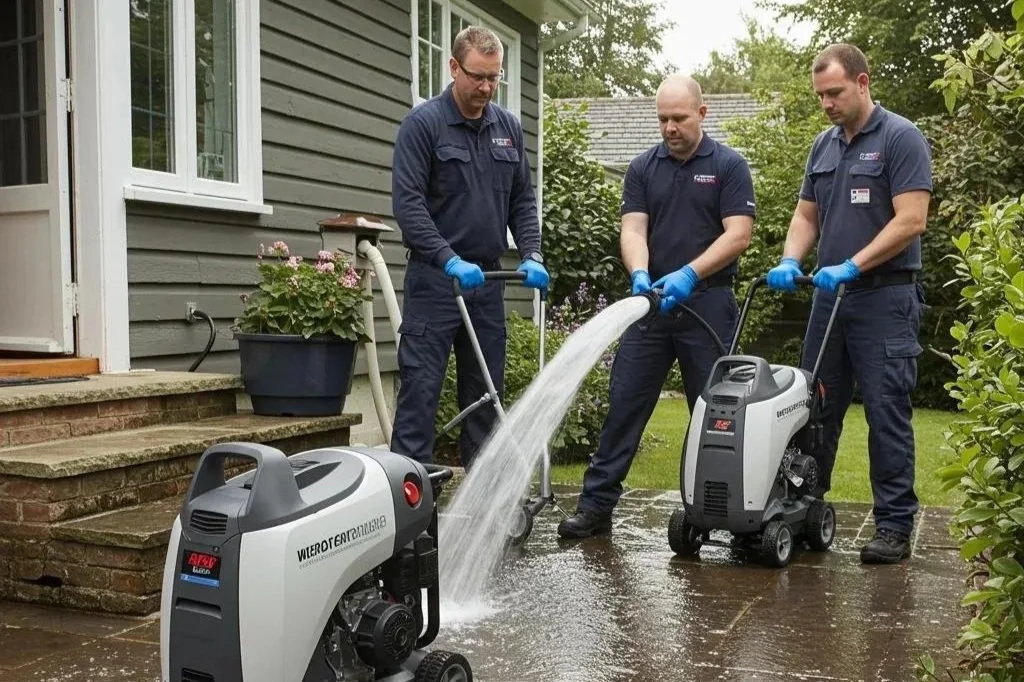
If you experience water damage in your home or business, understanding the restoration process can help you respond quickly and minimize long-term damage. Water damage restoration is a structured process that removes water, dries affected materials, prevents mold growth, and restores the property to its original condition.
The Steam Team water damage restoration process has been helping homeowners and businesses across Austin recover from water damage since 1983. Our certified restoration technicians use professional equipment and proven restoration methods to handle everything from small plumbing leaks to major flooding events.
Whether the damage occurs in Mueller, Westlake Hills, South Austin, or Round Rock, the restoration process follows the same professional steps designed to protect your property and restore it safely.
The Steam Team serves Austin from two locations — our North Austin office specializes in water damage restoration, fire cleanup, and mold remediation, while our Central Austin office focuses on professional cleaning services such as carpet cleaning, tile and grout cleaning, area rug cleaning, upholstery cleaning, and air duct cleaning.
Quick Answer: How Water Damage Restoration Works
Professional water damage restoration typically involves the following steps:
• Inspection and moisture detection
• Water extraction and removal
• Structural drying and dehumidification
• Moisture monitoring
• Cleaning and sanitizing
• Repairs and restoration
Most water damage restoration projects in Austin take 3–7 days depending on the severity of the damage.
Step 1: Inspection and Moisture Detection
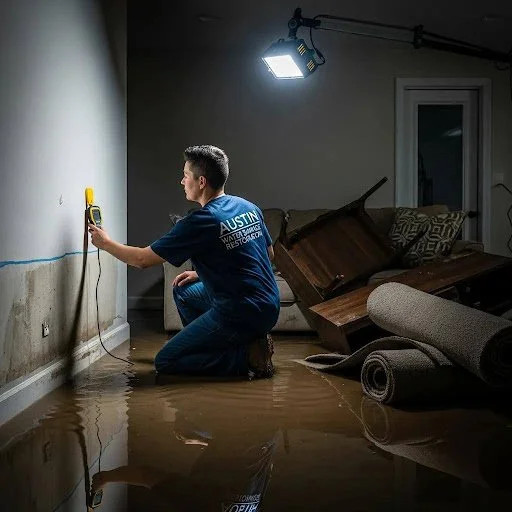
The first step in water damage restoration is a thorough inspection of the affected areas. Restoration technicians evaluate the source of the water, determine the extent of damage, and identify any safety risks.
Professional tools used during this step may include:
• Moisture meters
• Thermal imaging cameras
• Hygrometers to measure humidity levels
These tools help locate hidden moisture behind walls, under flooring, and inside structural materials.
Step 2: Water Extraction
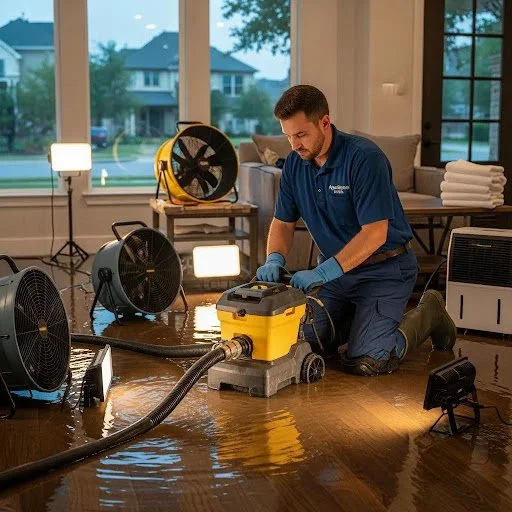
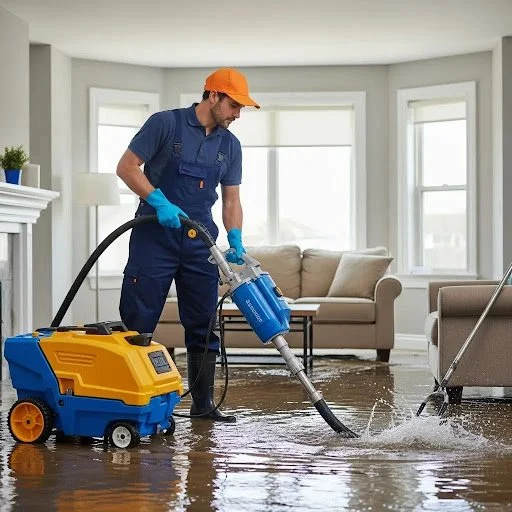
Once the damage is assessed, restoration professionals begin removing standing water from the property.
Industrial water extraction equipment can quickly remove large volumes of water from:
• carpet and flooring
• hardwood floors
• drywall and baseboards
• furniture and belongings
Rapid extraction is essential because the longer water remains in the structure, the more damage it can cause.
Step 3: Structural Drying
After visible water is removed, moisture often remains trapped inside building materials.
Professional drying equipment is used to remove this hidden moisture.
Common equipment includes:
• high-powered air movers
• commercial dehumidifiers
• floor drying systems
• air filtration equipment
Structural drying helps prevent mold growth and restores materials to safe moisture levels.
Step 4: Moisture Monitoring
During the drying process, restoration technicians regularly monitor moisture levels inside walls, floors, and other structural components.
This monitoring ensures:
• drying equipment is working effectively
• hidden moisture is fully removed
• the structure returns to normal moisture levels
Drying usually takes 2–4 days, depending on the severity of the water damage.
Step 5: Cleaning and Sanitizing
Once the property is dry, affected areas are cleaned and sanitized.
Cleaning may include:
• antimicrobial treatments
• odor removal
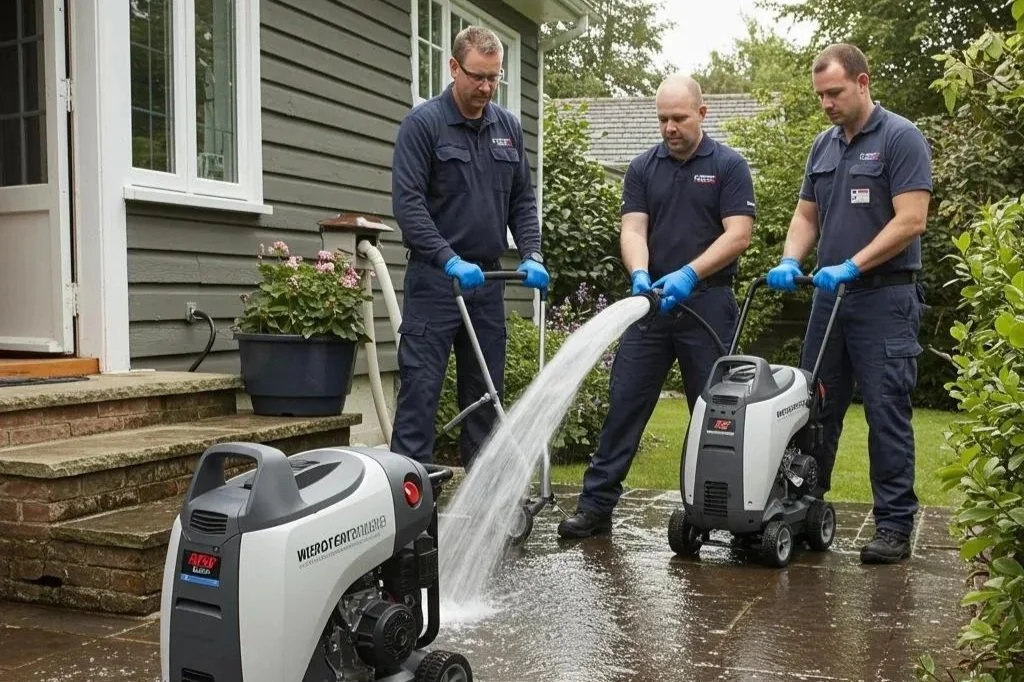
• debris cleanup
• air purification
If contaminated water was involved, additional sanitation procedures may be required to ensure the space is safe.
Step 6: Repairs and Restoration
The final step involves restoring the damaged areas of the property.
Common restoration repairs include:
• replacing drywall
• repairing flooring
• repainting walls
• installing new baseboards or trim
In many cases, professional restoration services can return the home to its pre-damage condition.
What Affects Water Damage Restoration Costs in Austin?
The cost of water damage restoration varies depending on several factors:
• the size of the affected area
• the type of water involved (clean, gray, or contaminated)
• the materials damaged
• the time between the leak and restoration
• repairs required after drying
Homes in areas such as Allandale, Cedar Park, and South Austin may experience different restoration costs depending on the size and layout of the property.
FAQ: Water Damage Restoration Process
How quickly should water damage restoration begin?
Restoration should begin immediately after water damage occurs to prevent mold growth and structural damage.
How long does the restoration process take?
Most water damage restoration projects take between 3 and 7 days, depending on the severity of the damage.
Do restoration companies work with insurance?
Yes. Many restoration companies help homeowners document damage and work with insurance providers.
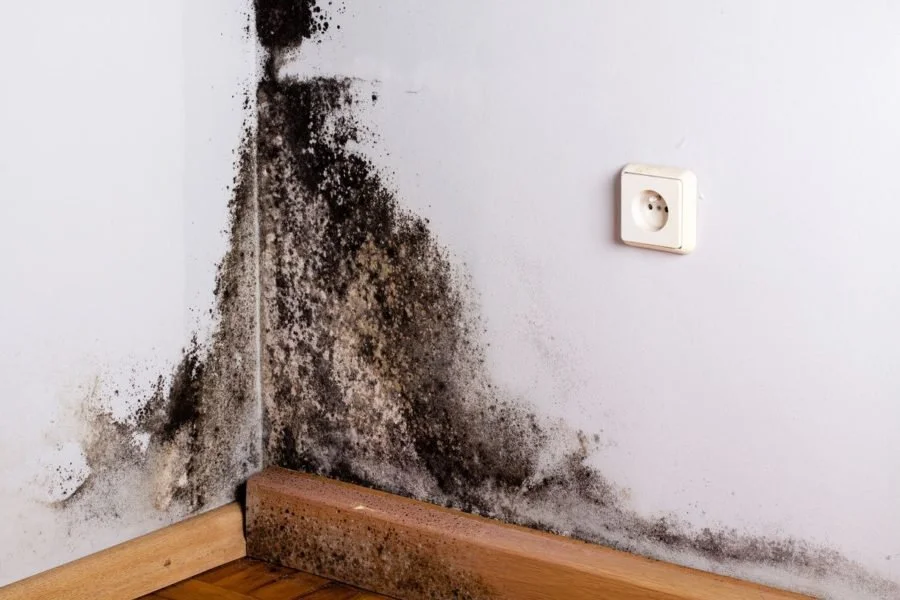
Can water damage cause mold?
Yes. Mold can begin developing within 24–48 hours if moisture remains in building materials.
Will everything need to be replaced?
Not always. Many materials can be restored if drying begins quickly and moisture is removed properly.
Why The Steam Team?

•Austin-based since 1983
• Thousands of five-star reviews
• Certified restoration professionals
• Residential and commercial expertise
• Two Austin locations for faster response
• Trusted across Central Texas
Need Help Now? Call the Right Team
Central Austin Cleaning Office
1904 W Koenig Ln
Austin, TX 78756
Carpet Cleaning | Tile & Grout Cleaning | Area Rug Cleaning | Air Duct Cleaning
North Austin Restoration Office
9901 Burnet Rd
Austin, TX 78758
Water Restoration | Fire Cleanup | Mold Remediation | Emergency Extraction