Water Damage Restoration Cost in Austin, TX
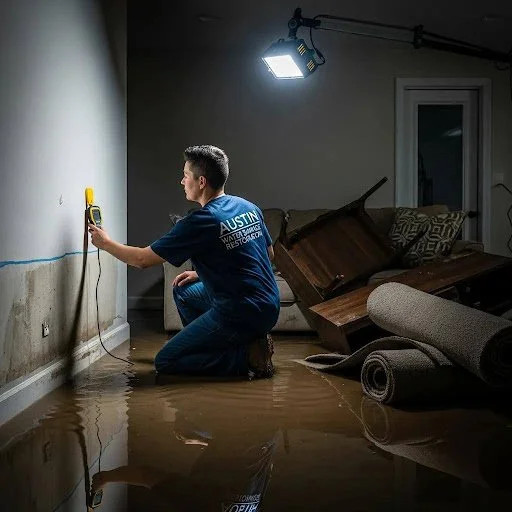
Water damage can happen suddenly and often leaves homeowners wondering what restoration will cost. From burst pipes to severe flooding, the cost of water damage restoration depends on several factors including the extent of the damage, the materials affected, and how quickly restoration begins.
The Steam Team has been helping homeowners and businesses across Austin recover from water damage since 1983. Our experienced restoration technicians provide professional water extraction, structural drying, and repairs to restore properties safely and efficiently.
Homes throughout Allandale, Mueller, Westlake Hills, and Cedar Park can experience water damage caused by plumbing leaks, storms, or appliance failures. Understanding the cost factors involved can help homeowners prepare and respond quickly when water damage occurs.
The Steam Team serves Austin from two locations our North Austin office specializes in water damage restoration, fire cleanup, and mold remediation, while our Central Austin office focuses on professional cleaning services such as carpet cleaning, tile and grout cleaning, area rug cleaning, upholstery cleaning, and air duct cleaning.
Quick Answer: Average Water Damage Restoration Cost in Austin
Water damage restoration costs vary depending on the size and severity of the damage.
Typical ranges in Austin may include:
• Minor water cleanup: $500 – $1,500
• Moderate water damage restoration: $1,500 – $5,000
• Major flooding restoration: $5,000 – $15,000+
The final cost depends on how much water entered the home, the materials affected, and the restoration equipment required.
What Factors Affect Water Damage Restoration Cost?
Several key factors influence restoration costs.
Size of the Affected Area
The larger the affected space, the more equipment and labor are required.
Restoring water damage in a single bathroom will cost less than restoring multiple rooms or an entire floor of a home.
Type of Water Involved
Restoration costs increase depending on the type of water involved.
Water damage categories include:
• Category 1: Clean water from pipes or appliances
• Category 2: Gray water from washing machines or sinks
• Category 3: Contaminated water from sewage backups or flooding
Contaminated water requires additional sanitation and protective procedures.
Materials Damaged
Different building materials respond differently to water exposure.
Common materials affected include:
• carpet and padding
• hardwood flooring
• drywall and insulation
• cabinetry and baseboards
Some materials can be dried and restored, while others may need to be removed and replaced.
Time Between Leak and Restoration
The longer water remains inside the structure, the more damage it can cause.
If restoration begins quickly, many materials can be saved. Delayed cleanup can lead to:
• mold growth
• structural damage
• additional repair costs
This is why emergency water damage response is so important.
Typical Water Damage Restoration Services
Professional restoration services usually include several stages.
Water Extraction
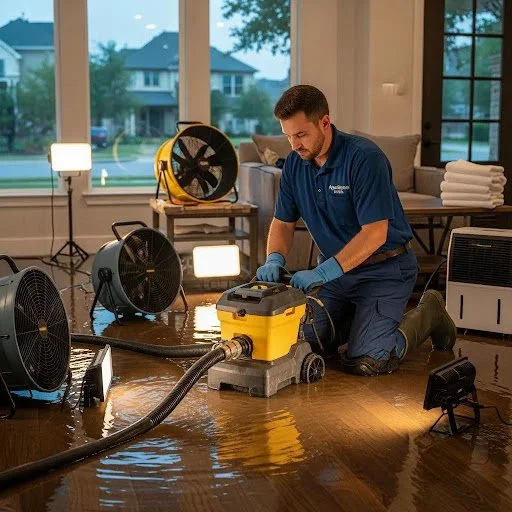
Industrial pumps remove standing water from floors and carpets.
Structural Drying
High-powered air movers and dehumidifiers remove moisture trapped inside walls and floors.
Cleaning and Sanitizing
Antimicrobial treatments may be applied to prevent mold growth and eliminate odors.
Repairs and Restoration
Once the structure is dry, repairs may include drywall replacement, flooring repairs, and repainting.
Does Insurance Cover Water Damage Restoration?
In many cases, homeowners insurance covers water damage restoration depending on the cause of the damage.
Insurance policies often cover:
• burst pipes
• appliance leaks
• accidental plumbing failures
However, damage caused by neglect or long-term leaks may not be covered.
Water Restoration companies often assist homeowners with documentation needed for insurance claims.

How to Reduce Water Damage Restoration Costs
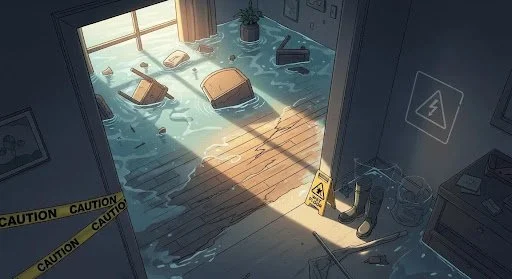
Homeowners can take several steps to reduce restoration costs.
Helpful steps include:
• shutting off the water source immediately
• removing standing water if safe
• contacting a restoration company quickly
• documenting the damage for insurance
Early response often prevents additional damage and lowers overall restoration costs.
Water Damage Risks in Austin Homes
Homes across South Austin, Round Rock, and Pflugerville commonly experience water damage from:
• plumbing leaks
• burst pipes during cold weather
• appliance failures
• severe storms
Regular plumbing inspections and maintenance can help reduce the risk of unexpected water damage.
FAQ: Water Damage Restoration Costs
What is the average cost of water damage restoration?
Most residential water damage restoration projects in Austin range from $1,500 to $5,000, depending on the severity of the damage.
Does homeowners insurance cover water damage?
Insurance often covers sudden plumbing failures or burst pipes, but may not cover long-term leaks.
How quickly should restoration begin?
Restoration should begin as soon as possible to prevent mold growth and structural damage.
Can water damage restoration prevent mold?
Yes. Proper structural drying removes moisture that could allow mold to grow.
Do restoration companies provide cost estimates?
Yes. Most restoration companies perform an inspection and provide an estimate before beginning work.
Why The Steam Team?

• Austin-based since 1983
• Thousands of five-star reviews
• Certified restoration professionals
• Residential and commercial expertise
• Two Austin locations for fast response
• Trusted across Central Texas
Need Help Now? Call the Right Team
Central Austin Cleaning Office
1904 W Koenig Ln
Austin, TX 78756
Carpet Cleaning | Tile & Grout Cleaning | Area Rug Cleaning | Air Duct Cleaning
North Austin Restoration Office
9901 Burnet Rd
Austin, TX 78758
Water Restoration | Fire Cleanup | Mold Remediation | Emergency Extraction