Signs of Hidden Mold in Austin, TX Homes
Mold does not always appear in obvious places. In many homes, mold develops in hidden areas such as behind drywall, under flooring, inside HVAC systems, or in damp crawl spaces. Because mold can grow out of sight, homeowners may not realize there is a problem until odors or health symptoms begin to appear.
Hidden mold can spread gradually if moisture problems are not addressed. Over time it can affect building materials, indoor air quality, and overall home comfort.
Understanding the signs of hidden mold in Austin homes helps homeowners detect problems early and take action before the issue becomes more severe.
The Steam Team has been helping homeowners identify and remediate mold issues throughout Austin since 1983, providing professional mold remediation and restoration services.
Homes in neighborhoods such as Allandale, Mueller, and South Austin sometimes develop hidden mold after plumbing leaks, roof leaks, or water damage events.
The Steam Team serves Austin from two locations — our North Austin office focuses on restoration services including water damage restoration, fire cleanup, and mold remediation, while our Central Austin office provides professional cleaning services such as carpet cleaning, tile and grout cleaning, area rug cleaning, upholstery cleaning, and air duct cleaning.
Why Hidden Mold Develops
Mold requires three basic conditions to grow:
• moisture
• organic material (such as wood or drywall)
• limited airflow
When moisture becomes trapped in walls, flooring, or ceilings, mold may begin growing without being immediately visible.
Homes in Round Rock, Cedar Park, and North Austin sometimes develop hidden mold after storms, roof leaks, or plumbing issues.
Common Signs of Hidden Mold
Several warning signs may indicate mold growth in areas that are not easily visible.
Musty Odors
A persistent musty smell is one of the most common indicators of hidden mold.
These odors may become stronger when the HVAC system runs or when humidity levels increase.
Water Stains on Walls or Ceilings
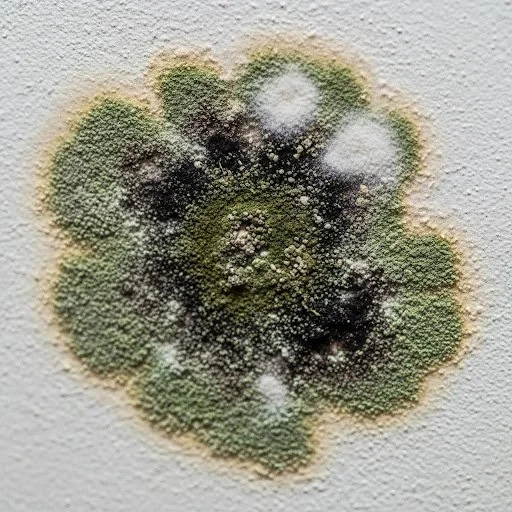
Water stains or discoloration on ceilings or walls may indicate moisture intrusion that can lead to mold growth behind the surface.
Peeling Paint or Warped Drywall
Moisture trapped behind walls can cause paint to peel or drywall to warp.
These signs may indicate conditions that support mold growth.
Increased Allergy Symptoms Indoors
Mold spores circulating in indoor air may cause symptoms such as:
• sneezing
• coughing
• eye irritation
• respiratory discomfort
Some people may notice symptoms improve when they leave the building.
Past Water Damage
If your home has experienced flooding, plumbing leaks, or roof damage, hidden mold may develop in affected areas.
Even after visible water is removed, moisture can remain inside walls or flooring.
Common Locations Where Hidden Mold Appears
Mold often grows in areas that are not easily accessible.
Common hidden mold locations include:
• behind drywall
• under carpet or flooring
• inside HVAC ducts
• inside attics or crawl spaces
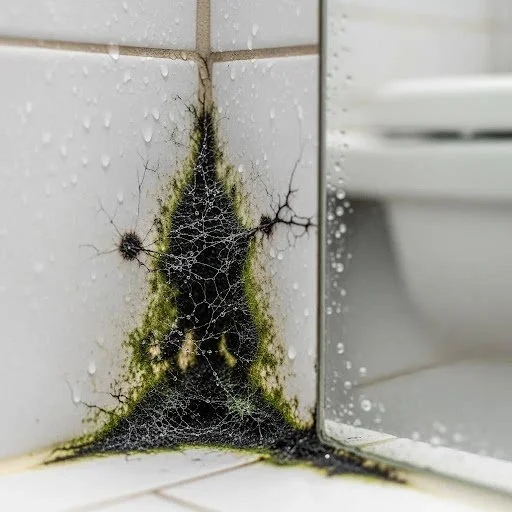
• behind bathroom walls or showers
These areas may require professional inspection to confirm mold presence.
Why Professional Mold Inspection Is Important
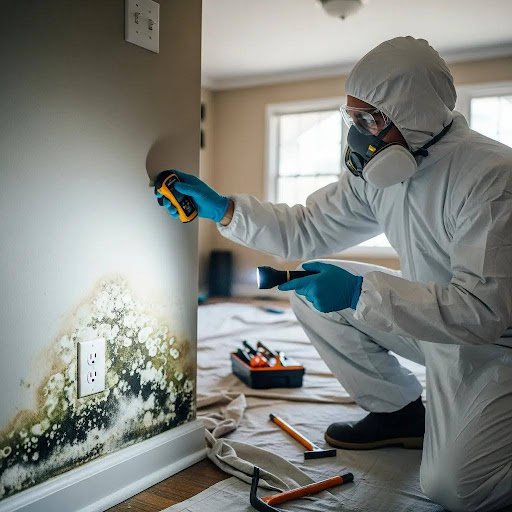
Professional mold inspection can help identify hidden mold and determine the source of moisture.
Inspection methods may include:
• moisture detection equipment
• thermal imaging cameras
• visual inspection of structural areas
Identifying the source of moisture is critical for preventing mold from returning.
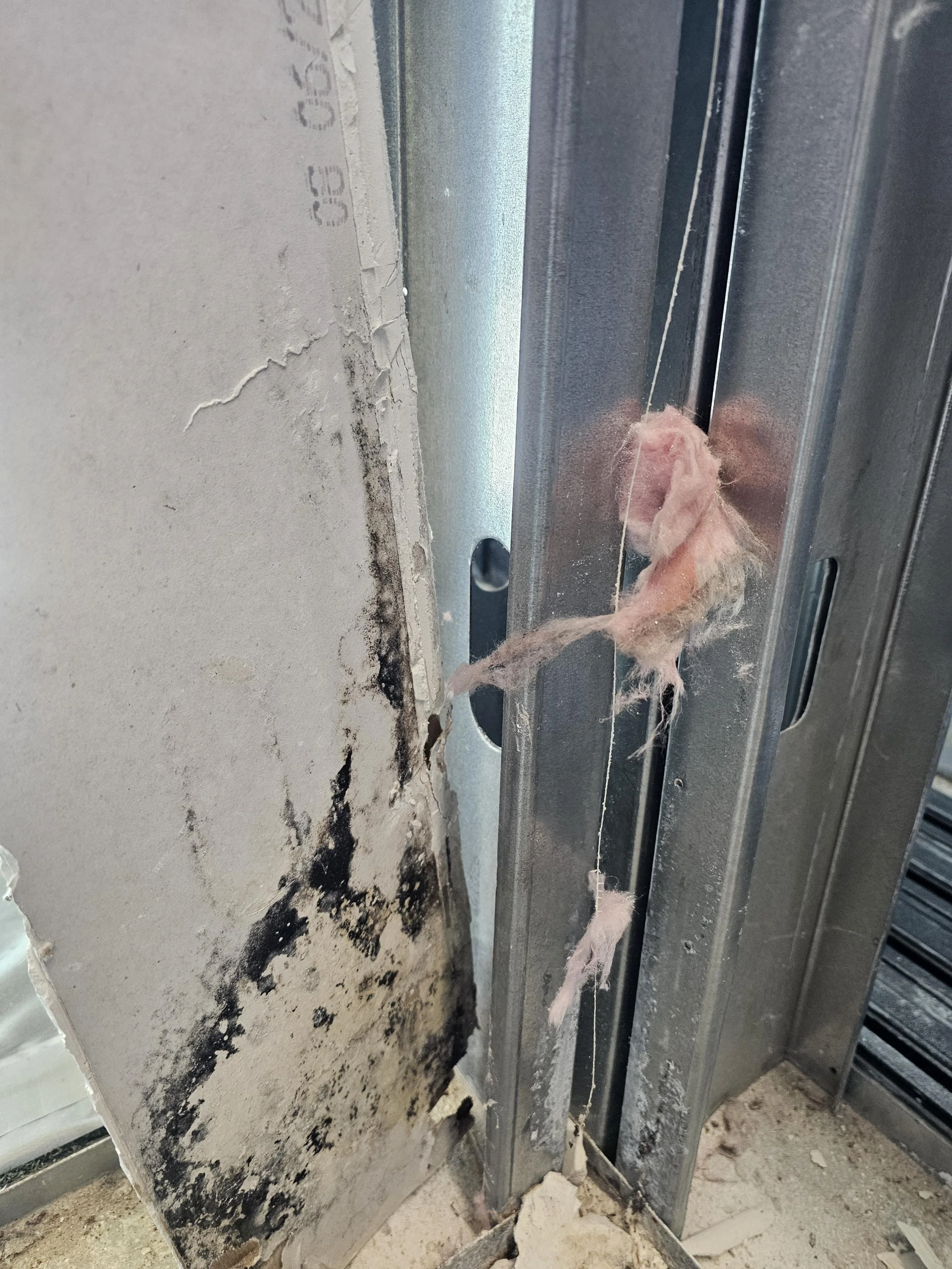
How Hidden Mold Is Remediated
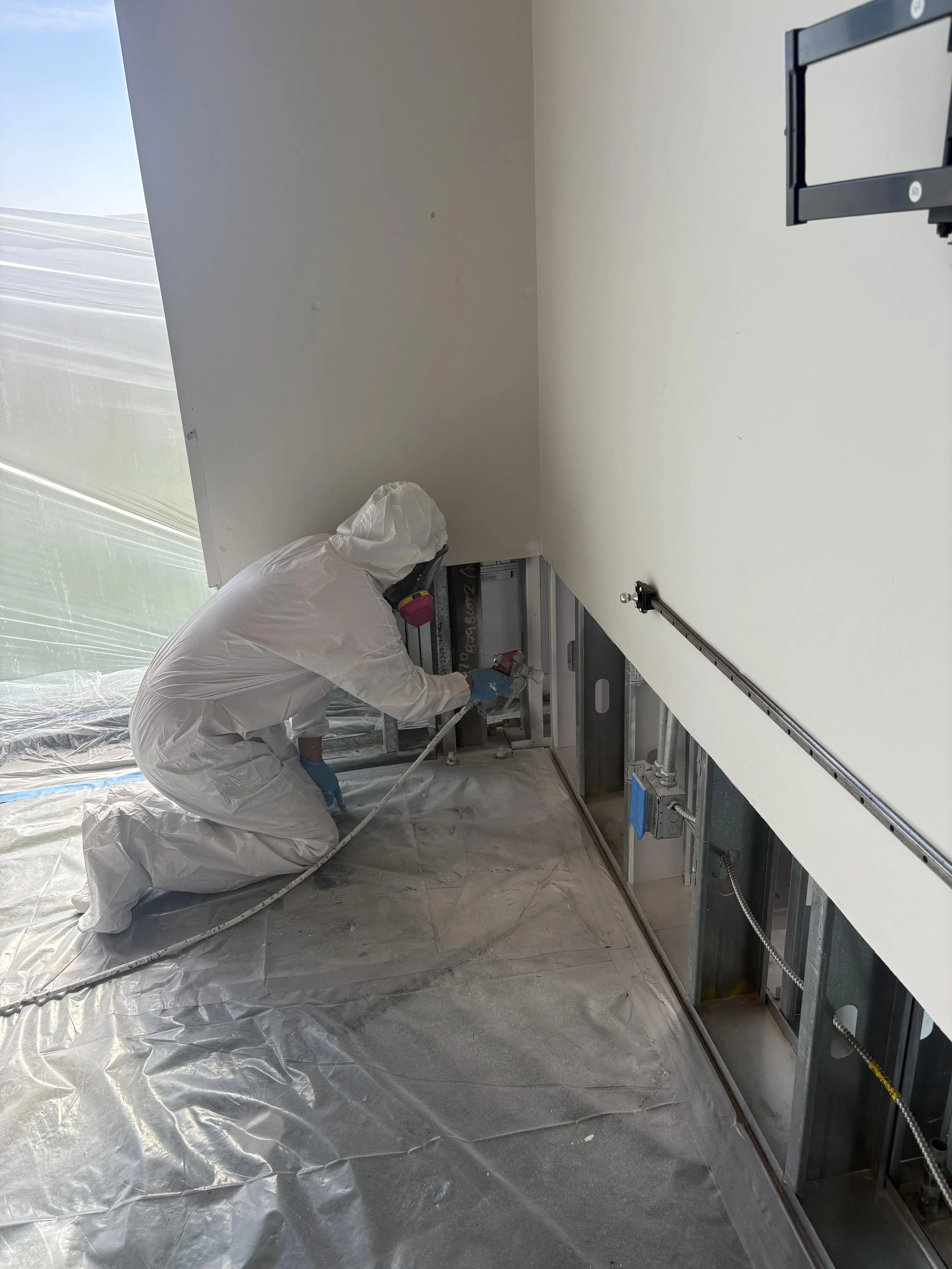
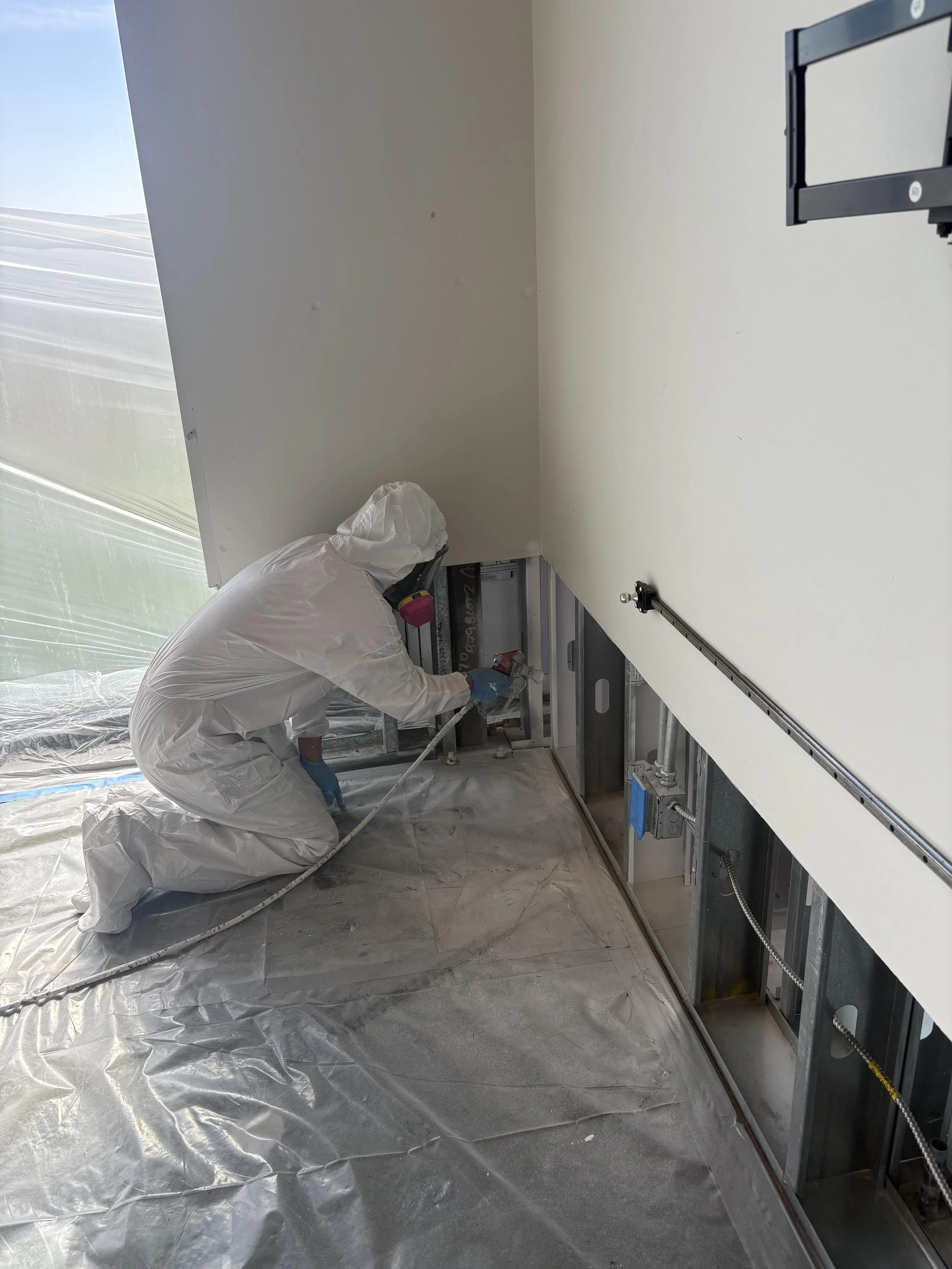
If hidden mold is discovered, professional mold remediation may involve:
• containment of affected areas
• removal of contaminated materials
• antimicrobial treatments
• drying and moisture control
Proper remediation ensures mold contamination is safely removed.
Preventing Hidden Mold
Homeowners can reduce the risk of hidden mold by controlling moisture levels and maintaining the home.
Helpful prevention strategies include:
• repairing leaks quickly
• maintaining proper ventilation
• using dehumidifiers in humid areas
• addressing water damage promptly
Routine home maintenance helps prevent conditions that allow mold growth.
FAQ: Hidden Mold
Can mold grow behind walls?
Yes. Mold can grow inside wall cavities when moisture becomes trapped.
How can I tell if mold is hidden in my home?
Common signs include musty odors, water stains, and allergy symptoms indoors.
Is hidden mold dangerous?
Hidden mold can affect indoor air quality and may cause health concerns for some individuals.
Should I test for mold if I smell something musty?
Yes. Persistent musty odors may indicate mold growth that should be inspected.
Can hidden mold be removed?
Yes. Professional mold remediation can safely remove hidden mold and address the moisture source.
Why The Steam Team?

• Serving Austin since 1983
• Certified mold remediation professionals
• Advanced drying and containment equipment
• Emergency restoration services
• Trusted throughout Central Texas
Schedule Mold Inspection in Austin
North Austin Restoration Office
9901 Burnet Rd
Austin, TX 78758
Water Restoration | Fire Cleanup | Mold Remediation | Emergency Extraction
Central Austin Cleaning Office
1904 W Koenig Ln
Austin, TX 78756
Carpet Cleaning | Tile & Grout Cleaning | Area Rug Cleaning | Air Duct Cleaning