Common Causes of Water Damage in Austin (And How to Prevent Them)
/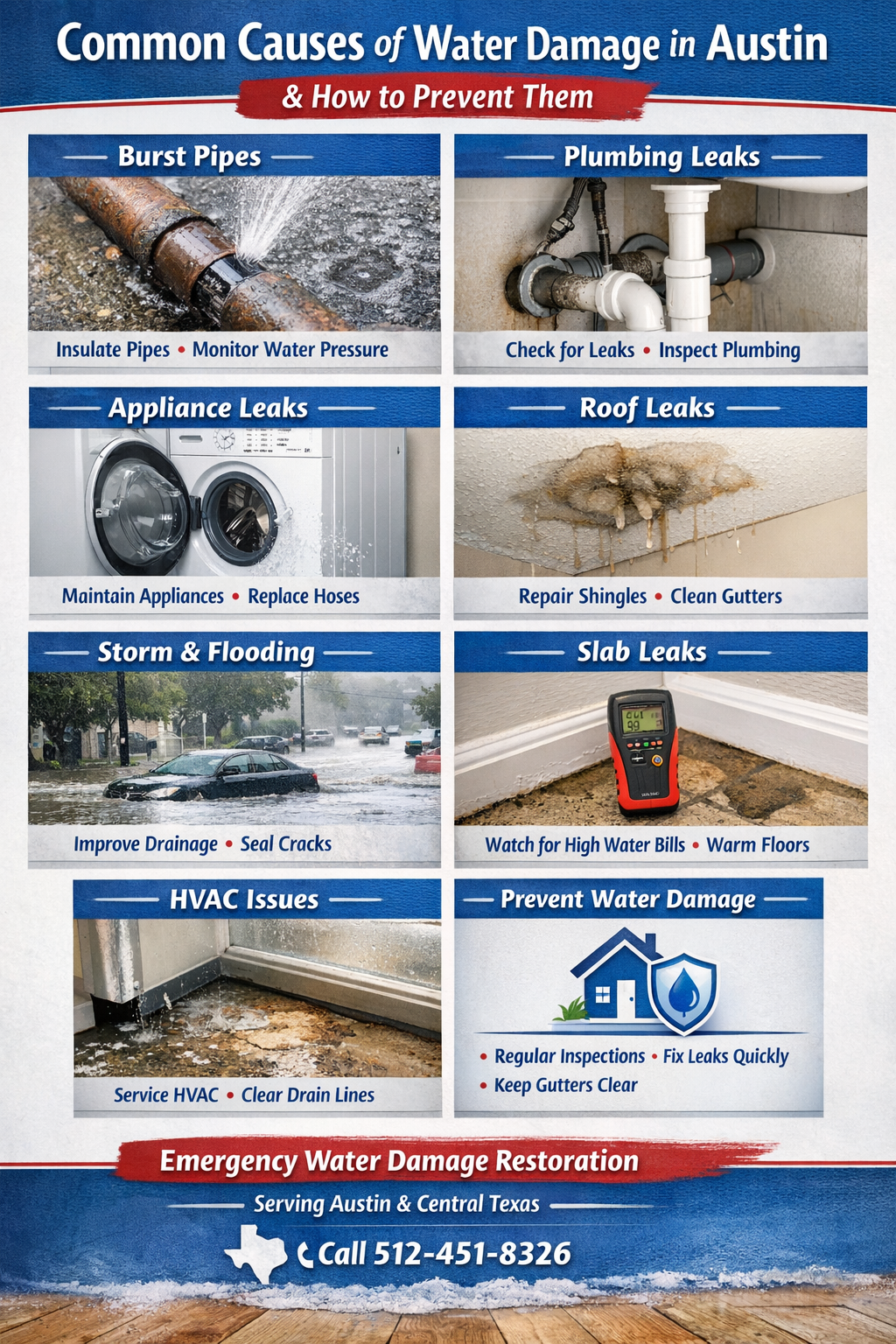
Water damage is one of the most common property problems homeowners face. From plumbing leaks to severe storms, water can quickly damage floors
Read More
Explore expert tips on water damage restoration, carpet cleaning, rug cleaning, mold remediation, and air duct cleaning in Austin, TX. Trusted local insights from The Steam Team since 1983.
Water damage is one of the most common property problems homeowners face. From plumbing leaks to severe storms, water can quickly damage floors
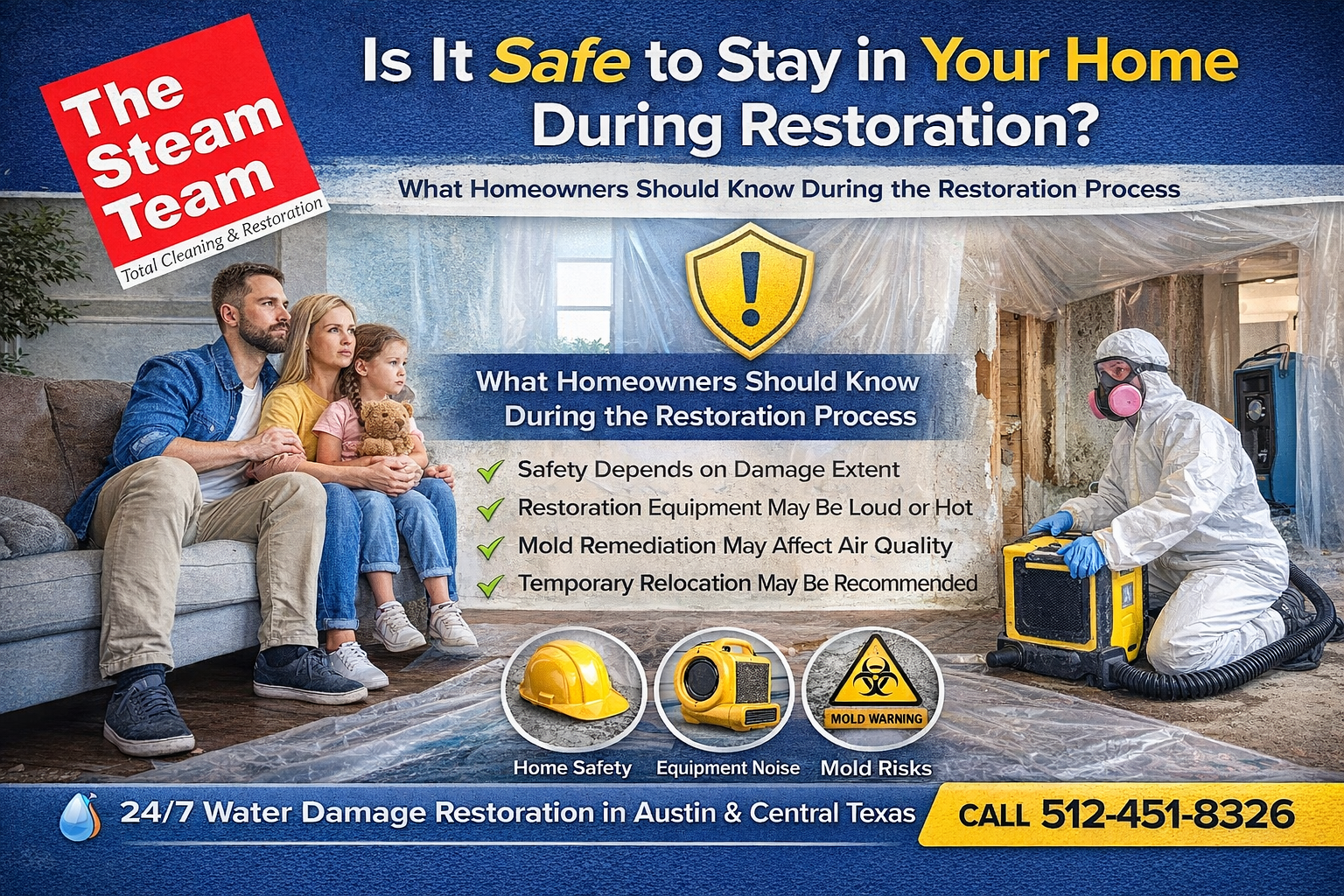
Read MoreWhen water damage occurs in a home, restoration work often begins quickly to prevent additional structural damage and mold growth.
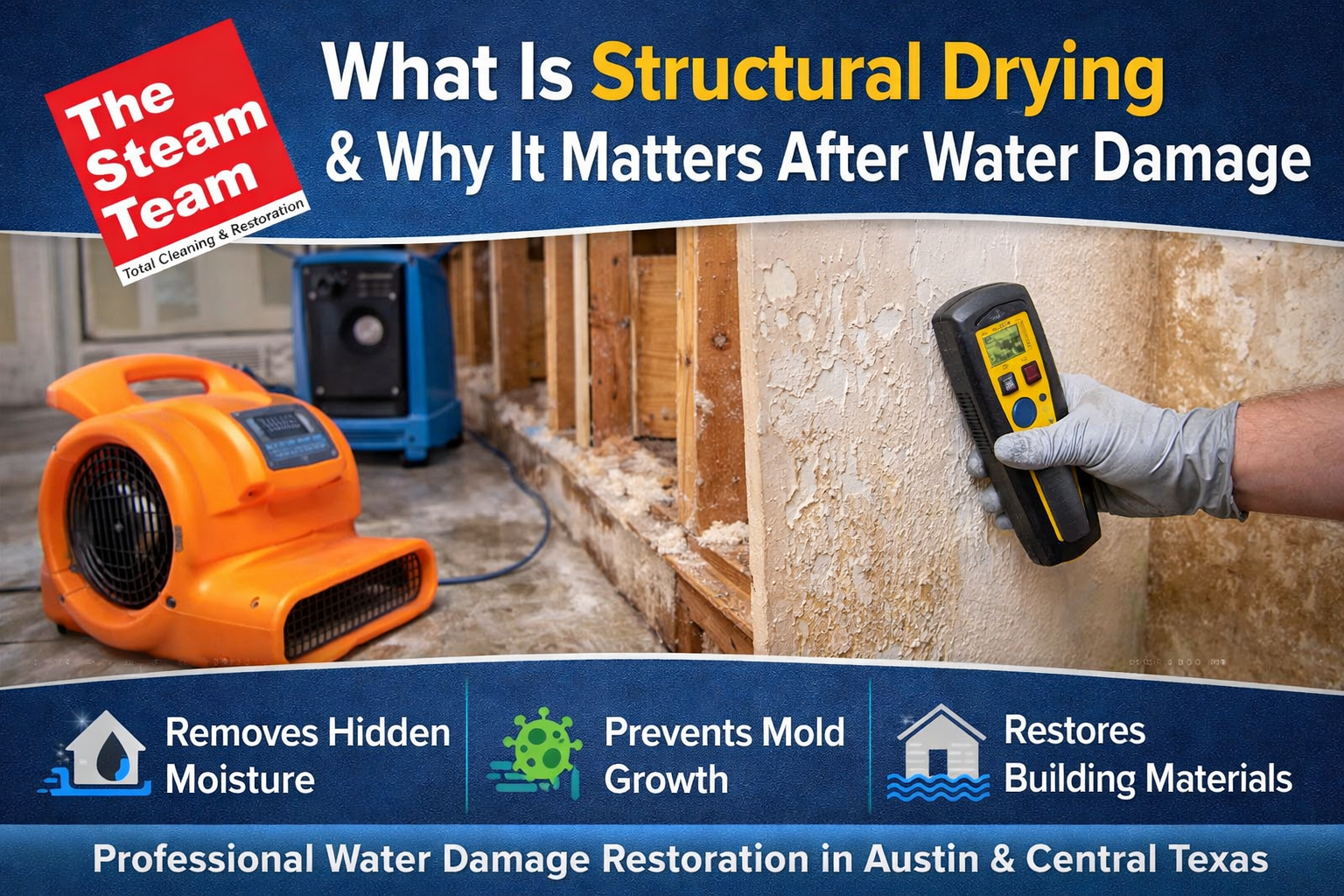
Read MoreWhen water damage occurs in a home or building, removing standing water is only the beginning of the restoration process.
Read MoreNot all water damage is the same. In the restoration industry, water damage is classified into different categories based on contamination levels.
Read MoreUnderstanding the distinctions between flood cleanup and water damage restoration is crucial for homeowners and businesses in Austin, especially given the region's susceptibility to severe weather. This article will clarify these two essential services, detailing their processes, implications, and the specific circumstances under which each is necessary. By the end, readers will gain insights into how to effectively address water-related issues, ensuring their properties remain safe and healthy. We will explore the definitions, processes, and health risks associated with both flood cleanup and water damage restoration, as well as the insurance implications and the importance of professional intervention.
Water damage restoration refers to the process of restoring a property affected by water intrusion to its pre-loss condition. This process is essential for mitigating damage and preventing further issues such as mold growth. The restoration process typically involves several critical steps, including assessment, extraction, drying, and, in some cases, decontamination. Understanding these steps can help homeowners act quickly and effectively when faced with water damage.
Burst Pipes: Sudden pipe failures can lead to significant water loss and damage.
Leaky Roofs: Roof leaks can allow water to seep into the structure, causing damage over time.
Appliance Malfunctions: Issues with washing machines, dishwashers, or water heaters can result in unexpected flooding.
Recognizing these causes can help homeowners take preventive measures to protect their properties.
The water damage restoration process generally follows these steps:
Assessment: Professionals evaluate the extent of the damage and develop a restoration plan.
Extraction: Water is removed using specialized equipment to prevent further damage.
Drying: The affected areas are thoroughly dried using industrial fans and dehumidifiers to eliminate moisture.
Cleaning and Sanitizing: Depending on the water category, affected areas may require cleaning and sanitization to prevent microbial growth.
These steps are crucial for restoring a property and preventing long-term damage.
Flood cleanup specifically addresses the aftermath of flooding events, which can introduce contaminated water into a property. Unlike general water damage restoration, flood cleanup requires additional safety measures due to the potential for hazardous materials in floodwaters. Understanding these differences is vital for homeowners facing water-related emergencies.
Flood damage in Central Texas can result from several external factors, including:
Heavy Rainfall: Prolonged or intense rain can saturate the ground, causing water to enter homes.
River Flooding: Overflowing rivers can inundate nearby properties, leading to significant damage.
Flash Flooding: Sudden, intense rainfall can cause rapid flooding, especially in urban areas with poor drainage.
Storm surges are typically associated with coastal flooding and are not a common cause of flood damage in Central Texas.
These factors highlight the importance of being prepared for flooding, especially in vulnerable areas.
The flood cleanup process involves several critical steps to ensure safety and sanitation:
Contamination Risks: Floodwaters can contain harmful bacteria, viruses, chemicals, and debris, necessitating careful handling.
Sanitization Steps: Affected areas must be thoroughly cleaned and disinfected to eliminate health risks.
Safety Equipment: Professionals use protective gear to safeguard against contaminants during the cleanup process.
Research further emphasizes the complex nature of assessing and mitigating the microbiological risks associated with flood events.
Estimating Pathogen Risks in Flood Events
pathogen export for each subcatchment as a function of steady flow velocity and static probabilities of pathogen removal by
Estimating the microbiological risks associated with inland flood events: Bridging theory and models of pathogen transport, PA Collender, 2016
These measures are essential for protecting the health of residents and restoring the property safely.
Water damage and flood damage differ significantly in terms of contamination levels and associated health risks. Understanding these differences is crucial for homeowners to make informed decisions about restoration.
Water is categorized into three main types based on contamination levels:
Clean Water (Category 1): This type comes from a clean source, such as a broken pipe or rainwater, and poses minimal health risks.
Gray Water (Category 2): This water contains some contaminants, such as from sinks or washing machines, and can cause illness if ingested.
Black Water (Category 3): This highly contaminated water comes from sewage, floodwaters, or stagnant water and poses serious health risks.
Recognizing these categories helps homeowners understand the severity of their situation.
Mold prevention is critical following water or flood damage due to the following reasons:
Mold Growth Conditions: Mold thrives in damp environments, making quick action essential.
Health Risks: Mold can cause respiratory issues and other health problems, particularly for sensitive individuals.
Prevention Methods: Effective drying, cleaning, and sanitization can significantly reduce the risk of mold growth.
Understanding the science behind water intrusion and its impact on building materials is crucial for effective mold remediation and drying.
Water Intrusion, Mold Damage & Remediation Drying
If you suspect that mold has damaged building integrity, you should consult Water intrusion science and remediation drying times.
Understanding the insurance implications for water damage and flood damage is essential for homeowners to ensure they are adequately covered.
Standard homeowners insurance typically covers water damage caused by sudden and accidental incidents, such as burst pipes. However, it generally does not cover damage resulting from flooding or from neglect and lack of maintenance. Homeowners should review their policies to understand the specifics of their coverage.
Separate flood insurance is often necessary because standard homeowners' policies usually do not cover flood damage. This type of insurance protects homeowners from financial loss due to flooding, which can be particularly important in flood-prone areas. Understanding these distinctions can help homeowners make informed decisions about their insurance needs.
When faced with water damage or flooding, choosing a reliable restoration service is crucial. The Steam Team has been serving Central Texas since 1983, providing expert cleaning and restoration services.
The Steam Team is IICRC certified and holds an A+ rating with the Better Business Bureau, showcasing our commitment to quality and professionalism in restoration services. These certifications ensure that our team is trained in the latest techniques and safety protocols.
IICRC Certification for Mold & Water Damage Remediation.
Our 24/7 emergency service allows us to respond quickly to water damage situations, minimizing damage and providing peace of mind to residents. Rapid response is critical in preventing further issues, and our dedicated team is always ready to assist.
Knowing when to call professionals can make a significant difference in the outcome of water damage situations.
After experiencing water or flood damage, homeowners should take the following immediate steps:
Shut Off Water Source: If safe, turn off the water supply to prevent further damage.
Document Damage: Take photos for insurance purposes before cleanup begins.
Contact Professionals: Reach out to a restoration service to assess and address the damage.
These steps can help mitigate damage and facilitate the restoration process.
Early professional intervention can prevent further damage by:
Preventing Mold Growth: Quick action reduces the likelihood of mold development.
Minimizing Costs: Addressing issues promptly can save homeowners from more extensive repairs later.
Speeding Up Recovery: Professionals have the tools and expertise to restore properties efficiently.
Taking swift action is essential for effective water damage management.
Signs of water damage can vary but often include visible stains on walls or ceilings, peeling paint, and warped flooring. You may also notice a musty odor, which can indicate mold growth. Additionally, if you experience increased humidity or condensation in certain areas, it may signal hidden leaks. Regularly inspecting your home for these signs can help you catch water damage early, allowing for timely intervention and restoration to prevent further issues.
The duration of the water damage restoration process can vary significantly based on the extent of the damage and the size of the affected area. Typically, minor water damage can be addressed within a few days, while more extensive damage may take a week or longer. Factors such as the type of water involved, the drying process, and the need for repairs or mold remediation can all influence the timeline. A professional restoration company can provide a more accurate estimate after assessing the situation.
While some minor water damage can be managed by homeowners, it is generally advisable to seek professional help for significant issues. DIY cleanup may not effectively address underlying problems, such as mold growth or structural damage. Professionals have the necessary equipment and expertise to ensure thorough cleaning and restoration, minimizing health risks and preventing further damage. If you are unsure about the severity of the damage, it’s best to consult with a restoration expert.
When selecting a flood cleanup service, consider their experience, certifications, and customer reviews. Look for companies that are IICRC certified, as this indicates they adhere to industry standards for water damage restoration. Additionally, ensure they offer 24/7 emergency services, as prompt response is crucial in minimizing damage. Transparency in pricing and a clear process for handling insurance claims are also important factors to evaluate when making your choice.
To protect your home from future flood damage, consider implementing several preventive measures. Ensure proper drainage around your property by maintaining gutters and downspouts. Installing sump pumps in basements can help manage excess water. Additionally, consider landscaping solutions that direct water away from your foundation. Regularly inspect your roof and plumbing for leaks, and consider flood barriers or waterproofing solutions if you live in a flood-prone area.
Flooding can have significant environmental impacts, including soil erosion, water contamination, and habitat destruction. Floodwaters can carry pollutants, chemicals, and debris, which can harm local ecosystems and water quality. Additionally, the aftermath of flooding can lead to increased sedimentation in rivers and streams, affecting aquatic life. Understanding these impacts highlights the importance of effective flood management and restoration practices to protect both properties and the environment.
If you experience water damage, the first step is to ensure your safety by turning off the water source if possible. Next, document the damage with photos for insurance purposes. It's crucial to contact a professional restoration service immediately to assess the situation and begin the cleanup process. Quick action can help minimize damage and prevent issues like mold growth, which can complicate recovery efforts.
Preventing water damage involves regular maintenance and proactive measures. Check for leaks in plumbing, inspect your roof for damage, and ensure gutters are clear to direct water away from your home. Installing sump pumps in basements and using water alarms can also help detect issues early. Additionally, consider waterproofing your basement and ensuring proper drainage around your property to mitigate risks.
Long-term effects of water damage can include structural issues, mold growth, and damage to personal belongings. If not addressed promptly, water can weaken the foundation, walls, and ceilings, leading to costly repairs. Mold can pose serious health risks, particularly for individuals with respiratory issues. It's essential to act quickly to mitigate these risks and restore your property to a safe condition.
Choosing the right restoration company involves researching their credentials, experience, and customer reviews. Look for certifications such as IICRC, which indicate professional training in water damage restoration. Ensure they offer 24/7 emergency services and have a clear process for handling insurance claims. A reputable company should provide a detailed assessment and transparent pricing before starting any work.
The cost of water damage restoration can vary widely based on the extent of the damage, the type of water involved, and the size of the affected area. On average, homeowners can expect to pay between $1,500 and $3,500 for restoration services. However, costs can increase significantly for extensive damage or if mold remediation is required. It's advisable to get multiple quotes from restoration companies to understand the potential expenses.
Yes, water damage can pose several health risks, particularly if it leads to mold growth or involves contaminated water. Mold can cause respiratory issues, allergies, and other health problems, especially in sensitive individuals. Additionally, floodwaters may contain harmful bacteria and chemicals that can lead to illness. It's crucial to address water damage promptly and thoroughly to minimize these health risks.
Understanding the differences between flood cleanup and water damage restoration is essential for Austin homeowners and businesses to protect their properties effectively. By recognizing the specific processes and health risks associated with each service, you can make informed decisions that safeguard your home and well-being. Don't wait for water damage to escalate; reach out to a professional restoration service today for a thorough assessment. Explore our expert services to ensure your property remains safe and healthy.
Water damage occurs the moment water intrudes into building materials, and when left unaddressed, it rapidly degrades structure, drives mold growth, and raises health and financial risks. This article explains why acting quickly after a flood, burst pipe, or storm-related intrusion matters, outlining immediate hazards, health consequences, cost escalation, the professional restoration workflow, and prevention steps tailored to Austin and Central Texas conditions. Readers will learn how moisture attacks wood, drywall, insulation, and foundations; how mold and bacterial contaminants develop; and which mitigation steps reduce exposure and restore habitability. The guide maps the restoration process step-by-step, extraction, drying, remediation, contents care, and reconstruction, and shows how response time changes outcomes. Practical checklists, comparative EAV tables, and clear lists help homeowners and property managers prioritize actions and document damage for insurance. Practical, local considerations and certified-expert options are included to help you decide when to call professionals and what to expect from emergency water damage restoration.
Immediate risks begin as soon as water contacts building materials and escalate with time; the three primary early threats are structural weakening, biological growth, and electrical or safety hazards. Water saturates porous materials, reducing tensile strength in wood and drywall, and can compromise fasteners and adhesives within hours to days, which increases collapse risk in affected areas. Simultaneously, wet surfaces create ideal conditions for mold and bacterial colonization that can begin within 24–48 hours, increasing contamination and complicating cleanup. Finally, standing water and moisture accelerate corrosion of electrical systems and create slip, trip, and contamination hazards that make occupied spaces unsafe. The next subsections examine how different materials fail and how quickly mold takes hold, offering specific mitigation actions to halt progressive deterioration.
Water undermines structural elements by penetrating and saturating materials, which reduces load-bearing capacity and accelerates decay in wood, gypsum, and insulation. Wood framing and joists absorb moisture, which causes swelling, warping, and eventual rot if not dried; fasteners corrode, and connections weaken, creating hidden failures that become apparent later during reconstruction. Drywall and insulation quickly lose stiffness and thermal performance, often requiring removal once saturation and contamination exceed safe-drying thresholds, which increases project scope. Foundations and slabs can experience hydrostatic pressure and soil movement after prolonged exposure, potentially leading to cracks and settlement; early mitigation focuses on removing water and lowering moisture content to prevent long-term shifts. Understanding these material-specific failure modes guides targeted mitigation tactics such as temporary shoring, controlled drying, and selective demolition to preserve as much of the original structure as possible.
Mold growth typically begins within 24–48 hours on damp, nutrient-rich surfaces when temperature and humidity are favorable, and spores find organic material to colonize. Warm, dark environments and porous substrates like wood, paper-faced drywall, and insulation accelerate colonization and biofilm formation, turning localized moisture into broader contamination if left untreated. Early drying, HVAC isolation, and containment can arrest spore germination and limit spread; once visible growth appears, remediation requires removal or specialized cleaning depending on material and contamination class. Prompt actions such as extracting standing water and deploying air movers and dehumidifiers reduce the window for mold establishment and cut the eventual complexity and cost of remediation. The next section examines how timely restoration reduces health hazards associated with mold and bacteria in the home.
The Institute of Inspection, Cleaning and Restoration Certification (IICRC) provides essential frameworks for understanding and managing water damage, including how to classify water intrusion and establish drying goals.
IICRC Water Damage Classification for Structural Drying
The Institute of Inspection, Cleaning and Restoration Certification (IICRC) categorizes free water into three classes based on the estimated evaporation rate and the percentage of the structure's surface area that is affected. Understanding these categories is crucial for establishing appropriate in-place structural drying goals.
Establishing In-Place Structural Drying Goals: A Scientific Approach, 2015
Timely restoration reduces exposure to biological contaminants by removing moisture and contaminated materials before spores and pathogens amplify to hazardous levels. Drying and remediation interrupt the chain of events that leads from humidity to mold proliferation and bacterial growth, lowering airborne spore counts and limiting reservoirs of contamination in HVAC systems, carpets, and contents. Professional containment strategies and HEPA-grade filtration capture airborne particulates during cleanup, reducing respiratory exposures for occupants and workers alike and protecting vulnerable populations such as children, the elderly, and immunocompromised individuals. Table-based mapping of common contaminants to health impacts clarifies what to prioritize during mitigation and when to pursue specialized remediation or medical consultation. The following subsection lists common health issues tied to mold and bacteria and then explains how professional remediation reduces those risks.
Exposure to mold and waterborne bacteria commonly causes respiratory irritation, allergic responses, and exacerbation of asthma or chronic lung conditions in sensitive individuals. Symptoms can include coughing, nasal congestion, wheezing, eye irritation, and chronic sinus issues; those with compromised immune systems are at higher risk of opportunistic infections from certain pathogens present in contaminated water. Prolonged exposure to high indoor mold concentrations has been associated with persistent respiratory problems and reduced indoor air quality, which can impair daily functioning and increase healthcare interactions. Early mitigation lowers airborne and surface contamination, which in turn reduces symptom persistence and the chance of chronic issues developing in at-risk occupants. The next subsection explains specific professional remediation steps that protect occupants and limit re-exposure.
Research into indoor fungi and water damage highlights the critical need for adherence to established guidelines to protect occupants from adverse health effects.
Health Effects and Guidelines for Indoor Mold and Water Damage
Cedric holds a current IICRC certification for water damage restoration and applied microbial remediation and has also been involved in research on indoor fungi, mould remediation, cleaning, and indoor air. This paper reviews current research on health effects and accepted guidelines for the management of indoor mould and water damage in the built environment.
Literature review of current research on health effects and accepted guidelines for the management of indoor mould and water damage in the built environment, CD Cheong, 2013
Professional mold remediation protects occupants by combining containment, negative-pressure airflow, HEPA filtration, and methodical removal of contaminated materials to prevent cross-contamination. Remediation teams assess contamination levels, seal affected zones, and use negative air machines with HEPA filtration to keep spores from migrating to clean areas while technicians remove or clean affected components per industry standards. Specialized cleaning agents and antimicrobial treatments reduce surface-bound organisms, and post-remediation verification, including visual inspection and moisture readings, confirms that conditions are safe for reoccupation. When remediation follows rapid extraction and drying, the combined approach minimizes long-term occupant exposure and preserves as much of the home’s value and finishes as possible while preparing the property for reconstruction. The next section outlines how delaying these steps increases overall restoration costs.
Adhering to professional standards is paramount for ensuring that mold remediation is conducted safely and effectively, minimizing risks to both property and occupants.
IICRC Professional Mold Remediation Standards
The Institute of Inspection, Cleaning and Restoration Certification (IICRC) administers the process and establishes policies, procedures, and guidelines to ensure that mold remediation is performed safely and effectively. This guide provides a comprehensive overview of mold remediation issues.
Reference Guide for Professional Mold Remediation, 2003
Delaying repair multiplies costs by expanding the damage footprint, increasing demolition needs, and adding mold remediation and contents replacement to the bill. Immediate mitigation limits expenses to extraction and drying, while waiting 48 hours or more often requires removal of finishes, replacement of building materials, and more extensive labor hours. Insurers may categorize damage differently based on contamination class and mitigation timeliness, which affects coverage decisions and out-of-pocket expenses for homeowners; well-documented, prompt mitigation helps align expectations during the claims process.
Early mitigation narrows the scope of reconstruction and preserves finishes, lowering both direct repair costs and indirect costs such as temporary relocation or business interruption. Quick action preserves contents through proper pack-out and cleaning, which reduces replacement expenses and shortens downtime for occupants and businesses. The final subsection offers a stepwise approach to how delays amplify costs and what homeowners should document when filing claims in Austin.
Response Time
Impact Area
Typical Outcome
Immediate (0–24 hours)
Structural materials & contents
Mostly salvageable finishes; focused extraction and drying; limited demolition
Short delay (24–72 hours)
Mold & microbial growth
Increased likelihood of mold remediation, partial demolition, and higher labor hours
Extended delay (1 week+)
Structural integrity & reconstruction
Widespread demolition, structural repairs, and contents replacement, the highest cost and downtime
This table shows how faster responses preserve materials and reduce downstream reconstruction. Prioritizing immediate mitigation constrains project scope, while extended delays compound labor and replacement costs, underscoring the financial importance of rapid action.
Waiting increases restoration costs primarily by converting repairable items into replaceable ones and enlarging the zone of required remediation or demolition. Small, localized water incidents may be addressed with extraction and drying, but as moisture migrates into cavities and assemblies, remediation expands to include insulation, drywall, subflooring, and even structural members. Secondary damages such as mold colonization or corrosion require specialized remediation and longer project timelines, raising labor and project management costs and often necessitating contents replacement or advanced reconstruction. Quick mitigation limits these multipliers, preserving finishes and reducing the scope of reconstruction, which in turn shortens overall project duration and total expense.
Filing an insurance claim promptly requires organized documentation, immediate mitigation steps, and clear communication with adjusters to expedite coverage decisions and reduce disputes. Homeowners should photograph damage with timestamps, retain receipts for emergency mitigation work, and request written estimates from qualified restoration professionals to support claims.
Restoration companies frequently assist by providing detailed scope-of-loss reports, moisture mapping, and coordinated communication with insurance adjusters to streamline claim handling and avoid coverage delays. Maintaining these records and initiating mitigation quickly increases the probability that insurers will view the loss as properly managed, which can reduce contention and speed settlement; the next section maps the restoration workflow where rapid professional involvement matters most.
The professional restoration process unfolds in defined phases: emergency mitigation, structural drying, remediation/contents restoration, and reconstruction, and each phase relies on prompt initiation to prevent secondary damage. Emergency mitigation focuses on removing standing water and stabilizing the property to stop ongoing damage, followed immediately by controlled drying and dehumidification using industry-grade equipment and moisture monitoring. Remediation addresses contamination and mold via containment and specialized cleaning, while contents restoration and reconstruction return the property to pre-loss condition with coordinated scheduling to minimize downtime.
Prompt emergency response is especially critical because early extraction and drying reduce the time during which biological growth and material degradation occur; this trims remediation needs and limits reconstruction scope. The following subsection explains extraction and drying tools and monitoring protocols, while the subsequent subsection covers reconstruction’s role in full recovery and continuity benefits.
Phase
Typical Timeframe
Primary Goal
Extraction & Mitigation
Hours to 1 day
Remove standing water, secure utilities, protect contents
Drying & Monitoring
2–7 days (variable)
Reduce material moisture to acceptable levels; prevent mold
Remediation & Contents Care
1–10 days
Remove contaminated materials; clean and restore personal property
Reconstruction & Repair
Days to months
Rebuild affected areas to pre-loss condition; ensure code compliance
This process table demonstrates how each phase has time-sensitive objectives: delays in early phases amplify the workload and cost in later phases, which is why rapid, coordinated action is essential for effective restoration.
Emergency extraction and structural drying use high-capacity pumps, portable extractors, air movers, and commercial dehumidifiers to remove standing water and evaporate bound moisture from materials. Extraction equipment eliminates bulk water rapidly, while air movers increase evaporation rates and dehumidifiers remove moisture from the air to prevent re-saturation; technicians use moisture meters and thermal imaging to map wet zones and guide drying strategies. Continuous monitoring documents progress and ensures that moisture levels return to safe baselines before reconstruction begins, preventing concealed wet pockets that later drive mold or structural problems. Proper sequencing, extraction, containment, targeted drying, and documented verification are what reduce rework and preserve materials for restoration rather than replacement.
Full-service reconstruction completes recovery by repairing structural components, replacing finishes, and restoring systems to meet building standards and occupant needs, often coordinating with mitigation teams to streamline schedules. A single provider that manages mitigation through reconstruction can preserve institutional knowledge about the loss, expedite material procurement, and maintain quality control across trades to reduce coordination gaps. Reconstruction also addresses concealed damage uncovered during mitigation, integrates code-required repairs, and documents work for insurance reconciliation, which helps close claims efficiently. Choosing a provider that offers seamless continuity from extraction through rebuild shortens project timelines and reduces the administrative burden on homeowners and property managers.
After describing the restoration workflow and timelines, it is helpful to note how rapid professional deployment maps to these phases in practice.
Choosing a certified local expert matters because technicians familiar with Austin’s building stock, climate-driven risks, and common roofing and drainage patterns can act faster and make remediation choices that suit regional conditions. Certifications indicate adherence to industry methods and training: IICRC-aligned practices guide proper mitigation and drying protocols that reduce rework and encourage reliable outcomes. Local credentials, award recognition, and a strong business rating offer third-party signals that help homeowners evaluate providers; these credibility markers, combined with 24/7 availability, reduce decision friction during an emergency. The next subsections describe how rapid local response minimizes loss and which certifications and ratings are relevant when comparing providers.
Rapid dispatch shortens exposure time and prevents moisture from migrating into concealed assemblies, which reduces the need for demolition and speeds recovery to pre-loss condition. The Steam Team’s 24/7 emergency water damage restoration capability enables early extraction, targeted drying, and immediate containment steps that constrain mold growth and preserve finishes and contents. Prompt documentation and coordination with homeowners and insurers also accelerate claims processing, while local familiarity with Austin construction types informs targeted mitigation that prevents common regional failure modes. Early intervention by a responsive team, therefore, converts a potentially large reconstruction project into a more manageable restoration scope.
Industry certifications and independent ratings serve as objective trust signals that a provider follows accepted practices and maintains quality systems. IICRC certification demonstrates technician training in restoration standards and protocols, which improves the likelihood that drying, remediation, and contents restoration are performed according to recognized methods. Independent business ratings and local award acknowledgments provide additional evidence of reliable service and customer satisfaction in the community, which helps homeowners choose a partner for time-sensitive restoration work. When evaluating providers, ask about certifications, verification of procedures, and references to ensure that the team you select applies current standards and proven methodologies.
Preventing water damage combines seasonal maintenance, infrastructure checks, and readiness measures that reduce the probability and impact of water intrusion events. Regular inspections of gutters, roof penetrations, HVAC condensate lines, and plumbing fixtures catch small failures before they escalate into significant leaks. Installing or monitoring drainage improvements around foundations and using smart sensors for early leak detection can alert homeowners to problems while they are still manageable. The following subsections list common local causes of damage and provide a maintenance schedule to lower future risk and limit restoration needs.
In Austin, common causes of water damage include severe storms and flash flooding, burst or leaking pipes, clogged gutters and downspouts, and HVAC condensation failures. Stormwater infiltration can overwhelm grading and drainage systems, entering basements, crawlspaces, and low-lying rooms; plumbing failures range from pinhole leaks that silently soak assemblies to sudden pipe bursts that cause immediate standing water. Clogged gutters allow roof runoff to back up under shingles and into soffits, while neglected HVAC coils and drain lines create slow leaks that undermine ceilings and insulation over time. Addressing these failure modes through routine inspection and timely repair reduces the chance of emergency restoration.
A consistent inspection schedule and preventive maintenance program catch deterioration early and reduce both frequency and severity of water events, preserving property value and lowering insurance exposure. Quarterly checks of gutter systems, seasonal roof inspections before rainy periods, annual plumbing system reviews, and routine HVAC service prevent common failure points and allow homeowners to replace worn components proactively. Simple homeowner actions clearing gutters, monitoring crawlspace moisture, and watching for unexplained increases in water bills, provide early warning signs that prompt professional evaluation. Implementing these measures creates a pattern of care that limits the need for emergency restoration and keeps downtime and repair costs to a minimum.
Regular maintenance reduces the incidence and severity of water events by detecting issues early.
Seasonal inspections align resources with Austin’s weather patterns and protect vulnerable building elements.
Proactive repairs and monitoring preserve finishes and mitigate potential mold and structural damage.
Inspection Area
Recommended Frequency
Preventive Action
Gutters & Downspouts
Before the rainy season/quarterly
Clean debris; verify proper drainage away from the foundation
Roof & Flashings
Annually and after storms
Inspect for damaged shingles or penetrations; seal as needed
Plumbing & Valves
Annually
Check for leaks, corrosion, and pressure issues; service or replace aging components
Inspect gutters and downspouts at least twice a year to prevent overflow and foundation seepage.
Schedule seasonal HVAC maintenance to prevent condensate leaks and maintain proper airflow.
Monitor crawlspaces and basements with periodic visual checks and moisture meters if possible.
These checklist items help homeowners create a practical, repeatable prevention plan that reduces the likelihood and impact of water intrusion events and supports faster recovery when incidents occur.
Upon discovering water damage, the first step is to ensure safety by turning off electricity in affected areas and avoiding contact with standing water. Next, document the damage with photos for insurance purposes. If possible, remove any valuable items from the area to prevent further loss. Begin the drying process by using fans and dehumidifiers, and if the damage is extensive, contact a professional restoration service immediately to mitigate further risks and initiate the restoration process.
Hidden water damage can often be detected through signs such as water stains on walls or ceilings, a musty odor, or visible mold growth. Additionally, check for warped or buckled flooring and soft spots in walls or ceilings. Using moisture meters can help identify damp areas behind walls or under floors. Regular inspections of plumbing fixtures and appliances can also help catch leaks before they cause significant damage.
If your insurance claim for water damage is denied, first review the denial letter to understand the reasons. Common issues include a lack of documentation or failure to meet policy requirements. Gather all relevant evidence, including photos, repair estimates, and any communication with your insurer. You can appeal the decision by providing additional information or seeking assistance from a public adjuster who can advocate on your behalf to negotiate with the insurance company.
To prevent mold growth after water damage, it is crucial to dry the affected area within 24-48 hours. Use dehumidifiers and fans to reduce moisture levels and ensure proper ventilation. Remove any wet materials that cannot be dried, such as carpets or insulation. Regularly inspect areas prone to moisture, such as bathrooms and basements, and consider using mold-resistant products during repairs. If mold is already present, professional remediation may be necessary to ensure complete removal.
Long-term effects of water damage on property value can be significant. Properties with a history of water damage may face decreased marketability and lower appraisals. Structural issues, mold growth, and health concerns can deter potential buyers, leading to prolonged vacancies or reduced sale prices. Additionally, if repairs are not properly documented, it may complicate future transactions. Regular maintenance and prompt repairs can help mitigate these risks and preserve property value over time.
Yes, Austin has specific regulations and guidelines for water damage restoration that align with state and federal standards. Restoration companies must adhere to the Texas Department of Insurance regulations and follow IICRC standards for water damage restoration. Additionally, local building codes may dictate specific requirements for repairs and renovations following water damage. Homeowners should ensure that any restoration work is performed by licensed professionals familiar with these regulations to avoid potential legal issues.
Timely water damage repair is essential for preserving structural integrity, preventing mold growth, and minimizing health risks. By understanding the immediate dangers and the restoration process, homeowners can make informed decisions that protect their property and well-being. Don't wait for damage to escalate; take proactive steps to mitigate risks and ensure a safe living environment. Contact a certified local expert today to explore your options for effective water damage restoration.
Emergency water damage restoration services
In the bustling city of Austin, Texas, commercial enterprises play a vital role in contributing to the vibrant economy. However, when unexpected water damage occurs, businesses face the challenge of minimizing downtime and restoring operations swiftly. In this exploration, we delve into the crucial role of 24-hour commercial water damage restoration contractors in Austin, emphasizing their rapid response capabilities, specialized expertise, and the comprehensive services they offer to businesses in times of crisis.
The Significance of 24-Hour Emergency Response:
Swift Mitigation of Damages: Water damage in commercial properties requires immediate attention to mitigate the extent of damages. Whether caused by flooding, burst pipes, or other unforeseen events, a prompt response is essential to prevent structural deterioration, mold growth, and damage to valuable assets. 24-hour commercial water damage restoration contractors in Austin recognize the urgency of such situations and are equipped to respond swiftly, minimizing the overall impact on businesses.
Minimization of Downtime: For commercial enterprises, downtime directly translates to financial losses. The longer a business remains non-operational due to water damage, the greater the impact on revenue, customer satisfaction, and employee productivity. 24-hour emergency response ensures that restoration efforts commence immediately, working towards minimizing downtime and expediting the return to normal business operations.
Preservation of Assets and Inventory: Commercial properties often house valuable assets, equipment, and inventory. Water damage poses a significant threat to these items, leading to potential financial losses. A rapid response from 24-hour commercial water damage restoration contractors is crucial in preserving assets and inventory, salvaging what can be saved, and implementing measures to prevent further damage.
Prevention of Secondary Damages: Water damage has the potential to cause secondary issues, such as mold growth and structural deterioration, if not addressed promptly. 24-hour emergency response is not only about immediate action but also about implementing measures to prevent secondary damages. Contractors employ specialized techniques to thoroughly dry and dehumidify affected areas, mitigating the risk of mold infestations and ensuring the long-term integrity of the property.
Specialized Expertise in Commercial Water Damage Restoration:
Understanding Commercial Infrastructure: Commercial properties often have complex infrastructure with unique challenges in comparison to residential spaces. 24-hour commercial water damage restoration contractors possess specialized expertise in understanding the intricacies of commercial structures, including large office spaces, retail establishments, and industrial facilities. This knowledge allows them to tailor their restoration efforts to the specific needs of commercial clients.
Advanced Equipment and Technology: The restoration of water-damaged commercial properties requires advanced equipment and technology. 24-hour emergency response teams are equipped with state-of-the-art tools for water extraction, drying, and dehumidification. This advanced equipment accelerates the restoration process and ensures thorough results, allowing businesses to resume operations as quickly as possible.
Experience with Large-Scale Restoration Projects: Commercial water damage incidents often involve larger spaces and more extensive damages than residential cases. 24-hour commercial water damage restoration contractors bring valuable experience in handling large-scale restoration projects. This includes coordinating efforts across expansive areas, managing multiple restoration teams, and efficiently addressing the unique challenges posed by commercial settings.
Comprehensive Services Offered by 24-Hour Commercial Water Damage Restoration Contractors:
Emergency Water Extraction: Immediate water extraction is the first step in mitigating commercial water damage. 24-hour emergency response teams deploy powerful pumps and extractors to remove standing water swiftly. This process is essential for preventing further damage and creating a foundation for subsequent restoration efforts.
Drying and Dehumidification: Thorough drying and dehumidification are critical to prevent secondary damages such as mold growth. 24-hour commercial water damage restoration contractors use industrial-grade dehumidifiers, air movers, and drying equipment to eliminate residual moisture from walls, flooring, and other affected surfaces.
Structural Drying and Repairs: Commercial properties may have unique structural elements that require specialized drying techniques. 24-hour emergency response teams focus on structural drying, addressing water infiltration in walls, ceilings, and other structural components. Concurrently, they initiate repairs to restore the integrity of the building's structure.
Content Restoration and Salvage: Businesses often store valuable equipment, documents, and inventory on their premises. 24-hour commercial water damage restoration contractors prioritize content restoration and salvage efforts. This includes cleaning, drying, and restoring items affected by water damage to the extent possible.
Mold Remediation: Mold growth is a common concern after water damage incidents. 24-hour emergency response teams are well-versed in mold remediation protocols. They conduct thorough inspections, identify mold-infested areas, and implement effective remediation strategies to ensure a healthy and safe environment for occupants.
Documentation for Insurance Claims: Commercial property owners must navigate the insurance claims process efficiently. 24-hour commercial water damage restoration contractors play a vital role in this aspect by providing detailed documentation of the damages, restoration efforts, and associated costs. This documentation is crucial for expediting insurance claims and facilitating a smooth resolution.
Coordination with Stakeholders: Commercial water damage restoration involves coordination with various stakeholders, including property owners, facility managers, and insurance adjusters. 24-hour emergency response teams excel in effective communication and collaboration, ensuring that all parties are informed, and restoration efforts proceed seamlessly.
Preventive Measures and Recommendations: In addition to addressing immediate damages, 24-hour commercial water damage restoration contractors provide valuable insights into preventive measures. This may include recommendations for improving drainage systems, addressing structural vulnerabilities, and implementing measures to minimize the risk of future water damage incidents.
Conclusion:
In the dynamic business landscape of Austin, Texas, the role of 24-hour commercial water damage restoration contractors cannot be overstated. Their ability to respond swiftly to water damage emergencies, coupled with specialized expertise in addressing the unique challenges of commercial properties, makes them invaluable partners for businesses facing unexpected crises. Through advanced equipment, comprehensive services, and a commitment to minimizing downtime, these emergency response teams contribute to the resilience and continuity of commercial enterprises in the face of water-related challenges. As businesses in Austin navigate the complexities of property restoration, 24-hour commercial water damage restoration contractors stand as trusted allies, working tirelessly to restore properties and revitalize the economic heartbeat of the city.
Our mission is to provide you with the most outstanding service experience ever. Some of our most popular services include Carpet Cleaning, Tile Cleaning, Air Duct Cleaning, Water Damage, Fire Damage Restoration and Construction Services.
Quick Cleaning Quote
Email: info@thesteamteam.com
Georgetown: (512) 868-0358
Dallas: (214) 631-8326
Naples, FL: (239) 450-1936
Toll Free: (800) 880-7785