Flood Cleanup Costs Explained for Austin Homeowners
/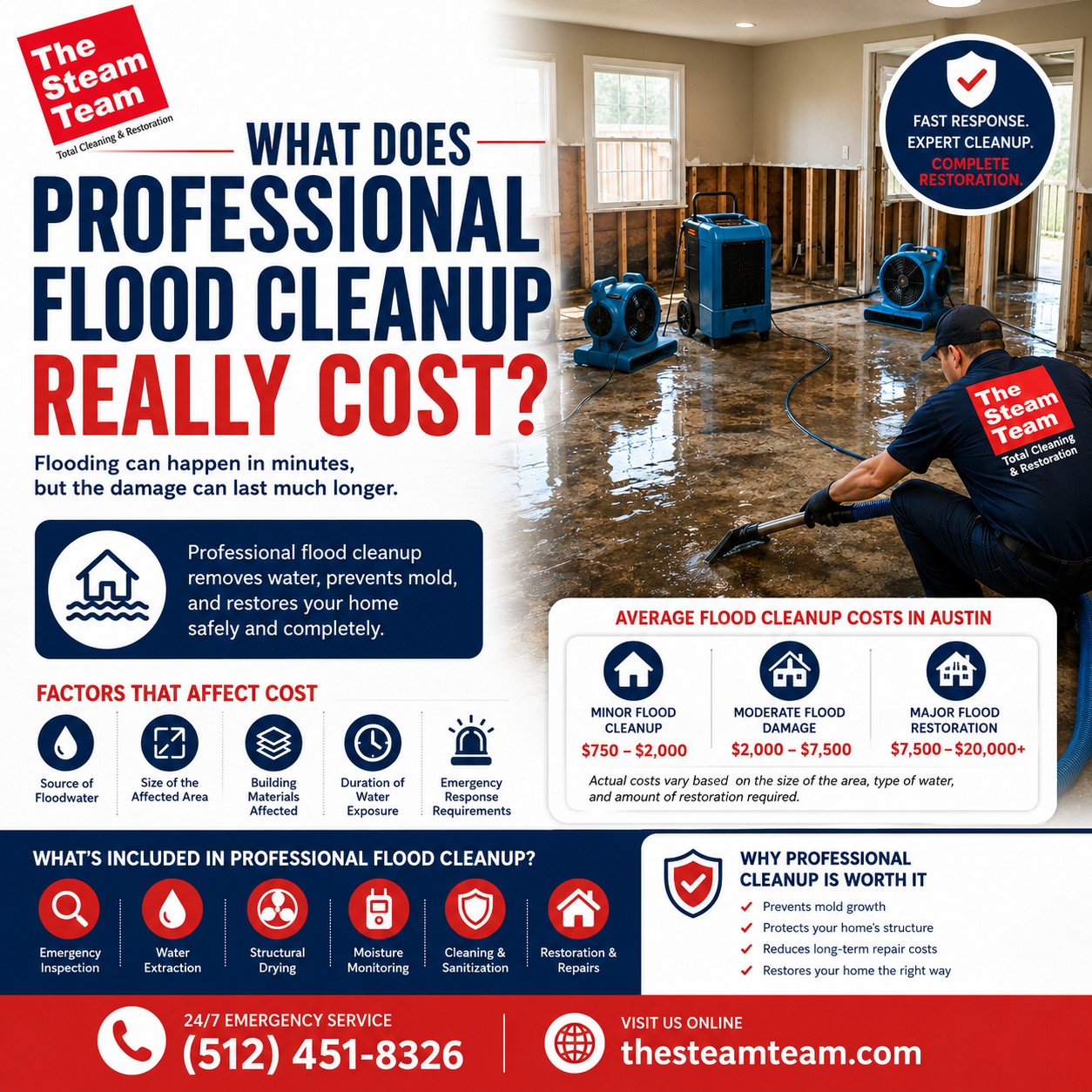
Wondering how much flood cleanup costs in Austin? Learn average pricing, cost factors, insurance coverage, and what affects professional flood restoration costs.
Read More
Explore expert tips on water damage restoration, carpet cleaning, rug cleaning, mold remediation, and air duct cleaning in Austin, TX. Trusted local insights from The Steam Team since 1983.
Wondering how much flood cleanup costs in Austin? Learn average pricing, cost factors, insurance coverage, and what affects professional flood restoration costs.
Read MoreWater damage can happen suddenly and without warning. Whether caused by a burst pipe, storm flooding, appliance leak, or roof failure, water entering your home can quickly damage floors, walls, and belongings.
The first 24 hours after water damage are the most critical. Acting quickly can significantly reduce repair costs and prevent additional issues like mold growth.
Understanding what to do immediately after water damage in Austin can help homeowners protect their property and start the restoration process safely.
The Steam Team has been helping Austin homeowners respond to water damage emergencies since 1983, providing professional water damage restoration, structural drying, and mold remediation services throughout Central Texas.
The first priority is to stop the source of water if possible.
Common water sources include:
• Burst or leaking pipes
• Overflowing appliances
• Roof leaks during storms
• Plumbing failures
• Slab leaks
If the source is internal plumbing, turn off the main water shutoff valve immediately.
For storm-related flooding or external water intrusion, try to prevent additional water from entering the home if it is safe to do so.
Water and electricity are extremely dangerous together.
If water has reached electrical outlets, appliances, or wiring:
• Turn off electricity at the breaker panel
• Avoid walking through standing water near outlets
• Do not operate electrical appliances
If you are unsure whether it is safe, wait for professionals to inspect the area.
Before moving or removing damaged items, take photos or videos of the affected areas.
Important documentation includes:
• Damaged floors and carpets
• Wet walls or ceilings
• Furniture and belongings
• Standing water in rooms
These records can help support insurance claims for water damage in Austin.
Many insurance providers require visual documentation of damage before restoration work begins.
If the water level is manageable, removing standing water quickly can help reduce damage.
Common water removal methods include:
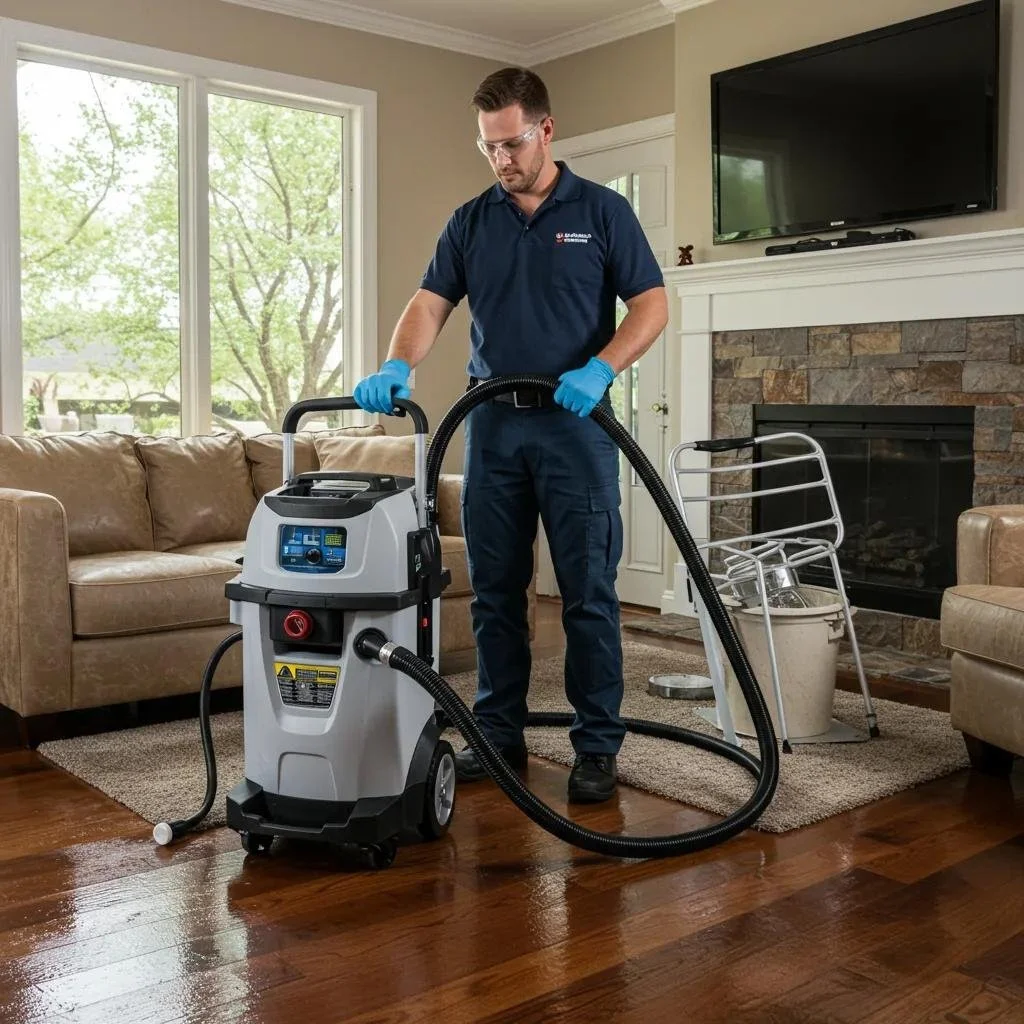
• Wet/dry vacuums
• Mops and towels
• Portable pumps
However, large water events should be handled by professional restoration companies with commercial water extraction equipment.
Homes in neighborhoods such as Round Rock, Cedar Park, and South Austin often experience flooding after heavy storms, making rapid water extraction essential.
Protecting personal belongings can prevent additional losses.
Items to move away from wet areas include:
• Electronics
• Important documents
• Area rugs and carpets
• Furniture and décor
Place aluminum foil or blocks under furniture legs to prevent water absorption from carpets.
After water removal, drying is the most important step in preventing structural damage and mold growth.
Basic drying methods may include:
• Opening windows if weather permits
• Using fans and dehumidifiers
• Removing wet rugs or cushions
However, residential fans often cannot remove moisture trapped inside walls or flooring.
Professional structural drying equipment is typically needed for full restoration.
Many homeowners underestimate how quickly water damage spreads.
Water can penetrate:
• Drywall
• Insulation
• Hardwood flooring
• Subfloor structures
• Cabinet bases
Professional restoration teams use specialized tools to detect hidden moisture and prevent long-term structural damage.
Professional services typically include:
• Water extraction
• Moisture mapping
• Structural drying
• Dehumidification
• Mold prevention treatments
Delaying cleanup can lead to serious problems within hours.
Within 24 hours:
• Materials begin absorbing water
• Carpets and drywall swell
• Mold growth may begin
Within 48–72 hours:
• Structural materials weaken
• Mold spreads quickly
• Odors develop
Fast action reduces restoration costs and prevents further damage.
Several issues commonly cause water damage in Central Texas homes.
These include:
• Burst pipes during winter freezes
• Heavy rainstorms and flash flooding
• Appliance failures (dishwashers, washing machines)
• Roof leaks
• Slab leaks under foundations
Understanding these risks can help homeowners prepare and respond quickly.
Emergency water damage restoration may be required when:
• Large areas are flooded
• Structural materials are saturated
• Electrical hazards are present
• Contaminated water is involved
• Mold risk is high
Professional restoration teams can respond quickly to stabilize the property and begin the drying process.
Water damage should be addressed within the first 24 hours to prevent mold growth and structural damage.
Yes. Mold can begin growing within 24–48 hours in damp environments.
Sometimes. Wet drywall may be salvageable if dried quickly, but severely saturated drywall often requires replacement.
Many policies cover sudden water damage such as burst pipes, but coverage varies by policy.
Most restoration projects take 3–7 days, depending on the severity of the damage.
• Serving Austin since 1983
• 24/7 emergency response
• Certified restoration technicians
• Advanced drying and extraction equipment
• Trusted throughout Central Texas
Our team helps homeowners recover quickly from water damage emergencies.
If your home experiences water damage, fast action is critical.
The Steam Team provides 24/7 emergency water damage restoration in Austin, helping homeowners remove water, dry structures, and restore damaged areas safely.
📞 Call 512-451-8326 for emergency water damage service
Serving Austin, Round Rock, Cedar Park, Georgetown, and surrounding Central Texas communities.
Understanding the distinctions between flood cleanup and water damage restoration is crucial for homeowners and businesses in Austin, especially given the region's susceptibility to severe weather. This article will clarify these two essential services, detailing their processes, implications, and the specific circumstances under which each is necessary. By the end, readers will gain insights into how to effectively address water-related issues, ensuring their properties remain safe and healthy. We will explore the definitions, processes, and health risks associated with both flood cleanup and water damage restoration, as well as the insurance implications and the importance of professional intervention.
Water damage restoration refers to the process of restoring a property affected by water intrusion to its pre-loss condition. This process is essential for mitigating damage and preventing further issues such as mold growth. The restoration process typically involves several critical steps, including assessment, extraction, drying, and, in some cases, decontamination. Understanding these steps can help homeowners act quickly and effectively when faced with water damage.
Burst Pipes: Sudden pipe failures can lead to significant water loss and damage.
Leaky Roofs: Roof leaks can allow water to seep into the structure, causing damage over time.
Appliance Malfunctions: Issues with washing machines, dishwashers, or water heaters can result in unexpected flooding.
Recognizing these causes can help homeowners take preventive measures to protect their properties.
The water damage restoration process generally follows these steps:
Assessment: Professionals evaluate the extent of the damage and develop a restoration plan.
Extraction: Water is removed using specialized equipment to prevent further damage.
Drying: The affected areas are thoroughly dried using industrial fans and dehumidifiers to eliminate moisture.
Cleaning and Sanitizing: Depending on the water category, affected areas may require cleaning and sanitization to prevent microbial growth.
These steps are crucial for restoring a property and preventing long-term damage.
Flood cleanup specifically addresses the aftermath of flooding events, which can introduce contaminated water into a property. Unlike general water damage restoration, flood cleanup requires additional safety measures due to the potential for hazardous materials in floodwaters. Understanding these differences is vital for homeowners facing water-related emergencies.
Flood damage in Central Texas can result from several external factors, including:
Heavy Rainfall: Prolonged or intense rain can saturate the ground, causing water to enter homes.
River Flooding: Overflowing rivers can inundate nearby properties, leading to significant damage.
Flash Flooding: Sudden, intense rainfall can cause rapid flooding, especially in urban areas with poor drainage.
Storm surges are typically associated with coastal flooding and are not a common cause of flood damage in Central Texas.
These factors highlight the importance of being prepared for flooding, especially in vulnerable areas.
The flood cleanup process involves several critical steps to ensure safety and sanitation:
Contamination Risks: Floodwaters can contain harmful bacteria, viruses, chemicals, and debris, necessitating careful handling.
Sanitization Steps: Affected areas must be thoroughly cleaned and disinfected to eliminate health risks.
Safety Equipment: Professionals use protective gear to safeguard against contaminants during the cleanup process.
Research further emphasizes the complex nature of assessing and mitigating the microbiological risks associated with flood events.
Estimating Pathogen Risks in Flood Events
pathogen export for each subcatchment as a function of steady flow velocity and static probabilities of pathogen removal by
Estimating the microbiological risks associated with inland flood events: Bridging theory and models of pathogen transport, PA Collender, 2016
These measures are essential for protecting the health of residents and restoring the property safely.
Water damage and flood damage differ significantly in terms of contamination levels and associated health risks. Understanding these differences is crucial for homeowners to make informed decisions about restoration.
Water is categorized into three main types based on contamination levels:
Clean Water (Category 1): This type comes from a clean source, such as a broken pipe or rainwater, and poses minimal health risks.
Gray Water (Category 2): This water contains some contaminants, such as from sinks or washing machines, and can cause illness if ingested.
Black Water (Category 3): This highly contaminated water comes from sewage, floodwaters, or stagnant water and poses serious health risks.
Recognizing these categories helps homeowners understand the severity of their situation.
Mold prevention is critical following water or flood damage due to the following reasons:
Mold Growth Conditions: Mold thrives in damp environments, making quick action essential.
Health Risks: Mold can cause respiratory issues and other health problems, particularly for sensitive individuals.
Prevention Methods: Effective drying, cleaning, and sanitization can significantly reduce the risk of mold growth.
Understanding the science behind water intrusion and its impact on building materials is crucial for effective mold remediation and drying.
Water Intrusion, Mold Damage & Remediation Drying
If you suspect that mold has damaged building integrity, you should consult Water intrusion science and remediation drying times.
Understanding the insurance implications for water damage and flood damage is essential for homeowners to ensure they are adequately covered.
Standard homeowners insurance typically covers water damage caused by sudden and accidental incidents, such as burst pipes. However, it generally does not cover damage resulting from flooding or from neglect and lack of maintenance. Homeowners should review their policies to understand the specifics of their coverage.
Separate flood insurance is often necessary because standard homeowners' policies usually do not cover flood damage. This type of insurance protects homeowners from financial loss due to flooding, which can be particularly important in flood-prone areas. Understanding these distinctions can help homeowners make informed decisions about their insurance needs.
When faced with water damage or flooding, choosing a reliable restoration service is crucial. The Steam Team has been serving Central Texas since 1983, providing expert cleaning and restoration services.
The Steam Team is IICRC certified and holds an A+ rating with the Better Business Bureau, showcasing our commitment to quality and professionalism in restoration services. These certifications ensure that our team is trained in the latest techniques and safety protocols.
IICRC Certification for Mold & Water Damage Remediation.
Our 24/7 emergency service allows us to respond quickly to water damage situations, minimizing damage and providing peace of mind to residents. Rapid response is critical in preventing further issues, and our dedicated team is always ready to assist.
Knowing when to call professionals can make a significant difference in the outcome of water damage situations.
After experiencing water or flood damage, homeowners should take the following immediate steps:
Shut Off Water Source: If safe, turn off the water supply to prevent further damage.
Document Damage: Take photos for insurance purposes before cleanup begins.
Contact Professionals: Reach out to a restoration service to assess and address the damage.
These steps can help mitigate damage and facilitate the restoration process.
Early professional intervention can prevent further damage by:
Preventing Mold Growth: Quick action reduces the likelihood of mold development.
Minimizing Costs: Addressing issues promptly can save homeowners from more extensive repairs later.
Speeding Up Recovery: Professionals have the tools and expertise to restore properties efficiently.
Taking swift action is essential for effective water damage management.
Signs of water damage can vary but often include visible stains on walls or ceilings, peeling paint, and warped flooring. You may also notice a musty odor, which can indicate mold growth. Additionally, if you experience increased humidity or condensation in certain areas, it may signal hidden leaks. Regularly inspecting your home for these signs can help you catch water damage early, allowing for timely intervention and restoration to prevent further issues.
The duration of the water damage restoration process can vary significantly based on the extent of the damage and the size of the affected area. Typically, minor water damage can be addressed within a few days, while more extensive damage may take a week or longer. Factors such as the type of water involved, the drying process, and the need for repairs or mold remediation can all influence the timeline. A professional restoration company can provide a more accurate estimate after assessing the situation.
While some minor water damage can be managed by homeowners, it is generally advisable to seek professional help for significant issues. DIY cleanup may not effectively address underlying problems, such as mold growth or structural damage. Professionals have the necessary equipment and expertise to ensure thorough cleaning and restoration, minimizing health risks and preventing further damage. If you are unsure about the severity of the damage, it’s best to consult with a restoration expert.
When selecting a flood cleanup service, consider their experience, certifications, and customer reviews. Look for companies that are IICRC certified, as this indicates they adhere to industry standards for water damage restoration. Additionally, ensure they offer 24/7 emergency services, as prompt response is crucial in minimizing damage. Transparency in pricing and a clear process for handling insurance claims are also important factors to evaluate when making your choice.
To protect your home from future flood damage, consider implementing several preventive measures. Ensure proper drainage around your property by maintaining gutters and downspouts. Installing sump pumps in basements can help manage excess water. Additionally, consider landscaping solutions that direct water away from your foundation. Regularly inspect your roof and plumbing for leaks, and consider flood barriers or waterproofing solutions if you live in a flood-prone area.
Flooding can have significant environmental impacts, including soil erosion, water contamination, and habitat destruction. Floodwaters can carry pollutants, chemicals, and debris, which can harm local ecosystems and water quality. Additionally, the aftermath of flooding can lead to increased sedimentation in rivers and streams, affecting aquatic life. Understanding these impacts highlights the importance of effective flood management and restoration practices to protect both properties and the environment.
If you experience water damage, the first step is to ensure your safety by turning off the water source if possible. Next, document the damage with photos for insurance purposes. It's crucial to contact a professional restoration service immediately to assess the situation and begin the cleanup process. Quick action can help minimize damage and prevent issues like mold growth, which can complicate recovery efforts.
Preventing water damage involves regular maintenance and proactive measures. Check for leaks in plumbing, inspect your roof for damage, and ensure gutters are clear to direct water away from your home. Installing sump pumps in basements and using water alarms can also help detect issues early. Additionally, consider waterproofing your basement and ensuring proper drainage around your property to mitigate risks.
Long-term effects of water damage can include structural issues, mold growth, and damage to personal belongings. If not addressed promptly, water can weaken the foundation, walls, and ceilings, leading to costly repairs. Mold can pose serious health risks, particularly for individuals with respiratory issues. It's essential to act quickly to mitigate these risks and restore your property to a safe condition.
Choosing the right restoration company involves researching their credentials, experience, and customer reviews. Look for certifications such as IICRC, which indicate professional training in water damage restoration. Ensure they offer 24/7 emergency services and have a clear process for handling insurance claims. A reputable company should provide a detailed assessment and transparent pricing before starting any work.
The cost of water damage restoration can vary widely based on the extent of the damage, the type of water involved, and the size of the affected area. On average, homeowners can expect to pay between $1,500 and $3,500 for restoration services. However, costs can increase significantly for extensive damage or if mold remediation is required. It's advisable to get multiple quotes from restoration companies to understand the potential expenses.
Yes, water damage can pose several health risks, particularly if it leads to mold growth or involves contaminated water. Mold can cause respiratory issues, allergies, and other health problems, especially in sensitive individuals. Additionally, floodwaters may contain harmful bacteria and chemicals that can lead to illness. It's crucial to address water damage promptly and thoroughly to minimize these health risks.
Understanding the differences between flood cleanup and water damage restoration is essential for Austin homeowners and businesses to protect their properties effectively. By recognizing the specific processes and health risks associated with each service, you can make informed decisions that safeguard your home and well-being. Don't wait for water damage to escalate; reach out to a professional restoration service today for a thorough assessment. Explore our expert services to ensure your property remains safe and healthy.
Water damage restoration in Austin demands swift, professional intervention to protect homes and businesses from escalating harm and health hazards. When water intrudes—whether from storms, burst pipes, or appliance leaks—standing moisture can weaken structures, foster mold growth, and inflate repair costs exponentially. In this guide, you will discover why immediate action is essential for Austin properties, how The Steam Team’s seven-step restoration protocol restores your space safely, what factors drive local cost estimates, strategies for navigating insurance claims, common damage scenarios in Central Texas, the integration of mold remediation, and the reasons Austin residents trust The Steam Team’s 24/7 expertise. By following these clear, actionable steps, you can minimize disruption, protect your investment, and secure a fully dried, sanitized, and restored environment.
Acting within the first 24 to 48 hours after water intrusion dramatically reduces structural compromise and microbial proliferation. Rapid extraction and drying prevent wood framing from warping, drywall from delaminating, and electrical systems from corroding.
Damage that persists beyond 48 hours typically costs three times more to remediate and invites mold that can jeopardize indoor air quality and occupant health. Early mitigation also preserves finishes, carpets, and personal belongings by halting moisture migration into hidden cavities.
Austin’s combination of high humidity and periodic flash floods creates an environment where standing water can linger and accelerate deterioration. Understanding these local factors underscores why homeowners and business owners must engage a professional response team immediately to secure effective, long-term recovery.
Delaying water removal allows moisture to penetrate building materials, leading to:
Structural degradation of floor joists, studs, and plaster.
Rapid mold colonization that poses respiratory and allergic risks.
Corrosion of metal fasteners, wiring, and HVAC components.
Unchecked moisture intrusion also undermines insulation performance, inviting pests and increasing energy costs. Recognizing these dangers highlights the necessity of a prompt, systematic cleanup protocol.
Austin lies within “Flash Flood Alley,” where sudden downpours can inundate properties and overwhelm drainage systems. Combined with average summer humidity above 60 percent, residual moisture can persist behind walls and under flooring. Seasonal storms also introduce contaminated runoff that elevates health concerns. This climate profile demands robust dehumidification and thorough moisture mapping to ensure complete drying and prevent hidden pockets of dampness that could trigger future damage or mold outbreaks.
Austin Flood Hazard Mitigation: Citizen Awareness and Satisfaction
This paper describes citizen awareness of and satisfaction with flood hazard mitigation strategies implemented by the municipal government of Austin, Texas. Nearly four thousand self-administered questionnaires were mailed to two samples of randomly-selected addresses, one representing Austin residents as a whole and one representing Austin residents in the floodplain. The questionnaire focuses on four categories of flood mitigation strategies that affect the general public: (1) floodplain maps (and associated regulations), (2) stormwater control structures, (3) awareness campaigns, and (4) flood warning systems. The results suggest that Austin residents are generally unconcerned about flooding and unaware of many of the City‘s flood hazard mitigation strategies. The results also indicate that Austin residents are relatively satisfied with the City‘s efforts, although most have no strong opinion.
Living in" Flash Flood Alley": Describing Citizen Awareness and Satisfaction Regarding Flood Hazard Mitigation Programs in Austin, Texas, 2013
The Steam Team’s restoration process integrates structured assessment, targeted extraction, advanced drying, and professional sanitization to return your property to pre-loss condition. Each of the seven steps is aligned with industry best practices and local building codes to ensure safety, efficiency, and compliance with IICRC guidelines.
Emergency water removal begins with your call, after which a certified technician is dispatched around the clock. Specialized pumps and extraction units remove standing water within hours, preventing water from migrating into subfloors or wall cavities. This rapid response eliminates most free water and stabilizes humidity levels, setting the stage for detailed assessment and structural drying.
In the inspection phase, technicians employ moisture meters, thermal imaging cameras, and hygrometers to map affected areas and quantify moisture content. They identify hidden saturation zones behind walls and under flooring to develop a targeted drying plan. Documenting the extent of damage also provides an accurate baseline for insurance documentation and repair estimates.
Moisture meters detect water presence in wood and drywall.
Thermal cameras reveal temperature anomalies that indicate wet insulation.
Hygrometers track ambient humidity to guide dehumidifier settings.
This precise assessment ensures efficient resource allocation and minimizes unnecessary demolition.
Professional extraction addresses three water categories—clean, gray, and black—each requiring specific handling protocols:
| Water Category | Source Examples | Contamination Risk |
| Clean Water | Leaking faucets, rainwater | Low; minimal bacteria |
| Gray Water | Dishwasher or washing machine overflow | Moderate; chemical residues possible |
| Black Water | Sewage backup, flood runoff | High; pathogens and toxins present |
Handling black water triggers protective containment measures and specialized disposal to safeguard occupants. Categorization guides equipment selection and sanitation protocols.
Advanced drying uses high-velocity air movers placed strategically to create airflow beneath carpets, between studs, and across wet surfaces. Industrial dehumidifiers extract excess water vapor from air, while structural drying mats or injecti-dry systems target trapped moisture. Ongoing digital monitoring adjusts equipment placement and operating parameters until moisture readings return to acceptable levels under IICRC standards.
After moisture levels stabilize, surfaces receive thorough cleaning with professional-grade detergents and EPA-registered sanitizers. Anti-microbial coatings are applied to inhibit mold spores and bacteria. This sanitization step not only restores aesthetics and eliminates odors but also protects structural components and contents from future microbial colonization.
Daily moisture checks using calibrated probes confirm progress and validate that walls, floors, and structural elements are fully dry. Final verification involves recording and comparing moisture readings against baseline values. This documentation ensures compliance with industry standards and gives homeowners confidence that hidden moisture pockets will not compromise restoration integrity.
Once drying and sanitization are certified, optional reconstruction or cosmetic repairs restore walls, floors, and fixtures. Coordination with licensed contractors covers drywall repair, painting, trim replacement, and content restoration. This comprehensive handoff returns properties to full functionality and aesthetic quality under one managed project.
Restoration costs reflect the type of water, square footage affected, material sensitivity, and response time. Early mitigation typically reduces labor and material expenses, while extensive saturation and contamination escalate project scope. Homeowners should budget for equipment deployment, skilled labor, sanitization products, and potential rebuild costs when structural elements require replacement.
Several variables drive restoration pricing:
Category of water (clean, gray, black).
Size and accessibility of affected zones.
Type of building materials damaged.
Duration between damage occurrence and intervention.
Required level of dehumidification and sanitization.
Timely intervention often cuts both labor hours and equipment rental fees, delivering cost savings and a safer environment.
Typical mitigation rates per square foot in 2025:
| Damage Category | Cost per Square Foot | Notes |
| Clean Water | $3.00 – $4.00 | Minimal material replacement risk |
| Gray Water | $4.00 – $6.50 | Potential sanitization needed |
| Black Water | $7.00 – $7.50 | Includes disposal and containment |
These ranges exclude major reconstruction costs, which vary widely based on materials and finishes.
By extracting water and initiating structural drying within 24–48 hours, you prevent secondary damage such as warped flooring, mold remediation expenses, and long-term indoor air-quality issues. Early action curtails labor hours, limits equipment runtime, and reduces the likelihood of expensive demolition and rebuild cycles.
Working with insurance adjusters requires detailed documentation, clear communication, and professional validation of damage extent. Understanding policy coverage, exclusions, and claim timelines empowers homeowners to secure appropriate compensation for mitigation, repairs, and replacement of damaged items.
To streamline claims, assemble:
Photographic evidence of all affected areas before cleanup begins.
Moisture readings and inspection reports from certified technicians.
Itemized lists of damaged personal property with approximate values.
Official restoration invoices detailing labor, equipment, and materials.
Copies of communication with your insurance representative.
Comprehensive records expedite claim approval and reduce disputes.
The Steam Team’s technicians prepare detailed scope-of-work reports, moisture logs, and damage assessments to support your claim. They liaise with adjusters, provide onsite demonstrations of affected areas, and offer direct billing options where policy permits. This professional backing helps ensure accurate coverage determinations and efficient settlement.
Policyholders often ask:
“Does my policy cover flood versus pipe leaks?”
“Are mold remediation and structural drying included?”
“What depreciation applies to damaged materials?”
“Will additional living expenses be reimbursed during repairs?”
Understanding these common inquiries helps you prepare and negotiate coverage that aligns with your restoration needs.
Austin properties experience diverse water intrusion scenarios, each requiring tailored mitigation. Recognizing typical sources and damage categories enhances preparedness and informs appropriate response strategies.
Water damage classifications hinge on contamination level and health risk:
| Category | Definition | Health Concern |
| Clean Water | From sanitary sources | Low bacterial risk |
| Gray Water | Contains chemical or organic waste | Moderate microbial concern |
| Black Water | Sewage or flood runoff | High pathogen and toxin risk |
This classification dictates PPE requirements, disposal methods, and sanitization protocols to protect occupants and technicians.
Key scenarios include:
Burst pipes that release large volumes of pressurized water.
Leaking dishwashers, washing machines, or water heaters that create hidden damp spots.
Heavy rain and flash floods that overwhelm gutters and foundation drainage.
Each scenario demands rapid detection and targeted extraction to prevent pooling and material saturation.
Flash Flood Alley subjects many neighborhoods to abrupt inundation from heavy storms. The clay-rich soils common in Central Texas slow absorption, causing surface runoff to breach basements, crawlspaces, and landscape grading. Effective mitigation combines timely removal with grading improvements and foundation sealants to reduce recurrence risk.
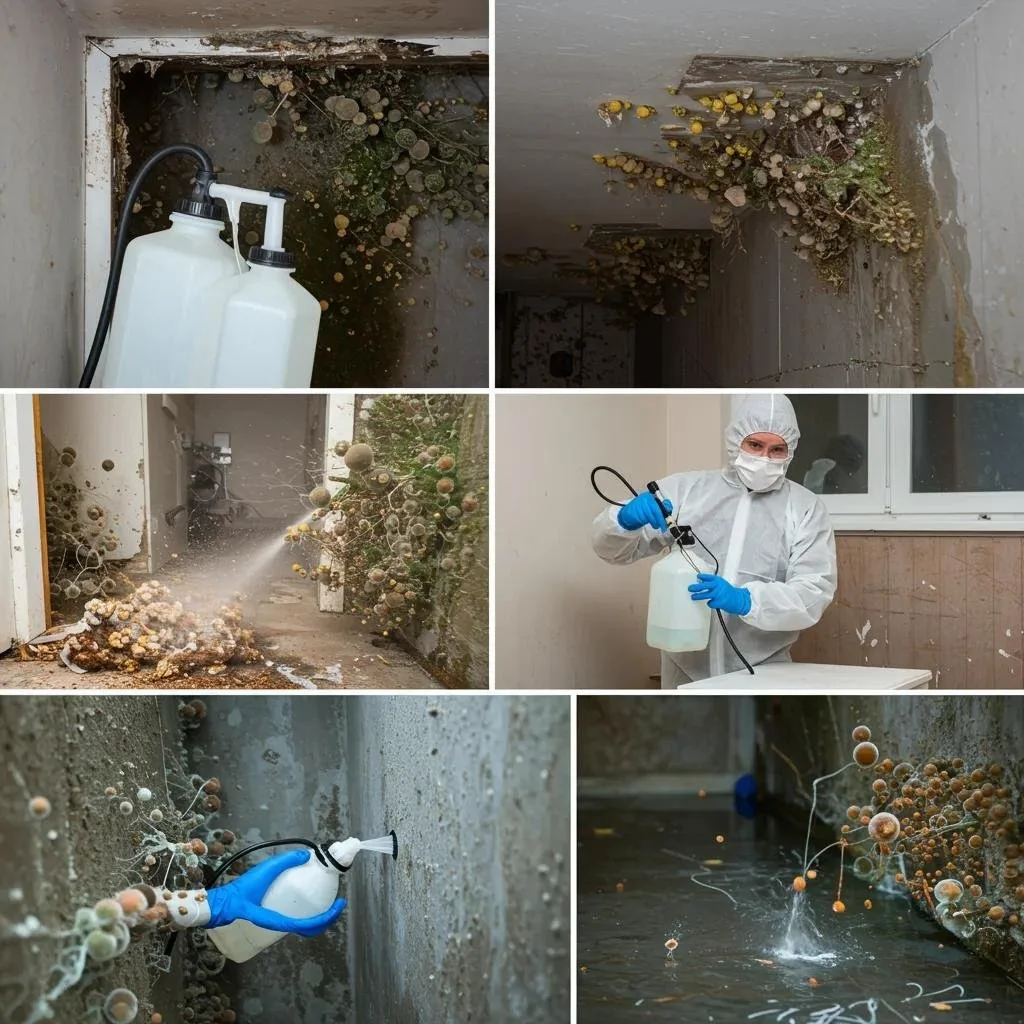
Mold remediation is an integral component of any comprehensive water damage response because microbial colonies can develop within 24–48 hours on damp materials. By combining extraction, drying, and targeted anti-microbial treatments, restoration professionals eradicate existing mold and inhibit regrowth, safeguarding both structure and occupant health.
Mold spores are ubiquitous and only require moisture to thrive on cellulose-based materials. Preventing mold growth preserves indoor air quality, avoids costly removal services, and eliminates allergy or asthma triggers. A comprehensive drying and sanitization regimen halts fungal proliferation before it undermines building integrity.
The Steam Team employs these core strategies:
Containment of affected zones using negative-air chambers.
HEPA-filtered air scrubbers to capture airborne spores.
Surface cleaning with EPA-registered anti-microbial agents.
Structural drying to reduce humidity below mold-growth thresholds.
These coordinated methods ensure thorough mold removal and lasting protection.
Early indicators include:
Musty or earthy odors in enclosed areas.
Discolored patches on drywall, wood trim, or insulation.
Allergy-like symptoms such as sneezing or respiratory irritation indoors.
Visible fungal webbing or fuzzy spots around water intrusion sites.
Prompt professional evaluation prevents concealed mold from spreading behind walls and under flooring.
The Steam Team combines four decades of local expertise with a proven, full-service restoration methodology. Their 24/7 emergency response, advanced equipment, and commitment to industry standards deliver rapid, reliable recovery that safeguards property value and occupant well-being.
Drawing on over 40 years of service in Austin and Central Texas, The Steam Team:
Understands regional climate patterns and flood behaviors.
Maintains relationships with licensed contractors for seamless repairs.
Continuously updates protocols to adhere to IICRC guidelines.
This deep local insight ensures efficient, code-compliant restoration.
Round-the-clock availability means that standing water never sits untreated. Rapid deployment reduces material saturation, limits secondary damage, and minimizes health risks. Immediate action also aligns with insurance guidelines for mitigation within 48 hours, improving claim outcomes and cost control.
Technicians adhere to these standards and practices:
IICRC water damage restoration and mold remediation certifications.
EPA-approved sanitation and anti-microbial applications.
OSHA compliance for worker safety and containment protocols.
Rigorous training and adherence to professional benchmarks deliver consistent, high-quality results.
Contact The Steam Team’s customer care line any hour for an on-site evaluation and detailed restoration estimate. Their staff guides you through the mitigation process, insurance documentation, and project scheduling to restore your property quickly and effectively.
Four decades of local service, coupled with advanced extraction, drying, and sanitization techniques, make The Steam Team the preferred partner for Austin water damage recovery. By prioritizing rapid response, thorough assessment, and professional standards, they ensure a safer, healthier environment and restore peace of mind after any water intrusion. Contact The Steam Team today to secure expert assistance and protect your most valuable assets.
Upon discovering water damage, your first step should be to ensure safety by turning off electricity in affected areas. If possible, stop the source of water intrusion, such as shutting off the main water supply. Next, document the damage with photos for insurance purposes. Avoid using household fans or heaters, as they can spread moisture. Contact a professional water damage restoration service like The Steam Team to initiate emergency response and prevent further damage.
Preventing water damage involves regular maintenance and proactive measures. Inspect your plumbing for leaks, and ensure that appliances like washing machines and dishwashers are in good condition. Clean gutters and downspouts to prevent overflow, and consider installing a sump pump in basements prone to flooding. Additionally, ensure proper grading around your home to direct water away from the foundation. Regularly check for signs of moisture or mold to catch issues early.
Long-term effects of water damage can be severe and costly. Prolonged exposure to moisture can lead to structural damage, including weakened foundations and compromised framing. Mold growth can develop within 24-48 hours, posing health risks and necessitating expensive remediation. Additionally, water damage can lead to persistent odors, damage to personal belongings, and increased energy costs due to compromised insulation. Addressing water damage promptly is crucial to mitigate these long-term consequences.
Identifying hidden water damage requires vigilance and attention to detail. Look for signs such as water stains on walls or ceilings, peeling paint, or warped flooring. Musty odors can indicate mold growth, while increased humidity levels may suggest hidden leaks. Use a moisture meter to check for elevated moisture levels in walls and floors. If you suspect hidden damage, consider hiring a professional to conduct a thorough inspection using specialized equipment.
Insurance plays a critical role in water damage restoration by providing financial coverage for repairs and mitigation efforts. Homeowners should review their policies to understand what types of water damage are covered, such as sudden leaks versus gradual damage. Proper documentation of the damage and restoration process is essential for filing claims. Working with a restoration company can help streamline the claims process, ensuring that all necessary documentation is provided to the insurance adjuster.
While some minor water damage repairs can be handled DIY, such as drying out small areas or replacing minor fixtures, most situations require professional intervention. DIY efforts may not adequately address underlying issues, such as hidden moisture or mold growth, leading to further damage. Professionals have the expertise and equipment to ensure thorough drying, sanitization, and restoration, which is crucial for preventing long-term problems. It's often more cost-effective to hire experts than to risk inadequate repairs.
To ensure your restoration service is reputable, look for certifications from recognized organizations like the IICRC. Check online reviews and testimonials from previous clients to gauge their experiences. Ask for references and verify their insurance and licensing. A reputable company should provide a clear outline of their services, pricing, and timelines. Additionally, inquire about their experience with similar water damage situations to ensure they have the necessary expertise to handle your specific needs.
Swift and professional water damage restoration is crucial for Austin residents to mitigate risks and protect property value. By understanding the unique challenges posed by local climate and employing a structured restoration process, homeowners can ensure a safe and healthy environment. Trusting The Steam Team for expert assistance not only expedites recovery but also enhances peace of mind during a stressful time. Reach out today to schedule your evaluation and safeguard your home from future water damage.
Our mission is to provide you with the most outstanding service experience ever. Some of our most popular services include Carpet Cleaning, Tile Cleaning, Air Duct Cleaning, Water Damage, Fire Damage Restoration and Construction Services.
Quick Cleaning Quote
Email:
customerservice@thesteamteam.com
Georgetown: (512) 868-0358
Dallas: (214) 631-8326
Naples, FL: (239) 450-1936
Toll Free: (800) 880-7785
Professional cleaning and restoration services based in Austin, Texas. Serving homes and businesses since 1983 with certified technicians, advanced equipment, and 24/7 emergency response.
Cleaning Office – Central Austin
1904 W Koenig Ln
Austin, TX 78756
(512) 450-7199
customerservice@thesteamteam.com
Monday: 8am - 5pm
Tuesday: 8am - 5pm
Wednesday: 8am - 5pm
Thursday: 8am - 5pm
Friday: 8am - 5pm
Saturday: 8am - 5pm
Sunday: Closed
Restoration Office – North Austin
9901 Burnet Rd
Austin, TX 78758
(512) 451-8326
customerservice@thesteamteam.com
Monday: Open 24 hours
Tuesday: Open 24 hours
Wednesday: Open 24 hours
Thursday: Open 24 hours
Friday: Open 24 hours
Saturday: Open 24 hours
Sunday: Open 24 hours



© The Steam Team