How Water Damage Is Properly Dried in Austin
After water damage occurs, removing standing water is only the first step. Even after visible water is gone, moisture can remain trapped inside walls, floors, ceilings, and structural materials. If this moisture is not removed properly, it can lead to mold growth, structural damage, and long-term indoor air quality problems.
Structural drying is the professional process used to remove hidden moisture from building materials after water damage. It involves specialized drying equipment, moisture monitoring, and controlled airflow to restore materials safely.
The Steam Team has been helping homeowners and businesses across Austin recover from water damage since 1983, providing professional structural drying and restoration services.
Homes throughout Allandale, Westlake Hills, and South Austin often require structural drying after burst pipes, plumbing leaks, or flooding events. Professional drying helps protect the structure and prevent additional damage.
The Steam Team serves Austin from two locations — our North Austin office specializes in water damage restoration, fire cleanup, and mold remediation, while our Central Austin office focuses on professional cleaning services such as carpet cleaning, tile and grout cleaning, area rug cleaning, upholstery cleaning, and air duct cleaning.
Quick Answer: What Is Structural Drying?
Structural drying is the process of removing moisture from building materials after water damage using professional drying equipment.
The process typically includes:
• moisture inspection and mapping
• water extraction
• air movers for airflow
• commercial dehumidifiers
• continuous moisture monitoring
Most structural drying projects take 2–5 days depending on the severity of the damage.
Why Structural Drying Is Necessary After Water Damage
When water enters a home, it quickly absorbs into porous building materials such as:
• drywall
• insulation
• wood framing
• subflooring
• carpet and padding
Even after water is removed from the surface, these materials can retain moisture internally.
If materials remain wet, several problems may occur:
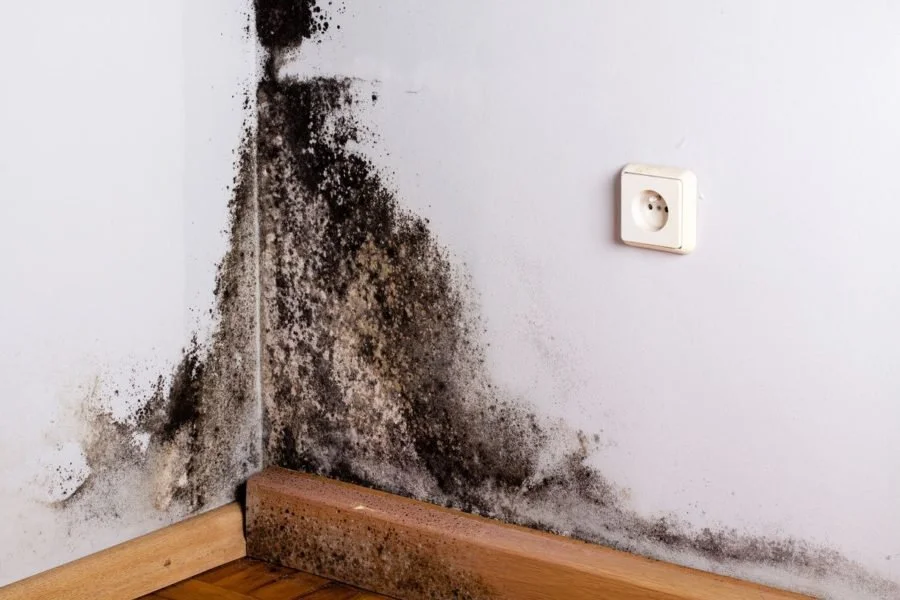
• mold growth within 24–48 hours
• wood swelling or warping
• drywall deterioration
• unpleasant odors
• structural damage
Structural drying prevents these issues by removing moisture before damage spreads.
Equipment Used in Structural Drying
Professional restoration companies use specialized equipment designed to dry buildings efficiently.
Air Movers
High-velocity air movers circulate air across wet surfaces to speed up evaporation.
These machines are strategically placed throughout the affected area to move moisture from materials into the air.
Commercial Dehumidifiers
Once moisture evaporates into the air, commercial dehumidifiers remove that moisture from the environment.
This helps maintain proper humidity levels and accelerates the drying process.
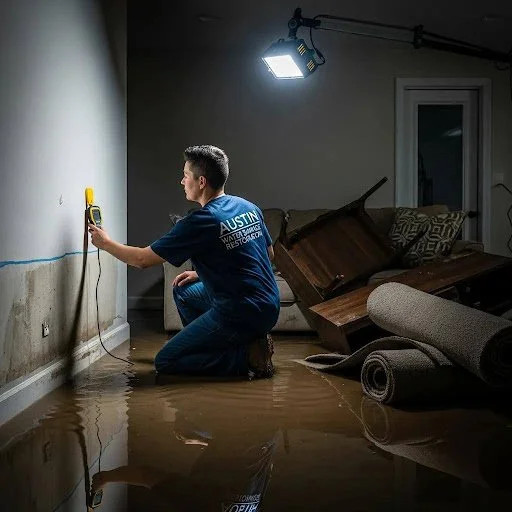
Moisture Detection Equipment
Restoration professionals use several tools to monitor moisture levels, including:
• moisture meters
• infrared thermal cameras
• hygrometers
These tools help ensure that hidden moisture is removed completely.
The Structural Drying Process
Professional structural drying typically follows a step-by-step process.
Step 1: Damage Inspection
Technicians evaluate the affected areas and determine the extent of moisture inside walls, flooring, and structural materials.
Step 2: Water Extraction
Standing water is removed using high-capacity extraction equipment.
Removing water quickly reduces the amount of moisture absorbed by building materials.
Step 3: Equipment Setup
Air movers and dehumidifiers are strategically placed to create controlled airflow and remove moisture.
The goal is to dry materials evenly and prevent secondary damage.
Step 4: Moisture Monitoring
Technicians regularly monitor moisture levels during the drying process.
Equipment placement may be adjusted as materials dry.
Step 5: Final Drying Verification
Once materials reach safe moisture levels, the drying equipment is removed and restoration repairs can begin.
How Long Does Structural Drying Take?
Structural drying time varies depending on several factors:
• the amount of water involved
• the size of the affected area
• the materials exposed to moisture
• indoor humidity conditions
Most residential drying projects in Austin, Cedar Park, and Round Rock take 2–5 days, though severe flooding may require additional time.
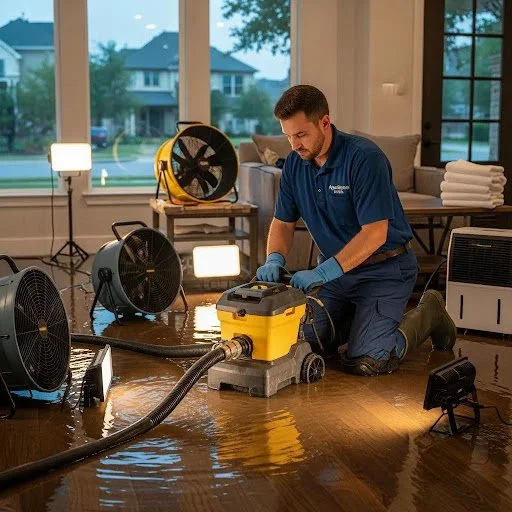
Why Professional Structural Drying Is Important
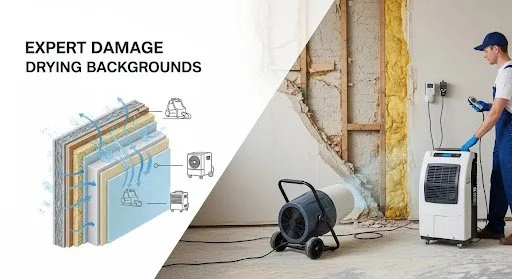
Professional structural drying ensures that moisture is removed safely and completely.
Benefits include:
• prevention of mold growth
• protection of structural materials
• faster restoration timelines
• improved indoor air quality
• reduced repair costs
Without proper drying, hidden moisture can remain inside the structure and cause long-term problems.
FAQ: Structural Drying
What is structural drying?
Structural drying is the professional process used to remove moisture from building materials after water damage.
How long does structural drying take?
Most projects take between 2 and 5 days, depending on the extent of the water damage.
Can fans dry a house after flooding?
Standard household fans are usually not powerful enough to remove moisture from structural materials.
Professional drying equipment is typically required.
Does structural drying prevent mold?
Yes. Removing moisture quickly prevents mold from developing inside walls and flooring.
When should structural drying begin?
Structural drying should begin as soon as possible after water damage occurs.
Why The Steam Team?
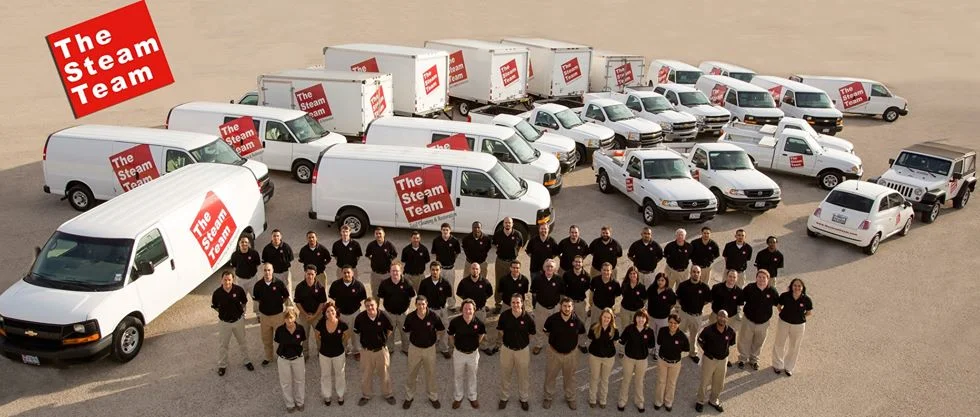
• Austin-based since 1983
• Thousands of five-star reviews
• Certified restoration professionals
• Residential and commercial expertise
• Two Austin locations for fast response
• Trusted across Central Texas
Need Help Now? Call the Right Team
Central Austin Cleaning Office
1904 W Koenig Ln
Austin, TX 78756
Carpet Cleaning | Tile & Grout Cleaning | Area Rug Cleaning | Air Duct Cleaning
North Austin Restoration Office
9901 Burnet Rd
Austin, TX 78758
Water Restoration | Fire Cleanup | Mold Remediation | Emergency Extraction