Preventing Mold After Water Damage in Austin, TX
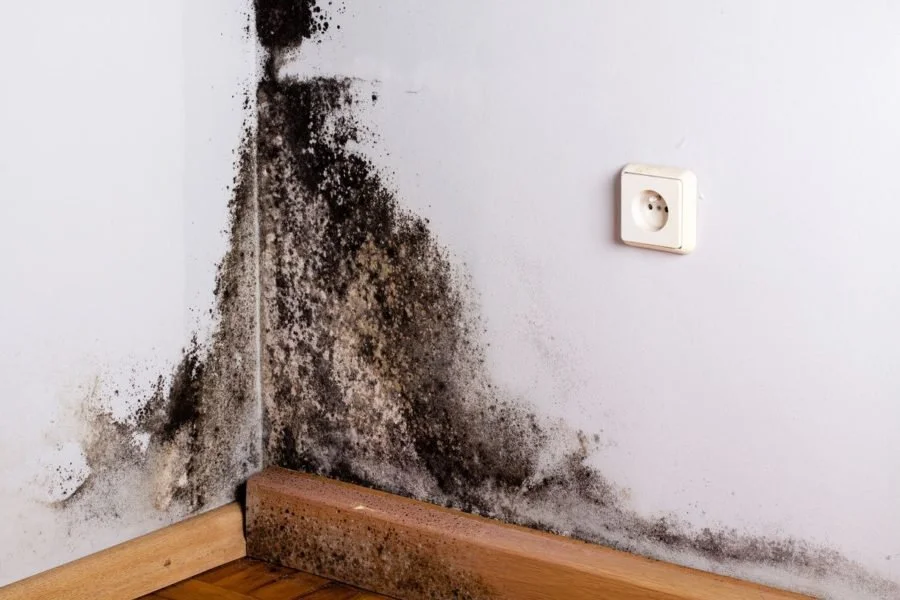
Water damage can happen quickly, but one of the biggest long-term risks after flooding or plumbing leaks is mold growth. Mold can begin developing within 24–48 hours when moisture remains inside building materials such as drywall, flooring, and insulation.
Preventing mold after water damage requires fast cleanup, proper drying, and moisture control. Acting quickly can help homeowners avoid costly mold remediation and protect indoor air quality.
The Steam Team has helped homeowners and businesses across Austin recover from water damage since 1983, providing professional water extraction, structural drying, and mold prevention services.
Homes throughout Allandale, Mueller, South Austin, and Cedar Park can experience mold growth after burst pipes, appliance leaks, or storm flooding. Professional drying and cleanup help reduce these risks.
The Steam Team serves Austin from two locations — our North Austin office specializes in water damage restoration, fire cleanup, and mold remediation, while our Central Austin office focuses on professional cleaning services such as carpet cleaning, tile and grout cleaning, area rug cleaning, upholstery cleaning, and air duct cleaning.
Quick Answer: How to Prevent Mold After Water Damage
To prevent mold growth after water damage:
• remove standing water immediately
• begin structural drying as soon as possible
• remove wet materials that cannot be dried
• control indoor humidity levels
• clean and sanitize affected areas
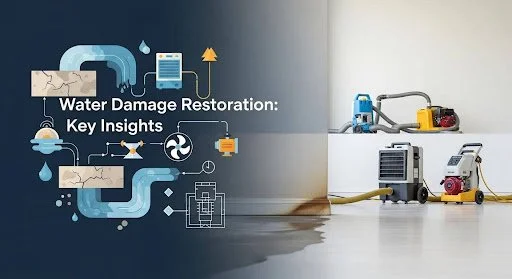
Professional drying equipment is often required to remove hidden moisture from walls and flooring.
Why Mold Grows After Water Damage
Mold thrives in environments where moisture, warmth, and organic materials are present.
After water damage occurs, building materials such as drywall, wood, and carpet provide ideal conditions for mold growth.
Common reasons mold develops include:
• delayed water cleanup
• trapped moisture inside walls or flooring
• poor ventilation
• high indoor humidity
This is why quick response and professional drying are essential.
Step 1: Remove Standing Water Quickly
The first step in preventing mold is removing standing water from the property.
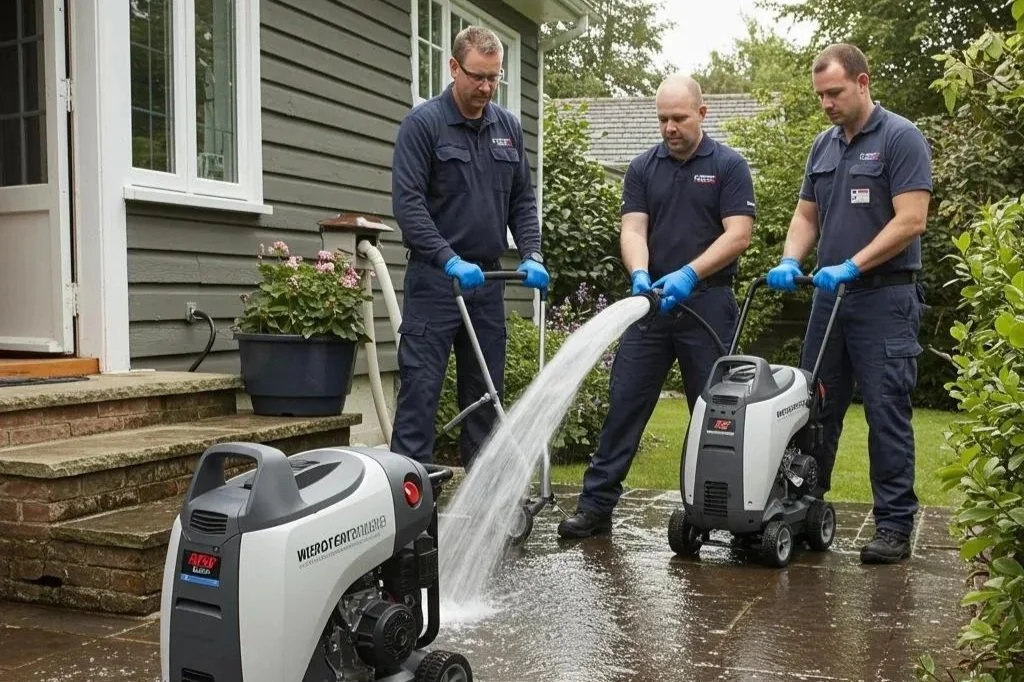
Professional restoration companies use:
• high-capacity water extraction pumps
• industrial wet vacuums
• truck-mounted water removal systems
Rapid extraction helps reduce the amount of moisture absorbed by building materials.
Step 2: Begin Structural Drying
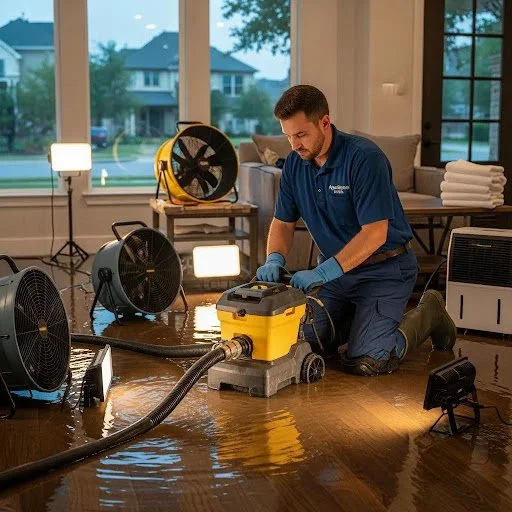
Once water is removed, structural drying begins.
Restoration professionals use specialized equipment such as:
• high-velocity air movers
• commercial dehumidifiers
• floor drying systems
These machines circulate air and remove moisture from building materials.
Proper drying usually takes 2–5 days depending on the severity of the damage.
Step 3: Remove Unsalvageable Materials
Some materials cannot be dried effectively and must be removed.
Examples include:
• saturated drywall
• soaked insulation
• heavily damaged carpet padding
Removing these materials helps prevent mold from spreading inside the structure.
Step 4: Clean and Sanitize Affected Areas
After drying, restoration professionals clean and sanitize affected surfaces.
Cleaning treatments may include:
• antimicrobial solutions
• odor removal treatments
• air purification
These treatments help eliminate bacteria and prevent mold spores from spreading.
Step 5: Control Indoor Humidity
Maintaining proper humidity levels helps prevent mold growth.
Homeowners can reduce humidity by:
• using dehumidifiers
• running air conditioning systems
• increasing ventilation
Homes in Austin, Round Rock, and Pflugerville may experience higher humidity levels during certain seasons, making moisture control important.
Signs Mold May Be Developing
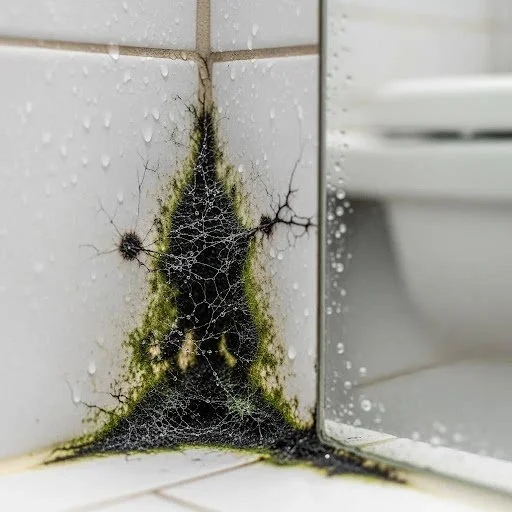
Even after water damage cleanup, homeowners should watch for signs of mold growth.
Common warning signs include:
• musty odors
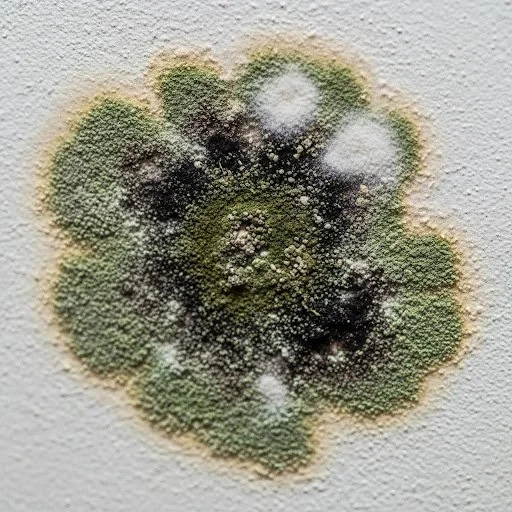
• visible mold spots on walls or ceilings
• increased allergy symptoms
• discoloration on drywall or flooring
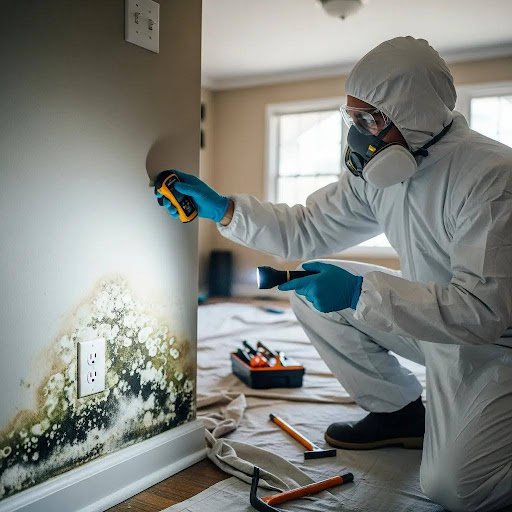
If mold is suspected, professional inspection is recommended.
When Mold Remediation May Be Needed
If mold growth has already developed, professional mold remediation may be necessary.
Mold remediation involves:
• identifying moisture sources
• removing contaminated materials
• cleaning affected areas
• restoring indoor air quality
Early intervention can help prevent mold from spreading throughout the property.
FAQ: Preventing Mold After Water Damage
How quickly can mold grow after water damage?
Mold can begin developing within 24–48 hours if moisture remains inside building materials.
Can fans prevent mold growth?
Fans help circulate air but may not remove enough moisture from structural materials.
Professional drying equipment is usually required.
Does water damage always cause mold?
Not always. If drying begins quickly and moisture is removed properly, mold growth can often be prevented.
Should wet drywall be replaced?
In many cases, saturated drywall must be removed to prevent mold growth.
How long should drying equipment run?
Drying equipment typically runs 2–5 days depending on the severity of the water damage.
Why The Steam Team?

• Austin-based since 1983
• Thousands of five-star reviews
• Certified restoration professionals
• Residential and commercial expertise
• Two Austin locations for fast response
• Trusted across Central Texas
Need Help Now? Call the Right Team
Central Austin Cleaning Office
1904 W Koenig Ln
Austin, TX 78756
Carpet Cleaning | Tile & Grout Cleaning | Area Rug Cleaning | Air Duct Cleaning
North Austin Restoration Office
9901 Burnet Rd
Austin, TX 78758
Water Restoration | Fire Cleanup | Mold Remediation | Emergency Extraction