Does Homeowners Insurance Cover Water Damage? Complete Guide
/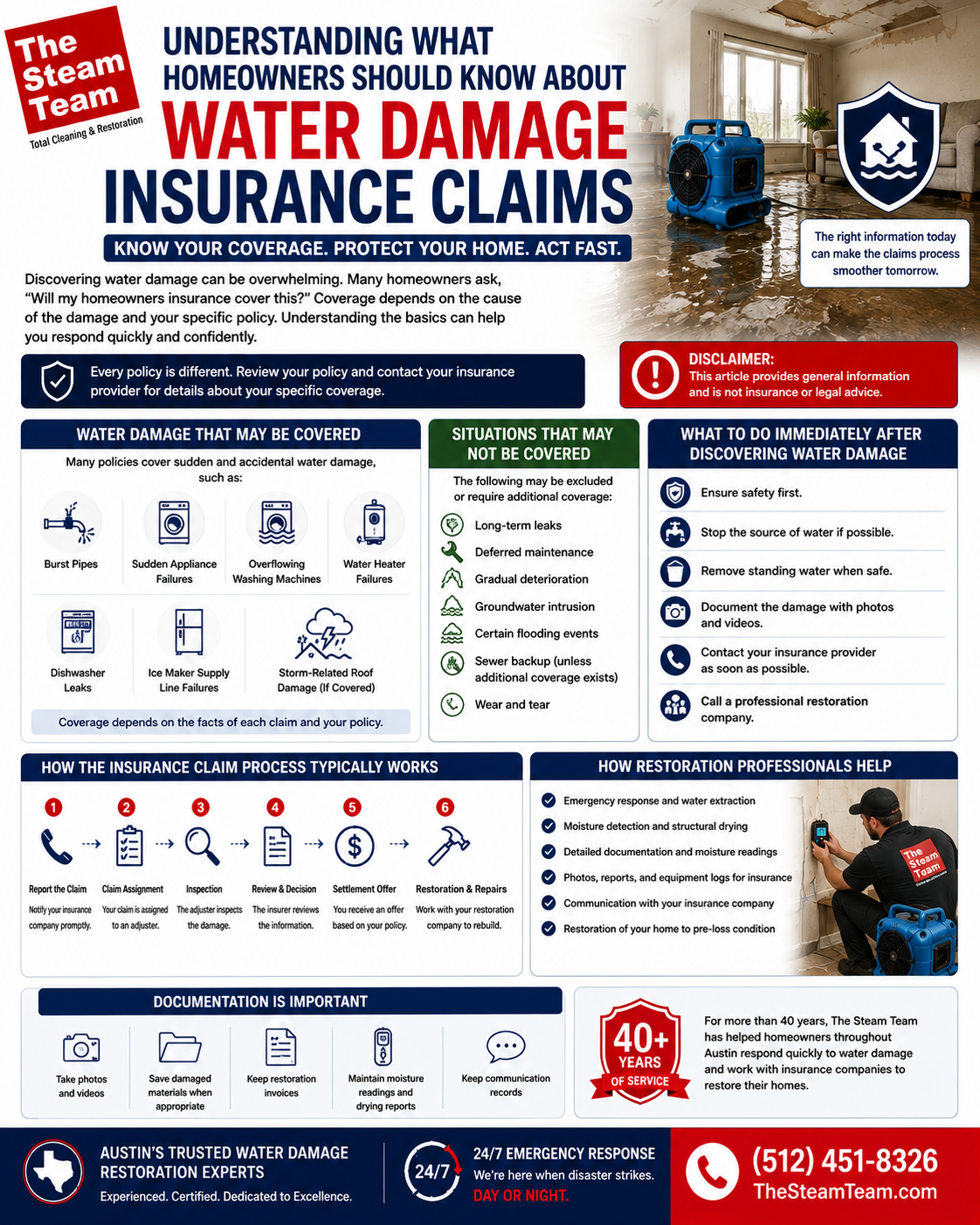
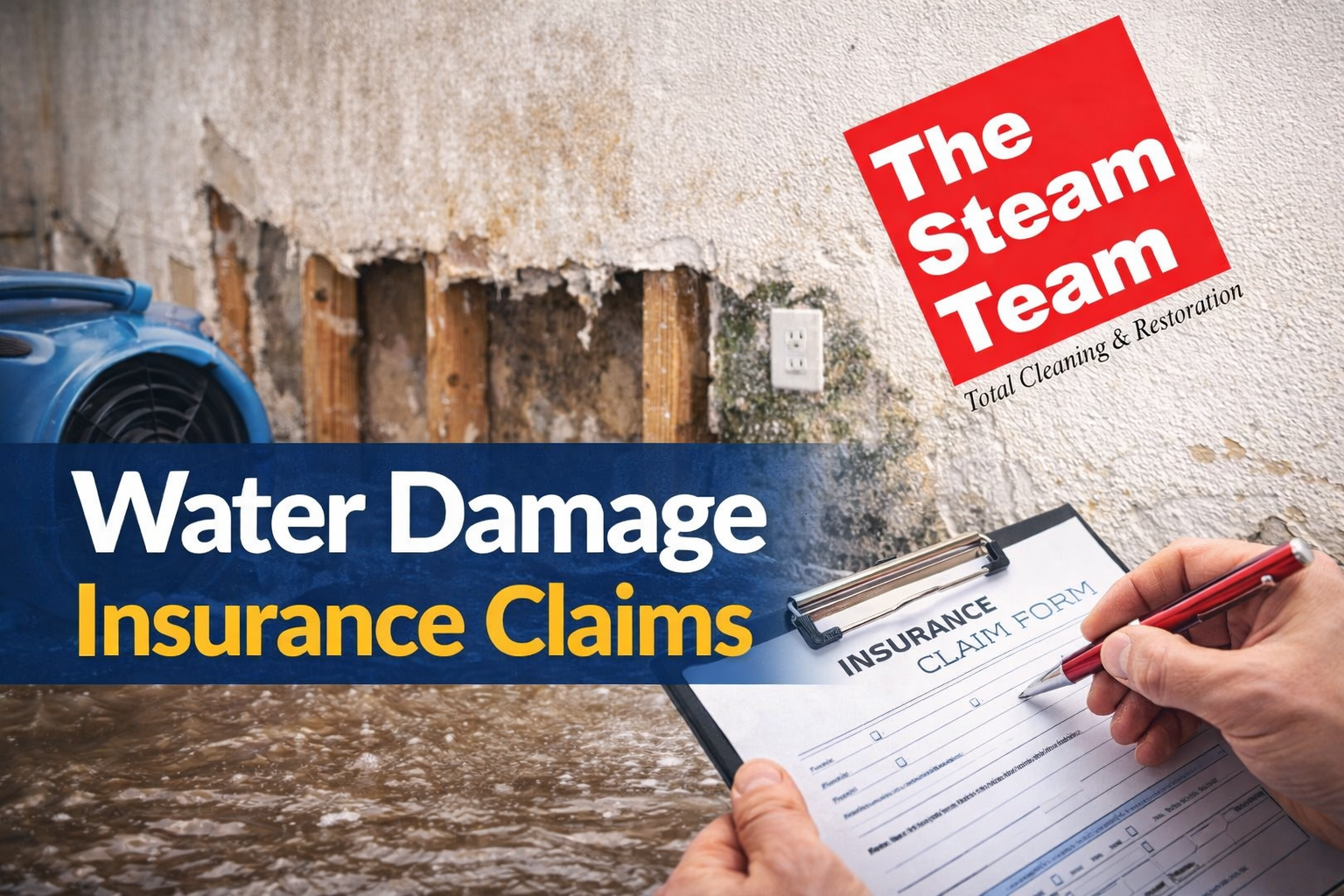
Learn when homeowners insurance may cover water damage, common exclusions, how the claims process works, and what to do immediately after water damage occurs.
Read More
Explore expert tips on water damage restoration, carpet cleaning, rug cleaning, mold remediation, and air duct cleaning in Austin, TX. Trusted local insights from The Steam Team since 1983.
Learn when homeowners insurance may cover water damage, common exclusions, how the claims process works, and what to do immediately after water damage occurs.
Read MoreWater damage can be stressful for homeowners, especially when dealing with unexpected repairs and restoration costs.
Read MoreWater damage can happen suddenly and without warning. Whether caused by a burst pipe, storm flooding, appliance leak, or roof failure, water entering your home can quickly damage floors, walls, and belongings.
The first 24 hours after water damage are the most critical. Acting quickly can significantly reduce repair costs and prevent additional issues like mold growth.
Understanding what to do immediately after water damage in Austin can help homeowners protect their property and start the restoration process safely.
The Steam Team has been helping Austin homeowners respond to water damage emergencies since 1983, providing professional water damage restoration, structural drying, and mold remediation services throughout Central Texas.
The first priority is to stop the source of water if possible.
Common water sources include:
• Burst or leaking pipes
• Overflowing appliances
• Roof leaks during storms
• Plumbing failures
• Slab leaks
If the source is internal plumbing, turn off the main water shutoff valve immediately.
For storm-related flooding or external water intrusion, try to prevent additional water from entering the home if it is safe to do so.
Water and electricity are extremely dangerous together.
If water has reached electrical outlets, appliances, or wiring:
• Turn off electricity at the breaker panel
• Avoid walking through standing water near outlets
• Do not operate electrical appliances
If you are unsure whether it is safe, wait for professionals to inspect the area.
Before moving or removing damaged items, take photos or videos of the affected areas.
Important documentation includes:
• Damaged floors and carpets
• Wet walls or ceilings
• Furniture and belongings
• Standing water in rooms
These records can help support insurance claims for water damage in Austin.
Many insurance providers require visual documentation of damage before restoration work begins.
If the water level is manageable, removing standing water quickly can help reduce damage.
Common water removal methods include:
• Wet/dry vacuums
• Mops and towels
• Portable pumps
However, large water events should be handled by professional restoration companies with commercial water extraction equipment.
Homes in neighborhoods such as Round Rock, Cedar Park, and South Austin often experience flooding after heavy storms, making rapid water extraction essential.
Protecting personal belongings can prevent additional losses.
Items to move away from wet areas include:
• Electronics
• Important documents
• Area rugs and carpets
• Furniture and décor
Place aluminum foil or blocks under furniture legs to prevent water absorption from carpets.
After water removal, drying is the most important step in preventing structural damage and mold growth.
Basic drying methods may include:
• Opening windows if weather permits
• Using fans and dehumidifiers
• Removing wet rugs or cushions
However, residential fans often cannot remove moisture trapped inside walls or flooring.
Professional structural drying equipment is typically needed for full restoration.
Many homeowners underestimate how quickly water damage spreads.
Water can penetrate:
• Drywall
• Insulation
• Hardwood flooring
• Subfloor structures
• Cabinet bases
Professional restoration teams use specialized tools to detect hidden moisture and prevent long-term structural damage.
Professional services typically include:
• Water extraction
• Moisture mapping
• Structural drying
• Dehumidification
• Mold prevention treatments
Delaying cleanup can lead to serious problems within hours.
Within 24 hours:
• Materials begin absorbing water
• Carpets and drywall swell
• Mold growth may begin
Within 48–72 hours:
• Structural materials weaken
• Mold spreads quickly
• Odors develop
Fast action reduces restoration costs and prevents further damage.
Several issues commonly cause water damage in Central Texas homes.
These include:
• Burst pipes during winter freezes
• Heavy rainstorms and flash flooding
• Appliance failures (dishwashers, washing machines)
• Roof leaks
• Slab leaks under foundations
Understanding these risks can help homeowners prepare and respond quickly.
Emergency water damage restoration may be required when:
• Large areas are flooded
• Structural materials are saturated
• Electrical hazards are present
• Contaminated water is involved
• Mold risk is high
Professional restoration teams can respond quickly to stabilize the property and begin the drying process.
Water damage should be addressed within the first 24 hours to prevent mold growth and structural damage.
Yes. Mold can begin growing within 24–48 hours in damp environments.
Sometimes. Wet drywall may be salvageable if dried quickly, but severely saturated drywall often requires replacement.
Many policies cover sudden water damage such as burst pipes, but coverage varies by policy.
Most restoration projects take 3–7 days, depending on the severity of the damage.
• Serving Austin since 1983
• 24/7 emergency response
• Certified restoration technicians
• Advanced drying and extraction equipment
• Trusted throughout Central Texas
Our team helps homeowners recover quickly from water damage emergencies.
If your home experiences water damage, fast action is critical.
The Steam Team provides 24/7 emergency water damage restoration in Austin, helping homeowners remove water, dry structures, and restore damaged areas safely.
📞 Call 512-451-8326 for emergency water damage service
Serving Austin, Round Rock, Cedar Park, Georgetown, and surrounding Central Texas communities.
Understanding the distinctions between flood cleanup and water damage restoration is crucial for homeowners and businesses in Austin, especially given the region's susceptibility to severe weather. This article will clarify these two essential services, detailing their processes, implications, and the specific circumstances under which each is necessary. By the end, readers will gain insights into how to effectively address water-related issues, ensuring their properties remain safe and healthy. We will explore the definitions, processes, and health risks associated with both flood cleanup and water damage restoration, as well as the insurance implications and the importance of professional intervention.
Water damage restoration refers to the process of restoring a property affected by water intrusion to its pre-loss condition. This process is essential for mitigating damage and preventing further issues such as mold growth. The restoration process typically involves several critical steps, including assessment, extraction, drying, and, in some cases, decontamination. Understanding these steps can help homeowners act quickly and effectively when faced with water damage.
Burst Pipes: Sudden pipe failures can lead to significant water loss and damage.
Leaky Roofs: Roof leaks can allow water to seep into the structure, causing damage over time.
Appliance Malfunctions: Issues with washing machines, dishwashers, or water heaters can result in unexpected flooding.
Recognizing these causes can help homeowners take preventive measures to protect their properties.
The water damage restoration process generally follows these steps:
Assessment: Professionals evaluate the extent of the damage and develop a restoration plan.
Extraction: Water is removed using specialized equipment to prevent further damage.
Drying: The affected areas are thoroughly dried using industrial fans and dehumidifiers to eliminate moisture.
Cleaning and Sanitizing: Depending on the water category, affected areas may require cleaning and sanitization to prevent microbial growth.
These steps are crucial for restoring a property and preventing long-term damage.
Flood cleanup specifically addresses the aftermath of flooding events, which can introduce contaminated water into a property. Unlike general water damage restoration, flood cleanup requires additional safety measures due to the potential for hazardous materials in floodwaters. Understanding these differences is vital for homeowners facing water-related emergencies.
Flood damage in Central Texas can result from several external factors, including:
Heavy Rainfall: Prolonged or intense rain can saturate the ground, causing water to enter homes.
River Flooding: Overflowing rivers can inundate nearby properties, leading to significant damage.
Flash Flooding: Sudden, intense rainfall can cause rapid flooding, especially in urban areas with poor drainage.
Storm surges are typically associated with coastal flooding and are not a common cause of flood damage in Central Texas.
These factors highlight the importance of being prepared for flooding, especially in vulnerable areas.
The flood cleanup process involves several critical steps to ensure safety and sanitation:
Contamination Risks: Floodwaters can contain harmful bacteria, viruses, chemicals, and debris, necessitating careful handling.
Sanitization Steps: Affected areas must be thoroughly cleaned and disinfected to eliminate health risks.
Safety Equipment: Professionals use protective gear to safeguard against contaminants during the cleanup process.
Research further emphasizes the complex nature of assessing and mitigating the microbiological risks associated with flood events.
Estimating Pathogen Risks in Flood Events
pathogen export for each subcatchment as a function of steady flow velocity and static probabilities of pathogen removal by
Estimating the microbiological risks associated with inland flood events: Bridging theory and models of pathogen transport, PA Collender, 2016
These measures are essential for protecting the health of residents and restoring the property safely.
Water damage and flood damage differ significantly in terms of contamination levels and associated health risks. Understanding these differences is crucial for homeowners to make informed decisions about restoration.
Water is categorized into three main types based on contamination levels:
Clean Water (Category 1): This type comes from a clean source, such as a broken pipe or rainwater, and poses minimal health risks.
Gray Water (Category 2): This water contains some contaminants, such as from sinks or washing machines, and can cause illness if ingested.
Black Water (Category 3): This highly contaminated water comes from sewage, floodwaters, or stagnant water and poses serious health risks.
Recognizing these categories helps homeowners understand the severity of their situation.
Mold prevention is critical following water or flood damage due to the following reasons:
Mold Growth Conditions: Mold thrives in damp environments, making quick action essential.
Health Risks: Mold can cause respiratory issues and other health problems, particularly for sensitive individuals.
Prevention Methods: Effective drying, cleaning, and sanitization can significantly reduce the risk of mold growth.
Understanding the science behind water intrusion and its impact on building materials is crucial for effective mold remediation and drying.
Water Intrusion, Mold Damage & Remediation Drying
If you suspect that mold has damaged building integrity, you should consult Water intrusion science and remediation drying times.
Understanding the insurance implications for water damage and flood damage is essential for homeowners to ensure they are adequately covered.
Standard homeowners insurance typically covers water damage caused by sudden and accidental incidents, such as burst pipes. However, it generally does not cover damage resulting from flooding or from neglect and lack of maintenance. Homeowners should review their policies to understand the specifics of their coverage.
Separate flood insurance is often necessary because standard homeowners' policies usually do not cover flood damage. This type of insurance protects homeowners from financial loss due to flooding, which can be particularly important in flood-prone areas. Understanding these distinctions can help homeowners make informed decisions about their insurance needs.
When faced with water damage or flooding, choosing a reliable restoration service is crucial. The Steam Team has been serving Central Texas since 1983, providing expert cleaning and restoration services.
The Steam Team is IICRC certified and holds an A+ rating with the Better Business Bureau, showcasing our commitment to quality and professionalism in restoration services. These certifications ensure that our team is trained in the latest techniques and safety protocols.
IICRC Certification for Mold & Water Damage Remediation.
Our 24/7 emergency service allows us to respond quickly to water damage situations, minimizing damage and providing peace of mind to residents. Rapid response is critical in preventing further issues, and our dedicated team is always ready to assist.
Knowing when to call professionals can make a significant difference in the outcome of water damage situations.
After experiencing water or flood damage, homeowners should take the following immediate steps:
Shut Off Water Source: If safe, turn off the water supply to prevent further damage.
Document Damage: Take photos for insurance purposes before cleanup begins.
Contact Professionals: Reach out to a restoration service to assess and address the damage.
These steps can help mitigate damage and facilitate the restoration process.
Early professional intervention can prevent further damage by:
Preventing Mold Growth: Quick action reduces the likelihood of mold development.
Minimizing Costs: Addressing issues promptly can save homeowners from more extensive repairs later.
Speeding Up Recovery: Professionals have the tools and expertise to restore properties efficiently.
Taking swift action is essential for effective water damage management.
Signs of water damage can vary but often include visible stains on walls or ceilings, peeling paint, and warped flooring. You may also notice a musty odor, which can indicate mold growth. Additionally, if you experience increased humidity or condensation in certain areas, it may signal hidden leaks. Regularly inspecting your home for these signs can help you catch water damage early, allowing for timely intervention and restoration to prevent further issues.
The duration of the water damage restoration process can vary significantly based on the extent of the damage and the size of the affected area. Typically, minor water damage can be addressed within a few days, while more extensive damage may take a week or longer. Factors such as the type of water involved, the drying process, and the need for repairs or mold remediation can all influence the timeline. A professional restoration company can provide a more accurate estimate after assessing the situation.
While some minor water damage can be managed by homeowners, it is generally advisable to seek professional help for significant issues. DIY cleanup may not effectively address underlying problems, such as mold growth or structural damage. Professionals have the necessary equipment and expertise to ensure thorough cleaning and restoration, minimizing health risks and preventing further damage. If you are unsure about the severity of the damage, it’s best to consult with a restoration expert.
When selecting a flood cleanup service, consider their experience, certifications, and customer reviews. Look for companies that are IICRC certified, as this indicates they adhere to industry standards for water damage restoration. Additionally, ensure they offer 24/7 emergency services, as prompt response is crucial in minimizing damage. Transparency in pricing and a clear process for handling insurance claims are also important factors to evaluate when making your choice.
To protect your home from future flood damage, consider implementing several preventive measures. Ensure proper drainage around your property by maintaining gutters and downspouts. Installing sump pumps in basements can help manage excess water. Additionally, consider landscaping solutions that direct water away from your foundation. Regularly inspect your roof and plumbing for leaks, and consider flood barriers or waterproofing solutions if you live in a flood-prone area.
Flooding can have significant environmental impacts, including soil erosion, water contamination, and habitat destruction. Floodwaters can carry pollutants, chemicals, and debris, which can harm local ecosystems and water quality. Additionally, the aftermath of flooding can lead to increased sedimentation in rivers and streams, affecting aquatic life. Understanding these impacts highlights the importance of effective flood management and restoration practices to protect both properties and the environment.
If you experience water damage, the first step is to ensure your safety by turning off the water source if possible. Next, document the damage with photos for insurance purposes. It's crucial to contact a professional restoration service immediately to assess the situation and begin the cleanup process. Quick action can help minimize damage and prevent issues like mold growth, which can complicate recovery efforts.
Preventing water damage involves regular maintenance and proactive measures. Check for leaks in plumbing, inspect your roof for damage, and ensure gutters are clear to direct water away from your home. Installing sump pumps in basements and using water alarms can also help detect issues early. Additionally, consider waterproofing your basement and ensuring proper drainage around your property to mitigate risks.
Long-term effects of water damage can include structural issues, mold growth, and damage to personal belongings. If not addressed promptly, water can weaken the foundation, walls, and ceilings, leading to costly repairs. Mold can pose serious health risks, particularly for individuals with respiratory issues. It's essential to act quickly to mitigate these risks and restore your property to a safe condition.
Choosing the right restoration company involves researching their credentials, experience, and customer reviews. Look for certifications such as IICRC, which indicate professional training in water damage restoration. Ensure they offer 24/7 emergency services and have a clear process for handling insurance claims. A reputable company should provide a detailed assessment and transparent pricing before starting any work.
The cost of water damage restoration can vary widely based on the extent of the damage, the type of water involved, and the size of the affected area. On average, homeowners can expect to pay between $1,500 and $3,500 for restoration services. However, costs can increase significantly for extensive damage or if mold remediation is required. It's advisable to get multiple quotes from restoration companies to understand the potential expenses.
Yes, water damage can pose several health risks, particularly if it leads to mold growth or involves contaminated water. Mold can cause respiratory issues, allergies, and other health problems, especially in sensitive individuals. Additionally, floodwaters may contain harmful bacteria and chemicals that can lead to illness. It's crucial to address water damage promptly and thoroughly to minimize these health risks.
Understanding the differences between flood cleanup and water damage restoration is essential for Austin homeowners and businesses to protect their properties effectively. By recognizing the specific processes and health risks associated with each service, you can make informed decisions that safeguard your home and well-being. Don't wait for water damage to escalate; reach out to a professional restoration service today for a thorough assessment. Explore our expert services to ensure your property remains safe and healthy.
Water damage can strike unexpectedly, leaving homeowners in distress and uncertainty. Understanding emergency water restoration is crucial for effectively managing the aftermath of such incidents. This article will provide insights into the importance of immediate action, the processes involved in professional cleanup, and how to protect your health and property from mold growth. Additionally, we will discuss the costs associated with water damage repair and the role of insurance coverage. By the end of this guide, you will be equipped with essential knowledge to navigate water damage situations effectively.
Immediate emergency water extraction is vital to prevent further damage and mitigate health risks associated with water exposure. When water infiltrates a home, it can lead to structural damage, mold growth, and a host of other issues. Quick removal of water not only protects the integrity of the property but also safeguards the health of its occupants. The urgency of this process cannot be overstated, as delays can exacerbate the situation significantly.
Quick water removal is essential in preventing further damage and mold growth. When water is left standing, it creates an environment conducive to mold proliferation, which can begin to develop within 24 to 48 hours. Additionally, prolonged exposure to moisture can weaken structural components, leading to costly repairs. By utilizing specialized equipment such as water extractors and dehumidifiers, professionals can effectively remove water and reduce humidity levels, thus minimizing the risk of mold and structural damage.
Water Extractors: These powerful machines remove standing water quickly and efficiently.
Dehumidifiers: Essential for reducing humidity levels, preventing mold growth, and drying out affected areas.
Air Movers: These devices enhance airflow, facilitating faster drying of surfaces and materials.
Professional water damage cleanup involves a systematic approach to ensure thorough restoration. The process typically includes several key steps:
Initial Assessment: Professionals evaluate the extent of the damage and develop a tailored restoration plan.
Water Extraction: Using specialized equipment, standing water is removed promptly.
Drying and Dehumidification: A combination of air movers and dehumidifiers is employed to dry out affected areas.
Cleaning and Sanitization: Affected areas and salvageable items are cleaned and sanitized to prevent bacterial growth and odors.
Mold Remediation: If mold is detected, remediation procedures are initiated to eliminate health risks.
Restoration and Repairs: Repairing or replacing damaged structural elements and materials to restore the property to its pre-damage condition.
Understanding the category of water damage is crucial for determining the appropriate cleanup and safety protocols. Water damage is typically classified into three categories:
Category 1 (Clean Water): Originates from a sanitary source (e.g., burst pipes, overflowing sinks, appliance malfunctions). While not immediately hazardous, it can degrade to Category 2 if not addressed promptly.
Category 2 (Gray Water): Contains a significant level of chemical, biological, or physical contaminants (e.g., washing machine overflow, toilet overflow with urine but no feces). It can cause illness if ingested and requires professional handling.
Category 3 (Black Water): Highly contaminated and unsanitary, posing severe health risks (e.g., sewage backup, floodwaters from rivers or oceans). This water contains pathogenic agents and requires specialized remediation by trained professionals using personal protective equipment.
The Steam Team employs a comprehensive drying and dehumidification process to ensure that all moisture is removed from affected areas. This involves using high-capacity dehumidifiers to extract moisture from the air and specialized air movers to circulate air and promote evaporation. The team monitors humidity levels throughout the process to ensure optimal drying conditions, preventing mold growth and further damage.
While dehumidification is crucial for drying, studies suggest that combining it with HEPA filtration can further enhance mold spore reduction.
Effective Mold Spore Reduction: Dehumidification & HEPA Filtration
Meteorological factors such as relative humidity directly correlate with airborne fungal levels outdoors and indoors. While dehumidification alone is effective at reducing the moisture necessary for mold growth, it is inadequate as a single intervention, as it does not remove viable and non-viable fungal spores that are potentially allergenic. The purpose of this pilot study was to investigate whether dehumidification in combination with high-efficiency particulate arrestance (HEPA) filtration is effective at reducing airborne mold spore levels in day care centers.
A pilot study to investigate the effects of combined dehumidification and HEPA filtration on dew point and airborne mold spore counts in day care centers., 2005
Mold remediation becomes necessary when water damage has occurred, particularly if moisture is not addressed promptly. Mold can pose serious health risks, including respiratory issues, allergic reactions, and skin irritation. Additionally, mold can compromise the structural integrity of a home, leading to costly repairs and decreased property value. Professional mold remediation services are essential to safely remove mold and prevent its return, ensuring a healthy living environment and preserving your property.
The importance of proper mold remediation methods and indoor air quality assessment, especially in regions like Texas, is underscored by environmental studies.
Mold Remediation & Indoor Air Quality in Texas
Through months of on-site visual investigations and biological testing at site locations, concerning indoor air quality assessment and proper methods for mold remediation.
An environmental assessment of mold concentrations and potential mycotoxin exposures in the greater Southeast Texas area, 2003
Common signs of mold growth following water damage include:
Visible Mold Patches: Dark spots, fuzzy growth, or discoloration on walls, ceilings, floors, or personal belongings.
Musty Odors: A persistent damp, earthy smell often indicates hidden mold growth, even if not visible.
Increased Allergy Symptoms: Unexplained respiratory issues, coughing, sneezing, skin irritation, or allergic reactions among occupants, especially when indoors.
In Austin, several certified mold remediation services are available to assist homeowners in addressing mold issues. These services typically include:
Inspection and Assessment: Identifying the extent of mold growth, moisture sources, and the type of mold present.
Containment: Implementing barriers and negative air pressure to prevent the spread of mold spores to unaffected areas during remediation.
Air Filtration: Using HEPA air scrubbers to capture airborne mold spores.
Removal and Cleanup: Safely removing mold-infested materials, cleaning affected surfaces, and applying antimicrobial treatments.
Drying and Prevention: Ensuring the area is thoroughly dried and advising on measures to prevent future mold growth.
Understanding water damage repair costs and insurance coverage is essential for homeowners facing water damage incidents. Repair costs can vary significantly based on the extent of the damage, the category of water, the type of restoration required, and the materials involved. Homeowners should be aware of their insurance policies, as coverage for water damage can differ widely.
Insurance coverage for emergency water restoration services often depends on the specific policy and the cause of the water damage. Many homeowners' insurance policies cover sudden and accidental water damage, such as burst pipes, overflowing appliances, or vandalism. However, coverage may not extend to damage caused by flooding (which typically requires a separate flood insurance policy), gradual leaks, or lack of maintenance. It is crucial for homeowners to review their policies, understand the coverage limits, deductibles, and exclusions, and contact their provider immediately after discovering damage.
Understanding the specifics of your homeowners' insurance policy, particularly regarding wind and water damage, is vital for comprehensive coverage.
Homeowners Insurance for Wind & Water Damage
Specifically, if wind and water damage coverage were included in the policy, then damage was covered. To illustrate this point, suppose there is a 1-in-50 chance of suffering wind damage.
Several factors influence the cost of water damage repair in Austin, including:
Extent and Category of Damage: More extensive damage and higher water categories (e.g., black water) typically result in higher repair costs due to increased labor, specialized equipment, and disposal needs.
Type of Materials Affected: The cost to repair or replace drywall, flooring, insulation, and structural elements varies significantly.
Location Factors: Accessibility of the damaged area, local labor rates, and the urgency of the response can also impact pricing.
Mold Remediation Needs: If mold has developed, additional costs for remediation will be incurred.
Homeowners should obtain multiple quotes from reputable restoration companies to ensure they receive fair pricing for the necessary services.
Service
Coverage Type
Estimated Cost Range
Water Extraction
Homeowners Insurance
Varies by extent ($500 - $3,000+)
Drying & Dehumidification
Homeowners Insurance
Varies by extent ($1,000 - $5,000+)
Mold Remediation
Homeowners Insurance (if sudden/accidental)
$500 - $6,000+ (can be much higher for severe cases)
Structural Repairs
Homeowners Insurance
$1,000 - $10,000+ (depending on damage)
Content Restoration
Homeowners Insurance
Varies by items and damage
Preparation is key to minimizing the impact of water damage emergencies. Homeowners can take proactive steps to protect their property and ensure a swift response in the event of water damage.
Turn Off Utilities: Immediately shut off electricity and the main water supply to prevent further damage and hazards.
Elevate Valuables: Move furniture, electronics, and important documents to higher ground or off the floor.
Install Sump Pumps: These devices can help remove water from basements and low-lying areas, especially in flood-prone regions.
Clear Gutters and Drains: Ensure exterior drainage systems are clear to direct water away from your foundation.
Create an Emergency Plan: Have a plan in place for evacuation, communication, and a list of emergency contacts (e.g., restoration company, insurance agent).
Beyond immediate emergency responses, consistent maintenance can significantly reduce the risk of water damage:
Regularly Inspect Plumbing: Check pipes, faucets, and appliance hoses for leaks, corrosion, or wear. Replace old hoses on washing machines and dishwashers every 3-5 years.
Maintain Your Roof and Gutters: Repair damaged shingles promptly and keep gutters and downspouts clear of debris to ensure proper water diversion.
Check Your Foundation: Look for cracks or signs of moisture intrusion around your home's foundation. Ensure proper grading directs water away from the house.
Install Water Leak Detectors: Place smart leak detectors in areas prone to leaks (under sinks, near water heaters, in basements) to receive early warnings.
Understand Your Home's Water Shut-Off: Know where your main water shut-off valve is and how to use it in an emergency.
The Steam Team offers 24/7 emergency water restoration support to ensure that homeowners receive prompt assistance when water damage occurs. Their team of certified technicians is available around the clock to respond to emergencies, providing rapid water extraction, drying, and restoration services. This commitment to immediate response helps minimize damage and restore homes efficiently, giving you peace of mind during a stressful time.
Upon discovering water damage, prioritize safety. Turn off electricity in the affected area and, if possible, stop the water source. Document the damage with photos for insurance. Then, contact a professional water restoration service like The Steam Team immediately for prompt cleanup and mitigation.
To prevent mold, rapid drying is key. Use dehumidifiers and air movers to reduce moisture levels and ensure good ventilation. For significant water damage, professional restoration is crucial to ensure thorough drying and prevent mold proliferation.
Minor water damage (e.g., small spills) can be addressed with DIY methods like towels and fans. However, for extensive damage, professional intervention is highly recommended. Without proper equipment and expertise, incomplete drying can lead to hidden mold growth and further structural issues.
Mold exposure can cause various health issues, including respiratory problems, allergic reactions (coughing, sneezing, skin irritation), and exacerbated asthma symptoms. Individuals with compromised immune systems are particularly vulnerable. Professional mold remediation is essential to protect occupants' health.
The duration varies based on the extent and category of damage. Minor issues might take a few days, while extensive damage, especially with mold, could take a week or more. A professional assessment will provide a more accurate timeline.
Look for companies with IICRC certifications, extensive experience, positive customer reviews, and 24/7 emergency services. Ensure they provide clear communication, detailed estimates, and are properly insured. The Steam Team meets these criteria, offering reliable and certified services.
Don't let water damage compromise your home or health. Our certified experts are available 24/7 to provide rapid, effective water extraction, drying, and mold remediation services in Austin. Protect your property with The Steam Team.
Water damage restoration is a critical service that addresses the aftermath of water-related incidents in both commercial and residential properties. Understanding the key differences between these two types of restoration is essential for property owners and managers alike. This article will explore the unique challenges, equipment, and processes involved in commercial versus residential water restoration. By the end, readers will gain insights into how these differences impact restoration strategies and outcomes, ensuring effective damage repair tailored to specific needs.
In this comprehensive guide, we will cover the main differences between commercial and residential water damage, the equipment and technology used, the unique challenges faced in commercial restoration, how residential restoration is tailored to homeowners, and the differences in insurance claims for both types. Additionally, we will highlight why choosing a reputable restoration company like The Steam Team is crucial for successful outcomes.
The distinctions between commercial and residential water damage are significant, impacting the restoration process and outcomes. Understanding these differences is vital for effective damage repair.
Commercial properties typically experience larger-scale water damage due to their size and complexity. For instance, a flooded warehouse may involve extensive water extraction and drying processes, while a residential home may only require localized repairs. The complexity of commercial properties often leads to longer restoration timeframes, as multiple areas may be affected simultaneously. In contrast, residential water damage is usually more straightforward, focusing on specific rooms or areas, which can expedite the restoration process.
Commercial water restoration is subject to stricter regulatory compliance requirements compared to residential restoration. Commercial properties must adhere to local building codes, environmental regulations, and insurance requirements that govern the restoration process. These regulations ensure that the restoration work meets safety and quality standards, which can complicate the restoration timeline. Residential properties, while still subject to some regulations, generally face fewer compliance hurdles, allowing for a more streamlined restoration process.
The equipment and technology used in water restoration vary significantly between commercial and residential settings, reflecting the scale and complexity of the damage.
Commercial water damage repair often requires specialized equipment designed for large-scale operations. This includes industrial-grade dehumidifiers, large-scale drying equipment, and advanced moisture detection tools. These tools are essential for effectively managing extensive water damage and ensuring that all affected areas are thoroughly dried and restored. The use of such equipment minimizes the risk of mold growth and structural damage, which can be particularly costly for businesses.
Further insights into the specific tools and methodologies employed in large-scale restoration projects highlight the complexity and specialized nature of commercial and industrial work.
Commercial & Industrial Restoration Equipment & Techniques
In detail reviewed are more than 25 major marine, industrial, and commercial complexes, explaining emerging and existing application techniques. When possible, the pros and cons of prior cleaning or product removal methods, rehabilitation, restoration, and demolition practices are compared and referenced. All chapters feature an extensive application, “gear-list authorization,” which identifies and outlines the most necessary gear and tooling, including support equipment to manage purchasing, sales forces, and operators in their attempt to create a functional “gear-up list”.
In residential water restoration, the tools used are typically more portable and designed for smaller-scale operations. Commonly employed tools include portable extraction units, basic drying equipment, and safety gear to protect homeowners and restoration professionals. These tools are effective for addressing localized water damage and are often easier to maneuver within residential spaces, allowing for a quicker response to emergencies.
Commercial water damage restoration presents unique challenges that require careful planning and execution to minimize disruption to business operations.
Maintaining business continuity during commercial water restoration is crucial. Restoration companies often develop emergency response plans that outline strategies for minimizing disruption. This may include scheduling work during off-hours, coordinating with property managers, and communicating effectively with clients to ensure that business operations can continue as smoothly as possible. By prioritizing business continuity, restoration efforts can be more effective and less disruptive.
In commercial restoration projects, property managers and insurance adjusters play vital roles in coordinating the restoration process. Property managers are responsible for overseeing the restoration efforts, ensuring that work is completed on time and within budget. Insurance adjusters assess the damage and determine coverage, which can influence the restoration strategy. Effective communication between these stakeholders is essential for a successful restoration outcome.
Residential water restoration is often more personalized, focusing on the specific needs and concerns of homeowners.
Safety is a top priority in residential water restoration. Restoration professionals implement safety measures to protect personal belongings and ensure the well-being of homeowners. This includes careful handling of items, using protective gear, and following protocols to prevent further damage. By addressing safety concerns, restoration companies can provide peace of mind to homeowners during a stressful time.
The residential water restoration process typically involves several key steps: initial assessment, water extraction, drying, and final repairs. During the assessment, professionals evaluate the extent of the damage and develop a restoration plan. Water extraction follows, where specialized equipment removes standing water. The drying phase ensures that all affected areas are thoroughly dried to prevent mold growth, and finally, repairs are made to restore the property to its pre-damage condition.
Navigating insurance claims for water damage can be complex, with notable differences between commercial and residential claims.
Commercial water damage insurance claims often involve more intricate documentation requirements. Businesses must provide detailed records of the damage, restoration efforts, and any associated costs. Understanding policy limits and working closely with insurance adjusters is crucial for ensuring that claims are processed efficiently. Additionally, businesses may face challenges in proving the extent of the damage, which can impact the claim's outcome.
Homeowners navigating residential water damage insurance claims typically face a more straightforward process. They must document the damage and communicate with their insurance provider to initiate the claim. Understanding coverage details and maintaining clear communication with adjusters can help streamline the process. Homeowners are encouraged to keep records of all restoration efforts and expenses to support their claims effectively.
Choosing the right restoration company is essential for successful outcomes in both commercial and residential water restoration projects.
The Steam Team is a highly experienced cleaning and restoration company based in Austin, Texas, with over 40 years in business, founded in 1983. Their team is equipped with IICRC certification, ensuring that they adhere to industry standards and best practices in water damage restoration. This expertise allows them to handle a wide range of restoration challenges effectively.
The Steam Team prioritizes customer satisfaction by offering 24/7 emergency water damage restoration services. Their commitment to rapid response ensures that property owners receive timely assistance when they need it most. By focusing on customer feedback and implementing satisfaction guarantees, The Steam Team strives to provide exceptional service that meets the unique needs of both commercial and residential clients.
Water damage in commercial properties can arise from various sources, including plumbing failures, roof leaks, and natural disasters like floods. Additionally, issues such as malfunctioning HVAC systems or broken fire suppression systems can contribute to significant water intrusion. Understanding these potential causes is crucial for property managers to implement preventive measures and ensure timely response strategies to mitigate damage and maintain business operations.
Preventing water damage in residential properties involves regular maintenance and proactive measures. Homeowners should inspect roofs, gutters, and downspouts for blockages or damage, ensuring proper drainage. Additionally, checking plumbing for leaks and maintaining appliances like washing machines and water heaters can help prevent unexpected failures. Installing sump pumps and moisture barriers in basements can also reduce the risk of flooding, providing peace of mind and protecting personal belongings.
Upon discovering water damage in your home, the first step is to ensure safety by turning off electricity in affected areas and avoiding contact with standing water. Next, document the damage with photos for insurance purposes. If possible, remove any valuable items from the area to prevent further damage. Contact a professional water restoration service promptly to assess the situation and begin the restoration process, as quick action can minimize long-term effects.
Yes, commercial properties often require specialized insurance policies that cover water damage. These policies can include business interruption insurance, which compensates for lost income during restoration, and property insurance that covers repair costs. It's essential for business owners to review their policies carefully, ensuring they understand coverage limits and exclusions related to water damage, and to consult with insurance professionals to tailor their coverage to their specific needs.
The duration of the water restoration process for residential properties can vary significantly based on the extent of the damage. Generally, minor water damage may take a few days to a week to restore, while more severe cases can extend to several weeks. Factors influencing the timeline include the size of the affected area, the type of water involved, and the efficiency of the restoration team. Prompt action and professional assistance can help expedite the process.
Water damage restoration can have various environmental impacts, particularly if not managed properly. The use of chemicals in cleaning and drying processes can contribute to pollution if they enter waterways. Additionally, improper disposal of damaged materials can lead to waste issues. Restoration companies are increasingly adopting eco-friendly practices, such as using biodegradable cleaning agents and ensuring responsible waste management, to minimize their environmental footprint while effectively restoring properties.
Understanding the differences between commercial and residential water restoration is crucial for effective damage repair, ensuring that property owners can make informed decisions. By recognizing the unique challenges, equipment needs, and insurance considerations for each type, you can better navigate the restoration process. Choosing a reputable company like The Steam Team guarantees expertise and rapid response, tailored to your specific needs. For more insights and assistance, explore our services today.
Our mission is to provide you with the most outstanding service experience ever. Some of our most popular services include Carpet Cleaning, Tile Cleaning, Air Duct Cleaning, Water Damage, Fire Damage Restoration and Construction Services.
Quick Cleaning Quote
Email: info@thesteamteam.com
Georgetown: (512) 868-0358
Dallas: (214) 631-8326
Naples, FL: (239) 450-1936
Toll Free: (800) 880-7785