How to Remove Deep Pet Stains and Odors From Carpet
/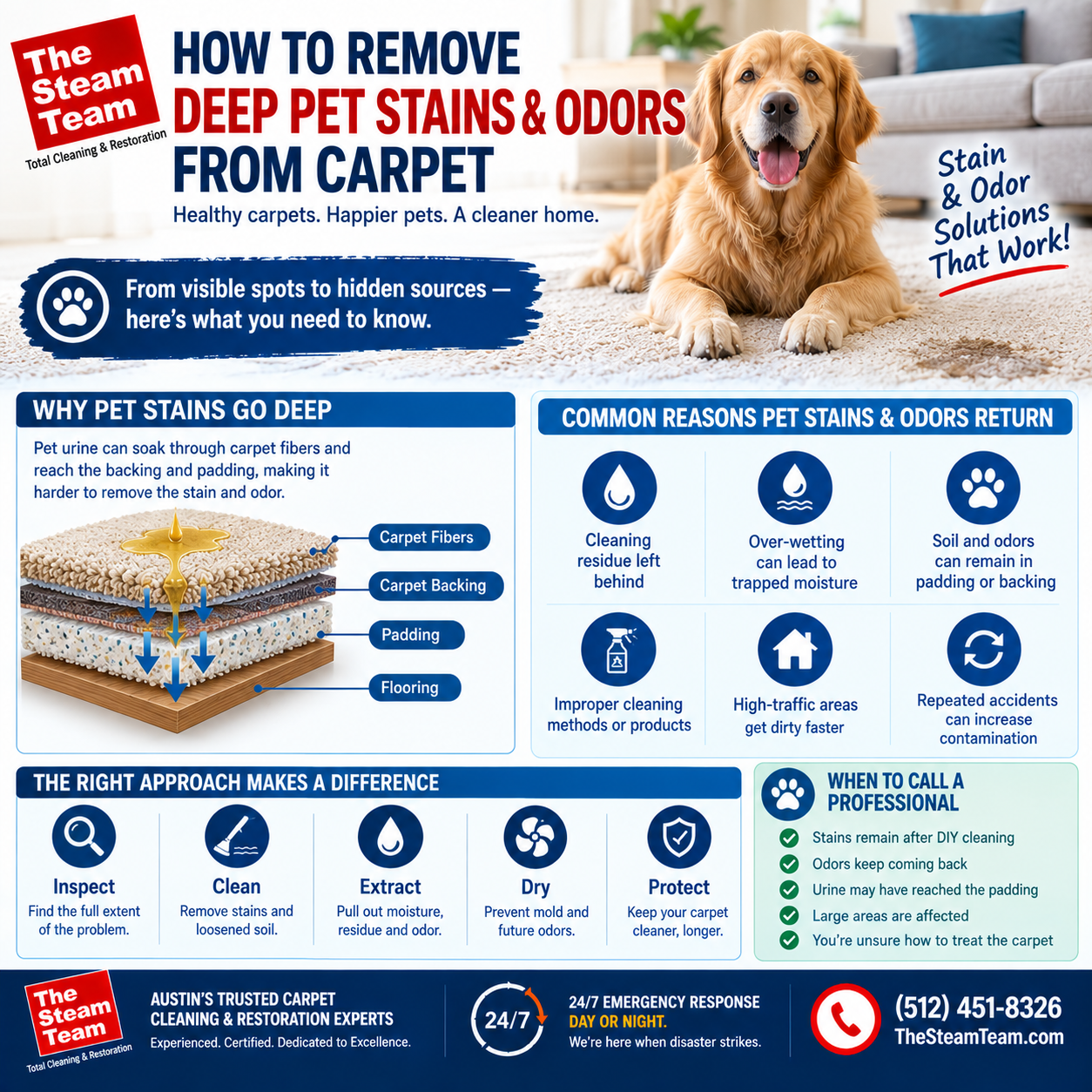
Learn how to remove deep pet stains and odors from carpet, why pet urine can reach the padding, and when professional carpet cleaning may be needed.
Read More
Explore expert tips on water damage restoration, carpet cleaning, rug cleaning, mold remediation, and air duct cleaning in Austin, TX. Trusted local insights from The Steam Team since 1983.
Learn how to remove deep pet stains and odors from carpet, why pet urine can reach the padding, and when professional carpet cleaning may be needed.
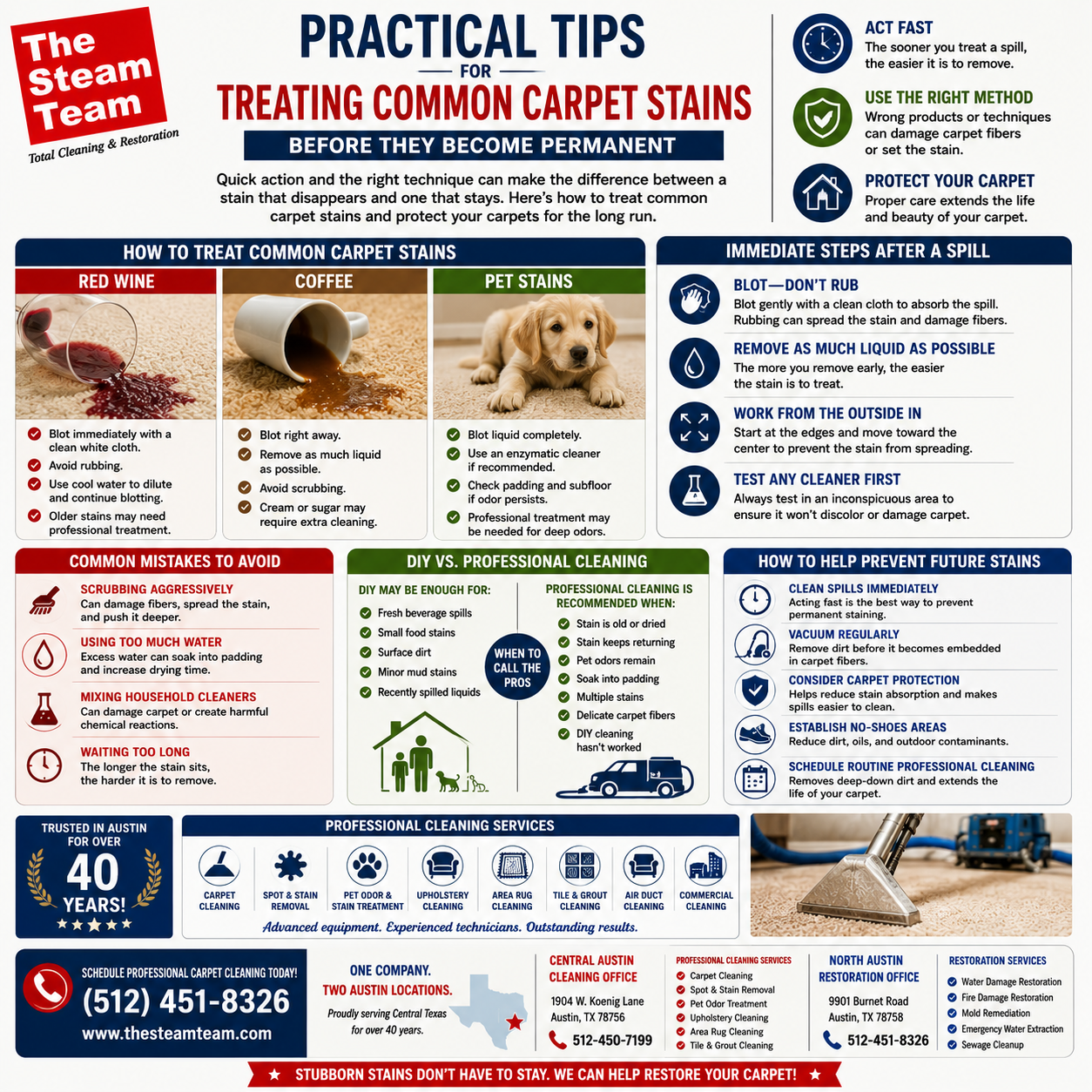
Read MoreLearn the best ways to remove wine, coffee, and pet stains from carpet. Discover what works, what to avoid, and when professional carpet cleaning is the best solution.
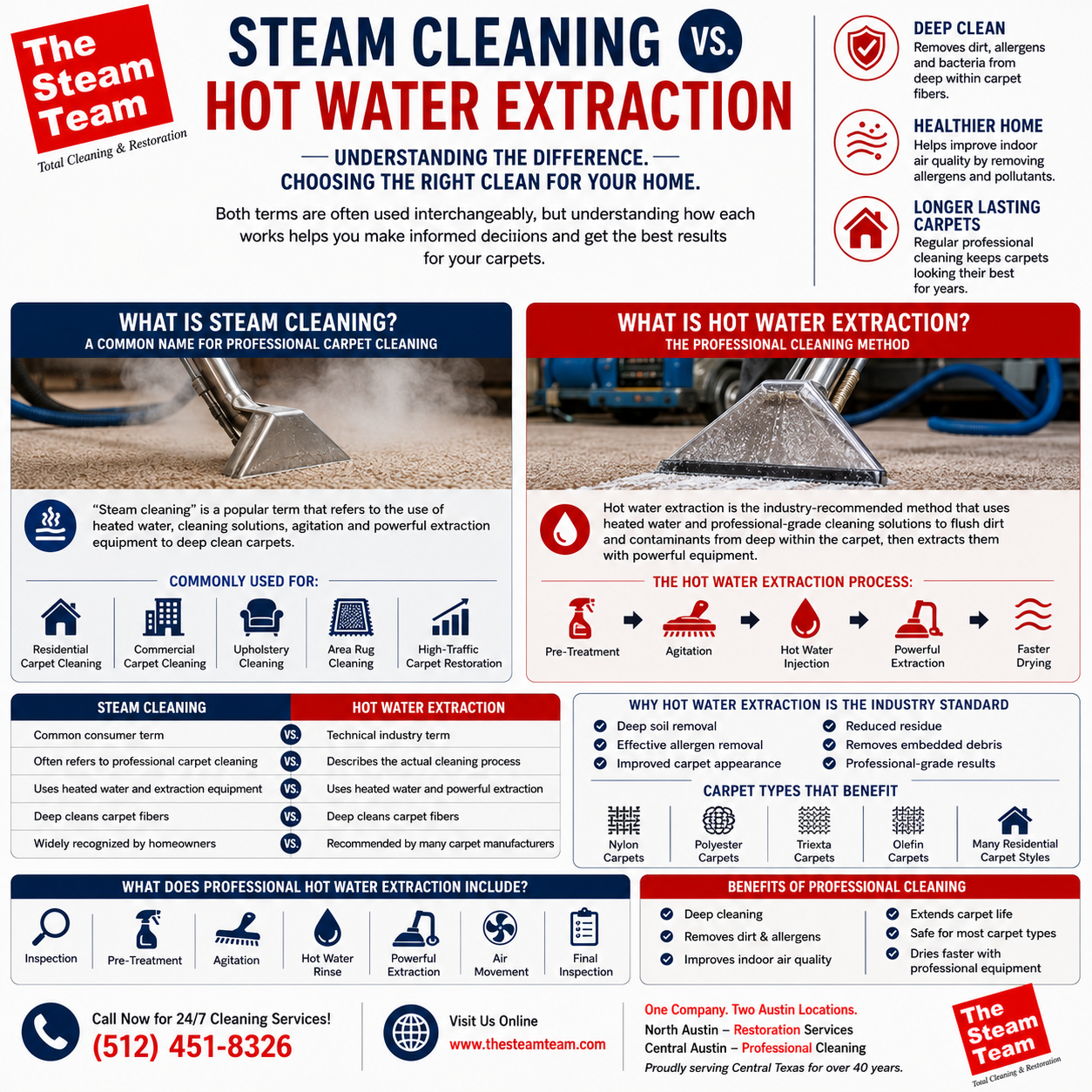
Read MoreLearn the difference between steam cleaning and hot water extraction. Compare both carpet cleaning methods, their benefits, and how to choose the right option for your Austin home.
Read MoreChoosing between steam cleaning and dry cleaning for carpets and upholstery can feel technical, but the right method comes down to soil type, fabric sensitivity, drying time needs, and indoor air quality concerns. This article explains what steam cleaning (hot water extraction) and dry/low-moisture methods are, how each works, and the practical benefits and trade-offs for Austin homes and businesses. You will learn the cleaning mechanisms, expected drying ranges, fabric suitability, stain-specific recommendations, and health and environmental impacts so you can decide with confidence. The guide also compares methods side-by-side, maps common Austin scenarios to the recommended approach, and outlines when to call a professional for restoration or specialized cleaning. By the end, you’ll have clear decision rules for pets, allergies, delicate upholstery, commercial turnarounds, and when to seek an on-site assessment from a local provider.
Steam cleaning, commonly called hot water extraction, uses pressurized hot water and cleaning solution injected into fibers and immediately extracted to remove suspended soil and contaminants. The mechanism relies on heat and agitation to loosen embedded dirt, while a high-powered extraction wand pulls water, soil, and residues into recovery tanks; this process sanitizes surfaces by reducing biological contaminants. Professional equipment, hot water injection units, extraction wands, and drying fans differ from consumer machines in pressure, temperature control, and recovery capacity, producing deeper cleaning in one service. Understanding these equipment and process differences clarifies why hot water extraction is widely recommended for heavily soiled carpets and upholstery needing allergen and odor removal.
This subsection lists the principal advantages of hot water extraction and explains how each benefit affects home and business environments. The focus is on deep cleaning, allergen reduction, odor control, and fabric care outcomes that improve indoor air quality and longevity of textile surfaces. Recent professional guidance and industry standards emphasize the role of hot water extraction in mitigating biological contaminants after water intrusion or regular heavy use.
Deep cleaning: Hot water extraction removes embedded soil and fine particulates from deep within fibers, restoring pile and appearance.
Allergen reduction: The combination of heat, agitation, and extraction reduces dust mite fragments, pet dander, and pollen that aggravate allergies.
Odor elimination: Removal of organic residues and trapped odors addresses persistent pet and household smells rather than masking them.
These benefits make steam cleaning a go-to choice when deep sanitation, allergen control, and long-term fabric health are priorities, which leads to the technical and practical drawbacks that follow.
Steam cleaning delivers deep results but has trade-offs users should weigh before scheduling service. The primary considerations are extended drying time compared to low-moisture methods, potential sensitivity of certain fabrics to heat and moisture, and the risk of overwetting when performed by inexperienced operators. Proper professional technique controlled injection pressure, efficient extraction, and use of drying fans mitigates most risks and shorten dry time, but delicate textiles usually require pre-testing or alternative approaches.
Drying time: Expect longer drying windows that typically range from 6 to 12 hours, depending on humidity and ventilation.
Fabric sensitivity: Natural fibers like some silks or vintage textiles may need specialist treatment to avoid shrinkage or dye migration.
Overwetting risk: Improper equipment or technique can lead to excessive moisture retention, which increases the potential for secondary issues like mold if not addressed promptly.
Recognizing these limitations helps homeowners and managers choose the right method or request hybrid protocols when deep cleaning must coexist with fabric protection and quick reuse.
Dry cleaning and low-moisture methods remove soil using solvents, encapsulation polymers, or dry compounds rather than large volumes of water; the mechanism focuses on dissolving or encapsulating soil and then removing it with minimal wetting. Common professional options include solvent-based dry cleaning for delicate upholstery, encapsulation chemistry for carpets, and dry compound systems that agitate absorbent powders into fibers and vacuum them out. These methods prioritize rapid drying and reduced moisture exposure, making them suitable for water-sensitive fabrics and fast turnarounds in commercial spaces.
Dry and low-moisture approaches provide distinct operational advantages that meet specific fabric and scheduling requirements. Key strengths include minimal moisture contact that preserves water-sensitive fibers, much faster return-to-service times suited for retail or hospitality settings, and strong performance on oil-based and hydrocarbon stains that solvents target effectively. These benefits make dry methods preferable when fabrics are at risk from moisture or when spaces must be reused quickly.
Fast drying: Low-moisture methods typically leave textiles dry within one to four hours, enabling rapid reuse.
Fabric safety: Solvent or encapsulation techniques limit swelling or distortion in delicate fibers like wool or some upholstery textiles.
Oil-stain performance: Solvent-based cleaning dissolves grease and oily residues more effectively than water alone.
Understanding these advantages highlights why facility managers and owners of delicate upholstered pieces often choose dry methods, while still considering trade-offs in depth of cleaning.
Low-moisture systems trade off deep-extraction capability for speed and fabric safety, and that creates several important considerations for owners and facility managers. Primary limitations are reduced effectiveness on deeply embedded soil and biological contamination, potential chemical residues depending on solvent choice, and variable environmental profiles across different technologies. Modern low-toxicity solvents and encapsulation chemistries reduce health and environmental concerns, but professional selection and precise application remain critical to minimize residues and achieve consistent results.
Reduced deep-cleaning power: Dry methods may not remove heavy, compacted soil or ground-in allergens as thoroughly as hot water extraction.
Chemical residue potential: Some solvents can leave trace residues that affect indoor air quality unless properly rinsed or extracted.
Stain scope limits: Biological stains and heavy protein soils often respond better to hot water extraction with enzymatic pre-treatment.
These trade-offs mean dry cleaning is often best used selectively for delicate items or tight schedules, with hybrid plans recommended when deep sanitization is also required.
This section presents a focused comparison of the main attributes that influence method selection, cleaning depth, drying time, fabric suitability, stain removal, eco-friendliness, and relative cost and explains practical implications for residential and commercial decisions in Austin. The table below summarizes typical outcomes by attribute to support quick decision-making for homeowners and facilities managers.
Method
Attribute
Typical Outcome
Hot Water Extraction (Steam)
Cleaning depth
Deep removal of embedded soil, allergens, and organic residues
Hot Water Extraction (Steam)
Drying time
Moderate to long (6–12 hours depending on conditions)
Hot Water Extraction (Steam)
Fabric suitability
Broadly effective; requires testing for delicate fibers
Low-Moisture / Dry Methods
Cleaning depth
Surface to moderate cleaning; best for light to moderate soil
Low-Moisture / Dry Methods
Drying time
Very fast (under 1–4 hours)
Low-Moisture / Dry Methods
Fabric suitability
Ideal for water-sensitive textiles and quick reuse
Cleaning depth, drying time, and fabric compatibility form the core decision criteria when comparing methods, and each factor has quantifiable expectations. Hot water extraction delivers deep cleaning that addresses dust mites and biological residues but typically requires 6–12 hours to dry in typical Austin conditions; low-moisture methods dry in under 1–4 hours and are safer for water-sensitive upholstery. Choosing correctly involves assessing fabric labels, expected soil loads, and operational needs to balance restoration-grade cleaning against the need for quick reuse.
Drying time specifics: Steam cleaning commonly requires half a day to a day; low-moisture options restore usability within hours.
Fabric recommendations: Use steam for durable synthetic and blended carpets, and choose dry methods for delicate natural fibers unless specialist treatment is available.
Practical mitigation: When deep cleaning is necessary but downtime is limited, work in zones or schedule after-hours service with professional drying equipment.
These distinctions clarify how to align cleaning methods to specific textile types and schedule constraints.
Stain chemistry, environmental impact, and price are related considerations that influence method selection, with each method performing unevenly across stain classes and sustainability measures. Oil-based and solvent-soluble stains often respond more quickly to dry/solvent methods, whereas protein stains, biological soils, and heavy particulate soils generally yield to hot water extraction combined with enzymatic or alkaline pre-sprays. Environmentally, hot water extraction typically reduces reliance on harsh solvents but increases water and wastewater handling needs; low-moisture encapsulation and modern low-toxicity solvents can lower water use but require careful product selection to limit residues.
Stain guidance: Use dry methods for grease and oil; choose steam for protein, organic, and heavy particulate stains.
Environmental trade-offs: Steam relies on water but minimizes solvent use; dry systems conserve water but may use solvents that vary in toxicity.
Cost scale: Pricing depends on service scope, but steam may cost more for large-scale deep cleaning due to equipment and drying needs, while dry methods can be more economical for fast-turnaround jobs.
These practical differences help homeowners and managers choose an approach that balances effectiveness, sustainability goals, and budget constraints.
Deciding the best cleaning method begins with a short decision rule: if embedded soil, allergens, pet urine, or biological contamination are present, prefer hot water extraction; if fabrics are water-sensitive or space needs immediate reuse, choose dry/low-moisture methods. Austin’s climate and common housing profiles pets, seasonal allergens, and occasional water intrusion make allergen reduction and mold-aware cleaning protocols especially relevant when selecting a service. This section maps typical local scenarios to recommended methods and explains why each choice fits particular needs.
Scenario/Need
Recommended Method
Rationale
Homes with allergies or pets
Hot water extraction
Deep extraction removes dander, dust mite fragments, and odors linked to allergies
Delicate upholstery or antique textiles
Low-moisture/solvent methods
Minimizes water exposure and reduces the risk of shrinkage or dye migration
Commercial spaces needing rapid turnover
Low-moisture/encapsulation
Fast drying supports minimal downtime and frequent use
Recent water damage or mold risk
Hot water extraction and restoration protocols
Hot water extraction with restoration expertise helps sanitize and reduce mold risk
High-traffic stained carpet
Combined approach (spot solvent + steam)
Targeted solvent for oils, followed by extraction for overall clean-up
This scenario table helps Austin property owners quickly match their most pressing needs to a cleaning strategy that balances health, fabric care, and operational demands. For most Austin residential and commercial situations, especially where deep allergen removal, pet odor elimination, or post-water-damage sanitization is required, hot water extraction is the recommended baseline cleaning method. When fast drying or delicate fabric protection is the priority, low-moisture methods are preferable; professionals often combine approaches for optimal results, addressing oil stains with targeted solvent work followed by hot water extraction for overall cleanliness. These decision rules make it straightforward to plan an effective cleaning visit or restoration assessment.
For local on-site assessments and service requests, The Steam Team recommends an initial inspection to confirm fabric types and soil levels and to determine whether hot water extraction, low-moisture methods, or a hybrid approach best meets the client's needs. The Steam Team is based in Austin and serves Central Texas, offering professional carpet and upholstery cleaning where hot water extraction is a core offering; their local expertise supports practical scheduling and follow-up drying plans to suit Central Texas homes and businesses.
Both steam cleaning and modern dry-cleaning techniques can contribute to healthier indoor environments, but they do so through different mechanisms and trade-offs. Hot water extraction reduces allergens and biological contaminants through heat-assisted extraction, improving indoor air quality for occupants with respiratory sensitivities. Dry and encapsulation systems reduce moisture exposure and can lower water consumption, but environmental and health outcomes depend on the specific solvents or polymers used. This section details the comparative health and environmental impacts to help readers prioritize outcomes aligned with family or business needs.
Health/Environmental Concern
Steam Cleaning Impact
Dry Cleaning Impact
Allergen reduction
High removes dust mites, pollen, and dander through extraction
Moderate surface allergens may be reduced, but deep particulates can remain
Bacteria and mold mitigation
High when combined with sanitizing agents and thorough extraction
Low to moderate; solvents may not fully eliminate biological contaminants
Chemical usage
Lower dependency on solvents; uses water and targeted detergents
Variable; modern low-toxicity solvents reduce concerns, but residue management is important
Water and wastewater
Higher water use requires responsible recovery and disposal
Lower water use; less wastewater, but potential chemical disposal considerations
This table clarifies how method selection affects occupant health and environmental footprint and supports evidence-based choices for sensitive households.
Steam cleaning improves indoor air quality by physically extracting particulate allergens and reducing the biological load on carpet and upholstery fibers, which lowers airborne resuspension after cleaning. Professional hot water extraction includes pre-vacuuming, targeted pre-treatment, controlled hot water injection, and high-volume recovery, producing measurable reductions in dust mite allergens and pet dander. For families with children, asthma, or significant pet presence, professional steam cleaning is a key component of an indoor air quality strategy because it addresses both visible soils and microscopic biological triggers that conventional vacuuming often leaves behind.
Mechanism summary: Hot water and agitation loosen allergens; extraction removes the particles rather than moving them to another area.
Practical outcome: Reduced odor and lower incidence of allergen-triggered symptoms in many households after professional treatments.
Professional advantage: Trained technicians and certified processes improve consistency and reduce the chance of overwetting that could negatively affect IAQ.
These benefits demonstrate why deep extraction is often recommended as part of regular maintenance for allergy-prone environments.
Dry Steam Cleaning for Carpet Allergen and PAH Reduction
Dry steam cleaning, which has gained recent attention as an effective method to reduce house dust mite (HDM) allergen concentration and loading in carpets, was evaluated in this study for its efficacy in lowering levels of polycyclic aromatichydrocarbons(PAHs) as well as HDM allergens. Fifty urban homes with wall-to-wall carpets, mostly low-income and with known lead contamination, were studied in 2003 and 2004. Two carpet-cleaning interventions were compared: Repeated HEPA (High Efficiency Particulate Air filtered) vacuuming alone and repeated HEPA vacuuming supplemented with dry steam cleaning. Vacuum samples were collected to measure carpet loading of dust and contaminants immediately before and after cleaning. Paired comparisons were conducted to evaluate the effectiveness of the cleaning protocols in reducing the levels of PAHs and HDM allergens in carpets. The results indicated that both cleaning methods substantially reduced the loading of PAHs and HDM allergens as well
Environmental impact depends on water use, chemical profiles, and waste management practices, and contemporary choices can minimize negative effects for both approaches. Steam cleaning uses water but can rely on biodegradable detergents and careful wastewater handling to reduce environmental footprint, while low-moisture encapsulation and modern solvent systems conserve water but require attention to solvent toxicity and disposal. Choosing eco-friendly formulations, ensuring technicians follow disposal regulations, and preferring providers who use low-toxicity chemistries balances cleaning effectiveness with environmental responsibility.
Steam: Greater water use but potential for lower solvent reliance and easier control of residue.
Dry methods: Lower water consumption but variable chemical profiles that demand careful selection and handling.
Recommended practice: Ask about product safety data, disposal practices, and options for low-toxicity or green chemistries when comparing providers.
These considerations allow property owners to select a method that aligns with both health priorities and environmental values.
The Steam Team combines local Central Texas expertise with a broad set of cleaning and restoration services to deliver reliable outcomes for carpet and upholstery care. Based in Austin and serving Central Texas, The Steam Team offers water damage restoration, fire damage restoration, mold mitigation, and cleaning services, including carpet, rug, tile, air duct, and upholstery cleaning. Their primary product/service alignment for this topic is professional carpet and upholstery cleaning, with hot water extraction as a core offering for deep cleaning and restoration work. This local, restoration-capable approach helps homeowners and businesses address both everyday maintenance and post-incident remediation with consistent standards.
IICRC-certified technicians follow industry-standard protocols that guide proper pre-treatment, soil removal, extraction pressure, and drying practices, which reduce risks like overwetting and fabric damage. The Steam Team’s validated mention of IICRC certification indicates training in cleaning and restoration best practices, which translates to safer cleaning choices for delicate fabrics and more reliable results for heavy-soil or post-loss situations. Experienced technicians apply appropriate hyponyms of cleaning, such as hot water extraction and encapsulation, based on fabric type and contamination profile, ensuring the selected method matches the problem rather than applying a one-size-fits-all solution.
The Steam Team highlights award-winning service recognition, including "Best of the Best," maintains an A+ BBB rating, and offers a customer satisfaction guarantee as part of its service promises; these trust signals support confidence when selecting a local provider. Their comprehensive cleaning and restoration solutions mean clients can access water damage restoration, mold mitigation, and specialized upholstery treatments from the same team, reducing coordination and improving accountability. For example, anonymized local case work showed an integrated cleaning and restoration response that resolved a pet odor and moisture incident through combined hot water extraction and mitigation protocols, illustrating practical outcomes from certified processes.
Local expertise: The Steam Team serves Central Texas and tailors drying and remediation strategies to Austin’s climate and building types.
Certified practice: IICRC-certified technicians apply standardized processes to improve consistency and safety.
Service coverage: A broad service offering restoration and cleaning helps manage complex jobs involving both contamination and structural moisture.
These points show why choosing a certified local provider matters for both routine cleaning and restoration-grade work.
This article has outlined the mechanisms, benefits, trade-offs, and scenario-specific recommendations for steam versus dry cleaning to help Austin homeowners and businesses decide. For professional assessments, quote requests, or to schedule an appointment with a local team experienced in hot water extraction and restoration services, consider contacting The Steam Team or requesting an on-site evaluation to determine the optimal cleaning plan for your carpets and upholstery.
For optimal maintenance, it is generally recommended to steam clean carpets and upholstery every 6 to 12 months, depending on usage and environmental factors. Homes with pets, children, or high foot traffic may require more frequent cleaning to manage allergens and stains effectively. Additionally, if you notice persistent odors or visible dirt, it may be time to schedule a cleaning. Regular maintenance not only enhances the appearance of your textiles but also prolongs their lifespan and improves indoor air quality.
While there are consumer-grade steam cleaning machines available, hiring a professional is often recommended for the best results. Professionals use high-powered equipment that can achieve deeper cleaning and better extraction of dirt and allergens. They also have the expertise to handle different fabric types and stains effectively, reducing the risk of damage. If you choose to DIY, ensure you follow the manufacturer's instructions carefully and test a small area first to avoid any adverse effects on your upholstery or carpets.
Steam cleaning is generally safe for synthetic and blended fabrics, such as nylon and polyester, which can withstand heat and moisture. However, delicate fabrics like silk, wool, or vintage textiles may require special care or alternative cleaning methods to prevent damage. Always check the care label on your upholstery or carpet before proceeding with steam cleaning, and consider consulting a professional if you're unsure about the fabric's compatibility with this method.
While modern dry cleaning methods use low-toxicity solvents, there can still be health risks if chemical residues are not properly managed. Some solvents may emit volatile organic compounds (VOCs) that can affect indoor air quality. To minimize risks, choose a dry cleaning service that uses eco-friendly products and follows best practices for solvent disposal. Additionally, ensure proper ventilation during and after the cleaning process to help dissipate any lingering odors or chemicals.
To prepare for a professional cleaning service, start by clearing the area of any furniture, personal items, and obstacles that may hinder access to the carpets or upholstery. Vacuum the surfaces to remove loose dirt and debris, which can enhance the effectiveness of the cleaning process. If there are specific stains or areas of concern, inform the cleaning technician beforehand so they can address them appropriately. Lastly, ensure that pets and children are kept away from the cleaning area during the service.
If stains persist after cleaning, it may be due to the type of stain or the cleaning method used. Some stains, particularly those that are old or set in, may require specialized treatments or additional cleaning steps. Contact your cleaning service to discuss the issue; they may recommend a follow-up treatment or a different cleaning method to effectively address the stain. In some cases, professional stain removal products may be necessary to achieve the desired results.
To maintain your carpets and upholstery between professional cleanings, regularly vacuum to remove dirt and debris, which can prevent soil buildup. Address spills and stains immediately by blotting with a clean cloth and using appropriate cleaning solutions for the specific type of stain. Consider using area rugs in high-traffic areas to protect your carpets and rotate furniture occasionally to avoid uneven wear. Additionally, implementing a no-shoes policy indoors can significantly reduce dirt and allergens brought into your home.
Pets bring companionship and personality to a home, but they also introduce stains, odors, hair, and allergens that can embed into furniture fibers and padding. This article explains why professional upholstery cleaning for pet owners is often the most effective way to restore fabric condition, neutralize biological contaminants, and improve indoor air quality. Readers will learn how pet stains and odors develop, the science behind enzyme cleaners and hot water extraction, measurable health benefits, DIY risks, and practical maintenance strategies tailored for pet-friendly households. The guide also maps when to call professional services and what outcomes to expect after deep cleaning, with Austin-specific service context and trusted provider information included for readers who want to request a quote or schedule an appointment. Throughout, we use evidence-backed explanations and clear, actionable steps to help pet owners choose the best approach for keeping furniture clean, safe, and long-lasting.
Pet-related problems on upholstery include visible stains, persistent odors, embedded hair and dander, and accelerated fabric wear from oils and abrasion. These issues arise from organic soils, urine, vomit, feces, pet body oils, and from mechanical deposits like hair and grit that abrade fibers. Left untreated, biological residues foster bacterial growth, permit chemical reactions that discolor fabric, and allow odor molecules to bind to cushion padding, making remediation more difficult. Identifying the specific problem (protein stain vs oil vs odor) guides the cleaning approach and determines whether surface treatment or deep extraction is required, which is why a clear diagnosis is the first step toward recovery.
Pets produce several distinct types of upholstery challenges:
Urine, vomit, and feces that cause protein-based staining and strong odors.
Persistent pet odors from bacterial breakdown and volatile organic compounds.
Hair and dander that embed in fibers increase allergen loads.
Body oils and grit that accelerate fabric abrasion and discoloration.
These common issues are interrelated: for example, hair traps oils and soils that deepen stains over time, and untreated urine can crystallize and migrate into the padding. Understanding these links prepares owners for targeted action and transitions naturally into how professional cleaning methods address each problem.
After diagnosing common problems, many pet owners prefer professional help. The Steam Team has experience addressing these exact issues for residential and commercial clients across Austin and Central Texas; their technicians use standardized assessment steps to identify stains, select appropriate cleaners, and recommend whether deep extraction or localized treatment is needed. If you want an expert evaluation, consider requesting a quote or scheduling an appointment to assess stubborn stains and odors.
Pet stains such as urine, vomit, and feces affect upholstery through chemical and biological pathways that damage fibers and padding over time. Urine contains proteins and salts that can crystallize, discolor fabric, and feed odor-causing bacteria, while vomit combines acids and food particles that can etch or set into fibers. Fecal contamination introduces strong odors and potential pathogenic organisms that may penetrate beyond the surface into cushion foams. Immediate action limits penetration, but once residues migrate into padding, they require extraction and neutralization rather than surface masking to fully resolve the issue.
These mechanisms mean that treating fresh stains differs from treating aged ones: fresh protein-based stains respond best to enzymatic breakdown and gentle extraction, whereas aged stains often need hot water extraction to flush residues from padding. Recognizing the chemical nature of each stain informs whether spot treatment, deep cleaning, or restoration is the right path forward, which leads to the practical methods technicians use to neutralize and remove these contaminants.
Pet odors are difficult to remove because odor molecules and the bacteria that produce them chemically bind to fabric fibers and diffuse into cushion cores, creating internal reservoirs of smell. Surface sprays commonly mask volatile compounds without addressing bound molecules or bacteria, and repeated accidents compound internal contamination, so odors persist between cleanings. Additionally, porous fabrics and multilayer constructions allow odor-causing compounds to hide beneath the surface where air fresheners cannot reach. Successful odor neutralization, therefore, requires both biochemical neutralizers (to deactivate odor molecules) and physical extraction (to remove residues), not just surface masking.
Because of this dual nature, chemical binding plus internal migration, effective odor control typically combines enzyme-based neutralizers that break down organic molecules with hot water extraction that flushes the breakdown products from fibers and padding. Understanding this necessity for combined treatments helps pet owners evaluate cleaning approaches and sets the stage for detailing how professional methods achieve lasting odor removal.
Professional upholstery cleaning removes pet stains and odors by combining targeted biochemical treatments with mechanical extraction to neutralize organic residues and physically remove contaminants. Technicians first identify stain chemistry, then apply enzyme cleaners to break down proteins and organic molecules, followed by hot water extraction to flush the degraded compounds from fibers and padding. High-efficiency vacuums, agitation tools, and controlled drying complete the process to minimize re-soiling risk and prevent microbial regrowth. This layered approach targets both the root causes (organic residues and bacteria) and their physical carriers (hair, soils, padding), delivering more durable results than surface-only remedies.
To illustrate the workflow, professionals typically follow a clear step-by-step protocol:
Assessment and testing: Determine fabric type and stain chemistry to choose safe cleaners.
Pre-treatment: Apply enzyme or surfactant solutions to loosen organic soils.
Mechanical agitation: Gently agitate fibers to dislodge embedded hair and dander.
Hot water extraction: Flush soils and breakdown products from fabric and backings.
Drying and protection: Accelerate drying and apply fabric protection if appropriate.
This process shows why professional pet upholstery cleaning outperforms DIY methods in both effectiveness and preservation of fabric health, and it explains the synergy between chemical and physical actions used by trained technicians.
Before the comparison table, here is a concise summary of common professional methods and when they are chosen. These methods differ in mechanism, effectiveness on urine, pet-safety, and dry time, which informs technician selection and expected outcomes.
Cleaning Method
Mechanism
Effectiveness on Urine
Pet-Safety / Dry Time
Enzyme Cleaner
Biochemical breakdown of organic molecules
High for fresh protein stains and odors
Generally pet-safe when rinsed; short dry time after extraction
Hot Water Extraction
Pressurized hot water flushes residues from fibers/padding
High for embedded stains and odors
Pet-safe after drying; moderate dry time (several hours)
Steam (Low-moisture)
Heat and humidity loosen soils; limited extraction
Moderate; may not remove deep residues
Pet-safe if used properly; faster dry time
Dry Cleaning Solvents
Chemical dissolution of oils and some stains
Low for urine; better for oil-based soils
Varies; may not be pet-safe without thorough drying
This comparison clarifies why enzyme + hot water extraction is often the preferred combination for pet-related problems: enzymes neutralize organics while extraction removes both the byproducts and the bacteria that produced odors. The next section explains enzyme action and extraction mechanics in more detail.
After explaining methods, it's useful to see them applied locally. The Steam Team in Austin uses enzyme cleaners and hot water extraction as complementary steps when treating pet urine and persistent odors, combining biochemical neutralization with deep flushing to restore furniture. If you have a specific stubborn stain or smell, you can request a quote or schedule an appointment for an on-site assessment and targeted treatment.
Enzyme cleaners target the organic molecules that cause pet stains and odors by catalyzing their breakdown into smaller, non-odorous compounds, which then become easier to rinse away. Enzymes such as proteases and lipases act on proteins and fats, respectively, effectively reducing both visible staining and volatile odor precursors at a molecular level. Hot water extraction complements enzymes by using pressurized hot water and suction to physically remove the enzyme reaction products and residual bacteria from fibers and padding. Together, enzyme action plus extraction converts entrenched organic pollutants into removable fragments and then flushes them from the upholstery structure.
This biochemical-mechanical synergy is essential: enzymes neutralize what causes smells, and extraction removes what remains, preventing re-formation of odors and reducing the microbial load that perpetuates scent. Understanding this partnership helps homeowners recognize why combined treatments are recommended for durable odor control, which transitions naturally to how deep cleaning also handles hair, dander, and allergens.
Deep cleaning removes pet hair, dander, and allergens through a combination of high-efficiency vacuuming, mechanical agitation, and extraction that dislodges and captures microscopic particulates. HEPA-grade vacuums trap fine particulates such as dander and allergenic proteins, while agitation tools loosen particles that have embedded within the fiber matrix. Hot water extraction then pulls these particles and associated soils out of the textile and cushion layers, reducing both surface residues and airborne allergen reservoirs. The result is measurable improvement in indoor air quality and a lower load of allergenic material that can circulate through HVAC systems.
Quantitative studies and industry testing indicate that professional extraction protocols can significantly lower airborne and surface allergen counts, which supports recommendations for periodic professional cleaning in homes with allergy-prone occupants. The next section outlines those measurable health and hygiene benefits in more detail.
Professional pet upholstery cleaning delivers health and hygiene benefits by reducing allergens, removing odor-causing bacteria, and lowering the overall microbial and particulate load in indoor environments. Regular deep cleaning interrupts the cycle of re-aerosolization, where settled dander becomes airborne again, and it reduces the concentration of volatile organic compounds that contribute to persistent odors. These improvements translate into fewer allergy flare-ups, reduced odor complaints, and a cleaner environment for both people and pets. Measurement of outcomes includes lower detectable allergen levels, decreased odor intensity, and fewer visible soils, all of which support a healthier home.
Common measurable benefits include:
Reduced pet dander and allergens captured and removed from fabrics and cushions.
Elimination or substantial reduction of odor-causing bacteria and compounds.
Lowered visible soil and reduced the risk of fabric degradation from biological residues.
These outcomes not only improve comfort but also reduce exposure pathways for allergens that aggravate asthma and allergic rhinitis, which leads to specifics on indoor air quality and recommended cleaning frequency.
Below is an EAV-style table that links key health entities to the methods that remove them and the expected improvement.
Contaminant / Benefit
Removed By
Expected Outcome
Pet Dander
HEPA vacuum + hot water extraction
Reduced airborne allergen load
Bacteria (odor producers)
Enzyme treatment + extraction
Fewer odor episodes
Volatile odor compounds
Enzyme neutralization + flushing
Lower odor intensity
Indoor Air Quality
Combination protocol
Improved comfort and allergy symptom reduction
This table highlights which professional steps address specific health hazards and the qualitative improvement owners can expect. Understanding these connections clarifies why routine professional cleaning is recommended for households with allergy sufferers or frequent pet activity.
Removing pet dander improves indoor air quality by reducing the primary indoor allergen source that circulates in air and accumulates on upholstery, bedding, and soft surfaces. Professional removal interrupts the constant shedding cycle by extracting dander trapped in fibers, which in turn decreases the amount that becomes airborne during daily activity. Lower airborne allergen load commonly correlates with reduced allergy symptoms such as sneezing, nasal congestion, and itchy eyes for sensitive individuals. Consistent cleaning, combined with HEPA filtration and ventilation practices, produces the most reliable improvement in household air quality.
This allergen reduction feeds into maintenance scheduling: understanding how quickly dander accumulates informs how often to schedule professional services, which the next subsection covers.
Regular professional cleaning prevents the long-term buildup of allergens, biological residues, and oils that degrade fabric and perpetuate odors, providing both health and preservation benefits. Industry guidance suggests more frequent intervals for high-pet households, and scheduled maintenance reduces the likelihood of permanent staining or fabric breakdown that results from waiting too long between services. Between professional visits, simple maintenance like frequent vacuuming with a HEPA-equipped unit and immediate spot treatment of accidents slows re-accumulation. Adopting a combined routine of professional cleaning and targeted home maintenance keeps both allergy exposure and cosmetic degradation to a minimum.
Establishing a predictable cleaning cadence based on occupancy, pet behavior, and allergy sensitivity helps homeowners plan proactive care that balances cost with long-term health and furniture preservation.
Professional upholstery cleaning outperforms DIY methods because certified technicians use diagnostic testing, specialized equipment, and industry-grade solutions that address root causes rather than masking symptoms. DIY attempts often rely on consumer cleaners and household tools that lack the biochemical specificity and extraction power required to neutralize protein stains or flush residues from padding. Professionals apply standardized protocols, use HEPA-grade vacuums and commercial hot water extractors, and follow fabric-specific testing to minimize the risk of setting stains or causing over-wetting. These differences produce more reliable, longer-lasting results and reduce the chance of unintentionally worsening a stain or causing secondary damage.
Key contrasts between DIY and professional approaches include:
Risk of setting stains: Inappropriate cleaners can chemically fix protein stains.
Incomplete odor removal: Masking agents hide rather than neutralize smells.
Equipment limitations: Consumer tools lack the extraction power of professional machines.
Understanding these risks helps homeowners decide when professional intervention is warranted, and it naturally leads to describing how certified technicians and specialized equipment achieve better outcomes.
DIY cleaning risks include using the wrong chemistry on protein-based stains, over-wetting upholstery and saturating padding, and relying on masking sprays that leave residues and prolong odor problems. For example, alkaline household cleaners can denature proteins and set stains, making them harder to remove later, while excessive moisture trapped in cushions can foster mold or bacterial growth. Inexperienced agitation or scrubbing can also abrade fibers and create visible wear patterns. These pitfalls make DIY a gamble for delicate or heavily soiled pieces, and they underscore when professional assessment and controlled extraction are the safer choice.
Mitigating DIY risks involves testing a hidden fabric area, using enzyme-based spotters for organic stains, and limiting moisture, but for many persistent or large-scale problems, professional cleaning is the most reliable path to restoration, which the next subsection explains.
Certified technicians combine formal training, fabric identification skills, and access to industrial-grade equipment such as hot water extractors and HEPA-rated vacuums that together ensure more effective soil and allergen removal. Certification standards encourage consistent assessment, safe chemical selection, and proper equipment use to reduce the risk of setting stains or over-wetting. Specialized machines apply controlled pressure, temperature, and suction to flush contaminants from fabric and padding while minimizing drying time. This protocol-driven approach yields measurable cleaning performance and reduces the likelihood of repeat visits due to incomplete results.
Technician knowledge plus superior equipment form a reliable pathway from diagnosis to long-term remediation, which connects directly to how cleaning preserves fabric life and value.
Professional upholstery cleaning extends furniture lifespan by removing abrasive soils and oils that break down fibers, applying fabric protection treatments that repel liquids and reduce staining, and advising on maintenance schedules that prevent cumulative damage. Biological residues and particulate soils act like sandpaper at a microscopic level, wearing fibers and weakening textiles over time; timely removal halts this process. Additionally, protective treatments create a barrier that reduces liquid absorption and simplifies spot cleaning, which preserves appearance and structural integrity. These preservation strategies maintain both aesthetic appeal and long-term value for pet-friendly homes.
Below is a compact recommendations table linking fabric types to common pet damage and suggested professional treatments and frequencies to maximize lifespan.
Fabric Type
Common Pet-Related Damage
Recommended Professional Treatment / Frequency
Microfiber / Synthetic
Oil buildup, hair embedding
Deep extraction + monthly vacuuming; protector annually
Natural fibers (cotton, linen)
Staining, abrasion
Gentle enzyme cleaning, protector, and quarterly inspection
Leather
Oils and scratches
Specialized cleaning and conditioning; maintenance every 6–12 months
Upholstery with heavy use
General wear and odor buildup
Biannual deep cleaning + spot maintenance
This table makes it clear that matching treatment to fabric type and pet behavior is essential for effective preservation. Regular professional care reduces cumulative wear and supports a better ROI compared to reactive, infrequent interventions.
Fabric protection applied after professional cleaning forms a hydrophobic and oleophobic barrier that reduces liquid absorption and slows soil adhesion, making future spot cleaning easier and lowering the chance of permanent stains. Professional protectors are selected for compatibility with the fabric and the household's pet activity level, and periodic re-application maintains effectiveness. Beyond stain repellency, protectors can reduce abrasive wear by keeping soils on the surface where they are easier to remove. These benefits combine to preserve the color, texture, and tensile integrity of upholstery, which reduces the need for premature replacement.
Understanding protector benefits helps owners weigh the cost of re-application against the long-term savings from deferred furniture replacement, which flows into how cleaning supports home value.
Consistent professional cleaning maintains home value by preserving interior finishes and reducing visible signs of neglect that detract from appearance and perceived care. Well-maintained furniture supports stronger visual appeal in both daily living and potential resale scenarios, and removing stubborn pet odors prevents negative impressions during showings. Routine cleaning also minimizes structural degradation of cushions and frames by removing soils that hasten wear. Investing in scheduled professional care is therefore a cost-effective preventive strategy that sustains both comfort and marketability of a pet-friendly home.
These preservation outcomes close the loop between immediate cleaning benefits and long-term financial prudence, and they set up the focused company information that follows for local Austin pet owners.
The Steam Team provides local expertise in upholstery cleaning and specialized pet odor treatment across Austin and Central Texas, offering trained technicians and customer-centered service for homeowners and businesses. Their service proposition emphasizes satisfaction, certified practices, and locally recognized quality, making them a practical option for pet owners seeking assessed treatments and reliable follow-through. For those ready to move from diagnosis to restoration, The Steam Team invites readers to request a quote or schedule an appointment to evaluate specific upholstery concerns and recommend a tailored cleaning plan. This section summarizes the trust signals and service focus that support the invitation.
The Steam Team’s operational strengths include the following verified signals and service attributes:
IICRC Certified technicians are knowledgeable in fabric-safe cleaning protocols.
A+ rating with the Better Business Bureau as a local trust indicator.
Local awards and recognition that reflect the community's reputation.
These credentials indicate trained staff and standardized practices for pet-friendly cleaning, and they support confidence when homeowners decide to request a quote or schedule an appointment with a local provider.
The Steam Team lists industry-recognized credentials and local recognition that underline technician training and service standards, including IICRC certification and an A+ Better Business Bureau rating. IICRC certification implies that technicians have completed standardized training in cleaning and restoration best practices, which contributes to safer fabric handling and consistent protocols. An A+ BBB rating and local awards signal customer-focused operations and community validation of service quality. Together, these elements provide a factual basis for trust when comparing providers or deciding to request a quote or schedule an appointment. This factual credential summary explains why some pet owners prefer vetted, certified providers for complex odor and stain issues, and it naturally leads into service area coverage.
The Steam Team serves residential and commercial clients across Austin and surrounding Central Texas areas, delivering upholstery cleaning and specialized pet odor treatment for a range of property types. Their service model targets both homeowners who need recurring maintenance and businesses that require periodic deep-cleaning to manage pet-related soils in hospitality or pet-friendly environments. Emphasizing customer satisfaction and localized expertise, The Steam Team aligns cleaning protocols to Austin’s environmental factors, such as pollen and humidity, that influence odor persistence and fabric care. Pet owners in the region can request a quote or schedule an appointment to obtain tailored recommendations and on-site assessments.
This local-service description clarifies who benefits most from their offerings and ties the technical guidance in this article to a practical next step for readers who prefer professional assistance.
Ready to restore upholstery? Consider requesting a quote or scheduling an appointment to get a professional assessment.
Need targeted odor neutralization? Ask about enzyme and extraction protocols designed for pet-related contamination.
Looking to preserve furniture's life? Discuss fabric protection and recommended maintenance frequency with certified technicians.
Pet owners should consider scheduling professional upholstery cleaning at least every 6 to 12 months, depending on the number of pets and their activity levels. High-pet households may benefit from more frequent cleanings, such as every 3 to 6 months, to manage allergens, odors, and stains effectively. Regular cleaning not only maintains the appearance of furniture but also helps prevent long-term damage and health issues related to allergens and bacteria. Establishing a routine cleaning schedule can significantly enhance indoor air quality and prolong the life of upholstery.
Between professional cleanings, pet owners can maintain upholstery by regularly vacuuming with a HEPA-equipped vacuum to remove hair, dander, and dust. Immediate spot treatment of any accidents with enzyme-based cleaners can help prevent stains from setting. Additionally, using fabric protectors can create a barrier against spills and dirt. It's also advisable to rotate cushions and avoid direct sunlight on upholstery to minimize fading and wear. These proactive measures can significantly reduce the need for frequent deep cleaning and help keep furniture looking its best.
Yes, different types of upholstery require specific cleaning methods to ensure effective care. For synthetic fabrics like microfiber, hot water extraction is often recommended to remove oils and embedded hair. Natural fibers, such as cotton or linen, benefit from gentle enzyme cleaning to avoid damage. Leather upholstery requires specialized cleaning and conditioning to maintain its texture and prevent cracking. Understanding the fabric type and its unique needs is crucial for selecting the appropriate cleaning method and preserving the integrity of the upholstery.
Yes, professional upholstery cleaning can significantly help with allergies related to pet dander. By using HEPA-grade vacuums and hot water extraction methods, professionals can effectively remove dander and other allergens trapped in upholstery fibers. This process reduces the airborne allergen load in the home, which can alleviate allergy symptoms such as sneezing, nasal congestion, and itchy eyes. Regular cleaning not only improves indoor air quality but also creates a healthier living environment for allergy-sensitive individuals.
Professional upholstery cleaning can have several environmental benefits. By using eco-friendly cleaning solutions and methods, such as hot water extraction, professionals can minimize the use of harsh chemicals that may harm indoor air quality. Additionally, regular cleaning extends the lifespan of furniture, reducing the need for replacements and the associated waste. This sustainable approach not only benefits the home environment but also contributes to a greater effort in reducing overall waste and promoting responsible consumption practices.
When choosing a professional cleaning service, pet owners should look for companies with certified technicians, positive customer reviews, and a strong reputation in the community. It's important to inquire about the specific cleaning methods they use, especially for pet-related issues, and whether they offer eco-friendly options. Additionally, asking for a detailed quote and understanding the services included can help ensure transparency. A reputable service will also provide a satisfaction guarantee, giving pet owners confidence in their choice.
During a professional upholstery cleaning appointment, pet owners can expect a thorough assessment of their furniture to identify specific stains and issues. Technicians will typically explain the cleaning process, including the methods and products they will use. The cleaning itself usually involves pre-treatment of stains, mechanical agitation, and hot water extraction to remove dirt, hair, and odors. After cleaning, technicians may offer advice on maintenance and fabric protection. Overall, the process aims to restore the upholstery's appearance and improve indoor air quality.
Our mission is to provide you with the most outstanding service experience ever. Some of our most popular services include Carpet Cleaning, Tile Cleaning, Air Duct Cleaning, Water Damage, Fire Damage Restoration and Construction Services.
Quick Cleaning Quote
Email: info@thesteamteam.com
Georgetown: (512) 868-0358
Dallas: (214) 631-8326
Naples, FL: (239) 450-1936
Toll Free: (800) 880-7785