Top Techniques for Stains in Austin Carpets

Top Techniques for Stains in Austin Carpets: Expert Carpet Stain Removal and Cleaning Solutions

Carpet stains in Austin range from everyday spills to biological pet incidents and water-related damage, and choosing the right removal technique determines whether a stain is restored or becomes permanent. This guide explains why professional, method-driven approaches like hot water extraction often outperform DIY fixes in Austin’s humid environment, and how targeted treatments protect indoor air quality and carpet longevity. You will learn which stains are most common, step-by-step professional processes, specialized pet odor solutions, eco-friendly options, decision rules for when to call a pro, and how pricing and insurance typically work. Practical checklists, comparison tables, and clear action steps are included so homeowners and facility managers can prioritize safety, drying, and stain chemistry when acting. The recommendations emphasize techniques proven to reduce re-soiling, control mold risk in humid climates, and restore carpets with minimal fiber damage.

What Are the Most Common Carpet Stains in Austin Homes and Businesses?

Common carpet stains in Austin include food and beverage spills, pet accidents, grease and oil, tracked-in mud, and ink or blood, each with different chemistry and treatment needs. The region’s warm, humid climate accelerates microbial growth and can cause tannin-rich stains to set faster, so quick triage and the correct cleaning mechanism matter for long-term outcomes. Identifying whether a stain is hydrophilic (water-based) or hydrophobic (oil-based) helps determine whether extraction, solvent, or enzymatic treatment is required, helping prevent fiber damage or dye migration. Below is a quick reference list of local stain types with immediate prevention steps to limit setting and guide next actions.

Common stains and immediate-response prevention tips:

  • Food & beverage (red wine, coffee, sauces): Blot liquids, avoid heat, and apply cold water to dilute tannins.

  • Pet urine and vomit: Blot solids, avoid rubbing, and ventilate area to reduce odor reactivation.

  • Grease and oil: Blot excess, avoid water-only treatment, and isolate area for solvent work.

  • Mud and tracked-in soils: Let mud dry, vacuum solids, then treat with appropriate detergent.

  • Ink and blood: Blot gently and seek professional help for set-in dye or protein stains.

These stain categories highlight the practical choices that follow: immediate blotting and containment, followed by the appropriate chemistry or professional extraction method to prevent permanent damage. Understanding those choices leads directly into why hot water extraction is often the recommended professional method in Austin.

Which Food and Beverage Stains Are Most Challenging on Austin Carpets?

Tannins in red wine, coffee, and tea bind strongly to carpet fibers and dye backings, making pigment-based stains particularly challenging when left untreated. Acidic beverages penetrate fibers quickly, and heat or scrubbing can fix pigments deeper into pile, so early cold-water dilution and blotting are essential to limit stain setting. Sugary or protein-rich sauces may become sticky residues that attract more soil over time, increasing re-soiling risk if not fully removed by extraction methods. For stubborn or set-in pigment stains, professional pretreatment and hot water extraction usually achieve the best balance of color-safe lift and residue removal.

These beverage stain mechanics naturally transition into pet stains, which combine organic chemistry with odor challenges and often require enzymatic action for complete remediation.

How Do Pet Stains and Odors Affect Carpet Cleaning in Austin?

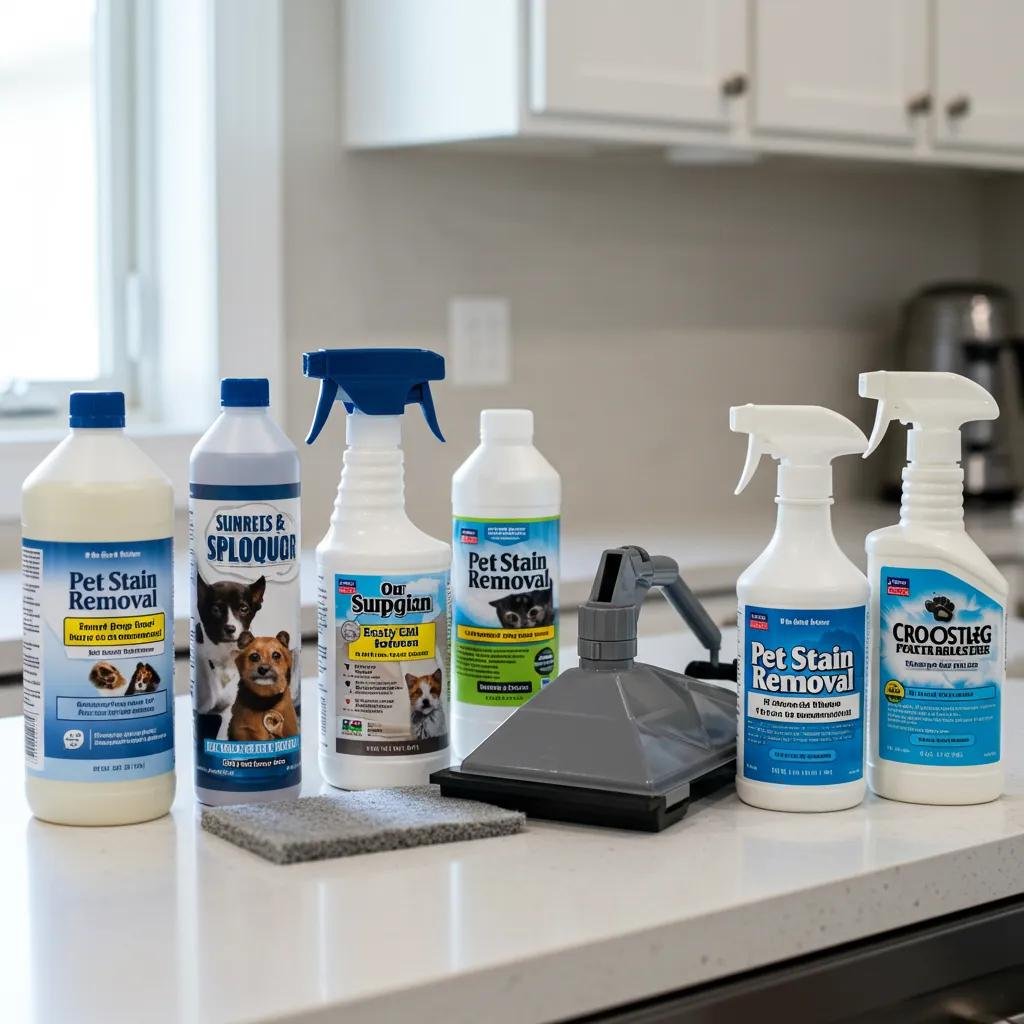
Pet stains are complex because they combine organic solids, urine salts, and volatile odor compounds that can crystallize in fibers and pads, causing recurring smells if residues remain. Enzyme-based cleaners break down organic matter into non-odorous components, but urine salts and pad saturation sometimes require deeper extraction, pad replacement, or subfloor remediation to stop odor re-emergence. Repeat treatments and verification with moisture meters or black-light inspection are common professional steps to ensure complete removal. Effective pet-stain remediation reduces long-term odor cycles and prevents microbial growth in humid conditions, which is essential in Austin’s climate.

Addressing hydrophobic stains such as grease and oil requires a different approach, which is described next.

What Are the Effects of Grease, Oil, and Other Tough Stains on Carpet Fibers?

Grease and oil penetrate fiber cuticles and the carpet backing, resisting water-based cleaners and often requiring solvent-based spotters followed by extraction to remove residues. Improper solvent selection or aggressive scrubbing can damage fiber texture, cause dye loss, or spread the stain; professionals test fibers and dyes before applying solvents. When oil reaches the carpet pad or subfloor, extraction alone won’t fully restore the area and may necessitate pad replacement to stop re-soiling and odors. For severe hydrophobic contamination, coordinated solvent application, professional hot water extraction, and post-treatment grooming restore both appearance and fiber hand.

Understanding these stain types and mechanisms points toward the industry-preferred method for deep cleaning: hot water extraction.

How Does Hot Water Extraction Work for Deep Carpet Stain Removal in Austin?

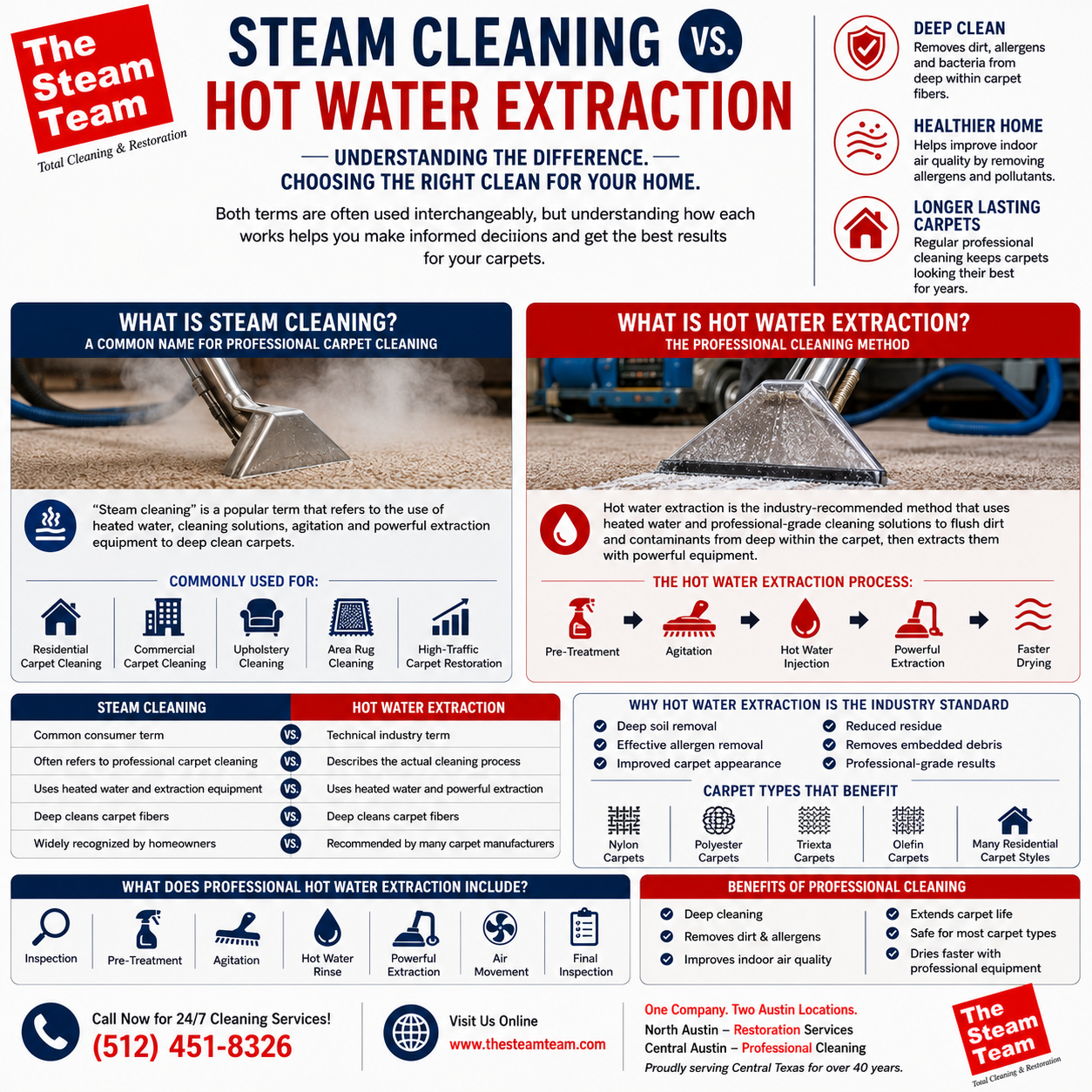
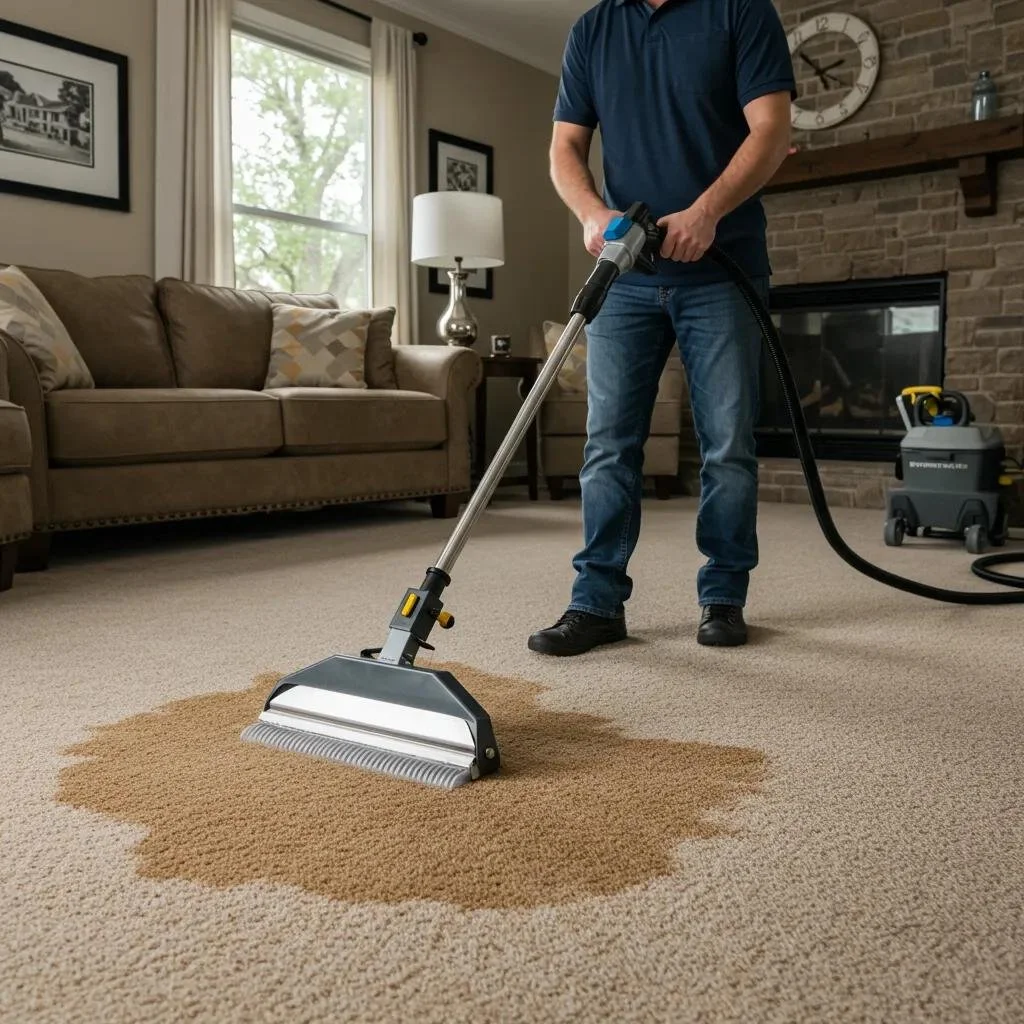
Hot water extraction, commonly called steam cleaning, uses heated water and agitation to dissolve soils, then powerful suction to extract contaminants from fibers and backing. The method injects hot cleaning solution under pressure to loosen embedded soils and then immediately extracts the solution and dislodged particles, reducing residue left in the carpet. Properly performed hot water extraction lowers allergen loads, reduces dust mite populations, and extends carpet life by removing abrasive soils that accelerate wear. In Austin, where humidity and microbial risk are considerations, professional-grade extraction combined with drying controls minimizes the chance of mold growth and re-soiling.

The effectiveness of hot water extraction as a primary carpet cleaning method is well-established in the industry.

Hot Water Extraction: A Common Carpet Cleaning Method

Steam cleaning or hotwater extraction is probably the most common

A numbered step list below outlines the IICRC-aligned process for clarity.

  1. Inspection and pre-testing: Assess fiber type, dye stability, and stain chemistry before treatment.

  2. Pretreatment and agitation: Apply appropriate solutions to break down soils and allow dwell time.

  3. Hot water injection and extraction: Inject heated cleaning solution and immediately remove it with truck- or portable-mounted extraction.

  4. Grooming and drying: Align fiber pile for appearance and use air movers/dehumidifiers to speed drying.

  5. Post-inspection and spot touch-ups: Verify results and perform targeted spot treatments as needed.

These steps set up a technical comparison with alternative methods, shown in the table below to help decide which approach fits an Austin property.

Method Characteristic Value for Austin
Hot water extraction (steam cleaning) High heat + deep extraction Best for deep soils, allergens, and set-in stains; requires drying controls in humid climates
Low-moisture / encapsulation Quick dry, less water use Faster re-entry times but may leave residue that attracts soil if misapplied
Dry carpet cleaning Minimal moisture, mechanical action Useful for light maintenance and rapid service but limited on heavy or biological stains

Useful for light maintenance and rapid service but limited on heavy or biological stains

This comparison clarifies that method selection depends on stain type, soil load, and drying capability, which leads into how hot water extraction aligns with Austin’s humidity and indoor air quality goals.

When explaining the hot water extraction process in a real-world context, it is important to note that certified technicians follow standards to ensure efficacy. The Steam Team employs IICRC-certified technicians and professional extraction equipment to perform hot water extraction consistent with industry best practices, and homeowners can request a site-specific quote or schedule service through the company for situations that need in-person assessment. This factual bridge links the technical method to available professional execution and next steps for remediation.

What Are the Steps Involved in IICRC-Certified Hot Water Extraction?

IICRC-aligned hot water extraction begins with a thorough inspection and testing to identify fiber type and stain chemistry. Technicians then pretreat stains using targeted solutions with controlled dwell time, agitate fibers to lift soils, perform hot water injection under pressure, and extract with high-capacity vacuum systems. After extraction, grooming aligns pile and technicians deploy drying equipment and dehumidification to meet moisture targets, reducing mold risk. A final quality check confirms stain removal and ensures no residue remains, which is essential for long-term carpet performance.

These procedural steps naturally lead into why this method is favored in humid climates such as Austin’s.

Why Is Hot Water Extraction the Preferred Method for Austin’s Humid Climate?

Hot water extraction removes the majority of cleaning solution and soils during the extraction phase, leaving less residual moisture and organic matter than many low-moisture approaches when done correctly. Professional drying protocols—using air movers and dehumidifiers—are paired with extraction to reach safe moisture levels quickly, lowering mold and microbial risk in Austin’s humidity. Improper low-moisture systems or consumer-grade machines can leave residues that attract soil and trap moisture, so professional-grade equipment and drying plans are critical. Proper moisture management after extraction preserves indoor air quality and prevents secondary contamination.

The humid conditions prevalent in Austin can exacerbate issues related to microbial growth and indoor air quality if not properly managed.

Microbial Growth and VOC Emissions in Carpets Due to Humidity

Microbial growth and volatile organic compound (VOC) emissions from carpet and drywall under elevated relative humidity conditions

Understanding how extraction improves indoor air quality and carpet longevity clarifies the long-term benefits of choosing professional methods.

How Does Hot Water Extraction Improve Indoor Air Quality and Carpet Longevity?

By extracting embedded allergens, dust mite debris, and particulate pollutants, hot water extraction reduces airborne resuspension sources that degrade indoor air quality and trigger symptoms in allergy-prone occupants. Removing abrasive soils also minimizes fiber wear, maintaining pile integrity and color over time, which helps preserve warranties and extends replacement cycles. Regular professional extraction cycles reduce cumulative soil loads that grind into fibers and shorten carpet life. These benefits make extraction a foundational element of a healthy, durable carpeting strategy in Austin properties.

The practical comparison above sets the stage for addressing pet-specific stain and odor treatments, which combine chemistry and extraction strategies.

What Specialized Treatments Are Effective for Pet Stain and Odor Removal in Austin Carpets?

Pet stains require a multi-step approach combining enzymatic breakdown of organic material, odor neutralization, and deep extraction to remove salts and residues that cause odor recurrence. Enzyme cleaners catalyze the breakdown of proteins and urea, oxidizers can address certain chromogens, and encapsulation products lock residual soil for mechanical removal, but each has safety and efficacy trade-offs. In many cases, professionals follow a sequence: pretreat with enzymes, extract thoroughly, then apply neutralizers or encapsulants as a finishing step. When the pad or subfloor is contaminated, remediation may include pad replacement or water-damage restoration to fully resolve odors and prevent microbial growth.

The table below compares common pet-treatment categories so homeowners can see the typical mechanisms and outcomes.

Treatment Type Mechanism Expected Outcome
Enzyme cleaner Biochemical breakdown of organics Reduces odor and stain source; safe when used per instructions
Oxidizer (careful use) Chemical oxidation of chromogens Quick color change for some stains; requires fiber/dye testing
Encapsulation Polymerizes soil for removal Controls residues; best as adjunct to extraction

How Do Enzyme Cleaners Eliminate Pet Stains and Odors?

Enzyme cleaners contain biological catalysts that break complex organic molecules—proteins, uric acid, and fats—into smaller, non-odorous compounds that can be removed by extraction or biodegraded further. Correct application requires adequate dwell time and sometimes agitation to ensure enzymes reach all deposited residues, especially in pad-saturated or heavily soiled areas. Enzymes are species-specific in activity profile, so professional-grade formulations are selected based on the stain chemistry and safety for pets and children. Complete removal of residues is critical; otherwise, odors and staining can reappear as salts recrystallize.

This enzymatic action informs the decision rules for when a homeowner should seek professional intervention for pet issues.

When Should You Use Professional Pet Stain Removal Services?

Call professional services when odors persist after DIY steps, when stains have penetrated the carpet backing or pad, when large or multiple incidents occur, or when you suspect microbial growth under the carpet. Professionals have tools—moisture meters, truck-mounted extraction, pad-lifting techniques—that determine contamination depth and limit unnecessary pad removal. Immediate professional attention reduces the chance of recurring odor cycles and structural moisture damage in Austin’s humid climate. If DIY triage fails within a couple of attempts or the area is widely affected, schedule a professional assessment.

Following this practical guidance, homeowners handling pets may want a specialized assessment from a trusted local provider.

What Are The Steam Team’s Unique Pet Odor Treatment Advantages in Austin?

The Steam Team offers pet odor treatment specialization delivered by IICRC-certified technicians using professional-grade enzyme and extraction systems to address both surface residues and deeper pad contamination. The company provides 24/7 emergency services and works with insurance-preferred vendor relationships for cases that involve water or structural damage, enabling streamlined documentation when restoration is necessary. Homeowners can request a pet-specific assessment or quote to determine whether spot treatment, full-area extraction, or pad remediation is required to stop odor recurrence. This factual, service-focused offering helps homeowners find the right remediation path without guesswork.

The discussion of pet-centric chemistry leads naturally into eco-friendly cleaning options that many Austin residents prefer.

How Can Eco-Friendly Carpet Cleaning Techniques Benefit Austin Homeowners?

Eco-friendly carpet cleaning uses non-toxic, biodegradable products and low-VOC formulations that reduce indoor chemical exposure while still employing effective cleaning mechanisms like enzymes and targeted surfactants. When combined with professional hot water extraction, green products can remove soils without leaving harmful residues, benefiting households with children, pets, or chemical sensitivities. Choosing green-certified products also lessens environmental runoff concerns and aligns with broader sustainability goals in urban watersheds. The key is balancing ecological credentials with professional application to ensure efficacy on set-in stains while maintaining safety.

Below are examples of common non-toxic product categories and how they operate in professional cleaning systems.

  • Plant-based surfactants: Break surface tension to lift soils without harsh petrochemicals.

  • Enzyme formulations: Biodegrade organic stains safely and effectively.

  • Buffered, pH-balanced solutions: Clean without risking fiber or dye damage.

These categories clarify product choice and limitations before discussing how eco-friendly methods protect health and environment.

What Non-Toxic and Biodegradable Products Are Used in Eco-Friendly Cleaning?

Typical eco-friendly cleaners rely on plant-derived surfactants, enzyme blends, and buffered solutions that avoid strong solvents or high-VOC ingredients. These formulations often require slightly longer dwell times or mechanical assistance to match the aggressiveness of traditional solvents, but when used by professionals they achieve comparable stain lift without leaving toxic residues. Safe application includes verifying fiber compatibility and using extraction to remove all residues, ensuring the environmental benefits do not come at the cost of re-soiling or diminished cleaning performance. For severe stains, a hybrid approach that preserves green credentials while employing targeted professional-strength chemistry is sometimes necessary.

This product-level detail connects directly to the measurable health and environmental benefits of green cleaning.

How Do Eco-Friendly Methods Protect Health and the Environment in Austin?

Eco-friendly carpet cleaning reduces occupant exposure to VOCs and harsh residues that can affect respiratory health and indoor air chemistry, especially in tighter homes or commercial spaces. Biodegradable products minimize long-term chemical runoff into local stormwater, supporting urban watershed quality. For sensitive populations—children, pets, allergy sufferers—reduced chemical burden and professional extraction decrease allergen and irritant loads. Maintaining these benefits requires complete extraction and proper drying to avoid leaving biodegradable residues that could encourage re-soiling or microbial activity in humid climates.

After understanding green approaches, readers often want assurance about costs and how pricing is structured for different services.

How Does The Steam Team Implement Green Cleaning Practices for Carpet Stains?

The Steam Team integrates non-toxic and biodegradable products into appropriate service plans, using professional extraction to remove residues and ensure green cleaning efficacy without sacrificing stain removal performance. Technicians assess each stain and select eco-friendly chemistries when they meet efficacy and safety needs, balancing environmental benefits with the technical demands of set-in or biological stains. Clients can request a green-cleaning quote or inquire about product choices during the assessment to align cleaning outcomes with household preferences. This approach helps homeowners achieve healthier indoor air while restoring carpet appearance effectively.

With eco-friendly and pet-focused strategies defined, the next practical question is when to choose professional services over DIY methods.

When Should Austin Residents Choose Professional Carpet Stain Removal Over DIY Methods?

Professional intervention is recommended when stains are set-in, cover large areas, involve biological contamination, or when pad and subfloor saturation is suspected, since homeowners often lack the equipment to remove deep residues or control drying. DIY methods can be effective for immediate triage—blotting, cold-water dilution, and temporary containment—but repeated or aggressive home treatments risk setting stains or causing dye migration. In Austin, humidity increases mold risk after wet cleaning, so professionals who use rapid extraction and dehumidification lower long-term risk. When in doubt, a professional assessment prevents costly remediation later.

Common decision triggers are listed below to help homeowners decide quickly.

  • Persistent odors after initial DIY steps

  • Set-in pigment stains that resist blotting

  • Large-area water intrusion or pad saturation

  • Biohazardous stains (blood with uncertain contamination)

These triggers guide the practical limitations of homemade cleaners and why professional drying and remediation matter for humidity-prone regions.

What Are the Limitations of Homemade Carpet Stain Removers?

Homemade remedies often lack appropriate pH balance, may leave residues that attract soil, and can permanently set pigments through heat or scrubbing. DIY solvents can strip dye or damage synthetic fibers if fiber type is unknown, and household vacuums cannot achieve the extraction needed to remove deep salts or proteins. Temporary measures are useful for immediate containment, but professional testing and extraction are necessary for deep or biological stains to ensure complete removal and reduce re-soiling risk. Recognizing these limits prevents inadvertent worsening of the problem.

How Do Professionals Prevent Mold and Re-Soiling in Austin’s Climate?

Professionals use rapid extraction, high-volume air movers, and dehumidifiers to lower moisture content quickly after cleaning, preventing microbial growth in humid conditions. Post-cleaning grooming, protective treatments, and residue removal reduce sites where soils reattach and extend clean appearance longevity. Monitoring moisture levels until safe thresholds are reached and documenting drying progress are standard steps for thorough service providers. These practices mitigate the specific climate-driven risks Austin homes face after wet cleaning.

What Types of Stains Require Immediate Professional Attention?

Urgent cases include large-area water damage, heavy pet saturation with pad contamination, chemical spills that could affect indoor air quality, and blood or other biohazardous materials that require specialized handling. Immediate interim steps include containing the area, blotting surface moisture, and avoiding HVAC circulation that could spread contaminants, but prompt professional assessment is required to evaluate pad removal, subfloor drying, or hazardous-waste protocols. Quick action reduces structural damage and health risks, and helps insurance documentation when claims are needed.

After decision rules, homeowners commonly ask about what cleaning services cost and how pricing is structured.

What Are the Typical Costs and Pricing Structures for Carpet Stain Removal in Austin?

Pricing for carpet stain removal varies with stain type, extent, required method, travel, and whether pad or subfloor work is necessary; providers use per-room, per-square-foot, or flat-rate spot treatments depending on the job. Emergency or after-hours work can add surcharges, and restoration-scale jobs involving water damage or insurance claims typically require detailed documentation and coordination. Understanding whether a provider uses per-room or per-sqft models and what add-ons (pad replacement, deodorization, microbial remediation) cost helps homeowners set realistic budgets and prepare insurance paperwork. Below is a compact comparison to illustrate typical service categories and drivers.

Service Type Common Pricing Model Pricing Determinants
Spot treatment Flat-rate per spot or per-room Stain complexity, dye testing, number of spots
Standard carpet cleaning Per-room or per-sqft Area size, soil load, furniture removal
Pet-specific service Add-on or separate service Odor mitigation, pad work, enzyme treatments

How Is Pricing Determined for Different Stain Removal Services?

Technicians assess stain complexity, the area affected, required chemistry and equipment, and any remediation like pad replacement to estimate cost. Jobs requiring multiple pretreatments, oxidizers, or pad removal are higher due to labor and materials; truck-mounted extraction and rapid drying equipment also affect pricing. Insurance claims often hinge on documented inspection and cause analysis, so thorough professional assessments can influence what an insurer covers. Clear scope definition and written estimates help homeowners compare options and avoid surprise charges.

What Are The Steam Team’s Pricing Options for Residential and Commercial Clients?

The Steam Team offers site-specific estimates tailored to stain type and service scope, encouraging customers to request a detailed quote to determine whether spot treatment, full-area extraction, or restoration work is required. The company serves both residential and commercial clients and partners with insurance carriers as a preferred vendor in cases involving water or structural restoration, which can streamline claims processing when applicable. For accurate pricing, schedule an assessment so technicians can evaluate fiber type, contamination depth, and whether pad or subfloor remediation is necessary.

This pricing overview naturally leads into insurance support considerations and documentation needs.

Are Insurance Claims Supported for Carpet Stain and Water Damage Restoration?

Insurance support typically requires cause documentation, scope assessment, and before/after photos or professional reports; working with preferred vendors can simplify communication between homeowner and carrier. Providers who are preferred by insurers often understand documentation requirements and can provide the necessary reports for claims involving water damage or large-scale restoration. Homeowners should document damage immediately, avoid DIY actions that alter evidence, and request a professional inspection to determine covered restoration steps. Clear vendor-insurer coordination reduces delays and ensures the correct remediation path is followed.
With pricing and claims clarified, homeowners benefit from knowing the credentials and experience of their chosen provider.

How Does The Steam Team’s Experience and Certification Ensure Effective Stain Removal in Austin?

The Steam Team applies standards-based procedures through IICRC-certified technicians who follow industry protocols for inspection, pretreatment, extraction, and drying to improve stain removal outcomes. The company provides restoration and cleaning services including specialty pet odor treatment, water damage restoration, tile and grout cleaning, air duct cleaning, and upholstery care, delivered with professional-grade equipment tailored to the job. As a recognized local vendor with preferred-insurer relationships, the team can assist with documentation and emergency response when rapid remediation is needed. Clients can request site-specific assessments and quotes to match remediation plans to the unique conditions of their property.

These credentials translate into measurable service practices, beginning with certification standards.

What Does IICRC Certification Mean for Carpet Cleaning Quality?

IICRC certification indicates technicians have been trained in standards-based methods for cleaning and restoration, including correct chemical selection, equipment operation, and moisture management. This training reduces the chance of fiber damage, dye bleeding, or improper drying that can lead to mold growth in humid climates like Austin’s. Certified technicians follow documented processes for inspection and verification that enhance consistency and customer outcomes. For homeowners, IICRC-aligned work provides assurance that methods are aligned with recognized industry standards.

How Do Awards and Customer Satisfaction Guarantee Reflect Service Excellence?

Independent signals such as high third-party ratings and local industry recognitions suggest consistent service delivery and customer-focused resolution practices, which lower the risk for homeowners choosing a provider. The Steam Team’s documented vendor relationships and service offerings—such as 24/7 emergency response and specialized pet odor treatment—showcase operational readiness for diverse remediation needs. Clear satisfaction and quality processes mean that customers benefit from accountability and documented results, which is particularly important when dealing with insurance claims and restoration work. These service features ensure responsive support when urgent or complex cleanings are required.

Which Austin Neighborhoods and Areas Does The Steam Team Serve?

The Steam Team provides service coverage across Austin and Central Texas neighborhoods, offering local response and knowledge of region-specific stain and moisture issues. Local technicians understand common area-specific soil and stain sources, which helps them tailor pretreatment and drying protocols to reduce recurrent problems. Prospective clients can request service availability and a site-specific quote to confirm scheduling and scope for their address. Local presence supports faster response times for emergency water or odor incidents, which limits structural damage and speeds restoration.

The service-area details lead into practical frequently asked questions about stain removal timelines and maintenance.

Frequently Asked Questions

What Should I Do Immediately After a Carpet Stain Occurs?

Immediately after a carpet stain occurs, the first step is to blot the area with a clean, absorbent cloth to soak up excess liquid. Avoid rubbing, as this can push the stain deeper into the fibers. For liquid stains, use cold water to dilute the area, and for solid stains, gently scrape off any residue. Limiting foot traffic in the affected area is crucial to prevent further embedding of the stain. If the stain persists, consider contacting a professional for targeted treatment.

How Often Should I Have My Carpets Professionally Cleaned?

For most households, it is recommended to have carpets professionally cleaned every 12 to 18 months. However, this frequency can vary based on factors such as foot traffic, presence of pets, and specific stain issues. High-traffic areas or homes with pets may benefit from more frequent cleanings, possibly every 6 to 12 months. Regular professional cleaning not only enhances the appearance of your carpets but also extends their lifespan and improves indoor air quality.

What Are the Benefits of Using Eco-Friendly Carpet Cleaning Products?

Eco-friendly carpet cleaning products offer several benefits, including reduced exposure to harmful chemicals and lower VOC emissions, which can improve indoor air quality. These biodegradable products are safer for children and pets, making them an excellent choice for households with sensitive individuals. Additionally, eco-friendly cleaning methods often use less water, which is beneficial for the environment. When applied by professionals, these products can effectively remove stains without leaving harmful residues, ensuring a clean and healthy living space.

How Can I Prevent Future Carpet Stains?

To prevent future carpet stains, consider implementing a few proactive measures. Use entrance mats to reduce dirt and debris tracked into your home, and encourage family members to remove shoes before walking on carpets. Regular vacuuming helps remove surface dirt and allergens, while immediate blotting of spills can prevent stains from setting. Additionally, applying a carpet protector can create a barrier against stains and make cleaning easier. Regular professional cleanings will also help maintain your carpets and extend their life.

What Should I Look for in a Carpet Cleaning Service?

When selecting a carpet cleaning service, consider factors such as the company's reputation, certifications, and experience. Look for IICRC-certified technicians who follow industry standards for cleaning and restoration. Read customer reviews and ask for references to gauge service quality. Additionally, inquire about the cleaning methods used, especially if you prefer eco-friendly options. A reliable service should provide a clear estimate, explain the cleaning process, and offer a satisfaction guarantee to ensure you receive the best possible care for your carpets.

How Can I Tell If My Carpet Needs Professional Cleaning?

Signs that your carpet may need professional cleaning include visible stains, persistent odors, and a general dingy appearance despite regular vacuuming. If you notice that your carpet feels rough or matted, or if allergens like dust and pet dander are affecting your indoor air quality, it’s time for a professional clean. Additionally, if you have recently experienced water damage or significant spills, prompt professional cleaning is essential to prevent mold growth and further damage.

What Is the Best Way to Get Stains Out of Carpet in Austin?

The best immediate action is to blot fresh spills with a clean, absorbent cloth, avoid rubbing, and dilute pigment-based stains with cold water; then limit foot traffic and ventilate the area. For many spills, a gentle enzyme or pH-balanced cleaner followed by extraction removes residues; avoid heat or household bleach that can set stains or damage fibers. If stains persist after initial triage or cover a large area, contact a professional for testing and extraction to prevent permanent damage. Proper initial steps reduce the chance of needing pad removal or replacement.

These triage steps connect to how professionals tackle older stains using targeted protocols.

How Do Professionals Remove Old or Set-In Carpet Stains?

Professionals apply a multi-step approach: inspect and test fibers, pretreat stains with matched chemistry, agitate or groom the pile, perform hot water extraction to remove soil and residue, and repeat spot treatments as needed until dye and fiber safety are confirmed. They may use oxidizers or controlled solvents for certain chromogens but always perform dye and fiber tests beforehand to avoid color loss. For biological or pad-saturated stains, technicians evaluate pad and subfloor and recommend replacement if necessary. This structured approach improves success rates compared to ad-hoc DIY attempts.

Can Eco-Friendly Cleaning Remove Tough Stains Effectively?

Yes, eco-friendly solutions—when professionally applied and paired with hot water extraction—can remove many tough stains, especially organic soils and common household soils, without leaving harmful residues. However, very stubborn pigment or oil-based stains may require stronger chemistry or hybrid approaches that preserve green credentials while delivering necessary cleaning power. Professionals select formulations and techniques to strike the right balance between environmental safety and stain-removal efficacy, ensuring complete extraction and appropriate drying. For severe or set-in stains, an expert assessment clarifies feasibility and trade-offs.

How Long Does Professional Carpet Cleaning Take to Dry in Austin?

Typical drying times after professional hot water extraction range from 4 to 24 hours depending on humidity, airflow, and equipment used; with robust air movers and dehumidification, most residential jobs dry within 6–12 hours in favorable conditions. High humidity, limited ventilation, or deep pad saturation can extend drying time and may require additional dehumidification or pad removal. Professionals monitor moisture levels and keep equipment running until safe thresholds are reached to prevent mold and ensure occupant safety. Planning around local weather and using HVAC or fans accelerates drying when needed.

How Can I Maintain My Carpet Between Professional Cleanings?

Regular vacuuming with a high-efficiency vacuum, immediate blotting of spills, use of entrance mats, and prompt spot treatment with pH-balanced cleaners preserve carpet appearance and reduce soil load. Rotate furniture occasionally, and schedule professional deep cleaning on a recommended cycle based on traffic—more frequently in high-use areas or homes with pets. Periodic professional inspections catch emerging issues early, such as pad wear or persistent odors, allowing targeted remediation before larger restoration is needed. Consistent maintenance extends carpet life and reduces long-term costs.

This final maintenance checklist ties back into the selection of methods and professional support discussed throughout the guide.

Conclusion

Understanding the best techniques for carpet stain removal in Austin empowers homeowners to protect their investments and maintain a healthy living environment. By utilizing professional methods like hot water extraction, you can effectively address a variety of stains while minimizing the risk of mold and allergens. For tailored solutions that meet your specific needs, consider reaching out to a trusted local provider. Explore our services today to ensure your carpets remain clean and vibrant for years to come.

Importance of Optimal Carpet Cleaning Techniques in Austin

Why Optimal Carpet Cleaning Techniques Matter in Austin: Professional Carpet Cleaning Benefits and Best Methods

Austin’s hot, humid climate and seasonal pollen cycles create unique challenges for carpet care that demand more than routine vacuuming. This article explains why choosing the right carpet cleaning techniques—particularly professional hot water extraction—reduces mold and microbial growth, removes embedded allergens, and preserves carpet life in Austin homes and businesses. Readers will learn how humidity and local allergens change cleaning priorities, how hot water extraction works and why IICRC standards matter, and when to schedule service to protect indoor air quality. We will compare professional methods to DIY options, explore eco-friendly choices that keep families and pets safe, and outline stain and odor strategies for Austin-specific problems like cedar pollen and outdoor soil. Local experts recommend hot water extraction as the evidence-backed standard for deep-cleaning and rapid extraction; The Steam Team endorses this method as a primary approach. Provide useful information about cleaning and restoration services, build trust, and lead potential clients to request a quote or schedule an appointment.

How Does Austin’s Climate Impact Carpet Cleaning Needs?

Austin’s climate influences carpet maintenance because high humidity, heavy pollen seasons, and frequent outdoor-to-indoor foot traffic accelerate soiling and increase microbial risks. Elevated moisture slows drying times, allowing trapped dampness to promote mold and mildew growth within fibers, while abundant cedar and grass pollen embed in pile and act as persistent irritants. Understanding these mechanisms clarifies why techniques that prioritize rapid extraction and airflow are essential for preserving indoor air quality and delaying fiber breakdown. The next sections break these factors into specific mechanisms—humidity effects, allergen accumulation, and drying imperatives—so you can match cleaning practices to Austin conditions.

What Role Does Humidity Play in Carpet Wear and Mold Growth?

Humidity in Austin raises equilibrium moisture in carpet fibers, which increases the likelihood that any overwetting will lead to microbial growth and musty odors. When moisture remains above safe thresholds for extended periods, mold spores can proliferate on organic soils and backing materials, accelerating fiber degradation and creating health risks. Professional cleaning processes that extract water efficiently and combine air movers or dehumidifiers help maintain short drying windows, reducing the window for microbial colonization. These moisture-control tactics directly reduce long-term wear and the likelihood of secondary water-damage remediation.

How Do Austin Allergens Affect Indoor Air Quality and Carpets?

Austin allergens—especially cedar pollen, grass pollen, dust, and pet dander—settle into carpet pile where they act as reservoirs that are released into the air when disturbed. Professional deep-cleaning can remove a large portion of embedded allergens and reduce airborne particulate spikes that trigger symptoms for sensitive occupants. Recent industry data show that thorough hot water extraction reduces many common airborne allergens by significant percentages when combined with pre-treatment and agitation. Removing the reservoir of allergens from carpets therefore supports healthier indoor air quality and lowers recurring symptom triggers for residents.

Why Is Fast Drying Essential for Austin Carpets?

Fast drying after cleaning is critical in Austin because the region’s humidity lengthens natural evaporation times and increases the risk of microbial growth if carpets remain damp. Technicians mitigate this by using high-capacity extraction, directed airflow (air movers), and, when needed, dehumidification to reach safe moisture levels within targeted drying windows. Reducing dry time also minimizes re-soiling and limits residue formation, which preserves appearance and fiber integrity. Prioritizing both extraction power and controlled airflow ensures cleaning interventions in Austin deliver lasting hygienic and aesthetic results.

What Are the Benefits of Professional Hot Water Extraction in Austin?

Hot water extraction (commonly called steam cleaning) combines heated solution, agitation, and high-suction extraction to lift and remove deep-seated soil and allergens from carpet fibers. The mechanism uses pre-treatment to break down soils, hot rinse to dissolve contaminants, and strong extraction to remove suspended material and rinse residues, producing measurable improvements in cleanliness and allergen load. For Austin’s humid and pollen-prone environment, this method minimizes residual moisture while extracting particles that would otherwise remain trapped and fuel IAQ issues. Below are the core, evidence-oriented benefits and metrics that explain why hot water extraction is the recommended professional standard.

  1. Deep Allergen and Soil Removal: Hot water extraction penetrates fiber depths to remove pollen, dust, and pet dander rather than redistributing them.

  2. Reduced Microbial Risk: Efficient extraction and rapid drying lower the chance of mold or mildew growth after cleaning.

  3. Extended Carpet Longevity: Removing abrasive soils prevents premature fiber breakdown and helps maintain appearance over time.

Professional application and adherence to quality standards are what deliver these outcomes consistently; the following table summarizes measurable benefits commonly observed after professional hot water extraction.

Different measurable outcomes show why hot water extraction is the preferred professional method for deep cleaning and indoor air quality improvement.

Benefit Evidence/Metric Typical Value
Allergen reduction Post-cleaning particle counts Up to 90% reduction in embedded particulates
Microbial control Drying time & residual moisture Reduced drying time limits microbial regrowth risk
Fiber preservation Soil removal prevents abrasion Extends usable carpet life by delaying replacement

This table highlights how measurable improvements in allergen load, moisture control, and soil removal translate into practical benefits for Austin properties. The next subsection explains how the process achieves these outcomes step by step.

How Does Hot Water Extraction Remove Deep-Seated Dirt and Allergens?

Hot water extraction begins with an inspection and targeted pretreatment that loosens bonded soils and stains, followed by mechanical agitation to dislodge particles within yarn bundles. A high-temperature rinse combined with powerful vacuum extraction lifts the suspended soils and carries them into containment, minimizing residues left behind. Because professional equipment delivers higher heat and suction than consumer machines, it extracts more particulate matter and moisture in one pass, reducing dry time and lowering the chance of re-soiling. This controlled sequence—inspect, pretreat, agitate, rinse, extract—is what differentiates effective hot water extraction from superficial cleaning.

How Does Professional Cleaning Extend Carpet Lifespan?

Soil and grit act like abrasive sandpaper at fiber tips, and when allowed to accumulate they accelerate wear and matting that necessitate replacement. Professional cleaning removes these abrasive particles before they cause irreversible fiber damage, thereby extending usable carpet life and deferring costly replacement. A lifecycle perspective shows that periodic deep cleaning maintains pile resilience and color clarity, helping owners extract more years of service from their investment. Regular, professionally executed cleaning therefore represents a tangible cost-saving strategy by preserving the material value of flooring.

What IICRC Standards Ensure Quality Carpet Cleaning?

IICRC standards define protocols for inspection, soil analysis, correct solution selection, and process controls that professionals follow to ensure consistent results. Technicians trained to IICRC guidelines perform pre-inspection, adjust treatment based on fiber type and soiling, and document moisture and drying parameters to prevent secondary damage. For consumers, seeking IICRC-certified providers signals adherence to a recognized baseline of competence and quality assurance in carpet care. Understanding these standards helps homeowners set expectations about the steps and checks that should occur during a professional cleaning.

Why Choose Eco-Friendly Carpet Cleaning Solutions in Austin?

Eco-friendly carpet cleaning focuses on using non-toxic, biodegradable products and processes that reduce chemical residues while maintaining cleaning performance. In Austin households—where children, pets, and allergy sufferers are common—these approaches minimize exposure to volatile organic compounds and lingering detergents that can irritate sensitive occupants. When applied professionally, green formulations paired with effective extraction provide comparable soil and allergen removal to conventional chemistries while lowering environmental impact. The following list outlines clear advantages that support choosing sustainable carpet care choices in Austin settings.

  • Lower Chemical Exposure: Non-toxic detergents reduce inhalation and skin-contact risks after cleaning.

  • Reduced Residue: Biodegradable solutions rinse cleanly when combined with strong extraction.

  • Better Reentry Times: Safer chemistries can allow families and pets to return to rooms with confidence.

Choosing eco-friendly techniques balances performance with occupant safety, and the next subsection describes how these methods protect families and pets in practical scenarios.

What Are the Advantages of Non-Toxic, Sustainable Cleaning Methods?

Non-toxic cleaning methods lower the concentration of volatile compounds and leave minimal residue in carpet fibers, which benefits sensitive individuals and reduces long-term off-gassing. Professionally applied biodegradable pre-sprays and detergents paired with thorough extraction can match the cleaning power of harsher chemicals while avoiding unnecessary environmental burden. These approaches also support municipal wastewater considerations and align with broader sustainability goals embraced by many Austin residents. Understanding the trade-offs and proper application helps homeowners select green services without sacrificing cleaning efficacy.

How Do Eco-Friendly Techniques Protect Austin Families and Pets?

Using non-toxic formulations reduces the risk of irritation from residues that can cling to fibers and be contacted by children and pets after cleaning. For households with vulnerable individuals, choosing biodegradable agents decreases potential triggers and improves overall indoor comfort. When technicians follow extraction best practices, they remove both soils and cleaning agents effectively, ensuring that eco-friendly choices deliver both safety and cleanliness. This combination of safer chemistry and professional process control makes eco-options a sensible choice for many Austin families.

Which Eco-Friendly Products Does The Steam Team Use?

The Steam Team offers eco-friendly carpet cleaning options and professional application methods that prioritize non-toxic, biodegradable cleaning chemistries when clients request green solutions. Their service model pairs these environmentally conscious products with professional extraction equipment and trained technicians to ensure effective soil and allergen removal. By combining sustainable detergents with proven process controls, the approach aims to protect occupant health while delivering deep cleaning outcomes. These eco-options provide an alternative for Austin customers who value reduced chemical exposure without sacrificing performance.

How Do Professional Carpet Cleaning Techniques Compare to DIY Methods in Austin?

Professional methods and DIY rental machines differ markedly in extraction power, drying time, and allergen-removal effectiveness, which affects outcomes in Austin’s climate and allergen-rich environment. Consumer machines typically provide lower heat and suction, increasing residue and drying time, while professional truck-mounted systems and certified techniques emphasize full extraction and controlled drying. To make the comparison clear, the following EAV-style table outlines typical method characteristics relevant to Austin homeowners evaluating options.

Method Moisture Level / Dry Time Allergen Removal Typical Cost Impact
Hot water extraction (professional) High extraction / 6–24 hours High (deep removal) Higher upfront; better long-term ROI
Low-moisture professional Low moisture / 2–6 hours Moderate to high Moderate cost; fast reentry
DIY rental machine Moderate moisture / 24–48+ hours Low to moderate (residue risk) Low upfront, potential long-term cost

This table demonstrates that professional hot water extraction typically outperforms DIY approaches on allergen removal and moisture control—critical factors in Austin’s environment. The next subsection lists concrete DIY limitations to consider.

What Are the Limitations of DIY Carpet Cleaning?

DIY and rental units often suffer from weaker heat and suction capabilities, leaving more residual moisture and cleaning agents behind in the pile. Incomplete extraction increases dry time and creates an environment where re-soiling and microbial growth are more likely, especially in humid Austin conditions. Homeowners also lack the professional inspection and targeted pretreatment that address specific stains and allergen reservoirs. Considering these limitations helps explain why professional methods are recommended for deep cleaning and long-term carpet health.

How Does Professional Equipment Improve Cleaning Results?

Professional equipment—such as truck-mounted systems—delivers greater heat, controlled agitation, and significantly higher suction, which together remove more embedded soil and moisture in one treatment. Technicians can modulate water temperature, flow, and vacuum pressure to suit fiber types and soil conditions, producing more consistent results and shorter drying windows. This equipment advantage, combined with trained application, reduces residue formation and optimizes allergen removal compared with consumer-grade machines. These technical differences translate directly into improved appearance, reduced IAQ impacts, and extended carpet life.

What Is the Cost-Benefit of Professional vs. DIY Cleaning?

While DIY cleaning reduces immediate out-of-pocket expense, the cost-benefit analysis should include factors like accelerated fiber wear, potential for recurring cleaning needs, and health-related indirect costs. Professional cleaning incurs higher upfront cost but tends to offer better long-term value through extended carpet life, improved indoor air quality, and fewer repeat services. When maintenance schedules and replacement timelines are modeled, periodic professional care usually reduces total lifecycle cost versus repeated DIY attempts that fail to remove abrasive soils. Weighing these factors helps homeowners decide based on both budget and performance priorities.

How Can Optimal Carpet Cleaning Address Austin’s Specific Stain and Odor Challenges?

Austin homeowners often contend with pet stains and odors, cedar pollen buildup, and tracked-in outdoor soil that each require tailored cleaning strategies. Optimal professional methods combine inspection, targeted pre-sprays, enzymatic or oxidation chemistry where appropriate, and strong extraction to eliminate residues and odors rather than masking them. Case-based workflows prioritize identifying stain type, removing solvable components, and using controlled rinses to prevent residue that attracts future soiling. The subsections below give technique-specific guidance for pet issues, pollen/soil, and advanced stain removal.

What Are the Best Techniques for Pet Stain and Odor Removal?

Effective pet stain and odor remediation begins with enzymatic treatments that break down organic residues and urine salts, followed by deep extraction to remove the dissolved residues from fibers and padding where possible. Technicians may use odor-neutralizing agents—or encapsulation systems—after extraction to address lingering volatile compounds, and they test to ensure no residual salt remains that would re-attract soil. Homeowner do’s include blotting fresh stains and avoiding heat that can set proteins; don’ts include using ammonia-based cleaners that can worsen odors. Properly executed enzymatic + extraction workflows reduce recurrence and restore both appearance and smell.

How Does The Steam Team Handle Cedar Pollen and Outdoor Soil?

When tackling heavy pollen and outdoor soil, a practical workflow starts with dry soil removal—vacuuming or raking out loose particles—followed by targeted pre-sprays that loosen adhered pollen and organic matter. The process continues with hot water extraction to remove dislodged material and a final grooming step to restore pile alignment and appearance. Seasonal considerations, such as increased cleaning frequency during peak cedar and spring pollen periods, help minimize allergen reservoirs in indoor carpets. These targeted steps reduce airborne allergen release and improve living comfort for sensitive occupants.

What Advanced Stain Removal Methods Are Recommended?

Advanced stains—like dye transfer, tannin-rich plant stains, or oil-based contaminants—require matching the chemical action to the stain type: enzymatic solutions for organics, controlled oxidation for color restoration, and appropriate solvents for oily residues. Professional technicians perform spot testing to select the safest effective chemistry and avoid fiber damage, and they sequence treatments to prevent adverse reactions between agents. DIY mixing or aggressive home treatments risk color loss or fiber breakdown, so professional testing and methodical application are recommended for complex cases. Choosing the correct advanced approach maximizes stain removal while protecting carpet integrity.

When Should Austin Homeowners and Businesses Schedule Professional Carpet Cleaning?

Scheduling pro-active carpet cleaning in Austin depends on traffic patterns, pet presence, allergy sensitivity, and seasonal factors like pollen or humidity spikes. Baseline recommendations vary, but tailoring frequency to use case and local climate reduces IAQ risks and extends carpet life. Below is an actionable frequency table that maps common use cases to recommended intervals, providing a clear plan for homeowners and commercial managers.

Use Case Recommended Frequency Rationale
High-traffic home with pets Every 3–6 months Frequent soil and allergens necessitate more frequent deep cleaning
Typical residential household Every 6–12 months Balances upkeep and lifecycle preservation under normal use
Commercial offices Every 3–6 months (varies by traffic) High footfall and IAQ concerns require scheduled maintenance

This schedule gives practical starting points and should be adjusted for allergy sufferers or properties with heavier soiling. The next subsection lists signs that indicate the need for immediate professional attention.

How Often Should Carpets Be Professionally Cleaned in Austin?

For most Austin homes, professional cleaning every 6–12 months maintains appearance and IAQ; households with pets, children, or allergy sufferers should consider moving toward a 3–6 month cadence. Commercial spaces with high occupancy may require quarterly or more frequent interventions depending on foot traffic and visible soil accumulation. Seasonal events—cedar pollen season and the wetter months—also justify scheduling to prevent allergen buildup and moisture-related risks. Creating a simple calendar aligned with local pollen cycles and humidity peaks helps maintain consistent protection.

What Signs Indicate It’s Time to Call Carpet Cleaning Experts?

  • Persistent odors that don’t dissipate after airing

  • Frequent allergy flare-ups linked to indoor time

  • Stains that resist household cleaners or have set-in appearance

How Does Regular Cleaning Prevent Mold and Maintain Indoor Air Quality?

Routine professional cleaning removes organic residues and allergen reservoirs that would otherwise feed mold and periodically release particles into indoor air when disturbed. Combined with humidity control and HVAC maintenance, scheduled extraction reduces the cumulative microbial and particulate burden within carpeting systems. Shortening drying windows through effective extraction and airflow prevents the prolonged moisture exposure that supports microbial growth. Integrating professional cleaning into a broader indoor air quality strategy therefore reduces both odor and health-related impacts over time. Provide useful information about cleaning and restoration services, build trust, and lead potential clients to request a quote or schedule an appointment.

What Makes The Steam Team Austin’s Trusted Carpet Cleaning Experts?

The Steam Team presents a combination of verified credentials and local service attributes that support reliable carpet cleaning outcomes for Austin customers. According to available company information, The Steam Team has over 40 years in business and was founded in 1983, indicating long-standing local experience and institutional knowledge. The company reports serving more than 50,000 Austin families and businesses, maintains IICRC-certified technicians, offers eco-friendly carpet cleaning options, provides a customer satisfaction guarantee, and delivers 24/7 emergency services and restoration support. These specific attributes align with the practical expectations outlined earlier—trained technicians, adherence to standards, eco-options, and responsive service.

  • IICRC-certified technicians ensure trained application of standards and techniques.

  • Recognized local awards for restoration service demonstrate community acknowledgment.

  • Eco-friendly service choices and a satisfaction guarantee address safety and performance concerns.

These credibility signals translate into predictable, standards-driven cleaning and restoration outcomes that match best practices for Austin’s climate and allergen profile. Provide useful information about cleaning and restoration services, build trust, and lead potential clients to request a quote or schedule an appointment.

How Does Over 40 Years of Experience Benefit Austin Customers?

Decades of local operation provide The Steam Team with refined processes and seasonal knowledge that inform inspection and treatment sequencing for Austin-specific issues. Institutional experience supports faster diagnosis of recurring problems—such as pollen intrusion patterns or humidity-related drying challenges—and enables technicians to apply proven remediation steps efficiently. This operational maturity typically yields consistent outcomes and helps reduce the risk of repeat treatments. Familiarity with local building materials and common traffic patterns therefore improves the precision of cleaning plans.

What Certifications and Awards Does The Steam Team Hold?

The Steam Team lists IICRC technician certification among its credentials, signaling adherence to industry training and procedural standards in carpet care and restoration. The company has also been recognized with 'Best of the Best' awards for water damage restoration across multiple years, reflecting local recognition for restoration and emergency response capabilities. These credentials matter to customers because they indicate trained staff, documented processes, and community-validated performance in the types of services that prevent secondary damage and protect indoor environments. Knowing that a provider meets such standards helps homeowners set reasonable expectations for service quality.

How Does The Steam Team Guarantee Customer Satisfaction?

The Steam Team emphasizes a customer satisfaction guarantee and maintains emergency response services that operate around the clock, designed to address urgent water- or mold-related incidents when they arise. A satisfaction guarantee typically entails remediation or follow-up work when initial outcomes do not meet the provider’s standards, giving customers a clear pathway to resolve issues. Combined with responsive emergency availability, these policies aim to reduce homeowner risk and provide assurance that service providers will act to correct problems as they appear. Provide useful information about cleaning and restoration services, build trust, and lead potential clients to request a quote or schedule an appointment.

Frequently Asked Questions

What are the signs that indicate my carpets need professional cleaning?

Signs that your carpets require professional cleaning include persistent odors that linger despite airing out the space, frequent allergy flare-ups when indoors, and visible stains that resist removal with household cleaners. If you notice any of these issues, it may be time to consult a professional to restore your carpets' cleanliness and improve indoor air quality.

How can I maintain my carpets between professional cleanings?

To maintain your carpets between professional cleanings, regularly vacuum to remove surface dirt and allergens, and promptly address spills to prevent stains from setting. Consider using area rugs in high-traffic zones to protect the carpet underneath. Additionally, implementing a no-shoes policy indoors can significantly reduce the amount of dirt tracked onto your carpets.

What should I look for when choosing a carpet cleaning service?

When selecting a carpet cleaning service, look for IICRC certification, which indicates adherence to industry standards. Check customer reviews and testimonials to gauge satisfaction levels. Additionally, inquire about the cleaning methods used, especially if you prefer eco-friendly options, and ensure the company offers a satisfaction guarantee to protect your investment.

How do I prepare my home for a professional carpet cleaning?

To prepare your home for professional carpet cleaning, remove any furniture or items from the carpeted areas if possible. Vacuum the carpets beforehand to eliminate loose dirt. Ensure that the cleaning technicians have access to water and electricity, and communicate any specific stains or concerns you want them to address during the cleaning process.

Are eco-friendly carpet cleaning products as effective as traditional ones?

Yes, eco-friendly carpet cleaning products can be just as effective as traditional chemical cleaners. Many biodegradable and non-toxic solutions are designed to break down soils and allergens without leaving harmful residues. When used with professional extraction methods, these products can provide comparable cleaning results while minimizing health risks for sensitive individuals and pets.

How often should I schedule professional carpet cleaning in Austin?

In Austin, it is generally recommended to schedule professional carpet cleaning every 6 to 12 months for typical households. However, homes with pets, children, or allergy sufferers may benefit from more frequent cleanings every 3 to 6 months. Seasonal factors, such as pollen levels and humidity, should also influence your cleaning schedule to maintain optimal indoor air quality.

What are the benefits of using hot water extraction for carpet cleaning?

Hot water extraction, or steam cleaning, offers several benefits, including deep removal of allergens and soil from carpet fibers, reduced microbial growth risk, and extended carpet lifespan. This method uses heated water and strong suction to extract dirt and contaminants effectively, ensuring a thorough clean that enhances indoor air quality and preserves the appearance of your carpets.

Conclusion

Optimal carpet cleaning techniques are essential for maintaining a healthy indoor environment in Austin, effectively reducing allergens and extending carpet life. By choosing professional hot water extraction, homeowners can ensure deep cleaning that addresses the unique challenges posed by the local climate. Regular maintenance not only enhances air quality but also protects your investment in flooring. Contact us today to schedule your professional carpet cleaning and experience the difference.

Is There a Better Alternative To Mopping?

Professional Cleaning in Austin

Mopping is one of the most common methods people use to clean their floors every day. But is mopping always the most effective way of cleaning floors? There are some parts of your floor that might just seem to stay dirty or stained no matter how much you mop, and mopping also requires quite a bit of manual labor. You might have to keep refilling a bucket with clean water and soap, otherwise you’ll just end up spreading the dirt around. There’s got to be a better way.


A Better, Cleaner Alternative


When it comes to cleaning floors, nothing works quite like a steam cleaner. They’re getting more and more popular in recent years, and it's easy to see why. One reason is that steam cleaning is a cleaner alternative. Whereas mopping usually involves mixing some kind of chemical cleaner with the water, steam cleaning is just water and heat, but achieves an even better clean! This also means that steam cleaners can be used on a wide variety of surfaces, even things like upholstery and curtains. They’re also great for getting rid of fat and grease, cleaning tiled floors and walls, and even cleaning the inside of your car!


Combating Mold


Another clear benefit of carpet cleaning in austin over mopping is how effective each method is against mold. Many people use bleach with a mop to get rid of mold, but in fact, bleach only turns the mold white so that it blends in with the surface. The high temperature of steam cleaning kills the mold while the bristles help remove it from those hard to reach places.


Safe For Your Home


Steam cleaners only use heat and water to get the job done, so your home or place of business will remain free from the chemical residue or pollution that some cleaners may leave behind. This will make the environment much safer for you and those around you.


Fighting Off Allergies


Since these machines use all natural steam for cleaning, they’re much safer for people with allergies and asthma. Cleaning with a steam cleaner won’t aggravate any allergies or cause respiratory issues.


Professional Steam Cleaning


With all this in mind, it's clear that steam cleaning is much better than mopping when it comes to cleaning your floors safely and effectively. However, steam cleaners are expensive, and you may not want to go through the work of buying one and doing the cleaning yourself. But don’t worry, that’s why The Steam Team is here. Our professional technicians will use top-of-the-line steam cleaners and other methods to rejuvenate your home. For more information on the services we offer, visit The Steam Team website.

Thinking Of Staining Your Concrete Floor? Read This First

Commercial Cleaning Professionals Austin, Texas

More and more people seem to be interested in getting concrete floors installed in their homes or patios, largely due to the fact that with proper staining a concrete floor can have it’s look drastically changed! But, is concrete staining really worth it? And how should you go about doing it? Here’s some expert advice from us here at The Steam Team:


Things To Consider For Concrete Staining


Staining your concrete can be a great idea, and a stained concrete floor can be much easier to maintain than many other flooring options. In fact, stained concrete floors are the longest-lasting flooring option you can choose. That’s because unlike other floors, stained concrete does not crack, chip or peel. Besides occasionally wiping it with a damp cloth, your floor won’t require much upkeep.


Do you like the sleek look of natural stone? Or what about the homely look of a wood floor? Or stone tile? Whatever your preference, concrete staining can create the appearance of any of these options, and many more! It also just happens to be much cheaper than these other flooring options. That means you get the ideal look for a fraction of the price! 


The Steam Team Staining Experts


Quite a bit of work goes into staining concrete, and it may take you hours to do on your own, not to mention the time it takes to purchase all the products and equipment needed for the job, and the hours spent researching to make sure you’re doing it right. For many people who want to stain their concrete floors, professional help is the way to go. 


Here at The Steam Team, we have a dedicated team of professional technicians ready for any concrete staining job. They’ll utilize only the most effective and powerful equipment to get the job done in a small fraction of the time it would take the average homeowner to do alone. For more information on our concrete staining service and our many other services, visit The Steam Team website.

The Easiest Way to Clean Tile & Grout Bonita Springs

If you have tile and grout in your home, you’re going to want to clean it quite frequently. Odds are you’ve already tried more than one method to see what works the best and takes up the least amount of your time. Or you’ve chosen to stick with the first cleaning method you learned. In either case, we’re sure that if you follow this advice you’ll never want to go back to cleaning tile and grout the way that you did before.


Ditch The Toothbrush


The most common DIY methods for cleaning tile grout involve using a toothbrush or some other type of brush to vigorously scrub between the tiles, crawling around on your hands and knees, until the floor is spotless. Using certain cleaning solutions can certainly speed up the process, but it can still be very time consuming and very tiring. If you want a better way, go ahead and get rid of that brush.


Steam Cleaners


If you can afford the investment, the most simple and least time-consuming way to clean your tile and grout floors is by using a steam cleaner. Steam cleaners can effectively clean and sanitize any type of tile or grout as there are no chemicals involved in the process. When you buy or rent a steam cleaner from your local home improvement store, just make sure it has the steam hose and a small brush attachment. Once you have assembled the steam cleaner and filled it with water, turn it on and allow it to heat up. Then, move the cleaning brush back and forth over all of the grout. This will get rid of all the dirt and grime, as well as kill the mildew in the grout. After cleaning, use a towel or mop to wipe up excess moisture. You’ll notice right away that your floor gets much cleaner, much faster with the use of a steam cleaner.


Professional Tile and Grout Cleaning


Even with the help of a steam cleaner, you might still not have the free time for the mundane task of tile and grout cleaning. If this is the case, call in TST Total Restoration  professionals- we’re always happy to help!

Managing Dirt and Grime in Your Carpet and Rugs in Austin Texas

Rug and Carpet Cleaning 

Rug and Carpet Cleaning


Carpet makes a fantastic option for your home! It’s cushiony, comfy, and cozy! It’s available in a variety of colors and textures, and is generally easy to clean. In fact, today we’re talking about how to remove dirt and grime from your carpet, so it can be as clean as it was the day it was installed! From dusting, to steam cleaning, there are many ways to keep your carpet clean. Call The Steam Team of Austin, Texas for professional rug cleaning today. 


Vacuum on a Routine Basis


Dusting, sweeping, and vacuuming your floor is essential! Do it on the regular, and you’ll be set. It’ll also make chore day that much easier on you- since you’ll have kept up with it the entire time. And don’t forget about those baseboards; they collect so much dust over time.


Occasional Steam Cleaning


Steam cleaning is a way of cleaning that helps to eradicate dirt, grime, allergens, and other nasty substances from deep within the fibers of carpet. It uses nothing but pressurized water and high temperatures! No leftover residue, no chemicals, nothing. If you’re going to have your carpet deep cleaned, this is the way you want to go. Our location at 9901 Burnet Rd. Austin, Texas has a state-of-the art rug cleaning facility.


Develop Helpful Habits


Sometimes, we just have to change the way we do things! Try developing helpful habits for your carpet like removing your shoes at the door, or putting a mat at the entrances to your home! Door mats help to pick up the dirt and dust we bring in, and if we aren’t wearing our shoes around the house, then we aren’t tracking dirt around!


Keep dirt and grime away from your carpet by keeping up these habits, and of course by steam cleaning every so often. Call The Steam Team today for any of your carpet cleaning needs! Your carpet will be so clean by the time we’re finished, you’ll be amazed at the results of our professional carpet cleaning.

Carpet Cleaning: Steaming Away the Stench

Carpet And Rug Cleaning 

Carpet And Rug Cleaning 

We often treat our pets as if they’re human. They seem to fit in perfectly with the family, and they even get along well with our closest friends! However… no matter how endearing our pets are they still stink! To make matters worse, pet odors are oftentimes more difficult to remove than stains, as they’re more deeply embedded into carpet/fabric fibers. Pet urine is the number one culprit. So, what, if anything, can we do to relieve our nostrils of this uncomfortable stench, left behind by our darling pets?


Pre-Treating Stains


Hopefully you’ve caught the urine stain in good time. If you happen to be so lucky, begin pretreating the stain immediately! Choose one cleaning solution and stick with it- but make sure it’s appropriate for this kind of stain!


If you’re dealing with a urine puddle, immediately soak up the moisture by layering newspaper over several paper towels, and pressing the affected area. Once fully dry, pretreat the stain with an enzymatic cleaning solution- the best solution for the job.


Permanently Removing Stains & Odors


First- understand that not all stains are going to come up. Sometimes, professional intervention is necessary. Until The Steam Team (or your local cleaning/restoration company) arrives, try mixing a solution of two cups of cool water, and a tablespoon each of vinegar, and dishwashing liquid. Blot into the stain and periodically rinse with clean water.


Hiring a Professional


Pet urine alone is a difficult stain/odor to battle. Don’t fight alone! Give your local cleaning and restoration company a call. The Steam Team has the perfect amount of know-how and high-quality equipment to remove stains from your carpet and upholstery- for good! Finally, you can go back to loving on your pets, and not just cleaning up after them. For rug cleaning call The Steam Team at 512-451-8326 today.