Real Client Story: Bringing Life Back to Worn Austin Carpets
/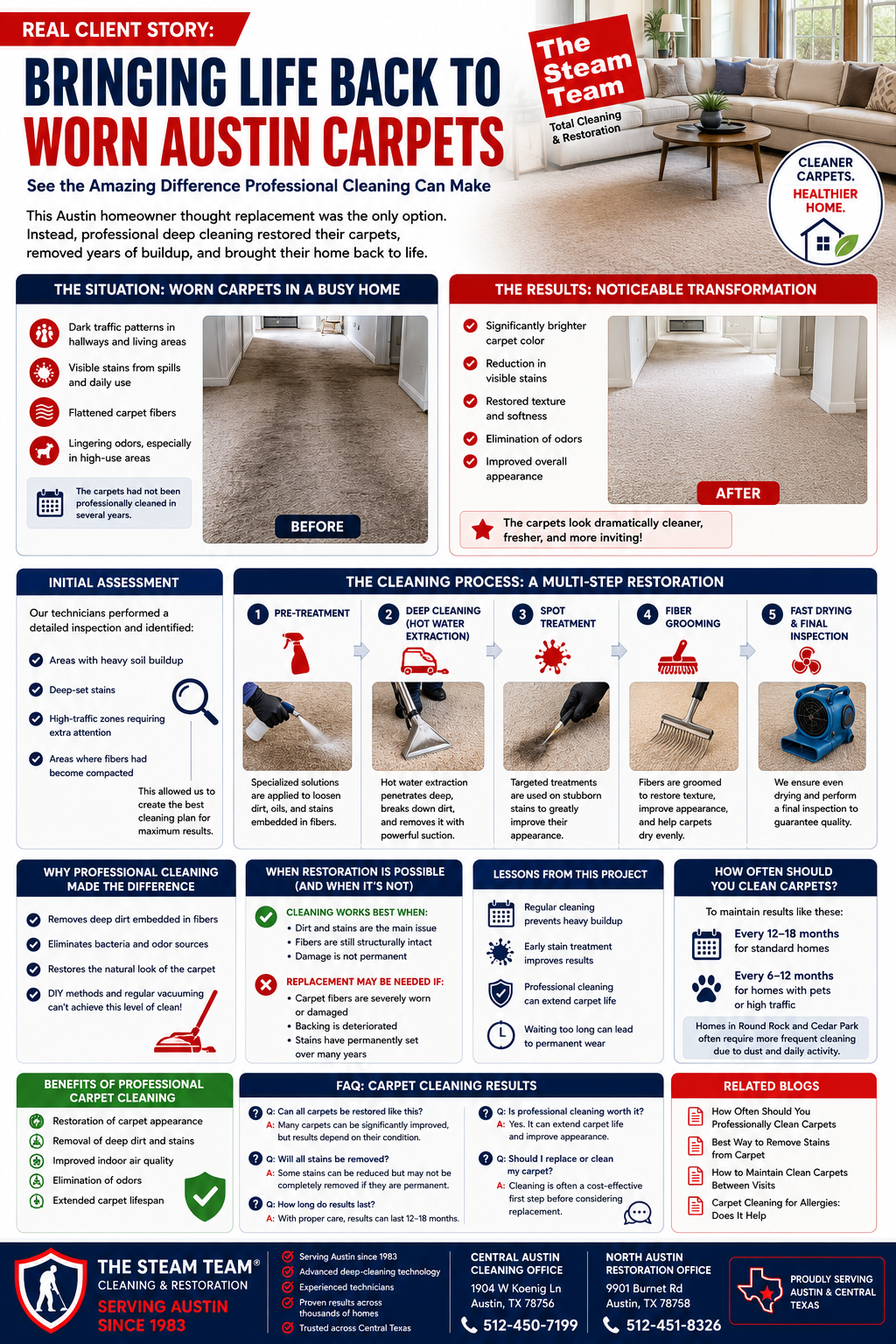
See how professional carpet cleaning restored worn carpets in an Austin home. Real example of deep cleaning, stain removal, and results.
Read More
Explore expert tips on water damage restoration, carpet cleaning, rug cleaning, mold remediation, and air duct cleaning in Austin, TX. Trusted local insights from The Steam Team since 1983.
See how professional carpet cleaning restored worn carpets in an Austin home. Real example of deep cleaning, stain removal, and results.
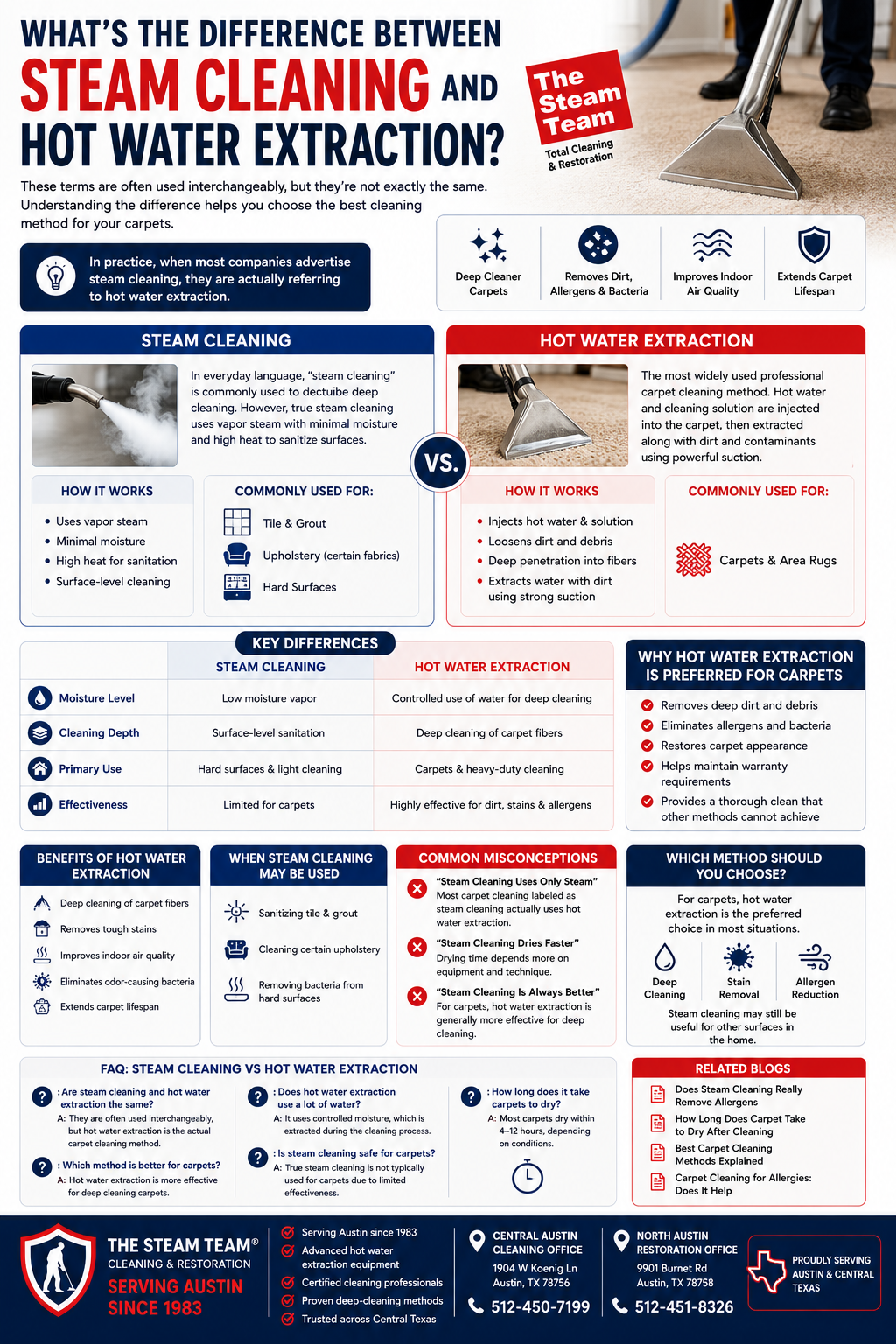
Read MoreWhat’s the difference between steam cleaning and hot water extraction? Learn which carpet cleaning method works best for deep cleaning and stain removal.
Read MoreKeep carpets clean in busy homes. Learn expert tips for maintaining high-traffic carpet areas in Austin homes with kids and pets.
Read MoreLearn how to keep your carpets clean between professional cleanings. Simple tips for maintaining fresh, stain-free carpets in Austin homes.
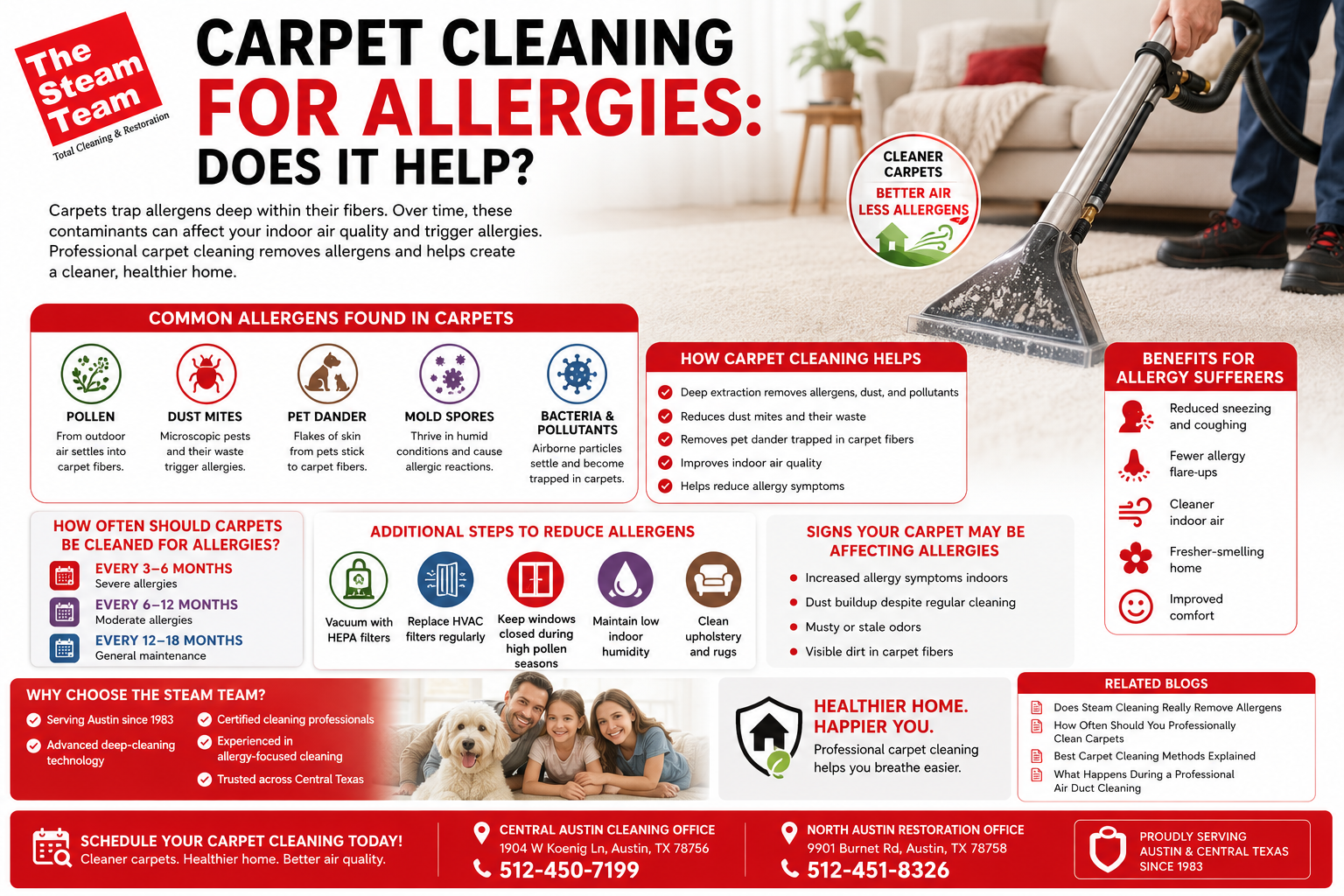
Read MoreDoes carpet cleaning help with allergies? Learn how professional carpet cleaning reduces allergens and improves indoor air quality in Austin homes.
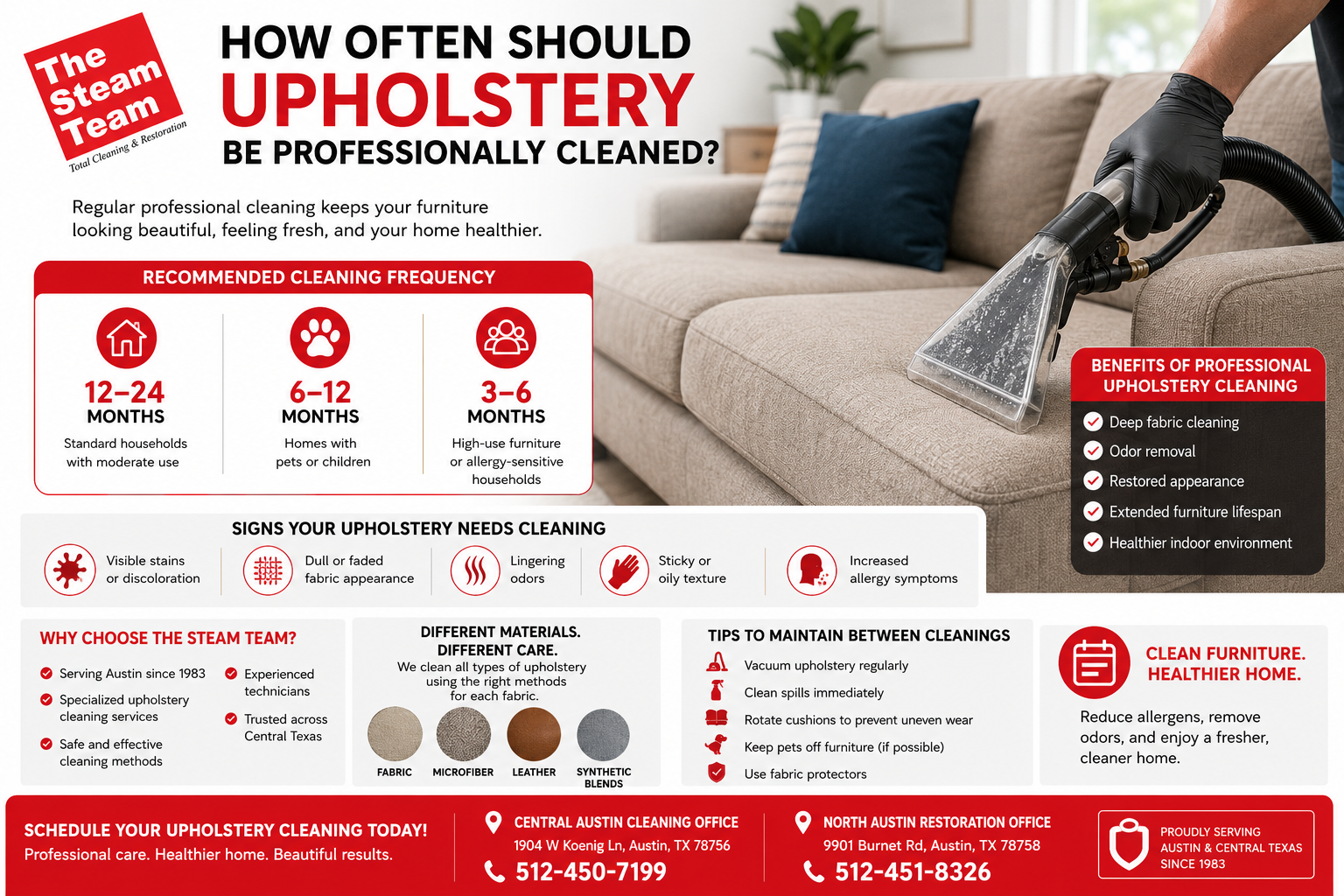
Read MoreWondering how often to clean upholstery? Learn the ideal cleaning schedule for sofas, chairs, and furniture in Austin homes.
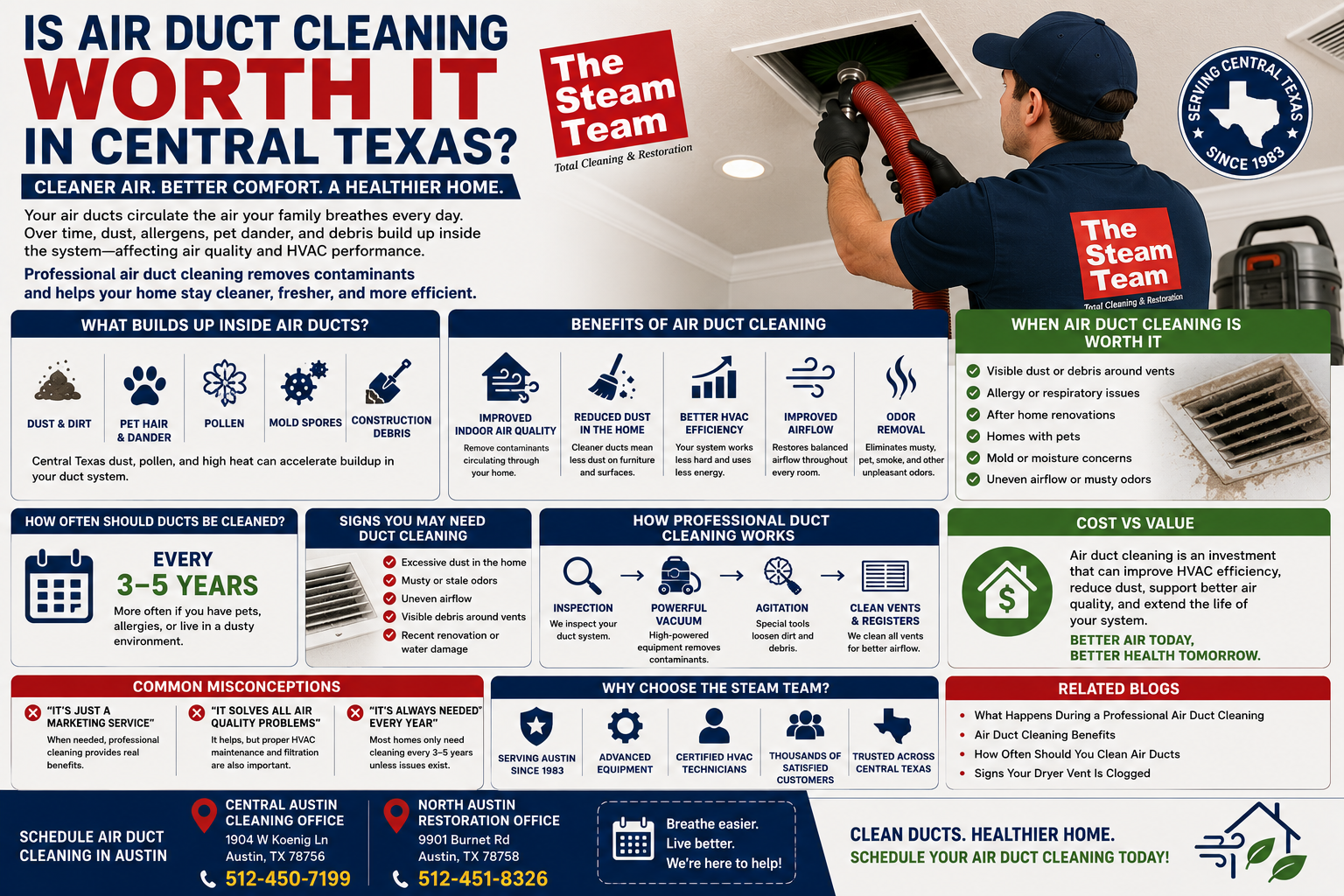
Read MoreAir duct cleaning is one of the most debated home maintenance services. Some homeowners schedule it regularly, while others are unsure if it provides real value.
Read MoreAir ducts play a critical role in your home’s comfort by circulating heated and cooled air through every room.
Read MoreProfessional carpet cleaning is more than just a luxury; it’s a vital service that can significantly enhance the health and aesthetics of your home. This article delves into the transformative effects of professional carpet cleaning, highlighting its numerous benefits, including improved indoor air quality, enhanced appearance, and extended carpet lifespan. Many homeowners struggle with allergens, stains, and odors that accumulate in carpets over time, leading to discomfort and potential health issues. Professional cleaning offers a solution by utilizing advanced techniques and equipment to restore carpets to their original condition. We will explore the health benefits, aesthetic improvements, investment protection, and the best cleaning methods available, along with why choosing a reputable service like The Steam Team in Austin, Texas, can make all the difference.
Professional carpet cleaning provides significant health benefits by removing allergens, bacteria, and pollutants that can accumulate in carpets over time. Regular cleaning not only enhances the appearance of your carpets but also contributes to a healthier indoor environment. This is particularly important for households with children, pets, or individuals with allergies or respiratory issues.
Carpet cleaning effectively removes common allergens such as dust mites, pet dander, and pollen, which can trigger allergic reactions and asthma. The process typically involves deep cleaning methods that extract these particles from the carpet fibers, significantly improving indoor air quality. For instance, hot water extraction, a popular method, uses high temperatures to loosen dirt and allergens; however, while it can reduce dust mites and bacteria, it does not guarantee the complete killing of dust mites solely by temperature.
Yes, professional carpet cleaning can reduce harmful microorganisms, including bacteria and mold. These pathogens can thrive in dirty carpets, posing health risks to occupants. Advanced cleaning techniques, such as hot water extraction (often called steam cleaning), not only remove dirt but also help sanitize carpets, effectively reducing the presence of these harmful agents. However, complete elimination depends on the extent of contamination and cleaning frequency. This is crucial for maintaining a safe and healthy home environment.
Beyond health benefits, professional carpet cleaning significantly enhances the aesthetic appeal and comfort of your home. Clean carpets contribute to a welcoming atmosphere, making your living space more enjoyable for family and guests alike.
Various methods are employed to tackle stains and odors in carpets. Techniques such as hot water extraction and dry cleaning are effective in removing tough stains caused by spills, pet accidents, or general wear and tear. Additionally, specialized cleaning solutions, including enzymatic cleaners, are used to neutralize odors, leaving your carpets smelling fresh and clean. This not only improves the look of your carpets but also enhances the overall ambiance of your home.
The effectiveness of these specialized cleaning solutions, particularly those utilizing enzymes, is well-documented in the field of modern detergency.
Enzymes in Detergents: Enhancing Cleaning & Fabric Care
Enzymes have effectively assisted the development and improvement of modern household and industrial detergents. The major classes of detergent enzymes—proteases, lipases, amylases, and cellulases—each provide specific benefits for application in laundry and automatic dishwashing. Historically, proteases were first used extensively in laundry detergents. In addition to raising the level of cleaning, they have also provided environmental benefits by reducing energy consumption through shorter washing times, lower washing temperatures, and reduced water consumption. Today, proteases are joined by lipases and amylases in improving detergent efficacy, especially for household laundering at lower temperatures and, in industrial cleaning operations, at lower pH levels. Cellulases contribute to overall fabric care by rejuvenating or maintaining the new appearance of washed garments. Enzymes are produced by fermentation technologies that utilize renewable resources.
The role of enzymes in modern detergency, 1998
Professional cleaning restores the original color and texture of carpets, which can become dull and matted over time. The removal of dirt and grime allows the vibrant colors to shine through, while the fluffing of carpet fibers enhances their texture. This rejuvenation process not only improves the visual appeal of your carpets but also contributes to a more comfortable walking surface.
Investing in professional carpet cleaning is essential for extending the lifespan of your carpets. Regular maintenance helps prevent premature wear and tear, ensuring that your carpets remain in good condition for years to come.
Regular cleaning prevents the buildup of dirt and debris that can cause friction and wear on carpet fibers. By removing these particles, professional cleaning helps maintain the integrity of the carpet, reducing the likelihood of damage. This proactive approach not only preserves the appearance of your carpets but also saves you money in the long run by delaying the need for replacements.
Indeed, the long-term economic and environmental benefits of consistent carpet maintenance are substantial, as highlighted by research on flooring options.
Carpet Maintenance: Impact on Lifespan & Economic Value
Maintenance procedures may account for a significant portion of environmental and economic impacts of floorings. In the case of environmental scores, adding high maintenance to the life cycle can increase scores by anywhere from 31 % (hardwood) to 114 % (carpet). A sensitivity analysis of these scores shows that most of the score increase can be attributed to vacuuming. Maintenance costs considerably increase the total cost, accounting for 49 % of hardwood’s total cost and about 30 % of costs for linoleum, vinyl, and carpet. The expected service life of the home greatly influences which flooring is best, as costs and environmental scores change dynamically over time. For the expected service life of a home of 61 years,
Impact of maintenance on life cycle impact and cost assessment for residential flooring options, 2015
Can Clean Carpets Increase Property Value and Appeal?
Yes, clean carpets can significantly increase the value and appeal of your property. Potential buyers often view well-maintained carpets as a sign of a cared-for home, which can influence their purchasing decisions. Clean carpets enhance the overall aesthetic of your home, making it more attractive to prospective buyers and potentially leading to higher offers.
When it comes to professional carpet cleaning, choosing a reputable service provider is crucial. The Steam Team, based in Austin, Texas, stands out for its extensive experience and commitment to quality service.
The Steam Team boasts over 40 years of experience in the cleaning and restoration industry, having been founded in 1983. Their team is equipped with the necessary certifications and training to ensure high-quality service. This expertise allows them to handle various carpet types and cleaning challenges effectively, providing peace of mind to homeowners.
Local expertise is invaluable when it comes to carpet cleaning. The Steam Team understands the specific needs and challenges faced by Austin homeowners, including local climate factors that can affect carpet maintenance. Their familiarity with the area allows them to provide tailored solutions that meet the unique demands of the community, ensuring optimal results for every client.
Professional carpet cleaning employs various methods and technologies to achieve the best results. Understanding these options can help homeowners make informed decisions about their carpet care.
Hot water extraction, often referred to as steam cleaning, involves injecting hot water and cleaning solutions into the carpet fibers. This method effectively loosens dirt and grime, which is then extracted using powerful vacuuming equipment. The high temperatures help reduce bacteria and allergens, making it one of the most effective cleaning methods available.
Many professional carpet cleaning services, including The Steam Team, offer eco-friendly cleaning solutions that are safe for both your family and the environment. These products are designed to be effective while minimizing harmful chemical exposure, making them an excellent choice for health-conscious homeowners. Eco-friendly options ensure that your carpets are cleaned without compromising indoor air quality or safety.
Understanding the cost of professional carpet cleaning is essential for budgeting and planning. Several factors can influence the pricing of these services.
The cost of deep carpet cleaning services can vary based on several factors, including the size of the area to be cleaned and the specific cleaning methods used. On average, homeowners can expect to pay between $100 to $250 for professional carpet cleaning, depending on the extent of the service required and regional pricing variations.
The scope of the service and the condition of the carpets play significant roles in determining the overall cost. Heavily soiled carpets may require more intensive cleaning methods, which can increase the price. Additionally, larger areas or multiple rooms will naturally lead to higher costs due to the increased labor and materials needed.
Method
Description
Benefits
Hot Water Extraction
Injects hot water and cleaning solution into carpets
Deep cleaning, allergen reduction, sanitization
Dry Cleaning
Uses minimal moisture and specialized cleaning agents
Quick drying, effective for delicate fabrics
Eco-Friendly Cleaning
Utilizes non-toxic, biodegradable products
Safe for children and pets, environmentally friendly
When selecting a carpet cleaning service, consider factors such as experience, customer reviews, and certifications. Look for companies that use advanced cleaning methods and eco-friendly products. It's also beneficial to inquire about their cleaning techniques, pricing structure, and any guarantees they offer. A reputable service should provide a clear explanation of its process and be willing to answer any questions you may have. Additionally, local expertise can be a significant advantage, as it ensures the service understands the specific needs of your area.
The frequency of professional carpet cleaning depends on several factors, including foot traffic, the presence of pets, and allergies. Generally, it is recommended to have carpets cleaned every 6 to 12 months. Homes with pets or children may benefit from more frequent cleanings, while less-trafficked areas might require less frequent attention. Regular cleaning not only maintains the appearance of your carpets but also helps to prolong their lifespan and improve indoor air quality.
While professional cleaning is often the most effective method, there are several DIY techniques that can help maintain your carpets between professional cleanings. Regular vacuuming is essential to remove surface dirt and debris. For spot cleaning, using a mixture of white vinegar and water can effectively tackle stains. Additionally, baking soda can be sprinkled on carpets to neutralize odors. However, be cautious with homemade solutions, as some may leave residues or damage carpet fibers if not used correctly.
Preparing your home for a carpet cleaning service can enhance the effectiveness of the cleaning process. Start by removing any furniture or items from the carpeted areas to provide clear access. Vacuum the carpets thoroughly to eliminate loose dirt and debris. If there are any specific stains or problem areas, make a note to inform the cleaning technicians. Additionally, ensure that pets and children are kept away from the cleaning area during the process for safety and to allow the cleaners to work efficiently.
Yes, professional carpet cleaning can significantly help eliminate pet odors. Many cleaning services use specialized enzymatic cleaners designed to break down the organic compounds that cause odors. These products penetrate deep into the carpet fibers, effectively neutralizing smells rather than just masking them. Regular professional cleaning can also help remove pet hair and dander, contributing to a fresher indoor environment. For persistent odors, it may be necessary to address any underlying issues, such as accidents on the carpet, before cleaning.
The drying time after professional carpet cleaning can vary based on several factors, including the cleaning method used, humidity levels, and air circulation in the room. Typically, carpets can take anywhere from 2 to 24 hours to dry completely. Hot water extraction methods may require longer drying times compared to dry cleaning methods. To expedite the drying process, you can increase air circulation by opening windows, using fans, or turning on your HVAC system. It's essential to avoid walking on the carpets until they are fully dry to prevent re-soiling.
Investing in professional carpet cleaning not only enhances the aesthetic appeal of your home but also significantly improves indoor air quality and prolongs the lifespan of your carpets. By choosing a reputable service like The Steam Team, you ensure that your carpets are treated with the utmost care and expertise, addressing allergens, stains, and odors effectively. Regular maintenance is key to protecting your investment and creating a healthier living environment for your family. Discover how our professional services can transform your home today.
Mold growth in homes and businesses can lead to serious health issues and property damage, making professional mold remediation essential. This article explores the numerous benefits of hiring expert mold specialists, particularly in Austin, where humidity levels can exacerbate mold problems. Readers will learn about the health risks associated with mold exposure, the financial implications of mold damage, and the step-by-step process of professional remediation. Understanding these aspects can help homeowners make informed decisions about mold management and prevention.
Austin's unique climate, characterized by high humidity and occasional heavy rainfall, creates an ideal environment for mold to thrive. This makes professional intervention even more critical for residents and business owners in the area. Without proper and timely remediation, mold can quickly spread, leading to more extensive damage and increased health risks.
Mold exposure can lead to respiratory issues and allergies, while effective remediation can significantly improve indoor air quality. Additionally, professional services protect property value by preventing structural damage and costly repairs. This article will cover the key health benefits of professional mold removal, the financial protection it offers, the remediation process, and why choosing a reputable company like The Steam Team is crucial for effective mold management.
Professional mold removal provides several health benefits that are crucial for maintaining a safe living environment. Mold exposure can lead to various health issues, particularly affecting respiratory health and allergies. By removing mold, individuals can significantly reduce their risk of developing these health problems.
Mold exposure can trigger a range of respiratory issues, including asthma attacks, chronic cough, and allergic reactions. Individuals with pre-existing conditions, such as asthma or allergies, are particularly vulnerable to mold-related effects. Symptoms may include sneezing, nasal congestion, and skin irritation. Long-term exposure can lead to more severe health complications, making it essential to address mold issues promptly.
The Centers for Disease Control and Prevention (CDC) offers comprehensive guidelines on mold prevention and health effects, especially after significant water damage.
Mold Prevention & Health Effects: CDC Clean-up Guidelines
Extensive water damage after major hurricanes and floods increases the likelihood of mold contamination in buildings. This report provides information on how to limit exposure to mold and how to identify and prevent mold-related health effects. Where uncertainties in scientific knowledge exist, practical applications designed to be protective of a person's health are presented. Evidence is included about assessing exposure, clean-up and prevention, personal protective equipment, health effects, and public health strategies and recommendations.
While mold can affect anyone, certain populations are more susceptible to its adverse health effects. Young children, the elderly, and individuals with compromised immune systems or pre-existing respiratory conditions (like asthma or chronic obstructive pulmonary disease) are at higher risk. Pregnant women and those with severe allergies can also experience more pronounced symptoms. Professional mold remediation is crucial for these vulnerable groups to ensure a safe and healthy indoor environment.
Yes, professional mold remediation can significantly enhance indoor air quality. By removing mold spores and contaminants, remediation services help create a healthier living environment. Techniques such as air scrubbing and dehumidification are employed to eliminate mold and prevent its return. Improved indoor air quality can lead to better overall health and well-being for occupants, reducing the risk of respiratory issues and allergies.
Investing in professional mold remediation not only safeguards health but also protects property value. Mold damage can compromise the structural integrity of a building, leading to costly repairs and decreased resale value. Understanding the financial implications of mold is crucial for homeowners.
Mold can cause significant damage to a property's structure, including wood rot and deterioration of building materials. This damage can weaken the foundation and compromise safety. Homeowners may face expensive repairs if mold is not addressed promptly, making professional remediation a wise investment to protect property value.
Research further emphasizes the critical link between toxic mold and its detrimental impact on real estate values.
Mold doesn't just look unsightly; it actively degrades building materials. It can cause drywall to crumble, wood to rot, and insulation to lose its effectiveness. Carpets, upholstery, and even personal belongings can become permanently stained and damaged, often requiring costly replacement. Addressing mold promptly prevents this progressive deterioration, preserving the integrity and aesthetic appeal of your property.
By addressing mold issues early, homeowners can prevent extensive damage that leads to costly repairs. Professional remediation not only removes existing mold but also implements preventative measures to avoid future growth. This proactive approach helps maintain the property's market value, ensuring that homeowners do not suffer financial losses when selling their homes.
Understanding the mold remediation process can help homeowners appreciate the value of hiring certified specialists. The process typically involves several key steps to ensure thorough removal and prevention of mold.
Mold inspections in Austin begin with a thorough assessment of the property to identify areas of mold growth and moisture sources. Certified specialists use advanced equipment to detect hidden mold and assess the extent of the problem. This initial inspection is crucial for developing an effective remediation plan tailored to the specific needs of the property.
Professional mold remediation employs advanced equipment such as air scrubbers, dehumidifiers, and HEPA vacuums to ensure effective removal of mold spores. Techniques such as containment and negative air pressure are used to prevent mold from spreading during remediation. These methods ensure a comprehensive approach to mold removal, minimizing the risk of recurrence.
After the physical removal of mold, a critical step is post-remediation verification. Certified specialists conduct thorough inspections and often perform air quality testing to ensure that mold spore counts have returned to normal, healthy levels. This final assessment provides peace of mind, confirming that the remediation was successful and the indoor environment is safe for occupants.
Choosing the right company for mold remediation is essential for effective results. The Steam Team stands out as a reputable provider in Austin, offering expertise and reliability.
The Steam Team is a locally owned and operated cleaning and restoration company with over 44 years of experience in the industry. They hold IICRC certifications for their technicians and a State of Texas Mold Remediation Contractor license (MRC# RCO1264). This expertise ensures that customers receive high-quality service tailored to local conditions.
The Steam Team offers 24/7 emergency response services, providing peace of mind for customers facing mold emergencies. Their team works closely with insurance companies to facilitate claims, ensuring that customers receive the support they need during stressful situations. This commitment to customer service sets The Steam Team apart in the mold remediation industry.
Don't let mold compromise your health or property. Our certified specialists are ready to provide fast, effective, and reliable mold remediation services. Contact The Steam Team today for a comprehensive assessment and a tailored solution.
Understanding the costs associated with mold remediation is essential for homeowners considering professional services. While the initial investment may seem significant, the long-term value is often greater.
The cost of mold remediation varies based on several factors, including the extent of the mold problem, the size of the affected area, and the methods used for removal. On average, homeowners can expect to pay between $500 and $6,000 for professional services, depending on the severity of the issue. Investing in professional remediation can save homeowners money in the long run by preventing further damage.
While DIY methods may seem cost-effective, they often fail to address the root cause of mold growth. Professional mold remediation ensures thorough removal and prevention, providing better long-term results. Homeowners who choose professional services often find that the investment pays off through improved health, property value, and peace of mind.
Feature
DIY Mold Removal
Professional Mold Remediation
Effectiveness
Often superficial, may not address root cause or hidden mold.
Thorough removal, addresses source, prevents recurrence.
Safety
Risk of exposure to mold spores and harsh chemicals.
Specialized PPE, containment, and safe disposal.
Equipment
Basic cleaning supplies, limited detection tools.
Advanced air scrubbers, HEPA vacuums, moisture meters.
Long-term Prevention
Minimal or no preventative measures.
Identifies and mitigates moisture sources, offers prevention advice.
Cost
Lower initial cost, but potential for recurring problems and higher future expenses.
Higher initial investment, but long-term savings from preventing damage and health issues.
Peace of Mind
Uncertainty about complete removal and future growth.
Guaranteed results, post-remediation testing, and expert assurance.
Addressing common questions about mold remediation can help homeowners make informed decisions about their options.
Preventing mold from returning involves addressing moisture issues and maintaining proper ventilation. Homeowners should regularly inspect areas prone to dampness, such as basements and bathrooms, and use dehumidifiers in humid climates. Regular maintenance and prompt repairs can significantly reduce the risk of mold recurrence.
Homeowners should call mold specialists if they notice visible mold growth, experience unexplained health issues, or detect a musty odor in their home. Early intervention is key to preventing extensive damage and health risks associated with mold exposure.
Common signs of a mold problem include visible mold growth on walls, ceilings, or floors, a musty odor, and water stains or discoloration. Additionally, if you or your family members experience unexplained respiratory issues, allergies, or skin irritations, it may indicate mold presence. Regular inspections in areas prone to moisture, such as bathrooms and basements, can help identify mold issues early. If you suspect mold, it's advisable to contact a professional for a thorough inspection.
The duration of the mold remediation process can vary significantly based on the extent of the mold problem and the size of the affected area. Generally, a small mold remediation job may take a few hours to a day, while larger infestations can take several days. Factors such as the complexity of the situation, the need for repairs, and drying time after remediation can also influence the timeline. A professional service will provide a more accurate estimate after assessing the situation.
Yes, mold remediation can pose health risks, particularly if proper safety precautions are not taken. During the process, mold spores can become airborne, potentially leading to respiratory issues for those present. Professional mold remediation specialists use protective gear, such as masks and suits, and employ containment measures to minimize exposure. It's crucial to hire certified professionals who follow safety protocols to protect both themselves and the occupants of the property during the remediation process.
If you discover mold in your home, the first step is to assess the extent of the problem. Avoid disturbing the mold, as this can release spores into the air. If the affected area is small, you may consider cleaning it with appropriate cleaning solutions. However, for larger infestations or if you have health concerns, it's best to contact a professional mold remediation service. They can conduct a thorough inspection and implement effective removal strategies to ensure your home is safe.
When selecting a mold remediation company, consider their certifications, experience, and customer reviews. Look for companies that are licensed and insured, as this indicates professionalism and accountability. Ask about their remediation process, the equipment they use, and their approach to preventing future mold growth. Additionally, obtaining multiple quotes can help you compare services and costs. A reputable company will provide a detailed assessment and a clear plan for remediation tailored to your specific needs.
Professional mold remediation offers several long-term benefits, including improved indoor air quality, enhanced health for occupants, and protection of property value. By effectively removing mold and addressing moisture issues, homeowners can prevent future mold growth and associated health risks. Additionally, maintaining a mold-free environment can lead to lower maintenance costs and increased property appeal, which is particularly important if you plan to sell your home in the future. Investing in professional services ultimately pays off in the long run.
Don't wait for mold problems to escalate. The Steam Team offers comprehensive, certified mold remediation services in Austin, ensuring your home is safe, healthy, and protected. Contact us for a professional assessment and peace of mind.
Engaging professional mold remediation services in Austin not only safeguards your health but also protects your property value from the detrimental effects of mold. By ensuring thorough removal and prevention, expert specialists help maintain a safe and healthy living environment, ultimately enhancing indoor air quality. Choosing a reputable company like The Steam Team guarantees effective solutions tailored to your specific needs. Take the first step towards a mold-free home by contacting our team today.
Choosing between steam cleaning and dry cleaning for carpets and upholstery can feel technical, but the right method comes down to soil type, fabric sensitivity, drying time needs, and indoor air quality concerns. This article explains what steam cleaning (hot water extraction) and dry/low-moisture methods are, how each works, and the practical benefits and trade-offs for Austin homes and businesses. You will learn the cleaning mechanisms, expected drying ranges, fabric suitability, stain-specific recommendations, and health and environmental impacts so you can decide with confidence. The guide also compares methods side-by-side, maps common Austin scenarios to the recommended approach, and outlines when to call a professional for restoration or specialized cleaning. By the end, you’ll have clear decision rules for pets, allergies, delicate upholstery, commercial turnarounds, and when to seek an on-site assessment from a local provider.
Steam cleaning, commonly called hot water extraction, uses pressurized hot water and cleaning solution injected into fibers and immediately extracted to remove suspended soil and contaminants. The mechanism relies on heat and agitation to loosen embedded dirt, while a high-powered extraction wand pulls water, soil, and residues into recovery tanks; this process sanitizes surfaces by reducing biological contaminants. Professional equipment, hot water injection units, extraction wands, and drying fans differ from consumer machines in pressure, temperature control, and recovery capacity, producing deeper cleaning in one service. Understanding these equipment and process differences clarifies why hot water extraction is widely recommended for heavily soiled carpets and upholstery needing allergen and odor removal.
This subsection lists the principal advantages of hot water extraction and explains how each benefit affects home and business environments. The focus is on deep cleaning, allergen reduction, odor control, and fabric care outcomes that improve indoor air quality and longevity of textile surfaces. Recent professional guidance and industry standards emphasize the role of hot water extraction in mitigating biological contaminants after water intrusion or regular heavy use.
Deep cleaning: Hot water extraction removes embedded soil and fine particulates from deep within fibers, restoring pile and appearance.
Allergen reduction: The combination of heat, agitation, and extraction reduces dust mite fragments, pet dander, and pollen that aggravate allergies.
Odor elimination: Removal of organic residues and trapped odors addresses persistent pet and household smells rather than masking them.
These benefits make steam cleaning a go-to choice when deep sanitation, allergen control, and long-term fabric health are priorities, which leads to the technical and practical drawbacks that follow.
Steam cleaning delivers deep results but has trade-offs users should weigh before scheduling service. The primary considerations are extended drying time compared to low-moisture methods, potential sensitivity of certain fabrics to heat and moisture, and the risk of overwetting when performed by inexperienced operators. Proper professional technique controlled injection pressure, efficient extraction, and use of drying fans mitigates most risks and shorten dry time, but delicate textiles usually require pre-testing or alternative approaches.
Drying time: Expect longer drying windows that typically range from 6 to 12 hours, depending on humidity and ventilation.
Fabric sensitivity: Natural fibers like some silks or vintage textiles may need specialist treatment to avoid shrinkage or dye migration.
Overwetting risk: Improper equipment or technique can lead to excessive moisture retention, which increases the potential for secondary issues like mold if not addressed promptly.
Recognizing these limitations helps homeowners and managers choose the right method or request hybrid protocols when deep cleaning must coexist with fabric protection and quick reuse.
Dry cleaning and low-moisture methods remove soil using solvents, encapsulation polymers, or dry compounds rather than large volumes of water; the mechanism focuses on dissolving or encapsulating soil and then removing it with minimal wetting. Common professional options include solvent-based dry cleaning for delicate upholstery, encapsulation chemistry for carpets, and dry compound systems that agitate absorbent powders into fibers and vacuum them out. These methods prioritize rapid drying and reduced moisture exposure, making them suitable for water-sensitive fabrics and fast turnarounds in commercial spaces.
Dry and low-moisture approaches provide distinct operational advantages that meet specific fabric and scheduling requirements. Key strengths include minimal moisture contact that preserves water-sensitive fibers, much faster return-to-service times suited for retail or hospitality settings, and strong performance on oil-based and hydrocarbon stains that solvents target effectively. These benefits make dry methods preferable when fabrics are at risk from moisture or when spaces must be reused quickly.
Fast drying: Low-moisture methods typically leave textiles dry within one to four hours, enabling rapid reuse.
Fabric safety: Solvent or encapsulation techniques limit swelling or distortion in delicate fibers like wool or some upholstery textiles.
Oil-stain performance: Solvent-based cleaning dissolves grease and oily residues more effectively than water alone.
Understanding these advantages highlights why facility managers and owners of delicate upholstered pieces often choose dry methods, while still considering trade-offs in depth of cleaning.
Low-moisture systems trade off deep-extraction capability for speed and fabric safety, and that creates several important considerations for owners and facility managers. Primary limitations are reduced effectiveness on deeply embedded soil and biological contamination, potential chemical residues depending on solvent choice, and variable environmental profiles across different technologies. Modern low-toxicity solvents and encapsulation chemistries reduce health and environmental concerns, but professional selection and precise application remain critical to minimize residues and achieve consistent results.
Reduced deep-cleaning power: Dry methods may not remove heavy, compacted soil or ground-in allergens as thoroughly as hot water extraction.
Chemical residue potential: Some solvents can leave trace residues that affect indoor air quality unless properly rinsed or extracted.
Stain scope limits: Biological stains and heavy protein soils often respond better to hot water extraction with enzymatic pre-treatment.
These trade-offs mean dry cleaning is often best used selectively for delicate items or tight schedules, with hybrid plans recommended when deep sanitization is also required.
This section presents a focused comparison of the main attributes that influence method selection, cleaning depth, drying time, fabric suitability, stain removal, eco-friendliness, and relative cost and explains practical implications for residential and commercial decisions in Austin. The table below summarizes typical outcomes by attribute to support quick decision-making for homeowners and facilities managers.
Method
Attribute
Typical Outcome
Hot Water Extraction (Steam)
Cleaning depth
Deep removal of embedded soil, allergens, and organic residues
Hot Water Extraction (Steam)
Drying time
Moderate to long (6–12 hours depending on conditions)
Hot Water Extraction (Steam)
Fabric suitability
Broadly effective; requires testing for delicate fibers
Low-Moisture / Dry Methods
Cleaning depth
Surface to moderate cleaning; best for light to moderate soil
Low-Moisture / Dry Methods
Drying time
Very fast (under 1–4 hours)
Low-Moisture / Dry Methods
Fabric suitability
Ideal for water-sensitive textiles and quick reuse
Cleaning depth, drying time, and fabric compatibility form the core decision criteria when comparing methods, and each factor has quantifiable expectations. Hot water extraction delivers deep cleaning that addresses dust mites and biological residues but typically requires 6–12 hours to dry in typical Austin conditions; low-moisture methods dry in under 1–4 hours and are safer for water-sensitive upholstery. Choosing correctly involves assessing fabric labels, expected soil loads, and operational needs to balance restoration-grade cleaning against the need for quick reuse.
Drying time specifics: Steam cleaning commonly requires half a day to a day; low-moisture options restore usability within hours.
Fabric recommendations: Use steam for durable synthetic and blended carpets, and choose dry methods for delicate natural fibers unless specialist treatment is available.
Practical mitigation: When deep cleaning is necessary but downtime is limited, work in zones or schedule after-hours service with professional drying equipment.
These distinctions clarify how to align cleaning methods to specific textile types and schedule constraints.
Stain chemistry, environmental impact, and price are related considerations that influence method selection, with each method performing unevenly across stain classes and sustainability measures. Oil-based and solvent-soluble stains often respond more quickly to dry/solvent methods, whereas protein stains, biological soils, and heavy particulate soils generally yield to hot water extraction combined with enzymatic or alkaline pre-sprays. Environmentally, hot water extraction typically reduces reliance on harsh solvents but increases water and wastewater handling needs; low-moisture encapsulation and modern low-toxicity solvents can lower water use but require careful product selection to limit residues.
Stain guidance: Use dry methods for grease and oil; choose steam for protein, organic, and heavy particulate stains.
Environmental trade-offs: Steam relies on water but minimizes solvent use; dry systems conserve water but may use solvents that vary in toxicity.
Cost scale: Pricing depends on service scope, but steam may cost more for large-scale deep cleaning due to equipment and drying needs, while dry methods can be more economical for fast-turnaround jobs.
These practical differences help homeowners and managers choose an approach that balances effectiveness, sustainability goals, and budget constraints.
Deciding the best cleaning method begins with a short decision rule: if embedded soil, allergens, pet urine, or biological contamination are present, prefer hot water extraction; if fabrics are water-sensitive or space needs immediate reuse, choose dry/low-moisture methods. Austin’s climate and common housing profiles pets, seasonal allergens, and occasional water intrusion make allergen reduction and mold-aware cleaning protocols especially relevant when selecting a service. This section maps typical local scenarios to recommended methods and explains why each choice fits particular needs.
Scenario/Need
Recommended Method
Rationale
Homes with allergies or pets
Hot water extraction
Deep extraction removes dander, dust mite fragments, and odors linked to allergies
Delicate upholstery or antique textiles
Low-moisture/solvent methods
Minimizes water exposure and reduces the risk of shrinkage or dye migration
Commercial spaces needing rapid turnover
Low-moisture/encapsulation
Fast drying supports minimal downtime and frequent use
Recent water damage or mold risk
Hot water extraction and restoration protocols
Hot water extraction with restoration expertise helps sanitize and reduce mold risk
High-traffic stained carpet
Combined approach (spot solvent + steam)
Targeted solvent for oils, followed by extraction for overall clean-up
This scenario table helps Austin property owners quickly match their most pressing needs to a cleaning strategy that balances health, fabric care, and operational demands. For most Austin residential and commercial situations, especially where deep allergen removal, pet odor elimination, or post-water-damage sanitization is required, hot water extraction is the recommended baseline cleaning method. When fast drying or delicate fabric protection is the priority, low-moisture methods are preferable; professionals often combine approaches for optimal results, addressing oil stains with targeted solvent work followed by hot water extraction for overall cleanliness. These decision rules make it straightforward to plan an effective cleaning visit or restoration assessment.
For local on-site assessments and service requests, The Steam Team recommends an initial inspection to confirm fabric types and soil levels and to determine whether hot water extraction, low-moisture methods, or a hybrid approach best meets the client's needs. The Steam Team is based in Austin and serves Central Texas, offering professional carpet and upholstery cleaning where hot water extraction is a core offering; their local expertise supports practical scheduling and follow-up drying plans to suit Central Texas homes and businesses.
Both steam cleaning and modern dry-cleaning techniques can contribute to healthier indoor environments, but they do so through different mechanisms and trade-offs. Hot water extraction reduces allergens and biological contaminants through heat-assisted extraction, improving indoor air quality for occupants with respiratory sensitivities. Dry and encapsulation systems reduce moisture exposure and can lower water consumption, but environmental and health outcomes depend on the specific solvents or polymers used. This section details the comparative health and environmental impacts to help readers prioritize outcomes aligned with family or business needs.
Health/Environmental Concern
Steam Cleaning Impact
Dry Cleaning Impact
Allergen reduction
High removes dust mites, pollen, and dander through extraction
Moderate surface allergens may be reduced, but deep particulates can remain
Bacteria and mold mitigation
High when combined with sanitizing agents and thorough extraction
Low to moderate; solvents may not fully eliminate biological contaminants
Chemical usage
Lower dependency on solvents; uses water and targeted detergents
Variable; modern low-toxicity solvents reduce concerns, but residue management is important
Water and wastewater
Higher water use requires responsible recovery and disposal
Lower water use; less wastewater, but potential chemical disposal considerations
This table clarifies how method selection affects occupant health and environmental footprint and supports evidence-based choices for sensitive households.
Steam cleaning improves indoor air quality by physically extracting particulate allergens and reducing the biological load on carpet and upholstery fibers, which lowers airborne resuspension after cleaning. Professional hot water extraction includes pre-vacuuming, targeted pre-treatment, controlled hot water injection, and high-volume recovery, producing measurable reductions in dust mite allergens and pet dander. For families with children, asthma, or significant pet presence, professional steam cleaning is a key component of an indoor air quality strategy because it addresses both visible soils and microscopic biological triggers that conventional vacuuming often leaves behind.
Mechanism summary: Hot water and agitation loosen allergens; extraction removes the particles rather than moving them to another area.
Practical outcome: Reduced odor and lower incidence of allergen-triggered symptoms in many households after professional treatments.
Professional advantage: Trained technicians and certified processes improve consistency and reduce the chance of overwetting that could negatively affect IAQ.
These benefits demonstrate why deep extraction is often recommended as part of regular maintenance for allergy-prone environments.
Dry Steam Cleaning for Carpet Allergen and PAH Reduction
Dry steam cleaning, which has gained recent attention as an effective method to reduce house dust mite (HDM) allergen concentration and loading in carpets, was evaluated in this study for its efficacy in lowering levels of polycyclic aromatichydrocarbons(PAHs) as well as HDM allergens. Fifty urban homes with wall-to-wall carpets, mostly low-income and with known lead contamination, were studied in 2003 and 2004. Two carpet-cleaning interventions were compared: Repeated HEPA (High Efficiency Particulate Air filtered) vacuuming alone and repeated HEPA vacuuming supplemented with dry steam cleaning. Vacuum samples were collected to measure carpet loading of dust and contaminants immediately before and after cleaning. Paired comparisons were conducted to evaluate the effectiveness of the cleaning protocols in reducing the levels of PAHs and HDM allergens in carpets. The results indicated that both cleaning methods substantially reduced the loading of PAHs and HDM allergens as well
Environmental impact depends on water use, chemical profiles, and waste management practices, and contemporary choices can minimize negative effects for both approaches. Steam cleaning uses water but can rely on biodegradable detergents and careful wastewater handling to reduce environmental footprint, while low-moisture encapsulation and modern solvent systems conserve water but require attention to solvent toxicity and disposal. Choosing eco-friendly formulations, ensuring technicians follow disposal regulations, and preferring providers who use low-toxicity chemistries balances cleaning effectiveness with environmental responsibility.
Steam: Greater water use but potential for lower solvent reliance and easier control of residue.
Dry methods: Lower water consumption but variable chemical profiles that demand careful selection and handling.
Recommended practice: Ask about product safety data, disposal practices, and options for low-toxicity or green chemistries when comparing providers.
These considerations allow property owners to select a method that aligns with both health priorities and environmental values.
The Steam Team combines local Central Texas expertise with a broad set of cleaning and restoration services to deliver reliable outcomes for carpet and upholstery care. Based in Austin and serving Central Texas, The Steam Team offers water damage restoration, fire damage restoration, mold mitigation, and cleaning services, including carpet, rug, tile, air duct, and upholstery cleaning. Their primary product/service alignment for this topic is professional carpet and upholstery cleaning, with hot water extraction as a core offering for deep cleaning and restoration work. This local, restoration-capable approach helps homeowners and businesses address both everyday maintenance and post-incident remediation with consistent standards.
IICRC-certified technicians follow industry-standard protocols that guide proper pre-treatment, soil removal, extraction pressure, and drying practices, which reduce risks like overwetting and fabric damage. The Steam Team’s validated mention of IICRC certification indicates training in cleaning and restoration best practices, which translates to safer cleaning choices for delicate fabrics and more reliable results for heavy-soil or post-loss situations. Experienced technicians apply appropriate hyponyms of cleaning, such as hot water extraction and encapsulation, based on fabric type and contamination profile, ensuring the selected method matches the problem rather than applying a one-size-fits-all solution.
The Steam Team highlights award-winning service recognition, including "Best of the Best," maintains an A+ BBB rating, and offers a customer satisfaction guarantee as part of its service promises; these trust signals support confidence when selecting a local provider. Their comprehensive cleaning and restoration solutions mean clients can access water damage restoration, mold mitigation, and specialized upholstery treatments from the same team, reducing coordination and improving accountability. For example, anonymized local case work showed an integrated cleaning and restoration response that resolved a pet odor and moisture incident through combined hot water extraction and mitigation protocols, illustrating practical outcomes from certified processes.
Local expertise: The Steam Team serves Central Texas and tailors drying and remediation strategies to Austin’s climate and building types.
Certified practice: IICRC-certified technicians apply standardized processes to improve consistency and safety.
Service coverage: A broad service offering restoration and cleaning helps manage complex jobs involving both contamination and structural moisture.
These points show why choosing a certified local provider matters for both routine cleaning and restoration-grade work.
This article has outlined the mechanisms, benefits, trade-offs, and scenario-specific recommendations for steam versus dry cleaning to help Austin homeowners and businesses decide. For professional assessments, quote requests, or to schedule an appointment with a local team experienced in hot water extraction and restoration services, consider contacting The Steam Team or requesting an on-site evaluation to determine the optimal cleaning plan for your carpets and upholstery.
For optimal maintenance, it is generally recommended to steam clean carpets and upholstery every 6 to 12 months, depending on usage and environmental factors. Homes with pets, children, or high foot traffic may require more frequent cleaning to manage allergens and stains effectively. Additionally, if you notice persistent odors or visible dirt, it may be time to schedule a cleaning. Regular maintenance not only enhances the appearance of your textiles but also prolongs their lifespan and improves indoor air quality.
While there are consumer-grade steam cleaning machines available, hiring a professional is often recommended for the best results. Professionals use high-powered equipment that can achieve deeper cleaning and better extraction of dirt and allergens. They also have the expertise to handle different fabric types and stains effectively, reducing the risk of damage. If you choose to DIY, ensure you follow the manufacturer's instructions carefully and test a small area first to avoid any adverse effects on your upholstery or carpets.
Steam cleaning is generally safe for synthetic and blended fabrics, such as nylon and polyester, which can withstand heat and moisture. However, delicate fabrics like silk, wool, or vintage textiles may require special care or alternative cleaning methods to prevent damage. Always check the care label on your upholstery or carpet before proceeding with steam cleaning, and consider consulting a professional if you're unsure about the fabric's compatibility with this method.
While modern dry cleaning methods use low-toxicity solvents, there can still be health risks if chemical residues are not properly managed. Some solvents may emit volatile organic compounds (VOCs) that can affect indoor air quality. To minimize risks, choose a dry cleaning service that uses eco-friendly products and follows best practices for solvent disposal. Additionally, ensure proper ventilation during and after the cleaning process to help dissipate any lingering odors or chemicals.
To prepare for a professional cleaning service, start by clearing the area of any furniture, personal items, and obstacles that may hinder access to the carpets or upholstery. Vacuum the surfaces to remove loose dirt and debris, which can enhance the effectiveness of the cleaning process. If there are specific stains or areas of concern, inform the cleaning technician beforehand so they can address them appropriately. Lastly, ensure that pets and children are kept away from the cleaning area during the service.
If stains persist after cleaning, it may be due to the type of stain or the cleaning method used. Some stains, particularly those that are old or set in, may require specialized treatments or additional cleaning steps. Contact your cleaning service to discuss the issue; they may recommend a follow-up treatment or a different cleaning method to effectively address the stain. In some cases, professional stain removal products may be necessary to achieve the desired results.
To maintain your carpets and upholstery between professional cleanings, regularly vacuum to remove dirt and debris, which can prevent soil buildup. Address spills and stains immediately by blotting with a clean cloth and using appropriate cleaning solutions for the specific type of stain. Consider using area rugs in high-traffic areas to protect your carpets and rotate furniture occasionally to avoid uneven wear. Additionally, implementing a no-shoes policy indoors can significantly reduce dirt and allergens brought into your home.
Mold remediation is the professional process of identifying, containing, removing, and verifying the elimination of unwanted mold from homes and businesses. When performed to industry standards, it is highly effective at stopping active growth and preventing recurrence. In Austin's humid climate, rapid response and methodical remediation are essential because mold can colonize damp materials within 24–48 hours, turning a small leak into a widespread indoor air-quality and structural problem. This guide explains why local professional services generally outperform DIY approaches, how certified inspection and IICRC-aligned remediation reduce health and property risks, and what homeowners should expect from inspection through post-remediation verification. You'll get a clear map of common causes in Austin, signs to watch for, the step-by-step professional workflow, health and safety precautions, prevention strategies tailored to Central Texas, cost drivers and insurance considerations, and concise FAQs to help decide when to call a pro. Read on to learn practical signs, verification methods, and how to request an inspection or estimate if you need a professional response.
Mold is common in Austin because high humidity, seasonal heavy rains, and frequent indoor–outdoor temperature differentials create persistent moisture conditions that favor spore germination and growth. Building vulnerabilities—such as roof leaks, aging plumbing, crawlspace condensation, and poorly maintained HVAC systems—provide substrates and microclimates where spores settle and colonize porous materials like drywall and insulation. Because mold needs moisture, oxygen, and an organic surface, even localized water intrusion can escalate into concealed growth that affects indoor air quality and building integrity. Understanding these root causes helps prioritize inspections and fixes that remove moisture drivers before remediation is attempted, which reduces the chance of recurrence and guides the next section on how professionals detect and document contamination.
Austin's climate features extended warm seasons with elevated relative humidity that increases the moisture content of building materials, enabling mold spores to settle and germinate more readily than in drier climates. Moisture equilibrium between indoor air and materials means that without proper ventilation or dehumidification, porous surfaces can maintain humidity levels sufficient for growth even when visible wetting has stopped. Seasonal patterns—heavy summer storms, monsoon-like events, and constant AC cycling—also create condensation points on ductwork, windows, and attic surfaces. Recognizing these climate-driven mechanisms informs prevention choices such as targeted ventilation, dehumidifier use, and timely roof or plumbing repairs to interrupt the moisture cycle before mold establishes itself.
Research into controlling humidity in hot, humid climates highlights the importance of HVAC system optimization and ventilation rates to prevent mold growth in educational buildings.
Controlling Humidity and Mold in Hot, Humid Climates
Educational buildings located in hot and humid climates could suffer from high indoor humidity levels leading to mold growth issues which will eventually affect the well-being of occupants. These unhealthy indoor conditions typically occur in buildings located in extremely humid climates and operating with high mechanical ventilation rates that are normally set to maintain acceptable indoor air quality. Hence, experimental measurements of the indoor conditions of classrooms have been collected and analyzed to evaluate the performance of mechanical ventilation and its impact on indoor humidity, mold growth, and indoor CO2concentration. Furthermore, a building energy model of a selected classroom building has been developed and coupled with the VTT mold growth model. The simulation environment has then been used to perform a series of sensitivity and optimization analyses to optimize the performance of the HVAC system. The results showed that an occupancy density of 0.5 people/m2or less is required to deliver optimum ventilation rates, cooling set points, and acceptable indoor CO2concentrations. Optimum ventilation rates are found to be 2 ACH, 3 ACH, and 3.5 ACH for occupancy densities of 0.2, 0.4, and 0.5 people/m2, respectively, while the optimum cooling set point is 20 °C for all occupancy densities to prevent mold growth. Finally, valuable correlations were obtained in this study that can be utilized further to develop effective optimal control systems capable of improving indoor environmental quality of school buildings in hot and humid climates.
Preventing mold growth and maintaining acceptable indoor air quality for educational buildings operating with high mechanical ventilation rates in hot and humid …, A Alaidroos, 2023
Visible mold often appears as discoloration, fuzzy growth, or dark streaking on materials, but many infestations start behind walls, under flooring, or inside HVAC systems where visibility is limited. Musty odors, unexplained allergic symptoms among occupants, persistent condensation, and localized high moisture readings on a moisture meter are common hidden indicators that warrant professional inspection. Early homeowner checks—looking under sinks, behind appliances, and within attics and crawlspaces—can catch problems before they spread, but any suspicion of structural or HVAC contamination should prompt testing and documentation by a qualified inspector. These signs lead directly into the health symptoms section describing how exposure manifests and when medical evaluation may be needed.
Mold exposure can trigger respiratory irritation, coughing, sneezing, nasal congestion, eye irritation, and skin rashes in sensitive individuals, and symptoms may worsen in people with asthma, allergies, or compromised immune systems. Symptoms typically start or intensify when occupants spend time in the affected building and may reduce when away from the environment, which helps link health complaints to indoor conditions. While most mild responses resolve after removal and remediation, persistent or severe respiratory symptoms—such as wheezing, shortness of breath, or high fevers—should prompt medical evaluation and documentation for remediation and insurance purposes. Recognizing health signals early supports timely inspection and mitigation, which is the focus of the next major section comparing professional remediation to DIY efforts.
Professional mold remediation delivers more thorough results than most DIY efforts because certified teams use standardized inspection protocols, specialized containment and filtration equipment, and documented verification procedures that address both visible contamination and hidden moisture drivers. Professionals apply industry standards—visual inspection, moisture mapping, targeted sampling when needed, and systematic removal or remediation of affected materials—ensuring the entire contamination source is addressed rather than merely masking surface appearance. Certified remediation also emphasizes occupant safety through appropriate PPE, negative-pressure containment, and HEPA filtration that reduce airborne spore levels during work, which DIY approaches frequently overlook. Understanding these differences clarifies when to engage a professional and what benefits to expect; the next subsection details how certified inspection and testing are performed.
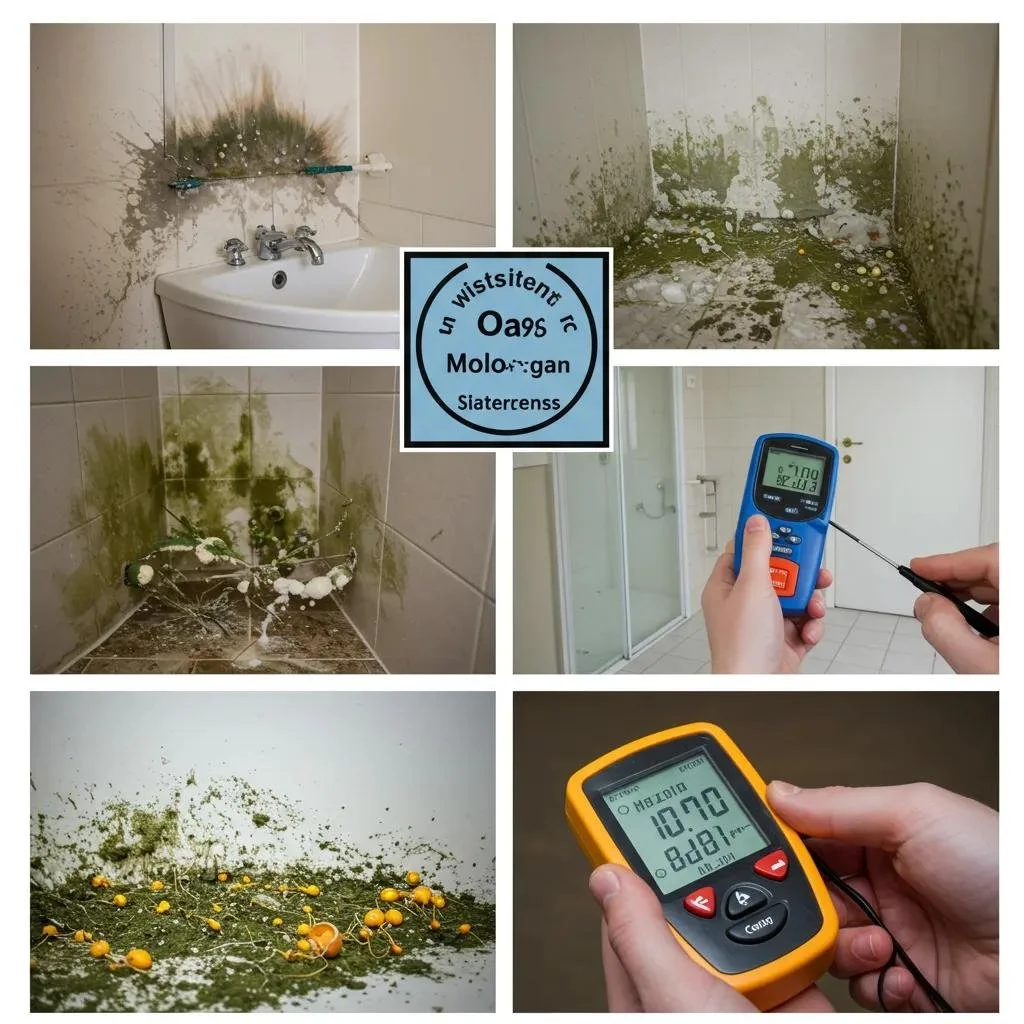
Certified inspectors follow a methodical workflow that begins with a documented visual inspection and history of the water event, then uses tools such as moisture meters, infrared cameras, and targeted air or surface sampling to define the scope and severity of contamination. Sampling and readings are recorded and interpreted alongside building knowledge to develop a remediation plan that insurers and owners can trust; documentation often includes photos, maps of affected areas, and written reports describing materials and recommended actions. This rigorous approach identifies hidden pockets of moisture and contamination that visual checks miss, and it creates an auditable record that supports insurance claims and post-remediation clearance. These inspection protocols set the stage for effective containment and removal techniques explained next.
DIY mold cleaning often focuses on visible surface cleaning and household disinfectants, while professional remediation addresses underlying moisture, containment to prevent cross-contamination, and removal of unsalvageable materials according to exposure level. Professionals bring elements of the remediation process—containment barriers, HEPA air scrubbers, dehumidifiers, moisture meters, and PPE—to manage airborne spores and structural drying in ways homeowners typically cannot replicate. Cost and time trade-offs differ: DIY can be cheaper short-term for very small, non-porous-surface problems, but incomplete remediation raises recurrence risk and potential health costs; professional work usually offers thorough, documented resolution and verification. These contrasts inform the decision framework in the following subsection on preventing recurrence through professional approaches.
Preventing recurrence requires addressing the moisture source—repairing leaks, improving drainage and ventilation, and balancing HVAC systems—combined with thorough drying and environmental controls such as dehumidification to maintain target relative humidity. Professionals set drying goals using moisture meter targets and continuous monitoring, deploy air movers and dehumidifiers sized to the space, and coordinate necessary repairs with contractors to remove the conditions that allowed mold to grow. Follow-up verification—visual checks, moisture readings, and sometimes lab clearance testing—confirms remediation success and guides maintenance plans to reduce future risk. These prevention steps lead naturally into a local example of how a certified remediation provider implements these phases in Austin.
The Steam Team follows an IICRC-aligned process that demonstrates the standard professional sequence—inspection, containment, removal, drying, and post-remediation verification—providing a local example of how comprehensive services achieve effective outcomes. Their approach emphasizes rapid response, documented inspection using instruments, certified technicians, and coordination with insurers when needed, which helps streamline claims and restoration timelines. Highlighting specific process responsibilities clarifies what homeowners should expect from a local provider and why industry standards matter for both health and property protection. The table below compares common process steps with the method and expected outcome to illustrate responsibility and effectiveness.
| Phase | Method | Expected Outcome |
| Inspection | Visual + moisture mapping + targeted sampling | Defined scope and documented plan |
| Containment | Negative pressure and barriers | Prevents cross-contamination |
| Removal | Safe removal of affected materials | Removes colonized substrates |
| Drying | Air movers + dehumidifiers + monitoring | Restores materials to safe moisture levels |
| Verification | Visual, moisture checks, documentation | Confirms remediation success |
This EAV-style table clarifies who does what during each phase and why those steps reduce recurrence risk and support insurance documentation. The next subsections explain the inspection, containment, removal, drying, and verification elements in more detail.
Inspections begin with a documented walkthrough and history of the water event, then use moisture meters and infrared imaging to map affected areas and inform sampling decisions when necessary; this aligns with IICRC best practices for scoping remediation. Technicians document findings with photos and written notes and translate measurements into a scoped plan that identifies materials to be remediated or removed, which helps homeowners and insurers understand the recommended work. This formal documentation supports clear estimates and claims interactions, ensuring remediation addresses both visible mold and hidden moisture sources. That inspection report then informs containment strategies to protect unaffected areas during removal.
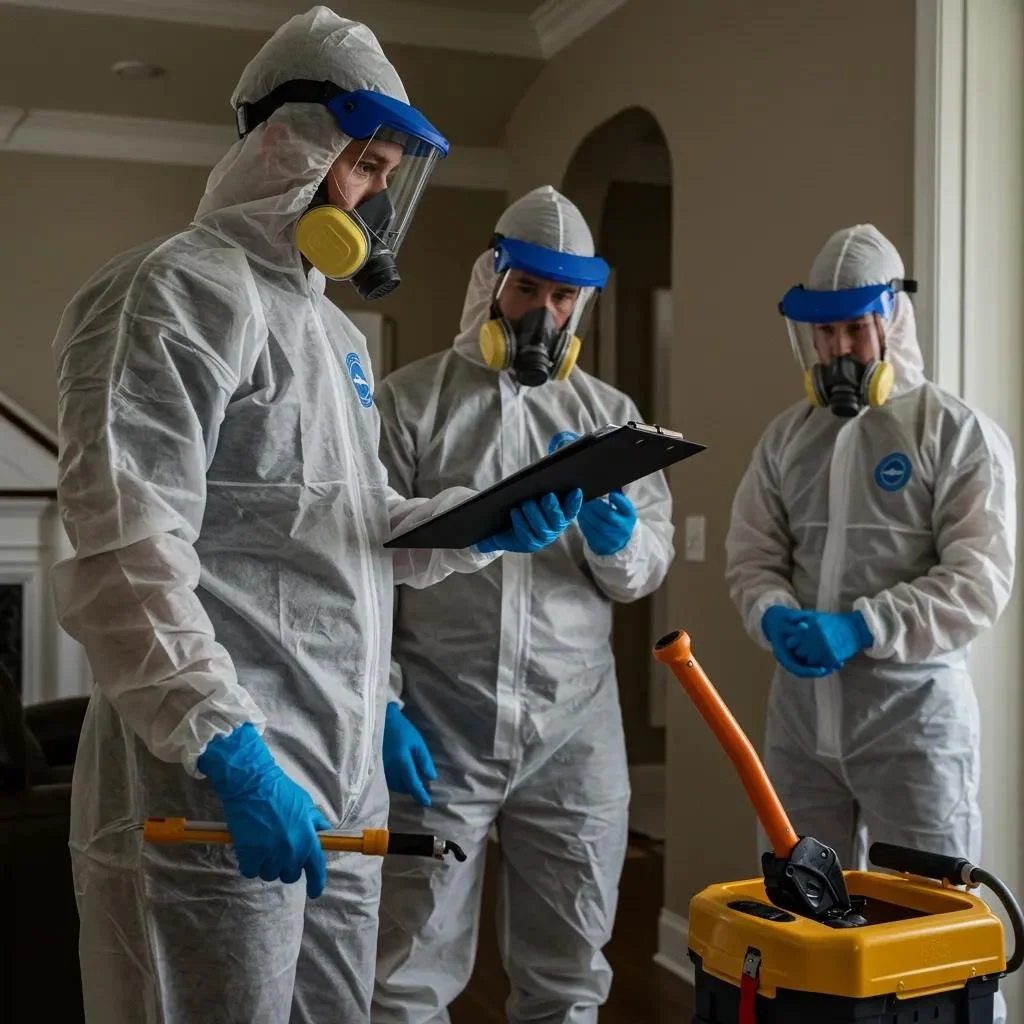
Containment uses physical barriers and negative-pressure systems to isolate work zones and prevent spores from spreading through a property, while HEPA filtration captures airborne particulates during demolition and cleaning. Workers wear appropriate PPE and follow protocols for waste handling and decontamination to minimize cross-contamination and protect occupants; these measures reduce airborne spore counts and exposure risk during active remediation. Clear communication about protected areas and temporary access restrictions helps occupants maintain safety while work proceeds. Once containment and filtration are established, removal and specialized cleaning techniques are applied to affected materials.
Effective cleanup differentiates between salvageable and non-salvageable materials: porous items such as drywall and insulation are often removed, while non-porous surfaces receive HEPA vacuuming and targeted cleaning with approved antimicrobials as appropriate. Equipment commonly used includes HEPA vacuums for particulate removal, specialized extraction tools for waterlogged materials, and controlled demolition tools to remove contamination while preserving unaffected structure. Technicians apply methods based on material type and contamination level, and they document each step to support verification and any insurance needs. Proper removal techniques set the conditions for successful drying and long-term control, which is the next operational focus.
Drying strategies pair high-volume air movers with properly sized dehumidifiers to rapidly lower material moisture content while continuous monitoring verifies progress toward target moisture readings. Technicians set relative humidity and material moisture goals and adjust equipment deployment based on progress, with follow-up checks to ensure stability before closing a containment area. In Austin's climate, prolonged humidity can extend drying times, so active dehumidification and ongoing monitoring are critical to prevent re-colonization. Once drying targets are met, verification testing and documentation confirm that the environment is stable and safe for reoccupation.
Post-remediation verification uses visual inspection, moisture measurements, and sometimes follow-up air or surface sampling to confirm that work objectives were met and that moisture levels are stable enough to discourage regrowth. Documentation from verification provides homeowners and insurers with closure—photographs, final moisture readings, and written clearance notes—that supports both peace of mind and claims processes. Verification reduces the risk of missed pockets of moisture and provides a baseline for future monitoring, ensuring remediation delivers long-term value. With verification complete, attention turns to occupant safety and health measures during and after remediation.
Mold remediation carries occupational and occupant safety risks if airborne spores or contaminated materials are not properly controlled, so standard protective measures are essential to reduce exposure for both workers and residents. Safety protocols include containment, negative-pressure ventilation, HEPA filtration, appropriate PPE for workers, and clear communication about when occupants should vacate or restrict access to work zones. Medical risk varies by mold type and individual susceptibility—those with asthma, allergies, or compromised immunity face higher risk and may need additional precautions or temporary relocation. Understanding these safety measures prepares owners and tenants for what to expect during remediation and how to coordinate with contractors for minimal disruption.
Typical indoor molds in Austin include genera such as Cladosporium, Aspergillus, Penicillium, and species commonly grouped under "black mold" descriptions; health impact depends on species, exposure level, and individual sensitivity. While many molds primarily cause allergic or irritant responses, prolonged or heavy exposure in susceptible people can worsen asthma or trigger more serious respiratory symptoms. Professional remediation focuses on reducing airborne concentrations and removing colonized materials rather than emphasizing species-level toxicity, because exposure control and moisture removal are the primary drivers of improved health outcomes. Recognizing that individual response varies helps frame decisions about remediation urgency and medical consultation.
Occupant protection combines physical containment, scheduling to minimize time spent near active work areas, and clear instructions about which rooms or systems to avoid while remediation occurs. In some cases, temporary relocation for sensitive occupants is recommended until containment is dismantled and verification is complete; otherwise, contractors may isolate work zones and maintain negative pressure to protect adjacent spaces. Contractors should provide communication about expected disruptions, and occupants should secure medications and sensitive items before work begins. These protective measures are coordinated with inspection and remediation phases to ensure safety without unnecessary delay.
Seek medical attention if symptoms include difficulty breathing, wheezing, severe or rapidly worsening respiratory distress, high fevers, or symptoms that persist despite leaving the affected environment; these are red flags that warrant prompt clinical evaluation. For mild allergic symptoms or irritation, consult a primary care physician or allergist if symptoms are persistent, recurrent, or interfere with daily activities, and document symptoms to support remediation urgency. Vulnerable individuals—young children, the elderly, pregnant people, or those with compromised immunity—should err on the side of earlier consultation. Clear symptom documentation helps link health effects to environmental conditions and informs remediation priorities.
Preventing recurrence focuses on controlling moisture sources, maintaining proper ventilation, and scheduling routine inspections of known problem areas to catch new issues early. Key preventive measures include grading and gutter maintenance to direct water away from foundations, timely roof inspections, proper attic and crawlspace ventilation, and routine HVAC maintenance including condensate-line checks. Implementing these practices reduces the substrate and moisture conditions that allow mold to re-establish, which complements remediation work and extends the life of repairs. The next subsections offer specific moisture-control, HVAC, and post-water-damage actions tailored to Austin properties.
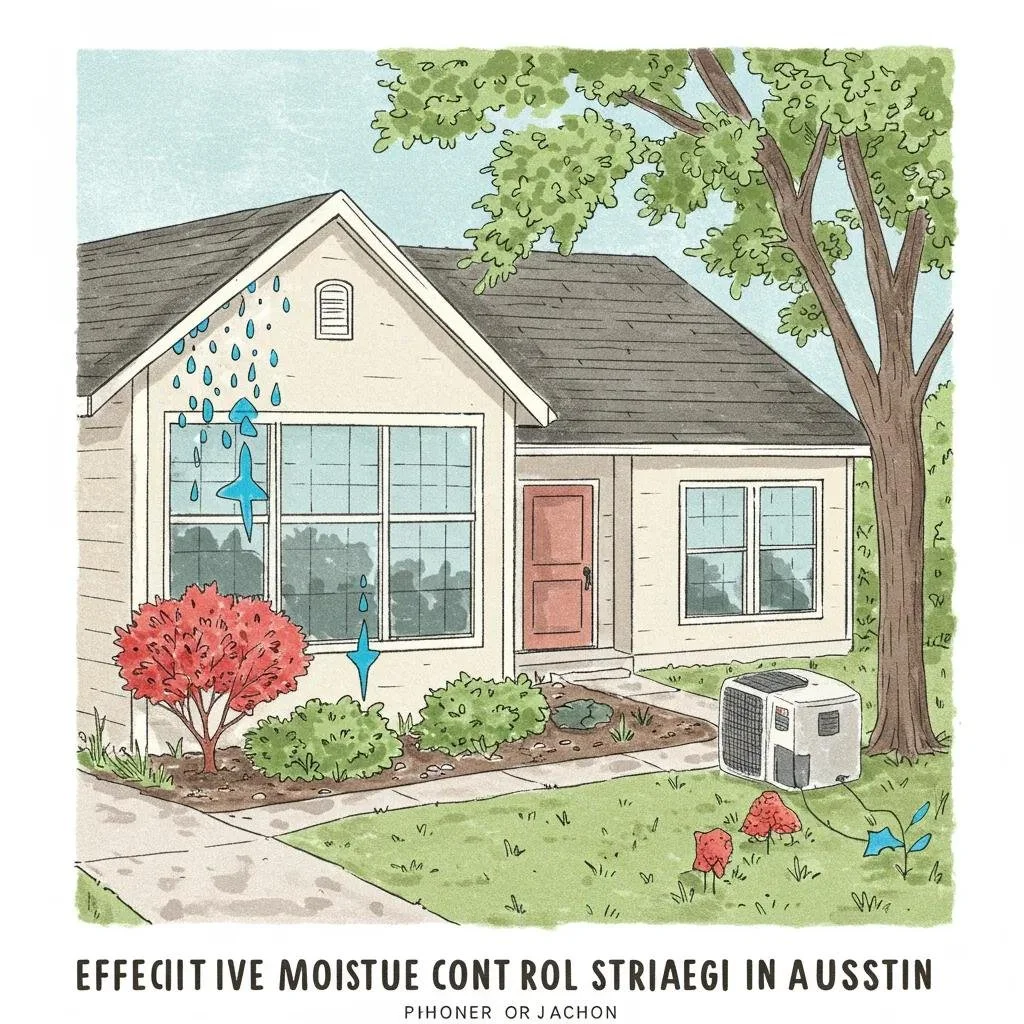
Effective moisture control includes maintaining roof and gutter systems, ensuring proper landscape grading and irrigation practices that direct water away from the foundation, and sealing gaps that allow humid outdoor air or water intrusion. Interior measures such as using exhaust fans in high-humidity areas, installing vapor barriers in crawlspaces, and deploying dehumidifiers in basements or high-humidity rooms help maintain safe relative humidity levels. Seasonal inspections before heavy rains and after storms reduce the likelihood of unnoticed leaks, while proactive maintenance limits conditions favorable to mold growth. These steps prepare buildings to resist recurring moisture issues and reduce the need for future remediation.
Practical homeowner moisture-control actions include:
Inspect and clean gutters seasonally to prevent water backup and foundation intrusion.
Ensure landscape grading directs water away from the building perimeter.
Use exhaust ventilation and dehumidifiers in bathrooms, kitchens, and attics.
Routine application of these measures lowers moisture-related risk and complements HVAC maintenance that follows.
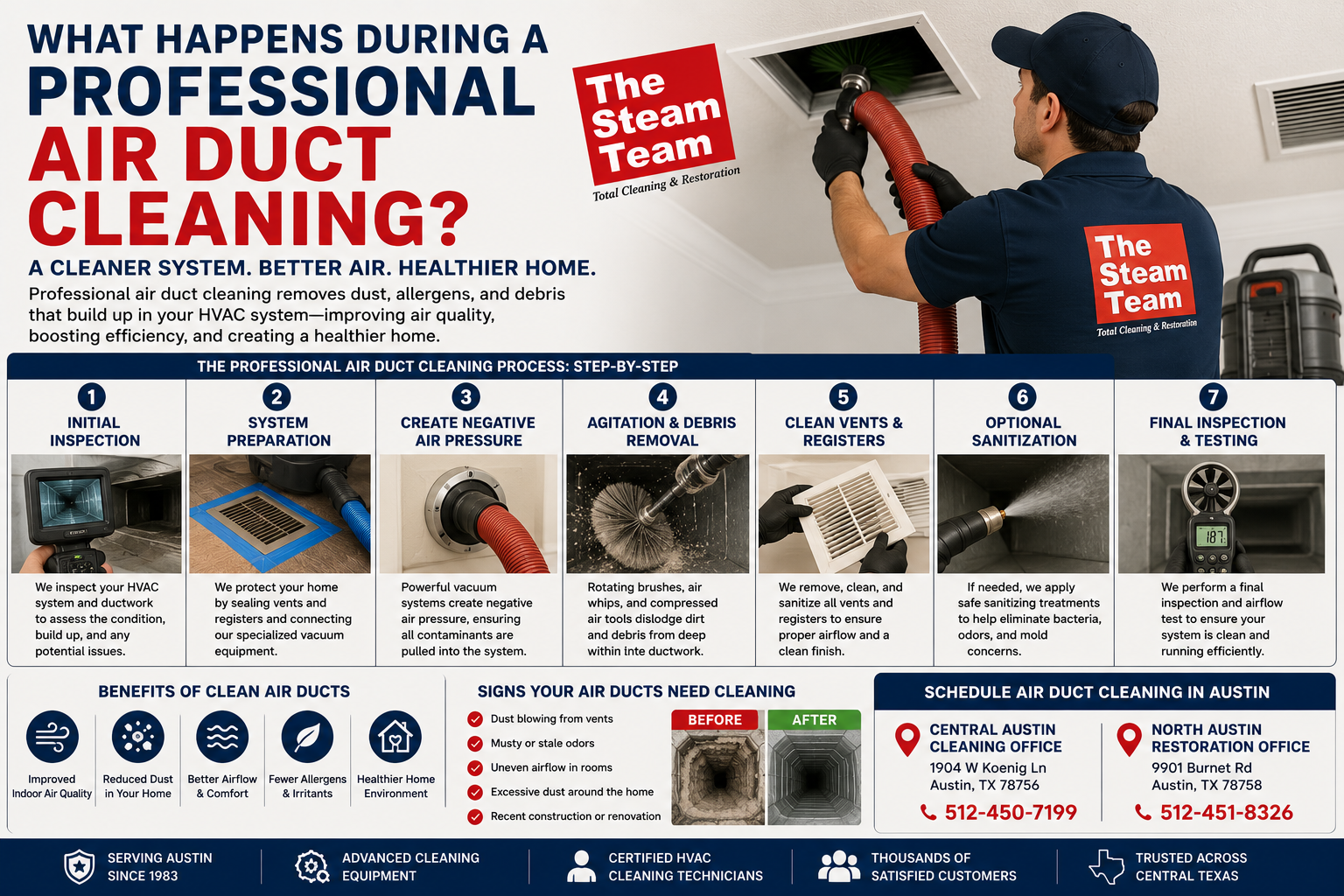
HVAC systems that are dirty, out of balance, or have blocked condensate lines create cool, damp surfaces and stagnant air that promote mold growth in ducts and coil areas, so regular filter changes and professional inspections are important. Recommended actions include replacing filters on a schedule appropriate to use, verifying condensate drainage, and scheduling periodic professional maintenance and duct inspections for signs of moisture accumulation. Duct cleaning and system balancing can reduce dead-air zones and improve air exchange, which lowers indoor humidity and particulate loads. Proper HVAC care reduces the environmental conditions that allow spores to settle and establishes a healthier baseline after remediation.
After any water intrusion, immediate actions—within 24–48 hours—are critical: stop the water source, extract standing water, remove wet materials that cannot be dried in place, and begin active drying with air movers and dehumidifiers. Document the damage with photos and notes to support insurance claims and make a plan for professional drying and remediation if saturation is extensive or materials are porous. Early mitigation limits mold colonization and often reduces remediation scope; when in doubt, call a professional to assess hidden moisture and structural risks. These emergency measures connect directly to cost considerations and insurance navigation described next.
In the aftermath of major water events like hurricanes and floods, understanding mold prevention strategies and potential health effects is crucial for limiting exposure and mitigating risks.
Mold Prevention and Health Effects After Disasters
Extensive water damage after major hurricanes and floods increases the likelihood of mold contamination in buildings. This report provides information on how to limit exposure to mold and how to identify and prevent mold-related health effects. Where uncertainties in scientific knowledge exist, practical applications designed to be protective of a person's health are presented. Evidence is included about assessing exposure, clean-up and prevention, personal protective equipment, health effects, and public health strategies and recommendations. The recommendations assume that, in the aftermath of major hurricanes or floods, "
Mold prevention strategies and possible health effects in the aftermath of hurricanes and major floods, 2006
Mold remediation costs vary based on scope, affected square footage, material types, containment complexity, and whether structural repairs or contents replacement are required, so industry ranges provide guidance rather than exact quotes. Insurance interaction often depends on the cause of moisture: sudden, accidental water events are more commonly covered than long-term neglect, and having documented inspection reports helps substantiate claims. Being a preferred vendor for insurers can simplify communication and claims workflows because the remediation provider coordinates directly with adjusters and provides standardized documentation. The table below breaks down common cost drivers and typical ranges to clarify budget expectations.
| Cost Driver | Typical Range / Example | Notes |
| Affected area size | Small room vs. whole-house | Larger square footage increases containment and disposal |
| Material type | Non-porous cleaning vs. porous removal | Porous materials increase labor and disposal costs |
| Hidden contamination | Requires demolition or exploratory openings | Adds time and scope to the job |
| Drying complexity | Extended dehumidification in high humidity | Austin climate can lengthen drying time |
This cost breakdown helps homeowners understand why estimates vary and what to expect when receiving an itemized remediation proposal. The next subsections explain cost influences, insurance navigation, and a DIY cost-effectiveness comparison.
Major cost determinants include affected square footage, the extent of material removal required, the level of containment and negative-pressure systems, and the drying time needed in Austin's humid climate. Hidden contamination discovered after demolition, the need for content pack-out, structural repairs, and specialized sampling or clearance testing also increase costs; these factors are documented during inspection to produce an accurate estimate. Labor rates, disposal fees, and post-remediation repair work all contribute to the final invoice, which is why professional documentation and a scoped plan are crucial to avoid surprises. Understanding these drivers helps property owners prepare for realistic remediation budgets.
Efficient claims handling begins with timely documentation: photos, dated notes of water events, and a professional inspection report that outlines scope and recommended remediation steps to present to your insurer. Working with a remediation company that is recognized by insurers can ease communication because the provider already understands required documentation and can coordinate directly with adjusters to verify scope and costs. Keep records of all communications and invoices, and request a clear, itemized estimate that supports claim submission; this approach speeds review and reduces back-and-forth questions. Clear documentation and timely action increase the likelihood of favorable claim outcomes for sudden water events.
DIY remediation can be cost-effective for very small, non-porous surface areas when moisture is controlled and occupants are not sensitive, but it often fails to address hidden contamination, lacks containment to prevent spread, and provides no formal verification for insurers. Hidden costs of DIY approaches include potential health impacts from inadequate PPE, repeated cleanings if mold recurs, and higher repair costs if concealed growth damages structure. Professional remediation offers documented verification, thorough moisture control, and insurance coordination that can be more cost-effective over time when contamination is moderate or severe. For uncertain or moderate-to-large jobs, professional inspection minimizes financial and health risk.
If you suspect mold in your home, the first step is to identify any visible signs, such as discoloration or musty odors. Conduct a thorough inspection of areas prone to moisture, like bathrooms, kitchens, and basements. If you find evidence of mold or experience health symptoms, it's advisable to contact a certified mold remediation professional. They can perform a comprehensive inspection and testing to determine the extent of the problem and recommend appropriate remediation steps.
A mold problem is considered serious if it covers a large area (more than 10 square feet), affects porous materials, or is accompanied by health symptoms among occupants. Additionally, if mold is found in HVAC systems or behind walls, it indicates a more significant issue. If you notice persistent moisture, musty odors, or health complaints that worsen indoors, it's crucial to seek professional help to assess and address the situation effectively.
Long-term exposure to mold can lead to chronic respiratory issues, allergic reactions, and exacerbation of asthma symptoms. Individuals with compromised immune systems, the elderly, and young children are particularly vulnerable. Prolonged exposure may also contribute to more severe health conditions, including respiratory infections and neurological symptoms. If you suspect mold exposure, especially if symptoms persist, consult a healthcare professional for evaluation and guidance.
It's recommended to have your home inspected for mold at least once a year, especially if you live in a humid climate like Austin. Additionally, consider inspections after significant water events, such as heavy rains or plumbing leaks. Regular inspections can help identify potential moisture issues before they escalate into mold problems, ensuring a healthier living environment and reducing the risk of costly remediation later on.
To maintain optimal indoor humidity levels (ideally between 30-50%), use dehumidifiers in high-humidity areas, ensure proper ventilation in bathrooms and kitchens, and regularly check HVAC systems for efficiency. Seal any gaps or leaks that allow humid air to enter, and consider using exhaust fans during cooking and showering. Regularly monitoring humidity levels with a hygrometer can help you take proactive measures to prevent mold growth.
While some household cleaning products may help with surface mold, they often do not address the underlying moisture issues or hidden mold. For effective mold remediation, it's best to use specialized products designed for mold removal or to hire a professional service. Professionals have the training and equipment to ensure thorough removal and to prevent mold from returning, which regular cleaning products may not achieve.
If your insurance claim for mold damage is denied, review your policy to understand the coverage details and reasons for denial. Gather documentation, including inspection reports and photographs, to support your case. You can appeal the decision by providing additional evidence or seeking clarification from your insurer. If necessary, consider consulting with a public adjuster or legal professional who specializes in insurance claims to assist you in navigating the appeals process.
If contamination covers more than about a small patch (commonly considered larger than a single 3×3–4×4 foot area), involves HVAC systems, or affects porous structural materials, professional remediation is recommended to ensure thorough removal and verification. Professionals handle containment, hidden contamination, and documentation that DIY approaches typically cannot, and they reduce health and recurrence risks. For very small, non-porous-surface mold with no known moisture source, careful DIY cleaning with proper PPE may suffice, but follow-up monitoring is important. When in doubt, an inspection documents the issue and avoids underestimating hidden risk.
Timelines depend on scope: small targeted jobs may be completed in a day or two, moderate jobs with material removal and drying often take several days to a week, and large or structurally complex jobs can span multiple weeks including repairs and verification. Drying times in Austin's humid environment sometimes extend project length, especially when structural cavities or hidden pockets require extended dehumidification. Verification steps may add time if clearance testing is requested. Expect your contractor to provide estimated timelines based on inspection findings and to update you as work progresses.
Vet companies for clear, documented processes, certifications (such as IICRC-trained technicians), insurance-preferred vendor status, and transparent written estimates with scope, containment plans, and verification methods. Ask for references and examples of documented reports, confirm they use HEPA filtration and moisture monitoring equipment, and verify they coordinate with insurers if you plan to file a claim. Red flags include vague scopes, lack of written documentation, or reluctance to show past project reports. Choosing a company with clear processes and documentation reduces surprises and supports long-term success.
Mold after water damage results from persistent moisture meeting organic building materials; prevention requires stopping the water source, extracting standing water, removing unsalvageable materials, and rapidly drying and monitoring affected areas within 24–48 hours. Preventive steps also include fixing underlying structural issues, improving ventilation, and applying targeted moisture controls until repairs are complete. Fast action reduces colonization and often limits remediation scope. If immediate drying isn't possible or contamination is extensive, professional mitigation prevents larger problems.
Emergency situations—ongoing leaks, extensive flooding, or active water intrusion into occupied areas—warrant immediate mitigation to extract water, establish containment, and start drying to limit mold growth; many local providers offer rapid-response services for these scenarios. Prompt initial mitigation reduces remediation scope and long-term costs by preventing mold colonization within the 24–48 hour growth window. If you face an active leak or flood, prioritize stopping the source and contacting a rapid-response remediation team to begin extraction and drying. Quick mitigation connects directly to insurance documentation and the provider selection tips above.
To request an inspection or estimate with The Steam Team, contact their local office by phone to describe the issue, request an on-site inspection, and schedule an assessment; technicians provide documented estimates after inspection and can coordinate with insurers as needed. The Steam Team is a local lead-generation and information hub with IICRC-certified technicians, 24/7 emergency response, and preferred-vendor relationships that help streamline claims documentation and repair coordination. Expect a structured process: initial contact, on-site inspection and documentation, written estimate, and scheduling of remediation if accepted. The brief steps below explain what homeowners should prepare and what to expect during the inspection and emergency response.
Contact: Call the provider and describe the situation, including any water events and visible signs.
Inspection: A certified technician performs a documented on-site inspection using moisture meters and visual mapping.
Estimate: The company delivers a written estimate detailing scope, containment, and costs to remediate and dry.
Scheduling: Upon acceptance, remediation is scheduled; the team coordinates with occupants and insurers as appropriate.
Prepare photos and any insurance information before the inspection to speed claims and assessment. This structured process leads into how emergency response is handled for urgent situations.
Emergency response typically begins with immediate mitigation steps—water extraction, temporary containment, and drying setup—to limit mold growth until full remediation can be scheduled and performed. The Steam Team offers around-the-clock dispatch capability to begin initial mitigation quickly, reducing the spread of contamination and helping control remediation scope and cost. Early mitigation actions reduce long-term damage and support clearer documentation for insurance claims, enabling a faster path to full remediation and verification.
Engaging local mold remediation services in Austin ensures a thorough and effective approach to eliminating mold, safeguarding both health and property. By relying on certified professionals, homeowners can benefit from comprehensive inspections, targeted removal, and preventive strategies tailored to the region's unique climate challenges. Taking proactive steps now can significantly reduce the risk of future mold issues and enhance indoor air quality. Contact us today to schedule your inspection and take the first step towards a healthier living environment.
Our mission is to provide you with the most outstanding service experience ever. Some of our most popular services include Carpet Cleaning, Tile Cleaning, Air Duct Cleaning, Water Damage, Fire Damage Restoration and Construction Services.
Quick Cleaning Quote
Email: info@thesteamteam.com
Georgetown: (512) 868-0358
Dallas: (214) 631-8326
Naples, FL: (239) 450-1936
Toll Free: (800) 880-7785