Top Professional Methods for Smoke Damage Cleanup Success

Top Methods for Smoke Damage Cleanup Success: Effective Smoke Damage Restoration in Austin
Smoke damage refers to the combination of soot, smoke residue, and lingering odors that remain after a fire or heavy smoke event, and it can rapidly compromise indoor air quality, finishes, and personal property. This article explains practical, evidence-based smoke damage cleanup techniques and the decision criteria that determine when to tackle cleanup yourself versus calling professional restoration services. You will learn how different soot types change cleaning strategy, step-by-step professional restoration phases, the most effective cleaning agents and deodorization technologies, and safe DIY measures that reduce risk while protecting belongings. After outlining the technical methods, the article summarizes how certified local responders operate and how to secure a prompt assessment for Austin-area incidents. For urgent needs, The Steam Team provides 24/7 emergency response and IICRC-certified technicians to assist with stabilization, content protection, deodorization, and insurance-claims coordination. Read on to understand soot chemistry, cleaning mechanics, and the practical choices that lead to smoke damage cleanup success.

Essential Steps for Effective Smoke Damage Cleanup

Understanding the critical steps involved in smoke damage cleanup can help homeowners effectively restore their property and ensure safety. Below is a structured list of essential actions to take during the cleanup process, emphasizing the importance of each step.

  • Assess the Damage – Conduct a thorough inspection to identify the extent of smoke and soot damage, documenting affected areas for insurance purposes.

  • Ensure Safety – Prioritize safety by wearing personal protective equipment (PPE) such as masks, gloves, and goggles to minimize exposure to harmful particles.

  • Ventilate the Area – Open windows and use fans to improve air circulation, helping to reduce smoke odors and improve indoor air quality.

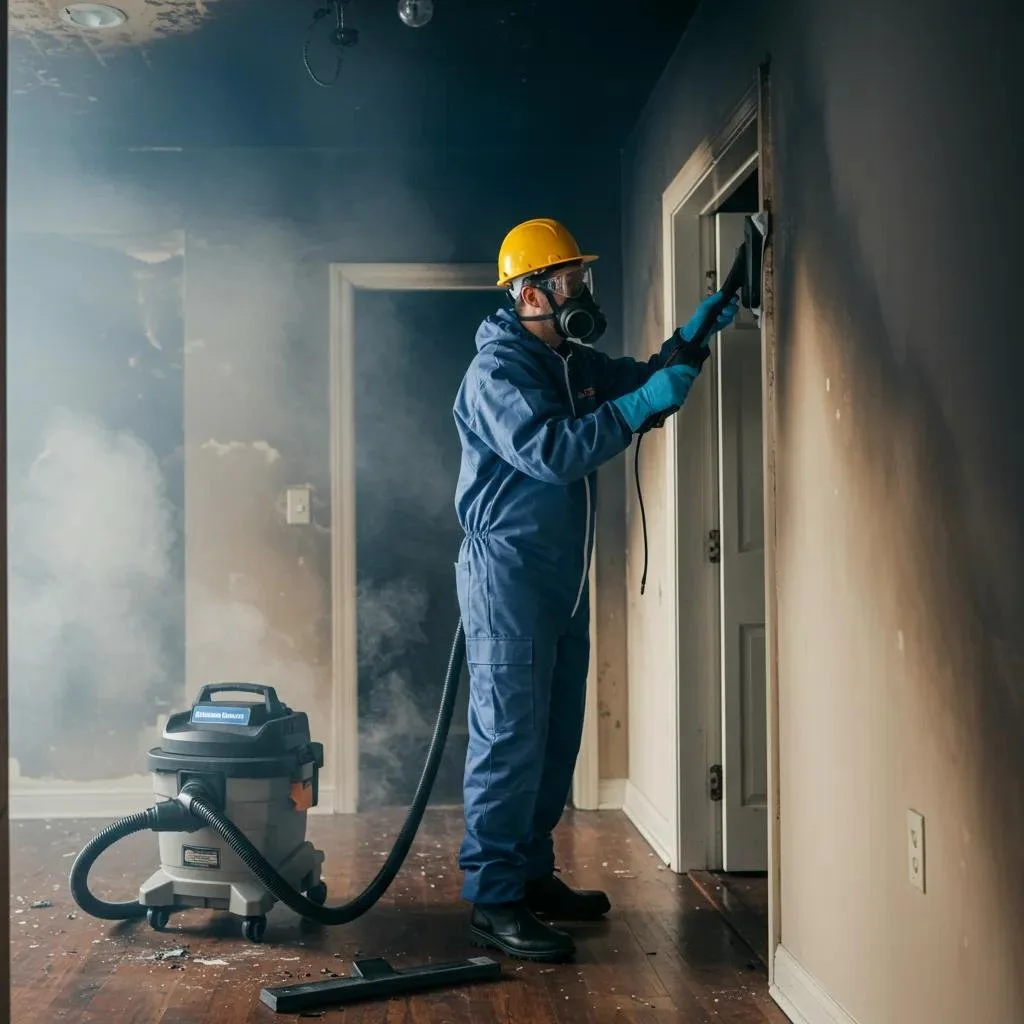
  • Remove Loose Soot – Use dry cleaning sponges or HEPA vacuums to carefully lift and remove loose soot from surfaces without smearing it further.

  • Clean Surfaces – Apply appropriate cleaning agents, such as Trisodium Phosphate (TSP) for oily residues, ensuring compatibility with surface materials to avoid damage.

  • Deodorize Affected Areas – Utilize advanced deodorization methods like thermal fogging or ozone treatment to eliminate persistent smoke odors embedded in materials.

  • Inspect HVAC Systems – Check and clean HVAC systems to prevent the recirculation of smoke particles and odors throughout the home.

  • Document Cleanup Efforts – Keep detailed records of the cleanup process, including photographs and receipts, to support insurance claims and future reference.

  • Consider Professional Help – If the damage is extensive or involves hazardous materials, contact certified restoration professionals for comprehensive cleanup and restoration services.

What Is Smoke Damage and How Does It Affect Your Property?

Smoke damage is the deposit of airborne combustion byproducts—soot particles, oily residues, and odor-causing volatile compounds—on surfaces and inside building cavities, and it alters materials chemically and cosmetically. The mechanism that makes smoke damage harmful is twofold: particulate deposition abrades and soils finishes, while acidic or protein-based residues chemically bond to surfaces and entrap odors, so prompt removal preserves materials and reduces persistent smell. Property impacts range from discolored paint and stained fabrics to HVAC contamination and corrosion of metals, while health impacts include respiratory irritation and allergenic responses from fine soot. Grasping these effects helps homeowners prioritize ventilation, containment, and whether professional cleanup is required to avoid long-term deterioration.

What Types of Smoke and Soot Cause Damage?

Soot and smoke residues vary by fuel source and combustion conditions, producing distinct cleaning challenges that determine the proper technique and products. Dry soot, often from paper and wood, appears powdery and is best removed with dry-cleaning sponges and HEPA vacuuming, while oily or greasy soot from kitchen fires or fuel produces sticky residues that smear if treated incorrectly and generally require solvent-based cleaning and professional handling. Protein fires (food or organic matter) can leave a tight, malodorous film that resists simple washing and benefits from targeted enzymatic or neutralizing agents. Recognizing soot type at the outset guides the choice between dry cleaning, alkaline washes, or specialized deodorization methods, preventing common mistakes like smearing oily residues into porous materials.

HEPA Vacuuming and Dry Steam Cleaning for PAH and Allergen Reduction

ABSTRACT: AbstractDry steam cleaning, which has gained recent attention as an effective method to reduce house dust mite (HDM) allergen concentration and loading in carpets, was evaluated in this study for its efficacy in lowering levels of polycyclic aromatichydrocarbons(PAHs) as well as HDM allergens. Fifty urban homes with wall-to-wall carpets, mostly low-income and with known lead contamination, were studied in 2003 and 2004. Two carpet-cleaning interventions were compared: Repeated HEPA (High Efficiency Particulate Air filtered) vacuuming alone and repeated HEPA vacuuming supplemented with dry steam cleaning. Vacuum samples were collected to measure carpet loading of dust and contaminants immediately before and after cleaning. Paired comparisons were conducted to evaluate the effectiveness of the cleaning protocols in reducing the levels of PAHs and HDM allergens in carpets. The results indicated that both cleaning methods substantially reduced the loading of PAHs and HDM allergens as well

Evaluation of HEPA vacuum cleaning and dry steam cleaning in reducing levels of polycyclic aromatic hydrocarbons and house dust mite allergens in carpets, CH Yu, 2009

How Does Smoke Damage Impact Health and Property?

Smoke aerosols and residue carry irritant compounds—fine particulates, aldehydes, and acidic species—that aggravate respiratory systems and sensitive individuals, so protecting occupants and workers is essential during cleanup. On materials, acidic soot accelerates corrosion of metals, etches glass, and weakens painted or varnished surfaces; textiles and porous items often retain odor molecules unless cleaned with appropriate solvents or neutralizers. For indoor air quality, trapped volatiles in insulation, ductwork, and porous building materials can continuously off-gas, prolonging odor and health symptoms until properly removed or sealed. Because of these combined risks, safe cleanup requires PPE, containment, and methodical cleaning to minimize exposure and material loss.

Why Is Rapid Response Critical for Smoke Damage Cleanup?

Time is a decisive factor because soot staining and odor fixation progress quickly: within the first 24 hours residues are more easily removed, while after 48–72 hours they can chemically bind to finishes and become permanent. Rapid professional intervention stabilizes the environment: emergency venting, surface stabilization, and targeted pre-cleaning stop residues from embedding and limit secondary damage from firefighting water. Early actions also preserve salvageable contents through inventory and pack-out, reducing restoration scope and cost. If professionals are delayed, homeowners should ventilate, avoid smearing residues by touching, and isolate affected areas to slow deterioration until technicians arrive.

What Are the Professional Smoke Damage Restoration Steps?
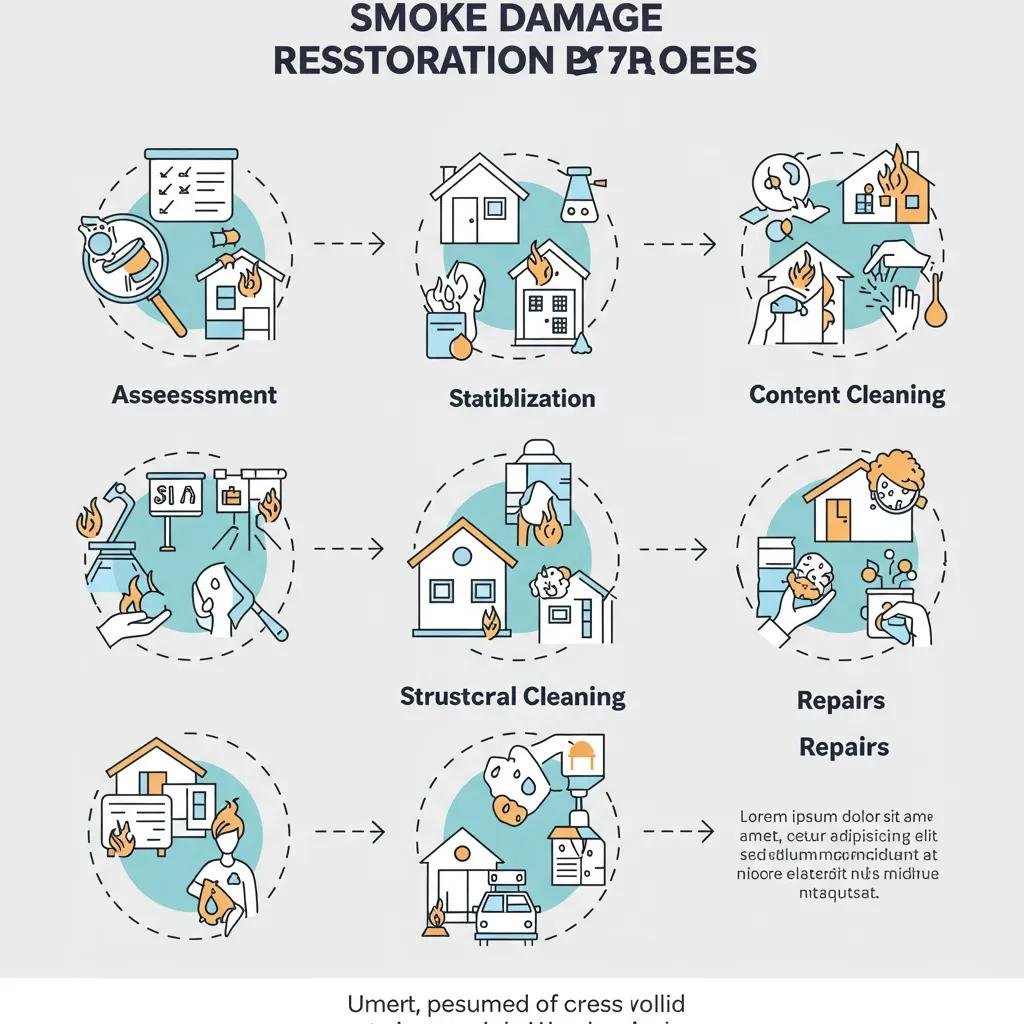
Professional smoke damage restoration follows a structured workflow to restore safety, remove residues, and reinstate occupied spaces; each step targets a distinct risk and contributes to full remediation. The mechanism of the workflow is sequential: inspection and assessment define scope, emergency stabilization limits spread, content cleaning protects valuables, structural cleaning removes residues, and deodorization eliminates persistent odors before repair and reinstatement. This ordered process reduces repeat work, protects health, and streamlines insurance documentation. The following numbered list summarizes the workflow for quick reference.

Professionals typically execute the five-step restoration process as a coherent program that maximizes salvage and minimizes secondary damage.

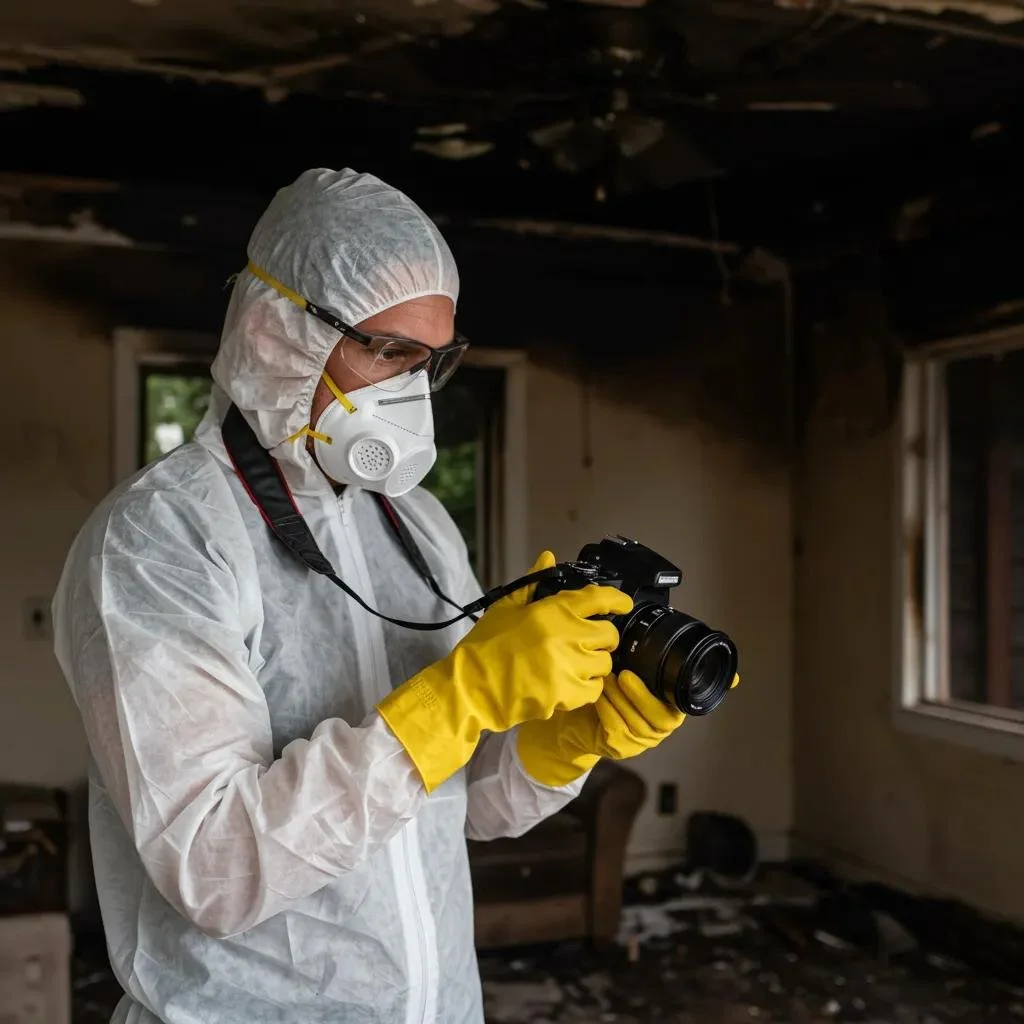
  • Assessment and documentation: Inspect damage, document conditions, and establish a scope of work for cleaning and repairs.

  • Emergency pre-cleaning and stabilization: Contain affected zones, board up openings, and perform rapid neutralization to limit staining.

  • Content cleaning and pack-out: Inventory, transport, and professionally clean or store salvageable items off-site.

  • Structural cleaning and deodorization: Clean walls, ceilings, HVAC systems, and apply deodorization methods to remove odor sources.

  • Repairs and rebuild: Replace irreparably damaged materials, perform refinishing, and coordinate final verification.

This sequence mirrors how technicians prioritize immediate risks, then move toward full restoration to return occupants to safe, odor-free conditions.

Step Key Actions Typical Equipment
Assessment and documentation Scope inspection, photographs, estimate preparation Moisture meters, cameras, documentation tools
Emergency pre-cleaning and stabilization Containment, quick surface neutralization, drying Air movers, containment barriers, neutralizing agents
Content cleaning and pack-out Inventory, off-site cleaning, secure storage Pack-out vans, tagging systems, specialized cleaning equipment
Structural cleaning and deodorization Soot removal, HVAC cleaning, odor control HEPA vacuums, thermal foggers, hydroxyl/air scrubbers
Repairs and rebuild Replace drywall, repaint, HVAC reinstatement Construction tools, finishing supplies, certified subcontractors

How Does Emergency Pre-Cleaning Prevent Further Damage?

Emergency pre-cleaning stabilizes conditions so that soot and acids do not continue to etch surfaces or penetrate deeper into porous materials, and it reduces the likelihood of permanent staining by interrupting chemical fixation. Typical actions include isolating contaminated zones with plastic containment, performing controlled ventilation to remove airborne particulates, and applying rapid-acting neutralizers on vulnerable surfaces to limit corrosion. Quick drying of areas affected by firefighting water prevents mold growth and secondary damage that complicates restoration. These immediate measures keep the site in a state where later, more thorough cleaning and repairs are effective and cost-efficient.

What Is Content Cleaning and Pack-Out in Smoke Damage Restoration?

Content cleaning and pack-out involve cataloging belongings, removing them from the structure when necessary, and using off-site cleaning techniques tailored to item type—textiles, electronics, artwork, and furniture—so items are restored safely. The process begins with a detailed inventory and condition notes to support claims and guide cleaning priority, then items are cleaned with the method suited to their materials, either on-site or at a controlled facility. Benefits include protecting possessions during structural cleaning and allowing restoration crews unobstructed access to treat building surfaces. Proper pack-out reduces risk of cross-contamination and speeds the overall timeline to re-occupancy.

How Are Walls and Ceilings Cleaned from Soot and Smoke Residue?

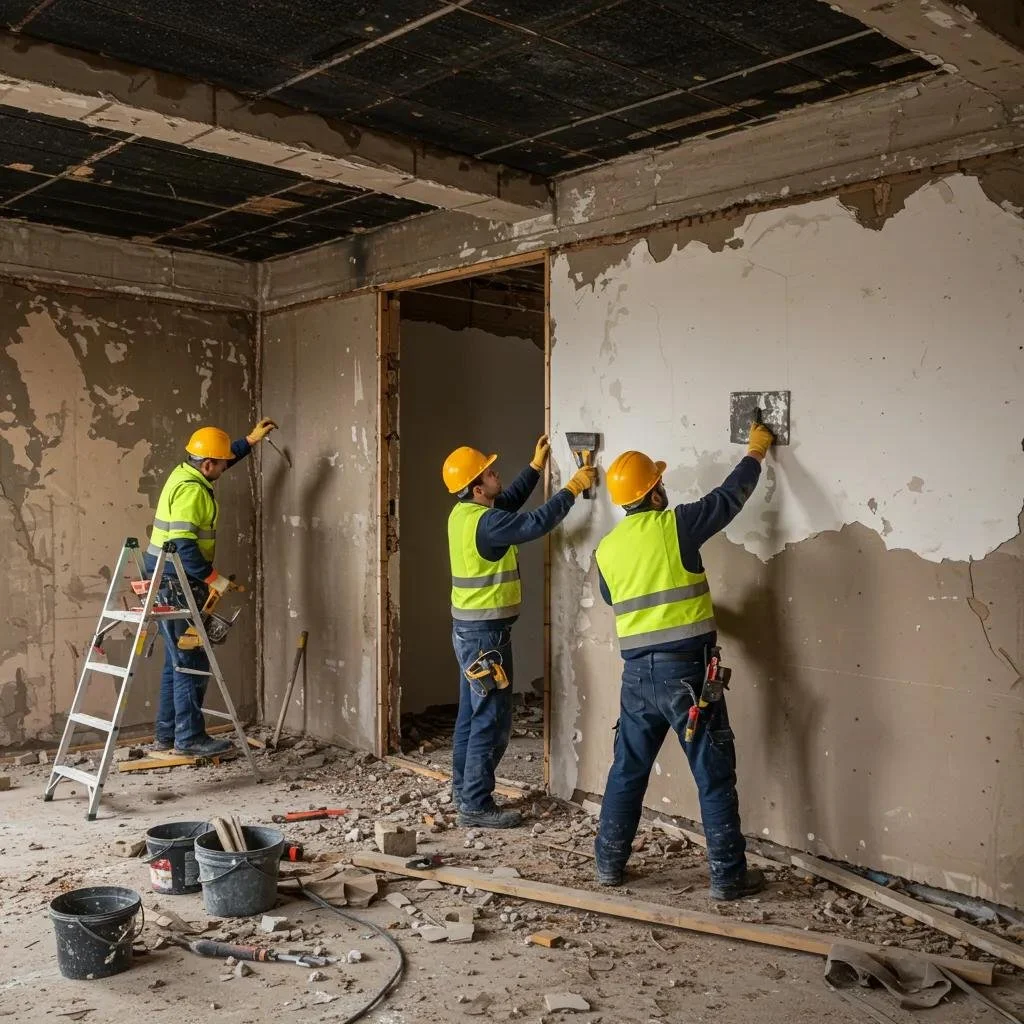
Cleaning walls and ceilings follows a methodical order: dry removal, HEPA vacuuming, and then wet cleaning with appropriate detergents or TSP solutions, chosen based on soot type and surface finish to prevent further damage. For painted drywall, professionals often begin with dry sponges to lift loose particles, then clean using controlled wet methods and neutralizing agents if residues are oily or protein-based. Textured ceilings and delicate wood finishes require specialized approaches—aggressive scrubbing can damage textures or finishes—so technicians select low-abrasion tools and test spots before full application. Sequencing cleaning steps correctly minimizes smearing, reduces rework, and protects finish integrity.

What Advanced Deodorization Methods Are Used for Smoke Odor Removal?

Deodorization methods work through different mechanisms: ozone and chlorine dioxide oxidize odor molecules, thermal fogging deposits neutralizing agents into voids, and activated charcoal/air scrubbing adsorb volatile compounds, each with distinct pros, cons, and safety considerations. Choosing the right technology depends on odor source, occupancy considerations, and material sensitivity; for example, ozone is effective in unoccupied structures but requires controlled re-entry times, while hydroxyl generators can be used in occupied spaces with fewer restrictions. Professionals often combine methods—deep cleaning plus targeted deodorization—to address residual odors embedded in HVAC, insulation, and porous materials. Safety protocols and method selection ensure odor removal without causing additional harm to occupants or materials.

Before the table below, this comparison outlines the common advanced deodorization options and guides selection based on mechanism and use-case.

Method Mechanism Pros Cons Use-case
Ozone treatment Oxidizes odor molecules Effective for strong, entrenched odors Not safe for occupied spaces during treatment Vacant homes, after content removal
Thermal fogging Disperses neutralizing agents as a fog Penetrates voids and fabrics May require surface cleaning first Hidden spaces, textiles, structural voids
Activated charcoal Adsorption of VOCs Safe for occupied areas, passive treatment Slower, requires large quantities Ongoing odor control, small spaces
Air scrubbing (HEPA+carbon) Filters particulates and adsorbs gases Immediate air quality improvement Equipment intensive During/after structural cleaning and HVAC work

How Does Structural Repair Fit into Fire and Smoke Damage Restoration?

Structural repair is the final phase that follows full cleaning and deodorization, addressing replacement of irreparably damaged materials such as charred framing, delaminated drywall, and ruined finishes to restore habitability. The sequencing matters: repairs occur after deodorization to avoid sealing in odors, and HVAC or duct repairs are done after cleaning to prevent recontamination. Typical repairs include drywall replacement, repainting, cabinetry refinish, and HVAC component replacement; coordination with contractors and adjusters ensures repairs align with insurance approvals. Final verification includes walkthroughs and testing to confirm air quality and the absence of residual soot or odor.

When Should You Choose Professional Smoke Damage Repair Over DIY Cleanup?

Choosing professionals depends on severity, health risks, and insurance implications: large-scale soot coverage, strong lingering odors, HVAC involvement, or presence of chemical/grease/protein soot all favor professional remediation. Professionals offer trained technicians, containment protocols, equipment like HEPA vacuums, thermal foggers, and insurance documentation that DIY cannot replicate reliably. For small, localized incidents with light dusting of dry soot, careful homeowner actions can provide interim relief, but crossing thresholds such as visible residue in ducts or multi-room contamination requires a professional response.

Below is a short decision checklist to guide homeowners.

Use this checklist to decide when to call professionals.

  • If soot covers multiple rooms, ceilings, or HVAC components, hire professionals.

  • If occupants experience respiratory irritation or the odor is persistent despite ventilation, seek trained remediation.

  • If you need insurance-friendly documentation and content pack-out, involve restoration specialists.

This checklist clarifies thresholds where the risks and costs of DIY cleanup exceed benefits and professional involvement prevents long-term loss.

What Are Safe and Effective DIY Smoke Damage Cleanup Methods?

Homeowners can take limited, safe actions: ventilate with windows and fans where outdoor air quality allows, remove loose soot with HEPA-filtered vacuums or dry sponges, and launder washable textiles using proper detergents. Use PPE—N95 or higher respirators, gloves, and goggles—when cleaning to limit exposure to fine particulates and chemical residues. Avoid wet-wiping oily soot before dry removal as this can smear residues and embed them into surfaces; instead, test a small area and proceed cautiously or stop and call a professional. Recording damage with photos and inventorying contents also helps insurance claims and supports later professional work.

What Are the Risks of DIY Smoke Damage Cleanup?

Risks include respiratory exposure to fine soot and volatile compounds, accidental smearing of oily residues that make stains permanent, and incomplete deodorization that leaves hidden odor sources in ductwork or insulation. Improper cleaning can also jeopardize insurance claims if work alters evidence of damage or lacks professional documentation; insurers may question remediation methods and costs if not documented. Additionally, DIY attempts can prolong the time until effective deodorization if underlying sources are missed. Recognizing these risks helps homeowners limit their actions to safe, temporary measures and call experts when thresholds are exceeded.

How Can Professionals Ensure Complete Smoke Odor Removal?

Professionals ensure odor removal by systematically locating and removing odor sources, cleaning HVAC and ductwork, employing multi-method deodorization (mechanical cleaning, thermal fogging, hydroxyl or ozone where appropriate), and performing follow-up verification to confirm odor elimination. Verification methods include visual inspection, sniff testing across different times, and post-cleaning HVAC airflow checks to ensure contaminants are not recirculating. Follow-up visits or air quality monitoring provide assurance that odor sources have been addressed rather than masked. This multi-layered approach reduces the chance of return odors that undermine restoration efforts.

What Are the Best Cleaning Techniques and Products for Smoke Damage?

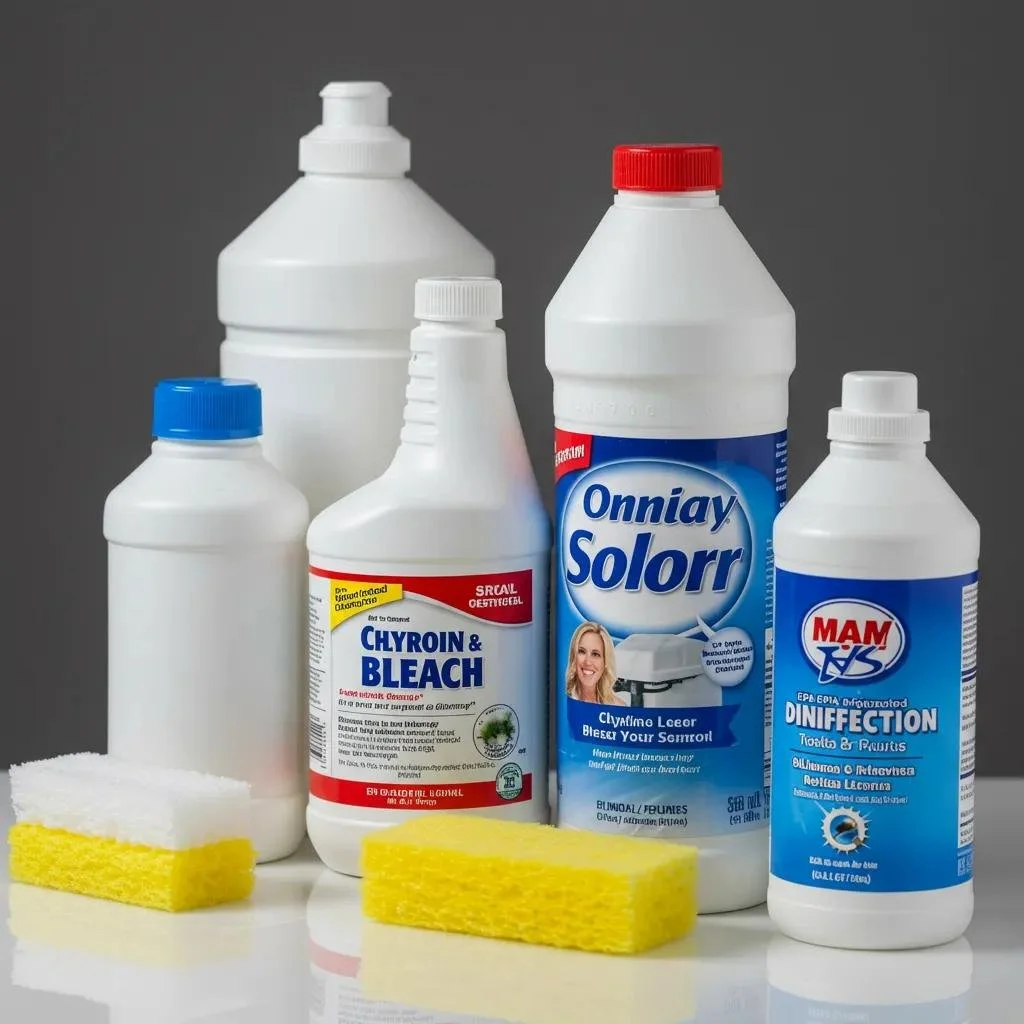
Effective smoke cleanup requires a toolkit matched to soot type and surface: dry cleaning sponges, HEPA vacuums, and alkaline cleaners like TSP tackle many residues, while baking soda, white vinegar, and targeted solvents are useful for odor neutralization and gentle cleaning. The mechanism of each product differs—TSP emulsifies greasy residues and removes staining, baking soda adsorbs odors and mild soils, and vinegar acts as a mild acid to neutralize alkaline residues—so selection must consider finish compatibility to avoid damage. Professionals test surfaces first and sequence cleaning steps to prevent cross-contamination, typically starting with dry removal then progressing to wet cleaning and neutralization. Below is a focused comparison of common household cleaning agents for smoke damage.

Cleaner Suitable Surfaces Dilution / Mix Guidance Safety Notes
Trisodium Phosphate (TSP) Painted walls, ceramic, metal Follow product instructions; typically 1 tbsp per quart warm water Use gloves and ventilation; avoid on delicate finishes
Baking soda Fabrics, carpets, some hard surfaces Sprinkle and vacuum or make a paste for spot cleaning Gentle but less effective on heavy oily soot
White vinegar Tile, glass, some painted surfaces 1:1 vinegar to water for light residues Mild acid; test on paint and wood finishes before use

How Does Dry Cleaning Sponge Remove Soot Effectively?

Dry cleaning sponges work by picking up and lifting dry soot particles without smearing, using their porous, rubbery texture to trap particulates as technicians work in overlapping passes. The correct technique is to start from the top and work downward, using light, repeated strokes and replacing or cleaning the sponge as it becomes loaded to avoid re-deposition. Limitations include poor performance on oily or protein-based soot, which requires solvent or alkaline cleaning; attempting to use a dry sponge on sticky soot often results in smearing and deeper embedding. Dispose of used sponges per guidance to avoid contaminating other areas.

Why Use HEPA Vacuums for Smoke and Soot Removal?

HEPA vacuums remove the smallest soot particles that ordinary vacuums would reintroduce into the air, filtering particulates down to 0.3 microns with high efficiency and reducing airborne contamination during cleanup. Proper vacuuming technique involves low-suction passes and HEPA-rated inline filtration to protect downstream air quality, and technicians often pre-vacuum before wet cleaning to remove loose soot. HEPA systems also integrate with air scrubbers to continuously clean the air during restoration work, protecting workers and occupants. Note that HEPA vacuuming complements, but does not replace, surface cleaning for oily or adhered residues.

HEPA Vacuuming and Dry Steam Cleaning for PAH and Allergen Reduction

ABSTRACT: AbstractDry steam cleaning, which has gained recent attention as an effective method to reduce house dust mite (HDM) allergen concentration and loading in carpets, was evaluated in this study for its efficacy in lowering levels of polycyclic aromatichydrocarbons(PAHs) as well as HDM allergens. Fifty urban homes with wall-to-wall carpets, mostly low-income and with known lead contamination, were studied in 2003 and 2004. Two carpet-cleaning interventions were compared: Repeated HEPA (High Efficiency Particulate Air filtered) vacuuming alone and repeated HEPA vacuuming supplemented with dry steam cleaning. Vacuum samples were collected to measure carpet loading of dust and contaminants immediately before and after cleaning. Paired comparisons were conducted to evaluate the effectiveness of the cleaning protocols in reducing the levels of PAHs and HDM allergens in carpets. The results indicated that both cleaning methods substantially reduced the loading of PAHs and HDM allergens as well

Evaluation of HEPA vacuum cleaning and dry steam cleaning in reducing levels of polycyclic aromatic hydrocarbons and house dust mite allergens in carpets, CH Yu, 2009

How Do Trisodium Phosphate, Baking Soda, and Vinegar Help Clean Smoke Damage?

Trisodium Phosphate (TSP) is an alkaline cleaner that emulsifies greasy soot and is often diluted per directions for wall and trim cleaning, while baking soda functions as an odor absorber and mild abrasive for fabrics and carpets. White vinegar, diluted appropriately, neutralizes alkaline residues and light soils and can help reduce some odors, though it should be tested on painted or finished wood to avoid finish dulling. Use of these agents requires attention to dilution ratios and substrate compatibility: over-concentration can strip paint or finishes, while under-use may be ineffective. Always test a small, inconspicuous area and follow PPE and ventilation precautions when applying chemical cleaners.

Agent Dilution Surfaces Cautions
TSP Follow label (typically 1–2 tbsp/quart) Painted walls, metal, ceramic Avoid on delicate finishes; use gloves
Baking soda Use dry or paste with water Carpets, upholstery, fabrics Vacuum thoroughly after application
White vinegar 1:1 to 1:4 with water Glass, tile, some paints Test on finishes; mild acid may dull some paints

After the table: The choice among these agents balances cleaning power against surface safety—TSP for heavy oily soot, baking soda for odor and gentle soils, and vinegar for light neutralization.

How Do Ozone Treatment and Thermal Fogging Help Eliminate Odors?

Ozone oxidizes odor molecules and can be highly effective in vacant structures; thermal fogging distributes neutralizing chemicals into fabrics and voids providing deep penetration, while each method demands safety protocols such as controlled re-entry times or occupant evacuation. Ozone treatment works by converting odor-causing VOCs but must only be performed when spaces are unoccupied and properly ventilated afterward due to respiratory risk. Thermal fogging is useful where odors are trapped in porous materials and structural voids but should follow thorough cleaning to avoid sealing residues. Selecting a method depends on occupancy, material sensitivity, and the severity of entrenched odors.

How Does The Steam Team Ensure Successful Smoke Damage Cleanup in Austin?

The Steam Team applies a structured restoration approach combining rapid mobilization, documented assessment, content protection, surface cleaning, and multi-method deodorization—backed by IICRC-certified technicians and local operational capacity—to restore safety and comfort. Their validated workflow aligns with industry best practices: quick response to limit damage escalation, careful content pack-out to protect belongings, and comprehensive cleaning followed by deodorization and repairs when needed. The Steam Team also assists with insurance-claims coordination to streamline documentation and settlement conversations. For urgent cleanup needs, their 24/7 emergency response capability helps reduce losses by beginning stabilization immediately.

What Makes The Steam Team’s 5-Step Restoration Process Effective?

The Steam Team’s process emphasizes fast assessment, emergency stabilization, content protection, thorough cleaning and deodorization, then repairs—each step designed to prevent rework and protect occupant health. Key outcomes include minimized staining, improved salvage rates for personal items, and clearer insurance documentation, achieved by pairing experienced technicians with industry-grade equipment. Quality controls during each phase—test spots, containment verification, and final inspections—ensure that the restoration meets measurable standards before moving to the next phase. This sequencing and verification mindset reduce the probability of residual odors or missed contamination during reinstatement.

How Does 24/7 Emergency Response Improve Restoration Outcomes?

A rapid 24/7 response reduces the time residues and water from firefighting have to react with building materials, lowering the chance of permanent staining, corrosion, or mold growth, and thereby limiting restoration scope and cost. Immediate actions include containment, rapid drying, and preliminary neutralization that keep soot from embedding and limit secondary damage. Quick mobilization also secures contents through prioritized pack-out and documentation, which helps preserve salvageable items and accelerates insurance workflows. For property owners, faster intervention typically translates into shorter disruption and better salvage results.

Why Is IICRC Certification Important for Smoke Damage Restoration?

IICRC certification signals that technicians follow established industry standards for cleaning, restoration, and safety; it represents formal training and competency in methods critical for effective smoke damage remediation. Certified technicians bring knowledge of proper sequence, acceptable cleaning agents, and safety protocols that reduce the risk of improper cleaning and help ensure insurance compliance. For homeowners, working with certified crews increases confidence that procedures will be thorough and verifiable. Certification also implies ongoing training, which keeps crews current with evolving deodorization technologies and remediation science.

How Does The Steam Team Assist with Insurance Claims for Fire and Smoke Damage?

The Steam Team provides detailed documentation—photographic records, inventories, and scope-of-work estimates—that supports homeowners when filing insurance claims and interacting with adjusters, reducing administrative burden and accelerating approvals. Their approach includes itemized inventories for pack-out, condition notes, and documented cleaning steps which insurers often require to validate claims. Practically, this assistance helps homeowners focus on safety and recovery while professionals handle technical documentation and estimate submission. Clear, organized documentation typically improves transparency during claims and expedites restoration timelines.

What Are Common Questions About Smoke Damage Cleanup?

This section answers frequent homeowner questions with concise, actionable guidance to support immediate decisions and longer-term remediation planning. Each answer provides steps to follow, safety considerations, and when to escalate to professional services for deeper issues. The aim is to capture the typical People-Also-Ask topics with clear, snippet-ready responses that help homeowners take the right next steps.

How Do You Clean Smoke Off Walls Safely and Effectively?

Start by ventilating the area and using PPE, then remove loose soot with a dry cleaning sponge and HEPA vacuum before any wet cleaning to prevent smearing; this sequence reduces the risk of pushing residues deeper into surfaces. Test a small inconspicuous area with your chosen detergent—mild solutions or TSP where appropriate—then work top-to-bottom in controlled passes, rinsing clean water frequently. For porous or delicate finishes, stop and consult a professional to avoid permanent damage. If odors persist after cleaning, consider professional deodorization to address embedded volatile compounds.

What Is the Best Cleaner for Smoke Damage on Different Surfaces?

Matching cleaner to surface prevents damage and improves results: TSP solutions are best for painted walls and trim with oily soot, baking soda is gentle for textiles and carpets, and vinegar works for glass and tile neutralization in diluted form. Always test cleaners on a small area and use PPE and ventilation when applying chemical agents. Avoid abrasive scrubbing on textured ceilings or wood finishes, and do not mix cleaning chemicals—especially ammonia and bleach—because hazardous gases can form. Surface-appropriate selection preserves finishes while maximizing soot removal.

How Do Professionals Remove Persistent Smoke Smell?

Professionals remove persistent odors by locating and eliminating odor sources—soot in ducts, insulation, or contents—then performing deep cleaning, targeted deodorization (thermal fogging, hydroxyl, or controlled ozone where appropriate), and running air scrubbers to clear residual VOCs. Verification includes repeat inspections and sometimes follow-up treatments to confirm odor absence. Professionals balance effectiveness with occupant safety and material compatibility when choosing deodorization methods. This layered approach prevents masking odors and ensures long-term resolution.

What Is the First Step in Fire Damage Cleanup?

The first step is ensuring safety: confirm structure stability, turn off utilities if directed by authorities, and avoid re-entry if structural hazards exist; then document damage with photos and contact a restoration professional for assessment. Immediate homeowner tasks include ventilating safe areas, removing undamaged valuables, and beginning a written inventory for insurance. Do not attempt large-scale cleaning without PPE and professional advice because improper actions can worsen damage. Prompt documentation and contacting an emergency restoration provider set the stage for effective recovery.

Can You Clean Smoke Damage Yourself Without Professional Help?

Small, localized incidents with light, dry soot on nonporous surfaces can be handled by homeowners using HEPA vacuums, dry sponges, and careful wet cleaning, provided PPE is used and work is limited in scope. However, when soot covers large areas, affects HVAC systems, involves oily or protein-based residues, or causes persistent odors, professionals should be engaged to prevent permanent damage and ensure proper documentation for insurance. Use this decision rule: if cleaning requires extensive containment, specialized equipment, or will impact insurance claims, hire certified restoration technicians. When in doubt, consult a professional for an assessment before proceeding.

Where Can Austin Residents Find Reliable Smoke Damage Restoration Services?

Austin residents should prioritize providers offering rapid emergency response, trained technicians, content pack-out capability, and insurance-claims support to ensure efficient, accountable restoration and reinstatement of habitability. Local service presence shortens response times and improves salvage outcomes, and verified technicians bring equipment and protocols suited to Central Texas building types and climate considerations. For homeowners seeking a prompt assessment or emergency stabilization, gather basic incident details—address, brief damage description, and any immediate safety concerns—to accelerate scheduling. Below are specifics to streamline contacting local responders.

Which Areas in Central Texas Does The Steam Team Serve?

The Steam Team operates throughout Central Texas with local capacity to respond in Austin and neighboring communities, enabling quicker arrival for emergency stabilization and content protection in nearby neighborhoods. A local presence allows crews to understand regional construction types, common finishes, and logistic advantages that reduce turnaround times. For homeowners this means faster containment, prioritized pack-out, and closer coordination with local adjusters when insurance involvement is necessary. Local familiarity translates into more efficient restoration workflows for Central Texas properties.

How to Request a Quote or Schedule Emergency Smoke Damage Cleanup?

When requesting service, prepare the property address, a concise description of fire or smoke impact, known water exposure from firefighting, and any insurance policy or claim number if available to accelerate intake and assessment. Emergency providers typically prioritize safety assessments and stabilization; having this information on hand helps dispatch the right crew and equipment. For The Steam Team, their 24/7 emergency response capability means homeowners can request immediate stabilization, pack-out, and documented inspection to begin restoration promptly. Expect professionals to confirm basic details and provide an estimated arrival window based on location and severity.

What Do Customers Say About The Steam Team’s Smoke Damage Restoration?

Customer feedback commonly emphasizes fast response times, thorough documentation, and the effectiveness of combined cleaning and deodorization steps that restore habitability and peace of mind after smoke incidents. Summaries of client experience highlight trust in certified technicians and appreciation for insurance-related support during claims, reflecting consistent performance and process transparency. For additional context, homeowners can review third-party local listings and company pages that compile customer reviews and project examples. These resources help validate service fit and expected outcomes for smoke damage restoration projects.

  • Fast mobilization: Rapid emergency stabilization limits damage escalation.

  • Comprehensive process: Documented steps from assessment to repairs reduce surprises.

  • Insurance assistance: Clear inventories and estimates help streamline claims.

These points capture common homeowner priorities when selecting a restoration partner in Central Texas.

Frequently Asked Questions

What should I do immediately after smoke damage occurs?

Immediately after smoke damage, prioritize safety by ensuring the structure is stable and turning off utilities if necessary. Ventilate the area by opening windows and using fans, but only if outdoor air quality is acceptable. Document the damage with photographs for insurance purposes and remove any undamaged valuables from the affected area. Avoid touching surfaces with soot to prevent smearing. If the damage is extensive, contact a professional restoration service for assessment and cleanup.

How can I prevent smoke damage from affecting my health?

To prevent health issues from smoke damage, ensure proper ventilation in the affected area. Use personal protective equipment (PPE) such as N95 respirators, gloves, and goggles when cleaning to minimize exposure to fine particulates and harmful chemicals. Avoid using wet cleaning methods on oily soot, as this can worsen the situation. If you experience respiratory irritation or persistent odors, seek professional help to ensure thorough cleaning and deodorization, which can significantly improve indoor air quality.

What are the signs that I need professional smoke damage restoration?

Signs that you need professional smoke damage restoration include persistent odors that do not dissipate with ventilation, visible soot on walls or ceilings, and respiratory issues among occupants. If soot covers multiple rooms or affects HVAC systems, or if you notice chemical or greasy residues, it’s best to call in professionals. Additionally, if the damage is extensive and requires specialized equipment or techniques, professional restoration services can ensure thorough cleanup and proper documentation for insurance claims.

How long does smoke damage restoration typically take?

The duration of smoke damage restoration can vary widely based on the extent of the damage and the size of the affected area. Minor incidents may take a few days, while more extensive damage could require weeks for complete restoration. Factors influencing the timeline include the need for structural repairs, the complexity of cleaning and deodorization, and the coordination with insurance claims. A professional restoration service can provide a more accurate estimate after assessing the specific situation.

Can smoke damage affect my home’s value?

Yes, smoke damage can significantly affect your home’s value. If not properly addressed, lingering odors and visible soot can deter potential buyers and lead to lower offers. Additionally, unresolved smoke damage can lead to further deterioration of materials, which may require costly repairs down the line. To protect your investment, it’s crucial to address smoke damage promptly and thoroughly, ideally with the help of professional restoration services that can restore your home to its pre-damage condition.

What insurance coverage is typically available for smoke damage?

Insurance coverage for smoke damage often falls under homeowners' policies, specifically within the fire damage section. Coverage typically includes the cost of repairs, restoration, and cleaning services. However, the extent of coverage can vary based on the policy and the cause of the smoke damage. It’s essential to review your policy details and consult with your insurance agent to understand your coverage limits and any necessary documentation required for filing a claim related to smoke damage.

What are the long-term effects of smoke damage if not addressed?

If smoke damage is not addressed promptly, it can lead to long-term issues such as persistent odors, structural deterioration, and health problems for occupants. Soot can corrode surfaces, weaken materials, and contaminate HVAC systems, leading to ongoing air quality issues. Additionally, lingering smoke residues can attract pests and contribute to mold growth if moisture is present. To avoid these complications, it’s crucial to undertake thorough cleanup and restoration as soon as possible after a smoke incident.

Conclusion

Effective smoke damage cleanup is essential for restoring safety and comfort in your home, and understanding the right techniques can significantly reduce long-term damage. By recognizing the types of soot and employing appropriate cleaning methods, homeowners can protect their property and health. For those facing extensive damage, professional services like The Steam Team offer rapid response and expert restoration to ensure thorough remediation. Don’t hesitate to reach out for a prompt assessment and let us help you reclaim your space today.
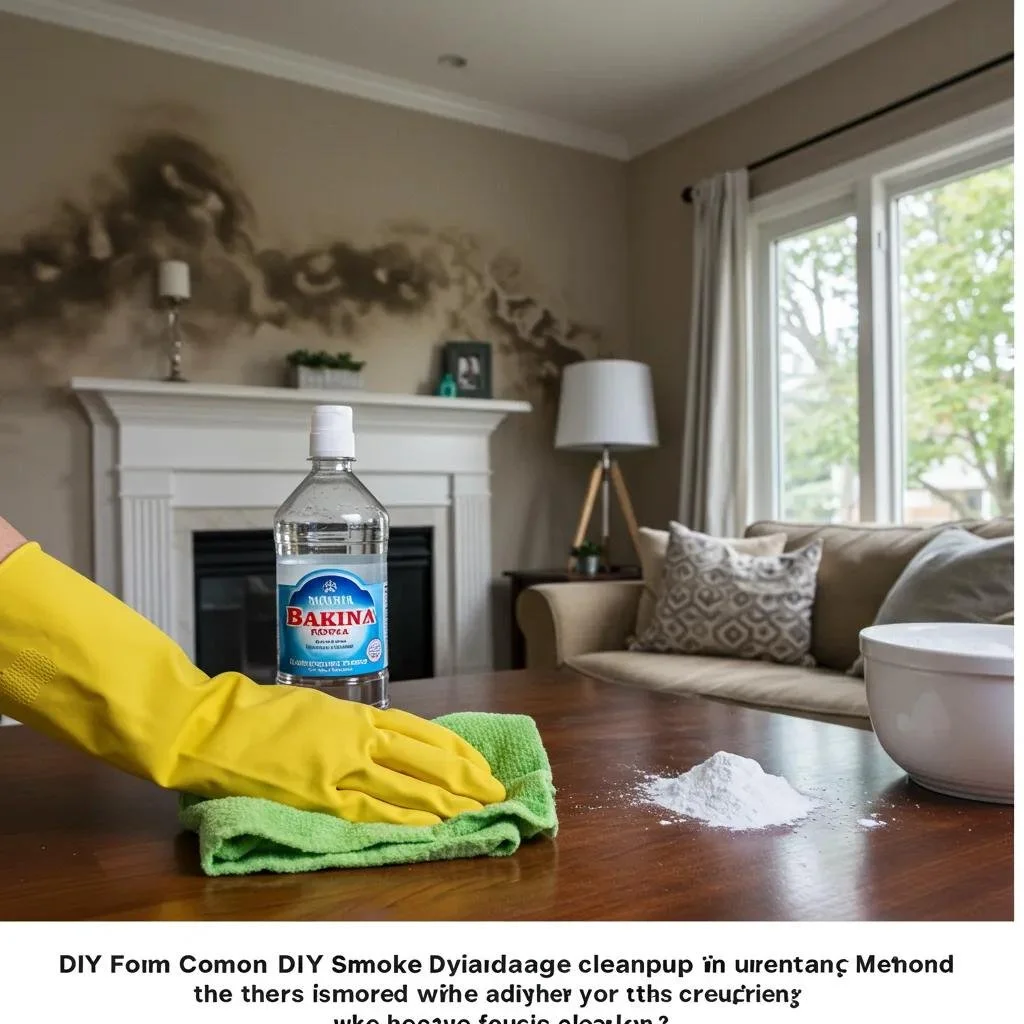
Smoke Damage Restoration Austin: Cleanup vs DIY Explained

Professional Smoke Damage Cleanup vs DIY Methods: Which Is Better for Your Austin Home?

Smoke damage is more than surface soot; it is a complex mix of particulates, chemical residues, and odors that can penetrate building materials, contents, and HVAC systems. Homeowners in Austin face a clear decision after smoke exposure: perform immediate DIY cleanup or hire professional smoke damage restoration services to protect health, property value, and long-term indoor air quality. This article lays out a practical, evidence-based decision framework comparing safety, effectiveness, cost, and long-term outcomes for DIY approaches versus professional restoration. You will learn what smoke residues exist, safe first actions to take in the first 24 hours, which household tactics work (and which backfire), how professionals address the problem with advanced techniques, and when to call a licensed restoration provider. Sections include symptom checklists, step-by-step professional workflow, cost factors and insurance guidance, and a concise explanation of why an experienced local firm can speed recovery and reduce total costs.

What Is Smoke Damage and Why Is It More Than Just Soot?

Smoke damage describes physical and chemical contamination left after a fire or heavy smoke exposure; it combines visible soot with invisible residues and odor-causing molecules that bind to surfaces. The mechanism is both mechanical (soot deposits) and chemical (volatile organic compounds and aerosolized oils) so the visible layer is only part of the problem. Effective response requires identifying the residue type, isolating affected zones, and using methods that remove both particulate and molecular contaminants rather than simply masking odors. Properly addressing smoke damage reduces corrosion, prevents recontamination through HVAC systems, and limits long-term health risks tied to persistent particulates and chemicals.

What Are the Different Types of Smoke Residue Affecting Your Property?

Smoke residues vary by fuel source and combustion temperature, and that variation drives cleaning strategy and difficulty. Protein residues from kitchen grease fires are thin, film-like and can yellow with improper cleaning; synthetic residues from plastic or electronics burn hotter and deposit sticky, corrosive compounds; natural-material fires (wood, paper) tend to leave dry, flaky soot that seats in porous materials. Recognizing wet versus dry smoke helps prioritize actions: wet, oily residues generally require wet cleaning with industry detergents and emulsifiers, while dry soot often responds to dry-cleaning techniques and HEPA vacuuming before surface cleaning. Matching the residue type to the correct protocol prevents staining, finish damage, and persistent odors.

What Are the Hidden Health Risks of Smoke and Soot Exposure?

Soot and smoke residues contain fine particulates and chemicals that can irritate the respiratory system and aggravate chronic conditions such as asthma or COPD, and some combustion byproducts include potential carcinogens and volatile organic compounds. Acute symptoms include coughing, throat irritation, headaches, and eye irritation; vulnerable populations—children, older adults, and immunocompromised people—face higher risks from continued exposure. Proper personal protective equipment (PPE) and containment reduce exposure during cleanup, and professionals use air monitoring and HEPA filtration to control airborne particulates during remediation. Understanding these health dynamics explains why surface cleaning alone may not restore safe indoor air quality.

How Does Smoke Damage Cause Lingering Odors and Structural Issues?

Odors persist because smoke molecules adsorb to surfaces and absorb into porous materials; adsorption binds odor molecules to surface films while absorption drives them into fibers, painted surfaces, wood, and HVAC insulation. Over time these residues can accelerate material degradation—metal corrosion from acidic residues, finish dulling, and fabric discoloration—and uncontrolled HVAC contamination spreads odors and particulates throughout a home. Removing odors therefore demands both surface removal and molecular neutralization approaches that reach the adsorbed/absorbed phase, and containment plus HVAC cleaning are often necessary to prevent recontamination after initial cleaning efforts.

What Are the Common DIY Smoke Damage Cleanup Methods and Their Limitations?

Homeowners commonly attempt quick fixes after smoke events, but many conventional DIY tactics only address superficial signs and can worsen long-term outcomes. Simple ventilation, surface wiping, vinegar or baking soda deodorizers, and repainting are intuitive first responses but are rarely sufficient to remove molecular residues or fully decontaminate HVAC systems and contents. Safe immediate homeowner actions exist and are valuable in the first 24 hours, but more invasive cleaning, deodorization, and content restoration typically require professional-grade equipment, specialized chemicals, and controlled procedures. Assessing what to do immediately and what to defer to professionals helps minimize health risk and avoid costly rework.

What Initial Steps Should Homeowners Take After Smoke Damage?

After ensuring safety you can perform a few controlled, low-risk actions to limit further damage while documenting the scene for insurance purposes. First, confirm it’s safe to enter per official guidance and shut off HVAC systems to prevent spread; second, ventilate using open windows if outdoor air quality allows; third, photograph and inventory visible damage and affected items for claims; fourth, remove small, undamaged contents to a clean area to prevent soot staining; and finally, avoid vacuuming or wiping walls aggressively, which can smear residues and embed them.

Initial safe actions for homeowners after smoke exposure:

  1. Confirm structural safety and follow official re-entry guidance.

  2. Turn off HVAC to prevent distribution of soot and odor.

  3. Document damage with photos and an itemized list for insurance.

  4. Remove unaffected portable items to a clean room to avoid staining.

  5. Avoid aggressive scrubbing or household vacuums that can spread soot.

These precautions prioritize safety and preserve evidence while you arrange professional assessment.

Which DIY Cleaning Techniques Are Most Used and Why Are They Often Ineffective?

Common DIY tactics include wiping walls with household cleaners, using vinegar or baking soda to neutralize odors, repainting over stains, and running consumer air fresheners or plug-in deodorizers. These methods sometimes improve the appearance briefly but frequently fail because they either mask odors without removing molecular residues or smear soot deeper into porous surfaces, creating stubborn stains and ongoing odor sources. Repainting over contaminated surfaces without proper cleaning or priming can trap odors and lead to expensive stripping later, and consumer-grade products lack the solvents and equipment to remove synthetic smoke residues effectively. The result is recurring smells and increased likelihood of needing professional intervention.

DIY Method Typical Safety/Cost Typical Effectiveness and When Appropriate
Surface wiping with household cleaners Low cost; limited PPE needed Temporarily removes loose soot on nonporous surfaces; ineffective on oily or absorbed residues
Vinegar/baking soda deodorizers Very low cost; safe for short use Masks or neutralizes light odors; cannot reach absorbed molecules in fabrics or drywall
Repainting Moderate cost; risk of trapped odors Cosmetic fix only if surfaces are thoroughly cleaned and sealed first; otherwise odor persists
Consumer air fresheners Low cost; no cleanup required Masks odor; does not remove particulates or contaminants

This table highlights why many DIY choices provide temporary relief but fail to address root contamination.

What Are the Dangers and Health Risks of Improper DIY Smoke Cleanup?

Attempting heavy cleaning without PPE or proper containment can increase exposure to respirable particles and volatile compounds, redistribute soot through HVAC systems, and create cross-contaminated areas that complicate later remediation. Using abrasive scrubbing or incorrect solvents may damage finishes, leading to permanent material loss, and DIY ozone or fogging attempts without expertise risk unsafe chemical concentrations or ineffective treatment. When homeowners sense persistent odors, new or worsening symptoms, or see soot in ducts, it is time to pause DIY activity and call professionals to avoid worsening health risks and structural damage.

How Does Professional Smoke Damage Restoration Work?

Professional smoke damage restoration follows an engineered workflow designed to identify contamination, protect unaffected areas, remove residues from structure and contents, and neutralize odors at the molecular level. The professional process uses diagnostic assessment, containment, specialized cleaning methods, content pack-out, deodorization technologies, and coordinated repairs to restore both safety and habitability. Professionals bring air monitoring, HEPA air scrubbers, advanced detergents, thermal fogging, and specialized content-cleaning techniques that typical homeowners lack. This systems-based approach reduces the chance of recontamination, documents work for insurance, and focuses on durable outcomes rather than quick cosmetic fixes.

What Are the Key Steps in The Steam Team’s 5-Step Smoke and Fire Restoration Process?

Professionals typically follow a five-step protocol: assessment and documentation, emergency mitigation to stabilize the scene, content pack-out and inventory, specialized cleaning and deodorization, and final repairs and validation. Assessment includes testing air quality and mapping affected zones to prioritize work; emergency mitigation may involve tarping, structural drying, and containment to prevent spread; pack-out protects salvageable contents and allows off-site cleaning; deep cleaning uses industry detergents and mechanical agitation; and deodorization employs targeted technologies before final reconstruction. The Steam Team implements this full 5-step smoke and fire restoration process with trained crews, IICRC-certified technicians, and 24/7 emergency response, and can be contacted to request a quote or schedule an assessment.

Restoration Step Tools / Techniques Used Outcome / Benefit
Assessment & Documentation Air monitoring, moisture meters, photos Accurate scope and insurance-ready documentation
Emergency Mitigation Containment, board-up, HVAC shutdown Prevents further contamination and loss
Content Pack-Out Inventory, sealed transport, off-site cleaning Saves salvageable belongings and prevents cross-contamination
Structural & Content Cleaning HEPA vacuums, specialty detergents, ultrasonic cleaning Removes soot and residues from varied substrates
Deodorization & Repair Thermal fogging, hydroxyl/ozone as appropriate, reconstruction Neutralizes odor molecules and restores habitability

Which Advanced Techniques Do Professionals Use for Complete Smoke and Odor Removal?

Professional deodorization tools include thermal fogging, ozone generation (used selectively), hydroxyl generators, and air scrubbers; each targets odor molecules or airborne particulates through different chemistries and safety profiles. Thermal fogging introduces a fine molecular fog that penetrates porous materials to neutralize odor compounds, while hydroxyl generators create reactive radicals that safely oxidize odorous molecules in occupied spaces when used appropriately. Air scrubbers with HEPA filtration control airborne particulates during cleaning and protect workers and occupants. Choosing the right technique depends on residue type, building materials, and safety considerations; professionals evaluate those variables before selecting equipment and protocols.

How Do Professionals Salvage and Restore Smoke-Damaged Valuables?

Professional restoration begins with triage to separate items that are salvageable, items requiring specialty restoration, and items that must be replaced. Textiles may undergo specialized wash or dry-cleaning processes; electronics are evaluated for soot-related failure risks and cleaned with appropriate methods; documents and photographs can be freeze-dried or chemically treated to stabilize them. Off-site content cleaning prevents recontamination of the property and allows technicians to use industrial-grade ultrasonic and solvent-based systems that are not available to homeowners. Clear documentation and itemized inventories support insurance claims and help owners set realistic expectations for which items can be restored versus replaced.

When Should You Hire Professional Smoke Damage Cleanup Services in Austin?

Knowing the right triggers to call a professional helps homeowners avoid worsening damage and prevents health hazards from prolonged exposure. If odors persist after basic ventilation, if soot is present in HVAC systems, if multiple rooms are affected, or if occupants experience respiratory symptoms, those are clear signs to hire professionals. Immediate professional intervention can prevent corrosion, mold growth from firefighting water, and long-term odor entrapment in porous materials. Local availability and fast response matter in limiting secondary damage; The Steam Team offers 24/7 emergency response and local crews familiar with Austin and Central Texas neighborhoods, and homeowners can request a quote or schedule an assessment to evaluate their situation.

Signs that indicate professional help is needed:

  1. Strong, persistent smoke odor that does not dissipate after ventilation.

  2. Soot visible in multiple rooms or traced to HVAC registers.

  3. Structural damage, charred framing, or firefighter water intrusion.

  4. Occupant symptoms such as coughing, headaches, or irritation.

  5. Insurance claim requirements that recommend documented professional estimates.

Hiring a professional quickly reduces the window for secondary damage and streamlines insurance documentation.

What Signs Indicate That DIY Cleanup Is Not Enough?

Observe whether odors return after cleaning attempts, whether soot stains persist on porous surfaces, and whether HVAC registers distribute soot or smell; these are high-priority red flags. If cleaning attempts spread soot or cause finish damage, or if contents show embedded residues after surface wiping, DIY has likely reached its limit. Professionals should also be called when smoke involves synthetic materials—plastics or electronics—because the resulting residues can be chemically aggressive and damaging over time. Prompt escalation prevents permanent staining, corrosion, and greater expense.

How Can Professional Restoration Prevent Long-Term Damage and Health Issues?

Prompt containment and thorough removal of particulate and molecular residues stop ongoing exposure and reduce corrosion risks to metal components and instrumentation. Dehumidification and controlled drying minimize the chance of mold growth following firefighting water, while comprehensive HVAC cleaning prevents re-distribution of contaminants. Proper deodorization and validated clearance testing restore acceptable indoor air quality and lower long-term respiratory risks. These interventions are preventive investments; by addressing root contamination mechanisms they limit chronic issues that can otherwise require repeated treatments.

What Are the Risks of Delaying Professional Smoke Damage Restoration?

Delaying professional remediation increases the chance of secondary problems on a predictable timeline: within days to weeks, absorbed odors become more entrenched and staining can progress; corrosion and material breakdown accelerate over weeks to months depending on residue chemistry; mold from water used to fight the fire can appear within 48–72 hours if not dried properly. Insurance complications also become more likely if homeowners perform aggressive DIY that alters the original damage or fail to document the scene. Timely professional action generally reduces total restoration cost and improves the chance of salvaging contents.

How Much Does Professional Smoke Damage Cleanup Cost in Austin?

Cost for smoke damage cleanup varies widely because restoration scope depends on damage extent, residue type, affected materials, and required deodorization technologies. Typical cost drivers include the size of the affected area, whether contents require off-site pack-out and specialty cleaning, the need for structural repairs, and whether advanced deodorization (thermal fogging, hydroxyl) or HVAC cleaning is necessary. Insurance often covers smoke damage cleanup under standard home policies, but accurate documentation and professional estimates help expedite approvals. For a precise estimate, schedule an on-site assessment so restoration professionals can inventory damage and recommend a scoped remediation plan.

Cost Factor Typical Impact on Price Explanation / Example
Square footage affected High Larger areas require more labor, equipment run-time, and materials
Type of smoke residue High Synthetic residues often need stronger chemicals and more labor
Contents pack-out & specialty cleaning Medium–High Off-site cleaning for textiles, documents, and electronics raises costs but can save replacement expense
Deodorization technique Medium Thermal fogging or hydroxyl equipment increases cost but improves permanence
Structural repairs High Any reconstruction adds contractor and materials costs beyond cleaning

This breakdown clarifies how different elements influence the final estimate and why on-site assessment matters.

What Factors Influence the Cost of Smoke Damage Restoration?

The primary drivers are the amount of contamination, the substrates affected (drywall, wood, fabric), the degree of HVAC involvement, and whether firefighting water produced secondary water damage. Residue chemistry matters because synthetic smoke can be more corrosive and harder to neutralize than dry wood smoke. Accessibility and time-sensitivity (emergency response) can also influence pricing. Accurate initial documentation and choosing a provider experienced with insurance processes often reduces delays and unexpected costs.

How Does Insurance Coverage Work for Smoke Damage Repair Services?

Homeowner insurance policies commonly cover smoke and soot cleanup when caused by a covered peril, but coverage details vary and may separate structural repairs from contents claims or additional living expenses. Successful claims require clear documentation: photos, itemized inventories, and professional estimates showing cause and scope. Professionals provide scope-of-damage reports and documented work plans that align with insurer requirements, which can speed approvals when neatly presented. Homeowners should report the claim promptly and preserve evidence to avoid disputes.

How Can The Steam Team Help You Navigate Smoke Damage Insurance Claims?

The Steam Team assists homeowners with claim documentation and coordination by producing detailed assessment reports, inventories, and professional estimates compatible with insurer review processes. As a preferred vendor for some insurance carriers in Texas, the team’s documentation practices can streamline communication between homeowners and adjusters and reduce friction during approvals. Homeowners can request an assessment or quote and receive clear, documented scope-of-work estimates to support their claim.

Why Is The Steam Team the Trusted Choice for Smoke Damage Restoration in Austin?

The Steam Team offers validated local credentials and service features that support homeowner confidence when facing smoke and fire incidents. The company has decades of experience serving Austin and surrounding Central Texas communities and provides 24/7 emergency response to stabilize properties quickly. Technicians are IICRC certified, which reflects training in industry-standard procedures, and the business holds an A+ rating with the Better Business Bureau while also receiving local industry recognition for restoration work. For homeowners seeking verification of outcomes, client testimonials and documented case examples are available upon request, and The Steam Team accepts requests to schedule assessments or request a quote.

What Does Over 42 Years of Experience Mean for Your Smoke Damage Cleanup?

Longstanding local experience translates into refined triage, predictable workflows, and established vendor relationships that reduce time-to-complete and unanticipated costs. Experienced crews recognize common patterns—such as where smoke tends to concentrate, how HVAC systems distribute soot, and which contents respond best to particular cleaning methods—so they can prioritize actions that protect salvageable items. That institutional knowledge speeds decisions onsite and helps homeowners recover normal occupancy sooner while avoiding unnecessary replacements.

How Do IICRC Certified Technicians Ensure Quality Restoration?

IICRC certification indicates that technicians have completed industry-recognized training and adhere to standardized procedures for cleaning and restoration. Certified techs use documented protocols for assessment, containment, cleaning, and deodorization, and they maintain records that support insurance workflows and quality assurance. Certification reduces the likelihood of rework because technicians apply tested methods matched to residue types and building materials, which improves the durability of restoration outcomes.

What Do Austin Customers Say About Our Smoke Damage Restoration Services?

Local customers consistently emphasize swift emergency response, clear documentation for insurance, and thorough deodorization that prevents recurring odors; these themes appear in multiple client testimonials and case examples. Homeowners report that professional pack-out and off-site cleaning preserved many contents they initially thought lost, and that validated testing after remediation provided peace of mind about indoor air quality. Prospective clients can review client testimonials to evaluate response times, workmanship, and outcomes before scheduling an assessment or requesting a quote.

How Can You Prevent Future Smoke Damage and Protect Your Home?

Preventing smoke damage combines fire-safety practices, maintenance routines, and proactive inspections to reduce ignition sources and limit smoke spread when incidents occur. Regular HVAC maintenance, chimney cleaning, electrical safety checks, and having functioning smoke alarms and extinguishers decrease both the likelihood and the severity of smoke events. Preparing a response plan, documenting valuables, and knowing who to call for emergency mitigation shorten recovery time and reduce secondary damage if a fire occurs.

What Fire Safety Tips Should Austin Homeowners Follow?

Simple, consistent practices significantly reduce the risk of home fires and subsequent smoke damage. Install and test smoke alarms on every level, maintain kitchen vigilance while cooking, keep flammable materials away from heat sources, and ensure fire extinguishers are accessible and in working order. Additionally, have a household evacuation plan and practice it periodically so all family members respond quickly and minimize exposure. These habits not only reduce fire incidence but also limit the volume of smoke residues if a fire occurs.

How Does Regular Maintenance Reduce Smoke Damage Risks?

Routine HVAC service and duct cleaning prevent accumulated dust and grease that can fuel smoke spread and trap odors, while electrical inspections can identify faulty wiring before it sparks an incident. Chimney and fireplace maintenance remove creosote buildup that causes smoke backflow, and replacing outdated appliances with modern, safer units reduces ignition risk. Regular maintenance preserves system function and reduces the severity of smoke exposure should a fire-starting event occur.

When Should You Schedule Professional Inspections to Avoid Smoke Damage?

Schedule inspections after renovations, annually for older homes or systems, and immediately following any small fire or heavy smoke event, even if visible damage seems minor. Professionals check for latent soot in wall cavities, HVAC duct contamination, and hidden heat damage that homeowners might miss, and early detection allows targeted cleaning before odors become entrenched. Proactive inspections are a cost-effective way to protect indoor air quality and avoid extensive remediation later.

Frequently Asked Questions

What are the signs that indicate smoke damage has occurred in my home?

Signs of smoke damage can include persistent odors, visible soot on surfaces, discoloration of walls or ceilings, and respiratory symptoms among occupants. If you notice a strong smell of smoke that lingers even after ventilation, or if soot is visible in multiple rooms or around HVAC vents, these are clear indicators of smoke damage. Additionally, if you experience coughing, headaches, or throat irritation, it may suggest that smoke residues are affecting indoor air quality, necessitating professional assessment and cleanup.

How can I document smoke damage for insurance claims?

To effectively document smoke damage for insurance claims, take clear photographs of all affected areas and items, ensuring to capture both close-ups and wider shots that show the extent of the damage. Create an itemized list of damaged belongings, including their estimated value and any receipts if available. Additionally, keep records of any immediate actions taken, such as ventilation or cleanup attempts. Professional restoration companies often provide detailed assessment reports that can further support your claim, so consider involving them early in the process.

What should I do if I suspect my HVAC system has been contaminated by smoke?

If you suspect that your HVAC system has been contaminated by smoke, it is crucial to turn off the system immediately to prevent the spread of soot and odors throughout your home. Avoid using the system until it has been professionally inspected and cleaned. A qualified restoration service can assess the extent of contamination, clean the ducts, and ensure that the system is safe to operate again. Regular maintenance and inspections can help prevent future issues related to smoke damage in HVAC systems.

Are there any long-term effects of smoke damage on my home?

Yes, smoke damage can have several long-term effects on your home if not addressed promptly. Residues can lead to corrosion of metal components, deterioration of finishes, and discoloration of fabrics and surfaces. Additionally, lingering odors can become entrenched in porous materials, making them difficult to eliminate without professional intervention. Over time, these issues can compromise indoor air quality and lead to health problems for occupants, making it essential to address smoke damage thoroughly and quickly.

How can I prevent smoke damage in the future?

Preventing smoke damage involves implementing fire safety measures and regular maintenance routines. Install smoke alarms on every level of your home and test them monthly. Keep flammable materials away from heat sources, and ensure that your kitchen is monitored while cooking. Regularly inspect and maintain your HVAC system, chimney, and electrical wiring to reduce fire risks. Having a fire response plan and practicing it with your family can also minimize exposure and damage in the event of a fire.

What should I look for when choosing a smoke damage restoration service?

When selecting a smoke damage restoration service, consider their experience, certifications, and customer reviews. Look for companies that employ IICRC-certified technicians, as this indicates adherence to industry standards. Evaluate their response time, especially for emergency situations, and inquire about their specific cleaning methods and technologies used for smoke damage. Additionally, ensure they provide clear documentation for insurance claims and have a solid reputation in your local community to ensure quality service.

Conclusion

Choosing professional smoke damage restoration over DIY methods ensures a thorough and effective cleanup, safeguarding your health and property value. With advanced techniques and equipment, professionals can eliminate harmful residues and odors that DIY methods often miss. Don't risk further damage or health issues; contact The Steam Team for a comprehensive assessment and tailored restoration plan. Explore our services today to protect your home and restore your peace of mind.

Reliable Water Removal Services Austin: An Expert Overview

What to Expect From Water Removal Services: Complete Water Damage Restoration Process and Timelin

Water removal and restoration is the professional process of removing standing water, drying affected materials, and restoring a property to safe, usable condition; acting quickly preserves structure, limits mold growth, and reduces long-term repair costs. This guide explains what homeowners and businesses in Austin and Central Texas should expect from emergency water extraction through final reconstruction, with practical timelines and actionable steps you can use immediately. You will learn how emergency dispatch and intake work, how technicians assess and document damage, the drying and monitoring methods used to prevent mold, and how repairs and insurance coordination proceed. The Steam Team’s local response capabilities—IICRC-certified technicians, 24/7 emergency dispatch, preferred-vendor relationships with insurers, and service across Austin and Central Texas—help streamline the process when professional help is needed. After outlining each phase we provide clear checklists, equipment comparisons, and cost drivers so you can make informed decisions and reduce surprises during restoration. Read on for step-by-step expectations, what to do first, and how to work with restoration professionals and your insurer to recover efficiently.

How Does the Emergency Water Extraction Process Work in Austin?

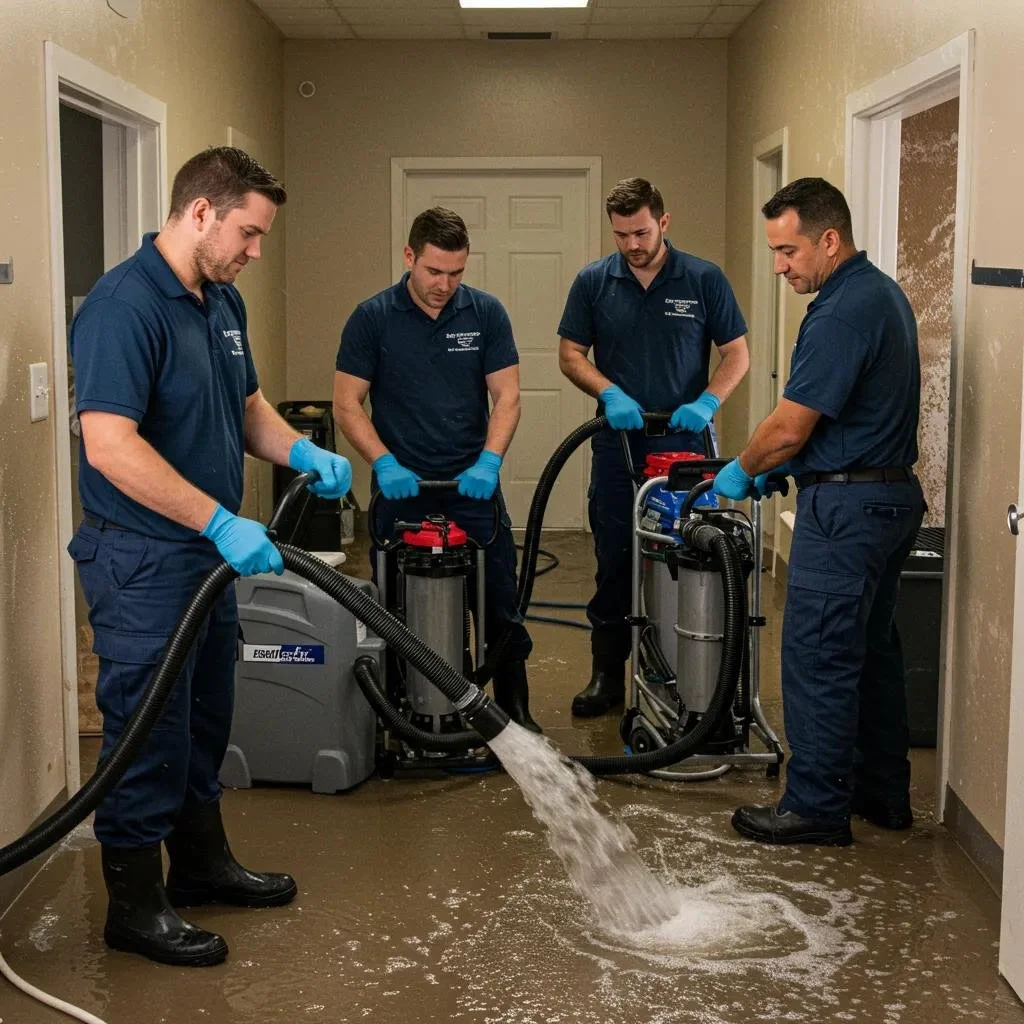
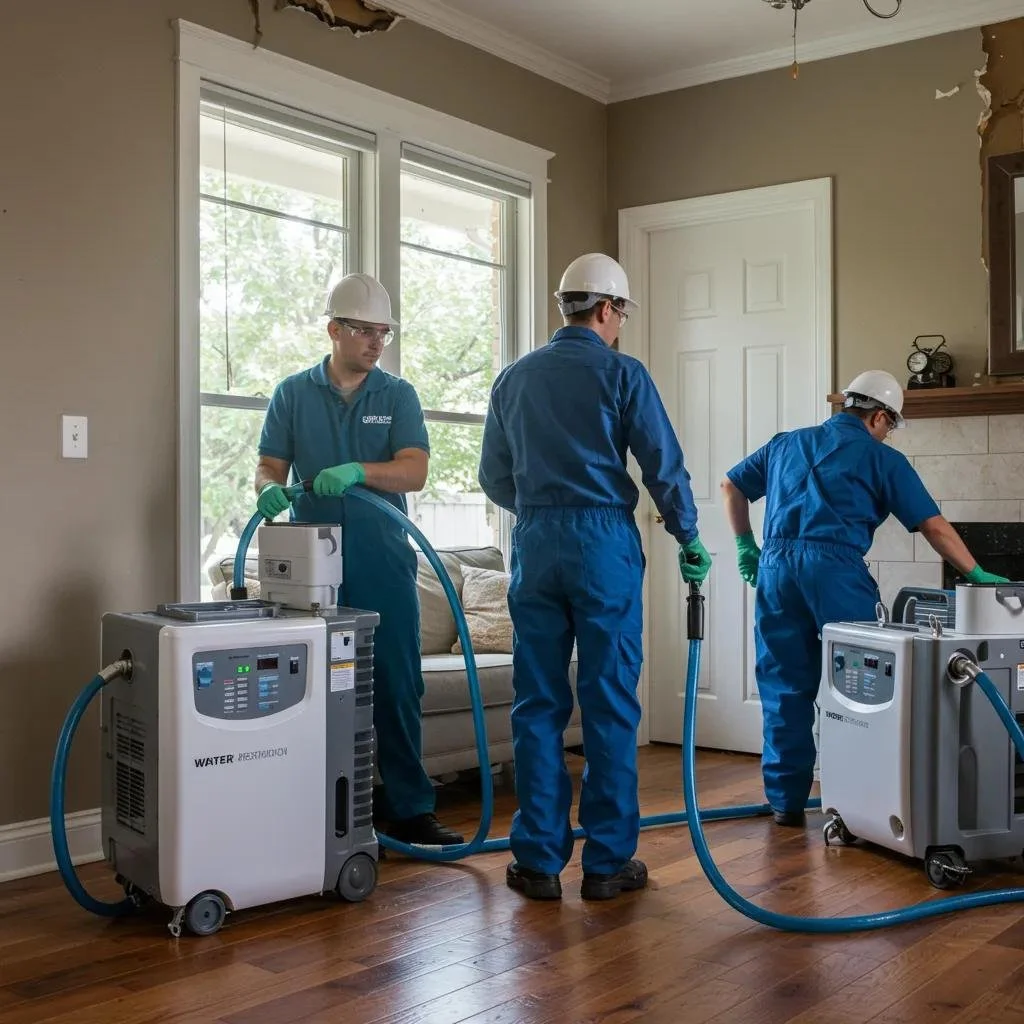
Emergency water extraction is the rapid-response sequence of call intake, onsite safety triage, bulk water removal, and immediate mitigation to stabilize a property and prevent further damage. Technicians focus first on occupant safety and hazard control, then remove standing water with high-capacity pumps and vacuums, and finally set containment and drying equipment to limit moisture migration. Rapid extraction reduces saturation of porous materials and shortens drying time, which in turn lowers mold risk and reconstruction scope. Understanding the typical steps helps homeowners act appropriately during the first hours after a leak or flood and prepares them for what crews will do when they arrive.

What Happens When You Call for 24/7 Emergency Water Removal?

When you call for emergency water removal, the intake agent collects core facts: location, type of water intrusion, visible damage, and safety concerns; this information prioritizes dispatch and equipment selection. While waiting for crews, homeowners should turn off electricity if safe, move valuables to higher ground, and avoid contact with contaminated water to reduce health risks. Expect the dispatch process to include estimated arrival time, instructions for safety, and confirmation of access points, and crews typically arrive prepared to secure utilities and begin assessment. These initial actions both protect occupants and shorten the overall restoration timeline by enabling crews to start mitigation immediately.

  • Typical intake questions focus on location, water source, and hazards.

  • Immediate homeowner actions include shutting off electricity, moving possessions, and keeping pets away.

  • Dispatch uses the intake to decide pump types and crew size.

This quick preparation improves crew efficiency and leads directly into the initial assessment and extraction steps that follow on arrival.

Which Equipment Is Used for Fast and Effective Water Extraction?

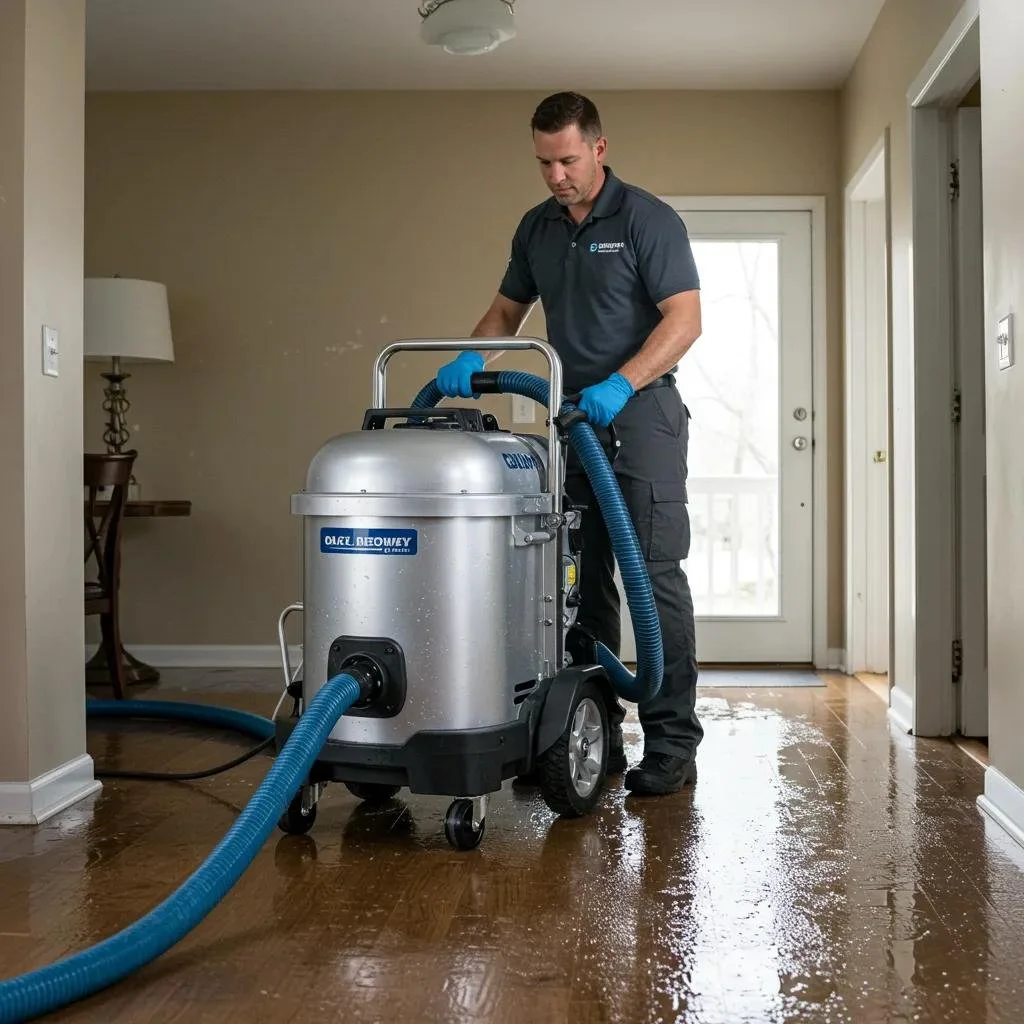
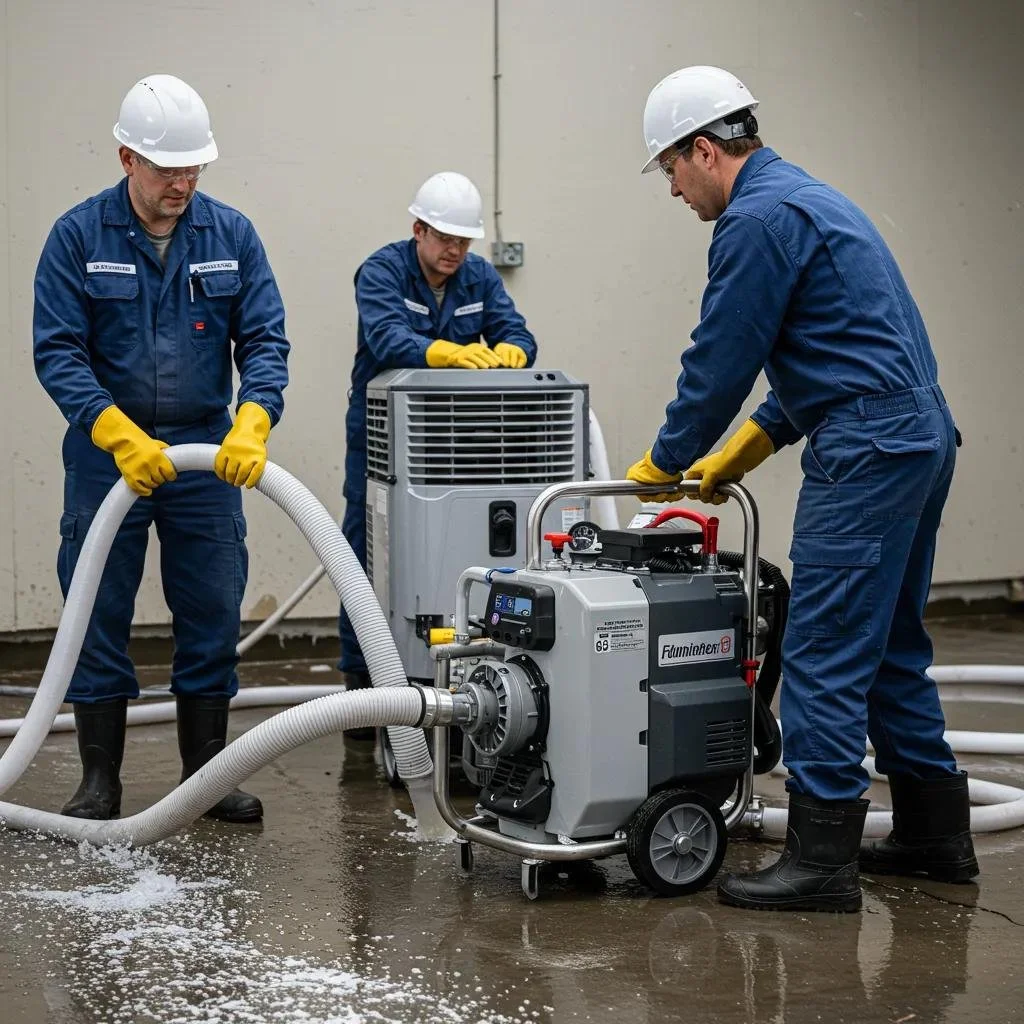
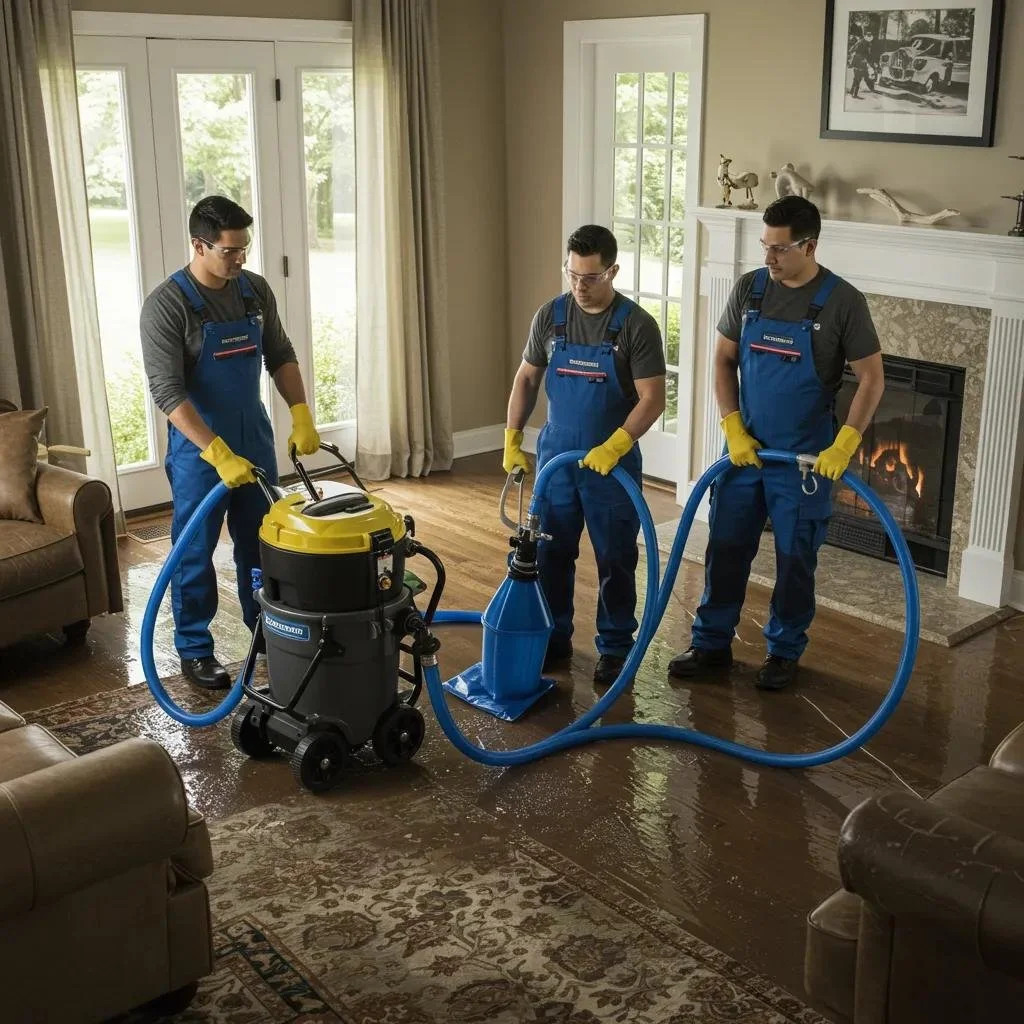
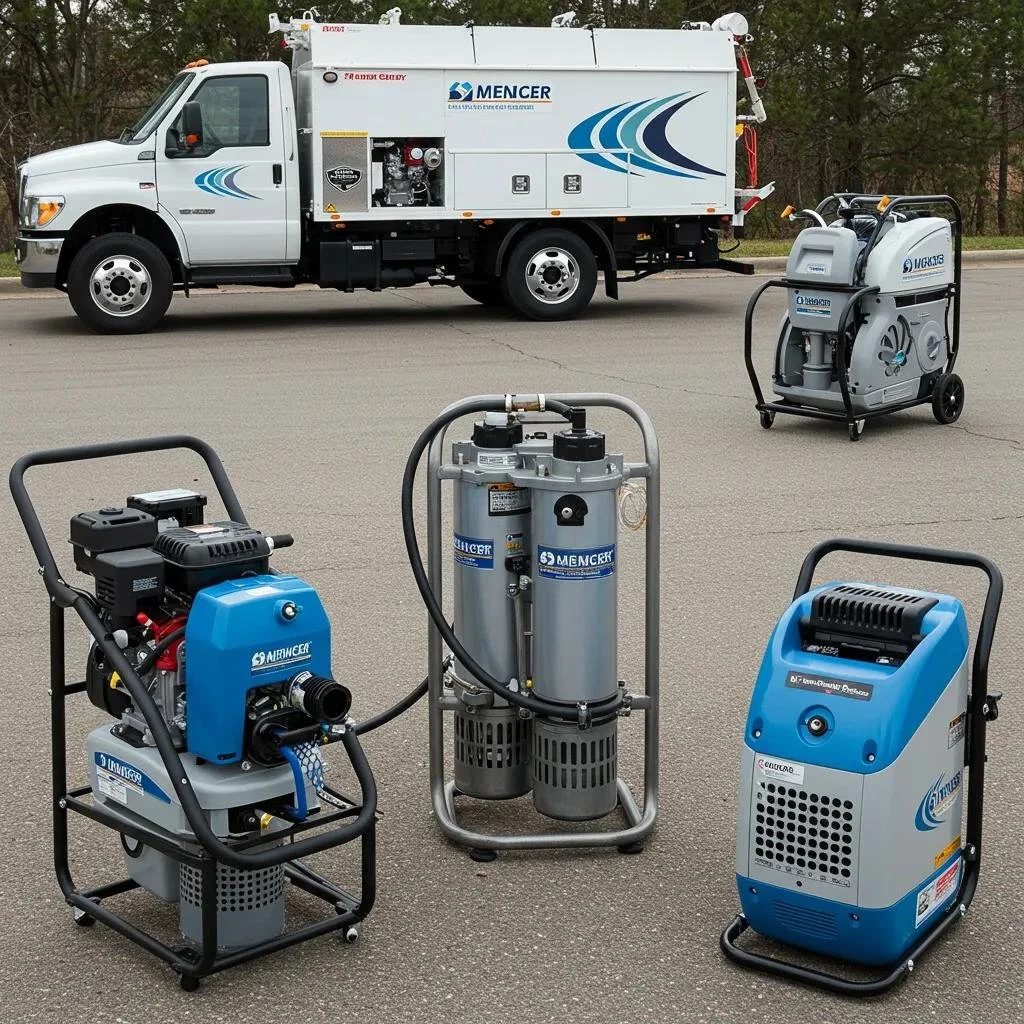
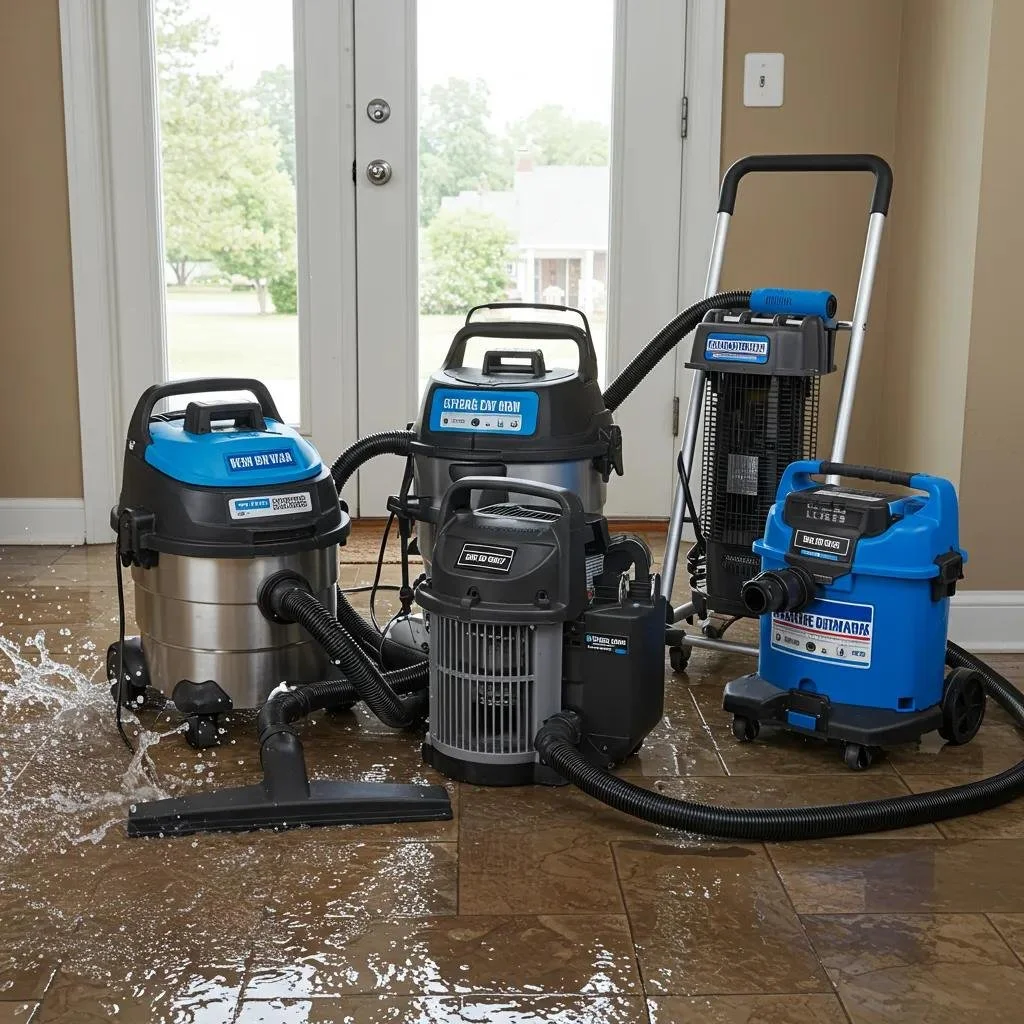
Effective extraction relies on the right pump and vacuum tools for the situation: submersible pumps handle deep standing water, truck-mounted pumps are used for high-volume floodwater, and portable wet/dry vacuums remove residual water in interior spaces. Each tool is chosen for depth, access, and contamination level; for example, submersibles excel in basements while portable vacuums allow technicians to reach corners and under cabinets. Crews also use containment barriers and sanitary measures to separate clean areas from contaminated zones, which reduces cross-contamination and speeds safe cleanup. Understanding equipment selection clarifies why some jobs require more time or heavier machinery and sets realistic expectations for homeowners.

  • Submersible pumps remove deep water from basements and excavations.

  • Truck-mounted pumps move high volumes quickly during major floods.

  • Portable wet/dry vacuums and extractors handle interior and finish-level removal.

These choices lead into timing expectations because the selected equipment directly affects how long extraction takes.

How Long Does Emergency Water Extraction Typically Take?

Extraction time varies with severity: a small pipe leak may require a few hours, a localized flooded room typically takes several hours to a day, and a basement or storm flood can take a full day or longer depending on access and volume. Variables that extend extraction time include water category (contaminated water requires careful removal), structural complexity, and safety hazards that slow entry or require remediation before water removal. Extraction is the first and often fastest visible phase, but hidden moisture and drying protocols continue after pumps are removed, so plan for multi-day monitoring and equipment presence. Recognizing these phases helps homeowners schedule insurance adjuster visits and anticipate when reconstruction planning can begin.

What Is Involved in the Water Damage Assessment and Inspection?

A thorough water damage assessment identifies the source, classifies the water, maps moisture intrusion, and defines the scope of mitigation and repairs using diagnostic tools and documentation. Technicians trace leaks, inspect structural assemblies, and classify affected materials so the drying and repair plan addresses both visible and hidden damage. Accurate assessment minimizes surprises during restoration and creates a clear scope for insurance and repair budgeting. The next subsection explains how sources and contamination levels are identified and why that classification matters for safety and remediation.

How Do Technicians Identify Water Sources and Damage Types?

Technicians locate sources by tracing visible wet paths, checking plumbing fixtures, and inspecting roof and foundation penetrations; they also consider recent weather and drainage issues when tracing storm-related damage. Water is categorized by contamination level—clean, gray, or black—which determines protective measures and disposal methods, and this classification also affects insurance coverage and repair protocols. Safety measures differ by category: contaminated water may require full PPE, containment, and specialized disposal, while clean water focuses on structural drying. Knowing the source and category guides both immediate mitigation and the longer-term restoration decisions homeowners will face.

What Tools Are Used for Moisture Detection and Damage Inspection?

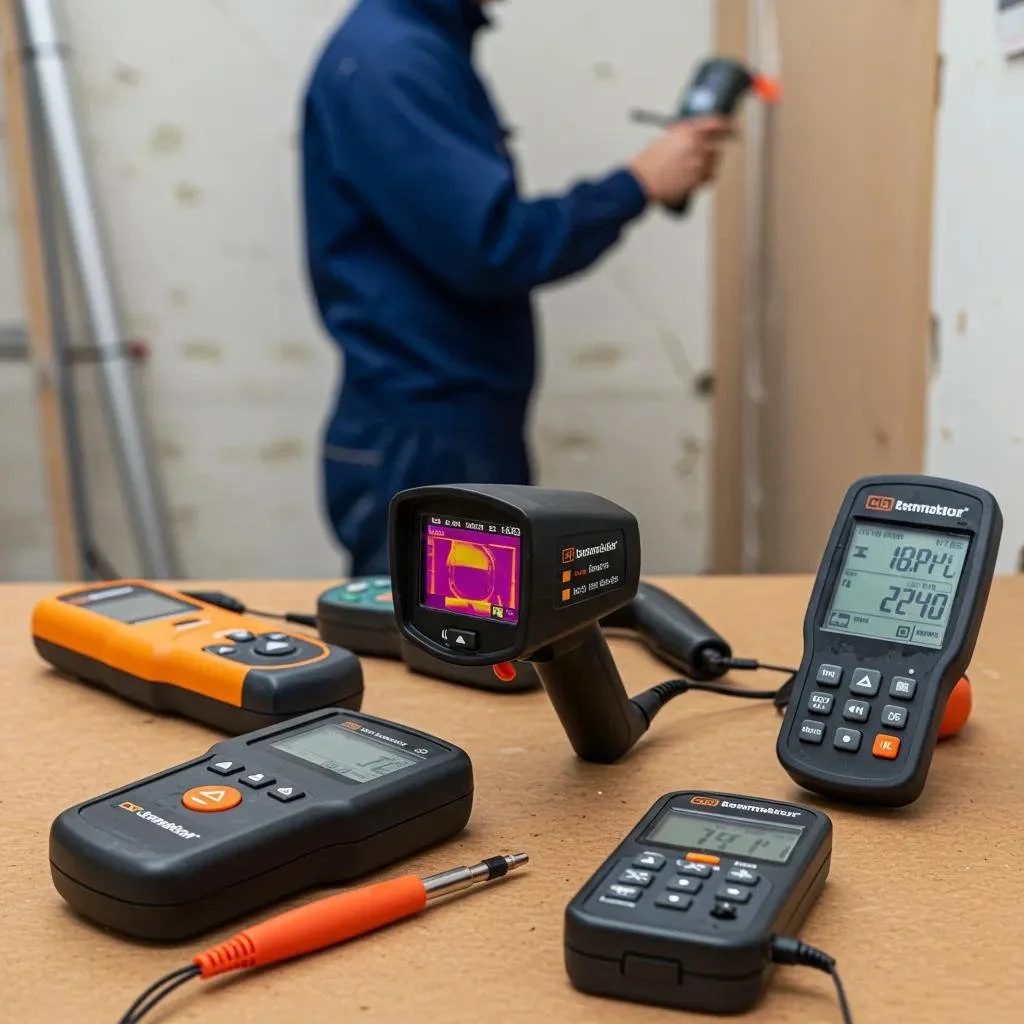
Technicians use a combination of non-invasive and invasive tools—thermal imaging cameras to reveal cold/wet zones, moisture meters for percentage readings in materials, and hygrometers to measure ambient humidity—so they can map moisture and target drying effectively. These tools produce a moisture map that informs equipment placement and drying targets, and repeated measurements document progress for homeowners and insurers. The table below compares common diagnostic tools, their measurement attribute, and typical use cases to clarify why multiple methods are often used together.

Introductory note: The table below helps homeowners understand the main inspection tools and why technicians use them in combination.

Tool Measurement Typical Use
Thermal imaging camera Surface temperature differences (visual heat map) Locate hidden moisture in walls and ceilings non-invasively
Pin-type moisture meter Percent moisture in wood and drywall cores Verify material saturation and confirm drying targets
Hygrometer Relative humidity and temperature Track ambient drying conditions and dew point
Borescope Visual inspection inside cavities Inspect wall cavities without full demolition

This comparison shows how each tool contributes unique data to create a complete moisture map that drives the drying plan and documentation for claims.

How Is a Customized Water Removal Plan Created?

A customized plan combines inspection data, building materials, occupancy needs, and safety considerations into a prioritized mitigation and drying strategy with clear milestones. Technicians set drying goals (target moisture levels), select equipment and containment methods, and estimate timelines while documenting the scope with photos and moisture logs for homeowners and insurers. The plan is flexible: crews update equipment placement and run times based on monitoring results until drying goals are met. Clear documentation and homeowner communication during this phase reduce surprises and prepare the project for reconstruction planning once moisture targets are achieved.

How Are Drying and Dehumidification Performed to Prevent Further Damage?

Drying and dehumidification are the controlled removal of moisture from air and materials using air movers, dehumidifiers, and containment to halt deterioration and stop mold growth; the process is monitored until materials meet target dryness levels. Proper equipment balance—sufficient airflow plus appropriate moisture-extraction capacity—drives efficient drying and prevents secondary damage. Monitoring protocols establish baseline readings and frequent checks to adjust equipment and document progress. The following subsections detail equipment types, monitoring methods, and why timeliness is critical to prevent mold.

What Industrial Equipment Is Used for Drying and Moisture Control?

Common industrial equipment includes high-velocity air movers that increase evaporation, low-grain refrigerant (LGR) dehumidifiers that remove moisture from air efficiently in typical interiors, and desiccant dehumidifiers for low-temperature or high-moisture environments like attics or crawlspaces. Each machine has performance metrics—air movers measured in CFM, dehumidifiers in pints/day—that determine how many units a job needs for target drying. Technicians select equipment based on the moisture load, ambient conditions, and the materials affected to avoid over- or under-drying. The EAV table below summarizes typical performance ranges and applications to clarify why multiple machine types are used together.

Introductory note: This table compares common drying equipment by airflow, moisture removal rate, and optimal applications to show practical selection criteria.

Equipment Airflow / Capacity Typical Application
Air mover 1,200–2,800 CFM (each) Increase evaporation across floors and walls
LGR dehumidifier 50–130 pints/day Interior spaces, basements, when temps are moderate
Desiccant dehumidifier 20–200+ pints/day (effective at low temps) Crawlspaces, attics, cold environments

The comparison illustrates why technicians pair air movers with dehumidifiers and choose desiccants where refrigerant units are less effective.

How Is Hidden Moisture Monitored During the Drying Process?

Hidden moisture is monitored through scheduled readings using surface meters, pin meters for invasive checks, and thermal scans to validate drying progress and detect rebound pockets; technicians log values to demonstrate trend improvements. Monitoring frequency typically begins daily and then reduces as readings approach target moisture levels, with a documented acceptance threshold defined in the drying plan. This documentation assures homeowners and insurers that drying met industry standards before repair work begins, and it informs any adjustments needed to equipment or containment. Regular logs also prevent premature removal of equipment, which could allow moisture to re-equilibrate and restart deterioration.

Why Is Timely Drying Essential to Avoid Mold Growth?

Timely drying stops the biological process that allows mold to colonize porous materials: mold spores can begin growing within 24–48 hours on moist substrates, and prolonged high humidity accelerates spread and increases remediation complexity. Rapid evaporation and dehumidification reduce the window for mold establishment, lower health risks, and limit salvageable materials, which reduces reconstruction scope. Delayed drying typically requires mold remediation steps that increase cost and project duration, so immediate mitigation after extraction is essential. Understanding this timeline helps homeowners prioritize fast response and continuous monitoring until materials reach safe moisture levels.

What Should You Know About Mold Prevention and Remediation After Water Damage?

Mold prevention and remediation combine accurate identification, safe containment and removal protocols, and follow-up clearance testing to restore a healthy indoor environment after water incidents. Proper remediation follows assessment results and may include targeted removal of affected materials, HEPA filtration, and containment to protect unaffected areas while preventing spore spread. Homeowners should expect clear documentation of actions and recommendations for preventing recurrence. The subsections below address detection, health considerations, and prioritized prevention measures to avoid future problems.

How Is Mold Identified and Safely Removed?

Mold is identified through visual inspection, moisture mapping, and targeted sampling when needed to guide remediation strategy; visual cues, musty odors, and persistent moisture readings often justify removal without sampling. Safe removal uses containment, negative air pressure with HEPA filtration, and removal or cleaning of impacted materials according to contamination level and material salvageability. Clearance testing or post-remediation verification may be performed to confirm that remediation achieved acceptable levels and moisture targets are stable. This structured approach minimizes exposure risks during removal and supports insurance documentation for both mitigation and remediation phases.

  • Inspection methods include visual, moisture mapping, and selective sampling when results will change the remediation scope.

  • Containment and HEPA filtration prevent cross-contamination during active remediation.

  • Clearance testing confirms success and supports insurance claims.

These steps tie directly into health considerations and longer-term prevention measures described next.

What Health Risks Are Associated with Mold Exposure?

Mold exposure can cause respiratory symptoms, allergic reactions, and exacerbation of asthma in susceptible individuals, with children, the elderly, and immunocompromised people at higher risk of adverse effects. Symptoms commonly include coughing, nasal congestion, irritated eyes, and skin sensitivity; severity depends on exposure duration, individual susceptibility, and mold species. For significant exposures or vulnerable occupants, professionals recommend medical consultation in addition to remediation to address health impacts. Recognizing potential health risks informs urgency for remediation and supports decisions about temporary relocation during extensive remediation work.

What Preventative Measures Stop Mold from Returning?

Preventative measures focus on moisture control: repair the source, improve drainage, maintain indoor humidity below recommended thresholds, and ensure adequate ventilation in wet-prone areas like bathrooms and attics. Routine inspections of susceptible areas and keeping materials dry after any incident are practical steps homeowners can adopt to reduce recurrence risk. Technicians may recommend building repairs or upgrades, such as improved flashing or enhanced HVAC balancing, to eliminate chronic moisture drivers. Implementing these measures alongside a monitoring plan reduces the likelihood of future mold events and preserves indoor air quality.

How Does the Repair and Restoration Process Restore Your Property?

Repair and restoration (reconstruction) is the phase that returns form and function to the property after mitigation and drying, encompassing repair of structural components, finish work, and a final inspection with the homeowner. Restoration begins with a documented scope informed by drying logs and inspection findings, then proceeds through material replacement or repair, finishing, and a homeowner walkthrough for acceptance. Coordinating mitigation and reconstruction teams prevents rework and ensures continuity between drying targets and final material installation. The following subsections outline common repair types, realistic timelines, and occupancy considerations during project work.

What Types of Repairs Are Included After Water Removal?

Typical repairs include drywall replacement, flooring repair or replacement, trim and cabinetry repairs, and refinishing of affected surfaces; decisions hinge on material saturation and salvageability. Technicians and contractors evaluate whether materials can be dried and cleaned in place or must be removed and replaced to ensure long-term performance and safety. Coordination with insurers and clear documentation of the scope prevent disputes and streamline approvals for replacement work. Repair choices directly affect timeline and cost, so homeowners should expect options with trade-offs explained by restoration professionals.

How Long Does Full Property Restoration Usually Take?

Full restoration timeframes vary by severity: minor repairs may conclude in a few days to a couple of weeks, moderate projects typically require several weeks, and major reconstruction can take months depending on material lead times and permit needs. Factors that extend schedules include custom materials, insurance approvals, structural repairs, and the need for specialized subcontractors. Active communication, staged scheduling, and proactive material ordering can shorten timelines where feasible. Understanding these influences helps homeowners set expectations and plan for temporary accommodations if required.

Can You Stay in Your Home During Restoration?

Deciding whether to remain in the home depends on the scope of work, safety concerns, and occupant comfort; limited mitigation and cosmetic repairs often allow safe occupancy, while extensive reconstruction or contamination may necessitate temporary relocation. Safety criteria include presence of contaminants, structural hazards, and continuous equipment noise or obstruction that would impact living conditions. Restoration professionals should discuss occupancy risks, mitigation to maintain livability, and coordination options including phased work to minimize displacement. Clear communication about expectations and schedules helps homeowners plan appropriately for the project duration.

How Does The Steam Team Assist With Water Damage Insurance Claims in Austin?

Professional restoration companies can simplify insurance claims by providing timely documentation, communicating directly with adjusters where permitted, and leveraging preferred-vendor relationships to expedite approvals and coordinate scopes. The Steam Team acts as a resource for homeowners by preparing photo documentation, moisture logs, and written scopes that align with industry standards to support claims and clarify repair needs. As a preferred vendor for several insurance carriers, the company facilitates smoother communication and can often coordinate adjuster visits and technical discussions to reduce administrative delays. The next subsections explain what preferred vendor status means, how documentation is handled, and practical steps homeowners should take when filing claims.

What Is The Steam Team’s Role as a Preferred Vendor for Insurance Carriers?

Preferred vendor status means that insurers recognize the company's competence and processes, which can translate to more direct communication, coordinated inspections, and a faster path to scope agreement in many cases. This role does not replace homeowner responsibilities but can reduce friction by aligning documentation standards and helping to clarify technical restoration needs for adjusters. Homeowners should still report claims promptly and follow insurer instructions, while restoration professionals supply the technical documentation insurers rely upon for coverage decisions. This cooperation often shortens turnaround times and helps move projects from mitigation to reconstruction more quickly.

How Is Documentation Handled to Simplify Your Claim Process?

Documentation typically includes time-stamped photos, moisture maps, equipment logs, and an itemized scope of work that together demonstrate the cause, extent, and mitigation actions taken to protect the property. Technicians compile these materials into a clear package for the homeowner and insurer, and they may provide digital copies or structured reports that insurers accept for review. Homeowners should retain any personal documentation they created (photos, receipts) and share it with the restoration team to strengthen the claim record. Comprehensive documentation both supports settlements and reduces the need for repeated site visits by adjusters.

What Steps Should You Take to File a Water Damage Insurance Claim?

File a claim promptly with your insurer, document the damage with photos and notes, mitigate further damage safely, and keep receipts for emergency repairs and temporary housing if applicable; these actions protect your claim and expedite processing. Provide the insurer with the mitigation company’s documentation and remain available for adjuster coordination and questions to prevent delays. The Steam Team can assist by preparing scope estimates, moisture logs, and technician reports that align with industry standards and by coordinating with your adjuster where permission allows. Following these steps keeps the claim moving forward while ensuring restoration work proceeds with adequate documentation.

What Are the Typical Costs of Water Removal and Restoration Services in Austin?

Costs for water removal and restoration depend on damage extent, water category, access complexity, and whether reconstruction is required; transparent cost drivers help homeowners estimate expenses and plan for insurance interactions. Primary cost factors include affected square footage, contamination levels, the need for specialized drying equipment, and the scope of reconstruction materials. Below is a cost-driver table that outlines common influences on price and typical value ranges to help homeowners evaluate initial estimates and understand where costs concentrate.

Introductory note: The following table summarizes common cost drivers, how strongly they influence total price, and typical ranges or impacts to guide homeowner expectations.

Cost Driver Influence on Price Typical Range / Value
Affected area (sq ft) Directly proportional Small localized: low; whole-basement: high
Water category (clean/gray/black) Affects PPE and disposal costs Contaminated (black) increases cost significantly
Accessibility / structural complexity Increases labor and time Hard-to-access areas raise costs by 10–50%+
Reconstruction needs Material and finish replacement Cosmetic repairs add moderate cost; structural repairs add high cost

What Factors Influence Water Removal Service Pricing?

Pricing is influenced by the size of the affected area, the water category, the ease of access for equipment, and whether contents require pack-out and specialized cleaning; contaminated water and structural issues raise both mitigation and disposal costs. Labor intensity and required equipment hours (pumps, dehumidifiers, air movers) also affect hourly and daily charges, while reconstruction materials and finishes determine final repair costs. Insurance coverage nuances and the need for permits or subcontractors may add to timelines and cost. Understanding these drivers helps homeowners compare estimates and ask targeted questions about equipment, documentation, and reconstruction assumptions.

How Can You Estimate Water Damage Restoration Costs?

Homeowners can estimate costs using per-square-foot ranges for basic mitigation, adjusting for contamination, accessibility, and reconstruction needs, or request a professional on-site estimate for the most accurate scope. Sample approaches include asking contractors for itemized scopes with per-item pricing, using moisture logs to verify extent, and comparing two or more detailed estimates to identify scope differences. A professional estimate that includes equipment hours, monitoring cadence, and reconstruction line items gives the clearest picture for insurance and budgeting decisions. Accurate scopes also reduce the risk of change orders that can increase final costs.

Are There Ways to Reduce Restoration Expenses?

Homeowners can reduce expenses by acting quickly to mitigate damage, documenting the incident thoroughly for insurers, salvaging reusable contents promptly, and coordinating with restoration professionals who provide clear, itemized scopes to avoid unnecessary work. Immediate safe actions—moving valuables, shutting off utilities where appropriate, and preventing traffic through wet areas—limit additional damage and material replacement needs. Working with a restoration company that provides detailed moisture logs and efficient equipment placement can shorten drying time and reduce rental or equipment charges. If you need assistance or a written estimate, contact The Steam Team by phone at 512-451-8326 or arrange a local appointment at their Austin office at 9901 Burnet Road to request a quote or schedule emergency service; technicians can explain expected next steps and documentation you will receive.

  • Immediate mitigation reduces overall restoration scope and cost.

  • Detailed documentation and clear scopes prevent unexpected change orders.

  • Professional coordination with insurers can streamline approvals and limit delays.

These measures help balance safety, effectiveness, and cost control while restoring your property to a safe, habitable condition.

Frequently Asked Questions

What should I do immediately after a water damage incident?

After a water damage incident, prioritize safety by turning off electricity if it's safe to do so and moving valuables to higher ground. Avoid contact with contaminated water to reduce health risks. Document the damage with photos and notes for insurance purposes. If possible, start the mitigation process by removing excess water with mops or towels, but avoid using electrical appliances in wet areas. Prompt action can significantly reduce the extent of damage and the overall restoration timeline.

How can I prevent future water damage in my home?

Preventing future water damage involves regular maintenance and inspections. Ensure that your roof, gutters, and downspouts are in good condition to direct water away from your home. Check plumbing for leaks and repair any issues promptly. Install sump pumps in basements and consider waterproofing your foundation. Additionally, maintain indoor humidity levels below 60% and ensure proper ventilation in moisture-prone areas like bathrooms and kitchens. These proactive measures can help mitigate the risk of future incidents.

What are the signs of hidden water damage?

Signs of hidden water damage can include unexplained increases in utility bills, water stains on walls or ceilings, peeling paint or wallpaper, and a musty odor in certain areas. You may also notice mold growth or warped flooring. If you suspect hidden water damage, it’s crucial to conduct a thorough inspection or hire a professional to assess the situation. Early detection can prevent more extensive damage and costly repairs down the line.

How does insurance coverage typically work for water damage claims?

Insurance coverage for water damage claims varies based on the policy and the cause of the damage. Most homeowners' insurance policies cover sudden and accidental water damage, such as from burst pipes, but may exclude damage from flooding or lack of maintenance. It's essential to review your policy details and understand your coverage limits. When filing a claim, provide thorough documentation, including photos and repair estimates, to support your case and expedite the claims process.

What is the difference between clean, gray, and black water?

Water is categorized into three types based on contamination levels. Clean water comes from a clean source, such as a broken pipe, and poses minimal health risks. Gray water contains some contaminants, often from sinks or washing machines, and can cause discomfort if ingested. Black water is highly contaminated, typically from sewage or floodwaters, and poses significant health risks. Understanding these categories is crucial for determining the appropriate response and safety measures during water removal and restoration.

How can I choose a reliable water damage restoration company?

Choosing a reliable water damage restoration company involves researching their credentials, experience, and customer reviews. Look for companies that are IICRC-certified, as this indicates they adhere to industry standards. Ask for references and check online ratings. Additionally, ensure they offer 24/7 emergency services and have a clear process for working with insurance claims. A reputable company will provide a detailed estimate and communicate openly about the restoration process, timelines, and costs involved.

What should I expect during the reconstruction phase after water damage?

During the reconstruction phase, you can expect a thorough assessment of the damage and a detailed plan for repairs. This may include replacing drywall, flooring, and other structural components. The restoration team will coordinate with you to ensure that the work aligns with your needs and preferences. Expect clear communication regarding timelines, costs, and any necessary permits. A final walkthrough will typically occur to ensure your satisfaction with the completed work before the project is officially closed.

Conclusion

Understanding the comprehensive water removal and restoration process empowers homeowners to make informed decisions that protect their property and health. By acting swiftly and coordinating with professionals, you can minimize damage, reduce costs, and ensure a safe living environment. Explore our services to find the right solutions tailored to your needs and experience peace of mind during restoration. Contact The Steam Team today to learn more about how we can assist you in your recovery journey.

Reliable Emergency Water Removal Services Austin Can Trust

Emergency Water Removal Services in Austin Explained: Comprehensive Guide to Fast Water Damage Restoratio

Emergency water removal is the immediate response to uncontrolled water intrusion that threatens a property’s structure, contents, and occupant safety. This guide explains why fast action matters, the core mitigation steps used by professionals, and how homeowners and businesses in Austin can limit secondary damage like mold and structural decay. You will learn how emergency water extraction differs from routine cleanup, what equipment and monitoring techniques ensure a safe drying goal, and how to prepare documentation for insurance claims. Early in an emergency it helps to know who to call; The Steam Team provides 24/7 emergency response across Austin with IICRC-certified technicians, an A+ BBB rating, and free estimates—call 512-532-0500 for dispatch. The sections below map the urgency of response, a step-by-step restoration process, water damage categories, common local causes, mold-prevention tactics, insurance assistance, residential vs. commercial workflows, equipment explanations, FAQs, and the neighborhoods served.

What Is Emergency Water Removal and Why Is It Critical in Austin?

Emergency water removal is the rapid extraction and mitigation work performed to stop water from causing progressive damage to a property and its contents. The mechanism is straightforward: remove the standing water, control moisture in materials and air, and limit microbial growth; doing so preserves building systems and reduces repair scope. In Austin, sudden storms, aging plumbing, and heavy seasonal rain events increase the likelihood of rapid water intrusion, making time-to-action a key local variable. Rapid, professional mitigation reduces restoration cost, limits contents loss, and shortens displacement time for occupants; the next subsection explains the extraction tasks technicians perform on arrival.

What Does Emergency Water Extraction Involve?

Emergency water extraction begins with rapid containment and removal of pooled water using high-capacity pumps and portable extractors to minimize saturation of flooring and lower structural loads. Technicians establish safety zones, shut off electricity where necessary, and remove salvageable contents for drying or pack-out; these actions protect occupants and speed restoration.

Extraction is followed immediately by layout of air movers and dehumidifiers to drive evaporation and remove moisture from the air, which prevents further absorption by building materials.

Initial client steps include shutting off water sources if safe, moving valuables to a dry area, and documenting damage with photos; these actions support both mitigation and later insurance documentation.

How Quickly Should Water Removal Services Respond?

Water removal services should aim to be on-site and begin mitigation work within 24 hours of a reported emergency, with immediate dispatch for active flooding or sewage events to prevent rapid mold colonization. Industry guidance shows mold can begin developing within 24–48 hours, so a response measured in hours rather than days materially changes outcomes.

Rapid arrival allows technicians to triage the event, prioritize extraction, and implement drying plans that keep moisture below target thresholds within days rather than weeks.

Expect arrival procedures to include safety assessment, moisture mapping, and a brief scope review before work begins.

What Are the Risks of Delayed Water Removal?

Delaying water removal increases the likelihood of microbial growth, structural deterioration, and irreversible content damage, and it often converts a remediation job into a reconstruction project. Mold spores proliferate in damp environments, adhesives and finishes delaminate, and wood framing can experience compromised strength if moisture remains elevated for extended periods. Insurance implications also escalate with delay because adjusters document progressive damage and may challenge the adequacy of mitigation efforts. Quick mitigation reduces these risks and limits out-of-pocket costs and business interruption.

How Does The Steam Team’s 6-Step Water Damage Restoration Process Work?

The Steam Team implements a structured six-step restoration process designed to move an Austin property from emergency condition to verified dryness and repair planning. This process aligns inspection and documentation with fast extraction, antimicrobial control, staged drying (air movement and dehumidification), and data-driven monitoring to confirm restoration goals. The certified technicians use moisture meters, thermal imaging, and clear scopes so clients and insurers can see progress and next steps, which shortens the overall timeline. Below are the step-level explanations mapped to client benefits and common timeframes.

What Happens During Inspection and Damage Assessment?

Inspection and damage assessment begin with a documented walkthrough to identify water sources, affected materials, and immediate safety hazards, creating a scope of work for mitigation and restoration. Technicians perform moisture mapping using pin and non–pin meters and thermal imaging to locate hidden moisture and plan equipment placement. Documentation typically includes photos, moisture readings, and an initial work plan that supports insurance claims and sets drying endpoints. This step clarifies whether mitigation suffices or reconstruction will be required, and it prepares the client for the subsequent extraction phase.

How Is Water Extracted from Residential and Commercial Properties?

Water extraction is scaled to the property and severity: residential jobs often use portable high–flow extractors and truck–mounted vacuums for heavier floods, while commercial losses can require multiple truck–mounted pumps and rapid mobilization of crew and equipment. Containment and access strategies differ by building type; technicians prioritize safety, minimize downtime, and protect finishes and inventory in businesses. Extraction throughput and immediate removal of water–damaged materials directly impact drying time and restoration cost. Choosing the right extractor and containment approach accelerates the drying phase and reduces secondary damage.

Why Is Anti-Microbial Application Essential After Water Removal?

Anti-microbial application targets residual microbial contamination after water removal, lowering the risk of mold colonization and reducing odors that indicate unresolved moisture. The decision to apply antimicrobial agents depends on the water category and exposure duration; gray or black water events typically require more aggressive treatments and containment. Proper application follows safety protocols for occupants and contents, and it complements structural drying rather than replacing it. Applied correctly, antimicrobial treatment reduces the need for more extensive remediation later and supports a healthier indoor environment.

How Do Advanced Drying and Dehumidification Techniques Restore Structures?

Advanced drying uses coordinated air movers and industrial dehumidifiers to accelerate evaporation and remove moisture from the air, which in turn draws moisture out of building materials toward controlled drying points. Drying is a science: technicians conp airflow patterns, measure humidity and vapor pressure, and adjust equipment placement to create efficient moisture transport. Complex assemblies—like layered flooring or HVAC systems—require tailored drying plans executed over days with periodic adjustments. Effective dehumidification reduces condensation risk and creates measurable progress toward material dryness goals.

How Is Drying Progress Monitored for Effective Restoration?

Drying progress is monitored with moisture meters, relative humidity sensors, and periodic photographic and written documentation to ensure materials reach their documented dry standards. Data-driven verification uses baseline readings, scheduled rechecks, and client-facing reports that show trends and justify next steps such as content return or reconstruction. Thermal imaging can reveal hidden pockets of moisture that need targeted drying or removal. Clear monitoring reduces uncertainties in claim settlements and provides objective evidence that drying goals have been met.

Process Step Actions Performed Client Benefit / Typical Timeframe
Inspection & Assessment Moisture mapping, safety check, scope creation Clear plan within hours; supports insurance documentation
Water Extraction High–flow pumps, portable extractors, containment Rapid reduction of standing water; days accelerated
Anti-microbial Application Surface treatment, odor control, microbial reduction Lower mold risk; prepares surfaces for drying
Air Movement Air movers, airflow balancing Accelerates evaporation; shortens drying time
Dehumidification Industrial dehumidifiers, humidity control Removes vapor; stabilizes structure within days to a week
Monitoring & Verification Meters, reports, sign-off Objective completion evidence; supports claim closure

This table clarifies each step’s role and expected client outcomes during a typical mitigation timeline.

What Are the Different Types of Water Damage and How Do They Affect Restoration?

Water damage is classified into three categories—clean, gray, and black water—each requiring distinct safety protocols, treatment steps, and cost considerations. Clean water comes from supply lines or rain and generally allows for standard extraction and drying measures, while gray water contains contaminants that elevate health risk and often calls for antimicrobial treatment. Black water—sewage or floodwater—poses serious hazards, requires containment, removal of porous materials, and often reconstruction of affected areas. The table below summarizes categories, sources, and typical treatment approaches to help homeowners and businesses understand expected actions and timelines.

Water Category Common Sources / Risk Level Required Treatment / Typical Time-to-Dry
Clean Water Supply line breaks, rain ingress; low contamination Extraction + drying; 2–5 days for most materials
Gray Water Appliance overflows, dishwasher, sump pump discharge; moderate contamination Extraction + antimicrobial and controlled disposal; 3–7 days plus cleaning
Black Water Sewage backups, river or storm floodwaters; high contamination Containment, removal of porous materials, disinfection; reconstruction often required, variable timeline

What Is Clean Water Damage and How Is It Treated?

Clean water damage originates from potable sources like supply lines or rain and is lower in contamination risk, enabling swift extraction, structural drying, and content salvage when addressed quickly. Treatment focuses on removing standing water, drying materials, and monitoring until moisture reaches manufacturer or industry dry standards. While less hazardous, clean water can degrade into gray or black water if it remains untreated or contacts contaminants. Timely action and documentation preserve finishes and contents and avoid escalation to more intrusive remediation.

How Does Gray Water Damage Differ and What Are the Risks?

Gray water contains moderate contaminants—examples include appliance overflows or water from washing machines—and carries higher microbial risk than clean water, requiring antimicrobial treatment and careful disposal practices. Personnel use appropriate PPE and follow protocols to clean and sanitize affected surfaces, and porous materials may require removal depending on exposure duration. Gray water events demand timely documentation and more thorough cleaning to protect occupants’ health. Proper handling reduces the likelihood of mold and lingering odors that complicate restoration.

What Makes Black Water Damage the Most Hazardous?

Black water includes sewage and floodwater contaminated with pathogens and chemicals, requiring strict containment, removal of porous materials, and professional disinfection to protect occupant health. Black water events commonly necessitate demolition of affected finishes, controlled disposal of materials, and coordination with environmental regulations. Reconstruction is often part of the recovery, increasing cost and timeline compared with cleaner water types. Because of the hazards, only trained professionals should handle black water mitigation to ensure safety and regulatory compliance.

How Do Local Austin Conditions Influence Water Damage Types?

Local Austin factors—seasonal storms, hill-country runoff, older home plumbing, and urban drainage patterns—shape the frequency and type of water incidents seen by homeowners and businesses. Neighborhoods with older infrastructure may see more supply-line failures, while low-lying or poorly drained areas experience higher flood-related black water incidents during heavy rains. Seasonal preparation and property-specific mitigation lower risk and guide response priorities. Understanding local patterns helps prioritize preventive maintenance and informs how quickly to call for professional help when water loss occurs.

What Are the Common Causes of Water Damage in Austin Homes and Businesses?

Water damage in Austin arises from several repeatable causes: burst pipes, heavy storms and flash floods, appliance failures, and roof or envelope breaches that allow steady intrusion. Each cause has distinct mechanics and warning signs that inform immediate mitigation and longer-term repairs. By recognizing patterns and performing seasonal checks, property owners can reduce the frequency and severity of incidents. The list below summarizes common causes with short mitigation tips for fast action.

  • Burst pipes: Shut off main water and call for emergency extraction; insulate vulnerable pipes.

  • Floods and storms: Elevate valuables, use sandbags when forecasted, and evacuate if necessary.

  • Appliance leaks: Regularly inspect hoses and install automatic shutoff valves where possible.

  • Roof leaks and intrusion: Monitor ceilings for stains and schedule prompt repairs to flashing and seals.

How Do Burst Pipes Lead to Emergency Water Removal Needs?

Burst pipes produce high-pressure, rapid water release that overwhelms plumbing systems and flooring, quickly saturating materials and increasing structural load and mold risk. Immediate mitigation focuses on isolating the water source, extracting standing water, and drying affected materials to prevent ongoing absorption. Preventive measures include pressure monitoring and seasonal inspections, while emergency actions prioritize safety and quick extraction. For property owners, a fast shutoff and a prompt professional response limit damage and restoration scope.

What Impact Do Floods and Storms Have on Austin Properties?

Floods and storms introduce large volumes of water, often contaminated, that enter through foundation gaps, doorways, or overrun storm systems, causing broad-area saturation and sometimes structural undermining. Recovery from storm events typically requires large-scale extraction, contents handling, and possibly reconstruction in affected areas, with priority on occupant safety and documentation for claims. Preparation—such as clearing drains and elevating critical systems—reduces vulnerability, while post-event mitigation focuses on drying and microbial control. Storm-related incidents often increase demand for emergency services, affecting response times.

How Can Appliance Leaks and Plumbing Overflows Cause Water Damage?

Appliance failures—from dishwashers, refrigerators, or washing machines—produce steady leaks that slowly saturate floors and cabinetry and can go unnoticed until damage is advanced. Small leaks escalate over time, compromising finishes and creating mold-friendly conditions. Regular inspection of supply lines, timely replacement of worn hoses, and use of water-detection alarms reduce risk. When leaks occur, quick shutoff, documentation, and professional drying minimize content loss and structural repairs.

What Are the Signs of Roof Leaks and Structural Water Intrusion?

Visible signs of roof leaks and structural intrusion include ceiling stains, peeling paint, musty odors, surface blistering, and increased indoor humidity; hidden signs include warped trim and elevated moisture readings in walls. Roof and envelope breaches allow repeated water entry, so immediate temporary containment followed by professional assessment is recommended to avoid progressive decay. Short-term fixes such as tarping and interior buckets limit damage until permanent repairs are made. Regular inspections and timely maintenance reduce the chance of emergency water removal needs from roof failures.

How Can Mold Growth Be Prevented After Water Damage in Austin?

Preventing mold after water intrusion requires a coordinated strategy: rapid water removal, controlled drying with air movement and dehumidification, and, where appropriate, targeted antimicrobial treatment. Mold spores are always present, but colonization requires moisture; keeping moisture below critical thresholds and completing drying within 24–72 hours is essential to prevention. Monitoring and verification provide evidence of successful drying and peace of mind for occupants and insurers alike. The checklist below summarizes actionable steps to prevent mold growth after an event.

  1. Immediate Extraction: Remove standing water within hours to stop material saturation.

  2. Targeted Drying: Use air movers and dehumidifiers to reach material-specific dryness goals.

  3. Anti-microbial Treatment: Apply when contamination risk is present, especially for gray/black water events.

Following these steps reduces microbial risk and shortens restoration timelines; the next subsection explains why drying speed is so important.

Why Is Rapid Drying Critical to Mold Prevention?

Rapid drying interrupts the moisture cycle that allows mold spores to germinate and form colonies, with the highest risk window occurring within the first 24–48 hours after water exposure. Faster evaporation and humidity control reduce nutrient availability for microbes on porous surfaces like drywall and wood. Targeted airflow and dehumidification maintain drying gradients that pull moisture out of materials rather than trapping it in assemblies. Consistent monitoring ensures goals are met and minimizes the likelihood of later mold remediation.

What Role Does Anti-Microbial Treatment Play in Mold Remediation?

Anti-microbial treatments act as both preventive and corrective measures: they reduce microbial load on surfaces after contamination and limit regrowth while drying proceeds, especially in gray and black water scenarios. Application follows industry protocols to ensure safe use and compatibility with materials and finishes. Anti-microbials do not replace the need for structural drying or removal of unsalvageable materials, but they significantly reduce odor and visible microbial staining when used appropriately. Documentation of treatments also helps insurers understand the scope of mitigation.

How Does The Steam Team Ensure Long-Term Mold Prevention?

The Steam Team combines prompt mitigation, data-driven drying, and follow-up verification to reduce the chance of recurrent mold problems, providing clients with monitoring records and guidance on structural repairs that prevent future intrusion. Technicians educate homeowners and facility managers about moisture-prone assemblies and recommend targeted repairs—such as improving drainage or replacing compromised materials—when needed. Follow-up inspections and clear reporting support long-term outcomes and help clients track maintenance tasks to minimize recurrence. This approach pairs technical controls with client education for sustained protection.

How Does The Steam Team Assist with Water Damage Insurance Claims in Austin?

The Steam Team supports customers through the insurance claims process by documenting damage, providing inspection and monitoring reports, and coordinating communications that make claim handling more straightforward for homeowners and businesses. As a preferred vendor for major insurance carriers in Texas, the company often has streamlined billing procedures and established communication channels that can reduce administrative friction. Technicians produce clear evidence—photos, moisture logs, and scope documents—that help adjusters assess the event. Below is a practical checklist clients can use to simplify claims submission.

  • Photograph all damage before and during mitigation.

  • Save inspection reports and moisture readings for adjusters.

  • Keep an itemized list of damaged contents and any temporary repair receipts.

What Makes The Steam Team a Preferred Vendor for Major Insurance Carriers?

Preferred-vendor status indicates the company meets certain operational, credentialing, and performance standards that insurers recognize, which can lead to coordinated response and streamlined billing. This designation typically means technicians follow carrier workflows, provide standardized documentation, and can collaborate directly with adjusters to clarify scopes and expedite approvals. Clients benefit from a smoother administrative experience while retaining control over contractor selection and work quality. Verifying vendor status with an insurer remains a recommended step for clients who want transparency.

How Can Homeowners and Businesses Simplify the Claims Process?

Homeowners and businesses simplify claims by documenting the event thoroughly, notifying their insurer promptly, and retaining all mitigation reports and receipts for submission. Clear photos of damage, a dated timeline of events, and professional inspection reports with moisture readings make it easier for adjusters to understand loss extent. Prompt mitigation also demonstrates reasonable steps taken to reduce loss, an important factor in claim evaluation. Coordinating with a preferred vendor who provides standardized reports can further reduce administrative delays.

What Documentation and Evidence Are Needed for Water Damage Claims?

Insurers typically request inspection reports, moisture readings, before-and-after photos, inventory lists of damaged contents, and invoices for mitigation work to evaluate a claim accurately. Technicians should provide clear, timestamped documentation showing initial conditions, equipment placement, and drying progress, which supports repair estimates and claim approval. Retain copies of all temporary repair receipts and correspondence with the contractor and insurer. High-quality documentation mitigates disputes and helps close claims more quickly.

Equipment What it Does When / Why It's Used / Expected Result
High–powered water extractor Removes standing and trapped water rapidly Used immediately after assessment; reduces saturation and shortens drying time
Industrial dehumidifier Lowers air humidity to promote evaporation Runs throughout drying phase; prevents condensation and mold growth
Air mover Creates directed airflow over wet surfaces Accelerates evaporation from floors, walls, and cavities
Moisture meter Measures moisture in materials (pin and non–pin) Guides drying goals and documents progress for sign-off

What Residential and Commercial Water Damage Services Are Available in Austin?

Services differ by residential and commercial requirements but share common mitigation principles: rapid extraction, drying, antimicrobial control, contents handling, and documentation. Residential work emphasizes personal property protection and client communication, including pack-out options and careful handling of heirlooms. Commercial responses prioritize continuity, rapid mobilization, and large-loss equipment to minimize downtime for businesses and facilities. Below is a short comparison list highlighting key service differences.

  1. Residential: Personalized contents protection, pack-out, and homeowner communication.

  2. Commercial: Large-scale extraction, shift crews, and coordination with facility managers.

  3. Both: 24/7 emergency response, documented scopes, and monitoring reports.

How Are Residential Water Damage Restoration Services Tailored?

Residential restoration tailors content handling, scheduling flexibility, and communication to the homeowner’s needs, often offering pack-out and storage for salvageable items to protect valuables during drying. Technicians prioritize minimizing disruption to daily life while ensuring durable drying and clear explanations of each step. Household finishes and built-in systems require nuanced drying plans to preserve finishes and limit reconstruction. Clear timelines and monitoring reports help homeowners plan temporary relocation if needed.

What Specialized Solutions Exist for Commercial Water Damage?

Commercial solutions focus on minimizing business interruption using large-capacity equipment, shift-based crews, and rapid mobilization to stabilize operations quickly. Coordination with facility managers and insurers on scope and phasing is key to keeping critical areas operational. For large losses, logistical planning for inventory protection and staged re-entries ensures continuity. The commercial approach emphasizes speed, scalability, and coordinated documentation.

How Does 24-Hour Emergency Service Benefit Both Residential and Commercial Clients?

Round-the-clock emergency service reduces the window in which mold and structural deterioration can begin, supports faster claim initiation, and provides immediate mitigation that limits content and property loss. For businesses, immediate response preserves operations and revenue; for homeowners, it reduces displacement and emotional stress. Prompt action also improves the quality of restoration outcomes and can reduce total restoration cost. Fast dispatch combined with experienced crews is central to better long-term results.

What Advanced Equipment and Techniques Does The Steam Team Use for Water Removal?

Advanced equipment and techniques include truck-mounted extractors, high-capacity portable extractors, industrial dehumidifiers, air movers, moisture meters, and thermal imaging to create tailored drying plans. Each tool plays a role in moving moisture from materials into the air and then removing that vapor from the structure. Selecting the right equipment and configuring it for each space shortens drying time and limits material loss. The equipment table earlier clarifies functions and expected results; the following subsections explain key devices and monitoring methods.

How Do High-Powered Water Extractors Work?

High-powered water extractors operate by combining suction and agitation to lift water from carpet, padding, and flooring systems rapidly, and truck-mounted units provide greater throughput for severe floods. Flow rates and head pressure determine suitability for large-volume events versus smaller residential losses where portable extractors suffice. Efficient extraction reduces residual moisture that must be removed by dehumidification, shaving days off the overall drying timeline. Proper extractor selection and technique are essential to limit secondary damage.

What Are Industrial Dehumidifiers and Air Movers?

Industrial dehumidifiers remove moisture from the air by condensing vapor or using desiccant media, lowering relative humidity so air movers can draw moisture out of materials into the airstream. Air movers create directed airflow across wet surfaces to speed evaporation, while dehumidifiers capture the resulting vapor and export it from the controlled space. Equipment sizing is determined by room volume, material types, and measured moisture loads. Correct placement and balance between airflow and dehumidification optimize drying efficiency.

How Are Moisture Meters Used to Monitor Restoration Progress?

Moisture meters—both pin and non–pin—provide objective readings of moisture content in wood, drywall, and other substrates, guiding when to reduce or remove equipment and when reconstruction is appropriate. Technicians log baseline readings, set drying goals based on material standards, and track trends to validate progress for clients and insurers. Consistent monitoring reduces guesswork and provides defensible evidence that drying endpoints were met. Clients receive reports showing readings over time and the resulting sign-off when targets are achieved.

Neighborhood / Area Typical Water-Damage Challenges Service Notes / Response Considerations
Downtown Austin & Zilker Older buildings, urban runoff, basement and lower-level ingress Quick response to interior flooding and content protection
Surrounding suburbs (Round Rock, Cedar Park) Storm runoff, foundation seepage in low areas Mobilization may require staging; response times vary slightly
Central Austin neighborhoods Mixed building stock, aging plumbing issues Emphasis on rapid inspection and moisture mapping

Frequently Asked Questions

What should I do immediately after discovering water damage in my property?

Upon discovering water damage, the first step is to ensure your safety by shutting off the main water supply if it's safe to do so. Next, move any valuables or important items to a dry area to prevent further damage. Document the situation with photos for insurance purposes. If the water is from a clean source, you may begin to remove standing water using towels or a wet/dry vacuum. However, for significant flooding or contaminated water, it's best to call a professional water removal service immediately.

How can I tell if my property has hidden water damage?

Hidden water damage can manifest in various ways, including musty odors, discoloration on walls or ceilings, and warped or buckled flooring. You may also notice increased humidity levels or mold growth in corners and behind furniture. Using a moisture meter can help detect elevated moisture levels in walls and floors. If you suspect hidden damage, it's advisable to consult a professional who can perform a thorough inspection and moisture mapping to identify affected areas.

What are the long-term effects of water damage if not addressed promptly?

If water damage is not addressed quickly, it can lead to severe long-term consequences, including structural damage, mold growth, and compromised indoor air quality. Prolonged exposure to moisture can weaken building materials, leading to costly repairs and potential safety hazards. Additionally, mold can cause health issues for occupants, including respiratory problems and allergic reactions. Therefore, timely intervention is crucial to mitigate these risks and preserve the integrity of your property.

Are there specific insurance coverages I should consider for water damage?

When it comes to water damage, homeowners should consider specific coverages such as flood insurance, which is often not included in standard homeowners policies. Additionally, look for coverage that addresses water damage from burst pipes or appliance failures. It's essential to review your policy details and discuss with your insurance agent to ensure you have adequate protection against various water damage scenarios, including both sudden and gradual incidents.

What preventative measures can I take to avoid future water damage?

To prevent future water damage, conduct regular inspections of your plumbing, roof, and drainage systems. Install water detection alarms near high-risk appliances and ensure proper drainage away from your foundation. Regularly clean gutters and downspouts to prevent overflow during heavy rains. Additionally, consider upgrading old plumbing and sealing any cracks in your foundation or walls. These proactive steps can significantly reduce the risk of water intrusion and associated damage.

How does the water removal process differ for residential and commercial properties?

The water removal process for residential properties typically focuses on personal property protection and minimizing disruption to the homeowner's daily life. In contrast, commercial water removal prioritizes rapid mobilization and large-scale extraction to minimize business downtime. Commercial services often involve more extensive equipment and crew coordination, while residential services may include personalized communication and pack-out options for valuables. Both processes, however, adhere to the same core principles of rapid extraction and thorough drying.

How Quickly Can a Water Damage Company Respond in Austin?

A professional water-damage company should mobilize and begin mitigation within 24 hours, with immediate dispatch for active flooding or sewage exposure to reduce mold risk; response time depends on call volume and location. Rapid dispatch allows technicians to contain hazards, begin extraction, and set drying equipment before damage escalates. Peak storm events can affect arrival time, so early notification and clear information about access speed up deployment. Clients should expect initial triage and documentation at arrival.

Can I Stay in My Home During Water Damage Restoration?

Whether you can remain in your home depends on the severity of contamination, the extent of demolition needed, and safety considerations like electrical hazards and air quality; many minor extractions do allow occupants to stay with minimal disruption. If black water, structural compromise, or extensive demolition is required, temporary relocation may be recommended for safety and comfort. Technicians will advise based on contamination category and planned work scope. Insurance policies often cover temporary housing if displacement is necessary.

What Causes Water Damage Most Often in Austin?

The most frequent causes are aging plumbing failures, appliance malfunctions, roof and envelope leaks, and storm-related flooding, each requiring different mitigation approaches and preventive maintenance routines. Understanding the dominant local causes helps prioritize inspections and upgrades that reduce risk. Regular maintenance of appliances, roofs, and drainage systems is the most effective prevention. When incidents occur, prompt documentation and professional mitigation limit escalation.

How Can I Prevent Future Water Damage in My Austin Property?

Preventive strategies include routine inspections of supply lines and roof systems, installing water detection alarms near high-risk appliances, ensuring proper drainage away from foundations, and scheduling seasonal maintenance before peak storm periods. Simple actions—like replacing aging hoses, cleaning gutters, and monitoring interior humidity—reduce vulnerability significantly. For high-risk properties, professional assessments identify weak points and recommend targeted interventions. Consistent preventive care lowers both incident frequency and repair costs.

What Is the Typical Cost of Water Damage Restoration in Austin?

Restoration costs vary widely by water category, affected area size, materials involved, and whether reconstruction is needed; mitigation-only jobs might range modestly while black water events or reconstruction increase total cost substantially. Important cost drivers include the volume of standing water, the need to remove porous materials, equipment needs, and the time required to reach drying endpoints. The best way to determine cost is an on-site estimate that documents scope and remediation steps; many providers offer free estimates and work with preferred vendors to support claims.

Which Austin Neighborhoods and Central Texas Areas Are Served by Emergency Water Removal Services?

Service coverage typically includes downtown Austin, central neighborhoods, and surrounding Central Texas cities, with operational logistics adapted to each area’s unique access and drainage patterns. Local technicians understand neighborhood-specific risks—such as hill–country runoff or older building stock—and stage equipment accordingly. Response times in surrounding suburbs may vary slightly due to travel distance but providers maintain dispatch models for broad coverage. The following subsections describe neighborhood nuances and how service is provided across the region.

What Water Damage Challenges Are Unique to Downtown Austin and Zilker?

Downtown Austin and Zilker face challenges tied to older mixed-use buildings, limited street drainage in heavy storms, and sometimes constrained access for large equipment, which influences containment and extraction strategies. Historic finishes and tight spaces require careful pack-out and content protection methods to preserve value. Technicians coordinate with building managers and follow special access requirements when needed. Local knowledge speeds recovery and helps protect historic materials during mitigation.

How Does The Steam Team Serve Surrounding Cities Like Round Rock and Cedar Park?

The Steam Team mobilizes crews to surrounding cities using staged equipment and regional dispatch procedures that maintain quick response capability, with slight variations in arrival times due to distance and call volume. For outlying areas, advance staging or coordination with local facility managers ensures crews can begin mitigation promptly. Service logistics prioritize rapid containment and clear client communication regardless of location. Clients in outlying areas receive the same documented reports and monitoring that city customers expect.

How Can Residents Contact The Steam Team for 24/7 Emergency Water Removal?

For 24/7 emergency response, have your location, a brief description of the event, and any safety concerns ready when calling so dispatch can assign the right equipment and crew without delay; The Steam Team offers a dedicated emergency hotline for rapid dispatch. Expect the dispatcher to ask about water source, extent of visible standing water, presence of contaminants, and access instructions to prioritize response. Keep photo documentation for claims and follow dispatcher guidance until technicians arrive. Calling early accelerates mitigation and lowers restoration scope.

  1. Prepare key information: Address, access details, and source description when you call.

  2. Document and photograph: Before mitigation begins to support insurance claims.

  3. Follow safety guidance: Avoid electrical hazards and do not attempt sewage cleanup without professional gear.

These steps help ensure an efficient, safe response and reduce long-term costs.

Conclusion

Emergency water removal services in Austin provide critical support to mitigate damage and restore properties swiftly, ensuring safety and preserving valuable assets. By understanding the urgency of response and the structured restoration process, homeowners and businesses can effectively navigate water damage situations. The Steam Team's expertise and commitment to quality service make them a reliable partner in these emergencies. Contact us today to learn more about our services and how we can assist you in your time of need.

Quick Start Guide to Water Damage Cleanup

Quick Start Guide to Water Damage Cleanup: Essential Steps for Emergency Water Damage Restoration

Water damage happens fast and the consequences compound faster: standing moisture, damaged materials, and mold can begin to develop within 24–48 hours, making immediate, informed action essential for limiting loss and long-term costs. This guide explains step-by-step what to do the moment you discover water intrusion, how different water types affect safety and cleanup, and what professional restoration involves so you can prioritize human safety, preserve evidence for insurance, and reduce structural damage. You will learn how to triage risks, safely stop water and electrical hazards, document damage for claims, and what to expect from a professional restoration workflow including extraction, drying, sanitizing, and reconstruction. Practical checklists and short how-to lists are included for the first 1–48 hours, plus concise explanations of mold timelines and insurance documentation that are designed to be clear for homeowners and small-business owners in Austin and Central Texas. After the immediate steps and technical background, the guide describes how working with a preferred vendor and certified technicians can simplify claims and speed repairs, and it finishes with trusted contact options for urgent response.

What Are the Different Types of Water Damage and Why Do They Matter?

Water is classified into categories that determine contamination risk and cleanup requirements; understanding these categories helps you choose the right safety precautions and remediation approach. Category 1 water is clean and comes from a sanitary source, Category 2 (gray water) contains contamination and chemicals, and Category 3 (black water) is grossly contaminated by sewage, floodwater, or hazardous runoff. Each category raises different health and structural concerns—Category 1 may allow limited DIY mitigation, while Category 3 usually requires full professional remediation and containment to protect occupants. Recognizing the category quickly guides PPE selection, disposal decisions for porous materials, and whether to call emergency services or remediation specialists.

What Is Category 1, 2, and 3 Water Damage?

Category 1 is clear, potable water from sources such as a supply line or appliance overflow and typically poses the lowest immediate health risk, but it can become contaminated if left untreated. Category 2, or gray water, includes wastewater from appliances, dishwashers, or washing machines and contains chemicals or biological matter that can cause illness and requires more aggressive cleanup and disinfection. Category 3, or black water, includes sewage, storm floodwater, or standing water that has been stagnant and is unsafe to handle without full protective gear and professional protocols. Knowing the category informs whether you can use household cleaners and fans or must rely on certified remediation teams to remove contaminated materials and perform sanitization.

How Do Different Water Types Affect Cleanup and Safety?

The water category drives PPE, cleaning agents, and disposal rules: clean water may require gloves and rapid drying, gray water needs antimicrobial cleaning and discarding of some porous items, while black water requires full PPE, controlled removal, and specialized waste handling. For porous materials like drywall, insulation, and carpeting exposed to Category 2 or 3 water, removal is often necessary because contaminants can penetrate beyond surface cleaning. Containment procedures—such as sealing off affected rooms and using negative pressure during remediation—reduce cross-contamination and protect unaffected areas. Understanding these distinctions helps you assess immediate risks and decide whether to perform limited mitigation actions or to wait for professional containment and removal.

What Immediate Actions Should You Take Before Professional Help Arrives?

Immediately after discovering water damage, prioritize life-safety, then stop the source if safe, reduce further water spread, and document the scene for insurance—acting quickly within the first 24–48 hours materially reduces mold risk and repair costs. Start by ensuring everyone is safe, moving people and pets away from standing water and wet electrical sources, then consider shutting off water and power only if it can be done without exposing anyone to live electrical hazards. Document the damage with time-stamped photos and video before moving items; this record supports insurance claims and helps technicians scope work accurately. Limited DIY mitigation—like removing small rugs, elevating furniture, or using towels to limit spread—can be helpful but avoid any extraction or cleanup of contaminated water and never enter areas with standing water if electricity might be live.

  1. Turn off electricity and stop the water source if it is safe to do so, prioritizing human safety and keeping clear of standing water that may contact live circuits.

  2. Document the damage with photos and video, making sure to capture timestamps, room-by-room overviews, and close-ups of affected belongings and structural elements.

  3. Remove or elevate undamaged valuables and move pets and people to dry areas; avoid handling contaminated materials and seal them off for professionals to evaluate.

These immediate steps prevent additional damage and preserve evidence for insurance, and they also prepare the property for faster professional mitigation once technicians arrive.

How Do You Safely Turn Off Electricity and Stop the Water Source?

Shutting off electricity and stopping the water source are high-priority safety actions, but they carry risk—always avoid touching electrical panels while standing in water and call professionals if you suspect live circuits are exposed. Locate the main water shutoff (often near the meter, in a utility area, or near the street-facing wall) and turn it off to stop inflow; if in doubt, contact a plumber or emergency responder to avoid making the situation worse. For electrical shutoff, move people away from wet areas and, if safe and dry, flip the main breaker; otherwise wait for a qualified electrician or remediation team. If you cannot safely access shutoffs or find electrical arcing, leave the area and contact emergency services and a professional restoration provider for immediate support.

What Are the Best Ways to Protect Valuables and Document Damage?

Documenting damage thoroughly and prioritizing movable valuables reduces loss and simplifies claims—start with wide-angle photos, then close-ups and videos showing timestamps and any identifying serial numbers or paperwork. Place salvageable small items in dry plastic bins or elevated surfaces, and avoid wiping or drying items that may have forensic value for claims; make a simple inventory list that notes condition and location. For high-value items, photograph both front and back and keep receipts or appraisals handy for insurers; secure items in a dry, climate-controlled area if possible. Clear documentation and careful handling maintain chain-of-evidence for adjusters and speed decision-making during mitigation.

Can You Perform Any DIY Water Removal Before Experts Arrive?

Limited DIY attention is appropriate for small, clean-water incidents: blotting, mopping, and using household fans for surface evaporation can reduce short-term damage, but these actions must be time-limited and focused on preventing spread rather than full restoration. Avoid attempting large-scale extraction, carpet removal, or cleaning of contaminated water (Category 2/3), which require commercial pumps, dehumidifiers, and certified technicians to handle disposal and sanitization. Preserve evidence for your insurer by photographing wet areas before extensive DIY work and keep receipts for any temporary mitigation supplies purchased. If conditions suggest contamination or structural compromise, pause DIY efforts and wait for professional assessment and mitigation.

What Is the Professional Water Damage Restoration Process?

Professional restoration follows a systematic, five-step process—contact and triage, extraction, drying and dehumidification, cleaning/sanitizing, and reconstruction—to restore safety and habitability while preventing secondary damage such as mold. The initial contact gathers triage information (water source, category, affected areas) to determine rapid response needs and equipment staging, and on-site assessment establishes scope and a mitigation plan. Extraction uses industry-grade pumps and vacuums to remove standing water quickly; drying employs air movers and industrial dehumidifiers while monitoring moisture metrics to verify progress. Cleaning and sanitizing remove contaminants and odors according to water category, and final reconstruction repairs or replaces damaged structural elements, coordinating with insurers and other trades as needed.

How Does Emergency Contact and Damage Assessment Work?

When you place an emergency call, intake staff collect vital details—location, access, source of water, and any immediate safety concerns—to prioritize response and dispatch technicians with appropriate equipment. On arrival, technicians conduct a moisture mapping and structural assessment using moisture meters and infrared imaging where needed, documenting findings and creating an initial scope of work with mitigation priorities. Immediate mitigation steps such as containment, temporary tarping, and prioritized extraction may occur to stabilize conditions before a full scope is agreed upon. This rapid assessment reduces uncertainty for homeowners and establishes a clear path to drying and restoration, which in turn helps with insurance documentation and scheduling.

What Equipment Is Used for Water Extraction and Removal?

Extraction equipment selection depends on the volume and contamination of water; effective extraction reduces drying time and lowers repair costs by removing bulk water before dehumidification begins. Below is a comparison of common extraction tools, their attributes, and typical uses to clarify selection criteria during mitigation.

Extraction Tool Key Attribute Typical Use Case
Submersible Pump High flow rate for deep standing water Best for basements or large-volume intrusions where rapid bulk removal is required
Wet/Dry Vacuum Portable, versatile suction for low-to-moderate water Useful for small rooms, surface water, and controlled indoor spaces
Truck-Mounted Pump Large capacity and continuous operation Ideal for major floods and commercial jobs with significant volume and logistics

These extraction options are part of a professional toolkit; technicians choose based on water depth, contamination level, and structural constraints to maximize removal speed and safety.

How Are Drying and Dehumidification Performed to Prevent Mold?

Drying couples directed airflow from air movers with dehumidification to remove both free water and moisture from building materials; professionals monitor progress using hygrometers and moisture meters to hit validated targets. Industrial dehumidifiers—often low-grain refrigerant (LGR) units—reduce relative humidity and support evaporation, while air movers speed surface moisture removal and prevent stratification. Technicians set target relative humidity and moisture content levels and perform daily readings to adjust equipment placement and runtime until readings indicate dryness. This measured approach minimizes the risk of mold proliferation and verifies when reconstruction can safely begin, ensuring remediation meets industry standards.

How Can You Prevent Mold Growth After Water Damage?

Preventing mold centers on rapid drying, controlling humidity, and removing contaminated porous materials; because mold can begin within 24–48 hours, speed and appropriate technique determine success. The core prevention strategies are drying to safe moisture levels, using dehumidification to maintain relative humidity below target thresholds, and cleaning or removing materials that retain moisture or are contaminated. Early detection—watching for musty odors, staining, or visible growth—triggers targeted remediation or testing. When professional remediation is required, containment and HEPA filtration are commonly used to remove spores and prevent cross-contamination during removal of affected materials.

Drying/Prevention Action Typical Time-to-Complete Effectiveness / Notes
Drying (air movers + monitoring) 24–72+ hours depending on volume Highly effective when paired with dehumidification and daily moisture readings
Dehumidification (LGR units) Continuous during drying period Keeps RH below recommended target (40–50%), critical for preventing mold growth
Cleaning/Sanitizing (antimicrobials) 1–2 days for accessible surfaces Required for Category 2/3 contamination; porous materials may still need removal

These comparisons show that combining drying with professional dehumidification and appropriate cleaning gives the best chance to prevent mold; when contamination is significant, removal of affected materials remains the most reliable option.

What Are the Signs of Mold Development After Water Damage?

Early mold signs include visible discoloration or fuzzy growth on surfaces, persistent musty odors, and ongoing dampness or condensation despite drying efforts; occupants may also notice increased allergy-like symptoms or respiratory irritation. Visual inspection of hidden areas—behind baseboards, under carpets, and in wall cavities—helps detect early growth, while moisture mapping can reveal pockets of trapped moisture that promote mold. If you observe these signs or if drying isn’t progressing toward target metrics, professional testing or remediation is warranted to quantify the issue and plan containment. Early detection and decisive action limit both health impacts and restoration costs, restoring a safer indoor environment more quickly.

Which Mold Remediation Techniques Are Most Effective?

Effective remediation begins with containment to isolate affected zones and prevent spore migration, followed by removal of contaminated porous materials, HEPA vacuuming, and targeted antimicrobial application where appropriate. HEPA-filtered air scrubbers and negative-pressure setups remove airborne spores during remediation, while physical removal of drywall, insulation, and carpeting eliminates reservoirs for regrowth. For non-porous surfaces, professional cleaning with EPA-registered antimicrobial agents combined with mechanical agitation removes residual contamination. Certified remediators follow documented protocols for clearance testing and verify moisture targets before reconstruction, ensuring the area is safe for reoccupation.

How Do Drying and Ventilation Help in Mold Prevention?

Drying reduces moisture content in materials, while ventilation exchanges humid indoor air with drier outside air; together they lower relative humidity to levels that inhibit fungal growth. Aim for target indoor relative humidity in the 40–50% range during remediation and ensure continuous monitoring until readings stabilize at or below targets. Simple ventilation—opening windows when outdoor conditions permit—can assist initially, but professional dehumidification is necessary for sustained control in humid climates or serious water events. When natural ventilation is insufficient, industrial dehumidifiers and strategically placed air movers deliver the controlled environment required to prevent mold proliferation and support safe reconstruction.

How Do Insurance Claims Work for Water Damage Cleanup?

Insurance claims for water damage hinge on timely documentation, mitigation, and clear communication with adjusters; following a structured process reduces delays and improves claim outcomes. Document the incident with photos, videos, and estimates; keep receipts for temporary mitigation expenses and any emergency services used. Adjusters evaluate damage, verify coverage, and authorize scopes of work; prompt mitigation can reduce the overall cost and complexity of claims by limiting secondary damage. Choosing a restoration provider that works with insurers and understands claim workflows can streamline approvals and scheduling, reducing friction during a stressful recovery period.

What Documentation Is Needed for Water Damage Insurance Claims?

Insurers typically expect photo and video evidence with timestamps, a room-by-room inventory of damaged items, receipts for emergency mitigation and temporary repairs, and contractor estimates or scopes of work to support the claim’s cost basis. Documentation should demonstrate cause, timing, and the steps taken to mitigate further damage; include photos of shutoffs or point-of-origin evidence when available. Keep copies of correspondence and the mitigation provider’s daily logs or equipment readings if available, as these help justify the necessity and timing of interventions. Accurate, chronological documentation accelerates adjuster review and helps prevent disputes over the scope of covered work.

Document Type Why It's Needed Example / Notes
Photos & Video Establish extent and timing of damage Wide shots + close-ups with timestamps
Receipts & Mitigation Logs Verify emergency actions and expenses Receipts for pumps, fans, or temporary repairs
Contractor Estimates Support scope and cost justification Written estimate outlining extraction, drying, and repair phases

Why It's Needed

Example / Notes

Photos & Video

Establish extent and timing of damage

Wide shots + close-ups with timestamps

Receipts & Mitigation Logs

Verify emergency actions and expenses

Receipts for pumps, fans, or temporary repairs

Contractor Estimates

Support scope and cost justification

Written estimate outlining extraction, drying, and repair phases

This checklist clarifies focus areas when preparing a claim and helps homeowners present a complete record that insurers can review quickly.

How Does Working with Insurance Adjusters Simplify the Process?

Adjusters verify losses and determine coverage, and when restoration professionals coordinate directly with adjusters they can expedite scope approvals and reduce back-and-forth for documentation. Detailed mitigation reports, daily monitoring logs, and moisture readings allow adjusters to see objective progress and justify approved work. Providers who are familiar with common carrier requirements can present organized documentation that mirrors insurer expectations, making approvals faster and reducing scheduling delays. Clear communication and access to professional estimates also helps homeowners understand any deductibles or coverage limitations, letting restoration work proceed with minimal administrative hold-ups.

What Does The Steam Team’s Insurance Preferred Vendor Status Mean for You?

As a preferred vendor for top insurance carriers in Texas, The Steam Team can assist homeowners by coordinating with adjusters and helping streamline scheduling and scope approvals during the claims process. Preferred-vendor relationships often translate into more predictable communication paths and faster authorization for mitigation and reconstruction work, reducing elapsed time between claim filing and actual repairs. When you engage a preferred provider, they can offer direct documentation support—such as mitigation logs and moisture readings—that insurers commonly require, which lowers friction in approvals. If you prefer assistance with a claims consultation, contacting a restoration partner experienced with insurance workflows can simplify next steps and keep restoration moving efficiently.

Why Choose The Steam Team for Emergency Water Damage Cleanup in Austin?

For urgent water events in Austin and Central Texas, selecting a local restoration partner with emergency response capability and certified technicians helps accelerate mitigation and protect your property from secondary damage. The Steam Team provides 24/7 emergency response and positions trained technicians quickly to perform assessment, extraction, and drying while documenting work for insurance. Their team includes technicians trained to industry standards, and the company’s standing as a preferred vendor for insurers helps coordinate claims and scheduling for customers. Local recognition and quality assurances create trust that the response will be fast, documented, and aligned with professional standards—helping homeowners return to normal sooner.

What Makes The Steam Team’s 24/7 Emergency Response Unique?

The Steam Team maintains a 24/7 emergency intake and dispatch protocol designed to triage calls, prioritize life-safety issues, and mobilize technicians with appropriate equipment for immediate mitigation. Call intake gathers source, category, and access details so the on-site crew arrives prepared with pumps, dehumidifiers, and containment supplies, enabling faster stabilization of the property. Rapid arrival and documented initial mitigation—such as temporary water shutoff support, bulk extraction, and containment—reduce the window for mold growth and structural damage. This predictable emergency workflow keeps homeowners informed and provides documented action logs that support timely insurance processing.

How Do Certified Technicians Ensure Quality Restoration?

Certified technicians apply industry-standard methods—such as moisture mapping, controlled drying, and documented clearance checks—to ensure restoration meets established safety and performance criteria. Certifications indicate formal training in techniques for structural drying, microbial control, and equipment operation, which translates into faster, safer remediation and more reliable restoration outcomes. Quality assurance steps include daily monitoring reports, moisture verification before reconstruction, and final walkthroughs to confirm the work meets both technical and homeowner expectations. These systematic practices reduce the likelihood of missed pockets of moisture and help ensure restoration decisions are evidence-based and verifiable.

What Awards and Customer Guarantees Build Confidence?

Local recognition and accreditation signal a provider’s commitment to professional standards and customer service; The Steam Team’s credentials and local awards provide added assurance for homeowners selecting a restoration partner. Accreditations and positive community recognition support confidence in response capabilities and technical competence, while customer-focused guarantees define expectations for workmanship and follow-up. These assurances, combined with documented processes and clear communication during emergency response, help homeowners feel secure that remediation will be thorough and that the vendor will work constructively with insurers and contractors. Choosing a trusted local partner reduces uncertainty during the critical initial recovery phase.

What Are Common Questions About Water Damage Cleanup?

People often ask about timelines, DIY viability, costs, drying methods, and future prevention; clear, concise answers help set expectations and encourage the right next steps for safety and claims. Restoration timelines depend on severity—mitigation may take 1–7 days while full reconstruction can extend to weeks—so early action shortens the overall schedule. DIY is appropriate for small, clean-water incidents but not for contaminated events or structural damage. Costs vary with scope and coverage; fast mitigation reduces total expense. Safe drying relies on correct equipment, monitoring, and humidity control to prevent mold and structural issues.

How Long Does Water Damage Restoration Usually Take?

Mitigation—removing standing water, setting up drying equipment, and stabilizing the structure—commonly completes within 1–7 days for residential incidents, while full reconstruction may take several weeks depending on material replacement and permit timelines. Drying time varies with building materials, volume of water, the extent of saturation, and ambient humidity; wood framing and heavy insulation can extend timelines. Rapid initial extraction reduces drying time, and documented moisture targets guide when reconstruction begins safely. Realistic expectations and ongoing communication with your restoration provider keep scheduling predictable and transparent.

Can I Handle Water Damage Cleanup Myself?

Small-scale clean-water spills may be manageable with towels, mops, and household fans, but any significant intrusion, contaminated water, or structural involvement requires professional remediation to address hidden moisture and health risks. Red flags that require professionals include standing water deeper than a few inches, water from outdoors or sewage, soaked structural elements, or any sign of contamination. Improper DIY efforts can trap moisture and increase mold risk, and they may complicate insurance claims if mitigation is not documented. When in doubt, perform minimal temporary mitigation, document the scene, and call a qualified restoration provider.

What Is the Average Cost Estimate for Water Damage Repair?

Costs depend on severity, materials impacted, the water category, and whether reconstruction is required; early mitigation typically reduces overall expense by avoiding extensive demolition and mold remediation. Rather than providing a generic price, restoration professionals assess the scope and provide written estimates based on extraction needs, drying duration, and reconstruction work. Insurance coverage and deductibles influence out-of-pocket costs, and meticulous documentation of mitigation actions helps substantiate claims. Prompt action to remove water and begin drying is the most reliable way to manage costs and limit long-term damage.

How Do You Safely Dry Water Damaged Areas?

Safe drying begins with rapid removal of standing water, followed by strategically placed air movers and commercial dehumidifiers while monitoring moisture content daily until target levels are reached. Target indoor relative humidity during remediation is generally in the 40–50% range; technicians use hygrometers and moisture meters to verify progress and adjust equipment placement as needed. Avoid using only household fans in large or contaminated events; professional equipment provides higher airflow and continuous dehumidification to prevent re-saturation. Final verification of dryness before reconstruction prevents hidden moisture pockets and reduces mold risk.

How Can You Prevent Future Water Damage in Your Home or Business?

Regular maintenance and preparedness reduce the likelihood and impact of future water events: inspect and clear gutters, test sump pumps, insulate vulnerable pipes, and maintain appliance hoses and seals to catch failures early. Seasonal checks—before heavy rains or freezes—help identify weak points in drainage and plumbing that could lead to intrusion. Install water alarms in basements and near high-risk appliances to gain early notice of leaks, and consider routine professional inspections for commercial properties to detect slow leaks or drainage problems. Proactive maintenance and early detection minimize the chance of catastrophic water events and limit the scope of future repairs.

  1. Maintain drainage and gutters: Clean debris and ensure downspouts direct water away from the foundation.

  2. Inspect plumbing and appliances: Check hoses, seals, and visible pipes for wear and leaks.

  3. Install alarms and backups: Use water detection alarms and maintain sump pump backups where applicable.

These preventive actions reduce the frequency and severity of water incidents and simplify recovery should an event occur, connecting preparedness to lower repair costs and shorter restoration timelines.

Quick contact resources and next steps

If you face an active water emergency or need a mitigation assessment, contact a local emergency restoration provider with 24/7 response and insurance coordination experience to reduce damage and begin documented mitigation immediately. For urgent response in Austin and Central Texas, The Steam Team offers round-the-clock emergency dispatch, certified technicians, and preferred-vendor coordination with insurance carriers to help streamline claims and repairs. When calling for help, be prepared to describe the source, water category if known, and any immediate safety concerns so the response team can arrive equipped for efficient mitigation.

  • The Steam Team · Water damage restoration service · 4.8 (334 reviews)1904 W Koenig Ln, Austin, TX 78756Offers 24/7 emergency water damage restoration services with certified technicians and preferred-vendor coordination with insurance carriers.

Frequently Asked Questions

What should I do if I suspect mold growth after water damage?

If you suspect mold growth after experiencing water damage, it's crucial to act quickly. Look for visible signs such as discoloration, fuzzy growth, or musty odors. Conduct a thorough inspection of hidden areas like behind walls and under carpets. If you notice any signs, consider contacting a professional mold remediation service. They can perform testing to confirm mold presence and provide safe removal. Early detection is key to preventing health issues and further property damage.

How can I choose the right water damage restoration company?

When selecting a water damage restoration company, consider their certifications, experience, and customer reviews. Look for companies that are IICRC certified, as this indicates they follow industry standards. Check their response time, especially for emergency services, and inquire about their insurance coordination capabilities. A reputable company should provide clear estimates and a detailed plan for the restoration process. Additionally, ask for references to gauge their reliability and quality of service.

What are the potential health risks associated with different types of water damage?

Health risks vary significantly based on the water category involved in the damage. Category 1 water is generally safe, but if left untreated, it can become contaminated. Category 2 (gray water) may contain harmful bacteria and chemicals, posing health risks if ingested or if it comes into contact with skin. Category 3 (black water) is highly contaminated and can cause serious health issues, including infections and gastrointestinal problems. Always prioritize safety and consult professionals for cleanup of contaminated water.

How can I prepare my home to prevent future water damage?

To prevent future water damage, conduct regular maintenance on your plumbing and appliances. Inspect hoses, seals, and pipes for wear and tear, and replace them as needed. Ensure gutters and downspouts are clear and direct water away from your foundation. Consider installing water alarms in high-risk areas like basements and near appliances. Additionally, keep an eye on weather forecasts and take proactive measures during heavy rain or storms to minimize risks.

What should I include in my documentation for an insurance claim?

For a successful insurance claim, document the damage thoroughly. Include time-stamped photos and videos of the affected areas, a detailed inventory of damaged items, and receipts for any emergency mitigation efforts. Make sure to note the cause of the water damage and the steps taken to mitigate further issues. Keeping a chronological record of communications with your insurance adjuster can also help streamline the claims process and ensure all necessary information is provided.

What are the signs that I need professional help for water damage?

Signs that you need professional help include persistent standing water, visible mold growth, or water damage affecting structural elements like walls and ceilings. If you notice a musty odor or if the water source is contaminated (Category 2 or 3), it's essential to call in professionals. Additionally, if you feel overwhelmed by the extent of the damage or if DIY efforts are not yielding results, seeking expert assistance can ensure proper remediation and prevent further complications.

Conclusion

Understanding the critical steps for effective water damage cleanup empowers homeowners to act swiftly and minimize long-term damage. By recognizing the different water categories and their implications, you can make informed decisions that prioritize safety and preserve property value. Engaging with certified professionals ensures a thorough restoration process, streamlining insurance claims and expediting recovery. For immediate assistance, reach out to a trusted local restoration provider today.
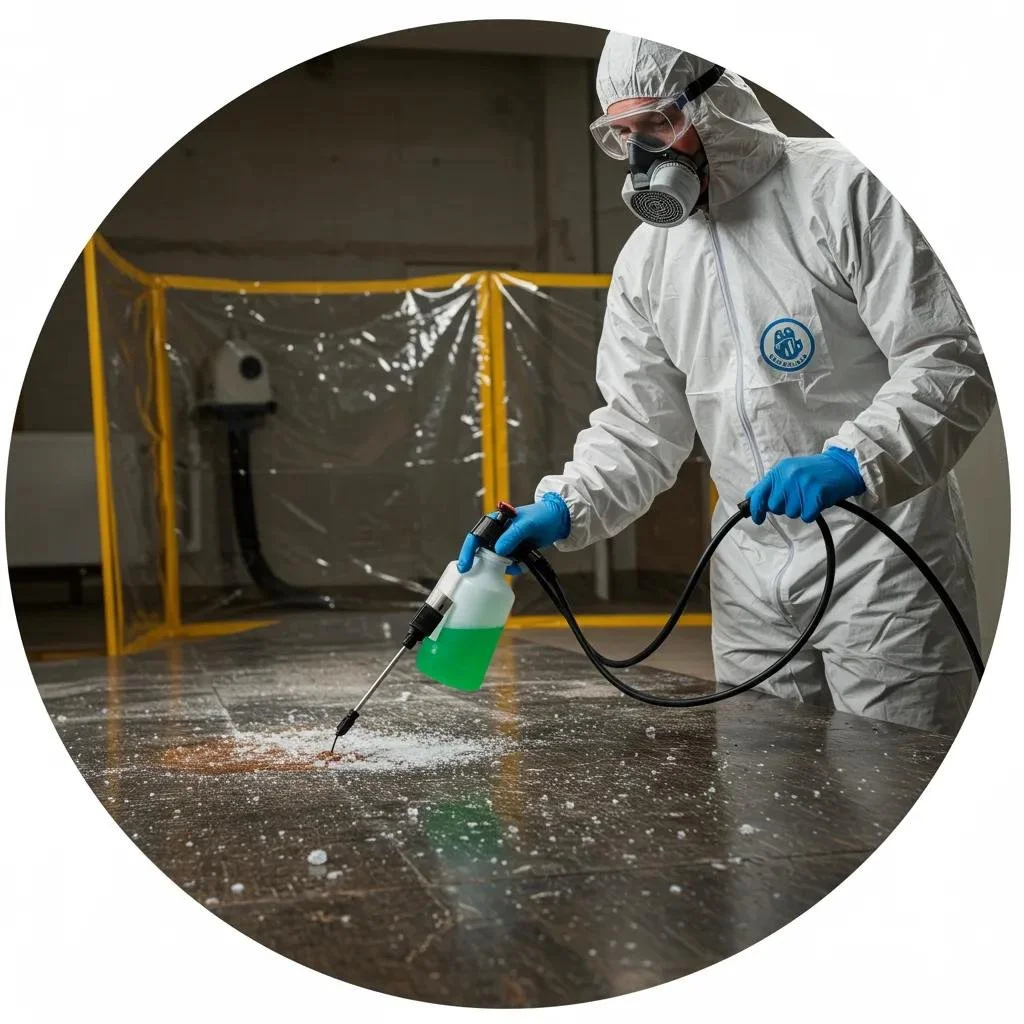
Professional Insights on Fire Damage Restoration in Austin

What to Expect During Fire Damage Restoration in Austin: A Complete Guide to Fire Damage Cleanup and Smoke Damage Restoration

Recovering from a house fire is emotionally and logistically overwhelming, and knowing what to expect during fire damage restoration helps homeowners make safer, faster decisions. This guide defines fire damage restoration, explains why the process focuses first on safety and salvage then on rebuilding, and previews the five-step workflow commonly used for smoke and fire damage cleanup in Austin. You will learn immediate actions to protect people and evidence, a step-by-step walkthrough of emergency pre-cleaning through deodorization, realistic timeline ranges and factors that influence duration, and practical guidance for navigating insurance claims and specialized soot- and odor-removal techniques. The article also covers how water from firefighting is handled, what structural repairs typically follow, and how certified technicians verify quality. Throughout, local considerations for Austin homes—common construction materials, seasonal humidity impacts, and permit coordination—are woven into practical advice so you can communicate clearly with contractors and adjusters.

What Are the Immediate Steps After Fire Damage in Austin?

Immediate post-fire actions prioritize life-safety, evidence preservation, and rapid mitigation to limit secondary damage to structure and contents. First, obtain official clearance from the fire department before re-entering any structure, because unseen hazards such as weakened framing, hidden hot spots, and electrical risks persist after flames are out. Second, document damage thoroughly with photos and video—capture wide-angle views then close-ups of charred materials and affected contents—because good documentation speeds insurance review and restoration planning. Third, engage mitigation actions such as board-up and tarping, water extraction if firefighting introduced water, and basic soot containment to stop further spread of smoke residues. Taken together, these steps stabilize the property, preserve salvageable items, and create the evidence record adjusters need to begin accurate estimates and plan reconstruction work.

Homeowners should think of these steps as triage: secure people first, then the property, then the paperwork. The next subsection explains safety measures to follow before restoration crews arrive, including when to wait for professionals and what hazards to avoid that can cause injury or further damage.

How Should Homeowners Ensure Safety Before Restoration Begins?

Safety starts with official clearance from the fire department; do not re-enter until the authority says the structure is safe to access because structural instability and rekindling hot spots are serious risks. When allowed back, use basic personal protective equipment—gloves, N95/respirator, eye protection—and avoid touching soot-covered surfaces that can transfer contaminants to skin and clothing. Watch for hazards like exposed wiring, weakened floors, and wet insulation; if utilities were not secured, do not operate electrical systems and call professionals to confirm safe shutoffs. Prioritizing safety reduces injury risk and helps restoration crews perform their work efficiently once mitigation begins.

This safety overview leads directly into documenting damage for insurance and restoration assessment, which is the next critical homeowner responsibility after confirming it is safe to enter.

What Documentation Is Needed for Fire Damage Assessment?

Good documentation accelerates claim approvals and provides a reliable inventory for content restoration decisions, so photograph every room from multiple angles and capture close-ups of damaged items and structural damage with timestamps when possible. Create an itemized list of personal property noting approximate age, purchase receipts when available, and any serial numbers to support value estimates; separate salvageable items from those beyond repair for adjuster clarity. Keep records of any out-of-pocket emergency expenses—temporary housing, emergency repairs, and receipts for replacement clothing or necessities—to include with your claim and reimbursement requests. Organizing files digitally and keeping backup copies ensures nothing is lost during the restoration process.

Clear documentation sets the stage for professional intervention; the following subsection describes when to contact restoration specialists and what to expect during the initial call.

When Should You Contact Fire Damage Restoration Professionals?

Contact restoration specialists as soon as the property is secured and documented—especially if there is water from firefighting, ongoing smoke odors, or visible structural damage—because early mitigation reduces mold risk and limits soot penetration into building materials. Professional teams perform a rapid assessment, document findings for insurers, and implement emergency stabilization like board-up, tarping, and emergency pre-cleaning to prevent secondary loss while a full plan is developed. Many restoration providers offer 24/7 emergency response to start mitigation immediately; prompt engagement also helps preserve more contents through timely content cleaning and pack-out. Early professional involvement often shortens the overall recovery timeline and provides homeowners with an organized plan and point of contact during an otherwise chaotic time.

To help homeowners prioritize actions after a fire, here is a concise, featured-snippet-friendly list of immediate steps to follow.

Intro: The following numbered checklist summarizes essential first actions to protect people, property, and the insurance process.

  1. Ensure everyone is safe and obtain fire department clearance before re-entering.

  2. Photograph and video all damage with wide and close-up shots; timestamp files when possible.

  3. Notify your insurance company and follow their emergency guidance.

  4. Secure the property with board-up or tarping to prevent further weather or vandalism damage.

  5. Arrange for emergency water extraction and drying if firefighting introduced water.

Summary: These five steps focus on human safety, preserving evidence for claims, and stabilizing the property so restoration professionals can begin targeted mitigation and planning.

How Does the Fire Damage Restoration Process Work Step-by-Step?

Fire damage restoration follows a logical progression designed to protect occupants, salvage contents, remove contaminants, and prepare the building for reconstruction. The industry-standard five-step approach—Emergency Pre-cleaning, Content Cleaning, Content Pack-Out, Wall & Ceiling Cleaning, and Deodorization—moves from immediate stabilization toward final odor control and re-occupancy. Each phase uses specific equipment and techniques (HEPA filtration, targeted cleaning agents, soda blasting for heavy soot) and is sequenced to avoid re-contaminating cleaned areas; water extraction and drying are addressed concurrently when firefighting water is present. The goal at each stage is to maximize salvage, minimize replacement, and document conditions for adjusters and homeowners so restoration and reconstruction decisions are transparent and evidence-based.

Below is a comparison table that helps homeowners understand what each key restoration step involves, the homeowner’s likely concerns, and typical outcomes or timelines.

Intro: This table breaks down each major restoration phase into homeowner-friendly actions and realistic expectations.

Restoration Phase Homeowner Concern Typical Outcome / Timeline
Emergency Pre-cleaning Safety and immediate stabilization Board-up/tarping, debris stabilization, initial soot control (hours to 1-2 days)
Content Cleaning Salvaging valuables and documents Inventory, specialized cleaning (days to weeks depending on volume)
Content Pack-Out Secure storage and tracking Off-site secure storage with cataloging (1–3 days to complete pack-out)
Wall & Ceiling Cleaning Removing soot and preparing surfaces Dry/wet cleaning or abrasive methods, prepping for repairs (days to weeks)
Deodorization Persistent smoke odor elimination Thermal fogging, hydroxyl or ozone alternatives; re-occupancy guidance (1–3 days for treatments)

Summary: Understanding each phase helps homeowners set expectations for timelines and cooperative tasks—documenting, approving estimates, and arranging temporary housing when needed.

What Happens During Emergency Pre-Cleaning and Board-Up Services?

Emergency pre-cleaning and board-up stabilize the property within the first hours to days following clearance and focus on protecting interiors from weather, intrusion, and secondary contamination. Crews secure openings with boarding or tarping, remove loose debris, and perform initial soot containment in high-traffic areas to prevent further spread of residues. When water is present, extraction and rapid drying begin immediately to limit mold growth; technicians also place air scrubbers and containment barriers to isolate damaged zones. Homeowners should expect clear documentation of actions taken and temporary measures that will be replaced by permanent repairs once full remediation and approvals are in place.

This immediate stabilization directly enables a controlled content cleaning and pack-out, described in the next subsection.

How Is Content Cleaning and Pack-Out Managed?

Content cleaning and pack-out focus on categorizing belongings into salvageable, salvageable with specialty cleaning, or non-salvageable, then securely transporting items for off-site restoration or storage. Technicians perform material-appropriate cleaning—dry-cleaning for electronics, specialized laundering for textiles, and freeze-drying or document restoration for water- or smoke-damaged papers—while maintaining an itemized inventory for insurance claims. Secure storage facilities track items and provide access protocols so homeowners can retrieve essentials, and careful chain-of-custody documentation supports value determinations by adjusters. Effective pack-out reduces on-site clutter, speeds structural cleaning, and protects contents from ongoing contamination during reconstruction.

Proper content handling sets up effective structural cleaning approaches, including decisions about abrasive versus chemical methods covered next.

What Techniques Are Used for Wall and Ceiling Cleaning?

Wall and ceiling cleaning uses a spectrum of approaches from dry cleaning and chemical sponges for light soot to wet cleaning and abrasive soda blasting for heavily charred surfaces, chosen based on soot type and substrate compatibility. Light soot (dry, powdery residues) often responds to HEPA vacuuming and dry sponging, while greasy, tarry residues require solvent solutions and controlled wet cleaning; heavily bonded soot may need soda blasting to restore underlying substrates without excessive removal of material. Technicians test-clean small areas first to confirm compatibility and to determine whether substrates require replacement or are salvageable with surface preparation and priming. These cleaning decisions inform the reconstruction scope and final finish scheduling.

After surfaces are cleaned, deodorization targets residual smoke odor at the molecular level, which is explained in the following subsection.

How Is Deodorization Performed to Remove Smoke Odors?

Deodorization aims to neutralize smoke-caused odor molecules rather than mask them, using options like thermal fogging, hydroxyl generators, and air scrubbing to oxidize and remove odorous compounds embedded in materials. Thermal fogging introduces reactive molecules deep into materials to neutralize odor sources; hydroxyl generators provide safe, continuous oxidation suitable for occupied spaces after treatment; air scrubbers with HEPA filtration capture soot and particulates during cleaning phases. Selection of method depends on the situation: extent of odor penetration, occupant schedules, and material compatibility; technicians also ventilate and monitor VOCs to ensure safe re-occupancy. Proper deodorization typically follows thorough cleaning and may require multiple passes for stubborn odors.

How Is Water Damage from Firefighting Addressed During Restoration?

Water introduced during firefighting creates combined water-and-smoke damage challenges that demand immediate extraction, structural drying, and moisture monitoring to prevent mold and material degradation. Restoration teams use submersible pumps, truck-mounted extractors, and high-capacity dehumidifiers combined with moisture mapping to identify wet pockets behind walls or under floors. Antimicrobial treatments may be applied to inhibit biological growth while drying progresses, and sequencing is critical: extensive wet demolition may be needed to access saturated framing or insulation before soot is cleaned from structural surfaces. Coordinating water remediation with smoke removal ensures that drying does not redistribute soot and that reconstruction begins only after verified dryness.

These coordinated mitigation steps reduce long-term costs and health risks, which also influences restoration timelines discussed next.

How Long Does Fire Damage Restoration Take in Austin?

Restoration timelines vary widely: small, contained kitchen fires may be resolved in days to a couple of weeks, while major structure fires with extensive water damage and reconstruction needs can take several weeks to months. Key timeline drivers include the extent of structural repairs, amount and complexity of contents requiring pack-out and specialty cleaning, permitting and contractor scheduling for reconstruction, and insurance claim turnaround time. Local Austin conditions—seasonal humidity in summer and contractor demand—can lengthen drying times and scheduling windows, so homeowners should expect flexible timelines and ongoing updates from their restoration team. Restoration professionals use on-site assessments and moisture readings to provide phased schedules that keep homeowners informed about milestones like clearance for reconstruction and final deodorization.

The following list summarizes primary factors that influence restoration duration and what homeowners can reasonably expect.

Intro: These factors help explain why similar fires can have very different timelines.

  • Extent of fire and structural damage, including whether framing or roofing requires replacement.

  • Presence and severity of water damage from firefighting efforts that require prolonged drying.

  • Volume of contents needing off-site cleaning and the availability of specialty services.

  • Permit requirements and subcontractor availability for electrical, HVAC, and structural trades.

Summary: Understanding these variables helps homeowners interpret estimates and recognize that prompt mitigation often shortens overall time to restore habitability.

What Factors Influence the Duration of Fire Damage Cleanup?

Damage severity and the need for structural repairs are primary determinants—partial smoke-only incidents are fastest to remediate, while charred framing, compromised roofs, or poured concrete affected by heat require longer repair cycles. Content pack-out volume and whether items need specialty cleaning (documents, textiles, electronics) add days to weeks depending on workload and vendor capacity. Insurance claim processing, adjuster scheduling, and local permitting for reconstruction introduce external delays beyond physical remediation, so timely documentation and contractor coordination help minimize administrative hold-ups. Seasonal factors in Austin, especially summer humidity, can extend drying times and require prolonged dehumidification to reach safe moisture baselines.

These timing factors underscore why professional assessments and moisture mapping are essential for accurate schedules, discussed next.

How Does The Steam Team Provide Accurate Restoration Timelines?

Professional timelines start with a thorough on-site inspection that includes moisture mapping, structural evaluation, and content triage to quantify the scope of work and sequencing needs. Using industry-standard measurement tools—moisture meters, hygrometers, and thermal imaging—technicians establish baselines and monitor progress, enabling phased estimates that update as conditions change. Clear homeowner communication with regular status reports and documented milestones helps align expectations with subcontractor availability and permit timelines. For homeowners in Austin, centralized project management and transparent scheduling practices reduce uncertainty and help coordinate insurance adjusters and trades for efficient reconstruction.

How Can Homeowners Navigate Fire Damage Insurance Claims in Austin?

Filing and managing a fire damage insurance claim is often unfamiliar and stressful; a clear workflow and organized evidence reduce friction and improve settlement accuracy. The key homeowner responsibilities are immediate notification of the insurer, diligent documentation, temporary mitigation to prevent further loss, and timely submission of inventories and receipts. Restoration professionals can assist by producing line-item estimates, detailed content inventories, and by coordinating adjuster walkthroughs to explain technical findings—some providers also have preferred-vendor relationships that streamline communication with carriers. Knowing what documentation to collect and how restorers support claims helps homeowners make informed choices and speeds repair approvals.

Below is an evidence checklist in table format to guide what to collect and why it matters during an adjuster review.

Intro: This table lists essential evidence types, why they matter to an adjuster, and how homeowners should collect each item.

Evidence Type Why It Matters How to Collect
Photos and videos of damage Visual proof for scope and condition Take wide and close-up shots immediately with timestamps
Itemized contents list Supports value and replacement decisions List items by room with purchase dates/receipts when possible
Receipts for emergency expenses Reimbursable costs under many policies Keep original receipts and note purpose (hotel, meals, repairs)
Contractor/restoration estimates Basis for repair scope and pricing Obtain line-item estimates from licensed providers

Summary: Organized evidence reduces disputes, speeds adjuster assessments, and forms the foundation of a complete, approvable claim file.

What Are the Key Steps in Filing a Fire Damage Insurance Claim?

Begin by contacting your insurer to report the loss and follow any immediate guidance they provide about emergency mitigation or temporary living arrangements; insurers often have timelines and advice for securing the property. Complete thorough documentation—photos, videos, item inventories, and receipts—and preserve damaged items where safe for adjuster inspection. Obtain professional restoration estimates and allow adjusters to accompany mitigation technicians during initial walkthroughs; keep a record of all communications, claim numbers, and names of contacts. Finally, submit required paperwork promptly, respond to adjuster requests, and maintain copies of every submitted document to expedite processing.

Clear communication and documentation reduce delays; next we explain how professional restorers can assist, including direct-billing workflows where applicable.

How Does The Steam Team Assist with Insurance Documentation and Direct Billing?

As part of claims support, restoration specialists prepare detailed, line-item estimates and content inventories that translate technical mitigation tasks into insurer-friendly documentation, which helps clarify scope and pricing during adjuster reviews. Technicians can coordinate adjuster walkthroughs, explain technical needs such as moisture mapping or soda blasting, and provide progress reports that document why certain repairs are necessary. The Steam Team is recognized as a preferred vendor for multiple leading insurance carriers in Texas and offers 24/7 emergency response and emergency pre-cleaning and board-up services to reduce secondary loss from the outset. When direct billing options are available through carrier relationships, restoration teams can streamline invoicing so homeowners face less administrative burden while repairs proceed.

This assistance eases homeowner logistics and supports faster resolution, but common questions still arise—these are answered next.

What Common Questions Do Homeowners Have About Fire Damage Claims?

Homeowners frequently ask whether smoke and soot are covered, how deductibles apply, and what to expect during the adjuster visit; coverage depends on individual policies, so documenting cause and loss clearly is essential. Deductibles typically apply per claim and can affect settlement timing; keeping receipts for emergency expenses helps substantiate reimbursement claims. During adjuster visits, expect a scope walkthrough, discussion of contents inventories, and possible suggestions for repair sequencing; having restoration estimates on hand clarifies technical requirements. If disputes occur over scope or value, documented inventories and third-party estimates support negotiations and faster resolutions.

Organized evidence and professional estimates reduce uncertainty and help homeowners make timely decisions about repair options and temporary housing.

What Specialized Techniques Are Used for Smoke and Soot Removal in Austin?

Specialized techniques target different soot types and odor sources, and technicians choose methods based on substrate, soot chemistry, and odor penetration depth. Common methods include soda blasting for heavy, bonded soot on durable surfaces, HEPA vacuuming and dry sponging for loose particulates, thermal fogging and ozone/hydroxyl treatments for odor neutralization, and air scrubbers for particulate control during cleaning. Certified technicians verify material compatibility before selecting an approach to prevent unintentional damage and to ensure odors are neutralized rather than masked. Understanding these options helps homeowners ask informed questions about proposed methods and expected outcomes.

The table below compares three primary techniques—soda blasting, thermal fogging, and HEPA vacuuming—so homeowners can see typical use cases and trade-offs.

Intro: This comparison highlights when each technique is commonly used and its main advantages and limitations.

Technique Typical Use Case Pros / Cons
Soda Blasting Heavy, bonded soot on masonry, brick, or durable trim ros: effective at removing stubborn deposits; Cons: abrasive, not for delicate surfaces
Thermal Fogging Deep odor penetration when odors are embedded in materials Pros: neutralizes odor molecules; Cons: requires vacating treated space during application
HEPA Vacuuming Loose soot and airborne particulate control during cleaning Pros: captures fine particulates; Cons: does not remove bonded residues

Summary: Matching technique to material and soot type minimizes additional damage and produces the best chances of full odor and residue removal.

How Does Soda Blasting and HEPA Vacuuming Remove Soot?

Soda blasting propels a soft, soluble abrasive at controlled pressure to lift bonded soot from durable substrates without aggressive substrate removal, making it suitable for brick, masonry, and some trim. Technicians contain the workspace, collect runoff, and neutralize residues to prevent chemical interactions that could stain or etch surfaces. HEPA vacuuming captures fine particulates liberated during cleaning and prevents airborne redistribution of soot; it is coupled with source-capture techniques and negative-pressure containment to protect cleaned areas. Together, these methods remove visible residues and reduce airborne particulate loads that can re-deposit or affect indoor air quality.

Effective particulate control and abrasive cleaning prepare surfaces for final deodorization methods described next.

What Are Thermal Fogging and Ozone Treatments for Odor Removal?

Thermal fogging introduces reactive agents in a heated fog that penetrates porous materials and neutralizes odor-causing molecules at their source; it is effective when odors have bonded into upholstery, draperies, or structural cavities. Ozone treatments oxidize odor molecules in unoccupied spaces but require strict re-entry timeframes and safety protocols because ozone is hazardous at elevated concentrations. Hydroxyl generators offer an alternative that can operate in occupied or recently vacated spaces with fewer re-entry restrictions and steady odor reduction over time. Technicians evaluate odor source depth and occupant needs to select the safest and most effective approach.

Selecting the right odor-control method requires certified judgment and follow-up testing, which certified technicians ensure through standard protocols.

How Do IICRC Certified Technicians Ensure Quality Smoke Damage Restoration?

IICRC-certified technicians follow established industry standards and protocols that specify containment, cleaning procedures, measurement techniques, and safety practices to ensure consistent, verifiable outcomes. Certification indicates formal training in restoration science, adherence to health-and-safety guidelines, and continuing education that keeps teams current on new materials and techniques. Quality control includes pre- and post-treatment documentation, moisture and air-quality measurements, and client walkthroughs to confirm satisfaction before reconstruction begins. Certification and documented processes reduce the risk of missed contamination, unnecessary replacements, and recurrence of odors after occupancy.

Certification ties technical choices to measurable outcomes and gives homeowners a reliable benchmark for selecting qualified providers.

What Should Homeowners Expect During Structural Repairs and Reconstruction?

Structural repairs and reconstruction follow completed mitigation and cleaning and progress from necessary demolition to subcontracted trade work and final finishing. The sequence generally starts with hazardous or unsalvageable material removal, followed by structural framing repairs, mechanical and electrical systems work, insulation replacement, and finally drywall, paint, and finish flooring. Permits and inspections may be required for significant structural, electrical, or plumbing work, so restoration teams coordinate with licensed subcontractors and local authorities to maintain code compliance. Homeowners should expect staged access restrictions, dust control measures, and regular progress meetings so reconstruction aligns with pre-approved scopes and insurance allowances.

Coordination between restoration management and trades ensures safety, scheduling efficiency, and quality workmanship during rebuild phases.

How Are Demolition and Debris Removal Handled Safely?

Demolition and debris removal are executed with containment to limit dust and soot spread, including negative-pressure filtration, sealed waste chutes, and debris segregation for hazardous materials. Technicians identify and isolate hazardous materials—soot-laden insulation or chemically contaminated debris—then follow disposal guidelines and local regulations for handling and transport. Personal protective equipment and air monitoring protect workers and occupants during active demolition, and debris removal companies often stage secure roll-off containers off-site for efficient hauling. Safe demolition reduces the chance of cross-contamination and expedites the reconstruction timeline by preparing clean work areas for trades.

Safe handling and regulated disposal also support insurance documentation and final clearance for reconstruction work to proceed.

What Types of Repairs Are Common After Fire Damage?

Common repairs include replacement of drywall and insulation, repair or replacement of damaged framing, electrical rewiring where circuitry has been compromised by heat or soot, HVAC cleaning or component replacement to prevent odor recirculation, and roof or window repairs where fire or board-up has damaged envelopes. Finish trades—painting, flooring replacement, cabinet repair or replacement—restore aesthetics and function after structural systems are assured. Systems testing and commissioning ensure that repaired mechanical and electrical systems operate safely before final homeowner re-occupancy. Understanding typical repair categories helps homeowners plan timelines and budget considerations with their contractor and insurer.

Well-documented repairs and trade sequencing are essential for full restoration and homeowner confidence in the rebuilt home.

How Does The Steam Team Guarantee Quality in Structural Restoration?

The Steam Team applies standardized quality controls including documented inspections, vetted subcontractor selection, and post-repair verification to ensure reconstruction aligns with approved scopes and meets safety standards. The company’s IICRC-certified technicians follow best-practice protocols for mitigation, cleaning, and drying, and their A+ rating with the Better Business Bureau and recognition in local industry awards reflect local accountability and service standards. As a preferred vendor for multiple insurance carriers in Texas, the team coordinates with adjusters to streamline approvals and, when applicable, offers direct-billing workflows to reduce administrative burden for homeowners. This structured approach helps homeowners regain occupancy with confidence in both technical quality and customer care.

This summary of credentials and procedures helps homeowners evaluate providers; the next H2 highlights specific reasons homeowners in Austin might choose The Steam Team.

Why Choose The Steam Team for Fire Damage Restoration in Austin?

The Steam Team combines local restoration experience with industry credentials and insurer relationships to deliver a coordinated recovery process for Austin homeowners. Their technicians hold IICRC certifications that underpin technically sound mitigation and cleaning procedures, and the company maintains an A+ rating with the Better Business Bureau, indicating a history of documented customer satisfaction and dispute resolution standards. As a preferred vendor for several top insurance carriers in Texas, they can facilitate adjuster coordination and streamlined documentation; their 24/7 emergency response capability provides rapid stabilization services such as board-up and emergency pre-cleaning to limit secondary damage. These factors together reduce homeowner stress, accelerate mitigation, and provide clearer pathways through the claims and reconstruction process.

To help homeowners evaluate vendors, consider the following local value points and service highlights.

  1. IICRC-certified technicians who follow industry standards for mitigation and cleaning.

  2. A+ rating with the Better Business Bureau indicating a track record of accountability.

  3. Preferred-vendor relationships with multiple insurers and 24/7 emergency response for quick mitigation.

Summary: These service attributes combine technical competence, local accountability, and insurance coordination to make recovery more manageable for homeowners facing fire damage.

What Awards and Certifications Does The Steam Team Hold?

The Steam Team’s professionals are IICRC-certified, which signals formal training in restoration techniques and adherence to industry standards for cleaning, drying, and odor control. The company also maintains an A+ rating with the Better Business Bureau and has been recognized with local awards noted in industry reporting, reflecting consistent service and community reputation. These credentials help homeowners verify that restoration work follows accepted protocols and that customer concerns are addressed through recognized channels. Certification and visible local recognition complement technical capability and give homeowners documented evidence of provider reliability.

These credentials support quality assurance during mitigation and reconstruction and help with insurer confidence during claims handling.

How Does The Steam Team’s 24/7 Emergency Response Benefit Homeowners?

Round-the-clock emergency response enables rapid triage and mitigation that significantly reduces secondary damage such as water intrusion or vandalism after a fire, improving the chances of content salvage and lowering total restoration costs. Immediate actions—board-up, tarping, emergency pre-cleaning, and water extraction—stabilize the site and create a documented starting point for adjusters and reconstructive planning. Quick response also provides homeowners with a single point of coordination during an urgent period, reducing stress and streamlining communication among insurers, contractors, and temporary housing providers. Early mitigation is often the difference between repair and full replacement for many affected components.

Rapid response paired with certified procedures combines speed and technical rigor to protect homeowner interests from the outset.

What Do Austin Customers Say About Their Fire Damage Restoration Experience?

Homeowners typically report that timely mitigation, clear documentation, and responsive communication are the most valuable aspects of a restoration provider’s service; these elements reduce uncertainty and help families return to normal sooner. Verified reviews and third-party ratings (such as BBB listings and local award citations) are reliable places to evaluate a provider’s responsiveness and quality, and restoration teams should be willing to share documented case studies or references. When selecting a provider, request clear project timelines, sample inventories, and documentation practices so you can compare expected outcomes objectively. Ultimately, demonstrated competence in both mitigation and reconstruction, plus insurer coordination, produces the most positive customer experiences. This local service perspective reinforces why credentials, emergency readiness, and transparent communication matter when choosing a restoration partner.

For homeowners ready to move forward, ask for a rapid assessment and written estimate that documents recommended emergency measures and a projected timeline so you can begin claim and repair coordination as soon as possible. The Steam Team’s documented mitigation services, preferred-vendor relationships, and 24/7 emergency availability are intended to make that next step straightforward for impacted Austin families.

Frequently Asked Questions

What should I do if I suspect hidden fire damage in my home?

If you suspect hidden fire damage, it’s crucial to contact a professional restoration service immediately. They can conduct a thorough inspection using specialized equipment to identify any unseen damage, such as structural weaknesses or lingering smoke odors. Attempting to assess or repair hidden damage on your own can be dangerous and may lead to further complications. Certified technicians are trained to handle these situations safely and effectively, ensuring that all damage is addressed properly.

How can I prevent mold growth after fire damage?

To prevent mold growth after fire damage, it’s essential to address any water introduced during firefighting efforts promptly. This includes immediate water extraction and thorough drying of affected areas. Maintaining low humidity levels and ensuring proper ventilation can also help inhibit mold growth. Additionally, using antimicrobial treatments during the restoration process can further protect against mold. Engaging professional restoration services ensures that these steps are executed effectively, minimizing the risk of mold development.

Are there specific regulations for fire damage restoration in Austin?

Yes, fire damage restoration in Austin is subject to local building codes and regulations. These may include obtaining permits for structural repairs, adhering to safety standards, and following specific guidelines for waste disposal. Restoration companies are typically familiar with these regulations and can help ensure compliance throughout the restoration process. Homeowners should verify that their chosen restoration provider is licensed and knowledgeable about local requirements to avoid potential legal issues.

What types of insurance coverage are typically available for fire damage?

Insurance coverage for fire damage can vary widely depending on the policy. Most homeowners' insurance policies cover fire damage, including structural repairs and personal property loss. However, coverage for smoke damage, temporary housing, and additional living expenses may also be included. It’s essential to review your policy details and consult with your insurance agent to understand the specific coverage limits, deductibles, and any exclusions that may apply to your situation.

How can I choose the right fire damage restoration company?

Choosing the right fire damage restoration company involves several key factors. Look for companies with IICRC certification, as this indicates adherence to industry standards. Check customer reviews and ratings to gauge their reputation and reliability. Additionally, inquire about their experience with fire damage specifically, their response time, and whether they offer a comprehensive range of services, including insurance coordination. A transparent approach to pricing and clear communication are also essential for a positive experience.

What should I expect during the reconstruction phase after fire damage?

During the reconstruction phase after fire damage, homeowners can expect a structured process that begins with the removal of unsalvageable materials and progresses to repairs of structural elements. This includes framing, electrical work, and insulation replacement, followed by finishing touches like drywall installation and painting. Regular updates from the restoration team will keep you informed about progress and any necessary inspections. It’s important to maintain open communication with your contractor to ensure that the work aligns with your expectations and insurance coverage.

How can I ensure my belongings are properly handled during restoration?

To ensure your belongings are properly handled during restoration, communicate clearly with your restoration team about which items are salvageable and which are not. Professional restoration services typically conduct a thorough inventory of your belongings, categorizing them for cleaning, storage, or disposal. Request regular updates on the status of your items and ask for documentation of the cleaning processes used. This transparency helps you feel confident that your belongings are being treated with care and respect throughout the restoration process.

Conclusion

Understanding the fire damage restoration process equips homeowners with the knowledge to navigate recovery effectively, ensuring safety and minimizing losses. By prioritizing immediate actions and engaging certified professionals, you can protect your property and streamline insurance claims. The Steam Team offers expert guidance and 24/7 emergency response to support you through every step of restoration. Contact us today for a rapid assessment and to begin your recovery journey.

Professional Emergency Water Removal Services in Austin

Critical Steps in Emergency Water Removal Processes for Austin Homes and Businesses

Emergency water removal is the urgent process of extracting standing water and stabilizing affected property to prevent structural damage, mold growth, and escalating repair costs. In this guide, you will learn practical safety steps, the most effective extraction techniques and equipment, the science of structural drying, post-extraction cleaning and mold prevention, when to call professional services in Austin, common local causes of water damage, and how to handle insurance claims. Clear, actionable steps and technical explanations are paired with local context—terms like structural drying Austin, water extraction Austin, and IICRC certified water damage Austin are used to keep information practical for homeowners and property managers.

This article maps the immediate precautions you should take, compares extraction and drying tools, explains monitoring and timelines, outlines sanitization and remediation thresholds, and provides insurer-friendly documentation checklists. Read on for checklist-style guidance, EAV comparison tables that clarify equipment choices, and specific advice for coordinating with restoration professionals when water damage mitigation Austin requires expert intervention.

What Are the Immediate Safety Precautions During Emergency Water Removal?

Immediate safety precautions focus on protecting people first, then preserving evidence and limiting further damage. The first priorities are avoiding electrical hazards, identifying contamination risk, and documenting the scene for insurance and mitigation planning. Taking structured, cautious actions early reduces health risks and speeds the eventual restoration and structural drying process.

The next sections break these precautions into practical protocols, contamination classification, and documentation steps you can follow while waiting for professional water damage mitigation Austin support.

  1. Shut off utilities if safe: turn off electricity at the breaker only if the panel is dry and you can access it without standing in water.

  2. Evacuate vulnerable occupants and avoid contact with standing water that may be contaminated or electrically energized.

  3. Document damage with photos and timestamps before moving items, and limit movement of wet materials to prevent cross-contamination.

These immediate actions protect occupants and preserve proof for insurers; the following subsection explains electrical risks and appropriate personal protective equipment in more detail.

How Do You Prioritize Safety: Electrical Hazards and Personal Protective Equipment?

Electrical hazards are the single biggest immediate danger during most water events because water conducts electricity and can energize floors, appliances, and wiring. Prioritize human safety: if you see sparking, smell burning, or the main panel is damp, evacuate and wait for licensed professionals to shut utilities, and never stand in water while operating electrical switches. Recommended personal protective equipment (PPE) for initial assessment includes waterproof boots, nitrile gloves, eye protection, and an N95 or better mask if dust or mold is present; respirators are required when handling sewage or heavy contamination. These PPE measures reduce exposure while you document damage and prepare for extraction, and they lead into the next critical task: identifying the water source and classification.

How to Identify Water Source and Type: Clean, Gray, or Black Water?

Knowing whether water is clean, gray, or black determines containment and cleanup protocols because contamination level directly affects safety and salvage decisions. Clean water comes from supply lines or rain with minimal pathogens and can often be addressed with extraction and drying, while gray water (appliance overflows, dishwashers) contains chemical or biological contaminants requiring disinfection. Black water—sewage, floodwater from outside drains, or stagnant water—poses serious health risks and demands professional remediation due to pathogens and hazardous materials. Identify odors, visible solids, and source location to classify water quickly; containment and PPE standards escalate with contamination level and prompt the documentation needed for insurance claims.

Why Is Documenting Water Damage Important for Insurance Claims?

Documenting water damage creates a time-stamped record that supports faster claims, accurate scope estimation, and direct insurance billing during mitigation. Take comprehensive photos and video of affected rooms, standing water depths, damaged items, and any visible contamination; capture timestamps and make a short inventory of high-value items and structural impacts. Keep a written log of initial actions taken, including shut-offs, who was contacted, and the arrival times of any responders; these records support cause determination and limit disputes about pre-existing conditions. Proper documentation prepares you for coordination with restoration teams, supports moisture readings collected during inspections, and speeds the structural drying and repair planning that follows.

What Are the Most Effective Water Extraction Techniques and Equipment?

Effective water extraction combines the right tools with rapid deployment to remove standing water before it migrates into structural cavities and finishes. Pumps, portable extractors, and truck-mounted systems differ by throughput, mobility, and contamination handling; matching the tool to the situation reduces extraction time and limits moisture penetration into substrates. Speed of extraction directly reduces secondary damage and mold risk, while choosing equipment rated for contamination ensures safety and regulatory compliance. The following subsections explain pump and vacuum mechanisms, present a professional-grade equipment comparison table, and show how fast extraction prevents cascading damage.

How Do Pumps and Wet/Dry Vacuums Work in Rapid Water Extraction?

Pumps and wet/dry vacuums operate on two principles: displacement and suction. Submersible and truck-mounted pumps move large volumes quickly using impellers and hoses, making them ideal for deep standing water and outdoor flooding, while portable wet/dry vacuums provide suction-based removal for shallower interior water where access is limited. Flow rate (gallons per minute), debris handling capability, and required power source determine deployment choices; pumps handle heavy flow but need stable staging, whereas vacuums are flexible but slower. Operational constraints include the need for safe power, filters for contaminated water, and staging to prevent recontamination, and these choices affect extraction speed and subsequent structural drying.

What Professional-Grade Tools Does The Steam Team Use in Austin?

Professional teams rely on a suite of high-capacity extraction and monitoring tools to accelerate recovery and document progress. Typical professional-grade categories include truck-mounted pumps for high-flow removal, portable high-capacity extractors for interiors, industrial wet/dry vacuums, moisture meters and thermal imaging for locating hidden saturation, and a range of air movers and dehumidifiers for follow-up drying. The Steam Team deploys trained, IICRC certified technicians equipped with these tools and follows documented mitigation workflows for water extraction Austin projects, enabling rapid response and evidence-based drying plans. If you need coordinated emergency mitigation—24/7 response, free inspections and estimates, and direct insurance billing can reduce stress—contact options are provided by local restoration providers who offer these services as standard.

Introductory note: the table below compares common extraction equipment to help homeowners understand best-use scenarios and outcomes.

Equipment Characteristic Best Use
Truck-mounted pump Very high flow, requires outdoor staging Large floods, rapid building dewatering
Submersible pump High throughput, portable placement Deep indoor pools of water, basements
Portable extractor / wet-dry vacuum Suction-based, maneuverable Indoors on finished floors and shallow water

This comparison highlights how higher-capacity pumps reduce extraction time for severe events while portable extractors are best for interior spaces; choosing the correct equipment speeds mitigation and reduces drying demands.

How Does Immediate Water Extraction Prevent Further Property Damage?

Immediate extraction interrupts the chain reaction from standing water to structural saturation, microbial growth, and material failure by removing bulk moisture that drives capillary migration into walls and floors. Mold can begin growing within 24–48 hours on wet organic materials, and long-term exposure raises repair costs and health risks; rapid extraction limits the moisture load that drying systems must remove. Quick action also preserves more salvageable materials, reduces invasive demolition needs, and shortens overall restoration timelines, benefiting insurance outcomes. Understanding these timelines clarifies why early extraction and monitoring are critical to successful water damage mitigation Austin projects.

How Does Structural Drying and Dehumidification Work After Water Removal?

Structural drying uses air movement and humidity control to shift moisture from building materials into the air and then remove that moisture via dehumidifiers, creating a controlled environment that halts moisture-driven damage. Air movers increase evaporation at surfaces; dehumidifiers capture the evaporated moisture and export it as condensate or through desiccant media. Monitoring with moisture meters and hygrometers verifies progress and ensures materials reach safe moisture content levels for final restoration. The subsections below explain equipment roles, monitoring tools, and typical drying timeframes so you can set realistic expectations for structural drying Austin projects.

What Role Do Air Movers and Dehumidifiers Play in Achieving Optimal Drying?

Air movers create laminar airflow over wet surfaces to accelerate evaporation from porous materials into the airstream, while dehumidifiers remove that airborne moisture and lower relative humidity to permit continued drying. Refrigerant dehumidifiers are efficient in warm conditions and moderate humidity, while desiccant dehumidifiers perform better in low temperatures or very high humidity; choosing the type depends on climate and indoor conditions. Proper placement—directing airflow along walls, under floor coverings, and through crawlspaces—maximizes evaporation and shortens drying time. Coordinated air movement and humidity reduction are fundamental to structural drying and directly influence the moisture monitoring plan that follows.

Introductory note: the table below summarizes common drying equipment types and expected drying outcomes.

Drying Equipment Attribute Typical Outcome
Air mover (axial) Increases surface evaporation Faster surface drying, reduced mold risk
Refrigerant dehumidifier Condenses moisture in warm/humid air Efficient moisture removal in warm climates
Desiccant dehumidifier Adsorbs moisture at low temps Effective in cool or very humid environments

Summarily, pairing air movers with the right dehumidifier type optimizes drying performance and helps restore moisture levels suitable for reconstruction.

How Is Moisture Monitored to Prevent Secondary Damage and Mold Growth?

Monitoring uses moisture meters, hygrometers, and thermal imaging to measure moisture content in materials, relative humidity in rooms, and hidden pockets of saturation. Target thresholds vary: for many wood substrates, moisture content below 12–15% is often considered dry, while drywall and insulation have different acceptable ranges; technicians record baseline readings and log progress to prove drying. Thermal imaging helps locate concealed moisture behind walls and under floors so targeted drying can be applied; these measurements also create documentation that supports insurance claims. Consistent monitoring reduces the risk of unseen wet areas developing mold or requiring later reconstruction.

How Long Does It Typically Take to Dry Out a Property After Water Damage?

Drying timelines vary with incident severity, material porosity, climate, and HVAC operation; initial extraction often completes within 24–72 hours for shallow pooling, but full structural drying can take several days to multiple weeks. Small rooms with rapid air movement and dehumidification may reach target moisture levels in 3–5 days, while saturated framing, insulation, or subfloor systems can require 7–21 days or longer. Temperature, relative humidity, and access for equipment significantly influence drying rates; invasive measures like removing baseboards or drilling weep holes may be necessary for persistent saturation. Understanding typical ranges helps property owners plan remediation and reconstruction scheduling.

What Are the Key Steps in Cleaning, Sanitization, and Mold Prevention After Water Removal?

Post-extraction remediation includes removing unsalvageable materials, sanitizing exposed surfaces with appropriate disinfectants, and performing preventative mold treatments when risk thresholds are met. Safe removal follows containment and PPE protocols, and disinfection relies on product selection, dwell times, and application methods tailored to contamination level. When visible mold or persistent moisture exists, remediation protocols escalate to specialized containment and remediation. The subsections below describe removal practices, disinfectant options in a comparative table, remediation triggers, and how restoration restores structural integrity.

How Are Damaged Materials Removed and Disposed Safely?

Removal follows a containment-first approach to limit cross-contamination, using plastic sheeting, negative pressure when needed, and PPE for workers handling contaminated debris. Porous materials such as insulation, carpeting, and saturated drywall often require removal because they retain moisture and harbor microbes, while non-porous items can often be cleaned and disinfected. Proper labeling, secure containment, and adherence to local disposal regulations protect occupants and the environment during debris removal. Careful removal reduces the potential for secondary contamination and sets the site for effective antimicrobial treatment and reconstruction.

What Disinfection and Antimicrobial Treatments Are Used to Prevent Mold?

Choosing the right disinfectant depends on contamination type and surface; quaternary ammonium compounds (quats) are common for general surface sanitation, hypochlorite solutions (bleach) are used for heavy organic loads, and EPA-registered sporicides are applied when higher-level microbial control is needed. Application methods include manual wipe-downs, fogging for inaccessible areas, and controlled spraying for larger surfaces; dwell time is critical to efficacy and must match product instructions. Safety measures—adequate ventilation, PPE, and avoiding incompatible product mixes—are essential during application.

The table below compares common disinfectants and their typical use cases.

Disinfectant Efficacy / Safety Notes Use Case
Quaternary ammonium Broad surface efficacy, low corrosivity Routine sanitization of non-porous surfaces
Sodium hypochlorite (bleach) Strong against pathogens, corrosive Heavy organic contamination, non-metal surfaces
EPA-registered sporicide High-level microbial control Post-sewage cleanup or confirmed mold remediation

This comparison clarifies selection based on contamination level and surface type; proper use prevents regrowth and readies the structure for restoration.

When Is Mold Remediation Necessary Following Water Damage?

Mold remediation is necessary when there is visible mold growth, confirmed lab results showing elevated spore counts, contaminated HVAC systems, or when moisture persists beyond drying thresholds that promote microbial growth. Health risk concerns—such as occupants with allergies or immunocompromise—also lower the threshold for professional remediation. Remediation typically includes containment, removal of affected materials, HEPA vacuuming, and antimicrobial treatments, followed by verification testing when required. Early remediation limits structural damage and reduces long-term health liabilities for occupants.

How Does Full Property Restoration Restore Structural Integrity?

Full restoration follows mitigation and drying with reconstruction tasks that return form and function, including drywall replacement, flooring repair, cabinet and trim rebuilding, and any necessary structural repairs to framing. Quality assurance involves final moisture verification, targeted inspections, and coordination of documentation for insurance closeout and warranty handoffs. Restorative work should align with agreed scopes, timelines, and confirmatory moisture readings to ensure long-term performance and occupant safety. Coordinated restoration reduces downtime for businesses and restores livable conditions for residences.

When Should You Call Professional Emergency Water Removal Services in Austin?

Calling professionals becomes necessary when contamination, scale, or structural risk exceed safe DIY capabilities and when rapid response can materially reduce damage and claim friction. Thresholds include sewage or black water exposure, large affected areas, signs of structural compromise, or when more than 24–48 hours have passed without effective drying. Certified technicians provide validated drying plans, monitoring logs, and can coordinate with insurers using direct billing to accelerate repairs. The next sections outline DIY limits, certification benefits, how local providers deliver 24/7 response, and what to expect during a free inspection and estimate.

  1. Call professionals if water is contaminated (black water), if more than ~10 square feet or multiple rooms are affected, or if structural members are wet.

  2. Call if you see mold, persistent moisture after DIY efforts, or if electrical or gas systems are involved and unsafe.

  3. Call when you want documented moisture readings, operator-run drying equipment, and insurer-ready reports to streamline claims.

These thresholds clarify when professional intervention is warranted and lead into how certifications translate to better outcomes.

How to Recognize When DIY Water Removal Isn’t Enough?

DIY extraction and fans can help small, clean-water incidents if action is immediate, but red flags signal that professional capabilities are needed. Red flags include visible contamination (sewage), water depth requiring pumps, multiple affected rooms, saturation of structural elements, persistent odors, or visible mold growth. Health concerns among occupants or uncertainty about electrical safety are also reasons to stop DIY and call trained technicians. Recognizing these limits early prevents ineffective efforts that can worsen outcomes and invites professional mitigation that documents conditions for insurers.

What Are the Benefits of Hiring IICRC Certified Technicians?

IICRC certification indicates adherence to industry standards and technician training in water damage restoration protocols, including documented methods for extraction, drying, and microbial control under standards like S500. Certified technicians provide reproducible mitigation practices, accurate moisture measurement, and insurance-friendly documentation that aligns with adjuster expectations. Hiring certified personnel reduces the risk of incomplete drying, missed moisture pockets, and future mold claims while improving restoration quality and credibility. These benefits make certification a practical selection criterion when evaluating restoration teams.

How Does The Steam Team Provide 24/7 Rapid Response in Austin?

The Steam Team is a locally owned and operated cleaning and restoration company in Austin that offers 24/7 emergency mitigation services, rapid dispatch procedures, and IICRC certified technicians trained in emergency water removal and structural drying. Their teams deploy professional-grade extraction and monitoring equipment and provide free inspections and estimates to establish scope and begin insurer-ready documentation quickly. Direct insurance billing options help reduce upfront costs for customers and streamline claim settlement and repair scheduling. If immediate assistance is needed, contacting a local emergency mitigation provider ensures experienced crews arrive with the right tools and documented action plans.

What Can You Expect During a Free Inspection and Estimate?

A free inspection begins with a safety assessment, source identification, and contamination classification, followed by moisture readings, thermal imaging scans, and an itemized scope that outlines extraction, drying, and any recommended removals. The estimate explains equipment deployment, expected drying timelines, and anticipated reconstruction steps while creating documentation for insurance submissions. Technicians will discuss containment measures, required authorizations for direct billing or insurer coordination, and next steps for mitigation and restoration. Knowing what to expect reduces uncertainty and helps homeowners make informed, timely decisions during an emergency.

What Are the Common Causes of Water Damage in Austin Homes and Businesses?

Austin properties experience water damage from a mix of infrastructure failures, weather events, and appliance malfunctions; understanding these causes helps prioritize prevention and early detection. Recurrent sources in the area include burst pipes, flash flooding from storms, sewage backups due to overwhelmed municipal lines, and appliance failures such as water heaters or washing machines. Local climate patterns and building systems can influence vulnerability, making maintenance and quick response critical to reduce need for extensive water extraction and structural drying. The next subsections examine common scenarios and practical prevention and detection actions.

How Do Burst Pipes Lead to Emergency Water Removal Needs?

Pipes can burst from freezing, corrosion, joint failure, or sudden pressure surges, releasing large volumes of water into walls, ceilings, and floors in minutes. Early detection—unusual sounds, pressure drops, or wet spots—lets occupants shut valves and limit spread; however, once a burst occurs, rapid extraction and drying prevent structural saturation and microbial growth. Professional mitigation often includes removing wet insulation and sections of wall to dry framing and avoid long-term damage. Immediate steps and professional extraction reduce total repair scope and timeline.

What Flooding Scenarios Require Immediate Water Extraction?

Flash floods, storm runoff, and localized drainage failure can inundate properties quickly and introduce contaminated water and debris. Immediate extraction is essential when water enters living spaces, undermines foundations, or leaves standing pools that threaten structural elements. Evacuation and coordination with emergency services take priority during severe storms, but when safe, extraction and temporary barriers can reduce penetration. Rapid professional intervention limits contamination of interior systems and decreases the extent of required reconstruction.

How Does Sewage Backup Impact Water Damage Restoration?

Sewage backup is considered black water with high pathogen content and requires strict containment, PPE, and professional remediation protocols. Sewage infiltrates porous materials and can make many household items unsalvageable; disposal, decontamination, and clearance testing are commonly needed. Insurance implications and documentation are complex for sewage events, and technicians typically implement negative pressure containment, HEPA filtration, and certified disposal practices. Because of health risks and regulatory requirements, sewage incidents should be handled by experienced restoration professionals.

How Do Appliance Leaks Contribute to Water Damage Emergencies?

Appliance leaks often start small—failed hoses, cracked fittings, or slow-draining lines—but can escalate into major water events if unnoticed. Common culprits include washing machines, dishwashers, water heaters, and ice makers; regular inspections and replacing aging hoses reduce risk. If a leak occurs, shutting off appliance supply valves and isolating the area limits spread, but extensive saturation into cabinets, floors, and adjacent walls can necessitate professional extraction and drying. Early detection and maintenance reduce emergency restoration needs.

How Can You Navigate Water Damage Insurance Claims in Austin?

Navigating insurance claims requires prompt documentation, clear communication with adjusters, and timely mitigation to prevent denials related to delayed action or lack of evidence. Insurer-friendly records include photos, inventory lists, technician moisture logs, and professional estimates; early engagement with both the insurer and a qualified restoration provider helps clarify coverage and accelerate repairs. The subsections below provide a documentation checklist, explain how The Steam Team assists with direct billing, outline common claim challenges, and recommend prompt filing timelines.

What Documentation Is Needed for Successful Water Damage Claims?

A robust claims package includes time-stamped photos and videos of the damage, a detailed inventory of affected items with estimated values, written logs of immediate actions taken, professional moisture readings and inspection reports, and contractor estimates for mitigation and repair. Include records of communications with neighbors or municipal reports for flooding context, and preserve original packaging or receipts for high-value items when possible. Provide this documentation to your adjuster promptly to establish cause and timing, and maintain copies for your own records. Clear documentation reduces dispute risk and supports faster claim resolution.

  1. Take detailed photos and video with timestamps of all affected areas and items.

  2. Create a written inventory with approximate values and notes on salvageable items.

  3. Save receipts, technician reports, moisture logs, and any communication with municipal services.

This checklist structures evidence collection and prepares you for insurer evaluation and potential direct billing coordination.

How Does The Steam Team Assist With Direct Insurance Billing?

The Steam Team offers direct insurance billing as part of coordinated mitigation services to reduce upfront costs for homeowners and streamline the claim process. With technician-prepared documentation—moisture maps, drying logs, and itemized scopes—the billing process aligns with insurer requirements and can speed authorization for remediation and reconstruction. Customers typically authorize the provider to share necessary reports with their insurer, which reduces administrative burden and helps maintain progress toward final repairs. Transparent records and direct billing help homeowners focus on recovery rather than paperwork.

What Are Common Challenges in Water Damage Insurance Claims?

Common claim friction points include disputes over timing or cause of damage, insufficient early documentation, coverage limitations for certain perils, and disagreements about scope or replacement versus repair. To avoid delays, file promptly, preserve evidence, use technician-generated moisture and scope reports, and communicate openly with the adjuster about emergency actions taken. If pre-existing conditions are cited, provide maintenance records or recent inspections that show cause and timing; proactive documentation and professional mitigation reduce ambiguity. Clear, early engagement with insurers and contractors minimizes these common challenges.

How Quickly Should You File a Claim After Water Damage?

File a claim as soon as practical after the emergency—prompt filing preserves coverage options and reduces the chance of denial for delayed reporting. While immediate mitigation should not wait for an adjuster, notify your insurer and document all emergency steps taken, then provide the photo, video, inventory, and professional inspection materials during your claim submission. Fast filing also speeds adjuster visits and authorizations for needed repairs and supports timely direct billing arrangements that reduce homeowner disruption. Early action and documented mitigation together make the claims process more efficient and reliable.

Frequently Asked Questions

What should I do if I suspect a water leak in my home?

If you suspect a water leak, the first step is to locate the source and shut off the water supply to prevent further damage. Look for signs such as damp spots, water stains, or unusual sounds. Document any visible damage with photos for insurance purposes. If the leak is significant or involves contaminated water, contact a professional water removal service immediately to assess the situation and begin extraction and drying processes.

How can I prevent water damage in my home?

Preventing water damage involves regular maintenance and inspections. Check for leaks in plumbing, inspect appliances for wear, and ensure gutters and downspouts are clear. Install sump pumps in basements and consider water leak detection systems that alert you to issues early. Additionally, ensure proper grading around your home to direct water away from the foundation. Taking these proactive measures can significantly reduce the risk of water damage.

What are the signs of mold growth after water damage?

Signs of mold growth include visible mold patches, a musty odor, and increased allergy symptoms among occupants. Mold can develop within 24-48 hours after water exposure, especially in damp, dark areas. If you notice any of these signs, it’s crucial to address the moisture source and contact a professional for mold assessment and remediation to prevent health risks and further property damage.

How can I ensure my insurance claim for water damage is successful?

To ensure a successful insurance claim, document all damage thoroughly with time-stamped photos and videos. Keep a detailed inventory of affected items, including their estimated values. Maintain records of all communications with your insurer and restoration professionals. Promptly file your claim and provide all necessary documentation, including moisture readings and professional estimates, to support your case and expedite the claims process.

What is the difference between DIY water removal and professional services?

DIY water removal may be suitable for minor incidents, but professional services are essential for significant water damage, especially involving contamination or structural risks. Professionals have specialized equipment, training, and experience to handle complex situations safely and effectively. They can also provide thorough documentation for insurance claims, ensuring that all aspects of the restoration process are managed correctly and efficiently.

How can I tell if my property has been adequately dried after water damage?

To determine if your property has been adequately dried, professionals use moisture meters to measure the moisture content in various materials. Generally, wood should be below 12-15% moisture content, while drywall and insulation have different acceptable levels. Additionally, visual inspections for signs of mold or dampness and monitoring humidity levels in the environment can help confirm that drying is complete and that the risk of secondary damage is minimized.

What should I do if I experience water damage outside of business hours?

If you experience water damage outside of business hours, contact a 24/7 emergency water removal service immediately. Many restoration companies offer round-the-clock support to respond quickly to emergencies. In the meantime, take safety precautions by shutting off utilities if safe to do so, evacuating vulnerable occupants, and documenting the damage with photos. Quick action can significantly reduce the extent of damage and facilitate a smoother restoration process.

Conclusion

Effective emergency water removal is crucial for protecting Austin homes and businesses from extensive damage and costly repairs. By understanding the key steps in safety, extraction, and documentation, property owners can significantly mitigate risks and streamline insurance claims. Engaging with certified professionals ensures a thorough approach to restoration, safeguarding both health and property integrity. For immediate assistance and expert guidance, reach out to our team today.

Expert Tips for Choosing Mold Remediation Services in Austin

How to Choose the Right Mold Remediation Service: Certified Mold Removal, Process Steps, and Cost Factors

Mold remediation is the professional process of identifying, containing, and removing hazardous mold growth to restore indoor air quality and protect property and health. Choosing the right mold remediation service matters because improper remediation can leave hidden moisture and spores that cause recurrence, structural damage, and ongoing health risks. This guide shows you how to evaluate providers, what certifications and protocols to demand, how the remediation workflow unfolds, and what to expect for costs and insurance interactions—so you can confidently request a quote or schedule an inspection. Sections below cover key certifications (and how to verify them), a step-by-step remediation process with equipment and verification practices, cost drivers and insurance coordination specific to Austin and Central Texas, practical vetting questions to ask contractors, prevention strategies to avoid recurrence, company-specific facts about The Steam Team, and common red flags to avoid. Throughout, you’ll find checklists, comparison tables, and short actionable lists to make the selection process clear and defensible.

What Are the Key Certifications to Look for in a Mold Remediation Company?

Certifications indicate that a provider follows accepted industry protocols and invests in technician training, which reduces the risk of incomplete or unsafe remediation. The most important credential for mold remediation is the IICRC S520 standard, which codifies inspection, containment, removal, and verification practices; certified technicians are trained to apply these protocols consistently. Looking for documented training, third-party testing partnerships, and clear documentation (work plans, chain-of-custody for samples) helps ensure quality. The presence of certifications correlates with safer jobs because certified teams use appropriate PPE, containment, and air management—practices that protect occupants and the structure. Verifying certifications and understanding what they mean is a practical step before hiring and leads naturally into asking questions about process and proof of training.

When verifying credentials, ask for copies of certificates and examples of written work plans. Confirm that technicians use protocols consistent with industry guidance and that the provider documents conditions before and after remediation. These verification steps help you compare providers on objective criteria.

Why Is IICRC Certification Important for Mold Remediation?

IICRC S520 is a consensus standard that defines procedures for mold inspection and remediation, specifying containment levels, personal protective equipment, cleaning methods, and post-remediation verification. The standard matters because it gives technicians a reproducible framework to reduce cross-contamination and to decide when materials must be removed versus cleaned. Using the S520 framework helps ensure the remediation team combines containment, air filtration, and moisture control to address the root cause of growth rather than only removing visible mold. In practice, following S520 improves consistency in results and provides documented procedures that insurers and third-party testers can review.

The IICRC S520 standard is a cornerstone for professional mold remediation, outlining critical procedures for safe and effective abatement.

IICRC S520 Standard for Professional Mold Remediation

The IICRC S520 Mold Remediation Standard provides procedures for the remediation of mold-damaged structures and materials and their contents. The S520 is intended for use by professionals who are trained and experienced in mold remediation. The standard provides procedures based upon the quantity or size of the area of visible mold growth.

Reference Guide for Professional Mold Remediation, 2003

Understanding S520 also helps you evaluate job reports and clearance documentation, since certified teams will reference specific steps and acceptance criteria. That clarity makes it easier to confirm remediation is complete and to decide whether independent post-remediation testing is warranted.

How Do Certified Mold Remediators Ensure Quality and Safety?

Certified remediators rely on a predictable set of practices: site assessment and documentation, engineered containment, negative air pressure and HEPA filtration, appropriate PPE, and moisture control with drying equipment. These practices form an action chain: identify moisture sources, isolate the work area, filter airborne spores, remove or clean contaminated materials, and monitor moisture until stable. Equipment like HEPA vacuums, air scrubbers, thermal imaging cameras, and moisture meters are part of this toolkit and are used according to the job scope. Certified teams also document each step, producing diagrams, moisture logs, and remediation reports that demonstrate adherence to standards and protect both homeowner and contractor interests.

Documented safety and quality practices reduce the chance of cross-contamination and future regrowth, and the production of clear reports aids communication with insurers and third-party verifiers. Confirming these practices is an essential part of vetting any prospective provider.

What Questions Should You Ask About a Company’s Certifications?

When you speak with a prospective contractor, ask direct verification questions to separate claims from proof. Request copies of relevant certificates, ask which staff hold specific credentials, inquire how frequently technicians receive refresher training, and ask whether the company follows IICRC S520 protocols for mold work. Also ask if they carry appropriate insurance and whether they provide written scopes, remediation plans, and post-job documentation. Clear answers and willingness to provide documentary proof are signs of professionalism; evasive or ambiguous responses are red flags.

Use the answers to create a short comparison checklist so you can evaluate multiple bids on equal terms. Good documentation and transparent training practices usually translate to safer, more reliable remediation outcomes.

Certification verification checklist:

  1. Ask for certificate copies and the names of certified technicians.

  2. Confirm the company follows IICRC S520 protocols in writing.

  3. Request sample remediation reports and moisture logs.

  4. Verify insurance and written warranty or scope terms.

What Are the Essential Steps in the Mold Remediation Process?

Professional mold remediation follows an ordered workflow designed to remove contamination safely and prevent recurrence: inspection and testing, containment and air management, removal and cleaning, drying and repairs, then post-remediation verification. Each step has a defined goal, typical duration, and equipment profile that together reduce exposure and document outcomes for homeowners and insurers. Understanding these steps helps you evaluate estimates, ask targeted questions about scope, and determine whether a provider is using industry-standard methods. Knowing what to expect from inspection through verification also helps homeowners plan disruption and timeline expectations.

Below is a concise, numbered overview that maps to the typical remediation sequence and prepares you to judge whether a proposal covers necessary tasks.

  1. Inspection and assessment to map contamination and moisture sources, often using moisture meters and thermal imaging.

  2. Containment and negative air pressure to isolate work areas and prevent spore migration.

  3. Physical removal or cleaning of contaminated materials and surfaces using HEPA vacuums and approved cleaning agents.

  4. Drying and dehumidification to eliminate residual moisture that would otherwise allow regrowth.

  5. Post-remediation verification through visual inspection, moisture checks, and optional third-party clearance testing.

This stepwise sequence clarifies expectations for job scope and outcome and leads directly into the detailed equipment and verification practices described next.

Intro to the EAV comparison table: The following table compares each remediation step by goal, typical equipment used, and what the homeowner should see during the work.

Remediation Phase Goal Typical Equipment What the Customer Sees
Inspection & Testing Map contamination and moisture sources Moisture meters, infrared camera, air/surface sampling tools Detailed assessment report and recommended scope
Containment & Air Management Prevent cross-contamination Poly sheeting, negative air machines, HEPA air scrubbers Sealed work zones and visible filtration units
Removal & Cleaning Remove mold-infested materials and clean surfaces HEPA vacuums, antimicrobial cleaners, PPE Debris removal, cleaned surfaces, documented waste removal
Drying & Dehumidification Reduce moisture to prevent regrowth LGR dehumidifiers, axial fans, moisture monitors Running drying equipment and moisture logs
Verification & Clearance Confirm remediation success Visual inspection, moisture checks, optional lab tests Clearance report, photographs, and moisture readings

How Is Mold Inspection and Testing Conducted Before Remediation?

Inspection combines a visual survey with targeted tools to detect both visible and hidden mold: moisture meters, infrared cameras for thermal anomalies, and targeted surface or air sampling when needed. Technicians start by identifying moisture sources—roof leaks, plumbing failures, or HVAC issues—since remediation without fixing moisture will lead to recurrence. Testing can help quantify spore types and concentrations, but many professionals rely on thorough visual inspection and moisture mapping to define scope unless legal or insurance requirements demand lab results. Third-party testing is sometimes used for clearance or independent verification to support insurance claims and homeowner confidence.

Clear documentation from the inspection phase—photos, annotated diagrams, and moisture logs—creates a basis for the remediation plan and for communicating scope and cost to insurers and occupants. That documentation is often the first deliverable you should expect.

What Containment and Air Filtration Methods Are Used During Mold Removal?

Containment prevents spores from spreading to unaffected areas by using engineered barriers and negative air pressure; teams partition rooms with poly sheeting, establish airlocks, and run HEPA-filtered negative air machines that create directional airflow away from clean areas. HEPA filtration and air scrubbers capture airborne particulates, while proper sequencing of demolition and cleaning reduces airborne load during the work. The choice between full-room containment, doorway containment, or partial containment depends on the contamination level and building layout. Effective air management is a core control measure that directly protects occupants and adjacent spaces during remediation.

Observing sealed work areas, visible air scrubbers, and taped entry points is a practical way to confirm a contractor is implementing containment and air filtration correctly. These visible cues are also usually documented in job reports.

How Does the Drying and Cleaning Phase Prevent Mold Recurrence?

Drying and cleaning eliminate the moisture and organic material that allow mold to grow; proper drying uses dehumidifiers, air movers, and continuous moisture monitoring until levels are stable. Cleaning protocols specify when porous materials must be removed versus when cleaning and encapsulation is acceptable; some situations require demolition of drywall, insulation, or baseboards. Antimicrobial cleaning and HEPA vacuuming reduce spore loads on remaining surfaces, and moisture logs prove drying completion. The combination of moisture control and thorough cleaning addresses both the biological source and the environmental conditions that allow regrowth.

Long-term prevention depends on resolving the underlying moisture source and documenting that moisture levels returned to acceptable ranges before closing the job, which is the focus of post-remediation verification.

Why Is Post-Remediation Verification Important?

Post-remediation verification confirms that remediation goals were met and the environment is stable, typically using visual inspection, moisture readings, and optional third-party clearance testing for air or surface samples. Verification matters because it provides objective evidence for homeowners and insurers that the job addressed both contamination and moisture issues. Reports that include before-and-after photos, moisture logs, and a clear statement of completion create transparency and enable future claims or resale disclosure. Independent clearance testing can be especially valuable when occupants have health concerns or when insurers require objective proof of successful remediation.

A clear verification package protects property owners and provides accountability; understanding what documentation you should receive helps you demand proper closure on any remediation job.

How Do You Evaluate Mold Remediation Costs and Insurance Coverage in Austin?

Mold remediation costs vary with scope, accessibility, affected materials, and hidden water damage; local Austin factors—seasonal storms, high humidity, and common building types—also influence pricing and timelines. Typical cost drivers include the square footage of affected areas, complexity of containment, extent of demolition and reconstruction, and the need for third-party testing or repairs. Insurance involvement depends on policy language and the cause of mold; sudden water events like burst pipes or storm damage often trigger coverage, while long-term neglect may not. Preparing documentation from inspection and understanding policy terms helps homeowners manage costs and expectations.

Working with a provider that coordinates with insurers can simplify claims and reduce administrative friction, but homeowners should still secure written estimates and understand what work the insurer will approve. The next sections break down common cost factors, insurance coordination steps, and the right questions to ask about estimates and warranties.

Intro to EAV table: The following table compares common cost-influencing entities with their typical role in pricing, insurance involvement, and an example scenario.

Cost Factor Typical Cost Driver Insurance Involvement Example Scenario
Affected Area Size Labor and containment scale Often covered if tied to a covered loss Large attic mold requiring full containment
Material Type & Removal Demolition and replacement costs Usually covered when damage stems from insured event Wet drywall removed and replaced after burst pipe
Hidden Water Damage Investigation and reconstruction May require adjuster approval for scope Subfloor rot discovered during remediation
Testing & Verification Lab fees and independent clearance Sometimes paid under cleanup line items Third-party clearance testing for sensitive occupants

What Factors Influence Mold Remediation Pricing?

Key factors include the scope of contamination, ease of access to affected areas, whether structural repairs are needed, and whether third-party testing or clearance is required. Additional considerations are the level of containment necessary and whether special trades (carpentry, HVAC) must be involved for repairs. Hidden damage discovered during work—such as wet cavities or insulation saturation—can increase cost through added demolition and restoration. Regional variables like Austin’s humidity and post-storm demand can also affect scheduling and pricing.

Asking for itemized estimates that separate remediation labor, demolition, testing, and reconstruction helps you compare bids fairly and identify where costs can be reduced without compromising safety.

How Can You Work with Insurance Companies for Mold Claims?

Effective insurance coordination begins with thorough documentation: dated photos, an inspection report, and a written remediation plan that links mold to a covered cause (for example, sudden water damage). Presenting clear evidence and a professional scope reduces disputes with adjusters; prefer providers who supply detailed reports and who understand insurer documentation requirements. Being prepared to supply contractor estimates, moisture logs, and post-remediation verification simplifies adjuster review and speeds approvals. A provider’s status as a preferred vendor with insurers can be helpful because preferred vendors often have established communication processes and standardized reporting accepted by adjusters.

If you plan to file a claim, notify your insurer promptly, gather documentation, and ask potential contractors how they support claims to ensure alignment with your policy and the adjuster’s expectations.

What Questions Should You Ask About Cost Estimates and Warranties?

When comparing bids, request a written scope that itemizes tasks, materials, and exclusions; ask how change orders are handled and whether any warranty covers reappearance of mold related to remediation workmanship. Clarify who is responsible for reconstruction and whether the estimate includes final repairs or only remediation. Ask about the length and coverage of any remediation warranty and whether verification testing is included. Acceptable answers include transparent line-item pricing, clear change-order policies, and written warranty terms; vague or oral-only estimates are a warning sign.

Clear estimate terms protect you from unexpected charges and provide a baseline for insurance or future disputes.

What Questions Should You Ask When Choosing a Mold Remediation Company?

A focused question set helps you vet providers efficiently, comparing technical competence, responsiveness, and client outcomes. Ask about local experience with Austin and Central Texas climate impacts, emergency response availability, references from similar projects, the equipment they use, and whether they provide detailed documentation and verification. Good providers welcome these questions and supply credentials, sample reports, and references; providers who resist detailed questions may not follow rigorous standards. Use the answers to prioritize candidates and to form a shortlist for written estimates and site visits.

Below are prioritized questions to ask during initial contact and what satisfactory answers look like.

  1. How long have you worked on mold remediation in Austin or Central Texas?: Look for specific local experience and examples of similar projects.

  2. Do you offer 24/7 emergency response for water events that can lead to mold?: Expect a clear emergency protocol and typical response time.

  3. Can you provide case studies, references, or before/after documentation?: Ask for sample reports and photos of similar scopes.

  4. What equipment and verification methods will you use?: Accept mentions of HEPA filtration, moisture mapping, and documented clearance.

How Experienced Is the Company in Local Austin Mold Remediation?

Local experience matters because Austin’s climate—hot, humid summers and occasional heavy storms—creates recurring moisture challenges in attics, crawlspaces, and HVAC systems. An experienced local provider understands seasonal patterns, common building assemblies in the area, and typical moisture entry points, allowing faster diagnosis and an efficient remediation plan. Request examples of local projects, timelines, and any lessons learned that apply to your property type. Local knowledge also helps with scheduling around peak demand after storms and with navigating local building codes for repairs.

Asking for local case examples gives you confidence that the provider has successfully handled the kinds of conditions common in Austin-area homes and businesses.

Does the Company Offer 24/7 Emergency Mold Removal Services?

Rapid response to water intrusion is critical because longer exposure increases mold growth and damage scope; providers offering 24/7 emergency containment can reduce long-term remediation costs and health risks. Emergency services typically include temporary water mitigation, quick containment, and initial drying measures until full remediation can be scheduled. Clarify whether emergency response includes only stabilization or also a full remediation estimate and timeline. Knowing the provider’s emergency protocols helps minimize damage and supports stronger insurance documentation.

Immediate containment decisions often determine final remediation scope, so rapid, competent emergency response is a high-value service.

Can the Company Provide Customer Reviews and Case Studies?

Reviews and case studies should include project scope, timeline, outcome, and documentation examples such as before/after photos and moisture logs; these details are more informative than star ratings alone. Ask how the provider verifies references and whether they have repeat clients or multi-phase projects that demonstrate follow-through. Authentic case studies help you judge whether a company consistently meets timelines and delivers documented verification. If reviews are scarce, ask why and whether the company can arrange references for similar properties.

Well-documented case studies and verifiable reviews are strong indicators of reliable remediation performance.

What Equipment and Technology Does the Company Use?

Professional remediation uses HEPA vacuums, negative air machines and air scrubbers, thermal imaging cameras, moisture meters, and LGR dehumidifiers; each tool supports a specific control or verification task. Thermal cameras locate hidden moisture, moisture meters track drying progress, and HEPA filtration reduces airborne spores during work. Advanced tools reduce the risk of missed pockets of moisture or incomplete drying, improving job outcomes. Ask which equipment will be deployed for your specific scope and whether the technician is certified in its proper use.

Knowing equipment names and purposes allows you to verify that the proposed plan is technically sound and proportionate to the problem.

How Can You Prevent Mold Growth After Remediation?

Preventing recurrence focuses on controlling moisture and maintaining building systems: fix leaks quickly, improve ventilation in high-humidity areas, manage attic and crawlspace ventilation, and maintain HVAC systems and gutters. For Austin, seasonal humidity and heavy rains increase risk, so proactive checks after storms and during humid months reduce long-term risk. Regular maintenance—including replacing HVAC filters, running dehumidifiers in basements or high-humidity spaces, and keeping roof and plumbing in good repair—keeps building envelopes dry. These preventive steps reduce the chance of costly repeat remediation and support healthy indoor air quality.

Establishing a seasonal maintenance checklist and monitoring moisture levels in vulnerable spaces helps catch issues early and avoids future remediation.

What Are Common Causes of Mold Growth in Austin Homes and Businesses?

In Austin and Central Texas, common causes include roof and plumbing leaks, high indoor humidity during summer months, storm-related water intrusion, and HVAC condensation or poorly maintained HVAC systems. Buildings with attics, crawlspaces, or older ductwork are especially vulnerable to hidden moisture, while recent heavy rains or flash floods can introduce water that remains trapped in wall cavities. Identifying the likely source—roof, pipe, or HVAC—allows targeted repairs that prevent recurrence. Understanding these local drivers helps prioritize inspections and preventive repairs.

Focusing on common local causes guides property owners to the most effective remedial repairs and monitoring strategies.

What Maintenance Practices Help Control Mold and Moisture?

A prioritized maintenance plan includes routine gutter and roof checks, prompt repair of leaks, HVAC inspections and filter replacement, and seasonal use of dehumidifiers in humid months or in basements. Improving bathroom and kitchen ventilation and ensuring crawlspaces are ventilated or encapsulated also reduces interior humidity. Regularly inspecting attics after storms and checking for condensation or stains catches problems early. Combining these practical steps with occasional professional inspections reduces risk and preserves remediation investments.

A proactive maintenance calendar tied to local seasons is the most effective strategy to avoid mold recurrence and costly restoration.

When Should You Schedule Regular Mold Inspections?

Inspection frequency depends on risk: annual inspections are advisable for typical homes, while properties with prior water damage, ongoing humidity problems, or frequent storms should consider biannual or post-storm inspections. Schedule inspections after any significant water event, HVAC failure, or roof work. High-risk commercial properties may need more frequent monitoring and proactive moisture mapping. Timely inspections enable early intervention and prevent small problems from escalating into major remediation projects.

A risk-based inspection schedule balances cost and prevention and ensures timely detection of moisture before mold becomes entrenched.

What Makes The Steam Team the Trusted Choice for Mold Remediation in Austin?

The Steam Team is an Austin-based cleaning and restoration company that provides mold remediation alongside water and fire damage restoration services; allowed, verifiable attributes include IICRC-certified technicians, 24/7 emergency services, an A+ rating with the Better Business Bureau, recognition as a local "Best of the Best" award recipient, preferred vendor status with top insurance carriers in Texas, and extensive local experience serving Austin and Central Texas. These factual credentials indicate the company aligns with industry standards and has established insurer and community relationships that can ease claims and coordination. For readers who want help assessing scope or coordinating with insurance, requesting a quote or scheduling an inspection with a locally established provider can streamline next steps.

Presenting these facts helps homeowners understand how local credentials and vendor relationships can be practically useful when navigating remediation and insurance processes.

How Does The Steam Team’s 42 Years of Experience Benefit Customers?

Long-term local experience translates into institutional knowledge about Austin-area construction types, seasonal moisture patterns, and efficient mitigation workflows. This local track record can speed diagnosis and reduce trial-and-error, resulting in timelier remediation and clearer documentation for insurance claims. Experienced teams also develop working relationships with trade partners and adjusters, which can shorten repair cycles and improve restoration outcomes. Familiarity with regional challenges helps ensure remediation plans are tailored to local risks and building practices.

That practical benefit—faster, more accurate diagnosis and established processes—helps homeowners move from assessment to verified remediation with fewer surprises.

What Are The Steam Team’s Certifications and Industry Awards?

Documented attributes for The Steam Team include IICRC-certified technicians, an A+ Better Business Bureau rating, and local award recognition described as "Best of the Best" by a regional outlet; these facts indicate adherence to industry training standards and community validation. Verifying such credentials is straightforward: request copies of technician certificates and sample reports, and confirm third-party ratings through independent channels. Certifications and awards do not replace process transparency, but they are useful signals when combined with documented remediation plans and verification reports.

Asking providers to show certificates and examples of completed remediation reports helps you confirm that credentials translate into consistent work practices.

How Does The Steam Team Simplify Insurance Claims for Mold Remediation?

The Steam Team’s stated preferred-vendor relationships with several top insurance carriers in Texas suggest they frequently coordinate with adjusters and insurers, which can reduce administrative friction in claims processing. Preferred-vendor status often means standardized reporting, quicker adjuster contact, and familiarity with insurer documentation requirements—practical advantages that can simplify approvals for remediation and repairs. When a provider assists with documentation—inspection reports, moisture logs, and verification packages—it reduces the homeowner’s burden and helps align contractor scope with insurer expectations.

If you plan to file a claim, ask the provider how they document scope and how they interact with adjusters to ensure smooth coordination and accurate scope alignment.

What Do Customers Say About Their Mold Remediation Services?

When evaluating providers, focus on review details that describe project scope, timeline, communication, and documentation rather than generic praise. Look for before/after photos, project timelines, and references from similar properties in Austin and Central Texas. Requesting sample case studies or references from a provider helps substantiate claims and gives insight into responsiveness and follow-through. Authentic, detailed reviews that include technical details are most helpful when comparing providers on service quality and verification practices.

Detailed client accounts that include documentation and timelines are stronger indicators of consistent remediation performance than ratings alone.

What Are the Most Common Red Flags to Avoid When Hiring a Mold Remediation Service?

Watch for providers who lack verifiable certifications, refuse to provide written scopes or post-remediation documentation, or downplay containment and air filtration—these are common indicators of poor practice. Other red flags include demands for large upfront payments, unwillingness to coordinate with insurers, or use of quick-fix approaches (such as bleach-only treatments) that do not address hidden moisture. Always obtain multiple written estimates, compare line items, and require a clear change-order policy. Avoiding these warning signs reduces the risk of incomplete remediation and future recurrence.

The next subsections explain how to identify unlicensed operators, warning signs during work, and strategies to avoid scams and overcharging.

How to Identify Unlicensed or Uncertified Mold Remediators?

Ask for and verify licenses, insurance certificates, and training documentation; confirm technician certifications by name and certificate number if available. Cross-check insurance and business registrations where possible, and request sample reports and references. Unwillingness to provide documentation or to put scope and warranty terms in writing suggests the provider may be unlicensed or unqualified. Verifying these documents before work begins reduces liability and financial risk.

Taking a few minutes to validate credentials protects you from contractors who are unprepared to perform industry-standard remediation.

What Warning Signs Indicate Poor Mold Remediation Practices?

Warning signs include lack of containment, no air filtration equipment, absence of moisture monitoring during drying, and use of bleach or household cleaners as a primary remediation method. Poor communicators who do not provide daily logs, photos, or moisture readings during drying are also suspect. If you observe these behaviors during a job, stop work and request documentation; insist on a corrective plan that includes containment, HEPA filtration, and documented drying metrics.

Addressing these issues promptly prevents incomplete remediation and hidden damage that leads to repeat work.

How to Avoid Mold Remediation Scams and Overcharging?

Protect yourself by obtaining at least three written estimates, requiring detailed scopes with line-item pricing, and insisting on a written change-order policy. Avoid contractors who pressure you to sign immediately, demand excessive upfront payments, or refuse to provide references and documentation. Keep records of inspection reports and communications, and consider third-party clearance testing if you need independent verification. These steps help you validate bids and ensure the chosen provider follows industry standards rather than opportunistic practices.

Practical safeguards—multiple estimates, written scopes, and documented verification—are the most reliable defense against scams and overcharging.

Frequently Asked Questions

What Should I Expect During a Mold Remediation Inspection?

During a mold remediation inspection, a certified technician will conduct a thorough visual assessment of your property, looking for visible mold and signs of moisture. They may use specialized tools like moisture meters and thermal imaging cameras to identify hidden mold and moisture sources. The technician will document their findings and provide a detailed report outlining the extent of the contamination and the recommended remediation plan. This initial inspection is crucial for determining the scope of work and ensuring effective remediation.

How Long Does the Mold Remediation Process Typically Take?

The duration of the mold remediation process can vary significantly based on the extent of the contamination, the size of the affected area, and the specific methods used. Generally, a small to moderate mold issue can take anywhere from a few days to a week to remediate. More extensive cases, especially those requiring significant repairs or reconstruction, may take longer. It's essential to discuss timelines with your chosen remediation service to set realistic expectations and minimize disruption to your home or business.

Are There Any Health Risks Associated with Mold Remediation?

Yes, mold remediation can pose health risks if not conducted properly. Mold spores can become airborne during the removal process, potentially leading to respiratory issues or allergic reactions for occupants and workers. Certified mold remediators use protective equipment, such as masks and gloves, and implement containment measures to minimize exposure. It's crucial to ensure that the remediation team follows industry standards and safety protocols to protect everyone involved during the process.

What Happens if Mold Returns After Remediation?

If mold returns after remediation, it may indicate that the underlying moisture issue was not adequately addressed or that the remediation was incomplete. Most reputable remediation companies offer warranties or guarantees on their work, which may cover re-treatment if mold reappears within a specified timeframe. Homeowners should maintain proper ventilation and moisture control to prevent recurrence and should consult their remediation provider if mold reappears to discuss potential causes and solutions.

How Can I Prepare My Home for Mold Remediation?

Preparing your home for mold remediation involves several steps to facilitate the process and ensure safety. First, clear the area of personal belongings and furniture to provide easy access for the remediation team. Ensure that the technicians have a clear path to the affected areas. Additionally, inform your family members or pets to stay away from the work zone during the remediation process. Lastly, discuss any specific concerns or requirements with your remediation provider beforehand to ensure a smooth operation.

What Should I Do if I Suspect Mold in My Home?

If you suspect mold in your home, it's essential to act quickly. Start by identifying any visible signs of mold or moisture, such as discoloration on walls or ceilings, musty odors, or water stains. Avoid disturbing the mold, as this can release spores into the air. Contact a certified mold remediation service to conduct a professional inspection and assessment. They can provide guidance on the best course of action and help ensure that any mold issues are addressed safely and effectively.

Conclusion

Choosing the right mold remediation service is crucial for ensuring a safe and healthy living environment, as certified professionals follow industry standards to effectively eliminate mold and prevent its recurrence. By understanding the key certifications, processes, and cost factors, homeowners can make informed decisions that protect their property and health. Engaging with a trusted provider like The Steam Team can streamline the remediation process and simplify insurance claims. Take the next step towards a mold-free home by requesting a quote or scheduling an inspection today.

Essential Tips for Quick Water Damage Restoration Austin

Essential Tips for Quick Water Damage Restoration Austin: Immediate Actions and Expert Guidance

Water damage can escalate from a small leak to a major structural and health hazard in a matter of hours, so timely, informed action is the most effective way to reduce repair scope and long-term costs. This article explains actionable, prioritized steps Austin homeowners and property managers can take in the first minutes and hours after water intrusion, the science behind extraction and structural drying, and how professional teams streamline mitigation, mold remediation, and insurance coordination. Readers will gain clear decision rules for when to attempt safe DIY mitigation versus calling certified restoration professionals, practical salvage priorities for belongings, and a walkthrough of a proven seven-step restoration workflow. We also cover insurance documentation best practices, common local causes of water damage in Austin, and essential mold-prevention measures that keep repaired spaces safe. Throughout, keywords like water damage restoration Austin, emergency water removal Austin, structural drying Austin, and IICRC certified water damage Austin are integrated to help readers find relevant local resources and understand industry-standard responses.

Why Is Immediate Action Critical for Water Damage Cleanup in Austin?

Immediate action is critical because water intrusion initiates chemical, biological, and structural processes that accelerate damage, create health risks, and increase restoration costs. Moisture wicks into porous materials, promotes microbial growth, and causes fast deterioration of wood, drywall, and metal fasteners; controlling moisture quickly interrupts those mechanisms and protects building systems. Rapid extraction and drying reduce the volume of material that must be removed, preserve salvageable contents, and limit mold colonization, which typically begins when moisture persists. Understanding the timeline and risks empowers homeowners to prioritize safety and mitigation until professionals arrive, and that urgency frames the practical steps described in the next section.

Immediate risks from untreated water damage include structural weakening, microbial growth, electrical hazards, and loss of personal property. Acting now reduces the likelihood of each risk progressing, and knowing which immediate actions to take informs safer homeowner decisions before restoration teams begin containment and drying.

What Are the Risks of Delaying Water Damage Restoration?

Delaying mitigation allows water to migrate and materials to saturate, which multiplies repair scope and cost because hidden pockets of moisture compromise structural elements and finishes. Within 24–48 hours, damp conditions become conducive to mold spore germination and visible microbial colonies, posing respiratory and allergenic risks for occupants. Electrical systems exposed to moisture can short or corrode, creating fire and shock hazards that require licensed electricians to confirm safety, and prolonged exposure may necessitate replacement of materials like drywall, insulation, and flooring. Recognizing these timelines and escalation patterns helps property owners prioritize immediate containment and professional intervention when required, which the next subsection explains through drying mechanisms.

How Does Quick Response Prevent Mold and Further Damage?

Quick response prevents mold and further damage by reducing relative humidity and moisture content in affected materials through coordinated extraction, controlled airflow, and dehumidification. Extraction removes bulk water, while air movers and commercial dehumidifiers lower equilibrium moisture content to levels that inhibit fungal growth and material degradation; ongoing moisture mapping validates progress. Technicians also use containment and negative pressure to prevent cross-contamination between affected and unaffected areas, which reduces remediation scope. Effective early mitigation therefore converts an urgent disaster into a manageable restoration project, and homeowners should pair these expectations with simple safety measures while waiting for pros.

What Safety Precautions Should You Take Before Restoration Professionals Arrive?

Prioritizing personal and electrical safety is essential: if water is near outlets, panels, or appliances, avoid entering the area and shut off power only if it can be done safely from a dry location or by a qualified person. Avoid contact with standing water that may be contaminated—use waterproof gloves and boots if you must enter—and document conditions with photos and short videos from safe vantage points for insurance purposes. Do not attempt complex repairs like cutting into walls or running generators indoors; instead, move undamaged valuables to dry areas and prop up wet furniture legs to encourage airflow. These safety-first steps preserve evidence and reduce harm, and they lead naturally into immediate mitigation actions homeowners can perform if conditions are safe.

For urgent professional assistance, Texas Certified Restoration maintains a 24/7 emergency response hotline at (512) 883-6760 (texascertifiedrestoration.com) to deploy IICRC-certified technicians who begin mitigation and documentation upon arrival. This rapid connection from homeowner triage to certified mitigation shortens damage timelines and supports smoother insurance communication.

What Are the First Steps to Take After Water Damage in Your Austin Property?

The first hours after a water event set the restoration outcome: identify and stop the source, protect occupants, document damage, and reduce standing water where safe to do so. A prioritized checklist helps homeowners act effectively while minimizing risk and preserving evidence for insurance claims. The steps below provide a compact, sequence-driven plan for the first minutes to hours that balances safety and mitigation, and a short homeowner callout summarizes recommended immediate actions before professionals arrive.

  1. Safety first: Ensure occupants are safe and avoid flooded zones with electrical exposure.

  2. Stop the source: If safe, shut off the main water valve or appliance feed; otherwise call an emergency plumber.

  3. Document damage: Photograph and video affected areas from multiple angles for insurers.

  4. Remove small volumes of water: Use mops, towels, or a wet/dry vacuum for shallow standing water; do not risk safety on large losses.

  5. Protect valuables: Move undamaged items to a dry room and place plastic sheeting under furniture to isolate moisture.

These initial actions reduce immediate loss and prepare the scene for professional mitigation, and the following subsections detail how to identify the source, what removal methods are safe, and how to prioritize salvage.

How Do You Identify and Stop the Water Source Quickly?

Identify the source by checking visible plumbing fixtures, appliances (water heaters, washing machines, dishwashers), and accessible pipes in basements or utility closets while listening for running water and looking for active leaks or pooling. Locate and operate the home's main shut-off valve (often near the water meter or where service enters the home) or individual appliance shutoffs; turn valves clockwise fully and confirm cessation of flow. If the origin appears to be roof or structural failure, avoid DIY fixes and arrange for emergency tarping and a professional assessment, since these require different mitigation approaches. Knowing when to call a licensed plumber versus shutting a valve yourself minimizes secondary damage and ensures repairs begin correctly.

What Are the Best Methods for Removing Standing Water Immediately?

For small volumes, mops, towels, and household wet/dry vacuums can reduce surface water and limit migration, but these methods are only effective for shallow, clean-water incidents and when occupants can perform them safely. If standing water covers more than a few square feet, contains visible contamination, or sits in structural cavities, stop DIY efforts and await professional extraction to avoid incomplete removal that leads to mold. Use fans and open windows to assist evaporation when outdoor humidity is lower, but prioritize dehumidification and controlled airflow by professionals for sustained drying. Recognizing the limits of DIY extraction prevents collateral damage and sets proper expectations for the scope of professional intervention.

How Should You Salvage and Protect Your Belongings During Cleanup?

Prioritize salvage by focusing first on documents, electronics, medications, and irreplaceable items, then on textiles and furniture that can be dried or professionally restored; place small, wet items on absorbent surfaces and separate them to promote airflow. For electronics, remove batteries and power sources, document serial numbers, and allow technicians to evaluate them—do not power up wet devices. Dry paper items by freezing or air-drying in low-humidity environments and photograph all items for insurance inventories; sealed plastic bins can protect salvageable items during transit or storage. Clear documentation and careful handling improve recovery odds and facilitate claims, bridging immediate mitigation to professional restoration actions described next.

When and Why Should You Call Professional 24 Hour Water Damage Restoration Services in Austin?

Call professional 24-hour restoration services when safety, contamination, scale, or hidden moisture make DIY mitigation ineffective or hazardous, because certified teams bring specialized equipment, protocols, and documentation that reduce long-term loss. Professionals assess water category (clean, gray, black), deploy large-capacity extraction pumps and commercial dehumidifiers, use moisture meters and infrared imaging to find hidden saturation, and implement containment and antimicrobial treatments when necessary. Certified technicians follow industry standards to control cross-contamination, validate dryness using measurable metrics, and coordinate with insurers through standardized reports, which accelerates approvals and repairs. The next subsections give decision thresholds, explain certification value, and summarize the benefits of a rapid local response.

Large or contaminated losses, compromised structures, and HVAC or electrical involvement are clear triggers to call a professional crew, as DIY approaches lack both equipment and verification methods. Rapid engagement of a certified team preserves materials, prevents mold growth, and reduces total restoration expense.

What Signs Indicate You Need Expert Water Damage Restoration?

You should call experts if standing water covers more than approximately 25 square feet, if water is categorized as gray or black (contaminated), if ceilings sag or floors buckle, or if HVAC, electrical panels, or insulation are affected. Other urgent signs include visible mold within 24–48 hours, persistent musty odors despite surface cleanup, and recurring moisture detected after apparent drying. If occupants experience health symptoms like respiratory irritation following exposure, professional containment and air quality assessment are warranted. These indicators help property owners move from cautious DIY mitigation to safe, comprehensive restoration.

How Do IICRC Certified Technicians Ensure Quality Restoration?

IICRC-certified technicians follow evidence-based protocols for mitigation and drying that standardize evaluation, equipment placement, and documentation to achieve measurable moisture thresholds before closing a job. Certification requires training in water restoration principles, equipment operation, and health and safety practices; certified crews use moisture meters, hygrometers, and infrared cameras to create a documented drying plan and track progress. This rigor minimizes guesswork and verifies that material moisture content has returned to acceptable levels, reducing the risk of hidden damage or premature repairs. Certified processes also produce mitigation reports that insurers recognize, speeding claim approvals and rebuilding.

How Does Texas Certified Restoration’s 24/7 Emergency Response Benefit Austin Residents?

Texas Certified Restoration offers a 24/7 emergency response hotline at (512) 883-6760 (texascertifiedrestoration.com) that connects Austin residents to IICRC-certified technicians who begin mitigation, documentation, and containment upon arrival—actions that shorten damage timelines and often reduce repair scope. Local experience means crews understand Austin-specific risks and common building assemblies, enabling faster assessments and targeted drying strategies that preserve more materials. Texas Certified Restoration’s documented mitigation reports and familiarity with common insurance expectations support smoother claims coordination, helping homeowners move from loss to restoration with verifiable progress metrics. Prompt, certified response therefore converts urgency into controlled recovery that minimizes longer-term cost and health impacts.

What Is Texas Certified Restoration’s Proven 7-Step Water Damage Restoration Process in Austin?

Texas Certified Restoration follows a structured seven-step restoration workflow designed to diagnose, mitigate, and restore properties to pre-loss condition while documenting progress for homeowners and insurers. This process begins with a detailed assessment and moisture mapping, proceeds through staged extraction and controlled structural drying, includes cleaning and sanitization or mold remediation as needed, and concludes with repairs and a final verification walkthrough. Each step produces measurable outcomes—extraction volumes, moisture readings, antimicrobial treatments, and repair scopes—that validate progress and reduce rework. The table below compares each restoration step with expected actions and typical outcomes or timeframes so homeowners can set realistic expectations.

Step Primary Action Expected Outcome / Timeframe
1. Assessment & Documentation Visual inspection, moisture meters, thermal imaging, photo/video recording Scope and mitigation plan delivered within hours; documentation for insurance
2. Water Extraction High-capacity pumps and wet vacuums remove standing water Bulk water removed same day; reduces moisture load significantly
3. Structural Drying Setup Air movers, dehumidifiers, controlled airflow strategies Target moisture reduction begins within 24–48 hours; continuous monitoring
4. Dehumidification & Monitoring Commercial dehumidifiers and hygrometers maintain drying profiles Achieve material-specific moisture targets in days to weeks depending on damage
5. Cleaning & Sanitization Antimicrobial treatments, HEPA vacuuming, content cleaning Reduced biological risk and odors; prepares surfaces for repairs
6. Mold Remediation (if needed) Containment, HEPA filtration, removal of affected materials Clearance testing and reduced spore counts before restoration begins
7. Repairs & Restoration Drywall, flooring, painting, final walkthrough Property returned to usable condition with documented sign-off

This stepwise approach ensures transparent progress and measurable endpoints; the next set of subsections explains the tools and verification used at each phase.

How Is the Initial Damage Assessment Conducted?

Technicians begin with a thorough visual inspection, document conditions with photos and notes, and use moisture meters and infrared thermal imaging to find hidden saturation in walls, floors, and ceilings. The assessment produces a written scope of work that lists affected materials, recommended mitigation actions, and estimated timelines—this document serves both homeowners and insurers as the basis for approvals. During assessment, technicians also identify safety hazards, contamination categories, and any structural concerns requiring immediate stabilization. The documented findings transition directly into targeted extraction and drying plans executed in the next phase.

What Does Water Extraction and Structural Drying Involve?

Extraction uses pumps and weighted suction devices to remove bulk water quickly, followed by a coordinated arrangement of air movers to create directional airflow that forces moisture from materials into the airstream for removal by dehumidifiers. Commercial dehumidifiers lower ambient humidity to speed evaporation while moisture readings guide adjustments to equipment placement and run-times, preventing over-drying or inadequate drying. Continuous monitoring ensures technicians reach manufacturer-recommended moisture content levels for materials before concluding mitigation, and this evidence-based control reduces the need for unnecessary demolition. Achieving and documenting dryness prepares the property for cleaning, sanitization, and repairs.

How Are Mold Remediation and Sanitization Handled Post-Damage?

If microbial colonization is present or likely, crews isolate affected areas with containment barriers and use HEPA filtration to capture airborne spores during remediation, combined with approved antimicrobial treatments on surfaces. Mold remediation follows a scope determined by visible growth and hidden contamination findings; remediation may include removal of non-salvageable materials and cleaning of salvageable surfaces with validated methods. Clearance criteria use post-remediation visual checks and sometimes air or surface testing per industry guidance to confirm remediation success. Proper containment and verification reduce recontamination risk and protect occupants during subsequent restoration.

What Final Repairs and Restoration Steps Are Included?

Final restoration includes repairing or replacing damaged drywall, flooring, trim, and finishes, plus addressing aesthetic details like painting and odor control to return the property to pre-loss condition. Projects conclude with a final inspection and homeowner walkthrough where documentation of completed tasks and moisture readings is provided, enabling sign-off and smoother insurance closure. Restoration teams coordinate subcontracted trades where specialized repairs are required and schedule work to minimize disruption for occupants. Delivering a documented, restored space closes the mitigation loop and reduces the chance of future moisture-related issues.

How Can Austin Homeowners Navigate Water Damage Insurance Claims Effectively?

Navigating insurance claims efficiently requires immediate documentation, clear mitigation records, and proactive communication with adjusters to distinguish between emergency mitigation and longer-term repairs. Insurers expect visual evidence, mitigation reports with moisture readings, and inventories of damaged contents; providing these items promptly reduces disputes and supports timely approvals for contractors. Working with a restoration company recognized by carriers can streamline communication because providers familiar with insurer workflows supply standardized documentation and direct estimates. The table below breaks down essential documentation items, why they matter, and practical actions homeowners can take when filing a claim.

Document Why It Matters Example / Action to Take
Photos & Videos Establish pre-mitigation condition and scope Capture wide-angle and close-up images of affected areas and contents immediately
Mitigation Report Shows professional steps taken to limit damage Request moisture readings and equipment logs from the restoration provider
Inventory of Damaged Items Supports content claims and valuation List items with descriptions, serial numbers, and approximate age or receipts when available
Repair Estimates Basis for insurer repair approvals Obtain a written scope and estimate from the restoration company for adjuster review

A clear, early packet of documentation reduces claim processing time and helps avoid denials based on insufficient evidence; next we explain how a preferred vendor relationship helps further.

What Documentation Is Needed for Filing a Water Damage Claim?

At a minimum, insurers typically expect dated photos or video of the affected areas, an itemized inventory of damaged contents, receipts or proof of ownership where possible, and professional mitigation reports showing moisture readings and steps taken to stabilize the property. Immediate documentation should include the location and extent of visible damage and any emergency repairs performed to prevent further loss, such as temporary tarping or extraction. Keep copies of all communications with contractors and insurers and obtain written estimates for repairs to support negotiations. Thorough, chronological documentation strengthens your claim and reduces ambiguity when adjusters evaluate coverage.

How Does Working with Texas Certified Restoration Simplify Insurance Processes?

Texas Certified Restoration’s experience working with multiple carriers and its status as a preferred vendor for many insurers streamlines claims by providing standardized mitigation reports, documented moisture readings, and repair estimates that adjusters recognize and accept. This coordination reduces back-and-forth and helps expedite approvals for emergency mitigation and subsequent repairs, since carriers receive familiar formats and proven verification of drying endpoints. Texas Certified Restoration’s crews also provide clear inventories of affected contents and photographic documentation that supports valuation and settlement discussions. Using a vendor with established insurer relationships therefore minimizes administrative friction and accelerates restoration timelines.

What Are Common Challenges in Water Damage Insurance Claims and How to Overcome Them?

Common challenges include disputes over whether damage is covered (pre-existing vs. new), disagreements about scope, and delays while adjusters review documentation; proactive mitigation and thorough records are the best defenses. Overcome these challenges by documenting conditions before and after mitigation, securing professional mitigation reports with moisture data, and providing multiple contractor estimates when necessary to justify repair scopes. If coverage is initially denied, request a written explanation, supply supplemental documentation, and consider escalation through the insurer’s complaint or appraisal processes. Clear communication, evidence, and persistence often resolve disputes more quickly than reactive approaches.

What Are the Most Common Causes of Water Damage in Austin and How to Prevent Them?

Austin properties face a mix of plumbing failures, appliance leaks, storms and flash-flooding, and roof or foundation issues that cause water damage; preventive maintenance and targeted upgrades reduce these risks significantly. Understanding local risk drivers—seasonal heavy rains, urban runoff, and the impact of landscape grading—helps homeowners prioritize interventions like gutter maintenance, sump pumps, and water-sensing devices. A preventive framework ranks measures by cost, complexity, and impact so owners can adopt practical steps that yield the most reduction in future damage probability. The table below maps common causes to prevention measures and estimated effort or cost to implement.

Cause Prevention Measure Estimated Effort / Cost
Burst pipes Insulate exposed pipes; monitor for pressure/temperature issues Low effort / Low cost
Appliance leaks (washer, water heater) Install braided hoses, periodic inspections, drain pans Moderate effort / Moderate cost
Flash floods / storms Grade landscaping away from foundation; install gutter guards Moderate effort / Moderate cos
Clogged gutters Regular cleaning and downspout inspection Low effort / Low cost

Prioritizing inexpensive, high-impact actions reduces the likelihood of catastrophic losses and complements emergency preparedness described earlier.

How Do Burst Pipes and Appliance Leaks Lead to Water Damage?

Burst pipes result from pressure spikes, freezing or thermal stress on weakened joints, and corrosion that allows sudden, high-volume water release into assemblies, causing rapid saturation and potential structural failure. Appliance hoses and seals degrade over time; a ruptured washing machine hose or failed water heater valve can release large volumes within minutes if not promptly shut off. Early warning signs include unexplained increases in water bills, damp spots, or intermittent drips, and routine inspections combined with replacement of aging hoses and fittings mitigate these risks. Implementing basic monitoring and maintenance reduces the chance of sudden, extensive damage.

What Flood Risks Are Specific to Austin and Central Texas?

Austin and Central Texas experience sudden, intense storm events that produce localized flash flooding and urban runoff, especially in low-lying neighborhoods and properties near creeks or poorly drained areas. Impervious surfaces in urban settings increase runoff volumes, and inadequate grading or clogged drainage systems direct water toward foundations and basements. Seasonal storm awareness, monitoring local alerts, and preparing with temporary barriers or sandbags for properties in flood-prone areas reduce exposure. Combining landscape adjustments, maintained gutters, and awareness of local topography offers practical flood-risk reduction.

What Preventative Measures Can Reduce Future Water Damage Risks?

Effective preventive measures include installing water-detection alarms and automatic shutoff valves, insulating pipes, maintaining gutters and downspouts, and scheduling regular appliance inspections and servicing. For properties with basements or low crawl spaces, consider sump pumps with battery backup and routine checks, and prioritize grading and landscaping that direct surface water away from the foundation. Low-cost steps like replacing old appliance hoses and keeping attic or roof penetrations sealed deliver high impact, while larger investments—pipe replacement or floodproofing—are reserved for high-risk situations. A seasonal maintenance calendar ensures preventive tasks are performed consistently to lower long-term risk.

What Are Essential Mold Remediation Tips After Water Damage in Austin?

Controlling moisture is the single most important action to prevent mold after water damage: rapid drying, maintaining indoor relative humidity below about 60%, and verifying material moisture content are the core tactics. When visible mold, HVAC involvement, or occupant health symptoms occur, professional remediation using containment, HEPA filtration, and antimicrobial methods is the appropriate response to prevent spread and recurrence. Safe homeowner practices include prompt reporting of suspected growth, avoiding abrasive cleaning that disperses spores, and maintaining good ventilation during drying. The subsections below explain moisture thresholds, decision criteria for professional remediation, and everyday prevention habits that sustain a dry, healthy environment.

How Does Moisture Control Prevent Mold Growth Post-Restoration?

Mold requires moisture to colonize; keeping indoor relative humidity below 60% and drying wet building materials to manufacturer-recommended moisture content interrupts fungal life cycles and prevents spore germination. Dehumidifiers and proper ventilation reduce ambient moisture while targeted drying removes water from porous materials, and monitoring with hygrometers and moisture meters verifies success. Materials like wood and drywall must reach specific moisture percentages before being certified as dry; documenting these readings confirms remediation effectiveness. Maintaining these conditions post-restoration minimizes recurrence and supports long-term indoor air quality.

When Is Professional Mold Remediation Necessary?

Professional remediation is necessary for large visible infestations, mold in HVAC systems, infestations in inaccessible cavities, or when occupants experience health symptoms potentially related to mold exposure. Professionals use containment, negative air machines, HEPA filtration, and safe removal techniques to prevent cross-contamination and ensure thorough cleaning, followed by clearance verification when appropriate. Small, non-porous surface growth may be addressed by homeowners with appropriate PPE and cleaning agents, but anything beyond limited, isolated areas benefits from certified remediation to ensure safety and effectiveness. Choosing the correct response avoids spreading spores and reduces rework.

What Are Safe Practices for Mold Prevention in Austin Homes and Businesses?

Routine preventative habits include repairing leaks promptly, running exhaust fans in wet areas, maintaining HVAC filtration, monitoring humidity with a hygrometer, and keeping crawl spaces and basements well-ventilated or dehumidified. Clean gutters and downspouts regularly to prevent roof and foundation issues, and avoid carpeting in high-moisture areas like basements that retain dampness. Use non-toxic, manufacturer-recommended cleaning agents for small stains and consult professionals when growth appears extensive or persistent. Consistent maintenance combined with rapid response to moisture events is the most reliable strategy for preventing mold-related problems.

  1. Immediate hazards: Prioritize occupant safety and electrical shutoff before any mitigation.

  2. Early documentation: Photograph and inventory damage for insurance and restoration clarity.

  3. Certified mitigation: Engage IICRC-certified teams for large or contaminated losses for verified drying and documentation.

Frequently Asked Questions

What should I do if I suspect mold growth after water damage?

If you suspect mold growth after experiencing water damage, it's crucial to act quickly. First, identify and eliminate the source of moisture to prevent further growth. If the mold is visible and covers a large area, or if you experience health symptoms, contact a professional mold remediation service. They can assess the situation, contain the affected area, and safely remove the mold using specialized equipment and techniques. For small, isolated patches, you can clean them with appropriate cleaning agents while wearing protective gear, but ensure the area is well-ventilated.

How can I prepare my home to prevent future water damage?

To prevent future water damage, consider implementing several proactive measures. Regularly inspect and maintain your plumbing systems, including checking for leaks and replacing old hoses. Install water detection alarms and automatic shutoff valves to catch leaks early. Ensure your gutters and downspouts are clean and direct water away from your foundation. Additionally, consider grading your landscape to prevent water pooling near your home. Regular maintenance and awareness of your property’s vulnerabilities can significantly reduce the risk of water damage.

What are the signs of hidden water damage in my home?

Signs of hidden water damage can include unexplained increases in your water bill, damp or discolored spots on walls or ceilings, and a musty odor in certain areas. You may also notice peeling paint or wallpaper, warped flooring, or mold growth in corners or behind furniture. If you suspect hidden water damage, it’s essential to conduct a thorough inspection or hire a professional to assess the situation, as untreated issues can lead to more significant problems over time.

How long does the water damage restoration process typically take?

The duration of the water damage restoration process can vary significantly based on the extent of the damage and the size of the affected area. Generally, minor water damage can be addressed within a few days, while more extensive damage may take several weeks to fully restore. Factors influencing the timeline include the type of water involved, the materials affected, and the effectiveness of the drying and mitigation efforts. A professional restoration company can provide a more accurate estimate after assessing the situation.

What should I include in my water damage insurance claim?

When filing a water damage insurance claim, it’s essential to include comprehensive documentation. Start with dated photos and videos of the damage, an itemized inventory of affected items, and any receipts or proof of ownership. Additionally, obtain a professional mitigation report detailing the steps taken to address the damage, including moisture readings. Clear and organized documentation will help expedite the claims process and support your case for coverage, reducing the likelihood of disputes with your insurer.

Can I handle water damage restoration myself?

While some minor water damage situations can be managed by homeowners, it’s often best to call in professionals, especially for significant or contaminated water events. DIY efforts may be effective for small leaks or surface water, but larger issues can involve hidden moisture, structural damage, or health risks from mold. Professionals have the training, equipment, and expertise to ensure thorough mitigation and restoration, reducing the risk of long-term damage and ensuring safety for occupants.

What are the long-term effects of untreated water damage?

Untreated water damage can lead to severe long-term consequences, including structural weakening, mold growth, and health risks for occupants. Prolonged moisture can compromise building materials like wood and drywall, leading to costly repairs and potential safety hazards. Mold can cause respiratory issues and allergic reactions, affecting indoor air quality. Additionally, untreated water damage can result in higher insurance premiums and decreased property value. Timely intervention is crucial to mitigate these risks and protect your investment.

Conclusion

Timely and informed action is crucial for effective water damage restoration, as it minimizes long-term costs and health risks. Engaging IICRC-certified professionals ensures that mitigation is handled with expertise, preserving your property and belongings. By following the outlined steps and prioritizing safety, homeowners can significantly reduce the impact of water damage. For immediate assistance, contact Texas Certified Restoration to connect with certified technicians who can help you navigate the restoration process smoothly.

Essential Steps for Mold Prevention After Flooding

Essential Steps for Mold Prevention After Flooding: How to Protect Your Home from Mold Growth

Flooding introduces large amounts of moisture into building materials, creating ideal conditions for mold spores to germinate and colonize within 24–48 hours; understanding and acting on mold prevention after flooding reduces long-term damage and health risks. This article explains practical, time-sensitive steps for mold prevention after water damage, including immediate actions, safe cleaning and disinfection protocols, mechanical drying and dehumidification, early detection signs, long-term prevention measures, safety precautions, and end-to-end cleanup management. You will learn what to do in the first 24–72 hours, which tools and equipment to use, how to decide what to salvage or discard, and when to bring in professional remediation. The guidance we provide integrates moisture-monitoring targets, lists of essential equipment (air movers, dehumidifiers, moisture meters), clear disposal decision rules for porous vs non-porous materials, and safety/PPE recommendations so you can make informed decisions and document actions for insurance. Read on for step-by-step timelines, equipment specifications, handling protocols, and verification techniques that prevent mold after flooding and protect indoor air quality.

What Are the Immediate Actions to Take After Flooding to Prevent Mold?

Immediate actions after flooding prioritize safety, rapid water removal, documentation, and containment to reduce mold growth risk; acting within the first 24–48 hours is critical to prevent spores from establishing. Start with a safety assessment—check structural integrity, gas or electrical hazards, and only enter when safe—then remove standing water and begin drying and ventilating. Early documentation (photos, notes) supports insurance claims and helps prioritize salvageable items. These immediate steps set the stage for proper cleaning and mechanical drying, which are discussed in the next section.

How Quickly Should You Remove Standing Water and Dry Affected Areas?

Remove standing water as soon as it is safe; the goal is to begin drying within the first 24 hours and complete bulk drying within 24–48 hours to prevent mold proliferation. Rapid extraction halts capillary rise in porous materials and reduces moisture reservoirs that feed spores. For example, soaked carpets and padding can trap moisture and should be removed within 24 hours, while hard surfaces dry faster with active ventilation and mechanical air movement. Prompt water removal and initiating drying equipment directly reduce the time mold spores have to germinate and colonize, which leads into what equipment is best for the job.

The urgency of rapid water removal and drying is underscored by the need for specialized tools and methods to monitor and manage moisture levels in building structures.

Measuring Moisture in Buildings: Methods and Instrumentation for Damage Prevention

Excess moisture in building structures may damage the structures and provide suitable conditions for microbe growth. As a consequence, moisture may cause different health effects to the occupants, and lead to costly refurbishments, if the damage is not perceived in time. Currently, there are several work-intensive, destructive methods for verifying suspected moisture problems and for monitoring the drying of concrete structures. However, it has not been previously feasible to monitor moisture routinely, on a regular basis.

This thesis introduces new methods for measuring moisture in building structures, and the instrumentation developed for implementing them. First of all, the study defines accurately the current need for new methods, and selects the specific problems to approach. The study then elucidates the physical principles of the novel measurement methods and presents the practical instrumentation. The functionality of the system is then verified in laboratory and field

Methods and instrumentation for measuring moisture in building structures, 2005

What Tools and Equipment Are Needed for Effective Water Removal?

Effective water removal combines extraction and drying tools scaled to the incident size: pumps and submersible pumps for deep standing water, wet/dry vacuums for shallow flooding, and air movers for surface evaporation. Homeowners often use consumer wet/dry vacs and portable fans, but professional-grade pumps and high-capacity air movers speed recovery for larger events. Always pair air movers with dehumidifiers to remove moisture from the air; without dehumidification, fans can spread moisture. Knowing when equipment exceeds DIY capability helps you decide to call professionals for rapid extraction and containment, which is important if structures remain saturated.

Why Is Ventilation Important in Post-Flood Mold Prevention?

Ventilation replaces moisture-laden indoor air with drier outdoor air and supports evaporation from wet surfaces, but outdoor humidity must be lower than indoor humidity to be helpful. Cross-ventilation—opening windows on opposite sides of a room—can work for short-term drying on low-humidity days, while exhaust fans can pull damp air out of enclosed spaces. However, ventilation alone is insufficient when outdoor relative humidity is high or when bulk water remains; mechanical drying and dehumidification are then required. Implementing safe ventilation practices reduces airborne moisture and complements mechanical drying strategies described later.

Immediate actions list: prioritized first 48 hours

  1. Ensure safety: Confirm structural and electrical safety before entering.

  2. Extract standing water: Use pumps or wet vacs immediately where safe.

  3. Document damage: Photograph and log items and areas for insurance.

  4. Begin drying: Place air movers and start dehumidification within 24 hours.

These prioritized steps reduce mold risk and create conditions for effective cleaning and disinfection.

How Do You Properly Clean and Disinfect Flooded Areas to Stop Mold Growth?

Cleaning and disinfecting after flooding require distinguishing between cleaning (removing dirt and organic material), disinfecting (killing microbes on surfaces), and remediation (removal of mold-contaminated materials); each action has a distinct role in preventing mold after water damage. Start by removing debris and wet porous materials, clean non-porous surfaces with detergent and water, and follow with an EPA-recommended disinfectant or a properly diluted disinfectant for contaminated water exposures. For porous materials that cannot be fully dried and cleaned, removal is the correct path to prevent future mold growth. The next subsections cover effective agents, salvage decisions by material type, and disposal triggers that protect indoor air quality and documentability.

What Cleaning Agents Are Most Effective Against Mold Spores?

Effective cleaning begins with detergent and water to remove organic soil, followed by targeted disinfectants for surfaces exposed to contaminated floodwater; chlorine bleach can disinfect non-porous surfaces when used safely and at correct dilution. Common protocols include using a general detergent for initial cleaning, then a disinfectant registered for antimicrobial use with manufacturer-specified contact times; for chlorine bleach, a typical household dilution is one cup of bleach per gallon of water, applied with caution and adequate ventilation. Avoid using bleach on porous materials like drywall where it won’t penetrate to remove spores. Proper application, protective equipment, and allowing the required contact time are essential to reduce viable spores and prepare surfaces for drying.

Different cleaning agents compared:

Cleaning Agent Surfaces Recommended Typical Dilution / Contact Time
Detergent + Water General soil on most surfaces Clean until soil removed; no disinfectant claim
Chlorine bleach (sodium hypochlorite) Non-porous surfaces (tile, sealed linoleum) ~1 cup bleach / 1 gallon water; 10–15 min contact, ventilate
EPA-registered disinfectant Non-porous and some semi-porous after cleaning Follow label for dilution/contact time (varies by product)

These agents serve complementary roles: detergents remove organic matter, while disinfectants reduce microbial loads when used with correct contact time and surface compatibility.

How Should Porous vs. Non-Porous Materials Be Treated After Flood Damage?

Porous materials (drywall, insulation, carpet padding, upholstered furniture) trap moisture and organic matter and are difficult to fully decontaminate if soaked by contaminated floodwater; these items often require removal and disposal. Non-porous materials (ceramic tile, metal, solid wood with sealed finishes) can generally be cleaned, disinfected, and dried in place if water damage is limited and drying begins quickly. For semi-porous materials like unfinished wood, aggressive drying and surface cleaning may salvage the item if moisture content returns to safe levels. Apply a practical rule: if you cannot visibly and physically remove contamination or fully dry the material within 48 hours, prioritize removal to prevent mold colonization.

When Is It Necessary to Dispose of Flood-Damaged Items to Prevent Mold?

Dispose of flood-damaged items when contamination is extensive, materials are porous and saturated with contaminated water, or when drying will not restore structural or hygienic integrity; document items and condition before disposal for insurance. Examples requiring disposal include wet insulation, soaked carpet padding, gypsum board that crumbles, and mattresses exposed to contaminated water. When discarding, double-bag materials where possible, label and photograph removed items, and record disposal dates to support claims. Safe disposal protects occupants and removes potential reservoirs for mold, enabling the next phases of cleaning and drying to focus on salvageable assets.

For complex contamination or large-scale removal, professional restoration specialists can safely perform disinfection and disposal and offer disposal documentation and insurance-friendly reports; request a quote or schedule an inspection from qualified remediation providers to handle hazardous waste and large jobs safely.

The impact of fungal contamination after flooding necessitates careful remediation strategies and adherence to guidelines, especially in the context of increasing extreme weather events.

Mould Contamination After Flooding: Impact, Remediation, and Guidelines

Australia’s sub-tropical coastline has been subjected to catastrophic flooding, congruent with a global trend of extreme weather events exacerbated by climate change. This study examined buildings post-flooding, to determine the impact of fungal contamination and evaluate remediation strategy success. Fungal species prevalence in association with wet building materials are outlined. Remediation methods found to be effective are highlighted. These findings support the necessity of establishing internationally recognised guidelines pertaining to mould contamination and remediation. This is particularly pertinent within the context of climate change. This research contributes to the scientific understanding of mycobiota in flood affected buildings, their health and safety implications and design of effective mitigation strategies.

Mould contamination of dwellings after flooding, 2023

What Are the Best Practices for Drying and Dehumidifying After Water Damage?

Mechanical drying and dehumidification remove surface and embedded moisture, preventing conditions that favor mold growth; effective drying targets both ambient relative humidity and material moisture content. Combine air movers (to increase evaporation), dehumidifiers (to remove vapor), and heat where safe to accelerate moisture removal. Monitoring moisture with a hygrometer and moisture meter informs equipment placement and runtime, ensuring the drying goal—typically indoor RH below 50% and moisture content of structural materials returned to normal—is met. The following subsections outline expected drying timelines, equipment comparisons, and monitoring approaches to guide homeowner and professional decisions.

How Long Does It Take to Fully Dry Flooded Areas?

Drying timelines vary: thin, hard surfaces may dry in 24–48 hours with active equipment, while porous assemblies like saturated drywall or hardwood can take several days to weeks depending on conditions and equipment. Factors that extend drying time include colder temperatures, high outdoor humidity, lack of mechanical dehumidification, and concealed water in wall cavities. For example, with properly placed air movers and dehumidifiers, carpet and subfloor components may reach acceptable moisture levels in 48–72 hours; structural drying of wall cavities may require targeted drying mats or openings and several additional days. Timely equipment selection and continuous monitoring shorten timelines and reduce mold risk.

Which Dehumidifiers and Fans Work Best for Post-Flood Mold Prevention?

Choose dehumidifiers based on job size and operating conditions: low-grain refrigerant (LGR) dehumidifiers excel in warmer, high-moisture environments and deliver high pints per day; desiccant dehumidifiers perform better at lower temperatures and in enclosed spaces. Air movers should be high-velocity, axial types placed to create cross-flow over wet surfaces, with multiple units for larger rooms to avoid dead zones.

Drying equipment comparison:

Equipment Characteristic Best-Use Scenario
Air mover (high-velocity) Increases evaporation across surfaces Surface drying, carpet, wall surfaces
LGR dehumidifier High moisture removal at moderate temps Most residential and commercial flood jobs
Desiccant dehumidifier Effective at low temps, low RH targets Unheated spaces, cold climates, enclosed cavities

Selecting the proper equipment and matching capacity to the space reduces drying time and lowers mold risk, which leads into monitoring humidity to confirm outcomes.

How Can You Monitor Humidity Levels to Avoid Mold Growth?

Monitor relative humidity with hygrometers and use moisture meters to track material moisture content in wood, drywall, and subfloor; target RH below 50% and material moisture equalized to pre-flood baselines. Measure in multiple locations—near floors, in wall cavities, and in HVAC return air—to detect hidden moisture pockets. Regular readings (several times daily while equipment is running) guide equipment adjustments and determine when dehumidification can be tapered. Accurate monitoring prevents premature shutdown of drying equipment and confirms that mold-prevention thresholds are achieved.

How Can You Identify Early Signs of Mold After Flooding?

Early detection of mold relies on visual cues, odors, and occupant health symptoms; catching growth early reduces remediation scope. Look for discoloration, fuzzy or powdery textures, and new water stains that worsen despite drying; musty or mildew-like odors often indicate hidden growth. If occupants experience unexplained allergic or respiratory symptoms after flood events, escalate to a targeted inspection. The next subsections list typical indicators, decision triggers for professional inspections, and how mold develops in hidden areas.

What Are Common Visual and Odor Indicators of Mold Presence?

Visual indicators include spotting, streaking, or fuzzy colonies in colors ranging from black and green to white, often along baseboards, behind trim, or beneath carpets; water stains that become darker or textured are also suspect. Odor indicators are persistent musty or stale smells that do not dissipate after drying and cleaning and often point to concealed growth in wall cavities, under flooring, or inside ductwork. Regular inspections in these high-risk locations and addressing odors promptly helps detect growth before it spreads extensively. Recognizing these cues leads to clear thresholds for professional evaluation.

When Should You Consider Professional Mold Inspection?

Consider a professional inspection when visible mold covers a large area (commonly recommended thresholds start at around 10 square feet), when occupants have health vulnerabilities, when odors persist after cleaning, or when mold is suspected in hidden spaces. Professionals provide tools like moisture mapping, borescopes, infrared imaging, and, if needed, air or surface sampling to define the extent and plan containment. An inspection clarifies whether full remediation is required and provides documentation useful for insurance and risk management. Knowing when to escalate reduces the chance of incomplete cleanup.

How Does Mold Develop in Hidden or Hard-to-Reach Areas?

Mold grows where moisture persists and organic food sources exist, often behind baseboards, inside wall cavities, under flooring, and within HVAC systems where condensation or trapped water is present. Concealed growth may start from a leak or wicking of moisture, then spread along cavity surfaces and insulation without visible external signs until odors or structural issues appear. Detection techniques include moisture metering, thermal imaging to find cold/wet spots, and probing suspicious assemblies; addressing hidden moisture sources is essential to prevent recurrence. Identifying hidden growth informs containment and removal strategies explained later.

What Long-Term Measures Help Prevent Mold Growth After Flood Cleanup?

Long-term prevention focuses on structural improvements, moisture control systems, and routine maintenance to make buildings resilient to future flooding and mold growth. Implement moisture barriers, proper grading and guttering, improved ventilation, and consider flood-resistant materials in vulnerable areas. Regular maintenance—seasonal inspections, HVAC filter and coil care, and prompt leak repair—keeps moisture sources minimized. The following subsections explain specific home upgrades, maintenance routines, and preparedness measures that lower long-term mold risk and speed recovery after future events.

How Can Home Improvements Reduce Future Mold Risks?

Structural upgrades such as installing sump pumps with battery backup, adding vapor barriers on slab foundations, improving exterior grading to divert water, and using water-resistant wallboard or tile in basements reduce moisture intrusion and retention. Upgrading HVAC to include adequate ventilation and humidity control also prevents chronic dampness. Prioritize interventions based on risk exposure: start with drainage and grading, then address interior protections and mechanical systems. These improvements reduce the probability of mold reoccurrence and minimize recovery time after future flooding.

What Role Does Regular Maintenance Play in Mold Prevention?

Routine maintenance tasks—cleaning gutters, inspecting roof and foundation seals, servicing HVAC systems, and periodically checking basements and crawlspaces—prevent small issues from becoming moisture sources that support mold. A seasonal checklist ensures inspections occur before high-risk periods (spring rains, hurricane season), enabling early repairs. Documenting maintenance activities and findings creates a history that helps evaluate long-term moisture trends and supports insurance or restoration claims. Regular upkeep keeps the building envelope and systems functioning to limit mold-friendly conditions.

How Should You Prepare Your Home for Potential Future Flooding?

Prepare by elevating critical utilities and valuables above likely flood levels, choosing water-resistant flooring and finishes for basements, and maintaining a documented emergency plan with photos and insurance inventories. Keep essential drying equipment accessible (shop vac, portable dehumidifier, hygrometer) and store important documents in waterproof containers or digitally. Establish relationships with local restoration specialists in advance so you can request a rapid assessment or quote when flooding occurs. Being ready shortens response time and reduces the scope of mold prevention measures needed after an event.

Given the increased frequency of extreme weather events, understanding mold prevention strategies is crucial for health and safety in the aftermath of floods.

Mold Prevention After Floods: CDC Strategies for Health and Safety

Extensive water damage after major hurricanes and floods increases the likelihood of mold contamination in buildings. This report provides information on how to limit exposure to mold and how to identify and prevent mold-related health effects. Where uncertainties in scientific knowledge exist, practical applications designed to be protective of a person's health are presented. Evidence is included about assessing exposure, clean-up and prevention, personal protective equipment, health effects, and public health strategies and recommendations. The recommendations assume that, in the aftermath of major hurricanes or floods,

Mold prevention strategies and possible health effects in the aftermath of hurricanes and major floods, 2006

What Are the Key Safety Precautions During Post-Flood Mold Cleanup?

Safety during post-flood cleanup includes proper personal protective equipment, containment to limit cross-contamination, and safe handling/disposal of contaminated materials to protect occupants and workers. Risk increases with visible mold, heavy contamination, or exposure to contaminated water and debris; follow PPE protocols, create physical containment where remediation occurs, and decontaminate tools and clothing. The subsections below present PPE selection, safe handling protocols, and clear thresholds for hiring professionals to manage risks beyond homeowner capability.

What Personal Protective Equipment Is Recommended?

Select PPE based on exposure risk: at minimum wear N95 respirators, gloves, eye protection, and long sleeves for small jobs; for heavy contamination or prolonged exposure use higher-protection respirators (P100 or powered air systems), disposable coveralls, and chemical-resistant gloves. Proper fit-tested respirators protect against airborne spores, while eye and skin protection prevent irritation from spores and cleaning agents. Dispose of single-use PPE after contaminated work or launder reusable gear separately. Choosing appropriate PPE reduces exposure and is a precursor to safe handling and disposal practices described next.

PPE comparison table:

PPE Item Protection Level Recommended Situation
N95 respirator Filters most non-oil particulates Small-area cleaning with light contamination
P100 or PAPR Higher filtration / powered airflow Extensive contamination, demolition, professional remediation
Disposable coveralls Prevent clothing contamination Handling contaminated materials, demolition
Chemical-resistant gloves Protect from disinfectants Cleaning and applying disinfectants

How Can You Safely Handle Mold-Contaminated Materials?

Handle contaminated materials by isolating the work area, minimizing dust, and using double-bagging for removal; seal and label bags, and photograph items before disposal for documentation. When removing drywall or insulation, cut damp sections and place directly into heavy-duty bags, then wipe down surrounding surfaces and HEPA-vacuum settled dust. Decontaminate reusable tools with detergent and an appropriate disinfectant and launder protective clothing independently. Proper handling reduces cross-contamination and supports insurance claims through clear records of removed items.

When Is It Necessary to Hire Professional Mold Remediation Services?

Hire professionals when mold affects large areas (commonly where the affected surface exceeds about 10 square feet), when contamination is within HVAC or structural cavities, when occupants are immunocompromised, or when the job requires containment and hazardous-waste protocols. Professionals provide trained personnel, containment setup, HEPA filtration, safe demolition, waste handling, and post-remediation verification services. Engaging certified remediation teams reduces liability and ensures work meets health and insurance documentation standards; schedule an inspection and remediation when these escalation criteria are met to protect occupants and property.

How Do You Effectively Manage Post Flood Mold Cleanup to Ensure Complete Mold Removal?

Effective management follows a structured workflow: initial assessment, containment, targeted removal, cleaning and drying, and verification, with documentation at every step to support insurance and future prevention. Start with a thorough inspection and moisture mapping to scope the job, then isolate affected zones, remove contaminated materials, clean and disinfect remaining surfaces, run mechanical drying until targets are met, and perform verification through moisture readings and visual confirmation. Record photographs, logs, and equipment runtimes to demonstrate thoroughness. The next subsections detail stepwise actions, verification approaches, and common mistakes to avoid.

What Steps Should Be Followed for Thorough Mold Removal?

A practical remediation sequence is:

  1. Safety assessment and documentation

  2. Containment of the work area

  3. Removal of unsalvageable items

  4. Cleaning and disinfection of salvageable surfaces

  5. Mechanical drying and humidity control

  6. Final verification and clearance

Assign responsibilities and keep photographic and written records at each stage to aid insurance and quality assurance. Use HEPA filtration when cutting or disturbing moldy materials to reduce airborne spores. Following a clear sequence prevents recontamination and ensures each phase is completed to recognized standards.

How Can You Verify That Mold Has Been Successfully Eliminated?

Verify success by confirming moisture and humidity targets (RH <50% and material moisture returned to normal baselines), conducting visual inspections for no visible growth or staining, ensuring no persistent musty odors, and documenting equipment run times and readings. When occupants report symptoms or when hidden contamination was present, consider professional air or surface testing to support clearance. Note that testing has limits—consistent moisture control, absence of visible growth, and lack of odors are practical primary criteria for clearance in most cases. Verification provides confidence the remediation achieved sustained mold prevention.

What Are the Common Mistakes to Avoid During Mold Cleanup?

Common errors include partial drying (stopping equipment too early), inadequate containment (allowing cross-contamination), using inappropriate cleaners on porous materials (e.g., relying on bleach where removal is needed), and failing to document actions for insurance.

  • Partial drying (stopping equipment too early)

  • Inadequate containment (allowing cross-contamination)

  • Using inappropriate cleaners on porous materials (e.g., relying on bleach where removal is needed)

  • Failing to document actions for insurance

Corrective measures include maintaining drying until multiple days of stable readings confirm dryness, implementing physical barriers and negative pressure during demolition, removing rather than treating heavily contaminated porous materials, and keeping comprehensive photographic and log records. Avoiding these mistakes prevents recurrence and reduces overall remediation costs.

For homeowners facing complex or large-scale contamination, professional restoration specialists provide comprehensive management, containment, and verification services, and can prepare documentation useful for insurance claims; request a professional assessment or quote to confirm scope and required remediation steps.

Key management checklist: documentation and verification steps

  • Inspect and document: Photograph and log the affected areas before work begins.

  • Contain and remove: Isolate workspace, remove unsalvageable materials, and bag them.

  • Clean, dry, and verify: Clean and disinfect salvageable surfaces, run drying equipment until targets are met, and record results.

These management actions tie together the technical steps and provide the evidence necessary to demonstrate successful mold prevention after flooding.

Frequently Asked Questions

What are the health risks associated with mold exposure after flooding?

Mold exposure can lead to a variety of health issues, particularly for individuals with respiratory conditions, allergies, or weakened immune systems. Common symptoms include coughing, sneezing, nasal congestion, skin irritation, and eye irritation. In some cases, prolonged exposure can exacerbate asthma or lead to more severe respiratory problems. It's crucial to address mold growth promptly to minimize health risks, especially in vulnerable populations such as children and the elderly.

How can I tell if my home has hidden mold after flooding?

Hidden mold can often be detected through a combination of visual inspections and sensory cues. Look for signs such as water stains, discoloration on walls or ceilings, and musty odors that persist despite cleaning. Additionally, if occupants experience unexplained allergic reactions or respiratory issues, it may indicate hidden mold. Using moisture meters and thermal imaging can help identify damp areas where mold may be growing out of sight.

What should I do if I find mold in my home after flooding?

If you discover mold in your home, it's essential to take immediate action. First, ensure your safety by wearing appropriate personal protective equipment (PPE) such as gloves and a mask. Contain the affected area to prevent spores from spreading, and then assess the extent of the mold growth. For small areas, you may be able to clean it yourself using appropriate cleaning agents. However, for larger infestations or if you have health concerns, consider hiring a professional mold remediation service.

Can I use bleach to clean mold after flooding?

While bleach can be effective on non-porous surfaces, it is not recommended for porous materials like drywall or wood, as it does not penetrate deeply enough to kill mold roots. Additionally, bleach can create harmful fumes and may not eliminate all mold spores. Instead, use a detergent solution for cleaning and follow up with an EPA-registered disinfectant for effective mold control. Always ensure proper ventilation when using cleaning agents.

How can I prevent mold from returning after cleanup?

To prevent mold from returning after cleanup, focus on controlling moisture levels in your home. Ensure proper ventilation in areas prone to humidity, such as bathrooms and kitchens. Use dehumidifiers in damp spaces and repair any leaks promptly. Regularly inspect your home for signs of water damage and maintain your HVAC system to ensure it operates efficiently. Implementing these measures will help create an environment less conducive to mold growth.

What are the signs that I need professional help for mold remediation?

Consider hiring professionals for mold remediation if you notice extensive mold growth (typically over 10 square feet), if mold is present in HVAC systems, or if occupants have health issues that could be exacerbated by mold exposure. Additionally, if you are unsure about the extent of the contamination or if the mold is in hard-to-reach areas, professional services can provide the expertise and equipment necessary for safe and effective remediation.

How can I document mold damage for insurance claims?

Documenting mold damage for insurance claims involves taking clear photographs of affected areas, noting the extent of the damage, and keeping records of any cleanup efforts. Make a detailed list of damaged items, including their condition and estimated value. If you hire professionals, request written reports and invoices, as these can support your claim. Maintaining thorough documentation will help ensure a smoother claims process with your insurance provider.

Conclusion

Implementing effective mold prevention strategies after flooding is essential for safeguarding your home and health. By taking immediate action, utilizing the right tools, and following thorough cleaning protocols, you can significantly reduce the risk of mold growth. Understanding these steps not only protects your property but also enhances your peace of mind during recovery. For comprehensive guidance and resources, explore our expert recommendations today.

Discover Top Benefits of Water Removal Services in Austin

Top Benefits of Professional Water Removal in Austin: Expert Water Damage Restoration and Emergency Services

Water removal and professional water damage restoration are the controlled processes that stop active water intrusion, remove standing water, dry building assemblies, and restore safe occupancy. In Austin, flash floods, heavy storms, and aging plumbing create frequent needs for emergency water removal services, so timely, professional mitigation reduces health risks, structural loss, and long-term repair costs. This article explains why professional intervention matters for both homes and businesses in Central Texas, detailing immediate hazards, the tangible benefits of expert cleanup, and a clear step-by-step restoration workflow. You will also find practical cost guidance tailored to Austin, an insurance-claims playbook to speed settlements, and an actionable checklist of what to do before professionals arrive. Finally, the piece outlines local climate and plumbing factors that raise risk and shows how certified, equipment-driven approaches protect property value and occupant health while minimizing overall expense.

Why Is Professional Water Removal Critical for Austin Homes and Businesses?

Professional water removal is the rapid, equipment-driven response that reduces exposure, contamination, and structural degradation by removing water, controlling humidity, and documenting damage for repair and insurance. Rapid mitigation interrupts the cascade from moisture to mold to structural failure, which is why response time and proper categorization of water (clean, gray, black) are central to effective outcomes. In Austin’s environment—where heavy storms and older homes are common—professionals also assess electrical hazards and contamination risks that homeowners might miss. The next sections break down immediate dangers, how water undermines structural value, and the urgent health risks from mold that make professional action essential.

What Immediate Dangers Does Water Damage Pose to Austin Properties?

Immediate water incidents bring electrical shock risk, slip-and-fall hazards, and contamination that can turn a minor leak into a major health and safety event. Standing water can contact energized circuits, saturate insulation, and hide structural weaknesses, while gray or black water introduces pathogens and requires containment and specialized handling. Rapid assessment identifies live electrical concerns and water category, and safe mitigation prioritizes powering down circuits and isolating contaminated zones. Understanding these acute dangers explains why homeowners should avoid DIY extraction and prioritize a professional emergency response.

How Does Water Damage Affect Structural Integrity and Property Value?

Moisture infiltration weakens building materials—wood framing can swell and rot, drywall loses stiffness, and subfloors delaminate—leading to progressive structural compromise if left untreated. Over weeks to months, untreated moisture accelerates decay, increases repair complexity, and reduces resale value as visible and hidden damage accumulates. Professionals perform moisture mapping and targeted material removal to preserve load-bearing elements and minimize replacement scope. That preservation of structure and documentation for insurers directly affects repair decisions and long-term property valuation.

Why Is Mold Growth a Serious Health Risk After Water Damage?

Mold can begin growing within 24–48 hours on damp organic materials, and spores released into the air can trigger respiratory symptoms, allergies, and infections in vulnerable populations. Mold remediation combines containment, removal of affected materials, and HEPA-filtered air cleaning to reduce airborne spores and prevent regrowth. Professionals document conditions and apply antimicrobial protocols to break the moisture–mold cycle. Recognizing rapid mold timelines clarifies why early extraction and drying are critical to protect occupant health and limit remediation costs.

What Are the Key Benefits of Professional Water Damage Cleanup in Austin?

Professional cleanup delivers measurable benefits: faster water removal reduces repair scope, calibrated drying prevents mold, specialized equipment accesses hidden moisture, and expert documentation smooths insurance claims. These advantages rest on trained technicians using industrial extractors, air movers, and dehumidifiers, combined with moisture mapping and remediation protocols that homeowners rarely replicate.

  • Professional cleanup limits the physical spread of damage by prioritizing standing water removal and containment.

  • Certified technicians use advanced moisture detection and industrial drying to prevent hidden deterioration.

  • Thorough documentation and insurer communication reduce disputes and accelerate claim resolution.

This comparison table shows key benefit entities, the attribute that matters, and the measurable value they deliver for Austin properties.

Benefit Area Key Attribute Typical Impact
Rapid Extraction Time-to-action (hours) Reduces secondary damage and repairs by limiting moisture penetration
Drying & Dehumidification Moisture removal rate Lowers mold growth risk by achieving target relative humidity quickly
Expert Documentation Photo and report quality Speeds insurer review and reduces claim disputes
Contamination Control Water category handling Ensures safe removal of gray/black water and protects occupants

This EAV comparison clarifies how each professional capability maps to reduced damage and faster restoration. Next, we examine specific benefit mechanisms such as extraction timeliness, equipment types, and how those steps translate into long-term savings.

How Does Rapid Emergency Water Extraction Prevent Further Damage?

Rapid emergency extraction removes standing water and reduces capillary wicking into walls and flooring, limiting the scope of demolition and repair necessary later. Acting within the critical 24–48 hour window minimizes mold colonization and often preserves carpets, pads, and personal property that salvageable professionals can clean. Fast extraction also lowers moisture load for dehumidifiers, shortening total drying time and reducing equipment costs. Because time-to-action affects both health and repair budgets, immediate extraction is the difference between minor repair and major reconstruction.

What Advanced Equipment and Expertise Do Professionals Use?

Professionals deploy industrial truck-mounted extractors, high-capacity air movers, low-grain refrigerant and desiccant dehumidifiers, moisture meters, and thermal imaging to locate hidden moisture. Certified technicians trained to IICRC and NADCA standards interpret readings and adjust equipment placement to reach target moisture levels efficiently. This equipment-and-skill combination removes moisture from assemblies rather than just surface drying, which prevents hidden secondary damage. Understanding the tools and training clarifies why conventional approaches often leave pockets of moisture that later cause mold or structural problems.

How Does Thorough Drying and Dehumidification Protect Your Property?

Drying and dehumidification reduce relative humidity, extract moisture from materials, and stabilize structures so that finish repairs can proceed without risk of rewetting. Technicians set target moisture thresholds and verify results with calibrated moisture meters and ongoing monitoring, ensuring drying is complete before reconstruction. Controlled drying prevents shrinkage, warping, and microbial growth that would otherwise necessitate greater material replacement. Confirming dryness through objective measurements also strengthens insurance claims by documenting that restoration met industry standards.

In What Ways Does Professional Water Removal Prevent Mold and Mildew?

Professional mitigation interrupts mold growth by rapidly removing water, applying antimicrobial treatments where appropriate, and isolating contaminated zones to prevent spore spread. Containment strategies, HEPA filtration, and controlled demolition of non-salvageable materials reduce the reservoir of organic substrate mold needs to grow. Follow-up inspections and moisture verification ensure conditions do not favor regrowth. Since mold remediation is typically costlier than initial mitigation, preventing mold is both a health and an economic imperative.

How Does Professional Restoration Preserve Structural Integrity?

Restoration focuses on stabilizing and repairing load-bearing elements and assembly systems rather than cosmetic fixes alone, using targeted replacements where necessary and retaining intact materials when possible. Structural assessments prioritize framing, subfloors, and foundational components to ensure safety and avoid hidden failures. Documentation of repairs and materials used supports future resale and insurance claims. This targeted approach reduces unnecessary replacements and retains architectural value while ensuring long-term durability.

What Insurance Claim Assistance Do Professionals Provide in Austin?

Professionals document damage with standardized reports, detailed photographs, and itemized estimates that align with insurer expectations, which helps prevent disputes and expedites approvals. Insurer-preferred vendor relationships and clear documentation practices reduce back-and-forth and clarify scope for adjusters. Technicians can prepare scope-of-work documents that translate technical findings into insurer-friendly language to speed settlements. This assistance reduces stress for property owners and facilitates more predictable financial outcomes.

How Can Professional Water Removal Save You Money in the Long Run?

Early mitigation reduces repair volume, avoids costly mold remediation, and shortens downtime for businesses, producing clear savings over delayed or DIY approaches. Professionals limit unnecessary demolition by using moisture mapping to identify only affected materials and thereby preserve intact finishes. Faster insurance settlements due to better documentation can lower out-of-pocket expenses and accelerate restoration. These cost-saving dynamics explain why investing in certified professional mitigation often yields net savings compared with incremental or delayed repairs.

After outlining these benefits generally, a practical example helps ground expectations: in Austin, prompt response, industrial drying, and insurer-oriented documentation together minimize both health risks and long-term repair costs. For readers seeking a real-world provider example, The Steam Team offers comprehensive water damage restoration services—illustrating how these benefits look in practice; see the dedicated Why Choose The Steam Team section below for company-specific details and contact calls-to-action.

What Is the Step-by-Step Process of Professional Water Damage Restoration in Austin?

A transparent workflow helps owners understand what to expect: assessment and categorization, water extraction, drying and dehumidification, cleaning and sanitizing, then repair and restoration. Each step uses data, equipment, and documentation so decisions are defensible for insurers and durable for property owners. The numbered steps that follow explain the primary actions professionals take and the rationale behind them.

  1. Assessment and Documentation: Inspect the site, classify water type and damage class, and begin photographic records.

  2. Water Extraction: Use pumps and truck-mounted extractors to remove standing water and prioritize egress paths.

  3. Drying and Dehumidification: Deploy air movers and dehumidifiers and monitor moisture until targets are met.

  4. Cleaning and Sanitizing: Apply antimicrobial treatments and HEPA air filtration and clean salvageable contents.

  5. Restoration and Repair: Repair or replace damaged materials and perform a final walkthrough with documentation.

This stepwise sequence clarifies responsibilities at each stage and sets expectations for timing and outcomes. Below is a compact EAV table mapping process steps to equipment and typical outcomes.

Process Phase Equipment Used Expected Outcome
Assessment Moisture meters, thermal imaging Defined scope and damage categorization
Extraction Truck-mounted extractors, pumps Rapid removal of standing water
Drying Air movers, dehumidifiers Achieve target moisture levels for reconstruction
Cleaning HEPA air scrubbers, antimicrobials Reduced biological risk and odors
Restoration Carpentry, finish trades Return to safe, finished condition

This mapping shows how each technical phase contributes to measurable restoration milestones. To illustrate professional workflow in practice, many experienced providers follow the same broad sequence—assessment → extraction → drying → sanitizing → restoration—ensuring transparency and predictable timelines for property owners. The next sections detail each phase in turn, starting with how assessments guide remediation scope.

How Is the Initial Water Damage Assessment Conducted?

Assessment begins with a visual inspection, moisture readings with meters, and thermal imaging to reveal concealed moisture behind assemblies. Technicians then classify the water as clean, gray, or black and assign a damage class to inform drying targets and containment needs. Documentation includes photographs, moisture maps, and an initial scope that guides extraction and drying equipment choices. Clear assessment reduces guessing during remediation and supports insurance claims by establishing objective baseline conditions.

What Happens During Water Extraction and Removal?

Extraction uses progressive equipment—from submersible pumps for deep standing water to truck-mounted extractors for faster throughput—to remove bulk water quickly and prioritize drainage from affected areas. Technicians also establish containment for contaminated water, protect unaffected zones, and remove saturated contents that block airflow. Proper extraction reduces the moisture load sent to dehumidifiers and shortens the total drying timeline. Safety protocols during extraction address electrical cutoff and contamination control to protect occupants and crews.

How Are Drying and Dehumidification Performed?

Drying plans place air movers to direct airflow across wet surfaces while dehumidifiers lower ambient moisture so evaporation continues efficiently from materials. Technicians set humidity and moisture content targets for different substrates and use moisture meters to track progress daily. Variables such as material porosity, outdoor humidity, and HVAC operation affect drying time, which professionals adjust for by relocating equipment and adding capacity. Monitoring until targets are reached ensures hidden moisture does not remain trapped in assemblies.

What Cleaning and Sanitizing Measures Are Taken?

Cleaning begins with content triage: salvageable items receive restorative cleaning while unsalvageable porous materials are removed. Antimicrobial treatments and HEPA filtration control biological contaminants and airborne particulates, especially important when water category indicates contamination. Specialized content-restoration techniques may be used for textiles, documents, and electronics to maximize salvage and reduce replacement costs. Proper cleaning reduces odor, health risks, and the likelihood of future mold growth.

How Is Restoration and Repair Completed After Water Removal?

Restoration ranges from minor finish repairs—reinstalling baseboards and paint—to larger reconstruction tasks like subfloor replacement and carpentry work to restore structural integrity. Professionals coordinate trades or provide in-house repairs following moisture verification to ensure finished materials do not trap residual dampness. A final walkthrough and documentation packet confirms completed work and supports final insurance settlement. This closure step verifies that the property is safe, dry, and returned to its pre-loss condition where possible.

Why Choose The Steam Team for Professional Water Removal and Restoration in Austin?

The Steam Team is a local Austin provider of water damage restoration and emergency services with a long-standing presence in Central Texas and a suite of certifications and vendor relationships that support reliable outcomes. The company offers 24-hour emergency water damage services, water extraction, drying, and mold remediation, delivered by IICRC and NADCA certified technicians. As an insurance carrier preferred vendor with experience coordinating with major carriers, The Steam Team emphasizes documentation, rapid response, and community-focused service. If you need a provider-oriented example of how professional standards translate into practice, the attributes below summarize key reasons homeowners and businesses choose a certified local team.

  • The Steam Team provides 24/7 emergency water damage response to contain and mitigate losses quickly.

  • Certified technicians follow industry standards for assessment, drying, and remediation to protect health and structure.

  • Preferred-vendor relationships and thorough documentation help streamline insurer communications.

How Does 42 Years of Local Experience Benefit Austin Customers?

Longstanding local operation builds institutional knowledge of Austin’s weather patterns, common building types, and supply chain nuances that improve response efficiency. Experienced crews refine staging and equipment deployment for local conditions, which reduces setup time and speeds drying. Local knowledge also informs decisions about materials likely to fail and effective containment strategies for Central Texas homes. That contextual familiarity supports faster, more informed mitigation and restoration outcomes for customers.

What Certifications and Awards Does The Steam Team Hold?

The Steam Team’s technicians hold IICRC and NADCA certifications that indicate adherence to industry-standard training and procedures for water and mold work. An A+ rating with the Better Business Bureau and recognition as an award-winning local business reflect verified service quality and community standing. These credentials signal to property owners and insurers that remediation follows accepted technical protocols and quality assurance practices. Choosing certified providers reduces the risk of improper drying or inadequate remediation that can create future liability.

How Does 24/7 Emergency Response Improve Water Damage Outcomes?

Around-the-clock availability shortens response times, which directly reduces the window for mold growth and structural soaking that expands repair scope. Immediate mitigation limits water migration, lowers salvage losses, and reduces total drying and repair duration. Continuous response capability also supports businesses by minimizing downtime and accelerating return-to-service. The direct link between faster response and better outcomes is why emergency availability is a critical service attribute for Austin properties.

What Do Austin Customers Say About Their Water Damage Restoration?

Public reviews and profile interactions offer social proof of consistent performance without reproducing individual testimonials here; owners should consult verified review sources to compare experiences. Reading multiple independent reviews helps prospective clients assess responsiveness, transparency, and follow-through on documentation and repairs. Review trends often highlight punctuality, communication quality, and clarity of scope—factors that matter when selecting a restoration partner. This practice informs realistic expectations before engaging a restoration provider.

How Does The Steam Team Simplify Insurance Claims for Clients?

As an insurer-preferred vendor, The Steam Team prepares detailed damage reports, organized photographic records, and estimates aligned with industry standards to streamline adjuster review. Working directly with carriers reduces administrative friction and helps clarify repair scope and pricing. Thorough documentation and vendor status can shorten settlement cycles and reduce disagreements that delay reconstruction. This insurer-facing expertise helps owners focus on recovery while professionals handle technical documentation and communication.

How Much Does Professional Water Damage Restoration Cost in Austin?

Restoration costs vary by water category, damage class, square footage affected, and materials involved—factors that determine labor, equipment hours, and replacement needs. While every job is unique, localized ranges and transparent drivers help homeowners anticipate financial exposure and prepare insurance documentation. Below is a direct summary of cost influences followed by an EAV table breaking down common pricing drivers and their typical impact.

  • Cost depends on water contamination level, extent of saturation, and whether structural elements require replacement.

  • Time to response significantly affects overall price by limiting or expanding repair needs.

  • Material types—hardwood, carpet, drywall—determine restoration complexity and cost variance.

Cost Factor Attribute Example Impact
Water Category Clean vs. gray vs. black water Black water raises safety protocols and disposal costs
Damage Extent Square footage and depth Larger affected areas increase extraction and drying hours
Materials Affected Porous vs. non-porous Porous materials often require removal and replacement
Time to Response Hours before mitigation Delays increase mold risk and overall repair scope

This table clarifies how each cost driver translates to restoration tasks and expenses. Next, practical guidance covers how emergency removal affects costs and ways homeowners can limit expenses.

What Factors Influence Water Damage Cleanup Pricing?

Pricing drivers include water contamination category, the class of damage (surface vs. structural), affected square footage, and the type of materials involved. Access and logistics—such as multiple-floor jobs or remote attic spaces—also raise labor and equipment needs. Insurance involvement, scope disagreements, and required demolition or content restoration add further variability. Clear documentation of these factors helps clients obtain accurate estimates and reduces surprises during claims.

How Does Emergency Water Removal Affect Overall Restoration Costs?

Emergency removal generally lowers total restoration expense by limiting secondary damage and reducing the need for extensive demolition or mold remediation. Early extraction decreases the time dehumidifiers and air movers must run and often preserves more contents and finish materials. Conversely, delayed mitigation increases biological remediation requirements and structural repairs, which drive costs higher. Investing in timely removal often yields net savings compared with waiting.

Are There Ways to Save Money on Water Damage Repair in Austin?

Homeowners can reduce costs by taking safe, immediate mitigation steps—like shutting off utilities, documenting damage with photos, and moving undamaged belongings off floors—then calling professionals for extraction and drying. Working with insurer-preferred vendors and providing complete documentation speeds settlements and reduces out-of-pocket expenses. Regular maintenance of plumbing systems and flood-prone areas lowers future incident risk. Knowing which tasks are safe for homeowners and which require professionals prevents costly mistakes and ensures efficient recovery.

What Should Austin Homeowners and Businesses Do Before Professionals Arrive?

Safety-first, short-term mitigation can limit losses while professionals mobilize, but actions must avoid exposing occupants to electrical or contamination hazards. The checklist below prioritizes immediate safety and damage-reduction steps that are typically safe for non-professionals, followed by guidance on when to wait for crews.

Before the list, take photos and prioritize human safety and electrical shutdown if you can do so without entering hazardous areas. These actions preserve claim evidence and reduce exposure while professionals prepare equipment and a mitigation plan.

  • Turn off electricity to affected areas if it is safe to do so and you can reach the main breaker without standing in water.

  • Move unaffected furniture and valuables to dry areas to prevent avoidable losses.

  • Avoid contact with standing water that may be contaminated and keep children and pets away.

  • Take photos of damage from multiple angles before moving items to document the loss for insurance.

  • Open windows to promote airflow only if outside conditions do not introduce more humidity or contaminants.

These immediate steps help contain damage while protecting occupants; next, learn how to prioritize actions and when full professional intervention is mandatory.

How Can You Minimize Damage While Waiting for Emergency Water Removal?

Prioritize safety and documentation first, then reduce further water migration by blocking paths and elevating contents where practical. Use towels or mops to limit surface pooling only in non-contaminated water situations, and avoid powered equipment in wet areas. Keep a log of actions taken and maintain photographic evidence to support claims. These mitigation steps reduce salvage losses and provide useful documentation for the arrival of restoration crews.

When Is It Critical to Call for Professional Water Extraction Services?

Call professionals immediately for standing water, presence of gray or black water, visible structural compromise, or when exposure approaches 24–48 hours. If electrical hazards exist or the source of water is unknown and persistent, professional intervention is required to ensure safety and proper remediation. Businesses should also call promptly to minimize downtime and protect inventory and operations. Timely calls preserve safety and limit long-term restoration costs.

What Safety Precautions Should You Take During Water Damage Events?

Avoid entering flooded areas with potential electrical hazards and wear protective gear if brief contact with contaminated water is unavoidable. Evacuate if there are strong odors of sewage, gas, or if structural movement is observed. Use proper PPE—gloves, boots, and masks—only for brief mitigation, and defer complex cleanup to trained professionals. These precautions protect health and prevent actions that could increase liability or contamination.

How Does Austin’s Climate Impact Water Damage Risks and Restoration Needs?

Austin’s seasonal storm patterns, urban runoff, and older housing stock create a distinct risk profile that shapes restoration strategies and equipment choices. Understanding when and why incidents spike helps owners prepare and choose providers who know local conditions. The following subsections detail seasonal drivers, plumbing-age risks, and the specific reasons local expertise matters.

What Seasonal Weather Patterns Increase Flood and Water Damage in Austin?

Flash floods and heavy summer storms can produce rapid water intrusion and urban runoff that overwhelms older drainage systems, increasing demand for emergency flood cleanup services. Intense storms compress mitigation response windows and often create simultaneous multi-call events that stretch local resources. Preparations during high-risk seasons—such as clearing gutters and having a response plan—reduce damage and speed recovery. Awareness of seasonal patterns helps owners prioritize readiness and provider availability.

How Do Aging Plumbing Systems in Austin Homes Contribute to Water Damage?

Older homes commonly have corroded pipes, outdated fittings, and hidden leaks that gradually degrade until they cause sudden failures. Hidden leaks behind walls produce slow, insidious damage that may go unnoticed until mold or rot appears. Regular inspections and early repairs limit catastrophic events and make mitigation simpler when incidents occur. Recognizing plumbing age as a risk factor guides preventive maintenance that reduces restoration frequency and cost.

Why Is Professional Water Removal Especially Important in Central Texas?

Central Texas combines unpredictable storms, aging housing stock, and varied building assemblies that demand flexible, equipment-driven mitigation strategies. Local professionals understand city-specific drainage, common construction methods, and the seasonal patterns that influence drying times and equipment selection. That localized expertise ensures both efficient mitigation and repair approaches tailored to Austin’s climate and building types. Choosing a provider familiar with regional conditions increases the likelihood of a durable, cost-effective restoration.

Frequently Asked Questions

What should I do immediately after discovering water damage in my home?

Upon discovering water damage, prioritize safety by turning off electricity to affected areas if it's safe to do so. Move any unaffected furniture and valuables to dry areas to prevent further loss. Document the damage with photos from multiple angles for insurance purposes. Avoid contact with standing water, especially if it may be contaminated, and keep children and pets away. Opening windows can help with airflow, but only if outside conditions are favorable.

How can I tell if my water damage is severe enough to require professional help?

If you notice standing water, the presence of gray or black water, or visible structural damage, it's critical to call professionals immediately. Additionally, if the water exposure has lasted 24–48 hours or if there are electrical hazards, professional intervention is necessary to ensure safety and proper remediation. Businesses should also act quickly to minimize downtime and protect inventory.

What are the long-term effects of untreated water damage?

Untreated water damage can lead to severe structural issues, including rotting wood, weakened foundations, and mold growth, which can pose health risks. Over time, moisture can compromise building materials, leading to costly repairs and decreased property value. Mold can trigger respiratory issues and allergies, making early intervention crucial to prevent these long-term consequences.

How can I prepare my home to prevent water damage during heavy storms?

To prepare for heavy storms, ensure that gutters and downspouts are clear to facilitate proper drainage. Inspect your roof for leaks and repair any damaged shingles. Consider installing sump pumps in basements or low-lying areas to manage excess water. Additionally, create an emergency plan that includes contact information for local water damage restoration services to ensure a quick response if needed.

What types of insurance coverage are typically available for water damage?

Homeowners insurance often covers water damage from sudden incidents, such as burst pipes or storm-related flooding, but may exclude damage from gradual leaks or lack of maintenance. Flood insurance is a separate policy that covers damage from rising water. It's essential to review your policy details and consult with your insurance agent to understand your coverage options and any necessary endorsements for water damage.

How can I choose the right water damage restoration company?

When selecting a water damage restoration company, look for certified professionals with experience in your area. Check for IICRC or NADCA certifications, as these indicate adherence to industry standards. Read customer reviews to gauge their reputation and responsiveness. Additionally, inquire about their documentation practices and insurance claim assistance, as these factors can significantly impact your restoration experience.

What preventative measures can I take to reduce the risk of future water damage?

Regular maintenance is key to preventing water damage. Inspect plumbing systems for leaks, replace old pipes, and ensure proper drainage around your property. Install water alarms and sump pumps in vulnerable areas. Additionally, consider waterproofing basements and crawl spaces. Keeping gutters clean and ensuring proper grading around your home can also help divert water away from your foundation, reducing the risk of future incidents.

Conclusion

Engaging professional water removal services in Austin ensures rapid response to mitigate damage, protect health, and preserve property value. By leveraging advanced equipment and expert knowledge, these services effectively reduce the risk of mold and structural compromise, ultimately saving homeowners from costly repairs. Understanding the critical role of timely intervention reinforces the importance of choosing certified professionals for water damage restoration. For immediate assistance, contact our team today to safeguard your property and ensure a thorough recovery process.

Austin Water Damage Restoration: What to Expect

Austin Water Damage Restoration: What to Expect and How to Prepare

Water damage restoration is the organized process of assessing, removing, drying, sanitizing, and rebuilding property affected by unwanted water intrusion. In Austin, where flash floods, heavy seasonal rains, and aging plumbing systems increase the likelihood of both sudden and slow leaks, understanding the restoration workflow helps homeowners and businesses limit damage, speed repairs, and reduce mold risk. This guide explains the step-by-step restoration process, realistic timelines, cost drivers, immediate safety actions, and prevention strategies tailored to Austin’s climate and building stock. You will learn what technicians inspect, which tools and standards professionals use, how insurance typically interacts with restoration work, and practical maintenance steps to reduce future incidents. Read on for a clear action plan for emergencies, a breakdown of typical expenses, and guidance on preventing mold after water exposure so you can make informed, quick decisions when every hour matters.

The Steam Team, an Austin-based cleaning and restoration company, provides local 24/7 emergency response and IICRC-certified technicians to handle water, fire, and mold incidents across Central Texas. Their team holds a Better Business Bureau A+ rating and works as an insurance-preferred vendor, offering a customer satisfaction guarantee that can streamline claim coordination. If you need an emergency response or a professional estimate, having a certified, local vendor can simplify documentation and speed mitigation. With that local context in place, the remainder of this article walks through technical steps, timelines, and homeowner actions that apply regardless of which certified provider you hire.

What Is Water Damage Restoration and Why Is It Crucial in Austin?

Water damage restoration is the set of professional actions taken to return a property to a safe, functional state after water intrusion has occurred. The process combines immediate mitigation (to stop ongoing damage), moisture control (to prevent mold and structural loss), and reconstruction (to restore materials and finishes). In Austin’s climate, rapid response is especially important because warm temperatures and humidity accelerate microbial growth and material deterioration. Understanding these stages helps property owners prioritize safety, documentation for insurance, and timely mitigation to limit long-term loss.

What Does Water Damage Restoration Include?

Water damage restoration typically includes inspection, water extraction, structural drying, cleaning and sanitizing, and repair or reconstruction. Technicians begin with a documented assessment using moisture meters and infrared imaging to map affected areas and prepare an itemized scope of work. Rapid extraction followed by industrial air movers and dehumidifiers reduces moisture in porous materials and helps avoid secondary damage. Many providers follow IICRC standards for humidity targets and drying protocols to ensure work meets industry-accepted criteria.

  • The main components of restoration are inspection, extraction, drying, sanitation, and repair.

  • Each component relies on specific tools: moisture meters for assessment and dehumidifiers and air movers for drying.

  • Proper sequencing reduces the chance of mold, structural issues, and escalating repair costs.

These components form a reliable workflow that minimizes long-term damage and supports insurance documentation, which is the next critical reason to act quickly.

Why Is Rapid Response Essential to Prevent Mold and Structural Damage?

Rapid response is essential because mold spores can colonize damp materials within 24 to 48 hours, turning a single leak into a widespread biological and structural problem. Early mitigation limits the volume of materials needing removal and reduces labor and replacement costs, while also cutting health risks tied to mold exposure. Quick drying reduces capillary action in building materials and stops moisture from migrating into structural cavities. Because microbial and material damage escalate nonlinearly with time, immediate action preserves salvageable items and shortens the overall restoration timeline.

Acting quickly also improves the quality of insurance documentation and can prevent disputes over causation and timeliness, which leads directly into how Austin’s climate affects these risks.

How Does Austin’s Climate Impact Water Damage Risks?

Austin’s climate, with pronounced rainy seasons and occasional flash floods, increases the likelihood of both sudden inundation and slow, humidity-driven problems in homes and businesses. Periods of heavy rainfall can overwhelm drainage systems and expose basements, crawlspaces, and low-lying structures to intrusion, while hot humid months accelerate mold growth when water is present. Local infrastructure age and stormwater runoff patterns also influence where and when properties are most vulnerable. Preparing seasonally—checking drainage, gutters, and low-elevation utilities before heavy rains—reduces exposure and speeds recovery if an event occurs.

Seasonal awareness helps property owners prioritize inspections and emergency planning, which aligns with the step-by-step restoration workflow covered next.

What Is The Step-by-Step Water Damage Repair Process in Austin?

The water damage repair process follows a structured sequence that begins with assessment and ends with final restoration and homeowner sign-off. Technicians document the damage, extract standing water, establish drying goals, perform cleaning and sanitizing, and complete repairs or rebuilds as needed. Each step uses specific tools and protocols—moisture meters and thermal imaging during inspection, truck-mounted pumps for extraction, industrial air movers and low-grain refrigerant dehumidifiers for drying, and antimicrobial treatments for sanitation. Following an ordered protocol reduces rework, supports insurance claims, and shortens timelines when performed by trained teams.

How Is the Initial Inspection and Damage Assessment Conducted?

Initial inspection combines visual evaluation with instruments such as moisture meters, infrared cameras, and hygrometers to define the scope and severity of intrusion. Technicians identify affected materials, categorize water by contamination level, and map moisture migration into structural cavities, documenting findings with photos and notes for claims. This phase establishes drying goals and informs whether contents can be cleaned in place or require pack-out. Clear documentation at this stage preserves evidence for insurance and creates a measurable baseline for progress during drying.

Accurate assessment improves mitigation decisions and transitions naturally into the emergency extraction phase where bulk water is removed.

What Happens During Emergency Water Extraction Services?

Emergency extraction prioritizes removing standing water quickly using truck-mounted pumps, wet vacuums, and submersible pumps to reduce weight and moisture load on structures. Safety measures include shutting off electricity where necessary and stabilizing structural elements if compromised; professionals also triage contents for salvageability. Fast extraction reduces capillary uptake in materials and shortens drying times, and crews typically move from the worst-affected zones outward to limit cross-contamination. Speed and equipment capacity at this step greatly influence total restoration duration and cost.

Once bulk water is removed, technicians set up drying systems that are monitored until documented dryness is achieved, which is explained next.

How Are Structural Drying and Dehumidification Performed?

Structural drying uses a combination of high-volume air movers and commercial dehumidifiers to remove moisture from building materials and the indoor atmosphere until target humidity levels are met. Technicians set drying goals based on material type and environmental conditions, monitor moisture content with meters, and adjust equipment placement and run-time daily. Dehumidification often runs continuously for multiple days, with progress logged and compared to baseline measurements until specified dryness criteria are met. Effective drying prevents secondary damage and reduces the need for unnecessary demolition or replacement.

Meeting dryness targets enables safe cleaning and disinfection, which precedes contamination control and remediation steps.

What Are the Cleaning, Sanitizing, and Mold Remediation Steps?

Cleaning and sanitizing include removing contaminated materials, applying antimicrobial treatments to affected surfaces, and using HEPA filtration when disturbed dust or mold is present. Remediation differs from routine cleaning when visible mold or high contamination levels require controlled containment, source removal, and clearance testing. Professionals use containment barriers, negative air machines with HEPA filters, and approved antimicrobial agents to limit airborne spread during remediation. Following industry standards for containment and verification ensures the area is safe before reconstruction begins.

The presence of mold and dampness after water damage poses significant health risks, especially for those involved in cleanup and remediation.

Mold and Dampness Health Hazards After Water Damage and Flooding

Damp building materials, particularly cellulose-containing substrates, are prone to fungal (mold) and bacterial infestation. During remediation and demolition work, the airborne concentrations of such microbes and their by-products can rise significantly and result in an exposure risk. Symptoms reported by unprotected workers and volunteers may relate to reactions of the airways, skin, mucous membranes, or internal organs. Dampness-related fungi are primarily associated with allergies, respiratory symptoms or diseases such as dermatitis, rhinosinusitis, bronchitis, and asthma, as well as changes of the immunological system. Also, cognitive, endocrine, or rheumatological changes have been reported. Based on the consensus among experts at a recent scientific conference and a literature review, it is generally recommended to avoid and minimize unnecessary fungal exposure and use appropriate personal protective equipment (PPE) in disaster response and recovery work. Mycologists recommend addressing any moisture or water intrusion rapidly, since significant mold growth can occur within 48 h. Systematic source removal, cleaning with “soap and water,” and “bulk removal” followed by high-efficiency particulate air vacuuming is recommended in most cases; use of “biocides” should be avoided in occupied areas. Public health agencies recommend use of adequate respiratory, skin, and eye protection. Workers can be protected against these diseases by use of dust control measures and appropriate personal protective equipment. At a minimum, a facial dust mask such as the National Institute for Occupational Safety and Health (NIOSH)-approved N95 respirator shoul

… health hazards and prevention measures for response and recovery workers and volunteers after natural disasters, flooding, and water damage, E Johanning, 2014

After cleaning and verification, final restoration addresses repairs and cosmetic work, closing the loop on recovery.

How Is Final Restoration and Repair Completed?

Final restoration comprises repairing or replacing damaged drywall, flooring, cabinetry, and finishes to return the property to its pre-loss condition or to an agreed-upon standard. This stage coordinates with licensed subcontractors—carpenters, painters, and flooring specialists—and includes a final walkthrough and documentation of completed work. Decisions made during repair balance the goals of restoring function, matching aesthetics, and honoring insurance scopes. A documented final inspection and homeowner sign-off confirm completion and close the project file.

Clear documentation from inspection through final repair supports insurance claims and reduces disputes, which leads to cost considerations covered next.

Process Phase Typical Time/Outcome Notes
Inspection & Assessment 2–6 hours for standard dwellings Baseline moisture mapping and photo documentation for claims
Emergency Extraction Same day to 24 hours depending on volume Rapid removal reduces structural load and microbial risk
Structural Drying 2–7+ days depending on materials Daily monitoring required until moisture targets met

How Much Does Water Damage Restoration Cost in Austin?

Restoration costs vary by severity, water category (clean, gray, black), affected square footage, and whether structural components must be replaced. Minor cleanups can be limited to extraction and drying, while major losses require demolition, mold remediation, and full reconstruction. Differences in local labor, materials, and the need for specialty services such as content restoration or electrical repairs also affect final invoices. Understanding the principal cost drivers and common hidden expenses helps property owners plan budgets and communicate effectively with insurers and contractors.

What Factors Affect Water Damage Restoration Pricing?

Several core factors affect pricing: water contamination level, total square footage affected, materials requiring replacement, access difficulty, and time from loss to mitigation. Category 1 (clean water) events cost less than Category 3 (sewage/flood) events because contamination requires more containment and disposal controls. Damage to porous materials like drywall and carpet typically increases replacement needs, while easy access and prompt response reduce labor and drying costs. Additional services—pack-out, content cleaning, and air-quality testing—also add to total expense.

Cost drivers determine whether a claim will be straightforward or involve negotiation, and they connect directly to the average ranges provided next.

What Are the Average Cost Estimates for Austin Homeowners and Businesses?

Cost examples vary with scope: minor water removal and drying in a small room may fall in low hundreds to low thousands, moderate losses involving multiple rooms and some material replacement commonly range in the low to mid thousands, and major structural repairs with reconstruction, mold remediation, or commercial-scale losses can reach tens of thousands. Commercial projects scale with occupied square footage and business interruption considerations. Because project scopes differ, obtaining an itemized estimate helps compare bids and verify insurance allowances.

Damage Type Typical Cost Range Factors Influencing Cost
Small clean-water event $500–$3,000 Square footage, quick response reduces cost
Moderate household loss $3,000–$12,000 Material replacement and mold mitigations increase cost
Major structural loss $12,000+ Reconstruction, structural repairs, and contents restoration

What Hidden Costs Should You Be Aware Of?

Hidden costs can include mold testing, permit-related repairs, remediation of concealed contamination within wall cavities, long-term content restoration, and storage or relocation expenses during reconstruction. Extended drying that uncovers additional damage—like rot behind baseboards—can increase scope after initial estimates. Costs also rise if specialty trades (plumbing, electrical) must address code compliance or if structural repairs reveal secondary damage. Ask providers for itemized estimates and a change-order process to reduce surprises during the project.

Careful documentation and choosing an insurance-preferred or experienced vendor can reduce unexpected add-ons, which is why provider selection matters in claims handling.

How Does Insurance Coverage Work for Water Damage in Austin?

Insurance typically covers sudden, accidental water events like burst pipes under standard homeowners policies, while flood damage from rising water is usually excluded and requires separate coverage. Policy limits, deductibles, and exclusions (such as neglect or maintenance failures) shape coverage outcomes. Early documentation—photographs, receipts, and professional estimates—plus timely mitigation reduce claim denials based on delay. Working with an insurance-preferred vendor can streamline estimate approvals and communication with adjusters, helping close claims faster and reducing out-of-pocket surprises.

If you need a professional estimate or to coordinate with your insurer, request an itemized quote from a certified provider and document every repair-related expense.

What Should You Do Immediately After Water Damage in Austin?

How to Ensure Safety and Stop Further Damage?

Safety-first steps include shutting off electricity if water is near outlets, stopping the water source when possible, turning off gas if a smell is present, and evacuating occupants if structural stability is in question. Use personal protective equipment when entering contaminated areas, and do not operate appliances that have been submerged. Triage salvageable items by moving them to a dry area and ventilate spaces safely if appropriate. These precautions protect occupants and preserve evidence for claims before professionals arrive to begin mitigation.

Why Is Documenting Damage Important for Insurance Claims?

Thorough documentation—timestamped photos and video, lists of damaged items, and receipts for emergency expenses—creates an objective record for your insurance claim. Document before mitigation when it is safe to do so, and continue capturing the cleanup process and contractor estimates to support billed work. Keep a log of conversations with adjusters and restoration vendors and retain copies of all invoices and inventory lists. Clear documentation reduces disputes about timing and scope and often speeds claim settlement when paired with professional estimates.

When and How to Contact Emergency Water Damage Restoration Services?

Call emergency restoration services immediately when there is standing water, visible structural compromise, or suspected contamination. Have this information ready for the dispatcher: property address, source of water, extent of visible damage, any safety hazards, and whether occupants are displaced. Certified providers often offer 24/7 response and can begin mitigation on the first visit, documenting findings for claims. If you are unsure whether to call, err on the side of rapid professional mitigation because early drying reduces costs and health risks.

  • Prepare property address and a concise description of the source and extent of water.

  • Explain any safety hazards, such as electrical concerns or contaminated water.

  • Ask about immediate mitigation steps the dispatcher will perform and typical arrival times.

How Can You Prevent Mold Growth After Water Damage in Austin?

How Quickly Can Mold Develop After Water Exposure?

Mold can begin colonizing damp surfaces within 24 to 48 hours when conditions are warm and moisture is present, with growth accelerating on organic materials like wood, drywall, and carpets. Temperature, relative humidity, and nutrient availability are key accelerants; higher indoor humidity shortens the timeframe for visible colonies to emerge. Early detection through moisture mapping and swift drying is therefore essential to prevent spread and limit remediation scope. Because of this rapid timeline, immediate mitigation must be prioritized to avoid larger biohazard remediation projects.

What Are the Best Mold Remediation Practices?

Best practices for mold remediation include containment to prevent cross-contamination, the use of negative air pressure and HEPA filtration during removal, and following established protocols for removal and disposal of contaminated materials. Technicians should use appropriate PPE and antimicrobial treatments and then verify results with follow-up moisture readings and, when necessary, clearance testing. DIY approaches are typically inadequate for significant infestations because they can disperse spores and miss hidden reservoirs. Certified remediation ensures both safety and verifiable outcomes.

How Does The Steam Team’s Mold Remediation Service Work?

The Steam Team’s mold remediation workflow begins with a documented inspection and moisture assessment performed by IICRC-certified technicians, followed by contained removal of affected materials and HEPA-filtered air scrubbing. Their approach emphasizes documented drying goals, antimicrobial treatment where appropriate, and coordination with insurers as an insurance-preferred vendor to streamline claims. The company offers 24/7 emergency response and a customer satisfaction guarantee aimed at ensuring verified remediation and restoration. If you need to schedule remediation or request an estimate, contact their local Austin response team by phone for prompt assistance.

Preventive Area Recommended Action Recommended Frequency
Roof inspection Check for damaged shingles and seal penetrations Annually before storm season
Gutters & drains Clear debris and verify drainage paths Twice yearly and after major storms
Plumbing & appliances Inspect hoses, valves, and water heater for leaks Biannually or per manufacturer guidance

What Are the Common Causes of Water Damage in Austin Homes and Businesses?

How Do Burst Pipes Lead to Water Damage?

Burst pipes release large volumes of water suddenly and can saturate walls and floors rapidly, leading to structural and content damage. Causes include joint failure, corrosion, or aging components, and pressure surges can exacerbate weak spots. Preventive measures include periodic inspections, replacing aging segments, and installing accessible shutoff valves to limit discharge. Rapid isolation of the water source and professional extraction are essential to reduce secondary damage and mold risk.

What Role Do Floods and Storms Play in Austin Water Damage?

Flash flooding and stormwater runoff can overwhelm properties, particularly those in low-lying areas or with inadequate grading and drainage. Storm-related intrusion often involves contaminated water that increases remediation complexity and cost. Long-term mitigation may include regrading, improving guttering and downspouts, and elevating critical systems out of flood-prone zones. Immediate post-storm actions include prioritizing safety, documenting damage, and contacting emergency restoration professionals to begin mitigation.

How Can Appliance Leaks Cause Water Damage?

Appliances such as washing machines, dishwashers, and water heaters can leak due to worn hoses, loose fittings, or internal failures, producing slow or sudden water damage over time. Regular inspections of hoses and connections, timely replacement of aging parts, and installing automatic shutoff valves or leak-detection devices reduce risk. Quick recognition of damp floors or unusual sounds can avert larger losses before mold establishes. Simple preventive checks are low-cost ways to avoid expensive remediation later.

Why Is Roof Inspection Important for Water Damage Prevention?

Roof inspections identify damaged shingles, failed flashings, or blocked drainage that allow water to penetrate building envelopes during storms. Early detection and repair prevent attic and ceiling damage that can otherwise lead to concealed mold and structural decay. Inspections are especially important after severe weather and before the rainy season to ensure protective systems function correctly. Engaging a qualified roofer for recurring checks reduces the likelihood of unexpected interior water events.

How Can Austin Property Owners Prevent Water Damage?

What Plumbing Maintenance Tips Reduce Water Damage Risk?

Routine plumbing maintenance includes inspecting hose connections, testing shutoff valves, flushing sediment from water heaters, and replacing flexible hoses every 5–7 years or per manufacturer guidance. Regularly exercising valves and checking for signs of slow leaks under appliances also prevents unnoticed deterioration. For larger properties, professional plumbing inspections identify hidden corrosion or pressure issues that homeowners miss. Timely preventive maintenance reduces the incidence of sudden failures that lead to costly restoration.

How Do Water Detection Devices Help in Early Leak Identification?

Water detection devices range from simple battery-powered sensors placed near appliances to integrated smart systems that send alerts to phones and can automatically shut off water. Placing sensors at washing machines, under sinks, near water heaters, and in basements provides early warning of leaks before they escalate. The ROI is favorable when devices prevent a major claim by alerting occupants quickly and reducing the need for extensive drying or mold remediation. Combining detection with a rapid response plan maximizes the value of these tools.

What Emergency Planning Steps Should You Take for Water Damage?

Create an emergency contact list with your insurer, plumber, and a certified restoration provider, and store it in a place accessible during a crisis. Assemble a mitigation kit with a flashlight, camera for documentation, basic tools, plastic sheeting, and protective gloves to stabilize minor issues before professionals arrive. Document important serial numbers and keep digital copies of insurance policies and inventories. Rehearsing the emergency plan and updating contacts seasonally ensures a faster, more organized response when water damage occurs.

  • Have critical contacts saved and printed for accessibility.

  • Maintain a simple mitigation kit for immediate use.

  • Keep updated digital and physical insurance documentation.

Frequently Asked Questions

What preventive measures can homeowners take to avoid water damage?

Homeowners can implement several preventive measures to reduce the risk of water damage. Regular inspections of roofs, gutters, and plumbing systems are essential to identify potential issues before they escalate. Installing water detection devices near appliances and in basements can provide early warnings of leaks. Additionally, maintaining proper drainage around the property and ensuring that downspouts direct water away from the foundation can help mitigate risks. Creating an emergency plan and having a mitigation kit ready can also prepare homeowners for quick action if water intrusion occurs.

How can I identify hidden water damage in my home?

Identifying hidden water damage often requires vigilance and a keen eye for signs of moisture. Homeowners should look for discoloration on walls and ceilings, peeling paint, or warped flooring, which can indicate underlying water issues. Musty odors may also suggest mold growth due to hidden moisture. Using moisture meters can help detect damp areas behind walls or under floors. If you suspect hidden damage, it’s advisable to consult a professional who can conduct a thorough inspection and provide an accurate assessment.

What should I do if I suspect mold growth after water damage?

If you suspect mold growth after experiencing water damage, it’s crucial to act quickly. First, avoid disturbing the affected area, as this can release spores into the air. Contact a certified mold remediation professional who can assess the situation and implement safe removal practices. They will typically contain the area, remove contaminated materials, and treat surfaces with antimicrobial solutions. It’s also important to address the source of moisture to prevent future mold growth. Documenting the situation can help with insurance claims as well.

Are there specific regulations for water damage restoration in Austin?

Yes, water damage restoration in Austin is subject to various regulations and industry standards. The Institute of Inspection, Cleaning and Restoration Certification (IICRC) sets guidelines that many restoration companies follow to ensure quality and safety. Additionally, local building codes may dictate specific requirements for repairs and renovations following water damage. Homeowners should verify that their chosen restoration provider is licensed and adheres to these standards to ensure compliance and effective restoration practices.

How can I ensure my restoration provider is qualified?

To ensure your restoration provider is qualified, look for certifications from recognized organizations such as the IICRC. Check for proper licensing and insurance coverage, which protects you in case of accidents during the restoration process. Reading customer reviews and asking for references can provide insight into the provider's reputation and reliability. Additionally, a transparent estimate process and clear communication about the restoration steps can indicate a professional and trustworthy service.

What are the long-term effects of water damage if not addressed promptly?

If water damage is not addressed promptly, it can lead to severe long-term effects, including structural damage, mold growth, and compromised indoor air quality. Prolonged exposure to moisture can weaken building materials, leading to costly repairs and potential safety hazards. Mold can cause health issues, particularly for individuals with respiratory conditions or allergies. Additionally, lingering moisture can attract pests and lead to further deterioration of the property. Timely intervention is essential to mitigate these risks and protect your investment.

What Is the Typical Timeline for Water Damage Restoration in Austin?

Timelines depend on severity: inspection and emergency extraction can occur within 24 hours, structural drying commonly takes 2–7 days, and repairs or reconstruction take additional days to weeks depending on scope. Small, clean-water events may close in a few days, while major structural projects with insurance approvals can extend over several weeks. Factors that lengthen timelines include contamination level, hidden damage, permit requirements, and the need for specialized trades. Prompt mitigation shortens the timeline and limits costs.

Is Water Damage Covered by Homeowners Insurance in Austin?

Homeowners insurance commonly covers sudden, accidental water damage such as a burst pipe, but excludes flooding from external rising water unless a separate flood policy exists. Coverage also varies by policy language, so reviewing terms, limits, and deductibles is essential. Documenting damage immediately and mitigating loss with professional restoration preserves coverage eligibility. Working with an insurance-preferred vendor can make communication with adjusters smoother and claims processing faster.

How Do I Choose a Certified Water Damage Restoration Company in Austin?

Select a provider with IICRC-certified technicians, verifiable references, clear insurance and licensing documentation, and a transparent estimate process that itemizes labor and materials. Ask prospective vendors about their drying protocols, equipment, and documentation practices for claims. Prefer providers that offer 24/7 emergency response and demonstrate experience communicating with insurers. Requesting proof of certification and asking targeted questions reduces the risk of substandard work.

Can Water Damage Lead to Health Risks Like Mold Exposure?

Yes; uncontrolled moisture and standing water can lead to mold growth, which may trigger allergic reactions, respiratory symptoms, and exacerbations in sensitive individuals. Rapid mitigation and professional remediation limit exposure, and occupants with health vulnerabilities should avoid affected areas during cleanup. Clearance testing and proper containment during remediation reduce airborne spore spread and provide documented assurance that the space is safe. Timely action protects health and limits remediation expense.

What Makes The Steam Team a Trusted Water Damage Restoration Provider in Austin?

The Steam Team provides local 24/7 emergency response with IICRC-certified technicians and maintains a Better Business Bureau A+ rating, positioning them as a nearby resource for restoration and mold remediation. Their insurance-preferred vendor status helps coordinate claims communication, and a customer satisfaction guarantee supports accountability for completed work. For homeowners wanting a local partner who responds around the clock and provides documented procedures, contacting an established Austin team by phone can start mitigation quickly.

If you require immediate assistance or an itemized estimate, reach out to a certified local responder to schedule an emergency inspection and documented quote.

  1. Document the loss: Photograph and log damage before mitigation begins.

  2. Contact insurer and restoration provider: Provide concise details of source and extent.

  3. Begin mitigation quickly: Certified teams can extract water and set drying goals within hours.

Conclusion

Understanding the water damage restoration process in Austin empowers homeowners to act swiftly, minimizing damage and health risks. By prioritizing rapid response and professional assistance, you can effectively manage costs and ensure thorough recovery. For immediate support or to schedule an inspection, reach out to a certified local restoration provider today. Protect your property and peace of mind by taking proactive steps against water damage.