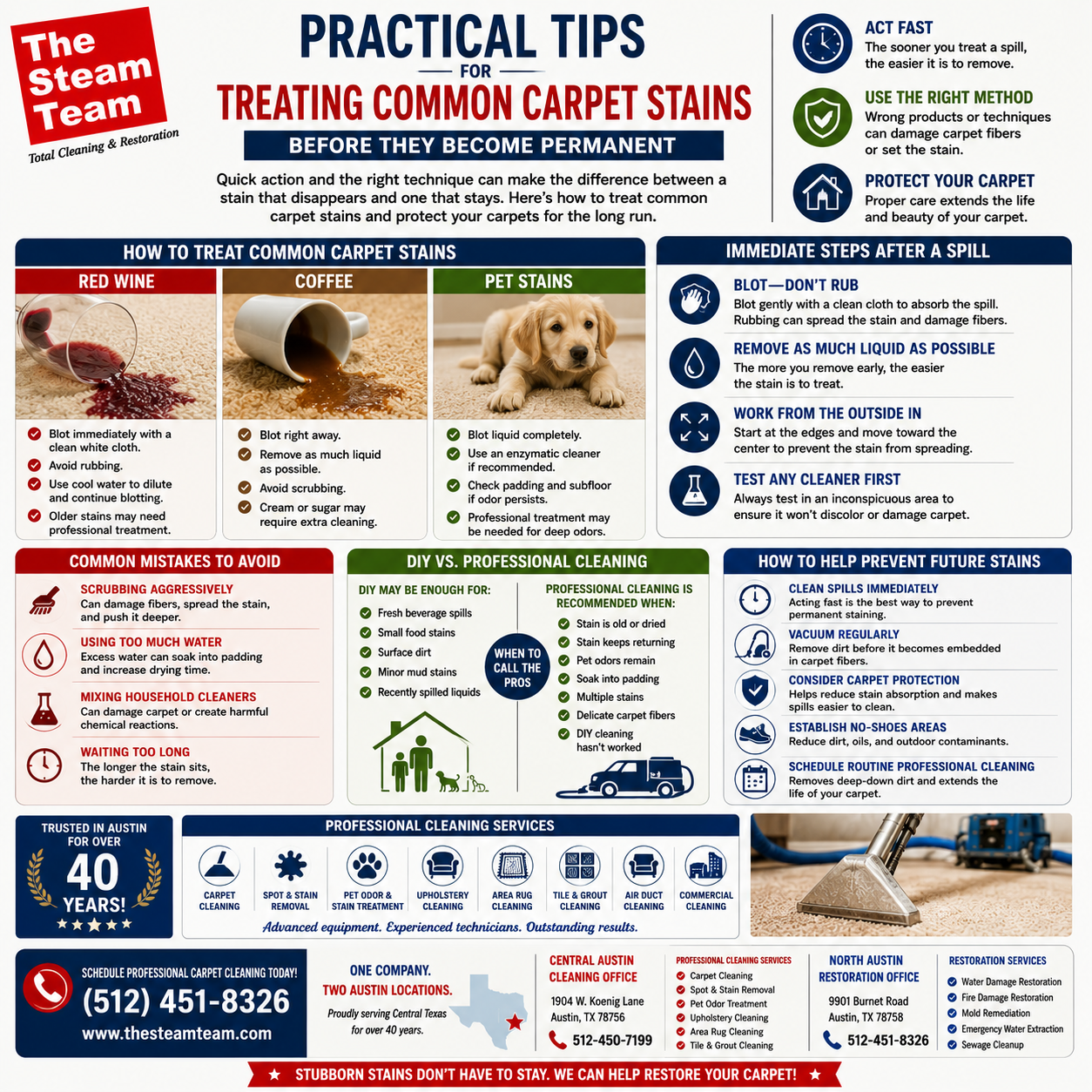
Top Tips: Best Carpet Cleaning Methods You Need to Know

Top Carpet Cleaning Techniques Revealed

Carpet cleaning methods determine how effectively soils, allergens, and odors are removed, and choosing the right technique preserves appearance, indoor air quality, and carpet life. This guide explains the leading professional approaches to hot water extraction (steam cleaning), dry/low-moisture systems, and encapsulation, showing how each works, when to use it, and what results to expect. Many homeowners and facility managers struggle with pet stains, high-traffic soiling, and post-water-damage restoration; this article maps methods to those real-world problems and explains practical trade-offs like drying time and residue. You will learn step-by-step mechanics for each method, comparative tables that summarize moisture and soil-penetration attributes, targeted techniques for pet stains and odors, and recommended cleaning frequencies for residential and commercial use. The guide also includes clear decision checklists and EAV tables to speed selection, and it closes with factual information about a local professional option for Austin-area readers. Understanding method-to-situation matching will let you choose the most effective, warranty-safe approach for your carpets.

What Is Hot Water Extraction Carpet Cleaning and Why Is It the Best Method?

Hot water extraction, commonly called steam cleaning, uses heated cleaning solution applied under pressure and immediately vacuumed out to remove deep soils and allergens from carpet fibers. The mechanism combines heat, surfactants, mechanical agitation, and powerful extraction to dissolve and lift embedded soils, leaving less residue than many older shampoo methods. This approach is widely recommended by carpet manufacturers and industry standards because it reaches deep into pile and backing where dust, pet dander, and dust mite allergens accumulate. Knowing how the process works helps set realistic expectations about stain removal limits and typical drying times after treatment.

Hot water extraction offers specific advantages for health and appearance because extraction physically removes contaminants rather than merely redistributing them. The method reduces airborne particulates by pulling them out of fibers and removing contaminants from the carpet system, which supports indoor air quality improvements. Truck-mounted systems and high-temperature solutions increase extraction efficiency in heavy-soil scenarios, while portable units are useful for smaller jobs or hard-to-reach areas. The next sections break the process into practical steps and describe measurable benefits for allergens and stains.

How Does Hot Water Extraction Work to Deep Clean Carpets?

Hot water extraction cleans by first pre-treating soils with a targeted cleaning solution, mechanically agitating fibers to loosen soil, injecting hot water and surfactant under pressure, and immediately vacuuming the suspension back into a recovery tank. Heat and surfactants break up oils and protein-based soils, agitation separates particles from fibers, and high-volume extraction removes the suspended soil rather than leaving it behind. Truck-mounted extraction units provide higher flow and vacuum power compared with portable systems, which shortens cleaning cycles for large areas and improves soil removal in deep-pile carpets. Understanding this sequence, pre-treat, agitate, inject, extract, clarifies why extraction outperforms surface-only techniques on embedded contamination.

The extraction cycle is followed by grooming and the use of air movers or dehumidifiers when needed to accelerate drying and prevent re-soiling. Proper drying after extraction reduces the risk of wicking or browning along baseboards and helps maintain fiber performance. Equipment capability and technician technique both affect outcomes, so the next subsection reviews measurable benefits for allergens and stains. Research indicates that proper hot water extraction, followed by thorough vacuuming, effectively removes crystallized residues from carpets.

The Science of Hot Water Extraction (HWE) in Carpet Cleaning

The removal of soil is properly applied hot water extraction (HWE). After drying, vacuuming the carpet thoroughly helps to extract crystallized residues, contributing to a cleaner finish.

The Science of Carpet Cleaning, 2004

What Are the Key Benefits of Steam Carpet Cleaning for Allergens and Stains?

Steam cleaning delivers measurable reductions in trapped allergens and particulate loads because extraction removes the reservoir of dust, skin cells, and dust-mite debris that feeds indoor airborne exposures. Studies and industry guidance indicate hot water extraction can significantly lower allergen levels when performed correctly, which benefits households with allergy sufferers. The method also performs strongly on common stains food, wine, and many pet-related soils, because heat and surfactants dissolve residues that solvent-only approaches may miss. For persistent or set-in protein stains, however, multiple treatments or enzymatic pretreatments may be required, and replacement can be necessary when fiber damage or permanent discoloration exists.

These health and appearance benefits make steam cleaning the recommended baseline for deep restorative cleaning, particularly when indoor air quality or warranty compliance is a priority. With that in mind, equipment differences and drying-time considerations influence when a dry method may be preferable, which we compare next. While hot water extraction is generally considered superior for deep cleaning and allergen removal, other methods like "dry steam" cleaning have also shown some efficacy.

Evaluating HEPA Vacuuming and Dry Steam Cleaning Efficacy on Carpets

The cleaning efficacy of high-efficiency particulate air-filtered vacuuming and β€œdry steam” cleaning on carpet was assessed. While dry steam cleaning did improve efficacy in carpet cleaning, shampooing using household hot water extraction cleaners did not make much difference.

Cleaning efficacy of high-efficiency particulate air-filtered vacuuming and β€œdry steam” cleaning on carpet, LM Yiin, 2007

After explaining why hot water extraction is generally the gold standard, it’s useful to note how local professional providers implement the method for reliable outcomes. The Steam Team uses hot water extraction with truck-mounted equipment and trained technicians to deliver deep extraction and faster recovery for larger jobs. Their technicians hold industry certifications that enable correct process selection and equipment operation, and they pair extraction with appropriate drying aids to balance performance and turnaround time. This practical capacity shows how method choice and experienced execution together determine final results.

How Does Dry Carpet Cleaning Compare to Steam Cleaning?

Dry carpet cleaning (low-moisture methods) uses minimal water and specialized powders, encapsulation polymers, or low-moisture liquids to capture and remove soils with little downtime and faster drying. The mechanism relies on adsorption or encapsulation chemistry and low-moisture agitation to lift soils from the fiber surface, then vacuuming to remove the treated residues. Dry systems excel when quick turnaround is required in hospitality, retail, or office environments that cannot tolerate long drying windows, but they generally remove surface soils more effectively than deeply embedded contamination. Choosing between dry and steam depends on soil depth, moisture tolerance, fiber construction, and scheduling constraints.

Below is a concise comparison table to help decide between dry and steam, based on key attributes like moisture level and soil penetration. The table summarizes typical performance so you can match the method to the scenario quickly.

Method

Moisture Level / Drying Time

Soil Penetration / Best Use Case

Hot Water Extraction

High moisture; drying 6–24 hours, depending on airflow

Deep soil and allergen removal; residential restorative cleaning

Dry Carpet Cleaning

Very low moisture; drying under 1–3 hours

Surface soil maintenance; fast commercial turnaround

Encapsulation (low-moisture)

Low moisture; quick dry

Regular maintenance to reduce re-soiling; extends the time between extractions

What Are the Advantages and Limitations of Dry Carpet Cleaning Methods?

Dry methods provide fast drying, minimal business disruption, and reduced risk of moisture-related problems in sensitive environments, making them attractive for commercial maintenance programs. They excel at surface soil removal and frequent scheduled cleanings, and modern encapsulation products generally leave less sticky residue than older powder systems. Limitations include lower effectiveness on deeply embedded soils and allergenic particles, potential residue buildup if vacuuming is inadequate, and varying performance across fiber types. For heavy soiling or allergen remediation, low-moisture systems are best used as part of a maintenance cycle that includes periodic extraction. Understanding these trade-offs helps facilities plan combined strategies for frequent dry maintenance with occasional hot water extraction to balance uptime and deep cleaning needs. The next subsection provides a decision checklist for when dry cleaning is the right operational choice.

When Is Dry Carpet Cleaning the Right Choice for Your Carpet?

Choose dry cleaning when rapid drying is essential, the environment cannot tolerate equipment or hoses, or carpets receive frequent light soiling that benefits from a maintenance program. Typical situations include hotel lobbies with quick room turnovers, retail floors with nightly cleaning windows, and healthcare spaces requiring limited moisture exposure. Check carpet manufacturer guidance and warranty provisions, since some warranties require periodic extraction; if in doubt, pair dry maintenance with scheduled extraction to maintain warranty compliance. This decision framework supports effective scheduling that optimizes appearance without sacrificing deep-clean intervals.

What Is the Encapsulation Carpet Cleaning Process and How Effective Is It?

Encapsulation cleaning uses polymers that surround and crystallize soils into brittle particles, which are then vacuumed away, delivering low-moisture cleaning with less residue than old-school shampooing. The mechanism involves applying an encapsulating detergent, lightly agitating to mix polymers with soils, allowing polymers to dry and encapsulate contaminants, and then vacuuming up the resulting crystals. This process protects fibers from sticky residues while offering quick dry times, which suits regular maintenance cycles in commercial and residential settings. While encapsulation is efficient for recurring cleaning, it may not fully replace extraction when carpets harbor deep, long-accumulated soils or allergens. The encapsulation cycle emphasizes maintenance and reduced re-soiling because the polymers leave a film that resists soil adherence until removed. For heavily soiled or allergen-laden carpets, combining encapsulation as interim maintenance with periodic extraction produces the best long-term outcomes. The subsections below explain the chemistry in plain terms and weigh the pros and cons.

How Does Encapsulation Work to Clean and Protect Carpet Fibers?

Encapsulation chemistry attaches polymer molecules to loosened soil particles during application; as the polymer dries, it forms crystalline shells around soils that are brittle and easy to remove by vacuuming. The process typically starts with a low-moisture cleaning solution and mechanical agitation to suspend soils, followed by a drying interval during which encapsulation completes. Because the encapsulation step immobilizes soils into removable particles rather than leaving a sticky residue, fiber appearance is often improved with less rapid re-soiling compared with older shampoo methods. As a maintenance technique, encapsulation helps protect carpet fibers between deeper extraction cycles and extends the time between restorative cleanings. Practically, encapsulation is fast, cost-effective, and compatible with scheduled maintenance programs, but technicians should ensure thorough vacuuming to remove encapsulated particles for best results. The next subsection explores concrete benefits and trade-offs to guide method selection.

What Are the Benefits and Drawbacks of Encapsulation Cleaning?

Encapsulation offers fast drying, reduced water use, and cost-effective routine maintenance that minimizes business downtime and lowers temporary moisture risks. It typically produces less residue and faster reoccupation compared with conventional shampooing, and it integrates well into frequent cleaning regimens that keep soils from becoming deeply embedded. Drawbacks include reduced deep-clean power for soils embedded below the fiber tips and limited allergen removal compared with hot water extraction. For heavily soiled or allergen-prone environments, encapsulation should be paired with periodic extraction for comprehensive results. Choosing encapsulation as part of an integrated cleaning plan balances efficiency and performance, ensuring appearance maintenance while scheduling extraction when deep cleaning or health-based remediation is required.

Which Professional Carpet Cleaning Techniques Are Best for Pet Stains and Odor Removal?

Pet stain and odor removal requires both targeted chemistry and extraction power: enzymatic cleaners break down odor-causing molecules, while hot water extraction lifts the byproducts and residual salts that sustain odor. The combined approach of enzymatic pretreatment followed by thorough extraction and odor-neutralizing agents addresses both the biological source and the carrier soils in carpet fibers and padding. For old or set-in urine, technicians may need to assess padding and subfloor contamination, since odors can persist from beneath the carpet. Selecting the right sequence and products matters more than a single β€œone-size-fits-all” product.

Below is a compact comparative table of common pet treatments to help you choose the best approach based on mechanism, time to result, and limitations. This table clarifies when enzymes, oxidizers, or extraction-plus-neutralizers are most appropriate.

Treatment

Mechanism / Time to Result

Limitations / Best Use Case

Enzymatic Cleaners

Biological breakdown of proteins; visible improvement within hours to days

Best on fresh biological stains; limited on salts and deep padding contamination

Oxidizers (e.g., peroxides)

Chemical oxidation of odor molecules; fast action

Can alter dyes or fibers if misused; follow with extraction

Extraction + Odor Neutralizers

Physical removal plus neutralization; thorough but may need repeat visits

Most effective for combined soil and odor control; assesses padding when odor persists

How Do Enzyme Cleaners and Specialized Treatments Remove Pet Urine Odors?

Enzyme cleaners contain specific biological catalysts that digest the proteins and uric acid compounds in pet urine, converting the molecules responsible for odor into harmless, odorless byproducts. Enzymes penetrate soiled fibers and substrates to neutralize the biological source rather than masking smells, which makes them essential for fresh and moderately aged urine incidents. For deep or salt-stained urine, enzymes alone may not suffice; extraction to remove crystallized urine salts and inspection of padding or subfloor materials is necessary. Professional application sequences typically include enzyme pretreatment, agitation, thorough extraction, and follow-up neutralizers or sealers when residual odor sources are present. Timely treatment increases the chance of full odor removal; older, oxidized urine often requires layered approaches and professional assessment to determine whether restoration or replacement is appropriate. The next subsection explains why certified technicians matter for these complex cases.

While hot water extraction is effective for removing physical residues, specialized treatments are crucial for addressing the chemical and biological components of pet stains and odors.

HEPA-Filtered Hot Water Extraction vs. Dry Vacuuming for Asbestos Fiber Removal from Carpet

Two carpet cleaning techniques (HEPA-filtered dry vacuuming and HEPA-filtered hot water extraction) were evaluated for their effectiveness in removing asbestos fibers from carpet. The study compared asbestos concentrations before and during carpet cleaning.

Evaluation of two cleaning methods for the removal of asbestos fibers from carpet, 1990

Why Choose Certified Technicians for Effective Pet Stain Removal?

Certified technicians bring diagnostic skill to determine whether odors originate from carpet pile, padding, or subfloor, and they select the right combination of enzymatic, oxidative, and extraction steps accordingly. Certifications (such as those recognized in industry standards like IICRC) indicate formal training in identifying fiber types, safe chemistry usage, and when restorative measures like padding replacement are necessary. Proper equipment use, measured solution application, controlled extraction, and drying reduce the risk of re-soiling and color damage and increase the success rate for odor elimination. For persistent odors, certified technicians can provide an evidence-based plan that balances restoration attempts with practical replacement thresholds.

Choosing trained professionals reduces the risk of ineffective treatments that merely mask odors temporarily and increases the likelihood of durable odor control through correct diagnostics and method selection.

After outlining the best pet-focused techniques, it’s useful to note a local provider’s capabilities for customers needing hands-on service. The Steam Team offers specialized pet stain and odor removal services that combine enzymatic treatments and odor neutralizers with extraction equipment and certified technician evaluation. Their experience in restoration contexts supports thorough diagnosis when odors persist beyond the carpet surface.

How Often Should You Schedule Professional Carpet Cleaning for Optimal Results?

Baseline recommendations place general residential carpet cleaning on a 12–18 month interval for typical-traffic homes, while factors like pets, children, allergies, and humidity often increase the needed frequency. The reason is that soils act abrasively on fibers and trap allergens that degrade indoor air quality over time, so regular professional cleaning both restores appearance and protects carpet longevity. Commercial environments have higher baseline needs. Offices, retail, and hospitality typically require more frequent maintenance, often quarterly to semi-annually, depending on traffic. A targeted schedule based on occupancy and risk factors ensures cost-effective maintenance that extends useful carpet life.

Below is a scheduling table that maps property use and conditions to recommended cleaning frequency, enabling quick planning for residential and commercial users.

Property / Use Case

Attribute (Traffic / Pets / Allergies)

Recommended Frequency

Residential, low traffic

No pets, few occupants

Every 12–18 months

Residential, pets, or children

Moderate to high traffic; pets present

Every 6–12 months

Offices and light retail

Moderate traffic; limited overnight downtime

Every 6–12 months

Hospitality and high-traffic retail

High traffic; short turnaround windows

Quarterly to semi-annually

What Factors Influence Carpet Cleaning Frequency?

Traffic level, presence of pets, household members with allergies, local climate (humidity and seasonal allergens), and carpet material all adjust baseline frequency recommendations. High-traffic paths and entryways accumulate abrasive grit that accelerates fiber wear, while pets contribute organic soils and odors that demand more frequent treatment. Humid climates can encourage mold or microbial issues on damp carpets if moisture control is poor, increasing the need for proactive maintenance. Considering these factors together allows property owners to customize a cleaning schedule that balances appearance, IAQ, and long-term cost.

Identifying your property’s dominant factors lets you plan a cleaning cadence that prevents irreversible damage and manages health-related exposures, which leads directly into how regular cleaning improves longevity and air quality.

How Does Regular Cleaning Improve Carpet Longevity and Indoor Air Quality?

Regular professional cleaning removes abrasive soil before it abrades fibers, slowing pile collapse and preserving the carpet’s appearance and cushioning. By extracting trapped particulates and biological debris, professional methods reduce sources of airborne allergens and improve indoor air quality metrics over time. This preventative approach lowers long-term replacement costs by extending the usable life of the carpet and can maintain warranty compliance when proper methods are used. In short, scheduled cleaning is an investment that reduces both health exposures and lifecycle costs for floor coverings.

After understanding recommended intervals and benefits, many readers will be ready to arrange service; if you need a local provider, request a quote or appointment with The Steam Team by calling (512) 451-8326 or using their online scheduling options. Their availability includes Austin and Central Texas, and they can advise on frequency tailored to your traffic, pets, and allergy needs. Speaking directly with a certified technician helps align method selection, extraction, encapsulation, or dry cleaning with warranty considerations and your occupancy schedule. Reach out to begin scheduling a maintenance plan or an immediate restorative cleaning.

Why Choose The Steam Team for Professional Carpet Cleaning in Austin?

The Steam Team presents factual credentials and service scope relevant to selecting a local provider: they were established in 1983 and have more than four decades of local experience, they provide 24/7 emergency services for water, fire, and mold damage, and they offer carpet, tile, air duct, upholstery, and rug cleaning. Their workforce includes IICRC-certified technicians for water damage and rug cleaning and NADCA-certified technicians for air duct cleaning, which signals formal training in industry-standard restoration and IAQ practices. Additional trust signals include an A+ Better Business Bureau rating and recognition through local awards, underscoring community reputation and restoration crossover capability. These factual elements show how The Steam Team’s certifications and service breadth support more reliable, standards-aligned cleaning and remediation outcomes.

Factual proof points matter because certified processes and cross-trained restoration experience help technicians diagnose complex problems, such as odor sources in padding after pet incidents or moisture-driven contamination after a leak, and then apply coordinated remediation and drying strategies. The Steam Team’s emergency availability supports integrated responses when restoration urgency affects carpets, which reduces the risk of secondary damage and shortens recovery time. Prospective customers should evaluate these credentials alongside method recommendations when choosing a provider.

What Certifications and Experience Set The Steam Team Apart?

The Steam Team employs technicians with IICRC certifications focused on water damage and rug cleaning, and it includes NADCA-certified specialists for air duct cleaning, reflecting formal training across restoration and air-quality disciplines. Being established in 1983 provides long-term local experience and operational continuity in Austin and Central Texas markets, while their 24/7 emergency services address urgent restoration scenarios tied to carpets and indoor environments. The company also holds an A+ rating from the Better Business Bureau and has earned local recognition through awards, which together act as external trust signals for reliability and community standing. These credentials translate into procedural rigor and the ability to coordinate carpet cleaning with broader restoration tasks when necessary. By choosing technicians with recognized certifications and restoration experience, clients benefit from standardized diagnostic protocols, safer chemistry selection, and adherence to industry drying and drying-equipment practices that protect carpets and interiors.

How Does The Steam Team Ensure Customer Satisfaction and Quality Service?

The Steam Team focuses on technician certification, appropriate equipment selection, and transparent expectations to ensure quality outcomes and customer satisfaction. Service steps typically include an initial assessment and method recommendation, targeted pretreatment for stains and odors, use of truck-mounted or portable extraction equipment as appropriate, and deployment of drying aids when required to meet turnaround expectations. They emphasize clear communication about realistic stain outcomes, drying times, and follow-up actions for persistent issues, which helps set customer expectations and reduce surprises. To schedule service, customers may call (512) 451-8326 to request a quote or an appointment; technicians can then advise on method selection and timing based on the home or facility’s needs. This combination of certified training, equipment capability, and transparent communication creates a practical pathway from method selection to measurable results, supporting both appearance restoration and indoor air quality improvements.

Different cleaning methods suit different needs, and matching the technique to the scenario, steam extraction for deep allergen removal, dry cleaning for fast turnaround, and encapsulation for routine maintenance delivers the best long-term outcomes. By combining method knowledge, diagnostic skills, and qualified technicians, property owners can protect carpet appearance, indoor air quality, and asset value.

Frequently Asked Questions

What is the difference between encapsulation and hot water extraction carpet cleaning?

Encapsulation cleaning uses polymers to crystallize soils, allowing for quick drying and minimal residue, making it ideal for regular maintenance. In contrast, hot water extraction, or steam cleaning, employs heated water and powerful suction to remove deeply embedded dirt and allergens. While encapsulation is effective for surface cleaning and reducing re-soiling, hot water extraction is superior for thorough cleaning and allergen removal. Choosing between the two methods depends on the level of soil, moisture tolerance, and the specific cleaning needs of the carpet.

How can I maintain my carpets between professional cleanings?

To maintain carpets between professional cleanings, regular vacuuming is essential to remove surface dirt and prevent it from embedding into fibers. Spot cleaning spills immediately with appropriate cleaners can prevent stains from setting. Additionally, using area rugs in high-traffic zones can protect carpets from wear. Implementing a regular maintenance schedule that includes professional cleaning every 6 to 18 months, depending on traffic and usage, will also help preserve the carpet's appearance and longevity.

Are there eco-friendly carpet cleaning options available?

Yes, there are eco-friendly carpet cleaning options available that utilize biodegradable and non-toxic cleaning solutions. Many professional carpet cleaning services now offer green cleaning methods that minimize environmental impact while effectively removing dirt and allergens. These methods often include low-moisture cleaning techniques and the use of plant-based cleaning agents. When selecting a service, inquire about their eco-friendly practices to ensure that your carpet cleaning aligns with your sustainability goals.

What should I do if my carpet has a persistent odor after cleaning?

If your carpet retains a persistent odor after cleaning, it may indicate that the source of the odor has not been fully addressed. In such cases, consider re-evaluating the cleaning method used, as some odors require specialized treatments, such as enzymatic cleaners for pet urine. Additionally, inspect the carpet padding and subfloor for contamination, as odors can originate from these areas. Consulting a certified technician can provide a tailored solution to effectively eliminate the odor.

How can I choose the right carpet cleaning service?

Choosing the right carpet cleaning service involves several factors. Look for companies with certified technicians, such as those accredited by the IICRC, which indicates professional training and adherence to industry standards. Read customer reviews and check ratings from organizations like the Better Business Bureau. Additionally, inquire about the cleaning methods they use, ensuring they align with your carpet type and cleaning needs. A reputable service will also provide clear pricing and a satisfaction guarantee.

What are the signs that my carpet needs professional cleaning?

Signs that your carpet needs professional cleaning include visible stains, persistent odors, and a general dull appearance. If you notice increased allergy symptoms among household members, it may indicate that allergens are trapped in the carpet fibers. Additionally, high-traffic areas may show matting or wear, signaling the need for deep cleaning. Regular maintenance is crucial, so if it has been over a year since your last professional cleaning, it’s likely time to schedule a service.

Can carpet cleaning help with allergy symptoms?

Yes, professional carpet cleaning can significantly help alleviate allergy symptoms. Carpets can trap allergens such as dust mites, pet dander, and pollen, which can exacerbate respiratory issues. Methods like hot water extraction effectively remove these allergens from deep within the carpet fibers, improving indoor air quality. Regular cleaning not only reduces allergen levels but also helps maintain a healthier living environment, making it especially beneficial for allergy sufferers.

Conclusion


Choosing the right carpet cleaning method is essential for maintaining the appearance, longevity, and indoor air quality of your carpets. Understanding the benefits of techniques like hot water extraction, dry cleaning, and encapsulation empowers you to make informed decisions tailored to your specific needs. Regular professional cleaning not only enhances the aesthetic appeal but also contributes to a healthier living environment. To explore tailored solutions for your carpet care, contact The Steam Team today.
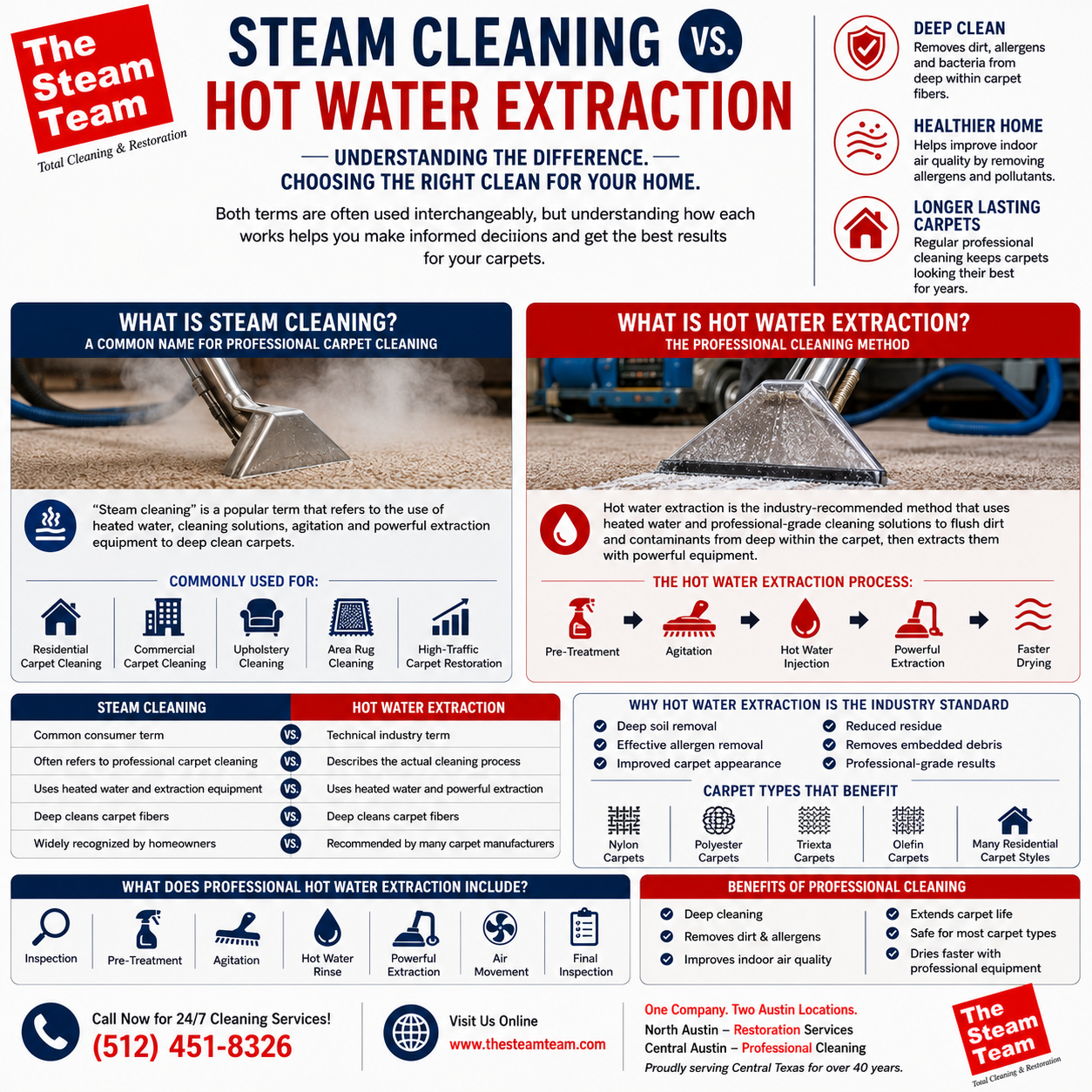
Steam Cleaning vs Dry Cleaning: Which Carpet Method Wins?

Steam or Dry Cleaning: Best for Austin?

Choosing between steam cleaning and dry cleaning for carpets and upholstery can feel technical, but the right method comes down to soil type, fabric sensitivity, drying time needs, and indoor air quality concerns. This article explains what steam cleaning (hot water extraction) and dry/low-moisture methods are, how each works, and the practical benefits and trade-offs for Austin homes and businesses. You will learn the cleaning mechanisms, expected drying ranges, fabric suitability, stain-specific recommendations, and health and environmental impacts so you can decide with confidence. The guide also compares methods side-by-side, maps common Austin scenarios to the recommended approach, and outlines when to call a professional for restoration or specialized cleaning. By the end, you’ll have clear decision rules for pets, allergies, delicate upholstery, commercial turnarounds, and when to seek an on-site assessment from a local provider.

What Is Steam Cleaning and How Does Hot Water Extraction Work?

Steam cleaning, commonly called hot water extraction, uses pressurized hot water and cleaning solution injected into fibers and immediately extracted to remove suspended soil and contaminants. The mechanism relies on heat and agitation to loosen embedded dirt, while a high-powered extraction wand pulls water, soil, and residues into recovery tanks; this process sanitizes surfaces by reducing biological contaminants. Professional equipment, hot water injection units, extraction wands, and drying fans differ from consumer machines in pressure, temperature control, and recovery capacity, producing deeper cleaning in one service. Understanding these equipment and process differences clarifies why hot water extraction is widely recommended for heavily soiled carpets and upholstery needing allergen and odor removal.

What Are the Key Benefits of Steam Cleaning for Carpets and Upholstery?

This subsection lists the principal advantages of hot water extraction and explains how each benefit affects home and business environments. The focus is on deep cleaning, allergen reduction, odor control, and fabric care outcomes that improve indoor air quality and longevity of textile surfaces. Recent professional guidance and industry standards emphasize the role of hot water extraction in mitigating biological contaminants after water intrusion or regular heavy use.

  • Deep cleaning: Hot water extraction removes embedded soil and fine particulates from deep within fibers, restoring pile and appearance.

  • Allergen reduction: The combination of heat, agitation, and extraction reduces dust mite fragments, pet dander, and pollen that aggravate allergies.

  • Odor elimination: Removal of organic residues and trapped odors addresses persistent pet and household smells rather than masking them.

These benefits make steam cleaning a go-to choice when deep sanitation, allergen control, and long-term fabric health are priorities, which leads to the technical and practical drawbacks that follow.

What Are the Potential Drawbacks of Steam Cleaning?

Steam cleaning delivers deep results but has trade-offs users should weigh before scheduling service. The primary considerations are extended drying time compared to low-moisture methods, potential sensitivity of certain fabrics to heat and moisture, and the risk of overwetting when performed by inexperienced operators. Proper professional technique controlled injection pressure, efficient extraction, and use of drying fans mitigates most risks and shorten dry time, but delicate textiles usually require pre-testing or alternative approaches.

  • Drying time: Expect longer drying windows that typically range from 6 to 12 hours, depending on humidity and ventilation.

  • Fabric sensitivity: Natural fibers like some silks or vintage textiles may need specialist treatment to avoid shrinkage or dye migration.

  • Overwetting risk: Improper equipment or technique can lead to excessive moisture retention, which increases the potential for secondary issues like mold if not addressed promptly.

Recognizing these limitations helps homeowners and managers choose the right method or request hybrid protocols when deep cleaning must coexist with fabric protection and quick reuse.

What Is Dry Cleaning and How Do Low-Moisture Methods Clean Fabrics?

Dry cleaning and low-moisture methods remove soil using solvents, encapsulation polymers, or dry compounds rather than large volumes of water; the mechanism focuses on dissolving or encapsulating soil and then removing it with minimal wetting. Common professional options include solvent-based dry cleaning for delicate upholstery, encapsulation chemistry for carpets, and dry compound systems that agitate absorbent powders into fibers and vacuum them out. These methods prioritize rapid drying and reduced moisture exposure, making them suitable for water-sensitive fabrics and fast turnarounds in commercial spaces.

What Are the Advantages of Dry Cleaning for Delicate and Quick-Dry Needs?

Dry and low-moisture approaches provide distinct operational advantages that meet specific fabric and scheduling requirements. Key strengths include minimal moisture contact that preserves water-sensitive fibers, much faster return-to-service times suited for retail or hospitality settings, and strong performance on oil-based and hydrocarbon stains that solvents target effectively. These benefits make dry methods preferable when fabrics are at risk from moisture or when spaces must be reused quickly.

  • Fast drying: Low-moisture methods typically leave textiles dry within one to four hours, enabling rapid reuse.

  • Fabric safety: Solvent or encapsulation techniques limit swelling or distortion in delicate fibers like wool or some upholstery textiles.

  • Oil-stain performance: Solvent-based cleaning dissolves grease and oily residues more effectively than water alone.

Understanding these advantages highlights why facility managers and owners of delicate upholstered pieces often choose dry methods, while still considering trade-offs in depth of cleaning.

What Are the Considerations and Disadvantages of Dry Cleaning?

Low-moisture systems trade off deep-extraction capability for speed and fabric safety, and that creates several important considerations for owners and facility managers. Primary limitations are reduced effectiveness on deeply embedded soil and biological contamination, potential chemical residues depending on solvent choice, and variable environmental profiles across different technologies. Modern low-toxicity solvents and encapsulation chemistries reduce health and environmental concerns, but professional selection and precise application remain critical to minimize residues and achieve consistent results.

  • Reduced deep-cleaning power: Dry methods may not remove heavy, compacted soil or ground-in allergens as thoroughly as hot water extraction.

  • Chemical residue potential: Some solvents can leave trace residues that affect indoor air quality unless properly rinsed or extracted.

  • Stain scope limits: Biological stains and heavy protein soils often respond better to hot water extraction with enzymatic pre-treatment.

These trade-offs mean dry cleaning is often best used selectively for delicate items or tight schedules, with hybrid plans recommended when deep sanitization is also required.

How Do Steam Cleaning and Dry Cleaning Compare Side-by-Side?

This section presents a focused comparison of the main attributes that influence method selection, cleaning depth, drying time, fabric suitability, stain removal, eco-friendliness, and relative cost and explains practical implications for residential and commercial decisions in Austin. The table below summarizes typical outcomes by attribute to support quick decision-making for homeowners and facilities managers.

Method

Attribute

Typical Outcome

Hot Water Extraction (Steam)

Cleaning depth

Deep removal of embedded soil, allergens, and organic residues

Hot Water Extraction (Steam)

Drying time

Moderate to long (6–12 hours depending on conditions)

Hot Water Extraction (Steam)

Fabric suitability

Broadly effective; requires testing for delicate fibers

Low-Moisture / Dry Methods

Cleaning depth

Surface to moderate cleaning; best for light to moderate soil

Low-Moisture / Dry Methods

Drying time

Very fast (under 1–4 hours)

Low-Moisture / Dry Methods

Fabric suitability

Ideal for water-sensitive textiles and quick reuse

How Do Cleaning Depth, Drying Time, and Fabric Suitability Differ?

Cleaning depth, drying time, and fabric compatibility form the core decision criteria when comparing methods, and each factor has quantifiable expectations. Hot water extraction delivers deep cleaning that addresses dust mites and biological residues but typically requires 6–12 hours to dry in typical Austin conditions; low-moisture methods dry in under 1–4 hours and are safer for water-sensitive upholstery. Choosing correctly involves assessing fabric labels, expected soil loads, and operational needs to balance restoration-grade cleaning against the need for quick reuse.

  • Drying time specifics: Steam cleaning commonly requires half a day to a day; low-moisture options restore usability within hours.

  • Fabric recommendations: Use steam for durable synthetic and blended carpets, and choose dry methods for delicate natural fibers unless specialist treatment is available.

  • Practical mitigation: When deep cleaning is necessary but downtime is limited, work in zones or schedule after-hours service with professional drying equipment.

These distinctions clarify how to align cleaning methods to specific textile types and schedule constraints.

What Are the Differences in Stain Removal, Eco-Friendliness, and Cost?

Stain chemistry, environmental impact, and price are related considerations that influence method selection, with each method performing unevenly across stain classes and sustainability measures. Oil-based and solvent-soluble stains often respond more quickly to dry/solvent methods, whereas protein stains, biological soils, and heavy particulate soils generally yield to hot water extraction combined with enzymatic or alkaline pre-sprays. Environmentally, hot water extraction typically reduces reliance on harsh solvents but increases water and wastewater handling needs; low-moisture encapsulation and modern low-toxicity solvents can lower water use but require careful product selection to limit residues.

  • Stain guidance: Use dry methods for grease and oil; choose steam for protein, organic, and heavy particulate stains.

  • Environmental trade-offs: Steam relies on water but minimizes solvent use; dry systems conserve water but may use solvents that vary in toxicity.

  • Cost scale: Pricing depends on service scope, but steam may cost more for large-scale deep cleaning due to equipment and drying needs, while dry methods can be more economical for fast-turnaround jobs.

These practical differences help homeowners and managers choose an approach that balances effectiveness, sustainability goals, and budget constraints.

Which Cleaning Method Is Best for Your Austin Home or Business?

Deciding the best cleaning method begins with a short decision rule: if embedded soil, allergens, pet urine, or biological contamination are present, prefer hot water extraction; if fabrics are water-sensitive or space needs immediate reuse, choose dry/low-moisture methods. Austin’s climate and common housing profiles pets, seasonal allergens, and occasional water intrusion make allergen reduction and mold-aware cleaning protocols especially relevant when selecting a service. This section maps typical local scenarios to recommended methods and explains why each choice fits particular needs.

Scenario/Need

Recommended Method

Rationale

Homes with allergies or pets

Hot water extraction

Deep extraction removes dander, dust mite fragments, and odors linked to allergies

Delicate upholstery or antique textiles

Low-moisture/solvent methods

Minimizes water exposure and reduces the risk of shrinkage or dye migration

Commercial spaces needing rapid turnover

Low-moisture/encapsulation

Fast drying supports minimal downtime and frequent use

Recent water damage or mold risk

Hot water extraction and restoration protocols

Hot water extraction with restoration expertise helps sanitize and reduce mold risk

High-traffic stained carpet

Combined approach (spot solvent + steam)

Targeted solvent for oils, followed by extraction for overall clean-up

This scenario table helps Austin property owners quickly match their most pressing needs to a cleaning strategy that balances health, fabric care, and operational demands. For most Austin residential and commercial situations, especially where deep allergen removal, pet odor elimination, or post-water-damage sanitization is required, hot water extraction is the recommended baseline cleaning method. When fast drying or delicate fabric protection is the priority, low-moisture methods are preferable; professionals often combine approaches for optimal results, addressing oil stains with targeted solvent work followed by hot water extraction for overall cleanliness. These decision rules make it straightforward to plan an effective cleaning visit or restoration assessment.

For local on-site assessments and service requests, The Steam Team recommends an initial inspection to confirm fabric types and soil levels and to determine whether hot water extraction, low-moisture methods, or a hybrid approach best meets the client's needs. The Steam Team is based in Austin and serves Central Texas, offering professional carpet and upholstery cleaning where hot water extraction is a core offering; their local expertise supports practical scheduling and follow-up drying plans to suit Central Texas homes and businesses.

What Health and Environmental Benefits Do Steam and Dry Cleaning Offer?

Both steam cleaning and modern dry-cleaning techniques can contribute to healthier indoor environments, but they do so through different mechanisms and trade-offs. Hot water extraction reduces allergens and biological contaminants through heat-assisted extraction, improving indoor air quality for occupants with respiratory sensitivities. Dry and encapsulation systems reduce moisture exposure and can lower water consumption, but environmental and health outcomes depend on the specific solvents or polymers used. This section details the comparative health and environmental impacts to help readers prioritize outcomes aligned with family or business needs.

Health/Environmental Concern

Steam Cleaning Impact

Dry Cleaning Impact

Allergen reduction

High removes dust mites, pollen, and dander through extraction

Moderate surface allergens may be reduced, but deep particulates can remain

Bacteria and mold mitigation

High when combined with sanitizing agents and thorough extraction

Low to moderate; solvents may not fully eliminate biological contaminants

Chemical usage

Lower dependency on solvents; uses water and targeted detergents

Variable; modern low-toxicity solvents reduce concerns, but residue management is important

Water and wastewater

Higher water use requires responsible recovery and disposal

Lower water use; less wastewater, but potential chemical disposal considerations

This table clarifies how method selection affects occupant health and environmental footprint and supports evidence-based choices for sensitive households.

How Does Steam Cleaning Improve Indoor Air Quality and Allergen Removal?

Steam cleaning improves indoor air quality by physically extracting particulate allergens and reducing the biological load on carpet and upholstery fibers, which lowers airborne resuspension after cleaning. Professional hot water extraction includes pre-vacuuming, targeted pre-treatment, controlled hot water injection, and high-volume recovery, producing measurable reductions in dust mite allergens and pet dander. For families with children, asthma, or significant pet presence, professional steam cleaning is a key component of an indoor air quality strategy because it addresses both visible soils and microscopic biological triggers that conventional vacuuming often leaves behind.

  • Mechanism summary: Hot water and agitation loosen allergens; extraction removes the particles rather than moving them to another area.

  • Practical outcome: Reduced odor and lower incidence of allergen-triggered symptoms in many households after professional treatments.

  • Professional advantage: Trained technicians and certified processes improve consistency and reduce the chance of overwetting that could negatively affect IAQ.

These benefits demonstrate why deep extraction is often recommended as part of regular maintenance for allergy-prone environments.

Dry Steam Cleaning for Carpet Allergen and PAH Reduction

Dry steam cleaning, which has gained recent attention as an effective method to reduce house dust mite (HDM) allergen concentration and loading in carpets, was evaluated in this study for its efficacy in lowering levels of polycyclic aromatichydrocarbons(PAHs) as well as HDM allergens. Fifty urban homes with wall-to-wall carpets, mostly low-income and with known lead contamination, were studied in 2003 and 2004. Two carpet-cleaning interventions were compared: Repeated HEPA (High Efficiency Particulate Air filtered) vacuuming alone and repeated HEPA vacuuming supplemented with dry steam cleaning. Vacuum samples were collected to measure carpet loading of dust and contaminants immediately before and after cleaning. Paired comparisons were conducted to evaluate the effectiveness of the cleaning protocols in reducing the levels of PAHs and HDM allergens in carpets. The results indicated that both cleaning methods substantially reduced the loading of PAHs and HDM allergens as well

What Are the Environmental Impacts of Steam vs Dry Cleaning?

Environmental impact depends on water use, chemical profiles, and waste management practices, and contemporary choices can minimize negative effects for both approaches. Steam cleaning uses water but can rely on biodegradable detergents and careful wastewater handling to reduce environmental footprint, while low-moisture encapsulation and modern solvent systems conserve water but require attention to solvent toxicity and disposal. Choosing eco-friendly formulations, ensuring technicians follow disposal regulations, and preferring providers who use low-toxicity chemistries balances cleaning effectiveness with environmental responsibility.

  • Steam: Greater water use but potential for lower solvent reliance and easier control of residue.

  • Dry methods: Lower water consumption but variable chemical profiles that demand careful selection and handling.

  • Recommended practice: Ask about product safety data, disposal practices, and options for low-toxicity or green chemistries when comparing providers.

These considerations allow property owners to select a method that aligns with both health priorities and environmental values.

Why Trust The Steam Team for Professional Steam and Dry Cleaning in Austin?

The Steam Team combines local Central Texas expertise with a broad set of cleaning and restoration services to deliver reliable outcomes for carpet and upholstery care. Based in Austin and serving Central Texas, The Steam Team offers water damage restoration, fire damage restoration, mold mitigation, and cleaning services, including carpet, rug, tile, air duct, and upholstery cleaning. Their primary product/service alignment for this topic is professional carpet and upholstery cleaning, with hot water extraction as a core offering for deep cleaning and restoration work. This local, restoration-capable approach helps homeowners and businesses address both everyday maintenance and post-incident remediation with consistent standards.

How Do The Steam Team’s IICRC Certifications and Experience Ensure Quality?

IICRC-certified technicians follow industry-standard protocols that guide proper pre-treatment, soil removal, extraction pressure, and drying practices, which reduce risks like overwetting and fabric damage. The Steam Team’s validated mention of IICRC certification indicates training in cleaning and restoration best practices, which translates to safer cleaning choices for delicate fabrics and more reliable results for heavy-soil or post-loss situations. Experienced technicians apply appropriate hyponyms of cleaning, such as hot water extraction and encapsulation, based on fabric type and contamination profile, ensuring the selected method matches the problem rather than applying a one-size-fits-all solution.

What Customer Satisfaction Guarantees and Awards Support Our Service?

The Steam Team highlights award-winning service recognition, including "Best of the Best," maintains an A+ BBB rating, and offers a customer satisfaction guarantee as part of its service promises; these trust signals support confidence when selecting a local provider. Their comprehensive cleaning and restoration solutions mean clients can access water damage restoration, mold mitigation, and specialized upholstery treatments from the same team, reducing coordination and improving accountability. For example, anonymized local case work showed an integrated cleaning and restoration response that resolved a pet odor and moisture incident through combined hot water extraction and mitigation protocols, illustrating practical outcomes from certified processes.

  1. Local expertise: The Steam Team serves Central Texas and tailors drying and remediation strategies to Austin’s climate and building types.

  2. Certified practice: IICRC-certified technicians apply standardized processes to improve consistency and safety.

  3. Service coverage: A broad service offering restoration and cleaning helps manage complex jobs involving both contamination and structural moisture.

These points show why choosing a certified local provider matters for both routine cleaning and restoration-grade work.

This article has outlined the mechanisms, benefits, trade-offs, and scenario-specific recommendations for steam versus dry cleaning to help Austin homeowners and businesses decide. For professional assessments, quote requests, or to schedule an appointment with a local team experienced in hot water extraction and restoration services, consider contacting The Steam Team or requesting an on-site evaluation to determine the optimal cleaning plan for your carpets and upholstery.

Frequently Asked Questions

1. How often should I steam clean my carpets and upholstery?

For optimal maintenance, it is generally recommended to steam clean carpets and upholstery every 6 to 12 months, depending on usage and environmental factors. Homes with pets, children, or high foot traffic may require more frequent cleaning to manage allergens and stains effectively. Additionally, if you notice persistent odors or visible dirt, it may be time to schedule a cleaning. Regular maintenance not only enhances the appearance of your textiles but also prolongs their lifespan and improves indoor air quality.

2. Can I perform steam cleaning myself, or should I hire a professional?

While there are consumer-grade steam cleaning machines available, hiring a professional is often recommended for the best results. Professionals use high-powered equipment that can achieve deeper cleaning and better extraction of dirt and allergens. They also have the expertise to handle different fabric types and stains effectively, reducing the risk of damage. If you choose to DIY, ensure you follow the manufacturer's instructions carefully and test a small area first to avoid any adverse effects on your upholstery or carpets.

3. What types of fabrics are suitable for steam cleaning?

Steam cleaning is generally safe for synthetic and blended fabrics, such as nylon and polyester, which can withstand heat and moisture. However, delicate fabrics like silk, wool, or vintage textiles may require special care or alternative cleaning methods to prevent damage. Always check the care label on your upholstery or carpet before proceeding with steam cleaning, and consider consulting a professional if you're unsure about the fabric's compatibility with this method.

4. Are there any health risks associated with dry cleaning methods?

While modern dry cleaning methods use low-toxicity solvents, there can still be health risks if chemical residues are not properly managed. Some solvents may emit volatile organic compounds (VOCs) that can affect indoor air quality. To minimize risks, choose a dry cleaning service that uses eco-friendly products and follows best practices for solvent disposal. Additionally, ensure proper ventilation during and after the cleaning process to help dissipate any lingering odors or chemicals.

5. How can I prepare my home for a professional cleaning service?

To prepare for a professional cleaning service, start by clearing the area of any furniture, personal items, and obstacles that may hinder access to the carpets or upholstery. Vacuum the surfaces to remove loose dirt and debris, which can enhance the effectiveness of the cleaning process. If there are specific stains or areas of concern, inform the cleaning technician beforehand so they can address them appropriately. Lastly, ensure that pets and children are kept away from the cleaning area during the service.

6. What should I do if my carpets or upholstery are still stained after cleaning?

If stains persist after cleaning, it may be due to the type of stain or the cleaning method used. Some stains, particularly those that are old or set in, may require specialized treatments or additional cleaning steps. Contact your cleaning service to discuss the issue; they may recommend a follow-up treatment or a different cleaning method to effectively address the stain. In some cases, professional stain removal products may be necessary to achieve the desired results.

7. How can I maintain my carpets and upholstery between cleanings?

To maintain your carpets and upholstery between professional cleanings, regularly vacuum to remove dirt and debris, which can prevent soil buildup. Address spills and stains immediately by blotting with a clean cloth and using appropriate cleaning solutions for the specific type of stain. Consider using area rugs in high-traffic areas to protect your carpets and rotate furniture occasionally to avoid uneven wear. Additionally, implementing a no-shoes policy indoors can significantly reduce dirt and allergens brought into your home.

Conclusion
Choosing the right cleaning method for your carpets and upholstery can significantly enhance the longevity and appearance of your textiles while improving indoor air quality. Understanding the benefits and trade-offs of steam cleaning versus dry cleaning empowers you to make informed decisions tailored to your specific needs. For personalized recommendations and professional service, consider reaching out to The Steam Team for an on-site assessment. Experience the difference that expert cleaning can make in your home or business today.

Discover the Science of Hot Water Extraction Carpet Cleaning

Unlocking Hot Water Extraction Magic

Hot water extraction carpet cleaning (often shortened to HWE) uses a coordinated combination of heat, chemistry, mechanical agitation, and high-powered vacuum recovery to remove soils, allergens, and odor-causing compounds from deep within carpet fibers. This article explains the underlying physics and chemistry of how heated water and surfactant chemistry lower surface tension, how pressurized injection displaces bonded soils, and how vacuum recovery captures suspended particulates, so readers understand why HWE delivers measurable cleaning outcomes. Homeowners and facility managers often face stubborn stains, pollen loads, pet dander, and humidity-driven microbial risk; understanding the mechanisms behind HWE clarifies when professional HWE is the right choice versus other approaches. Below we map the step-by-step process, the health and fiber-restoration benefits, a direct comparison with what is commonly called steam cleaning, the chemistry behind effective cleaning solutions, the equipment and innovations that improve performance, and specific adaptations for Austin and Central Texas climates. Throughout, semantic links between heat β†’ reaction rate β†’ soil emulsification and vacuum β†’ pressure differential β†’ extraction are emphasized to show cause-and-effect for practical decisions about cleaning frequency and methods.

What Is Hot Water Extraction and How Does the Process Work?


Hot water extraction is a professional carpet cleaning method that injects heated cleaning solution into the carpet pile under controlled pressure and immediately extracts the suspension with a strong vacuum, producing deep soil removal without excessive residual moisture. The mechanism combines heat-driven increases in chemical reaction rates, surfactant-mediated emulsification of hydrophobic soils, and pressure-differential extraction to physically remove contaminants from fibers. The result is a reduction in trapped particulates and soluble soils that improves appearance and indoor air quality. Key operational variables nozzle temperature, injection pressure, solution concentration, and recovery vacuum, must be balanced to maximize soil removal while minimizing moisture retention and fiber stress.

What Are the Key Steps in the Hot Water Extraction Process?


Hot water extraction follows a repeatable sequence that pairs each mechanical action with a specific scientific rationale and outcome. The process begins with a systematic inspection and pre-treatment of traffic lanes and stain zones to loosen oxidized soils and target hydrophobic residues. Next, a heated cleaning solution is injected under pressure while mechanical agitation via brush, groomer, or wand agitation disrupts packed soils and helps surfactants encapsulate oils and particulate matter. Powerful vacuum recovery immediately follows injection to capture suspension and reduce residual moisture, and the procedure finishes with pile grooming and airflow management to restore appearance and accelerate drying. Typical drying times vary with humidity and extraction effectiveness; accurate extraction and recovery are essential to keep drying time low and microbial risk minimal.

  • Key steps in HWE include pre-inspection and pre-treatment, heated solution injection, agitation to mobilize soils, high-volume extraction, and post-clean grooming.

  • These steps align science to outcome: pre-treatment alters soil chemistry, heat accelerates reactions, agitation breaks bonds, and vacuum removes the suspension.


This clear procedure ensures each scientific mechanism directly supports the practical goal of deep, residue-minimized cleaning.

How Do Heat, Pressure, and Vacuum Physics Enhance Cleaning?


Heat raises the kinetic energy of molecules, reducing surface tension and accelerating surfactant action, so soils detach from fiber surfaces more readily under warm conditions. Pressure-driven injection forces solution into the carpet matrix, overcoming capillary hold and embedded soil adhesion; higher injection pressures improve penetration but must be modulated to avoid fiber and backing stress. Vacuum recovery creates a pressure differential that mechanically lifts suspended particles and solution into the recovery tank; efficient recovery reduces retained moisture and decreases the window for microbial growth. Together, these physical forces, thermal activation, hydraulic penetration, and suction extraction create a coordinated system where each variable amplifies overall cleaning efficiency while minimizing collateral effects like over-wetting or residue.

Surfactant-Assisted Pressurized Hot Water Extraction for Marker Compounds


Pressurized hot water extraction (PWHE) is a technique that uses heated water at temperatures above its boiling point, but below its critical point, under pressure to extract compounds from a sample. The high temperature increases the solubility of many organic compounds, while the pressure keeps the water in a liquid state. Surfactants can be added to enhance the extraction efficiency by reducing the surface tension of the water and improving the penetration of the solvent into the sample matrix.


Evaluation of surfactant‐assisted pressurized hot water extraction for marker compounds in Radix Codonopsis pilosula using liquid chromatography and liquid …, ES Ong, 2003


What Are the Benefits of Hot Water Extraction for Deep Carpet Cleaning?


Hot water extraction delivers benefits that are traceable to measurable mechanisms: improved allergen and microbial removal because of heat and extraction; stain and odor reduction through surfactant emulsification and removal of odor precursors; and fiber restoration by removing abrasive soils that abrade pile and flatten fibers. These outcomes translate into better indoor air quality, reduced odor recurrence, and improved carpet appearance and longevity when performed with proper rinse and recovery. For property owners, the value lies in combining health outcomes with asset preservation: removing trapped soils prevents ongoing abrasion while extracting allergens that resuspend into indoor air. Below is a structured representation of the benefits tied to the mechanism and expected outcome.

Benefit Area

Mechanism

Typical Outcome

Allergen reduction

Heat + extraction of particulates and dander

Significant reduction in airborne resuspension and settled allergen load

Microbial load control

Elevated temperature + mechanical removal

Lower viable counts and reduced odor-causing biomass

Fiber restoration

Removal of abrasive soils and proper rinsing

Improved pile loft, appearance, and reduced long-term wear


This table shows how scientific mechanisms map directly to homeowner-relevant outcomes: cleaner air, fewer odors, and preserved carpet life. Understanding these links helps set realistic expectations for cleaning frequency and post-clean care.


For practical planning, homeowners should consider these three advantages:

  1. Health-oriented cleaning: HWE reduces pollen, pet dander, and dust mite reservoirs that contribute to indoor allergen exposure.

  2. Appearance restoration: By removing embedded soils, HWE restores pile texture and color vibrancy.

  3. Longevity: Eliminating abrasive particles slows fiber wear, preserving carpet investment.


After evaluating scientific benefits and practical outcomes, many readers want a reliable local provider to execute HWE with consistent equipment and controls. The Steam Team provides professional hot water extraction services across Austin and Central Texas, staffed by IICRC-certified technicians and supported by an A+ BBB rating and 24/7 emergency service availability. For homeowners and businesses seeking an evidence-based, reliable clean, The Steam Team invites requests for quotes or to schedule an appointment via phone; their local expertise aligns scientific cleaning practices with practical scheduling to address health and appearance goals.

How Does Hot Water Extraction Remove Allergens, Bacteria, and Odors?


Hot water extraction removes allergens and microbes through a combination of thermal stress, surfactant-enabled suspension, and efficient extraction that physically removes particles from the carpet matrix. Heat can denature some microbial proteins and weaken adhesion forces holding dust mite fragments and pollen grains, while surfactants emulsify oils and odor precursors to create a water-compatible suspension. High-volume vacuum recovery then captures suspended particulates and microbes in the recovery tank rather than allowing resettlement. This mechanism reduces both settled allergen reservoirs and the potential for patient exposure through resuspension during daily activity, improving indoor air quality when paired with effective pre-treatment and rinsing.

How Does Hot Water Extraction Improve Carpet Fiber Restoration and Longevity?


Removing abrasive soils that embed between fiber strands is the primary way HWE restores pile and slows wear; as grains of dirt are removed, fibers regain loft and reflect light more evenly, improving appearance. Proper chemistry selection and rinsing prevent sticky residues that re-attract soil; maintaining near-neutral rinse pH and using low-residue detergents protect fiber integrity. Repeated, controlled HWE cycles scheduled based on traffic patterns and local contaminant loads prevent progressive abrasion and extend service life. In practice, homeowners who pair timely HWE with routine vacuuming see fewer wear patterns and longer intervals before replacement is needed.

How Does Hot Water Extraction Compare to Steam Cleaning?


At the top level, hot water extraction uses heated liquid combined with immediate extraction, whereas true steam cleaning uses high-temperature vapor with minimal liquid volume; they are related but not identical approaches. Hot water extraction typically operates with nozzle temperatures in the range of roughly 150–210Β°F at the point of contact while delivering measurable liquid for suspension and vacuum recovery. True steam methods rely on vapor temperatures that can be higher but often leave less solvent action and limited extraction, affecting residue and soil-lift outcomes. The practical implication is that HWE balances chemical and mechanical mechanisms to remove both soluble and particulate soils, whereas vapor-only approaches emphasize thermal kill but may be less effective at removing suspended particulate reservoirs.

Method

Key Attribute

Practical Impact

Hot Water Extraction (HWE)

Heated solution + high-volume extraction

Thorough removal of soluble and particulate soils with controlled drying

True Steam Cleaning

High-temperature vapor, low liquid

Strong thermal effect but limited soil suspension and extraction

Low-moisture systems

Encapsulation/dry methods

Fast drying but less effective for embedded particulates


The table clarifies that while both approaches can reduce microbes under certain conditions, HWE provides more consistent particulate removal and lower long-term residue when properly rinsed and extracted.

What Are the Temperature and Moisture Differences Between HWE and Steam Cleaning?


Numerically, HWE nozzle temperatures often reach the 150–210Β°F window, which speeds chemical reactions without over-saturating backing materials when properly controlled. Steam-cleaning vapor temperatures can technically exceed those ranges at the generator, but deliver far less liquid; consequently, steam methods present lower net moisture transfer but limited physical removal of suspended soils. Moisture profiles after HWE depend on recovery efficiency; effective extraction leaves carpet surface damp but dries in an acceptable window, whereas inadequate extraction leaves extended dampness that increases microbial risk. Understanding these temperature and moisture trade-offs helps operators select settings that maximize soil removal while preserving backing and pad.


Pressurized Hot Water Extraction: Principles and Applications


Pressurized hot water extraction (PHWE), also known as subcritical water extraction, superheated water extraction, or accelerated solvent extraction using water as a solvent, utilizes water at temperatures above 100 Β°C and pressures above atmospheric pressure. Under these conditions, water exhibits unique properties, such as reduced polarity and increased solvating power for organic compounds, making it an effective extraction solvent.


Pressurized hot water extraction of bioactives, M Plaza, 2017


How Do Drying Times and Residue Impact Carpet Health?


Drying time is a critical variable because prolonged moisture retention raises the risk of mold and odor development, and residues from cleaning solutions can accelerate soil re-attraction and fiber breakdown. Recommended drying times after properly executed HWE typically fall within a range that depends on ambient humidity and extraction efficiency; quick and effective recovery plus airflow management keeps drying within safe windows and minimizes microbial proliferation. Residue prevention relies on proper formulation selection (low-residue detergents), adequate rinse steps, and sufficient vacuum recovery; residues that remain act as tackifiers, attracting particulate re-deposition and degrading carpet aesthetics. Minimizing residual chemicals and moisture both protects manufacturer warranties and improves long-term fiber performance.

What Is the Chemistry Behind Effective Carpet Cleaning Solutions in Hot Water Extraction?


Effective HWE chemistry balances surfactant selection, pH control, and solvent strength to target specific soil classes without damaging fibers. Surfactants, both anionic for particulate suspension and nonionic for oily soil emulsification, lower surface tension and form micelles that encapsulate oils into water-compatible structures for extraction. pH modulation targets stain chemistry: alkaline formulations help saponify and lift greasy soils, while acidic rinses can neutralize alkaline residues and aid in removing mineral-based discoloration. The optimal approach often uses an integrated sequence: pre-treatment with targeted chemistries, an extraction solution tuned for fiber safety, and a neutral rinse to leave minimal residue.

How Do Surfactants and pH Balance Work to Break Down Dirt and Stains?


Surfactants reduce surface tension and encapsulate hydrophobic soil into micelles, enabling suspension in water for vacuum recovery; anionic surfactants excel at lifting particulate and charged soils, while nonionic surfactants are effective with oily, hydrophobic residues. pH influences chemical reactivity: alkaline cleaners saponify fats and break down organic soils, whereas acidic rinses help dissolve mineral salts and set dyes in a stable state. Matching pH to fiber type is essential; some synthetic fibers tolerate broader pH ranges, but natural fibers require gentler chemistry. The science-to-practice rule is: use surfactants to mobilize soils and pH control to target soil chemistry while ensuring a neutral final rinse to prevent residue buildup.

What Role Do Eco-Friendly Cleaning Agents Play in Hot Water Extraction?


Eco-friendly agents, including biodegradable surfactants and low-VOC formulations, reduce environmental impact and indoor chemical exposure while still providing solid emulsification and rinsing properties. Performance trade-offs exist: some green formulations have reduced foaming or different solubilization profiles, requiring adjusted application strategies and mechanical agitation to achieve equal results. For many clients, reduced residue and lower odor profiles are compelling advantages, especially in sensitive environments. Recent industry trends show growing adoption of certified green agents when paired with professional HWE protocols that compensate for formulation differences through precise temperature, agitation, and extraction control.

What Advanced Equipment and Technology Are Used in Hot Water Extraction?


Equipment advances amplify HWE outcomes by delivering consistent temperature, modulated pressure, and high-rate recovery to reduce moisture retention and improve soil lift. Truck-mounted systems deliver higher PSI and greater heat capacity, enabling faster throughput on large jobs, while portable units offer access flexibility for tight or multi-level properties. Wand design, flow-path engineering, and recovery tank configurations further influence extraction efficiency; innovations like modulated heating and recovery flow control permit consistent performance across variable job conditions. Below is a comparative table outlining truck-mounted systems versus portable units on core attributes.

System Type

Attribute

Typical Impact

Truck-mounted

Higher PSI, greater heat capacity

Faster extraction, superior recovery rates for large/commercial jobs

Portable unit

Greater portability, lower footprint

Access to tight spaces and multi-floor apartments, where truck access is limited

Wand and recovery system

Nozzle design, flow-path efficiency

Directly affects moisture removal and fiber stress


This table emphasizes choosing equipment based on access constraints and performance needs rather than assuming one-size-fits-all.

How Do Truck-Mounted Systems and Portable Units Differ in Performance?


Truck-mounted systems generally offer higher continuous heat and stronger vacuum recovery, translating to improved water recovery rates and shorter drying times on larger projects. Portables sacrifice some thermal and recovery capacity for flexibility, making them preferable for interior-only access or multi-unit buildings. Water recovery rate, PSI capability, and sustained temperature are the primary performance variables; matching system choice to job scale and access ensures efficient cleaning without unnecessary fiber stress. Provider-grade truck units combined with trained technicians yield throughput and extraction efficiency that reduce duration and moisture risk on heavy-duty jobs.


The Steam Team uses provider-grade truck-mounted systems and employs IICRC-certified technicians to validate equipment-driven claims; this combination supports predictable temperature and recovery control that improves cleaning consistency. For homeowners and businesses wanting a reliable quote or to schedule a visit for an inspection-based recommendation, The Steam Team offers local service scheduling and estimates by phone.

What Innovations in Water Heating and Pressure Regulation Improve Results?


Recent innovations include modulated heating systems that maintain consistent nozzle temperatures under varying flow rates, and pressure-control valves that adjust injection force to match fiber sensitivity and soil load. Improved recovery pumps and baffled recovery tanks reduce aeration and filter out fine particulates, increasing capture efficiency and shortening drying times. Wand designs that optimize contact angle and flow-through recovery can further reduce residual moisture while preserving pile integrity. These engineering improvements translate into measurable outcomes: greater soil removal efficiency, fewer rinse passes, and lower post-cleaning moisture percentages.

How Does Hot Water Extraction Address Local Austin and Central Texas Carpet Cleaning Challenges?


Local environmental factors in Austin and Central Texas seasonal pollen, plant-based soils, clay-rich dust, and periods of elevated humidity, change contaminant profiles and influence optimal HWE settings. Pollen and plant debris are often hydrophobic or adhesive and respond well to targeted pre-treatment and surfactant selection, while clay and mineral soils require agitation and effective rinse to avoid abrasive re-deposition. High humidity slows drying and increases microbial risk, making aggressive extraction and post-clean airflow strategies essential in the region. Tailoring chemical sequence, equipment settings, and drying protocols to these regional attributes yields better health and appearance outcomes.

How Does HWE Tackle Austin-Specific Allergens and Soil Types?


In Austin, common allergens such as seasonal pollen and plant particulates bind to fibers and settle into the pile; pre-treatment with surfactants that target sticky organic residues and mechanical agitation loosens these particulates for extraction. Clay and mineral soils brought in from outdoor activity require robust suspension and adequate rinsing to prevent fine abrasive retention. Adjusting cleaning cadence more frequent HWE during high pollen seasons reduces the cumulative reservoir of allergens. Homeowners are advised to coordinate HWE scheduling around peak pollen periods and high-traffic events to maintain indoor air quality and reduce allergen resuspension.

  • Local tactics include pre-treatment for organic soils, mechanical agitation for clay removal, and scheduling during lower-humidity windows where possible.

  • Recommended cadence increases during allergy season and after major outdoor events that elevate indoor soil loads.


These practical adaptations help ensure HWE addresses both the chemical nature of local soils and the mechanical demands of extraction.

What Are the Effects of Humidity and Climate on the HWE Process?


Higher humidity extends drying times and raises the risk of microbial activity if extraction and ventilation are insufficient, so mitigation requires increased extraction passes, use of high-capacity recovery systems, and active air movement or dehumidification post-clean. In drier periods, less extraction may suffice, but consistent rinsing to prevent residue remains important. Practical scheduling advice is to favor morning or mid-day appointments that allow natural ventilation and sunlight to assist drying when outdoor humidity is lower. Providers who monitor ambient conditions and adjust process variables more extraction, stronger recovery, and air movers when needed, minimize post-clean moisture retention and associated risks.

  1. Pre-treatment and agitation reduce bonded pollen and clay.

  2. Aggressive extraction and airflow limit drying time in humid months.

  3. Seasonal scheduling keeps allergen reservoirs low and preserves indoor air quality.


This regional approach ensures that the scientific principles of HWE are applied where local contaminants and climate create specific risks and opportunities for improved outcomes.

Frequently Asked Questions

What types of carpets are best suited for hot water extraction cleaning?


Hot water extraction is effective for a wide range of carpet types, including nylon, polyester, and olefin. However, natural fiber carpets like wool may require more careful handling due to their sensitivity to heat and moisture. It's essential to assess the carpet's material and construction before proceeding with HWE to avoid damage. Consulting with a professional cleaner can help determine the best approach for specific carpet types, ensuring optimal cleaning results without compromising fiber integrity.

How often should I schedule hot water extraction cleaning for my carpets?


The frequency of hot water extraction cleaning depends on several factors, including foot traffic, the presence of pets, and local environmental conditions. Generally, high-traffic areas may benefit from cleaning every 6 to 12 months, while less frequented spaces can be cleaned every 12 to 18 months. During allergy seasons or after significant events that increase soil levels, more frequent cleaning may be necessary. Regular maintenance, including vacuuming, can also extend the time between professional cleanings.

Can hot water extraction help with pet stains and odors?


Yes, hot water extraction is particularly effective at removing pet stains and odors. The combination of heat, surfactants, and vacuum recovery works to break down and lift pet-related soils, including urine and feces, from carpet fibers. Pre-treatment with specialized enzymatic cleaners can enhance the effectiveness of HWE by targeting organic stains and neutralizing odors. For best results, it's advisable to address pet accidents promptly and consult a professional cleaner experienced in handling such issues.

What should I do to prepare my home for a hot water extraction cleaning?


Preparing your home for hot water extraction cleaning involves several steps. First, remove any furniture or items from the carpeted areas to ensure unobstructed access. Vacuum the carpets thoroughly to eliminate loose dirt and debris. If there are specific stains or problem areas, inform the cleaning technician so they can apply targeted treatments. Additionally, ensure that the cleaning area is accessible, and consider scheduling the cleaning when you can allow for adequate drying time afterward.

Are there any risks associated with hot water extraction cleaning?


While hot water extraction is generally safe and effective, there are some risks to consider. If not performed correctly, excessive moisture can lead to mold growth or damage to carpet backing. Additionally, using incorrect cleaning solutions can harm fibers or leave residues. To mitigate these risks, it's crucial to hire a qualified professional with experience in HWE. They will use appropriate techniques and equipment to ensure thorough cleaning while minimizing moisture retention and protecting your carpets.

How does hot water extraction impact indoor air quality?


Hot water extraction can significantly improve indoor air quality by removing allergens, dust, and microbial contaminants trapped in carpet fibers. The process effectively extracts pollutants such as pet dander, pollen, and dust mites, which can contribute to respiratory issues. By reducing these allergens, HWE helps create a healthier living environment. Regular cleaning also prevents the buildup of odors and improves overall air circulation, making it an essential practice for maintaining good indoor air quality.

What is the typical drying time after hot water extraction cleaning?


Drying time after hot water extraction cleaning typically ranges from 2 to 6 hours, depending on several factors, including humidity, airflow, and the effectiveness of the extraction process. Properly executed HWE should leave carpets damp but not overly wet. To expedite drying, it's beneficial to use fans or dehumidifiers and to maintain good ventilation in the cleaned areas. Scheduling cleaning during lower humidity periods can also help reduce drying times and minimize the risk of microbial growth.

Conclusion


Hot water extraction carpet cleaning offers significant benefits, including improved indoor air quality, effective allergen removal, and enhanced carpet longevity. Understanding the science behind this method empowers homeowners to make informed decisions about their cleaning needs. For those seeking reliable and professional services, The Steam Team is ready to assist with expert hot water extraction tailored to your specific requirements. Contact us today to schedule your appointment and experience the difference in your home.