The Complete Austin Home Cleaning & Maintenance Checklist
/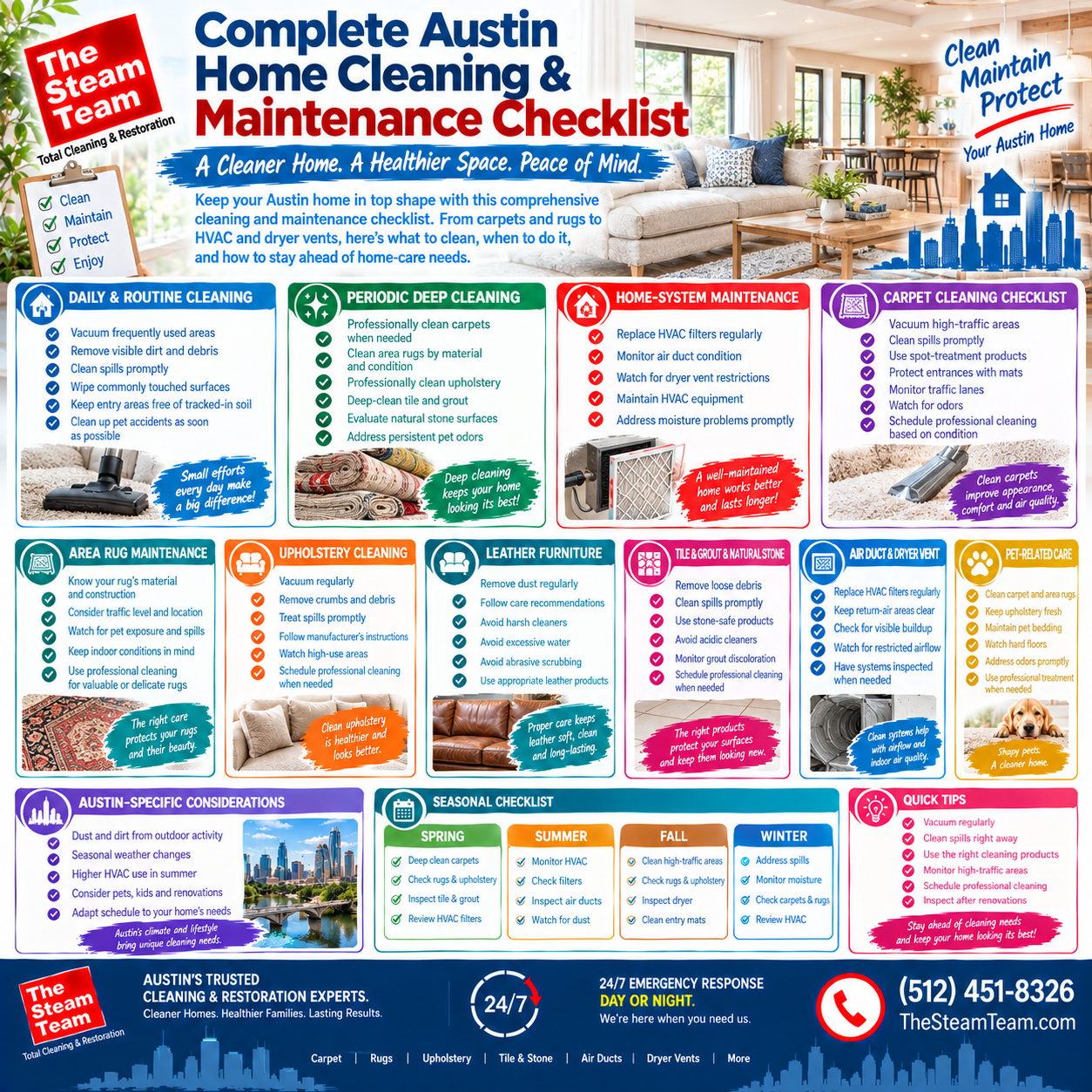
Use this complete Austin home cleaning and maintenance checklist to stay ahead of carpet, rugs, upholstery, tile, ducts, dryer vents, and other home-care needs.
Read More
Explore expert tips on water damage restoration, carpet cleaning, rug cleaning, mold remediation, and air duct cleaning in Austin, TX. Trusted local insights from The Steam Team since 1983.
Use this complete Austin home cleaning and maintenance checklist to stay ahead of carpet, rugs, upholstery, tile, ducts, dryer vents, and other home-care needs.
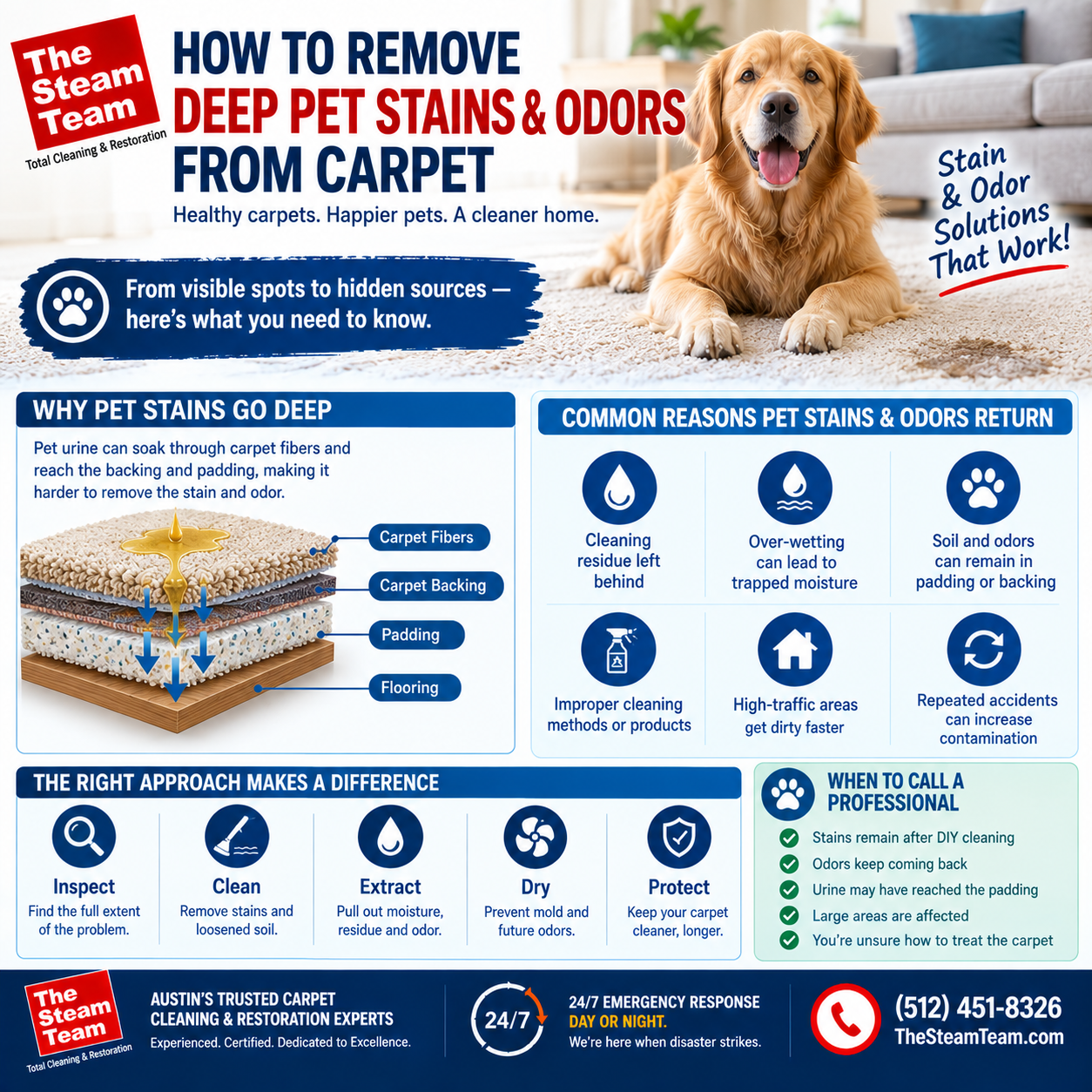
Read MoreLearn how to remove deep pet stains and odors from carpet, why pet urine can reach the padding, and when professional carpet cleaning may be needed.
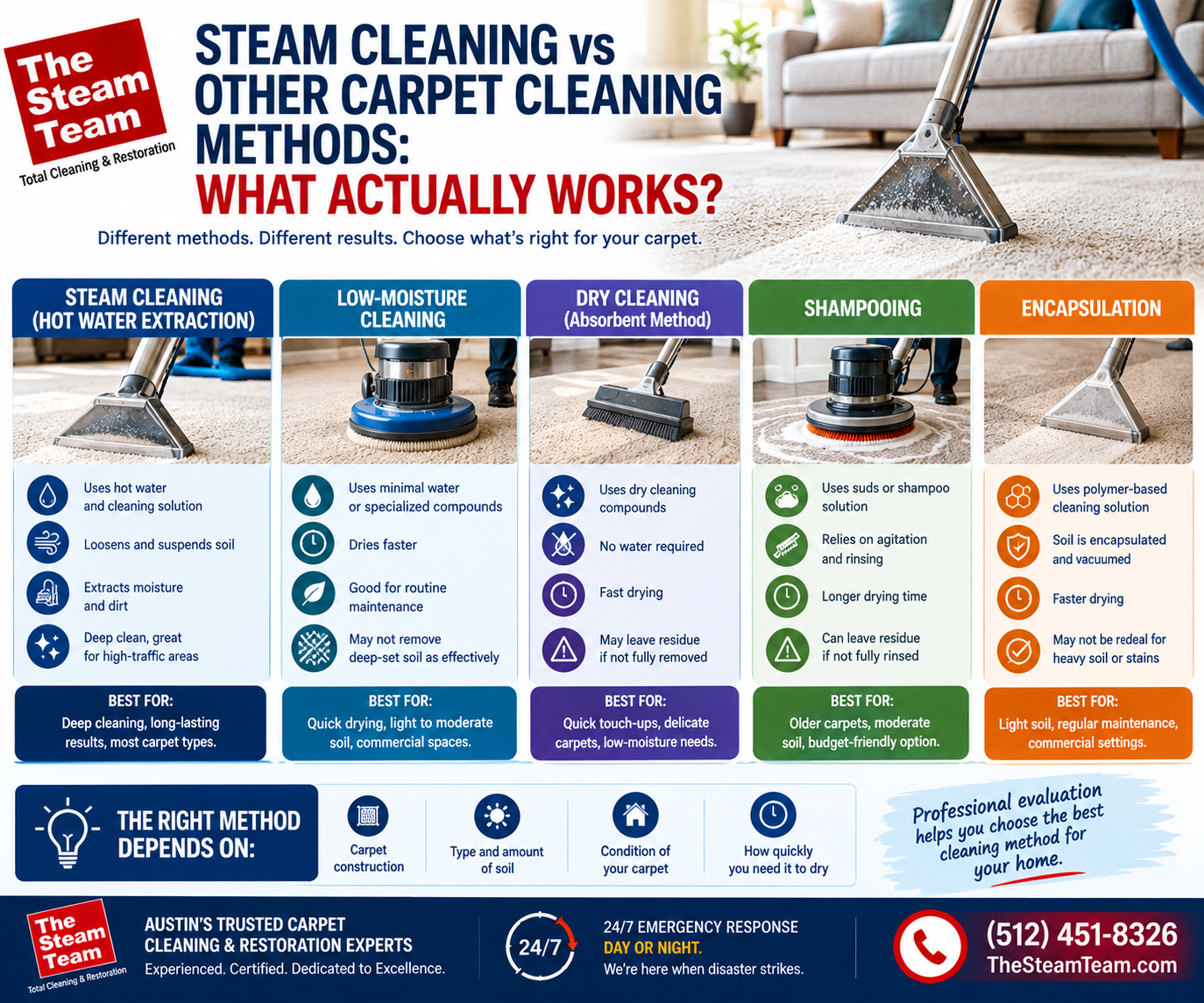
Read MoreSteam cleaning vs other carpet cleaning methods explained. Learn how extraction, low-moisture cleaning, DIY machines, and professional equipment differ.
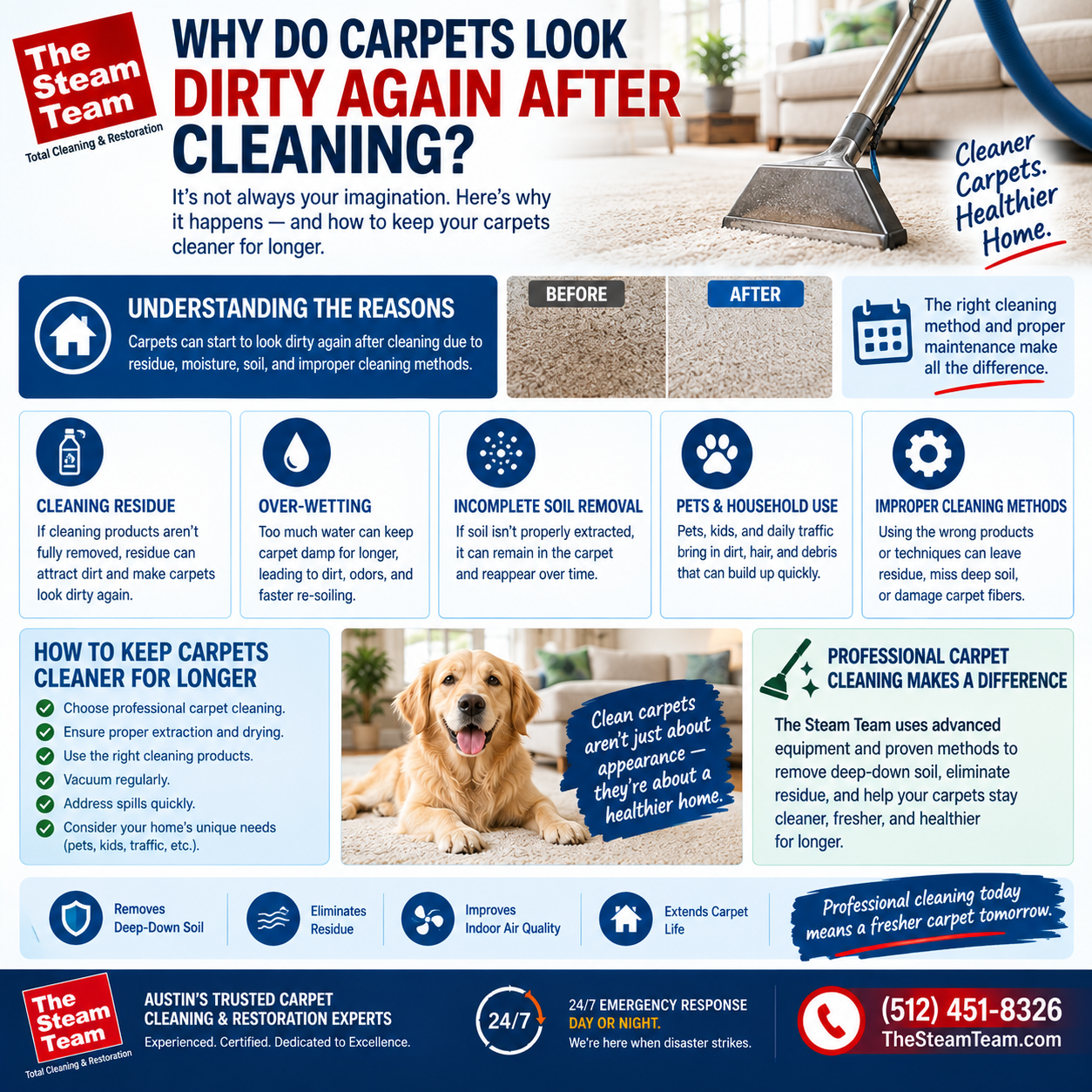
Read MoreWondering why your carpet looks dirty again after cleaning? Learn how cleaning residue, over-wetting, soil attraction, and improper methods can affect carpet appearance.
Read MoreHow often should Austin homeowners professionally clean their carpets? Learn how traffic, pets, household use, and Austin's climate can affect your carpet cleaning schedule.
Read MoreLearn how to care for high-traffic carpet areas in your home. Discover practical maintenance tips, stain prevention strategies, and when professional carpet cleaning is recommended.
Read MoreLearn how to prepare your home before professional carpet cleaning. Discover simple steps that help technicians clean more efficiently and achieve the best possible results.
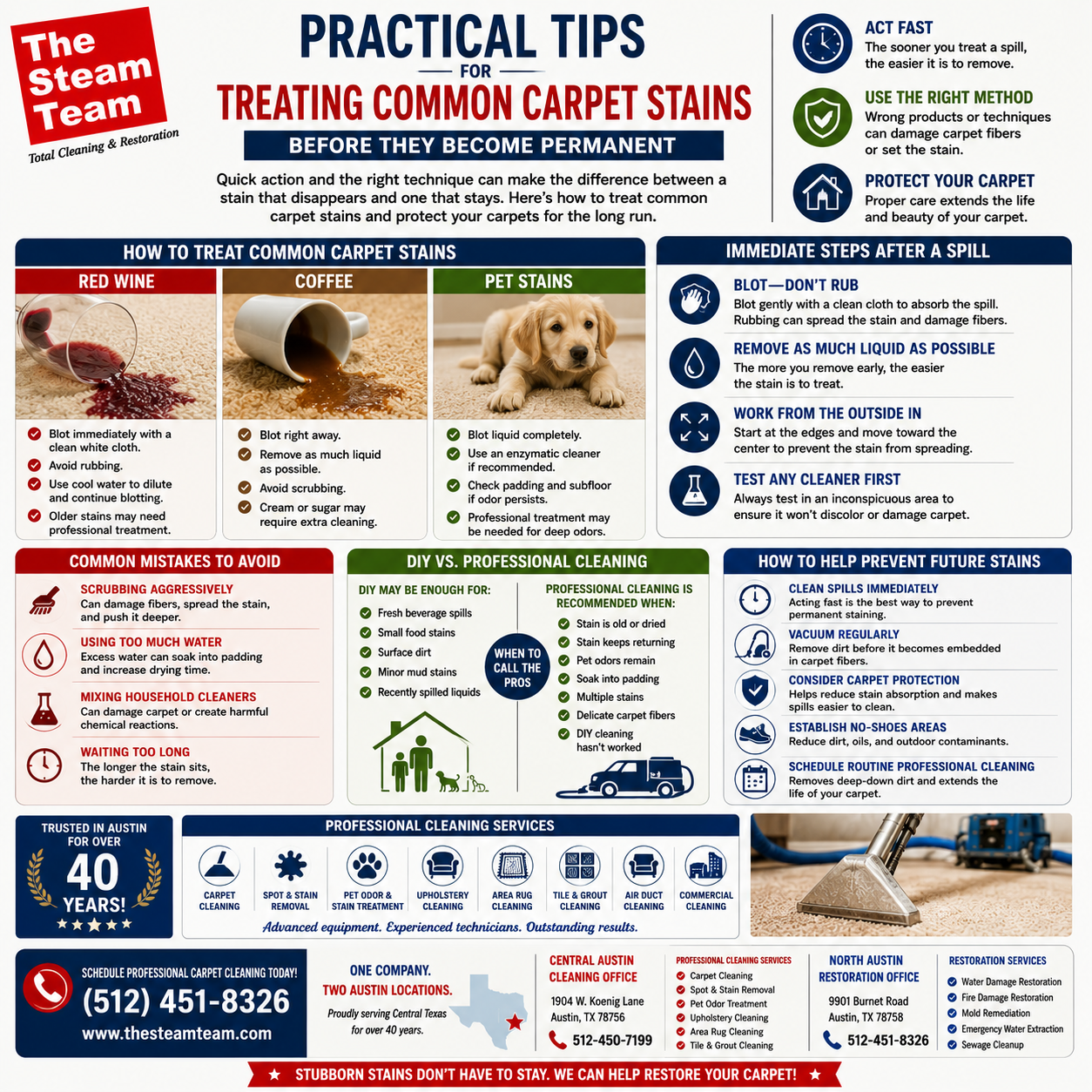
Read MoreLearn the best ways to remove wine, coffee, and pet stains from carpet. Discover what works, what to avoid, and when professional carpet cleaning is the best solution.
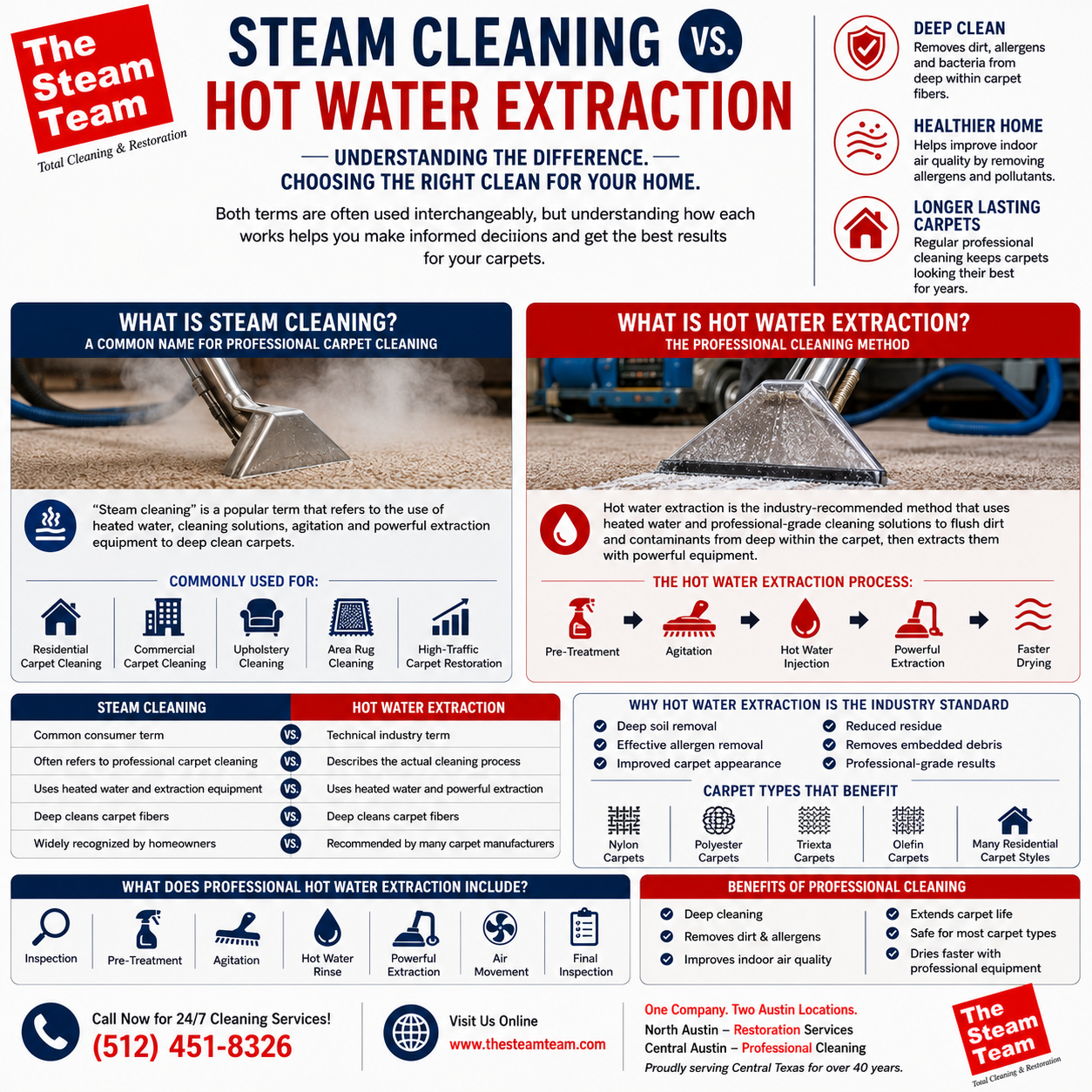
Read MoreLearn the difference between steam cleaning and hot water extraction. Compare both carpet cleaning methods, their benefits, and how to choose the right option for your Austin home.
Read MoreWondering how much professional carpet cleaning costs in Austin? Learn average pricing, factors that affect carpet cleaning costs, and how often you should schedule professional cleaning.
Read MoreKeep carpets clean in busy homes. Learn expert tips for maintaining high-traffic carpet areas in Austin homes with kids and pets.
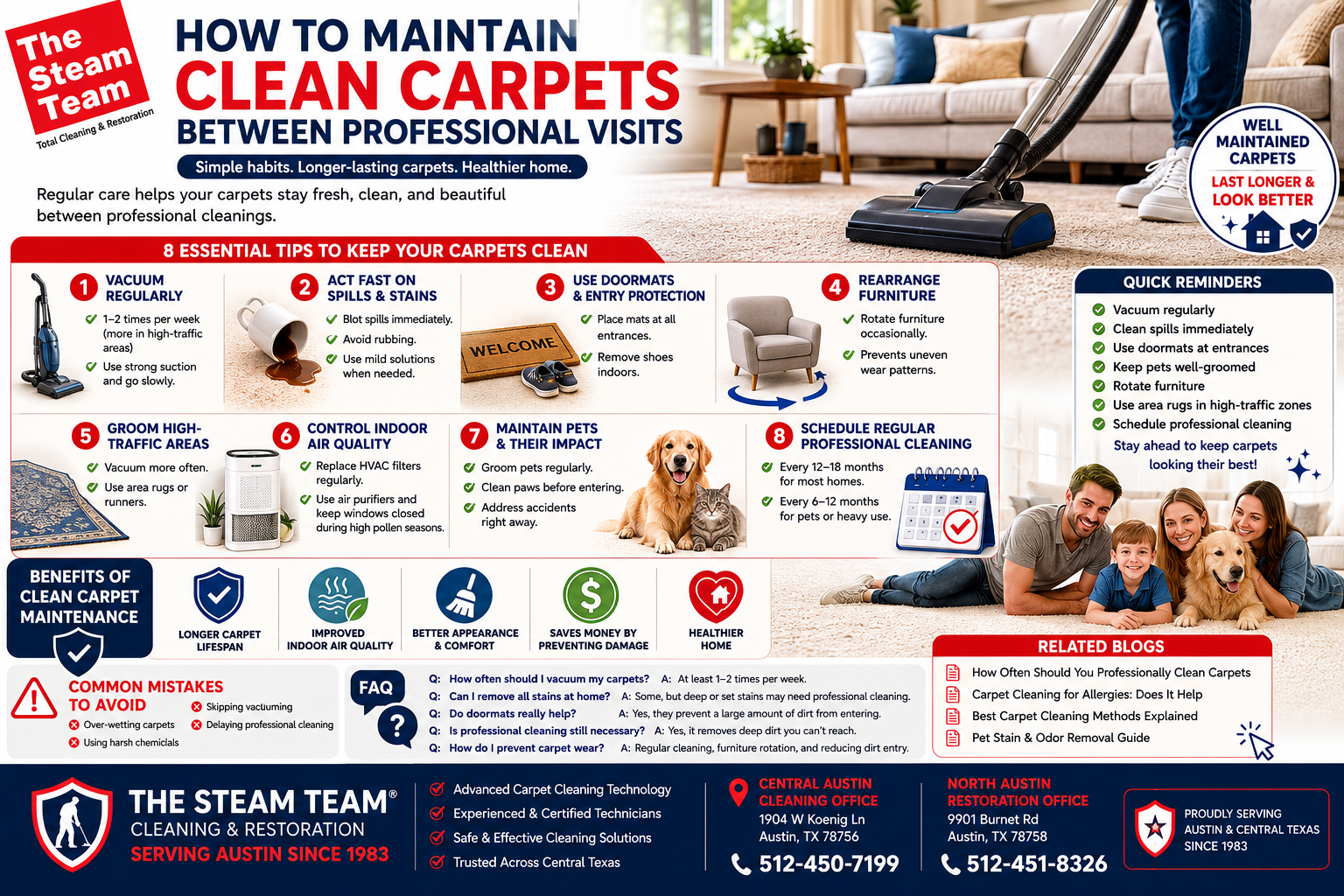
Read MoreLearn how to keep your carpets clean between professional cleanings. Simple tips for maintaining fresh, stain-free carpets in Austin homes.
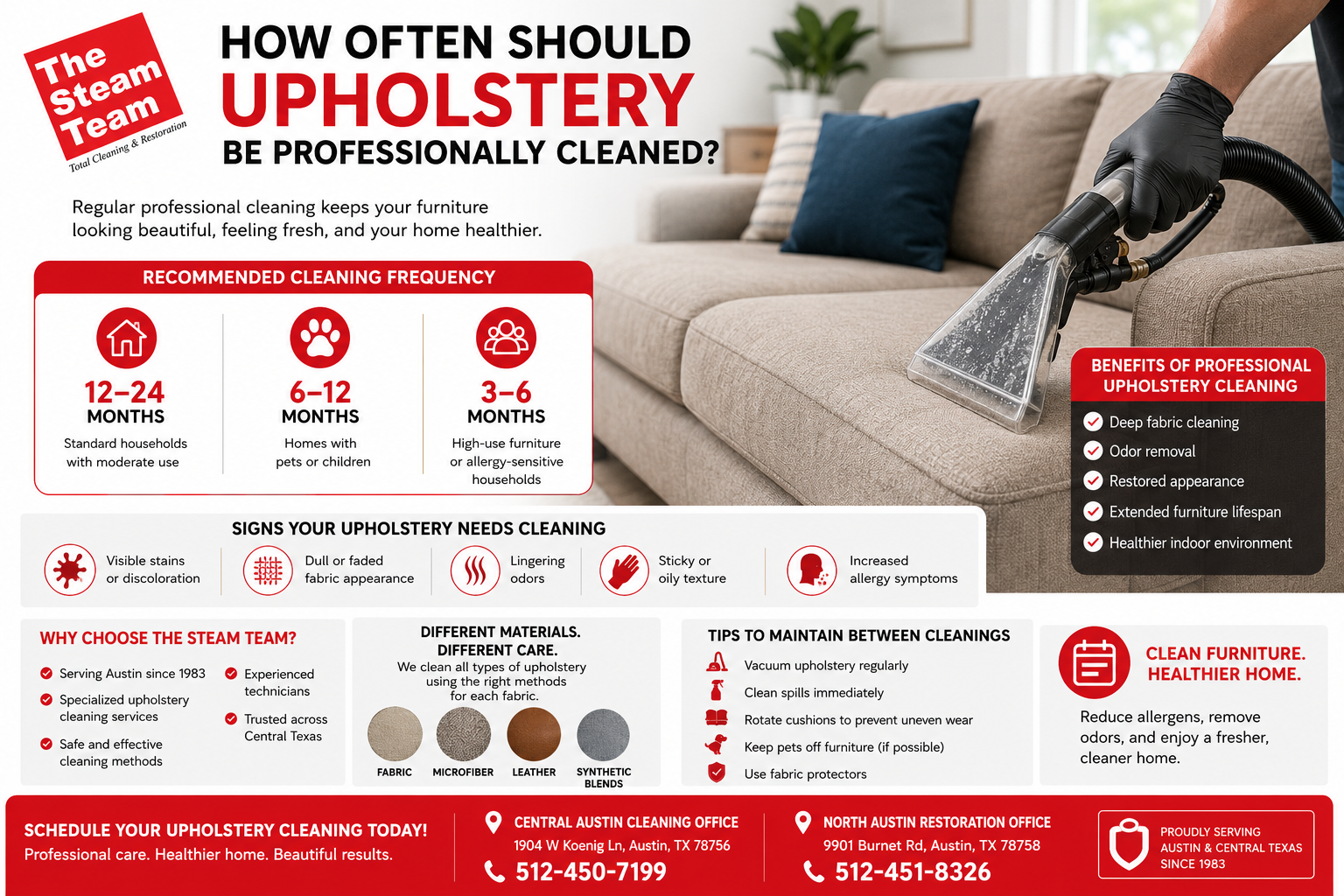
Read MoreWondering how often to clean upholstery? Learn the ideal cleaning schedule for sofas, chairs, and furniture in Austin homes.
Read MoreCarpets do much more than add comfort and style to your home, they act as a filtration system, trapping dust, dirt, allergens, bacteria,
Read MoreProfessional carpet cleaning is essential for maintaining the appearance and longevity of carpets in both residential and commercial settings. This article explores the top techniques used in professional carpet cleaning, highlighting their effectiveness and benefits. Readers will learn about various methods, how to choose the right one for their needs, and the advantages of hiring certified professionals. Many homeowners struggle with stubborn stains and allergens trapped in their carpets, which can affect indoor air quality and overall health. By understanding the best cleaning techniques, individuals can make informed decisions that enhance their living spaces. This guide will cover effective cleaning methods, tips for selecting the right technique, the benefits of professional services, the importance of IICRC certification, factors affecting cleaning costs, and maintenance tips between professional cleanings.
Professional carpet cleaning techniques vary in effectiveness and application, catering to different types of carpets and stains. The most common methods include hot water extraction, dry carpet cleaning, and encapsulation cleaning. Each technique has its unique benefits and ideal use cases, making it essential to understand their differences to choose the best option for your needs.
Hot water extraction, often referred to as steam cleaning, is a widely used method for deep cleaning carpets. This technique involves injecting hot water mixed with cleaning solutions into the carpet fibers, which loosens dirt and grime. The machine then extracts the water along with the dislodged dirt, leaving carpets clean and refreshed. This method is particularly effective for removing tough stains and allergens, making it a popular choice for households with pets or allergies. Additionally, hot water extraction can help restore the carpet's original color and texture, enhancing its overall appearance.
Dry carpet cleaning methods, such as encapsulation, utilize specialized cleaning compounds that absorb dirt and stains without the need for significant water. This technique is advantageous for its quick drying time, allowing carpets to be used almost immediately after cleaning. Dry cleaning is particularly effective for maintenance cleaning and is suitable for delicate carpet fibers that may be damaged by excessive moisture. While it may not provide the same deep clean as hot water extraction, it is an excellent option for regular upkeep and stain removal.
Selecting the right carpet cleaning technique depends on several factors, including carpet type, stain severity, and drying time requirements. Understanding these elements can help homeowners make informed decisions that best suit their specific situations.
Different carpet types require tailored cleaning approaches. For instance, synthetic carpets can generally withstand hot water extraction, while natural fibers like wool may benefit from dry cleaning methods to avoid shrinkage or damage. Additionally, certain stains, such as pet urine or red wine, may require specific treatments to ensure effective removal. A comparison chart can help homeowners identify the best cleaning methods for their carpets based on material and stain type.
Drying times and soil levels are critical considerations when choosing a cleaning method. Hot water extraction typically requires longer drying times, often 6 to 12 hours, which can be inconvenient for busy households. In contrast, dry cleaning methods offer quick drying, often within 1 to 2 hours, making them ideal for high-traffic areas. Homeowners should assess the soil level of their carpets; heavily soiled carpets may necessitate deep cleaning, while lightly soiled carpets can be maintained with quicker methods.
Investing in professional carpet cleaning services offers numerous advantages that extend beyond mere aesthetics. These benefits include improved health, enhanced carpet longevity, and a more pleasant living environment.
Professional carpet cleaning significantly enhances indoor air quality by removing allergens, dust mites, and pollutants trapped in carpet fibers. Studies show that regular cleaning can reduce allergy symptoms and respiratory issues, making it a vital service for households with allergy sufferers. By utilizing advanced cleaning techniques, professionals can effectively eliminate harmful particles, contributing to a healthier home environment.
Regular professional cleaning not only improves the appearance of carpets but also extends their lifespan. By removing dirt and debris that can wear down fibers, professional cleaning helps maintain the integrity of the carpet. This proactive approach can save homeowners money in the long run by delaying the need for costly replacements. Additionally, clean carpets enhance the overall aesthetic of a space, creating a more inviting atmosphere.
When it comes to carpet cleaning, hiring IICRC-certified professionals ensures high-quality service and adherence to industry standards. The Institute of Inspection, Cleaning and Restoration Certification (IICRC) sets rigorous guidelines for cleaning practices, ensuring that technicians are well-trained and knowledgeable.
IICRC certification signifies that a cleaning professional has undergone extensive training and adheres to best practices in the industry. This certification provides consumers with confidence in the quality of service they will receive, as certified professionals are equipped with the latest techniques and equipment. Choosing an IICRC-certified cleaner ensures that carpets are treated with care and expertise.
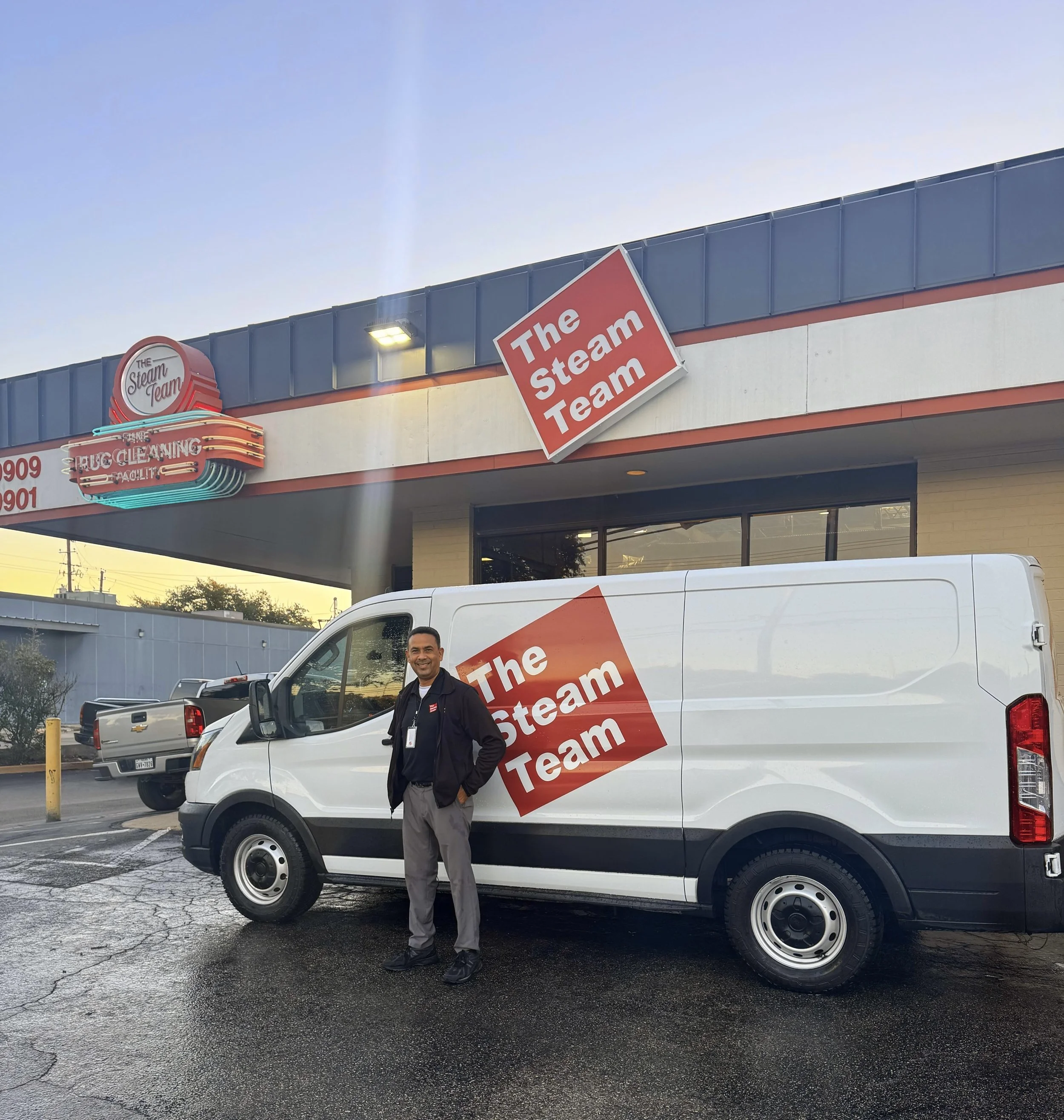
The Steam Team, an Austin-based cleaning and restoration company, has over 40 years of experience in the industry. Their commitment to customer satisfaction is reflected in their service guarantee, which assures clients of quality results. With a team of IICRC-certified technicians, The Steam Team utilizes advanced cleaning methods to deliver exceptional results, making them a trusted choice for carpet cleaning in Austin.
Understanding the factors that influence the cost of professional carpet cleaning can help homeowners budget effectively and make informed decisions about their cleaning needs.
The cost of carpet cleaning varies based on the method used and the scope of services provided. Hot water extraction typically costs more due to the equipment and time required for deep cleaning. Conversely, dry cleaning methods may be more affordable but may not provide the same level of cleanliness. Homeowners should consider their specific needs and the condition of their carpets when evaluating pricing options.
Many professional carpet cleaning companies, including The Steam Team, offer eco-friendly cleaning options that utilize biodegradable cleaning solutions. These methods are not only effective but also safe for children and pets. While eco-friendly options may come at a slightly higher cost, they provide peace of mind for environmentally conscious consumers.
Regular maintenance between professional cleanings is essential for prolonging the life of carpets and keeping them looking their best. Implementing simple care practices can make a significant difference.
Homeowners can employ various DIY spot treatments using common household items to address minor stains. For instance, a mixture of vinegar and water can effectively remove many types of stains. Additionally, regular vacuuming is crucial for preventing dirt buildup and maintaining carpet appearance. Aim to vacuum high-traffic areas at least twice a week to keep carpets clean and fresh.
Preventative measures can significantly reduce the likelihood of future stains and damage. Using area rugs in high-traffic zones, promptly addressing spills, and applying carpet protectors can help maintain carpet integrity. Educating family members about proper care and maintenance can also contribute to a longer-lasting, beautiful carpet.
Cleaning Method
Description
Ideal Use Case
Hot Water Extraction
Deep cleaning using hot water and cleaning solutions
Heavily soiled carpets, deep cleaning
Dry Carpet Cleaning
Low moisture cleaning with specialized compounds
Quick maintenance, delicate fibers
Encapsulation Cleaning
Uses polymers to encapsulate dirt for easy removal
Regular upkeep, light soil
This table illustrates the various carpet cleaning methods, their descriptions, and ideal use cases, helping homeowners make informed decisions based on their specific needs.
Factor
Influence on Cost
Considerations
Cleaning Method
Different methods have varying costs
Hot water extraction vs. dry cleaning
Carpet Size
Larger areas require more time and resources
Measure space for accurate quotes
Stain Severity
Heavily stained carpets may incur additional charges
Be upfront about carpet condition
Understanding these factors can help homeowners anticipate costs and choose the best cleaning options for their carpets.
In summary, professional carpet cleaning is a valuable investment that enhances the appearance and longevity of carpets while improving indoor air quality. By understanding the various techniques available, homeowners can make informed decisions that best suit their needs. Regular maintenance and the use of certified professionals like The Steam Team can ensure carpets remain in excellent condition for years to come.
When hiring a carpet cleaning service, consider factors such as the company's reputation, customer reviews, and certifications. Look for IICRC certification, which indicates that the technicians are trained in industry standards. Additionally, inquire about the cleaning methods they use, their experience, and whether they offer eco-friendly options. It's also wise to ask for a detailed estimate and understand their policies regarding satisfaction guarantees and follow-up services.
The frequency of professional carpet cleaning depends on several factors, including foot traffic, the presence of pets, and individual lifestyle. Generally, it is recommended to have carpets cleaned every 6 to 12 months. However, households with pets or children may benefit from more frequent cleanings to manage allergens and stains. Regular maintenance, such as vacuuming and spot cleaning, can also help extend the time between professional cleanings.
While professional carpet cleaning can effectively remove many types of stains, not all stains can be eliminated. Factors such as the type of stain, the carpet material, and how long the stain has been present play significant roles in the cleaning outcome. Stains from substances like red wine or pet urine may require specialized treatments. It's essential to communicate the nature of the stains to the cleaning professionals for the best chance of removal.
Carpet cleaning can have environmental impacts, particularly if harsh chemicals are used. However, many companies now offer eco-friendly cleaning options that utilize biodegradable products, reducing harm to the environment. These methods are effective and safe for both children and pets. When selecting a carpet cleaning service, inquire about their cleaning solutions and practices to ensure they align with your environmental values.
Preparing your home for a carpet cleaning appointment involves several steps. First, clear the area of any furniture, toys, or personal items to provide easy access to the carpets. Vacuuming beforehand can help remove surface dirt and debris. Additionally, ensure that the cleaning professionals have access to water and electricity if needed. Discuss any specific concerns or areas of focus with the technicians upon their arrival to ensure a thorough cleaning.
If your carpet gets wet after cleaning, it's important to allow it to dry properly to prevent mold and mildew growth. Open windows and doors to increase ventilation, and use fans or dehumidifiers to speed up the drying process. Avoid walking on the wet carpet to prevent dirt from being tracked in. If the carpet remains damp for an extended period, consider contacting the cleaning service for advice or assistance.
Investing in professional carpet cleaning not only enhances the aesthetic appeal of your carpets but also significantly improves indoor air quality and prolongs their lifespan. By understanding the various cleaning techniques and their benefits, homeowners can make informed choices that cater to their specific needs. Regular maintenance and the expertise of certified professionals like The Steam Team ensure that carpets remain in optimal condition for years to come. Discover how our services can transform your living space today.
Carpet stains can be a homeowner's worst nightmare, especially when they are stubborn and resistant to typical cleaning methods. Understanding the best carpet cleaning methods is essential for maintaining the beauty and longevity of your carpets. This article will explore effective solutions for tackling stubborn stains, including both DIY techniques and professional services. We will delve into the types of stains you might encounter, the importance of immediate action, and the specialized methods that can help restore your carpets to their original condition. By the end of this guide, you will be equipped with the knowledge to effectively manage stubborn carpet stains and know when to seek professional help.
Stubborn carpet stains can arise from various sources, and understanding their nature is crucial for effective cleaning. Common types of stains include organic stains, such as food and drink spills, and synthetic stains from products like ink or paint. Each type requires a different approach for successful removal.
Organic stains, such as those from food or beverages, often contain proteins and sugars that can be broken down with specific cleaning agents. In contrast, synthetic stains, like ink or dye, may require harsher chemicals or specialized treatments to lift them from carpet fibers. Recognizing the type of stain is the first step in determining the appropriate cleaning method.
Immediate action is vital when dealing with carpet stains. The longer a stain sits, the more it can set into the fibers, making it increasingly difficult to remove. Quick response can prevent permanent damage and reduce the need for professional intervention. For example, blotting a spill immediately can significantly improve the chances of complete stain removal.
Many homeowners prefer to tackle stains with DIY methods before calling in professionals. Several household items can be effective in removing stubborn stains without the need for expensive cleaning products.
A popular DIY method involves using baking soda and vinegar. To use this method, first, blot the stain to remove excess liquid. Then, sprinkle baking soda over the stain and spray a mixture of equal parts white vinegar and water on top. Allow it to fizz and sit for about 30 minutes before blotting it up with a clean cloth. This combination can effectively lift many types of stains, including those from food and drink.
Another effective DIY method is using a paste made from hydrogen peroxide and dish soap. Mix two parts hydrogen peroxide (3% concentration) with one part dish soap, and apply it directly to the stain. Let it sit for about 10-15 minutes, then blot with a clean cloth. This method is particularly useful for tough stains like grease or ink, as hydrogen peroxide acts as a mild oxidizing agent. Always test on an inconspicuous area first to avoid discoloration.
While DIY methods can be effective, there are times when professional carpet cleaning services are necessary. Understanding when to seek help can save time and prevent further damage to your carpets.
DIY methods may not always be sufficient for deep-set or large stains. Additionally, some cleaning agents can damage carpet fibers if not used correctly. For example, using bleach on colored carpets can lead to discoloration. If a stain persists after multiple attempts at removal, it may be time to consult a professional.
Professional carpet cleaners have access to advanced equipment and specialized cleaning solutions that can effectively tackle tough stains. They are trained to identify the best methods for different types of stains and can often achieve results that are difficult to replicate with DIY methods. Moreover, professional services can help extend the life of your carpets by ensuring they are cleaned thoroughly and safely.
Hot water extraction is a widely recommended method for deep cleaning carpets, especially for stubborn stains. This technique involves injecting hot water and cleaning solution into the carpet fibers, followed by powerful suction to remove dirt and stains.
The hot water extraction process works by loosening dirt and stains from carpet fibers through the application of heat and pressure. This method is highly effective for removing embedded dirt, allergens, and stubborn stains, making it a preferred choice for many professional carpet cleaning services. Studies indicate that hot water extraction can remove a significant percentage of common household allergens, contributing to a healthier indoor environment.
For pet owners, hot water extraction is particularly beneficial for removing pet stains and odors. The heat helps to break down organic matter, while the suction removes both the stain and any lingering odors. This method is effective in restoring carpets to a clean and fresh state, making it an ideal choice for households with pets.
The Steam Team offers a range of specialized solutions tailored to effectively address stubborn carpet stains. With over 44 years of experience, they utilize advanced techniques and products to ensure optimal results.
Enzymatic cleaners are designed to break down the proteins and organic matter found in pet stains. These cleaners contain specific enzymes that target and digest the stain, effectively neutralizing odors in the process. This makes them particularly effective for treating pet-related stains, ensuring that carpets are not only clean but also odor-free.
In Austin and Central Texas, The Steam Team provides a comprehensive suite of carpet cleaning services, including hot water extraction, specialized stain treatments, and routine maintenance. Their IICRC certification and commitment to customer satisfaction ensure that clients receive high-quality service tailored to their specific needs.
Choosing the right carpet cleaning service is crucial for achieving the best results. The Steam Team stands out due to its extensive experience and commitment to quality.
The Steam Team's IICRC certification signifies that they adhere to industry standards for carpet cleaning. With over 44 years of experience, they have honed their techniques and knowledge, ensuring that clients receive the highest level of service. This expertise translates into effective stain removal and carpet care.
Customer testimonials highlight The Steam Team's success in removing stubborn stains and restoring carpets to their original condition. Many clients report satisfaction with the results and the professionalism of the staff, reinforcing the company's reputation as a trusted provider of carpet cleaning services in Austin.
Cleaning Method
Effectiveness
Best For
Notes
DIY Baking Soda & Vinegar
Moderate
Food stains
Safe for most carpets
Hydrogen Peroxide & Dish Soap
High
Grease, ink
Test on inconspicuous area first
Hot Water Extraction
Very High
Deep cleaning
Recommended for pet stains
Stubborn carpet stains can be challenging, but with the right knowledge and tools, they can be effectively managed. Whether opting for DIY methods or professional services, understanding the nature of the stains and the appropriate cleaning techniques is essential for maintaining beautiful carpets.
If a stain reappears after cleaning, it may be due to residue left in the carpet fibers or the stain not being fully removed. To address this, try reapplying your cleaning solution and ensure you thoroughly rinse the area with water to remove any cleaning agent residue. Blot the area with a clean cloth to absorb excess moisture. If the stain persists, consider consulting a professional cleaner who can use specialized techniques to effectively treat the stain.
Preventing future carpet stains involves a combination of proactive measures. Use area rugs in high-traffic areas and consider applying a carpet protector to repel spills. Promptly clean any spills by blotting rather than rubbing, and keep food and drinks away from carpeted areas. Regular vacuuming and professional cleaning can also help maintain your carpets and reduce the likelihood of stains setting in.
Yes, there are several natural alternatives to commercial carpet cleaners. Common household items like baking soda, vinegar, and lemon juice can be effective for stain removal. For example, a mixture of baking soda and vinegar can lift many stains, while lemon juice can help brighten carpets. Always test any natural solution on a small, inconspicuous area first to ensure it does not cause discoloration or damage.
It is generally recommended to have carpets professionally cleaned every 12 to 18 months, depending on factors such as foot traffic, pets, and the type of carpet. High-traffic areas may require more frequent cleaning to maintain appearance and hygiene. Regular professional cleaning not only removes deep-set stains but also helps prolong the life of your carpets by removing dirt and allergens that regular vacuuming may miss.
When choosing a carpet cleaning service, consider factors such as their experience, certifications (like IICRC), and customer reviews. Look for companies that offer a variety of cleaning methods, including hot water extraction, and inquire about their cleaning products to ensure they are safe for your carpets. Additionally, ask about their satisfaction guarantee and whether they provide free estimates to ensure transparency in pricing.
Not all carpets are suitable for steam cleaning. While many synthetic carpets can withstand steam cleaning, natural fibers like wool or silk may be damaged by high heat and moisture. Always check the manufacturer's care instructions before using a steam cleaner. If in doubt, consult a professional cleaner who can recommend the best cleaning method for your specific carpet type.
Effectively managing stubborn carpet stains is essential for maintaining the beauty and longevity of your carpets. By understanding the types of stains and employing the right cleaning methods, whether DIY or professional, you can achieve impressive results. Don't hesitate to explore our range of carpet cleaning services to find the perfect solution for your needs. Take the first step towards spotless carpets today!
Choosing between steam cleaning and dry cleaning for carpets and upholstery can feel technical, but the right method comes down to soil type, fabric sensitivity, drying time needs, and indoor air quality concerns. This article explains what steam cleaning (hot water extraction) and dry/low-moisture methods are, how each works, and the practical benefits and trade-offs for Austin homes and businesses. You will learn the cleaning mechanisms, expected drying ranges, fabric suitability, stain-specific recommendations, and health and environmental impacts so you can decide with confidence. The guide also compares methods side-by-side, maps common Austin scenarios to the recommended approach, and outlines when to call a professional for restoration or specialized cleaning. By the end, you’ll have clear decision rules for pets, allergies, delicate upholstery, commercial turnarounds, and when to seek an on-site assessment from a local provider.
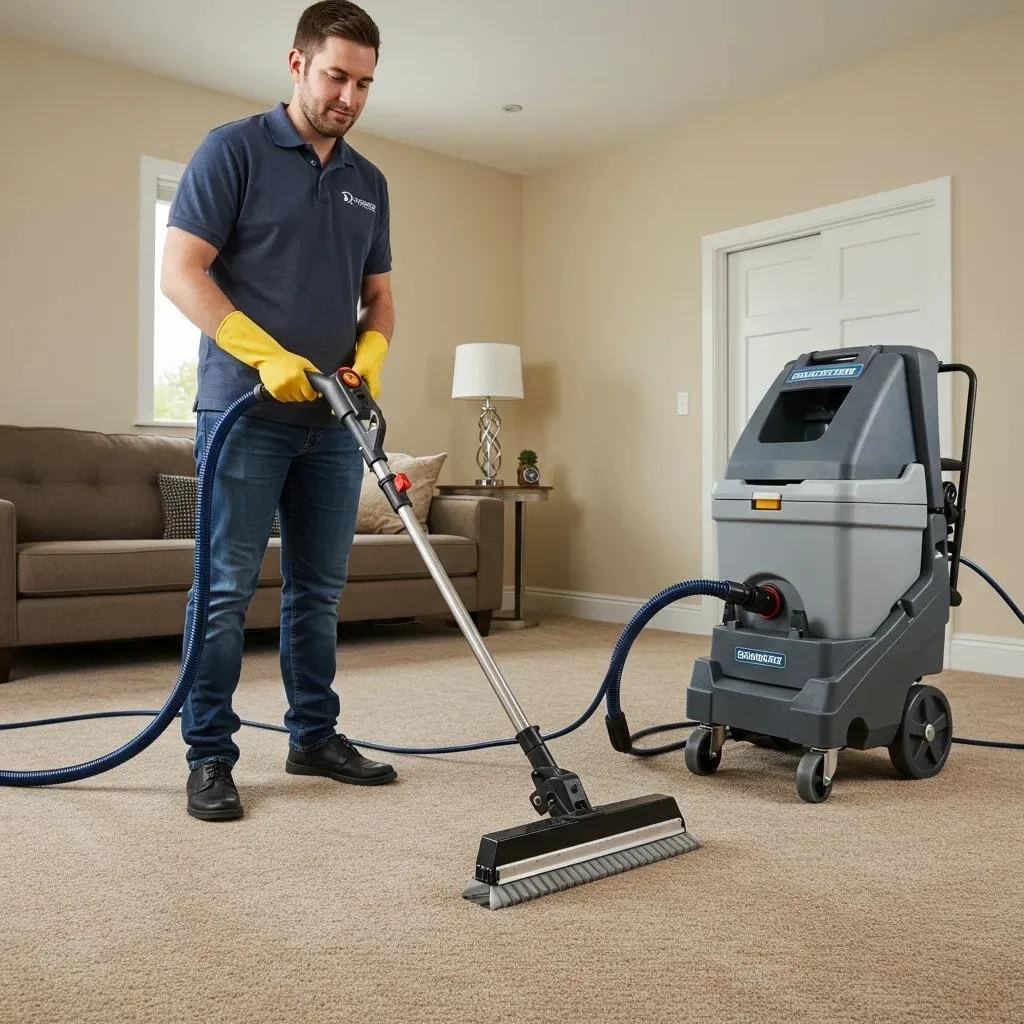
Steam cleaning, commonly called hot water extraction, uses pressurized hot water and cleaning solution injected into fibers and immediately extracted to remove suspended soil and contaminants. The mechanism relies on heat and agitation to loosen embedded dirt, while a high-powered extraction wand pulls water, soil, and residues into recovery tanks; this process sanitizes surfaces by reducing biological contaminants. Professional equipment, hot water injection units, extraction wands, and drying fans differ from consumer machines in pressure, temperature control, and recovery capacity, producing deeper cleaning in one service. Understanding these equipment and process differences clarifies why hot water extraction is widely recommended for heavily soiled carpets and upholstery needing allergen and odor removal.
This subsection lists the principal advantages of hot water extraction and explains how each benefit affects home and business environments. The focus is on deep cleaning, allergen reduction, odor control, and fabric care outcomes that improve indoor air quality and longevity of textile surfaces. Recent professional guidance and industry standards emphasize the role of hot water extraction in mitigating biological contaminants after water intrusion or regular heavy use.
Deep cleaning: Hot water extraction removes embedded soil and fine particulates from deep within fibers, restoring pile and appearance.
Allergen reduction: The combination of heat, agitation, and extraction reduces dust mite fragments, pet dander, and pollen that aggravate allergies.
Odor elimination: Removal of organic residues and trapped odors addresses persistent pet and household smells rather than masking them.
These benefits make steam cleaning a go-to choice when deep sanitation, allergen control, and long-term fabric health are priorities, which leads to the technical and practical drawbacks that follow.
Steam cleaning delivers deep results but has trade-offs users should weigh before scheduling service. The primary considerations are extended drying time compared to low-moisture methods, potential sensitivity of certain fabrics to heat and moisture, and the risk of overwetting when performed by inexperienced operators. Proper professional technique controlled injection pressure, efficient extraction, and use of drying fans mitigates most risks and shorten dry time, but delicate textiles usually require pre-testing or alternative approaches.
Drying time: Expect longer drying windows that typically range from 6 to 12 hours, depending on humidity and ventilation.
Fabric sensitivity: Natural fibers like some silks or vintage textiles may need specialist treatment to avoid shrinkage or dye migration.
Overwetting risk: Improper equipment or technique can lead to excessive moisture retention, which increases the potential for secondary issues like mold if not addressed promptly.
Recognizing these limitations helps homeowners and managers choose the right method or request hybrid protocols when deep cleaning must coexist with fabric protection and quick reuse.
Dry cleaning and low-moisture methods remove soil using solvents, encapsulation polymers, or dry compounds rather than large volumes of water; the mechanism focuses on dissolving or encapsulating soil and then removing it with minimal wetting. Common professional options include solvent-based dry cleaning for delicate upholstery, encapsulation chemistry for carpets, and dry compound systems that agitate absorbent powders into fibers and vacuum them out. These methods prioritize rapid drying and reduced moisture exposure, making them suitable for water-sensitive fabrics and fast turnarounds in commercial spaces.
Dry and low-moisture approaches provide distinct operational advantages that meet specific fabric and scheduling requirements. Key strengths include minimal moisture contact that preserves water-sensitive fibers, much faster return-to-service times suited for retail or hospitality settings, and strong performance on oil-based and hydrocarbon stains that solvents target effectively. These benefits make dry methods preferable when fabrics are at risk from moisture or when spaces must be reused quickly.
Fast drying: Low-moisture methods typically leave textiles dry within one to four hours, enabling rapid reuse.
Fabric safety: Solvent or encapsulation techniques limit swelling or distortion in delicate fibers like wool or some upholstery textiles.
Oil-stain performance: Solvent-based cleaning dissolves grease and oily residues more effectively than water alone.
Understanding these advantages highlights why facility managers and owners of delicate upholstered pieces often choose dry methods, while still considering trade-offs in depth of cleaning.
Low-moisture systems trade off deep-extraction capability for speed and fabric safety, and that creates several important considerations for owners and facility managers. Primary limitations are reduced effectiveness on deeply embedded soil and biological contamination, potential chemical residues depending on solvent choice, and variable environmental profiles across different technologies. Modern low-toxicity solvents and encapsulation chemistries reduce health and environmental concerns, but professional selection and precise application remain critical to minimize residues and achieve consistent results.
Reduced deep-cleaning power: Dry methods may not remove heavy, compacted soil or ground-in allergens as thoroughly as hot water extraction.
Chemical residue potential: Some solvents can leave trace residues that affect indoor air quality unless properly rinsed or extracted.
Stain scope limits: Biological stains and heavy protein soils often respond better to hot water extraction with enzymatic pre-treatment.
These trade-offs mean dry cleaning is often best used selectively for delicate items or tight schedules, with hybrid plans recommended when deep sanitization is also required.
This section presents a focused comparison of the main attributes that influence method selection, cleaning depth, drying time, fabric suitability, stain removal, eco-friendliness, and relative cost and explains practical implications for residential and commercial decisions in Austin. The table below summarizes typical outcomes by attribute to support quick decision-making for homeowners and facilities managers.
Method
Attribute
Typical Outcome
Hot Water Extraction (Steam)
Cleaning depth
Deep removal of embedded soil, allergens, and organic residues
Hot Water Extraction (Steam)
Drying time
Moderate to long (6–12 hours depending on conditions)
Hot Water Extraction (Steam)
Fabric suitability
Broadly effective; requires testing for delicate fibers
Low-Moisture / Dry Methods
Cleaning depth
Surface to moderate cleaning; best for light to moderate soil
Low-Moisture / Dry Methods
Drying time
Very fast (under 1–4 hours)
Low-Moisture / Dry Methods
Fabric suitability
Ideal for water-sensitive textiles and quick reuse
Cleaning depth, drying time, and fabric compatibility form the core decision criteria when comparing methods, and each factor has quantifiable expectations. Hot water extraction delivers deep cleaning that addresses dust mites and biological residues but typically requires 6–12 hours to dry in typical Austin conditions; low-moisture methods dry in under 1–4 hours and are safer for water-sensitive upholstery. Choosing correctly involves assessing fabric labels, expected soil loads, and operational needs to balance restoration-grade cleaning against the need for quick reuse.
Drying time specifics: Steam cleaning commonly requires half a day to a day; low-moisture options restore usability within hours.
Fabric recommendations: Use steam for durable synthetic and blended carpets, and choose dry methods for delicate natural fibers unless specialist treatment is available.
Practical mitigation: When deep cleaning is necessary but downtime is limited, work in zones or schedule after-hours service with professional drying equipment.
These distinctions clarify how to align cleaning methods to specific textile types and schedule constraints.
Stain chemistry, environmental impact, and price are related considerations that influence method selection, with each method performing unevenly across stain classes and sustainability measures. Oil-based and solvent-soluble stains often respond more quickly to dry/solvent methods, whereas protein stains, biological soils, and heavy particulate soils generally yield to hot water extraction combined with enzymatic or alkaline pre-sprays. Environmentally, hot water extraction typically reduces reliance on harsh solvents but increases water and wastewater handling needs; low-moisture encapsulation and modern low-toxicity solvents can lower water use but require careful product selection to limit residues.
Stain guidance: Use dry methods for grease and oil; choose steam for protein, organic, and heavy particulate stains.
Environmental trade-offs: Steam relies on water but minimizes solvent use; dry systems conserve water but may use solvents that vary in toxicity.
Cost scale: Pricing depends on service scope, but steam may cost more for large-scale deep cleaning due to equipment and drying needs, while dry methods can be more economical for fast-turnaround jobs.
These practical differences help homeowners and managers choose an approach that balances effectiveness, sustainability goals, and budget constraints.
Deciding the best cleaning method begins with a short decision rule: if embedded soil, allergens, pet urine, or biological contamination are present, prefer hot water extraction; if fabrics are water-sensitive or space needs immediate reuse, choose dry/low-moisture methods. Austin’s climate and common housing profiles pets, seasonal allergens, and occasional water intrusion make allergen reduction and mold-aware cleaning protocols especially relevant when selecting a service. This section maps typical local scenarios to recommended methods and explains why each choice fits particular needs.
Scenario/Need
Recommended Method
Rationale
Homes with allergies or pets
Hot water extraction
Deep extraction removes dander, dust mite fragments, and odors linked to allergies
Delicate upholstery or antique textiles
Low-moisture/solvent methods
Minimizes water exposure and reduces the risk of shrinkage or dye migration
Commercial spaces needing rapid turnover
Low-moisture/encapsulation
Fast drying supports minimal downtime and frequent use
Recent water damage or mold risk
Hot water extraction and restoration protocols
Hot water extraction with restoration expertise helps sanitize and reduce mold risk
High-traffic stained carpet
Combined approach (spot solvent + steam)
Targeted solvent for oils, followed by extraction for overall clean-up
This scenario table helps Austin property owners quickly match their most pressing needs to a cleaning strategy that balances health, fabric care, and operational demands. For most Austin residential and commercial situations, especially where deep allergen removal, pet odor elimination, or post-water-damage sanitization is required, hot water extraction is the recommended baseline cleaning method. When fast drying or delicate fabric protection is the priority, low-moisture methods are preferable; professionals often combine approaches for optimal results, addressing oil stains with targeted solvent work followed by hot water extraction for overall cleanliness. These decision rules make it straightforward to plan an effective cleaning visit or restoration assessment.
For local on-site assessments and service requests, The Steam Team recommends an initial inspection to confirm fabric types and soil levels and to determine whether hot water extraction, low-moisture methods, or a hybrid approach best meets the client's needs. The Steam Team is based in Austin and serves Central Texas, offering professional carpet and upholstery cleaning where hot water extraction is a core offering; their local expertise supports practical scheduling and follow-up drying plans to suit Central Texas homes and businesses.
Both steam cleaning and modern dry-cleaning techniques can contribute to healthier indoor environments, but they do so through different mechanisms and trade-offs. Hot water extraction reduces allergens and biological contaminants through heat-assisted extraction, improving indoor air quality for occupants with respiratory sensitivities. Dry and encapsulation systems reduce moisture exposure and can lower water consumption, but environmental and health outcomes depend on the specific solvents or polymers used. This section details the comparative health and environmental impacts to help readers prioritize outcomes aligned with family or business needs.
Health/Environmental Concern
Steam Cleaning Impact
Dry Cleaning Impact
Allergen reduction
High removes dust mites, pollen, and dander through extraction
Moderate surface allergens may be reduced, but deep particulates can remain
Bacteria and mold mitigation
High when combined with sanitizing agents and thorough extraction
Low to moderate; solvents may not fully eliminate biological contaminants
Chemical usage
Lower dependency on solvents; uses water and targeted detergents
Variable; modern low-toxicity solvents reduce concerns, but residue management is important
Water and wastewater
Higher water use requires responsible recovery and disposal
Lower water use; less wastewater, but potential chemical disposal considerations
This table clarifies how method selection affects occupant health and environmental footprint and supports evidence-based choices for sensitive households.
Steam cleaning improves indoor air quality by physically extracting particulate allergens and reducing the biological load on carpet and upholstery fibers, which lowers airborne resuspension after cleaning. Professional hot water extraction includes pre-vacuuming, targeted pre-treatment, controlled hot water injection, and high-volume recovery, producing measurable reductions in dust mite allergens and pet dander. For families with children, asthma, or significant pet presence, professional steam cleaning is a key component of an indoor air quality strategy because it addresses both visible soils and microscopic biological triggers that conventional vacuuming often leaves behind.
Mechanism summary: Hot water and agitation loosen allergens; extraction removes the particles rather than moving them to another area.
Practical outcome: Reduced odor and lower incidence of allergen-triggered symptoms in many households after professional treatments.
Professional advantage: Trained technicians and certified processes improve consistency and reduce the chance of overwetting that could negatively affect IAQ.
These benefits demonstrate why deep extraction is often recommended as part of regular maintenance for allergy-prone environments.
Dry Steam Cleaning for Carpet Allergen and PAH Reduction
Dry steam cleaning, which has gained recent attention as an effective method to reduce house dust mite (HDM) allergen concentration and loading in carpets, was evaluated in this study for its efficacy in lowering levels of polycyclic aromatichydrocarbons(PAHs) as well as HDM allergens. Fifty urban homes with wall-to-wall carpets, mostly low-income and with known lead contamination, were studied in 2003 and 2004. Two carpet-cleaning interventions were compared: Repeated HEPA (High Efficiency Particulate Air filtered) vacuuming alone and repeated HEPA vacuuming supplemented with dry steam cleaning. Vacuum samples were collected to measure carpet loading of dust and contaminants immediately before and after cleaning. Paired comparisons were conducted to evaluate the effectiveness of the cleaning protocols in reducing the levels of PAHs and HDM allergens in carpets. The results indicated that both cleaning methods substantially reduced the loading of PAHs and HDM allergens as well
Environmental impact depends on water use, chemical profiles, and waste management practices, and contemporary choices can minimize negative effects for both approaches. Steam cleaning uses water but can rely on biodegradable detergents and careful wastewater handling to reduce environmental footprint, while low-moisture encapsulation and modern solvent systems conserve water but require attention to solvent toxicity and disposal. Choosing eco-friendly formulations, ensuring technicians follow disposal regulations, and preferring providers who use low-toxicity chemistries balances cleaning effectiveness with environmental responsibility.
Steam: Greater water use but potential for lower solvent reliance and easier control of residue.
Dry methods: Lower water consumption but variable chemical profiles that demand careful selection and handling.
Recommended practice: Ask about product safety data, disposal practices, and options for low-toxicity or green chemistries when comparing providers.
These considerations allow property owners to select a method that aligns with both health priorities and environmental values.
The Steam Team combines local Central Texas expertise with a broad set of cleaning and restoration services to deliver reliable outcomes for carpet and upholstery care. Based in Austin and serving Central Texas, The Steam Team offers water damage restoration, fire damage restoration, mold mitigation, and cleaning services, including carpet, rug, tile, air duct, and upholstery cleaning. Their primary product/service alignment for this topic is professional carpet and upholstery cleaning, with hot water extraction as a core offering for deep cleaning and restoration work. This local, restoration-capable approach helps homeowners and businesses address both everyday maintenance and post-incident remediation with consistent standards.
IICRC-certified technicians follow industry-standard protocols that guide proper pre-treatment, soil removal, extraction pressure, and drying practices, which reduce risks like overwetting and fabric damage. The Steam Team’s validated mention of IICRC certification indicates training in cleaning and restoration best practices, which translates to safer cleaning choices for delicate fabrics and more reliable results for heavy-soil or post-loss situations. Experienced technicians apply appropriate hyponyms of cleaning, such as hot water extraction and encapsulation, based on fabric type and contamination profile, ensuring the selected method matches the problem rather than applying a one-size-fits-all solution.
The Steam Team highlights award-winning service recognition, including "Best of the Best," maintains an A+ BBB rating, and offers a customer satisfaction guarantee as part of its service promises; these trust signals support confidence when selecting a local provider. Their comprehensive cleaning and restoration solutions mean clients can access water damage restoration, mold mitigation, and specialized upholstery treatments from the same team, reducing coordination and improving accountability. For example, anonymized local case work showed an integrated cleaning and restoration response that resolved a pet odor and moisture incident through combined hot water extraction and mitigation protocols, illustrating practical outcomes from certified processes.
Local expertise: The Steam Team serves Central Texas and tailors drying and remediation strategies to Austin’s climate and building types.
Certified practice: IICRC-certified technicians apply standardized processes to improve consistency and safety.
Service coverage: A broad service offering restoration and cleaning helps manage complex jobs involving both contamination and structural moisture.
These points show why choosing a certified local provider matters for both routine cleaning and restoration-grade work.
This article has outlined the mechanisms, benefits, trade-offs, and scenario-specific recommendations for steam versus dry cleaning to help Austin homeowners and businesses decide. For professional assessments, quote requests, or to schedule an appointment with a local team experienced in hot water extraction and restoration services, consider contacting The Steam Team or requesting an on-site evaluation to determine the optimal cleaning plan for your carpets and upholstery.
For optimal maintenance, it is generally recommended to steam clean carpets and upholstery every 6 to 12 months, depending on usage and environmental factors. Homes with pets, children, or high foot traffic may require more frequent cleaning to manage allergens and stains effectively. Additionally, if you notice persistent odors or visible dirt, it may be time to schedule a cleaning. Regular maintenance not only enhances the appearance of your textiles but also prolongs their lifespan and improves indoor air quality.
While there are consumer-grade steam cleaning machines available, hiring a professional is often recommended for the best results. Professionals use high-powered equipment that can achieve deeper cleaning and better extraction of dirt and allergens. They also have the expertise to handle different fabric types and stains effectively, reducing the risk of damage. If you choose to DIY, ensure you follow the manufacturer's instructions carefully and test a small area first to avoid any adverse effects on your upholstery or carpets.
Steam cleaning is generally safe for synthetic and blended fabrics, such as nylon and polyester, which can withstand heat and moisture. However, delicate fabrics like silk, wool, or vintage textiles may require special care or alternative cleaning methods to prevent damage. Always check the care label on your upholstery or carpet before proceeding with steam cleaning, and consider consulting a professional if you're unsure about the fabric's compatibility with this method.
While modern dry cleaning methods use low-toxicity solvents, there can still be health risks if chemical residues are not properly managed. Some solvents may emit volatile organic compounds (VOCs) that can affect indoor air quality. To minimize risks, choose a dry cleaning service that uses eco-friendly products and follows best practices for solvent disposal. Additionally, ensure proper ventilation during and after the cleaning process to help dissipate any lingering odors or chemicals.
To prepare for a professional cleaning service, start by clearing the area of any furniture, personal items, and obstacles that may hinder access to the carpets or upholstery. Vacuum the surfaces to remove loose dirt and debris, which can enhance the effectiveness of the cleaning process. If there are specific stains or areas of concern, inform the cleaning technician beforehand so they can address them appropriately. Lastly, ensure that pets and children are kept away from the cleaning area during the service.
If stains persist after cleaning, it may be due to the type of stain or the cleaning method used. Some stains, particularly those that are old or set in, may require specialized treatments or additional cleaning steps. Contact your cleaning service to discuss the issue; they may recommend a follow-up treatment or a different cleaning method to effectively address the stain. In some cases, professional stain removal products may be necessary to achieve the desired results.
To maintain your carpets and upholstery between professional cleanings, regularly vacuum to remove dirt and debris, which can prevent soil buildup. Address spills and stains immediately by blotting with a clean cloth and using appropriate cleaning solutions for the specific type of stain. Consider using area rugs in high-traffic areas to protect your carpets and rotate furniture occasionally to avoid uneven wear. Additionally, implementing a no-shoes policy indoors can significantly reduce dirt and allergens brought into your home.
Austin’s year-round humidity presents unique challenges to carpet longevity and indoor air quality, making specialized carpet cleaning techniques in Austin essential for every homeowner and business. In this guide, you’ll discover how high moisture levels accelerate fiber wear, mold growth, allergen accumulation and seasonal debris impact carpet condition. You will learn proactive maintenance routines from vacuuming frequency and dehumidifier use to spill response and fiber selection—and understand when professional intervention is critical. We’ll explore The Steam Team’s locally honed hot water extraction method, fast-drying treatments and licensed mold remediation services, and walk through emergency water damage steps. By the end, you’ll have a complete roadmap for preserving carpet health, boosting indoor air quality, and knowing exactly when to request a quote or schedule an appointment with over four decades of Austin expertise. Let’s begin by examining how Austin’s humidity shapes carpet health and longevity.
Austin’s elevated humidity levels, often exceeding 60 percent in summer, directly influence carpet fiber integrity and microbial growth. High moisture creates an environment where mold spores thrive, adhesives degrade, and padding deteriorates. Maintaining indoor humidity between 30 and 50 percent is vital to slow fiber breakdown, prevent odors and extend the life of synthetic or natural carpets. Understanding these influences sets the stage for targeted maintenance and professional support.
Persistent humidity leads to accelerated wear as damp fibers lose resilience, flatten under foot traffic and trap moisture beneath the surface. Poorly dried spills and routine condensation beneath furniture create pockets where adhesives soften, leading to delamination. In addition, moisture-worn padding fails to provide proper cushion, increasing strain on carpet piles. Recognizing these stressors allows homeowners to adopt humidity control strategies that protect carpet structure and surface appearance.
Mold and mildew formation begins when moisture becomes trapped in carpet tufts or padding, providing nutrient-rich surfaces for fungi. Warm, humid air carries mold spores that settle into fibers, proliferate within 24–48 hours of exposure, and release musty odors. Without prompt drying and professional hot water extraction, colonization can damage backing materials and pose health risks. Early detection through visible spots or persistent odor signals the need for remediation.
High humidity supports both dust mite breeding and pollen retention within carpet fibers. Carpets act like sponges, capturing pet dander, cedar pollen, and dust particles that feed mites and worsen allergy symptoms. Routine vacuuming, paired with deep steam cleaning, removes those allergens before they embed deeply. When indoor air quality suffers, professional treatments can reduce allergen load by over 90 percent, supporting healthier breathing environments.
Austin’s seasonal shifts bring cedar pollen surges in winter, spring rains that elevate indoor moisture, and summer heat that spikes humidity. Autumn leaf debris tracked indoors contributes additional organic matter that retains moisture. These cyclical factors compound stress on carpets, requiring adaptive routines such as pre-season deep cleaning, AC maintenance, and humidity monitoring to mitigate fiber damage and microbial growth over the year.
Proactive maintenance safeguards carpets from climate-driven damage by combining routine cleaning with humidity control and smart material choices. Regular vacuuming, humidity regulation and prompt spill management work together to prevent moisture infiltration, fiber breakdown and allergen accumulation. Establishing these habits reduces reliance on emergency restoration and promotes long-term carpet performance.
Vacuum carpets at least twice weekly with a HEPA filtration vacuum to capture fine particles and allergens before they settle. Conduct a professional hot water extraction cleaning every 12 months—or every 6–9 months in the most humid seasons—to remove deep-seated dirt and microbial buildup. This schedule aligns with industry recommendations for humid regions and keeps fibers resilient against moisture-induced wear.
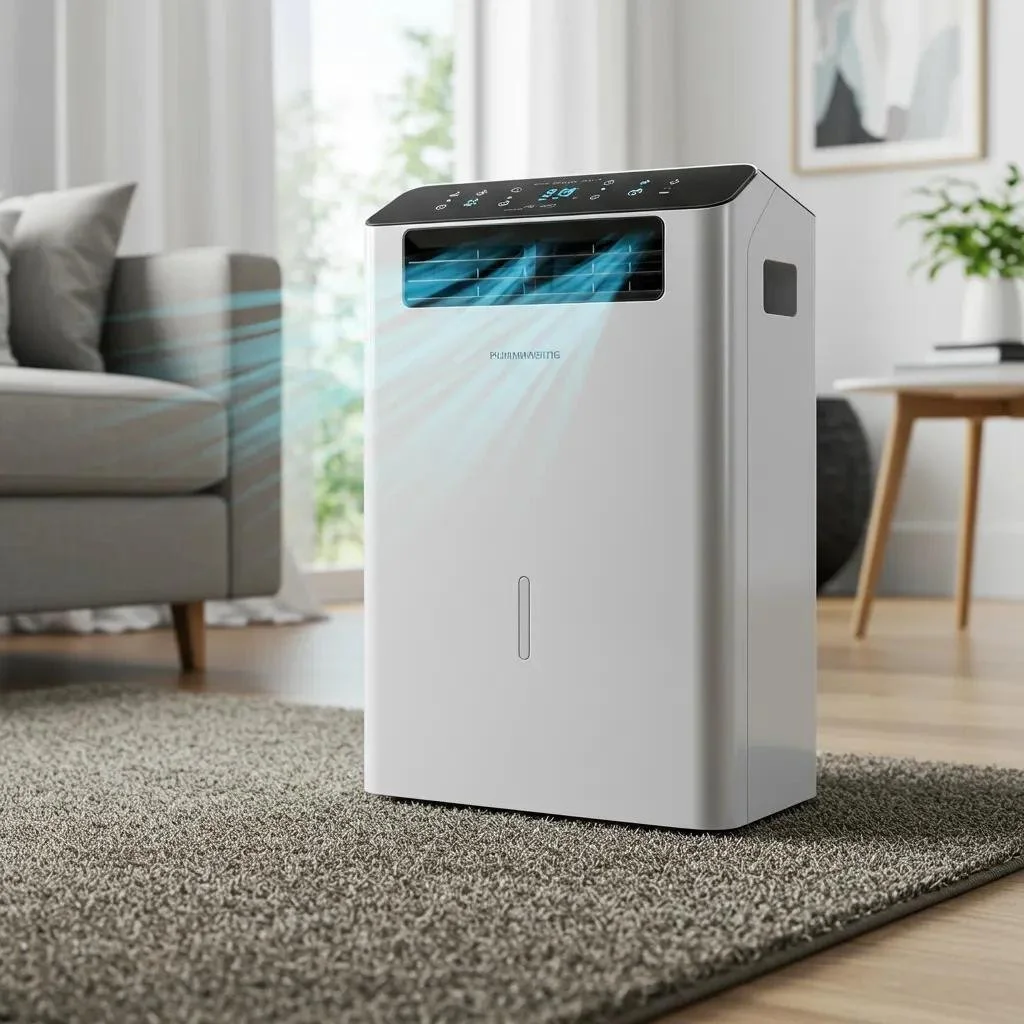
Dehumidifiers and properly balanced HVAC systems maintain indoor humidity between 30 and 50 percent, reducing microbial growth and fiber swelling. Point dehumidifiers in high-traffic or moisture-prone areas to target local dampness, while ensuring adequate air circulation beneath furniture. Regular HVAC filter changes and duct cleanings support efficient air exchange, minimizing moisture pockets that encourage mold development.
When spills occur, immediately blot liquids with absorbent, lint-free cloths, working from the edges inward to avoid spreading moisture. Apply minimal water-based cleaner and follow with a dry absorbent pad. Use portable fans or a dehumidifier to accelerate drying within hours. Avoid excessive scrubbing, which can embed contaminants and damage pile integrity.
Synthetic fibers such as nylon, polyester and Triexta resist moisture absorption and mold growth better than natural wool in humid conditions. Moisture-resistant padding—closed-cell or rubberized foam—prevents damp entrapment and supports faster drying. Choosing these materials reduces long-term maintenance needs and enhances carpet durability in Austin’s challenging environment.
| Fiber Type | Moisture Resistance | Why Essential |
| Nylon | High | Retains shape under humidity and resists microbial growth |
| Polyester | Moderate | Dries quickly and maintains color stability |
| Triexta | High | Naturally hydrophobic fibers minimize water absorption |
| Wool | Low | Prone to moisture absorption and mold without treatment |
Professional cleaning combines advanced methods and specialized equipment to overcome humidity-driven challenges that DIY approaches cannot fully address. Hot water extraction extracts deeply embedded moisture, allergens and contaminants, while powerful drying systems remove residual dampness swiftly. Licensed technicians leverage over 40 years of local expertise to tailor treatments that preserve fiber integrity and indoor air quality year-round.
Hot water extraction uses pressurized heated water and eco-friendly detergents to loosen dirt, oils and allergens from carpet fibers. Immediately following extraction, high-powered vacuum wands remove both cleaning solution and trapped contaminants, leaving fibers deeply sanitized. This method not only dislodges embedded debris but also neutralizes odor-causing microorganisms, delivering a healthier indoor environment.
Fast-drying techniques—including high-velocity air movers and dehumidifiers—ensure carpets dry within 4–6 hours even when ambient humidity is high. Rapid moisture removal prevents mold colonization and reduces downtime for homeowners and businesses. Dry carpets also maintain structural stiffness and pile resilience, minimizing long-term fiber damage.
Specialized enzyme and encapsulation treatments break down pet urine residues and deodorize at a molecular level, eliminating odor sources. Hypoallergenic cleaning agents remove dust mites and pollen without leaving residue that can attract new allergens. Technicians can apply anti-allergen sealants that inhibit dust mite proliferation between scheduled cleanings.
Water damage events demand immediate action to avert irreversible carpet damage, mold growth and health risks. Expert intervention within 24–48 hours is critical for structural drying, contaminant removal and odor control. Recognizing the signs of moisture intrusion and knowing the right steps to take protects both carpet condition and indoor air quality.
Begin by prioritizing safety and removing standing water with pumps or wet-dry vacuums. Elevate wet furniture and belongings to promote airflow beneath carpets. Place powerful fans and dehumidifiers in the affected area to lower humidity. Document damage with photos before starting any cleaning, then contact a licensed restoration specialist for comprehensive drying and disinfection services.
The Steam Team deploys structural drying equipment, moisture sensors and rapid-response crews to extract water and dry carpets effectively. Technicians use specialized antimicrobial treatments to prevent mold, inspect padding for contamination and recommend pad replacement when necessary. This thorough approach restores carpet appearance, prevents secondary damage and safeguards indoor air quality.
Visible black or green spots, persistent musty odors and allergic symptoms such as sneezing or skin irritation indicate mold colonization in carpet fibers or padding. If moisture control measures fail to eliminate odors or spots reappear after cleaning, licensed mold remediation services are warranted to remove fungal growth and restore a safe environment.
Licensed mold remediation contractors follow industry standards to contain affected areas, remove contaminated materials and apply antimicrobial barrier treatments. Proper remediation includes air filtration, surface cleaning and post-service testing to verify safe moisture levels. By adhering to certification requirements, professionals ensure both carpet and indoor air quality remain healthy.
Healthy carpets support cleaner indoor air by trapping and removing allergens, dust and microbial particles. Combined with humidity control and targeted treatments, routine maintenance reduces airborne irritants, promoting respiratory wellness for allergy and asthma sufferers. Leveraging professional services further amplifies these benefits with deep sanitization and preventative sealants.
Deep steam cleaning removes up to 95 percent of trapped pollen, dust mite debris and pet dander from carpet fibers. High-efficiency extraction captures contaminants that vacuuming alone cannot reach. Regular professional cleaning disrupts the cycle of allergen build-up, resulting in measurable improvements in indoor air quality and fewer allergy flare-ups.
Maintaining indoor humidity between 30–50 percent inhibits mold spore germination and dust mite proliferation. Balanced humidity levels prevent fibers from remaining damp, which otherwise would release microbial irritants back into the air. Consistent humidity management with dehumidifiers and HVAC calibration preserves both carpet condition and air purity.
Allergy-friendly services use hypoallergenic, fragrance-free cleaning agents and specialized filter systems to remove irritants without leaving chemical residues. Technicians can apply anti-allergen surface treatments that inhibit dust mite growth between cleanings. These targeted approaches reduce triggers for sensitive individuals and improve overall home comfort.
Empowering homeowners with practical DIY strategies complements professional services by maintaining optimal conditions day-to-day. Effective routines include humidity monitoring, strategic vacuuming, spot cleaning and rapid drying to curb moisture damage and microbial growth. These actions keep carpets functioning as healthy filters in a humid environment.
Use smart hygrometers to monitor real-time humidity and adjust dehumidifier settings to maintain 30–50 percent levels. Run dehumidifiers during peak humidity months and place them near exterior walls or moisture-prone rooms. Regularly service HVAC systems and change filters to support balanced air exchange and consistent moisture control.
Vacuum slowly in overlapping strokes using a machine with HEPA filtration and adjustable pile height. Focus on high-traffic zones and edges where particles concentrate. Empty vacuum canisters outdoors to avoid reintroducing dust. Incorporate crevice tools and upholstery attachments to clear baseboards and furniture surfaces that channel debris back into carpets.
After any water exposure, immediately blot surface moisture and elevate fibers using a clean towel or absorbent pad. Position box fans at carpet level and run dehumidifiers until humidity drops below 50 percent. Open windows when outdoor humidity is lower than indoors to increase airflow. Consistent airflow and moisture extraction within 24 hours are key to preventing mold.
When routine maintenance is not enough, choosing a local expert with proven results ensures carpets stay healthy and dry in Austin’s challenging climate. The Steam Team combines licensed mold remediation, hot water extraction and emergency water damage restoration to deliver comprehensive solutions tailored to humidity-driven issues.
With over 40 years of service in Central Texas, The Steam Team leverages local climate expertise and advanced hot water extraction methods to remove deep-seated moisture, allergens and contaminants. Licensed as a Mold Remediation Contractor (MRC License #RCO1264) and certified by industry standards, technicians apply fast-drying protocols to prevent mold and fiber degradation.
To organize routine steam cleaning or urgent water damage response, call The Steam Team’s 24/7 emergency line or submit a service request through their website. Technicians assess the scope of work, provide transparent estimates and deploy certified crews promptly to restore carpet health and indoor air quality.
Local reviews highlight exceptional responsiveness, deep-clean results and rapid drying times that prevent mold growth. Customers praise thorough inspections, clear explanations of humidity impacts and the professionalism of certified technicians. Consistent five-star feedback underscores The Steam Team’s commitment to reliable, climate-focused carpet care.
Preserving carpet health in Austin demands a blend of humidity awareness, proactive maintenance and professional expertise. By following these climate-specific tips and leveraging hot water extraction, rapid-dry techniques and licensed mold remediation, homeowners and businesses can enjoy cleaner carpets, improved air quality and lasting fiber resilience. Partner with local experts to ensure your carpets withstand Austin’s humidity year after year.
Signs that your carpet requires professional cleaning include persistent odors, visible stains, and a noticeable decline in texture or appearance. If you notice increased allergy symptoms or dust accumulation, it may indicate that allergens are trapped within the fibers. Additionally, if your carpet feels damp or has been exposed to water, professional cleaning is essential to prevent mold growth and restore its condition. Regular assessments can help maintain carpet health and prolong its lifespan.
When selecting a carpet cleaning service in Austin, consider factors such as experience, customer reviews, and the methods they use. Look for companies that specialize in humid climate care and offer services like hot water extraction. Verify their certifications and ask about their approach to mold remediation and allergen removal. Request quotes from multiple providers to compare pricing and services. A reputable company will provide transparent information and a satisfaction guarantee.
If your carpet gets wet from a spill or flooding, act quickly to minimize damage. Blot the area with absorbent cloths to soak up excess moisture, avoiding scrubbing, which can damage fibers. Use fans and dehumidifiers to promote drying, and ensure proper ventilation. If the water is from a flood, contact a professional restoration service immediately, as contaminated water can pose health risks. Timely action is crucial to prevent mold growth and structural damage.
To maintain your carpet between professional cleanings, vacuum regularly—at least twice a week—with a HEPA filter vacuum to capture allergens and dirt. Address spills immediately by blotting and using appropriate cleaning solutions. Monitor indoor humidity levels and use dehumidifiers as needed to prevent moisture buildup. Additionally, consider using area rugs in high-traffic zones to protect your carpet and reduce wear. These practices will help keep your carpet looking fresh and extend its lifespan.
Hypoallergenic carpet cleaning products are designed to minimize allergic reactions by avoiding harsh chemicals and fragrances. These products effectively remove dirt, allergens, and stains without leaving harmful residues that can trigger sensitivities. Using hypoallergenic solutions is particularly beneficial for households with allergy sufferers or pets, as they help maintain a healthier indoor environment. Additionally, these products often have a lower environmental impact, making them a safer choice for both your family and the planet.
The lifespan of carpet in a humid climate like Austin can vary based on material, maintenance, and foot traffic. Generally, carpets should be replaced every 5 to 15 years. However, if you notice significant wear, persistent odors, or mold issues, it may be time for a replacement sooner. Regular professional cleaning and proper humidity control can extend the life of your carpet, but ultimately, the condition and performance will dictate when replacement is necessary.
Professional mold remediation services offer expertise in identifying and addressing mold issues effectively. They use specialized equipment and techniques to safely remove mold and prevent its return, ensuring thorough cleaning and disinfection. Professionals also assess the underlying causes of moisture that contribute to mold growth, providing solutions to mitigate future risks. By hiring experts, you can ensure a safe and healthy environment, as they follow industry standards and regulations for mold removal and air quality improvement.
Maintaining carpet health in Austin's humid climate is essential for enhancing indoor air quality and prolonging fiber life. By implementing proactive maintenance strategies and utilizing professional cleaning services, homeowners can effectively combat moisture-related challenges. Trusting local experts ensures that your carpets remain resilient against humidity while providing a cleaner living environment. Contact The Steam Team today to explore tailored solutions for your carpet care needs.
Our mission is to provide you with the most outstanding service experience ever. Some of our most popular services include Carpet Cleaning, Tile Cleaning, Air Duct Cleaning, Water Damage, Fire Damage Restoration and Construction Services.
Quick Cleaning Quote
Email: info@thesteamteam.com
Georgetown: (512) 868-0358
Dallas: (214) 631-8326
Naples, FL: (239) 450-1936
Toll Free: (800) 880-7785