Understanding Commercial Water Damage Restoration in Austin
/Water Damage Restoration: Key Insights
Water damage restoration is the coordinated process of emergency mitigation, water removal, structural drying, cleaning, and repair that returns a property to safe, functional condition. This article explains how water damage restoration differs between commercial and residential properties, why those differences matter, and how to choose the right response for your situation. Readers will learn the typical restoration workflow, how scale and systems change project scope, regulatory and insurance distinctions, cost and timeline expectations, and when to call a professional. The guide includes equipment and technique comparisons, practical decision checklists, and side-by-side tables that summarize core differences and cost drivers for quick reference. Throughout, we integrate local context for Austin-area property owners and facility managers and show how professional teams coordinate insurance claims and continuity planning to reduce downtime and long-term loss.
What Is Water Damage Restoration and Why Does It Matter for Commercial and Residential Properties?
Water damage restoration is a multidisciplinary service that mitigates immediate hazards, removes water, controls moisture, and restores affected structures and contents to prevent secondary damage. The mechanism relies on fast containment, extraction, controlled drying with dehumidification and air movers, and hygienic cleaning to stop microbial growth. The key benefit is reducing structural degradation, preventing mold, and minimizing repair costs and interruptions to occupants or businesses. Rapid response matters because standing water and elevated humidity accelerate the deterioration of materials and increase contamination risk, which in turn raises restoration scope and expense. Understanding these core goals sets the stage for how commercial and residential projects diverge in scale, stakeholders, and required technical controls.
What Are the Basic Steps in Water Damage Restoration?
Water damage restoration follows a repeatable sequence designed to stabilize conditions and restore property function quickly and safely. The process begins with safety assessment and containment to protect people and critical systems, followed by emergency water extraction to remove standing water and reduce moisture load. Next, technicians deploy drying and dehumidification equipment, monitor moisture with meters and thermal imaging, and perform cleaning, sanitation, and contents restoration as needed. Final steps include reconstruction and coordinated hand-off, including documentation for insurance claims. Each step feeds the next: proper extraction shortens drying time, and thorough documentation speeds claim resolution.
The basic steps include these operational phases:
Assessment & Safety: Identify hazards, shut off utilities if needed, and classify water contamination.
Water Extraction: Use pumps and portable extractors to remove standing water swiftly.
Drying & Monitoring: Deploy industrial dehumidifiers and moisture meters until structural materials reach target dryness.
Cleaning & Contents Restoration: Clean, sanitize, and restore salvageable items to reduce replacement cost.
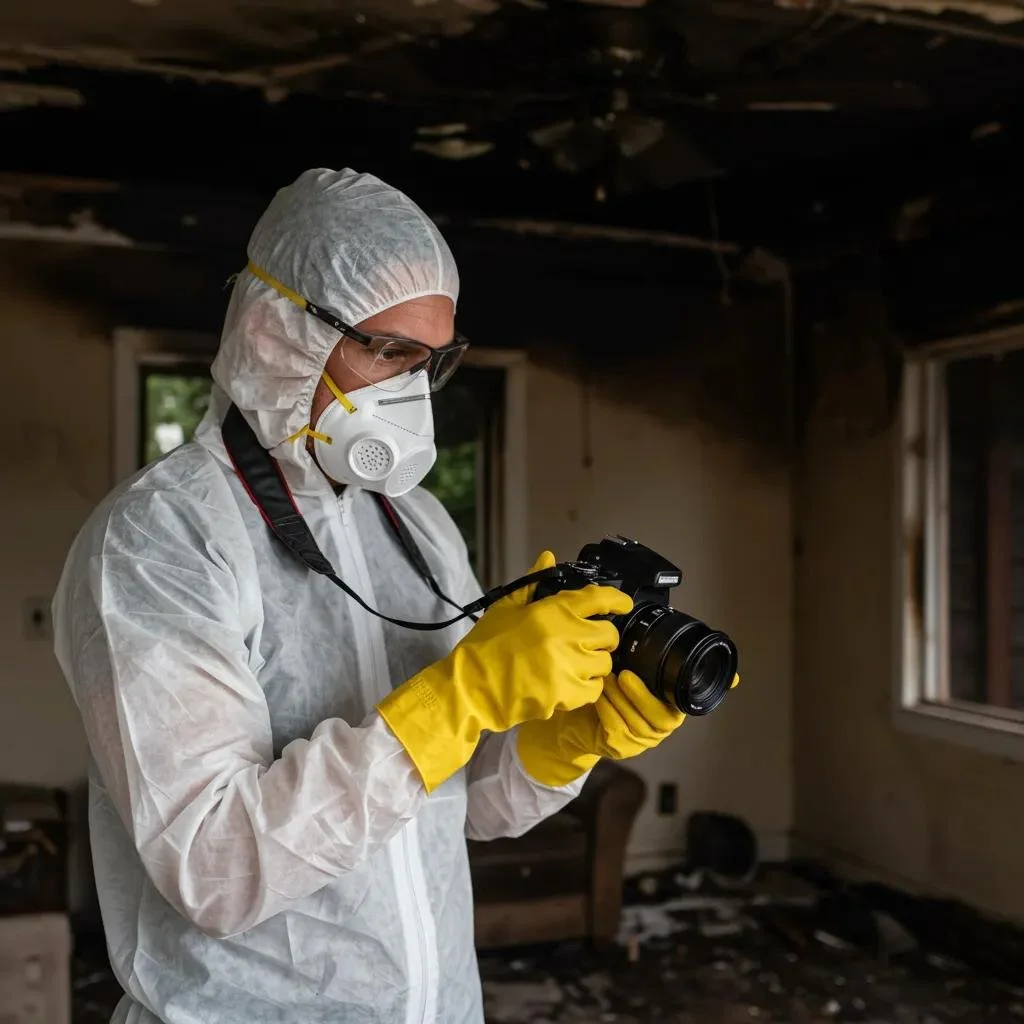
Reconstruction & Documentation: Repair damaged structures and compile photos and reports for insurers.
These steps form a workflow that scales with property complexity, which leads into how impacts differ between commercial and residential sites.
How Does Water Damage Impact Commercial vs Residential Properties Differently?
Water damage in commercial settings often threatens business continuity, tenant operations, and regulated systems such as HVAC, fire suppression, and electrical distribution, creating urgency beyond property repair. By contrast, residential damage usually centers on personal property, habitability, and occupant health concerns, with emotional and displacement implications for homeowners. Commercial properties may face multiple stakeholders, owners, property managers, tenants, and insurers requiring coordinated communication and phased access management. Residential jobs often allow fewer logistical constraints but demand careful contents handling and privacy considerations. These distinctions influence response priorities: restoring revenue-generating spaces and critical systems for businesses versus restoring safe living conditions and personal property for households.
What Are the Main Differences Between Commercial and Residential Water Damage Restoration?
Commercial and residential restoration differ in scale, equipment, regulatory oversight, and stakeholder coordination factors that change project planning and execution. Commercial jobs typically cover larger square footage, involve complex mechanical-electrical-plumbing (MEP) systems, and require coordination with facility managers and multiple tenants. Residential jobs focus on dwellings and personal contents with simpler access and fewer institutional approvals. The result is that commercial projects demand industrial-grade equipment, advanced monitoring, and more formal project management to meet occupancy and code requirements. Recognizing these differences helps property owners set realistic timelines and budgets before restoration begins.
Below is a compact comparison of core differences to clarify planning and scope considerations.
Property Type
Typical Scale & Complexity
Key Stakeholders
Commercial
Large areas, multiple floors, integrated MEP systems, occupied tenant spaces
Owners, property managers, tenants, and insurers
Residential
Single-family homes, apartments, basements, attics
Homeowners, occupants, insurers
Equipment & Monitoring
Industrial dehumidifiers, high-capacity extractors, IoT moisture sensors
Facility engineers, restoration project managers
Regulatory/Permits
Building code compliance, inspections, and tenant safety protocols
Local authorities, building owners
This table shows how scale and stakeholder complexity make commercial restorations operationally different from residential jobs. The next section explains how scale affects logistics and scheduling.
How Do Scale and Complexity Vary Between Commercial and Residential Water Damage?
Commercial projects often involve multi-zone drying plans, phased access for tenants, and integration with building mechanical systems, which increases project duration and coordination overhead. For example, a restaurant or warehouse may require isolation of contaminated areas, temporary relocation of operations, and coordination with utilities and health inspectors before restoration can proceed. Logistics such as loading zones, permit requirements, and night-shift drying crews are common in commercial responses. Residential tasks are usually more straightforward, isolating affected rooms, prioritizing belongings, and restoring habitability, yet still require careful moisture mapping to prevent mold. These operational differences directly affect scheduling and resourcing decisions.
Larger scale requires a mix of technical planning and stakeholder management, which naturally leads to differences in the equipment and techniques used for each property type.
What Equipment and Techniques Are Used for Commercial vs Residential Restoration?
Commercial restoration uses industrial dehumidifiers, large-capacity extractors, powerful air movers, and centralized drying strategies to handle high moisture loads across large volumes. Technologies like thermal imaging cameras and IoT moisture sensors enable remote monitoring of drying curves and reduce manual inspections. Residential jobs more commonly use portable extractors, smaller dehumidifiers, and airflow management tailored to individual rooms. Both settings rely on moisture meters and hygienic cleaning protocols, but the scale of equipment and redundancy differ sharply. Understanding which tools are components of the larger restoration system, extractors, air movers, dehumidifiers, and moisture meters, helps match resources to the job.
Key equipment categories include:
Industrial Dehumidifiers: Manage large moisture loads in commercial environments.
Air Movers: Accelerate evaporation across affected surfaces.
Portable Extractors: Provide rapid water removal in residential rooms.
Monitoring Tools: Moisture meters, thermal imaging, and IoT sensors for accurate drying verification.
These equipment choices influence cost and timeline expectations, which we address next with specific cost-driver comparisons.
How Do Regulations and Insurance Affect Commercial vs Residential Water Damage Restoration?
Regulatory and insurance frameworks shape obligations, and restoration approaches differ for commercial and residential properties. Commercial sites often face stricter building codes and occupancy regulations, accessibility and life-safety requirements, and sometimes mandatory inspections before spaces can reopen. Insurance for commercial properties typically includes business interruption and extra expense coverages that address revenue loss, while homeowner policies focus on dwelling and personal property coverage with different exclusions. Clear documentation, scope of loss reports, and preferred-vendor relationships can streamline claims for both property types. Understanding these regulatory and insurance distinctions is essential to set realistic expectations for approvals and reimbursement.
What Building Codes and Compliance Requirements Apply to Commercial Properties?
Commercial restorations may trigger permit filings, code-compliant reconstruction, and coordination with fire, plumbing, and electrical inspectors, particularly when restoration affects means of egress, mechanical rooms, or tenant spaces. Building codes require that repaired systems meet current safety and occupancy standards, which can involve material choices and licensed trades. Restoration teams must document work, preserve the chain of custody for affected systems, and sometimes provide engineer sign-offs for structural repairs. Early coordination with building management and permitting authorities reduces rework and ensures that drying and reconstruction plans satisfy compliance checks. These compliance steps tie directly into insurance documentation and claims workflows.
Regulatory obligations can extend project timelines and cost, which is why experienced teams prioritize thorough documentation and early stakeholder engagement to avoid unnecessary delays.
How Does Homeowner’s Insurance Differ from Commercial Insurance in Water Damage Claims?
Homeowner policies typically cover sudden, accidental water damage to dwelling structures and personal property, but often exclude gradual maintenance issues and some flood scenarios. Commercial insurance policies can include building coverage, contents, and business interruption or extra expense coverage that compensates for lost revenue and costs of temporary relocation. Adjuster engagement, scope documentation, and inventorying contents are critical in both contexts, but commercial claims often require more detailed loss-of-income calculations and vendor coordination. Restoration firms that act as preferred vendors for insurers can simplify communications and expedite approvals. For policyholders, meticulous photo and video records, timely mitigation, and working with experienced restoration professionals improve claim outcomes.
The Steam Team maintains preferred-vendor relationships and provides claims assistance to help streamline this process locally in Austin and surrounding areas, which helps bridge the operational and administrative gaps between property owners and insurers.
What Are the Cost and Timeline Differences Between Commercial and Residential Water Damage Restoration?
Commercial restoration typically costs more and takes longer than residential work because of increased square footage, industrial equipment needs, tenant coordination, and potential reconstruction to code. Cost drivers include labor hours, equipment rental and staging, contents restoration, and reconstruction complexity; timelines depend on drying needs, permit cycles, and supply-chain factors for materials. Residential projects often resolve within days to a few weeks for mitigation and drying, whereas commercial jobs can extend into multiple weeks or months for large or complex sites. Clear estimates and regular progress reporting help manage expectations for both owners and insurers.
Below is a practical table that outlines typical costs and timeline ranges and the primary factors that influence them.
Project Aspect
Typical Range / Example
What Affects This
Residential Cost
Low to moderate; varies with size and contents
Square footage, material replacement, contamination level
Commercial Cost
Moderate to high; scales with area and systems
Equipment rental, multiple crews, tenant coordination
Residential Timeline
Days to a few weeks for mitigation and drying
Prompt mitigation, material porosity, and weather
Commercial Timeline
Weeks to months for complex cases
Permits, phased access, HVAC/MEP repairs, business interruption
This comparison clarifies why commercial restoration budgets and schedules require contingency planning. The following subsection breaks down the primary reasons commercial projects cost more.
Why Is Commercial Water Damage Restoration Generally More Expensive?
Commercial restorations involve larger affected areas, heavier equipment, and multiple work crews, and often run 24/7 to limit business interruption. Each factor amplifies labor and rental costs. Additional expenses come from specialized trade coordination, strip-outs for code-compliant repairs, and contents restoration for valuable inventory or equipment. Insurance and regulatory documentation add administrative overhead as well. For businesses, minimizing downtime may justify accelerated schedules and overtime, which further raises costs. These drivers combine to make commercial projects materially more expensive than comparable residential jobs.
Understanding these drivers leads directly to realistic timeline expectations and mitigation strategies that can reduce overall expense.
How Long Does Restoration Typically Take for Commercial vs Residential Properties?
Residential mitigation and drying are commonly completed within several days to a few weeks when response is rapid, and contamination is limited. Commercial timelines are longer: initial mitigation might be quick, but full restoration and reconstruction can require weeks or months, depending on coordination with tenants, permit approvals, and the complexity of HVAC and electrical repairs. Variables such as material porosity, contamination category, and weather-driven humidity levels also influence drying curves. Continuous monitoring with moisture meters and thermal imaging helps verify progress and prevent premature closure of a job, which would risk rework and higher long-term costs.
The practical takeaway is that early mitigation and professional monitoring compress timelines and lower expenses in both contexts.
How Does The Steam Team Provide Expert Water Damage Restoration Services in Austin for Both Property Types?
The Steam Team provides emergency water removal, flood damage restoration, structural and material drying, mold mitigation and sanitation, contents restoration, reconstruction, and insurance claims assistance services tailored to both commercial and residential needs in Austin and Central Texas. Their approach combines rapid response, equipment selection matched to project scale, and thorough documentation to support claims and minimize downtime. Technicians deploy industrial dehumidifiers, air movers, moisture meters, and thermal imaging to create measurable drying plans for commercial facilities and portable, targeted drying systems for homes. Local knowledge of Austin-area codes and relationships with insurers helps align restoration work with regulatory and claims expectations.
The following table maps The Steam Team’s core services to client-facing benefits and outcomes to illustrate practical value during a restoration engagement.
Service
Feature / Attribute
Benefit / Outcome
Emergency Water Removal
24/7 rapid deployment, high-capacity extraction
Limits structural saturation and reduces mold risk
Structural & Material Drying
Industrial dehumidifiers, thermal imaging, and moisture monitoring
Faster verified drying, lower reconstruction needs
Mold Mitigation & Sanitation
IICRC-guided protocols and containment
Reduced health risk and safer re-occupancy
Contents Restoration & Reconstruction
On-site contents cleaning and licensed rebuilding
Preserves value and returns spaces to pre-loss condition
Insurance Claims Assistance
Preferred-vendor coordination and documentation
Streamlines approvals and reduces administrative delays
This mapping shows how a service-oriented restoration team converts technical interventions into measurable client outcomes. For property owners in Austin, such alignment reduces business interruption and personal displacement while improving claim transparency.
What Certifications and Awards Demonstrate The Steam Team’s Expertise?
The Steam Team’s credibility in Austin is supported by industry and local recognitions that indicate quality and trusted service relationships. Important trust signals include IICRC-certified technicians who follow industry standards for mitigation and mold remediation, a strong rating with the Better Business Bureau indicating customer service focus, and multiple local awards that recognize water damage restoration excellence. These credentials matter because they translate into standardized procedures, documented scope-of-work practices, and predictable outcomes critical elements when managing both structural repairs and insurance claims. Certification and awards also reflect a history of meeting high performance and safety expectations.
These credentials make it easier for property owners and managers to choose a vendor who understands local expectations and technical best practices, which in turn supports smoother restoration and claims processes.
How Does The Steam Team Assist with Insurance Claims for Commercial and Residential Clients?
The Steam Team documents damage thoroughly with photos, moisture logs, and reconstruction estimates and communicates directly with adjusters when authorized, reducing friction during claim reviews. They act as a preferred vendor for several major insurance carriers in Texas, which can expedite approvals for mitigation and reconstruction. Typical claims-assistance actions include creating scope-of-loss reports, providing drying curves and monitoring data, itemized contents inventories, and helping prepare business interruption documentation for commercial losses. These steps help translate technical restoration work into insurer-friendly deliverables that support timely resolution and fair reimbursement.
Documentation: Photo and video records paired with moisture-monitoring reports.
Direct Adjuster Communication: Liaison works to clarify the scope and necessity of actions.
Preferred-Vendor Advantage: Streamlined approvals and coordinated scheduling.
This practical assistance reduces administrative burden on property owners and supports a faster return to normal operations or occupancy.
What Are Common Questions About Commercial vs Residential Water Damage Restoration?
Property owners and managers often ask about mold risk, professional intervention triggers, insurance coverage, and safety steps during a water event. Clear answers help stakeholders make quick, informed decisions that minimize loss. The following subsections address mold remediation basics and the most critical triggers for calling a professional, using concise, actionable guidance aligned to industry standards and practical restoration priorities.
What Should I Know About Mold Remediation After Water Damage?
Mold can begin to grow within 24–48 hours on porous materials when moisture is uncontrolled, and unchecked growth increases health risks and material degradation. Professional remediation follows IICRC-aligned protocols that include containment, HEPA filtration, removal of unsalvageable materials, and moisture control to prevent recurrence. For both commercial and residential settings, visible mold, persistent musty odors, or moisture readings above acceptable thresholds indicate the need for remediation rather than simple cleaning. Early, documented remediation reduces long-term costs and helps when negotiating insurance coverage for affected materials. Coordinated drying and cleaning are essential to successful mold abatement and safe re-occupancy.
Responding to mold concerns requires both technical containment and follow-up verification to ensure that conditions remain dry and safe.
When Is It Critical to Call a Professional for Water Damage Restoration?
Immediate professional intervention is necessary when conditions present safety hazards, significant standing water, structural compromise, or contamination concerns that exceed homeowner capability. Key triggers include unsafe electrical exposure near wet areas, more than a few inches of standing water, visible structural movement or sagging, and evidence of contaminated (category 2/3) water. Professionals provide extraction, controlled drying, and sanitary remediation that homeowners typically cannot perform safely or effectively. Quick mitigation minimizes mold risk and often reduces overall repair costs, so calling a trained restoration team early is a cost-effective decision.
Electrical Hazards: Avoid water near exposed electrical systems and contact professionals.
Significant Standing Water: Professional extraction is required for large volumes.
Structural Damage: Sagging floors or compromised supports need immediate evaluation.
Contaminated Water: Sewage or floodwater requires specialized remediation and PPE.
These decision points help prioritize safety and prevent escalation of damage.
Provide useful information about cleaning and restoration services, build trust, and lead potential clients to request a quote or schedule an appointment. For property owners and managers seeking assistance in Austin and surrounding Central Texas cities, The Steam Team offers emergency response, documented mitigation, and claims coordination to reduce downtime and restore spaces efficiently. To request a quote or schedule an appointment, authorize assessment and documentation, describe the affected areas, and specify whether the property is commercial or residential to help the restoration team deploy appropriate resources quickly.
Prepare basic information: Ownership, affected areas, and extent of visible water or mold.
Authorize assessment: Allow technicians to document and begin mitigation.
Coordinate with insurer: Share documentation and preferred-vendor status if applicable.
Frequently Asked Questions
What Are the Signs of Water Damage in a Property?
Signs of water damage can vary but often include visible stains on walls or ceilings, peeling paint or wallpaper, and warped flooring. Homeowners may also notice a musty odor, which can indicate mold growth. In commercial properties, signs might include damp spots on carpets or walls, and malfunctioning HVAC systems due to moisture. Early detection is crucial, as it can prevent further damage and costly repairs. Regular inspections, especially after heavy rainfall or plumbing issues, can help identify these signs promptly.
How Can I Prevent Water Damage in My Property?
Preventing water damage involves proactive measures such as regular maintenance of plumbing systems, roofs, and gutters. Ensure that downspouts direct water away from the foundation, and consider installing sump pumps in basements. Additionally, inspect appliances like washing machines and water heaters for leaks. In commercial settings, routine checks of HVAC systems and drainage systems are essential. Installing moisture detectors can also provide early warnings of potential issues, allowing for timely intervention before significant damage occurs.
What Should I Do Immediately After Experiencing Water Damage?
Immediately after experiencing water damage, prioritize safety by turning off electricity in affected areas and avoiding contact with standing water. If safe, remove any valuable items from the affected area and begin drying surfaces with towels or fans. Document the damage with photos for insurance purposes. Contact a professional water damage restoration service as soon as possible to assess the situation and begin mitigation. Quick action can significantly reduce the extent of damage and associated costs.
Are DIY Water Damage Restoration Methods Effective?
While some DIY methods can help with minor water damage, they are often not sufficient for significant issues. Homeowners may attempt to dry out areas using fans or dehumidifiers, but without proper equipment and expertise, they risk leaving moisture behind, which can lead to mold growth and structural damage. Professional restoration services have specialized tools and training to ensure thorough drying and sanitation. For extensive damage, it is advisable to consult with experts to avoid further complications.
How Can I Choose the Right Water Damage Restoration Company?
Choosing the right water damage restoration company involves researching their credentials, experience, and customer reviews. Look for companies with IICRC certification, as this indicates adherence to industry standards. Ask about their response time, equipment used, and the scope of services offered. It's also beneficial to inquire about their insurance claims assistance, as this can streamline the process. A reputable company will provide clear estimates and be transparent about their methods and timelines.
What Is the Role of Insurance in Water Damage Restoration?
Insurance plays a critical role in water damage restoration by covering the costs associated with repairs and restoration, depending on the policy. Homeowner's insurance typically covers sudden and accidental water damage, while commercial policies may include business interruption coverage. It's essential to understand the specifics of your policy, including any exclusions or limits. Documenting the damage thoroughly and working with a restoration company that assists with claims can help ensure a smoother reimbursement process.
What Are the Long-Term Effects of Water Damage If Not Addressed?
If water damage is not addressed promptly, it can lead to severe long-term effects, including structural damage, mold growth, and compromised indoor air quality. Prolonged moisture can weaken building materials, leading to costly repairs and safety hazards. Mold can pose health risks, causing respiratory issues and allergic reactions. Additionally, unresolved water damage can affect property value and lead to insurance complications. Timely intervention is crucial to mitigate these risks and protect both health and property.
Conclusion
Understanding the differences between commercial and residential water damage restoration is crucial for effective response and recovery. By recognizing the unique challenges and requirements of each property type, property owners can make informed decisions that minimize downtime and costs. Engaging with experienced professionals like The Steam Team ensures a swift, thorough restoration process tailored to specific needs. For expert assistance in Austin, reach out to us today to discuss your restoration needs and receive a personalized quote.