
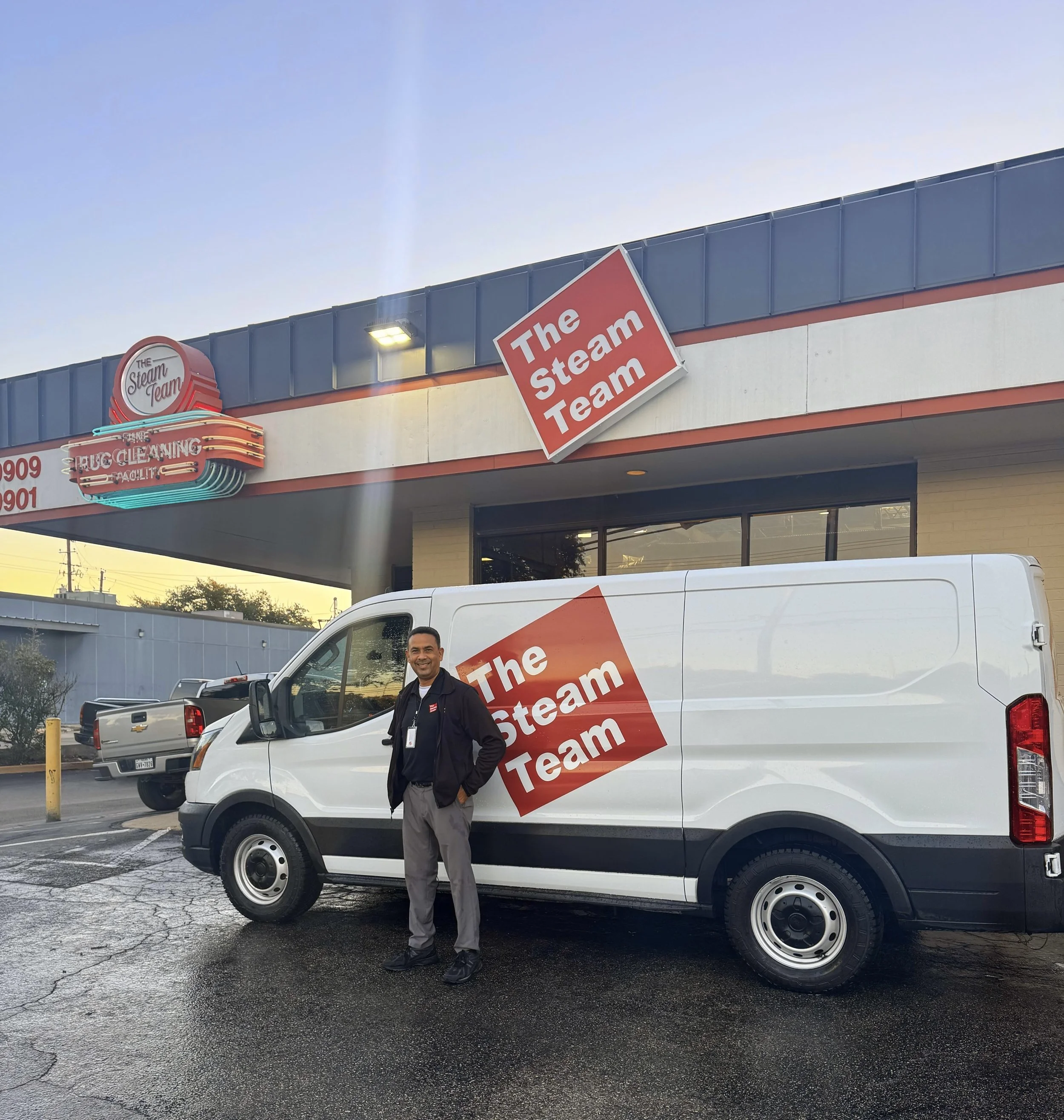
What Every Homeowner Should Know About Emergency Water Extraction
/About Emergency Water Extraction
Why Acting Quickly After Water Damage Can Help Protect Your Home
Whether it's a burst pipe, overflowing washing machine, roof leak, or severe storm, unexpected water damage can happen without warning.
When water enters a home, every minute matters. Standing water doesn't simply remain on the surface, it quickly spreads into flooring, drywall, insulation, cabinets, and structural materials. The longer moisture remains, the more difficult and expensive the restoration process may become.
One of the first services homeowners often hear about after a flood or plumbing emergency is emergency water extraction.
Many people ask:
"What is emergency water extraction, and why is it so important?"
Emergency water extraction is the process of removing standing water from a property using specialized commercial equipment before extensive structural damage occurs. It is one of the first and most important steps in professional water damage restoration.
If you're searching for information about emergency water extraction, this guide explains:
What emergency water extraction involves
Why rapid response matters
Common causes of indoor flooding
What happens during the extraction process
When homeowners should call a restoration professional
For more than 40 years, The Steam Team has provided emergency water extraction and water damage restoration services for homeowners throughout Austin, helping families recover quickly after unexpected water emergencies.
What Is Emergency Water Extraction?
Emergency water extraction is the immediate removal of standing water from a home or commercial property following a water-related incident.
The goal is to minimize the amount of water absorbed into building materials and begin the drying process as quickly as possible.
Professional restoration companies use commercial-grade extraction equipment capable of removing significantly more water than household wet vacuums or consumer cleaning equipment.
Water extraction is typically followed by:
Moisture detection
Structural drying
Dehumidification
Cleaning
Restoration
Extraction is only the first step, but it is one of the most critical.
Why Water Spreads So Quickly
Water naturally moves through porous building materials.
Within a short period of time, moisture may spread into:
Drywall
Carpet
Carpet padding
Hardwood flooring
Cabinets
Baseboards
Insulation
Wood framing
This is why prompt extraction plays such an important role in limiting damage.
Water Doesn't Stay Where the Leak Started
Many homeowners assume that only the visible wet area has been affected. In reality, water often travels beneath flooring, behind walls, and through structural framing before becoming visible elsewhere. Professional moisture detection helps identify areas where hidden water may have migrated.
Common Causes of Emergency Water Damage
Emergency water extraction is needed for many different situations. Some of the most common include:
Burst Pipes
Burst plumbing pipes can release hundreds of gallons of water in a very short period of time.
Water often spreads into:
Walls
Flooring
Cabinets
Ceilings
Adjacent rooms
Immediate extraction helps reduce additional structural damage.
Appliance Leaks
Household appliances connected to water lines occasionally fail due to worn hoses, damaged fittings, or mechanical problems.
Common sources include:
Washing machines
Dishwashers
Refrigerators
Water heaters
Even slow leaks can affect surrounding flooring and cabinetry if left unnoticed.
Storm Damage
Austin's severe storms can introduce water through:
Damaged roofs
Broken windows
Flooded entryways
Foundation openings
Heavy rainfall and flash flooding often require immediate extraction and structural drying.
Overflowing Fixtures
Unexpected overflows from:
Toilets
Bathtubs
Bathroom sinks
Kitchen sinks
can quickly affect flooring and nearby building materials. Prompt cleanup helps reduce the extent of the damage.
HVAC System Leaks
Condensate drain failures and HVAC system leaks may release water slowly over time. Although these leaks often begin unnoticed, they can eventually damage surrounding drywall, flooring, and insulation.
Why Fast Water Extraction Matters
The amount of damage caused by water often depends on how quickly restoration begins. Standing water continues moving through building materials until it is removed.
Early extraction helps reduce:
Saturation of drywall
Damage to flooring
Moisture inside insulation
Cabinet damage
Structural deterioration
Restoration time
The sooner extraction begins, the sooner the drying process can start.
Hidden Moisture Continues Causing Damage
Removing standing water alone is not enough. Moisture trapped inside walls, flooring, and structural materials continues affecting the home until professional drying is completed. This is why emergency water extraction is always followed by moisture detection and structural drying.
What Equipment Is Used During Emergency Water Extraction?
Professional restoration companies use specialized equipment designed for rapid water removal.
Depending on the situation, technicians may use:
Commercial extraction units
High-capacity water pumps
Truck-mounted extraction systems
Wet extraction tools
Moisture meters
Thermal imaging cameras
Each piece of equipment plays an important role in identifying and removing moisture throughout the property.
Commercial Extraction Equipment
Unlike household wet vacuums, commercial extraction equipment is designed to remove large volumes of water quickly and efficiently. This helps shorten the overall restoration timeline while reducing additional moisture absorption into building materials.
What Happens During Professional Emergency Water Extraction?
Once the restoration team arrives, the focus shifts to removing water as quickly as possible while preventing additional damage to the property. Although every project is different, most emergency water extraction services follow a structured process.
Initial Property Assessment
Technicians begin by evaluating the extent of the water damage.
During this assessment, they identify:
The source of the water
Areas affected
Safety concerns
Water migration patterns
Building materials requiring immediate attention
This information helps determine the most effective restoration approach.
Standing Water Removal
The first priority is removing standing water from the property.
Depending on the amount of water present, restoration professionals may use:
High-capacity extraction units
Commercial water pumps
Truck-mounted extraction equipment
Portable extraction systems
Rapid water removal helps reduce the amount of moisture absorbed into building materials.
Moisture Detection
After visible water has been removed, technicians inspect the property for hidden moisture.
Professional equipment helps identify water inside:
Drywall
Flooring
Cabinets
Ceiling cavities
Insulation
Wood framing
Finding hidden moisture is an essential part of preventing additional damage.
Structural Drying
Water extraction is followed by structural drying.
Commercial drying equipment may include:
Air movers
Industrial dehumidifiers
Moisture monitoring equipment
Drying continues until moisture readings indicate that affected materials have reached acceptable levels.
Cleaning and Restoration
Once drying has been completed, restoration work may begin.
Depending on the extent of the damage, this may involve:
Cleaning affected areas
Replacing damaged drywall
Flooring repairs
Cabinet restoration
Painting
Reconstruction services
The objective is to restore the property to its pre-loss condition.
What Should Homeowners Do Before Help Arrives?
The actions taken immediately after discovering water damage can help reduce additional property damage while waiting for restoration professionals.
If it is safe to do so, homeowners should:
Shut off the water source if possible.
Turn off electricity in affected areas if there is a risk of electrical hazards.
Move valuable belongings away from standing water.
Remove small items from affected rooms.
Document visible damage with photographs for insurance purposes.
Contact a professional restoration company as soon as possible.
Safety should always be the first priority.
Avoid Walking Through Standing Water
Standing water may present hazards that are not immediately visible.
Potential risks include:
Electrical hazards
Slippery flooring
Hidden debris
Structural instability
If there is any concern about safety, wait for professional assistance before entering affected areas.
Don't Assume the Damage Is Limited
Water often spreads well beyond the visible wet area. Even if only one room appears affected, moisture may have migrated into nearby walls, flooring, or structural components. Professional moisture detection helps identify the full extent of the damage.
Emergency Water Extraction vs. Water Damage Restoration
These services are closely related, but they are not the same. Understanding the difference helps homeowners know what to expect during the recovery process.
Emergency Water Extraction
Emergency water extraction focuses on:
Removing standing water
Limiting additional damage
Beginning the drying process
Stabilizing the property
It is typically the first step after a water-related emergency.
Water Damage Restoration
Water damage restoration is the complete recovery process that follows extraction.
This may include:
Moisture detection
Structural drying
Cleaning
Mold prevention measures
Repairs
Reconstruction
Restoration continues until the property has been returned as closely as possible to its pre-loss condition.
Why Fast Response Makes a Difference
Water damage becomes more difficult to address the longer moisture remains inside the home.
Prompt professional response can help:
Reduce the spread of water
Minimize damage to drywall and flooring
Shorten drying time
Reduce the amount of reconstruction required
Protect structural materials
Although every situation is different, early intervention often results in a more efficient restoration process.
Frequently Asked Questions
Q- What is emergency water extraction?
A- Emergency water extraction is the professional removal of standing water from a property after flooding, plumbing failures, appliance leaks, or storm damage using commercial extraction equipment.
Q- Is water extraction the same as water damage restoration?
A- No. Water extraction is the first stage of restoration. Water damage restoration includes extraction, structural drying, moisture monitoring, cleaning, repairs, and reconstruction when necessary.
Q- How quickly should water be removed?
A- Standing water should be removed as soon as possible to help reduce additional damage to building materials and begin the drying process promptly.
Q- Can water remain inside walls after extraction?
A- Yes. Even after visible water has been removed, moisture may remain inside drywall, insulation, flooring, and structural materials. Professional moisture detection helps locate hidden moisture.
Q- Will household fans completely dry my home?
A- Household fans may improve air circulation, but they are not designed to remove moisture trapped inside structural materials. Professional drying equipment is often required for significant water damage.
Q- What equipment is used during emergency water extraction?
A- Professional restoration companies commonly use:
Commercial extraction units
Truck-mounted extraction systems
Water pumps
Moisture meters
Thermal imaging cameras
Air movers
Industrial dehumidifiers
Q- Does every water emergency require professional extraction?
A- Minor spills that can be cleaned and dried immediately may not require professional services. However, flooding, burst pipes, appliance failures, roof leaks, or water affecting structural materials should generally be evaluated by a restoration professional.
Q- Can emergency water extraction help reduce the risk of mold?
A- Prompt water removal and thorough structural drying help reduce prolonged moisture exposure, which can contribute to conditions that support mold growth if left unaddressed.
Why Austin Homeowners Choose The Steam Team
Since 1983, The Steam Team has been a trusted name in water damage restoration throughout Austin, helping homeowners respond quickly when unexpected water emergencies occur.
Our experienced restoration professionals use advanced extraction equipment, moisture detection technology, and industrial drying systems to remove water efficiently and restore homes with care.
Our restoration services include:
Emergency Water Extraction
Water Damage Restoration
Structural Drying
Moisture Mapping
Mold Remediation
Fire Damage Restoration
Sewage Cleanup
Reconstruction Services
Whether you're dealing with a burst pipe, appliance leak, storm damage, or indoor flooding, our team is available to provide prompt, professional restoration services.
Related Resources
Continue learning with these helpful guides:
Signs Your Home Needs Professional Water Damage Restoration
What to Do Immediately After Water Damage in Austin
Water Damage Restoration vs. Water Mitigation: What's the Difference?
Emergency Flood Cleanup: What Happens in the First 24 Hours?
How Long Does Water Damage Restoration Take?
Can Water Damage Cause Mold? Here's the Truth
Signs of Hidden Water Damage in Central Texas Homes
How Insurance Claims Work for Water Damage in Austin
Contact The Steam Team for Emergency Water Extraction in Austin
Water emergencies require immediate attention. The sooner standing water is removed, the sooner the drying and restoration process can begin, helping to minimize damage to your home and belongings.
For more than 40 years, The Steam Team has provided emergency water extraction services throughout Austin, responding to burst pipes, appliance leaks, storm damage, roof leaks, and flooding with experienced technicians and professional restoration equipment.
North Austin Restoration Office
9901 Burnet Road
Austin, TX 78758
Phone: 512-451-8326
Restoration Services
Emergency Water Extraction
Water Damage Restoration
Structural Drying
Moisture Mapping
Mold Remediation
Fire Damage Restoration
Sewage Cleanup
Reconstruction Services
Central Austin Cleaning Office
1904 W. Koenig Lane
Austin, TX 78756
Phone: 512-450-7199
Professional Cleaning Services
Carpet Cleaning
Upholstery Cleaning
Area Rug Cleaning
Air Duct Cleaning
Tile & Grout Cleaning
Natural Stone Cleaning
Final Thoughts
Unexpected water damage can quickly affect every part of a home, from flooring and drywall to insulation and structural framing. Emergency water extraction is the critical first step in limiting damage, removing standing water, and preparing the property for professional drying and restoration.
While every water emergency is different, responding quickly often helps reduce the overall impact on the home and supports a more efficient recovery process. Professional extraction equipment, moisture detection technology, and structural drying techniques work together to remove both visible and hidden moisture before repairs begin.
With more than 40 years of experience serving homeowners throughout Austin, The Steam Team continues to provide dependable emergency water extraction and water damage restoration services, helping families recover from unexpected water emergencies with expert care, advanced equipment, and a commitment to exceptional customer service.