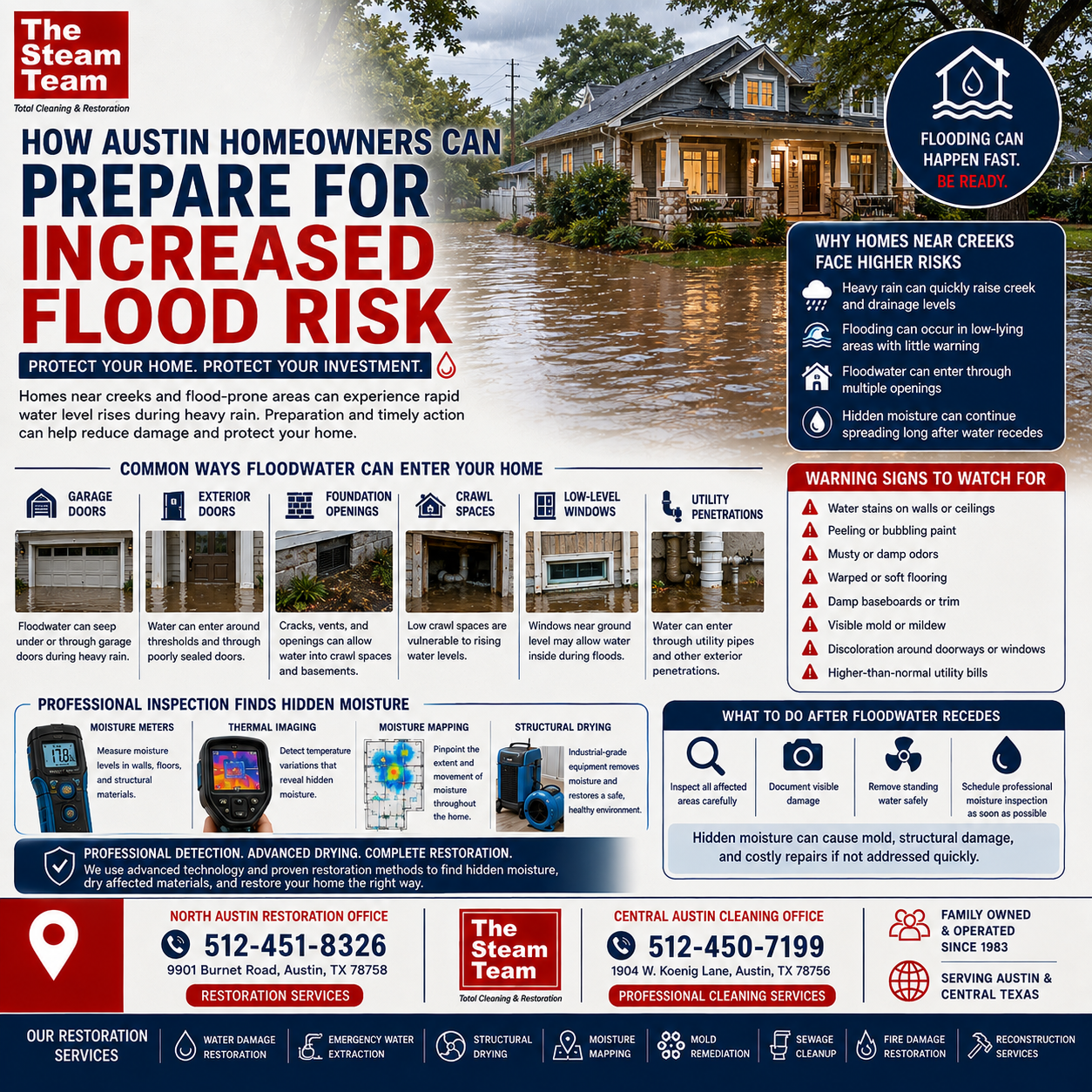
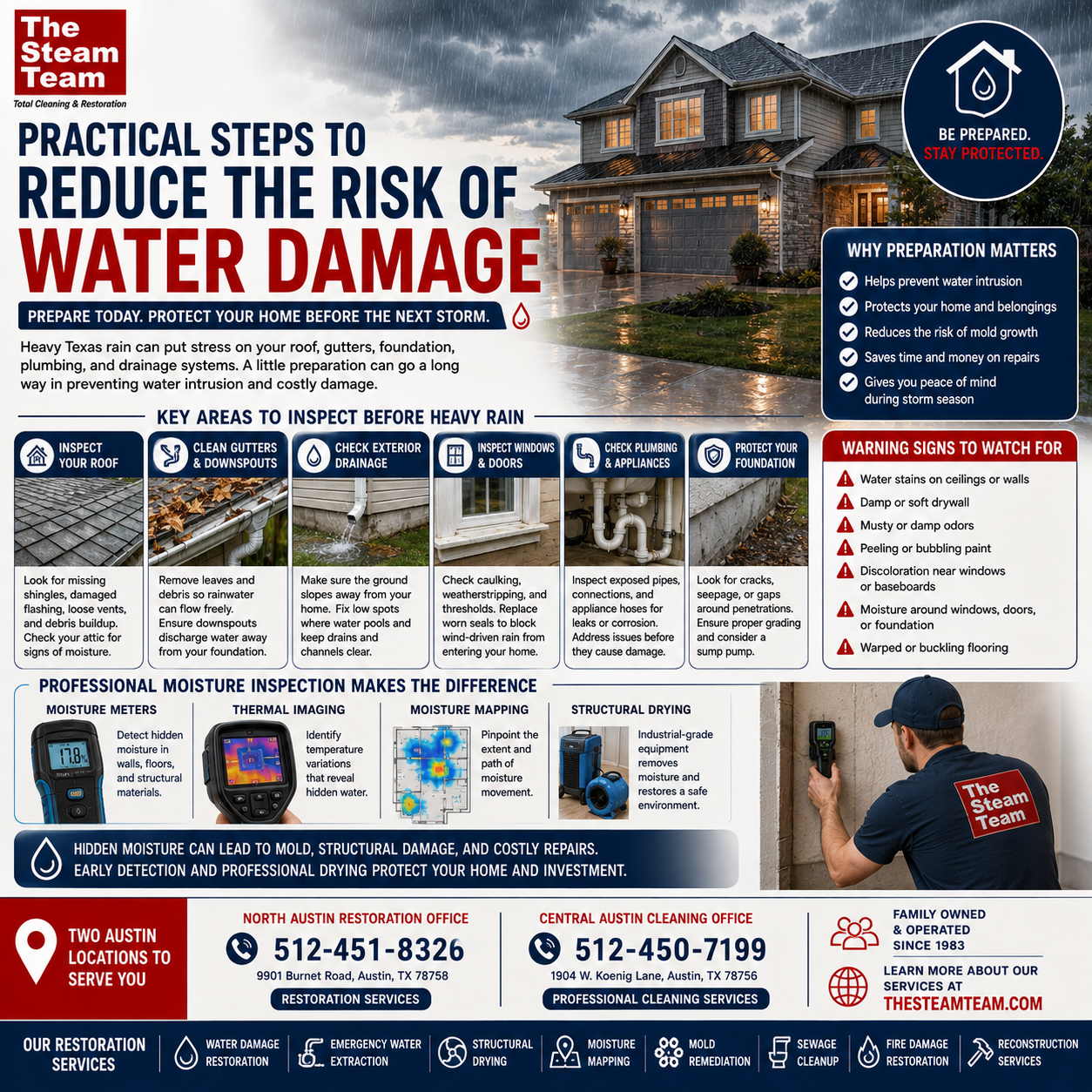
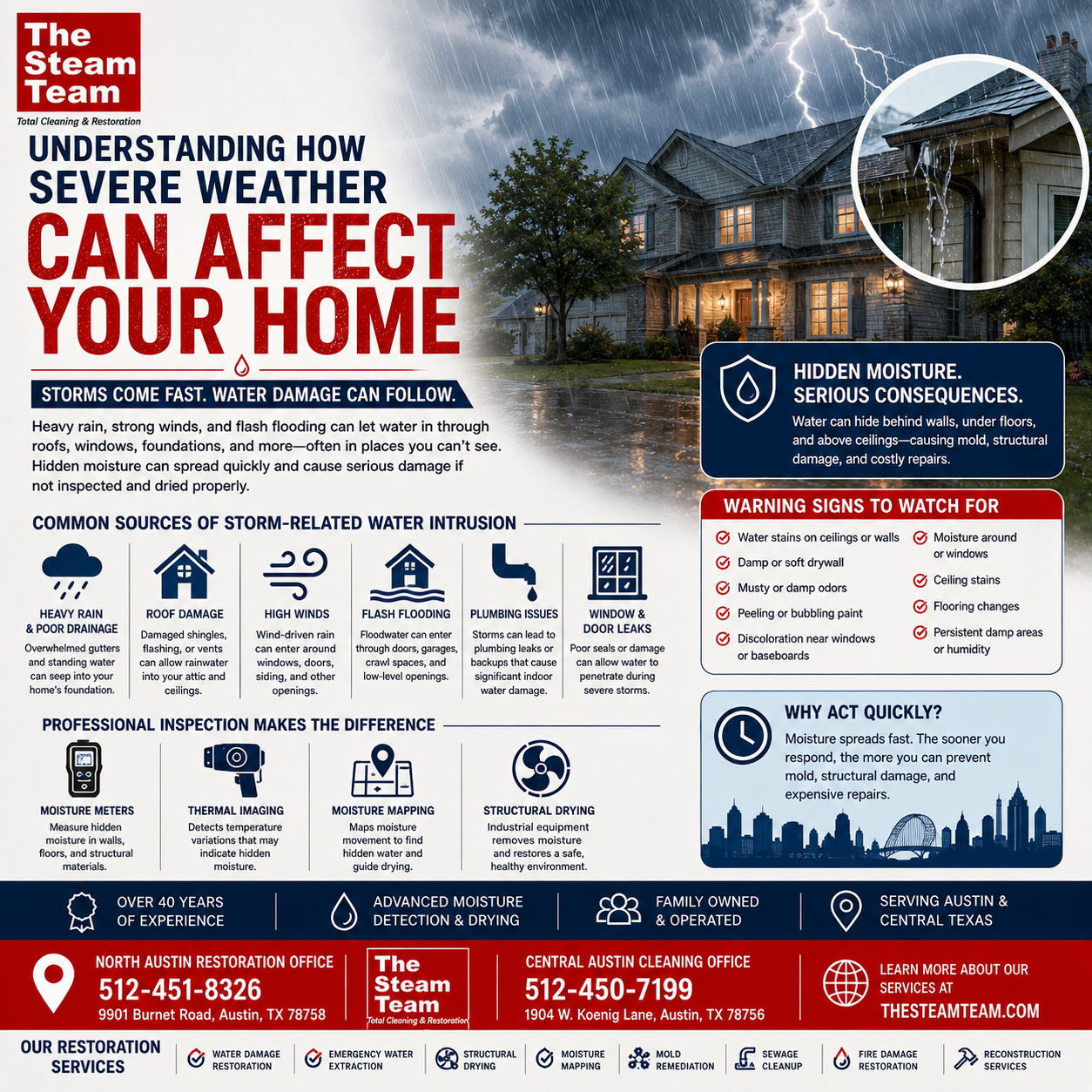
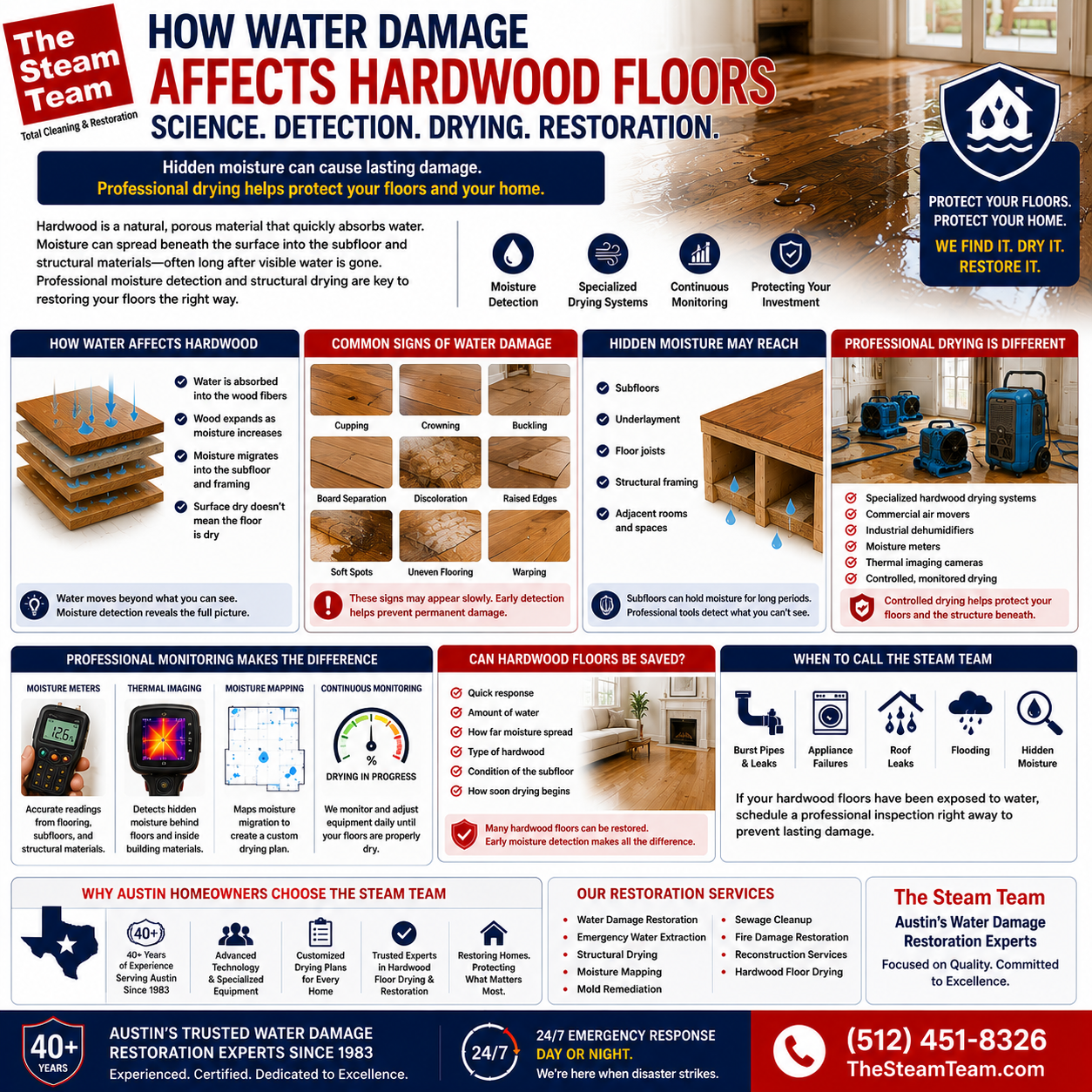
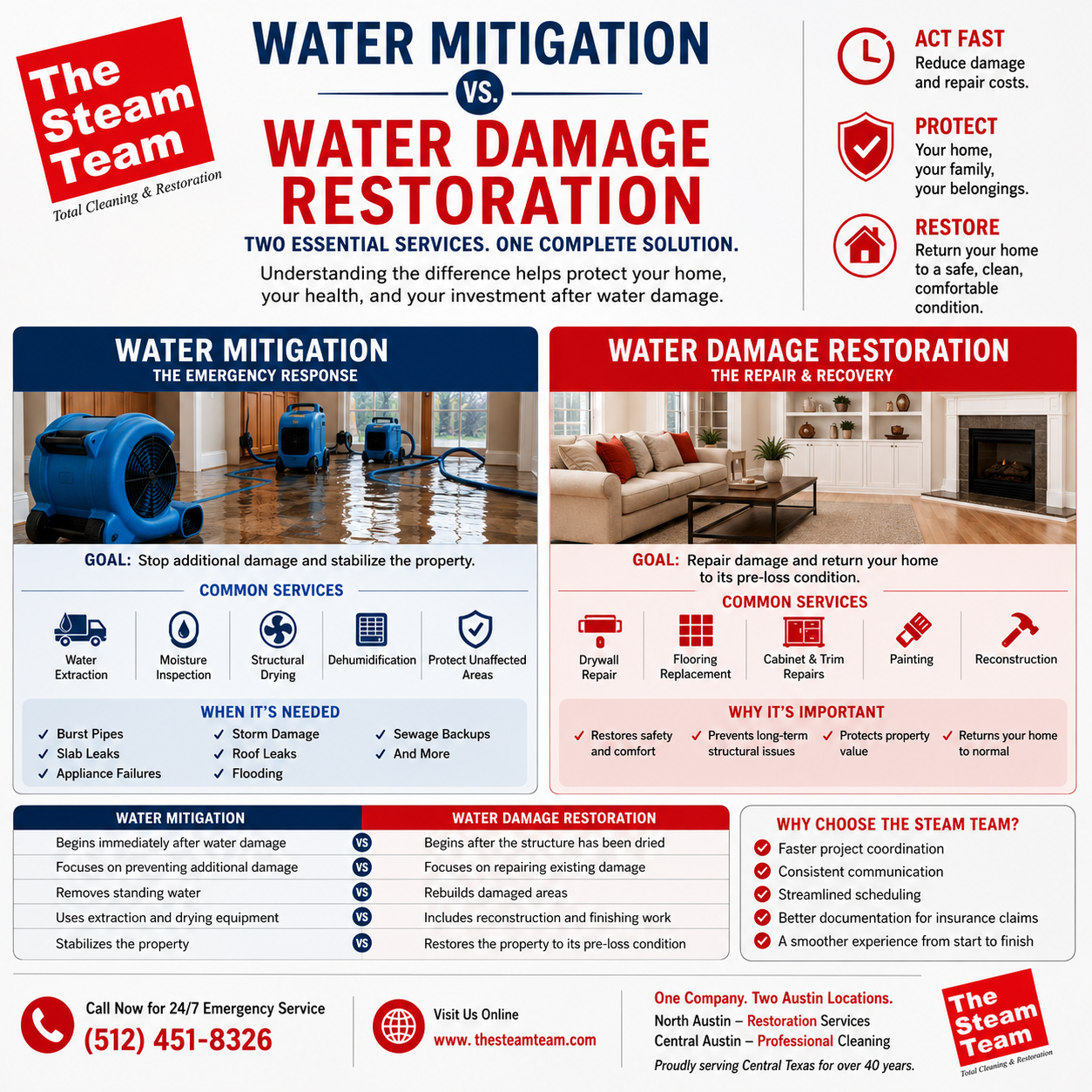
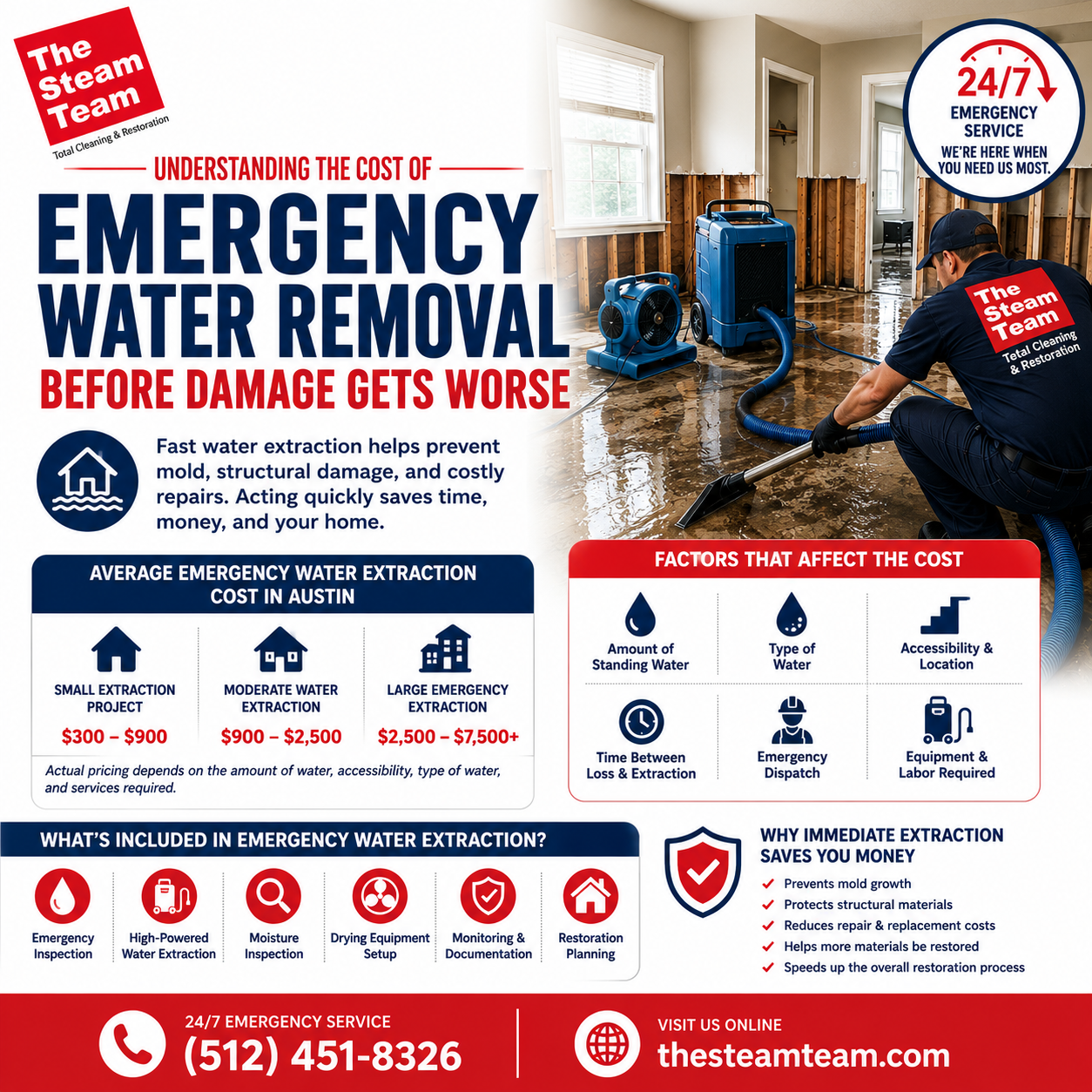
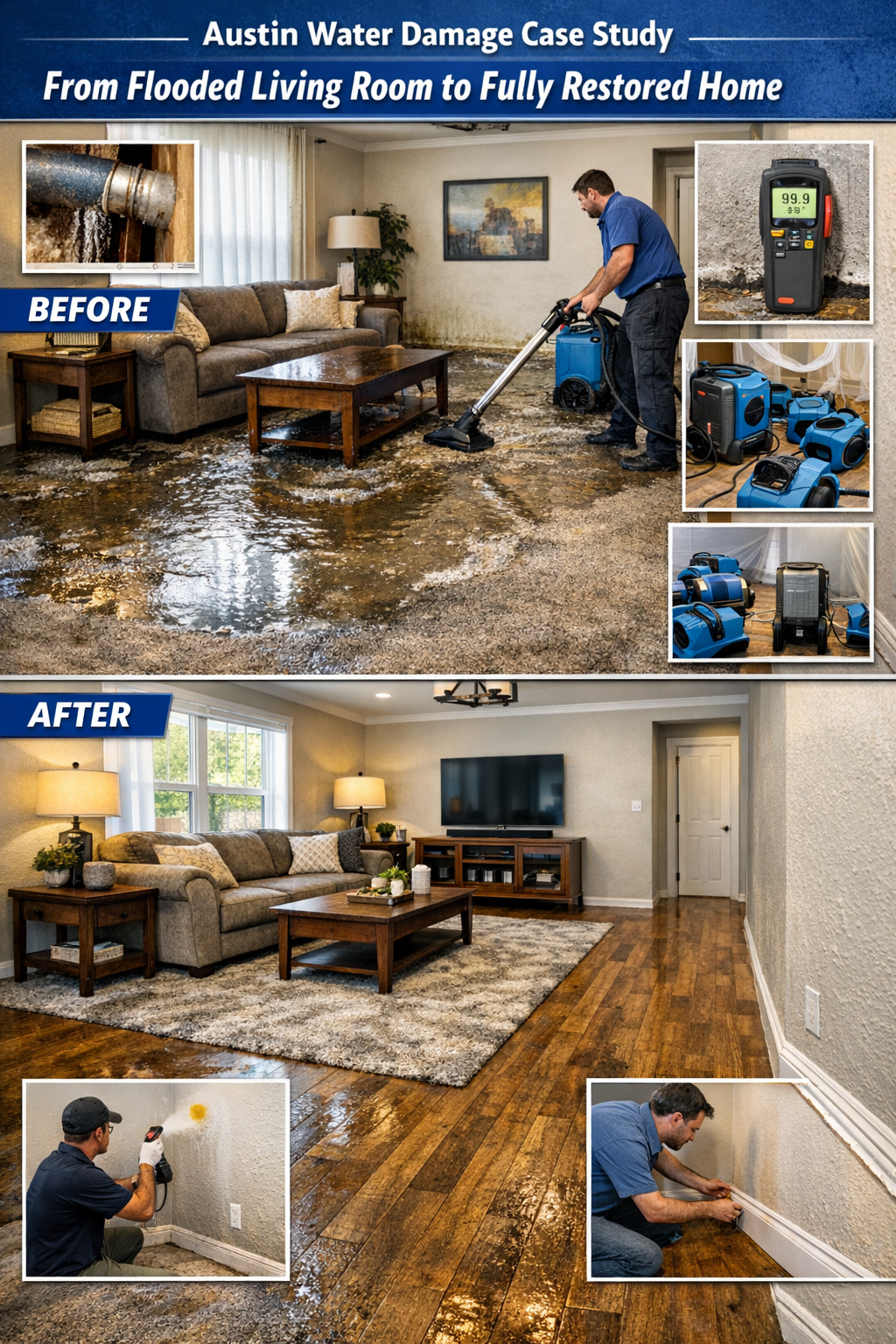
Emergency Water Restoration: Essential Things You Should Know About Water Damage Cleanup in Austin

Water damage can strike unexpectedly, leaving homeowners in distress and uncertainty. Understanding emergency water restoration is crucial for effectively managing the aftermath of such incidents. This article will provide insights into the importance of immediate action, the processes involved in professional cleanup, and how to protect your health and property from mold growth. Additionally, we will discuss the costs associated with water damage repair and the role of insurance coverage. By the end of this guide, you will be equipped with essential knowledge to navigate water damage situations effectively.

Why Is Immediate Emergency Water Extraction Critical After Water Damage?

Immediate emergency water extraction is vital to prevent further damage and mitigate health risks associated with water exposure. When water infiltrates a home, it can lead to structural damage, mold growth, and a host of other issues. Quick removal of water not only protects the integrity of the property but also safeguards the health of its occupants. The urgency of this process cannot be overstated, as delays can exacerbate the situation significantly.

How Does Quick Water Removal Prevent Further Damage and Mold Growth?

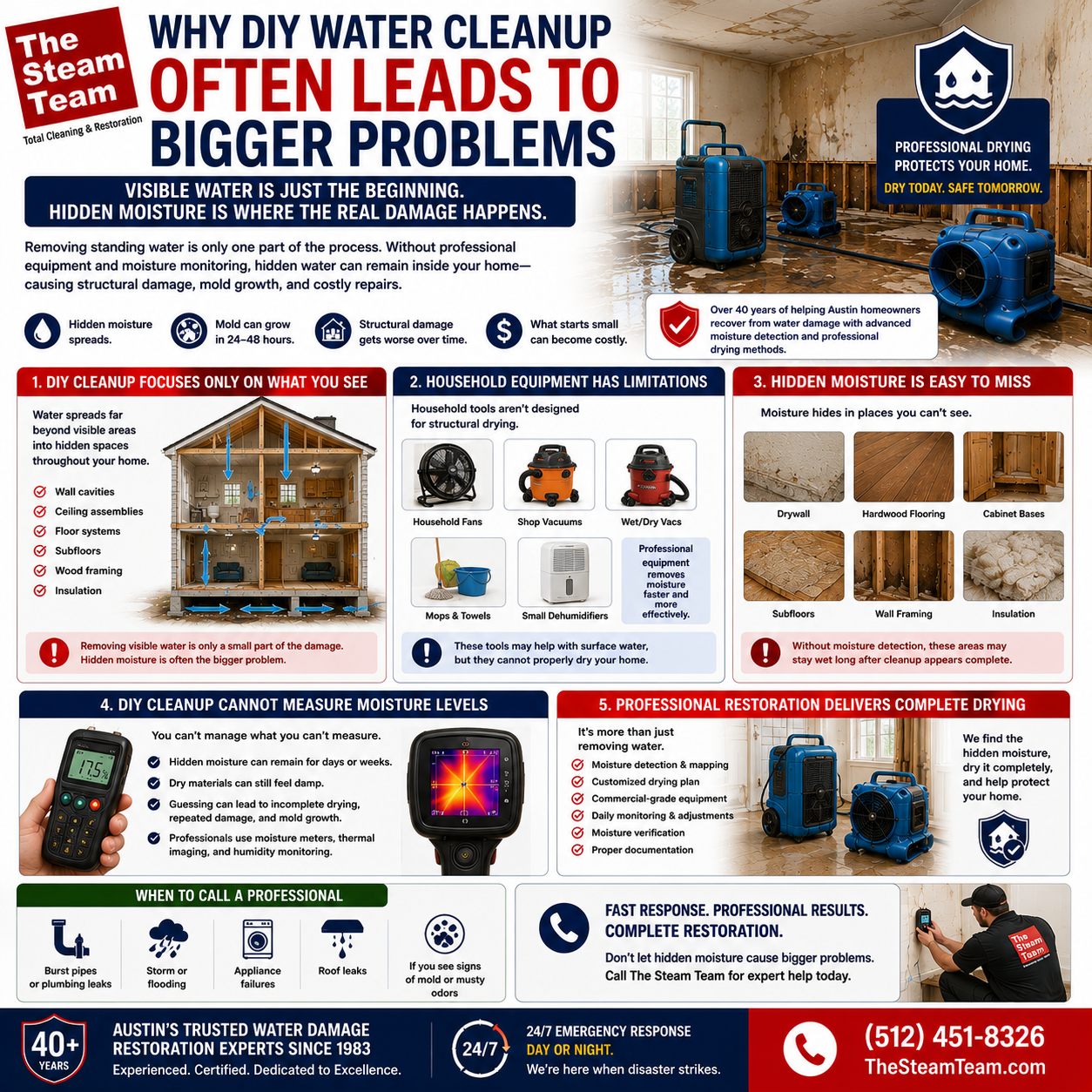
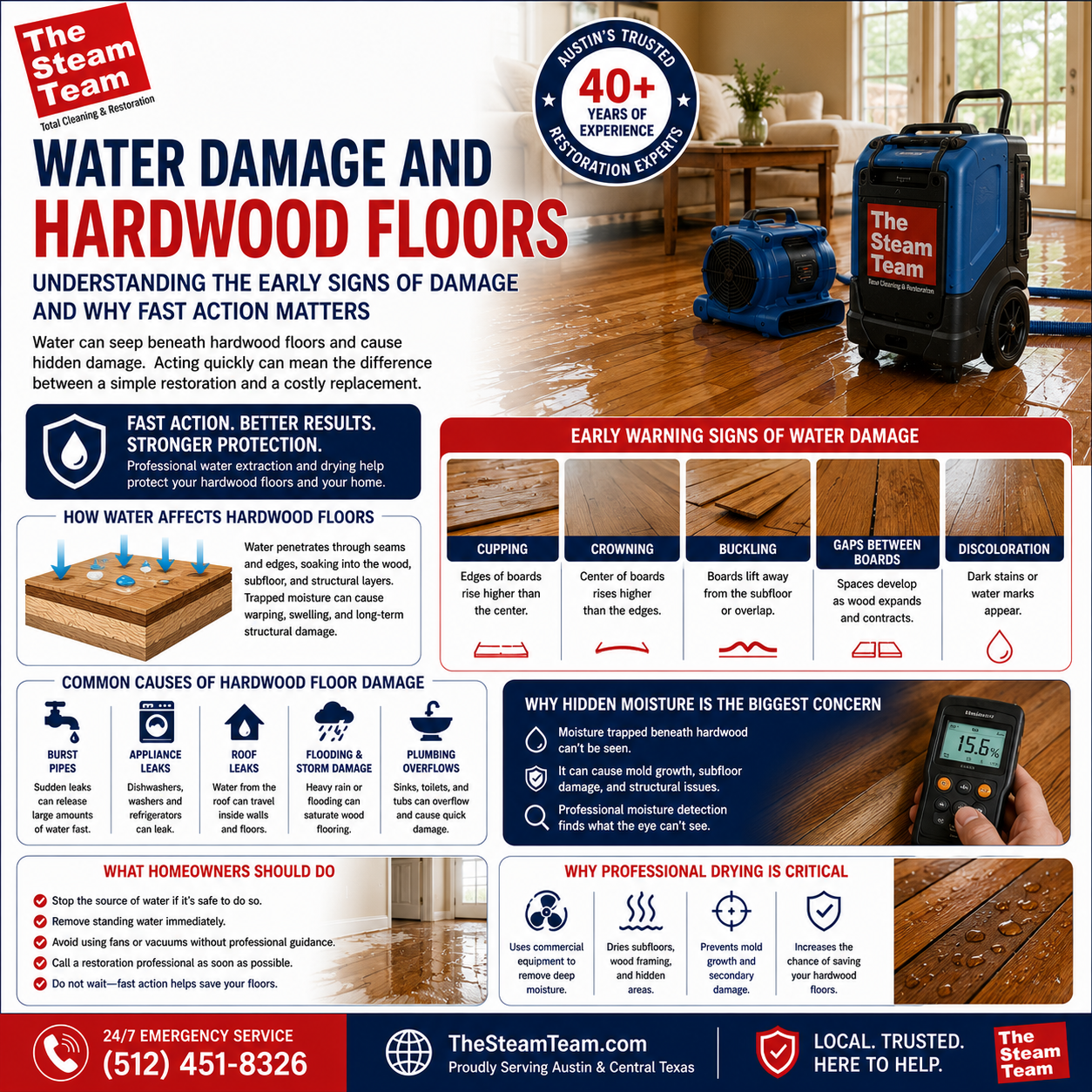
Quick water removal is essential in preventing further damage and mold growth. When water is left standing, it creates an environment conducive to mold proliferation, which can begin to develop within 24 to 48 hours. Additionally, prolonged exposure to moisture can weaken structural components, leading to costly repairs. By utilizing specialized equipment such as water extractors and dehumidifiers, professionals can effectively remove water and reduce humidity levels, thus minimizing the risk of mold and structural damage.

What Equipment Is Used for Efficient Water Extraction in Austin Homes?

  • Water Extractors: These powerful machines remove standing water quickly and efficiently.

  • Dehumidifiers: Essential for reducing humidity levels, preventing mold growth, and drying out affected areas.

  • Air Movers: These devices enhance airflow, facilitating faster drying of surfaces and materials.

What Are the Step-by-Step Processes Involved in Professional Water Damage Cleanup?

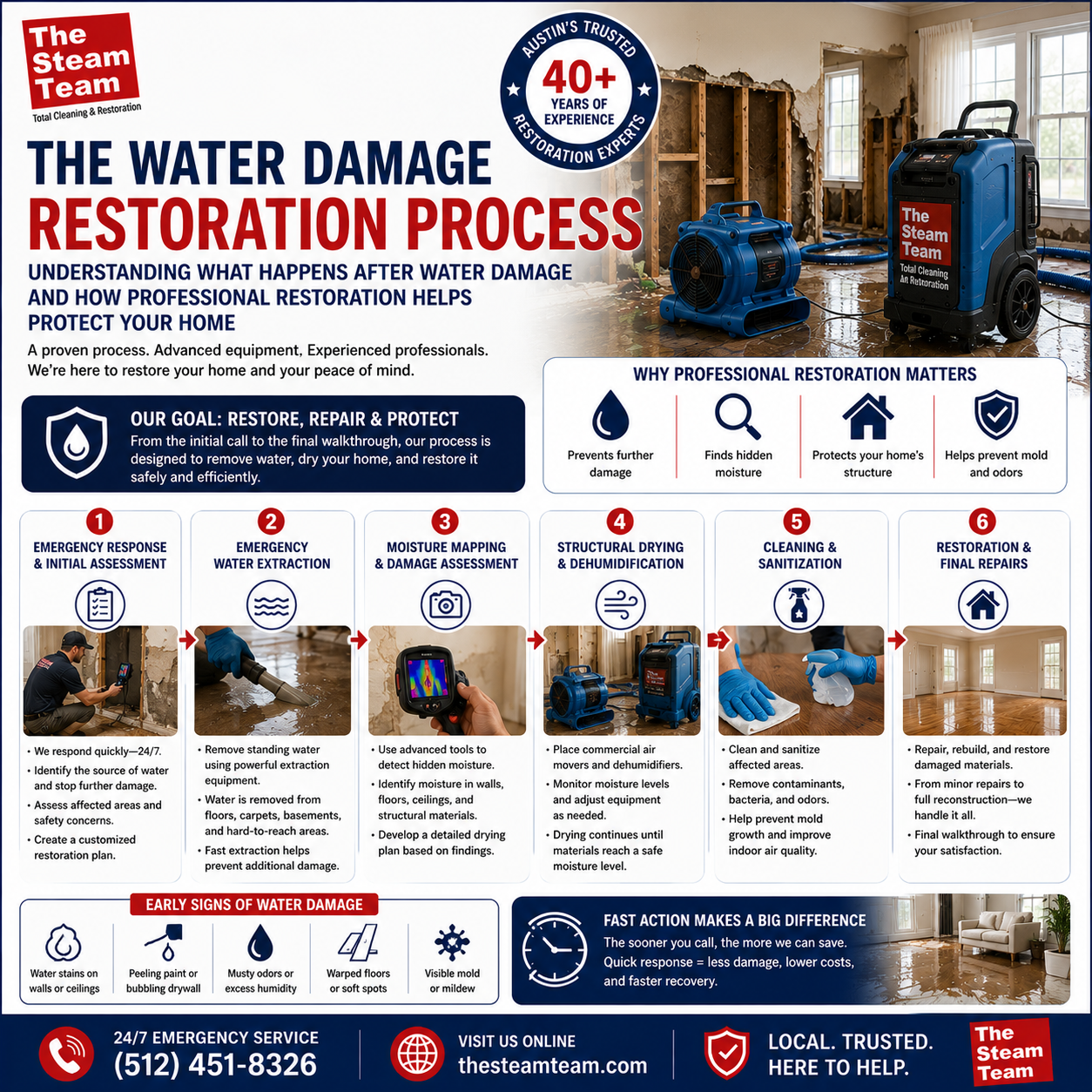
Professional water damage cleanup involves a systematic approach to ensure thorough restoration. The process typically includes several key steps:

  • Initial Assessment: Professionals evaluate the extent of the damage and develop a tailored restoration plan.

  • Water Extraction: Using specialized equipment, standing water is removed promptly.

  • Drying and Dehumidification: A combination of air movers and dehumidifiers is employed to dry out affected areas.

  • Cleaning and Sanitization: Affected areas and salvageable items are cleaned and sanitized to prevent bacterial growth and odors.

  • Mold Remediation: If mold is detected, remediation procedures are initiated to eliminate health risks.

  • Restoration and Repairs: Repairing or replacing damaged structural elements and materials to restore the property to its pre-damage condition.

Categorizing Water Damage: Clean, Gray, and Black Water

Understanding the category of water damage is crucial for determining the appropriate cleanup and safety protocols. Water damage is typically classified into three categories:

  • Category 1 (Clean Water): Originates from a sanitary source (e.g., burst pipes, overflowing sinks, appliance malfunctions). While not immediately hazardous, it can degrade to Category 2 if not addressed promptly.

  • Category 2 (Gray Water): Contains a significant level of chemical, biological, or physical contaminants (e.g., washing machine overflow, toilet overflow with urine but no feces). It can cause illness if ingested and requires professional handling.

  • Category 3 (Black Water): Highly contaminated and unsanitary, posing severe health risks (e.g., sewage backup, floodwaters from rivers or oceans). This water contains pathogenic agents and requires specialized remediation by trained professionals using personal protective equipment.

How Does The Steam Team Conduct Water Drying and Dehumidification?

The Steam Team employs a comprehensive drying and dehumidification process to ensure that all moisture is removed from affected areas. This involves using high-capacity dehumidifiers to extract moisture from the air and specialized air movers to circulate air and promote evaporation. The team monitors humidity levels throughout the process to ensure optimal drying conditions, preventing mold growth and further damage.


While dehumidification is crucial for drying, studies suggest that combining it with HEPA filtration can further enhance mold spore reduction.


Effective Mold Spore Reduction: Dehumidification & HEPA Filtration


Meteorological factors such as relative humidity directly correlate with airborne fungal levels outdoors and indoors. While dehumidification alone is effective at reducing the moisture necessary for mold growth, it is inadequate as a single intervention, as it does not remove viable and non-viable fungal spores that are potentially allergenic. The purpose of this pilot study was to investigate whether dehumidification in combination with high-efficiency particulate arrestance (HEPA) filtration is effective at reducing airborne mold spore levels in day care centers.


A pilot study to investigate the effects of combined dehumidification and HEPA filtration on dew point and airborne mold spore counts in day care centers., 2005


Understanding and Addressing Mold Growth: Health and Property Protection


Mold remediation becomes necessary when water damage has occurred, particularly if moisture is not addressed promptly. Mold can pose serious health risks, including respiratory issues, allergic reactions, and skin irritation. Additionally, mold can compromise the structural integrity of a home, leading to costly repairs and decreased property value. Professional mold remediation services are essential to safely remove mold and prevent its return, ensuring a healthy living environment and preserving your property.


The importance of proper mold remediation methods and indoor air quality assessment, especially in regions like Texas, is underscored by environmental studies.


Mold Remediation & Indoor Air Quality in Texas


Through months of on-site visual investigations and biological testing at site locations, concerning indoor air quality assessment and proper methods for mold remediation.


An environmental assessment of mold concentrations and potential mycotoxin exposures in the greater Southeast Texas area, 2003

What Are the Common Signs of Mold Growth Following Water Damage?

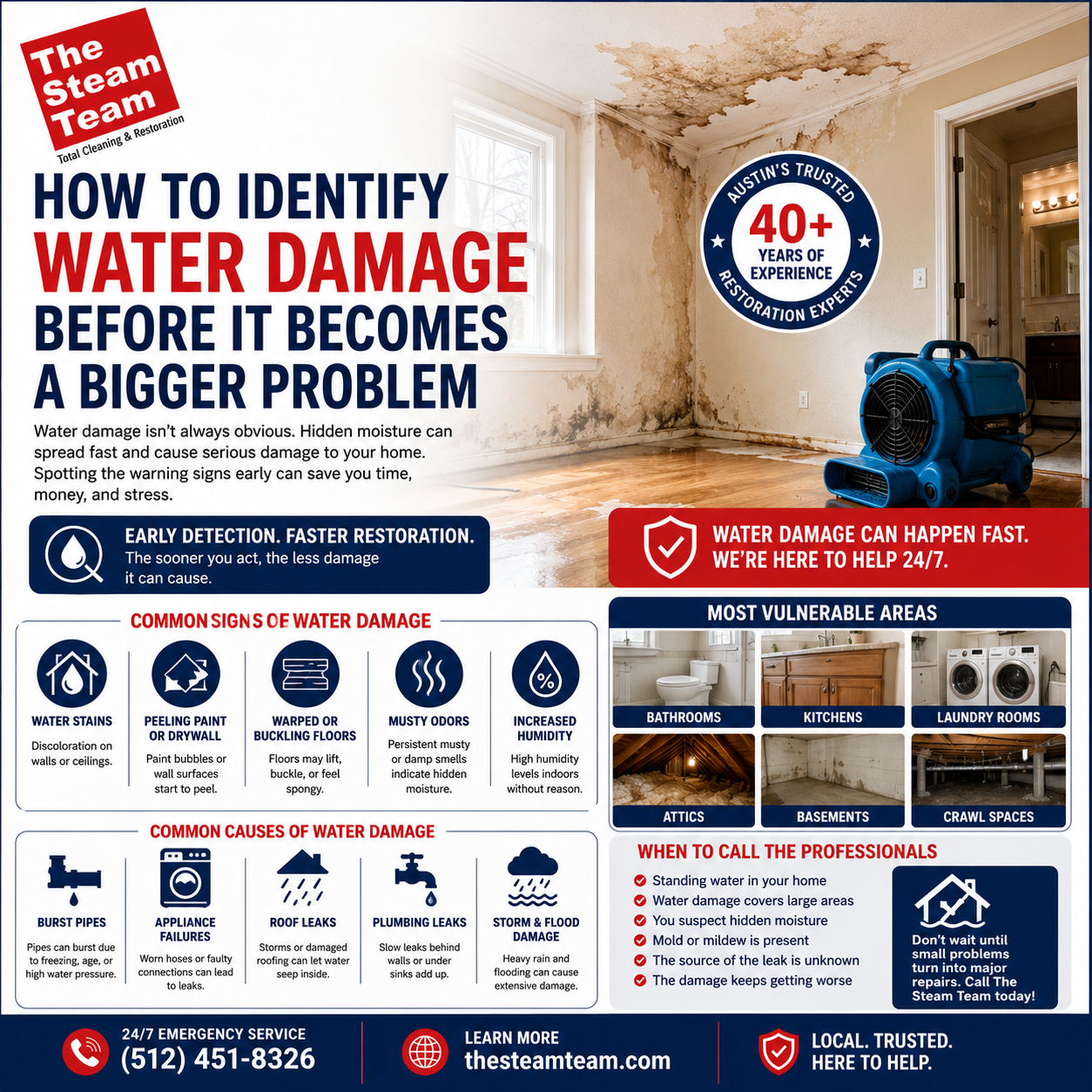
Common signs of mold growth following water damage include:

  • Visible Mold Patches: Dark spots, fuzzy growth, or discoloration on walls, ceilings, floors, or personal belongings.

  • Musty Odors: A persistent damp, earthy smell often indicates hidden mold growth, even if not visible.

  • Increased Allergy Symptoms: Unexplained respiratory issues, coughing, sneezing, skin irritation, or allergic reactions among occupants, especially when indoors.

Which Certified Mold Remediation Services Are Available in Austin?

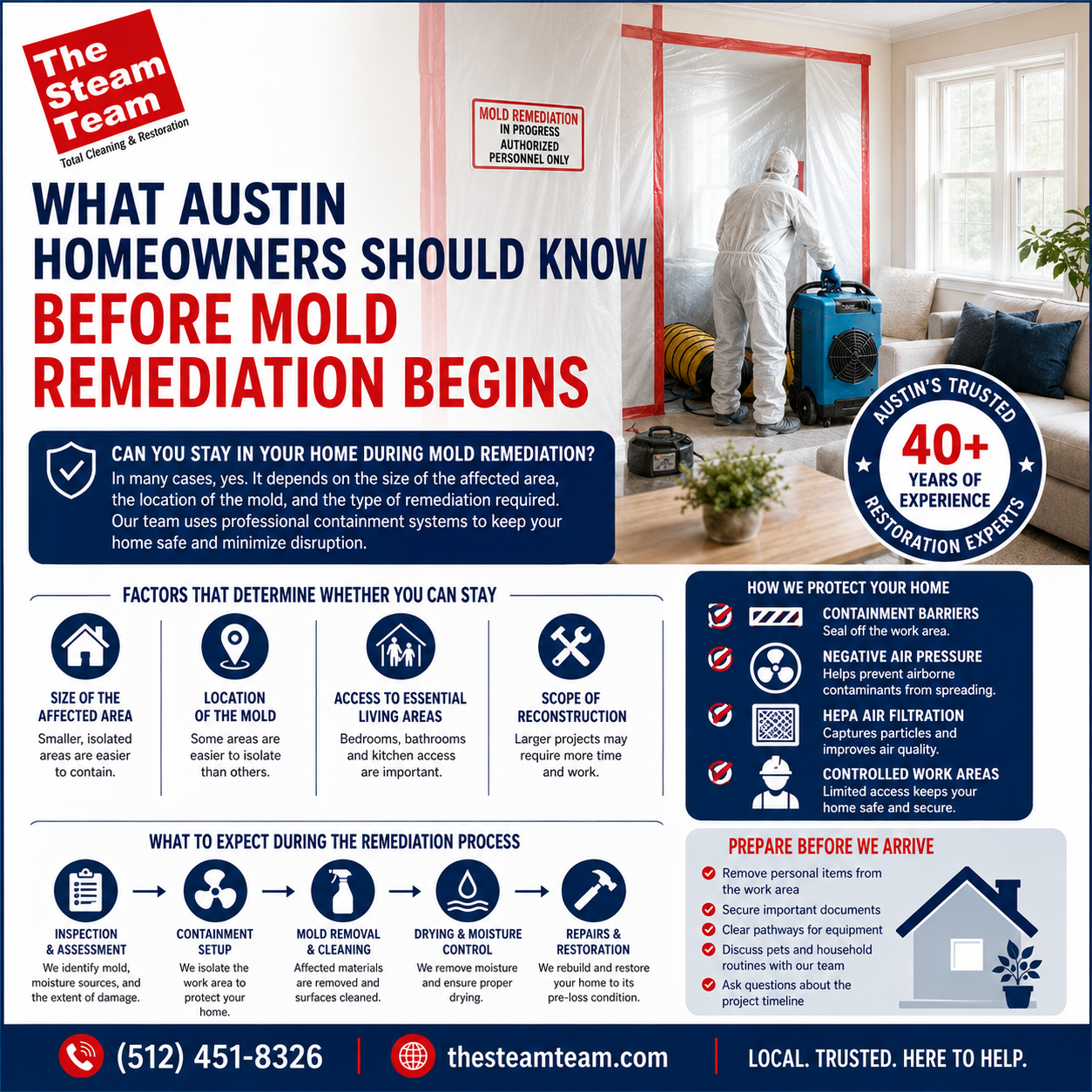
In Austin, several certified mold remediation services are available to assist homeowners in addressing mold issues. These services typically include:

  • Inspection and Assessment: Identifying the extent of mold growth, moisture sources, and the type of mold present.

  • Containment: Implementing barriers and negative air pressure to prevent the spread of mold spores to unaffected areas during remediation.

  • Air Filtration: Using HEPA air scrubbers to capture airborne mold spores.

  • Removal and Cleanup: Safely removing mold-infested materials, cleaning affected surfaces, and applying antimicrobial treatments.

  • Drying and Prevention: Ensuring the area is thoroughly dried and advising on measures to prevent future mold growth.

What Should You Know About Water Damage Repair Costs and Insurance Coverage?

Understanding water damage repair costs and insurance coverage is essential for homeowners facing water damage incidents. Repair costs can vary significantly based on the extent of the damage, the category of water, the type of restoration required, and the materials involved. Homeowners should be aware of their insurance policies, as coverage for water damage can differ widely.

How Does Insurance Typically Cover Emergency Water Restoration Services?

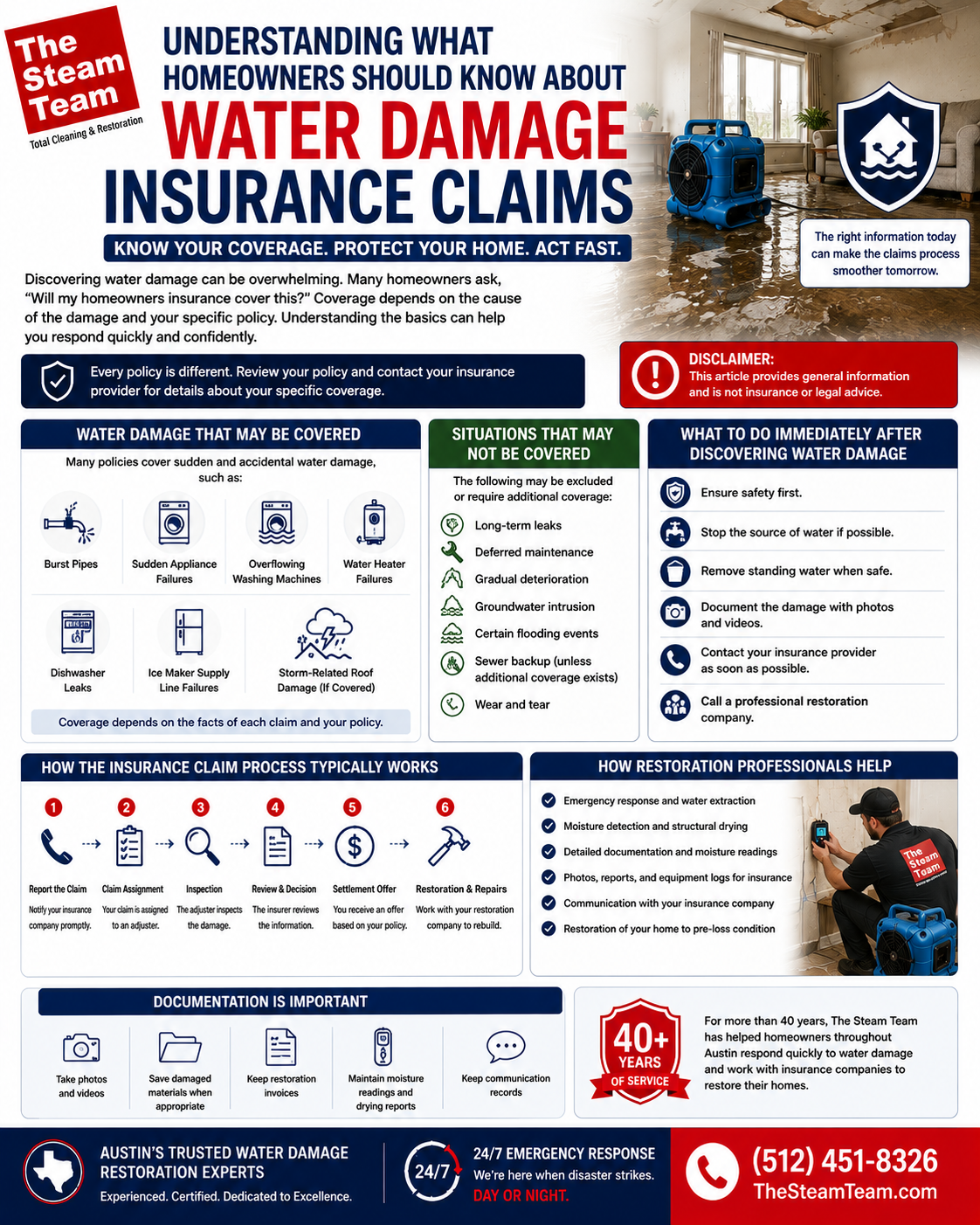
Insurance coverage for emergency water restoration services often depends on the specific policy and the cause of the water damage. Many homeowners' insurance policies cover sudden and accidental water damage, such as burst pipes, overflowing appliances, or vandalism. However, coverage may not extend to damage caused by flooding (which typically requires a separate flood insurance policy), gradual leaks, or lack of maintenance. It is crucial for homeowners to review their policies, understand the coverage limits, deductibles, and exclusions, and contact their provider immediately after discovering damage.


Understanding the specifics of your homeowners' insurance policy, particularly regarding wind and water damage, is vital for comprehensive coverage.


Homeowners Insurance for Wind & Water Damage


Specifically, if wind and water damage coverage were included in the policy, then damage was covered. To illustrate this point, suppose there is a 1-in-50 chance of suffering wind damage.

What Factors Influence the Cost of Water Damage Repair in Austin?

Several factors influence the cost of water damage repair in Austin, including:

  • Extent and Category of Damage: More extensive damage and higher water categories (e.g., black water) typically result in higher repair costs due to increased labor, specialized equipment, and disposal needs.

  • Type of Materials Affected: The cost to repair or replace drywall, flooring, insulation, and structural elements varies significantly.

  • Location Factors: Accessibility of the damaged area, local labor rates, and the urgency of the response can also impact pricing.

  • Mold Remediation Needs: If mold has developed, additional costs for remediation will be incurred.


Homeowners should obtain multiple quotes from reputable restoration companies to ensure they receive fair pricing for the necessary services.


Service

Coverage Type

Estimated Cost Range

Water Extraction

Homeowners Insurance

Varies by extent ($500 - $3,000+)

Drying & Dehumidification

Homeowners Insurance

Varies by extent ($1,000 - $5,000+)

Mold Remediation

Homeowners Insurance (if sudden/accidental)

$500 - $6,000+ (can be much higher for severe cases)

Structural Repairs

Homeowners Insurance

$1,000 - $10,000+ (depending on damage)

Content Restoration

Homeowners Insurance

Varies by items and damage


How Can You Prepare for Water Damage Emergencies to Minimize Impact?

Preparation is key to minimizing the impact of water damage emergencies. Homeowners can take proactive steps to protect their property and ensure a swift response in the event of water damage.

What Emergency Response Tips Help Protect Your Home During Floods?

  • Turn Off Utilities: Immediately shut off electricity and the main water supply to prevent further damage and hazards.

  • Elevate Valuables: Move furniture, electronics, and important documents to higher ground or off the floor.

  • Install Sump Pumps: These devices can help remove water from basements and low-lying areas, especially in flood-prone regions.

  • Clear Gutters and Drains: Ensure exterior drainage systems are clear to direct water away from your foundation.

  • Create an Emergency Plan: Have a plan in place for evacuation, communication, and a list of emergency contacts (e.g., restoration company, insurance agent).

Long-Term Prevention and Maintenance Tips

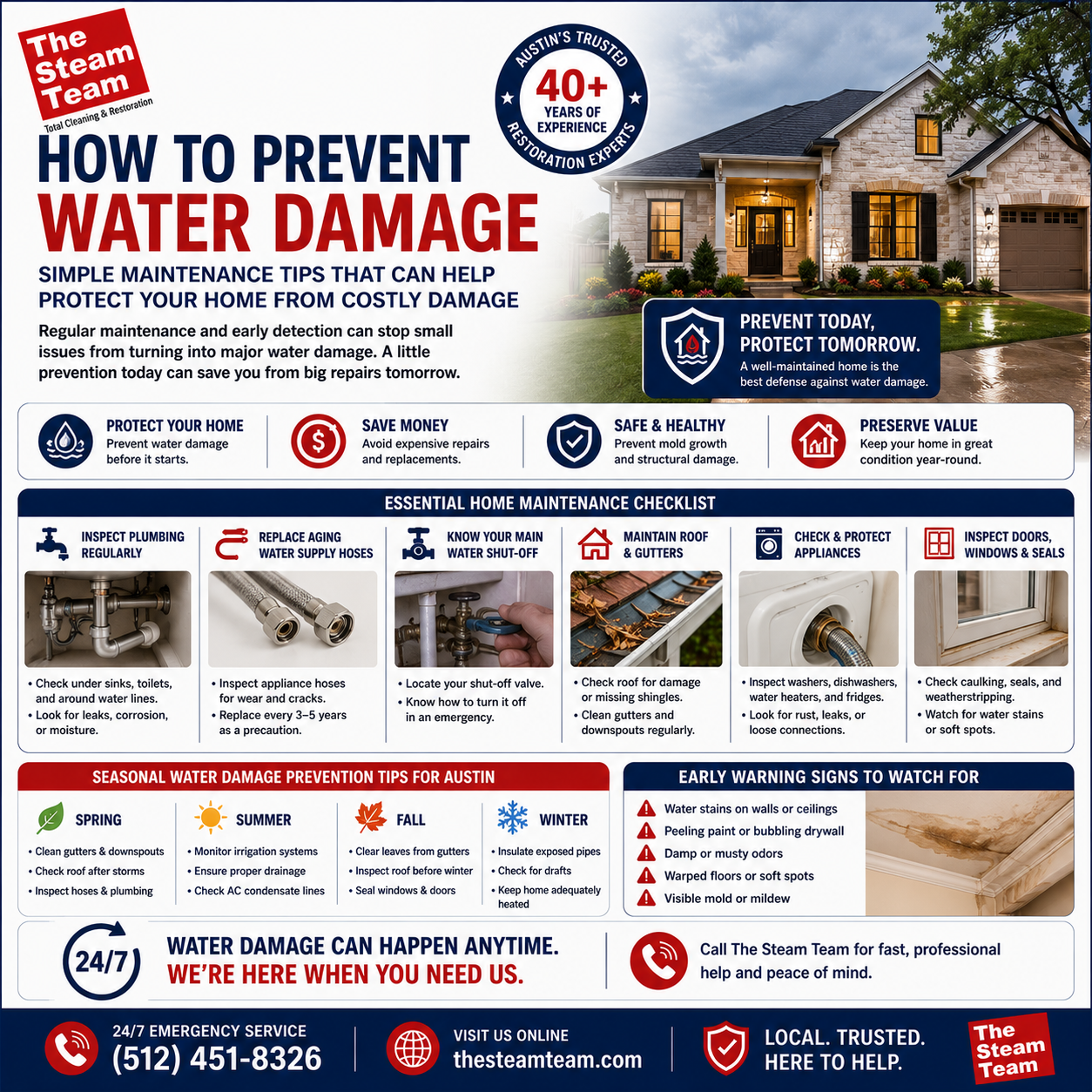
Beyond immediate emergency responses, consistent maintenance can significantly reduce the risk of water damage:

  • Regularly Inspect Plumbing: Check pipes, faucets, and appliance hoses for leaks, corrosion, or wear. Replace old hoses on washing machines and dishwashers every 3-5 years.

  • Maintain Your Roof and Gutters: Repair damaged shingles promptly and keep gutters and downspouts clear of debris to ensure proper water diversion.

  • Check Your Foundation: Look for cracks or signs of moisture intrusion around your home's foundation. Ensure proper grading directs water away from the house.

  • Install Water Leak Detectors: Place smart leak detectors in areas prone to leaks (under sinks, near water heaters, in basements) to receive early warnings.

  • Understand Your Home's Water Shut-Off: Know where your main water shut-off valve is and how to use it in an emergency.

How Does The Steam Team Provide 24/7 Emergency Water Restoration Support?

The Steam Team offers 24/7 emergency water restoration support to ensure that homeowners receive prompt assistance when water damage occurs. Their team of certified technicians is available around the clock to respond to emergencies, providing rapid water extraction, drying, and restoration services. This commitment to immediate response helps minimize damage and restore homes efficiently, giving you peace of mind during a stressful time.

Frequently Asked Questions

What should I do immediately after discovering water damage in my home?

Upon discovering water damage, prioritize safety. Turn off electricity in the affected area and, if possible, stop the water source. Document the damage with photos for insurance. Then, contact a professional water restoration service like The Steam Team immediately for prompt cleanup and mitigation.

How can I prevent mold growth after water damage?

To prevent mold, rapid drying is key. Use dehumidifiers and air movers to reduce moisture levels and ensure good ventilation. For significant water damage, professional restoration is crucial to ensure thorough drying and prevent mold proliferation.

Are there DIY methods for water damage cleanup?

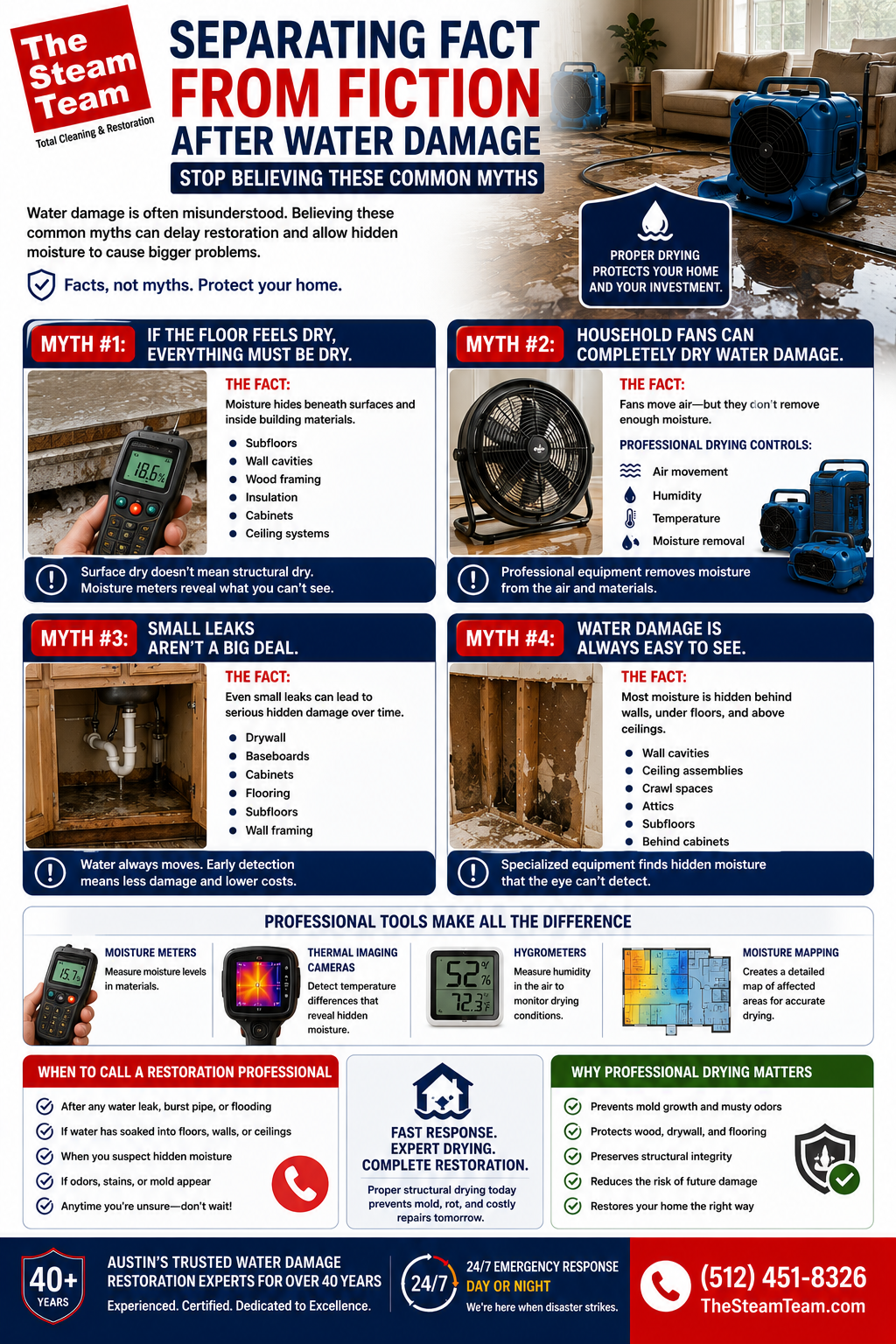
Minor water damage (e.g., small spills) can be addressed with DIY methods like towels and fans. However, for extensive damage, professional intervention is highly recommended. Without proper equipment and expertise, incomplete drying can lead to hidden mold growth and further structural issues.

What health risks are associated with mold exposure after water damage?

Mold exposure can cause various health issues, including respiratory problems, allergic reactions (coughing, sneezing, skin irritation), and exacerbated asthma symptoms. Individuals with compromised immune systems are particularly vulnerable. Professional mold remediation is essential to protect occupants' health.

How long does the water damage restoration process typically take?

The duration varies based on the extent and category of damage. Minor issues might take a few days, while extensive damage, especially with mold, could take a week or more. A professional assessment will provide a more accurate timeline.

What should I look for when choosing a water restoration company?

Look for companies with IICRC certifications, extensive experience, positive customer reviews, and 24/7 emergency services. Ensure they provide clear communication, detailed estimates, and are properly insured. The Steam Team meets these criteria, offering reliable and certified services.


Call The Steam Team Now!

Ready for Immediate Water Damage Restoration?

Don't let water damage compromise your home or health. Our certified experts are available 24/7 to provide rapid, effective water extraction, drying, and mold remediation services in Austin. Protect your property with The Steam Team.
Stop Mold Growth: Essential Steps After Water Damage

Stop Mold: Essential Steps for Austin

Water intrusion creates an immediate risk for mold growth because mold spores germinate quickly on damp materials, and in Austin’s humid climate, the window for prevention is narrow. This guide explains how quickly mold can appear after water damage, the science behind accelerated growth, and the prioritized actions that stop mold before it takes hold. Readers will learn safe DIY steps for the first 24–72 hours, the equipment and monitoring methods that accelerate drying, and clear criteria for when to call a certified remediation team. The article also covers how professionals size equipment and verify drying, plus long-term repairs and maintenance to reduce future risk. Throughout, practical lists, decision tables, and detection checklists make it easy to act fast and confidently after a flood or leak while highlighting local considerations for Austin properties.

How Quickly Does Mold Grow After Water Damage and Why Is Immediate Action Crucial?

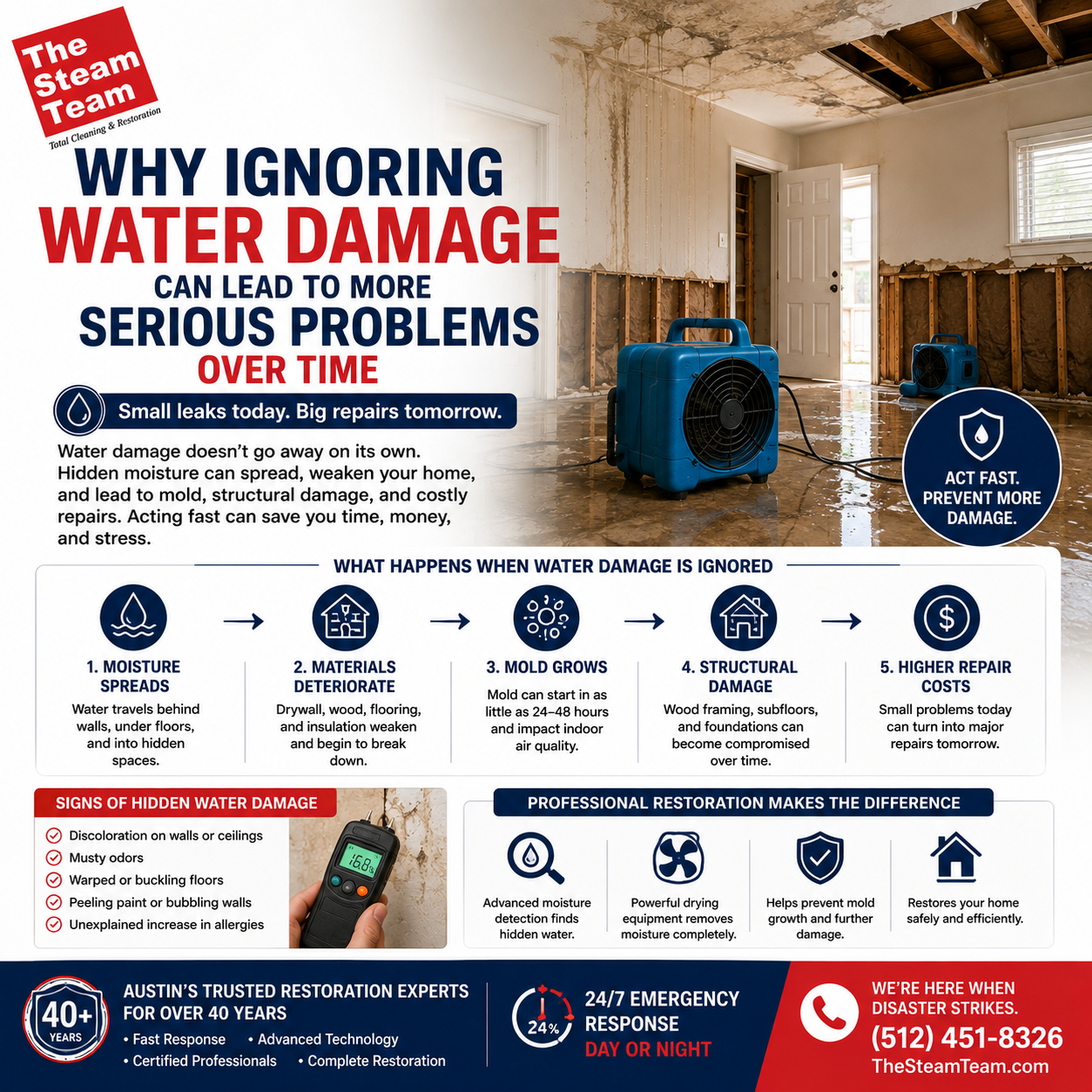
Mold can begin to grow on wet surfaces within 24–48 hours after water exposure because spores need moisture and organic material to colonize, so removing water and reducing humidity rapidly prevents establishment. Rapid intervention water extraction, increased airflow, and dehumidification interrupt the moisture cycle that supports spore germination and mycelial growth, protecting structure and indoor air quality. Acting within that narrow window reduces health risks and limits the scope and cost of repairs, making early detection and response the most effective prevention strategy. The next section breaks down environmental conditions that accelerate growth and how they interact with building materials.

The Centers for Disease Control and Prevention (CDC) emphasizes the increased likelihood of mold contamination following extensive water damage from major storms and floods, providing guidance on exposure limitation and health effect prevention.

Mold Prevention After Water Damage: CDC Report

Extensive water damage after major hurricanes and floods increases the likelihood of mold contamination in buildings. This report provides information on how to limit exposure to mold and how to identify and prevent mold-related health effects. Where uncertainties in scientific knowledge exist, practical applications designed to be protective of a person's health are presented. Evidence is included about assessing exposure, clean-up and prevention, personal protective equipment, health effects, and public health strategies and recommendations. The recommendations assume that, in the aftermath of major hurricanes or floods, "

What Conditions Accelerate Mold Growth After Water Damage?

High relative humidity, warm temperatures, porous materials, and stagnant moisture accelerate mold growth by creating sustained wet substrates where spores feed and reproduce. Specifically, relative humidity above about 60% and room temperatures between 68–86°F create ideal conditions for many common molds, while porous materials such as drywall, carpet backing, and cellulose insulation retain moisture longer and provide nutrients. Stagnant water in cavities, under flooring, or behind cabinets is especially problematic because it remains out of sight and out of airflow, allowing concealed colonies to form. Addressing these conditions, lowering humidity, increasing airflow, and removing wet porous materials directly interrupts the mechanisms that enable mold to flourish.

How Does Austin’s Climate Affect Mold Development Post Water Damage?

Austin’s seasonal humidity spikes and heat cycles lengthen drying times and raise the baseline moisture in many homes and businesses, increasing the risk that damp conditions persist after a water event. Summer storms and flash floods raise initial water volumes, while hot, humid air can reduce the efficiency of passive ventilation, so mechanical drying and dehumidification become essential for on-time remediation. Local properties with slab foundations, older framing, or limited drainage require adjusted drying plans and closer moisture monitoring. For these reasons, planning for mechanical dehumidification and targeted drying strategies tuned to Austin’s climate improves outcomes and reduces the chance of hidden mold.

What Are the Immediate DIY Steps to Stop Mold After Water Damage?

Immediate DIY actions focus on safety, stopping ongoing water entry, and accelerating drying with available tools to keep mold from establishing within the critical 24–48 hour window. First, prioritize personal safety by shutting off electricity to flooded areas if you can do so safely, then stop the source of water and begin removing standing water using pumps, wet/dry vacs, or buckets. Next, remove wet porous materials that trap moisture, increase airflow with fans and open windows when outdoor humidity is lower, and deploy dehumidifiers to pull moisture from the air. Monitor progress with a simple schedule check moisture-damp areas every 12–24 hours and escalate to professional help if moisture persists or contamination appears.

  1. Ensure safety: Turn off electricity to affected areas and wear protective gear before entering.

  2. Stop the water source: Locate and halt leaks, then remove standing water immediately.

  3. Remove wet materials: Pull up soaked carpets, padding, and saturated drywall where salvageability is low.

  4. Increase airflow: Position fans to move air across wet surfaces and exhaust humid air outside where possible.

  5. Dehumidify: Run a dehumidifier continuously until the relative humidity is stable under 50%.

These steps are effective when the damage is limited, and drying progresses quickly; if drying stalls or contamination is visible, professional remediation is the safer next step.

Before the table below, this comparison helps you decide what to salvage and what to replace after water exposure based on drying timelines and contamination risk.

Material Type

Salvageability Threshold

Recommended Action

Carpet & pad

Dry within 24–48 hours if the water is clean

Extract, clean, and dry; replace padding if soaked

Drywall (non-insulated)

Can dry if studs and cavity dry in 24–48 hours

Remove and replace if bulging, delaminating, or wet >48 hrs

Wood flooring

Surface drying within 24–48 hours; cupping may occur

Lift boards, dry subfloor, clamp or replace damaged boards

Insulation (fiberglass)

Unsalvageable when saturated >24 hrs

Remove and replace saturated insulation

Porous furnishings (sofas, mattresses)

High contamination risk

Replace mattresses and heavily soaked upholstered items

This table clarifies which materials to prioritize for removal and why timely drying matters for salvageability.

At the end of a DIY campaign, homeowners should inspect for lingering musty odors, visible staining, or health symptoms; if any of these persist, stop DIY efforts and contact a professional. The Steam Team, an Austin-based restoration and mold mitigation provider with IICRC-certified technicians and 24/7 emergency response, can perform a targeted inspection and suggest next steps, including commercial drying and verification. Requesting a professional inspection is the right choice when contamination is suspected or when structural cavities remain wet despite DIY efforts.

How to Perform Rapid Water Extraction and Drying to Prevent Mold

Rapid extraction and a sequenced drying plan remove the moisture that supports mold and shorten the window for colonization, beginning with immediate water removal, followed by material triage and mechanical drying. Start by extracting standing water using pumps or wet/dry vacs, then remove saturated materials that will not dry quickly, such as carpet padding and drywall, which otherwise hold water against structural elements. Position air movers to create directional airflow across wet surfaces and run dehumidifiers sized for the affected volume to lower relative humidity into the 30–50% range. Monitor progress daily with simple checks; continued dampness behind baseboards or under flooring indicates the need for moisture meters or professional intervention.

How Can Homeowners Control Humidity and Ventilation to Avoid Mold?

Controlling humidity and increasing ventilation are the core environmental controls that prevent mold after a water event, because mold requires prolonged moisture to grow, and lowering relative humidity reduces the time surfaces stay wet. Aim for indoor relative humidity between 30–50% during drying, using portable or whole-house dehumidifiers to remove moisture from the air and prevent recondensation on cooler surfaces. Use exhaust fans in kitchens and bathrooms, run HVAC systems with fresh-air cycles where possible, and avoid closing off rooms that need airflow during drying. Consistent humidity control and adequate ventilation for several days after visible drying are critical to ensure hidden cavities don’t retain moisture and foster mold.

When and Why Should You Call Professional Mold Remediation Services in Austin?

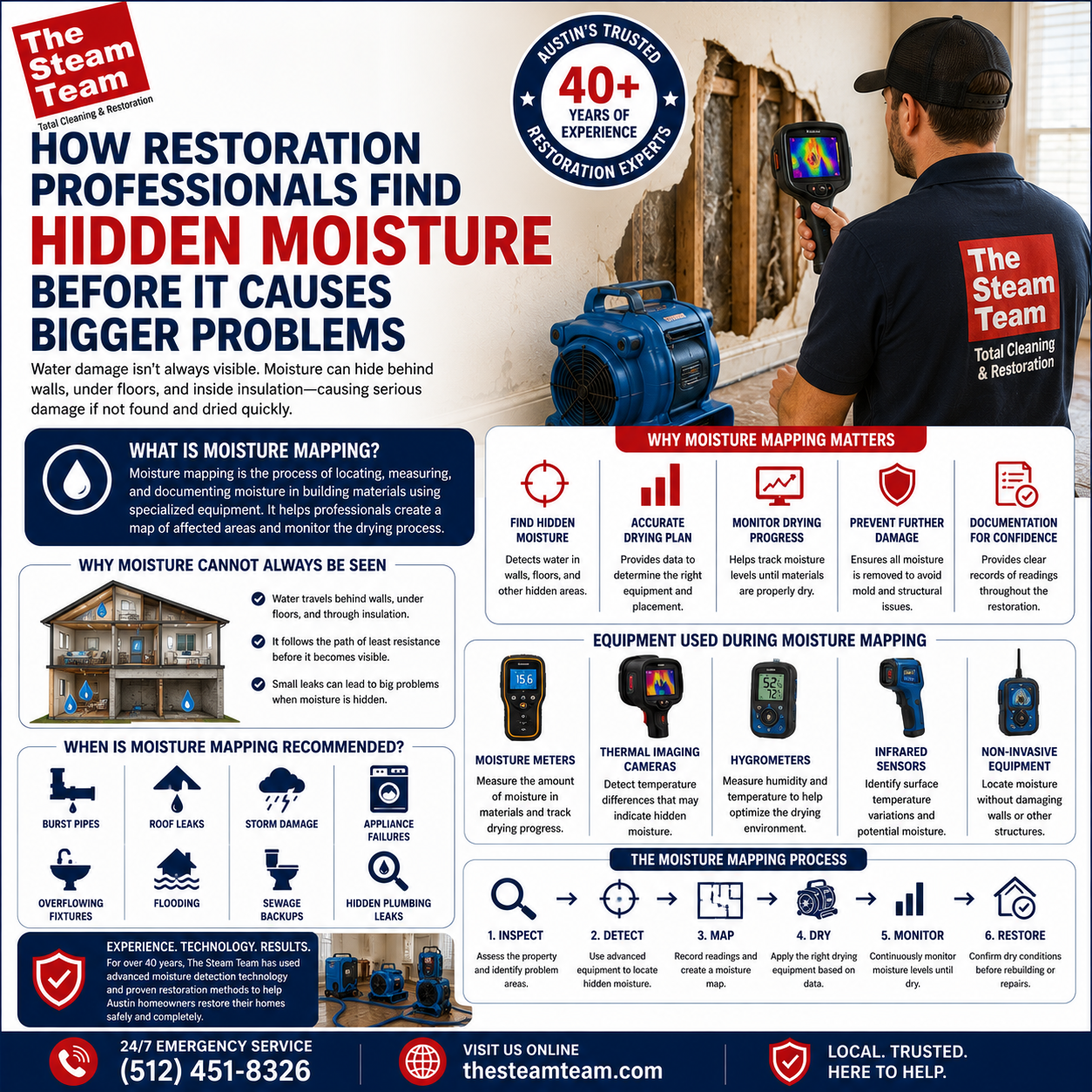
Call professionals when the affected area is large (greater than 10 square feet), contamination involves sewage or unknown contaminants, HVAC systems are compromised, or health symptoms or persistent odors occur. These conditions exceed safe and effective DIY remediation. Certified remediation teams bring experience, containment strategies, and industrial drying equipment that reduce drying times from days to hours and limit cross-contamination. Professionals also use diagnostic tools, moisture meters, and thermal imaging to find hidden moisture, and they provide documentation useful for insurance. The next subsections explain what to expect from certified mitigation processes and how professionals use industrial equipment to prevent mold growth.

The health hazards and prevention measures for response and recovery workers after natural disasters, as detailed by E. Johanning, highlight the significant concern of mold and bacterial infestation in damp building materials, emphasizing the need for rapid intervention and appropriate personal protective equipment (PPE).

Mold Health Hazards and Prevention After Flooding

Health problems and illnesses encountered by unprotected workers, first-responders, home-owners, and volunteers in recovery and restoration of moldy indoor environments after hurricanes, typhoons, tropical storms, and flooding damage are a growing concern for healthcare providers and disaster medicine throughout the world. Damp building materials, particularly cellulose-containing substrates, are prone to fungal (mold) and bacterial infestation. During remediation and demolition work, the airborne concentrations of such microbes and their by-products can rise significantly and result in an exposure risk. Symptoms reported by unprotected workers and volunteers may relate to reactions of the airways, skin, mucous membranes, or internal organs. Dampness-related fungi are primarily associated with allergies, respiratory symptoms or diseases such as dermatitis, rhinosinusitis, bronchitis, and asthma, as well as changes of the immunological system. Also, cognitive, endocrine, or rheumatological changes have been reported. Based on the consensus among experts at a recent scientific conference and a literature review, it is generally recommended to avoid and minimize unnecessary fungal exposure and use appropriate personal protective equipment (PPE) in disaster response and recovery work. Mycologists recommend addressing any moisture or water intrusion rapidly, since significant mold growth can occur within 48 h. Systematic source removal, cleaning with “soap and water,” and “bulk removal” followed by high-efficiency particulate air vacuuming is recommended in most cases; use of “biocides” should be avoided in occupied areas. Public health agencies recommend use of adequate respiratory, skin, and eye protection. Workers can be protected against these diseases by use of dust control measures and appropriate personal protective equipment. At a minimum, a facial dust mask such as the National Institute for Occupational Safety and Health (NIOSH)-approved N95 respirator shoul

What Does The Steam Team’s IICRC Certified Mold Mitigation Process Include?

The Steam Team’s IICRC-certified process begins with a detailed assessment, moisture mapping, and containment plan, then proceeds through controlled removal of contaminated materials, structural drying, sanitation, and final moisture verification. Technicians set up containment barriers to isolate affected zones, use HEPA filtration and negative pressure when needed, and apply antimicrobial treatments appropriate to the contamination level before rebuilding. The company emphasizes rapid response with 24/7 emergency availability, provides a satisfaction guarantee, and works with insurance carriers as a preferred vendor to streamline claims. For urgent situations, scheduling an inspection and a documented drying plan can stop mold before it spreads and protect indoor air quality.

How Do Professionals Use Equipment Like Dehumidifiers and Industrial Fans for Mold Prevention?

Professionals pair high-capacity air movers with refrigerant or desiccant dehumidifiers to control both surface evaporation and ambient moisture removal, because air movers speed evaporation while dehumidifiers extract the moisture the air holds. Technicians calculate required equipment based on affected volume and initial saturation, placing multiple air movers to direct airflow and reduce drying time while running dehumidifiers continuously to maintain target relative humidity. Moisture meters and thermal imaging track progress and confirm that structural members and cavities reach safe dryness levels, typically within 24–72 hours with professional equipment. This combined approach reduces mold risk by eliminating the moisture environment that mold needs to grow.

Service Component

Typical Benefit

Typical Timeline

Water extraction

Removes bulk water to prevent saturation

Immediate to 24 hours

Structural drying (air movers)

Speeds surface evaporation

24–72 hours with equipment

Dehumidification

Lowers ambient moisture to prevent re-wetting

Continuous until <50% RH

Containment & HEPA filtration

Limits the spread of spores and protects occupants

During the remediation period

Moisture verification

Confirms safe dryness and documents results

Final stage before rebuild

This table maps professional services to benefits and expected timelines to help homeowners decide when to engage certified teams.

What Are the Signs of Mold Growth After Water Damage, and How to Detect Hidden Mold?

Visible discoloration, musty odors, and new or worsening allergic symptoms are primary signs of mold growth, but hidden infestations often reveal themselves through ongoing dampness, fluctuating humidity, or unexplained health reactions. Visual signs include surface spotting or fuzzy growth on walls, ceilings, and flooring materials, while olfactory clues persistent musty smells, indicate colonization in concealed spaces. For reliable detection, homeowners can use moisture meters, remove small inspection sections of trim to look behind, or use thermal imaging to find temperature anomalies that suggest moisture. The next section outlines practical inspection steps and guidance on when formal testing is warranted.

Sign of Mold

Visibility

Detection Method

Surface staining or growth

Visible

Visual inspection, surface swabs

Musty or earthy odor

Often, a hidden source

Olfactory assessment, crawlspace checks

Recurrent allergy symptoms

Not visible

Air sampling, symptom tracking

Elevated moisture readings

Hidden moisture

Moisture meter, infrared imaging

HVAC dust or debris

Concealed

Duct inspection, HVAC testing

How to Identify Visible and Hidden Mold in Your Home or Business

Visible mold appears as discolored spots, fuzzy colonies, or staining on surfaces and is often accompanied by peeling paint, warped materials, or surface degradation where moisture was present. Hidden mold hides behind baseboards, under flooring, inside wall cavities, or within HVAC ducts and may only reveal itself via musty odors, elevated humidity, or persistent symptoms among occupants. Homeowners can perform low-cost checks such as lifting trim, inspecting crawlspaces, and running a moisture meter across suspect areas to detect moisture pathways. If these quick checks indicate persistent dampness, a professional inspection using moisture mapping and targeted sampling provides definitive identification and scope.

When Is Mold Inspection and Testing Necessary?

Inspection and testing are necessary when visible mold is widespread, occupants experience unexplained health effects, HVAC systems are involved, or insurance requires documentation; testing clarifies species and concentrations, but is not always required before remediation. A visual inspection with moisture mapping often provides enough information to plan remediation, while air and surface testing are useful when determining the contamination source, verifying clearance, or supporting insurance claims. In many water events where contamination is obvious or volumes are large, remediation proceeds based on inspection findings without waiting for laboratory testing to avoid delaying drying. Choosing inspection and testing should balance the need for precision with the urgency to remove moisture and stop mold growth.

How Can You Prevent Future Mold Growth and Water Damage in Austin Properties?

Long-term prevention combines routine maintenance, moisture control, and strategic repairs that reduce the likelihood of recurring water intrusion and hidden moisture accumulation. Regularly inspect and maintain rooflines, gutters, and grading to keep water away from foundations, and schedule HVAC and duct maintenance to ensure proper airflow and filtration. Use building materials and repair methods that resist moisture, such as mold-resistant drywall in susceptible areas, and install proper drainage and vapor barriers where needed. Implement continuous humidity monitoring and plan seasonal checks around Austin’s storm periods to catch small leaks before they become mold problems.

  • Routine inspections: Check roofs, gutters, plumbing, and appliance connections quarterly to catch failures early.

  • Humidity monitoring: Install inexpensive hygrometers in basements, attics, and living areas and aim for 30–50% RH.

  • Landscape and drainage: Ensure grade slopes away from the foundation and clear drains to prevent standing water.

These practices reduce the semantic relationship between water intrusion and mold growth by eliminating moisture sources, and the next section explains material choices and repair strategies that further strengthen resilience.

What Are the Best Practices for Ongoing Mold Control and Moisture Management?

Ongoing control focuses on early detection, HVAC maintenance, and environmental controls that keep humidity low and prevent condensation in building assemblies. Replace filters regularly, schedule annual HVAC service, and ensure exhaust fans vent outdoors rather than into attics or crawlspaces. Use dehumidifiers seasonally in high-risk areas and repair leaks promptly; small, quick repairs prevent larger moisture problems that lead to mold. For properties near flood zones or with known drainage issues, consider elevation, improved grading, or landscape changes to divert water and reduce recurrence risk.

How Do Structural Repairs and Material Replacement Help Prevent Mold?

Replacing saturated or compromised materials, insulation, porous drywall, and contaminated carpeting eliminates substrates that sustain mold and makes future drying faster and more reliable. Structural repairs that seal leaks, install flashing, add vapor barriers, or correct grading remove pathways for moisture intrusion, reducing the frequency and severity of future water events. Selecting mold-resistant materials in high-risk areas and documenting repairs with moisture verification provides a defensible record for insurance and reduces the need for costly repeat remediation. Investing in repairs and resilient materials yields long-term savings by lowering mold risk and improving indoor air quality.

What Are Common FAQs About Mold Prevention After Water Damage?

This FAQ section answers questions homeowners and business owners commonly search for after a water event, using concise, actionable responses that support decision-making about DIY steps and professional help. Answers are optimized for quick scanning and include certification and service availability where relevant to help readers choose their next step with confidence. Short, direct replies prioritize the immediate actions that prevent mold growth and the thresholds for calling certified remediation teams.

How Quickly Does Mold Start Growing After Water Damage?

Mold can start growing within 24–48 hours when materials remain wet because spores germinate rapidly on damp, organic substrates; immediate priorities are water extraction and drying to interrupt this timeline. Rapidly remove standing water, begin drying with fans and dehumidifiers, and remove saturated porous materials that will not dry quickly. Monitoring humidity and moisture is essential; if wetness persists beyond 48 hours, professional drying and remediation should be considered to prevent established colonies and hidden contamination.

Can I Prevent Mold Growth Myself or Should I Hire Professionals?

You can prevent mold yourself when the affected area is small, water is clean, and drying can be completed within 24–48 hours using extraction, airflow, and dehumidification, but hire professionals if contamination is widespread, involves sewage, affects HVAC, or if occupants experience health symptoms. Certified teams provide containment, industrial equipment, moisture mapping, and verification that reduce the risk of incomplete remediation and recurring problems. The Steam Team offers IICRC-certified technicians and 24/7 emergency response for complex events and can document drying and remediation, useful for insurance and peace of mind.

  1. DIY is appropriate for small, clean-water incidents with rapid drying capability.

  2. Hire professionals for sewage, HVAC involvement, large square footage, or health concerns.

  3. When in doubt, contact a certified inspection service to assess hidden moisture and scope.

These concise rules help homeowners decide quickly and prioritize actions that reduce mold risk.

  1. Keep monitoring humidity: A consistent target of 30–50% RH reduces mold risk long-term.

  2. Document drying progress: Photos and moisture readings can support insurance and remediation decisions.

  3. Act fast: Removing water and drying within 24–48 hours is the most reliable prevention step.

This article provides practical steps, detection methods, and decision criteria designed to stop mold after water damage while integrating local considerations for Austin properties and guidance on when certified remediation is the safest path.

Frequently Asked Questions

What are the health risks associated with mold exposure after water damage?

Mold exposure can lead to various health issues, particularly for individuals with allergies, asthma, or weakened immune systems. Common symptoms include respiratory problems, skin irritation, and allergic reactions. Prolonged exposure may exacerbate these conditions and lead to more severe health complications. The Centers for Disease Control and Prevention (CDC) highlights the importance of rapid intervention to minimize health risks associated with mold growth, especially in environments affected by significant water damage.

How can I tell if my home has hidden mold after water damage?

Hidden mold may not be immediately visible but can manifest through musty odors, persistent dampness, or unexplained health symptoms among occupants. To detect hidden mold, homeowners can use moisture meters to check for elevated moisture levels in walls and floors, inspect areas behind baseboards, and look in crawlspaces or attics. If these checks indicate moisture or odors, a professional inspection may be necessary to identify and address hidden mold effectively.

What materials are most susceptible to mold growth after water damage?

Materials that are porous and retain moisture are particularly susceptible to mold growth after water damage. Common culprits include drywall, carpet, insulation, and wood. These materials can provide a food source for mold spores, allowing them to thrive in damp conditions. It is crucial to remove or replace these materials promptly if they remain wet for more than 24–48 hours to prevent mold establishment and ensure effective remediation.

How can I improve ventilation in my home to prevent mold?

Improving ventilation is essential for preventing mold growth, especially after water damage. Homeowners can enhance airflow by using exhaust fans in kitchens and bathrooms, opening windows when outdoor humidity is lower, and running HVAC systems with fresh-air cycles. Additionally, keeping doors open between rooms and using portable fans can help circulate air. Regular maintenance of HVAC systems, including changing filters, also contributes to better indoor air quality and moisture control.

What should I do if I find mold in my home?

If you discover mold in your home, it is important to assess the extent of the contamination. For small areas (less than 10 square feet), you may be able to clean them yourself using appropriate protective gear and cleaning solutions. However, if the mold covers a larger area, involves sewage, or if health symptoms are present, it is best to contact a professional mold remediation service. They have the expertise and equipment to safely remove mold and prevent its return.

How often should I perform maintenance checks to prevent mold?

Regular maintenance checks are crucial for preventing mold growth. Homeowners should inspect their properties at least quarterly, focusing on areas prone to moisture, such as basements, attics, and around plumbing fixtures. During these checks, look for signs of leaks, water damage, or elevated humidity levels. Additionally, seasonal checks before and after heavy rain or storm seasons can help catch potential issues early, allowing for timely repairs and moisture control.

What role does humidity control play in mold prevention?

Humidity control is a key factor in mold prevention, as mold thrives in damp environments. Maintaining indoor relative humidity levels between 30% and 50% significantly reduces the likelihood of mold growth. Homeowners can use dehumidifiers, especially in high-risk areas like basements, and ensure proper ventilation to help manage humidity levels. Regular monitoring with hygrometers can also assist in maintaining optimal humidity, preventing conditions that favor mold development.

Conclusion
Taking proactive steps to prevent mold growth after water damage is essential for protecting your home and health. By understanding the rapid timeline of mold development and implementing effective drying and remediation strategies, you can significantly reduce the risk of long-term damage. For comprehensive support, consider reaching out to certified professionals who can provide tailored solutions for your specific situation. Explore our services today to ensure your property remains safe and mold-free.

Discover Top Benefits of Water Removal Services in Austin

Top Benefits of Professional Water Removal in Austin: Expert Water Damage Restoration and Emergency Services

Water removal and professional water damage restoration are the controlled processes that stop active water intrusion, remove standing water, dry building assemblies, and restore safe occupancy. In Austin, flash floods, heavy storms, and aging plumbing create frequent needs for emergency water removal services, so timely, professional mitigation reduces health risks, structural loss, and long-term repair costs. This article explains why professional intervention matters for both homes and businesses in Central Texas, detailing immediate hazards, the tangible benefits of expert cleanup, and a clear step-by-step restoration workflow. You will also find practical cost guidance tailored to Austin, an insurance-claims playbook to speed settlements, and an actionable checklist of what to do before professionals arrive. Finally, the piece outlines local climate and plumbing factors that raise risk and shows how certified, equipment-driven approaches protect property value and occupant health while minimizing overall expense.

Why Is Professional Water Removal Critical for Austin Homes and Businesses?

Professional water removal is the rapid, equipment-driven response that reduces exposure, contamination, and structural degradation by removing water, controlling humidity, and documenting damage for repair and insurance. Rapid mitigation interrupts the cascade from moisture to mold to structural failure, which is why response time and proper categorization of water (clean, gray, black) are central to effective outcomes. In Austin’s environment—where heavy storms and older homes are common—professionals also assess electrical hazards and contamination risks that homeowners might miss. The next sections break down immediate dangers, how water undermines structural value, and the urgent health risks from mold that make professional action essential.

What Immediate Dangers Does Water Damage Pose to Austin Properties?

Immediate water incidents bring electrical shock risk, slip-and-fall hazards, and contamination that can turn a minor leak into a major health and safety event. Standing water can contact energized circuits, saturate insulation, and hide structural weaknesses, while gray or black water introduces pathogens and requires containment and specialized handling. Rapid assessment identifies live electrical concerns and water category, and safe mitigation prioritizes powering down circuits and isolating contaminated zones. Understanding these acute dangers explains why homeowners should avoid DIY extraction and prioritize a professional emergency response.

How Does Water Damage Affect Structural Integrity and Property Value?

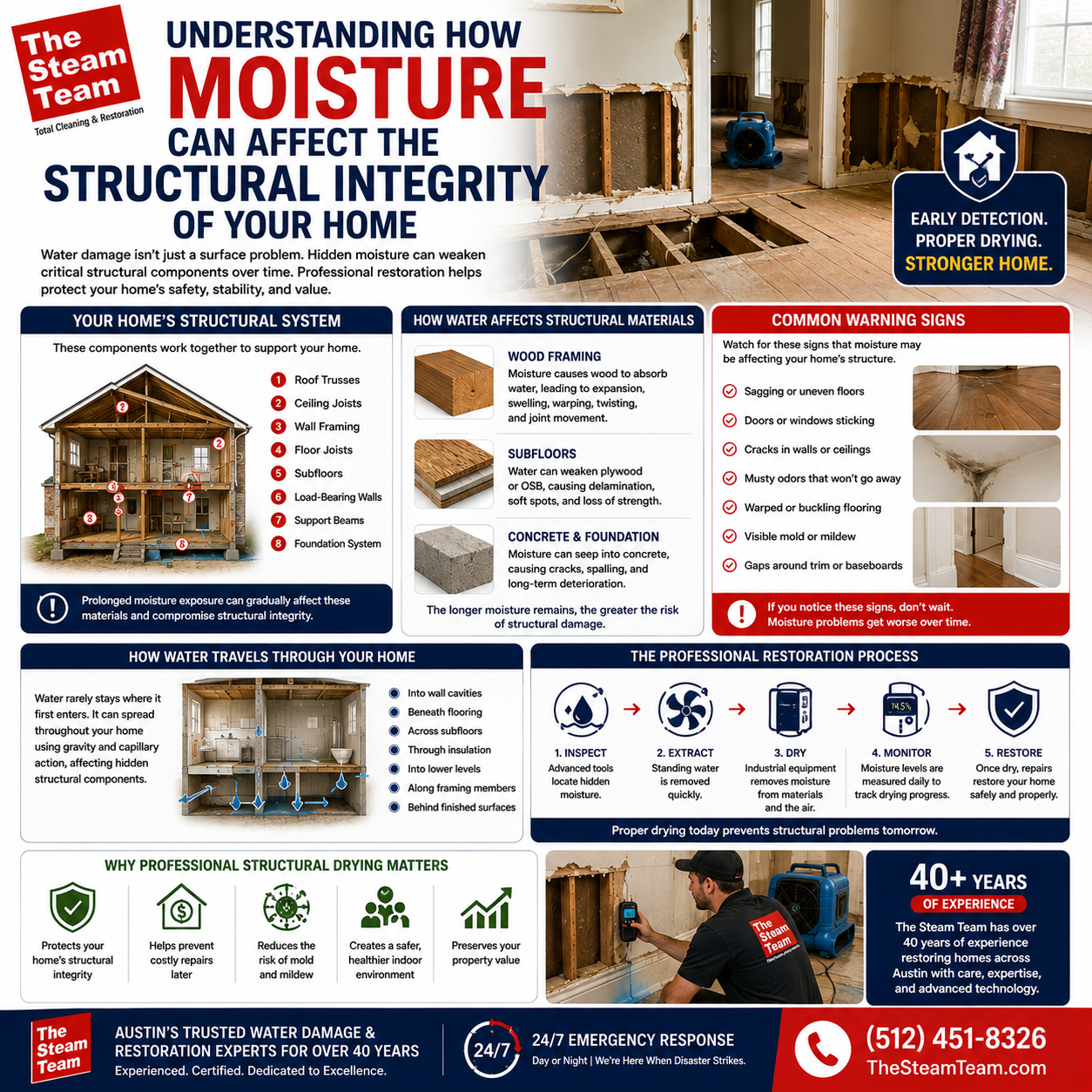
Moisture infiltration weakens building materials—wood framing can swell and rot, drywall loses stiffness, and subfloors delaminate—leading to progressive structural compromise if left untreated. Over weeks to months, untreated moisture accelerates decay, increases repair complexity, and reduces resale value as visible and hidden damage accumulates. Professionals perform moisture mapping and targeted material removal to preserve load-bearing elements and minimize replacement scope. That preservation of structure and documentation for insurers directly affects repair decisions and long-term property valuation.

Why Is Mold Growth a Serious Health Risk After Water Damage?

Mold can begin growing within 24–48 hours on damp organic materials, and spores released into the air can trigger respiratory symptoms, allergies, and infections in vulnerable populations. Mold remediation combines containment, removal of affected materials, and HEPA-filtered air cleaning to reduce airborne spores and prevent regrowth. Professionals document conditions and apply antimicrobial protocols to break the moisture–mold cycle. Recognizing rapid mold timelines clarifies why early extraction and drying are critical to protect occupant health and limit remediation costs.

What Are the Key Benefits of Professional Water Damage Cleanup in Austin?

Professional cleanup delivers measurable benefits: faster water removal reduces repair scope, calibrated drying prevents mold, specialized equipment accesses hidden moisture, and expert documentation smooths insurance claims. These advantages rest on trained technicians using industrial extractors, air movers, and dehumidifiers, combined with moisture mapping and remediation protocols that homeowners rarely replicate.

  • Professional cleanup limits the physical spread of damage by prioritizing standing water removal and containment.

  • Certified technicians use advanced moisture detection and industrial drying to prevent hidden deterioration.

  • Thorough documentation and insurer communication reduce disputes and accelerate claim resolution.

This comparison table shows key benefit entities, the attribute that matters, and the measurable value they deliver for Austin properties.

Benefit Area Key Attribute Typical Impact
Rapid Extraction Time-to-action (hours) Reduces secondary damage and repairs by limiting moisture penetration
Drying & Dehumidification Moisture removal rate Lowers mold growth risk by achieving target relative humidity quickly
Expert Documentation Photo and report quality Speeds insurer review and reduces claim disputes
Contamination Control Water category handling Ensures safe removal of gray/black water and protects occupants

This EAV comparison clarifies how each professional capability maps to reduced damage and faster restoration. Next, we examine specific benefit mechanisms such as extraction timeliness, equipment types, and how those steps translate into long-term savings.

How Does Rapid Emergency Water Extraction Prevent Further Damage?

Rapid emergency extraction removes standing water and reduces capillary wicking into walls and flooring, limiting the scope of demolition and repair necessary later. Acting within the critical 24–48 hour window minimizes mold colonization and often preserves carpets, pads, and personal property that salvageable professionals can clean. Fast extraction also lowers moisture load for dehumidifiers, shortening total drying time and reducing equipment costs. Because time-to-action affects both health and repair budgets, immediate extraction is the difference between minor repair and major reconstruction.

What Advanced Equipment and Expertise Do Professionals Use?

Professionals deploy industrial truck-mounted extractors, high-capacity air movers, low-grain refrigerant and desiccant dehumidifiers, moisture meters, and thermal imaging to locate hidden moisture. Certified technicians trained to IICRC and NADCA standards interpret readings and adjust equipment placement to reach target moisture levels efficiently. This equipment-and-skill combination removes moisture from assemblies rather than just surface drying, which prevents hidden secondary damage. Understanding the tools and training clarifies why conventional approaches often leave pockets of moisture that later cause mold or structural problems.

How Does Thorough Drying and Dehumidification Protect Your Property?

Drying and dehumidification reduce relative humidity, extract moisture from materials, and stabilize structures so that finish repairs can proceed without risk of rewetting. Technicians set target moisture thresholds and verify results with calibrated moisture meters and ongoing monitoring, ensuring drying is complete before reconstruction. Controlled drying prevents shrinkage, warping, and microbial growth that would otherwise necessitate greater material replacement. Confirming dryness through objective measurements also strengthens insurance claims by documenting that restoration met industry standards.

In What Ways Does Professional Water Removal Prevent Mold and Mildew?

Professional mitigation interrupts mold growth by rapidly removing water, applying antimicrobial treatments where appropriate, and isolating contaminated zones to prevent spore spread. Containment strategies, HEPA filtration, and controlled demolition of non-salvageable materials reduce the reservoir of organic substrate mold needs to grow. Follow-up inspections and moisture verification ensure conditions do not favor regrowth. Since mold remediation is typically costlier than initial mitigation, preventing mold is both a health and an economic imperative.

How Does Professional Restoration Preserve Structural Integrity?

Restoration focuses on stabilizing and repairing load-bearing elements and assembly systems rather than cosmetic fixes alone, using targeted replacements where necessary and retaining intact materials when possible. Structural assessments prioritize framing, subfloors, and foundational components to ensure safety and avoid hidden failures. Documentation of repairs and materials used supports future resale and insurance claims. This targeted approach reduces unnecessary replacements and retains architectural value while ensuring long-term durability.

What Insurance Claim Assistance Do Professionals Provide in Austin?

Professionals document damage with standardized reports, detailed photographs, and itemized estimates that align with insurer expectations, which helps prevent disputes and expedites approvals. Insurer-preferred vendor relationships and clear documentation practices reduce back-and-forth and clarify scope for adjusters. Technicians can prepare scope-of-work documents that translate technical findings into insurer-friendly language to speed settlements. This assistance reduces stress for property owners and facilitates more predictable financial outcomes.

How Can Professional Water Removal Save You Money in the Long Run?

Early mitigation reduces repair volume, avoids costly mold remediation, and shortens downtime for businesses, producing clear savings over delayed or DIY approaches. Professionals limit unnecessary demolition by using moisture mapping to identify only affected materials and thereby preserve intact finishes. Faster insurance settlements due to better documentation can lower out-of-pocket expenses and accelerate restoration. These cost-saving dynamics explain why investing in certified professional mitigation often yields net savings compared with incremental or delayed repairs.

After outlining these benefits generally, a practical example helps ground expectations: in Austin, prompt response, industrial drying, and insurer-oriented documentation together minimize both health risks and long-term repair costs. For readers seeking a real-world provider example, The Steam Team offers comprehensive water damage restoration services—illustrating how these benefits look in practice; see the dedicated Why Choose The Steam Team section below for company-specific details and contact calls-to-action.

What Is the Step-by-Step Process of Professional Water Damage Restoration in Austin?

A transparent workflow helps owners understand what to expect: assessment and categorization, water extraction, drying and dehumidification, cleaning and sanitizing, then repair and restoration. Each step uses data, equipment, and documentation so decisions are defensible for insurers and durable for property owners. The numbered steps that follow explain the primary actions professionals take and the rationale behind them.

  1. Assessment and Documentation: Inspect the site, classify water type and damage class, and begin photographic records.

  2. Water Extraction: Use pumps and truck-mounted extractors to remove standing water and prioritize egress paths.

  3. Drying and Dehumidification: Deploy air movers and dehumidifiers and monitor moisture until targets are met.

  4. Cleaning and Sanitizing: Apply antimicrobial treatments and HEPA air filtration and clean salvageable contents.

  5. Restoration and Repair: Repair or replace damaged materials and perform a final walkthrough with documentation.

This stepwise sequence clarifies responsibilities at each stage and sets expectations for timing and outcomes. Below is a compact EAV table mapping process steps to equipment and typical outcomes.

Process Phase Equipment Used Expected Outcome
Assessment Moisture meters, thermal imaging Defined scope and damage categorization
Extraction Truck-mounted extractors, pumps Rapid removal of standing water
Drying Air movers, dehumidifiers Achieve target moisture levels for reconstruction
Cleaning HEPA air scrubbers, antimicrobials Reduced biological risk and odors
Restoration Carpentry, finish trades Return to safe, finished condition

This mapping shows how each technical phase contributes to measurable restoration milestones. To illustrate professional workflow in practice, many experienced providers follow the same broad sequence—assessment → extraction → drying → sanitizing → restoration—ensuring transparency and predictable timelines for property owners. The next sections detail each phase in turn, starting with how assessments guide remediation scope.

How Is the Initial Water Damage Assessment Conducted?

Assessment begins with a visual inspection, moisture readings with meters, and thermal imaging to reveal concealed moisture behind assemblies. Technicians then classify the water as clean, gray, or black and assign a damage class to inform drying targets and containment needs. Documentation includes photographs, moisture maps, and an initial scope that guides extraction and drying equipment choices. Clear assessment reduces guessing during remediation and supports insurance claims by establishing objective baseline conditions.

What Happens During Water Extraction and Removal?

Extraction uses progressive equipment—from submersible pumps for deep standing water to truck-mounted extractors for faster throughput—to remove bulk water quickly and prioritize drainage from affected areas. Technicians also establish containment for contaminated water, protect unaffected zones, and remove saturated contents that block airflow. Proper extraction reduces the moisture load sent to dehumidifiers and shortens the total drying timeline. Safety protocols during extraction address electrical cutoff and contamination control to protect occupants and crews.

How Are Drying and Dehumidification Performed?

Drying plans place air movers to direct airflow across wet surfaces while dehumidifiers lower ambient moisture so evaporation continues efficiently from materials. Technicians set humidity and moisture content targets for different substrates and use moisture meters to track progress daily. Variables such as material porosity, outdoor humidity, and HVAC operation affect drying time, which professionals adjust for by relocating equipment and adding capacity. Monitoring until targets are reached ensures hidden moisture does not remain trapped in assemblies.

What Cleaning and Sanitizing Measures Are Taken?

Cleaning begins with content triage: salvageable items receive restorative cleaning while unsalvageable porous materials are removed. Antimicrobial treatments and HEPA filtration control biological contaminants and airborne particulates, especially important when water category indicates contamination. Specialized content-restoration techniques may be used for textiles, documents, and electronics to maximize salvage and reduce replacement costs. Proper cleaning reduces odor, health risks, and the likelihood of future mold growth.

How Is Restoration and Repair Completed After Water Removal?

Restoration ranges from minor finish repairs—reinstalling baseboards and paint—to larger reconstruction tasks like subfloor replacement and carpentry work to restore structural integrity. Professionals coordinate trades or provide in-house repairs following moisture verification to ensure finished materials do not trap residual dampness. A final walkthrough and documentation packet confirms completed work and supports final insurance settlement. This closure step verifies that the property is safe, dry, and returned to its pre-loss condition where possible.

Why Choose The Steam Team for Professional Water Removal and Restoration in Austin?

The Steam Team is a local Austin provider of water damage restoration and emergency services with a long-standing presence in Central Texas and a suite of certifications and vendor relationships that support reliable outcomes. The company offers 24-hour emergency water damage services, water extraction, drying, and mold remediation, delivered by IICRC and NADCA certified technicians. As an insurance carrier preferred vendor with experience coordinating with major carriers, The Steam Team emphasizes documentation, rapid response, and community-focused service. If you need a provider-oriented example of how professional standards translate into practice, the attributes below summarize key reasons homeowners and businesses choose a certified local team.

  • The Steam Team provides 24/7 emergency water damage response to contain and mitigate losses quickly.

  • Certified technicians follow industry standards for assessment, drying, and remediation to protect health and structure.

  • Preferred-vendor relationships and thorough documentation help streamline insurer communications.

How Does 42 Years of Local Experience Benefit Austin Customers?

Longstanding local operation builds institutional knowledge of Austin’s weather patterns, common building types, and supply chain nuances that improve response efficiency. Experienced crews refine staging and equipment deployment for local conditions, which reduces setup time and speeds drying. Local knowledge also informs decisions about materials likely to fail and effective containment strategies for Central Texas homes. That contextual familiarity supports faster, more informed mitigation and restoration outcomes for customers.

What Certifications and Awards Does The Steam Team Hold?

The Steam Team’s technicians hold IICRC and NADCA certifications that indicate adherence to industry-standard training and procedures for water and mold work. An A+ rating with the Better Business Bureau and recognition as an award-winning local business reflect verified service quality and community standing. These credentials signal to property owners and insurers that remediation follows accepted technical protocols and quality assurance practices. Choosing certified providers reduces the risk of improper drying or inadequate remediation that can create future liability.

How Does 24/7 Emergency Response Improve Water Damage Outcomes?

Around-the-clock availability shortens response times, which directly reduces the window for mold growth and structural soaking that expands repair scope. Immediate mitigation limits water migration, lowers salvage losses, and reduces total drying and repair duration. Continuous response capability also supports businesses by minimizing downtime and accelerating return-to-service. The direct link between faster response and better outcomes is why emergency availability is a critical service attribute for Austin properties.

What Do Austin Customers Say About Their Water Damage Restoration?

Public reviews and profile interactions offer social proof of consistent performance without reproducing individual testimonials here; owners should consult verified review sources to compare experiences. Reading multiple independent reviews helps prospective clients assess responsiveness, transparency, and follow-through on documentation and repairs. Review trends often highlight punctuality, communication quality, and clarity of scope—factors that matter when selecting a restoration partner. This practice informs realistic expectations before engaging a restoration provider.

How Does The Steam Team Simplify Insurance Claims for Clients?

As an insurer-preferred vendor, The Steam Team prepares detailed damage reports, organized photographic records, and estimates aligned with industry standards to streamline adjuster review. Working directly with carriers reduces administrative friction and helps clarify repair scope and pricing. Thorough documentation and vendor status can shorten settlement cycles and reduce disagreements that delay reconstruction. This insurer-facing expertise helps owners focus on recovery while professionals handle technical documentation and communication.

How Much Does Professional Water Damage Restoration Cost in Austin?

Restoration costs vary by water category, damage class, square footage affected, and materials involved—factors that determine labor, equipment hours, and replacement needs. While every job is unique, localized ranges and transparent drivers help homeowners anticipate financial exposure and prepare insurance documentation. Below is a direct summary of cost influences followed by an EAV table breaking down common pricing drivers and their typical impact.

  • Cost depends on water contamination level, extent of saturation, and whether structural elements require replacement.

  • Time to response significantly affects overall price by limiting or expanding repair needs.

  • Material types—hardwood, carpet, drywall—determine restoration complexity and cost variance.

Cost Factor Attribute Example Impact
Water Category Clean vs. gray vs. black water Black water raises safety protocols and disposal costs
Damage Extent Square footage and depth Larger affected areas increase extraction and drying hours
Materials Affected Porous vs. non-porous Porous materials often require removal and replacement
Time to Response Hours before mitigation Delays increase mold risk and overall repair scope

This table clarifies how each cost driver translates to restoration tasks and expenses. Next, practical guidance covers how emergency removal affects costs and ways homeowners can limit expenses.

What Factors Influence Water Damage Cleanup Pricing?

Pricing drivers include water contamination category, the class of damage (surface vs. structural), affected square footage, and the type of materials involved. Access and logistics—such as multiple-floor jobs or remote attic spaces—also raise labor and equipment needs. Insurance involvement, scope disagreements, and required demolition or content restoration add further variability. Clear documentation of these factors helps clients obtain accurate estimates and reduces surprises during claims.

How Does Emergency Water Removal Affect Overall Restoration Costs?

Emergency removal generally lowers total restoration expense by limiting secondary damage and reducing the need for extensive demolition or mold remediation. Early extraction decreases the time dehumidifiers and air movers must run and often preserves more contents and finish materials. Conversely, delayed mitigation increases biological remediation requirements and structural repairs, which drive costs higher. Investing in timely removal often yields net savings compared with waiting.

Are There Ways to Save Money on Water Damage Repair in Austin?

Homeowners can reduce costs by taking safe, immediate mitigation steps—like shutting off utilities, documenting damage with photos, and moving undamaged belongings off floors—then calling professionals for extraction and drying. Working with insurer-preferred vendors and providing complete documentation speeds settlements and reduces out-of-pocket expenses. Regular maintenance of plumbing systems and flood-prone areas lowers future incident risk. Knowing which tasks are safe for homeowners and which require professionals prevents costly mistakes and ensures efficient recovery.

What Should Austin Homeowners and Businesses Do Before Professionals Arrive?

Safety-first, short-term mitigation can limit losses while professionals mobilize, but actions must avoid exposing occupants to electrical or contamination hazards. The checklist below prioritizes immediate safety and damage-reduction steps that are typically safe for non-professionals, followed by guidance on when to wait for crews.

Before the list, take photos and prioritize human safety and electrical shutdown if you can do so without entering hazardous areas. These actions preserve claim evidence and reduce exposure while professionals prepare equipment and a mitigation plan.

  • Turn off electricity to affected areas if it is safe to do so and you can reach the main breaker without standing in water.

  • Move unaffected furniture and valuables to dry areas to prevent avoidable losses.

  • Avoid contact with standing water that may be contaminated and keep children and pets away.

  • Take photos of damage from multiple angles before moving items to document the loss for insurance.

  • Open windows to promote airflow only if outside conditions do not introduce more humidity or contaminants.

These immediate steps help contain damage while protecting occupants; next, learn how to prioritize actions and when full professional intervention is mandatory.

How Can You Minimize Damage While Waiting for Emergency Water Removal?

Prioritize safety and documentation first, then reduce further water migration by blocking paths and elevating contents where practical. Use towels or mops to limit surface pooling only in non-contaminated water situations, and avoid powered equipment in wet areas. Keep a log of actions taken and maintain photographic evidence to support claims. These mitigation steps reduce salvage losses and provide useful documentation for the arrival of restoration crews.

When Is It Critical to Call for Professional Water Extraction Services?

Call professionals immediately for standing water, presence of gray or black water, visible structural compromise, or when exposure approaches 24–48 hours. If electrical hazards exist or the source of water is unknown and persistent, professional intervention is required to ensure safety and proper remediation. Businesses should also call promptly to minimize downtime and protect inventory and operations. Timely calls preserve safety and limit long-term restoration costs.

What Safety Precautions Should You Take During Water Damage Events?

Avoid entering flooded areas with potential electrical hazards and wear protective gear if brief contact with contaminated water is unavoidable. Evacuate if there are strong odors of sewage, gas, or if structural movement is observed. Use proper PPE—gloves, boots, and masks—only for brief mitigation, and defer complex cleanup to trained professionals. These precautions protect health and prevent actions that could increase liability or contamination.

How Does Austin’s Climate Impact Water Damage Risks and Restoration Needs?

Austin’s seasonal storm patterns, urban runoff, and older housing stock create a distinct risk profile that shapes restoration strategies and equipment choices. Understanding when and why incidents spike helps owners prepare and choose providers who know local conditions. The following subsections detail seasonal drivers, plumbing-age risks, and the specific reasons local expertise matters.

What Seasonal Weather Patterns Increase Flood and Water Damage in Austin?

Flash floods and heavy summer storms can produce rapid water intrusion and urban runoff that overwhelms older drainage systems, increasing demand for emergency flood cleanup services. Intense storms compress mitigation response windows and often create simultaneous multi-call events that stretch local resources. Preparations during high-risk seasons—such as clearing gutters and having a response plan—reduce damage and speed recovery. Awareness of seasonal patterns helps owners prioritize readiness and provider availability.

How Do Aging Plumbing Systems in Austin Homes Contribute to Water Damage?

Older homes commonly have corroded pipes, outdated fittings, and hidden leaks that gradually degrade until they cause sudden failures. Hidden leaks behind walls produce slow, insidious damage that may go unnoticed until mold or rot appears. Regular inspections and early repairs limit catastrophic events and make mitigation simpler when incidents occur. Recognizing plumbing age as a risk factor guides preventive maintenance that reduces restoration frequency and cost.

Why Is Professional Water Removal Especially Important in Central Texas?

Central Texas combines unpredictable storms, aging housing stock, and varied building assemblies that demand flexible, equipment-driven mitigation strategies. Local professionals understand city-specific drainage, common construction methods, and the seasonal patterns that influence drying times and equipment selection. That localized expertise ensures both efficient mitigation and repair approaches tailored to Austin’s climate and building types. Choosing a provider familiar with regional conditions increases the likelihood of a durable, cost-effective restoration.

Frequently Asked Questions

What should I do immediately after discovering water damage in my home?

Upon discovering water damage, prioritize safety by turning off electricity to affected areas if it's safe to do so. Move any unaffected furniture and valuables to dry areas to prevent further loss. Document the damage with photos from multiple angles for insurance purposes. Avoid contact with standing water, especially if it may be contaminated, and keep children and pets away. Opening windows can help with airflow, but only if outside conditions are favorable.

How can I tell if my water damage is severe enough to require professional help?

If you notice standing water, the presence of gray or black water, or visible structural damage, it's critical to call professionals immediately. Additionally, if the water exposure has lasted 24–48 hours or if there are electrical hazards, professional intervention is necessary to ensure safety and proper remediation. Businesses should also act quickly to minimize downtime and protect inventory.

What are the long-term effects of untreated water damage?

Untreated water damage can lead to severe structural issues, including rotting wood, weakened foundations, and mold growth, which can pose health risks. Over time, moisture can compromise building materials, leading to costly repairs and decreased property value. Mold can trigger respiratory issues and allergies, making early intervention crucial to prevent these long-term consequences.

How can I prepare my home to prevent water damage during heavy storms?

To prepare for heavy storms, ensure that gutters and downspouts are clear to facilitate proper drainage. Inspect your roof for leaks and repair any damaged shingles. Consider installing sump pumps in basements or low-lying areas to manage excess water. Additionally, create an emergency plan that includes contact information for local water damage restoration services to ensure a quick response if needed.

What types of insurance coverage are typically available for water damage?

Homeowners insurance often covers water damage from sudden incidents, such as burst pipes or storm-related flooding, but may exclude damage from gradual leaks or lack of maintenance. Flood insurance is a separate policy that covers damage from rising water. It's essential to review your policy details and consult with your insurance agent to understand your coverage options and any necessary endorsements for water damage.

How can I choose the right water damage restoration company?

When selecting a water damage restoration company, look for certified professionals with experience in your area. Check for IICRC or NADCA certifications, as these indicate adherence to industry standards. Read customer reviews to gauge their reputation and responsiveness. Additionally, inquire about their documentation practices and insurance claim assistance, as these factors can significantly impact your restoration experience.

What preventative measures can I take to reduce the risk of future water damage?

Regular maintenance is key to preventing water damage. Inspect plumbing systems for leaks, replace old pipes, and ensure proper drainage around your property. Install water alarms and sump pumps in vulnerable areas. Additionally, consider waterproofing basements and crawl spaces. Keeping gutters clean and ensuring proper grading around your home can also help divert water away from your foundation, reducing the risk of future incidents.

Conclusion

Engaging professional water removal services in Austin ensures rapid response to mitigate damage, protect health, and preserve property value. By leveraging advanced equipment and expert knowledge, these services effectively reduce the risk of mold and structural compromise, ultimately saving homeowners from costly repairs. Understanding the critical role of timely intervention reinforces the importance of choosing certified professionals for water damage restoration. For immediate assistance, contact our team today to safeguard your property and ensure a thorough recovery process.