
How Much Does Emergency Water Extraction Cost in Austin?
/Understanding the Cost of Emergency Water Removal Before Damage Gets Worse
When water suddenly enters your home, every minute matters.
Whether it's caused by a burst pipe, overflowing washing machine, broken water heater, slab leak, or severe Texas storm, standing water can quickly soak into flooring, drywall, insulation, cabinetry, and structural framing. Before repairs can even begin, the first priority is removing the water.
This process is called emergency water extraction, and it is one of the most important steps in limiting property damage.
One of the first questions homeowners ask is:
"How much does emergency water extraction cost?"
The answer depends on several factors, including how much water is present, the size of the affected area, how quickly restoration begins, and whether the water is contaminated.
The good news is that rapid extraction is almost always less expensive than repairing additional damage caused by delayed action.
If you're searching for emergency water extraction cost in Austin, this guide explains:
Average emergency water extraction costs
What affects pricing
What services are included
Insurance considerations
Why immediate extraction saves money
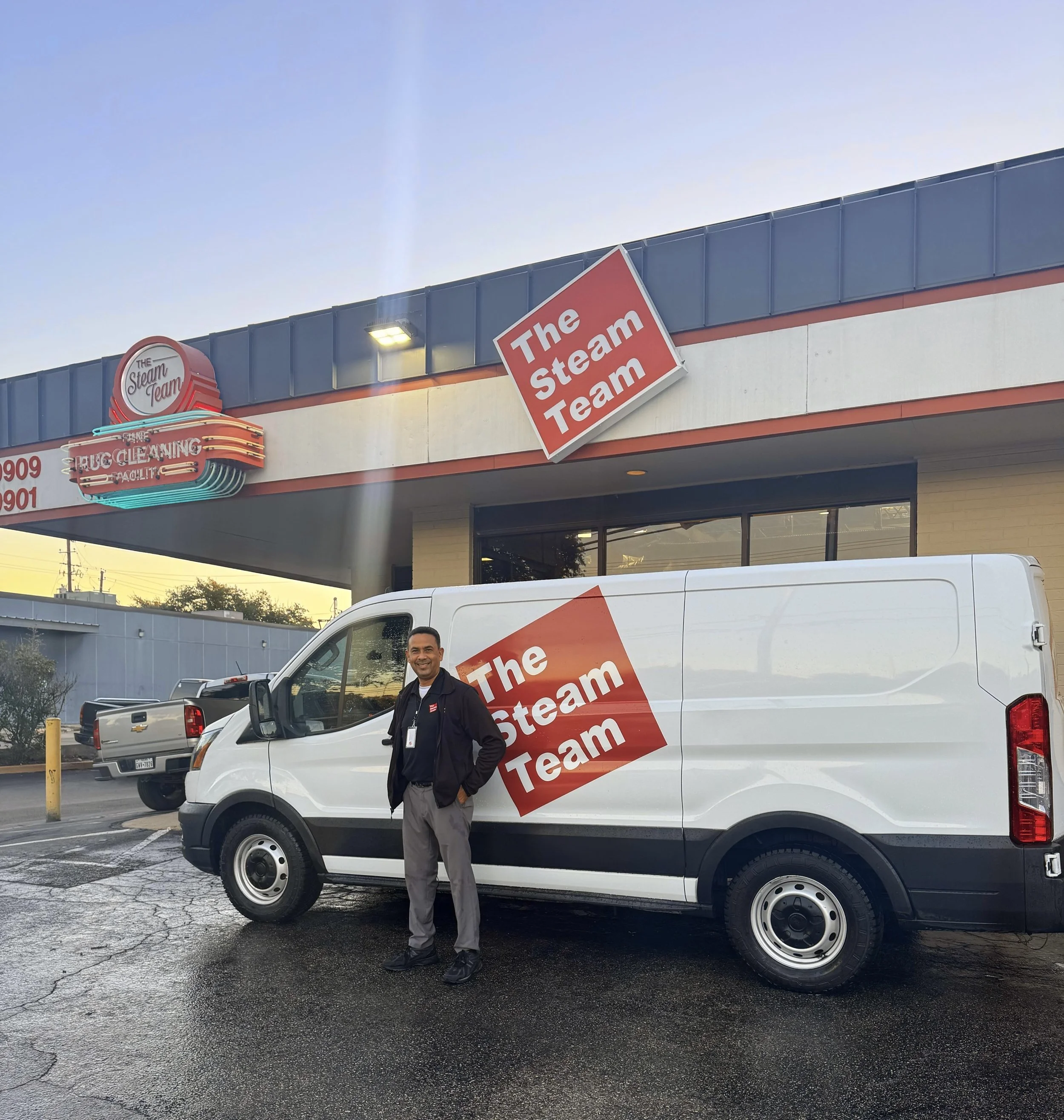
For more than 40 years, The Steam Team has provided 24/7 emergency water extraction services throughout Austin, helping homeowners minimize damage using commercial-grade pumps, extraction equipment, and structural drying technology.
Average Emergency Water Extraction Cost in Austin
Every emergency is different. Removing a few inches of clean water from a laundry room is far different from extracting contaminated floodwater throughout an entire home.
Small Emergency Water Extraction
Small extraction projects usually involve limited water accumulation confined to one room.
Examples include:
Overflowing sinks
Dishwasher leaks
Refrigerator water line failures
Small plumbing leaks
These projects generally involve:
Water extraction
Moisture inspection
Basic drying setup
Because the damage is limited, restoration can often begin immediately after extraction.
Moderate Water Extraction
Moderate extraction projects affect multiple rooms or larger sections of the property.
Common causes include:
Burst washing machine hoses
Water heater failures
Toilet overflows
Roof leaks following storms
Professional extraction typically includes:
High-capacity extraction equipment
Moisture mapping
Structural drying setup
Dehumidification
Daily moisture monitoring
Large Emergency Water Extraction
Large-scale emergencies often require multiple technicians and specialized equipment.
Common causes include:
Burst main water lines
Flash flooding
Sewage backups
Commercial water losses
Multi-story water damage
Projects of this size often require:
Multiple extraction units
Truck-mounted equipment
Continuous pumping
Structural drying
Demolition of unsalvageable materials
Rapid response is essential to prevent secondary damage.
What Factors Affect Emergency Water Extraction Costs?
No two extraction projects are identical.
Professional restoration companies evaluate several variables before determining the scope of work.
Amount of Standing Water
The volume of water directly impacts extraction time.
Larger water losses require:
More equipment
Additional technicians
Longer extraction times
The greater the volume, the higher the overall cost.
Type of Water
Not all water requires the same restoration procedures.
Clean Water
Examples include:
Broken supply lines
Appliance leaks
Plumbing failures
These situations generally involve the lowest extraction costs.
Gray Water
Gray water may contain bacteria or contaminants.
Examples include:
Washing machine discharge
Dishwasher overflow
Toilet overflow without sewage
Additional sanitation procedures increase labor requirements.
Black Water
Black water presents serious health risks.
Examples include:
Sewage backups
River flooding
Storm flooding
Extraction requires specialized protective equipment, containment procedures, and extensive sanitization.
Accessibility
Extraction becomes more complicated when water reaches difficult areas such as:
Crawl spaces
Finished basements
Elevator pits
Multi-story buildings
Tight utility rooms
Accessibility affects labor requirements and equipment selection.
Time Between Water Loss and Extraction
The longer water remains inside a structure, the more extensive the restoration becomes.
Within hours:
Drywall absorbs moisture
Carpet padding becomes saturated
Wood flooring begins expanding
Within days:
Mold conditions develop
Structural materials deteriorate
Restoration costs increase significantly
Immediate extraction reduces long-term repair costs.
Emergency Dispatch
Many water emergencies occur overnight, on weekends, or during severe weather.
Emergency dispatch may include additional service charges because technicians respond immediately to reduce further property damage.
However, rapid response often prevents thousands of dollars in additional repairs.
Why Immediate Water Extraction Is So Important
Many homeowners assume that removing visible water is enough.
In reality, standing water begins migrating into building materials almost immediately.
Professional extraction removes water before it has an opportunity to spread deeper into:
Hardwood flooring
Drywall
Insulation
Cabinets
Baseboards
Structural framing
The sooner extraction begins, the greater the likelihood that these materials can be restored instead of replaced.
Professional extraction is often the single most important step in reducing the overall cost of water damage restoration.
What Is Included in Professional Emergency Water Extraction?
Professional water extraction involves far more than simply vacuuming standing water.
A complete emergency response is designed to remove water quickly, identify hidden moisture, stabilize the property, and prepare the structure for drying and restoration.
Emergency Inspection
Every project begins with a detailed inspection.
Technicians evaluate:
Source of the water
Safety hazards
Moisture levels
Extent of water migration
Areas requiring immediate attention
Advanced moisture detection equipment helps locate hidden water behind walls and beneath flooring.
Water Removal
Commercial extraction equipment is used to remove standing water as quickly as possible.
Depending on the project, technicians may use:
Truck-mounted extraction systems
Portable extractors
High-capacity pumps
Wet vacuums for smaller areas
Rapid extraction minimizes structural damage and shortens drying time.
Moisture Detection
Visible water represents only part of the damage.
Professionals use:
Moisture meters
Thermal imaging cameras
Hygrometers
to locate hidden moisture that could lead to mold growth or structural deterioration.
Drying Equipment Setup
After extraction, industrial drying equipment is installed.
This typically includes:
Air movers
Commercial dehumidifiers
Air scrubbers when needed
Drying begins immediately to prevent secondary damage.
Daily Moisture Monitoring
Technicians monitor drying progress throughout the project. Equipment remains in place until moisture levels return to acceptable industry standards. This helps ensure the property is thoroughly dried before repairs begin.
Does Insurance Cover Emergency Water Extraction?
Insurance coverage depends on the source of the water damage.
Water Damage That Is Commonly Covered
Many homeowners policies may cover emergency extraction when water damage results from:
Burst pipes
Appliance failures
Plumbing accidents
Water heater leaks
Coverage depends on the individual insurance policy.
Flood Damage May Require Separate Insurance
Flooding caused by:
Rising water
Flash floods
Rivers
Storm surge
often requires a separate flood insurance policy.
Homeowners should verify coverage with their insurance provider.
Professional Documentation
Restoration companies typically provide:
Moisture reports
Damage photographs
Equipment logs
Restoration documentation
These records can help support insurance claims.
How to Reduce Emergency Water Extraction Costs
Homeowners can minimize restoration expenses by taking immediate action.
Shut Off the Water Source
Stopping the water prevents additional damage.
Contact a Restoration Company Immediately
Early extraction reduces drying time and repair costs.
Avoid Waiting Until Morning
Delaying emergency service often allows water to spread further into building materials.
Schedule Routine Plumbing Maintenance
Preventative maintenance helps reduce the likelihood of unexpected water emergencies.
Frequently Asked Questions
Q- How much does emergency water extraction cost?
A- Most residential projects range from $300 to more than $7,500, depending on the size of the water loss.
Q- How quickly should water be extracted?
A- Immediately. Every hour increases the risk of structural damage and mold growth.
Q- Does extraction include drying?
A- Extraction removes standing water. Drying is a separate but essential stage of the restoration process.
Q- Can I remove standing water myself?
A- Small spills may be manageable, but significant water losses require commercial extraction equipment and professional moisture detection.
Q- Is emergency extraction available 24/7?
A- Yes. Water emergencies can occur at any time, which is why professional emergency restoration services operate around the clock.
Why Austin Homeowners Trust The Steam Team
For more than four decades, The Steam Team has responded to emergency water losses across Austin with fast, professional restoration services.
Our emergency response team uses commercial-grade extraction equipment, advanced moisture detection technology, and proven drying methods to help reduce damage and restore properties quickly.
Our emergency services include:
24/7 Emergency Water Extraction
Water Damage Restoration
Structural Drying
Mold Remediation
Sewage Cleanup
Fire Damage Restoration
Complete Reconstruction
Related Resources
Water Damage Restoration Cost in Austin
Flood Cleanup Costs Explained for Austin Homeowners
Emergency Flood Cleanup: What Happens in the First 24 Hours
What Happens If Water Damage Is Not Treated Immediately?
How Long Does Water Damage Restoration Take?
Can Water Damage Cause Mold?
Contact The Steam Team for Emergency Water Extraction in Austin
If your home or business has standing water, immediate extraction can significantly reduce restoration costs and help prevent mold growth and structural damage.
The Steam Team provides 24/7 emergency water extraction services throughout Austin and surrounding communities.
North Austin Restoration Office
9901 Burnet Road
Austin, TX 78758
Phone: 512-451-8326
Central Austin Cleaning Office
1904 W. Koenig Lane
Austin, TX 78756
Phone: 512-450-7199
Final Thoughts
Emergency water extraction is the foundation of every successful water damage restoration project. Removing standing water quickly helps protect your home, reduces drying time, minimizes repair costs, and lowers the risk of mold growth.
If you experience a plumbing failure, storm damage, or flooding, acting immediately can make the difference between a straightforward restoration project and a costly reconstruction. The Steam Team's experienced emergency response team is available to help Austin homeowners recover quickly and safely with professional extraction and restoration services.
