Mold Remediation Austin TX
Mold growth can spread quietly behind walls, under flooring, and inside HVAC systems, creating structural damage and indoor air concerns before most property owners realize there is a problem. The Steam Team provides licensed mold remediation backed by decades of hands-on restoration experience. Their team follows strict state guidelines, performs detailed inspection and containment procedures, and works within an approved mold protocol. From water damage-related mold to hidden contamination after leaks or flooding, this restoration contractor delivers professional remediation designed to restore safe conditions and prevent future microbial growth.
Austin’s Trusted Team for Safe Mold Removal
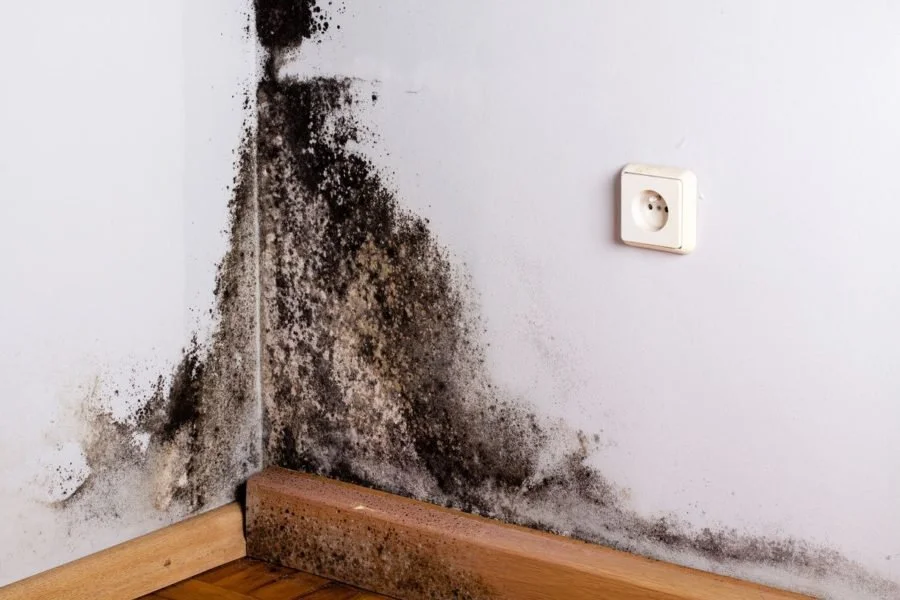
Mold remediation problems rarely start with something obvious. A faint musty odor, a small water stain, or allergy symptoms that will not go away can slowly turn into a larger concern. Property owners dealing with mold remediation often feel uncertain about what is happening behind their walls. Is the contamination spreading? Is the structure compromised? Will insurance cover the damage? The stress builds quickly, especially when daily routines are disrupted by inspections, demolition, and concerns about indoor air quality.
Moisture from a slab leak, roof failure, or plumbing issue can create the perfect environment for microbial growth. Within a short time, drywall, insulation, and flooring may become contaminated. Homeowners worry about their family’s health. Business owners worry about downtime. Property managers worry about tenants and liability. No one wants to guess when it comes to mold.
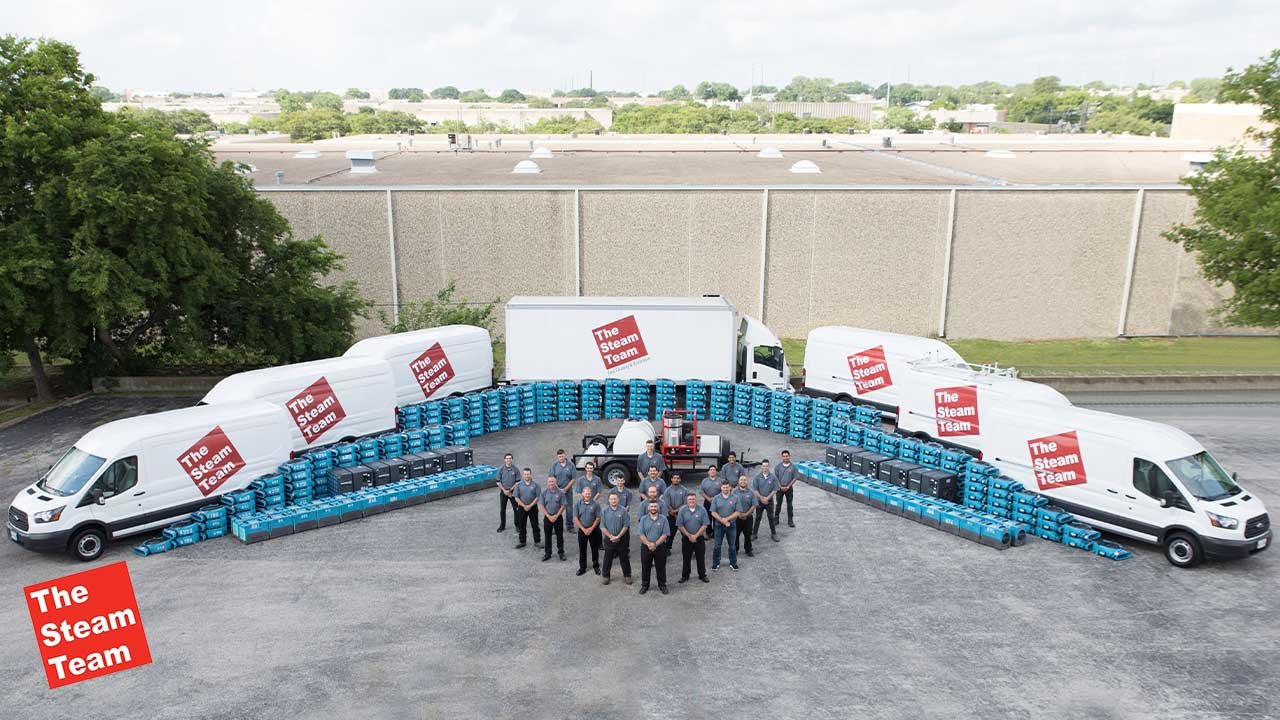
The Steam Team provides licensed mold remediation services in Austin, Texas, along with Rollingwood, West Lake Hills, Buda, Round Rock, and nearby communities. As a restoration contractor serving the area since 1983, the company holds a Texas Mold Remediation Contractor license and follows strict state protocols. Every project begins with a detailed inspection and works within an environmental assessment to ensure proper containment, removal, and structural drying. Their team coordinates directly with your insurance claim when applicable, reducing confusion and delays.
When mold threatens your property, fast action matters. Call The Steam Team today for licensed mold remediation in Austin and surrounding areas, and take the first step toward restoring a safe, healthy environment.
A Clear, Licensed Process for Lasting Results
Mold issues require more than surface cleaning; they demand a structured remediation plan designed to protect the building and its occupants.
Step 1: Detailed Inspection and Moisture Mapping
Technicians perform a thorough inspection using moisture meters and thermal imaging to locate hidden water damage and identify the full scope of contamination.Step 2: Containment and Air Filtration
The affected area is sealed, and negative air pressure with HEPA filtration prevents mold spores from spreading to clean sections of the property.Step 3: Safe Removal of Contaminated Materials
Damaged drywall, insulation, or flooring is carefully removed in accordance with state guidelines and environmental protocols.Step 4: Structural Drying and Cleaning
Commercial drying equipment and antimicrobial treatments address residual moisture and restore safe indoor conditions.
Taking action early protects your investment. Schedule an inspection to begin restoring a healthier environment.
The Licensed Advantage in Mold Remediation
Choosing the right restoration contractor for mold remediation directly impacts the safety, cost, and timeline of recovery. Mold contamination is not simply a cosmetic issue; it is often the result of unresolved water damage that continues to affect structural components and indoor air quality. A licensed team understands how moisture intrusion from plumbing failures, roof leaks, or flooding leads to microbial growth behind drywall, beneath flooring, and inside HVAC systems. Proper remediation requires inspection, containment, removal, structural drying, and documentation that supports an insurance claim. Certified technicians follow state regulations and environmental protocols to ensure each step meets compliance standards.
Experience also matters when coordinating mold remediation alongside water damage restoration service or fire damage restoration service, since secondary moisture from suppression efforts can trigger further contamination. Emergency response capability allows technicians to act quickly, limiting the spread and reducing demolition needs. Direct insurance billing simplifies paperwork and keeps communication clear between the adjuster and the property owner. Advanced equipment such as air scrubbers, dehumidifiers, and moisture detection tools ensures thorough remediation rather than temporary masking of the issue.
Property owners benefit from one company handling inspection, drying, cleanup, and rebuild coordination without juggling multiple vendors. Faster local response times help reduce secondary damage and shorten downtime for both homes and commercial properties. Clear timelines, honest updates, and credentialed specialists provide reassurance during what is often a stressful event. When mold remediation is handled correctly from the start, the result is a safer structure, improved indoor air conditions, and long-term protection for the property.
Mold Remediation: Licensed Protection vs Risky Shortcuts
| Professional Licensed Remediation | Waiting Or Hiring Others |
|---|---|
| State licensed mold remediation contractor follows strict containment and environmental protocols. | Unlicensed providers may skip containment steps, allowing spores to spread. |
| Detailed inspection and moisture mapping identify hidden water damage sources. | Surface cleaning without moisture detection can lead to recurring growth. |
| HEPA filtration and controlled air pressure protect indoor air quality. | Poor airflow control may contaminate unaffected rooms and HVAC systems. |
| Structural drying stabilizes framing, drywall, and subfloors after removal. | Incomplete drying increases the risk of future mold remediation. |
| Clear documentation supports insurance claim processing and compliance. | Limited reporting from others may delay reimbursement and create disputes. |
FAQ
Mold problems raise important questions about safety, cost, and next steps. The answers below address common concerns and provide clear guidance so property owners can move forward with confidence.
How much does mold remediation cost?
Pricing depends on the size of the affected area, the level of contamination, and whether structural drying or reconstruction is required. After a detailed inspection and review of the mold assessment protocol, a written estimate is provided. When mold results from covered water damage, the team can assist with insurance claim documentation to help simplify the process and reduce stress.
Do I need a permit for mold remediation?
In many cases, mold remediation itself does not require a building permit, but reconstruction after demolition might. Work must follow Texas Department of Licensing and Regulation guidelines for licensed contractors. Property owners can review state requirements through the Texas Department of Licensing and Regulation website at https://www.tdlr.texas.gov. The team ensures compliance so clients avoid regulatory issues.
How long does the remediation process take?
Timelines vary depending on contamination levels, moisture source, and drying needs. Smaller containment projects may take a few days, while larger structural remediation can extend longer to ensure proper drying and clearance testing. Moisture mapping, containment, removal, and antimicrobial treatment are performed step by step to protect indoor air quality and prevent recurrence.
Is mold remediation covered by insurance?
Coverage depends on the source of the moisture and the terms of the policy. Sudden and accidental water damage is often covered, while long-term neglect may not be. The team works directly with adjusters, documents inspection findings, and provides detailed reports to support claims. For local property guidance, visithttps://www.austintexas.gov. If you suspect coverage applies, scheduling an inspection is the first step.
Schedule Your Free Mold Inspection This Week
Book a no-charge mold inspection now and gain clear answers about contamination, moisture sources, and next steps. Early action protects your structure and indoor air. Schedule today while availability remains.
🚨 24/7 Emergency Response | Certified | Local Austin Experts