Why Steam Cleaning Is the Ultimate Carpet Solution

Why Steam Cleaning Is the Ultimate Carpet Solution: Benefits, Process, and Professional Expertise

Steam cleaning, properly termed hot water extraction, uses high-temperature water, professional-grade detergents, agitation, and aggressive extraction to remove deep soils, allergens, and odors from carpet fibers, delivering measurable improvements in cleanliness and indoor air quality. This article explains how the hot water extraction process works, why it is widely recommended by manufacturers and industry standards, and how professional equipment and techniques change outcomes compared with shampooing or dry methods. Many homeowners and facility managers wrestle with stubborn stains, pet dander, dust mites, and lingering odors that simple vacuuming cannot resolve; hot water extraction addresses those problems by loosening soils and removing them rather than leaving residues behind. Read on for a step–by–step breakdown of the professional steam cleaning workflow, evidence-based benefits for health and carpet longevity, direct comparisons to alternative methods, and practical guidance for pet owners, allergy sufferers, and commercial sites. Along the way the article highlights how local, certified providers in Austin and Central Texas translate these technical advantages into reliable results and how to schedule professional service when deep cleaning or restoration is needed.

What Is Steam Carpet Cleaning and How Does Hot Water Extraction Work?

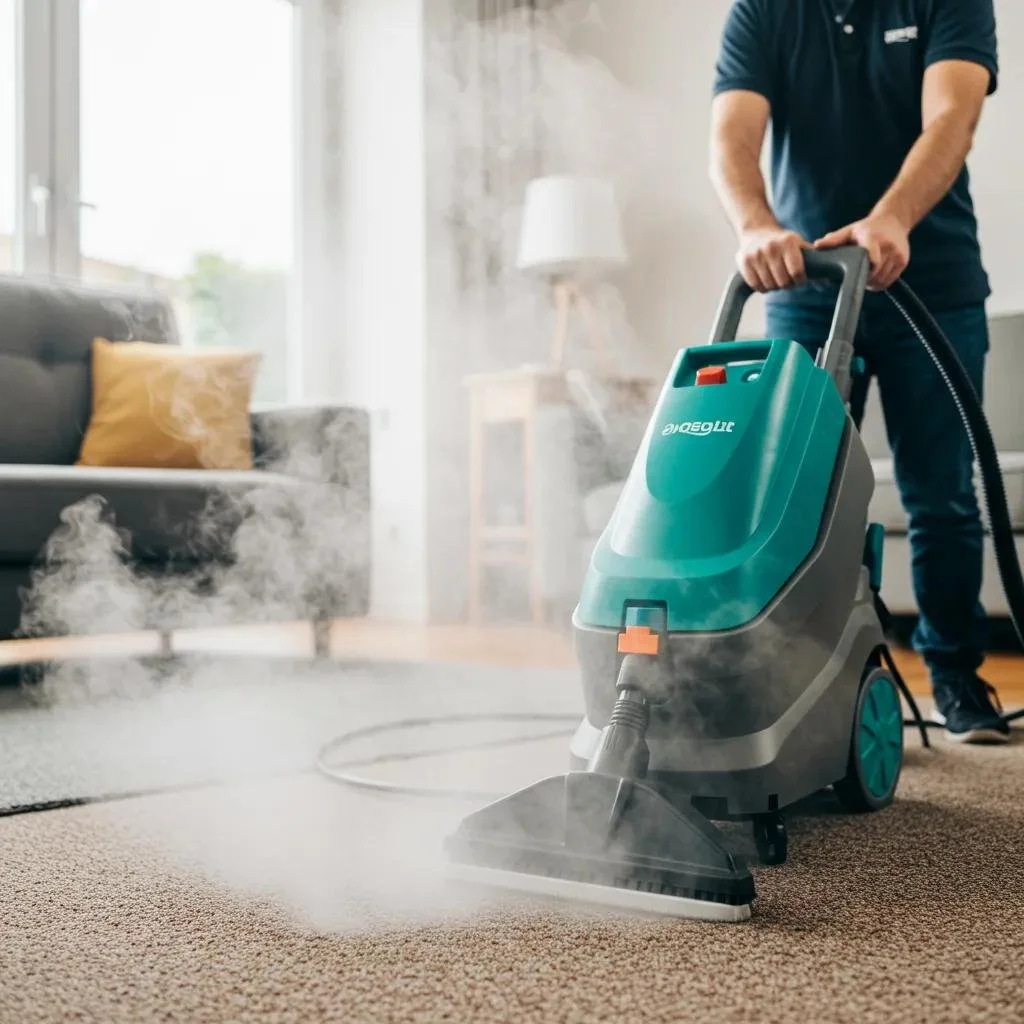
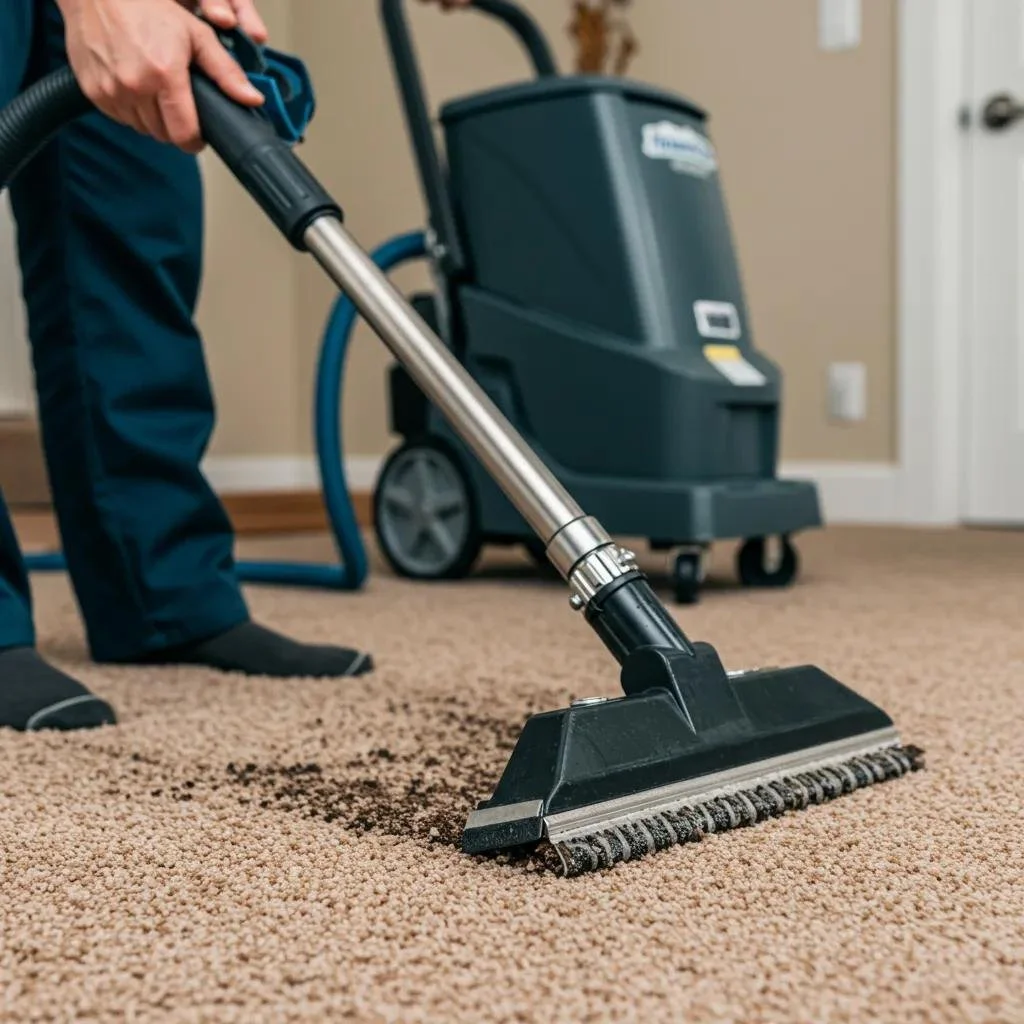
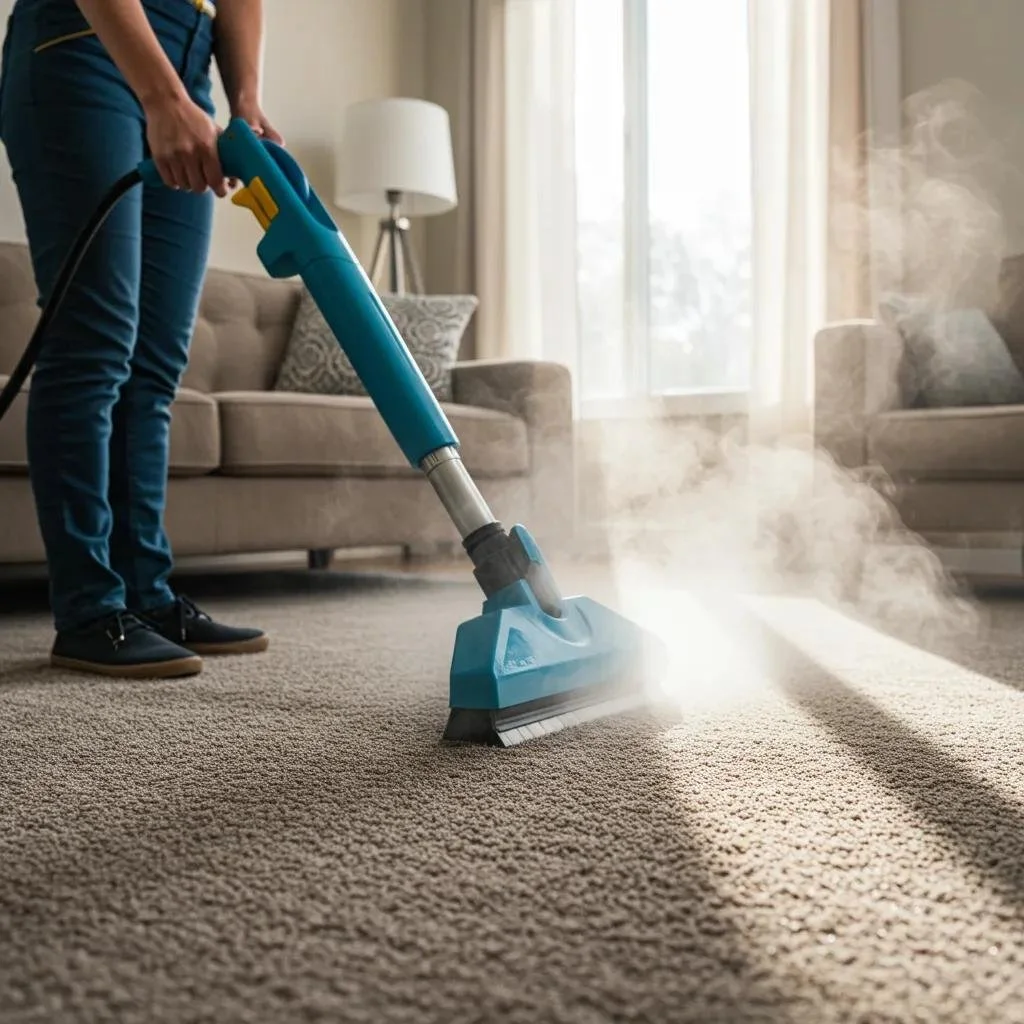
Steam carpet cleaning, commonly called hot water extraction, is a method that applies hot water and detergents under pressure into the carpet pile and then extracts the solution with high–vacuum equipment, removing loosened soils and allergens. The mechanism is straightforward: heat and surfactants emulsify oils and suspend dirt; mechanical agitation breaks soil bonds; and powerful extraction removes suspended particles and cleaning solution, leaving less residue than detergent–only approaches. Professional applications also include pre–inspection, targeted pre–treatment of stains, and post–cleaning grooming to restore pile, which together produce faster drying and better visual outcomes than many consumer methods. Understanding the equipment differences—truck–mounted units versus portable extractors—and the role of trained technicians clarifies why method and operator matter more than just the word “steam.”

What Is Hot Water Extraction in Carpet Cleaning?

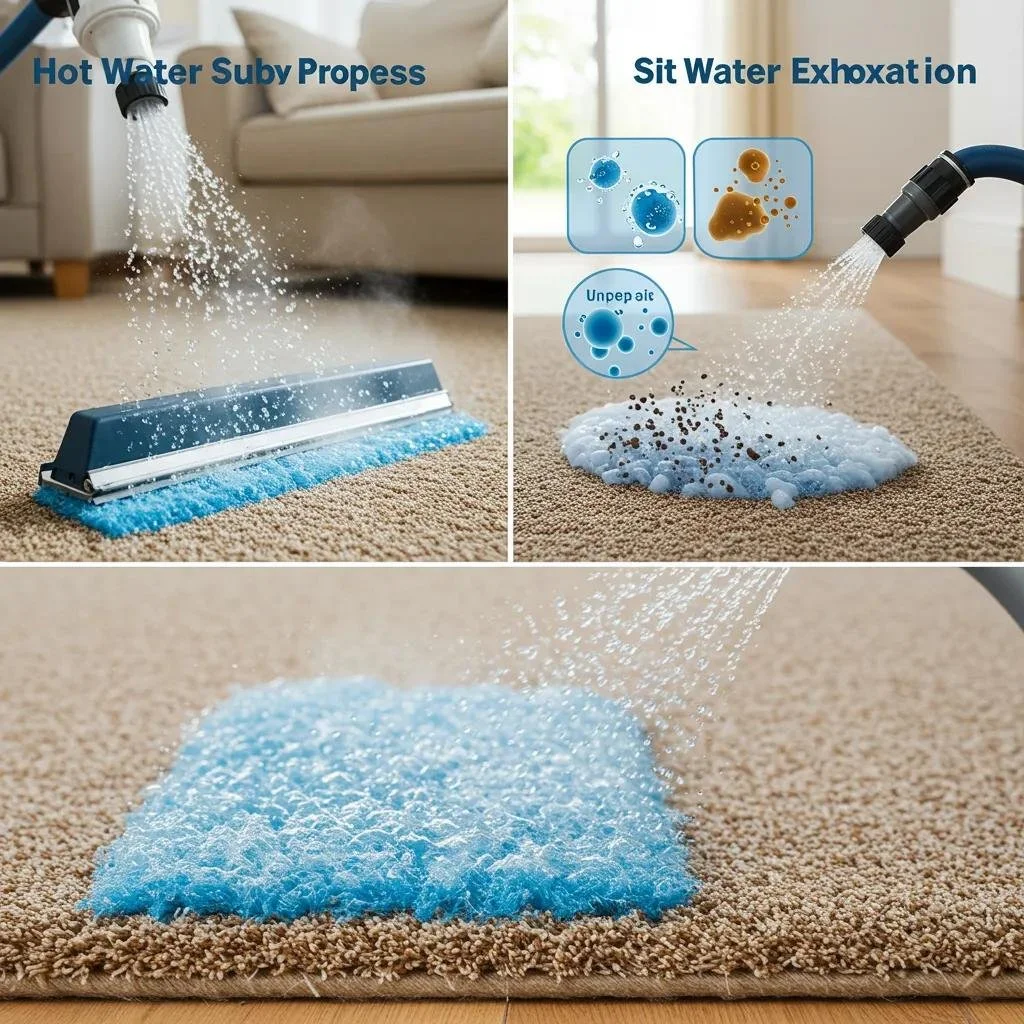
Hot water extraction uses hot, pressurized water combined with cleaning agents and immediate mechanical extraction to pull contaminants out of carpet fibers rather than pushing them deeper. Temperatures and pressures are controlled to maximize soil removal while protecting fiber integrity; detergents emulsify oily soils and enzymes target organic residues like pet stains. The term “steam cleaning” is often used colloquially even though the process primarily uses liquid hot water rather than dry vapor; this distinction matters when following manufacturer recommendations for specific fiber types. Knowing this difference helps consumers choose the right service and avoid confusion between vapor steam systems and hot water extraction machines.

Hot Water Extraction: The Science of Effective Carpet Soil Removal

Properly applied hot water extraction (HWE) is a method for the removal of soil. The process involves spraying the carpet with a cleaning solution and then extracting the solution and loosened soil with a powerful vacuum.

The Science of Carpet Cleaning, 2004

How Does the Professional Steam Cleaning Process Remove Dirt and Allergens?

The professional process removes dirt and allergens through a sequence of actions that work together to lift, suspend, and remove particles from carpet fibers. First, technicians perform a visual inspection and spot–treat stains, then apply an appropriate pre–treatment to break down soils and oils; next, mechanical agitation or grooming assists penetration into the pile while hot water loosens embedded contaminants. High–flow extraction vacuums then remove the water, surfactants, and suspended particles, which reduces the trapped allergen reservoirs that vacuuming alone cannot reach. This combined approach is particularly effective for reducing pet dander, dust mites, and common allergenic particles that accumulate in the carpet backing and pile.

Allergen Removal from Carpets Using Hot Water Extraction

Hot water extraction (HWE) may be appropriate for dealing with soiled carpets, particularly in removing allergens. Studies show that HWE can efficiently extract allergens from carpet fibers, although effectiveness can vary with carpet wear.

Influence of wear, pile height, and cleaning method on removal of mite allergen from carpet, 2004

What Advanced Equipment and Certifications Ensure Quality Steam Cleaning?

Professional outcomes improve when operators use high–efficiency, truck–mounted extraction units or industrial portable extractors with strong vacuum lift and heated rinse cycles, plus drying tools like HEPA–rated air movers for faster drying. Truck–mounted systems generally deliver higher flow and suction, increasing extraction efficiency, while portable units offer access and flexibility for tight spaces; both require trained technicians who understand settings and chemical choices. Certifications from industry bodies demonstrate adherence to standards and training: certified technicians follow protocols that reduce over–wetting and residue risks while achieving deeper soil removal. Recognizing equipment and certification indicators helps consumers select services that prioritize both efficacy and fiber safety.

What Are the Key Benefits of Professional Steam Carpet Cleaning?

Professional steam cleaning provides deep removal of soils and stains, measurable allergen reduction, restoration of appearance, and reduced long–term wear by removing abrasive particles that degrade fibers. By combining heat, chemistry, agitation, and extraction, hot water extraction recovers trapped dust, pet dander, and many microbes that contribute to poor indoor air quality, while rinsing away residues that attract soil if left behind. The method also supports stain remediation—particularly for beverage and organic stains—when technicians use targeted pre–treatments and enzyme solutions. Finally, efficient extraction and drying reduce mold and mildew risk from excess moisture and help carpets retain color and pile resilience longer than surface cleaning alone.

Different benefits and their measurable effects are summarized below to compare outcomes and set expectations.

Benefit Area What Steam Cleaning Does Typical Outcome
Allergen reduction Removes embedded dust, pet dander, and mites via extraction Noticeable decrease in settled allergen reservoirs
Stain and soil removal Emulsifies and extracts oils, beverage, and organic stains Improved appearance and reduced visible soiling
Carpet longevity Removes abrasive particles that cause fiber wear Slower pile breakdown and color fading
Indoor air quality Reduces particulate reservoirs that re–enter air Fewer airborne allergens after agitation/vacuuming

This table shows that steam cleaning addresses both surface and subsurface problems, yielding tangible benefits for health, aesthetics, and lifespan when executed properly.

After reviewing benefits, it helps to see the core outcomes as a concise list to guide decision–making.

  1. Deep cleans beyond vacuuming to remove embedded soils and allergens.

  2. Rinses away cleaning agents and suspended particles to minimize residue.

  3. Restores carpet pile and color with appropriate grooming and protection.

  4. Reduces long–term wear by eliminating abrasive sand and grit from fibers.

These benefits make hot water extraction a preferred choice for households concerned about allergens, pet odors, or high traffic wear. In the next section, we compare steam cleaning with other common methods to highlight the operational differences and practical trade–offs. Additionally, for readers in the Austin area seeking trusted providers, local certified technicians translate these technical benefits into consistent results.

How Does Steam Cleaning Compare to Other Carpet Cleaning Methods?

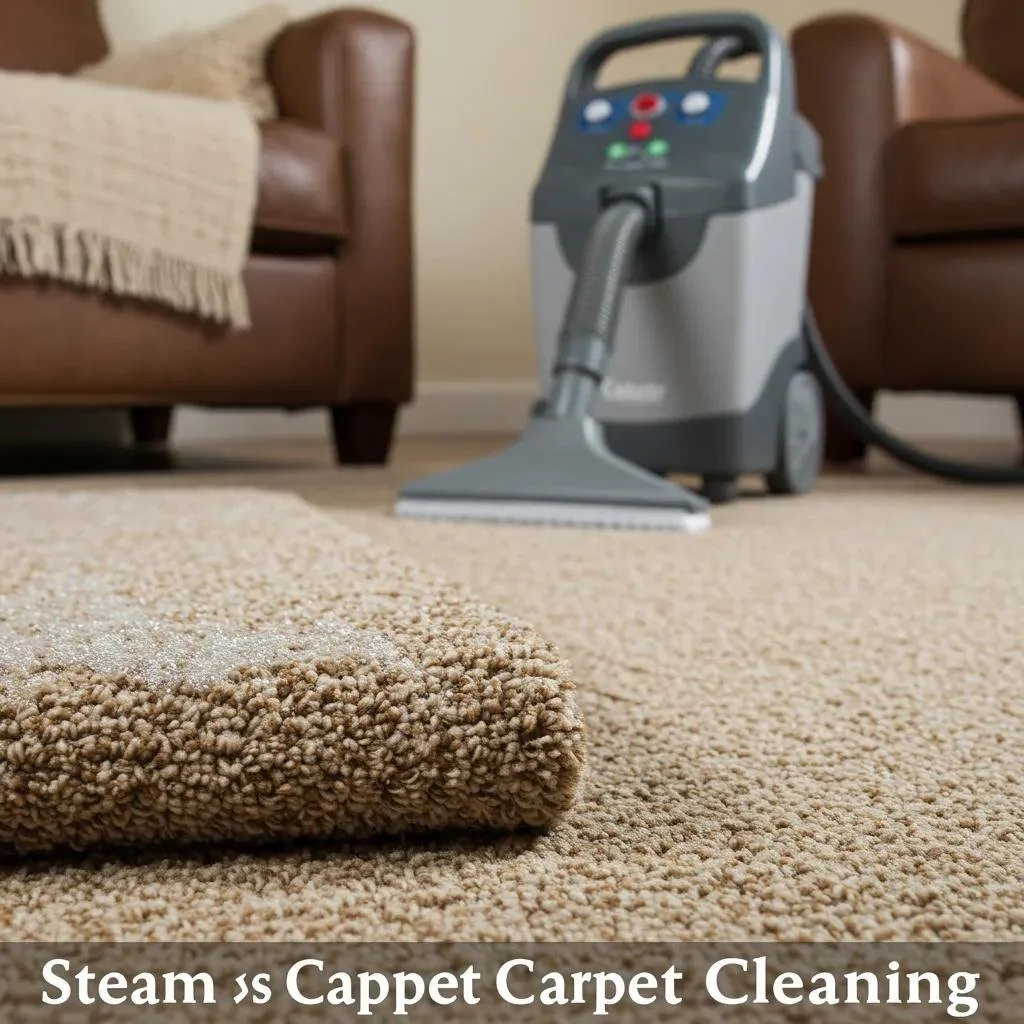
Hot water extraction generally outperforms shampooing and many dry–cleaning systems on deep soil removal and residue avoidance because it rinses and extracts contaminants rather than coating fibers with detergents. Shampooing can be effective for cosmetic surface cleaning but often leaves sticky residues that re–attract soil, shortening the interval between services; dry encapsulation methods promise quick turnarounds but may not penetrate heavy, oily soils or allergen reservoirs. Manufacturer guidance and industry standards typically favor hot water extraction for deep cleaning and warranty compliance, though certain delicate natural fibers require alternative approaches. The decision balance depends on soil type, downtime tolerance, and manufacturer recommendations.

Method Residue Risk Drying Time Deep Soil Removal Manufacturer Recommended
Hot Water Extraction Low 2–12 hours (with air movers) High Often recommended
Shampooing Medium–High 12+ hours Medium Sometimes discouraged
Dry/Capsule Cleaning Low <2 hours Low–Medium Selective use for quick service

This comparison highlights practical trade–offs: extraction minimizes residue and achieves deeper cleaning at the cost of slightly longer drying, while dry methods favor speed but not depth.

Key contrasts are easier to scan in a short list for consumers choosing a method:

  • Hot water extraction: best for deep cleaning, allergen reduction, and manufacturer compliance.

  • Shampooing: useful for surface refresh but higher residue risk unless thoroughly rinsed.

  • Dry/encapsulation: fast drying and minimal downtime but limited for heavy or oily soils.

Having compared methods, the article now turns to local provider selection and how professional service in Austin and Central Texas leverages certifications and guarantees to deliver these technical advantages reliably.

Why Choose Professional Steam Cleaning Services in Austin by The Steam Team?

Choosing a professional service means selecting technicians who combine the right equipment with standardized practices, certifications, and local knowledge to translate theoretical benefits into predictable outcomes. In Austin and surrounding Central Texas, a provider that lists certifications and recognized trust signals indicates standardized training and adherence to industry protocols; those qualifications map to better stain outcomes, lower residue risk, and effective drying. Local service logistics—familiarity with regional soil types, pet prevalence, and common indoor air concerns—also contributes to more accurate pre–treatment choices and efficient scheduling. A strong service guarantee and emergency restoration availability further reduce customer risk when deep cleaning or water–related restoration is necessary.

Company Credential What It Means Customer Benefit
IICRC–certified technicians Technicians trained to industry standards Consistent cleaning protocols, reduced fiber damage
NADCA certification Duct and air system standards for air quality Better integrated IAQ–focused cleaning approaches
A+ BBB rating Recognized business practices and complaint handling Greater customer confidence and dispute resolution
Local service guarantee Commitment to rectify issues if not satisfied Risk reduction and assurance of quality

This table translates certification and trust signals into direct customer benefits, making it easier to understand why local credentials matter when hiring steam cleaning professionals.

The Steam Team provides local expertise and service coverage across Austin and Central Texas, offering both residential and commercial solutions and a stated satisfaction approach that prioritizes rectification if customers are not completely satisfied. This combination of certified technicians, IAQ–aware services, and localized knowledge helps ensure the technical advantages of hot water extraction are realized in real homes and businesses.

What Makes The Steam Team’s 42 Years of Experience Unique?

Longstanding local presence refines cleaning techniques to regional conditions—knowing how Austin soils, common carpet fiber types in area homes, and typical pet–related challenges interact with cleaning chemistry and equipment. Experienced teams calibrate pre–treatment formulas, agitation methods, and drying sequences to reduce risks like over–wetting or residue buildup that inexperienced providers may cause. Familiarity with local restoration needs also streamlines coordination in water or fire damage scenarios, helping customers return to normal faster while preserving carpet integrity. That practical, location–specific expertise converts industry best practices into reliable, site–appropriate results.

How Do Certifications and Service Guarantees Ensure Customer Satisfaction?

Certifications indicate technicians follow standardized procedures that reduce errors such as over–application of chemicals or improper extraction settings, and guarantees shift the risk away from the customer by committing to corrective action when expectations are not met. Trained technicians understand manufacturer recommendations and when to use alternative methods for delicate fibers, which protects warranties and extends carpet life. A clear satisfaction process also ensures follow–up care and provides accountability, making it simpler for customers to resolve issues without prolonged dispute. Together, certification and guarantee frameworks promote consistent outcomes and peace of mind.

Which Austin and Central Texas Areas Does The Steam Team Serve?

The Steam Team lists service coverage across Austin and nearby Central Texas communities, including Round Rock, Georgetown, Cedar Park, Leander, Buda, Kyle, Pflugerville, and Dripping Springs, enabling rapid local response for both scheduled cleaning and emergency restoration. Local routing and area familiarity reduce travel time and help technicians arrive with the right equipment and supplies for region–specific soils and common household needs. Customers in these communities benefit from technicians who understand local building materials, pet patterns, and air quality concerns, which streamlines service planning and execution.

How Does Steam Cleaning Address Specific Carpet Cleaning Needs?

Hot water extraction adapts well to targeted use cases—pets and odors, allergy mitigation, and both residential and commercial scale jobs—by varying pre–treatments, enzyme use, equipment power, and scheduling to match objectives. For pet stains, enzyme pretreatment and thorough extraction are essential to remove urine salts and organic residues; for allergy sufferers, repeated extraction combined with HEPA vacuuming and duct cleaning reduces reservoirs that feed airborne particulates. Commercial settings rely on higher–flow truck–mounted units and after–hours scheduling to minimize downtime while maintaining appearance and hygiene in high–traffic zones. These tailored protocols make steam cleaning effective across diverse scenarios.

  • Pet and odor protocols typically include enzyme pretreatment, multiple extraction passes, and follow–up odor neutralization where needed.

  • Allergy–focused services emphasize HEPA vacuuming, extraction of allergen reservoirs, and coordination with air duct cleaning when IAQ concerns are present.

  • Commercial cleaning leverages high–flow equipment, scheduled maintenance plans, and traffic–lane treatments to preserve appearance with minimal disruption.

These targeted approaches reflect how hot water extraction is more than a single technique—it is a suite of practices adjusted to meet specific cleaning objectives.

How Effective Is Steam Cleaning for Pet Stain and Odor Removal?

Steam cleaning is highly effective for many pet stains when technicians use enzyme pretreatments to break down organic residues and then extract the soluble components thoroughly; this two–step approach reduces both visible staining and odor–causing residues. Deeply set urine that has wicked into padding or subflooring may require additional treatments or repeat visits, and technicians can identify when remediation beyond carpet cleaning is necessary. Follow–up care—such as advising on spot cleaning and protective treatments—helps prevent recurrence and maintain outcomes. In most household cases, hot water extraction substantially reduces both stain visibility and persistent odors.

Why Is Steam Cleaning Ideal for Allergy and Asthma Sufferers?

For allergy and asthma sufferers, hot water extraction reduces allergen reservoirs in carpet fibers by mechanically removing dust mites, pollen, and pet dander that vacuuming often leaves behind, thereby lowering the pool of particles that can become airborne. When combined with pre–clean HEPA vacuuming and optional air duct attention, the net effect on indoor air quality can be significant, reducing triggers in sensitized individuals. Recommended service cadence for symptomatic households is more frequent cleaning aligned with occupancy and pet activity to maintain lower allergen levels. This targeted scheduling plus extraction delivers the greatest health–related benefit from carpet cleaning.

What Are the Advantages of Commercial vs. Residential Steam Carpet Cleaning?

Commercial steam cleaning uses higher–capacity equipment, coordinated scheduling, and maintenance contracts to handle larger areas, heavier soil loads, and operational constraints; this scale enables faster turnaround and deeper extraction rates suited to retail, office, and hospitality environments. Residential services emphasize careful spot treatment, fiber–safe chemistries, and aesthetic restoration, prioritizing pile grooming and minimal intrusion. Businesses benefit from after–hours or weekend scheduling to reduce disruption and from maintenance plans that spread costs while preserving appearance. Choosing the right operational approach ensures appropriate equipment, staffing, and timing for each environment.

What Are the Most Common Questions About Steam Carpet Cleaning?

People commonly ask whether steam cleaning is safe for all carpets, how long drying takes, whether it kills mold and bacteria, potential disadvantages, and how to schedule service; concise answers help with purchase decisions and featured snippet visibility. Below are focused responses that summarize practical expectations and guide consumers toward informed choices.

Is Steam Cleaning Good for All Types of Carpets?

Steam cleaning suits most synthetic carpets and many blends because hot water extraction rinses rather than leaving residues, but some natural fibers like certain wools and delicate constructions require testing or alternative methods to prevent shrinkage or color change. Always check manufacturer tags and warranty recommendations before scheduling a full cleaning, perform a discreet patch test when in doubt, and consult certified technicians for fibers that need specialized care. When in question, professionals can recommend safe approaches that preserve both appearance and warranty compliance.

How Long Does It Take for Carpets to Dry After Steam Cleaning?

Typical drying times range from about 2 to 12 hours depending on factors like extraction efficiency, ambient humidity, airflow, and use of drying equipment; truck–mounted systems with high vacuum lift plus air movers usually produce faster drying. Opening windows, using fans, and running HVAC with dehumidification all shorten drying duration, while cooler, more humid conditions lengthen it. Technicians can advise on expected drying times during pre–service planning and deploy HEPA–rated air movers when quick turnaround is needed for occupancy or commercial operations.

Does Steam Cleaning Kill Mold and Bacteria in Carpets?

Extraction reduces microbial load on carpet fibers by removing organic food sources and physically extracting microbes, and sanitizers can lower surface microbial counts, but visible or structural mold growth often requires remediation beyond carpet cleaning of the affected areas. If mold is suspected in padding, subflooring, or within building structures, professional remediation protocols are necessary to address sources and prevent recurrence. For surface–level microbial concerns, extraction plus appropriate sanitization reduces risk and improves indoor hygiene.

Hot Water Extraction for Decontaminating Carpets from Fungal Spores

Carpets cleaned with one hot water extraction technique had significantly fewer viable M. canis hairs and spores than untreated carpets. Removal of debris prior to carpet shampooing is a consistent recommendation for effective cleaning.

Decontamination of carpet exposed to Microsporum canis hairs and spores, 2017

Are There Any Disadvantages to Steam Cleaning Carpets?

Potential disadvantages include risk of over–wetting or improper chemical selection by inexperienced providers, which can leave residues or prolong drying times, and slight downtime while carpets dry; however, certified technicians using the right extraction settings and drying equipment mitigate these risks. Some delicate natural fibers may be sensitive to high temperatures or aggressive agitation, so adherence to manufacturer guidance is essential. Overall, proper technique and training vastly reduce the disadvantages while maximizing long–term benefits.

How Can I Schedule Professional Steam Carpet Cleaning in Austin?

To schedule service, prepare basic details about the job—area square footage, high–traffic zones, pet presence, and any known stains—so the provider can estimate equipment needs and time; expect a service representative to confirm scheduling availability and clarify pre–appointment preparation. For local service in Austin and surrounding Central Texas, authorized providers list service areas and contact methods for quotes and appointment requests; when immediate restoration is required for water or fire damage, emergency availability and a stated satisfaction guarantee provide additional reassurance. Provide clear access instructions and communicate any fiber or warranty concerns ahead of the visit to ensure technicians arrive with the correct supplies and treatments.

  1. Gather job details: room sizes, fiber types, stains, and pets.

  2. Request a quote or time window from the provider with this information.

  3. Confirm pre–service instructions and expected drying times.

  4. Schedule follow–up if specialized odor or restoration work is needed.

This sequence helps ensure accurate estimates and efficient service delivery, aligning technical requirements with customer expectations.

Frequently Asked Questions

What should I do to prepare my home for steam cleaning?

Preparing your home for steam cleaning involves several steps to ensure the process goes smoothly. First, clear the area of any furniture, toys, or personal items to provide unobstructed access to the carpets. Vacuum the carpets thoroughly to remove loose dirt and debris. If there are any specific stains or problem areas, make a note of them for the technician. Additionally, ensure that pets are secured in a separate area to avoid any distractions during the cleaning process.

How often should I schedule professional steam cleaning?

The frequency of professional steam cleaning depends on several factors, including foot traffic, pets, and allergies. Generally, it is recommended to have carpets professionally cleaned every 6 to 12 months. Households with pets or allergy sufferers may benefit from more frequent cleanings, such as every 3 to 6 months, to effectively manage allergens and odors. Regular maintenance helps prolong the life of your carpets and keeps them looking their best.

Can steam cleaning help with carpet mold issues?

Steam cleaning can assist in reducing surface mold and mildew on carpets by extracting moisture and organic material that supports mold growth. However, if mold has penetrated the carpet padding or subfloor, professional remediation may be necessary. It's essential to address the source of moisture to prevent mold from returning. If you suspect significant mold issues, consult with a professional who can assess the situation and recommend appropriate actions beyond steam cleaning.

What types of stains are most effectively removed by steam cleaning?

Steam cleaning is particularly effective for removing a variety of stains, including those from food, beverages, and pet accidents. The combination of heat, pressure, and specialized detergents helps to emulsify and extract stubborn stains, including organic materials like urine and feces. For the best results, technicians often apply targeted pre-treatments to break down tough stains before the steam cleaning process. This method can significantly improve the appearance of carpets and eliminate lingering odors.

Is there a risk of damage to carpets during steam cleaning?

When performed by trained professionals, steam cleaning poses minimal risk to carpets. However, improper techniques or equipment settings can lead to issues such as over-wetting or damage to delicate fibers. It's crucial to hire certified technicians who understand the specific requirements of different carpet types. They will follow manufacturer guidelines and use appropriate cleaning solutions to ensure the integrity of your carpets is maintained throughout the cleaning process.

What is the difference between steam cleaning and dry cleaning for carpets?

Steam cleaning, or hot water extraction, uses hot water and detergents to deeply clean carpets, effectively removing dirt, allergens, and stains. In contrast, dry cleaning employs a minimal amount of moisture and relies on chemical solvents to clean carpets. While dry cleaning offers quick drying times, it may not achieve the same level of deep cleaning as steam cleaning. For heavily soiled carpets or those with significant allergens, steam cleaning is generally the preferred method.

How can I maintain my carpets after steam cleaning?

To maintain your carpets after steam cleaning, consider implementing a regular vacuuming schedule to remove surface dirt and debris. Use doormats at entry points to minimize dirt tracked into your home. Address spills and stains promptly with appropriate cleaning solutions to prevent them from setting. Additionally, consider scheduling professional cleanings every 6 to 12 months to keep your carpets in optimal condition and prolong their lifespan. Regular maintenance will help preserve the appearance and hygiene of your carpets.

Conclusion

Professional steam cleaning offers unparalleled benefits, including deep soil and allergen removal, enhanced indoor air quality, and prolonged carpet lifespan. By utilizing advanced techniques and equipment, this method effectively addresses stubborn stains and odors, ensuring a cleaner and healthier living environment. For those in Austin and Central Texas, choosing certified professionals guarantees reliable results tailored to your specific needs. Schedule your steam cleaning service today to experience the transformative effects of hot water extraction.

The Benefits of Hiring Carpet Cleaning Experts

The Benefits of Hiring Carpet Cleaning Experts for Health, Longevity, and Quality in Austin

Professional carpet cleaning uses industry-standard extraction methods and targeted treatments to remove deep-seated soil and allergens, improving indoor air quality, preserving carpet fibers, and restoring appearance. This article explains how certified techniques like hot water extraction work, why they matter for allergy and asthma sufferers in Austin's humid climate, and how professional maintenance delays costly replacement. Readers will learn which contaminants professionals remove, how cleaning frequency affects warranties and longevity, and when stain and odor issues require expert remediation. The guide also compares professional services to DIY approaches, outlines commercial benefits for local businesses, and explains mold-prevention strategies tailored to Central Texas conditions. Practical scheduling advice and a clear path to request service conclude the piece, equipping homeowners and facility managers with actionable steps to protect health, aesthetics, and investment.

How Does Professional Carpet Cleaning Improve Indoor Air Quality and Health?

Professional carpet cleaning improves indoor air quality by extracting embedded allergens and pollutants that ordinary vacuuming cannot remove, reducing exposure pathways for occupants. The mechanism is deep hot water extraction combined with agitation and high-capacity removal equipment that pulls dust mites, pollen, pet dander, and mold spores from fiber cores, resulting in measurable reductions in airborne particulate when followed by proper drying. Cleaner carpets lower allergen reservoirs and reduce resuspension during foot traffic, which directly benefits occupants with respiratory sensitivities. Understanding which contaminants are removed helps homeowners set realistic expectations for symptom improvement and guides decisions about cleaning frequency.

What Allergens and Pollutants Do Experts Remove from Carpets?

Carpets act as reservoirs for several allergen classes that embed into fibers and padding, and professionals focus on extracting the most harmful types. Technicians target dust mites and their fecal proteins, pollen that settles indoors during Austin's high pollen seasons, pet dander and associated proteins, mold and mildew spores that accumulate in humid conditions, and bacteria and particulate soot from indoor combustion. These contaminants bind to soil and oils and settle below the fiber tips, where vacuuming cannot reach, so extraction is required for significant removal. A practical way to visualize this is as layered contamination: loose dust on the surface, then embedded particles in the pile, and finally soil in the backing—professionals address all three layers. The next section explores how these reductions translate into symptom relief for allergy and asthma sufferers.

How Does Carpet Cleaning Help Allergy and Asthma Sufferers in Austin?

Removing embedded allergens reduces the reservoir that releases particles during daily activity, lowering the frequency and intensity of exposure for sensitive individuals. For households in Austin, where pollen peaks and humidity can elevate indoor allergen loads, regular professional extraction can reduce allergen counts enough to lessen coughing, sneezing, and nighttime symptoms when combined with other controls. Practical expectations are realistic: many occupants report noticeable symptom relief after a deep clean, especially when followed by mattress and upholstery maintenance and improved ventilation. To maximize benefit, allergy-prone homes should pair extraction with HEPA-filter vacuuming between professional services.

Why Is Hot Water Extraction the Best Method for Healthier Carpets?

Hot water extraction, often called steam cleaning, uses high-temperature water injected under pressure into carpet fibers followed by powerful simultaneous extraction to remove dislodged soil and allergens. This method dissolves oils and suspends particulate so extraction equipment can remove contaminants rather than leaving residue behind, which reduces re-soiling and microbial growth risk. Compared to dry-cleaning powders or lightweight rental machines, professional hot water extraction uses truck-mounted or high-capacity units with greater vacuum lift and heat control, producing deeper results and shorter re-soiling cycles. Proper drying after extraction is essential to prevent moisture-related issues and to ensure the air quality gains are preserved.

How Can Hiring Carpet Cleaning Experts Extend the Lifespan of Your Carpet?

Professional cleaning extends carpet lifespan by removing abrasive soils and oils that mechanically break down fibers over time, preserving pile resilience and color. The core mechanism is reducing soil-induced abrasion at the fiber level: loose grit acts like sandpaper underfoot, and routine deep extraction prevents progressive fiber shortening and matting. Professionals use appropriate detergents, pH-balanced pre-sprays, and controlled mechanical action to lift soil without damaging fibers, while documentation of professional service can support manufacturer warranty claims. Below is a concise mapping of common maintenance actions to their measurable benefits for carpet longevity.

Maintenance Action Measured Effect Benefit
Regular hot water extraction Reduces embedded soil and abrasive particles Preserves fiber integrity and pile height
Soil-protective treatments (encapsulation/protectants) Lowers re-soiling rate Extends time between deep cleans
Timely spot treatment and grooming Prevents set-in stains and pile crushing Maintains appearance and color uniformity

What Causes Carpet Wear and Tear That Professionals Prevent?

Carpet wear stems from abrasive soil, repeated foot traffic concentrating stress in lanes, chemical damage from improper cleaning, and set-in stains that attract further soil. Professionals prevent these by removing trapped grit before it abrades fibers, using agitation that lifts soil rather than abrading, and selecting cleaners matched to fiber and dye compatibility to avoid chemical degradation. Regular maintenance also corrects early signs of pile flattening through grooming and rotation recommendations. Homeowners can further reduce wear with entry mats, defined walkways, and routine spot care between professional visits to distribute load and reduce direct stress.

How Often Should You Schedule Professional Carpet Cleaning to Protect Your Investment?

Frequency depends on usage patterns: for typical single-family homes, schedule professional cleaning every 6 to 12 months; homes with children or pets benefit from cleaning every 3 to 6 months, while high-traffic commercial settings often require monthly to quarterly maintenance. These ranges align with industry guidance emphasizing traffic and soil load as primary drivers of interval selection, and professionals will tailor schedules based on visual soil assessment and occupant sensitivity. Consistent scheduling prevents cumulative soil damage, reduces the need for aggressive restorative cleaning, and supports warranty requirements when manufacturer clauses demand professional servicing. Establishing a cleaning cadence also simplifies budgeting and helps maintain consistent appearance over the carpet's expected service life.

How Does Expert Cleaning Maintain Carpet Warranties and Appearance?

Many carpet warranties stipulate professional cleaning at defined intervals and proper documentation to remain valid; professionals provide service reports that include method notes and dates to support these clauses. Expert technicians use manufacturer-recommended chemistries and documented processes that comply with warranty terms, avoiding harsh treatments that can void coverage. Maintaining appearance also relies on preventive steps like spot treatment, fiber grooming, and applying protectants that slow soiling. Keeping records of professional service and following manufacturer care instructions together preserves warranty protections and ensures the carpet retains both function and value.

What Are the Key Advantages of Expert Carpet Stain and Odor Removal?

Expert stain and odor removal targets the source rather than masking symptoms, using detection, chemical selection, and extraction to remove chromophores and odor-causing molecules. The professional process begins with detection and testing to identify fiber type and stain chemistry, followed by targeted enzymatic or oxidizing treatments and powerful extraction to remove residues. This approach improves the chances of permanent stain reduction and prevents lingering odors that affect indoor air quality and occupant comfort. Below is a practical table aligning common stain and odor types with professional methods and expected outcomes.

Stain/Odor Type Professional Method Expected Outcome/Timeframe
Pet urine Detection, enzymatic treatment, extraction, possible sub-surface decontamination Significant odor reduction; repeat visits may be needed for chronic cases
Wine/coffee pH-balanced pre-treatment, agitation, hot water extraction Color lift and stain removal within a single service for recent spills
Grease/oil Solvent-based spotter followed by extraction Removal of oil residues; may require targeted follow-up for set-in stains

How Do Professionals Effectively Remove Tough Stains and Pet Odors?

Professionals follow a stepwise workflow: inspect and test fiber and stain, pre-treat with chemistry matched to the contaminant, agitate to lift compounds from fibers, and extract thoroughly to remove residue. For pet odors, enzymatic cleaners break down organic molecules while deep extraction removes the byproducts; in some cases, sub-surface cleaning of the pad or backing is required to fully resolve chronic odors. Real-world expectations should include the possibility of multiple treatments for long-standing or biologically active contaminants, and technicians advise on preventative strategies like immediate blotting and pet-training solutions to avoid recurrence. Proper follow-up and spot maintenance help sustain results between services.

Why Is Professional Deodorizing Important for a Fresh Home or Business?

Professional deodorizing targets odor sources with methods such as enzymatic degradation, oxidation, and substrate extraction rather than relying on masking fragrances that temporarily conceal smells. Removing odor-causing molecules improves perceived indoor air quality, reduces occupant discomfort, and prevents re-soiling patterns where smells attract additional contamination. For businesses, dependable odor control supports customer perception and reduces complaints, while for homes it enhances living comfort and sleep quality. Choosing a deodorizing plan that addresses the root cause ensures longer-term freshness and reduces the need for repeated masking products.

What Are the Benefits of Using Eco-Friendly Carpet Cleaning Solutions?

Eco-friendly chemistries emphasize low-toxicity surfactants, reduced VOCs, and biodegradable formulations, offering safety advantages for children, pets, and occupants sensitive to chemicals. When selected appropriately, green products can deliver comparable soil removal for many routine soils while minimizing environmental and health impacts; however, stubborn or industrial-grade contaminants sometimes require stronger formulations applied by professionals who control dilution and neutralization. Communicating eco-options at booking allows technicians to plan methods that balance efficacy and safety. Overall, eco-friendly choices provide a safer baseline for routine maintenance while preserving performance when used in an informed, targeted manner.

Why Choose Professional Carpet Cleaning Services in Austin Over DIY Methods?

Professional services outperform DIY approaches in extraction power, process control, and long-term cost-effectiveness, delivering deeper cleaning and faster drying that reduce mold risk and re-soiling. The main advantages rest on three pillars: equipment capacity (truck-mounted or professional-grade units achieve higher vacuum lift and heat), technician expertise (testing, chemistry selection, and process control), and documented service that supports warranties and facility maintenance programs. Below is a practical comparison of common DIY machines versus professional services across objective attributes to guide decision-making.

Approach Characteristic Impact
Rental/home machines Lower vacuum lift, limited heat, higher residual moisture Increased drying time and potential residue
Professional truck-mounted High vacuum lift, controlled temperature, rapid extraction Deeper soil removal and shorter downtime
In-house portable pro units Balanced performance for tight spaces Better than rentals but requires trained operators

What Are the Limitations of DIY Carpet Cleaning Machines?

DIY rental machines and consumer units commonly suffer from insufficient extraction power, inadequate heat, and poor soil suspension chemistry, leading to detergent residue and slower drying times. Residual moisture and surfactant films attract soil more quickly, causing faster re-soiling and potential microbial growth in humid climates. A typical rental attempt may remove surface spots but leave deeper contaminants in place, necessitating more frequent treatments. If homeowners must DIY, using minimal detergent, multiple rinses, and thorough ventilation reduces harm while scheduling periodic professional extraction addresses embedded soil.

How Do Certified Technicians Deliver Superior Results and Time Savings?

Certified technicians apply training-backed protocols—such as fiber identification, appropriate pH selection, and controlled agitation—to optimize soil removal while protecting dyes and backing materials. Certifications signal that technicians follow standards for process control, which reduces trial-and-error and unnecessary chemical use, translating to shorter job times and consistent outcomes. Higher-capacity extraction systems paired with trained operators achieve faster dry times and more complete removal, minimizing the total downtime for residences and businesses. Proper technician selection thus yields both performance and operational efficiencies.

What Are the Long-Term Cost Benefits of Hiring Experts vs. DIY?

Although DIY may appear cheaper per session, repeated ineffective cleanings accelerate fiber wear, risk warranty voidance, and increase replacement frequency—raising long-term costs. A simple ROI comparison shows periodic professional extraction that preserves carpet life by several years can offset higher upfront service costs through deferred replacement and reduced emergency treatments. Businesses also benefit from lower disruption and better customer impressions, which translate into measurable revenue protection in high-visibility sectors. Investing in periodic professional care is therefore an asset-preservation strategy rather than a discretionary expense.

How Does Commercial Carpet Cleaning Benefit Austin Businesses?

Commercial carpet cleaning supports brand image, occupant health, and facility longevity by maintaining visual standards and reducing allergen loads in high-traffic environments. Clean carpets project professionalism in lobbies and sales floors, decrease the frequency of customer complaints tied to cleanliness, and protect flooring investments through scheduled maintenance. From an operations perspective, planned cleaning reduces unplanned downtime and extends replacement cycles, which helps budget forecasting. The next subsections explain the image, health, and sector-specific advantages in more detail.

How Do Clean Carpets Enhance Business Image and Client Perception?

Clean carpets directly influence first impressions; customers often equate floor cleanliness with overall quality and attention to detail, affecting trust and repeat business. In hospitality and retail, visible cleanliness supports brand standards and raises perceived value, while in offices it signals care for the workspace and employee well-being. Routine cleaning of high-visibility areas like lobbies and meeting rooms creates consistent experiences that bolster reputation. Scheduling visible-area maintenance ahead of peak customer times maximizes impression benefits while minimizing disruption.

What Are the Health and Morale Benefits for Employees?

Reducing allergen and dust loads in commercial carpets lowers triggers that contribute to absenteeism and decreased productivity, particularly in enclosed office environments. Cleaner workspaces also improve perceived comfort, which supports morale and retention efforts; employees are likelier to value employers who invest in a healthy environment. Employers should schedule cleanings during low-occupancy hours and communicate plans to staff to minimize interruption while demonstrating a commitment to workplace wellness. These operational choices create measurable improvements in comfort and performance.

Which Austin Business Sectors Gain the Most from Expert Carpet Cleaning?

Sectors with high foot traffic and strict cleanliness expectations benefit most: hospitality (hotels and restaurants) gains guest satisfaction, healthcare benefits from reduced contaminants and infection-control support, retail preserves product presentation and floor safety, and corporate offices maintain professional environments that aid recruitment. Frequency varies by sector, with hospitality and healthcare typically requiring more frequent cycles than low-traffic corporate spaces. Tailoring cleaning programs to sector needs ensures cost-effective operations while protecting brand and compliance requirements.

How Does Professional Carpet Cleaning Prevent Mold Growth in Austin's Humid Climate?

Yes — professional cleaning prevents mold when executed with proper extraction, drying, and moisture control, which are critical in Austin's humid climate. Mold growth in carpets occurs when moisture remains after cleaning or from chronic dampness, allowing spores to colonize fibers and backing. Professionals mitigate this by measuring moisture, using appropriate extraction and air-moving equipment, and applying mold-inhibiting treatments when necessary. Early detection, prompt treatment, and correct drying procedures are the most effective defenses against mold-related carpet degradation and indoor air quality decline.

Why Is Mold Prevention Critical for Carpet Health and Indoor Air Quality?

Mold spores in carpets can release allergens and microbial volatile organic compounds that degrade indoor air quality and provoke respiratory symptoms in sensitive individuals. Structurally, mold colonization weakens backing adhesives and breaks down fiber binders, accelerating material failure and odor development. Preventing mold protects both occupant health and the physical integrity of flooring, reducing the need for costly remediation. Recognizing early signs and addressing moisture sources is essential to avoid escalation to full remediation.

How Do Experts Use Cleaning Techniques to Inhibit Mold and Mildew?

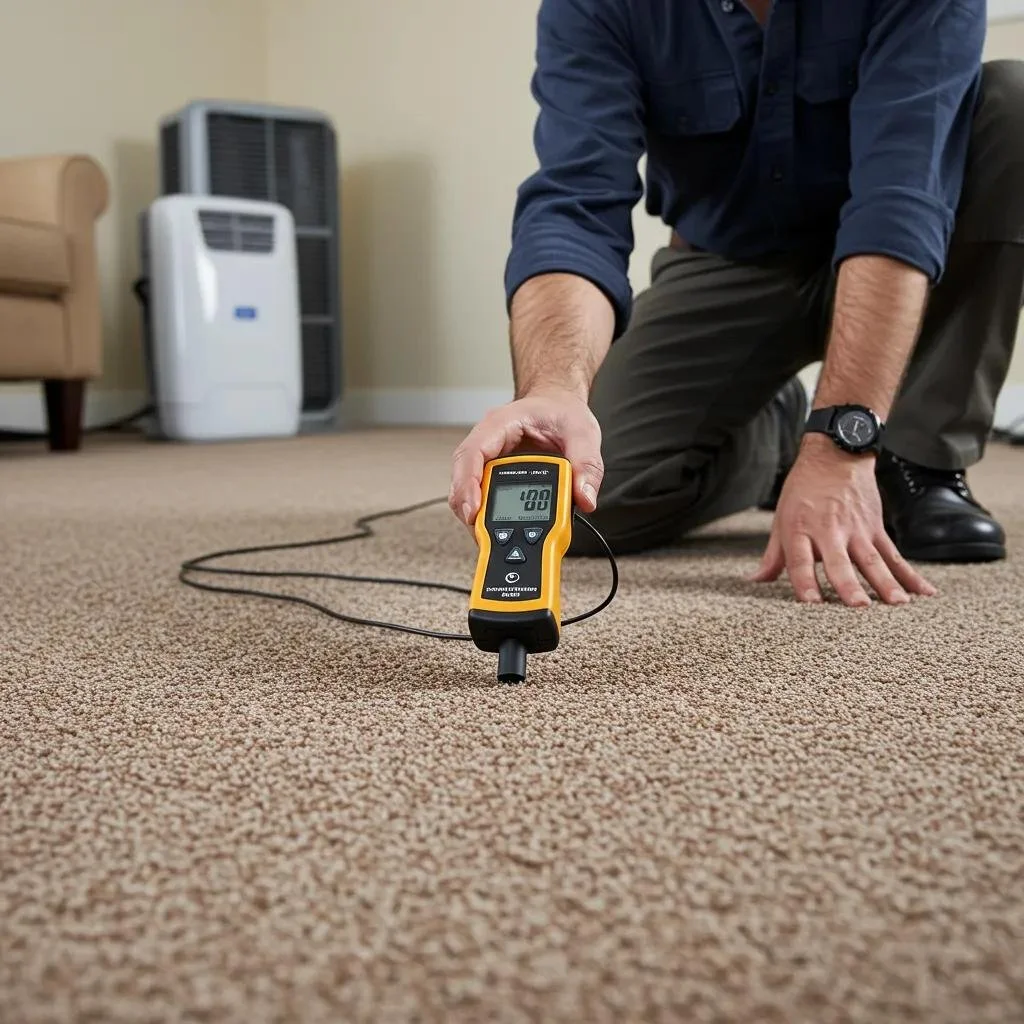
Experts follow a protocol: assess moisture levels with meters, perform deep extraction to remove nutrient sources, apply controlled air movement and dehumidification to achieve rapid drying, and use targeted antimicrobial treatments when appropriate. Equipment such as high-capacity extractors, air movers, and moisture monitors enables technicians to document drying endpoints and avoid leaving residual dampness that fosters mold. Follow-up monitoring ensures conditions remain dry and supports decisions about further remediation if needed. These steps together limit the environmental window where mold can establish.

What Are the Signs of Mold in Carpets That Require Professional Attention?

Signs that demand professional attention include persistent musty odors that return after cleaning, visible discoloration or fuzzy growth on fibers, recurring allergic reactions among occupants, and damp or discolored carpet backing when lifted. Hidden indicators include localized soft spots in padding, elevated moisture readings, and staining that spreads despite surface cleaning. When these signs appear, immediate assessment and controlled remediation prevent broader contamination and structural damage. Interim homeowner actions like ventilating and restricting foot traffic reduce spread until professionals can address the issue.

What Should Austin Homeowners and Businesses Know About Scheduling Professional Carpet Cleaning?

Scheduling professional carpet cleaning requires matching frequency to property use, accounting for Austin's seasonal allergen cycles and humidity, and preparing documentation for warranties or insurance needs. Choosing times with lower ambient humidity improves drying outcomes, while scheduling before or after high-pollen periods can reduce indoor allergen loads. Below are clear guidelines for different property types and a simple step-by-step to request service from The Steam Team using only provided contact channels.

How Often Should Different Types of Properties Schedule Cleaning?

Different property types require different intervals: single-family homes typically every 6–12 months, homes with pets or children every 3–6 months, apartments and rental turnovers at least between leases, and commercial high-traffic areas monthly to quarterly. These ranges adjust for factors such as smoking, indoor cooking, and event hosting, which increase soil load. Regular scheduling aligned with observed soiling patterns prevents accelerated fiber wear and maintains appearance. Documenting service dates supports warranty terms and helps facility managers plan replacements.

What Are the Best Times of Year for Carpet Cleaning in Central Texas?

Optimal timing considers pollen seasons and humidity cycles: schedule deep cleaning after major pollen peaks to remove settled allergens, and prefer cooler, drier months when possible to speed drying times. Avoid scheduling heavy extraction during peak summer humidity unless dehumidification and drying equipment are planned, since slower drying increases mold risk. For allergy-focused cleanings, timing ahead of seasonal flare-ups provides symptom relief through the high-exposure period. Planning around these environmental windows improves effectiveness and reduces follow-up needs.

How Can You Request a Quote or Schedule Expert Carpet Cleaning with The Steam Team?

To request a quote or schedule service with The Steam Team, follow these straightforward steps to ensure an accurate estimate and prompt booking. First, prepare key details: approximate square footage, number of rooms, primary issues (stains, pet odor, mold concerns), and preferred timing. Second, call The Steam Team at 512-451-8326 to speak with a scheduling representative who can advise on service options and availability. Third, visit The Steam Team online to view service descriptions and confirm any preparatory steps; be ready to provide photos or notes if asked for an accurate quote. Finally, request documentation of the scheduled service for warranty and record-keeping purposes to support future maintenance decisions.

  1. Gather property details: square footage, problem areas, occupancy factors.

  2. Call 512-451-8326 for an initial consultation and scheduling.

  3. Share photos or descriptions if available to expedite an accurate quote.

  4. Prepare documentation: keep the service confirmation for warranty records and future maintenance planning.

  5. Follow technician guidance on pre-visit preparations to maximize cleaning efficacy.

  6. Schedule regular intervals based on the recommended cadence to protect investment and health.

Frequently Asked Questions

What should I look for when choosing a carpet cleaning service?

When selecting a carpet cleaning service, consider their certifications, experience, and customer reviews. Look for companies that use industry-standard methods, such as hot water extraction, and inquire about their cleaning products to ensure they are safe and effective. Additionally, check if they provide a detailed service plan and transparent pricing. A reputable company should also offer guarantees for their work and be willing to provide references or testimonials from previous clients.

Can professional carpet cleaning help with pet-related issues?

Yes, professional carpet cleaning is particularly beneficial for pet owners. Experts can effectively remove pet stains and odors using specialized techniques and products designed to break down organic matter. They can also address underlying issues, such as pet dander and allergens, which can contribute to respiratory problems. Regular professional cleaning helps maintain a fresh and healthy environment, reducing the likelihood of lingering odors and stains that can occur with pets.

How can I prepare my home for a professional carpet cleaning?

To prepare for a professional carpet cleaning, clear the area of any furniture, personal items, and obstacles that may hinder access to the carpets. Vacuum the carpets beforehand to remove loose dirt and debris. If there are specific stains or problem areas, make a note of them to discuss with the technician. Additionally, ensure that there is adequate ventilation in the space and that pets are secured away from the cleaning area to facilitate a smooth process.

What is the drying time after professional carpet cleaning?

Drying time after professional carpet cleaning can vary based on several factors, including humidity levels, air circulation, and the cleaning method used. Typically, carpets can take anywhere from 2 to 24 hours to dry completely. Hot water extraction methods, when performed correctly, can reduce drying time significantly. To expedite the process, ensure good ventilation and consider using fans or dehumidifiers to help circulate air and remove moisture more quickly.

Are eco-friendly carpet cleaning solutions effective?

Yes, eco-friendly carpet cleaning solutions can be highly effective for routine cleaning and maintenance. These products are designed to minimize environmental impact while still delivering strong cleaning results. They often use low-toxicity ingredients that are safe for children and pets. However, for tougher stains or heavy soiling, professionals may need to use stronger formulations. Communicating your preference for eco-friendly options when scheduling can help technicians select the best products for your needs.

What are the signs that my carpets need professional cleaning?

Signs that your carpets may need professional cleaning include visible stains, persistent odors, and a general dingy appearance despite regular vacuuming. If you notice increased allergy symptoms among household members or if the carpet feels matted or compressed, it’s time for a deep clean. Additionally, if your carpets have not been professionally cleaned in over six months, it’s advisable to schedule a service to maintain their appearance and longevity.

How can I maintain my carpets between professional cleanings?

To maintain your carpets between professional cleanings, regularly vacuum to remove surface dirt and debris, focusing on high-traffic areas. Address spills immediately by blotting with a clean cloth and using appropriate spot cleaners. Consider using area rugs in high-traffic zones to protect the carpet underneath. Additionally, implementing a no-shoes policy can help reduce soil accumulation. Regularly rotating furniture can also prevent uneven wear and prolong the life of your carpets.

Conclusion

Hiring professional carpet cleaning experts in Austin significantly enhances indoor air quality, prolongs carpet lifespan, and ensures a healthier living environment. By effectively removing allergens and contaminants, these services not only improve comfort but also protect your investment in flooring. Regular maintenance is essential for preserving both appearance and functionality, making it a wise choice for homeowners and businesses alike. Schedule your carpet cleaning with The Steam Team today to experience the benefits firsthand.

Discover the Best Carpet Cleaning Methods: Dry or Steam?

Dry Cleaning vs Steam Cleaning for Carpets: The Ultimate Comparison Guide for Homeowners and Businesses

Choosing the right carpet cleaning method impacts indoor air quality, drying time, stain removal, and how long your carpets look and perform. This guide explains how steam cleaning (hot water extraction) and dry cleaning (low–moisture methods like encapsulation, powder, and foam) work, compares performance across the most important decision factors, and provides actionable, local guidance for Austin homeowners and businesses. Many property owners struggle with balancing deep cleaning needs against downtime, pet odors, and Austin’s seasonal humidity; this article gives clear criteria and a checklist to match method to situation. You’ll get step–by–step explanations of each process, side–by–side comparisons for drying time, stain removal, cost and eco–impact, and a decision framework tailored for Austin/Central Texas conditions. Practical aftercare tips, frequently asked questions optimized for quick answers, and a factual summary of The Steam Team’s local capabilities appear where they best support your decision. Read on to learn the mechanisms, benefits, limitations, and exactly when to choose steam, dry, or a hybrid approach for residential and commercial settings.

What Is Steam Carpet Cleaning and How Does Hot Water Extraction Work?

Steam carpet cleaning, commonly called hot water extraction, uses heated water, cleaning solution, agitation, and powerful suction to remove embedded soils and contaminants from carpet fibers. The process begins with a pre–spray to loosen soil, followed by hot water injection and agitation that emulsifies grease and suspends particles, then high–pressure extraction removes the solution and dislodged contaminants, leaving fibers cleaner and sanitized. This combination of heat, detergent chemistry, and extraction suction targets deep–seated soils, allergens, and many types of stains, producing a deeper clean than surface techniques. Understanding these mechanics clarifies why steam cleaning is often recommended for allergy reduction and heavy soil scenarios and sets up decisions about drying strategies in humid climates.

What Are the Key Benefits of Steam Carpet Cleaning?

Steam cleaning delivers a deep, extraction–based clean that removes embedded soils, dust mite allergens, and many kinds of odor–causing residues from carpet systems. The heat and extraction process sanitizes fibers and lifts soil that vacuums and surface methods cannot, improving indoor air quality and restoring pile texture. Many property owners choose steam when they need long–term soil removal, allergy relief, or preparation for restoration work after water intrusion. Recognizing its deep–clean advantage leads naturally to a discussion of its tradeoffs, especially drying time and precautions for delicate fibers.

Steam cleaning offers several primary advantages:

  1. Deep extraction: Removes embedded soils and allergens.

  2. Sanitization: Heat and detergents reduce biological contaminants.

  3. Stain and odor improvement: Effective on many fresh and set stains.

These benefits explain why steam is the preferred choice when deep cleaning and allergen reduction are priorities, and they set up the need to consider drying time and fiber suitability next.

Intro to the process details and typical equipment follows so you can weigh benefits against operational constraints.

Method Component Characteristic Typical Role
Pre–spray / Pretreatment Alkaline or targeted enzymes Loosens grease, protein, and dye soils for extraction
Hot water injection 120°F–210°F (device dependent) Dissolves and emulsifies soils, aids sanitization
Extraction suction High vacuum / flow rate Removes suspended soils, cleaning solution, and moisture

This breakdown shows how temperature, chemistry, and suction work together to achieve a deep clean. The next section examines drying times and practical mitigations for humidity.

What Are the Drawbacks and Drying Times of Steam Cleaning?

Steam cleaning’s main tradeoff is moisture: carpets typically require several hours to dry — commonly 6 to 24 hours — depending on humidity, airflow, and padding condition, which raises mildew and downtime concerns in high–humidity conditions. Overwetting or improper technique can cause backing delamination or fiber distortion on delicate constructions, so operator skill and calibrated equipment are essential to avoid damage. Professionals mitigate drying time with air movers, dehumidifiers, and HVAC circulation; planning around local conditions is crucial in places with summer humidity. Considering these limitations points directly to situations where low–moisture methods or hybrid approaches may be more practical.

Which Carpet Types Are Best Suited for Steam Cleaning?

Synthetic fibers such as nylon and polyester generally tolerate hot water extraction well and benefit most from its deep–clean capability, while wool and natural fibers demand lower temperatures, specific detergents, and careful operator controls to avoid shrinkage or color bleeding. Loop–pile commercial carpets with olefin backing may risk overwetting and could require alternative approaches or spot steam only; backing and pad condition influence whether extraction is safe. Antique or fragile rugs often need specialized cleaning outside standard steam protocols, so assessment before treatment is essential. Understanding fiber response prepares you to choose an appropriate method for your carpet’s material and construction.

What Is Dry Carpet Cleaning and What Are Its Main Methods?

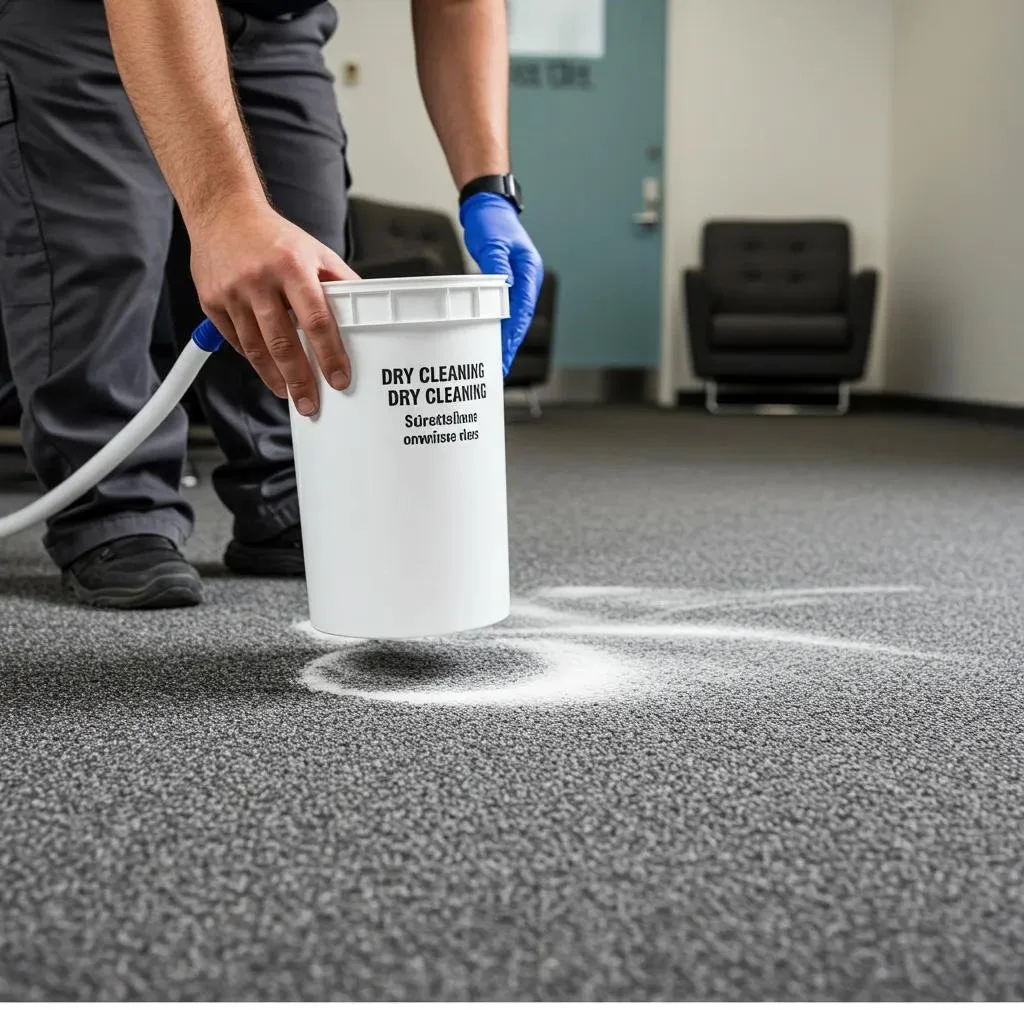
Dry carpet cleaning refers to low–moisture, often chemistry–driven techniques that clean without saturating fibers, using encapsulation polymers, absorbent powders, or controlled–moisture foams combined with mechanical agitation and vacuum recovery. These methods trap or absorb soil at or near the fiber surface, allowing rapid vacuum removal and minimal drying time. Dry methods excel where quick turnaround, reduced mold risk, or delicate fiber handling is required, but their soil–removal depth differs mechanistically from extraction. The following subsections break down the main low–moisture approaches and their tradeoffs so you can match method to traffic, fiber, and scheduling needs.

Intro to method distinctions leads into a concise comparative EAV table for practical planning.

Method Primary Mechanism Typical Drying Time
Encapsulation Synthetic polymers crystallize around soil < 1–2 hours
Powder / Dry Compound Absorbent particles bind oils/soil, vacuumed < 1–2 hours
Foam Low–moisture surfactant foam + agitation 1–4 hours

This table clarifies why dry options are preferred for rapid turnaround and low humidity risk, which segues into their operational advantages next.

How Do Encapsulation, Powder, and Foam Dry Cleaning Methods Differ?

Encapsulation uses water–soluble polymers that trap soil into brittle crystals removed by vacuuming, making it fast for light to moderate soils. Powder or absorbent compounds physically absorb oily soils and are spread and agitated then vacuumed, useful for spot treatment or routine maintenance. Foam methods use a controlled, low–moisture foam that lifts soils with brush agitation and vacuum recovery, bridging between encapsulation and more aggressive extraction. Each method balances dwell time, mechanical agitation, and vacuum recovery differently, helping determine the best choice for traffic level and fiber type.

What Are the Advantages of Dry Carpet Cleaning?

Low–moisture techniques provide rapid drying, reduced downtime, and lower mold risk because minimal water is introduced to the carpet system. These methods are gentler on vulnerable backings and natural fibers, and they’re practical for commercial settings that require quick turnaround between shifts or short rental turnovers. Reduced moisture also simplifies scheduling in humid climates, though operators must manage residues and ensure thorough vacuuming. Appreciating these advantages helps frame when to favor dry methods over steam, particularly for operational constraints.

  • Dry cleaning minimizes downtime and moisture exposure.

  • It reduces mold and mildew risk in humid environments.

  • It is gentler on certain backings and delicate fibers.

These operational benefits make dry cleaning attractive for time–sensitive jobs and lead into the chemical and effectiveness limitations discussed next.

What Are the Limitations and Chemical Considerations of Dry Cleaning?

Dry methods often struggle to remove deep–embedded soils, oily or gummy residues, and heavily set stains, because they rely on surface encapsulation or absorption rather than extraction. Chemical residues from encapsulation polymers or powders can attract soil over time if vacuuming is incomplete, so high–quality follow–up vacuuming and low–VOC formulations matter for indoor air quality. Ask providers about product safety data and biodegradable, low–VOC options to balance performance and environmental health. Examining these limitations sets up the need for a direct comparison across key decision factors.

How Do Dry Cleaning and Steam Cleaning Compare: Key Factors Explained

A practical comparison across drying time, depth of clean, stain removal, cost, eco–impact, and allergy/odor control makes method selection evidence–based and tailored to actual needs. Steam cleaning typically offers the deepest extraction and allergen removal but requires longer drying and greater water/energy use, while dry methods enable fast turnaround with lower moisture risk but may leave residues and struggle on heavy soils. Below is a concise comparison table that highlights the core tradeoffs to support quick decision–making.

Method Drying Time Deep Clean / Stain Removal Environmental / Cost Notes
Steam (Hot Water Extraction) 6–24 hours High — extracts embedded soils and allergens Higher water/energy use; fewer synthetic residues
Dry (Encapsulation/Powder/Foam) <1–4 hours Moderate — good for light soils and maintenance Lower water use; chemical residues possible
Hybrid / Spot Steam Variable Targeted deep cleaning with lower overall moisture Combines advantages for mixed constraints

This comparison shows the practical tradeoffs and prepares you to examine specific criteria like drying time and allergen control in the next subsections.

How Do Drying Times Differ Between Dry and Steam Cleaning?

Drying time is a decisive operational factor: low–moisture dry systems usually dry within oneto four hours, enabling rapid reopening of spaces, while steam cleaning commonly requires six to 24 hours to reach safe foot traffic conditions depending on humidity and airflow. Techniques to accelerate drying after extraction include using high–capacity air movers, running HVAC systems with dehumidification, and improving ventilation; these measures significantly shorten the high–moisture window. In Austin’s humid months, planning around cooler, drier periods or using dehumidification is critical to avoid extended drying and mildew risk. Faster drying needs often push commercial operators toward dry methods unless deep extraction is necessary.

Which Method Provides a Deeper Clean and Better Stain Removal?

Mechanistically, steam cleaning removes soils by dissolving and extracting them with heated water and high vacuum, which is especially effective on water–soluble soils, biological stains, and deeply embedded grit. Dry methods trap or absorb surface soils and can be effective for routine maintenance and some spot stains but generally underperform on set–in, oil–based, or protein stains without specialized pretreatment. Pre–treatment chemistry, agitation, and operator technique influence outcomes across both methods, so combining targeted spot steam with low–moisture maintenance often yields the best balance. The next section explains how costs and eco–considerations play into method selection.

How Do Cost and Eco–Friendliness Compare Between the Two Methods?

Cost drivers include labor time, equipment, chemical use, and drying mitigation tools: steam cleaning often requires more labor per job and specialized extractors plus drying equipment, which can raise price for deep clean jobs, while dry cleaning typically reduces onsite time and equipment set–up. Environmentally, steam uses more water and energy but can rely on fewer synthetic residues, whereas dry methods conserve water but may use synthetic encapsulants or powders; choosing low–VOC and biodegradable formulations reduces health and environmental impact. Budget and green priorities should be weighed against soil level and desired performance when selecting a method, which leads to allergy and odor removal considerations next.

Which Method Is Better for Allergy and Odor Removal?

For allergy mitigation and removal of dust mites, pollen, and embedded allergens, steam extraction generally performs better because heat and suction remove particles from deep within the pile rather than just immobilizing them on the surface. Odor control often relies on targeted enzymatic or oxidizing treatments regardless of base method; biological odors from pet urine usually require enzyme treatments followed by extraction for best results. Dry methods can reduce surface allergens quickly but may leave residues that continue to trap fine particles, so follow–up HEPA vacuuming and proper chemical selection are important. These considerations point to fiber type as the next decisive factor.

How Does Carpet Type Influence the Choice Between Dry and Steam Cleaning?

Carpet fiber and backing construction guide safe method choice: wool and natural fibers demand gentler detergents and lower temperatures to avoid fiber damage, synthetics like nylon benefit from extraction, and commercial loop pile or olefin may favor low–moisture approaches to prevent backing saturation. Backing condition and pad age also affect whether steam is safe or likely to cause delamination, so pre–inspection is essential. Understanding material constraints helps create a tailored plan—either steam, dry, or a hybrid—based on fiber response and usage patterns, and that assessment is precisely the kind of on–site evaluation experienced providers perform.

The Steam Team applies these criteria when recommending a method, assessing soil level, fiber type, drying constraints, and indoor air concerns to select steam, dry, or hybrid treatments. For Austin homeowners and businesses seeking an on–site assessment, The Steam Team can evaluate conditions and recommend the optimal cleaning approach; contact via phone at 512–451–8326 to request a quote or schedule an inspection. This local, criteria–based approach ensures method selection matches both cleaning objectives and operational needs.

How to Choose the Best Carpet Cleaning Method for Your Home or Business in Austin, Texas

Choosing the right method requires balancing local climate, pet and allergy concerns, downtime tolerance, and carpet construction; a simple checklist helps make an evidence–based choice. Austin’s seasonal humidity increases drying risk for steam cleaning in summer months, so factor timing and dehumidification into scheduling. Commercial operators often prioritize fast turnaround while homeowners may accept longer drying for a deeper clean; hybrid approaches allow targeted extraction for problem areas and low–moisture maintenance elsewhere. The following decision checklist converts these considerations into practical actions you can use before booking a professional service.

Use this checklist to decide or prepare for an on–site assessment:

  1. Identify fiber type: Wool/natural requires gentler care; synthetics often accept extraction.

  2. Assess soil level: Heavy, embedded soils favor steam extraction; light soils favor dry methods.

  3. Consider downtime needs: If space must reopen in hours, choose low–moisture methods.

  4. Check for pets/allergens: Deep allergen issues typically need extraction plus enzyme treatments.

  5. Factor local humidity: High humidity months increase drying time—plan dehumidification.

This checklist helps you select a method or present clear information to a professional during an assessment, and a brief local note follows to explain how expert providers implement these criteria.

For on–site assessments in Austin and Central Texas, The Steam Team evaluates humidity, fiber type, soil level, and operational constraints to recommend steam, dry, or hybrid treatments and can schedule service or provide a quote by phone at 512–451–8326. Local expertise in seasonal drying behavior and restoration workflows enables providers to plan dehumidification or hybrid approaches when needed.

What Local Climate and Environmental Factors Affect Carpet Cleaning Choices?

Austin’s hot summers and variable humidity increase drying times for extraction methods, making scheduling and drying mitigation essential to prevent mildew and backing damage. Cooler, drier months present better windows for full extraction, while summer jobs often require air movers and dehumidifiers to reduce the moisture window. Indoor HVAC operation, ventilation pathways, and occupancy during cleaning also affect drying speed; plan jobs during low–traffic periods when HVAC can run at higher circulation. Recognizing seasonal patterns ensures you choose a method and schedule that avoids extended dampness and potential secondary issues.

How Do Pet Stains, Odors, and Allergies Influence Method Selection?

Pet urine and biological stains typically require enzyme–based pretreatment and extraction to fully remove urine salts, proteins, and odor–causing residues; extraction after enzymatic action flushes residues from the pile and backing. Dry methods can reduce surface odor quickly but may leave urine salts that continue to odor over time, so for recurrent pet issues extraction is often recommended. Allergy sufferers benefit from extraction because it removes deep allergens, while follow–up HEPA vacuuming and air filtration improve indoor air quality further. These specifics determine when to choose steam plus enzymes versus low–moisture maintenance.

What Are the Drying Time Needs for Residential vs Commercial Spaces?

Residential clients often accept longer drying windows (6–24 hours) for a deeper extraction that thoroughly removes soils and allergens, while commercial spaces frequently require reopening within hours and therefore favor low–moisture methods or staged hybrid approaches. For businesses with limited downtime, plan low–moisture maintenance for peak hours and schedule extraction during off–hours with dehumidification support. Combining spot steam on high–traffic areas with encapsulation for general areas is a practical compromise that meets cleanliness goals while minimizing operational disruption. These scheduling strategies lead directly to the checklist for final decision–making.

How Can You Use a Decision Checklist to Pick the Right Method?

A final scannable decision flow simplifies selection: if heavy soils/allergies → choose steam extraction; if rapid turnover/delicate fibers → choose dry methods; if mixed constraints → request hybrid assessment. When in doubt, prioritize an on–site professional inspection to evaluate backing condition, pad saturation risk, and ambient humidity. Document fiber type, visible soils, odors, and required reopening time before the appointment to get an accurate recommendation and quote. This checklist empowers clear decisions and transitions naturally into understanding provider capabilities and validation.

What Makes The Steam Team’s Carpet Cleaning Services Stand Out in Austin?

The Steam Team is an Austin, Texas–based cleaning and restoration company founded in 1983 with deep local experience across carpet cleaning, water and fire damage restoration, mold remediation, upholstery and rug cleaning, and air duct cleaning. Their validated capabilities include IICRC–certified technicians, NADCA certification for air duct work, 24/7 emergency response, and preferred–vendor relationships with several major insurance carriers in the region, all supported by a customer satisfaction guarantee. These credentials and service types support the method–selection criteria described earlier, giving property owners confidence that technical choices are matched to material and site conditions. For prompt scheduling or to request a quote, contact The Steam Team at 512–451–8326.

How Do IICRC Certifications and Industry Awards Ensure Quality?

IICRC certification indicates technicians have industry–standard training in cleaning and restoration protocols, which reduces the risk of improper technique like overwetting or incorrect chemical use. Local awards and an A+ BBB rating referenced in company validation reflect community recognition and a commitment to customer service, supporting trust in method selection and follow–through. Certifications and recognized standards help ensure that cleaning recommendations are evidence–based and tailored to fiber and site conditions rather than one–size–fits–all. These quality signals lead into equipment and technique details that affect outcomes and drying time.

What Advanced Equipment and Techniques Does The Steam Team Use?

Professional outcomes depend on high–capacity extractors for deep cleaning, calibrated pre–sprays and enzymatic treatments for biological soils, and drying systems such as air movers and dehumidifiers for controlled moisture removal and faster drying. Low–moisture equipment for rapid commercial turnover and specialized rug/upholstery systems for delicate textiles round out the toolkit, ensuring method choice matches material constraints and scheduling needs. Proper equipment combined with trained operators reduces risk of damage and improves stain and allergen removal, which is why equipment description matters when comparing providers.

Equipment Category Purpose Impact on Outcome
Air movers & dehumidifiers Accelerate drying Shorter moisture window, lower mildew risk
Low–moisture systems Fast turnaround cleaning Minimal downtime for commercial operations

This table demonstrates how equipment choices align with performance goals and transition into service guarantees and customer experience.

How Does The Steam Team Guarantee Customer Satisfaction?

The Steam Team offers a clear customer satisfaction guarantee and provides 24/7 emergency services for urgent restoration needs, which helps streamline responses to water or fire events that affect carpets and indoor air quality. Their role as a preferred vendor for leading insurance carriers simplifies coordination during claims for covered restoration work, and certified technicians follow industry protocols to reduce rework. If a customer is unsatisfied, the guarantee directs follow–up actions to resolve issues promptly, reinforcing trust in recommended treatment plans. Understanding guarantee and emergency support completes the assessment of provider reliability.

Which Carpet Cleaning Methods Does The Steam Team Recommend and Why?

The Steam Team recommends steam/hot water extraction for heavy soil, allergy mitigation, and bio–based odors because extraction removes embedded contaminants and, when combined with enzymatic treatments, addresses pet urine and biological stains effectively. For delicate fibers, quick–turn commercial jobs, or situations where moisture risk is high, they recommend low–moisture or encapsulation methods and hybrid approaches to balance cleanliness with drying constraints. Their approach is to match method to material, soil profile, and operational demands—ensuring that each recommendation follows the comparison criteria explained earlier and that customers receive a clear rationale for the chosen method.

What Are the Most Common Questions About Dry vs Steam Carpet Cleaning?

This FAQ section provides concise, snippet–friendly answers to frequently asked questions about moisture, effectiveness, allergies, and eco–options to help readers get quick clarity. Each answer summarizes the core point, provides practical guidance, and directs readers to consider factors like fiber type, humidity, and downtime when choosing a method. These rapid answers support decision–making and reinforce earlier comparisons.

What Is the Main Difference Between Dry and Steam Carpet Cleaning?

The main difference is moisture level: steam (hot water extraction) uses heated water and strong suction to dissolve and extract soils, while dry methods rely on chemical encapsulation, powders, or foams with minimal moisture. Extraction generally provides a deeper clean and better allergen removal, whereas dry methods offer faster drying and lower downtime. Choose based on soil depth, fiber type, and reopening needs. Knowing this core distinction helps prioritize objectives when booking a service.

Which Carpet Cleaning Method Is Best for Allergies and Indoor Air Quality?

For allergy sufferers, hot water extraction is usually preferable because heat plus powerful vacuuming removes embedded allergens like dust mite debris and pollen from the pile and backing. Follow–up HEPA vacuuming, ventilation, and professional drying practices further improve indoor air quality after cleaning. Dry methods can reduce surface allergens quickly but may leave residues that trap fine particles, so for significant allergy concerns extraction is the recommended baseline. These tips guide both residential and commercial decisions.

Evaluating Dry Steam Cleaning for Reducing Allergens and PAHs in Carpets

Dry steam cleaning, which has gained recent attention as an effective method to reduce house dust mite (HDM) allergen concentration and loading in carpets, was evaluated in this study for its efficacy in lowering levels of polycyclic aromatichydrocarbons(PAHs) as well as HDM allergens. Fifty urban homes with wall-to-wall carpets, mostly low-income and with known lead contamination, were studied in 2003 and 2004. Two carpet-cleaning interventions were compared: Repeated HEPA (High Efficiency Particulate Air filtered) vacuuming alone and repeated HEPA vacuuming supplemented with dry steam cleaning. Vacuum samples were collected to measure carpet loading of dust and contaminants immediately before and after cleaning. Paired comparisons were conducted to evaluate the effectiveness of the cleaning protocols in reducing the levels of PAHs and HDM allergens in carpets. The results indicated that both cleaning methods substantially reduced the loading of PAHs and HDM allergens as well

Research has explored the effectiveness of various cleaning methods in reducing allergens and other contaminants from carpets.

How Long Does It Take for Carpets to Dry After Steam Cleaning?

Typical drying time after steam cleaning ranges from about 6 to 24 hours depending on ambient humidity, airflow, carpet density, and pad condition; dehumidifiers and air movers reduce this window significantly. In high humidity or poor ventilation, drying can push toward the upper end of the range unless active drying equipment is used. Plan around weather and occupancy to avoid prolonged moisture. Shorter drying needs may favor dry or hybrid approaches.

Can Dry Cleaning Remove Deep Stains as Effectively as Steam Cleaning?

Dry cleaning is generally less effective on deep–set or oil–based stains because low–moisture approaches do not flush soils from carpet backing and padding; targeted spot treatment and extraction are often required for complete removal. Some spot–treatment chemistries and specialized dry compounds can improve outcomes on moderate stains, but severe or set–in stains typically need extraction and professional pretreatment. For best results, consult a trained technician for assessment and combined treatment plans.

Are There Eco–Friendly Options in Both Dry and Steam Cleaning?

Yes—both methods offer greener options such as low–VOC encapsulants, biodegradable detergents, and minimized water use strategies; steam’s higher water use can be offset by using concentrated, low–impact chemistries, while dry methods can prioritize biodegradable powders and thorough vacuum recovery. Ask providers for product safety data and low–VOC certifications to ensure indoor air quality and environmental considerations are addressed. Selecting eco–friendly products complements the technical method choice and reduces long–term residue and IAQ concerns.

What Carpet Care Tips Help Maintain Cleanliness After Professional Cleaning?

Professional cleaning yields the best results when complemented by routine maintenance: timely vacuuming, walk–off mats, immediate spot care, and scheduled professional cleanings extend carpet life and maintain appearance. Implementing simple daily and weekly habits reduces soil accumulation and delays deep cleaning needs, while scheduled professional visits address embedded soils and restoration when needed. The tips below provide practical, actionable steps to preserve cleaning outcomes regardless of the method used.

Effective aftercare practices include the following:

  • Vacuum high–traffic areas at least twice weekly using a HEPA–style unit.

  • Place walk–off mats at entrances to reduce tracked–in soil.

  • Rotate furniture and use protective pads to avoid permanent indentations.

These basic measures prolong results and reduce cleaning frequency, which leads into recommended professional intervals and spot–care procedures next.

How Often Should You Schedule Professional Carpet Cleaning?

General recommendations: residential light–traffic areas benefit from professional cleaning every 12 months, homes with pets or allergy concerns every 6–12 months, and high–traffic commercial environments quarterly to semiannually depending on usage. Adjust frequency upward for pet households, allergy sufferers, or areas with heavy soiling and downward for lightly used zones. Consistent scheduling optimizes fiber performance and indoor air quality and informs whether to choose steam or dry services at each visit.

What Are Best Practices for Spot Cleaning Between Professional Services?

For spills, blot—don’t rub—with a clean cloth to absorb liquid, apply a manufacturer–approved spot cleaner or a mild detergent solution, and work from the outside of the stain toward the center to avoid spreading. Avoid over–wetting and always test cleaning agents in an inconspicuous area for colorfastness; escalate persistent or large bio–stains to professionals rather than attempting aggressive DIY treatments. Prompt, correct spot care reduces the likelihood of set–in stains and keeps carpets in better condition between professional cleanings.

How Can You Extend the Life of Your Carpet Regardless of Cleaning Method?

Routine vacuuming with a HEPA unit, protecting high–traffic zones with runners or mats, promptly addressing spills, rotating furniture, and scheduling periodic professional cleaning all extend carpet life and maintain appearance. Control indoor humidity and maintain HVAC filtration to reduce dust and allergen buildup, and plan deeper extraction during drier seasons when possible. These preventive measures reduce long–term fiber degradation and preserve indoor air quality, completing the circle from professional cleaning choice to everyday care.

This article has outlined mechanisms, tradeoffs, and practical steps to choose between steam and dry carpet cleaning, explained how fiber type and Austin’s climate affect method selection, and shown when to call a professional for on–site assessment and treatment. For local assistance or to request a quote and schedule a professional assessment tailored to your carpet type and scheduling needs, contact The Steam Team at 512–451–8326.

Frequently Asked Questions

What factors should I consider when choosing between steam and dry cleaning?

When deciding between steam and dry cleaning, consider factors such as the type of carpet fiber, the level of soil, drying time requirements, and any allergy concerns. Steam cleaning is ideal for deep cleaning and allergen removal, while dry cleaning is better for quick turnarounds and delicate fibers. Additionally, assess the local climate, as high humidity can affect drying times for steam cleaning. A thorough evaluation of these factors will help you select the most suitable method for your needs.

How can I prepare my home for carpet cleaning?

To prepare your home for carpet cleaning, start by removing any furniture or items from the carpeted areas. This allows the cleaning technician to access all surfaces easily. Vacuum the carpets thoroughly to remove loose dirt and debris. If you have pets, consider keeping them in a separate area during the cleaning process to minimize stress and ensure their safety. Lastly, communicate any specific stains or concerns to the cleaning professional to tailor the service to your needs.

Are there any health benefits associated with professional carpet cleaning?

Yes, professional carpet cleaning can significantly improve indoor air quality by removing allergens, dust mites, and pollutants trapped in carpet fibers. This is particularly beneficial for individuals with allergies or respiratory issues. Steam cleaning, in particular, uses heat to sanitize carpets, reducing the presence of harmful bacteria and mold. Regular cleaning also helps maintain a healthier living environment, contributing to overall well-being and comfort in your home or business.

How often should I have my carpets professionally cleaned?

The frequency of professional carpet cleaning depends on several factors, including foot traffic, the presence of pets, and allergy concerns. Generally, residential carpets in low-traffic areas should be cleaned every 12 months, while homes with pets or allergy sufferers may benefit from cleaning every 6 to 12 months. High-traffic commercial spaces often require cleaning every 3 to 6 months. Regular maintenance helps prolong the life of your carpets and keeps them looking their best.

What should I do if I have a stubborn stain on my carpet?

If you encounter a stubborn stain, it's essential to act quickly. Blot the stain gently with a clean cloth to absorb as much liquid as possible without rubbing, which can spread the stain. Use a manufacturer-approved spot cleaner or a mild detergent solution, testing it on an inconspicuous area first. For persistent stains, consider consulting a professional cleaner who can assess the situation and recommend the best treatment method to avoid damaging the carpet.

Can I use DIY methods for carpet cleaning, and are they effective?

DIY methods can be effective for minor stains and routine maintenance, but they may not provide the deep cleaning that professional services offer. Common DIY techniques include using vinegar and baking soda for spot cleaning or a mixture of water and mild detergent for general cleaning. However, improper use of cleaning agents can lead to residue buildup or damage to the carpet fibers. For significant cleaning needs or stubborn stains, professional services are recommended for optimal results.

What should I expect during a professional carpet cleaning service?

During a professional carpet cleaning service, you can expect a thorough assessment of your carpets, including fiber type and soil level. The technician will typically pre-treat stains and high-traffic areas before using the chosen cleaning method, whether steam or dry cleaning. After the cleaning process, they may use equipment to accelerate drying. The entire process usually takes a few hours, depending on the size of the area and the method used. Expect clear communication and guidance on aftercare to maintain your carpets post-cleaning.

Conclusion

Choosing the right carpet cleaning method can significantly enhance your indoor air quality, prolong the life of your carpets, and ensure a healthier environment for your family or business. Understanding the benefits and limitations of both steam and dry cleaning allows you to make an informed decision tailored to your specific needs. For personalized guidance and professional service, reach out to The Steam Team today to schedule an on-site assessment. Experience the difference that expert carpet cleaning can make in your home or business.