What Makes Professional Tile Cleaning Look “Brand New”?
/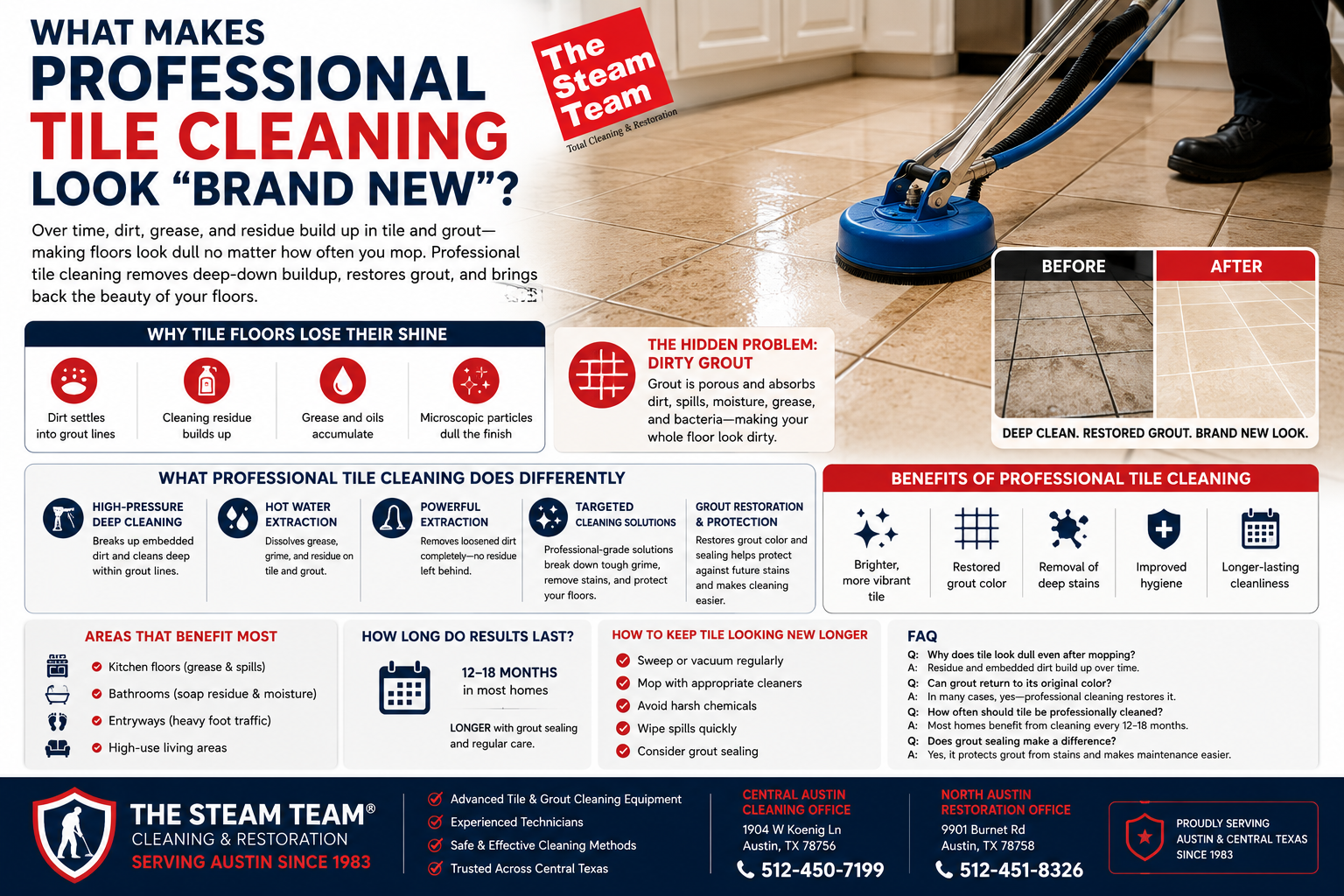
Wondering why professional tile cleaning makes floors look brand new? Learn how deep cleaning restores tile and grout in Austin homes.
Read More
Explore expert tips on water damage restoration, carpet cleaning, rug cleaning, mold remediation, and air duct cleaning in Austin, TX. Trusted local insights from The Steam Team since 1983.
Wondering why professional tile cleaning makes floors look brand new? Learn how deep cleaning restores tile and grout in Austin homes.
Read MoreTile floors are known for their durability and clean appearance, but over time, dirt and grime can build up especially in grout lines.
Read MoreMany homeowners unknowingly accelerate wear and discoloration by repeating common tile maintenance mistakes that erode glazes, weaken grout, and invite mold growth. This guide explains why those errors happen, the mechanisms behind grout and stone damage, and practical steps that extend the life and appearance of ceramic, porcelain, and natural stone tile. You will learn material-specific care for different tile types, clear do/don’t routines for spills and daily upkeep, and a neutral decision framework for when professional restoration is needed. The article maps out the most frequent errors, grout maintenance and sealing, destructive daily habits, immediate spill response, professional intervention criteria, and safe product choices, all tailored to Austin’s humidity-driven risks and local maintenance realities. Read on to reduce repair costs, prevent health risks from mold, and keep tile surfaces performing and looking their best.
Most tile cleaning mistakes stem from either using the wrong chemical on a specific tile material or applying excessive mechanical or moisture stress that compromises grout and substrate integrity. These errors cause etching on natural stone, grout erosion, staining, and the growth of mold and mildew in high-humidity environments, which shortens tile life and increases restoration costs. Identifying and stopping the most common missteps early preserves finish, reduces discoloration, and lowers the need for invasive repairs. Below is a concise list of frequent mistakes and safe alternatives to help homeowners act immediately to prevent cumulative damage.
Common tile cleaning mistakes and safer substitutes:
Using harsh acidic cleaners on stone: Acidic products etch marble and travertine; use pH-neutral stone cleaners instead.
Over-wetting floors and grout: Excess water soaks grout and underlayment, promoting mold; damp-mop and dry quickly.
Scrubbing with abrasive tools: Steel wool and harsh brushes scratch glazes; switch to microfiber or soft-bristle options.
Ignoring grout sealing: Unsealed grout soaks in stains and moisture; reseal according to manufacturer guidance.
These quick corrections, choosing the right cleaner, controlling moisture, avoiding abrasives, and sealing grout significantly reduce long-term risk. If the damage is advanced (deep etching, persistent mold, or structural grout failure), professionals can often remediate or restore surfaces, which we discuss in detail in the section on when to call a pro.
Harsh chemicals damage tiles and grout by chemically reacting with surface materials or stripping protective sealants, which accelerates wear and increases re-staining risk. For natural stone such as marble and travertine, acids and bleach can chemically etch the calcite-based surface, causing dull spots and irreversible loss of polish. On ceramic and porcelain, alkaline or acidic cleaners can discolor grout and degrade sealants, making lines porous and harder to clean. Safer alternatives include manufacturer-approved pH-neutral cleaners and labeled stone products that preserve sealants; always test cleaners in an inconspicuous area to confirm compatibility. Understanding the chemical mechanism behind damage helps homeowners choose appropriate products and prevents costly restoration needs down the line.
Research indicates that the glaze layer on ceramic materials can be significantly affected by erosive and abrasive challenges.
Ceramic Glaze Durability: Impact of Erosive and Abrasive Challenges
Effect of erosive and abrasive challenges on the glaze layer applied to ceramic materials
Excessive water penetrates grout and the thinset mortar beneath tile, increasing grout porosity, loosening adhesive bonds, and creating conditions for mold and mildew growth in the subfloor and wall cavities. Repeated soaking accelerates efflorescence and mineral deposits that appear as white, flaky residues, while trapped moisture weakens the mortar bed and can cause loose tiles over time. Practical damp-mopping techniques using minimal liquid, wringing mops thoroughly, and drying floors promptly limit water ingress and reduce biological risk. If you notice persistent dampness, musty odors, or tiles lifting, these signs indicate moisture-related damage that may require professional inspection to prevent structural deterioration.
Grout is porous and chemically sensitive, so prevention focuses on limiting penetration of soils and moisture while preserving sealants that form a protective barrier. Regular maintenance includes routine cleaning with mild, pH-neutral solutions, periodic inspection for cracks or missing grout, and resealing at manufacturer-recommended intervals to maintain resistance against staining and mold. Proper grout care reduces discoloration, eases future cleaning, and minimizes long-term repair costs by extending service life. The quick steps below summarize a practical preventative routine you can adopt for both residential and light commercial settings.
Three preventive grout maintenance steps:
Clean with pH-neutral cleaners monthly to remove surface soil without stripping sealants.
Inspect grout lines quarterly and touch up cracked or missing grout to prevent water ingress.
Reseal grout according to use and manufacturer guidance—high-traffic or wet areas need more frequent attention.
Following these steps reduces the frequency of deep cleaning and the need for replacement, and it creates a stable baseline for spotting early damage that warrants professional remediation.
Intro to grout issue decision table: The table below maps common grout problems to causes and recommended actions, helping homeowners decide whether a DIY fix suffices or a professional service is warranted. This quick reference clarifies severity thresholds and typical remedies.
Grout Problem
Likely Cause
Recommended Action
Surface discoloration
Soil buildup or superficial staining
DIY deep-clean with pH-neutral cleaner; reseal if effective
Dark, musty grout
Mold/mildew from trapped moisture
Clean with a mold-safe product; call a pro if it returns frequently
Cracked or missing grout
Movement, improper installation, or impact
Regrout or patch; call a pro for large areas or structural concerns
Powdery white residue (efflorescence)
Moisture-driven mineral salts
Dry and neutral-clean; professional moisture assessment if persistent
This table helps translate visual symptoms into practical next steps and reduces uncertainty when selecting between DIY care and professional intervention. Regular monitoring and small, timely repairs prevent escalation to more costly restoration.
Ignoring grout maintenance allows moisture and soils to penetrate, which increases the likelihood of persistent stains, mold growth, and eventual structural weakening of the grout joint and substrate. Over time, neglected grout becomes harder to clean, raising labor and remediation costs and potentially creating indoor air quality problems from biological growth in high-humidity regions. Resealing acts as a cost-effective preventive measure that extends grout life and reduces the frequency of deep cleanings. Investing modestly in sealing and timely repairs prevents both aesthetic degradation and more extensive restoration work later.
Grout discoloration results from several mechanisms: surface soil accumulation, chemical reactions with improper cleaners, biological staining from mold and mildew, and mineral deposits from efflorescence when moisture moves through substrate materials. Visual clues spotty versus uniform discoloration, presence of powdery residues, or recurring dark lines, help diagnose the cause and guide treatment choices. Preventive actions include using correct cleaners, maintaining dry conditions, sealing grout, and addressing source moisture through ventilation or repairs. When discoloration persists after targeted cleaning, professional stain removal or selective regrouting may be the most practical restoration approach.
Everyday habits that seem harmless, using a metal scouring pad, skipping daily sweeping, or mopping with dirty water, create cumulative mechanical and chemical damage that abrades finishes and embeds soil into grout pores. Mechanical damage from grit and abrasive tools scratches glazes and dulls polished stone, while neglected dirt becomes an abrasive compound that acts like sandpaper with each footstep. Replacing destructive habits with softer tools, consistent sweeping schedules, and proper mop care prevents micro-scratching and maintains tile appearance. The list below highlights the most damaging habits and immediate corrective practices to adopt at home.
Damaging cleaning habits and corrective steps:
Using steel wool or stiff wire brushes: Replace with soft-bristle brushes and non-abrasive pads.
Skipping daily sweeping: Adopt daily dry sweeping or vacuuming to remove grit before it abrades surfaces.
Mopping with dirty water: Change mop water frequently or use microfiber pads to avoid re-depositing grime.
Changing these routines reduces micro-scratches and keeps finishes intact, which in turn decreases the frequency of restorative polishing or replacement.
Abrasive tools physically remove surface coatings and glaze layers, which can lead to matte patches on glazed tiles and worn edges on grout joints. Repeated abrasion reduces the reflective quality and protective finishes that manufacturers apply, exposing underlying materials to stains and wear. For natural stone, abrasion accelerates loss of polish and can exacerbate etching when combined with improper cleaners. Instead, choose microfiber cloths, soft-bristle brushes, and nylon scrubbers for grout scouring; these alternatives clean effectively without cutting protective layers. Adopting gentle tools preserves surface integrity and reduces the need for professional polishing or refinishing.
Failing to remove loose dirt and grit allows particles to grind into tile and grout underfoot, progressively scratching surfaces and dulling finishes in high-traffic zones. Embedded grime also traps moisture and stains, making routine cleaning less effective and raising the chance of discoloration. A simple maintenance schedule daily sweeping in high-traffic areas, vacuuming with a soft-floor setting weekly, and damp-mopping as needed, prevents embedded abrasion and prolongs the life of both tile and grout. For commercial or busy homes, increasing cleaning frequency in entranceways and kitchens greatly reduces long-term mechanical damage.
Immediate response to spills is essential because many contaminants begin to penetrate grout and react with surfaces within minutes to hours, especially in porous materials or unsealed grout. Quick, appropriate action removes potential stains and reduces chemical interaction that leads to etching or permanent discoloration. Keep a small cleanup kit with microfiber cloths, pH-neutral cleaner, a soft brush, and paper towels near high-risk zones like kitchens and baths for rapid response. The three-step HowTo below provides a clear, immediate action pattern that protects tile and minimizes long-term damage.
Three immediate steps for spills and tracked-in dirt:
Contain and blot the spill immediately: Use paper towels or microfiber to lift the liquid; avoid rubbing, which spreads the stain.
Clean with appropriate product: Use water for most spills, pH-neutral cleaner for residues, and manufacturer-approved stone cleaners for natural stone.
Dry and inspect for residue: Thoroughly dry the area and re-clean if residue remains; seal or spot-treat grout if stains persist.
Spills like wine, oil, or dye begin to interact with grout and porous stone surfaces quickly; delay increases the chance of penetration and permanent staining. For oil-based spills, prompt application of an absorbent followed by an appropriate cleaner often prevents seepage into grout, while acidic spills can etch stone if not neutralized and rinsed promptly. Rapid action reduces chemical and biological pathways that lead to deterioration, and consistent prompt cleanup forms a habit that significantly extends tile life. Knowing which spill types require specific cleaners and when to stop DIY efforts is central to protecting tile investment.
Reusing dirty mop water or not rinsing cleaning tools re-deposits grime across tile surfaces, leaving streaks and a residual film that attracts more soil and dulls finishes. The mechanism is simple: soils remain suspended in the cleaning solution and settle back onto the floor as the water becomes saturated, effectively undoing cleaning efforts. Best practices include frequent water changes when mopping, using dual-bucket systems, or switching to microfiber pads and spray-mopping systems that use minimal water. For heavy soils or large commercial areas, extraction cleaning or professional cleaning methods remove embedded grit and restore the original appearance.
Choose professional services when stains, biological growth, or structural grout problems exceed DIY remedies or when you need restoration rather than routine cleaning. Professionals bring specialized equipment (steam/extraction, rotary cleaning, stone polishing) and knowledge to address deep-set stains, chemical damage, persistent mold, and adhesion failures that DIY methods cannot reliably fix. Clear criteria for calling a pro include recurring mold after cleaning, grout erosion or missing joints, deep etching of natural stone, and widespread discoloration unresponsive to recommended cleaners. The decision framework in the brief table below helps homeowners decide when professional intervention is appropriate and what to expect from corrective services.
Problem
Severity / Signs
Recommended Service / Action
Persistent mold or mildew
Recurs after cleaning; musty odor; visible regrowth
Mold remediation and deep cleaning; professional assessment of moisture source
Widespread grout erosion
Crumbling grout, loose tiles, or movement
Regrouting and substrate repair by a qualified technician
Chemical etching or dull stone
Loss of polish, white spots on the stone
Stone polishing and restoration services
Stubborn staining
Stains not removed by manufacturer-approved cleaners
Deep cleaning with specialty methods; consider regrouting or sealing
This structured guidance clarifies when to invest in professional work and what outcomes are reasonable, from remediation to restoration.
The Steam Team: local expertise note: The Steam Team provides tile and grout cleaning, natural stone restoration, marble polishing, and related restoration services across Central Texas, including Austin. As a local family-owned company that offers emergency response and restoration options, they combine certified technician methods and advanced cleaning systems to address stubborn stains, mold remediation needs, and structural grout issues. Homeowners needing a quote or to schedule an assessment can request an on-site evaluation to determine appropriate restoration steps and receive options tailored to material type and damage severity.
Studies on granite tile cleaning reveal that mechanical cleaning with detergents can affect surface properties, including appearance, color, gloss, roughness, and hydrophobicity.
Granite Tile Cleaning: Effects of Anionic Detergents on Surface Properties
Polished granite cladding tiles are very popular for use as a flooring material in private and public buildings. These tiles are often treated by mechanical cleaning with detergents and scrubbers, and anionic detergents without chelating agents are usually used to prevent damaging the material. In this study, the anionic detergent Teepol® was applied to granite tiles in order to determine the effect of the treatment on the surface properties of this stone, i.e., appearance, colour, gloss, roughness, and hydrophobicity. The results obtained were explained by scanning electron microscopy observations, which enabled characterisation of the microtexture of the surfaces, chemical contamination, and any damage to the different granite-forming minerals. The results were compared with those obtained for tiles cleaned by the same mechanical procedure but with tap water in place of detergent and for tiles treated by immersion in water without any mechanical action. In summary, the properties evaluated were affected by the extraction of the typical oxyhydroxylated iron forms that fill cracks in the granite and by the formation of new cracks due to the mechanical action. Moreover, colour changes and the chemical contamination (C-rich deposits with Na, S, Cl, Ca, and Mg) hindered the effectiveness of the cleaning procedure.
Professional tile cleaning delivers deeper soil and contaminant removal through equipment and methods that preserve substrates while restoring appearance, which is especially important in Austin’s humid climate, where mold and mildew risk is higher. Trained technicians use extraction methods, steam cleaning, and controlled chemical applications that remove embedded soils without over-wetting or aggressive abrasion, preventing further damage. Local professionals also understand material-specific strategies for natural stone and ceramic surfaces and can recommend sealing schedules and eco-friendly options. Access to professional services reduces repeat cleaning frequency and mitigates health risks from persistent biological growth, providing both aesthetic and functional benefits.
Professionals address damage through tailored restoration pathways: deep cleaning and stain extraction for soiled grout, chemical-neutralizing and polishing for etched stone, regrouting and substrate repairs for structural issues, and mold remediation for biological contamination. Each approach begins with diagnostics to identify material type, extent of damage, and moisture sources; treatments are selected to maximize salvageability and minimize replacement. While some severe cases may require tile replacement, many issues can be significantly improved through restoration when performed by experienced technicians. Follow-up maintenance plans and sealing recommendations are typically provided to preserve the work and reduce the chance of recurrence.
Safe product selection hinges on matching cleaner chemistry to tile material and avoiding agents that strip sealants or etch stone. pH-neutral cleaners are broadly safe for glazed ceramic and porcelain and are essential for natural stone to avoid acid-induced etching. Eco-friendly products can protect indoor air quality and reduce chemical exposure, but effectiveness varies, so testing and manufacturer approval are important. Below is a comparative reference table of cleaner types showing pH, suitability, and cautions to help select the right cleaner for specific tile and stone types.
Intro to cleaner comparison table: Use this table to compare cleaner types quickly and pick a safe option based on tile material and sensitivity.
Cleaner Type
Typical pH / Suitability
Notes / Avoid With
pH-neutral cleaner
~7 / Safe for ceramic, porcelain, and most stone
Manufacturer-approved for stone; test a small area first
Mild alkaline cleaner
~8-10 / Good for greasy soils on glazed tile
Avoid on calcite-based stone (marble, travertine)
Acidic cleaner (vinegar/acid)
<7 / Effective on mineral deposits
Avoid natural stone; it can etch marble and travertine
Bleach/chlorine-based
Variable / Disinfects but can discolor grout
Avoid colored grout and many stone surfaces
This comparison helps homeowners select appropriate cleaners and avoid unintended damage by matching chemistry to material properties. When in doubt, seek manufacturer guidance or a professional product-consult to confirm compatibility.
PH-neutral cleaners have a balanced acid/base level (around 7) that cleans without chemically altering tile surfaces or degrading sealants, making them a first choice for routine maintenance across a range of tile types. Manufacturer-approved cleaners are explicitly tested and recommended by tile or stone manufacturers to avoid voiding warranties and to preserve surface finishes. Reading labels for pH information, material compatibility, and dilution instructions helps ensure safe use; perform a small spot test before broad application. For natural stone, always opt for products labeled for stone care and confirm that cleaners are not acidic or highly alkaline.
Eco-friendly cleaners reduce volatile organic compound (VOC) emissions and lessen exposure to harsh chemicals, which benefits indoor air quality and the health of occupants and pets while also reducing the risk of chemical damage to sensitive materials. Many green formulations use plant-based surfactants and buffered pH systems that clean effectively without harsh acids or chlorine, but efficacy can vary by soil type; therefore, testing and proper application are important. Advanced practitioners recommend combining green cleaners with mechanical, low-abrasion methods and periodic professional maintenance to achieve both safety and performance. For homeowners seeking product guidance, professionals can provide recommendations and quotes for eco-friendly service options and product consults.
| Cleaner (Example) | pH Range | Safe For Tile Types |
Cleaner (Example)
pH Range
Safe For Tile Types
pH-neutral stone cleaner
6.5–7.5
Ceramic, porcelain, and natural stone with testing
Buffered eco cleaner
7–9
Glazed tile, sealed grout; test on stone
Specialty stone polish
Variable
Natural stone only; manufacturer approval required
This short EAV-style product mapping clarifies which cleaner classes align with common materials and underscores the value of manufacturer approval for high-value surfaces. If you want a professional product consult or a tailored service quote, a qualified cleaning provider can recommend manufacturer-approved and eco-friendly options compatible with your specific tile types.
Signs that your tile and grout may require professional cleaning include persistent stains that do not respond to regular cleaning, visible mold or mildew growth, and discoloration that appears despite using appropriate cleaning products. Additionally, if you notice crumbling grout, loose tiles, or a musty odor, these indicate deeper issues that may necessitate professional intervention. Regular inspections can help catch these problems early, ensuring your tile surfaces remain in good condition and prolonging their lifespan.
The frequency of grout resealing depends on the type of grout, the level of foot traffic, and the specific conditions of your environment. Generally, it is recommended to reseal grout every 6 to 12 months for high-traffic areas or wet environments, while less frequented spaces may require resealing every 1 to 2 years. Regular inspections can help determine if resealing is needed sooner, especially if you notice stains or moisture penetration. Following manufacturer guidelines can also provide specific recommendations for your grout type.
While vinegar is a popular natural cleaning agent, it is not recommended for cleaning tile floors, especially those made of natural stone like marble or travertine. The acidity in vinegar can etch and damage the surface of these materials, leading to dullness and irreversible damage. For ceramic and porcelain tiles, vinegar may be safe in small amounts, but it is best to use pH-neutral cleaners specifically designed for tile maintenance to avoid any potential harm and preserve the finish.
If you notice cracks in your grout, it is essential to address them promptly to prevent water infiltration and further damage. Start by cleaning the area to remove any debris or moisture. Depending on the severity, you may be able to fill small cracks with a grout repair product. For larger cracks or widespread issues, it may be best to consult a professional for regrouting or repairs to ensure a proper seal and restore the integrity of your tile surfaces.
Yes, there are many eco-friendly cleaning products available that are safe for tile and grout maintenance. These products typically use plant-based ingredients and are free from harsh chemicals, making them safer for indoor air quality and the environment. Look for cleaners labeled as biodegradable or non-toxic, and ensure they are compatible with your specific tile type. Additionally, using mechanical cleaning methods, such as microfiber cloths and soft brushes, can enhance cleaning effectiveness while minimizing chemical use.
To prevent mold growth on tile surfaces, it is crucial to control moisture levels and maintain proper ventilation in areas prone to humidity, such as bathrooms and kitchens. Regularly clean and dry surfaces, especially after spills or showers, and ensure that grout is sealed to prevent moisture penetration. Using a dehumidifier in high-humidity areas can also help reduce moisture levels. If mold does appear, address it immediately with appropriate cleaning solutions to prevent it from spreading.
Hiring a professional tile cleaning service offers several benefits, including access to specialized equipment and expertise that can effectively remove deep-set stains and contaminants without damaging your tile surfaces. Professionals can also provide tailored solutions for different materials, ensuring that the right cleaning methods and products are used. Additionally, they can identify underlying issues, such as moisture problems or grout erosion, and recommend preventive measures to extend the life of your tile and grout, ultimately saving you time and money in the long run.
Proper tile maintenance is essential for preserving the beauty and longevity of your floors, as avoiding common mistakes can significantly reduce repair costs and health risks associated with mold. By understanding the right cleaning techniques and products, homeowners can maintain their tile surfaces effectively while enhancing their overall appearance. For those facing persistent issues, professional cleaning services offer tailored solutions that address deeper problems and restore your tile to its original condition. Take the first step towards better tile care by exploring our expert cleaning services today.
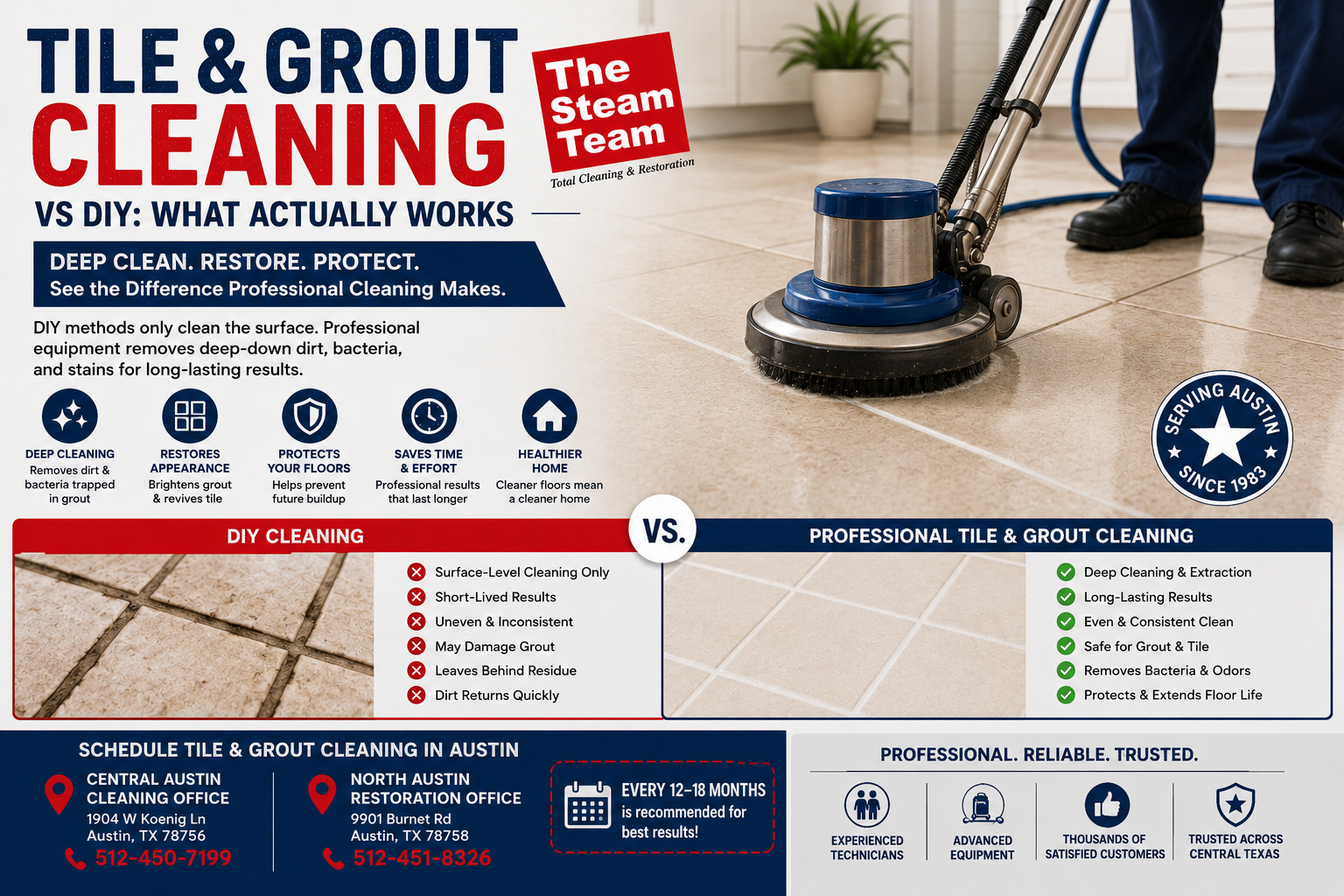
Professional tile and grout cleaning vs DIY methods poses a critical choice for Austin homeowners facing stubborn stains, mold growth and long-term maintenance concerns. Understanding how professional deep-steam extraction and high-pressure oxygenated cleaning compare with household vinegar or baking-soda solutions helps property owners weigh initial savings against lasting performance and health benefits. This guide explores each approach’s mechanisms, advantages, risks and costs, furnishing decision criteria for routine upkeep and one-off restorations.
You will discover:
Key process differences between expert technicians and homemade cleaners
Concrete benefits of hiring a local, family-owned team with over 40 years of experience
DIY pitfalls ranging from surface damage to hidden long-term expenses
Price factors and investment comparisons for Austin tile maintenance
Timing indicators that call for professional intervention and protective sealing
Armed with this insight, you can decide whether to tackle grout lines with store-bought ingredients or entrust your floors to a proven local specialist.
Professional tile and grout cleaning leverages industrial-grade equipment, proprietary solutions and trained technicians to penetrate deeply into porous grout and stone surfaces. DIY approaches rely on household chemicals, scrubbing and basic steam devices that often address only surface grime. The Steam Team’s process integrates purified water heated above 200 °F combined with 800+ psi oxygenated hydrogen peroxide injection, whereas DIY recipes typically mix baking soda, vinegar or over-the-counter detergents with manual brushing. Professional services deliver thorough removal of embedded bacteria and mold, protect tile integrity and restore appearance, while DIY methods can leave residue, require significant physical effort and risk incomplete cleaning.
Professional tile and grout cleaning begins with a detailed inspection that identifies tile type, grout composition and problem areas. Technicians then:
Pre-treat grout lines with an oxygenated cleaning solution
Inject heated purified water at high pressure to dislodge deep-seated contaminants
Extract loosened soil and rinse thoroughly to prevent residue
Apply protective sealing to restore luster and inhibit future staining
This multi-step process ensures pore-level extraction of dirt, mold and allergens.
DIY tile and grout cleaning methods often include:
Baking soda paste with water applied and scrubbed into grout lines
Vinegar solution sprayed on tile followed by chlorine-free scrubbing
Hydrogen peroxide soak for light discoloration
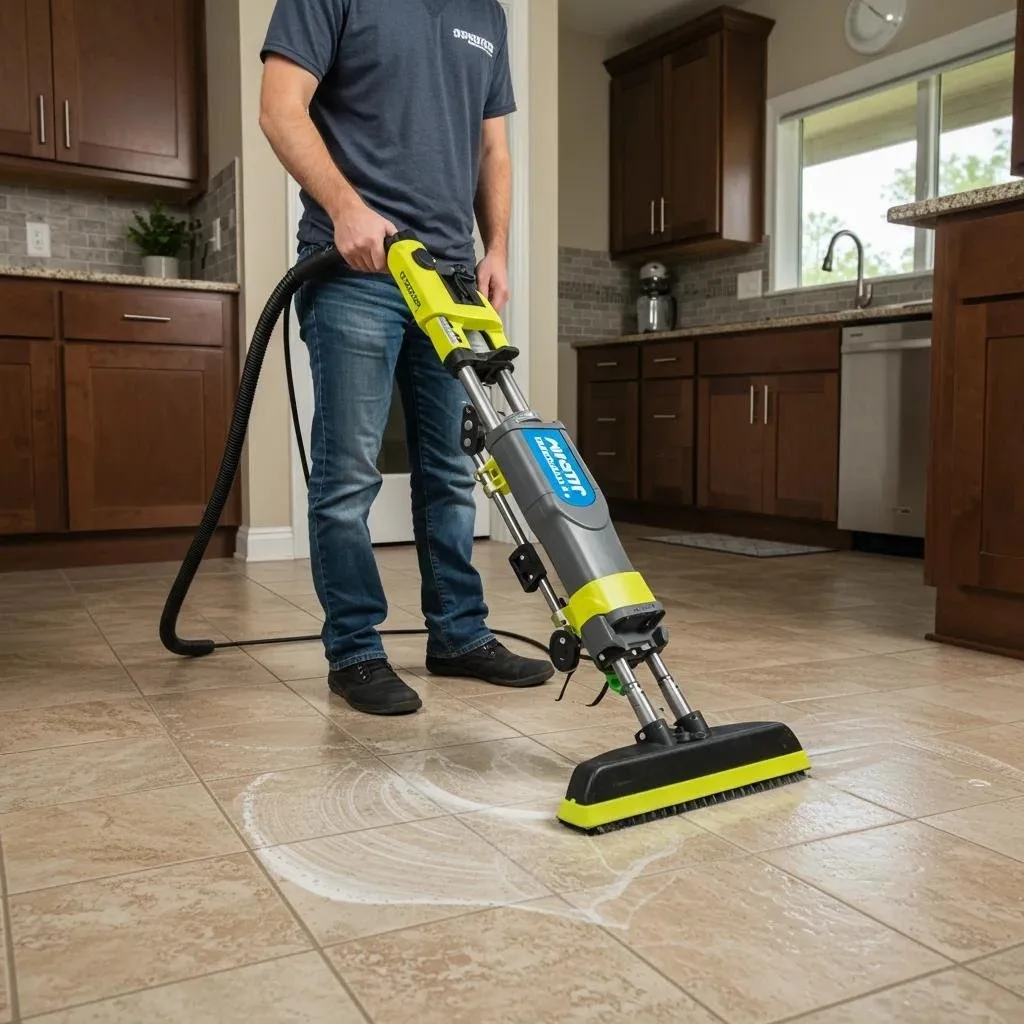
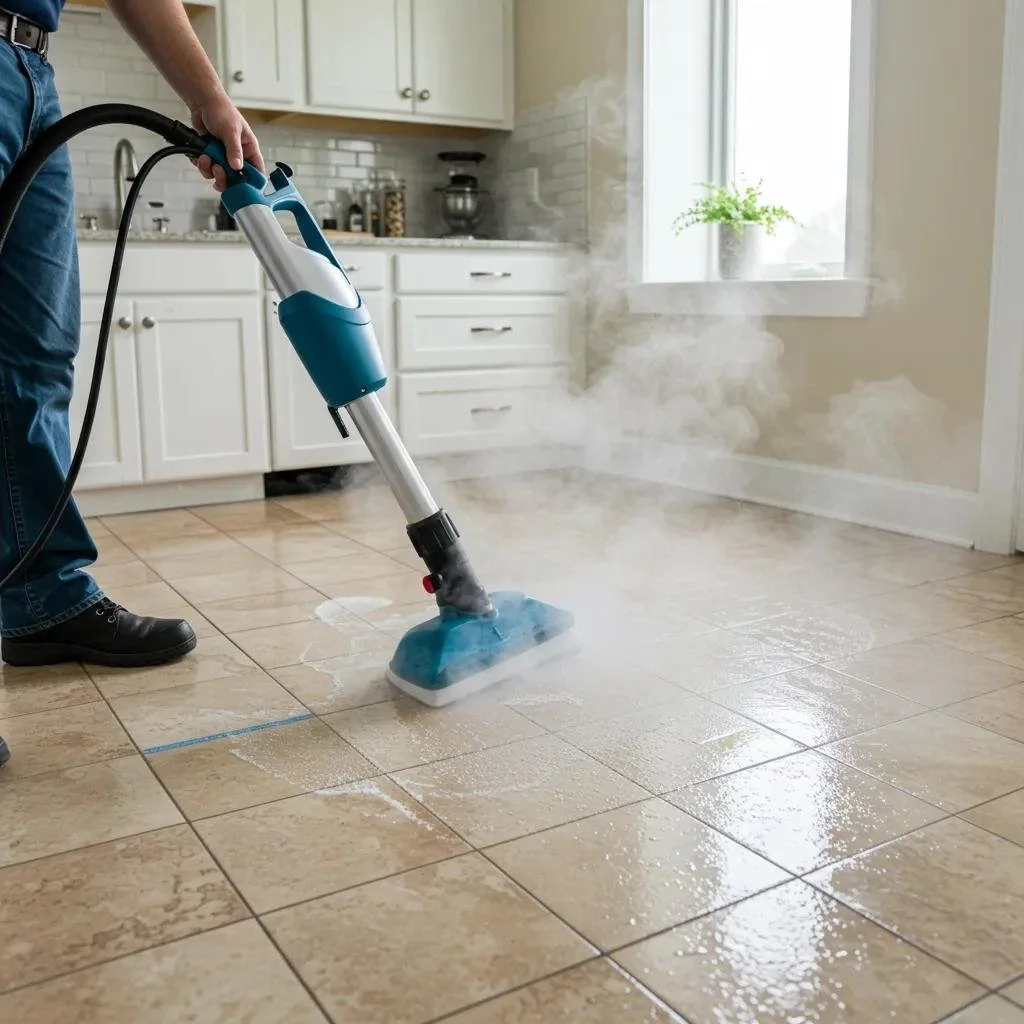
Steam mop passes for quick surface refresh
Homeowners mix these solutions in buckets or spray bottles, then use brushes or mops to agitate and rinse until visible grime diminishes.
Homemade grout cleaning offers three primary advantages:
Lower Immediate Cost – Common pantry ingredients cost only a few dollars.
Convenience – No scheduling or waiting for service appointments.
Personal Control – You choose timing and solution strength.
However, DIY approaches have limitations:
Ineffective on deeply embedded mold or oil stains
Risk of chemical residue that attracts new dirt
Labor-intensive scrubbing and drying
Potential erosion of grout surface from harsh acids
These drawbacks highlight why deep cleaning and restoration often require professional expertise.
Professional cleaning outperforms DIY by removing contaminants lodged beneath the grout surface, not merely dissolving visible film. Industrial-grade steam extraction penetrates pores to lift bacteria, mold spores and mineral deposits. Specialized cleaning solutions break molecular bonds of grease and discoloration without harming tile finishes. The Steam Team’s high-pressure oxygenated process sanitizes and flushes debris completely, whereas DIY methods frequently leave microscopic residue that accelerates re-soiling and grout degradation.
Investing in professional tile and grout cleaning in Austin yields aesthetic, structural and health advantages. Expert extraction revives original grout color, prevents grit from scoring tile surfaces and restores natural stone pores to their pristine state. Local technicians adapt their approach for ceramic, porcelain, marble and travertine, ensuring each material receives optimal pH-balanced solutions. Professional services also include mold remediation for humid Central Texas bathrooms and kitchens, safeguarding indoor air quality. With over 40 years of family-owned expertise, The Steam Team combines regional climate know-how with advanced technology to deliver consistently outstanding results.
Deep cleaning preserves grout integrity by removing abrasive particles that grind away surface layers. Professional extraction flushes out mineral deposits and microbial growth that weaken grout bonds over time. By eliminating root-level contaminants, this process extends grout life by up to 50 percent and maintains tile adhesion, preventing costly repairs or re-grouting down the line.
Professional tile and grout cleaning improves indoor air quality by eradicating mold, mildew and allergenic dust mites trapped in porous grout lines. Sanitization reduces exposure to pathogens and fungal spores, leading to healthier living spaces, fewer respiratory irritations and a lower risk of allergy flare-ups for sensitive occupants.
The Steam Team utilizes purified water heated above 200 °F combined with an oxygenated hydrogen peroxide solution delivered at 800+ psi to break down grease, oils and biological contaminants. This unique high-pressure steam extraction method lifts deep-seated grime without harsh chemicals, preserving tile finishes and restoring natural stone surfaces to their original appearance.
A family-owned business with over 40 years of service, The Steam Team understands Austin’s water quality and humidity challenges. Their longstanding local reputation, personalized customer care and commitment to the most outstanding service experience reflect deep community ties and proven reliability for residential and commercial clients alike.
DIY tile and grout cleaning carries inherent risks that can offset its initial savings. Home-based chemicals can etch or discolor delicate stone, and manual scrubbing often leaves abrasion marks in grout lines. Surface-only cleaning fails to remove entrenched mold, grease and mineral deposits, leading to rapid re-soiling. Inadequate rinsing can trap residue beneath grout pores, attracting dirt more quickly. Over time, repeated DIY attempts may accelerate grout deterioration and necessitate professional restoration at greater expense.
Acidic or abrasive homemade scrubs can erode grout joints and dull tile glazes. Uncontrolled use of bleach or vinegar may react adversely with natural stone, causing permanent discoloration or pitting. These chemical interactions compromise surface integrity and shorten the lifespan of both tile and grout.
Surface cleaning solutions only tackle top-level discoloration, leaving fungus and mineral scale embedded below the grout surface. Without high-pressure extraction and specialized sanitizers, mold spores remain active beneath visible grout lines, leading to recurring stains and odor issues.
DIY tile cleaning demands multiple hours for mixing solutions, scrubbing grout lines, rinsing, drying and repeating on large areas. A typical 100 sq ft kitchen floor can take 2–4 hours of continuous labor, causing fatigue and inconsistent results compared with professional crews equipped for swift, comprehensive extraction.
Although DIY ingredients seem inexpensive, repeated applications accelerate grout wear and tile discoloration, leading to premature re-grouting or replacement costs. The cumulative expense of scrubbing tools, commercial chemicals and potential repair work often surpasses a single professional cleaning appointment.
Cost considerations extend beyond upfront expenses to performance, longevity and maintenance frequency. DIY cleaning supplies average $5–$15 per application, but may require monthly repeats for high-traffic zones. Professional cleaning rates vary by square footage, grout condition and tile type, typically ranging from $0.75 to $1.50 per square foot for extraction alone. Adding grout sealing enhances protection at an incremental fee. Evaluating long-term value shows that professional services often reduce overall maintenance spend by extending cleaning intervals and preventing damage.
Professional cleaning costs depend on:
Total square footage of tile and grout surfaces
Grout condition and stain severity
Tile material type and porosity
Inclusion of grout sealing or recoloring services
Accessibility and required preparation work
These variables determine labor time, solution usage and protective sealant application.
| Option | Initial Expense | Long-Term Outcome |
| DIY Cleaning | $5–$15 per session | Frequent repeats, potential grout damage |
| Professional Cleaning | $0.75–$1.50 per sq ft | Deep extraction, extended cleaning cycles |
| Professional + Sealing | $1.25–$2.00 per sq ft | Enhanced protection, less frequent service |
Professional services minimize recurring supply purchases and repair expenses, providing a clearer return on investment.
Yes, professional tile and grout cleaning offers superior cost-benefit by delivering deep sanitation, stain removal and extended material lifespan. The Steam Team’s comprehensive restoration approach reduces the need for frequent DIY upkeep and costly re-grouting, resulting in noticeable savings and consistently pristine floors.
Professional intervention becomes essential when grout lines show discoloration beyond surface stains, mold returns quickly after DIY attempts or large floor areas exceed practical DIY labor. High-traffic kitchens, bathrooms or commercial entryways with persistent grime require expert extraction to restore hygienic conditions and maintain tile integrity. Time constraints and the desire for a guaranteed outcome also signal the need for a professional service appointment.
Severe grout darkening, efflorescence (white mineral deposits), ingrained oil or grease stains and recurrent mold outbreaks exceed the efficacy of DIY methods. Natural stone surfaces with deep fissures or marble flooring demanding careful pH-balanced cleaning also warrant experienced technicians.
Most homes benefit from professional deep cleaning every 12 to 24 months, depending on foot traffic, pets and humidity. High-traffic areas may require annual service, while guest bathrooms or lightly used spaces can extend intervals toward two years. Following expert recommendations ensures lasting appearance and structural soundness.
If grout remains dull after multiple scrubbing sessions, mildew returns within weeks or stubborn stains persist despite stronger home remedies, DIY cleaning is insufficient. Visible grout erosion or changes in tile texture also indicate that professional restoration is required to prevent further damage.
Grout sealing and recoloring apply protective pigments and sealants that fill pores, repel liquids and resist staining. This additional barrier preserves restored grout lines, simplifies routine cleaning and maintains uniform color. Professional application reaches into micro-pores that DIY sealers often miss, delivering durable protection against oils, spills and microbial growth.
Grout sealing involves applying a water-based or penetrating sealant that bonds within grout pores to block moisture absorption and staining agents. This process reduces grout discoloration, inhibits mold formation and extends cleaning intervals by maintaining a non-porous surface.
Grout recoloring infuses specialized pigments into worn-out grout, instantly renewing color uniformity and masking permanent stains. Recoloring combined with sealing restores aesthetic appeal and reinforces grout structure, improving overall resistance to abrasion and moisture.
DIY sealers often sit only on the surface and require precise application techniques to avoid patchiness. Professional sealing uses high-penetration formulations and controlled application tools to ensure complete pore saturation, resulting in long-lasting protection and consistent appearance that DIY kits rarely achieve.
Trained technicians address mold and mildew removal, stubborn grout stains, cracked grout joints and damaged tiles through targeted restoration protocols. Expert solutions include chemical-free hot-water extraction for biological contaminants, color sealing for uniform grout lines, precision regrouting for joint repair and tile replacement for severely cracked sections. These services not only resolve present issues but also implement preventive measures to reduce recurrence.
Technicians apply an oxygenated antimicrobial solution to eradicate mold spores, then use high-pressure steam extraction to flush out residual contaminants. A final sealant application inhibits future fungal growth by blocking moisture ingress.
Stubborn stains from coffee, wine or grease are neutralized using pH-balanced emulsifiers that break down organic compounds, followed by steam-powered extraction to lift particles. Post-treatment sealing preserves results and prevents new staining.
Cracked grout is carefully removed and replaced with matching grout formulations, then smoothing and sealing ensure seamless integration. Damaged tiles are lifted, substrate prepared and new tiles set with precision to restore structural and aesthetic continuity.
By combining deep extraction, antimicrobial sanitization and sealing, professional cleaning interrupts the cycle of dirt accumulation, microbial growth and grout degradation. Regular maintenance appointments maintain protective barriers and detect early signs of wear, ensuring floors remain pristine over time.
At any stage of your tile and grout care journey, scheduling a consultation with The Steam Team ensures expert assessment, tailored solutions and lasting results. Request a quote today and experience Austin’s most trusted, family-owned cleaning and restoration service.
Professional tile and grout cleaning often utilizes eco-friendly products and advanced equipment that minimize water usage and chemical runoff. In contrast, DIY methods may rely on household chemicals that can be harmful to the environment if not disposed of properly. Additionally, professional services are designed to be more efficient, reducing the overall environmental footprint by ensuring thorough cleaning in less time and with fewer resources.
To maintain your tile and grout after a professional cleaning, consider regular sweeping and mopping with pH-neutral cleaners to prevent dirt buildup. Avoid harsh chemicals that can degrade grout integrity. Additionally, applying a grout sealer every 12-18 months can help protect against stains and moisture. Regular inspections for signs of wear or damage will also help you address issues before they require professional intervention.
Yes, certain types of tiles, such as natural stone (e.g., marble, granite, or travertine), require specialized cleaning techniques due to their porous nature and susceptibility to damage from acidic cleaners. Professional services often use pH-balanced solutions tailored to the specific tile type to avoid etching or discoloration. It's essential to consult with experts who understand the unique needs of your tile to ensure proper care and maintenance.
If your grout begins to discolor after cleaning, it may indicate that the sealing process was inadequate or that moisture is penetrating the grout. First, check for any leaks or water damage in the area. If discoloration persists, consider scheduling a professional assessment to determine if re-sealing or recoloring is necessary. Regular maintenance and prompt attention to discoloration can help prevent further issues.
Signs that your DIY cleaning methods may be causing damage include visible erosion or pitting in the grout, dullness in tile finishes, or persistent stains that do not improve with cleaning. If you notice these issues, it may be time to consult a professional. Additionally, if you experience increased difficulty in cleaning or if dirt seems to accumulate more quickly, it could indicate that your methods are not effective and may be harming your surfaces.
Grout recoloring after professional cleaning can significantly enhance the appearance of your tile surfaces by restoring uniform color and masking any permanent stains. This process not only improves aesthetics but also reinforces the grout structure, making it more resistant to moisture and staining. Recoloring combined with sealing can extend the life of your grout, making it easier to maintain and keeping your floors looking fresh and clean for longer.
When selecting a professional cleaning service for your tile and grout, consider factors such as experience, customer reviews, and the types of cleaning methods they use. Look for companies that specialize in your specific tile type and offer eco-friendly solutions. Additionally, inquire about their cleaning process, including the equipment and products they use, to ensure they align with your expectations for quality and safety.
Choosing professional tile and grout cleaning over DIY methods ensures a deeper, more effective clean that protects your investment and enhances your home's appearance. With expert techniques and advanced technology, you can enjoy a healthier living environment free from mold and allergens. Don't compromise on quality; trust a local, family-owned service with decades of experience for your tile maintenance needs. Contact The Steam Team today to schedule your consultation and discover the difference professional cleaning can make.
Professional tile and grout cleaning in Austin addresses embedded dirt, stains, bacteria, and worn sealant to restore floor and wall surfaces to their original condition. As one of Austin's most trusted providers since 1983, The Steam Team combines over forty years of local expertise with advanced steam extraction and oxygenated cleaning agents to deliver deep restoration for ceramic, porcelain, and natural stone tiles. In this guide, you will learn what the professional process involves, why it outperforms DIY methods, how cleaning improves appearance and hygiene, our step-by-step methodology, typical investment levels, service variations for residential and commercial clients, grout restoration options, and the reasons to choose The Steam Team for lasting results.
This comprehensive resource maps exactly to the following themes:
Definitions and scope of tile versus grout cleaning
Aesthetic, health, and durability benefits
The Steam Team's proven cleaning and sealing process
Cost breakdown for common tile types
Residential, commercial, and specialty service categories
Grout sealing, recoloring, and repair enhancements
Unique value propositions that set The Steam Team apart
By the end, you will understand how professional tile and grout cleaning protects your investment, enhances hygiene, prevents stains, and secures enduring beauty.
Professional tile and grout cleaning is a specialized service that removes deep-seated soil, bacteria, and discoloration from tile surfaces and grout lines. This process employs high-temperature steam—over 200 °F—and high-pressure extraction combined with pH-neutral, baby-safe, and pet-safe cleaning agents to lift contaminants without damaging sealant or substrate. By targeting both glazed tile surfaces and porous grout joints, the service restores shine, color, and sanitary conditions that DIY solutions often fail to achieve.
A thorough cleaning typically begins with a pre-inspection to assess tile condition, grout porosity, and any damage. Technicians then remove dry debris, apply formulated solutions, agitate grout lines, extract dissolved soil, and finish with pH balancing. This structured approach ensures consistent results across kitchens, bathrooms, entryways, and high-traffic commercial floors. Understanding these core steps lays the foundation for differentiating tile restoration from grout-specific treatments.
Tile cleaning comprises:
Pre-inspection of grout lines and tile surface conditions
Dry soil removal using high-efficiency vacuums
Application of a scientifically advanced cleaning solution
Steam injection above 200 °F for deep soil breakdown
High-pressure extraction to remove residue
Sealing or protective finish application if requested
Each phase addresses a specific barrier to cleanliness and prepares the surface for subsequent treatments. This multi-stage protocol ensures maximal soil removal without etching or dulling tile, setting up the next topic on grout-focused restoration.
Grout cleaning targets the porous matrix between tiles, where dirt, mildew, and bacteria accumulate more readily than on smooth tile surfaces. Whereas tile cleaning emphasizes steam temperature and extraction volume, grout restoration relies on mechanical agitation—such as rotary brushes—and oxygenated hydrogen peroxide under high pressure to lift embedded stains. Grout cleaning often involves spot-treatment of stubborn discoloration before full-area cleaning.
The distinction in technique ensures that grout lines regain uniform color and structural integrity without over-wetting the tile field. This targeted approach prepares grout for sealing or recoloring, which extends stain resistance and aligns with the broader benefits of professional cleaning.
Homeowners and businesses often attempt DIY scrubbing or chemical cleaners, but these methods carry risks of incomplete soil removal, sealant damage, and lingering odors. Professional cleaning uses calibrated equipment, certified cleaning solutions, and precise temperature control to remove up to 96 percent of bacteria, allergens, and mold. Technicians hold industry certifications that guarantee safe handling and optimal restoration outcomes.
Choosing a professional service reduces repeat maintenance, prevents grout erosion, and safeguards indoor air quality by capturing microscopic pollutants. This expertise ensures that your tile floors maintain their luster and longevity rather than deteriorating under harsh DIY treatments.
Professional cleaning transforms tile floors both visually and hygienically, boosting property value and user well-being. Beyond surface shine, deep cleaning eradicates mold, mildew, and harmful microbes that thrive in porous grout joints, creating healthier living and working environments. When followed by grout sealing, you gain extended protection against stains and moisture intrusion, cutting future maintenance costs and preserving floor integrity.
As Austin's demand for hard surface flooring continues to grow, professional services deliver substantive benefits that align with aesthetic preferences and post-pandemic hygiene expectations. Understanding how each benefit layer works enables informed decisions about when and why to schedule service.
By penetrating micro-pores in tile glazing, steam and cleaning agents lift dulling residues such as hard water scale, soap scum, and general grime. Restoring the original gloss makes colors appear more vibrant and highlights natural veining in porcelain or stone. This visual renewal can make a kitchen or lobby floor look brand-new without replacement.
A radiant tile surface also enhances light reflection and perceived space, elevating design aesthetics and contributing to overall property appeal.
Professional cleaning employs high-heat steam and oxygenated cleaners to kill and extract mold spores and bacteria lurking in grout and microscopic fissures. Deep extraction removes allergens that trigger respiratory issues, while thorough rinsing and pH balancing prevent residue build-up that could harbor microbes. This sanitization process reduces health risks for occupants and provides peace of mind that tile and grout surfaces are truly clean.
Regular professional maintenance eliminates hidden contaminants long after visible dirt is gone, positioning sanitation as a core benefit.
Grout sealing applies a protective barrier that fills microscopic pores, preventing liquids, oils, and pigments from penetrating. A sealed grout joint resists wine spills, coffee drips, and pet accidents, making routine cleaning faster and more effective. Over time, sealing reduces grout deterioration and discoloration, extending the service life of tile installations by years.
This proactive layer of protection maintains aesthetic uniformity and reduces the need for re-grouting or costly repairs.
The Steam Team's proprietary process combines decades of local experience with advanced equipment to deliver consistent, safe, and eco-friendly results. Starting with a detailed inspection, technicians customize solutions based on tile type, grout composition, and soil level. High-pressure steam and oxygenated hydrogen peroxide break down heavy soils, while pH-neutral detergents ensure no residual film remains. The final stage includes optional grout sealing or recoloring that locks in color and repels future stains.
By integrating systematic steps and real-time quality checks, The Steam Team guarantees outstanding service outcomes tailored to both residential kitchens and large commercial facilities.
Before any cleaning begins, a technician assesses grout depth, tile condition, and potential problem areas. Next, dry debris is removed to prevent scratching, followed by application of a custom-formulated solution to loosen soil. High-temperature steam injection then breaks down embedded contaminants, which are immediately extracted with high-pressure vacuum systems. Finally, technicians perform a post-clean inspection to confirm tile shine and grout cleanliness.
By heating purified water above 200 °F, The Steam Team's equipment creates a superheated steam that dissolves dirt at the molecular level. An oxygenated form of hydrogen peroxide under pressure oxidizes stains without corrosive acids or harmful chemicals. All cleaning agents are baby-safe, pet-safe, and pH-neutral, preventing damage to cementitious grout and glaze coatings.
This combination of mechanical force, heat, and safe chemistry delivers maximal cleaning power while preserving the integrity of both tile and grout.
Ceramic tile commonly found in kitchens and bathrooms
Porcelain tile prized for its durability and low porosity
Natural stone varieties such as marble, travertine, granite, and slate
Terrazzo installations that require gentle removal of embedded residues
Each material demands a tailored approach that balances effective soil removal with careful preservation of surface finish. Selecting the correct chemistry and agitation method for each tile type is critical to avoid etching or color loss.
Grout sealing involves impregnating a transparent or colored sealer into joint pores, creating a hydrophobic barrier that resists future staining. For recoloring, technicians apply a stain-resistant coating that restores uniform color and conceals faded or discolored lines. The result is a refreshed appearance that can transform tile installations without complete re-grouting.
This restoration technique extends grout life and aligns the finished look with surrounding décor.
A transparent pricing model helps homeowners and business owners budget for professional cleaning and sealing services. The Steam Team charges a per-square-foot rate with defined minimums to cover travel and setup. Understanding these typical rates and cost factors enables accurate planning and supports requests for quotes that match specific project requirements.
| Service | Rate per sq ft | Minimum Charge |
| Ceramic and Porcelain Tile Cleaning | $0.70 | 100 sq ft or $70 |
Cleaning at this rate includes full tile surface cleaning, grout line agitation, and high-pressure extraction. Smaller areas below the minimum may incur a base fee to cover technician dispatch.
| Service | Rate per sq ft | Minimum Charge |
| Natural Stone Cleaning & Sealing | $1.25 | 100 sq ft or $125 |
This rate covers deep cleaning, pH-balancing rinse, and application of a breathable sealant that enhances color and prevents moisture penetration.
Service cost variables include:
Total square footage to be cleaned
Degree of soil, staining, or mold present
Tile and grout type and condition
Accessibility and layout complexity
Desired protective sealing or recoloring
Higher traffic areas or heavily soiled grout lines may require additional spot treatments, which can influence final pricing.
To obtain an accurate, no-obligation estimate:
Call The Steam Team at (512) 451-8326
Describe your tile type, square footage, and any specific concerns
A technician will confirm minimum charges and next-day availability
This straightforward process ensures clarity on scope, pricing, and scheduling before work begins.
Austin property owners benefit from a variety of service options that address different environments, tile materials, and usage patterns. Whether revitalizing a residential kitchen floor, maintaining a busy restaurant lobby, or restoring historic terrazzo corridors, professional cleaning services adapt to each context. Understanding the range of offerings helps you select the ideal package for aesthetic restoration, health standards, and long-term floor protection.
Kitchen and bathroom floor deep cleaning
Countertop and backsplash tile restoration
Shower and bathtub tile sanitization
Grout line color sealing or recoloring
Each option combines gentle steam power with safe detergents to protect living areas while delivering showroom-quality results.
High-traffic retail and office entryways
Restaurant and hospitality dining floors
Fitness center shower and locker room areas
Multi-unit residential common spaces
Enhanced extraction and rapid-drying techniques minimize downtime and ensure floors are ready for business operations.
Customized low-abrasion cleaning to remove embedded grit
pH-balanced rinses that preserve mineral composition
Application of penetrating sealants that enhance color and block moisture
Polishing when required to restore original sheen
These specialized steps safeguard the value and appearance of stone installations.
Professional cleaning of wet areas eliminates hard water deposits, soap scum, and mold that DIY efforts often fail to remove completely. Deep extraction of grout lines prevents mildew regrowth and slippery residues, improving safety and hygiene. A final sealant layer repels liquids and extends intervals between cleanings.
This focused service revitalizes bathrooms and showers, making daily maintenance effortless.
Grout sealing and recoloring are restoration services that extend the life and appearance of tile installations. Sealing fills microscopic pores so that stains cannot penetrate, while recoloring renews faded grout lines and unifies tile patterns. These enhancements protect your investment by preventing moisture damage and reducing the need for grout replacement, ultimately saving both time and money.
Grout sealing applies a clear or tinted protective barrier into the porous structure of grout joints. This barrier prevents liquids, oils, and dirt from soaking in, making routine cleaning far more effective. By repelling stains before they bond, grout sealing preserves color consistency and reduces grout wear over time.
Strategic sealing maintains sanitary conditions and safeguards against water infiltration under tile.
Recoloring involves applying a stain-resistant coating that refreshes grout lines to a uniform shade. This process conceals unsightly discoloration, gaps, or mismatched grout repairs. A precise color match can even update your tile installation to coordinate with new décor or design trends.
Restoring grout color dramatically transforms room aesthetics without the expense of full re-grouting.
Consider repair or replacement when grout shows cracks, missing sections, or structural failure that sealing cannot rectify. Signs include loose grout particles, tile loosening, or persistent moisture breakthrough. In such cases, careful re-grouting followed by sealing renews both function and appearance.
Addressing these issues promptly prevents water damage beneath tile and avoids costly subfloor repairs.
Selecting The Steam Team leverages decades of local trust, cutting-edge steam technology, and a mission to deliver outstanding service experiences. Our certified technicians follow proven protocols, combining high heat, advanced cleaning agents, and meticulous quality checks. Customer satisfaction is backed by clear pricing, responsive scheduling, and a commitment to eco-friendly solutions that ensure safe environments for families and businesses.
These unique advantages position The Steam Team as Austin's premier choice for both routine maintenance and deep restoration of tile and grout surfaces.
Since 1983, The Steam Team has perfected cleaning and restoration techniques for Central Texas properties. Long-standing local presence fosters deeper knowledge of area soil types, water quality challenges, and residential versus commercial usage patterns. This institutional expertise translates into accurate project estimates, efficient scheduling, and reliable outcomes on every job.
Decades of repeat business demonstrate consistent customer trust and service excellence.
Our equipment heats purified water to over 200 °F and injects an oxygenated form of hydrogen peroxide under high pressure for molecular-level cleaning. pH-neutral, baby-safe, and pet-safe detergents ensure no harmful residues remain. These eco-friendly methods remove embedded contaminants without harsh chemicals, protecting both surfaces and occupants.
Advanced steam extraction maximizes soil removal while minimizing drying times and environmental impact.
Clients consistently praise the dramatic before-and-after transformations and the professionalism of our technicians. Reviews often highlight restored brightness in high-traffic entryways and improved hygiene in family kitchens and bathrooms. Many note the ease of maintenance following sealing and the rapid scheduling responsiveness for both residential and commercial projects.
These testimonials underscore our commitment to customer satisfaction and quality results.
The Steam Team serves all Austin neighborhoods and extends to surrounding communities including Round Rock, Cedar Park, Georgetown, and Lakeway. This broad coverage ensures that homeowners and businesses across Central Texas can access the same high-quality tile and grout cleaning expertise without extended wait times.
24/7 emergency restoration services further demonstrate our readiness and reliability.
Our mission to provide the most outstanding service experience includes transparent pricing, clear communication, and walk-through inspections to verify results. If you are not satisfied with any aspect of our tile and grout cleaning or sealing, we address concerns promptly at no additional cost. This dedication to quality assurance builds long-term relationships and trust in every engagement.
A satisfaction guarantee ensures that your investment in clean, beautiful tile surfaces is fully protected.
Clean, restored tile and grout floors improve aesthetics, hygiene, and durability across residential and commercial spaces. By choosing professional services, you gain advanced cleaning technology, tailored processes, and protective sealing that DIY efforts cannot match. Transparent pricing and a satisfaction guarantee remove guesswork from scheduling a deep clean. For a free quote, call (512) 451-8326 or visit our website to request an appointment and experience Austin's leading tile and grout restoration experts.
Professional tile and grout cleaning is effective on a variety of surfaces, including ceramic, porcelain, and natural stone tiles such as marble, granite, and slate. Each type of tile has unique properties that require specific cleaning techniques to avoid damage. Additionally, grout lines, which are often porous and prone to staining, can be thoroughly cleaned and sealed to enhance their durability and appearance. This service is ideal for both residential and commercial spaces, ensuring that all types of flooring maintain their aesthetic and functional qualities.
The frequency of tile and grout cleaning depends on several factors, including foot traffic, the type of tile, and the environment. Generally, it is recommended to have professional cleaning done every 12 to 18 months for residential spaces. High-traffic areas, such as commercial settings or homes with pets and children, may require more frequent cleaning, possibly every 6 to 12 months. Regular maintenance not only keeps surfaces looking their best but also helps prevent long-term damage and costly repairs.
Yes, professional tile and grout cleaning can effectively remove tough stains from grout. Technicians use advanced cleaning solutions and high-pressure steam to break down and extract deeply embedded stains caused by spills, mold, and mildew. Spot treatments may be applied to particularly stubborn areas before the full cleaning process. This targeted approach ensures that grout lines regain their original color and appearance, enhancing the overall look of your tiled surfaces.
Yes, grout sealing is highly recommended after cleaning. Sealing creates a protective barrier that prevents liquids, dirt, and stains from penetrating the porous grout material. This not only helps maintain the cleanliness and appearance of the grout but also extends its lifespan by reducing wear and tear. A sealed grout joint is easier to clean and less likely to harbor mold and mildew, making it an essential step in the tile and grout maintenance process.
To prepare for a tile and grout cleaning appointment, it is advisable to clear the area of any furniture, rugs, or personal items that may obstruct access to the floors. Ensure that the cleaning team has a clear path to the work area and that pets are secured in a safe location. Additionally, it may be helpful to communicate any specific concerns or problem areas to the technicians upon their arrival, allowing them to tailor their approach to your needs.
Yes, the cleaning agents used by professional tile and grout cleaning services, such as The Steam Team, are typically safe for children and pets. They employ pH-neutral, baby-safe, and pet-safe cleaning solutions that effectively remove dirt and stains without harmful chemicals. This commitment to safety ensures that your home remains a healthy environment while still achieving optimal cleaning results. Always confirm with your service provider about the specific products they use if you have particular concerns.
The drying time after professional tile and grout cleaning can vary based on several factors, including humidity, airflow, and the type of cleaning performed. Generally, surfaces may take anywhere from 1 to 4 hours to dry completely. However, it is advisable to avoid walking on the cleaned areas for at least 24 hours to allow the grout sealant, if applied, to cure properly. Your cleaning technician will provide specific recommendations based on the conditions of your home and the cleaning methods used.
Clean, restored tile and grout floors improve aesthetics, hygiene, and durability across residential and commercial spaces. By choosing professional services, you gain advanced cleaning technology, tailored processes, and protective sealing that DIY efforts cannot match. Transparent pricing and a satisfaction guarantee remove guesswork from scheduling a deep clean. For a free quote, call (512) 451-8326 or visit our website to request an appointment and experience Austin's leading tile and grout restoration experts.
Professional tile and grout cleaning vs DIY methods poses a critical choice for Austin homeowners facing stubborn stains, mold growth and long-term maintenance concerns. Understanding how professional deep-steam extraction and high-pressure oxygenated cleaning compare with household vinegar or baking-soda solutions helps property owners weigh initial savings against lasting performance and health benefits. This guide explores each approach’s mechanisms, advantages, risks and costs, furnishing decision criteria for routine upkeep and one-off restorations.
You will discover:
Key process differences between expert technicians and homemade cleaners
Concrete benefits of hiring a local, family-owned team with over 40 years of experience
DIY pitfalls ranging from surface damage to hidden long-term expenses
Price factors and investment comparisons for Austin tile maintenance
Timing indicators that call for professional intervention and protective sealing
Armed with this insight, you can decide whether to tackle grout lines with store-bought ingredients or entrust your floors to a proven local specialist.
Professional tile and grout cleaning leverages industrial-grade equipment, proprietary solutions and trained technicians to penetrate deeply into porous grout and stone surfaces. DIY approaches rely on household chemicals, scrubbing and basic steam devices that often address only surface grime. The Steam Team’s process integrates purified water heated above 200 °F combined with 800+ psi oxygenated hydrogen peroxide injection, whereas DIY recipes typically mix baking soda, vinegar or over-the-counter detergents with manual brushing. Professional services deliver thorough removal of embedded bacteria and mold, protect tile integrity and restore appearance, while DIY methods can leave residue, require significant physical effort and risk incomplete cleaning.
Professional tile and grout cleaning begins with a detailed inspection that identifies tile type, grout composition and problem areas. Technicians then:
Pre-treat grout lines with an oxygenated cleaning solution
Inject heated purified water at high pressure to dislodge deep-seated contaminants
Extract loosened soil and rinse thoroughly to prevent residue
Apply protective sealing to restore luster and inhibit future staining
This multi-step process ensures pore-level extraction of dirt, mold and allergens.
DIY tile and grout cleaning methods often include:
Baking soda paste with water applied and scrubbed into grout lines
Vinegar solution sprayed on tile followed by chlorine-free scrubbing
Hydrogen peroxide soak for light discoloration
Steam mop passes for quick surface refresh
Homeowners mix these solutions in buckets or spray bottles, then use brushes or mops to agitate and rinse until visible grime diminishes.
Homemade grout cleaning offers three primary advantages:
Lower Immediate Cost – Common pantry ingredients cost only a few dollars.
Convenience – No scheduling or waiting for service appointments.
Personal Control – You choose timing and solution strength.
However, DIY approaches have limitations:
Ineffective on deeply embedded mold or oil stains
Risk of chemical residue that attracts new dirt
Labor-intensive scrubbing and drying
Potential erosion of grout surface from harsh acids
These drawbacks highlight why deep cleaning and restoration often require professional expertise.
Professional cleaning outperforms DIY by removing contaminants lodged beneath the grout surface, not merely dissolving visible film. Industrial-grade steam extraction penetrates pores to lift bacteria, mold spores and mineral deposits. Specialized cleaning solutions break molecular bonds of grease and discoloration without harming tile finishes. The Steam Team’s high-pressure oxygenated process sanitizes and flushes debris completely, whereas DIY methods frequently leave microscopic residue that accelerates re-soiling and grout degradation.
Investing in professional tile and grout cleaning in Austin yields aesthetic, structural and health advantages. Expert extraction revives original grout color, prevents grit from scoring tile surfaces and restores natural stone pores to their pristine state. Local technicians adapt their approach for ceramic, porcelain, marble and travertine, ensuring each material receives optimal pH-balanced solutions. Professional services also include mold remediation for humid Central Texas bathrooms and kitchens, safeguarding indoor air quality. With over 40 years of family-owned expertise, The Steam Team combines regional climate know-how with advanced technology to deliver consistently outstanding results.
Deep cleaning preserves grout integrity by removing abrasive particles that grind away surface layers. Professional extraction flushes out mineral deposits and microbial growth that weaken grout bonds over time. By eliminating root-level contaminants, this process extends grout life by up to 50 percent and maintains tile adhesion, preventing costly repairs or re-grouting down the line.
Professional tile and grout cleaning improves indoor air quality by eradicating mold, mildew and allergenic dust mites trapped in porous grout lines. Sanitization reduces exposure to pathogens and fungal spores, leading to healthier living spaces, fewer respiratory irritations and a lower risk of allergy flare-ups for sensitive occupants.
The Steam Team utilizes purified water heated above 200 °F combined with an oxygenated hydrogen peroxide solution delivered at 800+ psi to break down grease, oils and biological contaminants. This unique high-pressure steam extraction method lifts deep-seated grime without harsh chemicals, preserving tile finishes and restoring natural stone surfaces to their original appearance.
A family-owned business with over 40 years of service, The Steam Team understands Austin’s water quality and humidity challenges. Their longstanding local reputation, personalized customer care and commitment to the most outstanding service experience reflect deep community ties and proven reliability for residential and commercial clients alike.
DIY tile and grout cleaning carries inherent risks that can offset its initial savings. Home-based chemicals can etch or discolor delicate stone, and manual scrubbing often leaves abrasion marks in grout lines. Surface-only cleaning fails to remove entrenched mold, grease and mineral deposits, leading to rapid re-soiling. Inadequate rinsing can trap residue beneath grout pores, attracting dirt more quickly. Over time, repeated DIY attempts may accelerate grout deterioration and necessitate professional restoration at greater expense.
Acidic or abrasive homemade scrubs can erode grout joints and dull tile glazes. Uncontrolled use of bleach or vinegar may react adversely with natural stone, causing permanent discoloration or pitting. These chemical interactions compromise surface integrity and shorten the lifespan of both tile and grout.
Surface cleaning solutions only tackle top-level discoloration, leaving fungus and mineral scale embedded below the grout surface. Without high-pressure extraction and specialized sanitizers, mold spores remain active beneath visible grout lines, leading to recurring stains and odor issues.
DIY tile cleaning demands multiple hours for mixing solutions, scrubbing grout lines, rinsing, drying and repeating on large areas. A typical 100 sq ft kitchen floor can take 2–4 hours of continuous labor, causing fatigue and inconsistent results compared with professional crews equipped for swift, comprehensive extraction.
Although DIY ingredients seem inexpensive, repeated applications accelerate grout wear and tile discoloration, leading to premature re-grouting or replacement costs. The cumulative expense of scrubbing tools, commercial chemicals and potential repair work often surpasses a single professional cleaning appointment.
Cost considerations extend beyond upfront expenses to performance, longevity and maintenance frequency. DIY cleaning supplies average $5–$15 per application, but may require monthly repeats for high-traffic zones. Professional cleaning rates vary by square footage, grout condition and tile type, typically ranging from $0.75 to $1.50 per square foot for extraction alone. Adding grout sealing enhances protection at an incremental fee. Evaluating long-term value shows that professional services often reduce overall maintenance spend by extending cleaning intervals and preventing damage.
Professional cleaning costs depend on:
Total square footage of tile and grout surfaces
Grout condition and stain severity
Tile material type and porosity
Inclusion of grout sealing or recoloring services
Accessibility and required preparation work
These variables determine labor time, solution usage and protective sealant application.
| Option | Initial Expense | Long-Term Outcome |
| DIY Cleaning | $5–$15 per session | Frequent repeats, potential grout damage |
| Professional Cleaning | $0.75–$1.50 per sq ft | Deep extraction, extended cleaning cycles |
| Professional + Sealing | $1.25–$2.00 per sq ft | Enhanced protection, less frequent service |
Professional services minimize recurring supply purchases and repair expenses, providing a clearer return on investment.
Yes, professional tile and grout cleaning offers superior cost-benefit by delivering deep sanitation, stain removal and extended material lifespan. The Steam Team’s comprehensive restoration approach reduces the need for frequent DIY upkeep and costly re-grouting, resulting in noticeable savings and consistently pristine floors.
Professional intervention becomes essential when grout lines show discoloration beyond surface stains, mold returns quickly after DIY attempts or large floor areas exceed practical DIY labor. High-traffic kitchens, bathrooms or commercial entryways with persistent grime require expert extraction to restore hygienic conditions and maintain tile integrity. Time constraints and the desire for a guaranteed outcome also signal the need for a professional service appointment.
Severe grout darkening, efflorescence (white mineral deposits), ingrained oil or grease stains and recurrent mold outbreaks exceed the efficacy of DIY methods. Natural stone surfaces with deep fissures or marble flooring demanding careful pH-balanced cleaning also warrant experienced technicians.
Most homes benefit from professional deep cleaning every 12 to 24 months, depending on foot traffic, pets and humidity. High-traffic areas may require annual service, while guest bathrooms or lightly used spaces can extend intervals toward two years. Following expert recommendations ensures lasting appearance and structural soundness.
If grout remains dull after multiple scrubbing sessions, mildew returns within weeks or stubborn stains persist despite stronger home remedies, DIY cleaning is insufficient. Visible grout erosion or changes in tile texture also indicate that professional restoration is required to prevent further damage.
Grout sealing and recoloring apply protective pigments and sealants that fill pores, repel liquids and resist staining. This additional barrier preserves restored grout lines, simplifies routine cleaning and maintains uniform color. Professional application reaches into micro-pores that DIY sealers often miss, delivering durable protection against oils, spills and microbial growth.
Grout sealing involves applying a water-based or penetrating sealant that bonds within grout pores to block moisture absorption and staining agents. This process reduces grout discoloration, inhibits mold formation and extends cleaning intervals by maintaining a non-porous surface.
Grout recoloring infuses specialized pigments into worn-out grout, instantly renewing color uniformity and masking permanent stains. Recoloring combined with sealing restores aesthetic appeal and reinforces grout structure, improving overall resistance to abrasion and moisture.
DIY sealers often sit only on the surface and require precise application techniques to avoid patchiness. Professional sealing uses high-penetration formulations and controlled application tools to ensure complete pore saturation, resulting in long-lasting protection and consistent appearance that DIY kits rarely achieve.
Trained technicians address mold and mildew removal, stubborn grout stains, cracked grout joints and damaged tiles through targeted restoration protocols. Expert solutions include chemical-free hot-water extraction for biological contaminants, color sealing for uniform grout lines, precision regrouting for joint repair and tile replacement for severely cracked sections. These services not only resolve present issues but also implement preventive measures to reduce recurrence.
Technicians apply an oxygenated antimicrobial solution to eradicate mold spores, then use high-pressure steam extraction to flush out residual contaminants. A final sealant application inhibits future fungal growth by blocking moisture ingress.
Stubborn stains from coffee, wine or grease are neutralized using pH-balanced emulsifiers that break down organic compounds, followed by steam-powered extraction to lift particles. Post-treatment sealing preserves results and prevents new staining.
Cracked grout is carefully removed and replaced with matching grout formulations, then smoothing and sealing ensure seamless integration. Damaged tiles are lifted, substrate prepared and new tiles set with precision to restore structural and aesthetic continuity.
By combining deep extraction, antimicrobial sanitization and sealing, professional cleaning interrupts the cycle of dirt accumulation, microbial growth and grout degradation. Regular maintenance appointments maintain protective barriers and detect early signs of wear, ensuring floors remain pristine over time.
At any stage of your tile and grout care journey, scheduling a consultation with The Steam Team ensures expert assessment, tailored solutions and lasting results. Request a quote today and experience Austin’s most trusted, family-owned cleaning and restoration service.
Professional tile and grout cleaning often utilizes eco-friendly products and advanced equipment that minimize water usage and chemical runoff. In contrast, DIY methods may rely on household chemicals that can be harmful to the environment if not disposed of properly. Additionally, professional services are designed to be more efficient, reducing the overall environmental footprint by ensuring thorough cleaning in less time and with fewer resources.
To maintain your tile and grout after a professional cleaning, consider regular sweeping and mopping with pH-neutral cleaners to prevent dirt buildup. Avoid harsh chemicals that can degrade grout integrity. Additionally, applying a grout sealer every 12-18 months can help protect against stains and moisture. Regular inspections for signs of wear or damage will also help you address issues before they require professional intervention.
Yes, certain types of tiles, such as natural stone (e.g., marble, granite, or travertine), require specialized cleaning techniques due to their porous nature and susceptibility to damage from acidic cleaners. Professional services often use pH-balanced solutions tailored to the specific tile type to avoid etching or discoloration. It's essential to consult with experts who understand the unique needs of your tile to ensure proper care and maintenance.
If your grout begins to discolor after cleaning, it may indicate that the sealing process was inadequate or that moisture is penetrating the grout. First, check for any leaks or water damage in the area. If discoloration persists, consider scheduling a professional assessment to determine if re-sealing or recoloring is necessary. Regular maintenance and prompt attention to discoloration can help prevent further issues.
Signs that your DIY cleaning methods may be causing damage include visible erosion or pitting in the grout, dullness in tile finishes, or persistent stains that do not improve with cleaning. If you notice these issues, it may be time to consult a professional. Additionally, if you experience increased difficulty in cleaning or if dirt seems to accumulate more quickly, it could indicate that your methods are not effective and may be harming your surfaces.
Grout recoloring after professional cleaning can significantly enhance the appearance of your tile surfaces by restoring uniform color and masking any permanent stains. This process not only improves aesthetics but also reinforces the grout structure, making it more resistant to moisture and staining. Recoloring combined with sealing can extend the life of your grout, making it easier to maintain and keeping your floors looking fresh and clean for longer.
When selecting a professional cleaning service for your tile and grout, consider factors such as experience, customer reviews, and the types of cleaning methods they use. Look for companies that specialize in your specific tile type and offer eco-friendly solutions. Additionally, inquire about their cleaning process, including the equipment and products they use, to ensure they align with your expectations for quality and safety.
Choosing professional tile and grout cleaning over DIY methods ensures a deeper, more effective clean that protects your investment and enhances your home's appearance. With expert techniques and advanced technology, you can enjoy a healthier living environment free from mold and allergens. Don't compromise on quality; trust a local, family-owned service with decades of experience for your tile maintenance needs. Contact The Steam Team today to schedule your consultation and discover the difference professional cleaning can make.
Our mission is to provide you with the most outstanding service experience ever. Some of our most popular services include Carpet Cleaning, Tile Cleaning, Air Duct Cleaning, Water Damage, Fire Damage Restoration and Construction Services.
Quick Cleaning Quote
Email: info@thesteamteam.com
Georgetown: (512) 868-0358
Dallas: (214) 631-8326
Naples, FL: (239) 450-1936
Toll Free: (800) 880-7785