How to Remove Deep Pet Stains and Odors From Carpet
/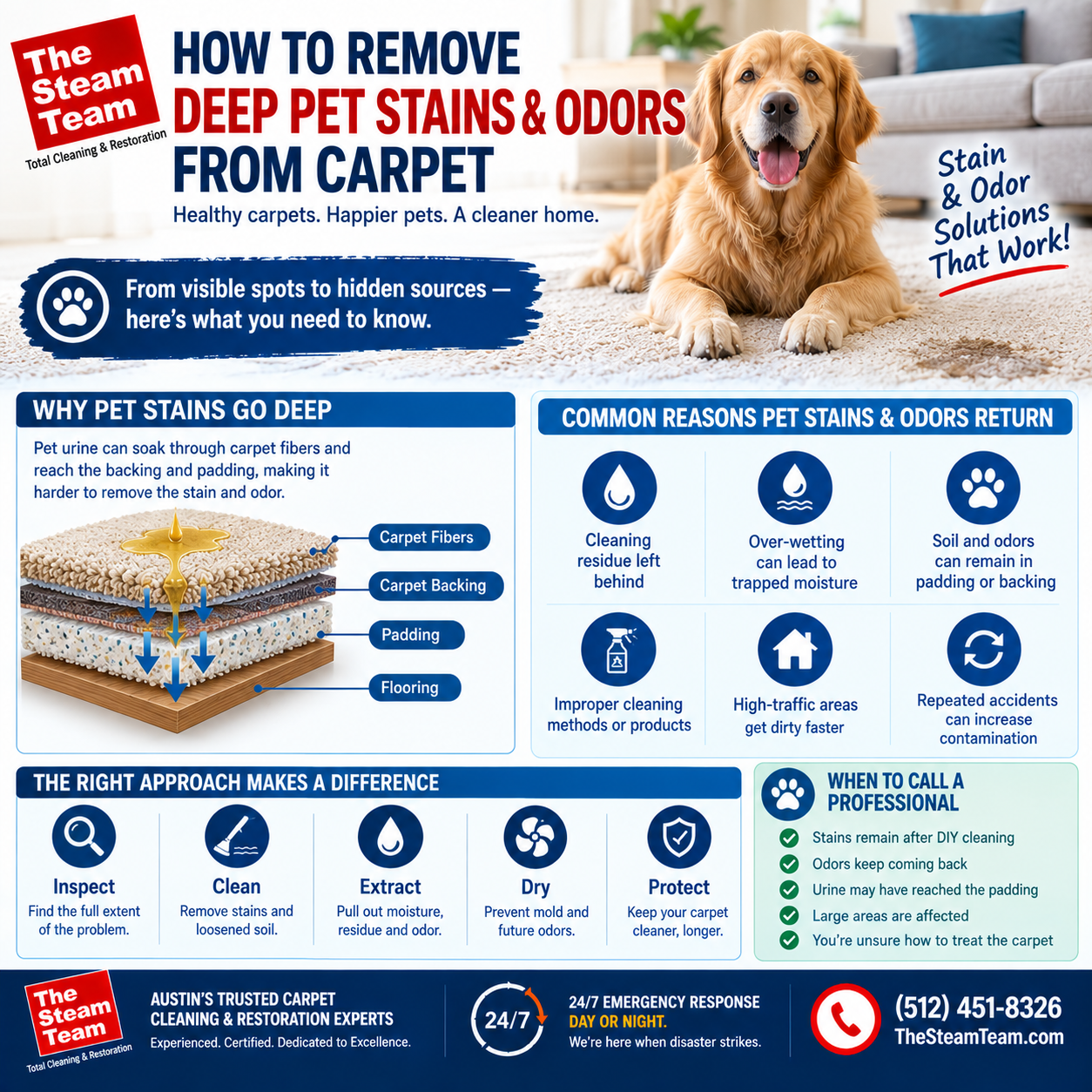
Learn how to remove deep pet stains and odors from carpet, why pet urine can reach the padding, and when professional carpet cleaning may be needed.
Read More
Explore expert tips on water damage restoration, carpet cleaning, rug cleaning, mold remediation, and air duct cleaning in Austin, TX. Trusted local insights from The Steam Team since 1983.
Learn how to remove deep pet stains and odors from carpet, why pet urine can reach the padding, and when professional carpet cleaning may be needed.
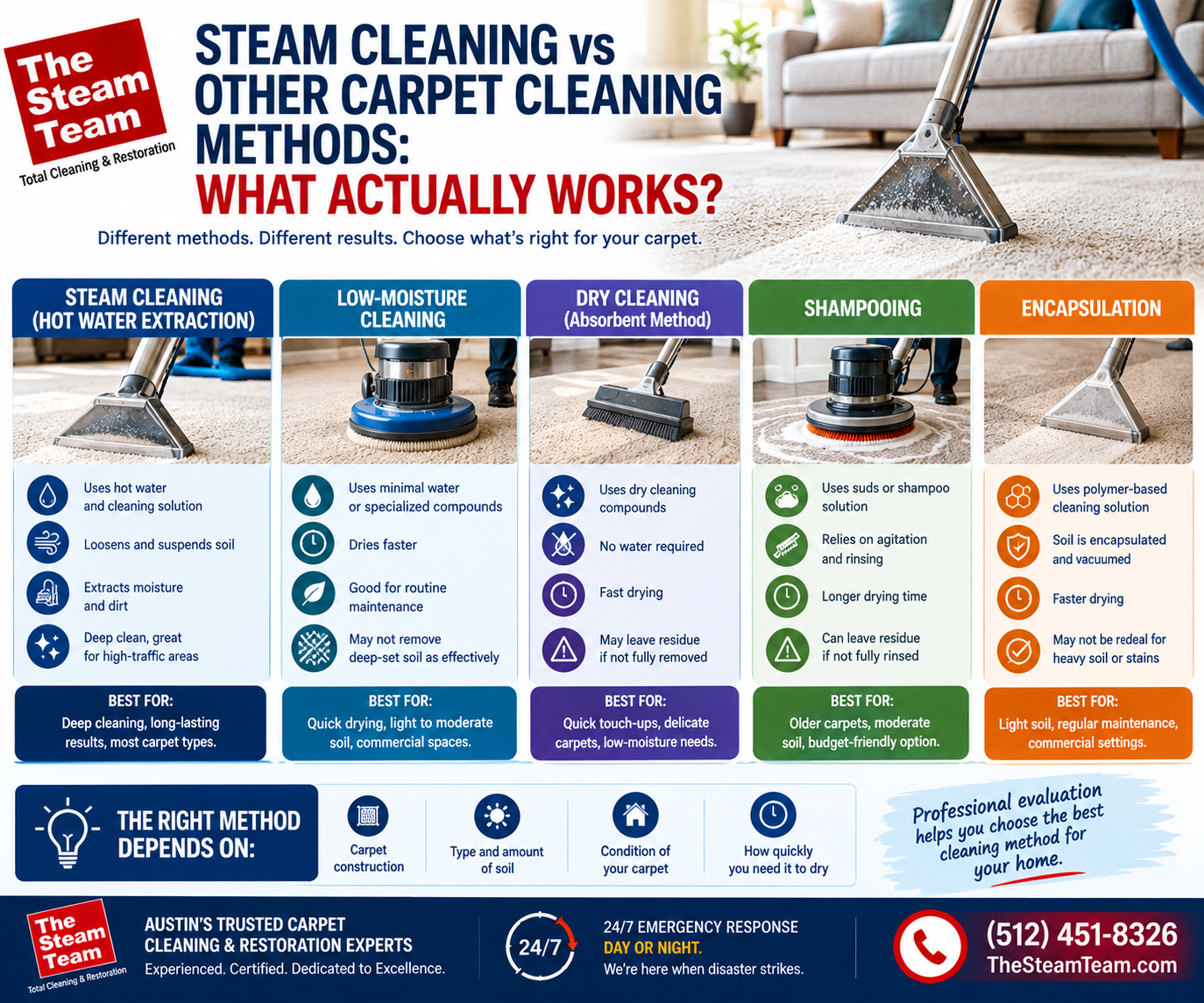
Read MoreSteam cleaning vs other carpet cleaning methods explained. Learn how extraction, low-moisture cleaning, DIY machines, and professional equipment differ.
Read MoreHow often should Austin homeowners professionally clean their carpets? Learn how traffic, pets, household use, and Austin's climate can affect your carpet cleaning schedule.
Read MoreLearn how to care for high-traffic carpet areas in your home. Discover practical maintenance tips, stain prevention strategies, and when professional carpet cleaning is recommended.
Read MoreLearn how to prepare your home before professional carpet cleaning. Discover simple steps that help technicians clean more efficiently and achieve the best possible results.
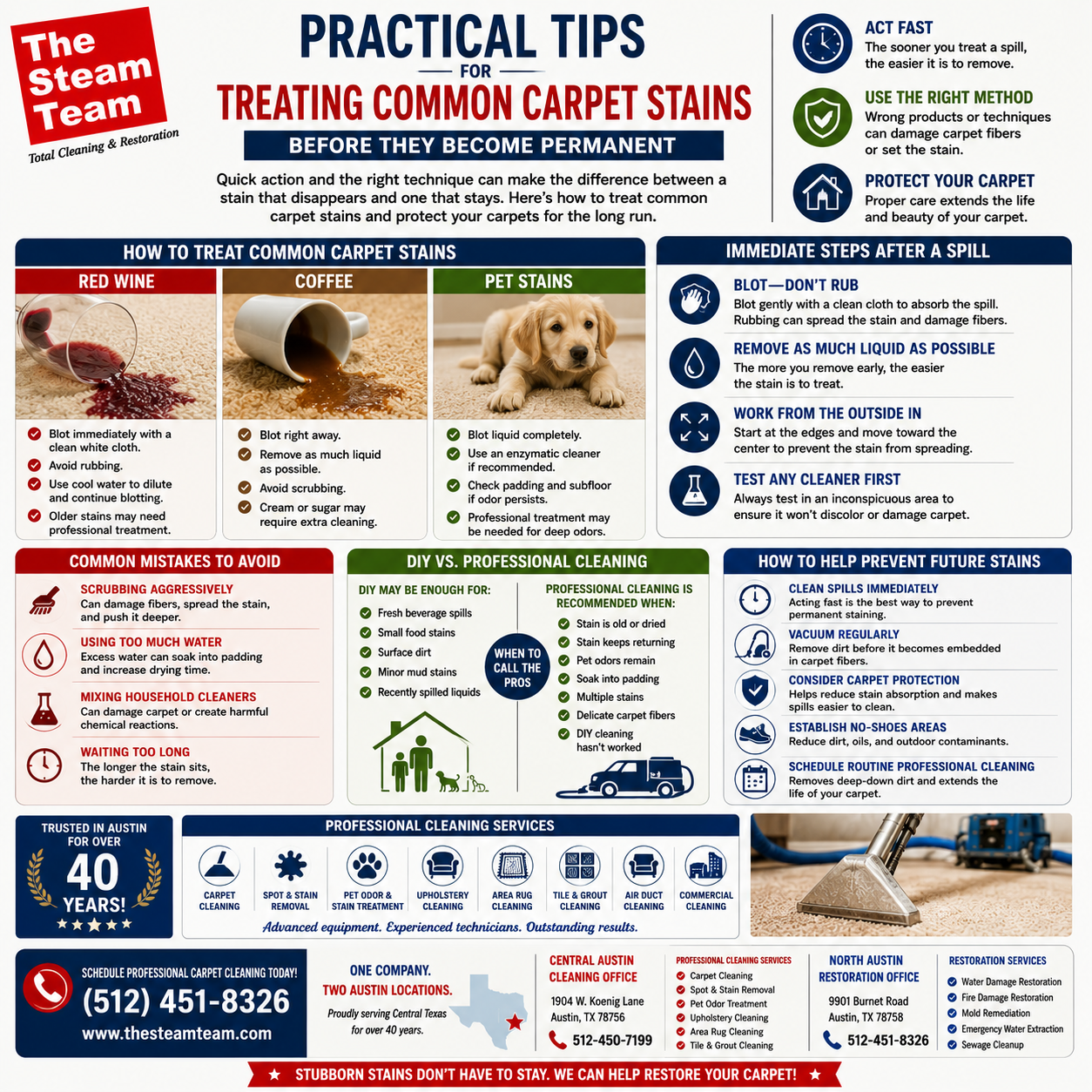
Read MoreLearn the best ways to remove wine, coffee, and pet stains from carpet. Discover what works, what to avoid, and when professional carpet cleaning is the best solution.
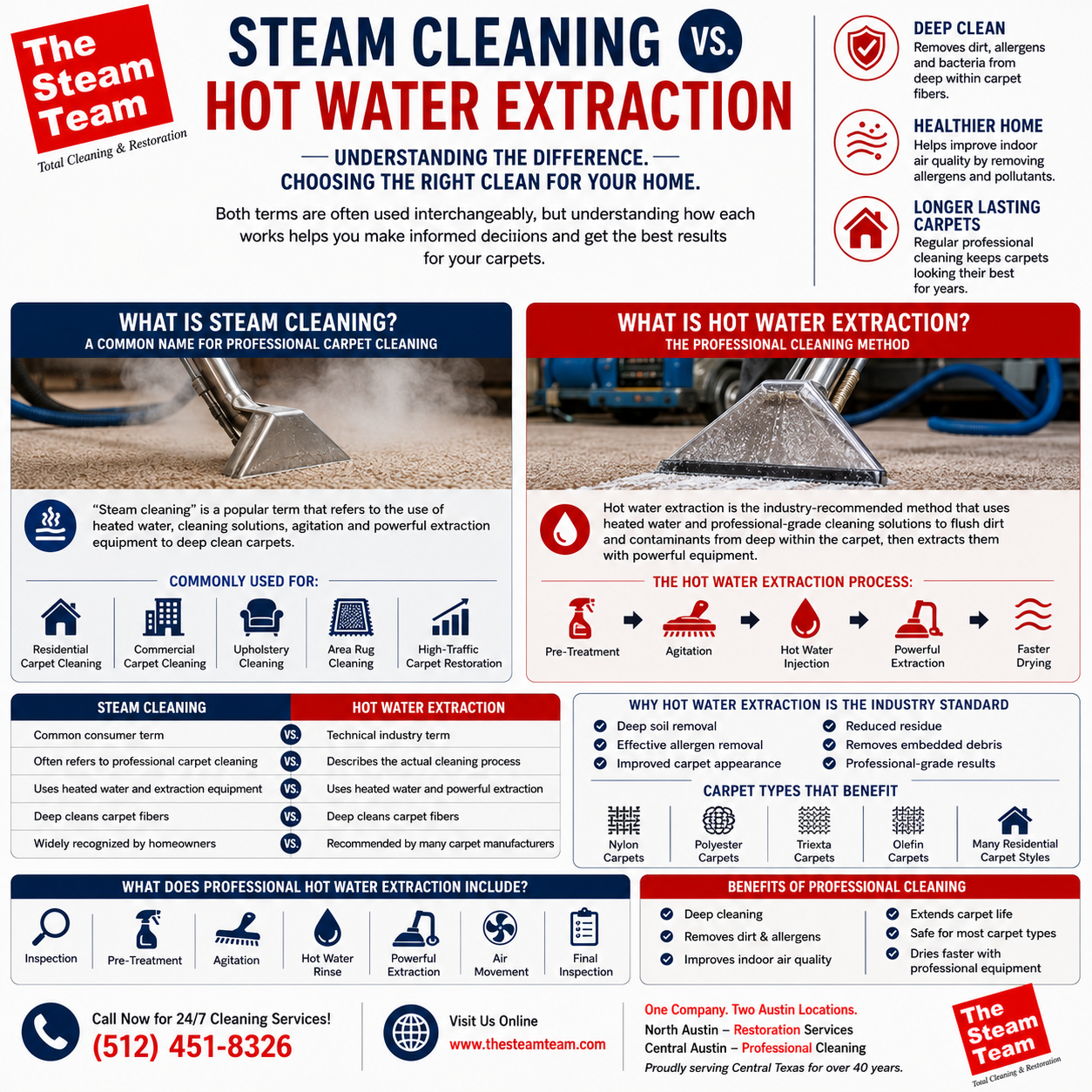
Read MoreLearn the difference between steam cleaning and hot water extraction. Compare both carpet cleaning methods, their benefits, and how to choose the right option for your Austin home.
Read MoreWondering how much professional carpet cleaning costs in Austin? Learn average pricing, factors that affect carpet cleaning costs, and how often you should schedule professional cleaning.
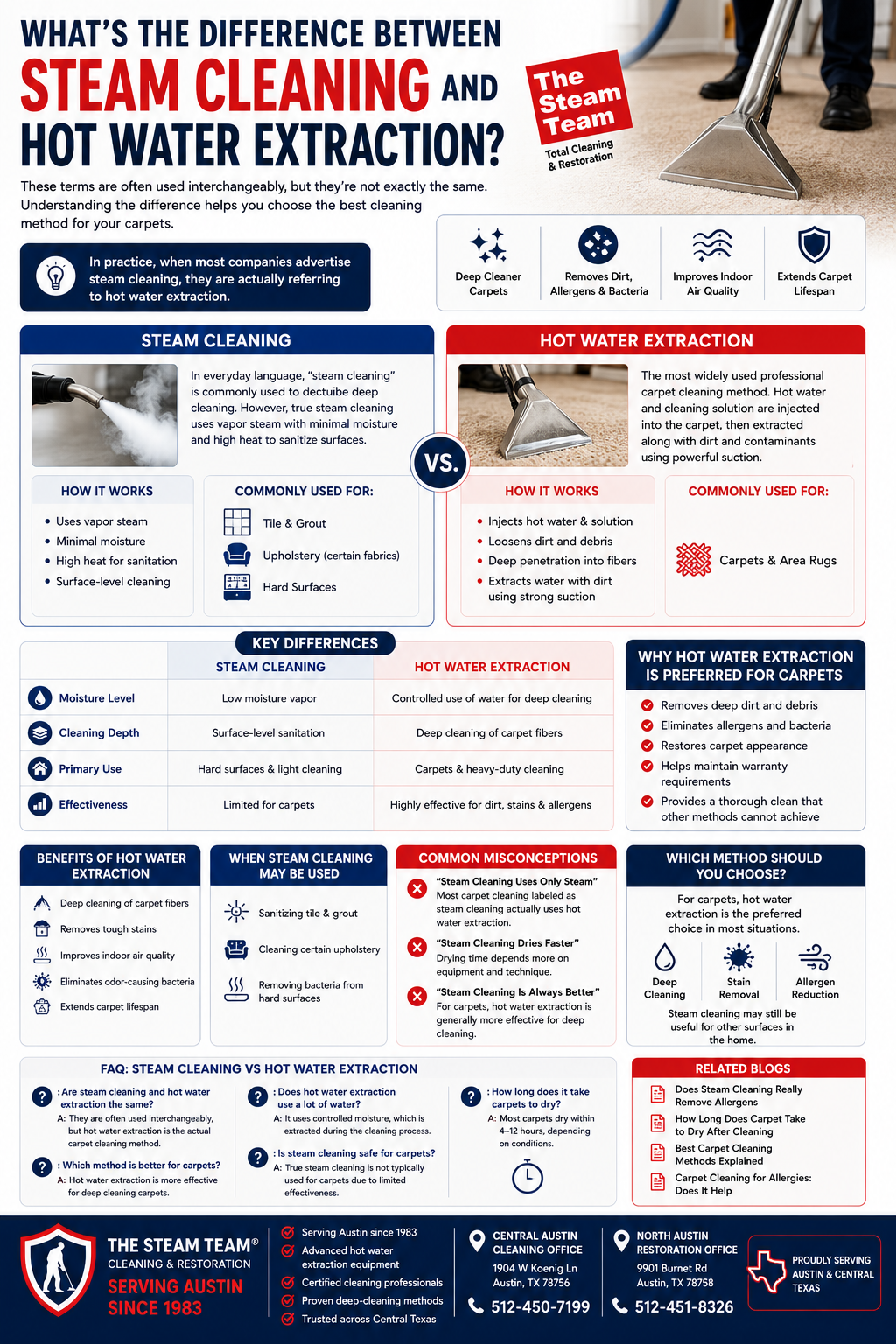
Read MoreWhat’s the difference between steam cleaning and hot water extraction? Learn which carpet cleaning method works best for deep cleaning and stain removal.
Read MoreCarpet stains can be a homeowner's worst nightmare, especially when they are stubborn and resistant to typical cleaning methods. Understanding the best carpet cleaning methods is essential for maintaining the beauty and longevity of your carpets. This article will explore effective solutions for tackling stubborn stains, including both DIY techniques and professional services. We will delve into the types of stains you might encounter, the importance of immediate action, and the specialized methods that can help restore your carpets to their original condition. By the end of this guide, you will be equipped with the knowledge to effectively manage stubborn carpet stains and know when to seek professional help.
Stubborn carpet stains can arise from various sources, and understanding their nature is crucial for effective cleaning. Common types of stains include organic stains, such as food and drink spills, and synthetic stains from products like ink or paint. Each type requires a different approach for successful removal.
Organic stains, such as those from food or beverages, often contain proteins and sugars that can be broken down with specific cleaning agents. In contrast, synthetic stains, like ink or dye, may require harsher chemicals or specialized treatments to lift them from carpet fibers. Recognizing the type of stain is the first step in determining the appropriate cleaning method.
Immediate action is vital when dealing with carpet stains. The longer a stain sits, the more it can set into the fibers, making it increasingly difficult to remove. Quick response can prevent permanent damage and reduce the need for professional intervention. For example, blotting a spill immediately can significantly improve the chances of complete stain removal.
Many homeowners prefer to tackle stains with DIY methods before calling in professionals. Several household items can be effective in removing stubborn stains without the need for expensive cleaning products.
A popular DIY method involves using baking soda and vinegar. To use this method, first, blot the stain to remove excess liquid. Then, sprinkle baking soda over the stain and spray a mixture of equal parts white vinegar and water on top. Allow it to fizz and sit for about 30 minutes before blotting it up with a clean cloth. This combination can effectively lift many types of stains, including those from food and drink.
Another effective DIY method is using a paste made from hydrogen peroxide and dish soap. Mix two parts hydrogen peroxide (3% concentration) with one part dish soap, and apply it directly to the stain. Let it sit for about 10-15 minutes, then blot with a clean cloth. This method is particularly useful for tough stains like grease or ink, as hydrogen peroxide acts as a mild oxidizing agent. Always test on an inconspicuous area first to avoid discoloration.
While DIY methods can be effective, there are times when professional carpet cleaning services are necessary. Understanding when to seek help can save time and prevent further damage to your carpets.
DIY methods may not always be sufficient for deep-set or large stains. Additionally, some cleaning agents can damage carpet fibers if not used correctly. For example, using bleach on colored carpets can lead to discoloration. If a stain persists after multiple attempts at removal, it may be time to consult a professional.
Professional carpet cleaners have access to advanced equipment and specialized cleaning solutions that can effectively tackle tough stains. They are trained to identify the best methods for different types of stains and can often achieve results that are difficult to replicate with DIY methods. Moreover, professional services can help extend the life of your carpets by ensuring they are cleaned thoroughly and safely.
Hot water extraction is a widely recommended method for deep cleaning carpets, especially for stubborn stains. This technique involves injecting hot water and cleaning solution into the carpet fibers, followed by powerful suction to remove dirt and stains.
The hot water extraction process works by loosening dirt and stains from carpet fibers through the application of heat and pressure. This method is highly effective for removing embedded dirt, allergens, and stubborn stains, making it a preferred choice for many professional carpet cleaning services. Studies indicate that hot water extraction can remove a significant percentage of common household allergens, contributing to a healthier indoor environment.
For pet owners, hot water extraction is particularly beneficial for removing pet stains and odors. The heat helps to break down organic matter, while the suction removes both the stain and any lingering odors. This method is effective in restoring carpets to a clean and fresh state, making it an ideal choice for households with pets.
The Steam Team offers a range of specialized solutions tailored to effectively address stubborn carpet stains. With over 44 years of experience, they utilize advanced techniques and products to ensure optimal results.
Enzymatic cleaners are designed to break down the proteins and organic matter found in pet stains. These cleaners contain specific enzymes that target and digest the stain, effectively neutralizing odors in the process. This makes them particularly effective for treating pet-related stains, ensuring that carpets are not only clean but also odor-free.
In Austin and Central Texas, The Steam Team provides a comprehensive suite of carpet cleaning services, including hot water extraction, specialized stain treatments, and routine maintenance. Their IICRC certification and commitment to customer satisfaction ensure that clients receive high-quality service tailored to their specific needs.
Choosing the right carpet cleaning service is crucial for achieving the best results. The Steam Team stands out due to its extensive experience and commitment to quality.
The Steam Team's IICRC certification signifies that they adhere to industry standards for carpet cleaning. With over 44 years of experience, they have honed their techniques and knowledge, ensuring that clients receive the highest level of service. This expertise translates into effective stain removal and carpet care.
Customer testimonials highlight The Steam Team's success in removing stubborn stains and restoring carpets to their original condition. Many clients report satisfaction with the results and the professionalism of the staff, reinforcing the company's reputation as a trusted provider of carpet cleaning services in Austin.
Cleaning Method
Effectiveness
Best For
Notes
DIY Baking Soda & Vinegar
Moderate
Food stains
Safe for most carpets
Hydrogen Peroxide & Dish Soap
High
Grease, ink
Test on inconspicuous area first
Hot Water Extraction
Very High
Deep cleaning
Recommended for pet stains
Stubborn carpet stains can be challenging, but with the right knowledge and tools, they can be effectively managed. Whether opting for DIY methods or professional services, understanding the nature of the stains and the appropriate cleaning techniques is essential for maintaining beautiful carpets.
If a stain reappears after cleaning, it may be due to residue left in the carpet fibers or the stain not being fully removed. To address this, try reapplying your cleaning solution and ensure you thoroughly rinse the area with water to remove any cleaning agent residue. Blot the area with a clean cloth to absorb excess moisture. If the stain persists, consider consulting a professional cleaner who can use specialized techniques to effectively treat the stain.
Preventing future carpet stains involves a combination of proactive measures. Use area rugs in high-traffic areas and consider applying a carpet protector to repel spills. Promptly clean any spills by blotting rather than rubbing, and keep food and drinks away from carpeted areas. Regular vacuuming and professional cleaning can also help maintain your carpets and reduce the likelihood of stains setting in.
Yes, there are several natural alternatives to commercial carpet cleaners. Common household items like baking soda, vinegar, and lemon juice can be effective for stain removal. For example, a mixture of baking soda and vinegar can lift many stains, while lemon juice can help brighten carpets. Always test any natural solution on a small, inconspicuous area first to ensure it does not cause discoloration or damage.
It is generally recommended to have carpets professionally cleaned every 12 to 18 months, depending on factors such as foot traffic, pets, and the type of carpet. High-traffic areas may require more frequent cleaning to maintain appearance and hygiene. Regular professional cleaning not only removes deep-set stains but also helps prolong the life of your carpets by removing dirt and allergens that regular vacuuming may miss.
When choosing a carpet cleaning service, consider factors such as their experience, certifications (like IICRC), and customer reviews. Look for companies that offer a variety of cleaning methods, including hot water extraction, and inquire about their cleaning products to ensure they are safe for your carpets. Additionally, ask about their satisfaction guarantee and whether they provide free estimates to ensure transparency in pricing.
Not all carpets are suitable for steam cleaning. While many synthetic carpets can withstand steam cleaning, natural fibers like wool or silk may be damaged by high heat and moisture. Always check the manufacturer's care instructions before using a steam cleaner. If in doubt, consult a professional cleaner who can recommend the best cleaning method for your specific carpet type.
Effectively managing stubborn carpet stains is essential for maintaining the beauty and longevity of your carpets. By understanding the types of stains and employing the right cleaning methods, whether DIY or professional, you can achieve impressive results. Don't hesitate to explore our range of carpet cleaning services to find the perfect solution for your needs. Take the first step towards spotless carpets today!
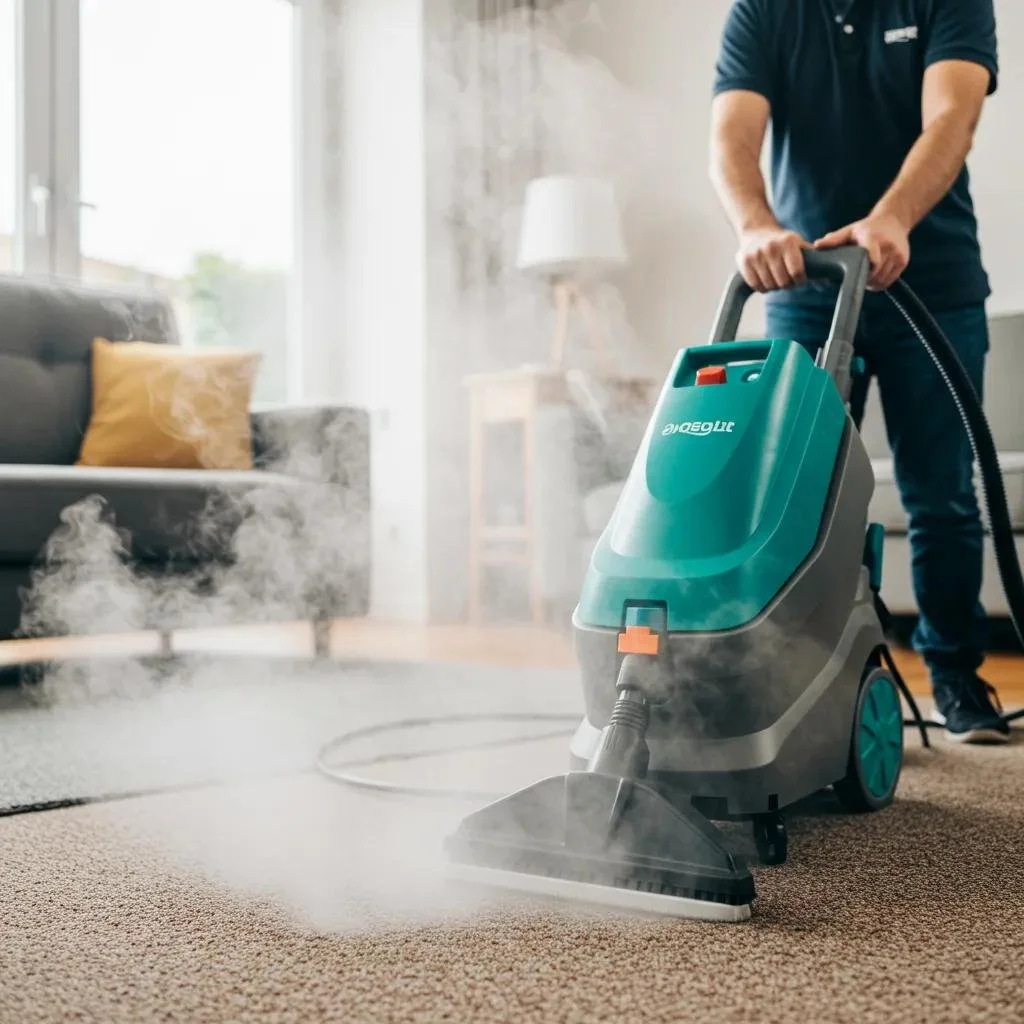
Steam cleaning, properly termed hot water extraction, uses high-temperature water, professional-grade detergents, agitation, and aggressive extraction to remove deep soils, allergens, and odors from carpet fibers, delivering measurable improvements in cleanliness and indoor air quality. This article explains how the hot water extraction process works, why it is widely recommended by manufacturers and industry standards, and how professional equipment and techniques change outcomes compared with shampooing or dry methods. Many homeowners and facility managers wrestle with stubborn stains, pet dander, dust mites, and lingering odors that simple vacuuming cannot resolve; hot water extraction addresses those problems by loosening soils and removing them rather than leaving residues behind. Read on for a step–by–step breakdown of the professional steam cleaning workflow, evidence-based benefits for health and carpet longevity, direct comparisons to alternative methods, and practical guidance for pet owners, allergy sufferers, and commercial sites. Along the way the article highlights how local, certified providers in Austin and Central Texas translate these technical advantages into reliable results and how to schedule professional service when deep cleaning or restoration is needed.
Steam carpet cleaning, commonly called hot water extraction, is a method that applies hot water and detergents under pressure into the carpet pile and then extracts the solution with high–vacuum equipment, removing loosened soils and allergens. The mechanism is straightforward: heat and surfactants emulsify oils and suspend dirt; mechanical agitation breaks soil bonds; and powerful extraction removes suspended particles and cleaning solution, leaving less residue than detergent–only approaches. Professional applications also include pre–inspection, targeted pre–treatment of stains, and post–cleaning grooming to restore pile, which together produce faster drying and better visual outcomes than many consumer methods. Understanding the equipment differences—truck–mounted units versus portable extractors—and the role of trained technicians clarifies why method and operator matter more than just the word “steam.”
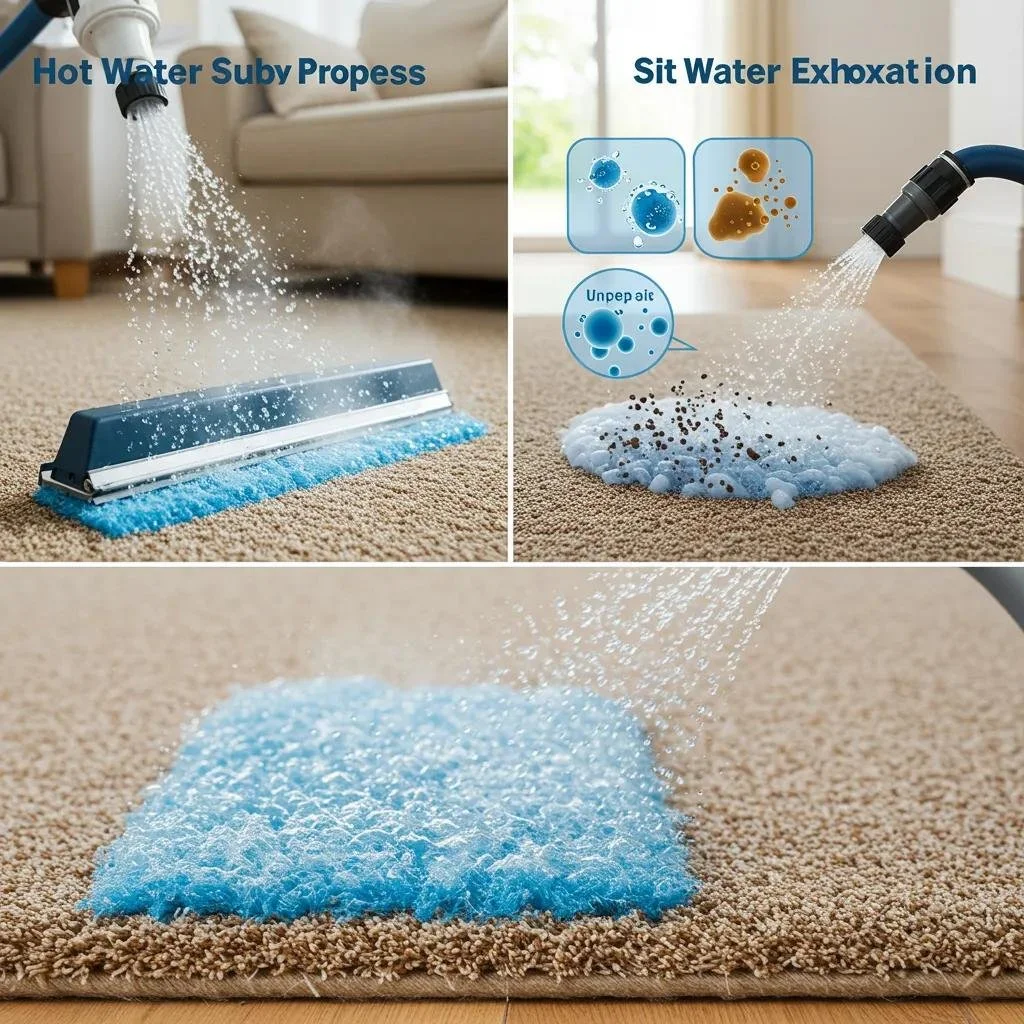
Hot water extraction uses hot, pressurized water combined with cleaning agents and immediate mechanical extraction to pull contaminants out of carpet fibers rather than pushing them deeper. Temperatures and pressures are controlled to maximize soil removal while protecting fiber integrity; detergents emulsify oily soils and enzymes target organic residues like pet stains. The term “steam cleaning” is often used colloquially even though the process primarily uses liquid hot water rather than dry vapor; this distinction matters when following manufacturer recommendations for specific fiber types. Knowing this difference helps consumers choose the right service and avoid confusion between vapor steam systems and hot water extraction machines.
Hot Water Extraction: The Science of Effective Carpet Soil Removal
Properly applied hot water extraction (HWE) is a method for the removal of soil. The process involves spraying the carpet with a cleaning solution and then extracting the solution and loosened soil with a powerful vacuum.
The Science of Carpet Cleaning, 2004
The professional process removes dirt and allergens through a sequence of actions that work together to lift, suspend, and remove particles from carpet fibers. First, technicians perform a visual inspection and spot–treat stains, then apply an appropriate pre–treatment to break down soils and oils; next, mechanical agitation or grooming assists penetration into the pile while hot water loosens embedded contaminants. High–flow extraction vacuums then remove the water, surfactants, and suspended particles, which reduces the trapped allergen reservoirs that vacuuming alone cannot reach. This combined approach is particularly effective for reducing pet dander, dust mites, and common allergenic particles that accumulate in the carpet backing and pile.
Allergen Removal from Carpets Using Hot Water Extraction
Hot water extraction (HWE) may be appropriate for dealing with soiled carpets, particularly in removing allergens. Studies show that HWE can efficiently extract allergens from carpet fibers, although effectiveness can vary with carpet wear.
Influence of wear, pile height, and cleaning method on removal of mite allergen from carpet, 2004
Professional outcomes improve when operators use high–efficiency, truck–mounted extraction units or industrial portable extractors with strong vacuum lift and heated rinse cycles, plus drying tools like HEPA–rated air movers for faster drying. Truck–mounted systems generally deliver higher flow and suction, increasing extraction efficiency, while portable units offer access and flexibility for tight spaces; both require trained technicians who understand settings and chemical choices. Certifications from industry bodies demonstrate adherence to standards and training: certified technicians follow protocols that reduce over–wetting and residue risks while achieving deeper soil removal. Recognizing equipment and certification indicators helps consumers select services that prioritize both efficacy and fiber safety.
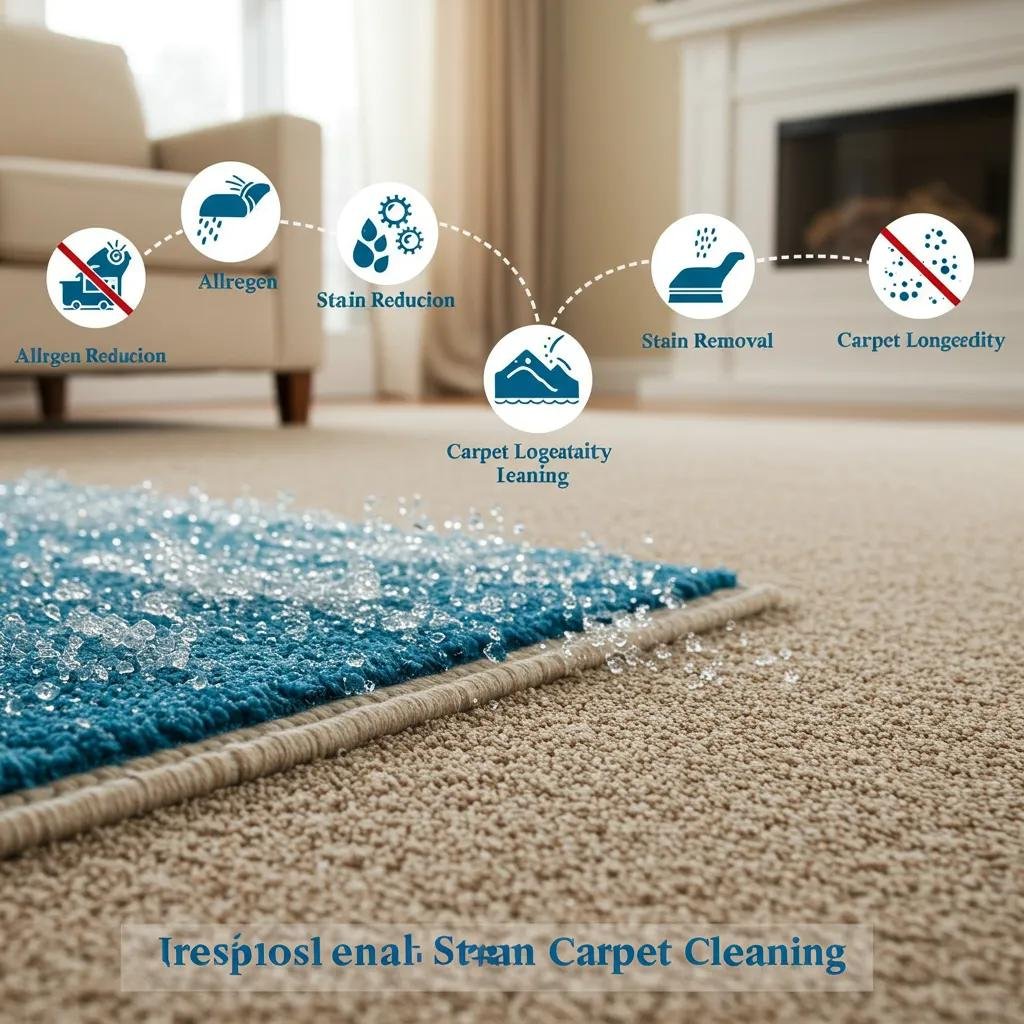
Professional steam cleaning provides deep removal of soils and stains, measurable allergen reduction, restoration of appearance, and reduced long–term wear by removing abrasive particles that degrade fibers. By combining heat, chemistry, agitation, and extraction, hot water extraction recovers trapped dust, pet dander, and many microbes that contribute to poor indoor air quality, while rinsing away residues that attract soil if left behind. The method also supports stain remediation—particularly for beverage and organic stains—when technicians use targeted pre–treatments and enzyme solutions. Finally, efficient extraction and drying reduce mold and mildew risk from excess moisture and help carpets retain color and pile resilience longer than surface cleaning alone.
Different benefits and their measurable effects are summarized below to compare outcomes and set expectations.
| Benefit Area | What Steam Cleaning Does | Typical Outcome |
|---|---|---|
| Allergen reduction | Removes embedded dust, pet dander, and mites via extraction | Noticeable decrease in settled allergen reservoirs |
| Stain and soil removal | Emulsifies and extracts oils, beverage, and organic stains | Improved appearance and reduced visible soiling |
| Carpet longevity | Removes abrasive particles that cause fiber wear | Slower pile breakdown and color fading |
| Indoor air quality | Reduces particulate reservoirs that re–enter air | Fewer airborne allergens after agitation/vacuuming |
This table shows that steam cleaning addresses both surface and subsurface problems, yielding tangible benefits for health, aesthetics, and lifespan when executed properly.
After reviewing benefits, it helps to see the core outcomes as a concise list to guide decision–making.
Deep cleans beyond vacuuming to remove embedded soils and allergens.
Rinses away cleaning agents and suspended particles to minimize residue.
Restores carpet pile and color with appropriate grooming and protection.
Reduces long–term wear by eliminating abrasive sand and grit from fibers.
These benefits make hot water extraction a preferred choice for households concerned about allergens, pet odors, or high traffic wear. In the next section, we compare steam cleaning with other common methods to highlight the operational differences and practical trade–offs. Additionally, for readers in the Austin area seeking trusted providers, local certified technicians translate these technical benefits into consistent results.
Hot water extraction generally outperforms shampooing and many dry–cleaning systems on deep soil removal and residue avoidance because it rinses and extracts contaminants rather than coating fibers with detergents. Shampooing can be effective for cosmetic surface cleaning but often leaves sticky residues that re–attract soil, shortening the interval between services; dry encapsulation methods promise quick turnarounds but may not penetrate heavy, oily soils or allergen reservoirs. Manufacturer guidance and industry standards typically favor hot water extraction for deep cleaning and warranty compliance, though certain delicate natural fibers require alternative approaches. The decision balance depends on soil type, downtime tolerance, and manufacturer recommendations.
| Method | Residue Risk | Drying Time | Deep Soil Removal | Manufacturer Recommended |
|---|---|---|---|---|
| Hot Water Extraction | Low | 2–12 hours (with air movers) | High | Often recommended |
| Shampooing | Medium–High | 12+ hours | Medium | Sometimes discouraged |
| Dry/Capsule Cleaning | Low | <2 hours | Low–Medium | Selective use for quick service |
This comparison highlights practical trade–offs: extraction minimizes residue and achieves deeper cleaning at the cost of slightly longer drying, while dry methods favor speed but not depth.
Key contrasts are easier to scan in a short list for consumers choosing a method:
Hot water extraction: best for deep cleaning, allergen reduction, and manufacturer compliance.
Shampooing: useful for surface refresh but higher residue risk unless thoroughly rinsed.
Dry/encapsulation: fast drying and minimal downtime but limited for heavy or oily soils.
Having compared methods, the article now turns to local provider selection and how professional service in Austin and Central Texas leverages certifications and guarantees to deliver these technical advantages reliably.
Choosing a professional service means selecting technicians who combine the right equipment with standardized practices, certifications, and local knowledge to translate theoretical benefits into predictable outcomes. In Austin and surrounding Central Texas, a provider that lists certifications and recognized trust signals indicates standardized training and adherence to industry protocols; those qualifications map to better stain outcomes, lower residue risk, and effective drying. Local service logistics—familiarity with regional soil types, pet prevalence, and common indoor air concerns—also contributes to more accurate pre–treatment choices and efficient scheduling. A strong service guarantee and emergency restoration availability further reduce customer risk when deep cleaning or water–related restoration is necessary.
| Company Credential | What It Means | Customer Benefit |
|---|---|---|
| IICRC–certified technicians | Technicians trained to industry standards | Consistent cleaning protocols, reduced fiber damage |
| NADCA certification | Duct and air system standards for air quality | Better integrated IAQ–focused cleaning approaches |
| A+ BBB rating | Recognized business practices and complaint handling | Greater customer confidence and dispute resolution |
| Local service guarantee | Commitment to rectify issues if not satisfied | Risk reduction and assurance of quality |
This table translates certification and trust signals into direct customer benefits, making it easier to understand why local credentials matter when hiring steam cleaning professionals.
The Steam Team provides local expertise and service coverage across Austin and Central Texas, offering both residential and commercial solutions and a stated satisfaction approach that prioritizes rectification if customers are not completely satisfied. This combination of certified technicians, IAQ–aware services, and localized knowledge helps ensure the technical advantages of hot water extraction are realized in real homes and businesses.
Longstanding local presence refines cleaning techniques to regional conditions—knowing how Austin soils, common carpet fiber types in area homes, and typical pet–related challenges interact with cleaning chemistry and equipment. Experienced teams calibrate pre–treatment formulas, agitation methods, and drying sequences to reduce risks like over–wetting or residue buildup that inexperienced providers may cause. Familiarity with local restoration needs also streamlines coordination in water or fire damage scenarios, helping customers return to normal faster while preserving carpet integrity. That practical, location–specific expertise converts industry best practices into reliable, site–appropriate results.
Certifications indicate technicians follow standardized procedures that reduce errors such as over–application of chemicals or improper extraction settings, and guarantees shift the risk away from the customer by committing to corrective action when expectations are not met. Trained technicians understand manufacturer recommendations and when to use alternative methods for delicate fibers, which protects warranties and extends carpet life. A clear satisfaction process also ensures follow–up care and provides accountability, making it simpler for customers to resolve issues without prolonged dispute. Together, certification and guarantee frameworks promote consistent outcomes and peace of mind.
The Steam Team lists service coverage across Austin and nearby Central Texas communities, including Round Rock, Georgetown, Cedar Park, Leander, Buda, Kyle, Pflugerville, and Dripping Springs, enabling rapid local response for both scheduled cleaning and emergency restoration. Local routing and area familiarity reduce travel time and help technicians arrive with the right equipment and supplies for region–specific soils and common household needs. Customers in these communities benefit from technicians who understand local building materials, pet patterns, and air quality concerns, which streamlines service planning and execution.
Hot water extraction adapts well to targeted use cases—pets and odors, allergy mitigation, and both residential and commercial scale jobs—by varying pre–treatments, enzyme use, equipment power, and scheduling to match objectives. For pet stains, enzyme pretreatment and thorough extraction are essential to remove urine salts and organic residues; for allergy sufferers, repeated extraction combined with HEPA vacuuming and duct cleaning reduces reservoirs that feed airborne particulates. Commercial settings rely on higher–flow truck–mounted units and after–hours scheduling to minimize downtime while maintaining appearance and hygiene in high–traffic zones. These tailored protocols make steam cleaning effective across diverse scenarios.
Pet and odor protocols typically include enzyme pretreatment, multiple extraction passes, and follow–up odor neutralization where needed.
Allergy–focused services emphasize HEPA vacuuming, extraction of allergen reservoirs, and coordination with air duct cleaning when IAQ concerns are present.
Commercial cleaning leverages high–flow equipment, scheduled maintenance plans, and traffic–lane treatments to preserve appearance with minimal disruption.
These targeted approaches reflect how hot water extraction is more than a single technique—it is a suite of practices adjusted to meet specific cleaning objectives.
Steam cleaning is highly effective for many pet stains when technicians use enzyme pretreatments to break down organic residues and then extract the soluble components thoroughly; this two–step approach reduces both visible staining and odor–causing residues. Deeply set urine that has wicked into padding or subflooring may require additional treatments or repeat visits, and technicians can identify when remediation beyond carpet cleaning is necessary. Follow–up care—such as advising on spot cleaning and protective treatments—helps prevent recurrence and maintain outcomes. In most household cases, hot water extraction substantially reduces both stain visibility and persistent odors.
For allergy and asthma sufferers, hot water extraction reduces allergen reservoirs in carpet fibers by mechanically removing dust mites, pollen, and pet dander that vacuuming often leaves behind, thereby lowering the pool of particles that can become airborne. When combined with pre–clean HEPA vacuuming and optional air duct attention, the net effect on indoor air quality can be significant, reducing triggers in sensitized individuals. Recommended service cadence for symptomatic households is more frequent cleaning aligned with occupancy and pet activity to maintain lower allergen levels. This targeted scheduling plus extraction delivers the greatest health–related benefit from carpet cleaning.
Commercial steam cleaning uses higher–capacity equipment, coordinated scheduling, and maintenance contracts to handle larger areas, heavier soil loads, and operational constraints; this scale enables faster turnaround and deeper extraction rates suited to retail, office, and hospitality environments. Residential services emphasize careful spot treatment, fiber–safe chemistries, and aesthetic restoration, prioritizing pile grooming and minimal intrusion. Businesses benefit from after–hours or weekend scheduling to reduce disruption and from maintenance plans that spread costs while preserving appearance. Choosing the right operational approach ensures appropriate equipment, staffing, and timing for each environment.
People commonly ask whether steam cleaning is safe for all carpets, how long drying takes, whether it kills mold and bacteria, potential disadvantages, and how to schedule service; concise answers help with purchase decisions and featured snippet visibility. Below are focused responses that summarize practical expectations and guide consumers toward informed choices.
Steam cleaning suits most synthetic carpets and many blends because hot water extraction rinses rather than leaving residues, but some natural fibers like certain wools and delicate constructions require testing or alternative methods to prevent shrinkage or color change. Always check manufacturer tags and warranty recommendations before scheduling a full cleaning, perform a discreet patch test when in doubt, and consult certified technicians for fibers that need specialized care. When in question, professionals can recommend safe approaches that preserve both appearance and warranty compliance.
Typical drying times range from about 2 to 12 hours depending on factors like extraction efficiency, ambient humidity, airflow, and use of drying equipment; truck–mounted systems with high vacuum lift plus air movers usually produce faster drying. Opening windows, using fans, and running HVAC with dehumidification all shorten drying duration, while cooler, more humid conditions lengthen it. Technicians can advise on expected drying times during pre–service planning and deploy HEPA–rated air movers when quick turnaround is needed for occupancy or commercial operations.
Extraction reduces microbial load on carpet fibers by removing organic food sources and physically extracting microbes, and sanitizers can lower surface microbial counts, but visible or structural mold growth often requires remediation beyond carpet cleaning of the affected areas. If mold is suspected in padding, subflooring, or within building structures, professional remediation protocols are necessary to address sources and prevent recurrence. For surface–level microbial concerns, extraction plus appropriate sanitization reduces risk and improves indoor hygiene.
Hot Water Extraction for Decontaminating Carpets from Fungal Spores
Carpets cleaned with one hot water extraction technique had significantly fewer viable M. canis hairs and spores than untreated carpets. Removal of debris prior to carpet shampooing is a consistent recommendation for effective cleaning.
Decontamination of carpet exposed to Microsporum canis hairs and spores, 2017
Potential disadvantages include risk of over–wetting or improper chemical selection by inexperienced providers, which can leave residues or prolong drying times, and slight downtime while carpets dry; however, certified technicians using the right extraction settings and drying equipment mitigate these risks. Some delicate natural fibers may be sensitive to high temperatures or aggressive agitation, so adherence to manufacturer guidance is essential. Overall, proper technique and training vastly reduce the disadvantages while maximizing long–term benefits.
To schedule service, prepare basic details about the job—area square footage, high–traffic zones, pet presence, and any known stains—so the provider can estimate equipment needs and time; expect a service representative to confirm scheduling availability and clarify pre–appointment preparation. For local service in Austin and surrounding Central Texas, authorized providers list service areas and contact methods for quotes and appointment requests; when immediate restoration is required for water or fire damage, emergency availability and a stated satisfaction guarantee provide additional reassurance. Provide clear access instructions and communicate any fiber or warranty concerns ahead of the visit to ensure technicians arrive with the correct supplies and treatments.
Gather job details: room sizes, fiber types, stains, and pets.
Request a quote or time window from the provider with this information.
Confirm pre–service instructions and expected drying times.
Schedule follow–up if specialized odor or restoration work is needed.
This sequence helps ensure accurate estimates and efficient service delivery, aligning technical requirements with customer expectations.
Preparing your home for steam cleaning involves several steps to ensure the process goes smoothly. First, clear the area of any furniture, toys, or personal items to provide unobstructed access to the carpets. Vacuum the carpets thoroughly to remove loose dirt and debris. If there are any specific stains or problem areas, make a note of them for the technician. Additionally, ensure that pets are secured in a separate area to avoid any distractions during the cleaning process.
The frequency of professional steam cleaning depends on several factors, including foot traffic, pets, and allergies. Generally, it is recommended to have carpets professionally cleaned every 6 to 12 months. Households with pets or allergy sufferers may benefit from more frequent cleanings, such as every 3 to 6 months, to effectively manage allergens and odors. Regular maintenance helps prolong the life of your carpets and keeps them looking their best.
Steam cleaning can assist in reducing surface mold and mildew on carpets by extracting moisture and organic material that supports mold growth. However, if mold has penetrated the carpet padding or subfloor, professional remediation may be necessary. It's essential to address the source of moisture to prevent mold from returning. If you suspect significant mold issues, consult with a professional who can assess the situation and recommend appropriate actions beyond steam cleaning.
Steam cleaning is particularly effective for removing a variety of stains, including those from food, beverages, and pet accidents. The combination of heat, pressure, and specialized detergents helps to emulsify and extract stubborn stains, including organic materials like urine and feces. For the best results, technicians often apply targeted pre-treatments to break down tough stains before the steam cleaning process. This method can significantly improve the appearance of carpets and eliminate lingering odors.
When performed by trained professionals, steam cleaning poses minimal risk to carpets. However, improper techniques or equipment settings can lead to issues such as over-wetting or damage to delicate fibers. It's crucial to hire certified technicians who understand the specific requirements of different carpet types. They will follow manufacturer guidelines and use appropriate cleaning solutions to ensure the integrity of your carpets is maintained throughout the cleaning process.
Steam cleaning, or hot water extraction, uses hot water and detergents to deeply clean carpets, effectively removing dirt, allergens, and stains. In contrast, dry cleaning employs a minimal amount of moisture and relies on chemical solvents to clean carpets. While dry cleaning offers quick drying times, it may not achieve the same level of deep cleaning as steam cleaning. For heavily soiled carpets or those with significant allergens, steam cleaning is generally the preferred method.
To maintain your carpets after steam cleaning, consider implementing a regular vacuuming schedule to remove surface dirt and debris. Use doormats at entry points to minimize dirt tracked into your home. Address spills and stains promptly with appropriate cleaning solutions to prevent them from setting. Additionally, consider scheduling professional cleanings every 6 to 12 months to keep your carpets in optimal condition and prolong their lifespan. Regular maintenance will help preserve the appearance and hygiene of your carpets.
Professional steam cleaning offers unparalleled benefits, including deep soil and allergen removal, enhanced indoor air quality, and prolonged carpet lifespan. By utilizing advanced techniques and equipment, this method effectively addresses stubborn stains and odors, ensuring a cleaner and healthier living environment. For those in Austin and Central Texas, choosing certified professionals guarantees reliable results tailored to your specific needs. Schedule your steam cleaning service today to experience the transformative effects of hot water extraction.
Our mission is to provide you with the most outstanding service experience ever. Some of our most popular services include Carpet Cleaning, Tile Cleaning, Air Duct Cleaning, Water Damage, Fire Damage Restoration and Construction Services.
Quick Cleaning Quote
Email: info@thesteamteam.com
Georgetown: (512) 868-0358
Dallas: (214) 631-8326
Naples, FL: (239) 450-1936
Toll Free: (800) 880-7785