Best Way to Remove Wine, Coffee, and Pet Stains from Carpet
/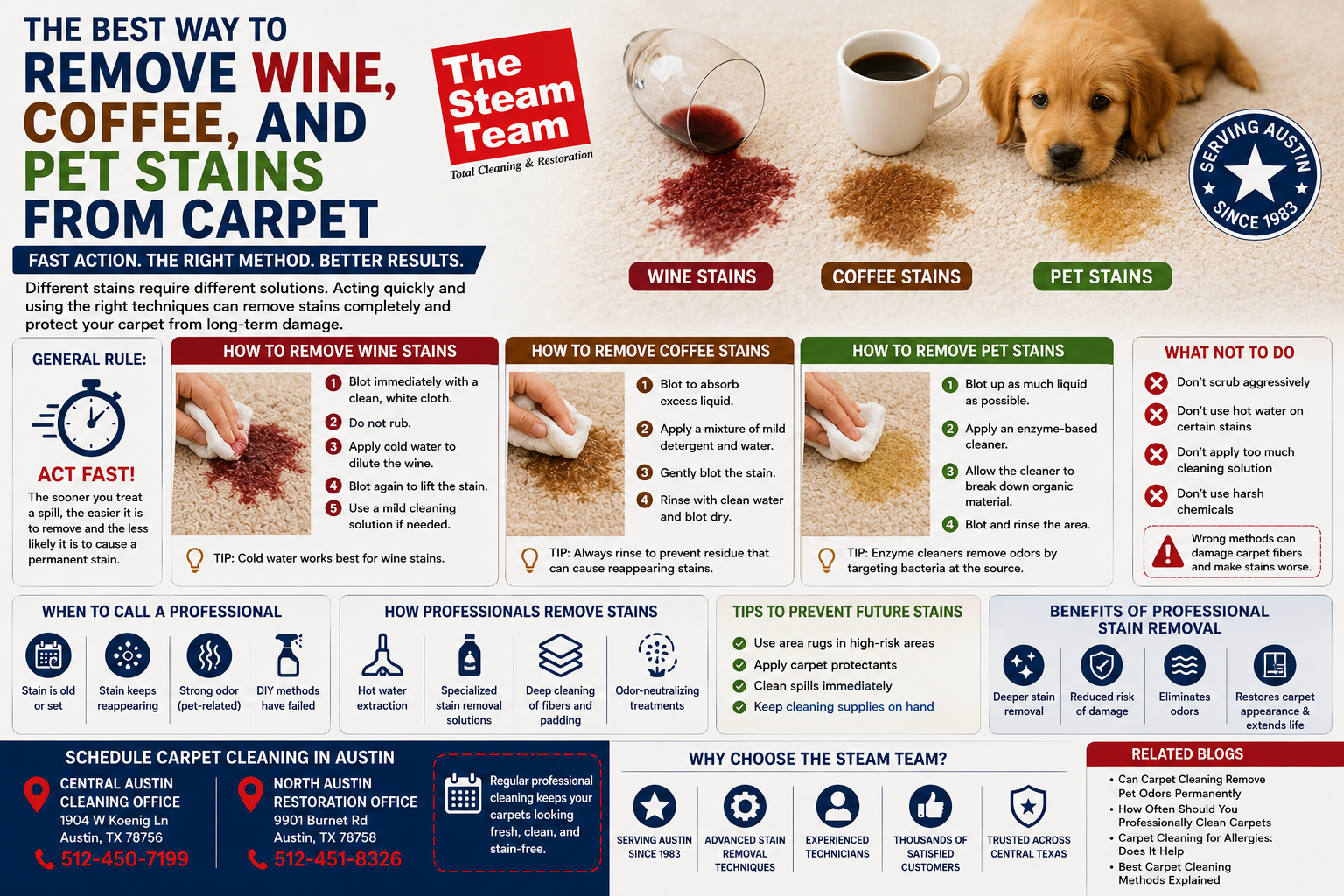
Carpet stains are one of the most frustrating issues homeowners face. Spills happen quickly, whether it’s a glass of red wine,
Read More
Explore expert tips on water damage restoration, carpet cleaning, rug cleaning, mold remediation, and air duct cleaning in Austin, TX. Trusted local insights from The Steam Team since 1983.
Carpet stains are one of the most frustrating issues homeowners face. Spills happen quickly, whether it’s a glass of red wine,
Read MoreMany homeowners try to remove these smells using sprays or home remedies, only to find that the odor keeps coming back.
Read MoreCarpets do much more than add comfort and style to your home, they act as a filtration system, trapping dust, dirt, allergens, bacteria,
Read MoreAustin’s year-round humidity presents unique challenges to carpet longevity and indoor air quality, making specialized carpet cleaning techniques in Austin essential for every homeowner and business. In this guide, you’ll discover how high moisture levels accelerate fiber wear, mold growth, allergen accumulation and seasonal debris impact carpet condition. You will learn proactive maintenance routines from vacuuming frequency and dehumidifier use to spill response and fiber selection—and understand when professional intervention is critical. We’ll explore The Steam Team’s locally honed hot water extraction method, fast-drying treatments and licensed mold remediation services, and walk through emergency water damage steps. By the end, you’ll have a complete roadmap for preserving carpet health, boosting indoor air quality, and knowing exactly when to request a quote or schedule an appointment with over four decades of Austin expertise. Let’s begin by examining how Austin’s humidity shapes carpet health and longevity.
Austin’s elevated humidity levels, often exceeding 60 percent in summer, directly influence carpet fiber integrity and microbial growth. High moisture creates an environment where mold spores thrive, adhesives degrade, and padding deteriorates. Maintaining indoor humidity between 30 and 50 percent is vital to slow fiber breakdown, prevent odors and extend the life of synthetic or natural carpets. Understanding these influences sets the stage for targeted maintenance and professional support.
Persistent humidity leads to accelerated wear as damp fibers lose resilience, flatten under foot traffic and trap moisture beneath the surface. Poorly dried spills and routine condensation beneath furniture create pockets where adhesives soften, leading to delamination. In addition, moisture-worn padding fails to provide proper cushion, increasing strain on carpet piles. Recognizing these stressors allows homeowners to adopt humidity control strategies that protect carpet structure and surface appearance.
Mold and mildew formation begins when moisture becomes trapped in carpet tufts or padding, providing nutrient-rich surfaces for fungi. Warm, humid air carries mold spores that settle into fibers, proliferate within 24–48 hours of exposure, and release musty odors. Without prompt drying and professional hot water extraction, colonization can damage backing materials and pose health risks. Early detection through visible spots or persistent odor signals the need for remediation.
High humidity supports both dust mite breeding and pollen retention within carpet fibers. Carpets act like sponges, capturing pet dander, cedar pollen, and dust particles that feed mites and worsen allergy symptoms. Routine vacuuming, paired with deep steam cleaning, removes those allergens before they embed deeply. When indoor air quality suffers, professional treatments can reduce allergen load by over 90 percent, supporting healthier breathing environments.
Austin’s seasonal shifts bring cedar pollen surges in winter, spring rains that elevate indoor moisture, and summer heat that spikes humidity. Autumn leaf debris tracked indoors contributes additional organic matter that retains moisture. These cyclical factors compound stress on carpets, requiring adaptive routines such as pre-season deep cleaning, AC maintenance, and humidity monitoring to mitigate fiber damage and microbial growth over the year.
Proactive maintenance safeguards carpets from climate-driven damage by combining routine cleaning with humidity control and smart material choices. Regular vacuuming, humidity regulation and prompt spill management work together to prevent moisture infiltration, fiber breakdown and allergen accumulation. Establishing these habits reduces reliance on emergency restoration and promotes long-term carpet performance.
Vacuum carpets at least twice weekly with a HEPA filtration vacuum to capture fine particles and allergens before they settle. Conduct a professional hot water extraction cleaning every 12 months—or every 6–9 months in the most humid seasons—to remove deep-seated dirt and microbial buildup. This schedule aligns with industry recommendations for humid regions and keeps fibers resilient against moisture-induced wear.
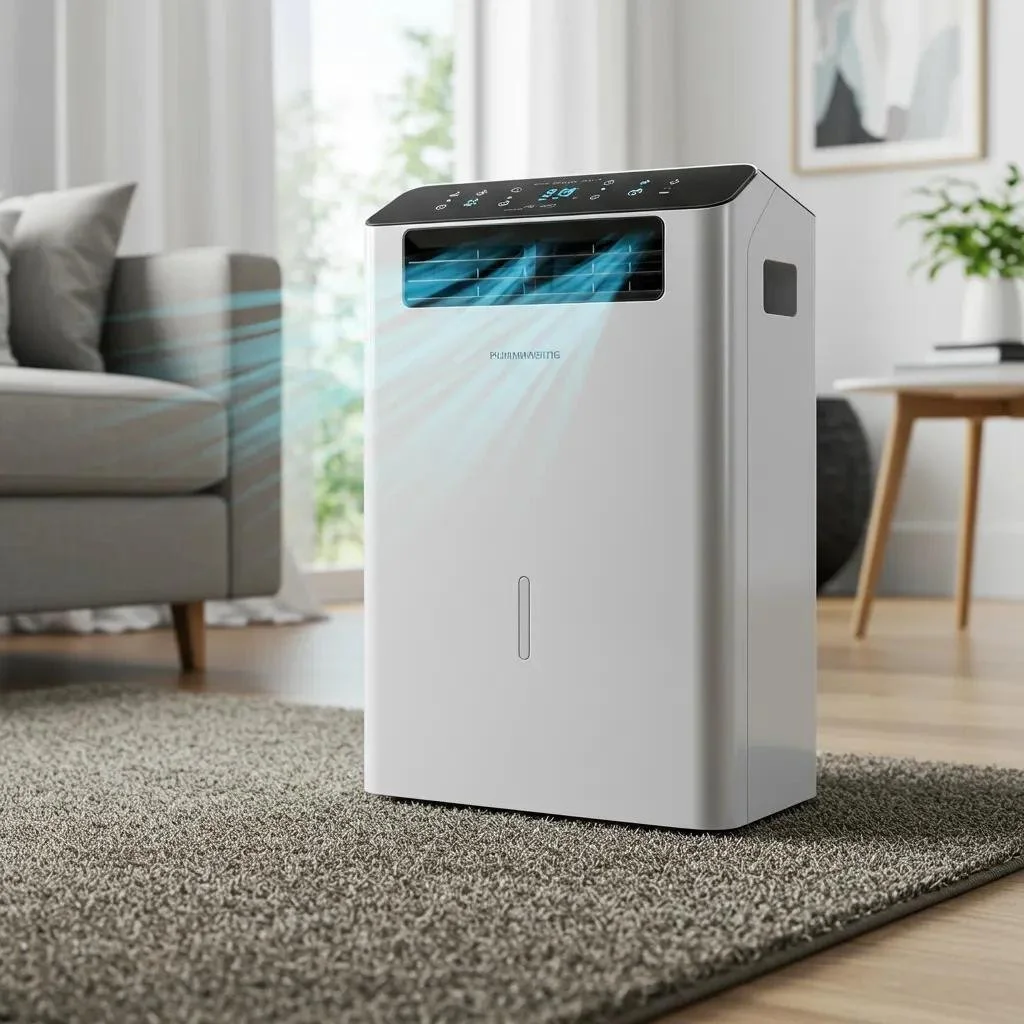
Dehumidifiers and properly balanced HVAC systems maintain indoor humidity between 30 and 50 percent, reducing microbial growth and fiber swelling. Point dehumidifiers in high-traffic or moisture-prone areas to target local dampness, while ensuring adequate air circulation beneath furniture. Regular HVAC filter changes and duct cleanings support efficient air exchange, minimizing moisture pockets that encourage mold development.
When spills occur, immediately blot liquids with absorbent, lint-free cloths, working from the edges inward to avoid spreading moisture. Apply minimal water-based cleaner and follow with a dry absorbent pad. Use portable fans or a dehumidifier to accelerate drying within hours. Avoid excessive scrubbing, which can embed contaminants and damage pile integrity.
Synthetic fibers such as nylon, polyester and Triexta resist moisture absorption and mold growth better than natural wool in humid conditions. Moisture-resistant padding—closed-cell or rubberized foam—prevents damp entrapment and supports faster drying. Choosing these materials reduces long-term maintenance needs and enhances carpet durability in Austin’s challenging environment.
| Fiber Type | Moisture Resistance | Why Essential |
| Nylon | High | Retains shape under humidity and resists microbial growth |
| Polyester | Moderate | Dries quickly and maintains color stability |
| Triexta | High | Naturally hydrophobic fibers minimize water absorption |
| Wool | Low | Prone to moisture absorption and mold without treatment |
Professional cleaning combines advanced methods and specialized equipment to overcome humidity-driven challenges that DIY approaches cannot fully address. Hot water extraction extracts deeply embedded moisture, allergens and contaminants, while powerful drying systems remove residual dampness swiftly. Licensed technicians leverage over 40 years of local expertise to tailor treatments that preserve fiber integrity and indoor air quality year-round.
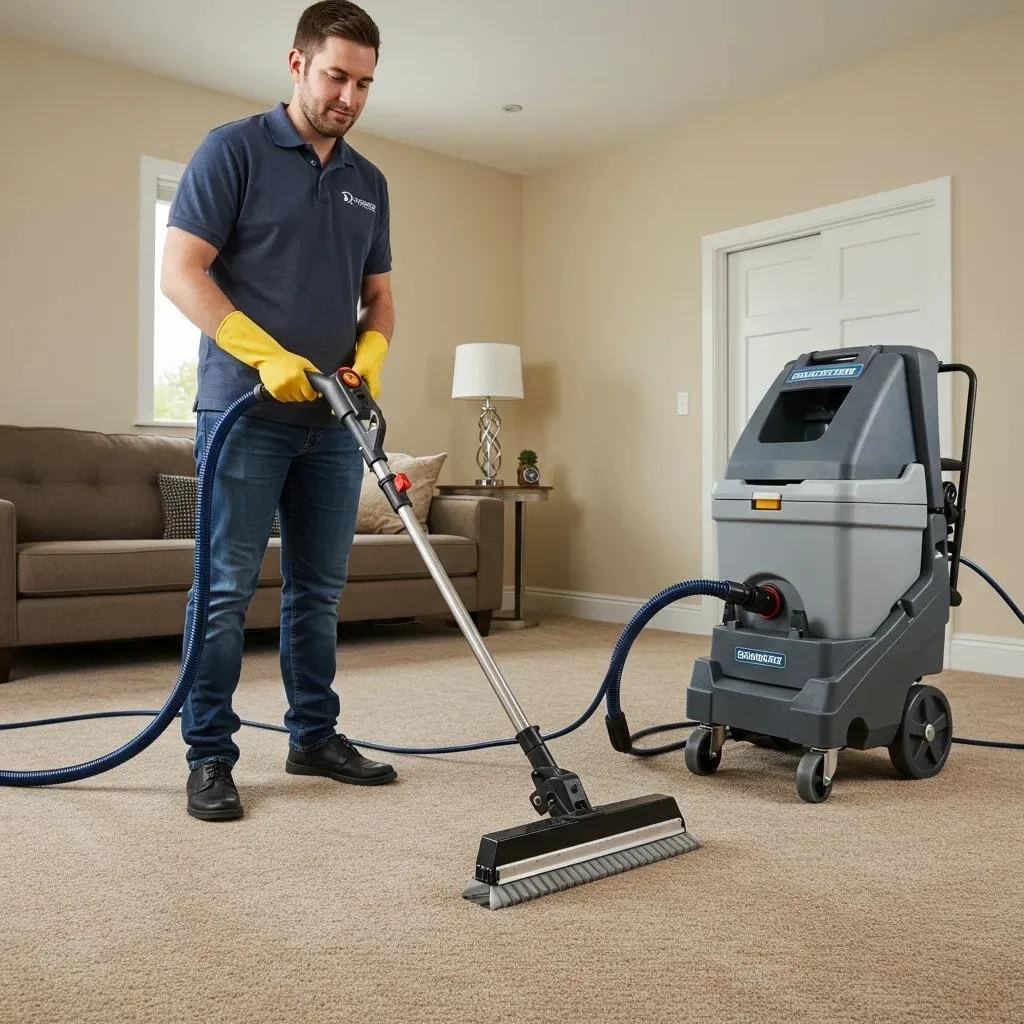
Hot water extraction uses pressurized heated water and eco-friendly detergents to loosen dirt, oils and allergens from carpet fibers. Immediately following extraction, high-powered vacuum wands remove both cleaning solution and trapped contaminants, leaving fibers deeply sanitized. This method not only dislodges embedded debris but also neutralizes odor-causing microorganisms, delivering a healthier indoor environment.
Fast-drying techniques—including high-velocity air movers and dehumidifiers—ensure carpets dry within 4–6 hours even when ambient humidity is high. Rapid moisture removal prevents mold colonization and reduces downtime for homeowners and businesses. Dry carpets also maintain structural stiffness and pile resilience, minimizing long-term fiber damage.
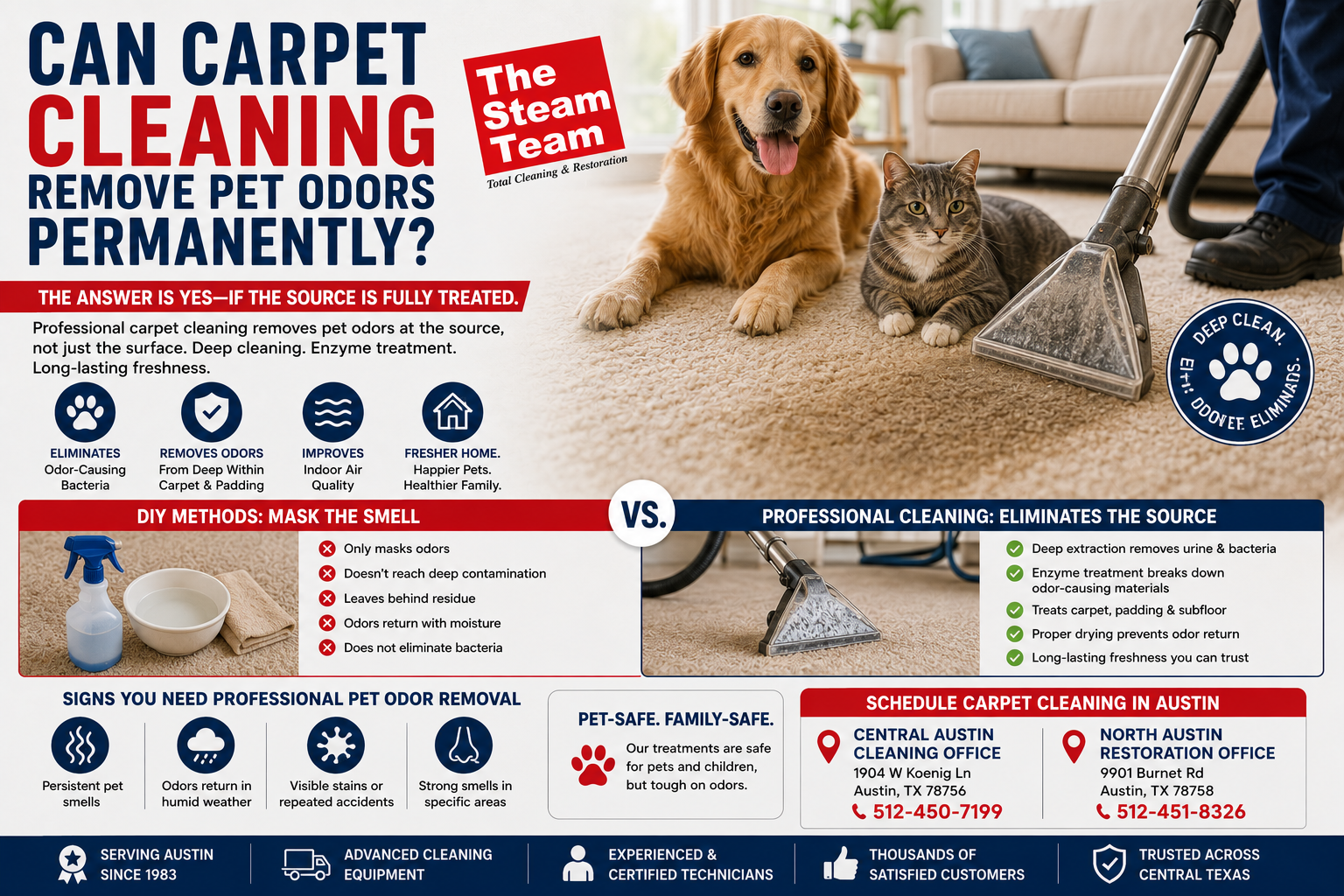
Specialized enzyme and encapsulation treatments break down pet urine residues and deodorize at a molecular level, eliminating odor sources. Hypoallergenic cleaning agents remove dust mites and pollen without leaving residue that can attract new allergens. Technicians can apply anti-allergen sealants that inhibit dust mite proliferation between scheduled cleanings.
Water damage events demand immediate action to avert irreversible carpet damage, mold growth and health risks. Expert intervention within 24–48 hours is critical for structural drying, contaminant removal and odor control. Recognizing the signs of moisture intrusion and knowing the right steps to take protects both carpet condition and indoor air quality.
Begin by prioritizing safety and removing standing water with pumps or wet-dry vacuums. Elevate wet furniture and belongings to promote airflow beneath carpets. Place powerful fans and dehumidifiers in the affected area to lower humidity. Document damage with photos before starting any cleaning, then contact a licensed restoration specialist for comprehensive drying and disinfection services.
The Steam Team deploys structural drying equipment, moisture sensors and rapid-response crews to extract water and dry carpets effectively. Technicians use specialized antimicrobial treatments to prevent mold, inspect padding for contamination and recommend pad replacement when necessary. This thorough approach restores carpet appearance, prevents secondary damage and safeguards indoor air quality.
Visible black or green spots, persistent musty odors and allergic symptoms such as sneezing or skin irritation indicate mold colonization in carpet fibers or padding. If moisture control measures fail to eliminate odors or spots reappear after cleaning, licensed mold remediation services are warranted to remove fungal growth and restore a safe environment.
Licensed mold remediation contractors follow industry standards to contain affected areas, remove contaminated materials and apply antimicrobial barrier treatments. Proper remediation includes air filtration, surface cleaning and post-service testing to verify safe moisture levels. By adhering to certification requirements, professionals ensure both carpet and indoor air quality remain healthy.
Healthy carpets support cleaner indoor air by trapping and removing allergens, dust and microbial particles. Combined with humidity control and targeted treatments, routine maintenance reduces airborne irritants, promoting respiratory wellness for allergy and asthma sufferers. Leveraging professional services further amplifies these benefits with deep sanitization and preventative sealants.
Deep steam cleaning removes up to 95 percent of trapped pollen, dust mite debris and pet dander from carpet fibers. High-efficiency extraction captures contaminants that vacuuming alone cannot reach. Regular professional cleaning disrupts the cycle of allergen build-up, resulting in measurable improvements in indoor air quality and fewer allergy flare-ups.
Maintaining indoor humidity between 30–50 percent inhibits mold spore germination and dust mite proliferation. Balanced humidity levels prevent fibers from remaining damp, which otherwise would release microbial irritants back into the air. Consistent humidity management with dehumidifiers and HVAC calibration preserves both carpet condition and air purity.
Allergy-friendly services use hypoallergenic, fragrance-free cleaning agents and specialized filter systems to remove irritants without leaving chemical residues. Technicians can apply anti-allergen surface treatments that inhibit dust mite growth between cleanings. These targeted approaches reduce triggers for sensitive individuals and improve overall home comfort.
Empowering homeowners with practical DIY strategies complements professional services by maintaining optimal conditions day-to-day. Effective routines include humidity monitoring, strategic vacuuming, spot cleaning and rapid drying to curb moisture damage and microbial growth. These actions keep carpets functioning as healthy filters in a humid environment.
Use smart hygrometers to monitor real-time humidity and adjust dehumidifier settings to maintain 30–50 percent levels. Run dehumidifiers during peak humidity months and place them near exterior walls or moisture-prone rooms. Regularly service HVAC systems and change filters to support balanced air exchange and consistent moisture control.
Vacuum slowly in overlapping strokes using a machine with HEPA filtration and adjustable pile height. Focus on high-traffic zones and edges where particles concentrate. Empty vacuum canisters outdoors to avoid reintroducing dust. Incorporate crevice tools and upholstery attachments to clear baseboards and furniture surfaces that channel debris back into carpets.
After any water exposure, immediately blot surface moisture and elevate fibers using a clean towel or absorbent pad. Position box fans at carpet level and run dehumidifiers until humidity drops below 50 percent. Open windows when outdoor humidity is lower than indoors to increase airflow. Consistent airflow and moisture extraction within 24 hours are key to preventing mold.
When routine maintenance is not enough, choosing a local expert with proven results ensures carpets stay healthy and dry in Austin’s challenging climate. The Steam Team combines licensed mold remediation, hot water extraction and emergency water damage restoration to deliver comprehensive solutions tailored to humidity-driven issues.
With over 40 years of service in Central Texas, The Steam Team leverages local climate expertise and advanced hot water extraction methods to remove deep-seated moisture, allergens and contaminants. Licensed as a Mold Remediation Contractor (MRC License #RCO1264) and certified by industry standards, technicians apply fast-drying protocols to prevent mold and fiber degradation.
To organize routine steam cleaning or urgent water damage response, call The Steam Team’s 24/7 emergency line or submit a service request through their website. Technicians assess the scope of work, provide transparent estimates and deploy certified crews promptly to restore carpet health and indoor air quality.
Local reviews highlight exceptional responsiveness, deep-clean results and rapid drying times that prevent mold growth. Customers praise thorough inspections, clear explanations of humidity impacts and the professionalism of certified technicians. Consistent five-star feedback underscores The Steam Team’s commitment to reliable, climate-focused carpet care.
Preserving carpet health in Austin demands a blend of humidity awareness, proactive maintenance and professional expertise. By following these climate-specific tips and leveraging hot water extraction, rapid-dry techniques and licensed mold remediation, homeowners and businesses can enjoy cleaner carpets, improved air quality and lasting fiber resilience. Partner with local experts to ensure your carpets withstand Austin’s humidity year after year.
Signs that your carpet requires professional cleaning include persistent odors, visible stains, and a noticeable decline in texture or appearance. If you notice increased allergy symptoms or dust accumulation, it may indicate that allergens are trapped within the fibers. Additionally, if your carpet feels damp or has been exposed to water, professional cleaning is essential to prevent mold growth and restore its condition. Regular assessments can help maintain carpet health and prolong its lifespan.
When selecting a carpet cleaning service in Austin, consider factors such as experience, customer reviews, and the methods they use. Look for companies that specialize in humid climate care and offer services like hot water extraction. Verify their certifications and ask about their approach to mold remediation and allergen removal. Request quotes from multiple providers to compare pricing and services. A reputable company will provide transparent information and a satisfaction guarantee.
If your carpet gets wet from a spill or flooding, act quickly to minimize damage. Blot the area with absorbent cloths to soak up excess moisture, avoiding scrubbing, which can damage fibers. Use fans and dehumidifiers to promote drying, and ensure proper ventilation. If the water is from a flood, contact a professional restoration service immediately, as contaminated water can pose health risks. Timely action is crucial to prevent mold growth and structural damage.
To maintain your carpet between professional cleanings, vacuum regularly—at least twice a week—with a HEPA filter vacuum to capture allergens and dirt. Address spills immediately by blotting and using appropriate cleaning solutions. Monitor indoor humidity levels and use dehumidifiers as needed to prevent moisture buildup. Additionally, consider using area rugs in high-traffic zones to protect your carpet and reduce wear. These practices will help keep your carpet looking fresh and extend its lifespan.
Hypoallergenic carpet cleaning products are designed to minimize allergic reactions by avoiding harsh chemicals and fragrances. These products effectively remove dirt, allergens, and stains without leaving harmful residues that can trigger sensitivities. Using hypoallergenic solutions is particularly beneficial for households with allergy sufferers or pets, as they help maintain a healthier indoor environment. Additionally, these products often have a lower environmental impact, making them a safer choice for both your family and the planet.
The lifespan of carpet in a humid climate like Austin can vary based on material, maintenance, and foot traffic. Generally, carpets should be replaced every 5 to 15 years. However, if you notice significant wear, persistent odors, or mold issues, it may be time for a replacement sooner. Regular professional cleaning and proper humidity control can extend the life of your carpet, but ultimately, the condition and performance will dictate when replacement is necessary.
Professional mold remediation services offer expertise in identifying and addressing mold issues effectively. They use specialized equipment and techniques to safely remove mold and prevent its return, ensuring thorough cleaning and disinfection. Professionals also assess the underlying causes of moisture that contribute to mold growth, providing solutions to mitigate future risks. By hiring experts, you can ensure a safe and healthy environment, as they follow industry standards and regulations for mold removal and air quality improvement.
Maintaining carpet health in Austin's humid climate is essential for enhancing indoor air quality and prolonging fiber life. By implementing proactive maintenance strategies and utilizing professional cleaning services, homeowners can effectively combat moisture-related challenges. Trusting local experts ensures that your carpets remain resilient against humidity while providing a cleaner living environment. Contact The Steam Team today to explore tailored solutions for your carpet care needs.
Our mission is to provide you with the most outstanding service experience ever. Some of our most popular services include Carpet Cleaning, Tile Cleaning, Air Duct Cleaning, Water Damage, Fire Damage Restoration and Construction Services.
Quick Cleaning Quote
Email: info@thesteamteam.com
Georgetown: (512) 868-0358
Dallas: (214) 631-8326
Naples, FL: (239) 450-1936
Toll Free: (800) 880-7785