Flood Cleanup Costs Explained for Austin Homeowners
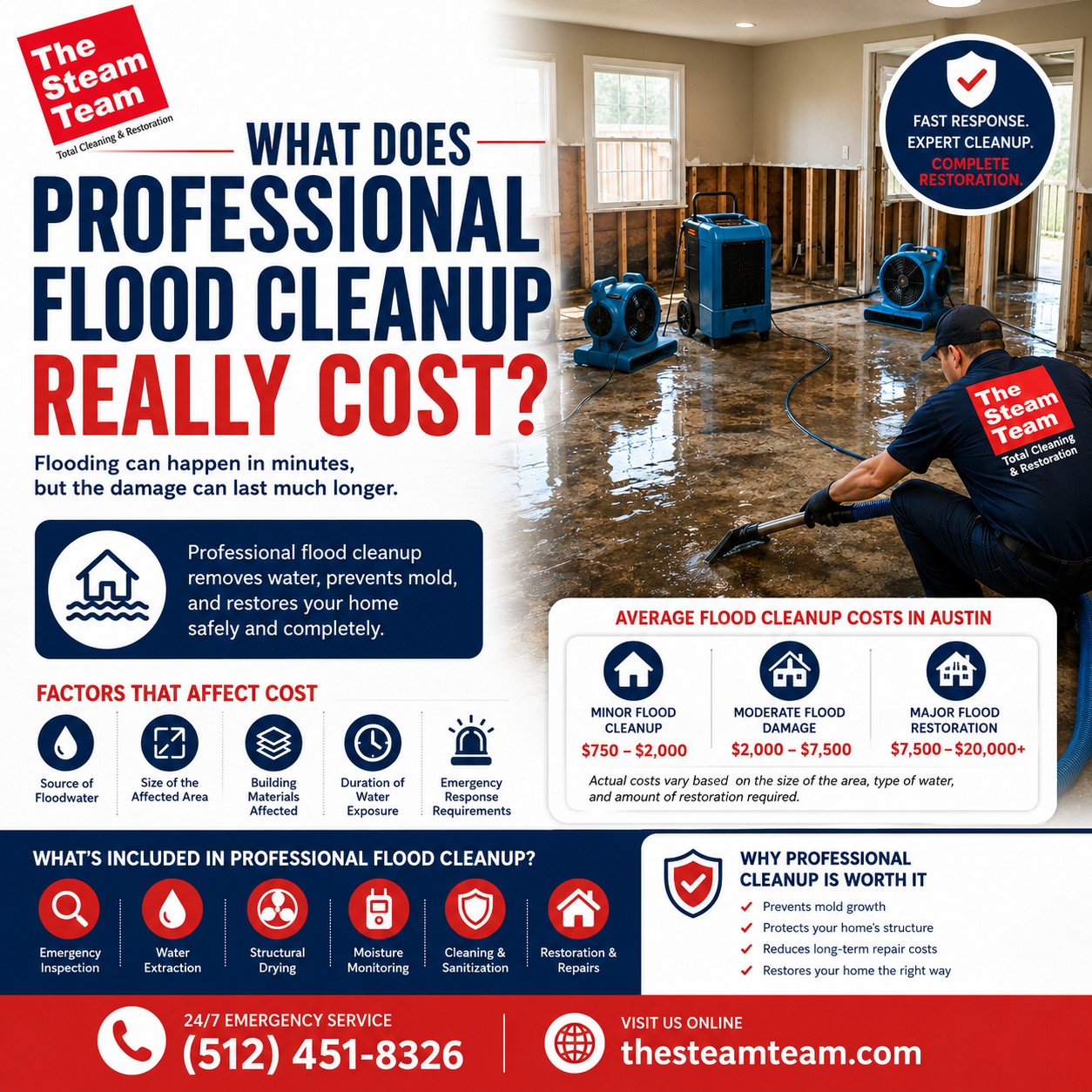
/Wondering how much flood cleanup costs in Austin? Learn average pricing, cost factors, insurance coverage, and what affects professional flood restoration costs.
Read MoreExplore expert tips on water damage restoration, carpet cleaning, rug cleaning, mold remediation, and air duct cleaning in Austin, TX. Trusted local insights from The Steam Team since 1983.
Wondering how much flood cleanup costs in Austin? Learn average pricing, cost factors, insurance coverage, and what affects professional flood restoration costs.
Read More
Water mitigation austin tx
Introduction:
Experiencing water damage from a toilet overflow can be a distressing and urgent situation, demanding prompt action to mitigate the potential long-term effects. Swift and efficient response is crucial to prevent further damage, mold growth, and to safeguard the health and safety of your home and its occupants. In this comprehensive guide, we will outline the essential steps to take immediately after suffering water damage from a toilet overflow, providing a roadmap for effective cleanup and restoration.
Prioritize Safety:
The first and foremost concern after a toilet overflow is safety. Before addressing the water damage, ensure that the affected area is safe to enter. Turn off the water supply to the toilet to prevent further overflow, and if the water damage is extensive, consider turning off the electricity to the affected areas to eliminate the risk of electrical hazards. Wearing protective gear such as rubber gloves, boots, and a mask is advisable to minimize contact with contaminated water.
Identify and Address the Source:
Understanding the source of the toilet overflow is crucial for effective cleanup. If the overflow is due to a blockage, attempt to clear it using a plunger or plumbing snake. If the issue persists, it may be necessary to call a plumber for professional assistance. Identifying and addressing the source promptly will prevent a recurrence of the problem.
Document the Damage:
Before initiating any cleanup or restoration efforts, document the extent of the water damage. Take photographs and videos of the affected areas, including damaged belongings and structural elements. This documentation serves as valuable evidence for insurance claims and can assist professionals in assessing the severity of the damage.
Remove Excess Water:
Time is of the essence when dealing with water damage. Begin by removing excess water from the affected areas as quickly as possible. Use a wet/dry vacuum, mop, or towels to absorb and extract standing water. The goal is to minimize the time water remains in contact with surfaces to prevent further damage and the onset of mold growth.
Address Contaminated Water:
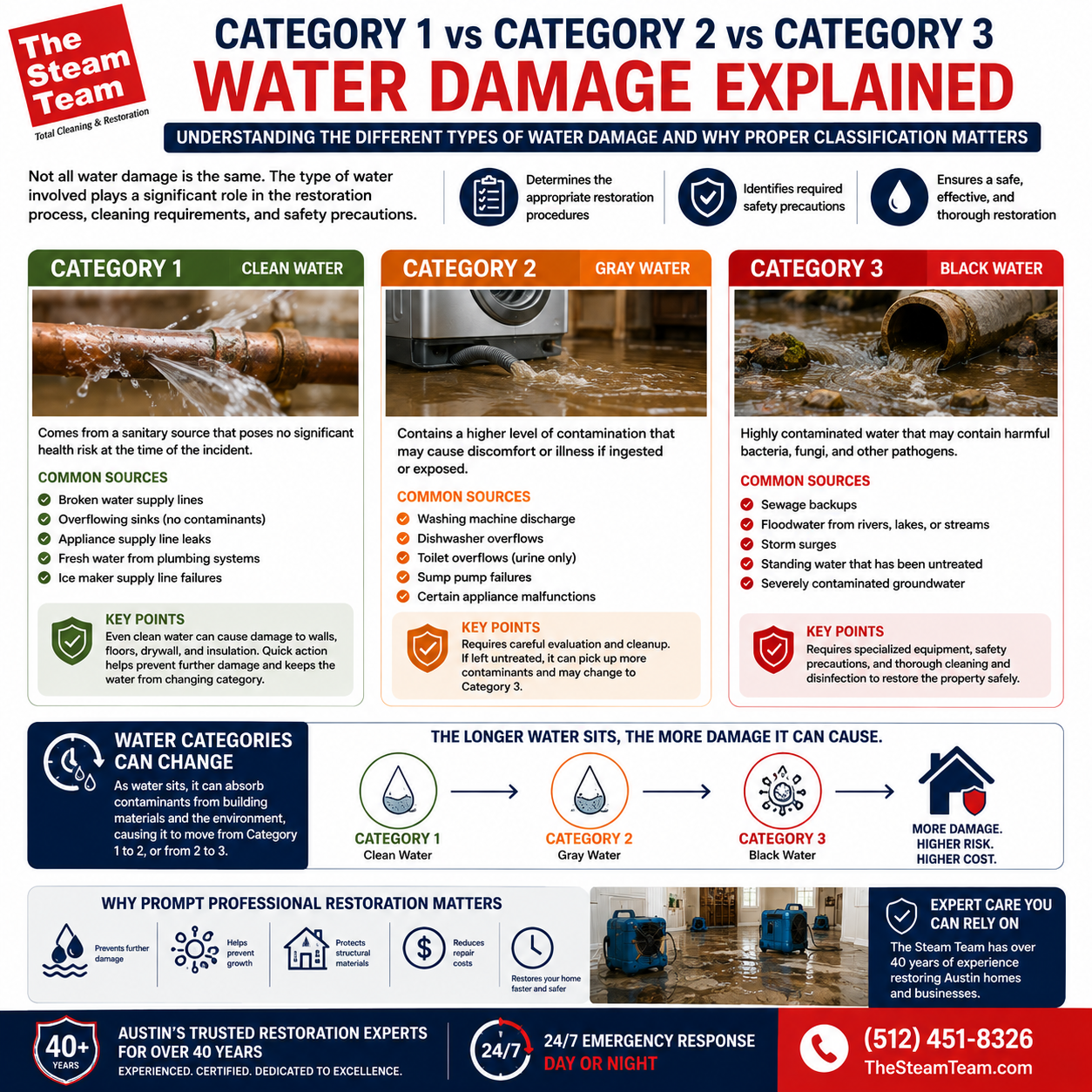
If the toilet overflow involves contaminated water, categorize it appropriately. Water damage is often classified into three categories: clean water (Category 1), gray water (Category 2), and black water (Category 3). Contaminated water from a toilet overflow is typically classified as Category 2 or 3, containing varying degrees of contaminants. Category 3 water poses health risks and requires professional assistance for cleanup.
Dry the Affected Areas:
Thorough drying is crucial to prevent mold growth and further structural damage. Use high-powered fans, dehumidifiers, and open windows to facilitate the drying process. Pay special attention to hidden or hard-to-reach areas, such as wall cavities and subflooring, as these areas are prone to retaining moisture.
Remove Damaged Materials:
After drying the affected areas, assess the extent of the damage to building materials, furniture, and belongings. Remove and discard irreparably damaged items to prevent mold growth and to create a clean slate for restoration efforts. Pay attention to materials that may harbor moisture, such as carpets, drywall, and insulation, as they may need to be replaced.
Clean and Disinfect:
Disinfecting the affected areas is crucial, especially when dealing with contaminated water. Use a solution of water and a disinfectant to clean surfaces, including walls, floors, and any salvageable belongings. Pay extra attention to areas that came into direct contact with the contaminated water, ensuring that no harmful microorganisms persist.
Inspect for Mold:
Mold can begin to develop within 24 to 48 hours after water damage, making it essential to inspect for mold growth promptly. Check hidden and hard-to-reach areas for signs of mold, such as discoloration, musty odors, or visible growth. If mold is detected, consult with mold remediation professionals for safe and thorough removal.
Consult with Restoration Professionals:
While initial cleanup efforts can address visible water damage, the expertise of restoration professionals is often necessary for a comprehensive restoration process. Restoration specialists have the knowledge, equipment, and experience to assess the full extent of the damage, address structural concerns, and ensure that the affected areas are restored to a safe and habitable condition.
Contact Your Insurance Provider:
Notify your insurance provider as soon as possible to initiate the claims process. Provide them with the documented evidence of the water damage, including photographs and videos. Be prepared to provide a detailed account of the incident and the steps you've taken to mitigate the damage. Insurance coverage can significantly aid in the financial aspects of the restoration process.
Implement Preventive Measures:
Once the immediate water damage has been addressed, take proactive measures to prevent future occurrences. Regularly inspect and maintain plumbing fixtures, address leaks promptly, and consider installing water damage prevention devices, such as leak detectors or shut-off valves, to mitigate the risk of future water-related incidents.
Conclusion:
Suffering water damage from a toilet overflow demands a swift and systematic response to minimize the impact on your home and well-being. By prioritizing safety, promptly addressing the source, and following a comprehensive cleanup and restoration plan, you can navigate the challenges of water damage effectively. Whether handling initial cleanup efforts or seeking professional assistance, the key is to act quickly, thoroughly, and with a focus on long-term restoration and prevention.
Austin appliance leak repair
Appliance leaks and the water damage they can cause are far more common than you may think, and you need a plan. One thing weβve noticed about leaking appliances in Austin is that many homeowners donβt notice them until water damage has already occured, and oftentimes mold has already grown. Letβs talk about the best method for dealing with all the issues surrounding leaky appliances. Austin water damage services. We are Austinβs water damage restoration repair company.
Austin, Texas Inspection and Leak Repair
The first step to make sure youβre not caught off guard in your Austin home or business by water damage caused by leaky appliances is to make sure youβre regularly inspecting appliances. Keep a close eye on things like water heaters, dishwashers, AC units and underneath sinks as much as you can. We are Austinβs restoration leader. Any pipes that may burst or leak should also be checked on every once in a while. If you can catch the leak early, you could save yourself a whole lot of money and time. You can also hire an Austin water damage professional to inspect your appliances and pipes for you. Once you have noticed a leak in your appliance, whether it just happened or it has already caused damage, the best method is to call in The Steam Team of Austin! Our water damage restoration professionals will use high-powered equipment and the right methods to repair the leak, extract any water, and even provide complete water damage restoration and structural drying. If thereβs any mold damage, our technicians can handle that with our professional mold remediation process.
Our Water Damage Professionals in Austin
While itβs true that The Steam Team of Austin isnβt the only service that can repair leaky appliances, there are some things that set our services apart. We use only the most modern and powerful equipment for the jobs, we offer direct insurance billing and free onsite estimates, and our technicians are available to help you fix your leak or water damage 24 hours a day, 7 days a week! For more information, please visit The Steam Team website. Voted best water damage company in Austin. Serving Austin for 40 years.
Cleaning in Austin, Texas
People have been mopping their floors clean for centuries, and it's a very simple and mostly effective way to clean your floors. But in more recent years, more and more people are using steam cleaners. If youβre still on the fence, letβs discuss what makes steam cleaning different, and then you can decide for yourself whether you want to stick with the mop.
More Possibilities
One of the things that makes steam cleaning more popular than mopping is that it doesnβt require any chemicals. Whereas mopping usually involves mixing some kind of chemical cleaner with the water, steam cleaning is just water and heat, but achieves an even better clean! This also means that steam cleaners can be used on a wide variety of surfaces, even things like upholstery and curtains. Theyβre also great for getting rid of fat and grease, cleaning tiled floors and walls, and even cleaning the inside of your car!
Better Against Mold
One of the most significant benefits of using a steam cleaner over a mop is how effective they are against mold. Many people use bleach to get rid of mold, but in fact, bleach only turns the mold white so that it blends in with the surface. The high temperature of steam cleaning kills the mold while the bristles help remove it from those hard to reach places.
Safe For The Home
Because only water and heat are used in steam cleaning, your home or place of business will remain free from the chemical residue or pollution that some cleaners may leave behind. This will make the environment much safer for you and those around you.
Allergies
Steam cleaning significantly benefits people with allergies and asthma, since it uses all natural steam to remove dirt and grime from all surfaces. Therefore, it wonβt aggravate any allergies or cause respiratory issues.
Professional Steam Cleaning
It should be clear by now that steam cleaning has mops and other chemical cleaning methods beat. However, steam cleaners are expensive, and you may not want to go through the work of buying one and doing the cleaning yourself. But donβt worry, thatβs why The Steam Team is here. Our professional technicians will use top-of-the-line steam cleaners and other methods to rejuvenate your home. For more information on the services we offer, visit The Steam Team website.
Our mission is to provide you with the most outstanding service experience ever. Some of our most popular services include Carpet Cleaning, Tile Cleaning, Air Duct Cleaning, Water Damage, Fire Damage Restoration and Construction Services.
Email: info@thesteamteam.com
Georgetown: (512) 868-0358
Dallas: (214) 631-8326
Naples, FL: (239) 450-1936
Toll Free: (800) 880-7785
π Serving Austin and Central Texas since 1983
North Austin β Restoration Services (24/7 Emergency Response)
9901 Burnet Rd, Austin, TX 78758
π 512-451-8326
Central Austin β Cleaning Services
1904 W Koenig Ln, Austin, TX 78756
π 512-450-7199
The Steam Team is a locally owned, full-service cleaning and restoration company serving Austin for over 40 years. We specialize in water damage restoration, fire damage cleanup, mold remediation, carpet cleaning, and professional cleaning services for residential and commercial properties.
We are a preferred vendor for leading insurance carriers and have proudly served more than 100,000 Austin-area homes and businesses.