How Often Should You Clean Air Ducts in Austin?

Air Duct Cleaning Frequency Guide

Air duct cleaning frequency answers combine industry standards with local environmental realities; NADCA’s baseline and Austin’s unique allergen and humidity profile together determine the right interval. This guide explains recommended schedules, local adjustments driven by cedar pollen, ragweed, seasonal dust events, and humidity-related mold risk, and how those factors translate into practical cleaning timelines for both residential air duct cleaning and commercial duct cleaning in Austin. Readers will learn observable signs that warrant earlier service, the health and efficiency benefits of professional cleaning, transparent cost drivers, and a clear path to request an inspection or personalized quote. The article also covers NADCA and EPA guidance, actionable DIY checks, and why a NADCA-certified provider matters when remediation or mold concerns arise. Throughout, you’ll find localized advice for Austin homes and businesses, plus practical next steps for scheduling service with a trusted local provider.

What Are the General Air Duct Cleaning Recommendations and NADCA Guidelines?


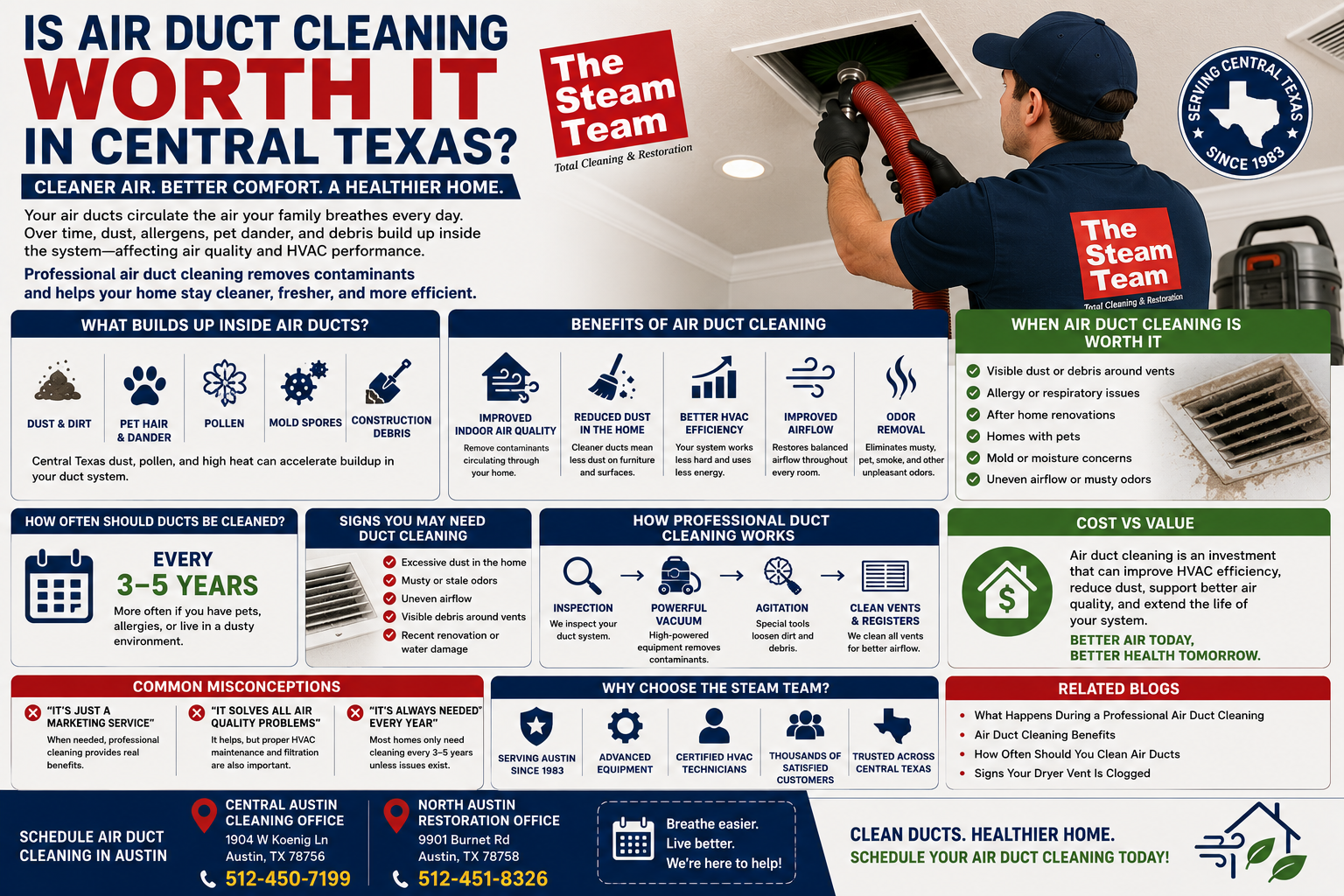
Industry guidance frames cleaning frequency by condition rather than fixed calendar rules: NADCA recommends typical cleaning cycles every 3–5 years as a baseline, while EPA guidance emphasizes condition-based assessment for indoor air quality. These baseline recommendations exist because contamination rates vary widely by occupancy, activity, and environmental exposure, and professionals use inspection to determine whether ducts need service sooner. For Austin air duct cleaning frequency, local factors often compress that baseline toward more frequent inspection and cleaning. The next paragraphs explore NADCA’s specific phrasing and how EPA and industry standards combine into practical scheduling.

What Does NADCA Recommend for Air Duct Cleaning Frequency?


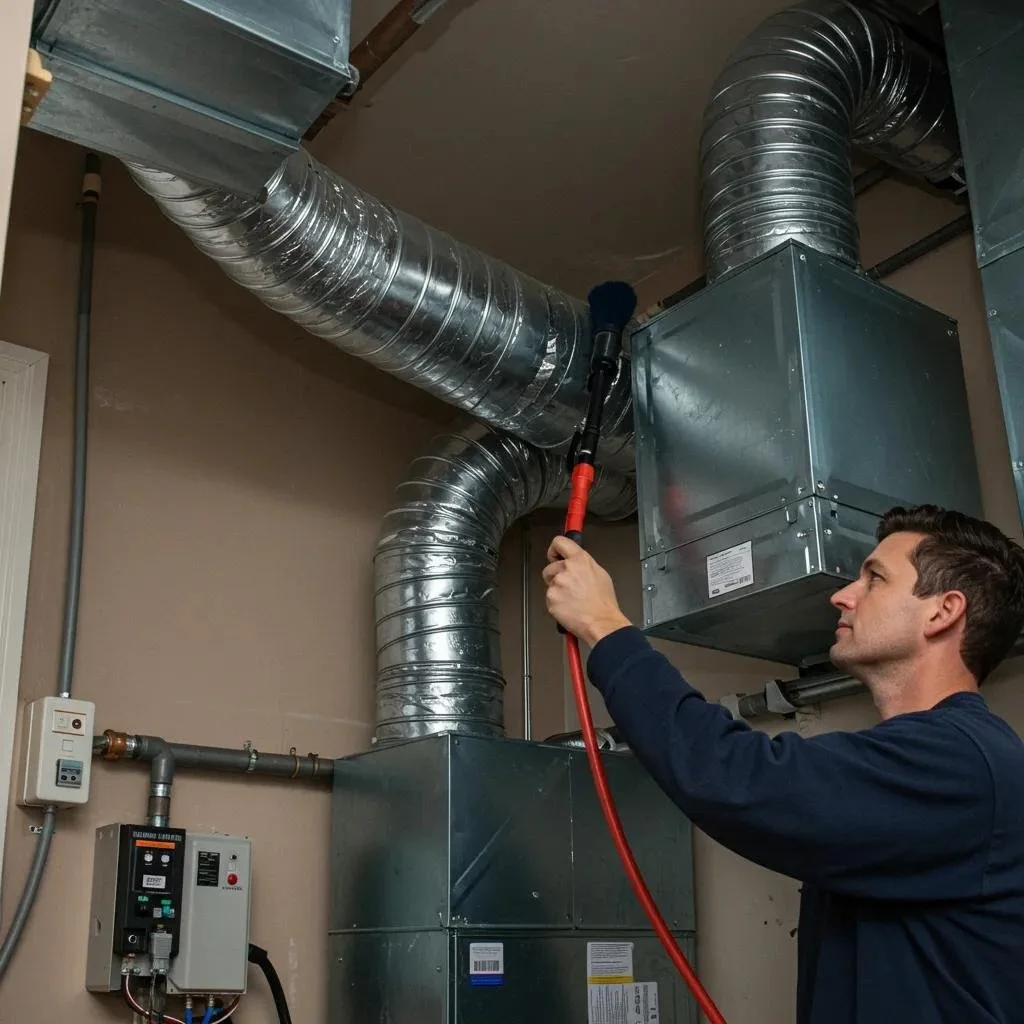
NADCA’s guidance centers on inspection-driven intervals, recommending cleaning every 3–5 years for typical systems while specifying immediate cleaning when visible contamination, active mold, or vermin presence exists. The rationale is that contaminants accumulate at different rates depending on components of the HVAC system supply vents, return vents, duct trunks, registers, and filters, which means a one-size-fits-all interval is unreliable. Technicians follow NADCA procedural standards for containment, agitation, and verification to ensure cleaning is effective and safe. Understanding NADCA’s baseline helps homeowners see why local adjustments for Austin are often necessary.


Residential Air Duct Cleaning and IAQ: A Field Study


A nine-home field study was conducted to investigate the impact of mechanical air duct cleaning (ADC) methods on indoor air quality (IAQ) and system performance. ADC services were provided by the National Air Duct Cleaners Association (NADCA). Only mechanical ADC methods were evaluated. Surface treatments, such as biocides or encapsulants, were not part of the study. Pre- and post-ADC measurements were used to evaluate impacts. These included deposited duct dust measurements, airborne particle and fiber concentrations, microbial bioaerosol and surface sampling, and system performance factors such as temperature, relative humidity air flow rates, and static pressure. Surface sampling in ducts indicated that mechanical ADC is effective in removing adhered dust and dirt. The particle measurement data could not offer a clear indication that indoor levels can be reduced using mechanical ADC because there was an apparent strong influence from outdoor particle mass concentrations. Mechanical ADC did not significantly reduce bioaerosol or microbial density in the houses studied. Measurements of system performance factors suggest that ADC may have a positive effect. Supply air rates increased between 4 and 32% in eight of the houses and return air flow rates increased 14 and 38% in two of the houses.


Evaluating residential air duct cleaning and IAQ: results of a field study conducted in nine single family dwellings., 1997


How Do EPA and Industry Standards Influence Cleaning Intervals?


The EPA frames air duct cleaning as part of broader indoor air quality services rather than issuing fixed timing rules, encouraging homeowners to consider cleaning when contamination affects indoor air or system performance. Industry standards and NADCA protocols complement EPA direction by providing procedural steps for inspection, testing, and certified cleaning techniques that technicians use to verify results. Together, these standards form a decision pathway: inspect, identify contaminants (dust, mold, pet dander), evaluate access and HVAC maintenance history, then schedule cleaning if contamination exceeds acceptable thresholds. This combined approach reduces unnecessary service while ensuring polluted systems receive timely intervention.

Why Do Austin Homes and Businesses Need More Frequent Air Duct Cleaning?


Austin’s climate and seasonal allergen profile often accelerate duct contamination compared with many other regions, making more frequent inspection and cleaning a prudent strategy for indoor air quality. High seasonal pollen events, particularly cedar and ragweed, deposit airborne particulates through returns and accumulate in duct trunks and registers, while periodic wind-driven dust events add fine particulate load to systems. Additionally, local humidity spikes and occasional flooding or moisture intrusion create conditions that favor microbial growth in ductwork and plenums, increasing mold risk. The following subsections break down allergens, humidity, and behavioral triggers that warrant tighter cleaning intervals in Austin.

How Does Austin’s Allergen Profile Affect Air Duct Contamination?


Austin’s cedar season and late-summer ragweed peaks inject abundant allergenic particles into indoor air, which then collect on filters, inside ducts, and at supply vents, reducing indoor air quality and exacerbating allergy symptoms. These types of airborne allergens, cedar pollen, grass pollens, and ragweed, have distinct seasonal timelines and particle sizes that influence where they deposit within the HVAC system. Residents who track local pollen calendars can pair peak seasons with pre- and post-season inspections to reduce recirculation of allergens. Proactive cleaning timed around high-pollen windows helps lower indoor allergen loads and offers measurable symptom relief for sensitive occupants.

What Role Does Austin’s High Humidity Play in Mold Growth in Air Ducts?


Austin’s intermittent high humidity increases the probability of condensation on duct surfaces and in plenums, creating microenvironments where mold and bacterial colonies can establish. Condensation tends to occur on metal duct trunks and in poorly insulated runs, particularly where cool return air meets warm, humid attic or crawlspace conditions; these components, duct trunks and flex ducts, are common mold hotspots. When occupants detect persistent musty odors or visible microbial growth at registers, mold remediation (not just cleaning) may be needed; testing and containment per NADCA standards guide that decision. Addressing humidity sources and insulating vulnerable duct runs reduces recurrence after remediation.

How Do Pets, Smokers, and Home Renovations Increase Cleaning Frequency?


Household activities and events raise contamination rates significantly; pet dander and hair shed into the return airstream, smoking deposits sticky residues inside ducts, and remodeling generates dense construction dust that infiltrates the system. These behaviors create accumulations that degrade indoor air quality and obstruct airflow, and each is a trigger for earlier cleaning, often within 1–2 years or immediately after renovation. For homes with multiple pets or indoor smoking, scheduling inspections more frequently helps prevent long-term buildup and potential odor issues. Planning a cleaning shortly after renovations ensures plaster, drywall dust, and adhesives don’t become long-term contaminants.

What Are the Clear Signs That Your Air Ducts Need Cleaning in Austin?


Visible dust, persistent musty odors, unexplained allergy spikes, and declining HVAC performance are the primary observable signals that ducts require professional attention; these signs link directly to specific causes and recommended actions. Homeowners can perform simple diagnostic checks, flashlight inspections at registers, monitoring odor persistence after HVAC cycles, and tracking sudden HVAC efficiency losses to determine whether to call a pro. The following subsections explain what to look for, how to interpret common odors, and when allergy or performance symptoms indicate cleaning is needed. An EAV table below maps signs to causes and next steps for clarity.


Different signs indicate particular problems and require targeted responses.


Sign Observed

Probable Cause

Recommended Next Step

Thick dust is visible at the registers

High particulate deposition from pollen, pets, or dust storms

Schedule inspection and professional cleaning; upgrade filters temporarily

Persistent musty or “dirty sock” odor

Microbial growth due to moisture or condensation

Request microbial assessment and possible mold remediation following NADCA protocols

Sudden allergy spike indoors

Increased allergen recirculation (cedar, ragweed, pet dander)

Clean ducts, replace filters, and clean around pollen season

Reduced airflow and higher utility bills

Duct clogs or collapsed flex ducts reduce HVAC efficiency

Inspect duct trunks and registers, clear obstructions, and evaluate for repairs


This mapping helps owners prioritize actions: visible buildup and odors usually require prompt professional intervention, while isolated dust at a single register may first be addressed with filters and spot cleaning.

What Are the Benefits of Professional Air Duct Cleaning for Austin Residents and Businesses?


Professional air duct cleaning improves indoor air quality, reduces allergen recirculation, and can restore HVAC efficiency benefits that are particularly relevant in Austin’s allergenic and humid environment. Mechanistically, cleaning removes accumulated particulates and biological contaminants from supply vents, return vents, and duct trunks, which lowers airborne particulate concentrations and reduces exposure for occupants. From a maintenance perspective, removing obstructive deposits reduces blower workload and can lead to measurable energy performance improvements over time. The following subsections examine air quality, efficiency, and allergen reduction benefits with practical outcomes.

How Does Air Duct Cleaning Improve Indoor Air Quality and Health?


Cleaning removes settled particulates and biofilm that otherwise re-entrain into indoor air during HVAC cycles, directly lowering exposure to allergens and irritants associated with cedar pollen, ragweed, and pet dander. Reduced particulate load often correlates with fewer allergy flare-ups and improved comfort for sensitive individuals, although complete elimination of symptoms depends on multiple factors, including filtration and source control. Professionals use containment and agitation methods to dislodge deposits from duct trunks and registers, followed by high-efficiency capture to prevent redistribution. Improved IAQ supports occupant health and complements other interventions like HEPA filtration and humidity control.

How Can Cleaning Enhance HVAC Efficiency and Reduce Energy Costs?


When ducts are free of heavy deposits, airflow improves, and the HVAC system achieves design airflow rates with less blower energy, translating to reduced runtime and potentially lower energy consumption. Industry estimates vary, but targeted cleaning and addressing restrictive obstructions can reduce strain on compressors and blowers, contributing to modest operational savings over the following seasons. These maintenance savings come from the mechanical principle that airflow resistance decreases when components like flex ducts and registers are cleared, improving heat transfer and reducing cycle frequency. Routine cleaning combined with filter maintenance helps extend system service life and stabilize efficiency gains.

How Does Cleaning Reduce Allergens and Irritants Specific to Austin’s Environment?


Targeted cleaning reduces the reservoir of local allergens, cedar pollen, ragweed, and windblown dust contained within ductwork, which lessens the amount of allergen recirculation during HVAC operation. While cleaning cannot remove outdoor pollutant sources or eliminate all exposures, removing built-up pollen and dander from duct trunks and registers provides a meaningful drop in indoor particulate counts. Cleaning is most effective when paired with source-control measures such as sealing entry points, improving filtration, and scheduling cleanings around high-pollen seasons for maximum impact on occupant symptoms.

Why Choose The Steam Team for NADCA Certified Air Duct Cleaning in Austin?


Choosing a provider with local expertise and NADCA-certified technicians helps ensure procedures follow industry best practices for safety, containment, and verification. The Steam Team positions itself as a local Austin service provider that adheres to those standards. The company background emphasizes lead generation and serving as an information hub for cleaning and restoration in Austin and Central Texas, and the business reports employing NADCA-certified air duct cleaning technicians and offering a service guarantee, elements that matter when addressing microbial risks or complex contamination. For readers wanting both technical rigor and local knowledge, the next subsections unpack what local experience and certification translate to in practice.

What Does 42 Years of Austin Experience Mean for Your Air Duct Cleaning?


Long-term local experience brings accumulated knowledge about Austin-specific issues, seasonal allergen cycles, humidity patterns, and common construction types that help technicians anticipate problem areas and recommend optimal timing for cleaning and maintenance. Experienced teams can identify neighborhood- or building-type tendencies (for example, certain attic configurations that encourage duct condensation) and tailor interventions to reduce recurrence. That local perspective shortens diagnostic time and improves remediation success, especially when combined with NADCA protocols. Practical advantages include quicker identification of mold-prone runs and more efficient scheduling around pollen and renovation cycles.

How Does NADCA Certification Ensure Professional and Safe Cleaning?


NADCA certification indicates that technicians have training in standardized inspection, containment, and cleaning methods designed to minimize cross-contamination and verify results; this reduces risk to occupants during treatment. Certified technicians follow protocols for agitation, negative-pressure containment, and post-cleaning verification that target components such as supply vents, return vents, and duct trunks to achieve thorough cleaning. Certification also signals adherence to inspection and quality measures that help customers understand what to expect from service and how outcomes are measured. Choosing a certified team supports both safety and performance outcomes for indoor air quality projects.

What Awards and Local Testimonials Support The Steam Team’s Reputation?


Local recognition and customer feedback are cited as trust indicators reflecting quality and consistent service delivery in Austin and Central Texas, and The Steam Team’s reported local awards help prospective customers evaluate reputation. Testimonials and local awards emphasize responsiveness, comprehensive service offerings, and a service guarantee that reassures homeowners and commercial clients. When selecting a provider, potential customers should look for evidence of consistent local performance and documented procedural rigor elements that inform reliable expectations for outcomes and satisfaction.

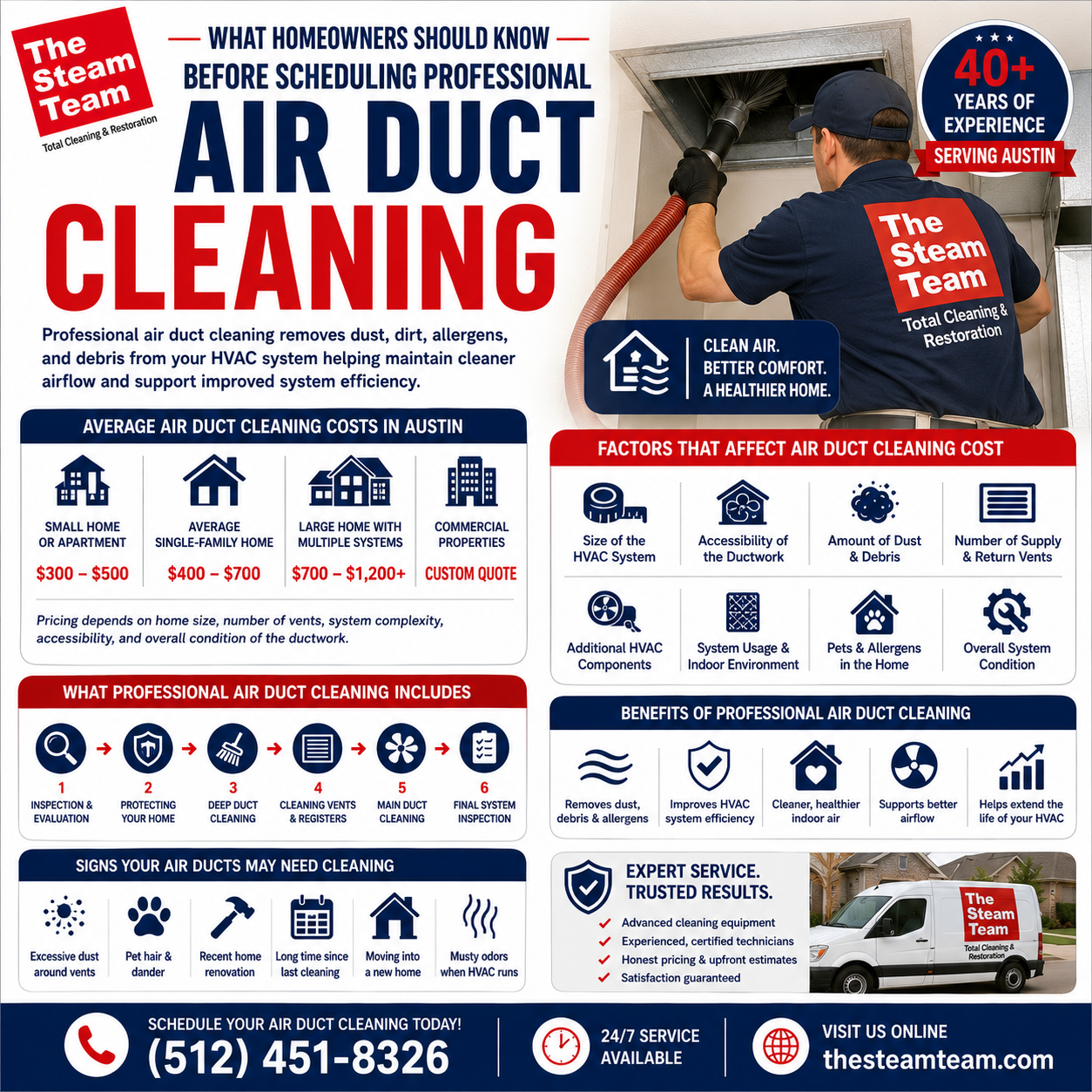
How Much Does Air Duct Cleaning Cost in Austin and What Should You Expect?


Air duct cleaning cost in Austin varies with system size, contamination level, presence of mold, accessibility, and whether additional services (like mold remediation) are required; a realistic range depends on these drivers, and providers typically offer personalized quotes after inspection. Transparent cost conversations focus on the primary price influencers: system complexity, contamination severity, and required containment measures, so customers understand why estimates differ. The table below compares common cost drivers and their typical impact to clarify price variability and what to expect when requesting a personalized estimate.

Cost Driver

How It Affects Price

Typical Impact

System size (number of vents/duct runs)

Larger systems require more labor and equipment time

Moderate to High

Contamination level (heavy dust, mold, smoke residue)

Requires deeper cleaning, testing, or remediation

High

Accessibility and duct type

Difficult access or extensive flex ducts increase labo costsr

Moderate

Additional services (mold remediation, repairs)

Adds specialized containment and treatment steps

High

Commercial vs residential scope

Commercial systems are larger and may need off-hours work

Moderate to High

What Factors Influence Air Duct Cleaning Prices in Austin?


Prices depend on system size, contamination severity, mold presence, accessibility issues, and whether the job is residential or commercial; each factor alters labor, containment, and equipment needs. For instance, mold remediation adds testing and specialized treatments that significantly increase cost compared with routine particulate cleaning, while inaccessible duct runs or compromised registers require extra diagnostic time and potential repair. Commercial duct cleaning often involves larger trunk lines and extended service windows, which increases logistical complexity. Understanding these drivers empowers customers to evaluate quotes and prioritize services that address the root causes of poor indoor air quality.

How Can You Get a Personalized Quote from The Steam Team?


To obtain an accurate estimate, provide details about home or building size, number of HVAC units, visible symptoms (odors, dust), recent renovations, and any known mold history; a professional will then inspect the system and deliver a tailored quote. The typical process includes a remote screening followed by an on-site inspection where technicians assess supply vents, return vents, duct trunks, filter condition, and accessibility before producing a detailed estimate. Expect the inspector to recommend targeted services and explain trade-offs between basic cleaning and more involved remediation when required. Customers seeking transparency should ask providers for written scopes and verification steps aligned with NADCA standards.

Frequently Asked Questions

What Are the Health Benefits of Regular Air Duct Cleaning?


Regular air duct cleaning significantly improves indoor air quality, which can lead to better health outcomes for residents. By removing dust, allergens, and microbial contaminants, cleaning helps reduce respiratory issues, allergy symptoms, and other health problems associated with poor air quality. This is particularly important in areas like Austin, where high pollen counts and humidity can exacerbate these issues. Improved air quality not only enhances comfort but also supports overall well-being, especially for sensitive individuals.

Can I Perform Air Duct Cleaning Myself?


While some basic maintenance, like changing filters, can be done by homeowners, professional air duct cleaning is recommended for thoroughness and safety. DIY methods may not effectively remove deep-seated contaminants or mold, and improper techniques can lead to cross-contamination or damage to the HVAC system. Certified professionals use specialized equipment and follow NADCA guidelines to ensure a comprehensive clean, which is crucial for maintaining air quality and system efficiency.

How Do I Know If My Air Ducts Are Contaminated?


Signs of contamination in air ducts include visible dust buildup at vents, persistent musty odors, unexplained allergy flare-ups, and reduced HVAC performance. If you notice any of these symptoms, it may indicate that your ducts require professional cleaning. Regular inspections can help identify issues before they escalate, ensuring that your indoor air quality remains high and your HVAC system operates efficiently.

What Should I Expect During a Professional Air Duct Cleaning?


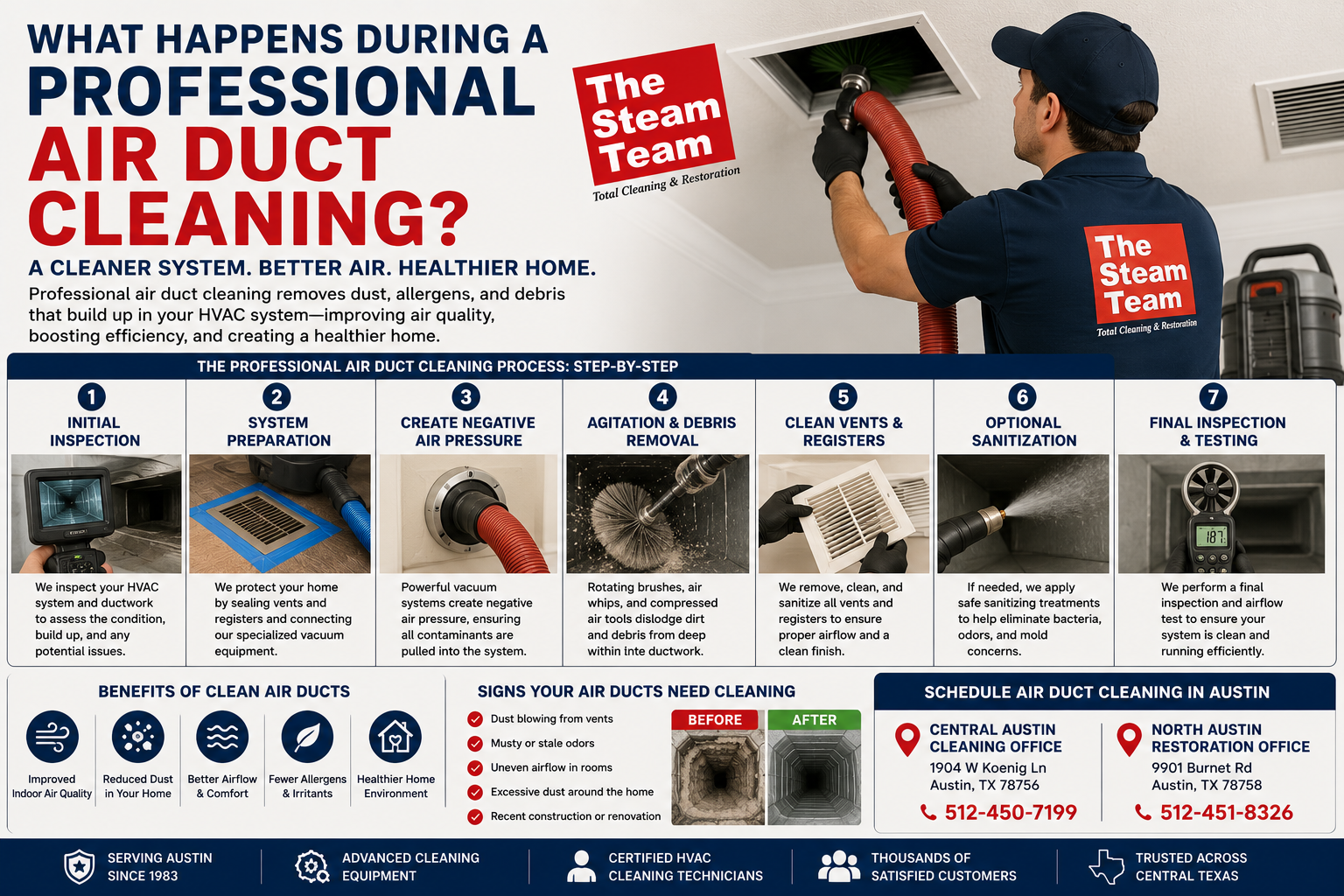
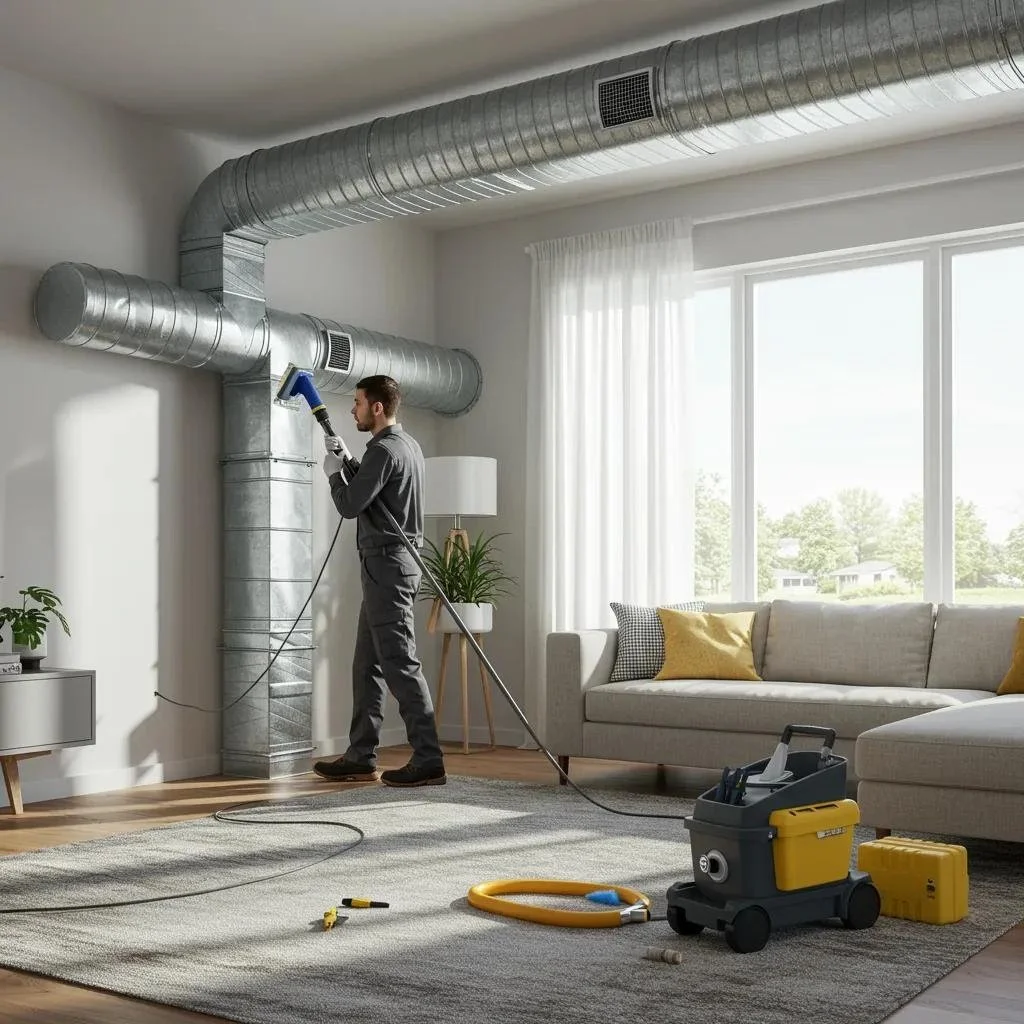
During a professional air duct cleaning, technicians will first inspect your system to assess its condition. They will then use specialized equipment to remove dust, debris, and contaminants from the ducts. This process typically involves agitation and vacuuming to ensure thorough cleaning. Afterward, technicians will verify the results and may provide documentation of the work performed. Expect clear communication about the process and any recommendations for future maintenance.

Are There Any Risks Associated with Air Duct Cleaning?


When performed by certified professionals, air duct cleaning is generally safe and beneficial. However, improper cleaning techniques can lead to issues such as duct damage or cross-contamination. It’s essential to choose a NADCA-certified provider to minimize these risks. Additionally, if mold is present, remediation may be necessary before cleaning to ensure that spores are not released into the air during the process.

How Can I Maintain Clean Air Ducts Between Professional Cleanings?


To maintain clean air ducts between professional cleanings, regularly change your HVAC filters, use high-efficiency filters, and schedule routine inspections. Keeping humidity levels in check and addressing any water leaks can also help prevent mold growth. Additionally, minimizing indoor pollutants such as smoke and pet dander can reduce the frequency of necessary cleanings. These proactive measures contribute to better indoor air quality and extend the time between professional services.

How Often Should Air Ducts Be Cleaned in Austin and Texas?


NADCA recommends a baseline of every 3–5 years, but Austin homes commonly need more frequent attention, often around every 2 years due to high local pollen and periodic humidity that accelerate contamination. Quick triggers for earlier cleaning include recent renovations, indoor smoking, heavy pet presence, persistent odors, or visible microbial growth.

  • If you notice persistent allergens or odors, schedule an inspection.

  • Use filter upgrades and pre-/post-season cleanings around peak pollen windows as preventive measures.

Is Air Duct Cleaning Worth the Cost for Austin Homes and Businesses?


Air duct cleaning is worth the cost when it addresses demonstrable issues visible contamination, odor, allergy exacerbation, or reduced HVAC performance, because it restores airflow and reduces particulate recirculation, delivering health and efficiency benefits. Typical efficiency gains and symptom relief depend on initial conditions, but targeted cleaning combined with filtration and humidity control often yields measurable improvements.

  • Prioritize cleaning when symptoms or performance indicators are present.

  • Combine cleaning with filtration upgrades forthe best ROI.

How Long Does a Typical Air Duct Cleaning Take in Austin?


Residential jobs commonly take 2–4 hours, depending on system size and contamination, while commercial cleanings and jobs requiring remediation can take a day or longer; time varies with access, number of units, and scope of containment required. Technicians usually explain timeframes during the inspection and include scheduling notes for off-hours commercial work.

  • Expect straightforward residential cleanings to fit within a half-day window.

  • Add time for mold remediation, testing, or repairs.

What Are the NADCA Standards for Air Duct Cleaning?


NADCA standards require inspection, documented cleaning procedures, containment to prevent cross-contamination, agitation and debris removal, and post-cleaning verification to confirm results; these steps ensure both thoroughness and occupant safety. Key elements include system inspection, use of vacuum and agitation tools, source capture, and customer-facing verification steps.

  • Ask providers to describe their inspection and verification process.

  • Ensure technicians document before-and-after conditions and follow containment protocols.

How Can You Schedule Your Austin Air Duct Cleaning with The Steam Team Today?


Scheduling a service begins with a clear description of the system and observed issues, followed by an inspection and a personalized quote that outlines scope, timing, and verification steps. The Steam Team offers a straightforward workflow designed to align NADCA-certified practices with local needs. The company’s practices emphasize inspection-driven estimates, clear explanations of required remediation if mold is found, and a service guarantee to address post-service concerns. The next subsections detail the request and scheduling flow and how customer satisfaction is handled.

What Is the Process to Request a Quote or Book an Appointment?


Start by describing building size, number of HVAC units, known symptoms (odors, allergy spikes), and any recent renovations; a service representative or technician will perform an initial screening and arrange an on-site inspection when necessary. During inspection, expect assessment of supply vents, return vents, filters, and duct accessibility; following that, you'll receive an itemized estimate with recommended services and scheduling options. Clear communication about expected outcomes and verification steps helps set accurate expectations before work begins.

  • Provide photos of vents or affected areas when possible to speed screening.

  • Confirm scheduling windows and any access requirements during booking.

How Does The Steam Team Ensure Customer Satisfaction and Service Guarantee?


The Steam Team emphasizes a service guarantee and NADCA-certified processes to ensure outcomes are measurable and concerns are addressable; technicians document findings and cleaning verification to provide customers with clear before-and-after information. If expectations are not met, customers are encouraged to contact the provider to review results and implement corrective steps under the guarantee. Transparent scopes, documentation, and certified procedures form the backbone of the satisfaction process and provide reassurance when remediation or additional work is needed.

  • Ask for written verification of what was cleaned and any follow-up recommendations.

  • Use the guarantee to resolve any post-service concerns quickly.

  1. Next steps: schedule an inspection if you notice signs outlined above or if it has been more than the NADCA baseline interval for your property type.

  2. Preventive tip: Pair duct cleaning with improved filtration and humidity control to maximize benefits and reduce recurrence of contaminants.

Conclusion


Regular air duct cleaning is essential for maintaining optimal indoor air quality and HVAC efficiency, especially in Austin's allergen-rich environment. By addressing contamination from pollen, dust, and humidity, homeowners can significantly reduce allergy symptoms and improve overall health. Scheduling inspections and cleanings based on local conditions ensures that your air ducts remain in top shape. Contact The Steam Team today to explore our expert air duct cleaning services tailored to your needs.
Essential Air Duct Cleaning: Your Key to Allergy Relief

Breathe Easy: Instant Allergy Relief

Indoor allergens accumulate where we least expect them: inside ductwork and HVAC systems that continuously recirculate air through living spaces. Dirty air ducts concentrate dust, pollen, pet dander, dust mite fragments, and mold spores; when the HVAC runs, these particles become airborne again and worsen symptoms for allergy and asthma sufferers. This article explains how contaminated ducts affect indoor air quality, reviews the NADCA-certified cleaning process that targets allergen sources, outlines timing and signs for scheduling cleaning, and compares costs and long-term value for Austin homes. After a concise explanation of why professional methods outperform DIY approaches, you’ll find practical checklists, equipment comparisons, and localized guidance for Austin’s pollen and humidity patterns to help you decide when to act. For readers seeking certified service, The Steam Team, a locally owned cleaning and restoration company employing NADCA-certified technicians for air duct cleaning, provides NADCA-standard procedures that can be scheduled for homes and businesses; request a quote to compare options after reviewing the technical guidance below.

How Do Dirty Air Ducts Affect Allergies and Indoor Air Quality?


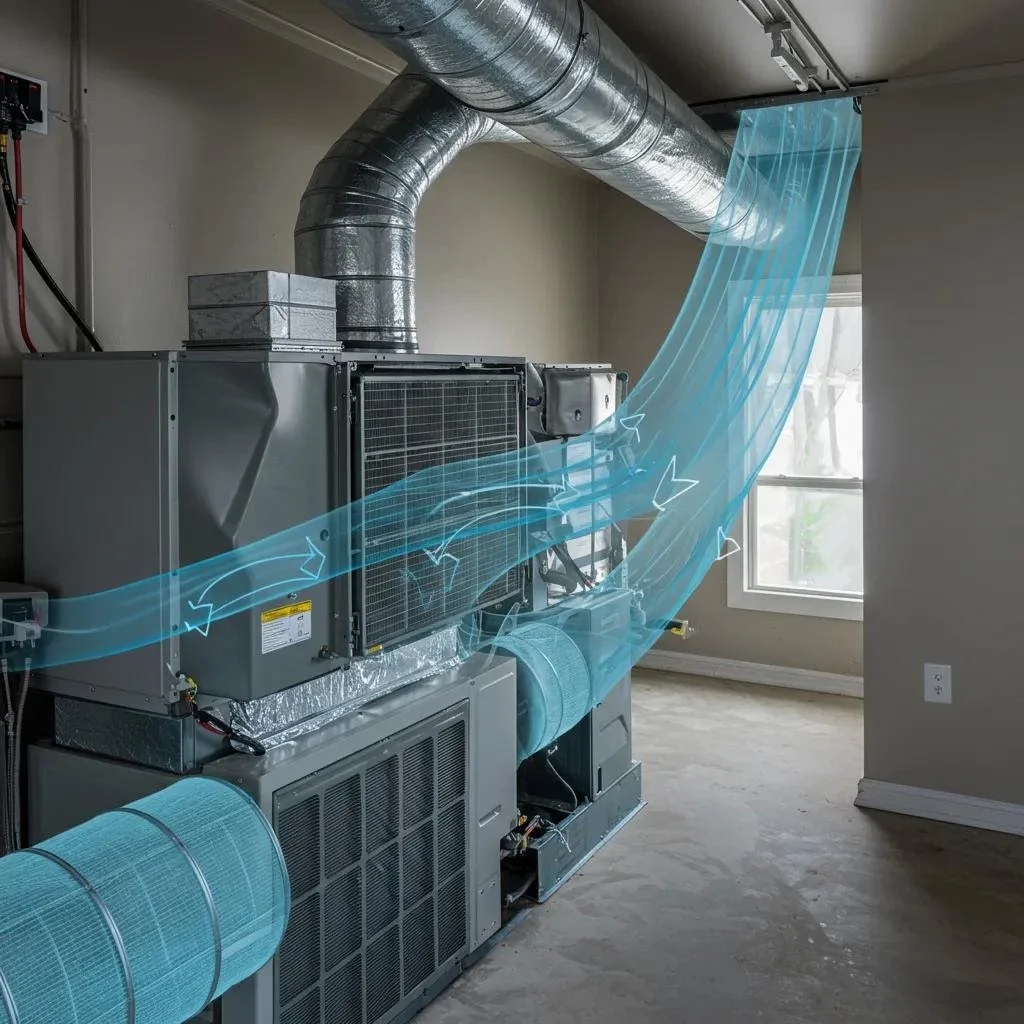
Dirty air ducts act as reservoirs and distribution routes for allergens, meaning contaminants lodged in ductwork are repeatedly reintroduced into the breathing zone whenever the HVAC operates. The mechanism is straightforward: particles settle in supply and return vents, then get dislodged by airflow or fan cycles and travel into living spaces, increasing airborne allergen concentrations. This circulation elevates exposure for occupants, amplifying sneezing, congestion, itchy eyes, and asthma exacerbations, especially during high-pollen seasons or periods of elevated indoor humidity. Understanding this mechanism highlights why removing the source of the settled material inside ducts is more effective for allergy relief than filtration alone, and leads naturally into identifying the most common duct-borne allergens.

What Common Allergens Are Found in Air Ducts?


Air duct systems commonly harbor dust mites, pollen (including local Austin types such as tree and grass pollen), pet dander, and mold spores that enter from outdoor intake, occupant activity, or moisture events. Dust mites thrive in settled dust, and pet dander provides a persistent protein source that triggers immune responses in sensitized individuals. Pollen enters when doors, windows, or fresh-air intakes operate and can accumulate on surfaces inside ducts, where it remains airborne once disturbed. These allergen sources link directly to why HVAC source removal reduces indoor concentrations more effectively than filter-only strategies, setting up the need for NADCA-standard extraction and containment.

How Do Contaminated Ducts Worsen Allergy and Asthma Symptoms?


Contaminated ducts worsen symptoms by increasing the frequency and intensity of exposure: each HVAC cycle can re-aerosolize particles that contact the nasal mucosa and airways, provoking inflammatory responses in sensitive individuals. For people with allergic rhinitis or asthma, this repeated exposure can lead to more frequent attacks, reduced sleep quality, and increased medication use. Clinical guidance and indoor air studies note that source control reduces exposure pathways, which often translates to measurable symptom improvements when combined with other controls such as high-quality filtration and humidity management. Recognizing these health impacts makes it clear why a targeted cleaning protocol and complementary home measures are recommended for sustained relief.

Evaluating Residential Air Duct Cleaning and IAQ: A Field Study


A nine-home field study was conducted to investigate the impact of mechanical air duct cleaning (ADC) methods on indoor air quality (IAQ) and system performance. ADC services were provided by the National Air Duct Cleaners Association (NADCA). Only mechanical ADC methods were evaluated. Surface treatments, such as biocides or encapsulants, were not part of the study. Pre- and post-ADC measurements were used to evaluate impacts. These included deposited duct dust measurements, airborne particle and fiber concentrations, microbial bioaerosol and surface sampling, and system performance factors such as temperature, relative humidity air flow rates, and static pressure. Surface sampling in ducts indicated that mechanical ADC is effective in removing adhered dust and dirt. The particle measurement data could not offer a clear indication that indoor levels can be reduced using mechanical ADC because there was an apparent strong influence from outdoor particle mass concentrations. Mechanical ADC did not significantly reduce bioaerosol or microbial density in the houses studied. Measurements of system performance factors suggest that ADC may have a positive effect. Supply air rates increased between 4 and 32% in eight of the houses, and return air flow rates increased 14 and 38% in two of the houses. Evaluating residential air duct cleaning and IAQ: results of a field study conducted in nine single-family dwellings, 1997

What Is the NADCA Certified Air Duct Cleaning Process by The Steam Team?


NADCA-certified air duct cleaning follows standardized steps that focus on source removal, containment, filtration, and verification to minimize recontamination and maximize allergen extraction. Pre-inspection identifies contamination levels and moisture issues, source removal uses agitation and mechanical brushing, HEPA-rated vacuuming pulls debris into sealed collection systems, and optional sanitization addresses microbial concerns when appropriate. This sequence inspection, agitation, HEPA containment, and verification reduces airborne allergen loads and prevents redistribution of settled material, which is critical for allergy relief. Below is a comparison table that clarifies key equipment used during NADCA-standard cleaning and the allergy-specific benefits each provides.


Introductory table explaining professional equipment and why it matters:

Equipment

Primary Purpose

Allergy Benefit

HEPA vacuum system

Captures fine particles during source removal

Prevents reintroduction of dust, pollen, and dander into living spaces

Rotary brushes/agitation tools

Loosens settled debris from duct surfaces

Enables the extraction of embedded dust mite and pet dander reservoirs

Negative-pressure containment

Isolates dust during cleaning

Minimizes contamination of living areas and reduces cross-contamination

Source collection and filtration

Collects and filters the removed debris

Ensures captured allergens are contained and not exhausted back inside


This equipment-focused comparison shows that NADCA-aligned tools prioritize source removal and containment, which delivers superior allergen reduction compared with handheld vacuums or surface-only approaches.

Why Is NADCA Certification Important for Allergy Relief?


NADCA certification represents adherence to industry standards for HVAC system cleaning, providing consistent protocols, trained technicians, and equipment expectations that matter for allergen control. Certified procedures reduce the risk of incomplete cleaning or accidental damage to system components and emphasize HEPA containment and verification steps that make allergen removal measurable and reliable. For allergy sufferers, this consistency translates into a higher probability that the major sources of settled allergens are removed rather than simply disturbed and redistributed. Comparing certified versus non-certified approaches highlights why choosing an NADCA-standard process reduces the chance of persistent allergen exposure.

What Advanced Equipment and Techniques Are Used in Professional Cleaning?


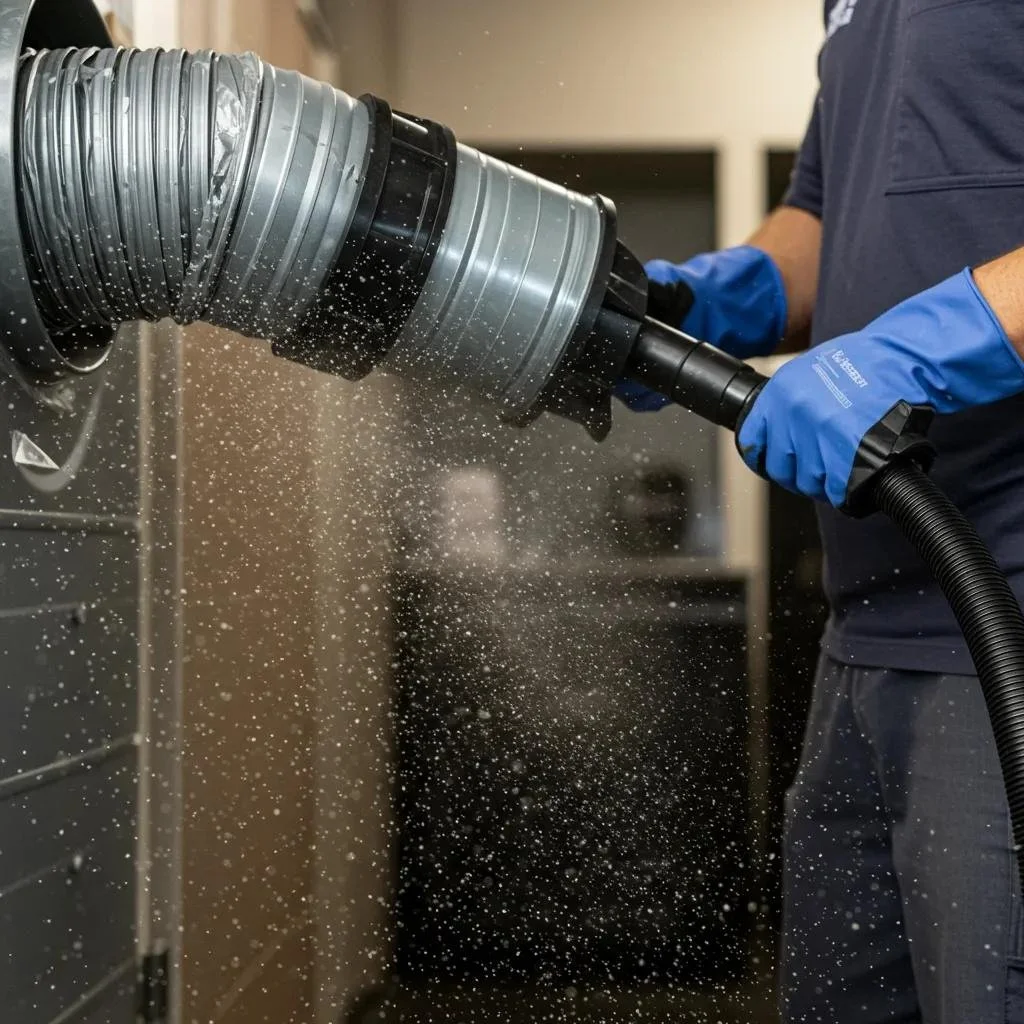
Professional cleaning uses integrated systems: HEPA-rated vacuums create negative pressure, mechanical agitation tools dislodge deposits, and sealed duct-access methods prevent cross-contamination of living spaces during work. Agitation techniques vary by system type but commonly include rotary brushes, compressed-air skids, or pneumatic tools to pull embedded dust loose; HEPA containment systems then capture particles at source. Safety and standards emphasize that filtration media must meet HEPA specifications and that technicians document before-and-after conditions to confirm effectiveness. These techniques collectively address both the removal of allergen reservoirs and the prevention of their redistribution, which is essential for lasting symptom reduction.

What Are the Key Benefits of Air Duct Cleaning for Allergy and Asthma Sufferers?


Air duct cleaning delivers measurable benefits by reducing settled allergen reservoirs, preventing mold colonization in damp conditions, and improving overall HVAC function to support cleaner airflow. Removing dust and biological material at the source lowers short-term airborne particle spikes during HVAC operation and, when combined with filtration upgrades and humidity control, reduces long-term exposure pathways. Additional advantages include potential energy savings from restored airflow and reduced stress on HVAC components, which contribute to healthier indoor environments and lower maintenance needs. The table below quantifies common allergen types, how cleaning reduces them, and expected impacts on symptoms to make the benefits tangible for decision-making.


Introductory table linking allergens to outcomes:

Allergen Type

How Cleaning Reduces It

Expected Impact on Symptoms

Dust mite fragments

Physical removal from ducts and registers

Fewer nighttime nasal symptoms and lower indoor dust levels

Pet dander

Extraction of settled dander from duct surfaces

Reduced sneezing and ocular irritation for pet-sensitive occupants

Pollen (Austin varieties)

Removal of trapped pollen grains from the intake and ductwork

Decreased seasonal symptom spikes indoors during cedar/grass seasons

Mold spores

Cleaning plus moisture control reduces colonization risk

Lowered musty odors and reduced respiratory irritation in damp periods


This benefit table clarifies that professional source removal translates into lower indoor exposure and a realistic expectation of symptom improvement when paired with other measures.


Air duct cleaning reduces airborne allergens primarily by removing source material rather than merely filtering air that has already circulated. Source removal decreases the reservoir of particles that would otherwise be dislodged during HVAC cycles, while filtration and humidity control limit reintroduction and growth. Together, these controls form an integrated approach: remove, prevent, and filter. Understanding how these layers interact helps homeowners prioritize actions that extend the effectiveness of a professional cleaning, such as regular filter replacement and humidity management.

When Should You Schedule Air Duct Cleaning for Allergy Relief?


Scheduling depends on household risk factors: allergy sufferers, pet owners, recent renovations, or known moisture problems should consider more frequent cleaning than general recommendations. For homes with pets or occupants with reactive allergies, earlier scheduling following symptom spikes or visible dust in vents is prudent; otherwise, periodic cleaning combined with regular filter maintenance suffices. Seasonal patterns in Austin, including high tree and grass pollen periods and humid months that can encourage mold, should influence timing to maximize relief when exposure risk is highest.


Introductory checklist explaining indicators for action:

  • Visible dust or debris: When vents and registers show settled dust after normal cleaning.

  • Worsening indoor allergies: If symptoms spike indoors despite other controls.

  • Recent renovation or construction: When dust from remodeling likely entered the ductwork.

  • Musty or moldy odors: Suggests moisture-driven contamination requiring professional assessment.


These signs point to source-level contamination that cleaning addresses directly; homeowners should prioritize professional inspection when multiple indicators appear. Prompt scheduling during or before peak pollen seasons can reduce indoor exposure when occupants are most vulnerable, and complementary maintenance like high-MERV filters and humidity monitors prolongs the benefits. Considering local seasonality and household risk yields the best timing strategy for reliable allergy relief.

How Often Should Allergy Sufferers and Pet Owners Clean Their Air Ducts?


Frequency recommendations vary by risk: households with allergy sufferers or multiple pets should consider source-focused cleaning every 2–3 years, while low-risk residences may extend intervals with vigilant filter upkeep. More frequent cleaning is warranted after renovations, water intrusion, or when occupants notice escalating symptoms despite other measures. Pairing cleaning intervals with seasonal checks and filter replacement schedules (monthly or per manufacturer guidance) maximizes indoor air improvements. Establishing a maintenance rhythm based on household conditions and symptom tracking helps maintain long-term control of allergen exposure.

What Are the Signs That Your Air Ducts Need Cleaning?


Key signs include visible dust blowing from vents, persistent musty smells, increased dust accumulation on surfaces despite cleaning, and worsening indoor allergy symptoms that correlate with HVAC use. Observable debris around registers or discolored return grilles indicates settled material that can be mobilized by system operation. If occupants experience repeated symptom flares when the system cycles or after weather events, these are strong cues to request a professional inspection. Recognizing these indicators early allows for targeted cleaning and prevents prolonged exposure cycles.

Why Choose The Steam Team for Air Duct Cleaning in Austin?


The Steam Team is a locally owned cleaning and restoration company in Austin that emphasizes NADCA standards, uses NADCA-certified technicians for air duct work, and provides services to both residential and commercial customers. Choosing a provider that follows standardized, documented cleaning protocols matters for allergy outcomes because consistent techniques and HEPA containment reduce the likelihood of partial or ineffective cleanings. The Steam Team’s local focus supports knowledge of Austin-specific allergens and humidity patterns, which helps tailor timing and complementary recommendations for long-term indoor air quality. For readers ready to compare options, requesting a formal quote from a NADCA-aligned provider clarifies scope and expected outcomes.

How Does 42 Years of Local Experience Benefit You?


Local experience provides technicians with practical knowledge of Austin-specific issues like seasonal pollen influxes and humidity-driven mold risks, enabling more targeted inspections and preventive recommendations that help sustain allergy relief. Longstanding local operations also foster quicker response times and familiarity with common building types and HVAC setups in the region. This institutional knowledge can translate into more effective problem diagnosis, tailored maintenance plans, and realistic timelines for follow-up work or filter upgrades. Homeowners benefit when technicians combine standardized cleaning procedures with regional expertise to minimize the recurrence of duct contamination.

What Awards and Customer Satisfaction Ratings Support Our Service?


Local reputation and customer feedback are important signals when evaluating providers; readers should consult public reviews and business profiles to confirm service consistency and satisfaction claims. Transparent documentation, such as before-and-after inspection notes and photo records, helps validate that the scope of work addressed allergen sources thoroughly. While individual ratings vary, selecting a provider that offers NADCA-standard reports and clear verification steps reduces uncertainty and supports informed decision-making. These verification practices give homeowners confidence that cleaning efforts will translate into measurable indoor-air benefits.

Which Areas in Austin and Central Texas Do We Serve?


A local provider's service area affects response time and familiarity with neighborhood-specific conditions, which is especially relevant for timely cleanings during high-allergen periods. The Steam Team serves Austin and Central Texas locations, enabling technicians to apply localized strategies for pollen seasons and humidity events that influence mold risk. Local coverage also facilitates coordinated follow-up work, such as HVAC assessments or dryer vent cleaning, when technicians identify related issues during inspections. Efficient local service supports a practical maintenance schedule that aligns with seasonal allergen cycles.

What Are the Typical Costs and Value of Air Duct Cleaning in Austin?


Air duct cleaning costs depend on home size, number of vents/registers, contamination level (e.g., heavy dust, mold evidence), system accessibility, and whether additional services like sanitization or repairs are needed. Pricing also reflects technician qualifications and the use of NADCA-standard equipment and HEPA containment; investing in certified procedures often yields better long-term value for allergy sufferers. Below is a practical cost-context table that compares typical home sizes, vent counts, and approximate price ranges to help Austin homeowners set expectations before requesting a formal quote.


Introductory cost-comparison table for the Austin context:

Home Size

Typical # of Vents

Typical Price Range

Small (1,000 sq ft)

6–10 vents

$300–$450

Medium (1,500–2,500 sq ft)

10–18 vents

$450–$700

Large (2,500+ sq ft)

18+ vents

$700+

Additional services (mold remediation/sanitization)

As-needed

Varies by scope


Summary paragraph after cost table:


These examples illustrate core drivers of cost rather than fixed quotes; the precise price depends on contamination severity, system complexity, and any remediation needs identified during inspection. For allergy-focused value, consider the combination of source removal plus follow-up measures, upgraded filtration, humidity control, and professional verification, which often reduces ongoing medical and cleaning expenses. Requesting an on-site assessment helps translate these typical ranges into an actionable plan tailored to your home and symptoms.

What Factors Influence Air Duct Cleaning Prices?


Primary cost drivers include the number of vents/registers to service, the length and complexity of duct runs, evidence of mold or heavy contamination that requires remediation, and accessibility of the air handler and duct openings. Commercial systems and specialty HVAC setups may require additional labor and equipment, while post-renovation cleanings often incur higher costs due to increased debris. Preparing for an accurate quote by noting system type, recent water events, and symptom history enables technicians to scope work appropriately. Clear pre-inspection communication reduces surprises and helps homeowners weigh cost versus expected allergen reduction outcomes.

How Does Professional Cleaning Provide Long-Term Value for Allergy Relief?


Professional cleaning yields long-term value by removing allergen reservoirs that would otherwise persist and periodically re-aerosolize, reducing the need for repeated ad hoc cleaning and lowering cumulative exposure over time. Improved HVAC airflow can also enhance energy efficiency and extend equipment life, indirectly offsetting cleaning costs. When combined with upgraded filtration, routine maintenance, and moisture control, a NADCA-standard cleaning becomes part of a sustained indoor-air strategy that reduces symptomatic episodes and associated costs. For homeowners prioritizing allergy relief, investing in certified cleaning plus follow-up controls offers a defensible return in health and home system resilience.


Air duct cleaning focused on source removal, performed to NADCA standards and combined with filtration and humidity control, provides a practical path to reducing indoor allergen exposure for Austin residents. If you or household members experience persistent indoor allergy symptoms, consider a NADCA-standard inspection and cleaning; The Steam Team offers certified technicians and localized expertise to assess and execute these procedures. Request a quote to compare scopes and determine the best timing relative to Austin’s seasonal pollen and humidity cycles.

Frequently Asked Questions

What are the health benefits of clean air ducts beyond allergy relief?


Clean air ducts not only alleviate allergy symptoms but also contribute to overall health by reducing the risk of respiratory infections and improving sleep quality. By minimizing airborne contaminants, clean ducts help create a healthier indoor environment, which is especially beneficial for children, the elderly, and individuals with compromised immune systems. Additionally, cleaner air can enhance cognitive function and productivity, making it essential for both home and workplace settings. Regular maintenance of air ducts can thus lead to a more comfortable and healthier living space.

Can air duct cleaning help with odors in the home?


Yes, air duct cleaning can significantly reduce unpleasant odors in your home. Odors can accumulate in ductwork from various sources, including pet dander, mold, and dust. When the HVAC system operates, these odors can be circulated throughout the living space. By removing the source of these smells through professional cleaning, you can improve indoor air quality and create a fresher environment. Additionally, combining duct cleaning with other measures, such as using air purifiers and maintaining humidity levels, can further enhance odor control.

How does humidity affect air duct cleanliness and indoor air quality?


Humidity plays a crucial role in air duct cleanliness and overall indoor air quality. High humidity levels can promote mold growth and dust mite proliferation within duct systems, leading to increased allergen levels. Conversely, low humidity can cause dust to become airborne more easily, exacerbating allergy symptoms. Maintaining optimal humidity levels (ideally between 30-50%) through dehumidifiers or humidifiers can help mitigate these issues. Regular air duct cleaning, combined with humidity control, ensures a healthier indoor environment and reduces the risk of mold and allergens.

What should I do if I suspect mold in my air ducts?


If you suspect mold in your air ducts, it is essential to act quickly. First, avoid using the HVAC system to prevent spreading mold spores throughout your home. Next, contact a professional air duct cleaning service that specializes in mold remediation. They can conduct a thorough inspection and determine the extent of the contamination. If mold is confirmed, they will follow NADCA-certified procedures to safely remove it and address any underlying moisture issues to prevent future growth. Prompt action is crucial for health and safety.

Are there any DIY methods for maintaining clean air ducts?


While professional cleaning is recommended for thorough duct maintenance, there are several DIY methods to help keep your air ducts cleaner between professional cleanings. Regularly replace or clean HVAC filters, as this prevents dust and allergens from circulating. Additionally, vacuum vents and registers to remove visible dust and debris. Keeping the surrounding areas clean and minimizing clutter can also help reduce the amount of dust that enters the duct system. However, for deep cleaning and allergen removal, professional services are still necessary.

How can I choose the right air duct cleaning service?


Choosing the right air duct cleaning service involves several key considerations. Look for companies that are NADCA-certified, as this ensures they adhere to industry standards for cleaning. Check customer reviews and ratings to gauge their reputation and service quality. Inquire about their cleaning methods, equipment used, and whether they provide a detailed inspection before cleaning. Additionally, ask for a written estimate and ensure they offer a satisfaction guarantee. A reputable service will be transparent about its processes and committed to improving your indoor air quality.

Conclusion


Air duct cleaning significantly enhances indoor air quality by removing allergen reservoirs, which can lead to improved health outcomes for allergy and asthma sufferers. By choosing a NADCA-certified service like The Steam Team, you ensure that the cleaning process adheres to industry standards, maximizing the effectiveness of allergen removal. Regular maintenance and timely cleaning can help sustain these benefits, providing a healthier living environment. Take the first step towards cleaner air by requesting a quote today.

Why Air Duct Cleaning Matters for Austin Homes

Why Air Duct Cleaning Matters for Austin Homes: Improve Indoor Air Quality and HVAC Efficiency

Austin’s climate with high pollen counts, seasonal humidity spikes, and airborne dust creates an environment where contaminants accumulate rapidly in HVAC ductwork, degrading indoor air quality and straining heating and cooling systems. Understanding why air duct cleaning matters empowers homeowners to protect respiratory health, optimize system performance, and reduce utility expenses. In this article, you will learn about common duct contaminants in Austin homes, the health advantages of professional cleaning, energy savings potential, ideal service intervals, The Steam Team’s NADCA-certified process, cost factors, complementary services, and commercial benefits. With over four decades of local expertise and NADCA certification, The Steam Team provides reliable air duct cleaning solutions that deliver measurable improvements in air purity and HVAC efficiency.

What Are the Common Contaminants in Austin Home Air Ducts?

Air duct cleaning removes microscopic and visible pollutants that accumulate in ventilation systems over time. Local conditions like seasonal cedar pollen, construction dust, and pet dander combine with ordinary household debris to create a mixture that circulates through living spaces. Left untreated, these contaminants aggravate allergies, trigger asthma episodes, and contribute to musty odors. Recognizing the typical contents of a duct system highlights why routine removal is essential for healthier, more comfortable indoor environments.

Which Allergens and Pollutants Affect Austin Indoor Air Quality?

Many homeowners in Central Texas contend with elevated levels of pollen from oak, cedar, and grass species. In addition to botanical particles, common indoor allergens include dust mite waste and pet dander that embed in duct linings. Vehicle exhaust particulates can infiltrate homes near busy roads, while cooking oils and volatile organic compounds adhere to duct surfaces.

  • Cedar pollen can travel through filters and settle in ducts.

  • Dust mite debris accumulates in humid conditions, worsening allergy symptoms.

  • Pet dander circulates repeatedly without removal, increasing irritation.

  • Combustion byproducts from nearby traffic may enter via fresh-air intakes.

These allergens and pollutants intensify respiratory discomfort and create a cycle of recirculation unless professionally extracted.

How Does Mold Develop in Austin HVAC Systems?

Persistent humidity in Austin—especially during late spring and summer—creates ideal conditions for mold spores to germinate on damp duct surfaces. Organic dust and cellulose-based insulation provide a nutrient source, while temperature fluctuations inside vents lead to condensation pockets. Once established, mold colonies release spores that travel through vents and settle on furniture and fabrics, triggering allergic reactions and unpleasant odors. Controlling moisture and performing scheduled cleaning interrupts this growth cycle and restores duct hygiene.

What Impact Do Dust and Debris Have on Your Home’s Air?

Accumulated dust and debris in ductwork obstruct airflow, forcing HVAC fans to work harder and circulate particles throughout living spaces. This recirculation increases indoor particulate matter (PM2.5 and PM10), diminishes filter efficacy, and accelerates system wear. Excessive dust in vents contributes to uneven heating or cooling and visible dusting demands in occupied rooms. Professional duct cleaning restores airflow, reduces airborne particulate concentrations, and helps maintain consistent indoor comfort.

What Are the Health Benefits of Air Duct Cleaning for Austin Residents?

Professional air duct cleaning delivers measurable respiratory and well-being advantages by eliminating irritants that exacerbate common conditions. By targeting dust mites, pollen, mold spores, and animal dander, thorough cleaning reduces indoor allergen loads and supports clearer airways. Homeowners who invest in routine duct maintenance often report fewer allergy flare-ups, reduced asthma symptoms, and overall improvements in sleep quality. The Steam Team’s NADCA-certified service uses advanced methods to ensure that home occupants breathe cleaner, healthier air.

How Does Air Duct Cleaning Reduce Allergies and Asthma Symptoms?

Air duct cleaning reduces airborne allergens by physically extracting particles rather than simply trapping them in filters. Removing accumulated pollen, dust mite waste, and pet dander directly from duct interiors cuts down the volume of recirculated irritants. For families with children or adults prone to asthma attacks, this translates to fewer respiratory episodes and less reliance on medications. Cleaner ducts also improve the performance of HVAC filtration, offering a dual barrier against allergens.

A field study evaluating mechanical air duct cleaning found that while it effectively removed adhered dust, its impact on airborne particle concentrations was influenced by outdoor conditions, and it did not significantly reduce bioaerosols. However, system performance, such as airflow rates, showed positive improvements.

Evaluating Residential Air Duct Cleaning and IAQ: A Field Study

A nine-home field study was conducted to investigate the impact of mechanical air duct cleaning (ADC) methods on indoor air quality (IAQ) and system performance. ADC services were provided by the National Air Duct Cleaners Association (NADCA). Only mechanical ADC methods were evaluated. Surface treatments, such as biocides or encapsulants, were not part of the study. Pre- and post-ADC measurements were used to evaluate impacts. These included deposited duct dust measurements, airborne particle and fiber concentrations, microbial bioaerosol and surface sampling, and system performance factors such as temperature, relative humidity air flow rates, and static pressure. Surface sampling in ducts indicated that mechanical ADC is effective in removing adhered dust and dirt. The particle measurement data could not offer a clear indication that indoor levels can be reduced using mechanical ADC because there was an apparent strong influence from outdoor particle mass concentrations. Mechanical ADC did not significantly reduce bioaerosol or microbial density in the houses studied. Measurements of system performance factors suggest that ADC may have a positive effect. Supply air rates increased between 4 and 32% in eight of the houses and return air flow rates increased 14 and 38% in two of the houses.

Evaluating residential air duct cleaning and IAQ: results of a field study conducted in nine single family dwellings., 1997

Can Cleaning Air Ducts Prevent Mold-Related Health Issues?

Yes, professional cleaning disrupts mold proliferation by eliminating the spore-laden material on duct surfaces and in plenums. Specialized antimicrobial treatments and sanitization processes further inhibit regrowth, preventing mold-related respiratory infections and hypersensitivity pneumonitis. By addressing mold at its source, homeowners reduce the risk of chronic sinus problems, bronchitis episodes, and systemic immune responses linked to mold exposure.

Why Is Improved Indoor Air Quality Vital for Austin Homes?

Enhanced indoor air quality supports overall wellness by minimizing exposure to irritants and pollutants that aggravate seasonal allergies and chronic respiratory conditions. Cleaner air reduces the likelihood of headaches, eye irritation, and seasonal fatigue associated with high pollen seasons. In regions like Austin, where outdoor pollution can be unpredictable, professional duct cleaning supplies a controlled indoor environment that fosters better sleep, concentration, and quality of life.

How Does Air Duct Cleaning Enhance HVAC Efficiency and Save Energy in Austin?

Air duct cleaning directly improves system performance by removing blockages that hinder airflow and force heating and cooling equipment to operate under strain. Clear, unobstructed ducts enable more uniform temperature distribution and quicker cycle times, reducing run-time and electricity consumption. Homeowners often observe noticeable drops in energy usage following a thorough cleaning, translating into lower monthly utility bills and reduced carbon footprint.

In What Ways Do Clean Air Ducts Improve HVAC System Performance?

Clean ducts facilitate balanced airflow throughout the home, relieving undue pressure on blower motors and fan assemblies. With less resistance, systems maintain set temperatures with fewer cycles, reducing mechanical wear. Improved airflow also ensures that filters function optimally, capturing finer particulates rather than becoming prematurely clogged. Together, these factors extend maintenance intervals and support reliable operation.

How Much Can You Save on Energy Bills with Clean Ducts?

Regular duct cleaning can yield tangible savings by boosting energy efficiency and reducing runtime. The table below compares typical performance differences between neglected and cleaned duct systems in a standard Austin home.

Condition Airflow Efficiency Estimated Annual Savings
Dirty Ducts Up to 25% reduction in airflow $0
Clean Ducts Up to 15% increase in airflow $150–$300

How Does Regular Cleaning Extend Your HVAC System’s Lifespan?

Removing abrasive dust and debris from duct interiors prevents these particles from circulating and abrading blower components, heat exchangers, and coil surfaces. Reduced friction and strain on moving parts lower the likelihood of mechanical failures, cutting repair costs and delaying system replacement. A well-maintained air distribution network also helps refrigeration and combustion systems run under design conditions, extending their operational life by years.

When Should Austin Homeowners Schedule Air Duct Cleaning?

Knowing when to schedule professional cleaning is key to balancing cost, health benefits, and system longevity. While general guidelines suggest an interval of every three to five years, local factors like pets, allergy prevalence, and recent renovations can affect an ideal schedule. Recognizing clear signs and understanding recommended frequencies for Austin’s climate ensures that homeowners maximize indoor air quality and HVAC performance.

What Are the Signs That Your Air Ducts Need Cleaning?

Visible dust around vent registers, persistent musty or stale odors when the system runs, and unexplained allergy flare-ups are all indicators of contaminated ductwork. If homeowners notice excessive dust accumulation on furniture soon after cleaning or experience uneven cooling and heating across rooms, ducts likely harbor significant debris. Addressing these symptoms promptly helps maintain a healthier indoor environment and prevents system strain.

How Often Should Air Ducts Be Cleaned in Austin’s Climate?

In Central Texas, routine air duct cleaning every three to five years is recommended for average households. Homes with indoor pets, residents with severe allergies, or recent interior construction projects may benefit from cleaning every two to three years. High-humidity seasons also warrant inspection for mold growth, which could justify more frequent service to preserve air quality and system health.

Are There Special Circumstances That Require More Frequent Cleaning?

Certain scenarios demand accelerated cleaning schedules. Homes with multiple shedding pets accumulate dander more rapidly, while recent remodeling can introduce plaster dust and particulates into ductwork. Prior water damage incidents or evidence of mold outbreaks necessitate immediate cleaning and sanitation to prevent health risks. Understanding these conditions allows homeowners to adjust maintenance intervals for optimal results.

What Makes The Steam Team’s NADCA Certified Air Duct Cleaning Process Unique in Austin?

The Steam Team’s NADCA certification and forty years of Central Texas experience combine to deliver a thorough, industry-compliant cleaning protocol. Their “source removal” methodology uses high-powered agitation and HEPA-filtered collection to extract contaminants directly at the point of origin. This approach aligns with national standards and local best practices, ensuring measurable improvements in indoor air and system performance.

What Is the Step-by-Step NADCA Certified Cleaning Process?

The Steam Team’s certified technicians follow a structured protocol:

  1. Inspection of duct system and pre-cleaning assessment.

  2. Secure sealing of registers and use of negative-pressure HEPA vacuums.

  3. Agitation of duct surfaces with rotating brushes and air whips.

  4. Source removal of dislodged debris through HEPA-filtered collection.

  5. Final verification to ensure debris-free surfaces and restored airflow.

This methodical process adheres to NADCA guidelines and delivers consistent, verifiable results.

How Does Advanced “Source Removal” Technology Improve Results?

“Source removal” equipment targets contaminants at their accumulation points rather than relying on filter capture alone. By using negative-pressure systems and mechanical agitation, the process lifts and vacuums debris before it can recirculate. This dual mechanism achieves deeper cleaning, minimizes indoor dust fallout, and preserves system components, reinforcing both health and efficiency benefits.

Research comparing different air duct cleaning methods, such as mechanical brushing and compressed air, has shown varying efficiencies depending on duct material. Studies indicate that mechanical methods are generally more effective in metal ducts, while compressed air can be better for plastic ducts, with significant reductions in surface dust deposits achieved by both.

Comparing Air Duct Cleaning Methods: Mechanical vs. Compressed Air

Two kinds of air duct cleaning methods, mechanical brushing with different brushes and compressed air cleaning, were compared in the laboratory and in newly built buildings. The ducts were contaminated either with test dust or with dust originated from a construction site. The amount of dust on the duct surface was measured with the vacuum test method and estimated visually before and after the cleaning. In addition, the cleaning times of the different techniques were compared and the amount of residual oil in the ducts was measured in the laboratory test. The brushing methods were more efficient in metal ducts, and compressed air cleaning was more efficient in plastic ducts. After the duct cleaning the mean amount of residual dust on the surface of the ducts was £ 0.1 g/m 2 in the laboratory test with ducts contaminated at construction site and £ 0.3 g/m 2 after cleaning in the field. The decrease in the dust deposits on the surface ranged from 86 to 99% and from 75 to 94% in the duct

Cleaning initiation criteria for heating, ventilation and air conditioning (HVAC) systems in non-industrial buildings, 2010

Why Choose a Locally Trusted Company with 40+ Years of Experience?

Homeowners and businesses in Austin rely on The Steam Team’s long-standing reputation for superior customer service and technical expertise. Voted best customer service by a leading local newspaper, the company combines national certification with deep community roots. This blend of credentials and local insight ensures every project is handled with knowledge of Austin’s unique environmental challenges and customer expectations.

How Much Does Professional Air Duct Cleaning Cost in Austin?

Air duct cleaning investment varies based on home characteristics and service requirements. Understanding cost drivers helps homeowners budget effectively and recognize the long-term value of cleaner air and reduced energy consumption. The Steam Team provides transparent pricing estimates and emphasizes health and efficiency savings that often offset initial expenditures.

What Factors Influence Air Duct Cleaning Prices in Austin?

Several variables shape the overall cost of a cleaning service:

Factor Impact on Price Typical Range
Home Size More vents and longer duct runs require more labor $450–$1,000 baseline
Vent Count Additional vents increase cleaning time $20–$30 per vent
Accessibility Hard-to-reach ductwork can add complexity 10–20% surcharge
Mold or Biohazard Specialized remediation steps elevate costs $100–$200 additional

How Does The Steam Team Provide Value Beyond Cost?

Beyond competitive pricing, The Steam Team’s service delivers health and efficiency dividends that accrue over time. Cleaner ducts reduce allergy medicine expenses, lower utility bills, and extend HVAC equipment life—amplifying return on investment. NADCA certification, advanced equipment, and award-winning customer care combine to ensure that value far exceeds the upfront fee.

How Can You Request a Quote for Air Duct Cleaning in Austin?

Homeowners seeking cleaner air and improved system performance can contact The Steam Team to schedule an assessment and receive a customized estimate. Friendly service representatives will gather details about system size, vent count, and any special circumstances to provide transparent pricing. Prompt scheduling options help ensure that your home benefits from fresh, purified air with minimal delay.

What Additional Services Complement Air Duct Cleaning for Austin Homes?

To maximize indoor environmental quality, homeowners can integrate duct cleaning with related services such as sanitization, mold remediation, and duct repair. Combining these offerings delivers holistic solutions that address contamination, microbial threats, and system integrity in one comprehensive engagement. The Steam Team’s multi-service capabilities make it a one-stop provider for complete HVAC health and home comfort.

How Does Air Duct Sanitization and Disinfection Improve Home Health?

Sanitization treatments neutralize lingering microbial threats by applying EPA-registered disinfectants within duct interiors. This step eradicates bacteria, viruses, and mold spores that survive mechanical cleaning, curbing the spread of illness and musty odors. Integrating disinfection ensures that ducts remain hygienic longer, supporting sustained respiratory protection for occupants.

When Is Mold Remediation Needed Alongside Air Duct Cleaning?

If mold growth is detected or moisture intrusion has occurred within ductwork, full remediation is essential before simply cleaning debris. Mold remediation protocols remove contaminated materials, apply antifungal treatments, and address source moisture issues. Coordinating remediation with duct cleaning prevents recurrence and restores a truly healthy air distribution network.

Can Air Duct Repair Enhance Cleaning Effectiveness?

Repairing leaks, sealing joints, and replacing damaged duct sections enhances airflow containment and prevents fresh contaminants from entering the system. Properly sealed ducts allow source removal equipment to achieve optimal negative pressure, ensuring deeper cleaning results. Investing in duct repair alongside cleaning preserves system efficiency and maintains air quality gains over time.

How Does Commercial Air Duct Cleaning Benefit Austin Businesses?

Commercial properties require tailored air duct cleaning strategies to support employee health, regulatory compliance, and equipment longevity. Removing dust, allergens, and microbial threats from large-scale HVAC systems promotes safer work environments, reduces maintenance downtime, and demonstrates commitment to workplace wellness. The Steam Team’s commercial expertise ensures customized plans that meet industry standards and business objectives.

Why Is Indoor Air Quality Important for Employee Health and Productivity?

Clean indoor air reduces sick-building syndrome symptoms such as headaches, fatigue, and respiratory irritation, boosting overall well-being and concentration. A healthier workforce experiences fewer sick days, enjoys higher morale, and demonstrates enhanced productivity. Investing in duct cleaning signals organizational dedication to employee welfare and can improve staff retention and satisfaction.

What Are the Regulatory and Compliance Benefits of Commercial Cleaning?

Many commercial environments must adhere to indoor air quality guidelines set by occupational safety authorities and industry associations. Documented cleaning records and NADCA-compliant processes support audits, certifications, and insurance requirements. Businesses that maintain regular duct maintenance demonstrate proactive risk management and due diligence in facility operations.

How Does The Steam Team Tailor Services for Austin Commercial Properties?

The Steam Team adapts cleaning protocols to diverse commercial settings—from office complexes to medical facilities—by scaling equipment, scheduling off-peak service hours, and coordinating with facility managers. This flexible approach minimizes operational disruptions while delivering NADCA-certified results. Customized reporting and certification documentation further support compliance and peace of mind for business owners.

Maintaining pristine air ducts in Austin homes and businesses promotes healthier living, reduces energy costs, and extends HVAC system life. Professional cleaning by The Steam Team’s NADCA-certified technicians ensures comprehensive removal of allergens, mold spores, dust, and debris. With transparent pricing, advanced equipment, and decades of local expertise, homeowners and facility managers gain lasting air quality and efficiency improvements. Request a personalized quote today to experience the benefits of cleaner, fresher air and optimized HVAC performance.

Frequently Asked Questions

What are the long-term benefits of regular air duct cleaning?

Regular air duct cleaning offers numerous long-term benefits, including improved indoor air quality, enhanced HVAC efficiency, and reduced energy costs. By removing accumulated dust, allergens, and contaminants, homeowners can experience fewer allergy symptoms and respiratory issues. Additionally, cleaner ducts help HVAC systems operate more efficiently, leading to lower energy bills and extended equipment lifespan. Over time, these benefits contribute to a healthier living environment and significant savings on maintenance and utility expenses.

How can homeowners prepare for an air duct cleaning service?

Homeowners can prepare for an air duct cleaning service by ensuring easy access to all vents and registers. This may involve moving furniture or other obstacles that could hinder the cleaning process. It's also helpful to inform the cleaning team about any specific concerns, such as visible mold or persistent odors. Additionally, scheduling the service during a time when the home is less occupied can facilitate a smoother process and minimize disruption to daily activities.

Are there any health risks associated with not cleaning air ducts?

Neglecting air duct cleaning can lead to several health risks, particularly for individuals with allergies, asthma, or respiratory conditions. Accumulated dust, mold, and allergens can exacerbate these issues, leading to increased symptoms and discomfort. Additionally, stagnant air can harbor bacteria and viruses, contributing to illness. Regular cleaning helps mitigate these risks by ensuring that the air circulating in the home is free from harmful contaminants, promoting a healthier living environment.

What should homeowners look for when choosing an air duct cleaning service?

When selecting an air duct cleaning service, homeowners should consider several factors, including the company's certification, experience, and customer reviews. Look for providers certified by the National Air Duct Cleaners Association (NADCA), as this indicates adherence to industry standards. Additionally, inquire about the cleaning methods used, equipment quality, and whether they offer a satisfaction guarantee. Transparent pricing and clear communication about the process are also essential for ensuring a positive experience.

Can air duct cleaning help with odors in the home?

Yes, air duct cleaning can significantly help with unpleasant odors in the home. Over time, dust, mold, and other contaminants can accumulate in ductwork, leading to musty or stale smells when the HVAC system operates. By thoroughly cleaning the ducts, these odor-causing particles are removed, resulting in fresher indoor air. For persistent odors, additional services like sanitization may be recommended to eliminate any remaining microbial threats and ensure a clean, pleasant environment.

How does air duct cleaning affect HVAC system maintenance?

Air duct cleaning plays a crucial role in HVAC system maintenance by ensuring optimal airflow and reducing strain on the system. Clean ducts allow for better air circulation, which helps maintain consistent temperatures and reduces the workload on HVAC components. This can lead to fewer breakdowns and lower repair costs over time. Regular cleaning also extends the lifespan of the system, as it minimizes wear and tear caused by dust and debris accumulation.

What is the typical duration of an air duct cleaning service?

The duration of an air duct cleaning service can vary based on several factors, including the size of the home, the complexity of the duct system, and the level of contamination. Generally, a thorough cleaning can take anywhere from 2 to 4 hours. Larger homes or those with extensive ductwork may require additional time. Homeowners should consult with their chosen service provider for a more accurate estimate based on their specific circumstances.

Conclusion

Regular air duct cleaning is essential for maintaining a healthy indoor environment, particularly in Austin's unique climate. By removing allergens, dust, and mold, homeowners can significantly improve air quality and enhance HVAC efficiency, leading to lower energy costs and better respiratory health. The Steam Team's NADCA-certified services ensure thorough cleaning and long-lasting results. Contact us today to schedule your air duct cleaning and experience the benefits of cleaner air in your home.

Improve Air Quality: Air Duct Cleaning Benefits in Austin

How Air Duct Cleaning in Austin Improves Indoor Air Quality and Health

Indoor air can be up to five times more polluted than the outdoor environment, directly influencing allergy flare-ups, asthma symptoms, and overall respiratory wellness. Homeowners and businesses often overlook HVAC ductwork as a hidden source of dust, mold, pet dander, pollen, volatile organic compounds (VOCs), and bacteria. Professional air duct cleaning benefits Austin properties by removing these contaminants, restoring airflow, boosting system efficiency, eliminating odors, and promoting long-term health improvements. This article unpacks seven critical themes under a single umbrella:

  1. The primary health and efficiency benefits of professional air duct cleaning

  2. Key signs your ductwork needs attention

  3. A step-by-step look at The Steam Team’s NADCA-certified process

  4. Local pollutant challenges unique to Austin’s climate

  5. Residential versus commercial service differences

  6. Cost factors and return on investment analysis

  7. Answers to the most pressing questions about indoor air quality and duct cleaning

By exploring each aspect in depth, readers will understand how targeted duct maintenance safeguards occupants, extends HVAC lifespan, and delivers measurable energy savings—all while enabling seamless calls to schedule an inspection or request a quote from The Steam Team.

What Are the Key Benefits of Professional Air Duct Cleaning?

Professional air duct cleaning is a comprehensive service that removes accumulated debris and microbial growth from the entire HVAC network, delivering cleaner, healthier air while enhancing system performance. This service directly addresses airborne allergens, energy efficiency, odor sources, and potential health hazards, creating an environment where occupants breathe easier and HVAC equipment operates optimally.

How Does Air Duct Cleaning Reduce Allergens and Improve Respiratory Health?

Air duct cleaning reduces allergens by extracting dust mites, pollen, mold spores, and pet dander trapped within ductwork. By removing these particles, the circulation of irritants decreases, leading to fewer asthma attacks, sinus congestion, and allergy episodes. For example, customers report a significant drop in allergy symptoms within days of duct cleaning, reflecting immediate improvements in indoor air quality.

In What Ways Does Duct Cleaning Enhance HVAC System Efficiency and Save Energy?

Duct cleaning enhances HVAC efficiency by restoring unobstructed airflow and reducing system strain. Clean duct surfaces allow fans and cooling coils to move air more freely, cutting energy consumption by up to 15 percent. Improved airflow also stabilizes temperature control, reducing runtime and wear on components. Over a cooling season, this efficiency gain can translate into noticeable utility savings.

Which Contaminants Are Removed During Air Duct Cleaning?

Contaminant Characteristic Impact
Dust & Debris Fine particles of soil Clogs filters and aggravates allergies
Mold Spores Fungal growth Triggers respiratory infections
Pet Dander Microscopic skin flakes Worsens asthma and hay feve
VOCs Chemical off-gassing Causes headaches and eye irritation

Eliminating these pollutants creates a healthier environment and reduces indoor irritants that can linger for months.

VOC Removal Technologies for Air Pollution Control

As an important component of air pollution, the efficient removal of volatile organic compounds (VOCs) is one of the most important challenges in the world. VOCs are harmful to the environment and human health. This review systematically introduced the main VOC control technologies and research hotspots in recent years, and expanded the description of electrocatalytic oxidation technology and bimetallic catalytic removal technology. Based on a three-dimensional electrode reactor, the theoretical design of a VOC removal control technology using bimetallic three-dimensional particle electrode electrocatalytic oxidation was proposed for the first time. The future research f

How Does Air Duct Cleaning Eliminate Odors and Improve Indoor Comfort?

Professional cleaning targets odor-causing residues—mildew, pet odors, cooking smells—that collect along duct surfaces and registers. By sanitizing with EPA-approved agents and HEPA-filtered vacuums, technicians remove trapped odors at their source rather than masking them. Occupants immediately notice fresher air, creating a more comfortable living or working environment and reducing the need for air fresheners or ozone generators.

Clean ductwork not only eliminates persistent odors but also sets the stage for identifying early signs of system contamination in the next section.

What Are the Common Signs That Your Air Ducts Need Cleaning in Austin?

Recognizing when ducts require professional attention helps prevent air quality deterioration and system inefficiencies. Visible indicators, health symptoms, and energy patterns all signal the need for inspection and cleaning.

How Can Visible Dust and Debris Indicate Dirty Air Ducts?

Visible dust along vent registers and floor grilles often means that settled particles are circulating through the system. When dust layers reappear within days of cleaning surfaces, it points to a deeper accumulation in the duct network. Consistent dusting without lasting results suggests it’s time to clean the source—your ducts.

What Does a Musty or Unpleasant Odor from Vents Mean?

Musty or stale smells emitting from vents indicate microbial growth—mold or mildew—inside ductwork. These odors often intensify when the HVAC system runs continuously, dispersing spores and odors throughout the space. Addressing these smells at the source not only freshens indoor air but also prevents potential health issues.

Can Increased Allergies or Respiratory Symptoms Signal Dirty Ducts?

An uptick in allergy symptoms—sneezing, coughing, watery eyes—especially when indoors, suggests airborne irritants circulating through the HVAC system. Dirty ducts can harbor contaminants that worsen respiratory conditions. Noticing symptom relief after duct cleaning confirms the connection between air quality and occupant health.

How Do High Energy Bills Relate to Dirty Air Ducts?

Clogged ducts force HVAC units to work harder, extending run times and driving up energy consumption. If cooling or heating costs spike without changes in thermostat settings or outdoor temperatures, obstructed airflow is often the culprit. Cleaning ductwork restores efficiency, reducing utility bills and equipment stress.

What Role Does Pest Infestation Play in Air Duct Contamination?

Rodents, insects, and other pests sometimes nest in duct openings, leaving droppings, shed skin, and odors behind. These contaminants circulate into living spaces and pose health hazards. Identifying signs of pest intrusion—scratching noises, droppings near vents—warrants both cleaning and preventive maintenance to seal entry points.

Detecting these signs early allows property owners to act before contaminants permeate every room, leading into the detailed process The Steam Team employs for thorough removal.

How Does The Steam Team’s NADCA-Certified Air Duct Cleaning Process Work?

The Steam Team follows a four-step, NADCA-certified cleaning methodology that prioritizes transparency, equipment quality, and verifiable results. This process eliminates contaminants safely and thoroughly, meeting or exceeding industry and EPA guidelines.

What Happens During the Initial Inspection of Your HVAC System?

During the inspection, technicians assess duct layout, register condition, filter type, and visible contamination levels. Using specialized cameras and airflow meters, they record baseline data to tailor the cleaning approach. This phase also identifies areas requiring repairs or sealant to prevent future leakage.

Which Advanced Equipment and Methods Are Used for Cleaning?

Technicians deploy high-powered HEPA vacuum systems, rotary brushes, and agitation tools to dislodge debris and microbial buildup. Sanitization is performed with EPA-approved agents, while negative-pressure containment ensures no contaminants escape into living areas. This combination of mechanical and chemical methods provides deep cleaning without disrupting occupants.

Equipment Function Benefit
HEPA Vacuum Particle extraction Captures 99.97% of particulates
Rotary Brush Duct agitation Loosens embedded debris
Air Whip Tools Flexible duct cleaning Reaches bends and seams
EPA-Approved Spray Microbial sanitization Inhibits future mold growth

How Is Post-Cleaning Verification Conducted to Ensure Quality?

After cleaning, technicians revisit registers to conduct particle tests, visual inspections, and airflow measurements. Before-and-after photos document contaminant removal, and digital reports confirm that particulate counts meet NADCA standards. This transparency reinforces trust and verifies effectiveness.

Why Is NADCA Certification Important for Air Duct Cleaning?

NADCA certification signifies adherence to rigorous training, best practices, and ethical guidelines in HVAC cleaning. Certified professionals follow standardized procedures, use approved equipment, and commit to continuous education—ensuring consistent, high-quality service that homeowners and businesses can trust.

A certified process not only guarantees thorough removal of existing contaminants but also establishes preventive measures that maintain indoor air quality over time.

How Does Air Duct Cleaning Impact Indoor Air Quality Specific to Austin’s Environment?

Austin’s unique climate and flora introduce specific pollutants that exacerbate indoor air challenges. Addressing these local factors ensures a healthier environment tailored to Central Texas conditions.

What Austin-Specific Pollutants Affect Indoor Air Quality?

Austin air often carries high volumes of cedar pollen, oak pollen, and VOCs from urban traffic and construction. Particulate levels spike during spring ragweed season and summer ozone events. When these outdoor pollutants infiltrate ductwork, they recirculate indoors, worsening allergies and respiratory irritation.

How Does Cleaning Reduce Asthma Triggers and Allergy Symptoms in Austin?

Removing pollen, mold spores, and dust mites disrupts the cycle of allergen recirculation. Clean duct surfaces limit exposure to common asthma triggers, leading to fewer emergency inhaler uses and reduced antihistamine reliance. Local households note marked symptom relief during peak pollen months after professional cleaning.

What Long-Term Health Improvements Result from Clean Air Ducts?

Sustained duct maintenance contributes to fewer respiratory infections, improved sleep quality, and enhanced cognitive performance by reducing pollutant exposure. Over months, occupants experience fewer sinus congestion episodes and increased overall wellbeing, reflecting the compounding benefits of consistent air quality management.

These localized health gains reinforce the value of professional duct cleaning for Austin residents and businesses, bridging into audience-specific service offerings.

What Are the Differences Between Residential and Commercial Air Duct Cleaning Services in Austin?

Residential and commercial environments impose distinct challenges on HVAC systems, requiring tailored approaches to duct cleaning and maintenance.

How Are Residential Air Duct Cleaning Needs Addressed?

Homeowner duct systems typically feature shorter run lengths, simpler layouts, and smaller fan capacities. Technicians focus on living spaces, bedrooms, and kitchen exhaust paths, customizing cleaning intensity based on family size, pet ownership, and allergy histories. Residential services emphasize minimal disruption and safe, EPA-approved sanitization.

What Unique Challenges Do Commercial Properties Face for Indoor Air Quality?

Commercial buildings often contain extended duct networks, multiple air handlers, and specialized zone controls. Industrial operations introduce grease, dust from manufacturing, and high occupant density. Cleaning these large systems requires robust containment, noise mitigation strategies, and coordination around business hours to limit downtime.

How Does The Steam Team Ensure Regulatory Compliance for Commercial Clients?

By aligning with local building codes, OSHA guidelines, and IAQ standards, The Steam Team provides documentation, safety data sheets, and post-service reports. Technicians hold certifications in commercial HVAC cleaning, ensuring that all processes meet environmental, safety, and health regulations governing large facilities.

Segment-specific protocols guarantee that both homes and businesses receive optimal air quality improvements and regulatory adherence, reinforcing trust in every service scenario.

How Much Does Air Duct Cleaning Cost in Austin and What Is the Return on Investment?

Understanding cost drivers and long-term savings helps property owners view duct cleaning as an investment rather than a mere expense.

What Factors Influence the Cost of Air Duct Cleaning Services?

Pricing depends on system size, duct complexity, contamination level, number of registers, and accessibility. Additional services—such as sanitization, filter replacement, or pest control treatments—also affect total cost. Peak season demand and after-hours scheduling may introduce premium rates.

Cost Factor Attribute Typical Range
System Size Number of vents and duct length $400–$800
Contamination Level Mold or heavy debris presenc + $100–$300
Sanitization Service EPA-approved antimicrobial spray + $75–$150
Commercial Scale Extended ductwork and zones $1,000–$2,500+

How Does Air Duct Cleaning Save Money Through Energy Efficiency?

By restoring airflow and reducing system strain, duct cleaning can lower HVAC runtime by up to 15 percent. These efficiency gains translate into annual energy savings that often offset cleaning costs within one cooling season. Additionally, reduced wear decreases repair needs and extends equipment lifespan, generating further financial benefits.

What Are Typical Price Ranges for Austin Homeowners and Businesses?

In Austin, comprehensive residential duct cleaning typically falls between $450 and $1,000, depending on system complexity and additional services. Commercial projects start around $1,200 and scale upward for larger facilities with multiple air handlers. Considering energy savings, maintenance cost reductions, and health improvements, the return on investment becomes evident within months of service.

Clear understanding of these cost components empowers decision-makers to schedule timely duct maintenance, paving the way to address remaining questions about duct cleaning and air quality.

Frequently Asked Questions

What are the health benefits of regular air duct cleaning?

Regular air duct cleaning significantly improves indoor air quality, which can lead to better respiratory health. By removing allergens like dust, mold, and pet dander, occupants often experience fewer allergy symptoms and respiratory issues. Additionally, cleaner air can enhance overall well-being, leading to improved sleep quality and cognitive function. Long-term benefits include a reduced risk of chronic respiratory conditions and a healthier living environment, making regular cleaning a vital part of home maintenance.

How can I prepare my home for an air duct cleaning service?

Preparing your home for air duct cleaning involves a few simple steps. First, clear the area around vents and registers to provide easy access for technicians. Remove any fragile items or furniture that may be in the way. It’s also helpful to inform the cleaning team about any specific concerns, such as allergies or previous pest issues. Lastly, ensure that pets are secured in a separate area to minimize stress during the cleaning process.

Are there any risks associated with air duct cleaning?

While air duct cleaning is generally safe, there are some risks if not performed correctly. Poorly executed cleaning can dislodge contaminants, causing them to circulate in the air. Additionally, using improper equipment may damage ductwork. To mitigate these risks, it’s essential to hire a certified professional, like The Steam Team, who follows industry standards and uses appropriate techniques to ensure thorough and safe cleaning.

What should I expect after my air duct cleaning service?

After your air duct cleaning service, you can expect noticeable improvements in indoor air quality. Many clients report fresher air and reduced allergy symptoms almost immediately. Additionally, you may notice a decrease in dust accumulation on surfaces. The HVAC system should operate more efficiently, potentially leading to lower energy bills. Technicians will also provide a report detailing the cleaning process and any recommendations for future maintenance.

How does air duct cleaning affect HVAC system lifespan?

Regular air duct cleaning can significantly extend the lifespan of your HVAC system. By removing debris and contaminants that can cause strain on the system, cleaning helps maintain optimal airflow and efficiency. This reduces wear and tear on components, leading to fewer breakdowns and repairs. Ultimately, a well-maintained system can last longer, saving homeowners money on replacements and ensuring consistent comfort throughout the year.

Can I perform air duct cleaning myself?

While some homeowners may attempt DIY air duct cleaning, it is generally not recommended. Professional cleaning services use specialized equipment and techniques that ensure thorough cleaning without damaging the ductwork. Additionally, professionals can identify and address underlying issues, such as mold growth or pest infestations, that may not be visible to the untrained eye. For the best results and to ensure safety, it’s advisable to hire a certified duct cleaning service.

What is the best time of year to schedule air duct cleaning?

The best time to schedule air duct cleaning is typically during the spring or fall. These seasons often see less demand for HVAC services, making it easier to book an appointment. Cleaning during these times also prepares your system for the upcoming heating or cooling season, ensuring optimal performance. However, if you notice signs of contamination or have specific health concerns, it’s advisable to schedule cleaning as soon as possible, regardless of the season.

How Often Should Air Ducts Be Cleaned in Austin?

Air ducts in Austin should be cleaned every three to five years under typical conditions. More frequent service is recommended for homes with pets, allergy sufferers, recent renovations, or evident dust accumulation to maintain optimal air quality and system performance.

Can Dirty Air Ducts Cause Health Problems?

Dirty ducts can circulate dust mites, mold spores, pollen, and bacteria, aggravating allergies, asthma, and respiratory infections. Long-term exposure to these contaminants can lead to chronic sinus issues, fatigue, and reduced cognitive performance.

How Do I Know If My HVAC System Needs Cleaning?

Signs include persistent dust on vents, musty odors when the system starts, unexplained allergy symptoms indoors, and rising energy bills without changes in usage patterns. Professional inspections confirm the presence of contaminants before recommending cleaning.

What Makes The Steam Team Different From Other Duct Cleaning Services?

The Steam Team combines NADCA certification, EPA-compliant sanitization, advanced HEPA vacuum and rotary brush equipment, and transparent post-service verification. Voted best in Austin, the company emphasizes customer satisfaction, detailed reporting, and long-term air quality solutions.

How Can I Schedule a Professional Air Duct Cleaning Appointment?

To arrange a service, contact The Steam Team via phone or their website to request a no-obligation quote. Flexible scheduling accommodates residential and commercial clients in Austin and surrounding Central Texas areas, ensuring minimal disruption and maximum convenience.

Clean air ducts form the foundation of a healthier indoor environment, driving measurable improvements in respiratory wellness, energy efficiency, and odor control. By recognizing warning signs early and investing in The Steam Team’s NADCA-certified process, property owners in Austin can secure lasting air quality benefits and energy savings. This integrated approach—from understanding local pollutants to evaluating cost-benefit factors—ensures that both homeowners and businesses can breathe easier, save money, and extend the lifespan of their HVAC systems. For dedicated expertise, proven results, and transparent service, reach out to The Steam Team to schedule your professional air duct cleaning today.

Conclusion

Investing in professional air duct cleaning significantly enhances indoor air quality, reduces allergens, and improves HVAC efficiency, leading to a healthier living environment. By addressing common contaminants and odors, property owners can experience immediate and long-term health benefits. Understanding the importance of regular maintenance empowers you to take proactive steps for your home or business. Contact The Steam Team today to schedule your air duct cleaning and breathe easier tomorrow.

Discover the Advantages of Air Duct Cleaning in Austin

Transform Your Home with Expert Air Duct Cleaning in Austin for Healthier Living and Energy Savings

Did you know indoor air can be up to five times more polluted than outdoor air in Austin’s humid climate? Transforming your home with professional air duct cleaning not only removes hidden dust, allergens and mold spores but also enhances HVAC performance and lowers utility bills. In this article, you’ll discover why professional cleaning is essential, the factors that influence cost, the clear signs that ducts need attention, and how The Steam Team’s NADCA-certified technicians deliver advanced source-removal techniques. We’ll also explore allergy management benefits, compare residential versus commercial requirements, and guide you through scheduling an appointment with The Steam Team. Read on to learn how expert air duct cleaning benefits Austin homeowners and businesses alike.

Why Is Professional Air Duct Cleaning Essential for Austin Homes and Businesses?

Professional air duct cleaning is the systematic removal of dust, pollen, mold and other contaminants from HVAC ductwork to create healthier indoor environments and maximize system longevity. This service relies on industry-grade equipment and certified best practices to eliminate buildup that conventional filters cannot capture. Understanding how this process directly affects air quality, health and energy use lays the foundation for transforming any Austin property.

How Does Air Duct Cleaning Improve Indoor Air Quality in Austin?

Air duct cleaning improves indoor air quality by using high-efficiency HEPA vacuums and agitation tools to extract settled particles from duct interiors, then sealing them off to prevent re-emission. Removing up to 90 percent of airborne particulates reduces irritation for allergy sufferers and limits spore propagation in humid conditions. For example, homes with pets and high pollen counts often see a noticeable decline in visible dust on surfaces and reduced odor after service, setting the stage for better overall comfort and air purity.

What Are the Health Benefits of Removing Allergens, Dust, and Mold from Your Ducts?

Eliminating allergens, dust mites and mold spores through professional duct cleaning can significantly reduce respiratory irritations, sinus congestion and skin allergies common in Austin’s pollen seasons. Improved air pathways decrease the frequency of asthma attacks and lower airborne microbial counts that trigger allergic rhinitis. Consistent cleaning every 3–5 years—or sooner after water damage—supports long-term wellness by maintaining lower contaminant levels and promoting clearer breathing for all occupants.

How Does Clean Ductwork Enhance HVAC System Efficiency and Lower Energy Bills?

By removing obstructive debris and microbial films, clean ductwork restores optimal airflow and reduces static pressure on heating and cooling equipment. A NADCA study shows that duct cleaning can boost airflow by 10–46 percent and lower fan energy consumption by 41–60 percent. This efficiency gain translates into up to 15 percent savings on monthly energy costs, faster temperature recovery and less wear on motors and coils—ultimately extending your HVAC system’s lifespan while saving money.

How Much Does Air Duct Cleaning Cost in Austin? Understanding Pricing Factors and Value

Transparent pricing for air duct cleaning in Austin depends on several variables, including home size, number of vents, level of contamination and system accessibility. Recognizing how each factor influences overall cost helps homeowners and businesses set realistic budgets for professional service. The Steam Team provides tailored estimates based on on-site assessment to ensure accurate value delivery.

What Influences Air Duct Cleaning Prices in Austin?

Pricing for duct cleaning varies primarily by square footage, duct complexity and contamination severity. Larger properties with extensive runs of ductwork require more labor and equipment time, while heavily soiled systems—such as those affected by mold or renovation dust—demand additional source-removal procedures. Accessibility challenges, like buried or hard-to-reach registers, may also incur extra charges to guarantee thorough cleaning.

Typical Cost Breakdown by Home SizeBelow is an overview of average duct cleaning costs in Austin based on property size and vent count.

Home Size Average Cost Range Key Factor
Up to 1,500 sq ft $450 – $600 Up to 12 vents and standard ducts
1,500 – 2,500 sq ft $600 – $800 12 – 18 vents, moderate complexity
Over 2,500 sq ft $800 – $1,000 18+ vents, larger system coverage

Average ranges reflect typical conditions and include basic source-removal service. Properties with specialized equipment or remediation needs may require customized pricing.

How Can You Get a Transparent Quote from The Steam Team?

To obtain a transparent quote, The Steam Team conducts a complementary on-site inspection to evaluate duct length, vent count and contamination levels. During this assessment, technicians explain each service component—such as pre-cleaning inspection, source-removal vacuuming and post-service verification—so you understand where costs originate. This clear breakdown ensures there are no hidden fees and aligns expectations before work begins.

What Are the Clear Signs You Need Air Duct Cleaning in Your Austin Home or Business?

Dirty air ducts often announce their need for cleaning through visible dust buildup, lingering odors and recurring allergy symptoms. Identifying these early indications can prevent indoor air quality deterioration and avoid unnecessary strain on HVAC equipment. Recognizing when to call professionals ensures timely maintenance and protects both health and comfort.

How Do Dust, Mold, and Odors Indicate the Need for Duct Cleaning?

Visible dust accumulation around vents, musty smells from microbial growth and pest-related debris inside registers are clear signs that ducts harbor excessive contaminants. When air currents stir settled particles, occupants may inhale irritants that aggravate respiratory conditions. Addressing these indicators promptly restores a neutral scent profile and reduces airborne particulate loads.

Research has explored the effectiveness of various HVAC duct cleaning methods in reducing airborne contaminants.

Effectiveness of HVAC Duct Cleaning Processes on Indoor Air Quality

The study reported in this article, wasconducted to determine the effectiveness of three commercialHVAC (Heating Ventilation Air Conditioning) duct cleaning processes in reducing the level of airborne particulate matterand viable bioaerosols. The three HVAC sanitation processeswere: (1) Contact method (use of conventional vacuum cleaning ofinterior duct surfaces); (2) Air sweep method (use of compressedair to dislodging dirt and debris); (3) Rotary brush method(insertion of a rotary brush into the ductwork to agitate anddislodge the debris). Effectiveness of these sanitationprocesses was evaluated in terms of airborne particulate andviable bioaerosol concentrations in residential homes.

Effectiveness of HVAC duct cleaning procedures in improving indoor air quality, I Ahmad, 2001

Can High Energy Bills and Allergy Symptoms Signal Dirty Air Ducts?

Yes, elevated utility costs and persistent allergy flare-ups can signal restricted airflow and high contaminant concentrations in your ductwork. Clogged ducts force HVAC systems to operate longer cycles, increasing energy consumption. Simultaneously, trapped allergens circulate repeatedly, intensifying symptoms. Scheduling cleaning can reverse these trends, lowering bills and improving air purity.

When Should You Schedule Regular Air Duct Cleaning in Austin?

Experts recommend professional air duct cleaning every 3–5 years for most properties, with more frequent service following renovations, pet adoptions or water intrusions. Seasonal considerations—such as spring pollen peaks—also make pre-season cleaning beneficial for allergy management. Establishing a regular cleaning interval supports consistent indoor air quality and system performance.

What Is The Steam Team’s Professional Air Duct Cleaning Process in Austin?

The Steam Team’s process follows National Air Duct Cleaners Association standards and proprietary source-removal methodology to deliver comprehensive results. Each step—from inspection through verification—ensures that every inch of your duct network is treated with precision and safety. This structured approach underpins reliability, thoroughness and customer satisfaction.

How Do NADCA-Certified Technicians Ensure Quality and Safety?

NADCA-certified technicians adhere to stringent protocols that govern equipment calibration, containment practices and personnel training. Certification requires ongoing education in safety guidelines, microbial remediation and specialized cleaning techniques. By employing this credentialed workforce, The Steam Team guarantees compliance with industry standards and minimizes cross-contamination risks.

What State-of-the-Art Equipment and Techniques Are Used for Source Removal?

Before source removal begins, technicians introduce agitation devices and brushes designed to dislodge debris from duct walls. High-powered HEPA vacuum systems then extract contaminants through sealed hoses to prevent re-entry. The table below summarizes key tools and their benefits.

Equipment Purpose Benefit
HEPA-filtered vacuum Captures fine particulates Prevents dust re-circulation
Rotary duct cleaning brushes Agitates settled debris Dislodges stubborn buildup
Negative-pressure containment unit Creates controlled vacuum environment Ensures no escape of airborne contaminants

How Does The Steam Team Guarantee Thorough and Efficient Cleaning?

Following source removal, technicians perform a detailed verification scan using video inspection equipment to confirm debris has been cleared. Comprehensive quality checks document before-and-after conditions and include airflow measurements to validate efficiency gains. This end-to-end verification process ensures every duct branch meets performance and cleanliness standards.

How Does Air Duct Cleaning Help Austin Residents Manage Allergies and Respiratory Health?

Air duct cleaning targets common indoor allergens and microbial irritants that exacerbate asthma, allergic rhinitis and other respiratory issues. By removing these triggers from the air distribution system, residents experience fewer symptoms and enjoy a more comfortable environment. Combining duct cleaning with complementary IAQ solutions further reinforces health benefits.

Which Common Allergens Are Removed by Professional Duct Cleaning?

  • Pollen and grass fragments tracked in during high-pollen seasons

  • Pet dander and hair from dogs, cats and other household animals

  • Dust mite debris embedded in duct insulation

  • Mold spores that thrive in Austin’s humid conditions

Clearing these allergens from ducts reduces their recirculation and lowers overall indoor allergen counts.

How Does Cleaner Air Reduce Asthma and Allergy Symptoms?

Cleaner air reduces bronchial constriction and nasal inflammation by lowering airborne particulate concentrations. Consistent removal of triggers prevents the immune system from overreacting, which means fewer coughing episodes, reduced sneezing fits and improved sleep quality. Over time, this relief supports overall well-being and reduces reliance on medication.

What Additional Indoor Air Quality Solutions Complement Duct Cleaning?

  1. Installing certified air purifiers to capture ultrafine particles

  2. Upgrading to MERV-13 or higher HVAC filters for improved capture efficiency

  3. Applying professional coil and blower cleaning to remove hidden microbial films

These enhancements work in concert with duct cleaning to maintain cleaner air pathways and support sustained respiratory health.

What Are the Differences Between Residential and Commercial Air Duct Cleaning in Austin?

Residential and commercial properties present distinct duct configurations, usage patterns and regulatory requirements. Understanding these differences helps tailor cleaning protocols to building type, ensuring optimal performance and compliance. The Steam Team adapts its approach to address the unique challenges of both settings.

How Do Residential Duct Cleaning Needs Differ from Commercial Requirements?

Residential systems typically feature fewer branches, standard vent registers and moderate operating hours, allowing for straightforward access and scheduling. In contrast, commercial buildings often have extensive duct networks, variable air handler sizes and continuous occupancy that require phased cleaning approaches and off-hour service windows to minimize disruption.

What Unique Challenges Do Austin Businesses Face with HVAC Systems?

Austin businesses contend with high occupant density, specialized equipment demands and stricter indoor air quality regulations. Commercial kitchens, laboratories and healthcare facilities may require segregation of contaminated zones and use of antimicrobial treatments. Additionally, extended runtime in office towers and retail spaces amplifies dust accumulation, necessitating more frequent interventions.

How Does The Steam Team Tailor Services for Both Homeowners and Businesses?

The Steam Team customizes service plans based on property type, operational schedules and specific air quality objectives. For homeowners, flexible daytime appointments accommodate family routines, while for businesses, off-peak or weekend slots ensure minimal workflow interruption. Technicians also adjust containment and decontamination protocols to align with commercial industry standards.

How Can You Schedule Your Air Duct Cleaning Appointment with The Steam Team in Austin?

Scheduling an appointment involves a straightforward consultation, transparent estimate and flexible service options tailored to your timeline. The Steam Team’s process is designed for convenience and rapid response whether you need routine maintenance or emergency cleaning after water or mold incidents. Clear guidance ensures your ducts are cleaned precisely when you need it.

What Is the Process to Request a Free Quote or Consultation?

Begin by contacting The Steam Team’s customer care to describe your property type, system size and any particular concerns. A representative will schedule an on-site evaluation at your convenience, during which a technician measures duct runs, inspects contamination and outlines recommended services. You then receive a detailed, no-obligation quote specifying all rates and procedures.

What Should You Expect During Your Air Duct Cleaning Service Visit?

On service day, technicians arrive punctually and set up containment to protect your home or business areas. They conduct a pre-service inspection, perform source-removal cleaning with HEPA equipment and complete a video-assisted verification scan. Finally, they restore registers and provide a before-and-after summary of results, ensuring transparency and compliance with NADCA standards.

How Does The Steam Team Provide Emergency and Flexible Scheduling Options?

For urgent remediation needs—such as post-flood mold growth or HVAC contamination after a fire—The Steam Team offers 24/7 emergency response and same-day scheduling when possible. Flexible weekday, weekend and evening slots accommodate busy calendars, ensuring that your air duct cleaning occurs at a time that best suits your home or business demands.

Transforming your home or business environment with professional air duct cleaning in Austin delivers measurable health, comfort and energy benefits. By partnering with a trusted, NADCA-certified team equipped with state-of-the-art technology, you ensure thorough cleaning, transparent pricing and tailored service plans. Schedule your appointment today to experience cleaner air, lower utility bills and a healthier living or working space.

Frequently Asked Questions

What are the long-term benefits of regular air duct cleaning?

Regular air duct cleaning offers numerous long-term benefits, including improved indoor air quality, enhanced HVAC efficiency, and reduced energy costs. By removing dust, allergens, and mold, you create a healthier living environment, which can lead to fewer respiratory issues and allergies. Additionally, maintaining clean ducts can extend the lifespan of your HVAC system, reducing the need for costly repairs or replacements. Overall, investing in regular cleaning promotes a more comfortable and energy-efficient home.

How can I tell if my air ducts are clean after a service?

After an air duct cleaning service, you can assess cleanliness by checking for visible dust around vents and registers. A thorough cleaning should significantly reduce dust accumulation. Additionally, you can request a post-service inspection report from the technicians, which often includes before-and-after photos and airflow measurements. If you notice a marked improvement in air quality and a reduction in allergy symptoms, these are also good indicators that your ducts have been effectively cleaned.

Are there any DIY methods for maintaining clean air ducts?

While professional cleaning is essential for thorough duct maintenance, there are several DIY methods to help maintain cleaner air ducts. Regularly changing your HVAC filters, ideally every 1-3 months, can prevent dust and allergens from accumulating. Additionally, vacuuming vents and registers can help reduce surface dust. Keeping your home clean by dusting and vacuuming frequently also minimizes the amount of debris that can enter your duct system. However, for deep cleaning, professional services are recommended.

What should I do if I notice mold in my air ducts?

If you discover mold in your air ducts, it’s crucial to act quickly. Mold can pose serious health risks, especially for individuals with respiratory issues. First, avoid using your HVAC system to prevent spreading spores. Contact a professional air duct cleaning service immediately, as they have the expertise and equipment to safely remove mold and address the underlying moisture issues. It’s also advisable to investigate and resolve any sources of water intrusion to prevent future mold growth.

How often should I have my air ducts cleaned if I have pets?

If you have pets, it’s recommended to have your air ducts cleaned more frequently, ideally every 2-3 years. Pet dander, hair, and other allergens can accumulate in your ductwork, affecting indoor air quality. Regular cleaning helps reduce these allergens, improving comfort for all occupants. Additionally, if you notice increased dust or allergy symptoms, consider scheduling a cleaning sooner. Maintaining a clean environment is essential for both your health and your pets’ well-being.

Can air duct cleaning help with odors in my home?

Yes, air duct cleaning can significantly help eliminate unpleasant odors in your home. Over time, dust, mold, and other contaminants can accumulate in your ductwork, leading to musty or stale smells. Professional cleaning removes these sources of odor, improving overall air quality. If odors persist after cleaning, it may be necessary to investigate other potential sources, such as carpets, upholstery, or hidden mold, to ensure a fresh and pleasant indoor environment.

What should I look for when choosing an air duct cleaning service?

When selecting an air duct cleaning service, consider several key factors. Look for companies that are NADCA-certified, as this indicates adherence to industry standards. Check customer reviews and testimonials to gauge their reputation. Ensure they provide a transparent quote and a detailed explanation of their cleaning process. Additionally, inquire about the equipment they use, as high-efficiency tools are essential for effective cleaning. Finally, confirm that they offer a satisfaction guarantee to ensure quality service.

Conclusion

Transforming your indoor environment with expert air duct cleaning in Austin not only enhances air quality but also promotes better health and energy efficiency. By removing allergens, dust, and mold, you create a more comfortable living or working space while potentially lowering your utility bills. Partnering with The Steam Team ensures you receive tailored service from certified professionals committed to your satisfaction. Schedule your appointment today to experience the benefits of cleaner air and a healthier home.