Tile & Grout Cleaning vs DIY — What Actually Works
/
Tile floors are known for their durability and clean appearance, but over time, dirt and grime can build up especially in grout lines.
Read More
Explore expert tips on water damage restoration, carpet cleaning, rug cleaning, mold remediation, and air duct cleaning in Austin, TX. Trusted local insights from The Steam Team since 1983.
Tile floors are known for their durability and clean appearance, but over time, dirt and grime can build up especially in grout lines.
Read MoreTile and grout play a major role in a property's appearance, hygiene, and long-term durability. Professional care tailored for Austin's climate and traffic patterns can restore surfaces while preventing future problems. This article explains how professional tile and grout cleaning, restoration, and sealing improve aesthetics, reduce health risks from mold and bacteria, and extend the life of ceramic, porcelain, and natural stone floors. You will learn the specific benefits of professional interventions, how advanced methods such as high-pressure steam with oxygenated hydrogen peroxide work, transparent cost drivers and local pricing guidance, and practical maintenance plans for homes and businesses. The guide also compares residential and commercial needs, outlines specialized restoration options like grout color sealing and stone polishing, and shows how to request a clear, no-obligation estimate from a qualified Austin provider. Throughout, relevant keywords such as tile and grout cleaning services Austin, grout restoration Austin, natural stone tile cleaning Austin, and grout sealing Austin are woven into explanations to help you find the services and make informed decisions.
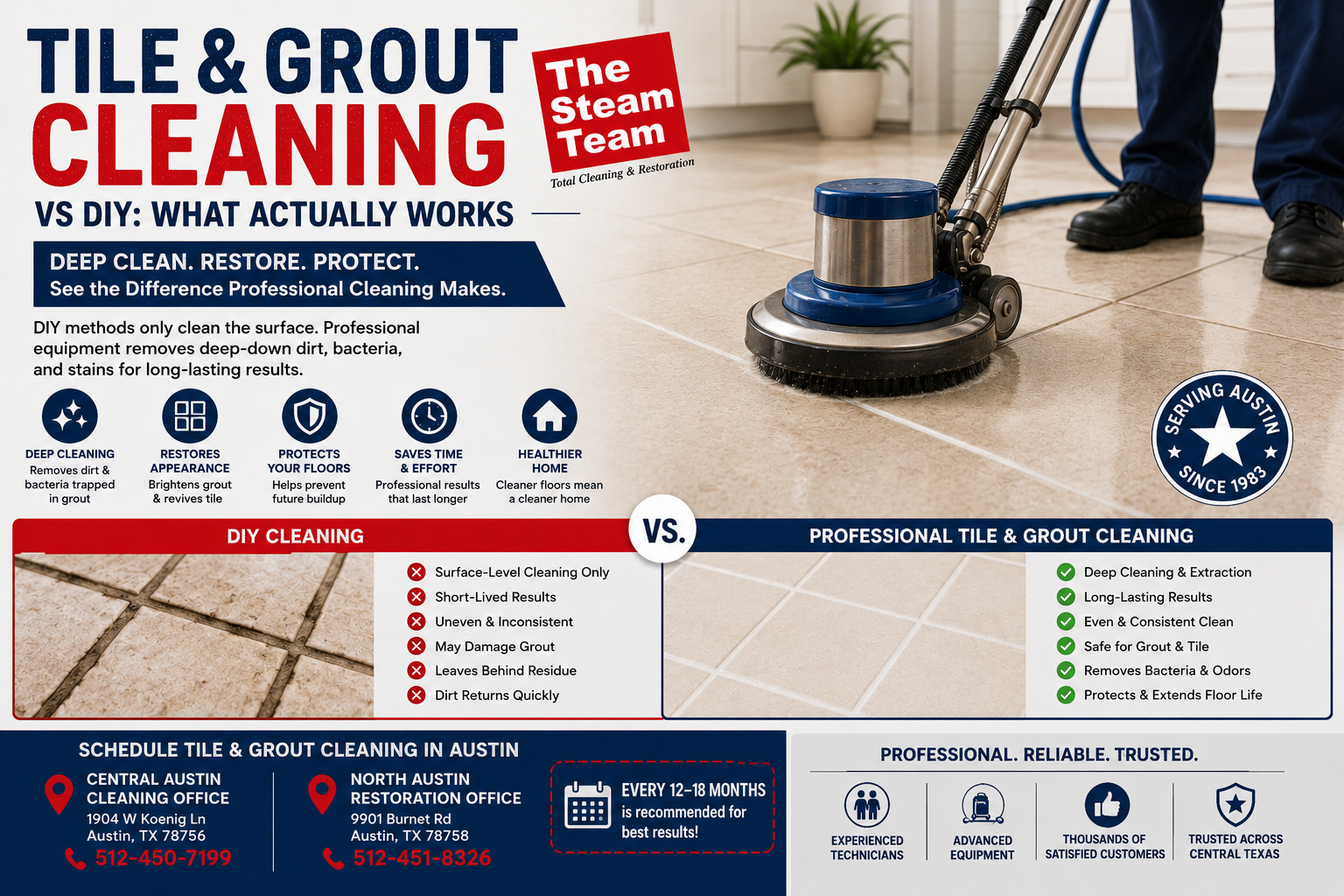
Professional tile and grout cleaning restores appearance, improves hygiene, and preserves flooring integrity by removing embedded soils that routine mopping cannot extract. The process works through targeted chemistry and mechanical extraction that flushes dirt from grout lines and lifts contaminants from stone pores, which reduces staining and microbial growth. For Austin homes and businesses, a professional approach addresses climate-related moisture issues and high-traffic wear patterns, translating into longer tile life and improved slip resistance. The section below breaks benefits into clear categories and shows how treatment choice affects outcomes for different materials.
Professional cleaning offers distinct advantages for appearance and durability:
Deep Restoration of Appearance: Professional extraction removes ingrained soils and residual cleaners that dull tile and grout.
Improved Hygiene: Sanitizing processes reduce mold, mildew, and bacteria trapped in grout lines.
Extended Longevity: Correct chemistry and sealing protect surfaces from accelerated wear and staining.
These benefits create measurable returns by reducing replacement needs and preserving property value, and they set up the next discussion of how professional cleaning improves tile appearance and longevity.
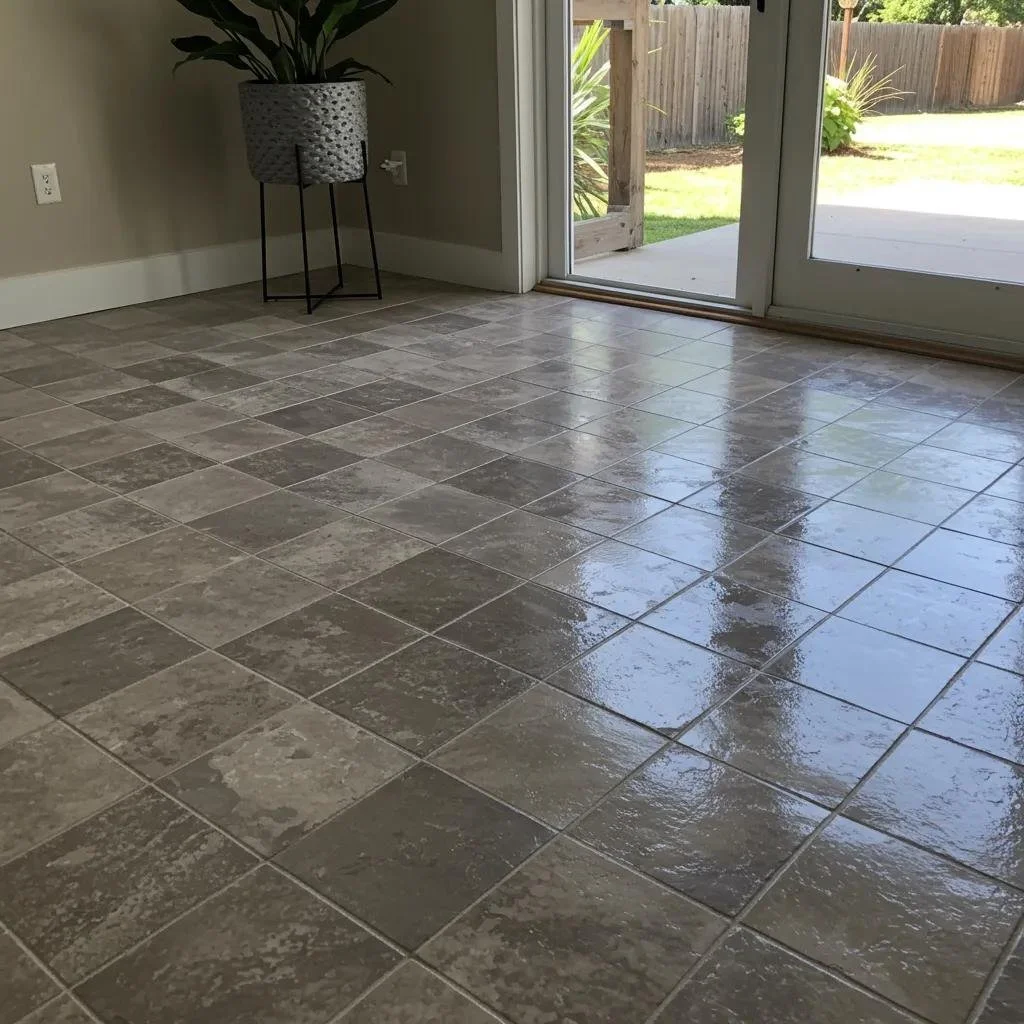
Professional tile cleaning improves appearance by removing entrenched residues, old sealers, and mineral deposits that cloud tile finishes, restoring original color and sheen. Technicians combine appropriate cleaners with agitation and high-extraction methods that reach below the surface rather than simply redistributing soils, which prevents quick re-soiling and keeps surfaces looking fresher longer. Properly selected protective treatments—penetrating sealers for grout and topical finishes for certain tiles—slow future staining and reduce abrasion, extending the effective life of the floor. Understanding these mechanisms clarifies why periodic professional maintenance is more cost-effective than premature replacement.
Evaluating Hard-Surface Cleaning Agents for Tiles and Surfaces
In cleaning of hard surfaces several different types of cleaners can be used. Among the most important components of them are the tensides, whose soil removal ability is enhanced with softeners (complexing agents), solvents, and, depending on the soil, alkalies or acids. The products may also contain disinfectants that destroy microbes and prevent their reproduction. Additional compounds that make the product easier to use or improve its storage life or appearance are also used. Among these are, e.g., foam control agents, preservatives, fillers, dyes, and fragrances. Each component has its special function; however, they also interact. Testing the efficiency of the hard-surface cleaner is based on the standard method that uses a mechanical scrubbing machine. In it a sponge attached to a holder moves back and forth on the soiled tile with adjustable speed and pressure. The manually soiled test materials are rinsed after cleaning with tap water. If the test material is glazed ceramic til
Grout is a porous, wear-prone material that deteriorates under heavy use and in humid conditions; restoration stops progressive damage by addressing discoloration, cracking, and loss of adhesion. Restoring grout removes contaminated material and re-establishes structural integrity, which reduces moisture migration that contributes to mold growth and substrate damage—an important consideration in Austin's variable humidity. Timely restoration also renews aesthetics and prevents safety hazards from uneven grout lines that create trip or slip risks. This function ties directly into the advantages of sealing, which follow naturally as the next protective step.
Grout sealing limits water and oil penetration and makes routine cleaning more effective by reducing surface tension that traps dirt, so sealed grout resists staining and holds its color longer. There are two common approaches—penetrating sealers that protect from within and topical sealers that form a surface film—and the right choice depends on grout composition and traffic patterns. Sealing typically extends the period between professional cleanings and reduces long-term maintenance costs, making it a practical investment for both homes and commercial spaces. After sealing, simple maintenance routines become more effective and help maintain slip resistance and appearance.
Different tile materials respond differently to treatments; the table below compares benefits across common materials to help select the right approach.
| Material | Primary Benefit of Professional Cleaning | Typical Post-Treatment Outcome |
| Ceramic/Porcelain | Surface stain removal and mortar residue extraction | Restored color and improved grout contrast |
| Natural Stone (marble, travertine) | Gentle, pH-appropriate cleaning to prevent etching | Preserved finish and reduced surface haze |
| Saltillo/Slate | Deep debris removal from textured surfaces | Enhanced natural character and easier upkeep |
This comparison highlights that material-specific chemistry and methods matter; choosing the right professional approach yields better, longer-lasting results and prepares surfaces for the protective options discussed later. For local homeowners and businesses seeking trusted service, The Steam Team brings established local experience, IICRC-certified technicians, and a customer satisfaction guarantee—contact options and quote instructions are provided in the cost section below.
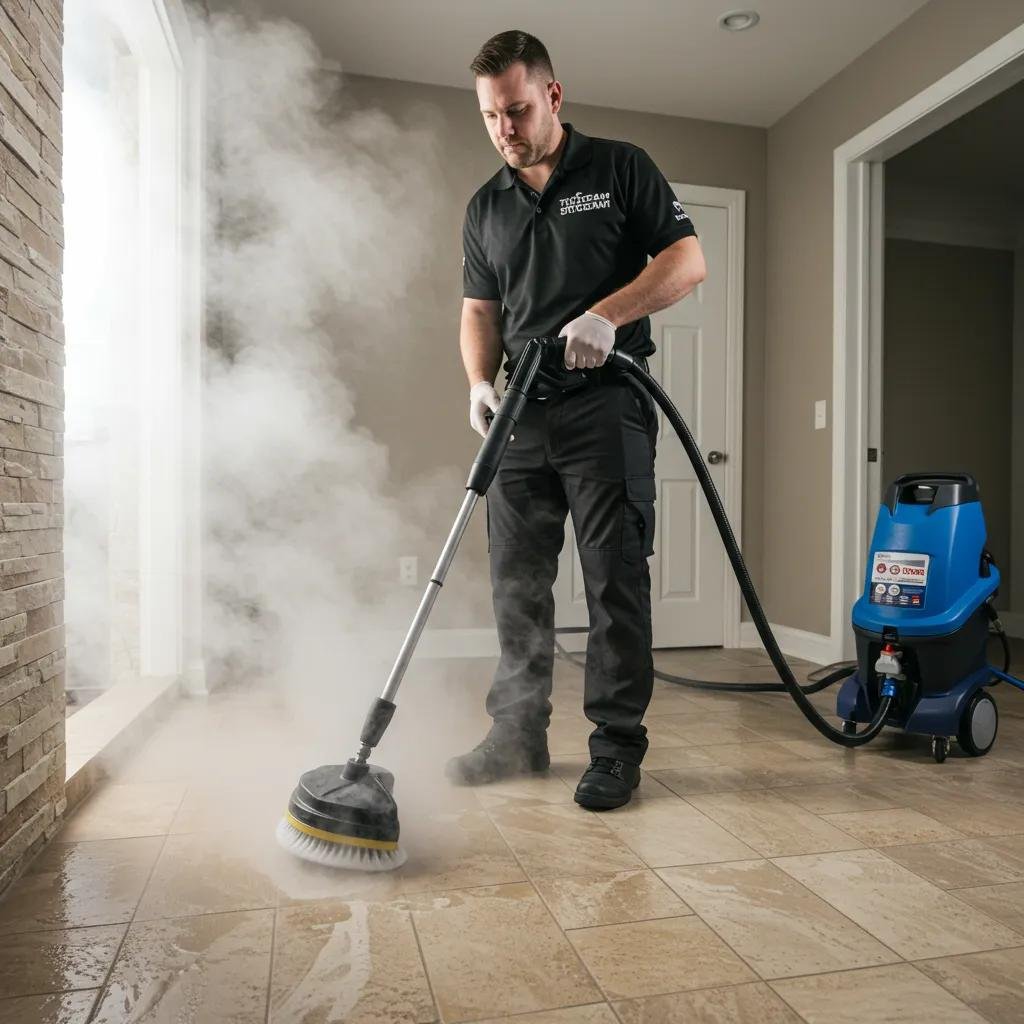
The Steam Team uses an advanced cleaning workflow that emphasizes deep extraction, material-specific chemistry, and protective finishes to remove soils and restore surfaces safely in Austin properties. The core method combines high-pressure steam with oxygenated hydrogen peroxide to lift and oxidize deep-set grime while minimizing abrasive action on finishes. Technicians follow a sequence of pre-inspection, targeted pre-treatment, agitation where needed, high-extraction rinsing, and optional sealing or protective application to ensure durable outcomes and minimal downtime. This section details the method and the role of certified technicians in delivering consistent results.
The step-by-step process typically follows these stages:
Inspection & Material Assessment: Evaluate tile type, grout condition, and substrate to choose chemistry and technique.
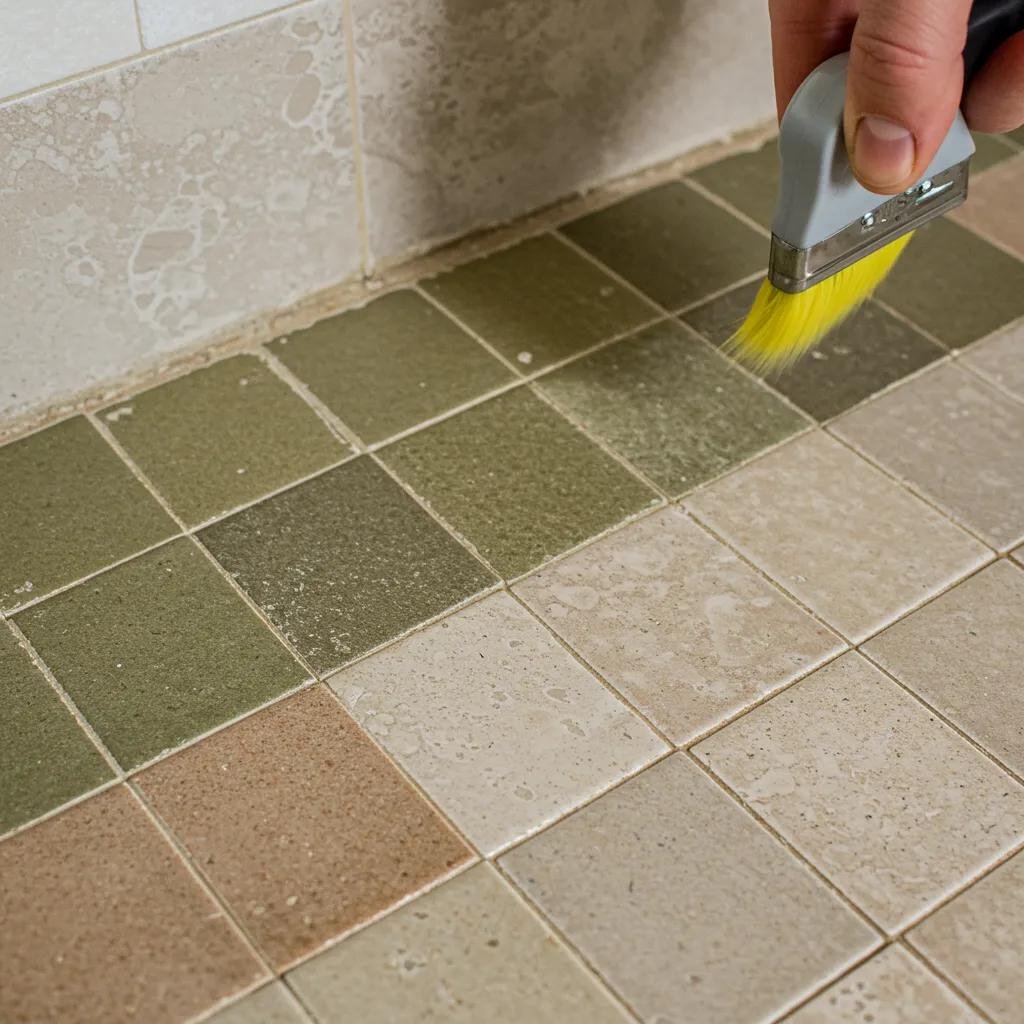
Pre-Treatment & Agitation: Apply pH-appropriate cleaners and agitate grout lines to loosen embedded soils.
High-Pressure Steam + Oxygenated Hydrogen Peroxide: Use steam combined with oxygenated chemistry to oxidize and lift organic stains and sanitize surfaces.
High-Extraction Rinse & Drying: Extract soils and moisture to accelerate drying and prevent residue.
Protective Sealing (Optional): Apply penetrating or topical sealers appropriate for the material to reduce re-soiling.
These technical steps underscore differences from conventional mop-and-clean approaches: professional extraction removes contaminants beneath the tile surface and grout, while the oxygenated steam combination offers sanitization advantages without harsh acids. The next subsection defines the chemistry and safety profile of the oxygenated steam method.
High-pressure steam cleaning with oxygenated hydrogen peroxide combines thermal energy and a peroxide-based oxidizer to break down organic stains, lift soils, and reduce microbial loads in grout and porous stone. The steam component softens and expands contaminants, while the oxygenated peroxide oxidizes organic molecules, enabling more effective extraction than water alone and offering sanitizing action. This method avoids overly acidic chemistries that can damage natural stone and relies on controlled application and thorough extraction to prevent substrate saturation. For families and businesses, the approach balances deep cleaning performance with careful material compatibility.
Services cover a wide range of tile and stone types, including ceramic, porcelain, marble, travertine, granite, slate, and Saltillo, each of which requires a tailored cleaning and protection plan. Ceramic and porcelain tolerate stronger agitation and standard sealers, while natural stones like marble and travertine need pH-neutral cleaners and gentler mechanical action to avoid etching. Saltillo and textured stones require deeper agitation and extraction to remove debris lodged in surface pits and pores. Understanding material differences informs the selection of chemistry and protective treatments used during restoration.
IICRC-certified technicians bring standardized training in cleaning and restoration protocols that ensure consistent assessment, appropriate chemical selection, and correct equipment use for each material and job condition. Certification emphasizes documented procedures, safety, and moisture-control practices that reduce the risk of surface or substrate damage and provide customers with quality assurance. Onsite quality checks, before-and-after documentation, and customer communication steps are part of a structured workflow that improves transparency and predictable outcomes. These quality controls lead directly into cost considerations and estimating, explained in the next section.
Pricing for tile and grout work in Austin depends on square footage, tile material, grout condition, and whether restoration or sealing is required; heavier restoration and natural stone care typically command higher rates. Typical local cost bands reflect these drivers and often include minimum service charges for small jobs, with higher per-square-foot rates when grout is damaged or requires color sealing and repair. Below is a practical EAV-style table that summarizes how tile type and service affect typical price ranges to help you budget and compare estimates.
| Service | Key Pricing Driver | Typical Cost Range |
| Routine tile & grout cleaning | Square footage and traffic level | $0.50–$2.00 per sq ft |
| Grout restoration (recolor/regrout) | Grout condition, width, access | $2.00–$6.00 per sq ft |
| Sealing (grout or stone) | Product type (penetrating vs topical) | $0.30–$1.50 per sq ft |
This table provides a baseline for Austin-area expectations; actual quotes depend on onsite assessment and whether natural stone polishing or significant grout repair is required. The following list summarizes the main variables professionals use to estimate costs.
Square footage: Larger areas lower the per-foot rate but increase total cost.
Tile and grout condition: Stained, cracked, or mold-affected grout raises labor and materials.
Material-specific care: Natural stone cleaning and polishing require specialized products and time.
Access and remediation: Areas with furniture, tight spaces, or moisture issues add complexity.
Understanding these factors helps you prepare for a transparent estimate. To request a free quote or site visit, provide the service type, approximate square footage, and photos where possible; The Steam Team typically offers clear next steps and responsive scheduling for Austin and Central Texas clients, and contact details are available at the end of this article.
Estimates begin with a material and condition assessment to identify whether the job is routine cleaning, restorative, or requires polishing/repair; each level involves different labor and chemical requirements. Technicians factor in prep work, dwell times for specialty cleaners, mechanical agitation for textured surfaces, and required drying time when calculating labor hours. Access constraints—such as heavy fixtures, alcoves, or multi-room transitions—also increase time on site, and protective sealing is quoted separately based on product selection. A clear written estimate should outline the scope, exclusions, and any follow-up sealing recommendations.
Grout restoration ranges from economical color refreshes to full regrouting depending on depth of damage; color sealing and recoloring are generally less invasive and fall at the lower end, while full removal and replacement sit at the higher end of the band. Narrow, intact grout lines with surface staining may be addressed with recoloring and sealing at modest per-square-foot rates, whereas deep-set deterioration or widespread cracking requires removal and regrouting that raises labor and materials costs. Sealing per square foot varies by sealer type—penetrating sealers tend to be priced lower than topical finishes that provide added sheen or non-slip properties.
To request an accurate estimate, prepare basic information such as approximate square footage, a description of the issue (stains, cracked grout, mold), and clear photos of representative areas; this allows a preliminary remote estimate or schedules an on-site inspection. The typical process involves an initial contact to describe the job, optional photo submission for a ballpark estimate, followed by an on-site assessment for final pricing and scheduling. Expect a written estimate that lists the proposed services, recommended treatments, and any warranty or satisfaction guarantees. If you prefer to speak to a local provider, The Steam Team serves Austin and Central Texas and can arrange an on-site evaluation to provide a free, no-obligation quote.
Maintenance after professional cleaning focuses on routine, material-appropriate care that preserves sealers and reduces soil buildup so surfaces remain clean longer. Daily and weekly habits—such as dry dust-mopping, low-moisture mopping, and using pH-neutral cleaners for natural stone—prevent abrasive grit and chemical damage. A seasonal or annual inspection catches grout wear and sealant depletion early so spot treatments or resealing can be scheduled before major restoration is needed. Below are practical best-practice steps followed by a short maintenance schedule and signs that indicate professional attention is warranted.
Follow these best practices to maximize results:
Use pH-neutral cleaners for stone: Acidic cleaners can etch marble and travertine.
Dry-mop high-traffic areas daily: Removing abrasive grit reduces wear on grout.
Avoid abrasive pads and bleach on grout: These can remove color and damage sealer.
These habits reduce the frequency of professional deep cleaning and help maintain slip resistance and appearance; regular checks inform when to schedule professional interventions, discussed next.
Best practices combine correct product choices with simple routines: dry-mop or vacuum to remove grit, use diluted pH-neutral cleaners for stone and standard cleaners for ceramic/porcelain, and rinse thoroughly to avoid residue. For high-traffic commercial settings, deploy walk-off mats and adopt scheduled low-moisture cleaning to reduce downtime and slip risk. Avoid DIY acid-based or chlorine cleaners on natural stone, and test new products on an inconspicuous area before broad use to prevent discoloration. These preventive actions make professional maintenance visits more productive and extend the protection afforded by sealing.
For most Austin homes, a professional deep clean every 12–18 months keeps grout and tile in good condition, while high-traffic commercial areas may require quarterly to semi-annual service depending on usage and soil load. Natural stone used in kitchens or entryways may need more frequent attention and periodic resealing based on visual wear and manufacturer recommendations. Immediate service is warranted when persistent stains, odors, or mold appear despite routine cleaning. Following these intervals helps avoid costly restorative work and preserves both aesthetic and safety performance.
Look for persistent dark staining that cleaning does not remove, cracked or missing grout, uneven lines causing trip hazards, or repeated mold and mildew outbreaks—each signifying the need for restoration. If grout compresses under a fingernail or tiles feel loose, these indicate substrate or grout failure that requires professional assessment and likely regrouting. Early intervention prevents moisture intrusion and structural damage beneath tile, which is more costly to repair. When these signs appear, schedule a professional inspection to determine whether recoloring, repair, or full replacement is appropriate.
Specialized restoration services address aesthetic and structural issues beyond routine cleaning, including grout color sealing, grout repair and replacement, and natural stone polishing and honing to restore finishes. These services combine corrective steps—such as grout removal and regrouting—with protective sealing and, where appropriate, mechanical polishing to achieve both visual and performance goals. The table below outlines common specialized services, use cases, and expected outcomes to help you choose the right intervention.
| Service | Typical Use Case | Benefit/Outcome |
| Grout color sealing | Inconsistent or heavily stained grout | Unified appearance and stain resistance |
| Grout repair/regrouting | Cracked or missing grout lines | Restored integrity and moisture protection |
| Natural stone polishing/honing | Dull or scratched stone | Restored sheen and smoother |
| surfaces | finish |
These specialized services restore both appearance and function and can be combined depending on condition and desired aesthetic. At the end of this section you will find guidance on requesting specialized work and scheduling.
Grout color sealing recolors and seals grout in a single application to produce a consistent color, reduce the appearance of staining, and add a protective layer that resists dirt penetration. The process is less invasive than full regrouting and can dramatically refresh floor appearance, particularly when grout color has shifted unevenly over time. Color sealing typically lasts through several cleaning cycles and simplifies routine maintenance, which is valuable for busy households and commercial spaces. For many clients, recoloring followed by a compatible sealer offers a cost-effective aesthetic upgrade with protective benefits.
Grout repair starts with a condition assessment to determine whether spot repairs, partial replacement, or full regrouting is required; technicians remove failing grout, prepare joints, regrout with an appropriate mortar, and then seal the new grout. The workflow includes containment of dust and debris, matching grout color or specifying a new color if requested, and ensuring joints are compacted and leveled for longevity. Timelines vary by square footage and access but are typically scheduled to minimize disruption. Proper repair restores moisture resistance and prepares surfaces for effective sealing.
Natural stone cleaning and polishing begins with pH-neutral cleaning to remove soils, followed by mechanical honing or polishing to remove light surface damage and restore luster while preserving the stone’s character. Polishing uses progressively finer abrasives and pads to achieve the desired sheen, and finishing often includes a penetrating sealer to reduce staining and ease cleaning. Technicians choose between honing (matte finish) and polishing (gloss finish) based on the stone type and client preference, taking care to protect edges and grout lines during mechanical work. Post-polish protection reduces maintenance needs and preserves the aesthetic improvements achieved.
What Are the Unique Care Requirements for Marble and Travertine Tiles?
Marble and travertine are soft, calcium-based stones that require avoidance of acidic cleaners and mild, pH-neutral products to prevent etching and loss of polish. Use soft pads and controlled polishing pressure for restoration, and maintain sealed surfaces with recommended sealers to reduce staining and water absorption. These stones typically need more frequent inspection and resealing than harder stones and should be cleaned with low-abrasion methods to preserve surface integrity. Proper handling and tailored maintenance schedules ensure longevity and keep these elegant surfaces performing well.
At the end of specialized restoration, customers are encouraged to request a customized service plan—The Steam Team can provide evaluations and scheduling to match desired outcomes and maintenance budgets.
Residential and commercial tile care share core cleaning principles but diverge in scale, scheduling, safety requirements, and performance targets; commercial work prioritizes rapid turnaround, slip-resistance, and regulatory compliance where applicable. Commercial spaces often use industrial-grade extraction equipment and fast-dry methods scheduled during off-hours to minimize business interruption. Residential work emphasizes material-sensitive approaches and family- and pet-safe chemistries while focusing on aesthetic revitalization and comfort. Tailored proposals and flexible scheduling help ensure each property type receives the appropriate mix of cleaning, restoration, and protection.
Commercial operations address high-traffic challenges with these strategies:
Industrial equipment for quick extraction: Reduces downtime and speeds drying.
Non-slip sealers and safety-focused finishes: Improve traction in kitchens and lobbies.
Scheduled maintenance plans: Maintain appearance without interrupting business.
These operational differences lead naturally into residential recommendations and how providers customize plans for different property types.
Commercial cleaning emphasizes rapid recovery, non-slip treatments, and coordination with business hours to avoid lost revenue and maintain safety compliance; techniques include stronger extraction, durable sealers, and more frequent cycles. Kitchens, entryways, and retail aisles are prioritized, and technicians often schedule deep cleans during nights or weekends to avoid customer disruption. Enhanced documentation and liability-aware procedures are typical for commercial contracts, ensuring consistent outcomes at scale. These practices contrast with residential approaches that focus more on finish preservation and family safety.
Homeowners benefit from pH-neutral cleaners for stone, moderate agitation for ceramic/porcelain, and low-moisture methods near wood transitions to prevent substrate swelling. Periodic professional cleaning combined with appropriate sealing keeps family spaces hygienic and attractive while minimizing the need for aggressive DIY chemicals. Walk-off mats, area rugs, and prompt spill cleanup complement professional care to maintain appearance between scheduled services. These homeowner-focused practices support long-term preservation of floor value and comfort.
Service customization begins with an assessment checklist that records tile type, grout condition, traffic patterns, and access constraints to produce a tailored proposal outlining frequency, scope, and recommended protective treatments. Proposals differentiate between single-service restorations and ongoing maintenance plans, and technicians adjust chemistry and machinery to match materials and client priorities. Flexible scheduling and clear communication help align scope with business operations or household needs, ensuring efficient outcomes with minimal disruption. This assessment-driven approach ensures each property receives targeted care.
Local customer feedback highlights measurable improvements in appearance and service experience, and The Steam Team supports claims with before-and-after documentation for many projects in Austin and Central Texas. The company emphasizes local tenure, an A+ Better Business Bureau rating, IICRC-certified technicians, and a customer satisfaction guarantee as evidence of reliable service delivery. Visual galleries and documented case notes help prospective clients evaluate likely outcomes for similar tile types and issues. The following subsections summarize testimonial themes, certifications, and where to view visual proof prior to requesting service.
Customer excerpts commonly note dramatic stain removal, improved grout color uniformity after recoloring, and efficient scheduling that minimized disruption for busy households and businesses. Reviews emphasize technicians’ material knowledge, careful handling of natural stone, and attention to post-service care recommendations that helped maintain results. Many accounts describe renewed confidence in floor hygiene and appearance after professional restoration. These experiences often lead customers to request recurring maintenance plans to sustain the benefits.
Professional credentials such as IICRC certification indicate adherence to industry standards for cleaning and restoration, ensuring that technicians follow best practices for material assessment, moisture control, and safe chemical use. An A+ rating with the Better Business Bureau signals an established local reputation for resolving customer concerns and delivering consistent service. These credentials combine to give clients assurance that the proposed methods and protective steps meet recognized quality benchmarks. Such assurances guide expectations and inform the decision to proceed with restoration or maintenance work.
Before-and-after galleries document stain removal, grout recoloring, and stone polishing outcomes and demonstrate the visual impact of different restoration strategies on similar tile types. Viewing galleries helps homeowners and business owners set realistic expectations for color matching, sheen restoration, and timelines for multi-step processes like polishing plus sealing. Galleries also illustrate when full regrouting is necessary versus when recoloring and sealing will suffice. Reviewing photos of comparable projects is a helpful prelude to scheduling an assessment and requesting a targeted estimate.
Prepare photos and measurements: Capture representative areas for preliminary review.
Describe issues clearly: Note stains, cracking, and areas of concern.
Request an on-site assessment: Arrange a time for a technician to confirm scope and provide a written estimate.
These steps streamline the quoting process and set the stage for scheduling restoration or maintenance work that matches your property needs and budget. For Austin and Central Texas properties, contact options are available to request a free estimate and schedule an on-site assessment with a qualified, certified technician.
Grout color sealing is a less invasive process that involves applying a colored sealant to existing grout to enhance its appearance and protect it from stains. This method is ideal for grout that is discolored but structurally sound. In contrast, full regrouting involves removing the old grout and replacing it with new material, which is necessary when the grout is cracked, missing, or deteriorated. Choosing between these options depends on the condition of your grout and your desired aesthetic outcome.
Signs that your tile may need professional cleaning include persistent stains that do not respond to regular cleaning, a dull appearance despite cleaning efforts, and visible mold or mildew in grout lines. Additionally, if you notice a buildup of dirt or grime that makes your floors look unkempt, it’s time to consider professional cleaning. Regular maintenance can help prevent these issues, but once they arise, professional intervention is often the most effective solution.
Yes, when cleaning natural stone tiles such as marble or travertine, it is crucial to avoid acidic cleaners, bleach, and abrasive scrubbing pads. Acidic substances can etch the surface of the stone, leading to permanent damage. Instead, use pH-neutral cleaners specifically designed for natural stone to maintain its integrity and appearance. Always test new products on a small, inconspicuous area before applying them broadly to ensure compatibility with your stone surfaces.
The frequency of resealing grout depends on several factors, including the type of sealer used, the level of foot traffic, and the specific conditions of your environment. Generally, it is recommended to reseal grout every 1 to 3 years. High-traffic areas or those exposed to moisture may require more frequent resealing. Regular inspections can help determine when resealing is necessary, ensuring that your grout remains protected and looking its best.
If you notice cracks or crumbling in your grout, it is essential to address the issue promptly to prevent further damage. Start by cleaning the affected area to remove any debris. If the damage is minor, you may be able to apply a grout repair product. However, for extensive damage, it is advisable to consult a professional for a thorough assessment and potential regrouting. Early intervention can save you from more costly repairs down the line.
While steam cleaning is effective for many types of tile, it is not suitable for all surfaces. Ceramic and porcelain tiles generally respond well to steam cleaning, as they can withstand high temperatures. However, natural stones like marble and travertine may be damaged by steam due to their porous nature. Always check the manufacturer's recommendations for your specific tile type before using a steam cleaner to avoid damaging your floors.
Regular maintenance for tile and grout offers numerous benefits, including prolonged lifespan, enhanced appearance, and improved hygiene. Routine cleaning helps prevent the buildup of dirt, stains, and mold, which can lead to costly repairs if left unaddressed. Additionally, regular maintenance can help maintain the effectiveness of sealants, ensuring that your grout remains protected from moisture and staining. Overall, investing in regular care can save you time and money in the long run while keeping your surfaces looking their best.
Investing in professional tile and grout cleaning restoration, and sealing services in Austin significantly enhances the appearance, hygiene, and longevity of your flooring. By addressing deep-seated stains and protecting against future damage, these services not only improve aesthetics but also contribute to a healthier living environment. Don't wait for visible issues to arise; take proactive steps to maintain your surfaces today. Contact The Steam Team for a free estimate and discover how our expert services can transform your tile and grout.
Our mission is to provide you with the most outstanding service experience ever. Some of our most popular services include Carpet Cleaning, Tile Cleaning, Air Duct Cleaning, Water Damage, Fire Damage Restoration and Construction Services.
Quick Cleaning Quote
Email:
customerservice@thesteamteam.com
Georgetown: (512) 868-0358
Dallas: (214) 631-8326
Naples, FL: (239) 450-1936
Toll Free: (800) 880-7785
Professional cleaning and restoration services based in Austin, Texas. Serving homes and businesses since 1983 with certified technicians, advanced equipment, and 24/7 emergency response.
Cleaning Office – Central Austin
1904 W Koenig Ln
Austin, TX 78756
(512) 450-7199
customerservice@thesteamteam.com
Monday: 8am - 5pm
Tuesday: 8am - 5pm
Wednesday: 8am - 5pm
Thursday: 8am - 5pm
Friday: 8am - 5pm
Saturday: 8am - 5pm
Sunday: Closed
Restoration Office – North Austin
9901 Burnet Rd
Austin, TX 78758
(512) 451-8326
customerservice@thesteamteam.com
Monday: Open 24 hours
Tuesday: Open 24 hours
Wednesday: Open 24 hours
Thursday: Open 24 hours
Friday: Open 24 hours
Saturday: Open 24 hours
Sunday: Open 24 hours




© The Steam Team