

Discover Customer Reviews: Tile vs. Grout Cleaning Choices

Austin's Top Tile Care

Many Austin homeowners and business owners wrestle with whether to book tile cleaning, grout cleaning, or both when floors look tired or stained; this article defines each service, explains how they work, and shows how to choose the right approach. You will learn the technical difference between surface tile cleaning and grout-line restoration, why grout problems often drive service requests in Austin, how frequently professional cleaning is recommended for local conditions, and the cost-to-value tradeoffs that influence customer decisions. This guide draws on practical indicators, visual cues, odor, and material type so you can match symptoms to the appropriate service and avoid unnecessary work. The piece also explains restoration workflows, sealing benefits, and real customer response patterns that shape local preferences. Throughout, relevant terms like tile cleaning Austin, grout cleaning Austin, grout sealing Austin, and natural stone tile cleaning Austin are used to help you identify the right treatment for ceramic, porcelain, and natural stone floors.

What Is the Difference Between Tile Cleaning and Grout Cleaning?


Tile cleaning targets the tile surface, using specific cleaners, agitation, and extraction to remove surface grime and restore shine; grout cleaning focuses on the porous grout lines where soils, stains, and microbes embed. Mechanistically, tile cleaning often uses low-abrasion solutions and mechanical polishing for stone, while grout cleaning uses targeted agitation, extraction, and sometimes specialized chemistry to lift deep-seated soils. The major benefit for tile cleaning is restored surface appearance and reduced film, whereas grout cleaning restores color uniformity and mitigates mold risk in joints. Understanding this distinction helps customers choose services that address the real problem instead of treating symptoms.


Tile cleaning restores surface shine and removes grime by combining chemistry and controlled mechanical action to lift soils from the tile face while protecting surface finishes. For ceramic and porcelain, pH-balanced cleaners loosen trapped oils and dirt which are then extracted by hot-water or low-moisture equipment; for natural stone, stone-safe cleaners and minimal abrasion prevent etching. Visible results include improved sheen, reduced hazing, and clearer grout contrast, but the extent of improvement depends on tile material and prior sealers. These outcomes mean that surface-focused cleaning can often return the original look without replacing tiles when the issue is primarily film or dullness.


Why is grout cleaning essential for removing stains and mold? Grout is a porous component of tiled floors that soaks up spills and embeds microbes, so routine mopping rarely reaches its depth. Professional grout cleaning uses focused agitation, extraction, and sometimes oxidation or enzymatic action to break apart stain matrices and biofilms, then extracts residues to reveal the grout’s natural color. The health and aesthetic benefits are clear: removing mildew reduces allergenic exposure and prevents ongoing odor, while restoration of grout tone dramatically improves perceived cleanliness. After cleaning, follow-up sealing reduces re-soiling and extends results, which is why targeted grout work is often prioritized when visible dark lines or mold are present.


Different cleaning needs are best compared visually and mechanically:

Service

Typical Method

Typical Outcome

Tile Cleaning

Surface cleaning, agitation, extraction, polishing for stone

Restored shine, removed film, improved slip resistance

Grout Cleaning

Targeted agitation, extraction, stain-lifting chemistry

Restored grout color, mold removal, healthier joints

Combined Service

Integrated assessment, sequential tile and grout processes

Uniform appearance, longer-lasting cleanliness, sealing readiness

Why Do Austin Customers Prefer Professional Grout Cleaning?


Austin customers frequently prioritize grout cleaning because grout shows stains and mold earlier than tile surfaces, especially in wet rooms and busy kitchens. The porous nature of grout means spills, oils, and outdoor track-in concentrate in joints, creating visible contrast that makes floors look older even when tiles themselves are intact. Professional grout cleaning provides observable restoration that DIY methods often cannot achieve because pros use extraction and targeted chemistry rather than surface scrubbing alone. Additionally, grout sealing after cleaning extends the restoration, reducing the frequency of repeat deep cleans and making maintenance easier.


Common grout problems that lead customers to choose grout cleaning generally include deep discoloration, recurring mildew, grout breakdown, and haze from improper cleaners. These symptoms can present as dark lines, powdery surfaces, or persistent odors, visual and olfactory indicators that simple mopping won’t fix. Quick DIY checks include testing with diluted bleach in a hidden area to see if color lifts or using a stiff brush and hot water to assess embedded dirt; when the stain resists those tests, professional intervention is advisable. Recognizing these signs helps homeowners move from short-term fixes to durable restoration.


Professionally applied grout sealing prevents future stains by creating a protective sealer layer that repels water and oil, lowering grout porosity and slowing re-soiling. Sealers come in penetrating or topical forms; penetrating sealers absorb into grout and block internal absorption, while topical sealers form a surface film that can darken grout tone temporarily. Expected longevity varies with traffic and product choice, but resealing every 1–3 years is a practical maintenance strategy. Sealing is a clear value-add because it reduces cleaning frequency and preserves aesthetic gains from a professional restoration.


Austin homeowners consistently cite practical benefits in lists like the one below; these summarize why many choose grout-focused work.


Austin customers choose grout cleaning for several practical reasons:

  • Stain Removal: Grout lines regain original color after deep extraction.

  • Mold and Health: Removing mildew improves indoor air quality and reduces allergens.

  • Longer Results: Sealing after cleaning extends the interval between services.

  • Cost Efficiency: Targeting grout often avoids replacing tiles and yields big visual improvement.


These points show why grout services often outperform surface-only fixes in perceived value and lasting cleanliness.

When Should You Choose Tile Cleaning, Grout Cleaning, or Both?


Choose tile cleaning when the tile surface looks dull, has hazing, or feels slippery from residue; choose grout cleaning when grout lines are visibly dark, stained, or show mold; choose both when the entire floor lacks uniformity or when tile and grout both show significant wear. Material matters: natural stone may need stone-safe tile work and polishing, while ceramic and porcelain tolerate more aggressive surface cleaning. Traffic and use-case also inform decisions; kitchens, entryways, and commercial zones often require combined plans to restore both appearance and hygiene.


Factors that determine the best cleaning service include tile material, degree of soiling, presence of biological growth, and homeowner goals for aesthetics versus budget. Start with an assessment: inspect grout porosity, test a small area, and evaluate whether surface film or ingrained grout soil is the dominant issue. Scenarios help clarify choices for a high-traffic kitchen with marked grout staining, combined tile and grout cleaning, plus sealing is usually the most cost-effective path; for a lightly soiled hallway with dull tile, surface cleaning alone may suffice. This decision framework helps prioritize services that deliver the greatest visible impact.


Use this quick decision table to match floor conditions to recommended actions:

Condition

Indicator

Recommended Service

Dull or hazy tile surface

Loss of sheen, film on tile

Tile Cleaning (surface-focused)

Dark or discolored grout lines

Visible staining, black lines, odor

Grout Cleaning + Sealing

Whole-floor uniform deterioration

Both tile and grout appear aged

Combined Tile & Grout Cleaning

Natural stone with concern for etching

Sensitive surface, irregular shine

Stone-safe Tile Cleaning; assess for polishing


Recommended cleaning frequency in Austin depends on use and traffic: residential rooms typically benefit from professional attention every 12–18 months, while commercial or high-traffic areas need more frequent service. The local climate and outdoor activity patterns in Austin increase tracked-in soils during certain seasons, so scheduling cleaning after heavy-use months can preserve appearance. Between professional visits, simple maintenance, prompt spill cleanup, regular sweeping, and pH-appropriate cleaners extend results and reduce microbial growth. These intervals balance appearance, health, and budget.

How Does The Steam Team Provide Expert Tile and Grout Cleaning in Austin?


The Steam Team uses an assessment-first approach to recommend tile cleaning, grout cleaning, or a combined restoration plan tailored to the floor type and symptoms observed. Technicians evaluate tile material, grout porosity, and staining mechanisms before proposing a workflow that sequences cleaning, possible recoloring, and sealing as appropriate. Credibility signals include IICRC-certified technicians and local recognition that reflect training and quality control; these elements support predictable outcomes and a customer satisfaction guarantee. The local focus on Austin and Central Texas conditions means recommendations factor in climate, typical traffic patterns, and common household soils.


What makes The Steam Team’s tile cleaning services stand out is a combination of stone-safe methods, specialized equipment, and quality assurance steps that protect delicate finishes while restoring shine. For natural stone tile cleaning Austin customers, techniques emphasize low-abrasion, pH-balanced cleaners and extraction that prevent etching while lifting soils. Equipment choices and product selections are matched to tile hyponyms, ceramic tile cleaning, porcelain tile cleaning, and natural stone cleaning to ensure the method aligns with material needs. The outcome is a balance of restored aesthetics and surface protection that avoids unnecessary replacement.


How are grout cleaning and restoration handled by The Steam Team? The workflow begins with testing and inspection, followed by targeted deep-cleaning using agitation and extraction, then optional recoloring and grout sealing to lock in results. Technicians evaluate whether grout recoloring is appropriate and discuss sealing options to reduce recoloring frequency; the process includes post-service care instructions so homeowners can maintain results. Typical timelines are presented during assessment so customers understand step sequencing and expected downtime, and before-and-after documentation reinforces transparency and decision-making.


For readers ready to act, The Steam Team operates as a lead generation and information hub focused on helping Austin homeowners request quotes or schedule appointments; this includes a customer-focused call to request a personalized estimate. The Steam Team emphasizes useful information about cleaning and restoration services, builds trust through clear explanations, and invites potential clients to request a quote or schedule an appointment to get a site-specific plan. Contact details are provided through their public listings and phone contact; this step helps convert assessment insights into an actionable restoration plan for tile cleaning and grout sealing Austin homeowners often prefer.

What Do Austin Customers Say About Tile and Grout Cleaning Services?


Austin customers commonly praise reliability, visible results, and clear communication as top themes when evaluating tile and grout cleaning providers. Reviews frequently highlight dramatic before-and-after transformations where grout lines are restored and tile surfaces regain shine, which directly influences neighborhood reputation and referral behavior. Customers also cite professional credentials and satisfaction guarantees as confidence builders when choosing a provider for sensitive natural stone tile cleaning Austin projects. These themes shape expectations: people want demonstrable outcomes, transparent processes, and a follow-up maintenance plan.


Which tile and grout cleaning reviews highlight customer satisfaction? Representative review themes include on-time arrivals, careful workmanship around fragile surfaces, and follow-through on sealing and maintenance guidance. Summarized excerpts emphasize results, grout lines returning to original color, stone finishes protected, and positive interactions that reduce stress during restoration work. When evaluating reviews, look for consistent mentions of process clarity, before-and-after evidence, and whether the provider addresses follow-up care; aggregated sentiment that repeats these points is a strong indicator of reliable service.


Before-and-after transformations influence customer preferences by providing visual proof that targeted work, especially grout cleaning or combined services, produces an outsized visual impact compared to surface-only approaches. Customers often shift preferences toward combined tile and grout restoration when gallery images show uniform color and renewed tile sheen after a coordinated process. Visual storytelling matters because it helps people imagine final results in their own homes, and galleries that label material types and processes increase trust. Readers are encouraged to compare before-and-after photos that match their tile type to set realistic expectations.


Common review themes seen in local feedback can be summarized:

  1. Reliability: Timely, consistent service delivery.

  2. Results: Noticeable restoration of grout color and tile shine.

  3. Communication: Clear pre- and post-service instructions.


These points indicate why many Austin customers favor providers who combine technical skill with clear customer communication and proof of results.

What Are the Costs and Value of Professional Tile and Grout Cleaning in Austin?


Cost drivers for tile and grout cleaning include square footage, tile material, level of soil and staining, and any additional restoration steps like grout recoloring or sealing. Labor intensity rises with heavily soiled grout lines and with natural stone that requires stone-safe care, which affects cost but also raises value by preventing damage. The professional value proposition centers on improved appearance, longer floor life, reduced maintenance frequency, and health benefits from mold removal, each contributing to homeowner ROI. Rather than fixed price lists, the best route is a personalized estimate that reflects local conditions and desired outcomes.


How does grout cleaning cost compare to tile cleaning services? Grout cleaning typically demands focused labor along linear joints and can be lower in materials cost but higher per-square-foot in labor intensity; tile cleaning can range from simple surface extraction to more involved stone polishing that increases cost. Combined services may offer efficiencies, sequential workflows prevent rework, and can lower overall per-square-foot cost compared to separate appointments. Decision-makers should weigh immediate expense against longevity gains from sealing, which reduces repeat cleanings and enhances total value.


Presenting costs and value in a compact EAV table helps clarify tradeoffs:

Service

Typical Cost Range

Value / ROI

Grout Cleaning

Lower–Moderate

High visual impact; reduces mold risk and maintenance frequency

Tile Cleaning

Moderate

Restores sheen; protects surface and can improve slip resistance

Combined Tile & Grout

Moderate–Higher

Best long-term ROI; uniform restoration and sealing minimize repeat costs


What makes professional cleaning a worthwhile investment for Austin homeowners is the combination of preserved resale appeal, reduced replacement costs, and improved indoor environmental quality. Removing mold and deep stains protects family health, while sealing and proper stone care extend surface life and reduce the total cost of ownership. Recent practice trends emphasize data-driven frequency recommendations and targeted sealing to maximize intervals between professional services. For homeowners, the right balance of initial investment and maintenance planning yields noticeable savings and preserved floor value over time.


For readers ready to obtain a tailored estimate, requesting a personalized assessment produces the most accurate cost-to-value understanding; many homeowners discover that combined solutions offer the best long-term return.

Frequently Asked Questions

1. How often should I schedule professional tile and grout cleaning?


In Austin, the recommended frequency for professional tile and grout cleaning varies based on usage. Residential areas typically benefit from cleaning every 12 to 18 months, while high-traffic commercial spaces may require more frequent service. Factors such as local climate, outdoor activity, and the type of flooring also influence how often cleaning should occur. Regular maintenance, including prompt spill cleanup and routine sweeping, can help extend the intervals between professional cleanings, ensuring your floors remain in optimal condition.

2. What are the benefits of sealing grout after cleaning?


Sealing grout after cleaning provides several significant benefits. It creates a protective barrier that repels water and oil, reducing the porosity of the grout and slowing down the re-soiling process. This means that your grout will stay cleaner for longer, making maintenance easier and less frequent. Additionally, sealing helps to preserve the aesthetic improvements achieved through professional cleaning, ensuring that the grout retains its restored color and appearance. Resealing every 1 to 3 years is a practical strategy to maintain these benefits.

3. Can I perform tile and grout cleaning myself, or should I hire a professional?


While DIY tile and grout cleaning is possible, professional services often yield superior results. Professionals use specialized equipment and targeted cleaning solutions that can effectively remove deep-seated stains and mold that household methods may miss. Additionally, they have the expertise to assess the condition of your flooring and recommend the best cleaning approach. If you notice persistent stains or mold, it’s advisable to seek professional help to ensure thorough cleaning and restoration, especially for sensitive materials like natural stone.

4. What should I do to maintain my tile and grout between professional cleanings?


To maintain your tile and grout between professional cleanings, regular upkeep is essential. Start with routine sweeping or vacuuming to remove dirt and debris. Promptly clean up spills to prevent staining, and use pH-balanced cleaners that are safe for your specific tile type. Avoid harsh chemicals that can damage the surface or grout. Additionally, consider using mats in high-traffic areas to minimize dirt tracked onto your floors. These practices can help extend the life of your flooring and keep it looking fresh.

5. What types of cleaning methods are used for natural stone tiles?


Natural stone tiles require specialized cleaning methods to avoid damage. Professionals typically use low-abrasion, pH-balanced cleaners that are safe for stone surfaces. These methods focus on gentle agitation and extraction to lift dirt without etching or scratching the stone. Additionally, steam cleaning may be employed to sanitize and refresh the surface without harsh chemicals. It’s crucial to choose a service that understands the unique needs of natural stone to ensure effective cleaning while preserving the integrity of the material.

6. How can I tell if my grout needs cleaning or sealing?


Signs that your grout needs cleaning include visible discoloration, dark lines, or persistent odors, which indicate embedded dirt or mold. If you notice that your grout appears dull or has lost its original color, it’s time for a professional cleaning. Additionally, if water is absorbed quickly into the grout rather than beading on the surface, it may indicate that sealing is needed. Regular inspections can help you determine when cleaning or sealing is necessary to maintain the appearance and health of your flooring.

7. What factors influence the cost of tile and grout cleaning services?


The cost of tile and grout cleaning services is influenced by several factors, including the size of the area being cleaned, the type of tile and grout material, and the level of soil and staining present. More intensive cleaning methods, such as those required for heavily soiled grout or delicate natural stone, can increase labor costs. Additional services like grout recoloring or sealing also contribute to the overall price. For the most accurate estimate, it’s best to request a personalized assessment from a professional service provider.

Conclusion


Choosing the right tile and grout cleaning service can significantly enhance the appearance and longevity of your floors, ensuring they remain a source of pride in your home. Understanding the distinct benefits of tile and grout cleaning helps you make informed decisions that prioritize both aesthetics and health. For optimal results, consider scheduling a professional assessment to determine the best approach for your specific needs. Contact us today to explore tailored solutions that will restore your floors to their original beauty.
Discover the Best Tile and Grout Cleaning Options in Austin

Tile and Grout Cleaning vs DIY: Which Is Better for Professional Results and Cost in Austin?

Professional tile and grout cleaning vs DIY methods poses a critical choice for Austin homeowners facing stubborn stains, mold growth and long-term maintenance concerns. Understanding how professional deep-steam extraction and high-pressure oxygenated cleaning compare with household vinegar or baking-soda solutions helps property owners weigh initial savings against lasting performance and health benefits. This guide explores each approach’s mechanisms, advantages, risks and costs, furnishing decision criteria for routine upkeep and one-off restorations.

You will discover:

  • Key process differences between expert technicians and homemade cleaners

  • Concrete benefits of hiring a local, family-owned team with over 40 years of experience

  • DIY pitfalls ranging from surface damage to hidden long-term expenses

  • Price factors and investment comparisons for Austin tile maintenance

  • Timing indicators that call for professional intervention and protective sealing

Armed with this insight, you can decide whether to tackle grout lines with store-bought ingredients or entrust your floors to a proven local specialist.

What Are the Key Differences Between Professional Tile and Grout Cleaning and DIY Methods?

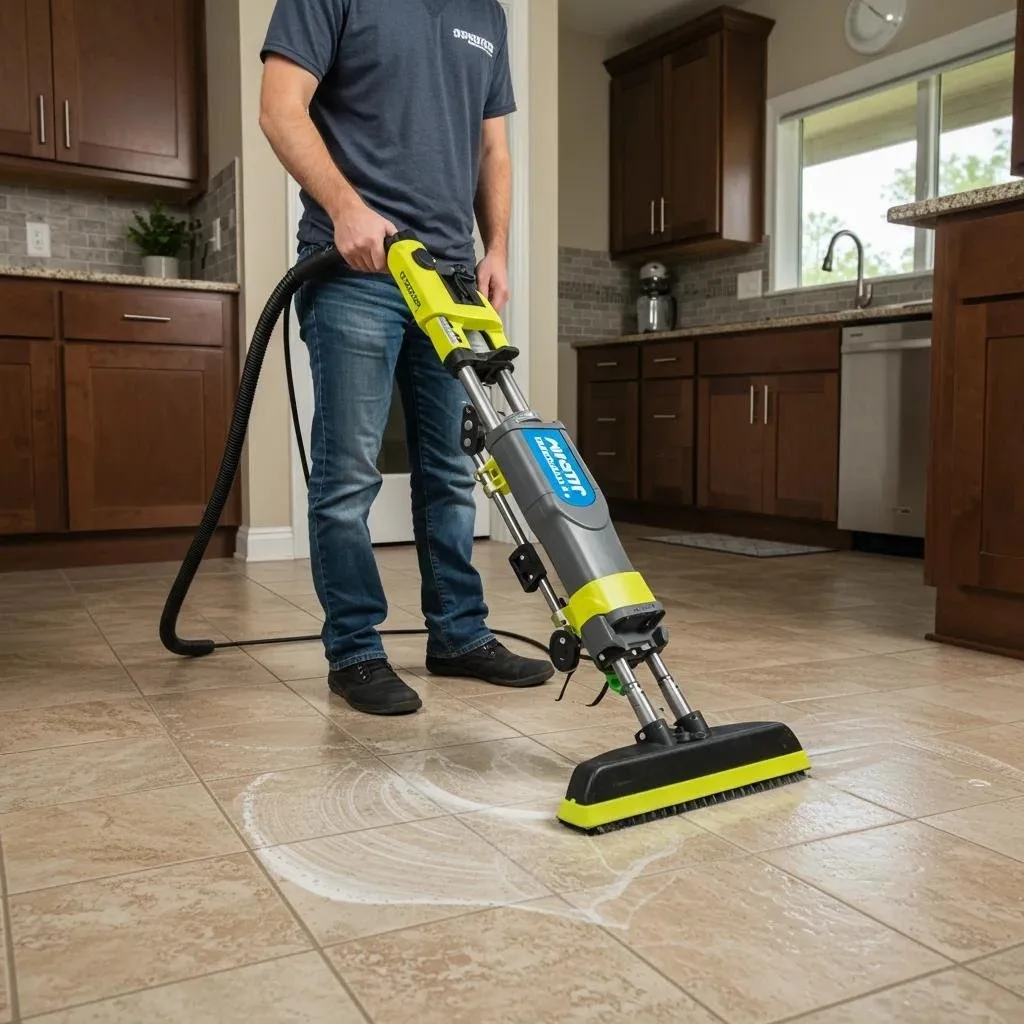
Professional tile and grout cleaning leverages industrial-grade equipment, proprietary solutions and trained technicians to penetrate deeply into porous grout and stone surfaces. DIY approaches rely on household chemicals, scrubbing and basic steam devices that often address only surface grime. The Steam Team’s process integrates purified water heated above 200 Β°F combined with 800+ psi oxygenated hydrogen peroxide injection, whereas DIY recipes typically mix baking soda, vinegar or over-the-counter detergents with manual brushing. Professional services deliver thorough removal of embedded bacteria and mold, protect tile integrity and restore appearance, while DIY methods can leave residue, require significant physical effort and risk incomplete cleaning.

How Does Professional Tile and Grout Cleaning Work?

Professional tile and grout cleaning begins with a detailed inspection that identifies tile type, grout composition and problem areas. Technicians then:

  • Pre-treat grout lines with an oxygenated cleaning solution

  • Inject heated purified water at high pressure to dislodge deep-seated contaminants

  • Extract loosened soil and rinse thoroughly to prevent residue

  • Apply protective sealing to restore luster and inhibit future staining

This multi-step process ensures pore-level extraction of dirt, mold and allergens.

What Are Common DIY Tile and Grout Cleaning Methods?

DIY tile and grout cleaning methods often include:

  • Baking soda paste with water applied and scrubbed into grout lines

  • Vinegar solution sprayed on tile followed by chlorine-free scrubbing

  • Hydrogen peroxide soak for light discoloration

  • Steam mop passes for quick surface refresh

Homeowners mix these solutions in buckets or spray bottles, then use brushes or mops to agitate and rinse until visible grime diminishes.

What Are the Pros and Cons of DIY Tile and Grout Cleaning?

Homemade grout cleaning offers three primary advantages:

  1. Lower Immediate Cost – Common pantry ingredients cost only a few dollars.

  2. Convenience – No scheduling or waiting for service appointments.

  3. Personal Control – You choose timing and solution strength.

However, DIY approaches have limitations:

  • Ineffective on deeply embedded mold or oil stains

  • Risk of chemical residue that attracts new dirt

  • Labor-intensive scrubbing and drying

  • Potential erosion of grout surface from harsh acids

These drawbacks highlight why deep cleaning and restoration often require professional expertise.

Why Is Professional Cleaning More Effective Than DIY?

Professional cleaning outperforms DIY by removing contaminants lodged beneath the grout surface, not merely dissolving visible film. Industrial-grade steam extraction penetrates pores to lift bacteria, mold spores and mineral deposits. Specialized cleaning solutions break molecular bonds of grease and discoloration without harming tile finishes. The Steam Team’s high-pressure oxygenated process sanitizes and flushes debris completely, whereas DIY methods frequently leave microscopic residue that accelerates re-soiling and grout degradation.

What Are the Benefits of Professional Tile and Grout Cleaning in Austin?

Investing in professional tile and grout cleaning in Austin yields aesthetic, structural and health advantages. Expert extraction revives original grout color, prevents grit from scoring tile surfaces and restores natural stone pores to their pristine state. Local technicians adapt their approach for ceramic, porcelain, marble and travertine, ensuring each material receives optimal pH-balanced solutions. Professional services also include mold remediation for humid Central Texas bathrooms and kitchens, safeguarding indoor air quality. With over 40 years of family-owned expertise, The Steam Team combines regional climate know-how with advanced technology to deliver consistently outstanding results.

How Does Professional Cleaning Improve Tile and Grout Longevity?

Deep cleaning preserves grout integrity by removing abrasive particles that grind away surface layers. Professional extraction flushes out mineral deposits and microbial growth that weaken grout bonds over time. By eliminating root-level contaminants, this process extends grout life by up to 50 percent and maintains tile adhesion, preventing costly repairs or re-grouting down the line.

What Health Benefits Does Professional Cleaning Provide?

Professional tile and grout cleaning improves indoor air quality by eradicating mold, mildew and allergenic dust mites trapped in porous grout lines. Sanitization reduces exposure to pathogens and fungal spores, leading to healthier living spaces, fewer respiratory irritations and a lower risk of allergy flare-ups for sensitive occupants.

How Does The Steam Team’s Advanced Technology Enhance Cleaning Results?

The Steam Team utilizes purified water heated above 200 Β°F combined with an oxygenated hydrogen peroxide solution delivered at 800+ psi to break down grease, oils and biological contaminants. This unique high-pressure steam extraction method lifts deep-seated grime without harsh chemicals, preserving tile finishes and restoring natural stone surfaces to their original appearance.

Why Trust a Local, Family-Owned Company for Tile Cleaning?

A family-owned business with over 40 years of service, The Steam Team understands Austin’s water quality and humidity challenges. Their longstanding local reputation, personalized customer care and commitment to the most outstanding service experience reflect deep community ties and proven reliability for residential and commercial clients alike.

What Are the Risks and Limitations of DIY Tile and Grout Cleaning?

DIY tile and grout cleaning carries inherent risks that can offset its initial savings. Home-based chemicals can etch or discolor delicate stone, and manual scrubbing often leaves abrasion marks in grout lines. Surface-only cleaning fails to remove entrenched mold, grease and mineral deposits, leading to rapid re-soiling. Inadequate rinsing can trap residue beneath grout pores, attracting dirt more quickly. Over time, repeated DIY attempts may accelerate grout deterioration and necessitate professional restoration at greater expense.

How Can DIY Cleaning Damage Tile and Grout Surfaces?

Acidic or abrasive homemade scrubs can erode grout joints and dull tile glazes. Uncontrolled use of bleach or vinegar may react adversely with natural stone, causing permanent discoloration or pitting. These chemical interactions compromise surface integrity and shorten the lifespan of both tile and grout.

Why Is DIY Often Ineffective for Deep Stains and Mold?

Surface cleaning solutions only tackle top-level discoloration, leaving fungus and mineral scale embedded below the grout surface. Without high-pressure extraction and specialized sanitizers, mold spores remain active beneath visible grout lines, leading to recurring stains and odor issues.

What Time and Effort Does DIY Tile Cleaning Require?

DIY tile cleaning demands multiple hours for mixing solutions, scrubbing grout lines, rinsing, drying and repeating on large areas. A typical 100 sq ft kitchen floor can take 2–4 hours of continuous labor, causing fatigue and inconsistent results compared with professional crews equipped for swift, comprehensive extraction.

What Are the Hidden Costs of DIY Cleaning Over Time?

Although DIY ingredients seem inexpensive, repeated applications accelerate grout wear and tile discoloration, leading to premature re-grouting or replacement costs. The cumulative expense of scrubbing tools, commercial chemicals and potential repair work often surpasses a single professional cleaning appointment.

How Much Does Professional Tile and Grout Cleaning Cost Compared to DIY in Austin?

Cost considerations extend beyond upfront expenses to performance, longevity and maintenance frequency. DIY cleaning supplies average $5–$15 per application, but may require monthly repeats for high-traffic zones. Professional cleaning rates vary by square footage, grout condition and tile type, typically ranging from $0.75 to $1.50 per square foot for extraction alone. Adding grout sealing enhances protection at an incremental fee. Evaluating long-term value shows that professional services often reduce overall maintenance spend by extending cleaning intervals and preventing damage.

What Factors Influence Professional Cleaning Prices?

Professional cleaning costs depend on:

  • Total square footage of tile and grout surfaces

  • Grout condition and stain severity

  • Tile material type and porosity

  • Inclusion of grout sealing or recoloring services

  • Accessibility and required preparation work

These variables determine labor time, solution usage and protective sealant application.

How Do DIY Cleaning Costs Compare Initially and Long-Term?

Option Initial Expense Long-Term Outcome
DIY Cleaning $5–$15 per session Frequent repeats, potential grout damage
Professional Cleaning $0.75–$1.50 per sq ft Deep extraction, extended cleaning cycles
Professional + Sealing $1.25–$2.00 per sq ft Enhanced protection, less frequent service

Professional services minimize recurring supply purchases and repair expenses, providing a clearer return on investment.

Is Professional Cleaning a Better Investment for Tile Maintenance?

Yes, professional tile and grout cleaning offers superior cost-benefit by delivering deep sanitation, stain removal and extended material lifespan. The Steam Team’s comprehensive restoration approach reduces the need for frequent DIY upkeep and costly re-grouting, resulting in noticeable savings and consistently pristine floors.

When Should You Choose Professional Tile and Grout Cleaning Over DIY?

Professional intervention becomes essential when grout lines show discoloration beyond surface stains, mold returns quickly after DIY attempts or large floor areas exceed practical DIY labor. High-traffic kitchens, bathrooms or commercial entryways with persistent grime require expert extraction to restore hygienic conditions and maintain tile integrity. Time constraints and the desire for a guaranteed outcome also signal the need for a professional service appointment.

What Tile and Grout Conditions Require Expert Cleaning?

Severe grout darkening, efflorescence (white mineral deposits), ingrained oil or grease stains and recurrent mold outbreaks exceed the efficacy of DIY methods. Natural stone surfaces with deep fissures or marble flooring demanding careful pH-balanced cleaning also warrant experienced technicians.

How Often Should You Professionally Clean Tile and Grout in Austin?

Most homes benefit from professional deep cleaning every 12 to 24 months, depending on foot traffic, pets and humidity. High-traffic areas may require annual service, while guest bathrooms or lightly used spaces can extend intervals toward two years. Following expert recommendations ensures lasting appearance and structural soundness.

What Are the Signs That DIY Cleaning Is Not Enough?

If grout remains dull after multiple scrubbing sessions, mildew returns within weeks or stubborn stains persist despite stronger home remedies, DIY cleaning is insufficient. Visible grout erosion or changes in tile texture also indicate that professional restoration is required to prevent further damage.

How Does Professional Grout Sealing and Recoloring Protect Your Tile Investment?

Grout sealing and recoloring apply protective pigments and sealants that fill pores, repel liquids and resist staining. This additional barrier preserves restored grout lines, simplifies routine cleaning and maintains uniform color. Professional application reaches into micro-pores that DIY sealers often miss, delivering durable protection against oils, spills and microbial growth.

What Is Grout Sealing and Why Is It Important?

Grout sealing involves applying a water-based or penetrating sealant that bonds within grout pores to block moisture absorption and staining agents. This process reduces grout discoloration, inhibits mold formation and extends cleaning intervals by maintaining a non-porous surface.

How Does Grout Recoloring Improve Appearance and Durability?

Grout recoloring infuses specialized pigments into worn-out grout, instantly renewing color uniformity and masking permanent stains. Recoloring combined with sealing restores aesthetic appeal and reinforces grout structure, improving overall resistance to abrasion and moisture.

Can DIY Grout Sealing Match Professional Results?

DIY sealers often sit only on the surface and require precise application techniques to avoid patchiness. Professional sealing uses high-penetration formulations and controlled application tools to ensure complete pore saturation, resulting in long-lasting protection and consistent appearance that DIY kits rarely achieve.

What Are Common Tile and Grout Problems and How Do Professionals Solve Them?

Trained technicians address mold and mildew removal, stubborn grout stains, cracked grout joints and damaged tiles through targeted restoration protocols. Expert solutions include chemical-free hot-water extraction for biological contaminants, color sealing for uniform grout lines, precision regrouting for joint repair and tile replacement for severely cracked sections. These services not only resolve present issues but also implement preventive measures to reduce recurrence.

How Is Mold and Mildew Removed from Tile and Grout?

Technicians apply an oxygenated antimicrobial solution to eradicate mold spores, then use high-pressure steam extraction to flush out residual contaminants. A final sealant application inhibits future fungal growth by blocking moisture ingress.

What Are Effective Solutions for Stubborn Grout Stains?

Stubborn stains from coffee, wine or grease are neutralized using pH-balanced emulsifiers that break down organic compounds, followed by steam-powered extraction to lift particles. Post-treatment sealing preserves results and prevents new staining.

How Are Cracked or Damaged Grout and Tiles Repaired?

Cracked grout is carefully removed and replaced with matching grout formulations, then smoothing and sealing ensure seamless integration. Damaged tiles are lifted, substrate prepared and new tiles set with precision to restore structural and aesthetic continuity.

How Does Professional Cleaning Prevent Recurring Tile and Grout Issues?

By combining deep extraction, antimicrobial sanitization and sealing, professional cleaning interrupts the cycle of dirt accumulation, microbial growth and grout degradation. Regular maintenance appointments maintain protective barriers and detect early signs of wear, ensuring floors remain pristine over time.

At any stage of your tile and grout care journey, scheduling a consultation with The Steam Team ensures expert assessment, tailored solutions and lasting results. Request a quote today and experience Austin’s most trusted, family-owned cleaning and restoration service.

Frequently Asked Questions

What are the environmental impacts of professional tile and grout cleaning compared to DIY methods?

Professional tile and grout cleaning often utilizes eco-friendly products and advanced equipment that minimize water usage and chemical runoff. In contrast, DIY methods may rely on household chemicals that can be harmful to the environment if not disposed of properly. Additionally, professional services are designed to be more efficient, reducing the overall environmental footprint by ensuring thorough cleaning in less time and with fewer resources.

How can I maintain my tile and grout after professional cleaning?

To maintain your tile and grout after a professional cleaning, consider regular sweeping and mopping with pH-neutral cleaners to prevent dirt buildup. Avoid harsh chemicals that can degrade grout integrity. Additionally, applying a grout sealer every 12-18 months can help protect against stains and moisture. Regular inspections for signs of wear or damage will also help you address issues before they require professional intervention.

Are there specific types of tiles that require special cleaning techniques?

Yes, certain types of tiles, such as natural stone (e.g., marble, granite, or travertine), require specialized cleaning techniques due to their porous nature and susceptibility to damage from acidic cleaners. Professional services often use pH-balanced solutions tailored to the specific tile type to avoid etching or discoloration. It's essential to consult with experts who understand the unique needs of your tile to ensure proper care and maintenance.

What should I do if my grout starts to discolor after cleaning?

If your grout begins to discolor after cleaning, it may indicate that the sealing process was inadequate or that moisture is penetrating the grout. First, check for any leaks or water damage in the area. If discoloration persists, consider scheduling a professional assessment to determine if re-sealing or recoloring is necessary. Regular maintenance and prompt attention to discoloration can help prevent further issues.

How can I tell if my DIY cleaning methods are causing damage?

Signs that your DIY cleaning methods may be causing damage include visible erosion or pitting in the grout, dullness in tile finishes, or persistent stains that do not improve with cleaning. If you notice these issues, it may be time to consult a professional. Additionally, if you experience increased difficulty in cleaning or if dirt seems to accumulate more quickly, it could indicate that your methods are not effective and may be harming your surfaces.

What are the benefits of grout recoloring after professional cleaning?

Grout recoloring after professional cleaning can significantly enhance the appearance of your tile surfaces by restoring uniform color and masking any permanent stains. This process not only improves aesthetics but also reinforces the grout structure, making it more resistant to moisture and staining. Recoloring combined with sealing can extend the life of your grout, making it easier to maintain and keeping your floors looking fresh and clean for longer.

How do I choose the right professional cleaning service for my tile and grout?

When selecting a professional cleaning service for your tile and grout, consider factors such as experience, customer reviews, and the types of cleaning methods they use. Look for companies that specialize in your specific tile type and offer eco-friendly solutions. Additionally, inquire about their cleaning process, including the equipment and products they use, to ensure they align with your expectations for quality and safety.

Conclusion

Choosing professional tile and grout cleaning over DIY methods ensures a deeper, more effective clean that protects your investment and enhances your home's appearance. With expert techniques and advanced technology, you can enjoy a healthier living environment free from mold and allergens. Don't compromise on quality; trust a local, family-owned service with decades of experience for your tile maintenance needs. Contact The Steam Team today to schedule your consultation and discover the difference professional cleaning can make.

Discover the Best Tile and Grout Cleaning Options in Austin

Tile and Grout Cleaning vs DIY: Which Is Better for Professional Results and Cost in Austin?

Professional tile and grout cleaning vs DIY methods poses a critical choice for Austin homeowners facing stubborn stains, mold growth and long-term maintenance concerns. Understanding how professional deep-steam extraction and high-pressure oxygenated cleaning compare with household vinegar or baking-soda solutions helps property owners weigh initial savings against lasting performance and health benefits. This guide explores each approach’s mechanisms, advantages, risks and costs, furnishing decision criteria for routine upkeep and one-off restorations.

You will discover:

  • Key process differences between expert technicians and homemade cleaners

  • Concrete benefits of hiring a local, family-owned team with over 40 years of experience

  • DIY pitfalls ranging from surface damage to hidden long-term expenses

  • Price factors and investment comparisons for Austin tile maintenance

  • Timing indicators that call for professional intervention and protective sealing

Armed with this insight, you can decide whether to tackle grout lines with store-bought ingredients or entrust your floors to a proven local specialist.

What Are the Key Differences Between Professional Tile and Grout Cleaning and DIY Methods?

Professional tile and grout cleaning leverages industrial-grade equipment, proprietary solutions and trained technicians to penetrate deeply into porous grout and stone surfaces. DIY approaches rely on household chemicals, scrubbing and basic steam devices that often address only surface grime. The Steam Team’s process integrates purified water heated above 200 Β°F combined with 800+ psi oxygenated hydrogen peroxide injection, whereas DIY recipes typically mix baking soda, vinegar or over-the-counter detergents with manual brushing. Professional services deliver thorough removal of embedded bacteria and mold, protect tile integrity and restore appearance, while DIY methods can leave residue, require significant physical effort and risk incomplete cleaning.

How Does Professional Tile and Grout Cleaning Work?

Professional tile and grout cleaning begins with a detailed inspection that identifies tile type, grout composition and problem areas. Technicians then:

  • Pre-treat grout lines with an oxygenated cleaning solution

  • Inject heated purified water at high pressure to dislodge deep-seated contaminants

  • Extract loosened soil and rinse thoroughly to prevent residue

  • Apply protective sealing to restore luster and inhibit future staining

This multi-step process ensures pore-level extraction of dirt, mold and allergens.

What Are Common DIY Tile and Grout Cleaning Methods?

DIY tile and grout cleaning methods often include:

  • Baking soda paste with water applied and scrubbed into grout lines

  • Vinegar solution sprayed on tile followed by chlorine-free scrubbing

  • Hydrogen peroxide soak for light discoloration

  • Steam mop passes for quick surface refresh

Homeowners mix these solutions in buckets or spray bottles, then use brushes or mops to agitate and rinse until visible grime diminishes.

What Are the Pros and Cons of DIY Tile and Grout Cleaning?

Homemade grout cleaning offers three primary advantages:

  1. Lower Immediate Cost – Common pantry ingredients cost only a few dollars.

  2. Convenience – No scheduling or waiting for service appointments.

  3. Personal Control – You choose timing and solution strength.

However, DIY approaches have limitations:

  • Ineffective on deeply embedded mold or oil stains

  • Risk of chemical residue that attracts new dirt

  • Labor-intensive scrubbing and drying

  • Potential erosion of grout surface from harsh acids

These drawbacks highlight why deep cleaning and restoration often require professional expertise.

Why Is Professional Cleaning More Effective Than DIY?

Professional cleaning outperforms DIY by removing contaminants lodged beneath the grout surface, not merely dissolving visible film. Industrial-grade steam extraction penetrates pores to lift bacteria, mold spores and mineral deposits. Specialized cleaning solutions break molecular bonds of grease and discoloration without harming tile finishes. The Steam Team’s high-pressure oxygenated process sanitizes and flushes debris completely, whereas DIY methods frequently leave microscopic residue that accelerates re-soiling and grout degradation.

What Are the Benefits of Professional Tile and Grout Cleaning in Austin?

Investing in professional tile and grout cleaning in Austin yields aesthetic, structural and health advantages. Expert extraction revives original grout color, prevents grit from scoring tile surfaces and restores natural stone pores to their pristine state. Local technicians adapt their approach for ceramic, porcelain, marble and travertine, ensuring each material receives optimal pH-balanced solutions. Professional services also include mold remediation for humid Central Texas bathrooms and kitchens, safeguarding indoor air quality. With over 40 years of family-owned expertise, The Steam Team combines regional climate know-how with advanced technology to deliver consistently outstanding results.

How Does Professional Cleaning Improve Tile and Grout Longevity?

Deep cleaning preserves grout integrity by removing abrasive particles that grind away surface layers. Professional extraction flushes out mineral deposits and microbial growth that weaken grout bonds over time. By eliminating root-level contaminants, this process extends grout life by up to 50 percent and maintains tile adhesion, preventing costly repairs or re-grouting down the line.

What Health Benefits Does Professional Cleaning Provide?

Professional tile and grout cleaning improves indoor air quality by eradicating mold, mildew and allergenic dust mites trapped in porous grout lines. Sanitization reduces exposure to pathogens and fungal spores, leading to healthier living spaces, fewer respiratory irritations and a lower risk of allergy flare-ups for sensitive occupants.

How Does The Steam Team’s Advanced Technology Enhance Cleaning Results?

The Steam Team utilizes purified water heated above 200 Β°F combined with an oxygenated hydrogen peroxide solution delivered at 800+ psi to break down grease, oils and biological contaminants. This unique high-pressure steam extraction method lifts deep-seated grime without harsh chemicals, preserving tile finishes and restoring natural stone surfaces to their original appearance.

Why Trust a Local, Family-Owned Company for Tile Cleaning?

A family-owned business with over 40 years of service, The Steam Team understands Austin’s water quality and humidity challenges. Their longstanding local reputation, personalized customer care and commitment to the most outstanding service experience reflect deep community ties and proven reliability for residential and commercial clients alike.

What Are the Risks and Limitations of DIY Tile and Grout Cleaning?

DIY tile and grout cleaning carries inherent risks that can offset its initial savings. Home-based chemicals can etch or discolor delicate stone, and manual scrubbing often leaves abrasion marks in grout lines. Surface-only cleaning fails to remove entrenched mold, grease and mineral deposits, leading to rapid re-soiling. Inadequate rinsing can trap residue beneath grout pores, attracting dirt more quickly. Over time, repeated DIY attempts may accelerate grout deterioration and necessitate professional restoration at greater expense.

How Can DIY Cleaning Damage Tile and Grout Surfaces?

Acidic or abrasive homemade scrubs can erode grout joints and dull tile glazes. Uncontrolled use of bleach or vinegar may react adversely with natural stone, causing permanent discoloration or pitting. These chemical interactions compromise surface integrity and shorten the lifespan of both tile and grout.

Why Is DIY Often Ineffective for Deep Stains and Mold?

Surface cleaning solutions only tackle top-level discoloration, leaving fungus and mineral scale embedded below the grout surface. Without high-pressure extraction and specialized sanitizers, mold spores remain active beneath visible grout lines, leading to recurring stains and odor issues.

What Time and Effort Does DIY Tile Cleaning Require?

DIY tile cleaning demands multiple hours for mixing solutions, scrubbing grout lines, rinsing, drying and repeating on large areas. A typical 100 sq ft kitchen floor can take 2–4 hours of continuous labor, causing fatigue and inconsistent results compared with professional crews equipped for swift, comprehensive extraction.

What Are the Hidden Costs of DIY Cleaning Over Time?

Although DIY ingredients seem inexpensive, repeated applications accelerate grout wear and tile discoloration, leading to premature re-grouting or replacement costs. The cumulative expense of scrubbing tools, commercial chemicals and potential repair work often surpasses a single professional cleaning appointment.

How Much Does Professional Tile and Grout Cleaning Cost Compared to DIY in Austin?

Cost considerations extend beyond upfront expenses to performance, longevity and maintenance frequency. DIY cleaning supplies average $5–$15 per application, but may require monthly repeats for high-traffic zones. Professional cleaning rates vary by square footage, grout condition and tile type, typically ranging from $0.75 to $1.50 per square foot for extraction alone. Adding grout sealing enhances protection at an incremental fee. Evaluating long-term value shows that professional services often reduce overall maintenance spend by extending cleaning intervals and preventing damage.

What Factors Influence Professional Cleaning Prices?

Professional cleaning costs depend on:

  • Total square footage of tile and grout surfaces

  • Grout condition and stain severity

  • Tile material type and porosity

  • Inclusion of grout sealing or recoloring services

  • Accessibility and required preparation work

These variables determine labor time, solution usage and protective sealant application.

How Do DIY Cleaning Costs Compare Initially and Long-Term?

Option Initial Expense Long-Term Outcome
DIY Cleaning $5–$15 per session Frequent repeats, potential grout damage
Professional Cleaning $0.75–$1.50 per sq ft Deep extraction, extended cleaning cycles
Professional + Sealing $1.25–$2.00 per sq ft Enhanced protection, less frequent service

Professional services minimize recurring supply purchases and repair expenses, providing a clearer return on investment.

Is Professional Cleaning a Better Investment for Tile Maintenance?

Yes, professional tile and grout cleaning offers superior cost-benefit by delivering deep sanitation, stain removal and extended material lifespan. The Steam Team’s comprehensive restoration approach reduces the need for frequent DIY upkeep and costly re-grouting, resulting in noticeable savings and consistently pristine floors.

When Should You Choose Professional Tile and Grout Cleaning Over DIY?

Professional intervention becomes essential when grout lines show discoloration beyond surface stains, mold returns quickly after DIY attempts or large floor areas exceed practical DIY labor. High-traffic kitchens, bathrooms or commercial entryways with persistent grime require expert extraction to restore hygienic conditions and maintain tile integrity. Time constraints and the desire for a guaranteed outcome also signal the need for a professional service appointment.

What Tile and Grout Conditions Require Expert Cleaning?

Severe grout darkening, efflorescence (white mineral deposits), ingrained oil or grease stains and recurrent mold outbreaks exceed the efficacy of DIY methods. Natural stone surfaces with deep fissures or marble flooring demanding careful pH-balanced cleaning also warrant experienced technicians.

How Often Should You Professionally Clean Tile and Grout in Austin?

Most homes benefit from professional deep cleaning every 12 to 24 months, depending on foot traffic, pets and humidity. High-traffic areas may require annual service, while guest bathrooms or lightly used spaces can extend intervals toward two years. Following expert recommendations ensures lasting appearance and structural soundness.

What Are the Signs That DIY Cleaning Is Not Enough?

If grout remains dull after multiple scrubbing sessions, mildew returns within weeks or stubborn stains persist despite stronger home remedies, DIY cleaning is insufficient. Visible grout erosion or changes in tile texture also indicate that professional restoration is required to prevent further damage.

How Does Professional Grout Sealing and Recoloring Protect Your Tile Investment?

Grout sealing and recoloring apply protective pigments and sealants that fill pores, repel liquids and resist staining. This additional barrier preserves restored grout lines, simplifies routine cleaning and maintains uniform color. Professional application reaches into micro-pores that DIY sealers often miss, delivering durable protection against oils, spills and microbial growth.

What Is Grout Sealing and Why Is It Important?

Grout sealing involves applying a water-based or penetrating sealant that bonds within grout pores to block moisture absorption and staining agents. This process reduces grout discoloration, inhibits mold formation and extends cleaning intervals by maintaining a non-porous surface.

How Does Grout Recoloring Improve Appearance and Durability?

Grout recoloring infuses specialized pigments into worn-out grout, instantly renewing color uniformity and masking permanent stains. Recoloring combined with sealing restores aesthetic appeal and reinforces grout structure, improving overall resistance to abrasion and moisture.

Can DIY Grout Sealing Match Professional Results?

DIY sealers often sit only on the surface and require precise application techniques to avoid patchiness. Professional sealing uses high-penetration formulations and controlled application tools to ensure complete pore saturation, resulting in long-lasting protection and consistent appearance that DIY kits rarely achieve.

What Are Common Tile and Grout Problems and How Do Professionals Solve Them?

Trained technicians address mold and mildew removal, stubborn grout stains, cracked grout joints and damaged tiles through targeted restoration protocols. Expert solutions include chemical-free hot-water extraction for biological contaminants, color sealing for uniform grout lines, precision regrouting for joint repair and tile replacement for severely cracked sections. These services not only resolve present issues but also implement preventive measures to reduce recurrence.

How Is Mold and Mildew Removed from Tile and Grout?

Technicians apply an oxygenated antimicrobial solution to eradicate mold spores, then use high-pressure steam extraction to flush out residual contaminants. A final sealant application inhibits future fungal growth by blocking moisture ingress.

What Are Effective Solutions for Stubborn Grout Stains?

Stubborn stains from coffee, wine or grease are neutralized using pH-balanced emulsifiers that break down organic compounds, followed by steam-powered extraction to lift particles. Post-treatment sealing preserves results and prevents new staining.

How Are Cracked or Damaged Grout and Tiles Repaired?

Cracked grout is carefully removed and replaced with matching grout formulations, then smoothing and sealing ensure seamless integration. Damaged tiles are lifted, substrate prepared and new tiles set with precision to restore structural and aesthetic continuity.

How Does Professional Cleaning Prevent Recurring Tile and Grout Issues?

By combining deep extraction, antimicrobial sanitization and sealing, professional cleaning interrupts the cycle of dirt accumulation, microbial growth and grout degradation. Regular maintenance appointments maintain protective barriers and detect early signs of wear, ensuring floors remain pristine over time.

At any stage of your tile and grout care journey, scheduling a consultation with The Steam Team ensures expert assessment, tailored solutions and lasting results. Request a quote today and experience Austin’s most trusted, family-owned cleaning and restoration service.

Frequently Asked Questions

What are the environmental impacts of professional tile and grout cleaning compared to DIY methods?

Professional tile and grout cleaning often utilizes eco-friendly products and advanced equipment that minimize water usage and chemical runoff. In contrast, DIY methods may rely on household chemicals that can be harmful to the environment if not disposed of properly. Additionally, professional services are designed to be more efficient, reducing the overall environmental footprint by ensuring thorough cleaning in less time and with fewer resources.

How can I maintain my tile and grout after professional cleaning?

To maintain your tile and grout after a professional cleaning, consider regular sweeping and mopping with pH-neutral cleaners to prevent dirt buildup. Avoid harsh chemicals that can degrade grout integrity. Additionally, applying a grout sealer every 12-18 months can help protect against stains and moisture. Regular inspections for signs of wear or damage will also help you address issues before they require professional intervention.

Are there specific types of tiles that require special cleaning techniques?

Yes, certain types of tiles, such as natural stone (e.g., marble, granite, or travertine), require specialized cleaning techniques due to their porous nature and susceptibility to damage from acidic cleaners. Professional services often use pH-balanced solutions tailored to the specific tile type to avoid etching or discoloration. It's essential to consult with experts who understand the unique needs of your tile to ensure proper care and maintenance.

What should I do if my grout starts to discolor after cleaning?

If your grout begins to discolor after cleaning, it may indicate that the sealing process was inadequate or that moisture is penetrating the grout. First, check for any leaks or water damage in the area. If discoloration persists, consider scheduling a professional assessment to determine if re-sealing or recoloring is necessary. Regular maintenance and prompt attention to discoloration can help prevent further issues.

How can I tell if my DIY cleaning methods are causing damage?

Signs that your DIY cleaning methods may be causing damage include visible erosion or pitting in the grout, dullness in tile finishes, or persistent stains that do not improve with cleaning. If you notice these issues, it may be time to consult a professional. Additionally, if you experience increased difficulty in cleaning or if dirt seems to accumulate more quickly, it could indicate that your methods are not effective and may be harming your surfaces.

What are the benefits of grout recoloring after professional cleaning?

Grout recoloring after professional cleaning can significantly enhance the appearance of your tile surfaces by restoring uniform color and masking any permanent stains. This process not only improves aesthetics but also reinforces the grout structure, making it more resistant to moisture and staining. Recoloring combined with sealing can extend the life of your grout, making it easier to maintain and keeping your floors looking fresh and clean for longer.

How do I choose the right professional cleaning service for my tile and grout?

When selecting a professional cleaning service for your tile and grout, consider factors such as experience, customer reviews, and the types of cleaning methods they use. Look for companies that specialize in your specific tile type and offer eco-friendly solutions. Additionally, inquire about their cleaning process, including the equipment and products they use, to ensure they align with your expectations for quality and safety.

Conclusion

Choosing professional tile and grout cleaning over DIY methods ensures a deeper, more effective clean that protects your investment and enhances your home's appearance. With expert techniques and advanced technology, you can enjoy a healthier living environment free from mold and allergens. Don't compromise on quality; trust a local, family-owned service with decades of experience for your tile maintenance needs. Contact The Steam Team today to schedule your consultation and discover the difference professional cleaning can make.