Revive Your Bathroom Affordably
Affordable grout restoration in Austin restores grout lines and tiled surfaces by combining targeted cleaning, repair, and sealing to deliver a visibly fresher bathroom and improved hygiene. This article explains what grout restoration is, why it matters for bathrooms, the step-by-step professional process, cost factors to expect in Austin, and practical maintenance routines to prolong results. Homeowners facing moldy, stained, or crumbling grout will learn how professional techniques mechanical agitation, steam, or rotary extraction, repair or regrouting, and sealant selection, work together to remove contaminants and block future staining. Expect clear comparisons of cleaning versus repair, a cost breakdown with typical ranges, and an actionable maintenance schedule tailored to high-moisture areas like showers. Throughout, we include objective service descriptions and local guidance so you can decide when to DIY and when to request a professional quote. By the end, you’ll understand the mechanisms behind grout restoration, how to evaluate providers, and the next steps to revive your bathroom affordably.
Why Is Affordable Grout Restoration Essential for Your Austin Bathroom?
Grout restoration is the combined process of deep-cleaning grout lines, repairing damaged material, and applying an appropriate sealant to restore appearance and block moisture intrusion. The mechanism pairs physical removal of organic soils and mold with chemical cleaning agents and protective sealants, producing a surface that resists staining and microbial growth. Restoring grout yields three primary homeowner benefits: improved aesthetics that refresh tile color, reduced mold and allergen reservoirs that improve bathroom hygiene, and longer tile life that avoids costly replacements. These benefits are especially relevant in Austin’s humid interior spaces, where moisture-driven staining and biological growth accelerate degradation. Understanding these outcomes clarifies why timely restoration is a cost-effective alternative to tile replacement and sets up the practical service and maintenance steps that follow.
What Are the Benefits of Professional Grout Cleaning and Restoration?
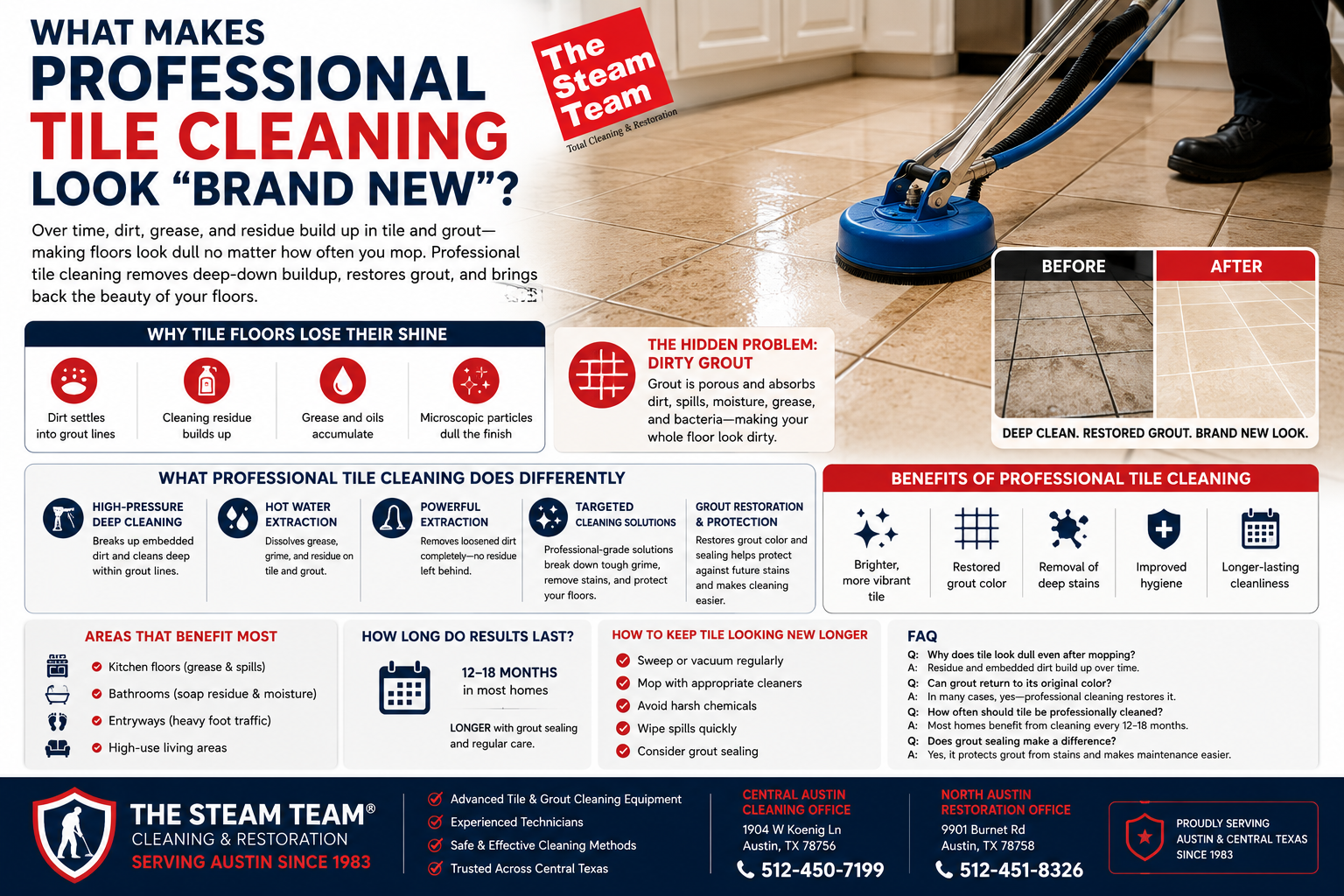
Professional grout cleaning and restoration improve visual uniformity, remove embedded soils, and reduce health risks by eliminating mold and mildew habitats. Technicians combine assessment, mechanical agitation, safe cleaning chemistries, and extraction to lift years of soap scum and organic matter that household cleaners often leave behind. Restoration also addresses structural concerns, repairing cracked grout and regrouting when necessary, which prevents water migration into substrate layers and reduces tile edge failure. The net effect is a bathroom surface that looks newer, smells cleaner, and requires less frequent intensive maintenance, making restoration a practical investment before considering full tile replacement.
How Does Grout Restoration Improve Bathroom Hygiene and Appearance?
Grout restoration improves hygiene by physically removing biofilms and spores through agitation and extraction, then by sealing pores so moisture and microbes cannot recolonize easily. Mechanistically, deep cleaning dislodges trapped organic matter while antimicrobial-friendly drying and sealing reduce substrate absorbency and inhibit microbial growth. Aesthetic improvement comes from color contrast restoration and reduced haze, which restores original grout tone and improves tile reflectivity. Properly sequenced cleaning, inspection, and sealing provide both immediate visual impact and measurable reduction in conditions that promote mold, linking appearance improvements to tangible hygiene gains.
What Comprehensive Grout Restoration Services Does The Steam Team Offer in Austin?
Comprehensive grout restoration services encompass an initial assessment, targeted deep cleaning, grout repair or regrouting where needed, and application of the appropriate sealant or color-seal finish. The core process begins with a condition survey to identify substrate type and damage, followed by method selection: steam, rotary agitation, or low-residue chemistries tailored to tile material and staining. Repairs can range from spot patching to full regrouting in compromised areas, and sealing choices balance penetration depth and durability for showers versus floors. For homeowners evaluating providers, understanding each phase clarifies outcomes and sets expectations for timeframes and results; the next subsection explains cleaning mechanics and safety considerations in more detail.
How Does Our Grout Cleaning Process Remove Mold, Stains, and Discoloration?
The cleaning sequence starts with assessment and testing to select a safe method for ceramic or natural stone, then proceeds with mechanical agitation combined with targeted cleaning solutions and extraction to lift soils. Steam or hot-water extraction softens and emulsifies grime while rotary brushes dislodge built-up deposits without damaging tile edges; extraction removes the loosened material to leave grout lines visibly cleaner. Technicians follow with neutralizing rinses and a post-cleaning inspection to determine if repairs or sealing are required. This structured approach minimizes risk to sensitive stone and ensures surfaces are ready for the repair and sealing phases that follow.
What Are the Steps Involved in Grout Sealing and Repair?
Grout sealing and repair begin with diagnosing whether grout requires patching, partial regrouting, or full replacement, then proceed through removal of damaged grout, substrate preparation, application of new grout or repair mortar, and finishing. After repairs cure, technicians choose a sealant, penetrating or topica,l based on usage patterns and tile type, apply it evenly, and allow specified cure times to establish a durable protective layer. Proper adhesion and cure reduce capillary wicking and staining, and technicians perform a final inspection to verify uniform coverage. Knowing these steps helps homeowners decide between simple cleaning, repair, or full regrouting, depending on condition and budget.
Effective Polymeric Grout for Sealing Leaking Joints
The polymeric grout was effective in sealing the lateral leaking joint with a leak of 1220 gpd to 0 gpd. Development and characterization of grouts for sealing and sensing applications, 2012
How Does Grout Color Sealing Revitalize Bathroom Tiles?
Color sealing (grout recoloring) bonds a pigmented sealer to grout joints to create consistent color, hide stains, and refresh the room’s overall appearance without replacing tile. The mechanism fills micro-voids and binds pigments to grout, producing long-lasting uniformity that can visually transform a space while resisting common staining agents. Color sealing is recommended when grout is structurally sound but cosmetically inconsistent, and it pairs well with sealing to protect the new color. Homeowners should weigh color choice and expected durability when considering recoloring as a cost-effective alternative to full retiling.
Service
Method / Equipment
Typical Outcome
Deep Cleaning
Steam, rotary brushes, low-residue chemicals
Removes embedded soils, reduces microbial load
Repair / Regrouting
Grout removal, fresh grout application, and curing
Restores joint integrity, prevents water migration
Sealing / Color Sealing
Penetrating or topical sealants, color pigments
Long-term stain resistance and uniform grout appearance
How Affordable Is Grout Restoration in Austin and What Factors Affect Cost?
Cost for grout restoration in Austin varies with square footage, grout condition, scope of repairs, and chosen sealant type, with price sensitivity driven primarily by labor and repair complexity. Simple cleaning-only projects require less technician time and consumables, while jobs needing regrouting, color sealing, or extensive mold remediation increase labor and material needs. Sealant selection, topical versus penetrating, affects materials cost and longevity, and substrate sensitivity (natural stone vs. ceramic) may require gentler, more time-intensive methods. The following table breaks down main cost drivers with typical ranges and notes to help homeowners anticipate estimates and prepare for an on-site quote.
What Is the Typical Price Range for Bathroom Grout Cleaning and Repair?
Typical pricing varies because condition drives scope: a basic cleaning-only service is generally the most affordable option, while repairs and color sealing add to costs depending on the area affected. Homeowners should expect variability based on whether grout requires spot repairs or full regrouting; complexity, such as narrow joints, intricate tile patterns, or natural stone, increases labor time. Because exact pricing depends on onsite assessment, requesting a visual estimate that notes square footage, condition, and desired sealant is the most reliable way to obtain an accurate p. Preparing photos and measurements before requesting a quote speeds the process and tightens the estimate range.
Cost Driver
Typical Range / Example
Notes
Bathroom size
Small to large (variable)
Square footage drives base labor time
Grout condition
Cleaning-only to full regrout
Repairs increase labor and material costs
Sealant type
Topical vs. penetrating
Penetrating, often longer-lasting; topical may be cheaper
How Can Homeowners and Businesses Save on Grout Restoration Services?
Homeowners can reduce lifetime costs by bundling services, combining tile cleaning with sealing or color sealing to take advantage of single-visit efficiencies and lower per-task labor. Preventive maintenance, such as regular neutral pH cleaning and prompt spot repairs, minimizes the need for intensive restoration over time. Ask providers about maintenance plans or seasonal promotions and confirm what is included in guarantees to avoid unexpected follow-up costs. These strategies emphasize value: investing a bit more in durable sealants and timely repairs often reduces total spend across years.
At this point, if you prefer a local, experienced provider to assess options and provide a clear quote, The Steam Team is a trusted Austin-area partner that offers tile and grout cleaning, grout cleaning and restoration, and natural stone services. Their mission emphasizes an outstanding service experience, and the company has reputation signals in local listings that homeowners rely on when choosing a pro. When cost is a primary concern, obtaining a written estimate after an in-home or photo-based inspection is the most reliable way to compare value among providers and select the right package for your budget and restoration needs.
How Can You Maintain Your Bathroom Grout After Restoration to Extend Its Life?
Maintaining restored grout focuses on regular cleaning with appropriate products, routine inspections, and scheduled resealing to preserve the protective layer and prevent recurrence of staining or biological growth. The routine combines daily habits such as rinsing and squeegeeing shower walls with periodic deeper maintenance using pH-neutral cleaners for natural stone or manufacturer-recommended solutions for ceramic tile. Inspections identify grout joints showing early wear so technicians can spot-repair before larger regrouting is necessary, which saves time and materials. The maintenance schedule table below outlines recommended frequencies for common actions to make upkeep predictable and effective.
What Are the Best Practices for Tile and Grout Cleaning at Home?
Daily or weekly maintenance should use soft tools and appropriate cleaners: microfiber mops and soft brushes with pH-neutral detergents for stone, and mild alkaline cleaners for ceramic, where safe. Avoid acidic or abrasive products that etch natural stone or abrade grout, and always rinse thoroughly to remove residues that attract dirt. For routine mold prevention, keep ventilation high and dry surfaces after use; when stains appear, address them promptly with spot treatments rather than aggressive DIY scrubbing that can damage joints. Knowing when to escalate to professional deep cleaning, visible staining, persistent odors, or recurring mold despite cleaning protects restored grout and prevents larger repairs.
Maintenance Action
Recommended Frequency / Action
Light cleaning (rinse + wipe)
After each shower / daily in high-use bathrooms
Deep cleaning (pH-neutral or appropriate cleaner)
Monthly to quarterly, depending on use
Resealing inspection
Annually check; reseal per product recommendation
How Often Should Grout Be Sealed to Prevent Mold and Stains?
Reseal frequency depends on the sealant type and environment: topical sealants often require more frequent reapplication, while penetrating sealants typically last longer and resist surface wear better in showers and floors. A practical guideline is to inspect seal integrity annually, performing an absorbency test on a small area and plan resealing cycles based on observed wear: high-moisture shower zones may need more frequent attention than low-traffic bathroom floors. Signs that resealing is due include rapid water darkening, stain recurrence, and a loss of water beading, prompting earlier maintenance or sealant replacement. Proactive inspections and timely resealing keep grout less susceptible to mold and staining and delay the need for costly repairs.
Why Choose The Steam Team for Affordable Grout Restoration in Austin?
Choosing a provider often rests on local credibility, consistent service processes, and clear customer-focused policies; in Austin, long-standing local providers that prioritize an outstanding service experience stand out. The Steam Team presents tile cleaning and natural stone services, including grout cleaning and restoration as part of a broader surface-restoration offering, and public reputation signals indicate a focus on quality service experiences for homeowners. For prospective clients, asking about process specifics, assessment, cleaning methods, repair approach, and sealant options helps ensure services align with expectations. The next subsection summarizes the company’s documented experience and how that context supports reliable grout restoration outcomes.
What Experience and Certifications Back Our Grout Restoration Services?
Available company information highlights a longstanding local presence and a mission focused on providing an outstanding service experience, and this organizational context supports consistent process delivery for grout restoration. While specific certifications should be confirmed directly with any provider, homeowners can evaluate professionalism by asking about technician training, method transparency, and adherence to recognized industry best practices. Understanding a provider’s standard operating procedures, inspection, tailored cleaning methods, repair criteria, and sealing protocols offers insight into their ability to protect different tile substrates. Requesting this operational detail helps homeowners compare providers on technical competence rather than marketing alone.
How Do Customer Reviews and Service Guarantees Reflect Our Quality?
Reputation signals such as third-party ratings and local recognition help validate a provider’s quality and customer service focus, and homeowners should review ratings alongside documented service guarantees. An A+ rating or local awards are useful trust signals to mention when researching providers, but it remains important to examine recent project examples, before-and-after photos, and the specifics of any service guarantee. Clear guarantees stating what is covered and the process for follow-up reduce ambiguity and create accountability for outcomes. Asking providers for references or project portfolios gives practical evidence of consistent restoration results and helps align expected outcomes with real-world performance.
Where Does The Steam Team Provide Grout Restoration Services in Austin and Central Texas?
Service area matters for scheduling, response times, and local knowledge of Austin-specific humidity and tile concerns; The Steam Team serves Austin and Central Texas communities and positions itself as a regional provider for tile and grout restoration needs. For homeowners seeking service, checking a provider’s public business profile and service-area notes verifies local availability and offers a channel to request a quote or schedule an inspection. When planning a project, preparing square footage estimates, photos of affected areas, and notes on tile material expedites accurate quoting and scheduling. The next subsection lists how to prepare for a request and what to expect during the estimate process.
Which Austin Neighborhoods and Central Texas Areas Do We Serve?
Service area is presented generally as Austin and Central Texas, reflecting regional availability rather than a strict neighborhood list, which helps homeowners across the metro area find local restoration help. For location-specific confirmation, prospective clients should consult the provider’s public business profile or contact pathways to verify exact neighborhood coverage and scheduling windows. Choosing a local provider offers benefits in familiarity with common local tile installations and moisture patterns that influence method selection. Clarifying coverage and expected response times before booking ensures smoother project coordination.
How Can You Request a Quote or Schedule Your Bathroom Grout Restoration?
To request a quote or schedule, gather basic project details, approximate square footage, photos showing grout condition, tile type, and notes on known issues like persistent mold, and use the provider’s public business profile or contact form to submit the inquiry. Clearly stating whether you want cleaning-only, repair, regrouting, or color sealing speeds the assessment and helps technicians prepare an accurate estimate. Expect providers to follow up with questions or an on-site inspection for final pricing and scheduling; being prepared with measurements and usage patterns (e.g., shower frequency, children/pets) helps refine timelines and recommended solutions. This organized approach reduces back-and-forth and accelerates the path from estimate to scheduled restoration.
Frequently Asked Questions
What Should I Look for When Choosing a Grout Restoration Service?
When selecting a grout restoration service, consider the provider's experience, customer reviews, and service guarantees. Look for companies that offer a detailed assessment process and transparent pricing. It's also beneficial to inquire about the cleaning methods and sealants they use, as well as their technician training. A reputable provider should be willing to share their operational procedures and provide references or examples of past work. This information helps ensure you choose a service that meets your expectations and delivers quality results.
How Can I Tell If My Grout Needs Restoration?
Signs that your grout may need restoration include visible discoloration, cracks, or crumbling grout lines. If you notice persistent mold or mildew, or if water is seeping through the grout, these are clear indicators that restoration is necessary. Additionally, if your grout appears dull or stained despite regular cleaning, it may be time for professional intervention. Regular inspections can help catch these issues early, allowing for timely restoration and preventing more extensive damage down the line.
Is Grout Restoration a DIY Project?
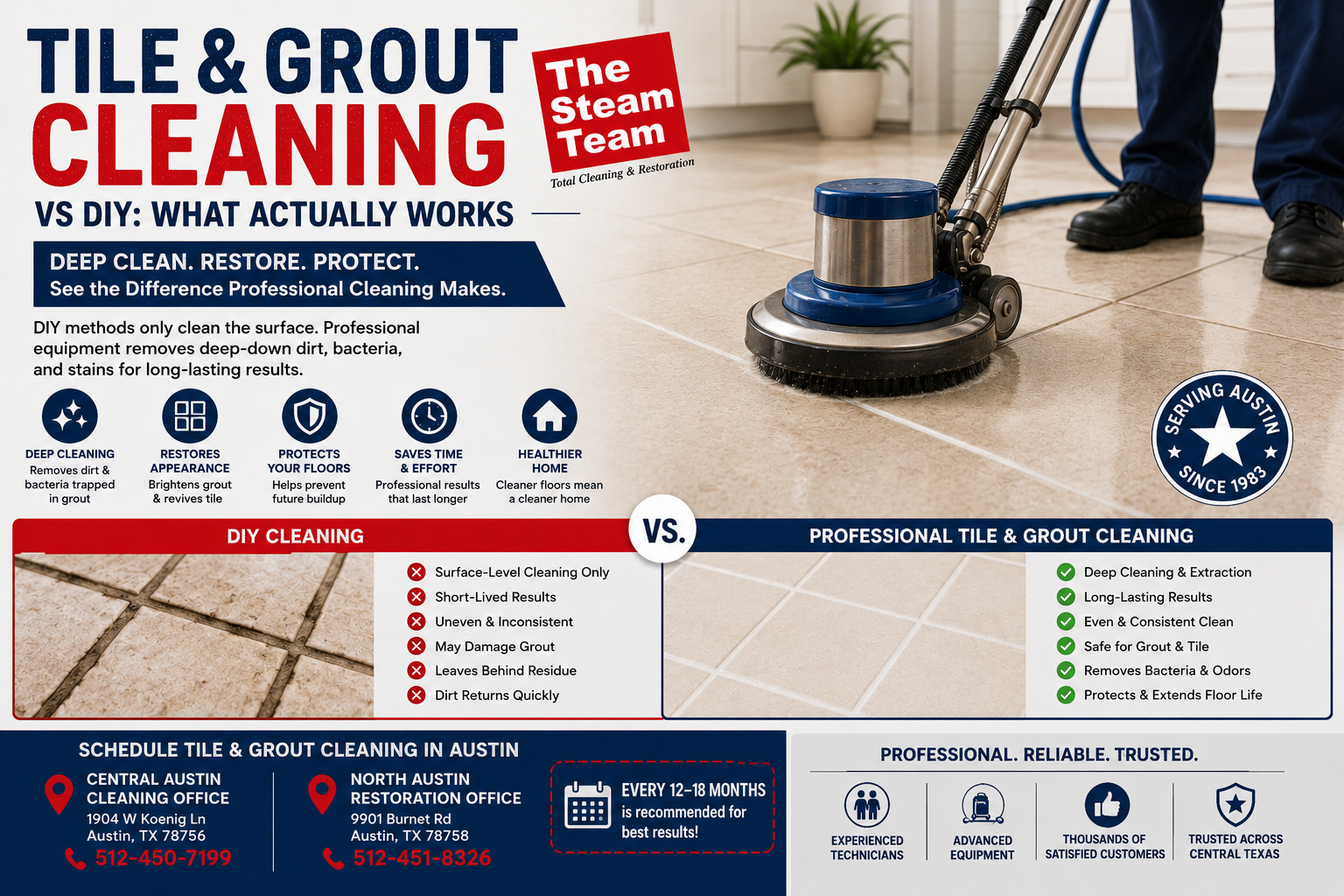
While some homeowners may attempt DIY grout restoration, it is often more effective to hire professionals. DIY methods may not achieve the same level of deep cleaning or repair, especially for stubborn stains or extensive damage. Professionals have access to specialized equipment and cleaning solutions that can restore grout more effectively. However, minor maintenance tasks, such as regular cleaning and resealing, can be managed by homeowners to prolong the life of their grout between professional services.
What Types of Sealants Are Used in Grout Restoration?
Grout restoration typically involves two main types of sealants: penetrating and topical. Penetrating sealants soak into the grout, providing long-lasting protection against moisture and stains, making them ideal for high-moisture areas like showers. Topical sealants, on the other hand, form a protective layer on the surface and are often easier to apply but may require more frequent reapplication. The choice of sealant depends on the specific needs of the grout and the environment in which it is used.
How Long Does the Grout Restoration Process Take?
The duration of the grout restoration process can vary based on the extent of the work required. A simple cleaning may take a few hours, while more extensive services, such as regrouting or color sealing, can take a full day or longer. Factors influencing the timeline include the size of the area, the condition of the grout, and the specific methods used. It's best to consult with your service provider for a more accurate estimate based on your unique situation.
Can Grout Restoration Help with Allergies?
Yes, grout restoration can significantly improve indoor air quality and help alleviate allergy symptoms. By removing mold, mildew, and other allergens that can accumulate in grout lines, restoration reduces the potential for respiratory issues. The sealing process also helps prevent future mold growth, creating a healthier environment. For individuals sensitive to allergens, maintaining clean and well-sealed grout is an important step in managing their living space and improving overall health.
What Maintenance Should I Perform After Grout Restoration?
After grout restoration, regular maintenance is crucial to prolonging the life of your grout. This includes routine cleaning with pH-neutral products, periodic inspections for wear, and resealing as needed. Daily habits, such as rinsing and squeegeeing shower walls, can help prevent buildup. It's also advisable to schedule deeper cleanings every few months and to inspect the sealant annually to ensure it remains effective. Following these practices will help maintain the appearance and integrity of your grout over time.
Conclusion
Reviving your bathroom with affordable grout restoration not only enhances its appearance but also improves hygiene and prolongs the life of your tiles. By understanding the benefits of professional services, homeowners can make informed decisions that lead to healthier living spaces. If you're ready to transform your bathroom, consider reaching out to The Steam Team for a personalized quote and expert guidance. Explore our services today to take the first step towards a fresher, cleaner bathroom.