Reliable Emergency Water Removal Services Austin Can Trust
/Emergency Water Removal Services in Austin Explained: Comprehensive Guide to Fast Water Damage Restoratio
Emergency water removal is the immediate response to uncontrolled water intrusion that threatens a property’s structure, contents, and occupant safety. This guide explains why fast action matters, the core mitigation steps used by professionals, and how homeowners and businesses in Austin can limit secondary damage like mold and structural decay. You will learn how emergency water extraction differs from routine cleanup, what equipment and monitoring techniques ensure a safe drying goal, and how to prepare documentation for insurance claims. Early in an emergency it helps to know who to call; The Steam Team provides 24/7 emergency response across Austin with IICRC-certified technicians, an A+ BBB rating, and free estimates—call 512-532-0500 for dispatch. The sections below map the urgency of response, a step-by-step restoration process, water damage categories, common local causes, mold-prevention tactics, insurance assistance, residential vs. commercial workflows, equipment explanations, FAQs, and the neighborhoods served.
What Is Emergency Water Removal and Why Is It Critical in Austin?
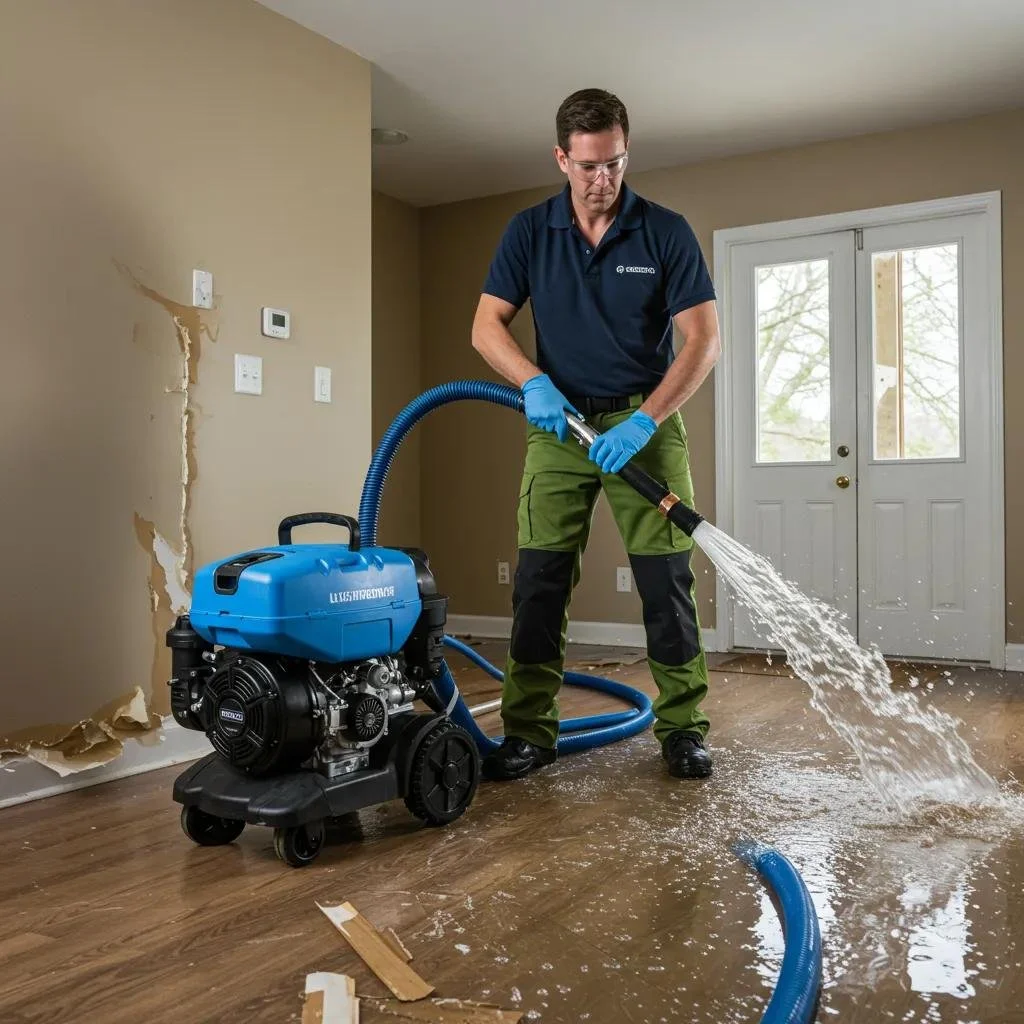
Emergency water removal is the rapid extraction and mitigation work performed to stop water from causing progressive damage to a property and its contents. The mechanism is straightforward: remove the standing water, control moisture in materials and air, and limit microbial growth; doing so preserves building systems and reduces repair scope. In Austin, sudden storms, aging plumbing, and heavy seasonal rain events increase the likelihood of rapid water intrusion, making time-to-action a key local variable. Rapid, professional mitigation reduces restoration cost, limits contents loss, and shortens displacement time for occupants; the next subsection explains the extraction tasks technicians perform on arrival.
What Does Emergency Water Extraction Involve?
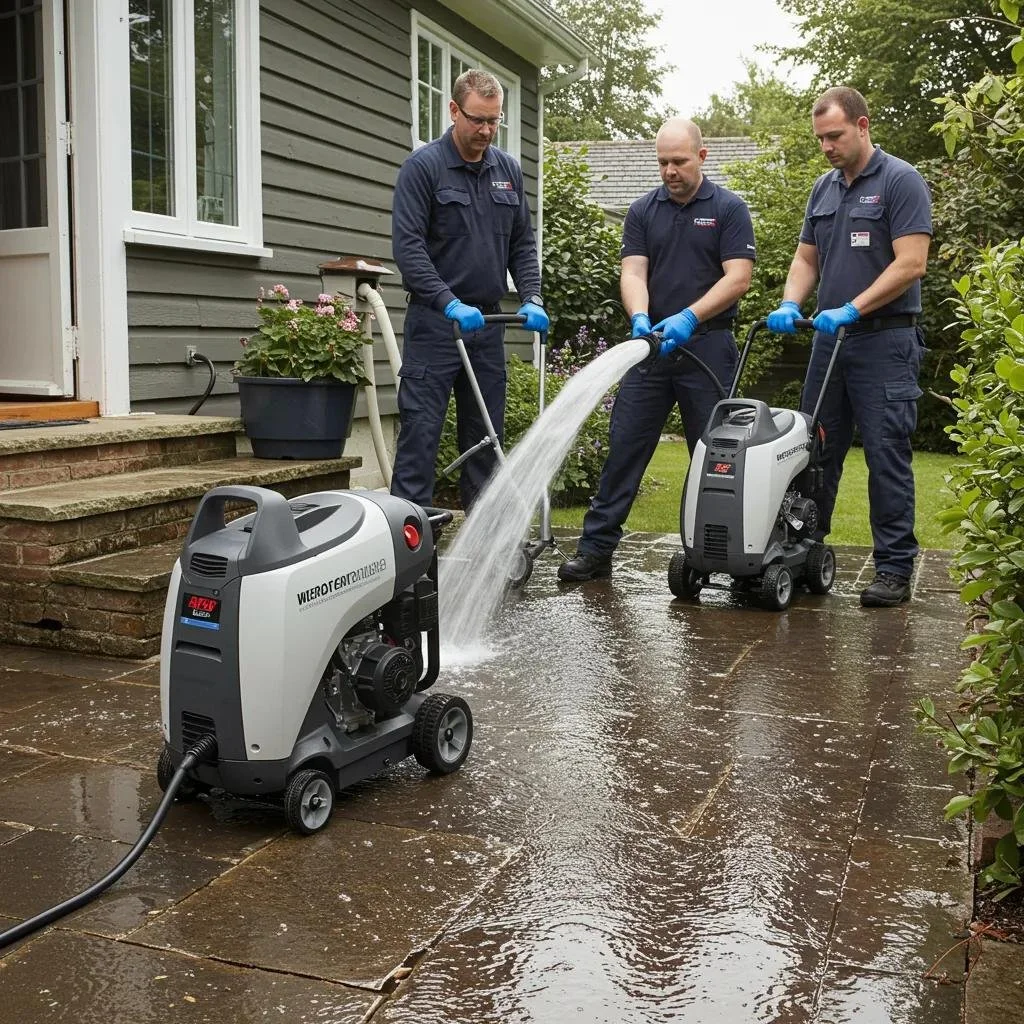
Emergency water extraction begins with rapid containment and removal of pooled water using high-capacity pumps and portable extractors to minimize saturation of flooring and lower structural loads. Technicians establish safety zones, shut off electricity where necessary, and remove salvageable contents for drying or pack-out; these actions protect occupants and speed restoration.
Extraction is followed immediately by layout of air movers and dehumidifiers to drive evaporation and remove moisture from the air, which prevents further absorption by building materials.
Initial client steps include shutting off water sources if safe, moving valuables to a dry area, and documenting damage with photos; these actions support both mitigation and later insurance documentation.
How Quickly Should Water Removal Services Respond?
Water removal services should aim to be on-site and begin mitigation work within 24 hours of a reported emergency, with immediate dispatch for active flooding or sewage events to prevent rapid mold colonization. Industry guidance shows mold can begin developing within 24–48 hours, so a response measured in hours rather than days materially changes outcomes.
Rapid arrival allows technicians to triage the event, prioritize extraction, and implement drying plans that keep moisture below target thresholds within days rather than weeks.
Expect arrival procedures to include safety assessment, moisture mapping, and a brief scope review before work begins.
What Are the Risks of Delayed Water Removal?
Delaying water removal increases the likelihood of microbial growth, structural deterioration, and irreversible content damage, and it often converts a remediation job into a reconstruction project. Mold spores proliferate in damp environments, adhesives and finishes delaminate, and wood framing can experience compromised strength if moisture remains elevated for extended periods. Insurance implications also escalate with delay because adjusters document progressive damage and may challenge the adequacy of mitigation efforts. Quick mitigation reduces these risks and limits out-of-pocket costs and business interruption.
How Does The Steam Team’s 6-Step Water Damage Restoration Process Work?
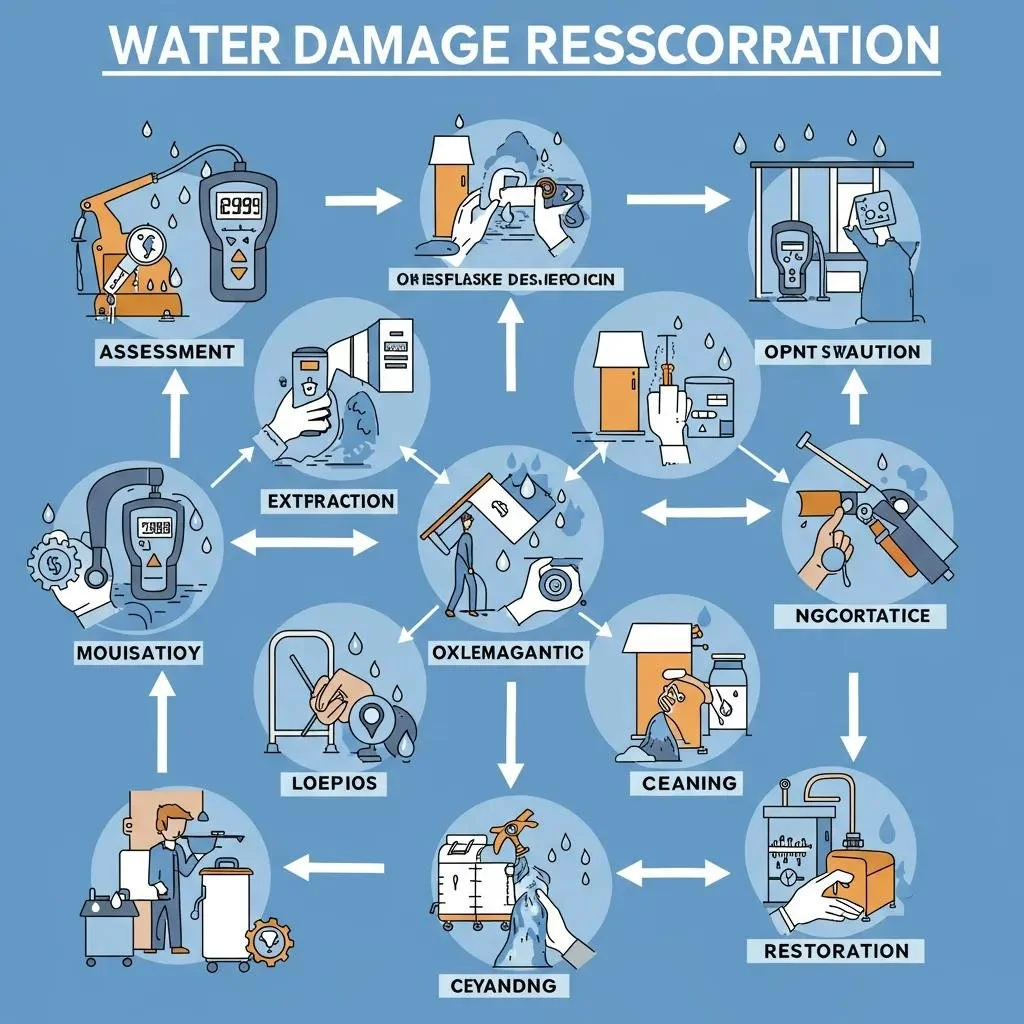
The Steam Team implements a structured six-step restoration process designed to move an Austin property from emergency condition to verified dryness and repair planning. This process aligns inspection and documentation with fast extraction, antimicrobial control, staged drying (air movement and dehumidification), and data-driven monitoring to confirm restoration goals. The certified technicians use moisture meters, thermal imaging, and clear scopes so clients and insurers can see progress and next steps, which shortens the overall timeline. Below are the step-level explanations mapped to client benefits and common timeframes.
What Happens During Inspection and Damage Assessment?
Inspection and damage assessment begin with a documented walkthrough to identify water sources, affected materials, and immediate safety hazards, creating a scope of work for mitigation and restoration. Technicians perform moisture mapping using pin and non–pin meters and thermal imaging to locate hidden moisture and plan equipment placement. Documentation typically includes photos, moisture readings, and an initial work plan that supports insurance claims and sets drying endpoints. This step clarifies whether mitigation suffices or reconstruction will be required, and it prepares the client for the subsequent extraction phase.
How Is Water Extracted from Residential and Commercial Properties?
Water extraction is scaled to the property and severity: residential jobs often use portable high–flow extractors and truck–mounted vacuums for heavier floods, while commercial losses can require multiple truck–mounted pumps and rapid mobilization of crew and equipment. Containment and access strategies differ by building type; technicians prioritize safety, minimize downtime, and protect finishes and inventory in businesses. Extraction throughput and immediate removal of water–damaged materials directly impact drying time and restoration cost. Choosing the right extractor and containment approach accelerates the drying phase and reduces secondary damage.
Why Is Anti-Microbial Application Essential After Water Removal?
Anti-microbial application targets residual microbial contamination after water removal, lowering the risk of mold colonization and reducing odors that indicate unresolved moisture. The decision to apply antimicrobial agents depends on the water category and exposure duration; gray or black water events typically require more aggressive treatments and containment. Proper application follows safety protocols for occupants and contents, and it complements structural drying rather than replacing it. Applied correctly, antimicrobial treatment reduces the need for more extensive remediation later and supports a healthier indoor environment.
How Do Advanced Drying and Dehumidification Techniques Restore Structures?
Advanced drying uses coordinated air movers and industrial dehumidifiers to accelerate evaporation and remove moisture from the air, which in turn draws moisture out of building materials toward controlled drying points. Drying is a science: technicians conp airflow patterns, measure humidity and vapor pressure, and adjust equipment placement to create efficient moisture transport. Complex assemblies—like layered flooring or HVAC systems—require tailored drying plans executed over days with periodic adjustments. Effective dehumidification reduces condensation risk and creates measurable progress toward material dryness goals.
How Is Drying Progress Monitored for Effective Restoration?
Drying progress is monitored with moisture meters, relative humidity sensors, and periodic photographic and written documentation to ensure materials reach their documented dry standards. Data-driven verification uses baseline readings, scheduled rechecks, and client-facing reports that show trends and justify next steps such as content return or reconstruction. Thermal imaging can reveal hidden pockets of moisture that need targeted drying or removal. Clear monitoring reduces uncertainties in claim settlements and provides objective evidence that drying goals have been met.
| Process Step | Actions Performed | Client Benefit / Typical Timeframe |
|---|---|---|
| Inspection & Assessment | Moisture mapping, safety check, scope creation | Clear plan within hours; supports insurance documentation |
| Water Extraction | High–flow pumps, portable extractors, containment | Rapid reduction of standing water; days accelerated |
| Anti-microbial Application | Surface treatment, odor control, microbial reduction | Lower mold risk; prepares surfaces for drying |
| Air Movement | Air movers, airflow balancing | Accelerates evaporation; shortens drying time |
| Dehumidification | Industrial dehumidifiers, humidity control | Removes vapor; stabilizes structure within days to a week |
| Monitoring & Verification | Meters, reports, sign-off | Objective completion evidence; supports claim closure |
This table clarifies each step’s role and expected client outcomes during a typical mitigation timeline.
What Are the Different Types of Water Damage and How Do They Affect Restoration?
Water damage is classified into three categories—clean, gray, and black water—each requiring distinct safety protocols, treatment steps, and cost considerations. Clean water comes from supply lines or rain and generally allows for standard extraction and drying measures, while gray water contains contaminants that elevate health risk and often calls for antimicrobial treatment. Black water—sewage or floodwater—poses serious hazards, requires containment, removal of porous materials, and often reconstruction of affected areas. The table below summarizes categories, sources, and typical treatment approaches to help homeowners and businesses understand expected actions and timelines.
| Water Category | Common Sources / Risk Level | Required Treatment / Typical Time-to-Dry |
|---|---|---|
| Clean Water | Supply line breaks, rain ingress; low contamination | Extraction + drying; 2–5 days for most materials |
| Gray Water | Appliance overflows, dishwasher, sump pump discharge; moderate contamination | Extraction + antimicrobial and controlled disposal; 3–7 days plus cleaning |
| Black Water | Sewage backups, river or storm floodwaters; high contamination | Containment, removal of porous materials, disinfection; reconstruction often required, variable timeline |
What Is Clean Water Damage and How Is It Treated?
Clean water damage originates from potable sources like supply lines or rain and is lower in contamination risk, enabling swift extraction, structural drying, and content salvage when addressed quickly. Treatment focuses on removing standing water, drying materials, and monitoring until moisture reaches manufacturer or industry dry standards. While less hazardous, clean water can degrade into gray or black water if it remains untreated or contacts contaminants. Timely action and documentation preserve finishes and contents and avoid escalation to more intrusive remediation.
How Does Gray Water Damage Differ and What Are the Risks?
Gray water contains moderate contaminants—examples include appliance overflows or water from washing machines—and carries higher microbial risk than clean water, requiring antimicrobial treatment and careful disposal practices. Personnel use appropriate PPE and follow protocols to clean and sanitize affected surfaces, and porous materials may require removal depending on exposure duration. Gray water events demand timely documentation and more thorough cleaning to protect occupants’ health. Proper handling reduces the likelihood of mold and lingering odors that complicate restoration.
What Makes Black Water Damage the Most Hazardous?
Black water includes sewage and floodwater contaminated with pathogens and chemicals, requiring strict containment, removal of porous materials, and professional disinfection to protect occupant health. Black water events commonly necessitate demolition of affected finishes, controlled disposal of materials, and coordination with environmental regulations. Reconstruction is often part of the recovery, increasing cost and timeline compared with cleaner water types. Because of the hazards, only trained professionals should handle black water mitigation to ensure safety and regulatory compliance.
How Do Local Austin Conditions Influence Water Damage Types?
Local Austin factors—seasonal storms, hill-country runoff, older home plumbing, and urban drainage patterns—shape the frequency and type of water incidents seen by homeowners and businesses. Neighborhoods with older infrastructure may see more supply-line failures, while low-lying or poorly drained areas experience higher flood-related black water incidents during heavy rains. Seasonal preparation and property-specific mitigation lower risk and guide response priorities. Understanding local patterns helps prioritize preventive maintenance and informs how quickly to call for professional help when water loss occurs.
What Are the Common Causes of Water Damage in Austin Homes and Businesses?
Water damage in Austin arises from several repeatable causes: burst pipes, heavy storms and flash floods, appliance failures, and roof or envelope breaches that allow steady intrusion. Each cause has distinct mechanics and warning signs that inform immediate mitigation and longer-term repairs. By recognizing patterns and performing seasonal checks, property owners can reduce the frequency and severity of incidents. The list below summarizes common causes with short mitigation tips for fast action.
Burst pipes: Shut off main water and call for emergency extraction; insulate vulnerable pipes.
Floods and storms: Elevate valuables, use sandbags when forecasted, and evacuate if necessary.
Appliance leaks: Regularly inspect hoses and install automatic shutoff valves where possible.
Roof leaks and intrusion: Monitor ceilings for stains and schedule prompt repairs to flashing and seals.
How Do Burst Pipes Lead to Emergency Water Removal Needs?
Burst pipes produce high-pressure, rapid water release that overwhelms plumbing systems and flooring, quickly saturating materials and increasing structural load and mold risk. Immediate mitigation focuses on isolating the water source, extracting standing water, and drying affected materials to prevent ongoing absorption. Preventive measures include pressure monitoring and seasonal inspections, while emergency actions prioritize safety and quick extraction. For property owners, a fast shutoff and a prompt professional response limit damage and restoration scope.
What Impact Do Floods and Storms Have on Austin Properties?
Floods and storms introduce large volumes of water, often contaminated, that enter through foundation gaps, doorways, or overrun storm systems, causing broad-area saturation and sometimes structural undermining. Recovery from storm events typically requires large-scale extraction, contents handling, and possibly reconstruction in affected areas, with priority on occupant safety and documentation for claims. Preparation—such as clearing drains and elevating critical systems—reduces vulnerability, while post-event mitigation focuses on drying and microbial control. Storm-related incidents often increase demand for emergency services, affecting response times.
How Can Appliance Leaks and Plumbing Overflows Cause Water Damage?
Appliance failures—from dishwashers, refrigerators, or washing machines—produce steady leaks that slowly saturate floors and cabinetry and can go unnoticed until damage is advanced. Small leaks escalate over time, compromising finishes and creating mold-friendly conditions. Regular inspection of supply lines, timely replacement of worn hoses, and use of water-detection alarms reduce risk. When leaks occur, quick shutoff, documentation, and professional drying minimize content loss and structural repairs.
What Are the Signs of Roof Leaks and Structural Water Intrusion?
Visible signs of roof leaks and structural intrusion include ceiling stains, peeling paint, musty odors, surface blistering, and increased indoor humidity; hidden signs include warped trim and elevated moisture readings in walls. Roof and envelope breaches allow repeated water entry, so immediate temporary containment followed by professional assessment is recommended to avoid progressive decay. Short-term fixes such as tarping and interior buckets limit damage until permanent repairs are made. Regular inspections and timely maintenance reduce the chance of emergency water removal needs from roof failures.
How Can Mold Growth Be Prevented After Water Damage in Austin?
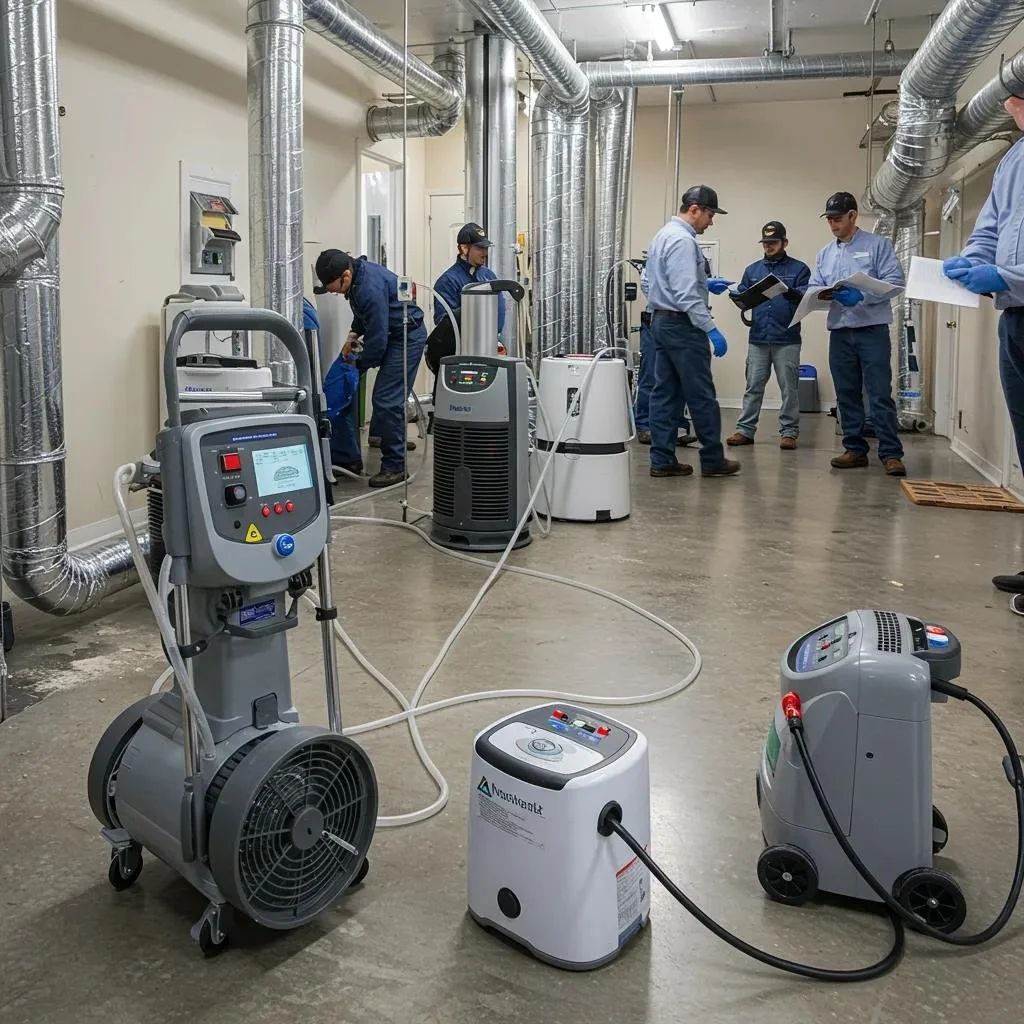
Preventing mold after water intrusion requires a coordinated strategy: rapid water removal, controlled drying with air movement and dehumidification, and, where appropriate, targeted antimicrobial treatment. Mold spores are always present, but colonization requires moisture; keeping moisture below critical thresholds and completing drying within 24–72 hours is essential to prevention. Monitoring and verification provide evidence of successful drying and peace of mind for occupants and insurers alike. The checklist below summarizes actionable steps to prevent mold growth after an event.
Immediate Extraction: Remove standing water within hours to stop material saturation.
Targeted Drying: Use air movers and dehumidifiers to reach material-specific dryness goals.
Anti-microbial Treatment: Apply when contamination risk is present, especially for gray/black water events.
Following these steps reduces microbial risk and shortens restoration timelines; the next subsection explains why drying speed is so important.
Why Is Rapid Drying Critical to Mold Prevention?
Rapid drying interrupts the moisture cycle that allows mold spores to germinate and form colonies, with the highest risk window occurring within the first 24–48 hours after water exposure. Faster evaporation and humidity control reduce nutrient availability for microbes on porous surfaces like drywall and wood. Targeted airflow and dehumidification maintain drying gradients that pull moisture out of materials rather than trapping it in assemblies. Consistent monitoring ensures goals are met and minimizes the likelihood of later mold remediation.
What Role Does Anti-Microbial Treatment Play in Mold Remediation?
Anti-microbial treatments act as both preventive and corrective measures: they reduce microbial load on surfaces after contamination and limit regrowth while drying proceeds, especially in gray and black water scenarios. Application follows industry protocols to ensure safe use and compatibility with materials and finishes. Anti-microbials do not replace the need for structural drying or removal of unsalvageable materials, but they significantly reduce odor and visible microbial staining when used appropriately. Documentation of treatments also helps insurers understand the scope of mitigation.
How Does The Steam Team Ensure Long-Term Mold Prevention?
The Steam Team combines prompt mitigation, data-driven drying, and follow-up verification to reduce the chance of recurrent mold problems, providing clients with monitoring records and guidance on structural repairs that prevent future intrusion. Technicians educate homeowners and facility managers about moisture-prone assemblies and recommend targeted repairs—such as improving drainage or replacing compromised materials—when needed. Follow-up inspections and clear reporting support long-term outcomes and help clients track maintenance tasks to minimize recurrence. This approach pairs technical controls with client education for sustained protection.
How Does The Steam Team Assist with Water Damage Insurance Claims in Austin?
The Steam Team supports customers through the insurance claims process by documenting damage, providing inspection and monitoring reports, and coordinating communications that make claim handling more straightforward for homeowners and businesses. As a preferred vendor for major insurance carriers in Texas, the company often has streamlined billing procedures and established communication channels that can reduce administrative friction. Technicians produce clear evidence—photos, moisture logs, and scope documents—that help adjusters assess the event. Below is a practical checklist clients can use to simplify claims submission.
Photograph all damage before and during mitigation.
Save inspection reports and moisture readings for adjusters.
Keep an itemized list of damaged contents and any temporary repair receipts.
What Makes The Steam Team a Preferred Vendor for Major Insurance Carriers?
Preferred-vendor status indicates the company meets certain operational, credentialing, and performance standards that insurers recognize, which can lead to coordinated response and streamlined billing. This designation typically means technicians follow carrier workflows, provide standardized documentation, and can collaborate directly with adjusters to clarify scopes and expedite approvals. Clients benefit from a smoother administrative experience while retaining control over contractor selection and work quality. Verifying vendor status with an insurer remains a recommended step for clients who want transparency.
How Can Homeowners and Businesses Simplify the Claims Process?
Homeowners and businesses simplify claims by documenting the event thoroughly, notifying their insurer promptly, and retaining all mitigation reports and receipts for submission. Clear photos of damage, a dated timeline of events, and professional inspection reports with moisture readings make it easier for adjusters to understand loss extent. Prompt mitigation also demonstrates reasonable steps taken to reduce loss, an important factor in claim evaluation. Coordinating with a preferred vendor who provides standardized reports can further reduce administrative delays.
What Documentation and Evidence Are Needed for Water Damage Claims?
Insurers typically request inspection reports, moisture readings, before-and-after photos, inventory lists of damaged contents, and invoices for mitigation work to evaluate a claim accurately. Technicians should provide clear, timestamped documentation showing initial conditions, equipment placement, and drying progress, which supports repair estimates and claim approval. Retain copies of all temporary repair receipts and correspondence with the contractor and insurer. High-quality documentation mitigates disputes and helps close claims more quickly.
| Equipment | What it Does | When / Why It's Used / Expected Result |
|---|---|---|
| High–powered water extractor | Removes standing and trapped water rapidly | Used immediately after assessment; reduces saturation and shortens drying time |
| Industrial dehumidifier | Lowers air humidity to promote evaporation | Runs throughout drying phase; prevents condensation and mold growth |
| Air mover | Creates directed airflow over wet surfaces | Accelerates evaporation from floors, walls, and cavities |
| Moisture meter | Measures moisture in materials (pin and non–pin) | Guides drying goals and documents progress for sign-off |
What Residential and Commercial Water Damage Services Are Available in Austin?
Services differ by residential and commercial requirements but share common mitigation principles: rapid extraction, drying, antimicrobial control, contents handling, and documentation. Residential work emphasizes personal property protection and client communication, including pack-out options and careful handling of heirlooms. Commercial responses prioritize continuity, rapid mobilization, and large-loss equipment to minimize downtime for businesses and facilities. Below is a short comparison list highlighting key service differences.
Residential: Personalized contents protection, pack-out, and homeowner communication.
Commercial: Large-scale extraction, shift crews, and coordination with facility managers.
Both: 24/7 emergency response, documented scopes, and monitoring reports.
How Are Residential Water Damage Restoration Services Tailored?
Residential restoration tailors content handling, scheduling flexibility, and communication to the homeowner’s needs, often offering pack-out and storage for salvageable items to protect valuables during drying. Technicians prioritize minimizing disruption to daily life while ensuring durable drying and clear explanations of each step. Household finishes and built-in systems require nuanced drying plans to preserve finishes and limit reconstruction. Clear timelines and monitoring reports help homeowners plan temporary relocation if needed.
What Specialized Solutions Exist for Commercial Water Damage?
Commercial solutions focus on minimizing business interruption using large-capacity equipment, shift-based crews, and rapid mobilization to stabilize operations quickly. Coordination with facility managers and insurers on scope and phasing is key to keeping critical areas operational. For large losses, logistical planning for inventory protection and staged re-entries ensures continuity. The commercial approach emphasizes speed, scalability, and coordinated documentation.
How Does 24-Hour Emergency Service Benefit Both Residential and Commercial Clients?
Round-the-clock emergency service reduces the window in which mold and structural deterioration can begin, supports faster claim initiation, and provides immediate mitigation that limits content and property loss. For businesses, immediate response preserves operations and revenue; for homeowners, it reduces displacement and emotional stress. Prompt action also improves the quality of restoration outcomes and can reduce total restoration cost. Fast dispatch combined with experienced crews is central to better long-term results.
What Advanced Equipment and Techniques Does The Steam Team Use for Water Removal?
Advanced equipment and techniques include truck-mounted extractors, high-capacity portable extractors, industrial dehumidifiers, air movers, moisture meters, and thermal imaging to create tailored drying plans. Each tool plays a role in moving moisture from materials into the air and then removing that vapor from the structure. Selecting the right equipment and configuring it for each space shortens drying time and limits material loss. The equipment table earlier clarifies functions and expected results; the following subsections explain key devices and monitoring methods.
How Do High-Powered Water Extractors Work?
High-powered water extractors operate by combining suction and agitation to lift water from carpet, padding, and flooring systems rapidly, and truck-mounted units provide greater throughput for severe floods. Flow rates and head pressure determine suitability for large-volume events versus smaller residential losses where portable extractors suffice. Efficient extraction reduces residual moisture that must be removed by dehumidification, shaving days off the overall drying timeline. Proper extractor selection and technique are essential to limit secondary damage.
What Are Industrial Dehumidifiers and Air Movers?
Industrial dehumidifiers remove moisture from the air by condensing vapor or using desiccant media, lowering relative humidity so air movers can draw moisture out of materials into the airstream. Air movers create directed airflow across wet surfaces to speed evaporation, while dehumidifiers capture the resulting vapor and export it from the controlled space. Equipment sizing is determined by room volume, material types, and measured moisture loads. Correct placement and balance between airflow and dehumidification optimize drying efficiency.
How Are Moisture Meters Used to Monitor Restoration Progress?
Moisture meters—both pin and non–pin—provide objective readings of moisture content in wood, drywall, and other substrates, guiding when to reduce or remove equipment and when reconstruction is appropriate. Technicians log baseline readings, set drying goals based on material standards, and track trends to validate progress for clients and insurers. Consistent monitoring reduces guesswork and provides defensible evidence that drying endpoints were met. Clients receive reports showing readings over time and the resulting sign-off when targets are achieved.
| Neighborhood / Area | Typical Water-Damage Challenges | Service Notes / Response Considerations |
|---|---|---|
| Downtown Austin & Zilker | Older buildings, urban runoff, basement and lower-level ingress | Quick response to interior flooding and content protection |
| Surrounding suburbs (Round Rock, Cedar Park) | Storm runoff, foundation seepage in low areas | Mobilization may require staging; response times vary slightly |
| Central Austin neighborhoods | Mixed building stock, aging plumbing issues | Emphasis on rapid inspection and moisture mapping |
Frequently Asked Questions
What should I do immediately after discovering water damage in my property?
Upon discovering water damage, the first step is to ensure your safety by shutting off the main water supply if it's safe to do so. Next, move any valuables or important items to a dry area to prevent further damage. Document the situation with photos for insurance purposes. If the water is from a clean source, you may begin to remove standing water using towels or a wet/dry vacuum. However, for significant flooding or contaminated water, it's best to call a professional water removal service immediately.
How can I tell if my property has hidden water damage?
Hidden water damage can manifest in various ways, including musty odors, discoloration on walls or ceilings, and warped or buckled flooring. You may also notice increased humidity levels or mold growth in corners and behind furniture. Using a moisture meter can help detect elevated moisture levels in walls and floors. If you suspect hidden damage, it's advisable to consult a professional who can perform a thorough inspection and moisture mapping to identify affected areas.
What are the long-term effects of water damage if not addressed promptly?
If water damage is not addressed quickly, it can lead to severe long-term consequences, including structural damage, mold growth, and compromised indoor air quality. Prolonged exposure to moisture can weaken building materials, leading to costly repairs and potential safety hazards. Additionally, mold can cause health issues for occupants, including respiratory problems and allergic reactions. Therefore, timely intervention is crucial to mitigate these risks and preserve the integrity of your property.
Are there specific insurance coverages I should consider for water damage?
When it comes to water damage, homeowners should consider specific coverages such as flood insurance, which is often not included in standard homeowners policies. Additionally, look for coverage that addresses water damage from burst pipes or appliance failures. It's essential to review your policy details and discuss with your insurance agent to ensure you have adequate protection against various water damage scenarios, including both sudden and gradual incidents.
What preventative measures can I take to avoid future water damage?
To prevent future water damage, conduct regular inspections of your plumbing, roof, and drainage systems. Install water detection alarms near high-risk appliances and ensure proper drainage away from your foundation. Regularly clean gutters and downspouts to prevent overflow during heavy rains. Additionally, consider upgrading old plumbing and sealing any cracks in your foundation or walls. These proactive steps can significantly reduce the risk of water intrusion and associated damage.
How does the water removal process differ for residential and commercial properties?
The water removal process for residential properties typically focuses on personal property protection and minimizing disruption to the homeowner's daily life. In contrast, commercial water removal prioritizes rapid mobilization and large-scale extraction to minimize business downtime. Commercial services often involve more extensive equipment and crew coordination, while residential services may include personalized communication and pack-out options for valuables. Both processes, however, adhere to the same core principles of rapid extraction and thorough drying.
How Quickly Can a Water Damage Company Respond in Austin?
A professional water-damage company should mobilize and begin mitigation within 24 hours, with immediate dispatch for active flooding or sewage exposure to reduce mold risk; response time depends on call volume and location. Rapid dispatch allows technicians to contain hazards, begin extraction, and set drying equipment before damage escalates. Peak storm events can affect arrival time, so early notification and clear information about access speed up deployment. Clients should expect initial triage and documentation at arrival.
Can I Stay in My Home During Water Damage Restoration?
Whether you can remain in your home depends on the severity of contamination, the extent of demolition needed, and safety considerations like electrical hazards and air quality; many minor extractions do allow occupants to stay with minimal disruption. If black water, structural compromise, or extensive demolition is required, temporary relocation may be recommended for safety and comfort. Technicians will advise based on contamination category and planned work scope. Insurance policies often cover temporary housing if displacement is necessary.
What Causes Water Damage Most Often in Austin?
The most frequent causes are aging plumbing failures, appliance malfunctions, roof and envelope leaks, and storm-related flooding, each requiring different mitigation approaches and preventive maintenance routines. Understanding the dominant local causes helps prioritize inspections and upgrades that reduce risk. Regular maintenance of appliances, roofs, and drainage systems is the most effective prevention. When incidents occur, prompt documentation and professional mitigation limit escalation.
How Can I Prevent Future Water Damage in My Austin Property?
Preventive strategies include routine inspections of supply lines and roof systems, installing water detection alarms near high-risk appliances, ensuring proper drainage away from foundations, and scheduling seasonal maintenance before peak storm periods. Simple actions—like replacing aging hoses, cleaning gutters, and monitoring interior humidity—reduce vulnerability significantly. For high-risk properties, professional assessments identify weak points and recommend targeted interventions. Consistent preventive care lowers both incident frequency and repair costs.
What Is the Typical Cost of Water Damage Restoration in Austin?
Restoration costs vary widely by water category, affected area size, materials involved, and whether reconstruction is needed; mitigation-only jobs might range modestly while black water events or reconstruction increase total cost substantially. Important cost drivers include the volume of standing water, the need to remove porous materials, equipment needs, and the time required to reach drying endpoints. The best way to determine cost is an on-site estimate that documents scope and remediation steps; many providers offer free estimates and work with preferred vendors to support claims.
Which Austin Neighborhoods and Central Texas Areas Are Served by Emergency Water Removal Services?
Service coverage typically includes downtown Austin, central neighborhoods, and surrounding Central Texas cities, with operational logistics adapted to each area’s unique access and drainage patterns. Local technicians understand neighborhood-specific risks—such as hill–country runoff or older building stock—and stage equipment accordingly. Response times in surrounding suburbs may vary slightly due to travel distance but providers maintain dispatch models for broad coverage. The following subsections describe neighborhood nuances and how service is provided across the region.
What Water Damage Challenges Are Unique to Downtown Austin and Zilker?
Downtown Austin and Zilker face challenges tied to older mixed-use buildings, limited street drainage in heavy storms, and sometimes constrained access for large equipment, which influences containment and extraction strategies. Historic finishes and tight spaces require careful pack-out and content protection methods to preserve value. Technicians coordinate with building managers and follow special access requirements when needed. Local knowledge speeds recovery and helps protect historic materials during mitigation.
How Does The Steam Team Serve Surrounding Cities Like Round Rock and Cedar Park?
The Steam Team mobilizes crews to surrounding cities using staged equipment and regional dispatch procedures that maintain quick response capability, with slight variations in arrival times due to distance and call volume. For outlying areas, advance staging or coordination with local facility managers ensures crews can begin mitigation promptly. Service logistics prioritize rapid containment and clear client communication regardless of location. Clients in outlying areas receive the same documented reports and monitoring that city customers expect.
How Can Residents Contact The Steam Team for 24/7 Emergency Water Removal?
For 24/7 emergency response, have your location, a brief description of the event, and any safety concerns ready when calling so dispatch can assign the right equipment and crew without delay; The Steam Team offers a dedicated emergency hotline for rapid dispatch. Expect the dispatcher to ask about water source, extent of visible standing water, presence of contaminants, and access instructions to prioritize response. Keep photo documentation for claims and follow dispatcher guidance until technicians arrive. Calling early accelerates mitigation and lowers restoration scope.
Prepare key information: Address, access details, and source description when you call.
Document and photograph: Before mitigation begins to support insurance claims.
Follow safety guidance: Avoid electrical hazards and do not attempt sewage cleanup without professional gear.
These steps help ensure an efficient, safe response and reduce long-term costs.
Conclusion
Emergency water removal services in Austin provide critical support to mitigate damage and restore properties swiftly, ensuring safety and preserving valuable assets. By understanding the urgency of response and the structured restoration process, homeowners and businesses can effectively navigate water damage situations. The Steam Team's expertise and commitment to quality service make them a reliable partner in these emergencies. Contact us today to learn more about our services and how we can assist you in your time of need.