Top Reasons to Hire Smoke Damage Experts in Austin

Why Choose Smoke Damage Experts?

A fire leaves more than visible scorch marks; smoke deposits, soot, chemical residues, and persistent odors that continue harming health and property long after flames are out. This article explains why hiring professional smoke damage experts in Austin delivers a safer, faster recovery by combining containment, specialized cleaning, deodorization, and claims support. You will learn how smoke chemistry affects different materials, which deodorization technologies work best for specific soot types, and what to expect during each restoration phase. The guide also covers short-term safety measures before professionals arrive, common DIY mistakes to avoid, and how certified teams document damage to support insurance recovery. If you need immediate assistance, The Steam Team offers 24/7 emergency response and smoke damage services. Request a quote or emergency evaluation to prioritize safety and salvage. Read on for practical steps, technical explanations, and local Austin-focused guidance to regain a safe, livable space.

Why Is Professional Smoke Damage Restoration Essential After a Fire in Austin?

Professional smoke damage restoration is the systematic removal and mitigation of soot, smoke residues, and odor molecules to protect health, stabilize structure, and salvage contents. The process works by first assessing residue chemistry and penetration, then isolating affected zones, removing or cleaning contaminants, and verifying air quality restoration; the result is a safer indoor environment and lower long-term repair costs. Immediate intervention reduces corrosion, staining, and progressive material degradation, which otherwise accelerates after heat and moisture exposure. Austin homeowners and businesses benefit from professionals who combine containment, specialized cleaning, and deodorization to reverse chemical and physical damage while documenting work for insurers. Below are the primary reasons emergency restoration should be prioritized.

  • Immediate professional action limits long-term structural damage and reduces total repair expense.

  • Expert cleanup protects occupants from respiratory irritation and chemical residues that degrade indoor air quality.

  • Professional deodorization and content recovery preserve belongings and reduce replacement costs.

These three reasons show why delaying restoration raises both health risks and future expenses, and they lead directly to specific health concerns that require urgent attention.

What Are the Health Risks of Untreated Smoke Damage?

Untreated smoke damage exposes occupants to airborne soot particles and chemical residues that irritate eyes, nose, throat, and lungs and can exacerbate asthma or cardiovascular conditions. Short-term symptoms include coughing, wheezing, headaches, and sore throat, while long-term exposure to embedded residues can impair indoor air quality and contribute to chronic respiratory irritation for vulnerable populations such as children, the elderly, and immunocompromised people. Smoke residues also contain tiny odor molecules and potentially toxic combustion byproducts that adhere to textiles and HVAC systems, continuing to off-gas after the fire. Immediate temporary safety measures include ventilating unaffected areas, avoiding HVAC use until inspected, and keeping vulnerable occupants away from contaminated zones while waiting for certified remediation. These precautions directly lead to understanding how physical property and contents suffer progressive damage if soot is not properly removed.

How Does Smoke Damage Affect Property and Belongings?

Smoke penetrates porous materials and deposits soot that can cause staining, corrosion, and progressive breakdown of fabrics, finishes, and electronics if not promptly addressed. Porous items like upholstery, textiles, and unsealed wood absorb smoke molecules and often require specialized content cleaning or pack-out to off-site facilities, while non-porous surfaces can frequently be cleaned on-site with appropriate chemical agents. Soot is chemically active; oily or protein-based residues can etch painted surfaces and corrode metal faster than simple dust, so timing and method selection influence salvage outcomes.

The table below maps common material types to typical damage characteristics and recommended restoration approaches.

Material Type

Typical Damage

Typical Restoration Approach

Textiles and upholstery

Odor absorption, staining, and fiber brittleness

Pack-out, specialized laundering, ozone-safe deodorization

Drywall and painted surfaces

Staining, surface discoloration, and residue bonding

Surface cleaning, chemical decontamination, and repaint if needed

Electronics and appliances

Soot infiltration, corrosion risk

Professional inspection, controlled cleaning, and electrical testing

HVAC systems

Soot circulation, odor distribution

Duct cleaning, system isolation, filtration upgrades

Understanding material-specific effects helps prioritize actions during mitigation and shows why targeted professional techniques matter for long-term recovery.

How Do Certified Smoke Damage Experts in Austin Ensure Effective Fire and Smoke Damage Cleanup?

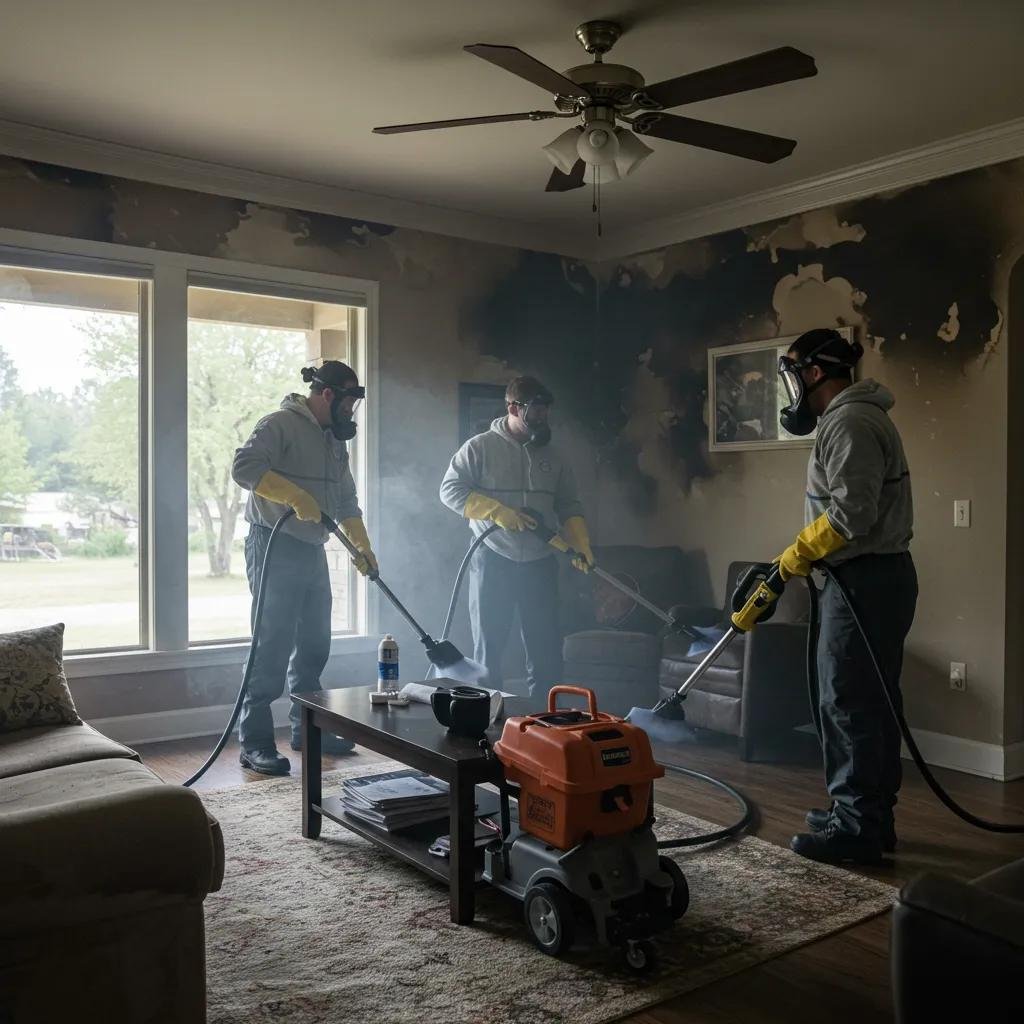
Certified smoke damage experts follow structured workflows, assessment, containment, targeted cleaning, deodorization, and verification using tools and protocols that match soot chemistry and building construction. This approach works because different soot types (dry, wet, protein, fuel oil) require distinct cleaning agents and mechanics; matching the method to the residue reduces recontamination and prevents surface damage. Professionals use containment to prevent cross-contamination, HEPA filtration to remove airborne particulates, and documented air quality testing to confirm results.

The short step-list below summarizes the core professional workflow commonly used to ensure effective cleanup.

  1. Assessment: Chemical and visual inspection to determine soot type and penetration.

  2. Containment: Zoning off affected areas and protecting unaffected spaces.

  3. Soot Removal: Mechanical and chemical cleaning selected for residue type.

  4. Deodorization & Verification: Targeted deodorization methods and air testing.

This procedural clarity sets expectations for homeowners and leads into the specific techniques and equipment chosen for soot removal.

What Specialized Techniques and Equipment Are Used for Soot Removal?

Soot removal relies on mechanical, abrasive, and chemical tools selected based on residue composition, with safety protocols to protect occupants and workers during remediation. Dry sponges and HEPA vacuums are effective for light, dry soot on non-porous surfaces, while wet cleaning or chemical agents handle oily or protein-based residues that bond to fibers and painted areas. More aggressive methods like soda blasting are reserved for deeply embedded soot or surface etching on durable substrates, and are combined with containment and negative air pressure to control dust. Safety measures include PPE, air scrubbing, and progressive testing to avoid redistributing particulates. Choosing the right technique prevents secondary damage and increases the chance of content salvage, which connects directly to how deodorization completes the restoration.

How Is Smoke Odor Eliminated Using Advanced Deodorization Methods?

Eliminating smoke odor requires addressing odor molecules at the source embedded in materials and HVAC systems using technologies that neutralize or break down odor compounds rather than simply masking them. Thermal fogging disperses heated deodorants that penetrate porous materials to neutralize odorants; hydroxyl generators create reactive species that oxidize odor molecules safely in occupied spaces; ozone treatment oxidizes persistent molecules but is used cautiously due to re-occupancy restrictions. Air scrubbing with activated carbon and HEPA filtration helps remove particulates and volatile organic compounds, and multiple methods are often combined for stubborn odors. Verification includes odor walk-throughs and confirmatory air sampling to ensure occupants return to a healthy environment, and this verification is a key deliverable that certified teams provide for claims documentation.

Technique/Tool

Target (soot/odor/content)

Why/When Used

Thermal fogging

Deep-seated odors in porous materials

Penetrates fabrics and painted surfaces to neutralize odor molecules

Hydroxyl generators

VOCs and odor molecules in occupied spaces

Safe for use with people present; oxidizes odorants into harmless compounds

Ozone (controlled use)

Persistent, stubborn odors in unoccupied spaces

Powerful oxidizer; used when other methods fail, requires re-entry precautions

HEPA air scrubbing

Airborne soot and particulates

Removes fine particulates and improves air quality during cleaning

These tools are selected based on residue chemistry and occupancy needs, ensuring deodorization is effective and safe for Austin homes and businesses.

What Are the Benefits of Hiring Austin’s IICRC-Certified Smoke Damage Professionals?

Hiring IICRC-certified smoke damage professionals delivers standardized protocols, trained technicians, and consistent documentation that directly benefit safety, salvage rates, and insurance coordination. Certification indicates technicians follow established industry standards for mitigation, use appropriate PPE and testing methods, and engage in continuing education; the result is reproducible remediation outcomes and lower risk to occupants. Certified teams also typically use systematic documentation practices, photography, inventories, and written protocols that help expedite insurer review and reduce disputes.

Credential / Service

Benefit to Customer

Example Outcome

IICRC Certification

Standardized procedures and trained technicians

Consistent, verifiable remediation steps and safer environments

24/7 Emergency Response

Rapid mitigation to limit secondary damage

Reduced soot staining and lower repair costs after prompt action

Preferred Vendor Status

Faster coordination with insurers

Streamlined approvals and smoother billing processes

These benefits explain why choosing certified professionals reduces uncertainty and improves recovery speed, and they naturally lead to company-specific credibility signals that customers can look for locally.

How Does Certification Guarantee Quality and Safety in Restoration?

Certification translates industry best practices into everyday work through training on residue chemistry, containment techniques, and verification methods that limit liability and protect health. IICRC-aligned training emphasizes proper use of PPE, testing to confirm contaminant removal, and adherence to protocols that reduce cross-contamination and worker exposure. For property owners, this results in predictable procedures, assessments, controlled cleaning, and verification that lowers the chance of missed residues or lingering odors. Certification also requires ongoing education, so teams remain current with emerging deodorization technologies and safety standards, which improves long-term outcomes and occupant safety. Recognizing these assurances helps homeowners decide which local providers align with professional expectations.

Why Is 24/7 Emergency Response Critical for Smoke Damage Cleanup?

Rapid response mitigates progressive damage: soot can embed within hours, and moisture from firefighting can convert dry soot into a more aggressive residue that stains and corrodes surfaces. A 24/7 emergency intervention prioritizes stabilization tarping, board-up, temporary ventilation, and emergency pre-cleaning that prevents secondary water damage and limits odor migration. Quick mitigation increases the likelihood that contents can be salvaged and reduces overall restoration time and cost. For Austin properties, time-sensitive actions influence salvage outcomes significantly, and that urgency underlines the value of providers who can respond at any hour to begin mitigation and documentation.

How Do Smoke Damage Experts in Austin Assist with Insurance Claims and Recovery?

Smoke damage experts assist insurance claims by documenting loss, creating detailed inventories, supplying professional estimates, and coordinating with adjusters to clarify remediation scope actions that accelerate approvals and reduce disputes. Proper documentation includes photographs, contamination descriptions, mitigation receipts, and progress reports that demonstrate immediate action and a reasonable scope of work. Experts often prepare line-item estimates aligned with industry pricing and codes that insurers recognize, which helps streamline approvals and repairs.

The checklist below outlines typical ways professionals support claim recovery, so homeowners understand expectations during the process.

  1. Detailed documentation: Photographs, scope reports, and mitigation logs that support first-notice claims.

  2. Inventory and valuation: Itemized lists prioritizing salvageable contents and repair estimates.

  3. Adjuster coordination: Direct communication to clarify methods and necessary approvals.

  4. Mitigation receipts: Proof of emergency measures that prevent claim denials for neglect.

Clear professional involvement reduces misunderstandings, speeds recovery, and prepares the property for repair phases, which brings us to how The Steam Team’s preferred-vendor status affects insurance workflows.

What Makes The Steam Team a Preferred Vendor for Major Insurance Carriers?

As a locally established Austin restoration provider with a long-standing presence and strong industry ratings, The Steam Team is recognized as a preferred vendor by multiple major insurance carriers, which helps expedite approvals and coordinate billing. The company's IICRC certification and A+ rating with the Better Business Bureau serve as trust signals that insurers use to vet reliable contractors; this relationship can reduce administrative friction when adjusters and vendors work from shared standards. In practice, preferred-vendor arrangements can mean faster estimate reviews and smoother scheduling of mitigation and repairs, benefiting homeowners who need timely restoration. For policyholders, that vendor-insurer coordination translates into clearer expectations and potentially quicker resolution during stressful recovery periods.

How Can Experts Simplify the Smoke Damage Insurance Claim Process?

Experts simplify claims by preparing professional documentation, conducting inventories, and communicating directly with adjusters to explain remediation methods and costs, which reduces back-and-forth and speeds decision-making. They provide photo and video logs, written scopes of work, and mitigation receipts that demonstrate immediate action and justify needed repairs or content cleaning. Technicians can also prioritize salvageable items and present valuation recommendations that help resolve coverage questions. Homeowners can expect a predictable, documented workflow from professionals that supports a fair claim outcome and allows restoration to proceed without avoidable delays.

What Are the Key Steps in the Smoke Damage Restoration Process in Austin?

A typical smoke damage restoration workflow follows five core steps: assessment, emergency pre-cleaning, content pack-out, structural cleaning and repair, and deodorization with verification, designed to stabilize the property and restore habitability. These steps are sequenced to remove hazards, protect salvageable items, and systematically eliminate residues and odors; the expected outcome is a documented, verifiable return to safe occupancy. Below is an EAV-style comparison of each step with its primary purpose, typical timeframe, and what customers can expect to experience during recovery.

Phase

Purpose

Typical Timeframe & Customer Outcome

Assessment

Determine soot type, damage extent, and safety needs

2–6 hours: homeowner receives scope report and next-step plan

Emergency Pre-Cleaning

Stabilize the environment and limit the spread

Same-day response: visible soot reduction, temporary protective measures

Content Pack-Out

Protect and clean salvageable belongings off-site

1–3 days for inventory and transport; restored items returned later

Structural Cleaning & Repair

Remove residues and repair affected building components

Days–weeks depending on severity; surfaces cleaned and prepped for repairs

Deodorization & Verification

Neutralize odors and confirm air quality

Final phase: odor elimination confirmed, and occupancy cleared

This workflow clarifies expectations and shows how each phase contributes to safety and salvage; below are practical details about emergency pre-cleaning and pack-out logistics that owners should expect.

What Happens During Emergency Pre-Cleaning and Content Pack-Out?

Emergency pre-cleaning focuses on immediate mitigation: removing surface soot from high-value items, securing the structure, and limiting odor spread while crews inventory and triage contents for pack-out. Technicians prioritize items most likely to be salvaged documents, photographs, and textiles, and document condition with photographs and notes to support claims. Pack-out involves careful labeling, protective packing, and transport to specialized cleaning facilities where textiles, electronics, and furniture receive targeted restoration. Customers should expect an itemized inventory and timeline for when cleaned contents will be returned, and this process directly reduces the risk of permanent loss and accelerates structural repair scheduling.

How Are Walls, Ceilings, and Personal Items Restored After Smoke Damage?

Restoring building surfaces and personal items requires selecting the correct cleaning mechanism: surface cleaning and controlled abrasion for painted drywall, chemical decontamination for oily residues, and specialized content restoration for fabrics and electronics. Technicians evaluate whether repair or replacement is more cost-effective, using testing and verification to determine if odor and residues persist after cleaning. Many personal items are sent to off-site facilities offering ultrasonic cleaning, dry- or wet-laundering, and electronic component cleaning to maximize salvageability. A typical timeline includes cleaning and testing phases followed by final repairs and a verification walkthrough before re-occupancy is approved.

Restoration Step

Typical Task

Expected Result

Surface cleaning

HEPA vacuuming, chemical sponges, targeted detergents

Removal of loose soot and visible residues

Deep decontamination

Specialized cleaners, abrasive techniques

Elimination of bonded residues and staining reduction

Content restoration

Ultrasonic cleaning, professional laundering

Salvaged textiles and restored household items

The combination of targeted surface methods and specialized content restoration improves outcomes and lowers replacement costs when compared with uncoordinated DIY attempts.

Why Should Austin Homeowners and Businesses Avoid DIY Smoke Damage Cleanup?

DIY smoke damage cleanup often spreads soot, uses incompatible cleaning agents, and fails to address embedded odors and HVAC contamination, leaving lingering health risks and the possibility of higher costs later. Non-professional attempts can push residues deeper into materials, cause chemical reactions that set stains, and miss structural or electrical hazards present after fire suppression efforts. Professionals perform testing and verification, use HEPA containment and proper PPE, and apply proven deodorization processes that neutralize odors rather than mask them.

  • Do not attempt to wipe or scrub soot with household cleaners, which can smear deposits and set stains.

  • Do not run HVAC systems before a professional inspection, as this can circulate soot and odors throughout the building.

  • Do not power on wet electronics; have qualified technicians inspect and dry items before reuse.

Avoiding these mistakes preserves salvage options and supports insurance claims; understanding the risks of incomplete cleanup motivates choosing professional verification and long-term safety measures described next.

What Are the Risks of Incomplete or Improper Smoke Damage Removal?

Incomplete or improper removal can leave behind odor molecules and corrosive soot that continue to damage materials and electronics, increase replacement costs, and create persistent indoor air quality problems that affect occupant health. Improper cleaning also risks insurance claim complications if mitigation appears insufficient or nonprofessional, which may lead to disputes over coverage. Long-term presence of residues can accelerate corrosion on metal fixtures and degrade finishes, multiplying restoration scope if left unaddressed. Recognizing these risks reinforces why certified remediation with documented verification reduces both safety hazards and the potential for costly rework later.

How Do Professional Services Ensure Long-Term Safety and Property Recovery?

Professional services ensure long-term safety by combining verified cleaning protocols, air quality testing, HVAC system checks, and documented follow-up inspections to confirm remediation success. Verification often includes photographic records, odor assessments, and air sampling when appropriate to demonstrate compliance with remediation targets and reassure occupants. Follow-up services may include scheduled re-inspections and coordination with repair contractors to complete any structural repairs, ensuring a seamless transition from mitigation to restoration. This comprehensive approach yields measurable outcomes, confirmed odor elimination, restored air quality, and returned belongings that give homeowners and businesses confidence in their long-term recovery.

  • Professional verification closes the remediation loop and supports insurance finalization.

  • Documented inspection records provide evidence for future resale or warranty needs.

  • Coordinated follow-up reduces the chance of recurrence and protects occupant health.

These measures underline why professional intervention is an investment in both safety and property value rather than a discretionary expense.

Frequently Asked Questions

What should I do immediately after a fire before professionals arrive?

After a fire, prioritize safety by ensuring the area is secure and ventilated. Avoid entering the affected space until it has been deemed safe by professionals. If possible, open windows to allow fresh air in, but do not use HVAC systems, as they can circulate soot and odors. Remove any valuable items from the vicinity, and document damage with photos for insurance purposes. It’s also wise to keep vulnerable individuals, such as children and pets, away from the area until experts can assess the situation.

How long does the smoke damage restoration process typically take?

The duration of smoke damage restoration can vary significantly based on the extent of the damage and the size of the affected area. Generally, the process can take anywhere from a few days to several weeks. Initial assessment and emergency pre-cleaning may occur within the first day, while complete restoration, including structural repairs and deodorization, can take longer. Homeowners should expect clear communication from restoration professionals regarding timelines and progress updates throughout the process to manage expectations effectively.

Can I stay in my home during the smoke damage restoration process?

Whether you can stay in your home during restoration depends on the severity of the smoke damage and the safety measures in place. If the damage is extensive, it may be necessary to evacuate until the restoration is complete to avoid health risks from lingering soot and odors. Professionals will assess the situation and provide guidance on whether it is safe to remain in the home. Always prioritize health and safety when making this decision.

What types of insurance coverage typically apply to smoke damage restoration?

Smoke damage restoration is often covered under homeowners' insurance policies, particularly if the damage is a result of a fire. Coverage may include costs for professional cleanup, repairs, and replacement of damaged belongings. However, the specifics can vary based on the policy and provider. It’s essential to review your insurance policy and consult with your insurance agent to understand the extent of your coverage and any necessary documentation required for claims related to smoke damage.

What are the signs that smoke damage has occurred in my home?

Signs of smoke damage can include visible soot deposits on walls, ceilings, and surfaces, as well as a persistent smoky odor that lingers even after cleaning. You may also notice discoloration on fabrics, furniture, and other materials. Additionally, if you experience respiratory issues or notice a decline in indoor air quality, these can be indicators of smoke damage. If you suspect smoke damage, it’s crucial to contact professionals for a thorough assessment and remediation.

How can I prevent smoke damage in the future?

Preventing smoke damage involves several proactive measures. Install smoke detectors throughout your home and ensure they are regularly tested and maintained. Create and practice a fire escape plan, and consider investing in fire-resistant materials for your home. Additionally, avoid using faulty electrical appliances and ensure that heating systems are regularly inspected. In the event of a fire, having a fire extinguisher readily available can help mitigate damage before it escalates. Regularly reviewing and updating your fire safety measures is key to prevention.

What should I look for when choosing a smoke damage restoration company?

When selecting a smoke damage restoration company, look for certifications such as IICRC, which indicates adherence to industry standards. Check for positive customer reviews and testimonials to gauge their reputation. Ensure they offer comprehensive services, including assessment, cleanup, deodorization, and insurance assistance. Additionally, inquire about their experience with similar cases and their response time for emergencies. A reliable company should provide clear communication, detailed estimates, and a transparent process to ensure you feel confident in their services.

Conclusion


Engaging professional smoke damage experts in Austin ensures a thorough and effective restoration process, safeguarding both health and property. Their specialized knowledge and equipment not only mitigate immediate risks but also preserve valuable belongings, ultimately reducing long-term costs. By choosing certified professionals, you gain peace of mind and support for insurance claims, streamlining your recovery journey. Contact The Steam Team today to explore our comprehensive smoke damage restoration services and prioritize your safety.
Essential Smoke Damage Cleanup Techniques You Need to Know

Master Smoke Damage Cleanup

Smoke damage occurs when combustion byproducts soot, acidic residues, and volatile organic compounds (VOCs), settle on surfaces and into porous materials, degrading air quality and causing corrosion and lingering odors. This guide explains the full smoke damage cleanup workflow, from immediate safety actions to advanced deodorization and insurance navigation, so homeowners and property managers can act quickly and confidently. You will learn how to assess hazards, choose the right soot removal method, remove persistent smoke odor, restore contents including electronics and documents, and coordinate with insurers and restoration professionals when damage exceeds DIY limits. Practical checklists, EAV comparison tables, and decision criteria are included to help you distinguish dry, wet, and specialized cleaning approaches and identify when to escalate to professional services. Before diving into technical steps, note that local restoration providers, including Austin-area specialists such as The Steam Team, which offers 24/7 emergency response and IICRC-certified technicians, can perform emergency assessments and full remediation when needed, particularly for HVAC contamination, heavy soot, or extensive odor infiltration.

What Are the Immediate Safety and Assessment Steps After Smoke Damage?


Immediate safety and assessment steps focus on protecting occupants and preventing secondary damage by stopping smoke sources, securing the structure, and documenting conditions. Rapid evacuation removes people from poor indoor air and structural hazards, while initial ventilation and temporary mitigation reduce soot migration and moisture-related problems introduced by firefighting. Early documentation with photos and notes preserves evidence for insurance, and a prompt professional assessment clarifies structural risks, HVAC contamination, and the scope of cleanup. These steps minimize health risks, limit progressive material degradation, and create a clear starting point for restoration decisions and claims. Next, review recommended PPE and re-entry precautions that let you safely begin limited inspections or mitigation without worsening contamination.

How Do You Ensure Safety and Use Personal Protective Equipment?


Personal protective equipment (PPE) reduces inhalation and contact exposure to soot particles and VOCs during any re-entry or cleaning activity. At minimum, use an N95 or higher-rated respirator for dusty or soot-laden work, chemical-resistant gloves for cleaning agents, and eye protection to prevent irritation from particles or splashes. For concentrated soot, elevated particulate levels, or when using solvents and fogging equipment, upgrade to respirators with P100 cartridges and full-face protection; consider disposable coveralls to prevent cross-contamination in clean areas. Proper donning and doffing, bagging contaminated clothing, and changing filters frequently are essential to avoid exposing unaffected areas. These PPE practices enable limited homeowner mitigation while identifying conditions that require licensed restoration technicians with specialized containment and negative-pressure systems.

What Is Involved in a Thorough Smoke Damage Inspection and Structural Assessment?


A thorough smoke damage inspection evaluates structural integrity, soot penetration, moisture from firefighting, and HVAC system contamination to form an accurate scope of work. Inspectors look for compromised structural members, soot staining inside wall cavities, and moisture pockets that can cause mold growth if not dried; instruments like moisture meters and air quality monitors guide decisions without invasive damage. A proper inspection includes a contents inventory with photos, identification of salvageable items versus those needing pack-out, and preliminary mitigation actions such as targeted ventilation or temporary tarping. Clear documentation produced during inspection supports both remediation planning and insurance claims. After inspection, the next priority is selecting appropriate soot removal techniques matched to the residue type and surface.

  • The immediate steps you should take after smoke exposure include evacuation, safety checks, documentation, containment, and contacting professionals.

  • Each step is designed to protect occupants and preserve evidence for restoration and insurance processes.

  1. Evacuate occupants to safe outdoor air and avoid re-entry until air is tested or cleared.

  2. Ventilate the property where safe by opening doors and windows to encourage fresh airflow.

  3. Document conditions with photos and videos of affected rooms, contents, and any visible structural damage.

  4. Secure the property by boarding openings and limiting access to prevent theft and further damage.

  5. Contact emergency responders and a restoration professional for an immediate assessment and mitigation plan.


These five priority steps create a foundation for safe, effective cleanup and provide the documentation insurers require to begin claim review.


After this checklist, if you need a rapid on-site assessment or emergency mitigation, a local restoration provider can mobilize trained crews and equipment to stabilize conditions and limit secondary damage.

How Do You Effectively Remove Soot Using Proven Techniques?


Soot removal succeeds by matching the cleaning category to soot type and surface: dry cleaning lifts loose particulate, wet cleaning emulsifies adhered residues, and specialized solvent or chemical methods target protein or oily soot. Effective removal reduces corrosion, staining, and odor carriers while protecting surface finishes; selecting the proper approach prevents driving soot deeper into substrates or causing staining from inappropriate wetting. Key tools include HEPA vacuums for particulate capture, chemical sponges for dry-lift, alkaline cleaners for resilient residues, and controlled agitation for upholstery and carpets. Safety and containment during cleaning prevent cross-contamination and reduce airborne particulate levels, which in turn protect occupants and HVAC components. With method selection in hand, the next subsection compares dry, wet, and specialized approaches in practical detail and when to choose each.


Before the comparison table, here is a brief primer on common equipment and materials used in soot removal:

  • HEPA vacuum units capture fine soot particles without reintroducing them to the air.

  • Chemical dry sponges lift non-greasy, dry soot from painted and delicate surfaces.

  • Alkaline or solvent-based cleaners break down oily/protein residues on hard surfaces.


This equipment mix forms the core toolkit for effective soot remediation and highlights why trained technicians are often necessary for complex soot types.

Cleaning Method

Best For / Materials

Pros & Safety Notes

Dry Cleaning (HEPA vacuum, dry sponges)

Light, dry soot on painted walls, ceilings, and delicate finishes

Low risk of staining, minimal water usage, good for preliminary lifts; avoid rubbing into surfaces

Wet Cleaning (detergent, alkaline cleaners)

Heavier deposits on washable surfaces like trim, masonry, and floors

Effective for adhered soot; requires controlled rinsing and rapid drying to prevent moisture damage

Specialized Solvent/Chemical Cleaning

Protein soot, fuel/oily soot, greasy residues on metals, and some fabrics

Targets bonded residues that resist water; requires trained use of solvents and ventilation due to VOCs


This comparison shows that starting with dry methods and escalating to wet or specialized treatments preserves finishes and limits secondary damage when performed correctly.

What Are the Differences Between Dry, Wet, and Specialized Soot Cleaning Methods?


Dry cleaning uses mechanical removal and absorption to lift loose soot without wetting surfaces, making it ideal for fragile finishes and initial cleanup phases. It works by vacuuming with HEPA filtration and applying chemical sponges that pull particulates off without smearing; this reduces airborne re-suspension and prepares surfaces for any following wet work. Wet cleaning involves controlled application of detergents or alkaline cleaners to break bonds between soot and substrate, followed by careful rinsing and immediate drying to avoid moisture-driven issues; wet methods are more effective on washable surfaces but risk staining if misapplied. Specialized cleaning uses solvent-based agents and professional techniques to dissolve protein and oily soot that resist water-based cleaners; these methods require ventilation and PPE and are often best left to certified restoration crews. Understanding these differences helps determine whether a DIY approach is safe or if professional intervention is required.

How Do You Identify and Treat Different Types of Soot Residue?


Identifying soot type begins with simple tactile and visual cues: dry soot is powdery and easily wiped, oily/fuel soot feels greasy and smears, while protein soot often leaves faint yellow-brown stains and strong odors despite appearing less dusty. Once identified, match treatment: dry soot responds to HEPA vacuum and dry sponges; oily soot typically requires solvent or alkaline cleaners applied by professionals to avoid spreading; protein soot may need specialized detergents and oxidation-focused deodorization. If soot is embedded within drywall, insulation, or HVAC ducts, removal or replacement may be necessary to eliminate odor sources and restore air quality. Correct identification guides safe, effective cleanup and indicates when advanced equipment or replacement is the prudent option.

What Are the Best Methods to Eliminate Smoke Odor Permanently?


Permanent smoke odor elimination requires targeting odor molecules bound deep within porous materials and HVAC systems rather than masking them; this often involves a combination of mechanical cleaning, source removal, and advanced deodorization technologies. Thermal fogging, hydroxyl generators, and ozone systems are principal tools for neutralizing odor at a molecular level, while activated charcoal and thorough duct cleaning act as adjuncts to absorb and filter residual VOCs. Choosing the right approach depends on occupancy constraints, material types, and safety rules. For example, ozone requires unoccupied spaces and strict re-entry protocols, while hydroxyl units can be used in occupied environments under guidance. Combining targeted deodorization with content restoration and HVAC cleaning achieves the most reliable, long-term odor removal.


The following subsection explains how thermal fogging and ozone work and when to use each.


Before the deodorization table, consider these practical air- and odor-control steps:

  • Remove and launder all washable fabrics to reduce the odor load before deploying odor technologies.

  • Replace HVAC filters and run air scrubbers with HEPA filtration while deodorization proceeds.

  • Coordinate deodorization with content pack-out and structural cleaning to avoid re-contamination.


These preparatory steps improve the effectiveness of advanced deodorization methods and speed recovery.

Deodorization Method

Mechanism

Effectiveness / Safety / When to Use

Thermal Fogging

Dispenses heated deodorant fog that penetrates porous materials and neutralizes odor molecules

Highly effective for widespread odor when applied by professionals; safe for post-cleaning environments, but requires controlled application

Ozone Treatment

Oxidizes odor molecules through high O3 concentration

Very effective on textiles and structural odor,s but requires vacant, sealed spaces and strict re-entry protocols due to respiratory hazards

Hydroxyl Generators

Produces hydroxyl radicals that oxidize organic odor compounds in occupied or adjacent areas when used correctly

Effective and safer for occupied buildings; slower than ozone, but useful in homes and commercial spaces

Activated Charcoal & Ventilation

Adsorbs VOCs while exchanging indoor/outdoor air

Useful adjunct for persistent low-level odors and during post-treatment airing; safe and continuous


This table clarifies that combining mechanical cleaning with the right chemical or oxidative approach produces the most permanent results while aligning method selection with occupancy and safety constraints.

How Do Advanced Deodorization Techniques Like Thermal Fogging and Ozone Treatment Work?


Thermal fogging disperses heated, solvent-based deodorants as a fog of tiny droplets that penetrate porous materials and chemically neutralize odor carriers rather than masking them; technicians use calibrated foggers to deliver the correct particle size and concentration for deep penetration. Ozone generators produce ozone molecules that oxidize organic compounds responsible for smoke smell; ozone is highly effective but creates a temporary respiratory hazard, so spaces must be vacated and sealed during treatment and ventilated thoroughly afterward. Hydroxyl generators create hydroxyl radicals that safely oxidize odors in occupied or adjacent areas under controlled application, making them a preferred option when rapid re-occupancy is necessary. Each technology has trade-offs between speed, safety, and material compatibility, which is why restoration professionals often combine methods for the best results.

How Can HVAC Systems Be Cleaned to Remove Lingering Smoke Smell?


Cleaning HVAC systems focuses on eliminating soot and odor sources inside ducts, coils, plenums, and filters to stop re-circulation of contaminated air; technicians inspect and access ductwork, clean or replace filters, and use agitation and HEPA vacuuming to remove deposits. In some cases, duct cleaning combined with coil cleaning and application of approved antimicrobial or deodorizing agents is necessary to restore system performance and indoor air quality. Portable air scrubbers with HEPA filtration and negative pressure contain and remove airborne soot during structural cleaning, reducing HVAC re-contamination. Regularly replacing filters and running high-MERV or HEPA-grade filtration during and after remediation prevents redeposition and supports long-term odor reduction.

  • HVAC cleaning priorities include filtration replacement, duct and coil cleaning, and running HEPA air scrubbers during remediation.

  • Proper HVAC remediation prevents ongoing odor recirculation and supports occupant health.


These HVAC-focused steps lead into how content restoration is triaged and handled to salvage what can be saved.

How Is Contents Restoration Handled After Smoke Damage?


Contents restoration begins with triage and inventorying to separate salvageable items from those beyond economical recovery, then prioritizes cleaning methods by material porosity and contamination level. Non-porous items like glass, metal, and hard plastics are usually cleanable with surface detergents and polishing, while porous materials such as upholstery, carpets, and textiles require specialized cleaning, deodorization, or replacement depending on smoke penetration. Electronics and documents need immediate stabilization: electronics require careful surface cleaning and professional drying to prevent corrosion, while documents may be stabilized via freeze-drying or controlled drying to prevent further deterioration. A systematic contents pack-out to an off-site facility often yields better restoration outcomes, where controlled cleaning, ultrasonic methods, and factory-grade deodorization can be applied.


Intro to contents table: This table helps prioritize restoration actions and sets realistic salvage expectations by item type and damage characteristics.

Item Type

Porosity / Damage Type

Recommended Restoration Method / Salvage Likelihood

Glass, Metal, Hard Plastics

Non-porous, surface soot

Surface cleaning, polishing; high salvage likelihood

Upholstery, Carpets, Textiles

Porous, deep-soot penetration

Professional deep-cleaning, possible replacement; moderate salvage likelihood depending on odor and staining

Electronics

Sensitive, corrosion-prone

Surface cleaning, controlled drying, professional electronics servicing; salvage depends on exposure and time to mitigation

Documents & Photos

Porous, water/soot-stained

Stabilization, freeze-drying, specialized document restoration; salvage likelihood varies widely

Which Items Can Be Salvaged and How Are Electronics and Documents Cleaned?


Salvageability is judged by material porosity, value, and extent of soot/heat/water exposure; rigid non-porous objects typically clean well, while porous items often retain odor or staining that limits restoration success. Electronics require rapid stabilization to prevent corrosion: power should remain off until devices are inspected, and professionals use controlled disassembly, cleaning, and drying methods to mitigate damage. Documents and photos may be salvageable through vacuum freeze-drying or dehumidification and specialized chemical baths to remove soot, with early intervention improving outcomes. When dealing with valuable or sensitive items, professional pack-out and off-site restoration increase chances of recovery and protect belongings during structural repair.

What Are the Best Practices for Cleaning Porous vs. Non-Porous Materials?


Cleaning practices differ because porous materials absorb smoke residues, while non-porous surfaces mostly retain surface contaminants. For porous materials, pre-testing, controlled agitation, enzyme- or alkaline-based deep-cleaning, and multiple deodorization cycles are often necessary; when odor persists or structural integrity is compromised, replacement may be more economical. For non-porous materials, mechanical cleaning, mild detergents, and polishing commonly restore appearance and reduce odor load. Test-spotting and staged cleaning, starting with non-invasive dry methods, then escalating to wet or solvent treatments as needed, preserves finishes and reduces the risk of permanent damage. These material-specific approaches feed directly into insurance documentation and claim strategies covered next.

How Do You Navigate Insurance Claims for Smoke Damage Cleanup?


Navigating insurance claims after smoke damage centers on thorough documentation, timely mitigation, and clear communication with adjusters; these steps help secure fair coverage and speed resolution. Insurers expect photo and video records of damage, itemized contents lists, receipts for emergency mitigation, and restoration scopes/estimates from qualified contractors to substantiate claims. A stepwise claims process includes filing a notice of loss, providing documentation and damage inventories, obtaining contractor estimates, and coordinating inspections with adjusters; keeping organized records and copies of all communications reduces disputes. Working with a preferred restoration vendor can streamline this process because experienced vendors prepare scopes and documentation formatted for insurers and can often liaise directly with adjusters. Below is a quick documentation checklist you can use immediately after an incident.

  1. Photographs and videos of affected areas and damaged contents, taken before any disposal.

  2. Itemized inventory of damaged personal property with estimated values and proof of ownership where available.

  3. Receipts for emergency mitigation, temporary housing, and any immediate repairs required to secure the property.

  4. Copies of contractor scopes, estimates, and written reports from restoration professionals and inspectors.


Keeping these records organized and accessible substantially improves claim processing and the accuracy of final settlements.

What Documentation and Steps Are Needed to File a Smoke Damage Claim?


When filing a smoke damage claim, begin by notifying your insurer and providing visual documentation, an itemized contents list, and receipts for immediate mitigation work; early notice prevents delays and demonstrates proactive loss control. Prepare a room-by-room inventory with purchase dates and approximate values where possible, and retain items until an adjuster documents them unless they pose a health risk. Keep detailed logs of mitigation activities that were performed, when, and what materials were used, since insurers often reimburse reasonable emergency measures that prevent further damage. Finally, obtain a professional scope of work and estimate to accompany the claim; detailed scopes reduce back-and-forth with adjusters and clarify necessary repairs. After documenting steps, consider how a preferred vendor can help with claims coordination and documentation.

How Does Working with a Preferred Restoration Vendor Like The Steam Team Help?


Partnering with an experienced, local restoration vendor streamlines mitigation, documentation, and repair because these vendors coordinate mitigation quickly, generate insurer-ready estimates, and apply industry-standard protocols during cleanup. The Steam Team, an Austin-based restoration company founded in 1983 with decades of experience, provides 24/7 emergency services, IICRC-certified technicians, and local knowledge that helps prioritize actions to limit secondary damage in Central Texas homes and businesses. Using a vendor familiar with insurance expectations can shorten claim cycles by delivering thorough scopes of work, standardized reports, and documented mitigation receipts that insurers recognize. Contacting a qualified restoration provider to support claims documentation can reduce delays and improve recovery outcomes.

When Should You Attempt DIY Smoke Damage Cleanup and When to Call Professionals?


Deciding between DIY cleanup and professional restoration hinges on damage extent, soot type, HVAC involvement, and health risks: small, surface-level dusting and airing may be safe for homeowners, whereas pervasive soot, HVAC contamination, or occupant health symptoms indicate professional intervention. DIY measures can be effective for minor smoke episodes: targeted ventilation, HEPA vacuuming of loose soot, laundering fabrics, and surface cleaning of non-porous items reduce odor and visible deposits. However, when smoke penetrates walls, insulation, ductwork, or electronics, professionals with containment, industrial filtration, and deodorization equipment are necessary to prevent recontamination and to fully restore indoor air quality.


The following decision checklist clarifies common red flags that require a certified restoration response.

  • Persistent smoke odor throughout the property after basic ventilation and cleaning.

  • Visible soot in HVAC returns or widespread deposits inside ductwork and mechanical systems.

  • Health symptoms among occupants such as coughing, wheezing, or eye irritation following re-entry.

  • Structural concerns or moisture intrusion from firefighting that creates a mold risk.

What Are Safe and Effective Home Remedies for Minor Smoke Damage?


For minor smoke exposure, begin with safe actions: ventilate by opening windows and running fans outward to exchange air, and use HEPA-filter vacuums to remove loose soot from surfaces while wearing PPE to avoid inhalation. Wash washable fabrics and curtains promptly and dry them in a clean environment; wipe non-porous surfaces with mild detergent solutions and avoid aggressive rubbing that can embed soot. Use activated charcoal or baking soda in bowls for temporary odor adsorption, and run portable air purifiers with HEPA filtration to reduce airborne particulate and VOC levels. These measures help with low-level smoke incidents but are limited against embedded odors, extensive soot, or HVAC contamination conditions that require professional equipment and techniques.

What Signs Indicate the Need for Professional Smoke Damage Restoration Services?


Recognize these definitive signs that professional restoration is required: persistent, pervasive smoke odor despite cleaning; soot visible inside HVAC ducts or on inaccessible surfaces; electronics showing malfunctions after exposure; or occupants experiencing respiratory symptoms linked to indoor air. Structural damage, extensive water from firefighting, and evidence of soot deep within wall cavities are additional conditions that necessitate certified remediation to safely restore the property and prevent secondary issues like corrosion or mold.

  • Persistent odor and HVAC contamination are primary indicators to hire professionals.

  • Early professional mitigation reduces long-term replacement costs and health risks.


This final guidance connects back to the initial safety and mitigation steps and reinforces that early, correct decisions reduce damage and speed recovery.

Frequently Asked Questions

What are the long-term effects of smoke damage on property?


Long-term effects of smoke damage can include persistent odors, corrosion of materials, and degradation of indoor air quality. Smoke residues can penetrate porous materials, leading to ongoing health risks for occupants. If not properly addressed, smoke damage can result in structural issues, mold growth due to moisture retention, and the need for extensive repairs or replacements. Regular inspections and timely remediation are crucial to mitigate these long-term impacts and ensure a safe living environment.

How can I prevent smoke damage in my home?


Preventing smoke damage involves several proactive measures. Install smoke detectors and maintain them regularly to ensure they function correctly. Create and practice a fire escape plan to minimize risks during a fire. Additionally, avoid using candles or open flames near flammable materials, and ensure that your kitchen is equipped with a fire extinguisher. Regularly inspect and maintain heating appliances to prevent malfunctions that could lead to smoke production. These steps can significantly reduce the likelihood of smoke damage.

What should I do if I suspect smoke damage in my home?


If you suspect smoke damage, first ensure the area is safe and ventilate the space by opening windows and doors. Document any visible damage with photos and notes for insurance purposes. Avoid cleaning the area until you assess the extent of the damage, as improper cleaning can worsen the situation. Contact a professional restoration service to conduct a thorough inspection and provide guidance on the necessary cleanup and restoration steps. Early intervention is key to minimizing damage.

Are there specific cleaning products recommended for smoke damage?


Yes, specific cleaning products are recommended for smoke damage. Alkaline cleaners are effective for removing oily soot, while enzyme-based cleaners can help break down organic residues. Chemical sponges are useful for dry cleaning surfaces without causing further damage. Always choose products that are safe for the materials you are cleaning and follow the manufacturer's instructions. For extensive damage, it is advisable to consult with professionals who have access to specialized cleaning agents and equipment.

How can I tell if my HVAC system has been affected by smoke damage?


Signs that your HVAC system may have been affected by smoke damage include persistent odors when the system is running, visible soot around vents, and reduced airflow. If you notice respiratory issues among occupants or if the system has not been serviced after a fire incident, it is crucial to have it inspected. A professional can assess the system, clean the ducts, and replace filters to ensure that contaminated air is not recirculated throughout your home.

What are the costs associated with professional smoke damage restoration?


The costs of professional smoke damage restoration can vary widely based on the extent of the damage, the size of the affected area, and the specific services required. Factors such as soot removal, deodorization, and HVAC cleaning can all contribute to the overall cost. On average, homeowners can expect to pay anywhere from a few hundred to several thousand dollars. It is advisable to obtain multiple estimates from certified restoration companies to understand the potential costs involved.

Conclusion


Effective smoke damage cleanup is essential for restoring safety and air quality in affected properties, ensuring that both structural integrity and occupant health are prioritized. By understanding the comprehensive steps involved, from immediate safety measures to advanced deodorization techniques, homeowners can confidently navigate the restoration process. Engaging with professional restoration services not only streamlines cleanup but also enhances the likelihood of successful insurance claims. For expert assistance and to explore our range of restoration solutions, contact us today.

Smoke Damage Restoration Austin: Cleanup vs DIY Explained

Professional Smoke Damage Cleanup vs DIY Methods: Which Is Better for Your Austin Home?

Smoke damage is more than surface soot; it is a complex mix of particulates, chemical residues, and odors that can penetrate building materials, contents, and HVAC systems. Homeowners in Austin face a clear decision after smoke exposure: perform immediate DIY cleanup or hire professional smoke damage restoration services to protect health, property value, and long-term indoor air quality. This article lays out a practical, evidence-based decision framework comparing safety, effectiveness, cost, and long-term outcomes for DIY approaches versus professional restoration. You will learn what smoke residues exist, safe first actions to take in the first 24 hours, which household tactics work (and which backfire), how professionals address the problem with advanced techniques, and when to call a licensed restoration provider. Sections include symptom checklists, step-by-step professional workflow, cost factors and insurance guidance, and a concise explanation of why an experienced local firm can speed recovery and reduce total costs.

What Is Smoke Damage and Why Is It More Than Just Soot?

Smoke damage describes physical and chemical contamination left after a fire or heavy smoke exposure; it combines visible soot with invisible residues and odor-causing molecules that bind to surfaces. The mechanism is both mechanical (soot deposits) and chemical (volatile organic compounds and aerosolized oils) so the visible layer is only part of the problem. Effective response requires identifying the residue type, isolating affected zones, and using methods that remove both particulate and molecular contaminants rather than simply masking odors. Properly addressing smoke damage reduces corrosion, prevents recontamination through HVAC systems, and limits long-term health risks tied to persistent particulates and chemicals.

What Are the Different Types of Smoke Residue Affecting Your Property?

Smoke residues vary by fuel source and combustion temperature, and that variation drives cleaning strategy and difficulty. Protein residues from kitchen grease fires are thin, film-like and can yellow with improper cleaning; synthetic residues from plastic or electronics burn hotter and deposit sticky, corrosive compounds; natural-material fires (wood, paper) tend to leave dry, flaky soot that seats in porous materials. Recognizing wet versus dry smoke helps prioritize actions: wet, oily residues generally require wet cleaning with industry detergents and emulsifiers, while dry soot often responds to dry-cleaning techniques and HEPA vacuuming before surface cleaning. Matching the residue type to the correct protocol prevents staining, finish damage, and persistent odors.

What Are the Hidden Health Risks of Smoke and Soot Exposure?

Soot and smoke residues contain fine particulates and chemicals that can irritate the respiratory system and aggravate chronic conditions such as asthma or COPD, and some combustion byproducts include potential carcinogens and volatile organic compounds. Acute symptoms include coughing, throat irritation, headaches, and eye irritation; vulnerable populations—children, older adults, and immunocompromised people—face higher risks from continued exposure. Proper personal protective equipment (PPE) and containment reduce exposure during cleanup, and professionals use air monitoring and HEPA filtration to control airborne particulates during remediation. Understanding these health dynamics explains why surface cleaning alone may not restore safe indoor air quality.

How Does Smoke Damage Cause Lingering Odors and Structural Issues?

Odors persist because smoke molecules adsorb to surfaces and absorb into porous materials; adsorption binds odor molecules to surface films while absorption drives them into fibers, painted surfaces, wood, and HVAC insulation. Over time these residues can accelerate material degradation—metal corrosion from acidic residues, finish dulling, and fabric discoloration—and uncontrolled HVAC contamination spreads odors and particulates throughout a home. Removing odors therefore demands both surface removal and molecular neutralization approaches that reach the adsorbed/absorbed phase, and containment plus HVAC cleaning are often necessary to prevent recontamination after initial cleaning efforts.

What Are the Common DIY Smoke Damage Cleanup Methods and Their Limitations?

Homeowners commonly attempt quick fixes after smoke events, but many conventional DIY tactics only address superficial signs and can worsen long-term outcomes. Simple ventilation, surface wiping, vinegar or baking soda deodorizers, and repainting are intuitive first responses but are rarely sufficient to remove molecular residues or fully decontaminate HVAC systems and contents. Safe immediate homeowner actions exist and are valuable in the first 24 hours, but more invasive cleaning, deodorization, and content restoration typically require professional-grade equipment, specialized chemicals, and controlled procedures. Assessing what to do immediately and what to defer to professionals helps minimize health risk and avoid costly rework.

What Initial Steps Should Homeowners Take After Smoke Damage?

After ensuring safety you can perform a few controlled, low-risk actions to limit further damage while documenting the scene for insurance purposes. First, confirm it’s safe to enter per official guidance and shut off HVAC systems to prevent spread; second, ventilate using open windows if outdoor air quality allows; third, photograph and inventory visible damage and affected items for claims; fourth, remove small, undamaged contents to a clean area to prevent soot staining; and finally, avoid vacuuming or wiping walls aggressively, which can smear residues and embed them.

Initial safe actions for homeowners after smoke exposure:

  1. Confirm structural safety and follow official re-entry guidance.

  2. Turn off HVAC to prevent distribution of soot and odor.

  3. Document damage with photos and an itemized list for insurance.

  4. Remove unaffected portable items to a clean room to avoid staining.

  5. Avoid aggressive scrubbing or household vacuums that can spread soot.

These precautions prioritize safety and preserve evidence while you arrange professional assessment.

Which DIY Cleaning Techniques Are Most Used and Why Are They Often Ineffective?

Common DIY tactics include wiping walls with household cleaners, using vinegar or baking soda to neutralize odors, repainting over stains, and running consumer air fresheners or plug-in deodorizers. These methods sometimes improve the appearance briefly but frequently fail because they either mask odors without removing molecular residues or smear soot deeper into porous surfaces, creating stubborn stains and ongoing odor sources. Repainting over contaminated surfaces without proper cleaning or priming can trap odors and lead to expensive stripping later, and consumer-grade products lack the solvents and equipment to remove synthetic smoke residues effectively. The result is recurring smells and increased likelihood of needing professional intervention.

DIY Method Typical Safety/Cost Typical Effectiveness and When Appropriate
Surface wiping with household cleaners Low cost; limited PPE needed Temporarily removes loose soot on nonporous surfaces; ineffective on oily or absorbed residues
Vinegar/baking soda deodorizers Very low cost; safe for short use Masks or neutralizes light odors; cannot reach absorbed molecules in fabrics or drywall
Repainting Moderate cost; risk of trapped odors Cosmetic fix only if surfaces are thoroughly cleaned and sealed first; otherwise odor persists
Consumer air fresheners Low cost; no cleanup required Masks odor; does not remove particulates or contaminants

This table highlights why many DIY choices provide temporary relief but fail to address root contamination.

What Are the Dangers and Health Risks of Improper DIY Smoke Cleanup?

Attempting heavy cleaning without PPE or proper containment can increase exposure to respirable particles and volatile compounds, redistribute soot through HVAC systems, and create cross-contaminated areas that complicate later remediation. Using abrasive scrubbing or incorrect solvents may damage finishes, leading to permanent material loss, and DIY ozone or fogging attempts without expertise risk unsafe chemical concentrations or ineffective treatment. When homeowners sense persistent odors, new or worsening symptoms, or see soot in ducts, it is time to pause DIY activity and call professionals to avoid worsening health risks and structural damage.

How Does Professional Smoke Damage Restoration Work?

Professional smoke damage restoration follows an engineered workflow designed to identify contamination, protect unaffected areas, remove residues from structure and contents, and neutralize odors at the molecular level. The professional process uses diagnostic assessment, containment, specialized cleaning methods, content pack-out, deodorization technologies, and coordinated repairs to restore both safety and habitability. Professionals bring air monitoring, HEPA air scrubbers, advanced detergents, thermal fogging, and specialized content-cleaning techniques that typical homeowners lack. This systems-based approach reduces the chance of recontamination, documents work for insurance, and focuses on durable outcomes rather than quick cosmetic fixes.

What Are the Key Steps in The Steam Team’s 5-Step Smoke and Fire Restoration Process?

Professionals typically follow a five-step protocol: assessment and documentation, emergency mitigation to stabilize the scene, content pack-out and inventory, specialized cleaning and deodorization, and final repairs and validation. Assessment includes testing air quality and mapping affected zones to prioritize work; emergency mitigation may involve tarping, structural drying, and containment to prevent spread; pack-out protects salvageable contents and allows off-site cleaning; deep cleaning uses industry detergents and mechanical agitation; and deodorization employs targeted technologies before final reconstruction. The Steam Team implements this full 5-step smoke and fire restoration process with trained crews, IICRC-certified technicians, and 24/7 emergency response, and can be contacted to request a quote or schedule an assessment.

Restoration Step Tools / Techniques Used Outcome / Benefit
Assessment & Documentation Air monitoring, moisture meters, photos Accurate scope and insurance-ready documentation
Emergency Mitigation Containment, board-up, HVAC shutdown Prevents further contamination and loss
Content Pack-Out Inventory, sealed transport, off-site cleaning Saves salvageable belongings and prevents cross-contamination
Structural & Content Cleaning HEPA vacuums, specialty detergents, ultrasonic cleaning Removes soot and residues from varied substrates
Deodorization & Repair Thermal fogging, hydroxyl/ozone as appropriate, reconstruction Neutralizes odor molecules and restores habitability

Which Advanced Techniques Do Professionals Use for Complete Smoke and Odor Removal?

Professional deodorization tools include thermal fogging, ozone generation (used selectively), hydroxyl generators, and air scrubbers; each targets odor molecules or airborne particulates through different chemistries and safety profiles. Thermal fogging introduces a fine molecular fog that penetrates porous materials to neutralize odor compounds, while hydroxyl generators create reactive radicals that safely oxidize odorous molecules in occupied spaces when used appropriately. Air scrubbers with HEPA filtration control airborne particulates during cleaning and protect workers and occupants. Choosing the right technique depends on residue type, building materials, and safety considerations; professionals evaluate those variables before selecting equipment and protocols.

How Do Professionals Salvage and Restore Smoke-Damaged Valuables?

Professional restoration begins with triage to separate items that are salvageable, items requiring specialty restoration, and items that must be replaced. Textiles may undergo specialized wash or dry-cleaning processes; electronics are evaluated for soot-related failure risks and cleaned with appropriate methods; documents and photographs can be freeze-dried or chemically treated to stabilize them. Off-site content cleaning prevents recontamination of the property and allows technicians to use industrial-grade ultrasonic and solvent-based systems that are not available to homeowners. Clear documentation and itemized inventories support insurance claims and help owners set realistic expectations for which items can be restored versus replaced.

When Should You Hire Professional Smoke Damage Cleanup Services in Austin?

Knowing the right triggers to call a professional helps homeowners avoid worsening damage and prevents health hazards from prolonged exposure. If odors persist after basic ventilation, if soot is present in HVAC systems, if multiple rooms are affected, or if occupants experience respiratory symptoms, those are clear signs to hire professionals. Immediate professional intervention can prevent corrosion, mold growth from firefighting water, and long-term odor entrapment in porous materials. Local availability and fast response matter in limiting secondary damage; The Steam Team offers 24/7 emergency response and local crews familiar with Austin and Central Texas neighborhoods, and homeowners can request a quote or schedule an assessment to evaluate their situation.

Signs that indicate professional help is needed:

  1. Strong, persistent smoke odor that does not dissipate after ventilation.

  2. Soot visible in multiple rooms or traced to HVAC registers.

  3. Structural damage, charred framing, or firefighter water intrusion.

  4. Occupant symptoms such as coughing, headaches, or irritation.

  5. Insurance claim requirements that recommend documented professional estimates.

Hiring a professional quickly reduces the window for secondary damage and streamlines insurance documentation.

What Signs Indicate That DIY Cleanup Is Not Enough?

Observe whether odors return after cleaning attempts, whether soot stains persist on porous surfaces, and whether HVAC registers distribute soot or smell; these are high-priority red flags. If cleaning attempts spread soot or cause finish damage, or if contents show embedded residues after surface wiping, DIY has likely reached its limit. Professionals should also be called when smoke involves synthetic materials—plastics or electronics—because the resulting residues can be chemically aggressive and damaging over time. Prompt escalation prevents permanent staining, corrosion, and greater expense.

How Can Professional Restoration Prevent Long-Term Damage and Health Issues?

Prompt containment and thorough removal of particulate and molecular residues stop ongoing exposure and reduce corrosion risks to metal components and instrumentation. Dehumidification and controlled drying minimize the chance of mold growth following firefighting water, while comprehensive HVAC cleaning prevents re-distribution of contaminants. Proper deodorization and validated clearance testing restore acceptable indoor air quality and lower long-term respiratory risks. These interventions are preventive investments; by addressing root contamination mechanisms they limit chronic issues that can otherwise require repeated treatments.

What Are the Risks of Delaying Professional Smoke Damage Restoration?

Delaying professional remediation increases the chance of secondary problems on a predictable timeline: within days to weeks, absorbed odors become more entrenched and staining can progress; corrosion and material breakdown accelerate over weeks to months depending on residue chemistry; mold from water used to fight the fire can appear within 48–72 hours if not dried properly. Insurance complications also become more likely if homeowners perform aggressive DIY that alters the original damage or fail to document the scene. Timely professional action generally reduces total restoration cost and improves the chance of salvaging contents.

How Much Does Professional Smoke Damage Cleanup Cost in Austin?

Cost for smoke damage cleanup varies widely because restoration scope depends on damage extent, residue type, affected materials, and required deodorization technologies. Typical cost drivers include the size of the affected area, whether contents require off-site pack-out and specialty cleaning, the need for structural repairs, and whether advanced deodorization (thermal fogging, hydroxyl) or HVAC cleaning is necessary. Insurance often covers smoke damage cleanup under standard home policies, but accurate documentation and professional estimates help expedite approvals. For a precise estimate, schedule an on-site assessment so restoration professionals can inventory damage and recommend a scoped remediation plan.

Cost Factor Typical Impact on Price Explanation / Example
Square footage affected High Larger areas require more labor, equipment run-time, and materials
Type of smoke residue High Synthetic residues often need stronger chemicals and more labor
Contents pack-out & specialty cleaning Medium–High Off-site cleaning for textiles, documents, and electronics raises costs but can save replacement expense
Deodorization technique Medium Thermal fogging or hydroxyl equipment increases cost but improves permanence
Structural repairs High Any reconstruction adds contractor and materials costs beyond cleaning

This breakdown clarifies how different elements influence the final estimate and why on-site assessment matters.

What Factors Influence the Cost of Smoke Damage Restoration?

The primary drivers are the amount of contamination, the substrates affected (drywall, wood, fabric), the degree of HVAC involvement, and whether firefighting water produced secondary water damage. Residue chemistry matters because synthetic smoke can be more corrosive and harder to neutralize than dry wood smoke. Accessibility and time-sensitivity (emergency response) can also influence pricing. Accurate initial documentation and choosing a provider experienced with insurance processes often reduces delays and unexpected costs.

How Does Insurance Coverage Work for Smoke Damage Repair Services?

Homeowner insurance policies commonly cover smoke and soot cleanup when caused by a covered peril, but coverage details vary and may separate structural repairs from contents claims or additional living expenses. Successful claims require clear documentation: photos, itemized inventories, and professional estimates showing cause and scope. Professionals provide scope-of-damage reports and documented work plans that align with insurer requirements, which can speed approvals when neatly presented. Homeowners should report the claim promptly and preserve evidence to avoid disputes.

How Can The Steam Team Help You Navigate Smoke Damage Insurance Claims?

The Steam Team assists homeowners with claim documentation and coordination by producing detailed assessment reports, inventories, and professional estimates compatible with insurer review processes. As a preferred vendor for some insurance carriers in Texas, the team’s documentation practices can streamline communication between homeowners and adjusters and reduce friction during approvals. Homeowners can request an assessment or quote and receive clear, documented scope-of-work estimates to support their claim.

Why Is The Steam Team the Trusted Choice for Smoke Damage Restoration in Austin?

The Steam Team offers validated local credentials and service features that support homeowner confidence when facing smoke and fire incidents. The company has decades of experience serving Austin and surrounding Central Texas communities and provides 24/7 emergency response to stabilize properties quickly. Technicians are IICRC certified, which reflects training in industry-standard procedures, and the business holds an A+ rating with the Better Business Bureau while also receiving local industry recognition for restoration work. For homeowners seeking verification of outcomes, client testimonials and documented case examples are available upon request, and The Steam Team accepts requests to schedule assessments or request a quote.

What Does Over 42 Years of Experience Mean for Your Smoke Damage Cleanup?

Longstanding local experience translates into refined triage, predictable workflows, and established vendor relationships that reduce time-to-complete and unanticipated costs. Experienced crews recognize common patterns—such as where smoke tends to concentrate, how HVAC systems distribute soot, and which contents respond best to particular cleaning methods—so they can prioritize actions that protect salvageable items. That institutional knowledge speeds decisions onsite and helps homeowners recover normal occupancy sooner while avoiding unnecessary replacements.

How Do IICRC Certified Technicians Ensure Quality Restoration?

IICRC certification indicates that technicians have completed industry-recognized training and adhere to standardized procedures for cleaning and restoration. Certified techs use documented protocols for assessment, containment, cleaning, and deodorization, and they maintain records that support insurance workflows and quality assurance. Certification reduces the likelihood of rework because technicians apply tested methods matched to residue types and building materials, which improves the durability of restoration outcomes.

What Do Austin Customers Say About Our Smoke Damage Restoration Services?

Local customers consistently emphasize swift emergency response, clear documentation for insurance, and thorough deodorization that prevents recurring odors; these themes appear in multiple client testimonials and case examples. Homeowners report that professional pack-out and off-site cleaning preserved many contents they initially thought lost, and that validated testing after remediation provided peace of mind about indoor air quality. Prospective clients can review client testimonials to evaluate response times, workmanship, and outcomes before scheduling an assessment or requesting a quote.

How Can You Prevent Future Smoke Damage and Protect Your Home?

Preventing smoke damage combines fire-safety practices, maintenance routines, and proactive inspections to reduce ignition sources and limit smoke spread when incidents occur. Regular HVAC maintenance, chimney cleaning, electrical safety checks, and having functioning smoke alarms and extinguishers decrease both the likelihood and the severity of smoke events. Preparing a response plan, documenting valuables, and knowing who to call for emergency mitigation shorten recovery time and reduce secondary damage if a fire occurs.

What Fire Safety Tips Should Austin Homeowners Follow?

Simple, consistent practices significantly reduce the risk of home fires and subsequent smoke damage. Install and test smoke alarms on every level, maintain kitchen vigilance while cooking, keep flammable materials away from heat sources, and ensure fire extinguishers are accessible and in working order. Additionally, have a household evacuation plan and practice it periodically so all family members respond quickly and minimize exposure. These habits not only reduce fire incidence but also limit the volume of smoke residues if a fire occurs.

How Does Regular Maintenance Reduce Smoke Damage Risks?

Routine HVAC service and duct cleaning prevent accumulated dust and grease that can fuel smoke spread and trap odors, while electrical inspections can identify faulty wiring before it sparks an incident. Chimney and fireplace maintenance remove creosote buildup that causes smoke backflow, and replacing outdated appliances with modern, safer units reduces ignition risk. Regular maintenance preserves system function and reduces the severity of smoke exposure should a fire-starting event occur.

When Should You Schedule Professional Inspections to Avoid Smoke Damage?

Schedule inspections after renovations, annually for older homes or systems, and immediately following any small fire or heavy smoke event, even if visible damage seems minor. Professionals check for latent soot in wall cavities, HVAC duct contamination, and hidden heat damage that homeowners might miss, and early detection allows targeted cleaning before odors become entrenched. Proactive inspections are a cost-effective way to protect indoor air quality and avoid extensive remediation later.

Frequently Asked Questions

What are the signs that indicate smoke damage has occurred in my home?

Signs of smoke damage can include persistent odors, visible soot on surfaces, discoloration of walls or ceilings, and respiratory symptoms among occupants. If you notice a strong smell of smoke that lingers even after ventilation, or if soot is visible in multiple rooms or around HVAC vents, these are clear indicators of smoke damage. Additionally, if you experience coughing, headaches, or throat irritation, it may suggest that smoke residues are affecting indoor air quality, necessitating professional assessment and cleanup.

How can I document smoke damage for insurance claims?

To effectively document smoke damage for insurance claims, take clear photographs of all affected areas and items, ensuring to capture both close-ups and wider shots that show the extent of the damage. Create an itemized list of damaged belongings, including their estimated value and any receipts if available. Additionally, keep records of any immediate actions taken, such as ventilation or cleanup attempts. Professional restoration companies often provide detailed assessment reports that can further support your claim, so consider involving them early in the process.

What should I do if I suspect my HVAC system has been contaminated by smoke?

If you suspect that your HVAC system has been contaminated by smoke, it is crucial to turn off the system immediately to prevent the spread of soot and odors throughout your home. Avoid using the system until it has been professionally inspected and cleaned. A qualified restoration service can assess the extent of contamination, clean the ducts, and ensure that the system is safe to operate again. Regular maintenance and inspections can help prevent future issues related to smoke damage in HVAC systems.

Are there any long-term effects of smoke damage on my home?

Yes, smoke damage can have several long-term effects on your home if not addressed promptly. Residues can lead to corrosion of metal components, deterioration of finishes, and discoloration of fabrics and surfaces. Additionally, lingering odors can become entrenched in porous materials, making them difficult to eliminate without professional intervention. Over time, these issues can compromise indoor air quality and lead to health problems for occupants, making it essential to address smoke damage thoroughly and quickly.

How can I prevent smoke damage in the future?

Preventing smoke damage involves implementing fire safety measures and regular maintenance routines. Install smoke alarms on every level of your home and test them monthly. Keep flammable materials away from heat sources, and ensure that your kitchen is monitored while cooking. Regularly inspect and maintain your HVAC system, chimney, and electrical wiring to reduce fire risks. Having a fire response plan and practicing it with your family can also minimize exposure and damage in the event of a fire.

What should I look for when choosing a smoke damage restoration service?

When selecting a smoke damage restoration service, consider their experience, certifications, and customer reviews. Look for companies that employ IICRC-certified technicians, as this indicates adherence to industry standards. Evaluate their response time, especially for emergency situations, and inquire about their specific cleaning methods and technologies used for smoke damage. Additionally, ensure they provide clear documentation for insurance claims and have a solid reputation in your local community to ensure quality service.

Conclusion

Choosing professional smoke damage restoration over DIY methods ensures a thorough and effective cleanup, safeguarding your health and property value. With advanced techniques and equipment, professionals can eliminate harmful residues and odors that DIY methods often miss. Don't risk further damage or health issues; contact The Steam Team for a comprehensive assessment and tailored restoration plan. Explore our services today to protect your home and restore your peace of mind.