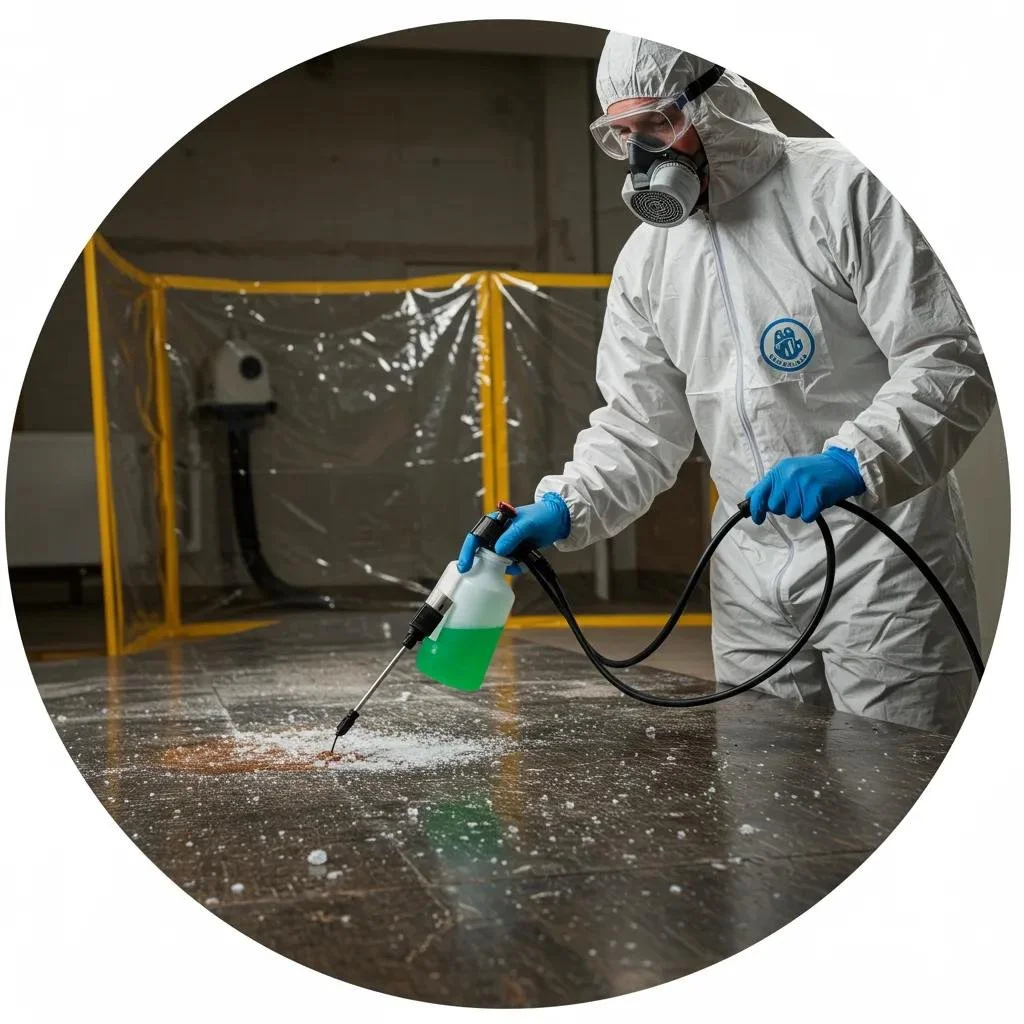
What Are the Common Causes of Water Damage in Austin Homes and Businesses?
How Do Burst Pipes Lead to Water Damage?
Burst pipes release large volumes of water suddenly and can saturate walls and floors rapidly, leading to structural and content damage. Causes include joint failure, corrosion, or aging components, and pressure surges can exacerbate weak spots. Preventive measures include periodic inspections, replacing aging segments, and installing accessible shutoff valves to limit discharge. Rapid isolation of the water source and professional extraction are essential to reduce secondary damage and mold risk.
What Role Do Floods and Storms Play in Austin Water Damage?
Flash flooding and stormwater runoff can overwhelm properties, particularly those in low-lying areas or with inadequate grading and drainage. Storm-related intrusion often involves contaminated water that increases remediation complexity and cost. Long-term mitigation may include regrading, improving guttering and downspouts, and elevating critical systems out of flood-prone zones. Immediate post-storm actions include prioritizing safety, documenting damage, and contacting emergency restoration professionals to begin mitigation.
How Can Appliance Leaks Cause Water Damage?
Appliances such as washing machines, dishwashers, and water heaters can leak due to worn hoses, loose fittings, or internal failures, producing slow or sudden water damage over time. Regular inspections of hoses and connections, timely replacement of aging parts, and installing automatic shutoff valves or leak-detection devices reduce risk. Quick recognition of damp floors or unusual sounds can avert larger losses before mold establishes. Simple preventive checks are low-cost ways to avoid expensive remediation later.
Why Is Roof Inspection Important for Water Damage Prevention?
Roof inspections identify damaged shingles, failed flashings, or blocked drainage that allow water to penetrate building envelopes during storms. Early detection and repair prevent attic and ceiling damage that can otherwise lead to concealed mold and structural decay. Inspections are especially important after severe weather and before the rainy season to ensure protective systems function correctly. Engaging a qualified roofer for recurring checks reduces the likelihood of unexpected interior water events.
How Can Austin Property Owners Prevent Water Damage?
What Plumbing Maintenance Tips Reduce Water Damage Risk?
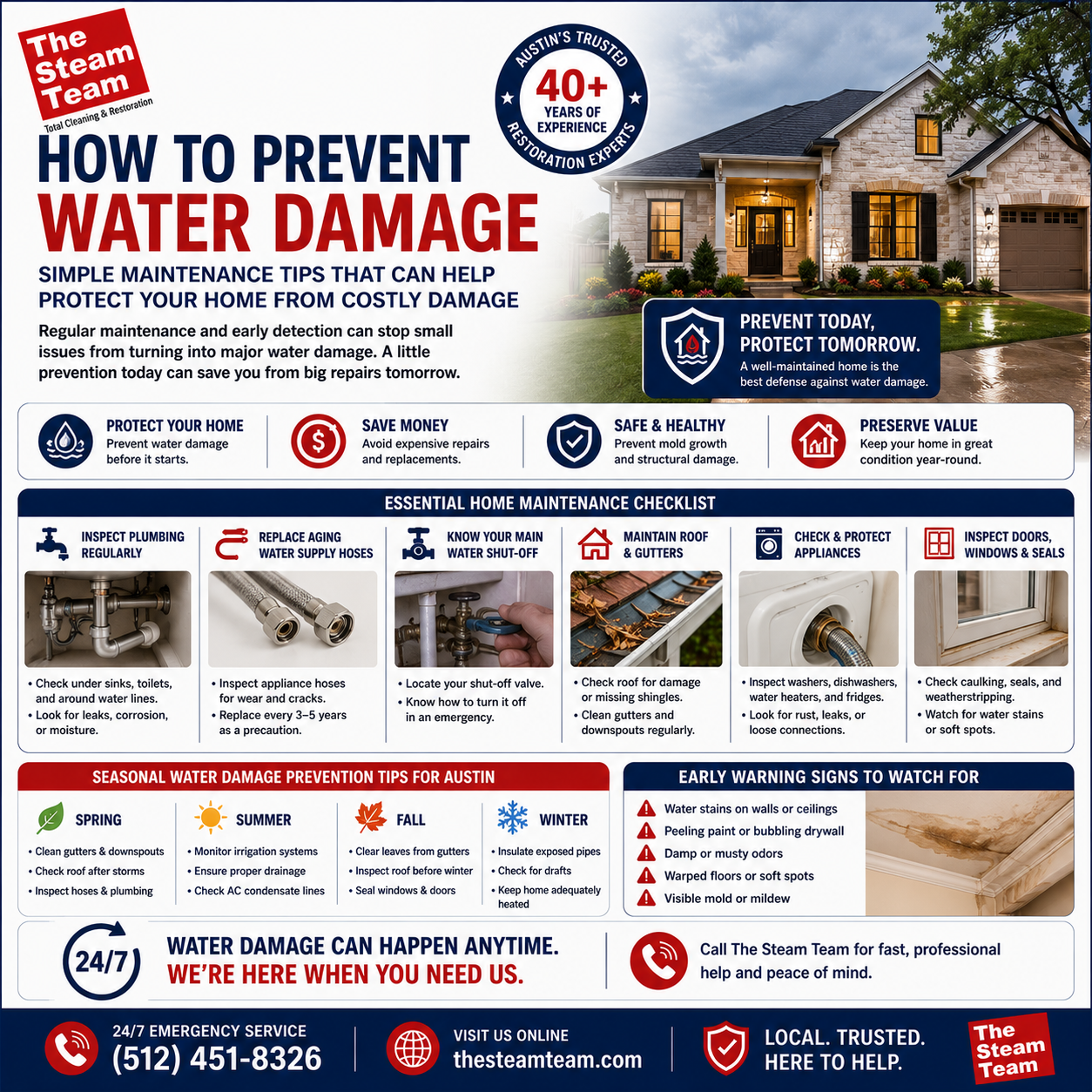
Routine plumbing maintenance includes inspecting hose connections, testing shutoff valves, flushing sediment from water heaters, and replacing flexible hoses every 5–7 years or per manufacturer guidance. Regularly exercising valves and checking for signs of slow leaks under appliances also prevents unnoticed deterioration. For larger properties, professional plumbing inspections identify hidden corrosion or pressure issues that homeowners miss. Timely preventive maintenance reduces the incidence of sudden failures that lead to costly restoration.
How Do Water Detection Devices Help in Early Leak Identification?
Water detection devices range from simple battery-powered sensors placed near appliances to integrated smart systems that send alerts to phones and can automatically shut off water. Placing sensors at washing machines, under sinks, near water heaters, and in basements provides early warning of leaks before they escalate. The ROI is favorable when devices prevent a major claim by alerting occupants quickly and reducing the need for extensive drying or mold remediation. Combining detection with a rapid response plan maximizes the value of these tools.
What Emergency Planning Steps Should You Take for Water Damage?
Create an emergency contact list with your insurer, plumber, and a certified restoration provider, and store it in a place accessible during a crisis. Assemble a mitigation kit with a flashlight, camera for documentation, basic tools, plastic sheeting, and protective gloves to stabilize minor issues before professionals arrive. Document important serial numbers and keep digital copies of insurance policies and inventories. Rehearsing the emergency plan and updating contacts seasonally ensures a faster, more organized response when water damage occurs.
Have critical contacts saved and printed for accessibility.
Maintain a simple mitigation kit for immediate use.
Keep updated digital and physical insurance documentation.
Frequently Asked Questions
What preventive measures can homeowners take to avoid water damage?
Homeowners can implement several preventive measures to reduce the risk of water damage. Regular inspections of roofs, gutters, and plumbing systems are essential to identify potential issues before they escalate. Installing water detection devices near appliances and in basements can provide early warnings of leaks. Additionally, maintaining proper drainage around the property and ensuring that downspouts direct water away from the foundation can help mitigate risks. Creating an emergency plan and having a mitigation kit ready can also prepare homeowners for quick action if water intrusion occurs.
How can I identify hidden water damage in my home?
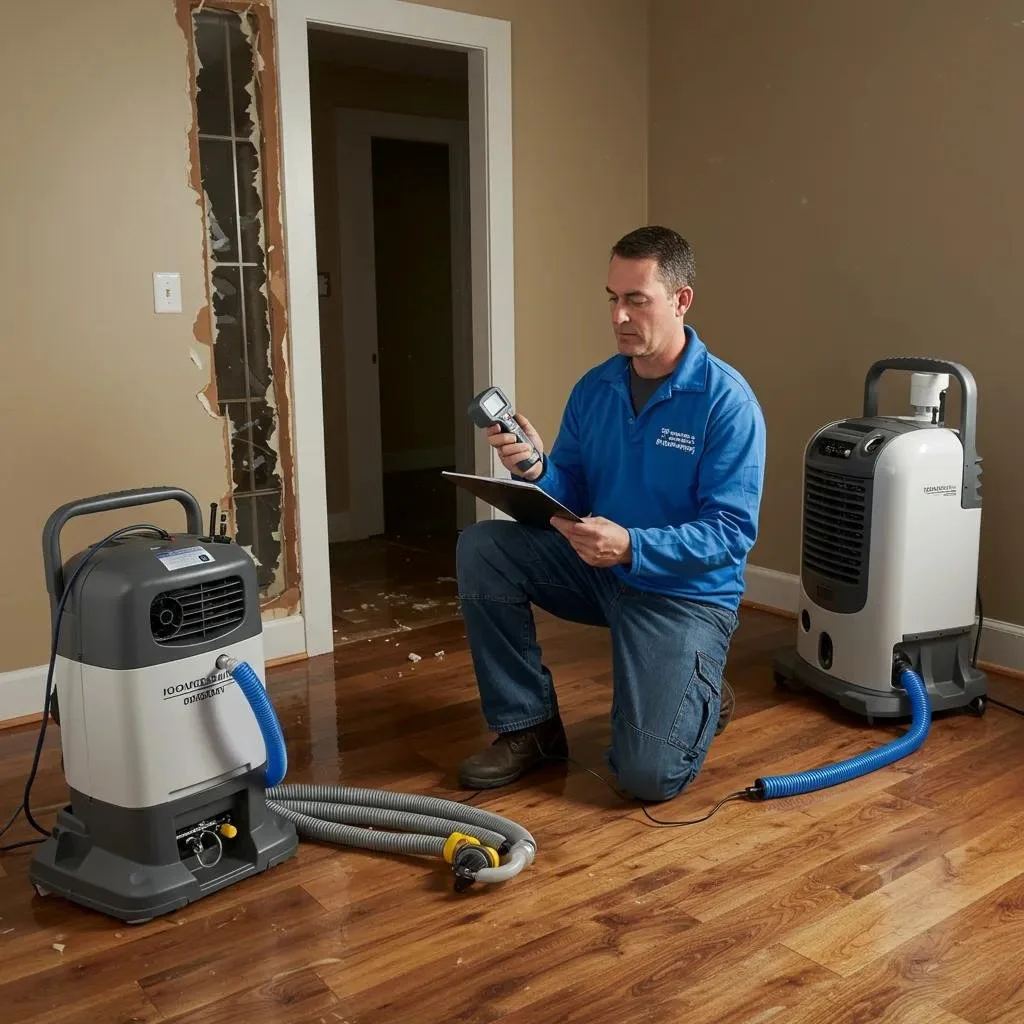
Identifying hidden water damage often requires vigilance and a keen eye for signs of moisture. Homeowners should look for discoloration on walls and ceilings, peeling paint, or warped flooring, which can indicate underlying water issues. Musty odors may also suggest mold growth due to hidden moisture. Using moisture meters can help detect damp areas behind walls or under floors. If you suspect hidden damage, it’s advisable to consult a professional who can conduct a thorough inspection and provide an accurate assessment.
What should I do if I suspect mold growth after water damage?
If you suspect mold growth after experiencing water damage, it’s crucial to act quickly. First, avoid disturbing the affected area, as this can release spores into the air. Contact a certified mold remediation professional who can assess the situation and implement safe removal practices. They will typically contain the area, remove contaminated materials, and treat surfaces with antimicrobial solutions. It’s also important to address the source of moisture to prevent future mold growth. Documenting the situation can help with insurance claims as well.
Are there specific regulations for water damage restoration in Austin?
Yes, water damage restoration in Austin is subject to various regulations and industry standards. The Institute of Inspection, Cleaning and Restoration Certification (IICRC) sets guidelines that many restoration companies follow to ensure quality and safety. Additionally, local building codes may dictate specific requirements for repairs and renovations following water damage. Homeowners should verify that their chosen restoration provider is licensed and adheres to these standards to ensure compliance and effective restoration practices.
How can I ensure my restoration provider is qualified?
To ensure your restoration provider is qualified, look for certifications from recognized organizations such as the IICRC. Check for proper licensing and insurance coverage, which protects you in case of accidents during the restoration process. Reading customer reviews and asking for references can provide insight into the provider's reputation and reliability. Additionally, a transparent estimate process and clear communication about the restoration steps can indicate a professional and trustworthy service.
What are the long-term effects of water damage if not addressed promptly?
If water damage is not addressed promptly, it can lead to severe long-term effects, including structural damage, mold growth, and compromised indoor air quality. Prolonged exposure to moisture can weaken building materials, leading to costly repairs and potential safety hazards. Mold can cause health issues, particularly for individuals with respiratory conditions or allergies. Additionally, lingering moisture can attract pests and lead to further deterioration of the property. Timely intervention is essential to mitigate these risks and protect your investment.
What Is the Typical Timeline for Water Damage Restoration in Austin?
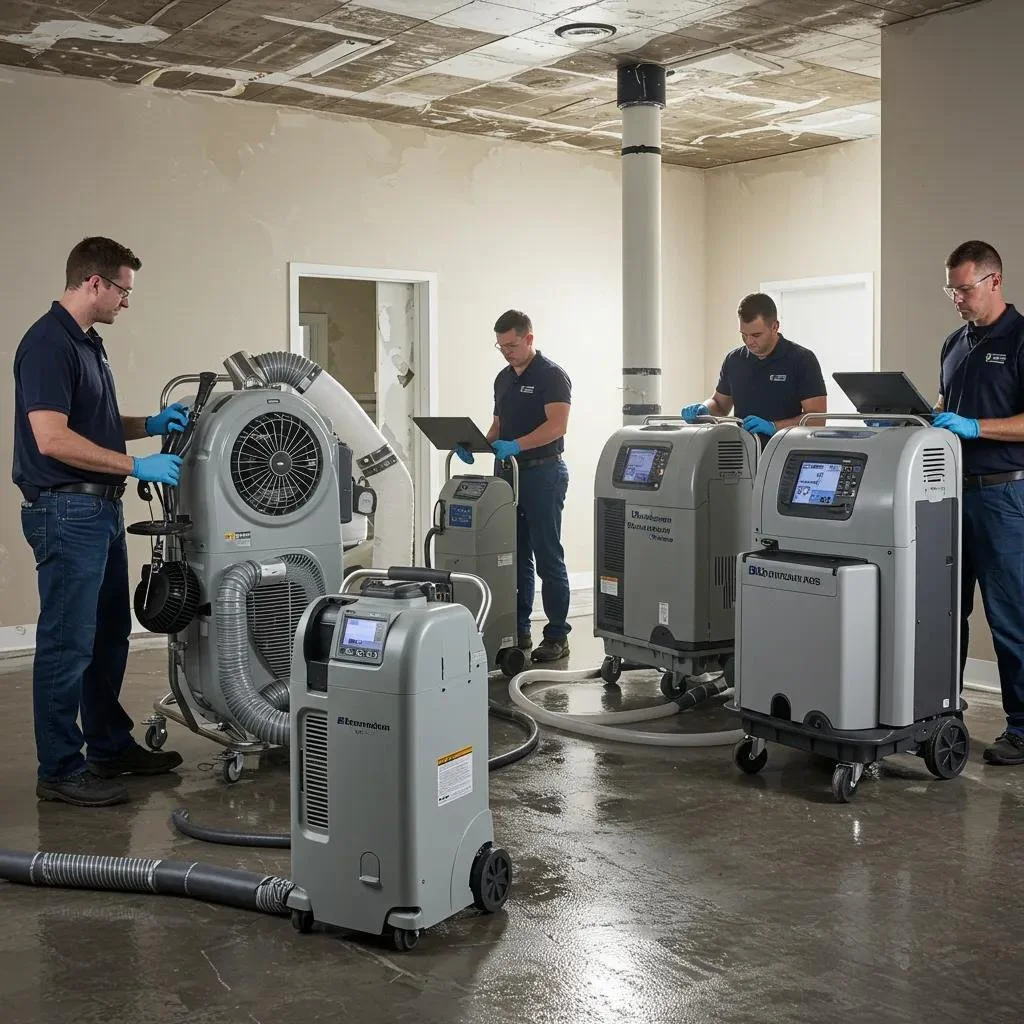
Timelines depend on severity: inspection and emergency extraction can occur within 24 hours, structural drying commonly takes 2–7 days, and repairs or reconstruction take additional days to weeks depending on scope. Small, clean-water events may close in a few days, while major structural projects with insurance approvals can extend over several weeks. Factors that lengthen timelines include contamination level, hidden damage, permit requirements, and the need for specialized trades. Prompt mitigation shortens the timeline and limits costs.
Is Water Damage Covered by Homeowners Insurance in Austin?
Homeowners insurance commonly covers sudden, accidental water damage such as a burst pipe, but excludes flooding from external rising water unless a separate flood policy exists. Coverage also varies by policy language, so reviewing terms, limits, and deductibles is essential. Documenting damage immediately and mitigating loss with professional restoration preserves coverage eligibility. Working with an insurance-preferred vendor can make communication with adjusters smoother and claims processing faster.
How Do I Choose a Certified Water Damage Restoration Company in Austin?
Select a provider with IICRC-certified technicians, verifiable references, clear insurance and licensing documentation, and a transparent estimate process that itemizes labor and materials. Ask prospective vendors about their drying protocols, equipment, and documentation practices for claims. Prefer providers that offer 24/7 emergency response and demonstrate experience communicating with insurers. Requesting proof of certification and asking targeted questions reduces the risk of substandard work.
Can Water Damage Lead to Health Risks Like Mold Exposure?
Yes; uncontrolled moisture and standing water can lead to mold growth, which may trigger allergic reactions, respiratory symptoms, and exacerbations in sensitive individuals. Rapid mitigation and professional remediation limit exposure, and occupants with health vulnerabilities should avoid affected areas during cleanup. Clearance testing and proper containment during remediation reduce airborne spore spread and provide documented assurance that the space is safe. Timely action protects health and limits remediation expense.
What Makes The Steam Team a Trusted Water Damage Restoration Provider in Austin?
The Steam Team provides local 24/7 emergency response with IICRC-certified technicians and maintains a Better Business Bureau A+ rating, positioning them as a nearby resource for restoration and mold remediation. Their insurance-preferred vendor status helps coordinate claims communication, and a customer satisfaction guarantee supports accountability for completed work. For homeowners wanting a local partner who responds around the clock and provides documented procedures, contacting an established Austin team by phone can start mitigation quickly.
If you require immediate assistance or an itemized estimate, reach out to a certified local responder to schedule an emergency inspection and documented quote.
Document the loss: Photograph and log damage before mitigation begins.
Contact insurer and restoration provider: Provide concise details of source and extent.
Begin mitigation quickly: Certified teams can extract water and set drying goals within hours.
Conclusion
Understanding the water damage restoration process in Austin empowers homeowners to act swiftly, minimizing damage and health risks. By prioritizing rapid response and professional assistance, you can effectively manage costs and ensure thorough recovery. For immediate support or to schedule an inspection, reach out to a certified local restoration provider today. Protect your property and peace of mind by taking proactive steps against water damage.