Why Air Duct Cleaning Matters for Austin Homes

Why Air Duct Cleaning Matters for Austin Homes: Improve Indoor Air Quality and HVAC Efficiency
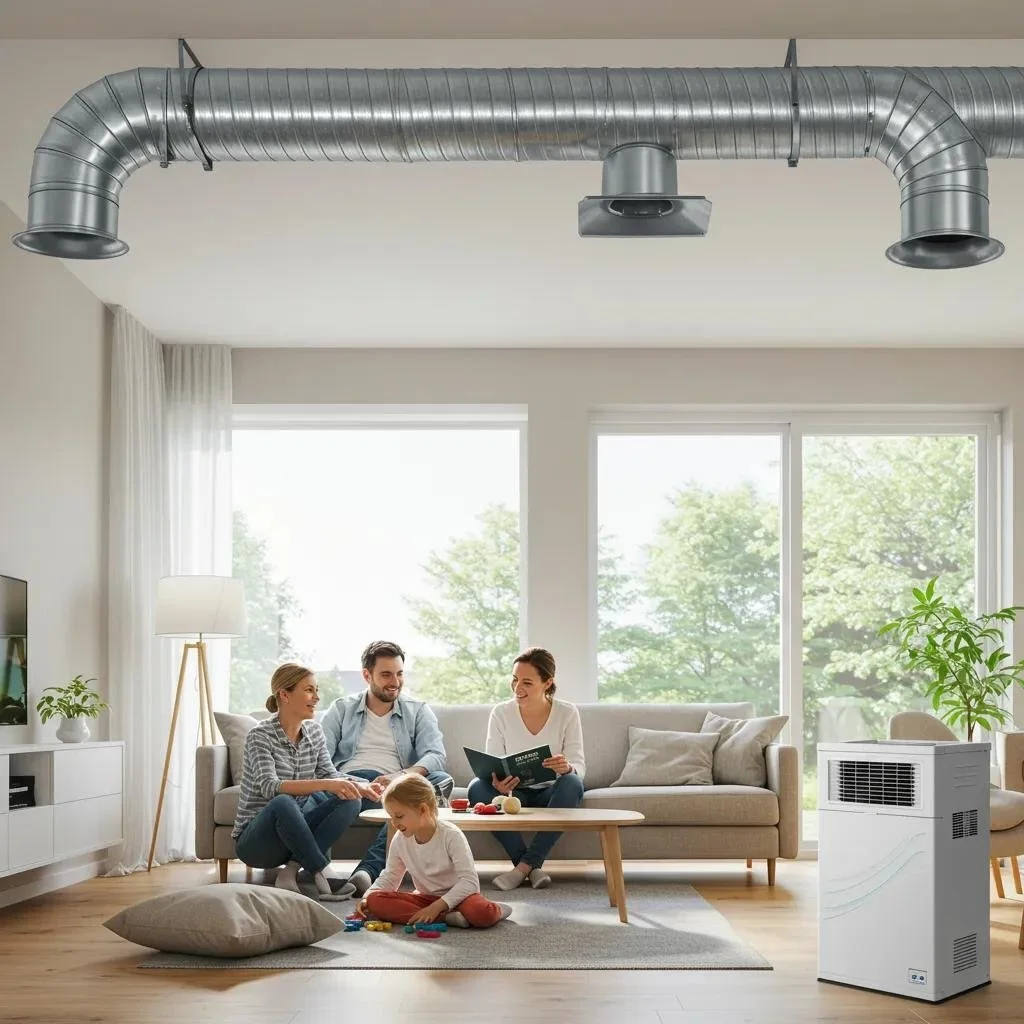
Austin’s climate with high pollen counts, seasonal humidity spikes, and airborne dust creates an environment where contaminants accumulate rapidly in HVAC ductwork, degrading indoor air quality and straining heating and cooling systems. Understanding why air duct cleaning matters empowers homeowners to protect respiratory health, optimize system performance, and reduce utility expenses. In this article, you will learn about common duct contaminants in Austin homes, the health advantages of professional cleaning, energy savings potential, ideal service intervals, The Steam Team’s NADCA-certified process, cost factors, complementary services, and commercial benefits. With over four decades of local expertise and NADCA certification, The Steam Team provides reliable air duct cleaning solutions that deliver measurable improvements in air purity and HVAC efficiency.

What Are the Common Contaminants in Austin Home Air Ducts?

Air duct cleaning removes microscopic and visible pollutants that accumulate in ventilation systems over time. Local conditions like seasonal cedar pollen, construction dust, and pet dander combine with ordinary household debris to create a mixture that circulates through living spaces. Left untreated, these contaminants aggravate allergies, trigger asthma episodes, and contribute to musty odors. Recognizing the typical contents of a duct system highlights why routine removal is essential for healthier, more comfortable indoor environments.

Which Allergens and Pollutants Affect Austin Indoor Air Quality?

Many homeowners in Central Texas contend with elevated levels of pollen from oak, cedar, and grass species. In addition to botanical particles, common indoor allergens include dust mite waste and pet dander that embed in duct linings. Vehicle exhaust particulates can infiltrate homes near busy roads, while cooking oils and volatile organic compounds adhere to duct surfaces.

  • Cedar pollen can travel through filters and settle in ducts.

  • Dust mite debris accumulates in humid conditions, worsening allergy symptoms.

  • Pet dander circulates repeatedly without removal, increasing irritation.

  • Combustion byproducts from nearby traffic may enter via fresh-air intakes.

These allergens and pollutants intensify respiratory discomfort and create a cycle of recirculation unless professionally extracted.

How Does Mold Develop in Austin HVAC Systems?

Persistent humidity in Austinβ€”especially during late spring and summerβ€”creates ideal conditions for mold spores to germinate on damp duct surfaces. Organic dust and cellulose-based insulation provide a nutrient source, while temperature fluctuations inside vents lead to condensation pockets. Once established, mold colonies release spores that travel through vents and settle on furniture and fabrics, triggering allergic reactions and unpleasant odors. Controlling moisture and performing scheduled cleaning interrupts this growth cycle and restores duct hygiene.

What Impact Do Dust and Debris Have on Your Home’s Air?

Accumulated dust and debris in ductwork obstruct airflow, forcing HVAC fans to work harder and circulate particles throughout living spaces. This recirculation increases indoor particulate matter (PM2.5 and PM10), diminishes filter efficacy, and accelerates system wear. Excessive dust in vents contributes to uneven heating or cooling and visible dusting demands in occupied rooms. Professional duct cleaning restores airflow, reduces airborne particulate concentrations, and helps maintain consistent indoor comfort.

What Are the Health Benefits of Air Duct Cleaning for Austin Residents?

Professional air duct cleaning delivers measurable respiratory and well-being advantages by eliminating irritants that exacerbate common conditions. By targeting dust mites, pollen, mold spores, and animal dander, thorough cleaning reduces indoor allergen loads and supports clearer airways. Homeowners who invest in routine duct maintenance often report fewer allergy flare-ups, reduced asthma symptoms, and overall improvements in sleep quality. The Steam Team’s NADCA-certified service uses advanced methods to ensure that home occupants breathe cleaner, healthier air.

How Does Air Duct Cleaning Reduce Allergies and Asthma Symptoms?

Air duct cleaning reduces airborne allergens by physically extracting particles rather than simply trapping them in filters. Removing accumulated pollen, dust mite waste, and pet dander directly from duct interiors cuts down the volume of recirculated irritants. For families with children or adults prone to asthma attacks, this translates to fewer respiratory episodes and less reliance on medications. Cleaner ducts also improve the performance of HVAC filtration, offering a dual barrier against allergens.

A field study evaluating mechanical air duct cleaning found that while it effectively removed adhered dust, its impact on airborne particle concentrations was influenced by outdoor conditions, and it did not significantly reduce bioaerosols. However, system performance, such as airflow rates, showed positive improvements.

Evaluating Residential Air Duct Cleaning and IAQ: A Field Study

A nine-home field study was conducted to investigate the impact of mechanical air duct cleaning (ADC) methods on indoor air quality (IAQ) and system performance. ADC services were provided by the National Air Duct Cleaners Association (NADCA). Only mechanical ADC methods were evaluated. Surface treatments, such as biocides or encapsulants, were not part of the study. Pre- and post-ADC measurements were used to evaluate impacts. These included deposited duct dust measurements, airborne particle and fiber concentrations, microbial bioaerosol and surface sampling, and system performance factors such as temperature, relative humidity air flow rates, and static pressure. Surface sampling in ducts indicated that mechanical ADC is effective in removing adhered dust and dirt. The particle measurement data could not offer a clear indication that indoor levels can be reduced using mechanical ADC because there was an apparent strong influence from outdoor particle mass concentrations. Mechanical ADC did not significantly reduce bioaerosol or microbial density in the houses studied. Measurements of system performance factors suggest that ADC may have a positive effect. Supply air rates increased between 4 and 32% in eight of the houses and return air flow rates increased 14 and 38% in two of the houses.

Evaluating residential air duct cleaning and IAQ: results of a field study conducted in nine single family dwellings., 1997

Can Cleaning Air Ducts Prevent Mold-Related Health Issues?

Yes, professional cleaning disrupts mold proliferation by eliminating the spore-laden material on duct surfaces and in plenums. Specialized antimicrobial treatments and sanitization processes further inhibit regrowth, preventing mold-related respiratory infections and hypersensitivity pneumonitis. By addressing mold at its source, homeowners reduce the risk of chronic sinus problems, bronchitis episodes, and systemic immune responses linked to mold exposure.

Why Is Improved Indoor Air Quality Vital for Austin Homes?

Enhanced indoor air quality supports overall wellness by minimizing exposure to irritants and pollutants that aggravate seasonal allergies and chronic respiratory conditions. Cleaner air reduces the likelihood of headaches, eye irritation, and seasonal fatigue associated with high pollen seasons. In regions like Austin, where outdoor pollution can be unpredictable, professional duct cleaning supplies a controlled indoor environment that fosters better sleep, concentration, and quality of life.

How Does Air Duct Cleaning Enhance HVAC Efficiency and Save Energy in Austin?
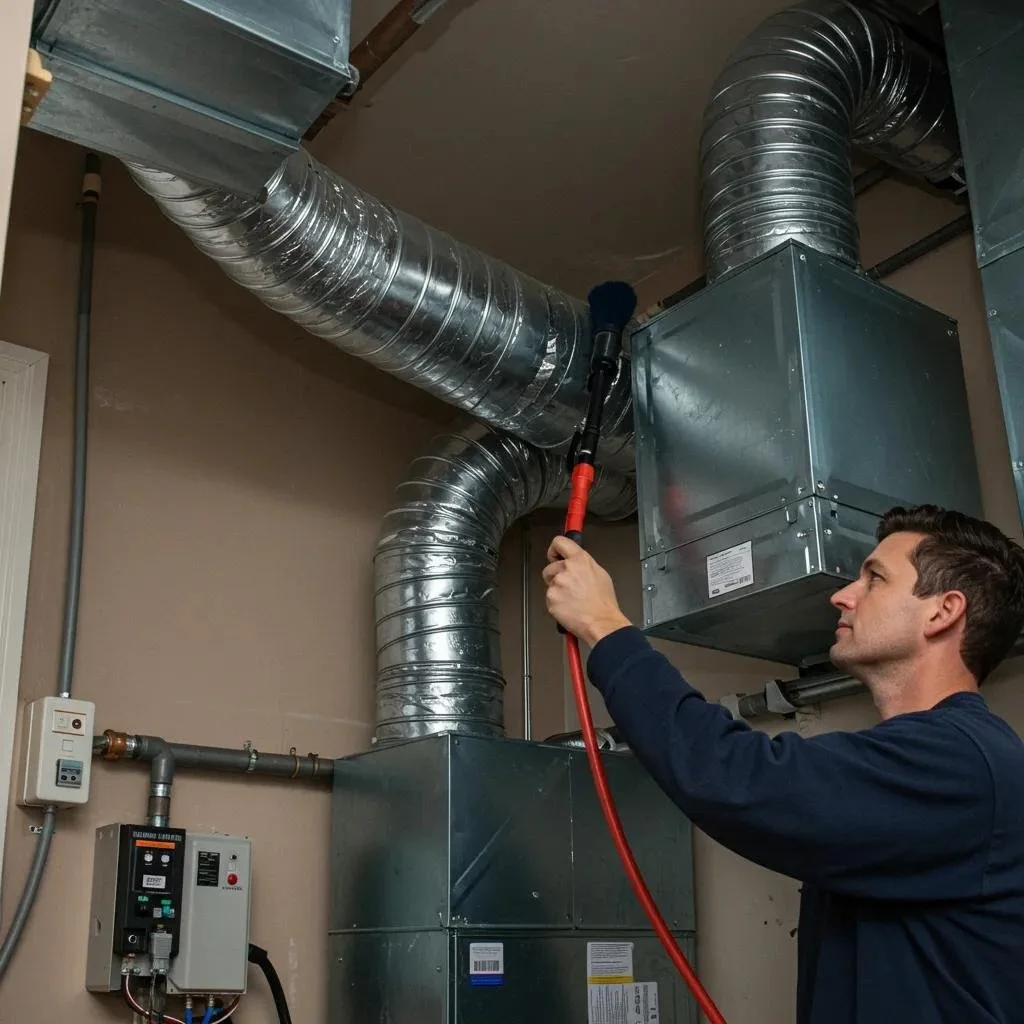
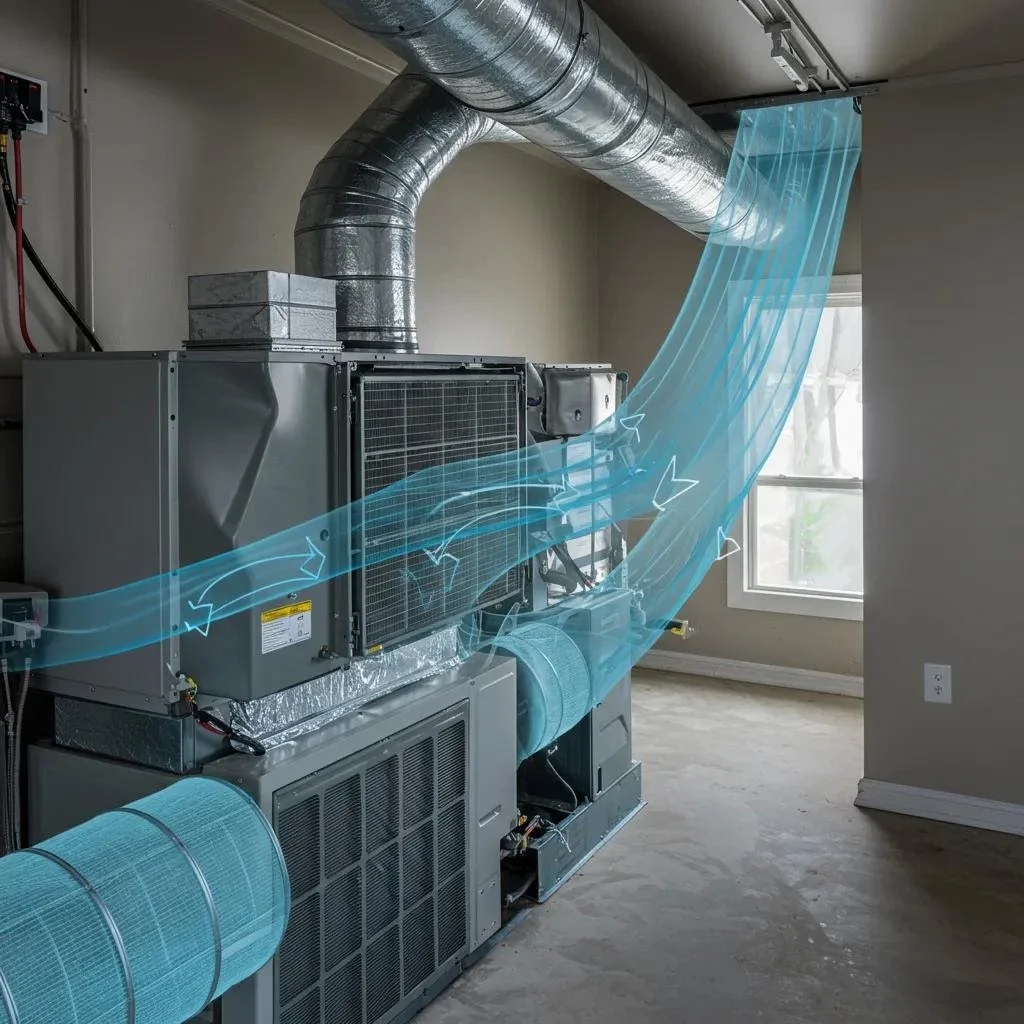
Air duct cleaning directly improves system performance by removing blockages that hinder airflow and force heating and cooling equipment to operate under strain. Clear, unobstructed ducts enable more uniform temperature distribution and quicker cycle times, reducing run-time and electricity consumption. Homeowners often observe noticeable drops in energy usage following a thorough cleaning, translating into lower monthly utility bills and reduced carbon footprint.

In What Ways Do Clean Air Ducts Improve HVAC System Performance?

Clean ducts facilitate balanced airflow throughout the home, relieving undue pressure on blower motors and fan assemblies. With less resistance, systems maintain set temperatures with fewer cycles, reducing mechanical wear. Improved airflow also ensures that filters function optimally, capturing finer particulates rather than becoming prematurely clogged. Together, these factors extend maintenance intervals and support reliable operation.

How Much Can You Save on Energy Bills with Clean Ducts?

Regular duct cleaning can yield tangible savings by boosting energy efficiency and reducing runtime. The table below compares typical performance differences between neglected and cleaned duct systems in a standard Austin home.

Condition Airflow Efficiency Estimated Annual Savings
Dirty Ducts Up to 25% reduction in airflow $0
Clean Ducts Up to 15% increase in airflow $150–$300

How Does Regular Cleaning Extend Your HVAC System’s Lifespan?

Removing abrasive dust and debris from duct interiors prevents these particles from circulating and abrading blower components, heat exchangers, and coil surfaces. Reduced friction and strain on moving parts lower the likelihood of mechanical failures, cutting repair costs and delaying system replacement. A well-maintained air distribution network also helps refrigeration and combustion systems run under design conditions, extending their operational life by years.

When Should Austin Homeowners Schedule Air Duct Cleaning?

Knowing when to schedule professional cleaning is key to balancing cost, health benefits, and system longevity. While general guidelines suggest an interval of every three to five years, local factors like pets, allergy prevalence, and recent renovations can affect an ideal schedule. Recognizing clear signs and understanding recommended frequencies for Austin’s climate ensures that homeowners maximize indoor air quality and HVAC performance.

What Are the Signs That Your Air Ducts Need Cleaning?

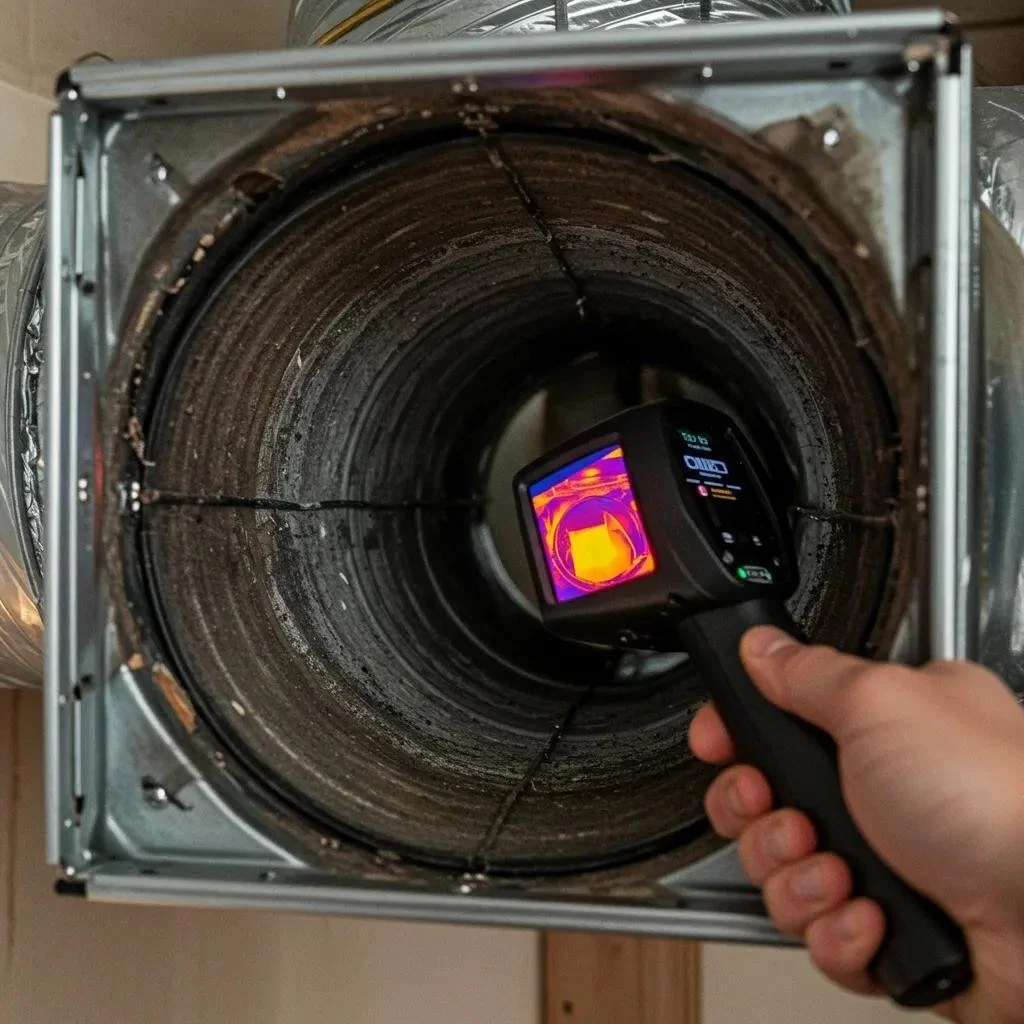
Visible dust around vent registers, persistent musty or stale odors when the system runs, and unexplained allergy flare-ups are all indicators of contaminated ductwork. If homeowners notice excessive dust accumulation on furniture soon after cleaning or experience uneven cooling and heating across rooms, ducts likely harbor significant debris. Addressing these symptoms promptly helps maintain a healthier indoor environment and prevents system strain.

How Often Should Air Ducts Be Cleaned in Austin’s Climate?

In Central Texas, routine air duct cleaning every three to five years is recommended for average households. Homes with indoor pets, residents with severe allergies, or recent interior construction projects may benefit from cleaning every two to three years. High-humidity seasons also warrant inspection for mold growth, which could justify more frequent service to preserve air quality and system health.

Are There Special Circumstances That Require More Frequent Cleaning?

Certain scenarios demand accelerated cleaning schedules. Homes with multiple shedding pets accumulate dander more rapidly, while recent remodeling can introduce plaster dust and particulates into ductwork. Prior water damage incidents or evidence of mold outbreaks necessitate immediate cleaning and sanitation to prevent health risks. Understanding these conditions allows homeowners to adjust maintenance intervals for optimal results.

What Makes The Steam Team’s NADCA Certified Air Duct Cleaning Process Unique in Austin?

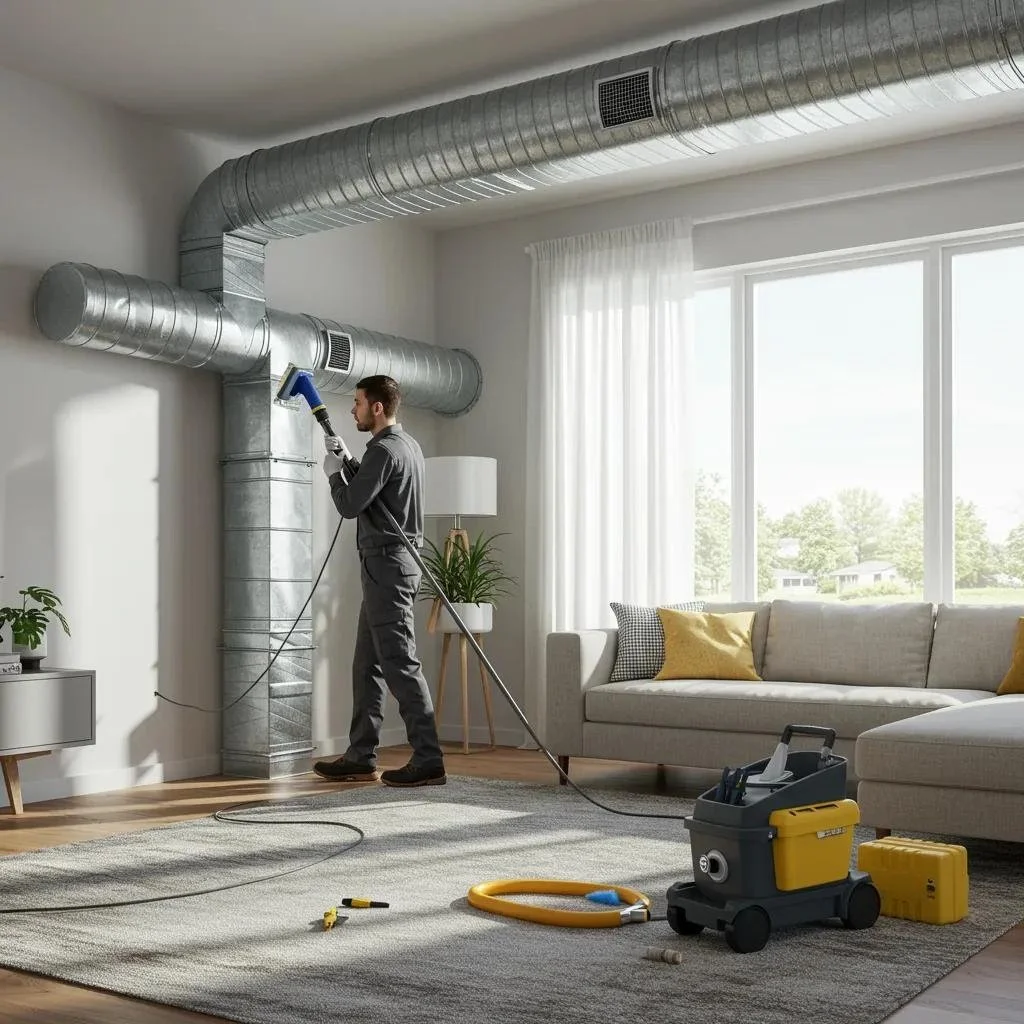
The Steam Team’s NADCA certification and forty years of Central Texas experience combine to deliver a thorough, industry-compliant cleaning protocol. Their β€œsource removal” methodology uses high-powered agitation and HEPA-filtered collection to extract contaminants directly at the point of origin. This approach aligns with national standards and local best practices, ensuring measurable improvements in indoor air and system performance.

What Is the Step-by-Step NADCA Certified Cleaning Process?

The Steam Team’s certified technicians follow a structured protocol:

  1. Inspection of duct system and pre-cleaning assessment.

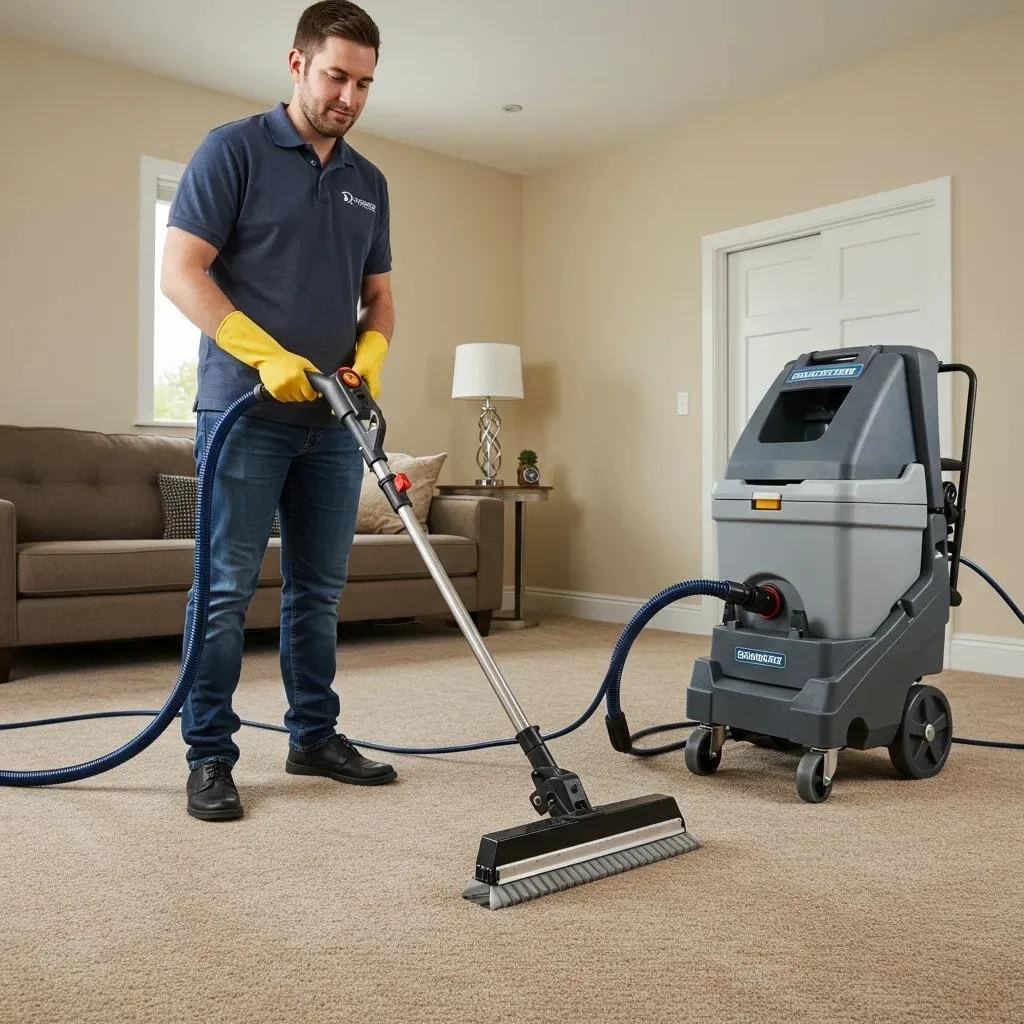
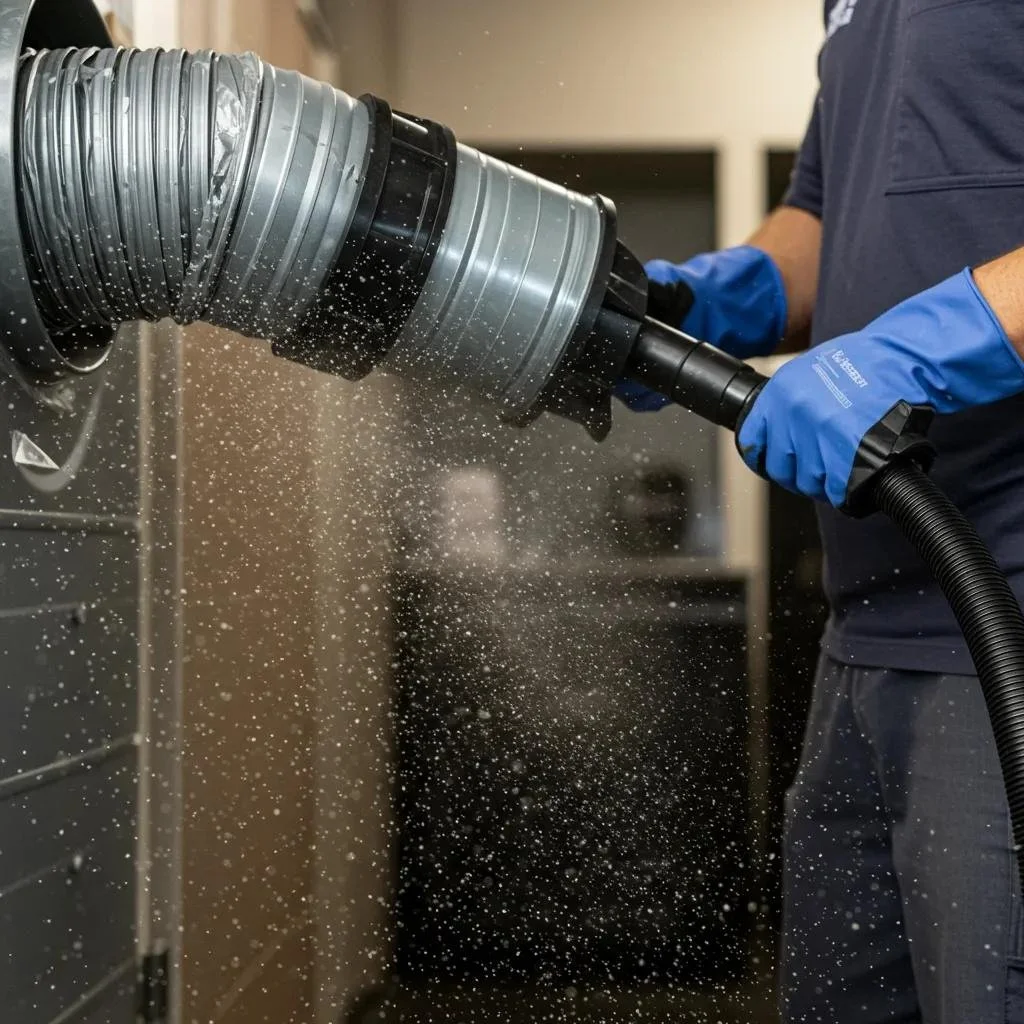
  2. Secure sealing of registers and use of negative-pressure HEPA vacuums.

  3. Agitation of duct surfaces with rotating brushes and air whips.

  4. Source removal of dislodged debris through HEPA-filtered collection.

  5. Final verification to ensure debris-free surfaces and restored airflow.

This methodical process adheres to NADCA guidelines and delivers consistent, verifiable results.

How Does Advanced β€œSource Removal” Technology Improve Results?

β€œSource removal” equipment targets contaminants at their accumulation points rather than relying on filter capture alone. By using negative-pressure systems and mechanical agitation, the process lifts and vacuums debris before it can recirculate. This dual mechanism achieves deeper cleaning, minimizes indoor dust fallout, and preserves system components, reinforcing both health and efficiency benefits.

Research comparing different air duct cleaning methods, such as mechanical brushing and compressed air, has shown varying efficiencies depending on duct material. Studies indicate that mechanical methods are generally more effective in metal ducts, while compressed air can be better for plastic ducts, with significant reductions in surface dust deposits achieved by both.

Comparing Air Duct Cleaning Methods: Mechanical vs. Compressed Air

Two kinds of air duct cleaning methods, mechanical brushing with different brushes and compressed air cleaning, were compared in the laboratory and in newly built buildings. The ducts were contaminated either with test dust or with dust originated from a construction site. The amount of dust on the duct surface was measured with the vacuum test method and estimated visually before and after the cleaning. In addition, the cleaning times of the different techniques were compared and the amount of residual oil in the ducts was measured in the laboratory test. The brushing methods were more efficient in metal ducts, and compressed air cleaning was more efficient in plastic ducts. After the duct cleaning the mean amount of residual dust on the surface of the ducts was Β£ 0.1 g/m 2 in the laboratory test with ducts contaminated at construction site and Β£ 0.3 g/m 2 after cleaning in the field. The decrease in the dust deposits on the surface ranged from 86 to 99% and from 75 to 94% in the duct

Cleaning initiation criteria for heating, ventilation and air conditioning (HVAC) systems in non-industrial buildings, 2010

Why Choose a Locally Trusted Company with 40+ Years of Experience?

Homeowners and businesses in Austin rely on The Steam Team’s long-standing reputation for superior customer service and technical expertise. Voted best customer service by a leading local newspaper, the company combines national certification with deep community roots. This blend of credentials and local insight ensures every project is handled with knowledge of Austin’s unique environmental challenges and customer expectations.

How Much Does Professional Air Duct Cleaning Cost in Austin?

Air duct cleaning investment varies based on home characteristics and service requirements. Understanding cost drivers helps homeowners budget effectively and recognize the long-term value of cleaner air and reduced energy consumption. The Steam Team provides transparent pricing estimates and emphasizes health and efficiency savings that often offset initial expenditures.

What Factors Influence Air Duct Cleaning Prices in Austin?

Several variables shape the overall cost of a cleaning service:

Factor Impact on Price Typical Range
Home Size More vents and longer duct runs require more labor $450–$1,000 baseline
Vent Count Additional vents increase cleaning time $20–$30 per vent
Accessibility Hard-to-reach ductwork can add complexity 10–20% surcharge
Mold or Biohazard Specialized remediation steps elevate costs $100–$200 additional

How Does The Steam Team Provide Value Beyond Cost?

Beyond competitive pricing, The Steam Team’s service delivers health and efficiency dividends that accrue over time. Cleaner ducts reduce allergy medicine expenses, lower utility bills, and extend HVAC equipment lifeβ€”amplifying return on investment. NADCA certification, advanced equipment, and award-winning customer care combine to ensure that value far exceeds the upfront fee.

How Can You Request a Quote for Air Duct Cleaning in Austin?

Homeowners seeking cleaner air and improved system performance can contact The Steam Team to schedule an assessment and receive a customized estimate. Friendly service representatives will gather details about system size, vent count, and any special circumstances to provide transparent pricing. Prompt scheduling options help ensure that your home benefits from fresh, purified air with minimal delay.

What Additional Services Complement Air Duct Cleaning for Austin Homes?

To maximize indoor environmental quality, homeowners can integrate duct cleaning with related services such as sanitization, mold remediation, and duct repair. Combining these offerings delivers holistic solutions that address contamination, microbial threats, and system integrity in one comprehensive engagement. The Steam Team’s multi-service capabilities make it a one-stop provider for complete HVAC health and home comfort.

How Does Air Duct Sanitization and Disinfection Improve Home Health?

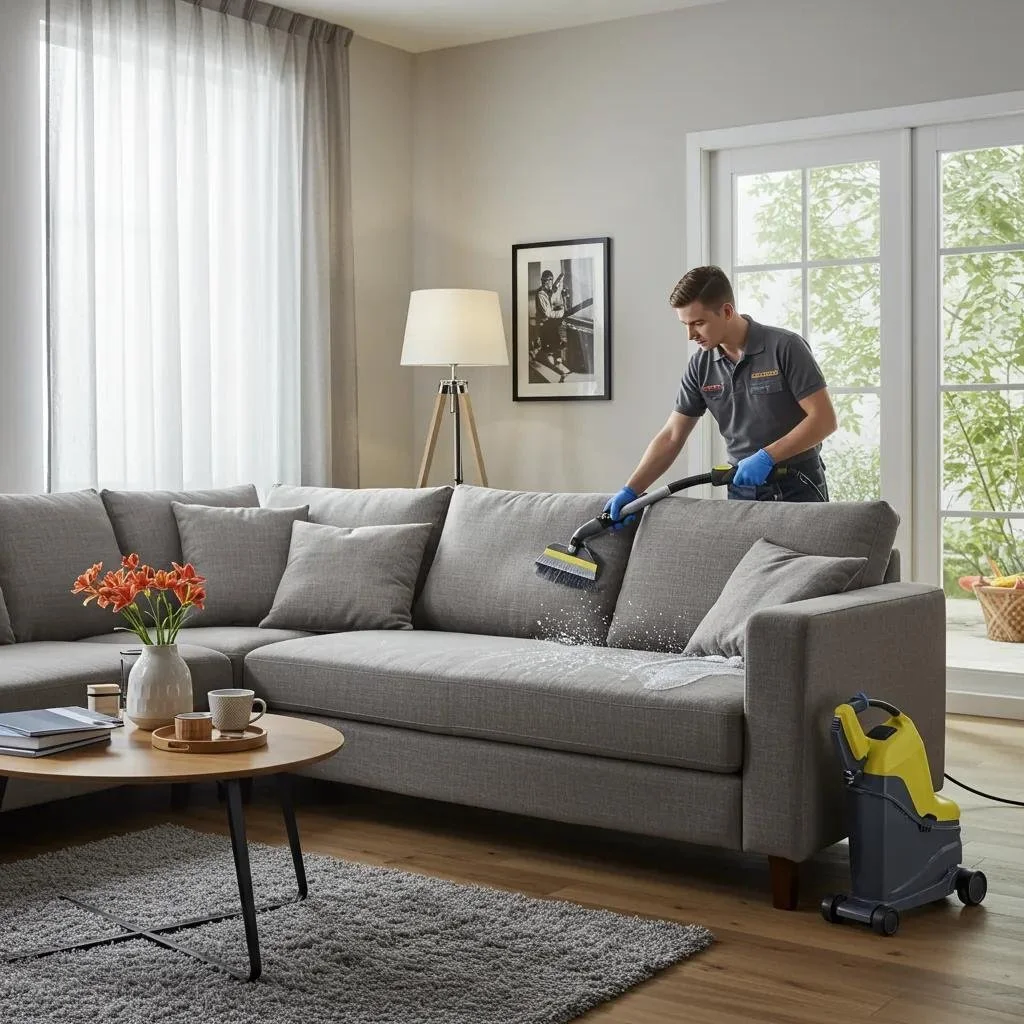
Sanitization treatments neutralize lingering microbial threats by applying EPA-registered disinfectants within duct interiors. This step eradicates bacteria, viruses, and mold spores that survive mechanical cleaning, curbing the spread of illness and musty odors. Integrating disinfection ensures that ducts remain hygienic longer, supporting sustained respiratory protection for occupants.

When Is Mold Remediation Needed Alongside Air Duct Cleaning?

If mold growth is detected or moisture intrusion has occurred within ductwork, full remediation is essential before simply cleaning debris. Mold remediation protocols remove contaminated materials, apply antifungal treatments, and address source moisture issues. Coordinating remediation with duct cleaning prevents recurrence and restores a truly healthy air distribution network.

Can Air Duct Repair Enhance Cleaning Effectiveness?

Repairing leaks, sealing joints, and replacing damaged duct sections enhances airflow containment and prevents fresh contaminants from entering the system. Properly sealed ducts allow source removal equipment to achieve optimal negative pressure, ensuring deeper cleaning results. Investing in duct repair alongside cleaning preserves system efficiency and maintains air quality gains over time.

How Does Commercial Air Duct Cleaning Benefit Austin Businesses?

Commercial properties require tailored air duct cleaning strategies to support employee health, regulatory compliance, and equipment longevity. Removing dust, allergens, and microbial threats from large-scale HVAC systems promotes safer work environments, reduces maintenance downtime, and demonstrates commitment to workplace wellness. The Steam Team’s commercial expertise ensures customized plans that meet industry standards and business objectives.

Why Is Indoor Air Quality Important for Employee Health and Productivity?

Clean indoor air reduces sick-building syndrome symptoms such as headaches, fatigue, and respiratory irritation, boosting overall well-being and concentration. A healthier workforce experiences fewer sick days, enjoys higher morale, and demonstrates enhanced productivity. Investing in duct cleaning signals organizational dedication to employee welfare and can improve staff retention and satisfaction.

What Are the Regulatory and Compliance Benefits of Commercial Cleaning?

Many commercial environments must adhere to indoor air quality guidelines set by occupational safety authorities and industry associations. Documented cleaning records and NADCA-compliant processes support audits, certifications, and insurance requirements. Businesses that maintain regular duct maintenance demonstrate proactive risk management and due diligence in facility operations.

How Does The Steam Team Tailor Services for Austin Commercial Properties?

The Steam Team adapts cleaning protocols to diverse commercial settingsβ€”from office complexes to medical facilitiesβ€”by scaling equipment, scheduling off-peak service hours, and coordinating with facility managers. This flexible approach minimizes operational disruptions while delivering NADCA-certified results. Customized reporting and certification documentation further support compliance and peace of mind for business owners.

Maintaining pristine air ducts in Austin homes and businesses promotes healthier living, reduces energy costs, and extends HVAC system life. Professional cleaning by The Steam Team’s NADCA-certified technicians ensures comprehensive removal of allergens, mold spores, dust, and debris. With transparent pricing, advanced equipment, and decades of local expertise, homeowners and facility managers gain lasting air quality and efficiency improvements. Request a personalized quote today to experience the benefits of cleaner, fresher air and optimized HVAC performance.

Frequently Asked Questions

What are the long-term benefits of regular air duct cleaning?

Regular air duct cleaning offers numerous long-term benefits, including improved indoor air quality, enhanced HVAC efficiency, and reduced energy costs. By removing accumulated dust, allergens, and contaminants, homeowners can experience fewer allergy symptoms and respiratory issues. Additionally, cleaner ducts help HVAC systems operate more efficiently, leading to lower energy bills and extended equipment lifespan. Over time, these benefits contribute to a healthier living environment and significant savings on maintenance and utility expenses.

How can homeowners prepare for an air duct cleaning service?

Homeowners can prepare for an air duct cleaning service by ensuring easy access to all vents and registers. This may involve moving furniture or other obstacles that could hinder the cleaning process. It's also helpful to inform the cleaning team about any specific concerns, such as visible mold or persistent odors. Additionally, scheduling the service during a time when the home is less occupied can facilitate a smoother process and minimize disruption to daily activities.

Are there any health risks associated with not cleaning air ducts?

Neglecting air duct cleaning can lead to several health risks, particularly for individuals with allergies, asthma, or respiratory conditions. Accumulated dust, mold, and allergens can exacerbate these issues, leading to increased symptoms and discomfort. Additionally, stagnant air can harbor bacteria and viruses, contributing to illness. Regular cleaning helps mitigate these risks by ensuring that the air circulating in the home is free from harmful contaminants, promoting a healthier living environment.

What should homeowners look for when choosing an air duct cleaning service?

When selecting an air duct cleaning service, homeowners should consider several factors, including the company's certification, experience, and customer reviews. Look for providers certified by the National Air Duct Cleaners Association (NADCA), as this indicates adherence to industry standards. Additionally, inquire about the cleaning methods used, equipment quality, and whether they offer a satisfaction guarantee. Transparent pricing and clear communication about the process are also essential for ensuring a positive experience.

Can air duct cleaning help with odors in the home?

Yes, air duct cleaning can significantly help with unpleasant odors in the home. Over time, dust, mold, and other contaminants can accumulate in ductwork, leading to musty or stale smells when the HVAC system operates. By thoroughly cleaning the ducts, these odor-causing particles are removed, resulting in fresher indoor air. For persistent odors, additional services like sanitization may be recommended to eliminate any remaining microbial threats and ensure a clean, pleasant environment.

How does air duct cleaning affect HVAC system maintenance?

Air duct cleaning plays a crucial role in HVAC system maintenance by ensuring optimal airflow and reducing strain on the system. Clean ducts allow for better air circulation, which helps maintain consistent temperatures and reduces the workload on HVAC components. This can lead to fewer breakdowns and lower repair costs over time. Regular cleaning also extends the lifespan of the system, as it minimizes wear and tear caused by dust and debris accumulation.

What is the typical duration of an air duct cleaning service?

The duration of an air duct cleaning service can vary based on several factors, including the size of the home, the complexity of the duct system, and the level of contamination. Generally, a thorough cleaning can take anywhere from 2 to 4 hours. Larger homes or those with extensive ductwork may require additional time. Homeowners should consult with their chosen service provider for a more accurate estimate based on their specific circumstances.

Conclusion

Regular air duct cleaning is essential for maintaining a healthy indoor environment, particularly in Austin's unique climate. By removing allergens, dust, and mold, homeowners can significantly improve air quality and enhance HVAC efficiency, leading to lower energy costs and better respiratory health. The Steam Team's NADCA-certified services ensure thorough cleaning and long-lasting results. Contact us today to schedule your air duct cleaning and experience the benefits of cleaner air in your home.

Understanding Mold Remediation Services Offered in Austin

What to Expect From Professional Mold Remediation Services in Austin, Texas

Mold remediation services in Austin, Texas, provide homeowners and business owners with a structured pathway to eliminate fungal growth, protect health, and restore properties to safe, habitable conditions. Engaging professional mold removal ensures that each stageβ€”from rapid emergency response to final reconstructionβ€”adheres to industry standards and state regulations. This guide outlines the complete mold remediation journey, covers cost considerations, highlights The Steam Team’s credentials and unique value propositions, and offers prevention strategies for long-term peace of mind. Expect to learn about:

  • The eight key steps in a comprehensive remediation process

  • Factors influencing investment and average cost ranges in Central Texas

  • Immediate and chronic health risks tied to mold exposure

  • Why The Steam Team stands out with over 40 years of local expertise, licensing compliance, 24/7 response, and insurance coordination

  • Practical measures to prevent future mold outbreaks

  • Distinctions between residential and commercial remediation requirements

  • Common homeowner concerns about timelines, DIY risks, insurance coverage, and cutting-edge removal technologies

This article weaves core mold remediation concepts with insights into The Steam Team’s professional services as a trusted Austin provider.

What Are the Key Steps in the Mold Remediation Process?

Professional mold remediation is a systematic sequence of interventions designed to identify, contain, eliminate, and prevent fungal regrowth while preserving structural integrity. These eight steps deliver clear control points, scientific rigor, and safety assurances for properties affected by moisture intrusion and fungal colonization.

This process typically follows eight sequential phases:

  1. Initial contact and emergency response mobilizes technicians and equipment to stabilize affected areas.

  2. Thorough inspection and damage assessment quantify contamination and identify moisture sources.

  3. Advanced containment strategies isolate the work zone to prevent cross-contamination.

  4. Air filtration and purification employ HEPA scrubbers to capture airborne spores.

  5. Safe removal and material disposal eliminate infested materials following EPA guidelines.

  6. Deep cleaning, sanitization, and odor removal eradicate residual spores and odors.

  7. Post-remediation verification and clearance confirm safe conditions through testing.

  8. Property restoration and repairs rebuild structures to pre-loss condition.

By following each step deliberately, technicians ensure a complete and verifiable remediation outcome that safeguards indoor air quality and occupant health.

How Does Initial Contact and Emergency Response Work?

The initial contact in a mold remediation process triggers an immediate emergency response protocol designed to stabilize conditions and begin mitigation within hours. When a homeowner or property manager reaches out, The Steam Team’s dispatch center coordinates licensed technicians who assess hazards, secure utilities if needed, and deploy containment barriers. This rapid mobilization reduces fungal proliferation by controlling humidity and airflow before extensive colonization can occur. Emergency response also includes preliminary moisture removal to stop active leaks or flooding, thereby addressing the root cause of mold growth. Fast intervention minimizes structural damage and potential health impacts, laying the groundwork for the detailed inspection phase that follows.

What Happens During Mold Inspection and Damage Assessment?

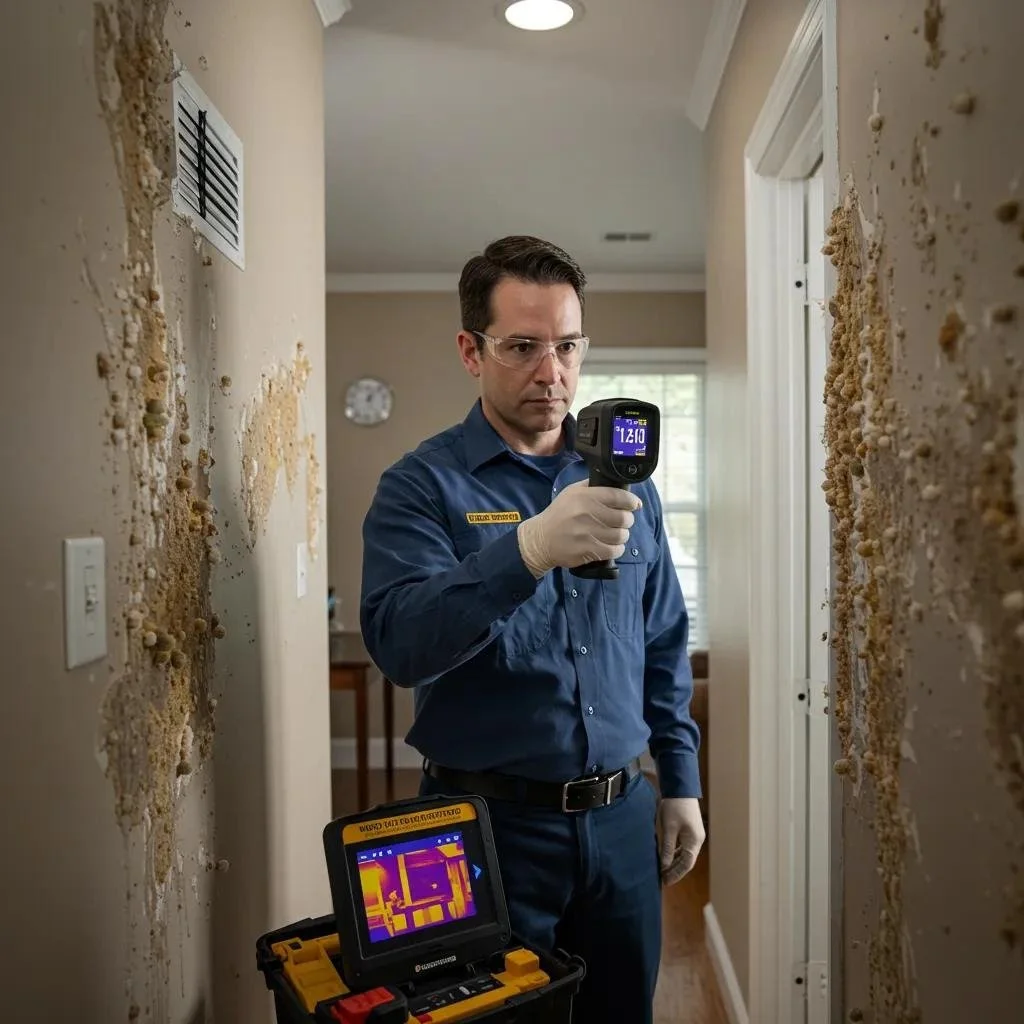
Thorough mold inspection and damage assessment establish the scope of fungal contamination, moisture intrusion points, and structural vulnerabilities. Licensed consultants use moisture meters, thermal imaging cameras, and visual sampling protocols to map fungal colonies behind walls, under flooring, and within hidden cavities. Surface and air samples are sometimes sent to accredited laboratories to identify mold species and quantify spore counts. Assessors document water damage pathways, including plumbing failures or roof leaks, and measure relative humidity levels to gauge environmental risk. This comprehensive evaluation enables an accurate remediation plan, ensures compliance with Texas Department of Licensing and Regulation standards, and determines resource allocation for containment, removal, and restoration.

How Are Mold Containment and Air Filtration Implemented?

Effective containment and air filtration prevent mold spores from spreading beyond the affected zone, protecting occupants and uncontaminated areas. Technicians construct negative-pressure enclosures using polyethylene sheeting and professional-grade tape, creating sealed barriers between workspaces and living spaces. Specialized air scrubbers equipped with HEPA filters circulate contaminated air through multi-stage filtration systems that capture 99.97 percent of particles down to 0.3 microns. Portable negative-air machines maintain lower air pressure inside containment, pulling spores inward and filtering exhaust air. Proper containment and filtration preserve indoor air quality and streamline subsequent cleaning and removal efforts by minimizing cross-contamination risks.

What Are the Safe Mold Removal Techniques and Equipment Used?

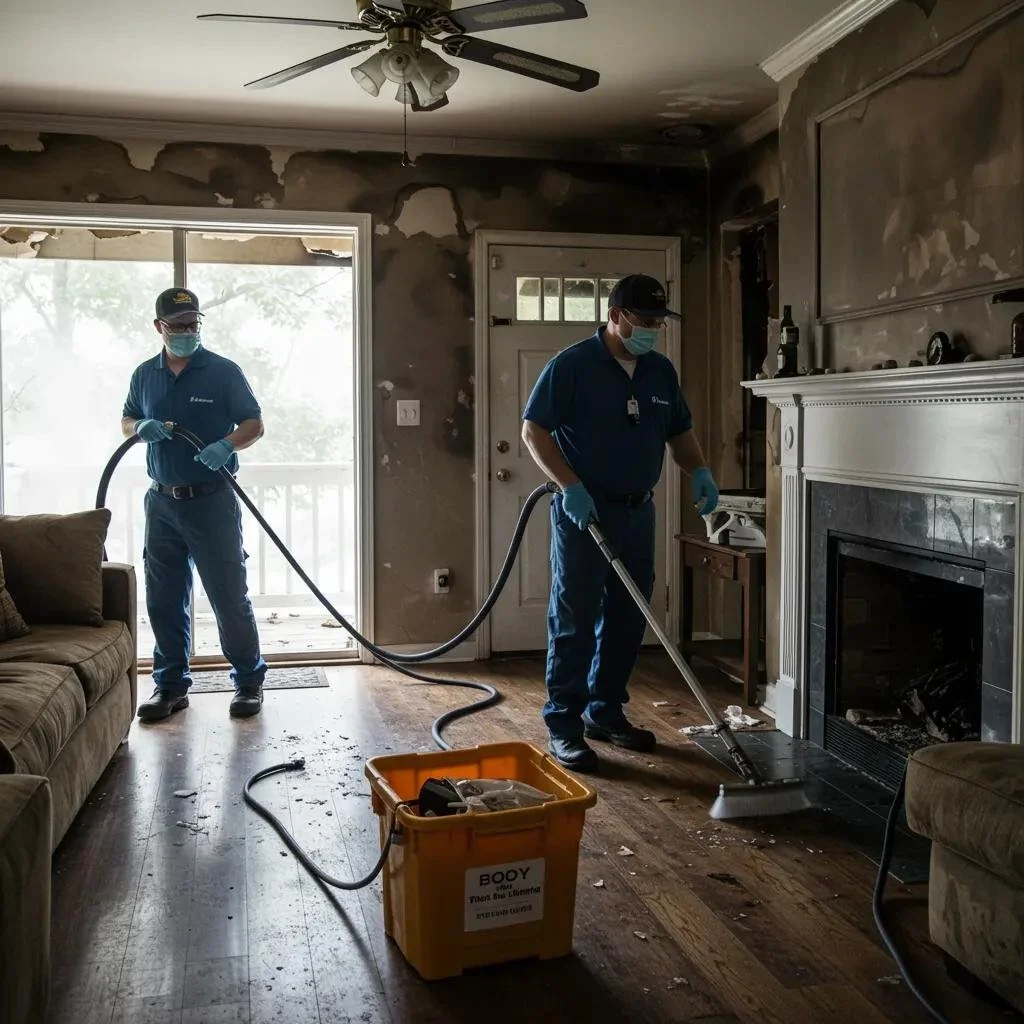
Safe mold removal combines mechanical and chemical methods to eradicate fungal colonies from non-porous and semi-porous surfaces. HEPA-vacuuming captures loose spores before manual scrubbing, while antimicrobial treatments neutralize remaining colonies at a microbial level. Technicians remove heavily infested materialsβ€”such as drywall, insulation, or carpetingβ€”according to EPA disposal guidelines, bagging waste to prevent spore escape. Surface cleaning agents with antifungal properties are applied to inhibit regrowth and ensure long-term microbial control. Personal protective equipment, including full-face respirators, disposable suits, and gloves, safeguards crews and occupants throughout the removal phase.

How Is Cleaning, Sanitization, and Odor Removal Performed?

Deep cleaning and sanitization address residual spores, biofilms, and associated odors that linger after material removal. Technicians apply EPA-registered fungicidal agents to treated areas, followed by HEPA-filtered vacuuming and microfiber wiping to eliminate residual particulates. Ozone generators or hydroxyl machines may be used to neutralize volatile organic compounds responsible for musty odors without harmful byproducts. Fogging devices distribute antimicrobial disinfectants into hard-to-reach cavities, ensuring comprehensive coverage. This multi-agent approach restores surfaces to hygienic conditions, removes visible staining, and eradicates odor sources at a molecular level.

Why Is Post-Remediation Verification Important?

Post-remediation verification confirms that mold levels have returned to acceptable background counts and that no recontamination risk remains. Independent air quality testing measures spore concentrations, comparing them to control samples taken from unaffected areas. Clearance reports document the absence of active fungal growth and validate that rehabilitation meets industry and regulatory standards. Third-party verifiersβ€”or in-house quality assurance teamsβ€”review environmental data, ensuring impartial certification of a successful remediation outcome. This verification step provides property owners with documented assurance that indoor air quality is safe for reoccupation.

What Does Property Restoration and Repair Include?

Property restoration and repair complete the remediation cycle by rebuilding or replacing damaged structures to their original appearance and functionality. Minor repairs may involve new drywall installation, painting, and trim work, while major reconstruction can include structural framing, flooring replacement, and ceiling restoration. Moisture control elementsβ€”such as dehumidifiers and improved ventilation systemsβ€”are often installed to prevent future mold growth. Final inspections verify that restored areas blend seamlessly with unaffected sections, delivering a fully rehabilitated property that meets aesthetic and safety standards.

How Much Does Mold Remediation Cost in Austin, Texas?

Mold remediation cost refers to the total investment required for professional assessment, removal, and restoration of affected properties in Austin. Pricing varies based on project size, infestation severity, mold type, and ease of access. Accurate cost estimation ensures homeowners understand financial commitments and can plan insurance coverage or out-of-pocket expenses accordingly.

Below is a summary of key cost factors influencing remediation investment:

  • Square footage of affected areas determines labor and material requirements.

  • Type of mold (e.g., common mold vs. toxic black mold) dictates containment and treatment protocols.

  • Extent of structural damage influences scope of repair and reconstruction.

  • Accessibility to hidden growth areas may increase inspection and removal complexity.

  • Local regulations and licensing standards affect procedural compliance costs.

What Factors Influence Mold Remediation Pricing?

Several elements directly affect mold remediation pricing, guiding property owners to anticipate budget ranges:

Factor Cost Impact Description
Affected Square Footage Moderate to High Larger areas require more labor hours, materials, and disposal resources.
Mold Type Variable Toxic species like black mold incur stricter containment, safety protocols, and testing.
Damage Extent High Structural decay demands additional demolition, drying time, and reconstruction steps
Accessibility Moderate Hidden or confined spaces require specialized inspection tools and extended labor.
Insurance Coordination Indirect Savings Direct billing and claims assistance can offset out-of-pocket costs for policyholders.

What Are the Average Mold Removal Costs for Austin Properties?

In Austin, mold removal costs for residential and commercial properties typically range from $1,200 to $3,750 for moderate infestations under 200 square feet. Small-scale projects may start around $500, while extensive whole-house remediation can exceed $30,000. The Steam Team offers free, no-obligation estimates that consider all pricing variables, and assists with insurance documentation to maximize policy benefits. Understanding these averages helps property owners set realistic budgets and avoid unexpected expenses during restoration.

What Are the Health Risks and Symptoms Associated With Mold Exposure?

Mold exposure poses immediate and long-term health risks by releasing spores and mycotoxins into indoor air. Inhalation or contact can trigger respiratory irritation, allergic responses, and more severe systemic effects. Recognizing common symptoms and understanding toxic species like Stachybotrys chartarum empowers individuals to seek prompt professional remediation and medical guidance when needed.

Homeowners experiencing exposure often report:

  1. Chronic coughing or wheezing that intensifies in damp environments.

  2. Allergic reactions such as sneezing, itchy eyes, and nasal congestion.

  3. Skin inflammation or rash following contact with contaminated surfaces.

These manifestations highlight the necessity of professional intervention to restore healthy indoor air conditions and prevent further complications.

What Common Health Issues Does Mold Cause?

Residential or commercial occupants exposed to mold spores may suffer from respiratory distress, including persistent coughing, throat irritation, and difficulty breathingβ€”particularly for individuals with asthma or chronic lung conditions. Allergic reactions manifest as watery eyes, nasal congestion, and skin hives. Mold can also exacerbate asthma attacks and lead to sinus infections over prolonged exposure. Vulnerable populationsβ€”children, the elderly, and those with compromised immune systemsβ€”face heightened risks of severe respiratory complications from untreated mold growth.

How Is Black Mold Different and More Dangerous?

Black mold (Stachybotrys chartarum) produces potent mycotoxins that can trigger neurological symptoms, internal organ irritation, and immunosuppression in sensitive individuals. Its dark, slimy appearance often indicates advanced colonization and water saturation. Because of these toxins, remediation of black mold requires enhanced personal protective equipment, stricter negative-pressure containment, and rigorous disposal protocols. Licensed contractors follow Texas Department of Licensing and Regulation guidelines to ensure safe removal and disposal, minimizing health hazards associated with mycotoxin exposure.

What Are the Long-Term Effects of Mold Exposure?

Chronic mold exposure can lead to sustained respiratory decline, including increased frequency of asthma attacks and development of new allergies. Prolonged contact with mycotoxins may contribute to neurological issuesβ€”such as headaches, cognitive impairment, and fatigueβ€”by affecting nerve signaling pathways. The Centers for Disease Control and Prevention notes potential links between mycotoxin inhalation and immune system dysfunction over time. Addressing mold infestations swiftly prevents cumulative health impacts and supports better long-term well-being for occupants.

Why Choose The Steam Team for Mold Remediation Services in Austin?

Selecting a seasoned mold remediation provider ensures safety, quality, and regulatory compliance from start to finish. The Steam Team combines local expertise, state licensing, round-the-clock availability, and insurance coordination to deliver comprehensive mold removal solutions in Central Texas.

Key differentiators include:

  • Over 40 years of trusted service in Austin

  • State-of-Texas Mold Remediation Contractor license and TDLR compliance

  • 24/7 emergency response for rapid mitigation

  • Direct billing and full insurance claim assistance

How Does Over 40 Years of Local Experience Benefit You?

With a legacy dating back to 1983, The Steam Team understands Austin’s unique climate challengesβ€”from seasonal humidity spikes to flash floodingβ€”that promote fungal growth. This institutional knowledge informs proactive moisture control strategies, anticipatory inspection techniques, and efficient remediation planning. Local relationships with suppliers, insurance adjusters, and regulatory bodies accelerate response times and approval processes, ensuring faster resolution and a more seamless restoration experience.

What Licensing and Certifications Does The Steam Team Hold?

The Steam Team holds a State of Texas Mold Remediation Contractor license (MRC License #RCO1264) and operates under Texas Department of Licensing and Regulation standards. Technicians undergo continuous training in IICRC best practices, ensuring adherence to safety protocols, environmental guidelines, and procedural rigor. Licensing and certification demonstrate a commitment to quality control, accountability, and transparent operations that protect clients and their properties.

How Does 24/7 Emergency Response Support Urgent Mold Issues?

Mold incidents often arise without warningβ€”burst pipes, roof leaks, and storms can trigger rapid fungal growth. The Steam Team’s 24/7 emergency hotline connects callers to on-duty experts who dispatch crews immediately. Early stabilization measuresβ€”such as moisture extraction and temporary containmentβ€”reduce the risk of extensive mold spread, minimize structural damage, and protect indoor air quality. Round-the-clock readiness ensures that critical remediation steps begin before mold can compromise health and property integrity.

How Does The Steam Team Simplify Insurance Claims?

Navigating insurance claims for mold remediation can be complex due to documentation requirements and coverage nuances. The Steam Team streamlines this process by directly billing approved policies, communicating with adjusters, and providing detailed project reports. Clear estimates, photographic evidence, and scope of work documentation support claim approval and reduce out-of-pocket expenses. Clients benefit from a single point of contact that handles administrative tasks, allowing them to focus on recovery rather than paperwork.

How Can Homeowners and Businesses Prevent Future Mold Growth?

Preventing mold growth relies on controlling moisture sources, maintaining proper airflow, and monitoring environmental conditions. Implementing preventive measures reduces the likelihood of future infestations and the need for costly remediation.

Effective mold prevention encompasses:

  • Maintaining indoor humidity levels below 60 percent through dehumidifiers and ventilation

  • Repairing leaks promptly in roofs, plumbing fixtures, and foundations

  • Ensuring adequate airflow by cleaning HVAC filters and using fans in high-moisture areas

  • Conducting regular property inspections for signs of water intrusion

What Are Effective Moisture Control and Ventilation Strategies?

Controlling indoor humidity and promoting air exchange thwart mold before it can take hold. Installing energy-efficient dehumidifiers in basements and crawlspaces keeps relative humidity within target ranges, while exhaust fans in bathrooms and kitchens remove excess moisture at its source. Sealing gaps around windows, doors, and plumbing lines prevents outdoor humidity infiltration. Regular duct cleaning and proper HVAC maintenance ensure consistent airflow, reducing condensation on cold surfaces and inhibiting fungal colonization in hidden cavities.

How Do Dehumidifiers and Smart Sensors Help in Early Mold Detection?

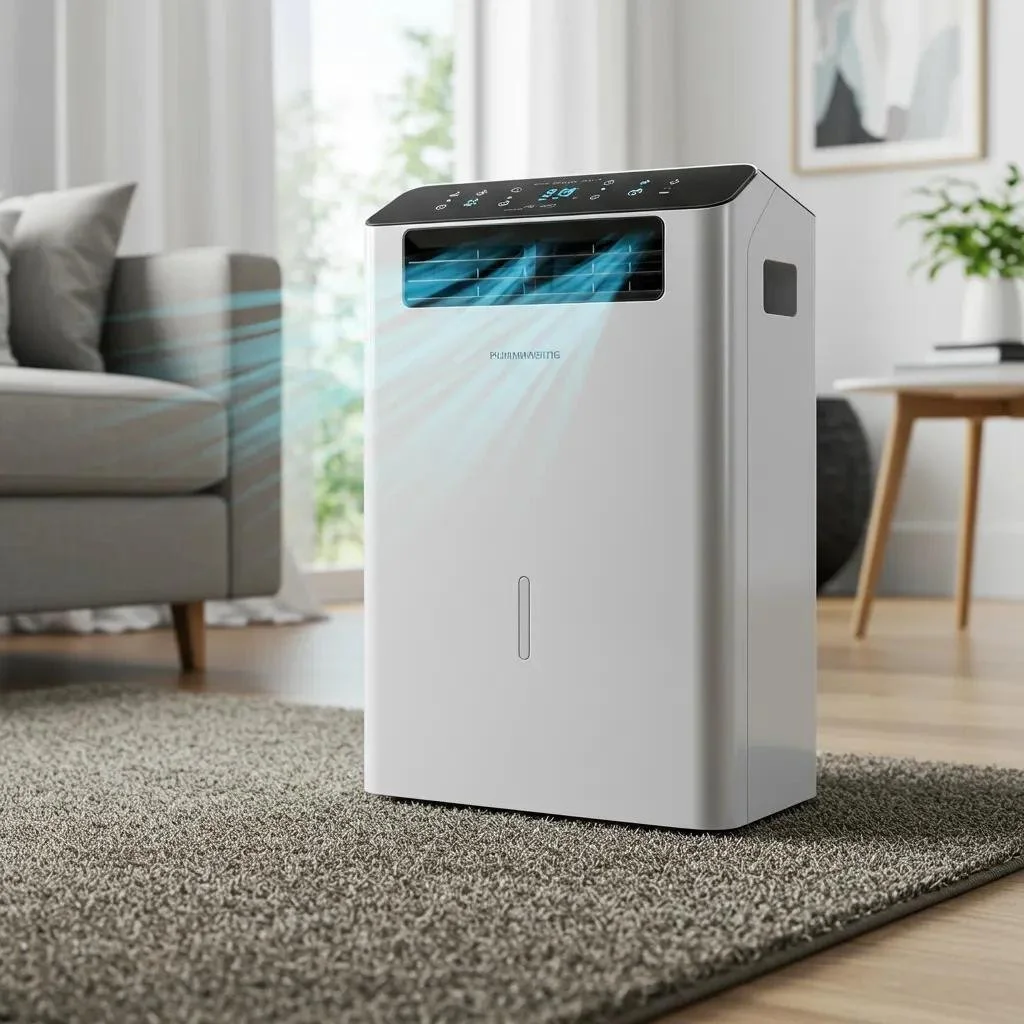
Modern dehumidifiers equipped with built-in hygrometers automatically activate when humidity exceeds preset thresholds, maintaining controlled moisture levels. Smart sensors placed in vulnerable areasβ€”attics, basements, and utility roomsβ€”provide real-time humidity and temperature readings via mobile apps or integrated building management systems. Alerts notify owners of spikes that could lead to mold growth, enabling prompt interventions such as increased ventilation or localized drying. Early detection tools transform reactive cleanup into proactive prevention.

What Maintenance Practices Reduce Mold Recurrence Risks?

Routine maintenance protects properties from invisible moisture threats that catalyze fungal growth. Homeowners and facility managers should inspect plumbing fixtures, roof gutters, and foundation drains seasonally for clogs or leaks. Clean and replace HVAC filters quarterly to sustain unobstructed airflow. Schedule annual professional building envelope assessments that include infrared thermography to reveal hidden moisture pockets. Consistent upkeep and timely repairs create a resilient barrier against mold resurgence.

What Should You Know About Residential vs. Commercial Mold Remediation?

Residential and commercial mold remediation share core scientific principles but diverge in scale, regulatory oversight, and continuity requirements. Homes typically involve localized interventions and occupant relocation, while businesses demand stringent compliance, minimal downtime, and facility-management coordination.

How Do Mold Remediation Needs Differ Between Homes and Businesses?

In residential settings, mold outbreaks usually originate from singular eventsβ€”burst pipes or localized leaksβ€”and often require targeted treatment of affected rooms. Commercial facilities face larger square footage, diverse occupancy patterns, and critical equipment considerations. Remediation plans for businesses must integrate with operational schedules to prevent service disruptions, comply with OSHA and industry-specific regulations, and document chain-of-custody for sensitive environments like healthcare or food-service establishments.

What Are the Compliance Requirements for Commercial Properties?

Commercial mold remediation in Central Texas adheres not only to Texas Department of Licensing and Regulation standards but also to federal and industry regulationsβ€”such as OSHA guidelines for worker safety and EPA directives for indoor air quality. Facility managers must ensure that containment zones meet ANSI/ASHRAE standards for ventilation and that disposal of contaminated materials follows local environmental codes. Detailed record-keeping, third-party clearance testing, and certification of completed work are often contractual obligations to protect business continuity and legal liability.

What Are Common Questions About Mold Remediation Services?

Property owners frequently inquire about project timelines, DIY feasibility, insurance coverage, and the latest technologies used in remediation. Understanding these concerns supports informed decision-making and realistic expectations when engaging professional services.

Key homeowner concerns include:

  • Average duration from initial assessment to final clearance

  • Risks and limitations of do-it-yourself mold removal

  • Insurance policy provisions and claim processes

  • Cutting-edge equipment and techniques deployed in 2025

What Are the Typical Timeframes for Mold Remediation Projects?

Remediation timelines vary with infestation severity, property size, and remediation scope. Small-scale jobsβ€”removing mold from a single bathroom wallβ€”can conclude in one to two days, including drying and cleaning. Moderate projects spanning multiple rooms typically require four to seven days, accounting for inspection, containment, removal, and drying phases. Extensive whole-house or commercial building remediation may extend two to three weeks, especially when structural repairs and post-remediation testing are involved. A detailed assessment by licensed professionals yields an accurate project schedule tailored to each property.

Can Mold Be Removed Safely Without Professional Help?

DIY mold removal carries significant risks, including incomplete eradication, spore dispersal, and exposure to hazardous mycotoxins. Homeowners lack the specialized equipmentβ€”negative-pressure enclosures, HEPA-filtered vacuums, and industrial-grade antimicrobial agentsβ€”that professionals use to control cross-contamination and ensure thorough decontamination. Licensed remediation contractors follow TDLR protocols, implement rigorous containment, and conduct post-remediation verification, providing documented proof of safety. Attempting mold removal without proper training can exacerbate infestations and pose health hazards.

Is Mold Remediation Covered by Insurance in Austin?

Most homeowner and commercial property insurance policies include mold remediation when mold growth results from a covered perilβ€”such as burst plumbing, roof damage, or flooding events. Coverage limits, deductibles, and exclusions vary by policy. The Steam Team assists clients by preparing detailed damage reports, documenting remediation needs, and communicating directly with insurance adjusters. This collaboration expedites claim review, maximizes eligible reimbursements, and reduces out-of-pocket expenses for policyholders.

How Do Advanced Technologies Improve Mold Removal in 2025?

In 2025, mold remediation leverages technological advancementsβ€”portable thermal imaging detects hidden moisture pockets behind walls and ceilings, robotic inspection crawlers access confined crawlspaces, and IoT-enabled sensors provide continuous humidity monitoring. Enhanced HEPA filtration systems now feature multi-stage carbon and photocatalytic oxidation filters that neutralize volatile organic compounds and microbial toxins. Antimicrobial fogging devices use electrostatic application for uniform coverage, while data-driven moisture-mapping software guides technicians in targeting high-risk zones. These innovations accelerate remediation, improve accuracy, and deliver quantifiable air-quality improvements.

Restoring indoor environments to safe, mold-free conditions combines scientific precision, regulatory compliance, and experienced craftsmanship. The Steam Team’s licensed professionals, backed by over four decades of local service, guide clients through each remediation stage with transparent communication, documented verification, and seamless insurance support. For a comprehensive evaluation and no-cost estimate, reach out to schedule an assessment and safeguard your property from mold risks.

Frequently Asked Questions

What are the signs of mold growth in a property?

Signs of mold growth can vary, but common indicators include visible mold patches, a musty odor, and water stains on walls or ceilings. Homeowners may also notice increased humidity levels or condensation on windows. If occupants experience unexplained allergic reactions, respiratory issues, or persistent coughing, these could be symptoms of mold exposure. Regular inspections and monitoring for these signs can help catch mold issues early, preventing extensive damage and health risks.

How long does the mold remediation process typically take?

The duration of mold remediation depends on several factors, including the extent of the infestation, the size of the affected area, and the complexity of the remediation plan. Small-scale projects may take one to two days, while moderate infestations can require four to seven days. Extensive remediation, especially in larger commercial properties, may take two to three weeks. A thorough assessment by professionals will provide a more accurate timeline tailored to the specific situation.

Are there any DIY methods for preventing mold growth?

While professional remediation is recommended for existing mold issues, homeowners can implement several DIY prevention strategies. Keeping indoor humidity below 60% using dehumidifiers, promptly repairing leaks, and ensuring proper ventilation in high-moisture areas like bathrooms and kitchens are effective measures. Regularly inspecting for signs of water intrusion and maintaining HVAC systems can also help prevent mold growth. However, for significant infestations, professional intervention is essential.

What should I do if I suspect mold in my home?

If you suspect mold in your home, it’s crucial to act quickly. First, avoid disturbing the affected area, as this can release spores into the air. Document the extent of the mold and any visible damage. Then, contact a professional mold remediation service to conduct a thorough inspection and assessment. They can provide a detailed plan for safe removal and restoration, ensuring that your home is returned to a healthy state.

How can I choose the right mold remediation service?

Choosing the right mold remediation service involves several key considerations. Look for companies with proper licensing and certifications, such as a State of Texas Mold Remediation Contractor license. Check for experience and customer reviews to gauge their reputation. Additionally, inquire about their remediation process, including containment and post-remediation verification. A reliable service should also assist with insurance claims and provide transparent pricing. Always request a detailed estimate before proceeding.

What are the potential health effects of mold exposure?

Mold exposure can lead to a range of health issues, particularly for sensitive individuals. Common symptoms include respiratory problems, allergic reactions, skin irritation, and headaches. Prolonged exposure may exacerbate asthma and lead to chronic respiratory conditions. Certain molds, like black mold, can produce mycotoxins that pose more severe health risks. It’s essential to address mold issues promptly to protect the health of all occupants, especially vulnerable populations such as children and the elderly.

What are the differences between residential and commercial mold remediation?

Residential and commercial mold remediation differ primarily in scale and regulatory requirements. Residential remediation often focuses on localized areas and may involve temporary relocation of occupants. In contrast, commercial remediation must consider operational continuity, compliance with OSHA regulations, and minimal disruption to business activities. Commercial projects may also require more extensive documentation and coordination with facility management. Both types, however, follow similar scientific principles for effective mold removal and prevention.

Conclusion

Engaging professional mold remediation services in Austin ensures a thorough and compliant approach to eliminating mold, safeguarding health, and restoring properties. The Steam Team’s expertise, rapid response, and commitment to quality provide peace of mind for homeowners and businesses alike. By understanding the importance of timely intervention and preventive measures, you can protect your environment from future mold issues. Contact us today for a free assessment and take the first step towards a mold-free space.

Trusted Mold Remediation Services for Austin Residents

Top Mold Remediation Services Austin Residents Trust: Expert Mold Removal and Restoration Solutions

Mold remediation services in Austin demand precision, rapid response, and local expertise to safeguard health and property integrity. Residents facing unseen fungal growth need clear guidance and trusted professionals to diagnose contamination, remove hazards, and restore safe indoor environments. This article explains why The Steam Team’s licensed mold removal service sets the standard, outlines common signs and health risks of mold in Central Texas, details the five-step remediation workflow, examines cost factors and insurance collaboration, contrasts inspection versus testing roles, defines emergency response triggers, and offers proven strategies to prevent mold’s return. By following these insights, homeowners and businesses gain confidence in effective mold abatement and long-term protection.

Why Do Austin Residents Trust The Steam Team for Mold Remediation?

The Steam Team’s mold remediation service combines state licensing, decades of local knowledge, and emergency readiness to deliver reliable results under Texas Department of Licensing and Regulation standards. Clients benefit from a transparent process backed by a Texas Mold Remediation Contractor license, free damage estimates, and seamless coordination with insurance providers. This trust springs from consistent quality, clear communication, and a commitment to restoring healthy indoor air quality.

Before exploring specific benefits, consider how key credentials and capabilities align:

Credential or Service Description Benefit
State License MRC License #RCO1264 issued by Texas Department of Licensing and Regulation Verifies professional compliance and expertise
Local Experience Over 40 years serving Austin and Central Texas properties Ensures familiarity with regional climate and building types
24/7 Emergency Response Around-the-clock availability for mold and water damage Minimizes health risks and secondary damage
Insurance Coordination Direct billing and claims assistance Simplifies reimbursement and reduces out-of-pocket costs
Free Mold Damage Estimate No-cost initial assessment Enables informed decision-making and budgeting

These credentials form the foundation for deeper advantages in professional mold abatement, as detailed in the following specialized service elements.

What Licenses and Certifications Ensure Professional Mold Removal in Austin?

Licensed mold removal in Austin requires compliance with TDLR regulations and a valid Mold Remediation Contractor license. The Steam Team holds MRC License #RCO1264, which the Texas Department of Licensing and Regulation grants only after rigorous testing and proof of procedural knowledge. This certification guarantees that all technicians employ industry-approved protocols, use specialized protective equipment, and adhere to safety standards.

Beyond state licensing, ongoing training ensures familiarity with emerging containment methods and antimicrobial treatments. Technicians trained in HEPA filtration, negative air pressure techniques, and moisture monitoring tools bolster remediation effectiveness. Certified credentialsβ€”such as recognized environmental safety courseworkβ€”reinforce the integrity of every project and protect occupants throughout the abatement process.

How Does Over 40 Years of Local Experience Benefit Austin Homeowners?

Decades of service in Austin and surrounding Central Texas positions The Steam Team as a master of local building patterns and seasonal moisture challenges. Familiarity with common construction materials, ventilation systems, and regional humidity cycles enables precise identification of mold hotspots and hidden leaks. This deep local insight reduces diagnostic errors and accelerates containment strategies.

For example, homes in older neighborhoods often feature uninsulated crawl spaces prone to condensation, while newer constructions may suffer from sealed envelopes that trap moisture. Technicians draw on hundreds of past projects to anticipate problem areas and advise custom prevention plans. The result is faster remediation, fewer surprises, and restored indoor air quality tailored to each property’s unique design.

What Emergency Mold Remediation Services Are Available 24/7 in Austin?

Immediate mold remediation halts fungal proliferation and prevents structural deterioration after water intrusion. The Steam Team’s emergency service dispatches certified technicians at any hour to initiate rapid containment, moisture extraction, and air scrubbing. Fully equipped service vehicles arrive with commercial-grade dehumidifiers, HEPA air scrubbers, and extraction units designed to remove standing water and airborne spores.

Key emergency actions include:

  • Rapid visual assessment to identify active mold growth

  • Structural drying using dehumidification and localized heat

  • Air filtration to capture spores before they spread

  • Sealing off affected zones to protect unaffected areas

This prompt response limits health risks, shields building materials from mold colonization, and forms the basis for a controlled remediation workflow that follows proven protocols.

How Does The Steam Team Work with Insurance Companies for Mold Damage?

Collaborating directly with insurance carriers streamlines claim approvals and accelerates financial recovery for remediation work. The Steam Team’s staff documents mold sources, damage extent, and remediation protocols in detailed reports aligned with industry standards. These comprehensive project records support claim applications and justify coverage under property policies.

From initial estimate through final billing, technicians offer:

  • Itemized scope of work aligned to policy provisions

  • Photographic and written evidence of contamination and repairs

  • Direct communication with adjusters to clarify remediation needs

By reducing administrative burden and ensuring transparent documentation, the team helps policyholders secure timely reimbursements and complete restoration with minimal stress.

What Are the Common Signs and Health Risks of Mold in Austin Homes and Businesses?

Mold is a microscopic fungus that thrives in humid environments and can proliferate on organic materials when moisture is present. In Austin’s warm climate, buildings often experience excess humidity and water intrusion, creating ideal conditions for mold growth. Recognizing early warning signs and understanding associated health hazards is essential to prevent extensive contamination and protect occupants.

What Is Mold and Why Is It a Problem in Austin’s Climate?

Mold refers to various fungal species that reproduce via airborne spores and decompose organic matter. Warm summers and high indoor humidity common in Central Texas create an environment where mold spores germinate rapidly on drywall, wood framing, carpeting, and insulation. Unaddressed, these colonies compromise structural integrity and exacerbate indoor air contamination.

Mold underscores the need for proactive moisture control and professional remediation. Addressing small growths promptly prevents widespread infestation and maintains a healthy living or working environment.

Mold Prevention and Health Effects After Floods and Hurricanes

Extensive water damage after major hurricanes and floods increases the likelihood of mold contamination in buildings. This report provides information on how to limit exposure to mold and how to identify and prevent mold-related health effects. Where uncertainties in scientific knowledge exist, practical applications designed to be protective of a person's health are presented. Evidence is included about assessing exposure, clean-up and prevention, personal protective equipment, health effects, and public health strategies and recommendations. The recommendations assume that, in the aftermath of major hurricanes or floods, "

What Health Issues Can Mold Exposure Cause?

Mold exposure poses significant risks, particularly for sensitive individuals with allergies or respiratory conditions. Common health issues include:

Symptom Trigger Impact
Nasal congestion and sneezing Inhalation of mold spores Heightened allergic response
Asthma exacerbation Spore exposure in airways Increased bronchial constriction
Skin irritation Direct contact with contaminated surfaces Rashes and dermatitis
Headaches and fatigue Mycotoxin release Neurological discomfort

Exposure symptoms often mimic other conditions, delaying proper treatment. Early mold abatement curtails allergen sources and restores air quality.

How Can You Identify Mold Infestation Early?

Visual and sensory cues help detect mold before it spreads widely. Key indicators include:

  • Discolored patches on walls, ceilings, or floors

  • Persistent musty or earthy odors in enclosed spaces

  • Water stains or peeling paint around plumbing fixtures

  • Allergy-like symptoms intensifying indoors

Proactive visual inspections combined with moisture meter readings reveal hidden pockets of dampness. Acting on these signals quickly averts large-scale remediation and safeguards occupant health.

What Is the Step-by-Step Mold Remediation Process Used by Austin Experts?

Professional mold remediation follows a structured five-stage protocol to diagnose, contain, remove, dry, and restore affected areas. Consistent adherence to these steps ensures safe, thorough elimination of mold, prevents cross-contamination, and returns buildings to a healthy state.

How Is the Initial Mold Assessment and Inspection Conducted?

The first stage involves a detailed evaluation to map contamination and determine remediation scope. Trained inspectors perform:

  • Visual inspection of suspect areas and concealed cavities

  • Moisture measurements using portable meters

  • Documentation of growth patterns and environmental conditions

A licensed mold assessment consultant may perform testing to identify species and spore counts. This foundational data guides targeted containment and treatment strategies.

What Methods Are Used for Mold Containment and Air Filtration?

Containment seals off contaminated zones to prevent spore migration. Technicians deploy:

  • Polyethylene barriers and sealed doorways

  • Negative air pressure machines to direct airflow away from clean areas

  • HEPA air scrubbers that capture microscopic spores

Effective containment and filtration minimize exposure and establish a controlled workspace for safe mold removal.

How Is Mold Safely Removed and Treated?

Mold remediation specialists use a combination of mechanical and chemical techniques:

  • HEPA-vacuuming of loose spores

  • Gentle removal of non-salvageable materials

  • Application of antimicrobial agents to inhibit regrowth

  • Careful cleaning of structural elements to restore surfaces

This dual approach ensures complete removal of fungal colonies and deactivation of remaining spores.

How Does Drying and Moisture Control Prevent Mold Recurrence?

Following removal, structural drying eliminates residual moisture that fuels mold regrowth. Commercial dehumidifiers and air movers accelerate evaporation, while continuous monitoring with moisture probes verifies optimal dryness. Implementing moisture barriers or improved ventilation completes the drying stage and reduces future risk.

What Restoration and Prevention Steps Follow Mold Removal?

Final restoration addresses any demolition performed during remediation and reinstates finished surfaces. Repair actions often include:

  • Replacement of drywall, insulation, or floor coverings

  • Painting with mold-resistant coatings

  • Installation of improved ventilation or exhaust systems

Combined with maintenance recommendations, these measures fortify properties against mold resurgence.

How Much Does Mold Remediation Cost in Austin and What Factors Affect Pricing?

Mold remediation pricing varies based on project complexity, contamination extent, and specific environmental conditions. Austin homeowners and businesses typically encounter cost influences such as infestation size, structural materials involved, mold species, and access challenges. Understanding these variables helps set realistic budgets and avoids unexpected expenses.

What Are the Main Factors Influencing Mold Removal Costs?

Cost drivers in mold remediation include:

  1. Area of Contamination – Larger square footage incurs higher labor and material expenses.

  2. Type of Mold – Certain species, such as black mold, require specialized handling and disposal.

  3. Access and Complexity – Concealed mold behind walls or ceilings raises labor time.

  4. Containment Requirements – Extensive barrier installation and negative air pressure add equipment charges.

  5. Follow-Up Testing – Additional mold assessment consultations and clearance tests influence overall costs.

Is Mold Remediation Covered by Insurance in Austin?

Insurance coverage for mold remediation depends on policy terms and cause of contamination. Commonly, policies cover mold resulting from sudden accidental water damageβ€”such as burst pipes or storm floodingβ€”but exclude mold from long-term neglect. Detailed documentation of the mold source, remediation scope, and linkage to covered perils improves approval odds.

How Can You Get a Free Mold Damage Estimate from The Steam Team?

Prospective clients can request a no-cost mold damage estimate by contacting The Steam Team’s customer care representatives. Technicians conduct an on-site assessment, outline the recommended scope of work, and provide a written estimate without obligation. This transparent process empowers property owners to plan remediation and coordinate with insurance providers effectively.

What Should Austin Residents Know About Mold Inspection and Testing?

Mold inspection and testing serve as preliminary steps that differ from remediation activities. Under Texas law, inspection consultants evaluate contamination and develop protocols, while licensed remediators perform removal. Understanding these distinct roles ensures legal compliance and comprehensive management of microbial hazards.

How Is Mold Inspection Different from Mold Remediation?

Mold inspection focuses on identifying species, measuring spore concentrations, and diagnosing sources of moisture intrusion. Licensed mold assessment consultants collect air and surface samples to inform remediation protocols. In contrast, remediation technicians execute the physical removal, cleanup, and structural repairs following those protocols. This separation of duties preserves compliance with TDLR regulations and protects occupant safety.

Who Performs Mold Testing and Assessment in Austin?

Certified mold assessment consultants conduct tests in accordance with industry standards. They utilize calibrated sampling devices, laboratory analysis, and visual documentation to classify mold types and quantify exposure levels. These professionals produce authoritative inspection reports that guide remediation scope and support insurance claims.

How Does Mold Testing Inform the Remediation Process?

Accurate mold testing results drive targeted intervention strategies by revealing:

  • Specific fungal species and associated health risks

  • Spore count levels indicating contamination severity

  • Moisture intrusion points requiring structural repairs

By aligning remediation protocols with empirical data, technicians deliver efficient, customized abatement that addresses the root causes of mold growth.

When Is Emergency Mold Remediation Needed in Austin and How Is It Handled?

Emergency mold remediation becomes essential when rapid fungal proliferation threatens occupant health or structural components. Events such as burst water lines, flooding, or uncontrolled humidity spikes demand immediate action to prevent large-scale contamination and material decay.

What Are Common Causes of Mold Emergencies in Austin Homes?

In Central Texas, sudden water incidents often trigger mold crises:

  • Plumbing failures that release large water volumes within minutes

  • Severe weather flooding that saturates basements and crawl spaces

  • HVAC malfunctions causing moisture accumulation in ductwork

  • Roof leaks during heavy rain events compromising attic insulation

Prompt identification of these triggers averts extensive remediation and structural damage.

How Does The Steam Team Provide Rapid Mold Removal and Water Damage Restoration?

Responding continuously to urgent calls, The Steam Team mobilizes certified technicians equipped with water extraction units and drying equipment. The initial phase includes water removal and structural drying, followed by rapid mold containment and filtration. This dual-service approach integrates water damage restoration and mold abatement into a unified emergency workflow, reducing downtime and safeguarding property.

What Equipment and Techniques Are Used in Emergency Mold Cleanup?

Emergency cleanup employs advanced technology to expedite drying and disinfection:

  • High-capacity pumps and extractors to remove standing water

  • Commercial dehumidifiers and air movers for accelerated structural drying

  • HEPA air scrubbers and negative air systems to contain spores

  • Thermo-imaging cameras to detect hidden moisture and mold growth

This specialized toolkit ensures efficient hazard removal and prepares the site for full remediation.

How Can Austin Residents Prevent Mold Growth After Remediation?

Effective post-remediation prevention relies on controlling moisture levels, enhancing ventilation, and maintaining regular inspections. By integrating simple habits and strategic upgrades, property owners can greatly reduce the likelihood of mold recurrence and protect indoor air quality long term.

What Are Effective Moisture Control and Ventilation Strategies?

Maintaining indoor relative humidity below 50 percent is crucial for discouraging fungal development. Recommended measures include:

  • Installing mechanical dehumidification in basements and crawl spaces

  • Upgrading exhaust fans in bathrooms and kitchens to vent outdoors

  • Ensuring proper grading around foundation to divert runoff

  • Using moisture-resistant building materials and mold-inhibiting surface coatings

Consistent moisture management creates an environment hostile to spore germination and proliferation.

How Can Regular Maintenance Reduce Mold Risks?

Routine inspections and upkeep uncover potential moisture sources before mold takes hold. Effective practices involve:

  • Checking plumbing joints and appliances for slow leaks

  • Cleaning gutters and downspouts to prevent water accumulation

  • Re-sealing window frames and roof penetrations that admit drafts

  • Scheduling professional moisture audits to verify dryness

Proactive maintenance preserves structural integrity and curbs hidden mold growth.

What Are the Best Practices for Maintaining Healthy Indoor Air Quality?

Enhancing airflow and filtration sustains a mold-resistant atmosphere. Recommended steps include:

  • Running high-efficiency particulate (HEPA) air purifiers in living areas

  • Changing HVAC filters regularly and considering ultraviolet germicidal lights

  • Keeping interior surfaces clean and free of organic debris

  • Periodically inspecting air ducts for dust and mold buildup

Together, these measures ensure breathable air, reduce allergen loads, and support long-term wellness. Mold contamination demands timely, skilled intervention and diligent prevention to safeguard health and property value. Guided by licensed professionals, a structured remediation process restores safe indoor environments, while strategic moisture control and maintenance fortify against future outbreaks. Austin residents can trust The Steam Team’s proven methods, comprehensive credentials, and 24/7 readiness to address any mold or water damage challenge. For expert assistance and a no-cost mold damage estimate, contact The Steam Team’s customer service to schedule your assessment and secure lasting peace of mind.

Frequently Asked Questions

What are the long-term health effects of mold exposure?

Long-term exposure to mold can lead to chronic respiratory issues, including asthma and bronchitis, particularly in sensitive individuals. Prolonged inhalation of mold spores may also contribute to the development of allergies and other respiratory conditions. Additionally, some molds produce mycotoxins, which can cause neurological symptoms and fatigue. It is crucial to address mold issues promptly to minimize health risks and ensure a safe living environment.

How can I tell if my home has hidden mold?

Hidden mold can often be detected through a combination of visual inspections and sensory cues. Look for signs such as water stains, discoloration on walls or ceilings, and musty odors. Additionally, using a moisture meter can help identify damp areas that may harbor mold. If you suspect hidden mold, consider hiring a professional for a thorough inspection and testing to confirm its presence and extent.

What should I do if I find mold in my home?

If you discover mold in your home, it is essential to act quickly. First, identify and eliminate the source of moisture that is allowing mold to thrive. Next, avoid disturbing the mold, as this can release spores into the air. Contact a licensed mold remediation professional to assess the situation and safely remove the mold. They will follow proper protocols to ensure thorough cleanup and prevent future growth.

Are DIY mold removal methods effective?

While some DIY methods can help with minor mold issues, they are often not sufficient for larger infestations. Common household solutions, like vinegar or bleach, may kill surface mold but do not address underlying moisture problems or prevent regrowth. Professional mold remediation services are recommended for extensive mold issues, as they utilize specialized equipment and techniques to ensure complete removal and long-term prevention.

How often should I have my home inspected for mold?

It is advisable to have your home inspected for mold at least once a year, especially if you live in a humid climate like Austin. Additionally, consider scheduling an inspection after significant water events, such as heavy rains or flooding, or if you notice any signs of mold growth. Regular inspections can help catch mold issues early, preventing extensive damage and health risks.

What are the best practices for maintaining a mold-free home?

To maintain a mold-free home, focus on controlling moisture levels and ensuring proper ventilation. Keep indoor humidity below 50% by using dehumidifiers and exhaust fans in high-moisture areas like bathrooms and kitchens. Regularly inspect plumbing for leaks, clean gutters, and ensure proper drainage around your foundation. Additionally, use mold-resistant materials during renovations and conduct routine inspections to catch potential issues early.

Conclusion

Timely and professional mold remediation is essential for safeguarding health and preserving property value in Austin's humid climate. The Steam Team's expertise ensures effective mold removal, comprehensive moisture control, and long-term prevention strategies tailored to each unique situation. By choosing a licensed and experienced service, residents can achieve peace of mind and a healthier indoor environment. Contact The Steam Team today for a free mold damage estimate and take the first step towards a mold-free home.

Top Techniques for Smoke Damage Cleanup in Austin

Top Techniques for Smoke Damage Cleanup in Austin: Professional Smoke Damage Repair and Odor Removal

Smoke damage restoration in Austin demands swift, expert intervention to halt chemical reactions that continue to degrade property long after flames are out. Homeowners facing soot-stained walls, pungent odors, and invisible health hazards need clear guidance and proven methods to reclaim safe living spaces. This guide explains the main types of smoke residues, outlines a five-step professional cleanup process, reviews advanced odor-elimination technologies, covers soot removal strategies, clarifies insurance navigation, and offers immediate response recommendations. Throughout, The Steam Team’s local expertise and 42-year track record illustrate why professional smoke damage repair and odor removal deliver lasting results.

What Are the Different Types of Smoke Damage and Their Effects in Austin Homes?

Smoke damage can be a devastating consequence of a fire, and understanding the different types that can affect homes in Austin is crucial for effective restoration. Generally, smoke damage is classified into three main categories: dry smoke, wet smoke, and protein smoke. Dry smoke is produced from high-temperature fires that burn quickly and cleanly, resulting in fine particles that can be easily displaced. This type of smoke damage typically presents as a light, powdery residue, which may cause discoloration on surfaces and can often be cleaned without extensive renovations. In contrast, wet smoke arises from low-temperature fires that burn slower and smolder, generating a sticky, thick residue that clings to walls and furnishings. This type of smoke can be more challenging to remove and may require specialized cleaning techniques to avoid permanent damage.

Additionally, protein smoke is often overlooked but can be particularly damaging, especially in kitchens where food-related fires occur. This type of smoke results from burning meat or oils and produces a rancid odor, as well as a fine, oily residue that is difficult to clean. Its effects can linger in a home, often requiring deep cleaning and deodorizing treatments to fully restore the affected areas. Understanding these types of smoke damage is essential for homeowners in Austin, as it informs restoration efforts and helps mitigate long-term issues such as structural damage and health risks associated with lingering smoke particles. By recognizing the specific type of smoke damage, homeowners can make informed decisions about cleaning and restoration techniques, ensuring their living spaces are safe and comfortable once again.

Smoke damage refers to the deposition of combustion by-products on surfaces, contents, and airspaces, creating both visible residue and hidden hazards. This damage arises from varied sourcesβ€”furnace malfunctions, kitchen fires, electrical arcsβ€”and each type alters cleanup requirements. For example, residues from burning plastics bond differently than residues from wood fires, affecting cleaning agents, techniques, and restoration time. Understanding these distinctions helps homeowners anticipate costs and professionals select optimal methods.

Below is a breakdown of primary smoke damage categories found in Austin residences:

Smoke Type Composition Characteristic Residue
Wet Smoke Low-temperature, high-moisture Sticky, smudgy film
Dry Smoke High-temperature, dry combustion Powdery, loose soot
Protein Residue Animal fats and food proteins Yellowish-brown, acidic film
Fuel Oil Soot Petroleum-based heating by-products Oily, fine, acidic particles

Each residue demands tailored cleaning: wet smoke requires water-based solvents, whereas fuel oil soot calls for heavy-duty degreasers. Recognizing these categories lays the groundwork for specialized restoration techniques and prepares homeowners for the scope of professional intervention.

How Does Wet Smoke Differ from Dry Smoke in Cleanup Needs?

Wet smoke forms when smoldering combustion releases moisture-laden residues that adhere tenaciously to walls, upholstery, and ceilings. Cleaning wet smoke involves emulsifying sticky films with water-based detergents before agitation to lift residue without damaging paint or fabric. For instance, a kitchen fire that smolders under counter cabinets often leaves a tacky residue that resists dry cloth removal. Without proper pre-treatment, repeated wipes can grind residue deeper into surfaces, increasing restoration time and costs.

Because wet smoke residues continue bonding in humid conditions, rapid moisture removal and thorough surface pH neutralization prevent re-staining. This moisture control also limits microbial growth that can complicate later odor-elimination phases, connecting cleanup to deodorization strategies that follow.

What Is Protein Residue and How Does It Affect Surfaces?

Protein residue comes from the incomplete combustion of animal-based materials and cooking oils, producing a thin, highly acidic film that discolors paints, plastics, and metals. This residue often appears yellowish and can continue to etch surfaces if not neutralized promptly. For example, after a grease fire in a restaurant kitchen, protein residues will permeate countertops and metallic fixtures, causing corrosion and staining that worsen over days.

Professional cleanup uses alkaline cleaners to counteract acidity and specialized protein-targeting solutions to break peptide bonds. Proper neutralization protects finishes and primes the property for subsequent deodorization, illustrating the interdependence of residue removal and odor control.

How Does Fuel Oil Soot Impact Smoke Damage Restoration?

Fuel oil soot results from heating system malfunctions or oil-fired equipment and produces a fine, oily particle that disperses easily and penetrates porous materials. This soot is acidic, abrasive, and can dissolve into drywall paper and wood grains, leading to deep staining and structural weakening if left untreated. A fuel-oil furnace leak can coat basement walls and contents in an almost invisible oily film that re-emerges days after initial wiping.

Effective fuel oil soot cleanup requires multiple stages: pre-vacuuming with HEPA-filtered equipment, dry chemical sponges to lift particles, and solvent-based detergents to dissolve remaining oils. This multi-step approach underscores the need for specialized equipment and trained technicians to restore structural integrity and health safety.

What Are the Health Risks Associated with Smoke and Soot Exposure?

Inhalation of smoke particulates and soot exposes residents to respiratory irritants, carcinogens, and acidic compounds that aggravate asthma, bronchitis, and cardiovascular conditions. Fine soot can penetrate deep into lung tissue and enter the bloodstream, while volatile organics from protein residue or fuel oil soot can trigger headaches, nausea, and long-term organ damage. For example, families returning before professional restoration often report persistent coughing and eye irritation.

Mitigating these risks demands thorough air scrubbing with HEPA filtration, advanced deodorization to remove volatile by-products, and full surface decontamination to eliminate residual hazards. Ensuring indoor air quality and surface safety becomes as critical as aesthetic restoration in protecting homeowner health.

What Is The Steam Team’s 5-Step Smoke Damage Restoration Process in Austin?

The Steam Team’s five-step smoke damage restoration process provides a systematic path from emergency response to final reconstruction, ensuring every residue type and odor source is addressed. This structured workflow leverages decades of local experience and specialized equipment to deliver comprehensive property recovery.

  1. Emergency Pre-Cleaning and Initial Assessmentβ€”Certified technicians perform rapid containment, remove perishable residues, and evaluate structural damage. This immediate response minimizes further chemical bonding and microbial growth while generating a detailed scope of work.

  2. Content Cleaning and Pack-Outβ€”Salvageable belongings are inventoried, professionally cleaned off-site or in controlled environments, and stored securely. Protective packaging and content tagging maintain chain-of-custody, ensuring items return to client homes in pre-loss condition.

  3. Wall and Ceiling Soot Removalβ€”Surfaces undergo HEPA vacuuming, chemical sponge treatments, and appropriate detergents matched to residue types. This multi-layered approach restores substrates and prepares them for refinishing or painting.

  4. Advanced Deodorization Techniquesβ€”Thermal fogging, hydroxyl generators, and photocatalytic oxidation devices neutralize odor molecules within structural cavities and HVAC systems. These methods penetrate beyond surface-level masking, eradicating persistent smoke smells at a molecular level.

  5. Structural Repair and Reconstructionβ€”Final reconstruction includes drywall replacement, painting, flooring repairs, and finish carpentry. Coordinated with insurance adjusters, repairs restore property integrity and aesthetics, concluding with a client walkthrough to confirm satisfaction.

This five-step methodology ensures no residue is overlooked and every odor source is eliminated, delivering safe, livable environments.

How Is Emergency Pre-Cleaning and Initial Assessment Conducted?

Emergency pre-cleaning begins within hours of notification, with technicians boarding up compromised openings to protect structural stability and limit external contamination. After securing utilities, they remove loose char and TESPA-certified materials, preventing further migration of soot and acids. A detailed assessment catalogues damage to structures, contents, and indoor air quality, generating a restoration plan that aligns with insurance protocols.

By combining immediate containment with a systematic evaluation, this step stabilizes conditions and accelerates approvals from adjusters. Rapid action here reduces long-term repair costs and sets the stage for specialized cleanup efforts.

What Does Content Cleaning and Salvage Involve?

Content cleaning and salvage centralizes affected items for classification: non-salvageable, pack-out cleaning, or in-place restoration. Fabrics and upholstery undergo ultrasonic cleaning or ozone chamber treatment, while electronics and paperwork are processed with freeze-drying or thermal vacuum methods. Each item is tagged, photographed, and documented, ensuring clients retain a transparent record of recovered belongings. This meticulous approach maximizes salvage rates, recovers sentimental items, and demonstrates The Steam Team’s commitment to customer satisfaction.

How Are Walls and Ceilings Cleaned from Soot and Smoke Residue?

Surface restoration combines dry and wet cleaning techniques to address varied soot types. HEPA-filtered vacuums remove loose particles, chemical sponges lift embedded residues, and pH-balanced detergents eradicate acidic films without substrate damage. Technicians perform test patches to confirm compatibility with paints and coatings, ensuring cosmetic finishes remain intact.

By layering these methods, restoration teams eliminate all residue sources, preparing walls and ceilings for refinishing. This comprehensive cleaning prevents lingering discoloration and odor re-emergence.

Which Advanced Deodorization Techniques Are Used to Remove Smoke Odors?

Thermal fogging disperses a heated deodorant fog that bonds with odor molecules in hidden voids, while hydroxyl generators produce reactive radicals that oxidize volatile organic compounds. Ozone generators offer high-strength oxidation for severe odor sources, and photocatalytic oxidation units leverage UV light to catalyze molecular breakdown. These technologies work in tandem to penetrate HVAC ducts, wall cavities, and porous materials, ensuring complete odor neutralization rather than surface masking. Together, they restore indoor air quality and prevent re-contamination.

How Is Structural Repair and Reconstruction Managed After Smoke Damage?

Structural repair follows a scope-of-work established in the assessment phase, coordinating drywall replacement, framing repairs, painting, and finish carpentry. Licensed contractors integrate project timelines with insurance approvals and homeowner preferences, ensuring materials match original specifications. Final inspections confirm code compliance and aesthetic restoration before client sign-off. This integrated reconstruction guarantees that functional repairs and visual finishes meet the highest standards of safety and workmanship.

What Are the Most Effective Professional Smoke Odor Removal Techniques in Austin?

Professional smoke odor removal combines chemical, mechanical, and oxidative methods to eliminate odor sources at their origin. No single technique suffices, so restoration teams layer approaches for comprehensive elimination.

  • Thermal Fogging generates a solvent-based fog that penetrates deep into materials, neutralizing odor molecules through chemical bonding.

  • Hydroxyl Machines produce hydroxyl radicals that oxidize volatile organic compounds, working safely in occupied spaces to remove persistent smells.

  • Ozone Generators emit ozone gas that reacts with odor-causing compounds, converting them into harmless by-products when used under controlled conditions.

  • Air Scrubbers and HEPA Vacuums filter particulates and volatile gases, continuously cycling indoor air to reduce airborne contaminants.

  • Photocatalytic Oxidation uses UV light and catalysts to break down complex odor molecules on surfaces and in ductwork.

Applying these technologies in sequence ensures that smoke odors from wet, dry, protein, and fuel oil residues are fully neutralized. Proper equipment calibration and operator training are critical to avoid material damage and achieve lasting odor removal.

How Does Thermal Fogging Eliminate Lingering Smoke Smells?

Thermal fogging works by vaporizing a deodorant solution into ultrafine droplets that disperse through structural cavities and porous materials. These droplets chemically bond with odor-causing compounds, rendering them non-volatile and neutral at a molecular level. For example, thermal fog can penetrate wall voids created by water damage during firefighting efforts, ensuring odors trapped behind drywall panels are addressed. When applied after surface cleaning, fogging completes odor elimination and prepares the space for final air-quality testing and reoccupation.

What Role Do Hydroxyl Machines and Ozone Generators Play?

Hydroxyl machines generate reactive hydroxyl radicals in ambient air, breaking down volatile organic compounds without introducing harmful by-products. This method is safe around electronics and fabrics, enabling deodorization in occupied environments. Ozone generators, used with strict safety protocols, produce ozone molecules that oxidize odor-causing chemicals. Ozone is ideal for unoccupied spaces where high-strength oxidation is needed before reentry. Together, these two oxidative approaches offer flexible, effective solutions for diverse odor profiles and building layouts.

How Do Air Scrubbers and HEPA Vacuums Improve Indoor Air Quality?

Air scrubbers equipped with HEPA filters continuously draw contaminated air through multiple filtration stages, trapping particles down to 0.3 microns and reducing airborne soot and mold spores. Integrated activated-carbon filters adsorb odor molecules, further purifying indoor environments. Portable HEPA vacuums remove settled soot and dust during surface cleanup, preventing re-aerosolization of hazardous particles.

Continuous air circulation and filtration maintain clean air throughout restoration, reducing health risks and enhancing client comfort.

When Is Photocatalytic Oxidation Used for Smoke Odor Removal?

Photocatalytic oxidation (PCO) becomes essential for hard-to-reach odors embedded in HVAC systems and wall cavities after initial fogging and filtration. PCO units combine UV-A light with a titanium dioxide catalyst to produce radicals that break down complex organic molecules. This method excels at removing low-level residual odors without introducing chemical residues, making it a final polishing step in odor removal protocols.

Integrating PCO into the deodorization phase ensures sustained air-quality improvements and long-term odor control.

How Is Soot Cleanup Performed by Professionals in Austin?

Professional soot cleanup addresses both visible residues and microscopic particles that cling to structural materials and contents. Restoration teams use specialized equipment and protocols to remove soot without driving it deeper into substrates.

The general soot-removal workflow includes:

  1. Test Patches and Material Assessmentsβ€”Determine best cleaning agents and methods for each surface.

  2. HEPA Vacuum Pre-Cleaningβ€”Extract loose soot particles to prevent smearing.

  3. Chemical Sponge Treatmentsβ€”Carbon sponges lift embedded soot without moisture, preserving delicate finishes.

  4. Wet Cleaning with pH-Balanced Detergentsβ€”Dissolve acidic residues while protecting substrates.

  5. Final HEPA Vacuuming and Air Scrubbingβ€”Eliminate airborne particles stirred by cleaning.

What Are the Best Methods for Removing Soot Residue from Walls and Ceilings?

Removing wall and ceiling soot starts with HEPA vacuuming to capture loose particles, followed by dry chemical sponges that absorb deeper residues. When sponging isn’t sufficient, technicians apply pH-neutral detergents with gentle agitation to lift stubborn soot. Final rinse steps use low-moisture cleaning solutions to avoid water damage.

Thorough surface inspections after each stage ensure no residue remains before refinishing. Proper sequencing of dry and wet methods preserves structural integrity and cosmetic finishes.

How Does Professional Soot Cleanup Prevent Long-Term Structural Damage?

Left untreated, acidic soot residues continue etching paint, drywall paper, and wood fibers, compromising structural strength and appearance. Professional cleanup neutralizes these acids and removes abrasives that accelerate substrate degradation. Moreover, controlled moisture application during cleaning prevents warping and mold growth, reducing future repair costs. This proactive approach safeguards property longevity and minimizes the cumulative damage that homeowners often overlook.

What Equipment Does The Steam Team Use for Effective Soot Removal?

The Steam Team employs HEPA-filtered vacuums, chemical sponges, low-moisture sprayers, and industrial-grade air scrubbers to tackle all soot types. Portable negative-pressure units isolate work areas, preventing soot migration to unaffected spaces. Technicians also utilize infrared moisture meters and test kits to confirm residue removal and surface pH neutrality before proceeding. Advanced equipment and rigorous protocols ensure complete soot extraction and prepare surfaces for final restoration stages.

How Can Austin Homeowners Navigate Smoke Damage Insurance Claims?

Navigating smoke damage insurance claims requires thorough documentation, clear communication, and expert guidance to ensure fair coverage and timely reimbursement. Professional restoration providers that partner with adjusters can streamline the process and reduce homeowner stress.

Key steps in insurance navigation include:

  1. Documenting Damageβ€”Photograph all affected areas, contents, and structural issues before cleanup.

  2. Detailed Estimatesβ€”Use industry-standard pricing guides to generate line-item restoration scopes.

  3. Adjuster Coordinationβ€”Provide adjusters with inspection reports, residue analyses, and equipment logs.

  4. Coverage Clarificationβ€”Identify which residues and repairs fall under dwelling, personal property, or additional living expenses.

  5. Claim Follow-Upβ€”Maintain open communication to address supplement requests and scope changes.

Partnering with an experienced restoration team reduces claim denials and ensures maximum allowable benefits.

What Documentation Is Needed for Smoke Damage Insurance Claims?

Homeowners should collect date-stamped photographs, signed scopes of work, material safety data sheets for cleaning agents, and air-quality test results. Itemized lists of contents, including age and replacement values, support personal property claims. Receipts for emergency mitigation efforts, such as boarding up, also qualify under additional living expense provisions.

Thorough documentation accelerates claim processing and prevents scope disputes.

How Does The Steam Team Assist with Insurance Adjusters and Claims?

The Steam Team’s certified estimators prepare industry-standard reports using approved pricing software, then meet adjusters on-site to explain residue types, remediation steps, and specialized equipment needs. Technicians document each cleanup phase with time-stamped logs and photographic evidence. This transparency fosters adjuster confidence, minimizes back-and-forth requests, and expedites claim closures.

Proactive adjuster coordination underscores The Steam Team’s commitment to client advocacy and restoration efficiency.

What Costs Are Typically Covered by Homeowners Insurance for Smoke Damage?

Homeowners policies commonly cover structural repairs for smoke and soot removal, cleaning and storage of personal property, emergency mitigation such as board-up services, and additional living expenses if displacement occurs. Deductibles apply per policy terms, and coverage limits vary by endorsement. Cosmetic finishes like upgraded paint or luxury materials may require supplements, while routine maintenance exclusions can affect coverage of pre-existing conditions.

Understanding policy details and presenting clear scopes improves claim outcomes and fully leverages available benefits.

What Immediate Actions Should You Take After Smoke Damage in Austin?

Immediate actions after smoke damage focus on stabilizing conditions, preventing further deterioration, and safeguarding health. Rapid response mitigates long-term structural and content damage and reduces restoration costs.

First steps include:

  1. Ensure Safetyβ€”Confirm fire department clearance, ventilate spaces, and wear protective masks.

  2. Contain Residuesβ€”Close off HVAC vents, cover furniture with clean sheets, and isolate high-traffic zones.

  3. Remove Perishablesβ€”Discard contaminated food, plants, and unsalvageable textiles to prevent odors and mold.

  4. Document Conditionsβ€”Photograph damage before cleanup and record visible residues on all surfaces.

  5. Contact Professionalsβ€”Engage a 24/7 emergency smoke damage response team to secure property and begin assessment.

Why Is 24/7 Emergency Smoke Damage Response Critical?

Yes, rapid response within hours prevents soot and acidic residues from bonding further with substrates and stops microbial growth that thrives in damp, smoke-affected spaces. Emergency teams stabilize conditions, salvage belongings, and limit structural harm. Immediate action also supports stronger insurance claims by documenting pre-cleanup damage.

This readiness underscores the importance of experienced crews available around the clock.

What Are the First Steps to Minimize Smoke and Fire Damage?

After safety confirmation, ventilate to reduce airborne contaminants, cover furniture to prevent settling soot, and remove wet char that can stain irreversibly. Clearing perishable items and isolating HVAC systems further contain residues. Quick stabilization measures minimize both visible and hidden damage, setting a reliable stage for professional cleanup.

These actions bridge the gap between fire suppression and full restoration by limiting secondary damage.

When Should You Call Professionals for Board-Up and Structural Safety?

If windows, doors, or roof penetrations remain open after the fire, call for boarding up immediately to prevent weather intrusion, vandalism, and wildlife entry. Structural concernsβ€”such as weakened beams or warped framingβ€”also warrant professional evaluation. Early engagement of restoration specialists ensures property security and prevents compounding damages from exposure.

Why Choose The Steam Team for Professional Smoke Damage Cleanup in Austin?

The Steam Team’s four decades of restoration expertise, local Austin presence, and 24/7 availability deliver unmatched reliability and outcomes for smoke-affected properties. Proprietary processes combine scientific residue analysis with advanced equipment to guarantee thorough cleanup and odor elimination.

  • Over 42 Years of Experienceβ€”Decades of handling diverse smoke damage scenarios sharpen technical proficiency.

  • IICRC-Trained Professionalsβ€”Certified technicians follow industry standards for safety and performance.

  • Cutting-Edge Equipmentβ€”Thermal foggers, hydroxyl generators, HEPA air scrubbers, and specialized sponges ensure complete restoration.

  • Local Coordinationβ€”Strong relationships with Austin adjusters and quick response times support seamless insurance processing.

  • Customer-Centric Approachβ€”Detailed documentation, clear communication, and a satisfaction guarantee reinforce trust.

These unique strengths position The Steam Team as Austin’s preferred partner for professional smoke damage restoration.

How Does Over 40 Years of Experience Benefit Your Restoration?

Decades of local service have exposed The Steam Team to every smoke damage scenario, refining protocols for efficiency and efficacy. This institutional knowledge enables technicians to anticipate challengesβ€”such as hidden residues or unusual odor sourcesβ€”and apply targeted solutions from day one. Homeowners benefit from faster turnarounds, fewer re-visits, and cost-effective restoration plans.

Proven expertise translates to predictable outcomes and greater homeowner confidence.

What Certifications and Training Do The Steam Team Professionals Have?

Technicians hold IICRC certifications in fire and smoke restoration, Applied Structural Drying, and content cleaning specialties. Ongoing training in advanced deodorization technologies and safety protocols ensures crews remain at the cutting edge of industry advances. These credentials underpin rigorous quality control and adherence to best practices on every project.

Clients gain assurance that restoration methods meet or exceed national standards.

How Does The Steam Team Use Advanced Equipment for Superior Results?

State-of-the-art thermal foggers create ultra-fine deodorant vapors to penetrate hidden voids, while hydroxyl generators and ozone units neutralize airborne odors at the molecular level. HEPA air scrubbers, chemical sponges, and low-moisture cleaning systems remove soot without collateral moisture damage. Infrared moisture meters and pH testers confirm residue removal and drying completion.

This integrated technology suite drives restoration quality and minimizes occupant disruption.

How Does Local Austin Presence Improve Service and Insurance Coordination?

With a centrally located Austin headquarters, The Steam Team responds within hours to emergency calls across Central Texas. Local adjuster partnerships expedite claim approvals, while knowledge of municipal codes ensures reconstruction compliance. Familiarity with regional building materials and climate factors leads to restoration solutions optimized for Austin homes.

This local focus accelerates project timelines and enhances communication from start to finish.

How Can You Request a Free Quote for Smoke Damage Restoration in Austin?

Requesting an accurate estimate for smoke damage repair begins with providing basic property details and damage descriptions. Gathering relevant information upfront streamlines the quoting process and ensures technicians arrive prepared for on-site assessments.

To prepare for a free quote:

  • Describe Damage Scopeβ€”Note affected areas, visible soot types, and odor intensity.

  • Interior Layoutβ€”Provide square footage, number of stories, and any special features (e.g., vaulted ceilings).

  • Content Inventoryβ€”List high-value items needing pack-out cleaning.

  • Accessibility Detailsβ€”Share parking, gate codes, or security protocols.

Submitting this information facilitates rapid response and precise cost projections, enabling homeowners to plan restoration budgets confidently.

What Information Is Needed to Get an Accurate Smoke Damage Repair Estimate?

An accurate estimate relies on clear documentation of residue types, affected materials, and structural impact. Photographs of walls, ceilings, and HVAC vents help technicians scope labor and equipment needs. Details about prior cleaning attempts or secondary water damage guide solution selection and prevent scope gaps. Comprehensive pre-quote information reduces surprises and accelerates project kickoff.

How Quickly Can The Steam Team Respond to Your Smoke Damage Emergency?

The Steam Team offers 24/7 emergency response with average arrival times under three hours for most Austin and Central Texas locations. Rapid deployment teams secure properties, begin containment, and gather assessment data around the clock. This responsiveness curbs ongoing damage and provides immediate peace of mind for homeowners. Prompt mobilization is the cornerstone of effective smoke damage restoration and odor control.

What Are the Steps to Schedule a Professional Smoke Cleanup Appointment?

Scheduling begins by calling The Steam Team’s local dispatch center and providing basic damage details. A restoration coordinator confirms availability, collects property information, and arranges on-site assessment within a defined window. Following the initial visit, clients receive a detailed proposal and timeframe for cleanup, deodorization, and repair phases. This structured scheduling process ensures clarity, consistency, and timely restoration outcomes. Experience professional smoke damage cleanup and odor removal in Austin with The Steam Team’s trusted five-step approach and advanced technologies. Request a free quote today to restore safety, comfort, and peace of mind.

Frequently Asked Questions

What should I do immediately after experiencing smoke damage?

After smoke damage, prioritize safety by ensuring the fire department has cleared the area. Ventilate your home to reduce airborne contaminants and wear protective masks. Contain residues by closing HVAC vents and covering furniture. Remove perishable items to prevent odors and mold growth. Document the damage with photographs before cleanup begins, and contact a professional smoke damage restoration team to assess the situation and start the recovery process.

How can I prevent further damage after a fire?

To prevent further damage after a fire, act quickly to stabilize the environment. Ensure that all windows and doors are secured to prevent weather intrusion. Isolate affected areas by closing off HVAC systems and covering furniture. Remove any wet or charred materials that could lead to mold growth. Engaging a professional restoration service promptly can help mitigate ongoing damage and ensure a thorough cleanup.

What are the long-term effects of smoke damage on health?

Long-term exposure to smoke damage can lead to serious health issues, including respiratory problems, chronic bronchitis, and increased risk of cardiovascular diseases. Fine soot particles can penetrate deep into the lungs and bloodstream, causing inflammation and other health complications. Additionally, volatile organic compounds from smoke can trigger headaches, nausea, and long-term organ damage. Ensuring thorough cleanup and air quality restoration is essential for safeguarding health.

How can I choose the right smoke damage restoration company?

When selecting a smoke damage restoration company, consider their experience, certifications, and customer reviews. Look for companies with IICRC certifications, as this indicates adherence to industry standards. Evaluate their response time and availability, especially for emergency services. A reputable company should provide a detailed assessment and transparent pricing. Additionally, inquire about their methods for odor removal and structural repair to ensure comprehensive service.

What types of insurance coverage are available for smoke damage?

Homeowners insurance typically covers smoke damage under property damage policies. Coverage may include structural repairs, cleaning and storage of personal belongings, and additional living expenses if you are displaced. It's important to review your policy details, as coverage limits and deductibles can vary. Some policies may require specific endorsements for smoke damage, so consulting with your insurance agent can clarify what is included in your coverage.

How can I ensure my home is safe after smoke damage cleanup?

To ensure your home is safe after smoke damage cleanup, conduct thorough air quality testing to check for lingering contaminants. Ensure that all surfaces have been properly cleaned and deodorized to eliminate any remaining odors. Inspect for structural integrity and any signs of mold growth. It may also be beneficial to have a professional conduct a final walkthrough to confirm that all restoration work meets safety standards and that your home is ready for reoccupation.

What are the benefits of professional smoke damage restoration services?

Professional smoke damage restoration services offer expertise, specialized equipment, and efficient techniques that ensure thorough cleanup and restoration. Trained technicians can identify and address various types of smoke residues, preventing further damage and health risks. They also provide advanced deodorization methods that effectively eliminate odors at the source. Additionally, professional services often assist with insurance claims, streamlining the process and ensuring that homeowners receive the coverage they deserve.

Conclusion

Professional smoke damage cleanup in Austin not only restores your property but also safeguards your health by eliminating harmful residues and odors. The Steam Team’s proven five-step process ensures thorough restoration, leveraging advanced technologies and decades of expertise. Don’t wait for damage to worsen; contact us today for a free quote and take the first step towards reclaiming your home. Experience peace of mind with our reliable smoke damage repair services.

Top Mold Remediation Services Austin Residents Trust

Top Mold Remediation Services Austin Residents Trust: Expert Mold Removal and Restoration Solutions

Mold remediation services in Austin demand precision, rapid response, and local expertise to safeguard health and property integrity. Residents facing unseen fungal growth need clear guidance and trusted professionals to diagnose contamination, remove hazards, and restore safe indoor environments. This article explains why The Steam Team’s licensed mold removal service sets the standard, outlines common signs and health risks of mold in Central Texas, details the five-step remediation workflow, examines cost factors and insurance collaboration, contrasts inspection versus testing roles, defines emergency response triggers, and offers proven strategies to prevent mold’s return. By following these insights, homeowners and businesses gain confidence in effective mold abatement and long-term protection.

Why Do Austin Residents Trust The Steam Team for Mold Remediation?

The Steam Team’s mold remediation service combines state licensing, decades of local knowledge, and emergency readiness to deliver reliable results under Texas Department of Licensing and Regulation standards. Clients benefit from a transparent process backed by a Texas Mold Remediation Contractor license, free damage estimates, and seamless coordination with insurance providers. This trust springs from consistent quality, clear communication, and a commitment to restoring healthy indoor air quality.

Before exploring specific benefits, consider how key credentials and capabilities align:

Credential or Service Description Benefit
State License MRC License #RCO1264 issued by Texas Department of Licensing and Regulation Verifies professional compliance and expertise
Local Experience Over 40 years serving Austin and Central Texas properties Ensures familiarity with regional climate and building types
24/7 Emergency Response Around-the-clock availability for mold and water damage Minimizes health risks and secondary damage
Insurance Coordination Direct billing and claims assistance Simplifies reimbursement and reduces out-of-pocket costs
Free Mold Damage Estimate No-cost initial assessment Enables informed decision-making and budgeting

These credentials form the foundation for deeper advantages in professional mold abatement, as detailed in the following specialized service elements.

What Licenses and Certifications Ensure Professional Mold Removal in Austin?

Licensed mold removal in Austin requires compliance with TDLR regulations and a valid Mold Remediation Contractor license. The Steam Team holds MRC License #RCO1264, which the Texas Department of Licensing and Regulation grants only after rigorous testing and proof of procedural knowledge. This certification guarantees that all technicians employ industry-approved protocols, use specialized protective equipment, and adhere to safety standards.

Beyond state licensing, ongoing training ensures familiarity with emerging containment methods and antimicrobial treatments. Technicians trained in HEPA filtration, negative air pressure techniques, and moisture monitoring tools bolster remediation effectiveness. Certified credentialsβ€”such as recognized environmental safety courseworkβ€”reinforce the integrity of every project and protect occupants throughout the abatement process.

How Does Over 40 Years of Local Experience Benefit Austin Homeowners?

Decades of service in Austin and surrounding Central Texas positions The Steam Team as a master of local building patterns and seasonal moisture challenges. Familiarity with common construction materials, ventilation systems, and regional humidity cycles enables precise identification of mold hotspots and hidden leaks. This deep local insight reduces diagnostic errors and accelerates containment strategies.

For example, homes in older neighborhoods often feature uninsulated crawl spaces prone to condensation, while newer constructions may suffer from sealed envelopes that trap moisture. Technicians draw on hundreds of past projects to anticipate problem areas and advise custom prevention plans. The result is faster remediation, fewer surprises, and restored indoor air quality tailored to each property’s unique design.

What Emergency Mold Remediation Services Are Available 24/7 in Austin?

Immediate mold remediation halts fungal proliferation and prevents structural deterioration after water intrusion. The Steam Team’s emergency service dispatches certified technicians at any hour to initiate rapid containment, moisture extraction, and air scrubbing. Fully equipped service vehicles arrive with commercial-grade dehumidifiers, HEPA air scrubbers, and extraction units designed to remove standing water and airborne spores.

Key emergency actions include:

  • Rapid visual assessment to identify active mold growth

  • Structural drying using dehumidification and localized heat

  • Air filtration to capture spores before they spread

  • Sealing off affected zones to protect unaffected areas

This prompt response limits health risks, shields building materials from mold colonization, and forms the basis for a controlled remediation workflow that follows proven protocols.

How Does The Steam Team Work with Insurance Companies for Mold Damage?

Collaborating directly with insurance carriers streamlines claim approvals and accelerates financial recovery for remediation work. The Steam Team’s staff documents mold sources, damage extent, and remediation protocols in detailed reports aligned with industry standards. These comprehensive project records support claim applications and justify coverage under property policies.

From initial estimate through final billing, technicians offer:

  • Itemized scope of work aligned to policy provisions

  • Photographic and written evidence of contamination and repairs

  • Direct communication with adjusters to clarify remediation needs

By reducing administrative burden and ensuring transparent documentation, the team helps policyholders secure timely reimbursements and complete restoration with minimal stress.

What Are the Common Signs and Health Risks of Mold in Austin Homes and Businesses?

Mold is a microscopic fungus that thrives in humid environments and can proliferate on organic materials when moisture is present. In Austin’s warm climate, buildings often experience excess humidity and water intrusion, creating ideal conditions for mold growth. Recognizing early warning signs and understanding associated health hazards is essential to prevent extensive contamination and protect occupants.

What Is Mold and Why Is It a Problem in Austin’s Climate?

Mold refers to various fungal species that reproduce via airborne spores and decompose organic matter. Warm summers and high indoor humidity common in Central Texas create an environment where mold spores germinate rapidly on drywall, wood framing, carpeting, and insulation. Unaddressed, these colonies compromise structural integrity and exacerbate indoor air contamination.

Mold underscores the need for proactive moisture control and professional remediation. Addressing small growths promptly prevents widespread infestation and maintains a healthy living or working environment.

Mold Prevention and Health Effects After Floods and Hurricanes

Extensive water damage after major hurricanes and floods increases the likelihood of mold contamination in buildings. This report provides information on how to limit exposure to mold and how to identify and prevent mold-related health effects. Where uncertainties in scientific knowledge exist, practical applications designed to be protective of a person's health are presented. Evidence is included about assessing exposure, clean-up and prevention, personal protective equipment, health effects, and public health strategies and recommendations. The recommendations assume that, in the aftermath of major hurricanes or floods, "

What Health Issues Can Mold Exposure Cause?

Mold exposure poses significant risks, particularly for sensitive individuals with allergies or respiratory conditions. Common health issues include:

Symptom Trigger Impact
Nasal congestion and sneezing Inhalation of mold spores Heightened allergic response
Asthma exacerbation Spore exposure in airways Increased bronchial constriction
Skin irritation Direct contact with contaminated surfaces Rashes and dermatitis
Headaches and fatigue Mycotoxin release Neurological discomfort

Exposure symptoms often mimic other conditions, delaying proper treatment. Early mold abatement curtails allergen sources and restores air quality.

How Can You Identify Mold Infestation Early?

Visual and sensory cues help detect mold before it spreads widely. Key indicators include:

  • Discolored patches on walls, ceilings, or floors

  • Persistent musty or earthy odors in enclosed spaces

  • Water stains or peeling paint around plumbing fixtures

  • Allergy-like symptoms intensifying indoors

Proactive visual inspections combined with moisture meter readings reveal hidden pockets of dampness. Acting on these signals quickly averts large-scale remediation and safeguards occupant health.

What Is the Step-by-Step Mold Remediation Process Used by Austin Experts?

Professional mold remediation follows a structured five-stage protocol to diagnose, contain, remove, dry, and restore affected areas. Consistent adherence to these steps ensures safe, thorough elimination of mold, prevents cross-contamination, and returns buildings to a healthy state.

How Is the Initial Mold Assessment and Inspection Conducted?

The first stage involves a detailed evaluation to map contamination and determine remediation scope. Trained inspectors perform:

  • Visual inspection of suspect areas and concealed cavities

  • Moisture measurements using portable meters

  • Documentation of growth patterns and environmental conditions

A licensed mold assessment consultant may perform testing to identify species and spore counts. This foundational data guides targeted containment and treatment strategies.

What Methods Are Used for Mold Containment and Air Filtration?

Containment seals off contaminated zones to prevent spore migration. Technicians deploy:

  • Polyethylene barriers and sealed doorways

  • Negative air pressure machines to direct airflow away from clean areas

  • HEPA air scrubbers that capture microscopic spores

Effective containment and filtration minimize exposure and establish a controlled workspace for safe mold removal.

How Is Mold Safely Removed and Treated?

Mold remediation specialists use a combination of mechanical and chemical techniques:

  • HEPA-vacuuming of loose spores

  • Gentle removal of non-salvageable materials

  • Application of antimicrobial agents to inhibit regrowth

  • Careful cleaning of structural elements to restore surfaces

This dual approach ensures complete removal of fungal colonies and deactivation of remaining spores.

How Does Drying and Moisture Control Prevent Mold Recurrence?

Following removal, structural drying eliminates residual moisture that fuels mold regrowth. Commercial dehumidifiers and air movers accelerate evaporation, while continuous monitoring with moisture probes verifies optimal dryness. Implementing moisture barriers or improved ventilation completes the drying stage and reduces future risk.

What Restoration and Prevention Steps Follow Mold Removal?

Final restoration addresses any demolition performed during remediation and reinstates finished surfaces. Repair actions often include:

  • Replacement of drywall, insulation, or floor coverings

  • Painting with mold-resistant coatings

  • Installation of improved ventilation or exhaust systems

Combined with maintenance recommendations, these measures fortify properties against mold resurgence.

How Much Does Mold Remediation Cost in Austin and What Factors Affect Pricing?

Mold remediation pricing varies based on project complexity, contamination extent, and specific environmental conditions. Austin homeowners and businesses typically encounter cost influences such as infestation size, structural materials involved, mold species, and access challenges. Understanding these variables helps set realistic budgets and avoids unexpected expenses.

What Are the Main Factors Influencing Mold Removal Costs?

Cost drivers in mold remediation include:

  1. Area of Contamination – Larger square footage incurs higher labor and material expenses.

  2. Type of Mold – Certain species, such as black mold, require specialized handling and disposal.

  3. Access and Complexity – Concealed mold behind walls or ceilings raises labor time.

  4. Containment Requirements – Extensive barrier installation and negative air pressure add equipment charges.

  5. Follow-Up Testing – Additional mold assessment consultations and clearance tests influence overall costs.

Is Mold Remediation Covered by Insurance in Austin?

Insurance coverage for mold remediation depends on policy terms and cause of contamination. Commonly, policies cover mold resulting from sudden accidental water damageβ€”such as burst pipes or storm floodingβ€”but exclude mold from long-term neglect. Detailed documentation of the mold source, remediation scope, and linkage to covered perils improves approval odds.

How Can You Get a Free Mold Damage Estimate from The Steam Team?

Prospective clients can request a no-cost mold damage estimate by contacting The Steam Team’s customer care representatives. Technicians conduct an on-site assessment, outline the recommended scope of work, and provide a written estimate without obligation. This transparent process empowers property owners to plan remediation and coordinate with insurance providers effectively.

What Should Austin Residents Know About Mold Inspection and Testing?

Mold inspection and testing serve as preliminary steps that differ from remediation activities. Under Texas law, inspection consultants evaluate contamination and develop protocols, while licensed remediators perform removal. Understanding these distinct roles ensures legal compliance and comprehensive management of microbial hazards.

How Is Mold Inspection Different from Mold Remediation?

Mold inspection focuses on identifying species, measuring spore concentrations, and diagnosing sources of moisture intrusion. Licensed mold assessment consultants collect air and surface samples to inform remediation protocols. In contrast, remediation technicians execute the physical removal, cleanup, and structural repairs following those protocols. This separation of duties preserves compliance with TDLR regulations and protects occupant safety.

Who Performs Mold Testing and Assessment in Austin?

Certified mold assessment consultants conduct tests in accordance with industry standards. They utilize calibrated sampling devices, laboratory analysis, and visual documentation to classify mold types and quantify exposure levels. These professionals produce authoritative inspection reports that guide remediation scope and support insurance claims.

How Does Mold Testing Inform the Remediation Process?

Accurate mold testing results drive targeted intervention strategies by revealing:

  • Specific fungal species and associated health risks

  • Spore count levels indicating contamination severity

  • Moisture intrusion points requiring structural repairs

By aligning remediation protocols with empirical data, technicians deliver efficient, customized abatement that addresses the root causes of mold growth.

When Is Emergency Mold Remediation Needed in Austin and How Is It Handled?

Emergency mold remediation becomes essential when rapid fungal proliferation threatens occupant health or structural components. Events such as burst water lines, flooding, or uncontrolled humidity spikes demand immediate action to prevent large-scale contamination and material decay.

What Are Common Causes of Mold Emergencies in Austin Homes?

In Central Texas, sudden water incidents often trigger mold crises:

  • Plumbing failures that release large water volumes within minutes

  • Severe weather flooding that saturates basements and crawl spaces

  • HVAC malfunctions causing moisture accumulation in ductwork

  • Roof leaks during heavy rain events compromising attic insulation

Prompt identification of these triggers averts extensive remediation and structural damage.

How Does The Steam Team Provide Rapid Mold Removal and Water Damage Restoration?

Responding continuously to urgent calls, The Steam Team mobilizes certified technicians equipped with water extraction units and drying equipment. The initial phase includes water removal and structural drying, followed by rapid mold containment and filtration. This dual-service approach integrates water damage restoration and mold abatement into a unified emergency workflow, reducing downtime and safeguarding property.

What Equipment and Techniques Are Used in Emergency Mold Cleanup?

Emergency cleanup employs advanced technology to expedite drying and disinfection:

  • High-capacity pumps and extractors to remove standing water

  • Commercial dehumidifiers and air movers for accelerated structural drying

  • HEPA air scrubbers and negative air systems to contain spores

  • Thermo-imaging cameras to detect hidden moisture and mold growth

This specialized toolkit ensures efficient hazard removal and prepares the site for full remediation.

How Can Austin Residents Prevent Mold Growth After Remediation?

Effective post-remediation prevention relies on controlling moisture levels, enhancing ventilation, and maintaining regular inspections. By integrating simple habits and strategic upgrades, property owners can greatly reduce the likelihood of mold recurrence and protect indoor air quality long term.

What Are Effective Moisture Control and Ventilation Strategies?

Maintaining indoor relative humidity below 50 percent is crucial for discouraging fungal development. Recommended measures include:

  • Installing mechanical dehumidification in basements and crawl spaces

  • Upgrading exhaust fans in bathrooms and kitchens to vent outdoors

  • Ensuring proper grading around foundation to divert runoff

  • Using moisture-resistant building materials and mold-inhibiting surface coatings

Consistent moisture management creates an environment hostile to spore germination and proliferation.

How Can Regular Maintenance Reduce Mold Risks?

Routine inspections and upkeep uncover potential moisture sources before mold takes hold. Effective practices involve:

  • Checking plumbing joints and appliances for slow leaks

  • Cleaning gutters and downspouts to prevent water accumulation

  • Re-sealing window frames and roof penetrations that admit drafts

  • Scheduling professional moisture audits to verify dryness

Proactive maintenance preserves structural integrity and curbs hidden mold growth.

What Are the Best Practices for Maintaining Healthy Indoor Air Quality?

Enhancing airflow and filtration sustains a mold-resistant atmosphere. Recommended steps include:

  • Running high-efficiency particulate (HEPA) air purifiers in living areas

  • Changing HVAC filters regularly and considering ultraviolet germicidal lights

  • Keeping interior surfaces clean and free of organic debris

  • Periodically inspecting air ducts for dust and mold buildup

Together, these measures ensure breathable air, reduce allergen loads, and support long-term wellness. Mold contamination demands timely, skilled intervention and diligent prevention to safeguard health and property value. Guided by licensed professionals, a structured remediation process restores safe indoor environments, while strategic moisture control and maintenance fortify against future outbreaks. Austin residents can trust The Steam Team’s proven methods, comprehensive credentials, and 24/7 readiness to address any mold or water damage challenge. For expert assistance and a no-cost mold damage estimate, contact The Steam Team’s customer service to schedule your assessment and secure lasting peace of mind.

Frequently Asked Questions

What are the long-term health effects of mold exposure?

Long-term exposure to mold can lead to chronic respiratory issues, including asthma and bronchitis, particularly in sensitive individuals. Prolonged inhalation of mold spores may also contribute to the development of allergies and other respiratory conditions. Additionally, some molds produce mycotoxins, which can cause neurological symptoms and fatigue. It is crucial to address mold issues promptly to minimize health risks and ensure a safe living environment.

How can I tell if my home has hidden mold?

Hidden mold can often be detected through a combination of visual inspections and sensory cues. Look for signs such as water stains, discoloration on walls or ceilings, and musty odors. Additionally, using a moisture meter can help identify damp areas that may harbor mold. If you suspect hidden mold, consider hiring a professional for a thorough inspection and testing to confirm its presence and extent.

What should I do if I find mold in my home?

If you discover mold in your home, it is essential to act quickly. First, identify and eliminate the source of moisture that is allowing mold to thrive. Next, avoid disturbing the mold, as this can release spores into the air. Contact a licensed mold remediation professional to assess the situation and safely remove the mold. They will follow proper protocols to ensure thorough cleanup and prevent future growth.

Are DIY mold removal methods effective?

While some DIY methods can help with minor mold issues, they are often not sufficient for larger infestations. Common household solutions, like vinegar or bleach, may kill surface mold but do not address underlying moisture problems or prevent regrowth. Professional mold remediation services are recommended for extensive mold issues, as they utilize specialized equipment and techniques to ensure complete removal and long-term prevention.

How often should I have my home inspected for mold?

It is advisable to have your home inspected for mold at least once a year, especially if you live in a humid climate like Austin. Additionally, consider scheduling an inspection after significant water events, such as heavy rains or flooding, or if you notice any signs of mold growth. Regular inspections can help catch mold issues early, preventing extensive damage and health risks.

What are the best practices for maintaining a mold-free home?

To maintain a mold-free home, focus on controlling moisture levels and ensuring proper ventilation. Keep indoor humidity below 50% by using dehumidifiers and exhaust fans in high-moisture areas like bathrooms and kitchens. Regularly inspect plumbing for leaks, clean gutters, and ensure proper drainage around your foundation. Additionally, use mold-resistant materials during renovations and conduct routine inspections to catch potential issues early.

Conclusion

Timely and professional mold remediation is essential for safeguarding health and preserving property value in Austin's humid climate. The Steam Team's expertise ensures effective mold removal, comprehensive moisture control, and long-term prevention strategies tailored to each unique situation. By choosing a licensed and experienced service, residents can achieve peace of mind and a healthier indoor environment. Contact The Steam Team today for a free mold damage estimate and take the first step towards a mold-free home.

Top Area Rug Cleaning Services in Austin for Optimal Care

Expert Tips for Area Rug Care in Austin: Professional Cleaning, Maintenance, and Restoration

Maintaining the beauty and longevity of area rugs in Austin’s unique climate requires a blend of routine care and expert intervention. With scorching summers, occasional heavy rains, and dust‐laden winds, regional rugs accumulate debris, allergens, and wear faster than many homeowners realize. This guide offers clear, actionable strategies from identifying rug materials to understanding when professional cleaning is essential and introduces The Steam Team’s proven methodologies to protect every fiber. You’ll learn how to care for wool, silk, oriental, synthetic, and shag rugs, implement everyday maintenance, recognize critical damage signs, explore our 10‐Step cleaning process, and discover repair solutions that safeguard your investment. By the end, you’ll know exactly when a do-it-yourself touch-up suffices and when The Steam Team’s 41-year expertise and state-of-the-art facility at 9901 Burnet Rd, Austin, TX 78758, can restore your rugs to showroom condition.

What Types of Area Rugs Are Common in Austin and How Should You Care for Them?

In Austin, the vibrant and eclectic nature of the city is often reflected in the diverse selection of area rugs found in homes and businesses. Residents embrace a variety of styles that complement Austin's rustic charm and contemporary flair. Common types of area rugs include handwoven Persian and Oriental rugs, which add a touch of luxury and tradition, alongside more modern geometric patterns that resonate with the city's artistic spirit. Additionally, natural fiber rugs, such as jute and sisal, are popular for their eco-friendly properties and earthy textures, perfectly aligning with Austin's focus on sustainability. Indoor-outdoor rugs made from durable polypropylene are also favored, as they can withstand the heat and humidity while still providing a chic look for patios and living spaces alike.

Caring for area rugs in Austin's unique climate involves a few essential steps to ensure longevity and preserve their beauty. Regular vacuuming is vital to remove dust and dirt, which can accumulate quickly in the warm, often humid conditions. For natural fiber rugs, it is recommended to avoid excessive moisture, as it can lead to mold and mildew growth. Spot cleaning spills immediately with a gentle cleanser is crucial, but for deeper cleaning, professional services might be necessary, especially for delicate handwoven pieces. Rotating rugs periodically can prevent uneven wear and fading due to sunlight exposure, while placing protective pads underneath helps reduce friction and extends the life of the rug. By following these care tips, residents can maintain their area rugs in optimal condition, reflecting both personal style and the vibrant spirit of Austin.

How Do You Identify and Care for Wool Rugs?

Wool rugs feature natural resilience and softness, with visible pile and slight fuzziness under close inspection. Their fibers repel dirt but can mat when overloaded. Effective wool rug care combines gentle agitation, moisture balance, and pH-neutral cleansing:

  1. Vacuum with a suction-only setting weekly to lift embedded particles without abrading fibers.

  2. Rotate every three months to ensure even foot traffic and sunlight exposure.

  3. Blot spills immediately with a clean cloth; avoid rubbing to prevent felting.

  4. Use a wool-safe detergent solution for spot treatments, testing on an inconspicuous corner first.

Maintaining dryness and airflow helps wool fibers spring back, setting the stage for deeper professional cleaning when needed.

What Are the Best Practices for Oriental and Persian Rug Cleaning?

Oriental and Persian rugs are hand-knotted treasures with intricate dyes and delicate foundations. Professional care focuses on thorough dust removal, controlled cleaning, and gentle drying. Consider this comparison of core attributes and recommended methods:

Rug Style Cleaning Method Key Consideration
Persian Hand washing with mild detergent Prevent color bleeding by testing dyes
Oriental Dusting with manual vibratory machine Avoid excessive agitation on fringe edges
Hand-knotted Low-pressure rinsing Control water saturation to protect the foundation

Deep dust extraction and pH-balanced solutions preserve vibrant patterns. Once surface debris is removed, slow drying under tension prevents warping and dye transfer.

How Should Silk and Other Delicate Rugs Be Maintained?

Silk and ultra-delicate fibers exhibit a lustrous sheen but tear or stain easily if mishandled. Light use and strict moisture control define their care routine.

  • Gently vacuum with a soft-brush attachment on a low-power setting.

  • Spot-clean only with distilled water and absorbent pads to avoid residual salts.

  • Shield from direct sunlight to prevent fading.

  • Store off-season in breathable cotton covers with acid-free paper between folds.

These precautions minimize natural fiber breakdown and maintain shimmer until expert hand-washing can be scheduled.

What Care Is Needed for Synthetic, Shag, and Natural Fiber Rugs?

Synthetic, shag, jute, sisal, and cotton rugs vary widely in construction and resilience. Their care requirements focus on pile management, moisture limits, and fiber protection. Key steps include:

  1. Vacuum synthetic and shag rugs at least twice a month using a rotating brush to lift debris.

  2. Shake or flip natural fiber rugs outdoors to dislodge dust.

  3. Blot moisture on jute or sisal immediately and allow air drying to avoid water stains.

  4. Apply an upholstery attachment to remove pet hair without tearing long strands.

Adapt these routines based on traffic levels and pet activity to prevent premature wear.

What Are Everyday Maintenance Tips to Keep Your Area Rugs Clean and Fresh?

Maintaining area rugs is essential for preserving their beauty and extending their lifespan. Regular upkeep not only enhances the aesthetic appeal of a room but also contributes to a healthier indoor environment. To keep area rugs clean and fresh, homeowners should adopt a few simple yet effective maintenance tips. One of the most crucial practices is routine vacuuming, which helps eliminate dust, dirt, and allergens that can accumulate over time. It is recommended to vacuum area rugs at least once a week, making sure to go over high-traffic areas multiple times. For deeper cleaning, rotation of the rug every few months can prevent uneven wear and fading, ensuring that all sides receive even exposure to light and foot traffic.

In addition to regular vacuuming, addressing spills and stains promptly can significantly enhance the rug's longevity. Homeowners should keep blotting materials, such as paper towels or clean cloths, readily available for immediate action when spills occur. Rather than scrubbing, which can damage fibers, gently blot the area from the outside in to prevent the stain from spreading. Furthermore, periodic professional cleaning is advisable for maintaining the rug’s condition, especially for high-value or delicate fabrics. This comprehensive approach to care ensures that area rugs remain not only clean and fresh but also retain their vibrancy and charm for years to come.

How Often Should You Vacuum and Rotate Your Area Rugs?

Yes, routine vacuuming and rotation are essential for even wear and appearance retention. Definition + Mechanism + Benefit: Vacuuming removes surface grit that abrades fibers, while rotating redistributes sunlight exposure and foot-traffic stress to prolong rug life.

  • Vacuum high-traffic rugs twice weekly; less-used rugs once weekly.

  • Rotate every two to three months.

Consistent execution of these tasks maintains uniform pile height and prevents fading, setting a stable pattern for both DIY care and deeper interventions.

What Are Effective Spot Cleaning Techniques for Common Stains?

Spot cleaning addresses spills before they set, preserving rug aesthetics and preventing permanent damage. Follow this process list to tackle everyday messes:

  1. Blot fresh spills immediately with an absorbent microfiber cloth to extract liquid without smearing.

  2. Apply a small amount of pH-neutral detergent diluted in cool water and gently dab the spot.

  3. Rinse with distilled water on a clean cloth to remove detergent residue.

  4. Air dry by elevating the rug ends to encourage airflow.

Immediate attention and correct solutions prevent harsh chemical damage and color loss.

Why Are Rug Pads Important for Area Rug Longevity?

Rug pads provide essential support, cushioning underfoot and protecting fibers from abrasion. Definition + Mechanism + Benefit: A quality pad reduces direct friction between rug backing and floor, disperses weight evenly, and minimizes slippage for safety.

Pad Benefit Performance Metric Impact
Non-slip grip Reduces movement by up to 90% Protects fringe and edges from bending
Cushioning layer Absorbs up to 50% of foot pressure Extends fiber resilience and pile retention
Breathable material Promotes airflow under rug Prevents mildew and moisture buildup

Installing the correct pad optimizes cleaning efficiency and safeguards structural integrity, preparing rugs for both daily use and professional treatments.

When Should You Call Professionals for Area Rug Cleaning in Austin?

Complex stains, structural damage, or delicate materials often exceed home methods and require expert care.

How Do You Recognize Stubborn Stains and Pet Odors That Need Expert Care?

Persistent discoloration, deep-set pet spots, or lingering ammonia smells signal that DIY methods are insufficient. When porous fibers trap oils or pet enzymes degrade backing, only advanced enzyme treatments and controlled extraction can fully eliminate odors and stains. Smell tests performed after spot treatments reveal residual contaminants that demand professional solutions.

What Are the Signs of Mold, Mildew, or Water Damage on Rugs?

Mold and mildew appear as dark, irregular spots on damp fibers and emit a musty odor even after surface drying. Prolonged water exposure causes backing delamination, color bleeding, and stiffening of warp and weft threads. Early detectionβ€”through visible staining at the edges or underlay dampnessβ€”prevents irreversible fiber damage and stain migration.

Why Is Professional Cleaning Essential for Delicate and Valuable Rugs?

Delicate and heirloom pieces possess hand-tied fringes, natural dyes, and brittle foundations that DIY over-wetting can ruin. Professionals calibrate water hardness, control drying rates, and apply specialized agents to protect dye stability and fiber strength. Skipping expert hand-washing risks shrinkage, color run, and foundation warpingβ€”threats that only a dedicated rug plant can mitigate.

What Is The Steam Team’s Expert 10-Step Area Rug Cleaning Process in Austin?

Our methodical procedure combines precision, material science, and craftsmanship to restore rugs safely and effectively.

How Does Pickup, Inspection, and Dusting Prepare Rugs for Cleaning?

Step 1: Pickup at your location ensures secure transport.

Step 2: Detailed inspection identifies fiber types, dyes, and damage.

Step 3: Industrial-grade dusting removes up to 95% of dry soil through controlled oscillation, preventing grit from embedding during washing.

This preparatory sequence sets the foundation for targeted treatments, avoiding cross-contamination and preserving intricate details.

What Specialized Hand Washing and Treatment Methods Are Used?

Steps 4–7 encompass hand washing with pH-balanced, fiber-specific detergents, targeted stain treatments including enzyme applications for pet damage, and gentle agitation that lifts dirt without fibril disruption. Each wash bath maintains precise temperature and agitation levels to safeguard natural dyes and fiber elasticity.

How Are Rugs Rinsed, Dried, and Inspected Before Delivery?

Steps 8–10 involve gradual low-pressure rinsing to flush detergents, moisture extraction with calibrated drying chambers that balance airflow and humidity, and a final inspection to verify color consistency, pile restoration, and overall structural health. Once approved, rugs are packaged for safe return and delivery to your doorstep.

What Are the Key Benefits of Professional Area Rug Cleaning in Austin?

Professional area rug cleaning in Austin offers numerous benefits that extend beyond mere aesthetics. One of the primary advantages is the thorough deep cleaning that professionals provide, which is often unattainable through regular vacuuming or home cleaning methods. Professional services utilize specialized equipment and cleaning solutions tailored to various types of rugs, ensuring that dirt, allergens, and stains are effectively removed. This meticulous approach not only revitalizes the appearance of the rugs but also contributes to a healthier indoor environment by eliminating dust mites, pet dander, and other allergens that could affect the well-being of the home’s inhabitants.

In addition to enhancing the cleanliness and appearance of rugs, professional cleaning also extends the lifespan of these valuable home accessories. With proper care, area rugs can last significantly longer, maintaining their color and texture over time. Professionals are trained in the best practices for handling different materials, from high-end Persian rugs to everyday synthetic fibers. They understand the specific care instructions for each type, ensuring that the rugs are cleaned in a manner that prevents damage and preserves their integrity. By investing in professional area rug cleaning, homeowners in Austin not only improve their living space but also protect their investments, making it a smart choice for those looking to maintain the quality and longevity of their rugs.

How Does Professional Cleaning Improve Indoor Air Quality and Allergen Removal?

High-efficiency extraction eliminates dust mites, pollen, and pet dander embedded deep within fibers. Certified antimicrobial treatments neutralize airborne mold spores that aggravate respiratory conditions. Research shows professional cycles reduce allergen counts by over 80%, fostering a healthier living environment.

How Does Regular Cleaning Extend Rug Lifespan and Preserve Value?

Routine deep cleaning removes abrasive grit that wears away fiber surfaces, effectively slowing pile loss and color dulling. Preserving weave integrity through expert care maintains resale and appraisal values, making professional cycles an investment in both comfort and economics.

What Expert Solutions Are Available for Stain and Odor Removal?

Beyond standard shampoos, professionals employ enzyme-based formulations that break down organic residues, pH buffers for neutralizing acidic spills, and deodorizing encapsulation to lock in freshness. Combined with targeted pre-treatments and controlled drying, these solutions eradicate deep-set contaminants permanently.

How Can Area Rug Repair and Restoration Services Protect Your Investment?

Area rugs often represent a significant investment in home decor, adding warmth and character to living spaces. However, these elegant pieces are subject to wear and tear, whether from daily foot traffic, furniture placement, or exposure to pets and children. Area rug repair and restoration services serve as a safeguard for these investments, ensuring that the original beauty and structure of the rug are maintained. Through expert cleaning, reweaving, and patching techniques, professionals can restore rugs to their former glory, preventing the need for costly replacements.

Moreover, regular maintenance and timely restoration extend the lifespan of area rugs, providing homeowners with both aesthetic and financial benefits. By addressing minor damages before they escalate, such as loose fringes or small stains, these services can protect against more extensive degradation that could lead to irreparable damage. Investing in professional restoration not only enhances the rug's appearance, increasing its value, but also supports sustainable practices by minimizing wasteβ€”an increasingly important consideration in today's environmentally conscious market. Ultimately, area rug repair and restoration services merge artistry with practicality, reinforcing the value of these cherished home accessories..

What Types of Rug Repairs Are Common, Including Fringe and Reweaving?

Fringe repair secures loose or missing tassels through matching yarn replacements and knot re-tying. Reweaving reconstructs worn patches or moth-eaten areas by replicating original knot patterns. Edge binding replaces worn selvedges to reinforce perimeter strength.

How Does The Steam Team Handle Moth Damage and Wear Restoration?

Moth damage treatment begins with dry-clean dust removal and targeted enzyme application to eliminate larvae residues. After sanitization, expert weavers reconstruct affected warp and weft sequences, revitalizing both appearance and structural stability.

Why Choose The Steam Team for Professional Area Rug Cleaning and Care in Austin?

When it comes to professional area rug cleaning and care in Austin, The Steam Team stands out as the premier choice for homeowners seeking exceptional service and results. Known for their extensive experience and commitment to customer satisfaction, The Steam Team utilizes advanced techniques and environmentally friendly products that effectively remove dirt, stains, and allergens from delicate rugs. Their team of highly trained technicians understands the unique requirements of various rug types from Persian and Oriental to modern and synthetic ensuring that each piece receives the specialized care it deserves. By prioritizing meticulous attention to detail and using state-of-the-art equipment, The Steam Team ensures that rugs not only look good but also last longer, preserving their beauty and integrity for years to come.

Another compelling reason to choose The Steam Team lies in their comprehensive approach to rug care. Beyond just cleaning, they offer a range of ancillary services, including repair and restoration, protection treatments, and maintenance advice tailored to individual needs. This holistic approach guarantees that every facet of a rug's health is considered, allowing clients to enjoy their investments fully. Furthermore, The Steam Team's dedication to transparency means that customers receive thorough consultations and clear pricing, building trust and confidence before any work begins. For Austin residents looking to revitalize their area rugs, The Steam Team combines expertise, personalized service, and a genuine commitment to quality, making them the go-to professionals in the region.

What Experience and Guarantees Does The Steam Team Offer?

With over 41 years in service, our master technicians combine traditional craft with modern science. Every rug cleaning and restoration project includes a satisfaction guarantee, ensuring results meet the highest standards of color fidelity and fiber health.

How Do Pickup and Delivery Services Add Convenience for Austin Customers?

Our fully managed pickup and delivery removes logistical burdens. Rug owners simply schedule a collection, and we handle transport to our dedicated facility. Once fully restored, we return rugs at your convenience, saving time and effort.

What Do Local Customers Say About Their Rug Cleaning Experience?

Austin clients consistently praise our attention to detail, prompt communication, and exceptional results. Reports highlight transformed fibers, restored patterns, and allergen-free environmentsβ€”all testament to The Steam Team’s reliable craftsmanship.

How Can You Request a Quote or Schedule Professional Area Rug Cleaning in Austin?

When looking to maintain the beauty and longevity of area rugs, residents of Austin have various options for professional cleaning services. To request a quote or schedule cleaning, individuals typically start by reaching out to local rug cleaning companies. Most reputable services offer easy-to-navigate websites where potential customers can find detailed information about their offerings, pricing structures, and specific cleaning techniques. Prospective clients can fill out online forms with their rug specifications, including size, material, and any particular stains or areas of concern. This initial step allows service providers to give a more accurate and tailored quote based on individual needs.

In addition to online inquiries, many companies also provide direct communication options. Customers can call or email to discuss their rug cleaning needs with a knowledgeable representative. During this conversation, it's beneficial to provide as much detail as possible about the rugs in question, including their age and any previous cleaning treatments they've undergone. Once a quote is received, clients can schedule an appointment that fits their convenience. Many Austin-based cleaning services also offer free consultations or inspections, allowing customers to receive professional advice on the best cleaning methods for their rugs before committing to a service. This personalized approach not only fosters trust but also ensures that each rug is treated with care and expertise, ultimately leading to stunning restoration results.

What Information Is Needed to Get an Accurate Rug Cleaning Quote?

Provide rug dimensions, material type, age or provenance, current condition (pet stains, water damage, discoloration), and preferred service option (pickup, drop-off, or delivery). Detailed descriptions facilitate precise cost estimates.

How Do You Schedule Pickup, Delivery, or Drop-Off Services?

Contact our service team with your availability and location details. We confirm a convenient pickup window or arrange drop-off at our plant. Clear scheduling and timely updates keep you informed until your rugs return refreshed. Rely on these expert tips and The Steam Team’s proven processes to keep your area rugs vibrant, healthy, and long-lasting in Austin’s demanding environment. For routine upkeep, apply the tailored care guidelines above and whenever deeper cleaning or repair is required, trust our 10-Step methodology and four decades of mastery to deliver lasting results.

Frequently Asked Questions

What are the benefits of using a rug pad under my area rug?

Rug pads provide essential cushioning and support, enhancing comfort underfoot while protecting the rug's fibers from wear. They help prevent slipping, reducing the risk of accidents, and can extend the life of your rug by minimizing friction with the floor. Additionally, a quality rug pad promotes airflow, which helps prevent moisture buildup and mildew. Investing in a good pad is a simple yet effective way to maintain the integrity and appearance of your area rug.

How can I prevent my area rug from fading in direct sunlight?

To prevent fading, consider placing your area rug in a location that avoids direct sunlight, or use window treatments to filter light. Regularly rotating the rug can also help ensure even exposure to sunlight. Additionally, applying a UV-protective spray designed for fabrics can provide an extra layer of protection. If possible, choose rugs made from fade-resistant materials, which can help maintain their vibrant colors over time.

What should I do if my area rug has a strong odor?

If your area rug has a strong odor, start by vacuuming it thoroughly to remove any trapped dirt and debris. For persistent smells, sprinkle baking soda over the rug and let it sit for several hours before vacuuming it up. This can help absorb odors. If the smell persists, it may be time to consult a professional cleaner who can use specialized treatments to eliminate deep-set odors, especially those caused by pets or moisture.

How can I tell if my area rug needs professional cleaning?

Signs that your area rug may need professional cleaning include visible stains that do not come out with spot cleaning, persistent odors, or a noticeable buildup of dirt and allergens. Additionally, if the rug feels stiff or looks matted, it may benefit from a deep clean. Regular professional cleaning is recommended every 1-2 years, depending on usage and traffic, to maintain the rug's appearance and longevity.

What are the risks of DIY cleaning methods for delicate rugs?

DIY cleaning methods can pose several risks for delicate rugs, including color bleeding, fiber damage, and structural weakening. Using incorrect cleaning agents or excessive moisture can lead to irreversible damage, such as shrinkage or warping. Additionally, improper drying techniques can promote mold growth. For valuable or fragile rugs, it’s best to rely on professional cleaning services that understand the specific needs of different materials and can ensure safe, effective care.

How often should I have my area rugs professionally cleaned?

The frequency of professional cleaning depends on several factors, including the rug's material, the amount of foot traffic it receives, and whether you have pets or allergies. Generally, it is recommended to have area rugs cleaned every 1-2 years. However, high-traffic areas or homes with pets may require more frequent cleanings, possibly every 6-12 months, to maintain their appearance and hygiene.

What should I do if my rug has been damaged by water?

If your rug has been damaged by water, act quickly to minimize further damage. Blot the area with absorbent towels to remove excess moisture, and avoid rubbing the fibers. If the rug is wet, elevate it to promote airflow and drying. It’s crucial to consult a professional cleaning service as soon as possible, as they can assess the damage and provide specialized treatments to prevent mold growth and restore the rug's condition.

Conclusion

Maintaining the beauty and longevity of your area rugs in Austin is essential for both aesthetics and health, and our expert tips provide the necessary guidance. By understanding the specific care requirements for various materials, you can protect your investment and enhance your living space. When deeper cleaning or repairs are needed, trust The Steam Team’s 41 years of experience to restore your rugs to their original glory. Contact us today to schedule your professional cleaning and experience the difference for yourself.

Tile and Grout Cleaning Services Austin Explained

Tile and Grout Cleaning Services Austin Explained: Professional Solutions, Costs, and Benefits

Professional tile and grout cleaning in Austin addresses embedded dirt, stains, bacteria, and worn sealant to restore floor and wall surfaces to their original condition. As one of Austin's most trusted providers since 1983, The Steam Team combines over forty years of local expertise with advanced steam extraction and oxygenated cleaning agents to deliver deep restoration for ceramic, porcelain, and natural stone tiles. In this guide, you will learn what the professional process involves, why it outperforms DIY methods, how cleaning improves appearance and hygiene, our step-by-step methodology, typical investment levels, service variations for residential and commercial clients, grout restoration options, and the reasons to choose The Steam Team for lasting results.

This comprehensive resource maps exactly to the following themes:

  1. Definitions and scope of tile versus grout cleaning

  2. Aesthetic, health, and durability benefits

  3. The Steam Team's proven cleaning and sealing process

  4. Cost breakdown for common tile types

  5. Residential, commercial, and specialty service categories

  6. Grout sealing, recoloring, and repair enhancements

  7. Unique value propositions that set The Steam Team apart

By the end, you will understand how professional tile and grout cleaning protects your investment, enhances hygiene, prevents stains, and secures enduring beauty.

What Is Professional Tile and Grout Cleaning in Austin?

Professional tile and grout cleaning is a specialized service that removes deep-seated soil, bacteria, and discoloration from tile surfaces and grout lines. This process employs high-temperature steamβ€”over 200 Β°Fβ€”and high-pressure extraction combined with pH-neutral, baby-safe, and pet-safe cleaning agents to lift contaminants without damaging sealant or substrate. By targeting both glazed tile surfaces and porous grout joints, the service restores shine, color, and sanitary conditions that DIY solutions often fail to achieve.

A thorough cleaning typically begins with a pre-inspection to assess tile condition, grout porosity, and any damage. Technicians then remove dry debris, apply formulated solutions, agitate grout lines, extract dissolved soil, and finish with pH balancing. This structured approach ensures consistent results across kitchens, bathrooms, entryways, and high-traffic commercial floors. Understanding these core steps lays the foundation for differentiating tile restoration from grout-specific treatments.

What Does Tile Cleaning Include?

Tile cleaning comprises:

  • Pre-inspection of grout lines and tile surface conditions

  • Dry soil removal using high-efficiency vacuums

  • Application of a scientifically advanced cleaning solution

  • Steam injection above 200 Β°F for deep soil breakdown

  • High-pressure extraction to remove residue

  • Sealing or protective finish application if requested

Each phase addresses a specific barrier to cleanliness and prepares the surface for subsequent treatments. This multi-stage protocol ensures maximal soil removal without etching or dulling tile, setting up the next topic on grout-focused restoration.

How Is Grout Cleaning Different from Tile Cleaning?

Grout cleaning targets the porous matrix between tiles, where dirt, mildew, and bacteria accumulate more readily than on smooth tile surfaces. Whereas tile cleaning emphasizes steam temperature and extraction volume, grout restoration relies on mechanical agitationβ€”such as rotary brushesβ€”and oxygenated hydrogen peroxide under high pressure to lift embedded stains. Grout cleaning often involves spot-treatment of stubborn discoloration before full-area cleaning.

The distinction in technique ensures that grout lines regain uniform color and structural integrity without over-wetting the tile field. This targeted approach prepares grout for sealing or recoloring, which extends stain resistance and aligns with the broader benefits of professional cleaning.

Why Choose Professional Tile and Grout Cleaning Over DIY?

Homeowners and businesses often attempt DIY scrubbing or chemical cleaners, but these methods carry risks of incomplete soil removal, sealant damage, and lingering odors. Professional cleaning uses calibrated equipment, certified cleaning solutions, and precise temperature control to remove up to 96 percent of bacteria, allergens, and mold. Technicians hold industry certifications that guarantee safe handling and optimal restoration outcomes.

Choosing a professional service reduces repeat maintenance, prevents grout erosion, and safeguards indoor air quality by capturing microscopic pollutants. This expertise ensures that your tile floors maintain their luster and longevity rather than deteriorating under harsh DIY treatments.

What Are the Benefits of Tile and Grout Cleaning Services in Austin?

Professional cleaning transforms tile floors both visually and hygienically, boosting property value and user well-being. Beyond surface shine, deep cleaning eradicates mold, mildew, and harmful microbes that thrive in porous grout joints, creating healthier living and working environments. When followed by grout sealing, you gain extended protection against stains and moisture intrusion, cutting future maintenance costs and preserving floor integrity.

As Austin's demand for hard surface flooring continues to grow, professional services deliver substantive benefits that align with aesthetic preferences and post-pandemic hygiene expectations. Understanding how each benefit layer works enables informed decisions about when and why to schedule service.

How Does Cleaning Improve Tile Appearance and Shine?

By penetrating micro-pores in tile glazing, steam and cleaning agents lift dulling residues such as hard water scale, soap scum, and general grime. Restoring the original gloss makes colors appear more vibrant and highlights natural veining in porcelain or stone. This visual renewal can make a kitchen or lobby floor look brand-new without replacement.

A radiant tile surface also enhances light reflection and perceived space, elevating design aesthetics and contributing to overall property appeal.

How Does Professional Cleaning Enhance Hygiene and Remove Mold?

Professional cleaning employs high-heat steam and oxygenated cleaners to kill and extract mold spores and bacteria lurking in grout and microscopic fissures. Deep extraction removes allergens that trigger respiratory issues, while thorough rinsing and pH balancing prevent residue build-up that could harbor microbes. This sanitization process reduces health risks for occupants and provides peace of mind that tile and grout surfaces are truly clean.

Regular professional maintenance eliminates hidden contaminants long after visible dirt is gone, positioning sanitation as a core benefit.

How Does Grout Sealing Prevent Stains and Extend Durability?

Grout sealing applies a protective barrier that fills microscopic pores, preventing liquids, oils, and pigments from penetrating. A sealed grout joint resists wine spills, coffee drips, and pet accidents, making routine cleaning faster and more effective. Over time, sealing reduces grout deterioration and discoloration, extending the service life of tile installations by years.

This proactive layer of protection maintains aesthetic uniformity and reduces the need for re-grouting or costly repairs.

What Is The Steam Team's Tile and Grout Cleaning Process in Austin?

The Steam Team's proprietary process combines decades of local experience with advanced equipment to deliver consistent, safe, and eco-friendly results. Starting with a detailed inspection, technicians customize solutions based on tile type, grout composition, and soil level. High-pressure steam and oxygenated hydrogen peroxide break down heavy soils, while pH-neutral detergents ensure no residual film remains. The final stage includes optional grout sealing or recoloring that locks in color and repels future stains.

By integrating systematic steps and real-time quality checks, The Steam Team guarantees outstanding service outcomes tailored to both residential kitchens and large commercial facilities.

What Are the Key Steps in Our Cleaning Method?

Before any cleaning begins, a technician assesses grout depth, tile condition, and potential problem areas. Next, dry debris is removed to prevent scratching, followed by application of a custom-formulated solution to loosen soil. High-temperature steam injection then breaks down embedded contaminants, which are immediately extracted with high-pressure vacuum systems. Finally, technicians perform a post-clean inspection to confirm tile shine and grout cleanliness.

How Do We Use Advanced Steam and Safe Cleaning Agents?

By heating purified water above 200 Β°F, The Steam Team's equipment creates a superheated steam that dissolves dirt at the molecular level. An oxygenated form of hydrogen peroxide under pressure oxidizes stains without corrosive acids or harmful chemicals. All cleaning agents are baby-safe, pet-safe, and pH-neutral, preventing damage to cementitious grout and glaze coatings.

This combination of mechanical force, heat, and safe chemistry delivers maximal cleaning power while preserving the integrity of both tile and grout.

What Tile Types Do We Specialize In?

  • Ceramic tile commonly found in kitchens and bathrooms

  • Porcelain tile prized for its durability and low porosity

  • Natural stone varieties such as marble, travertine, granite, and slate

  • Terrazzo installations that require gentle removal of embedded residues

Each material demands a tailored approach that balances effective soil removal with careful preservation of surface finish. Selecting the correct chemistry and agitation method for each tile type is critical to avoid etching or color loss.

How Does Our Grout Sealing and Recoloring Work?

Grout sealing involves impregnating a transparent or colored sealer into joint pores, creating a hydrophobic barrier that resists future staining. For recoloring, technicians apply a stain-resistant coating that restores uniform color and conceals faded or discolored lines. The result is a refreshed appearance that can transform tile installations without complete re-grouting.

This restoration technique extends grout life and aligns the finished look with surrounding dΓ©cor.

How Much Does Tile and Grout Cleaning Cost in Austin?

A transparent pricing model helps homeowners and business owners budget for professional cleaning and sealing services. The Steam Team charges a per-square-foot rate with defined minimums to cover travel and setup. Understanding these typical rates and cost factors enables accurate planning and supports requests for quotes that match specific project requirements.

What Are Typical Prices for Ceramic and Porcelain Tile Cleaning?

Service Rate per sq ft Minimum Charge
Ceramic and Porcelain Tile Cleaning $0.70 100 sq ft or $70

Cleaning at this rate includes full tile surface cleaning, grout line agitation, and high-pressure extraction. Smaller areas below the minimum may incur a base fee to cover technician dispatch.

How Much Does Natural Stone Cleaning and Sealing Cost?

Service Rate per sq ft Minimum Charge
Natural Stone Cleaning & Sealing $1.25 100 sq ft or $125

This rate covers deep cleaning, pH-balancing rinse, and application of a breathable sealant that enhances color and prevents moisture penetration.

What Factors Affect Tile and Grout Cleaning Costs?

Service cost variables include:

  1. Total square footage to be cleaned

  2. Degree of soil, staining, or mold present

  3. Tile and grout type and condition

  4. Accessibility and layout complexity

  5. Desired protective sealing or recoloring

Higher traffic areas or heavily soiled grout lines may require additional spot treatments, which can influence final pricing.

How Can You Request a Free Quote or Schedule Service?

To obtain an accurate, no-obligation estimate:

  • Call The Steam Team at (512) 451-8326

  • Describe your tile type, square footage, and any specific concerns

  • A technician will confirm minimum charges and next-day availability

This straightforward process ensures clarity on scope, pricing, and scheduling before work begins.

What Types of Tile and Grout Cleaning Services Are Available in Austin?

Austin property owners benefit from a variety of service options that address different environments, tile materials, and usage patterns. Whether revitalizing a residential kitchen floor, maintaining a busy restaurant lobby, or restoring historic terrazzo corridors, professional cleaning services adapt to each context. Understanding the range of offerings helps you select the ideal package for aesthetic restoration, health standards, and long-term floor protection.

What Are Residential Tile and Grout Cleaning Options?

  • Kitchen and bathroom floor deep cleaning

  • Countertop and backsplash tile restoration

  • Shower and bathtub tile sanitization

  • Grout line color sealing or recoloring

Each option combines gentle steam power with safe detergents to protect living areas while delivering showroom-quality results.

What Are Commercial Tile and Grout Cleaning Solutions?

  • High-traffic retail and office entryways

  • Restaurant and hospitality dining floors

  • Fitness center shower and locker room areas

  • Multi-unit residential common spaces

Enhanced extraction and rapid-drying techniques minimize downtime and ensure floors are ready for business operations.

How Do We Clean and Restore Natural Stone Tiles?

  • Customized low-abrasion cleaning to remove embedded grit

  • pH-balanced rinses that preserve mineral composition

  • Application of penetrating sealants that enhance color and block moisture

  • Polishing when required to restore original sheen

These specialized steps safeguard the value and appearance of stone installations.

What Are the Benefits of Shower and Bathroom Tile Cleaning?

Professional cleaning of wet areas eliminates hard water deposits, soap scum, and mold that DIY efforts often fail to remove completely. Deep extraction of grout lines prevents mildew regrowth and slippery residues, improving safety and hygiene. A final sealant layer repels liquids and extends intervals between cleanings.

This focused service revitalizes bathrooms and showers, making daily maintenance effortless.

How Does Grout Sealing and Recoloring Improve Tile Floors in Austin?

Grout sealing and recoloring are restoration services that extend the life and appearance of tile installations. Sealing fills microscopic pores so that stains cannot penetrate, while recoloring renews faded grout lines and unifies tile patterns. These enhancements protect your investment by preventing moisture damage and reducing the need for grout replacement, ultimately saving both time and money.

What Is Grout Sealing and Why Is It Important?

Grout sealing applies a clear or tinted protective barrier into the porous structure of grout joints. This barrier prevents liquids, oils, and dirt from soaking in, making routine cleaning far more effective. By repelling stains before they bond, grout sealing preserves color consistency and reduces grout wear over time.

Strategic sealing maintains sanitary conditions and safeguards against water infiltration under tile.

How Does Grout Recoloring Restore Appearance?

Recoloring involves applying a stain-resistant coating that refreshes grout lines to a uniform shade. This process conceals unsightly discoloration, gaps, or mismatched grout repairs. A precise color match can even update your tile installation to coordinate with new dΓ©cor or design trends.

Restoring grout color dramatically transforms room aesthetics without the expense of full re-grouting.

When Should You Consider Grout Repair or Replacement?

Consider repair or replacement when grout shows cracks, missing sections, or structural failure that sealing cannot rectify. Signs include loose grout particles, tile loosening, or persistent moisture breakthrough. In such cases, careful re-grouting followed by sealing renews both function and appearance.

Addressing these issues promptly prevents water damage beneath tile and avoids costly subfloor repairs.

Why Choose The Steam Team for Tile and Grout Cleaning in Austin?

Selecting The Steam Team leverages decades of local trust, cutting-edge steam technology, and a mission to deliver outstanding service experiences. Our certified technicians follow proven protocols, combining high heat, advanced cleaning agents, and meticulous quality checks. Customer satisfaction is backed by clear pricing, responsive scheduling, and a commitment to eco-friendly solutions that ensure safe environments for families and businesses.

These unique advantages position The Steam Team as Austin's premier choice for both routine maintenance and deep restoration of tile and grout surfaces.

How Does Our 40+ Years of Experience Benefit You?

Since 1983, The Steam Team has perfected cleaning and restoration techniques for Central Texas properties. Long-standing local presence fosters deeper knowledge of area soil types, water quality challenges, and residential versus commercial usage patterns. This institutional expertise translates into accurate project estimates, efficient scheduling, and reliable outcomes on every job.

Decades of repeat business demonstrate consistent customer trust and service excellence.

What Advanced Technologies and Eco-Friendly Solutions Do We Use?

Our equipment heats purified water to over 200 Β°F and injects an oxygenated form of hydrogen peroxide under high pressure for molecular-level cleaning. pH-neutral, baby-safe, and pet-safe detergents ensure no harmful residues remain. These eco-friendly methods remove embedded contaminants without harsh chemicals, protecting both surfaces and occupants.

Advanced steam extraction maximizes soil removal while minimizing drying times and environmental impact.

What Do Customers Say About Our Tile and Grout Services?

Clients consistently praise the dramatic before-and-after transformations and the professionalism of our technicians. Reviews often highlight restored brightness in high-traffic entryways and improved hygiene in family kitchens and bathrooms. Many note the ease of maintenance following sealing and the rapid scheduling responsiveness for both residential and commercial projects.

These testimonials underscore our commitment to customer satisfaction and quality results.

How Do Our Service Areas Cover Austin and Central Texas?

The Steam Team serves all Austin neighborhoods and extends to surrounding communities including Round Rock, Cedar Park, Georgetown, and Lakeway. This broad coverage ensures that homeowners and businesses across Central Texas can access the same high-quality tile and grout cleaning expertise without extended wait times.

24/7 emergency restoration services further demonstrate our readiness and reliability.

What Guarantees and Customer Satisfaction Policies Do We Offer?

Our mission to provide the most outstanding service experience includes transparent pricing, clear communication, and walk-through inspections to verify results. If you are not satisfied with any aspect of our tile and grout cleaning or sealing, we address concerns promptly at no additional cost. This dedication to quality assurance builds long-term relationships and trust in every engagement.

A satisfaction guarantee ensures that your investment in clean, beautiful tile surfaces is fully protected.

Clean, restored tile and grout floors improve aesthetics, hygiene, and durability across residential and commercial spaces. By choosing professional services, you gain advanced cleaning technology, tailored processes, and protective sealing that DIY efforts cannot match. Transparent pricing and a satisfaction guarantee remove guesswork from scheduling a deep clean. For a free quote, call (512) 451-8326 or visit our website to request an appointment and experience Austin's leading tile and grout restoration experts.

Frequently Asked Questions

What types of surfaces can benefit from professional tile and grout cleaning?

Professional tile and grout cleaning is effective on a variety of surfaces, including ceramic, porcelain, and natural stone tiles such as marble, granite, and slate. Each type of tile has unique properties that require specific cleaning techniques to avoid damage. Additionally, grout lines, which are often porous and prone to staining, can be thoroughly cleaned and sealed to enhance their durability and appearance. This service is ideal for both residential and commercial spaces, ensuring that all types of flooring maintain their aesthetic and functional qualities.

How often should tile and grout cleaning be performed?

The frequency of tile and grout cleaning depends on several factors, including foot traffic, the type of tile, and the environment. Generally, it is recommended to have professional cleaning done every 12 to 18 months for residential spaces. High-traffic areas, such as commercial settings or homes with pets and children, may require more frequent cleaning, possibly every 6 to 12 months. Regular maintenance not only keeps surfaces looking their best but also helps prevent long-term damage and costly repairs.

Can professional cleaning remove tough stains from grout?

Yes, professional tile and grout cleaning can effectively remove tough stains from grout. Technicians use advanced cleaning solutions and high-pressure steam to break down and extract deeply embedded stains caused by spills, mold, and mildew. Spot treatments may be applied to particularly stubborn areas before the full cleaning process. This targeted approach ensures that grout lines regain their original color and appearance, enhancing the overall look of your tiled surfaces.

Is grout sealing necessary after cleaning?

Yes, grout sealing is highly recommended after cleaning. Sealing creates a protective barrier that prevents liquids, dirt, and stains from penetrating the porous grout material. This not only helps maintain the cleanliness and appearance of the grout but also extends its lifespan by reducing wear and tear. A sealed grout joint is easier to clean and less likely to harbor mold and mildew, making it an essential step in the tile and grout maintenance process.

What should I do to prepare for a tile and grout cleaning appointment?

To prepare for a tile and grout cleaning appointment, it is advisable to clear the area of any furniture, rugs, or personal items that may obstruct access to the floors. Ensure that the cleaning team has a clear path to the work area and that pets are secured in a safe location. Additionally, it may be helpful to communicate any specific concerns or problem areas to the technicians upon their arrival, allowing them to tailor their approach to your needs.

Are the cleaning agents used safe for children and pets?

Yes, the cleaning agents used by professional tile and grout cleaning services, such as The Steam Team, are typically safe for children and pets. They employ pH-neutral, baby-safe, and pet-safe cleaning solutions that effectively remove dirt and stains without harmful chemicals. This commitment to safety ensures that your home remains a healthy environment while still achieving optimal cleaning results. Always confirm with your service provider about the specific products they use if you have particular concerns.

What is the expected drying time after professional cleaning?

The drying time after professional tile and grout cleaning can vary based on several factors, including humidity, airflow, and the type of cleaning performed. Generally, surfaces may take anywhere from 1 to 4 hours to dry completely. However, it is advisable to avoid walking on the cleaned areas for at least 24 hours to allow the grout sealant, if applied, to cure properly. Your cleaning technician will provide specific recommendations based on the conditions of your home and the cleaning methods used.

Conclusion

Clean, restored tile and grout floors improve aesthetics, hygiene, and durability across residential and commercial spaces. By choosing professional services, you gain advanced cleaning technology, tailored processes, and protective sealing that DIY efforts cannot match. Transparent pricing and a satisfaction guarantee remove guesswork from scheduling a deep clean. For a free quote, call (512) 451-8326 or visit our website to request an appointment and experience Austin's leading tile and grout restoration experts.

Professional Tile and Grout Cleaning Services in Austin

Transform Your Tiles With Professional Cleaning Austin: Expert Tile and Grout Restoration and Care

Bringing back the original luster of tired, stained flooring demands more than elbow greaseβ€”it requires specialized equipment, advanced cleaning chemistry, and the know-how of seasoned professionals. In Austin, tile and grout cleaning services address persistent discoloration, embedded grime, and mildew growth on ceramic, porcelain, and natural stone surfaces. This article reveals how expert methods restore tile beauty, extend its lifespan, and protect grout from future damage. You’ll discover why professional tile and grout cleaning in Austin outperforms DIY efforts, what services are available for homes and businesses, how The Steam Team’s proprietary steam cleaning process works, transparent pricing details, grout sealing benefits, real-world customer experiences, and answers to common tile care questions. By the end, you’ll understand how to transform your floors and maintain that refreshed look.

Why Choose Professional Tile and Grout Cleaning in Austin?

Professional tile and grout cleaning in Austin combines powerful thermal extraction, eco-sensitive chemicals, and targeted agitation to remove dirt and bacteria that ordinary mopping leaves behind. By applying purified water heated above 200Β°F and injecting an oxygenated hydrogen peroxide solution under high pressure, technicians dissolve stubborn stains, lift embedded soils, and sanitize grout lines. This deep cleaning action restores tile surfaces to their near-original condition and sets the stage for protective treatments that preserve beauty and hygiene over time. Understanding these advantages leads us to consider what sets The Steam Team apart.

What Makes The Steam Team the Best Tile Cleaning Service in Austin?

The Steam Team stands out through a combination of advanced equipment and local expertise. Their technicians heat purified water to over 200Β°F, then inject an oxygenated form of hydrogen peroxide under high pressure to eliminate organic stains and kill bacteria. This proprietary approach not only cleans but also sanitizes tile and grout, delivering results that β€œlook very much as they did the day they were installed.” Trained in both residential and commercial restoration, The Steam Team guarantees consistent performance across kitchens, bathrooms, patios, and high-traffic retail or healthcare spaces, reinforcing their reputation as Austin’s trusted tile cleaning specialists.

How Does Professional Cleaning Improve Tile Appearance and Longevity?

Professional cleaning restores gloss, evens grout color, and removes soil that accelerates wear. The high-temperature steam softens and lifts dirt while high-pressure extraction evacuates contaminants, preventing premature grout erosion and tile etching. As a result, tiles maintain their protective seal longer, reducing the need for frequent deep cleans. Enhanced surface integrity also resists scuffs and scratches, which collectively extends tile lifespan by up to 30 percent compared to DIY maintenance alone.

What Tile Types Can Be Professionally Cleaned and Restored?

Expert cleaners tailor methods to tile compositionβ€”ceramic, glazed porcelain, or delicate natural stone like marble and travertine each require specific pH-balanced solutions and controlled agitation. For example, ceramic and porcelain tiles tolerate higher-pressure steam, while natural stone benefits from gentler extraction and subsequent polishing or honing. Grout-line restoration techniques, including color sealing and recoloring, further enhance uniformity and shield porous materials from future staining, ensuring each surface type receives the precise care it needs.

What Are The Comprehensive Tile and Grout Cleaning Services Offered in Austin?

Austin’s professional tile and grout services extend far beyond simple washing to include restoration and protection treatments that safeguard investment and aesthetic appeal. The Steam Team offers specialized residential packages for kitchens, baths, and outdoor patios as well as tailored commercial solutions for offices, restaurants, and healthcare facilities. In addition to deep steam cleaning, services include tile sealing, grout color sealing, and minor tile repairs that address cracks or missing grout. These combined offerings form an end-to-end floor care system that not only revives surfaces but also locks in cleanliness for months.

How Does Residential Tile and Grout Cleaning Transform Your Home?

Residential cleaning removes allergens, mold, and embedded soil from living spaces, restoring tile and grout to showroom condition. In kitchens and bathrooms, high-pressure steam eradicates cooking oils, soap scum, and mildew, while patios and entryways emerge free of moss and dirt buildup. Homeowners gain healthier floors, a revitalized aesthetic, and peace of mind knowing that sanitized surfaces reduce respiratory irritants. Continuous maintenance plans further protect floors through scheduled re-cleaning and grout sealing, ensuring longevity and family well-being.

What Commercial Tile Cleaning Solutions Are Available for Austin Businesses?

Commercial clients benefit from flexible scheduling, rapid-dry technologies, and color-consistent grout restoration that adhere to industry hygiene standards. Restaurants rely on oil-cutting steam to remove grease buildup in kitchen tile and dining areas, while office buildings receive comprehensive floor maintenance that minimizes downtime. Healthcare facilities require hospital-grade sanitizationβ€”The Steam Team’s oxygenated cleaning solution meets these rigorous demands by eliminating pathogens without harsh chemical residues, promoting a safer environment for staff and patients alike.

How Do Tile Sealing and Grout Recoloring Protect and Restore Tiles?

After deep cleaning, applying a premium sealant fills micro-pores in tile and grout, repelling water, oil, and future staining. Grout recoloring infuses pigment into porous joints, delivering a uniform appearance and preventing discoloration. Together, these restoration services create a barrier that significantly reduces cleaning frequency and shields surfaces from UV fading, chemical spills, and daily wear. Home and business owners enjoy vibrant flooring that stands up to traffic and environmental exposure.

How Does The Steam Team’s Advanced Tile Cleaning Process Work in Austin?

The Steam Team’s advanced process combines thermal extraction, mechanical agitation, and eco-sensitive chemistry to achieve unmatched results on Austin tile floors. Every job begins with pre-inspection and soil mapping, followed by tailored surface preparation. Technicians then use truck-mounted or portable steam units to heat purified water above 200Β°F, inject an oxygenated peroxide blend, and agitate grout lines with brush attachments. High-pressure extraction evacuates loosened soils, and a post-clean assessment ensures complete satisfaction. This systematic approach restores shine, removes bacteria, and primes surfaces for sealing treatments that extend cleanliness and durability.

What Are the Key Steps in The Steam Team’s Deep Steam Cleaning Method?

  1. Pre-Inspection & Soil Mapping – Identify tile type, grout condition, and risk areas.

  2. Dry Soil Removal – Vacuum loose debris to enhance steam penetration.

  3. Steam & Solution Injection – Heat purified water above 200Β°F and inject oxygenated hydrogen peroxide under high pressure.

  4. Mechanical Grout Agitation – Use brush tools to dislodge embedded dirt and mold.

  5. High-Pressure Extraction – Remove lifted soils and sanitize grout lines.

  6. Post-Clean Inspection – Verify cleanliness and recommend sealing or repairs.

These sequential actions ensure thorough restoration and pave the way for long-lasting protection.

How Do Eco-Friendly Solutions Enhance Tile Cleaning Results?

Incorporating plant-derived surfactants and oxygenated cleaners reduces environmental impact while maintaining powerful stain-lifting performance. Eco-friendly detergents break down organic soils without harsh solvents, safeguarding indoor air quality and preventing chemical residue on flooring. This approach aligns with rising demand for green cleaning, appealing to health-conscious homeowners and businesses committed to sustainable operations. The result is a pristine, toxin-free floor that supports both aesthetic and environmental standards.

Why Is High-Temperature Steam and Oxygenated Cleaning Effective for Tiles?

High-temperature steam penetrates microscopic fissures where bacteria, mold, and grime hide, while oxygenated cleaning agents oxidize organic matter at the molecular level. The combined heat and oxidative action loosens stubborn residues and kills pathogens without abrasive scrubbing. This dual-mechanism treatment not only restores surface appearance but also sanitizes grout joints, creating a hygienic barrier that resists recontamination. Flooring thus remains cleaner longer, with reduced maintenance needs and extended tile life.

How Much Does Professional Tile and Grout Cleaning Cost in Austin?

Professional tile and grout cleaning rates in Austin vary by tile type, service scope, and protective treatments selected. The Steam Team offers transparent pricing based on square footage, with clear per-square-foot rates and minimum charges for Austin and Central Texas clients. Typical base rates cover deep steam cleaning, and additional services such as sealing, recoloring, or minor repairs are quoted separately. Understanding these cost components helps homeowners and businesses budget effectively for comprehensive floor care.

Tile Type Cleaning Rate (per sqft) Minimum Charge (Austin)
Ceramic/Porcelain $0.70 – $1.50 $150
Natural Stone $1.25 – $2.00 $200

What Are Typical Tile Cleaning Prices for Ceramic, Porcelain, and Natural Stone?

Ceramic and porcelain tile cleaning usually starts at $0.70 per square foot due to their durability and compatibility with high-pressure steam. Natural stone surfaces such as marble or travertine require gentler extraction and often polishing or honing, raising rates to $1.25–$2.00 per square foot. Those material-specific adjustments ensure proper care without etching or discoloration, justifying the higher investment for premium finishes.

How Does Tile Sealing and Restoration Affect Overall Cost?

Adding grout sealing or tile sealing generally increases the project by $0.40–$0.75 per square foot. Grout recoloring services, which renew pigment in discolored joints, may range from $0.50–$0.80 per square foot. While these protective steps add to the initial outlay, they extend cleaning intervals by up to six months and prevent costly stain remediation, delivering long-term value and reduced maintenance expenses.

Are There Minimum Charges or Special Offers for Austin Customers?

To serve Central Texas efficiently, The Steam Team applies a minimum service charge of $150 in Austin city limits and $200 in surrounding areas. Periodic promotions for combined cleaning and sealing packages may further improve value, especially when scheduled during off-peak weekdays. Prospective clients should request an in-home assessment to secure the most accurate quote and learn about current specials.

What Are the Benefits of Grout Sealing and Restoration in Austin?

Grout sealing and restoration create a protective barrier that repels moisture, oils, and dirt, preventing unsightly stains and microbial growth. By filling grout pores with a hydrophobic sealant, surfaces become easier to clean and less prone to mildew or mold accumulation. Color sealing further rejuvenates aged grout lines, delivering uniform appearance and enhancing overall tile aesthetics. These restoration practices not only improve floor hygiene but also prolong the effects of professional cleaning by up to 50 percent.

How Does Grout Sealing Prevent Stains, Mold, and Mildew?

Sealing grout applies a transparent shield that blocks liquid penetration, stopping spills and dampness from lodging in porous joints. This barrier prevents mold spores and mildew from establishing, reducing indoor allergens and health risks. Daily cleaning becomes more effective because soils no longer embed deeply, cutting routine maintenance time in half and keeping tiled areas looking fresh longer.

Can Old or Discolored Grout Be Restored or Recolored Professionally?

Grout restoration uses colorants that bond within the grout matrix, restoring original hues or updating to new shades. This process covers stains, repairs minor wear, and delivers a consistent look across wide areas. Unlike surface coatings that peel, color sealing integrates into the grout, offering durable results that withstand foot traffic and cleaning cycles, revitalizing floors without full regrouting.

How Often Should Grout Be Professionally Sealed in Austin Homes and Businesses?

Grout sealants generally last 12–18 months in residential settings and 6–12 months in high-traffic commercial environments. Factors such as humidity, cleaning frequency, and surface exposure can shorten that lifespan. Scheduling professional resealing as part of an annual maintenance plan ensures grout continues repelling moisture and stains, safeguarding tile investments and preserving clean-floor aesthetics.

What Do Austin Customers Say About The Steam Team’s Tile Cleaning Services?

Austin customers consistently praise The Steam Team for transformational results, punctual service, and transparent pricing. Homeowners often highlight dramatic before-and-after improvements in kitchen and shower floors, while business clients note reduced slip hazards and brighter common areas. This positive feedback underscores the company’s commitment to quality, reinforcing trust among prospective clients seeking reliable tile restoration solutions.

Which Testimonials Highlight Successful Tile Transformations?

Several clients report tile floors that appeared decades old revived to showroom finish, with grout lines restored to original color. One homeowner described organic stains vanishing after decades of buildup, while a restaurant owner noted grease-free kitchen tiles that improve sanitation and safety. These success stories demonstrate the team’s capacity to tackle both aesthetic and hygiene challenges.

What Awards and Local Recognitions Has The Steam Team Received?

Voted best tile cleaning in Austin by community polls and recognized on local business profiles, The Steam Team enjoys high ratings for customer service and results. Their local reputation reflects deep community ties, a robust service ethos, and consistent delivery of exceptional cleaning and restoration solutions that earn top-tier reviews from residential and commercial clients alike.

How Can You Schedule a Tile Cleaning Appointment or Request a Quote?

Scheduling begins with a detailed on-site assessment to evaluate surface conditions and service needs. After delivering a tailored proposal, The Steam Team arranges appointments to suit homeowner and business calendars. Clients benefit from clear communication, punctual arrivals, and a satisfaction-focused process that ensures flooring goals are met efficiently and professionally.

What Are the Most Common Questions About Tile and Grout Cleaning in Austin?

Home and business owners frequently wonder how often to schedule professional cleaning, whether DIY methods compare, service durations, and safety of green solutions. Understanding these aspects helps make informed decisions and ensures tile investments deliver maximum benefit over time. Reviewing these insights clarifies maintenance intervals, cost-benefit trade-offs, and eco-friendly care options.

How Often Should Tiles and Grout Be Professionally Cleaned?

Professional tile and grout cleaning is typically recommended every 12–18 months for residential spaces and every 6–12 months for high-traffic commercial areas. These intervals balance cost, appearance, and hygiene, ensuring grout remains sealed and tile surfaces stay free from embedded soils and bacteria that ordinary cleaning cannot reach.

What Is the Difference Between DIY and Professional Tile Cleaning?

DIY approaches use basic detergents and manual scrubbing that often leave grout pores clogged with residues and fail to eliminate deep-seated contaminants. Professional services employ high-temperature steam, oxygenated cleaning agents, and specialized extraction tools that dissolve and remove grime at the molecular level. This results in a deeper clean, sanitized grout lines, and a foundation for protective sealing.

How Long Does a Professional Tile Cleaning Service Take?

Service duration depends on floor size, tile type, and scope of additional treatments. A standard 500–800 square foot residential kitchen or bathroom typically requires 2–3 hours for deep cleaning and extraction. Adding sealing or recoloring may extend the process by 1–2 hours. Commercial jobs often use multiple technicians for larger areas, minimizing downtime to fit operational schedules.

Are Eco-Friendly Tile Cleaning Solutions Safe for All Tile Types?

Plant-based surfactants and oxygenated cleaners are pH-neutral and compatible with ceramic, porcelain, and most natural stones when applied by trained technicians. These green formulas effectively lift organic soils without etching or leaving harmful residues, making them safe choices for health-sensitive environments, including homes with pets, schools, and healthcare settings.

Clean, vibrant tile and grout contribute to both the aesthetics and health of Austin homes and businesses. By choosing expert services, investing in protective treatments, and adhering to recommended maintenance intervals, property owners unlock the full value of their flooring. Partnering with experienced professionals ensures efficient, thorough care that preserves tile beauty and function for years to come.

Frequently Asked Questions

What are the signs that my tiles need professional cleaning?

Common signs that your tiles require professional cleaning include visible discoloration, persistent stains, and a dull appearance that regular mopping cannot improve. Additionally, if you notice mold or mildew growth in grout lines or a buildup of dirt in high-traffic areas, it’s time to consider professional services. If your tiles feel sticky or grimy despite regular cleaning, this indicates that embedded soils are present, which can only be effectively removed through deep cleaning methods employed by professionals.

How can I maintain my tiles between professional cleanings?

To maintain your tiles between professional cleanings, regularly sweep or vacuum to remove loose dirt and debris. Use a pH-neutral cleaner specifically designed for your tile type to avoid damaging the surface. Avoid harsh chemicals that can erode grout and tile finishes. Additionally, promptly clean up spills to prevent staining and consider using mats in high-traffic areas to minimize wear. Regularly inspect grout lines for cracks or discoloration and address any issues promptly to prolong the life of your flooring.

Is it safe to use DIY cleaning products on my tiles?

While some DIY cleaning products may be safe for tiles, many contain harsh chemicals that can damage grout and tile finishes over time. Acidic or abrasive cleaners can etch natural stone surfaces, while bleach can discolor grout. It’s essential to choose pH-neutral, tile-specific cleaners to ensure safety. If in doubt, consult with a professional cleaning service for recommendations on safe cleaning products that will effectively maintain your tiles without causing harm.

What should I expect during a professional tile cleaning appointment?

During a professional tile cleaning appointment, you can expect a thorough pre-inspection to assess the condition of your tiles and grout. The cleaning process typically involves dry soil removal, steam cleaning with high-temperature water, and the application of specialized cleaning solutions. Technicians will use mechanical agitation to dislodge dirt and then extract the loosened soils. After cleaning, a post-inspection ensures satisfaction, and recommendations for sealing or additional treatments may be provided to enhance the longevity of your tiles.

How can I prepare my home for a tile cleaning service?

To prepare your home for a tile cleaning service, clear the area of furniture, rugs, and any personal items to provide easy access to the floors. Sweep or vacuum the tiles to remove loose debris, although the cleaning team will handle this as part of their service. Ensure that the technicians have access to water and electricity if needed. Discuss any specific concerns or areas of focus with the cleaning team before they begin to ensure that your expectations are met.

Are there any long-term benefits to professional tile cleaning?

Yes, professional tile cleaning offers several long-term benefits, including enhanced appearance, extended lifespan of tiles, and improved hygiene. Regular professional cleaning removes embedded dirt and bacteria that can lead to health issues. Additionally, it helps maintain the integrity of grout, preventing costly repairs or replacements. By investing in professional services, you can also reduce the frequency of cleaning needed, ultimately saving time and money while keeping your floors looking their best.

Conclusion

Choosing professional tile and grout cleaning in Austin not only revitalizes your flooring but also enhances its longevity and hygiene. By investing in expert services, you ensure that your tiles remain vibrant and protected against future stains and damage. Don't wait to experience the transformative effects of a thorough clean, schedule your appointment with The Steam Team today. Unlock the full potential of your floors and enjoy a healthier, more beautiful space.

Professional Insights on Fire Damage Restoration in Austin

Essential Fire Damage Restoration Process in Austin: Complete Guide to Fire Damage Cleanup and Repair

Recovering a property after a fire requires a precise, structured approach to address flames, smoke, soot, and collateral water damage. In Austin's environmentβ€”where intense summer heat and humidity can exacerbate smoke odors and mold risksβ€”engaging a proven fire damage restoration process is critical. This guide maps out the full fire damage restoration process in Austin, explains how smoke, soot, and water impact structures, and details the five essential steps The Steam Team uses for rapid recovery. You will learn:

  • Foundational definitions of fire, smoke, and water damage and their combined effects

  • The Steam Team's 5-step restoration workflow from emergency pre-cleaning to deodorization

  • How 24/7 emergency services and advanced equipment improve outcomes

  • Strategies for navigating insurance claims after a fire

  • Distinctions between residential and commercial restoration practices

  • Health and safety protocols upheld by IICRC-certified technicians

  • Realistic timelines, client preparation advice, and proactive mitigation tips

What Is Fire Damage and How Does It Affect Austin Homes and Businesses?

Fire damage encompasses the destruction caused by flames alongside secondary effects such as smoke residue, corrosive soot, and water intrusion from firefighting efforts. In Austin, materials like synthetic carpets, insulation, and modern furnishings can produce particularly aggressive smoke byproducts that penetrate porous surfaces and compromise indoor air quality. Understanding these damage types is the foundation for effective remediation.

When a fire occurs, three damage categories emerge simultaneously:

  1. Thermal Damage – charring and structural weakening of wood, drywall, and framing

  2. Smoke Damage – chemical residues that discolor surfaces and cling to fabrics

  3. Water Damage – saturation and pooling from hose lines or sprinklers that can lead to mold growth if not promptly removed

Each category demands specialized techniques to assess severity, isolate affected areas, and apply targeted cleaning agents. Recognizing the distinct challenges of Austin's climate underscores the importance of swift, professional intervention to prevent long-term deterioration.

What Types of Fire Damage Should You Know About?

Fire damage manifests in multiple forms depending on the materials burned and suppression methods used. Protein fires from kitchen grease create yellow-brown film on surfaces, while synthetic fires generate black soot laden with acids. Natural fiber fires often leave ash and brittle residue. Identifying the specific category guides selection of cleaning agents and equipment. For instance, dry-chemical fires require HEPA vacuuming before wet cleaning, whereas synthetic soot may need alkaline solutions to neutralize corrosive byproducts.

Once damage types are classified, remediation follows a customized path:

  • Protein residue calls for enzyme-based cleaners

  • Synthetic soot demands pH-balanced detergents

  • Ash and particulates are first HEPA vacuumed

This classification ensures efficient resource allocation and prevents further material degradation, paving the way for content cleaning and structural repair.

How Do Smoke, Soot, and Water Damage Impact Property?

Smoke particles scatter through air currents, depositing acids on walls, ceilings, and contents that accelerate corrosion. Soot embeds in porous materials like upholstery and drywall, causing staining and odors that worsen over time. Water used to extinguish flames can seep into subfloors and framing, promoting mold colonization within 24–48 hours. Collectively, these effects compromise indoor air quality, structural integrity, and occupant health if left unaddressed.

Understanding this triad of damage drives the need for an integrated response: rapid drying equipment to control moisture, specialized cleaning agents for smoke and soot removal, and thorough air purification to eliminate airborne contaminants. This holistic approach mitigates risks and restores environments to pre-loss conditions.

Why Is Immediate Fire Damage Cleanup Critical in Austin?

Immediate action halts progressive deterioration. In Austin's humid summers, lingering moisture intensifies mold growth, while entrenched soot bonds with surfaces under heat, making eventual removal far more laborious and costly. Prompt cleanup limits the chemical interactions between smoke residues and building materials, reduces odor retention, and safeguards personal belongings from permanent discoloration.

Emergency response teams deploy within hours of notification to stabilize the scene, apply rapid-drying techniques, and initiate content protection. Early intervention not only preserves more property but also eases insurance negotiations by documenting condition before further damage occurs.

What Are The Steam Team's 5 Essential Steps in Fire Damage Restoration in Austin?

The Steam Team's five-step fire and smoke damage restoration process provides a consistent, thorough path from initial assessment to final odor removal. By standardizing protocols and leveraging advanced equipment, this structured workflow maximizes salvage rates and minimizes downtime for Austin property owners.

  1. Emergency Pre-cleaning and Damage Assessment

  2. Content Cleaning and Salvage

  3. Content Pack-Out and Secure Storage

  4. Wall and Ceiling Cleaning – Soot and Smoke Removal

  5. Deodorization and Air Purification

Step 1: How Is Emergency Pre-cleaning and Damage Assessment Conducted?

Emergency pre-cleaning begins by stabilizing the property to prevent further structural compromise. Technicians evaluate load-bearing elements, check for hidden hotspots, and test air quality. This rapid assessment identifies priority areas for tarping, board-up, and temporary protection. Photographic documentation captures existing damage levels, establishing clear baselines for insurance purposes.

Key assessment points include:

  • Structural integrity of walls, roof trusses, and load-bearing beams

  • Presence of active embers or thermal hotspots

  • Airborne particulate concentration using laser-particle counters

  • Water intrusion zones verified with moisture meters

By addressing safety first and cataloging damage thoroughly, the team sets the stage for efficient restoration and simplifies subsequent insurance claims.

Step 2: What Techniques Are Used for Content Cleaning and Salvage?

Content cleaning employs both dry and wet methods tailored to item composition and level of soiling. HEPA vacuums remove loose soot, while soda blasting gently exfoliates delicate surfaces. Textiles may undergo immersion cleaning with specialized detergents that neutralize acids and preserve dyes. Electronics and documents receive freeze-dry restoration to stabilize water-soaked materials before dehumidification.

Commonly cleaned items include:

  • Upholstery and carpets with low-moisture rotary cleaning

  • Curtains and clothing using ozone-safe laundering

  • Hard surfaces treated with alkaline-based solutions

This blend of techniques enhances salvage rates and reduces replacement costs, providing peace of mind that cherished items receive expert care.

Step 3: How Does Content Pack-Out and Secure Storage Protect Your Belongings?

After cleaning, salvaged items are inventoried, tagged, and transported to climate-controlled storage. This pack-out phase isolates contents from ongoing structural work and safeguards against secondary damage. Secure storage facilities maintain regulated humidity and temperature to prevent mold growth and further odor penetration.

Inventory systems track each item's location and condition:

Item Category Storage Condition Protection Measure
Textiles & Drapes 50–60% relative humidity Acid-free wrapping materials
Electronics 68–72Β°F controlled Anti-static packaging
Documents 35–40% relative humidity Vacuum freeze-dry kits

These controls preserve asset integrity and streamline eventual re-installation once structural repairs complete.

Step 4: What Methods Remove Soot and Smoke from Walls and Ceilings?

Structural surface cleaning combines mechanical agitation with chemical emulsifiers to lift embedded soot without damaging paint or drywall. Rotary bristle brushes paired with high-efficiency vacuum systems capture loosened particulates. For porous substrates, alkaline sponges and encapsulating binders lock in residual oils and simplify removal.

Equipment and agents used include:

  • Air scrubbers with HEPA filtration to trap airborne soot

  • Pressure washers on controlled settings for durable surfaces

  • pH-balanced cleaning agents that neutralize acidic byproducts

Thorough surface preparation ensures optimal adhesion for any subsequent repainting and prevents lingering discoloration.

Step 5: How Is Deodorization and Air Purification Performed to Eliminate Smoke Odors?

Deodorization targets residual odors at a molecular level. Thermal foggers disperse solvent-based deodorants that penetrate surfaces, while hydroxyl generators mimic natural oxidative processes to neutralize odor-causing particles. Ozone treatments are applied selectively in unoccupied spaces to break down volatile organic compounds.

Advanced methods include:

  • Thermal fogging at 120–140Β°F for deep penetration

  • Hydroxyl oxidation safe for occupied areas

  • Ozone chamber cycles for isolated contents

Combining these air purification techniques delivers fresh, habitable environments without masking odors, completing the restoration process.

How Does The Steam Team Provide Emergency Fire Damage Services in Austin?

Rapid response mitigates escalating damage. The Steam Team's 24/7 availability means technicians arrive on site as soon as possible to secure properties and initiate cleanup. Their emergency protocols prioritize life safety, property stabilization, and documentation for insurance.

What Immediate Actions Are Taken During Emergency Fire Cleanup?

First, technicians ensure all hazardsβ€”live wires, unstable structures, lingering embersβ€”are controlled. Board-up and tarping procedures restore building envelope integrity. Next, water extraction and high-capacity dehumidification begin to halt mold growth. Concurrently, air quality tests determine particulate levels and guide containment measures.

These immediate steps limit further deterioration and establish safe conditions for occupants and workers, setting the foundation for full restoration.

How Does 24/7 Availability Improve Fire Damage Outcomes?

Round-the-clock service drastically reduces wait times. Early deployment of drying equipment minimizes microbial growth, while swift soot removal curtails chemical bonding with surfaces. Clients benefit from continuous progress updates and direct access to certified technicians, reducing stress and uncertainty during recovery.

Real-time coordination with insurance adjusters accelerates claim approvals, ensuring timely financial support for restoration expenses.

What Equipment and Technology Are Used in Emergency Fire Restoration?

Emergency response leverages portable extraction units, air movers, thermal imaging cameras, and advanced moisture detection tools. High-efficiency particulate air (HEPA) vacuums capture fine soot, while hydroxyl generators and ozone machines neutralize odors. Drones with thermal sensors may survey rooflines to detect hidden hotspots without risking personnel safety.

This investment in technology enhances precision, safety, and efficiency, delivering superior outcomes for Austin property owners.

How Can Austin Property Owners Navigate Fire Damage Insurance Claims?

Insurance claims after a fire involve thorough documentation, clear communication, and strategic support to secure full coverage. The Steam Team assists clients by preparing detailed inventories and coordinating with adjusters.

What Steps Does The Steam Team Take to Assist with Insurance Claims?

Technicians photograph damage before and after each restoration phase, compile itemized loss spreadsheets, and submit progress reports to insurers. They also provide policy-specific guidance on coverage limits for contents, structural repairs, and additional living expenses, expediting settlements.

By serving as a reliable liaison, The Steam Team simplifies the claims process, ensuring clients focus on recovery rather than paperwork.

How Should You Document Fire Damage for Insurance Purposes?

  1. Capture wide-angle and close-up photos of structural and content damage

  2. List all affected items with descriptions, ages, and estimated values

  3. Record serial numbers for appliances and electronics

  4. Retain receipts for any emergency expenses

What Common Insurance Questions Do Austin Clients Have?

Clients often ask if smoke odor removal is covered or whether water extraction qualifies under dwelling coverage. They also inquire about additional living expense entitlements when displacement is necessary. Addressing these concerns proactively builds trust and helps homeowners make informed decisions about restoration timelines and budgets.

What Are the Differences Between Residential and Commercial Fire Damage Restoration in Austin?

Fire restoration for homes focuses on personal belongings and living spaces, while commercial projects demand minimizing business interruption and safeguarding inventory, equipment, and high-value assets. Each environment requires tailored protocols.

How Does Residential Fire Damage Cleanup Differ from Commercial Services?

Residential cleanup emphasizes compassionate handling of sentimental items, rapid odor elimination in living areas, and discreet pack-out for restored contents. Technicians coordinate with families to manage schedules and privacy considerations. In contrast, commercial projects often involve phased work that allows partial occupancy, strict compliance with regulatory standards, and integration with property management systems.

Differentiated communication strategies ensure homeowners feel supported, while business clients receive efficient project management updates.

What Specialized Solutions Are Offered for Commercial Fire Damage?

Commercial services include large-scale dehumidification, modular containment systems for multi-tenant buildings, and thermal imaging to inspect expansive roof decks. Inventory management software tracks high volumes of contents, while local code expertise facilitates seamless coordination with fire marshals and building inspectors.

These solutions minimize downtime and protect revenue streams.

How Does The Steam Team Tailor Restoration for Austin Businesses?

By analyzing business continuity plans and operational criticality, The Steam Team phases restoration to prioritize essential work areas. Flexible scheduling and extended shifts ensure minimal disruption to customer-facing functions, while digital reporting dashboards keep stakeholders informed in real time.

How Does The Steam Team Ensure Safety and Health During Fire Damage Restoration?

Restoration environments pose hazards from residual chemicals, airborne particulates, and structural instability. The Steam Team adheres to IICRC standards and OSHA guidelines to protect occupants and employees alike.

What Are the Health Risks of Smoke and Soot Exposure?

Smoke contains toxic substances like carbon monoxide, formaldehyde, and polycyclic aromatic hydrocarbons, which can irritate respiratory systems and exacerbate chronic conditions. Soot particles lodge in lung tissue, potentially triggering inflammation and long-term health effects if inhaled.

Awareness of these risks underscores the necessity of professional removal methods and personal protective equipment.

How Are Safety Protocols Implemented During Cleanup?

Technicians don encapsulated suits, respirators, and eye protection when entering contaminated zones. Work areas are sealed with negative-pressure containment and equipped with air scrubbers to maintain clean air. Regular safety briefings and hazard assessments ensure ongoing compliance with evolving site conditions.

This rigorous approach prevents cross-contamination and upholds worker and occupant health.

What Certifications and Training Do Technicians Have?

All restoration specialists maintain IICRC certification in fire and smoke damage remediation, demonstrating proficiency in advanced cleaning techniques, health-risk mitigation, and ethical practices. Ongoing training sessions reinforce new industry standards and equipment operation protocols, ensuring consistent quality across every project.

What Are the Typical Timelines and Expectations for Fire Damage Restoration in Austin?

Restoration timelines vary based on damage severity, property size, and scope of repairs. A clear schedule fosters realistic expectations and smoother coordination between clients and contractors.

How Long Does Each Step of the Fire Damage Restoration Process Take?

  • Emergency Pre-cleaning & Assessment: 4–8 hours for standard single-family residences

  • Content Cleaning & Pack-Out: 1–3 days depending on volume

  • Structural Cleaning of Walls & Ceilings: 1–2 days per floor

  • Deodorization & Air Purification: 12–24 hours with multiple equipment cycles

  • Final Inspection & Client Walk-through: 2–4 hours

These estimates adjust for factors like humidity, occupant availability, and insurer approvals.

What Factors Influence Restoration Duration?

Key drivers include:

  • Extent of smoke and soot penetration

  • Volume and complexity of content inventory

  • Weather conditions affecting drying rates

  • Accessibility of work areas and need for specialized equipment

  • Permit and inspection timelines for reconstruction phases

Proactive communication about these variables helps clients plan alternative accommodations and budgets effectively.

How Can Clients Prepare for the Restoration Process?

Clients can expedite restoration by removing personal valuables not impacted by fire, securing pets off-site during high-activity phases, and maintaining clear access to power and water sources. Sharing insurance and property information in advance also accelerates assessments and claim coordination.

What Are Common Questions About Fire Damage Restoration in Austin?

Clients often seek clarity on immediate actions, cleaning effectiveness, and insurance coverage. Below are concise, direct answers to typical concerns.

What Should I Do Immediately After a Fire in My Austin Home?

Ensure personal safety first, then notify emergency services. Once cleared by authorities, contact a professional restoration provider to stabilize the property, document damage, and begin water extraction. Early intervention is essential to preserve belongings and limit secondary damage.

How Is Smoke Damage Effectively Cleaned

Smoke damage is removed through a sequence of HEPA vacuuming, dry chemical sponging, and wet cleaning with specialized detergents. Professional techniques neutralize acidic residues and lift embedded soot without causing further discoloration.

Does Insurance Typically Cover Fire Damage Restoration?

Most homeowners and commercial policies include coverage for fire, smoke, and related water damage as well as emergency mitigation measures. The Steam Team assists by preparing detailed documentation to support claims and maximize covered expenses.

How Can I Prevent Further Damage After a Fire?

Limit airflow to contain soot, avoid attempting DIY cleaning that may spread residues, and maintain controlled humidity levels. Engaging certified technicians quickly prevents mold growth and irreversible staining.

Why Choose The Steam Team for Fire Damage Restoration in Austin?

The Steam Team provides rapid 24/7 response, IICRC-certified technicians, a structured five-step restoration process, advanced equipment, and compassionate customer support. Their expertise in complex smoke chemistry and commitment to clear communication deliver superior outcomes and peace of mind.

Recovering from fire damage demands precision, experience, and responsiveness. By following the outlined processβ€”from immediate stabilization through advanced deodorizationβ€”Austin homeowners and businesses can restore properties safely and efficiently. Trust The Steam Team's proven methodology and dedicated support to guide you every step of the way. Contact The Steam Team to request a quote or schedule an appointment today.

Frequently Asked Questions

What should I do if my property experiences a fire?

After a fire, prioritize safety by ensuring that the area is clear of hazards. Contact emergency services to assess the situation. Once it's safe, reach out to a professional fire damage restoration company like The Steam Team. They can stabilize the property, document the damage for insurance purposes, and begin the cleanup process. Quick action is crucial to prevent further damage and preserve your belongings.

How can I ensure my belongings are protected during restoration?

To protect your belongings during fire damage restoration, work with a restoration company that offers content pack-out services. This involves carefully inventorying, tagging, and transporting your items to a secure, climate-controlled storage facility. This process minimizes the risk of further damage from ongoing restoration work and ensures that your items are preserved until the property is ready for their return.

What are the signs of hidden fire damage?

Hidden fire damage can manifest in various ways, including persistent odors, discoloration of walls or ceilings, and visible soot stains. Additionally, structural issues such as warped wood or weakened beams may indicate underlying damage. If you suspect hidden fire damage, it’s essential to consult a professional restoration service that can conduct a thorough assessment and identify any areas requiring attention.

How does the restoration process differ for commercial properties?

Commercial fire damage restoration often involves unique challenges compared to residential properties. The focus is on minimizing business interruption and protecting valuable inventory and equipment. Restoration may be phased to allow partial occupancy, and compliance with regulatory standards is critical. Additionally, commercial projects typically require more extensive planning and coordination with property management to ensure a smooth recovery process.

What health precautions should I take during fire damage restoration?

During fire damage restoration, it’s important to take health precautions due to potential exposure to harmful substances like smoke and soot. Ensure that restoration professionals use personal protective equipment (PPE) such as respirators and protective suits. If you are present during the process, limit your exposure to contaminated areas and follow any safety guidelines provided by the restoration team to protect your health.

How can I expedite my insurance claim after fire damage?

To expedite your insurance claim after fire damage, document everything thoroughly. Take photos of the damage, create a detailed inventory of affected items, and keep receipts for any emergency expenses. Work closely with your restoration company, as they can provide necessary documentation and support. Clear communication with your insurance adjuster and prompt submission of all required paperwork will also help speed up the claims process.

What should I expect during the final inspection of the restoration process?

During the final inspection of the restoration process, you can expect a thorough walkthrough of the property with the restoration team. They will assess the completed work, ensuring that all damage has been addressed and that the property meets safety and quality standards. This is also an opportunity for you to ask questions, discuss any concerns, and confirm that you are satisfied with the restoration before concluding the project.

Conclusion

Restoring fire-damaged properties in Austin requires a structured approach that effectively addresses smoke, soot, and water damage. By engaging The Steam Team's expert services, property owners can benefit from rapid response, advanced techniques, and comprehensive support throughout the restoration process. This ensures not only the preservation of valuable belongings but also a smoother insurance claims experience. Reach out to The Steam Team today to begin your recovery journey and restore your property to its former condition.

Improve Air Quality: Air Duct Cleaning Benefits in Austin

How Air Duct Cleaning in Austin Improves Indoor Air Quality and Health

Indoor air can be up to five times more polluted than the outdoor environment, directly influencing allergy flare-ups, asthma symptoms, and overall respiratory wellness. Homeowners and businesses often overlook HVAC ductwork as a hidden source of dust, mold, pet dander, pollen, volatile organic compounds (VOCs), and bacteria. Professional air duct cleaning benefits Austin properties by removing these contaminants, restoring airflow, boosting system efficiency, eliminating odors, and promoting long-term health improvements. This article unpacks seven critical themes under a single umbrella:

  1. The primary health and efficiency benefits of professional air duct cleaning

  2. Key signs your ductwork needs attention

  3. A step-by-step look at The Steam Team’s NADCA-certified process

  4. Local pollutant challenges unique to Austin’s climate

  5. Residential versus commercial service differences

  6. Cost factors and return on investment analysis

  7. Answers to the most pressing questions about indoor air quality and duct cleaning

By exploring each aspect in depth, readers will understand how targeted duct maintenance safeguards occupants, extends HVAC lifespan, and delivers measurable energy savingsβ€”all while enabling seamless calls to schedule an inspection or request a quote from The Steam Team.

What Are the Key Benefits of Professional Air Duct Cleaning?

Professional air duct cleaning is a comprehensive service that removes accumulated debris and microbial growth from the entire HVAC network, delivering cleaner, healthier air while enhancing system performance. This service directly addresses airborne allergens, energy efficiency, odor sources, and potential health hazards, creating an environment where occupants breathe easier and HVAC equipment operates optimally.

How Does Air Duct Cleaning Reduce Allergens and Improve Respiratory Health?

Air duct cleaning reduces allergens by extracting dust mites, pollen, mold spores, and pet dander trapped within ductwork. By removing these particles, the circulation of irritants decreases, leading to fewer asthma attacks, sinus congestion, and allergy episodes. For example, customers report a significant drop in allergy symptoms within days of duct cleaning, reflecting immediate improvements in indoor air quality.

In What Ways Does Duct Cleaning Enhance HVAC System Efficiency and Save Energy?

Duct cleaning enhances HVAC efficiency by restoring unobstructed airflow and reducing system strain. Clean duct surfaces allow fans and cooling coils to move air more freely, cutting energy consumption by up to 15 percent. Improved airflow also stabilizes temperature control, reducing runtime and wear on components. Over a cooling season, this efficiency gain can translate into noticeable utility savings.

Which Contaminants Are Removed During Air Duct Cleaning?

Contaminant Characteristic Impact
Dust & Debris Fine particles of soil Clogs filters and aggravates allergies
Mold Spores Fungal growth Triggers respiratory infections
Pet Dander Microscopic skin flakes Worsens asthma and hay feve
VOCs Chemical off-gassing Causes headaches and eye irritation

Eliminating these pollutants creates a healthier environment and reduces indoor irritants that can linger for months.

VOC Removal Technologies for Air Pollution Control

As an important component of air pollution, the efficient removal of volatile organic compounds (VOCs) is one of the most important challenges in the world. VOCs are harmful to the environment and human health. This review systematically introduced the main VOC control technologies and research hotspots in recent years, and expanded the description of electrocatalytic oxidation technology and bimetallic catalytic removal technology. Based on a three-dimensional electrode reactor, the theoretical design of a VOC removal control technology using bimetallic three-dimensional particle electrode electrocatalytic oxidation was proposed for the first time. The future research f

How Does Air Duct Cleaning Eliminate Odors and Improve Indoor Comfort?

Professional cleaning targets odor-causing residuesβ€”mildew, pet odors, cooking smellsβ€”that collect along duct surfaces and registers. By sanitizing with EPA-approved agents and HEPA-filtered vacuums, technicians remove trapped odors at their source rather than masking them. Occupants immediately notice fresher air, creating a more comfortable living or working environment and reducing the need for air fresheners or ozone generators.

Clean ductwork not only eliminates persistent odors but also sets the stage for identifying early signs of system contamination in the next section.

What Are the Common Signs That Your Air Ducts Need Cleaning in Austin?

Recognizing when ducts require professional attention helps prevent air quality deterioration and system inefficiencies. Visible indicators, health symptoms, and energy patterns all signal the need for inspection and cleaning.

How Can Visible Dust and Debris Indicate Dirty Air Ducts?

Visible dust along vent registers and floor grilles often means that settled particles are circulating through the system. When dust layers reappear within days of cleaning surfaces, it points to a deeper accumulation in the duct network. Consistent dusting without lasting results suggests it’s time to clean the sourceβ€”your ducts.

What Does a Musty or Unpleasant Odor from Vents Mean?

Musty or stale smells emitting from vents indicate microbial growthβ€”mold or mildewβ€”inside ductwork. These odors often intensify when the HVAC system runs continuously, dispersing spores and odors throughout the space. Addressing these smells at the source not only freshens indoor air but also prevents potential health issues.

Can Increased Allergies or Respiratory Symptoms Signal Dirty Ducts?

An uptick in allergy symptomsβ€”sneezing, coughing, watery eyesβ€”especially when indoors, suggests airborne irritants circulating through the HVAC system. Dirty ducts can harbor contaminants that worsen respiratory conditions. Noticing symptom relief after duct cleaning confirms the connection between air quality and occupant health.

How Do High Energy Bills Relate to Dirty Air Ducts?

Clogged ducts force HVAC units to work harder, extending run times and driving up energy consumption. If cooling or heating costs spike without changes in thermostat settings or outdoor temperatures, obstructed airflow is often the culprit. Cleaning ductwork restores efficiency, reducing utility bills and equipment stress.

What Role Does Pest Infestation Play in Air Duct Contamination?

Rodents, insects, and other pests sometimes nest in duct openings, leaving droppings, shed skin, and odors behind. These contaminants circulate into living spaces and pose health hazards. Identifying signs of pest intrusionβ€”scratching noises, droppings near ventsβ€”warrants both cleaning and preventive maintenance to seal entry points.

Detecting these signs early allows property owners to act before contaminants permeate every room, leading into the detailed process The Steam Team employs for thorough removal.

How Does The Steam Team’s NADCA-Certified Air Duct Cleaning Process Work?

The Steam Team follows a four-step, NADCA-certified cleaning methodology that prioritizes transparency, equipment quality, and verifiable results. This process eliminates contaminants safely and thoroughly, meeting or exceeding industry and EPA guidelines.

What Happens During the Initial Inspection of Your HVAC System?

During the inspection, technicians assess duct layout, register condition, filter type, and visible contamination levels. Using specialized cameras and airflow meters, they record baseline data to tailor the cleaning approach. This phase also identifies areas requiring repairs or sealant to prevent future leakage.

Which Advanced Equipment and Methods Are Used for Cleaning?

Technicians deploy high-powered HEPA vacuum systems, rotary brushes, and agitation tools to dislodge debris and microbial buildup. Sanitization is performed with EPA-approved agents, while negative-pressure containment ensures no contaminants escape into living areas. This combination of mechanical and chemical methods provides deep cleaning without disrupting occupants.

Equipment Function Benefit
HEPA Vacuum Particle extraction Captures 99.97% of particulates
Rotary Brush Duct agitation Loosens embedded debris
Air Whip Tools Flexible duct cleaning Reaches bends and seams
EPA-Approved Spray Microbial sanitization Inhibits future mold growth

How Is Post-Cleaning Verification Conducted to Ensure Quality?

After cleaning, technicians revisit registers to conduct particle tests, visual inspections, and airflow measurements. Before-and-after photos document contaminant removal, and digital reports confirm that particulate counts meet NADCA standards. This transparency reinforces trust and verifies effectiveness.

Why Is NADCA Certification Important for Air Duct Cleaning?

NADCA certification signifies adherence to rigorous training, best practices, and ethical guidelines in HVAC cleaning. Certified professionals follow standardized procedures, use approved equipment, and commit to continuous educationβ€”ensuring consistent, high-quality service that homeowners and businesses can trust.

A certified process not only guarantees thorough removal of existing contaminants but also establishes preventive measures that maintain indoor air quality over time.

How Does Air Duct Cleaning Impact Indoor Air Quality Specific to Austin’s Environment?

Austin’s unique climate and flora introduce specific pollutants that exacerbate indoor air challenges. Addressing these local factors ensures a healthier environment tailored to Central Texas conditions.

What Austin-Specific Pollutants Affect Indoor Air Quality?

Austin air often carries high volumes of cedar pollen, oak pollen, and VOCs from urban traffic and construction. Particulate levels spike during spring ragweed season and summer ozone events. When these outdoor pollutants infiltrate ductwork, they recirculate indoors, worsening allergies and respiratory irritation.

How Does Cleaning Reduce Asthma Triggers and Allergy Symptoms in Austin?

Removing pollen, mold spores, and dust mites disrupts the cycle of allergen recirculation. Clean duct surfaces limit exposure to common asthma triggers, leading to fewer emergency inhaler uses and reduced antihistamine reliance. Local households note marked symptom relief during peak pollen months after professional cleaning.

What Long-Term Health Improvements Result from Clean Air Ducts?

Sustained duct maintenance contributes to fewer respiratory infections, improved sleep quality, and enhanced cognitive performance by reducing pollutant exposure. Over months, occupants experience fewer sinus congestion episodes and increased overall wellbeing, reflecting the compounding benefits of consistent air quality management.

These localized health gains reinforce the value of professional duct cleaning for Austin residents and businesses, bridging into audience-specific service offerings.

What Are the Differences Between Residential and Commercial Air Duct Cleaning Services in Austin?

Residential and commercial environments impose distinct challenges on HVAC systems, requiring tailored approaches to duct cleaning and maintenance.

How Are Residential Air Duct Cleaning Needs Addressed?

Homeowner duct systems typically feature shorter run lengths, simpler layouts, and smaller fan capacities. Technicians focus on living spaces, bedrooms, and kitchen exhaust paths, customizing cleaning intensity based on family size, pet ownership, and allergy histories. Residential services emphasize minimal disruption and safe, EPA-approved sanitization.

What Unique Challenges Do Commercial Properties Face for Indoor Air Quality?

Commercial buildings often contain extended duct networks, multiple air handlers, and specialized zone controls. Industrial operations introduce grease, dust from manufacturing, and high occupant density. Cleaning these large systems requires robust containment, noise mitigation strategies, and coordination around business hours to limit downtime.

How Does The Steam Team Ensure Regulatory Compliance for Commercial Clients?

By aligning with local building codes, OSHA guidelines, and IAQ standards, The Steam Team provides documentation, safety data sheets, and post-service reports. Technicians hold certifications in commercial HVAC cleaning, ensuring that all processes meet environmental, safety, and health regulations governing large facilities.

Segment-specific protocols guarantee that both homes and businesses receive optimal air quality improvements and regulatory adherence, reinforcing trust in every service scenario.

How Much Does Air Duct Cleaning Cost in Austin and What Is the Return on Investment?

Understanding cost drivers and long-term savings helps property owners view duct cleaning as an investment rather than a mere expense.

What Factors Influence the Cost of Air Duct Cleaning Services?

Pricing depends on system size, duct complexity, contamination level, number of registers, and accessibility. Additional servicesβ€”such as sanitization, filter replacement, or pest control treatmentsβ€”also affect total cost. Peak season demand and after-hours scheduling may introduce premium rates.

Cost Factor Attribute Typical Range
System Size Number of vents and duct length $400–$800
Contamination Level Mold or heavy debris presenc + $100–$300
Sanitization Service EPA-approved antimicrobial spray + $75–$150
Commercial Scale Extended ductwork and zones $1,000–$2,500+

How Does Air Duct Cleaning Save Money Through Energy Efficiency?

By restoring airflow and reducing system strain, duct cleaning can lower HVAC runtime by up to 15 percent. These efficiency gains translate into annual energy savings that often offset cleaning costs within one cooling season. Additionally, reduced wear decreases repair needs and extends equipment lifespan, generating further financial benefits.

What Are Typical Price Ranges for Austin Homeowners and Businesses?

In Austin, comprehensive residential duct cleaning typically falls between $450 and $1,000, depending on system complexity and additional services. Commercial projects start around $1,200 and scale upward for larger facilities with multiple air handlers. Considering energy savings, maintenance cost reductions, and health improvements, the return on investment becomes evident within months of service.

Clear understanding of these cost components empowers decision-makers to schedule timely duct maintenance, paving the way to address remaining questions about duct cleaning and air quality.

Frequently Asked Questions

What are the health benefits of regular air duct cleaning?

Regular air duct cleaning significantly improves indoor air quality, which can lead to better respiratory health. By removing allergens like dust, mold, and pet dander, occupants often experience fewer allergy symptoms and respiratory issues. Additionally, cleaner air can enhance overall well-being, leading to improved sleep quality and cognitive function. Long-term benefits include a reduced risk of chronic respiratory conditions and a healthier living environment, making regular cleaning a vital part of home maintenance.

How can I prepare my home for an air duct cleaning service?

Preparing your home for air duct cleaning involves a few simple steps. First, clear the area around vents and registers to provide easy access for technicians. Remove any fragile items or furniture that may be in the way. It’s also helpful to inform the cleaning team about any specific concerns, such as allergies or previous pest issues. Lastly, ensure that pets are secured in a separate area to minimize stress during the cleaning process.

Are there any risks associated with air duct cleaning?

While air duct cleaning is generally safe, there are some risks if not performed correctly. Poorly executed cleaning can dislodge contaminants, causing them to circulate in the air. Additionally, using improper equipment may damage ductwork. To mitigate these risks, it’s essential to hire a certified professional, like The Steam Team, who follows industry standards and uses appropriate techniques to ensure thorough and safe cleaning.

What should I expect after my air duct cleaning service?

After your air duct cleaning service, you can expect noticeable improvements in indoor air quality. Many clients report fresher air and reduced allergy symptoms almost immediately. Additionally, you may notice a decrease in dust accumulation on surfaces. The HVAC system should operate more efficiently, potentially leading to lower energy bills. Technicians will also provide a report detailing the cleaning process and any recommendations for future maintenance.

How does air duct cleaning affect HVAC system lifespan?

Regular air duct cleaning can significantly extend the lifespan of your HVAC system. By removing debris and contaminants that can cause strain on the system, cleaning helps maintain optimal airflow and efficiency. This reduces wear and tear on components, leading to fewer breakdowns and repairs. Ultimately, a well-maintained system can last longer, saving homeowners money on replacements and ensuring consistent comfort throughout the year.

Can I perform air duct cleaning myself?

While some homeowners may attempt DIY air duct cleaning, it is generally not recommended. Professional cleaning services use specialized equipment and techniques that ensure thorough cleaning without damaging the ductwork. Additionally, professionals can identify and address underlying issues, such as mold growth or pest infestations, that may not be visible to the untrained eye. For the best results and to ensure safety, it’s advisable to hire a certified duct cleaning service.

What is the best time of year to schedule air duct cleaning?

The best time to schedule air duct cleaning is typically during the spring or fall. These seasons often see less demand for HVAC services, making it easier to book an appointment. Cleaning during these times also prepares your system for the upcoming heating or cooling season, ensuring optimal performance. However, if you notice signs of contamination or have specific health concerns, it’s advisable to schedule cleaning as soon as possible, regardless of the season.

How Often Should Air Ducts Be Cleaned in Austin?

Air ducts in Austin should be cleaned every three to five years under typical conditions. More frequent service is recommended for homes with pets, allergy sufferers, recent renovations, or evident dust accumulation to maintain optimal air quality and system performance.

Can Dirty Air Ducts Cause Health Problems?

Dirty ducts can circulate dust mites, mold spores, pollen, and bacteria, aggravating allergies, asthma, and respiratory infections. Long-term exposure to these contaminants can lead to chronic sinus issues, fatigue, and reduced cognitive performance.

How Do I Know If My HVAC System Needs Cleaning?

Signs include persistent dust on vents, musty odors when the system starts, unexplained allergy symptoms indoors, and rising energy bills without changes in usage patterns. Professional inspections confirm the presence of contaminants before recommending cleaning.

What Makes The Steam Team Different From Other Duct Cleaning Services?

The Steam Team combines NADCA certification, EPA-compliant sanitization, advanced HEPA vacuum and rotary brush equipment, and transparent post-service verification. Voted best in Austin, the company emphasizes customer satisfaction, detailed reporting, and long-term air quality solutions.

How Can I Schedule a Professional Air Duct Cleaning Appointment?

To arrange a service, contact The Steam Team via phone or their website to request a no-obligation quote. Flexible scheduling accommodates residential and commercial clients in Austin and surrounding Central Texas areas, ensuring minimal disruption and maximum convenience.

Clean air ducts form the foundation of a healthier indoor environment, driving measurable improvements in respiratory wellness, energy efficiency, and odor control. By recognizing warning signs early and investing in The Steam Team’s NADCA-certified process, property owners in Austin can secure lasting air quality benefits and energy savings. This integrated approachβ€”from understanding local pollutants to evaluating cost-benefit factorsβ€”ensures that both homeowners and businesses can breathe easier, save money, and extend the lifespan of their HVAC systems. For dedicated expertise, proven results, and transparent service, reach out to The Steam Team to schedule your professional air duct cleaning today.

Conclusion

Investing in professional air duct cleaning significantly enhances indoor air quality, reduces allergens, and improves HVAC efficiency, leading to a healthier living environment. By addressing common contaminants and odors, property owners can experience immediate and long-term health benefits. Understanding the importance of regular maintenance empowers you to take proactive steps for your home or business. Contact The Steam Team today to schedule your air duct cleaning and breathe easier tomorrow.

Explore What's Better: Upholstery Cleaning vs DIY in Austin

Upholstery Cleaning Austin: Professional vs. DIY Strategies for Best Results

Stubborn stains and allergens tucked deep within your sofas and chairs can compromise both appearance and indoor air quality in your Austin home. This guide explores upholstery cleaning advantages Austin, contrasting common DIY approaches with professional solutions to help homeowners and businesses make informed decisions. You’ll learn practical household methods, understand hidden risks, discover the unmatched benefits of certified technicians, compare cost factors, and see why The Steam Team’s expertise and Steam Team Fabric Protector deliver lasting results. Whether you’re weighing initial savings or seeking long-term fabric preservation, this article maps six key themes: DIY methods, DIY limitations, professional advantages, pricing insights, The Steam Team difference, and maintenance best practices.

What Are the Common DIY Upholstery Cleaning Methods in Austin?

DIY upholstery cleaning relies on accessible household products and rented equipment to refresh fabric surfaces, offering upfront cost savings and convenience for light maintenance tasks. Homeowners often turn to pantry staples or local equipment rentals to tackle minor spills and dust accumulation without waiting for an appointment. In Austin’s warm climate, these quick fixes can seem attractive for keeping furniture presentable between professional visits.

Most DIY approaches center on surface agitation and simple chemical reactions:

  • Baking Soda Application: Sprinkled on upholstery to absorb odors and loosen dry debris.

  • Vinegar Solution Spray: Mixed with water to break down grease and mild stains.

  • Mild Detergent Foam: Created with dish soap and water to gently lift surface soils.

  • Rental Steam Cleaner: Machine-generated hot water extraction for basic moisture-based cleaning.

These methods excel at addressing fresh coffee drips, light pet hair, and everyday dust, but they seldom penetrate deeper fibers. Understanding when these household tactics suffice sets the stage for recognizing their limits and considering professional intervention.

Which Household Products Are Used for DIY Upholstery Cleaning?

DIY cleaning commonly uses readily available ingredients that react with common soils and odors, providing an economical way to freshen seating between deep cleanings. Baking soda neutralizes acidic smells, vinegar’s acetic acid cuts through mild grease, and dish detergent’s surfactants emulsify light stains. Some enthusiasts add essential oils for fragrance, while diluted hydrogen peroxide addresses light discoloration.

  • Baking soda loosens dry dirt and absorbs odors on contact.

  • White vinegar breaks down organic residues but can affect color if over-applied.

  • Mild dish soap emulsifies oily spots yet may leave soapy residue if not rinsed thoroughly.

  • Rented hot water extraction machines force water into fibers, rinsing lifted soils back into the machine.

These products can restore a sofa’s surface freshness when used correctly. However, they lack the precision and specialized drying mechanisms of professional equipment, which is essential for deeper stain removal and moisture control.

When Is DIY Upholstery Cleaning Effective for Minor Stains and Light Maintenance?

DIY upholstery cleaning becomes effective when stains are recent and fabric requires only surface dusting or odor neutralization. Immediate action on spills prevents them from bonding deeply with upholstery fibers, and low-intensity dust accumulation can be removed with brushing or vacuum attachments before it compacts.

  • Fresh food or drink spills respond well to gentle blotting and a vinegar-water spray within minutes of the incident.

  • Routine vacuuming combined with baking soda application every few weeks helps manage pet dander and household odors.

  • Light maintenance on guest chairs or seldom-used cushions can preserve appearance without professional cost.

When fabrics show only surface blemishes, these quick fixes maintain visual appeal and delay the need for a certified cleaning. Recognizing these use cases clarifies when DIY is sufficient and when deeper professional treatments become necessary.

What Are the Risks and Limitations of DIY Upholstery Cleaning?

Attempting upholstery cleaning without professional guidance can lead to unintended damage, ineffective soil removal, and health hazards due to residual moisture and hidden mold growth. Without fabric-specific protocols, homeowners may over-wet delicate materials or apply strong cleaners that strip dyes, compromising both appearance and integrity.

Controlling cleaning variablesβ€”water temperature, detergent concentration, extraction pressureβ€”requires professional equipment and training. Missteps in any of these aspects can create permanent fabric issues and exacerbate long-term maintenance costs.

How Can DIY Cleaning Cause Fabric Damage and Discoloration?

DIY methods often lack the tailored approach necessary for different upholstery materials, leading to fiber shrinkage, color bleeding, and structural weakening. Over-aggressive scrubbing on delicate velvets or silks can crush pile, while alkaline detergents may strip natural dyes from wool and linen.

  • Excessive moisture causes natural fibers to contract and warp, creating uneven texture.

  • Incompatible cleaners trigger color migration or bleaching on synthetic blends with sensitive pigments.

  • Abrasive brushes fray leather grains and weaken stitch seams over repeated use.

These risks highlight the importance of selecting proper techniques and emphasize why certified technicians first conduct fiber analysis before applying any treatment.

Why Is DIY Often Ineffective for Stain and Odor Removal?

DIY cleaning removes visible surface soils but fails to extract deep-seated stains and embedded odors that cling to inner fiber layers. Pet urine, red wine, and grease penetrate upholstery cores, bonding with cushion foam and backing materials beyond reach of household sprays.

  • Stubborn stains require enzyme treatments that target organic compounds at a molecular level.

  • Deep pet odors necessitate oxidizing agents to neutralize residual ammonia and bacteria.

  • Allergens like dust mites and pollen embed within fiber tufts, resisting simple agitation.

Without commercial-grade extraction systems and specialized chemical solutions, many professional-grade contaminants remain active, leading to recurring blemishes and persistent odors that compromise indoor air quality.

What Moisture Issues and Mold Risks Are Associated with DIY Cleaning?

DIY cleaning often leaves excess moisture within upholstery, creating ideal conditions for mold and mildew growth that pose both structural and health hazards. Over-wetting fiber layers without effective extraction extends drying times to 24 hours or more, inviting microbial proliferation.

  • Trapped damp pockets beneath cushions foster mold spores that can spread to hidden frames.

  • Prolonged moisture exposure attracts dust mites and mildew, aggravating allergies and respiratory concerns.

  • Inadequate airflow and insufficient vacuum suction fail to remove residual water, leading to musty odors.

These moisture-related risks underscore why professional cleaning protocols include controlled drying techniques and humidity monitoring to safeguard both furniture and occupant health.

What Are the Key Benefits of Professional Upholstery Cleaning in Austin?

Professional upholstery cleaning combines advanced methods, certified technicians, and targeted treatments to deliver deeper fabric restoration, allergen elimination, and extended furniture lifespan. Trained specialists employ precise inspection, cleaning protocols tailored to each material, and industrial-strength equipment that outperforms consumer tools in both cleaning power and moisture control.

Leveraging these capabilities, professional service transforms neglected upholstery into revitalized furniture, enhances indoor air quality, and protects your investment over time.

How Does Professional Cleaning Remove Deep-Seated Allergens and Improve Indoor Air Quality?

Professional upholstery cleaning uses hot water extraction and high-power agitation to dislodge dust mites, pollen, pet dander, mold spores, and other allergens embedded in fabric fibers. Certified technicians apply allergen-neutralizing solutions that break down allergenic proteins, followed by powerful suction to extract residues and moisture simultaneously.

  • Hot water at controlled temperatures loosens microscopic particles from deep within cushions.

  • Specialized decontaminants deactivate allergen proteins, reducing respiratory triggers.

  • Industrial dryers and airflow systems finish drying in under four hours, preventing secondary contamination.

These steps ensure that your home environment feels fresher, healthier, and free from the invisible irritants that DIY cleaning cannot fully eradicate.

How Does Professional Cleaning Preserve Fabric and Extend Furniture Lifespan?

Professional upholstery cleaning preserves fiber integrity by using pH-balanced solutions and gentle mechanical action, preventing premature wear and color fading that DIY solvents often cause. By removing abrasive dirt and sebum before fibers break down, certified technicians protect upholstery from friction-induced deterioration.

  • pH-neutral detergents maintain original dye stability and fabric strength.

  • Low-moisture processes eliminate over-wetting and minimize fiber shrinkage.

  • Regular professional maintenance prevents soil buildup that abrades textile surfaces.

Consistent application of these best practices can extend your furniture’s usable life by up to 50 percent, safeguarding both appearance and functionality.

What Specialized Methods Do Professionals Use for Different Fabric Types?

Professional cleaners tailor methods to each upholstery fiberβ€”steam cleaning for durable synthetics, dry foam for delicate velvets, and gentle leather conditioning for natural hidesβ€”to deliver optimal results without compromising material properties.

Fabric Type Recommended Method Key Benefit
Leather pH-balanced leather clean Restores suppleness and sheen
Wool Dry foam encapsulation Controls moisture, prevents shrinkage
Microfiber Hot water extraction Deep soil removal, rapid drying
Silk/Velvet Low-moisture dry cleaning Preserves pile and color vibrancy

Matching technique to material ensures thorough cleaning while maintaining fabric integrity and preventing adverse effects such as color loss or surface matting.

How Do Professionals Effectively Remove Stains and Odors?

Industry-grade stain removal combines enzyme treatments, oxidizers, and targeted solvents that break down complex organic compounds, followed by powerful extraction to flush them from upholstery cores. Certified technicians identify stain compositionβ€”protein, tannin, oilβ€”and apply specific reagents in a controlled sequence.

  • Enzyme-based cleaners digest food, blood, and pet stains at a molecular level.

  • Deodorizers neutralize odor-causing bacteria rather than masking scents.

  • Spot-treatment tools ensure minimal impact on surrounding fabric.

This precision delivers complete eradication of unsightly marks and persistent smells, restoring both aesthetics and comfort.

How Much Does Upholstery Cleaning Cost in Austin and What Factors Affect Pricing?

Investing in professional upholstery cleaning typically ranges from $80 to $120 for sofas and $40 to $70 for chairs in Austin, influenced by furniture size, fabric type, soil severity, and cleaning method. Pricing reflects the technician’s expertise, specialized equipment, and eco-friendly solutions that ensure thorough results without hidden fees.

Understanding these cost drivers clarifies long-term value and helps homeowners budget for routine maintenance that protects their furniture investment.

What Are the Main Factors Influencing Upholstery Cleaning Prices?

Four primary factors determine upholstery cleaning prices in Austin: furniture dimensions, fabric composition, extent of soiling or staining, and chosen cleaning technique. Larger sectional sofas command higher rates than single chairs, while delicate fibers require gentlerβ€”and often more time-intensiveβ€”dry methods.

  • Furniture Size: Sectionals and multi-piece sets increase labor and solution usage.

  • Fabric Type: Leather and natural fibers demand specialized treatments.

  • Stain Severity: Deep-set or protein-based stains require extra spot treatments.

  • Cleaning Method: Dry foam encapsulation may cost more than standard steam extraction.

Navigating these variables empowers consumers to compare quotes and align expectations with the level of service needed for optimal upholstery preservation.

How Does Professional Cleaning Provide Long-Term Value Compared to DIY?

While DIY cleaning offers short-term savings, professional service reduces replacement costs and preserves resale value by preventing irreversible damage and maintaining fabric performance. Removing abrasive soils before they degrade fibers helps furniture retain strength and appearance over years of use.

  • Cost Savings: Avoid premature reupholstery or furniture replacement.

  • Investment Protection: Regular deep cleaning maintains warranty compliance for many manufacturer guidelines.

  • Health Benefits: Reduced allergen load lowers medical expenses related to respiratory issues.

Paying for certified expertise today can offset larger expenses tomorrow, making professional upholstery cleaning a prudent long-term investment.

Why Choose The Steam Team for Professional Upholstery Cleaning in Austin?

The Steam Team combines award-winning expertise, certified technicians, and eco-friendly solutions to deliver exceptional upholstery care across Austin and Central Texas. Voted best furniture and upholstery cleaners in Austin, Texas, this local leader blends meticulous inspection with advanced methods to ensure each piece receives a custom treatment plan.

Commitment to quality, health, and sustainability makes The Steam Team the trusted partner for homeowners and businesses alike.

What Certified Processes and Eco-Friendly Solutions Does The Steam Team Use?

Certified technicians follow a multi-step process that begins with thorough inspection, fiber identification, and soil mapping, then advances through pH-balanced cleaning, targeted stain removal, and rapid drying protocols. Non-toxic solutions safeguard indoor air quality and family health, while biodegradable detergents minimize environmental impact.

  • Fiber Analysis: Determines optimal cleaning chemistry for each material.

  • pH-Neutral Cleaners: Protects dyes and fiber strength.

  • Advanced Extraction: Balances moisture and suction to prevent over-wetting.

  • Quick-Dry Technology: Reduces downtime and mold risk.

This certified approach ensures safe, effective results that align with The Steam Team’s health-first philosophy.

How Does The Steam Team Fabric Protector Extend Upholstery Cleanliness and Protection?

Steam Team Fabric Protector applies an invisible barrier that repels spills and inhibits soil adhesion, making subsequent cleanings easier and extending the interval between professional visits. This treatment enhances stain resistance without altering fabric texture or color.

  • Repels Liquids: Prevents immediate absorption of water-based spills.

  • Reduces Soil Buildup: Limits microscopic dirt from embedding deeply in fibers.

  • Proactive Maintenance: Extends the lifespan of professional cleaning results.

By integrating this add-on service into routine care, clients enjoy fresher upholstery and greater peace of mind that their investment remains protected.

How Often Should You Schedule Professional Upholstery Cleaning in Austin?

Scheduling professional upholstery cleaning every 12 to 18 months aligns with manufacturer recommendations for most residential furniture, while homes with pets or children benefit from service every 6 months. Regular intervals prevent excessive soil accumulation and maintain healthy indoor air quality.

Adhering to these timeframes preserves both aesthetics and structural integrity, ensuring furniture continues to look and perform its best.

What Are Manufacturer Recommendations for Cleaning Frequency?

Most upholstery manufacturers advise cleaning every 12 to 18 months under normal conditions to uphold warranties and prevent dirt-driven fiber breakdown. In high-traffic or pet-friendly environments, service every 6 months addresses increased soil and allergen exposure.

  • Standard Use: 12–18 months for typical living spaces.

  • Pet/Child Use: 3–6 months to manage fur, dander, and spilled substances.

  • Commercial Settings: Quarterly cleaning for heavy daily usage.

Following these guidelines helps maintain textile warranties and extends the usable life of upholstery fabrics.

How Does Regular Professional Cleaning Benefit Health and Furniture Longevity?

Routine professional cleaning removes allergens, dust mites, and microbial contaminants that accumulate over time, reducing respiratory irritants and preventing mold growth. Simultaneously, eliminating abrasive soils safeguards fiber strength and color integrity, prolonging furniture lifespan.

  • Allergy Relief: Fewer airborne irritants improve breathing and comfort.

  • Structural Preservation: Avoids fiber abrasion caused by embedded dirt.

  • Aesthetic Maintenance: Consistent color vibrancy and fabric texture retention.

Maintaining a regular cleaning schedule creates a healthier environment and maximizes return on furniture investment.

What Are the Best Maintenance Tips to Protect Upholstery After Cleaning?

Effective maintenance between professional services combines simple daily habits, timely spot treatments, and the protective power of fabric guards. This proactive care preserves fabric cleanliness and reduces the need for deep interventions.

By integrating these practices into your routine, you’ll keep upholstery looking its best and extend the benefits of professional cleaning visits.

How Can You Maintain Upholstery Cleanliness Between Professional Services?

Regular vacuuming with upholstery attachments, prompt spill management, and rotating cushions minimize uneven wear and prevent soil buildup. Keeping food and drinks away from seating areas and using removable covers for high-traffic zones further extends time between cleanings.

  • Vacuum weekly using low-abrasion nozzles to remove surface debris.

  • Blot spills immediately with a clean cloth to prevent penetration.

  • Rotate cushions monthly to distribute wear evenly.

  • Use washable slipcovers on armrests and headrests for heavy-use chairs.

These everyday actions maintain fabric appearance and reduce cleaning frequency, ensuring your upholstery stays fresh until the next professional service.

What Role Does Fabric Protection Play in Long-Term Upholstery Care?

Applying a fabric protector creates a microscopic shield that repels liquids and inhibits stain adhesion, simplifying routine spot cleaning and delaying deep-clean necessities. This preventive treatment preserves professional cleaning results and reduces soil penetration over time.

  • Reduces Stain Penetration: Spills bead on the surface for easy blotting.

  • Limits Dirt Adhesion: Keeps fibers cleaner between cleanings.

  • Extends Service Intervals: Delays the need for intensive treatments.

Incorporating fabric protection into your maintenance plan ensures upholstery remains resilient against daily spills and soils, maximizing both appearance and longevity.

Maintaining a balance of everyday care and scheduled professional cleaning delivers the best possible upholstery performance and health benefits for any Austin home or business. Trust certified expertise, eco-friendly practices, and proven protective treatments to keep your furniture looking and feeling like new.

Frequently Asked Questions

What are the signs that my upholstery needs professional cleaning?

Signs that your upholstery requires professional cleaning include visible stains, persistent odors, and a general dull appearance. If you notice an increase in allergens, such as dust mites or pet dander, or if your furniture feels sticky or grimy, it’s time to consider a deep clean. Additionally, if you have children or pets, regular cleaning every 6 to 12 months is advisable to maintain hygiene and aesthetics. Ignoring these signs can lead to irreversible damage and reduced lifespan of your furniture.

Can professional upholstery cleaning help with pet odors?

Yes, professional upholstery cleaning is highly effective in eliminating pet odors. Certified technicians use specialized enzyme treatments that target the organic compounds responsible for these smells. Unlike DIY methods, which may only mask odors, professional cleaning removes the source of the problem, ensuring a fresher environment. Additionally, advanced extraction techniques help eliminate moisture that can lead to mold growth, further improving indoor air quality. Regular professional cleaning can significantly reduce allergens and odors associated with pets.

How long does it take for upholstery to dry after professional cleaning?

After professional upholstery cleaning, drying times can vary based on several factors, including the cleaning method used and the type of fabric. Typically, upholstery can take anywhere from 2 to 6 hours to dry completely. Professionals often use advanced drying techniques, such as high-powered air movers, to expedite the process and minimize moisture retention. It's essential to allow adequate drying time to prevent mold growth and ensure the longevity of your upholstery. Always consult with your cleaning service for specific drying recommendations.

What should I do if a stain reappears after cleaning?

If a stain reappears after professional cleaning, it may be due to residual soil or moisture that was not fully extracted during the cleaning process. In such cases, it’s best to contact the cleaning service for a follow-up. Many reputable companies offer guarantees on their work and will address any issues promptly. Additionally, avoid using DIY methods on the reappeared stain, as this can complicate the situation further. Proper communication with your cleaning service can help resolve the issue effectively.

Are there any fabrics that should not be cleaned professionally?

While most upholstery fabrics can be cleaned professionally, some delicate materials, such as silk or certain types of leather, may require specialized care. It's crucial to inform your cleaning technician about the fabric type before cleaning begins. They can then determine the best cleaning method to avoid damage. Always check the manufacturer's care label for specific cleaning instructions and consult with professionals who have experience with your particular fabric type to ensure safe and effective cleaning.

How can I prepare my home for a professional upholstery cleaning service?

Preparing your home for professional upholstery cleaning involves a few simple steps. First, remove any items from the furniture, such as cushions, throws, or decorative pillows. Vacuum the upholstery to remove loose dirt and debris. Clear the surrounding area to provide easy access for the cleaning team. If you have pets, consider keeping them in a separate room during the cleaning process to reduce stress and ensure safety. Lastly, communicate any specific concerns or stains to the cleaning technicians upon their arrival.

What is the difference between steam cleaning and dry cleaning for upholstery?

Steam cleaning and dry cleaning are two distinct methods for upholstery cleaning. Steam cleaning uses hot water extraction to penetrate deep into the fabric, effectively removing dirt, stains, and allergens. This method is ideal for durable fabrics and provides thorough cleaning. On the other hand, dry cleaning employs solvents to clean upholstery without moisture, making it suitable for delicate fabrics that may be damaged by water. Each method has its advantages, and the choice depends on the fabric type and the level of soiling.

Conclusion

Investing in professional upholstery cleaning not only revitalizes your furniture but also enhances indoor air quality and prolongs the lifespan of your fabrics. By choosing certified technicians like The Steam Team, you ensure that your upholstery receives tailored care that addresses deep-seated stains and allergens effectively. Regular professional maintenance, combined with simple at-home practices, can protect your investment and keep your living spaces looking their best. Schedule your next cleaning today to experience the transformative benefits for your home.

Explore Austin's Unique Fire Damage Restoration Challenges

Uncommon Challenges in Fire Damage Restoration Explained: Expert Solutions for Fire Damage Restoration in Austin

When smoke infiltrates hidden cavities and porous surfaces, lingering odors and structural risks can persist long after visible soot is removed. Homeowners and businesses navigating the fire damage restoration process in Austin face these uncommon challenges that demand advanced methods, specialized equipment, and local expertise. In this article, we examine seven critical issues beyond surface cleanup: hidden smoke damage, complex odor elimination, structural integrity assessment, specialized content restoration, insurance claim navigation, secondary water damage from firefighting, and the importance of certified professionals. By understanding the underlying causes, health concerns, and cutting-edge solutionsβ€”backed by The Steam Team’s five-step fire and smoke restoration processβ€”you’ll gain the confidence to address even the most elusive fire-related problems and secure a safer, odor-free environment.

What Are the Hidden Smoke Damage Issues Beyond Visible Soot?

Hidden smoke damage occurs when microscopic smoke particles embed within building materials, creating persistent odors, discoloration, and health hazards. These particles can travel through ductwork, settle in insulation, and adhere to porous surfaces, making removal by basic cleaning ineffective. For example, smoke from synthetic materials can release acidic residues that corrode metal components behind walls, compromising indoor air quality and accelerating structural decay.

Because hidden residues react chemically with surfaces, they continue off-gassing volatile compounds weeks or months later. Acidic smoke byproducts can stain drywall, corrode HVAC coils, and permeate carpets at a molecular level. Addressing these invisible threats requires specialized cleaners and containment protocols that go beyond standard soot removal. Recognizing the need for advanced inspection and remediation forms the foundation for evaluating HVAC systems, textiles, electronics, and other vulnerable assets.

To illustrate common hidden smoke challenges, consider this overview of affected materials and remediation methods:

Component Hidden Impact Professional Restoration Method
HVAC ductwork Toxins and odor reservoirs HEPA vacuuming and antimicrobial flush
Porous insulation Residual acidic smoke and discoloration Sealed extraction and encapsulation
Drywall substrates Off-gassing VOCs and staining Chemical sponges and neutralizing agents

This table underscores the importance of targeted interventions on materials most prone to trapping smoke residues. Understanding these embedded threats sets the stage for exploring how smoke migrates through complex systems and why health risks demand immediate professional attention.

How Does Smoke Penetrate HVAC Systems and Porous Materials?

Smoke particles travel on thermal currents and electrical charges, allowing them to embed deep within ductwork, filters, and insulation. When heated air moves through a system, micro-particulates latch onto metal and fibrous surfaces. This penetration hampers airflow, circulates odors throughout a building, and fosters microbial growth. Professional HVAC remediation uses HEPA-grade vacuums, antimicrobial treatments, and duct sealing to remove contaminants and restore air quality.

What Are the Health Risks of Residual Smoke and Toxins?

Residual smoke contains carcinogens such as polycyclic aromatic hydrocarbons (PAHs) and irritants like formaldehyde that compromise respiratory health. Extended exposure can trigger asthma, chronic bronchitis, and allergic reactions. Acidic residues on surfaces also release volatile organic compounds (VOCs) that aggravate eyes, throat, and skin. Effective risk mitigation combines comprehensive air scrubbing, hydroxyl generators, and targeted cleaning of high-touch areas.

How Does Soot Contaminate Electronics and Delicate Items?

Oily, acidic soot can corrode circuit boards, lenses, and connectors in electronic devices. Fine particles adhere to sensitive components, causing short-circuits, data loss, and permanent damage. For delicate itemsβ€”such as artwork, musical instruments, and fabricsβ€”restoration specialists employ gentle solvents, ultrasonic cleaning, and dry-ice blasting to lift soot without compromising integrity or finishes.

Why Is Professional Smoke Damage Cleanup Essential in Austin?

Local companies unfamiliar with Central Texas humidity and building codes may overlook mold risk and material incompatibilities. A certified restoration team evaluates regional climate factors, deploys moisture-balanced drying, and applies corrosion inhibitors specific to Austin’s environmental profile. This precision prevents secondary damage and ensures thorough removal of invisible smoke threats.

How Can Complex Smoke Odor Be Effectively Removed After Fire Damage?

Complex smoke odors arise from a mixture of charred proteins, plastics, and building materials that emit unique volatile compounds. Deodorization requires both physical and chemical approaches to neutralize odor molecules rather than mask them. Thermal fogging delivers heated deodorants into micro-crevices, while hydroxyl generators use hydrogen peroxide radicals to break chemical bonds of odor-causing agents. Ozone treatment oxidizes residual VOCs, offering comprehensive atmospheric purification.

Key advanced techniques include:

  1. Thermal Fogging to distribute reactive deodorants into walls and furniture.

  2. Hydroxyl Generation for safe, continuous air-borne oxidation of smoke molecules.

  3. Ozone Treatment to neutralize deeply embedded organic residues.

  4. Air Scrubbing with activated carbon filters to remove particulate-bound odors.

These methods can be combined in a tailored sequence based on smoke chemistry analysis. By layering physical adsorption and chemical neutralization, professionals achieve complete odor elimination rather than temporary masking.

What Advanced Techniques Neutralize Persistent Smoke Odors?

Hydroxyl generators produce free radicals that bond with odor molecules, permanently altering their structure. Thermal fogging heats specialized deodorizers into a fine mist, allowing active agents to reach microscopic pores. Ozone machines generate triatomic oxygen to oxidize organic compounds. Air scrubbers equipped with HEPA and activated carbon filters capture particulates and chemical residues, restoring breathable air instantly.

How Do Chemical Neutralization Methods Work for Odor Elimination?

Chemical neutralizers introduce compounds that bind with sulfur and nitrogen-based odor molecules, creating inert salts. Protein fire residuesβ€”common in kitchen and upholstery firesβ€”react with alkaline agents to break down proteins and eliminate the characteristic β€œwet smoke” smell. Technicians select neutralizers based on pH compatibility and surface material to avoid damage.

When Is Thermal Fogging Preferred Over Other Deodorization Methods?

Thermal fogging excels when smoke has penetrated behind finishes, inside cabinetry, or within upholstered furniture. Its heated mist can traverse micro-gaps and deliver reactive agents into enclosed spaces. In cases of widespread surface damage, thermal fogging precedes hydroxyl treatment to ensure maximum reach of deodorizing chemicals.

What Equipment Does The Steam Team Use for Smoke Odor Cleanup?

The Steam Team employs industrial-grade hydroxyl generators, commercial ozone machines, and ULV thermal foggers calibrated for residential and commercial environments. Integrated air scrubbers combine HEPA and activated carbon filters to capture byproducts of chemical processes. This state-of-the-art equipment, paired with expert calibration, ensures safe, efficient, and thorough odor removal.

How Is Structural Integrity Assessed and Restored After Fire Damage?

Structural integrity assessment involves detecting hidden heat damage, water intrusion, and material fatigue that compromise stability. Infrared thermal imaging cameras reveal moisture pockets and charred framing behind walls. Load-bearing beams, columns, and foundation elements are examined for micro-cracks and warping. Engineers evaluate fire-exposed steel for loss of tensile strength and inspect concrete for spalling or delamination. Early identification of these issues prevents collapse and guides targeted repairs.

Firefighting solutions often saturate structural members, introducing water damage that weakens wood fibers and fosters mold growth. Controlled drying and dehumidification counteract these effects, while corrosion inhibitors protect steel reinforcements. A comprehensive assessment combines visual inspection, moisture mapping, and core sampling to form a restoration blueprint.

Structural Indicator Assessment Method Recommended Repair
Hidden moisture in studs Thermal imaging scan Injected desiccant drying
Charred beam depth Core drill and lab analysis Beam reinforcement or replacement
Foundation spalling Visual crack measurement Epoxy injection and surface sealing

Identifying these concealed failures lays the groundwork for selecting the right reinforcement techniques and ensuring a safe rebuilding process.

What Are the Signs of Hidden Heat and Water Damage in Structures?

Heat-damaged wood often darkens internally while appearing intact externally. Moisture trapped by firefighting can leave beams soft or swollen. Thermal cameras detect cooler zones where water remains, while moisture meters quantify residual dampness that could promote mold and rot.

How Do Thermal Imaging Cameras Detect Fire-Related Structural Issues?

Thermal imaging cameras capture infrared radiation variations, revealing temperature anomalies behind finishes. Elevated heat signatures indicate ongoing chemical reactions in charred wood, while cooler spots pinpoint moisture retention. This non-invasive technology guides targeted inspections without unnecessary demolition.

What Role Do Structural Engineers Play in Fire Damage Assessment?

Structural engineers apply load calculations and material science principles to determine if fire-exposed elements retain sufficient strength. They certify when reinforcements or partial rebuilds are necessary, ensuring all repairs meet local building codes and safety standards in Austin’s climate.

How Does Water Damage from Firefighting Affect Building Stability?

Excess moisture reduces wood fiber cohesion and can corrode metal connectors, leading to joint failure. Saturated masonry may experience efflorescence and cracking. Controlled drying minimizes swelling and microbial growth, preventing secondary collapse risks.

What Are the Best Practices for Repairing Fire-Damaged Beams and Foundations?

Rebuilding begins with moisture-balanced drying, followed by epoxy stabilization or steel plating for beams. Concrete foundations benefit from crack stitching and polymer injections. All repair methods prioritize matching original load-bearing capacities and comply with structural guidelines.

What Specialized Techniques Are Used for Content Restoration of Unique Items?

Salvaging sentimental and high-value contents demands tailored approaches for each material. Artwork and antiques often require solvent-based cleaning and pH-neutral humidification to remove acidic soot without disturbing original finishes. Textiles exposed to protein fires undergo enzyme-enhanced laundering and freeze-drying to lift odors and prevent shrinkage. Electronic devices receive ultrasonic circuit-board cleaning and dehumidification under vacuum to preserve functionality.

A systematic content pack-out process ensures fragile items are transported to secure facilities where temperature, humidity, and contamination controls safeguard valuables. This logistical precision prevents cross-contamination and accelerates turnaround times for clients facing emotional and financial stress.

How Are Artwork and Antiques Restored After Fire and Smoke Exposure?

Conservators begin with smoke residue pH testing and select cleaning mediums that neutralize acidic deposits. Fine brushes and solvent baths remove soot from gilded surfaces. Controlled humidification relaxes warped canvas before structural stabilization and retouching by certified art restorers.

What Challenges Exist in Restoring Fire-Damaged Electronics and Textiles?

Electronics risk corrosion when soot and moisture combine, forming conductive films. Technicians disassemble devices, apply ultrasonic cleaning to PCBs, and complete vacuum-drying cycles. Textiles fused with protein residues can become stiff; enzyme detergents and freeze-drying restore flexibility and remove embedded odors.

How Does The Steam Team Handle Sentimental and Irreplaceable Items?

Clients’ emotional attachment guides a customized restoration plan that includes immediate content pack-out, secure climate-controlled storage, and regular status updates. This compassionate approach ensures transparency and preserves trust during a stressful recovery journey.

Why Is Content Pack-Out Critical in Complex Fire Restoration Projects?

Removing contents early prevents secondary contamination from soot, odors, and water. Segregating damaged items in a controlled environment speeds up cleaning workflows and protects undamaged property. Effective pack-out logistics minimize downtime and reduce the overall restoration timeline.

How Can Homeowners Navigate Complex Insurance Claims for Fire Damage?

Complex fire damage scenariosβ€”such as hidden structural defects or secondary water damageβ€”require detailed documentation to secure full coverage. Homeowners should capture timestamped photographs of char support, soot patterns, and moisture mapping results. Detailed inventories of affected contents, including serial numbers and pre-loss values, strengthen claim negotiations. Adjusters often overlook invisible damage behind finishes; providing thermal imaging reports and professional assessment summaries ensures these issues are accounted for in policy payouts.

Clear communication with adjusters helps manage expectations around repair timelines and specialized methods. Working with a restoration partner that offers documented repair plans and cost breakdowns streamlines approvals and accelerates financial recovery.

Claim Documentation Item Purpose Best Practice
Thermal imaging report Proves hidden heat or moisture Include date-stamped infrared scans
Detailed contents inventory Establishes pre-loss value Use digital logs with photos and descriptions
Engineer’s structural report Verifies compromised elements Secure signed assessments from licensed professionals

Providing this comprehensive evidence positions homeowners for successful outcomes and reduces disputes over complex damage categories.

What Documentation Is Needed for Uncommon Fire Damage Scenarios?

An effective claim file includes professional inspection reports, infrared scans, moisture meter readings, and expert cost estimates. Bundled documentation of content pack-out inventories and chemical analysis of residues prevents underpayment on specialized cleaning services.

How Do Adjusters Evaluate Hidden and Secondary Fire Damage?

Adjusters rely on visible damage initially, but credible thermal imaging and structural evaluations compel them to include concealed issues. Providing lab-verified soot analyses and moisture readings ensures secondary damage, like mold risk from firefighting, is covered under the scope.

What Are Common Challenges in Claiming for Water and Structural Damage?

Policies may exclude mold or pre-existing deterioration. Homeowners must demonstrate causation links between fire suppression and subsequent structural defects. Detailed logs of drying protocols, equipment used, and engineering recommendations solidify coverage for these less obvious losses.

How Does The Steam Team Support Clients Through Insurance Processes?

The Steam Team offers documented repair plans, cost breakdowns aligned with industry pricing guides, and direct communication with adjusters. By supplying organized evidence packages and expert summaries, they reduce administrative burden and expedite claim settlements.

What Are the Risks and Solutions for Water Damage Caused by Firefighting Efforts?

Firefighting water infiltration saturates materials, creating ideal conditions for mold colonization within 24–48 hours. Hidden moisture in ceilings, walls, and subfloors can go undetected without advanced detection tools. Dehumidifiers, injected desiccant systems, and structural drying mats remove excess water while preventing microbial growth. Continuous moisture monitoring ensures that building elements reach optimal dryness levels before reconstruction.

Secondary water damage also weakens fasteners and adhesives, leading to sagging ceilings or loosening floorboards. Applying corrosion inhibitors and using moisture-tolerant sealants on steel and plywood mitigate long-term stability issues. Proper ventilation and controlled airflows balance drying speeds with regional humidity to avoid warping.

How Does Hidden Moisture Lead to Mold Growth After Fire Suppression?

Trapped moisture raises material moisture content above 20%, which supports mold spore germination. Without timely drying, spores colonize drywall cavities and wood framing, releasing allergens and further compromising indoor air quality.

What Moisture Detection and Drying Techniques Are Used Post-Fire?

Thermal imaging pinpoints wet areas, while moisture meters quantify absorption levels. Injected desiccant systems circulate dry air directly through wall cavities. Structural drying mats and high-capacity dehumidifiers balance airflow to rapidly lower humidity without over-drying.

How Does Water Damage Impact Structural Integrity and Safety?

Excess moisture erodes wood fiber strength and corrodes metal connectors, reducing load capacities. Swollen substrates can crack finishes and misalign doors or windows. Controlled drying preserves original material properties and prevents catastrophic failures.

What Preventative Measures Reduce Secondary Damage After Fire?

Implementing immediate water extraction, targeted drying, and antimicrobial treatments prevents mold and decay. Sealing exposed framing and applying corrosion inhibitors on steel members safeguards against long-term structural degradation.

Why Is Professional Expertise Crucial for Handling Uncommon Fire Damage Challenges?

DIY restoration attempts expose homeowners to health hazards, structural risks, and ineffective odor masking. Certified technicians trained to IICRC standards use PPE, advanced diagnostics, and chemical knowledge to ensure safe, thorough restoration. Sophisticated technologiesβ€”such as thermal imaging, hydroxyl generators, and air scrubbersβ€”require expert calibration to maximize effectiveness without causing collateral damage. The Steam Team’s five-step fire and smoke restoration process (Emergency Pre-cleaning, Content Cleaning, Content Pack-Out, Wall and Ceiling Cleaning, Deodorization) combines proven methodologies and compassionate client support. This structured approach expedites recovery, minimizes losses, and restores homes and businesses to safe, livable conditions.

What Are the Dangers of DIY Fire Damage Restoration?

Untrained individuals risk exposure to carcinogenic soot, structural collapse from unseen heat damage, and ineffective odor treatments that simply mask problems. Improper chemical use can discolor surfaces or release harmful byproducts into living spaces.

How Do Certified Technicians Ensure Effective and Safe Restoration?

IICRC-certified professionals follow industry best practices, using calibrated instruments for moisture mapping, chemical testing, and microbial sampling. They employ containment protocols to prevent cross-contamination and verify air quality with clean-air delivery rate (CADR) testing.

What Technologies Differentiate Expert Fire Restoration Services?

Thermal imaging cameras detect hidden moisture and heat damage. Hydroxyl generators neutralize odors at a molecular level. HEPA air scrubbers eliminate airborne particulates and toxins. This advanced toolkit, combined with structured workflows, ensures comprehensive remediation.

How Does The Steam Team’s Compassionate Approach Benefit Clients?

By maintaining clear communication, offering secure climate-controlled storage for contents, and providing empathy-driven project management, The Steam Team reduces stress during recovery. Their rapid response and transparent progress updates build trust and restore peace of mind.

Restoring a property after fire damage involves more than surface cleanupβ€”it demands specialized knowledge, precision equipment, and a structured process tuned to local conditions. Addressing hidden smoke infiltration, persistent odors, structural compromises, delicate content salvage, complex insurance negotiations, and secondary water damage ensures a holistic recovery. Trusting certified professionals like The Steam Teamβ€”backed by advanced technology and compassionate serviceβ€”delivers safe, long-lasting results and a smoother path to rebuilding your life and property.

Frequently Asked Questions

What should I do immediately after a fire to minimize damage?

After a fire, it's crucial to prioritize safety. Ensure the area is safe to enter, and avoid using electrical appliances or gas lines. Document the damage with photographs for insurance purposes. Contact a professional restoration service as soon as possible to assess the situation and begin the cleanup process. They can help mitigate further damage from smoke, soot, and water used in firefighting efforts. Quick action can significantly reduce the extent of damage and the overall restoration costs.

How long does the fire damage restoration process typically take?

The duration of fire damage restoration can vary widely based on the extent of the damage, the size of the property, and the specific restoration methods required. Minor repairs may take a few days, while extensive damage could require several weeks or even months. Factors such as hidden smoke damage, structural repairs, and content restoration all influence the timeline. A professional restoration team can provide a more accurate estimate after an initial assessment of the property.

Are there any health risks associated with lingering smoke odors?

Yes, lingering smoke odors can pose significant health risks. Smoke contains harmful chemicals and carcinogens that can affect indoor air quality, leading to respiratory issues, allergies, and other health problems. Prolonged exposure to these toxins can exacerbate conditions like asthma and bronchitis. It's essential to address smoke odors promptly using professional deodorization techniques to ensure a safe and healthy living environment.

What types of insurance coverage are typically available for fire damage?

Fire damage insurance coverage can vary based on the policy and provider. Most homeowners' insurance policies cover fire damage, including structural repairs and personal property loss. However, coverage for specific items, such as electronics or antiques, may have limits. It's important to review your policy details and consult with your insurance agent to understand what is covered and any exclusions that may apply, especially regarding hidden damage or secondary issues like mold growth.

How can I prevent fire damage in my home?

Preventing fire damage involves several proactive measures. Install smoke detectors on every level of your home and test them monthly. Keep fire extinguishers accessible and ensure they are regularly serviced. Avoid overloading electrical outlets and ensure that all wiring is up to code. Additionally, create a fire escape plan and practice it with your family. Regularly inspect and maintain heating appliances and be cautious with flammable materials. These steps can significantly reduce the risk of fire in your home.
What should I look for when choosing a fire damage restoration company?

When selecting a fire damage restoration company, consider their certifications, experience, and customer reviews. Look for companies that are IICRC certified, as this indicates they adhere to industry standards. Evaluate their response time, as quick action is crucial in minimizing damage. Additionally, inquire about their restoration process, equipment used, and whether they offer a comprehensive service that includes content restoration and insurance assistance. A reputable company will provide clear communication and a detailed plan for the restoration process.

Conclusion

Restoring a property after fire damage requires specialized knowledge and advanced techniques to address hidden smoke infiltration, persistent odors, and structural compromises. By trusting certified professionals like The Steam Team, you ensure a comprehensive recovery that prioritizes safety and long-lasting results. Their compassionate approach and expertise streamline the complex restoration process, allowing you to focus on rebuilding your life. Contact us today to learn more about how we can assist you in your fire damage restoration journey.

Expert Smoke Damage Restoration Techniques in Austin

Top Techniques for Smoke Damage Cleanup in Austin: Professional Smoke Damage Repair and Odor Removal

Smoke damage restoration in Austin demands swift, expert intervention to halt chemical reactions that continue to degrade property long after flames are out. Homeowners facing soot-stained walls, pungent odors, and invisible health hazards need clear guidance and proven methods to reclaim safe living spaces. This guide explains the main types of smoke residues, outlines a five-step professional cleanup process, reviews advanced odor-elimination technologies, covers soot removal strategies, clarifies insurance navigation, and offers immediate response recommendations. Throughout, The Steam Team’s local expertise and 42-year track record illustrate why professional smoke damage repair and odor removal deliver lasting results.

What Are the Different Types of Smoke Damage and Their Effects in Austin Homes?

Smoke damage can be a devastating consequence of a fire, and understanding the different types that can affect homes in Austin is crucial for effective restoration. Generally, smoke damage is classified into three main categories: dry smoke, wet smoke, and protein smoke. Dry smoke is produced from high-temperature fires that burn quickly and cleanly, resulting in fine particles that can be easily displaced. This type of smoke damage typically presents as a light, powdery residue, which may cause discoloration on surfaces and can often be cleaned without extensive renovations. In contrast, wet smoke arises from low-temperature fires that burn slower and smolder, generating a sticky, thick residue that clings to walls and furnishings. This type of smoke can be more challenging to remove and may require specialized cleaning techniques to avoid permanent damage.

Additionally, protein smoke is often overlooked but can be particularly damaging, especially in kitchens where food-related fires occur. This type of smoke results from burning meat or oils and produces a rancid odor, as well as a fine, oily residue that is difficult to clean. Its effects can linger in a home, often requiring deep cleaning and deodorizing treatments to fully restore the affected areas. Understanding these types of smoke damage is essential for homeowners in Austin, as it informs restoration efforts and helps mitigate long-term issues such as structural damage and health risks associated with lingering smoke particles. By recognizing the specific type of smoke damage, homeowners can make informed decisions about cleaning and restoration techniques, ensuring their living spaces are safe and comfortable once again.

Smoke damage refers to the deposition of combustion by-products on surfaces, contents, and airspaces, creating both visible residue and hidden hazards. This damage arises from varied sourcesβ€”furnace malfunctions, kitchen fires, electrical arcsβ€”and each type alters cleanup requirements. For example, residues from burning plastics bond differently than residues from wood fires, affecting cleaning agents, techniques, and restoration time. Understanding these distinctions helps homeowners anticipate costs and professionals select optimal methods.

Below is a breakdown of primary smoke damage categories found in Austin residences:

Smoke Type Composition Characteristic Residue
Wet Smoke Low-temperature, high-moisture Sticky, smudgy film
Dry Smoke High-temperature, dry combustion Powdery, loose soot
Protein Residue Animal fats and food proteins Yellowish-brown, acidic film
Fuel Oil Soot Petroleum-based heating by-products Oily, fine, acidic particles

Each residue demands tailored cleaning: wet smoke requires water-based solvents, whereas fuel oil soot calls for heavy-duty degreasers. Recognizing these categories lays the groundwork for specialized restoration techniques and prepares homeowners for the scope of professional intervention.

How Does Wet Smoke Differ from Dry Smoke in Cleanup Needs?

Wet smoke forms when smoldering combustion releases moisture-laden residues that adhere tenaciously to walls, upholstery, and ceilings. Cleaning wet smoke involves emulsifying sticky films with water-based detergents before agitation to lift residue without damaging paint or fabric. For instance, a kitchen fire that smolders under counter cabinets often leaves a tacky residue that resists dry cloth removal. Without proper pre-treatment, repeated wipes can grind residue deeper into surfaces, increasing restoration time and costs.

Because wet smoke residues continue bonding in humid conditions, rapid moisture removal and thorough surface pH neutralization prevent re-staining. This moisture control also limits microbial growth that can complicate later odor-elimination phases, connecting cleanup to deodorization strategies that follow.

What Is Protein Residue and How Does It Affect Surfaces?

Protein residue comes from the incomplete combustion of animal-based materials and cooking oils, producing a thin, highly acidic film that discolors paints, plastics, and metals. This residue often appears yellowish and can continue to etch surfaces if not neutralized promptly. For example, after a grease fire in a restaurant kitchen, protein residues will permeate countertops and metallic fixtures, causing corrosion and staining that worsen over days.

Professional cleanup uses alkaline cleaners to counteract acidity and specialized protein-targeting solutions to break peptide bonds. Proper neutralization protects finishes and primes the property for subsequent deodorization, illustrating the interdependence of residue removal and odor control.

How Does Fuel Oil Soot Impact Smoke Damage Restoration?

Fuel oil soot results from heating system malfunctions or oil-fired equipment and produces a fine, oily particle that disperses easily and penetrates porous materials. This soot is acidic, abrasive, and can dissolve into drywall paper and wood grains, leading to deep staining and structural weakening if left untreated. A fuel-oil furnace leak can coat basement walls and contents in an almost invisible oily film that re-emerges days after initial wiping.

Effective fuel oil soot cleanup requires multiple stages: pre-vacuuming with HEPA-filtered equipment, dry chemical sponges to lift particles, and solvent-based detergents to dissolve remaining oils. This multi-step approach underscores the need for specialized equipment and trained technicians to restore structural integrity and health safety.

What Are the Health Risks Associated with Smoke and Soot Exposure?

Inhalation of smoke particulates and soot exposes residents to respiratory irritants, carcinogens, and acidic compounds that aggravate asthma, bronchitis, and cardiovascular conditions. Fine soot can penetrate deep into lung tissue and enter the bloodstream, while volatile organics from protein residue or fuel oil soot can trigger headaches, nausea, and long-term organ damage. For example, families returning before professional restoration often report persistent coughing and eye irritation.

Mitigating these risks demands thorough air scrubbing with HEPA filtration, advanced deodorization to remove volatile by-products, and full surface decontamination to eliminate residual hazards. Ensuring indoor air quality and surface safety becomes as critical as aesthetic restoration in protecting homeowner health.

What Is The Steam Team’s 5-Step Smoke Damage Restoration Process in Austin?

The Steam Team’s five-step smoke damage restoration process provides a systematic path from emergency response to final reconstruction, ensuring every residue type and odor source is addressed. This structured workflow leverages decades of local experience and specialized equipment to deliver comprehensive property recovery.

  1. Emergency Pre-Cleaning and Initial Assessmentβ€”Certified technicians perform rapid containment, remove perishable residues, and evaluate structural damage. This immediate response minimizes further chemical bonding and microbial growth while generating a detailed scope of work.

  2. Content Cleaning and Pack-Outβ€”Salvageable belongings are inventoried, professionally cleaned off-site or in controlled environments, and stored securely. Protective packaging and content tagging maintain chain-of-custody, ensuring items return to client homes in pre-loss condition.

  3. Wall and Ceiling Soot Removalβ€”Surfaces undergo HEPA vacuuming, chemical sponge treatments, and appropriate detergents matched to residue types. This multi-layered approach restores substrates and prepares them for refinishing or painting.

  4. Advanced Deodorization Techniquesβ€”Thermal fogging, hydroxyl generators, and photocatalytic oxidation devices neutralize odor molecules within structural cavities and HVAC systems. These methods penetrate beyond surface-level masking, eradicating persistent smoke smells at a molecular level.

  5. Structural Repair and Reconstructionβ€”Final reconstruction includes drywall replacement, painting, flooring repairs, and finish carpentry. Coordinated with insurance adjusters, repairs restore property integrity and aesthetics, concluding with a client walkthrough to confirm satisfaction.

This five-step methodology ensures no residue is overlooked and every odor source is eliminated, delivering safe, livable environments.

How Is Emergency Pre-Cleaning and Initial Assessment Conducted?

Emergency pre-cleaning begins within hours of notification, with technicians boarding up compromised openings to protect structural stability and limit external contamination. After securing utilities, they remove loose char and TESPA-certified materials, preventing further migration of soot and acids. A detailed assessment catalogues damage to structures, contents, and indoor air quality, generating a restoration plan that aligns with insurance protocols.

By combining immediate containment with a systematic evaluation, this step stabilizes conditions and accelerates approvals from adjusters. Rapid action here reduces long-term repair costs and sets the stage for specialized cleanup efforts.

What Does Content Cleaning and Salvage Involve?

Content cleaning and salvage centralizes affected items for classification: non-salvageable, pack-out cleaning, or in-place restoration. Fabrics and upholstery undergo ultrasonic cleaning or ozone chamber treatment, while electronics and paperwork are processed with freeze-drying or thermal vacuum methods. Each item is tagged, photographed, and documented, ensuring clients retain a transparent record of recovered belongings. This meticulous approach maximizes salvage rates, recovers sentimental items, and demonstrates The Steam Team’s commitment to customer satisfaction.

How Are Walls and Ceilings Cleaned from Soot and Smoke Residue?

Surface restoration combines dry and wet cleaning techniques to address varied soot types. HEPA-filtered vacuums remove loose particles, chemical sponges lift embedded residues, and pH-balanced detergents eradicate acidic films without substrate damage. Technicians perform test patches to confirm compatibility with paints and coatings, ensuring cosmetic finishes remain intact.

By layering these methods, restoration teams eliminate all residue sources, preparing walls and ceilings for refinishing. This comprehensive cleaning prevents lingering discoloration and odor re-emergence.

Which Advanced Deodorization Techniques Are Used to Remove Smoke Odors?

Thermal fogging disperses a heated deodorant fog that bonds with odor molecules in hidden voids, while hydroxyl generators produce reactive radicals that oxidize volatile organic compounds. Ozone generators offer high-strength oxidation for severe odor sources, and photocatalytic oxidation units leverage UV light to catalyze molecular breakdown. These technologies work in tandem to penetrate HVAC ducts, wall cavities, and porous materials, ensuring complete odor neutralization rather than surface masking. Together, they restore indoor air quality and prevent re-contamination.

How Is Structural Repair and Reconstruction Managed After Smoke Damage?

Structural repair follows a scope-of-work established in the assessment phase, coordinating drywall replacement, framing repairs, painting, and finish carpentry. Licensed contractors integrate project timelines with insurance approvals and homeowner preferences, ensuring materials match original specifications. Final inspections confirm code compliance and aesthetic restoration before client sign-off. This integrated reconstruction guarantees that functional repairs and visual finishes meet the highest standards of safety and workmanship.

What Are the Most Effective Professional Smoke Odor Removal Techniques in Austin?

Professional smoke odor removal combines chemical, mechanical, and oxidative methods to eliminate odor sources at their origin. No single technique suffices, so restoration teams layer approaches for comprehensive elimination.

  • Thermal Fogging generates a solvent-based fog that penetrates deep into materials, neutralizing odor molecules through chemical bonding.

  • Hydroxyl Machines produce hydroxyl radicals that oxidize volatile organic compounds, working safely in occupied spaces to remove persistent smells.

  • Ozone Generators emit ozone gas that reacts with odor-causing compounds, converting them into harmless by-products when used under controlled conditions.

  • Air Scrubbers and HEPA Vacuums filter particulates and volatile gases, continuously cycling indoor air to reduce airborne contaminants.

  • Photocatalytic Oxidation uses UV light and catalysts to break down complex odor molecules on surfaces and in ductwork.

Applying these technologies in sequence ensures that smoke odors from wet, dry, protein, and fuel oil residues are fully neutralized. Proper equipment calibration and operator training are critical to avoid material damage and achieve lasting odor removal.

How Does Thermal Fogging Eliminate Lingering Smoke Smells?

Thermal fogging works by vaporizing a deodorant solution into ultrafine droplets that disperse through structural cavities and porous materials. These droplets chemically bond with odor-causing compounds, rendering them non-volatile and neutral at a molecular level. For example, thermal fog can penetrate wall voids created by water damage during firefighting efforts, ensuring odors trapped behind drywall panels are addressed. When applied after surface cleaning, fogging completes odor elimination and prepares the space for final air-quality testing and reoccupation.

What Role Do Hydroxyl Machines and Ozone Generators Play?

Hydroxyl machines generate reactive hydroxyl radicals in ambient air, breaking down volatile organic compounds without introducing harmful by-products. This method is safe around electronics and fabrics, enabling deodorization in occupied environments. Ozone generators, used with strict safety protocols, produce ozone molecules that oxidize odor-causing chemicals. Ozone is ideal for unoccupied spaces where high-strength oxidation is needed before reentry. Together, these two oxidative approaches offer flexible, effective solutions for diverse odor profiles and building layouts.

How Do Air Scrubbers and HEPA Vacuums Improve Indoor Air Quality?

Air scrubbers equipped with HEPA filters continuously draw contaminated air through multiple filtration stages, trapping particles down to 0.3 microns and reducing airborne soot and mold spores. Integrated activated-carbon filters adsorb odor molecules, further purifying indoor environments. Portable HEPA vacuums remove settled soot and dust during surface cleanup, preventing re-aerosolization of hazardous particles.

Continuous air circulation and filtration maintain clean air throughout restoration, reducing health risks and enhancing client comfort.

When Is Photocatalytic Oxidation Used for Smoke Odor Removal?

Photocatalytic oxidation (PCO) becomes essential for hard-to-reach odors embedded in HVAC systems and wall cavities after initial fogging and filtration. PCO units combine UV-A light with a titanium dioxide catalyst to produce radicals that break down complex organic molecules. This method excels at removing low-level residual odors without introducing chemical residues, making it a final polishing step in odor removal protocols.

Integrating PCO into the deodorization phase ensures sustained air-quality improvements and long-term odor control.

How Is Soot Cleanup Performed by Professionals in Austin?

Professional soot cleanup addresses both visible residues and microscopic particles that cling to structural materials and contents. Restoration teams use specialized equipment and protocols to remove soot without driving it deeper into substrates.

The general soot-removal workflow includes:

  1. Test Patches and Material Assessmentsβ€”Determine best cleaning agents and methods for each surface.

  2. HEPA Vacuum Pre-Cleaningβ€”Extract loose soot particles to prevent smearing.

  3. Chemical Sponge Treatmentsβ€”Carbon sponges lift embedded soot without moisture, preserving delicate finishes.

  4. Wet Cleaning with pH-Balanced Detergentsβ€”Dissolve acidic residues while protecting substrates.

  5. Final HEPA Vacuuming and Air Scrubbingβ€”Eliminate airborne particles stirred by cleaning.

What Are the Best Methods for Removing Soot Residue from Walls and Ceilings?

Removing wall and ceiling soot starts with HEPA vacuuming to capture loose particles, followed by dry chemical sponges that absorb deeper residues. When sponging isn’t sufficient, technicians apply pH-neutral detergents with gentle agitation to lift stubborn soot. Final rinse steps use low-moisture cleaning solutions to avoid water damage.

Thorough surface inspections after each stage ensure no residue remains before refinishing. Proper sequencing of dry and wet methods preserves structural integrity and cosmetic finishes.

How Does Professional Soot Cleanup Prevent Long-Term Structural Damage?

Left untreated, acidic soot residues continue etching paint, drywall paper, and wood fibers, compromising structural strength and appearance. Professional cleanup neutralizes these acids and removes abrasives that accelerate substrate degradation. Moreover, controlled moisture application during cleaning prevents warping and mold growth, reducing future repair costs. This proactive approach safeguards property longevity and minimizes the cumulative damage that homeowners often overlook.

What Equipment Does The Steam Team Use for Effective Soot Removal?

The Steam Team employs HEPA-filtered vacuums, chemical sponges, low-moisture sprayers, and industrial-grade air scrubbers to tackle all soot types. Portable negative-pressure units isolate work areas, preventing soot migration to unaffected spaces. Technicians also utilize infrared moisture meters and test kits to confirm residue removal and surface pH neutrality before proceeding. Advanced equipment and rigorous protocols ensure complete soot extraction and prepare surfaces for final restoration stages.

How Can Austin Homeowners Navigate Smoke Damage Insurance Claims?

Navigating smoke damage insurance claims requires thorough documentation, clear communication, and expert guidance to ensure fair coverage and timely reimbursement. Professional restoration providers that partner with adjusters can streamline the process and reduce homeowner stress.

Key steps in insurance navigation include:

  1. Documenting Damageβ€”Photograph all affected areas, contents, and structural issues before cleanup.

  2. Detailed Estimatesβ€”Use industry-standard pricing guides to generate line-item restoration scopes.

  3. Adjuster Coordinationβ€”Provide adjusters with inspection reports, residue analyses, and equipment logs.

  4. Coverage Clarificationβ€”Identify which residues and repairs fall under dwelling, personal property, or additional living expenses.

  5. Claim Follow-Upβ€”Maintain open communication to address supplement requests and scope changes.

Partnering with an experienced restoration team reduces claim denials and ensures maximum allowable benefits.

What Documentation Is Needed for Smoke Damage Insurance Claims?

Homeowners should collect date-stamped photographs, signed scopes of work, material safety data sheets for cleaning agents, and air-quality test results. Itemized lists of contents, including age and replacement values, support personal property claims. Receipts for emergency mitigation efforts, such as boarding up, also qualify under additional living expense provisions.

Thorough documentation accelerates claim processing and prevents scope disputes.

How Does The Steam Team Assist with Insurance Adjusters and Claims?

The Steam Team’s certified estimators prepare industry-standard reports using approved pricing software, then meet adjusters on-site to explain residue types, remediation steps, and specialized equipment needs. Technicians document each cleanup phase with time-stamped logs and photographic evidence. This transparency fosters adjuster confidence, minimizes back-and-forth requests, and expedites claim closures.

Proactive adjuster coordination underscores The Steam Team’s commitment to client advocacy and restoration efficiency.

What Costs Are Typically Covered by Homeowners Insurance for Smoke Damage?

Homeowners policies commonly cover structural repairs for smoke and soot removal, cleaning and storage of personal property, emergency mitigation such as board-up services, and additional living expenses if displacement occurs. Deductibles apply per policy terms, and coverage limits vary by endorsement. Cosmetic finishes like upgraded paint or luxury materials may require supplements, while routine maintenance exclusions can affect coverage of pre-existing conditions.

Understanding policy details and presenting clear scopes improves claim outcomes and fully leverages available benefits.

What Immediate Actions Should You Take After Smoke Damage in Austin?

Immediate actions after smoke damage focus on stabilizing conditions, preventing further deterioration, and safeguarding health. Rapid response mitigates long-term structural and content damage and reduces restoration costs.

First steps include:

  1. Ensure Safetyβ€”Confirm fire department clearance, ventilate spaces, and wear protective masks.

  2. Contain Residuesβ€”Close off HVAC vents, cover furniture with clean sheets, and isolate high-traffic zones.

  3. Remove Perishablesβ€”Discard contaminated food, plants, and unsalvageable textiles to prevent odors and mold.

  4. Document Conditionsβ€”Photograph damage before cleanup and record visible residues on all surfaces.

  5. Contact Professionalsβ€”Engage a 24/7 emergency smoke damage response team to secure property and begin assessment.

Why Is 24/7 Emergency Smoke Damage Response Critical?

Yes, rapid response within hours prevents soot and acidic residues from bonding further with substrates and stops microbial growth that thrives in damp, smoke-affected spaces. Emergency teams stabilize conditions, salvage belongings, and limit structural harm. Immediate action also supports stronger insurance claims by documenting pre-cleanup damage.

This readiness underscores the importance of experienced crews available around the clock.

What Are the First Steps to Minimize Smoke and Fire Damage?

After safety confirmation, ventilate to reduce airborne contaminants, cover furniture to prevent settling soot, and remove wet char that can stain irreversibly. Clearing perishable items and isolating HVAC systems further contain residues. Quick stabilization measures minimize both visible and hidden damage, setting a reliable stage for professional cleanup.

These actions bridge the gap between fire suppression and full restoration by limiting secondary damage.

When Should You Call Professionals for Board-Up and Structural Safety?

If windows, doors, or roof penetrations remain open after the fire, call for boarding up immediately to prevent weather intrusion, vandalism, and wildlife entry. Structural concernsβ€”such as weakened beams or warped framingβ€”also warrant professional evaluation. Early engagement of restoration specialists ensures property security and prevents compounding damages from exposure.

Why Choose The Steam Team for Professional Smoke Damage Cleanup in Austin?

The Steam Team’s four decades of restoration expertise, local Austin presence, and 24/7 availability deliver unmatched reliability and outcomes for smoke-affected properties. Proprietary processes combine scientific residue analysis with advanced equipment to guarantee thorough cleanup and odor elimination.

  • Over 42 Years of Experienceβ€”Decades of handling diverse smoke damage scenarios sharpen technical proficiency.

  • IICRC-Trained Professionalsβ€”Certified technicians follow industry standards for safety and performance.

  • Cutting-Edge Equipmentβ€”Thermal foggers, hydroxyl generators, HEPA air scrubbers, and specialized sponges ensure complete restoration.

  • Local Coordinationβ€”Strong relationships with Austin adjusters and quick response times support seamless insurance processing.

  • Customer-Centric Approachβ€”Detailed documentation, clear communication, and a satisfaction guarantee reinforce trust.

These unique strengths position The Steam Team as Austin’s preferred partner for professional smoke damage restoration.

How Does Over 40 Years of Experience Benefit Your Restoration?

Decades of local service have exposed The Steam Team to every smoke damage scenario, refining protocols for efficiency and efficacy. This institutional knowledge enables technicians to anticipate challengesβ€”such as hidden residues or unusual odor sourcesβ€”and apply targeted solutions from day one. Homeowners benefit from faster turnarounds, fewer re-visits, and cost-effective restoration plans.

Proven expertise translates to predictable outcomes and greater homeowner confidence.

What Certifications and Training Do The Steam Team Professionals Have?

Technicians hold IICRC certifications in fire and smoke restoration, Applied Structural Drying, and content cleaning specialties. Ongoing training in advanced deodorization technologies and safety protocols ensures crews remain at the cutting edge of industry advances. These credentials underpin rigorous quality control and adherence to best practices on every project.

Clients gain assurance that restoration methods meet or exceed national standards.

How Does The Steam Team Use Advanced Equipment for Superior Results?

State-of-the-art thermal foggers create ultra-fine deodorant vapors to penetrate hidden voids, while hydroxyl generators and ozone units neutralize airborne odors at the molecular level. HEPA air scrubbers, chemical sponges, and low-moisture cleaning systems remove soot without collateral moisture damage. Infrared moisture meters and pH testers confirm residue removal and drying completion.

This integrated technology suite drives restoration quality and minimizes occupant disruption.

How Does Local Austin Presence Improve Service and Insurance Coordination?

With a centrally located Austin headquarters, The Steam Team responds within hours to emergency calls across Central Texas. Local adjuster partnerships expedite claim approvals, while knowledge of municipal codes ensures reconstruction compliance. Familiarity with regional building materials and climate factors leads to restoration solutions optimized for Austin homes.

This local focus accelerates project timelines and enhances communication from start to finish.

How Can You Request a Free Quote for Smoke Damage Restoration in Austin?

Requesting an accurate estimate for smoke damage repair begins with providing basic property details and damage descriptions. Gathering relevant information upfront streamlines the quoting process and ensures technicians arrive prepared for on-site assessments.

To prepare for a free quote:

  • Describe Damage Scopeβ€”Note affected areas, visible soot types, and odor intensity.

  • Interior Layoutβ€”Provide square footage, number of stories, and any special features (e.g., vaulted ceilings).

  • Content Inventoryβ€”List high-value items needing pack-out cleaning.

  • Accessibility Detailsβ€”Share parking, gate codes, or security protocols.

Submitting this information facilitates rapid response and precise cost projections, enabling homeowners to plan restoration budgets confidently.

What Information Is Needed to Get an Accurate Smoke Damage Repair Estimate?

An accurate estimate relies on clear documentation of residue types, affected materials, and structural impact. Photographs of walls, ceilings, and HVAC vents help technicians scope labor and equipment needs. Details about prior cleaning attempts or secondary water damage guide solution selection and prevent scope gaps. Comprehensive pre-quote information reduces surprises and accelerates project kickoff.

How Quickly Can The Steam Team Respond to Your Smoke Damage Emergency?

The Steam Team offers 24/7 emergency response with average arrival times under three hours for most Austin and Central Texas locations. Rapid deployment teams secure properties, begin containment, and gather assessment data around the clock. This responsiveness curbs ongoing damage and provides immediate peace of mind for homeowners. Prompt mobilization is the cornerstone of effective smoke damage restoration and odor control.

What Are the Steps to Schedule a Professional Smoke Cleanup Appointment?

Scheduling begins by calling The Steam Team’s local dispatch center and providing basic damage details. A restoration coordinator confirms availability, collects property information, and arranges on-site assessment within a defined window. Following the initial visit, clients receive a detailed proposal and timeframe for cleanup, deodorization, and repair phases. This structured scheduling process ensures clarity, consistency, and timely restoration outcomes. Experience professional smoke damage cleanup and odor removal in Austin with The Steam Team’s trusted five-step approach and advanced technologies. Request a free quote today to restore safety, comfort, and peace of mind.

Frequently Asked Questions

What should I do immediately after experiencing smoke damage?

After smoke damage, prioritize safety by ensuring the fire department has cleared the area. Ventilate your home to reduce airborne contaminants and wear protective masks. Contain residues by closing HVAC vents and covering furniture. Remove perishable items to prevent odors and mold growth. Document the damage with photographs before cleanup begins, and contact a professional smoke damage restoration team to assess the situation and start the recovery process.

How can I prevent further damage after a fire?

To prevent further damage after a fire, act quickly to stabilize the environment. Ensure that all windows and doors are secured to prevent weather intrusion. Isolate affected areas by closing off HVAC systems and covering furniture. Remove any wet or charred materials that could lead to mold growth. Engaging a professional restoration service promptly can help mitigate ongoing damage and ensure a thorough cleanup.

What are the long-term effects of smoke damage on health?

Long-term exposure to smoke damage can lead to serious health issues, including respiratory problems, chronic bronchitis, and increased risk of cardiovascular diseases. Fine soot particles can penetrate deep into the lungs and bloodstream, causing inflammation and other health complications. Additionally, volatile organic compounds from smoke can trigger headaches, nausea, and long-term organ damage. Ensuring thorough cleanup and air quality restoration is essential for safeguarding health.

How can I choose the right smoke damage restoration company?

When selecting a smoke damage restoration company, consider their experience, certifications, and customer reviews. Look for companies with IICRC certifications, as this indicates adherence to industry standards. Evaluate their response time and availability, especially for emergency services. A reputable company should provide a detailed assessment and transparent pricing. Additionally, inquire about their methods for odor removal and structural repair to ensure comprehensive service.

What types of insurance coverage are available for smoke damage?

Homeowners insurance typically covers smoke damage under property damage policies. Coverage may include structural repairs, cleaning and storage of personal belongings, and additional living expenses if you are displaced. It's important to review your policy details, as coverage limits and deductibles can vary. Some policies may require specific endorsements for smoke damage, so consulting with your insurance agent can clarify what is included in your coverage.

How can I ensure my home is safe after smoke damage cleanup?

To ensure your home is safe after smoke damage cleanup, conduct thorough air quality testing to check for lingering contaminants. Ensure that all surfaces have been properly cleaned and deodorized to eliminate any remaining odors. Inspect for structural integrity and any signs of mold growth. It may also be beneficial to have a professional conduct a final walkthrough to confirm that all restoration work meets safety standards and that your home is ready for reoccupation.

What are the benefits of professional smoke damage restoration services?

Professional smoke damage restoration services offer expertise, specialized equipment, and efficient techniques that ensure thorough cleanup and restoration. Trained technicians can identify and address various types of smoke residues, preventing further damage and health risks. They also provide advanced deodorization methods that effectively eliminate odors at the source. Additionally, professional services often assist with insurance claims, streamlining the process and ensuring that homeowners receive the coverage they deserve.

Conclusion

Professional smoke damage cleanup in Austin not only restores your property but also safeguards your health by eliminating harmful residues and odors. The Steam Team’s proven five-step process ensures thorough restoration, leveraging advanced technologies and decades of expertise. Don’t wait for damage to worsen; contact us today for a free quote and take the first step towards reclaiming your home. Experience peace of mind with our reliable smoke damage repair services.

Expert Insights on the Best Area Rug Cleaning Techniques

Best Techniques for Area Rug Cleaning: Professional Methods and Expert Tips

Effective area rug cleaning preserves fiber integrity, restores vibrant color, and removes embedded soil that compromises indoor air quality. Homeowners and businesses in Austin and Central Texas struggle with dirt, pet odors, and delicate materials that DIY methods often damage. This guide delivers actionable insights into professional techniquesβ€”including immersion washing, hot water extraction, enzyme treatments, and specialized hand washingβ€”to safeguard each rug type. We’ll explore how The Steam Team’s rug cleaning process works, detail material-specific methods for wool, silk, Oriental, synthetic, and natural-fiber rugs, tackle stubborn pet stains and odors, outline maintenance between professional visits, highlight local service advantages, examine restoration for water and fire damage, and reveal emerging eco-friendly trends. By following these expert tips, you’ll enhance rug longevity, protect investment, and ensure a healthier indoor environment with proven professional methods.

What Are the Most Effective Professional Area Rug Cleaning Techniques?

Professional area rug cleaning combines targeted processes that remove deep-seated debris while preserving fiber strength. Key methods include immersion cleaning, hand washing, steam cleaning (hot water extraction), dry cleaning, and specialized compressor air dusting. Each technique delivers distinct benefits: immersion cleaning lifts embedded soil via full submersion, hand washing minimizes abrasion on delicate fibers, and hot water extraction uses high-temperature water for allergen removal. Understanding when to apply each approach ensures optimal results for diverse rug constructions.

Professional cleaning providers often start with an inspection and dusting step before selecting the most suitable method. Compressor air dusting dislodges dry particulate matter, improving immersion or steam efficiency. Dry cleaning employs solvent-based pads for low-moisture situations, ideal for moisture-sensitive fibers. Hot water extraction uses pressurized water and detergent followed by powerful vacuuming to whisk away residues. These techniques work together to balance thorough soil removal, colorfastness preservation, and safe drying.

How Does The Steam Team’s Rug Cleaning Process Work?

The Steam Team operates a dedicated rug cleaning facility equipped with custom basins for full immersion and advanced air-flow drying systems that prevent mold growth. Expert technicians conduct thorough inspections, colorfastness tests, and tailor cleaning agents to each rug’s fiber composition. This technological capability, combined with over 30 years of local service, ensures rigorous quality control and consistent restoration outcomes for all rug types.

(thesteamteam.com)

What Are the Benefits of Immersion Cleaning and Hand Washing?

Immersion cleaning submerges the entire rug in a deep-wash basin, allowing cleaning solutions to penetrate uniformly throughout fibers. This mechanism breaks down oils, dust, and stubborn stains more effectively than surface treatments, restoring pile loft and eliminating allergens trapped in the backing. The process supports color rejuvenation by facilitating thorough rinsing and avoids uneven residue that can attract new soil.

Hand washing adds targeted agitation for areas with concentrated soil or delicate embellishments. By manually working the cleaning agent into fibers, technicians control pressure and avoid over-rotation or fiber distortion. Hand washing also permits selective treatment of fringe and pile edges, reducing shrinkage risk. Combined with immersion cleaning, these methods deliver a balanced approach that maximizes cleanliness, maintains structural integrity, and extends rug lifespan.

When Is Steam Cleaning or Hot Water Extraction Recommended?

Hot water extractionβ€”commonly called steam cleaningβ€”uses high-temperature water and specialized detergents under pressure to dissolve grime and neutralize odors. This method is recommended for synthetic, polypropylene, and certain natural-fiber rugs that tolerate moisture and heat without shrinkage. The heat sanitizes surfaces and kills dust mites, improving indoor air quality for allergy-sensitive environments.

Technicians apply pre-treatment to loosen debris, inject hot water solution, then extract moisture with a high-power vacuum system. Steam cleaning proves most effective on high-traffic rugs, nylon blends, and stain-prone areas since it combines deep cleaning with rapid extraction. The controlled drying environment minimizes mold growth, ensuring fibers maintain original texture and color intensity.

How Do Cleaning Techniques Vary by Rug Type?

Rug materials demand customized cleaning protocols to safeguard fibers and dyes while removing contaminants. Wool, silk, Oriental and Persian, synthetic, and natural-fiber rugs each present unique sensitivities to moisture, abrasion, and chemical exposure. Tailoring methods prevents damage such as shrinkage, color bleeding, or fiber weakening.

Technicians first identify material composition through inspection and fiber testing. Next, they select low-moisture methods like dry cleaning for moisture-sensitive natural fibers or gentle hand washing for protein-based silk and wool. Synthetic rugs often tolerate hot water extraction, while Oriental and Persian rugs benefit from traditional immersion and manual agitation. These strategic choices preserve construction integrity, enhance color retention, and support long-term durability.

What Are the Best Methods for Wool Rug Cleaning?

Wool rugs require a balanced approach that cleanses deep-lying dirt without disrupting natural lanolin oils. Hand washing with pH-neutral detergents safeguards fiber strength and prevents excessive shrinkage. Controlled immersion in moderate-temperature water loosens soil while colorfastness testing ensures dyes remain stable.

Dusting prior to washing uses compressor air or gentle beating to remove surface debris. After immersion, technicians perform selective hand agitation on high-soil zones and rinse thoroughly. A controlled drying process using air circulation prevents moisture entrapment. This method combination enhances wool integrity, maintains warm texture, and extends rug longevity.

Why Is Gentle Hand Washing Crucial for Wool Rugs?

Gentle hand washing treats wool’s protein-based fibers with minimal mechanical stress, preserving natural elasticity and softness. The careful application of detergents and light agitation prevents fiber matting and reduces the risk of felting or shrinkage. Controlled rinsing removes residual soap without saturating the backing, and low-impact drying ensures wool strands retain loft and resilience, supporting the appearance and feel of the rug.

How Should Silk Rugs Be Cleaned to Preserve Delicacy?

Silk rugs demand moisture control and neutral pH cleaners to maintain sheen and prevent fiber weakening. Technicians first vacuum loose dust, then apply gentle dry cleaning compounds on delicate zones. Minimal immersion with a specialized silk-safe solution removes surface oil without extensive water exposure. Hand-blotting replaces high-pressure rinsing, and low-heat air drying completes the process. This precise method preserves silk’s natural luster and prevents irreversible damage.

What Traditional Techniques Are Used for Oriental and Persian Rugs?

Oriental and Persian rugs are best served by immersion cleaning with manual beatings and hand brushing on flat surfaces. Colorfastness testing precedes full submersion in a custom blend of detergents suited to vegetable-based dyes. Technicians work fiber strands gently with soft brushes, then rinse thoroughly. Traditional fringe cleaning and edge wrapping protect finishing touches. A final air-flow drying rack supports structural alignment and maintains rug flatness without distortion.

Which Cleaning Methods Suit Synthetic and Natural Fiber Rugs?

Synthetic fiber rugsβ€”such as nylon, polyester, and polypropyleneβ€”tolerate hot water extraction and low-moisture methods. Hot water extraction dissolves oils and pet residues, while powerful vacuum extraction removes moisture before fiber damage occurs. Natural fiber rugs like jute and sisal require low-moisture solvent cleaning or encapsulation techniques. These methods avoid water saturation that would cause irreversible fiber swelling and structural collapse.

How Can Pet Stains and Odors Be Effectively Removed from Area Rugs?

Pet stains introduce ammonia compounds and organic residues that embed deep in fibers, causing persistent odors and textile deterioration. Professional stain removal employs enzyme treatments, deep immersion processes, and targeted sanitization to break down urine proteins and neutralize odors at a molecular level. A multi-stage approach restores cleanliness and prevents odor recurrence.

After an initial inspection to identify stain severity, technicians apply enzymatic cleaners designed to digest pet urine compounds. Subsequent immersion facilitates complete enzyme penetration. Hot water extraction or gentle rinsing removes residual biological material. Finally, antimicrobial treatment ensures mold and bacteria cannot re-establish, safeguarding rug health and indoor air quality.

What Enzyme Treatments Are Used for Pet Urine and Odor Removal?

Enzyme treatments for pet urine harness bioactive catalysts that convert ammonia and urea into harmless byproducts, neutralizing odor sources. These specialized formulations contain protease and urease enzymes tailored to break down organic matter lodged in rug backing and pile. Technicians apply the solution, allow dwell time for enzymatic action, then flush residues through rinsing or extraction. This process eradicates odor-causing compounds and restores fiber hygiene.

How Does Deep Immersion Cleaning Help with Stubborn Pet Stains?

Deep immersion cleaning submerges the rug in a basin filled with enzyme-enhanced detergent, enabling thorough contact with stain particles throughout fibers and backing. Continuous agitation and soak time allow enzymes to digest soil and urine salts that standard surface treatments cannot reach. When combined with controlled rinsing and extraction, immersion lifts deeply embedded stains, renews fiber brightness, and prevents odor recurrence by removing residues from all rug layers.

When Should Professional Pet Stain Removal Be Scheduled?

Professional pet stain removal is recommended as soon as accidents occur to prevent permanent discoloration, fiber damage, and odor lock-in. Early intervention within 24 to 48 hours ensures enzymes and cleaning agents can fully access fresh residues. For recurring accidents or persistent odors, annual professional treatments help maintain fiber integrity and indoor air quality, especially in homes with multiple pets or high-traffic areas.

What Are the Key Steps to Maintain and Protect Area Rugs Between Professional Cleanings?

Routine care extends a rug’s life and optimizes the impact of professional services. Key maintenance steps include regular vacuuming with adjustable-height heads, prompt spot cleaning, rotating rugs quarterly to distribute wear, using breathable rug pads, and addressing spills immediately with gentle blotting. These actions slow soil accumulation, preserve pile structure, and reduce the frequency of intensive cleaning.

A balanced maintenance regimen prevents damage from abrasive grit and UV exposure. Dusting fringe areas and flipping reversible rugs periodically ensures uniform wear. Light applications of fiber-safe protectants can guard against water-based stains. Adhering to these practices enhances rug resilience and keeps fibers in prime condition between professional visits.

How Often Should Area Rugs Be Professionally Cleaned?

Professional cleaning frequency depends on traffic levels and environmental factors. Residential rugs in low-traffic zones may require service every 12 to 18 months, while high-traffic hallways or commercial settings benefit from semiannual cleanings. Pet-occupied homes or allergy-sensitive households often schedule services every six months to ensure thorough soil and allergen removal. Tailoring frequency to usage patterns maximizes rug lifespan and maintains healthy air quality.

What Are the Best DIY Techniques to Avoid Damage?

Avoid DIY methods that saturate backing or use harsh alkaline cleaners. Instead, spot-treat spills by blotting with a white microfiber cloth and a mild, pH-neutral solution. Employ gentle rubbing motions along fiber direction to lift soil without abrading pile. Use carpet-friendly foams or encapsulation products, which encapsulate soils into dry residues for easy vacuum removal. Always test cleaning agents in an inconspicuous area to verify colorfastness.

How Can Regular Dusting and Vacuuming Extend Rug Life?

Regular vacuuming with adjustable suction levels removes loose grit and prevents fiber abrasion, which can degrade yarn over time. Dusting fringe and edges with a soft brush dislodges surface particles before they settle into backing. By interrupting the cycle of soil compaction, these maintenance steps preserve pile height, texture, and color vibrancy. Consistent care translates into fewer deep-cleaning requirements and sustained rug performance.

Why Choose Professional Area Rug Cleaning Services in Austin, Texas?

Professional area rug cleaning services in Austin leverage specialized equipment, expert technicians, and a dedicated facility to deliver superior results. The Steam Team brings over 30 years of local experience, a state-of-the-art rug cleaning plant, and guaranteed satisfaction on all work. Homeowners and businesses benefit from precise material testing, customized cleaning protocols, and comprehensive quality checks at each stage.

(thesteamteam.com)

What Makes The Steam Team’s Facility and Expertise Unique?

The Steam Team operates a dedicated rug cleaning facility equipped with custom basins for full immersion and advanced air-flow drying systems that prevent mold growth. Expert technicians conduct thorough inspections, colorfastness tests, and tailor cleaning agents to each rug’s fiber composition. This technological capability, combined with over 30 years of local service, ensures rigorous quality control and consistent restoration outcomes for all rug types.

(thesteamteam.com)

How Does Professional Cleaning Improve Rug Longevity and Indoor Air Quality?

Professional cleaning removes embedded allergens, dust mites, and pet dander far more effectively than home vacuums, reducing respiratory irritants and promoting healthier indoor environments. Deep-cleaning methods restore pile loft, prevent fiber degradation, and rejuvenate color vibrancy. By eliminating abrasive grit and biological contaminants, professional services slow wear patterns and extend the functional lifespan of area rugs.

What Convenience Options Are Available, Including Pickup and Delivery?

Clients benefit from flexible pickup and delivery logistics that eliminate the need to transport bulky rugs. Technicians coordinate tailored schedules for drop-off, collection, and return, ensuring minimal disruption to daily routines. This full-service model integrates inspection, cleaning, quality checks, and packaging, delivering freshly cleaned rugs back to homes or businesses ready for immediate use.

(newsfilecorp.com)

How Do Professionals Handle Special Rug Cleaning Challenges Like Water and Fire Damage?

Water and fire damage compromise rug structure, color stability, and fiber resilience, requiring specialized restoration protocols beyond standard cleaning. Professional services assess damage extent, neutralize contaminants, and apply structural drying or smoke remediation techniques. This holistic approach repairs warping, removes soot, and restores pile integrity while preventing secondary issues such as mold or lingering odors.

Technians deploy controlled drying chambers for water-damaged rugs, ensuring moisture removal without fiber distortion. Smoke and soot residues are addressed through targeted vacuuming, solvent cleaning, and odor neutralizers. Post-restoration inspections verify stability and color retention, returning rugs to functional condition while preserving original character.

What Are the Techniques for Rug Water Damage Restoration?

Rug water damage restoration employs rapid moisture extraction, dehumidification chambers, and air circulation to prevent mold growth and fiber breakdown. Technicians use blotting pads and low-speed extraction tools to remove excess water, then position rugs on elevated racks within climate-controlled rooms. Specialized microbial inhibitors treat remaining moisture pockets, safeguarding dyes and backing from long-term degradation.

How Is Mold Remediation Performed on Area Rugs?

Mold remediation for area rugs begins with containment of affected pieces to prevent cross-contamination. Technicians apply EPA-approved antimicrobials that eliminate mold spores at the source and inhibit regrowth. A combination of low-moisture cleaning and controlled drying ensures residual moisture is removed without damaging fibers. Final inspections confirm mold eradication and verify rug safety for reintroduction into indoor spaces.

When Is Fire Damage Restoration Necessary for Rugs?

Fire damage restoration becomes necessary when smoke residues, soot particles, and heat exposure alter fiber integrity or leave persistent odors. Professionals assess scorch points and structural damage, apply dry-cleaning solvents to lift smoke tars, and use ozone or hydrogen peroxide treatments to neutralize odors. Controlled drying and post-treatment grooming restore pile texture and minimize color shifts caused by heat and smoke.

What Are the Latest Trends and Innovations in Area Rug Cleaning?

The area rug cleaning industry is embracing eco-friendly formulations, advanced machinery, and data-driven service models to meet modern demands. Biodegradable detergents and plant-based enzyme treatments replace harsh chemicals, reducing environmental impact while maintaining cleaning power. Robotics and automation in drying rooms optimize airflow control and minimize manual handling, improving consistency and throughput.

Digital booking platforms and predictive maintenance scheduling leverage customer data to optimize service intervals, enhancing convenience and resource allocation. Emerging fiber-safe nanotechnology coatings offer protective barriers that repel soil and liquids, extending intervals between deep cleanings. These innovations align with rising consumer awareness around sustainability, indoor air quality, and efficient service delivery.

How Are Eco-Friendly and Advanced Technologies Changing Rug Cleaning?

Eco-friendly cleaning solutions use biodegradable surfactants and enzyme blends that break down organic soils without leaving harmful residues. Advanced water-recycling systems within cleaning basins conserve resources by filtering and reusing rinse water. Automated drying chambers with sensor-guided airflow adjust temperature and humidity to achieve optimal fiber dryness without manual intervention.

What Market Growth and Consumer Awareness Trends Affect Rug Cleaning Demand?

The global area rug cleaning market was valued at USD 1.2 billion in 2023 and is projected to reach USD 2.0 billion by 2032 at a 5.5 percent CAGR. Rising consumer focus on home hygiene, allergy reduction, and eco-conscious services drives demand for professional cleaning. Post-pandemic attention to indoor air quality and UV-resistant fabrics also encourages routine maintenance and specialized treatments.

How Do Certifications and Awards Reflect Cleaning Quality?

Certifications from industry bodies such as IICRC and association memberships like ARCS demonstrate adherence to rigorous cleaning and restoration standards. Awards such as the Golden Hammer recognize excellence in restoration, signaling superior expertise in handling catastrophic damage. These credentials provide behavioral signals of trust, authority, and consistent service quality in a competitive market.

Establishing strong credentials and leveraging modern techniques reinforces confidence that professional area rug cleaning delivers lasting results, fiber preservation, and a healthier indoor environment.

By integrating advanced processes with proven expertise, The Steam Team offers the most effective, material-sensitive, and sustainable cleaning solutions available in Austin and Central Texas.

Frequently Asked Questions

What should I consider when choosing a professional rug cleaning service?

When selecting a professional rug cleaning service, consider their experience, certifications, and the specific techniques they use for different rug materials. Look for companies that offer tailored cleaning protocols based on fiber composition and soil type. Customer reviews and testimonials can provide insight into their service quality. Additionally, inquire about their equipment, eco-friendly practices, and whether they provide pickup and delivery services for added convenience.

How can I tell if my rug needs professional cleaning?

Signs that your rug may need professional cleaning include visible stains, persistent odors, or a dull appearance. If you notice increased allergy symptoms or dust accumulation, it may indicate that allergens are trapped in the fibers. Additionally, if your rug has been in a high-traffic area or has experienced spills, it’s advisable to schedule a professional cleaning to maintain its appearance and longevity.

What are the risks of DIY rug cleaning methods?

DIY rug cleaning methods can pose several risks, including potential damage to the fibers and dyes. Using excessive water can lead to mold growth or backing deterioration, while harsh chemicals may cause color bleeding or weakening of the fibers. Additionally, improper drying techniques can result in unpleasant odors or structural issues. Professional cleaning ensures that the right methods and products are used to protect your rug's integrity.

How can I protect my rug from future stains and damage?

To protect your rug from future stains and damage, consider applying a fiber-safe protectant that repels liquids and dirt. Regular vacuuming and prompt spot cleaning are essential to prevent soil buildup. Using breathable rug pads can also help reduce wear and tear. Additionally, rotating your rug periodically can ensure even wear and prolong its lifespan. Avoid placing rugs in direct sunlight to prevent fading.

What should I do if my rug gets wet?

If your rug gets wet, act quickly to minimize damage. Blot the area with a clean, dry cloth to absorb excess moistureβ€”avoid rubbing, as this can damage the fibers. If possible, elevate the rug to allow air circulation underneath. Contact a professional cleaning service as soon as possible to assess the situation and perform necessary drying and restoration to prevent mold growth and fiber distortion.

Are there specific cleaning products I should avoid for area rugs?

Yes, avoid cleaning products that contain bleach, harsh solvents, or alkaline substances, as these can damage fibers and cause discoloration. Additionally, steer clear of products not specifically designed for rugs, as they may not be pH-balanced or safe for the materials. Always test any new cleaning solution on a small, inconspicuous area of the rug before applying it more broadly to ensure it does not cause damage.

How can I maintain my rug's appearance between professional cleanings?

To maintain your rug's appearance between professional cleanings, regularly vacuum with an adjustable-height vacuum to remove dirt and debris. Promptly address spills by blotting with a clean cloth and using a mild, pH-neutral cleaner. Rotate your rug every few months to ensure even wear, and consider using a breathable rug pad to protect the fibers. Regular dusting of fringes and edges can also help maintain its overall look.

Conclusion

Professional area rug cleaning not only enhances the aesthetic appeal of your rugs but also significantly improves indoor air quality by removing allergens and odors. By utilizing specialized techniques tailored to various materials, you can ensure the longevity and integrity of your investment. Don't wait for dirt and stains to accumulate; schedule your professional cleaning today for a healthier home environment. Explore our services at The Steam Team to experience the difference in rug care.

Expert Carpet Cleaning Techniques in Austin's Unique Climate

How to Maintain Carpets With Austin's Climate in Mind: Expert Tips for Humid Climate Carpet Care

Austin’s year-round humidity presents unique challenges to carpet longevity and indoor air quality, making specialized carpet cleaning techniques in Austin essential for every homeowner and business. In this guide, you’ll discover how high moisture levels accelerate fiber wear, mold growth, allergen accumulation and seasonal debris impact carpet condition. You will learn proactive maintenance routines from vacuuming frequency and dehumidifier use to spill response and fiber selectionβ€”and understand when professional intervention is critical. We’ll explore The Steam Team’s locally honed hot water extraction method, fast-drying treatments and licensed mold remediation services, and walk through emergency water damage steps. By the end, you’ll have a complete roadmap for preserving carpet health, boosting indoor air quality, and knowing exactly when to request a quote or schedule an appointment with over four decades of Austin expertise. Let’s begin by examining how Austin’s humidity shapes carpet health and longevity.

How Does Austin's Humidity Affect Carpet Health and Longevity?

Austin’s elevated humidity levels, often exceeding 60 percent in summer, directly influence carpet fiber integrity and microbial growth. High moisture creates an environment where mold spores thrive, adhesives degrade, and padding deteriorates. Maintaining indoor humidity between 30 and 50 percent is vital to slow fiber breakdown, prevent odors and extend the life of synthetic or natural carpets. Understanding these influences sets the stage for targeted maintenance and professional support.

What Are the Main Challenges of Austin's Humid Climate for Carpets?

Persistent humidity leads to accelerated wear as damp fibers lose resilience, flatten under foot traffic and trap moisture beneath the surface. Poorly dried spills and routine condensation beneath furniture create pockets where adhesives soften, leading to delamination. In addition, moisture-worn padding fails to provide proper cushion, increasing strain on carpet piles. Recognizing these stressors allows homeowners to adopt humidity control strategies that protect carpet structure and surface appearance.

How Does Mold and Mildew Develop in Austin Carpets?

Mold and mildew formation begins when moisture becomes trapped in carpet tufts or padding, providing nutrient-rich surfaces for fungi. Warm, humid air carries mold spores that settle into fibers, proliferate within 24–48 hours of exposure, and release musty odors. Without prompt drying and professional hot water extraction, colonization can damage backing materials and pose health risks. Early detection through visible spots or persistent odor signals the need for remediation.

How Do Allergens and Dust Mites Accumulate in Humid Austin Homes?

High humidity supports both dust mite breeding and pollen retention within carpet fibers. Carpets act like sponges, capturing pet dander, cedar pollen, and dust particles that feed mites and worsen allergy symptoms. Routine vacuuming, paired with deep steam cleaning, removes those allergens before they embed deeply. When indoor air quality suffers, professional treatments can reduce allergen load by over 90 percent, supporting healthier breathing environments.

What Seasonal Weather Patterns Influence Carpet Condition in Central Texas?

Austin’s seasonal shifts bring cedar pollen surges in winter, spring rains that elevate indoor moisture, and summer heat that spikes humidity. Autumn leaf debris tracked indoors contributes additional organic matter that retains moisture. These cyclical factors compound stress on carpets, requiring adaptive routines such as pre-season deep cleaning, AC maintenance, and humidity monitoring to mitigate fiber damage and microbial growth over the year.

What Are the Best Preventative Carpet Maintenance Practices for Austin Homes?

Proactive maintenance safeguards carpets from climate-driven damage by combining routine cleaning with humidity control and smart material choices. Regular vacuuming, humidity regulation and prompt spill management work together to prevent moisture infiltration, fiber breakdown and allergen accumulation. Establishing these habits reduces reliance on emergency restoration and promotes long-term carpet performance.

How Often Should You Vacuum and Clean Carpets in Austin's Humid Climate?

Vacuum carpets at least twice weekly with a HEPA filtration vacuum to capture fine particles and allergens before they settle. Conduct a professional hot water extraction cleaning every 12 monthsβ€”or every 6–9 months in the most humid seasonsβ€”to remove deep-seated dirt and microbial buildup. This schedule aligns with industry recommendations for humid regions and keeps fibers resilient against moisture-induced wear.

How Can Dehumidifiers and HVAC Systems Protect Your Carpet?

Dehumidifiers and properly balanced HVAC systems maintain indoor humidity between 30 and 50 percent, reducing microbial growth and fiber swelling. Point dehumidifiers in high-traffic or moisture-prone areas to target local dampness, while ensuring adequate air circulation beneath furniture. Regular HVAC filter changes and duct cleanings support efficient air exchange, minimizing moisture pockets that encourage mold development.

What Are Quick Spill Cleanup Tips to Prevent Moisture Damage?

When spills occur, immediately blot liquids with absorbent, lint-free cloths, working from the edges inward to avoid spreading moisture. Apply minimal water-based cleaner and follow with a dry absorbent pad. Use portable fans or a dehumidifier to accelerate drying within hours. Avoid excessive scrubbing, which can embed contaminants and damage pile integrity.

Which Carpet Materials and Padding Are Best Suited for Austin's Climate?

Synthetic fibers such as nylon, polyester and Triexta resist moisture absorption and mold growth better than natural wool in humid conditions. Moisture-resistant paddingβ€”closed-cell or rubberized foamβ€”prevents damp entrapment and supports faster drying. Choosing these materials reduces long-term maintenance needs and enhances carpet durability in Austin’s challenging environment.

Fiber Type Moisture Resistance Why Essential
Nylon High Retains shape under humidity and resists microbial growth
Polyester Moderate Dries quickly and maintains color stability
Triexta High Naturally hydrophobic fibers minimize water absorption
Wool Low Prone to moisture absorption and mold without treatment

Why Is Professional Carpet Cleaning Essential in Austin's Humid Environment?

Professional cleaning combines advanced methods and specialized equipment to overcome humidity-driven challenges that DIY approaches cannot fully address. Hot water extraction extracts deeply embedded moisture, allergens and contaminants, while powerful drying systems remove residual dampness swiftly. Licensed technicians leverage over 40 years of local expertise to tailor treatments that preserve fiber integrity and indoor air quality year-round.

How Does Hot Water Extraction Deep Clean Carpets in Austin?

Hot water extraction uses pressurized heated water and eco-friendly detergents to loosen dirt, oils and allergens from carpet fibers. Immediately following extraction, high-powered vacuum wands remove both cleaning solution and trapped contaminants, leaving fibers deeply sanitized. This method not only dislodges embedded debris but also neutralizes odor-causing microorganisms, delivering a healthier indoor environment.

What Are the Advantages of Fast Drying Carpet Cleaning in Humid Weather?

Fast-drying techniquesβ€”including high-velocity air movers and dehumidifiersβ€”ensure carpets dry within 4–6 hours even when ambient humidity is high. Rapid moisture removal prevents mold colonization and reduces downtime for homeowners and businesses. Dry carpets also maintain structural stiffness and pile resilience, minimizing long-term fiber damage.

How Do Professional Treatments Address Pet Stains, Odors, and Allergies?

Specialized enzyme and encapsulation treatments break down pet urine residues and deodorize at a molecular level, eliminating odor sources. Hypoallergenic cleaning agents remove dust mites and pollen without leaving residue that can attract new allergens. Technicians can apply anti-allergen sealants that inhibit dust mite proliferation between scheduled cleanings.

When Should You Call Professionals for Water Damage and Mold Restoration in Austin?

Water damage events demand immediate action to avert irreversible carpet damage, mold growth and health risks. Expert intervention within 24–48 hours is critical for structural drying, contaminant removal and odor control. Recognizing the signs of moisture intrusion and knowing the right steps to take protects both carpet condition and indoor air quality.

What Immediate Steps Should You Take After Carpet Water Damage?

Begin by prioritizing safety and removing standing water with pumps or wet-dry vacuums. Elevate wet furniture and belongings to promote airflow beneath carpets. Place powerful fans and dehumidifiers in the affected area to lower humidity. Document damage with photos before starting any cleaning, then contact a licensed restoration specialist for comprehensive drying and disinfection services.

How Does The Steam Team Handle Water Damage Carpet Restoration?

The Steam Team deploys structural drying equipment, moisture sensors and rapid-response crews to extract water and dry carpets effectively. Technicians use specialized antimicrobial treatments to prevent mold, inspect padding for contamination and recommend pad replacement when necessary. This thorough approach restores carpet appearance, prevents secondary damage and safeguards indoor air quality.

What Are the Signs That Mold Remediation Is Needed for Your Carpet?

Visible black or green spots, persistent musty odors and allergic symptoms such as sneezing or skin irritation indicate mold colonization in carpet fibers or padding. If moisture control measures fail to eliminate odors or spots reappear after cleaning, licensed mold remediation services are warranted to remove fungal growth and restore a safe environment.

How Do Licensed Mold Remediation Services Protect Austin Homes?

Licensed mold remediation contractors follow industry standards to contain affected areas, remove contaminated materials and apply antimicrobial barrier treatments. Proper remediation includes air filtration, surface cleaning and post-service testing to verify safe moisture levels. By adhering to certification requirements, professionals ensure both carpet and indoor air quality remain healthy.

How Can You Improve Indoor Air Quality Through Carpet Maintenance in Austin?

Healthy carpets support cleaner indoor air by trapping and removing allergens, dust and microbial particles. Combined with humidity control and targeted treatments, routine maintenance reduces airborne irritants, promoting respiratory wellness for allergy and asthma sufferers. Leveraging professional services further amplifies these benefits with deep sanitization and preventative sealants.

How Does Carpet Cleaning Reduce Allergens and Improve Air Quality?

Deep steam cleaning removes up to 95 percent of trapped pollen, dust mite debris and pet dander from carpet fibers. High-efficiency extraction captures contaminants that vacuuming alone cannot reach. Regular professional cleaning disrupts the cycle of allergen build-up, resulting in measurable improvements in indoor air quality and fewer allergy flare-ups.

What Role Does Humidity Control Play in Maintaining Healthy Indoor Air?

Maintaining indoor humidity between 30–50 percent inhibits mold spore germination and dust mite proliferation. Balanced humidity levels prevent fibers from remaining damp, which otherwise would release microbial irritants back into the air. Consistent humidity management with dehumidifiers and HVAC calibration preserves both carpet condition and air purity.

How Can Allergy-Friendly Carpet Cleaning Benefit Austin Residents?

Allergy-friendly services use hypoallergenic, fragrance-free cleaning agents and specialized filter systems to remove irritants without leaving chemical residues. Technicians can apply anti-allergen surface treatments that inhibit dust mite growth between cleanings. These targeted approaches reduce triggers for sensitive individuals and improve overall home comfort.

What Are the Most Effective DIY Carpet Care Tips for Austin’s Humid Climate?

Empowering homeowners with practical DIY strategies complements professional services by maintaining optimal conditions day-to-day. Effective routines include humidity monitoring, strategic vacuuming, spot cleaning and rapid drying to curb moisture damage and microbial growth. These actions keep carpets functioning as healthy filters in a humid environment.

How to Maintain Optimal Indoor Humidity Levels for Carpet Health?

Use smart hygrometers to monitor real-time humidity and adjust dehumidifier settings to maintain 30–50 percent levels. Run dehumidifiers during peak humidity months and place them near exterior walls or moisture-prone rooms. Regularly service HVAC systems and change filters to support balanced air exchange and consistent moisture control.

What Are the Best Vacuuming Techniques to Combat Dust and Allergens?

Vacuum slowly in overlapping strokes using a machine with HEPA filtration and adjustable pile height. Focus on high-traffic zones and edges where particles concentrate. Empty vacuum canisters outdoors to avoid reintroducing dust. Incorporate crevice tools and upholstery attachments to clear baseboards and furniture surfaces that channel debris back into carpets.

How to Prevent Mold Growth With Proper Carpet Drying Methods?

After any water exposure, immediately blot surface moisture and elevate fibers using a clean towel or absorbent pad. Position box fans at carpet level and run dehumidifiers until humidity drops below 50 percent. Open windows when outdoor humidity is lower than indoors to increase airflow. Consistent airflow and moisture extraction within 24 hours are key to preventing mold.

Where Can You Find Trusted Professional Carpet Cleaning and Restoration Services in Austin?

When routine maintenance is not enough, choosing a local expert with proven results ensures carpets stay healthy and dry in Austin’s challenging climate. The Steam Team combines licensed mold remediation, hot water extraction and emergency water damage restoration to deliver comprehensive solutions tailored to humidity-driven issues.

What Makes The Steam Team Austin’s Expert in Humid Climate Carpet Care?

With over 40 years of service in Central Texas, The Steam Team leverages local climate expertise and advanced hot water extraction methods to remove deep-seated moisture, allergens and contaminants. Licensed as a Mold Remediation Contractor (MRC License #RCO1264) and certified by industry standards, technicians apply fast-drying protocols to prevent mold and fiber degradation.

How to Schedule Professional Carpet Cleaning or Emergency Restoration?

To organize routine steam cleaning or urgent water damage response, call The Steam Team’s 24/7 emergency line or submit a service request through their website. Technicians assess the scope of work, provide transparent estimates and deploy certified crews promptly to restore carpet health and indoor air quality.

What Do Austin Customers Say About The Steam Team’s Carpet Services?

Local reviews highlight exceptional responsiveness, deep-clean results and rapid drying times that prevent mold growth. Customers praise thorough inspections, clear explanations of humidity impacts and the professionalism of certified technicians. Consistent five-star feedback underscores The Steam Team’s commitment to reliable, climate-focused carpet care.

Preserving carpet health in Austin demands a blend of humidity awareness, proactive maintenance and professional expertise. By following these climate-specific tips and leveraging hot water extraction, rapid-dry techniques and licensed mold remediation, homeowners and businesses can enjoy cleaner carpets, improved air quality and lasting fiber resilience. Partner with local experts to ensure your carpets withstand Austin’s humidity year after year.

Frequently Asked Questions

What are the signs that my carpet needs professional cleaning?

Signs that your carpet requires professional cleaning include persistent odors, visible stains, and a noticeable decline in texture or appearance. If you notice increased allergy symptoms or dust accumulation, it may indicate that allergens are trapped within the fibers. Additionally, if your carpet feels damp or has been exposed to water, professional cleaning is essential to prevent mold growth and restore its condition. Regular assessments can help maintain carpet health and prolong its lifespan.

How can I choose the right carpet cleaning service in Austin?

When selecting a carpet cleaning service in Austin, consider factors such as experience, customer reviews, and the methods they use. Look for companies that specialize in humid climate care and offer services like hot water extraction. Verify their certifications and ask about their approach to mold remediation and allergen removal. Request quotes from multiple providers to compare pricing and services. A reputable company will provide transparent information and a satisfaction guarantee.

What should I do if my carpet gets wet from a spill or flooding?

If your carpet gets wet from a spill or flooding, act quickly to minimize damage. Blot the area with absorbent cloths to soak up excess moisture, avoiding scrubbing, which can damage fibers. Use fans and dehumidifiers to promote drying, and ensure proper ventilation. If the water is from a flood, contact a professional restoration service immediately, as contaminated water can pose health risks. Timely action is crucial to prevent mold growth and structural damage.

How can I maintain my carpet between professional cleanings?

To maintain your carpet between professional cleanings, vacuum regularlyβ€”at least twice a weekβ€”with a HEPA filter vacuum to capture allergens and dirt. Address spills immediately by blotting and using appropriate cleaning solutions. Monitor indoor humidity levels and use dehumidifiers as needed to prevent moisture buildup. Additionally, consider using area rugs in high-traffic zones to protect your carpet and reduce wear. These practices will help keep your carpet looking fresh and extend its lifespan.

What are the benefits of using hypoallergenic carpet cleaning products?

Hypoallergenic carpet cleaning products are designed to minimize allergic reactions by avoiding harsh chemicals and fragrances. These products effectively remove dirt, allergens, and stains without leaving harmful residues that can trigger sensitivities. Using hypoallergenic solutions is particularly beneficial for households with allergy sufferers or pets, as they help maintain a healthier indoor environment. Additionally, these products often have a lower environmental impact, making them a safer choice for both your family and the planet.

How often should I replace my carpet in a humid climate like Austin?

The lifespan of carpet in a humid climate like Austin can vary based on material, maintenance, and foot traffic. Generally, carpets should be replaced every 5 to 15 years. However, if you notice significant wear, persistent odors, or mold issues, it may be time for a replacement sooner. Regular professional cleaning and proper humidity control can extend the life of your carpet, but ultimately, the condition and performance will dictate when replacement is necessary.

What are the advantages of using a professional service for mold remediation?

Professional mold remediation services offer expertise in identifying and addressing mold issues effectively. They use specialized equipment and techniques to safely remove mold and prevent its return, ensuring thorough cleaning and disinfection. Professionals also assess the underlying causes of moisture that contribute to mold growth, providing solutions to mitigate future risks. By hiring experts, you can ensure a safe and healthy environment, as they follow industry standards and regulations for mold removal and air quality improvement.

Conclusion

Maintaining carpet health in Austin's humid climate is essential for enhancing indoor air quality and prolonging fiber life. By implementing proactive maintenance strategies and utilizing professional cleaning services, homeowners can effectively combat moisture-related challenges. Trusting local experts ensures that your carpets remain resilient against humidity while providing a cleaner living environment. Contact The Steam Team today to explore tailored solutions for your carpet care needs.

Eco-Friendly Carpet Cleaning Techniques in Austin: A Guide

Exploring Eco-Friendly Carpet Cleaning Options in Austin: Safe, Sustainable, and Effective Solutions

Eco-friendly carpet cleaning in Austin transforms traditional maintenance by using non-toxic, biodegradable solutions and advanced techniques that protect health and the environment. Homeowners and businesses across Central Texas now demand green carpet cleaning options that deliver deep stain removal, odor elimination, and allergen reduction without harsh chemicals. This article examines what eco-friendly carpet cleaning means locally, compares it to conventional methods, reviews plant-based formulations and certifications, explains sustainable techniques like hot water extraction and low-moisture cleaning, and highlights indoor air quality benefits. You’ll learn how these green approaches keep pets and children safe, discover specialized commercial offerings, and see why The Steam Team; voted Best Carpet Cleaner in Austin, integrates eco-friendly principles with IICRC-standard hot water extraction. By the end, you’ll understand how to request a quote or schedule an appointment for truly sustainable carpet care.

What Is Eco-Friendly Carpet Cleaning and Why Is It Important in Austin?

Eco-friendly carpet cleaning uses plant-derived, non-toxic detergents and water-conserving methods to remove soils, stains, and allergens without introducing hazardous residues. It leverages biodegradable surfactants and essential oils that naturally break down dirt, ensuring carpets are both deep-cleaned and environmentally responsible. In Austin’s climate and conscientious community, reducing chemical runoff into storm drains and limiting indoor volatile organic compounds (VOCs) supports healthier homes and aligns with local green initiatives.

By emphasizing natural solutions and sustainable processes, eco-friendly carpet cleaning addresses concerns about indoor air quality, soil erosion, and chemical exposure. This approach also extends carpet life by avoiding over-alkaline detergents that can damage fibers. Understanding these distinctions leads directly into how green methods differ from traditional practices and why green demand is rising in Austin.

How Does Eco-Friendly Carpet Cleaning Differ from Traditional Methods?

Eco-friendly carpet cleaning replaces synthetic, petroleum-based surfactants with plant-based alternatives that biodegrade quickly, while traditional methods often rely on harsh alkalis and fragrances. Green processes typically use lower water volumes and faster rinse cycles, minimizing moisture retention compared to standard deep-steam methods that can oversaturate padding. These distinctions result in carpets that dry faster, resist microbial regrowth, and avoid chemical residues.

Unlike conventional cleaning that may leave behind detergent films, attracting dirt and requiring more frequent service, eco-friendly techniques maintain fiber integrity and reduce re-soiling. These sustainable practices also integrate equipment calibrated to optimize water temperature and pressure, ensuring efficient soil removal without energy-intensive heating. Recognizing these differences reveals the environmental and health advantages awaiting in the next section.

What Are the Environmental and Health Benefits of Green Carpet Cleaning?

Green carpet cleaning significantly reduces indoor VOC levels, cutting respiratory irritants by up to 90 percent, and removes common allergens such as pet dander, dust mites, and pollen. By using biodegradable components, it prevents toxic runoff that harms local waterways and wildlife. Health benefits include fewer chemical sensitivities, reduced headaches, and safer environments for individuals with asthma or allergies.

Beyond immediate air quality improvements, eco-friendly methods conserve up to 70 percent of water compared to heavy-steam systems. This water-saving mechanism supports Austin’s conservation goals and lowers utility impacts. As awareness of environmental health grows, these benefits form the foundation for increasing local demand for sustainable carpet care.

Why Is Eco-Friendly Carpet Cleaning Growing in Demand in Austin?

Austin’s reputation as an eco-conscious city fuels interest in green services, with over 70 percent of homeowners in 2025 preferring non-toxic cleaning options. Growing awareness of indoor air quality and community sustainability programs encourages businesses to adopt green cleaning to meet corporate social responsibility targets. As health-focused consumer trends escalate, eco-friendly carpet cleaning becomes a differentiator for both homeowners and commercial clients.

Additionally, new regulations on chemical discharge and water usage incentivize property managers to choose sustainable methods. In response, service providers like The Steam Team have expanded offerings to include green formulas and water-efficient techniques, aligning with Austin’s environmental goals and customer preferences.

Which Eco-Friendly Cleaning Solutions Are Used for Carpets in Austin?

The latest eco-friendly carpet cleaning solutions combine plant-based surfactants, enzymes, and oxygen-activated cleaners that target soils organically. These biodegradable formulations break down grease and organic stains without leaving residues, ensuring carpets remain cleaner longer. Service providers select products that meet stringent safety standards for both humans and pets.

Below is a comparison of common eco-friendly and conventional cleaning agents used in Austin carpet care.

Cleaner Type Primary Component Key Benefit
Plant-Based Surfactant Coconut or corn-derived Biodegradable, effective soil emulsifier
Enzyme-Activated Cleaner Protease, lipase blends Targets organic stains, odor breakdown
Oxygen-Bleach Solution Hydrogen peroxide Brightens fibers, sanitizes without chlorine
Conventional Solvent Detergent Petroleum-derived Strong degreasing but non-biodegradable

What Are Plant-Based and Biodegradable Cleaning Ingredients?

Plant-based cleaning ingredients derive from renewable sources such as coconut, corn, or soy, and they biodegrade completely within days. These surfactants reduce surface tension to lift soils without high alkalinity, preserving fiber strength and color. Biodegradable enzyme blends further deconstruct proteins and greases, converting them into water-soluble compounds easily rinsed away.

Using these green components limits chemical residues that can attract dirt or irritate skin, fostering healthier indoor environments. Understanding these mechanisms highlights how non-synthetic ingredients deliver powerful cleaning while protecting ecosystems.

Eco-Friendly Bio-Based Detergents: Sustainable Surfactants from Plant Residues

The cleaning efficiency of the resulting bio-based detergent was assessed and compared with that of conventional synthetic detergents. Findings reveal that processing methods preserved the concentrations of saponin (1034β€”1148 mg/L) and vitamin E (11.9β€”11.7 mg/L), maintaining the essential surfactant properties. The bio-based detergent demonstrated an acceptable shelf life and efficiency comparable to commercial synthetic detergents, indicating the potential of utilizing liquid waste and residues as feedstock for cleaning product production.

Saponins: natural surfactants and their alternative sustainability in the formulation of bio-based detergents to mitigate environmental pollution, M Rojas, 2024

How Do Non-Toxic and Organic Formulas Ensure Safety for Families and Pets?

Non-toxic and organic carpet formulas remove soils without harsh solvents or petrochemicals, preventing chemical absorption through skin contact or inhalation. By eliminating additives like phthalates, formaldehyde, and synthetic fragrances, these products minimize allergy triggers and safeguard sensitive individuals. Third-party toxicity assessments confirm that safe residue levels remain well below thresholds of concern.

Service providers often conduct a post-cleaning air quality check to verify all VOCs meet health guidelines before returning spaces to occupants. This rigorous process ensures families, pets, and building occupants can resume normal activities without exposure risks.

What Certifications Validate Eco-Friendly Carpet Cleaning Products?

Certifications such as Green Seal and EPA Safer Choice serve as benchmarks for eco-friendly cleaning solutions, verifying product biodegradability, human health safety, and reduced aquatic toxicity. Industry standards require independent lab testing to ensure ingredients degrade quickly and leave no harmful byproducts. While not all green formulas carry both seals, selecting products with either certification guarantees compliance with stringent environmental criteria.

Providers committed to transparency will display certification details and Safety Data Sheets for each product, reinforcing trust and verifying ecological claims.

How Do Sustainable Carpet Cleaning Methods Work in Austin?

Sustainable carpet cleaning methods leverage water-efficient processes, advanced machinery, and controlled detergent dosing to maximize soil removal while minimizing environmental footprint. These techniques maintain high cleanliness standards by combining temperature, pressure, and eco-friendly agents tailored to each carpet type.

What Is Hot Water Extraction and Why Is It Eco-Friendly?

Hot water extraction injects pressurized hot water and green detergent deep into carpet fibers, then immediately vacuums out soils and moisture. This cycle uses approximately 60–70 percent less water than traditional steam cleaners by optimizing injection and extraction phases. The rapid recovery of rinse water ensures minimal waste and prevents microbial growth in padding.

An eco-friendly hot water extraction system recycles rinse water, incorporates energy-efficient heaters, and employs non-toxic cleaning agents. This method’s combination of heat, pressure, and green solutions yields deep-clean results with faster drying times and reduced environmental impact.

How Does Low-Moisture Cleaning Conserve Water and Energy?

Low-moisture cleaning applies a controlled amount of cleaning compoundβ€”often a biodegradable polymer or encapsulating agentβ€”that binds dirt and dries into a removable powder. By using as little as 2 percent of the water needed in full-steam systems, it drastically lowers consumption and energy required for heating. The dried powder and captured soils are then vacuumed away, leaving carpets nearly dry on completion.

This process is ideal for sensitive commercial areas requiring minimal downtime and complements hot water extraction by maintaining daily soil control with negligible resource use.

What Role Does Advanced Equipment Play in Sustainable Cleaning?

Advanced truck-mounted and portable machines integrate precision meters for detergent injection, real-time pressure regulation, and automated rinse cycles. Smart sensors optimize water temperature and flow rates to match carpet pile density, ensuring efficient chemical use. Energy-efficient vacuums and condensate recovery systems further reduce power consumption and wastewater.

These innovations streamline sustainable cleaning protocols and guarantee consistent, high-quality outcomes, supporting both environmental and operational efficiency.

How Does Eco-Friendly Carpet Cleaning Improve Indoor Air Quality in Austin Homes and Businesses?

Eco-friendly carpet cleaning removes embedded allergens, bacteria, and odor-causing microbes without leaving volatile residues that compromise air quality. By using green detergents and thorough rinsing, it captures and eliminates pollutants that trigger respiratory symptoms and allergic reactions.

How Are Allergens and Odors Removed Without Harsh Chemicals?

Enzyme-enhanced formulations break down allergenic proteins and odor molecules at a molecular level, converting them into harmless compounds. Combined with high-efficiency extraction, this approach lifts and traps particulate matter, ensuring allergens are fully removed rather than displaced. Post-treatment air scrubbingβ€”using HEPA-rated vacuumsβ€”captures airborne irritants, delivering visibly and measurably cleaner indoor air.

Why Is Reducing VOCs Important for Indoor Air Quality?

VOCs emitted from synthetic detergents can persist long after cleaning, contributing to headaches, eye irritation, and asthma flare-ups. Green formulas validated by third-party certifications emit negligible VOCs, maintaining safe breathing environments. Minimizing VOC levels aligns with health guidelines and supports well-being for occupants with chemical sensitivities.

What Are the Long-Term Health Benefits of Green Carpet Cleaning?

Regular eco-friendly carpet cleaning prevents buildup of mold spores, microbial biofilms, and dust mites, reducing chronic respiratory issues and allergy risks. Over time, consistent green maintenance fosters healthier indoor ecosystems, supports respiratory function, and enhances overall comfort. Businesses and homeowners alike experience fewer sick-building complaints and improved occupant satisfaction.

Is Eco-Friendly Carpet Cleaning Safe for Pets and Children in Austin?

Yes, eco-friendly carpet cleaning is expressly designed to protect vulnerable groups by eliminating harmful residues and avoiding irritant chemicals. By selecting non-toxic, biodegradable solutions and conducting thorough rinses, service providers ensure surfaces are safe for immediate occupancy.

What Makes Cleaning Solutions Pet-Safe and Child-Safe?

Pet-safe and child-safe formulas exclude neurotoxic agents, bleach, and quaternary ammonium compounds. Instead, they incorporate food-grade surfactants and enzyme complexes that degrade stains without leaving harmful byproducts. Safety data confirms that these ingredients do not penetrate skin barriers and pose no ingestion threat at residual levels.

How Does The Steam Team Ensure a Non-Toxic Cleaning Environment?

The Steam Team employs advanced hot water extraction with precision rinse protocols to remove all traces of cleaning agents. Technicians verify vacuum recovery efficiency and perform a final air quality check to confirm zero detectable VOCs. This rigorous process guarantees carpets are free of irritants, supporting safe play for children and curious pets.

What Are Common Myths About Eco-Friendly Carpet Cleaning Safety?

Misconceptions include beliefs that green cleaning is less effective or leaves persistent residues. In reality, enzyme-driven and oxygenated cleaners achieve stain-removal rates comparable to harsh chemicals, with the added advantage of full biodegradability. Another myth suggests green methods require longer dry times; many low-moisture and optimized hot water extraction systems dry as quickly as conventional steam cleaning.

What Eco-Friendly Carpet Cleaning Services Are Available for Austin Businesses?

Austin businesses can access tailored green carpet cleaning solutions that align with corporate sustainability goals and minimize operational disruptions. From retail floors to office suites, eco-friendly services address soil management, spot treatment, and scheduled maintenance with minimal resource use.

How Do Sustainable Cleaning Practices Benefit Commercial Spaces?

Sustainable practices reduce water and energy costs, lower chemical inventory hazards, and support LEED or WELL building certifications. Fast-drying methods decrease downtime, enabling spaces to return to service quickly. Improved indoor air quality enhances employee productivity and customer impressions, reinforcing brand values.

What Customized Green Cleaning Solutions Does The Steam Team Offer?

The Steam Team designs bespoke maintenance plans combining periodic hot water extraction with interim low-moisture treatments. Clients receive soil-load assessments, customized cleaning formulas based on carpet materials, and scheduling that aligns with business hours. These tailored programs ensure consistent appearance and performance while upholding environmental standards.

How Can Businesses Request Eco-Friendly Cleaning Quotes and Appointments?

Businesses may contact The Steam Team through the website or by phone to discuss green cleaning requirements and receive a detailed proposal. A site evaluation precedes any service to determine optimal methods, detergent choices, and scheduling. This consultative approach guarantees transparency on pricing, eco-credentials, and expected outcomes.

Why Choose The Steam Team for Eco-Friendly Carpet Cleaning in Austin?

The Steam Team combines award-winning expertise with a strong commitment to green practices, delivering high-performance carpet care that prioritizes health and sustainability. Leveraging industry-leading standards and cutting-edge equipment, the company sets the benchmark for responsible cleaning in Central Texas.

How Does The Steam Team Meet Industry Standards Like IICRC S-100?

All carpet cleaning technicians undergo rigorous training in accordance with IICRC S-100, the benchmark standard for carpet cleaning. Adherence to these protocols ensures systematic soil suspension, precise chemical application, and controlled drying cycles. This quality framework underpins every eco-friendly service, guaranteeing consistent, reliable results.

What Eco-Friendly Certifications and Technologies Does The Steam Team Use?

Although not all green products carry universal seals, The Steam Team selects detergents that adhere to Green Seal and EPA Safer Choice criteria, prioritizing formulations with proven biodegradability and low aquatic toxicity. Advanced truck-mounted systems optimize water reuse and energy efficiency, reinforcing sustainable service delivery.

What Do Austin Customers Say About The Steam Team’s Green Cleaning Services?

Clients recognize The Steam Team for delivering spotless, fresh-smelling carpets without chemical after-effects. Testimonials highlight the company’s punctuality, professional conduct, and transparent communication about eco-credentials. Businesses and homeowners alike applaud the balance of deep-clean performance with environmentally conscious practices.

How Can You Schedule an Eco-Friendly Carpet Cleaning Appointment?

To arrange an eco-friendly carpet cleaning appointment, simply reach out to The Steam Team via their contact channels. A friendly representative will discuss your needs, propose a schedule, and outline the green solutions best suited to your space. This seamless process ensures a healthy, sustainable carpet renewal experience.

Regular use of eco-friendly carpet cleaning not only preserves your investment and improves indoor air quality but also reinforces Austin’s commitment to environmental stewardship. By choosing green formulations, advanced methods, and a trusted local expert, you protect your family, pets, employees, and planet. Take the next step toward sustainable carpet care by requesting a personalized quote from The Steam Team today.

Frequently Asked Questions

What should I look for when choosing an eco-friendly carpet cleaning service?

When selecting an eco-friendly carpet cleaning service, consider their use of certified green products, such as those with Green Seal or EPA Safer Choice certifications. Inquire about their cleaning methods, ensuring they utilize low-moisture or hot water extraction techniques that minimize water usage. Additionally, check for customer reviews and testimonials to gauge their reputation and effectiveness. A reputable service should also provide transparency regarding their cleaning agents and processes, ensuring they align with your sustainability values.

Are eco-friendly carpet cleaning methods effective for tough stains?

Yes, eco-friendly carpet cleaning methods are highly effective for removing tough stains. Techniques such as enzyme-activated cleaning and hot water extraction are designed to break down organic materials and lift stains without the use of harsh chemicals. These methods not only target stains effectively but also ensure that carpets remain clean longer by avoiding residue buildup. Many eco-friendly products are formulated specifically to tackle common stains like pet accidents, food spills, and dirt, making them a reliable choice for maintaining carpet appearance.

How often should I schedule eco-friendly carpet cleaning?

The frequency of eco-friendly carpet cleaning depends on several factors, including foot traffic, the presence of pets, and individual lifestyle. Generally, it is recommended to clean carpets every 6 to 12 months to maintain their appearance and prolong their lifespan. High-traffic areas may require more frequent cleaning, while homes with pets or allergies might benefit from quarterly services. Regular maintenance not only keeps carpets looking fresh but also helps improve indoor air quality by reducing allergens and pollutants.

Can I use eco-friendly carpet cleaning products at home?

Yes, many eco-friendly carpet cleaning products are available for home use. Look for biodegradable, non-toxic formulations that are safe for both children and pets. These products often come in convenient spray bottles or concentrated forms that can be diluted with water. When using them, follow the manufacturer's instructions for optimal results. Additionally, consider testing any product on a small, inconspicuous area of your carpet first to ensure compatibility and avoid any potential discoloration.

What are the long-term benefits of choosing eco-friendly carpet cleaning?

Choosing eco-friendly carpet cleaning offers numerous long-term benefits, including improved indoor air quality, reduced chemical exposure, and enhanced carpet longevity. By using non-toxic, biodegradable products, you minimize the risk of respiratory issues and allergic reactions for your family and pets. Additionally, eco-friendly methods often preserve carpet fibers better than traditional cleaning, leading to less frequent replacements. Over time, these practices contribute to a healthier home environment and align with sustainable living goals, supporting both personal well-being and environmental stewardship.

How do eco-friendly carpet cleaning methods impact the environment?

Eco-friendly carpet cleaning methods significantly reduce environmental impact by using biodegradable products that break down naturally without harming ecosystems. These methods typically consume less water, conserving this vital resource and minimizing wastewater generation. Additionally, they prevent harmful chemical runoff into local waterways, protecting aquatic life. By choosing green cleaning options, you contribute to a reduction in pollution and support sustainable practices that align with community efforts to promote environmental health and conservation.

Conclusion

Choosing eco-friendly carpet cleaning in Austin not only enhances indoor air quality but also supports sustainable practices that benefit the environment. By opting for non-toxic, biodegradable solutions, you ensure a safer space for your family and pets while prolonging the life of your carpets. The Steam Team stands ready to provide tailored, high-performance cleaning that aligns with your green values. Contact us today to request a personalized quote and take the first step toward a healthier home.

Discover the Upholstery Cleaning Advantages in Austin Today

Top Reasons to Choose Professional Upholstery Cleaning in Austin by The Steam Team

Austin’s unique climate and active lifestyles leave upholstered furniture vulnerable to dirt buildup, allergens, and premature wear and professional upholstery cleaning offers a proven solution. By combining advanced inspection, tailored cleaning methods, and optional fabric protectant, The Steam Team restores comfort and safeguards your investment. In this guide, we explore why deep upholstery care is essential for homes and businesses, reveal our transparent 7-step process, outline cost factors and eco-friendly options, explain pet stain removal techniques, recommend scheduling intervals, and highlight indoor air quality benefits. Understanding these core themes will help you choose the right service to extend furniture lifespan, promote healthier environments, and enjoy fresh, vibrant upholstery.

Why Is Professional Upholstery Cleaning Essential for Austin Homes and Businesses?

Professional upholstery cleaning is a targeted service that uses industry-grade equipment and certified techniques to remove embedded soils, allergens, and bacteria, resulting in visibly cleaner fabrics and improved indoor environments. By extracting contaminants beneath surface fibers, this approach prevents abrasion damage and inhibits microbial growth, extending furniture life and safeguarding occupant health. In Austin’s dust-laden and pollen-rich environment, routine professional cleaning counteracts accelerated fabric degradation and supports long-term preservation of upholstery assets. Recognizing these benefits lays the groundwork for examining specific advantages such as durability, wellness, and aesthetic restoration.

How Does Upholstery Cleaning Extend Furniture Lifespan and Preserve Value?

Professional cleaning maintains upholstery integrity by eliminating abrasive particles that weaken fibers over time.

  • Removes grit and dust that abrade textile weaves.

  • Reduces friction stress on cushion stitching and backing.

  • Prevents soil buildup that causes discoloration and fiber breakdown.

By targeting deep-seated contaminants, certified technicians ensure that sofas, sectionals, and chairs retain their structural strength and aesthetic appeal. Preserving fabric resilience ultimately protects your investment and delays costly replacements.

These durability gains pave the way to cleaner indoor environments and healthier living spaces.

What Health Benefits Come from Deep Upholstery Cleaning in Austin?

Deep cleaning neutralizes common allergens and microbial contaminants that compromise respiratory health.

  • Removes pollen, dust mites, and pet dander trapped in upholstery.

  • Eliminates mold spores and airborne bacteria collected in fabric pores.

  • Reduces irritants that trigger asthma, allergies, and sinus issues.

By extracting these hidden pollutants, professional upholstery cleaning improves air purity and reduces allergy flare-ups for sensitive occupants. Clearer air circulation fosters comfort and lowers the risk of chronic respiratory symptoms in both residential and commercial settings.

Enhanced wellness through allergen reduction leads naturally to aesthetic restoration and odor removal.

How Does Professional Cleaning Restore Upholstery Beauty and Freshness?

Stain-lift formulas and hot water extraction revive fabric color and texture by breaking down oils and insoluble residues. Thorough pre-treatment addresses coffee spills, wine drips, and grease spots without damaging delicate dyes. High-pressure rinsing flushes out odor-causing molecules, leaving fibers revitalized and free of musty scents. These processes not only renew appearance but also reinforce fiber strength, preserving the look and feel of high-traffic seating. Visible freshness reinforces occupant confidence and contributes to welcoming interiors.

Restoring fabric beauty and eliminating odors underscores the importance of expert certification.

Why Trust The Steam Team’s IICRC Certified Upholstery Cleaning Experts?

The Steam Team combines over 42 years of local experience with IICRC certification to deliver reliable, high-quality upholstery care.

Credential Verification Benefit
Over 42 Years in Central Texas Founded 1983 Deep local expertise and proven methods
IICRC Upholstery Cleaning Certified Industry accreditation Adherence to rigorous cleaning standards
Tailored Fabric Assessment Manufacturer guidelines Optimal cleaning without fiber damage

This blend of longevity, certification, and fabric-specific knowledge ensures consistent results. Trust in trained professionals leads to predictable outcomes and forms the foundation for transparent, detailed service processes.

What Is The Steam Team’s Upholstery Cleaning Process in Austin?

Our professional upholstery cleaning process combines precise evaluation, targeted treatment, and post-service quality checks to achieve outstanding results. By following a defined workflow, The Steam Team maximizes cleaning efficacy while safeguarding fabric integrity. Clear communication and systematic steps provide transparency and empower you to understand each phase. Next, we outline the seven key stages that form our comprehensive method.

What Are the Key Steps in Our 7-Step Upholstery Cleaning Method?

The Steam Team’s 7 steps ensure consistent, thorough care:

  1. Inspection – Technicians evaluate fabric type, condition, and soil level.

  2. Job Briefing – We explain the process, expected outcomes, and address questions.

  3. Space Preparation – Furniture is protected and surrounding areas are shielded.

  4. Vacuum & Pre-treat – Loose debris is removed and targeted pre-treatment lifts stains.

  5. Deep Cleaning – Hot water extraction flushes out embedded dirt and allergens.

  6. Speed Drying – Air movers accelerate drying to minimize moisture exposure.

  7. Final Inspection – A detailed review confirms fabric recovery and customer satisfaction.

This structured approach balances efficiency and care, setting the stage for fabric-specific adjustments.

How Do We Tailor Cleaning Techniques for Different Fabric Types?

Different materials require customized cleaning parameters to preserve texture, color, and strength.

Upholstery Material Cleaning Technique Purpose
Cotton/Synthetics Hot water extraction Deep soil removal without residue
Wool/Delicates Low-moisture encapsulation Gentle agitation to prevent shrinkage
Leather pH-balanced foam cleaning Conditioning and preserving natural finish
Microfiber/Velvet Soft-bristle agitation with rinse Restores nap and eliminates trapped soils

By matching technique to material, we protect delicate fibers and ensure even drying. Proper customization enhances longevity and appearance.

Tailored care flows seamlessly into long-term protection through fabric protectants.

Why Is Fabric Protectant Application Important After Cleaning?

Applying a quality fabric protectant forms a barrier that resists future stains and spills.

  • Shields fibers against oil and water-based spills.

  • Simplifies routine maintenance by preventing deep soil penetration.

  • Blocks UV rays that cause premature fading.

Introducing this protective layer transforms cleaned upholstery into a durable surface that stays fresher longer and reduces frequency of costly cleanings.

Applications of Protective Treatments for Upholstery

are called for in applications that can include curtains, upholstery, and mattresses in institutional situations, and upholstery in airline seating and other transportation applications. New

PROTECTING textiles., 2004

How Much Does Upholstery Cleaning Cost in Austin?

Upholstery cleaning costs in Austin generally range from $100 to $250, reflecting variations in furniture size, fabric complexity, and soil conditions. Transparent pricing ensures you receive a precise estimate based on an on-site evaluation, preventing unexpected fees. Investing in professional cleaning yields long-term savings by extending furniture life and reducing replacement frequency. Next, we examine the primary factors that influence service pricing.

What Factors Influence Upholstery Cleaning Prices in Austin?

Several elements determine the final cost of professional upholstery cleaning:

  • Furniture Size – Larger sectionals and multiple pieces require more time and solution.

  • Fabric Type – Delicate or multilayered fabrics demand specialized techniques and products.

  • Soil Level – Heavy staining, pet odor treatment, and deep-set grime increase labor and materials.

  • Additional Treatments – Fabric protectant, deodorizing, or specialty stain removal add to overall pricing.

By understanding these variables, clients can anticipate estimates that align with their upholstery care needs.

Evaluating price factors leads directly to obtaining a clear, personalized quote.

How Can You Get a Transparent Upholstery Cleaning Quote from The Steam Team?

Securing an accurate estimate involves three straightforward steps:

  1. Schedule an on-site evaluation with certified technicians.

  2. Review the assessment of fabric type, soil level, and required treatments.

  3. Receive a detailed written estimate outlining all costs, inclusions, and optional add-ons.

This transparent approach eliminates surprises and empowers informed decision-making.

Clarity around pricing supports eco-friendly and health-focused service choices.

What Are the Benefits of Eco-Friendly Upholstery Cleaning in Austin?

Eco-friendly upholstery cleaning uses plant-based detergents, low-temperature extraction, and closed-loop water recovery to minimize environmental impact while delivering professional results. This approach avoids harsh chemicals, protects sensitive upholstery dyes, and aligns with sustainable living principles. By choosing green methods, clients promote healthier indoor environments and reduce their ecological footprint.

Next, we explore how these practices safeguard families and pets.

How Does Eco-Friendly Cleaning Protect Your Family and Pets?

Green cleaning solutions prioritize non-toxic, biodegradable ingredients that eliminate harmful residues.

  • Free of volatile organic compounds (VOCs) that irritate eyes and airways.

  • Contains no synthetic fragrances or dyes linked to allergies.

  • Encapsulates soils for easier removal, minimizing chemical exposure.

By employing eco-certified products and capturing wastewater for proper treatment, professional green cleaning supports safe, pollutant-free interiors.

Pet-safe and child-friendly methods lead naturally to our specific product lineup.

What Eco-Friendly Products and Methods Does The Steam Team Use?

Our eco-focused regimen includes low-vapour hot water extraction, plant-derived surfactants, and HEPA-filtered vacuums.

  • Encapsulation detergents lock soils in aqueous beads for gentle extraction.

  • Phosphate-free formulations protect water sources and aquatic life.

  • Closed-loop recovery systems capture and recycle over 95% of cleaning water.

These methods maintain high cleaning performance while preserving indoor safety and environmental integrity.

Green certification and sustainable practice guide the removal of even the toughest pet stains.

How Can Professional Upholstery Cleaning Remove Pet Stains and Odors in Austin?

Pet stains and odors penetrate deep within fibers, creating long-lasting discoloration and unpleasant indoor air issues; professional cleaning employs enzymatic treatments and targeted extraction to fully neutralize these challenges. Enzymes break down urine crystals, while high-pressure rinsing flushes away residual compounds and odor molecules. This dual mechanism restores fabric appearance and eliminates sources of lingering smells.

In the next section, we detail the specialized treatments used in pet odor remediation.

What Specialized Treatments Are Used for Pet Stain and Odor Removal?

Enzymatic cleaners decompose organic waste at a molecular level, and oxygen-based oxidizers lift colorless urine components from fibers. Spot-treatment injection dissolves deep-set residues, while hot water extraction removes byproducts and sanitizes fabric surfaces. A final deodorizing mist embeds long-lasting neutralizers to prevent odor recurrence. These coordinated steps effectively eradicate visible stains and hidden odor sources without harming upholstery materials.

Advanced pet-safe cleaning protocols naturally improve allergen removal and occupant health.

How Does Cleaning Improve Health by Removing Pet Allergens?

Deep extraction eliminates pet dander, saliva proteins, and urine particulates that trigger allergic responses.

  • Captures microscopic dander responsible for skin and respiratory irritation.

  • Reduces airborne pet allergens that circulate through HVAC systems.

  • Inhibits mold growth by removing moisture and organic debris.

By thoroughly cleansing upholstery, professional services lower allergen reservoirs and contribute to a safer, more comfortable home for allergy sufferers.

Cleaner fabrics support consistent maintenance schedules and long-term comfort.

How Often Should You Schedule Upholstery Cleaning in Austin?

Regular professional cleaning protects upholstery from progressive soil accumulation and microbial growth, ensuring sustained beauty and hygiene. Industry experts recommend intervals based on usage patterns, fabric type, and environmental factors. Timing services correctly prevents costly deep-set damage and maintains air quality.

The next section outlines recommended cleaning frequencies for various upholstery situations.

What Are the Recommended Cleaning Intervals for Different Upholstery Types?

  • Light-use synthetics – every 18–24 months to maintain appearance.

  • Heavy-use fabrics (living rooms/offices) – every 12–18 months to prevent soil buildup.

  • Leather seating – annual conditioning and cleaning to preserve natural oils.

  • Delicate fibers (velvet, silk) – 12–18 months with specialized gentle care.

Following these guidelines ensures optimal fiber health and appearance across diverse furniture types.

Anticipating special circumstances leads to more frequent care for homes with pets or allergies.

When Is More Frequent Cleaning Necessary for Homes with Pets or Allergies?

Households with pets, children, or sensitive occupants benefit from cleaning every 6–12 months.

  • Multiple furry animals increase dander and odor accumulation.

  • Asthma or allergy sufferers require lower allergen thresholds.

  • High-traffic furniture in public or commercial spaces demands quarterly attention.

By adjusting schedules to lifestyle demands, you maintain both aesthetic quality and healthy indoor conditions.

Maintaining upholstery cleanliness also supports broader indoor air quality improvements.

How Does Upholstery Cleaning Improve Indoor Air Quality in Austin Homes?

Upholstery attracts airborne particles that settle and recirculate, but professional cleaning extracts these pollutants, reducing overall contaminant loads in living spaces. High-efficiency extraction methods and HEPA filtration prevent reintroduction of captured allergens into the air. Cleaner fabric surfaces interrupt the cycle of dust recirculation, promoting sustained indoor air quality improvements that benefit all occupants. Next, we explore specific allergens and bacteria removed during treatment.

What Allergens and Bacteria Are Removed Through Professional Cleaning?

  • Dust mites and their waste that provoke allergic reactions.

  • Pollen grains tracked indoors during seasonal blooms.

  • Bacteria such as Staphylococcus and E. coli that settle in upholstery.

  • Mildew spores that thrive in humid conditions.

Removing these agents at their source interrupts common pathways of respiratory irritation and infection.

Reduced pollutant loads in upholstery contribute directly to respiratory health benefits.

How Does Clean Upholstery Contribute to Respiratory Health?

By lowering airborne allergen reservoirs, clean upholstery eases breathing for asthma and allergy sufferers and supports clearer nasal passages. Fresh fabrics minimize irritant exposure during sleep and daily activities, reducing symptom frequency and medication reliance. Enhanced air purity also supports overall cardiovascular comfort and general well-being. Routine professional cleaning thus becomes a preventative health measure as much as an aesthetic choice.

In selecting The Steam Team’s IICRC certified experts, you ensure durable upholstery, improved indoor air quality, and a safer environment for family and guests. Our transparent process, eco-friendly options, and specialized pet treatments address every cleaning need with professionalism and care. Schedule your service today to preserve your furniture investment and enjoy a fresher, healthier living or working space in Austin.

Frequently Asked Questions

What should I look for when choosing an upholstery cleaning service?

When selecting an upholstery cleaning service, consider factors such as the company's experience, certifications, and customer reviews. Look for IICRC certification, which indicates adherence to industry standards. Additionally, inquire about their cleaning methods, products used, and whether they offer eco-friendly options. A transparent pricing structure and a clear explanation of the cleaning process are also essential. Finally, ensure they provide a satisfaction guarantee to protect your investment and ensure quality service.

Can upholstery cleaning help with stubborn stains?

Yes, professional upholstery cleaning can effectively address stubborn stains. Technicians use specialized stain-lift formulas and techniques tailored to the type of stain and fabric. For example, coffee, wine, and grease stains can be treated with pre-treatments that break down the stain's components without damaging the upholstery. The hot water extraction method further flushes out residues, ensuring a thorough clean. However, the success of stain removal may depend on the age of the stain and the fabric type.

How long does upholstery cleaning take?

The duration of upholstery cleaning can vary based on several factors, including the size of the furniture, the type of fabric, and the level of soiling. Generally, a standard cleaning session for a sofa or sectional can take anywhere from 1 to 3 hours. This includes time for inspection, cleaning, and drying. For larger or heavily soiled items, additional time may be required. It's best to consult with the cleaning service for a more accurate estimate based on your specific needs.

Is upholstery cleaning safe for all fabric types?

While most upholstery fabrics can be safely cleaned, some delicate materials require special care. Professional cleaning services, like The Steam Team, assess the fabric type before cleaning to determine the appropriate method. For instance, wool and silk may need low-moisture techniques to prevent shrinkage, while leather requires pH-balanced cleaning solutions. Always inform your cleaning service about the fabric type and any previous treatments to ensure the best care and avoid damage.

What can I do to maintain my upholstery between cleanings?

To maintain your upholstery between professional cleanings, regularly vacuum to remove dust and debris that can cause wear. Use a soft brush attachment to avoid damaging the fabric. Address spills immediately by blotting with a clean, dry clothβ€”never rub, as this can spread the stain. Consider using fabric protectants after cleaning to create a barrier against stains. Additionally, rotate cushions and avoid direct sunlight to prevent fading and uneven wear.

Are there any health risks associated with dirty upholstery?

Yes, dirty upholstery can pose several health risks. Accumulated dust, allergens, and bacteria can trigger respiratory issues, allergies, and asthma symptoms. Upholstery can harbor dust mites, pet dander, and mold spores, which can exacerbate health problems for sensitive individuals. Regular professional cleaning helps eliminate these contaminants, improving indoor air quality and creating a healthier living environment. Maintaining clean upholstery is essential for overall well-being, especially in homes with children or pets.

What should I do if my upholstery has a lingering odor?

If your upholstery has a lingering odor, it may be due to trapped moisture, spills, or pet accidents. Professional cleaning services can effectively address these odors using specialized deodorizing treatments that neutralize the source of the smell. Enzymatic cleaners can break down organic compounds, while hot water extraction removes residues that contribute to odors. If the smell persists after cleaning, consider consulting with the service for additional treatments or recommendations to ensure a fresh and pleasant environment.

Conclusion

Choosing professional upholstery cleaning in Austin not only enhances the aesthetic appeal of your furniture but also significantly improves indoor air quality and prolongs the lifespan of your upholstery. With The Steam Team's IICRC certified experts, you can trust that your cleaning needs will be met with precision and care, ensuring a healthier environment for your family and guests. Don't wait to experience the benefits of a cleaner, fresher living spaceβ€”schedule your service today. Invest in your comfort and well-being by exploring our upholstery cleaning options now.

Discover the Best Tile and Grout Cleaning Options in Austin

Tile and Grout Cleaning vs DIY: Which Is Better for Professional Results and Cost in Austin?

Professional tile and grout cleaning vs DIY methods poses a critical choice for Austin homeowners facing stubborn stains, mold growth and long-term maintenance concerns. Understanding how professional deep-steam extraction and high-pressure oxygenated cleaning compare with household vinegar or baking-soda solutions helps property owners weigh initial savings against lasting performance and health benefits. This guide explores each approach’s mechanisms, advantages, risks and costs, furnishing decision criteria for routine upkeep and one-off restorations.

You will discover:

  • Key process differences between expert technicians and homemade cleaners

  • Concrete benefits of hiring a local, family-owned team with over 40 years of experience

  • DIY pitfalls ranging from surface damage to hidden long-term expenses

  • Price factors and investment comparisons for Austin tile maintenance

  • Timing indicators that call for professional intervention and protective sealing

Armed with this insight, you can decide whether to tackle grout lines with store-bought ingredients or entrust your floors to a proven local specialist.

What Are the Key Differences Between Professional Tile and Grout Cleaning and DIY Methods?

Professional tile and grout cleaning leverages industrial-grade equipment, proprietary solutions and trained technicians to penetrate deeply into porous grout and stone surfaces. DIY approaches rely on household chemicals, scrubbing and basic steam devices that often address only surface grime. The Steam Team’s process integrates purified water heated above 200 Β°F combined with 800+ psi oxygenated hydrogen peroxide injection, whereas DIY recipes typically mix baking soda, vinegar or over-the-counter detergents with manual brushing. Professional services deliver thorough removal of embedded bacteria and mold, protect tile integrity and restore appearance, while DIY methods can leave residue, require significant physical effort and risk incomplete cleaning.

How Does Professional Tile and Grout Cleaning Work?

Professional tile and grout cleaning begins with a detailed inspection that identifies tile type, grout composition and problem areas. Technicians then:

  • Pre-treat grout lines with an oxygenated cleaning solution

  • Inject heated purified water at high pressure to dislodge deep-seated contaminants

  • Extract loosened soil and rinse thoroughly to prevent residue

  • Apply protective sealing to restore luster and inhibit future staining

This multi-step process ensures pore-level extraction of dirt, mold and allergens.

What Are Common DIY Tile and Grout Cleaning Methods?

DIY tile and grout cleaning methods often include:

  • Baking soda paste with water applied and scrubbed into grout lines

  • Vinegar solution sprayed on tile followed by chlorine-free scrubbing

  • Hydrogen peroxide soak for light discoloration

  • Steam mop passes for quick surface refresh

Homeowners mix these solutions in buckets or spray bottles, then use brushes or mops to agitate and rinse until visible grime diminishes.

What Are the Pros and Cons of DIY Tile and Grout Cleaning?

Homemade grout cleaning offers three primary advantages:

  1. Lower Immediate Cost – Common pantry ingredients cost only a few dollars.

  2. Convenience – No scheduling or waiting for service appointments.

  3. Personal Control – You choose timing and solution strength.

However, DIY approaches have limitations:

  • Ineffective on deeply embedded mold or oil stains

  • Risk of chemical residue that attracts new dirt

  • Labor-intensive scrubbing and drying

  • Potential erosion of grout surface from harsh acids

These drawbacks highlight why deep cleaning and restoration often require professional expertise.

Why Is Professional Cleaning More Effective Than DIY?

Professional cleaning outperforms DIY by removing contaminants lodged beneath the grout surface, not merely dissolving visible film. Industrial-grade steam extraction penetrates pores to lift bacteria, mold spores and mineral deposits. Specialized cleaning solutions break molecular bonds of grease and discoloration without harming tile finishes. The Steam Team’s high-pressure oxygenated process sanitizes and flushes debris completely, whereas DIY methods frequently leave microscopic residue that accelerates re-soiling and grout degradation.

What Are the Benefits of Professional Tile and Grout Cleaning in Austin?

Investing in professional tile and grout cleaning in Austin yields aesthetic, structural and health advantages. Expert extraction revives original grout color, prevents grit from scoring tile surfaces and restores natural stone pores to their pristine state. Local technicians adapt their approach for ceramic, porcelain, marble and travertine, ensuring each material receives optimal pH-balanced solutions. Professional services also include mold remediation for humid Central Texas bathrooms and kitchens, safeguarding indoor air quality. With over 40 years of family-owned expertise, The Steam Team combines regional climate know-how with advanced technology to deliver consistently outstanding results.

How Does Professional Cleaning Improve Tile and Grout Longevity?

Deep cleaning preserves grout integrity by removing abrasive particles that grind away surface layers. Professional extraction flushes out mineral deposits and microbial growth that weaken grout bonds over time. By eliminating root-level contaminants, this process extends grout life by up to 50 percent and maintains tile adhesion, preventing costly repairs or re-grouting down the line.

What Health Benefits Does Professional Cleaning Provide?

Professional tile and grout cleaning improves indoor air quality by eradicating mold, mildew and allergenic dust mites trapped in porous grout lines. Sanitization reduces exposure to pathogens and fungal spores, leading to healthier living spaces, fewer respiratory irritations and a lower risk of allergy flare-ups for sensitive occupants.

How Does The Steam Team’s Advanced Technology Enhance Cleaning Results?

The Steam Team utilizes purified water heated above 200 Β°F combined with an oxygenated hydrogen peroxide solution delivered at 800+ psi to break down grease, oils and biological contaminants. This unique high-pressure steam extraction method lifts deep-seated grime without harsh chemicals, preserving tile finishes and restoring natural stone surfaces to their original appearance.

Why Trust a Local, Family-Owned Company for Tile Cleaning?

A family-owned business with over 40 years of service, The Steam Team understands Austin’s water quality and humidity challenges. Their longstanding local reputation, personalized customer care and commitment to the most outstanding service experience reflect deep community ties and proven reliability for residential and commercial clients alike.

What Are the Risks and Limitations of DIY Tile and Grout Cleaning?

DIY tile and grout cleaning carries inherent risks that can offset its initial savings. Home-based chemicals can etch or discolor delicate stone, and manual scrubbing often leaves abrasion marks in grout lines. Surface-only cleaning fails to remove entrenched mold, grease and mineral deposits, leading to rapid re-soiling. Inadequate rinsing can trap residue beneath grout pores, attracting dirt more quickly. Over time, repeated DIY attempts may accelerate grout deterioration and necessitate professional restoration at greater expense.

How Can DIY Cleaning Damage Tile and Grout Surfaces?

Acidic or abrasive homemade scrubs can erode grout joints and dull tile glazes. Uncontrolled use of bleach or vinegar may react adversely with natural stone, causing permanent discoloration or pitting. These chemical interactions compromise surface integrity and shorten the lifespan of both tile and grout.

Why Is DIY Often Ineffective for Deep Stains and Mold?

Surface cleaning solutions only tackle top-level discoloration, leaving fungus and mineral scale embedded below the grout surface. Without high-pressure extraction and specialized sanitizers, mold spores remain active beneath visible grout lines, leading to recurring stains and odor issues.

What Time and Effort Does DIY Tile Cleaning Require?

DIY tile cleaning demands multiple hours for mixing solutions, scrubbing grout lines, rinsing, drying and repeating on large areas. A typical 100 sq ft kitchen floor can take 2–4 hours of continuous labor, causing fatigue and inconsistent results compared with professional crews equipped for swift, comprehensive extraction.

What Are the Hidden Costs of DIY Cleaning Over Time?

Although DIY ingredients seem inexpensive, repeated applications accelerate grout wear and tile discoloration, leading to premature re-grouting or replacement costs. The cumulative expense of scrubbing tools, commercial chemicals and potential repair work often surpasses a single professional cleaning appointment.

How Much Does Professional Tile and Grout Cleaning Cost Compared to DIY in Austin?

Cost considerations extend beyond upfront expenses to performance, longevity and maintenance frequency. DIY cleaning supplies average $5–$15 per application, but may require monthly repeats for high-traffic zones. Professional cleaning rates vary by square footage, grout condition and tile type, typically ranging from $0.75 to $1.50 per square foot for extraction alone. Adding grout sealing enhances protection at an incremental fee. Evaluating long-term value shows that professional services often reduce overall maintenance spend by extending cleaning intervals and preventing damage.

What Factors Influence Professional Cleaning Prices?

Professional cleaning costs depend on:

  • Total square footage of tile and grout surfaces

  • Grout condition and stain severity

  • Tile material type and porosity

  • Inclusion of grout sealing or recoloring services

  • Accessibility and required preparation work

These variables determine labor time, solution usage and protective sealant application.

How Do DIY Cleaning Costs Compare Initially and Long-Term?

Option Initial Expense Long-Term Outcome
DIY Cleaning $5–$15 per session Frequent repeats, potential grout damage
Professional Cleaning $0.75–$1.50 per sq ft Deep extraction, extended cleaning cycles
Professional + Sealing $1.25–$2.00 per sq ft Enhanced protection, less frequent service

Professional services minimize recurring supply purchases and repair expenses, providing a clearer return on investment.

Is Professional Cleaning a Better Investment for Tile Maintenance?

Yes, professional tile and grout cleaning offers superior cost-benefit by delivering deep sanitation, stain removal and extended material lifespan. The Steam Team’s comprehensive restoration approach reduces the need for frequent DIY upkeep and costly re-grouting, resulting in noticeable savings and consistently pristine floors.

When Should You Choose Professional Tile and Grout Cleaning Over DIY?

Professional intervention becomes essential when grout lines show discoloration beyond surface stains, mold returns quickly after DIY attempts or large floor areas exceed practical DIY labor. High-traffic kitchens, bathrooms or commercial entryways with persistent grime require expert extraction to restore hygienic conditions and maintain tile integrity. Time constraints and the desire for a guaranteed outcome also signal the need for a professional service appointment.

What Tile and Grout Conditions Require Expert Cleaning?

Severe grout darkening, efflorescence (white mineral deposits), ingrained oil or grease stains and recurrent mold outbreaks exceed the efficacy of DIY methods. Natural stone surfaces with deep fissures or marble flooring demanding careful pH-balanced cleaning also warrant experienced technicians.

How Often Should You Professionally Clean Tile and Grout in Austin?

Most homes benefit from professional deep cleaning every 12 to 24 months, depending on foot traffic, pets and humidity. High-traffic areas may require annual service, while guest bathrooms or lightly used spaces can extend intervals toward two years. Following expert recommendations ensures lasting appearance and structural soundness.

What Are the Signs That DIY Cleaning Is Not Enough?

If grout remains dull after multiple scrubbing sessions, mildew returns within weeks or stubborn stains persist despite stronger home remedies, DIY cleaning is insufficient. Visible grout erosion or changes in tile texture also indicate that professional restoration is required to prevent further damage.

How Does Professional Grout Sealing and Recoloring Protect Your Tile Investment?

Grout sealing and recoloring apply protective pigments and sealants that fill pores, repel liquids and resist staining. This additional barrier preserves restored grout lines, simplifies routine cleaning and maintains uniform color. Professional application reaches into micro-pores that DIY sealers often miss, delivering durable protection against oils, spills and microbial growth.

What Is Grout Sealing and Why Is It Important?

Grout sealing involves applying a water-based or penetrating sealant that bonds within grout pores to block moisture absorption and staining agents. This process reduces grout discoloration, inhibits mold formation and extends cleaning intervals by maintaining a non-porous surface.

How Does Grout Recoloring Improve Appearance and Durability?

Grout recoloring infuses specialized pigments into worn-out grout, instantly renewing color uniformity and masking permanent stains. Recoloring combined with sealing restores aesthetic appeal and reinforces grout structure, improving overall resistance to abrasion and moisture.

Can DIY Grout Sealing Match Professional Results?

DIY sealers often sit only on the surface and require precise application techniques to avoid patchiness. Professional sealing uses high-penetration formulations and controlled application tools to ensure complete pore saturation, resulting in long-lasting protection and consistent appearance that DIY kits rarely achieve.

What Are Common Tile and Grout Problems and How Do Professionals Solve Them?

Trained technicians address mold and mildew removal, stubborn grout stains, cracked grout joints and damaged tiles through targeted restoration protocols. Expert solutions include chemical-free hot-water extraction for biological contaminants, color sealing for uniform grout lines, precision regrouting for joint repair and tile replacement for severely cracked sections. These services not only resolve present issues but also implement preventive measures to reduce recurrence.

How Is Mold and Mildew Removed from Tile and Grout?

Technicians apply an oxygenated antimicrobial solution to eradicate mold spores, then use high-pressure steam extraction to flush out residual contaminants. A final sealant application inhibits future fungal growth by blocking moisture ingress.

What Are Effective Solutions for Stubborn Grout Stains?

Stubborn stains from coffee, wine or grease are neutralized using pH-balanced emulsifiers that break down organic compounds, followed by steam-powered extraction to lift particles. Post-treatment sealing preserves results and prevents new staining.

How Are Cracked or Damaged Grout and Tiles Repaired?

Cracked grout is carefully removed and replaced with matching grout formulations, then smoothing and sealing ensure seamless integration. Damaged tiles are lifted, substrate prepared and new tiles set with precision to restore structural and aesthetic continuity.

How Does Professional Cleaning Prevent Recurring Tile and Grout Issues?

By combining deep extraction, antimicrobial sanitization and sealing, professional cleaning interrupts the cycle of dirt accumulation, microbial growth and grout degradation. Regular maintenance appointments maintain protective barriers and detect early signs of wear, ensuring floors remain pristine over time.

At any stage of your tile and grout care journey, scheduling a consultation with The Steam Team ensures expert assessment, tailored solutions and lasting results. Request a quote today and experience Austin’s most trusted, family-owned cleaning and restoration service.

Frequently Asked Questions

What are the environmental impacts of professional tile and grout cleaning compared to DIY methods?

Professional tile and grout cleaning often utilizes eco-friendly products and advanced equipment that minimize water usage and chemical runoff. In contrast, DIY methods may rely on household chemicals that can be harmful to the environment if not disposed of properly. Additionally, professional services are designed to be more efficient, reducing the overall environmental footprint by ensuring thorough cleaning in less time and with fewer resources.

How can I maintain my tile and grout after professional cleaning?

To maintain your tile and grout after a professional cleaning, consider regular sweeping and mopping with pH-neutral cleaners to prevent dirt buildup. Avoid harsh chemicals that can degrade grout integrity. Additionally, applying a grout sealer every 12-18 months can help protect against stains and moisture. Regular inspections for signs of wear or damage will also help you address issues before they require professional intervention.

Are there specific types of tiles that require special cleaning techniques?

Yes, certain types of tiles, such as natural stone (e.g., marble, granite, or travertine), require specialized cleaning techniques due to their porous nature and susceptibility to damage from acidic cleaners. Professional services often use pH-balanced solutions tailored to the specific tile type to avoid etching or discoloration. It's essential to consult with experts who understand the unique needs of your tile to ensure proper care and maintenance.

What should I do if my grout starts to discolor after cleaning?

If your grout begins to discolor after cleaning, it may indicate that the sealing process was inadequate or that moisture is penetrating the grout. First, check for any leaks or water damage in the area. If discoloration persists, consider scheduling a professional assessment to determine if re-sealing or recoloring is necessary. Regular maintenance and prompt attention to discoloration can help prevent further issues.

How can I tell if my DIY cleaning methods are causing damage?

Signs that your DIY cleaning methods may be causing damage include visible erosion or pitting in the grout, dullness in tile finishes, or persistent stains that do not improve with cleaning. If you notice these issues, it may be time to consult a professional. Additionally, if you experience increased difficulty in cleaning or if dirt seems to accumulate more quickly, it could indicate that your methods are not effective and may be harming your surfaces.

What are the benefits of grout recoloring after professional cleaning?

Grout recoloring after professional cleaning can significantly enhance the appearance of your tile surfaces by restoring uniform color and masking any permanent stains. This process not only improves aesthetics but also reinforces the grout structure, making it more resistant to moisture and staining. Recoloring combined with sealing can extend the life of your grout, making it easier to maintain and keeping your floors looking fresh and clean for longer.

How do I choose the right professional cleaning service for my tile and grout?

When selecting a professional cleaning service for your tile and grout, consider factors such as experience, customer reviews, and the types of cleaning methods they use. Look for companies that specialize in your specific tile type and offer eco-friendly solutions. Additionally, inquire about their cleaning process, including the equipment and products they use, to ensure they align with your expectations for quality and safety.

Conclusion

Choosing professional tile and grout cleaning over DIY methods ensures a deeper, more effective clean that protects your investment and enhances your home's appearance. With expert techniques and advanced technology, you can enjoy a healthier living environment free from mold and allergens. Don't compromise on quality; trust a local, family-owned service with decades of experience for your tile maintenance needs. Contact The Steam Team today to schedule your consultation and discover the difference professional cleaning can make.

Discover the Advantages of Air Duct Cleaning in Austin

Transform Your Home with Expert Air Duct Cleaning in Austin for Healthier Living and Energy Savings

Did you know indoor air can be up to five times more polluted than outdoor air in Austin’s humid climate? Transforming your home with professional air duct cleaning not only removes hidden dust, allergens and mold spores but also enhances HVAC performance and lowers utility bills. In this article, you’ll discover why professional cleaning is essential, the factors that influence cost, the clear signs that ducts need attention, and how The Steam Team’s NADCA-certified technicians deliver advanced source-removal techniques. We’ll also explore allergy management benefits, compare residential versus commercial requirements, and guide you through scheduling an appointment with The Steam Team. Read on to learn how expert air duct cleaning benefits Austin homeowners and businesses alike.

Why Is Professional Air Duct Cleaning Essential for Austin Homes and Businesses?

Professional air duct cleaning is the systematic removal of dust, pollen, mold and other contaminants from HVAC ductwork to create healthier indoor environments and maximize system longevity. This service relies on industry-grade equipment and certified best practices to eliminate buildup that conventional filters cannot capture. Understanding how this process directly affects air quality, health and energy use lays the foundation for transforming any Austin property.

How Does Air Duct Cleaning Improve Indoor Air Quality in Austin?

Air duct cleaning improves indoor air quality by using high-efficiency HEPA vacuums and agitation tools to extract settled particles from duct interiors, then sealing them off to prevent re-emission. Removing up to 90 percent of airborne particulates reduces irritation for allergy sufferers and limits spore propagation in humid conditions. For example, homes with pets and high pollen counts often see a noticeable decline in visible dust on surfaces and reduced odor after service, setting the stage for better overall comfort and air purity.

What Are the Health Benefits of Removing Allergens, Dust, and Mold from Your Ducts?

Eliminating allergens, dust mites and mold spores through professional duct cleaning can significantly reduce respiratory irritations, sinus congestion and skin allergies common in Austin’s pollen seasons. Improved air pathways decrease the frequency of asthma attacks and lower airborne microbial counts that trigger allergic rhinitis. Consistent cleaning every 3–5 yearsβ€”or sooner after water damageβ€”supports long-term wellness by maintaining lower contaminant levels and promoting clearer breathing for all occupants.

How Does Clean Ductwork Enhance HVAC System Efficiency and Lower Energy Bills?

By removing obstructive debris and microbial films, clean ductwork restores optimal airflow and reduces static pressure on heating and cooling equipment. A NADCA study shows that duct cleaning can boost airflow by 10–46 percent and lower fan energy consumption by 41–60 percent. This efficiency gain translates into up to 15 percent savings on monthly energy costs, faster temperature recovery and less wear on motors and coilsβ€”ultimately extending your HVAC system’s lifespan while saving money.

How Much Does Air Duct Cleaning Cost in Austin? Understanding Pricing Factors and Value

Transparent pricing for air duct cleaning in Austin depends on several variables, including home size, number of vents, level of contamination and system accessibility. Recognizing how each factor influences overall cost helps homeowners and businesses set realistic budgets for professional service. The Steam Team provides tailored estimates based on on-site assessment to ensure accurate value delivery.

What Influences Air Duct Cleaning Prices in Austin?

Pricing for duct cleaning varies primarily by square footage, duct complexity and contamination severity. Larger properties with extensive runs of ductwork require more labor and equipment time, while heavily soiled systemsβ€”such as those affected by mold or renovation dustβ€”demand additional source-removal procedures. Accessibility challenges, like buried or hard-to-reach registers, may also incur extra charges to guarantee thorough cleaning.

Typical Cost Breakdown by Home SizeBelow is an overview of average duct cleaning costs in Austin based on property size and vent count.

Home Size Average Cost Range Key Factor
Up to 1,500 sq ft $450 – $600 Up to 12 vents and standard ducts
1,500 – 2,500 sq ft $600 – $800 12 – 18 vents, moderate complexity
Over 2,500 sq ft $800 – $1,000 18+ vents, larger system coverage

Average ranges reflect typical conditions and include basic source-removal service. Properties with specialized equipment or remediation needs may require customized pricing.

How Can You Get a Transparent Quote from The Steam Team?

To obtain a transparent quote, The Steam Team conducts a complementary on-site inspection to evaluate duct length, vent count and contamination levels. During this assessment, technicians explain each service componentβ€”such as pre-cleaning inspection, source-removal vacuuming and post-service verificationβ€”so you understand where costs originate. This clear breakdown ensures there are no hidden fees and aligns expectations before work begins.

What Are the Clear Signs You Need Air Duct Cleaning in Your Austin Home or Business?

Dirty air ducts often announce their need for cleaning through visible dust buildup, lingering odors and recurring allergy symptoms. Identifying these early indications can prevent indoor air quality deterioration and avoid unnecessary strain on HVAC equipment. Recognizing when to call professionals ensures timely maintenance and protects both health and comfort.

How Do Dust, Mold, and Odors Indicate the Need for Duct Cleaning?

Visible dust accumulation around vents, musty smells from microbial growth and pest-related debris inside registers are clear signs that ducts harbor excessive contaminants. When air currents stir settled particles, occupants may inhale irritants that aggravate respiratory conditions. Addressing these indicators promptly restores a neutral scent profile and reduces airborne particulate loads.

Research has explored the effectiveness of various HVAC duct cleaning methods in reducing airborne contaminants.

Effectiveness of HVAC Duct Cleaning Processes on Indoor Air Quality

The study reported in this article, wasconducted to determine the effectiveness of three commercialHVAC (Heating Ventilation Air Conditioning) duct cleaning processes in reducing the level of airborne particulate matterand viable bioaerosols. The three HVAC sanitation processeswere: (1) Contact method (use of conventional vacuum cleaning ofinterior duct surfaces); (2) Air sweep method (use of compressedair to dislodging dirt and debris); (3) Rotary brush method(insertion of a rotary brush into the ductwork to agitate anddislodge the debris). Effectiveness of these sanitationprocesses was evaluated in terms of airborne particulate andviable bioaerosol concentrations in residential homes.

Effectiveness of HVAC duct cleaning procedures in improving indoor air quality, I Ahmad, 2001

Can High Energy Bills and Allergy Symptoms Signal Dirty Air Ducts?

Yes, elevated utility costs and persistent allergy flare-ups can signal restricted airflow and high contaminant concentrations in your ductwork. Clogged ducts force HVAC systems to operate longer cycles, increasing energy consumption. Simultaneously, trapped allergens circulate repeatedly, intensifying symptoms. Scheduling cleaning can reverse these trends, lowering bills and improving air purity.

When Should You Schedule Regular Air Duct Cleaning in Austin?

Experts recommend professional air duct cleaning every 3–5 years for most properties, with more frequent service following renovations, pet adoptions or water intrusions. Seasonal considerationsβ€”such as spring pollen peaksβ€”also make pre-season cleaning beneficial for allergy management. Establishing a regular cleaning interval supports consistent indoor air quality and system performance.

What Is The Steam Team’s Professional Air Duct Cleaning Process in Austin?

The Steam Team’s process follows National Air Duct Cleaners Association standards and proprietary source-removal methodology to deliver comprehensive results. Each stepβ€”from inspection through verificationβ€”ensures that every inch of your duct network is treated with precision and safety. This structured approach underpins reliability, thoroughness and customer satisfaction.

How Do NADCA-Certified Technicians Ensure Quality and Safety?

NADCA-certified technicians adhere to stringent protocols that govern equipment calibration, containment practices and personnel training. Certification requires ongoing education in safety guidelines, microbial remediation and specialized cleaning techniques. By employing this credentialed workforce, The Steam Team guarantees compliance with industry standards and minimizes cross-contamination risks.

What State-of-the-Art Equipment and Techniques Are Used for Source Removal?

Before source removal begins, technicians introduce agitation devices and brushes designed to dislodge debris from duct walls. High-powered HEPA vacuum systems then extract contaminants through sealed hoses to prevent re-entry. The table below summarizes key tools and their benefits.

Equipment Purpose Benefit
HEPA-filtered vacuum Captures fine particulates Prevents dust re-circulation
Rotary duct cleaning brushes Agitates settled debris Dislodges stubborn buildup
Negative-pressure containment unit Creates controlled vacuum environment Ensures no escape of airborne contaminants

How Does The Steam Team Guarantee Thorough and Efficient Cleaning?

Following source removal, technicians perform a detailed verification scan using video inspection equipment to confirm debris has been cleared. Comprehensive quality checks document before-and-after conditions and include airflow measurements to validate efficiency gains. This end-to-end verification process ensures every duct branch meets performance and cleanliness standards.

How Does Air Duct Cleaning Help Austin Residents Manage Allergies and Respiratory Health?

Air duct cleaning targets common indoor allergens and microbial irritants that exacerbate asthma, allergic rhinitis and other respiratory issues. By removing these triggers from the air distribution system, residents experience fewer symptoms and enjoy a more comfortable environment. Combining duct cleaning with complementary IAQ solutions further reinforces health benefits.

Which Common Allergens Are Removed by Professional Duct Cleaning?

  • Pollen and grass fragments tracked in during high-pollen seasons

  • Pet dander and hair from dogs, cats and other household animals

  • Dust mite debris embedded in duct insulation

  • Mold spores that thrive in Austin’s humid conditions

Clearing these allergens from ducts reduces their recirculation and lowers overall indoor allergen counts.

How Does Cleaner Air Reduce Asthma and Allergy Symptoms?

Cleaner air reduces bronchial constriction and nasal inflammation by lowering airborne particulate concentrations. Consistent removal of triggers prevents the immune system from overreacting, which means fewer coughing episodes, reduced sneezing fits and improved sleep quality. Over time, this relief supports overall well-being and reduces reliance on medication.

What Additional Indoor Air Quality Solutions Complement Duct Cleaning?

  1. Installing certified air purifiers to capture ultrafine particles

  2. Upgrading to MERV-13 or higher HVAC filters for improved capture efficiency

  3. Applying professional coil and blower cleaning to remove hidden microbial films

These enhancements work in concert with duct cleaning to maintain cleaner air pathways and support sustained respiratory health.

What Are the Differences Between Residential and Commercial Air Duct Cleaning in Austin?

Residential and commercial properties present distinct duct configurations, usage patterns and regulatory requirements. Understanding these differences helps tailor cleaning protocols to building type, ensuring optimal performance and compliance. The Steam Team adapts its approach to address the unique challenges of both settings.

How Do Residential Duct Cleaning Needs Differ from Commercial Requirements?

Residential systems typically feature fewer branches, standard vent registers and moderate operating hours, allowing for straightforward access and scheduling. In contrast, commercial buildings often have extensive duct networks, variable air handler sizes and continuous occupancy that require phased cleaning approaches and off-hour service windows to minimize disruption.

What Unique Challenges Do Austin Businesses Face with HVAC Systems?

Austin businesses contend with high occupant density, specialized equipment demands and stricter indoor air quality regulations. Commercial kitchens, laboratories and healthcare facilities may require segregation of contaminated zones and use of antimicrobial treatments. Additionally, extended runtime in office towers and retail spaces amplifies dust accumulation, necessitating more frequent interventions.

How Does The Steam Team Tailor Services for Both Homeowners and Businesses?

The Steam Team customizes service plans based on property type, operational schedules and specific air quality objectives. For homeowners, flexible daytime appointments accommodate family routines, while for businesses, off-peak or weekend slots ensure minimal workflow interruption. Technicians also adjust containment and decontamination protocols to align with commercial industry standards.

How Can You Schedule Your Air Duct Cleaning Appointment with The Steam Team in Austin?

Scheduling an appointment involves a straightforward consultation, transparent estimate and flexible service options tailored to your timeline. The Steam Team’s process is designed for convenience and rapid response whether you need routine maintenance or emergency cleaning after water or mold incidents. Clear guidance ensures your ducts are cleaned precisely when you need it.

What Is the Process to Request a Free Quote or Consultation?

Begin by contacting The Steam Team’s customer care to describe your property type, system size and any particular concerns. A representative will schedule an on-site evaluation at your convenience, during which a technician measures duct runs, inspects contamination and outlines recommended services. You then receive a detailed, no-obligation quote specifying all rates and procedures.

What Should You Expect During Your Air Duct Cleaning Service Visit?

On service day, technicians arrive punctually and set up containment to protect your home or business areas. They conduct a pre-service inspection, perform source-removal cleaning with HEPA equipment and complete a video-assisted verification scan. Finally, they restore registers and provide a before-and-after summary of results, ensuring transparency and compliance with NADCA standards.

How Does The Steam Team Provide Emergency and Flexible Scheduling Options?

For urgent remediation needsβ€”such as post-flood mold growth or HVAC contamination after a fireβ€”The Steam Team offers 24/7 emergency response and same-day scheduling when possible. Flexible weekday, weekend and evening slots accommodate busy calendars, ensuring that your air duct cleaning occurs at a time that best suits your home or business demands.

Transforming your home or business environment with professional air duct cleaning in Austin delivers measurable health, comfort and energy benefits. By partnering with a trusted, NADCA-certified team equipped with state-of-the-art technology, you ensure thorough cleaning, transparent pricing and tailored service plans. Schedule your appointment today to experience cleaner air, lower utility bills and a healthier living or working space.

Frequently Asked Questions

What are the long-term benefits of regular air duct cleaning?

Regular air duct cleaning offers numerous long-term benefits, including improved indoor air quality, enhanced HVAC efficiency, and reduced energy costs. By removing dust, allergens, and mold, you create a healthier living environment, which can lead to fewer respiratory issues and allergies. Additionally, maintaining clean ducts can extend the lifespan of your HVAC system, reducing the need for costly repairs or replacements. Overall, investing in regular cleaning promotes a more comfortable and energy-efficient home.

How can I tell if my air ducts are clean after a service?

After an air duct cleaning service, you can assess cleanliness by checking for visible dust around vents and registers. A thorough cleaning should significantly reduce dust accumulation. Additionally, you can request a post-service inspection report from the technicians, which often includes before-and-after photos and airflow measurements. If you notice a marked improvement in air quality and a reduction in allergy symptoms, these are also good indicators that your ducts have been effectively cleaned.

Are there any DIY methods for maintaining clean air ducts?

While professional cleaning is essential for thorough duct maintenance, there are several DIY methods to help maintain cleaner air ducts. Regularly changing your HVAC filters, ideally every 1-3 months, can prevent dust and allergens from accumulating. Additionally, vacuuming vents and registers can help reduce surface dust. Keeping your home clean by dusting and vacuuming frequently also minimizes the amount of debris that can enter your duct system. However, for deep cleaning, professional services are recommended.

What should I do if I notice mold in my air ducts?

If you discover mold in your air ducts, it’s crucial to act quickly. Mold can pose serious health risks, especially for individuals with respiratory issues. First, avoid using your HVAC system to prevent spreading spores. Contact a professional air duct cleaning service immediately, as they have the expertise and equipment to safely remove mold and address the underlying moisture issues. It’s also advisable to investigate and resolve any sources of water intrusion to prevent future mold growth.

How often should I have my air ducts cleaned if I have pets?

If you have pets, it’s recommended to have your air ducts cleaned more frequently, ideally every 2-3 years. Pet dander, hair, and other allergens can accumulate in your ductwork, affecting indoor air quality. Regular cleaning helps reduce these allergens, improving comfort for all occupants. Additionally, if you notice increased dust or allergy symptoms, consider scheduling a cleaning sooner. Maintaining a clean environment is essential for both your health and your pets’ well-being.

Can air duct cleaning help with odors in my home?

Yes, air duct cleaning can significantly help eliminate unpleasant odors in your home. Over time, dust, mold, and other contaminants can accumulate in your ductwork, leading to musty or stale smells. Professional cleaning removes these sources of odor, improving overall air quality. If odors persist after cleaning, it may be necessary to investigate other potential sources, such as carpets, upholstery, or hidden mold, to ensure a fresh and pleasant indoor environment.
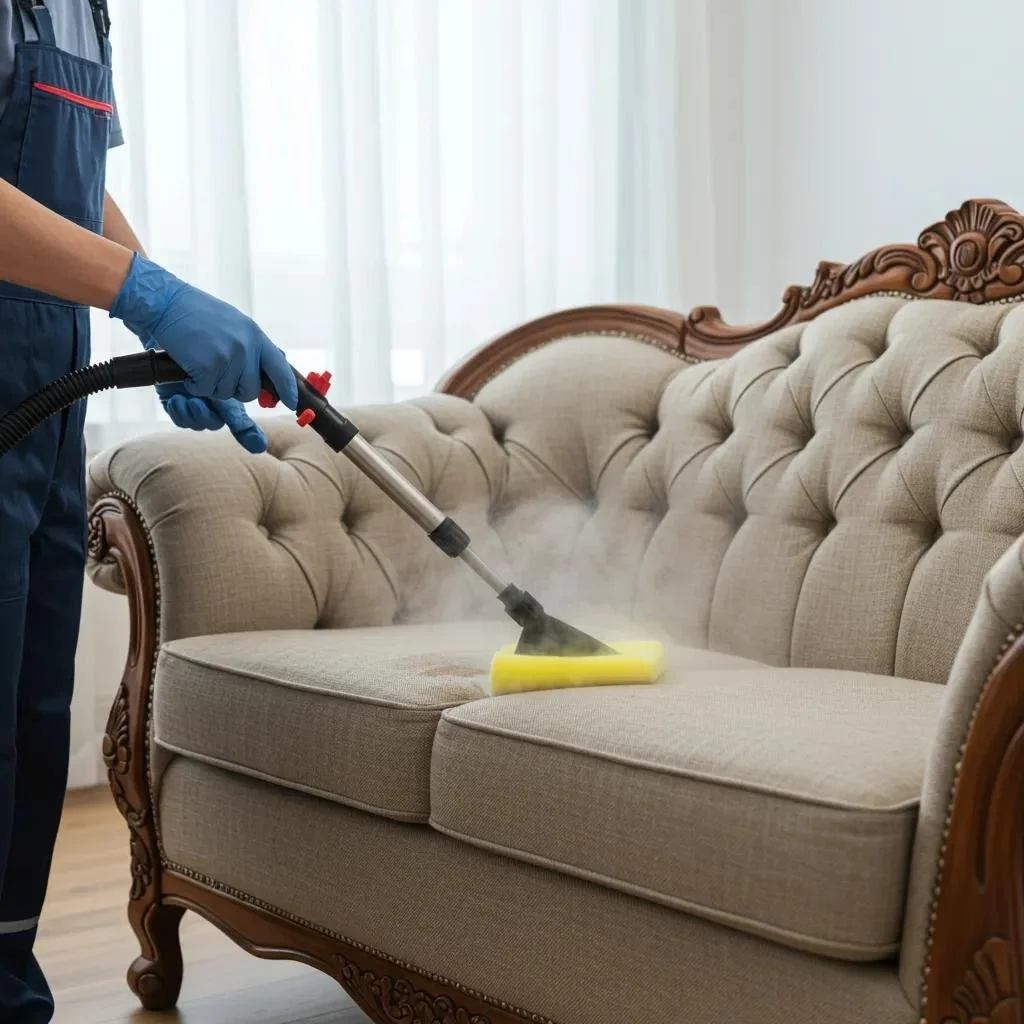
What should I look for when choosing an air duct cleaning service?

When selecting an air duct cleaning service, consider several key factors. Look for companies that are NADCA-certified, as this indicates adherence to industry standards. Check customer reviews and testimonials to gauge their reputation. Ensure they provide a transparent quote and a detailed explanation of their cleaning process. Additionally, inquire about the equipment they use, as high-efficiency tools are essential for effective cleaning. Finally, confirm that they offer a satisfaction guarantee to ensure quality service.

Conclusion

Transforming your indoor environment with expert air duct cleaning in Austin not only enhances air quality but also promotes better health and energy efficiency. By removing allergens, dust, and mold, you create a more comfortable living or working space while potentially lowering your utility bills. Partnering with The Steam Team ensures you receive tailored service from certified professionals committed to your satisfaction. Schedule your appointment today to experience the benefits of cleaner air and a healthier home.
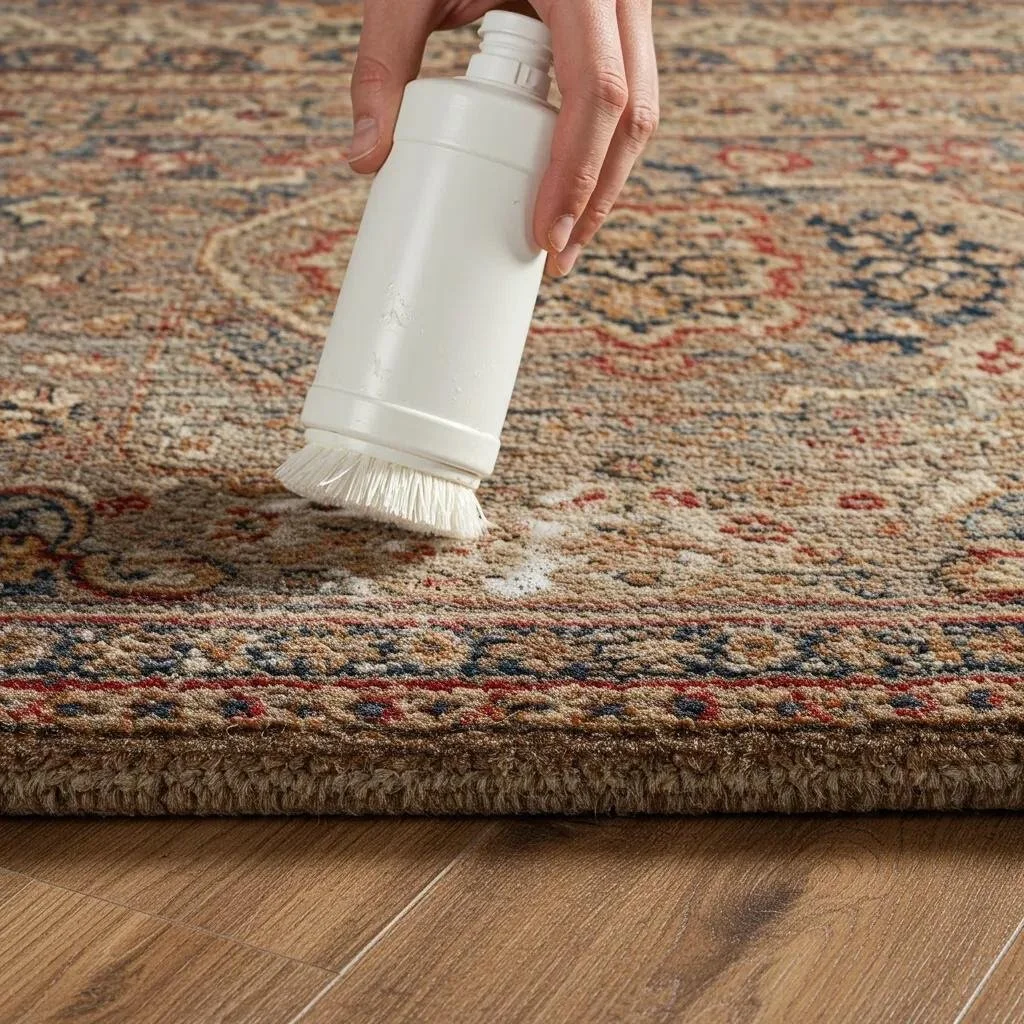
Discover Effective Pet Odor Removal Services in Austin Today

Professional Pet Odor Removal vs DIY Solutions in Austin: Effective Methods to Eliminate Pet Odors

Pet odors can undermine comfort, health, and property value, leaving homeowners frustrated by lingering smells that resist home remedies. In Austin’s humid climate, pet urine and dander penetrate carpets, padding, and subfloors, making surface cleaning insufficient. This article benchmarks DIY tactics against professional pet odor removal services in Austin, explains the science of persistent odors, details The Steam Team’s proven multi-step treatment, compares cat and dog urine challenges, outlines cost factors, and offers prevention strategies. Homeowners will learn when to call in experts, what to expect in a professional estimate, and how to maintain a fresh home between treatments while understanding why enzyme-based, subfloor-sealing approaches outperform vinegar-and-baking-soda mixtures.

Why Is Professional Pet Odor Removal More Effective Than DIY Solutions in Austin?

DIY remedies often address odor superficially, while professional services remove the source at molecular and structural levels. Enzyme treatments and subfloor sealing interrupt odor cycles by breaking down urine salts and bacteria, whereas home methods typically mask smells or temporarily absorb moisture. The advanced equipment and training that cleaning professionals bring ensure deep-set contamination is located, treated, and sealed, preventing odor recurrence and protecting indoor air quality.

What Are the Common DIY Pet Odor Removal Methods and Their Limitations?

Homeowners frequently rely on these three DIY approaches:

  1. Applying baking soda to absorb surface moisture and neutralize mild odors.

  2. Spraying vinegar solutions to lower pH and mask ammonia smells.

  3. Using store-bought enzyme sprays intended to break down organic residues.

While these tactics provide low-cost, immediate relief, their porous penetration peaks at the carpet surface and rarely addresses urine salts embedded in padding or subfloor layers. As a result, odors often reemerge when moisture or heat reactivates crystallized salts, highlighting the need for deeper intervention.

How Do Urine Salts and Bacteria Cause Persistent Pet Odors?

Pet urine contains urea that bacteria convert into ammonia and uric acid crystals. Over time, these crystals embed in fabrics, padding, and concrete. When humidity rises, uric crystals rehydrate and release foul odors, effectively β€œreactivating” the smell long after a DIY cleaning. Professional enzyme treatments target both bacteria and uric salts, dissolving crystals at the molecular level rather than covering them up, which explains why surface-only approaches fail in Austin’s climate.

When Should Austin Homeowners Call a Professional for Pet Odor Removal?

Homeowners should seek professional help when:

  • Odors persist despite multiple DIY attempts.

  • Stains span beyond 2–3 square feet or reappear quickly.

  • High-value flooring, upholstery, or subfloor structures show signs of discoloration or warping.

Calling in experts early prevents structural damage and reduces the risk of mold growth. A professional assessment pinpoints hidden contamination zones and establishes a targeted remediation plan, saving time and avoiding repeated, ineffective cleaning efforts.

What Is The Steam Team’s Advanced Pet Odor Removal Process in Austin?

The Steam Team’s pet odor treatment combines inspection, targeted extraction, enzyme chemistry, and sealing to remove odors from all affected layers. This multi-step method addresses saturation in carpets, padding, subfloors, and even concrete foundations, ensuring comprehensive odor elimination and long-term freshness.

What Are the Key Steps in The Steam Team’s Multi-Step Odor Elimination Method?

  1. Blacklight inspection to locate hidden urine deposits.

  2. Carpet removal and padding extraction in contaminated zones.

  3. Deep cleaning of carpet backing and subfloor surfaces.

  4. Application of specialized enzyme treatments that dissolve uric acid crystals.

  5. Sealing of subfloor with odor-barrier products where saturation is severe.

  6. Installation of new padding and tack strips as needed.

  7. Final hot-water extraction and grooming to restore appearance.

Each step builds on the previous one, ensuring that odor sources are neutralized before surfaces are returned to service.

How Do Enzyme Treatments Permanently Neutralize Pet Odors?

Enzyme treatments deploy biological catalysts that break down urine compoundsβ€”urea, uric acid, and proteinsβ€”into harmless molecules like carbon dioxide and water. By targeting the molecular structure of odor-causing residues, enzymes prevent ammonia regeneration and inhibit bacterial regrowth. This biochemical mechanism delivers a lasting solution, unlike masking agents that dissipate within days.

Which Surfaces and Areas Does The Steam Team Treat for Pet Odors?

Surface Type Treatment Step Purpose
Carpet fibers Hot-water extraction Removes residual soil and loose contaminants
Carpet backing Enzyme application Dissolves embedded uric acid crystals
Padding Replacement or deep cleaning Eliminates saturated padding
Subflooring Odor-barrier sealing Blocks crystal reactivation from concrete
Upholstery fabrics Spot cleaning with enzymes Targets pet dander and urine stains
Concrete slabs Surface scrubbing and sealan Prevents odor migration through slab

How Do Cat and Dog Urine Odors Differ and Affect Removal Strategies in Austin?

Cat urine typically contains higher concentrations of uric acid and less water volume than dog urine, resulting in more potent, crystal-rich residues. This distinction demands stronger enzyme blends and more aggressive extraction for feline odors, while canine treatments focus on broader moisture saturation and bacterial load.

Why Is Cat Urine Odor More Difficult to Remove Than Dog Urine?

Cat urine features a higher density of uric crystals and elevated ammonia levels, causing rapid crystallization within fibers and subfloors. These crystals resist dissolution by mild cleaning agents, so professionals use concentrated enzyme formulations and extended dwell times to penetrate and break down uric acid deposits, ensuring cat-specific treatments achieve complete neutralization.

What Specialized Treatments Are Needed for Different Pet Urine Types?

  • Cat urine: High-strength enzyme concentrate with prolonged contact time and additional subfloor sealing.

  • Dog urine: Balanced enzyme formula paired with moisture-extraction equipment and standard barrier applications.

By tailoring enzyme blend ratios and treatment durations to pet-type characteristics, The Steam Team optimizes results and prevents odor reactivation.

What Are the Costs and Factors Influencing Professional Pet Odor Removal in Austin?

Pricing reflects contamination severity, treatment complexity, and affected square footage. Costs vary between surface-only enzyme applications and full restoration including padding replacement and subfloor sealing.

How Does The Severity of Odor Impact Austin Pet Odor Removal Pricing?

The following factors drive pricing tiers:

  • Extent of saturation: Localized spots versus whole-room contamination.

  • Material replacement needs: Padding or tack strip installation.

  • Subfloor conditions: Concrete porosity and sealing requirements.

  • Enzyme concentration: Cat urine often requires premium enzyme blends.

More intensive projects with deeper saturation naturally incur higher investment, but they deliver permanent odor relief and protect property value.

What Should Austin Homeowners Expect in a Professional Pet Odor Removal Estimate?

  1. On-site inspection using blacklight and moisture meters.

  2. Assessment of contamination layers and substrate conditions.

  3. Detailed breakdown of labor, materials (enzyme solutions, sealers, padding), and equipment usage.

  4. Transparent pricing for each treatment phase and optional upgrades.

Most providers, including The Steam Team, offer free estimates, ensuring homeowners understand scope and cost before committing.

How Can Austin Homeowners Prevent and Maintain a Fresh Home Between Professional Pet Odor Treatments?

Ongoing maintenance and early intervention preserve treatment benefits and minimize the need for repeat professional services. Consistent routines and pet-safe products protect surfaces and air quality.

What Are Effective Tips to Prevent Pet Odors in Austin Homes?

Preventative habits include:

  1. Prompt stain cleanup within 5–10 minutes of accidents.

  2. Routine vacuuming and steam cleaning every 4–6 months.

  3. Using washable pet bedding and machine-washable covers.

  4. Ensuring proper ventilation and dehumidification in humid seasons.

Which Eco-Friendly and Pet-Safe Products Support Odor Prevention?

Product Category Feature Benefit
Plant-based enzyme spray Biodegradable enzymes Breaks down fresh residues without toxins
HEPA vacuum cleaners Multi-stage filtration Captures dander and dust particles
Pet-safe carpet deodorizer Natural baking soda blends Absorbs odors without harmful chemicals
Ionic air purifiers Non-ozone generating Improves air quality and reduces allergens

What Do Austin Customers Say About The Steam Team's Pet Odor Removal Services?

Local reviews consistently highlight reliability, professionalism, and lasting results. Clients note that once enzyme treatments and subfloor sealing are applied, odors remain goneβ€”restoring confidence and comfort.

How Have Professional Treatments Improved Pet Odor Problems for Austin Clients?

Clients report scenarios such as:

  • Persistent cat urine odor eliminated after enzyme and subfloor barrier application.

  • Upholstery restored to original freshness following targeted enzyme cleaning.

  • Whole-home odor relief achieved when repeat DIY attempts failed.

Such success stories underscore the impact of depth-focused, science-based remediation.

Why Do Austin Homeowners Trust The Steam Team Over DIY Methods?

  • Over 20 years of local cleaning and restoration expertise.

  • Certified technicians trained in advanced enzyme chemistry.

  • Comprehensive solutions addressing all structural layers.

  • Commitment to customer satisfaction and transparent communication.

This combination of experience, technology, and trustworthiness consistently outperforms home remedy approaches.

Frequently Asked Questions

What are the signs that I need professional pet odor removal services?

Signs that indicate the need for professional pet odor removal include persistent odors that remain after DIY attempts, visible stains that cover more than 2–3 square feet, and discoloration or warping of flooring or upholstery. If you notice these issues, it’s crucial to act quickly to prevent further damage and potential mold growth. A professional assessment can help identify hidden contamination and provide a targeted remediation plan to restore your home’s freshness.

How can I maintain a fresh home between professional treatments?

To maintain a fresh home between professional treatments, establish a routine that includes prompt cleanup of accidents, regular vacuuming, and steam cleaning every few months. Using washable pet bedding and ensuring proper ventilation can also help. Additionally, consider using eco-friendly products like plant-based enzyme sprays and HEPA vacuum cleaners to minimize odors and allergens. These practices will help prolong the effects of professional treatments and keep your living space comfortable.

Are there any health risks associated with pet odors?

Yes, pet odors can pose health risks, particularly for individuals with allergies or respiratory issues. Ammonia from pet urine can irritate the eyes, nose, and throat, while bacteria and mold growth from untreated urine can exacerbate health problems. Maintaining a clean environment and addressing pet odors promptly can help mitigate these risks, ensuring a healthier living space for both pets and family members.

What should I look for in a professional pet odor removal service?

When selecting a professional pet odor removal service, consider their experience, customer reviews, and the methods they use. Look for companies that employ advanced techniques, such as enzyme treatments and subfloor sealing, to ensure thorough odor elimination. Additionally, inquire about their certifications and training, as well as their commitment to customer satisfaction. A reputable service will provide a detailed estimate and transparent communication throughout the process.

How often should I schedule professional pet odor removal services?

The frequency of professional pet odor removal services depends on your household's specific needs, including the number of pets and the extent of odor issues. Generally, it’s advisable to schedule a professional treatment at least once a year, or more frequently if you notice persistent odors or stains. Regular maintenance can help prevent deeper contamination and ensure a fresh, healthy home environment for you and your pets.

Can I use DIY methods to complement professional treatments?

Yes, DIY methods can be used to complement professional treatments, but they should not replace them. Simple practices like immediate cleanup of accidents, using pet-safe deodorizers, and maintaining cleanliness can help manage odors between professional visits. However, for deep-seated odors caused by urine and bacteria, professional services are essential for effective and lasting results. Combining both approaches can enhance your home’s freshness and comfort.

How Long Does Professional Pet Odor Removal Take in Austin?

Treatment duration depends on project scope but typically ranges from 2 to 6 hours per room. Small, localized spots can be resolved in under 2 hours, while full-room and subfloor remediation may span a full workday.

Is The Steam Team's Pet Odor Removal Safe for Pets and Children?

Yes, enzyme treatments and odor-barrier sealers are non-toxic and formulated for indoor use around families. Technicians verify product safety and ventilate areas as needed, ensuring a healthy environment during and after treatment.

Can Professional Carpet Cleaning Remove Pet Odors Completely?

Professional carpet cleaning alone can reduce surface odors but often leaves behind uric acid crystals in padding or subfloors. Complete odor elimination requires the multi-layer enzyme and sealing process employed by specialized pet odor removal services.

Pet odor challenges demand more than surface care. By understanding the science behind urine crystals, recognizing when to call a professional, and maintaining proactive prevention routines, Austin homeowners can enjoy a fresh, healthy home. The Steam Team's proven multi-step process combines extensive experience and advanced enzyme treatments to deliver permanent relief from pet odors.

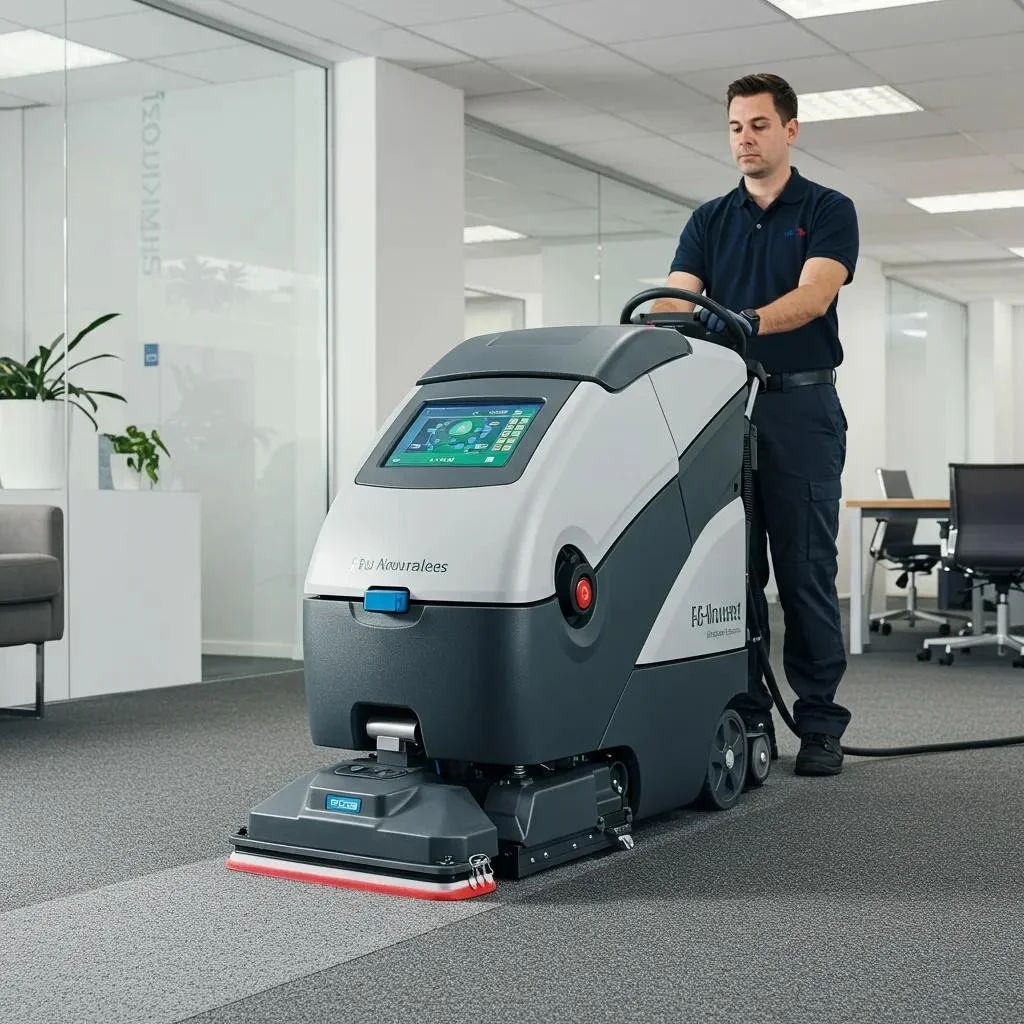
For a free, no-obligation estimate, reach out to their certified technicians and restore living spaces to their freshest condition today.

Conclusion

Understanding the complexities of pet odor removal empowers Austin homeowners to make informed decisions for a fresher living environment. The Steam Team's advanced, multi-step process effectively targets the root causes of persistent odors, ensuring long-lasting results. By choosing professional services over DIY methods, you protect your home’s value and enhance indoor air quality. Contact The Steam Team today for a free estimate and take the first step towards a cleaner, more comfortable home.