Professional Insights on Fire Damage Restoration in Austin
/Essential Fire Damage Restoration Process in Austin: Complete Guide to Fire Damage Cleanup and Repair
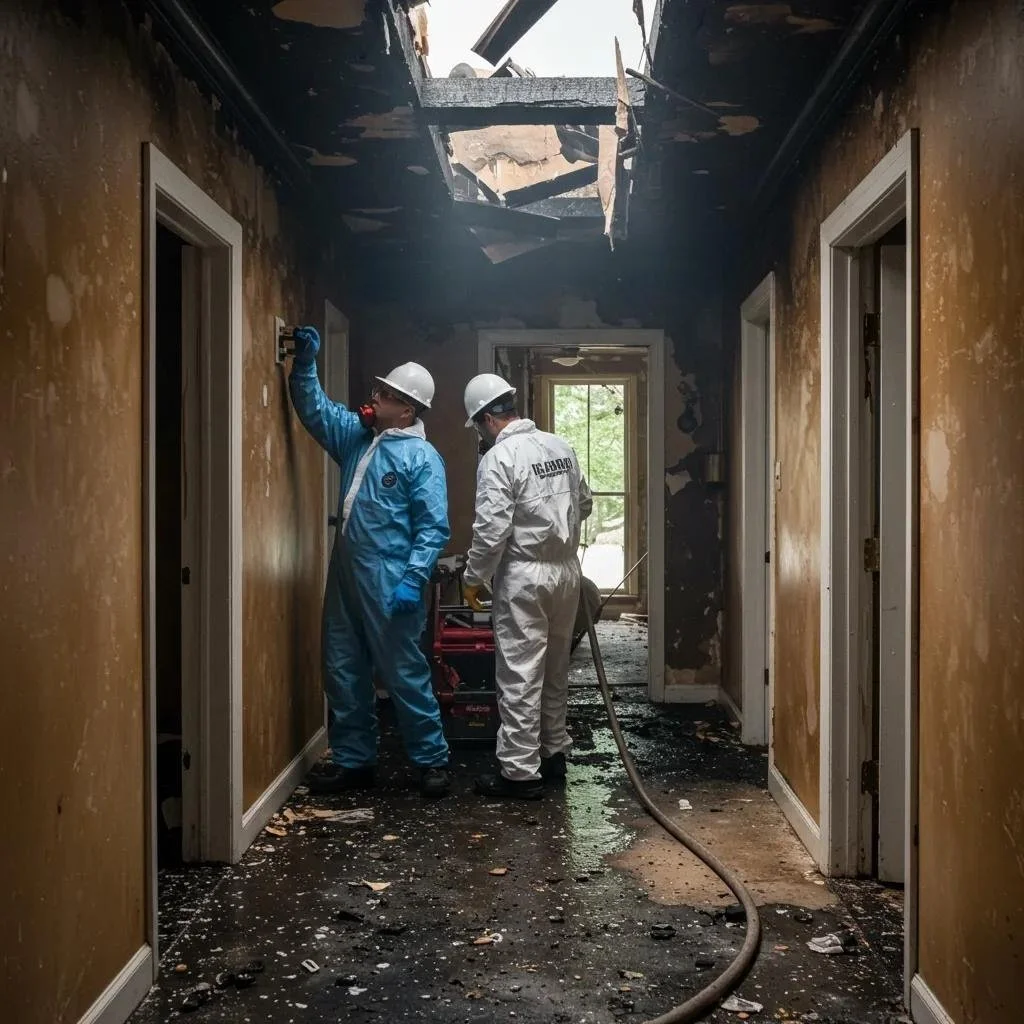
Recovering a property after a fire requires a precise, structured approach to address flames, smoke, soot, and collateral water damage. In Austin's environment—where intense summer heat and humidity can exacerbate smoke odors and mold risks—engaging a proven fire damage restoration process is critical. This guide maps out the full fire damage restoration process in Austin, explains how smoke, soot, and water impact structures, and details the five essential steps The Steam Team uses for rapid recovery. You will learn:
Foundational definitions of fire, smoke, and water damage and their combined effects
The Steam Team's 5-step restoration workflow from emergency pre-cleaning to deodorization
How 24/7 emergency services and advanced equipment improve outcomes
Strategies for navigating insurance claims after a fire
Distinctions between residential and commercial restoration practices
Health and safety protocols upheld by IICRC-certified technicians
Realistic timelines, client preparation advice, and proactive mitigation tips
What Is Fire Damage and How Does It Affect Austin Homes and Businesses?
Fire damage encompasses the destruction caused by flames alongside secondary effects such as smoke residue, corrosive soot, and water intrusion from firefighting efforts. In Austin, materials like synthetic carpets, insulation, and modern furnishings can produce particularly aggressive smoke byproducts that penetrate porous surfaces and compromise indoor air quality. Understanding these damage types is the foundation for effective remediation.
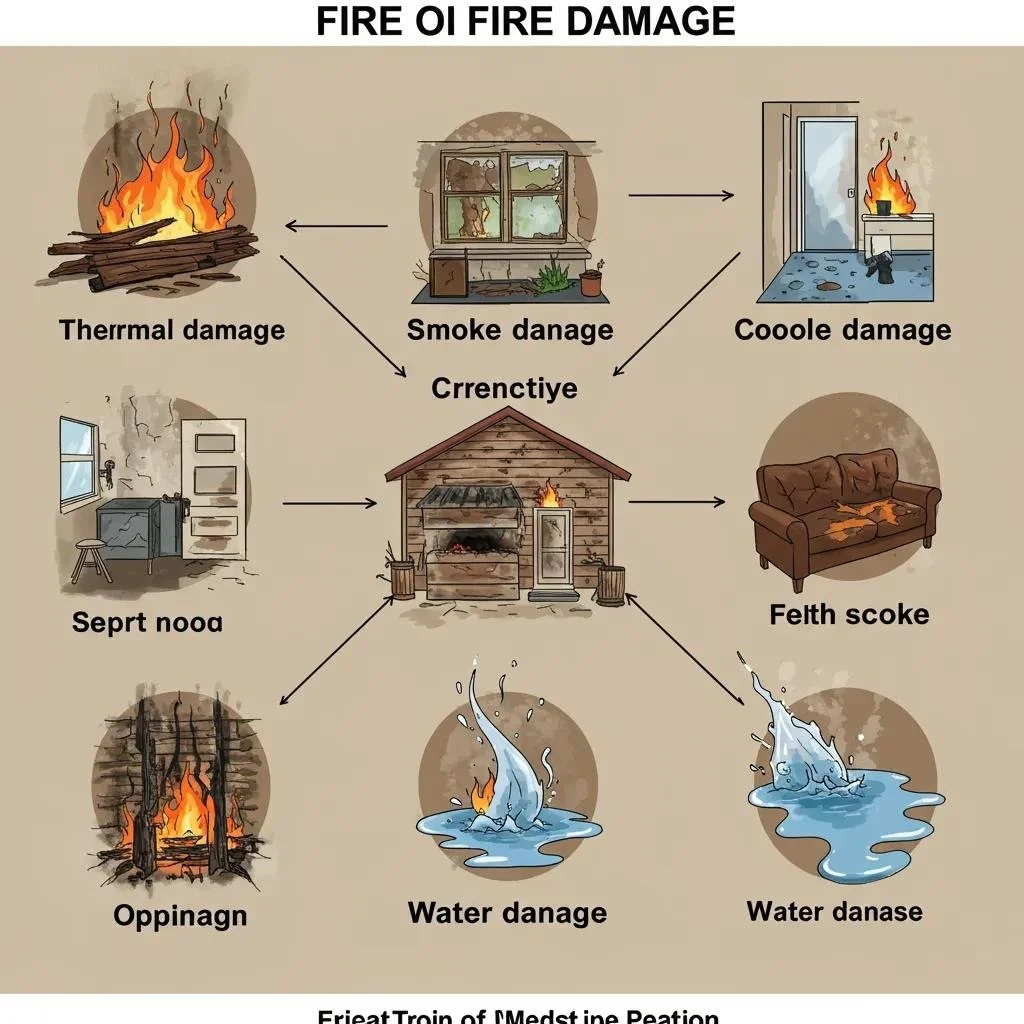
When a fire occurs, three damage categories emerge simultaneously:
Thermal Damage – charring and structural weakening of wood, drywall, and framing
Smoke Damage – chemical residues that discolor surfaces and cling to fabrics
Water Damage – saturation and pooling from hose lines or sprinklers that can lead to mold growth if not promptly removed
Each category demands specialized techniques to assess severity, isolate affected areas, and apply targeted cleaning agents. Recognizing the distinct challenges of Austin's climate underscores the importance of swift, professional intervention to prevent long-term deterioration.
What Types of Fire Damage Should You Know About?
Fire damage manifests in multiple forms depending on the materials burned and suppression methods used. Protein fires from kitchen grease create yellow-brown film on surfaces, while synthetic fires generate black soot laden with acids. Natural fiber fires often leave ash and brittle residue. Identifying the specific category guides selection of cleaning agents and equipment. For instance, dry-chemical fires require HEPA vacuuming before wet cleaning, whereas synthetic soot may need alkaline solutions to neutralize corrosive byproducts.
Once damage types are classified, remediation follows a customized path:
Protein residue calls for enzyme-based cleaners
Synthetic soot demands pH-balanced detergents
Ash and particulates are first HEPA vacuumed
This classification ensures efficient resource allocation and prevents further material degradation, paving the way for content cleaning and structural repair.
How Do Smoke, Soot, and Water Damage Impact Property?
Smoke particles scatter through air currents, depositing acids on walls, ceilings, and contents that accelerate corrosion. Soot embeds in porous materials like upholstery and drywall, causing staining and odors that worsen over time. Water used to extinguish flames can seep into subfloors and framing, promoting mold colonization within 24–48 hours. Collectively, these effects compromise indoor air quality, structural integrity, and occupant health if left unaddressed.
Understanding this triad of damage drives the need for an integrated response: rapid drying equipment to control moisture, specialized cleaning agents for smoke and soot removal, and thorough air purification to eliminate airborne contaminants. This holistic approach mitigates risks and restores environments to pre-loss conditions.
Why Is Immediate Fire Damage Cleanup Critical in Austin?
Immediate action halts progressive deterioration. In Austin's humid summers, lingering moisture intensifies mold growth, while entrenched soot bonds with surfaces under heat, making eventual removal far more laborious and costly. Prompt cleanup limits the chemical interactions between smoke residues and building materials, reduces odor retention, and safeguards personal belongings from permanent discoloration.
Emergency response teams deploy within hours of notification to stabilize the scene, apply rapid-drying techniques, and initiate content protection. Early intervention not only preserves more property but also eases insurance negotiations by documenting condition before further damage occurs.
What Are The Steam Team's 5 Essential Steps in Fire Damage Restoration in Austin?
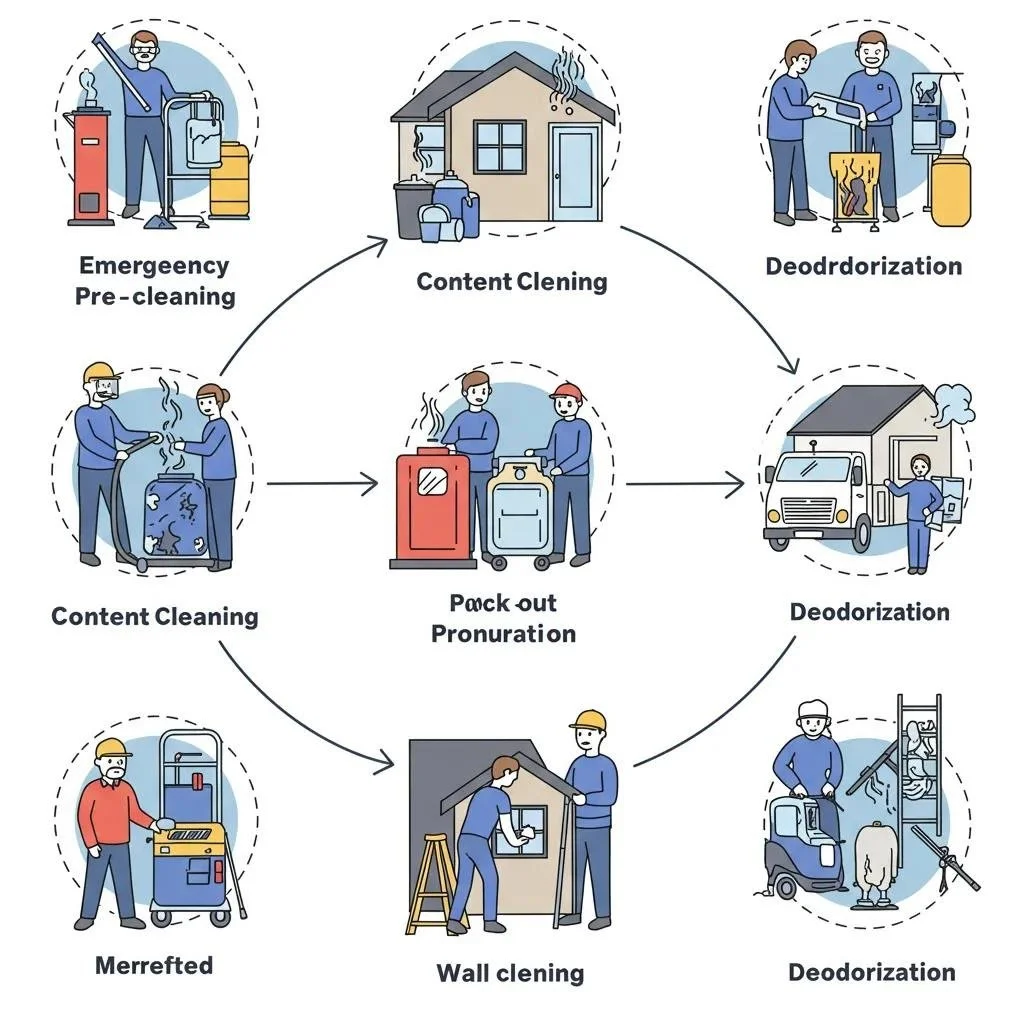
The Steam Team's five-step fire and smoke damage restoration process provides a consistent, thorough path from initial assessment to final odor removal. By standardizing protocols and leveraging advanced equipment, this structured workflow maximizes salvage rates and minimizes downtime for Austin property owners.
Emergency Pre-cleaning and Damage Assessment
Content Cleaning and Salvage
Content Pack-Out and Secure Storage
Wall and Ceiling Cleaning – Soot and Smoke Removal
Deodorization and Air Purification
Step 1: How Is Emergency Pre-cleaning and Damage Assessment Conducted?
Emergency pre-cleaning begins by stabilizing the property to prevent further structural compromise. Technicians evaluate load-bearing elements, check for hidden hotspots, and test air quality. This rapid assessment identifies priority areas for tarping, board-up, and temporary protection. Photographic documentation captures existing damage levels, establishing clear baselines for insurance purposes.
Key assessment points include:
Structural integrity of walls, roof trusses, and load-bearing beams
Presence of active embers or thermal hotspots
Airborne particulate concentration using laser-particle counters
Water intrusion zones verified with moisture meters
By addressing safety first and cataloging damage thoroughly, the team sets the stage for efficient restoration and simplifies subsequent insurance claims.
Step 2: What Techniques Are Used for Content Cleaning and Salvage?
Content cleaning employs both dry and wet methods tailored to item composition and level of soiling. HEPA vacuums remove loose soot, while soda blasting gently exfoliates delicate surfaces. Textiles may undergo immersion cleaning with specialized detergents that neutralize acids and preserve dyes. Electronics and documents receive freeze-dry restoration to stabilize water-soaked materials before dehumidification.
Commonly cleaned items include:
Upholstery and carpets with low-moisture rotary cleaning
Curtains and clothing using ozone-safe laundering
Hard surfaces treated with alkaline-based solutions
This blend of techniques enhances salvage rates and reduces replacement costs, providing peace of mind that cherished items receive expert care.
Step 3: How Does Content Pack-Out and Secure Storage Protect Your Belongings?
After cleaning, salvaged items are inventoried, tagged, and transported to climate-controlled storage. This pack-out phase isolates contents from ongoing structural work and safeguards against secondary damage. Secure storage facilities maintain regulated humidity and temperature to prevent mold growth and further odor penetration.
Inventory systems track each item's location and condition:
| Item Category | Storage Condition | Protection Measure |
| Textiles & Drapes | 50–60% relative humidity | Acid-free wrapping materials |
| Electronics | 68–72°F controlled | Anti-static packaging |
| Documents | 35–40% relative humidity | Vacuum freeze-dry kits |
These controls preserve asset integrity and streamline eventual re-installation once structural repairs complete.
Step 4: What Methods Remove Soot and Smoke from Walls and Ceilings?
Structural surface cleaning combines mechanical agitation with chemical emulsifiers to lift embedded soot without damaging paint or drywall. Rotary bristle brushes paired with high-efficiency vacuum systems capture loosened particulates. For porous substrates, alkaline sponges and encapsulating binders lock in residual oils and simplify removal.
Equipment and agents used include:
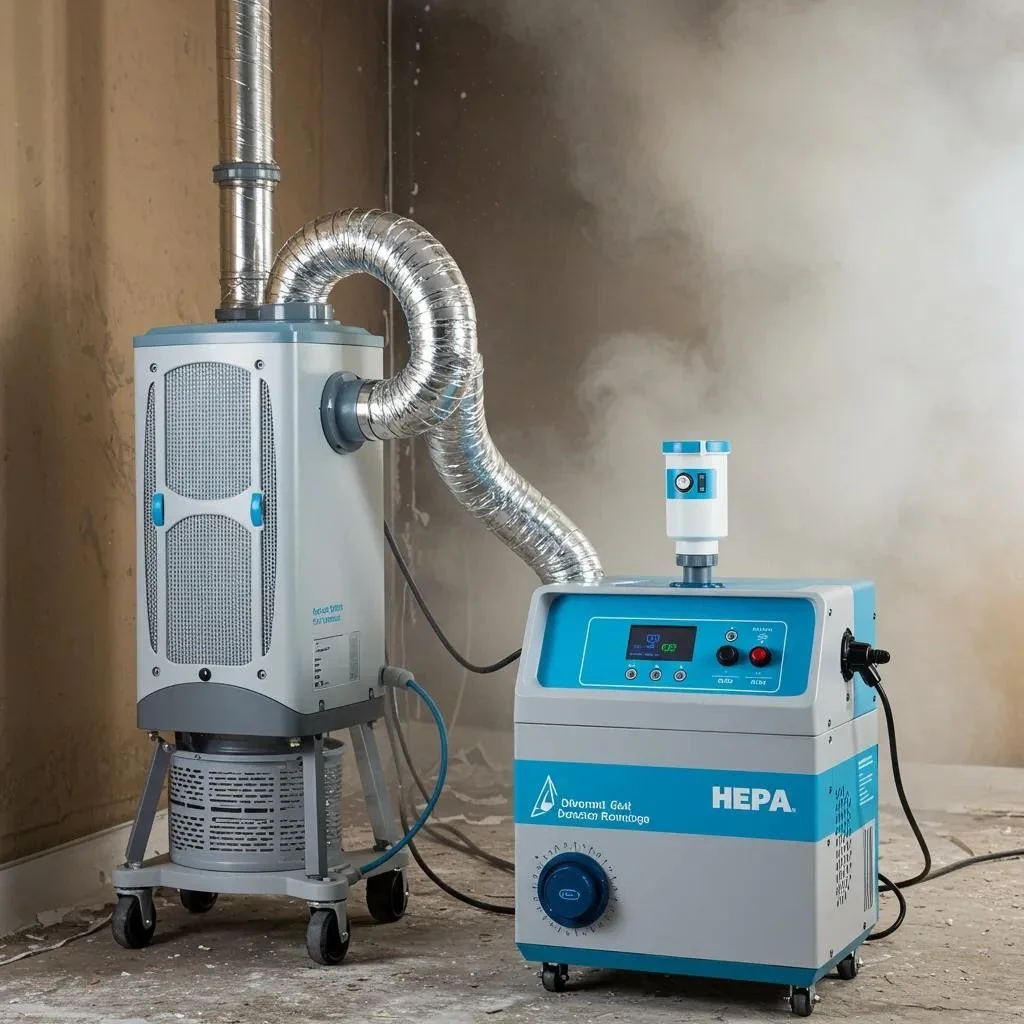
Air scrubbers with HEPA filtration to trap airborne soot
Pressure washers on controlled settings for durable surfaces
pH-balanced cleaning agents that neutralize acidic byproducts
Thorough surface preparation ensures optimal adhesion for any subsequent repainting and prevents lingering discoloration.
Step 5: How Is Deodorization and Air Purification Performed to Eliminate Smoke Odors?
Deodorization targets residual odors at a molecular level. Thermal foggers disperse solvent-based deodorants that penetrate surfaces, while hydroxyl generators mimic natural oxidative processes to neutralize odor-causing particles. Ozone treatments are applied selectively in unoccupied spaces to break down volatile organic compounds.
Advanced methods include:
Thermal fogging at 120–140°F for deep penetration
Hydroxyl oxidation safe for occupied areas
Ozone chamber cycles for isolated contents
Combining these air purification techniques delivers fresh, habitable environments without masking odors, completing the restoration process.
How Does The Steam Team Provide Emergency Fire Damage Services in Austin?
Rapid response mitigates escalating damage. The Steam Team's 24/7 availability means technicians arrive on site as soon as possible to secure properties and initiate cleanup. Their emergency protocols prioritize life safety, property stabilization, and documentation for insurance.
What Immediate Actions Are Taken During Emergency Fire Cleanup?
First, technicians ensure all hazards—live wires, unstable structures, lingering embers—are controlled. Board-up and tarping procedures restore building envelope integrity. Next, water extraction and high-capacity dehumidification begin to halt mold growth. Concurrently, air quality tests determine particulate levels and guide containment measures.
These immediate steps limit further deterioration and establish safe conditions for occupants and workers, setting the foundation for full restoration.
How Does 24/7 Availability Improve Fire Damage Outcomes?
Round-the-clock service drastically reduces wait times. Early deployment of drying equipment minimizes microbial growth, while swift soot removal curtails chemical bonding with surfaces. Clients benefit from continuous progress updates and direct access to certified technicians, reducing stress and uncertainty during recovery.
Real-time coordination with insurance adjusters accelerates claim approvals, ensuring timely financial support for restoration expenses.
What Equipment and Technology Are Used in Emergency Fire Restoration?
Emergency response leverages portable extraction units, air movers, thermal imaging cameras, and advanced moisture detection tools. High-efficiency particulate air (HEPA) vacuums capture fine soot, while hydroxyl generators and ozone machines neutralize odors. Drones with thermal sensors may survey rooflines to detect hidden hotspots without risking personnel safety.
This investment in technology enhances precision, safety, and efficiency, delivering superior outcomes for Austin property owners.
How Can Austin Property Owners Navigate Fire Damage Insurance Claims?
Insurance claims after a fire involve thorough documentation, clear communication, and strategic support to secure full coverage. The Steam Team assists clients by preparing detailed inventories and coordinating with adjusters.
What Steps Does The Steam Team Take to Assist with Insurance Claims?
Technicians photograph damage before and after each restoration phase, compile itemized loss spreadsheets, and submit progress reports to insurers. They also provide policy-specific guidance on coverage limits for contents, structural repairs, and additional living expenses, expediting settlements.
By serving as a reliable liaison, The Steam Team simplifies the claims process, ensuring clients focus on recovery rather than paperwork.
How Should You Document Fire Damage for Insurance Purposes?
Capture wide-angle and close-up photos of structural and content damage
List all affected items with descriptions, ages, and estimated values
Record serial numbers for appliances and electronics
Retain receipts for any emergency expenses
What Common Insurance Questions Do Austin Clients Have?
Clients often ask if smoke odor removal is covered or whether water extraction qualifies under dwelling coverage. They also inquire about additional living expense entitlements when displacement is necessary. Addressing these concerns proactively builds trust and helps homeowners make informed decisions about restoration timelines and budgets.
What Are the Differences Between Residential and Commercial Fire Damage Restoration in Austin?
Fire restoration for homes focuses on personal belongings and living spaces, while commercial projects demand minimizing business interruption and safeguarding inventory, equipment, and high-value assets. Each environment requires tailored protocols.
How Does Residential Fire Damage Cleanup Differ from Commercial Services?
Residential cleanup emphasizes compassionate handling of sentimental items, rapid odor elimination in living areas, and discreet pack-out for restored contents. Technicians coordinate with families to manage schedules and privacy considerations. In contrast, commercial projects often involve phased work that allows partial occupancy, strict compliance with regulatory standards, and integration with property management systems.
Differentiated communication strategies ensure homeowners feel supported, while business clients receive efficient project management updates.
What Specialized Solutions Are Offered for Commercial Fire Damage?
Commercial services include large-scale dehumidification, modular containment systems for multi-tenant buildings, and thermal imaging to inspect expansive roof decks. Inventory management software tracks high volumes of contents, while local code expertise facilitates seamless coordination with fire marshals and building inspectors.
These solutions minimize downtime and protect revenue streams.
How Does The Steam Team Tailor Restoration for Austin Businesses?
By analyzing business continuity plans and operational criticality, The Steam Team phases restoration to prioritize essential work areas. Flexible scheduling and extended shifts ensure minimal disruption to customer-facing functions, while digital reporting dashboards keep stakeholders informed in real time.
How Does The Steam Team Ensure Safety and Health During Fire Damage Restoration?
Restoration environments pose hazards from residual chemicals, airborne particulates, and structural instability. The Steam Team adheres to IICRC standards and OSHA guidelines to protect occupants and employees alike.
What Are the Health Risks of Smoke and Soot Exposure?
Smoke contains toxic substances like carbon monoxide, formaldehyde, and polycyclic aromatic hydrocarbons, which can irritate respiratory systems and exacerbate chronic conditions. Soot particles lodge in lung tissue, potentially triggering inflammation and long-term health effects if inhaled.
Awareness of these risks underscores the necessity of professional removal methods and personal protective equipment.
How Are Safety Protocols Implemented During Cleanup?
Technicians don encapsulated suits, respirators, and eye protection when entering contaminated zones. Work areas are sealed with negative-pressure containment and equipped with air scrubbers to maintain clean air. Regular safety briefings and hazard assessments ensure ongoing compliance with evolving site conditions.
This rigorous approach prevents cross-contamination and upholds worker and occupant health.
What Certifications and Training Do Technicians Have?
All restoration specialists maintain IICRC certification in fire and smoke damage remediation, demonstrating proficiency in advanced cleaning techniques, health-risk mitigation, and ethical practices. Ongoing training sessions reinforce new industry standards and equipment operation protocols, ensuring consistent quality across every project.
What Are the Typical Timelines and Expectations for Fire Damage Restoration in Austin?
Restoration timelines vary based on damage severity, property size, and scope of repairs. A clear schedule fosters realistic expectations and smoother coordination between clients and contractors.
How Long Does Each Step of the Fire Damage Restoration Process Take?
Emergency Pre-cleaning & Assessment: 4–8 hours for standard single-family residences
Content Cleaning & Pack-Out: 1–3 days depending on volume
Structural Cleaning of Walls & Ceilings: 1–2 days per floor
Deodorization & Air Purification: 12–24 hours with multiple equipment cycles
Final Inspection & Client Walk-through: 2–4 hours
These estimates adjust for factors like humidity, occupant availability, and insurer approvals.
What Factors Influence Restoration Duration?
Key drivers include:
Extent of smoke and soot penetration
Volume and complexity of content inventory
Weather conditions affecting drying rates
Accessibility of work areas and need for specialized equipment
Permit and inspection timelines for reconstruction phases
Proactive communication about these variables helps clients plan alternative accommodations and budgets effectively.
How Can Clients Prepare for the Restoration Process?
Clients can expedite restoration by removing personal valuables not impacted by fire, securing pets off-site during high-activity phases, and maintaining clear access to power and water sources. Sharing insurance and property information in advance also accelerates assessments and claim coordination.
What Are Common Questions About Fire Damage Restoration in Austin?
Clients often seek clarity on immediate actions, cleaning effectiveness, and insurance coverage. Below are concise, direct answers to typical concerns.
What Should I Do Immediately After a Fire in My Austin Home?
Ensure personal safety first, then notify emergency services. Once cleared by authorities, contact a professional restoration provider to stabilize the property, document damage, and begin water extraction. Early intervention is essential to preserve belongings and limit secondary damage.
How Is Smoke Damage Effectively Cleaned
Smoke damage is removed through a sequence of HEPA vacuuming, dry chemical sponging, and wet cleaning with specialized detergents. Professional techniques neutralize acidic residues and lift embedded soot without causing further discoloration.
Does Insurance Typically Cover Fire Damage Restoration?
Most homeowners and commercial policies include coverage for fire, smoke, and related water damage as well as emergency mitigation measures. The Steam Team assists by preparing detailed documentation to support claims and maximize covered expenses.
How Can I Prevent Further Damage After a Fire?
Limit airflow to contain soot, avoid attempting DIY cleaning that may spread residues, and maintain controlled humidity levels. Engaging certified technicians quickly prevents mold growth and irreversible staining.
Why Choose The Steam Team for Fire Damage Restoration in Austin?
The Steam Team provides rapid 24/7 response, IICRC-certified technicians, a structured five-step restoration process, advanced equipment, and compassionate customer support. Their expertise in complex smoke chemistry and commitment to clear communication deliver superior outcomes and peace of mind.
Recovering from fire damage demands precision, experience, and responsiveness. By following the outlined process—from immediate stabilization through advanced deodorization—Austin homeowners and businesses can restore properties safely and efficiently. Trust The Steam Team's proven methodology and dedicated support to guide you every step of the way. Contact The Steam Team to request a quote or schedule an appointment today.
Frequently Asked Questions
What should I do if my property experiences a fire?
After a fire, prioritize safety by ensuring that the area is clear of hazards. Contact emergency services to assess the situation. Once it's safe, reach out to a professional fire damage restoration company like The Steam Team. They can stabilize the property, document the damage for insurance purposes, and begin the cleanup process. Quick action is crucial to prevent further damage and preserve your belongings.
How can I ensure my belongings are protected during restoration?
To protect your belongings during fire damage restoration, work with a restoration company that offers content pack-out services. This involves carefully inventorying, tagging, and transporting your items to a secure, climate-controlled storage facility. This process minimizes the risk of further damage from ongoing restoration work and ensures that your items are preserved until the property is ready for their return.
What are the signs of hidden fire damage?
Hidden fire damage can manifest in various ways, including persistent odors, discoloration of walls or ceilings, and visible soot stains. Additionally, structural issues such as warped wood or weakened beams may indicate underlying damage. If you suspect hidden fire damage, it’s essential to consult a professional restoration service that can conduct a thorough assessment and identify any areas requiring attention.
How does the restoration process differ for commercial properties?
Commercial fire damage restoration often involves unique challenges compared to residential properties. The focus is on minimizing business interruption and protecting valuable inventory and equipment. Restoration may be phased to allow partial occupancy, and compliance with regulatory standards is critical. Additionally, commercial projects typically require more extensive planning and coordination with property management to ensure a smooth recovery process.
What health precautions should I take during fire damage restoration?
During fire damage restoration, it’s important to take health precautions due to potential exposure to harmful substances like smoke and soot. Ensure that restoration professionals use personal protective equipment (PPE) such as respirators and protective suits. If you are present during the process, limit your exposure to contaminated areas and follow any safety guidelines provided by the restoration team to protect your health.
How can I expedite my insurance claim after fire damage?
To expedite your insurance claim after fire damage, document everything thoroughly. Take photos of the damage, create a detailed inventory of affected items, and keep receipts for any emergency expenses. Work closely with your restoration company, as they can provide necessary documentation and support. Clear communication with your insurance adjuster and prompt submission of all required paperwork will also help speed up the claims process.
What should I expect during the final inspection of the restoration process?
During the final inspection of the restoration process, you can expect a thorough walkthrough of the property with the restoration team. They will assess the completed work, ensuring that all damage has been addressed and that the property meets safety and quality standards. This is also an opportunity for you to ask questions, discuss any concerns, and confirm that you are satisfied with the restoration before concluding the project.
Conclusion
Restoring fire-damaged properties in Austin requires a structured approach that effectively addresses smoke, soot, and water damage. By engaging The Steam Team's expert services, property owners can benefit from rapid response, advanced techniques, and comprehensive support throughout the restoration process. This ensures not only the preservation of valuable belongings but also a smoother insurance claims experience. Reach out to The Steam Team today to begin your recovery journey and restore your property to its former condition.