Effective Mold Remediation Services in Austin for Your Home
/How Effective Are Local Mold Remediation Services in Austin? Your Complete Guide to Safe and Reliable Mold Removal
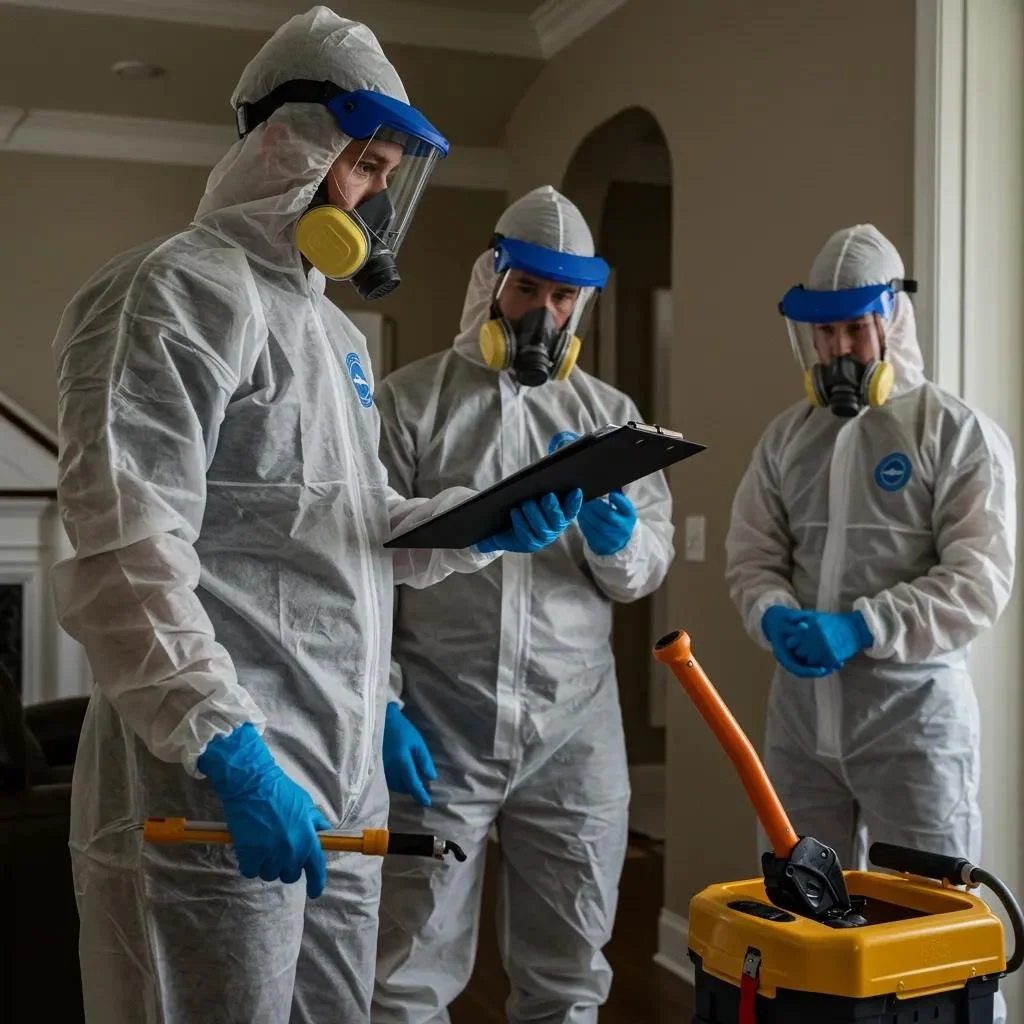
Mold remediation is the professional process of identifying, containing, removing, and verifying the elimination of unwanted mold from homes and businesses. When performed to industry standards, it is highly effective at stopping active growth and preventing recurrence. In Austin's humid climate, rapid response and methodical remediation are essential because mold can colonize damp materials within 24–48 hours, turning a small leak into a widespread indoor air-quality and structural problem. This guide explains why local professional services generally outperform DIY approaches, how certified inspection and IICRC-aligned remediation reduce health and property risks, and what homeowners should expect from inspection through post-remediation verification. You'll get a clear map of common causes in Austin, signs to watch for, the step-by-step professional workflow, health and safety precautions, prevention strategies tailored to Central Texas, cost drivers and insurance considerations, and concise FAQs to help decide when to call a pro. Read on to learn practical signs, verification methods, and how to request an inspection or estimate if you need a professional response.
What Makes Mold a Common Problem in Austin Homes and Businesses?
Mold is common in Austin because high humidity, seasonal heavy rains, and frequent indoor–outdoor temperature differentials create persistent moisture conditions that favor spore germination and growth. Building vulnerabilities—such as roof leaks, aging plumbing, crawlspace condensation, and poorly maintained HVAC systems—provide substrates and microclimates where spores settle and colonize porous materials like drywall and insulation. Because mold needs moisture, oxygen, and an organic surface, even localized water intrusion can escalate into concealed growth that affects indoor air quality and building integrity. Understanding these root causes helps prioritize inspections and fixes that remove moisture drivers before remediation is attempted, which reduces the chance of recurrence and guides the next section on how professionals detect and document contamination.
How Does Austin's Humid Climate Contribute to Mold Growth?
Austin's climate features extended warm seasons with elevated relative humidity that increases the moisture content of building materials, enabling mold spores to settle and germinate more readily than in drier climates. Moisture equilibrium between indoor air and materials means that without proper ventilation or dehumidification, porous surfaces can maintain humidity levels sufficient for growth even when visible wetting has stopped. Seasonal patterns—heavy summer storms, monsoon-like events, and constant AC cycling—also create condensation points on ductwork, windows, and attic surfaces. Recognizing these climate-driven mechanisms informs prevention choices such as targeted ventilation, dehumidifier use, and timely roof or plumbing repairs to interrupt the moisture cycle before mold establishes itself.
Research into controlling humidity in hot, humid climates highlights the importance of HVAC system optimization and ventilation rates to prevent mold growth in educational buildings.
Controlling Humidity and Mold in Hot, Humid Climates
Educational buildings located in hot and humid climates could suffer from high indoor humidity levels leading to mold growth issues which will eventually affect the well-being of occupants. These unhealthy indoor conditions typically occur in buildings located in extremely humid climates and operating with high mechanical ventilation rates that are normally set to maintain acceptable indoor air quality. Hence, experimental measurements of the indoor conditions of classrooms have been collected and analyzed to evaluate the performance of mechanical ventilation and its impact on indoor humidity, mold growth, and indoor CO2concentration. Furthermore, a building energy model of a selected classroom building has been developed and coupled with the VTT mold growth model. The simulation environment has then been used to perform a series of sensitivity and optimization analyses to optimize the performance of the HVAC system. The results showed that an occupancy density of 0.5 people/m2or less is required to deliver optimum ventilation rates, cooling set points, and acceptable indoor CO2concentrations. Optimum ventilation rates are found to be 2 ACH, 3 ACH, and 3.5 ACH for occupancy densities of 0.2, 0.4, and 0.5 people/m2, respectively, while the optimum cooling set point is 20 °C for all occupancy densities to prevent mold growth. Finally, valuable correlations were obtained in this study that can be utilized further to develop effective optimal control systems capable of improving indoor environmental quality of school buildings in hot and humid climates.
Preventing mold growth and maintaining acceptable indoor air quality for educational buildings operating with high mechanical ventilation rates in hot and humid …, A Alaidroos, 2023
What Are the Visible and Hidden Signs of Mold in Austin Properties?
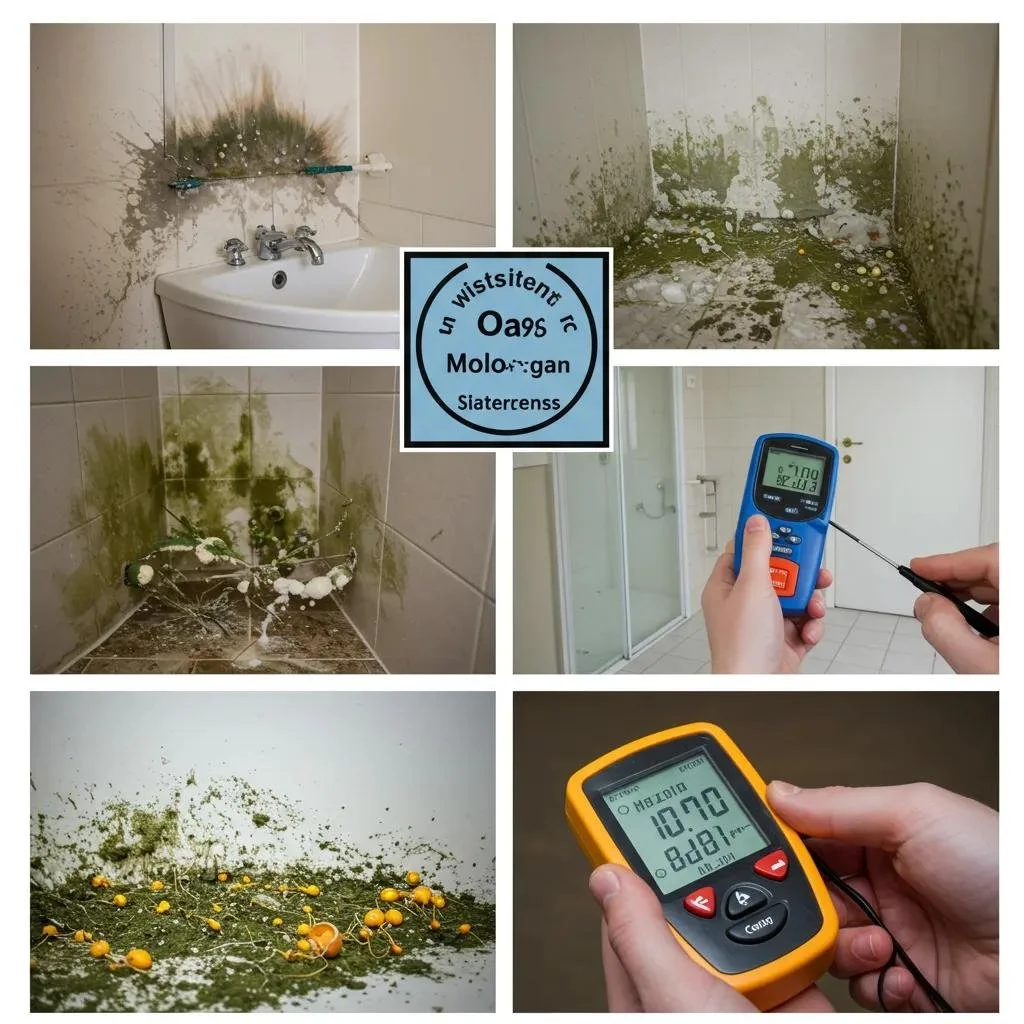
Visible mold often appears as discoloration, fuzzy growth, or dark streaking on materials, but many infestations start behind walls, under flooring, or inside HVAC systems where visibility is limited. Musty odors, unexplained allergic symptoms among occupants, persistent condensation, and localized high moisture readings on a moisture meter are common hidden indicators that warrant professional inspection. Early homeowner checks—looking under sinks, behind appliances, and within attics and crawlspaces—can catch problems before they spread, but any suspicion of structural or HVAC contamination should prompt testing and documentation by a qualified inspector. These signs lead directly into the health symptoms section describing how exposure manifests and when medical evaluation may be needed.
What Health Symptoms Indicate Mold Exposure?
Mold exposure can trigger respiratory irritation, coughing, sneezing, nasal congestion, eye irritation, and skin rashes in sensitive individuals, and symptoms may worsen in people with asthma, allergies, or compromised immune systems. Symptoms typically start or intensify when occupants spend time in the affected building and may reduce when away from the environment, which helps link health complaints to indoor conditions. While most mild responses resolve after removal and remediation, persistent or severe respiratory symptoms—such as wheezing, shortness of breath, or high fevers—should prompt medical evaluation and documentation for remediation and insurance purposes. Recognizing health signals early supports timely inspection and mitigation, which is the focus of the next major section comparing professional remediation to DIY efforts.
Why Are Professional Mold Remediation Services More Effective Than DIY Mold Removal?
Professional mold remediation delivers more thorough results than most DIY efforts because certified teams use standardized inspection protocols, specialized containment and filtration equipment, and documented verification procedures that address both visible contamination and hidden moisture drivers. Professionals apply industry standards—visual inspection, moisture mapping, targeted sampling when needed, and systematic removal or remediation of affected materials—ensuring the entire contamination source is addressed rather than merely masking surface appearance. Certified remediation also emphasizes occupant safety through appropriate PPE, negative-pressure containment, and HEPA filtration that reduce airborne spore levels during work, which DIY approaches frequently overlook. Understanding these differences clarifies when to engage a professional and what benefits to expect; the next subsection details how certified inspection and testing are performed.
How Do Certified Professionals Ensure Thorough Mold Inspection and Testing?
Certified inspectors follow a methodical workflow that begins with a documented visual inspection and history of the water event, then uses tools such as moisture meters, infrared cameras, and targeted air or surface sampling to define the scope and severity of contamination. Sampling and readings are recorded and interpreted alongside building knowledge to develop a remediation plan that insurers and owners can trust; documentation often includes photos, maps of affected areas, and written reports describing materials and recommended actions. This rigorous approach identifies hidden pockets of moisture and contamination that visual checks miss, and it creates an auditable record that supports insurance claims and post-remediation clearance. These inspection protocols set the stage for effective containment and removal techniques explained next.
What Are the Key Differences Between DIY and Professional Mold Removal?
DIY mold cleaning often focuses on visible surface cleaning and household disinfectants, while professional remediation addresses underlying moisture, containment to prevent cross-contamination, and removal of unsalvageable materials according to exposure level. Professionals bring elements of the remediation process—containment barriers, HEPA air scrubbers, dehumidifiers, moisture meters, and PPE—to manage airborne spores and structural drying in ways homeowners typically cannot replicate. Cost and time trade-offs differ: DIY can be cheaper short-term for very small, non-porous-surface problems, but incomplete remediation raises recurrence risk and potential health costs; professional work usually offers thorough, documented resolution and verification. These contrasts inform the decision framework in the following subsection on preventing recurrence through professional approaches.
How Does Professional Mold Remediation Prevent Mold Recurrence?
Preventing recurrence requires addressing the moisture source—repairing leaks, improving drainage and ventilation, and balancing HVAC systems—combined with thorough drying and environmental controls such as dehumidification to maintain target relative humidity. Professionals set drying goals using moisture meter targets and continuous monitoring, deploy air movers and dehumidifiers sized to the space, and coordinate necessary repairs with contractors to remove the conditions that allowed mold to grow. Follow-up verification—visual checks, moisture readings, and sometimes lab clearance testing—confirms remediation success and guides maintenance plans to reduce future risk. These prevention steps lead naturally into a local example of how a certified remediation provider implements these phases in Austin.
What Is The Steam Team's Proven Mold Remediation Process in Austin?
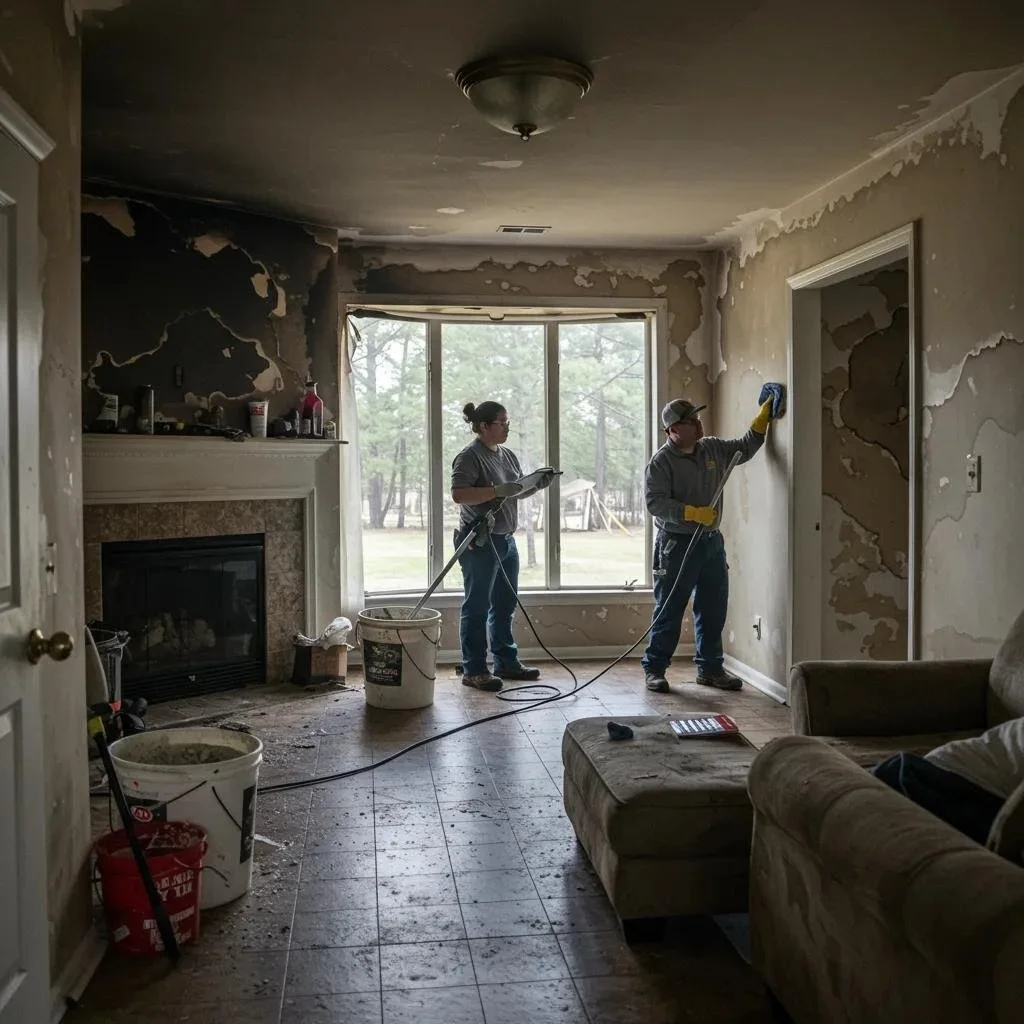
The Steam Team follows an IICRC-aligned process that demonstrates the standard professional sequence—inspection, containment, removal, drying, and post-remediation verification—providing a local example of how comprehensive services achieve effective outcomes. Their approach emphasizes rapid response, documented inspection using instruments, certified technicians, and coordination with insurers when needed, which helps streamline claims and restoration timelines. Highlighting specific process responsibilities clarifies what homeowners should expect from a local provider and why industry standards matter for both health and property protection. The table below compares common process steps with the method and expected outcome to illustrate responsibility and effectiveness.
| Phase | Method | Expected Outcome |
| Inspection | Visual + moisture mapping + targeted sampling | Defined scope and documented plan |
| Containment | Negative pressure and barriers | Prevents cross-contamination |
| Removal | Safe removal of affected materials | Removes colonized substrates |
| Drying | Air movers + dehumidifiers + monitoring | Restores materials to safe moisture levels |
| Verification | Visual, moisture checks, documentation | Confirms remediation success |
This EAV-style table clarifies who does what during each phase and why those steps reduce recurrence risk and support insurance documentation. The next subsections explain the inspection, containment, removal, drying, and verification elements in more detail.
How Does The Steam Team Conduct Mold Inspection and Testing Using IICRC Standards?
Inspections begin with a documented walkthrough and history of the water event, then use moisture meters and infrared imaging to map affected areas and inform sampling decisions when necessary; this aligns with IICRC best practices for scoping remediation. Technicians document findings with photos and written notes and translate measurements into a scoped plan that identifies materials to be remediated or removed, which helps homeowners and insurers understand the recommended work. This formal documentation supports clear estimates and claims interactions, ensuring remediation addresses both visible mold and hidden moisture sources. That inspection report then informs containment strategies to protect unaffected areas during removal.
What Containment and Air Filtration Methods Are Used During Mold Removal?
Containment uses physical barriers and negative-pressure systems to isolate work zones and prevent spores from spreading through a property, while HEPA filtration captures airborne particulates during demolition and cleaning. Workers wear appropriate PPE and follow protocols for waste handling and decontamination to minimize cross-contamination and protect occupants; these measures reduce airborne spore counts and exposure risk during active remediation. Clear communication about protected areas and temporary access restrictions helps occupants maintain safety while work proceeds. Once containment and filtration are established, removal and specialized cleaning techniques are applied to affected materials.
Which Mold Removal Techniques and Equipment Ensure Effective Cleanup?
Effective cleanup differentiates between salvageable and non-salvageable materials: porous items such as drywall and insulation are often removed, while non-porous surfaces receive HEPA vacuuming and targeted cleaning with approved antimicrobials as appropriate. Equipment commonly used includes HEPA vacuums for particulate removal, specialized extraction tools for waterlogged materials, and controlled demolition tools to remove contamination while preserving unaffected structure. Technicians apply methods based on material type and contamination level, and they document each step to support verification and any insurance needs. Proper removal techniques set the conditions for successful drying and long-term control, which is the next operational focus.
How Are Drying and Dehumidification Handled to Prevent Mold Regrowth?
Drying strategies pair high-volume air movers with properly sized dehumidifiers to rapidly lower material moisture content while continuous monitoring verifies progress toward target moisture readings. Technicians set relative humidity and material moisture goals and adjust equipment deployment based on progress, with follow-up checks to ensure stability before closing a containment area. In Austin's climate, prolonged humidity can extend drying times, so active dehumidification and ongoing monitoring are critical to prevent re-colonization. Once drying targets are met, verification testing and documentation confirm that the environment is stable and safe for reoccupation.
What Is Post-Remediation Verification and Why Is It Important?
Post-remediation verification uses visual inspection, moisture measurements, and sometimes follow-up air or surface sampling to confirm that work objectives were met and that moisture levels are stable enough to discourage regrowth. Documentation from verification provides homeowners and insurers with closure—photographs, final moisture readings, and written clearance notes—that supports both peace of mind and claims processes. Verification reduces the risk of missed pockets of moisture and provides a baseline for future monitoring, ensuring remediation delivers long-term value. With verification complete, attention turns to occupant safety and health measures during and after remediation.
What Are the Health Risks and Safety Measures During Mold Remediation?
Mold remediation carries occupational and occupant safety risks if airborne spores or contaminated materials are not properly controlled, so standard protective measures are essential to reduce exposure for both workers and residents. Safety protocols include containment, negative-pressure ventilation, HEPA filtration, appropriate PPE for workers, and clear communication about when occupants should vacate or restrict access to work zones. Medical risk varies by mold type and individual susceptibility—those with asthma, allergies, or compromised immunity face higher risk and may need additional precautions or temporary relocation. Understanding these safety measures prepares owners and tenants for what to expect during remediation and how to coordinate with contractors for minimal disruption.
Which Common Mold Types Pose the Greatest Health Dangers in Austin?
Typical indoor molds in Austin include genera such as Cladosporium, Aspergillus, Penicillium, and species commonly grouped under "black mold" descriptions; health impact depends on species, exposure level, and individual sensitivity. While many molds primarily cause allergic or irritant responses, prolonged or heavy exposure in susceptible people can worsen asthma or trigger more serious respiratory symptoms. Professional remediation focuses on reducing airborne concentrations and removing colonized materials rather than emphasizing species-level toxicity, because exposure control and moisture removal are the primary drivers of improved health outcomes. Recognizing that individual response varies helps frame decisions about remediation urgency and medical consultation.
How Are Occupants Protected During Mold Removal?
Occupant protection combines physical containment, scheduling to minimize time spent near active work areas, and clear instructions about which rooms or systems to avoid while remediation occurs. In some cases, temporary relocation for sensitive occupants is recommended until containment is dismantled and verification is complete; otherwise, contractors may isolate work zones and maintain negative pressure to protect adjacent spaces. Contractors should provide communication about expected disruptions, and occupants should secure medications and sensitive items before work begins. These protective measures are coordinated with inspection and remediation phases to ensure safety without unnecessary delay.
When Should You Seek Medical Advice for Mold Exposure Symptoms?
Seek medical attention if symptoms include difficulty breathing, wheezing, severe or rapidly worsening respiratory distress, high fevers, or symptoms that persist despite leaving the affected environment; these are red flags that warrant prompt clinical evaluation. For mild allergic symptoms or irritation, consult a primary care physician or allergist if symptoms are persistent, recurrent, or interfere with daily activities, and document symptoms to support remediation urgency. Vulnerable individuals—young children, the elderly, pregnant people, or those with compromised immunity—should err on the side of earlier consultation. Clear symptom documentation helps link health effects to environmental conditions and informs remediation priorities.
How Can Austin Homeowners and Businesses Prevent Mold Recurrence After Remediation?
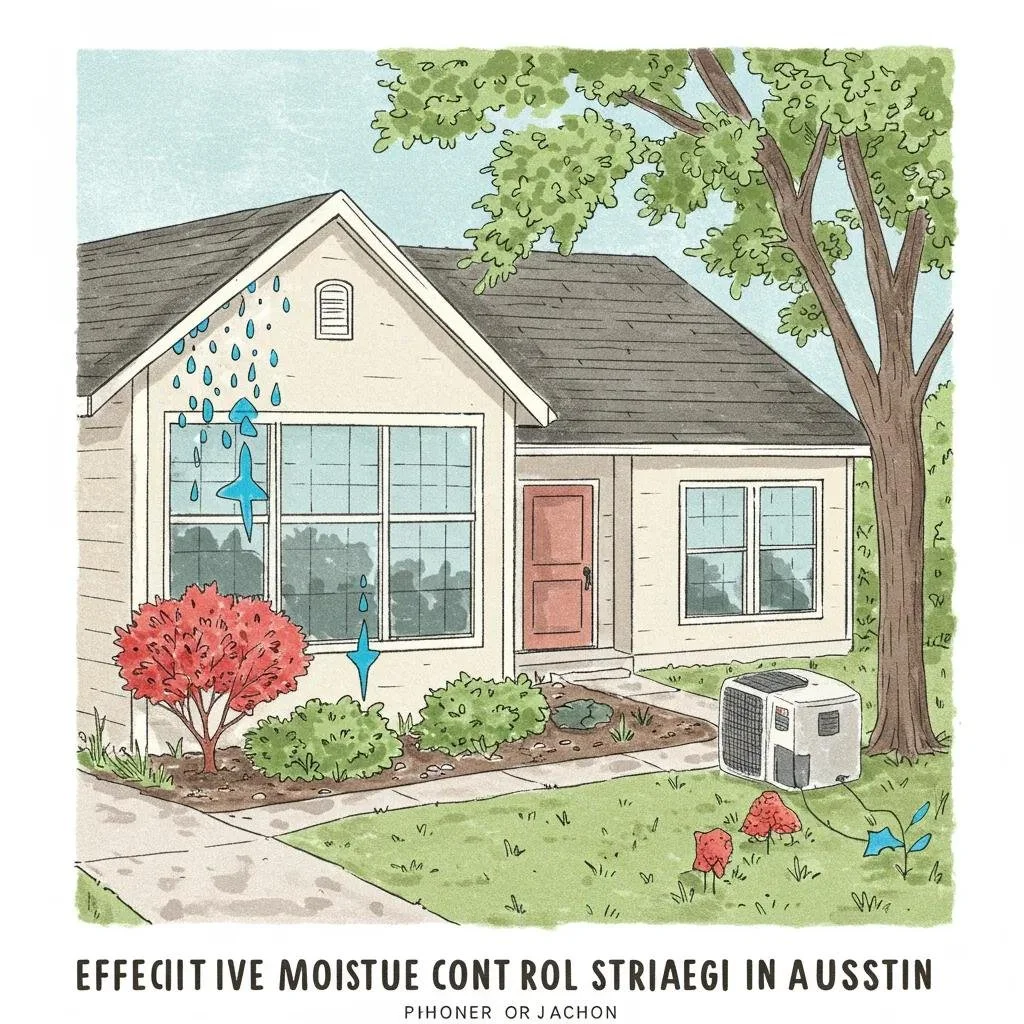
Preventing recurrence focuses on controlling moisture sources, maintaining proper ventilation, and scheduling routine inspections of known problem areas to catch new issues early. Key preventive measures include grading and gutter maintenance to direct water away from foundations, timely roof inspections, proper attic and crawlspace ventilation, and routine HVAC maintenance including condensate-line checks. Implementing these practices reduces the substrate and moisture conditions that allow mold to re-establish, which complements remediation work and extends the life of repairs. The next subsections offer specific moisture-control, HVAC, and post-water-damage actions tailored to Austin properties.
What Moisture Control Strategies Are Effective for Austin Properties?
Effective moisture control includes maintaining roof and gutter systems, ensuring proper landscape grading and irrigation practices that direct water away from the foundation, and sealing gaps that allow humid outdoor air or water intrusion. Interior measures such as using exhaust fans in high-humidity areas, installing vapor barriers in crawlspaces, and deploying dehumidifiers in basements or high-humidity rooms help maintain safe relative humidity levels. Seasonal inspections before heavy rains and after storms reduce the likelihood of unnoticed leaks, while proactive maintenance limits conditions favorable to mold growth. These steps prepare buildings to resist recurring moisture issues and reduce the need for future remediation.
Practical homeowner moisture-control actions include:
Inspect and clean gutters seasonally to prevent water backup and foundation intrusion.
Ensure landscape grading directs water away from the building perimeter.
Use exhaust ventilation and dehumidifiers in bathrooms, kitchens, and attics.
Routine application of these measures lowers moisture-related risk and complements HVAC maintenance that follows.
How Does HVAC System Maintenance Help Prevent Mold Growth?
HVAC systems that are dirty, out of balance, or have blocked condensate lines create cool, damp surfaces and stagnant air that promote mold growth in ducts and coil areas, so regular filter changes and professional inspections are important. Recommended actions include replacing filters on a schedule appropriate to use, verifying condensate drainage, and scheduling periodic professional maintenance and duct inspections for signs of moisture accumulation. Duct cleaning and system balancing can reduce dead-air zones and improve air exchange, which lowers indoor humidity and particulate loads. Proper HVAC care reduces the environmental conditions that allow spores to settle and establishes a healthier baseline after remediation.
What Steps Should Be Taken After Water Damage to Avoid Mold?
After any water intrusion, immediate actions—within 24–48 hours—are critical: stop the water source, extract standing water, remove wet materials that cannot be dried in place, and begin active drying with air movers and dehumidifiers. Document the damage with photos and notes to support insurance claims and make a plan for professional drying and remediation if saturation is extensive or materials are porous. Early mitigation limits mold colonization and often reduces remediation scope; when in doubt, call a professional to assess hidden moisture and structural risks. These emergency measures connect directly to cost considerations and insurance navigation described next.
In the aftermath of major water events like hurricanes and floods, understanding mold prevention strategies and potential health effects is crucial for limiting exposure and mitigating risks.
Mold Prevention and Health Effects After Disasters
Extensive water damage after major hurricanes and floods increases the likelihood of mold contamination in buildings. This report provides information on how to limit exposure to mold and how to identify and prevent mold-related health effects. Where uncertainties in scientific knowledge exist, practical applications designed to be protective of a person's health are presented. Evidence is included about assessing exposure, clean-up and prevention, personal protective equipment, health effects, and public health strategies and recommendations. The recommendations assume that, in the aftermath of major hurricanes or floods, "
Mold prevention strategies and possible health effects in the aftermath of hurricanes and major floods, 2006
What Is the Typical Cost of Mold Remediation in Austin and How Does Insurance Help?
Mold remediation costs vary based on scope, affected square footage, material types, containment complexity, and whether structural repairs or contents replacement are required, so industry ranges provide guidance rather than exact quotes. Insurance interaction often depends on the cause of moisture: sudden, accidental water events are more commonly covered than long-term neglect, and having documented inspection reports helps substantiate claims. Being a preferred vendor for insurers can simplify communication and claims workflows because the remediation provider coordinates directly with adjusters and provides standardized documentation. The table below breaks down common cost drivers and typical ranges to clarify budget expectations.
| Cost Driver | Typical Range / Example | Notes |
| Affected area size | Small room vs. whole-house | Larger square footage increases containment and disposal |
| Material type | Non-porous cleaning vs. porous removal | Porous materials increase labor and disposal costs |
| Hidden contamination | Requires demolition or exploratory openings | Adds time and scope to the job |
| Drying complexity | Extended dehumidification in high humidity | Austin climate can lengthen drying time |
This cost breakdown helps homeowners understand why estimates vary and what to expect when receiving an itemized remediation proposal. The next subsections explain cost influences, insurance navigation, and a DIY cost-effectiveness comparison.
What Factors Influence the Cost of Mold Removal in Austin?
Major cost determinants include affected square footage, the extent of material removal required, the level of containment and negative-pressure systems, and the drying time needed in Austin's humid climate. Hidden contamination discovered after demolition, the need for content pack-out, structural repairs, and specialized sampling or clearance testing also increase costs; these factors are documented during inspection to produce an accurate estimate. Labor rates, disposal fees, and post-remediation repair work all contribute to the final invoice, which is why professional documentation and a scoped plan are crucial to avoid surprises. Understanding these drivers helps property owners prepare for realistic remediation budgets.
How Can You Navigate Insurance Claims for Mold Damage?
Efficient claims handling begins with timely documentation: photos, dated notes of water events, and a professional inspection report that outlines scope and recommended remediation steps to present to your insurer. Working with a remediation company that is recognized by insurers can ease communication because the provider already understands required documentation and can coordinate directly with adjusters to verify scope and costs. Keep records of all communications and invoices, and request a clear, itemized estimate that supports claim submission; this approach speeds review and reduces back-and-forth questions. Clear documentation and timely action increase the likelihood of favorable claim outcomes for sudden water events.
Is DIY Mold Remediation Cost-Effective Compared to Professional Services?
DIY remediation can be cost-effective for very small, non-porous surface areas when moisture is controlled and occupants are not sensitive, but it often fails to address hidden contamination, lacks containment to prevent spread, and provides no formal verification for insurers. Hidden costs of DIY approaches include potential health impacts from inadequate PPE, repeated cleanings if mold recurs, and higher repair costs if concealed growth damages structure. Professional remediation offers documented verification, thorough moisture control, and insurance coordination that can be more cost-effective over time when contamination is moderate or severe. For uncertain or moderate-to-large jobs, professional inspection minimizes financial and health risk.
Frequently Asked Questions
What should I do if I suspect mold in my home?
If you suspect mold in your home, the first step is to identify any visible signs, such as discoloration or musty odors. Conduct a thorough inspection of areas prone to moisture, like bathrooms, kitchens, and basements. If you find evidence of mold or experience health symptoms, it's advisable to contact a certified mold remediation professional. They can perform a comprehensive inspection and testing to determine the extent of the problem and recommend appropriate remediation steps.
How can I tell if my mold problem is serious?
A mold problem is considered serious if it covers a large area (more than 10 square feet), affects porous materials, or is accompanied by health symptoms among occupants. Additionally, if mold is found in HVAC systems or behind walls, it indicates a more significant issue. If you notice persistent moisture, musty odors, or health complaints that worsen indoors, it's crucial to seek professional help to assess and address the situation effectively.
What are the long-term health effects of mold exposure?
Long-term exposure to mold can lead to chronic respiratory issues, allergic reactions, and exacerbation of asthma symptoms. Individuals with compromised immune systems, the elderly, and young children are particularly vulnerable. Prolonged exposure may also contribute to more severe health conditions, including respiratory infections and neurological symptoms. If you suspect mold exposure, especially if symptoms persist, consult a healthcare professional for evaluation and guidance.
How often should I have my home inspected for mold?
It's recommended to have your home inspected for mold at least once a year, especially if you live in a humid climate like Austin. Additionally, consider inspections after significant water events, such as heavy rains or plumbing leaks. Regular inspections can help identify potential moisture issues before they escalate into mold problems, ensuring a healthier living environment and reducing the risk of costly remediation later on.
What are the best practices for maintaining indoor humidity levels?
To maintain optimal indoor humidity levels (ideally between 30-50%), use dehumidifiers in high-humidity areas, ensure proper ventilation in bathrooms and kitchens, and regularly check HVAC systems for efficiency. Seal any gaps or leaks that allow humid air to enter, and consider using exhaust fans during cooking and showering. Regularly monitoring humidity levels with a hygrometer can help you take proactive measures to prevent mold growth.
Can I use regular cleaning products to remove mold?
While some household cleaning products may help with surface mold, they often do not address the underlying moisture issues or hidden mold. For effective mold remediation, it's best to use specialized products designed for mold removal or to hire a professional service. Professionals have the training and equipment to ensure thorough removal and to prevent mold from returning, which regular cleaning products may not achieve.
What should I do if my insurance claim for mold damage is denied?
If your insurance claim for mold damage is denied, review your policy to understand the coverage details and reasons for denial. Gather documentation, including inspection reports and photographs, to support your case. You can appeal the decision by providing additional evidence or seeking clarification from your insurer. If necessary, consider consulting with a public adjuster or legal professional who specializes in insurance claims to assist you in navigating the appeals process.
Do I Need Professional Mold Removal or Can I Handle It Myself?
If contamination covers more than about a small patch (commonly considered larger than a single 3×3–4×4 foot area), involves HVAC systems, or affects porous structural materials, professional remediation is recommended to ensure thorough removal and verification. Professionals handle containment, hidden contamination, and documentation that DIY approaches typically cannot, and they reduce health and recurrence risks. For very small, non-porous-surface mold with no known moisture source, careful DIY cleaning with proper PPE may suffice, but follow-up monitoring is important. When in doubt, an inspection documents the issue and avoids underestimating hidden risk.
How Long Does Mold Remediation Usually Take?
Timelines depend on scope: small targeted jobs may be completed in a day or two, moderate jobs with material removal and drying often take several days to a week, and large or structurally complex jobs can span multiple weeks including repairs and verification. Drying times in Austin's humid environment sometimes extend project length, especially when structural cavities or hidden pockets require extended dehumidification. Verification steps may add time if clearance testing is requested. Expect your contractor to provide estimated timelines based on inspection findings and to update you as work progresses.
How Do I Choose the Best Mold Remediation Company in Austin?
Vet companies for clear, documented processes, certifications (such as IICRC-trained technicians), insurance-preferred vendor status, and transparent written estimates with scope, containment plans, and verification methods. Ask for references and examples of documented reports, confirm they use HEPA filtration and moisture monitoring equipment, and verify they coordinate with insurers if you plan to file a claim. Red flags include vague scopes, lack of written documentation, or reluctance to show past project reports. Choosing a company with clear processes and documentation reduces surprises and supports long-term success.
What Causes Mold After Water Damage and How Is It Prevented?
Mold after water damage results from persistent moisture meeting organic building materials; prevention requires stopping the water source, extracting standing water, removing unsalvageable materials, and rapidly drying and monitoring affected areas within 24–48 hours. Preventive steps also include fixing underlying structural issues, improving ventilation, and applying targeted moisture controls until repairs are complete. Fast action reduces colonization and often limits remediation scope. If immediate drying isn't possible or contamination is extensive, professional mitigation prevents larger problems.
Are Emergency Mold Services Available in Austin?
Emergency situations—ongoing leaks, extensive flooding, or active water intrusion into occupied areas—warrant immediate mitigation to extract water, establish containment, and start drying to limit mold growth; many local providers offer rapid-response services for these scenarios. Prompt initial mitigation reduces remediation scope and long-term costs by preventing mold colonization within the 24–48 hour growth window. If you face an active leak or flood, prioritize stopping the source and contacting a rapid-response remediation team to begin extraction and drying. Quick mitigation connects directly to insurance documentation and the provider selection tips above.
How Can You Request a Free Quote or Schedule Mold Remediation Services with The Steam Team?
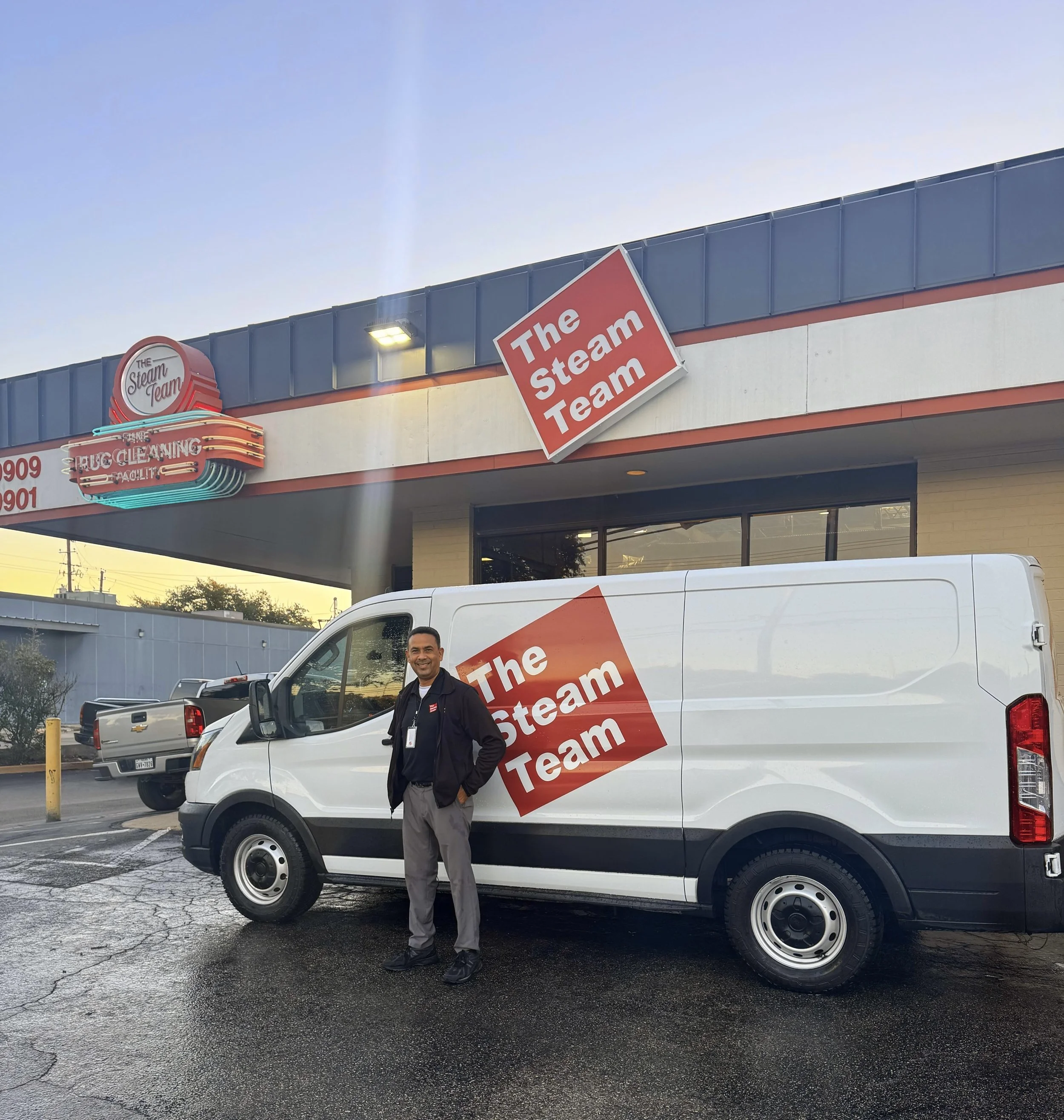
To request an inspection or estimate with The Steam Team, contact their local office by phone to describe the issue, request an on-site inspection, and schedule an assessment; technicians provide documented estimates after inspection and can coordinate with insurers as needed. The Steam Team is a local lead-generation and information hub with IICRC-certified technicians, 24/7 emergency response, and preferred-vendor relationships that help streamline claims documentation and repair coordination. Expect a structured process: initial contact, on-site inspection and documentation, written estimate, and scheduling of remediation if accepted. The brief steps below explain what homeowners should prepare and what to expect during the inspection and emergency response.
What Is the Process to Get a Mold Inspection or Remediation Estimate?
Contact: Call the provider and describe the situation, including any water events and visible signs.
Inspection: A certified technician performs a documented on-site inspection using moisture meters and visual mapping.
Estimate: The company delivers a written estimate detailing scope, containment, and costs to remediate and dry.
Scheduling: Upon acceptance, remediation is scheduled; the team coordinates with occupants and insurers as appropriate.
Prepare photos and any insurance information before the inspection to speed claims and assessment. This structured process leads into how emergency response is handled for urgent situations.
How Does The Steam Team Provide 24/7 Emergency Mold Services in Austin?
Emergency response typically begins with immediate mitigation steps—water extraction, temporary containment, and drying setup—to limit mold growth until full remediation can be scheduled and performed. The Steam Team offers around-the-clock dispatch capability to begin initial mitigation quickly, reducing the spread of contamination and helping control remediation scope and cost. Early mitigation actions reduce long-term damage and support clearer documentation for insurance claims, enabling a faster path to full remediation and verification.
Conclusion
Engaging local mold remediation services in Austin ensures a thorough and effective approach to eliminating mold, safeguarding both health and property. By relying on certified professionals, homeowners can benefit from comprehensive inspections, targeted removal, and preventive strategies tailored to the region's unique climate challenges. Taking proactive steps now can significantly reduce the risk of future mold issues and enhance indoor air quality. Contact us today to schedule your inspection and take the first step towards a healthier living environment.