Top Reasons to Hire Smoke Damage Experts in Austin

Why Choose Smoke Damage Experts?

A fire leaves more than visible scorch marks; smoke deposits, soot, chemical residues, and persistent odors that continue harming health and property long after flames are out. This article explains why hiring professional smoke damage experts in Austin delivers a safer, faster recovery by combining containment, specialized cleaning, deodorization, and claims support. You will learn how smoke chemistry affects different materials, which deodorization technologies work best for specific soot types, and what to expect during each restoration phase. The guide also covers short-term safety measures before professionals arrive, common DIY mistakes to avoid, and how certified teams document damage to support insurance recovery. If you need immediate assistance, The Steam Team offers 24/7 emergency response and smoke damage services. Request a quote or emergency evaluation to prioritize safety and salvage. Read on for practical steps, technical explanations, and local Austin-focused guidance to regain a safe, livable space.

Why Is Professional Smoke Damage Restoration Essential After a Fire in Austin?

Professional smoke damage restoration is the systematic removal and mitigation of soot, smoke residues, and odor molecules to protect health, stabilize structure, and salvage contents. The process works by first assessing residue chemistry and penetration, then isolating affected zones, removing or cleaning contaminants, and verifying air quality restoration; the result is a safer indoor environment and lower long-term repair costs. Immediate intervention reduces corrosion, staining, and progressive material degradation, which otherwise accelerates after heat and moisture exposure. Austin homeowners and businesses benefit from professionals who combine containment, specialized cleaning, and deodorization to reverse chemical and physical damage while documenting work for insurers. Below are the primary reasons emergency restoration should be prioritized.

  • Immediate professional action limits long-term structural damage and reduces total repair expense.

  • Expert cleanup protects occupants from respiratory irritation and chemical residues that degrade indoor air quality.

  • Professional deodorization and content recovery preserve belongings and reduce replacement costs.

These three reasons show why delaying restoration raises both health risks and future expenses, and they lead directly to specific health concerns that require urgent attention.

What Are the Health Risks of Untreated Smoke Damage?

Untreated smoke damage exposes occupants to airborne soot particles and chemical residues that irritate eyes, nose, throat, and lungs and can exacerbate asthma or cardiovascular conditions. Short-term symptoms include coughing, wheezing, headaches, and sore throat, while long-term exposure to embedded residues can impair indoor air quality and contribute to chronic respiratory irritation for vulnerable populations such as children, the elderly, and immunocompromised people. Smoke residues also contain tiny odor molecules and potentially toxic combustion byproducts that adhere to textiles and HVAC systems, continuing to off-gas after the fire. Immediate temporary safety measures include ventilating unaffected areas, avoiding HVAC use until inspected, and keeping vulnerable occupants away from contaminated zones while waiting for certified remediation. These precautions directly lead to understanding how physical property and contents suffer progressive damage if soot is not properly removed.

How Does Smoke Damage Affect Property and Belongings?

Smoke penetrates porous materials and deposits soot that can cause staining, corrosion, and progressive breakdown of fabrics, finishes, and electronics if not promptly addressed. Porous items like upholstery, textiles, and unsealed wood absorb smoke molecules and often require specialized content cleaning or pack-out to off-site facilities, while non-porous surfaces can frequently be cleaned on-site with appropriate chemical agents. Soot is chemically active; oily or protein-based residues can etch painted surfaces and corrode metal faster than simple dust, so timing and method selection influence salvage outcomes.

The table below maps common material types to typical damage characteristics and recommended restoration approaches.

Material Type

Typical Damage

Typical Restoration Approach

Textiles and upholstery

Odor absorption, staining, and fiber brittleness

Pack-out, specialized laundering, ozone-safe deodorization

Drywall and painted surfaces

Staining, surface discoloration, and residue bonding

Surface cleaning, chemical decontamination, and repaint if needed

Electronics and appliances

Soot infiltration, corrosion risk

Professional inspection, controlled cleaning, and electrical testing

HVAC systems

Soot circulation, odor distribution

Duct cleaning, system isolation, filtration upgrades

Understanding material-specific effects helps prioritize actions during mitigation and shows why targeted professional techniques matter for long-term recovery.

How Do Certified Smoke Damage Experts in Austin Ensure Effective Fire and Smoke Damage Cleanup?

Certified smoke damage experts follow structured workflows, assessment, containment, targeted cleaning, deodorization, and verification using tools and protocols that match soot chemistry and building construction. This approach works because different soot types (dry, wet, protein, fuel oil) require distinct cleaning agents and mechanics; matching the method to the residue reduces recontamination and prevents surface damage. Professionals use containment to prevent cross-contamination, HEPA filtration to remove airborne particulates, and documented air quality testing to confirm results.

The short step-list below summarizes the core professional workflow commonly used to ensure effective cleanup.

  1. Assessment: Chemical and visual inspection to determine soot type and penetration.

  2. Containment: Zoning off affected areas and protecting unaffected spaces.

  3. Soot Removal: Mechanical and chemical cleaning selected for residue type.

  4. Deodorization & Verification: Targeted deodorization methods and air testing.

This procedural clarity sets expectations for homeowners and leads into the specific techniques and equipment chosen for soot removal.

What Specialized Techniques and Equipment Are Used for Soot Removal?

Soot removal relies on mechanical, abrasive, and chemical tools selected based on residue composition, with safety protocols to protect occupants and workers during remediation. Dry sponges and HEPA vacuums are effective for light, dry soot on non-porous surfaces, while wet cleaning or chemical agents handle oily or protein-based residues that bond to fibers and painted areas. More aggressive methods like soda blasting are reserved for deeply embedded soot or surface etching on durable substrates, and are combined with containment and negative air pressure to control dust. Safety measures include PPE, air scrubbing, and progressive testing to avoid redistributing particulates. Choosing the right technique prevents secondary damage and increases the chance of content salvage, which connects directly to how deodorization completes the restoration.

How Is Smoke Odor Eliminated Using Advanced Deodorization Methods?

Eliminating smoke odor requires addressing odor molecules at the source embedded in materials and HVAC systems using technologies that neutralize or break down odor compounds rather than simply masking them. Thermal fogging disperses heated deodorants that penetrate porous materials to neutralize odorants; hydroxyl generators create reactive species that oxidize odor molecules safely in occupied spaces; ozone treatment oxidizes persistent molecules but is used cautiously due to re-occupancy restrictions. Air scrubbing with activated carbon and HEPA filtration helps remove particulates and volatile organic compounds, and multiple methods are often combined for stubborn odors. Verification includes odor walk-throughs and confirmatory air sampling to ensure occupants return to a healthy environment, and this verification is a key deliverable that certified teams provide for claims documentation.

Technique/Tool

Target (soot/odor/content)

Why/When Used

Thermal fogging

Deep-seated odors in porous materials

Penetrates fabrics and painted surfaces to neutralize odor molecules

Hydroxyl generators

VOCs and odor molecules in occupied spaces

Safe for use with people present; oxidizes odorants into harmless compounds

Ozone (controlled use)

Persistent, stubborn odors in unoccupied spaces

Powerful oxidizer; used when other methods fail, requires re-entry precautions

HEPA air scrubbing

Airborne soot and particulates

Removes fine particulates and improves air quality during cleaning

These tools are selected based on residue chemistry and occupancy needs, ensuring deodorization is effective and safe for Austin homes and businesses.

What Are the Benefits of Hiring Austin’s IICRC-Certified Smoke Damage Professionals?

Hiring IICRC-certified smoke damage professionals delivers standardized protocols, trained technicians, and consistent documentation that directly benefit safety, salvage rates, and insurance coordination. Certification indicates technicians follow established industry standards for mitigation, use appropriate PPE and testing methods, and engage in continuing education; the result is reproducible remediation outcomes and lower risk to occupants. Certified teams also typically use systematic documentation practices, photography, inventories, and written protocols that help expedite insurer review and reduce disputes.

Credential / Service

Benefit to Customer

Example Outcome

IICRC Certification

Standardized procedures and trained technicians

Consistent, verifiable remediation steps and safer environments

24/7 Emergency Response

Rapid mitigation to limit secondary damage

Reduced soot staining and lower repair costs after prompt action

Preferred Vendor Status

Faster coordination with insurers

Streamlined approvals and smoother billing processes

These benefits explain why choosing certified professionals reduces uncertainty and improves recovery speed, and they naturally lead to company-specific credibility signals that customers can look for locally.

How Does Certification Guarantee Quality and Safety in Restoration?

Certification translates industry best practices into everyday work through training on residue chemistry, containment techniques, and verification methods that limit liability and protect health. IICRC-aligned training emphasizes proper use of PPE, testing to confirm contaminant removal, and adherence to protocols that reduce cross-contamination and worker exposure. For property owners, this results in predictable procedures, assessments, controlled cleaning, and verification that lowers the chance of missed residues or lingering odors. Certification also requires ongoing education, so teams remain current with emerging deodorization technologies and safety standards, which improves long-term outcomes and occupant safety. Recognizing these assurances helps homeowners decide which local providers align with professional expectations.

Why Is 24/7 Emergency Response Critical for Smoke Damage Cleanup?

Rapid response mitigates progressive damage: soot can embed within hours, and moisture from firefighting can convert dry soot into a more aggressive residue that stains and corrodes surfaces. A 24/7 emergency intervention prioritizes stabilization tarping, board-up, temporary ventilation, and emergency pre-cleaning that prevents secondary water damage and limits odor migration. Quick mitigation increases the likelihood that contents can be salvaged and reduces overall restoration time and cost. For Austin properties, time-sensitive actions influence salvage outcomes significantly, and that urgency underlines the value of providers who can respond at any hour to begin mitigation and documentation.

How Do Smoke Damage Experts in Austin Assist with Insurance Claims and Recovery?

Smoke damage experts assist insurance claims by documenting loss, creating detailed inventories, supplying professional estimates, and coordinating with adjusters to clarify remediation scope actions that accelerate approvals and reduce disputes. Proper documentation includes photographs, contamination descriptions, mitigation receipts, and progress reports that demonstrate immediate action and a reasonable scope of work. Experts often prepare line-item estimates aligned with industry pricing and codes that insurers recognize, which helps streamline approvals and repairs.

The checklist below outlines typical ways professionals support claim recovery, so homeowners understand expectations during the process.

  1. Detailed documentation: Photographs, scope reports, and mitigation logs that support first-notice claims.

  2. Inventory and valuation: Itemized lists prioritizing salvageable contents and repair estimates.

  3. Adjuster coordination: Direct communication to clarify methods and necessary approvals.

  4. Mitigation receipts: Proof of emergency measures that prevent claim denials for neglect.

Clear professional involvement reduces misunderstandings, speeds recovery, and prepares the property for repair phases, which brings us to how The Steam Team’s preferred-vendor status affects insurance workflows.

What Makes The Steam Team a Preferred Vendor for Major Insurance Carriers?

As a locally established Austin restoration provider with a long-standing presence and strong industry ratings, The Steam Team is recognized as a preferred vendor by multiple major insurance carriers, which helps expedite approvals and coordinate billing. The company's IICRC certification and A+ rating with the Better Business Bureau serve as trust signals that insurers use to vet reliable contractors; this relationship can reduce administrative friction when adjusters and vendors work from shared standards. In practice, preferred-vendor arrangements can mean faster estimate reviews and smoother scheduling of mitigation and repairs, benefiting homeowners who need timely restoration. For policyholders, that vendor-insurer coordination translates into clearer expectations and potentially quicker resolution during stressful recovery periods.

How Can Experts Simplify the Smoke Damage Insurance Claim Process?

Experts simplify claims by preparing professional documentation, conducting inventories, and communicating directly with adjusters to explain remediation methods and costs, which reduces back-and-forth and speeds decision-making. They provide photo and video logs, written scopes of work, and mitigation receipts that demonstrate immediate action and justify needed repairs or content cleaning. Technicians can also prioritize salvageable items and present valuation recommendations that help resolve coverage questions. Homeowners can expect a predictable, documented workflow from professionals that supports a fair claim outcome and allows restoration to proceed without avoidable delays.

What Are the Key Steps in the Smoke Damage Restoration Process in Austin?

A typical smoke damage restoration workflow follows five core steps: assessment, emergency pre-cleaning, content pack-out, structural cleaning and repair, and deodorization with verification, designed to stabilize the property and restore habitability. These steps are sequenced to remove hazards, protect salvageable items, and systematically eliminate residues and odors; the expected outcome is a documented, verifiable return to safe occupancy. Below is an EAV-style comparison of each step with its primary purpose, typical timeframe, and what customers can expect to experience during recovery.

Phase

Purpose

Typical Timeframe & Customer Outcome

Assessment

Determine soot type, damage extent, and safety needs

2–6 hours: homeowner receives scope report and next-step plan

Emergency Pre-Cleaning

Stabilize the environment and limit the spread

Same-day response: visible soot reduction, temporary protective measures

Content Pack-Out

Protect and clean salvageable belongings off-site

1–3 days for inventory and transport; restored items returned later

Structural Cleaning & Repair

Remove residues and repair affected building components

Days–weeks depending on severity; surfaces cleaned and prepped for repairs

Deodorization & Verification

Neutralize odors and confirm air quality

Final phase: odor elimination confirmed, and occupancy cleared

This workflow clarifies expectations and shows how each phase contributes to safety and salvage; below are practical details about emergency pre-cleaning and pack-out logistics that owners should expect.

What Happens During Emergency Pre-Cleaning and Content Pack-Out?

Emergency pre-cleaning focuses on immediate mitigation: removing surface soot from high-value items, securing the structure, and limiting odor spread while crews inventory and triage contents for pack-out. Technicians prioritize items most likely to be salvaged documents, photographs, and textiles, and document condition with photographs and notes to support claims. Pack-out involves careful labeling, protective packing, and transport to specialized cleaning facilities where textiles, electronics, and furniture receive targeted restoration. Customers should expect an itemized inventory and timeline for when cleaned contents will be returned, and this process directly reduces the risk of permanent loss and accelerates structural repair scheduling.

How Are Walls, Ceilings, and Personal Items Restored After Smoke Damage?

Restoring building surfaces and personal items requires selecting the correct cleaning mechanism: surface cleaning and controlled abrasion for painted drywall, chemical decontamination for oily residues, and specialized content restoration for fabrics and electronics. Technicians evaluate whether repair or replacement is more cost-effective, using testing and verification to determine if odor and residues persist after cleaning. Many personal items are sent to off-site facilities offering ultrasonic cleaning, dry- or wet-laundering, and electronic component cleaning to maximize salvageability. A typical timeline includes cleaning and testing phases followed by final repairs and a verification walkthrough before re-occupancy is approved.

Restoration Step

Typical Task

Expected Result

Surface cleaning

HEPA vacuuming, chemical sponges, targeted detergents

Removal of loose soot and visible residues

Deep decontamination

Specialized cleaners, abrasive techniques

Elimination of bonded residues and staining reduction

Content restoration

Ultrasonic cleaning, professional laundering

Salvaged textiles and restored household items

The combination of targeted surface methods and specialized content restoration improves outcomes and lowers replacement costs when compared with uncoordinated DIY attempts.

Why Should Austin Homeowners and Businesses Avoid DIY Smoke Damage Cleanup?

DIY smoke damage cleanup often spreads soot, uses incompatible cleaning agents, and fails to address embedded odors and HVAC contamination, leaving lingering health risks and the possibility of higher costs later. Non-professional attempts can push residues deeper into materials, cause chemical reactions that set stains, and miss structural or electrical hazards present after fire suppression efforts. Professionals perform testing and verification, use HEPA containment and proper PPE, and apply proven deodorization processes that neutralize odors rather than mask them.

  • Do not attempt to wipe or scrub soot with household cleaners, which can smear deposits and set stains.

  • Do not run HVAC systems before a professional inspection, as this can circulate soot and odors throughout the building.

  • Do not power on wet electronics; have qualified technicians inspect and dry items before reuse.

Avoiding these mistakes preserves salvage options and supports insurance claims; understanding the risks of incomplete cleanup motivates choosing professional verification and long-term safety measures described next.

What Are the Risks of Incomplete or Improper Smoke Damage Removal?

Incomplete or improper removal can leave behind odor molecules and corrosive soot that continue to damage materials and electronics, increase replacement costs, and create persistent indoor air quality problems that affect occupant health. Improper cleaning also risks insurance claim complications if mitigation appears insufficient or nonprofessional, which may lead to disputes over coverage. Long-term presence of residues can accelerate corrosion on metal fixtures and degrade finishes, multiplying restoration scope if left unaddressed. Recognizing these risks reinforces why certified remediation with documented verification reduces both safety hazards and the potential for costly rework later.

How Do Professional Services Ensure Long-Term Safety and Property Recovery?

Professional services ensure long-term safety by combining verified cleaning protocols, air quality testing, HVAC system checks, and documented follow-up inspections to confirm remediation success. Verification often includes photographic records, odor assessments, and air sampling when appropriate to demonstrate compliance with remediation targets and reassure occupants. Follow-up services may include scheduled re-inspections and coordination with repair contractors to complete any structural repairs, ensuring a seamless transition from mitigation to restoration. This comprehensive approach yields measurable outcomes, confirmed odor elimination, restored air quality, and returned belongings that give homeowners and businesses confidence in their long-term recovery.

  • Professional verification closes the remediation loop and supports insurance finalization.

  • Documented inspection records provide evidence for future resale or warranty needs.

  • Coordinated follow-up reduces the chance of recurrence and protects occupant health.

These measures underline why professional intervention is an investment in both safety and property value rather than a discretionary expense.

Frequently Asked Questions

What should I do immediately after a fire before professionals arrive?

After a fire, prioritize safety by ensuring the area is secure and ventilated. Avoid entering the affected space until it has been deemed safe by professionals. If possible, open windows to allow fresh air in, but do not use HVAC systems, as they can circulate soot and odors. Remove any valuable items from the vicinity, and document damage with photos for insurance purposes. It’s also wise to keep vulnerable individuals, such as children and pets, away from the area until experts can assess the situation.

How long does the smoke damage restoration process typically take?

The duration of smoke damage restoration can vary significantly based on the extent of the damage and the size of the affected area. Generally, the process can take anywhere from a few days to several weeks. Initial assessment and emergency pre-cleaning may occur within the first day, while complete restoration, including structural repairs and deodorization, can take longer. Homeowners should expect clear communication from restoration professionals regarding timelines and progress updates throughout the process to manage expectations effectively.

Can I stay in my home during the smoke damage restoration process?

Whether you can stay in your home during restoration depends on the severity of the smoke damage and the safety measures in place. If the damage is extensive, it may be necessary to evacuate until the restoration is complete to avoid health risks from lingering soot and odors. Professionals will assess the situation and provide guidance on whether it is safe to remain in the home. Always prioritize health and safety when making this decision.

What types of insurance coverage typically apply to smoke damage restoration?

Smoke damage restoration is often covered under homeowners' insurance policies, particularly if the damage is a result of a fire. Coverage may include costs for professional cleanup, repairs, and replacement of damaged belongings. However, the specifics can vary based on the policy and provider. It’s essential to review your insurance policy and consult with your insurance agent to understand the extent of your coverage and any necessary documentation required for claims related to smoke damage.

What are the signs that smoke damage has occurred in my home?

Signs of smoke damage can include visible soot deposits on walls, ceilings, and surfaces, as well as a persistent smoky odor that lingers even after cleaning. You may also notice discoloration on fabrics, furniture, and other materials. Additionally, if you experience respiratory issues or notice a decline in indoor air quality, these can be indicators of smoke damage. If you suspect smoke damage, it’s crucial to contact professionals for a thorough assessment and remediation.

How can I prevent smoke damage in the future?

Preventing smoke damage involves several proactive measures. Install smoke detectors throughout your home and ensure they are regularly tested and maintained. Create and practice a fire escape plan, and consider investing in fire-resistant materials for your home. Additionally, avoid using faulty electrical appliances and ensure that heating systems are regularly inspected. In the event of a fire, having a fire extinguisher readily available can help mitigate damage before it escalates. Regularly reviewing and updating your fire safety measures is key to prevention.

What should I look for when choosing a smoke damage restoration company?

When selecting a smoke damage restoration company, look for certifications such as IICRC, which indicates adherence to industry standards. Check for positive customer reviews and testimonials to gauge their reputation. Ensure they offer comprehensive services, including assessment, cleanup, deodorization, and insurance assistance. Additionally, inquire about their experience with similar cases and their response time for emergencies. A reliable company should provide clear communication, detailed estimates, and a transparent process to ensure you feel confident in their services.

Conclusion


Engaging professional smoke damage experts in Austin ensures a thorough and effective restoration process, safeguarding both health and property. Their specialized knowledge and equipment not only mitigate immediate risks but also preserve valuable belongings, ultimately reducing long-term costs. By choosing certified professionals, you gain peace of mind and support for insurance claims, streamlining your recovery journey. Contact The Steam Team today to explore our comprehensive smoke damage restoration services and prioritize your safety.
Top Techniques for Smoke Damage Cleanup in Austin

Top Techniques for Smoke Damage Cleanup in Austin: Professional Smoke Damage Repair and Odor Removal

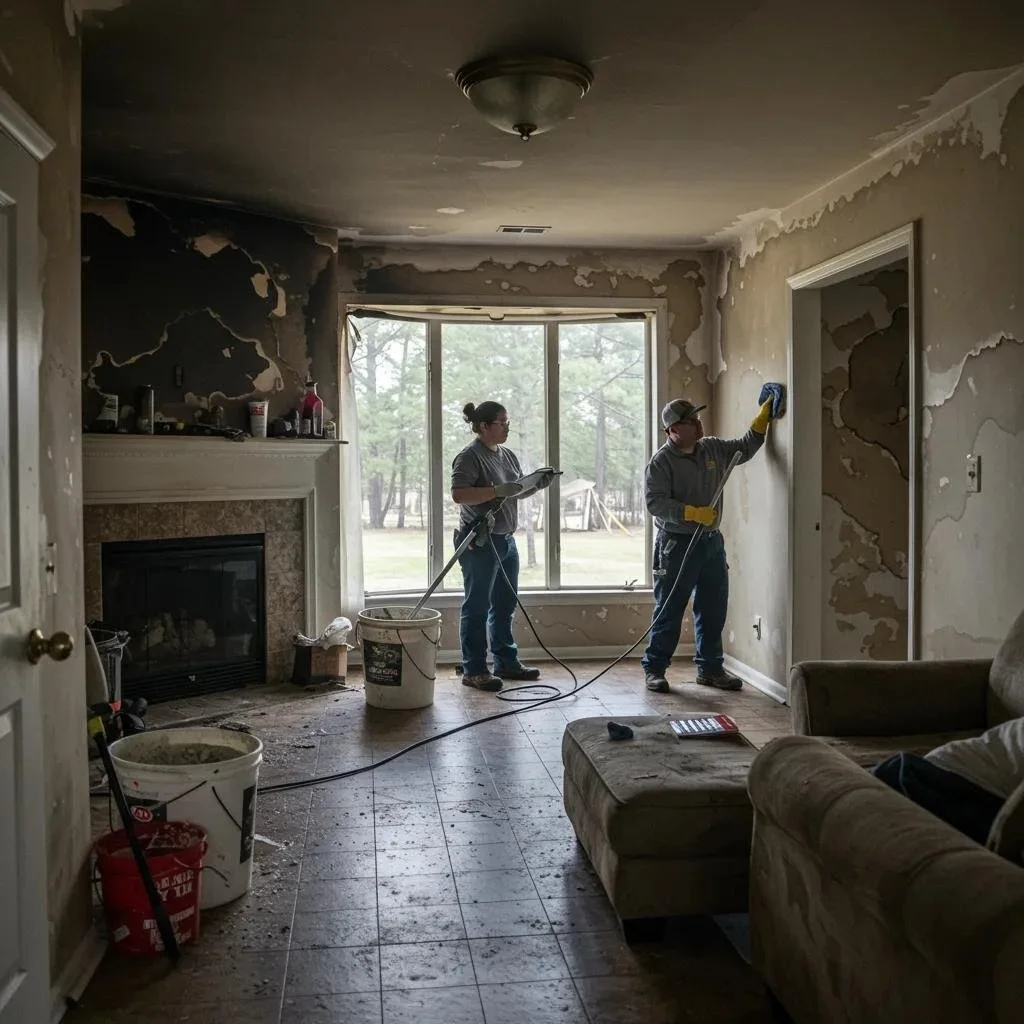
Smoke damage restoration in Austin demands swift, expert intervention to halt chemical reactions that continue to degrade property long after flames are out. Homeowners facing soot-stained walls, pungent odors, and invisible health hazards need clear guidance and proven methods to reclaim safe living spaces. This guide explains the main types of smoke residues, outlines a five-step professional cleanup process, reviews advanced odor-elimination technologies, covers soot removal strategies, clarifies insurance navigation, and offers immediate response recommendations. Throughout, The Steam Team’s local expertise and 42-year track record illustrate why professional smoke damage repair and odor removal deliver lasting results.

What Are the Different Types of Smoke Damage and Their Effects in Austin Homes?

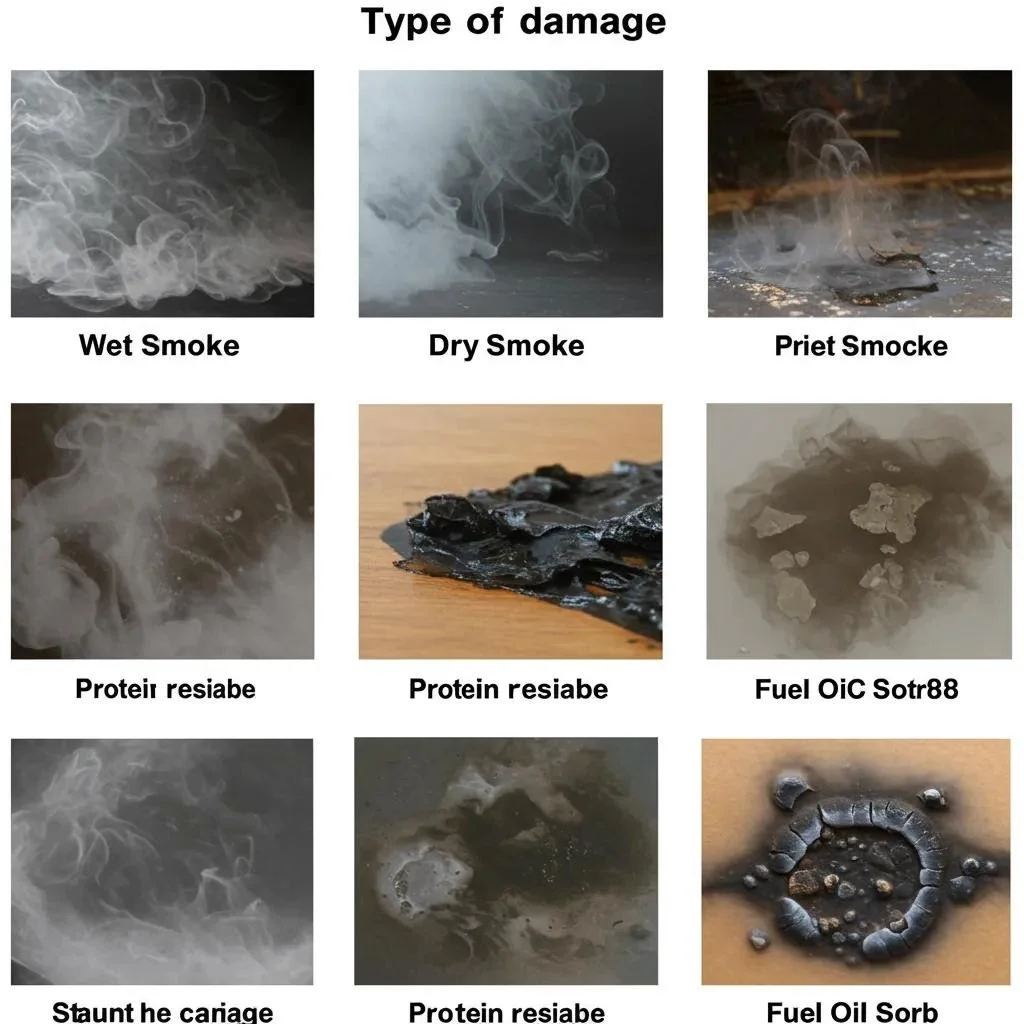
Smoke damage can be a devastating consequence of a fire, and understanding the different types that can affect homes in Austin is crucial for effective restoration. Generally, smoke damage is classified into three main categories: dry smoke, wet smoke, and protein smoke. Dry smoke is produced from high-temperature fires that burn quickly and cleanly, resulting in fine particles that can be easily displaced. This type of smoke damage typically presents as a light, powdery residue, which may cause discoloration on surfaces and can often be cleaned without extensive renovations. In contrast, wet smoke arises from low-temperature fires that burn slower and smolder, generating a sticky, thick residue that clings to walls and furnishings. This type of smoke can be more challenging to remove and may require specialized cleaning techniques to avoid permanent damage.

Additionally, protein smoke is often overlooked but can be particularly damaging, especially in kitchens where food-related fires occur. This type of smoke results from burning meat or oils and produces a rancid odor, as well as a fine, oily residue that is difficult to clean. Its effects can linger in a home, often requiring deep cleaning and deodorizing treatments to fully restore the affected areas. Understanding these types of smoke damage is essential for homeowners in Austin, as it informs restoration efforts and helps mitigate long-term issues such as structural damage and health risks associated with lingering smoke particles. By recognizing the specific type of smoke damage, homeowners can make informed decisions about cleaning and restoration techniques, ensuring their living spaces are safe and comfortable once again.

Smoke damage refers to the deposition of combustion by-products on surfaces, contents, and airspaces, creating both visible residue and hidden hazards. This damage arises from varied sources—furnace malfunctions, kitchen fires, electrical arcs—and each type alters cleanup requirements. For example, residues from burning plastics bond differently than residues from wood fires, affecting cleaning agents, techniques, and restoration time. Understanding these distinctions helps homeowners anticipate costs and professionals select optimal methods.

Below is a breakdown of primary smoke damage categories found in Austin residences:

Smoke Type Composition Characteristic Residue
Wet Smoke Low-temperature, high-moisture Sticky, smudgy film
Dry Smoke High-temperature, dry combustion Powdery, loose soot
Protein Residue Animal fats and food proteins Yellowish-brown, acidic film
Fuel Oil Soot Petroleum-based heating by-products Oily, fine, acidic particles

Each residue demands tailored cleaning: wet smoke requires water-based solvents, whereas fuel oil soot calls for heavy-duty degreasers. Recognizing these categories lays the groundwork for specialized restoration techniques and prepares homeowners for the scope of professional intervention.

How Does Wet Smoke Differ from Dry Smoke in Cleanup Needs?

Wet smoke forms when smoldering combustion releases moisture-laden residues that adhere tenaciously to walls, upholstery, and ceilings. Cleaning wet smoke involves emulsifying sticky films with water-based detergents before agitation to lift residue without damaging paint or fabric. For instance, a kitchen fire that smolders under counter cabinets often leaves a tacky residue that resists dry cloth removal. Without proper pre-treatment, repeated wipes can grind residue deeper into surfaces, increasing restoration time and costs.

Because wet smoke residues continue bonding in humid conditions, rapid moisture removal and thorough surface pH neutralization prevent re-staining. This moisture control also limits microbial growth that can complicate later odor-elimination phases, connecting cleanup to deodorization strategies that follow.

What Is Protein Residue and How Does It Affect Surfaces?

Protein residue comes from the incomplete combustion of animal-based materials and cooking oils, producing a thin, highly acidic film that discolors paints, plastics, and metals. This residue often appears yellowish and can continue to etch surfaces if not neutralized promptly. For example, after a grease fire in a restaurant kitchen, protein residues will permeate countertops and metallic fixtures, causing corrosion and staining that worsen over days.

Professional cleanup uses alkaline cleaners to counteract acidity and specialized protein-targeting solutions to break peptide bonds. Proper neutralization protects finishes and primes the property for subsequent deodorization, illustrating the interdependence of residue removal and odor control.

How Does Fuel Oil Soot Impact Smoke Damage Restoration?

Fuel oil soot results from heating system malfunctions or oil-fired equipment and produces a fine, oily particle that disperses easily and penetrates porous materials. This soot is acidic, abrasive, and can dissolve into drywall paper and wood grains, leading to deep staining and structural weakening if left untreated. A fuel-oil furnace leak can coat basement walls and contents in an almost invisible oily film that re-emerges days after initial wiping.

Effective fuel oil soot cleanup requires multiple stages: pre-vacuuming with HEPA-filtered equipment, dry chemical sponges to lift particles, and solvent-based detergents to dissolve remaining oils. This multi-step approach underscores the need for specialized equipment and trained technicians to restore structural integrity and health safety.

What Are the Health Risks Associated with Smoke and Soot Exposure?

Inhalation of smoke particulates and soot exposes residents to respiratory irritants, carcinogens, and acidic compounds that aggravate asthma, bronchitis, and cardiovascular conditions. Fine soot can penetrate deep into lung tissue and enter the bloodstream, while volatile organics from protein residue or fuel oil soot can trigger headaches, nausea, and long-term organ damage. For example, families returning before professional restoration often report persistent coughing and eye irritation.

Mitigating these risks demands thorough air scrubbing with HEPA filtration, advanced deodorization to remove volatile by-products, and full surface decontamination to eliminate residual hazards. Ensuring indoor air quality and surface safety becomes as critical as aesthetic restoration in protecting homeowner health.

What Is The Steam Team’s 5-Step Smoke Damage Restoration Process in Austin?

The Steam Team’s five-step smoke damage restoration process provides a systematic path from emergency response to final reconstruction, ensuring every residue type and odor source is addressed. This structured workflow leverages decades of local experience and specialized equipment to deliver comprehensive property recovery.

  1. Emergency Pre-Cleaning and Initial Assessment—Certified technicians perform rapid containment, remove perishable residues, and evaluate structural damage. This immediate response minimizes further chemical bonding and microbial growth while generating a detailed scope of work.

  2. Content Cleaning and Pack-Out—Salvageable belongings are inventoried, professionally cleaned off-site or in controlled environments, and stored securely. Protective packaging and content tagging maintain chain-of-custody, ensuring items return to client homes in pre-loss condition.

  3. Wall and Ceiling Soot Removal—Surfaces undergo HEPA vacuuming, chemical sponge treatments, and appropriate detergents matched to residue types. This multi-layered approach restores substrates and prepares them for refinishing or painting.

  4. Advanced Deodorization Techniques—Thermal fogging, hydroxyl generators, and photocatalytic oxidation devices neutralize odor molecules within structural cavities and HVAC systems. These methods penetrate beyond surface-level masking, eradicating persistent smoke smells at a molecular level.

  5. Structural Repair and Reconstruction—Final reconstruction includes drywall replacement, painting, flooring repairs, and finish carpentry. Coordinated with insurance adjusters, repairs restore property integrity and aesthetics, concluding with a client walkthrough to confirm satisfaction.

This five-step methodology ensures no residue is overlooked and every odor source is eliminated, delivering safe, livable environments.

How Is Emergency Pre-Cleaning and Initial Assessment Conducted?

Emergency pre-cleaning begins within hours of notification, with technicians boarding up compromised openings to protect structural stability and limit external contamination. After securing utilities, they remove loose char and TESPA-certified materials, preventing further migration of soot and acids. A detailed assessment catalogues damage to structures, contents, and indoor air quality, generating a restoration plan that aligns with insurance protocols.

By combining immediate containment with a systematic evaluation, this step stabilizes conditions and accelerates approvals from adjusters. Rapid action here reduces long-term repair costs and sets the stage for specialized cleanup efforts.

What Does Content Cleaning and Salvage Involve?

Content cleaning and salvage centralizes affected items for classification: non-salvageable, pack-out cleaning, or in-place restoration. Fabrics and upholstery undergo ultrasonic cleaning or ozone chamber treatment, while electronics and paperwork are processed with freeze-drying or thermal vacuum methods. Each item is tagged, photographed, and documented, ensuring clients retain a transparent record of recovered belongings. This meticulous approach maximizes salvage rates, recovers sentimental items, and demonstrates The Steam Team’s commitment to customer satisfaction.

How Are Walls and Ceilings Cleaned from Soot and Smoke Residue?

Surface restoration combines dry and wet cleaning techniques to address varied soot types. HEPA-filtered vacuums remove loose particles, chemical sponges lift embedded residues, and pH-balanced detergents eradicate acidic films without substrate damage. Technicians perform test patches to confirm compatibility with paints and coatings, ensuring cosmetic finishes remain intact.

By layering these methods, restoration teams eliminate all residue sources, preparing walls and ceilings for refinishing. This comprehensive cleaning prevents lingering discoloration and odor re-emergence.

Which Advanced Deodorization Techniques Are Used to Remove Smoke Odors?

Thermal fogging disperses a heated deodorant fog that bonds with odor molecules in hidden voids, while hydroxyl generators produce reactive radicals that oxidize volatile organic compounds. Ozone generators offer high-strength oxidation for severe odor sources, and photocatalytic oxidation units leverage UV light to catalyze molecular breakdown. These technologies work in tandem to penetrate HVAC ducts, wall cavities, and porous materials, ensuring complete odor neutralization rather than surface masking. Together, they restore indoor air quality and prevent re-contamination.

How Is Structural Repair and Reconstruction Managed After Smoke Damage?

Structural repair follows a scope-of-work established in the assessment phase, coordinating drywall replacement, framing repairs, painting, and finish carpentry. Licensed contractors integrate project timelines with insurance approvals and homeowner preferences, ensuring materials match original specifications. Final inspections confirm code compliance and aesthetic restoration before client sign-off. This integrated reconstruction guarantees that functional repairs and visual finishes meet the highest standards of safety and workmanship.

What Are the Most Effective Professional Smoke Odor Removal Techniques in Austin?

Professional smoke odor removal combines chemical, mechanical, and oxidative methods to eliminate odor sources at their origin. No single technique suffices, so restoration teams layer approaches for comprehensive elimination.

  • Thermal Fogging generates a solvent-based fog that penetrates deep into materials, neutralizing odor molecules through chemical bonding.

  • Hydroxyl Machines produce hydroxyl radicals that oxidize volatile organic compounds, working safely in occupied spaces to remove persistent smells.

  • Ozone Generators emit ozone gas that reacts with odor-causing compounds, converting them into harmless by-products when used under controlled conditions.

  • Air Scrubbers and HEPA Vacuums filter particulates and volatile gases, continuously cycling indoor air to reduce airborne contaminants.

  • Photocatalytic Oxidation uses UV light and catalysts to break down complex odor molecules on surfaces and in ductwork.

Applying these technologies in sequence ensures that smoke odors from wet, dry, protein, and fuel oil residues are fully neutralized. Proper equipment calibration and operator training are critical to avoid material damage and achieve lasting odor removal.

How Does Thermal Fogging Eliminate Lingering Smoke Smells?

Thermal fogging works by vaporizing a deodorant solution into ultrafine droplets that disperse through structural cavities and porous materials. These droplets chemically bond with odor-causing compounds, rendering them non-volatile and neutral at a molecular level. For example, thermal fog can penetrate wall voids created by water damage during firefighting efforts, ensuring odors trapped behind drywall panels are addressed. When applied after surface cleaning, fogging completes odor elimination and prepares the space for final air-quality testing and reoccupation.

What Role Do Hydroxyl Machines and Ozone Generators Play?

Hydroxyl machines generate reactive hydroxyl radicals in ambient air, breaking down volatile organic compounds without introducing harmful by-products. This method is safe around electronics and fabrics, enabling deodorization in occupied environments. Ozone generators, used with strict safety protocols, produce ozone molecules that oxidize odor-causing chemicals. Ozone is ideal for unoccupied spaces where high-strength oxidation is needed before reentry. Together, these two oxidative approaches offer flexible, effective solutions for diverse odor profiles and building layouts.

How Do Air Scrubbers and HEPA Vacuums Improve Indoor Air Quality?

Air scrubbers equipped with HEPA filters continuously draw contaminated air through multiple filtration stages, trapping particles down to 0.3 microns and reducing airborne soot and mold spores. Integrated activated-carbon filters adsorb odor molecules, further purifying indoor environments. Portable HEPA vacuums remove settled soot and dust during surface cleanup, preventing re-aerosolization of hazardous particles.

Continuous air circulation and filtration maintain clean air throughout restoration, reducing health risks and enhancing client comfort.

When Is Photocatalytic Oxidation Used for Smoke Odor Removal?

Photocatalytic oxidation (PCO) becomes essential for hard-to-reach odors embedded in HVAC systems and wall cavities after initial fogging and filtration. PCO units combine UV-A light with a titanium dioxide catalyst to produce radicals that break down complex organic molecules. This method excels at removing low-level residual odors without introducing chemical residues, making it a final polishing step in odor removal protocols.

Integrating PCO into the deodorization phase ensures sustained air-quality improvements and long-term odor control.

How Is Soot Cleanup Performed by Professionals in Austin?

Professional soot cleanup addresses both visible residues and microscopic particles that cling to structural materials and contents. Restoration teams use specialized equipment and protocols to remove soot without driving it deeper into substrates.

The general soot-removal workflow includes:

  1. Test Patches and Material Assessments—Determine best cleaning agents and methods for each surface.

  2. HEPA Vacuum Pre-Cleaning—Extract loose soot particles to prevent smearing.

  3. Chemical Sponge Treatments—Carbon sponges lift embedded soot without moisture, preserving delicate finishes.

  4. Wet Cleaning with pH-Balanced Detergents—Dissolve acidic residues while protecting substrates.

  5. Final HEPA Vacuuming and Air Scrubbing—Eliminate airborne particles stirred by cleaning.

What Are the Best Methods for Removing Soot Residue from Walls and Ceilings?

Removing wall and ceiling soot starts with HEPA vacuuming to capture loose particles, followed by dry chemical sponges that absorb deeper residues. When sponging isn’t sufficient, technicians apply pH-neutral detergents with gentle agitation to lift stubborn soot. Final rinse steps use low-moisture cleaning solutions to avoid water damage.

Thorough surface inspections after each stage ensure no residue remains before refinishing. Proper sequencing of dry and wet methods preserves structural integrity and cosmetic finishes.

How Does Professional Soot Cleanup Prevent Long-Term Structural Damage?

Left untreated, acidic soot residues continue etching paint, drywall paper, and wood fibers, compromising structural strength and appearance. Professional cleanup neutralizes these acids and removes abrasives that accelerate substrate degradation. Moreover, controlled moisture application during cleaning prevents warping and mold growth, reducing future repair costs. This proactive approach safeguards property longevity and minimizes the cumulative damage that homeowners often overlook.

What Equipment Does The Steam Team Use for Effective Soot Removal?

The Steam Team employs HEPA-filtered vacuums, chemical sponges, low-moisture sprayers, and industrial-grade air scrubbers to tackle all soot types. Portable negative-pressure units isolate work areas, preventing soot migration to unaffected spaces. Technicians also utilize infrared moisture meters and test kits to confirm residue removal and surface pH neutrality before proceeding. Advanced equipment and rigorous protocols ensure complete soot extraction and prepare surfaces for final restoration stages.

How Can Austin Homeowners Navigate Smoke Damage Insurance Claims?

Navigating smoke damage insurance claims requires thorough documentation, clear communication, and expert guidance to ensure fair coverage and timely reimbursement. Professional restoration providers that partner with adjusters can streamline the process and reduce homeowner stress.

Key steps in insurance navigation include:

  1. Documenting Damage—Photograph all affected areas, contents, and structural issues before cleanup.

  2. Detailed Estimates—Use industry-standard pricing guides to generate line-item restoration scopes.

  3. Adjuster Coordination—Provide adjusters with inspection reports, residue analyses, and equipment logs.

  4. Coverage Clarification—Identify which residues and repairs fall under dwelling, personal property, or additional living expenses.

  5. Claim Follow-Up—Maintain open communication to address supplement requests and scope changes.

Partnering with an experienced restoration team reduces claim denials and ensures maximum allowable benefits.

What Documentation Is Needed for Smoke Damage Insurance Claims?

Homeowners should collect date-stamped photographs, signed scopes of work, material safety data sheets for cleaning agents, and air-quality test results. Itemized lists of contents, including age and replacement values, support personal property claims. Receipts for emergency mitigation efforts, such as boarding up, also qualify under additional living expense provisions.

Thorough documentation accelerates claim processing and prevents scope disputes.

How Does The Steam Team Assist with Insurance Adjusters and Claims?

The Steam Team’s certified estimators prepare industry-standard reports using approved pricing software, then meet adjusters on-site to explain residue types, remediation steps, and specialized equipment needs. Technicians document each cleanup phase with time-stamped logs and photographic evidence. This transparency fosters adjuster confidence, minimizes back-and-forth requests, and expedites claim closures.

Proactive adjuster coordination underscores The Steam Team’s commitment to client advocacy and restoration efficiency.

What Costs Are Typically Covered by Homeowners Insurance for Smoke Damage?

Homeowners policies commonly cover structural repairs for smoke and soot removal, cleaning and storage of personal property, emergency mitigation such as board-up services, and additional living expenses if displacement occurs. Deductibles apply per policy terms, and coverage limits vary by endorsement. Cosmetic finishes like upgraded paint or luxury materials may require supplements, while routine maintenance exclusions can affect coverage of pre-existing conditions.

Understanding policy details and presenting clear scopes improves claim outcomes and fully leverages available benefits.

What Immediate Actions Should You Take After Smoke Damage in Austin?

Immediate actions after smoke damage focus on stabilizing conditions, preventing further deterioration, and safeguarding health. Rapid response mitigates long-term structural and content damage and reduces restoration costs.

First steps include:

  1. Ensure Safety—Confirm fire department clearance, ventilate spaces, and wear protective masks.

  2. Contain Residues—Close off HVAC vents, cover furniture with clean sheets, and isolate high-traffic zones.

  3. Remove Perishables—Discard contaminated food, plants, and unsalvageable textiles to prevent odors and mold.

  4. Document Conditions—Photograph damage before cleanup and record visible residues on all surfaces.

  5. Contact Professionals—Engage a 24/7 emergency smoke damage response team to secure property and begin assessment.

Why Is 24/7 Emergency Smoke Damage Response Critical?

Yes, rapid response within hours prevents soot and acidic residues from bonding further with substrates and stops microbial growth that thrives in damp, smoke-affected spaces. Emergency teams stabilize conditions, salvage belongings, and limit structural harm. Immediate action also supports stronger insurance claims by documenting pre-cleanup damage.

This readiness underscores the importance of experienced crews available around the clock.

What Are the First Steps to Minimize Smoke and Fire Damage?

After safety confirmation, ventilate to reduce airborne contaminants, cover furniture to prevent settling soot, and remove wet char that can stain irreversibly. Clearing perishable items and isolating HVAC systems further contain residues. Quick stabilization measures minimize both visible and hidden damage, setting a reliable stage for professional cleanup.

These actions bridge the gap between fire suppression and full restoration by limiting secondary damage.

When Should You Call Professionals for Board-Up and Structural Safety?

If windows, doors, or roof penetrations remain open after the fire, call for boarding up immediately to prevent weather intrusion, vandalism, and wildlife entry. Structural concerns—such as weakened beams or warped framing—also warrant professional evaluation. Early engagement of restoration specialists ensures property security and prevents compounding damages from exposure.

Why Choose The Steam Team for Professional Smoke Damage Cleanup in Austin?

The Steam Team’s four decades of restoration expertise, local Austin presence, and 24/7 availability deliver unmatched reliability and outcomes for smoke-affected properties. Proprietary processes combine scientific residue analysis with advanced equipment to guarantee thorough cleanup and odor elimination.

  • Over 42 Years of Experience—Decades of handling diverse smoke damage scenarios sharpen technical proficiency.

  • IICRC-Trained Professionals—Certified technicians follow industry standards for safety and performance.

  • Cutting-Edge Equipment—Thermal foggers, hydroxyl generators, HEPA air scrubbers, and specialized sponges ensure complete restoration.

  • Local Coordination—Strong relationships with Austin adjusters and quick response times support seamless insurance processing.

  • Customer-Centric Approach—Detailed documentation, clear communication, and a satisfaction guarantee reinforce trust.

These unique strengths position The Steam Team as Austin’s preferred partner for professional smoke damage restoration.

How Does Over 40 Years of Experience Benefit Your Restoration?

Decades of local service have exposed The Steam Team to every smoke damage scenario, refining protocols for efficiency and efficacy. This institutional knowledge enables technicians to anticipate challenges—such as hidden residues or unusual odor sources—and apply targeted solutions from day one. Homeowners benefit from faster turnarounds, fewer re-visits, and cost-effective restoration plans.

Proven expertise translates to predictable outcomes and greater homeowner confidence.

What Certifications and Training Do The Steam Team Professionals Have?

Technicians hold IICRC certifications in fire and smoke restoration, Applied Structural Drying, and content cleaning specialties. Ongoing training in advanced deodorization technologies and safety protocols ensures crews remain at the cutting edge of industry advances. These credentials underpin rigorous quality control and adherence to best practices on every project.

Clients gain assurance that restoration methods meet or exceed national standards.

How Does The Steam Team Use Advanced Equipment for Superior Results?

State-of-the-art thermal foggers create ultra-fine deodorant vapors to penetrate hidden voids, while hydroxyl generators and ozone units neutralize airborne odors at the molecular level. HEPA air scrubbers, chemical sponges, and low-moisture cleaning systems remove soot without collateral moisture damage. Infrared moisture meters and pH testers confirm residue removal and drying completion.

This integrated technology suite drives restoration quality and minimizes occupant disruption.

How Does Local Austin Presence Improve Service and Insurance Coordination?

With a centrally located Austin headquarters, The Steam Team responds within hours to emergency calls across Central Texas. Local adjuster partnerships expedite claim approvals, while knowledge of municipal codes ensures reconstruction compliance. Familiarity with regional building materials and climate factors leads to restoration solutions optimized for Austin homes.

This local focus accelerates project timelines and enhances communication from start to finish.

How Can You Request a Free Quote for Smoke Damage Restoration in Austin?

Requesting an accurate estimate for smoke damage repair begins with providing basic property details and damage descriptions. Gathering relevant information upfront streamlines the quoting process and ensures technicians arrive prepared for on-site assessments.

To prepare for a free quote:

  • Describe Damage Scope—Note affected areas, visible soot types, and odor intensity.

  • Interior Layout—Provide square footage, number of stories, and any special features (e.g., vaulted ceilings).

  • Content Inventory—List high-value items needing pack-out cleaning.

  • Accessibility Details—Share parking, gate codes, or security protocols.

Submitting this information facilitates rapid response and precise cost projections, enabling homeowners to plan restoration budgets confidently.

What Information Is Needed to Get an Accurate Smoke Damage Repair Estimate?

An accurate estimate relies on clear documentation of residue types, affected materials, and structural impact. Photographs of walls, ceilings, and HVAC vents help technicians scope labor and equipment needs. Details about prior cleaning attempts or secondary water damage guide solution selection and prevent scope gaps. Comprehensive pre-quote information reduces surprises and accelerates project kickoff.

How Quickly Can The Steam Team Respond to Your Smoke Damage Emergency?

The Steam Team offers 24/7 emergency response with average arrival times under three hours for most Austin and Central Texas locations. Rapid deployment teams secure properties, begin containment, and gather assessment data around the clock. This responsiveness curbs ongoing damage and provides immediate peace of mind for homeowners. Prompt mobilization is the cornerstone of effective smoke damage restoration and odor control.

What Are the Steps to Schedule a Professional Smoke Cleanup Appointment?

Scheduling begins by calling The Steam Team’s local dispatch center and providing basic damage details. A restoration coordinator confirms availability, collects property information, and arranges on-site assessment within a defined window. Following the initial visit, clients receive a detailed proposal and timeframe for cleanup, deodorization, and repair phases. This structured scheduling process ensures clarity, consistency, and timely restoration outcomes. Experience professional smoke damage cleanup and odor removal in Austin with The Steam Team’s trusted five-step approach and advanced technologies. Request a free quote today to restore safety, comfort, and peace of mind.

Frequently Asked Questions

What should I do immediately after experiencing smoke damage?

After smoke damage, prioritize safety by ensuring the fire department has cleared the area. Ventilate your home to reduce airborne contaminants and wear protective masks. Contain residues by closing HVAC vents and covering furniture. Remove perishable items to prevent odors and mold growth. Document the damage with photographs before cleanup begins, and contact a professional smoke damage restoration team to assess the situation and start the recovery process.

How can I prevent further damage after a fire?

To prevent further damage after a fire, act quickly to stabilize the environment. Ensure that all windows and doors are secured to prevent weather intrusion. Isolate affected areas by closing off HVAC systems and covering furniture. Remove any wet or charred materials that could lead to mold growth. Engaging a professional restoration service promptly can help mitigate ongoing damage and ensure a thorough cleanup.

What are the long-term effects of smoke damage on health?

Long-term exposure to smoke damage can lead to serious health issues, including respiratory problems, chronic bronchitis, and increased risk of cardiovascular diseases. Fine soot particles can penetrate deep into the lungs and bloodstream, causing inflammation and other health complications. Additionally, volatile organic compounds from smoke can trigger headaches, nausea, and long-term organ damage. Ensuring thorough cleanup and air quality restoration is essential for safeguarding health.

How can I choose the right smoke damage restoration company?

When selecting a smoke damage restoration company, consider their experience, certifications, and customer reviews. Look for companies with IICRC certifications, as this indicates adherence to industry standards. Evaluate their response time and availability, especially for emergency services. A reputable company should provide a detailed assessment and transparent pricing. Additionally, inquire about their methods for odor removal and structural repair to ensure comprehensive service.

What types of insurance coverage are available for smoke damage?

Homeowners insurance typically covers smoke damage under property damage policies. Coverage may include structural repairs, cleaning and storage of personal belongings, and additional living expenses if you are displaced. It's important to review your policy details, as coverage limits and deductibles can vary. Some policies may require specific endorsements for smoke damage, so consulting with your insurance agent can clarify what is included in your coverage.

How can I ensure my home is safe after smoke damage cleanup?

To ensure your home is safe after smoke damage cleanup, conduct thorough air quality testing to check for lingering contaminants. Ensure that all surfaces have been properly cleaned and deodorized to eliminate any remaining odors. Inspect for structural integrity and any signs of mold growth. It may also be beneficial to have a professional conduct a final walkthrough to confirm that all restoration work meets safety standards and that your home is ready for reoccupation.

What are the benefits of professional smoke damage restoration services?

Professional smoke damage restoration services offer expertise, specialized equipment, and efficient techniques that ensure thorough cleanup and restoration. Trained technicians can identify and address various types of smoke residues, preventing further damage and health risks. They also provide advanced deodorization methods that effectively eliminate odors at the source. Additionally, professional services often assist with insurance claims, streamlining the process and ensuring that homeowners receive the coverage they deserve.

Conclusion

Professional smoke damage cleanup in Austin not only restores your property but also safeguards your health by eliminating harmful residues and odors. The Steam Team’s proven five-step process ensures thorough restoration, leveraging advanced technologies and decades of expertise. Don’t wait for damage to worsen; contact us today for a free quote and take the first step towards reclaiming your home. Experience peace of mind with our reliable smoke damage repair services.