Essential Air Duct Cleaning: Your Key to Allergy Relief
/Breathe Easy: Instant Allergy Relief
Indoor allergens accumulate where we least expect them: inside ductwork and HVAC systems that continuously recirculate air through living spaces. Dirty air ducts concentrate dust, pollen, pet dander, dust mite fragments, and mold spores; when the HVAC runs, these particles become airborne again and worsen symptoms for allergy and asthma sufferers. This article explains how contaminated ducts affect indoor air quality, reviews the NADCA-certified cleaning process that targets allergen sources, outlines timing and signs for scheduling cleaning, and compares costs and long-term value for Austin homes. After a concise explanation of why professional methods outperform DIY approaches, you’ll find practical checklists, equipment comparisons, and localized guidance for Austin’s pollen and humidity patterns to help you decide when to act. For readers seeking certified service, The Steam Team, a locally owned cleaning and restoration company employing NADCA-certified technicians for air duct cleaning, provides NADCA-standard procedures that can be scheduled for homes and businesses; request a quote to compare options after reviewing the technical guidance below.
How Do Dirty Air Ducts Affect Allergies and Indoor Air Quality?
Dirty air ducts act as reservoirs and distribution routes for allergens, meaning contaminants lodged in ductwork are repeatedly reintroduced into the breathing zone whenever the HVAC operates. The mechanism is straightforward: particles settle in supply and return vents, then get dislodged by airflow or fan cycles and travel into living spaces, increasing airborne allergen concentrations. This circulation elevates exposure for occupants, amplifying sneezing, congestion, itchy eyes, and asthma exacerbations, especially during high-pollen seasons or periods of elevated indoor humidity. Understanding this mechanism highlights why removing the source of the settled material inside ducts is more effective for allergy relief than filtration alone, and leads naturally into identifying the most common duct-borne allergens.
What Common Allergens Are Found in Air Ducts?
Air duct systems commonly harbor dust mites, pollen (including local Austin types such as tree and grass pollen), pet dander, and mold spores that enter from outdoor intake, occupant activity, or moisture events. Dust mites thrive in settled dust, and pet dander provides a persistent protein source that triggers immune responses in sensitized individuals. Pollen enters when doors, windows, or fresh-air intakes operate and can accumulate on surfaces inside ducts, where it remains airborne once disturbed. These allergen sources link directly to why HVAC source removal reduces indoor concentrations more effectively than filter-only strategies, setting up the need for NADCA-standard extraction and containment.
How Do Contaminated Ducts Worsen Allergy and Asthma Symptoms?
Contaminated ducts worsen symptoms by increasing the frequency and intensity of exposure: each HVAC cycle can re-aerosolize particles that contact the nasal mucosa and airways, provoking inflammatory responses in sensitive individuals. For people with allergic rhinitis or asthma, this repeated exposure can lead to more frequent attacks, reduced sleep quality, and increased medication use. Clinical guidance and indoor air studies note that source control reduces exposure pathways, which often translates to measurable symptom improvements when combined with other controls such as high-quality filtration and humidity management. Recognizing these health impacts makes it clear why a targeted cleaning protocol and complementary home measures are recommended for sustained relief.
Evaluating Residential Air Duct Cleaning and IAQ: A Field Study
A nine-home field study was conducted to investigate the impact of mechanical air duct cleaning (ADC) methods on indoor air quality (IAQ) and system performance. ADC services were provided by the National Air Duct Cleaners Association (NADCA). Only mechanical ADC methods were evaluated. Surface treatments, such as biocides or encapsulants, were not part of the study. Pre- and post-ADC measurements were used to evaluate impacts. These included deposited duct dust measurements, airborne particle and fiber concentrations, microbial bioaerosol and surface sampling, and system performance factors such as temperature, relative humidity air flow rates, and static pressure. Surface sampling in ducts indicated that mechanical ADC is effective in removing adhered dust and dirt. The particle measurement data could not offer a clear indication that indoor levels can be reduced using mechanical ADC because there was an apparent strong influence from outdoor particle mass concentrations. Mechanical ADC did not significantly reduce bioaerosol or microbial density in the houses studied. Measurements of system performance factors suggest that ADC may have a positive effect. Supply air rates increased between 4 and 32% in eight of the houses, and return air flow rates increased 14 and 38% in two of the houses. Evaluating residential air duct cleaning and IAQ: results of a field study conducted in nine single-family dwellings, 1997
What Is the NADCA Certified Air Duct Cleaning Process by The Steam Team?
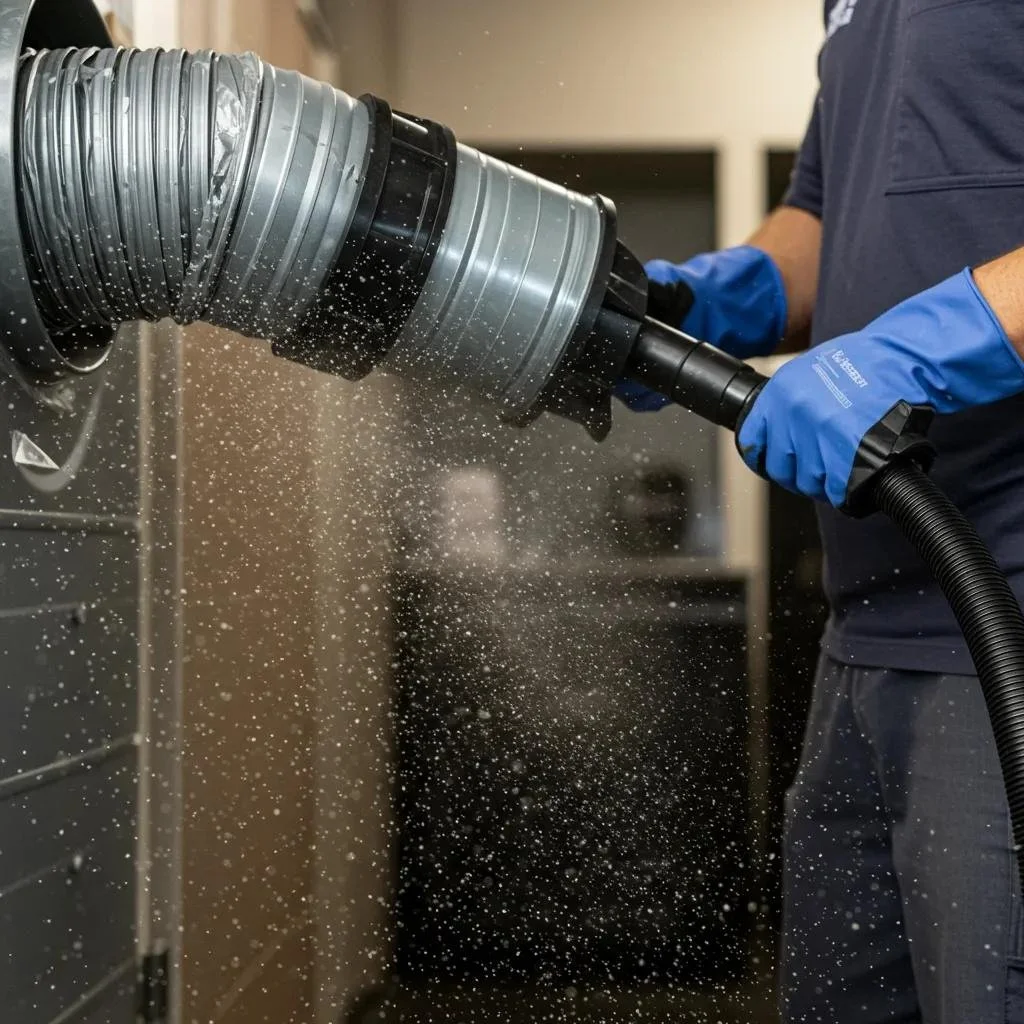
NADCA-certified air duct cleaning follows standardized steps that focus on source removal, containment, filtration, and verification to minimize recontamination and maximize allergen extraction. Pre-inspection identifies contamination levels and moisture issues, source removal uses agitation and mechanical brushing, HEPA-rated vacuuming pulls debris into sealed collection systems, and optional sanitization addresses microbial concerns when appropriate. This sequence inspection, agitation, HEPA containment, and verification reduces airborne allergen loads and prevents redistribution of settled material, which is critical for allergy relief. Below is a comparison table that clarifies key equipment used during NADCA-standard cleaning and the allergy-specific benefits each provides.
Introductory table explaining professional equipment and why it matters:
Equipment
Primary Purpose
Allergy Benefit
HEPA vacuum system
Captures fine particles during source removal
Prevents reintroduction of dust, pollen, and dander into living spaces
Rotary brushes/agitation tools
Loosens settled debris from duct surfaces
Enables the extraction of embedded dust mite and pet dander reservoirs
Negative-pressure containment
Isolates dust during cleaning
Minimizes contamination of living areas and reduces cross-contamination
Source collection and filtration
Collects and filters the removed debris
Ensures captured allergens are contained and not exhausted back inside
This equipment-focused comparison shows that NADCA-aligned tools prioritize source removal and containment, which delivers superior allergen reduction compared with handheld vacuums or surface-only approaches.
Why Is NADCA Certification Important for Allergy Relief?
NADCA certification represents adherence to industry standards for HVAC system cleaning, providing consistent protocols, trained technicians, and equipment expectations that matter for allergen control. Certified procedures reduce the risk of incomplete cleaning or accidental damage to system components and emphasize HEPA containment and verification steps that make allergen removal measurable and reliable. For allergy sufferers, this consistency translates into a higher probability that the major sources of settled allergens are removed rather than simply disturbed and redistributed. Comparing certified versus non-certified approaches highlights why choosing an NADCA-standard process reduces the chance of persistent allergen exposure.
What Advanced Equipment and Techniques Are Used in Professional Cleaning?
Professional cleaning uses integrated systems: HEPA-rated vacuums create negative pressure, mechanical agitation tools dislodge deposits, and sealed duct-access methods prevent cross-contamination of living spaces during work. Agitation techniques vary by system type but commonly include rotary brushes, compressed-air skids, or pneumatic tools to pull embedded dust loose; HEPA containment systems then capture particles at source. Safety and standards emphasize that filtration media must meet HEPA specifications and that technicians document before-and-after conditions to confirm effectiveness. These techniques collectively address both the removal of allergen reservoirs and the prevention of their redistribution, which is essential for lasting symptom reduction.
What Are the Key Benefits of Air Duct Cleaning for Allergy and Asthma Sufferers?
Air duct cleaning delivers measurable benefits by reducing settled allergen reservoirs, preventing mold colonization in damp conditions, and improving overall HVAC function to support cleaner airflow. Removing dust and biological material at the source lowers short-term airborne particle spikes during HVAC operation and, when combined with filtration upgrades and humidity control, reduces long-term exposure pathways. Additional advantages include potential energy savings from restored airflow and reduced stress on HVAC components, which contribute to healthier indoor environments and lower maintenance needs. The table below quantifies common allergen types, how cleaning reduces them, and expected impacts on symptoms to make the benefits tangible for decision-making.
Introductory table linking allergens to outcomes:
Allergen Type
How Cleaning Reduces It
Expected Impact on Symptoms
Dust mite fragments
Physical removal from ducts and registers
Fewer nighttime nasal symptoms and lower indoor dust levels
Pet dander
Extraction of settled dander from duct surfaces
Reduced sneezing and ocular irritation for pet-sensitive occupants
Pollen (Austin varieties)
Removal of trapped pollen grains from the intake and ductwork
Decreased seasonal symptom spikes indoors during cedar/grass seasons
Mold spores
Cleaning plus moisture control reduces colonization risk
Lowered musty odors and reduced respiratory irritation in damp periods
This benefit table clarifies that professional source removal translates into lower indoor exposure and a realistic expectation of symptom improvement when paired with other measures.
Air duct cleaning reduces airborne allergens primarily by removing source material rather than merely filtering air that has already circulated. Source removal decreases the reservoir of particles that would otherwise be dislodged during HVAC cycles, while filtration and humidity control limit reintroduction and growth. Together, these controls form an integrated approach: remove, prevent, and filter. Understanding how these layers interact helps homeowners prioritize actions that extend the effectiveness of a professional cleaning, such as regular filter replacement and humidity management.
When Should You Schedule Air Duct Cleaning for Allergy Relief?
Scheduling depends on household risk factors: allergy sufferers, pet owners, recent renovations, or known moisture problems should consider more frequent cleaning than general recommendations. For homes with pets or occupants with reactive allergies, earlier scheduling following symptom spikes or visible dust in vents is prudent; otherwise, periodic cleaning combined with regular filter maintenance suffices. Seasonal patterns in Austin, including high tree and grass pollen periods and humid months that can encourage mold, should influence timing to maximize relief when exposure risk is highest.
Introductory checklist explaining indicators for action:
Visible dust or debris: When vents and registers show settled dust after normal cleaning.
Worsening indoor allergies: If symptoms spike indoors despite other controls.
Recent renovation or construction: When dust from remodeling likely entered the ductwork.
Musty or moldy odors: Suggests moisture-driven contamination requiring professional assessment.
These signs point to source-level contamination that cleaning addresses directly; homeowners should prioritize professional inspection when multiple indicators appear. Prompt scheduling during or before peak pollen seasons can reduce indoor exposure when occupants are most vulnerable, and complementary maintenance like high-MERV filters and humidity monitors prolongs the benefits. Considering local seasonality and household risk yields the best timing strategy for reliable allergy relief.
How Often Should Allergy Sufferers and Pet Owners Clean Their Air Ducts?
Frequency recommendations vary by risk: households with allergy sufferers or multiple pets should consider source-focused cleaning every 2–3 years, while low-risk residences may extend intervals with vigilant filter upkeep. More frequent cleaning is warranted after renovations, water intrusion, or when occupants notice escalating symptoms despite other measures. Pairing cleaning intervals with seasonal checks and filter replacement schedules (monthly or per manufacturer guidance) maximizes indoor air improvements. Establishing a maintenance rhythm based on household conditions and symptom tracking helps maintain long-term control of allergen exposure.
What Are the Signs That Your Air Ducts Need Cleaning?
Key signs include visible dust blowing from vents, persistent musty smells, increased dust accumulation on surfaces despite cleaning, and worsening indoor allergy symptoms that correlate with HVAC use. Observable debris around registers or discolored return grilles indicates settled material that can be mobilized by system operation. If occupants experience repeated symptom flares when the system cycles or after weather events, these are strong cues to request a professional inspection. Recognizing these indicators early allows for targeted cleaning and prevents prolonged exposure cycles.
Why Choose The Steam Team for Air Duct Cleaning in Austin?
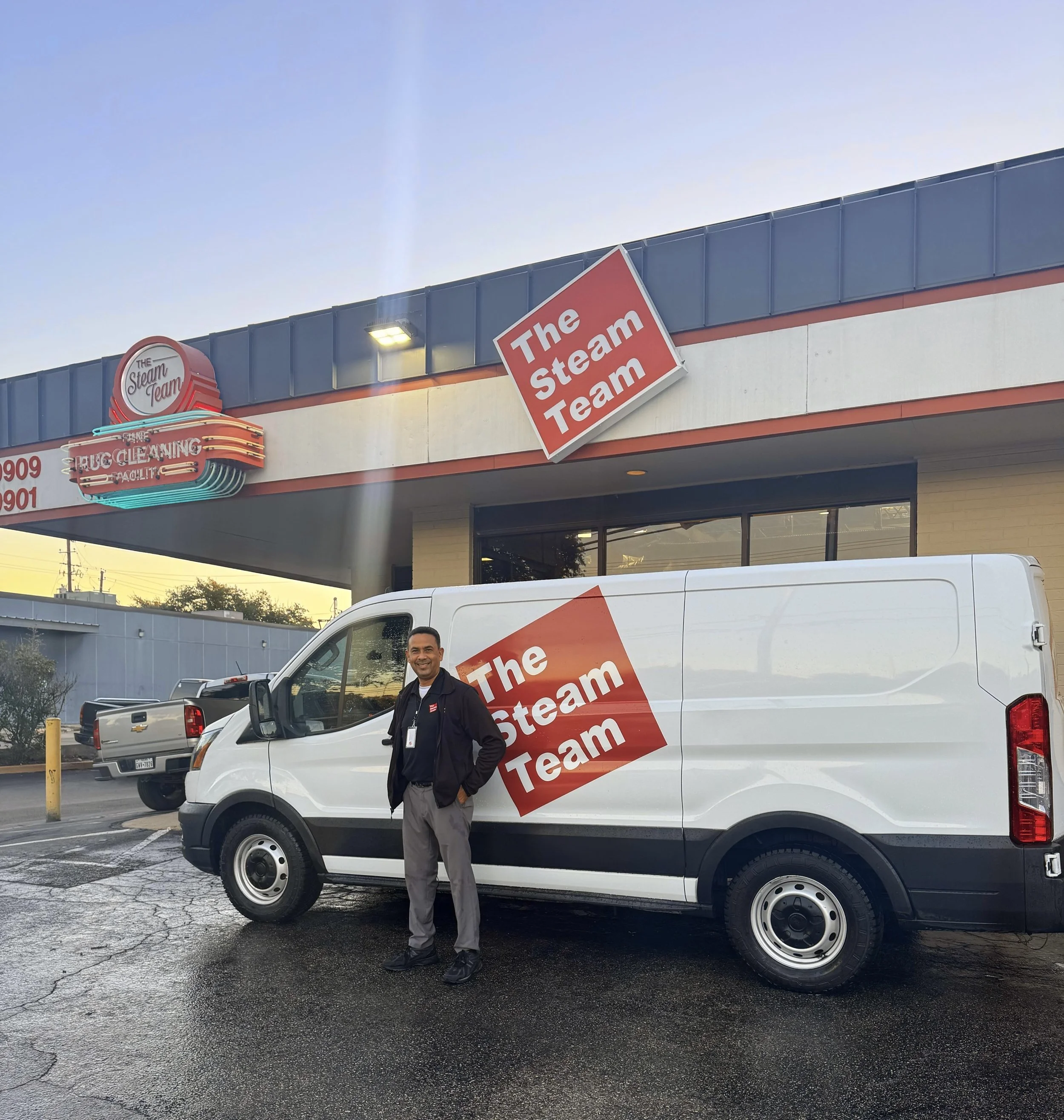
The Steam Team is a locally owned cleaning and restoration company in Austin that emphasizes NADCA standards, uses NADCA-certified technicians for air duct work, and provides services to both residential and commercial customers. Choosing a provider that follows standardized, documented cleaning protocols matters for allergy outcomes because consistent techniques and HEPA containment reduce the likelihood of partial or ineffective cleanings. The Steam Team’s local focus supports knowledge of Austin-specific allergens and humidity patterns, which helps tailor timing and complementary recommendations for long-term indoor air quality. For readers ready to compare options, requesting a formal quote from a NADCA-aligned provider clarifies scope and expected outcomes.
How Does 42 Years of Local Experience Benefit You?
Local experience provides technicians with practical knowledge of Austin-specific issues like seasonal pollen influxes and humidity-driven mold risks, enabling more targeted inspections and preventive recommendations that help sustain allergy relief. Longstanding local operations also foster quicker response times and familiarity with common building types and HVAC setups in the region. This institutional knowledge can translate into more effective problem diagnosis, tailored maintenance plans, and realistic timelines for follow-up work or filter upgrades. Homeowners benefit when technicians combine standardized cleaning procedures with regional expertise to minimize the recurrence of duct contamination.
What Awards and Customer Satisfaction Ratings Support Our Service?
Local reputation and customer feedback are important signals when evaluating providers; readers should consult public reviews and business profiles to confirm service consistency and satisfaction claims. Transparent documentation, such as before-and-after inspection notes and photo records, helps validate that the scope of work addressed allergen sources thoroughly. While individual ratings vary, selecting a provider that offers NADCA-standard reports and clear verification steps reduces uncertainty and supports informed decision-making. These verification practices give homeowners confidence that cleaning efforts will translate into measurable indoor-air benefits.
Which Areas in Austin and Central Texas Do We Serve?
A local provider's service area affects response time and familiarity with neighborhood-specific conditions, which is especially relevant for timely cleanings during high-allergen periods. The Steam Team serves Austin and Central Texas locations, enabling technicians to apply localized strategies for pollen seasons and humidity events that influence mold risk. Local coverage also facilitates coordinated follow-up work, such as HVAC assessments or dryer vent cleaning, when technicians identify related issues during inspections. Efficient local service supports a practical maintenance schedule that aligns with seasonal allergen cycles.
What Are the Typical Costs and Value of Air Duct Cleaning in Austin?
Air duct cleaning costs depend on home size, number of vents/registers, contamination level (e.g., heavy dust, mold evidence), system accessibility, and whether additional services like sanitization or repairs are needed. Pricing also reflects technician qualifications and the use of NADCA-standard equipment and HEPA containment; investing in certified procedures often yields better long-term value for allergy sufferers. Below is a practical cost-context table that compares typical home sizes, vent counts, and approximate price ranges to help Austin homeowners set expectations before requesting a formal quote.
Introductory cost-comparison table for the Austin context:
Home Size
Typical # of Vents
Typical Price Range
Small (1,000 sq ft)
6–10 vents
$300–$450
Medium (1,500–2,500 sq ft)
10–18 vents
$450–$700
Large (2,500+ sq ft)
18+ vents
$700+
Additional services (mold remediation/sanitization)
As-needed
Varies by scope
Summary paragraph after cost table:
These examples illustrate core drivers of cost rather than fixed quotes; the precise price depends on contamination severity, system complexity, and any remediation needs identified during inspection. For allergy-focused value, consider the combination of source removal plus follow-up measures, upgraded filtration, humidity control, and professional verification, which often reduces ongoing medical and cleaning expenses. Requesting an on-site assessment helps translate these typical ranges into an actionable plan tailored to your home and symptoms.
What Factors Influence Air Duct Cleaning Prices?
Primary cost drivers include the number of vents/registers to service, the length and complexity of duct runs, evidence of mold or heavy contamination that requires remediation, and accessibility of the air handler and duct openings. Commercial systems and specialty HVAC setups may require additional labor and equipment, while post-renovation cleanings often incur higher costs due to increased debris. Preparing for an accurate quote by noting system type, recent water events, and symptom history enables technicians to scope work appropriately. Clear pre-inspection communication reduces surprises and helps homeowners weigh cost versus expected allergen reduction outcomes.
How Does Professional Cleaning Provide Long-Term Value for Allergy Relief?
Professional cleaning yields long-term value by removing allergen reservoirs that would otherwise persist and periodically re-aerosolize, reducing the need for repeated ad hoc cleaning and lowering cumulative exposure over time. Improved HVAC airflow can also enhance energy efficiency and extend equipment life, indirectly offsetting cleaning costs. When combined with upgraded filtration, routine maintenance, and moisture control, a NADCA-standard cleaning becomes part of a sustained indoor-air strategy that reduces symptomatic episodes and associated costs. For homeowners prioritizing allergy relief, investing in certified cleaning plus follow-up controls offers a defensible return in health and home system resilience.
Air duct cleaning focused on source removal, performed to NADCA standards and combined with filtration and humidity control, provides a practical path to reducing indoor allergen exposure for Austin residents. If you or household members experience persistent indoor allergy symptoms, consider a NADCA-standard inspection and cleaning; The Steam Team offers certified technicians and localized expertise to assess and execute these procedures. Request a quote to compare scopes and determine the best timing relative to Austin’s seasonal pollen and humidity cycles.
Frequently Asked Questions
What are the health benefits of clean air ducts beyond allergy relief?
Clean air ducts not only alleviate allergy symptoms but also contribute to overall health by reducing the risk of respiratory infections and improving sleep quality. By minimizing airborne contaminants, clean ducts help create a healthier indoor environment, which is especially beneficial for children, the elderly, and individuals with compromised immune systems. Additionally, cleaner air can enhance cognitive function and productivity, making it essential for both home and workplace settings. Regular maintenance of air ducts can thus lead to a more comfortable and healthier living space.
Can air duct cleaning help with odors in the home?
Yes, air duct cleaning can significantly reduce unpleasant odors in your home. Odors can accumulate in ductwork from various sources, including pet dander, mold, and dust. When the HVAC system operates, these odors can be circulated throughout the living space. By removing the source of these smells through professional cleaning, you can improve indoor air quality and create a fresher environment. Additionally, combining duct cleaning with other measures, such as using air purifiers and maintaining humidity levels, can further enhance odor control.
How does humidity affect air duct cleanliness and indoor air quality?
Humidity plays a crucial role in air duct cleanliness and overall indoor air quality. High humidity levels can promote mold growth and dust mite proliferation within duct systems, leading to increased allergen levels. Conversely, low humidity can cause dust to become airborne more easily, exacerbating allergy symptoms. Maintaining optimal humidity levels (ideally between 30-50%) through dehumidifiers or humidifiers can help mitigate these issues. Regular air duct cleaning, combined with humidity control, ensures a healthier indoor environment and reduces the risk of mold and allergens.
What should I do if I suspect mold in my air ducts?
If you suspect mold in your air ducts, it is essential to act quickly. First, avoid using the HVAC system to prevent spreading mold spores throughout your home. Next, contact a professional air duct cleaning service that specializes in mold remediation. They can conduct a thorough inspection and determine the extent of the contamination. If mold is confirmed, they will follow NADCA-certified procedures to safely remove it and address any underlying moisture issues to prevent future growth. Prompt action is crucial for health and safety.
Are there any DIY methods for maintaining clean air ducts?
While professional cleaning is recommended for thorough duct maintenance, there are several DIY methods to help keep your air ducts cleaner between professional cleanings. Regularly replace or clean HVAC filters, as this prevents dust and allergens from circulating. Additionally, vacuum vents and registers to remove visible dust and debris. Keeping the surrounding areas clean and minimizing clutter can also help reduce the amount of dust that enters the duct system. However, for deep cleaning and allergen removal, professional services are still necessary.
How can I choose the right air duct cleaning service?
Choosing the right air duct cleaning service involves several key considerations. Look for companies that are NADCA-certified, as this ensures they adhere to industry standards for cleaning. Check customer reviews and ratings to gauge their reputation and service quality. Inquire about their cleaning methods, equipment used, and whether they provide a detailed inspection before cleaning. Additionally, ask for a written estimate and ensure they offer a satisfaction guarantee. A reputable service will be transparent about its processes and committed to improving your indoor air quality.
Conclusion
Air duct cleaning significantly enhances indoor air quality by removing allergen reservoirs, which can lead to improved health outcomes for allergy and asthma sufferers. By choosing a NADCA-certified service like The Steam Team, you ensure that the cleaning process adheres to industry standards, maximizing the effectiveness of allergen removal. Regular maintenance and timely cleaning can help sustain these benefits, providing a healthier living environment. Take the first step towards cleaner air by requesting a quote today.