Know Your Options: Fire Restoration vs. DIY in Austin

Emergency Fire Restoration Insights

A sudden fire leaves more than visible damage; it creates a complex mix of smoke, soot, water intrusion, and structural risk that requires rapid, informed action. This article explains why emergency fire restoration differs from DIY repairs, what health and structural dangers homeowners often underestimate, and when professional intervention delivers better outcomes for safety, odor control, and insurance recovery. Readers will learn the specific mechanisms by which smoke and soot penetrate materials, the advanced equipment and techniques professionals use to neutralize odors and restore structure, and practical steps to take immediately after a fire. The guide also walks through a standard professional restoration workflow, describes how restoration teams support insurance claims, and offers clear triggers for calling 24/7 emergency services. Throughout, the focus is on actionable guidance tailored for Austin and Central Texas conditions, including regional considerations like local codes and rapid response needs.

What Are the Risks of DIY Fire Damage Repairs?

DIY fire cleanup can appear cost-saving at first, but the core risk is invisible harm: smoke particles and soot often penetrate deeply into building materials and contents, causing lingering odors and health hazards that surface cleaning cannot fix. Smoke particles β†’ adhere to β†’ porous materials, which means superficial wiping only moves contamination rather than removing it. Attempting repairs without proper hazard assessment can also compromise structural safety and void insurance coverage, creating higher costs over time. Homeowners should evaluate hazards first and avoid premature reconstruction until professionals verify safety and moisture levels.

Homeowners face several primary risk categories when attempting DIY fire repairs:

  • Health risks: Exposure to fine particulates and chemical byproducts is hazardous.

  • Structural risks: Hidden charring or compromised supports can cause collapse or failure.

  • Financial/insurance risks: Improper documentation and amateur repairs may complicate claims or lead to denials.

These risk categories make clear why understanding the specific health hazards of soot and smoke cleaning is the next essential step.

What Health Hazards Does DIY Smoke and Soot Cleanup Pose?

Smoke and soot contain fine particulate matter, polycyclic aromatic hydrocarbons (PAHs), and volatile organic compounds (VOCs) that can irritate airways and carry long-term health risks. Inhalation of ultrafine particulates can exacerbate asthma, cardiovascular conditions, and create carcinogenic exposure pathways, while off-gassing from burned synthetics releases irritant gases that linger in indoor air. Proper protection requires respirators rated for particulates (such as N95 or higher), gloves, and eye protection, plus HEPA-grade containment and air filtration to prevent recontamination. Because DIY approaches often lack HEPA filtration and containment, they leave residents exposed and increase the likelihood of persistent indoor air quality problems.

Transitioning from health hazards to structural concerns highlights why safety assessments and professional stabilization are commonly required after a fire event.

HEPA Air Cleaner Efficiency in Particle Removal for Fire Restoration

Use of a portable HEPA filter(s) in hospital wards is hypothesized to increase the effective ventilation rate (for particles only). Use of a portable HEPA filter is also hypothesized to increase the effective airflow rate of the general ward to the standard of an isolation ward for emerging infectious diseases. This may be a good solution for housing patients when the number of beds in an isolation ward is insufficient. An experiment was conducted in a full-scale experimental ward with a dimension of 6.7 m Γ— 6 m Γ— 2.7 m and 6 beds to test these hypotheses for a portable HEPA filter. The removal efficiency for different sizes was measured at different locations. The influence of the portable HEPA air cleaner on the airflow pattern was also studied through smoke visualization and computational fluid dynamics (CFD) simulations. Results show that the HEPA filter can effectively decrease the particle concentration level. The effective air change rate achieved by the HEPA filter (for particle removal only) is from 2.7 to 5.6 ACH in the ward. The strong supply air jet from the portable HEPA filter interacted with the room airflow pattern and became dominant, introducing global airflow mixing in the room. Background noise levels were also measured, and the noise level in the room increased when the maximum airflow of the filter was used.

Particle removal efficiency of the portable HEPA air cleaner in a simulated hospital ward, H Qian, 2010


How Can DIY Fire Repairs Affect Structural Safety?

Fire weakens structural members in ways not always apparent to untrained observers: charring reduces cross-sectional strength, and heat can degrade fasteners and connections even when surfaces look intact. Water used to suppress fires worsens the issue by causing swelling, rot, and corrosion that accelerate structural decline, and hidden hotspots can rekindle if not fully mitigated. Professionals perform targeted structural assessments, including probing, moisture mapping, and thermal imaging, to identify compromised load-bearing elements and determine where shoring or board-up is necessary. Ignoring these checks during DIY repairs risks occupant safety and can increase repair scope and cost later when underlying failures reveal themselves.

To make a clear comparison between DIY approaches and professional responses, the table below summarizes key attributes homeowners should weigh before choosing a path.

The following comparison clarifies how DIY and professional methods differ across safety, thoroughness, equipment, cost, and insurance impact:

Approach

Safety

Thoroughness

Equipment

Insurance Impact

DIY cleanup

Limited; PPE often inadequate

Surface-level; hidden contamination likely

Household cleaners; shop vacs

Higher risk of claim complications

Professional restoration

Trained on safety protocols and containment

Full remediation, including porous materials

Thermal cameras, HEPA air scrubbers, and hydroxyl generators

Proper documentation reduces delays/denials

Hybrid (partial pro help)

Better than DIY, but variable

Depends on tasks left to professionals

Selective professional tools

Can help with claims if documented thoroughly

This comparison shows why professional remediation typically reduces long-term risk and preserves insurability, and it leads directly to why choosing certified technicians and advanced equipment matters.

Why Choose Professional Fire Damage Restoration Services in Austin?

Professional restoration teams combine safety protocols, certified expertise, and specialized equipment to remove hazards, salvage contents, and stabilize structures efficiently. Certification standards such as IICRC and NADCA ensure technicians follow industry best practices for cleaning, deodorization, and air system restoration, which improves outcomes and reduces secondary damage. Advanced equipment thermal imaging for hidden heat, HEPA air scrubbers for particulate removal, and hydroxyl generators or thermal fogging for odor neutralization target contamination mechanisms at the material level rather than masking symptoms. Choosing professionals also streamlines coordination with insurance adjusters and municipal code requirements, reducing the administrative burden on homeowners during recovery.

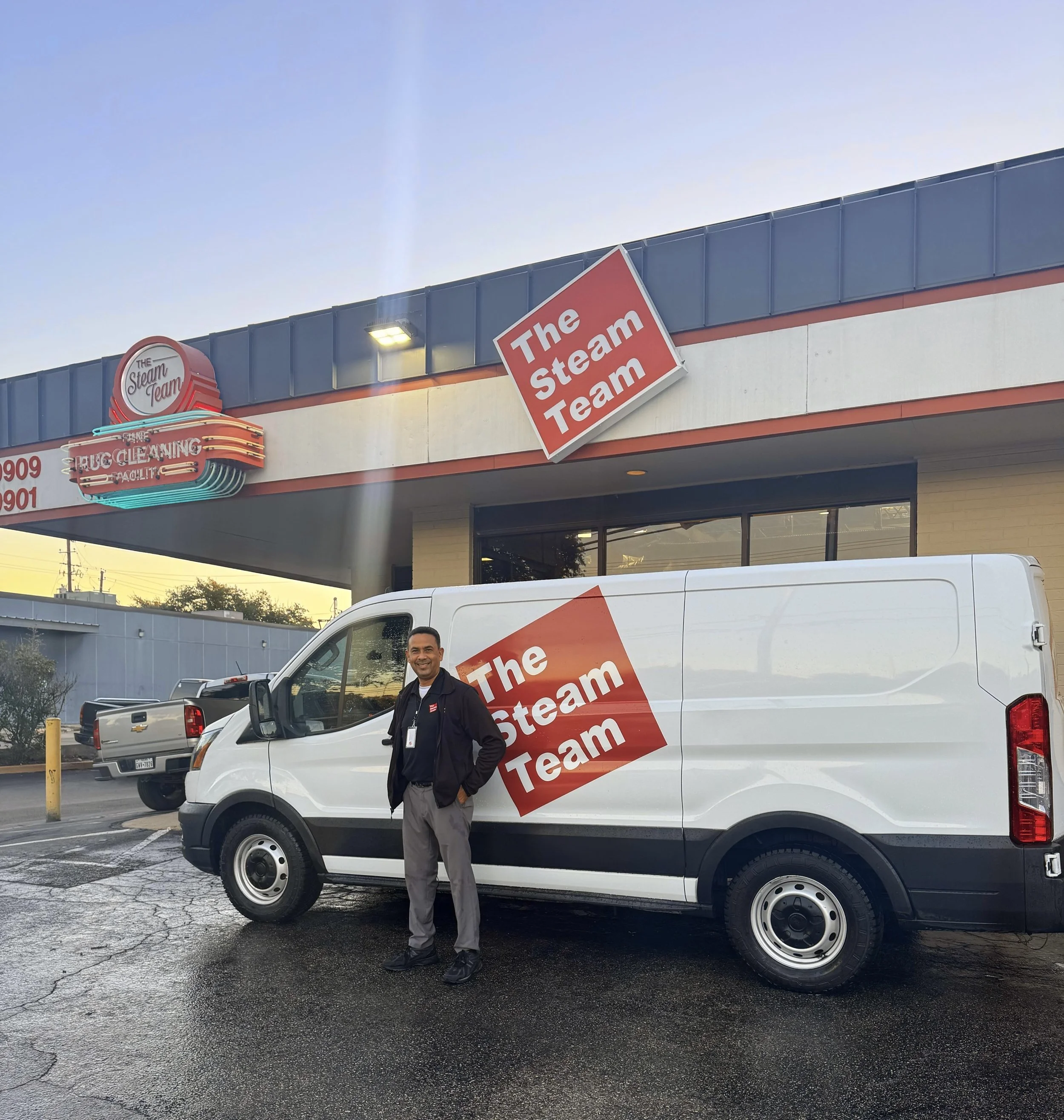
Professional credentials and local availability further differentiate reliable providers in Austin; one local example is The Steam Team, which offers IICRC-certified technicians, NADCA-certified air duct cleaning where applicable, and 24/7 emergency response backed by an A+ BBB accreditation and local recognition. These organizational attributes translate to faster mobilization and trusted documentation during claims, while local knowledge helps navigate Austin permits and vendor networks. For homeowners deciding whether to call professional services, the presence of certified crews and emergency availability are practical indicators of capability and reliability.

What Expertise and Certifications Do Professional Technicians Have?

Certified restoration technicians hold credentials that standardize training and quality, such as IICRC certifications, which cover fire, smoke, and soot restoration protocols, and NADCA certification for specialized air duct cleaning where HVAC contamination is present. These certifications require structured training in safety, containment, and cleaning chemistry, ensuring technicians understand how to select appropriate methods for different materials and contamination types. Certification also signals to insurers that restoration work follows accepted industry standards, which can simplify approvals. For homeowners, certified technicians provide documented procedures and measurable quality checks that an uncertified DIY approach rarely produces.

How Do Professionals Use Advanced Equipment for Fire Cleanup?

Professionals deploy technology to detect, isolate, and remediate contamination at a scale and depth beyond household tools. Thermal imaging cameras reveal hidden hotspots and compromised insulation, enabling targeted demolition rather than wholesale teardown. HEPA air scrubbers and negative-pressure containment remove ultrafine particulates from indoor air during cleaning, and moisture meters guide drying to prevent mold after water exposure. Odor-neutralization tools, hydroxyl generators, and controlled thermal fogging interact with odor molecules rather than simply masking them, reducing the risk of return. These tools, combined with trained application techniques, yield more complete restoration and safer indoor environments than DIY attempts typically achieve.

What Is the Step-by-Step Process of Professional Fire Damage Restoration?

Professional restoration follows a defined sequence: assessment and safety stabilization, mitigation (including water extraction and drying if suppression occurred), soot and smoke cleaning, deodorization and contents restoration, and reconstruction/repairs. This workflow ensures hazards are controlled before cleaning begins, limits secondary damage, and preserves insurance documentation. A numbered process clarifies homeowner expectations and helps prioritize immediate actions after a loss.

Professionals generally adhere to these six core steps during restoration:

  1. Emergency Assessment & Board-Up: Safety triage, hazard identification, and temporary protection of openings.

  2. Mitigation & Water Removal: Extraction, drying, and humidity control to prevent mold and structural deterioration.

  3. Soot and Smoke Cleaning: Material-specific cleaning using dry and wet methods plus HEPA filtration.

  4. Contents Recovery & Pack-Out: Inventory and off-site cleaning of salvageable items for deep restoration.

  5. Deodorization & Odor Control: Targeted thermal fogging or hydroxyl treatment to neutralize odors at the molecular level.

  6. Reconstruction & Final Verification: Repairs, finishing, and final indoor air quality (IAQ) testing to confirm restoration completeness.

The EAV table below summarizes each process step, what it fixes, and typical time/outcome expectations as a practical reference.

Process Step

What It Fixes

Typical Time / Outcome

Emergency Assessment & Board-Up

Immediate safety hazards and open exposure

1–2 days; secures property and documents damage

Mitigation & Water Removal

Moisture intrusion and early mold risk

2–7 days; reduces secondary damage with drying

Soot & Smoke Cleaning

Surface and embedded soot contamination

3–10 days; material-specific cleaning restores surfaces

Contents Recovery & Pack-Out

Damaged furnishings and textiles

Variable: off-site cleaning improves salvage rates

Deodorization & Odor Control

Persistent smoke odors

1–3 days; neutralizes odors with the proper method

Reconstruction & Final Verification

Structural repairs and final testing

Weeks depending on the scope; returns the property to use

This timeline provides homeowners with realistic expectations about sequencing and duration while preparing them for the coordinated efforts professionals undertake. In practice, a local provider like The Steam Team performs each step using standardized protocols: they begin with immediate safety assessments and board-up, document damage for insurers, deploy drying and HEPA filtration equipment during mitigation, manage contents pack-out, apply targeted deodorization, and coordinate reconstruction through trusted subcontractors to complete repairs.

How Does Professional Fire Damage Restoration Support Insurance Claims in Austin?

Professional restoration supports insurance claims by producing thorough documentation, creating accurate repair estimates, and coordinating directly with adjusters to clarify scope and timing. Early, structured documentation photos, inventories, moisture maps, and method statements, establishes the cause and extent of loss and reduces ambiguity that can delay approvals. Restoration firms that maintain preferred-vendor relationships with insurers can expedite certain approvals and streamline billing, although homeowners retain the right to choose their contractor. Clear communication between the provider and insurance adjuster minimizes scope disputes and helps maintain momentum toward restoration.

Below is an EAV-style table showing how specific restoration services translate into tangible insurance benefits for homeowners and practical effects on claim outcomes.

Service

Insurance Benefit

Practical Effect

Detailed photographic documentation

Faster adjuster validation

Shorter claim review time

Itemized contents inventory

Clear loss valuation

Accurate reimbursement for contents

Preferred-vendor coordination

Smoother approvals

Reduced administrative back-and-forth

Rapid emergency mitigation

Demonstrates loss of control

Limits further damage, lowers claim amounts

This mapping illustrates how documentation and vendor coordination materially improve claim trajectories and reduce homeowner stress. In Austin, The Steam Team emphasizes these insurance-support capabilities through documented inventories, adjuster coordination, and established local relationships that help homeowners move from immediate mitigation to approved repairs more quickly.

How Do Restoration Companies Assist with Fire Damage Insurance Paperwork?

Restoration companies prepare comprehensive documentation packages including dated photographs, room-by-room inventories, scope-based repair estimates, and moisture/thermal readings to substantiate loss and necessary actions. These items create an audit trail that supports coverage determinations and reduces subjective disputes over scope or causation. Providers often attend adjuster walk-throughs to explain technical findings and to ensure the estimate reflects restoration best practices rather than minimal repair. Clear documentation also helps homeowners track salvageable items and simplifies replacement planning once claims are approved.

What Are the Benefits of Using Preferred Vendors for Insurance?

Preferred-vendor arrangements can speed approvals because insurers are familiar with the vendor's work quality and documentation style, which reduces the need for repetitive verification. These relationships often result in streamlined communication channels that coordinate scheduling, billing, and repair sequencing to shorten restoration timelines. Homeowners should still confirm vendor independence and retain decision-making authority, asking insurers how preferred status affects estimates and warranty terms. When managed transparently, preferred-vendor engagement can substantially reduce downtime and administrative friction during the claims process.

When Should You Call 24/7 Emergency Fire Restoration Services?

Call emergency restoration services immediately if there is ongoing smoke or heat, significant water intrusion from fire suppression, visible structural instability, or if occupants experience persistent respiratory symptoms after the fire. Early professional mobilization reduces secondary damage, increases salvageable contents, and documents conditions for insurance. A prioritized checklist helps homeowners decide when to call: imminent danger and active hazards come first, then property stabilization, moisture control, and mitigation to prevent mold. Rapid response is particularly important in Austin and Central Texas, where weather and humidity can accelerate secondary problems after suppression.

Immediate action yields measurable advantages that go beyond initial safety; the next subsection explains the mitigation benefits of swift professional response.

What Are the Advantages of Immediate Professional Fire Damage Response?

Immediate professional response reduces secondary damage by removing water, stabilizing the structure, and starting containment and filtration before soot and moisture set into materials. Rapid mitigation increases salvage rates for textiles and furnishings because timely pack-out and off-site cleaning prevent permanent staining and odor entrenchment. Prompt involvement also positions homeowners to open claims sooner, which can speed adjuster engagement and reduce overall downtime. These combined effects often translate into lower total repair costs, faster occupancy restoration, and better long-term indoor air quality.

How Does Local Expertise Improve Emergency Fire Restoration Outcomes?

Local restoration teams bring knowledge of Austin building codes, permitting processes, and regional climate effects that influence drying and mold risk, plus established networks of local subcontractors for rapid reconstruction. Familiarity with common Central Texas construction types helps technicians anticipate hidden vulnerabilities as roof decking assemblies or common HVAC configurations, so interventions are more targeted. Proximity reduces mobilization time, which is crucial for limiting moisture-related secondary damage in humid conditions. Local expertise, therefore, shortens timelines and often reduces total project cost through efficient resource allocation.

Can DIY Methods Fully Remove Smoke Odor and Soot?

No, DIY methods rarely fully remove smoke odor and embedded soot because smoke particles penetrate porous materials and bond with fibers and HVAC pathways, requiring specialized chemistry and equipment to neutralize. Surface cleaning and consumer-grade deodorants often mask odors temporarily while underlying contamination remains. Professionals address odors at a molecular level with controlled applications such as thermal fogging or hydroxyl generation, combined with HEPA filtration and material-specific cleaning, which reduces the likelihood of odor return and ongoing indoor air quality problems.

Why Do DIY Smoke Odor Removal Attempts Often Fail?

DIY attempts typically focus on visible residues and use household cleaners or scented masks that do not reach deep within porous materials or the HVAC system, where smoke molecules lodge. Smoke particles are small and adsorb into drywall, insulation, and fabrics, meaning superficial wiping or masking does not remove the source. Some household chemicals can react with soot and create secondary odors or damage finishes, worsening the problem. This reality underscores the need for professional assessment to identify which materials can be cleaned, which require replacement, and which odor-control method is appropriate.

Identifying why DIY fails sets up an explanation of the professional techniques that can achieve complete smoke and soot removal.

What Professional Techniques Ensure Complete Smoke and Soot Removal?

Professional techniques target both particles and odor molecules using a combination of mechanical, chemical, and thermal approaches. Thermal fogging creates a solvent-based fog that penetrates materials and allows deodorants to react with odor molecules, while hydroxyl generators oxidize and neutralize organic odors without harmful residues, safe for occupied spaces when used correctly. HEPA filtration and negative-pressure containment remove airborne particulates during cleaning to prevent recontamination, and material-specific cleaning methods (e.g., dry cleaning sponges for soot, ultrasonic contents cleaning) restore salvageable items. Choosing the right technique requires professional assessment to balance efficacy, safety, and preservation of materials.

For homeowners ready to engage professionals, remember that timely, certified, and documented restoration not only improves safety and indoor air quality but also supports better insurance outcomes. If you need emergency response or a damage assessment in Austin and Central Texas, The Steam Team provides 24/7 emergency restoration with IICRC-certified technicians, NADCA-certified duct specialists where applicable, and documented insurance support, call (512) 451-8326 or visit the local office at 9901 Burnet Road, Austin for immediate assistance and to request a restoration estimate.

Frequently Asked Questions

What should I do immediately after a fire incident?

After a fire, prioritize safety by ensuring the area is secure and that there are no ongoing hazards like smoke or structural instability. Evacuate the premises if necessary and call emergency services. Once safe, document the damage with photos and notes for insurance purposes. Avoid entering the property until it has been assessed by professionals. Contact a certified fire restoration service to begin the recovery process, as they can help mitigate further damage and guide you through the next steps.

How can I choose the right fire restoration company?

When selecting a fire restoration company, look for certifications such as IICRC and NADCA, which indicate adherence to industry standards. Check for local experience, as familiarity with Austin's building codes and climate can enhance service quality. Read reviews and ask for references to gauge past performance. Ensure they offer comprehensive services, including documentation support for insurance claims. A reliable company should also provide 24/7 emergency response and have a clear process for assessing and restoring fire damage.

What are the costs associated with professional fire restoration?

The costs of professional fire restoration can vary widely based on the extent of damage, the size of the property, and the specific services required. Factors influencing cost include the need for structural repairs, content cleaning, and odor removal. On average, homeowners can expect to pay anywhere from a few thousand to tens of thousands of dollars. It's essential to obtain detailed estimates from multiple restoration companies and understand what is included in the pricing to avoid unexpected expenses.

How long does the fire restoration process typically take?

The duration of the fire restoration process depends on the severity of the damage and the specific steps involved. Generally, the process can take anywhere from a few days to several weeks. Initial assessments and emergency board-up can be completed within a couple of days, while full restoration, including cleaning, deodorization, and reconstruction, may take longer. A professional restoration company will provide a timeline based on the assessment of your property and keep you updated throughout the process.

What should I look for in a fire damage restoration contract?

When reviewing a fire damage restoration contract, ensure it includes a detailed scope of work outlining all services to be provided. Look for clear timelines, payment terms, and warranty information. The contract should specify the materials and methods to be used, as well as any necessary permits. Additionally, check for clauses regarding insurance coordination and documentation support. A transparent contract will help prevent misunderstandings and ensure that all parties are aligned on expectations and responsibilities.

Can I file an insurance claim for fire damage restoration?

Yes, you can file an insurance claim for fire damage restoration, provided your policy covers such incidents. It's crucial to document all damage thoroughly and keep records of any restoration work done. Professional restoration companies often assist with this process by providing detailed reports and estimates that support your claim. Contact your insurance provider as soon as possible to understand your coverage and the claims process, ensuring you meet any deadlines for filing.

What preventative measures can I take to avoid fire damage in the future?

To prevent future fire damage, implement safety measures such as installing smoke detectors on every level of your home and testing them monthly. Create and practice a fire escape plan with your family. Regularly inspect electrical systems and appliances for wear and tear, and avoid overloading outlets. Keep flammable materials away from heat sources and ensure that your home has a fire extinguisher readily available. Additionally, consider professional fire safety assessments to identify potential risks in your home.

Conclusion
Choosing professional fire restoration services ensures that homeowners in Austin can effectively address the complex challenges posed by fire damage, including health risks and structural safety. With certified technicians and advanced equipment, these services not only restore properties but also streamline insurance claims, reducing stress during recovery. By prioritizing safety and thorough remediation, homeowners can safeguard their investments and improve indoor air quality. For immediate assistance and expert restoration, contact The Steam Team today.

Essential Tips for Fire Damage Assessment and Restoration

Master Fire Damage Assessment

A fire damage assessment is the structured process of evaluating a property after combustion to establish safety, quantify losses, and define remediation priorities. This assessment identifies direct flame damage, smoke and soot contamination, water impacts from firefighting, heat-related material weakening, and any structural compromise that could endanger occupants or responders. Accurate assessment protects people, preserves evidence for insurance claims, and reduces secondary damage such as mold by guiding timely mitigation. In this guide, you will learn immediate safety steps, how to recognize distinct damage types, a step-by-step assessment workflow with advanced detection tools, and practical documentation tactics that support claim success. The guidance is tailored for Austin and Central Texas property owners and includes practical checklists and EAV (entity–attribute–value) tables for quick reference. For homeowners and businesses who prefer professional help, The Steam Team, an Austin-based restoration provider with IICRC-certified technicians and 24/7 emergency response, can perform assessments and provide quotes to begin restoration and insurance coordination.

What Are the First Safety Steps After a Fire?


Immediately after a fire, prioritize life safety and hazard containment before any assessment or re-entry is attempted. Confirm the fire department has declared the scene safe for re-entry and shut off utilities where possible to reduce the risk of electrocution, gas leaks, or rekindling. Personal safety requires appropriate PPE and restraint: avoid dusty or smoky areas until respirators and eye protection are available, and keep children and pets away from the scene. Securing the property preserves evidence and reduces theft or vandalism risks, which is important for both recovery and insurance claims. The next paragraphs outline how to secure openings properly and when to call emergency services and restoration professionals.

How Do You Secure the Property and Use Personal Protective Equipment?


Securing the property begins with documenting the condition of doors, windows, and locks before making any changes; this protects claim integrity and provides a baseline for contractors and adjusters. Homeowners should use basic PPE for short, cautious entries: a P100 or N95 respirator, nitrile gloves, and protective eyewear; however, PPE for homeowners is limited and does not replace professional respiratory protection for heavy soot or structural instability. Avoid disturbing soot-covered surfaces and do not attempt structural shoring or electrical resets; instead, photograph conditions and limit access to one pathway to contain contamination. Following these precautions helps preserve evidence and reduces the chance of personal injury while waiting for trained restoration teams to begin a formal assessment.

When Should You Call Emergency Services and Fire Damage Professionals?


Call emergency services immediately if there are any active smoldering areas, visible structural collapse, gas odors, or injuries requiring medical attention; the fire department must clear life-safety hazards before assessment. Contact restoration professionals with emergency response capability when water intrusion from firefighting, heavy smoke saturation, or unsecured openings creates immediate secondary-damage risk. Restoration teams provide board-up, water extraction, temporary climate control, and initial contamination containment that limit ongoing losses and stabilize conditions for a full assessment. Rapid response reduces the chance of mold growth and can preserve more contents for salvage, which is often critical for successful insurance outcomes.

What Types of Fire Damage Should You Identify During Assessment?


A comprehensive assessment separates damage into distinct categories: direct flame damage, smoke, soot, firefighting water, and heat effects because each type requires different remediation strategies and impacts salvageability. Identifying these damage types early determines priorities for stabilization, contents handling, and specialist referrals. Accurate categorization also guides documentation for insurers and informs whether immediate actions (like drying or dehumidification) are needed to stop secondary damage. The table below compares common damage types by indicators, risks, and typical remediation actions to help homeowners and adjusters scan damage quickly.


This table summarizes the primary damage categories, common indicators, and typical remediation actions.

Damage Type

Common Indicators

Typical Remediation Actions

Direct flame damage

Charred framing, open burn holes, lost material

Structural shoring, selective demolition, and rebuild of affected elements

Smoke damage

Surface staining, pervasive odor, discolored finishes

Content cleaning, smoke-specific cleaning agents, and deodorization

Soot contamination

Dry vs. wet soot residues, soiling of textiles, and HVAC

HEPA vacuuming, dry-cleaning, and HVAC duct cleaning

Water damage (firefighting)

Wet insulation, buckled flooring, and moisture readings

Water extraction, moisture mapping, controlled drying

Heat damage

Warped metals, delamination, weakened fasteners

Material testing, structural evaluation, targeted replacement


This comparison helps clarify why a multi-disciplinary assessment is necessary: each damage type-driven action reduces health risks and restores habitability more efficiently.

How to Recognize Direct Flame Damage and Charring?


Direct flame damage is visible as burning and loss of material where combustion contacted surfaces; charring depth in wood and framing indicates how much structural capacity remains. Assess charring by measuring burned depth on load-bearing members and checking for through-burns or compromised connections; deeper charring or scorched connections often require replacement or engineered repair. Metal elements may show localized melting or reduced cross-section, while masonry can exhibit spalling or cracking from extreme heat. Early structural evaluation and shoring decisions prevent collapse and protect crews; when in doubt, a structural engineer referral is prudent to define safe repair thresholds.

What Are the Signs of Smoke and Soot Damage?


Smoke damage includes visible staining, smeared residues on painted surfaces, and persistent smoke odor that penetrates porous materials such as textiles, insulation, and wood. Different soot chemistries, dry, powdery soot versus sticky, wet soot, determine cleaning methods; wet soot typically results from higher heat and smoldering combustion and requires solvent-based strategies, while dry soot can be removed with dry-cleaning or HEPA vacuuming. HVAC systems commonly spread soot and odor throughout a building, so duct inspection and cleaning are essential to prevent recontamination during restoration. Recognizing soot type early improves salvage decisions and reduces time and cost in the cleaning phase.

How Does Water Damage from Firefighting Affect the Property?


Water used to extinguish fires creates secondary moisture intrusion that promotes structural swelling, material delamination, and elevated mold risk if not addressed quickly. Moisture mapping with meters and hygrometers establishes drying goals and shows hidden wet pockets inside walls, ceilings, and subfloors that require targeted drying or controlled demolition. Immediate water extraction and dehumidification reduce the likelihood of microbial growth; within 24–48 hours, untreated wet materials become susceptible to mold colonization. Coordinating water mitigation with the fire damage plan prevents compounding losses and speeds restoration timelines.

What Are the Indicators of Heat Damage and Structural Compromise?


Heat damage can be invisible at a surface level yet significant: fasteners may have lost strength, adhesives can delaminate, and rebar in concrete can spall under high temperatures. Look for warped metal framing, bowed joists, cracking in masonry, and loosened mechanical connections as signs that heat has degraded component integrity. These indicators suggest a need for deeper investigation, such as uncovering concealed connections or laboratory testing of materials to determine repair versus replacement. Because delayed failures are possible, schedule follow-up inspections after initial stabilization to monitor any progressive compromise.

What Is the Step-by-Step Fire Damage Assessment Process?


A methodical assessment follows defined stages: initial safety and visual survey, detailed systems and structural evaluation, contents salvageability review, advanced diagnostics for hidden damage, and final reporting that supports remediation and insurance claims. This structured workflow ensures safety, prioritizes actions to stop secondary damage, and produces the documentation adjusters require to establish scope and cost. The numbered checklist below maps a practical assessment flow that restoration professionals and informed homeowners can follow to ensure no critical steps are missed. Each numbered step is actionable and framed to match common insurance expectations.

  1. Initial safety check and scene stabilization.

  2. Visual documentation and photographic inventory.

  3. Structural and systems evaluation (electrical, plumbing, HVAC).

  4. Contents assessment and salvage recommendations.

  5. Advanced diagnostics (thermal imaging, moisture mapping).

  6. Written assessment report and recommended scope of work.


This sequence provides a clear path from hazard control to documented scope, helping homeowners and businesses move rapidly from assessment to mitigation.

What Should You Look for in the Initial Visual Inspection?


The initial visual inspection defines immediate hazards and documents visible damage for claims and crew planning; it establishes safety flags, priority areas, and evidence preservation steps. Inspectors look for unstable framing, active moisture, exposed wiring, and concentrated soot or smoke migration paths while photographing each area with context and detail shots. Photo best practices include capturing wide context views, close-up detail shots, and including a scale reference or timestamp when possible; these images form the visual backbone of an assessment report. Proper documentation during this phase speeds adjuster review and helps avoid disputes over pre-mitigation conditions.


Below is an EAV-style checklist to help homeowners and adjusters scan the most critical visual cues during an initial walk-through.

Area / Item

Attribute to Inspect

What to Look For / Example

Entryways

Security and condition

Broken locks, board-up needs, documented before any changes

Structural members

Charring, deformation

Measure char depth on studs and joists; note sagging

Ceilings & walls

Soot patterns, staining

Determine the smoke path and porous material penetration

Flooring

Buckling, saturation

Identify wet areas requiring immediate extraction

Utilities

Visible wiring, gas lines

Note exposed conductors or gas odors; do not operate systems


Use this checklist to prioritize actions: safety hazards first, then documentation and stabilization.

How Do You Assess the Structural Integrity of Foundation, Walls, and Roof?


Structural assessment begins with checking the vertical and lateral load paths for signs of failure, cracked foundations, buckled studs, and displaced roof assemblies are immediate concerns. Inspectors test for rigidity, listen for unusual sounds under load, and measure differential movement where possible; if structural continuity is compromised, temporary shoring or bracing may be required. A structural engineer should evaluate complex failures, large-span roof systems, or when foundational elements show significant cracking. Documenting these evaluations and any recommended engineer involvement is crucial for insurance scopes and ensures repairs restore the original load capacity.

How Are Electrical, Plumbing, and HVAC Systems Evaluated?


Non-contact inspections identify obvious hazards: melted insulation, discolored panels, or water-soaked junction boxes indicate immediate electrical safety risks that require licensed electricians before power restoration. Plumbing lines exposed to heat may crack or leak; visible signs include warped pipes and dislodged fittings. HVAC systems often transport soot and odors; inspectors check filters, ductwork, and air handling units for contamination and recommend professional HVAC cleaning when necessary to avoid recontamination during restoration. Where specialists are required, document findings and recommended licensed referrals to ensure systems are restored safely and meet code requirements.

How Do You Determine Contents Salvageability?


Contents are classified by material, exposure type, and sentimental or monetary value: salvageable in place, salvageable after professional cleaning (pack-out or on-site), or non-salvageable. Porous materials heavily penetrated by wet soot, fuels, or chemical residues are often unsalvageable, while solid wood or metal items may be repaired or refinished. The assessor should tag items, photograph serial numbers, and provide estimated salvage methods (dry-cleaning, ultrasonic cleaning, or refinishing) to inform owner decisions and insurance line items. A clear contents inventory with recommended disposition streamlines pack-out and reduces disputes during claims processing.

What Advanced Tools Are Used to Detect Hidden Fire Damage?


Advanced diagnostics expand the assessment beyond visible signs: thermal imaging cameras reveal hidden hotspots and residual heat paths, moisture meters and hygrometers map water intrusion and drying goals, and borescopes inspect concealed cavities without full demolition. Drones and site-mapping tools are useful for large commercial roofs or inaccessible exterior damage, enabling high-resolution imagery and thermal overlays for scope development. Applying these tools changes the remediation scope by exposing hidden damage that would otherwise cause rework and surprises; combining thermal and moisture data provides a more accurate, evidence-based remediation plan.

How Do You Document Fire Damage for Insurance Claims?


Effective documentation follows a logical structure: comprehensive photos and videos, a detailed inventory and itemized written record, and a clear assessment report describing cause, scope, and recommended remediation. Well-organized documentation reduces disputes and accelerates adjuster review by presenting consistent, time-stamped evidence and professional recommendations. The EAV table below shows recommended photographic and documentary examples keyed to common damaged items to make claim submission straightforward for homeowners and adjusters. Restoration professionals often support this phase by producing insurance-grade reports and coordinating with adjusters.


This table links damaged entities to recommended documentation types and examples to guide photo and record collection.

Damaged Item

Recommended Documentation

Example / Notes

Structural elements

Wide context photo + close-up details

Include scale, note char depth, or cracks

Appliances & electronics

Serial number, model photo, damage close-up

Capture power/connect points and corrosion

Textiles & soft goods

Before/after packing photos, contamination notes

Note the soot type and recommended cleaning method

HVAC & ducts

Duct photos, filter condition, contamination map

Include system ID and operation status

Contents inventory

Item description, make/model, condition, salvageability

Use spreadsheet rows with reference photos

What Is the Best Way to Collect Photography and Video Evidence?


Collect media systematically: start with wide-angle context shots, then take mid-range images, and finally close-ups of serial numbers, labels, and damage details; this multi-scale approach captures how individual losses relate to the whole structure. Preserve original file metadata and use a consistent folder and filename convention with date/time stamps so adjusters can follow chronology. Video walkthroughs with narration that describes visible hazards and locations add clarity and help remote reviewers understand access constraints. Organizing media immediately after the inspection prevents data loss and supports timely claim submission.

How Do You Create Detailed Inventory and Written Records?


Create an itemized inventory with fields for item description, make/model, serial number, estimated pre-loss condition, visible damage, and recommended disposition (salvage, clean, replace). Use simple spreadsheet templates or inventory software, and photograph each item with its inventory row to link images to records. Maintain copies for the owner, contractor, and adjuster, and track the chain-of-custody for any packed-out items to avoid disputes. Clear inventories expedite settlement and help prioritize pack-out versus on-site cleaning decisions.

How Should You Work with Insurance Adjusters During Claims?


Prepare for the adjuster visit by assembling photographic evidence, inventories, and the written assessment report; be present during inspections to point out hidden concerns and provide documentation context. Ask for a copy of the adjuster’s scope and compare it to the restoration assessment, requesting clarifications in writing when the scope differs. If disagreements arise, request a peer review or a second opinion and document all communications; restoration professionals often coordinate directly with adjusters to present technical justification for remediation tasks. Professional documentation and cooperative communication usually shorten claim timelines and reduce unexpected denials.

Why Is Professional Fire Damage Assessment Important?


Professional assessment reduces safety risks, uncovers hidden damage, and produces insurance-grade documentation that supports accurate scope development and prevents secondary loss. Certified technicians apply industry standards and structured diagnostics such as moisture mapping and thermal surveys to create remediation plans that address both visible and concealed damage. This thorough approach minimizes scope drift during remediation and helps owners avoid repeat interventions that increase cost and downtime. The next subsection explains how IICRC certification and specialized equipment contribute directly to these outcomes.

What Expertise Do IICRC Certified Technicians Bring?


IICRC-certified technicians follow recognized standards for inspection, cleaning, and drying, which align assessment methods with accepted industry practice and insurer expectations. Certification indicates training in moisture control, soot removal protocols, and contents restoration techniques that improve salvage rates and reduce health risks. Certified crews document procedures and measurements systematically, producing reports that adjusters accept more readily because they reference established standards. That technical rigor increases confidence that the recommended mitigation will achieve safe, verifiable outcomes.

What Specialized Equipment and Techniques Are Used?


Specialized equipment thermal imaging cameras, calibrated moisture meters, HEPA filtration vacuums, and hydroxyl or ozone odor-control systems, enables technicians to detect hidden damage, set drying goals, and remove airborne contaminants safely. Thermal imaging locates residual heat and hidden combustion paths, moisture mapping defines drying targets, and containment plus HEPA filtration controls cross-contamination during cleaning. Each tool delivers diagnostic data that shapes remediation scope and clarifies costs; using these techniques together creates an evidence-based plan that reduces the chance of missed damage and unnecessary rebuilds.

How Does Professional Assessment Prevent Secondary Damage Like Mold?


Professional assessments set drying targets and monitor moisture levels to ensure rapid, measurable dehydration of wet building materials; maintaining relative humidity and material moisture within thresholds prevents mold colonization. Restorative drying within the first 24–48 hours after water exposure dramatically lowers the likelihood of microbial growth, and ongoing monitoring confirms whether goals are met. Integrating moisture control with soot and odor remediation reduces the timeline and avoids overlapping contamination issues. When water from firefighting is present, this combined approach is essential to prevent mold, protect contents, and restore indoor air quality.

What Are the Next Steps After Assessment with The Steam Team?


After a formal assessment, the Steam Team provides a clear, documented plan that outlines emergency stabilization, mitigation steps, contents handling, and reconstruction phases while coordinating with insurers and adjusters as requested. The Steam Team serves Austin and the surrounding Central Texas area and offers 24/7 emergency response, along with IICRC-certified technicians to begin necessary stabilization quickly. Clients receive a written estimate and scope based on the assessment findings and can request a quote for restoration work to move from evaluation to active remediation. The section below details how to request a quote and what to expect during the comprehensive restoration workflow with The Steam Team.

How Can You Request a Fire Damage Restoration Quote?


To request a quote, contact The Steam Team by phone at 512-451-8326 and provide the assessment date, property address, and a brief overview of visible damage to prioritize response. Photographs and the initial inventory spreadsheet accelerate estimate preparation and improve accuracy for remote estimates before scheduling an on-site walkthrough. Expect the Steam Team to offer emergency stabilization tasks when needed and to coordinate with your insurance adjuster upon authorization to proceed; they can also schedule an in-person estimate to finalize scope and timelines. Clear documentation and early communication of the assessment findings help produce a timely, insurance-ready quote.

What Does The Steam Team’s Comprehensive Restoration Process Involve?


The Steam Team’s restoration workflow begins with emergency stabilization (board-up, tarping, water extraction) to secure the property and limit further damage, followed by controlled demolition where necessary to access hidden damage. Contents are evaluated and either cleaned on-site, packed out for specialized cleaning, or documented for replacement; drying and dehumidification follow to meet moisture goals before reconstruction begins. Reconstruction and repair restore structural and cosmetic elements, and final verification includes safety checks, odor control, and a final inspection to confirm that remediation goals were met. Throughout the process, the Steam Team coordinates with insurance adjusters and provides documentation to support claims and help return occupants to safe, restored spaces.

  1. Emergency Stabilization: Board up and secure the site to prevent further loss.

  2. Mitigation: Water removal, drying, and smoke/soot cleaning to stop secondary damage.

  3. Contents Handling: Pack-out, specialized cleaning, or salvage decisions documented.

  4. Reconstruction: Repairs and rebuild with quality checks and inspections.


These phases create a predictable path from assessment through completion, and The Steam Team’s local presence in Austin supports timely mobilization and insurance coordination for property owners.

Frequently Asked Questions

What Should I Do If I Suspect Hidden Fire Damage?


If you suspect hidden fire damage, it's crucial to act quickly. Engage a professional restoration service that uses advanced diagnostic tools like thermal imaging and moisture meters to identify concealed damage. These tools can reveal hotspots and moisture pockets that are not visible to the naked eye. Early detection is vital to prevent further deterioration and secondary damage, such as mold growth. Document any findings and communicate them to your insurance adjuster to ensure comprehensive coverage for repairs.

How Can I Prepare for a Fire Damage Assessment?


Preparation for a fire damage assessment involves several steps. First, ensure the area is safe and that the fire department has cleared it for re-entry. Gather any relevant documentation, such as insurance policies and previous property assessments. Take initial photographs of the damage for your records. If possible, create a list of damaged items, noting their condition and value. This preparation will help streamline the assessment process and provide valuable information to restoration professionals and insurance adjusters.

What Are the Long-Term Effects of Fire Damage on Property?


Long-term effects of fire damage can include structural instability, persistent odors, and health risks from smoke and soot residues. If not addressed promptly, fire damage can lead to mold growth due to moisture intrusion from firefighting efforts. Additionally, materials weakened by heat may compromise the integrity of the building, leading to costly repairs down the line. Regular inspections and maintenance after a fire are essential to ensure that any lingering issues are identified and resolved before they escalate.

How Do I Choose a Fire Damage Restoration Company?


When selecting a fire damage restoration company, look for certifications such as IICRC, which indicates adherence to industry standards. Check for reviews and testimonials from previous clients to gauge their reputation. Ensure they offer a comprehensive range of services, including emergency response, assessment, and reconstruction. It's also beneficial to choose a local company familiar with the specific challenges of your area, as they will be more equipped to handle local regulations and insurance processes effectively.

What Is the Role of Insurance in Fire Damage Restoration?


Insurance plays a critical role in fire damage restoration by providing financial support for repairs and recovery. Homeowners should review their policies to understand coverage limits, deductibles, and specific provisions related to fire damage. After a fire, it's essential to document all damage thoroughly and communicate with your insurance adjuster to facilitate the claims process. A well-documented assessment can help ensure that you receive the compensation needed to restore your property to its pre-loss condition.

Can I Handle Fire Damage Cleanup Myself?


While some minor cleanup tasks may seem manageable, it is generally not advisable to handle fire damage cleanup yourself. Fire damage can pose serious health risks due to toxic soot and smoke residues, and structural instability may be present. Professional restoration services have the expertise, equipment, and protective gear necessary to safely assess and remediate fire damage. Attempting to clean up without proper training can lead to further damage and complicate insurance claims, so it's best to leave it to the experts.

What Are the Common Misconceptions About Fire Damage?


One common misconception is that fire damage is only related to visible flames. In reality, smoke and soot can cause extensive damage even in areas not directly affected by fire. Another misconception is that all items can be salvaged; however, some materials may be irreparably damaged by heat or chemicals. Additionally, many people believe that insurance will cover all costs, but coverage can vary significantly based on policy details. Understanding these misconceptions can help homeowners make informed decisions during the recovery process.

Conclusion


Conducting a thorough fire damage assessment is essential for ensuring safety, preserving property, and facilitating effective insurance claims. By understanding the types of damage and employing advanced diagnostic tools, homeowners can mitigate risks and streamline restoration efforts. Engaging professional services like The Steam Team not only enhances recovery outcomes but also provides peace of mind during a challenging time. Reach out today to explore how we can assist you in restoring your property to its pre-loss condition.

Essential Fire Restoration Steps to Follow After Damage

Essential Steps for Fire Recovery

A home or business fire is a sudden, disorienting event that threatens safety, possessions, and structural integrity; fire damage restoration is the organized process of stabilizing a property, removing hazards, cleaning smoke and soot, and rebuilding so occupants can safely return. This guide explains the key phases of fire damage restoration immediate safety and securing steps, detailed assessment of structural, smoke/soot, and water impacts, the cleanup and contents-restoration workflow, insurance navigation, common timelines, and mold prevention, and practical prevention tips tailored to Austin and Central Texas. Provide useful information about cleaning and restoration services, build trust, and lead potential clients to request a quote or schedule an appointment. If you need immediate assistance after a fire, call 512-451-8326 to request emergency response or a quote; expert teams are available 24/7 to help secure your property and begin mitigation. The sections below map an ordered recovery path and technical details so you can make informed decisions quickly and confidently.

What Are the Immediate Steps to Take After a House Fire?


Immediate actions after a fire prioritize life-safety, stabilization to prevent secondary damage, and documentation for insurance and restoration planning. Start by following directions from emergency responders and avoid re-entering the structure until it is declared safe by authorities; this prevents exposure to structural collapse, lingering smoke, and unseen hazards. Next, prioritize controlling utilities and securing openings to limit weather, vandalism, and animals from compounding losses; short-term stabilization is central to reducing overall restoration cost and scope. The final early step is to document visible damage with photos and notes. If it is safe, then contact both your insurer and a restoration provider to coordinate emergency mitigation and an initial scope.


This ordered checklist explains what to do first and why each action matters before professionals arrive.

  1. Ensure personal safety and follow official instructions: Wait for the fire department to clear the scene and heed evacuation or re-entry guidance.

  2. Shut off utilities or confirm they are disconnected: Gas, electricity, and water should remain off until inspected by professionals.

  3. Photograph and document visible damage when safe: Capture exterior and interior conditions to support immediate claims.

  4. Contact emergency restoration and your insurer: Notify both so mitigation and claims work can begin without delay.

  5. Secure openings with board-up or tarps as needed: Temporary protection prevents weather and trespasser damage.


These ordered steps reduce immediate risk and prepare the property for professional assessment and mitigation, which is the next priority.

How Do You Ensure Safety and Secure Your Property After Fire Damage?


Safety and property security start with confirming that the fire department has extinguished all active flames and declared the structure safe for limited access, because unseen hot spots and weakened framing can cause delayed collapse. If allowed a brief entry, avoid touching electrical panels, do not operate appliances, and wear protective gear respirators, gloves, and eye protection, because soot and ash contain hazardous particulates. For short-term protection, board-up services and tarping limit exposure to rain and wind; these actions also reduce the risk of theft, vandalism, and wildlife entry. Contact professionals to perform a formal check for gas leaks, electrical hazards, and hidden embers so stabilization can be completed and reliable next steps planned.


Securing the site reduces exposure and allows restoration teams to begin mitigation safely, which leads to decisions about professional intervention and scope.

When and Why Should You Contact Professional Fire Damage Restoration Experts?


Call restoration experts as soon as the scene is safe because early mitigation, water extraction, drying, board-up, and soot stabilization prevent costly secondary damage such as mold growth and progressive material deterioration. Certified restoration teams bring specialized equipment, air scrubbers with HEPA filtration, industrial dehumidifiers, thermal imaging for hidden moisture, and controlled demolition tools that home remedies cannot substitute- and they follow industry standards to document work for insurers. In urgent cases, a 24/7 emergency response capability ensures mitigation begins without delay; rapid response shortens drying timelines and improves the likelihood of salvaging contents. Engaging professionals early also supports a clearer insurance workflow and faster overall recovery.


Prompt professional involvement reduces long-term loss and forms the foundation for claims documentation and reconstruction planning.

How Is Fire Damage Assessed for Effective Restoration?


Fire damage assessment is the systematic evaluation that determines which parts of a property are structurally unsafe, which materials are contaminated by smoke and soot, and where firefighting water introduced moisture that risks mold and continued deterioration. Assessors inspect load-bearing elements, examine smoke penetration into porous materials, perform moisture mapping with meters and thermal imaging cameras, and evaluate HVAC and ductwork to prevent re-soiling. Accurate assessment defines the mitigation priority: stabilizing the structure, removing water, cleaning soot, and salvaging contents. Understanding the different damage types, structural, smoke/soot, and water, helps owners set expectations for scope, timelines, and costs.


Below is a compact comparison to clarify how professionals distinguish damage types and immediate risks.

Damage Type

Assessment Attribute

Typical Indicator/Result

Structural damage

Load-bearing integrity

Sagging beams, cracked foundations, unsafe framing

Smoke & soot penetration

Material porosity and residue type

Black/gray residues, discoloration, odor transfer to fabrics

Water/moisture intrusion

Moisture readings and thermal anomalies

Elevated RH, wet insulation, hidden saturation behind walls


This comparison helps homeowners understand why repair approaches differ and why a layered restoration plan is necessary for full recovery.

What Are the Key Signs of Structural Damage After a Fire?


Structural damage after a fire appears as visible deformation, such as warped or sagging floors and ceilings, cracked masonry, or exposed, charred framing that compromises load paths; these signs indicate that a structural engineer or licensed contractor must evaluate safety. Inspectors look for misaligned doors and windows, new cracks in foundations or load-bearing walls, and areas where fire or thermal shock has caused rapid material weakening. Temporary shoring and targeted demolition may be required immediately to stabilize these elements before full reconstruction. If you observe any of these indicators, restrict access to the affected zones and arrange for professional evaluation to avoid catastrophic failure during cleanup.


Recognizing these signs early prioritizes safety and guides the scope of stabilization and longer-term reconstruction.

How Do Professionals Evaluate Smoke, Soot, and Water Damage?


Technicians identify smoke and soot types, wet versus dry smoke, because residue chemistry drives the selection of cleaning agents and methods; wet smoke often requires different solvents and more aggressive surface restoration than dry smoke. Professionals sample surfaces, test HVAC systems and ductwork for contamination, and use moisture meters and thermal imaging to locate hidden water intrusion from firefighting. Air quality is measured using particle counters and odor detection to design deodorization strategies such as air scrubbing with HEPA filtration and specialized thermal or chemical deodorization when needed. These evaluations inform whether contents can be cleaned on-site or require off-site pack-out and specialized restoration.


A precise technical assessment ensures cleaning methods and equipment match the contamination, improving salvage rates and indoor air quality.

Post-Fire Damage Assessment: Evaluating Heat, Smoke, and Soot Impact


The physical and/or operational damage from the heat and/or residual smoke in the aftermath of a fire in a building is largely a safety/engineering determination. Additionally, once the immediate toxic gases and particulates have dissipated, residual combustion deposits on surfac

What Are the Essential Steps in the Fire Damage Cleanup and Restoration Process?


The cleanup and restoration workflow follows distinct phases: emergency mitigation, water extraction and drying, smoke/soot cleaning and odor control, contents restoration, and structural repair/reconstruction. Each phase uses specific equipment and certified techniques, air movers and dehumidifiers during drying, HEPA vacuums and controlled cleaning chemistries for soot, ultrasonic and freeze-drying for delicate content, so sequencing and documentation are critical to success. This phased approach minimizes cross-contamination, prevents mold after water intrusion, and allows accurate cost and timeline projections for rebuilding. The steps below outline the typical sequence so owners can follow progress and ask targeted questions of providers.

  1. Mitigation and stabilization: Board-up, tarping, and temporary shoring to prevent further exposure.

  2. Water extraction and drying: Remove standing water, set up dehumidification, and monitor moisture.

  3. Cleaning and deodorization: Remove soot, clean surfaces, and apply odor-control technologies.

  4. Contents restoration and pack-out: Inventory, triage, and clean salvageable items on-site or off-site.

  5. Reconstruction and finishing: Structural repairs, systems replacement, and final inspections.


These steps connect mitigation through reconstruction to return the property to pre-loss condition, while controlling costs and health risks during the process.


Introductory table comparing phases, typical tasks, and expected durations follows to set clear expectations.

Phase

Typical Tasks

Typical Duration

Mitigation

Board-up, tarping, emergency debris removal

1–3 days

Drying & Water Extraction

Pumps, extractors, air movers, dehumidifiers, and monitoring

3–14 days (varies by moisture)

Cleaning & Deodorization

HEPA vacuuming, surface cleaning, air scrubbing, and deodorization

3–10 days

Contents Restoration

Inventory, ultrasonic/textile cleaning, pack-out services

Days to weeks

Reconstruction

Demolition, framing, systems replacement, finishing

Weeks to months


This phase table illustrates typical durations, but remember that severity, insurance approvals, and permitting influence actual timelines.

How Is Water Extraction and Drying Performed After Firefighting Efforts?


After firefighting, thorough water extraction is essential to prevent mold and hidden structural damage; technicians use weighted extractors, pumps, and portable extractors to remove standing and trapped water quickly. Once bulk water is removed, drying equipment, high-capacity air movers, and industrial dehumidifiers create airflow and moisture-removal gradients while technicians map moisture levels with meters and thermal imaging for targeted drying. Teams document progress with daily moisture readings and photos until materials reach safe thresholds; this record supports insurance claims and confirms that mold risk has been mitigated. Prompt drying within the first 24–72 hours is critical to preventing microbial growth and preserving as much structure and contents as possible.


Consistent monitoring and adaptive drying strategies reduce restoration time and long-term material loss.

What Are the Best Methods for Smoke and Soot Removal and Odor Elimination?


Soot removal requires matching cleaning chemistry and technique to the residue type and substrate: dry chemical sponges and HEPA vacuums for light, dry soot; solvent-based cleaning and abrasive methods for heavy, oily residues from wet smoke. Air scrubbing with HEPA filtration removes airborne particulates during cleaning, while targeted deodorization uses thermal fogging, hydroxyl generators, or activated carbon filtration, depending on odor source and material absorption. Specialty surfaces such as upholstery, draperies, and HVAC components require specific approaches, encapsulation, professional wet-cleaning, or ductwork restoration to prevent re-soiling. Proper sequencing (cleaning before HVAC restart) ensures particulates are not redistributed and that indoor air quality is restored for occupants.


Choosing the right combination of mechanical filtration, chemical cleaning, and deodorization improves salvage outcomes and occupant health.

How Is Contents Restoration Handled for Fire and Smoke-Damaged Items?


Contents restoration begins with a documented inventory and triage: items are categorized as cleanable, salvageable with specialty restoration, or non-salvageable, which guides pack-out plans and insurance documentation. Restoration techniques include ultrasonic cleaning for metal and jewelry, freeze-drying for moisture-damaged documents, and specialized textile cleaning or dry-cleaning for fabrics; electronics undergo corrosion-inhibiting treatments and evaluation by qualified technicians. Secure off-site facilities allow controlled, thorough restoration when on-site conditions are too contaminated for safe cleaning, and detailed chain-of-custody records support claims. Owners should expect an itemized inventory and condition report that pairs with photographic documentation for adjuster review.


A disciplined contents process increases recovery rates and provides transparent claims support for damaged personal property.

What Does Structural Repair and Reconstruction Involve After Fire Damage?


Structural repair and reconstruction start with selective demolition of irreparably damaged materials while preserving sound structure, followed by structural repairs, framing, roof and wall systems, and replacement of mechanical, electrical, and plumbing systems as required. Reconstruction requires permits, coordination with licensed contractors and possibly structural engineers, and phased inspections to ensure code compliance and occupant safety. Finish work restores aesthetics and function drywall, paint, flooring, and cabinetry, while final quality checks confirm systems, airtightness, and odor elimination. Throughout reconstruction, clear documentation and staged approvals help keep timelines and budgets aligned with the scope developed in earlier phases.


Coordinated reconstruction restores habitability and value while maintaining records needed for final insurance settlement.

How Can You Navigate Insurance Claims After Fire Damage?


Navigating insurance after a fire requires prompt documentation, clear organization of damaged property inventories, and coordinated communication with adjusters to ensure scope and estimates reflect true restoration needs. Begin by submitting initial photos and a basic inventory, then retain copies of any emergency mitigation receipts and contractor estimates. Restoration companies can support this process by providing professional scopes of work, itemized estimates, and documented mitigation activities that match industry standards. Understanding policy limits, endorsements, and claim deadlines reduces surprises and expedites funds for necessary repairs.


This checklist-style approach clarifies who provides what documentation and how to present it to your carrier.

  • Gather immediate evidence: photographs, videos, and a preliminary contents list.

  • Save receipts for emergency mitigation and temporary housing if applicable.

  • Obtain professional restoration estimates and scopes that align with industry standards.

  • Coordinate scheduling for adjuster visits and provide clear documentation during inspections.


Following these steps helps reduce friction with carriers and supports more accurate claim settlements.


Before the next section, the table below explains typical documents, who prepares them, and why they are required.

Document/Deliverable

Who Prepares It

Why It's Needed

Photo & video evidence

Homeowner / on-scene personnel

Establishes pre-scope condition and visible loss

Contents inventory

Homeowner with restoration support

Itemizes damaged property for valuation and recovery

Mitigation receipts & logs

Restoration company/contractor

Proves emergency actions and supports interim costs

Detailed scope & estimate

Restoration company

Provides a technical basis for repair costs and adjuster review


Document organization and professional back-up accelerate adjuster review and reduce disputes over scope and pricing.

What Documentation Is Needed for Fire Damage Insurance Claims?


Essential documentation includes dated photos and videos of damage, an itemized contents inventory with approximate pre-loss values where possible, receipts for emergency mitigation and temporary protective measures, and restoration estimates that break down tasks and materials. Keep originals and copies organized by room and category, and log any conversations with insurers or contractors, including dates and names. Professional restoration companies often supply daily mitigation logs, moisture monitoring records, and technical scopes that are especially useful for complex claims involving hidden damage or extensive reconstruction. Accurate, chronological documentation reduces ambiguity and speeds approval for necessary work.


Well-prepared documentation forms the backbone of a straightforward claims process and supports a fair settlement.

How Does Working with Insurance Adjusters Support Your Restoration Process?


An adjuster’s inspection determines the carrier’s initial scope and payout; being present during inspections and providing clear, chronological documentation helps align expectations and identify items needing supplemental review. Restoration professionals can meet with adjusters to explain technical findings, moisture mapping, smoke penetration, structural concerns, and provide certified estimates that translate technical work into entailed costs. If additional damage is discovered during remediation, supplement requests with supporting evidence and professional explanationsto facilitate approval. Maintaining transparent communication and detailed records minimizes delays and ensures the restoration work proceeds on an approved basis.


A cooperative approach between homeowners, restoration firms, and adjusters speeds resolution and reduces the need for rework.

How Does The Steam Team Assist with Insurance Claims and Customer Support?


The Steam Team assists homeowners by documenting mitigation work, preparing detailed scopes and estimates for adjuster review, and coordinating directly with carriers to streamline preferred-vendor processes; they offer 24/7 emergency response and technical support during the claims lifecycle. Their technicians follow industry-standard protocols and provide photo documentation, daily monitoring records, and contents inventories to back up each phase of mitigation and restoration. As an Austin-based restoration provider, The Steam Team can help coordinate pack-outs, specialized cleaning, and reconstruction planning while communicating status updates to property owners and adjusters. For emergency response or to request a quote and schedule restoration services, contact 512-451-8326 for immediate assistance.


This support role reduces administrative burden on owners and helps align restoration activities with insurer expectations.

What Are Common Questions About Fire Damage Restoration?


Homeowners commonly ask about timelines, whether professional restoration is necessary, and how to prevent mold after firefighting. Answers depend on severity, water involvement, and structural impact, but industry practices give reliable ranges and preventive steps. Small, localized cleanups are often completed in days to a few weeks, whereas full reconstruction after major structural damage can take months. Professional restoration reduces health risks and long-term costs by addressing hidden soot, HVAC contamination, and moisture that DIY methods often miss. Preventing mold hinges on timely water extraction and dehumidification: starting drying efforts within 24–48 hours and monitoring moisture until safe thresholds are reached.


Below are concise answers that guide expectations and prompt appropriate action.

  1. How long does restoration take? Small jobs: days–a few weeks; large rebuilds: weeks–months, depending on approvals and scope.

  2. Is professional restoration necessary? For structural, heavy smoke, or water-involved fires, professional services minimize health and property risks.

  3. How to prevent mold after fire? Begin drying immediately, use industrial dehumidification, and apply antimicrobial treatments where needed.


These concise answers help homeowners decide when to call professionals and what to expect during recovery.

How Long Does Fire Damage Restoration Typically Take?


Restoration timelines vary by severity: limited surface smoke and minor water intrusion can be stabilized and cleaned in a few days to a couple of weeks, while projects involving structural repairs, full contents pack-out, and reconstruction extend to weeks or months. Permitting, insurance approvals, specialist lead times, and material availability all influence the schedule; clear, documented scopes and timely adjuster inspections shorten delays. Daily moisture logs and progress photos help confirm when drying and cleaning objectives are met so reconstruction can begin. Expect realistic phases rather than a single duration. Ask your provider for a projected schedule and milestones.


Understanding these factors enables better planning for temporary housing, business continuity, and phased restoration payments.

Is Professional Fire Damage Restoration Necessary?


Professional restoration is necessary when safety, structural integrity, or health risks are present: soot and smoke residues contain hazardous particulates, water can hide behind materials causing mold, and electrical or structural damage may not be visible to untrained eyes. Certified technicians use equipment and protocols that restore indoor air quality, remove embedded contaminants, and document work to support insurance claims capabilities often beyond DIY scope. Even for seemingly minor fires, a professional assessment identifies hidden risks that could otherwise lead to recurring odors, compromised systems, or costly rework. Investing in certified restoration helps protect occupants’ health and preserves property value through proper remediation.


When in doubt, an expert inspection clarifies the necessary level of intervention and prevents downstream problems.

How Can Mold Be Prevented After Fire and Water Damage?


Mold prevention after fire depends on prompt moisture removal and careful drying: start extraction and drying equipment within 24–48 hours when safe, maintain continuous airflow, and monitor moisture readings until materials return to acceptable thresholds. Use antimicrobial treatments on vulnerable porous materials and control relative humidity to limit microbial growth; if insulation or drywall is saturated and cannot be dried to safe levels, removal reduces mold risk. Regular monitoring and follow-up inspections confirm that remediation was effective and that no secondary colonization occurs. Early, documented drying and treatment are the most effective measures to prevent mold-related damage after firefighting.


A disciplined drying and monitoring regimen protects indoor air quality and preserves remaining materials.

What Fire Prevention Tips Can Help Avoid Future Damage?


Effective prevention reduces ignition sources and improves readiness; focus on smoke detectors, electrical safety, safe appliance use, and defensible space in warm, dry climates like Austin and Central Texas. Regular maintenance of heating and cooking systems, routine inspection of electrical circuits, and removal of combustible debris from around structures reduce the chance of accidental fires. Prepare and rehearse evacuation plans with household members or staff, and ensure business sites have clearly marked exits and functioning suppression where applicable. These measures lower the likelihood of fires and shorten response times if incidents occur.


The actionable guidance below delivers practical prevention tasks that property owners can implement immediately.

  • Install and maintain smoke detectors and alarms: Test monthly and replace batteries as needed.

  • Perform routine electrical and appliance inspections: Address frayed cords, overloaded circuits, and malfunctioning devices.

  • Create evacuation and emergency plans: Practice routes and assembly points with family or employees.

  • Maintain defensible space and safe landscaping: Trim vegetation and remove combustible materials near structures.


Implementing these steps reduces ignition sources and improves occupant safety while complementing community emergency response.

What Are the Best Practices for Fire Safety in Residential and Commercial Properties?


Best practices include layered protections: functional smoke alarms, working fire extinguishers in accessible locations, clear egress routes, and staff or family training on emergency response; businesses should add written fire safety plans and periodic drills. Maintain suppression systems and alarms according to manufacturer and code guidelines, and ensure emergency lighting and exit signage are operative in commercial spaces. Keep records of inspections and maintenance to demonstrate due diligence and facilitate rapid corrective action. These proactive practices reduce injury risk, limit property loss, and enhance resale or tenant confidence.


Routine prevention and readiness measures are the most effective way to limit the scope and impact of fire incidents.

How Can Regular Maintenance Reduce Fire Risks in Austin Homes and Businesses?


In Austin and Central Texas, seasonal maintenance cleaning dryer vents, servicing HVAC systems, trimming dry vegetation, and ensuring safe barbecue and outdoor equipment use address common local ignition sources tied to climate and lifestyle. Older electrical systems benefit from professional inspection to catch degraded insulation and overloaded circuits that pose ignition risks. Scheduling routine inspections and addressing issues promptly reduces the chance of accidental fires and lowers insurance exposure. Combine maintenance with updated safety plans to keep properties resilient through dry seasons and heat spikes.


Consistent maintenance habits significantly reduce fire likelihood and improve long-term safety for both homes and businesses.

Frequently Asked Questions

What Should You Do If You Suspect Hidden Damage After a Fire?


If you suspect hidden damage after a fire, it’s crucial to contact a professional restoration service immediately. Trained technicians can perform a thorough assessment using specialized tools like moisture meters and thermal imaging cameras to identify issues that may not be visible to the naked eye. This includes checking for water intrusion, smoke penetration, and structural integrity. Early detection of hidden damage can prevent further deterioration and costly repairs, ensuring a safer environment for occupants.

How Can You Prepare for a Fire Damage Restoration Assessment?


Preparing for a fire damage restoration assessment involves documenting the damage thoroughly. Take clear photographs of affected areas and create a list of damaged items, noting their condition and estimated value. Gather any relevant insurance documents and previous maintenance records that may assist the restoration team. Being organized and providing detailed information can help the restoration professionals develop a more accurate scope of work and streamline the insurance claims process.

What Are the Risks of Delaying Fire Damage Restoration?


Delaying fire damage restoration can lead to several risks, including increased structural damage, mold growth, and health hazards from lingering smoke and soot. The longer the damage remains unaddressed, the more extensive and costly the repairs may become. Additionally, insurance claims may be affected if restoration is not initiated promptly, as insurers often require timely action to mitigate losses. It’s essential to act quickly to minimize risks and ensure a safe living environment.

What Types of Insurance Coverage Are Typically Available for Fire Damage?


Insurance coverage for fire damage typically falls under homeowners or commercial property insurance policies. Standard policies often cover structural damage, personal property loss, and additional living expenses incurred while the property is being restored. However, coverage specifics can vary widely, so it’s essential to review your policy details. Some policies may also offer additional endorsements for higher coverage limits or specific items. Consulting with your insurance agent can clarify what is covered and help you understand your options.

How Can You Choose the Right Fire Damage Restoration Company?


Choosing the right fire damage restoration company involves researching their credentials, experience, and customer reviews. Look for companies that are certified by industry organizations, such as the Institute of Inspection, Cleaning, and Restoration Certification (IICRC). Ensure they offer 24/7 emergency services and have a proven track record in fire damage restoration. Request detailed estimates and ask about their restoration process to ensure they align with your needs. A reputable company will also assist with insurance claims, providing necessary documentation and support.

What Are the Long-Term Effects of Fire Damage on Property Value?


Fire damage can significantly impact property value, especially if not properly restored. Even after repairs, potential buyers may perceive a property as less desirable due to its history of fire damage. This can lead to lower offers or extended time on the market. Proper restoration, including thorough cleaning and structural repairs, is essential to mitigate these effects. Maintaining detailed records of the restoration process can also help reassure potential buyers about the property’s condition and safety.

Conclusion


Effective fire damage restoration is crucial for ensuring safety, preserving property value, and preventing long-term health risks associated with smoke and water damage. By understanding the restoration process and engaging professional services promptly, property owners can navigate recovery with confidence and clarity. Don't hesitate to reach out for expert assistance to secure your property and initiate the restoration journey. Contact us today to learn more about our comprehensive fire damage restoration services.